 Direct comparison
LG UA7500 in the IPS display variant also presents itself as a television designed mainly for daily use. SDR content looks fine on it, upscaling and image processing are at a quite decent level, and webOS, as always, offers plenty of freedom – from YouTube to Netflix, to recording on USB and AirPlay support. Similar to the VA version, we also find a set of features for gamers here that may please the occasional console user – ALLM, VRR in the range of 48–60 Hz, and Game Bar. This means that even with hardware limitations, one can comfortably fire up their favourite game after work or school. The biggest advantage of the IPS variant is the wide viewing angles – the image retains colours even when viewed from the side. The price for this, however, is a much weaker black, which resembles dark grey more than deep pitch, so this screen is best viewed in good lighting. HDR is not a strong point of this model either, as its low brightness and limited colour palette significantly "flatten" it. But if we’re looking for a TV for everyday entertainment – news, movies, series, or YouTube – the UA7500 fulfills this role quite well. It’s a "standard model" in the best sense of the word – cheap, easy to use, and with a system that offers a lot of possibilities.
- Matching (Score) |
- Our verdict |
- TV appearance |
- Where to buy |
- Contrast and black detail |
- HDR effect quality |
- Factory color reproduction |
- Color reproduction after calibration |
- Smoothness of tonal transitions |
- Image scaling and smoothness of tonal transitions |
- Blur and motion smoothness |
- Console compatibility and gaming features |
- Input lag |
- Compatibility with PC |
- Viewing angles |
- Daytime performance |
- Panel details |
- TV features |
- Apps |
- Playing files from USB |
- Sound
BRAVIA 2 II / S25M2
Available screen sizes: 43”
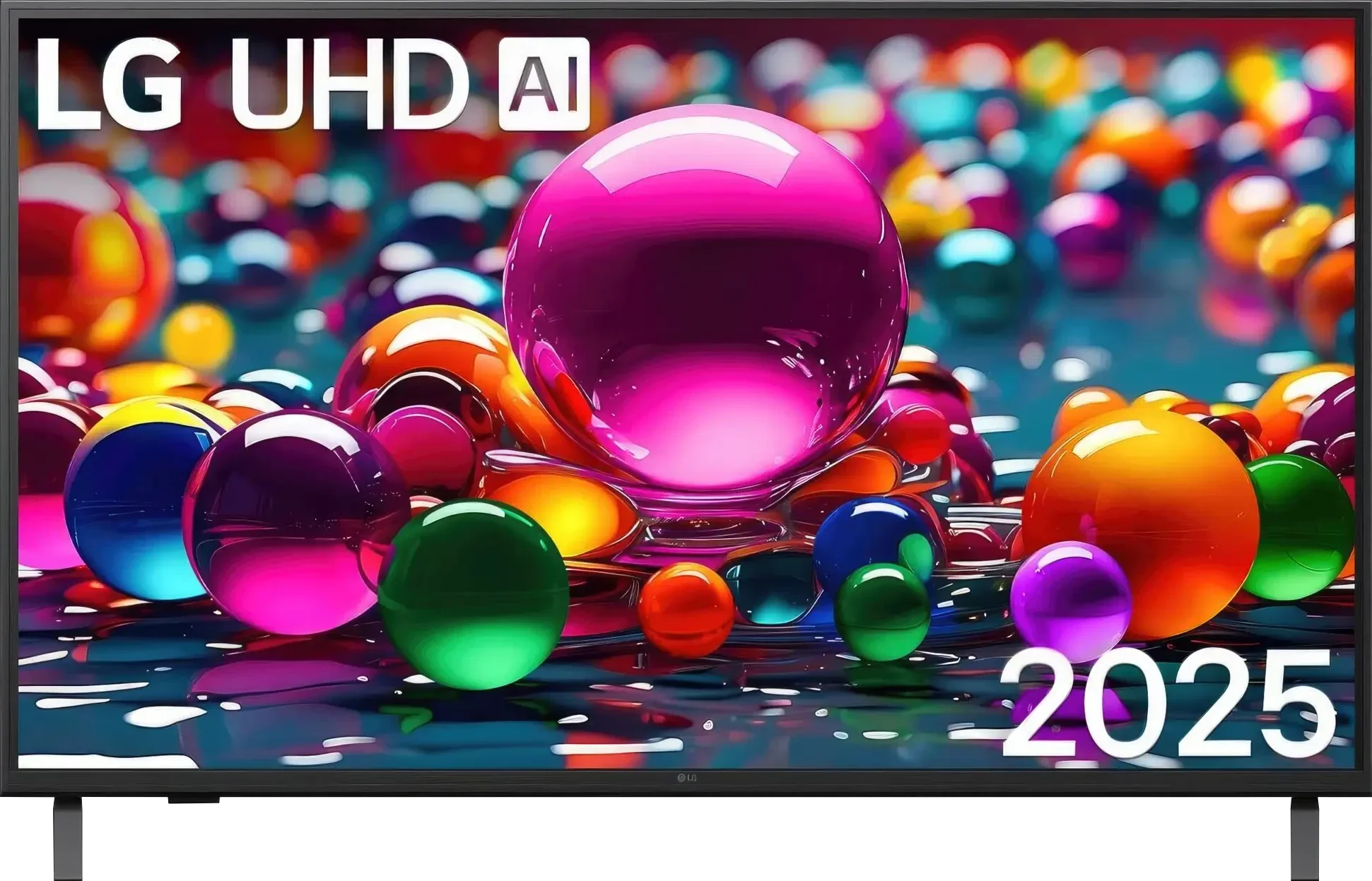
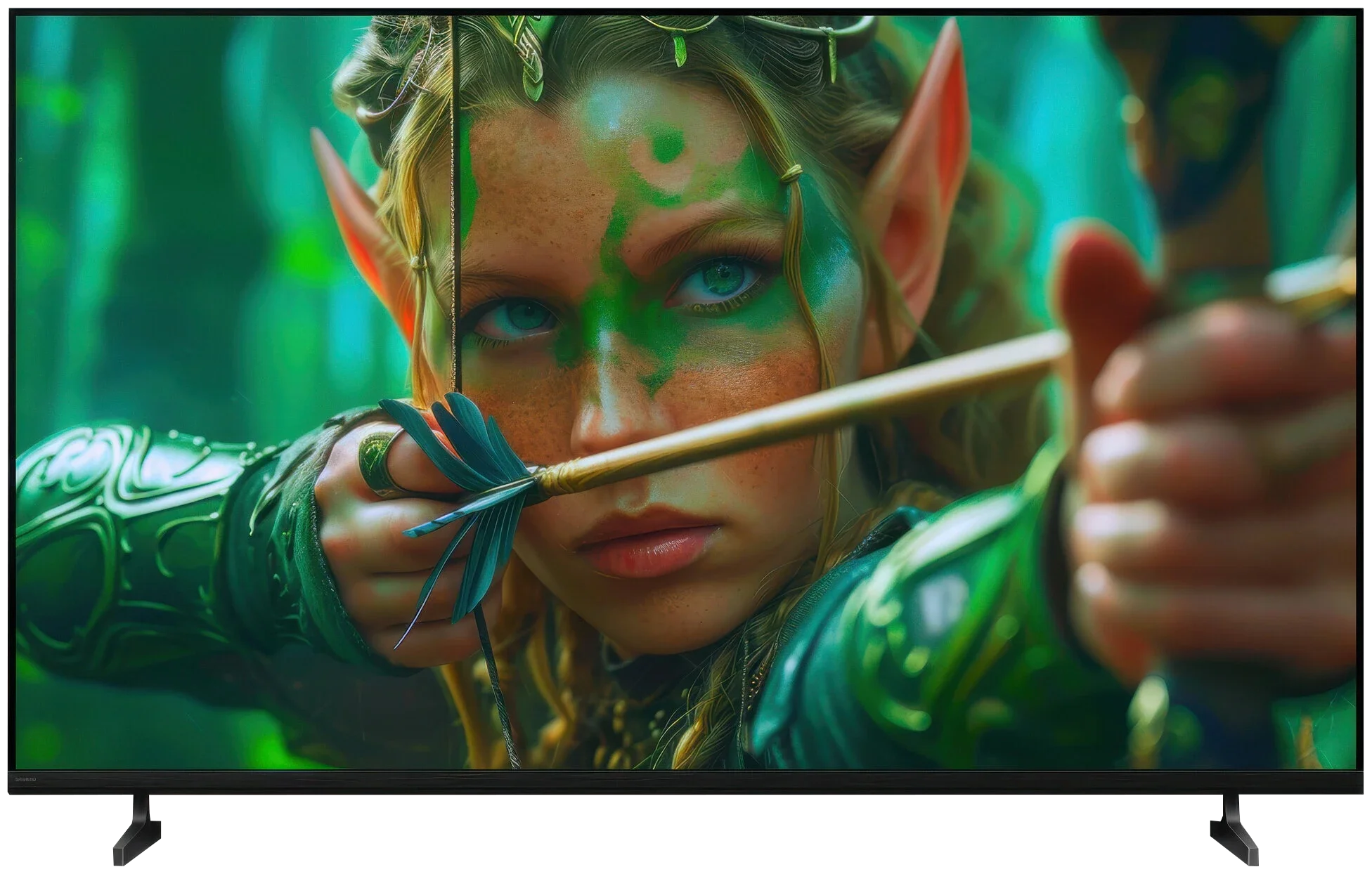
Panel type: LCD IPS
Resolution: 3840x2160
System: WebOS
Model year: 2025
Panel type: LCD IPS
Resolution: 3840x2160
System: Google TV
Model year: 2026
Check how well they match your needs
Take the surveyOverall rating
5.6
5.8
 Movies and series in UHD quality
5.0
5.2
 Classic TV, YouTube
4.8
5.2
 Sports broadcasts (TV and apps)
5.1
5.5
 Gaming on console
6.7
6.2
 TV as a computer monitor
6.0
6.0
 Watching in bright light
4.0
4.8
 Utility functions
7.0
6.6
 Apps
9.1
9.6
 Sound quality
6.0
6.1
Complete the survey to find out what fits your preferences
Advantages

Wide viewing angles, the image doesn't lose colours as much from the side
Very good readability of fonts when working with a PC (chroma 4:4:4)
Ability to record to USB from built-in tuners
WebOS with a large selection of apps and support for AirPlay
Low input lag (below 10 ms)
Friendly for the "casual gamer": ALLM, VRR (48–60 Hz), Game Bar, HGiG
Very good viewing angles (IPS panel)
Google TV with a huge selection of apps
Chromecast and AirPlay
Low input lag
Very good USB file player
Supports audio formats: Dolby (Atmos, TrueHD, Digital), DTS (X, HD)
Two remotes included
Disadvantages

Very poor black levels and low contrast (approx. 1000:1)
Low brightness (approx. 250 nits), image easily washes out in daylight
Lack of dynamic HDR formats (Dolby Vision, HDR10+)
Pretty plasticky casing and no Magic remote included in the package
Too expensive for what it offers!
Very poor black levels and low contrast (IPS panel)
Low brightness of around 320 nits
No support for dynamic HDR formats (Dolby Vision, HDR10+)
Panel limited to 60 Hz
Very limited gaming capabilities
Our verdict
The Sony Bravia 2 II is a TV that’s best suited to simple, everyday use. And we suspect many people will pick it mainly for Google TV. The system gives access to a huge number of apps and streaming services, and you also get Chromecast, AirPlay and convenient voice search. The TV itself may not run as fast as pricier Sony models, but in terms of functionality there’s little to complain about. Importantly, for regular viewing the picture quality is quite decent. The Bravia 2 II handles SDR material especially well — ordinary broadcast TV, YouTube and a lot of older films and series. The out-of-the-box Cinema mode is sensibly tuned, colours look natural and, without much fiddling with the settings, you can just start watching. And that’s where the Bravia 2 II shows its strengths — as a simple smart TV for daily use, rather than a set that aims to dazzle with panel performance.
However, you have to remember that the “Bravia” badge on the case doesn’t automatically mean great picture quality. The Bravia 2 II uses an IPS panel with very low contrast, and that’s its biggest problem. In daylight it’s not so noticeable, but turn the lights off in the evening and black starts to look more like dark grey. Of course, in return you get good viewing angles, so if the TV sits in a large living room and several people watch from different spots, IPS has an advantage. But that comes at the cost of weak blacks. This TV isn’t designed for HDR impact or for more demanding gamers either. Around 300 nits of brightness and a narrow colour gamut mean HDR content doesn’t show much more than SDR. A 60 Hz panel and the lack of broader gaming features also make it clear that gaming isn’t a priority for this model.
And that wouldn’t be a major issue, because we expected that from an entry-level Sony. The biggest problem for the Bravia 2 II, though, is the price. For similar money you can easily find competitor TVs, especially Korean and Chinese brands, that already offer a lot more, ranging from 120 Hz panels to Mini-LED backlights with local dimming. So the Bravia 2 II isn’t a bad TV in itself. It’s simply too expensive for what it offers. If its price were noticeably lower, it would make much more sense as a basic TV for everyday viewing.
TV appearance
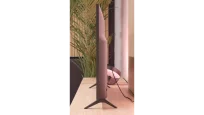
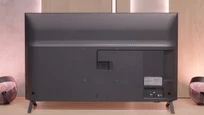
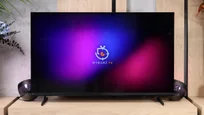
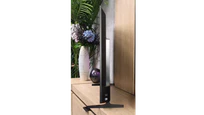
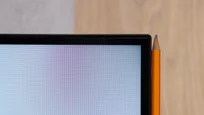
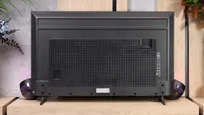

Contrast and black detail
1.9/10
2.7/10
Local dimming function: No
Local dimming function: No
Contrast:


Result
1,100:1

Result
1,050:1

Result
800:1

Result
900:1

Result
1,050:1
Result
1,150:1
Result
1,200:1
Result
1,450:1
Result
1,400:1
Result
1,100:1
Halo effect and black detail visibility:
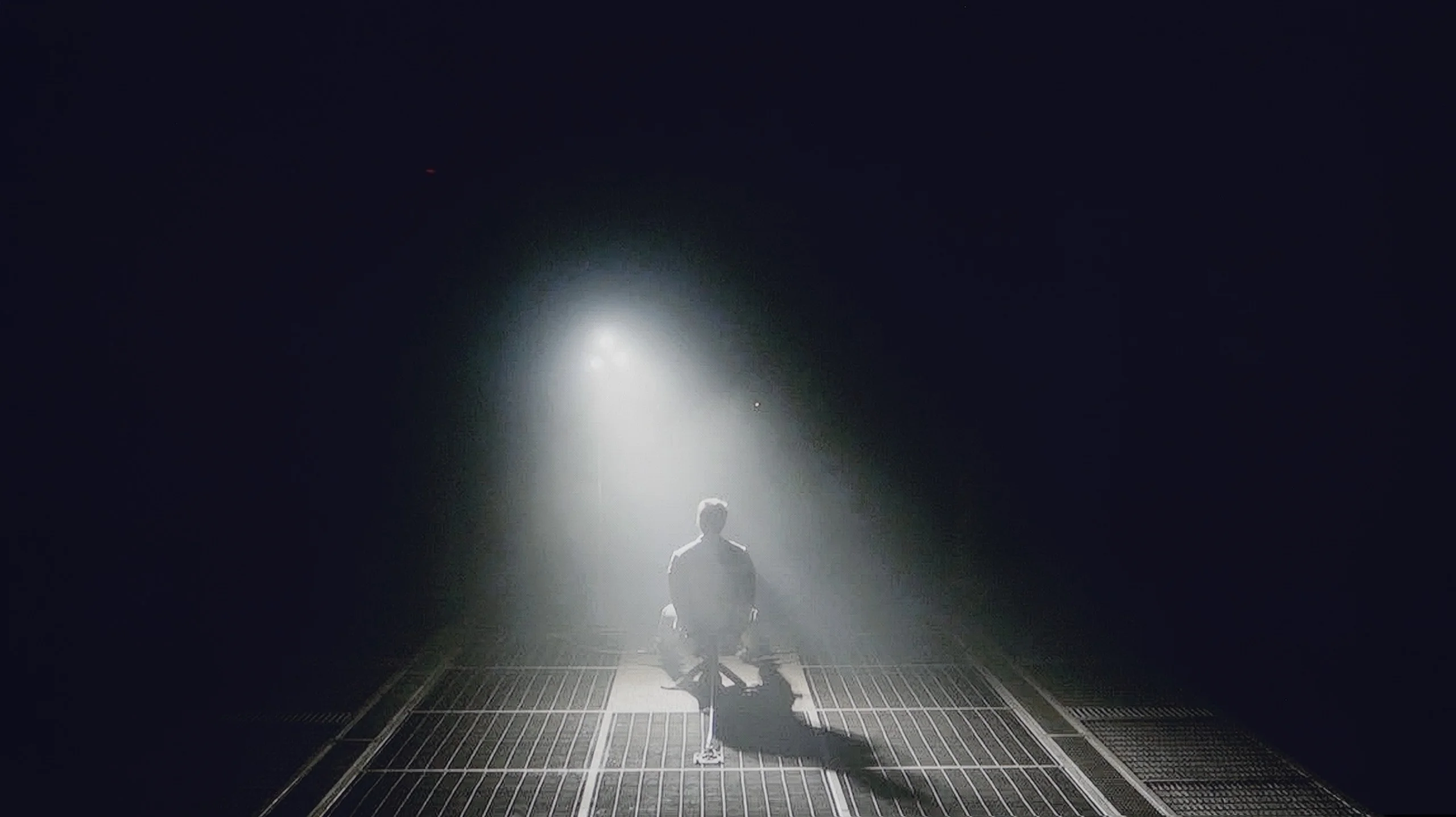
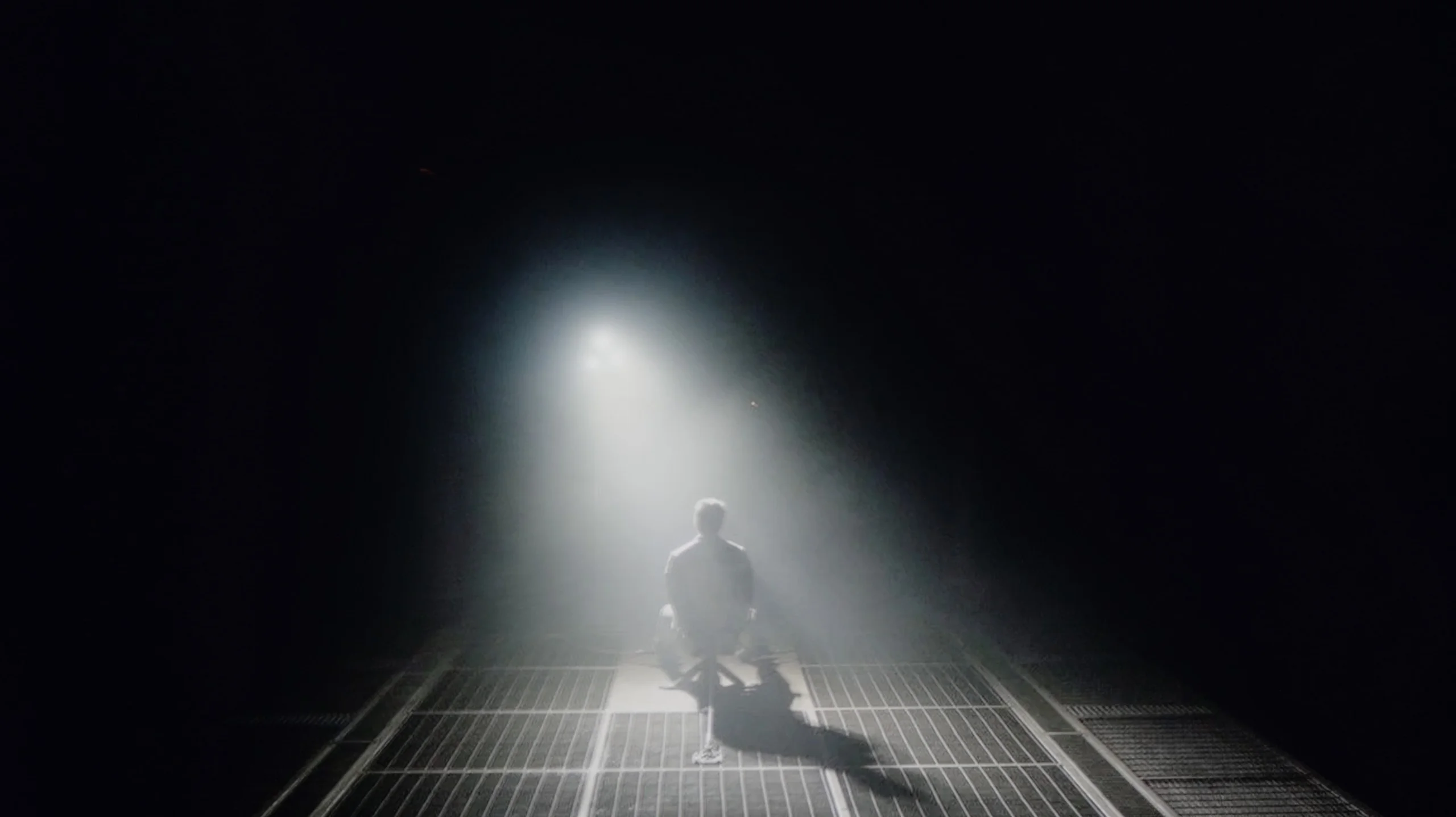
Check the visibility of bright lights on a dark background. Mini-LEDs often struggle with this. The photo does not compare black levels – that’s what the video below is for.
The video accurately shows differences in contrast and black levels between TVs, as well as potential issues: halo around bright objects or Mini-LED zone operation visible as brightness jumps.
In the case of IPS panels, the situation is completely different compared to the VA panel version. The contrast hovers around 1000:1, which means that blacks are rather muted and resemble a shade of grey. During evening viewing, it's hard to talk about a cinematic atmosphere, as the screen cannot separate the bright and dark parts of the image as distinctly as the VA variant does. However, we do get wide viewing angles, which work well in larger groups, when everyone is watching the TV from different spots in the lounge. It's a compromise that not everyone will appreciate, but in a bright room, when watching TV during the day, it performs definitely better than during night sessions. Because it's during the night sessions that the smallest variant, the LG UA7500, simply doesn't cope.
When it comes to black levels, the Bravia 2 II unfortunately doesn't have much going for it. Sony has used an IPS panel here, which offers one of the lowest native contrasts among LCD panels. In our measurements we saw figures around 1,100:1 to 1,450:1, and unfortunately that's very noticeable when watching. Additionally, the TV lacks any local dimming, so it can't darken only the parts of the screen that should remain dark. In practice, this means that once the lights go out, blacks very quickly shift toward grey and navy. In scenes such as Oblivion or Sicario 2, instead of a deep background we get a noticeably brightened image, which takes away a lot of the atmosphere from evening viewing. Of course an IPS panel also has the advantage of better viewing angles, but in this respect it's hard to call that sufficient compensation. If you're looking for a TV primarily for watching films at night, the Bravia 2 II simply isn't a model we could recommend.
HDR effect quality
3.7/10
4/10
Luminance measurements in HDR:

Result
250 nit

Result
225 nit

Result
261 nit

Result
160 nit

Result
269 nit
Result
294 nit
Result
307 nit
Result
329 nit
Result
330 nit
Result
325 nit
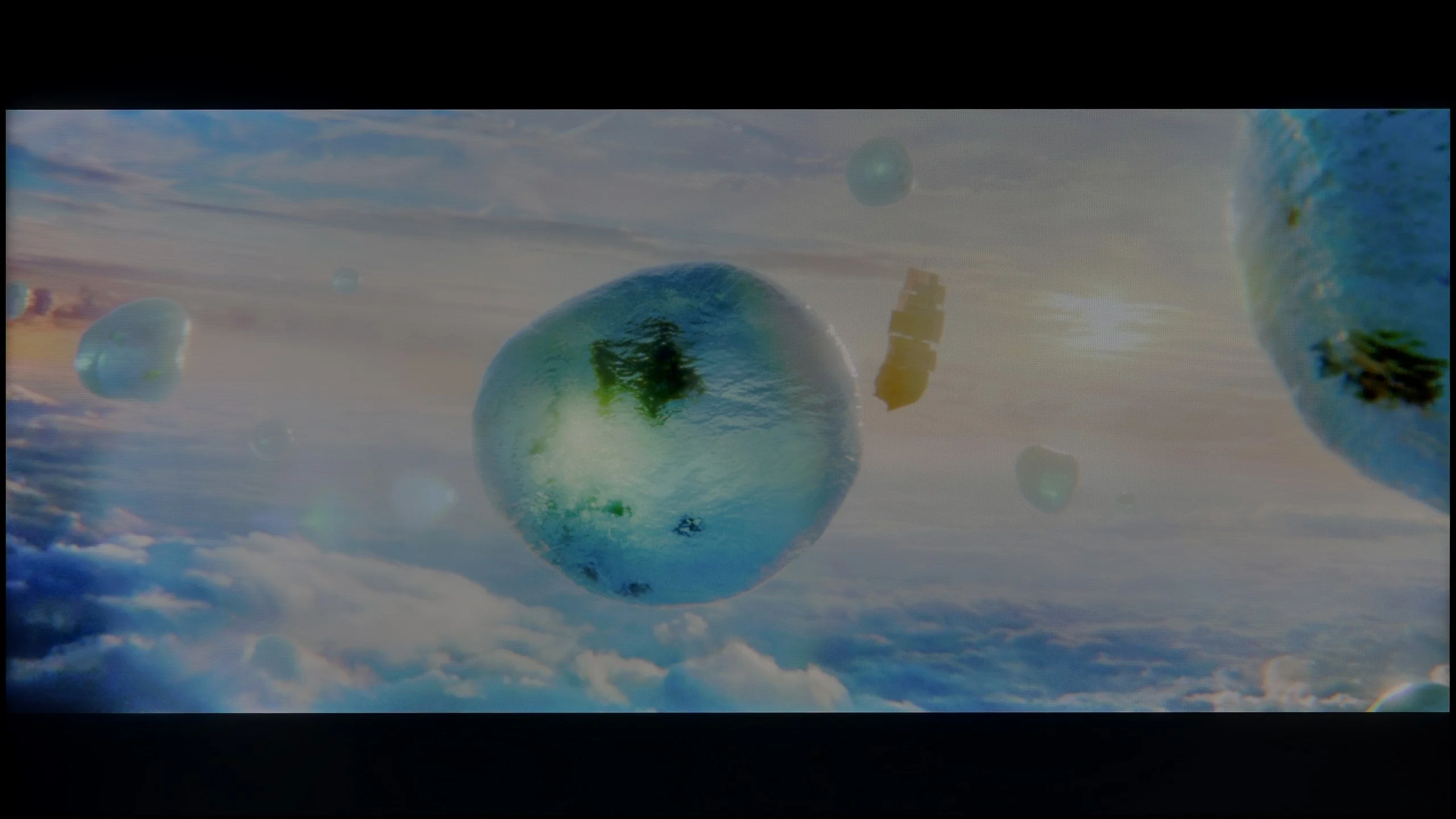
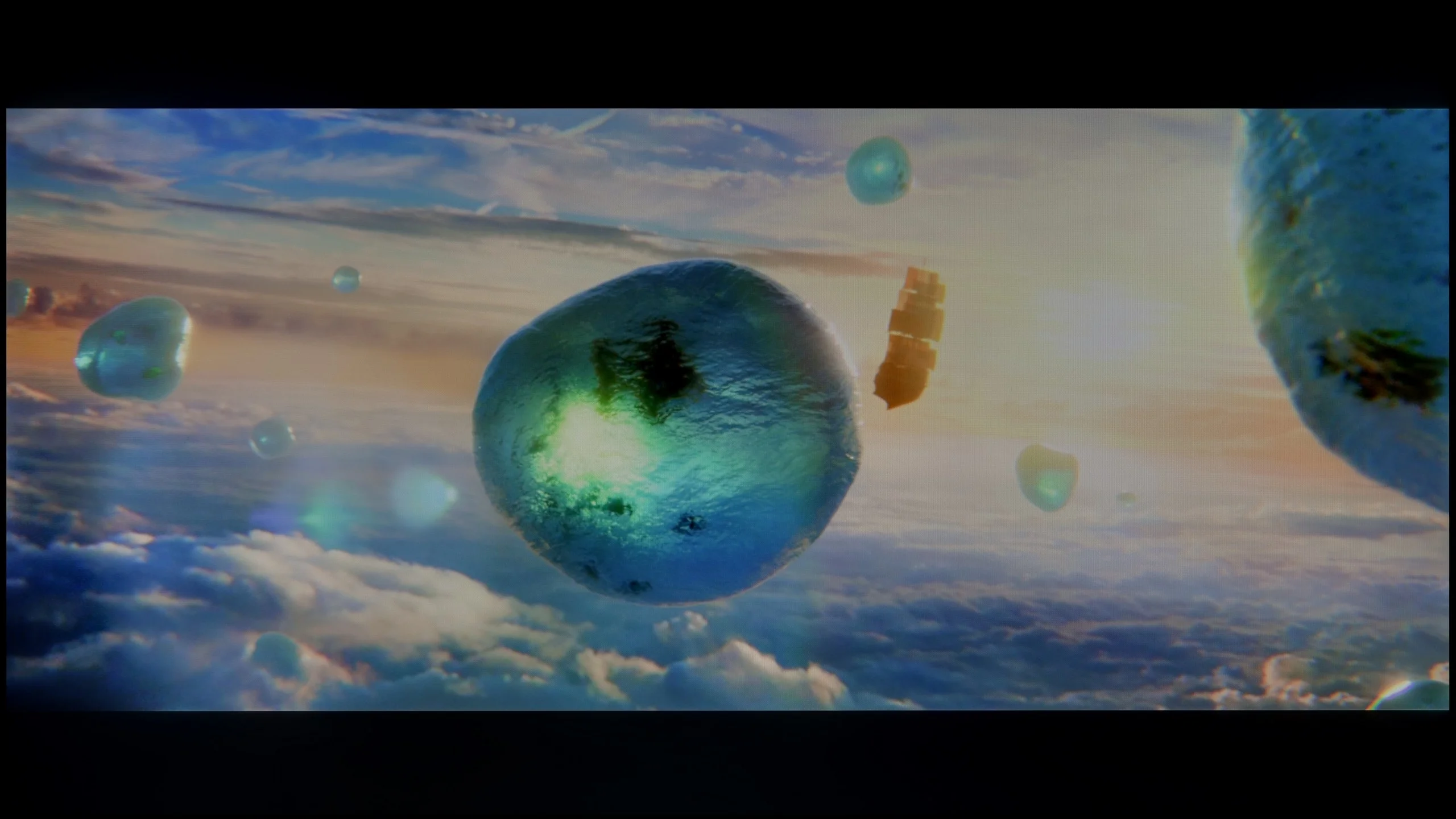
Scene from the movie “Pan” (about 2800 nits)
Scene from the movie “Billy Lynn” (about 1100 nits)
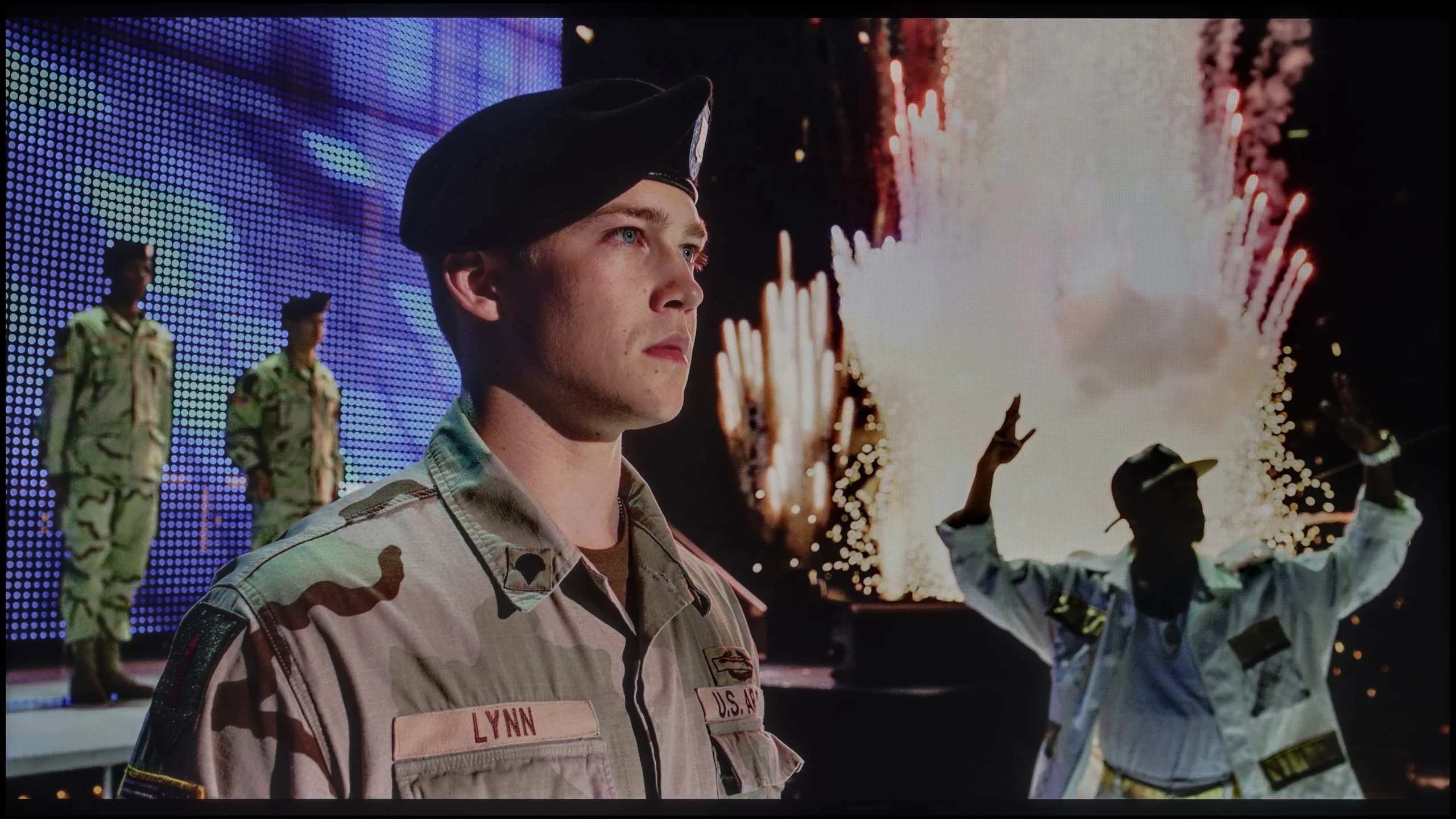
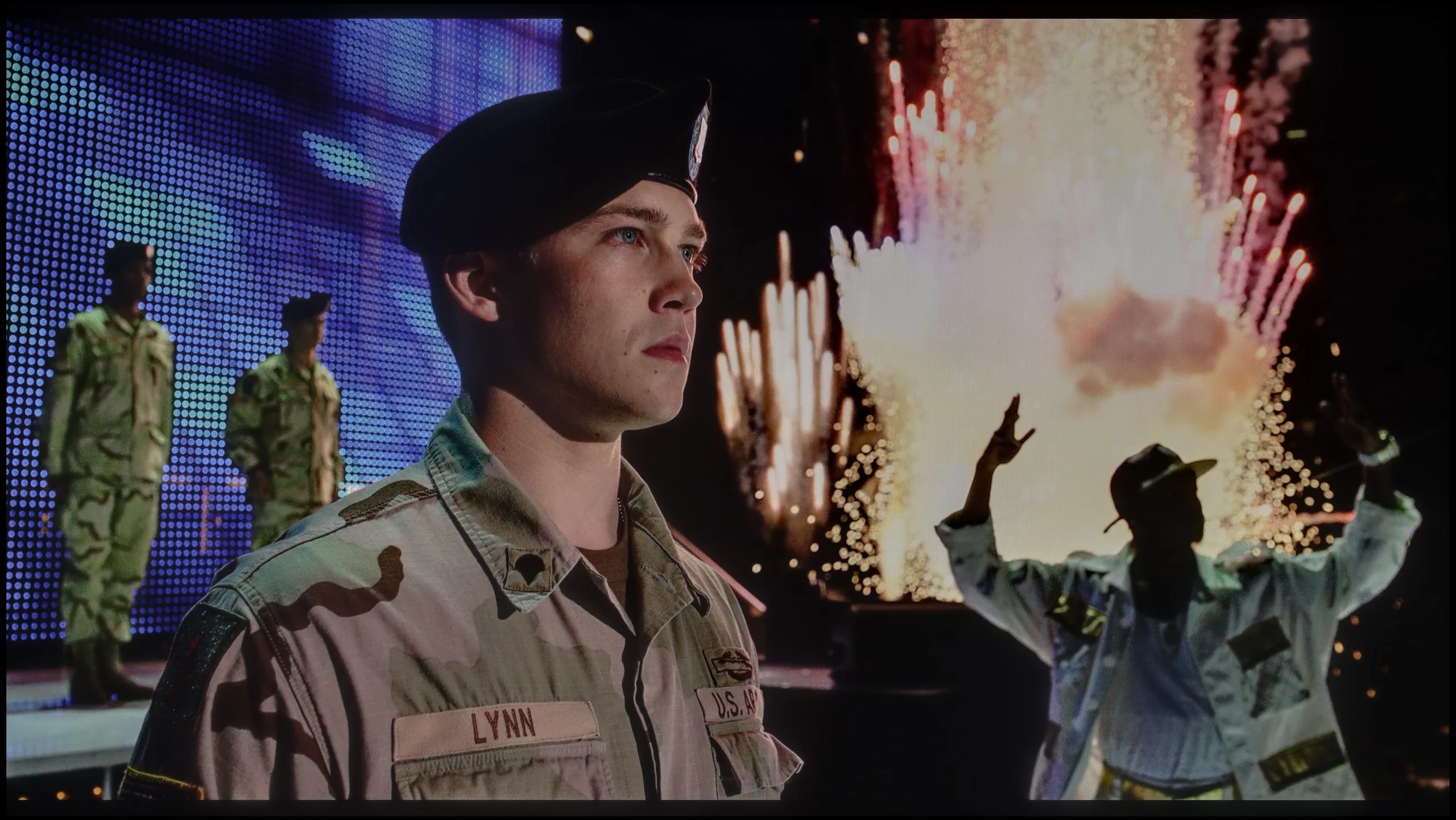
The photos show two HDR10 movies. 'Pan' is one of the brightest productions ever made, while 'Billy Lynn' (soldier) has brightness typical of streaming (Netflix, Prime, HBO MAX). Notice the intensity of effects and detail in whites.
Static HDR10


The photos present the visibility of white details in various HDR formats. They do not show brightness differences between TVs (these can be compared in the previous gallery).
HDR luminance chart:
Sony BRAVIA 2 II (S25M2)
LG UA75006LA (IPS)
It looks even more modest in the version with an IPS panel, where the peak brightness only reaches 250 nits. In practice, this means that a real sense of HDR effect is out of the question, and the materials being viewed resemble regular SDR. Similar to VA panels, the image behaves stably across most test patterns, but in demanding scenes with fine details, the television tends to slightly dim the picture. As a result, blacks appear a bit better, but at the cost of losing detail in bright elements. The absence of additional colour filters is also noticeable here. The UA7500 in the IPS version is neither a QLED nor a PFS LED panel, and the DCI-P3 colour gamut stops at 80%, which means that HDR films lack significant colour depth and appear quite flat.
Sony Bravia 2 II isn't a particularly bright TV and unfortunately that's immediately obvious in HDR. In our measurements brightness stayed around 300 to 330 nits, which is far too low for the brightest parts of the image to look truly impactful. In practice HDR here doesn't differ that much from regular SDR. Bright highlights, the sun or lamps are of course visible, but they lack the intensity you'd expect from HDR content. The Bravia 2 II is therefore much better suited to standard SDR material, where its limited brightness will be least noticeable.
Colour gamut coverage
The Sony Bravia 2 II also doesn't impress when it comes to colour. The TV doesn't use any extra gamut-expanding filter, such as the quantum dots found in QLED sets or a PFS phosphor layer. In our measurements it covered about 78% of the DCI-P3 gamut and roughly 57% of the very wide BT.2020. That's definitely too little to deliver truly saturated colours in HDR material. More intense reds, greens or turquoises will simply be less striking than on TVs with an expanded colour gamut. The Bravia 2 II is much better matched to the standard Rec.709 gamut used for films, series and SDR broadcast.
Factory color reproduction
5.6/10
5.3/10
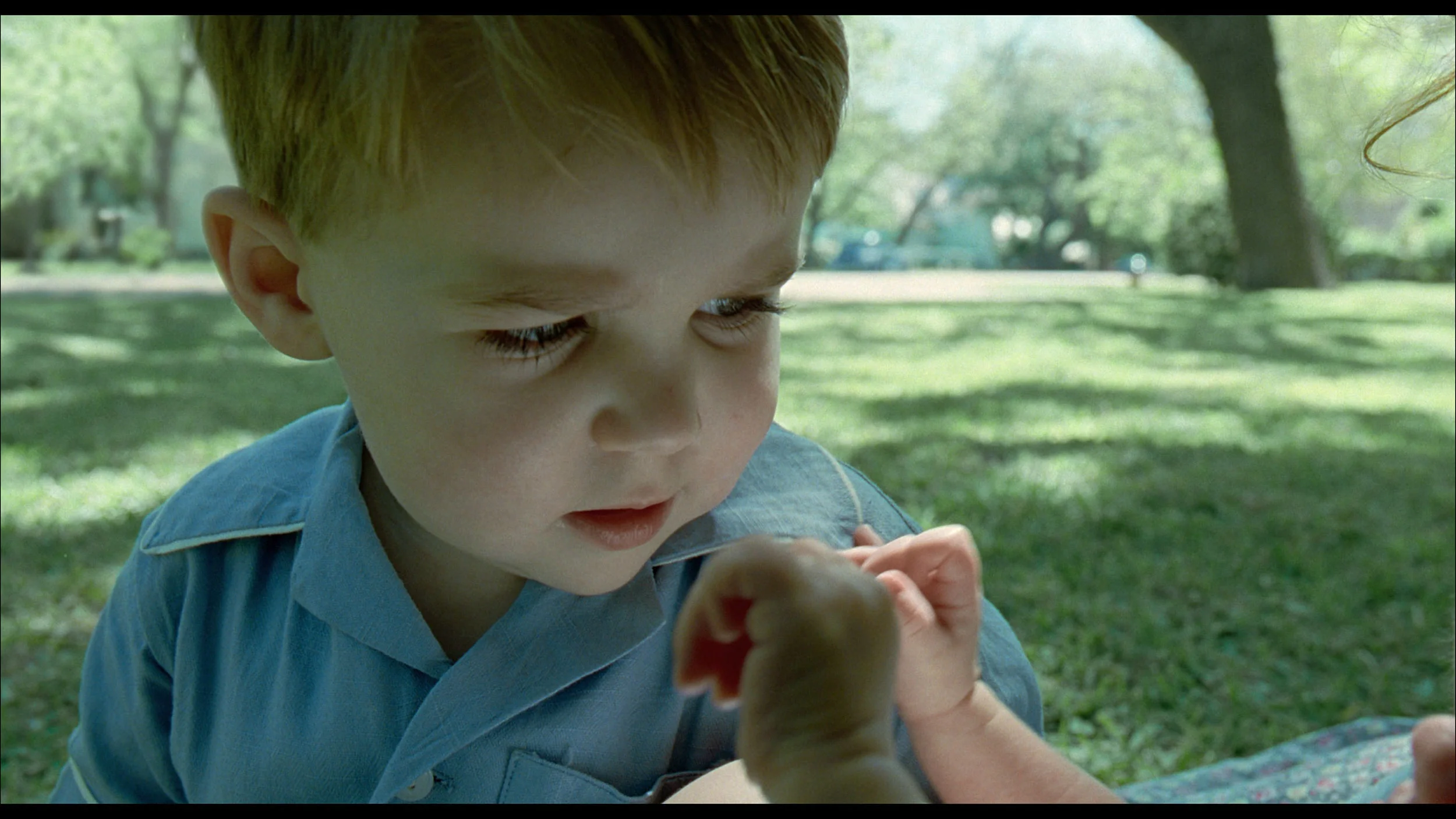
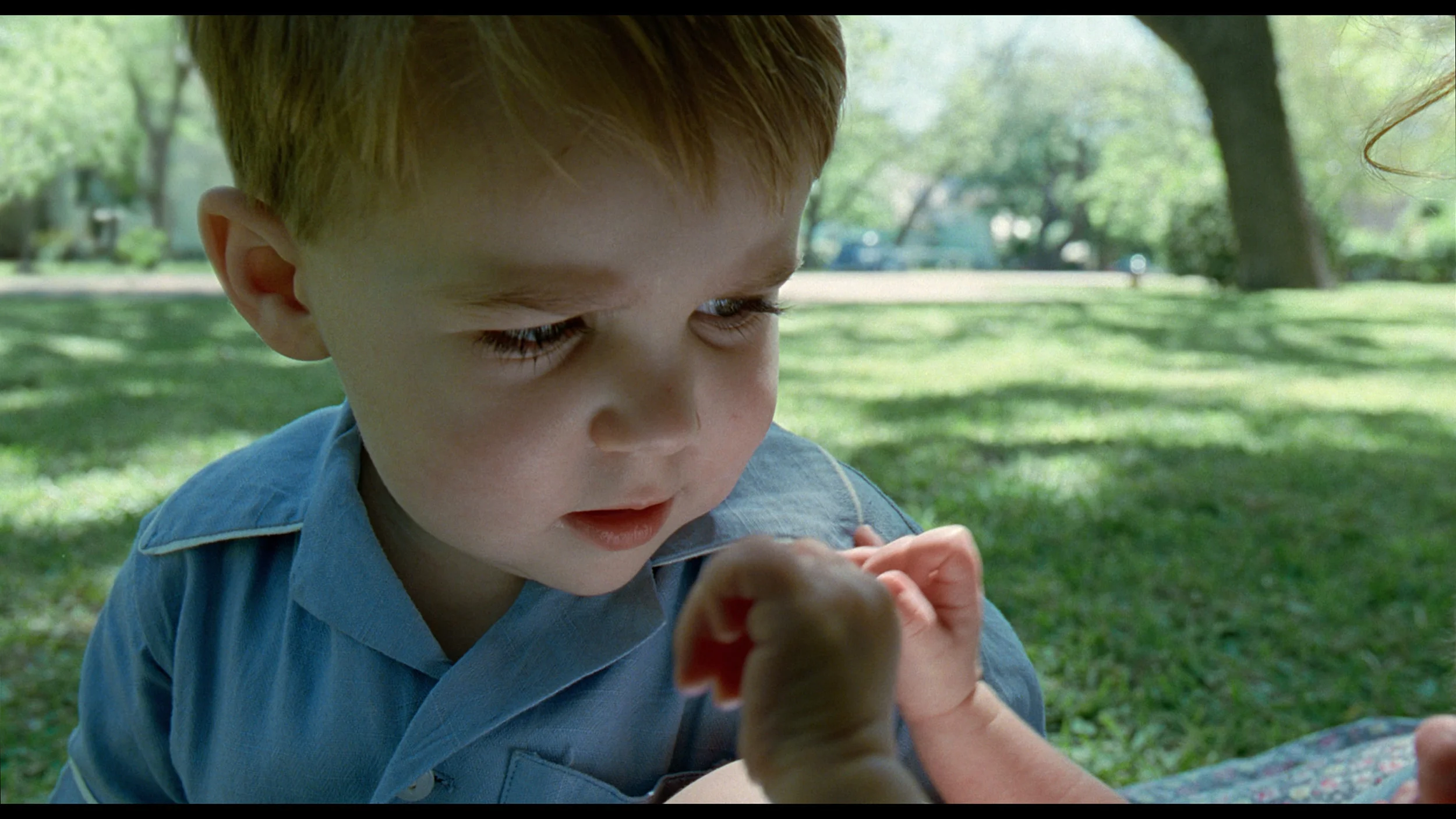
This illustrative image shows how colors change after professional calibration. If you can see the difference, you can order it from SkalibrujTV – it's our own service.
Factory mode
After calibration


This illustrative image shows how colors change after professional calibration. If you can see the difference, you can order it from SkalibrujTV – it's our own service.
Factory mode
After calibration
The Filmmaker mode on the LG UA7500 performs better than you might expect from such a budget television, but let’s not get carried away with admiration. The picture is put together quite sensibly and at first glance is not irritating; however, its weaknesses quickly become apparent. This is most noticeable in scenes with bright points – lamps in the background or reflections of light on skin are clearly oversaturated. The faces of characters often appear unnatural, as if they have been "blown out." Additionally, the default gamma setting brightens even the slightest details and causes the picture to lose subtlety in the darker areas. That said, for its price range, the UA7500 in factory mode provides a pretty decent starting point. However, it is clear that without additional adjustment, these issues won't be avoided, which is why – as with other televisions – we decided to see what could be achieved after calibration.
The out-of-the-box colour reproduction in Kino mode was really quite good, at least for ordinary SDR material. The Bravia 2 II had a slight tendency to boost reds, which made some colours lean a bit warmer, at times with a faint pinkish tint. That wasn't a major fault and during normal viewing the picture still looked fairly natural. There was a bit more going on with image brightness. Looking at the gamma curve, Sony doesn't stick perfectly to the reference value. The darkest areas are slightly lifted, while as brightness increases the gamma gradually rises and a large part of the image becomes darker than it should. However, the difference isn't big enough to seriously bother during everyday watching. Overall, SDR straight out of the box performs quite decently.
The situation is much worse in HDR. We've already mentioned the limited colour gamut, but on top of that the Bravia 2 II quite aggressively manipulates image brightness. The EOTF curve sits below the reference for much of the range, which means the TV renders most mid and brighter parts of the scene darker than the source material intends. Only towards the very end of the range does the curve flatten out, as the panel reaches the limits of its capabilities. Combined with a peak brightness of around 300 nits, this gives HDR that not only lacks much punch but can simply look too dark.
Color reproduction after calibration
7/10
7/10


The photos show how movies look on the TV. Pay attention to black detail visibility, colors, and shadow tint.


The photos show how movies look on the TV. Pay attention to black detail visibility, colors, and shadow tint.
The biggest improvement we noticed was when calibrating the mode intended for everyday SDR content. We managed to smoothly adjust the white balance in an acceptable manner and tame the issue of excessive brightening of small elements due to the gamma characteristics. As a result, the image gained consistency and a naturalness that was lacking in the factory settings. After such a correction, we can confidently say that for everyday television content, programmes, or materials from YouTube, the LG UA7500 performs really well – especially after professional calibration. The situation is somewhat different for HDR content. Here, calibration did manage to tame the white balance and slightly improve brightness management, however, the design limitations are immediately apparent. The lack of additional filters that expand the colour palette means that the most vibrant colours appear flat, and the image lacks the intensity one would expect from good HDR. In SDR, the UA7500 performs quite well, but in HDR – despite the corrections – it remains far behind, and this is a characteristic that one must accept when choosing this television.
Calibration did a lot for the Bravia 2 II, especially with SDR content. Above all, we managed to even out the white balance and tidy up the gamma, which now stays much closer to the reference value. As a result, the image no longer has the earlier pink cast, and the brightness across different areas is much better organised. You can also see it in the colour errors, which after calibration dropped to a very low level (with only minor issues in the most saturated reds).
We also partly managed to rein in the Bravia 2 II in HDR, especially in the way the TV handles image brightness. However, there is one thing no calibration can fix: the panel's capabilities. A narrow colour gamut means the TV physically can't reproduce the most saturated colours recorded in HDR content. On top of that, the low contrast of the IPS panel causes darker scenes to be covered in a grey haze, which robs colours of some of their depth. So we can improve how the Bravia 2 II uses its capabilities, but we can't overcome the panel's inherent limitations.
Smoothness of tonal transitions
8.2/10
8/10
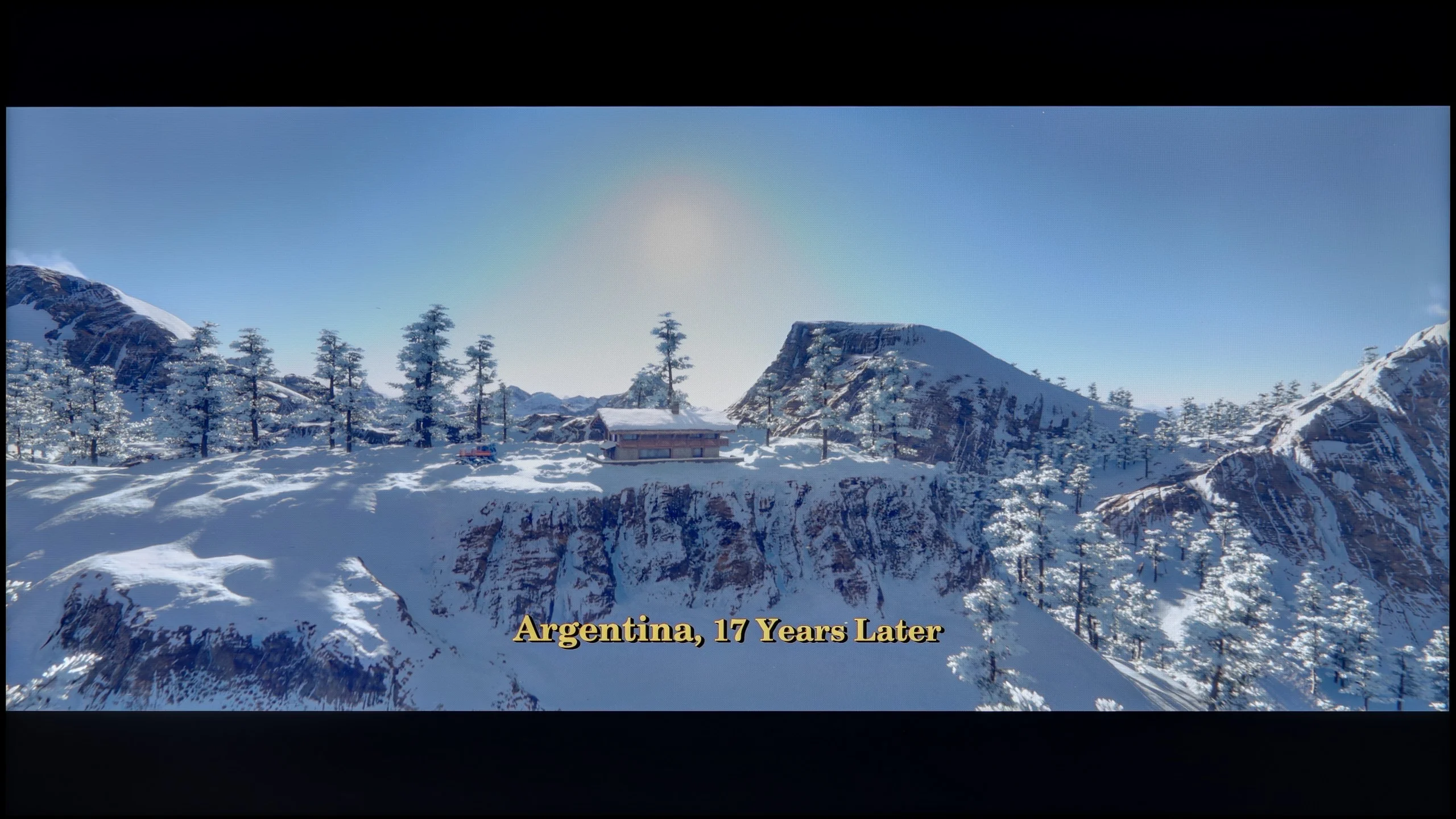

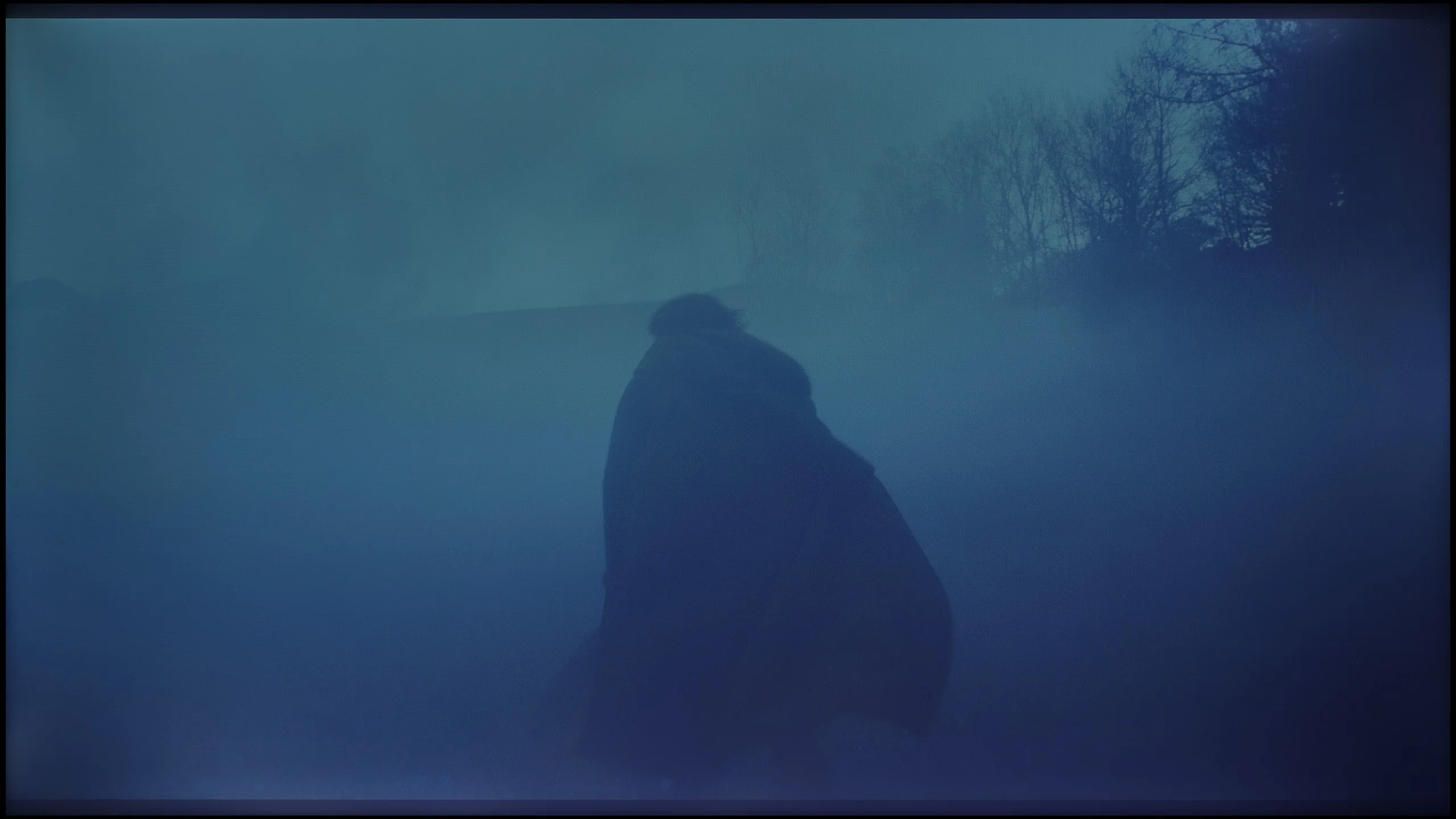
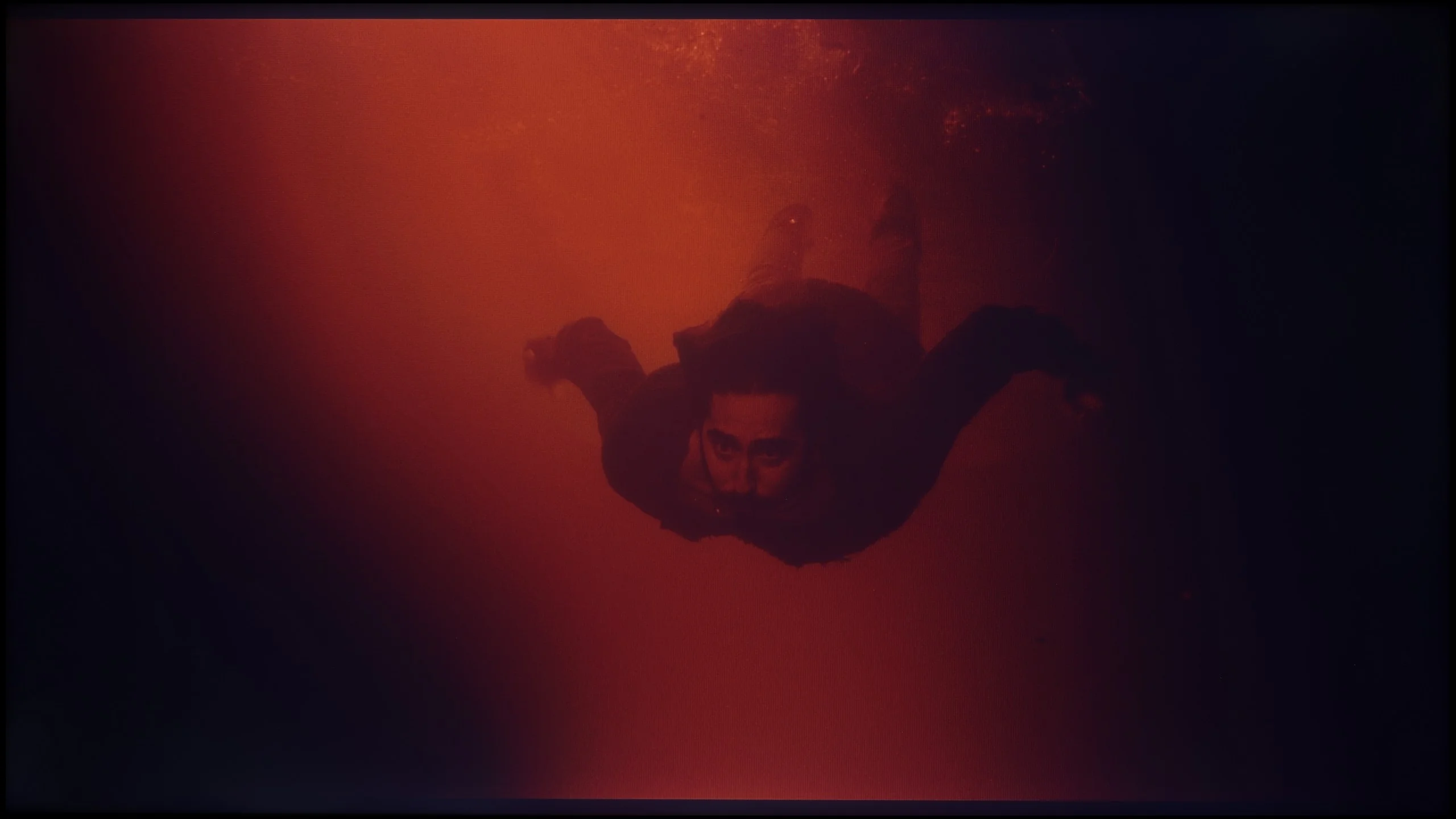
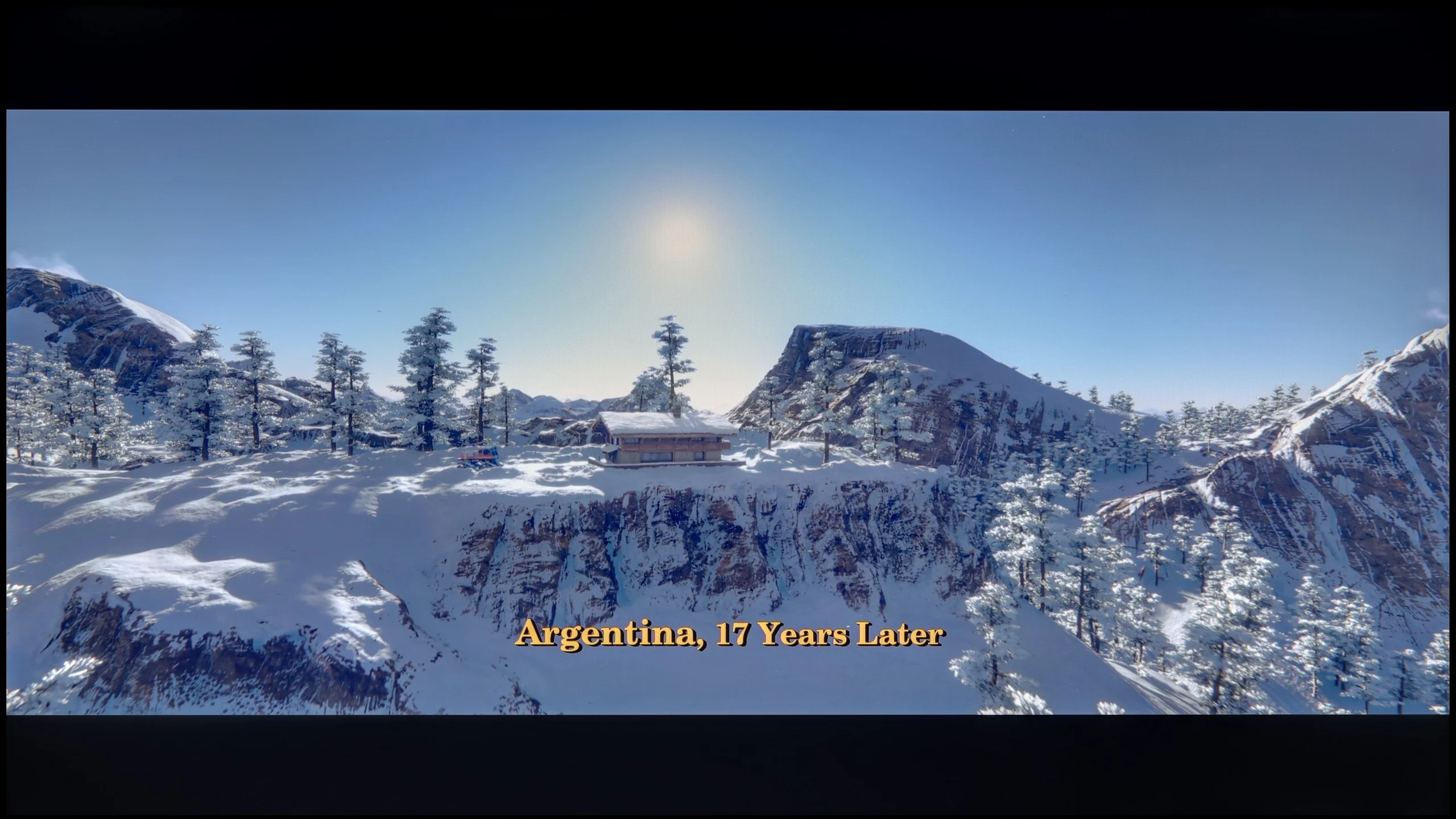
These are selected scenes that show smooth tonal transitions from one color to another. If you see distinct banding, it’s the TV panel’s fault.
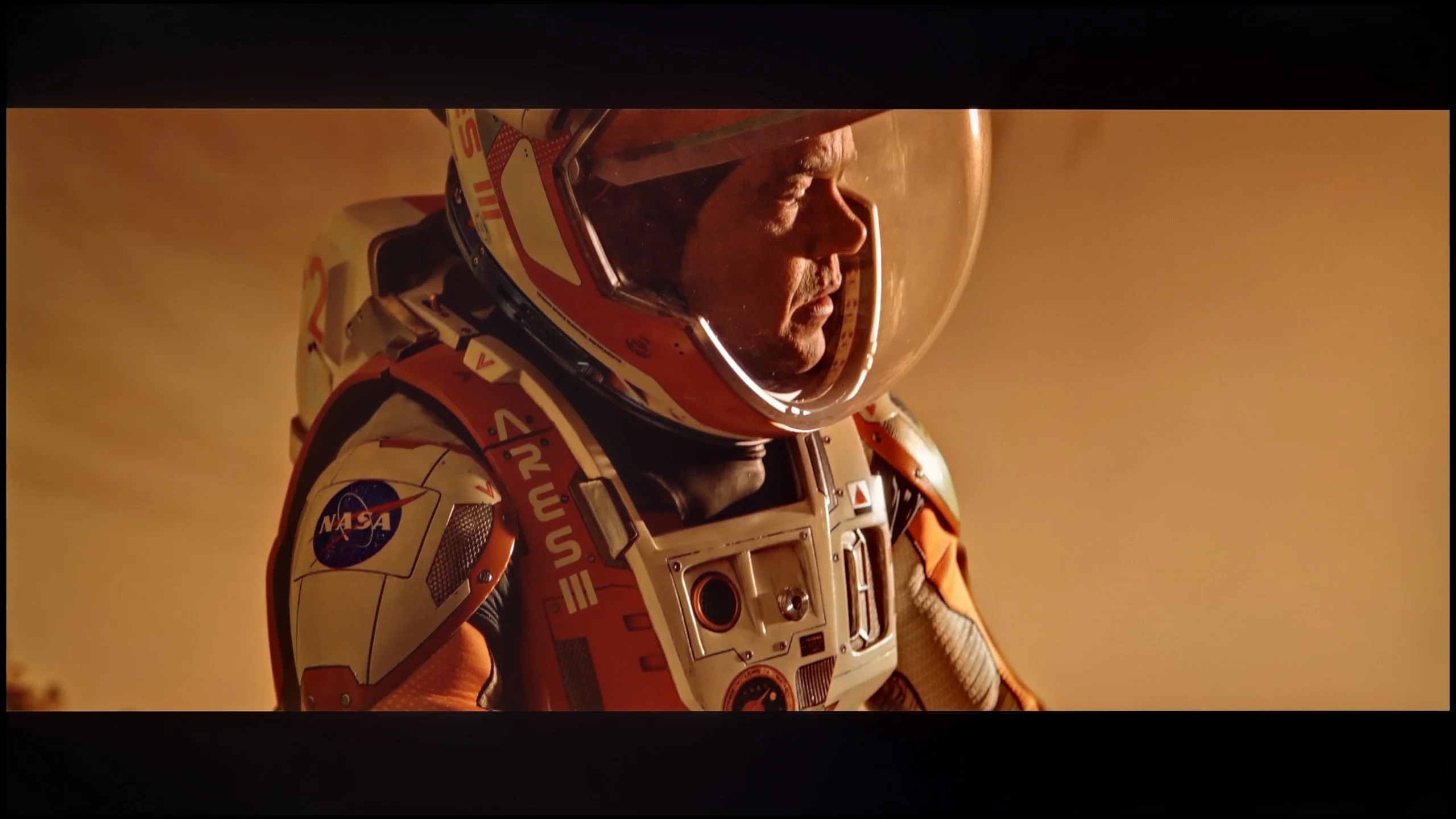
These are selected scenes that show smooth tonal transitions from one color to another. If you see distinct banding, it’s the TV panel’s fault.
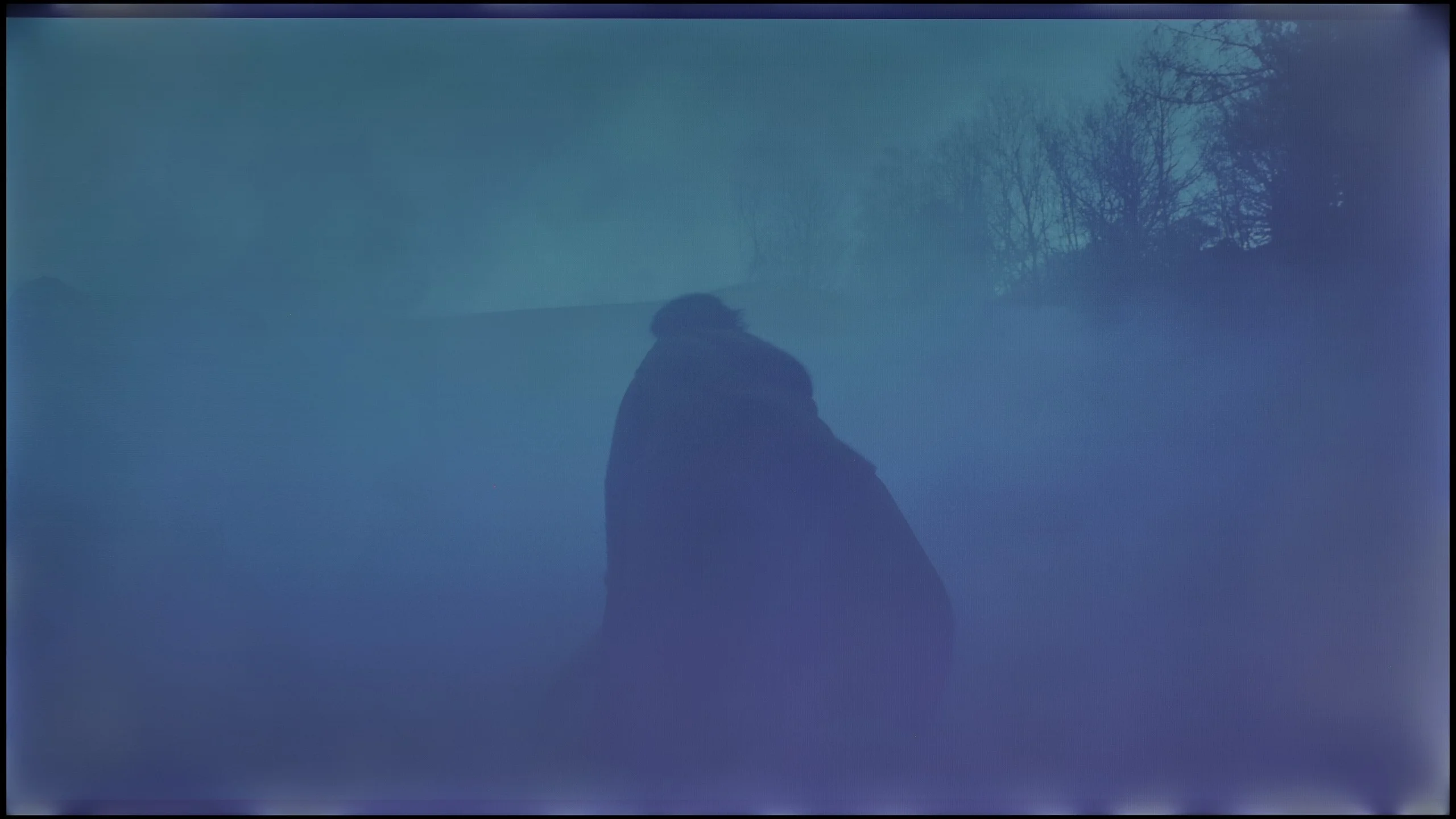
These are selected scenes that show smooth tonal transitions from one color to another. If you see distinct banding, it’s the TV panel’s fault.
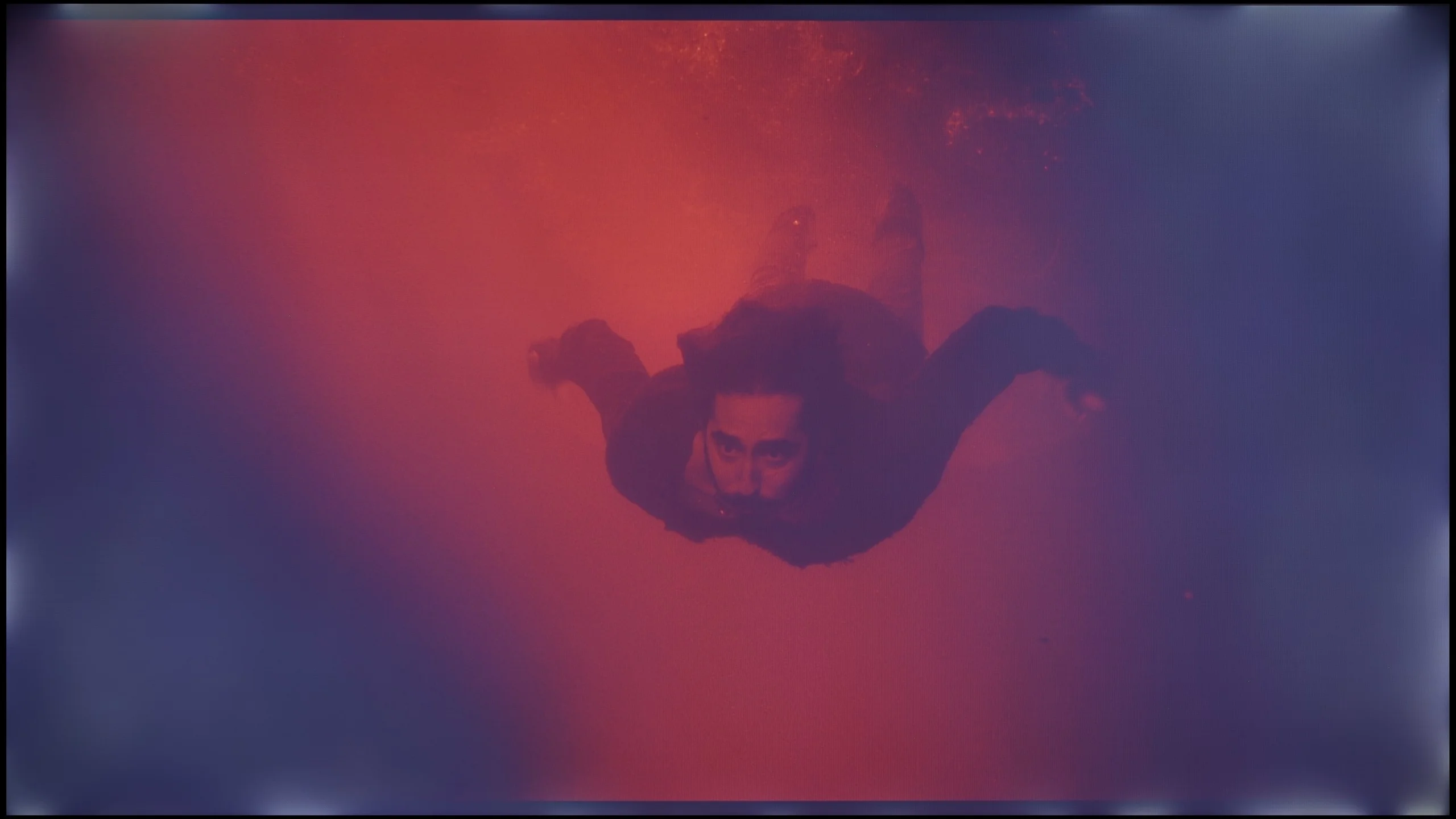
These are selected scenes that show smooth tonal transitions from one color to another. If you see distinct banding, it’s the TV panel’s fault.
In the version with an IPS panel, one can also speak of decent fluidity – in most scenes, colour transitions were smooth, and few would notice them during everyday viewing. However, it should be noted that compared to the VA variant, the image appeared more flattened, especially in darker areas, where lower contrast didn't allow for as many details to be extracted. Despite this, the colour transitions still looked acceptable and did not pose a significant problem in practice.
The smoothness of tonal transitions on the Bravia 2 II is pretty good, though it depends a lot on the scene. In brighter parts of the picture the gradation is smooth and it's hard to spot any major issues. It gets worse in very dark shots. In scenes with many dark tones you can already see distinct banding between successive shades. So it's not perfect, but with most everyday content the issue shouldn't be particularly noticeable.
Image scaling and smoothness of tonal transitions
5/10
6/10

Smooth transition function
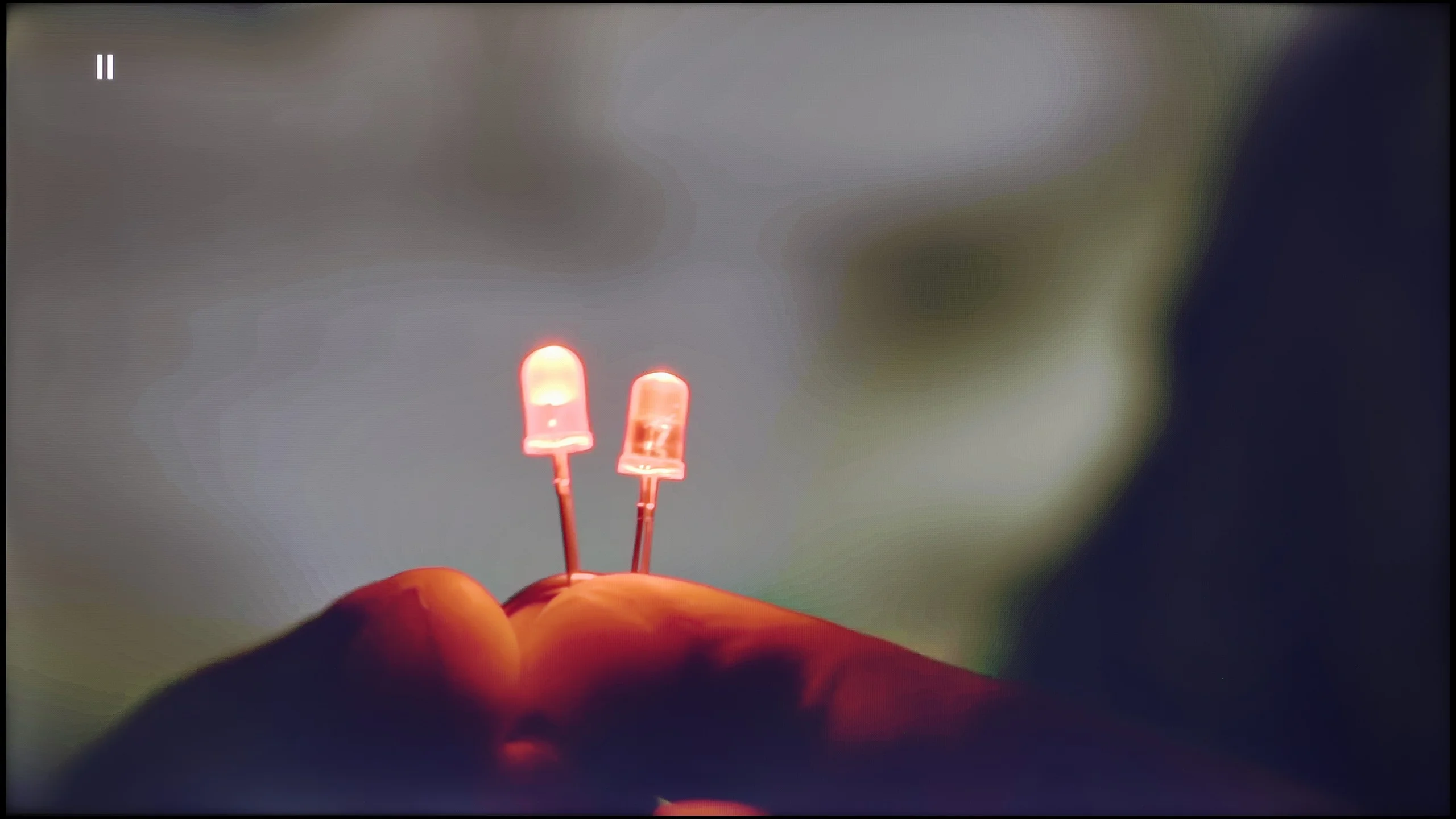
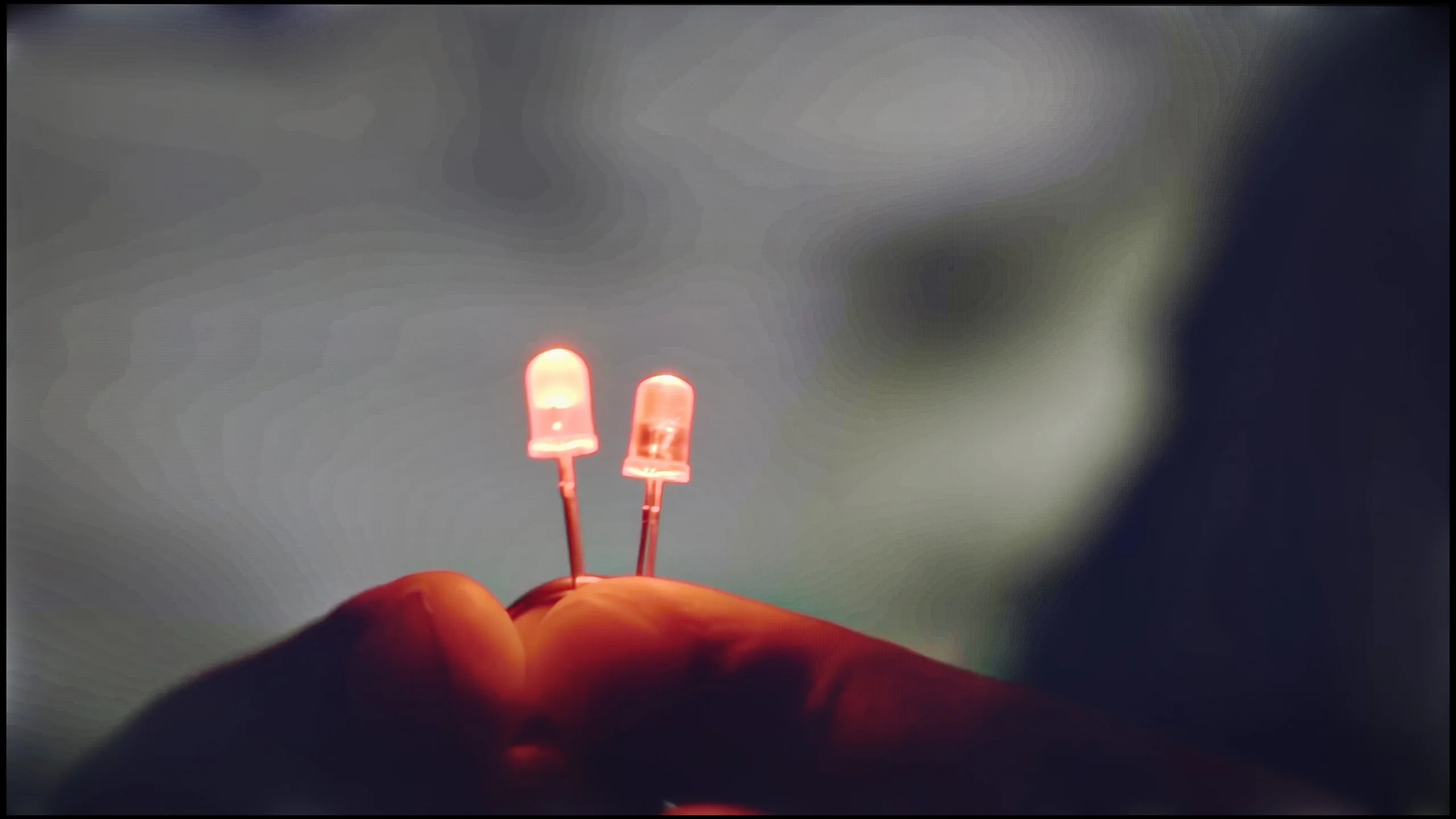
The match photo shows how the TV smooths weak tonal transitions in low-quality video.
Image scaling SD (576i)


The model photo shows how it handles upscaling of SD material.
The version with the IPS panel performed noticeably worse here. Image scaling was uneven – this was especially evident in lower quality materials, where edges became jagged and the image looked less detailed. At times, there was also a sense of slight blurriness, which took away sharpness and made the overall picture seem less refined than in the VA version. The tonal smoothing function turned out to be a rescue. On medium settings, it worked quite well – it did not ruin the image with excessive softening, while also smoothing out colours in such a way that everyday content gained consistency. The difference was particularly noticeable with TV programs or streaming materials of poorer compression quality, where the television with the function enabled presented itself much better. This is one of those additions that are worth keeping active, as they significantly improve the reception of everyday materials.
Upscaling on the Bravia 2 II performs quite well and the TV maintains the standard we've come to expect from Sony. Lower-resolution material is sensibly upscaled to 4K, and the image is slightly smoothed without excessive edge sharpening. It's less successful at dealing with content that shows visible compression artefacts. That's down to the "Digital Noise Reduction" function, which on the "High" setting can smooth some ugly banding. The problem is it does so quite aggressively and, along with the imperfections, removes a lot of fine detail, including natural film grain. What's more, when there's more motion on screen its effectiveness drops considerably and the improvement is minimal. For that reason we generally didn't use this feature for everyday viewing.
Blur and motion smoothness
4.5/10
5/10

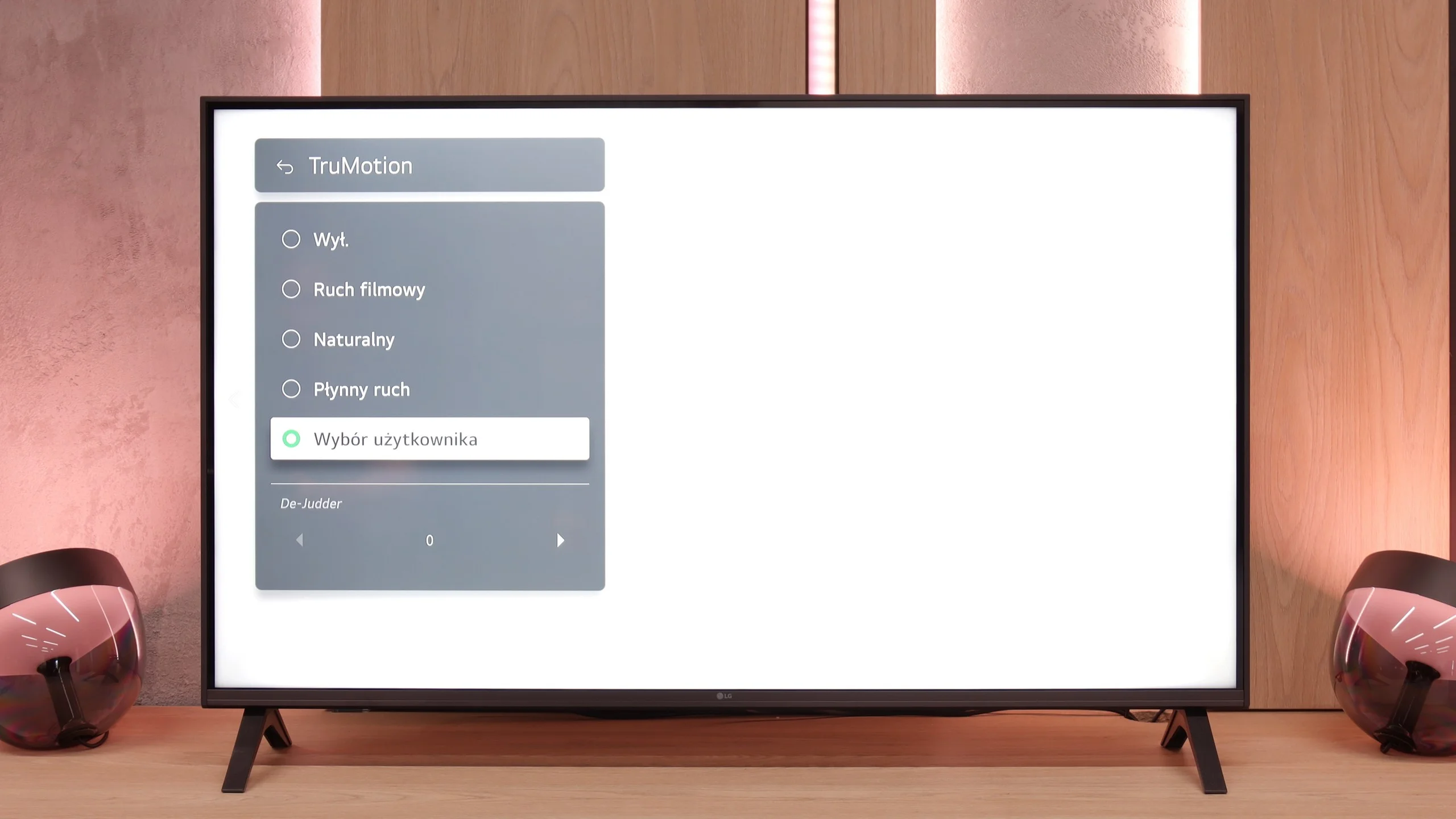
Blur (native resolution, maximum refresh rate):
Blur (BFI function enabled):
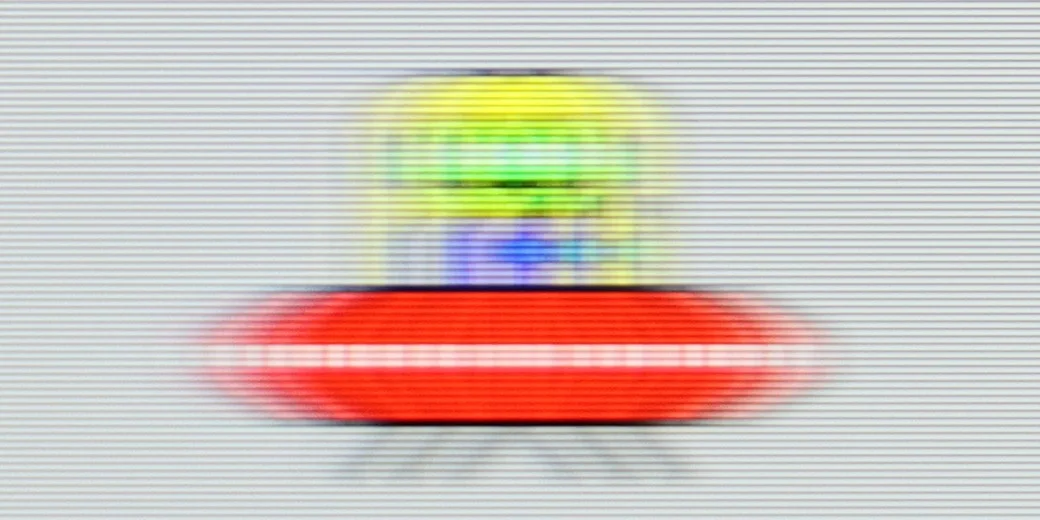
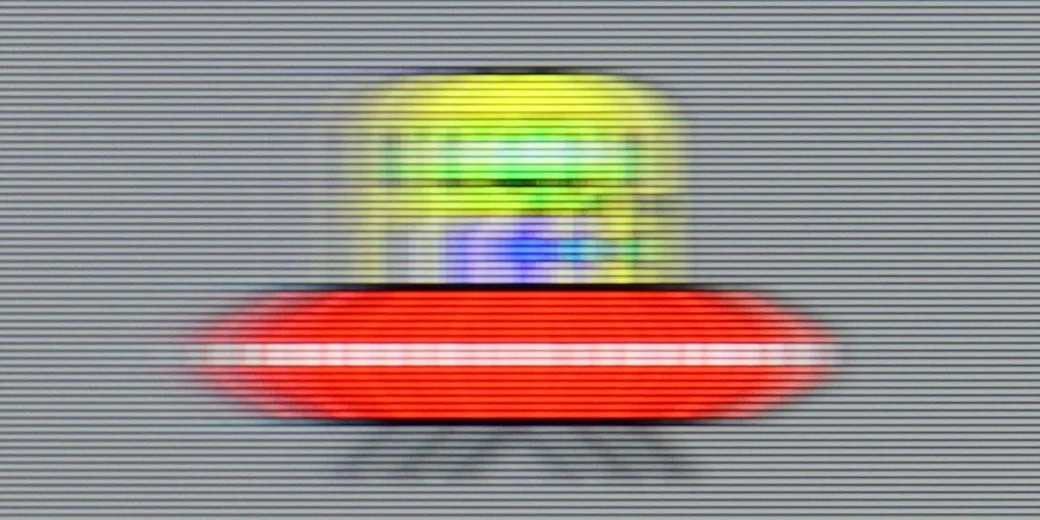
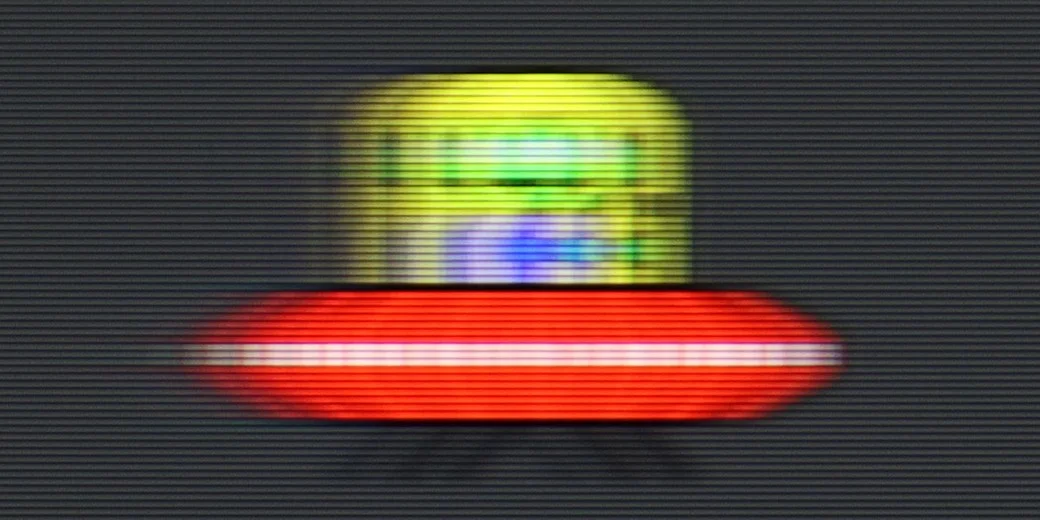
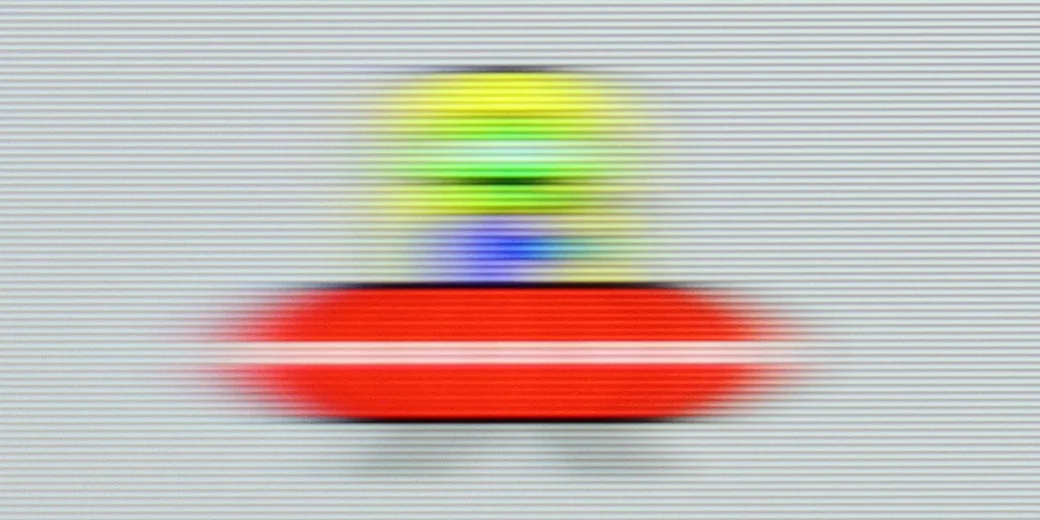
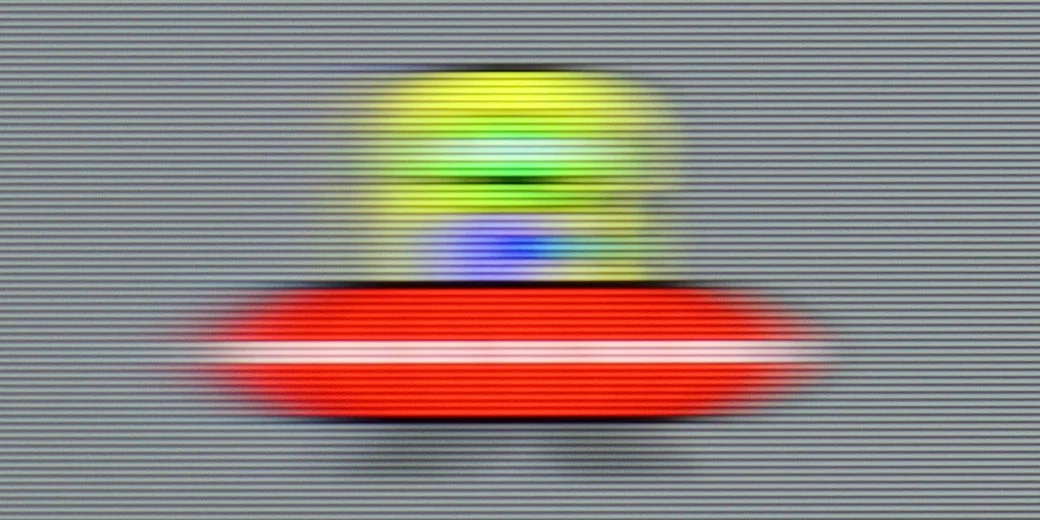
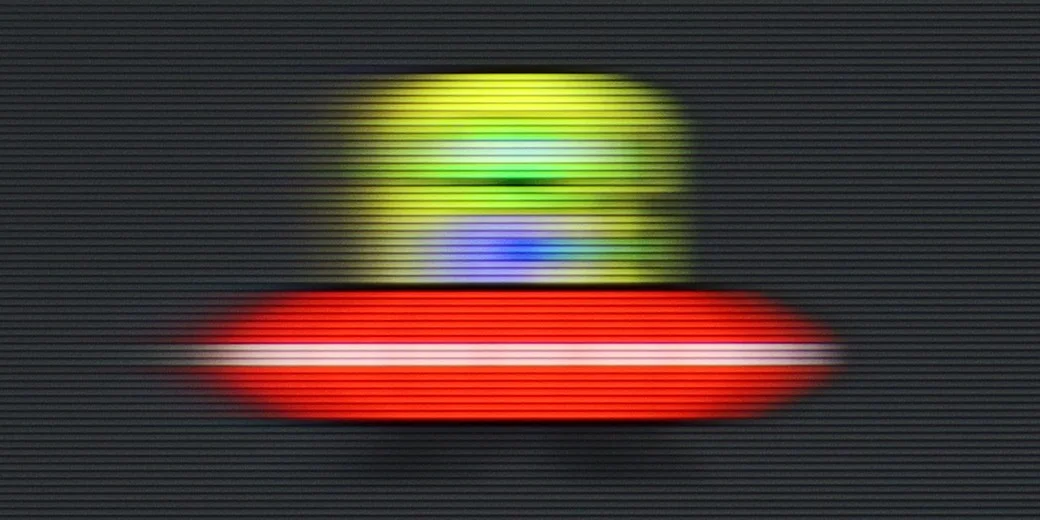
LG UA7500 is a television with a 60 Hz panel, so it's hard to expect any excitement in this category. It's more of a screen intended for daily content or an evening movie session rather than for following fast-paced sports events or playing action games. It’s clear that the manufacturer designed this model specifically for that audience – and it performs well in that regard. We have the TruMotion function available, which is a motion smoother. It’s simple, has only one slider, but can make a noticeable difference. At the lower range, the image looks more raw and cinematic, while at higher values, the motion becomes smoother and more pleasurable to the eye.
Bravia 2 II uses a 60 Hz panel and, for what it is, handles motion quite well. However, bear in mind it’s an entry-level panel and its limitations are especially noticeable with sports. The TV can’t interpolate 50/60 fps material to a higher refresh rate, so it can’t further improve the sharpness of fast-moving objects. For films and series there’s a conventional motion-smoothing feature that can reduce the judder typical of 24 fps material.
Console compatibility and gaming features
6/10
3.3/10
- ALLM
- VRR
- VRR range48 - 60Hz
- Dolby Vision Game Mode
- Correct implementation of HGIG
- 1080p@120Hz
- 1440p@120Hz
- 4K@120Hz
- Game bar
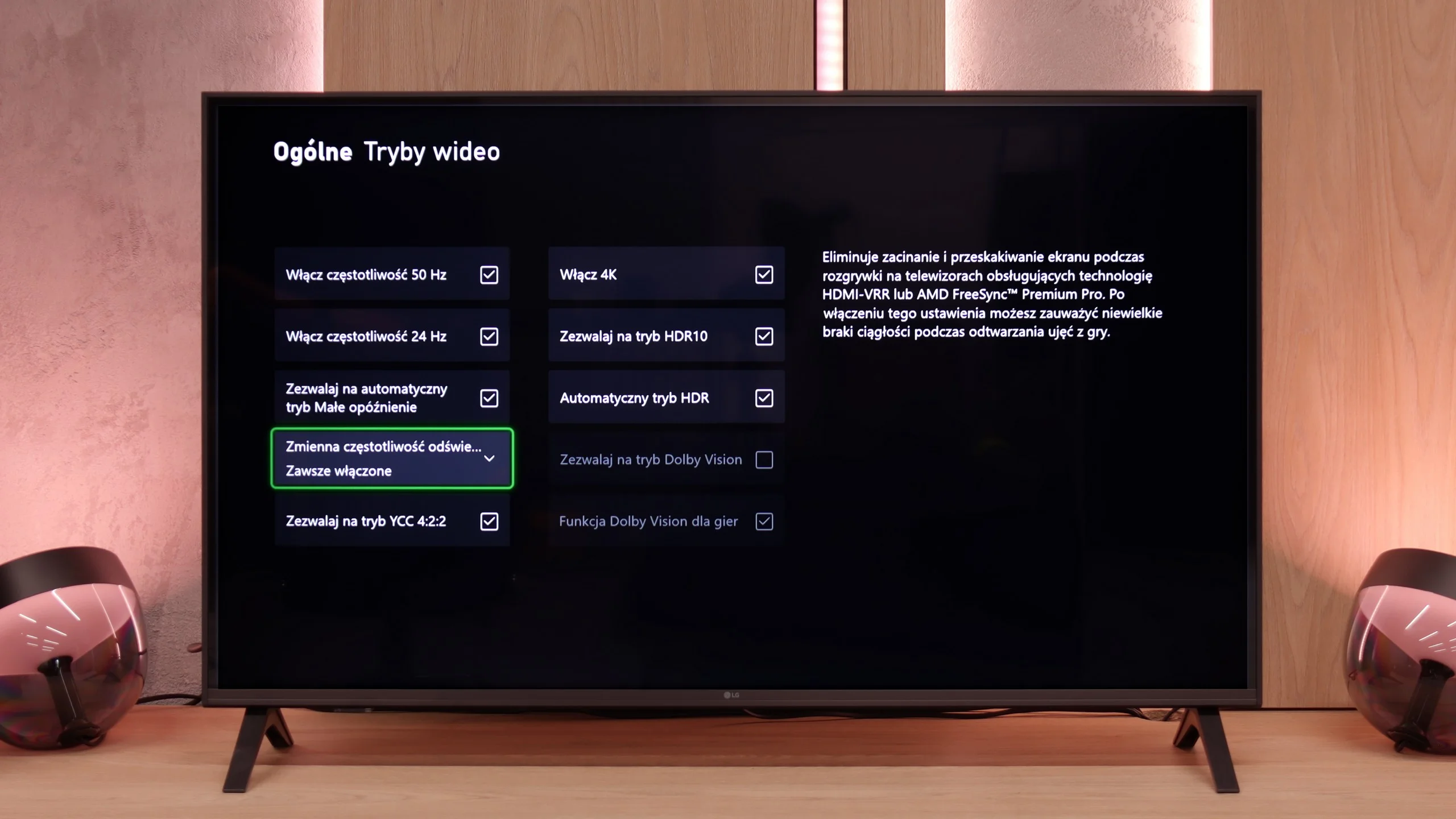
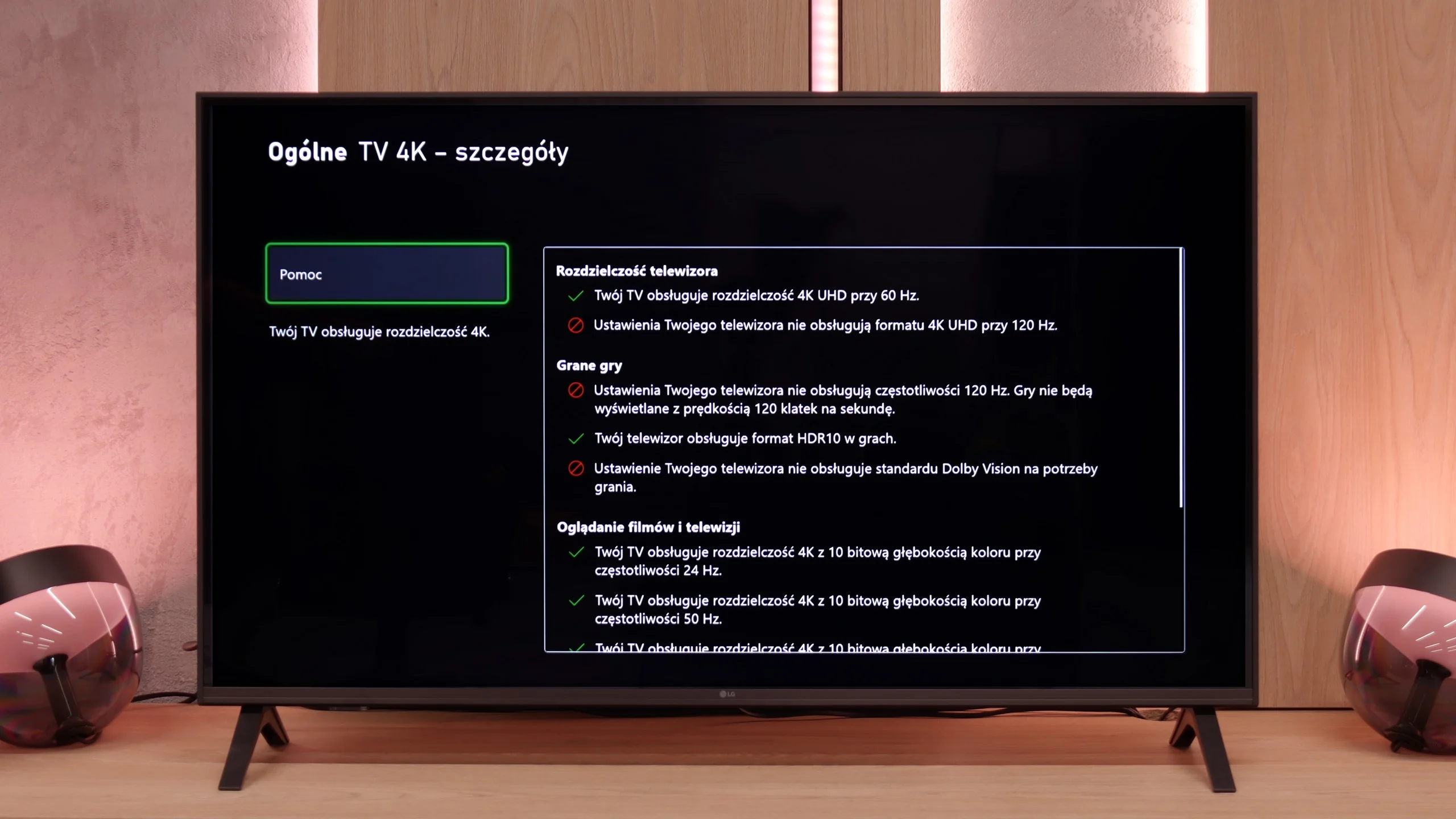
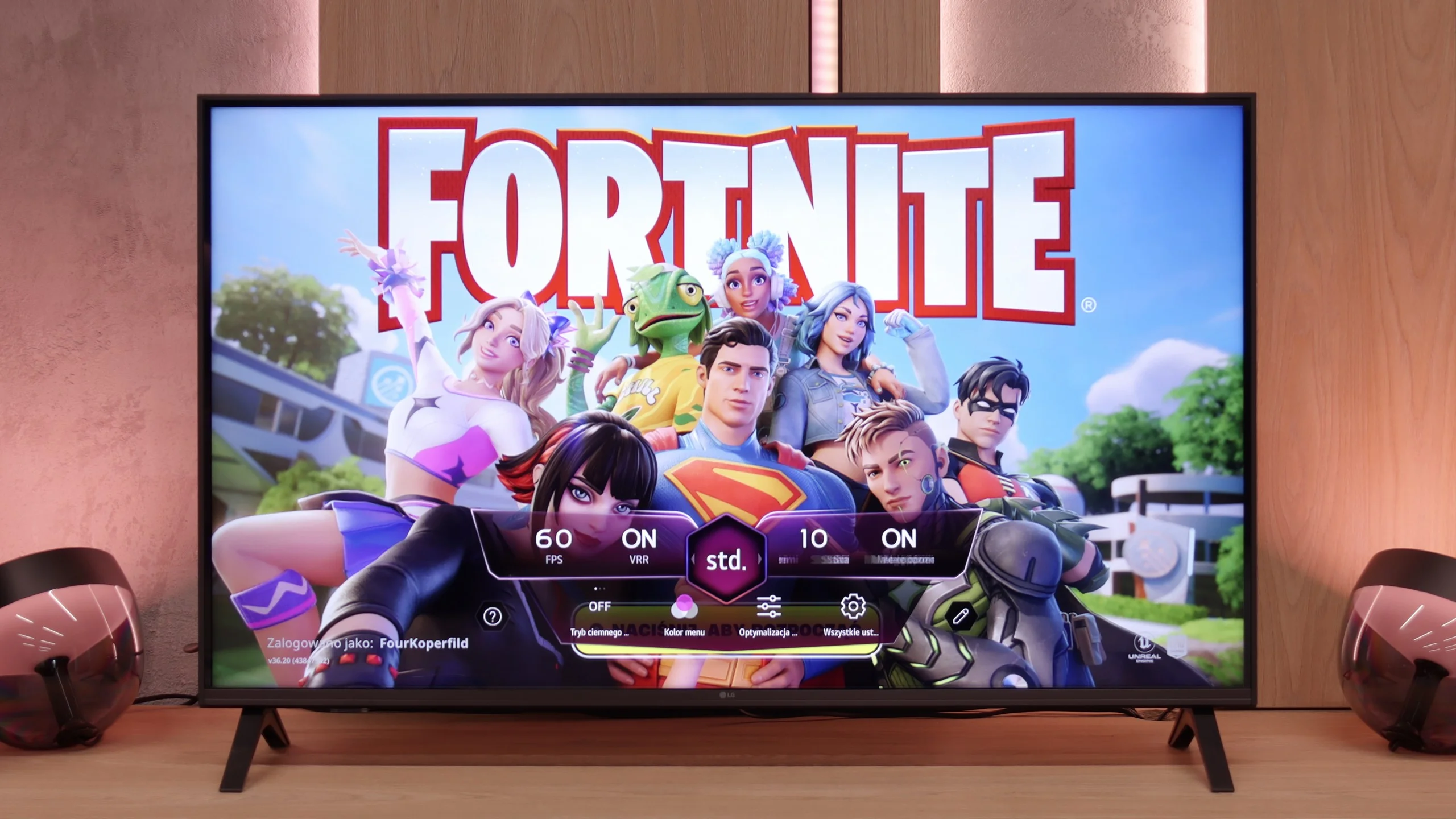
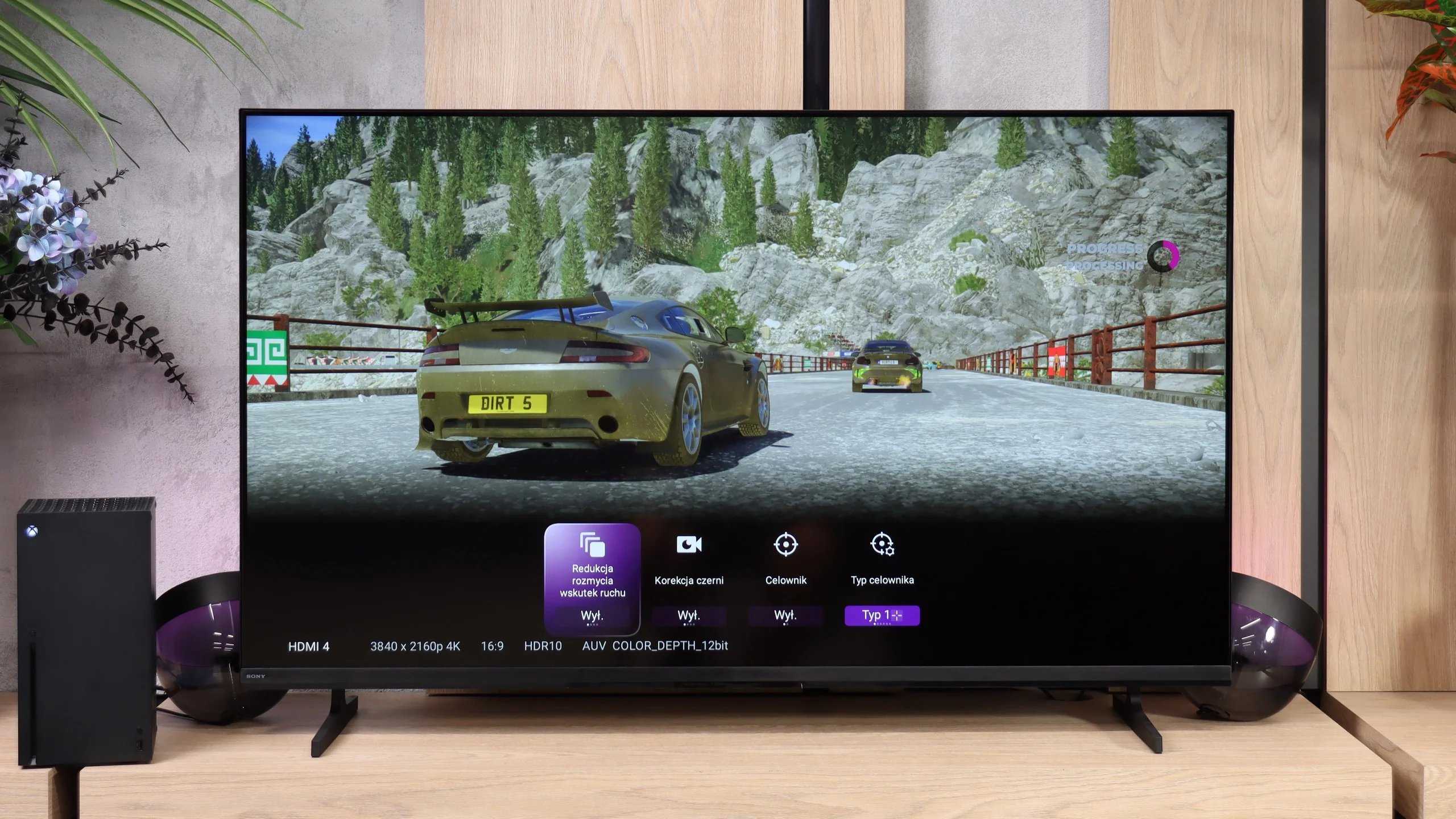
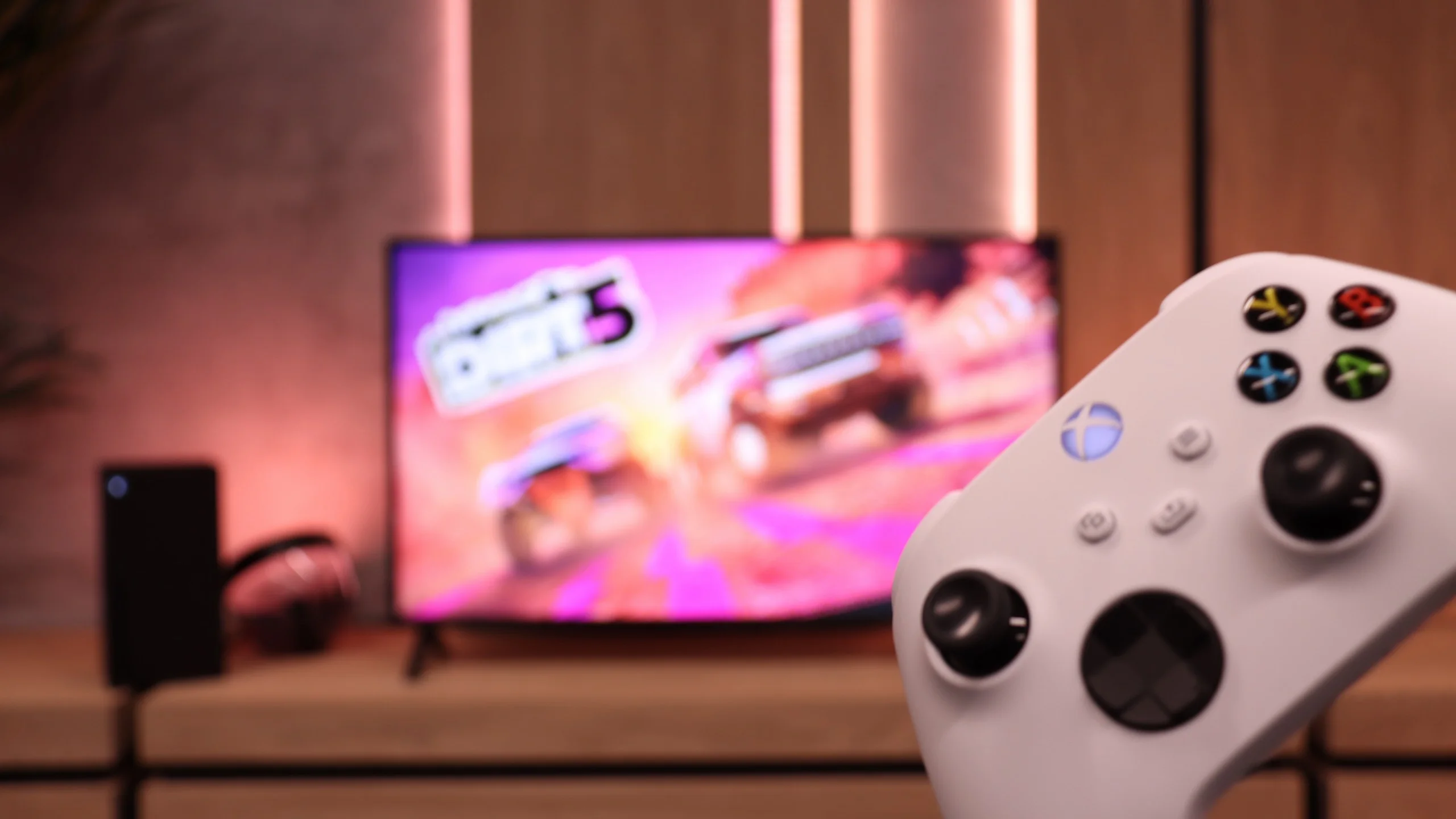
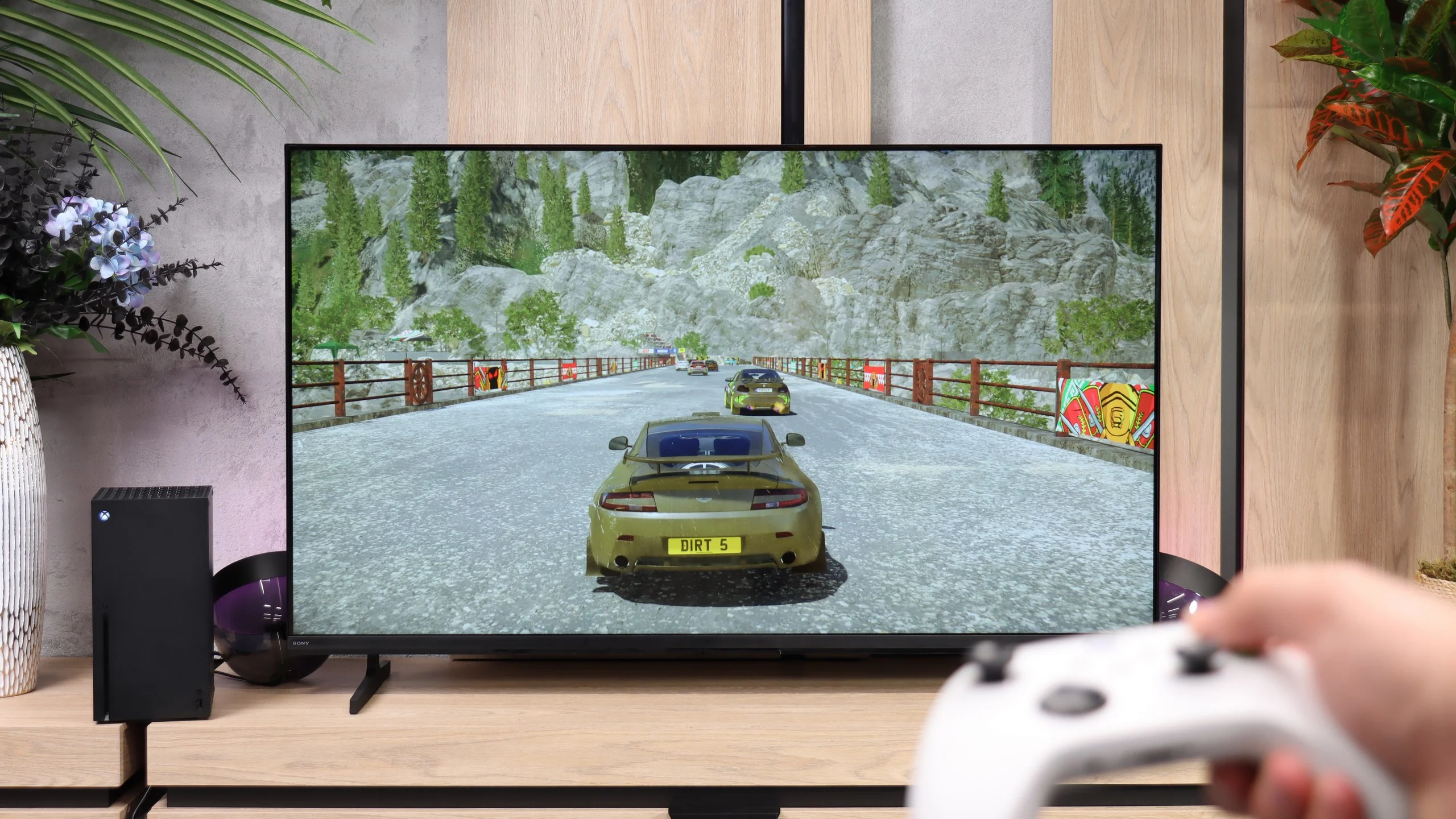
LG UA7500 is a TV that can be confidently recommended to "casual" gamers. While it doesn’t feature a 120 Hz panel or HDMI 2.1 ports, making full use of the potential of modern consoles isn’t something we can expect. However, the manufacturer has included several additions that can enhance the gaming experience. Notably, there's the Game Bar – a very nicely designed panel that allows quick access to and changes of the most important settings. From this panel, we have access to the ALLM mode (automatic switching to game mode), as well as frame synchronization, or VRR. The range of VRR is limited – it works from 48 to 60 Hz – but the mere presence of this feature in such an affordable TV leaves a positive impression.
Additionally, it also supports HGiG, which is a HDR calibration mode for games. It sounds good, but from our testing experience, we know that for the UA7500 this option doesn’t make much sense. The TV doesn't perform well with HDR, so paradoxically, we achieved better results with this mode turned off. This is another signal that the UA7500 is more of a screen for occasional gamers who value simplicity and convenience rather than for those looking for the full experience from the latest consoles.
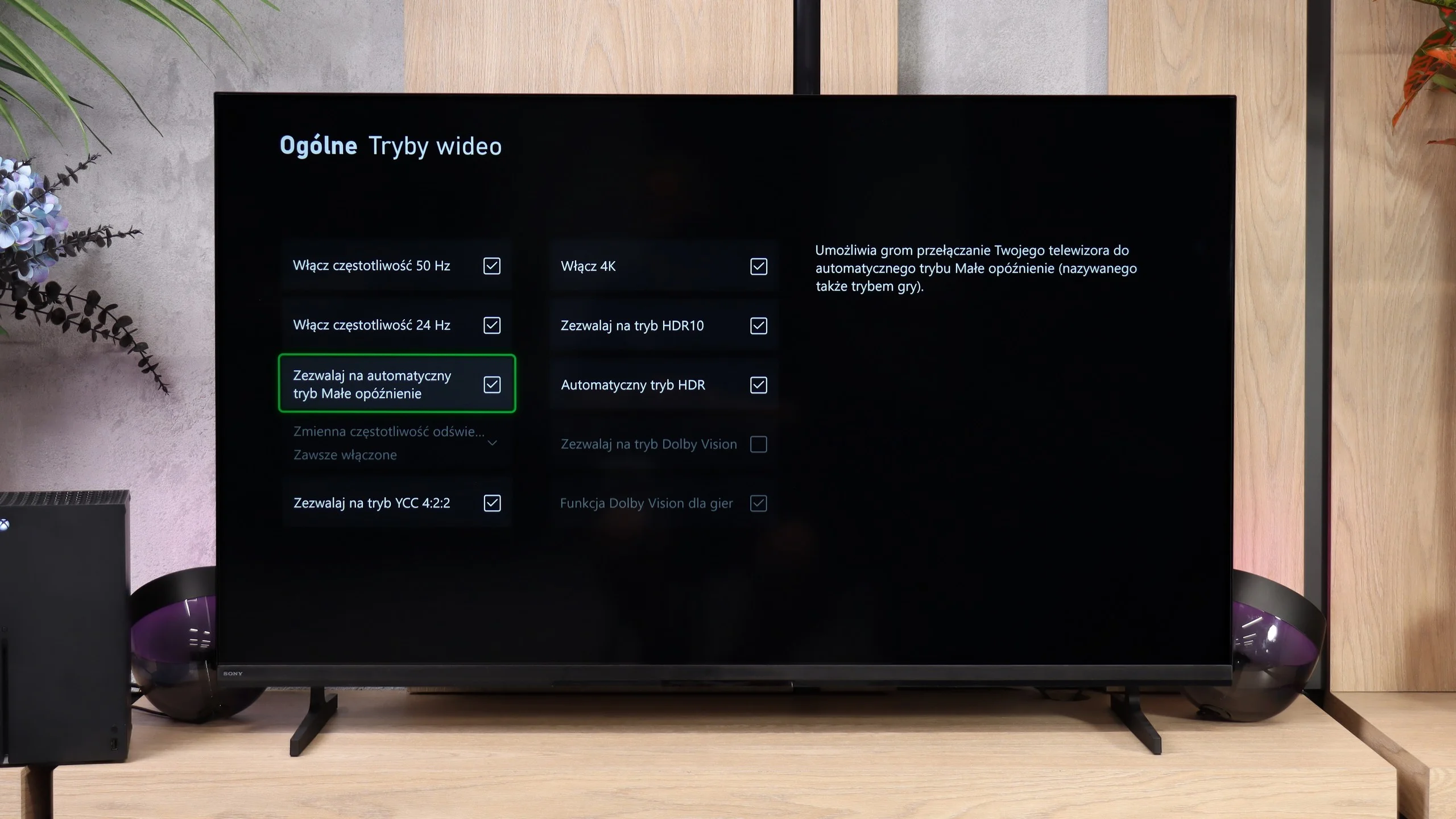
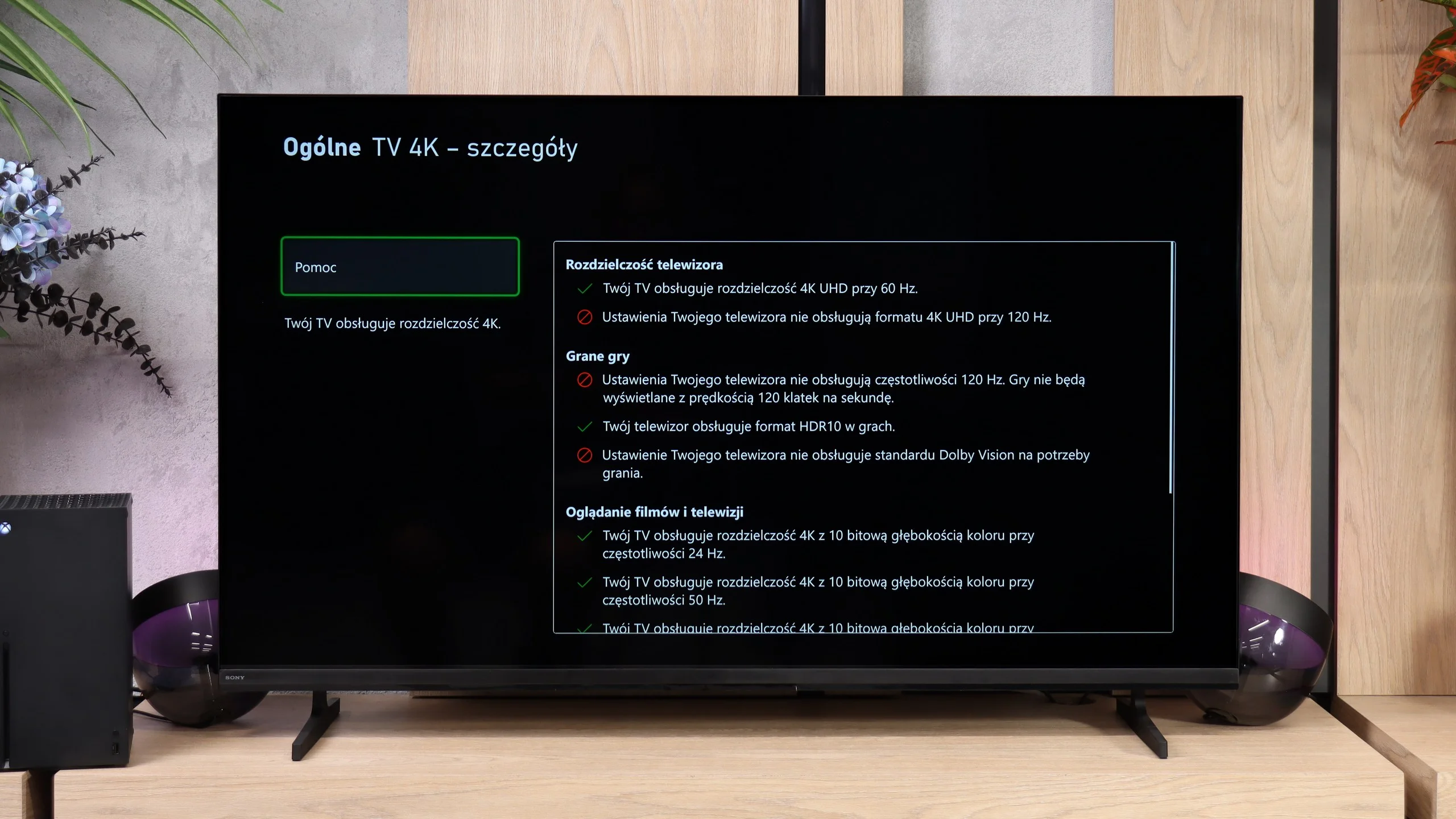
The Bravia 2 II isn’t a TV that’s particularly suited to gaming, and the feature list makes that clear pretty quickly. You basically only get automatic low-latency ALLM and a simple Game Bar where you can view basic signal info and change a few settings. That’s where the positives end. The TV doesn’t support VRR or 120 Hz (not even at lower resolutions) and on top of that it has problems correctly implementing HDR HGIG. It’s fine for occasional console play and, thanks to low input lag, the controls remain responsive, but if you’re after a TV primarily for gaming the Bravia 2 II is a significantly limited choice.
Input lag
10/10
10/10
SDR
HDR
Dolby Vision
A delay of less than 10 ms is a result that more expensive models would envy. This means games are exceptionally responsive, and every action on the controller is instantly visible on screen. This is one of the strongest points of this television, especially for those who like to fire up a console from time to time.
Here the Bravia 2 II performs considerably better. The input lag is only about 11 ms, low enough that you’ll hardly notice any delay while gaming. So even with a modest set of gaming features, the TV will handle regular console gaming without any major issues.
Compatibility with PC
6/10
6/10
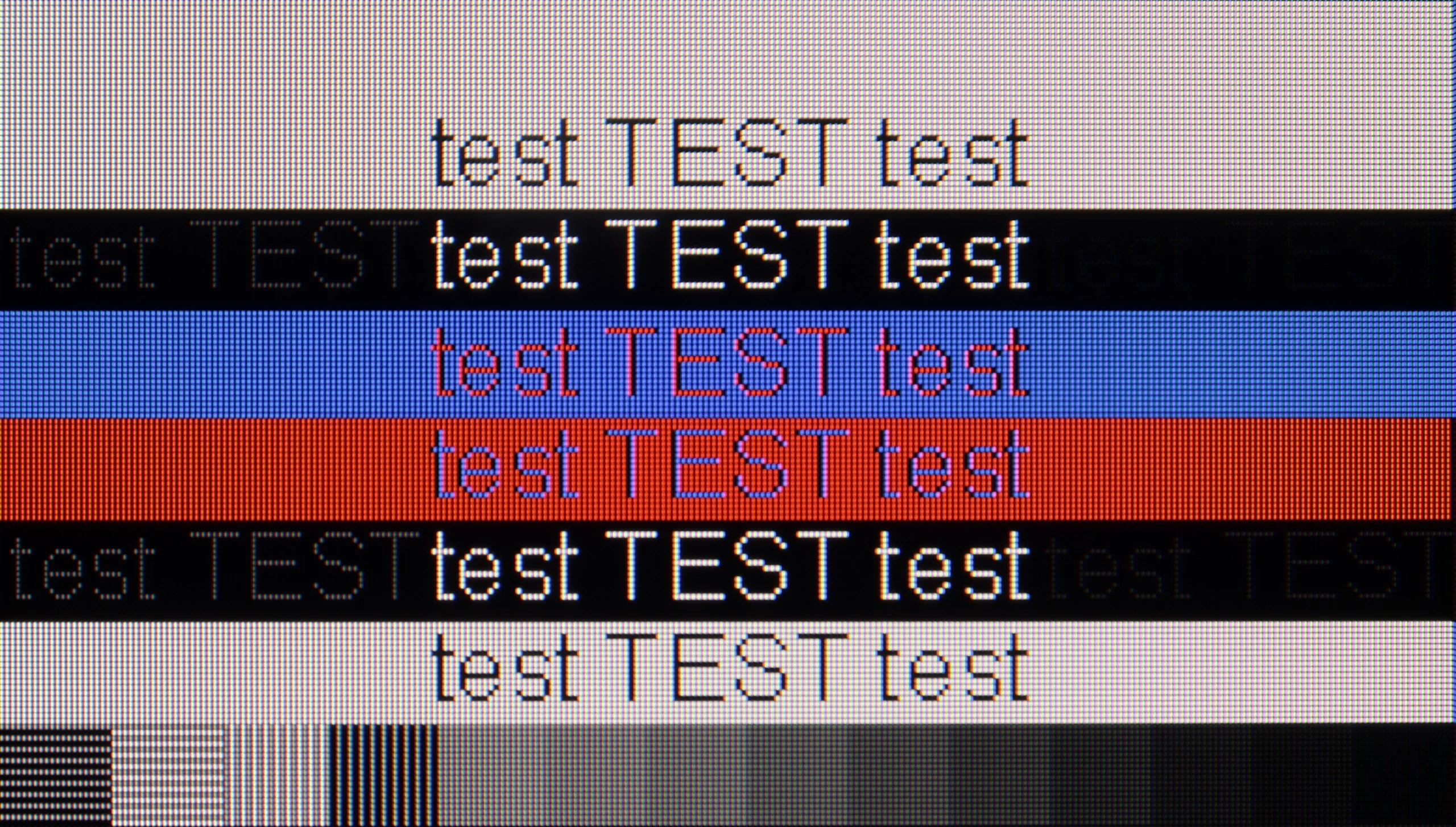
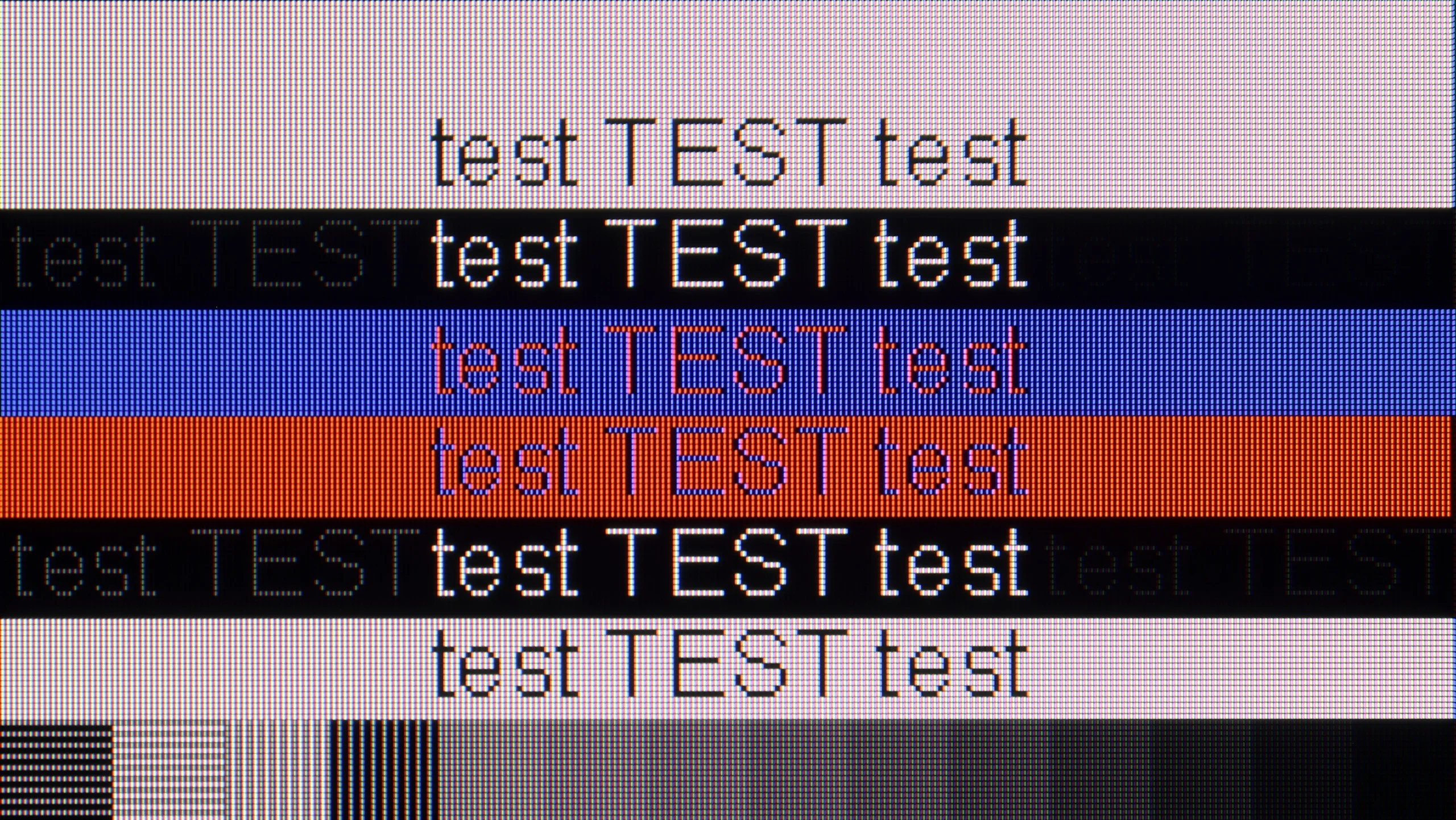
The photo shows the legibility of small fonts. Ideally, lines should be the same thickness on both light and dark text, with minimal pixel gaps.
In the 43-inch variant, which is equipped with an IPS panel, the LG UA7500 has performed excellently as a tool for computer work. Thanks to the application of this specific panel, the readability of fonts is at a remarkable level – text appears sharp and clear even during prolonged office work. Additionally, it supports chroma 4:4:4, so coloured fonts, icons, and interface elements look phenomenal. This makes the UA7500 perform exceptionally well as an occasional monitor. It isn't a screen designed for avid gamers, but in the context of work and everyday PC use, it excels brilliantly.
Bravia 2 II handles a computer very well, at least if you think of it as a screen for work. Thanks to its IPS panel and accurate 4:4:4 chroma reproduction, fonts are sharp and readable regardless of their size, shape or colour. That’s particularly good news for people considering the smaller variant and placing it on a desk instead of a classic monitor. It looks much worse, however, from a gaming perspective. The TV doesn’t offer 120 Hz, VRR or other features that would interest more demanding PC gamers. So it’s very good for office work or watching content from a computer, but as a gaming screen it has quite a few limitations.
Viewing angles
6.4/10
6.5/10
The greatest advantage of the IPS variant in the LG UA7500 is its viewing angles. Even when we sit quite to the side, the image retains its consistency – colours do not fade abruptly, and the screen brightness remains at a decent level. This type of panel makes the television suitable for rooms where people often watch TV together while sitting in different places. It is clear that IPS has no problem maintaining stable colouration at greater angles, which makes it easier to watch with a larger group. However, it must be added that the contrast is still limited, so even if the image looks uniform from the side, it still lacks depth, especially in dark scenes. Therefore, IPS makes up for its wide angles but at the cost of average blacks regardless of the perspective.
Viewing angles are one of the Bravia 2 II's stronger points. Thanks to the IPS panel, colours and brightness remain accurate for quite a while even when we’re not sitting directly in front of the TV. In this area Sony regains some of the points it lost earlier on black levels and contrast. As a result, the Bravia 2 II may be better suited to a larger living room or a room where some people watch the TV from the side, especially if it will mainly be used for everyday TV.
Daytime performance
4/10
4.8/10
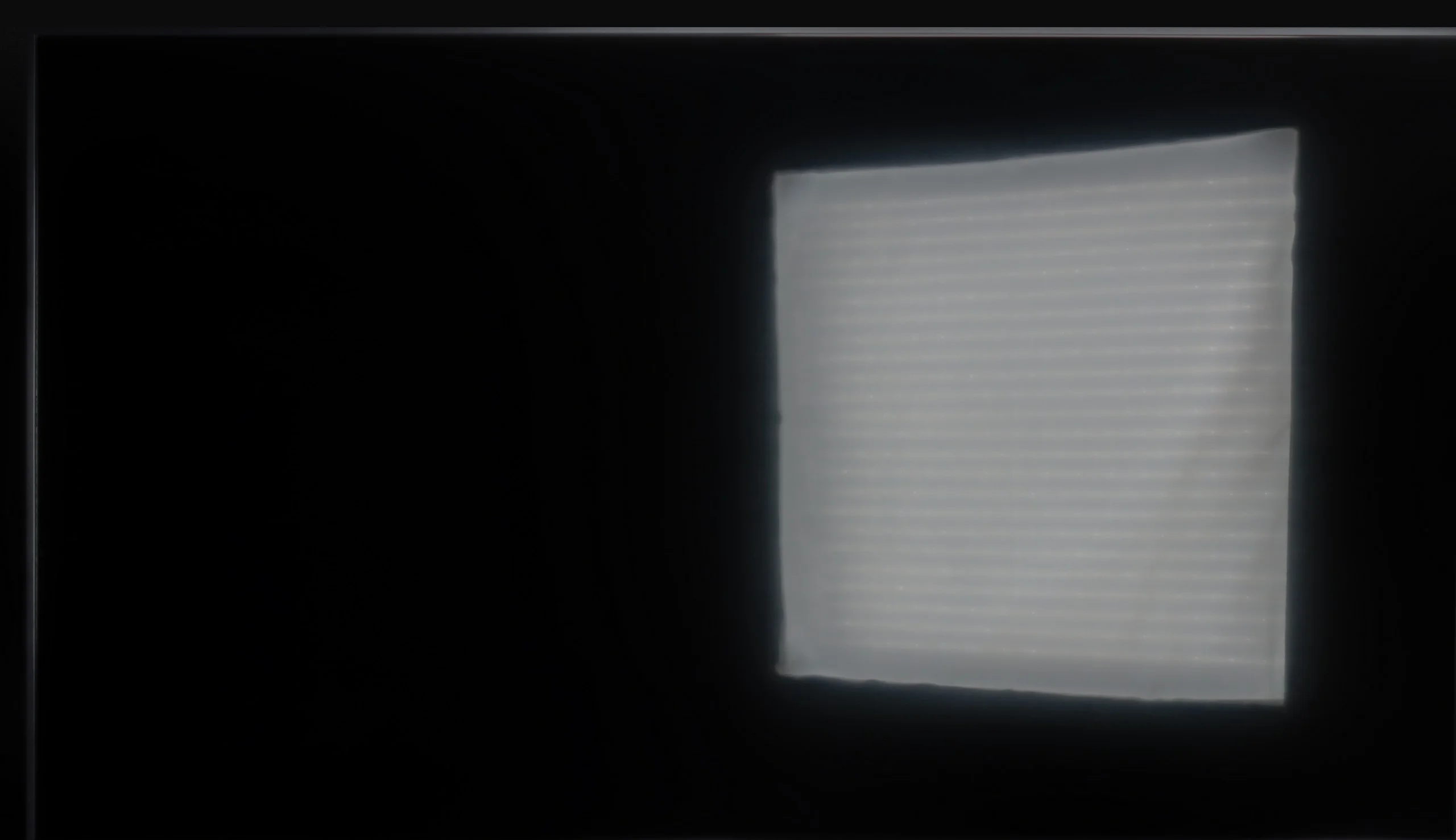
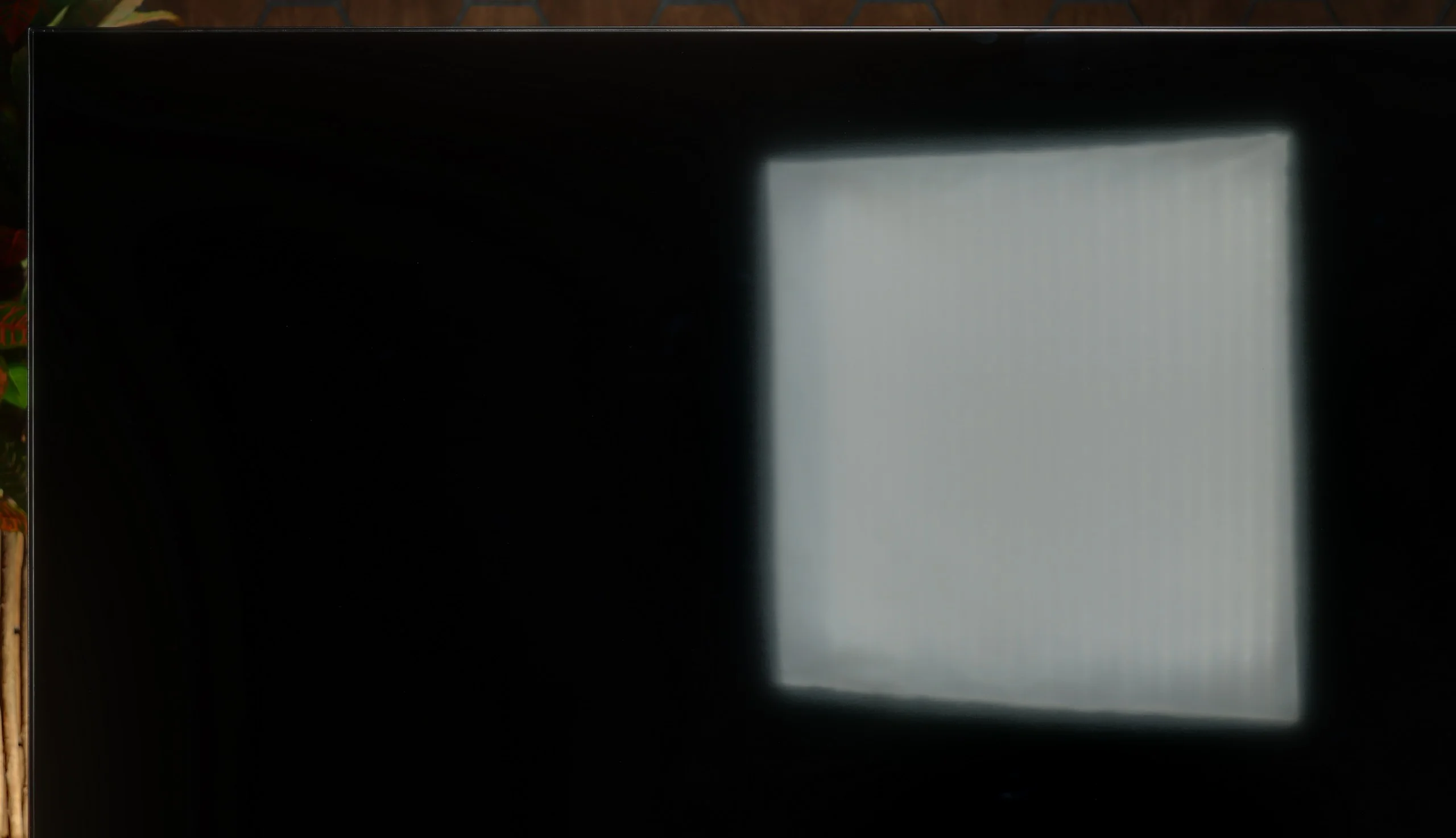
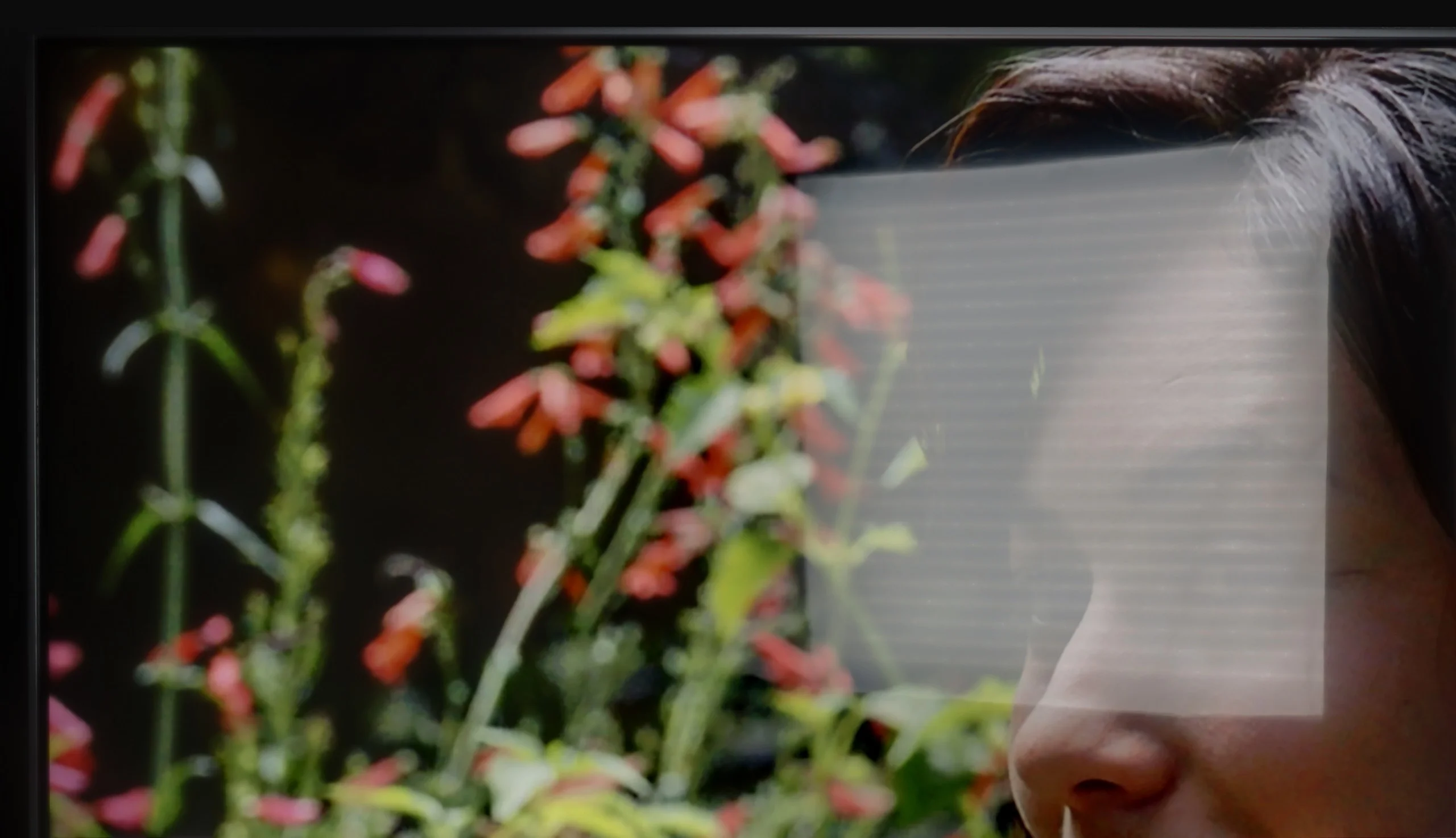
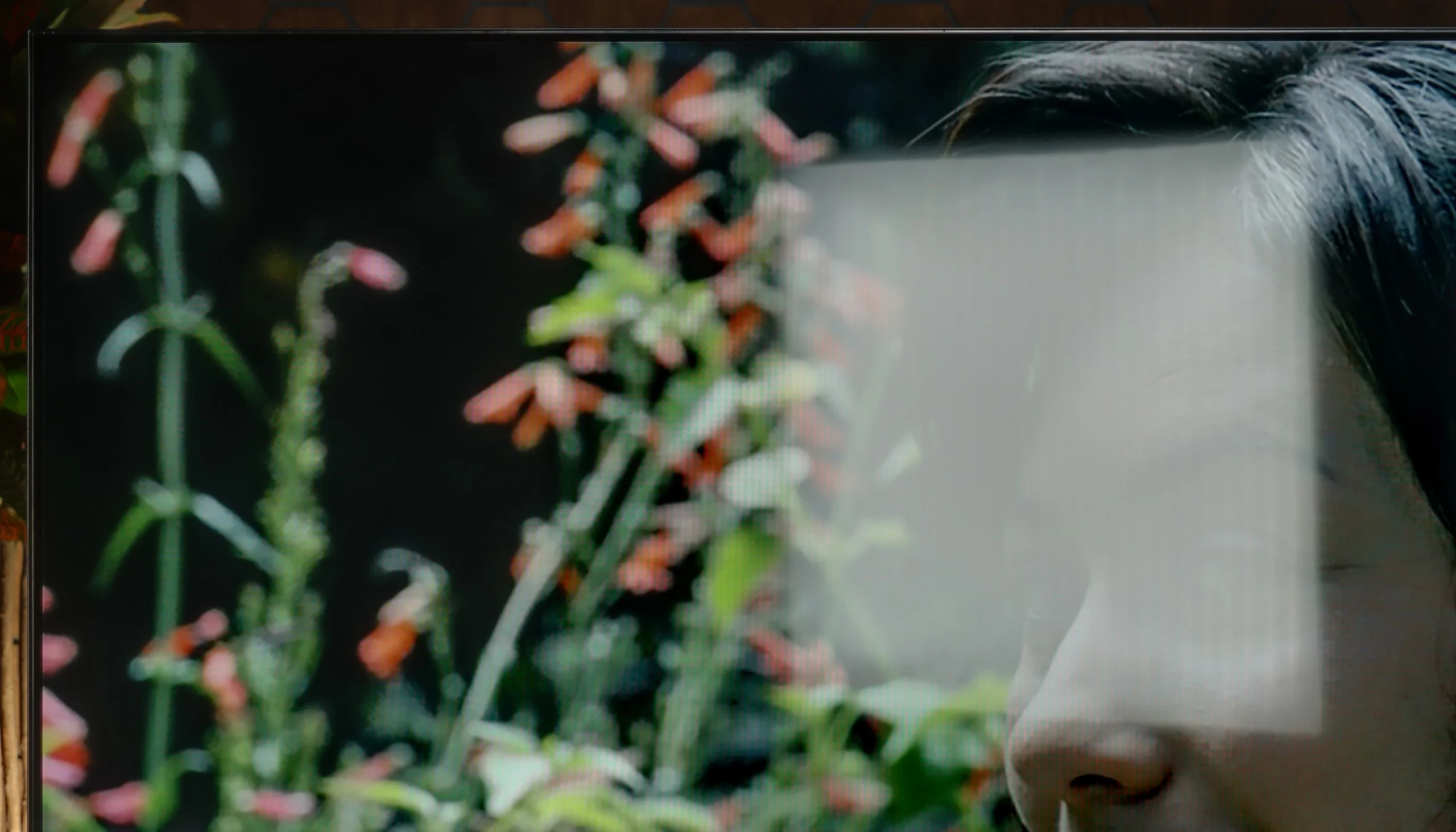
Panel brightness
Sony BRAVIA 2 II (S25M2): 319 cd/m2
LG UA75006LA (IPS): 247 cd/m2
The IPS variant performs worse in this regard. The coating is the same – it averages out reflections – but the brightness is lower, at around 250 nits. This means that on sunny days, the screen looks clearly darker and loses readability more easily. The colours still maintain their accuracy and do not fade excessively, but the lack of additional brightness headroom is noticeable. In practice, the television will perform well in rooms where light does not directly hit the screen, while in brighter conditions, IPS can quickly show its limitations.
In daylight the Bravia 2 II performs rather average. Brightness of around 320 nits doesn’t leave much headroom, but in a typical, moderately bright living room it’s still enough to keep the picture readable. The screen’s matte coating does a decent job of reducing reflections, though it can’t eliminate them entirely. With strong light falling directly on the screen, there’s simply not enough brightness to effectively cut through the glare. So it will be fine for ordinary daytime viewing, but in a very bright room with lots of windows you may start to notice the limitations of this model.
Panel details
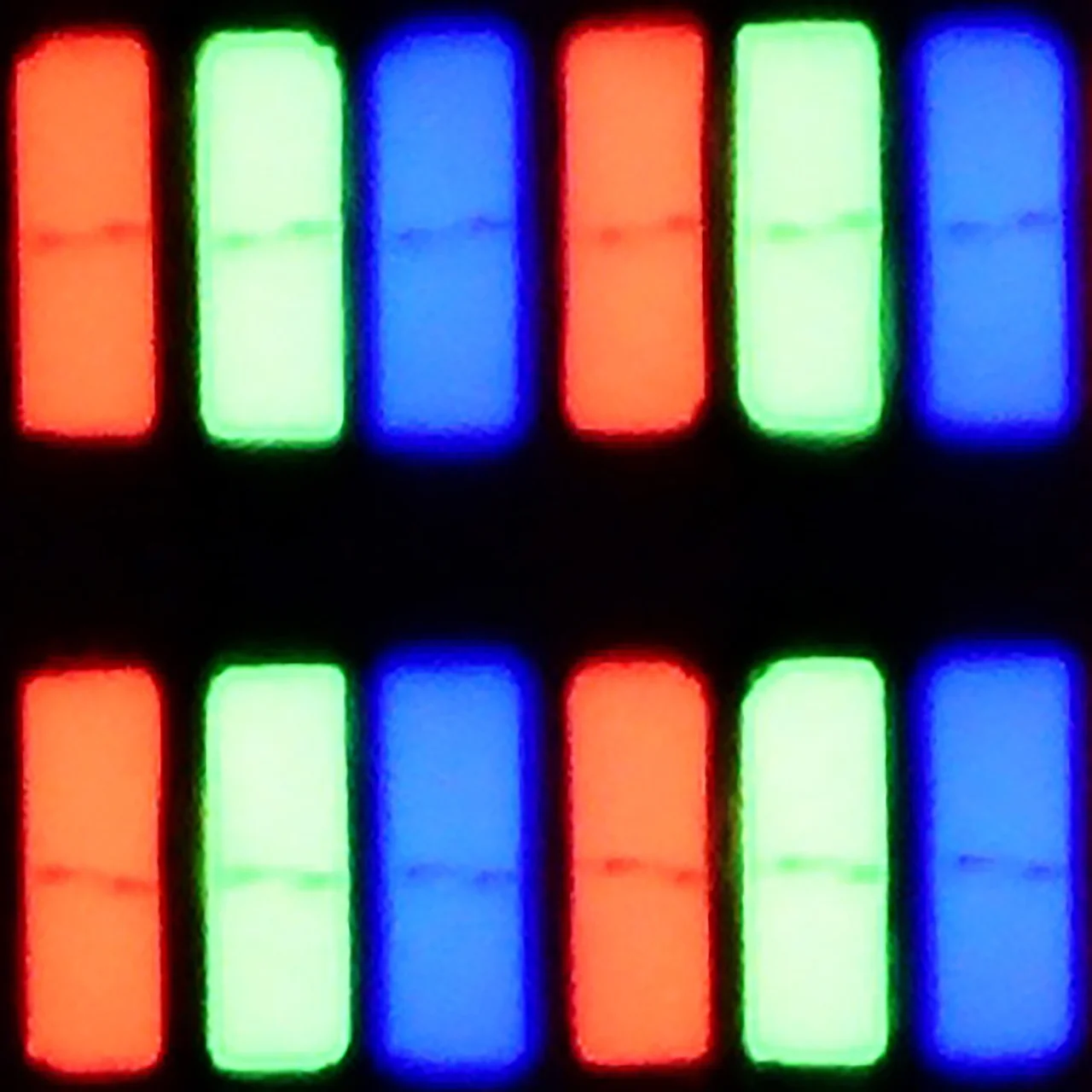
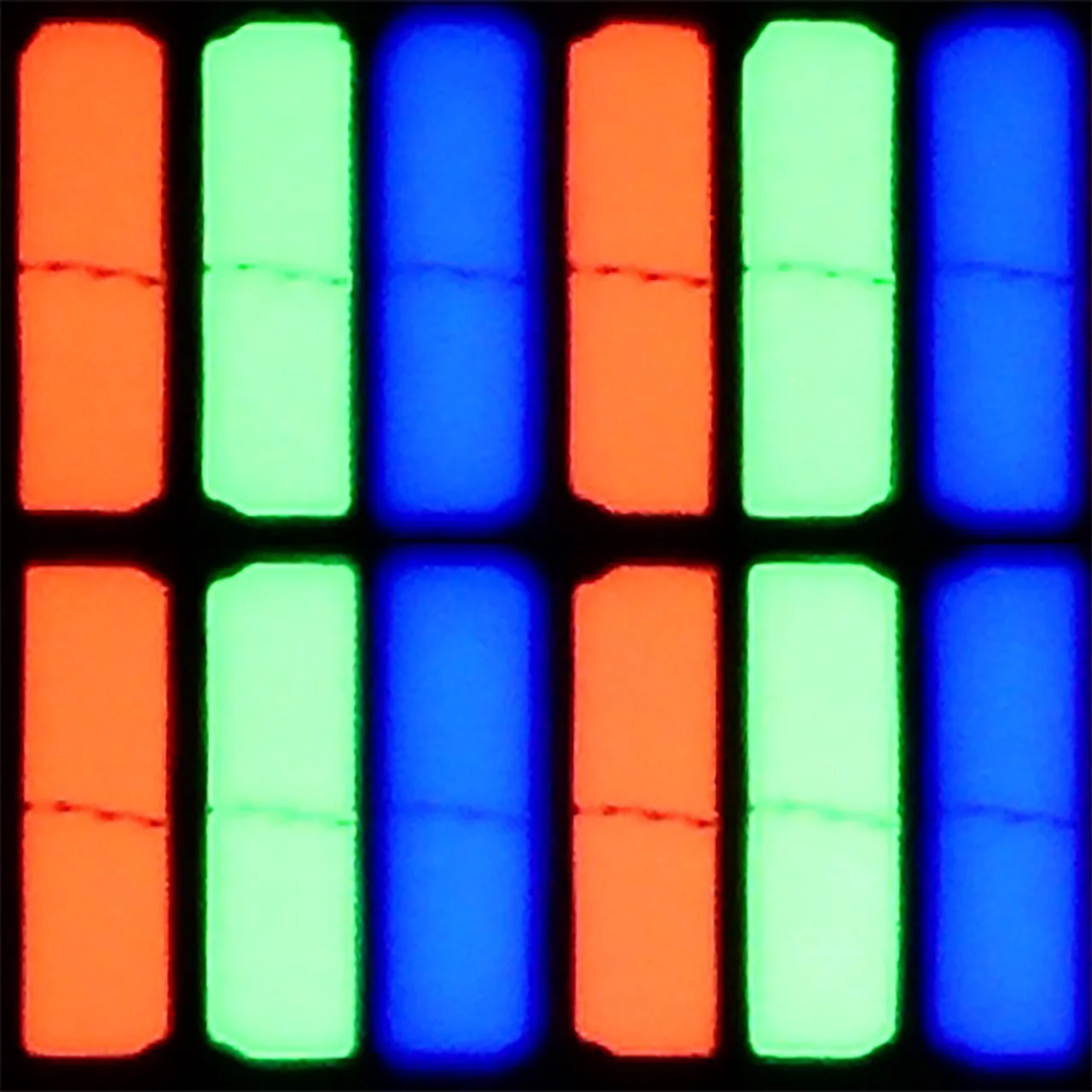
Subpixel Structure:
Panel uniformity and thermal imaging:


LG UA75006LA (IPS)
Sony BRAVIA 2 II (S25M2)
TV features
7/10
6.6/10
- SystemWebOSGoogle TV
- System performanceDecentDecent
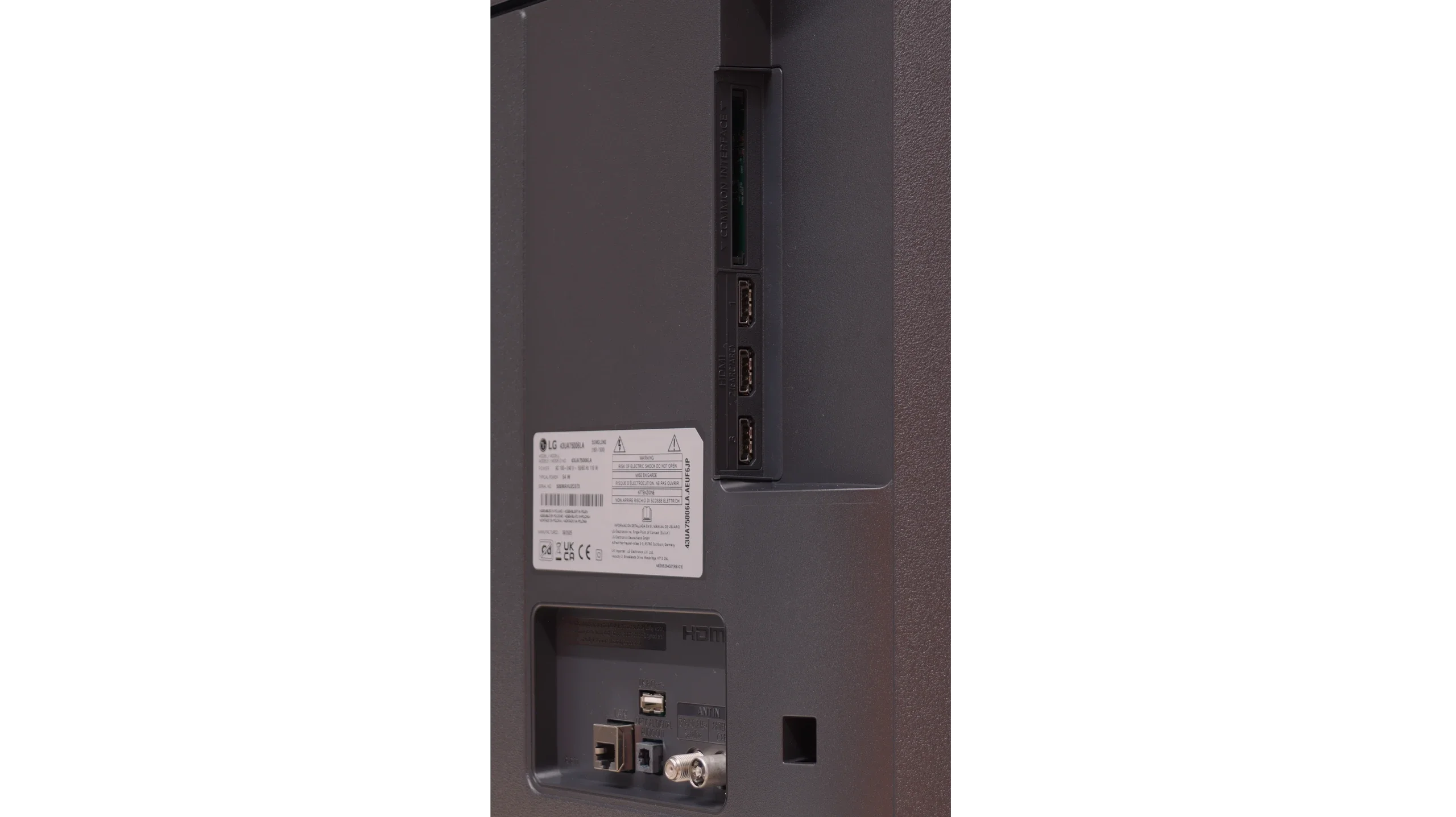
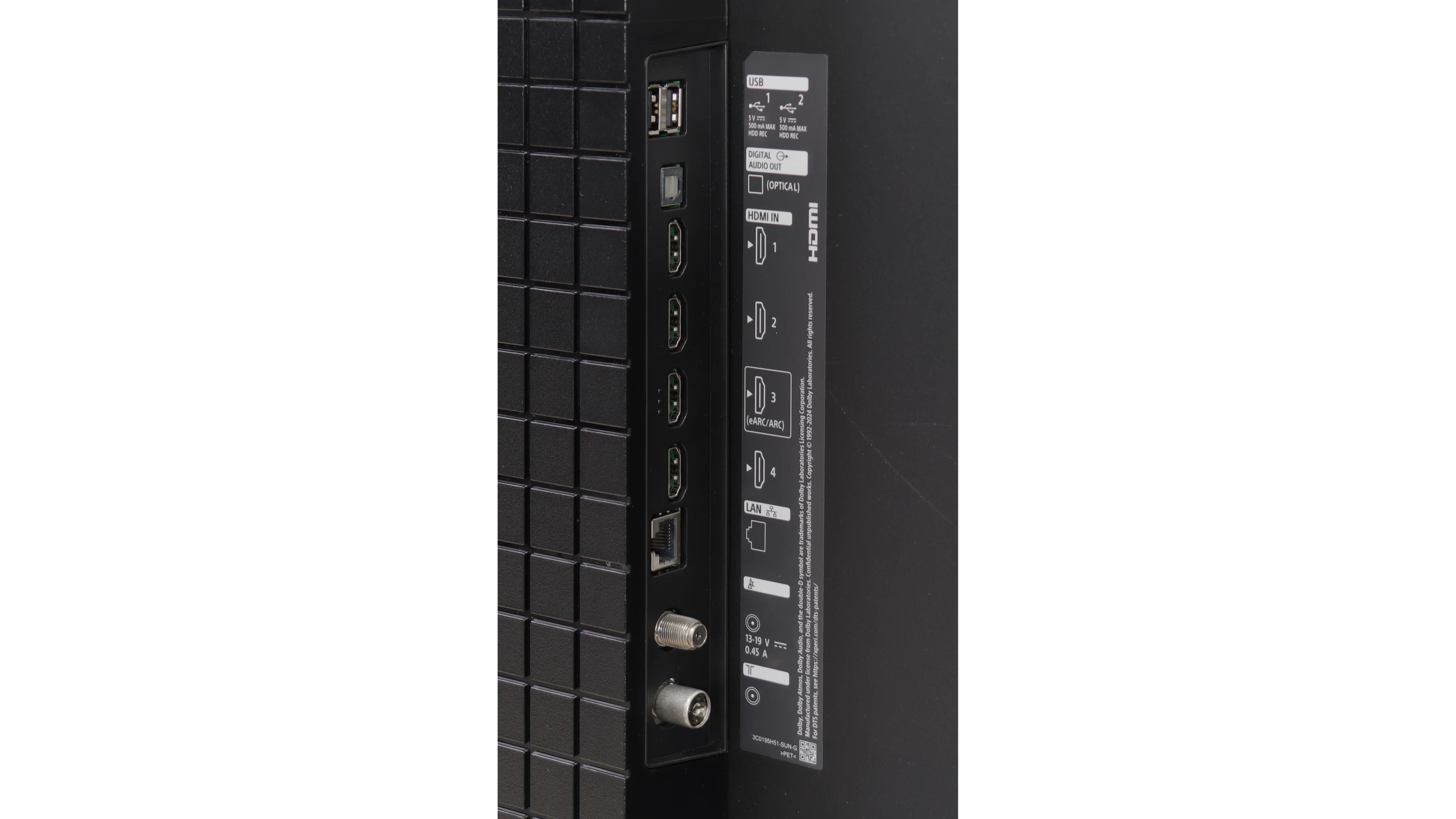
- HDMI inputs3 x HDMI 2.0, 0 x HDMI 2.14 x HDMI 2.0, 0 x HDMI 2.1
- OutputsToslink (Optical audio), eARC (HDMI), ARC (HDMI)Toslink (Optical audio), eARC (HDMI), ARC (HDMI)
- Network InterfacesWi-Fi 2.4GHz, Wi-Fi 5GHz, Ethernet (LAN) 100MbpsWi-Fi 2.4GHz, Wi-Fi 5GHz, Ethernet (LAN) 100Mbps
- TV receptionDVB-T, DVB-T2, DVB-S, DVB-S2, DVB-CDVB-T, DVB-T2, DVB-S, DVB-S2, DVB-C
Classic features:
- Recording to USB (terrestrial TV)
- Recording programming
- Picture in Picture (PiP)
- RF remote control (no need to aim)
- Backlit remote control
- Teletext
- Audio only mode
- Bluetooth headphones support
- Simultaneous Bluetooth headphones & TV audio
Smart features:
- AirPlay
- Screen mirroring (Windows Miracast)
- Voice search
- Voice search in native language
- Ability to connect a keyboard and mouse
Sound connection options
- HDMI audioeARC (HDMI), ARC (HDMI)eARC (HDMI), ARC (HDMI)
- Other audio outputsToslink (Optical audio)Toslink (Optical audio)
- Wireless audioBluetoothBluetooth
Supported audio formats (external HDMI eARC audio):
- Dolby Digital Plus 7.1
- Dolby True HD 7.1
- Dolby Atmos in Dolby Digital Plus (JOC)
- Dolby Atmos in Dolby True HD
- DTS:X in DTS-HD MA
- DTS-HD Master Audio
Senior accessibility
- Numeric keyboard on TV
- Font size adjustment
- Audio description
Smart Features: WebOS
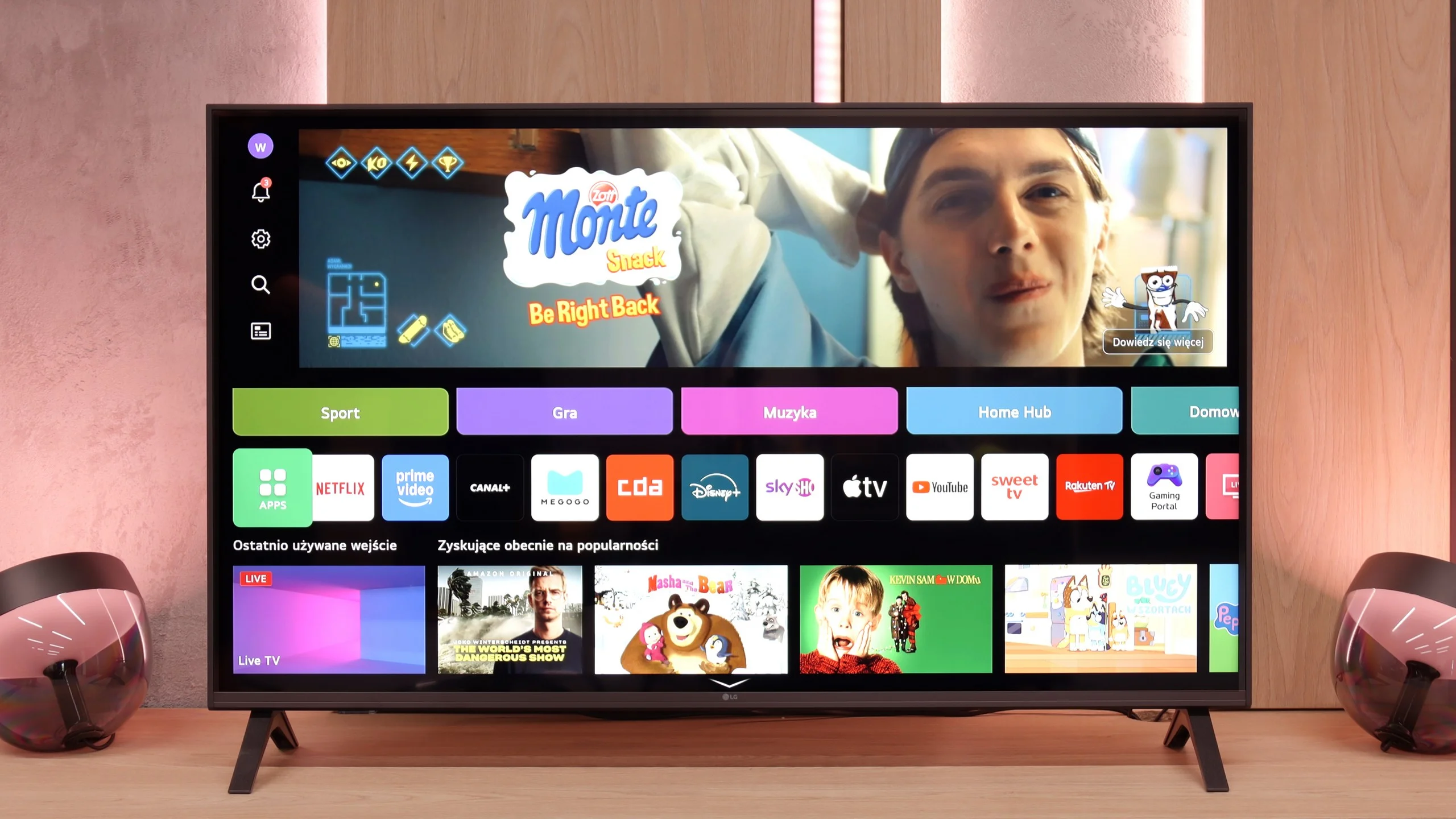
A big plus for the LG UA7500 is the use of the webOS system. We get access to a rich library of applications, support for AirPlay, screen mirroring, and many additional features that allow for a really convenient way to use the TV. You can easily connect your smartphone, watch something from streaming services, or use music apps. However, the downside is that webOS remains quite a "heavy" system and doesn't operate as smoothly in the UA7500 as in more expensive models. The situation is not helped by the fact that the manufacturer hasn't equipped us with a Magic remote with a cursor, which significantly speeds up navigation. We get a regular infrared remote, without that "magic" wand. Of course, you can purchase it separately, but considering the cost, it often makes more sense to pay a bit more for a higher model of LG that already includes such a remote.
Classic Features
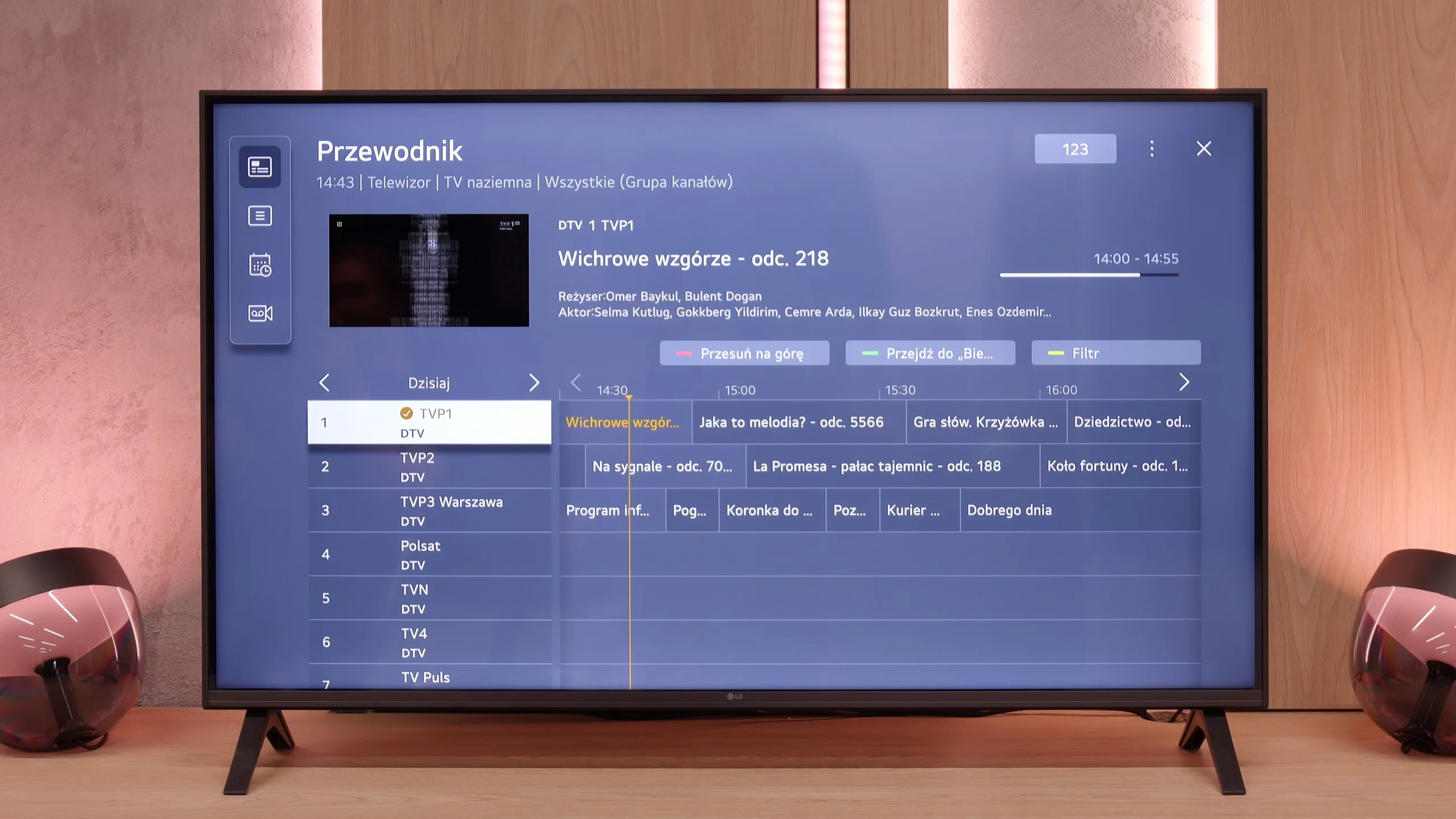
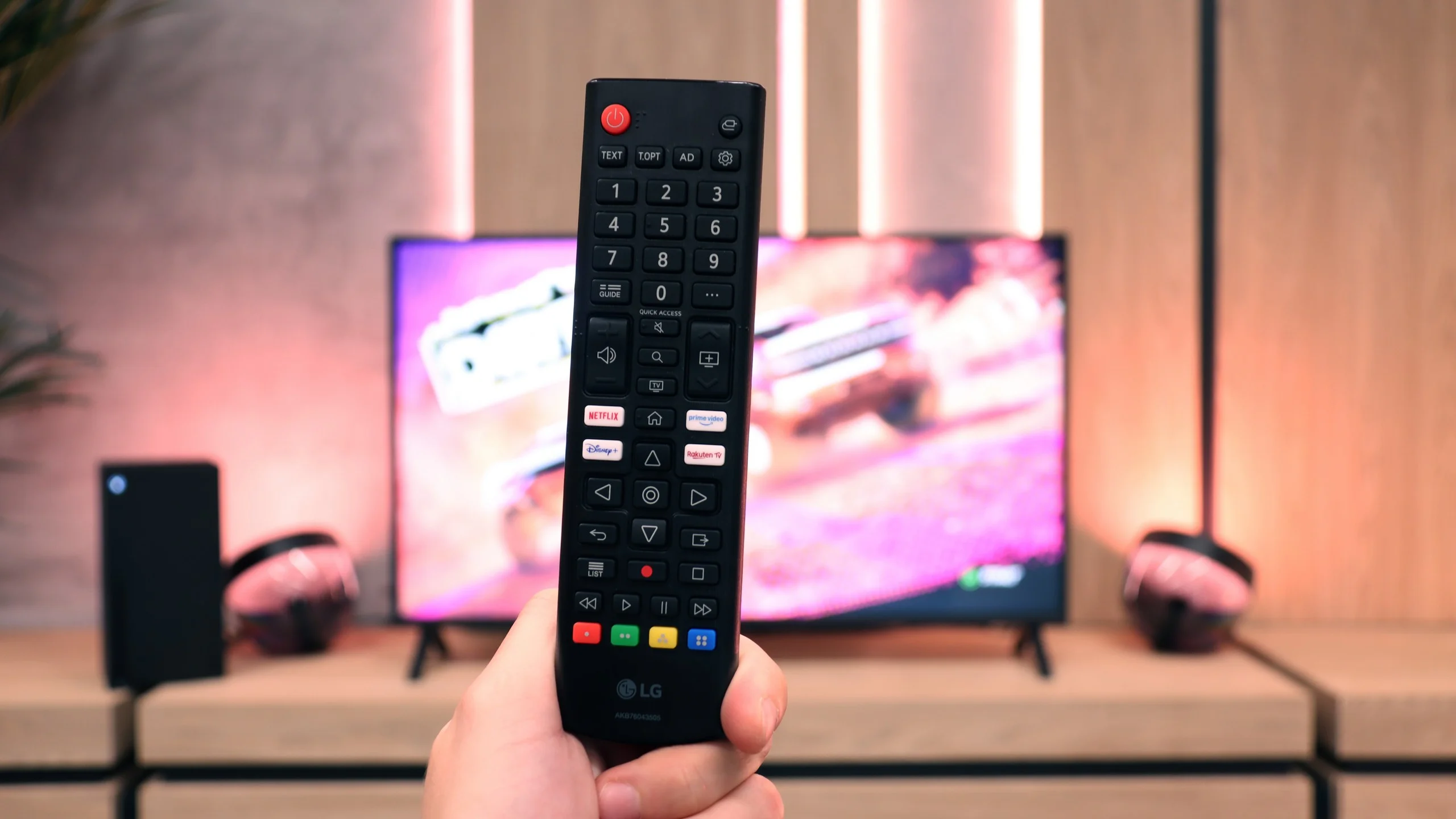
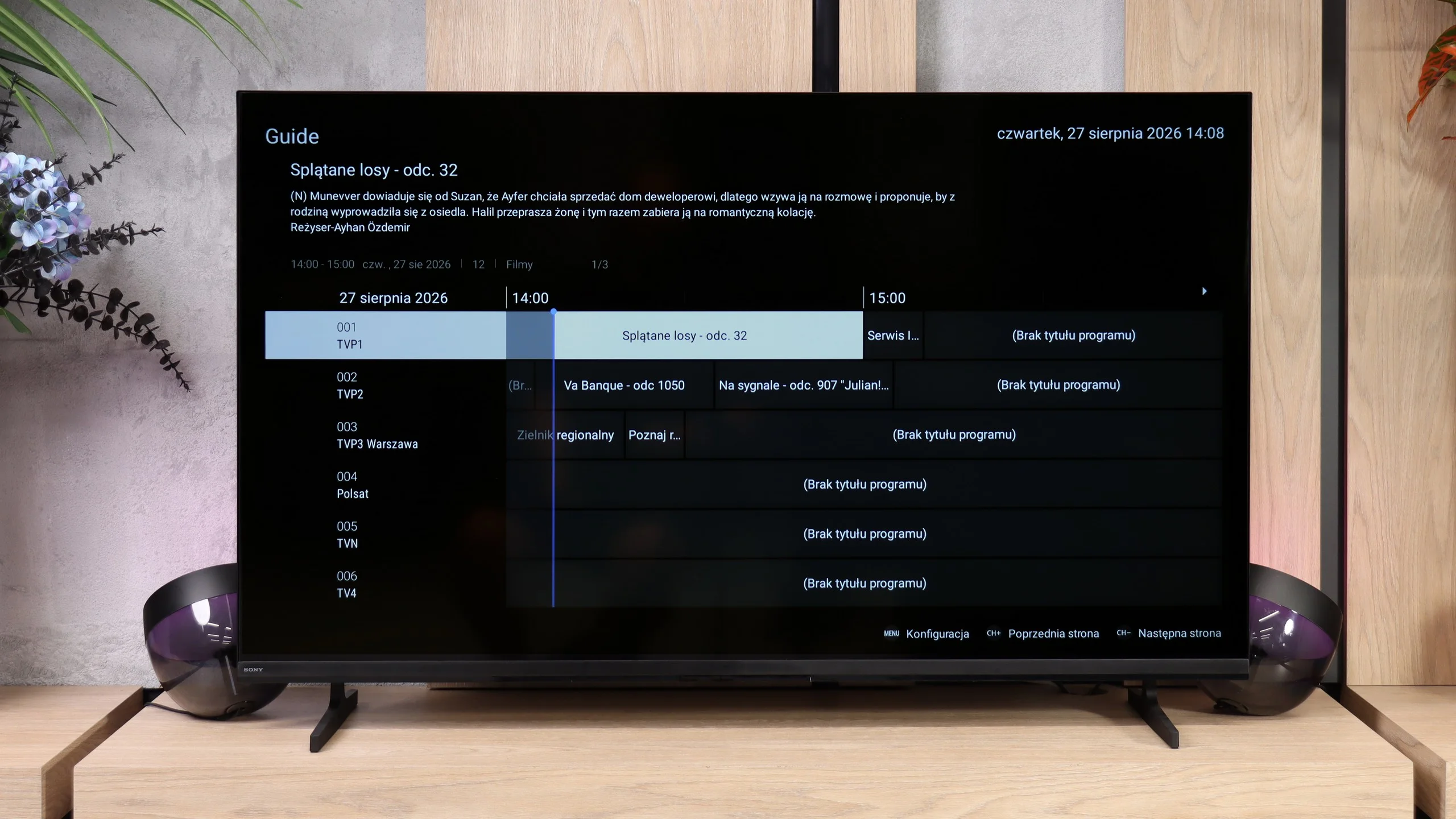
In more traditional uses, the LG UA7500 does not disappoint either. The remote is equipped with a numeric keypad and a fair number of buttons, which will surely be appreciated by users accustomed to older solutions. Additionally, there’s the ability to record programs onto USB from built-in tuners and a quite legible EPG interface that makes planning a TV viewing easier. The downside remains that the remote always requires aiming at the screen – but we believe that most more traditional users can forgive it, considering it as a familiar and reliable tool.
Google TV
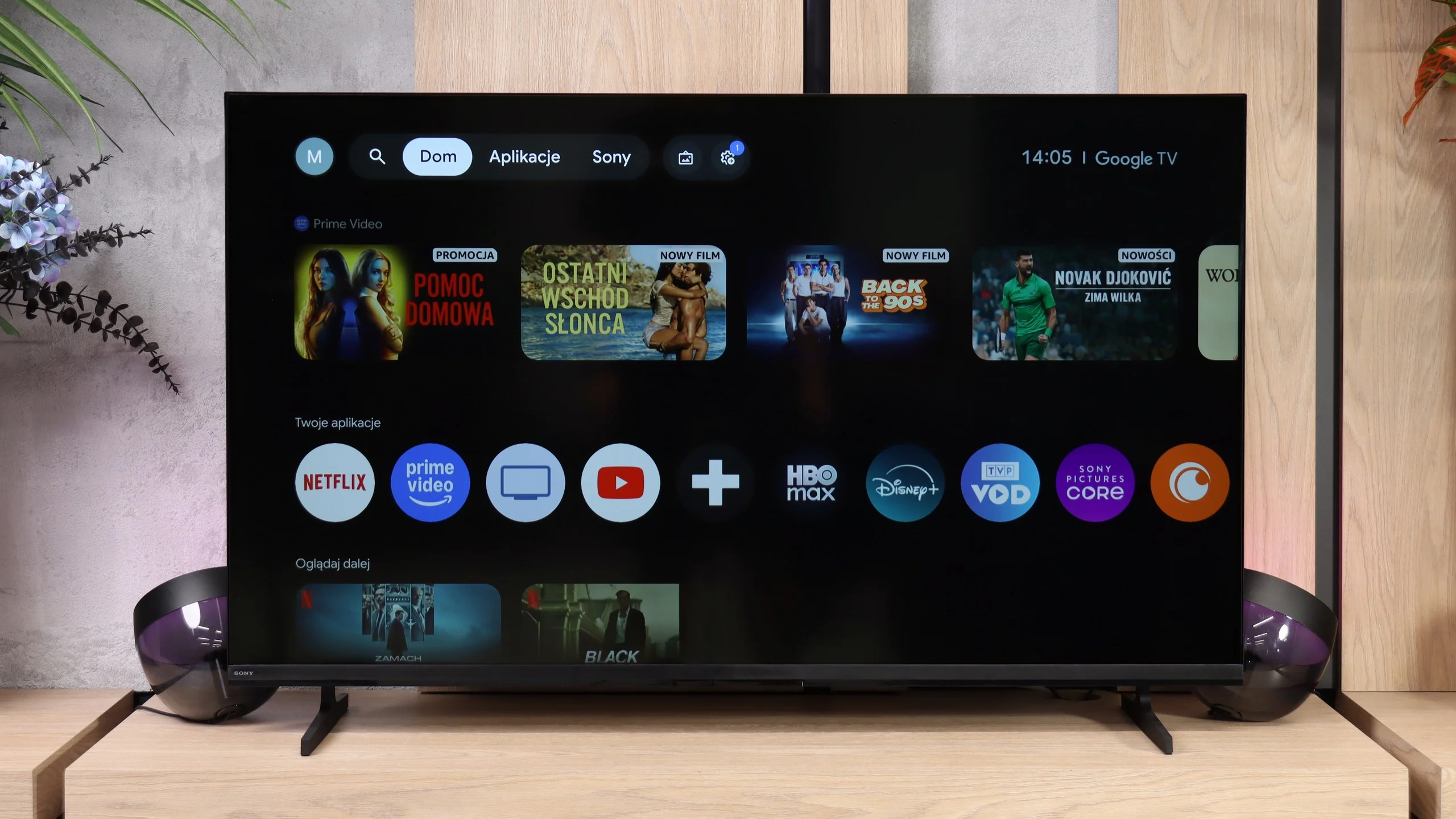
Bravia 2 II runs Google TV, which is definitely one of this model's stronger points. First and foremost, you get a huge range of apps, so accessing popular streaming services is no problem. It also has Chromecast and AirPlay, making it easy to cast content from your phone or other devices. Voice search with Google Assistant/Gemini works very well, including in Polish. The system itself isn't the fastest version of Google TV we've used, and you sometimes have to wait a moment for a response, but overall it performs decently. In terms of features it's hard to complain — especially for one of Sony's more affordable TVs.
Funkcje telewizyjne
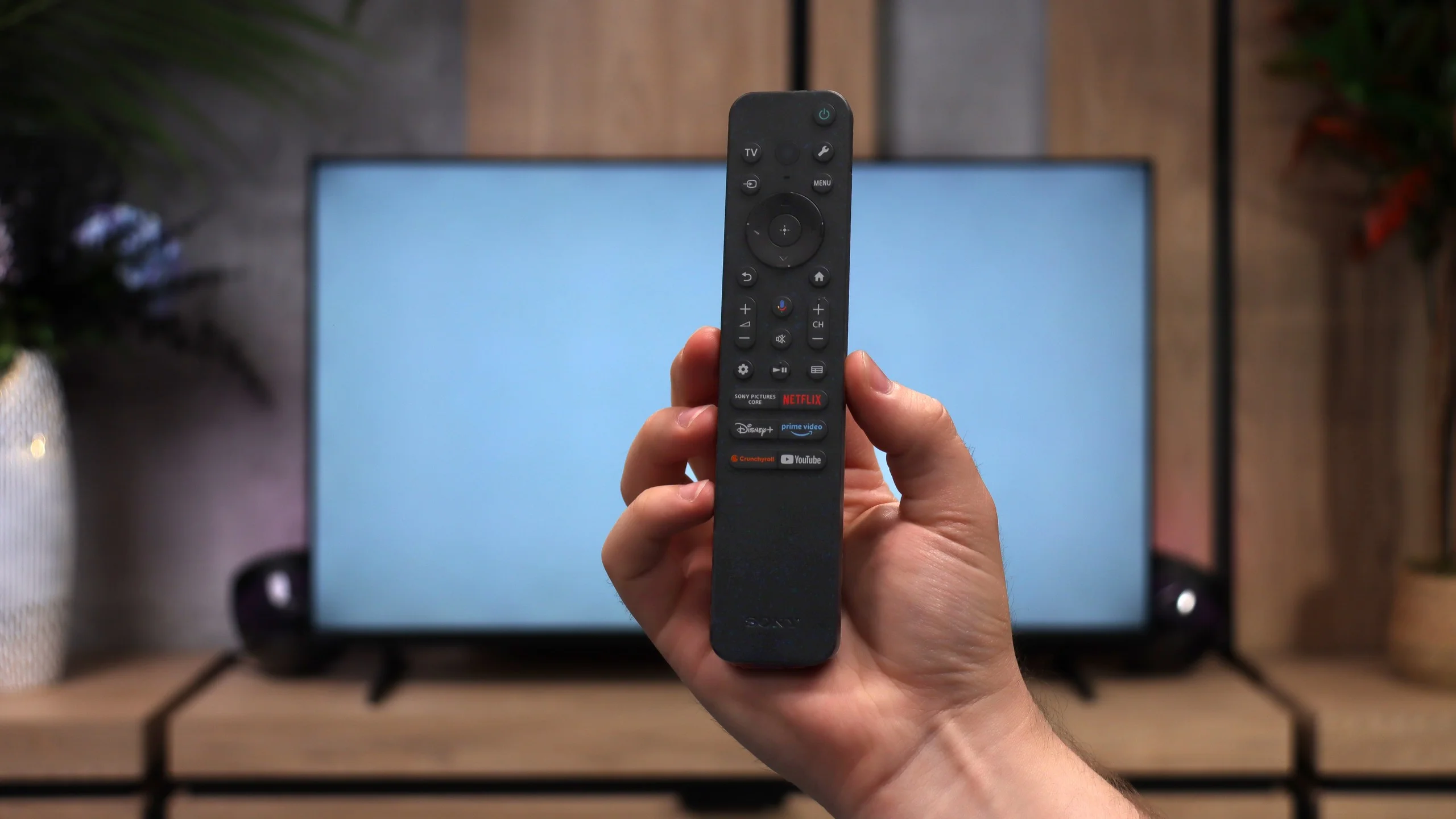
When it comes to traditional TV features, the Bravia 2 II is rather modest. For example, there's no recording to USB or other more advanced extras, so in that respect it's fairly basic. A plus is the inclusion of two remotes. One is modern and simpler, mainly for using the Smart TV, while the other is a classic remote with more buttons, which may be more convenient for people who often watch regular TV. The smaller one works via radio, so you don't have to point it directly at the screen, which is simply more convenient in everyday use.
Apps
9.1/10
9.6/10






















Playing files from USB
8.2/10
9.4/10
Supported photo formats:
Maximum photo resolution:
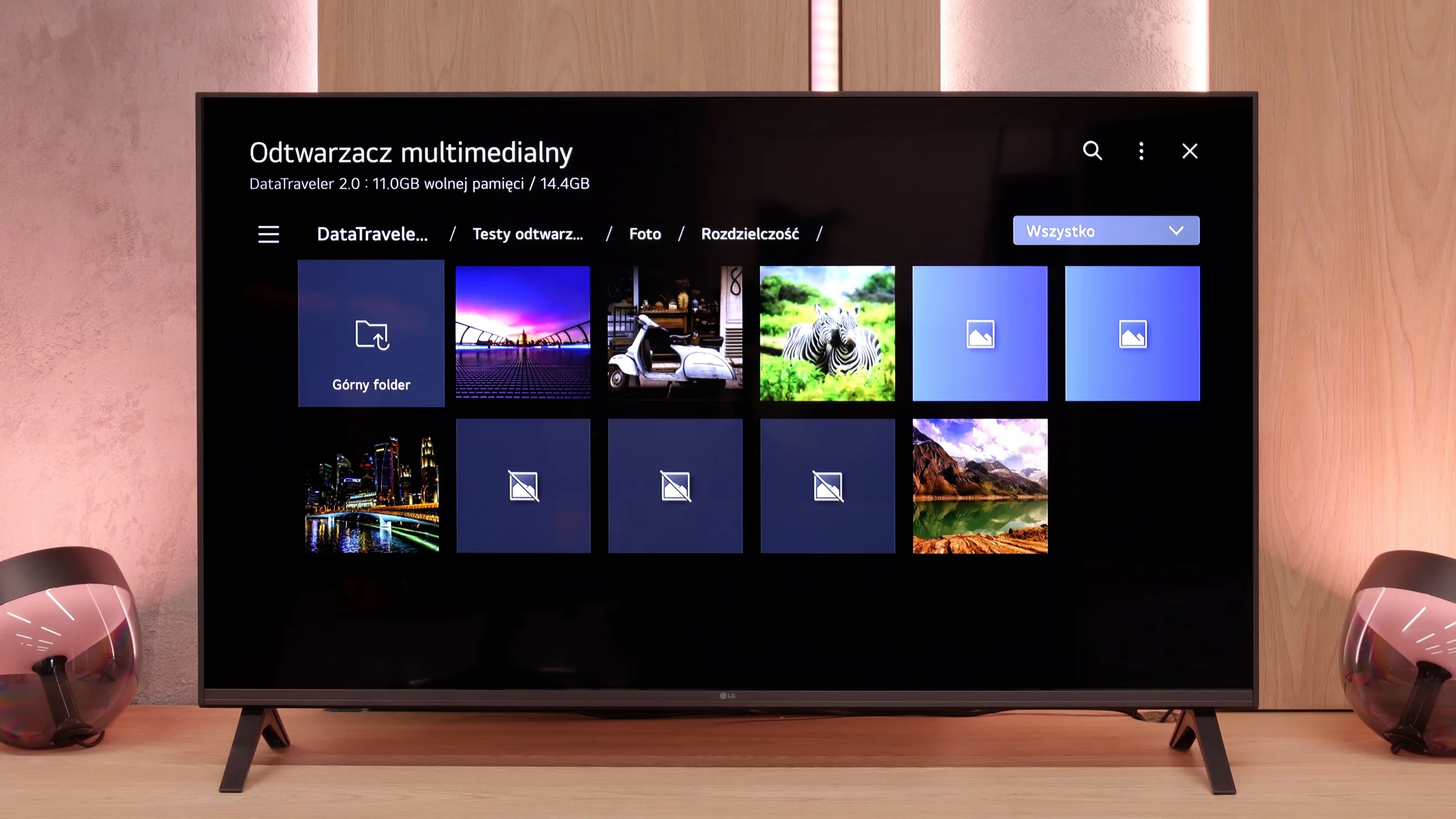
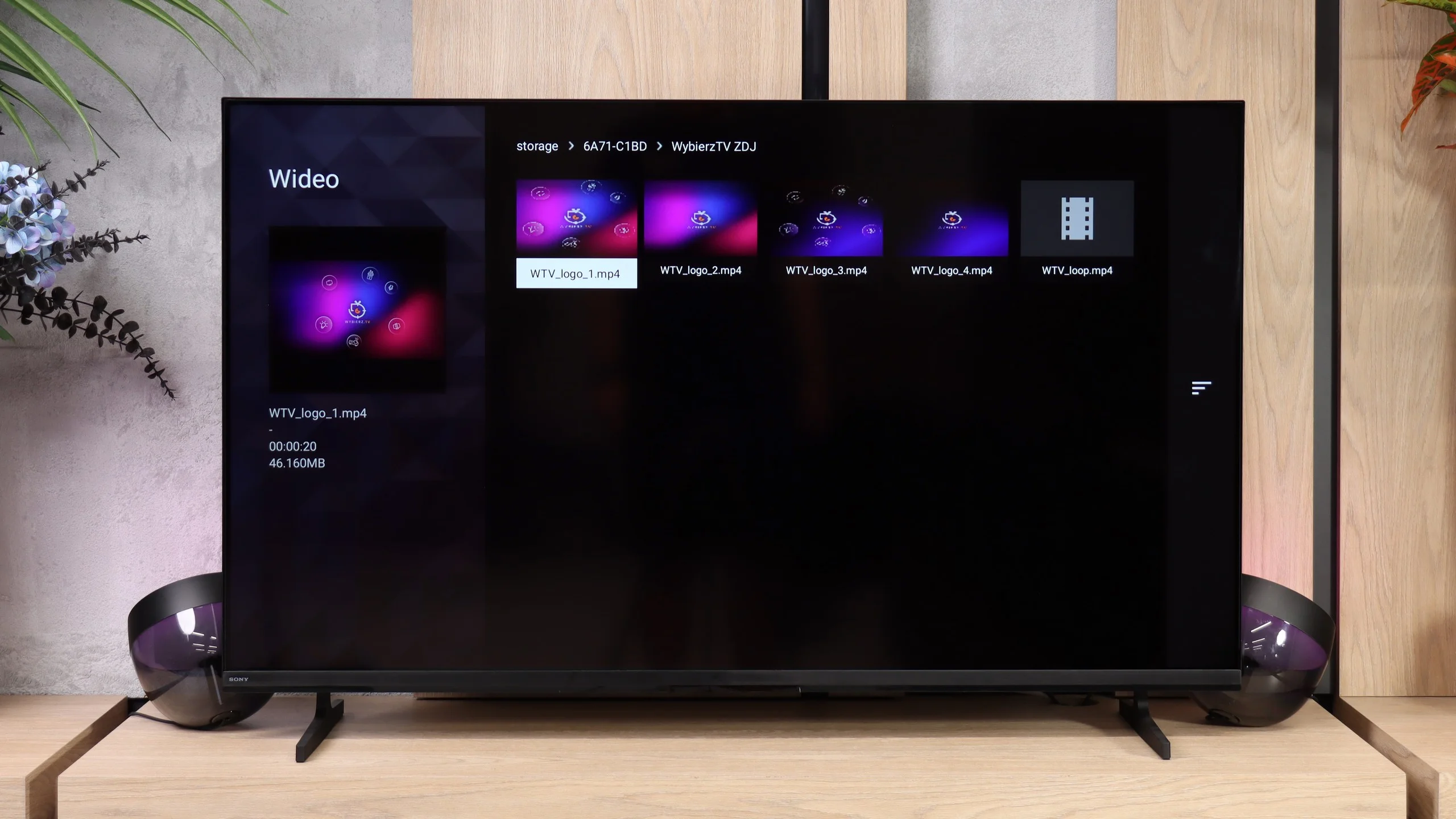
The media player on the UA7500 works fine – movies and music play without major issues, and that should be sufficient for most people. However, one thing caught our attention: the TV does not play all photo formats. In practice, this means that if we upload photos directly from a smartphone to a USB drive, some may simply not open. It's a minor issue, but it's worth keeping in mind. Fortunately, you can always use wireless screen mirroring and display photos on the screen in another way.
The built-in file player performs very well. The Bravia 2 II opens almost everything you throw at it, from common video files and subtitles to photos and music. Importantly, it also handles more demanding 4K material encoded in HEVC or AV1. Of course, there are a few isolated formats the TV doesn’t support, such as VVC or some less common audio and image files. These are things few people will try to play directly on the TV.
Sound
6/10
6.1/10
- Maximum volume81dB92dB
- Dolby Digital Plus 7.1
- Dolby True HD 7.1
- Dolby Atmos in Dolby Digital Plus (JOC)
- Dolby Atmos in Dolby True HD
- DTS:X in DTS-HD MA
- DTS-HD Master Audio
In terms of sound, the LG UA7500 doesn’t impress with booming bass or the highest volume, but it plays surprisingly well. Our impression was that it performs better than most of the cheapest budget TVs and is really quite good for everyday use. It will be just right for news, shows, or series.
Sound in the Bravia 2 II is simply adequate for an entry-level TV. It’s more than enough for watching regular TV, like the news, but as with this type of design it mainly lacks bass. You notice it quite quickly with music and even more in action films, where explosions and other heavy effects lack real weight. Sony does deserve praise for its audio format support. When you connect a soundbar or a home theatre system, the TV will pass the key formats over eARC with no trouble, including Dolby Atmos, Dolby TrueHD, DTS-HD Master Audio and DTS:X. It’s especially welcome to see DTS included, which can’t always be taken for granted on rival TVs, even the pricier models.
Sound Quality Test
Acoustic Measurements
81dBC (Max)
75dBC
92dBC (Max)
75dBC
Reader comments
Comments are provided by the external service Disqus (Zeta Global). Once loaded, Disqus may set cookies and process data about your activity.
We will remember your choice on this device. Provider's privacy policy