 Direct comparison
LG QNED91T is the only MiniLED-backlit TV from LG for 2024 that catches the eye with its innovative use of a VA panel. This is certainly a departure from the established standards of the Korean manufacturer with its top-tier LCD TVs, which typically used an IPS/ADS panel. But the result is positive – the panel combined with local dimming offers really good contrast. Blacks are deep and should satisfy most users. LG 65QNED91T6A is a very bright TV, so placing it in slightly challenging lighting conditions will not pose a challenge for it. In terms of motion fluidity, the QNED91T shows top class. The TruMotion feature works great, allowing for image adjustment according to personal preferences – from a classic, cinematic look to a more fluid effect. And the 120Hz panel makes it ideal for sports or gaming. For the latter, LG has prepared something special – four full HDMI 2.1 ports with a bandwidth of 48 Gbps, allowing for features like VRR and ALLM (and more). This, combined with low input lag, makes this equipment an excellent choice for gaming on a console or PC. Daily use of QNED91T is pure pleasure, mainly thanks to the WebOS system. The interface is intuitive, there's no lack of applications, and the Magic Remote included in the package significantly simplifies navigation through the menu. Operation is fast, and using the TV is comfortable thanks to the voice assistant. Unfortunately, the TV also has its weaknesses. Despite the advantages of the VA panel in terms of high contrast, the algorithms responsible for local dimming of the miniLED zones do not perform very well. In HDR content, there are situations where the picture is either too bright or excessively dark, which is particularly problematic in scenes requiring precision. Additionally - in practice, the differences between standard HDR10 and Dolby Vision are nearly invisible. This is a significant disappointment, especially in this class of TV. Nonetheless, the LG QNED91T is an interesting choice for those who need a TV with high brightness, considerable gaming capabilities, and appreciate the convenience of the WebOS system. If the priority is picture quality in HDR content, such as Netflix, Prime Video, or Max, we recommend considering alternative models, such as OLED B4 from the 2024 line, which is available for a similar price.
- Matching (Score) |
- Our verdict |
- TV appearance |
- Where to buy |
- Contrast and black detail |
- HDR effect quality |
- Factory color reproduction |
- Color reproduction after calibration |
- Smoothness of tonal transitions |
- Image scaling and smoothness of tonal transitions |
- Blur and motion smoothness |
- Console compatibility and gaming features |
- Input lag |
- Compatibility with PC |
- Viewing angles |
- Daytime performance |
- Panel details |
- TV features |
- Apps |
- Playing files from USB |
- Sound
QNED91T / QNED90T
C6 / C64 / C6E / C6H / C61

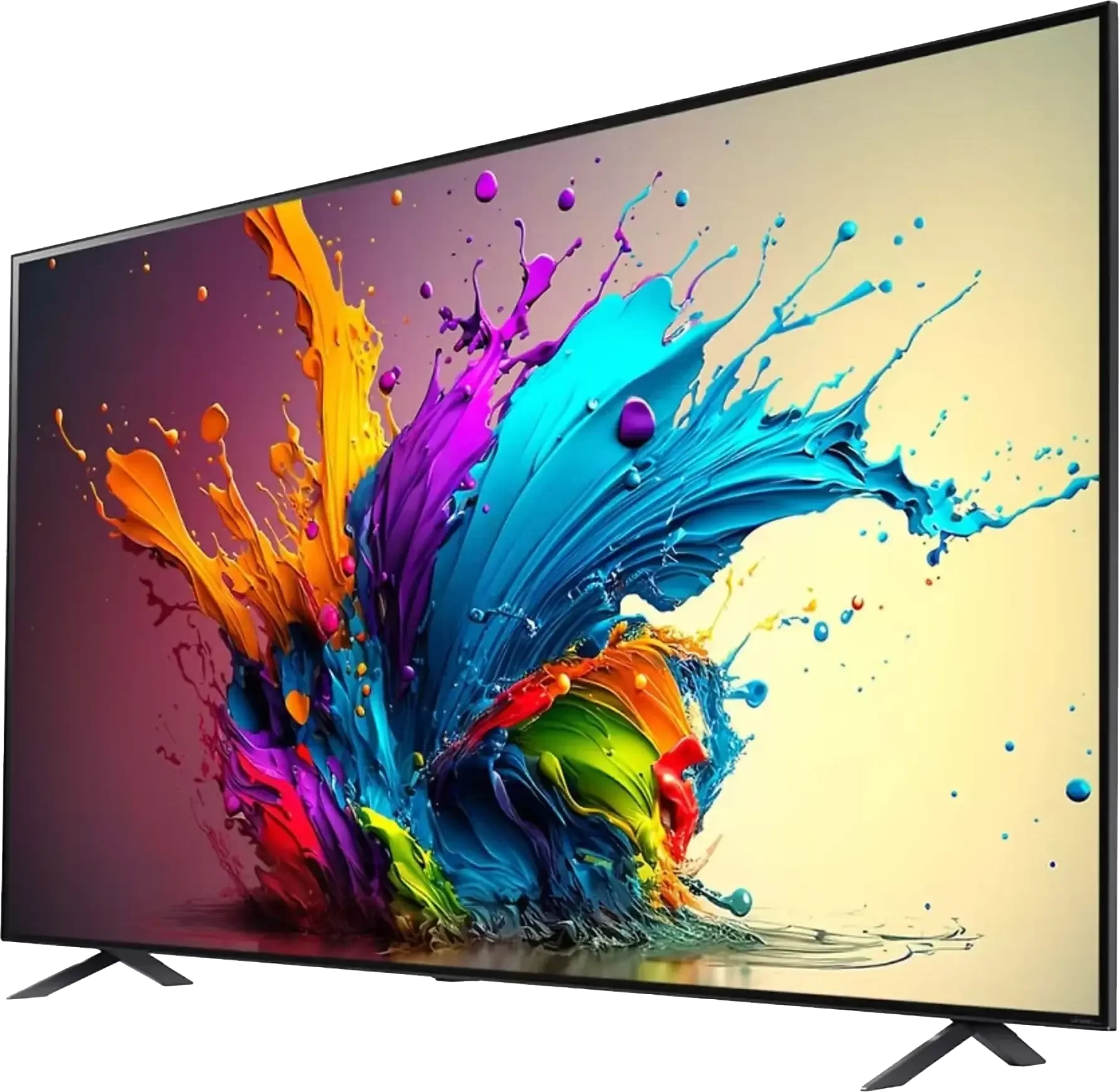
Panel type: LCD VA
Resolution: 3840x2160
System: WebOS
Model year: 2024
Complete the survey to find out the result
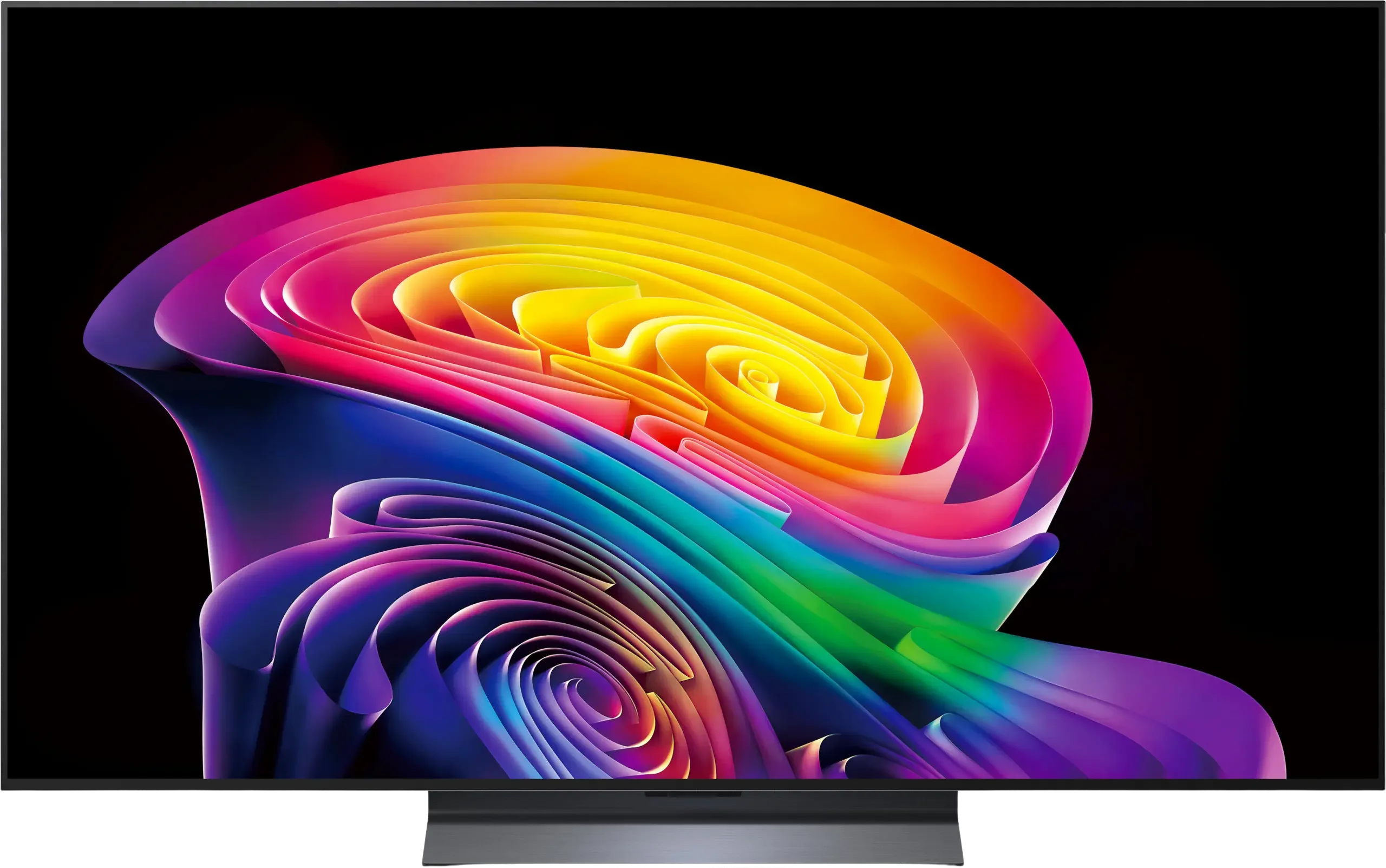
Panel type: WRGB OLED
Resolution: 3840x2160
System: WebOS
Model year: 2026
Complete the survey to find out the result
Overall rating
7.2
8.3
 Movies and series in UHD quality
6.7
8.4
 Classic TV, YouTube
6.9
8.8
 Sports broadcasts (TV and apps)
6.8
8.6
 Gaming on console
8.5
9.4
 TV as a computer monitor
7.6
8.6
 Watching in bright light
6.1
6.6
 Utility functions
8.4
8.4
 Apps
8.3
9.1
 Sound quality
6.9
7.0
Complete the survey to find out what fits your preferences
Advantages

Good contrast - VA panel
Suitable for gamers: HDMI 2.1, low input lag, 120Hz
Decent brightness - works well for watching during the day
Great operating system WebOS - Magic Remote, voice features
Recording from built-in tuners
Perfect blacks and OLED-level contrast
Very high HDR brightness, up to around 1,500 nits
Excellent picture quality in HDR films, including Dolby Vision
Very good image processing and upscaling
165 Hz panel with virtually no motion blur
Great gaming package: VRR, G-Sync, HGiG, Dolby Vision Gaming
Very low input lag, about 5 ms at 120 Hz
Wide viewing angles
Intuitive, modern WebOS
Convenient control with the Magic Remote featuring a gyroscope
Disadvantages

Poor management of dimming zones
Lack of HDR adaptation - no difference visible between HDR10 and Dolby Vision
Poor viewing angles
Different versions of the remote depending on the C6 variant, so before buying it's hard to be certain which Magic Remote will be included
Visible grain (dithering) around blacks, noticeable from close viewing distance
Average reflection handling, in a very bright living room strong reflections may be noticeable
No DTS:X support, for that format you'll need an external AV receiver or player
Our verdict
The LG C6 is a very successful evolution of one of the market’s most popular OLEDs. The TV itself hasn’t changed drastically compared with last year’s C5; the look is very similar, webOS offers comparable features, and gamers again get pretty much everything you’d expect from a modern TV. You can’t really complain, since the C5 was already a very complete device in that respect. The most important change is where there was room for improvement: the panel itself. The new WOLED panel is noticeably brighter, and roughly 1500 nits in HDR makes it increasingly hard to see the C6 as just a ‘mid-range’ OLED. HDR movies look very impressive, blacks remain perfect, colours are very good, and the new processor, the same one found in the flagship G6, handles upscaling and lower-quality sources very well. There’s also a really strong offering for gamers. 165 Hz from a PC, VRR, G-Sync and very low input lag mean you can just as easily hook up a console as a powerful PC. During the day the C6 also performs better than previous generations, though of course in a very bright living room you’ll still find brighter TVs on the market. And it’s probably that versatility we like most about the C series. The C6 doesn’t try to be the best TV in every possible category, but it doesn’t really fall short in any. It’s suitable for movies, sport, gaming, regular TV and everyday streaming. If its price starts to fall after launch as it did with previous generations, it could be one of the most interesting OLEDs to buy in 2026.
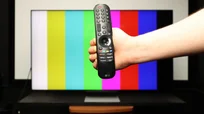
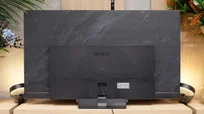
TV appearance


Contrast and black detail
7.2/10
10/10
Local dimming function: Yes, number of zones: 160 (16 x 10)
Contrast:


Result
126,250:1

Result
20,900:1

Result
19,200:1

Result
4,900:1

Result
4,550:1
Result
∞:1
Result
∞:1
Result
∞:1
Result
∞:1
Result
∞:1
Halo effect and black detail visibility:
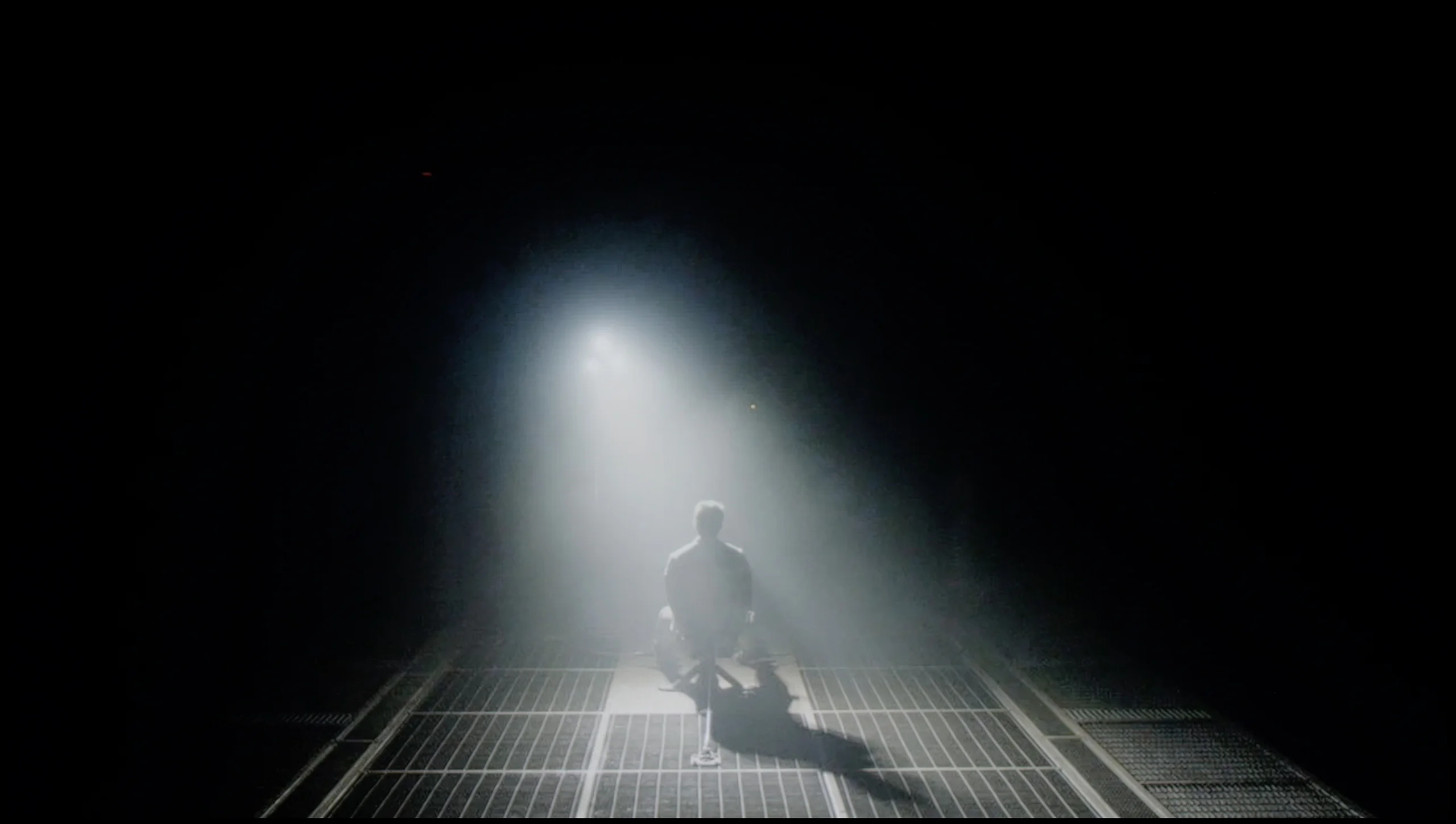
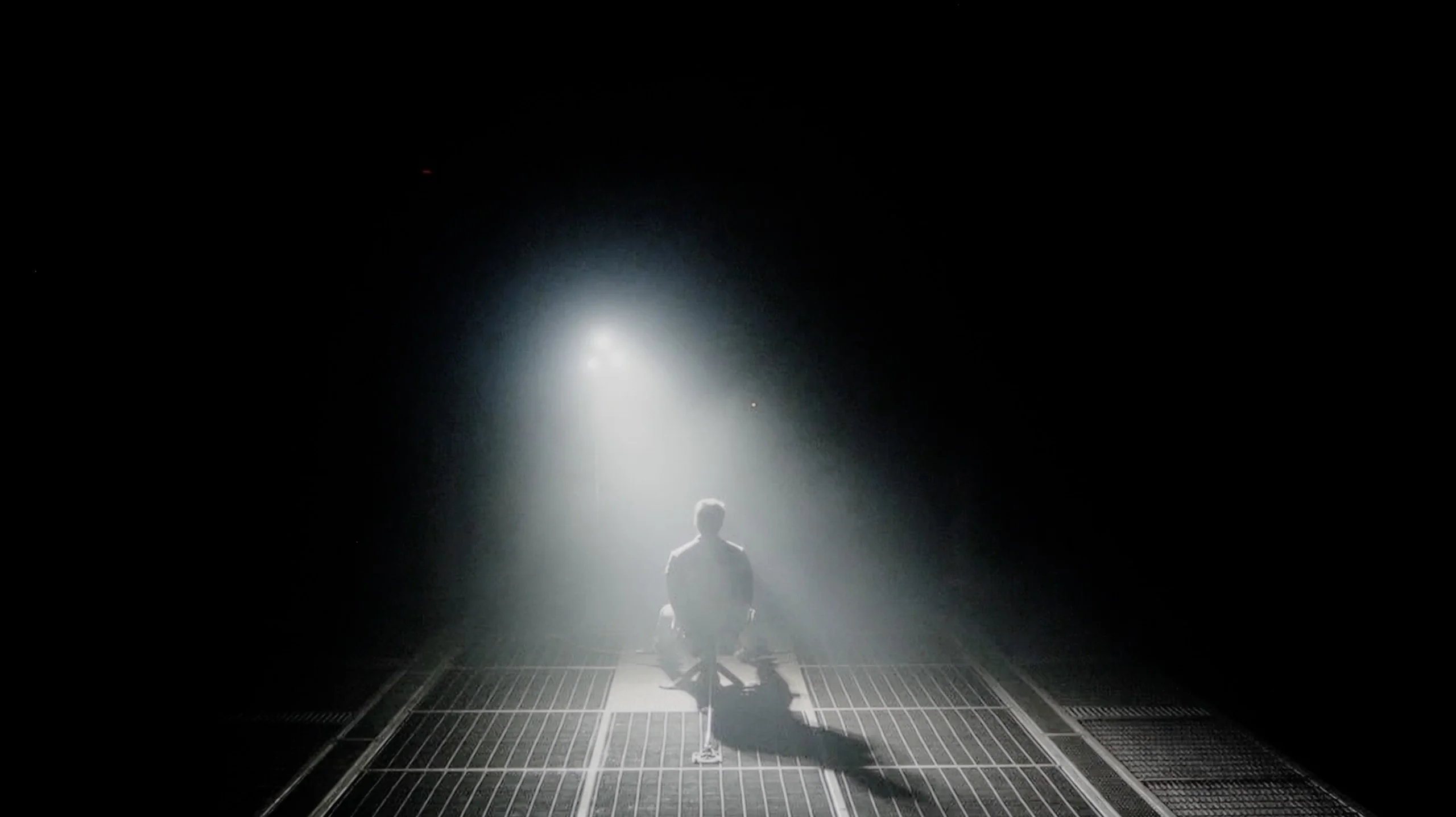
Check the visibility of bright lights on a dark background. Mini-LEDs often struggle with this. The photo does not compare black levels – that’s what the video below is for.
The video accurately shows differences in contrast and black levels between TVs, as well as potential issues: halo around bright objects or Mini-LED zone operation visible as brightness jumps.
QNED91T is a television with MiniLED backlighting, and in the tested size of 65", we counted 160 local dimming zones. The unit we tested, with a "1" at the end, is equipped with a VA panel, which offers significantly better contrast than IPS panels, which - note - can be found in the model LG QNED90T. Therefore, it's wise to be cautious when choosing a version to avoid disappointment regarding contrast. The model QNED90T is rather hard to acquire in Poland, but distribution can vary. Returning to our contrast tests, it performed really well in less demanding scenes. For example, in one of the scenes from the movie "Oblivion," we observed perfect separation of lights - it looked impressive. However, not everything is so straightforward. In a scene from "Sicario 2," we noticed that the screen was noticeably darker, deviating significantly from the reference image appearance. The television effectively eliminates the halo effect (i.e., the glow around objects), but this comes at the cost of brightness - and quite a considerable one at that. Despite these compromises, the contrast of LG 65QNED91T6A is genuinely solid. Of course, as is the case with MiniLED televisions, some limitations must be taken into account, but the overall impression is very positive.
If it’s about black levels, there’s not much to discuss. The LG C6 uses an OLED panel, so each pixel can be completely turned off. The result is what you’d expect: perfect black, very high contrast and no haloing around bright elements. You can see this clearly in night scenes, where single lamps, text or other bright points appear against a very dark background. The C6 handles them without any trouble and there are none of the limitations typical of Mini LED TVs with local dimming. Interestingly, in this respect it doesn’t matter whether we’re talking about this C6 or the more expensive Tandem OLED variant. When it comes to black levels themselves, both TVs perform practically identically. The differences between them are mainly in brightness and colours.
NOTE: In the helicopter scene from Sicario 2 we noticed graininess and flickering in the darkest parts of the image. It looks like a software bug that LG should fix with an update. On the Tandem OLED version the issue is even more noticeable, and we observed similar behaviour on the flagship LG G6.
HDR effect quality
5.2/10
7.8/10
Luminance measurements in HDR:

Result
1069 nit

Result
180 nit

Result
577 nit

Result
96 nit

Result
674 nit
Result
1489 nit
Result
1288 nit
Result
1527 nit
Result
1345 nit
Result
649 nit
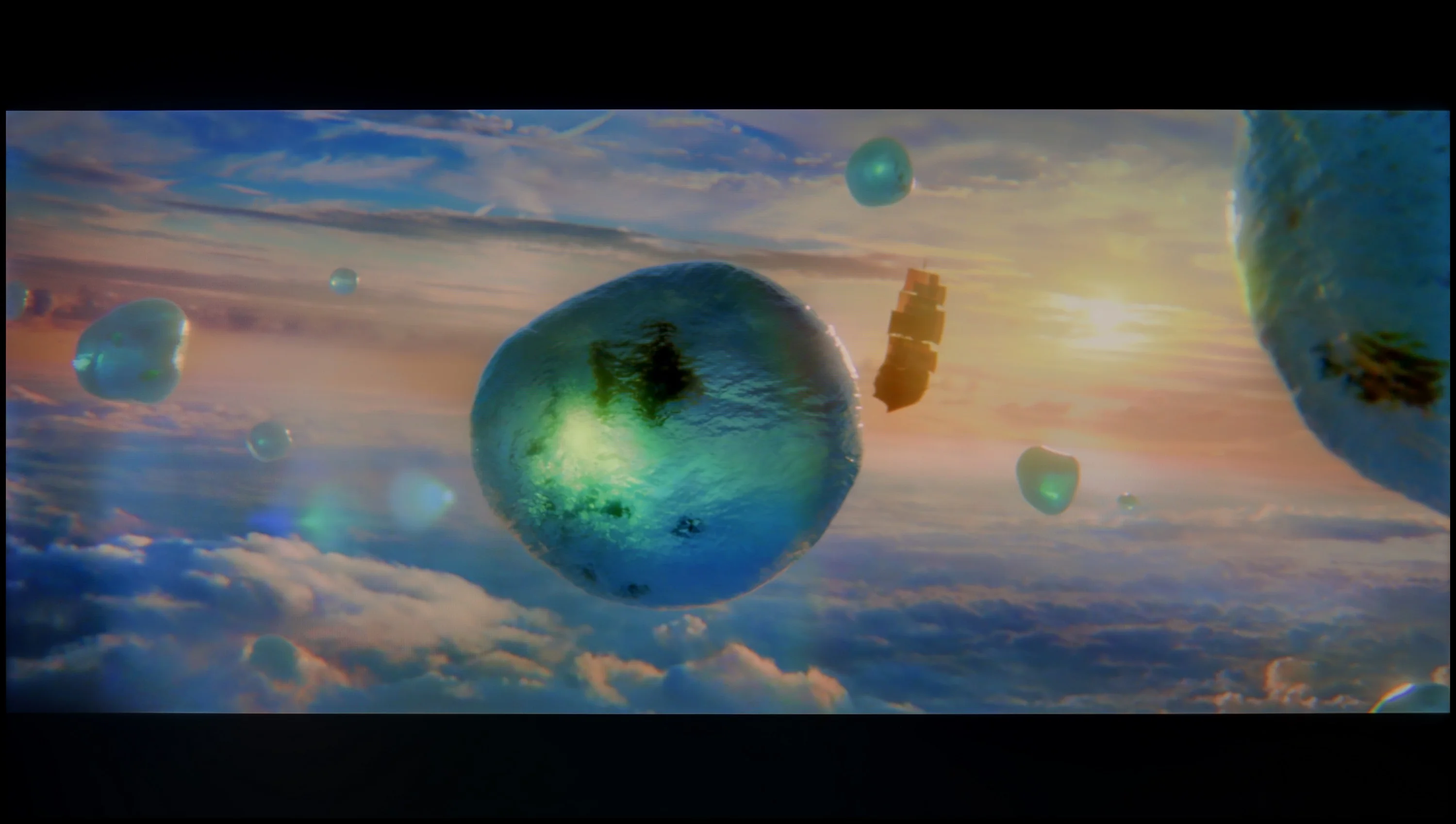
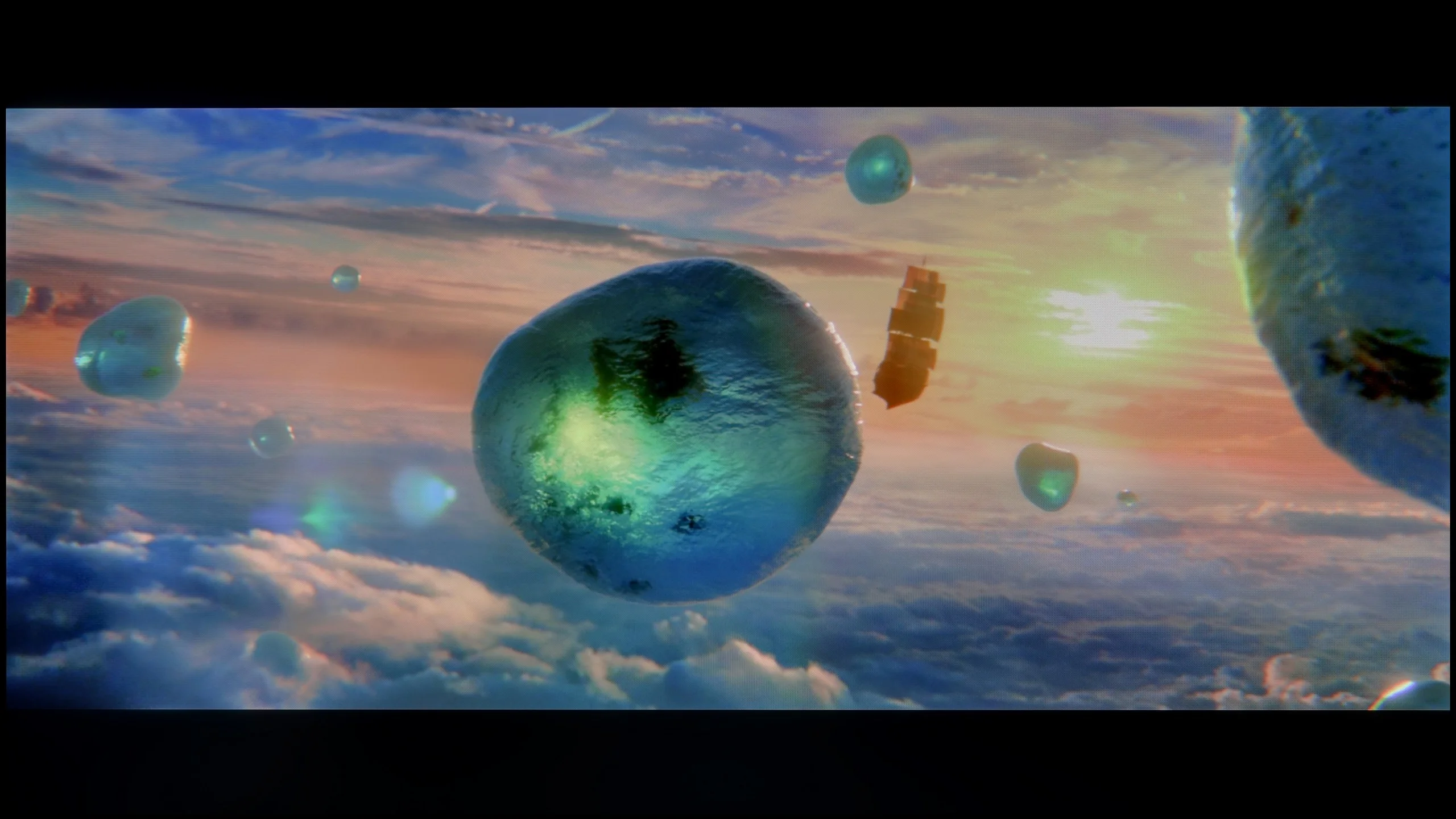
Scene from the movie “Pan” (about 2800 nits)
Scene from the movie “Billy Lynn” (about 1100 nits)
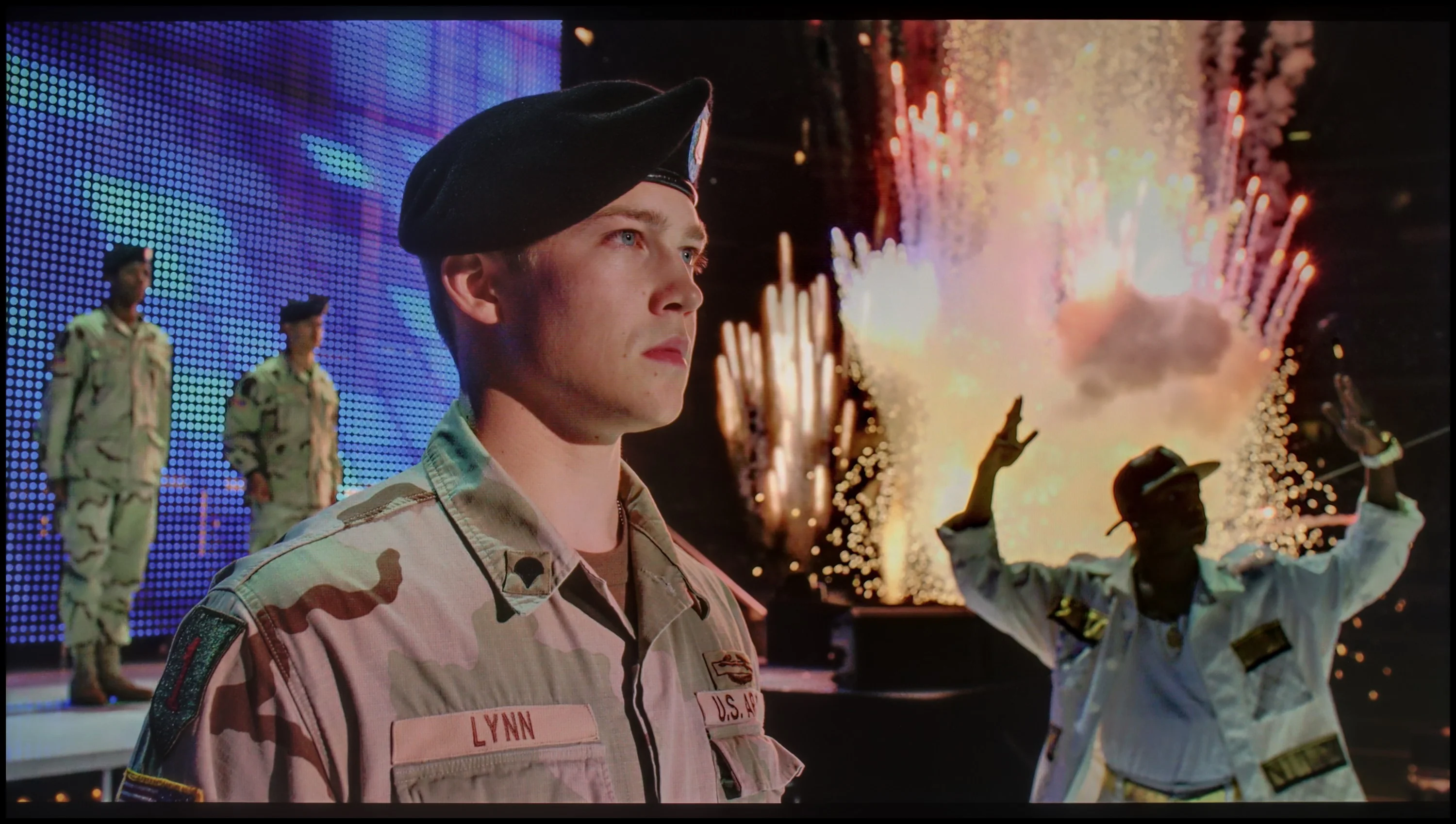
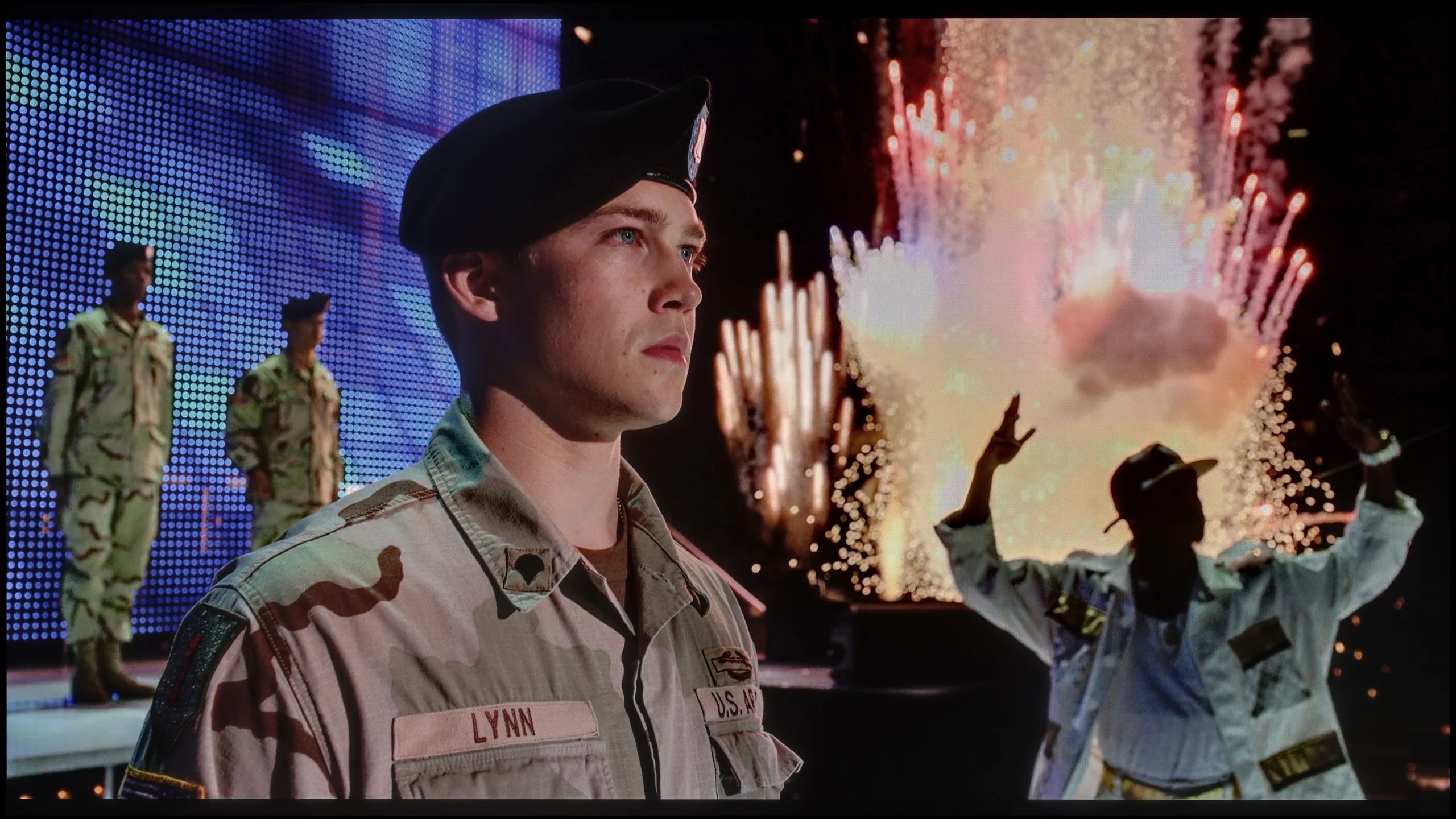
The photos show two HDR10 movies. 'Pan' is one of the brightest productions ever made, while 'Billy Lynn' (soldier) has brightness typical of streaming (Netflix, Prime, HBO MAX). Notice the intensity of effects and detail in whites.
Static HDR10


The photos present the visibility of white details in various HDR formats. They do not show brightness differences between TVs (these can be compared in the previous gallery).
Dynamic: Dolby Vision
Dynamic: Dolby Vision


The photos present the visibility of white details in various HDR formats. They do not show brightness differences between TVs (these can be compared in the previous gallery).
HDR luminance chart:
LG OLED C6 (WOLED)
LG QNED91T6A
Luminance of RGB colors
As befits a MiniLED television, LG QNED91T easily exceeds the magical barrier of 1000 nits on the luminance chart. In scenes where light played a key role, the effect was truly commendable. For instance, 1000 nits in the first scene of "Life of Pi" is a really impressive value, and the achieved 600 nits in the third and fifth scenes allowed for a true sense of HDR magic. However, problems arise with very small light elements on the screen, such as the moon, street lamps, or lights. Values around 100 nits - to put it bluntly - are disappointing, as these elements are so dark they are barely visible. The television deserves praise for covering 96% of the DCI-P3 colour gamut and 75% of BT.2020. LG QNED91T leaves us with very mixed feelings, mainly due to the very aggressive dimming algorithms which, while effectively eliminating halo effect, do impact the brightness of smaller elements.
The HDR performance of the LG C6 is really very good. LG Display’s new WOLED panel has mainly brought a significant increase in brightness. In our unit we measured around 1500 nits and, importantly, the TV can show similar values in many normal movie scenes as well. That gives HDR real punch. Bright highlights, lamps and sunlight can be genuinely intense, and most HDR movies simply look very impressive. Of course it’s still an OLED, so brightness falls in scenes with a lot of white. The fifth scene from the movie The Meg illustrates this well, where the C6 reached around 600 to 700 nits. That’s still a very good result, but it also shows the new panel hasn’t shed all the limitations typical of OLEDs.
Colours
When it comes to colours, it’s also hard to raise major objections. The C6 covers about 99% of the DCI-P3 gamut and roughly 75% of BT.2020. In practice colours are very saturated and, importantly, stable regardless of the scene. That’s worth emphasising, because not every TV behaves the same in this respect. In some RGB Mini LED models colour saturation can depend more strongly on image brightness. A wider colour gamut today is mainly offered by QD-OLED TVs and new SQD models with a new generation of quantum dots. However, the C6 still performs very strongly here and is able to produce suitably saturated colours in most movie scenes.
Factory color reproduction
6/10
7.8/10
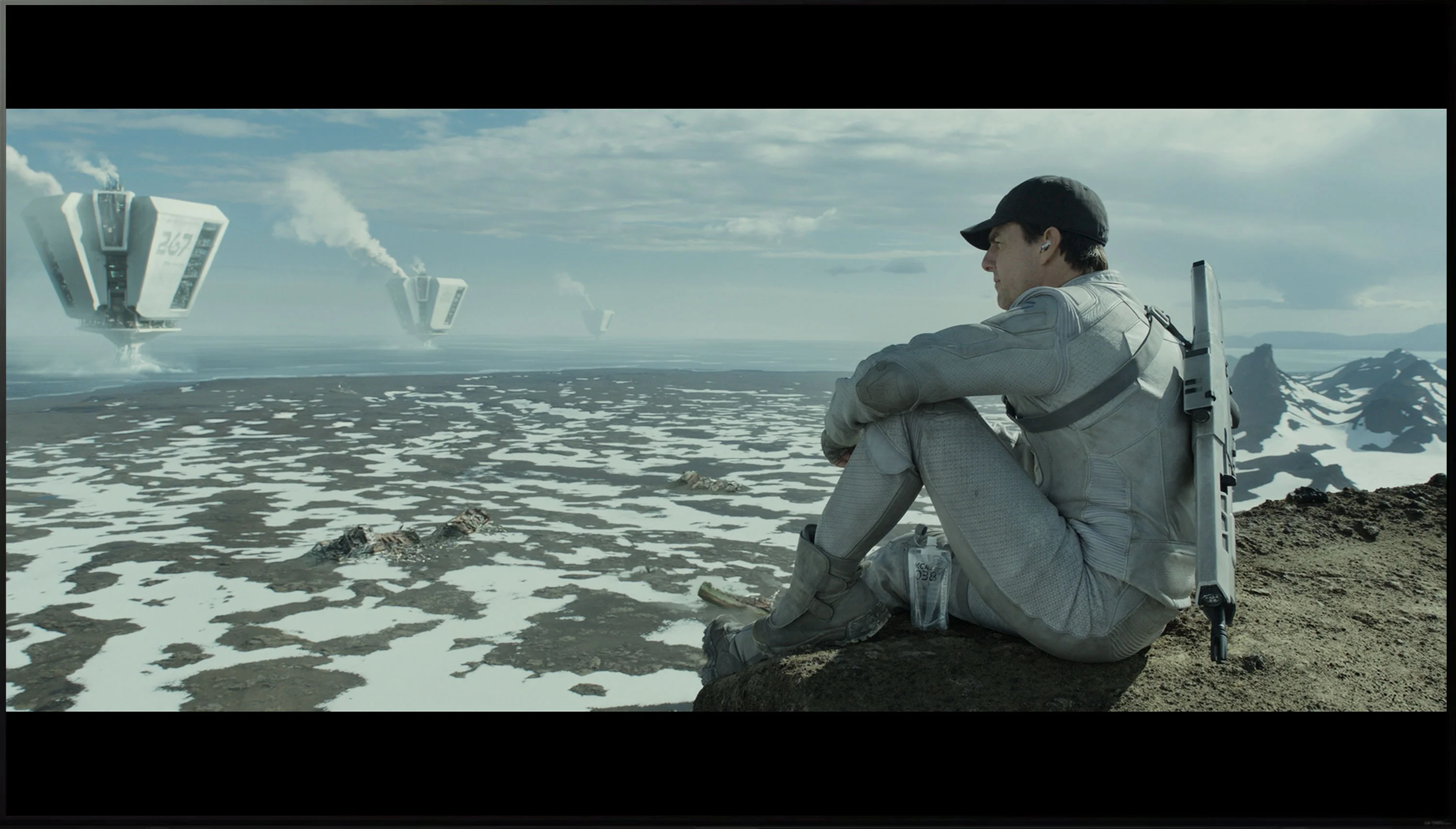
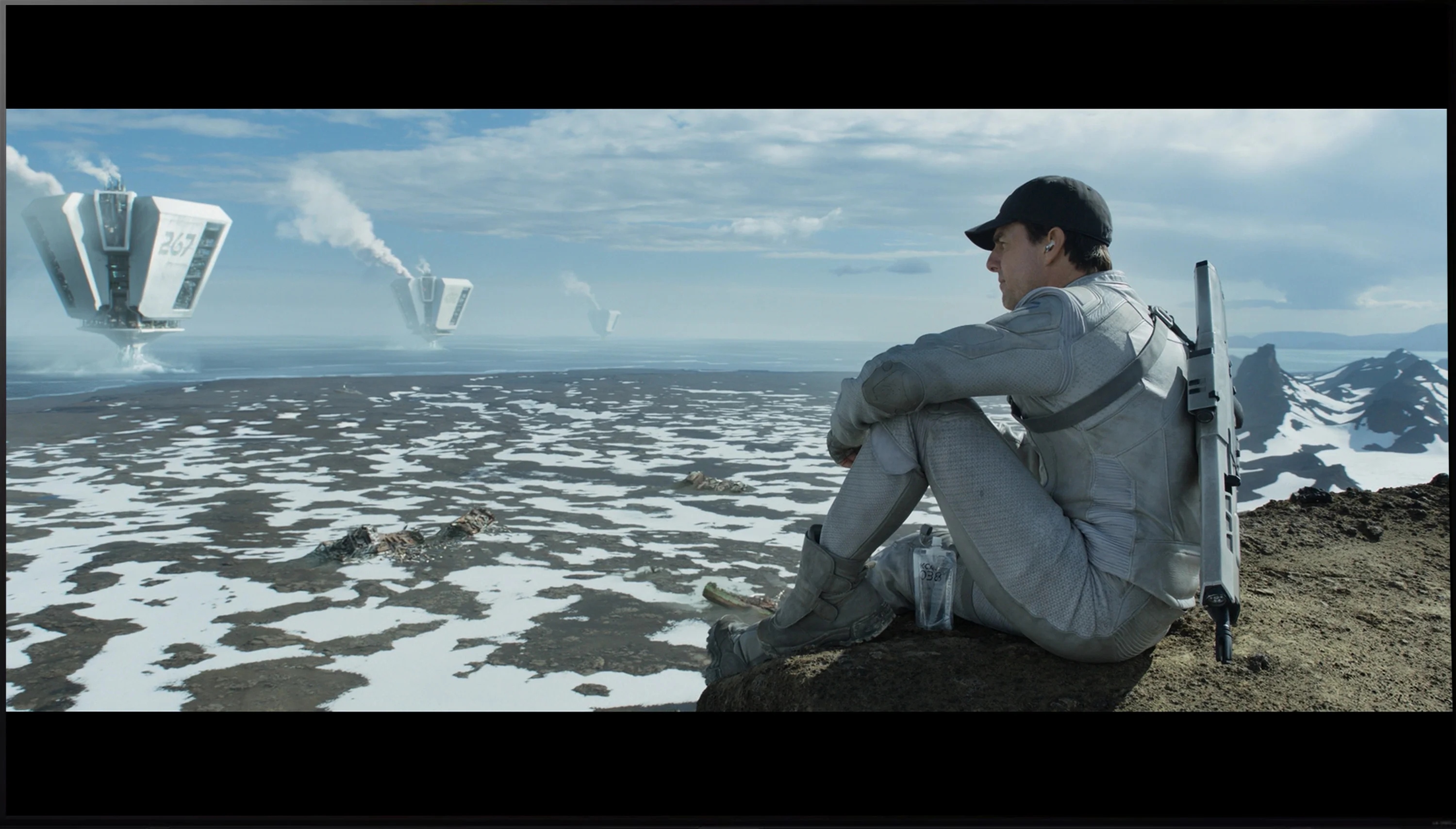
This gallery shows how colors change after professional TV calibration. If you notice the difference, we recommend ordering this service at SkalibrujTV.com.
Factory Mode
After calibration
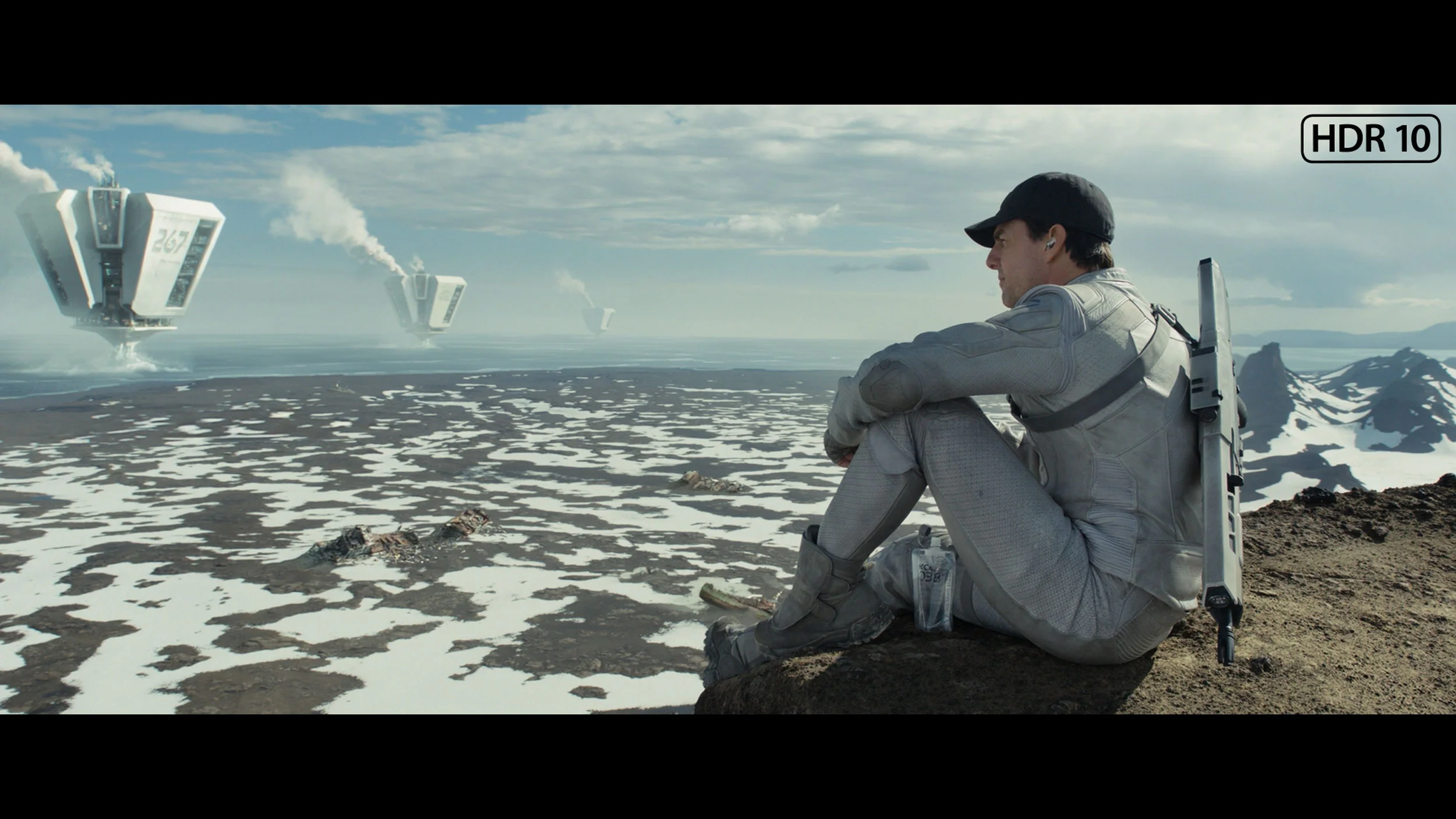
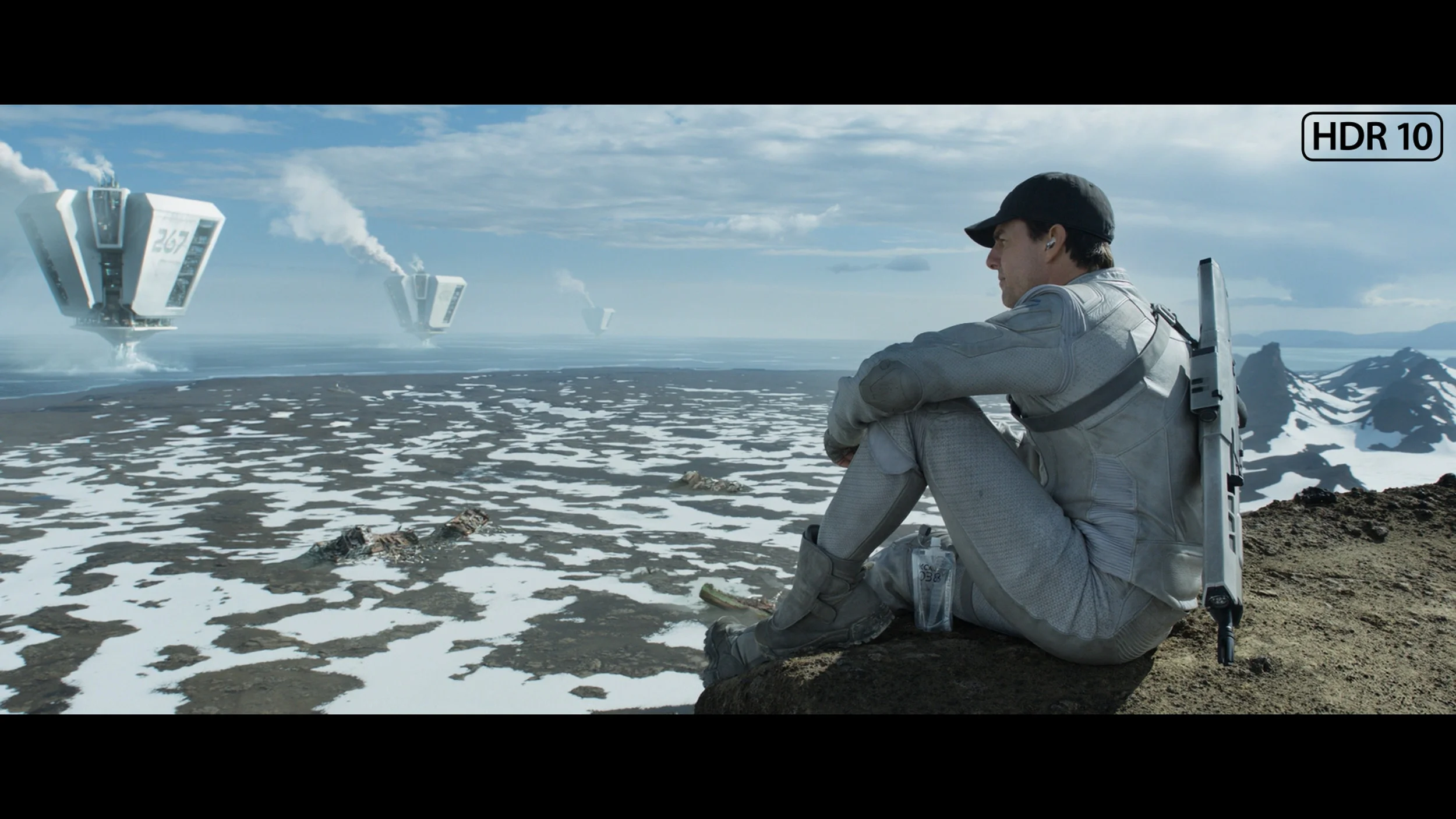
This gallery shows how colors change after professional TV calibration. If you notice the difference, we recommend ordering this service at SkalibrujTV.com.
Factory Mode
After calibration
All our tests are conducted in the best picture mode on each television. In this case, as usual, it’s the Filmmaker mode. The name of the mode suggests ideal colour reproduction; however, there were noticeable deviations from the correct image. Our unit, in terms of white balance, exhibited a significant drop in blue hues - both in SDR and 4K HDR materials - resulting in a noticeable yellowing of the image, evident in the comparison scenes from a movie with Tom Cruise. As we described earlier, QNED91T has a tendency to brighten the screen. This is confirmed by the gamma, which is quite significantly lower than the reference value of 2.4. Meanwhile, the EOTF curve, which is responsible for brightness in 4K content, showed some issues with the television’s ability to dim the image in the darkest areas, which we could observe in the paragraph describing the quality of the HDR effect. Although the Filmmaker mode is a pretty good "out of the box" mode, it still requires some adjustments.
Right out of the box the LG C6 is quite well set up, especially if you choose the Filmmaker mode. In SDR material the white balance is decent, although as brightness increases there is a slight lack of red. The image becomes a bit cooler, but not enough for it to be very noticeable during normal viewing. More is happening in the brightness characteristic. Gamma is a little low and instead of holding at 2.4, for a large part of the range it sits closer to 2.1–2.2. In practice the C6 slightly brightens midtones. Shadows are therefore more readable, but the image loses some depth compared with how it should look in a darkened room.
In HDR the situation is a bit more interesting. The start of the greyscale looks very good, but from about 20–30% brightness the white balance starts to drift increasingly. As brightness rises there is more red and a noticeable lack of blue. In the brightest sections the difference is already significant and also affects the reproduction of some colours. The EOTF curve itself is followed quite well through most of the range. The C6 only tends to slightly brighten the image, which we also saw in our film comparisons. The largest deviation appears around the brightest parts, where the TV starts adapting the signal to the panel's capabilities.
The factory Filmmaker setting in HDR is therefore not perfect, but overall performs well. The biggest area for improvement is the white balance, especially at high brightness.
Color reproduction after calibration
7.8/10
9.1/10
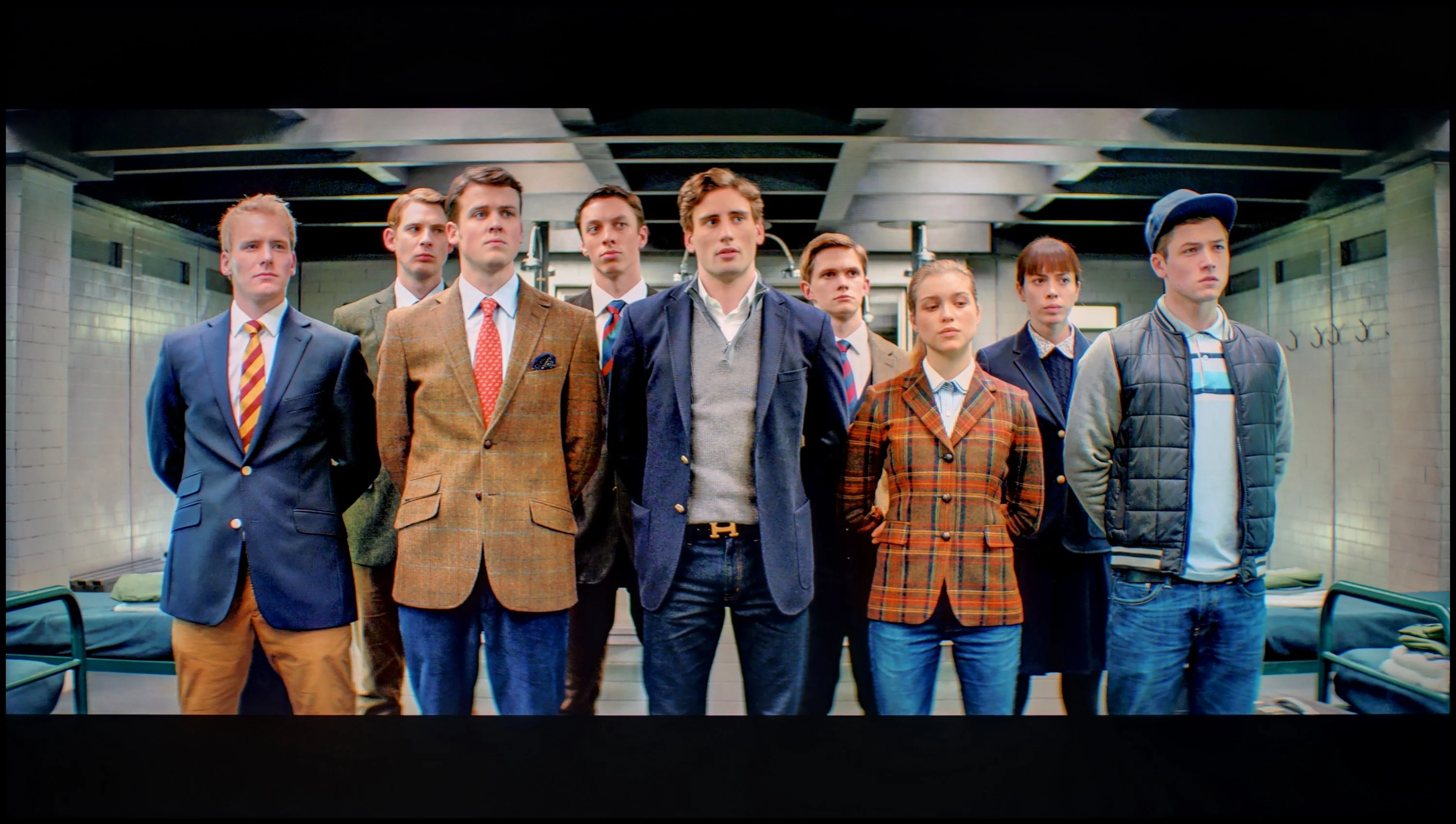
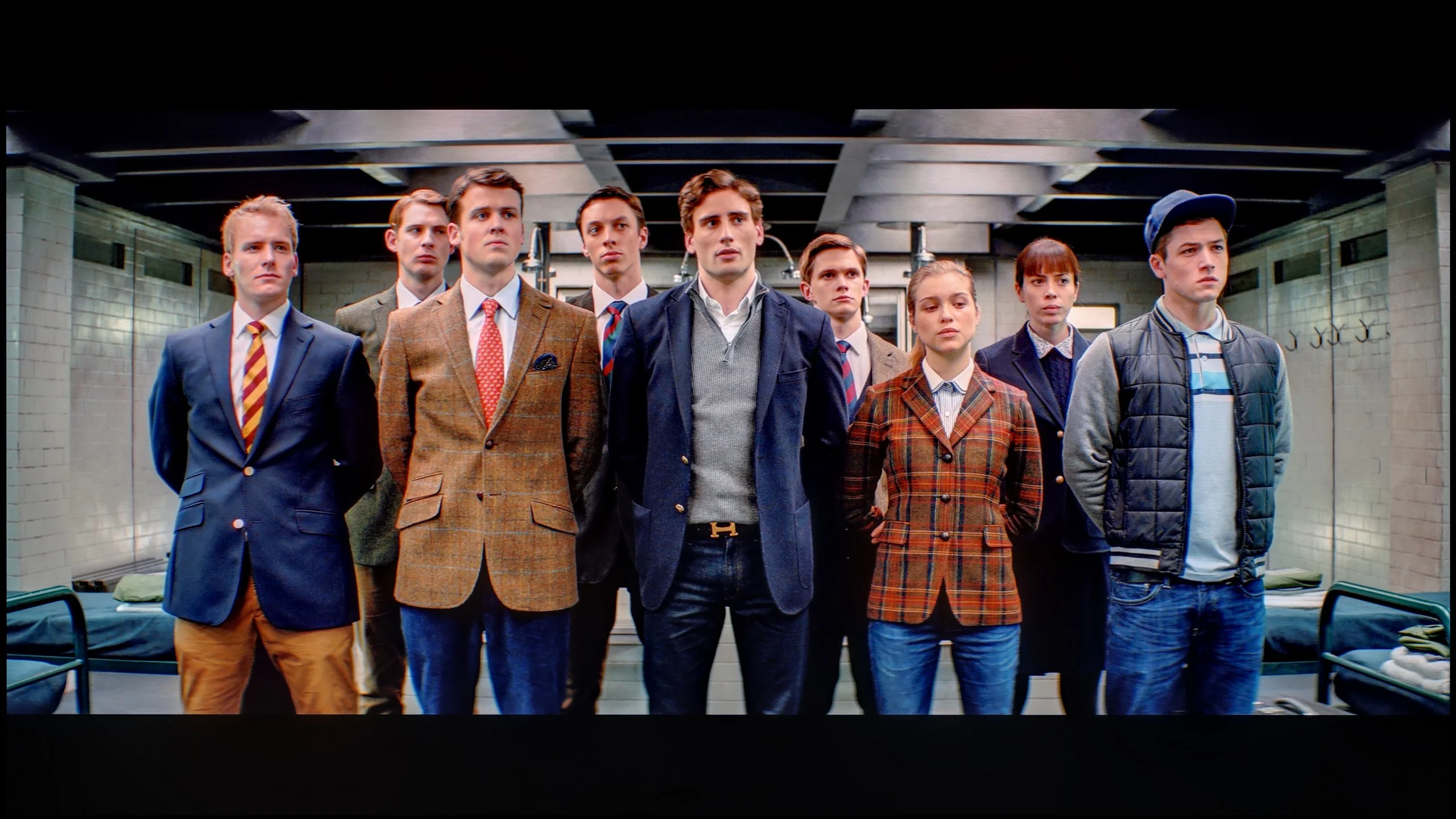
The photos show how movies look on the TV. Pay attention to black detail visibility, colors, and shadow tint.
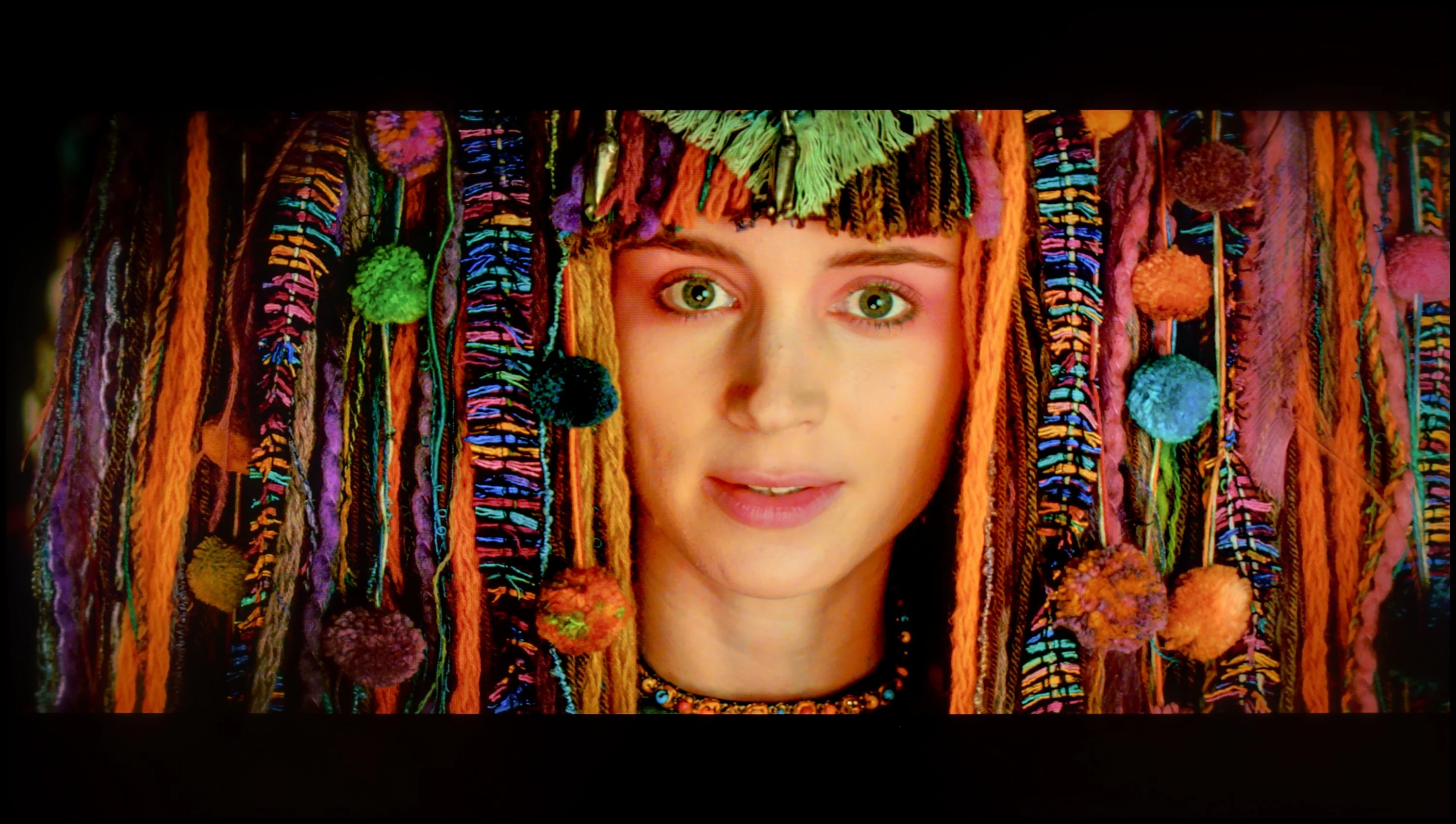
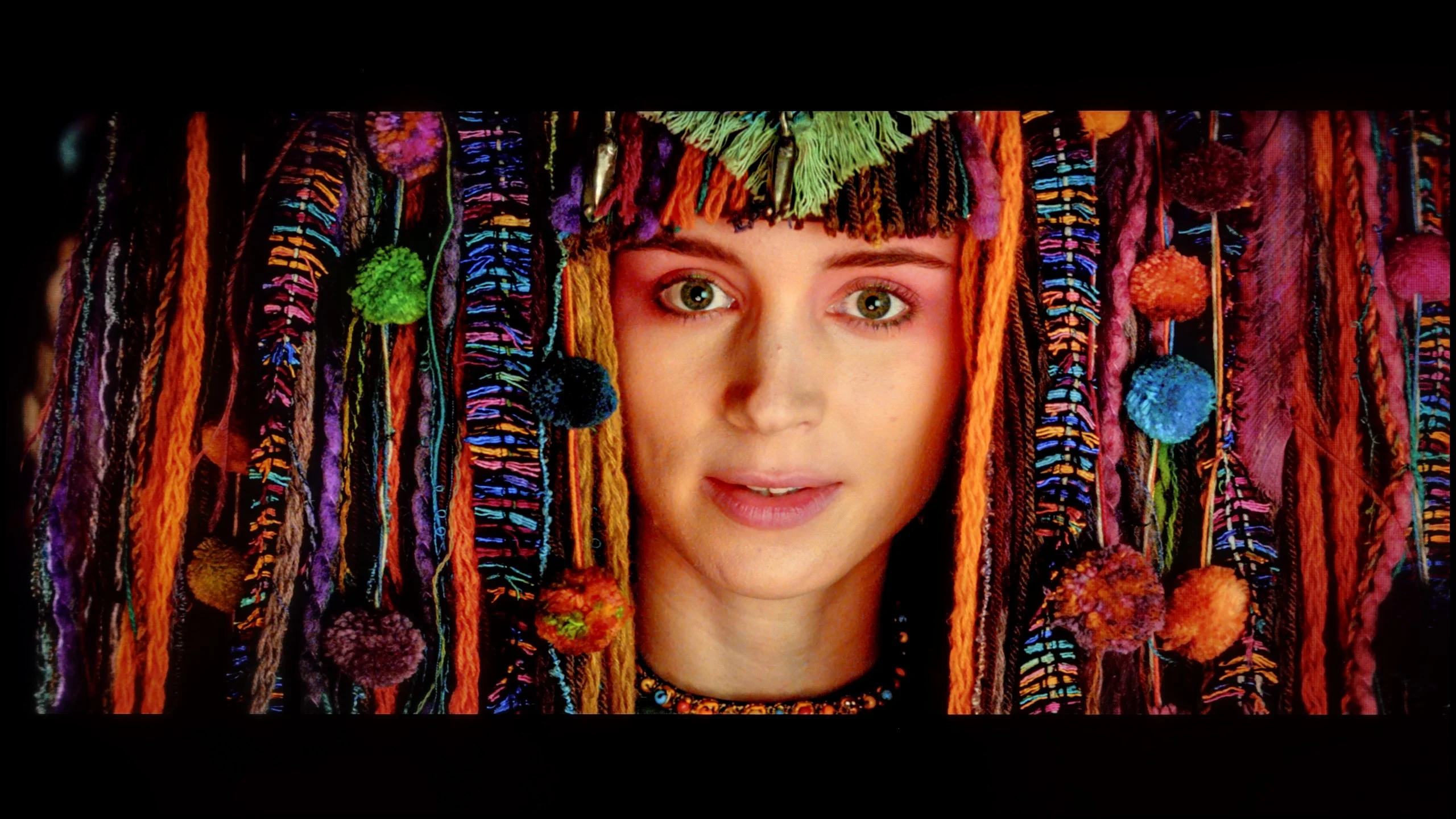
The photos show how movies look on the TV. Pay attention to black detail visibility, colors, and shadow tint.
LG offers advanced calibration tools in its televisions such as 65QNED91T6A, which we took advantage of. When it comes to white balance, we managed to significantly correct it in SDR content. The picture mode in 4K HDR quality posed greater challenges, which, while still not perfect, looks significantly better than before calibration. The errors on the Color Checker palette and the colour palette are much smaller than in the factory settings. In terms of brightness characteristics, gamma for HD content is practically perfect, with a small exception at the end of the graph. However, the biggest issues the television faced were with brightness in 4K HDR content. Analyzing the EOTF characteristics in films, we noticed that the television manipulates brightness quite a bit, which we could observe in previous tests. Brightness is significantly boosted compared to the graph in the static test, and the television brightens certain scenes to the extent that some smaller details lose definition. Unfortunately, this is caused by an average backlight zone management algorithm in this model. Nevertheless, the calibration yields quite good results, especially regarding accurate colour reproduction.
LG TVs have long responded very well to calibration, and the C6 is no exception. After adjustments we managed to set the white balance practically perfectly, and most colour errors fell below 3, often down to around 2. In practice this means very accurate colour reproduction in both SDR and HDR. An interesting detail only appeared with the HDR brightness response. On a classic EOTF chart everything looks almost perfect and at first glance it would be hard to find fault. Only when we measured the TV’s behaviour using filters based on real film scenes did it become clear that the C6 has a slight tendency to artificially boost image brightness.
It’s not a huge difference and many viewers may even see it as a positive, because HDR looks a bit more striking as a result. From the point of view of fidelity to the source material, however, it’s not ideal — some scenes are simply a touch brighter than the filmmaker intended. Interestingly, this is rather unusual for LG. In previous generations the brand’s TVs typically held very closely to the reference picture curve after calibration. The C6 is still very close to the standard, but that subtle brightness 'boost' can indeed be noticed in films and TV series.
Smoothness of tonal transitions
8.5/10
7/10
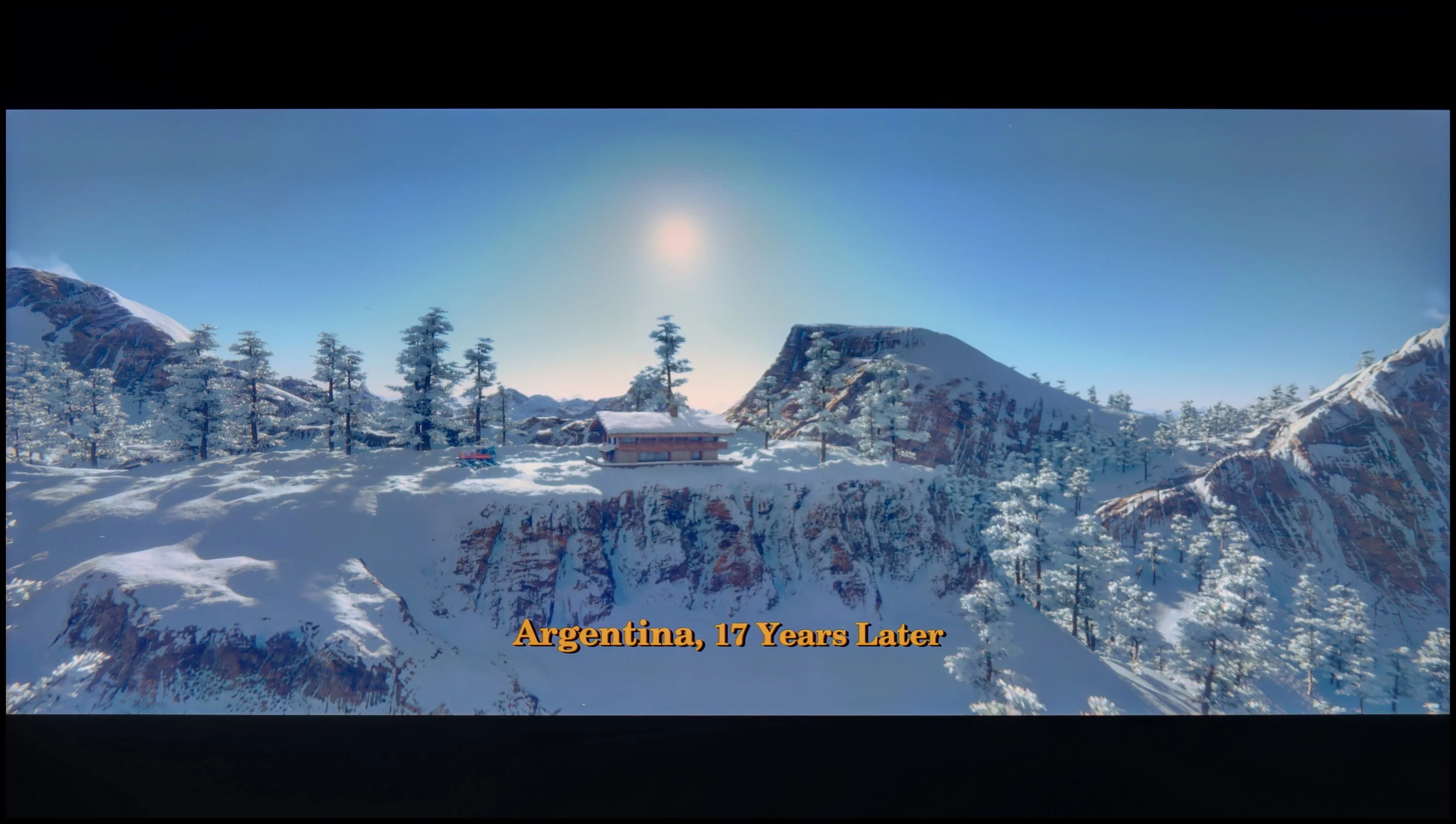
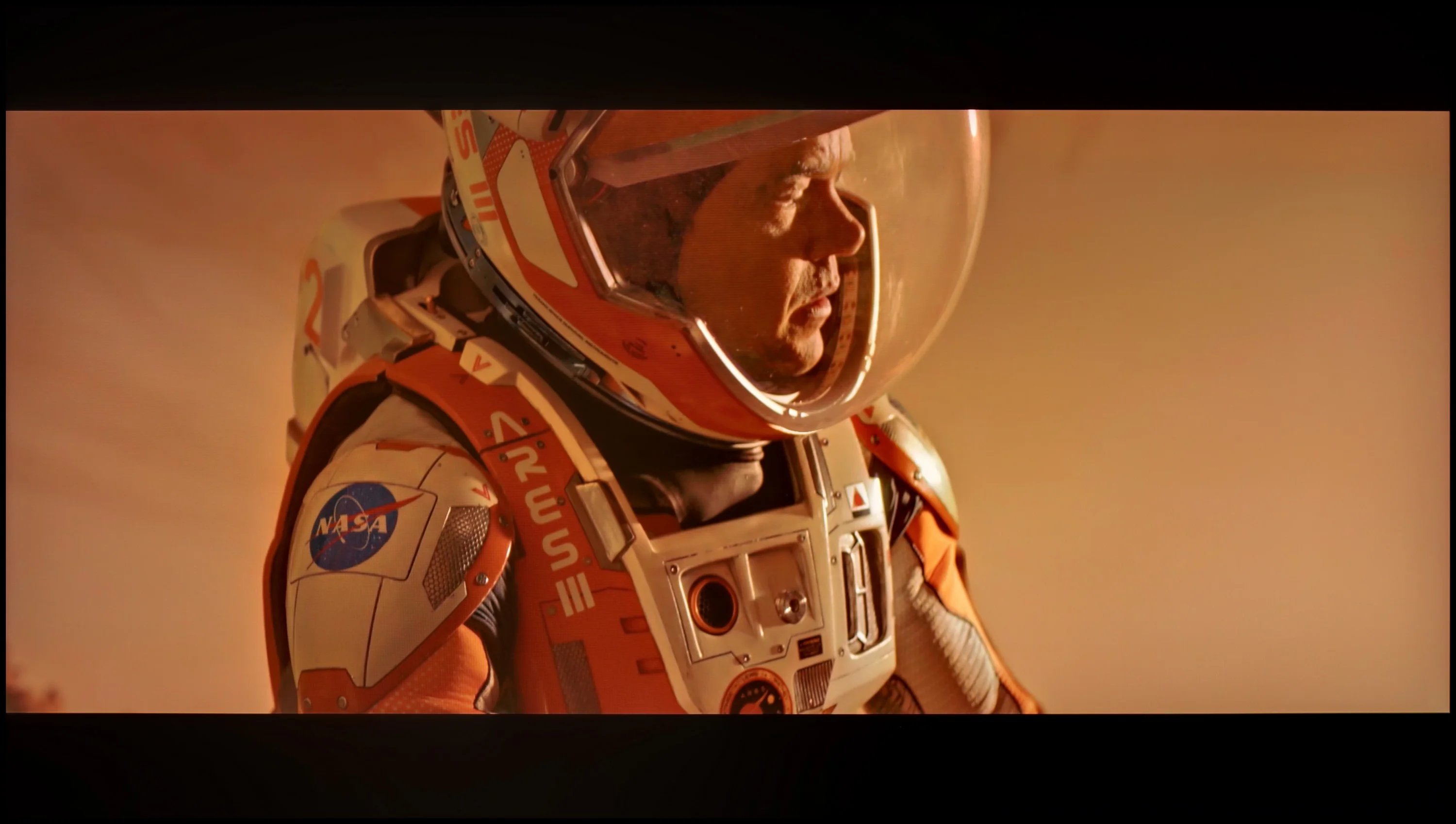
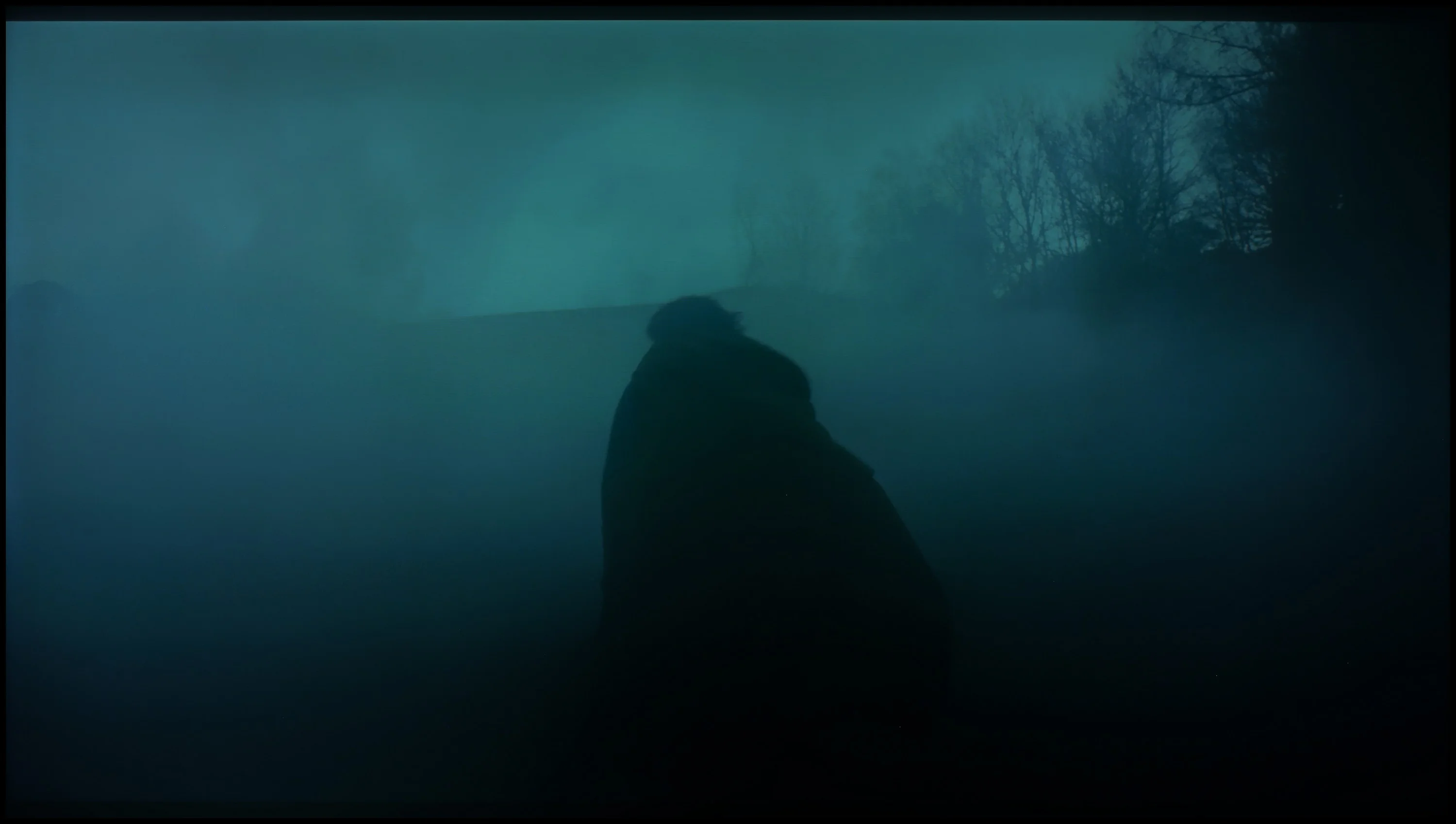
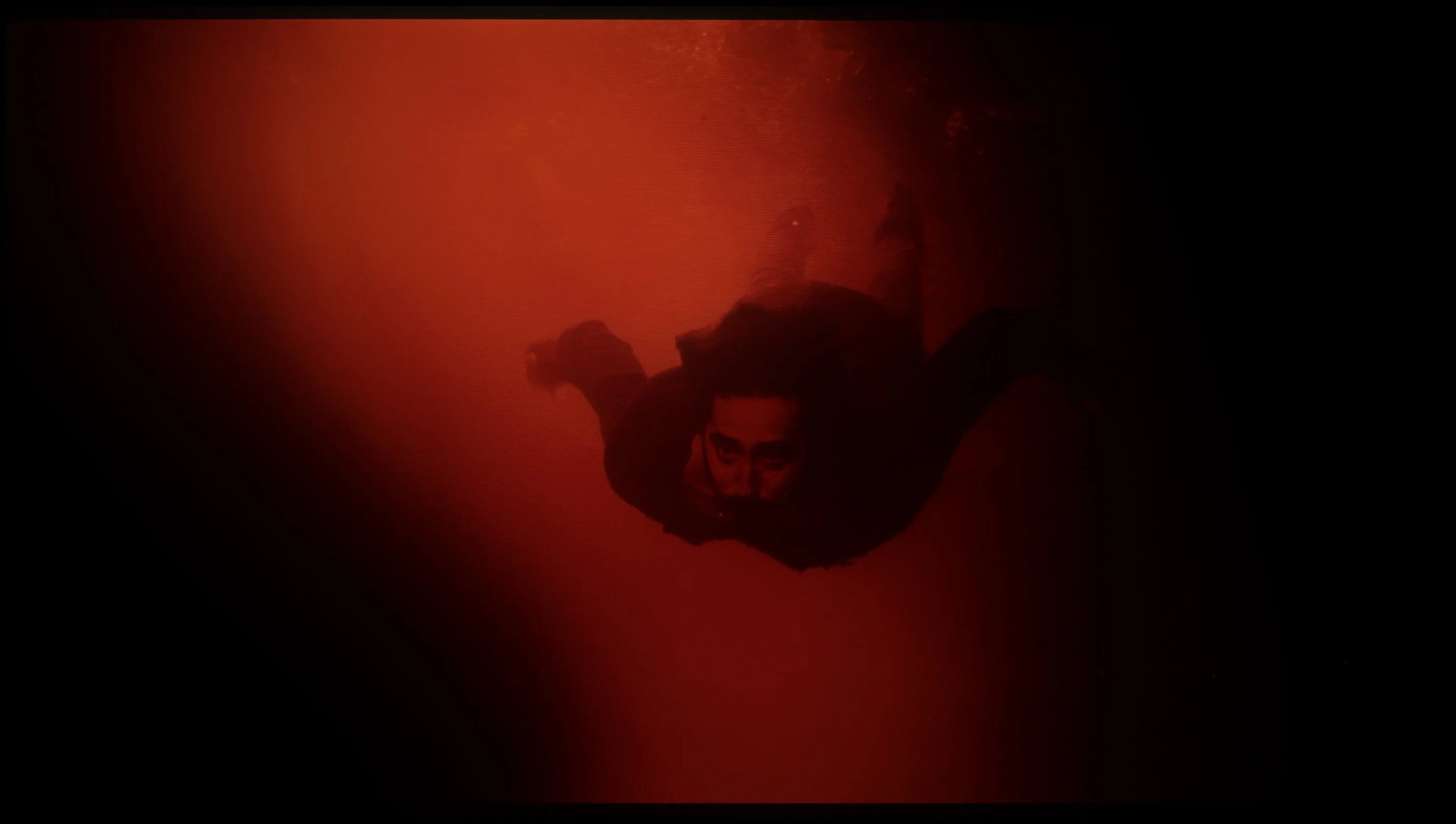
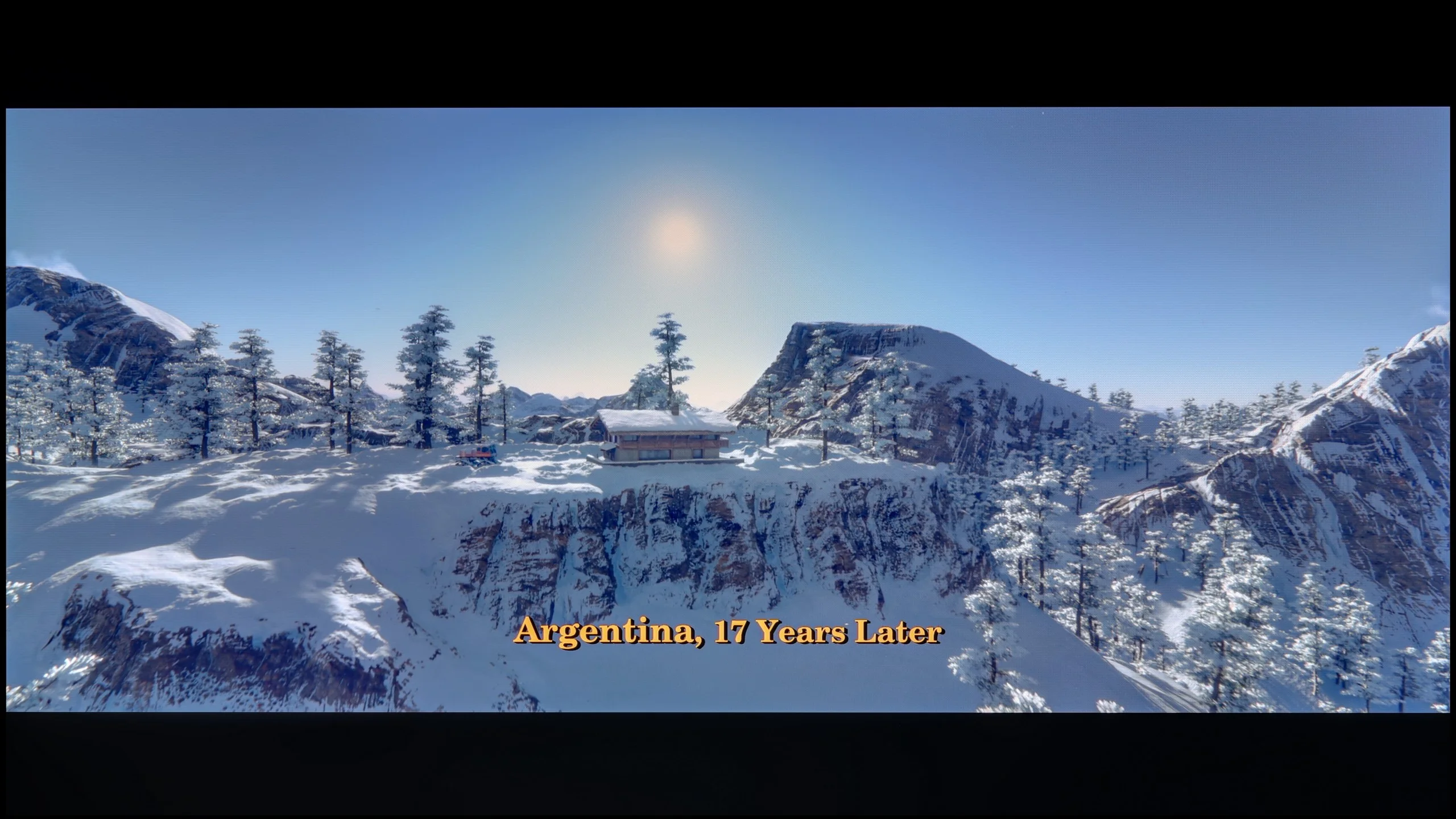
These are selected scenes that show smooth tonal transitions from one color to another. If you see distinct banding, it’s the TV panel’s fault.
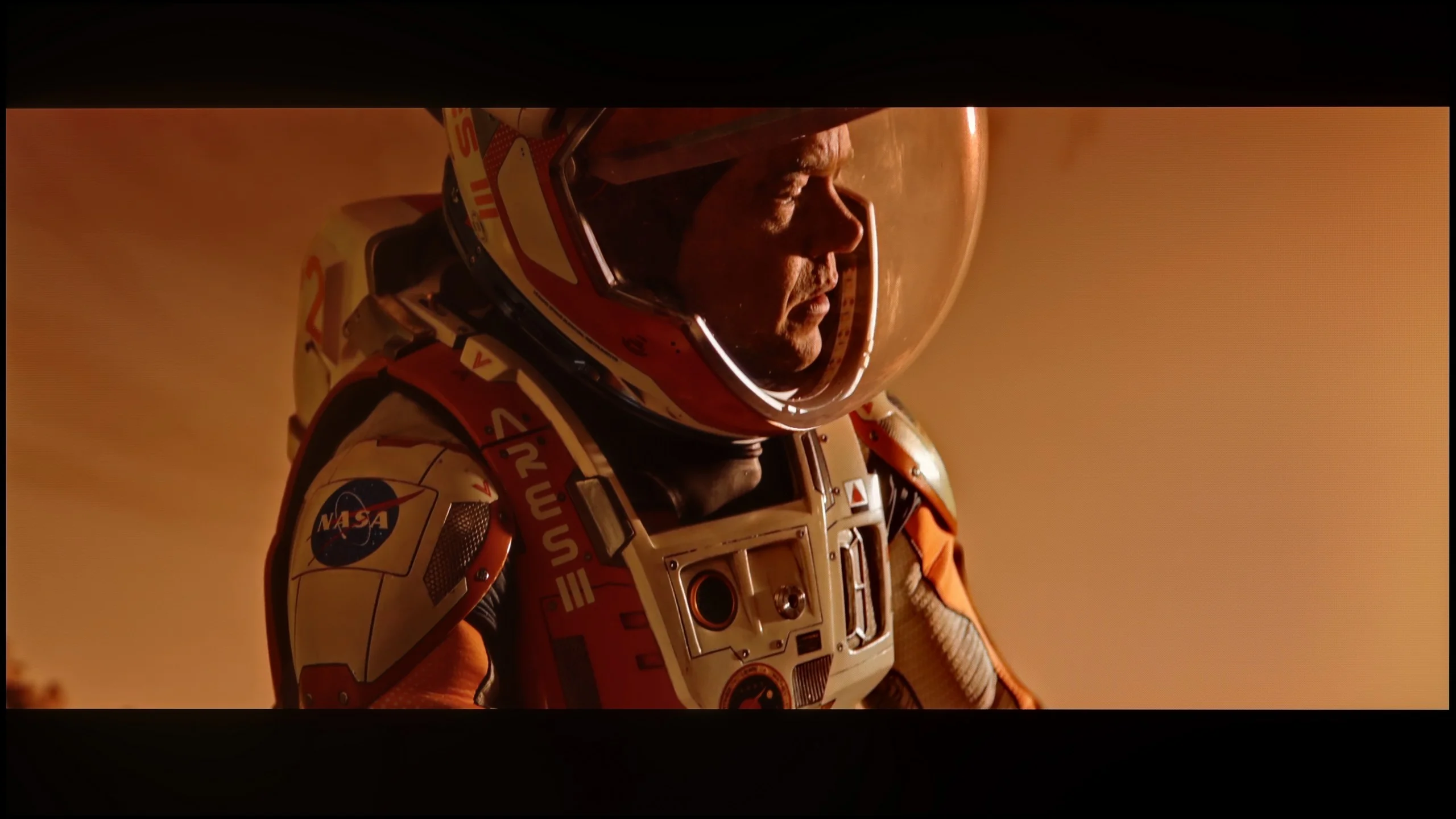
These are selected scenes that show smooth tonal transitions from one color to another. If you see distinct banding, it’s the TV panel’s fault.
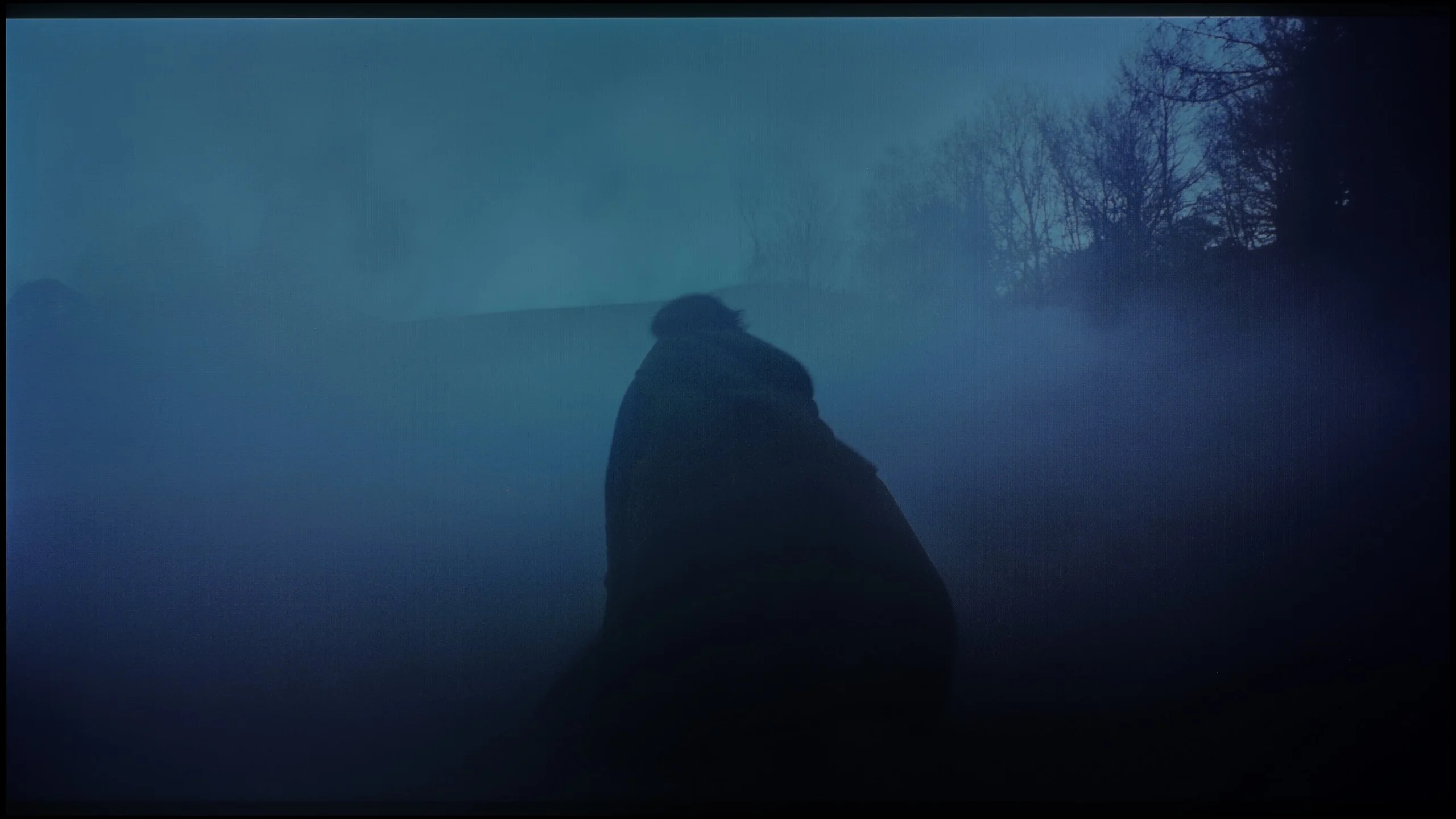
These are selected scenes that show smooth tonal transitions from one color to another. If you see distinct banding, it’s the TV panel’s fault.
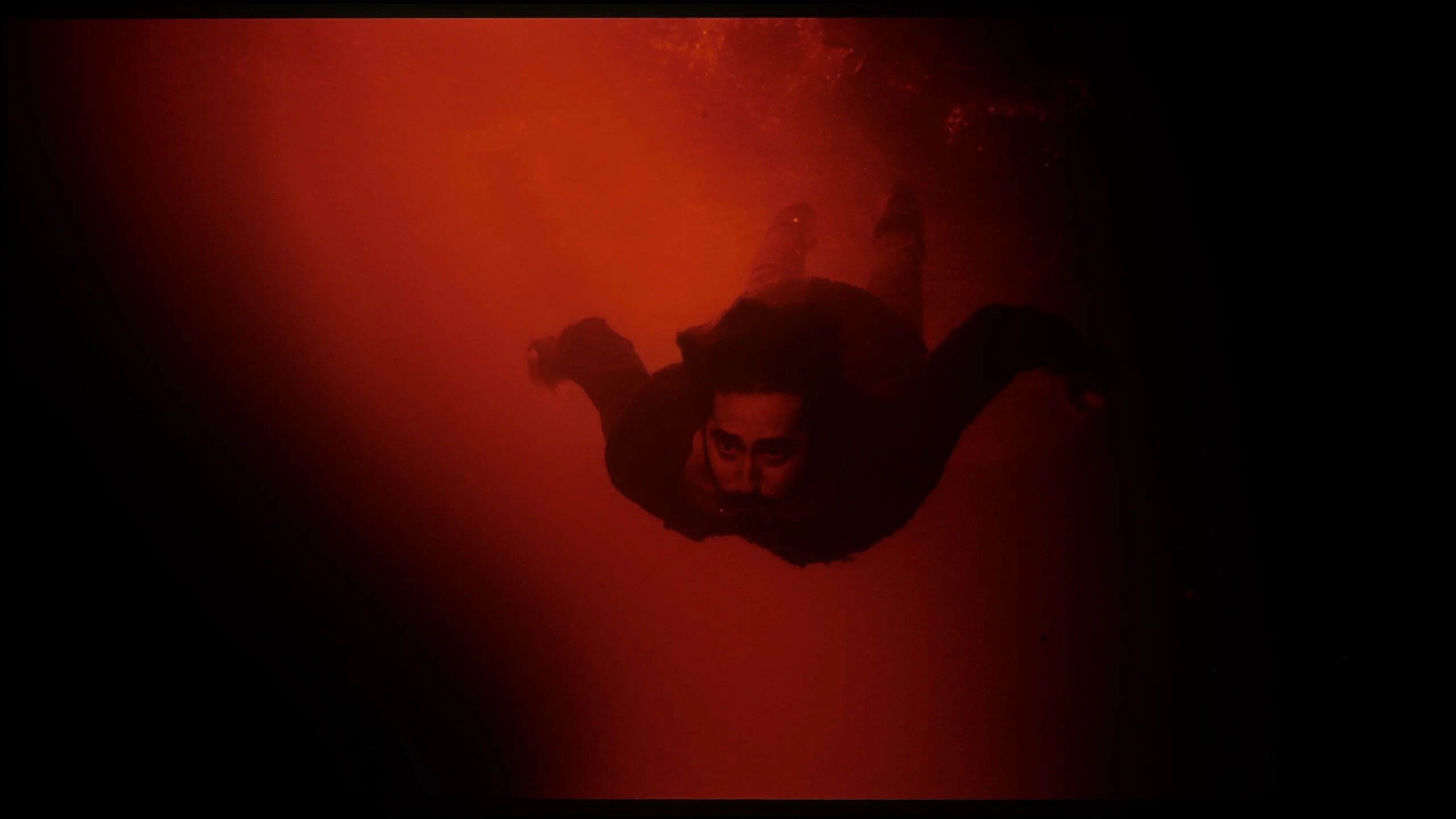
These are selected scenes that show smooth tonal transitions from one color to another. If you see distinct banding, it’s the TV panel’s fault.
The gradation on LG QNED91T looks very good. There are only slight cutoffs in the brightest scenes, but the television handles blacks very well, providing smooth tonal transitions. As a result, the image is natural and pleasant to the eye, with no visible issues.
LG C6 handles tonal transitions very well. In most film scenes it was hard to notice obvious posterization problems. Both in dark parts of the image and in bright gradations the colours remain relatively smooth and do not break up into visible bands. That's very good news, because WOLED panels have not always been perfect in this respect. In the C6 it's noticeably better and during normal viewing this aspect of the picture shouldn't draw attention to itself.
One drawback, however, is dithering visible in near-black areas. Up close you can notice slight flicker and graininess in the darkest parts of the image. It's not as pronounced as on the Tandem OLED panel version, but it still occurs, so in this category we decided to deduct a few points from the C6.
Image scaling and smoothness of tonal transitions
7.5/10
8.5/10

Smooth transition function
The match photo shows how the TV smooths weak tonal transitions in low-quality video.
Image scaling SD (576i)


The model photo shows how it handles upscaling of SD material.
When it comes to tonal transitions in lower quality materials, the television offers a well-known feature from LG TVs - "Smooth Gradation". We can control it at three levels: low, medium, and high. We recommend using the medium option, as it handles tonal transitions well without causing noticeable issues with removing the structure of objects or other artifacts.
On the other hand, when it comes to image scaling (upscaling), LG's Alpha processor performs quite well here. The image appears very smooth, with slight jaggedness in some elements, but this does not significantly affect quality. It looks really good, and the overall effect is very satisfying.
Here the LG C6 has taken a really big step forward. The TV uses the same processor found in the flagship G6, and in terms of image processing the two models are very close. That's a big plus, because in this area LG's processor this year performs excellently. The "Smooth Gradation" function works particularly well. With heavily compressed material it can effectively hide ugly tonal banding and artefacts that often appear, for example, in lower-quality streaming. It's best to leave it on the "Low" setting. Then the improvement is clear, and the TV doesn't yet start blurring fine detail. Higher levels smooth the image more aggressively, but can already remove some of the natural texture of objects on screen. Upscaling itself also performs very well. Lower-resolution content is properly sharpened, edges look clean, and the processor quite effectively reconstructs fine details. In that respect the C6 is really close to LG's best TVs and the differences compared with the G6 are small.
Blur and motion smoothness
7.5/10
8.5/10
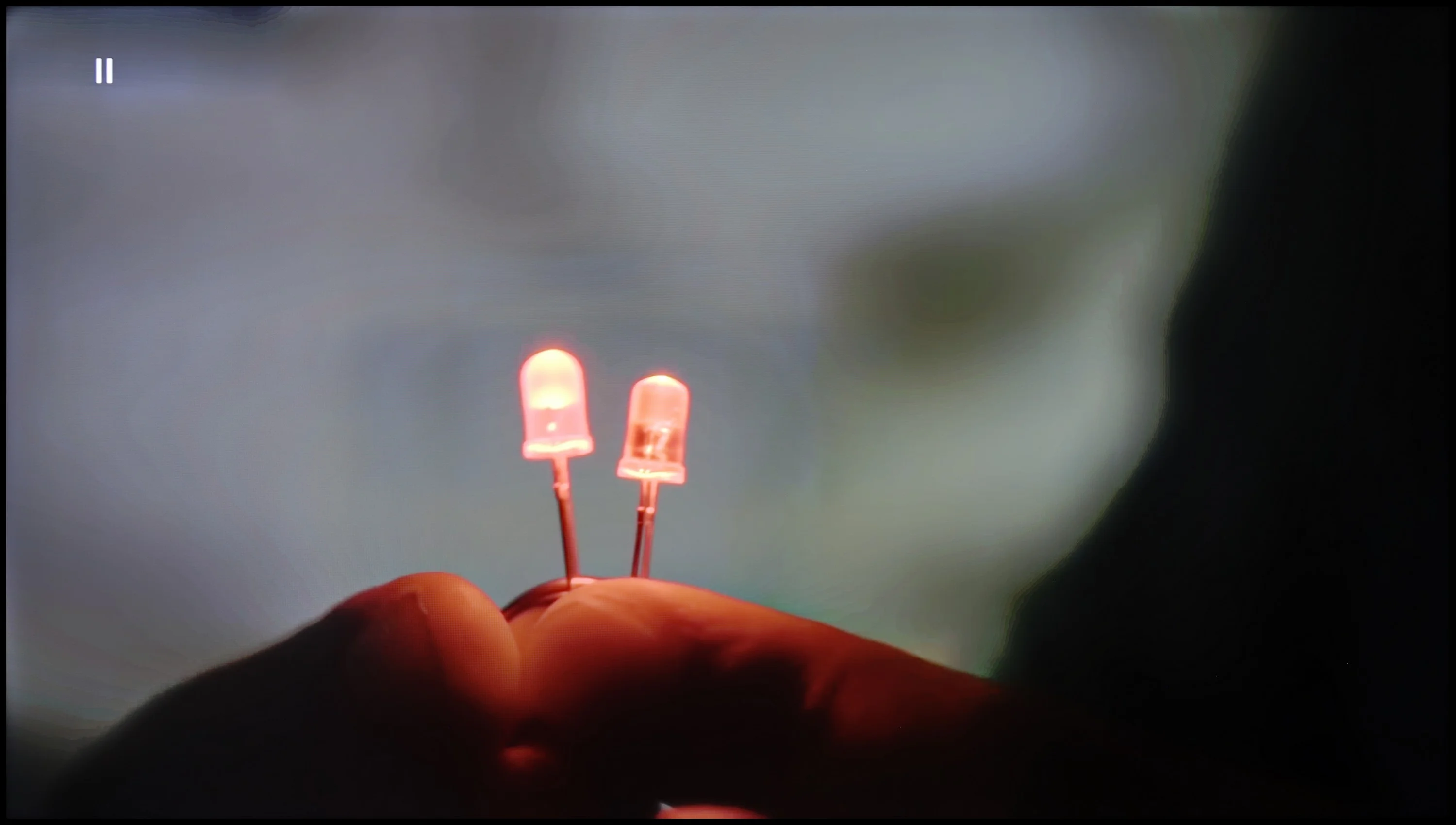
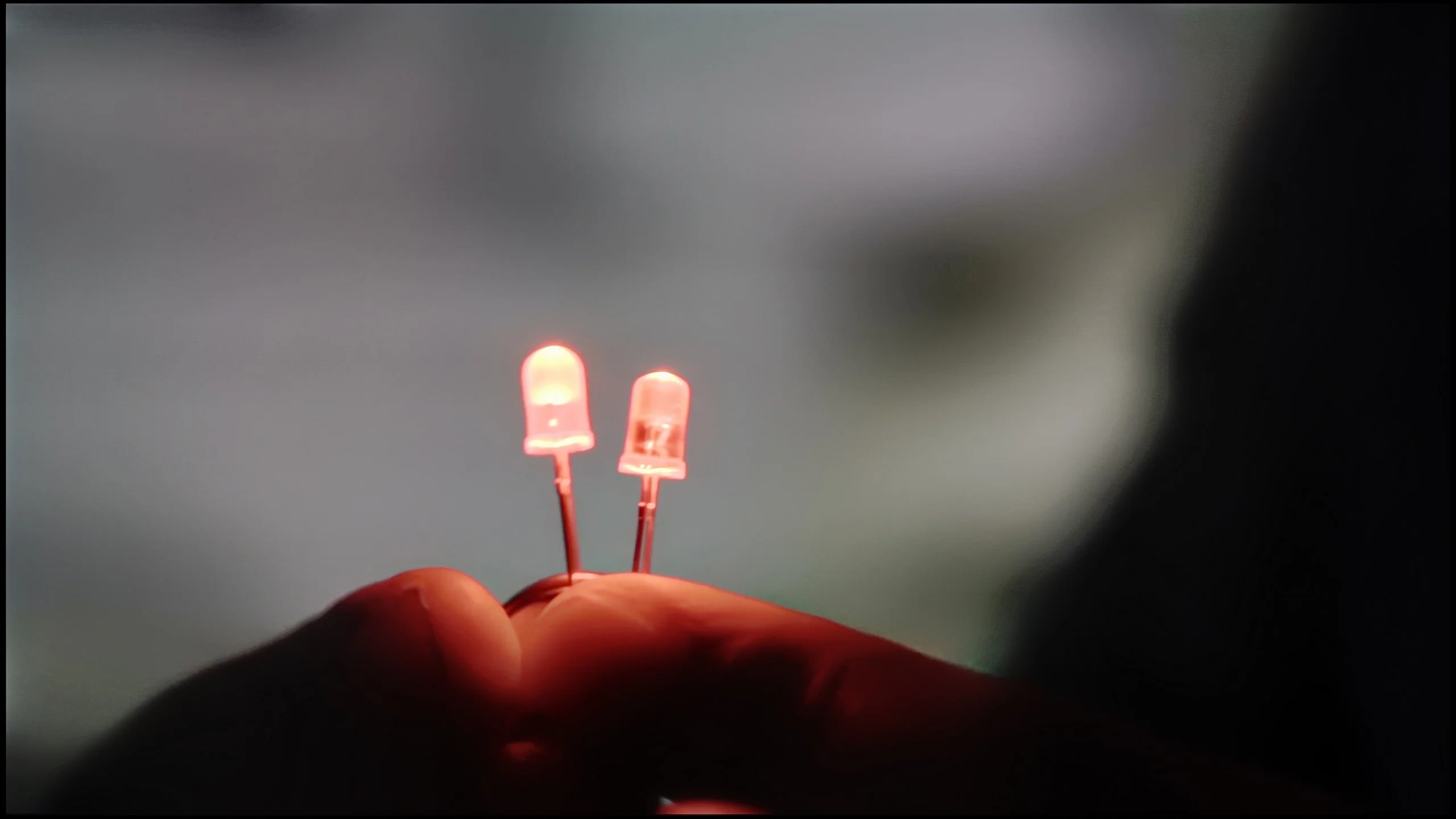
Blur (native resolution, maximum refresh rate):
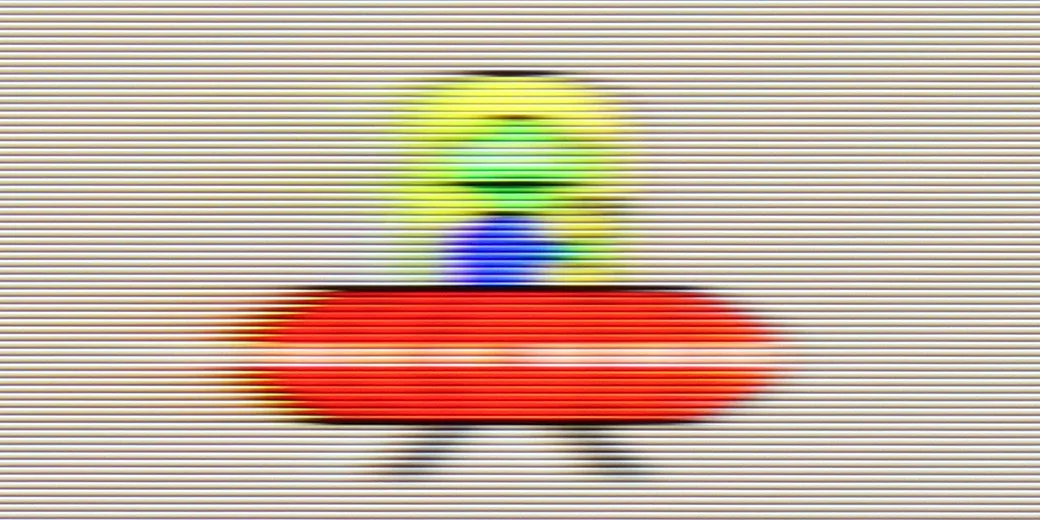
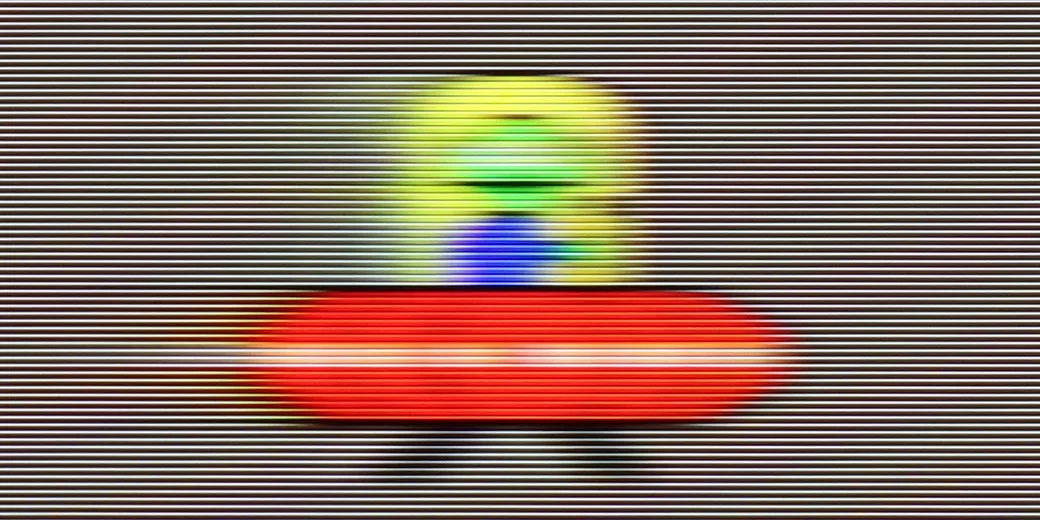
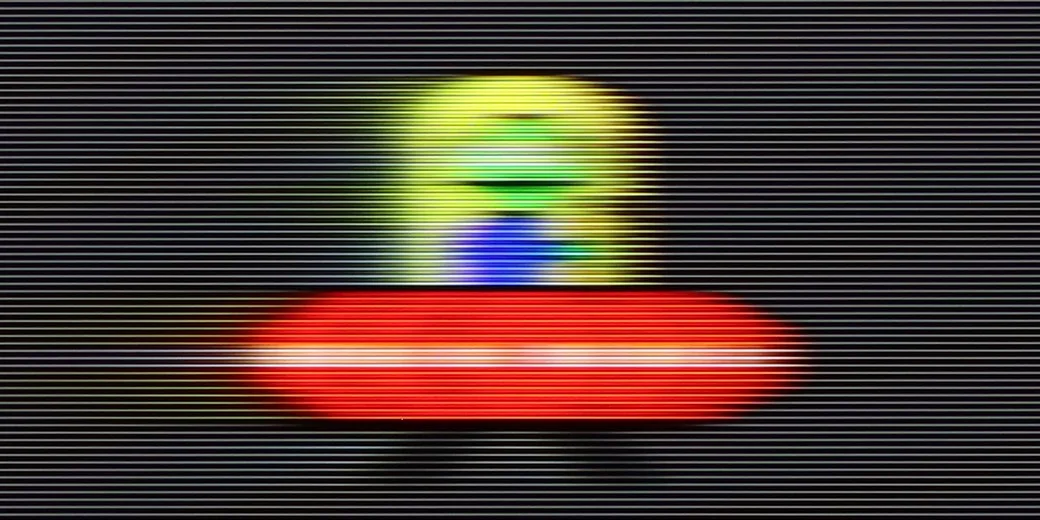

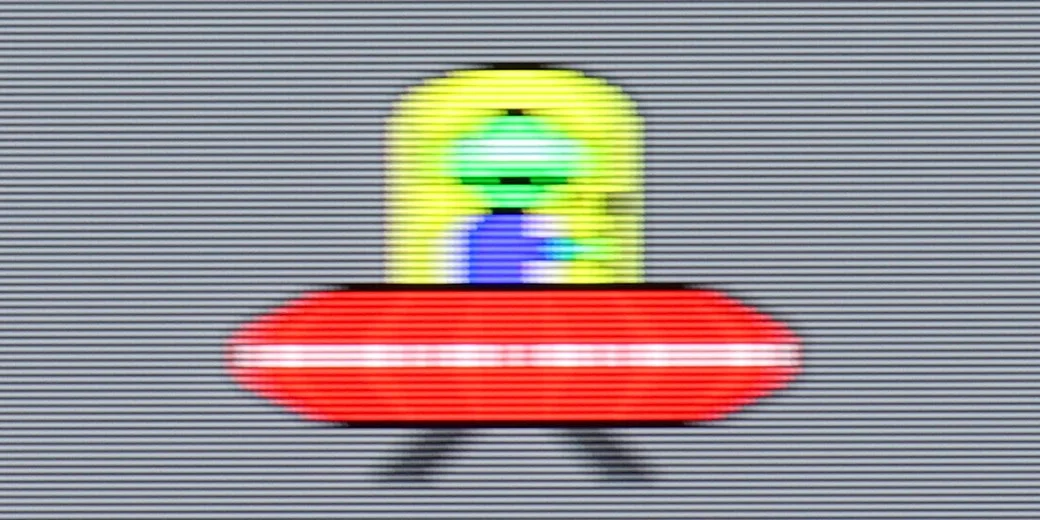
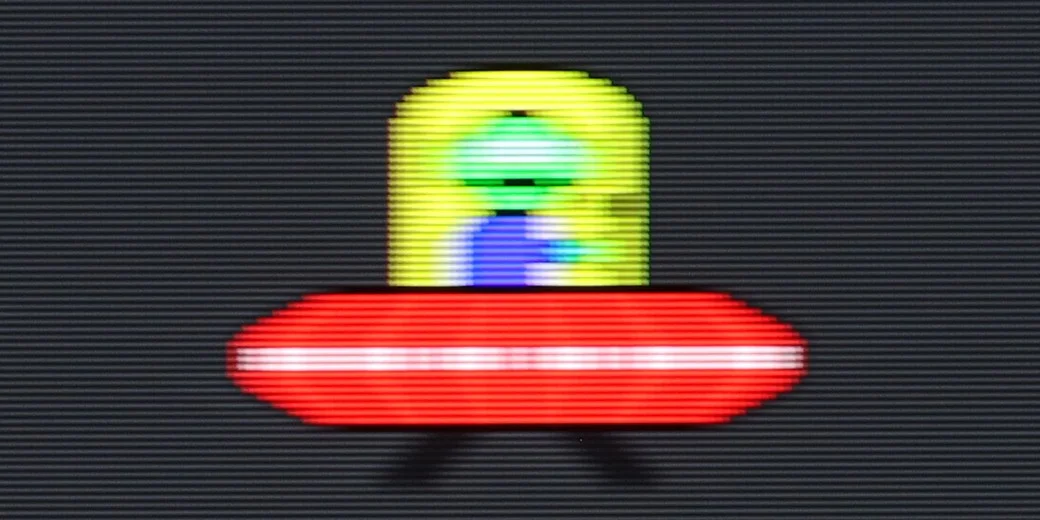
Blur (BFI function enabled):

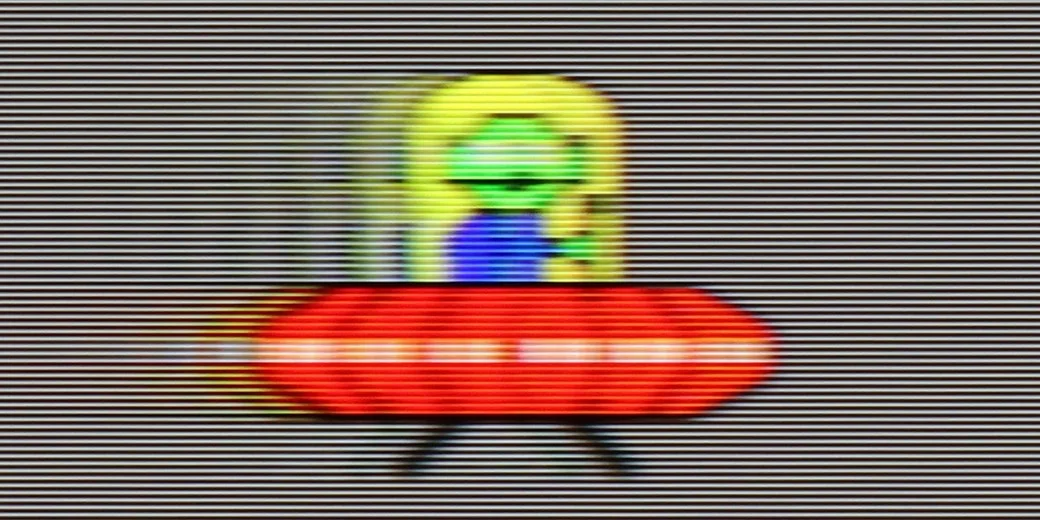
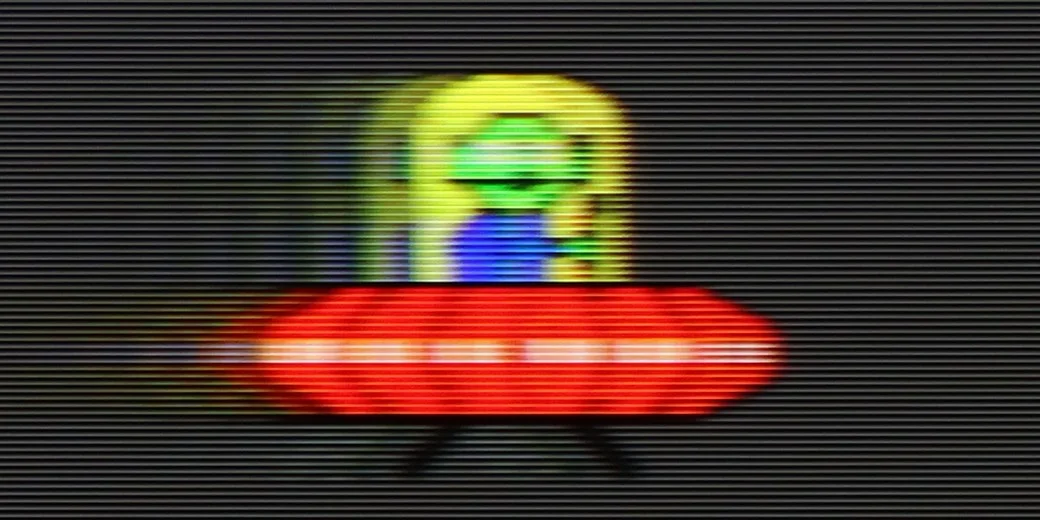
Image flickers in this mode

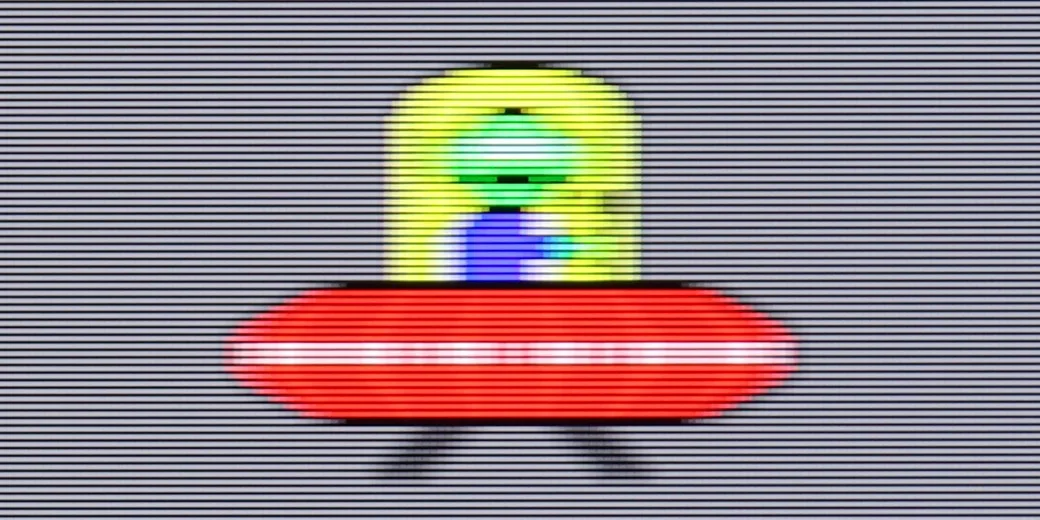
Blur ():
Blur (4K@165Hz):
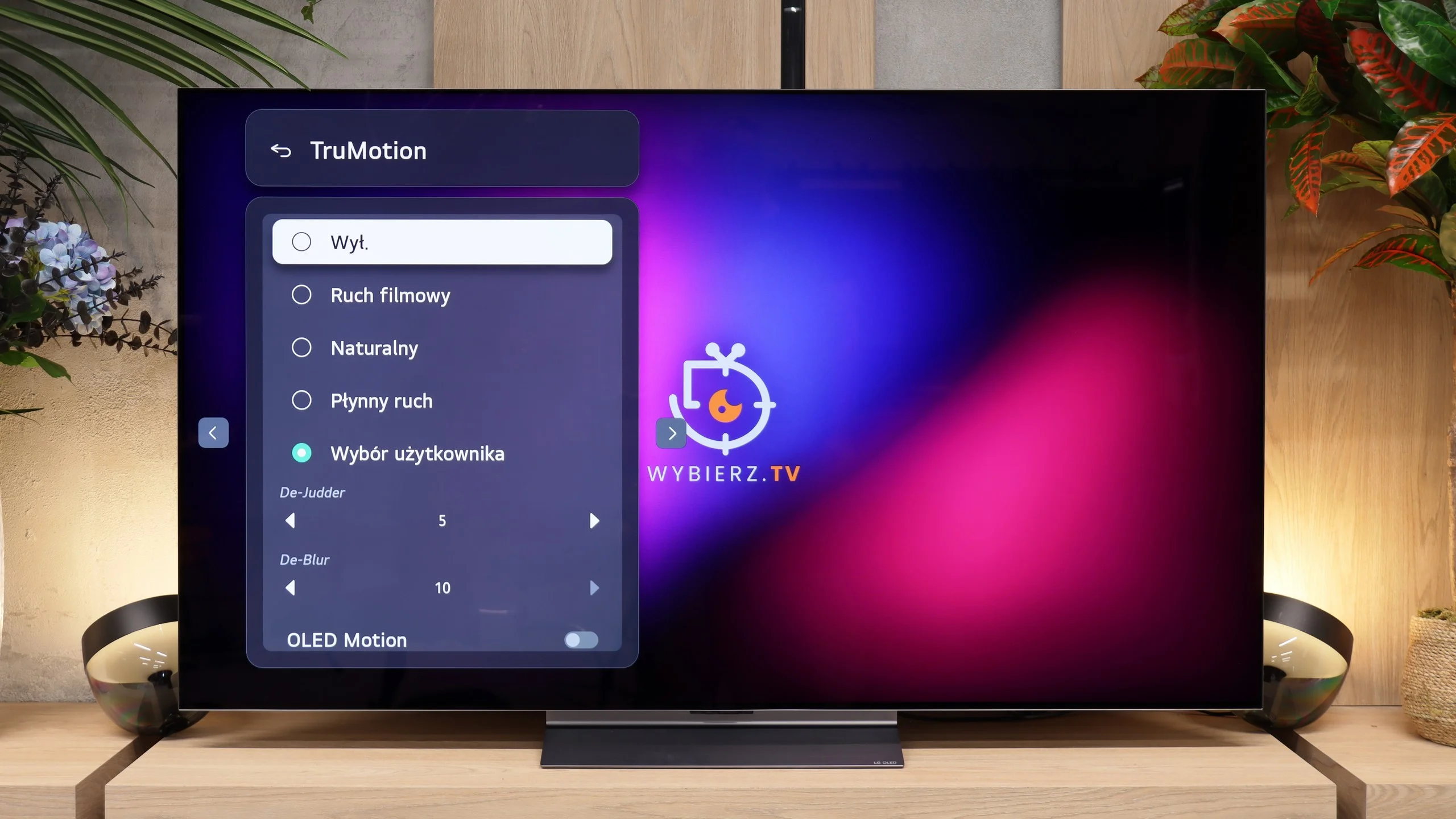
The television has a refresh rate of 120 Hz, which should satisfy most users in terms of motion smoothness. Additionally, QNED91T is equipped with TruMotion technology, which allows for smoother image display in films. With this feature, we can adjust the "De-Judder" and "De-Blur" sliders. The "De-Judder" slider reduces stutter in films, which is particularly useful when playing content with a lower frame rate, while "De-Blur" helps to reduce motion blur in fast scenes, which is important for sports or dynamic shots.
The LG C6 features a panel with a maximum refresh rate of 165 Hz, which is great news especially for gamers using a powerful PC. For movies, sport and consoles we’ll of course be limited to 120 Hz at most, but even then it’s hard to fault the motion clarity. As you’d expect from an OLED, the panel’s response time is near-instant. Moving objects therefore don’t leave the characteristic smearing you still see on LCD TVs. This is especially noticeable in sport and fast-paced games, where the picture remains very clean even during dynamic movement.
For movies and TV, LG has also included a motion smoothing system called TruMotion. In the user settings you’ll find two separate sliders. De-Judder is primarily for low-frame-rate material, namely movies and TV series at 24 fps. You can use it to slightly reduce the characteristic judder or increase it if you prefer a much smoother picture. De-Blur, on the other hand, is useful for higher-frame-rate content, mainly sports broadcasts and 50/60 fps TV.
Console compatibility and gaming features
9.8/10
10/10
- ALLM
- VRR
- VRR range48 - 120Hz40 - 165Hz
- Dolby Vision Game Mode
- Correct implementation of HGIG
- 1080p@120Hz
- 1440p@120Hz
- 4K@120Hz
- Game bar
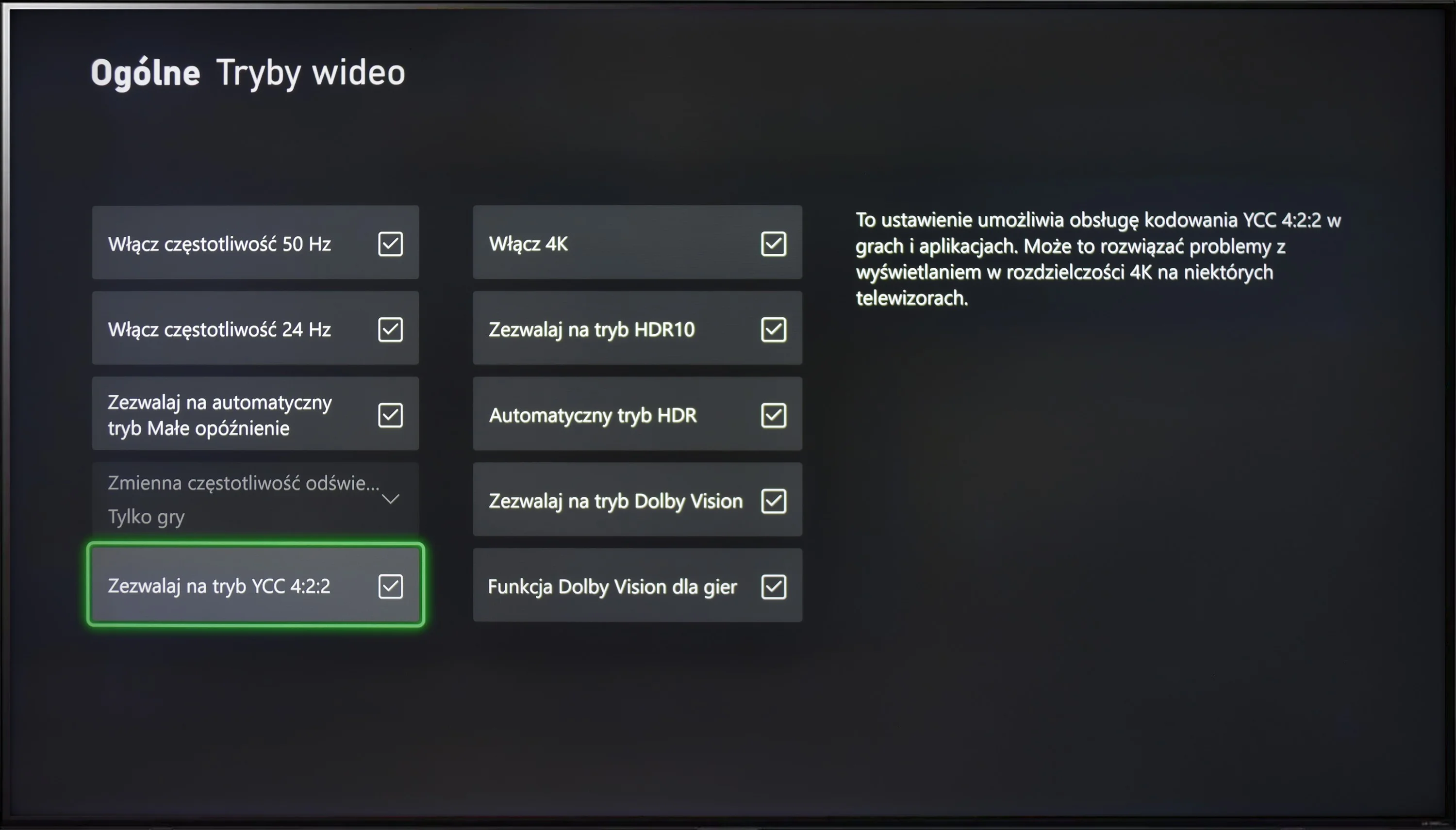
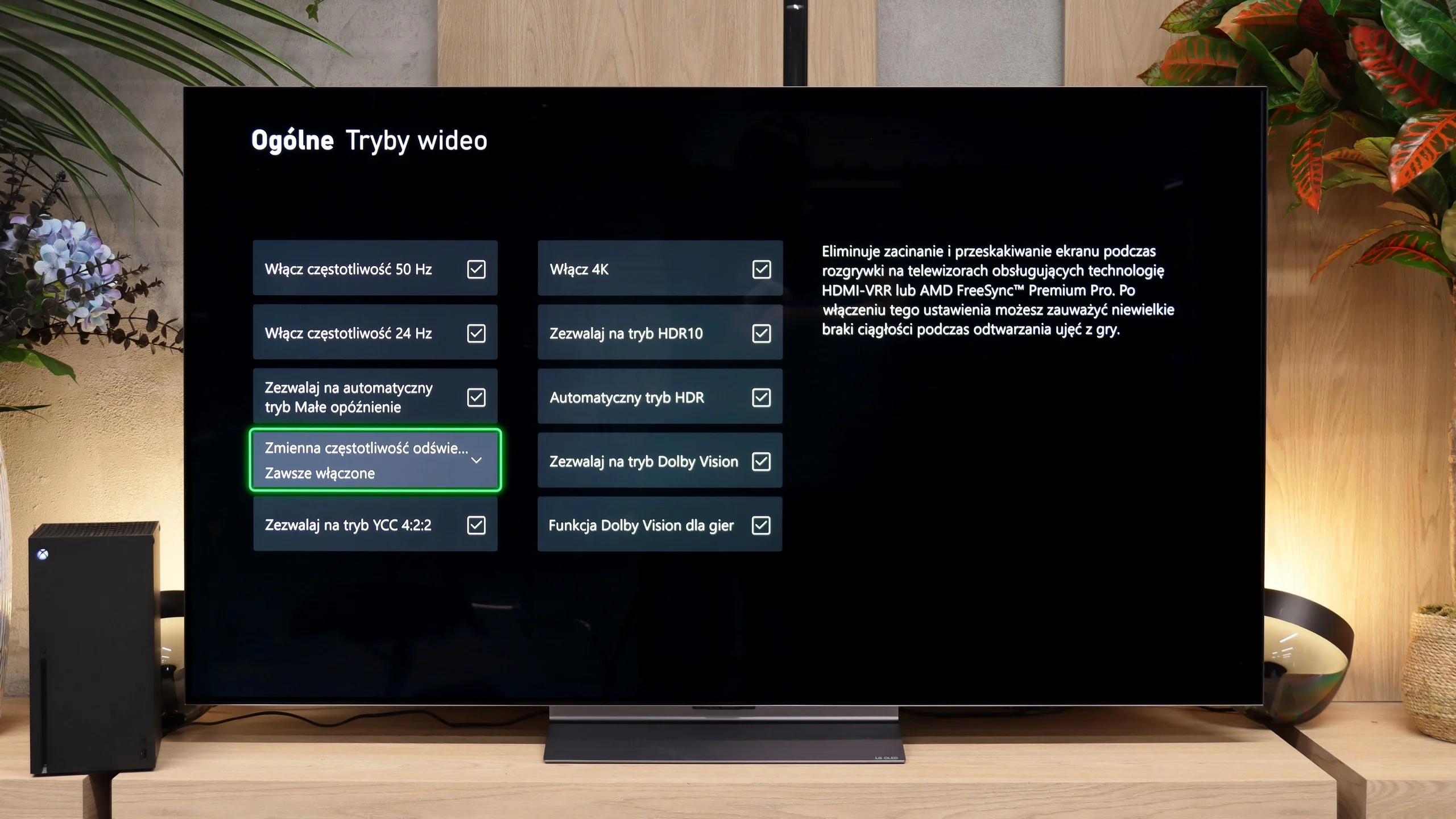
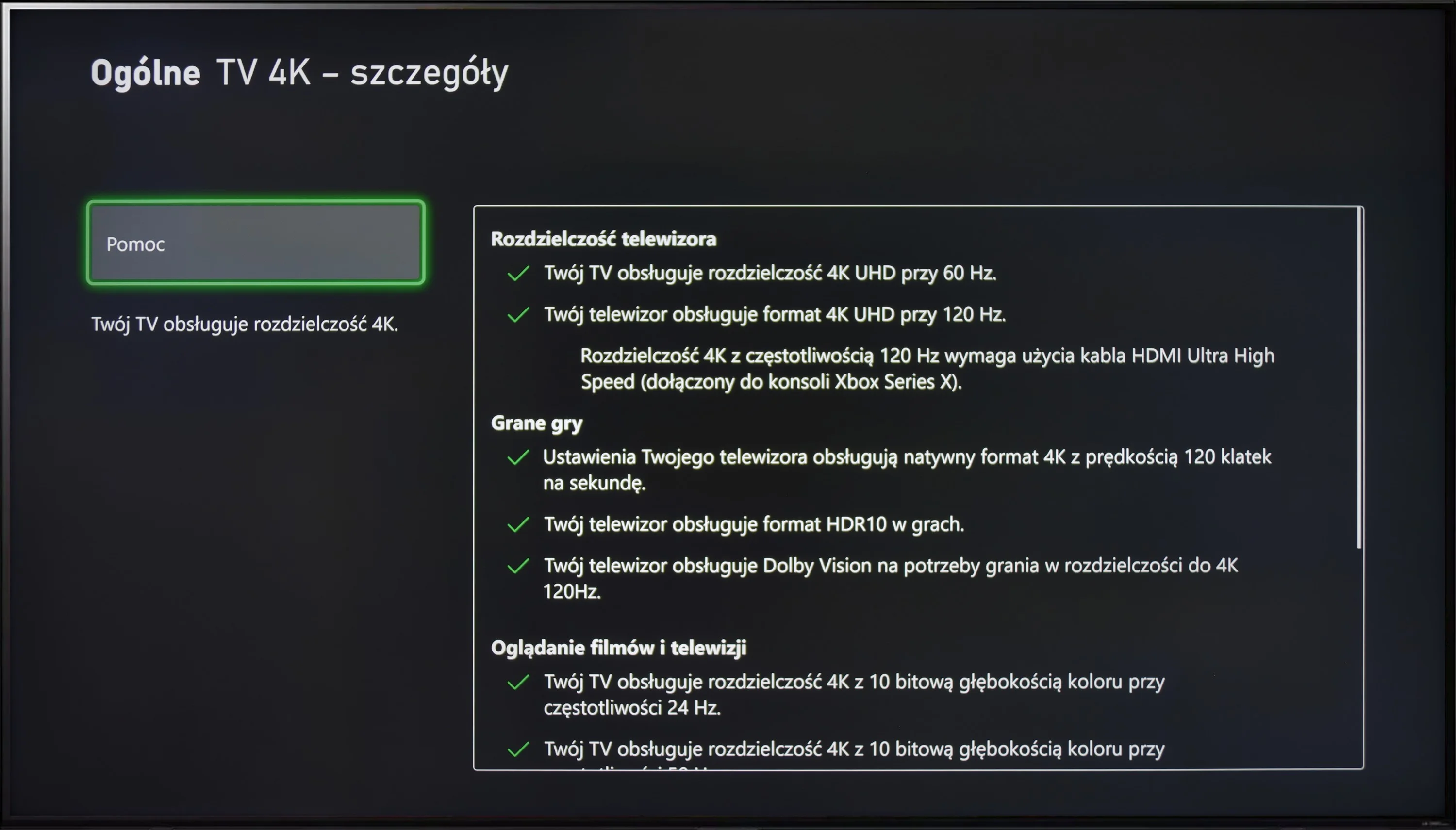
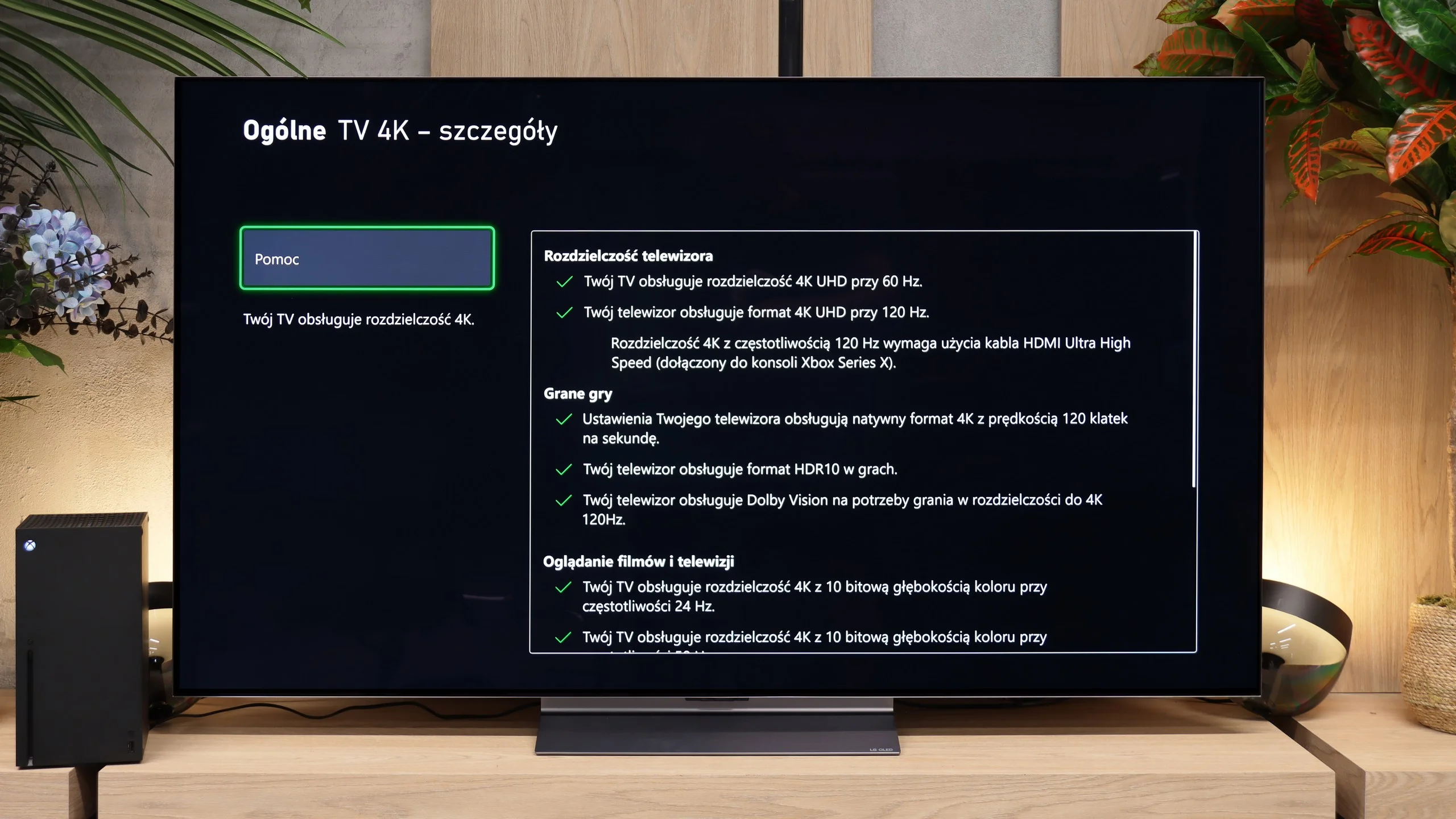
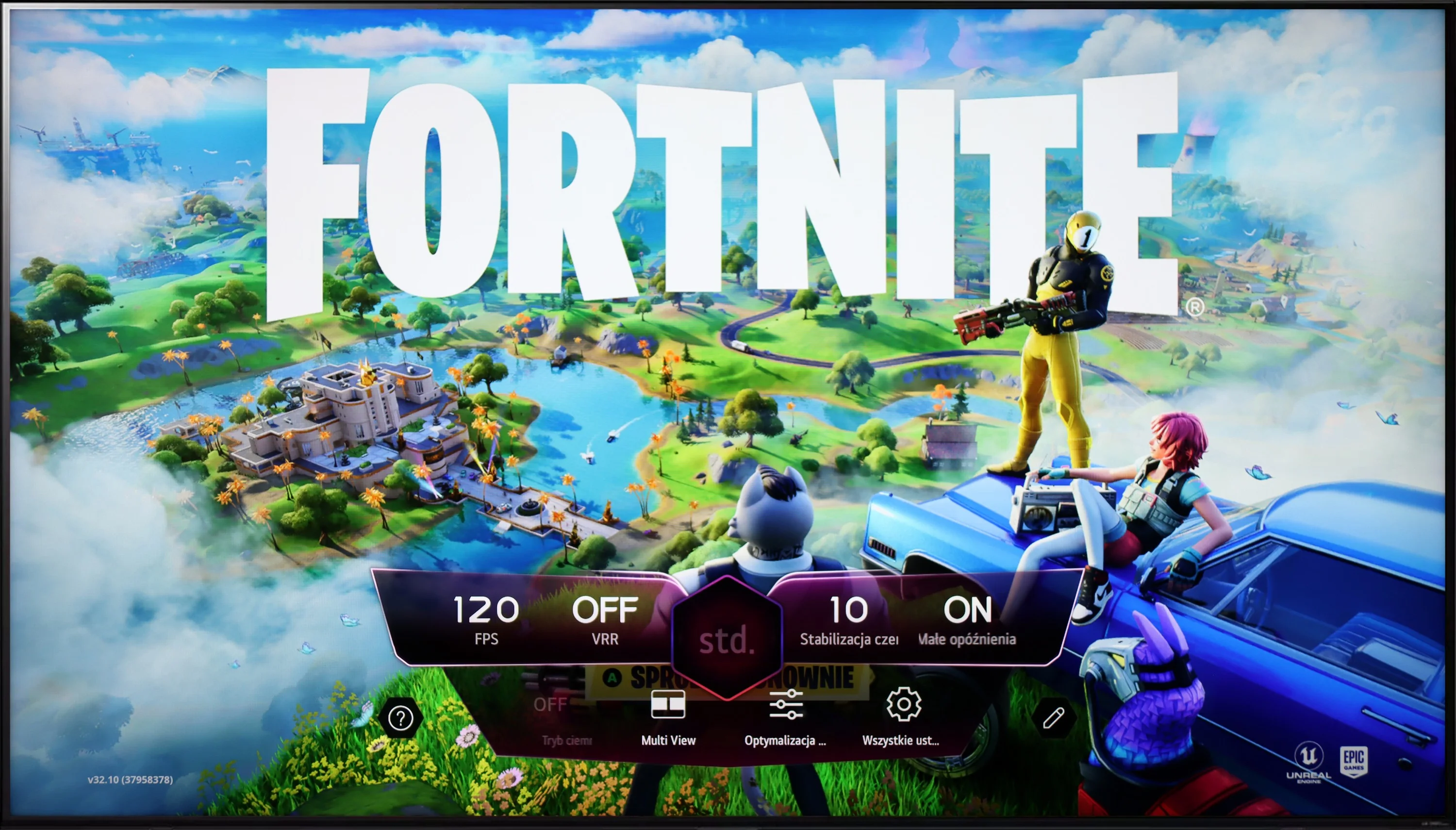
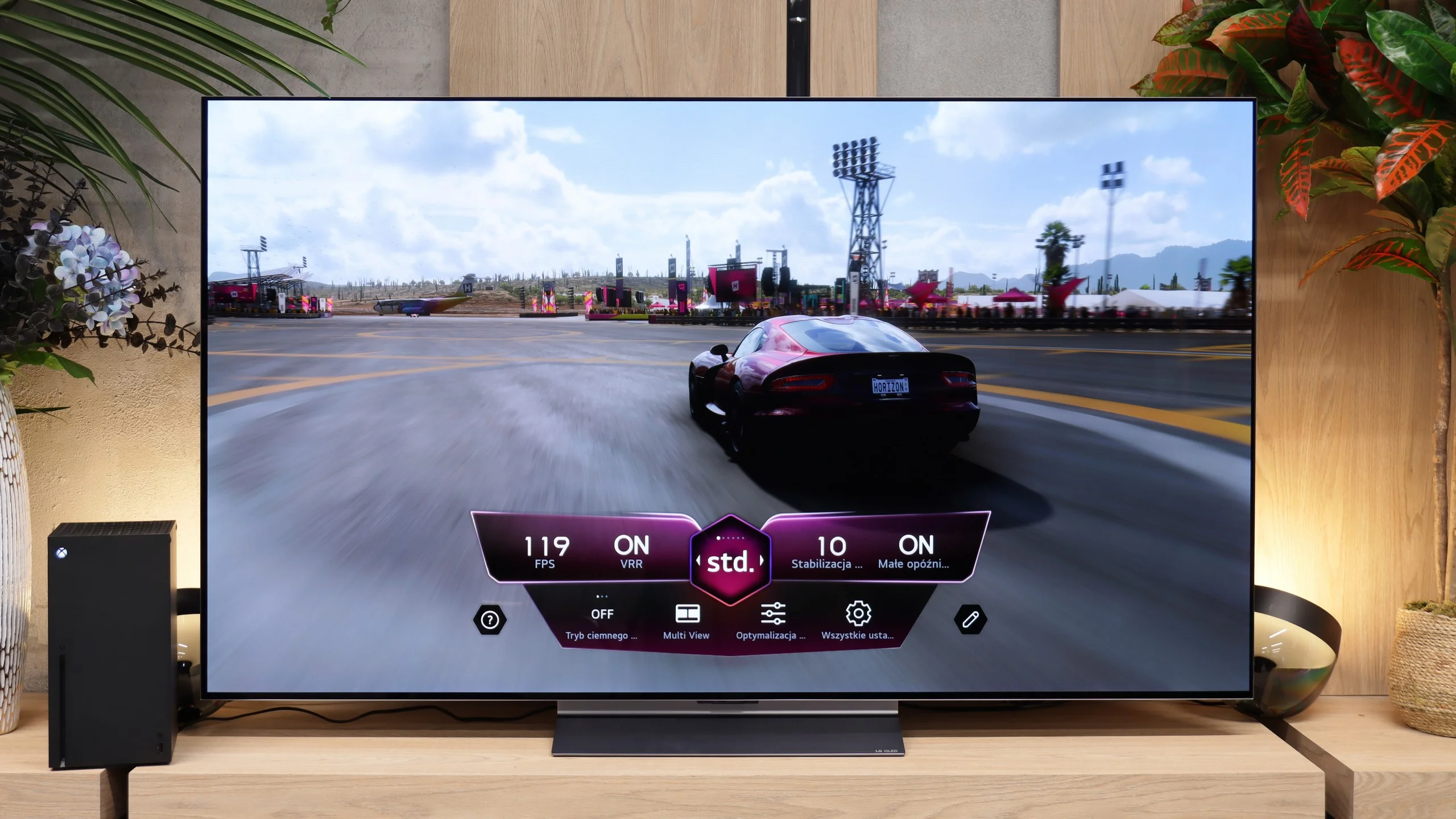
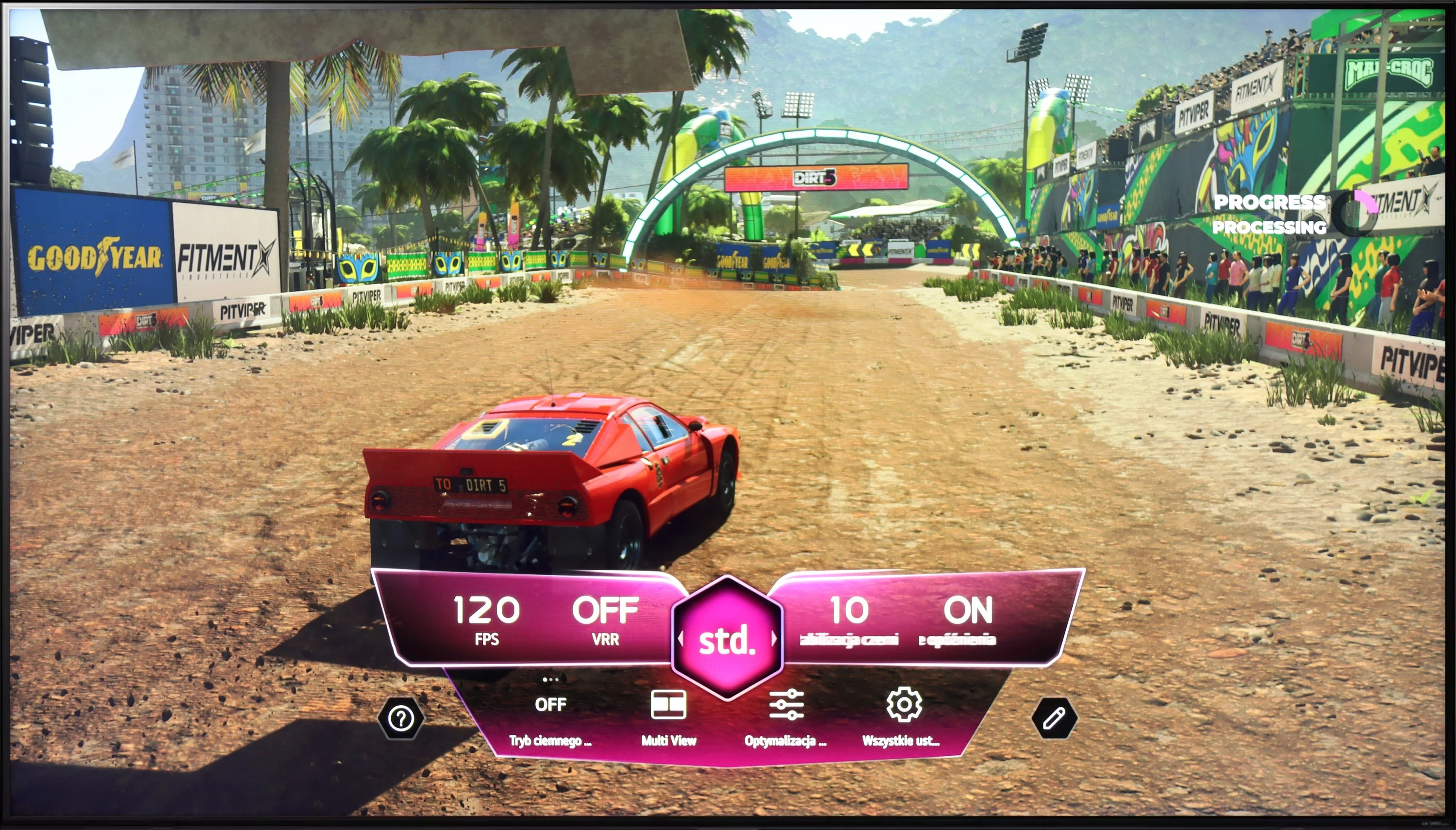
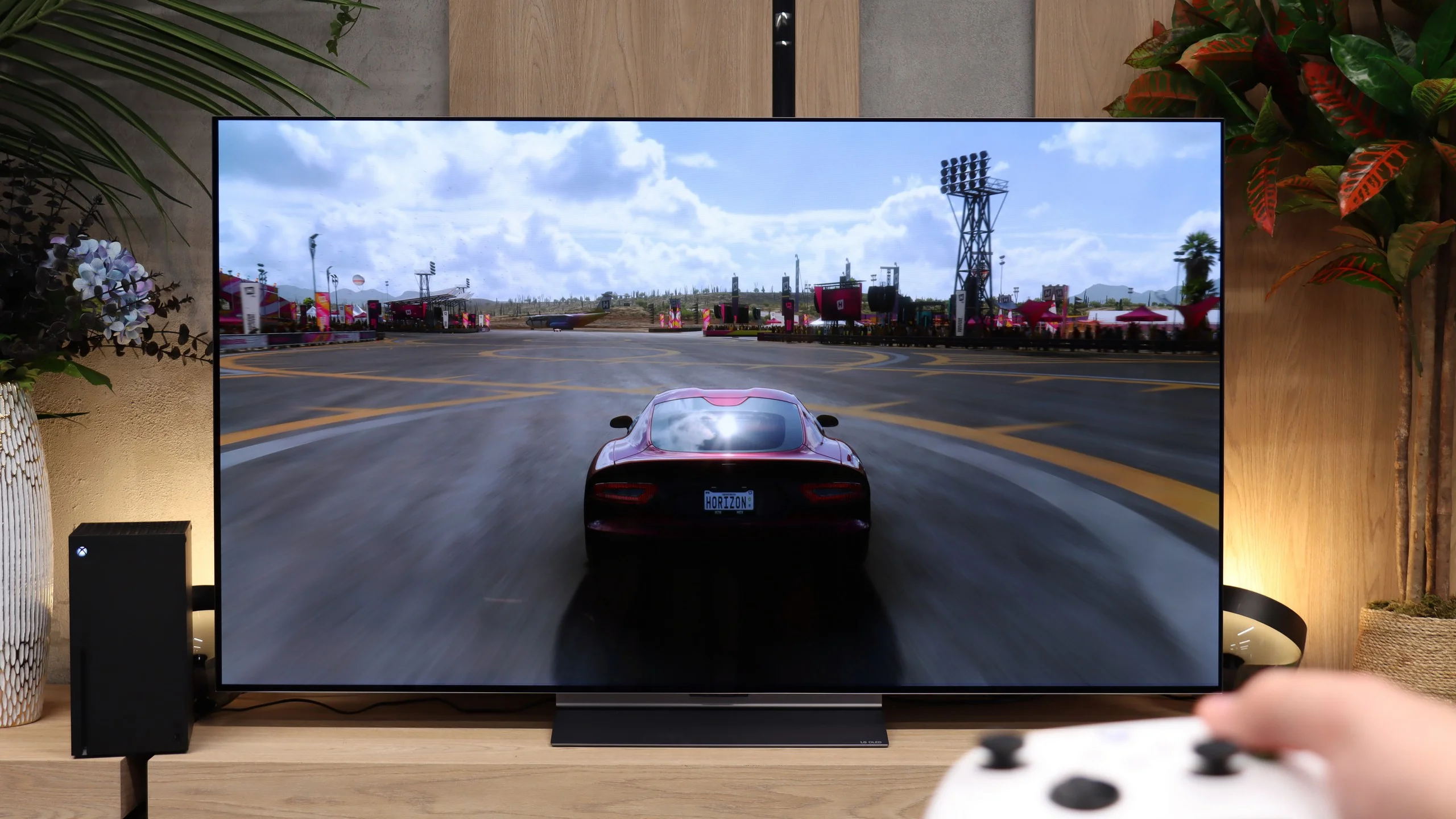
The LG 65QNED91T6A television is equipped with HDMI 2.1 ports with a full bandwidth of 48 Gb/s, providing full support for all the standards needed for gaming on modern consoles. We can count on variable refresh rate (VRR) support and automatic low latency mode (ALLM). This ensures smooth gameplay without delays.
Thanks to support for all popular HDR standards in gaming, such as HGiG and Dolby Vision, we can fully utilise the potential of the PS5 and XBOX One consoles. The television also easily handles lower resolutions than 4K, so even older consoles look good on it. The Game Bar makes it easier to access gaming-related settings, allowing us to quickly and intuitively adjust picture parameters and features for gamers. Additionally, the QNED91T offers NVIDIA GeForce Now functionality, allowing us to play in the cloud without needing a console. However, it's important to keep in mind that this solution is quite costly and somewhat falls behind the Xbox Game Pass, which is available only on Samsung televisions.
QNED91T LG is a great choice for both less experienced and more advanced gamers looking for a versatile television for gaming.
LG has long focused heavily on gamers, and the C6 essentially lacks nothing important. The TV supports 4K at 120 Hz from consoles, and when connected to a PC it can even run at 165 Hz. On top of that there’s VRR from 40 to 165 Hz, ALLM and a properly functioning HGiG. Another big plus is support for Dolby Vision in games, so the Xbox Series X can use that format without giving up game mode. The package is rounded out by the Game Bar, which lets you quickly check key signal parameters and change settings without leaving your game. In terms of features alone, the C6 is one of those TVs it’s really hard to fault. Whether you play on PlayStation, Xbox or PC, practically everything you could expect from a modern gaming TV is available here.
Input lag
9.8/10
9.9/10
SDR
HDR
Dolby Vision
Input lag on QNED91T is really very low, even in Dolby Vision mode. This means we can expect a quick response time, which is very important in fast-paced games, where every millisecond counts. Regardless of whether we are playing in standard mode or HDR, the television offers very good results that will satisfy even the most demanding gamers.
In terms of input lag the C6 performs like a good gaming TV should. At 120 Hz we measured about 5 ms, so controller input is practically instantaneous. At 60 Hz the result increases to around 14 ms, but that's still a good figure. Latency is a bit higher in Dolby Vision. At 120 Hz it's about 14 ms, and at 60 Hz roughly 22 ms. In practice, during normal Xbox gameplay this isn't something that will really bother you.
Compatibility with PC
7.6/10
8.6/10
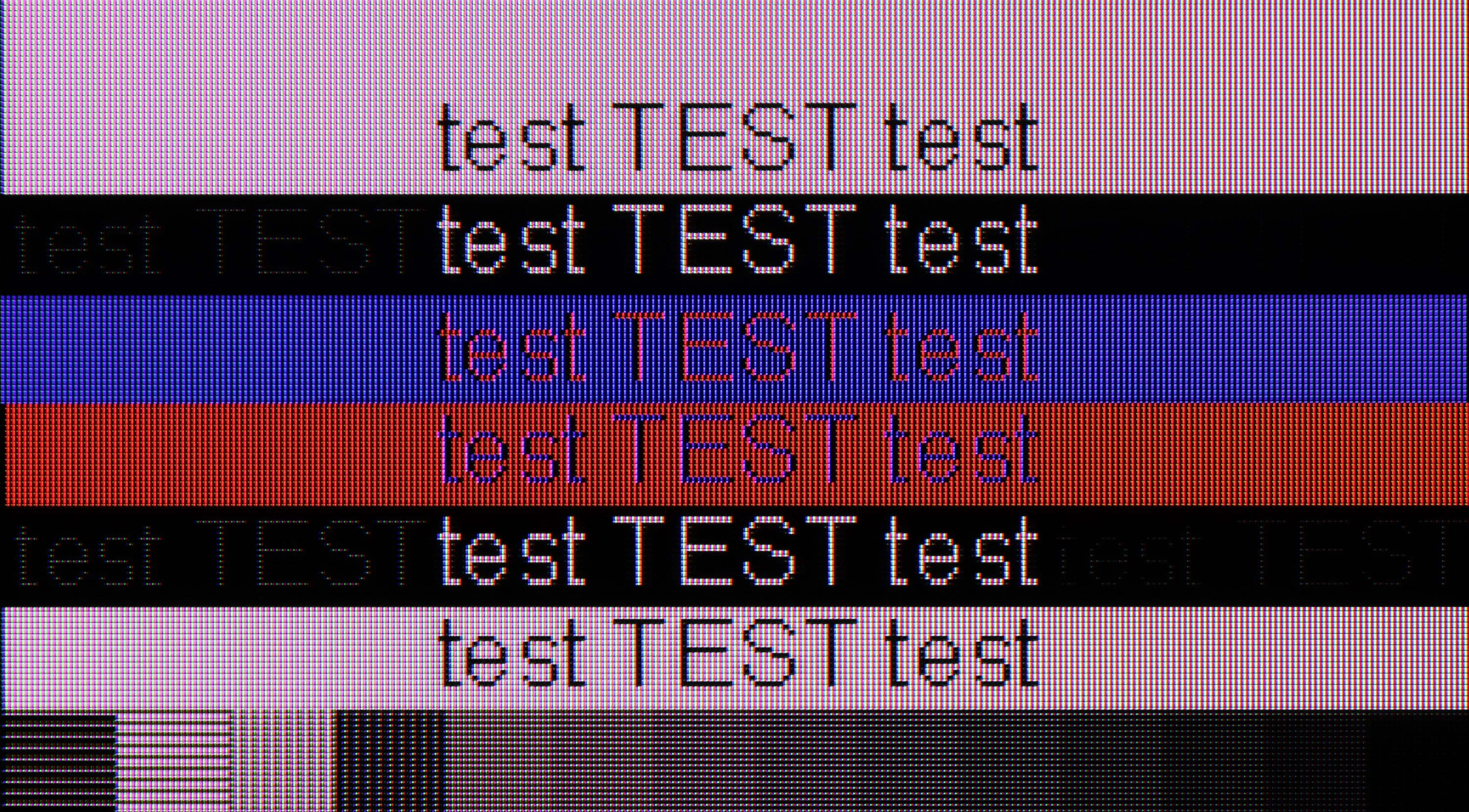
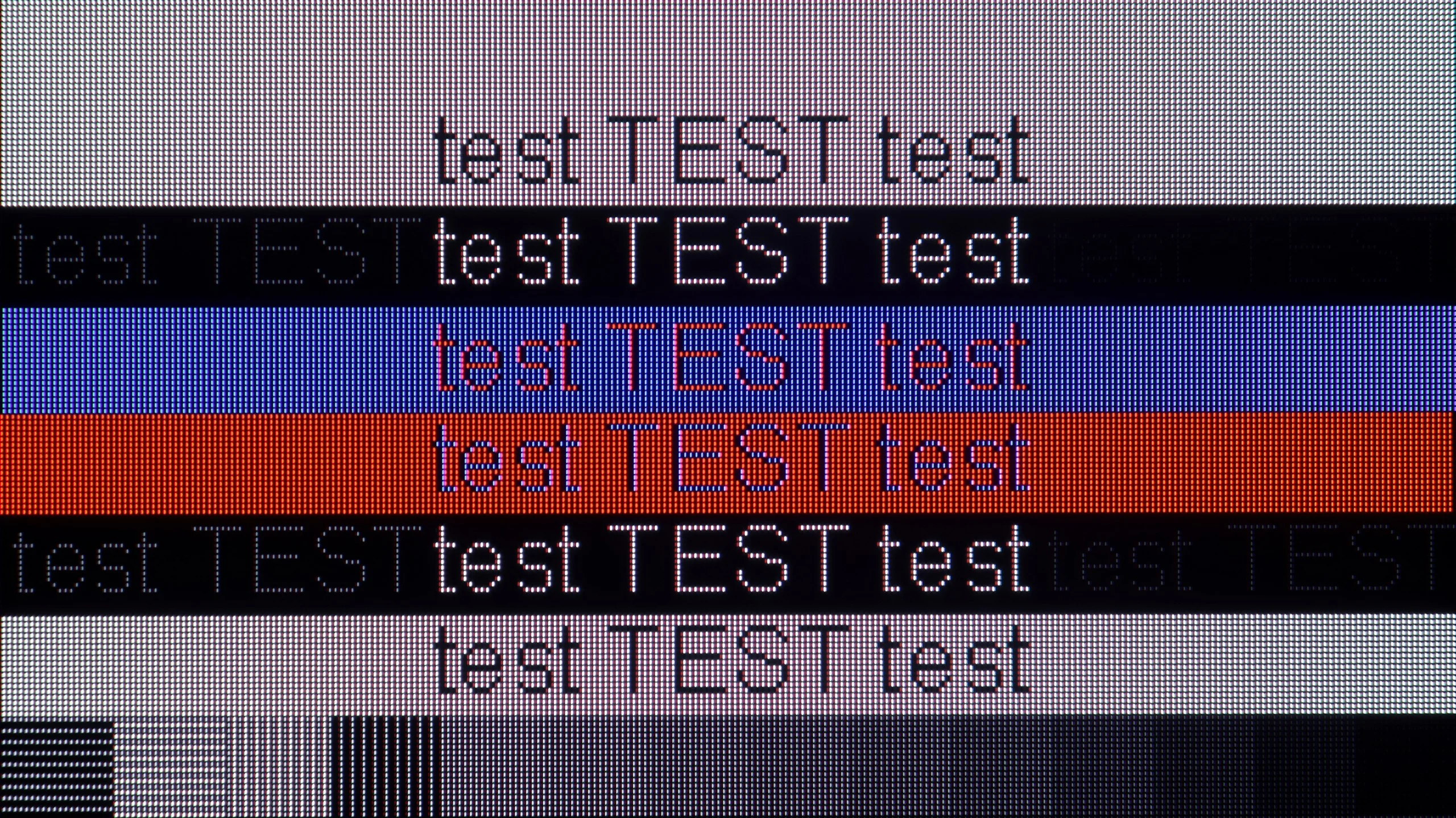
The photo shows the legibility of small fonts. Ideally, lines should be the same thickness on both light and dark text, with minimal pixel gaps.
When it comes to gaming on a computer, LG QNED91T synchronises effortlessly with NVIDIA graphics cards and supports G-Sync functionality. The very low input lag makes gaming with a personal computer a real joy. The TV supports chroma 4:4:4, which provides excellent text readability. While we did notice slight blurring of fonts around the edges, overall the image looks very good, and readability is at an acceptable level.
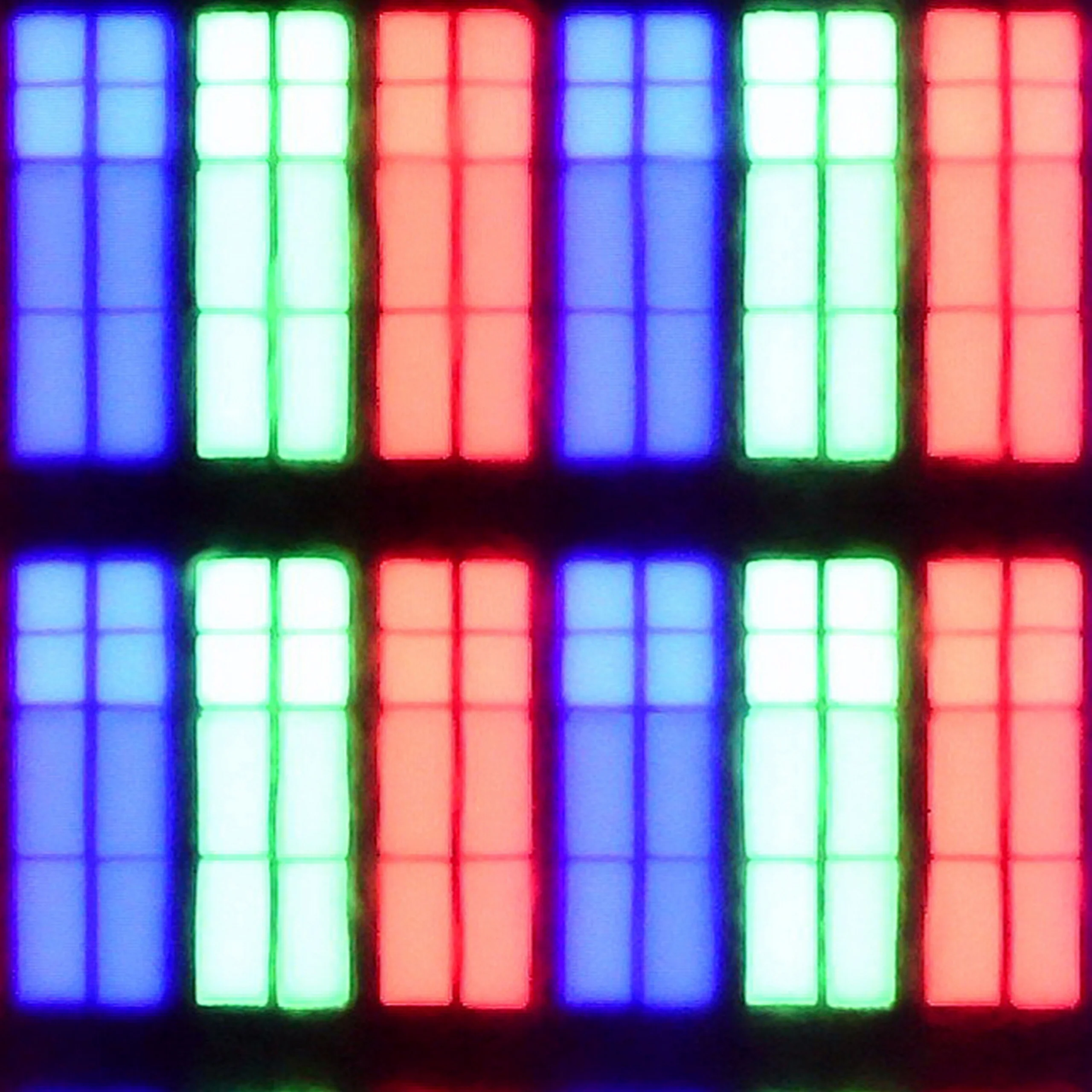
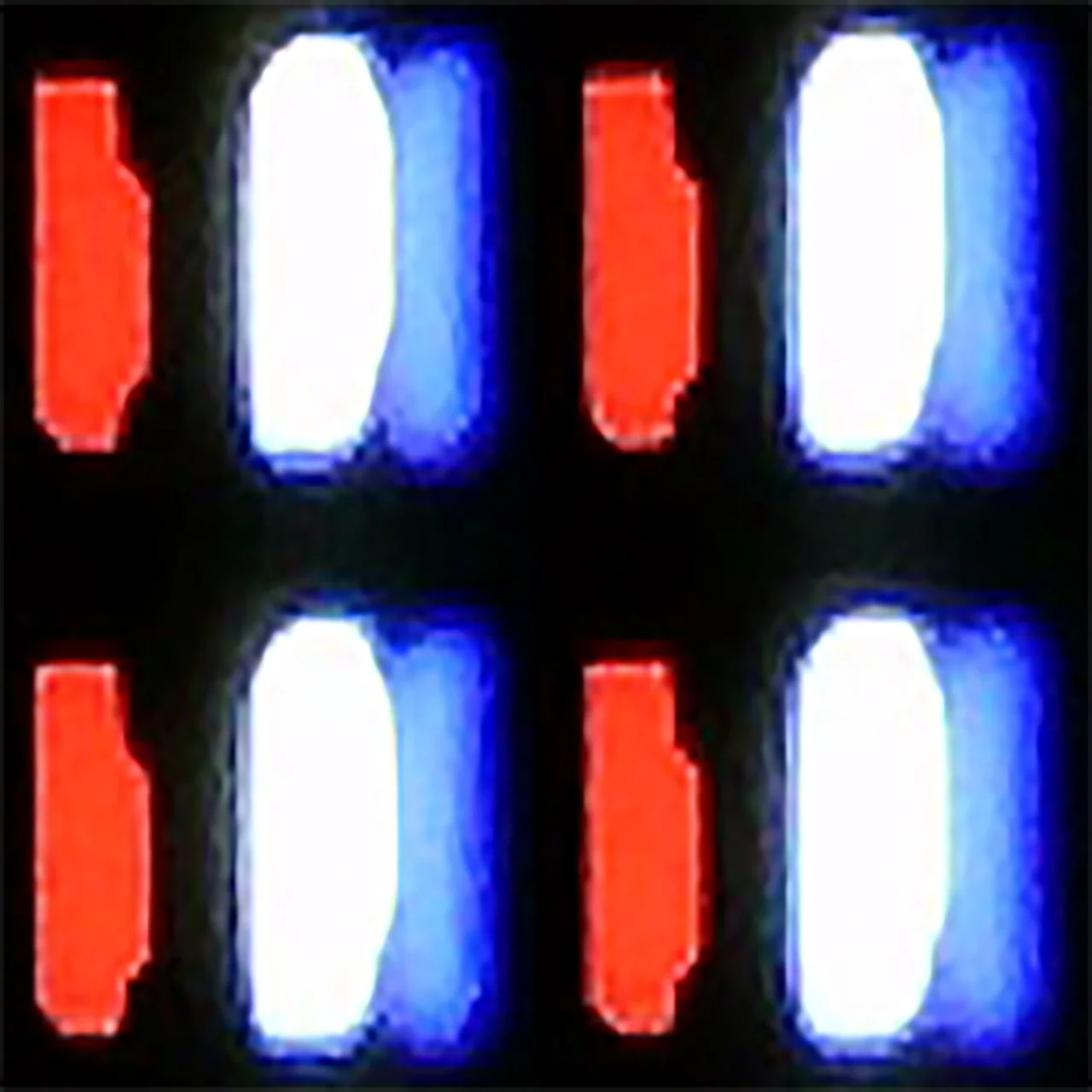
The C6 also performs very well when connected to a computer. The TV correctly supports 4:4:4 chroma, so text, icons and other small UI elements are displayed clearly. You can therefore use it not only for gaming but also for regular work in Windows without much trouble. A limitation is the four‑subpixel panel layout. If you sit really close to the screen, you might notice slight coloured fringing on the edges of some fonts. It isn’t particularly bothersome and becomes practically invisible from a normal viewing distance.
The C6 also has a lot to offer PC gamers. From a PC you can use the full 165 Hz, and it also supports G-Sync, VRR and very low input lag, which is around 5 ms at the maximum refresh rate. Combined with the OLED’s lightning-fast response time, this delivers a very smooth, clean image with no visible motion blur. So if you plan to connect a powerful PC to the C6, the TV can comfortably serve as a large gaming monitor and will also work quite well for everyday productivity.
Viewing angles
3.4/10
7.4/10
As we mentioned in the paragraph about contrast, the television is equipped with a VA panel, which generally offers very good contrast compared to IPS panels. Unfortunately, VA panels have their weakness in the form of limited viewing angles, which is also evident in the case of QNED91T LG. The viewing angles here are not the best, and while the use of an angle-enhancing coating could significantly improve the situation, unfortunately, we don’t have that here. As a result, the picture loses quality when viewed from a greater angle, which can be problematic when more people are watching at the same time.
Viewing angles on the LG C6 are very good and actually rank among the best you can currently find in TVs. This is largely due to the OLED panel itself. Even if you sit well off to one side, the picture still retains good contrast and the colours don't lose much saturation. That makes the C6 very well suited to a larger living room, where not everyone sits directly in front of the screen. Only at very extreme angles can you notice slight colour shifts, but during normal viewing it's hard to count that as any real issue. In this respect, really only Samsung Display's QD-OLED panels perform better.
Daytime performance
6.1/10
6.6/10
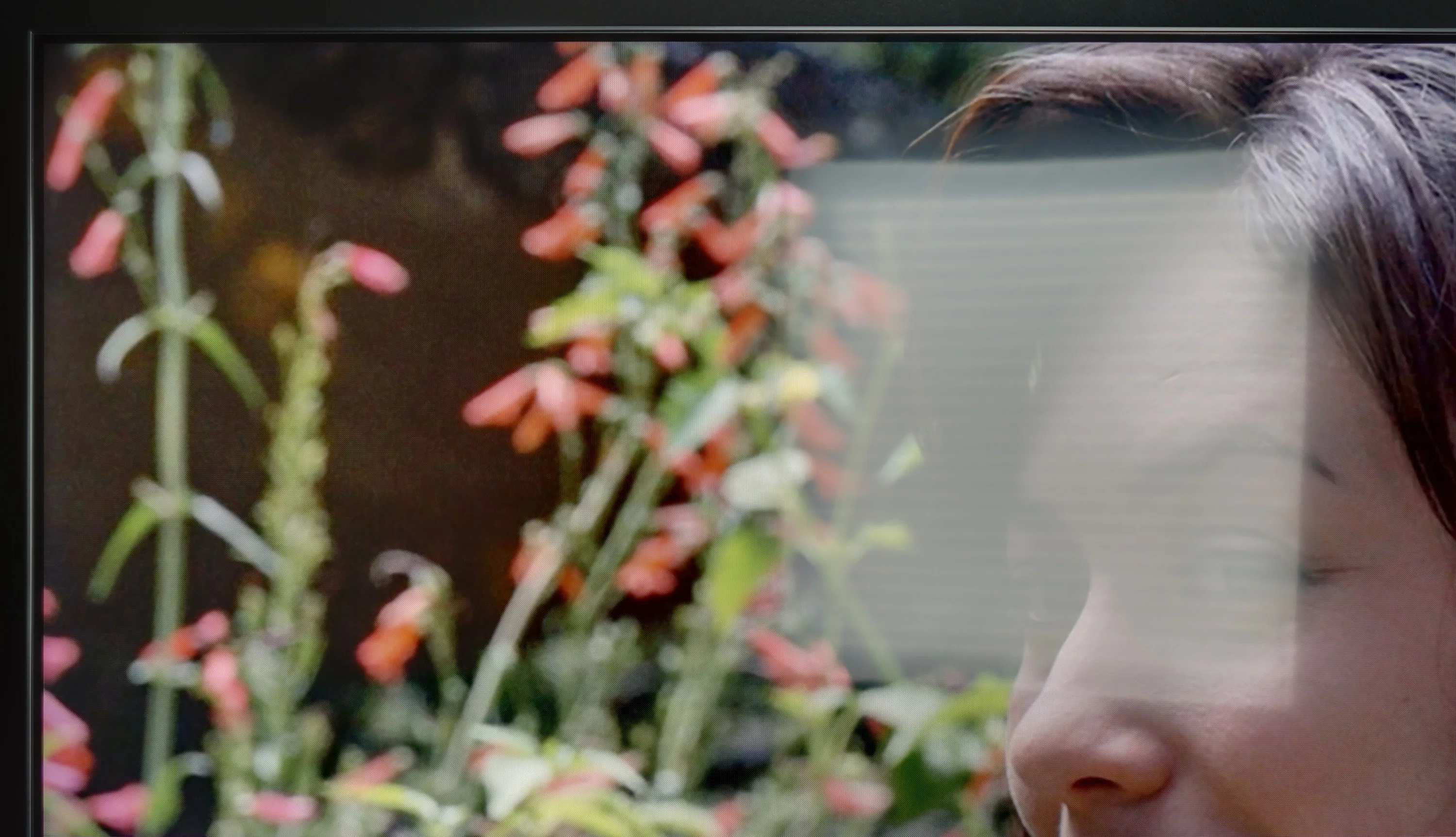
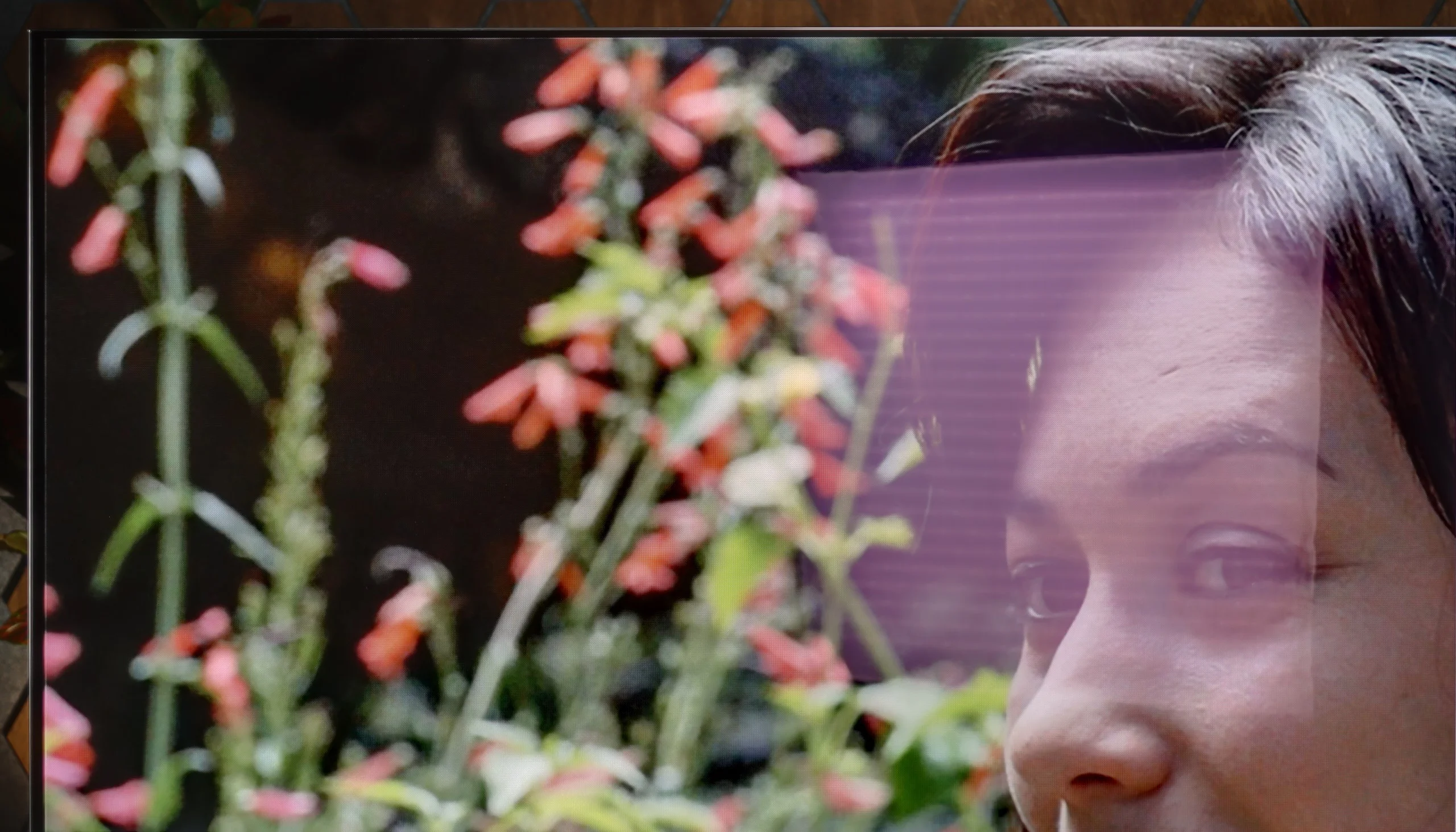
Panel brightness
LG OLED C6 (WOLED): 469 cd/m2
LG QNED91T6A: 573 cd/m2
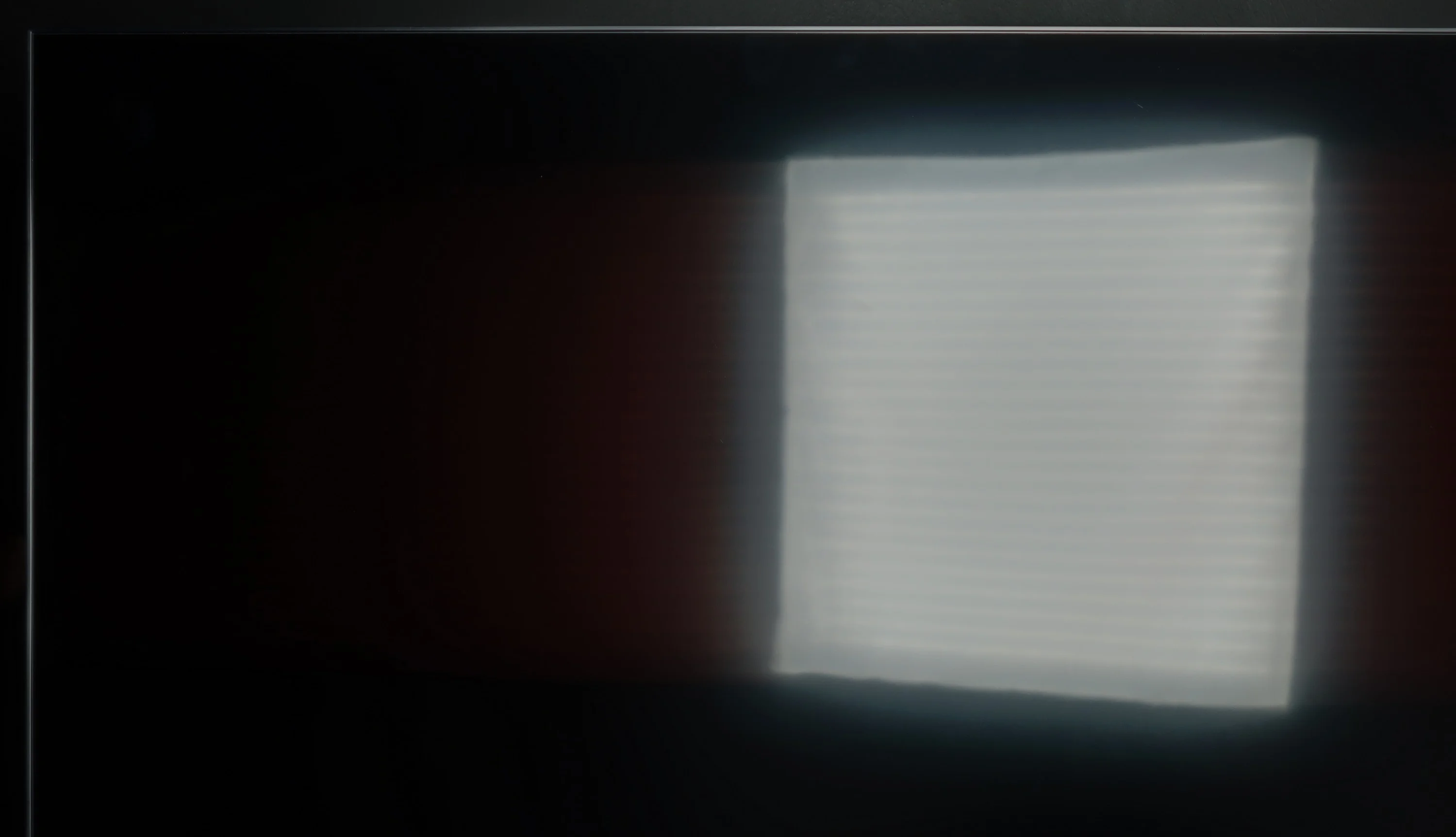
The TV LG 65QNED91T6A is equipped with a satin panel, which handles direct light reflections, such as from lamps or wall sconces, moderately well. In the first test photo with a large lamp, you can see how the reflection "spills across the screen." However, the QNED91T makes up for it in terms of brightness - an average SDR brightness of 580 cd/m² is sufficient for watching television even in more challenging lighting conditions. Because of this, despite issues with reflections, the TV performs well during the day.
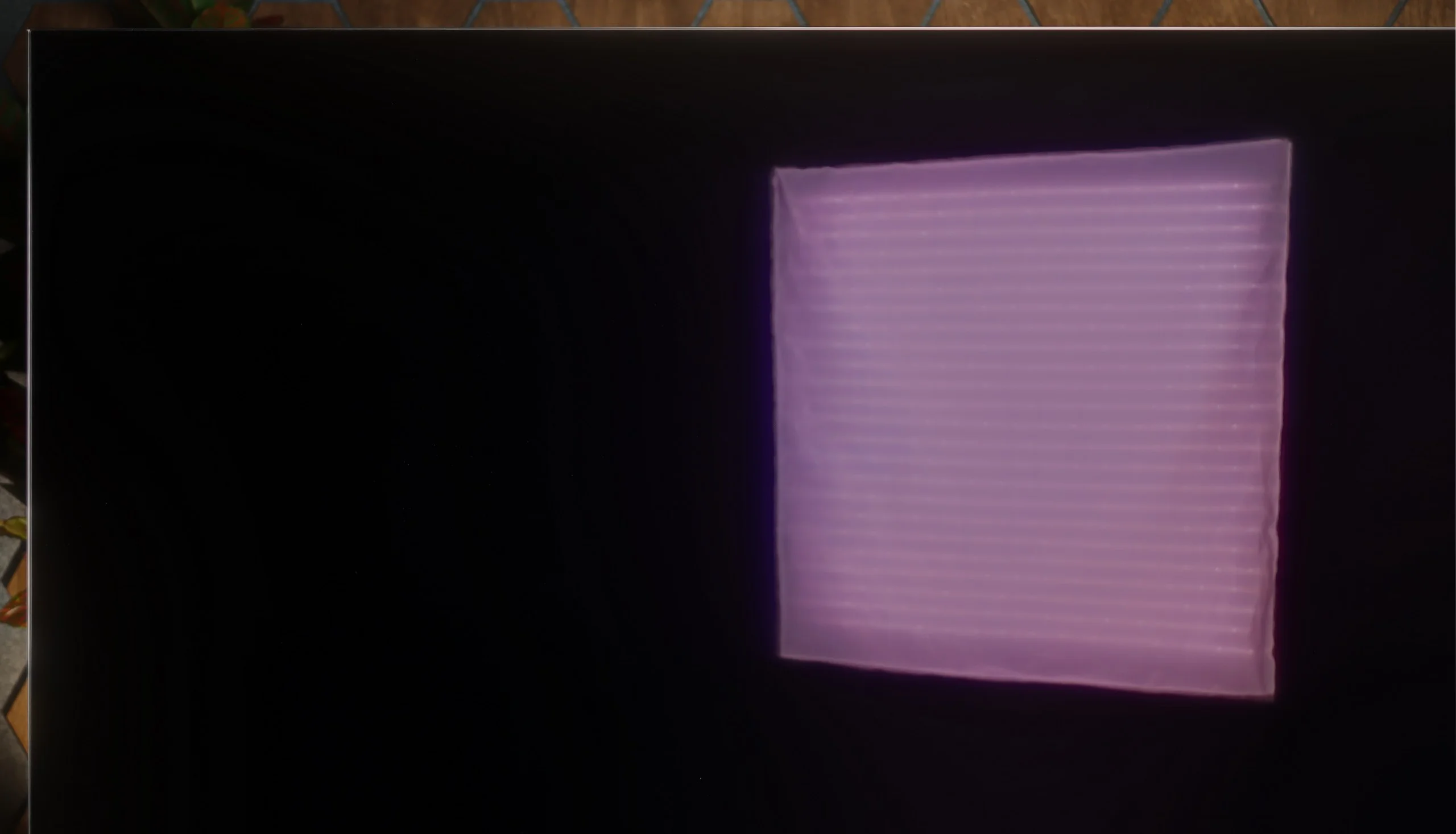
The LG C6 has a glossy panel that handles direct reflections quite well, but it doesn’t eliminate them completely. If there’s a large window or a bright lamp facing the TV, their reflections will still be visible. On the other hand, the screen preserves blacks well in a lit room and even during the day the picture doesn’t go grey or washed out. The C6 is also fairly bright in SDR. With typical content we measured around 470 nits, so in most living rooms it should cope during the day without much trouble. Brightness only starts to fall off more noticeably when a large part of the screen is white. That’s still a typical characteristic of OLEDs and it becomes noticeable with very bright content, for example winter sports. Overall, the C6 performs well in a normally lit living room. However, if the TV is going to sit opposite huge windows and spend most of the day fighting strong sunlight, a bright Mini LED will still be the better choice.
Panel details
Subpixel Structure:
Panel uniformity and thermal imaging:
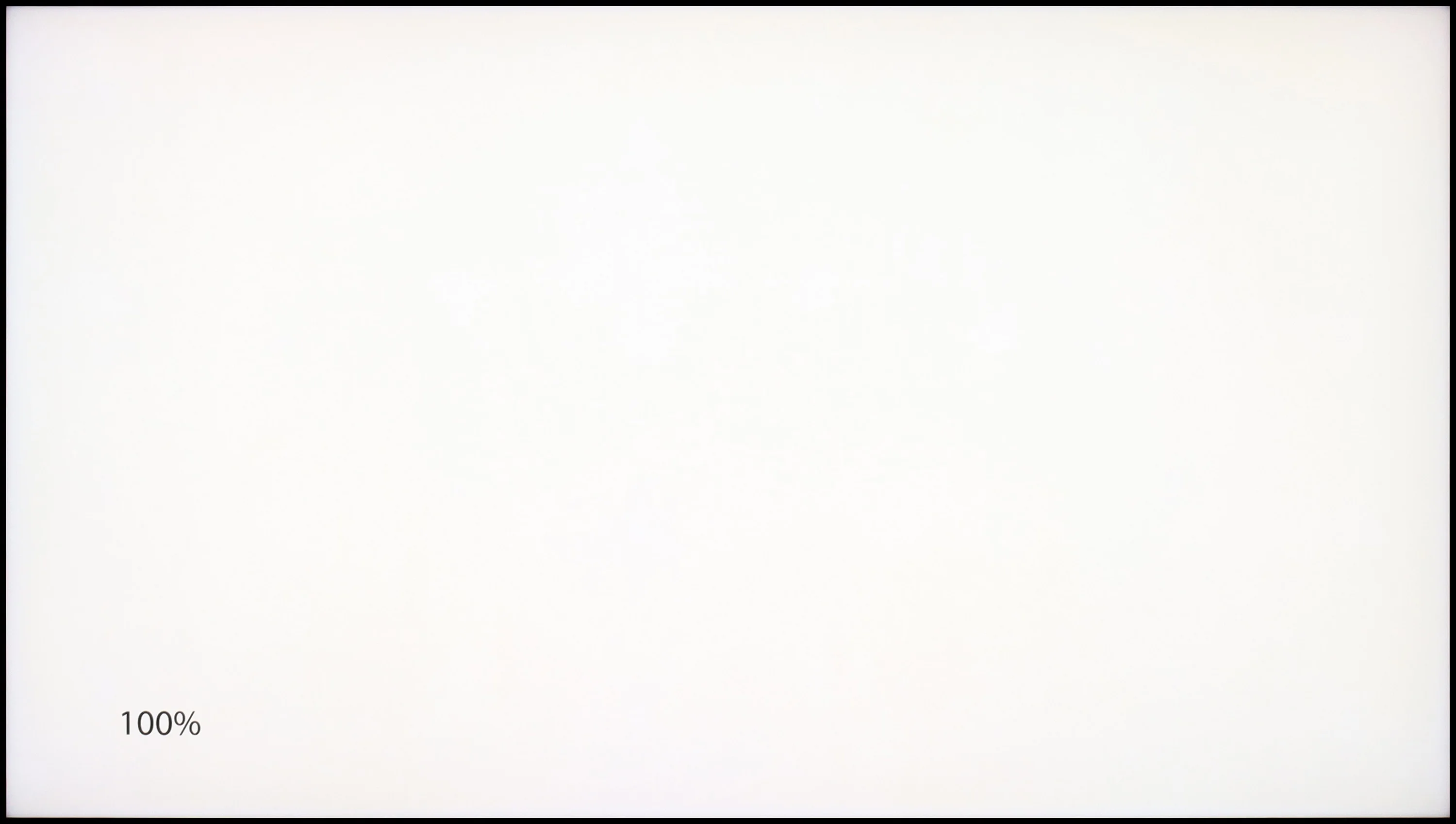
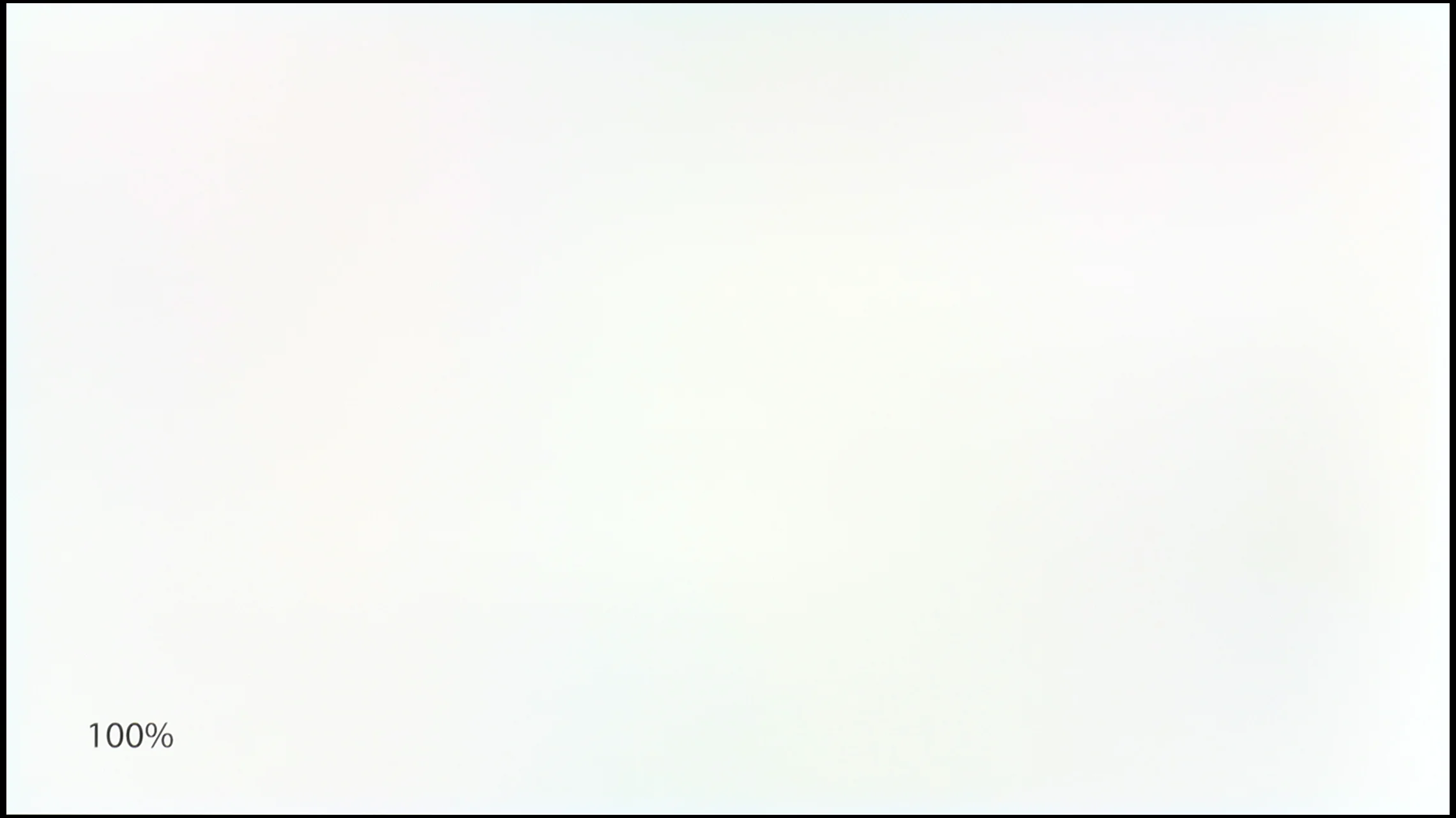
LG QNED91T6A
LG OLED C6 (WOLED)
TV features
8.4/10
8.4/10
- SystemWebOSWebOS
- System performanceGoodVery good
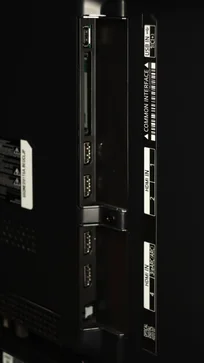
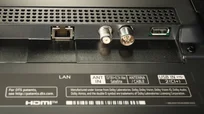
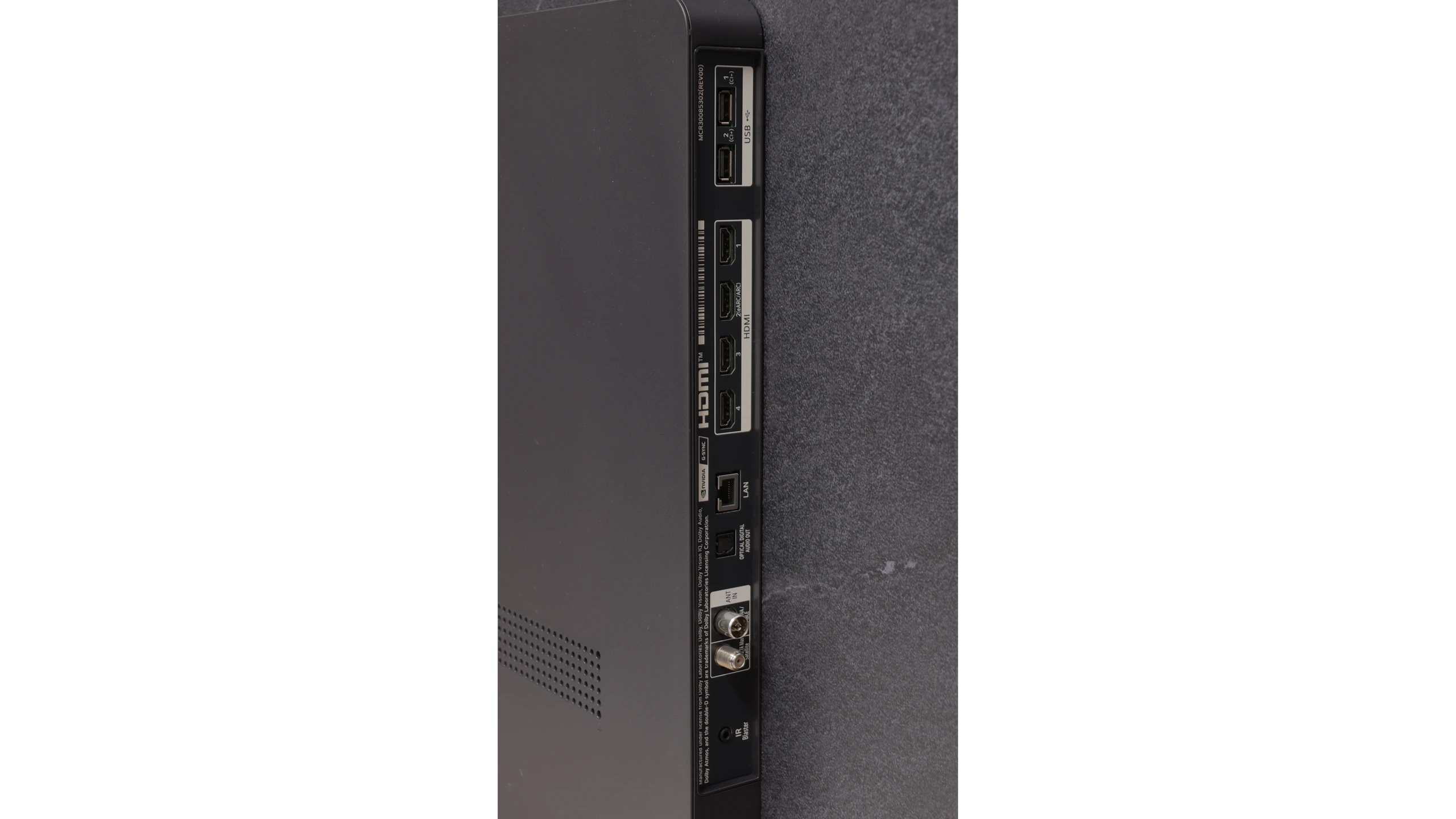
- HDMI inputs0 x HDMI 2.0, 4 x HDMI 2.1 48Gbps0 x HDMI 2.0, 4 x HDMI 2.1 48Gbps
- Other inputsIR (remote)
- OutputsToslink (Optical audio), eARC (HDMI), ARC (HDMI)Toslink (Optical audio), eARC (HDMI), ARC (HDMI)
- Network InterfacesWi-Fi 2.4GHz, Wi-Fi 5GHz, Ethernet (LAN) 100MbpsWi-Fi 2.4GHz, Wi-Fi 5GHz, Ethernet (LAN) 100Mbps
- TV receptionDVB-T, DVB-T2, DVB-S, DVB-S2, DVB-CDVB-T, DVB-T2, DVB-S, DVB-S2, DVB-C
Classic features:
- Recording to USB (terrestrial TV)
- Recording programming
- Picture in Picture (PiP)

- RF remote control (no need to aim)
- Backlit remote control
- Teletext
- Audio only mode
- Bluetooth headphones support
- Simultaneous Bluetooth headphones & TV audio
Smart features:
- AirPlay
- Screen mirroring (Windows Miracast)
- Voice search
- Voice search in native language
- Ability to connect a keyboard and mouse
Sound connection options
- HDMI audioeARC (HDMI), ARC (HDMI)eARC (HDMI), ARC (HDMI)
- Other audio outputsToslink (Optical audio)Toslink (Optical audio)
- Wireless audioBluetoothBluetooth
Supported audio formats (external HDMI eARC audio):
- Dolby Digital Plus 7.1
- Dolby True HD 7.1
- Dolby Atmos in Dolby Digital Plus (JOC)
- Dolby Atmos in Dolby True HD
- DTS:X in DTS-HD MA
- DTS-HD Master Audio
Senior accessibility
- Numeric keyboard on TV
- Font size adjustment
- Audio description
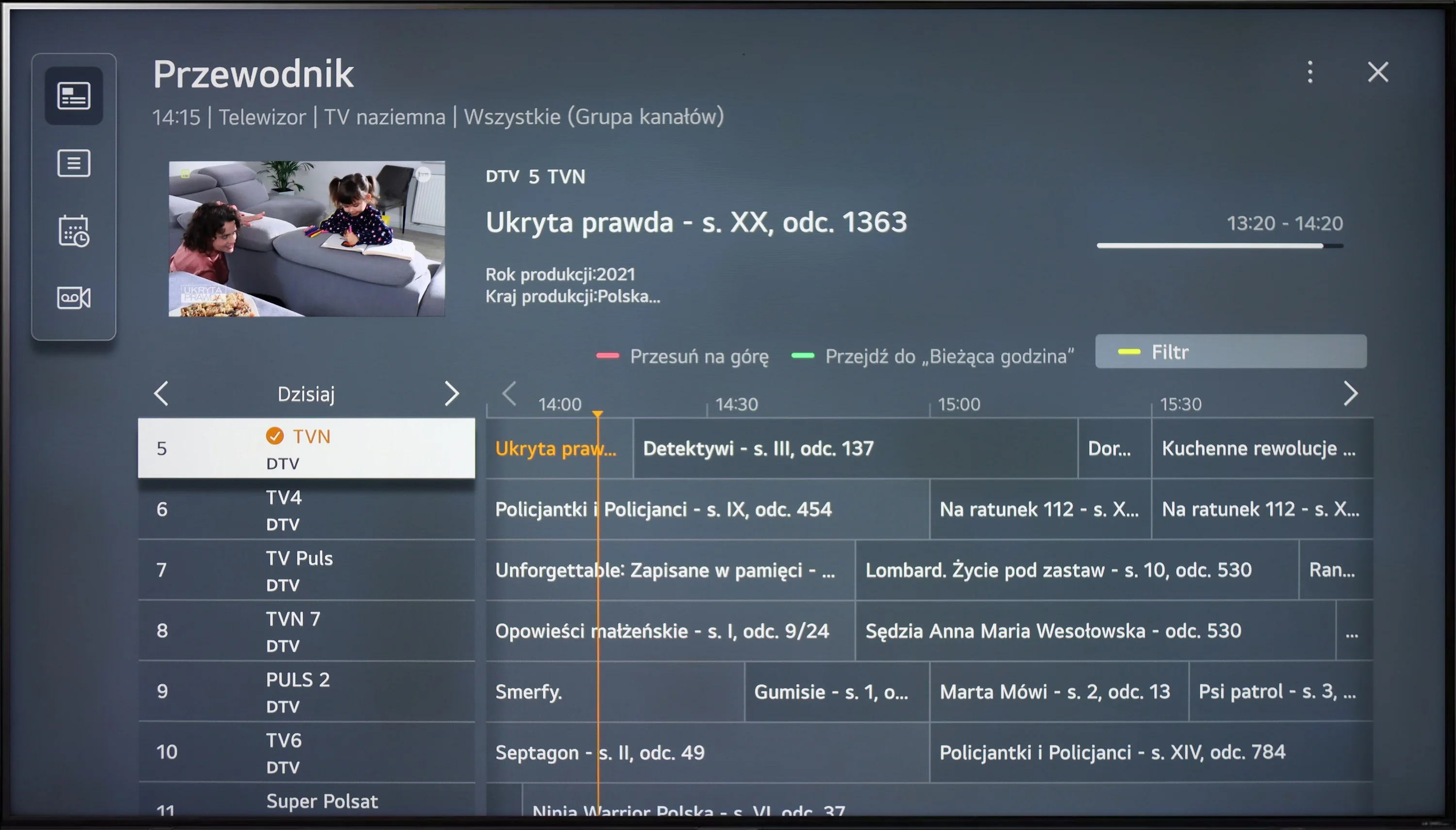
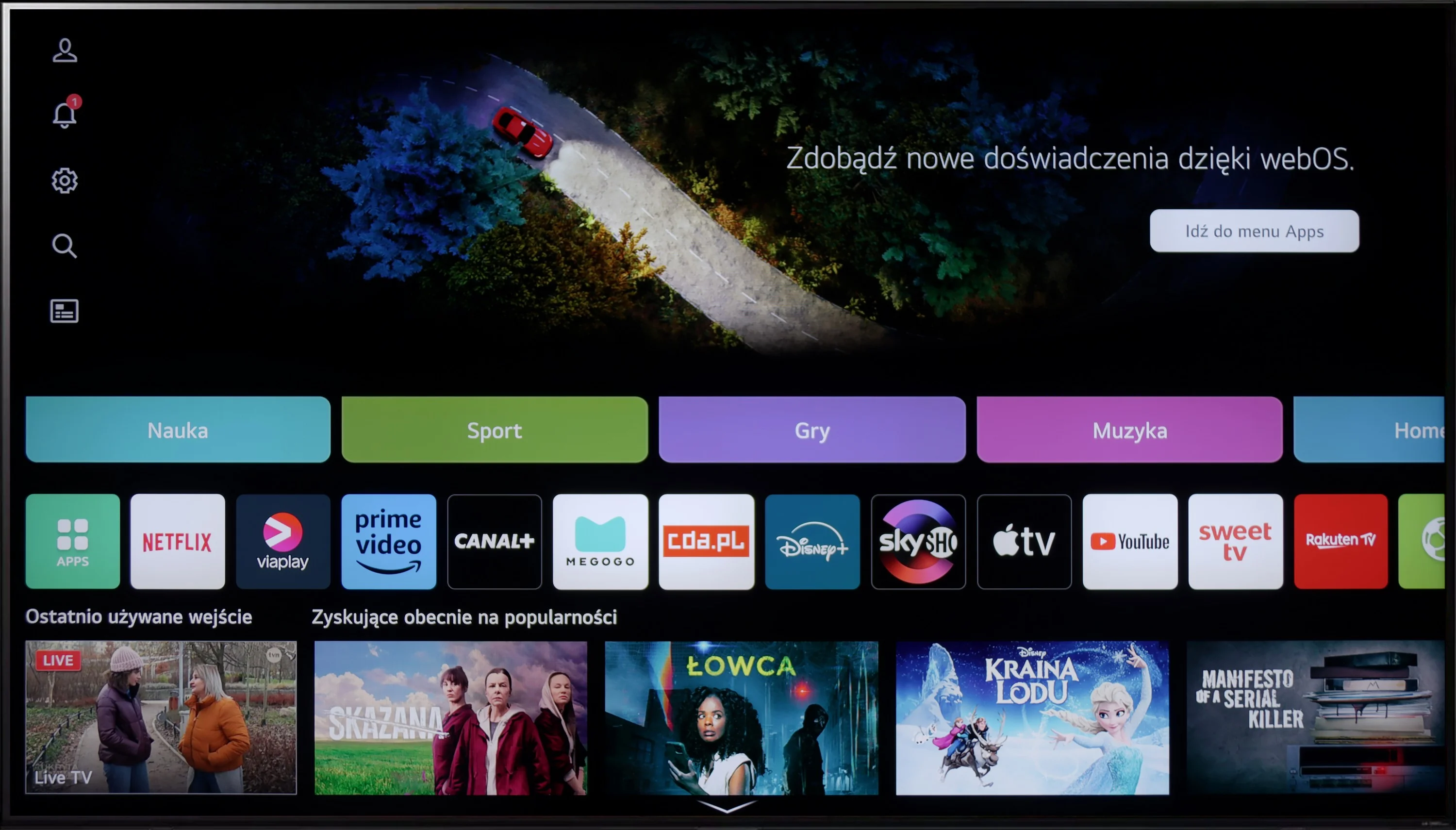
The most important thing in today's televisions, apart from picture quality, is the operating system. The one available in LG models is really very good. Of course, we're talking about the WebOS system, which offers most of the popular apps available in Poland, much like GoogleTV. What sets this system apart is primarily the excellent remote control with an accelerometer - the Magic Remote, which resembles a magic wand. Controlling with this remote is incredibly convenient. Additionally, the television offers a very good voice assistant that understands Polish perfectly.
In terms of user features, the television offers practically everything one could wish for. Here we find the ability to record programs from built-in tuners, support for AirPlay to connect an iPhone, and a mirroring function. We can easily connect keyboards, mice, or headphones, although keyboards are not essential thanks to the handy Magic Remote. Unfortunately, the PiP (Picture-in-Picture) feature is missing here, but it's such a specific function that only those who really need it will feel its absence. The QNED91T is a television that does not disappoint when it comes to daily enjoyment of its use.
Smart TV – webOS
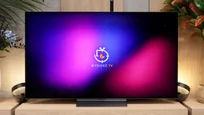
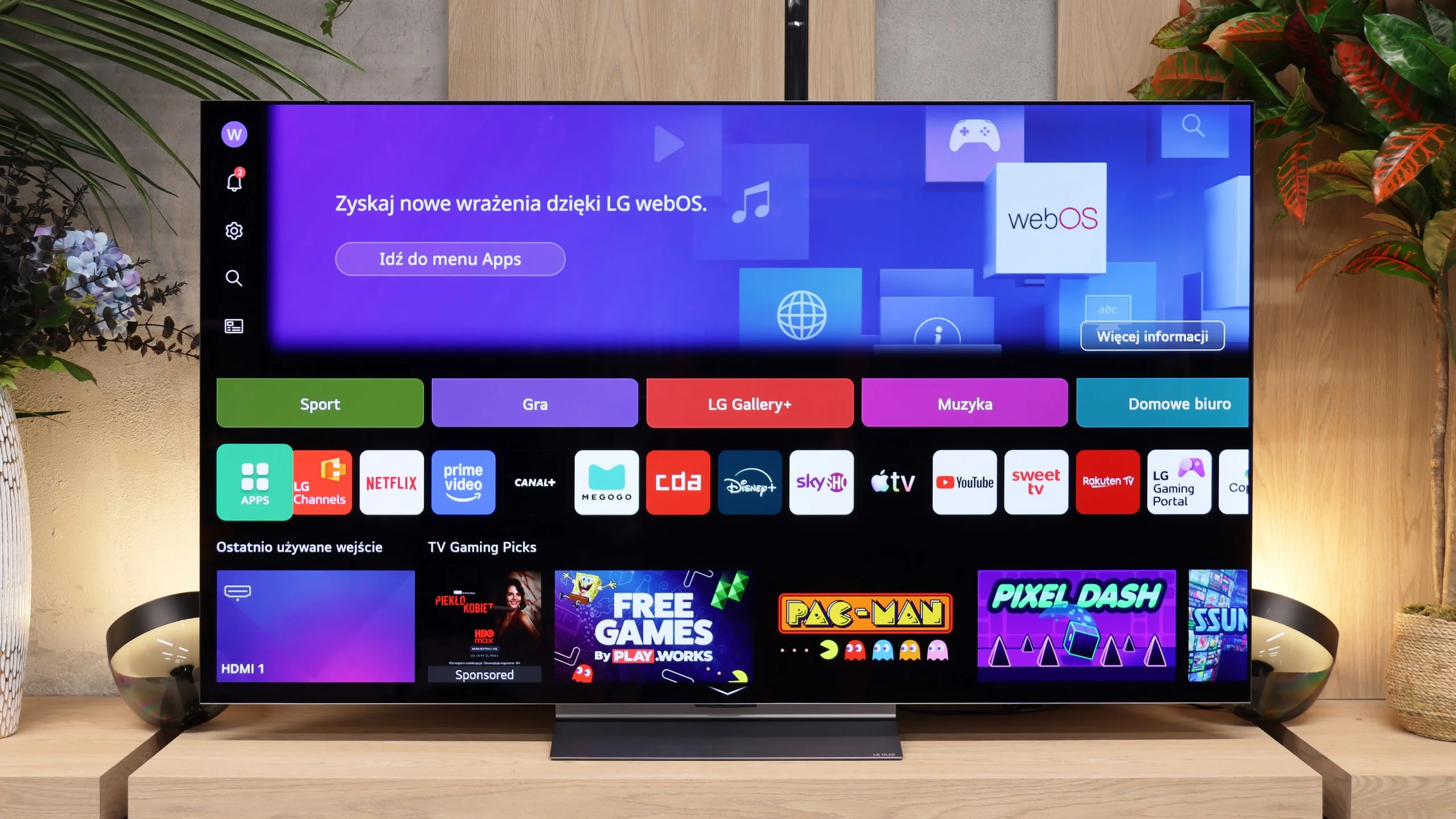
Regardless of which C6 variant you come across, the set of features remains the same. The heart of the television is, of course, webOS, the system LG has been developing for many years. It runs quickly, is well optimised and, above all, provides access to practically all popular apps. Netflix, Disney+, Prime Video, YouTube, Max and other streaming services — in this respect it is hard to find major gaps. The system itself also offers a lot of extra options. There is AirPlay, easy screen casting from a smartphone, control of smart home devices and the ability to personalise the home screen. LG has been significantly expanding webOS for several generations and at times the number of available tabs or recommendations can be a little overwhelming (especially with ads in the background), but once you get used to it the system is convenient and, most importantly, works smoothly.
Classic television features
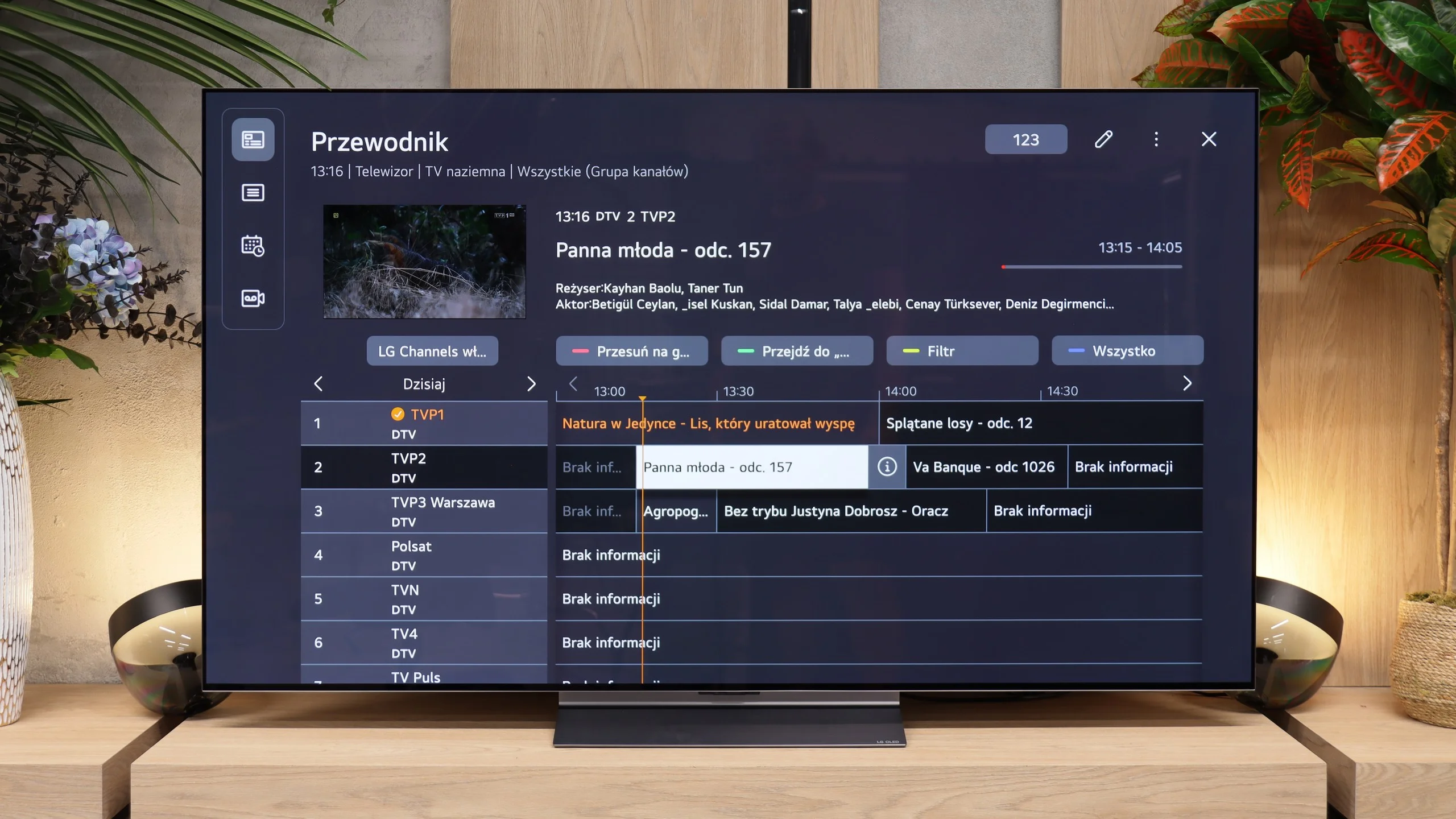
The C6 also handles being used as a normal television very well, not just as a screen for Netflix. Terrestrial TV support, the programme guide and channel switching all work smoothly and there is little to complain about. LG still offers the ability to record programmes to USB, so in terms of traditional features the equipment is really comprehensive. In fact we only miss two things here. The first is PiP, the ability to display two video sources at the same time. The second is a backlight for the remote, which would be particularly useful for evening viewing. Apart from that, the C6 has pretty much everything you can expect from a modern television.
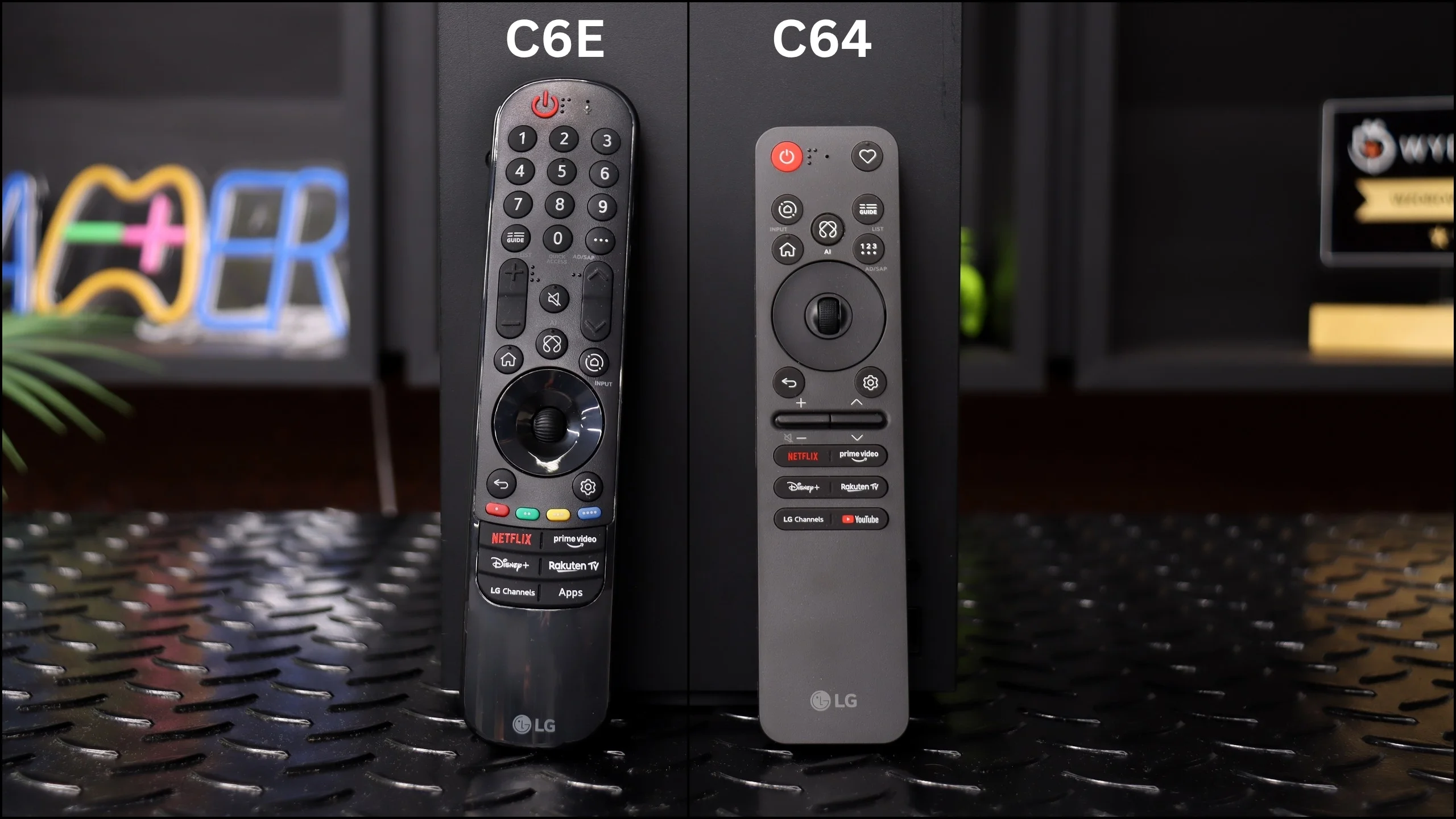
Magic Remote: DIFFERENT VERSIONS
When buying the C6 it is worth paying attention to the remote, because LG has caused a bit of confusion here. During our tests we had, among others, the C64 variant, commonly found in large retail chains. The set included the new, much smaller Magic Remote Slim. It has fewer buttons and looks decidedly more modern, but still retains two of LG remotes' most distinctive features: the scroll wheel and cursor control by moving the remote. The C6E we tested, on the other hand, was equipped with the older, larger version of the Magic Remote. It works essentially the same, but has a classic numeric keypad and many more physical buttons. It looks less modern, but some people — especially those used to traditional remotes — may find it more convenient. So there is no single answer as to which remote is better. The new one is smaller, simpler and decidedly more contemporary; the older one offers faster access to a larger number of functions without having to navigate through menus. It's worth knowing that depending on the C6 marking, you may find one or the other variant in the box.
Apps
8.3/10
9.1/10






















Playing files from USB
8.5/10
9.1/10
Supported photo formats:
Maximum photo resolution:
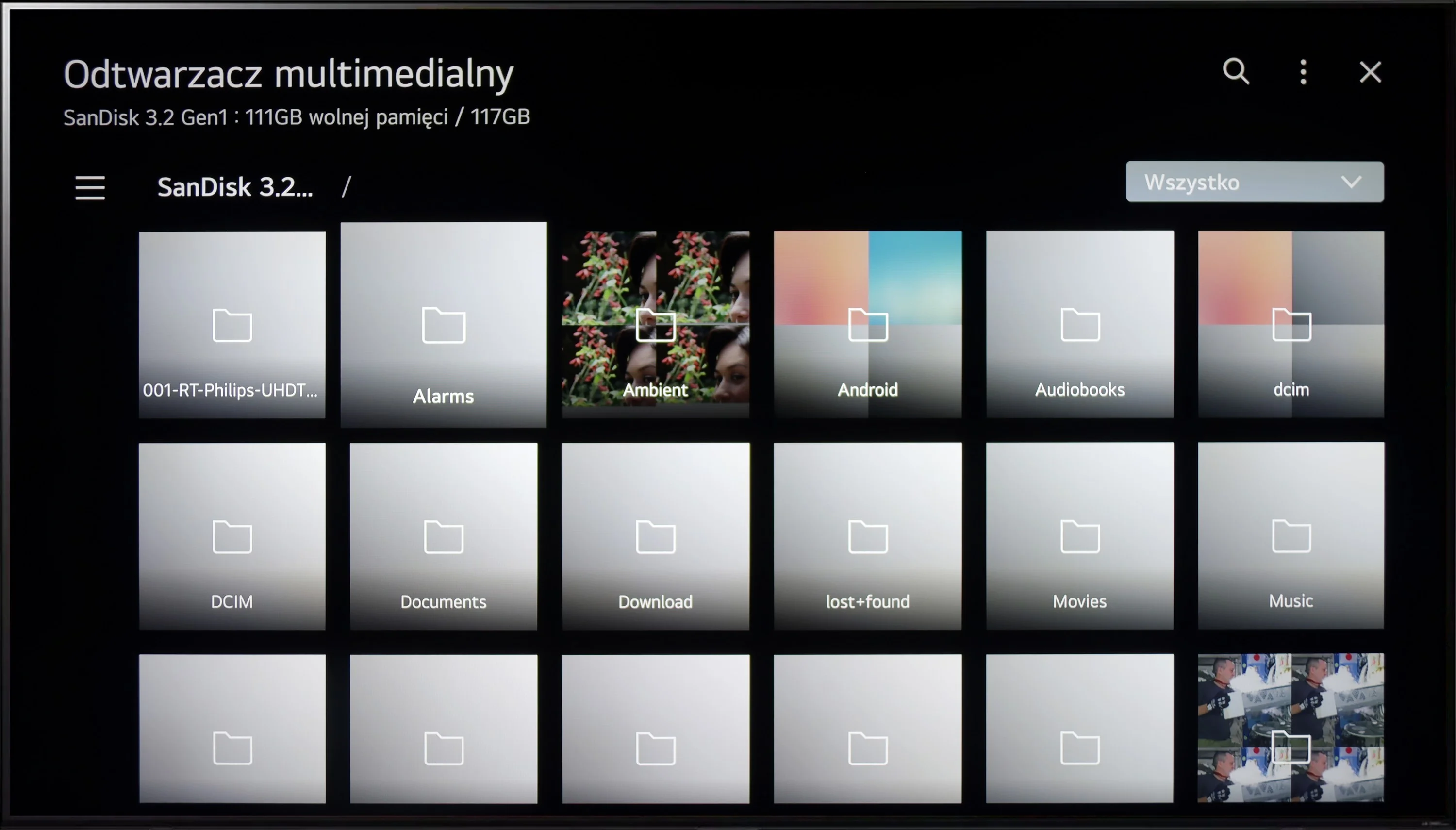
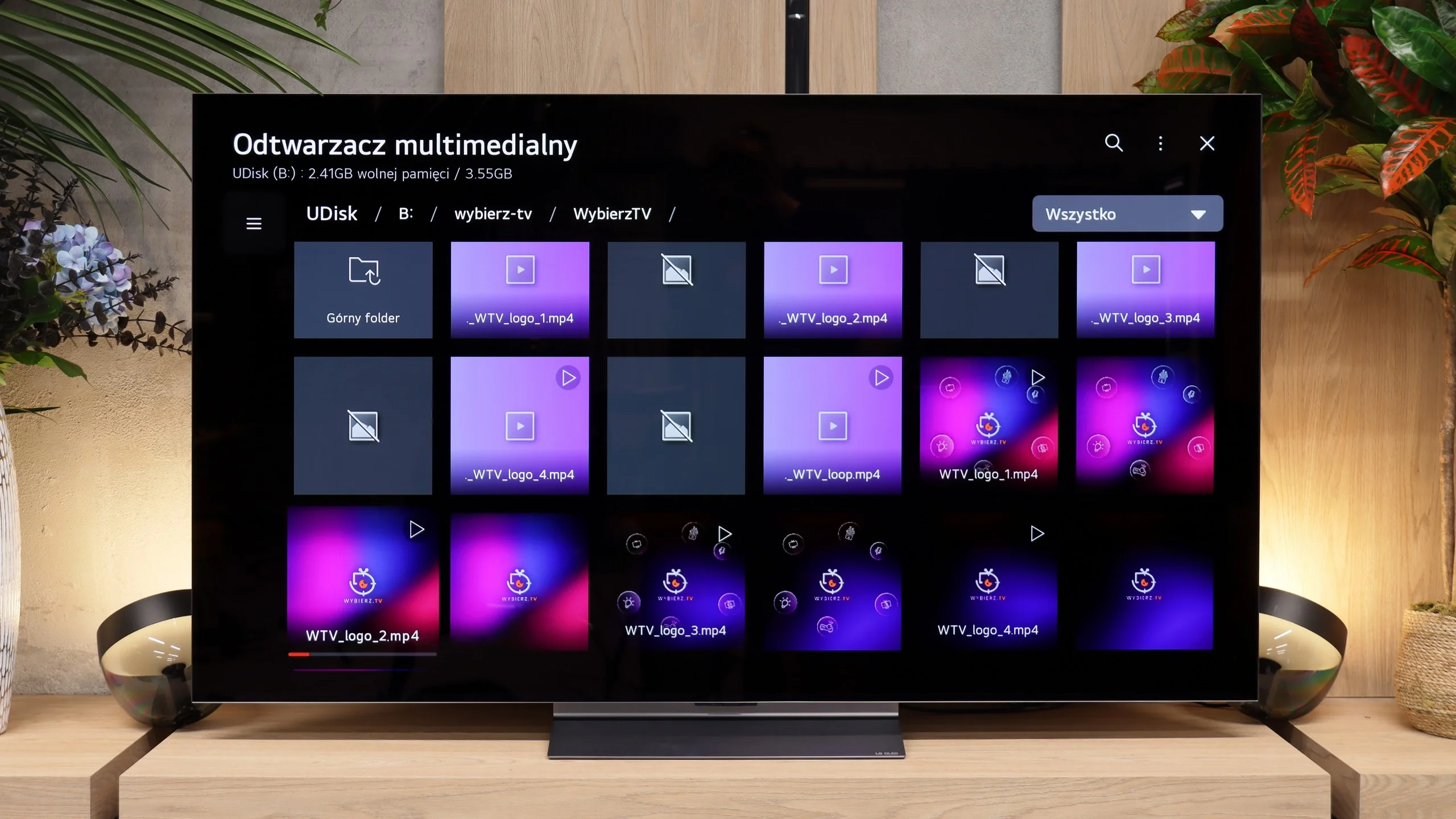
The built-in player in QNED91T should satisfy most users. It handles Polish characters without issue and plays movies with subtitles from external drives. The player also manages most audio formats and photos, except for Apple HEIC files.
During our tests the TV handled virtually all of the most popular video formats we copied onto a USB stick without any problems. There were no issues with high bitrates, subtitles or more demanding files, so it's hard to criticise it on that front. The only exception was material with a DTS audio track. That's not surprising, because the TV simply doesn't support that codec. Otherwise, the built-in player is good enough that most users will be fine without installing external apps or connecting an additional player.
Sound
6.9/10
7/10
- Maximum volume-88dB
- Dolby Digital Plus 7.1
- Dolby True HD 7.1
- Dolby Atmos in Dolby Digital Plus (JOC)
- Dolby Atmos in Dolby True HD
- DTS:X in DTS-HD MA
- DTS-HD Master Audio
LG QNED91T comes with a set of 4 speakers in a 2.2 configuration with a total power of 40W. The TV sounds quite pleasant, and the subtle bass is noticeable. Of course, it's not on the level of an external audio system, such as a soundbar or home theatre, but it's sufficient for everyday use. It's also worth praising the support for audio formats DTS:X and Dolby Atmos, which significantly enhance the audio experience.
In terms of sound the C6 is practically unchanged from last year’s C5. It still uses a 2.2-channel setup with a total output of 40 W, so a somewhat more solid base than many TVs that rely on simple 2.0 20 W arrangements. In practice the sound is quite good. Dialogue is clear, it doesn’t sound overly flat, and the additional speakers deliver a bit more bass than many basic TVs. Of course it still won’t replace a good soundbar, let alone a home theatre, but it’s more than enough for everyday TV viewing.
There’s a small step backwards, however, in the settings. LG removed some of the preset sound modes this year, which makes it a bit harder to tailor the sound to your preferences than on the previous generation. For that reason our rating is slightly lower, although the speakers’ capabilities remain practically unchanged. On the plus side it supports Dolby Atmos, the most popular surround-sound format in films and streaming right now. DTS support is still missing, which may matter mainly to people using their own movie libraries on discs or files.
Sound Quality Test
No sound test video
Acoustic Measurements
No acoustic data
88dBC (Max)
75dBC
Reader comments
Comments are provided by the external service Disqus (Zeta Global). Once loaded, Disqus may set cookies and process data about your activity.
We will remember your choice on this device. Provider's privacy policy