 Direct comparison
LG QNED87T is a television that definitely stands out. It's a bit unconventional – it doesn't try to forcefully compete with top OLED models, but it makes up for it with modern features and user-friendly operation. It's equipment that works great for those who value comfort and versatility. The 120 Hz panel, VRR, and ALLM make the television perform well with dynamic content. Games run smoothly, the picture is sharp, and the responses are quick. If we spend time on a console, we will appreciate the lack of lag or blurring. When watching sports, quick actions are clear, without stutters. On a daily basis, LG QNED87T is simply comfortable. WebOS operates intuitively, apps launch quickly, and the Magic Remote control significantly eases operation. Voice control saves time, especially when searching for movies or series. Features like USB recording or Bluetooth provide more options, enhancing its versatility. The IPS panel is a big advantage regarding viewing angles. No matter where we sit in the room, the picture looks good. It's a great solution in larger spaces where not everyone has a direct view of the screen. Older films or standard television from built-in tuners also present quite well – the improvement in the quality of lower resolution materials works surprisingly well. However, there are certain things that can be eye-catching. The contrast is simply terrible. In dark scenes, there are no details at all. In the evening, in a darkened room, this is very noticeable. During the day, these imperfections are less felt, so LG QNED87T performs better in well-lit places. LG QNED87T is a television that has its strengths. It handles dynamic materials well, is easy to use, and is excellent for bright rooms. It's not the ideal model for evening viewings in darkness, but in everyday use, it definitely stands out. It's a universal device worth considering when choosing a new television.
- Matching (Score) |
- Our verdict |
- TV appearance |
- Where to buy |
- Contrast and black detail |
- HDR effect quality |
- Factory color reproduction |
- Color reproduction after calibration |
- Smoothness of tonal transitions |
- Image scaling and smoothness of tonal transitions |
- Blur and motion smoothness |
- Console compatibility and gaming features |
- Input lag |
- Compatibility with PC |
- Viewing angles |
- Daytime performance |
- Panel details |
- TV features |
- Apps |
- Playing files from USB |
- Sound
P7L / P79L

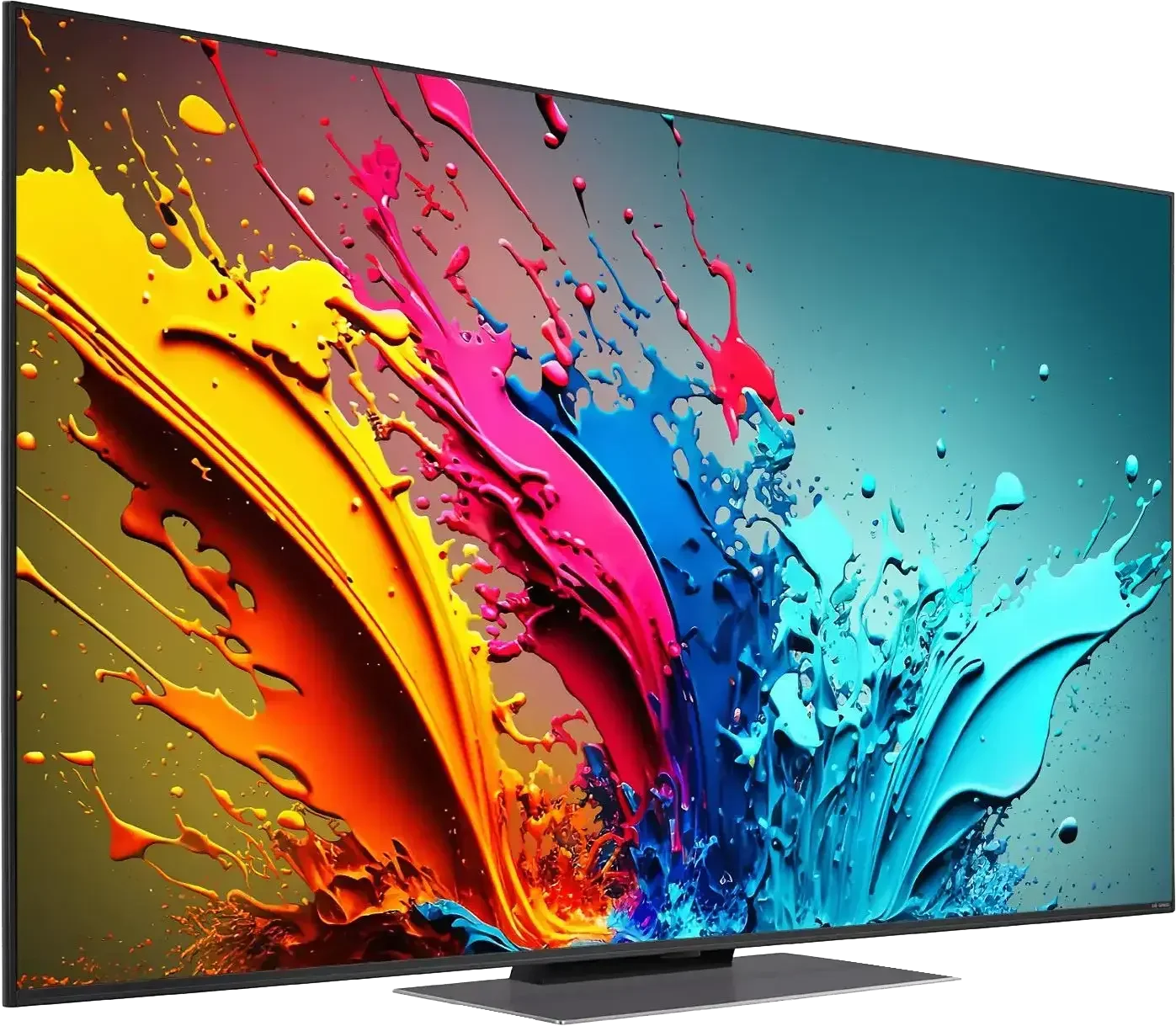
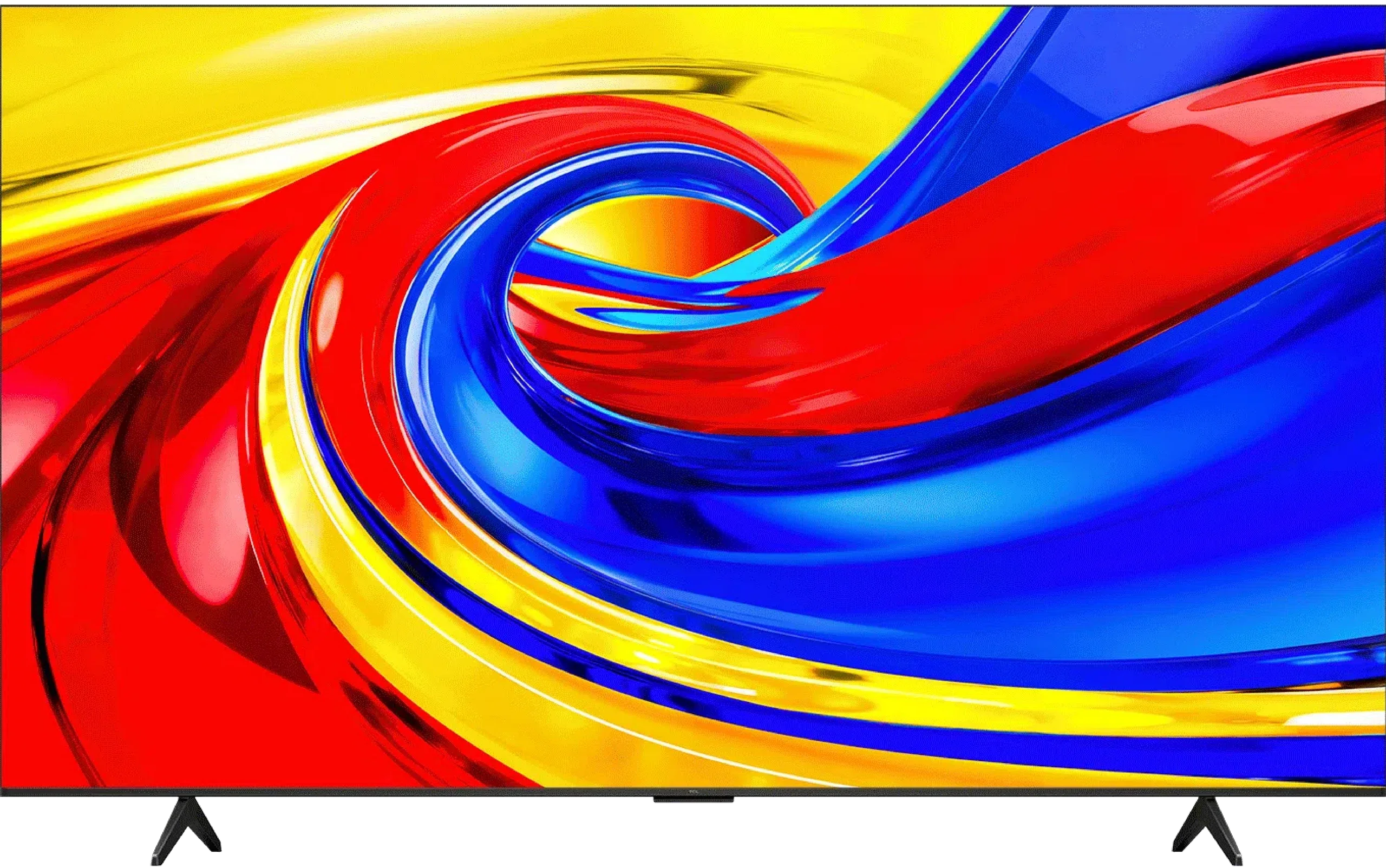
Panel type: LCD IPS
Resolution: 3840x2160
System: WebOS
Model year: 2024
Complete the survey to find out the result
Panel type: LCD VA
Resolution: 3840x2160
System: Google TV
Model year: 2026
Complete the survey to find out the result
Overall rating
6.8
6.3
 Movies and series in UHD quality
6.1
5.8
 Classic TV, YouTube
6.1
6.0
 Sports broadcasts (TV and apps)
7.2
5.7
 Gaming on console
8.2
7.3
 TV as a computer monitor
7.6
5.8
 Watching in bright light
4.8
5.2
 Utility functions
8.8
7.0
 Apps
8.3
9.6
 Sound quality
6.0
6.2
Complete the survey to find out what fits your preferences
Advantages

Fantastic for gamers and sport - 120hz, HDMI 2.1
Wide viewing angles
Good choice for regular TV - excellent digital processing and extensive user features
One of the better choices as a PC monitor
Remote with cursor - Magic
Good contrast thanks to a VA panel
Rich colours: QLED (PFS)
Support for Dolby Vision and HDR10+
Audio format support: Dolby Atmos and DTS:X
Advanced gaming features: VRR, ALLM
Low input lag
120Hz support at lower resolutions
Google TV with a wide selection of apps
Disadvantages

Tragic contrast
Missing Dolby Vision, HDR 10+
Low brightness
Poor viewing angles
Average sound quality
Our verdict
The TCL P7L is a solid budget TV that shows you can get more than just a basic screen for a relatively low price. It doesn't match pricier Mini-LEDs or OLEDs, but in its class it has plenty to offer. Its VA panel delivers decent blacks and contrast, so evening viewing doesn't look as flat as on many cheap IPS models. Colours also look good after calibration. For watching movies and TV shows it's a very capable base, and Google TV gives access to a wide selection of apps and streaming services. The biggest surprise is its gaming abilities. The P7L responds quickly to controller input, supports VRR and automatically switches into game mode. It even offers Dolby Vision Gaming and a Game Bar with settings at hand. What's more, by dropping the resolution to 1080p or 1440p you can play at 120 Hz. In 4K it’s limited to 60 Hz, so you have to choose between finer detail and smoother motion, but it's great to have that choice at this price.
TCL also handles lower-quality source material quite well. Lower-resolution content looks acceptable, and the banding reduction (smoothing tonal transitions) really helps cut visible bands between shades. Its HDR handling is also commendable. The TV sensibly maps content to its capabilities and tries to preserve highlight detail instead of turning bright areas into blobs of white. Dolby Vision helps further, often producing noticeably better results than HDR10. That doesn't mean the HDR effect is awe-inspiring. The P7L's biggest limitation is brightness. Small highlights and reflections lack the punch you'll see on more expensive screens, even if their detail remains visible. For the same reason the TV struggles in a brightly sunlit living room. It performs much better in a moderately lit room.
So the P7L has its limits, but it's hard to argue with its value for money. It's fine for everyday viewing, doesn't restrict your choice of apps and gives surprisingly generous freedom for gaming. If you're after an affordable TV and can accept its flaws, the TCL P7L is a model worth considering.
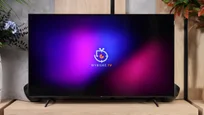
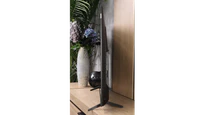
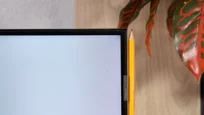
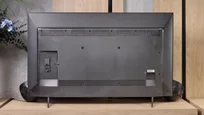
TV appearance

Contrast and black detail
3.3/10
6.1/10
Local dimming function: Yes, number of zones: 6 (6 x 1)
Local dimming function: No
Contrast:


Result
2,350:1

Result
1,250:1

Result
2,500:1

Result
1,450:1

Result
1,050:1
Result
7,550:1
Result
7,350:1
Result
5,150:1
Result
6,600:1
Result
4,250:1
Halo effect and black detail visibility:
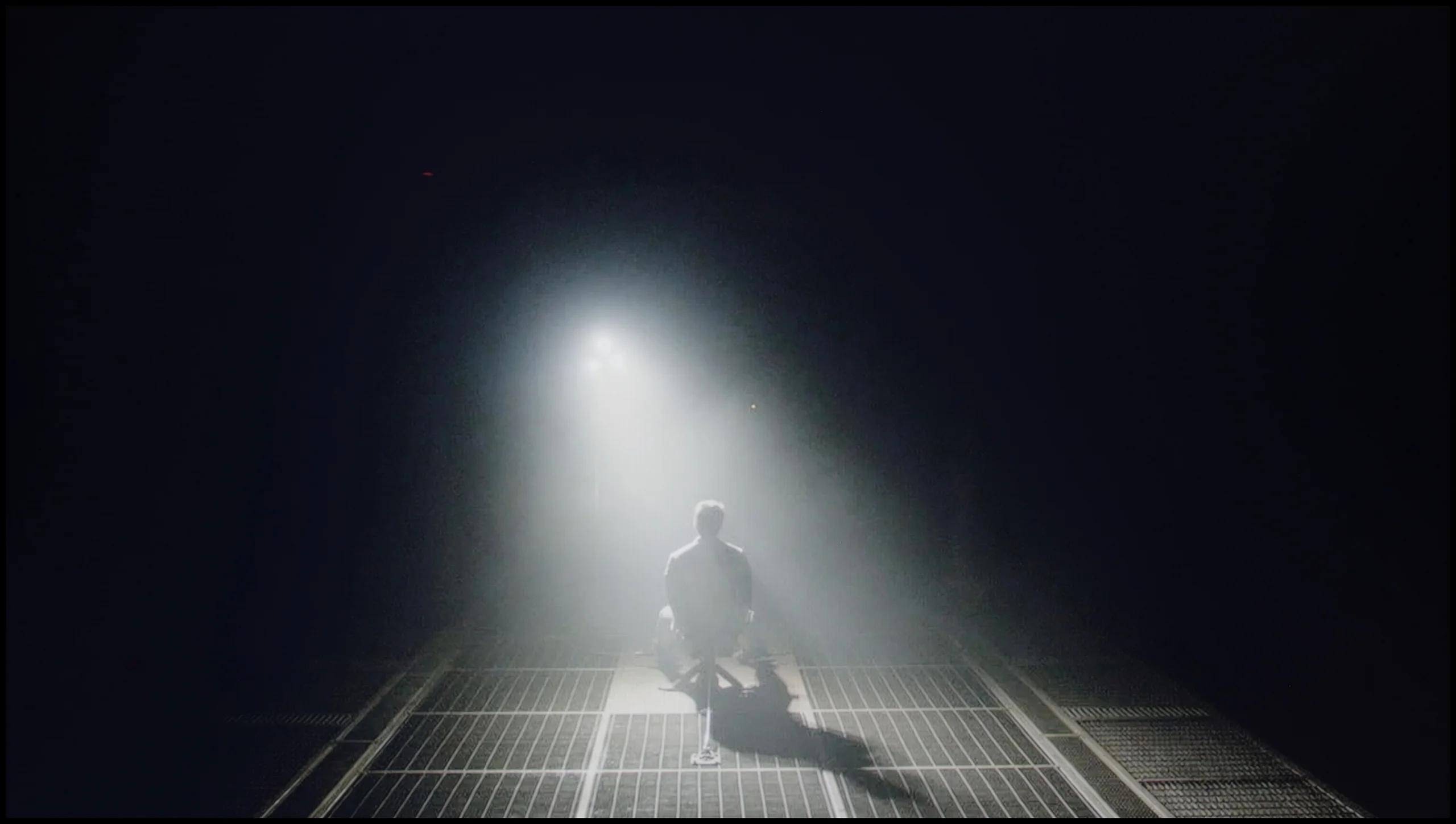
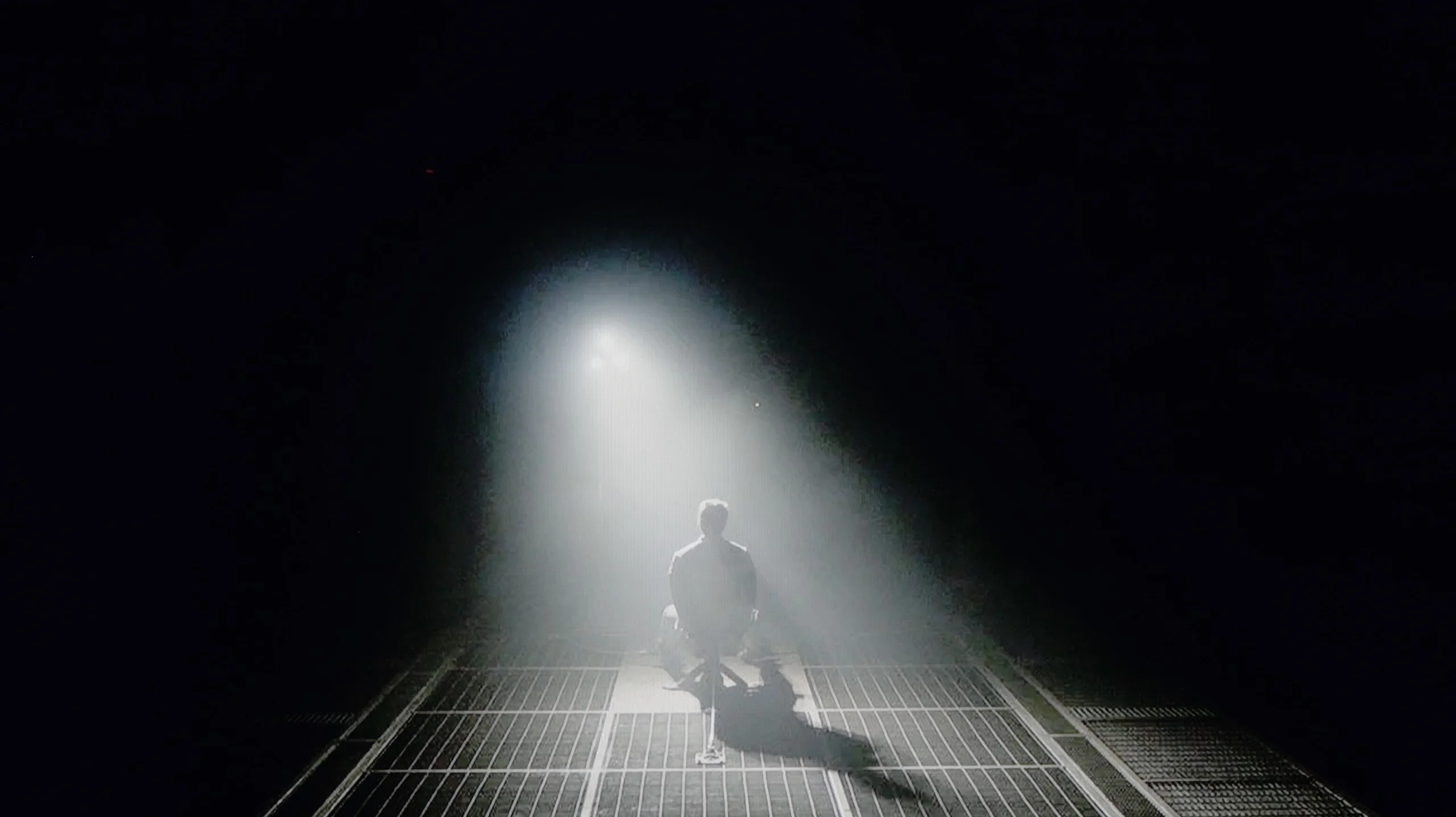
Check the visibility of bright lights on a dark background. Mini-LEDs often struggle with this. The photo does not compare black levels – that’s what the video below is for.
In the category of black levels and contrast, the television LG QNED87T6B faces some challenges. Equipped with an IPS panel, it doesn't match the VA panel models in terms of performance in this area. Additionally, edge-lit dimming affects its poor results in this category. It's worth mentioning that the exception is the 50-inch variant, which has a VA panel and is not subject to this test.
Despite the manufacturer offering a dimming control option, the effects remain relatively weak. Test patterns show that the contrast is really poor, and in the test clip from the film "Sicario 2," it's clear to see how the television struggles with the backlighting, illuminating a large portion of the screen from below. This indicates that in more demanding scenes, the television has difficulties maintaining an appropriate level of contrast and black levels, which negatively impacts the overall visual experience.
The TCL P7L can surprise with quite respectable blacks, mainly thanks to its VA panel. The panel itself offers contrast of around 4500:1, clearly better than typical IPS screens. The TV also uses global backlight control, so in darker scenes it can drive black levels even lower, and in our measurements it produced results that exceeded the panel's native capabilities.
However, this is not the local dimming seen on Mini LED TVs. The P7L can't dim small parts of the image separately, so when a bright element appears the whole backlight has to run at a similar level. In more demanding scenes the difference compared with models that have zoned dimming becomes apparent fairly quickly, and in a completely dark room blacks can tend to take on a navy tint. Despite these limitations we rate the P7L's overall contrast positively, especially given the segment it occupies.
HDR effect quality
5.3/10
4.5/10
Luminance measurements in HDR:

Result
409 nit

Result
486 nit

Result
574 nit

Result
464 nit

Result
439 nit
Result
250 nit
Result
300 nit
Result
368 nit
Result
297 nit
Result
347 nit
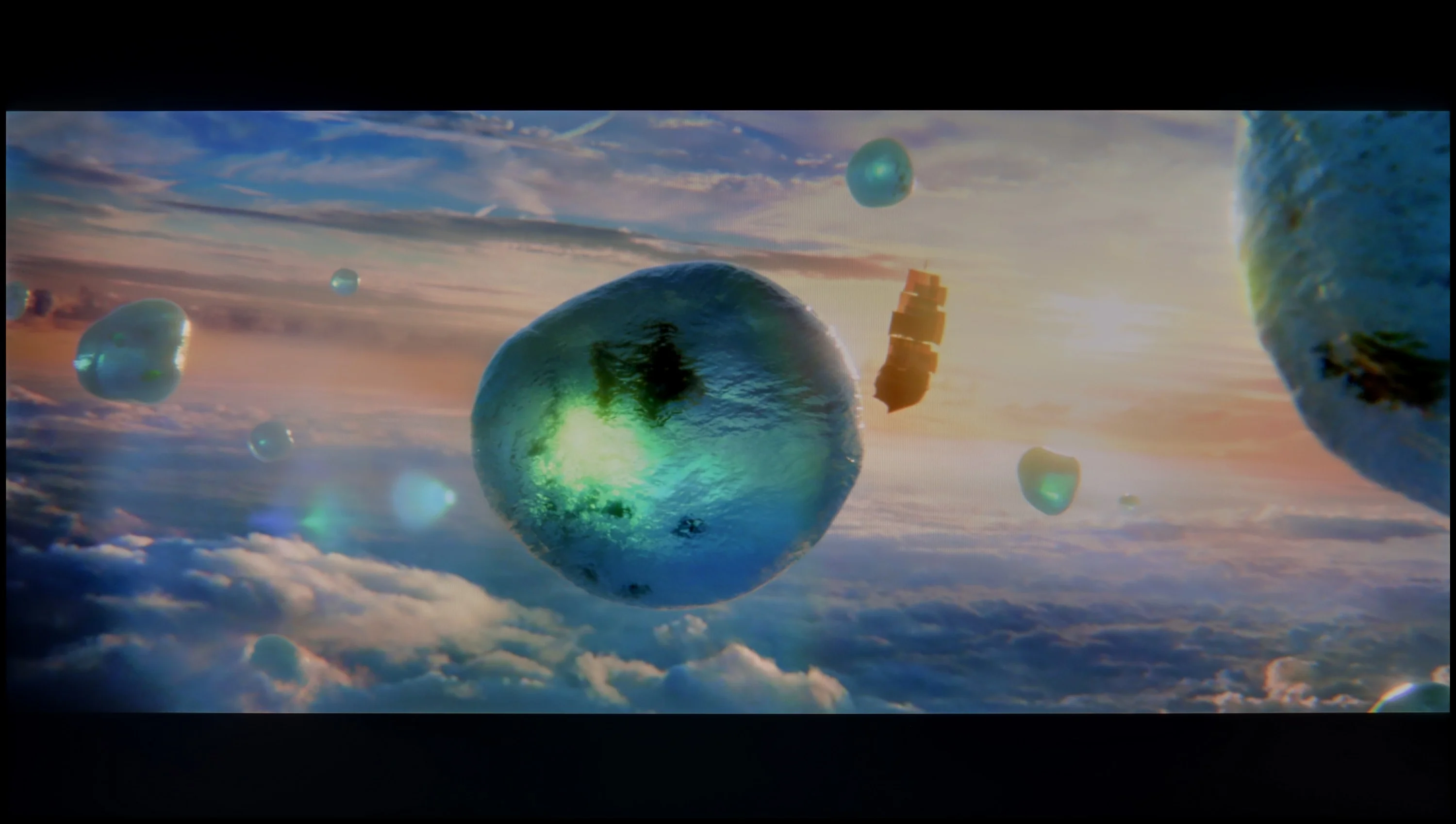
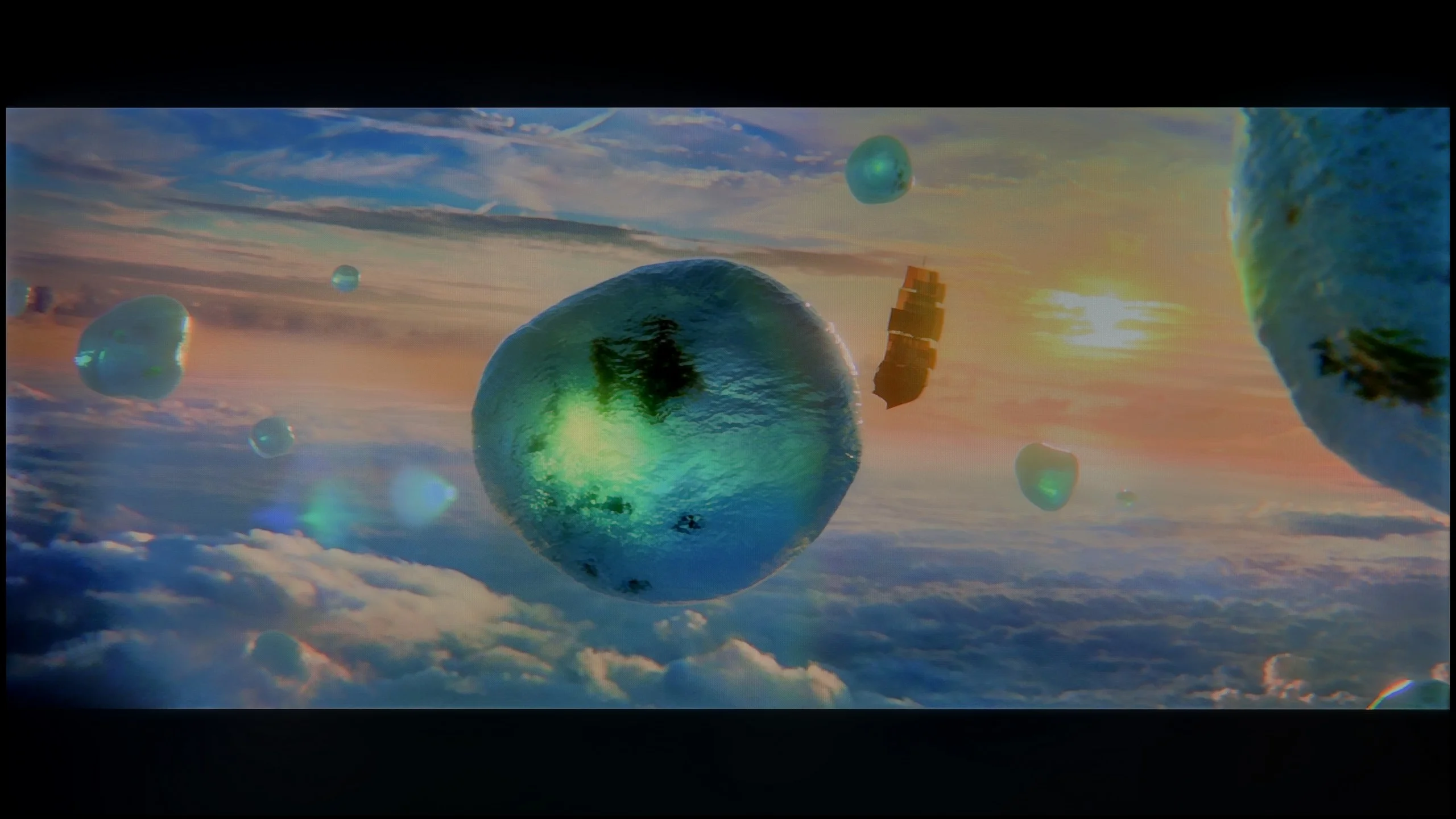
Scene from the movie “Pan” (about 2800 nits)
Scene from the movie “Billy Lynn” (about 1100 nits)
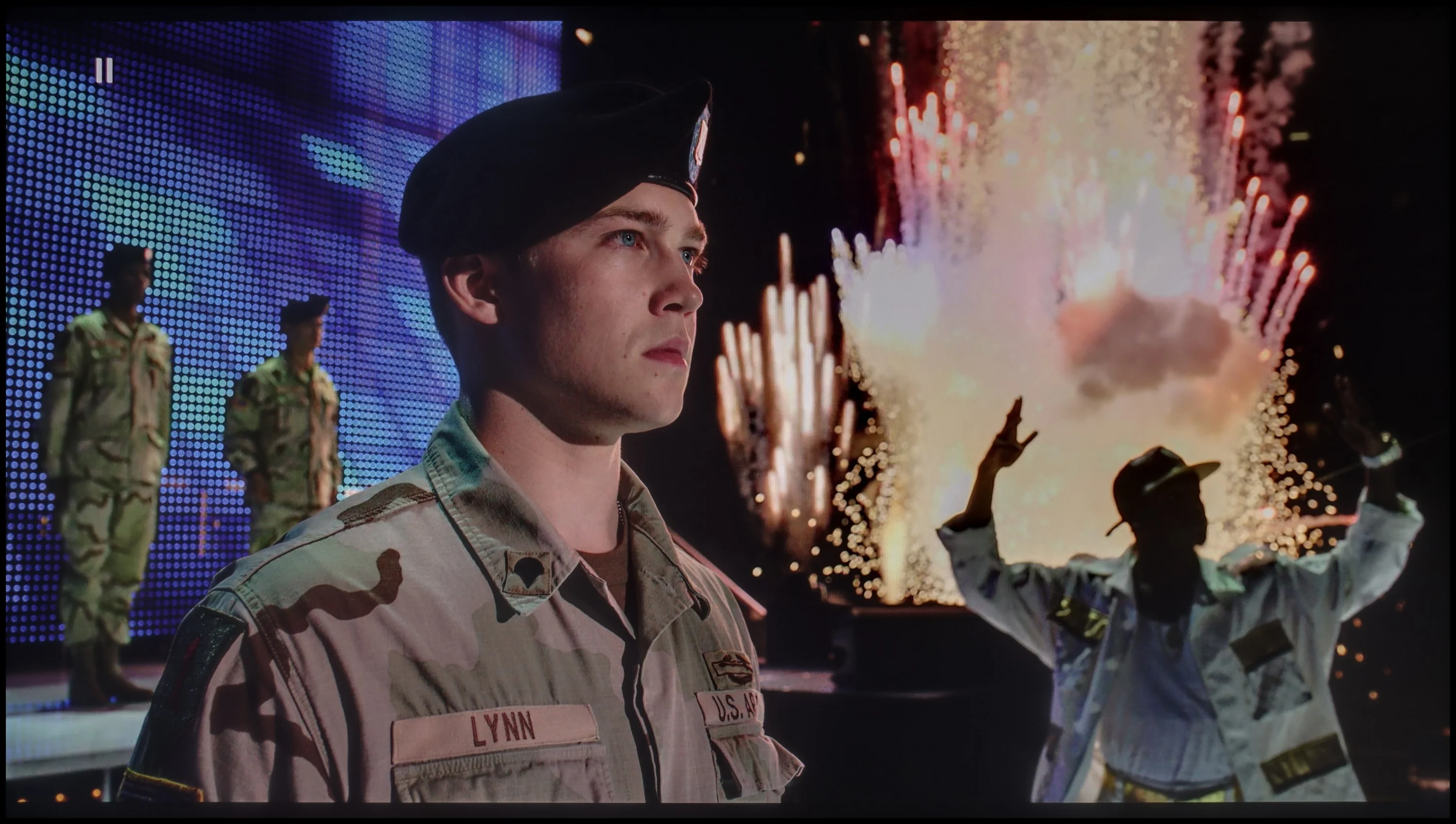
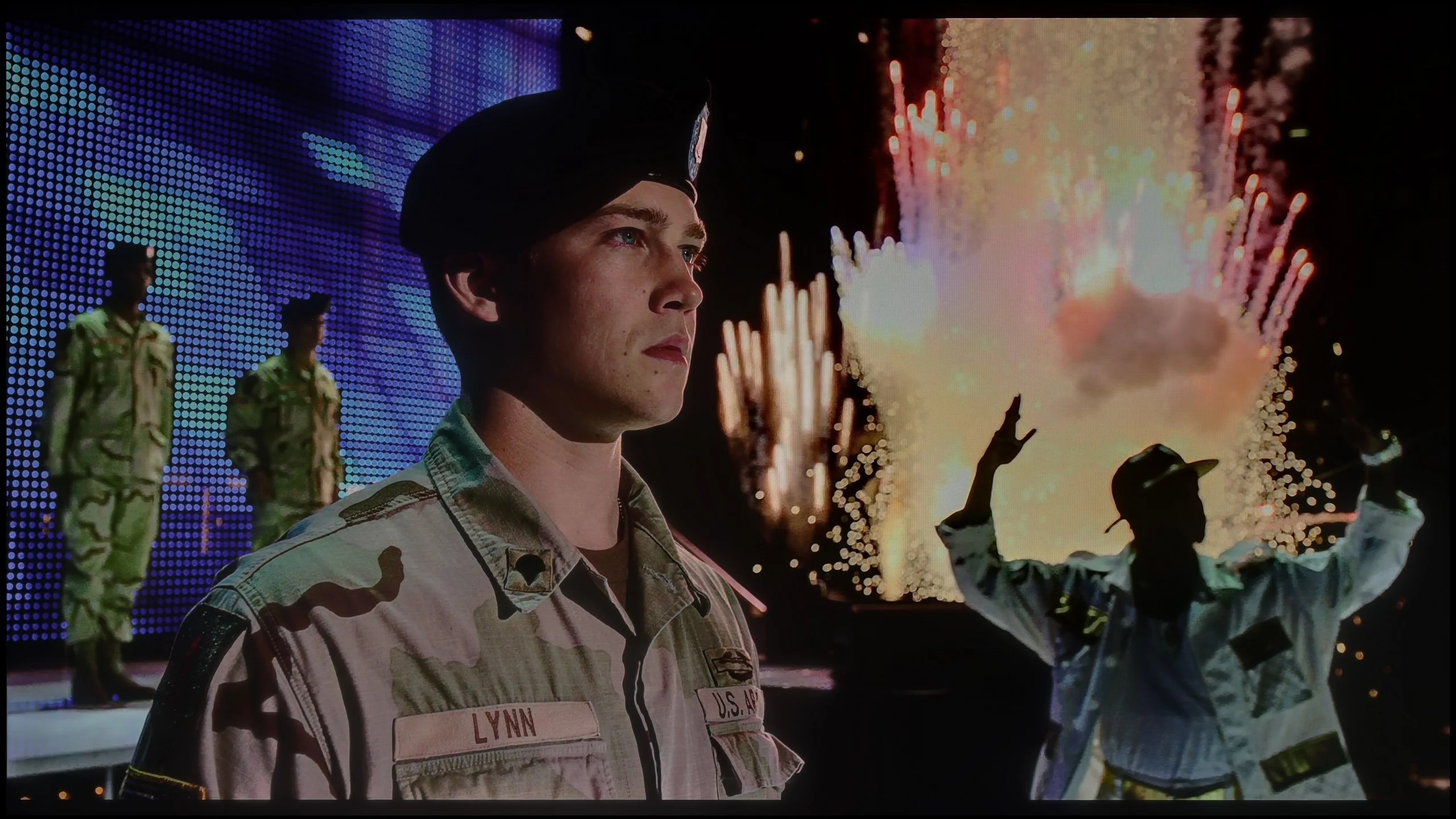
The photos show two HDR10 movies. 'Pan' is one of the brightest productions ever made, while 'Billy Lynn' (soldier) has brightness typical of streaming (Netflix, Prime, HBO MAX). Notice the intensity of effects and detail in whites.
Static HDR10
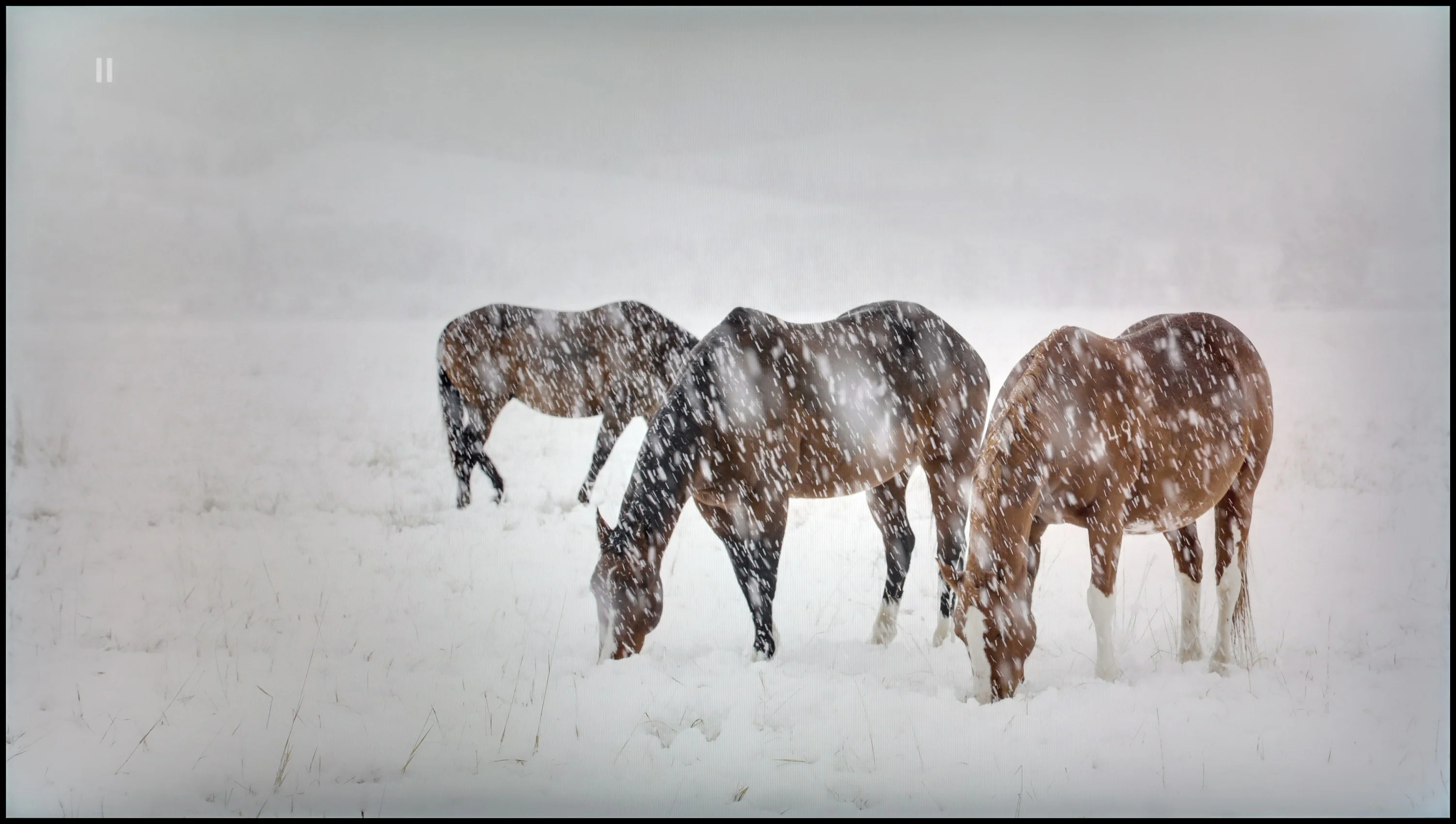
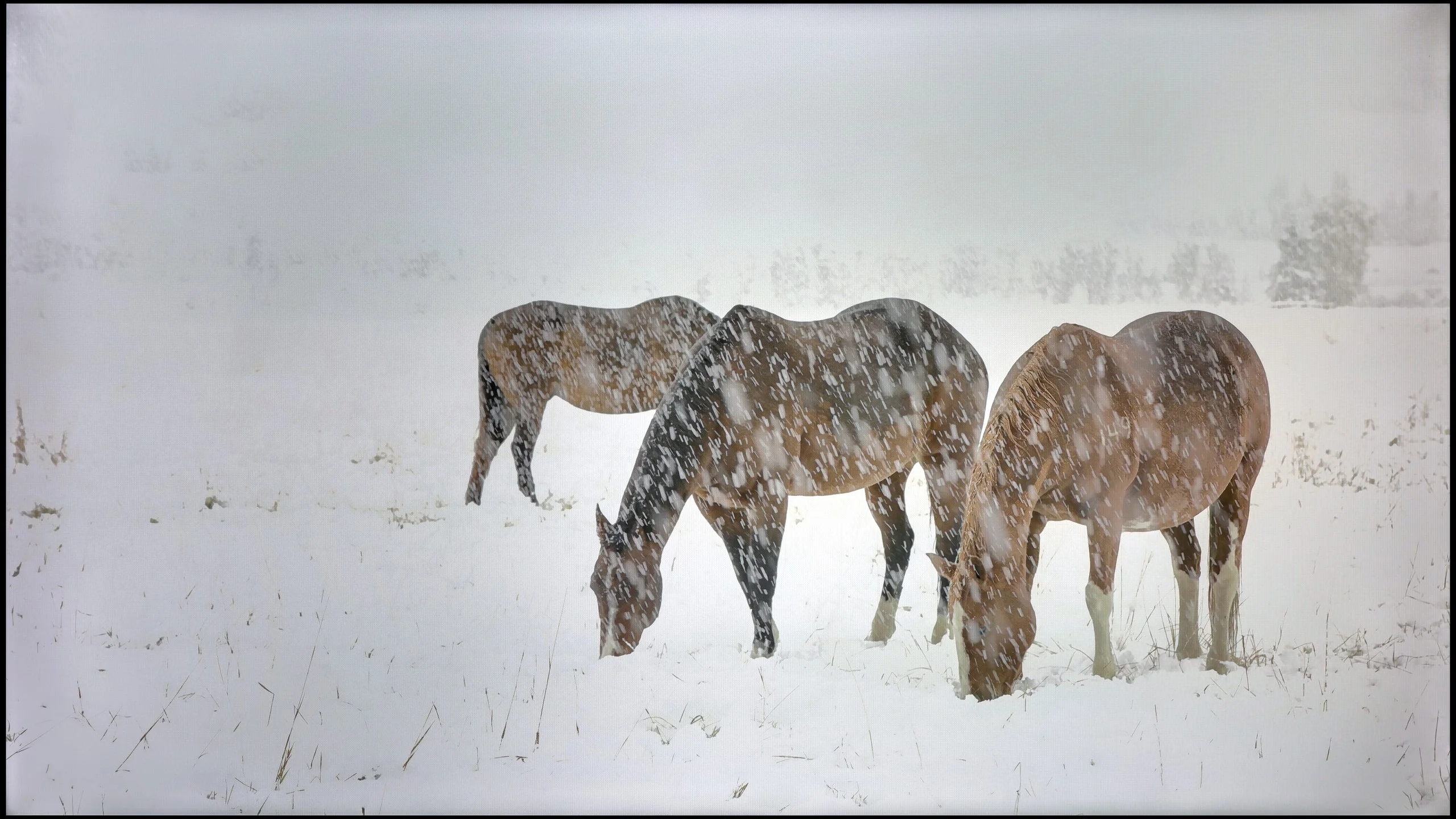
The photos present the visibility of white details in various HDR formats. They do not show brightness differences between TVs (these can be compared in the previous gallery).
HDR luminance chart:
TCL P7L / P79L
LG QNED87T6B
LG QNED87T6B delivers truly decent visual experiences when it comes to HDR. During our tests on test patterns, the television achieved brightness close to 500 nits, which is a satisfactory result and allows for good visibility of details in high dynamic range scenes. Support for basic HDR formats such as HDR10 and HLG ensures proper image quality. Unfortunately, the television does not support more advanced standards such as Dolby Vision or HDR10+, which are particularly important at this screen brightness. The lack of support for dynamic metadata means that in certain scenes, the television may struggle to fully reproduce details, especially in very bright areas – this is precisely when dynamic metadata could significantly improve image quality. Nevertheless, it is worth noting the excellent coverage of the wide DCI-P3 colour gamut, reaching as much as 96.4%. As a result, the colours displayed by the QNED87T6B model are more vivid and natural, enhancing the quality of 4K content viewed with a wide colour palette.
The biggest limitation of the TCL P7L in HDR is simply brightness. The TV doesn't have much luminance headroom, so strong highlights, sunlight or small light sources can't clearly "pop" out of the image. As a result, even well-produced HDR material looks fairly restrained and, in terms of dynamics, is closer to good SDR than to what brighter models show. That doesn't mean the P7L completely fails at HDR; the issue is mainly a lack of sufficient backlight power. Looking at colours, the situation is a bit better. The TV covers roughly 91% of the DCI‑P3 gamut and about 68% of the wide BT.2020 space, so for its price class the colour range is quite decent. TCL markets this model as QLED, although the nature of the solution used is closer to a PFS phosphor‑based backlight than a classic quantum dot layer. What matters most to the viewer is the effect: more saturated colours are on offer.
Factory color reproduction
5.4/10
5.4/10
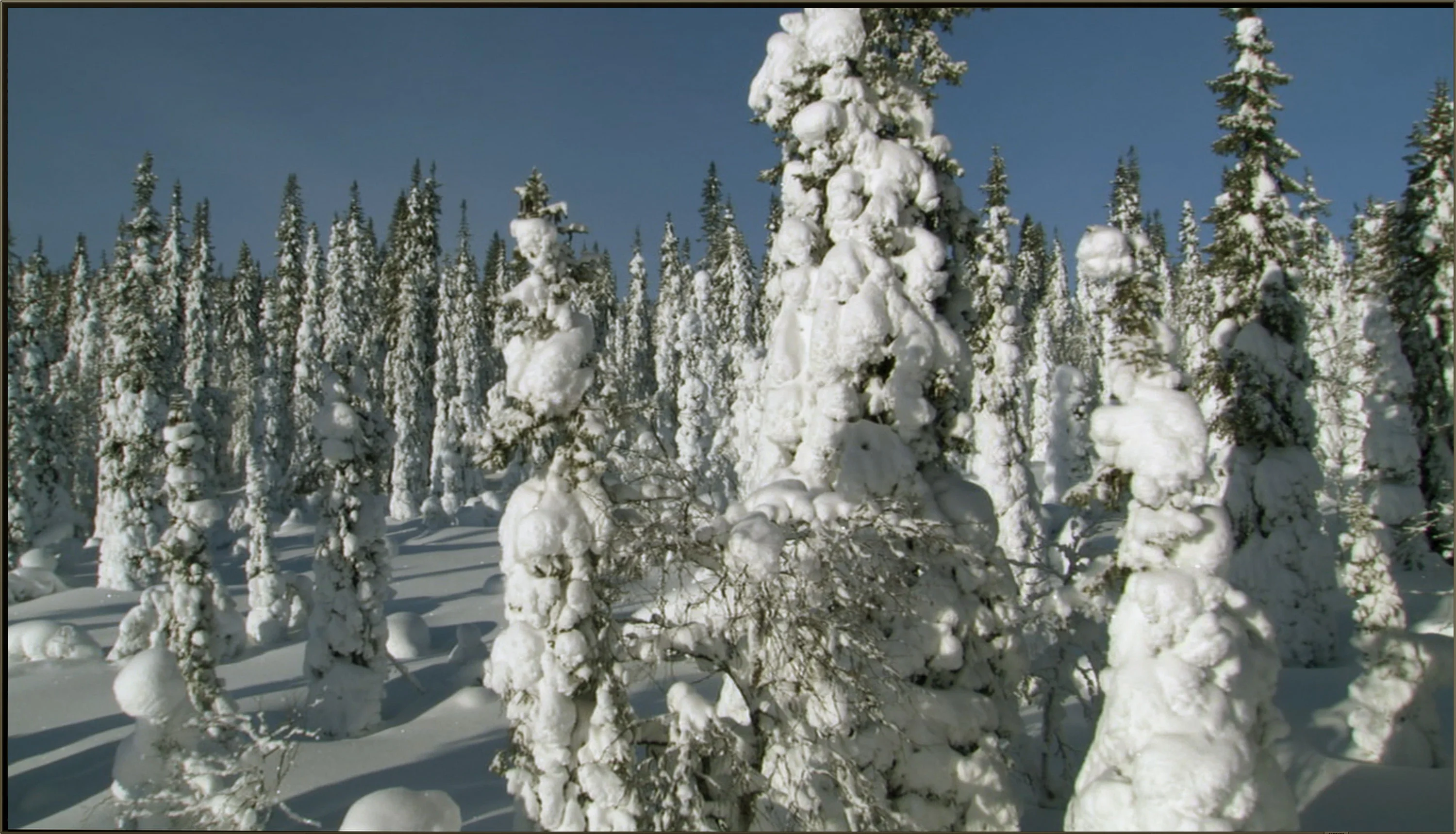
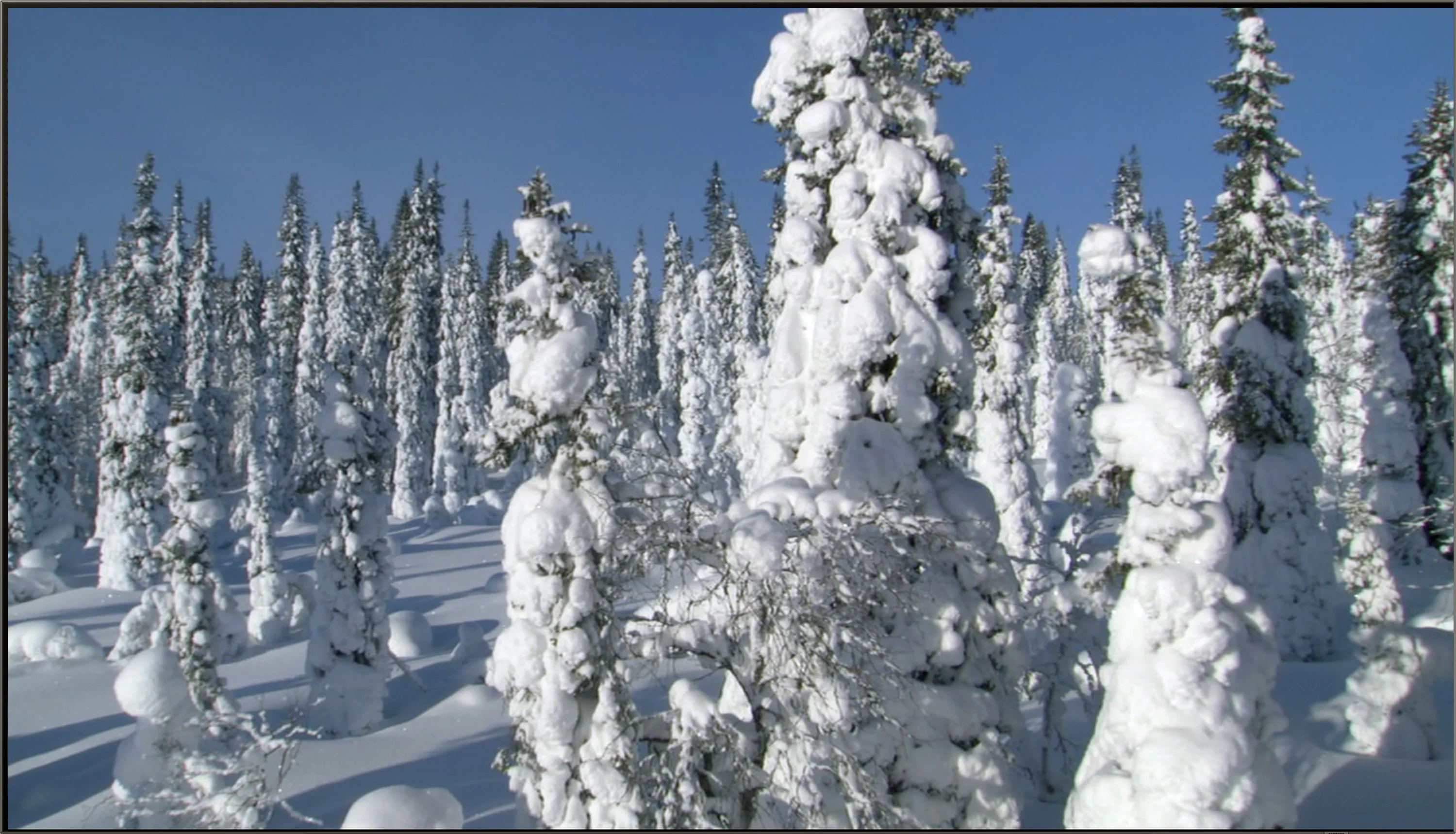
This gallery shows how colors change after professional TV calibration. If you notice the difference, we recommend ordering this service at SkalibrujTV.com.
Factory Mode
After calibration
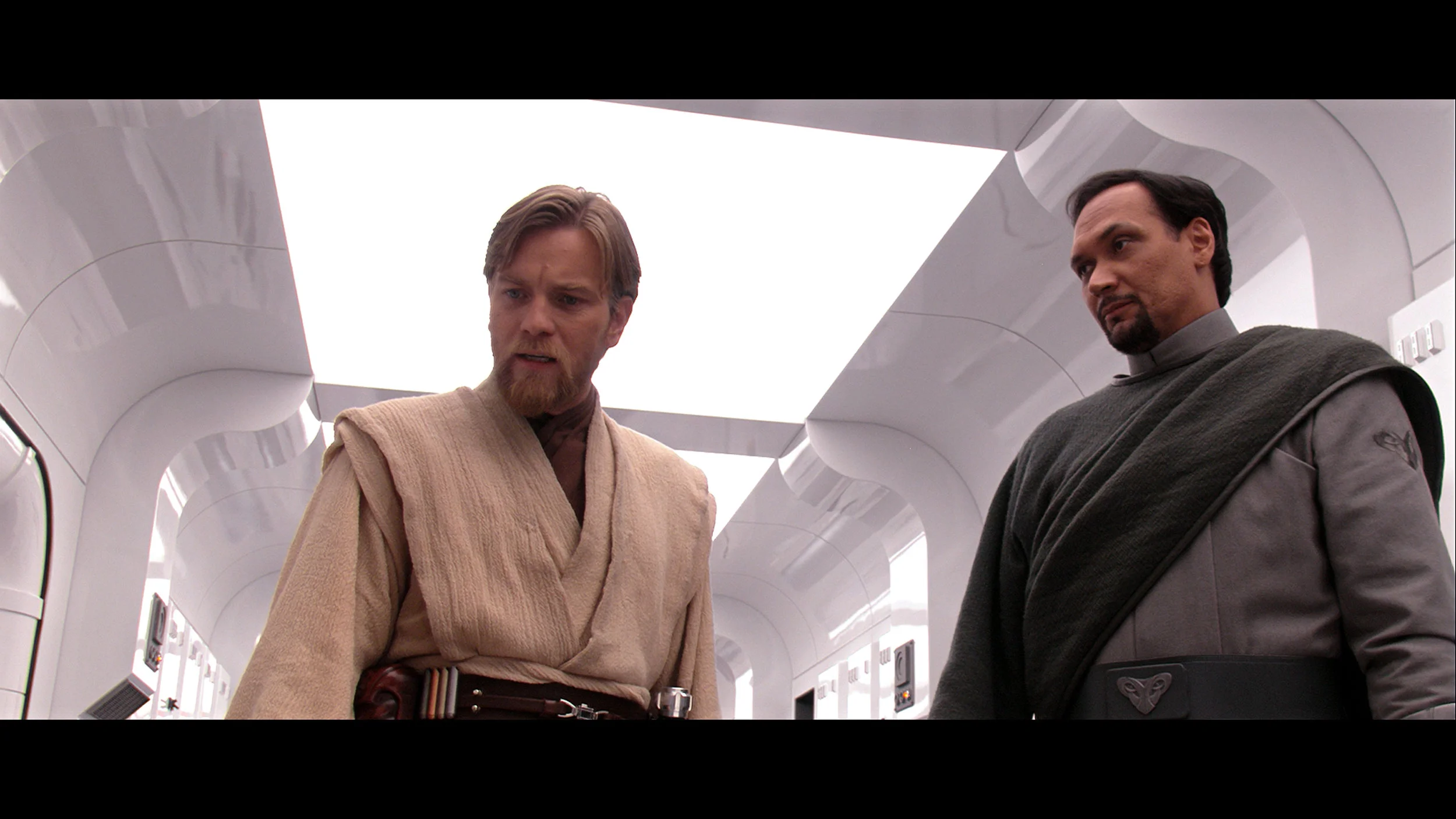
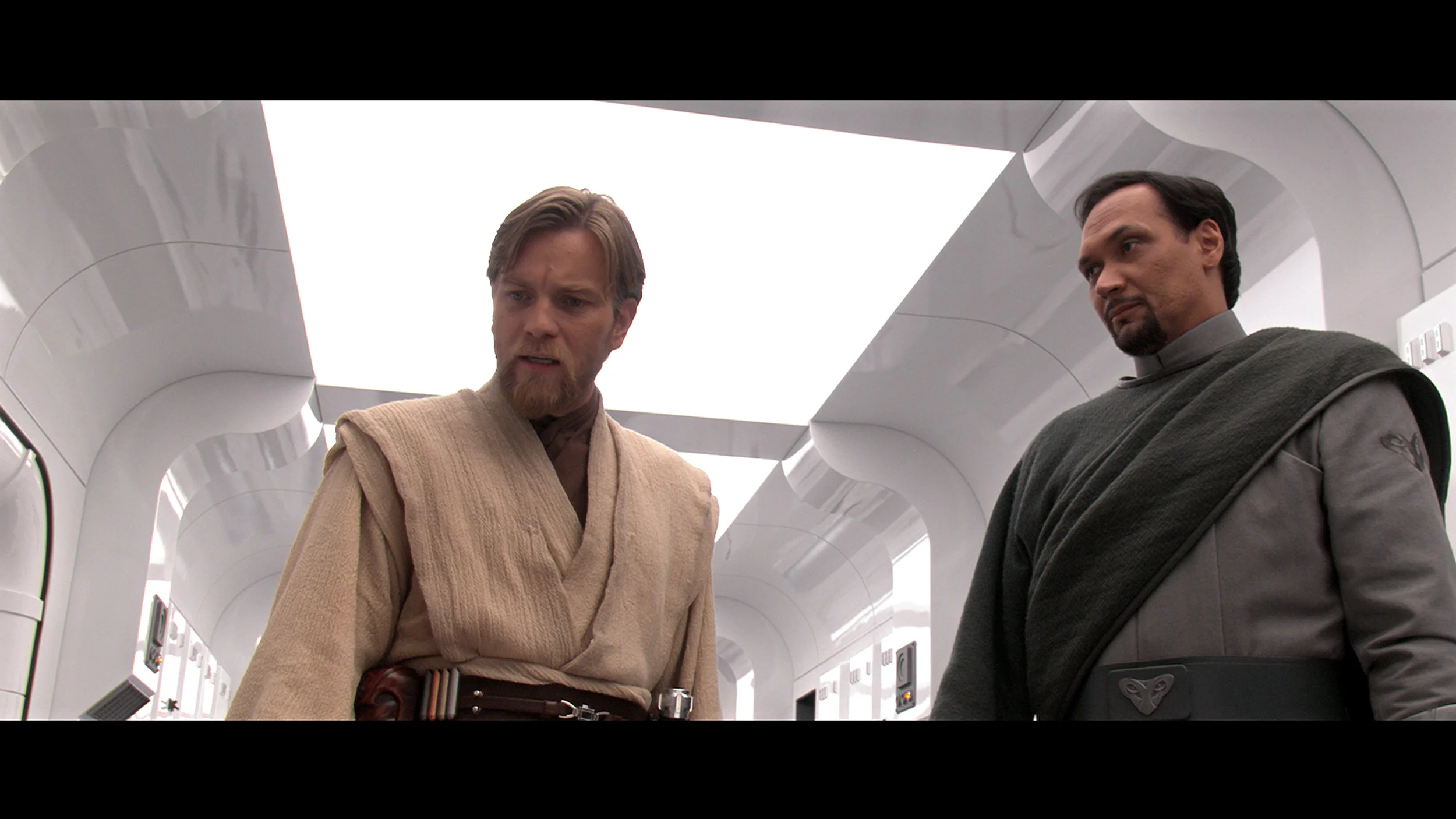
This gallery shows how colors change after professional TV calibration. If you notice the difference, we recommend ordering this service at SkalibrujTV.com.
Factory Mode
After calibration
The colour accuracy in the LG QNED, even in Filmmaker Mode, which is the best factory setting, is not without its flaws. The main issue is white balance – we noticed that the level of blue on the graph tends to drop. This results in a shift in colours towards yellow, making the image have a warmer tone than it should. This deviation affects the naturalness of colour reproduction, especially in scenes with a white or neutral background. The Color Checker test confirmed that some colours are distorted and deviate from reality. Such distortion can make film scenes appear less realistic, and details are presented in incorrect colours, negatively impacting the overall image quality.
Regarding contrast, the gamma graph analysis showed significant drops, while the optimal value should be 2.4. This means that the television may display darker parts of the image brighter in some scenes, which reduces their depth and dynamics. Additionally, on the EOTF curve, which is responsible for brightness reproduction, an unnatural drop was noted at the beginning. This phenomenon can result in less accuracy in reproducing dark scenes, which in turn affects the overall image quality. The television may not convey full black depth, causing more demanding scenes to lose realism and detail. As a result, viewers may notice that details in the darker parts of the image become less distinct.
In Film mode the TCL P7L performs quite decently without major tweaks, especially with ordinary SDR material. The white balance is relatively even, although as brightness increases there’s a slight rise in red and blue and a bit too little green. That doesn’t create a strongly visible colour cast and most colours remain close to their reference points. The Colour Checker confirms this, with a large portion of errors falling below the level that should particularly bother during normal viewing. We have more remarks about the gamma response. In the darkest parts of the image the TV drives it noticeably above the reference, so some shadow detail may be a little too dim. The curve then settles and for much of the range it’s close to the intended targets. As a result SDR generally looks natural, but in dark scenes the P7L can lose some subtlety.
In HDR the factory setup is less precise. As brightness increases the excess blue becomes more pronounced, so the picture can look cooler than it should. The number of larger colour deviations also rises, especially in brighter colours. The EOTF curve itself is handled fairly conservatively, with the TV showing the image darker than the reference over much of the range. For such an inexpensive model, the factory Film mode settings are not bad.
Color reproduction after calibration
7.8/10
7/10
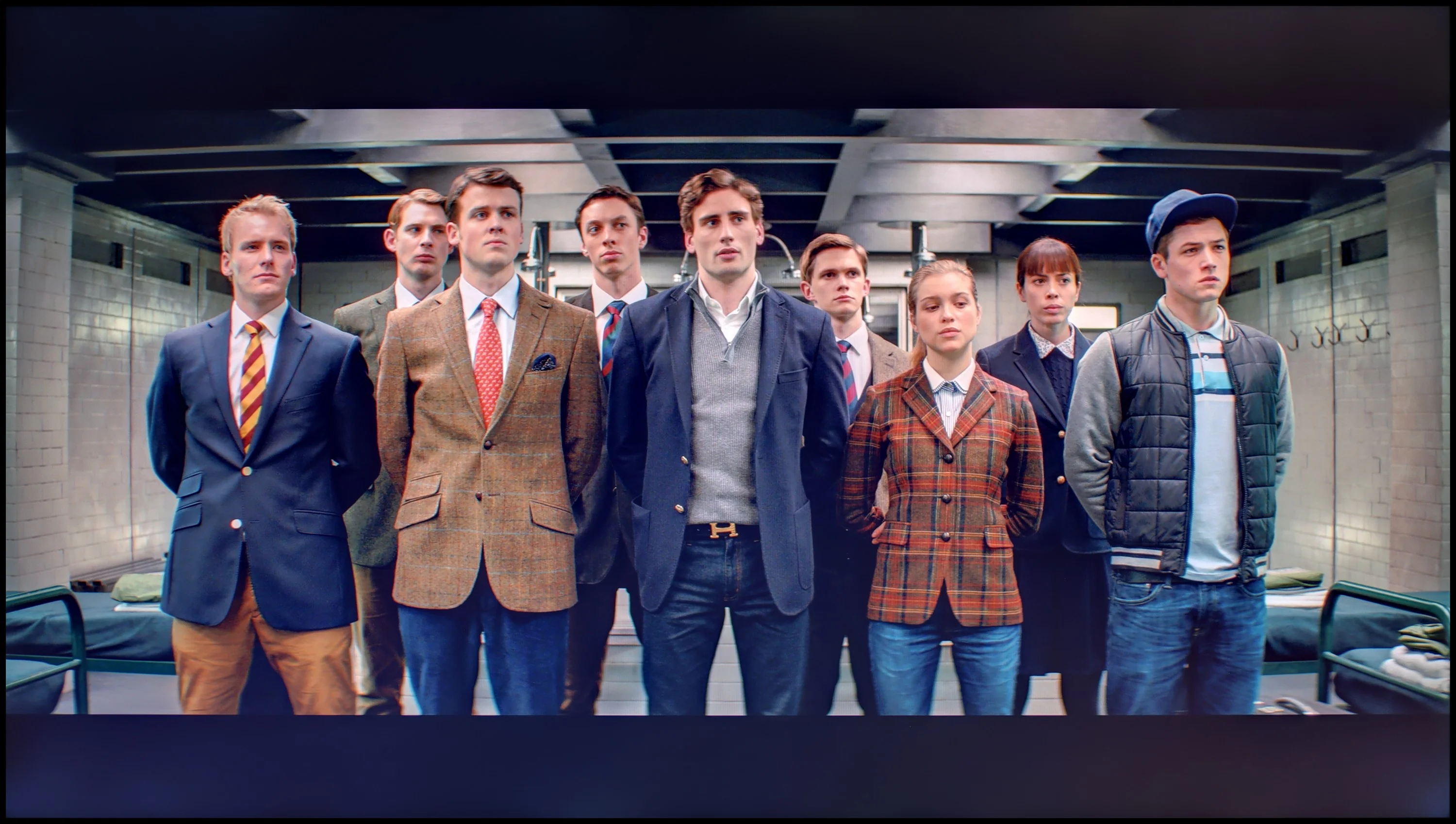
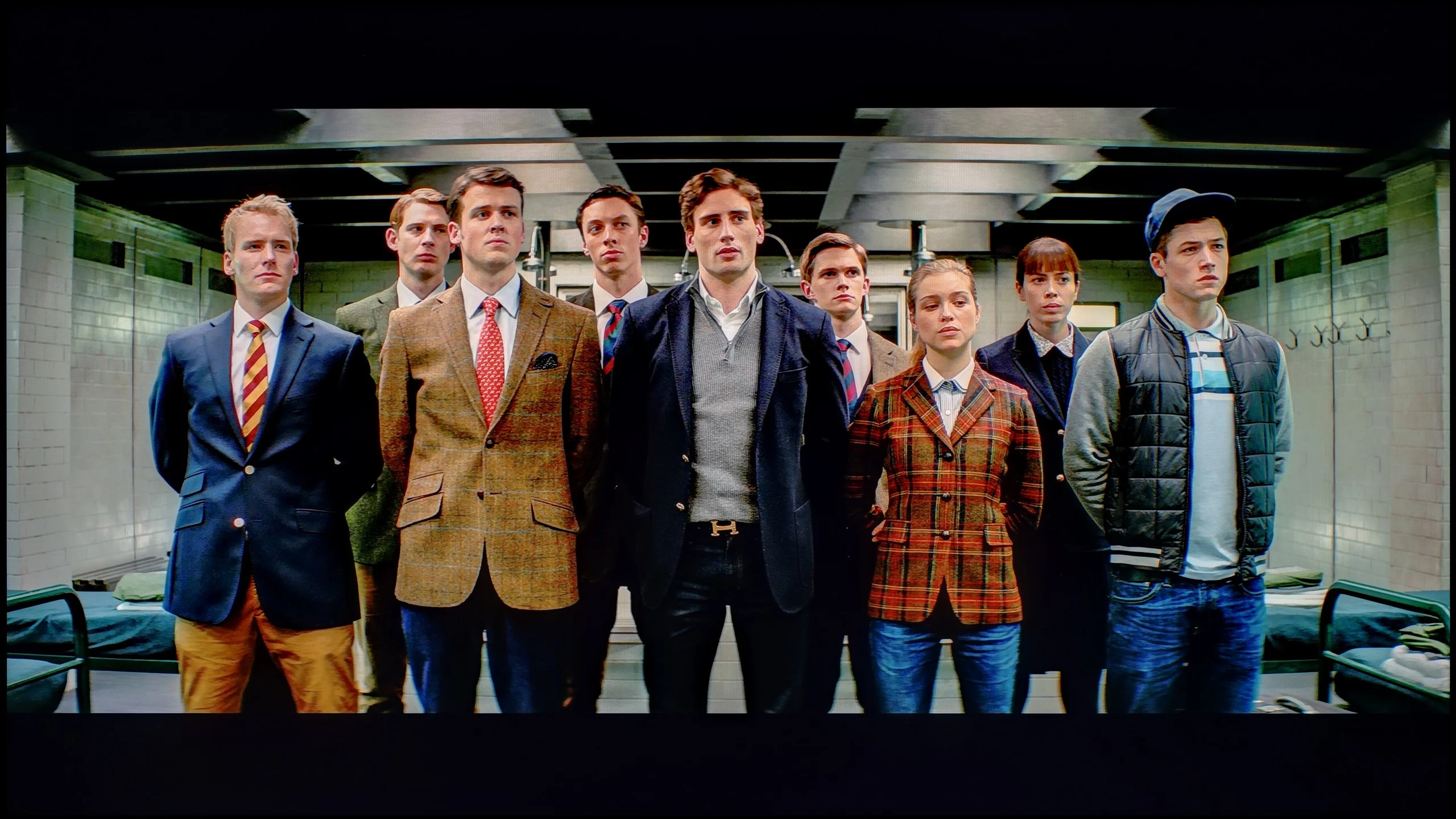
The photos show how movies look on the TV. Pay attention to black detail visibility, colors, and shadow tint.
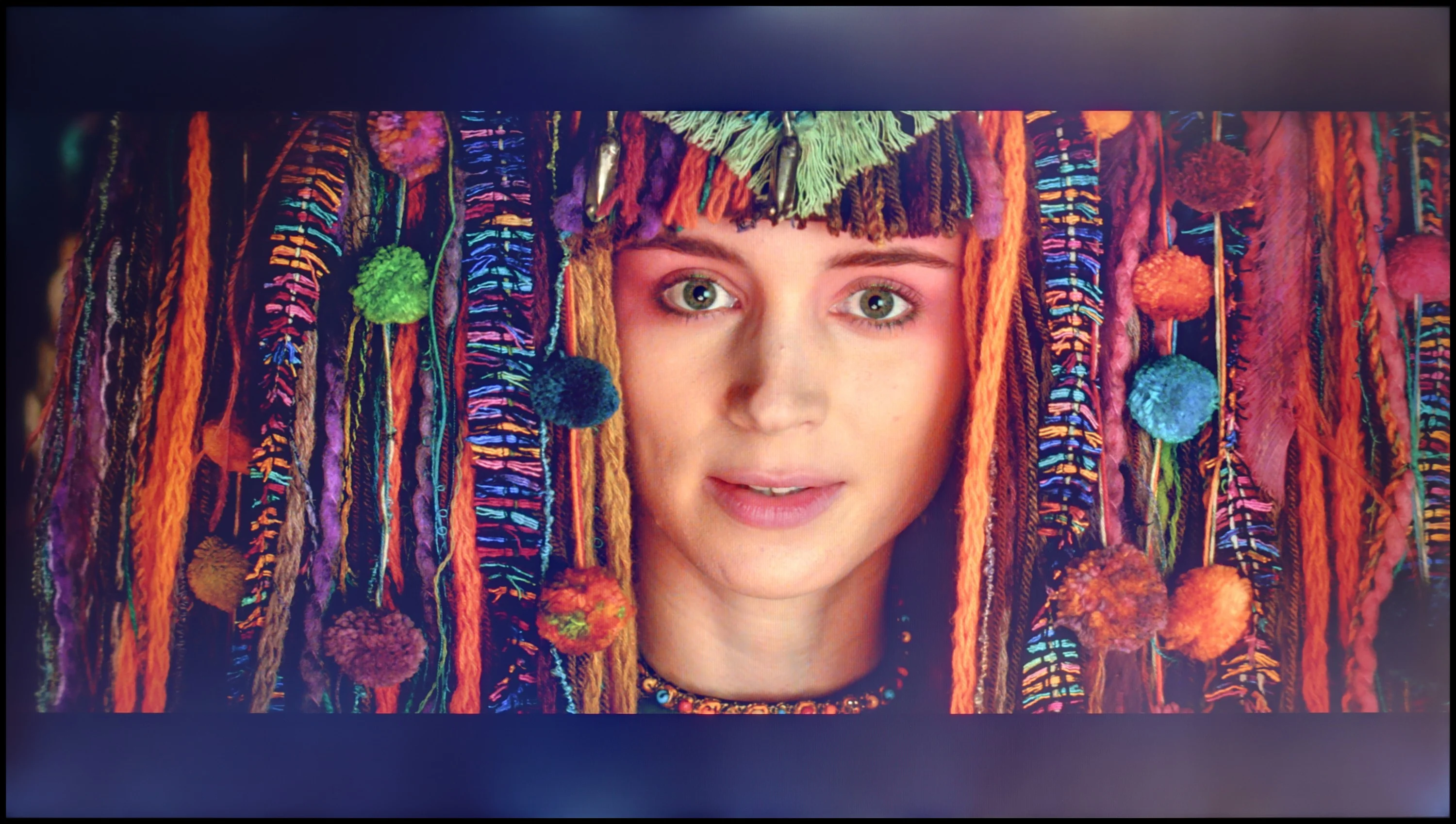
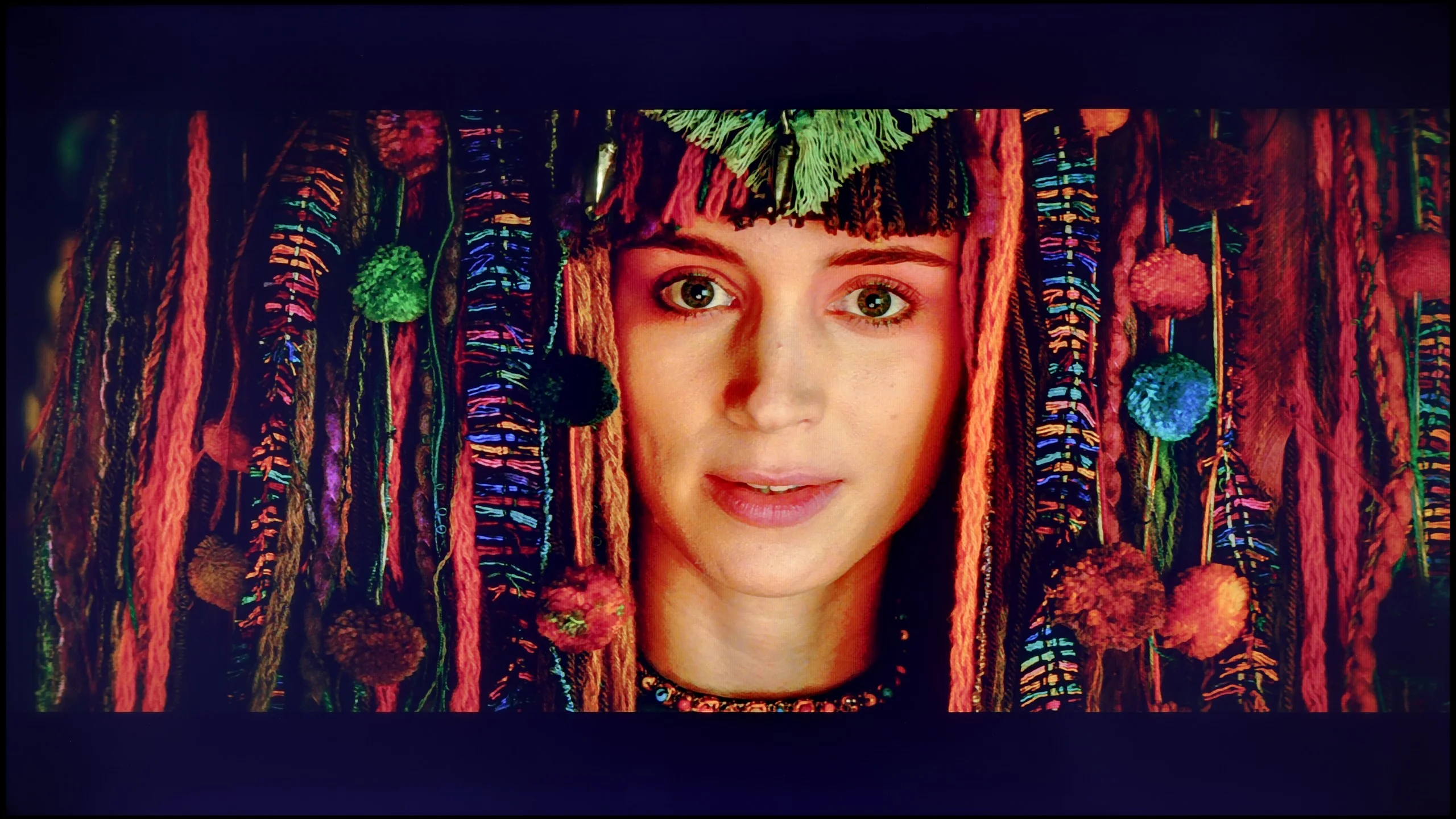
The photos show how movies look on the TV. Pay attention to black detail visibility, colors, and shadow tint.
After calibration, the colours in SDR content look very good. The improved white balance translates to natural and harmonious shades in various scenes. Thanks to precise gamma tuning, details in shadows and bright areas of the image are accurately reproduced. The television performs excellently in everyday use, offering vibrant, well-balanced images and solid colour quality in HD. The biggest beneficiary here is also contrast. The gamma graph has been stripped of significant errors, giving the television a new dimension.
As for the white balance in 4K HDR, it has also been significantly improved. However, some errors still appear at the end of the graph. This may be due to the television's overly aggressive local dimming, which in some scenes affects the inaccurate reproduction of colours. It's difficult to talk about an improvement in brightness represented by the EOTF curve. The television, due to its construction limitations, has some drawbacks, and we can't overlook them. The Color Checker test confirms the issue with colour saturation – even though the television offers a wide colour palette, it fails to fully convey the director's intent.
Despite these shortcomings, the overall picture quality after calibration is significantly better than before. Adjustments in white balance and gamma tuning make the images more vivid and the colours closer to reality.
After calibration the TCL P7L can produce a genuinely pleasant picture, especially with conventional SDR material. We managed to even out the white balance very well, and the gamma curve now tracks close to the target value of 2.4. This is also evident in the colour measurements, as most errors have fallen significantly and in everyday viewing it’s hard to notice any major inaccuracies. Films, series, YouTube and regular TV therefore look more natural, without unnecessary warmth or a cool tint. For a model at this price point the SDR result is really very good.
In HDR the situation becomes more complicated. Calibration improved the white balance and corrected some deviations, but here the panel’s limitations become increasingly apparent. The P7L has relatively limited brightness and can’t sustain appropriate luminance for more saturated colours, so some errors remain even after careful tuning. In other words, settings can improve how the TV interprets the signal, but you can’t overcome its physical capabilities. That’s why calibration is most worthwhile for SDR on this model.
Smoothness of tonal transitions
8.6/10
7/10
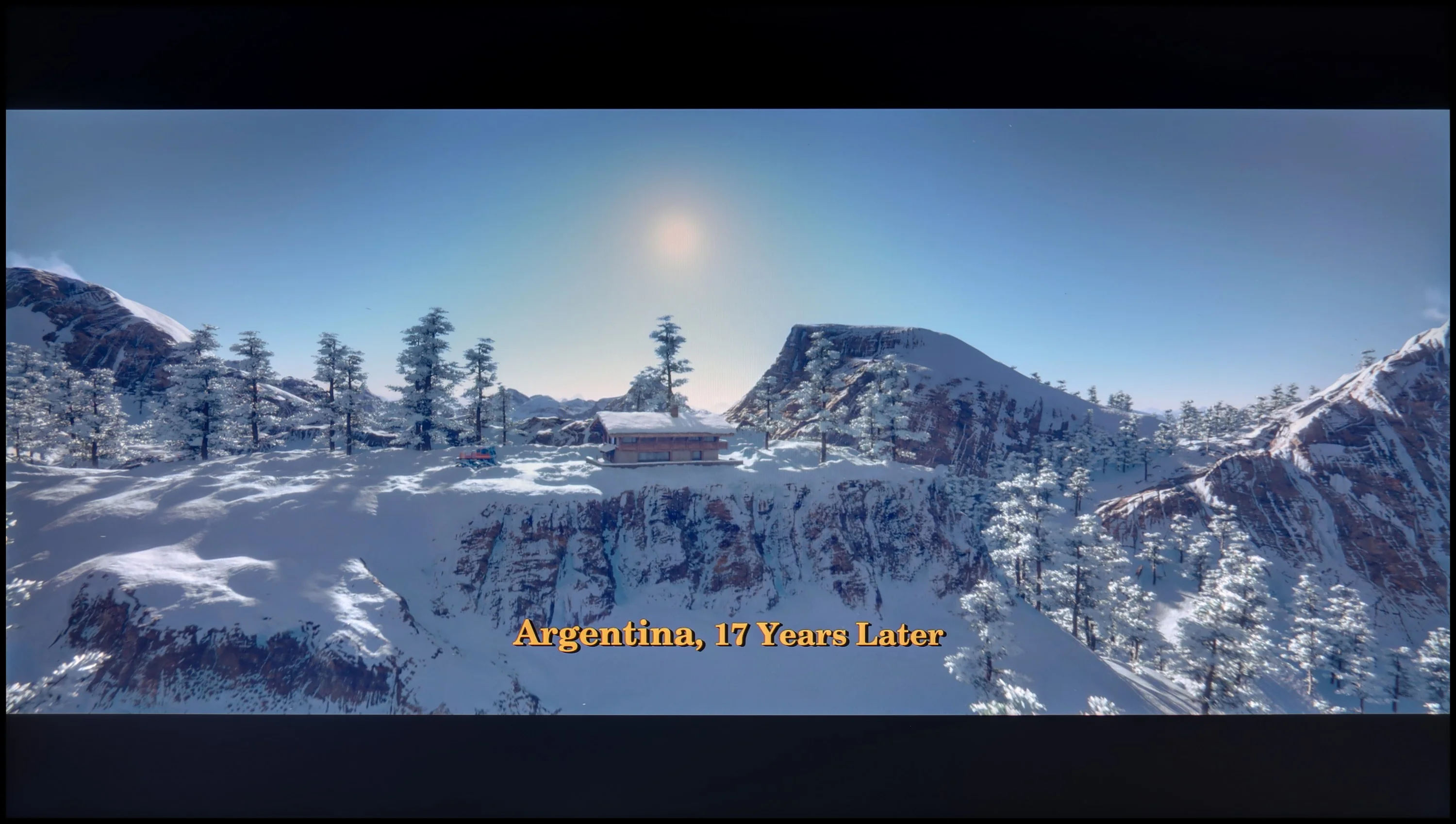
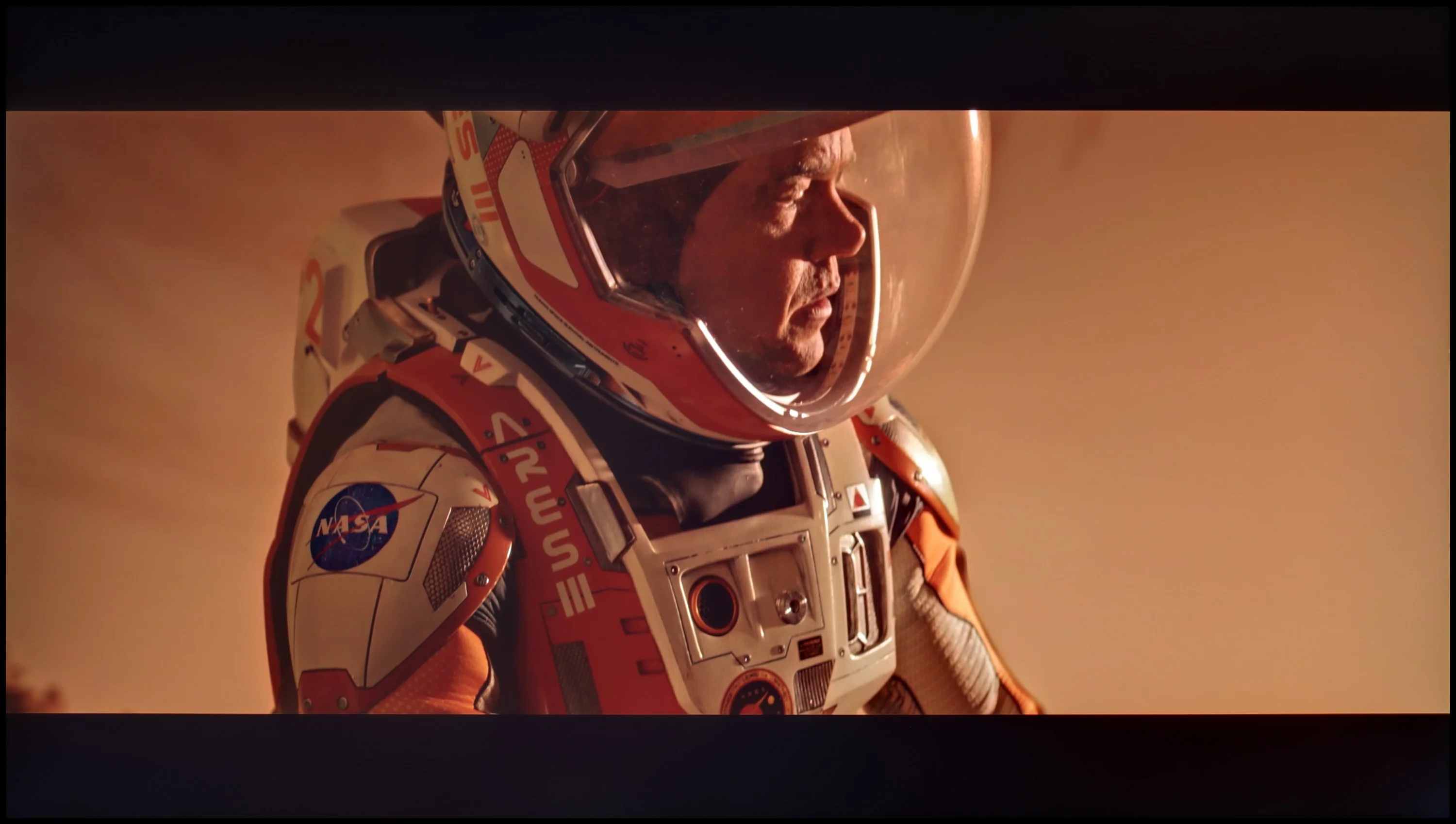
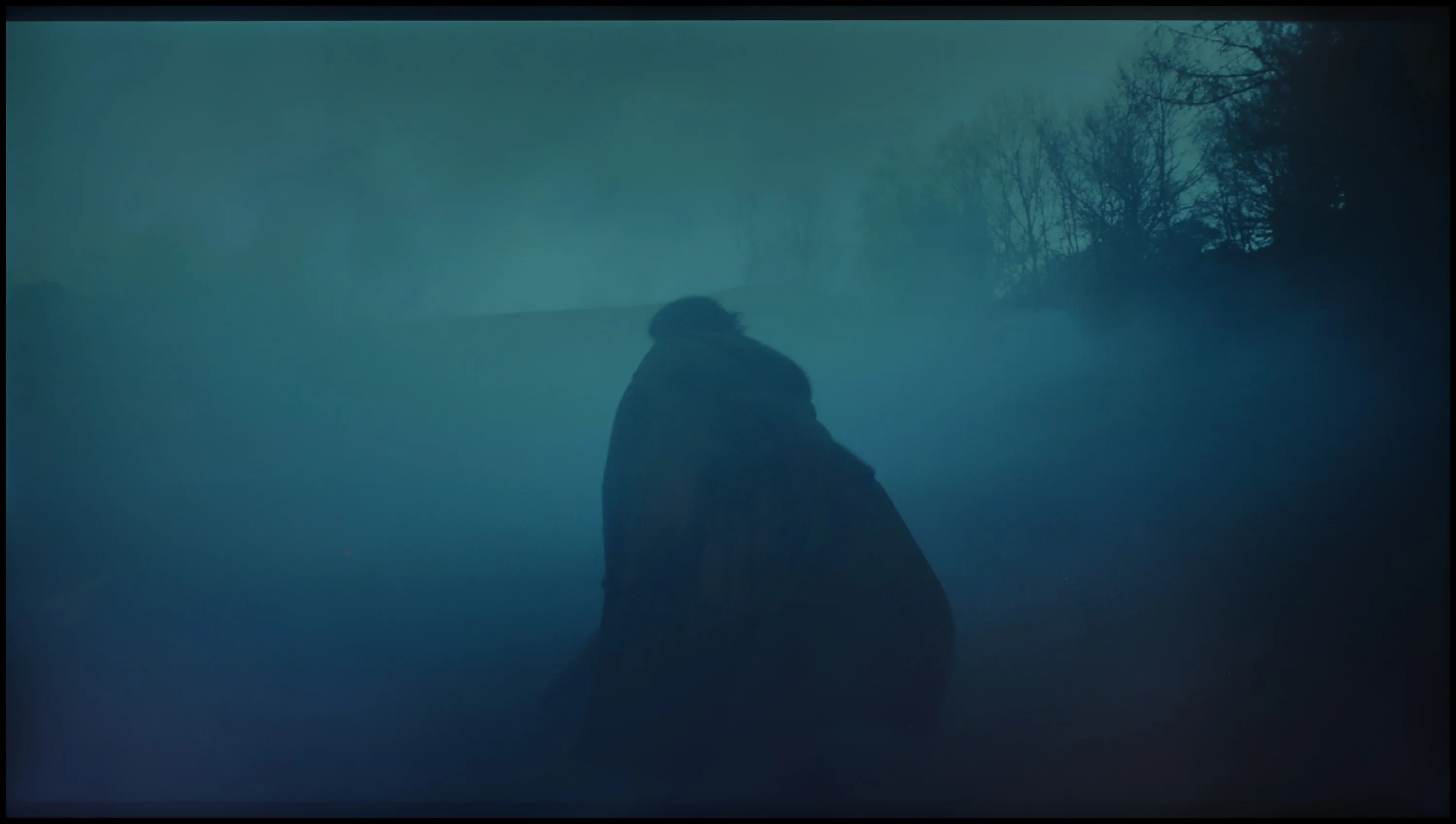
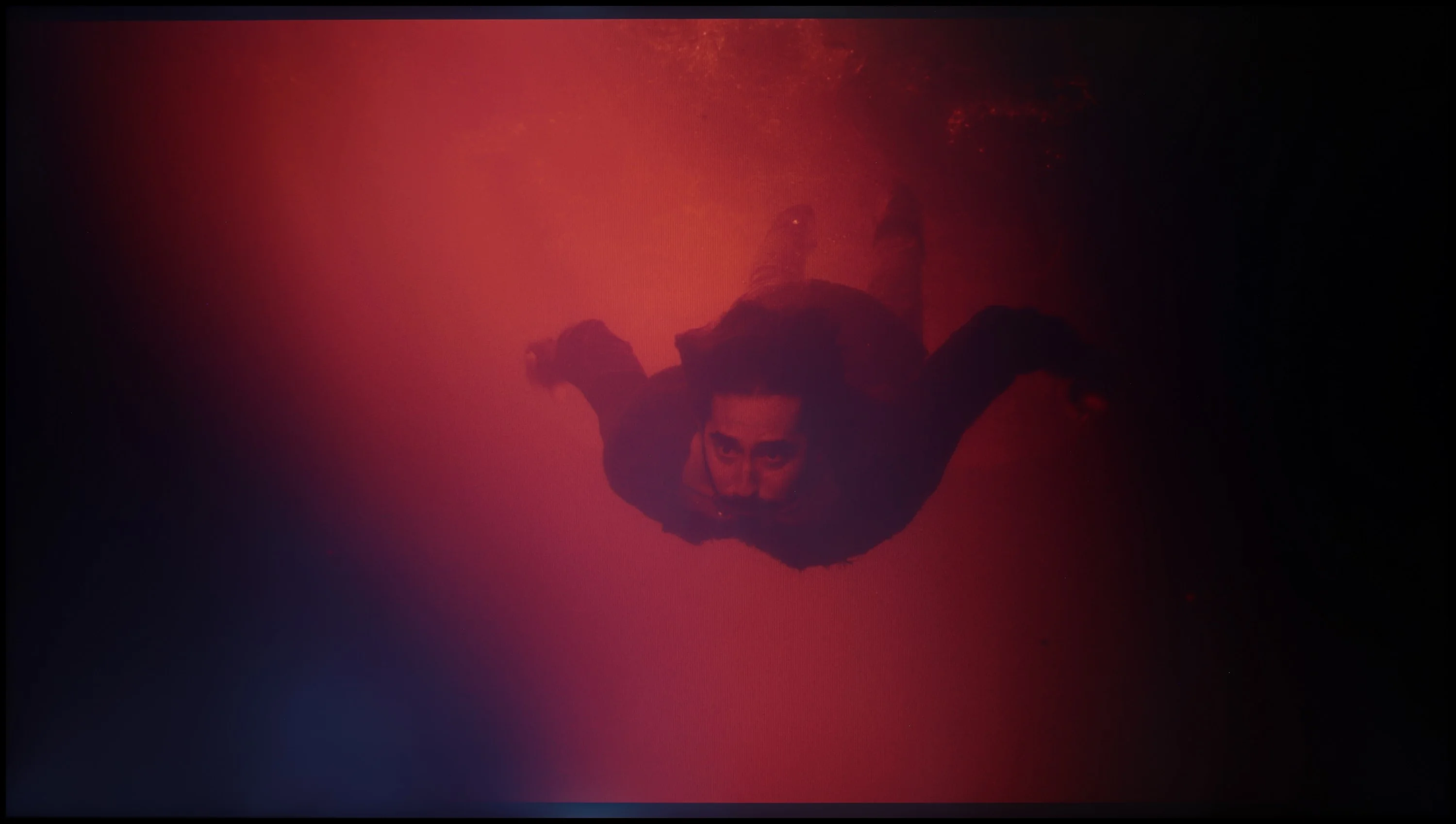
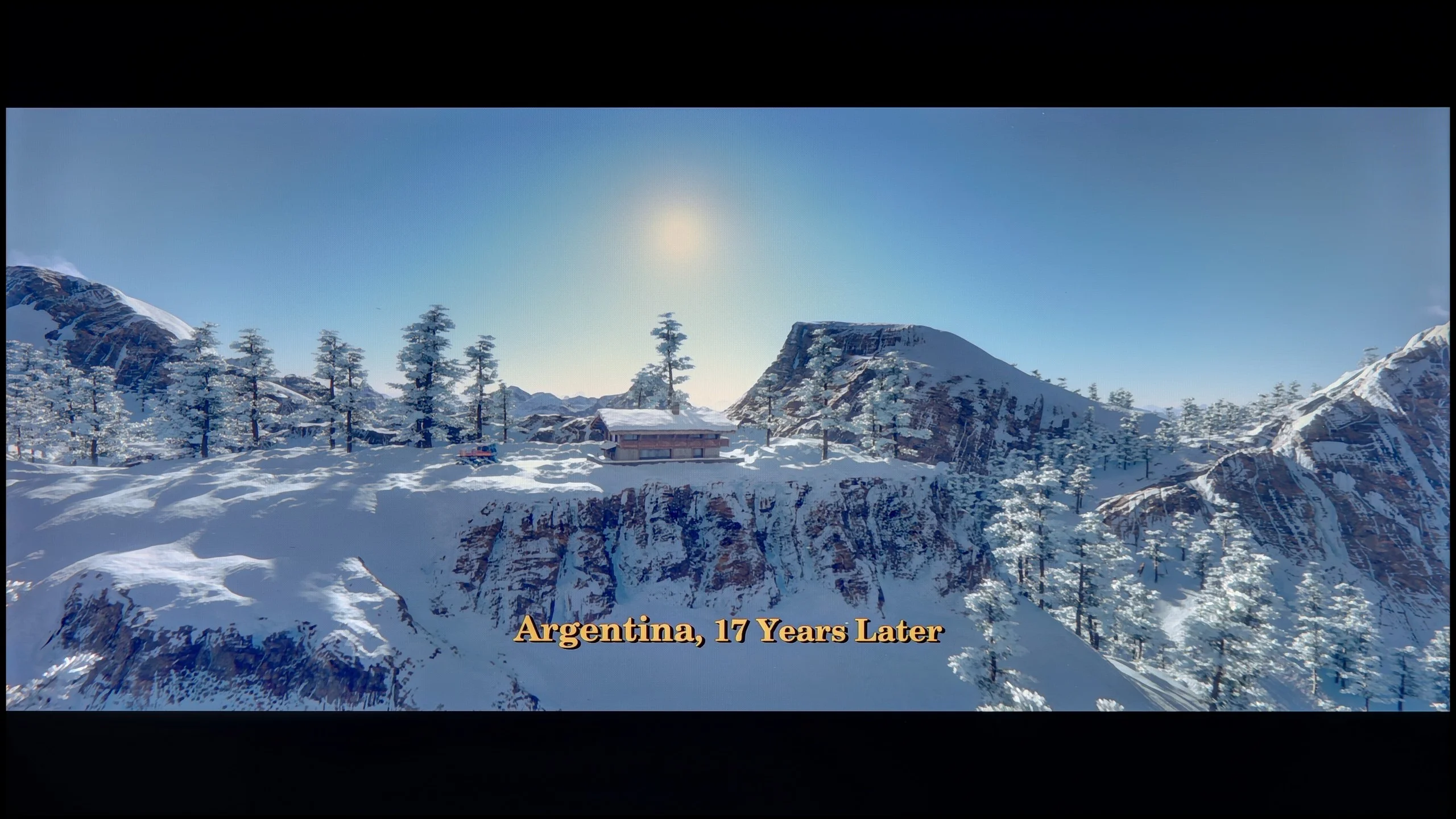
These are selected scenes that show smooth tonal transitions from one color to another. If you see distinct banding, it’s the TV panel’s fault.
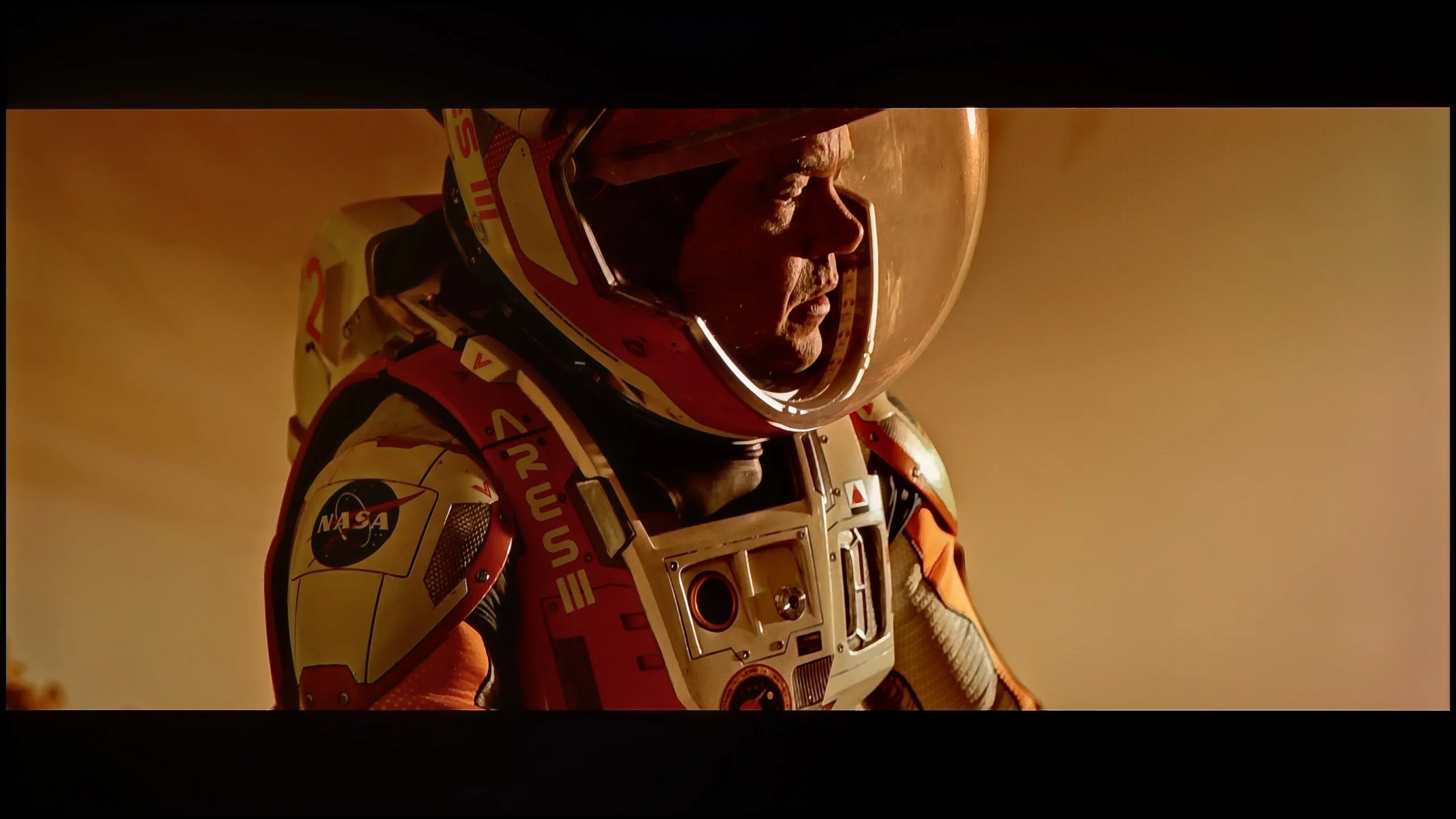
These are selected scenes that show smooth tonal transitions from one color to another. If you see distinct banding, it’s the TV panel’s fault.
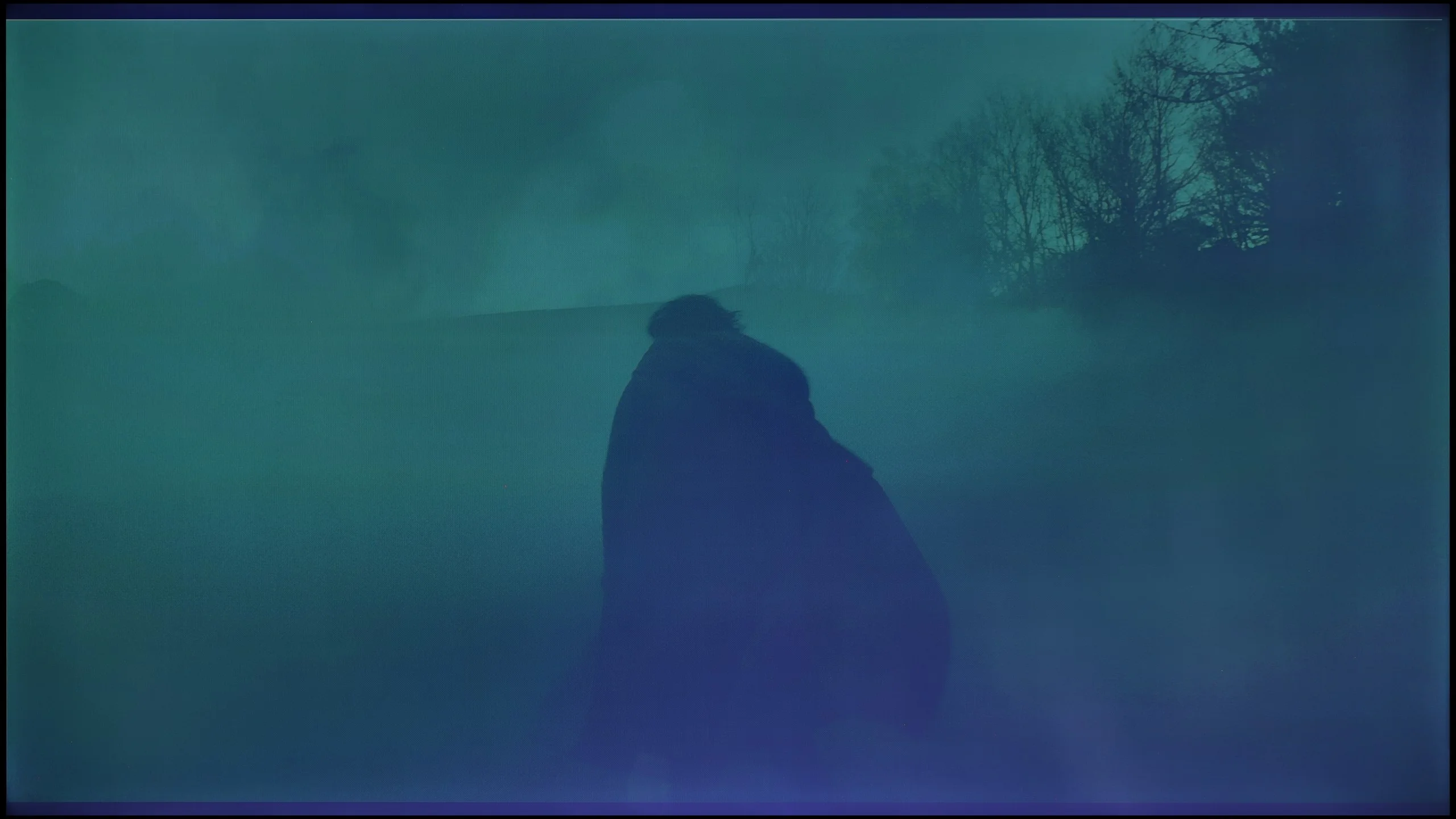
These are selected scenes that show smooth tonal transitions from one color to another. If you see distinct banding, it’s the TV panel’s fault.
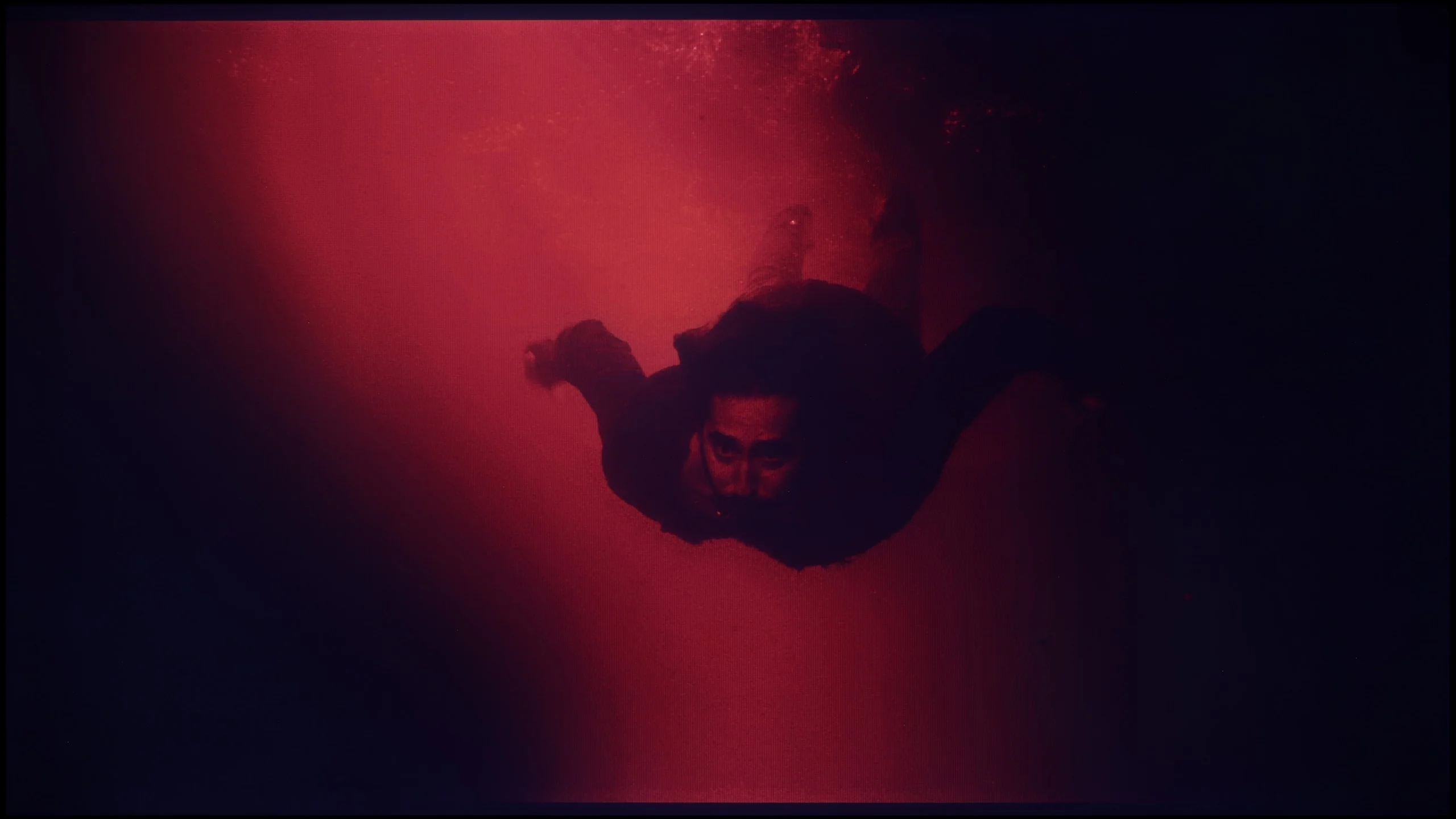
These are selected scenes that show smooth tonal transitions from one color to another. If you see distinct banding, it’s the TV panel’s fault.
The gradation in LG QNED is quite good, despite minor issues on the colourful dark sky. These small drawbacks do not detract from the fact that the gradation is one of the positive aspects of this model. Overall, the television handles smooth colour transitions well.
The smoothness of tonal transitions on the TCL P7L is pretty good, but not in every scene. In brighter scenes the TV handles it really well, as shifts between neighbouring shades are gentle, and on skies, bright walls or subtle gradients it's hard to spot anything that would noticeably distract while watching. It gets worse in darker parts of the picture. That's where visible joins between colours and consecutive grey levels appear more often. In dark scenes you can therefore see characteristic banding or more obvious "steps" where the transition should be smoother. It's not a constant problem, but with lower-quality source material or scenes containing a lot of subtle shading it can stand out.
Image scaling and smoothness of tonal transitions
8/10
7/10

Smooth transition function
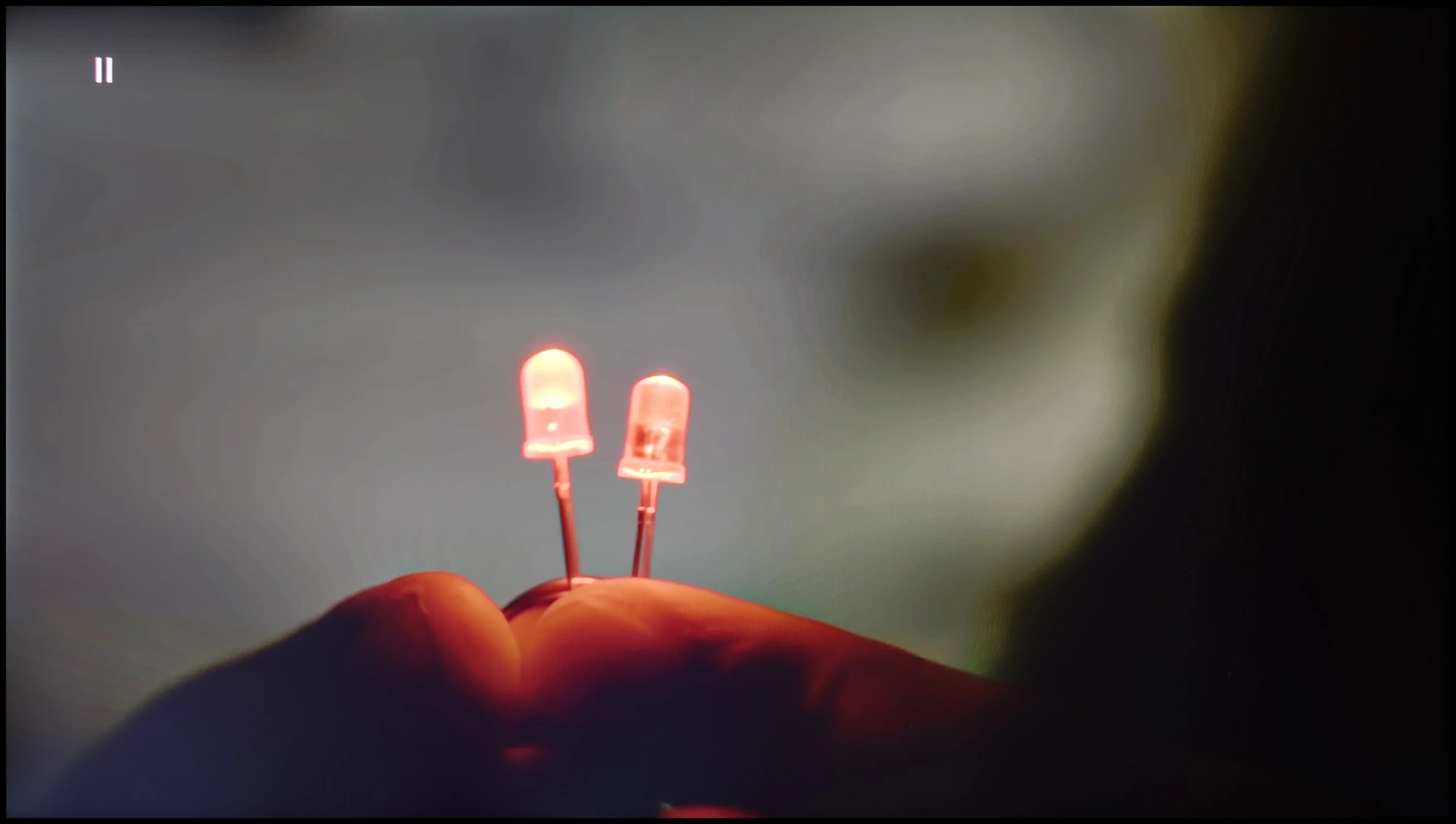
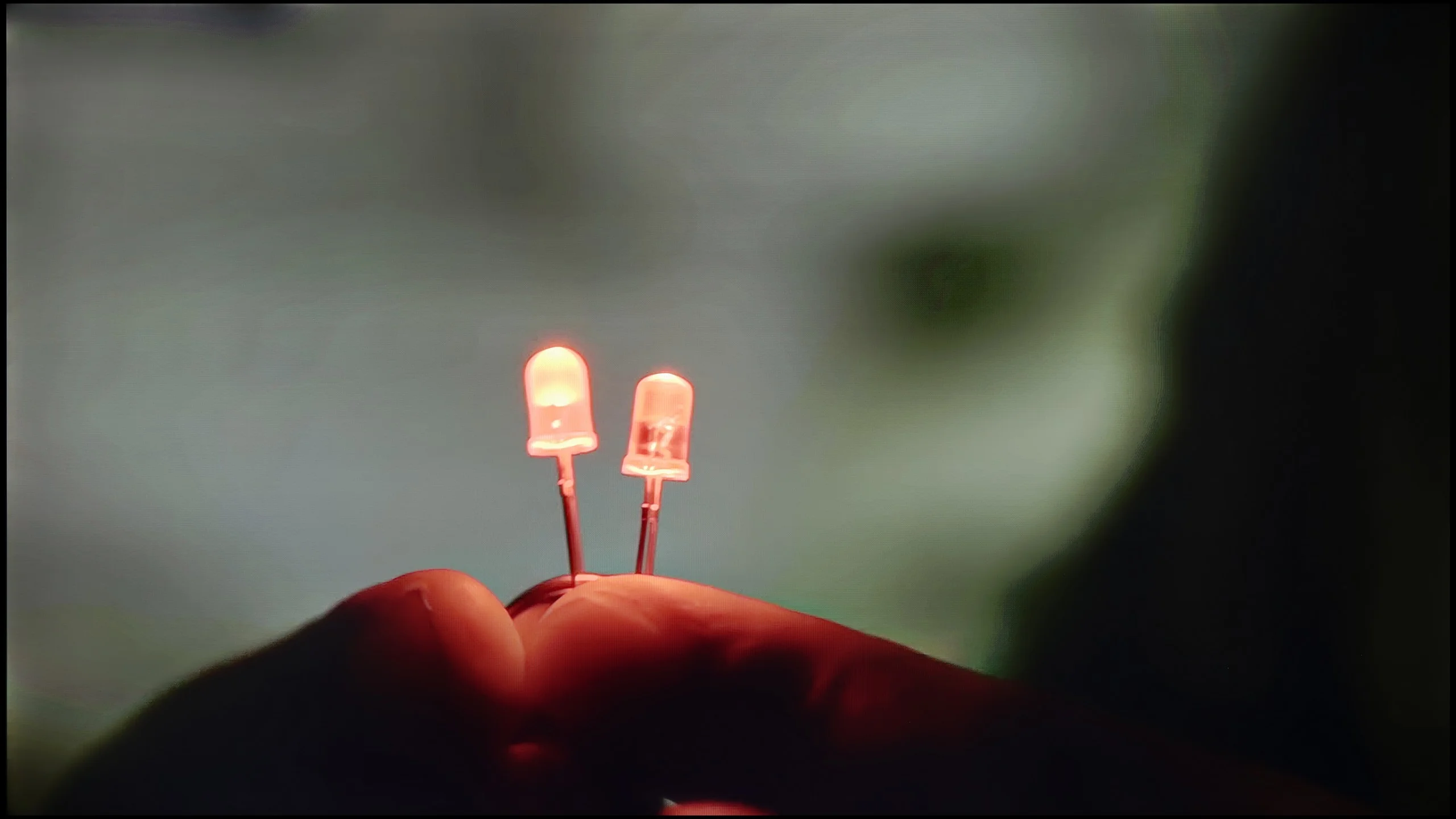
The match photo shows how the TV smooths weak tonal transitions in low-quality video.
Image scaling SD (576i)
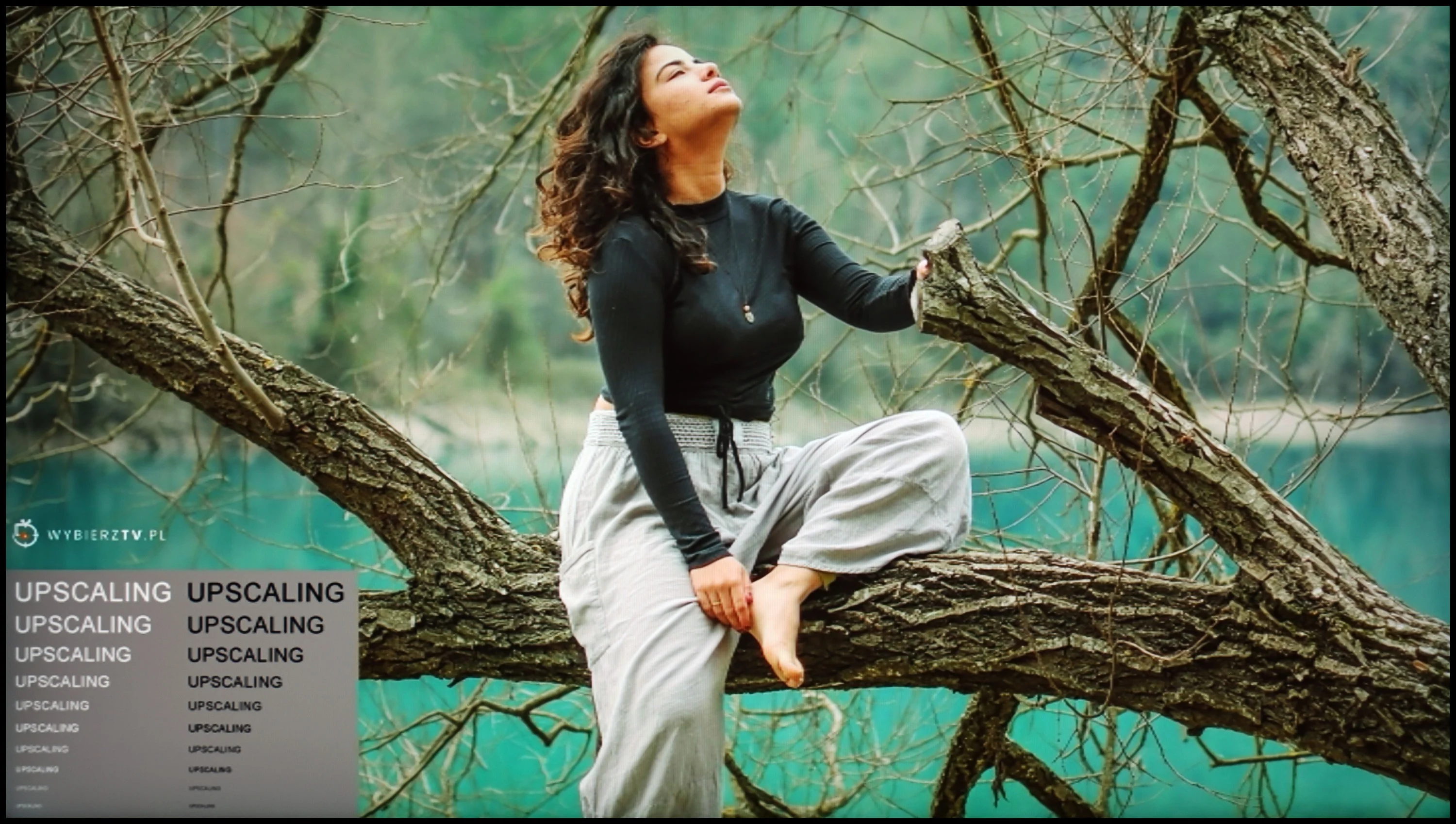
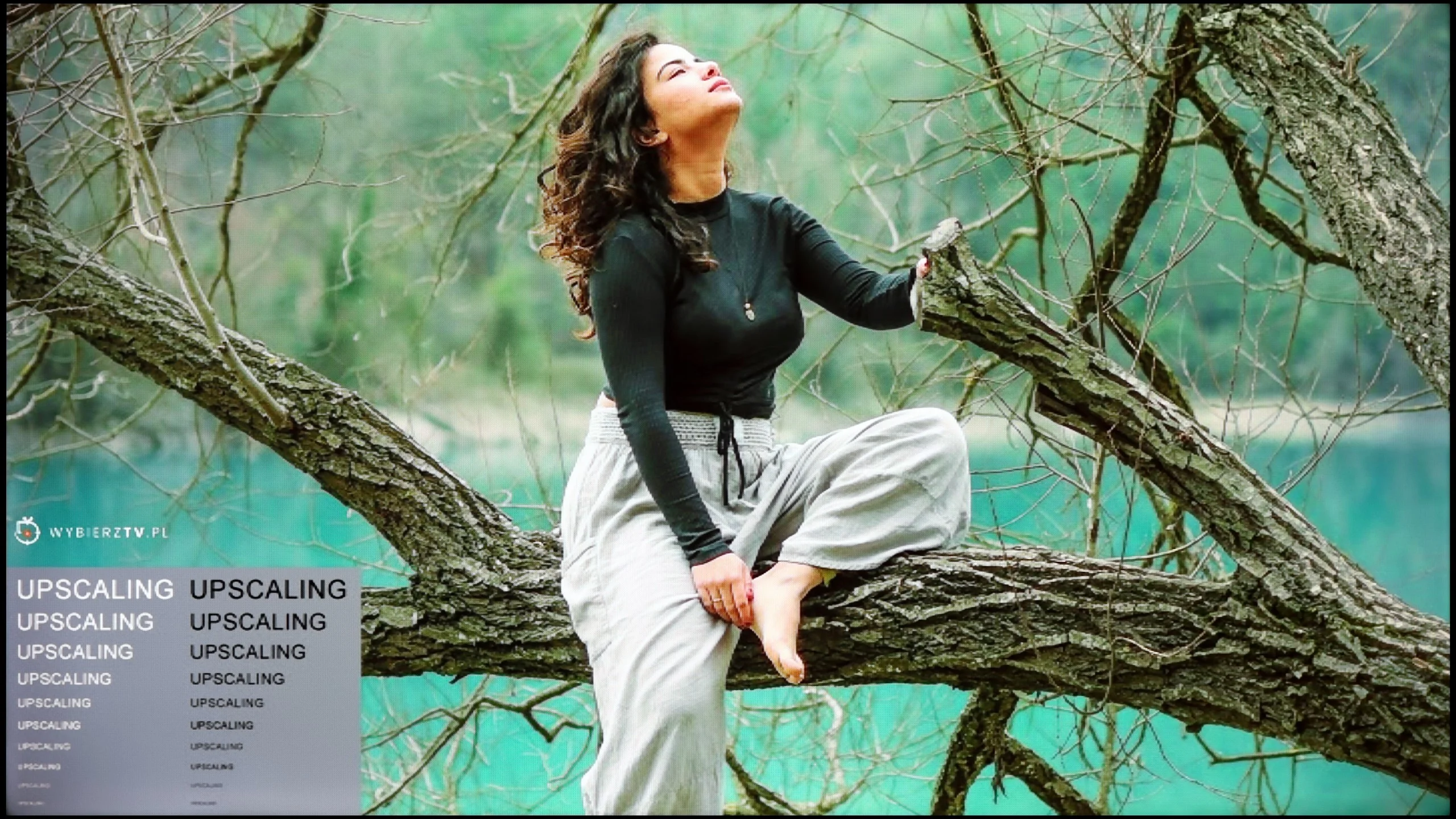
The model photo shows how it handles upscaling of SD material.
When it comes to lower quality materials, the gradation looks really good. The feature called "Smooth Gradation" effectively smooths out the most problematic parts of the image, while not negatively affecting the film grain. For the best effect, it’s worth setting it to a low level. This solution significantly improves the quality of the displayed content, making the viewing of lower resolution materials more enjoyable and smoother.
In terms of digital processing, the image is displayed without cropping, known as overscan. Although slight fraying of the branches can be noticed against the model's background, everything looks very good. Users should be satisfied with the image quality when watching low-quality materials like standard television. The TV handles this task exceptionally well, providing a satisfying visual experience, even with lower quality content.
In this respect the TCL P7L performs surprisingly well, especially for such an inexpensive TV. The banding reduction feature, which in many budget models does little or nothing, actually manages to improve the picture here. It doesn't remove all banding completely, but it can noticeably reduce posterisation and make trickier gradients look more natural. In this price segment that's a genuinely pleasant surprise.
The upscaling itself also looks good. Lower-resolution material is upscaled properly, without excessive sharpening or adding artificial edges around objects. Of course the P7L won't turn a very poor source into a 4K-quality picture, but for regular TV the result is simply solid. For a model at this price point there are few major complaints to make.
Blur and motion smoothness
7.8/10
5.5/10

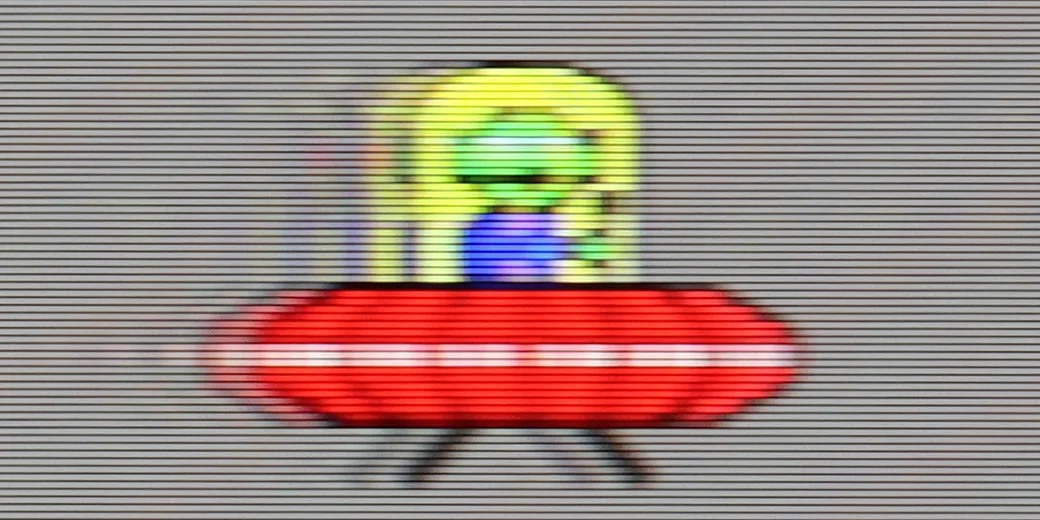
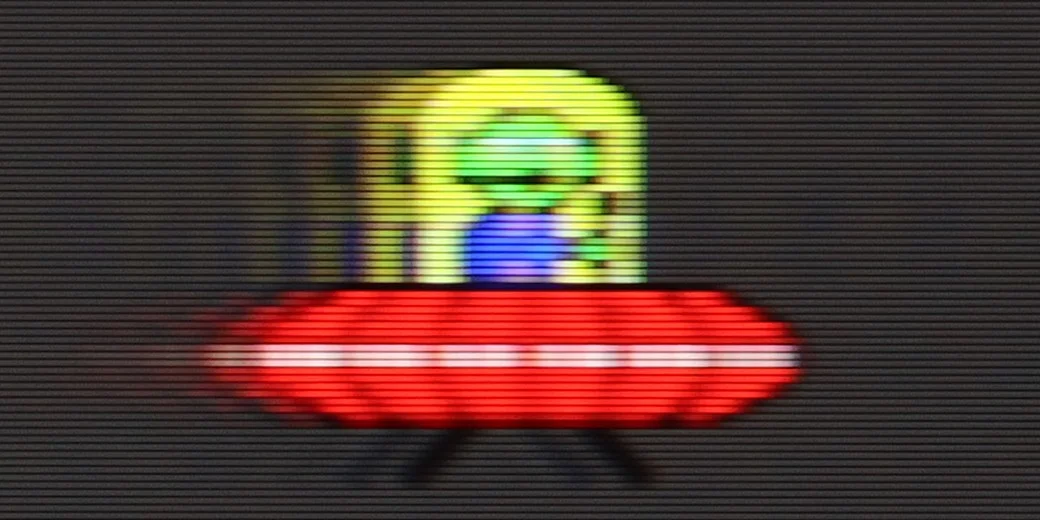
Blur (native resolution, maximum refresh rate):
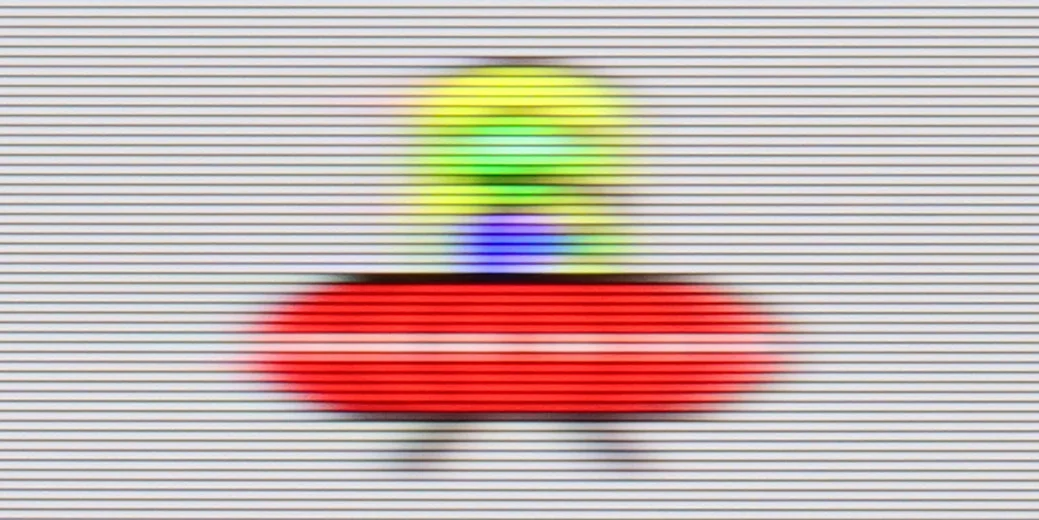
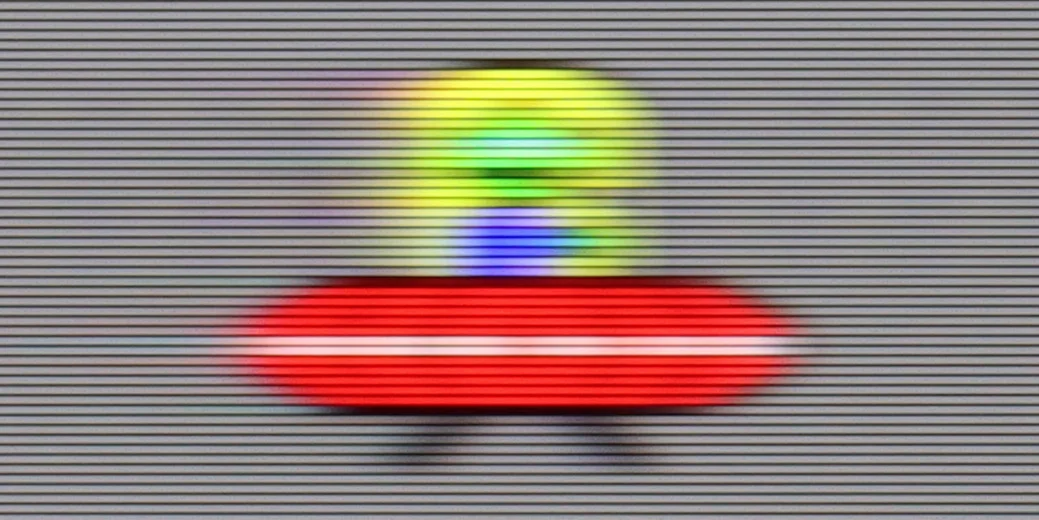
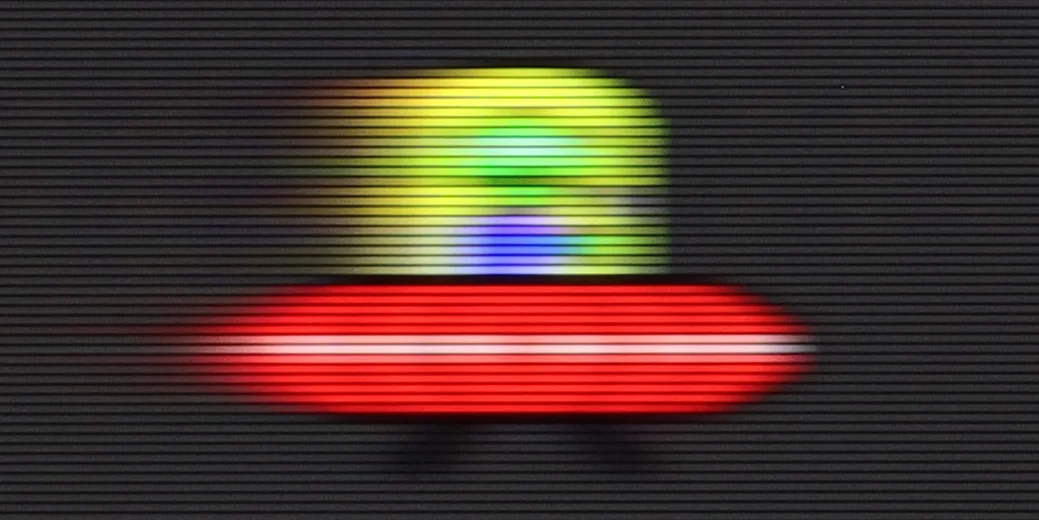
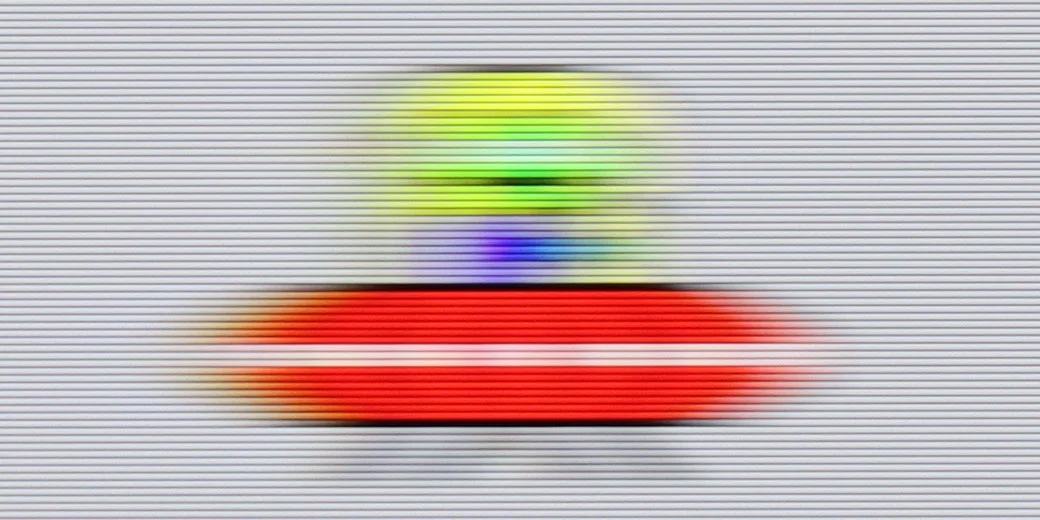
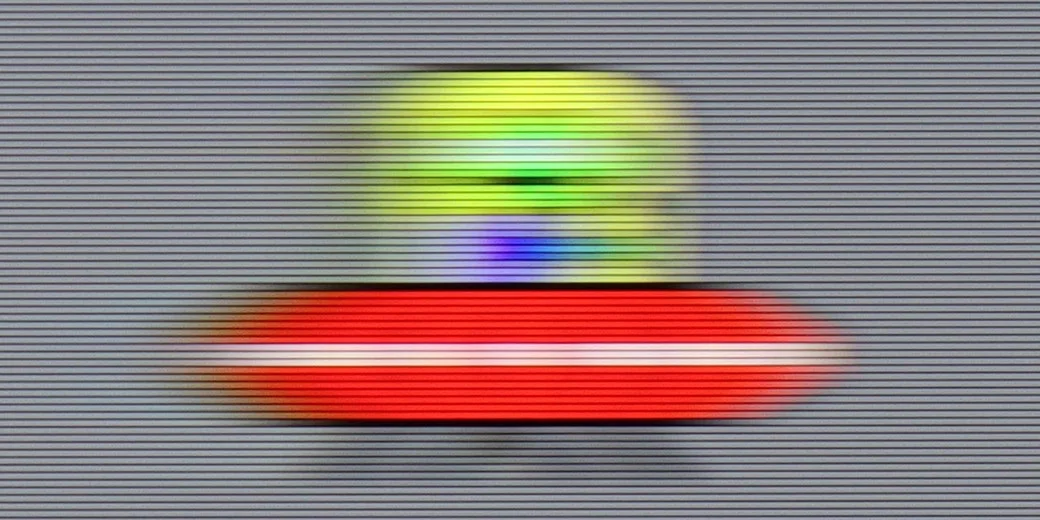
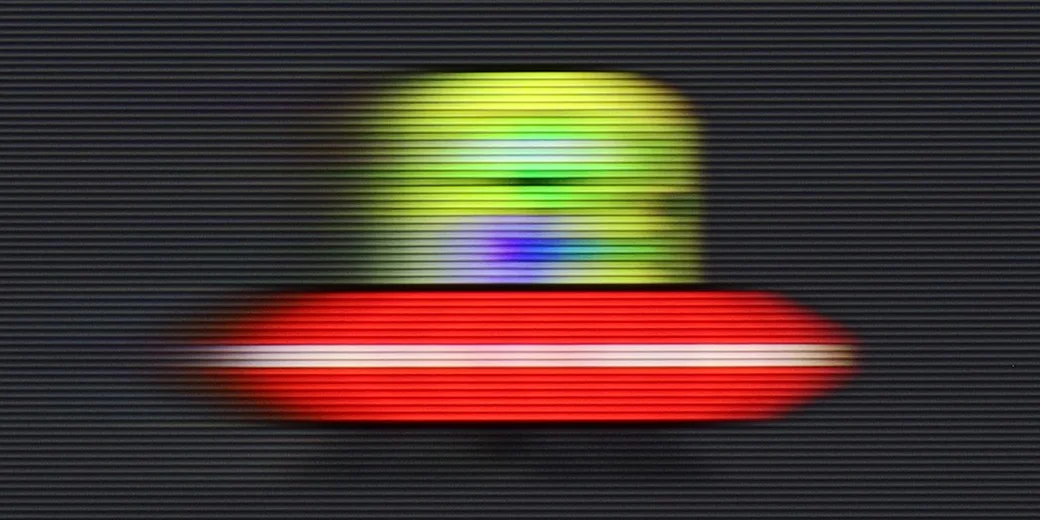
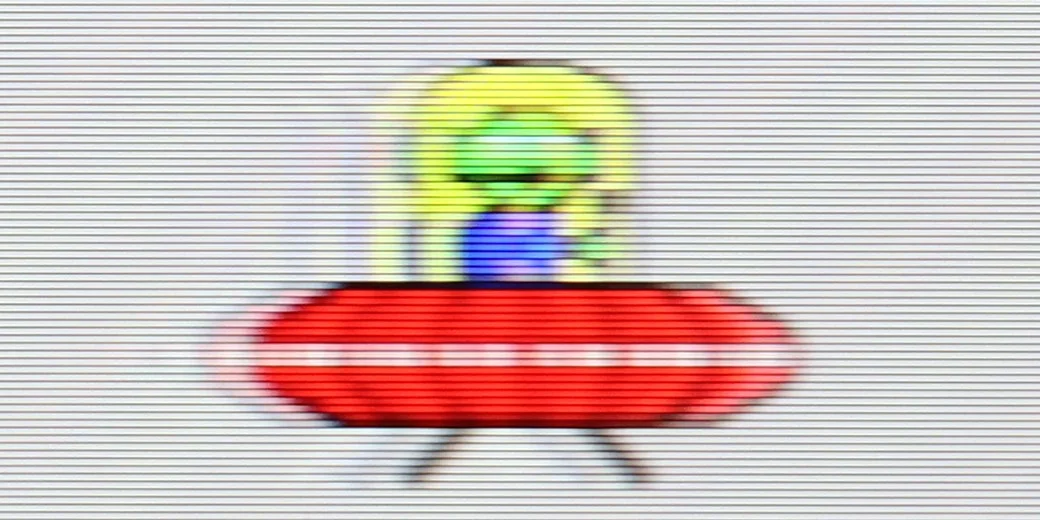
Blur (BFI function enabled):
Blur ():
Blur (1440p@120Hz):
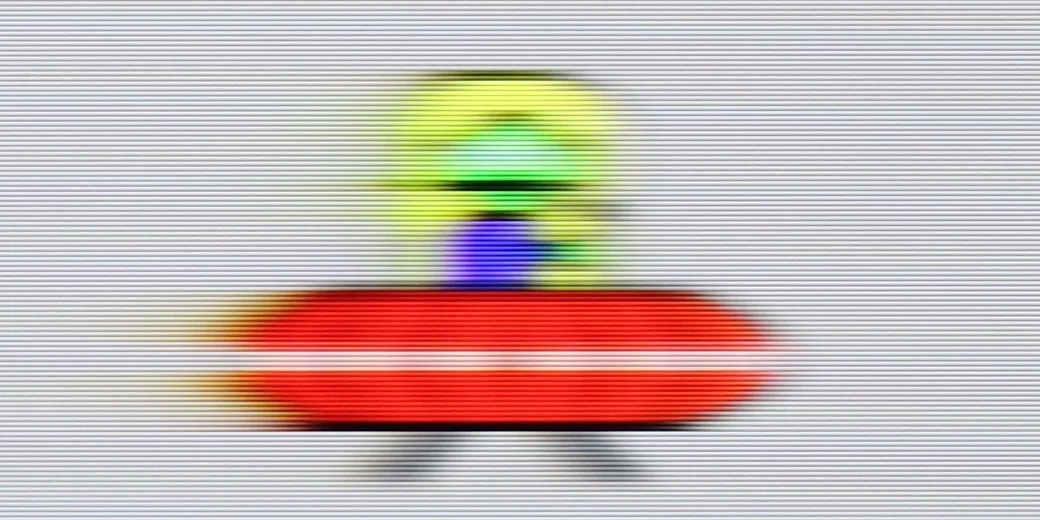
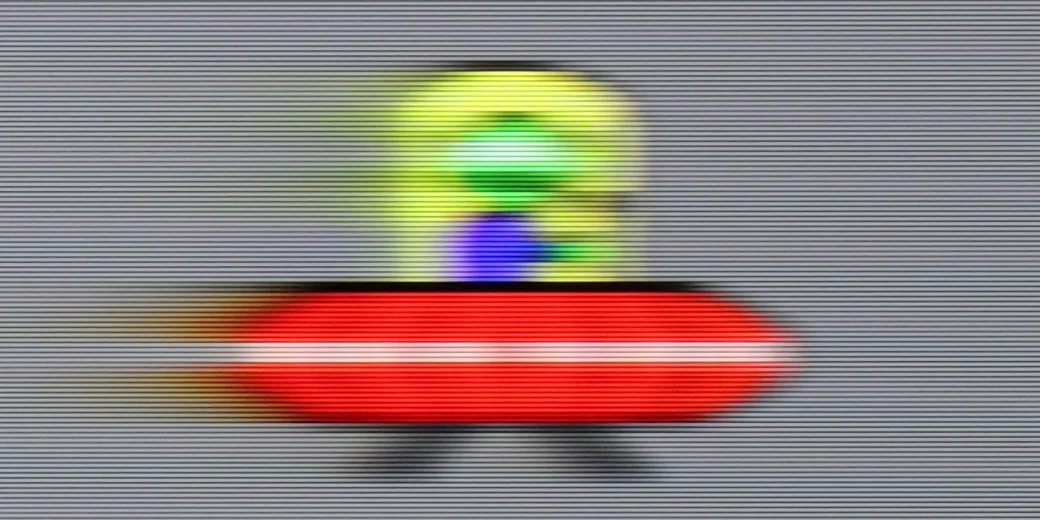
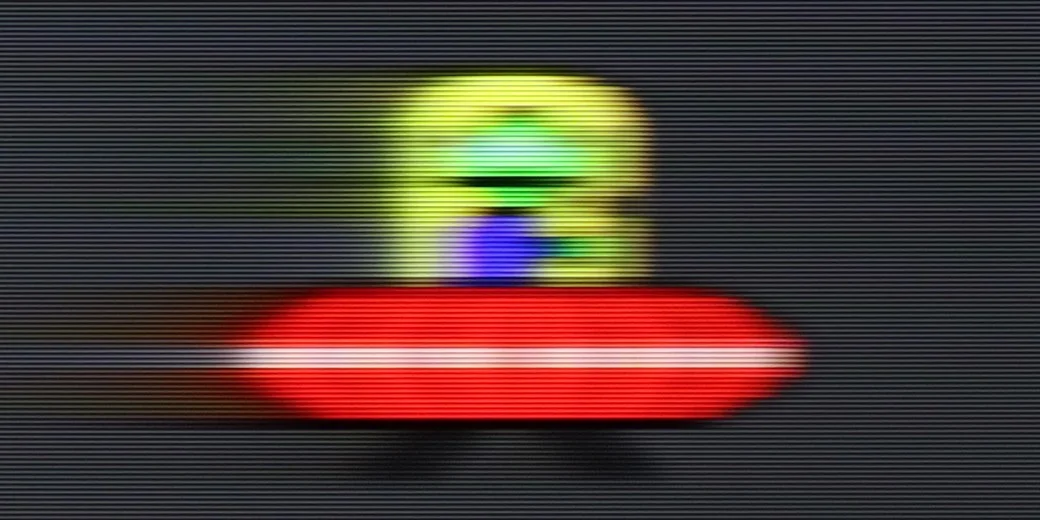
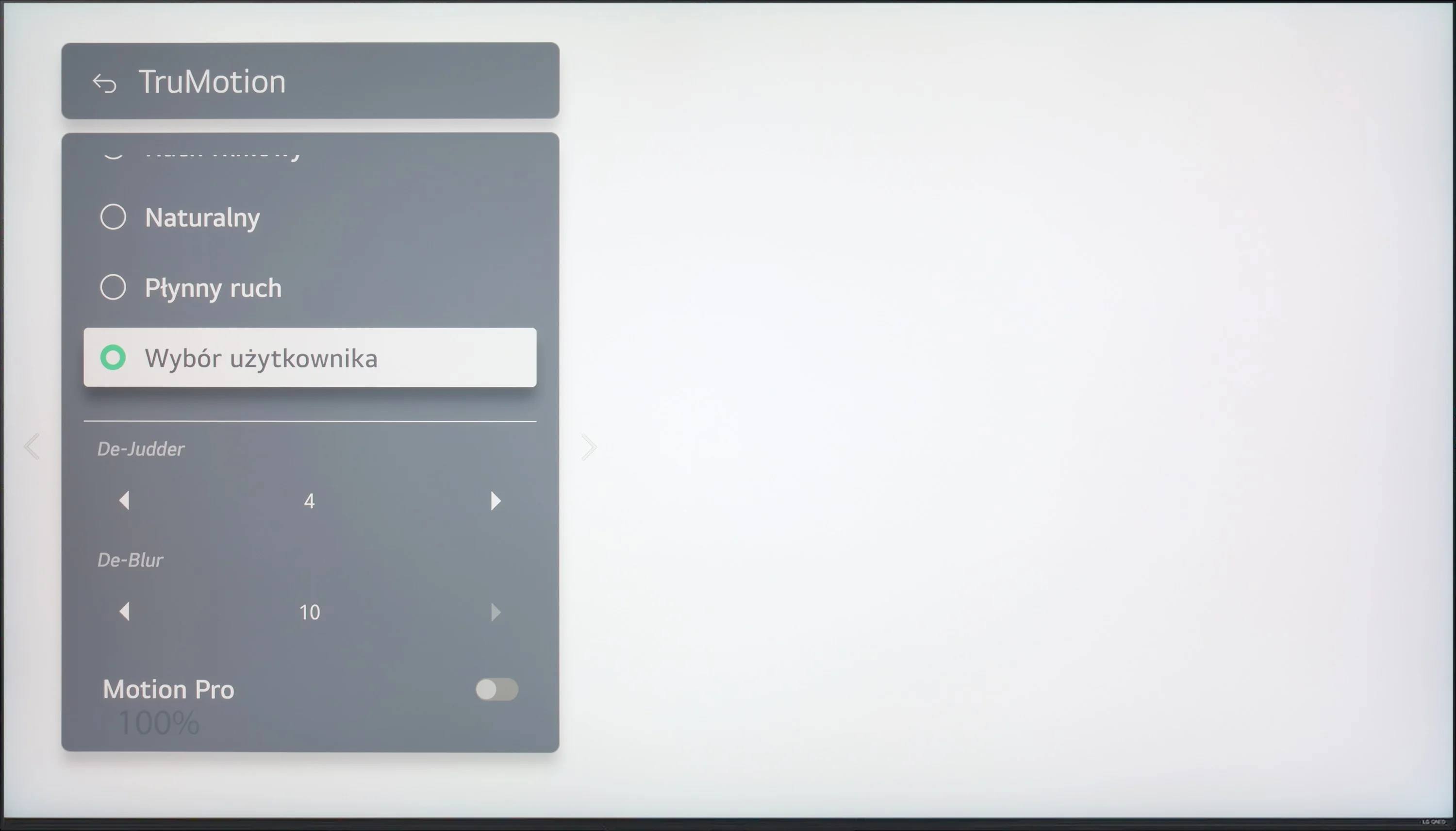
The television provides decent smoothness when watching movies, thanks to the “Tru Motion” feature, which allows adjustment of motion smoothing from 0 to 10. De-Judder regulates motion smoothness, while De-Blur adjusts motion sharpness. Users have the option to choose between a traditional cinematic effect with subtle juddering motion (lower settings) and a smoother, theatrical image. Although the latter deviates slightly from the cinematic standard, it may be appealing to many viewers.
As for gamers and sports fans, the LG QNED87 television with a 120Hz panel will surely not disappoint. And with the use of an IPS panel, the response time is typically better than that of VA panels available at a similar price. This ensures smoother gameplay and dynamic experiences when watching sports events.
TCL P7L uses a native 60 Hz panel at 4K resolution, and that's how it should be treated in everyday use. For movies the TV mainly offers frame interpolation, so it can smooth motion and reduce noticeable judder, but it doesn't deliver the smoothness typical of true 120 Hz panels.
Console compatibility and gaming features
9.2/10
6.7/10
- ALLM
- VRR
- VRR range48 - 120Hz48 - 120Hz
- Dolby Vision Game Mode
- Correct implementation of HGIG
- 1080p@120Hz
- 1440p@120Hz
- 4K@120Hz
- Game bar
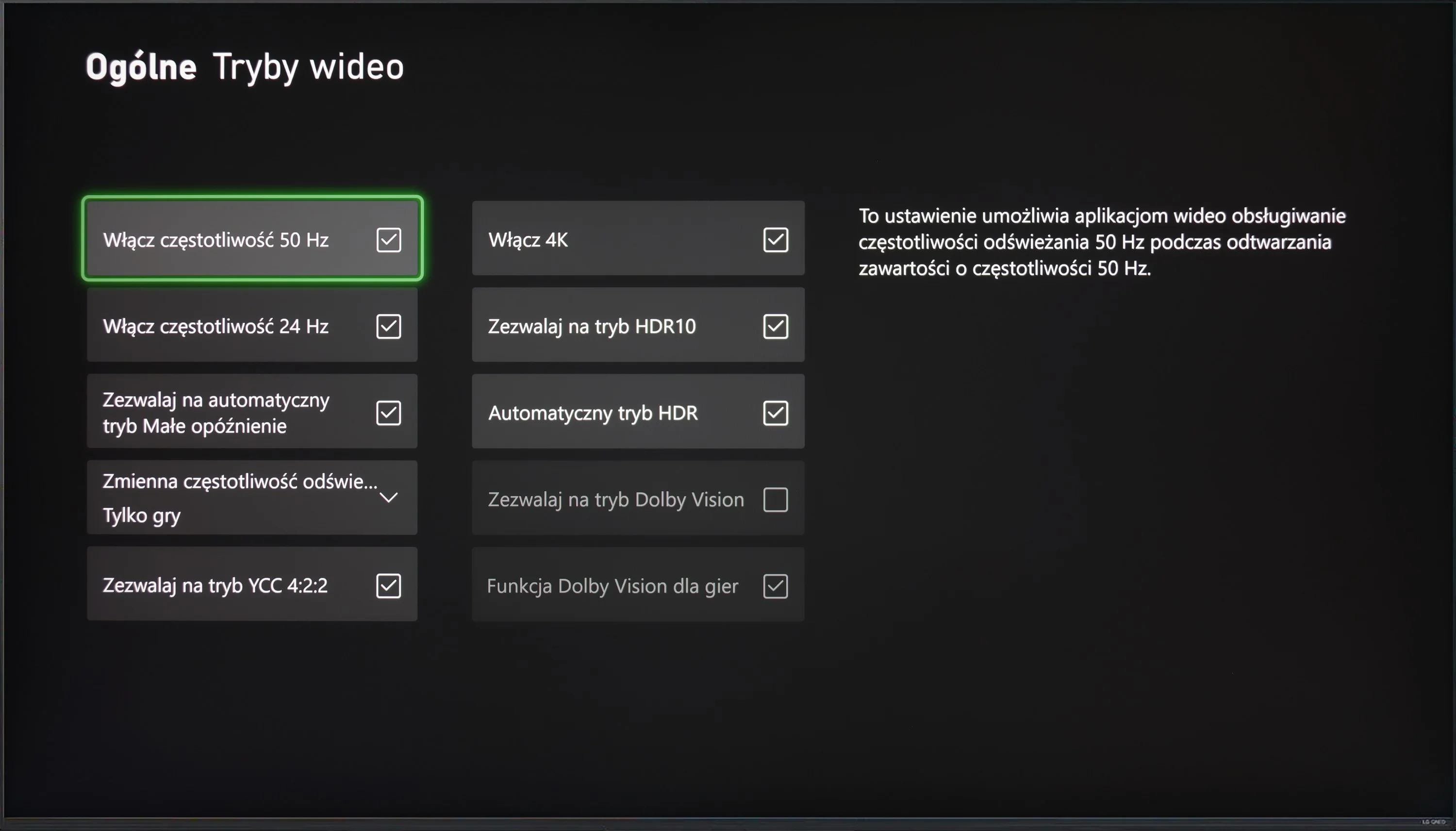
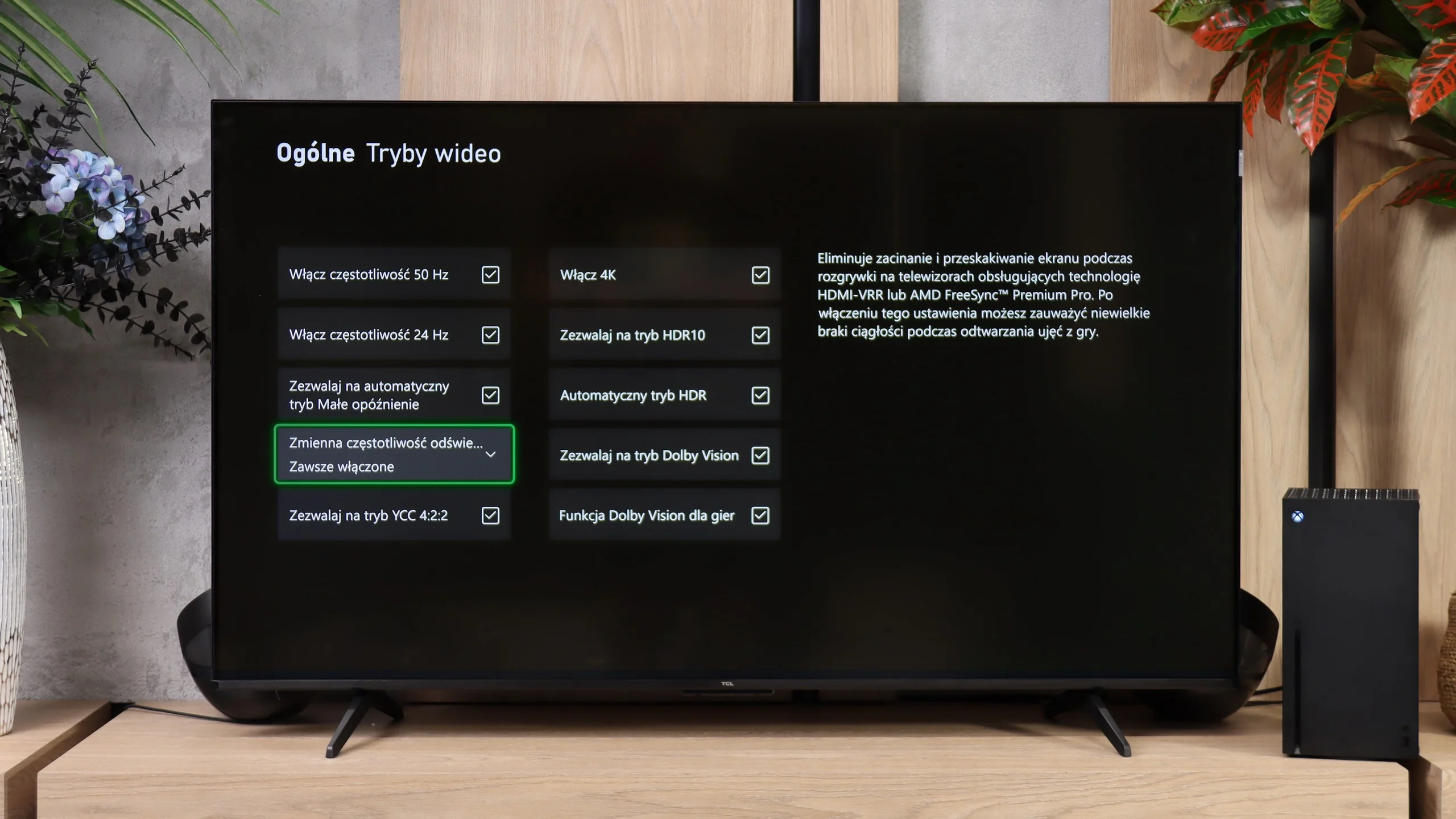
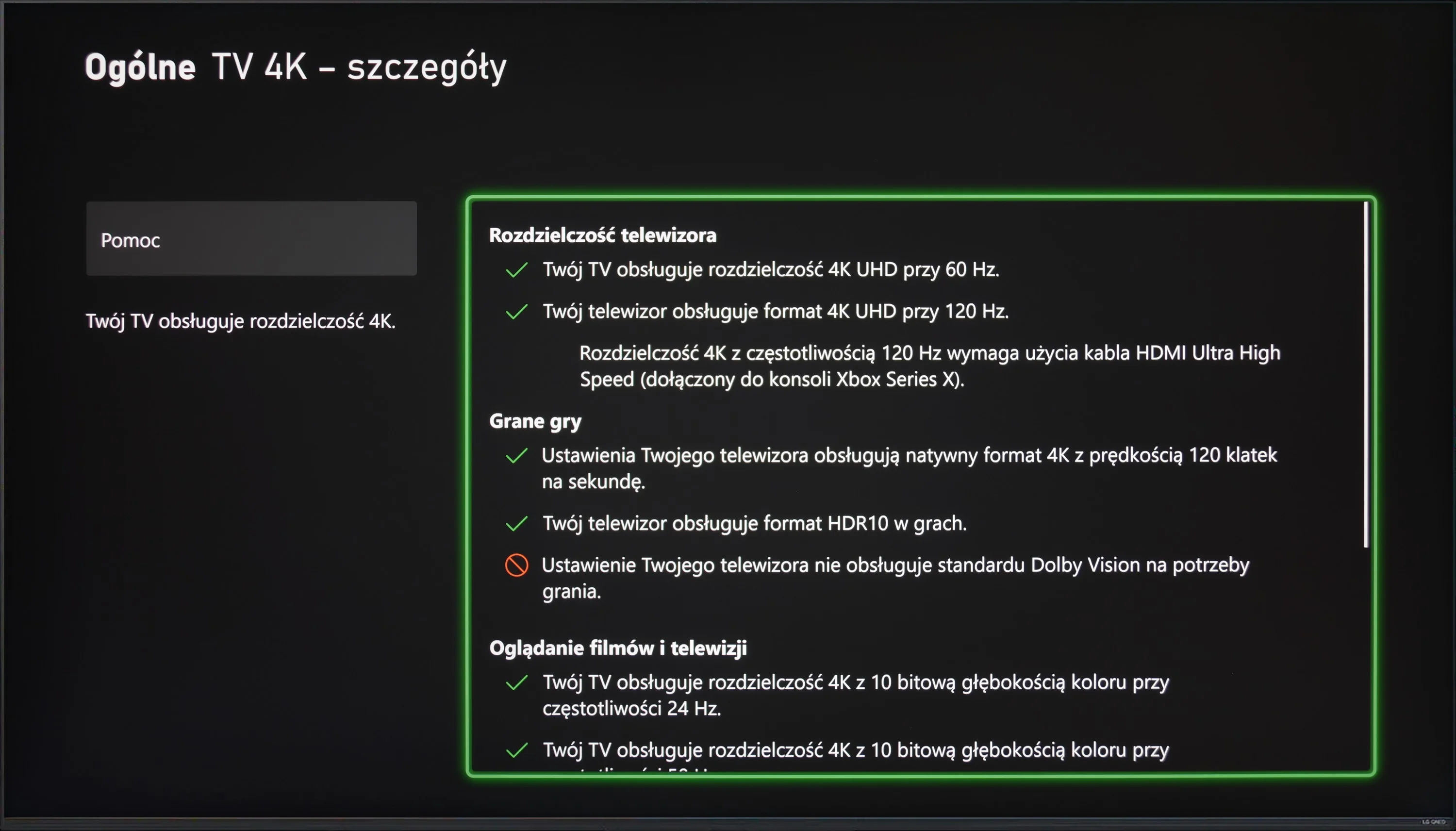
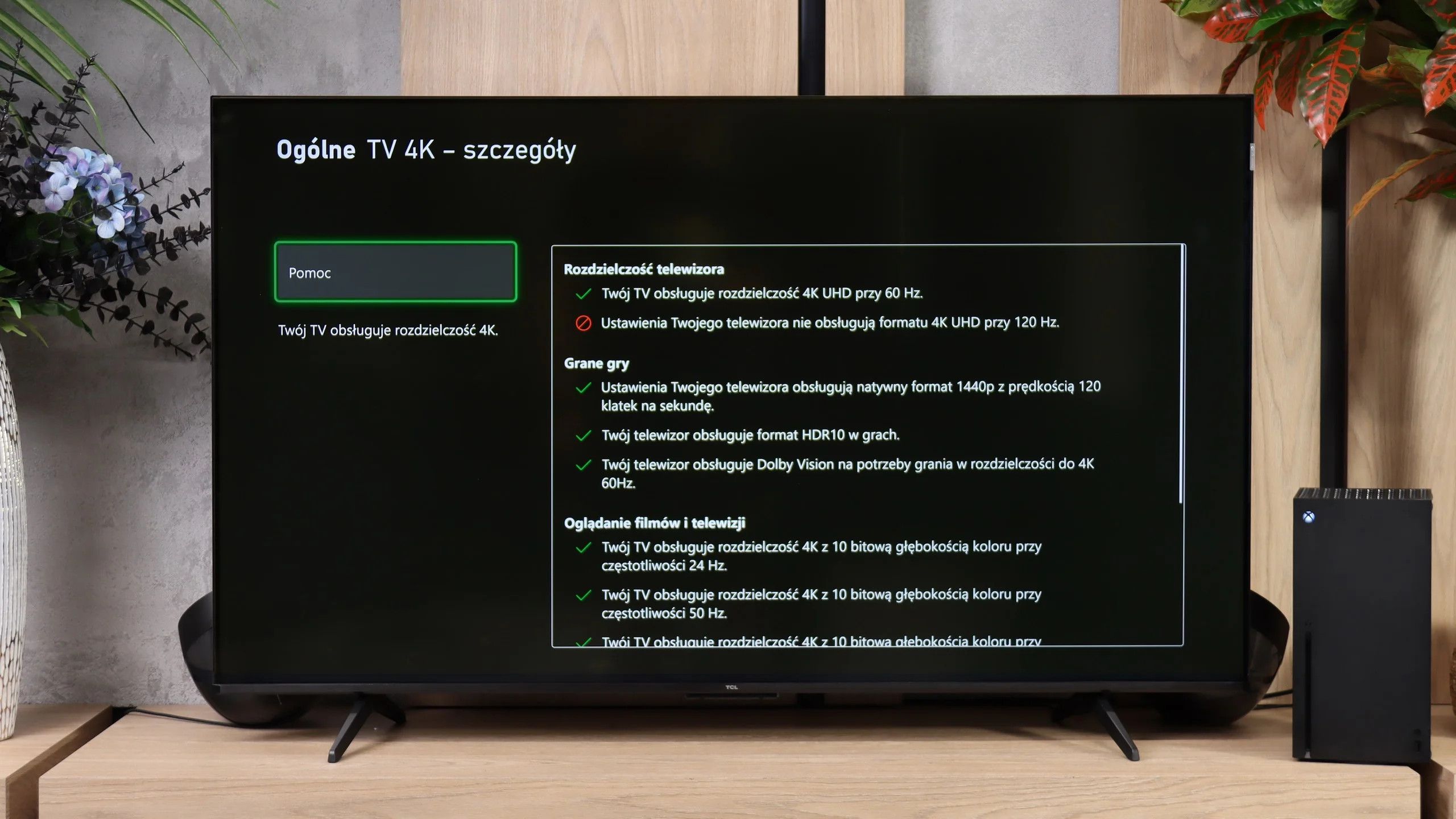
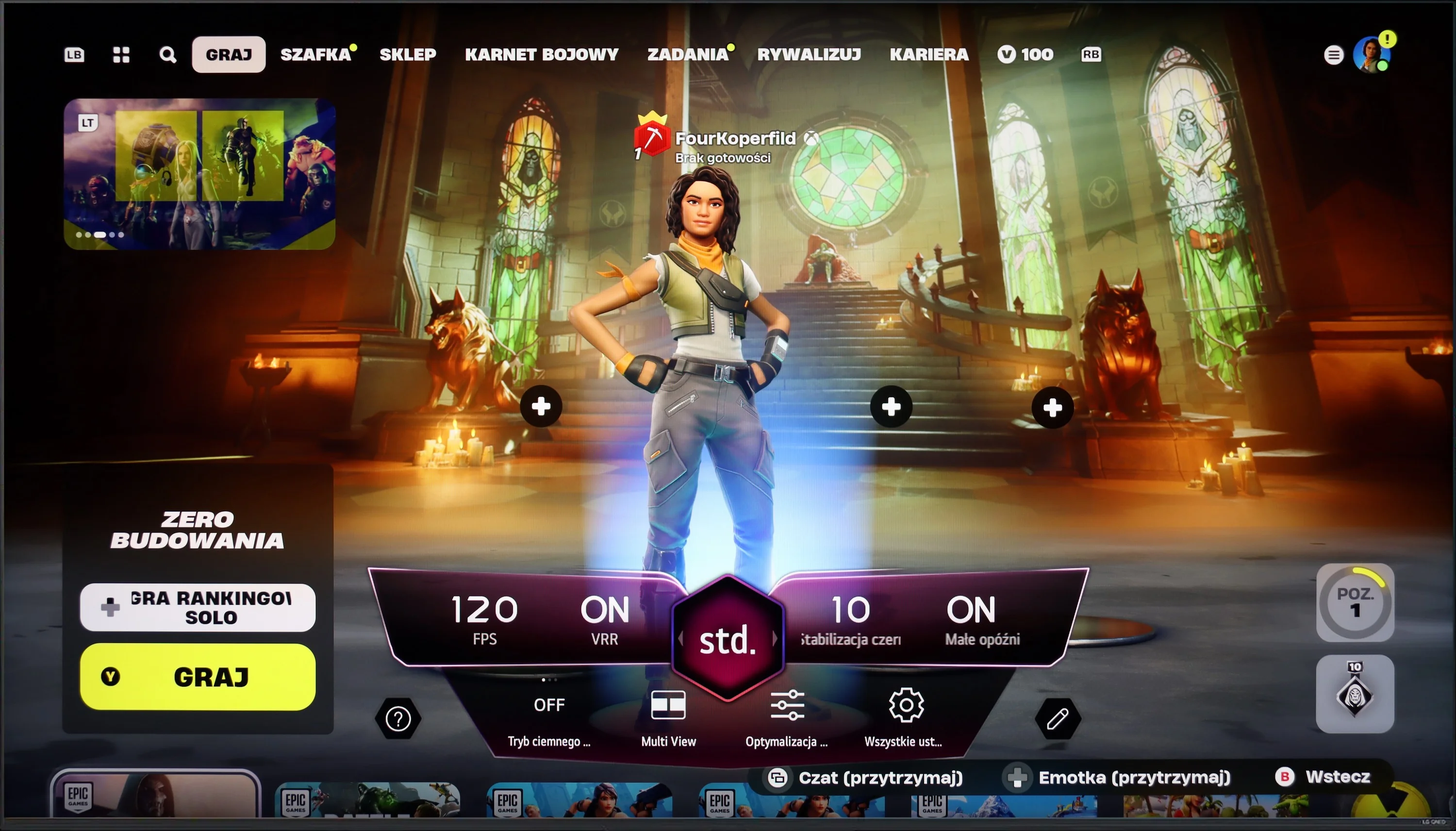
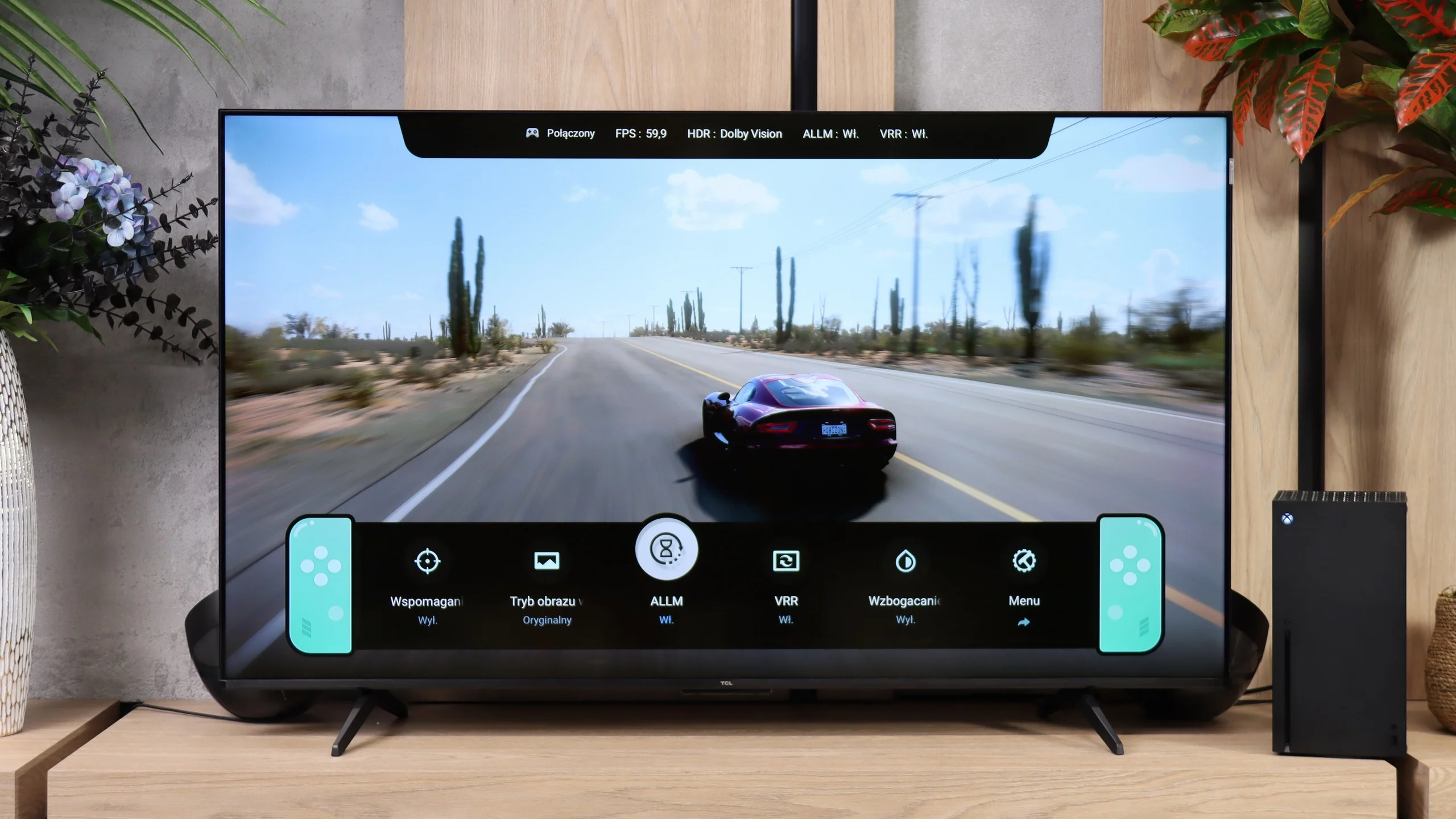
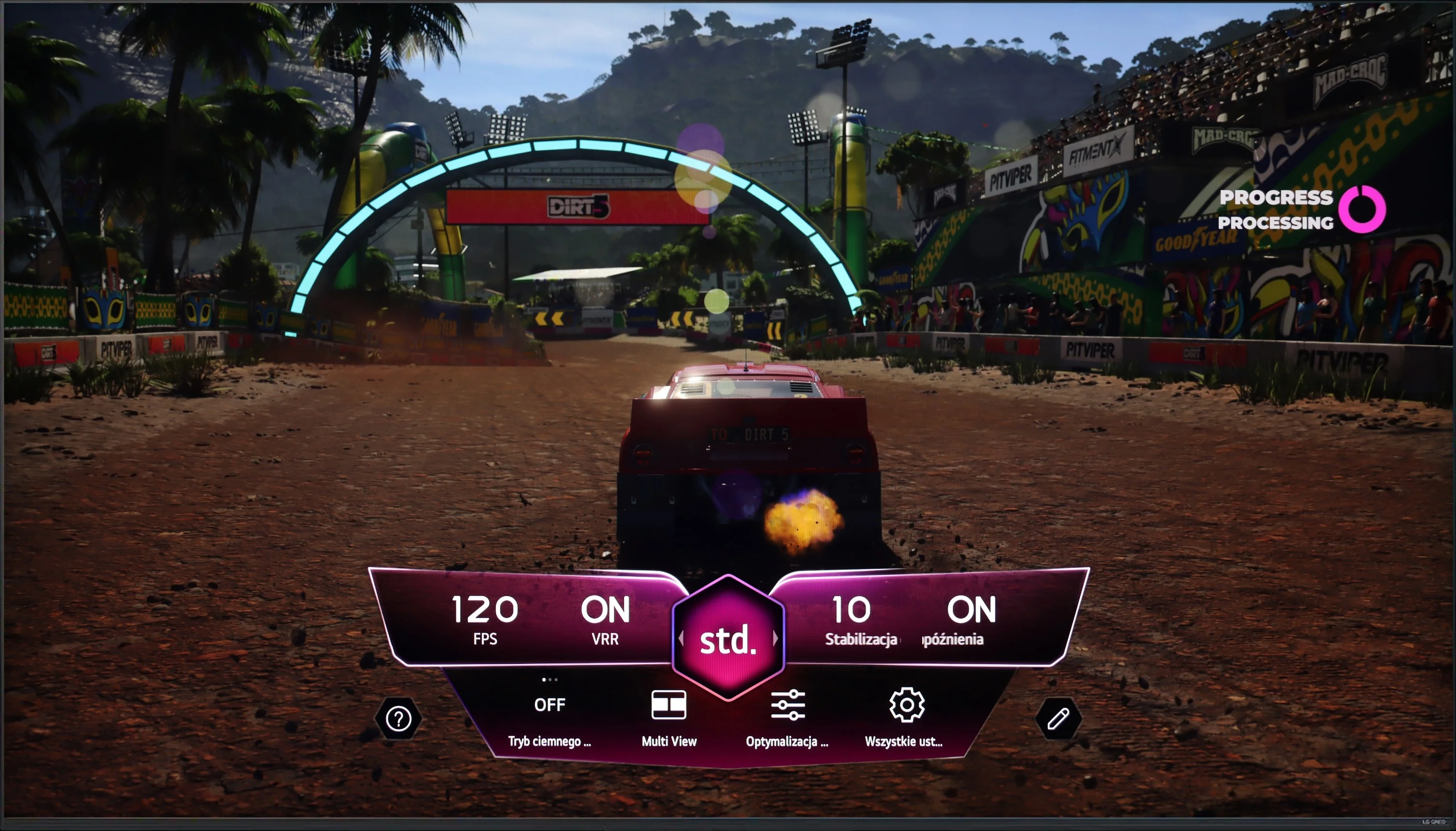
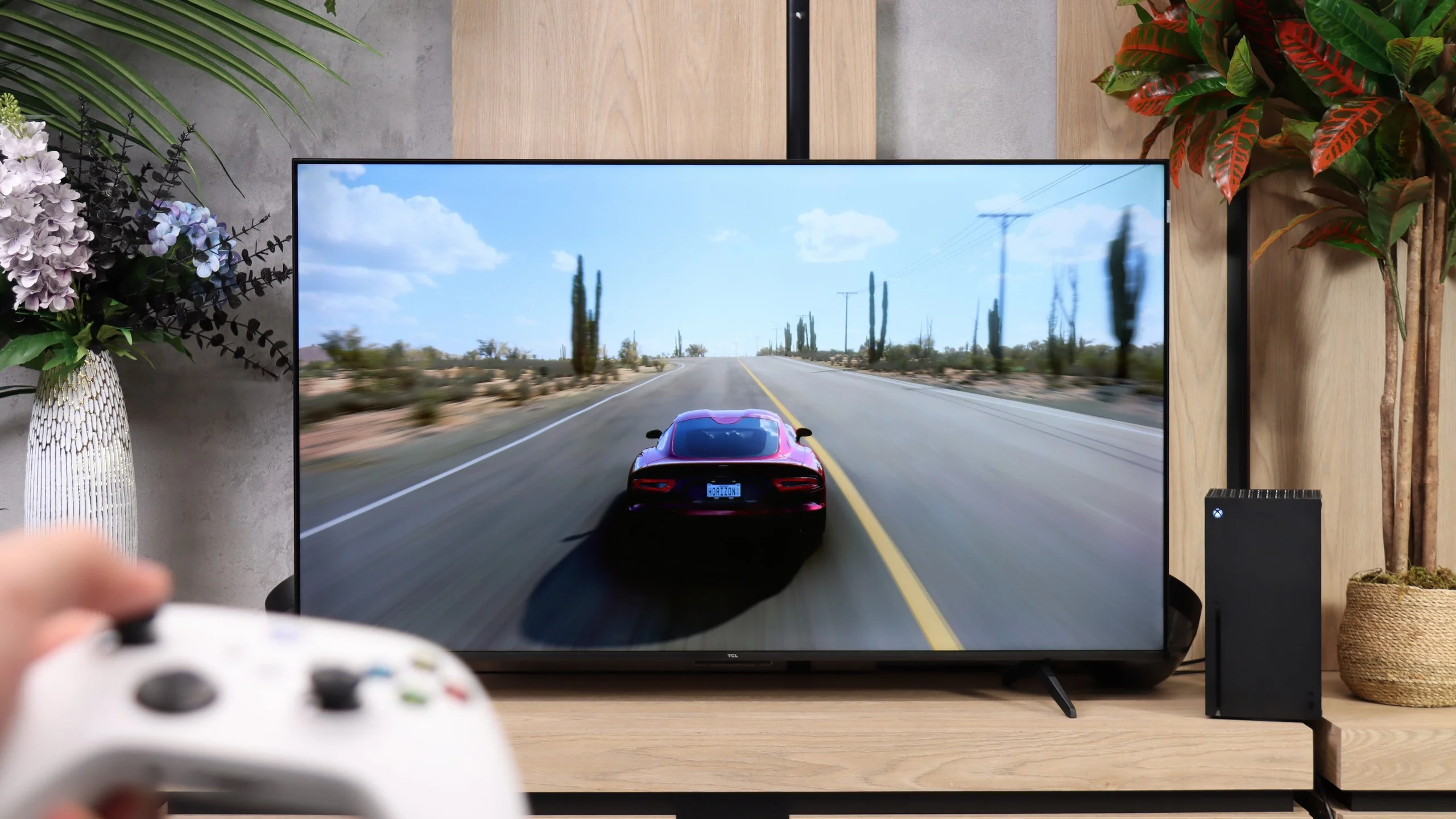
LG QNED offers a range of features that make it an excellent choice for gamers looking for a high-performance television. The TV is equipped with four HDMI 2.1 ports, allowing connection to the latest consoles like PlayStation 5 and Xbox Series X, utilising full functionality including Variable Refresh Rate (VRR) and Auto Low Latency Mode (ALLM). Thanks to the Game Bar feature, gamers can quickly and easily manage all game settings without needing to navigate complex menus. Parameters such as VRR, ALLM, Multi View, and frame rate monitoring can be adjusted. The TV also supports G-Sync and FreeSync technologies, which is particularly important for owners of Nvidia and AMD graphics cards. G-Sync and FreeSync synchronise the TV's refresh rate with the graphics card. The 120Hz panel guarantees incredible motion smoothness and image clarity. Combined with the Black Frame Insertion (BFI) feature, which is available at 60Hz and 120Hz, gamers can enjoy an even sharper and smoother picture. LG QNED87 is a television that meets the expectations of even the most demanding gamers, offering modern technologies and features that significantly enhance comfort and satisfaction during gaming.
For such an inexpensive TV, the P7L has quite a lot to offer gamers. It has ALLM, VRR and Dolby Vision in games, and TCL also includes its Game Bar, where you can quickly check key information or change some settings without leaving the game. Not everything is perfect, though, because HGiG doesn't work here as it should, but at this price point it's hard to complain much about the feature set. The most interesting part comes when you give up 4K. At that resolution the TV runs at up to 60 Hz, but at 1440p and 1080p it can already display at 120 Hz. And that's not just a spec-sheet curiosity. In fast-paced games that support that frame rate the difference in smoothness is genuinely noticeable, so if you care more about smoother motion than maximum image sharpness, that mode can make a lot of sense. Of course, that doesn't make the P7L a true 120 Hz TV. Still, it's precisely these extra modes that make the P7L perform really well for gaming.
Input lag
9.9/10
10/10
SDR
HDR
Dolby Vision
The LG QNED stands out with an extremely low input lag, which is crucial for smooth and responsive gaming. For a refresh rate of 120Hz, the input lag values do not exceed 6 ms, while at 60Hz, the input lag is a maximum of 15 ms. These are truly impressive results that ensure a player's reactions are almost instantaneously reflected on the screen.
As far as latency goes, the TCL P7L performs very well. With a 60 Hz signal, input lag is around 13 ms, whether you're playing in SDR, HDR or Dolby Vision. That's a level where delay should be practically unnoticeable during normal gaming. It gets even better when you switch the TV to 120 Hz at a lower resolution. Then input lag drops to about 9 ms, which nicely complements the modes described above. For gamers, that's another reason why, despite the P7L's budget nature, it's quite well prepared in this respect.
Compatibility with PC
7.6/10
5.8/10
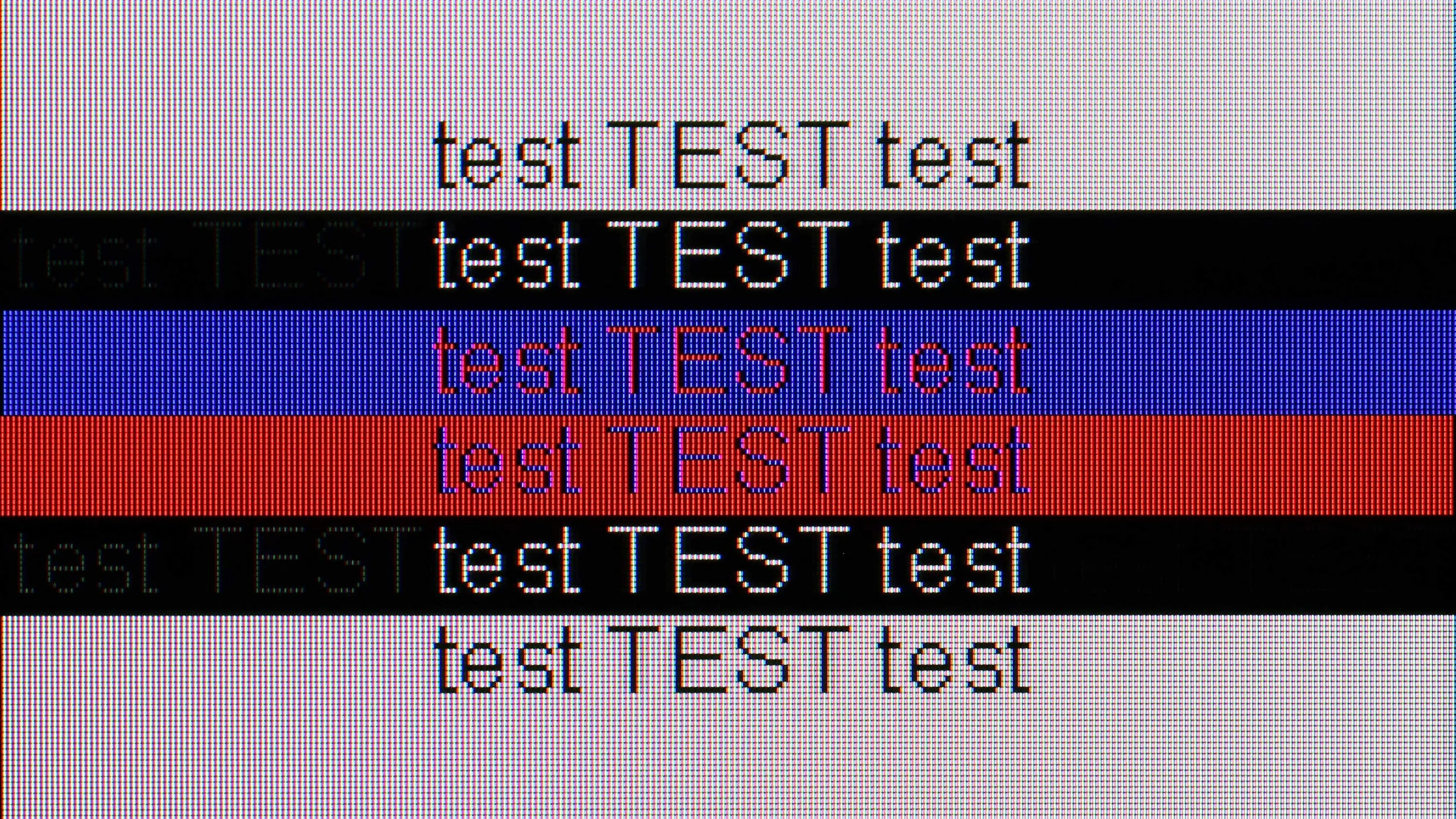
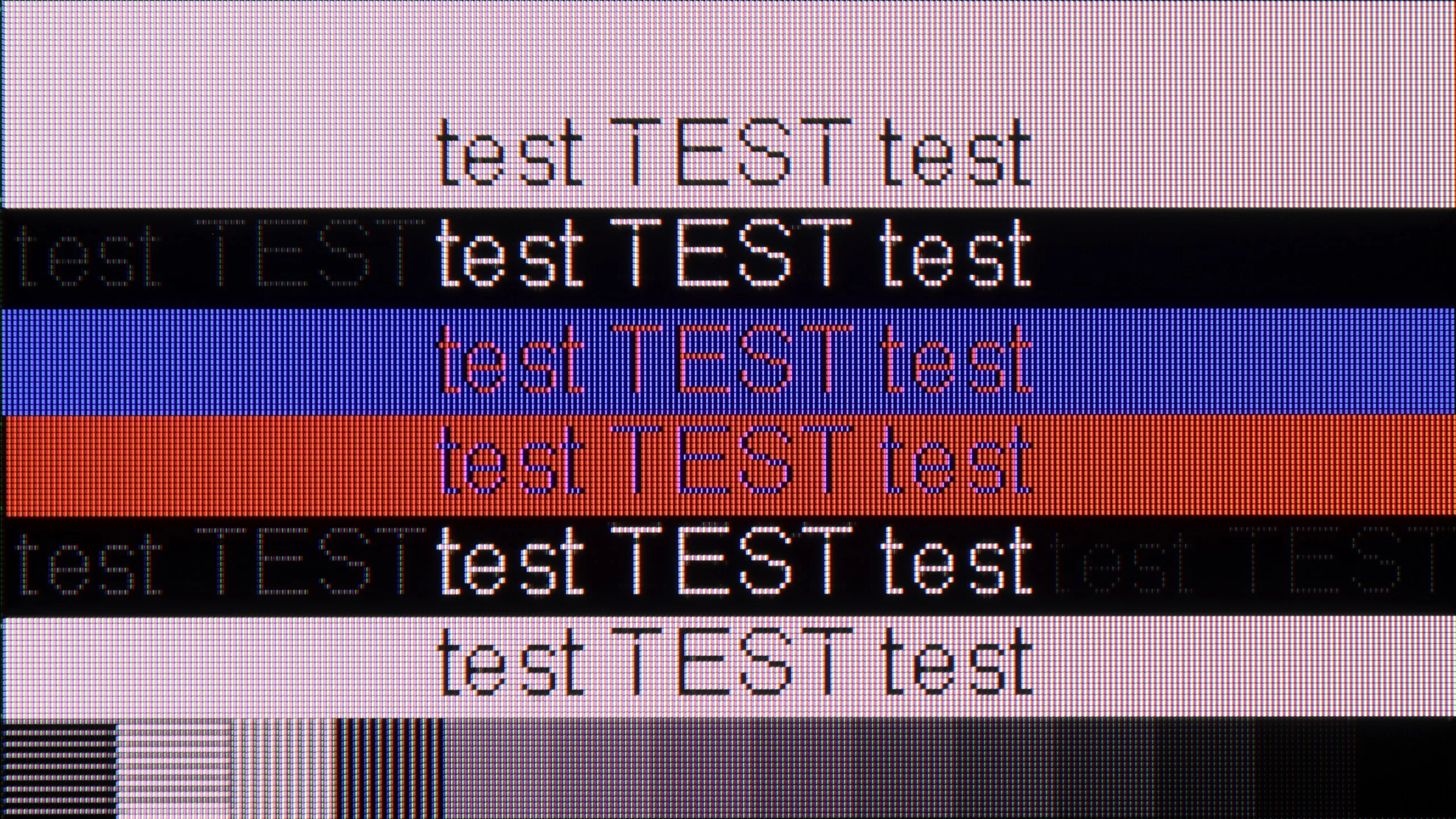
The photo shows the legibility of small fonts. Ideally, lines should be the same thickness on both light and dark text, with minimal pixel gaps.
The LG QNED television works perfectly with a computer, offering very good font readability. This makes working and browsing content exceptionally comfortable. The high refresh rate of 120Hz provides a smooth and vivid image. It combines a large workspace with performance, making it a genuine pleasure to use. However, for more demanding users, it may be disappointing that the TV has issues displaying fonts on a dark background. Instead of white letters, they take on a greenish hue.
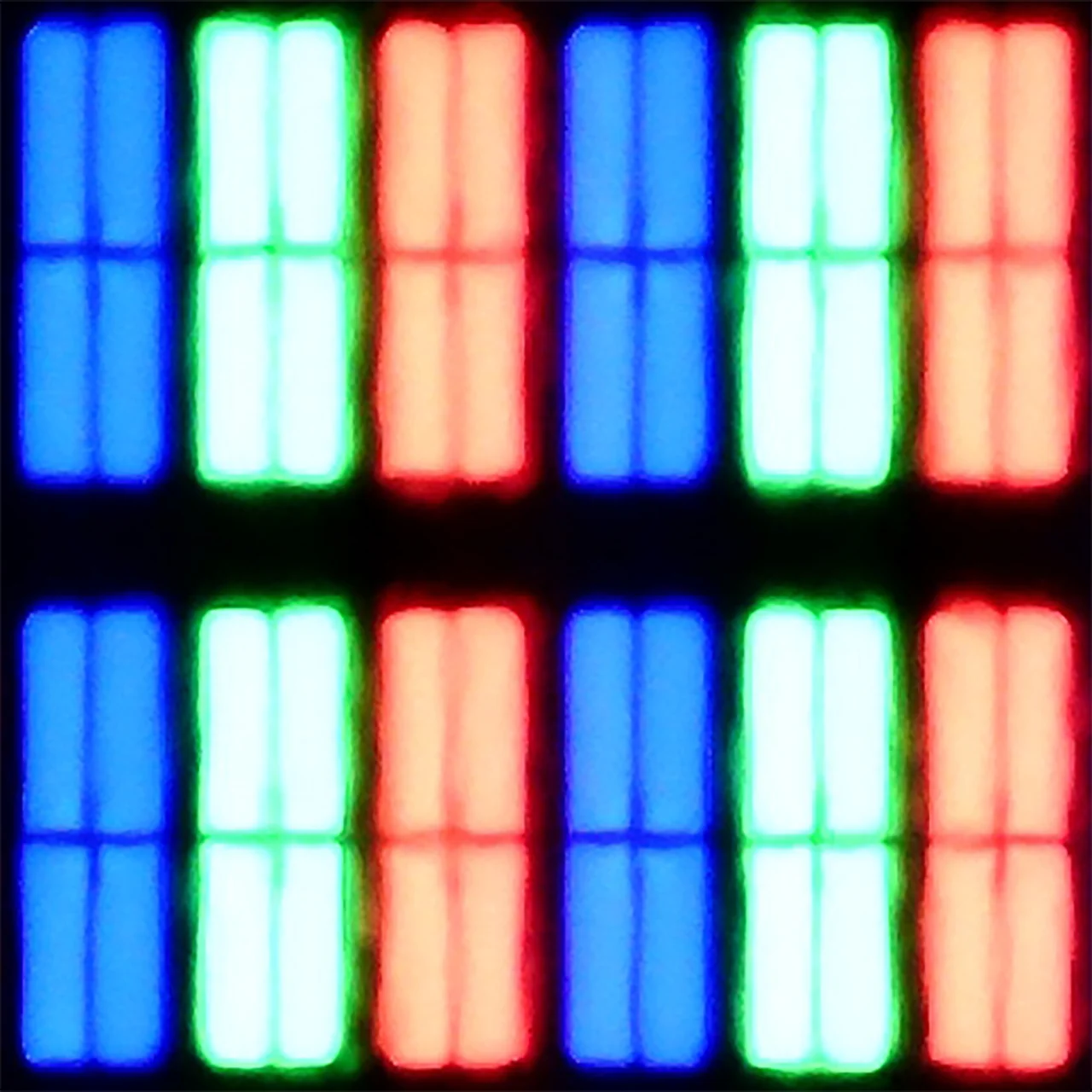
For office work the TCL P7L is unlikely to be the first choice. The TV correctly handles 4:4:4 chroma, so the text itself remains fairly sharp, but the BGR subpixel layout causes some issues with its appearance. On the vertical edges of letters you can notice minor artefacts and characteristic "dots" that can be distracting when sitting close to the screen. For occasional use of a browser or documents this isn't a big problem, but as a monitor for daily text work the P7L performs rather averagely.
It looks much better for gaming on a PC. Low input lag and support for G-Sync and VRR mean the TV works well with a graphics card, and at lower resolutions you can also take advantage of 120 Hz. In 4K we're still limited to 60 Hz, but if the computer is mainly for gaming, the P7L makes a lot more sense in that role than as a typical work monitor.
Viewing angles
7.1/10
3.2/10
When it comes to viewing angles, LG QNED87 performs really well. Thanks to its IPS panel, it offers wide viewing angles compared to VA panels. This means that the picture remains clear and does not lose quality even at an angle. While it may not achieve the perfect results of OLED TVs, which maintain colours and brightness regardless of the viewing angle, in terms of LCD QNED87 screens, it stands out positively. This makes it a great choice for larger rooms where viewers often watch at an angle.
Viewing angles on the TCL P7L are rather poor, which is typical for a VA panel. It's the VA panel that gives the TV higher contrast and deeper blacks, but the price for that is a noticeable drop in picture quality when you view the screen from the side. Move just a little off-axis and colours start to lose saturation and blacks look greyer. So the P7L works best when you're seated as directly in front of the screen as possible. With a larger sofa and several people watching, the outer seats will be noticeably less comfortable.
Daytime performance
4.8/10
5.2/10
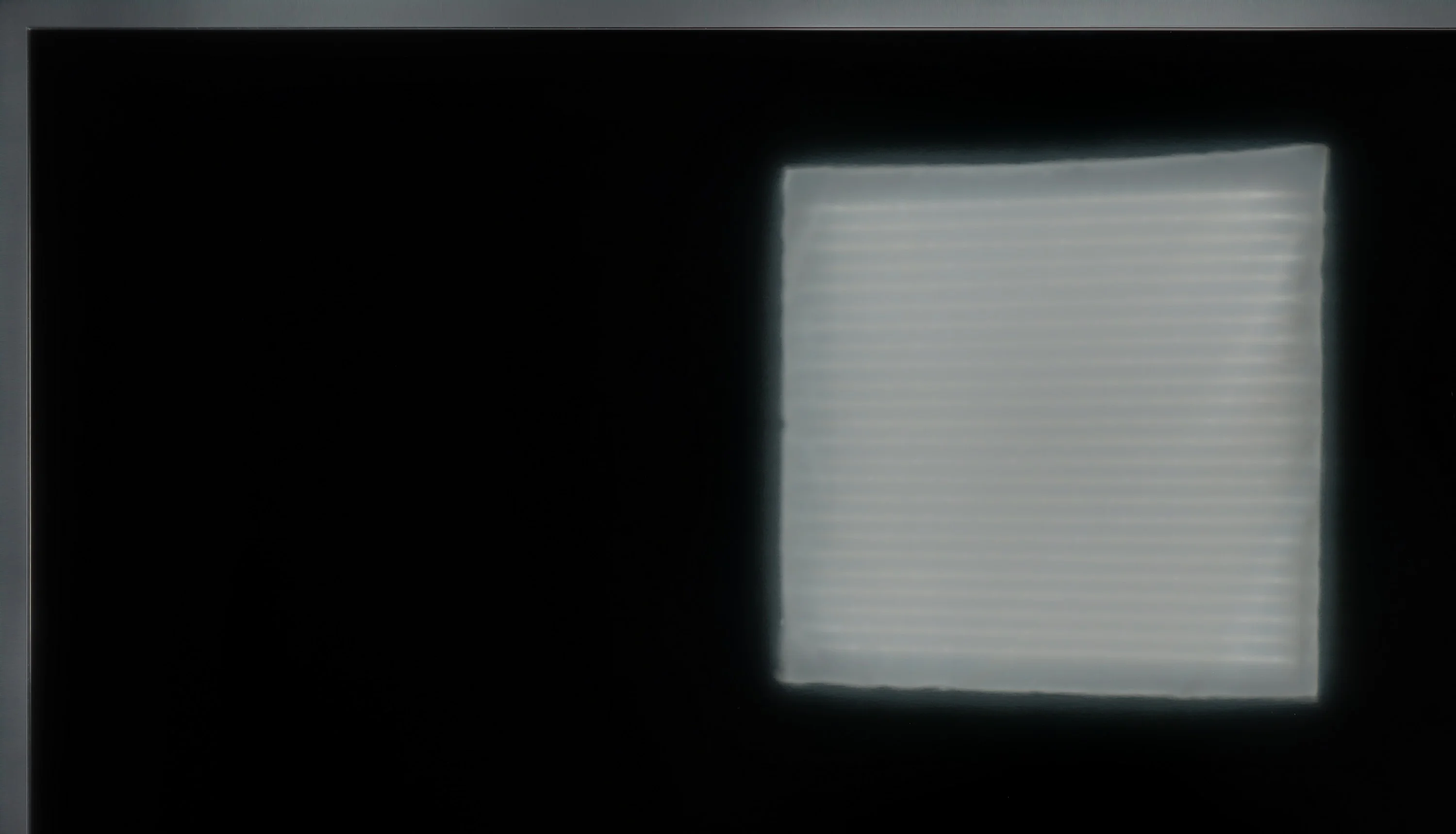
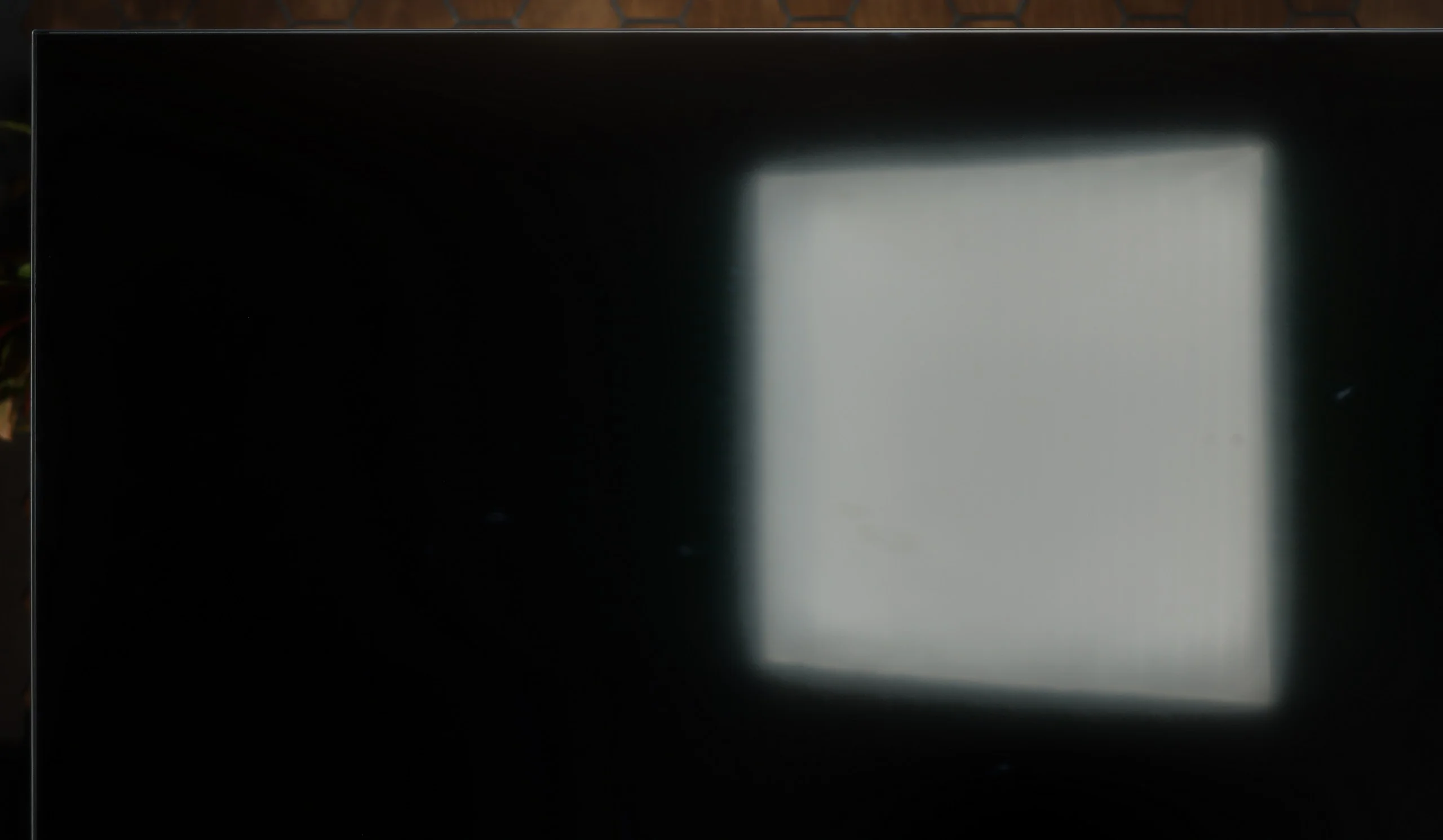
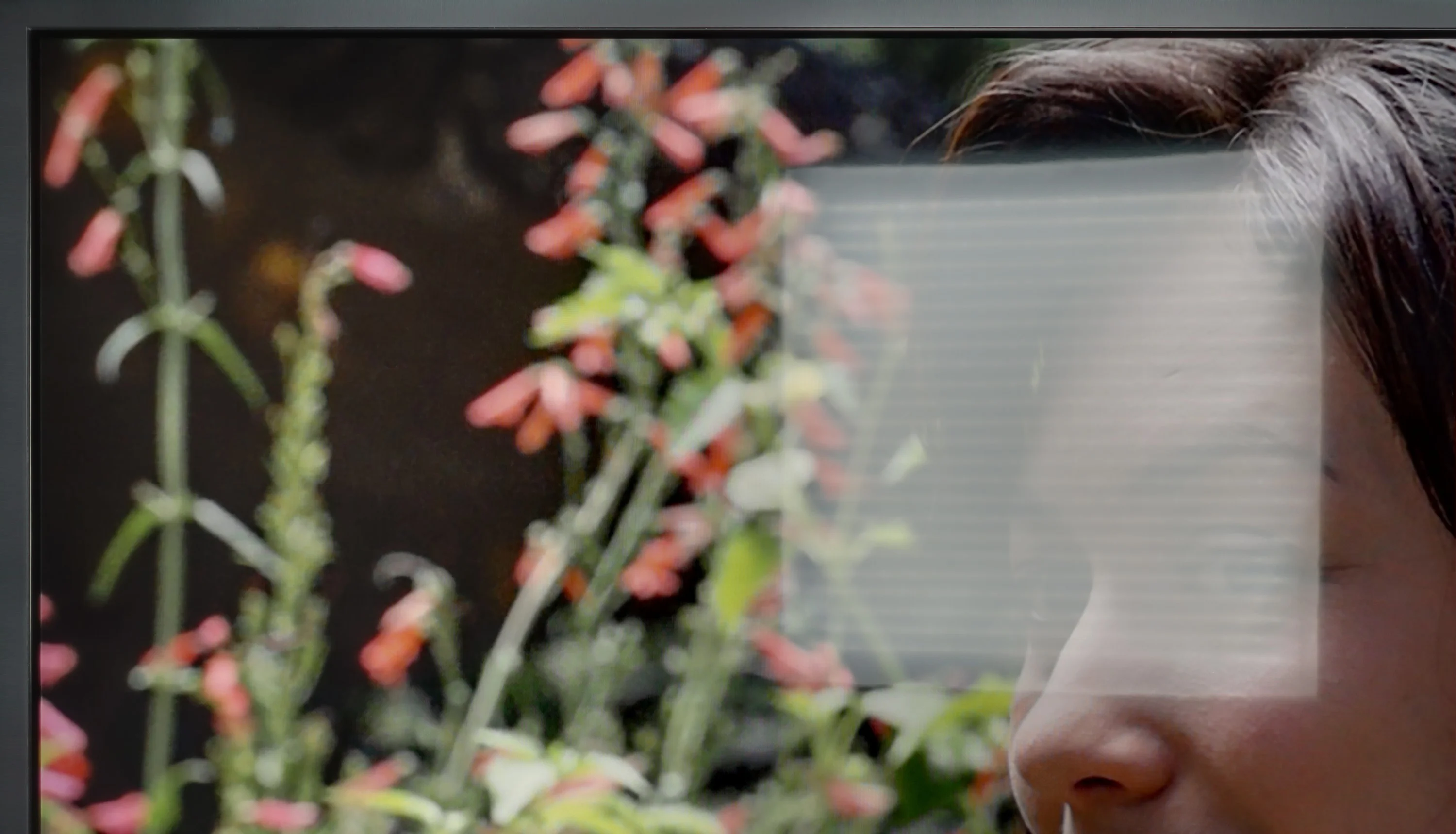
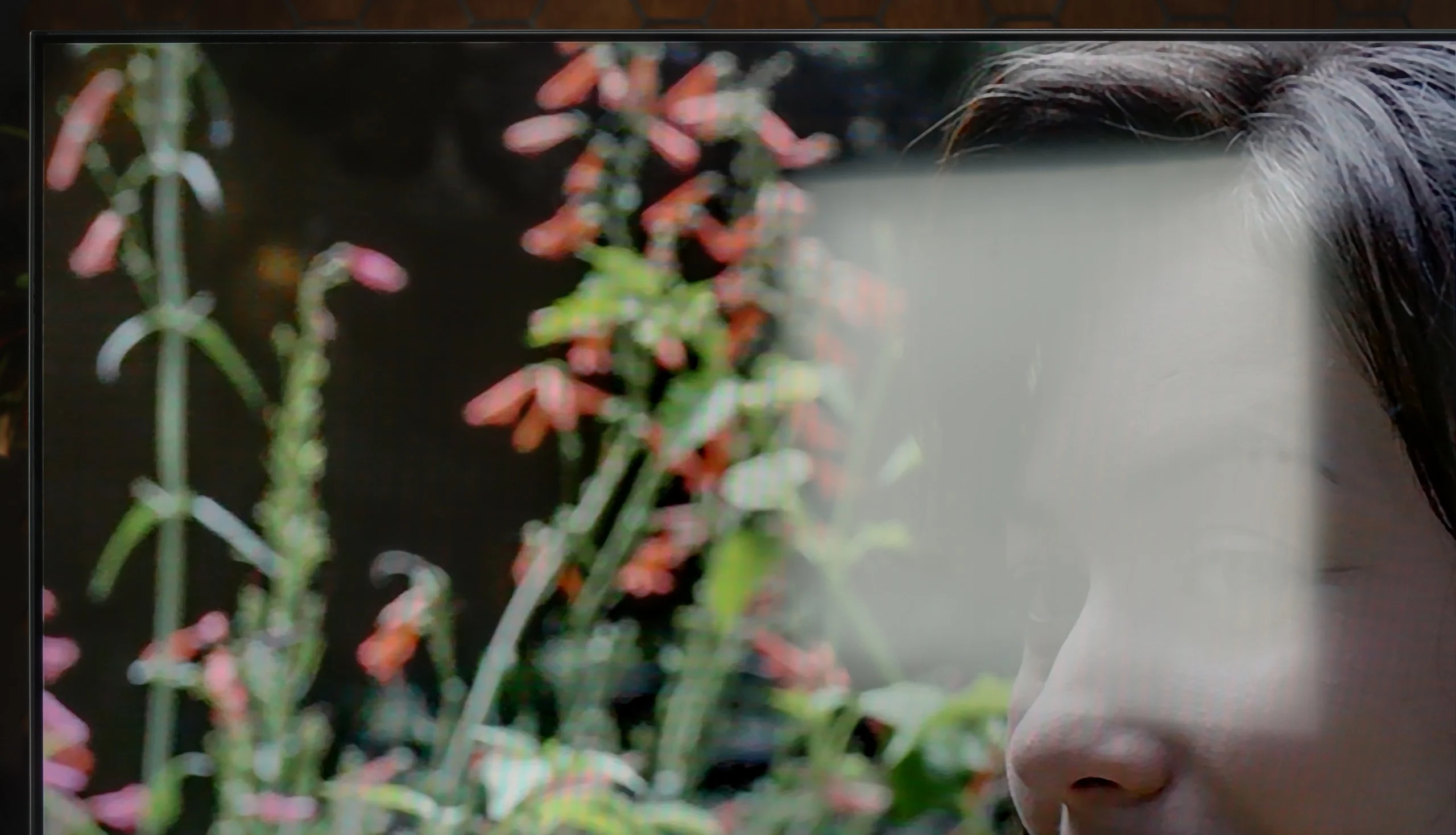
Panel brightness
TCL P7L / P79L: 364 cd/m2
LG QNED87T6B: 428 cd/m2
During the day, the LG QNED television performs adequately. It has a satin finish that doesn’t suppress reflections the best, which can be noticeable in bright rooms. Nevertheless, with quite good brightness at 430 nits, the image remains visible and clear. Although reflections may be somewhat bothersome, the brightness of the television allows for comfortable use during the day.
By day the TCL P7L performs quite respectably, although a lot depends on how the TV is positioned relative to windows. The satin screen coating does a good job of diffusing reflections, so under normal living-room light the picture stays readable and doesn’t immediately turn into a mirror. Black levels also hold up well and don’t lose as much depth in daylight. The limitation is brightness. Around 360 nits is enough for normal viewing in a moderately lit room, but with strong sunlight falling directly on the screen the P7L starts to lose out to its surroundings. It will be fine for a typical living room, but if the TV will sit opposite a large window or you mainly watch in a very bright room, it’s worth keeping that in mind.
Panel details
Subpixel Structure:
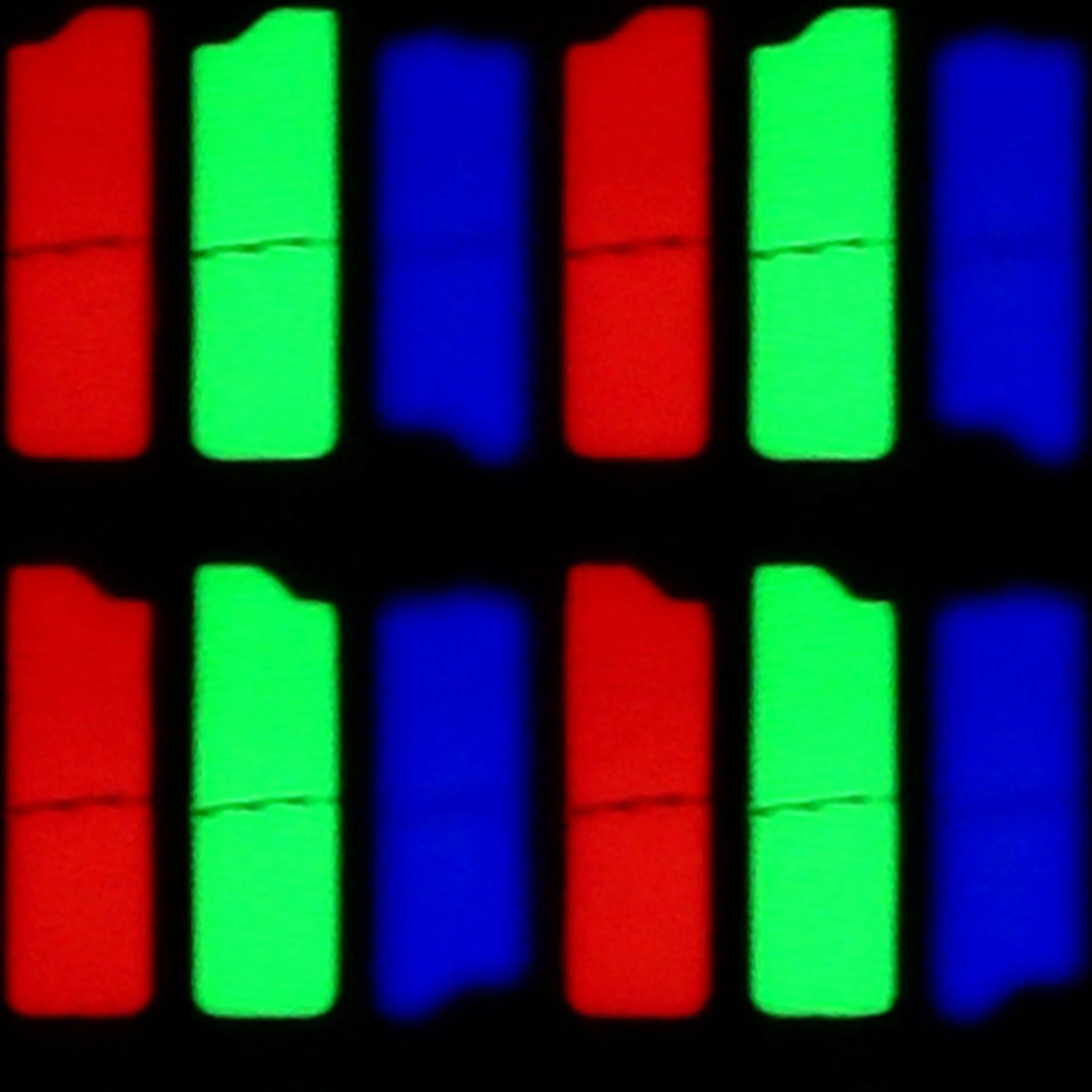
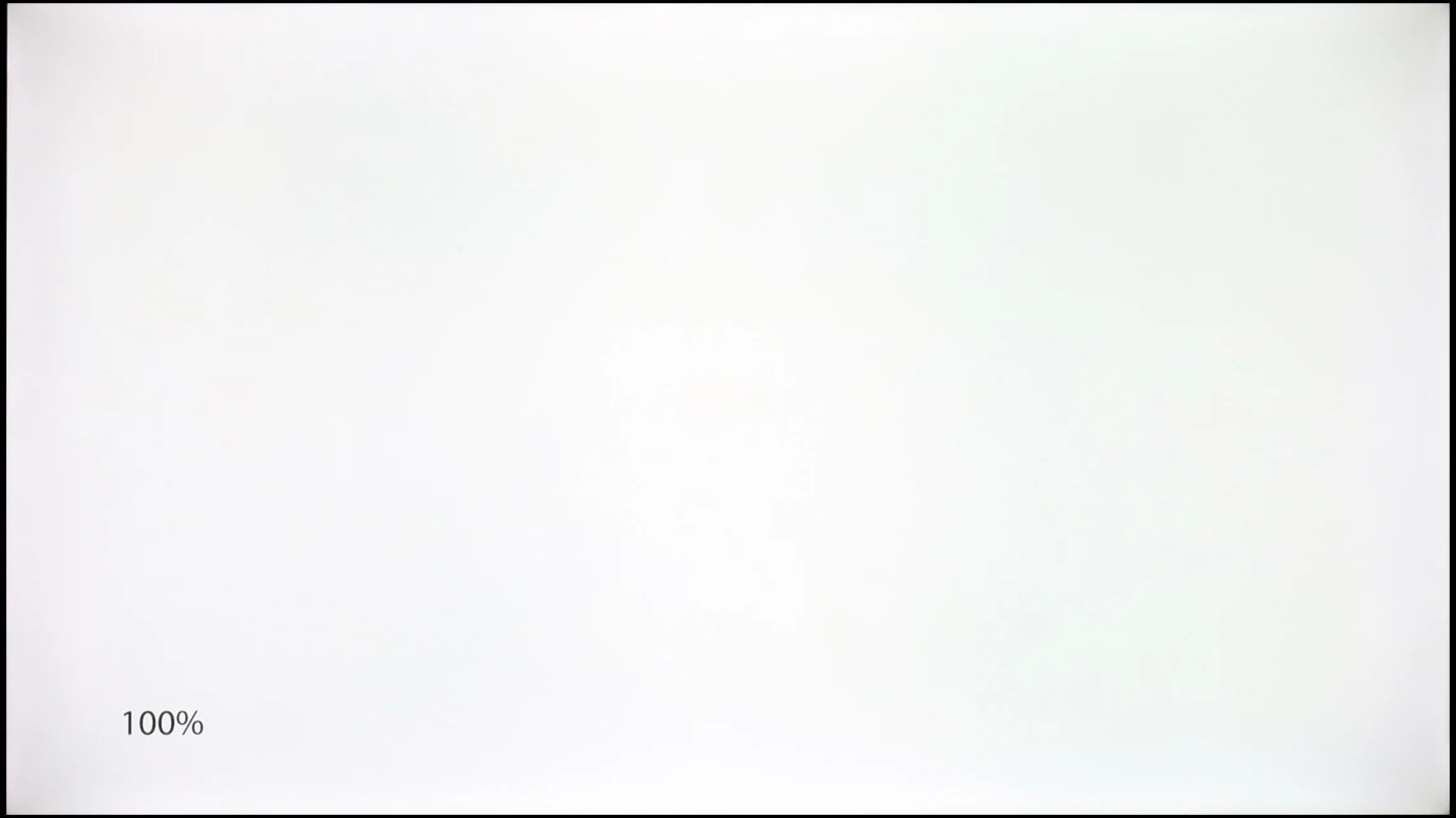
Panel uniformity and thermal imaging:

LG QNED87T6B
TCL P7L / P79L
TV features
8.8/10
7/10
- SystemWebOSGoogle TV
- System performanceGoodDecent
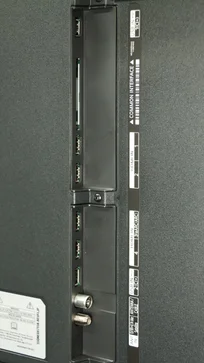
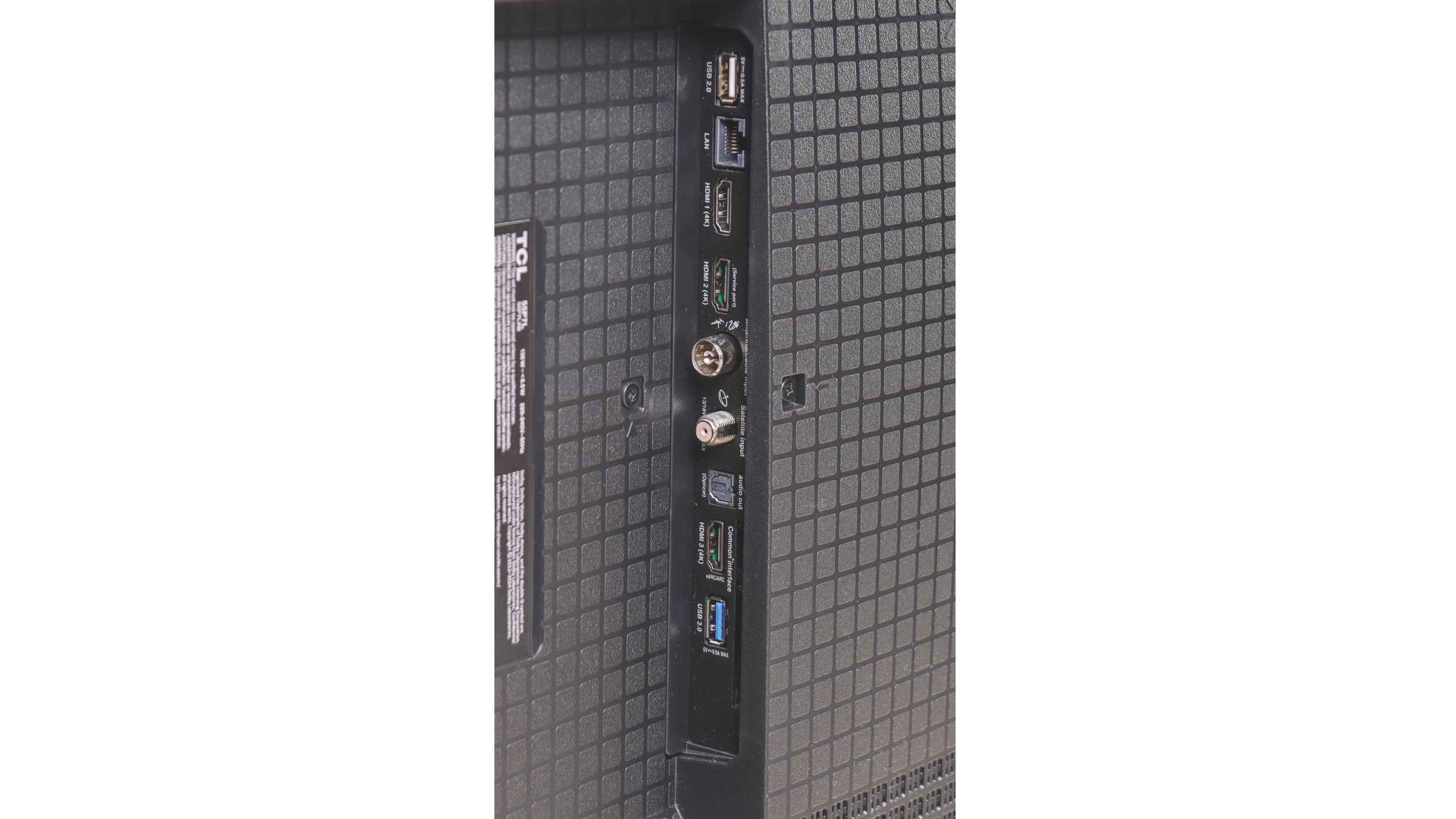
- HDMI inputs0 x HDMI 2.0, 4 x HDMI 2.1 48Gbps3 x HDMI 2.0, 0 x HDMI 2.1
- OutputsToslink (Optical audio), eARC (HDMI), ARC (HDMI)Toslink (Optical audio), eARC (HDMI), ARC (HDMI)
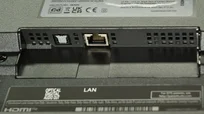
- Network InterfacesWi-Fi 2.4GHz, Wi-Fi 5GHz, Ethernet (LAN) 100MbpsWi-Fi 2.4GHz, Wi-Fi 5GHz, Ethernet (LAN) 100Mbps
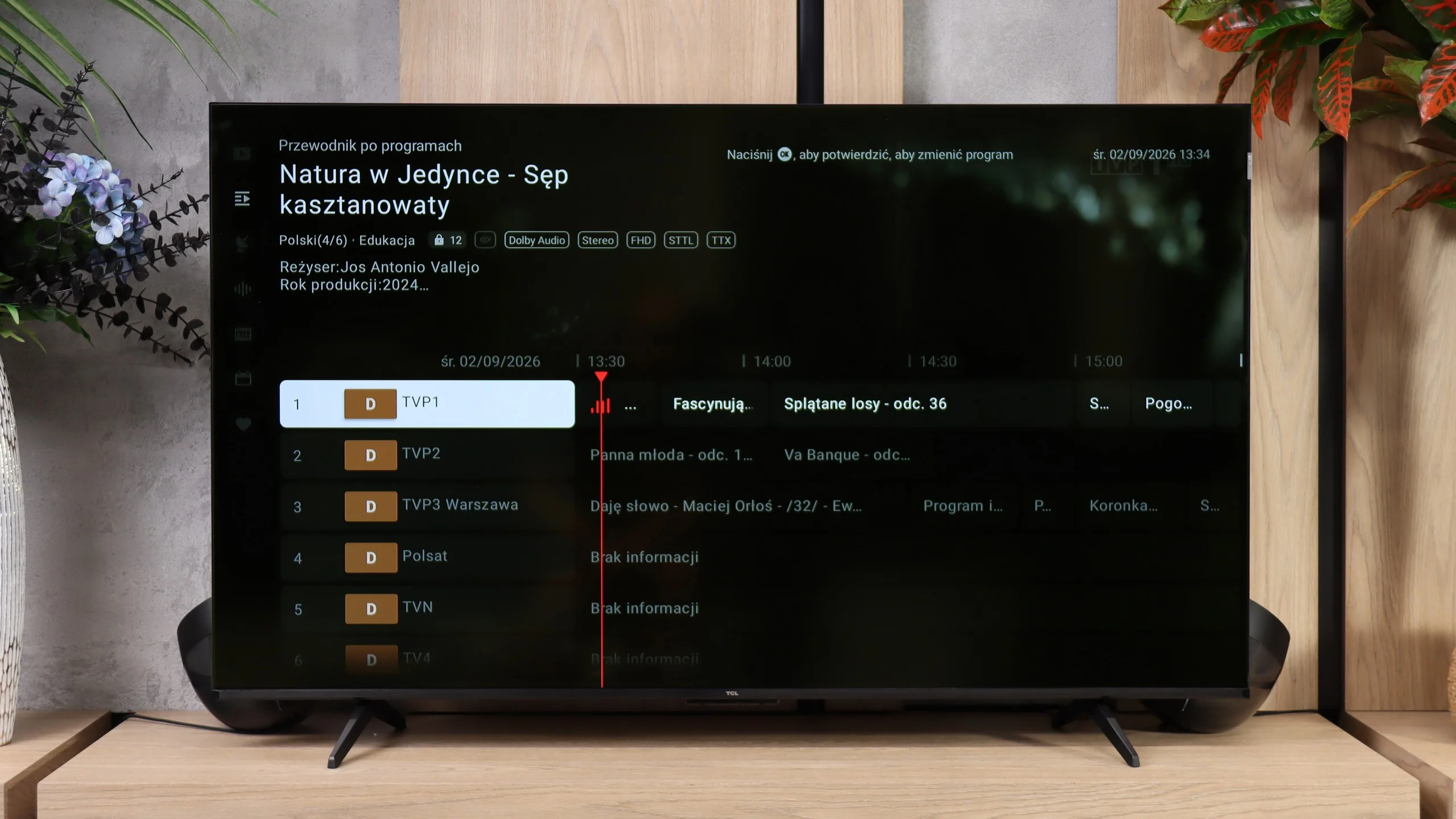
- TV receptionDVB-T, DVB-T2, DVB-S, DVB-S2, DVB-CDVB-T, DVB-T2, DVB-S, DVB-S2, DVB-C
Classic features:
- Recording to USB (terrestrial TV)
- Recording programming
- Picture in Picture (PiP)
- RF remote control (no need to aim)
- Backlit remote control
- Teletext
- Audio only mode
- Bluetooth headphones support
- Simultaneous Bluetooth headphones & TV audio
Smart features:
- AirPlay
- Screen mirroring (Windows Miracast)
- Voice search
- Voice search in native language
- Ability to connect a keyboard and mouse
Sound connection options
- HDMI audioeARC (HDMI), ARC (HDMI)eARC (HDMI), ARC (HDMI)
- Other audio outputsToslink (Optical audio)Toslink (Optical audio)
- Wireless audioBluetoothBluetooth
Supported audio formats (external HDMI eARC audio):
- Dolby Digital Plus 7.1
- Dolby True HD 7.1
- Dolby Atmos in Dolby Digital Plus (JOC)
- Dolby Atmos in Dolby True HD
- DTS:X in DTS-HD MA
- DTS-HD Master Audio
Senior accessibility
- Numeric keyboard on TV
- Font size adjustment
- Audio description
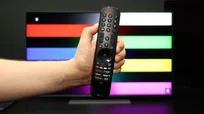
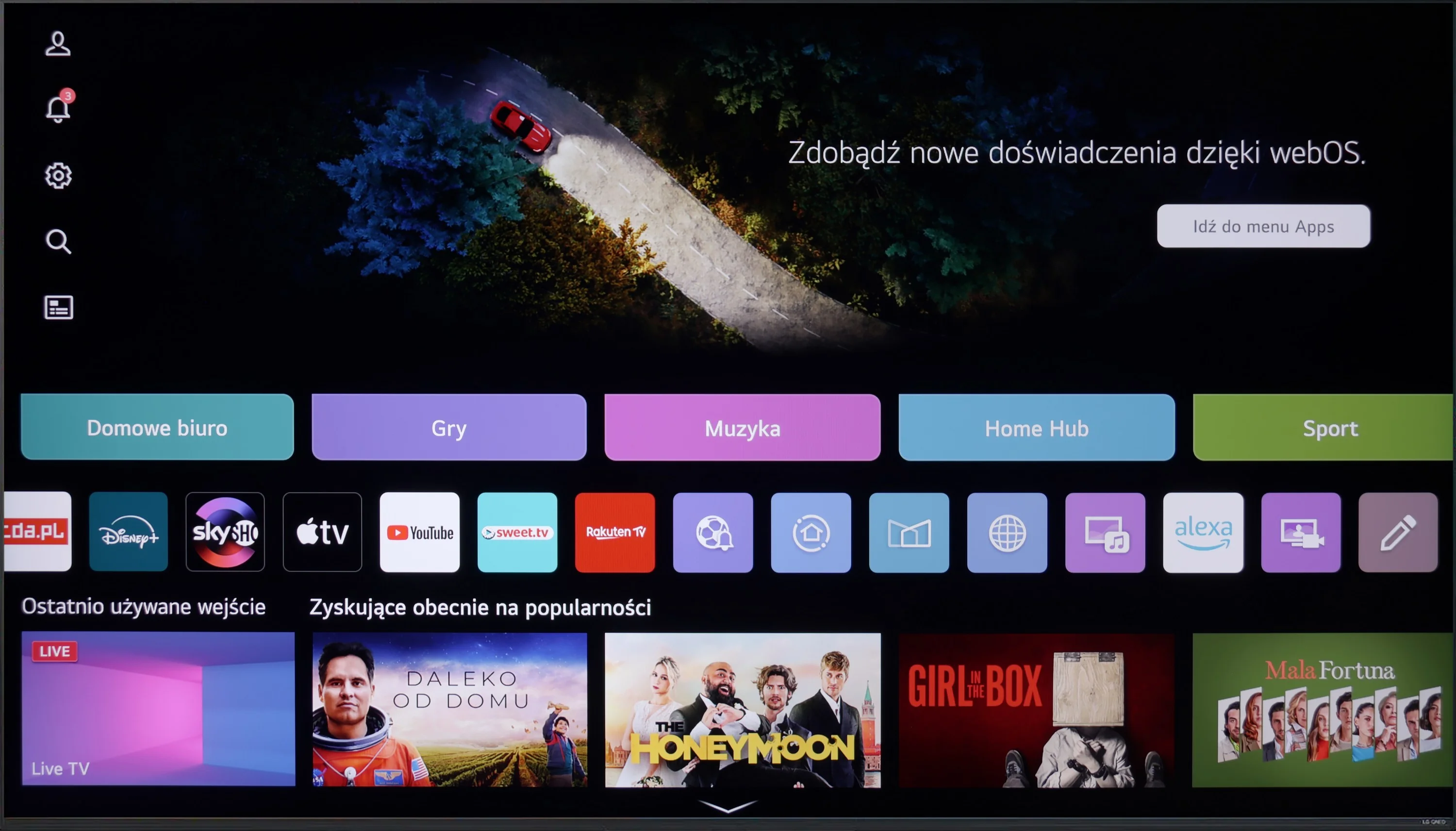
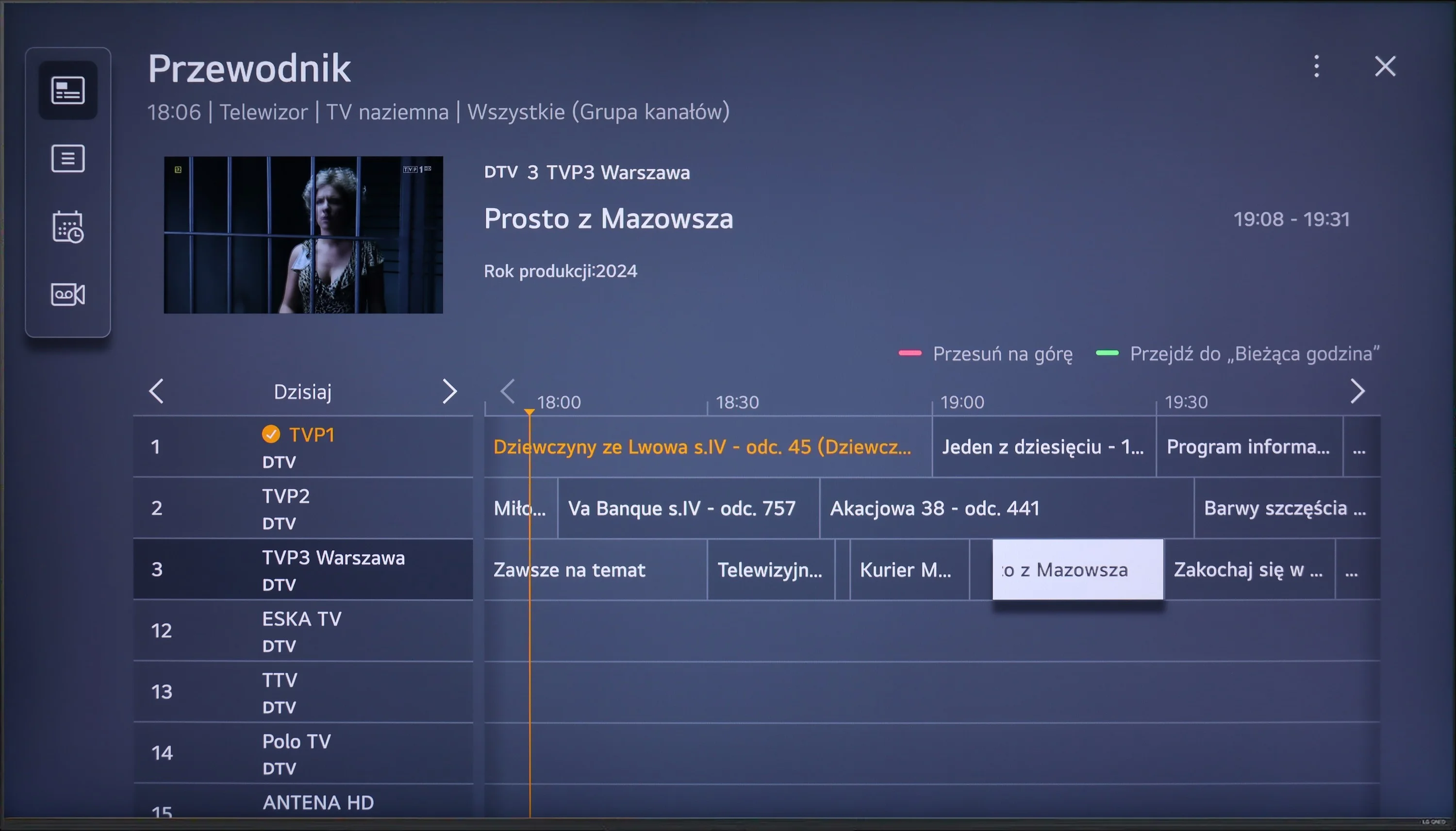
LG QNED87 TV offers a multitude of features that significantly enhance user comfort. Let's start with the WebOS system, which we believe has the most user-friendly interface among all TVs available on the market. One of its greatest advantages is the remote control with a built-in gyroscope, known as the Magic Remote. Thanks to this, navigation is intuitive and quick, making TV usage a pleasure. WebOS also supports a range of smart features that greatly simplify everyday use of the television. Among them is AirPlay, which allows easy content sharing from Apple devices such as iPhone or iPad. Additionally, the TV supports a wide range of streaming applications, such as Netflix, YouTube, Amazon Prime Video, and many others, providing access to favourite movies and series in one place. When it comes to everyday use, LG QNED87 does not disappoint. The TV offers a USB recording feature, which is becoming increasingly rare in modern models. This allows users to record their favourite programs and watch them at any time. Furthermore, the TV has a Picture-in-Picture (PIP) function, although only for one tuner, enabling the viewing of two programs simultaneously. Connecting additional devices via Bluetooth is simple and hassle-free. The TV supports various Bluetooth devices, such as mice, keyboards, and headphones, increasing its versatility and allowing easy personalisation of the user experience. With all these features, the LG QNED87 TV is a versatile and convenient device that meets the expectations of even the most demanding users.
Smart TV
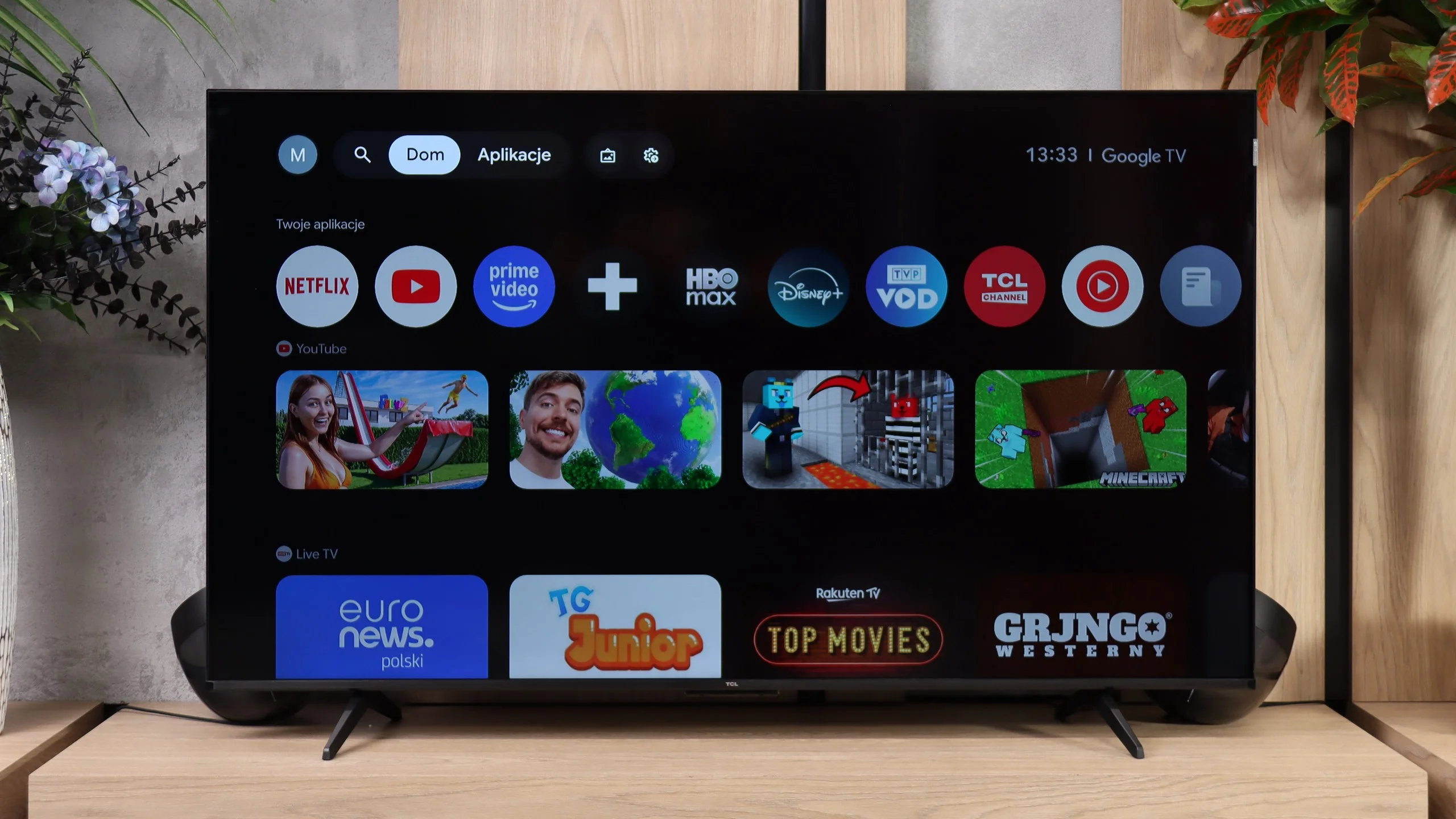
TCL P7L runs on Google TV, and that's definitely one of the model's stronger points. The system gives access to virtually all popular streaming apps, and it also supports AirPlay, screen casting from other devices and voice search, including Polish. The interface itself runs fine. It's not as fast as on pricier TVs, but in everyday use it shouldn't be particularly annoying.
TV features
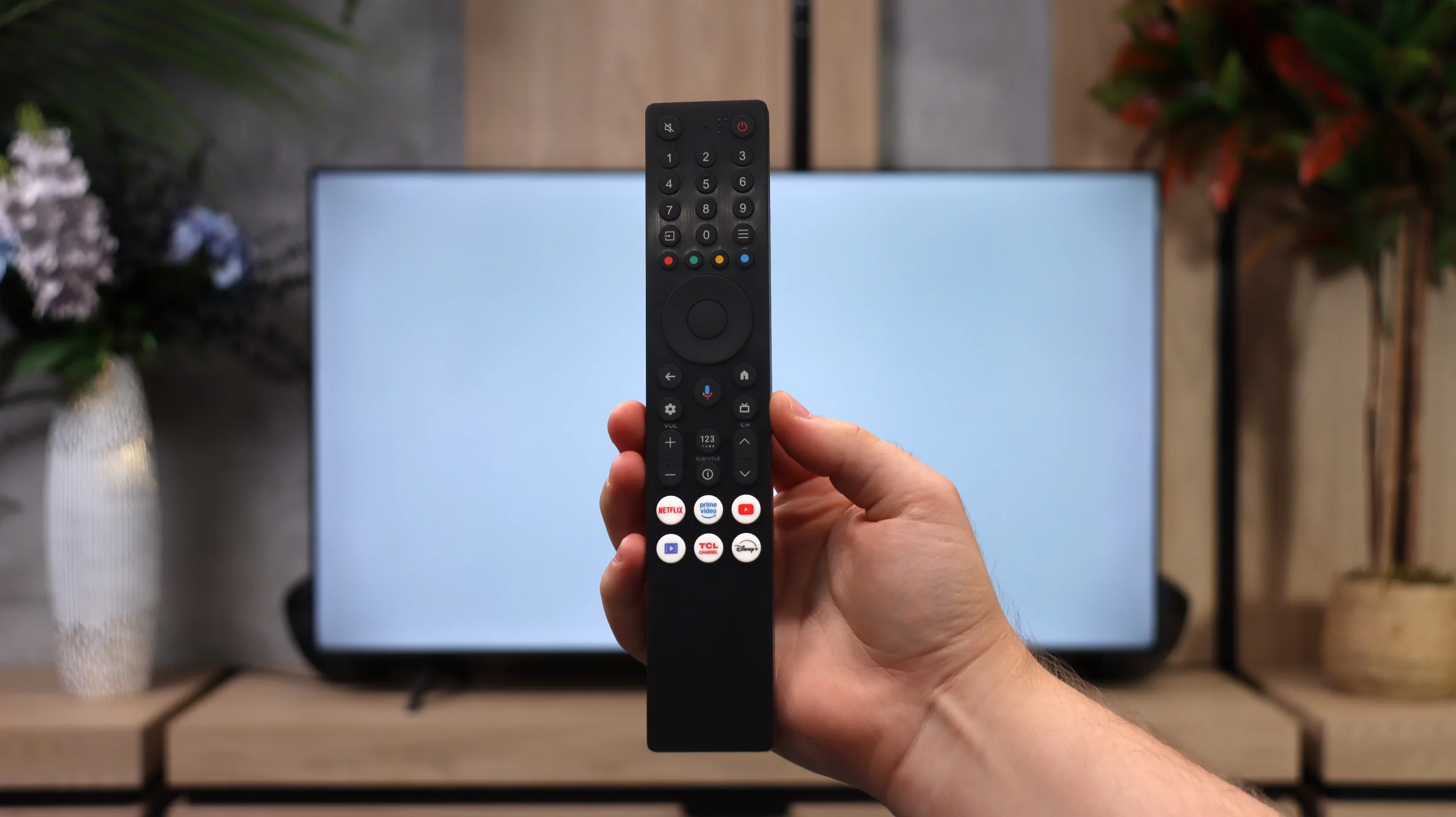
When it comes to more traditional features, the P7L is clearly a more basic TV. There's no USB recording, no scheduled recordings and no picture-in-picture, so people used to those extras on older TVs may miss them. What remains are the basics: teletext, an audio-only mode, support for Bluetooth headphones and the ability to play sound through the TV speakers and headphones at the same time. The remote works over radio, so you don't have to point it directly at the screen, which is simply more convenient in daily use.
Apps
8.3/10
9.6/10






















Playing files from USB
8.2/10
8.7/10
Supported photo formats:
Maximum photo resolution:
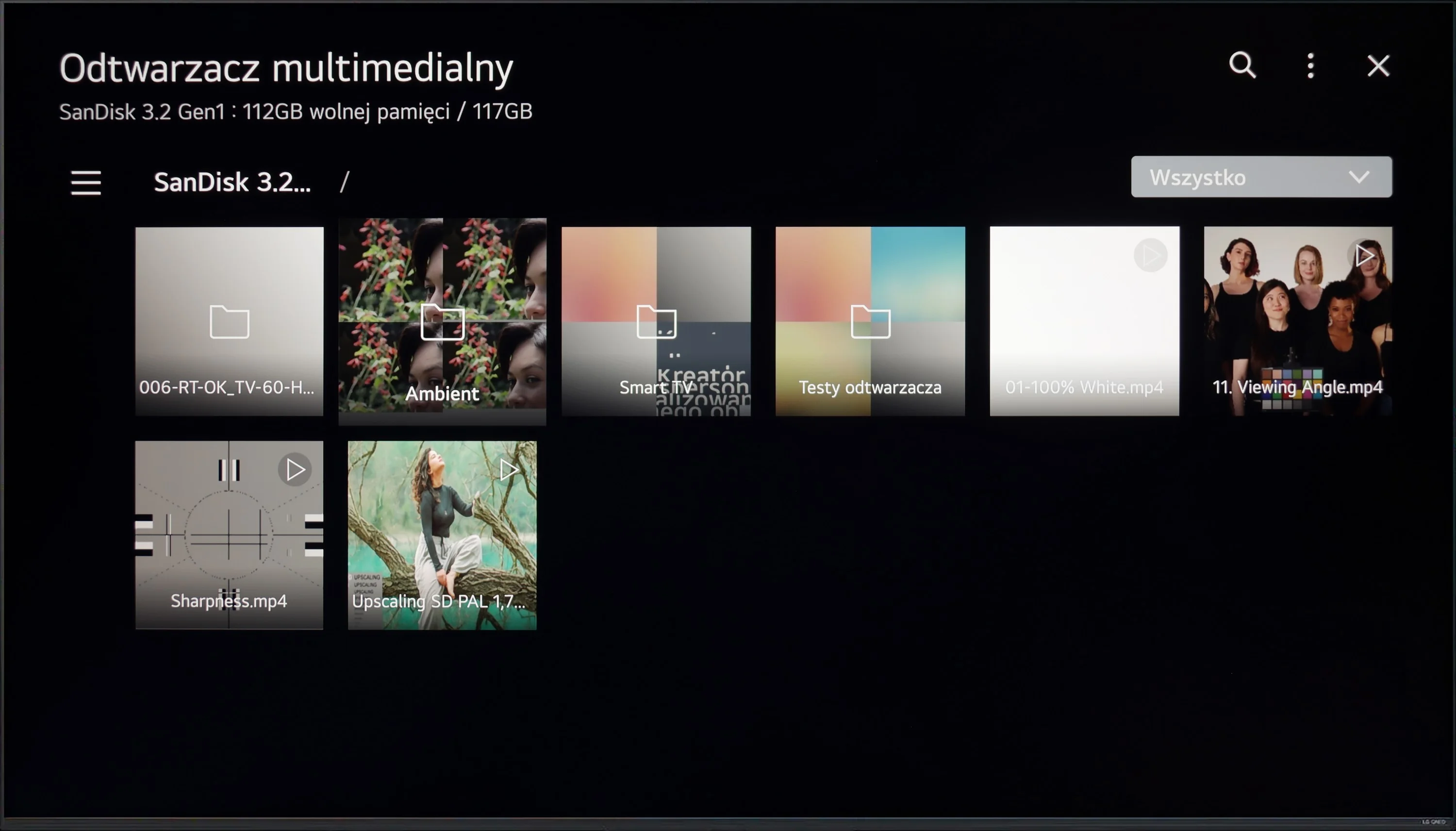
The built-in media player in the LG QNED87 television should not disappoint anyone. It offers rich capabilities when it comes to playing video and audio files. It supports many popular formats, ensuring versatility and user convenience. The only drawback might be the limited number of supported photo formats. However, this mainly concerns those less popular formats, so most users should be satisfied with the player's functionality. For everyday use and typical multimedia formats, the player performs very well.
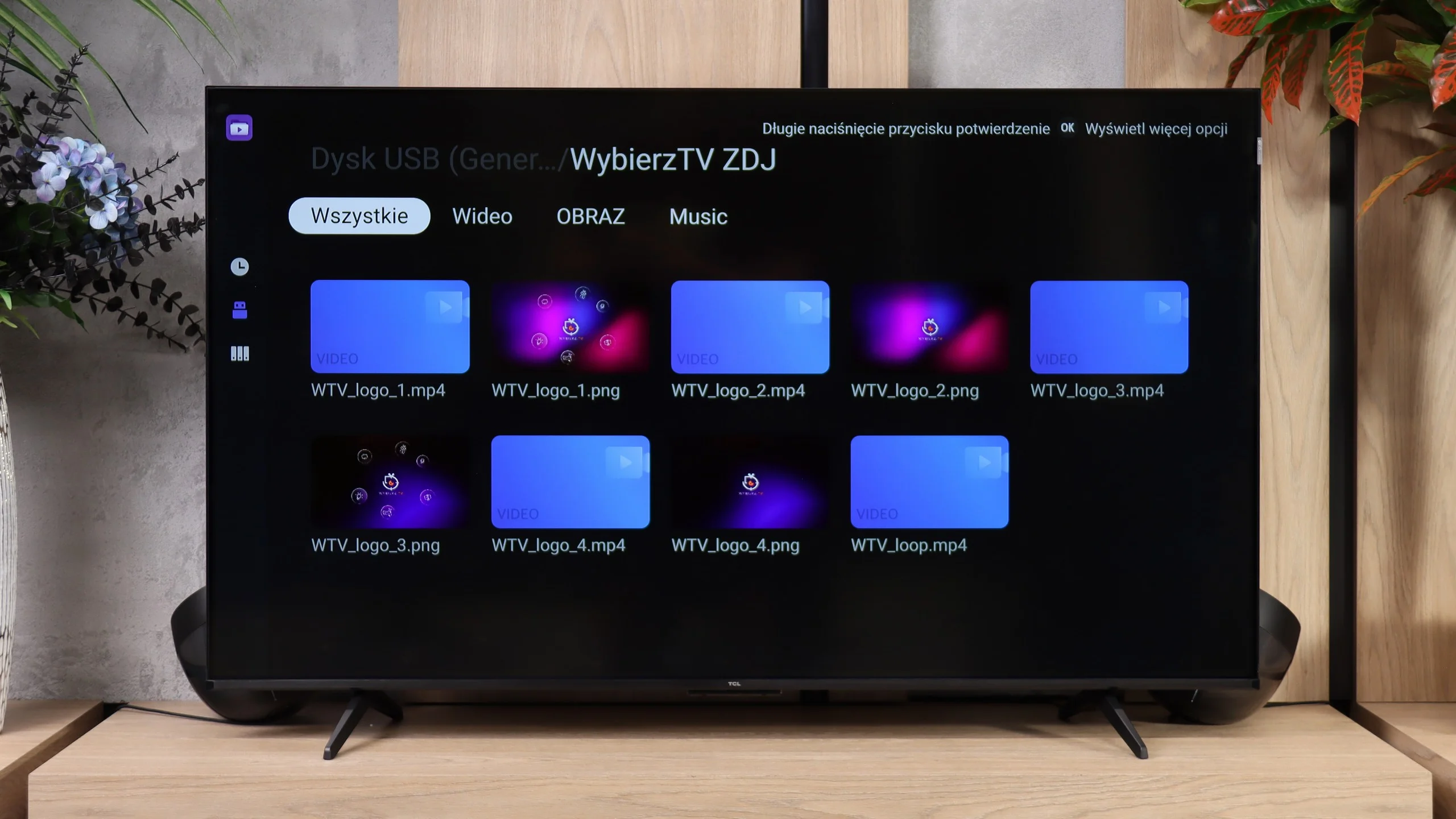
The built-in file player in the TCL P7L performs quite well. The TV handles most common video and subtitle formats and also plays 4K material encoded with newer codecs without any trouble. For occasional viewing of movies from a USB stick or an external drive it is more than enough, and there is little to complain about in that respect. What proved most annoying, however, was photo playback. The P7L did not always open higher-resolution files correctly and was rather selective, with some large photos working and others not. So if you plan to frequently browse photos from your camera or phone on the TV, it’s worth keeping that in mind.
Sound
6/10
6.2/10
- Maximum volume-89dB
- Dolby Digital Plus 7.1
- Dolby True HD 7.1
- Dolby Atmos in Dolby Digital Plus (JOC)
- Dolby Atmos in Dolby True HD
- DTS:X in DTS-HD MA
- DTS-HD Master Audio
When it comes to sound, it can be said that it's moderately pleasant. There's a lack of pronounced bass, and the mid tones seem a bit unclear. This isn't an ideal situation for audiophiles, but it's worth noting that the television plays DTS files without any issues. This is a feature that's missing in many other televisions, so the LG QNED87 deserves praise for this support.
The sound on the TCL P7L is fairly conventional for a budget TV. The speakers can get quite loud and dialogue is clear, but they lack depth and, above all, bass. For regular TV, YouTube or news, that setup is perfectly adequate, but in films and music you quickly notice the sound is fairly flat and thin. On the plus side, it supports a wide range of formats, including Dolby Atmos and DTS. However, the TV itself can’t create a full spatial effect from those formats, so if you want stronger sound, especially in the low end, a soundbar will be a much better choice.
Sound Quality Test
No sound test video
Acoustic Measurements
No acoustic data
89dBC (Max)
75dBC
Reader comments
Comments are provided by the external service Disqus (Zeta Global). Once loaded, Disqus may set cookies and process data about your activity.
We will remember your choice on this device. Provider's privacy policy