 Direct comparison
LG QNED87T is a television that definitely stands out. It's a bit unconventional – it doesn't try to forcefully compete with top OLED models, but it makes up for it with modern features and user-friendly operation. It's equipment that works great for those who value comfort and versatility. The 120 Hz panel, VRR, and ALLM make the television perform well with dynamic content. Games run smoothly, the picture is sharp, and the responses are quick. If we spend time on a console, we will appreciate the lack of lag or blurring. When watching sports, quick actions are clear, without stutters. On a daily basis, LG QNED87T is simply comfortable. WebOS operates intuitively, apps launch quickly, and the Magic Remote control significantly eases operation. Voice control saves time, especially when searching for movies or series. Features like USB recording or Bluetooth provide more options, enhancing its versatility. The IPS panel is a big advantage regarding viewing angles. No matter where we sit in the room, the picture looks good. It's a great solution in larger spaces where not everyone has a direct view of the screen. Older films or standard television from built-in tuners also present quite well – the improvement in the quality of lower resolution materials works surprisingly well. However, there are certain things that can be eye-catching. The contrast is simply terrible. In dark scenes, there are no details at all. In the evening, in a darkened room, this is very noticeable. During the day, these imperfections are less felt, so LG QNED87T performs better in well-lit places. LG QNED87T is a television that has its strengths. It handles dynamic materials well, is easy to use, and is excellent for bright rooms. It's not the ideal model for evening viewings in darkness, but in everyday use, it definitely stands out. It's a universal device worth considering when choosing a new television.
- Matching (Score) |
- Our verdict |
- TV appearance |
- Where to buy |
- Contrast and black detail |
- HDR effect quality |
- Factory color reproduction |
- Color reproduction after calibration |
- Smoothness of tonal transitions |
- Image scaling and smoothness of tonal transitions |
- Blur and motion smoothness |
- Console compatibility and gaming features |
- Input lag |
- Compatibility with PC |
- Viewing angles |
- Daytime performance |
- Panel details |
- TV features |
- Apps |
- Playing files from USB |
- Sound
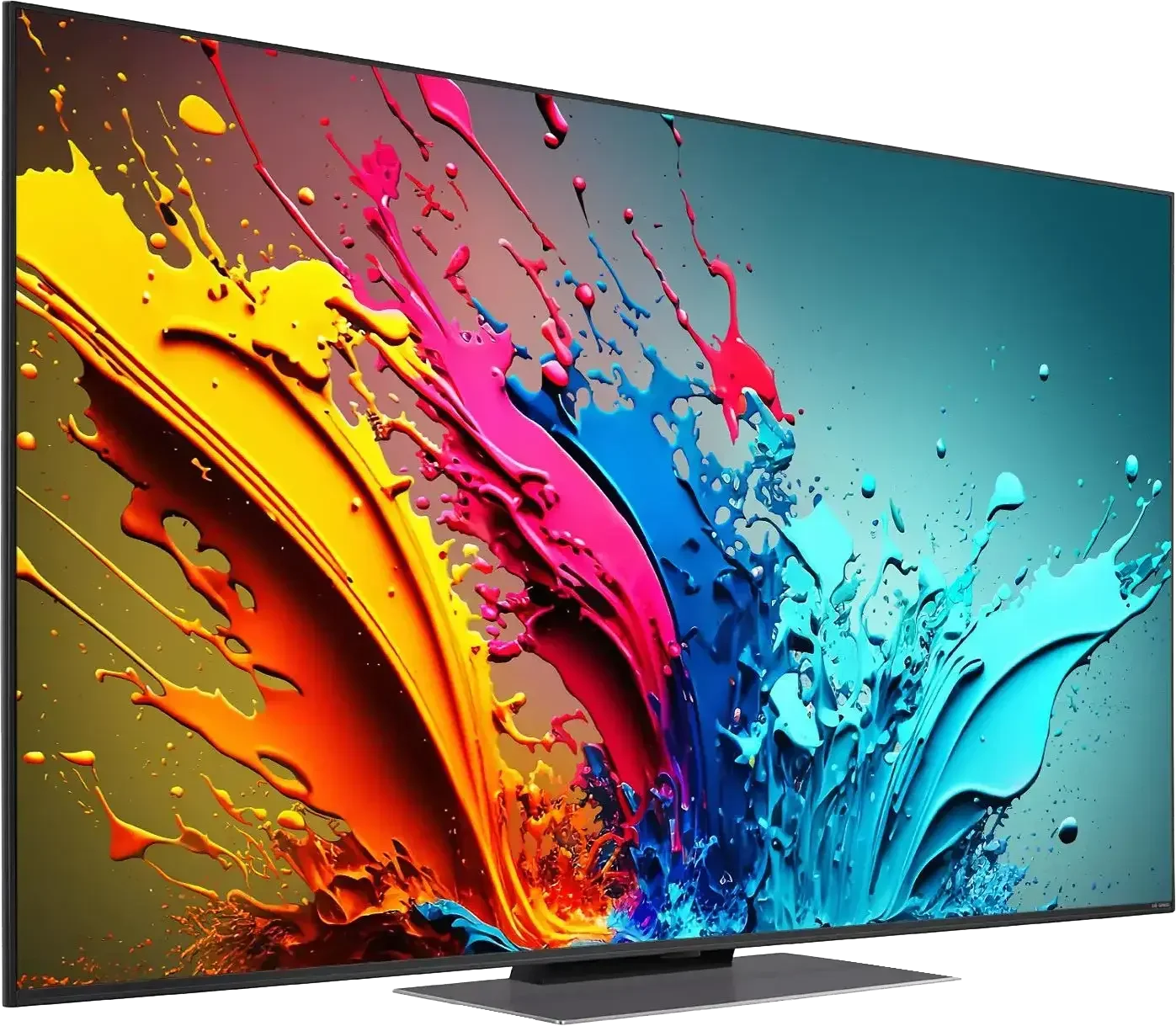
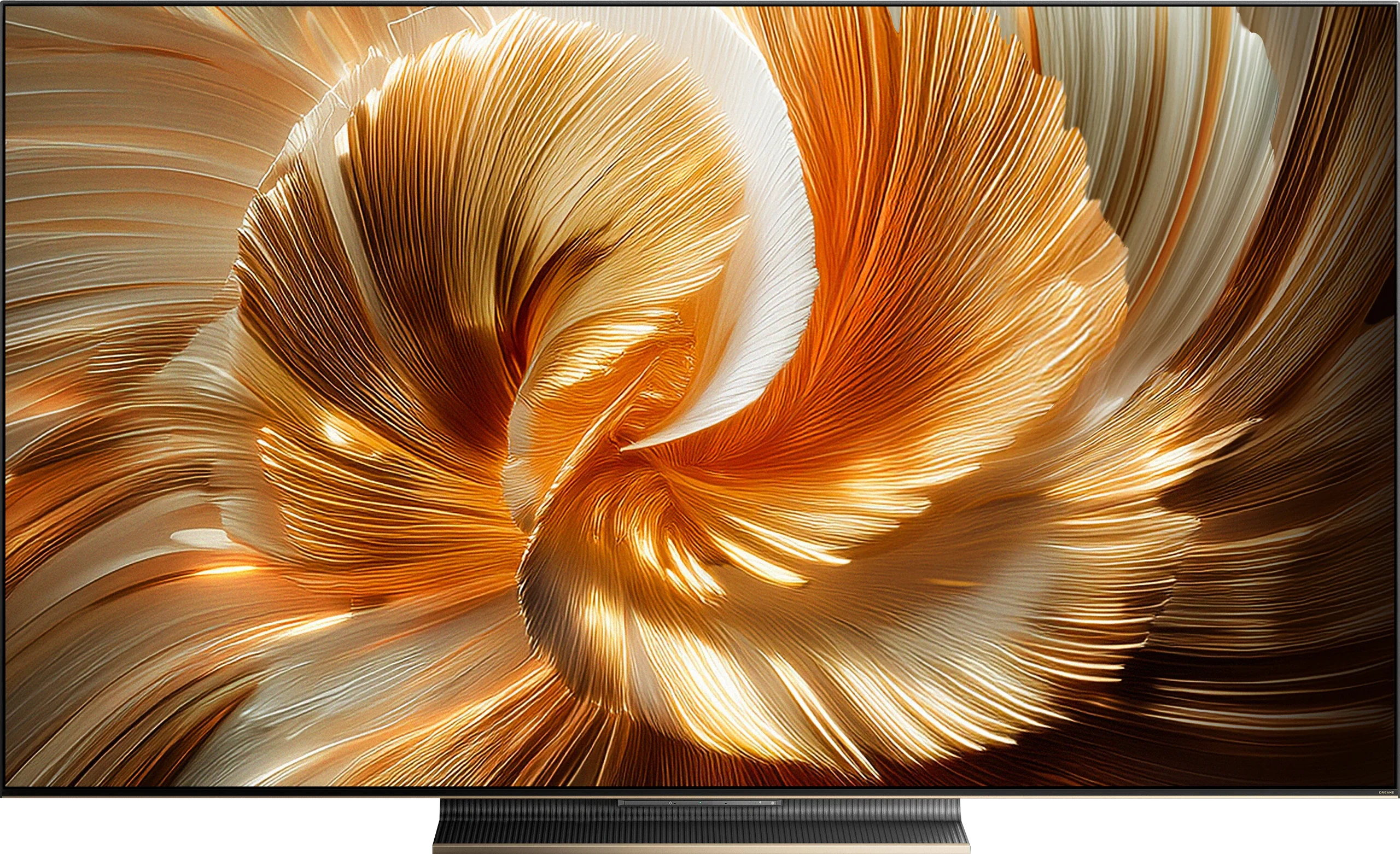
Panel type: LCD IPS
Resolution: 3840x2160
System: WebOS
Model year: 2024
Complete the survey to find out the result
Panel type: LCD IPS
Resolution: 3840x2160
System: Google TV
Model year: 2026
Complete the survey to find out the result
Overall rating
6.8
6.8
 Movies and series in UHD quality
6.1
5.9
 Classic TV, YouTube
6.1
6.2
 Sports broadcasts (TV and apps)
7.2
6.8
 Gaming on console
8.2
7.5
 TV as a computer monitor
7.6
7.6
 Watching in bright light
4.8
6.0
 Utility functions
8.8
5.9
 Apps
8.3
9.6
 Sound quality
6.0
8.3
Complete the survey to find out what fits your preferences
Advantages

Fantastic for gamers and sport - 120hz, HDMI 2.1
Wide viewing angles
Good choice for regular TV - excellent digital processing and extensive user features
One of the better choices as a PC monitor
Remote with cursor - Magic
Great viewing angles (thanks to the ADS panel)
Pretty good blacks thanks to Mini-LED backlighting
Good colours thanks to the PFS filter (advertised as QLED)
High motion fluidity (144 Hz panel)
Low input lag (in game mode)
A lot of gaming features, including two HDMI 2.1 ports (VRR, ALLM, and Game Bar)
Google TV system with a rich library of apps
Good sound thanks to the built-in “soundbar”
Disadvantages

Tragic contrast
Missing Dolby Vision, HDR 10+
Underdeveloped local dimming algorithms (can cause annoying brightness drops)
Outdated image processor and poor digital processing of the Google TV system
Software bugs, occasional stuttering
Useless Filmmaker mode (completely blocks any changes to picture settings)
Poor HDR format implementation in games (no HGiG support and high input lag in Dolby Vision mode)
Our verdict
Dreame S100 is a successful, though still somewhat rough debut in the Mini-LED segment. Hardware-wise, the TV stands up for itself: Mini-LED technology with local dimming provides a deep and appealing black for the average viewer, and the IPS/ADS panel offers brilliant viewing angles. This is an interesting combination, as it is extremely rare in the LCD TV segment, which will certainly please those with wide living rooms or large corner sofas. If we add to this a full gaming package (HDMI 2.1, 144 Hz), the Google TV system with an almost endless number of apps, and very strong 4.1.2 audio with 70 W power, which performs well above the market average, we have an incredibly versatile screen.
Where's the catch? In the software. Unfortunately, the Dreame S100 suffers from typical “growing pains” – the outdated processor struggles with advanced digital processing, and the local dimming algorithms can be frustrating in more demanding scenes. Additionally, the Google TV system itself can occasionally experience slight stutters. So if you're looking for a well-equipped Mini-LED for a wide living room and are willing to overlook its minor system hiccups that the manufacturer can hopefully fix with future updates – this is a very interesting option. The hardware potential is huge, although the software still needs some final polishing.
TV appearance
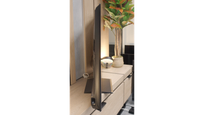
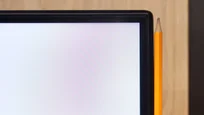
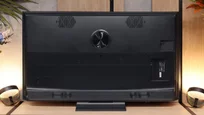

Contrast and black detail
3.3/10
5.9/10
Local dimming function: Yes, number of zones: 6 (6 x 1)
Local dimming function: Yes, number of zones: 160 (10 x 16)
Contrast:


Result
2,350:1

Result
1,250:1

Result
2,500:1

Result
1,450:1

Result
1,050:1
Result
32,850:1
Result
11,800:1
Result
6,900:1
Result
2,650:1
Result
1,700:1
Halo effect and black detail visibility:
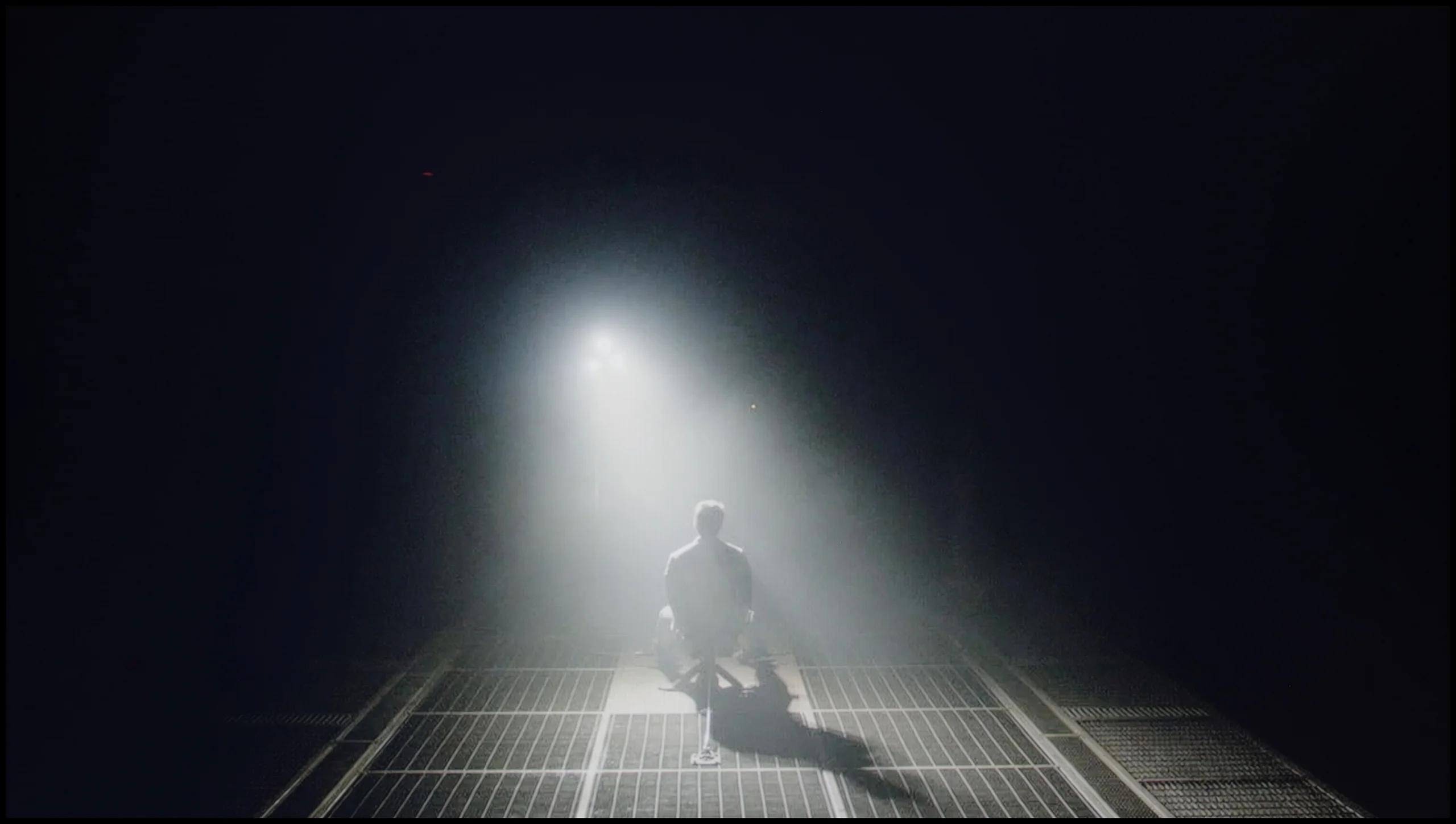
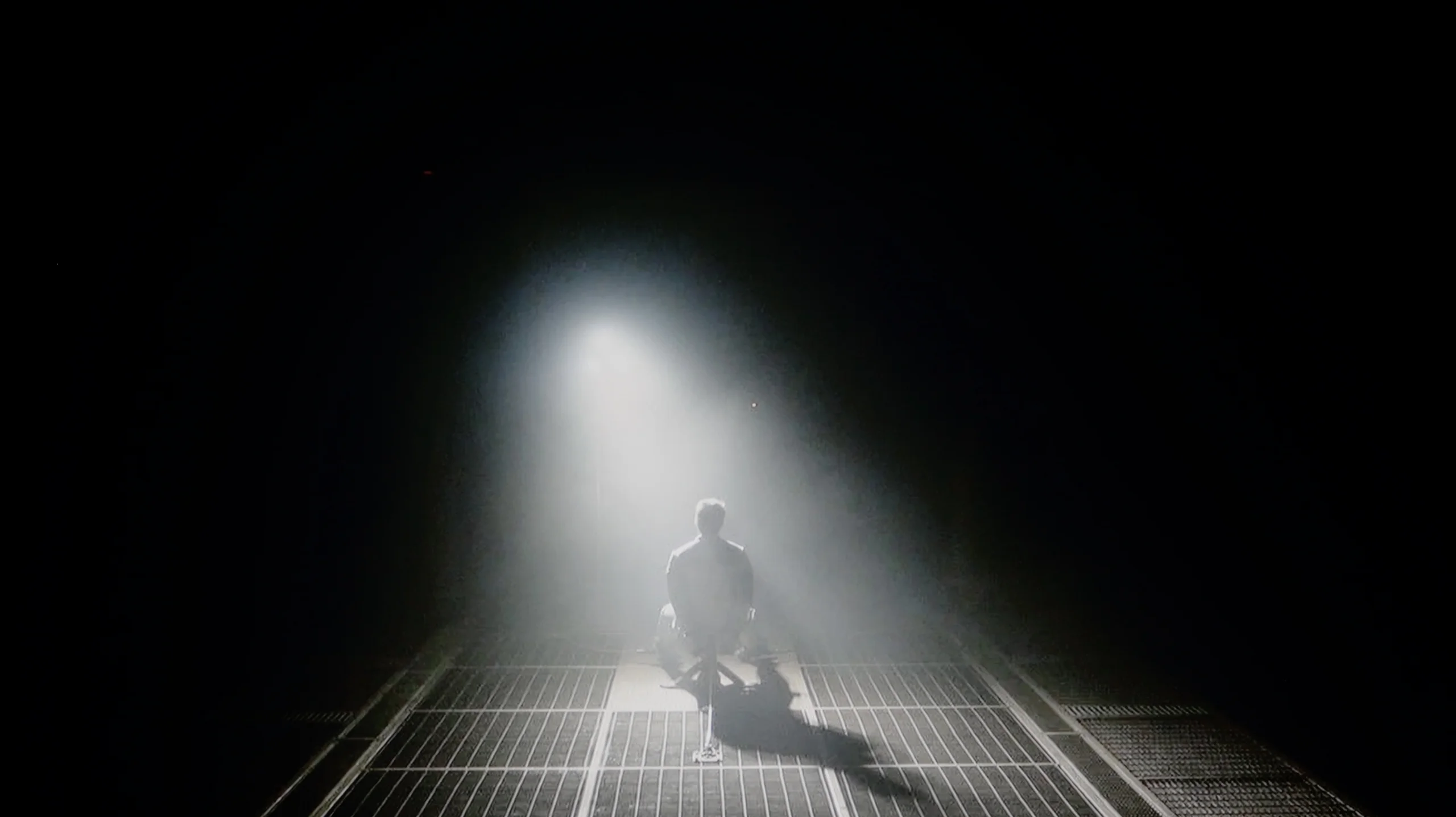
Check the visibility of bright lights on a dark background. Mini-LEDs often struggle with this. The photo does not compare black levels – that’s what the video below is for.
The video accurately shows differences in contrast and black levels between TVs, as well as potential issues: halo around bright objects or Mini-LED zone operation visible as brightness jumps.
In the category of black levels and contrast, the television LG QNED87T6B faces some challenges. Equipped with an IPS panel, it doesn't match the VA panel models in terms of performance in this area. Additionally, edge-lit dimming affects its poor results in this category. It's worth mentioning that the exception is the 50-inch variant, which has a VA panel and is not subject to this test.
Despite the manufacturer offering a dimming control option, the effects remain relatively weak. Test patterns show that the contrast is really poor, and in the test clip from the film "Sicario 2," it's clear to see how the television struggles with the backlighting, illuminating a large portion of the screen from below. This indicates that in more demanding scenes, the television has difficulties maintaining an appropriate level of contrast and black levels, which negatively impacts the overall visual experience.
The Dreame S100 is a Mini-LED television that features an IPS/ADS panel in its 65" version. This type of panel doesn't inherently offer the best contrast on the market, but thanks to a fairly dense Mini-LED backlight, the black levels in this model are actually quite impressive. In less demanding scenes, the contrast can reach values of 30,000:1. This is a result several times higher and practically impossible to achieve for any type of LCD panel without local dimming technology. This means that the black levels and contrast in the S100 will be quite appealing for the less demanding viewer.
Unfortunately, in more challenging scenes where a considerable number of small elements appear against a black background, the local dimming algorithms in the Dreame S100 don't perform perfectly. The TV can either dim excessively, making the blacks really deep but rendering almost nothing visible on the screen, or go the other way – showcasing a vast amount of detail, but resulting in very poor contrast. The blacks in very demanding scenes around bright objects then take on a greyish hue (halo effect). This is a typical limitation of Mini-LED televisions in the lower and mid-range segments, and unfortunately, the Dreame S100 is no exception, doing particularly poorly in this regard. However, it should be noted that overall, the contrast and black levels here are definitely better than those found in LCD televisions without any form of local dimming technology.
HDR effect quality
5.3/10
3.4/10
Luminance measurements in HDR:

Result
409 nit

Result
486 nit

Result
574 nit

Result
464 nit

Result
439 nit
Result
503 nit
Result
71 nit
Result
241 nit
Result
42 nit
Result
589 nit
Scene from the movie “Pan” (about 2800 nits)


Scene from the movie “Billy Lynn” (about 1100 nits)


The photos show two HDR10 movies. 'Pan' is one of the brightest productions ever made, while 'Billy Lynn' (soldier) has brightness typical of streaming (Netflix, Prime, HBO MAX). Notice the intensity of effects and detail in whites.
Static HDR10


The photos present the visibility of white details in various HDR formats. They do not show brightness differences between TVs (these can be compared in the previous gallery).
HDR luminance chart:
Dreame S100
LG QNED87T6B
LG QNED87T6B delivers truly decent visual experiences when it comes to HDR. During our tests on test patterns, the television achieved brightness close to 500 nits, which is a satisfactory result and allows for good visibility of details in high dynamic range scenes. Support for basic HDR formats such as HDR10 and HLG ensures proper image quality. Unfortunately, the television does not support more advanced standards such as Dolby Vision or HDR10+, which are particularly important at this screen brightness. The lack of support for dynamic metadata means that in certain scenes, the television may struggle to fully reproduce details, especially in very bright areas – this is precisely when dynamic metadata could significantly improve image quality. Nevertheless, it is worth noting the excellent coverage of the wide DCI-P3 colour gamut, reaching as much as 96.4%. As a result, the colours displayed by the QNED87T6B model are more vivid and natural, enhancing the quality of 4K content viewed with a wide colour palette.
The Dreame S100 is a relatively bright television. In movie mode, the brightness we measured reached around 600 nits. This is a really good result, although not the highest considering the competition in this price range. In full-screen scenes, it's clear that the television can generate an image that hits the mark in terms of brightness. Unfortunately, when more complex scenes appeared on the screen, the local dimming algorithm in this model tried above all to maintain the deepest blacks. However, this came at the expense of the HDR effect – and in a drastic way. In such scenes, the brightness of the bright elements fell below 100 nits, which is a downright tragic result, far from any HDR effect. This aspect can be improved, but there are caveats. You just need to change the local dimming setting in the television's menu; however, then the blacks in such scenes simply turn grey. It's a pity that Dreame wasn't able to refine the local dimming algorithms better, and the S100 is another example that the number of local dimming zones doesn't always translate into a better picture. As a consolation, it's worth noting that the Dreame S100 is marketed as a 'QLED' type television, although it actually uses a PFS LED filter. As a result, the colours are appropriately saturated, and our measured DCI-P3 colour gamut coverage exceeded 94%.
Factory color reproduction
5.4/10
5/10


This gallery shows how colors change after professional TV calibration. If you notice the difference, we recommend ordering this service at SkalibrujTV.com.
Factory Mode
After calibration
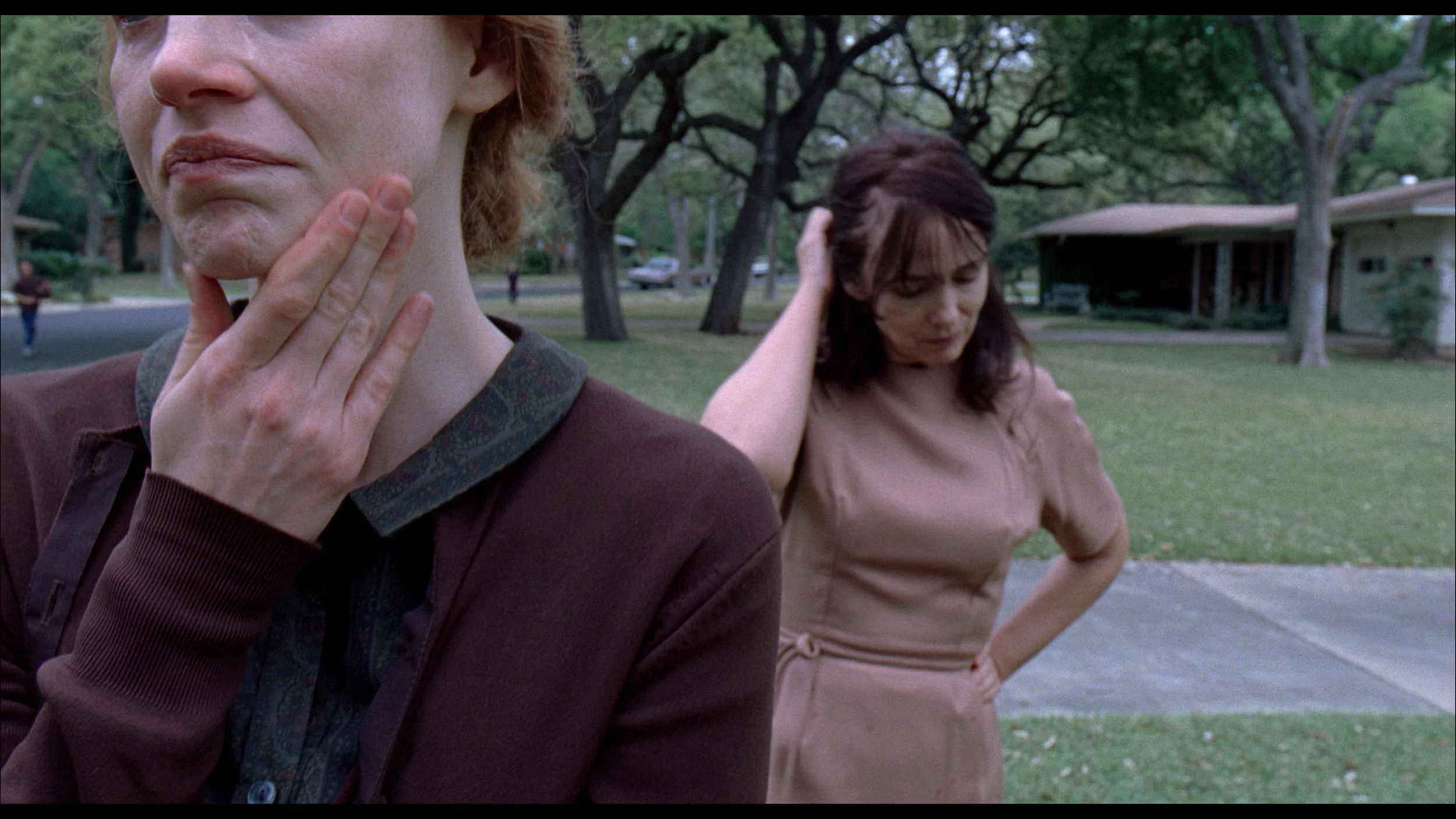
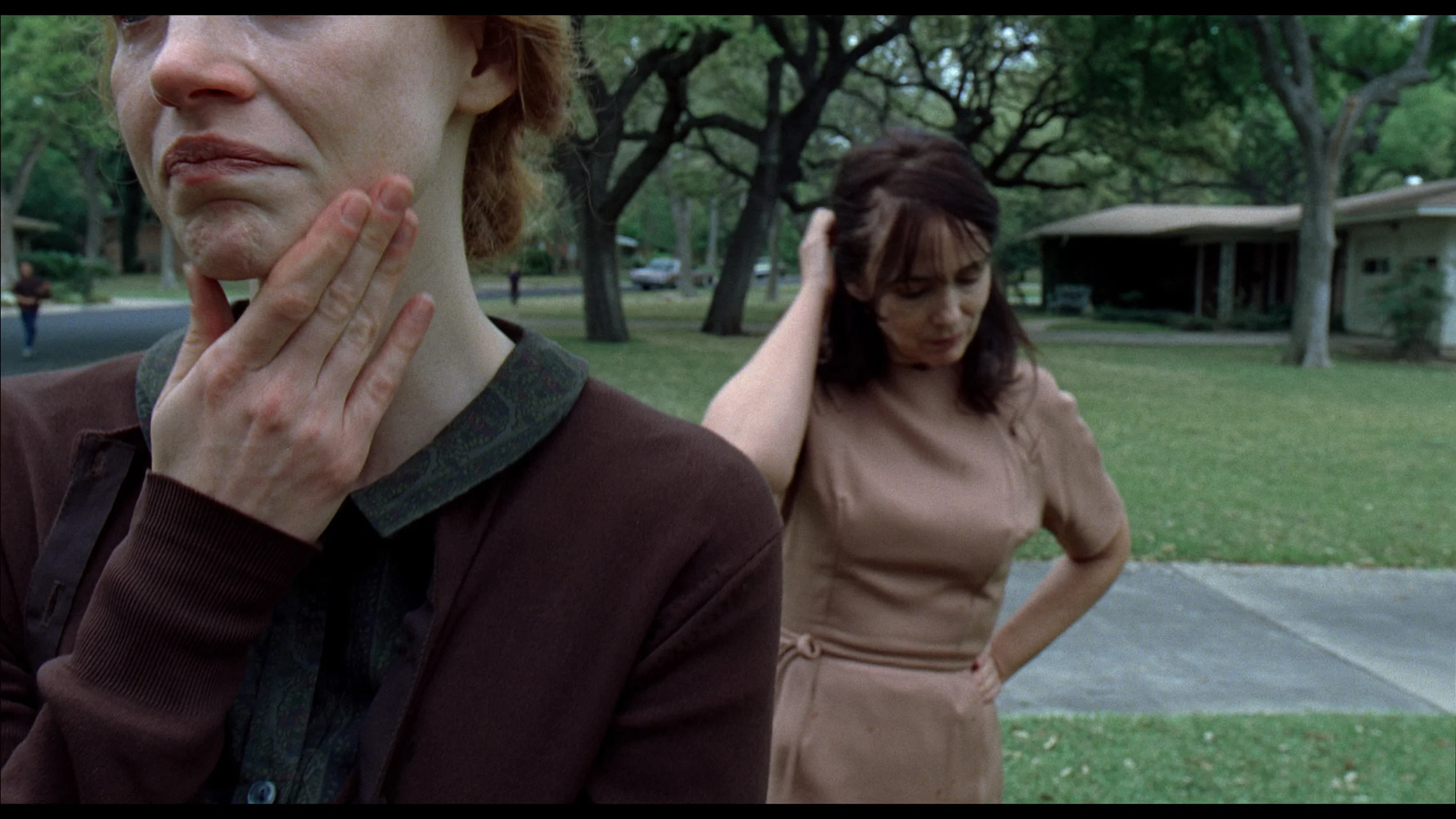
This gallery shows how colors change after professional TV calibration. If you notice the difference, we recommend ordering this service at SkalibrujTV.com.
Factory Mode
After calibration
The colour accuracy in the LG QNED, even in Filmmaker Mode, which is the best factory setting, is not without its flaws. The main issue is white balance – we noticed that the level of blue on the graph tends to drop. This results in a shift in colours towards yellow, making the image have a warmer tone than it should. This deviation affects the naturalness of colour reproduction, especially in scenes with a white or neutral background. The Color Checker test confirmed that some colours are distorted and deviate from reality. Such distortion can make film scenes appear less realistic, and details are presented in incorrect colours, negatively impacting the overall image quality.
Regarding contrast, the gamma graph analysis showed significant drops, while the optimal value should be 2.4. This means that the television may display darker parts of the image brighter in some scenes, which reduces their depth and dynamics. Additionally, on the EOTF curve, which is responsible for brightness reproduction, an unnatural drop was noted at the beginning. This phenomenon can result in less accuracy in reproducing dark scenes, which in turn affects the overall image quality. The television may not convey full black depth, causing more demanding scenes to lose realism and detail. As a result, viewers may notice that details in the darker parts of the image become less distinct.
We tested the Dreame S100 in "movie" mode and definitely recommend using this setting for watching all kinds of content. Interestingly, in the deeper settings of the TV, we also find a dedicated "Filmmaker" mode, which is now available from almost every manufacturer. However, in the case of the Dreame S100, we do not recommend using it – it blocks all settings related to the picture and does not allow for any configuration in the menu - not even a motion smoother. So how do the factory colours fare in the S100? Not too bad, but not great either. The TV itself had a noticeable blue tint, which is clearly evident in our white balance measurements. As a result, the picture was artificially brightened, and the colours had a slight bluish tint. This is also confirmed by the Color Checker palette, which showed how the colour samples leaned towards blue, generating quite significant colour errors. On the other hand, the picture looked definitely better in HDR mode, where the colour errors were not as prominent, although they were still far from ideal. Here, the white balance was also too heavily skewed towards blue, causing quite significant errors in color reproduction.
Color reproduction after calibration
7.8/10
7.5/10
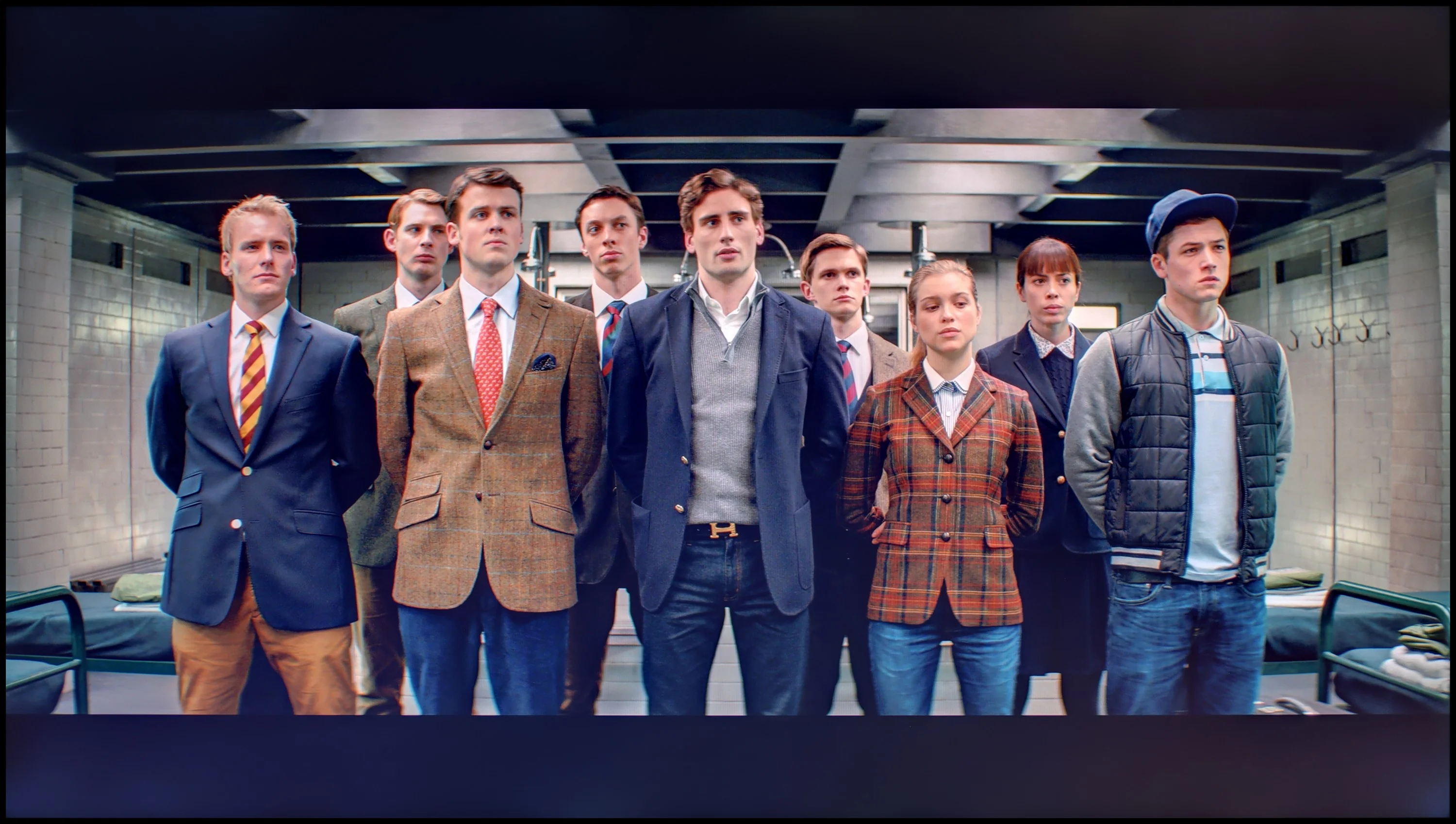
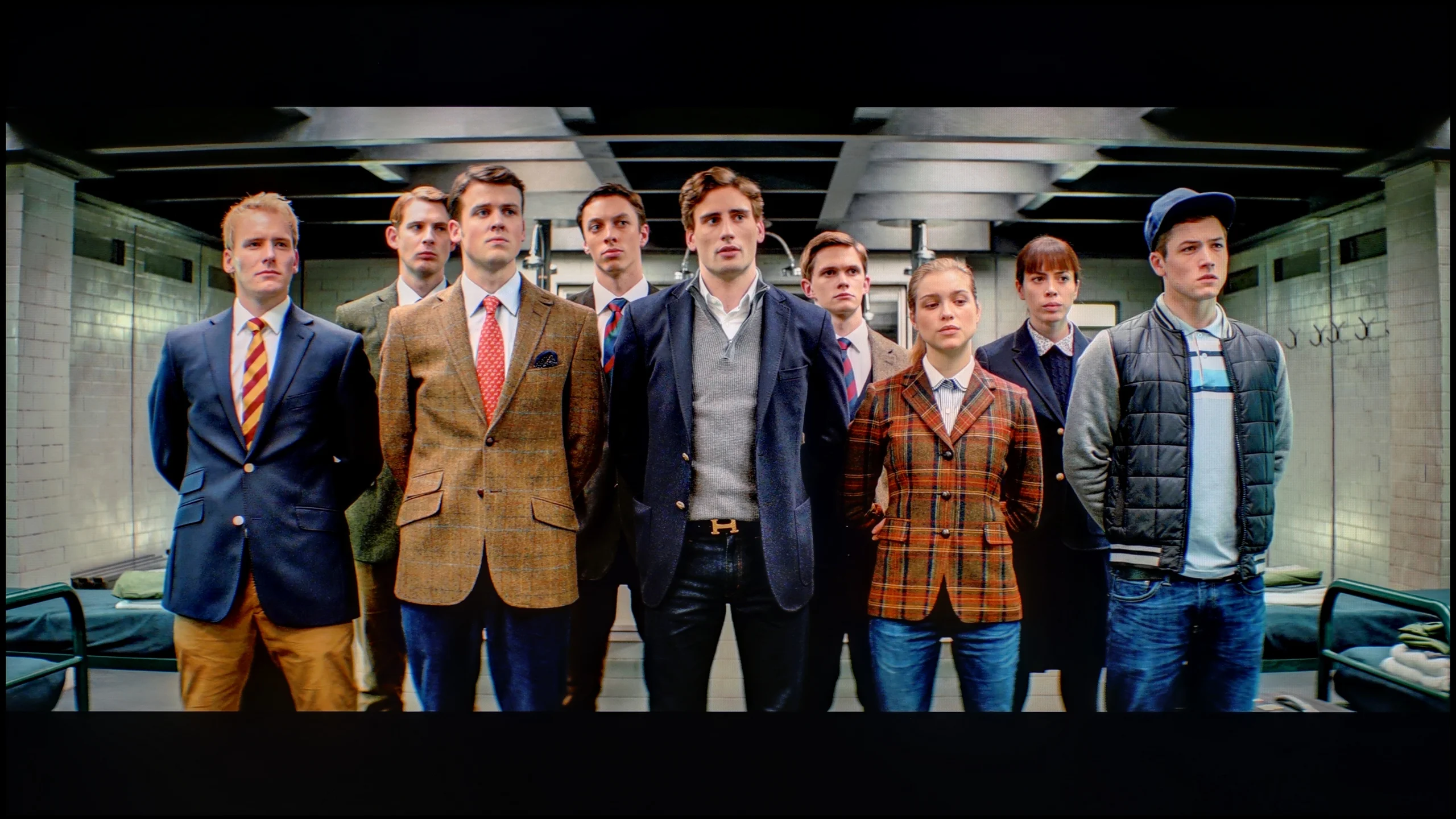
The photos show how movies look on the TV. Pay attention to black detail visibility, colors, and shadow tint.


The photos show how movies look on the TV. Pay attention to black detail visibility, colors, and shadow tint.
After calibration, the colours in SDR content look very good. The improved white balance translates to natural and harmonious shades in various scenes. Thanks to precise gamma tuning, details in shadows and bright areas of the image are accurately reproduced. The television performs excellently in everyday use, offering vibrant, well-balanced images and solid colour quality in HD. The biggest beneficiary here is also contrast. The gamma graph has been stripped of significant errors, giving the television a new dimension.
As for the white balance in 4K HDR, it has also been significantly improved. However, some errors still appear at the end of the graph. This may be due to the television's overly aggressive local dimming, which in some scenes affects the inaccurate reproduction of colours. It's difficult to talk about an improvement in brightness represented by the EOTF curve. The television, due to its construction limitations, has some drawbacks, and we can't overlook them. The Color Checker test confirms the issue with colour saturation – even though the television offers a wide colour palette, it fails to fully convey the director's intent.
Despite these shortcomings, the overall picture quality after calibration is significantly better than before. Adjustments in white balance and gamma tuning make the images more vivid and the colours closer to reality.
The Dreame S100 has proven to be a device very amenable to professional calibration. In its menu, we found a plethora of advanced options that allowed us to effectively correct factory errors. Thanks to the advanced white balance correction – both in SDR and HDR content – we completely eliminated excess blue components. The image instantly became much more natural and pleasant to view. After fully tuning the colours, the errors in the Color Checker test dropped below a Delta E value of 2-3. For the average viewer, this means that any colour distortions became almost impossible to see with the naked eye. It's really a nice surprise, as often new brands in the TV market have significant problems with the correct implementation and functioning of sliders in the calibration menu. Here, everything worked as it should. The only thing we need to criticise is the way the TV manages its brightness in HDR. Due to the specific nature of the local dimming algorithms, our measured EOTF curve shows anomalies. In places where high highlights should appear, there is a slight bump in the curve above the reference line. In practice, this results in unnatural brightening of certain, the brightest elements in movies or games. Despite this minor flaw, professional calibration brings a huge, very positive change to this model.
Smoothness of tonal transitions
8.6/10
8/10
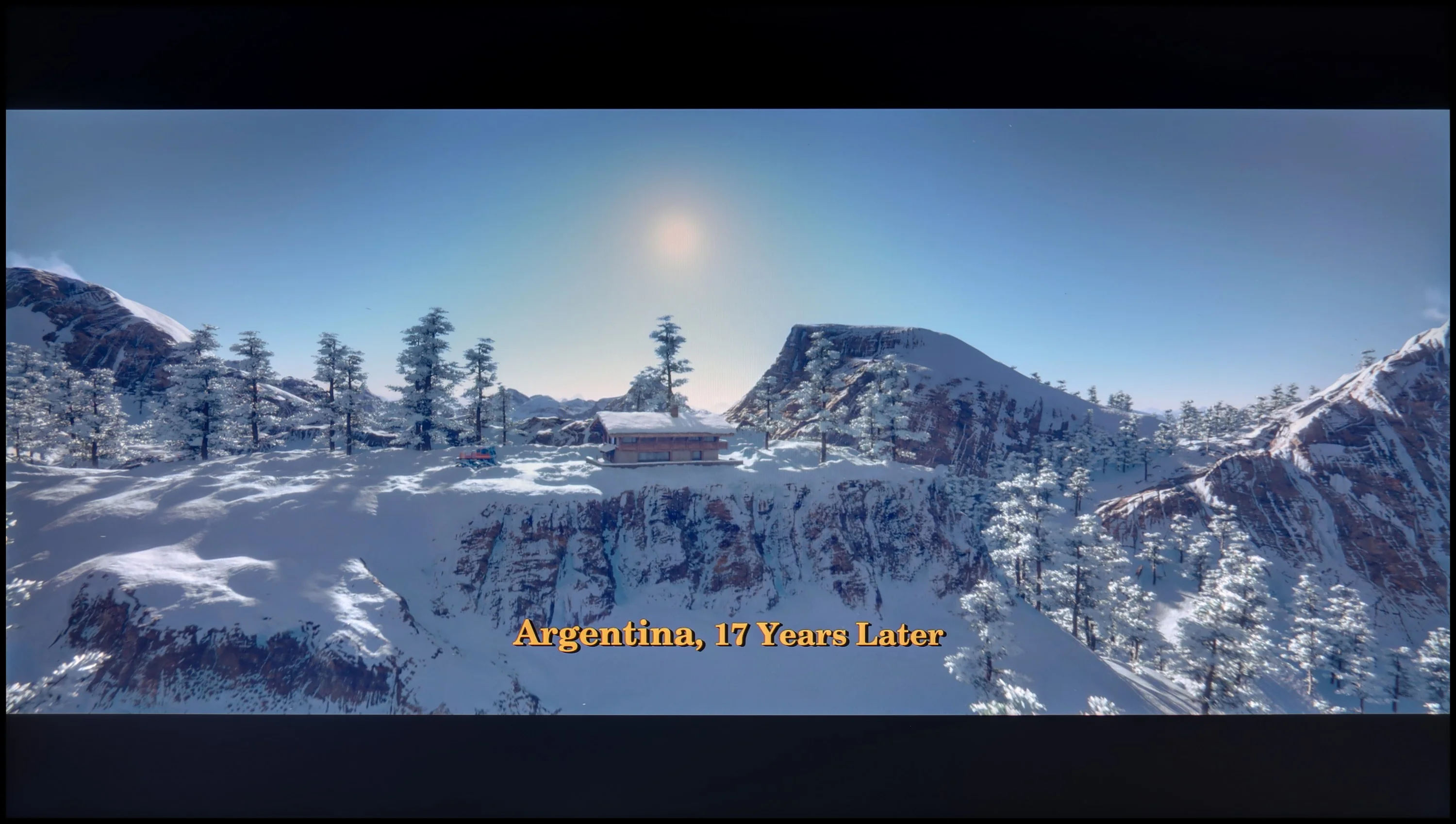

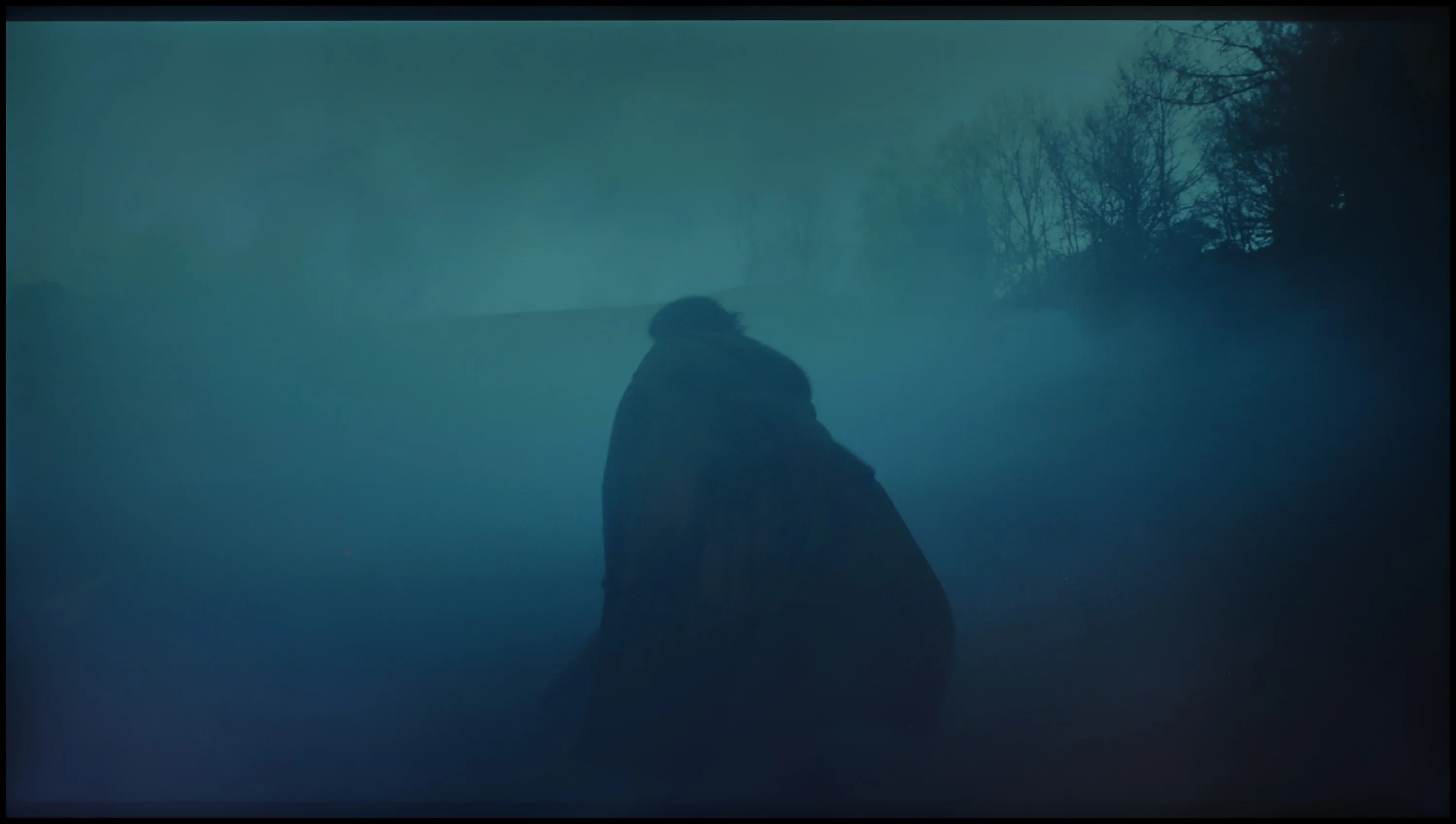
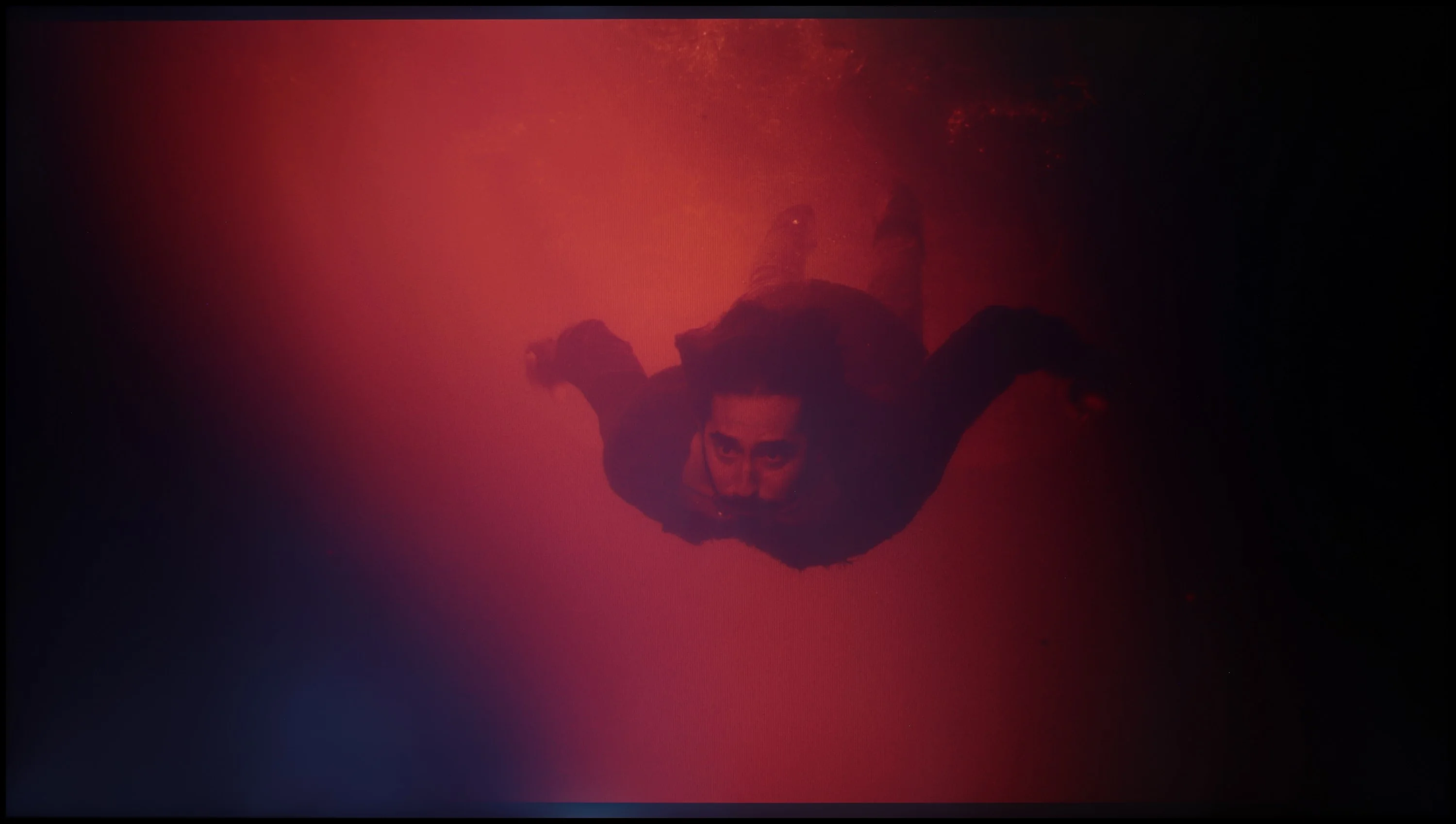
These are selected scenes that show smooth tonal transitions from one color to another. If you see distinct banding, it’s the TV panel’s fault.

These are selected scenes that show smooth tonal transitions from one color to another. If you see distinct banding, it’s the TV panel’s fault.
These are selected scenes that show smooth tonal transitions from one color to another. If you see distinct banding, it’s the TV panel’s fault.
These are selected scenes that show smooth tonal transitions from one color to another. If you see distinct banding, it’s the TV panel’s fault.
The gradation in LG QNED is quite good, despite minor issues on the colourful dark sky. These small drawbacks do not detract from the fact that the gradation is one of the positive aspects of this model. Overall, the television handles smooth colour transitions well.
The transition between individual shades on the Dreame S100 is quite good. Analyzing most content in HDR10 format, we did not notice significant issues with banding. Only some very extreme and dark scenes revealed the problem of shade stepping. The situation is somewhat worse for content in Dolby Vision format*. Here, the colour gradation clearly deteriorates, and the tonal transitions from one colour to another are more visible and stand out from each other. Thus, the rating of this element on our site is slightly lower when we take into account viewing (on streaming platforms) in this format.
*we'll add the photos after modifying the site 😉
Image scaling and smoothness of tonal transitions
8/10
4/10

Smooth transition function
The match photo shows how the TV smooths weak tonal transitions in low-quality video.
Image scaling SD (576i)


The model photo shows how it handles upscaling of SD material.
When it comes to lower quality materials, the gradation looks really good. The feature called "Smooth Gradation" effectively smooths out the most problematic parts of the image, while not negatively affecting the film grain. For the best effect, it’s worth setting it to a low level. This solution significantly improves the quality of the displayed content, making the viewing of lower resolution materials more enjoyable and smoother.
In terms of digital processing, the image is displayed without cropping, known as overscan. Although slight fraying of the branches can be noticed against the model's background, everything looks very good. Users should be satisfied with the image quality when watching low-quality materials like standard television. The TV handles this task exceptionally well, providing a satisfying visual experience, even with lower quality content.
For scaling and digital processing in the Dreame S100, the technology used is proudly called Dreamind™ Pro AI by the manufacturer. However, it must be clearly stated that this is not a proprietary processor but rather a marketing term for a chip from MediaTek – specifically, the model MT5889. Unfortunately, we are talking about a rather outdated unit from a time when MediaTek lagged significantly behind the competition in terms of performance. This, unfortunately, has a direct impact on the image, as this chip also handles that. The upscaling in the S100 is fairly average, and the processor has a tendency to artificially over-sharpen edges (fortunately, this can be somewhat tempered with the sharpness slider in the menu). In the options, we also find a feature called "Contour Smoothing," which theoretically is supposed to improve tonal transitions. In practice, it contributes almost no improvement – setting it to any level rarely eliminates visible colour banding, but it can unnecessarily blur elements of the image that should remain sharp.
Another issue is the phenomenon of overscan (cropping the edges of the frame), which is practically visible all the time. Although there is the possibility to set the screen to display the full frame in low-resolution materials, it requires activating the aforementioned Filmmaker mode. And as you may know, this mode completely blocks any changes to other sliders in the picture menu. In our test tables, we noted that the television offers an option to disable overscan, as such a function technically exists in the system – however, in everyday use, while maintaining reasonable picture settings, you will not be able to take advantage of it.
Blur and motion smoothness
7.8/10
7.7/10
Blur (native resolution, maximum refresh rate):


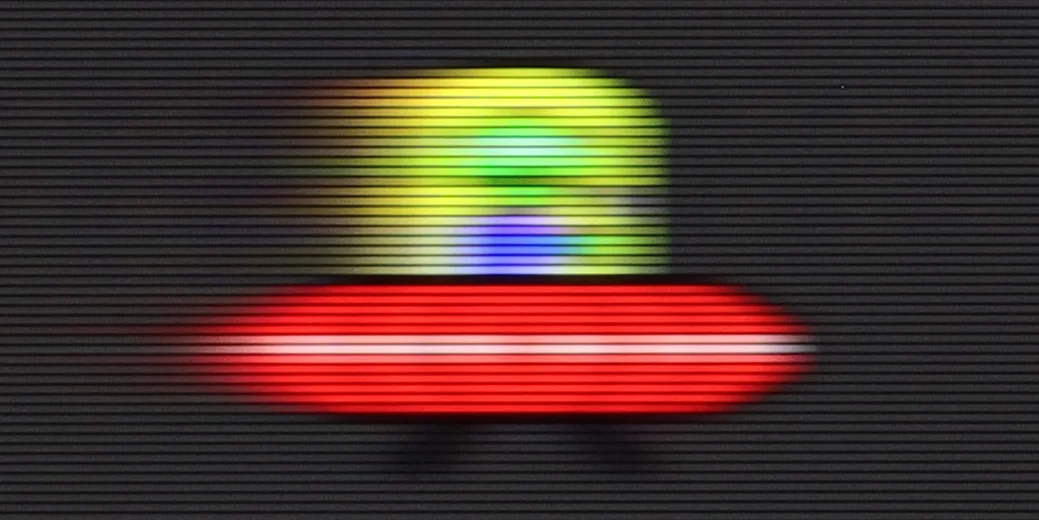



Blur (BFI function enabled):



Blur ():
Blur (4K@144Hz):



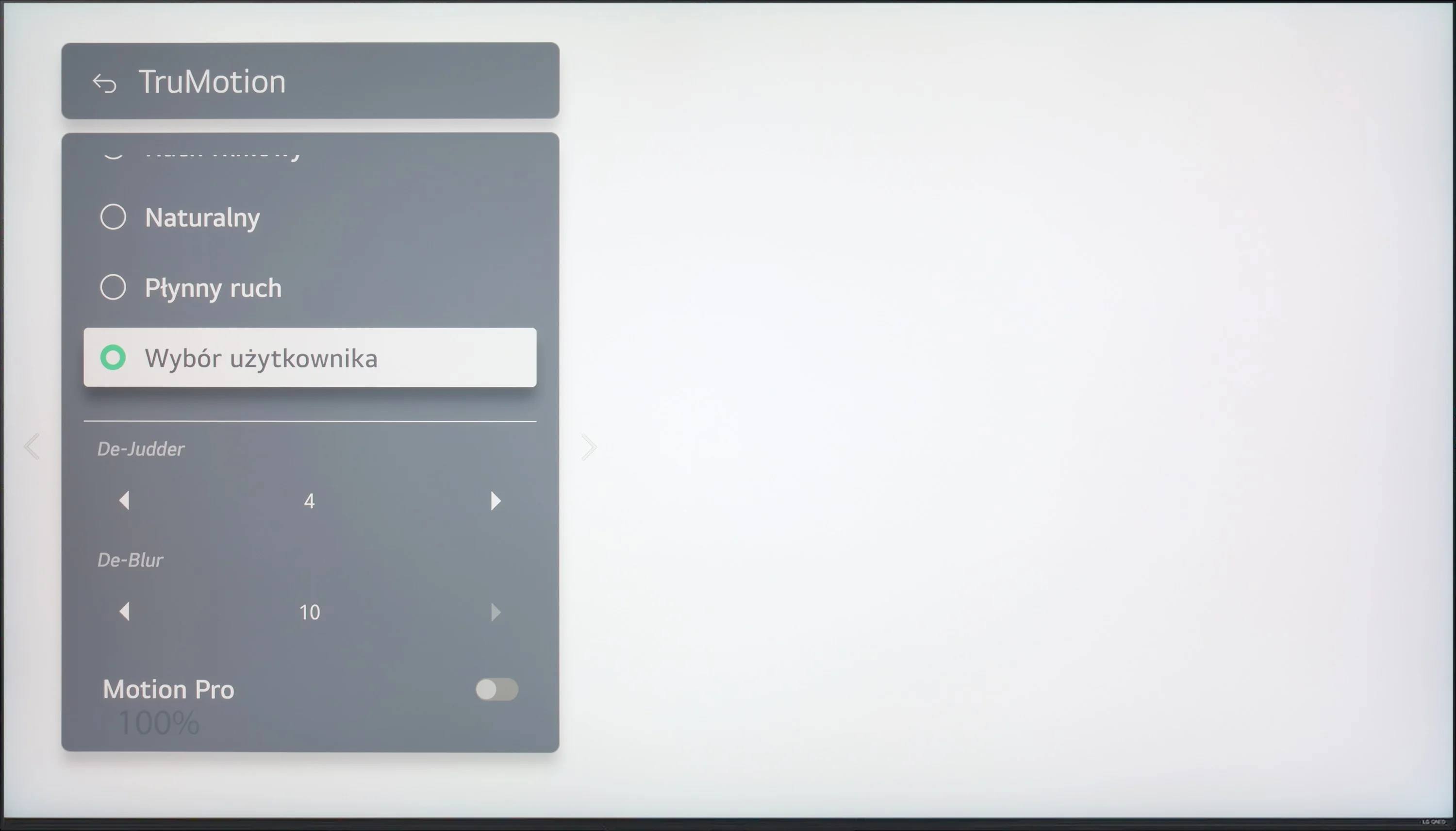
The television provides decent smoothness when watching movies, thanks to the “Tru Motion” feature, which allows adjustment of motion smoothing from 0 to 10. De-Judder regulates motion smoothness, while De-Blur adjusts motion sharpness. Users have the option to choose between a traditional cinematic effect with subtle juddering motion (lower settings) and a smoother, theatrical image. Although the latter deviates slightly from the cinematic standard, it may be appealing to many viewers.
As for gamers and sports fans, the LG QNED87 television with a 120Hz panel will surely not disappoint. And with the use of an IPS panel, the response time is typically better than that of VA panels available at a similar price. This ensures smoother gameplay and dynamic experiences when watching sports events.
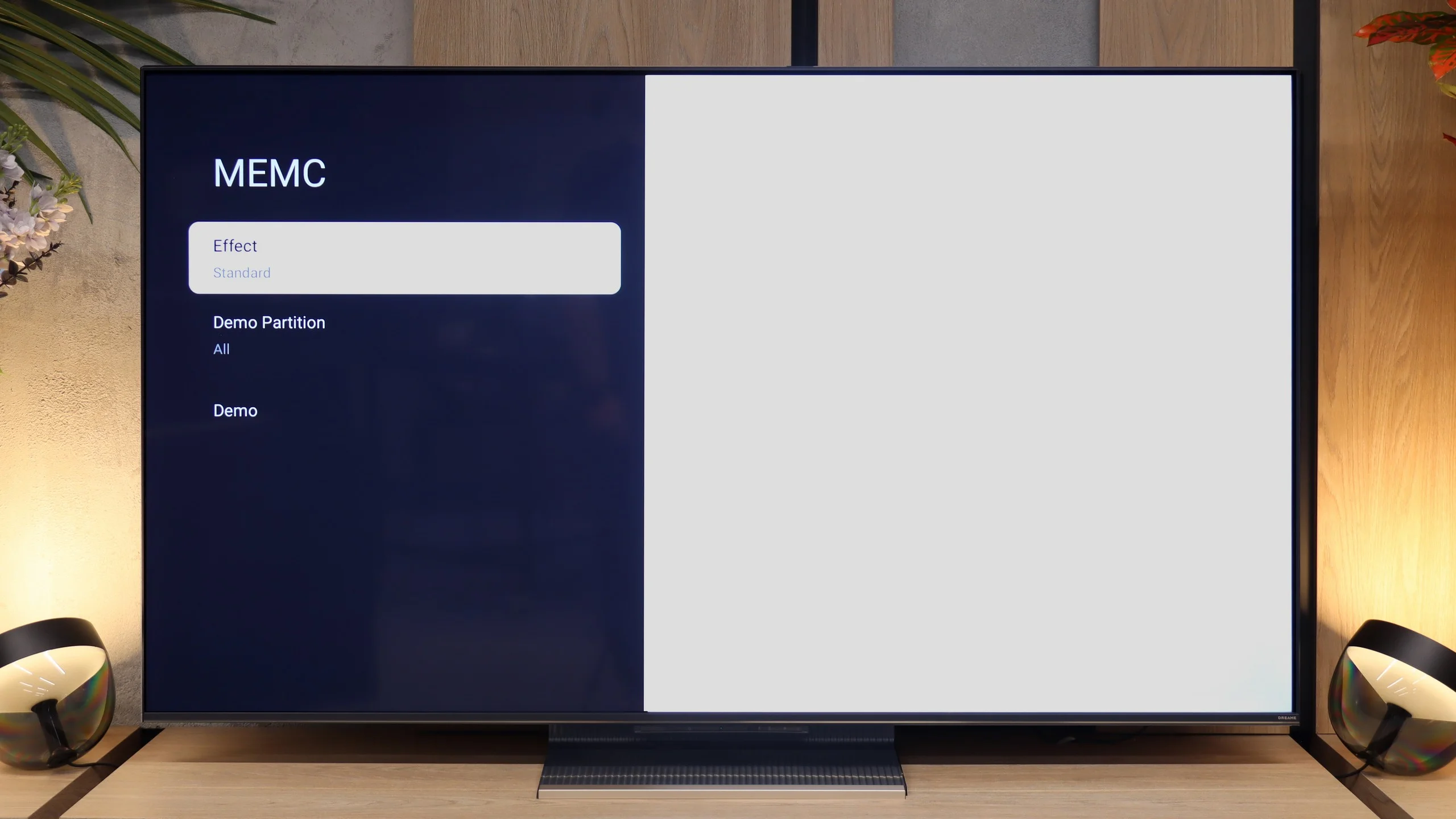
When it comes to motion fluidity, the Dreame S100 performs really well. It features a 144 Hz refresh rate panel, although in reality, the vast majority of people using it in a conventional way will still be limited to 120 Hz (as this is what today's hardware allows aside from PCs). Thanks to the high refresh rate, the image in motion remains really sharp, largely due to the well-functioning MEMC motion smoother. In the menu, we find predefined modes that enable the TV to efficiently generate artificial frames, which effectively enhances the fluidity of dynamic sports shots, but also helps eliminate motion judder in film and TV series material recorded at 24 frames.
Console compatibility and gaming features
9.2/10
7.8/10
- ALLM
- VRR
- VRR range48 - 120Hz48 - 144Hz
- Dolby Vision Game Mode

 Yes, high input lag
- Correct implementation of HGIG
- 1080p@120Hz
- 1440p@120Hz
- 4K@120Hz
- Game bar
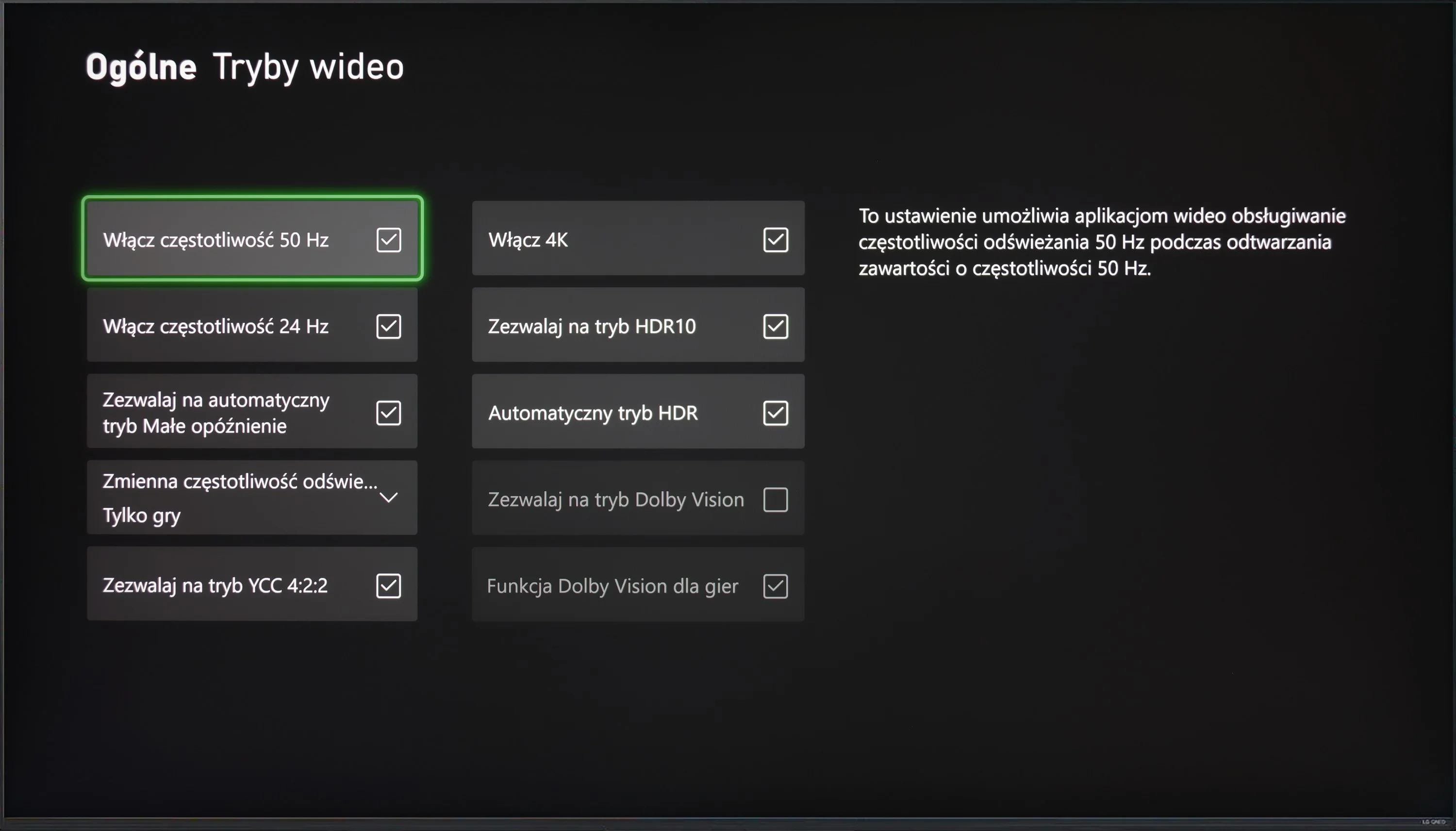
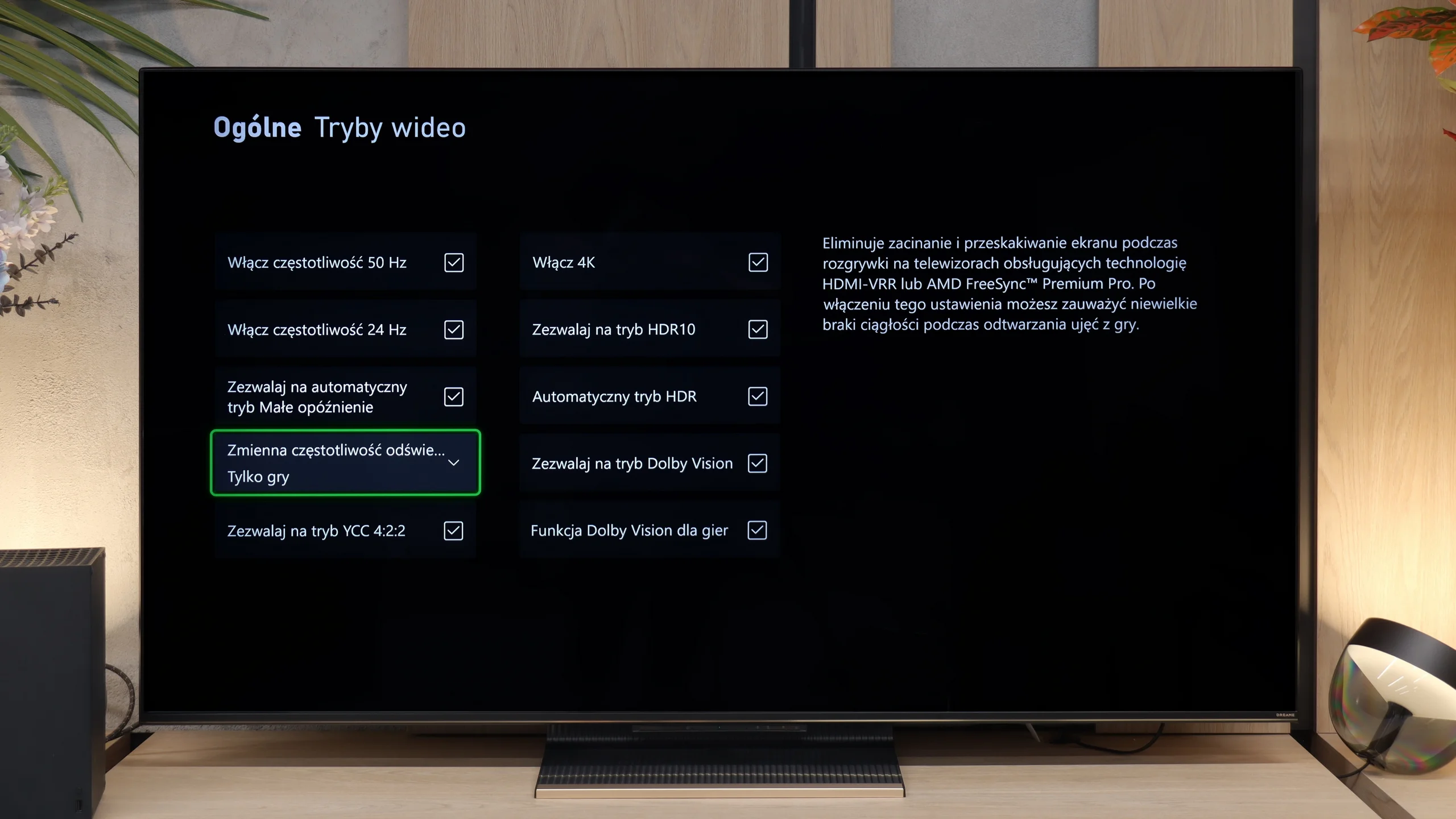
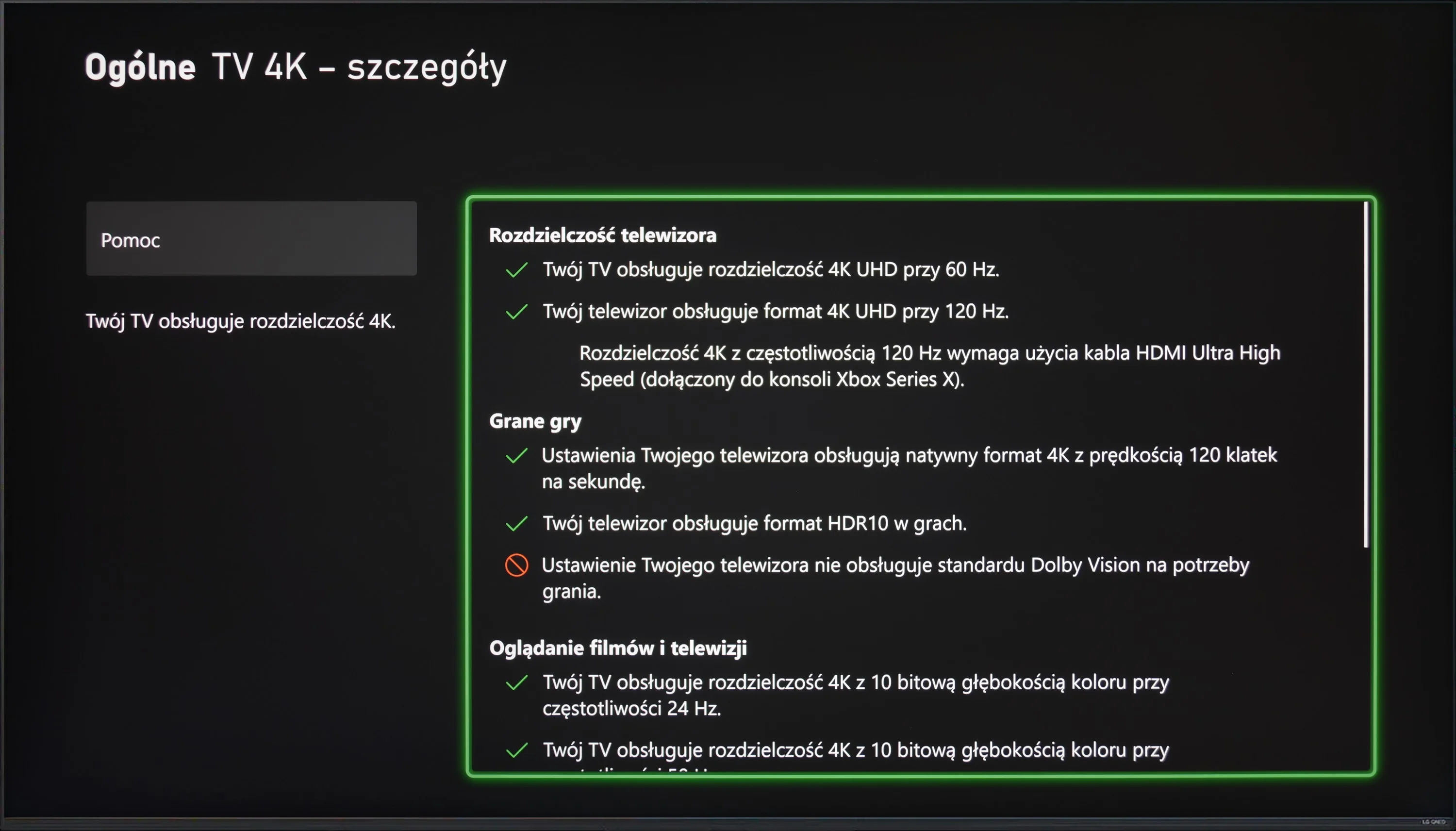
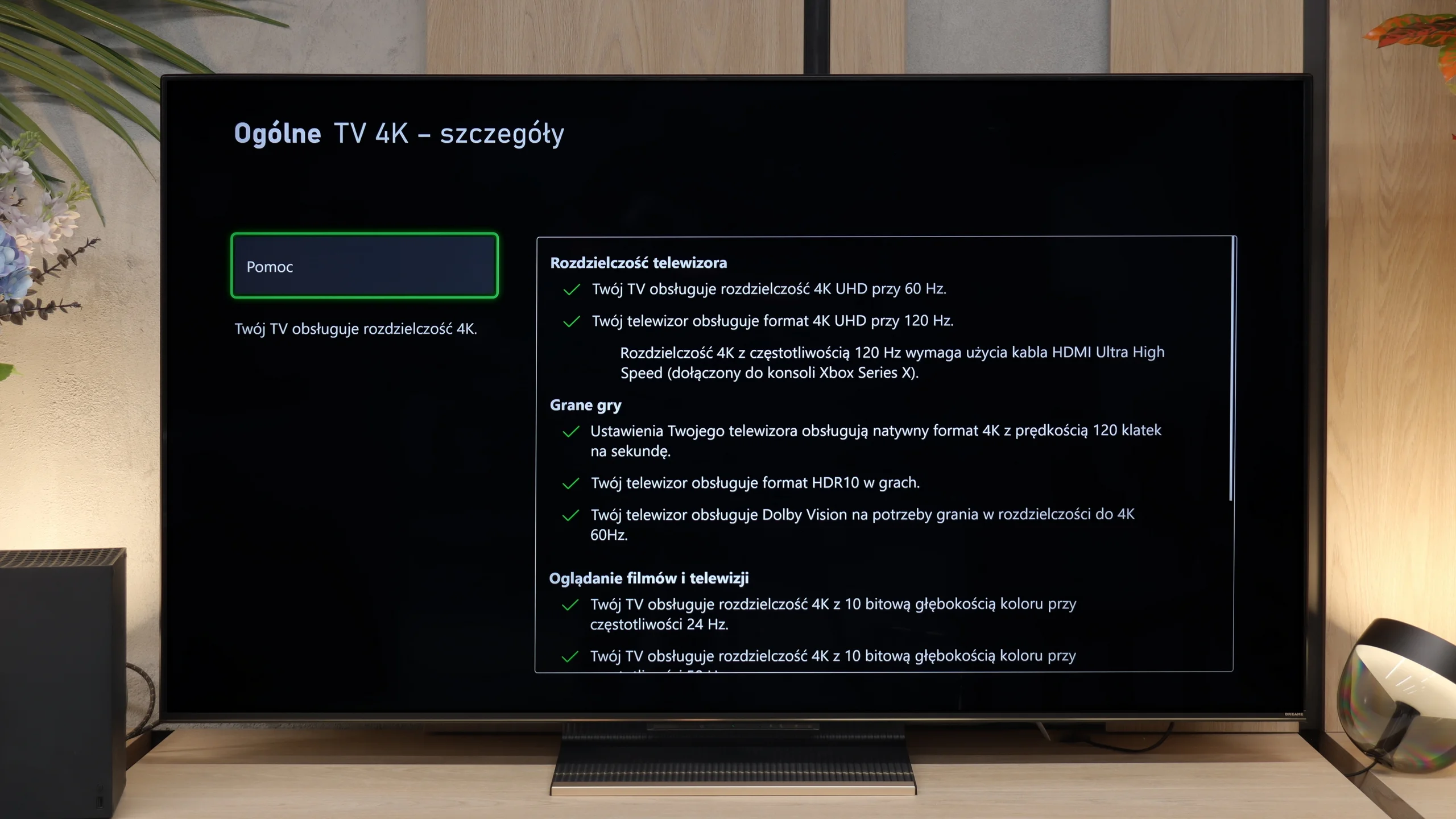
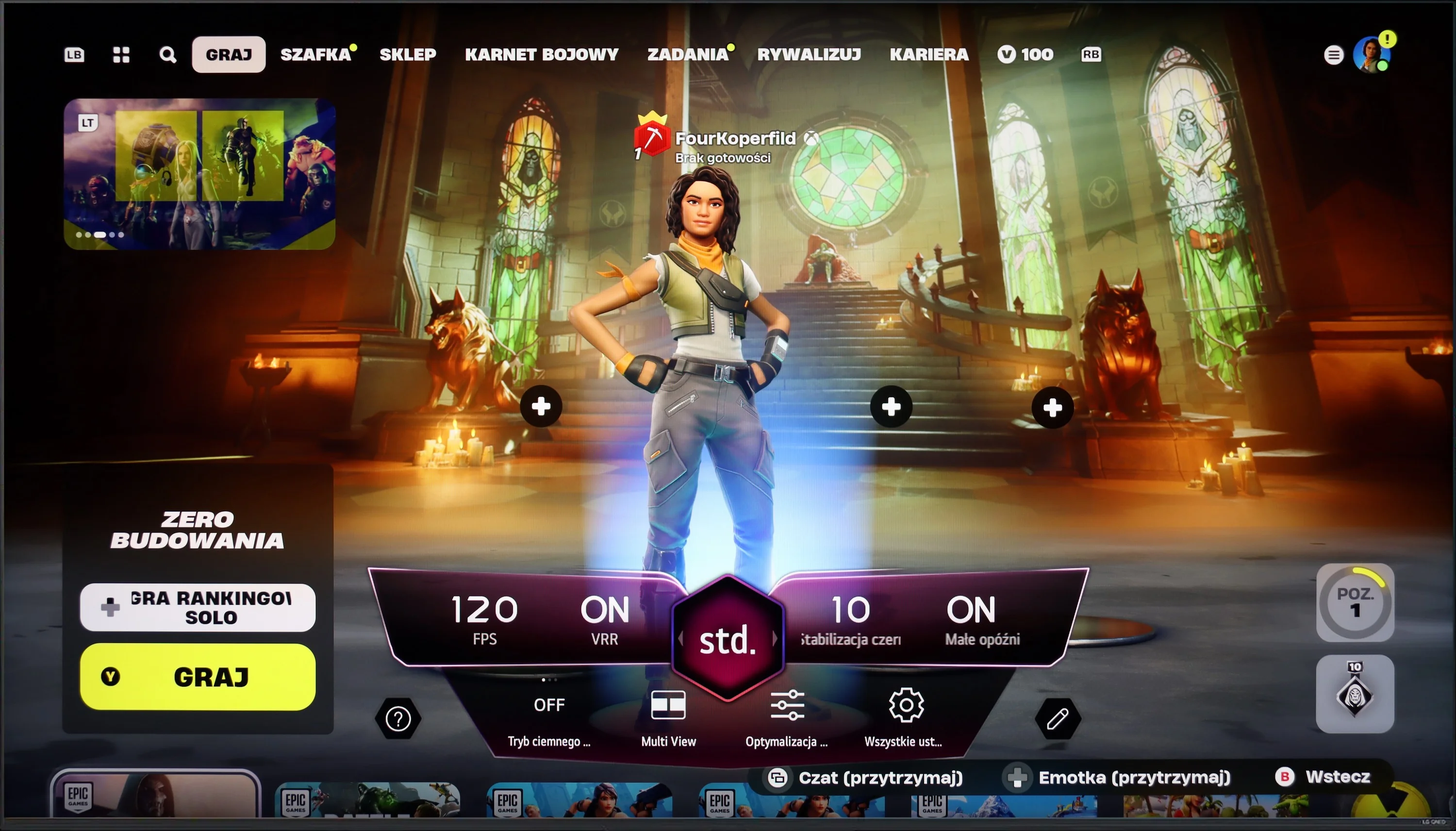
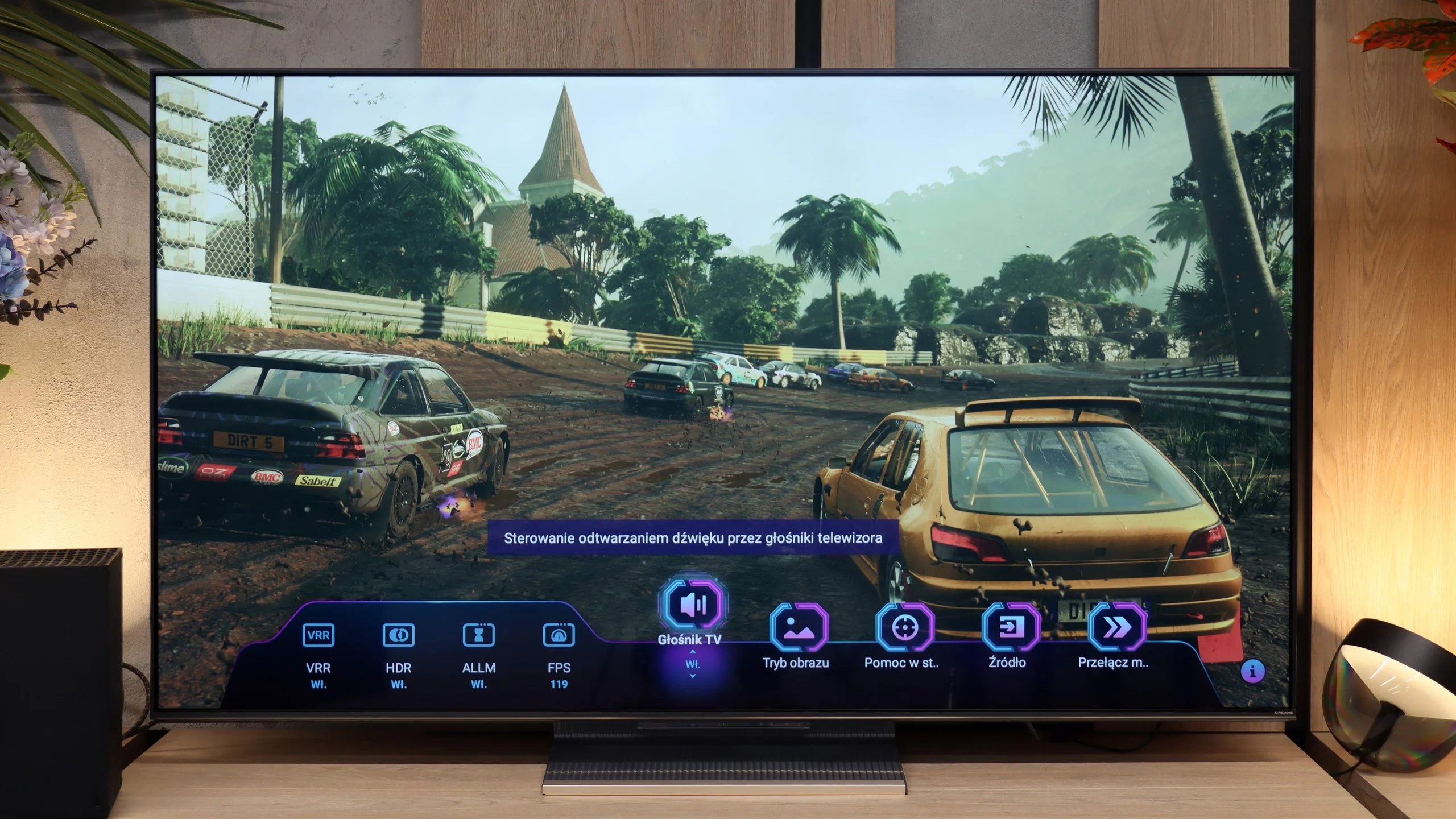
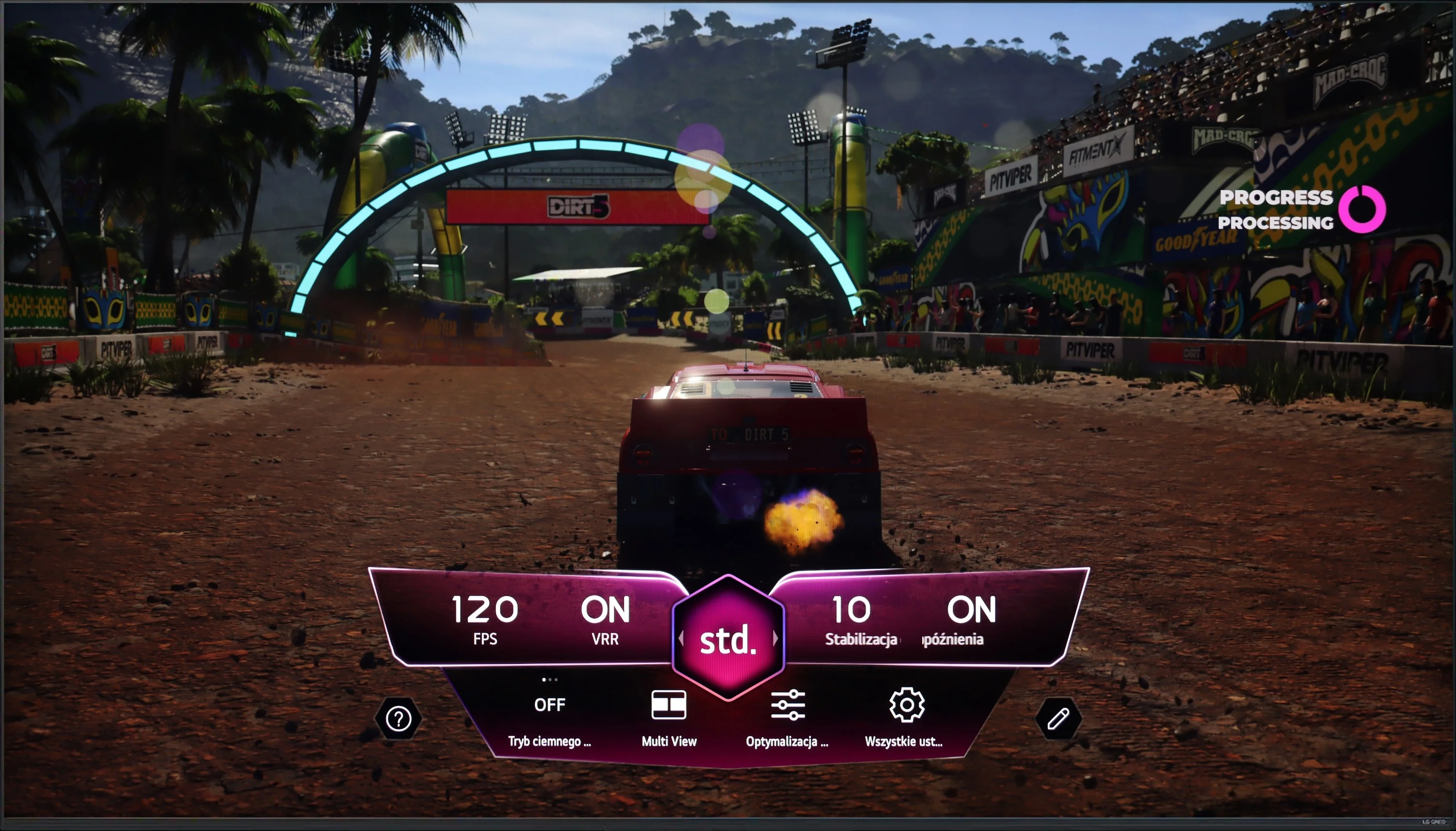
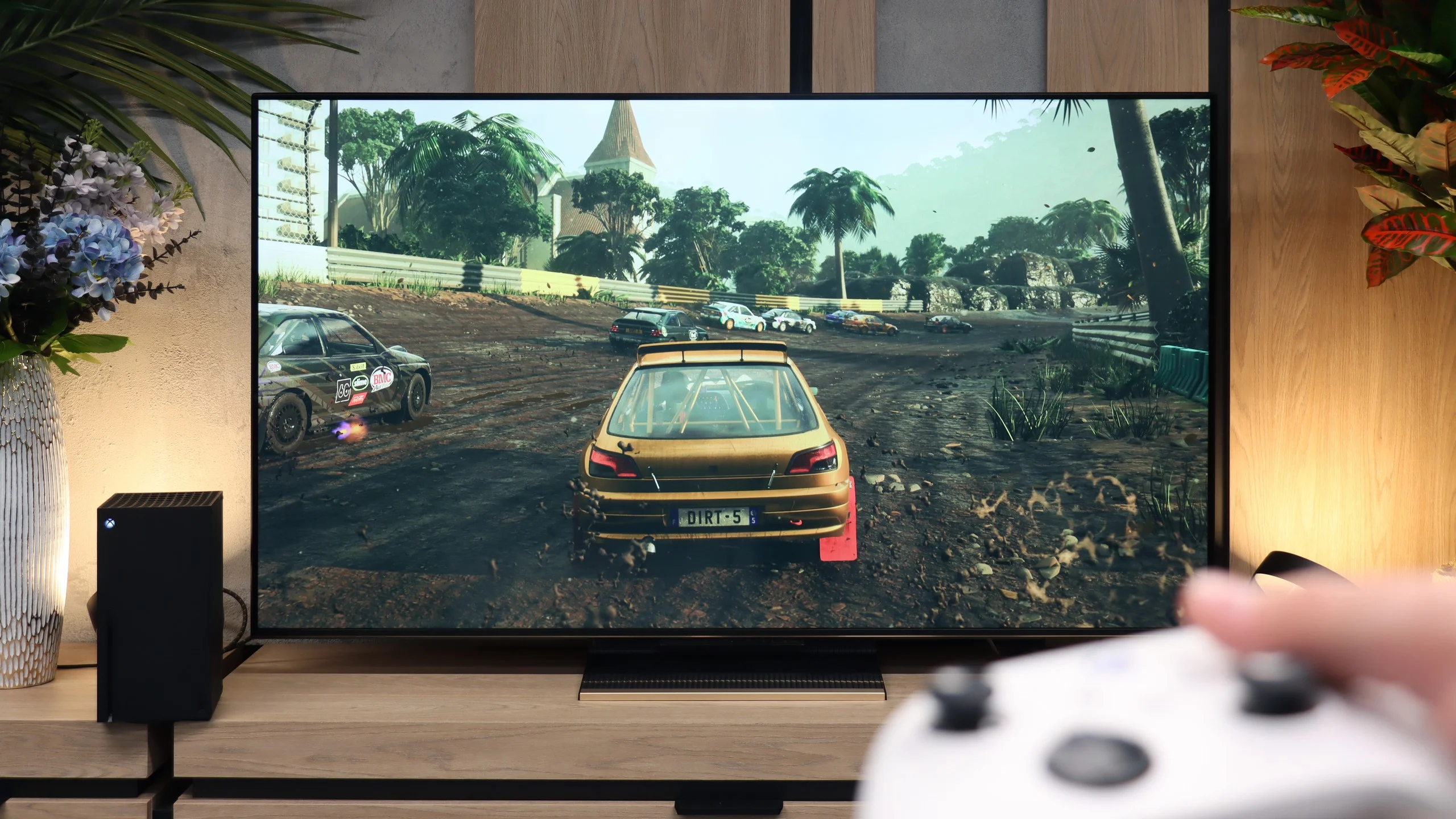
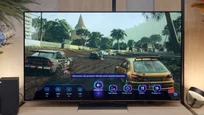
LG QNED offers a range of features that make it an excellent choice for gamers looking for a high-performance television. The TV is equipped with four HDMI 2.1 ports, allowing connection to the latest consoles like PlayStation 5 and Xbox Series X, utilising full functionality including Variable Refresh Rate (VRR) and Auto Low Latency Mode (ALLM). Thanks to the Game Bar feature, gamers can quickly and easily manage all game settings without needing to navigate complex menus. Parameters such as VRR, ALLM, Multi View, and frame rate monitoring can be adjusted. The TV also supports G-Sync and FreeSync technologies, which is particularly important for owners of Nvidia and AMD graphics cards. G-Sync and FreeSync synchronise the TV's refresh rate with the graphics card. The 120Hz panel guarantees incredible motion smoothness and image clarity. Combined with the Black Frame Insertion (BFI) feature, which is available at 60Hz and 120Hz, gamers can enjoy an even sharper and smoother picture. LG QNED87 is a television that meets the expectations of even the most demanding gamers, offering modern technologies and features that significantly enhance comfort and satisfaction during gaming.
The Dreame S100 seems almost like the ideal screen for gamers. The television is equipped with 2 HDMI 2.1 ports with a bandwidth of 40 Gbps, allowing features such as automatic game mode (ALLM) or VRR frame synchronization in the range of 48-144 Hz to work seamlessly on consoles. On board, we also find a well-designed gaming panel (Game Bar). It allows you to continuously preview the most important parameters - from the activated picture modes, to the number of frames rendered by the console, right through to the option of adding a crosshair in the centre of the screen. All of this looks great on paper; however, the biggest issue with the S100 is its implementation of HDR in games. The television does not have a correctly implemented HGiG format. This means a clueless user may misconfigure the console during the initial setup of the screen. Poor configuration can result in an image that is too dark or overexposed (as a guideline: we suggest setting the brightness in the Xbox console menu to around 600 nits, and in the PS5 to 12 clicks). The Dolby Vision format also proves problematic, as it often did not activate at all on the XBOX – Dreame S100 line. And when it was eventually activated, playing was impossible due to the very high input lag often exceeding 100ms. If the manufacturer manages to improve the HDR gaming experience with an update, the S100 will be truly outstanding hardware for gamers. For now, however, compromises must be accepted.
Input lag
9.9/10
9.2/10
SDR
HDR
Dolby Vision
The LG QNED stands out with an extremely low input lag, which is crucial for smooth and responsive gaming. For a refresh rate of 120Hz, the input lag values do not exceed 6 ms, while at 60Hz, the input lag is a maximum of 15 ms. These are truly impressive results that ensure a player's reactions are almost instantaneously reflected on the screen.
Aside from the previously mentioned issue with Dolby Vision, the input lag on the Dreame S100 is really very low. Values of around 5-6 ms at a refresh rate of 120 Hz and 12-15 ms for 60 Hz are such excellent results that even a professional gamer won't be able to feel any delay during gameplay. The response to movements on the controller is almost instantaneous here.
Compatibility with PC
7.6/10
7.6/10
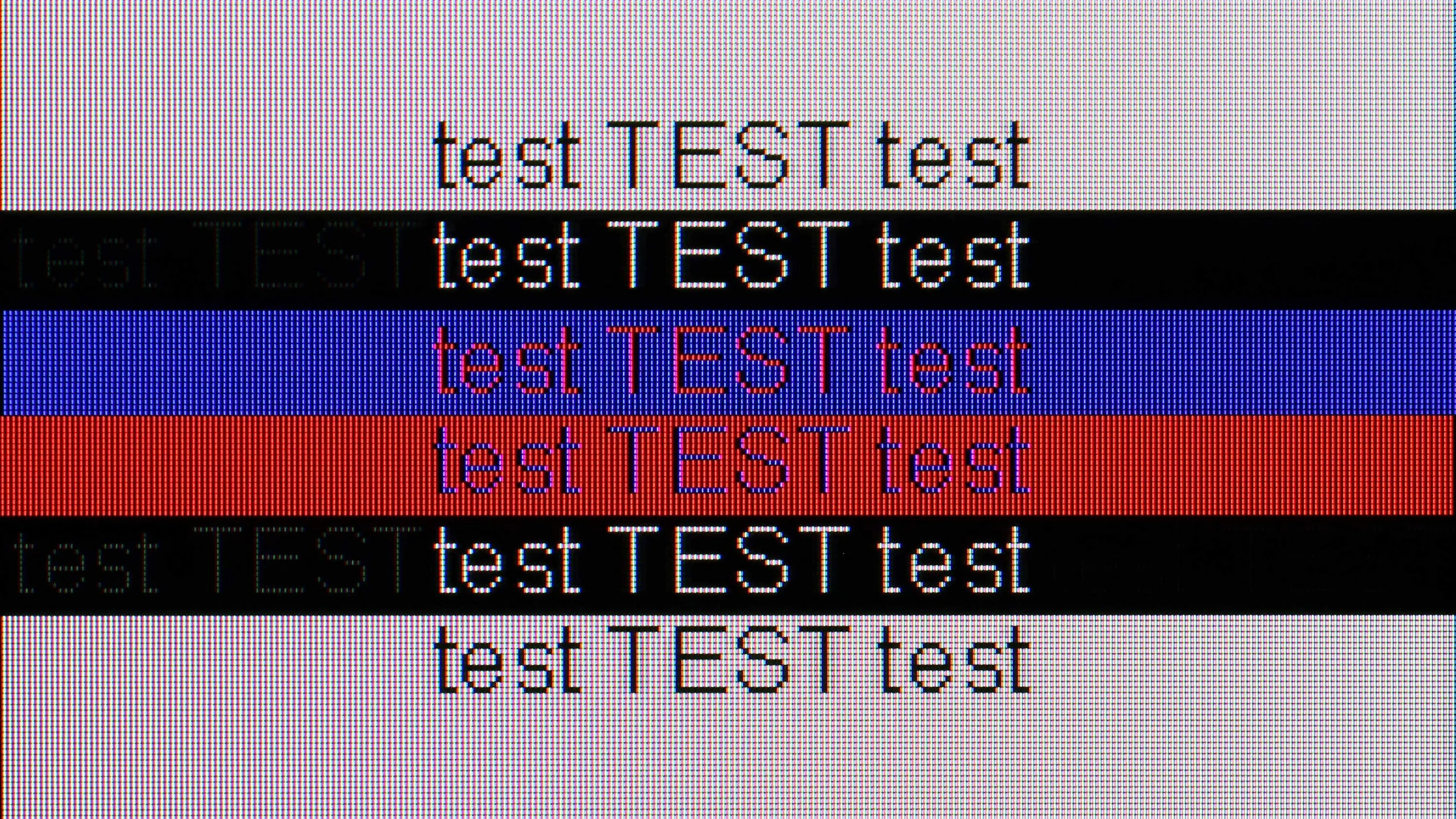
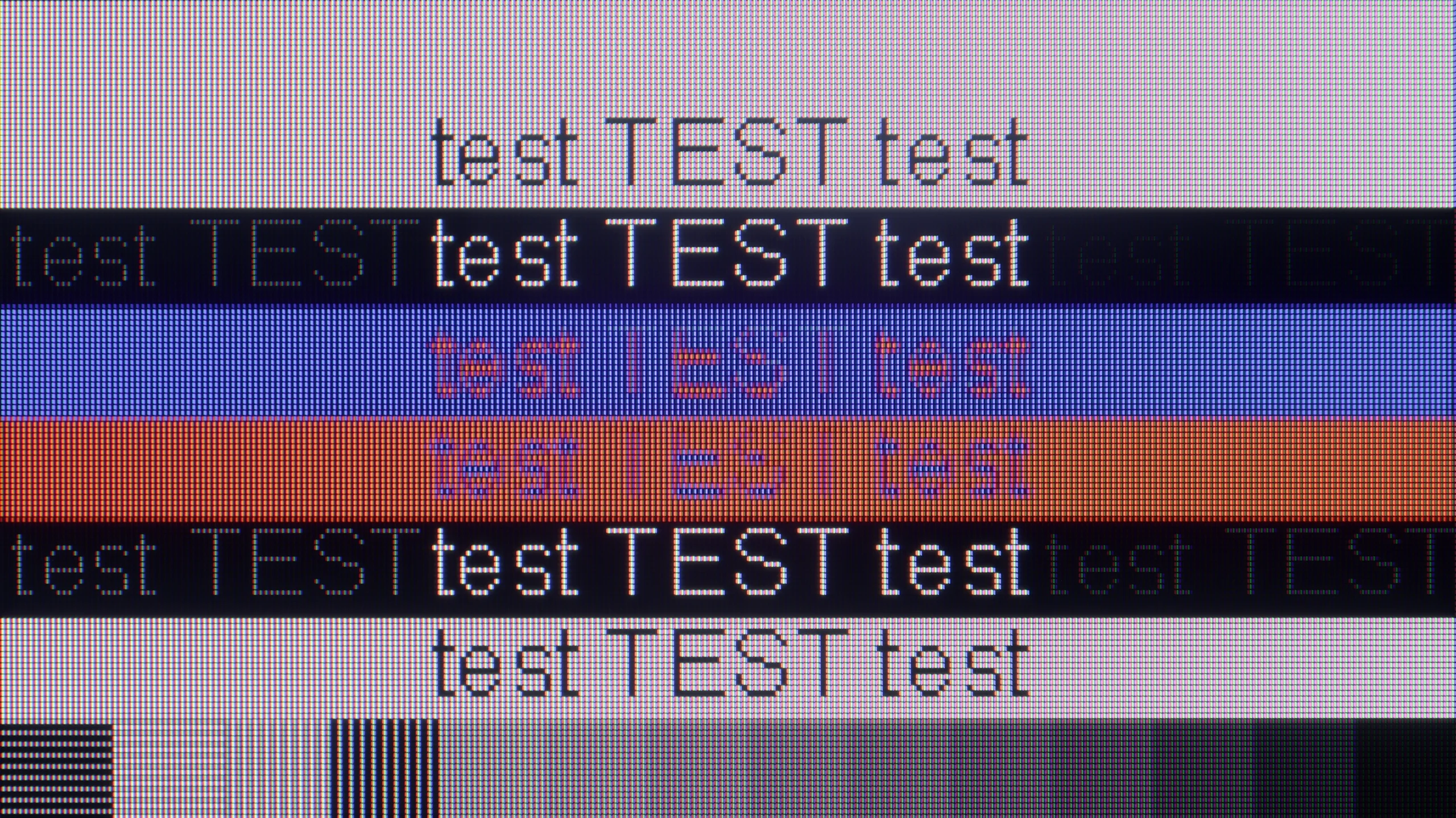
The photo shows the legibility of small fonts. Ideally, lines should be the same thickness on both light and dark text, with minimal pixel gaps.
The LG QNED television works perfectly with a computer, offering very good font readability. This makes working and browsing content exceptionally comfortable. The high refresh rate of 120Hz provides a smooth and vivid image. It combines a large workspace with performance, making it a genuine pleasure to use. However, for more demanding users, it may be disappointing that the TV has issues displaying fonts on a dark background. Instead of white letters, they take on a greenish hue.
The Dreame S100 works well as a large gaming monitor. It has a 144 Hz refresh rate and easily supports G-Sync and FreeSync. However, problems arise when you want to use it for text work. Due to a software bug, the TV struggles with full colour sampling (Chroma 4:4:4) at 120 Hz and 144 Hz refresh rates, resulting in blurry fonts. To make the text perfectly sharp, you need to manually lower the refresh rate to 60 Hz in Windows. This is quite an annoying solution that forces constant jumping between settings if you want to use this screen for both work and gaming.
Viewing angles
7.1/10
6.6/10
When it comes to viewing angles, LG QNED87 performs really well. Thanks to its IPS panel, it offers wide viewing angles compared to VA panels. This means that the picture remains clear and does not lose quality even at an angle. While it may not achieve the perfect results of OLED TVs, which maintain colours and brightness regardless of the viewing angle, in terms of LCD QNED87 screens, it stands out positively. This makes it a great choice for larger rooms where viewers often watch at an angle.
The viewing angles on the Dreame S100 are really good, thanks to the ADS panel. Unlike VA panels, this type of screen allows you to watch the image from a wide angle without noticeable loss of colour saturation and brightness. This comes at the expense of worse native contrast, but for most viewers (especially those with a wide couch) this will be quite a good compromise. There is a lack of Mini-LED TVs with good viewing angles at a reasonable price on the market today, so the S100 nicely fills this niche.
Daytime performance
4.8/10
6/10
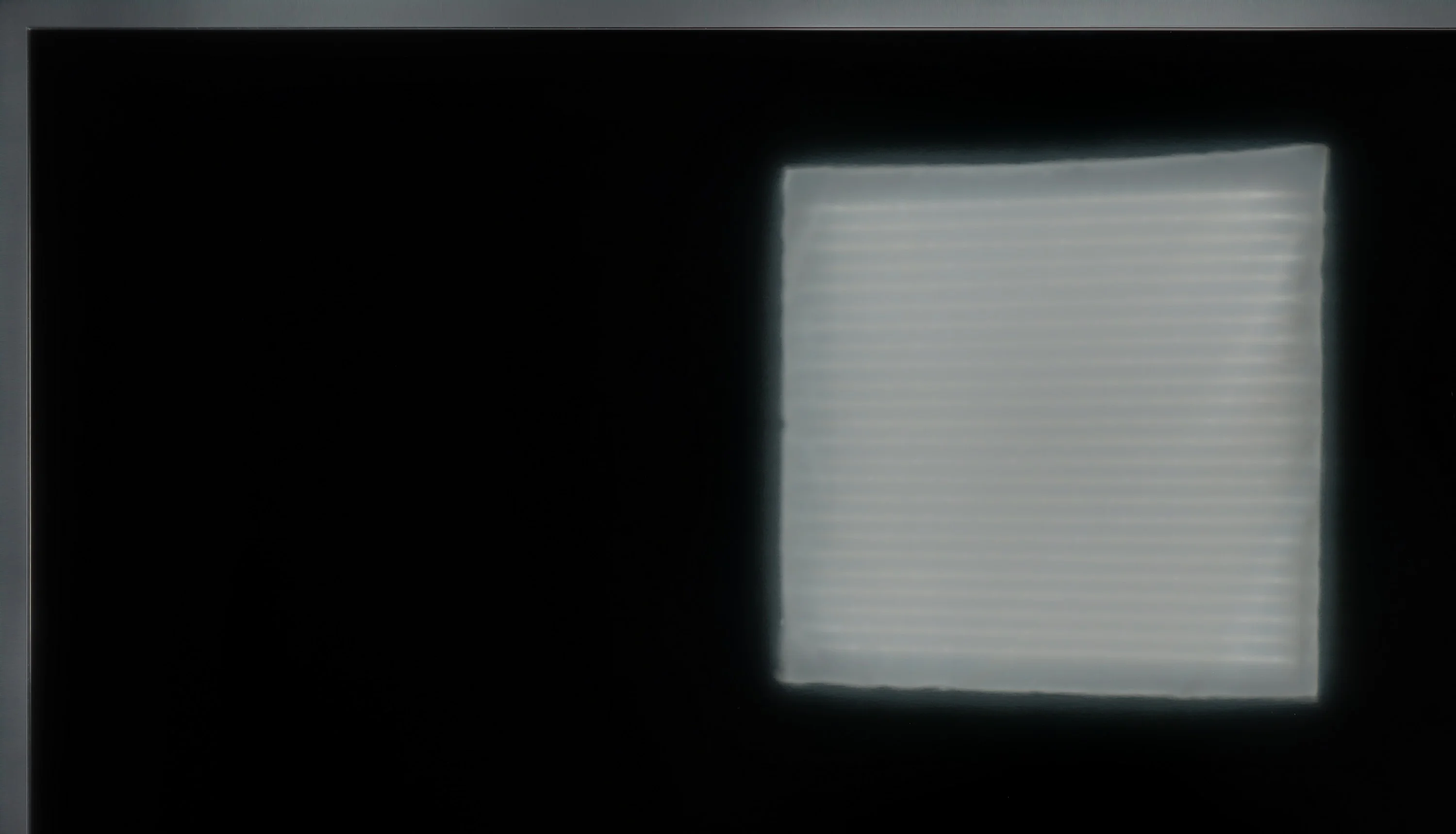
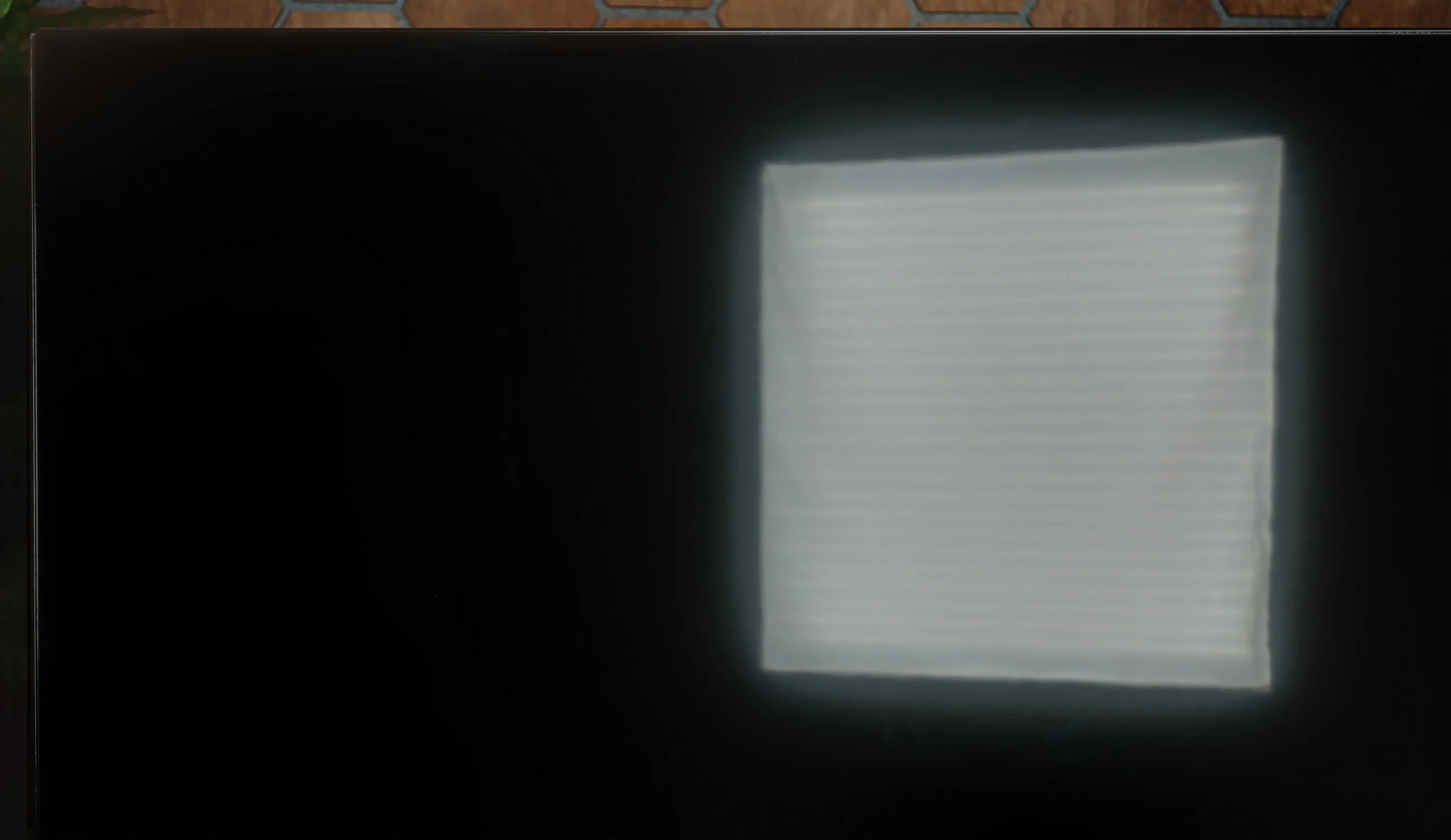
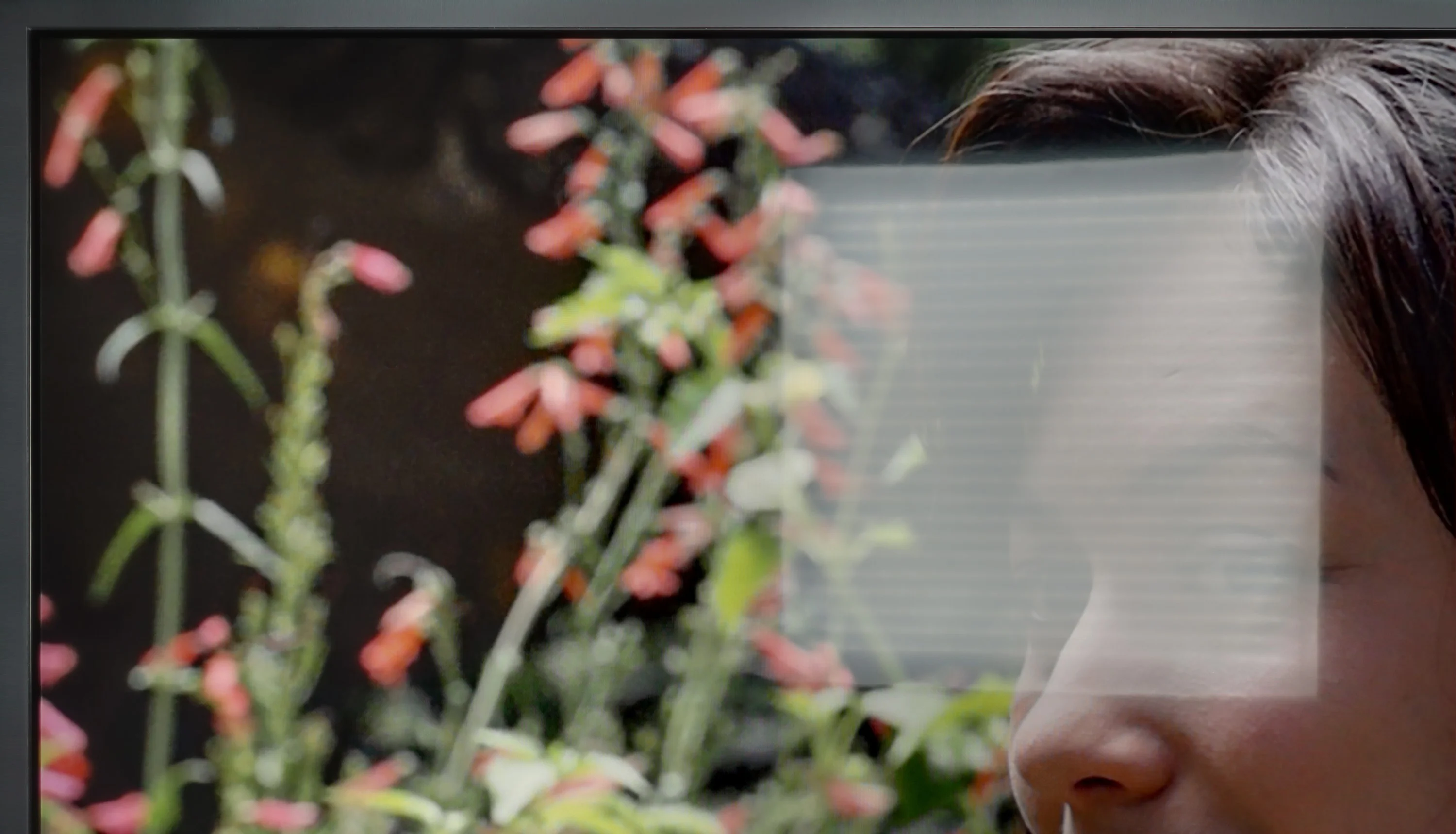
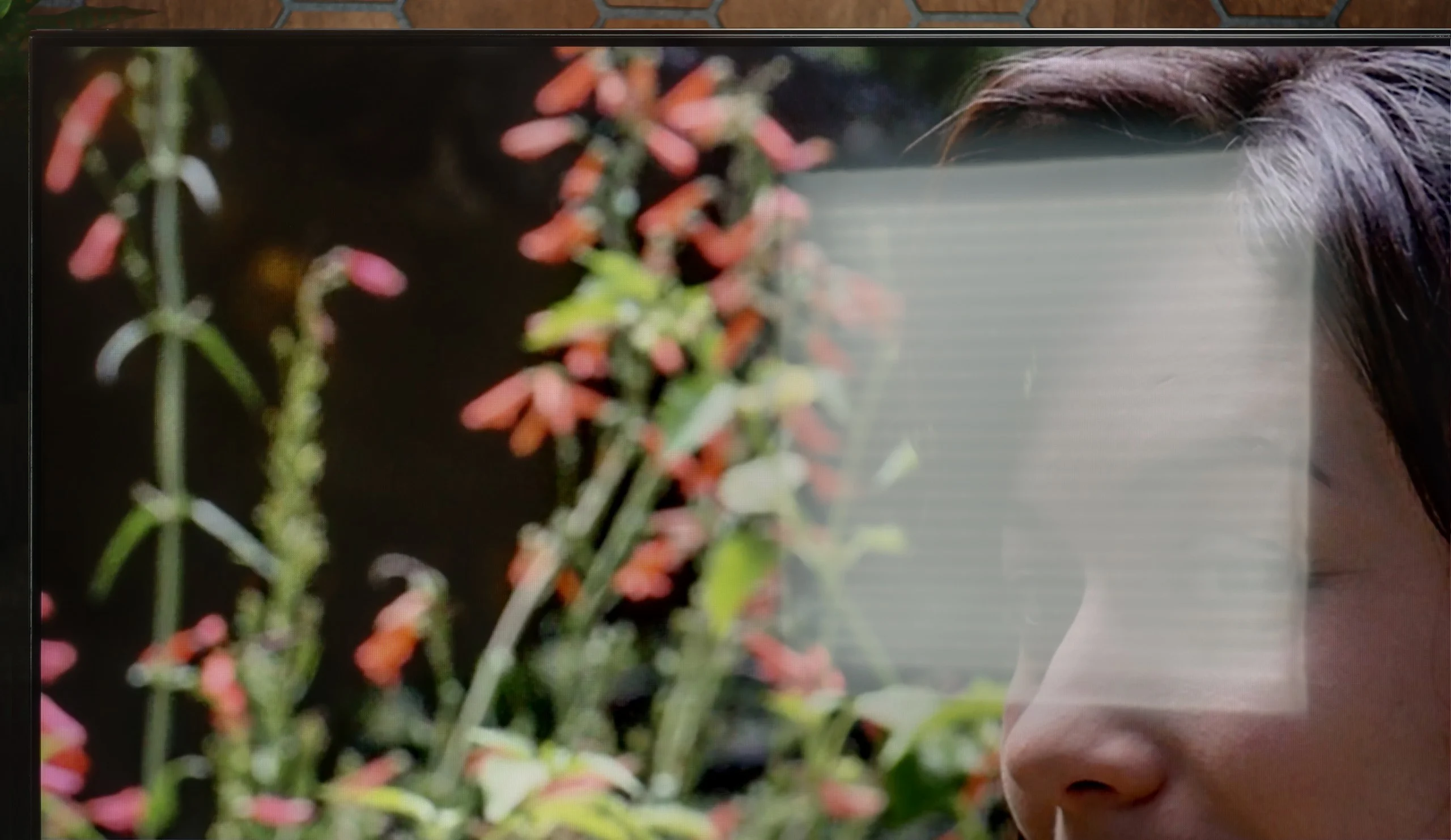
Panel brightness
Dreame S100: 463 cd/m2
LG QNED87T6B: 428 cd/m2
During the day, the LG QNED television performs adequately. It has a satin finish that doesn’t suppress reflections the best, which can be noticeable in bright rooms. Nevertheless, with quite good brightness at 430 nits, the image remains visible and clear. Although reflections may be somewhat bothersome, the brightness of the television allows for comfortable use during the day.
The Dreame S100 works well in most living rooms during the day. The television is equipped with a satin screen coating – while it may not perfectly eliminate reflections, it does a great job of preserving colour saturation, which doesn’t fade when the room is bright. In terms of pure brightness, the S100 has a moderately bright screen. It can reach about 600 nits peak in SDR format. This level allows it to be placed in typically sunlit rooms, although – let’s be honest – it’s not a brightness demon, and it may struggle a bit with direct, harsh sunlight.
Panel details
Subpixel Structure:
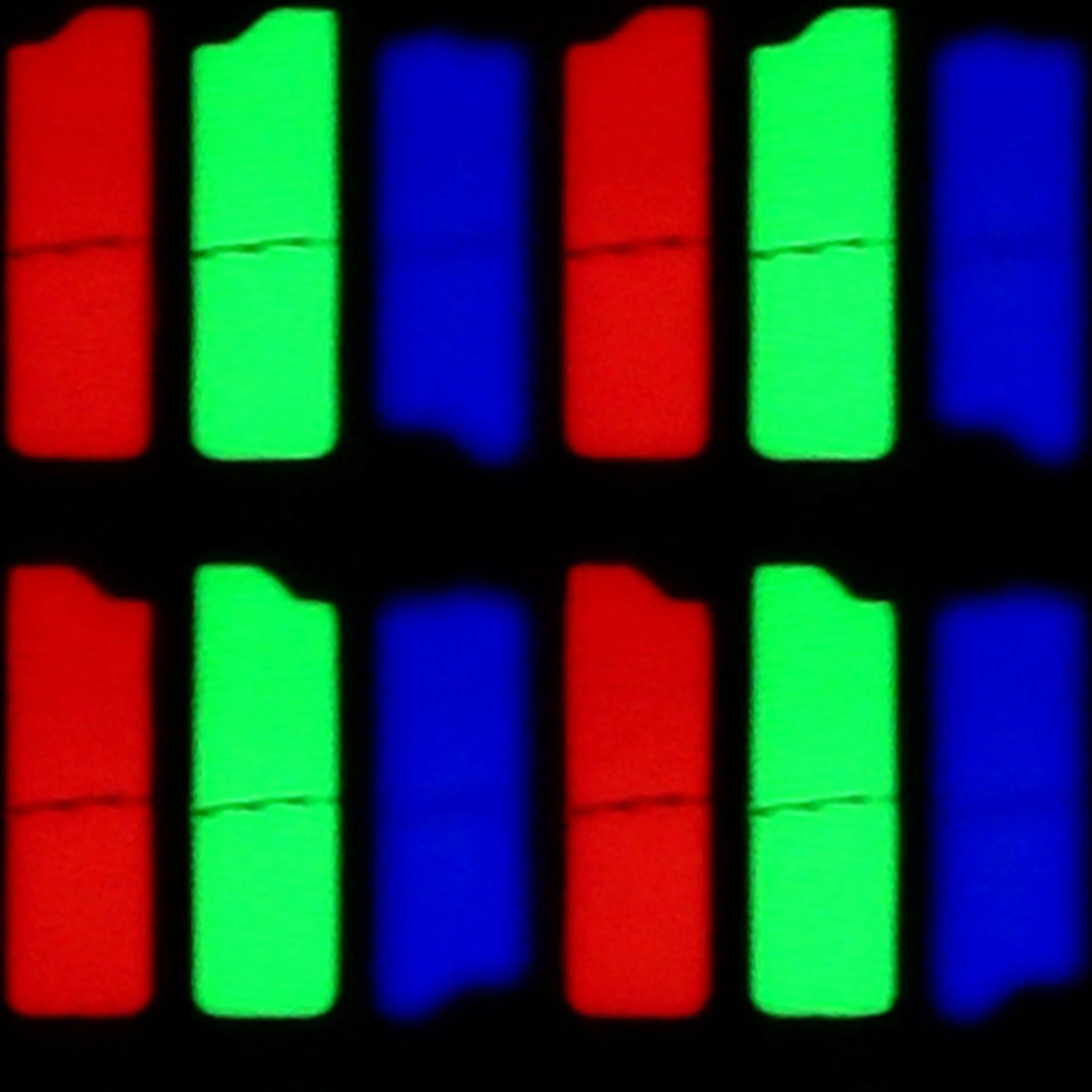
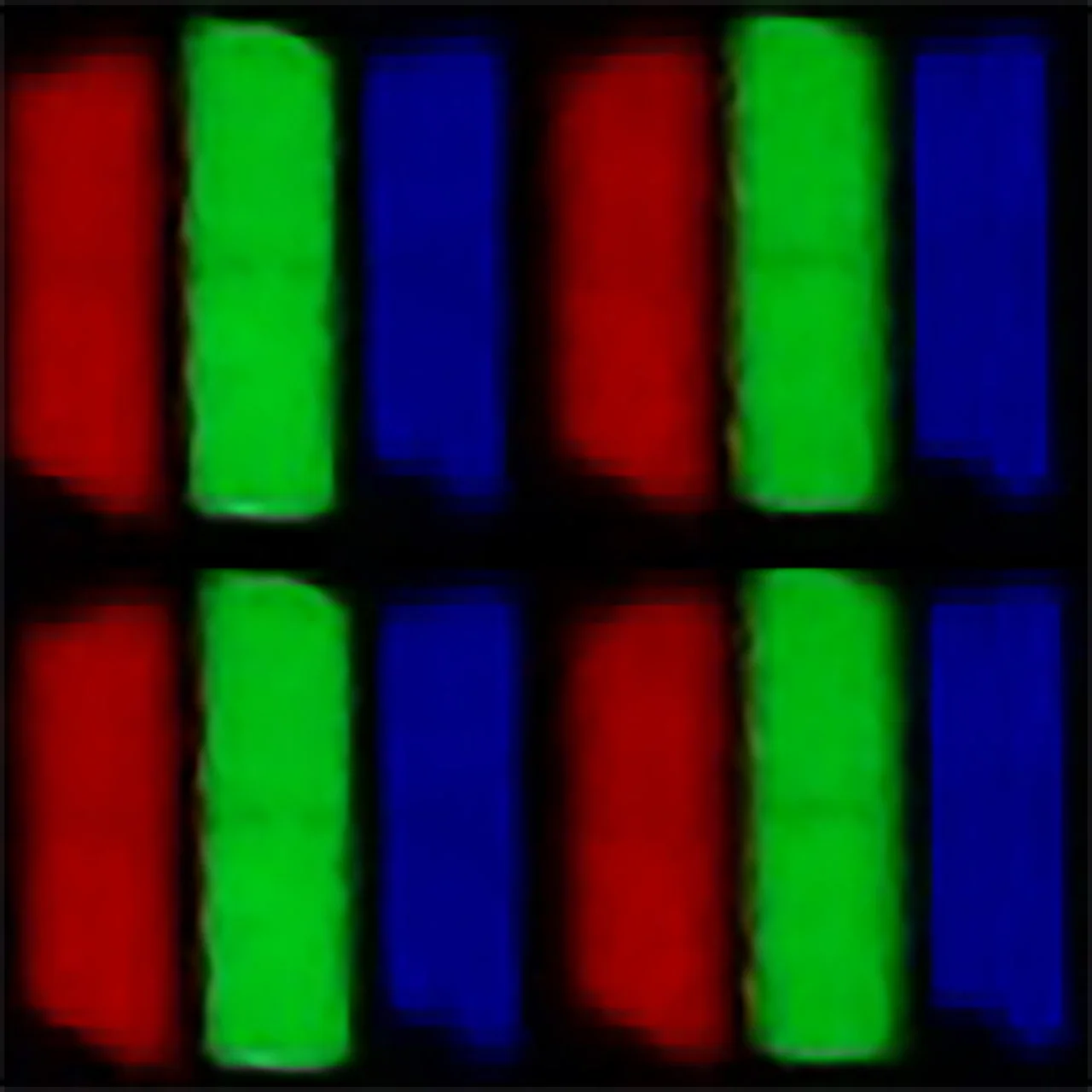
Panel uniformity and thermal imaging:


LG QNED87T6B
Dreame S100
TV features
8.8/10
5.9/10
- SystemWebOSGoogle TV
- System performanceGoodDecent
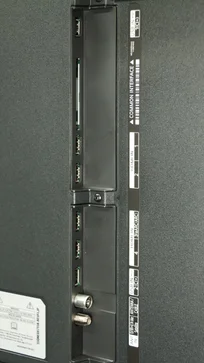
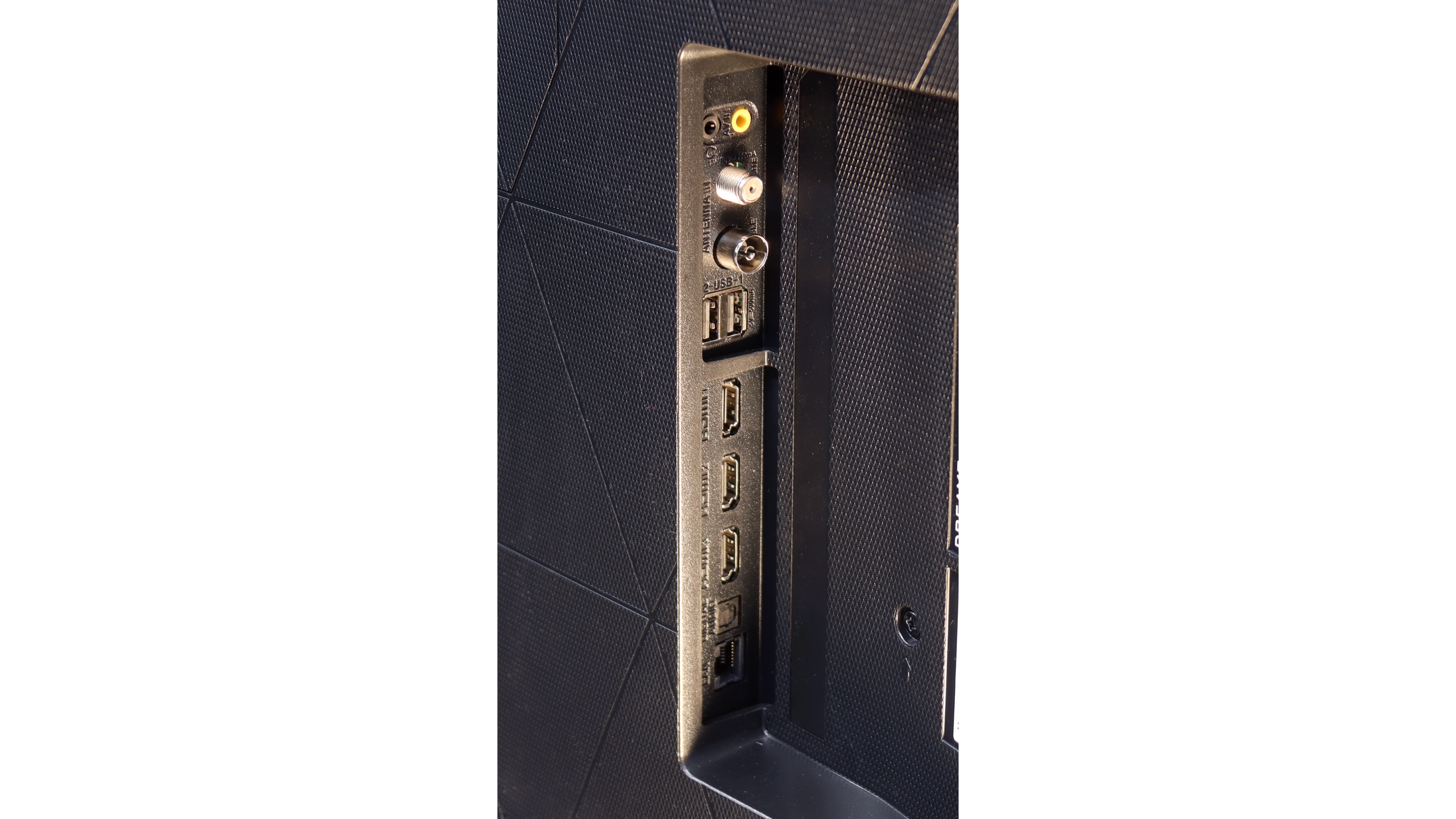
- HDMI inputs0 x HDMI 2.0, 4 x HDMI 2.1 48Gbps1 x HDMI 2.0, 2 x HDMI 2.1 40Gbps
- Other inputsRCA (Chinch)
- OutputsToslink (Optical audio), eARC (HDMI), ARC (HDMI)Toslink (Optical audio), eARC (HDMI), ARC (HDMI), Mini-Jack (Headphones)
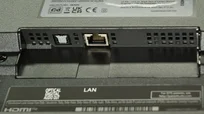
- Network InterfacesWi-Fi 2.4GHz, Wi-Fi 5GHz, Ethernet (LAN) 100MbpsWi-Fi 2.4GHz, Wi-Fi 5GHz, Ethernet (LAN) 100Mbps
- TV receptionDVB-T, DVB-T2, DVB-S, DVB-S2, DVB-CDVB-T, DVB-T2, DVB-S, DVB-S2, DVB-C
Classic features:
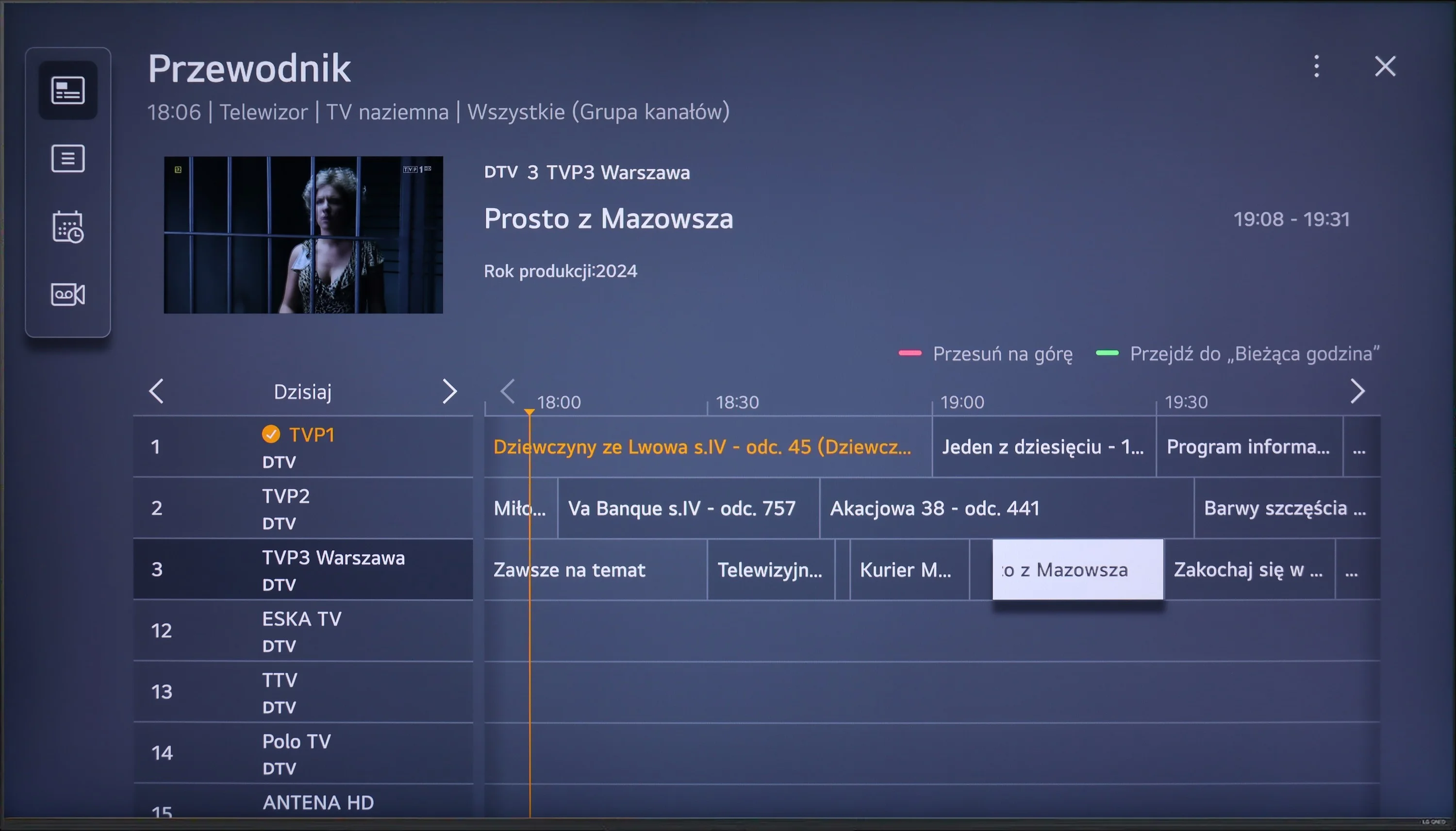
- Recording to USB (terrestrial TV)
- Recording programming
- Picture in Picture (PiP)
- RF remote control (no need to aim)
- Backlit remote control
- Teletext
- Audio only mode
- Bluetooth headphones support
- Simultaneous Bluetooth headphones & TV audio
Smart features:
- AirPlay
- Screen mirroring (Windows Miracast)
- Voice search
- Voice search in native language
- Ability to connect a keyboard and mouse
Sound connection options
- HDMI audioeARC (HDMI), ARC (HDMI)eARC (HDMI), ARC (HDMI)
- Other audio outputsToslink (Optical audio)Toslink (Optical audio), Mini-Jack (Headphones)
- Wireless audioBluetoothBluetooth
Supported audio formats (external HDMI eARC audio):
- Dolby Digital Plus 7.1
- Dolby True HD 7.1
- Dolby Atmos in Dolby Digital Plus (JOC)
- Dolby Atmos in Dolby True HD
- DTS:X in DTS-HD MA
- DTS-HD Master Audio
Senior accessibility
- Numeric keyboard on TV
- Font size adjustment
- Audio description
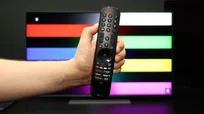
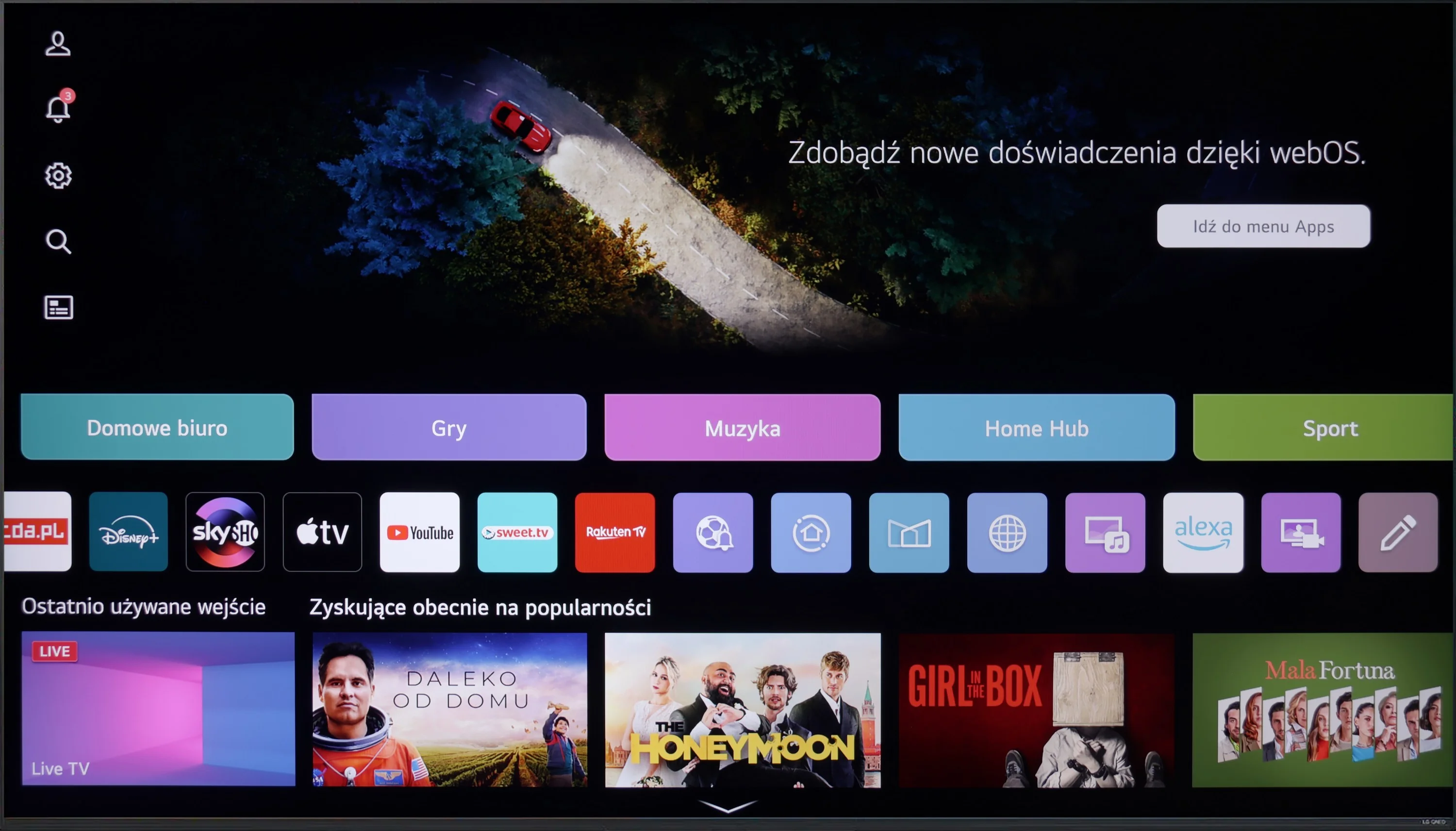
LG QNED87 TV offers a multitude of features that significantly enhance user comfort. Let's start with the WebOS system, which we believe has the most user-friendly interface among all TVs available on the market. One of its greatest advantages is the remote control with a built-in gyroscope, known as the Magic Remote. Thanks to this, navigation is intuitive and quick, making TV usage a pleasure. WebOS also supports a range of smart features that greatly simplify everyday use of the television. Among them is AirPlay, which allows easy content sharing from Apple devices such as iPhone or iPad. Additionally, the TV supports a wide range of streaming applications, such as Netflix, YouTube, Amazon Prime Video, and many others, providing access to favourite movies and series in one place. When it comes to everyday use, LG QNED87 does not disappoint. The TV offers a USB recording feature, which is becoming increasingly rare in modern models. This allows users to record their favourite programs and watch them at any time. Furthermore, the TV has a Picture-in-Picture (PIP) function, although only for one tuner, enabling the viewing of two programs simultaneously. Connecting additional devices via Bluetooth is simple and hassle-free. The TV supports various Bluetooth devices, such as mice, keyboards, and headphones, increasing its versatility and allowing easy personalisation of the user experience. With all these features, the LG QNED87 TV is a versatile and convenient device that meets the expectations of even the most demanding users.
Smart TV: Google TV
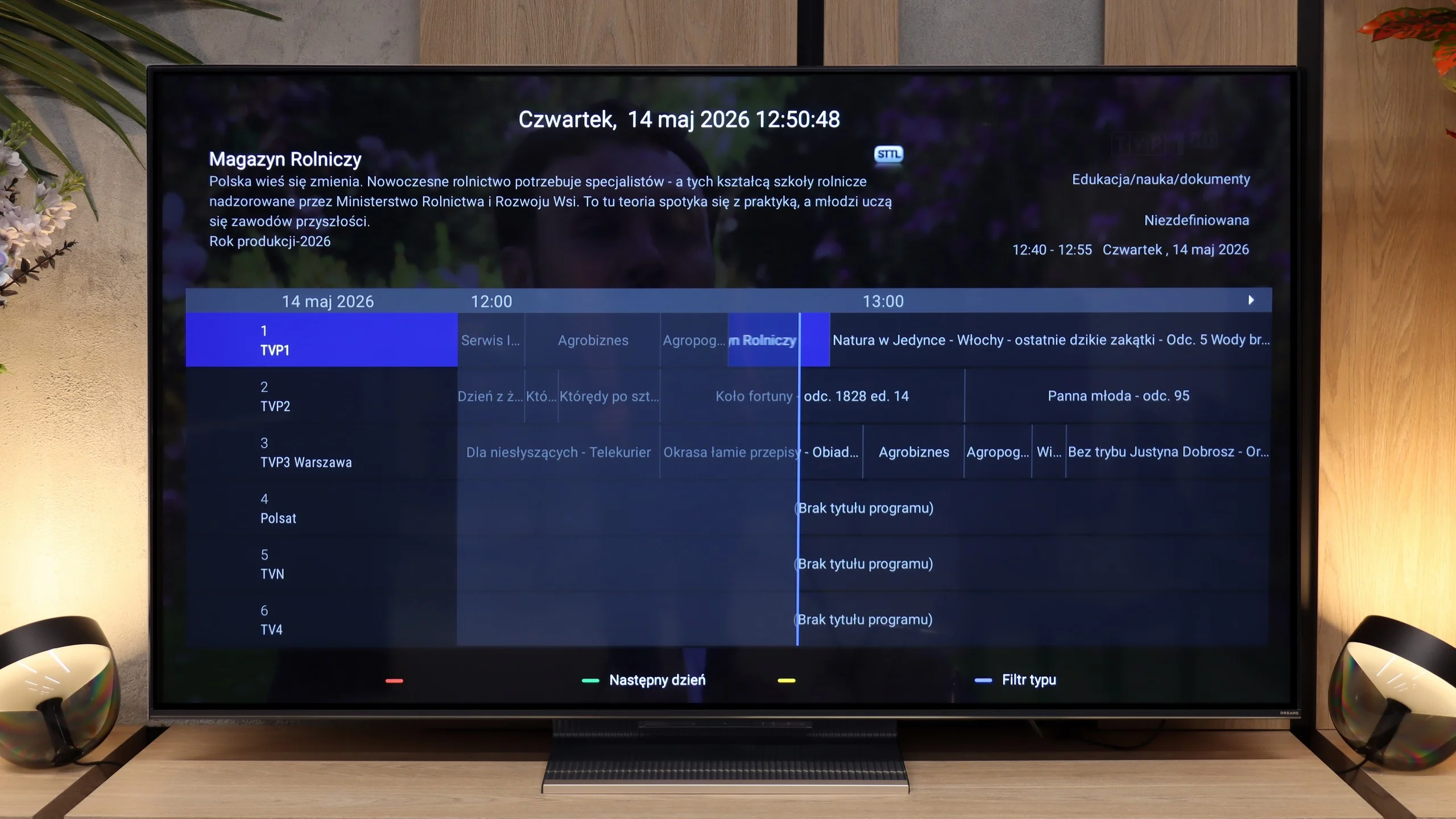
Dreame S100 uses the Google TV operating system. This is great news for anyone looking for a television with access to almost all streaming apps on the market. The system itself runs quite smoothly, although it does experience slight stutters now and then – which is par for the course in most Chinese TVs with Google software. On board, we find almost every necessary Smart TV feature, including screen mirroring and voice search using Google Assistant. Unfortunately, the Dreame S100 lacks support for AirPlay, making it difficult for iPhone users to easily share content from their phones.
Television Features
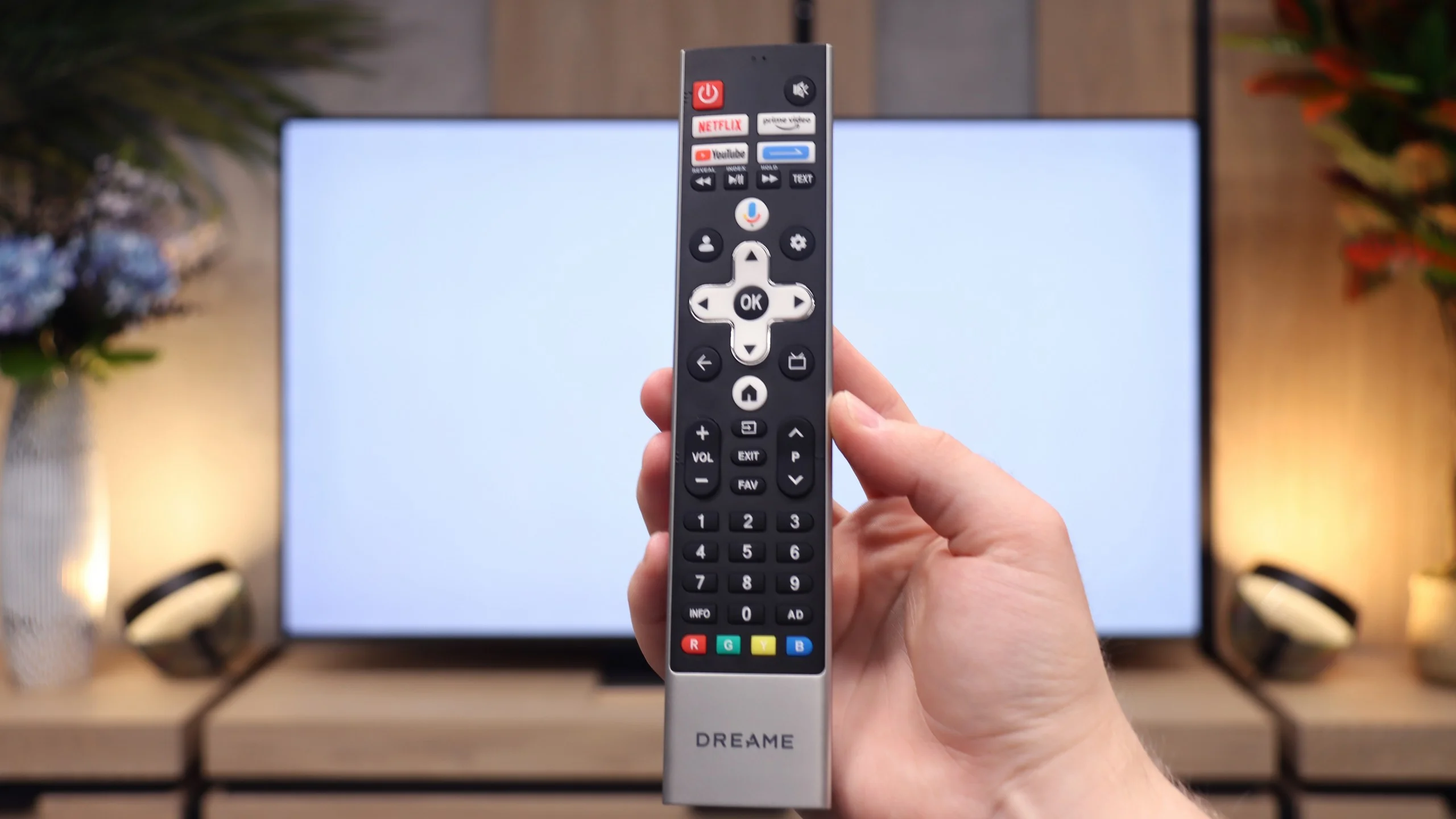
Unfortunately, the Dreame S100 is not a television designed for traditional TV viewers. Aside from basic options like connecting headphones and a rather simple remote control equipped with a numeric keypad, there are practically no additional features to facilitate the daily viewing of traditional channels. The only pleasant and increasingly rare addition is the presence of a physical minijack headphone output. This allows for connecting older wired headphones or analogue audio sets.
Apps
8.3/10
9.6/10






















Playing files from USB
8.2/10
8.3/10
Supported photo formats:
Maximum photo resolution:
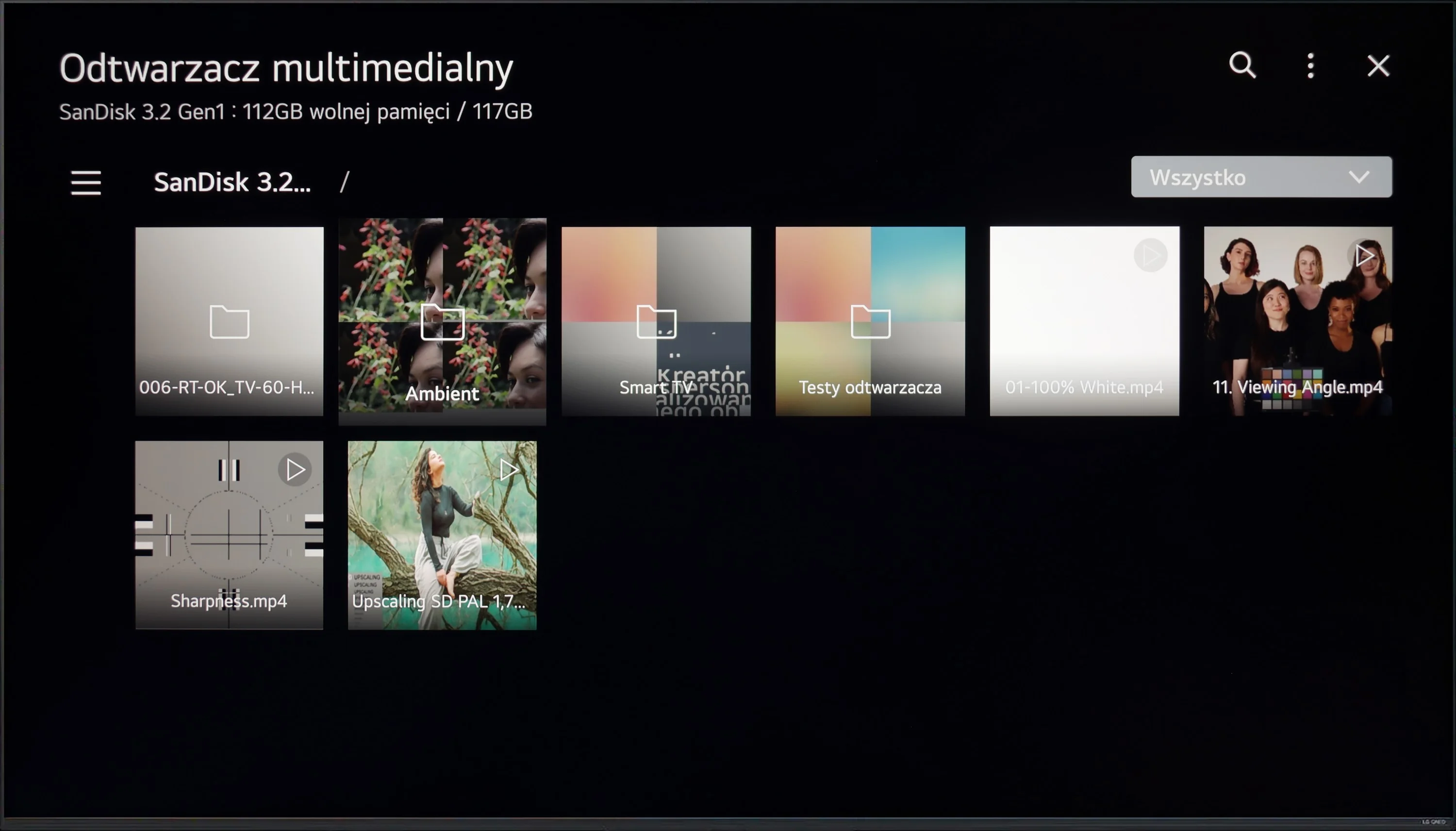
The built-in media player in the LG QNED87 television should not disappoint anyone. It offers rich capabilities when it comes to playing video and audio files. It supports many popular formats, ensuring versatility and user convenience. The only drawback might be the limited number of supported photo formats. However, this mainly concerns those less popular formats, so most users should be satisfied with the player's functionality. For everyday use and typical multimedia formats, the player performs very well.
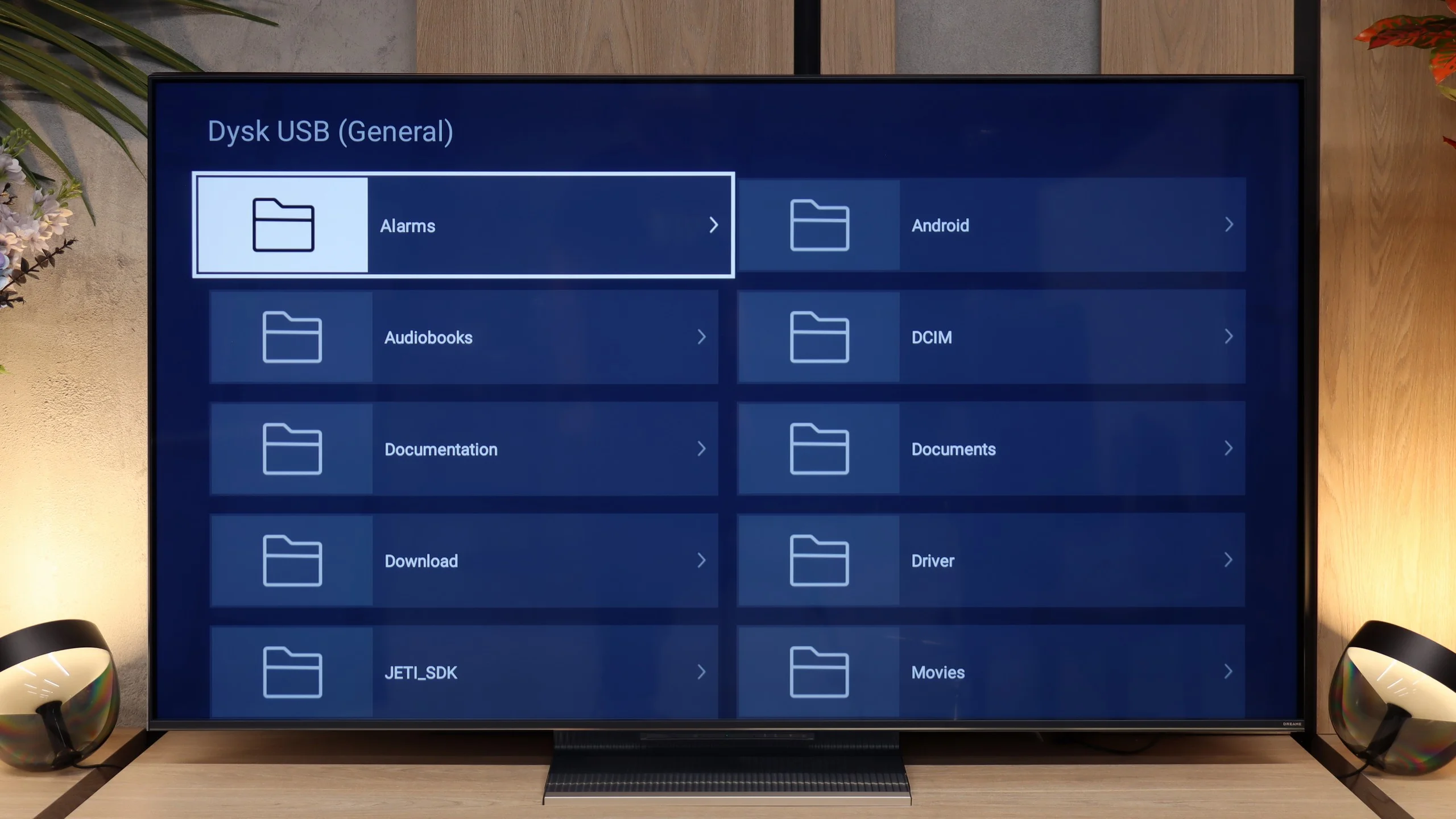
The built-in media player works well and handled most files we provided from our USB drive without any issues. However, there were times when the app experienced slight stutters, and selected movies or photos only loaded after a few seconds. If the factory player turns out to be not very intuitive or lacks advanced features, the Google TV system saves the day. You just need to go to the app store and install any external media playback program (e.g. VLC) that will resolve this issue.
Sound
6/10
8.3/10
- Maximum volume-84dB
- Dolby Digital Plus 7.1
- Dolby True HD 7.1
- Dolby Atmos in Dolby Digital Plus (JOC)
- Dolby Atmos in Dolby True HD
- DTS:X in DTS-HD MA
- DTS-HD Master Audio
When it comes to sound, it can be said that it's moderately pleasant. There's a lack of pronounced bass, and the mid tones seem a bit unclear. This isn't an ideal situation for audiophiles, but it's worth noting that the television plays DTS files without any issues. This is a feature that's missing in many other televisions, so the LG QNED87 deserves praise for this support.
The sound quality of the Dreame S100 is one of the biggest advantages of this model – it's really good. The TV is equipped with a 4.1.2 speaker system with a total power of 70 W. The sound is clear, with a noticeably defined bass, which is confirmed by our acoustic measurements. The large drivers positioned on the sides of the casing effectively widen the soundstage. As a result, we get a noticeably more spacious sound compared to standard 20-watt 2.0 systems. The device supports Dolby Atmos encoding, so we can easily play spatial audio tracks from streaming platforms without the need to purchase an external soundbar. Unfortunately, it lacks support for the DTS format – that's a downside, although it must be honestly admitted that this standard is increasingly being abandoned by most manufacturers. On the plus side, the audio connection options are good. The Dreame S100 can be easily connected to newer home theatres or soundbars via the HDMI eARC port or optical output. A nice and increasingly rare addition is the classic minijack headphone socket, which allows older audio sets to gain a new life.
Sound Quality Test
No sound test video
Acoustic Measurements
No acoustic data
84dBC (Max)
75dBC
Reader comments
Comments are provided by the external service Disqus (Zeta Global). Once loaded, Disqus may set cookies and process data about your activity.
We will remember your choice on this device. Provider's privacy policy