Classic TV Features:
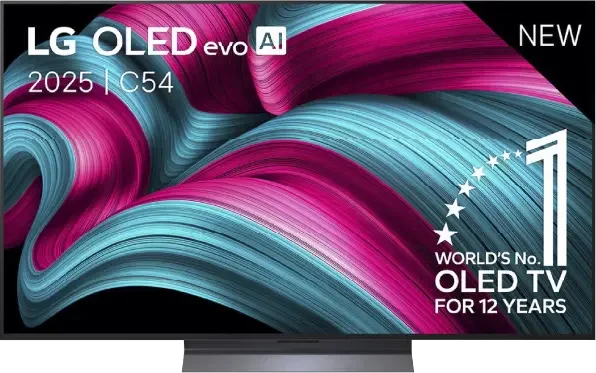
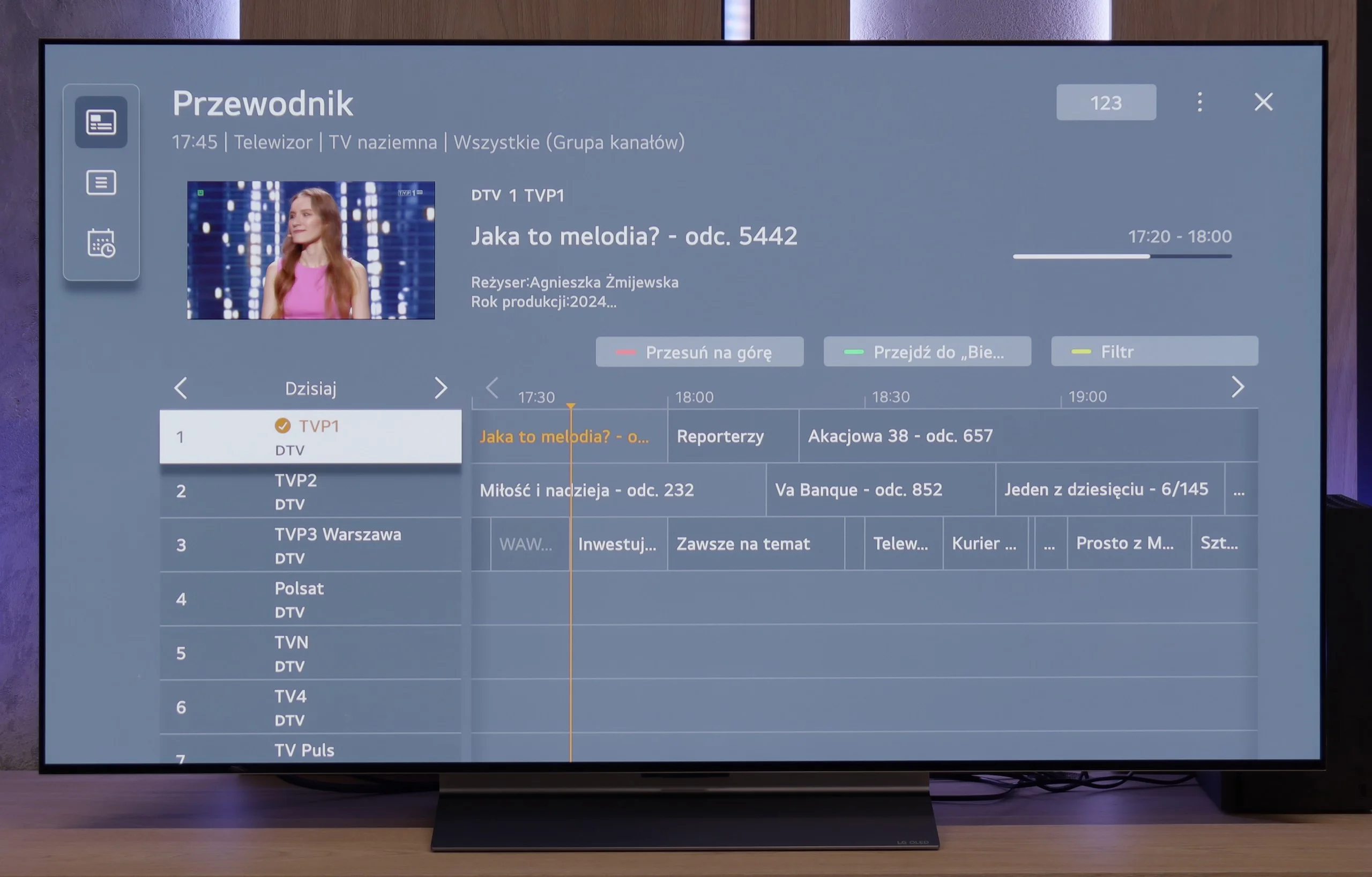
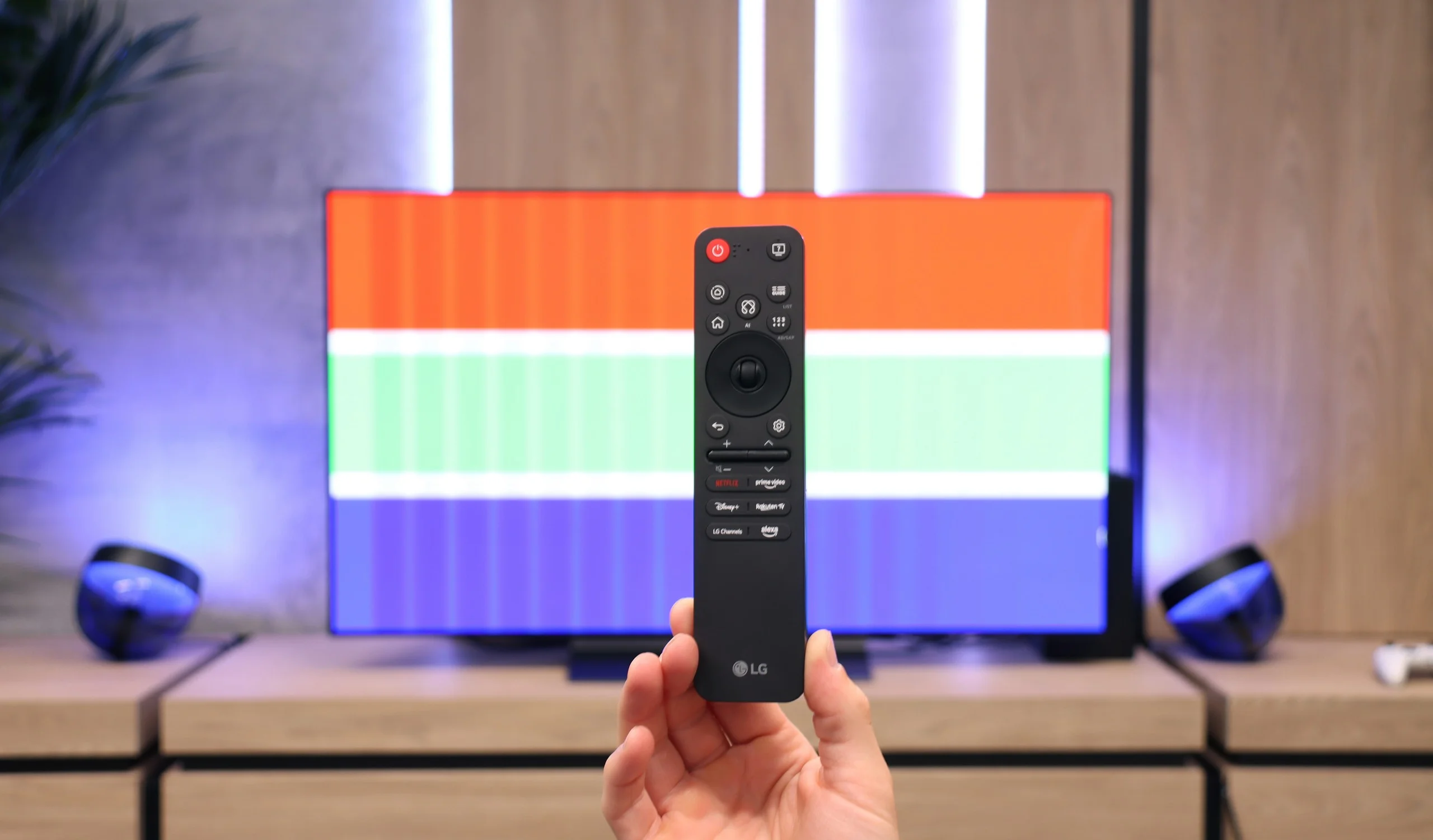
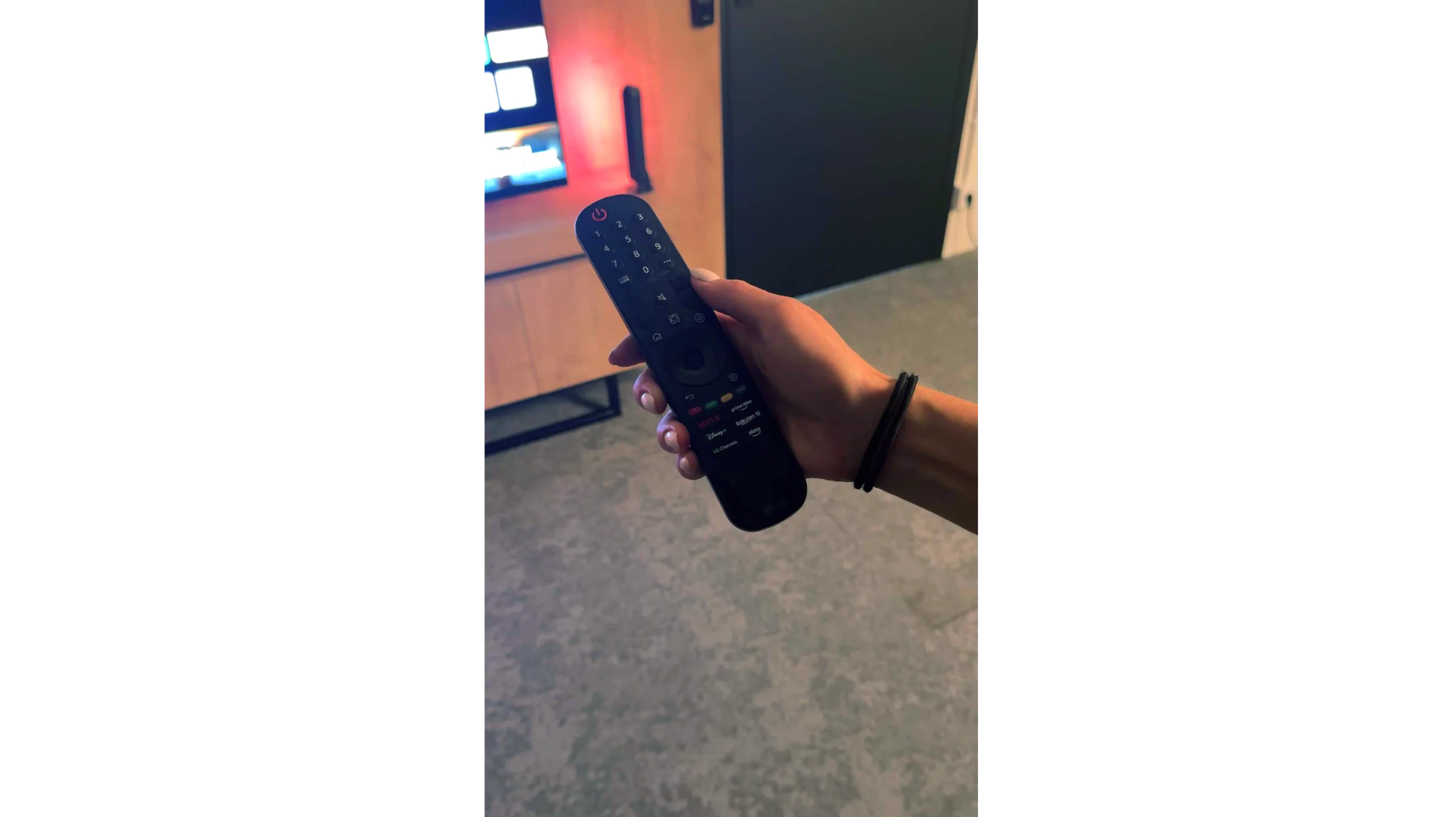
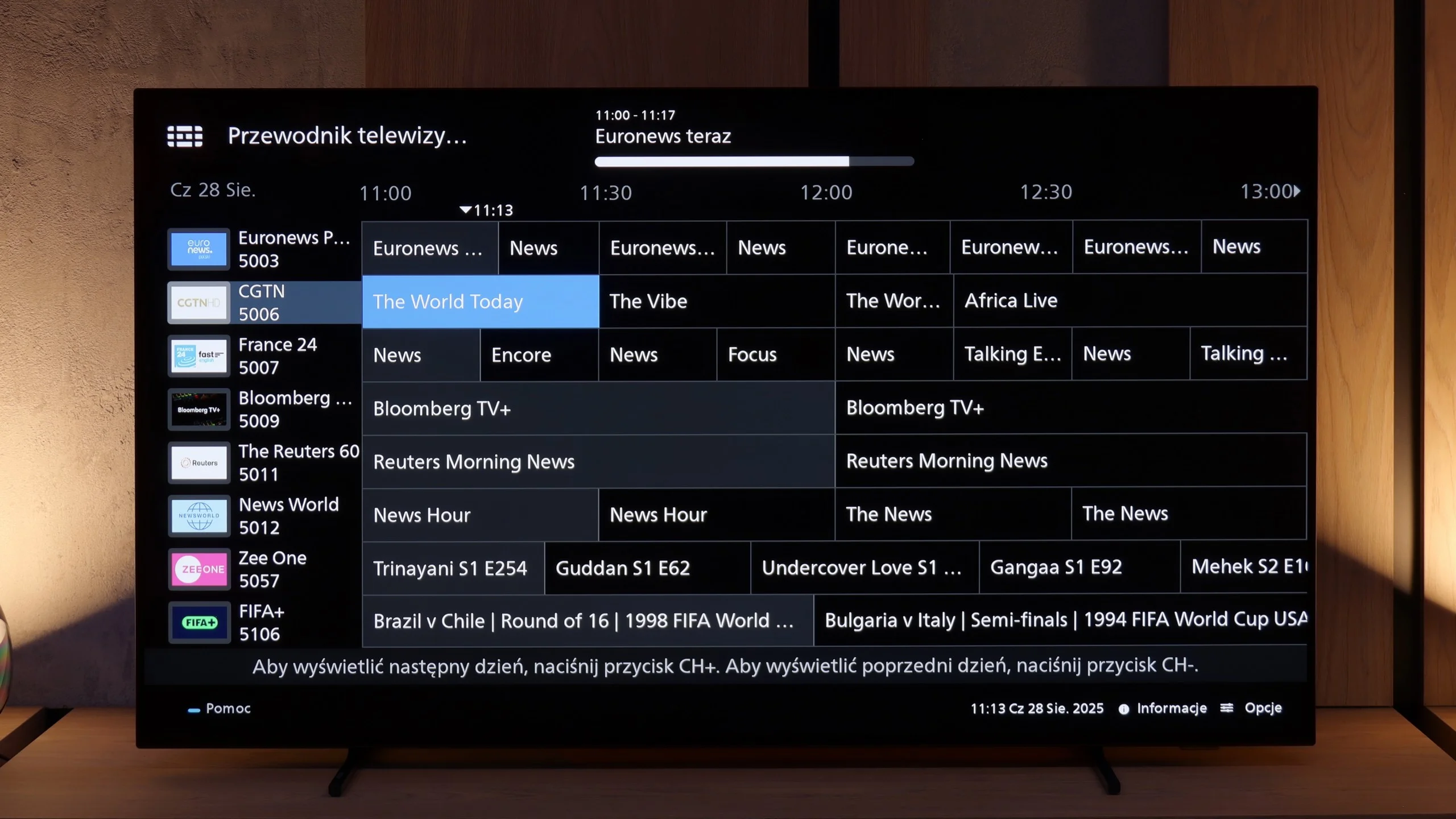
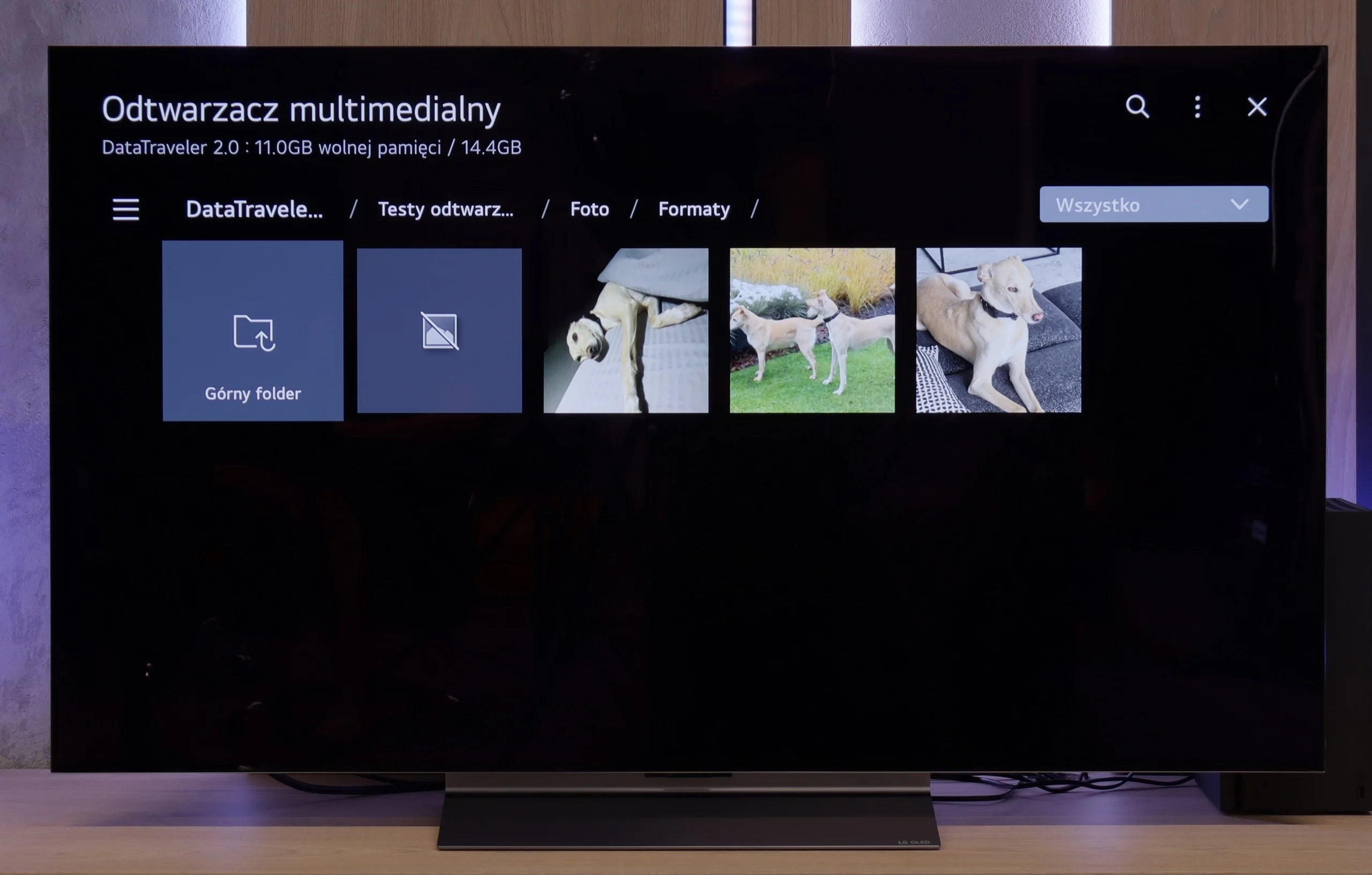
In terms of classic TV functionalities, the LG C5 performs really well. Here, we have the option to record programs to USB from built-in DVB-T(2) tuners, support for teletext, an EPG channel list, and seamless pairing of headphones via Bluetooth. For many users, these are still very important elements of everyday TV use – and LG doesn’t fall short in this area, except for the PIP function. It is worth noting the topic of the remote, or rather... the different versions of the remote. In our test, we used the C54 model, which is equipped with the new version of the Magic remote. It somewhat resembles Samsung's minimalist approach – there’s no numeric keypad or "source" button, but it looks modern and is comfortable for everyday use. Conversely, other variants, such as C5ELB, may be sold with an older version of the remote – a more classic one, with more buttons and a numeric keypad. Some may consider it more practical, while others see it as outdated. In short: quite a bit of confusion, so it's worth checking the model suffix before purchase.
Smart TV:
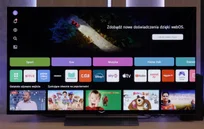
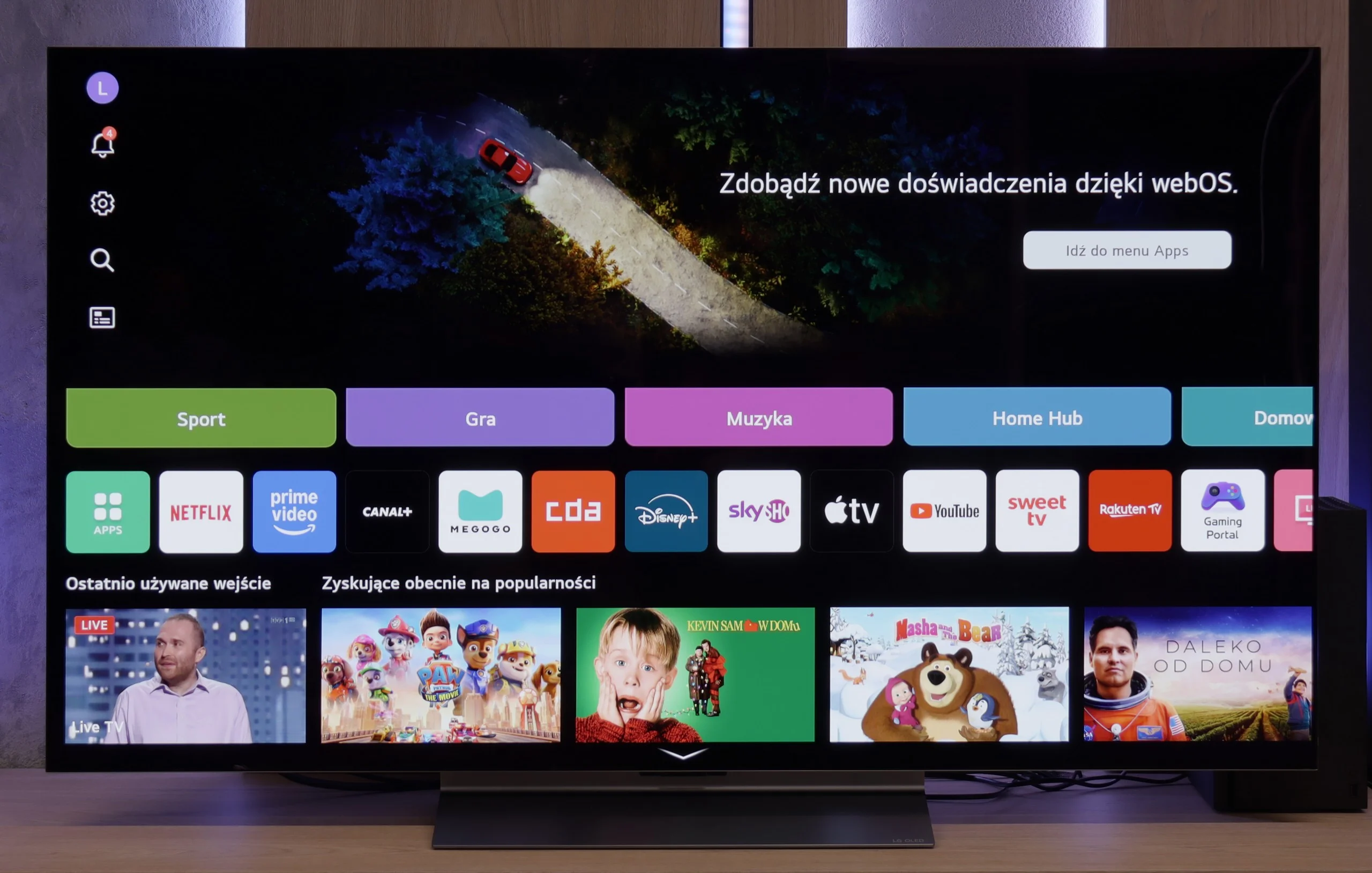
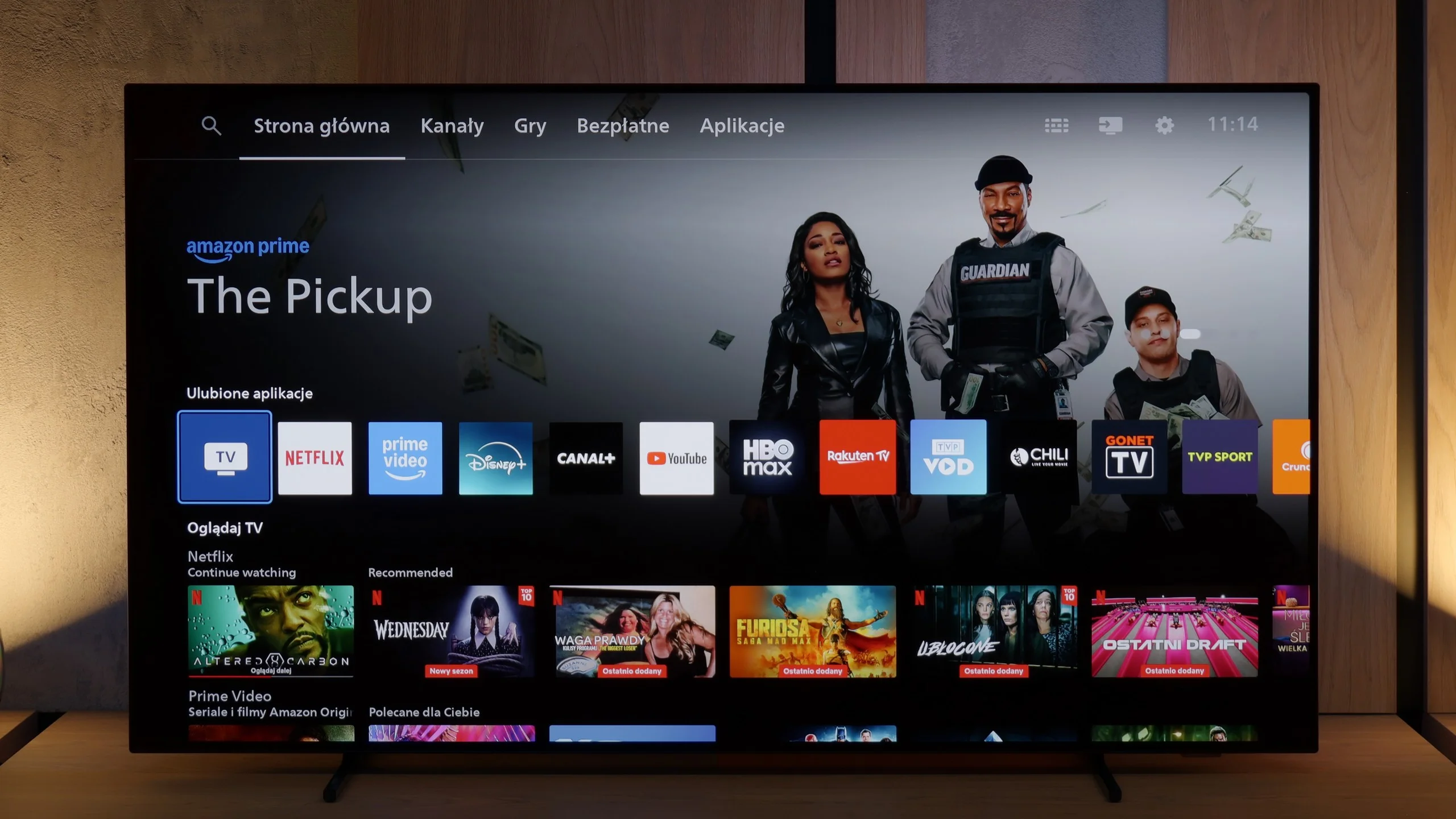
Regardless of the version of the remote, we’re operating the same system – WebOS. This is one of the most enjoyable solutions in the Smart TV world. The intuitive menu, fast performance, and support for popular features, such as AirPlay, screen mirroring, or voice assistant, make the system perform very well in everyday use. Additionally, controlling the cursor using the gyroscope in the Magic remote remains one of the most convenient forms of navigation in TVs. There are really quite a few applications here – Netflix, Disney+, HBO Max, Apple TV, and many more. However, one must remember that this is not a system based on Android/Google TV, so it may happen that we simply cannot find some less popular app in the LG store.
Functional Features
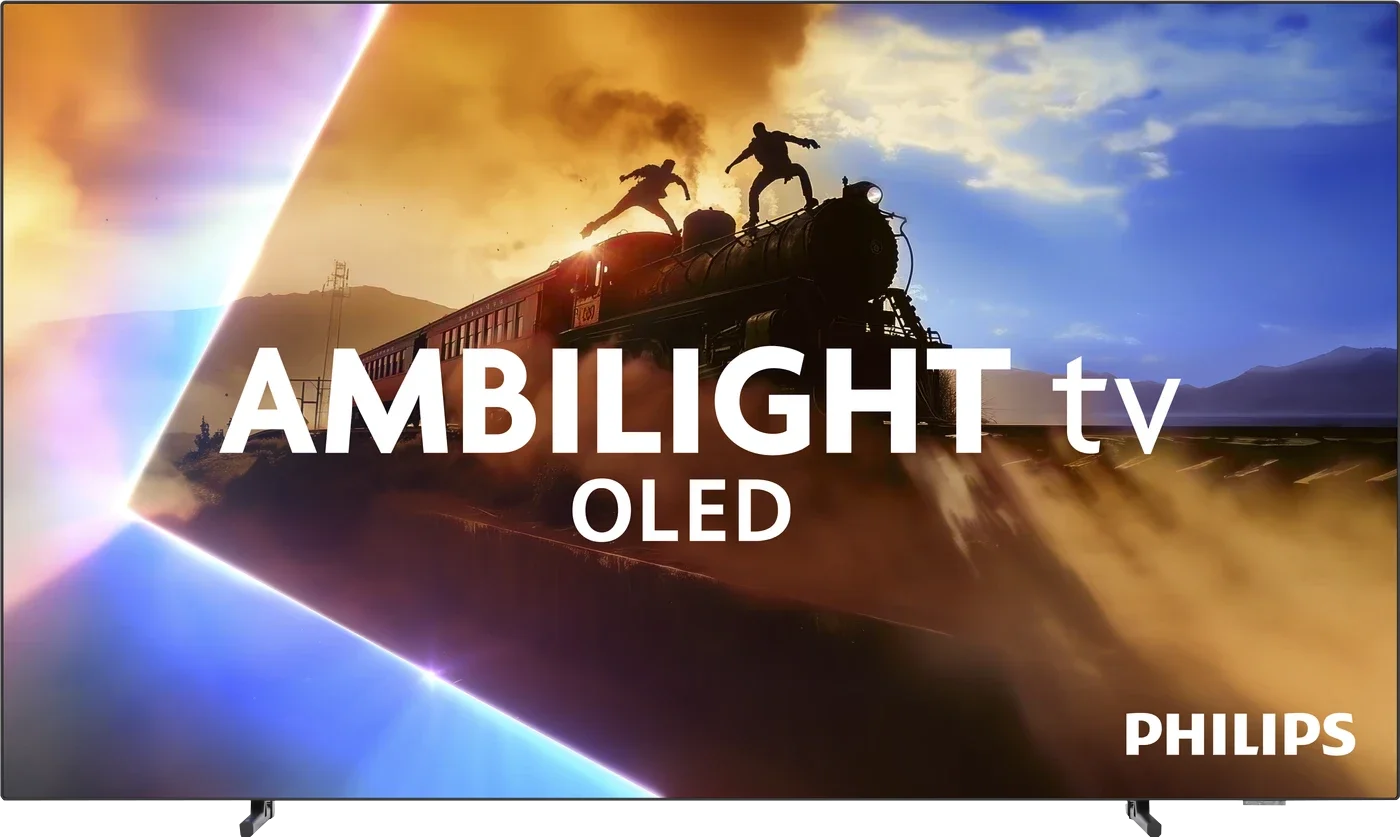
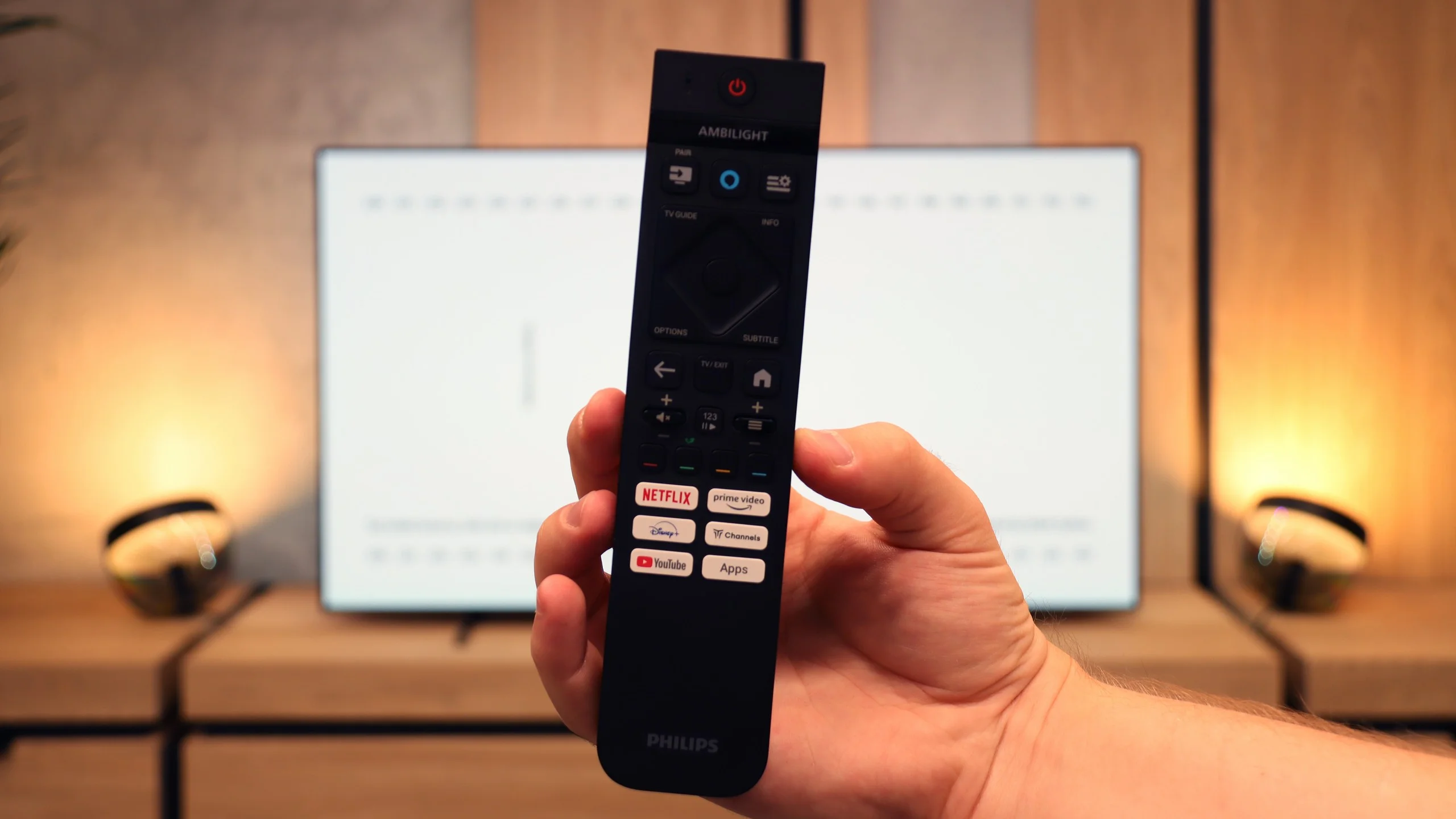
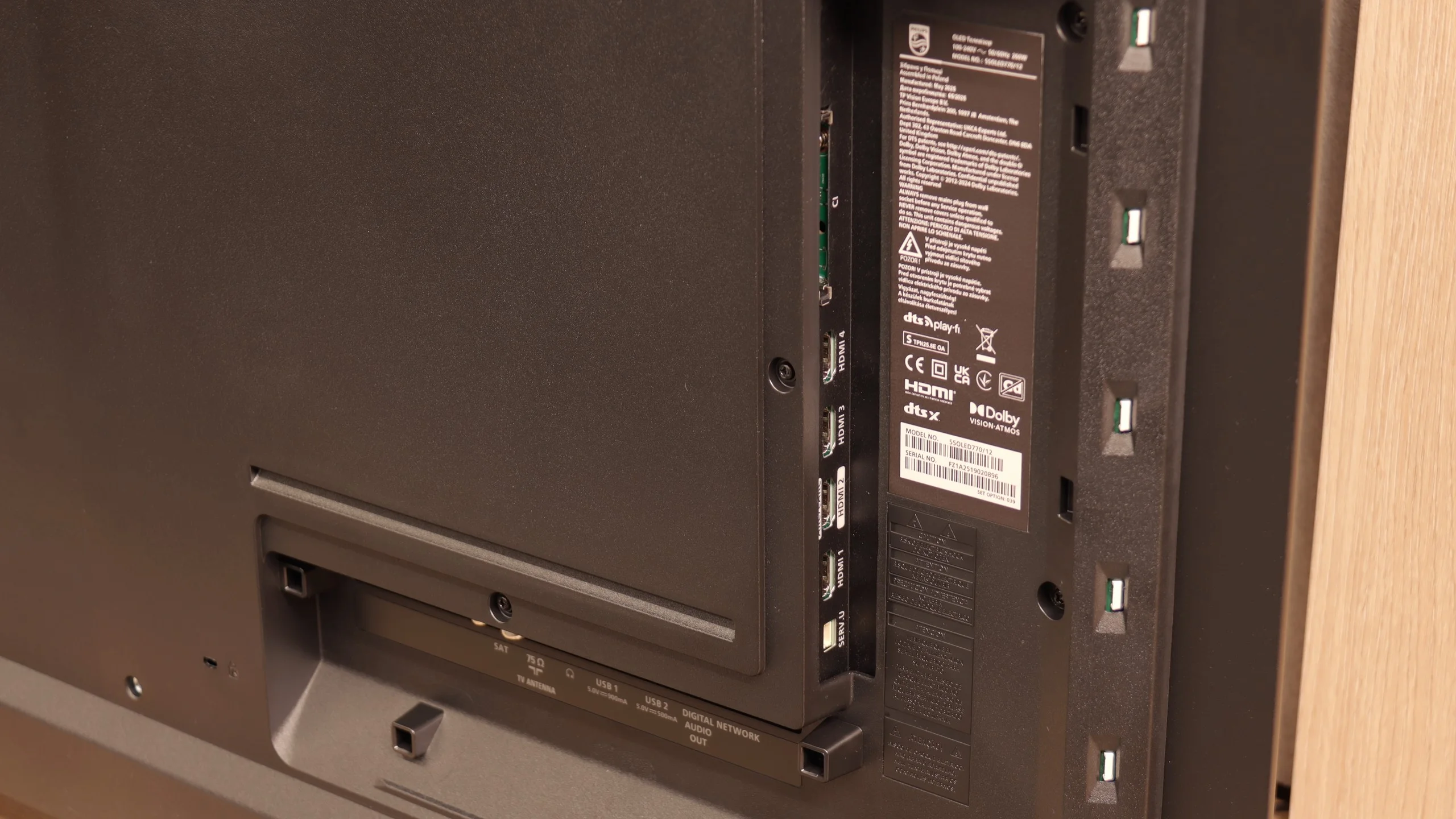
Let's start with the basics, which are the classic functions of a television. The Philips OLED770 doesn’t turn the table here; we have a standard EPG interface, the ability to connect devices via Bluetooth, and a few simple configuration options including teletext. Interestingly, there is a jack connection, which is becoming quite rare these days. However, those with older receivers or wired headphones will appreciate it. The remote creates a good impression – it’s ergonomic and has a backlit numeric keypad – but there’s also a sense of a step back here. It works via infrared, so you have to aim it at the television, and frankly, by 2025 we would expect full wireless support. The exception is voice commands, which use Bluetooth, but even here there’s no reason for euphoria.
SmartTV Features – TitanOS
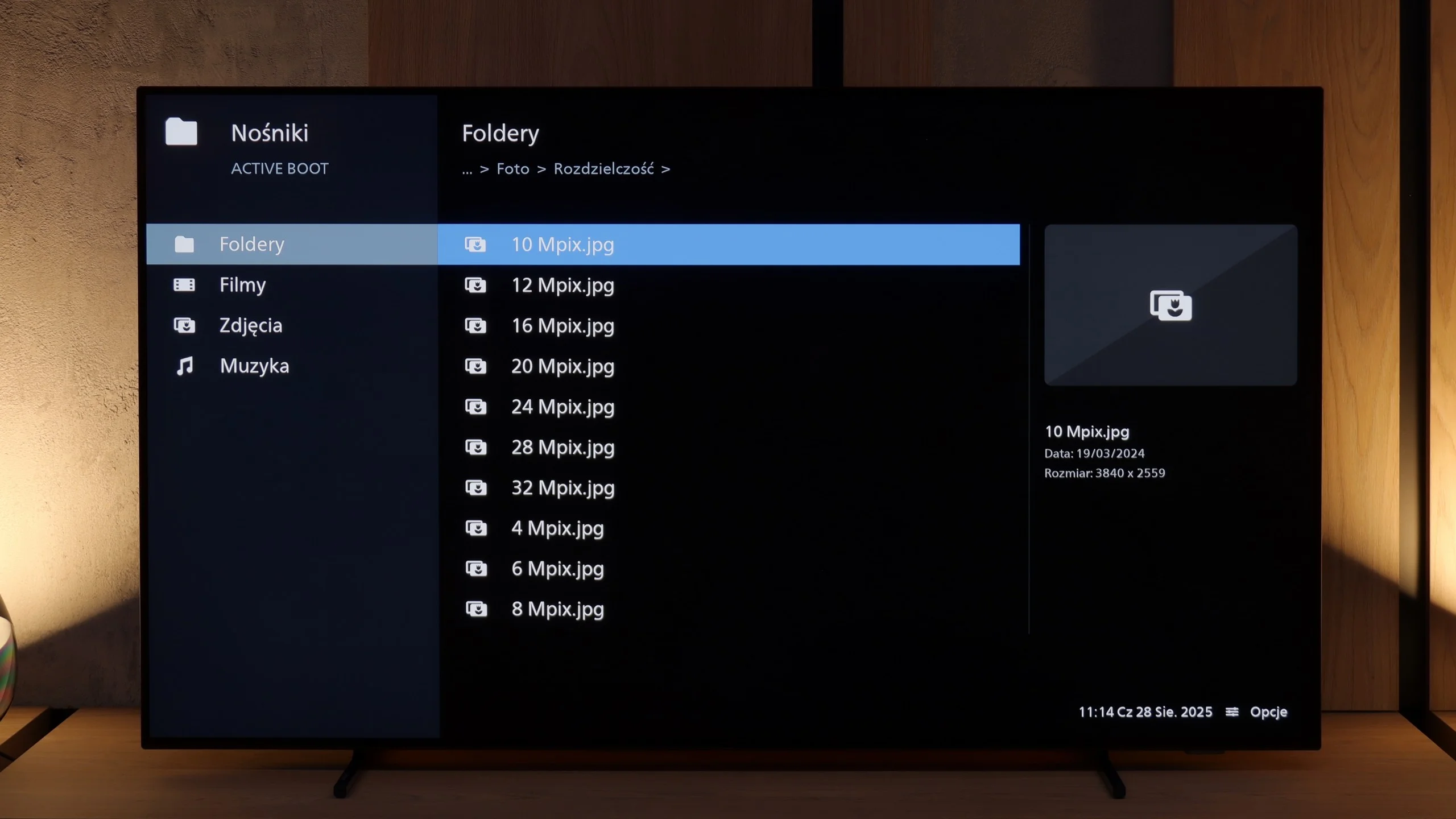
Speaking of voice, let’s move on to the Smart TV system, which is an element that largely defines the daily comfort of using a television today. And here the OLED770 clearly lags behind the competition. TitanOS operates quickly enough that it's not a disaster, but daily use can be frustrating due to minor bugs and shortcomings. Theoretically, we get support for AirPlay, but on the other hand, screen mirroring just didn’t work at all in practice. Voice search? Yes, but only through Amazon Alexa and without support for the Polish language. In other words, the features are there, but when we try to use them, we find that their practicality is severely limited and nearly useless. And it’s this Smart TV aspect that becomes the greatest hindrance of the OLED770. The image can be astonishing, gaming is excellent, and Ambilight creates a unique atmosphere – but when we transition to daily use of apps and services, we feel a sense of dissatisfaction.
Ambilight – Philips OLED770
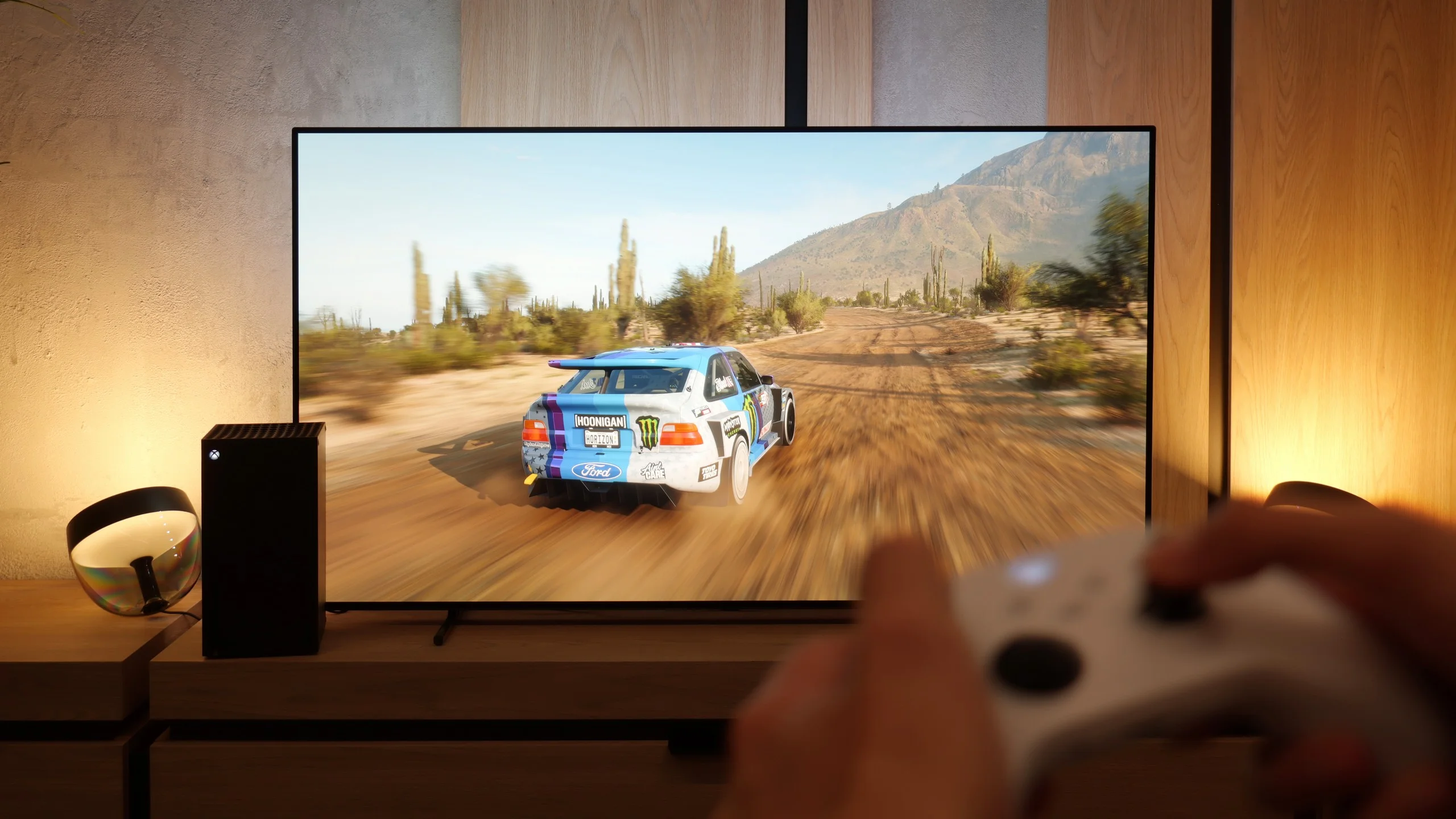
Although in terms of smart functionality, the Philips OLED770 is rather average, it has something in store that its competitors honestly envy. We’re talking about the three-sided Ambilight system, which has been a hallmark of this brand’s televisions for years. The LED lights positioned at the back of the housing dynamically illuminate the wall in colours matched to whatever is happening on the screen at that moment. The effect is simple but very suggestive – the image seems to extend beyond the boundaries of the television, giving us the impression that the screen has suddenly grown by extra inches. During a movie screening, it can create atmosphere, in games it enhances immersion, and during regular TV viewing, it simply pleases the eye. It’s this addition that makes it so that despite the limitations of TitanOS, the OLED770 has something that can attract attention and give it character.
 Direct comparison