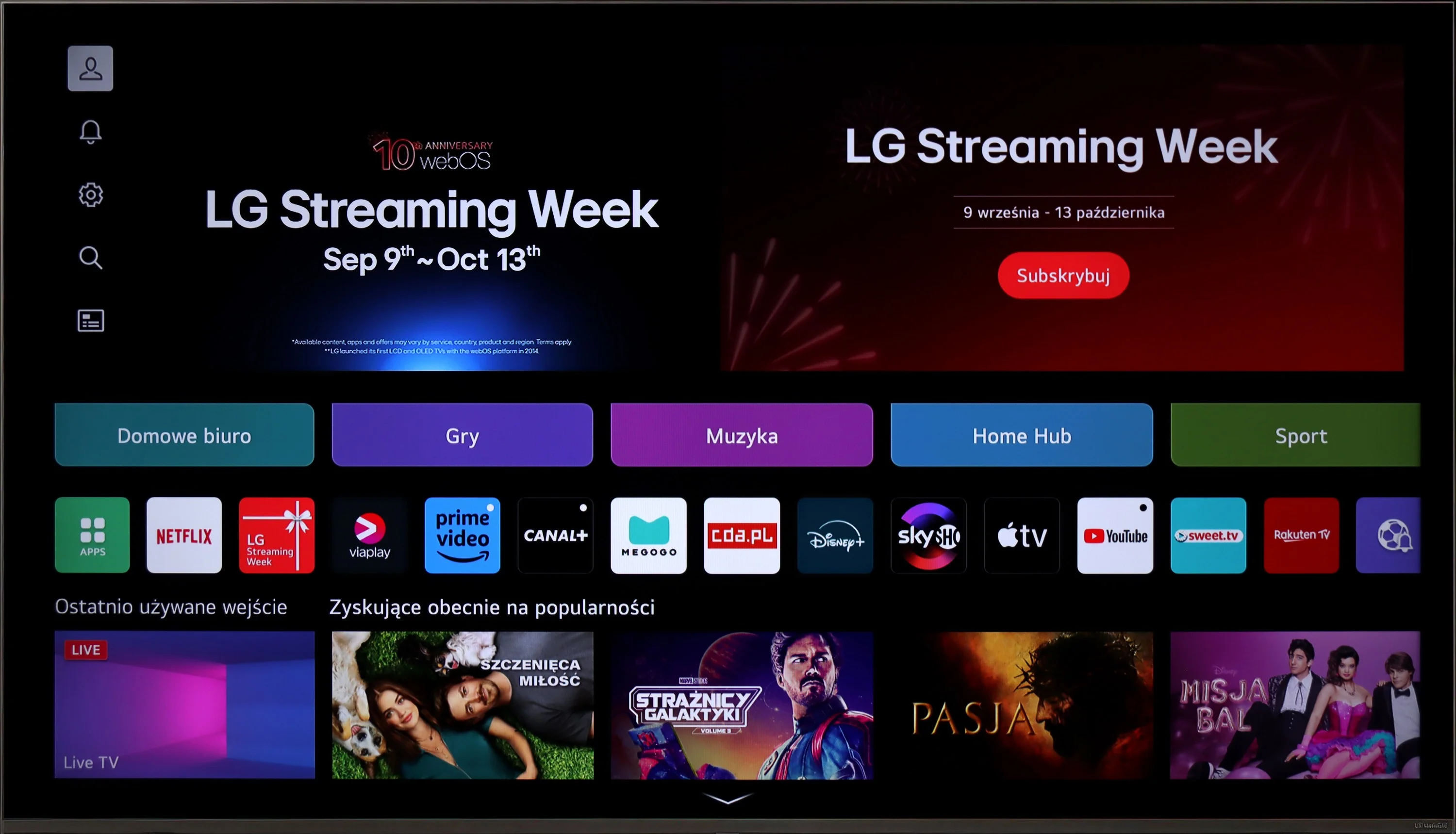
LG NANO82T is the first model from the LG television series for 2024, featuring NanoCell technology. It is aimed at a wide audience looking for a television with an attractive operating system. WebOS is incredibly intuitive and fast, offering a broad range of applications to install and easy usage. The Magic remote, functioning like a computer mouse, allows for convenient navigation through the menu, and voice commands in Polish further simplify using the television. In terms of everyday use, LG NANO82T will definitely not disappoint. It supports a recording function, allowing you to save your favourite programs, and has good capabilities for enhancing lower-quality images. It also offers features like AirPlay and easy device pairing thanks to built-in Bluetooth. In terms of image quality, the television may not offer the highest brightness, but its contrast is quite good. The VA panel provides deep blacks and clear details, making watching movies and television shows a pleasurable experience. Additionally, the television is a good choice for occasional gamers and PC users. It has low input lag and basic features for PS5/XBOX consoles. When it comes to PC users, the readability of fonts is at a very high level. LG NANO82T is a great choice for those looking for a versatile device with a modern operating system and innovative solutions that will satisfy most users.
- Matching (Score) |
- Our verdict |
- TV appearance |
- Where to buy |
- Contrast and black detail |
- HDR effect quality |
- Factory color reproduction |
- Color reproduction after calibration |
- Smoothness of tonal transitions |
- Image scaling and smoothness of tonal transitions |
- Blur and motion smoothness |
- Console compatibility and gaming features |
- Input lag |
- Compatibility with PC |
- Viewing angles |
- Daytime performance |
- Panel details |
- TV features |
- Apps |
- Playing files from USB |
- Sound
LG NANO82T6B vs Hisense U7S Pro
 Direct comparison
U7S PRO / U77S PRO

Panel type: LCD VA
Resolution: 3840x2160
System: WebOS
Model year: 2024
Complete the survey to find out the result
Panel type: LCD VA
Resolution: 3840x2160
System: VIDAA
Model year: 2026
Complete the survey to find out the result
Overall rating
5.9
7.7
 Movies and series in UHD quality
 5.8
7.3
 Classic TV, YouTube
 5.9
7.1
 Sports broadcasts (TV and apps)
 5.2
6.8
 Gaming on console
 6.6
8.3
 TV as a computer monitor
 5.6
8.4
 Watching in bright light
 3.9
8.1
 Utility functions
 7.7
9.4
 Apps
Apps 9.1
7.7
 Sound quality
 6.1
7.8
Complete the survey to find out what fits your preferences
Advantages

WebOS System and Magic Remote
High native contrast
Recording to USB
Low input lag values
Good for computer - PC
Very high brightness: Over 2200 nits in HDR
Good black levels and contrast: VA panel (65") + 960 Mini-LED zones
QLED: Wide colour gamut coverage
Excellent upscaling: Very good processing of lower-quality sources
Ideal for a bright living room: High brightness + matte panel
Extensive format support: Dolby Vision, HDR10+, Dolby Atmos, DTS:X
Powerful gaming features: 4x HDMI 2.1 (48 Gbps), up to 330 Hz, low input lag, Game Bar
Better-than-average sound: Built-in subwoofer + Devialet tuning
Remote: Solar panel, USB-C, backlight, numeric keypad
Recording TV programmes to USB
Disadvantages

Very low brightness
No Dolby Vision/HDR 10+
Does not support DTS audio format
No support for the HGiG format (consoles)
App limitations: Limited availability of some apps on HomeOS / VIDAA
Poor off-axis picture: the matte panel also loses its ability to suppress reflections
Our verdict
Hisense U7S Pro is without doubt a successful model, but one built for specific tasks. Its absolute domain is bright, sunlit living rooms. Thanks to its huge brightness (over 2200 nits in HDR) and a matte panel, you can expect a comfortable picture during the day — no squinting or fighting reflections. This great daytime performance comes with rich features. You get excellent upscaling of lower-quality sources (e.g. traditional broadcast TV), a brilliant remote and sound tuned by Devialet. Importantly, the bright screen also squeezes out the maximum for gamers. There are four HDMI 2.1 ports, VRR, ALLM and refresh rates up to 330 Hz. All of these features make it a real beast for consoles or PC, provided you can forgive the lack of HGiG support. While the TV shines by day (or should I say "mattes"? 😉), some compromises appear after dark. Although the panel received a sizeable upgrade over last year’s model in terms of the number of Mini-LED dimming zones, there isn’t a marked improvement in black level performance in this generation. Generally it’s good, but sometimes it feels the algorithms don’t quite handle such a large number of dimming points. It’s clear that, like any Mini-LED, the U7S Pro will lose out to OLEDs during night-time viewing. Overall, though, it’s still a very versatile, well-equipped TV for everyday use. So if you’re after a TV that gives a satisfying picture at any time of day, without paying top-tier prices, this model is an excellent choice.
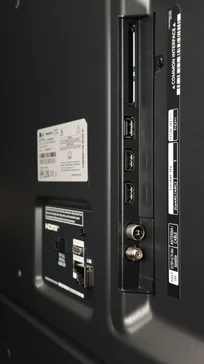
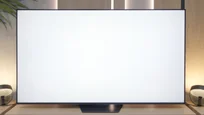
TV appearance

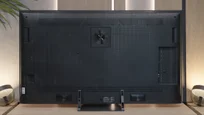

Contrast and black detail
5.3/10
7.5/10
Local dimming function: No
Local dimming function: Yes, number of zones: 960 (24 x 40)
Contrast:


Result
4,150:1

Result
4,250:1

Result
3,800:1

Result
3,700:1

Result
3,800:1
Result
346,350:1
Result
13,500:1
Result
19,050:1
Result
9,950:1
Result
6,450:1
Halo effect and black detail visibility:
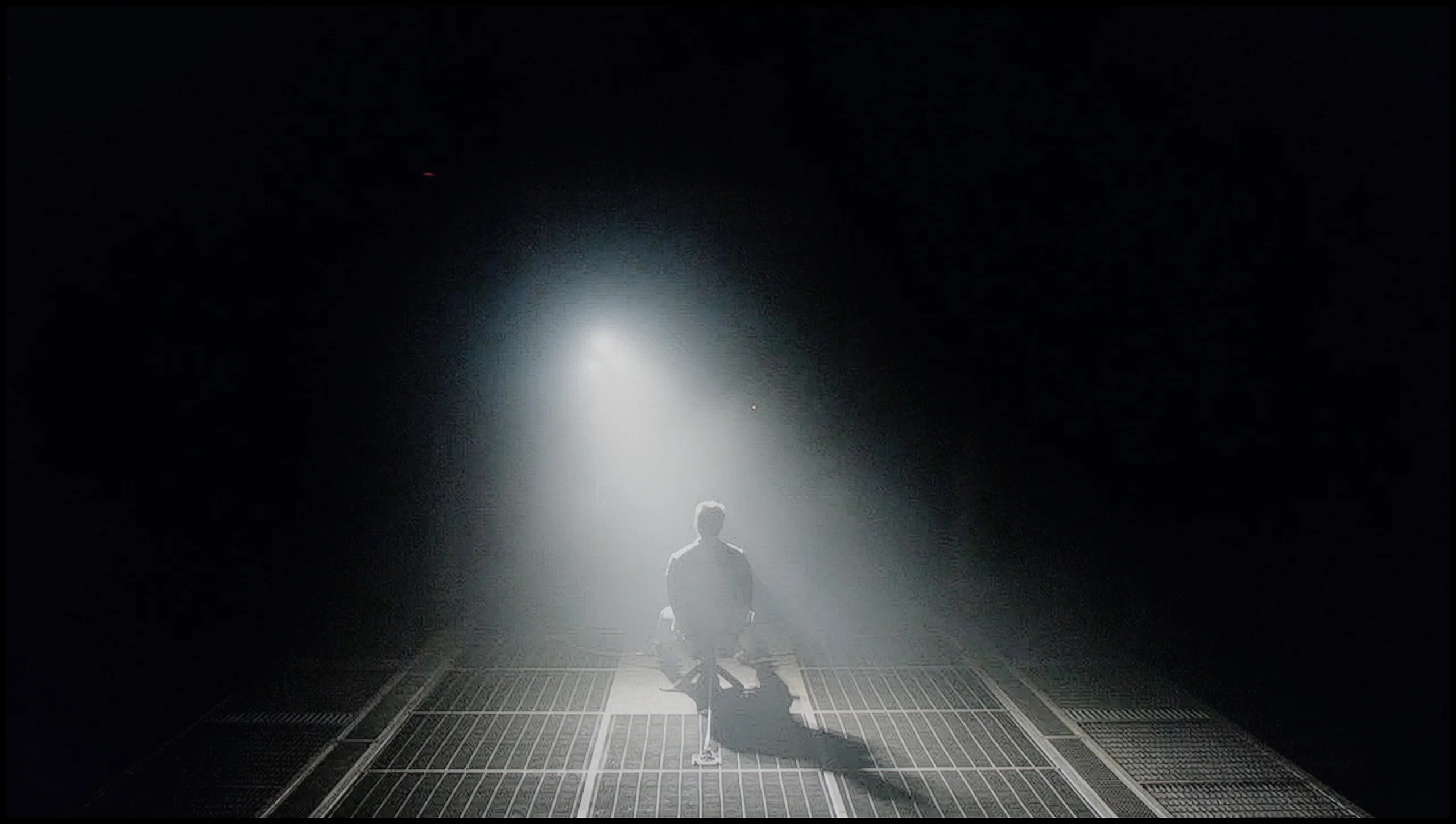
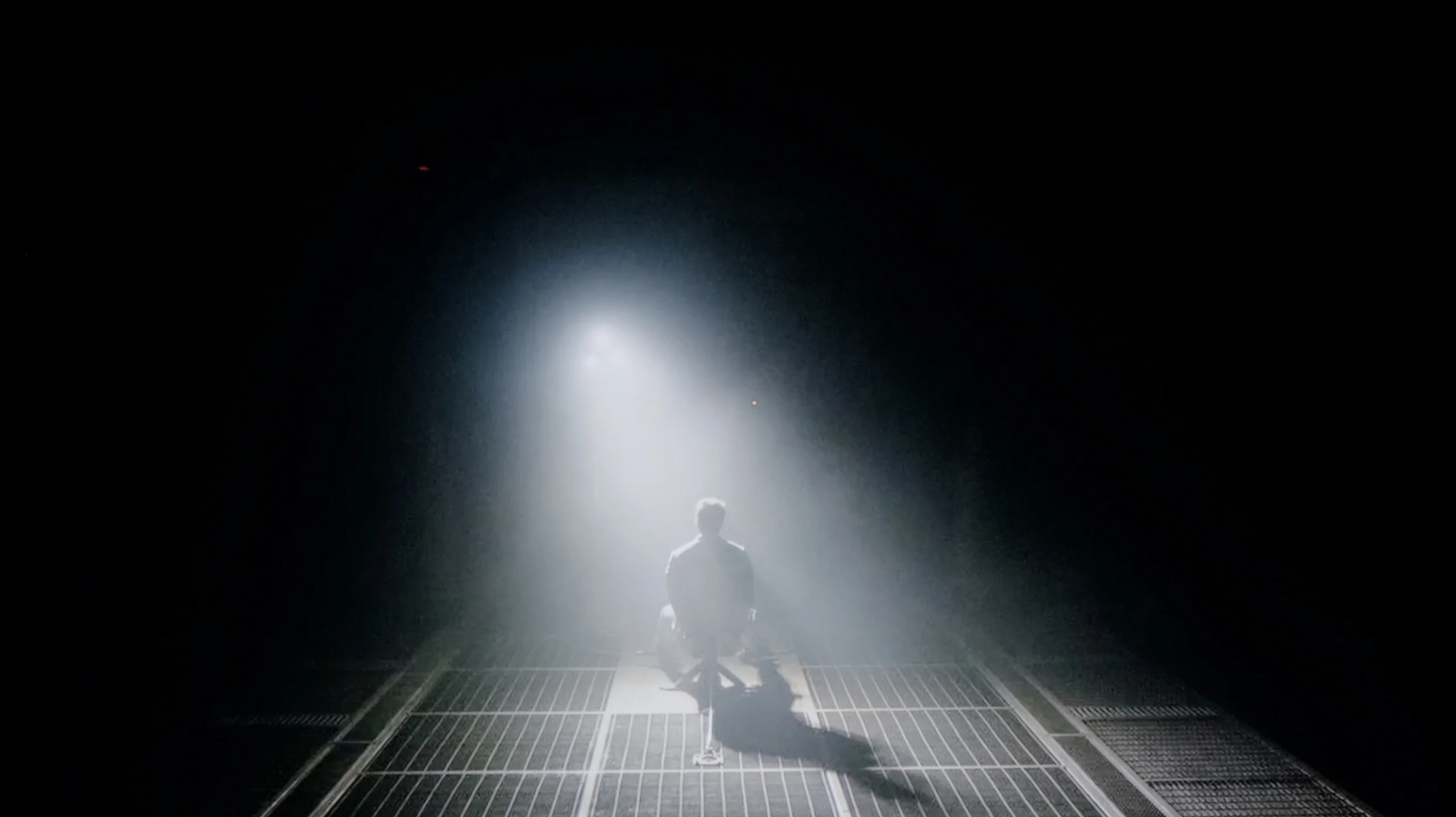
Check the visibility of bright lights on a dark background. Mini-LEDs often struggle with this. The photo does not compare black levels – that’s what the video below is for.
The video accurately shows differences in contrast and black levels between TVs, as well as potential issues: halo around bright objects or Mini-LED zone operation visible as brightness jumps.
LG NANO82T is equipped with a VA panel, which features quite good native contrast. Compared to IPS panels, VA offers better black depth and higher contrast, making images more vivid and realistic. However, due to the lack of local dimming technology – which is quite typical in this product category – some limitations of the television can be noticed. Since the TV cannot turn off specific segments of the screen, there is a lack of so-called "boost" for these elements. Black often resembles a dark navy blue rather than deep, absolute black. This situation can be observed in the tested film clips, for example, from the movie "Sicario 2". It affects the overall image quality, especially in darker scenes, where details may be less defined.
The U7S Pro in the 65" variant we tested uses a VA panel and has as many as 960 local dimming zones. Thanks to the combination of such a panel (which has a high native contrast) and a large number of zones, blacks are really very good here. In dark scenes, watched with a slight light on, the effect can even resemble OLED TVs – as our first test scene from the movie Oblivion brilliantly demonstrated. Unfortunately, when more fine, bright elements appear on a dark background, the local dimming algorithm begins to show its weaknesses. The contrast can clearly drop then, and a "halo" effect, or characteristic glow (known as blooming), becomes noticeable around bright objects. However, this is a natural feature of Mini-LED TVs resulting from the physical limitations of this technology – while there are many dimming zones, there will always be fewer than independent pixels in an OLED, so it is physically impossible to completely avoid this. Interestingly, although the new U7S Pro model has almost twice as many local dimming zones as last year's U7Q Pro, it did not bring any significant improvement in this aspect in practice.
HDR effect quality
4/10
6.7/10
Luminance measurements in HDR:

Result
247 nit

Result
224 nit

Result
282 nit

Result
185 nit

Result
286 nit
Result
1041 nit
Result
458 nit
Result
1104 nit
Result
528 nit
Result
897 nit
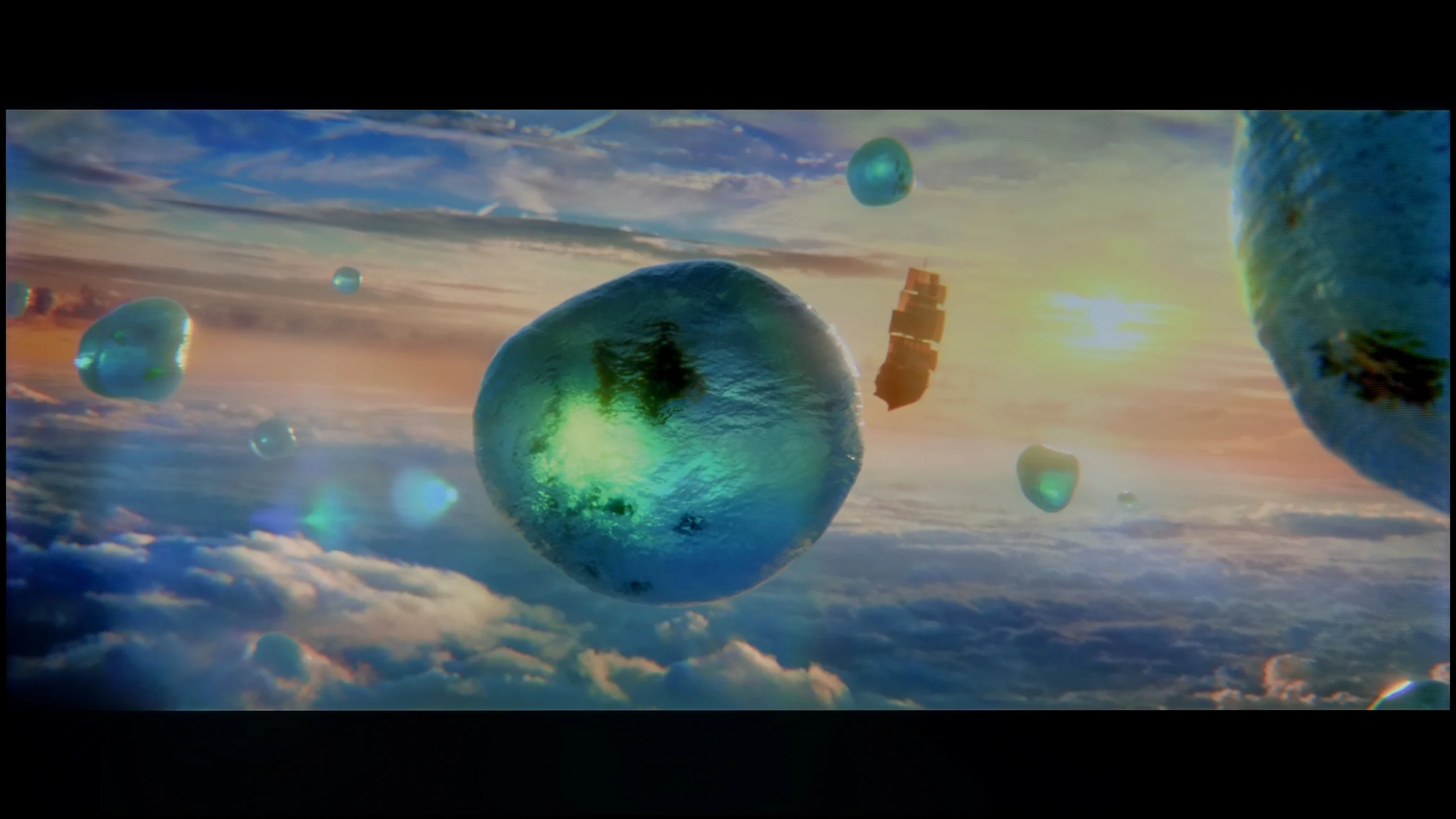
Scene from the movie “Pan” (about 2800 nits)
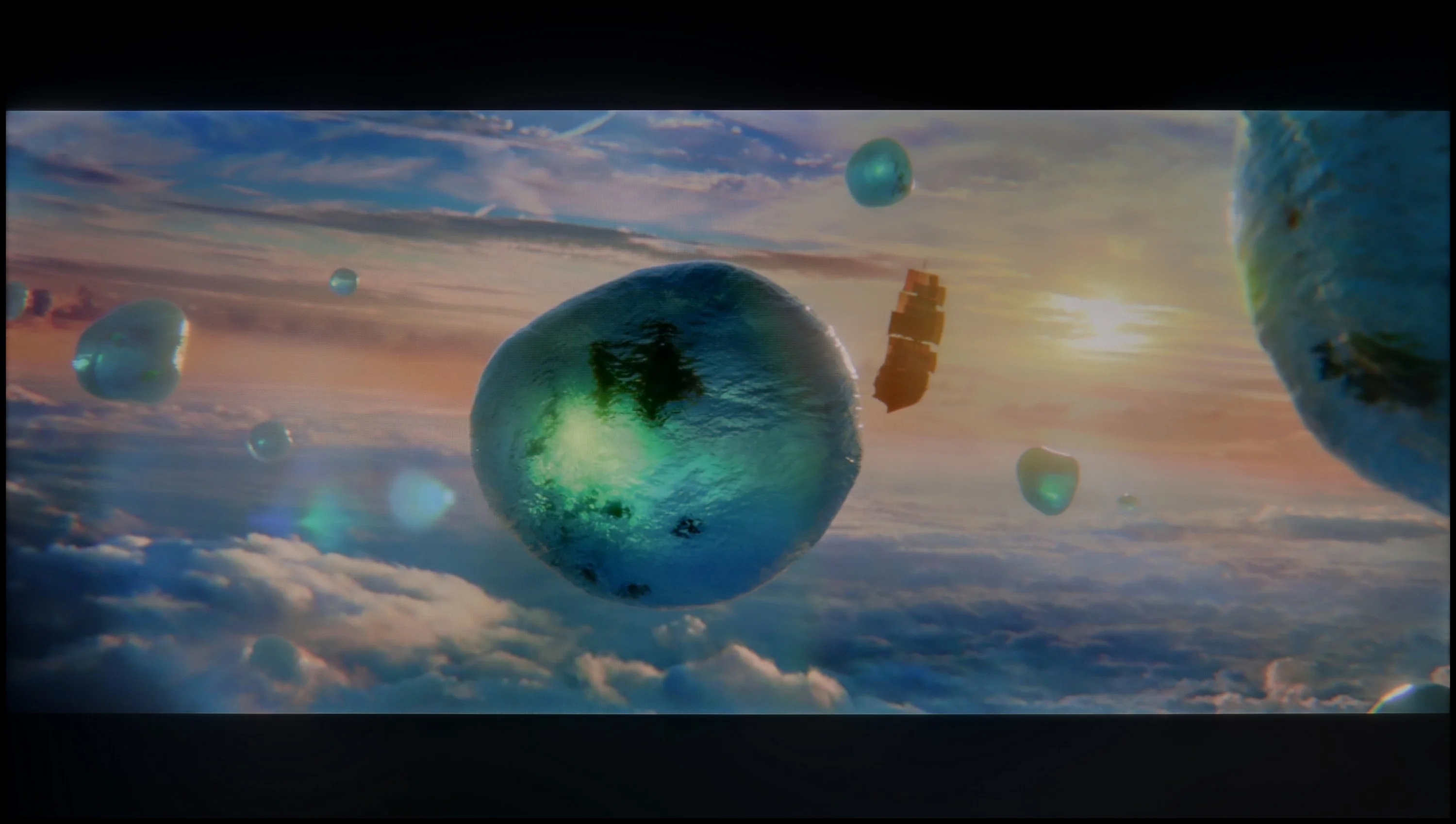
Scene from the movie “Billy Lynn” (about 1100 nits)


The photos show two HDR10 movies. 'Pan' is one of the brightest productions ever made, while 'Billy Lynn' (soldier) has brightness typical of streaming (Netflix, Prime, HBO MAX). Notice the intensity of effects and detail in whites.
Static HDR10


The photos present the visibility of white details in various HDR formats. They do not show brightness differences between TVs (these can be compared in the previous gallery).
HDR luminance chart:
Hisense U7S Pro
LG NANO82T6B
The brightness of NANO82T, to be honest, is quite average, especially when compared to alternatives in a similar price range. With a maximum brightness of around 280 nits, it is not among the highest and may affect the overall viewing experience of HDR content. While many TVs in this price class offer brightness above 400-500 nits, LG NANO82T may seem less impressive. As a result, details in bright areas of the image may be less distinct, and the HDR effect is not as spectacular as one might expect.
Let's start with the fact that the U7S Pro is an impressively bright TV. In calibrated mode our test equipment recorded a staggering 2200 nits of peak brightness. That's an excellent result, especially given that this model is positioned more as a mid-range set.
As we know, peak brightness on test patterns is one thing, and real film scenes are another. Unfortunately, in real-world footage the backlight output drops noticeably. In the most demanding moments the TV can still exceed 1000 nits, which is still a great result and sits well within the HDR mastering standards for most films, but the real challenge comes from aggressively tuned local dimming algorithms. Because of them, small bright details, like stars or the moon in a night sky, are noticeably dimmed. The TV seems determined to preserve deep blacks, which is understandable, but sadly this comes at the expense of dynamic range and the overall HDR punch.
Colour reproduction is worth praising. The new U7S Pro is a QLED design that provides very wide colour gamut coverage. Unlike last year's model (U7Q Pro), this year's variant is a genuine QLED rather than a solution based on a PFS filter. As a result, colour saturation has clearly increased, and coverage of the demanding BT.2020 colour space has exceeded 81%.
Factory color reproduction
5.2/10
4.7/10


This gallery shows how colors change after professional TV calibration. If you notice the difference, we recommend ordering this service at SkalibrujTV.com.
Factory Mode
After calibration


This gallery shows how colors change after professional TV calibration. If you notice the difference, we recommend ordering this service at SkalibrujTV.com.
Factory Mode
After calibration
The colour reproduction in LG NANO82T in Filmmaker mode, which is the best mode available from the factory settings, is not without its flaws. The primary issue is the white balance, where the graph shows dips in the blue colour level. This phenomenon results in a shift of colours towards yellow shades, causing the image to appear warmer than it should. Such deviation means that the colours on the screen are not naturally reproduced, which can be particularly noticeable in scenes with white or neutral backgrounds. For example, the image below from the movie "Star Wars," where there are a lot of elements that should be white. The Color Checker test confirms that some colours are "shifting" into other shades, indicating that the TV does not display colours accurately.
In terms of contrast, the gamma graph analysis showed drops to a level of 2.1, while the optimal value should be 2.4. This means that the TV might display darker areas of the image brighter in certain scenes, reducing their depth and dynamism. Additionally, on the EOTF curve, which is responsible for brightness reproduction, a slight spike was noticed at the beginning. This phenomenon may result in excessive boosting of brightness in the brightest parts of the image, leading to a loss of detail in very bright scenes.
We tested the U7S Pro, as we always do, in the best factory-tuned picture mode, Filmmaker Mode. The displayed colours can be judged in two ways. The most disappointing was the profile intended for SDR viewing, i.e. classic TV, YouTube and other less demanding content. The image there had a distinct yellow cast, which proved to be a direct result of an incorrectly set white balance. As our charts show, this involved a huge deficiency of the blue component, which drastically affected the overall colour temperature. You can see this clearly on the ColorChecker charts and on the colour palette graphs themselves, where most samples drifted towards yellow. Fortunately, the factory HDR mode performed much better; there the colour errors hovered around a Delta E of 3, which is a really solid result.
Color reproduction after calibration
7.6/10
7.5/10
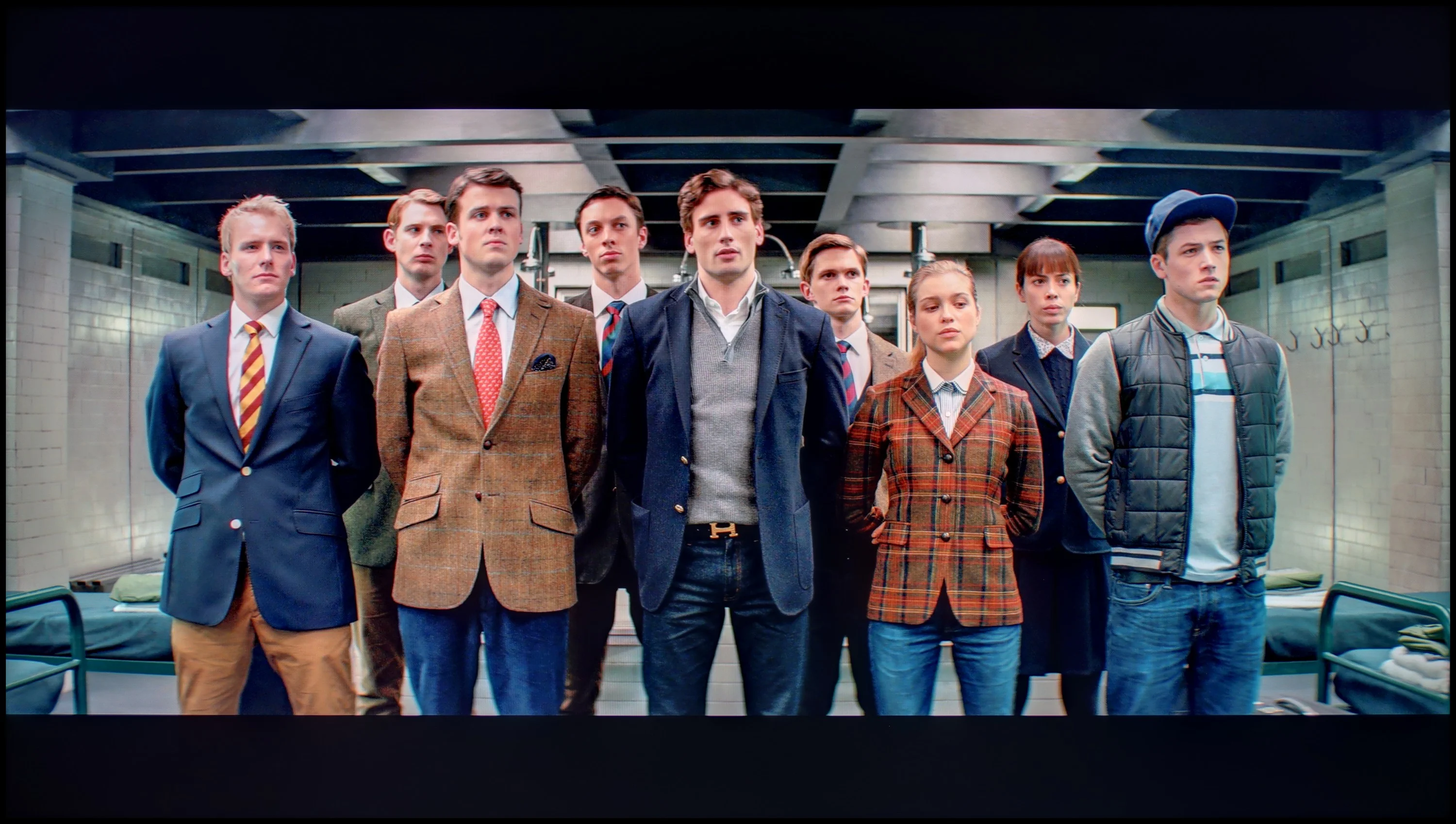
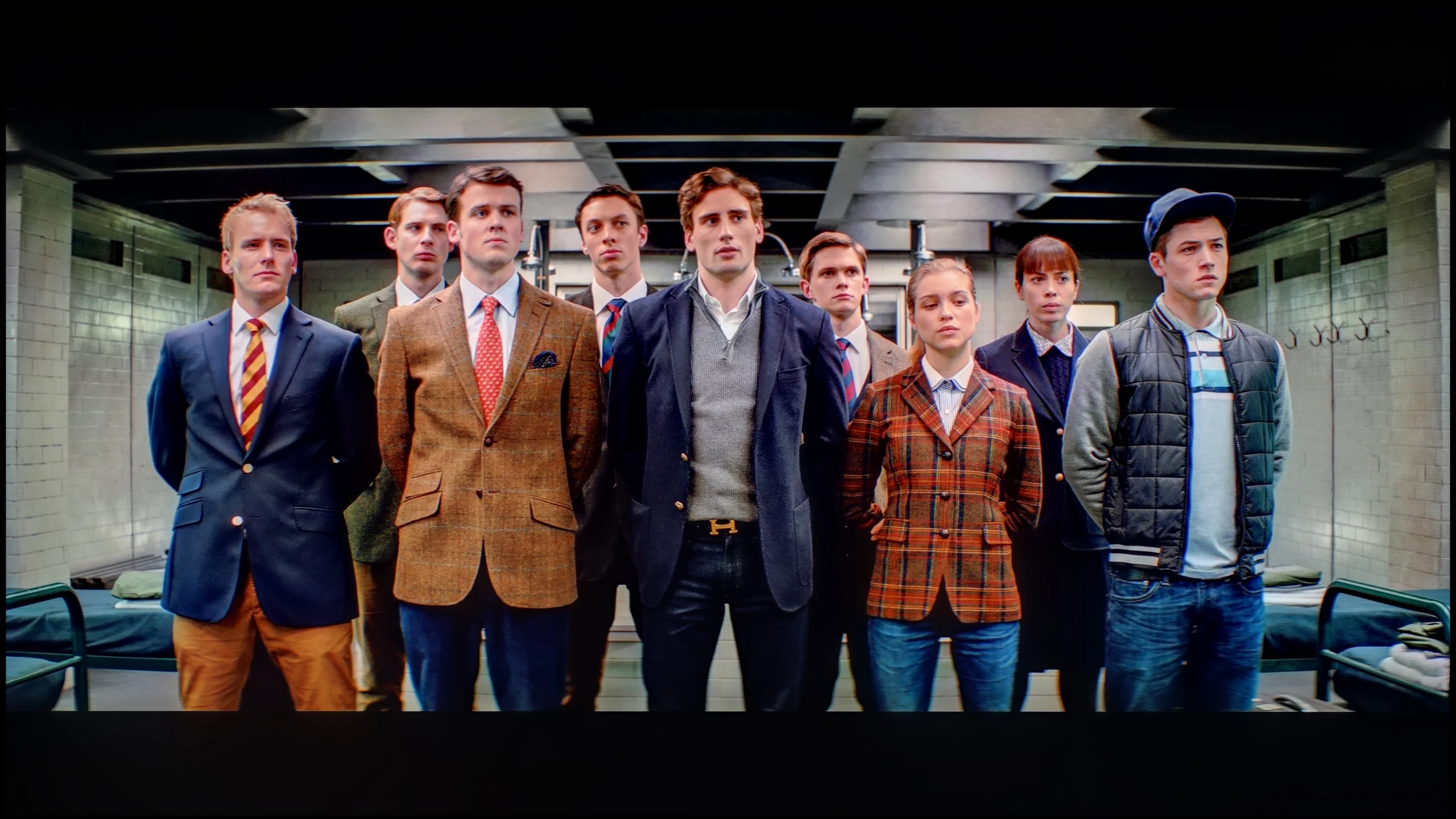
The photos show how movies look on the TV. Pay attention to black detail visibility, colors, and shadow tint.
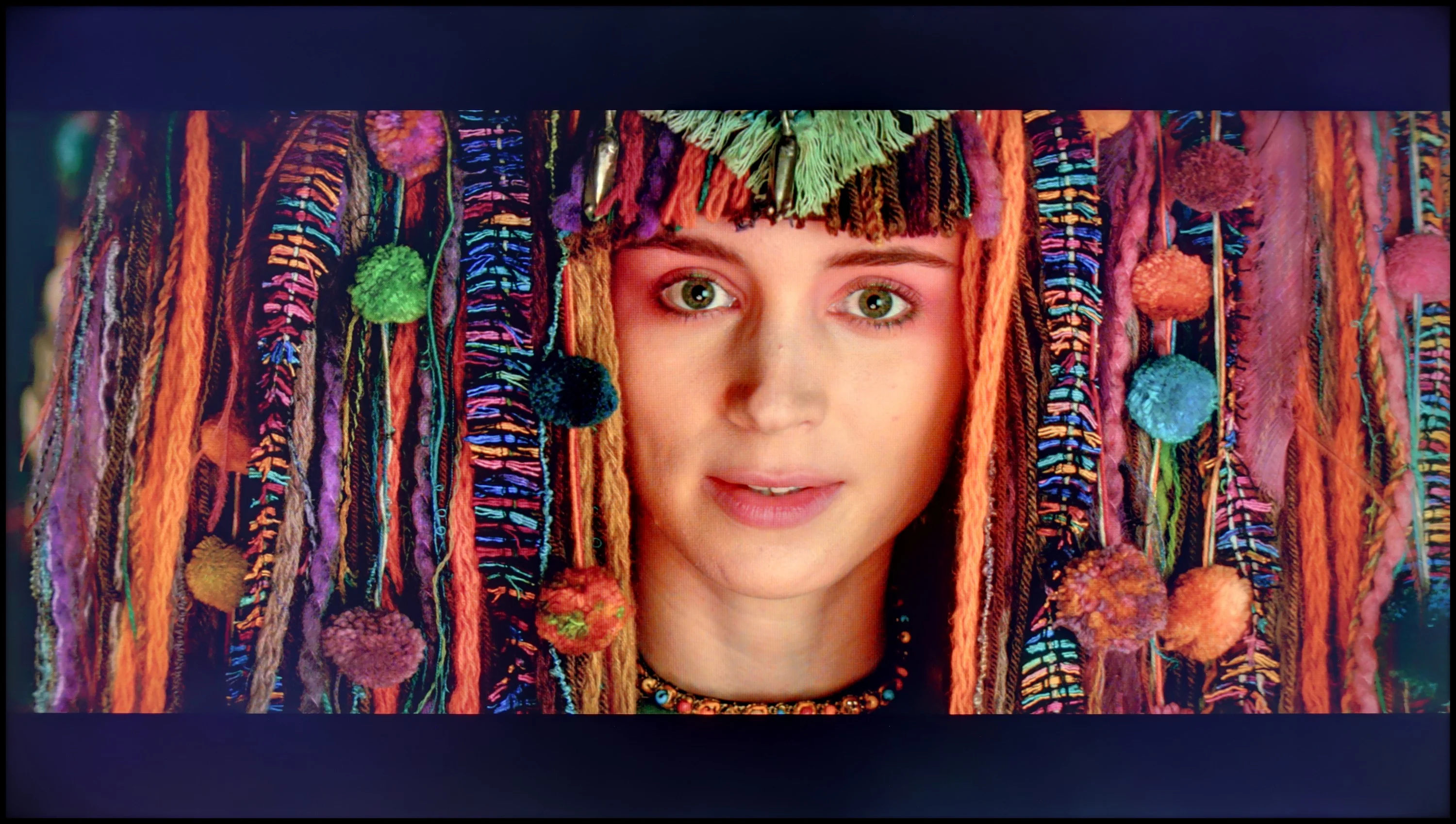

The photos show how movies look on the TV. Pay attention to black detail visibility, colors, and shadow tint.
After calibration, the colour reproduction in SDR content on LG NANO82T is very good. The white balance has been effectively improved, resulting in natural and balanced hues across various scenes. The gamma has also been adjusted, providing more precise detail representation in both shadow and highlight areas of the image. Thanks to these corrections, the television performs excellently in everyday use, offering solid colour quality and clear, well-balanced images in SDR mode.
However, in the case of HDR content, the situation is not as good. The television does not support a wide colour gamut, limiting the depth and richness of colours that HDR can offer. The EOTF curve diverges from the ideal, leading to excessive highlighting of details in the bright areas of the image. Unfortunately, this approach results in significant colour reproduction errors, as confirmed by tests on Colour Checker. The low brightness level of the panel further negatively impacts HDR image quality, causing the dynamic range effects to not be fully realised, and colours appear washed out.
The television significantly improved after calibration, especially in SDR content. The improvement in white balance and gamma has greatly enhanced image quality, providing a more natural and consistent colour reproduction. Compared to the state before calibration, the difference is clear, and the television now offers better performance in daily use, particularly in standard dynamic range.
We do know, however, that the company Hisense is capable of much more – as previous generations have proven – which is why we simply couldn’t leave the factory flaws of the U7S Pro model unaddressed in everyday content. As always in such cases, we had the television undergo professional calibration. The conclusions? This process brought about a colossal change. After manually adjusting the white balance and compensating for deficiencies in the blue component, the annoying yellow tint disappeared as if by magic. White became naturally clean, and skin tones gained the proper, healthy hue. Importantly, the calibration not only tamed the capricious SDR mode but also maximised the potential of the panel, reducing average colour reproduction errors to values nearly imperceptible to the human eye. The only thing we need to criticise after the whole process is the very nature of the Mini-LED backlighting and its specific interaction with the HDR signal. The aggressively tuned local dimming algorithms significantly interfere with the EOTF brightness curve. As a result, the backlighting doesn’t always work perfectly with the creator’s intent – depending on the scene being watched, the curve can noticeably run either above or below the reference, occasionally disrupting the ideal dynamic of HDR images.
Smoothness of tonal transitions
8.9/10
9.5/10
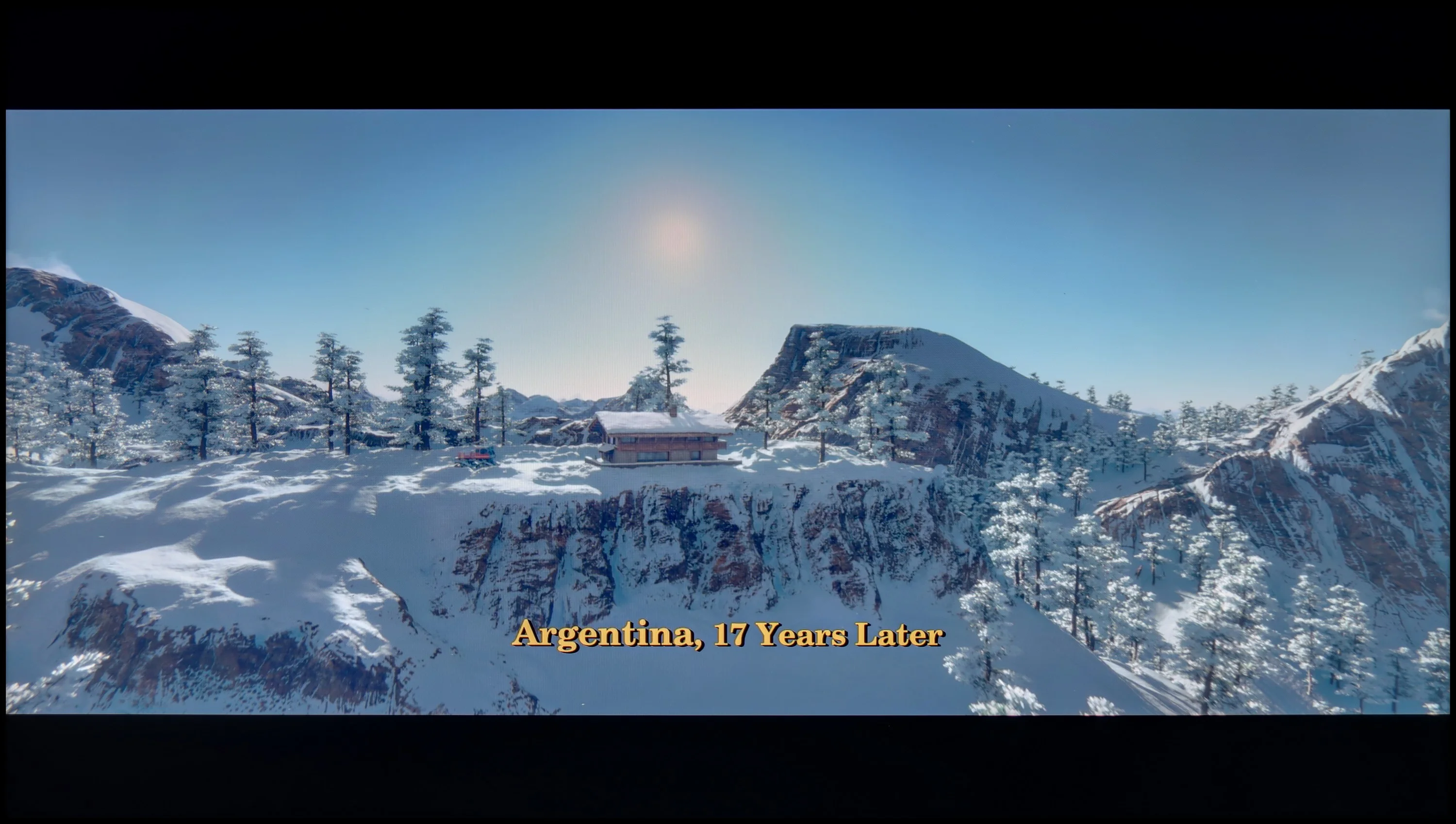

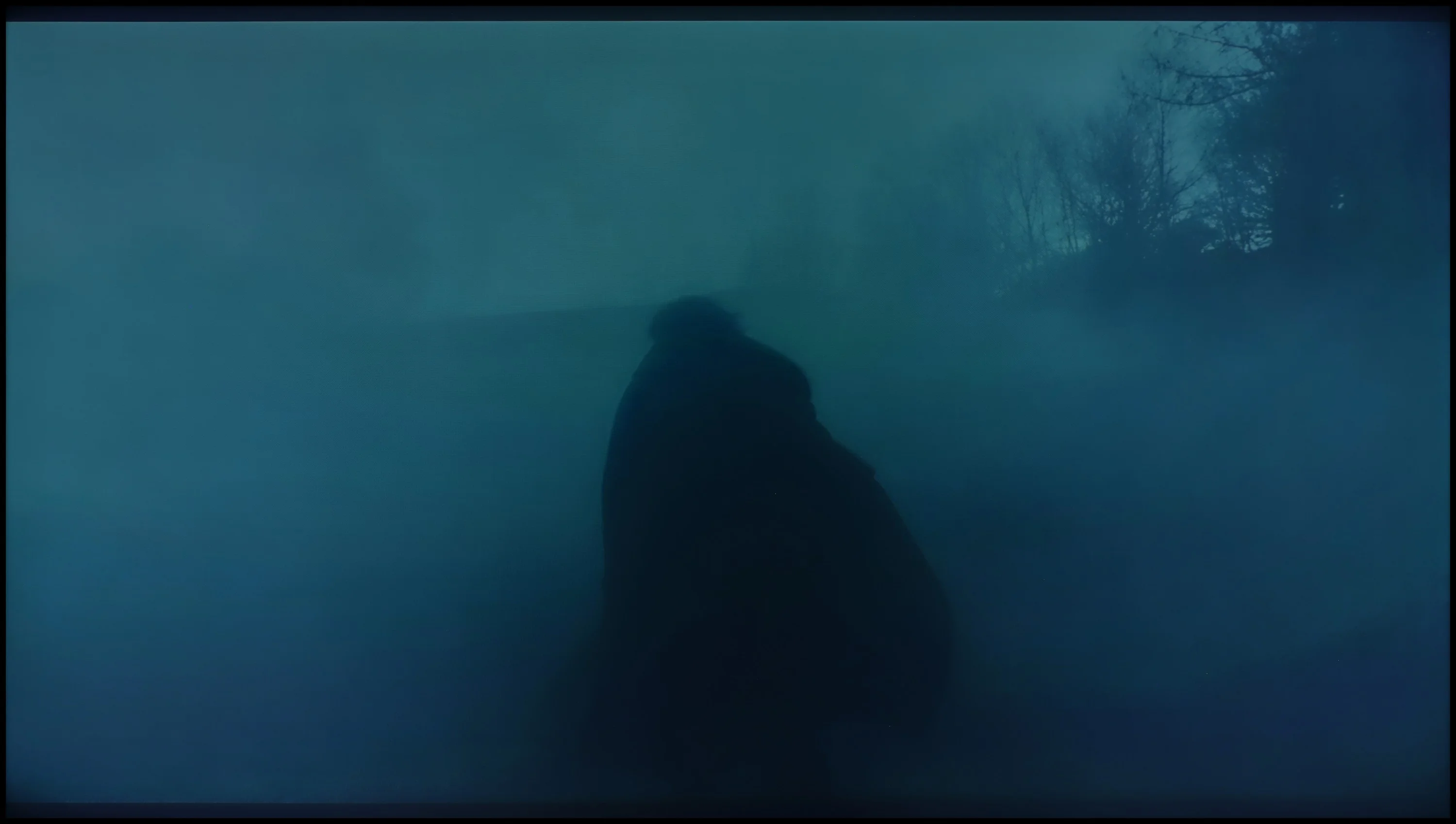
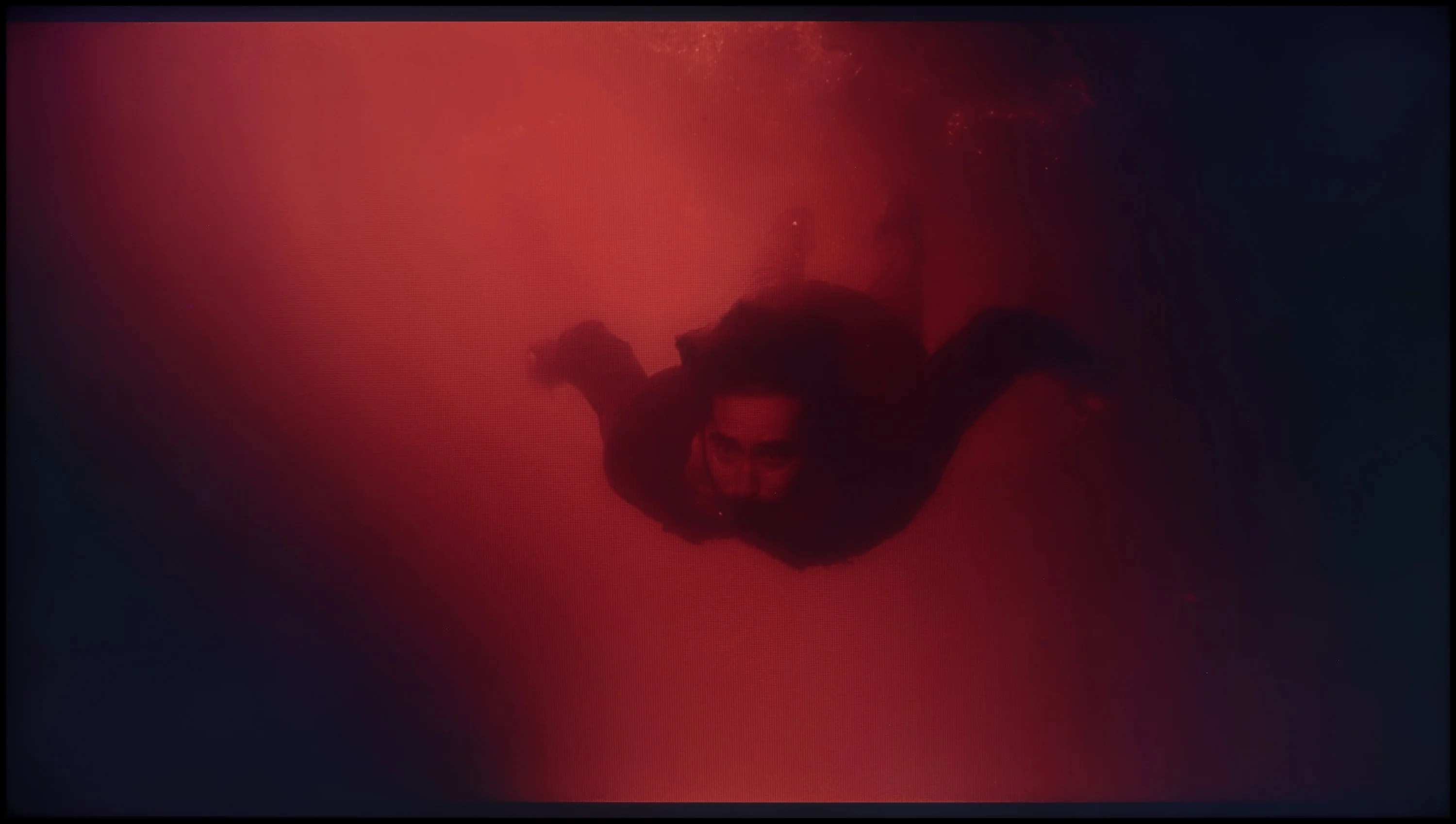
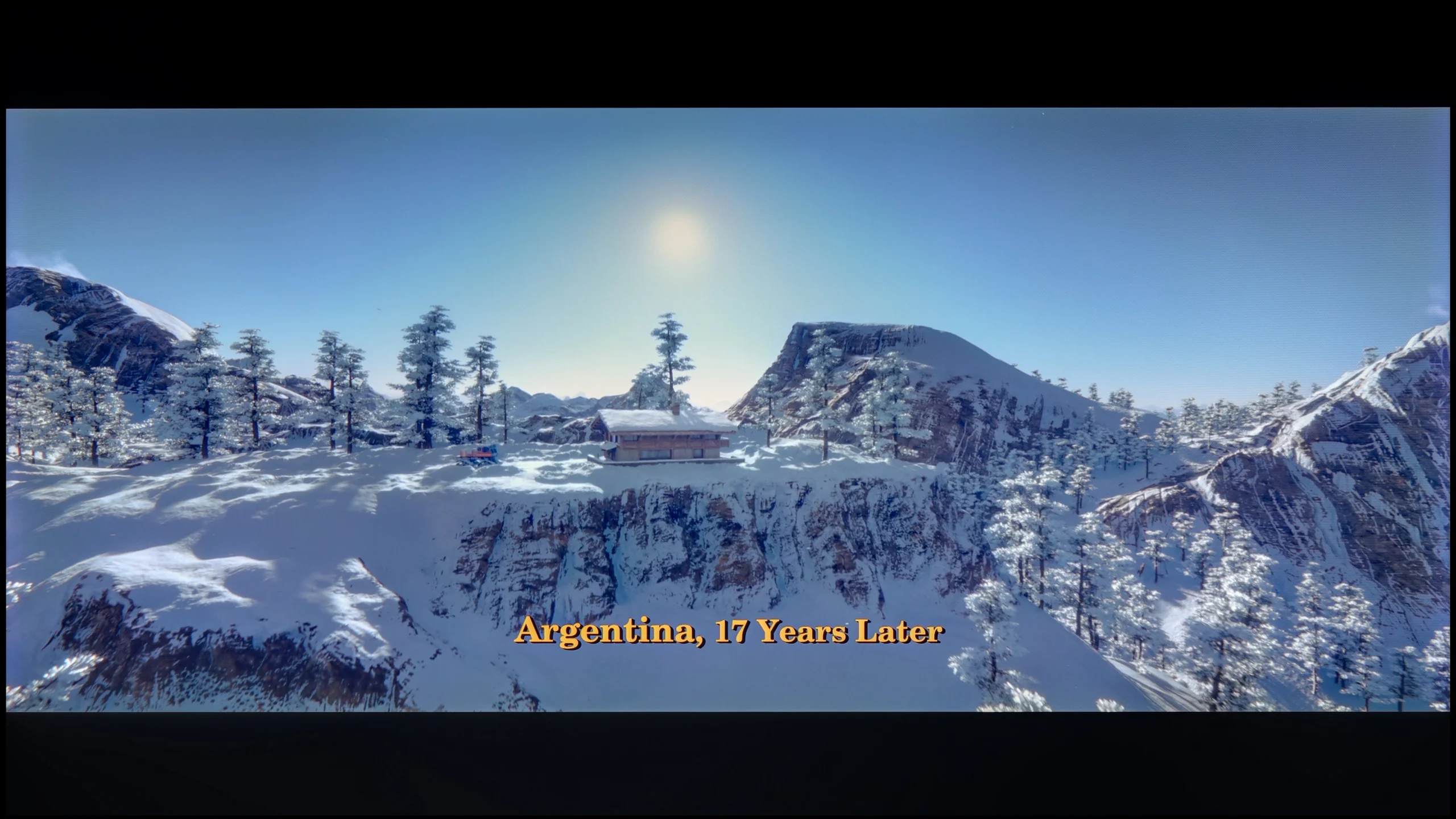
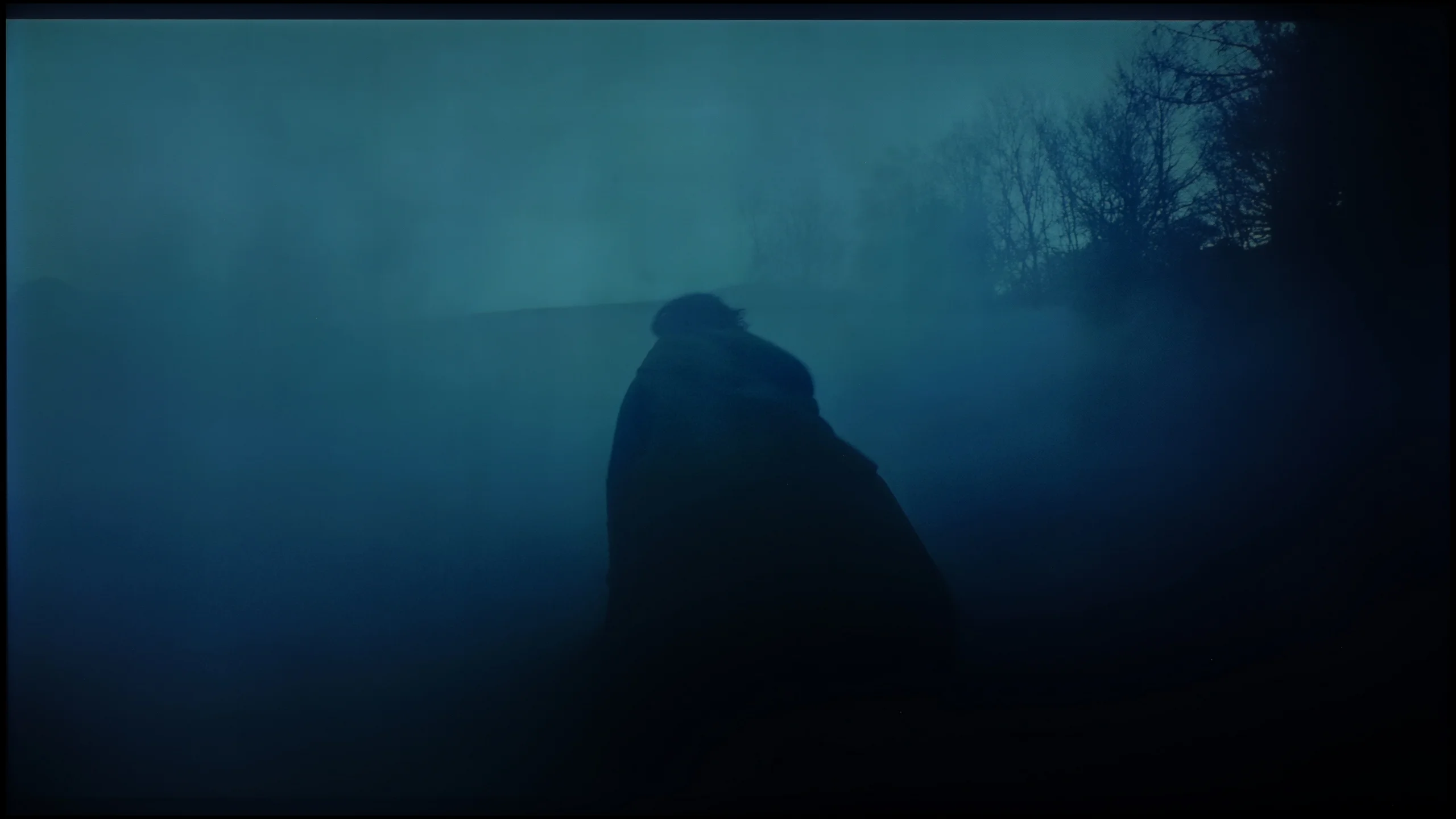
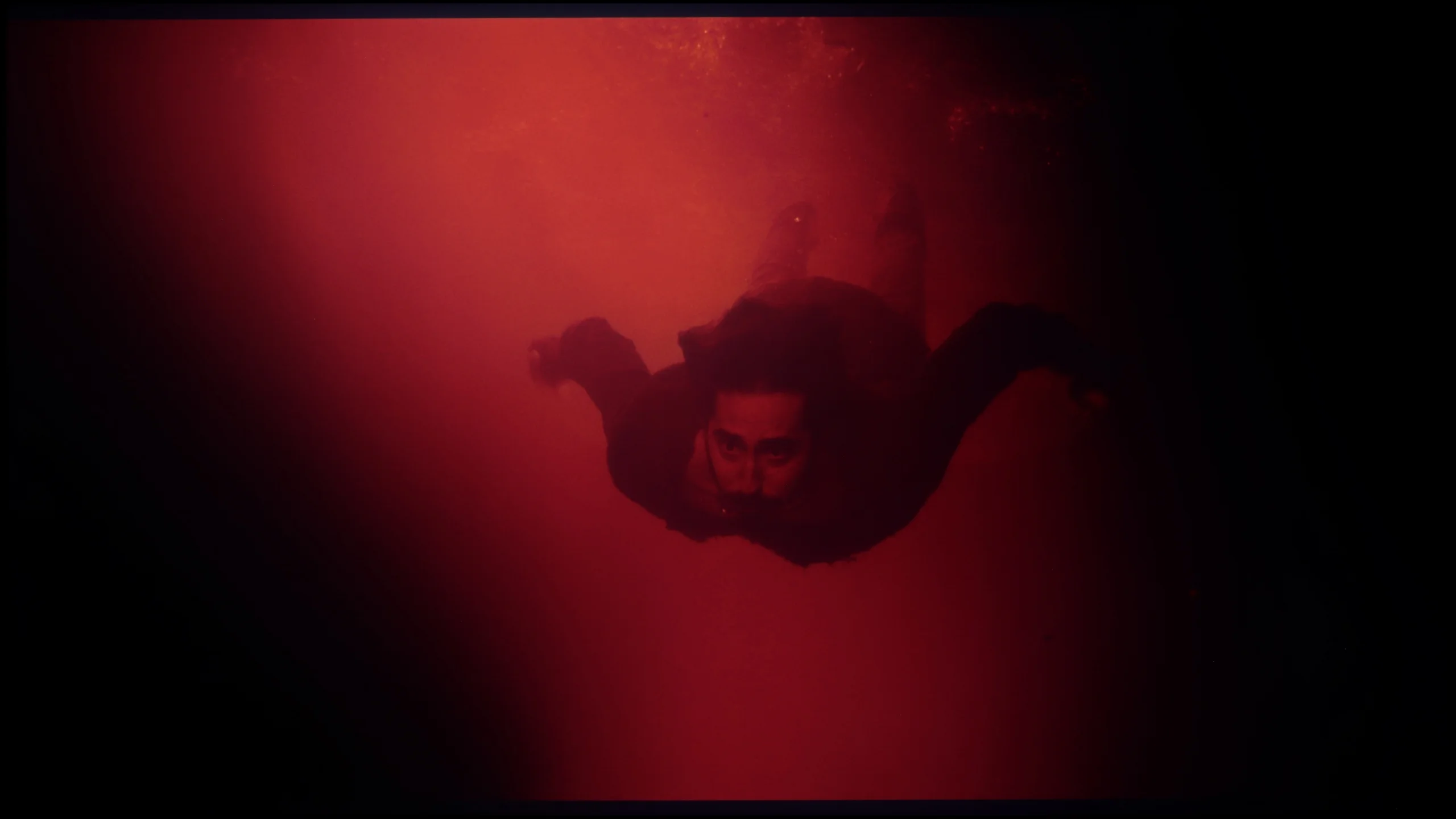
These are selected scenes that show smooth tonal transitions from one color to another. If you see distinct banding, it’s the TV panel’s fault.

These are selected scenes that show smooth tonal transitions from one color to another. If you see distinct banding, it’s the TV panel’s fault.
These are selected scenes that show smooth tonal transitions from one color to another. If you see distinct banding, it’s the TV panel’s fault.
These are selected scenes that show smooth tonal transitions from one color to another. If you see distinct banding, it’s the TV panel’s fault.
The television handles tonal transitions smoothly, providing high image quality in every scene. Gradation issues occur occasionally, mainly in darker shades, but they are subtle enough that most viewers will not notice them. Only individuals with exceptionally keen eyesight may perceive these minor imperfections.
Digital image processing has for some time now been a genuine hallmark of Hisense. In the U7S Pro we didn't notice any serious problems with the so-called colour banding, that is, the posterisation effect. Individual shades transition almost perfectly and smoothly into one another, without the irritating effect of jagged edges or visible 'steps' in gradients.
Image scaling and smoothness of tonal transitions
6.4/10
7.8/10

Smooth transition function
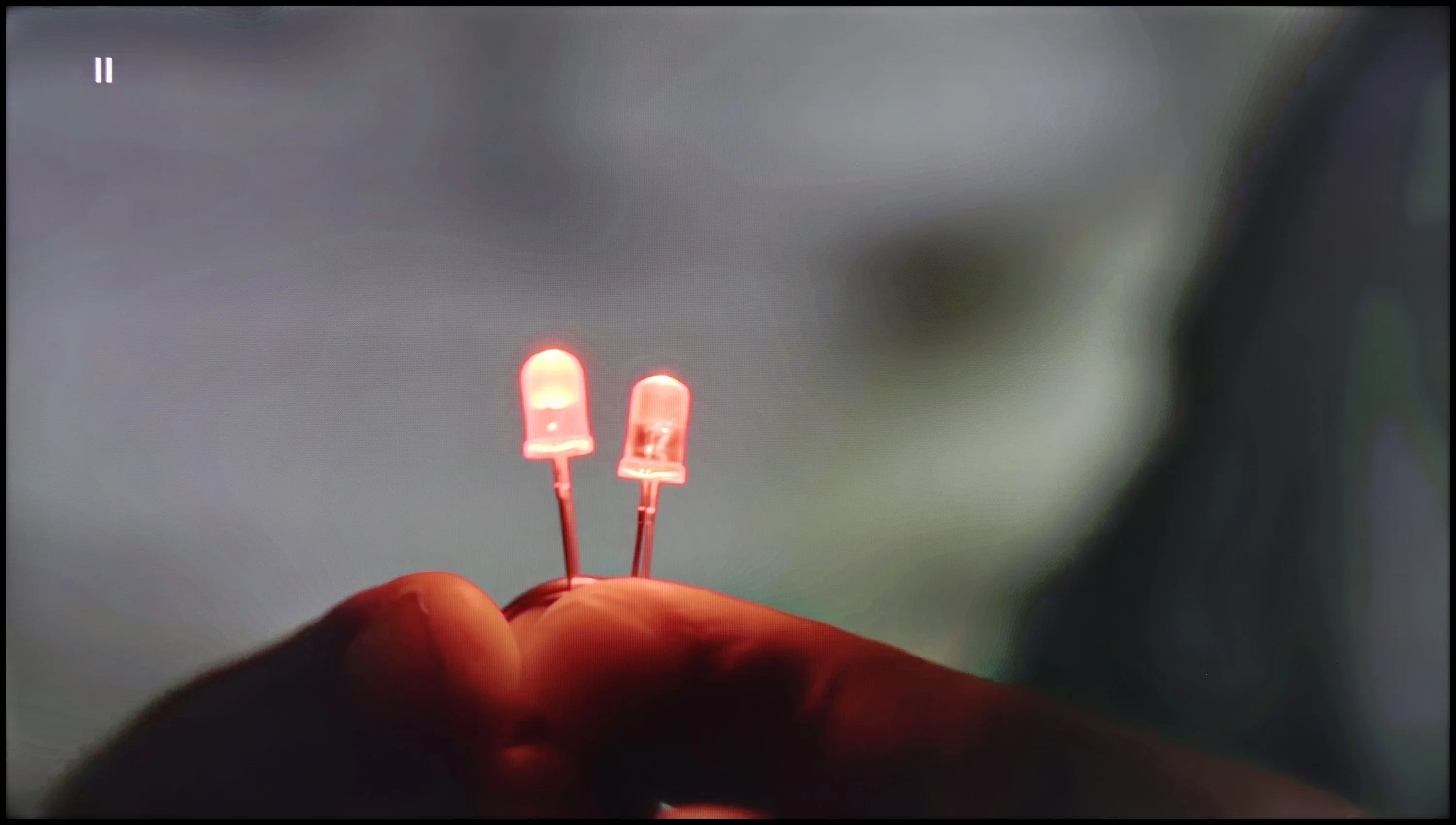
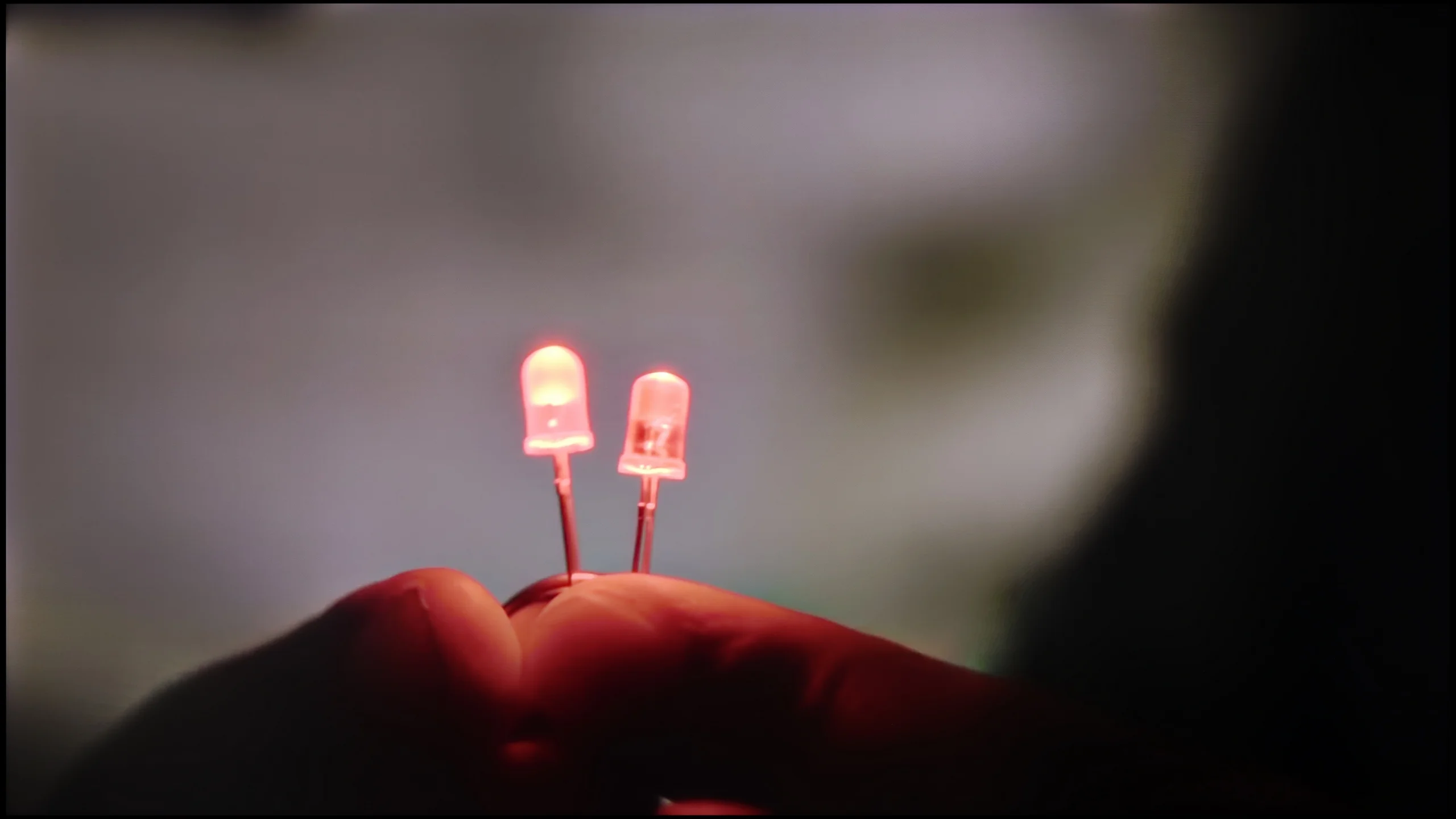
The match photo shows how the TV smooths weak tonal transitions in low-quality video.
Image scaling SD (576i)


The model photo shows how it handles upscaling of SD material.
If it comes to gradation in very low-quality materials, LG NANO82T gives us the option of a feature called "Smooth Gradation". In the "Low" setting, this feature slightly improves the most problematic tonal transitions, which is noticeable and useful for such content. In the "High" setting, it works even more effectively, enhancing tonal transitions, but at the cost of smoothing out details that shouldn't be smoothed. This is a compromise that not all users will appreciate.
When it comes to image scaling, NANO82T is not without certain limitations, particularly when playing content at lower resolutions. The television applies a gentle, artificial sharpness boost, making the image appear sharper. This effect mainly results from the overlay of artificial contours. For some users, this may be beneficial, as they prefer more pronounced and highlighted details. However, for those who value the naturalness of the image, this effect may be less attractive and too artificial. It’s a subjective issue that can impact viewers differently, depending on their visual preferences.
The digital processing of lower-quality signals is at a very high level here, and that's all thanks to the MediaTek Pentonic 800 processor used in the U7S Pro. The upscaling itself also performs well, meaning the TV's ability to upscale lower-resolution signals to 4K is impressive. We didn't notice any unnatural, overly sharp contours on the screen, and our test image of the model simply looked attractive.
Blur and motion smoothness
4.8/10
7.4/10

Blur (native resolution, maximum refresh rate):
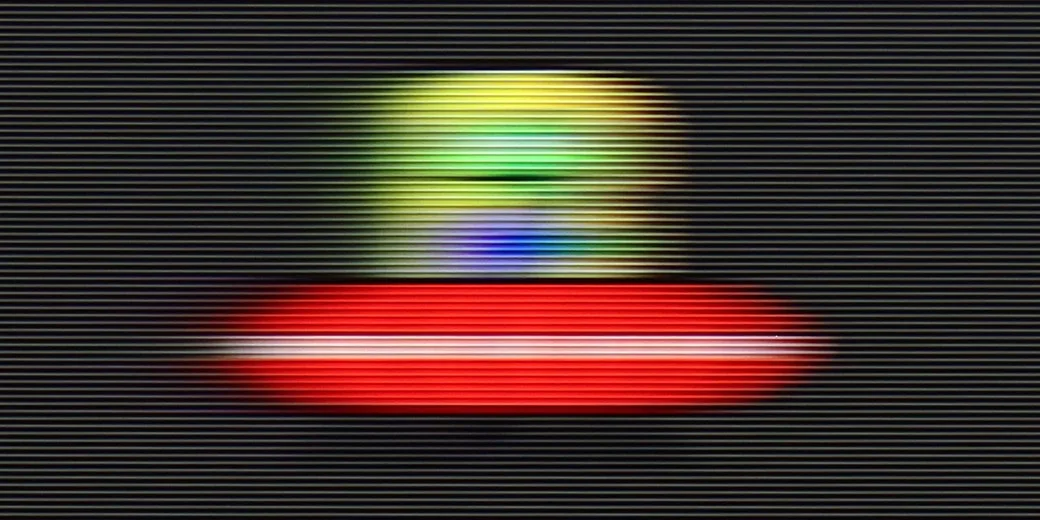
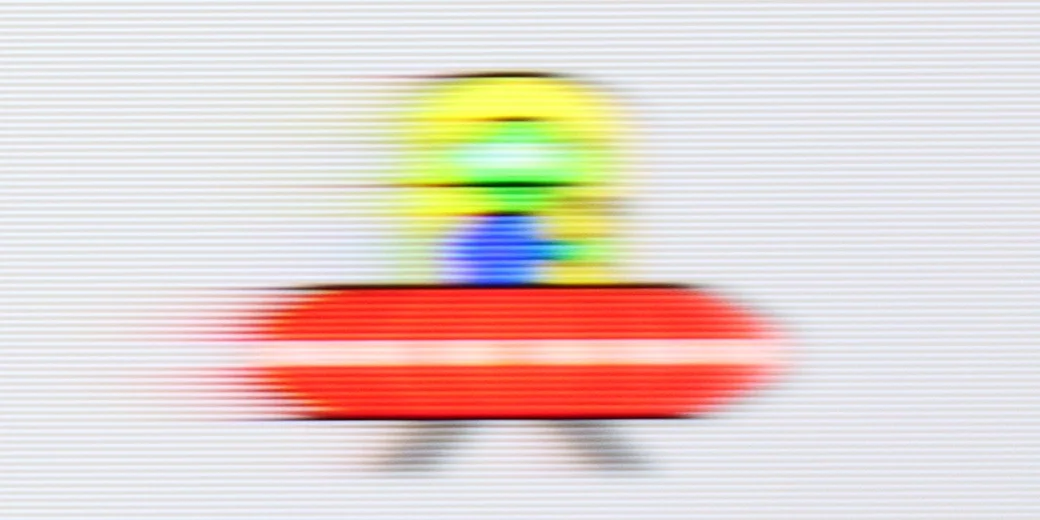
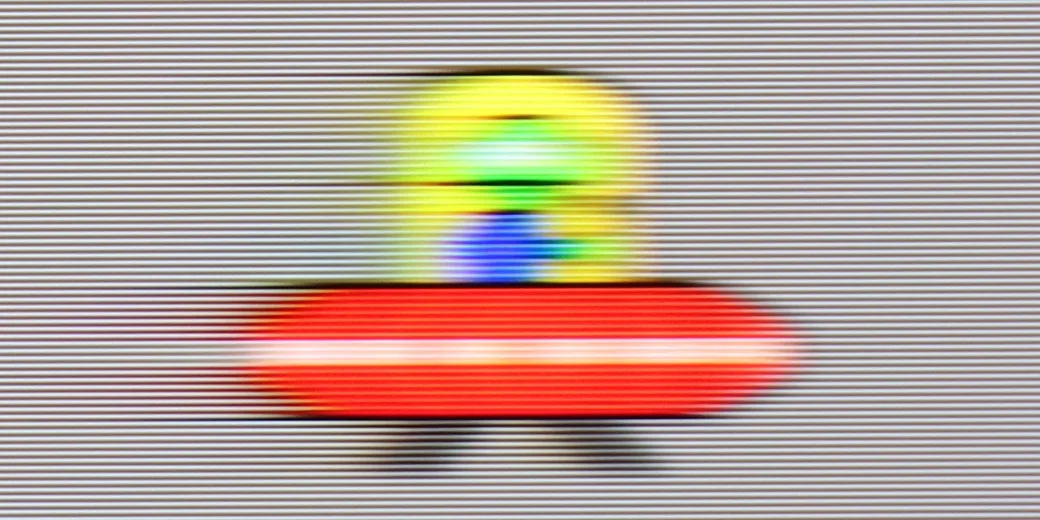
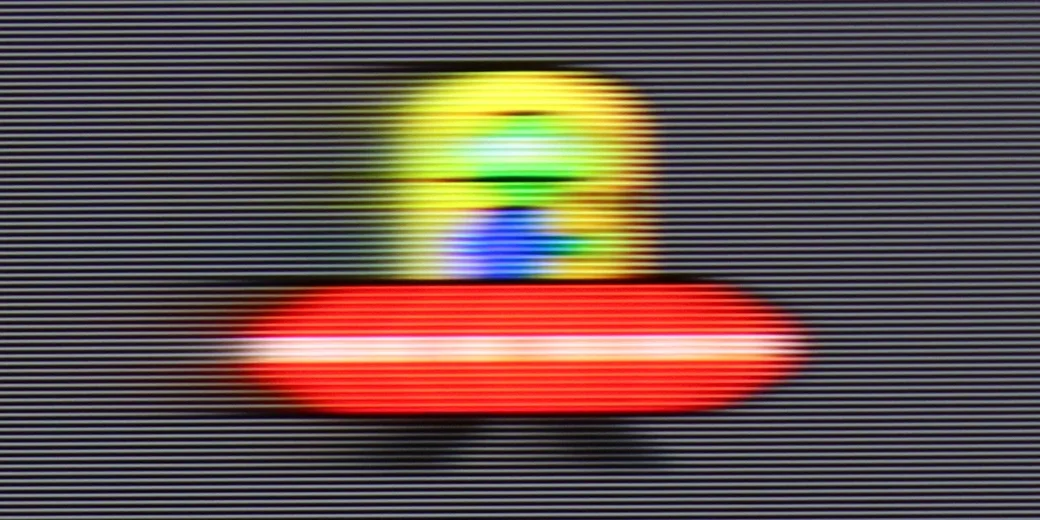
Blur (BFI function enabled):



Blur ():
Blur (1080P@330Hz):
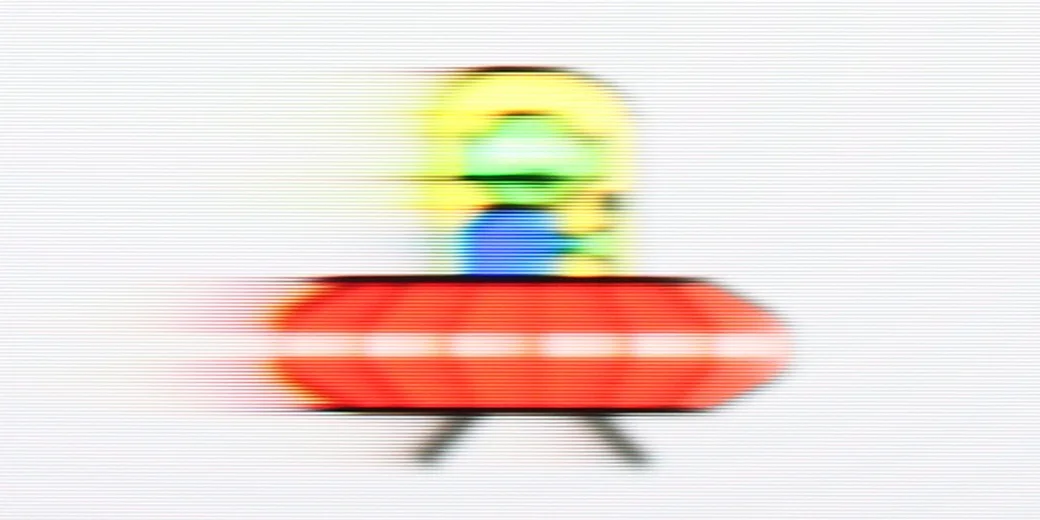

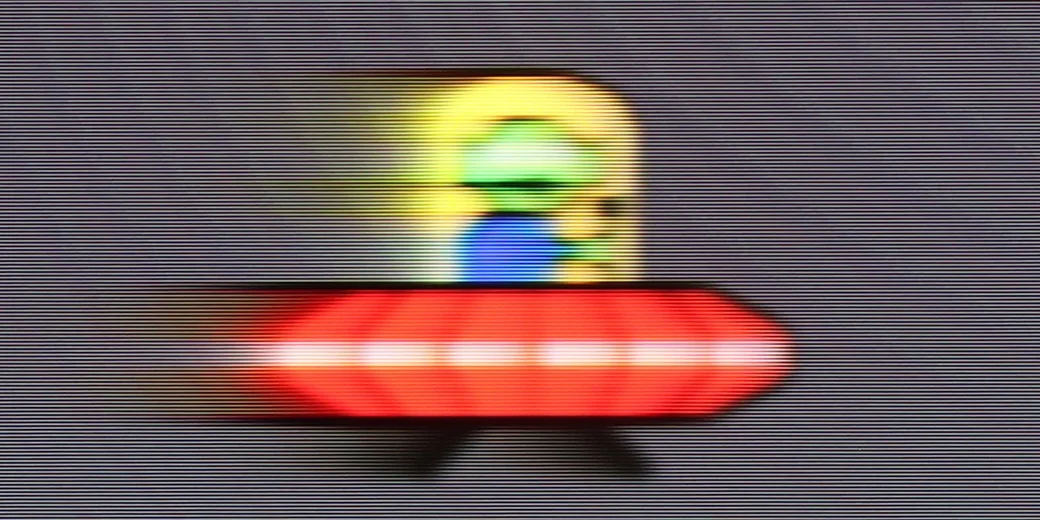
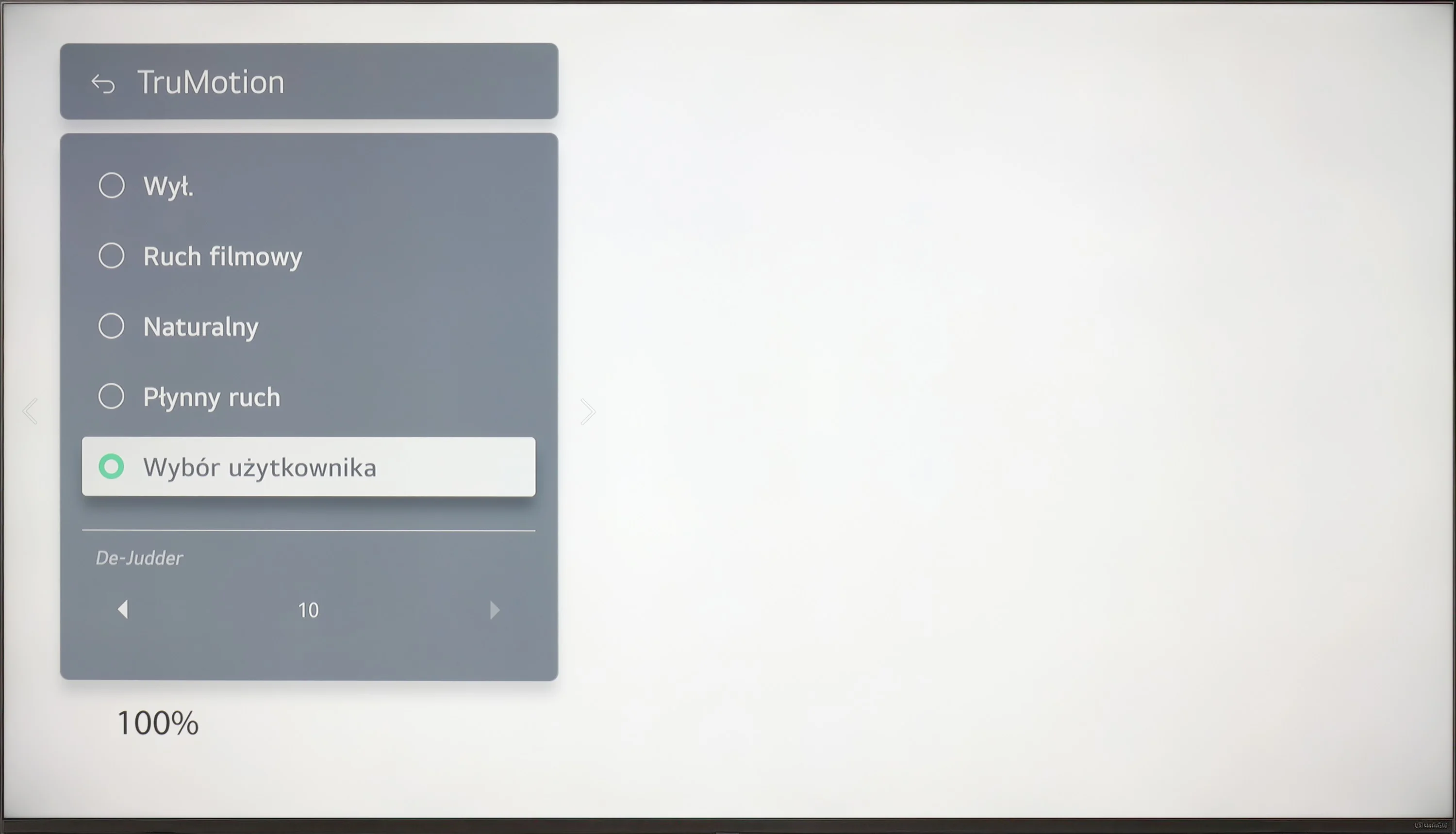
LG televisions, including the NANO82T, offer an interesting motion smoothing feature called TruMotion, which will satisfy most users who value control over the quality of the films they watch. The TruMotion function allows users to adjust the smoothness of the displayed films according to their preferences on a 10-point scale, enabling a personalised visual experience.
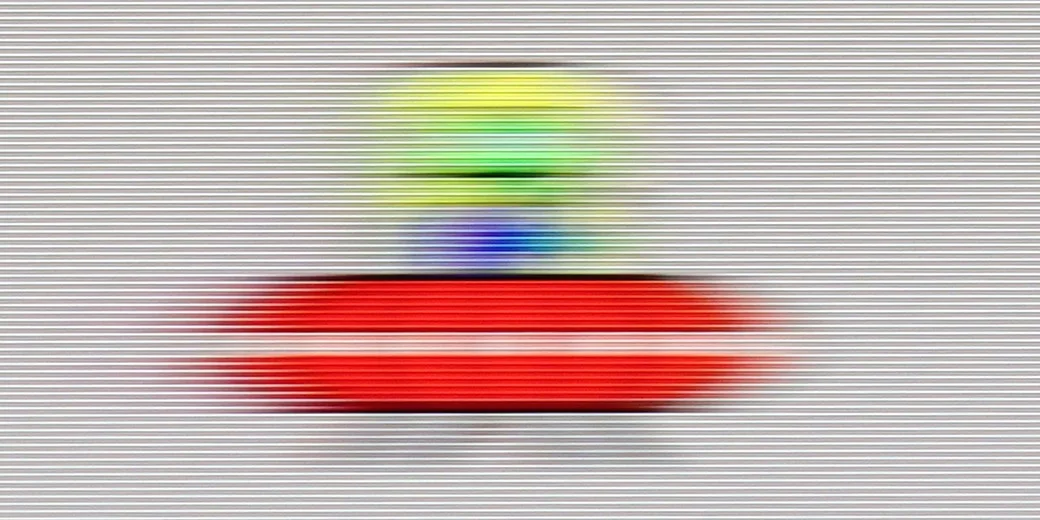
However, in the case of more dynamic scenes, such as games or action films, the television performs worse. The 60Hz panel and relatively slow pixel response times mean that motion clarity isn't ideal. The result is noticeable blurring and less smooth playback of fast scenes.
Overall, the LG NANO82T should satisfy those who primarily watch films and prefer more subdued content. However, for those who value dynamic, fast motion, we recommend looking for an alternative.
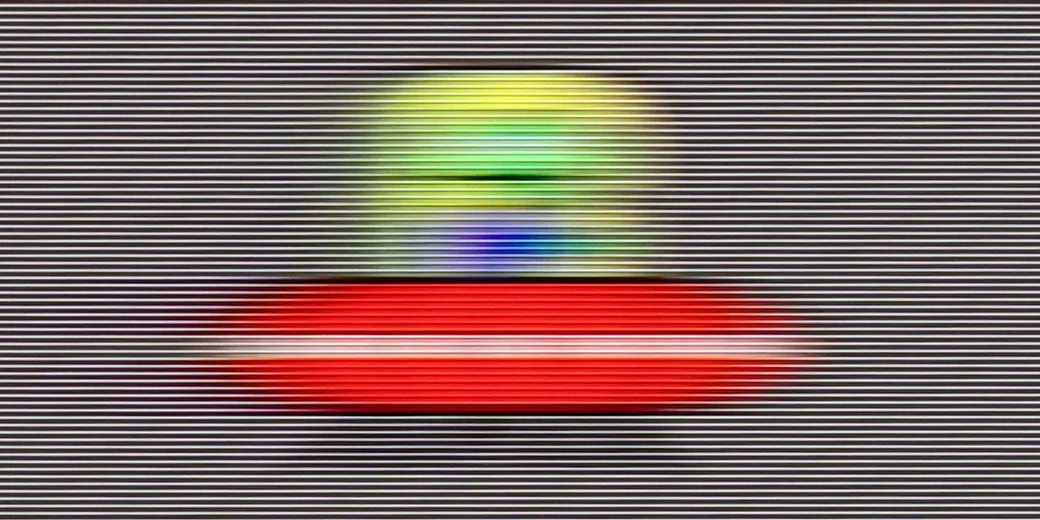
The Hisense U7S Pro uses a panel with a maximum refresh rate of 165 Hz at 4K, and in gaming mode it can even hit 330 Hz at Full HD. However, it's worth remembering that these top figures don't mean much in everyday use, because most content still runs at a maximum of 120 Hz (for example when playing on a console). Even so, the TV handles motion quite well and performs respectably for an LCD design.
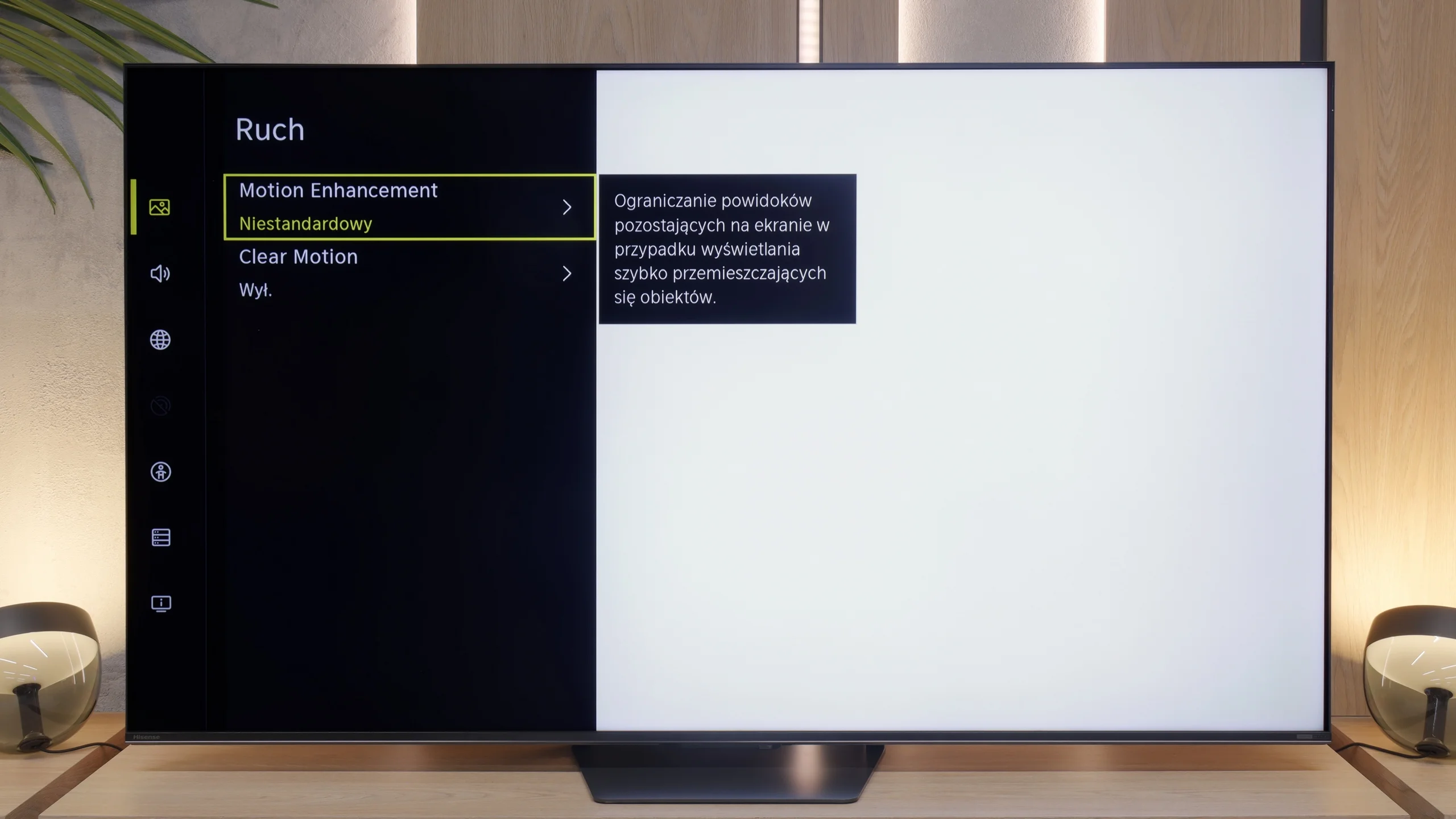
There isn't much to fault when it comes to smoothness. In the menu you'll find a motion smoothing feature called "Motion Enhancement", which hides two sliders: blur reduction and judder reduction. They let you manually tune the smoothing, which works well for both films and sport, effectively improving the raw TV signal.
Console compatibility and gaming features
4.7/10
8.5/10
- ALLM
- VRR
- VRR range 48 - 330Hz
- Dolby Vision Game Mode
- Correct implementation of HGIG
- 1080p@120Hz
- 1440p@120Hz
- 4K@120Hz
- Game bar
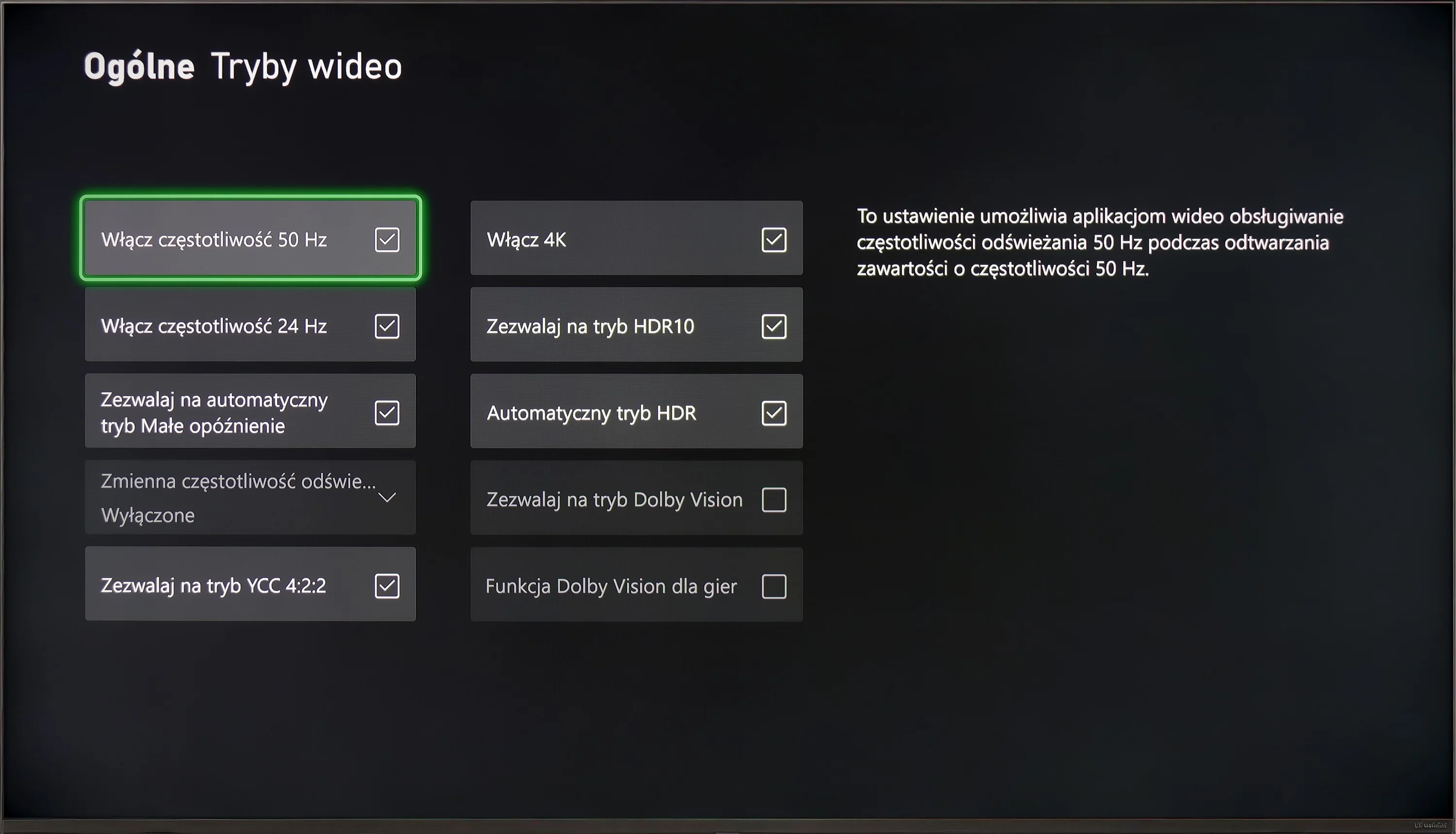
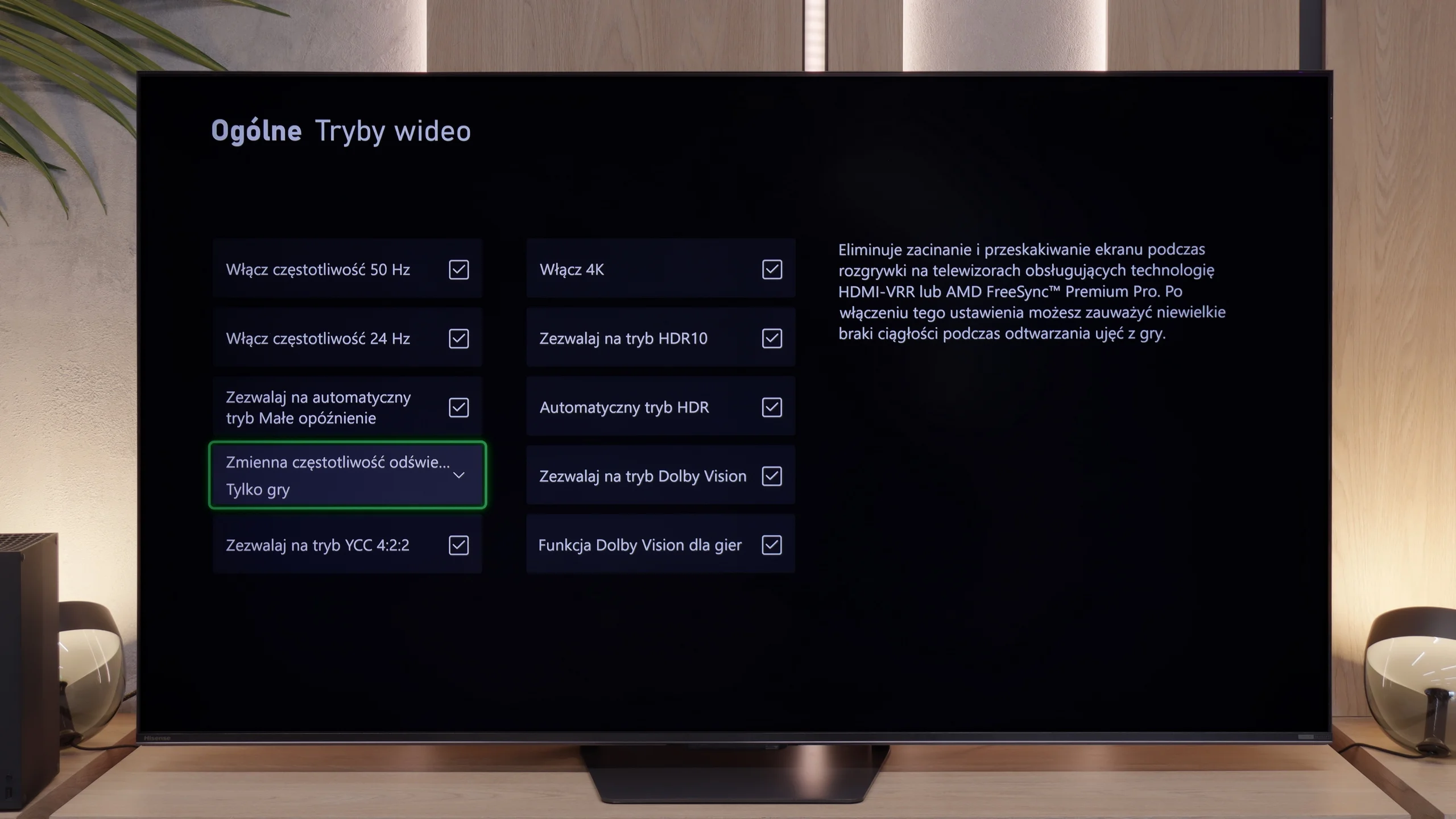
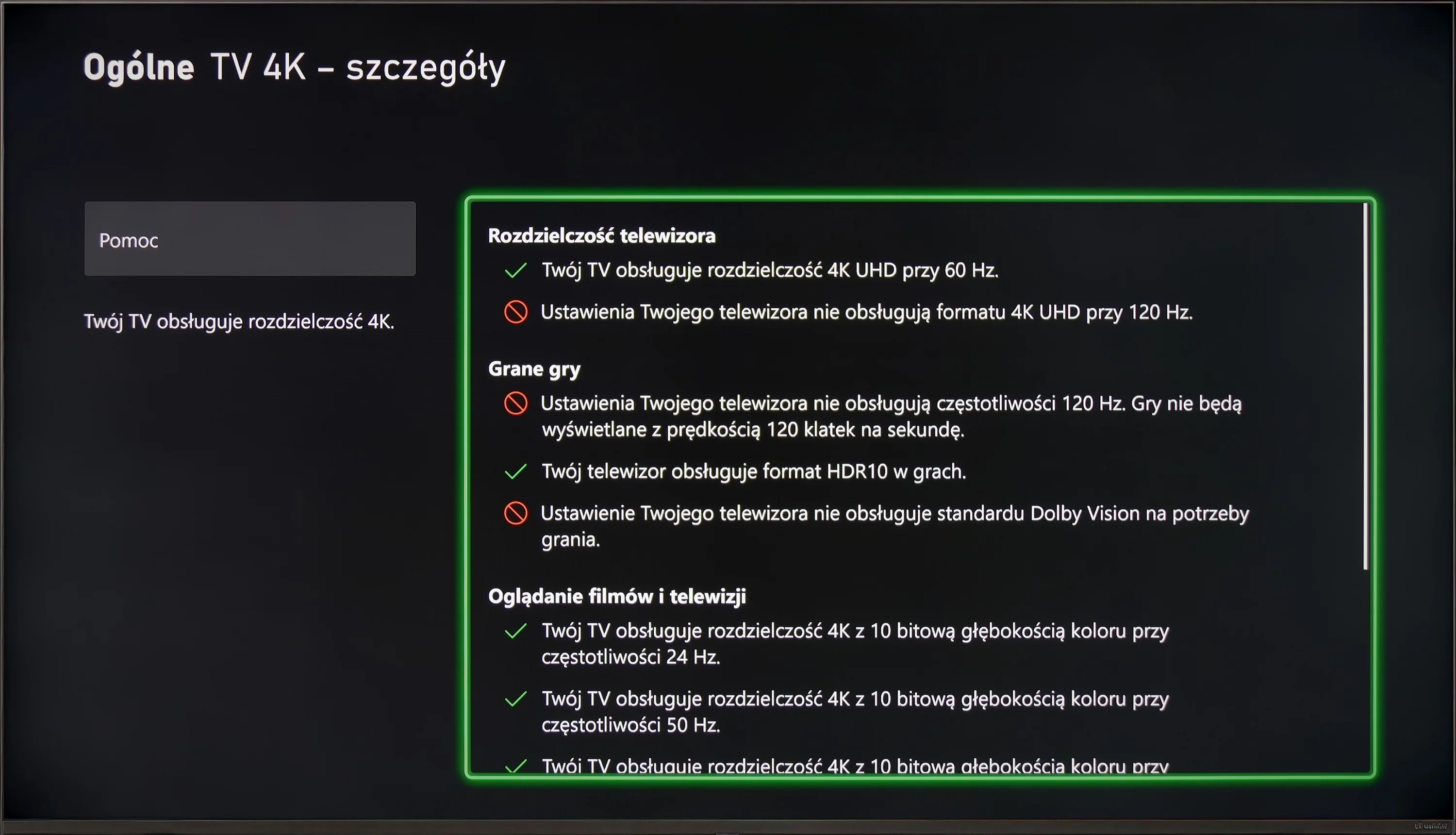
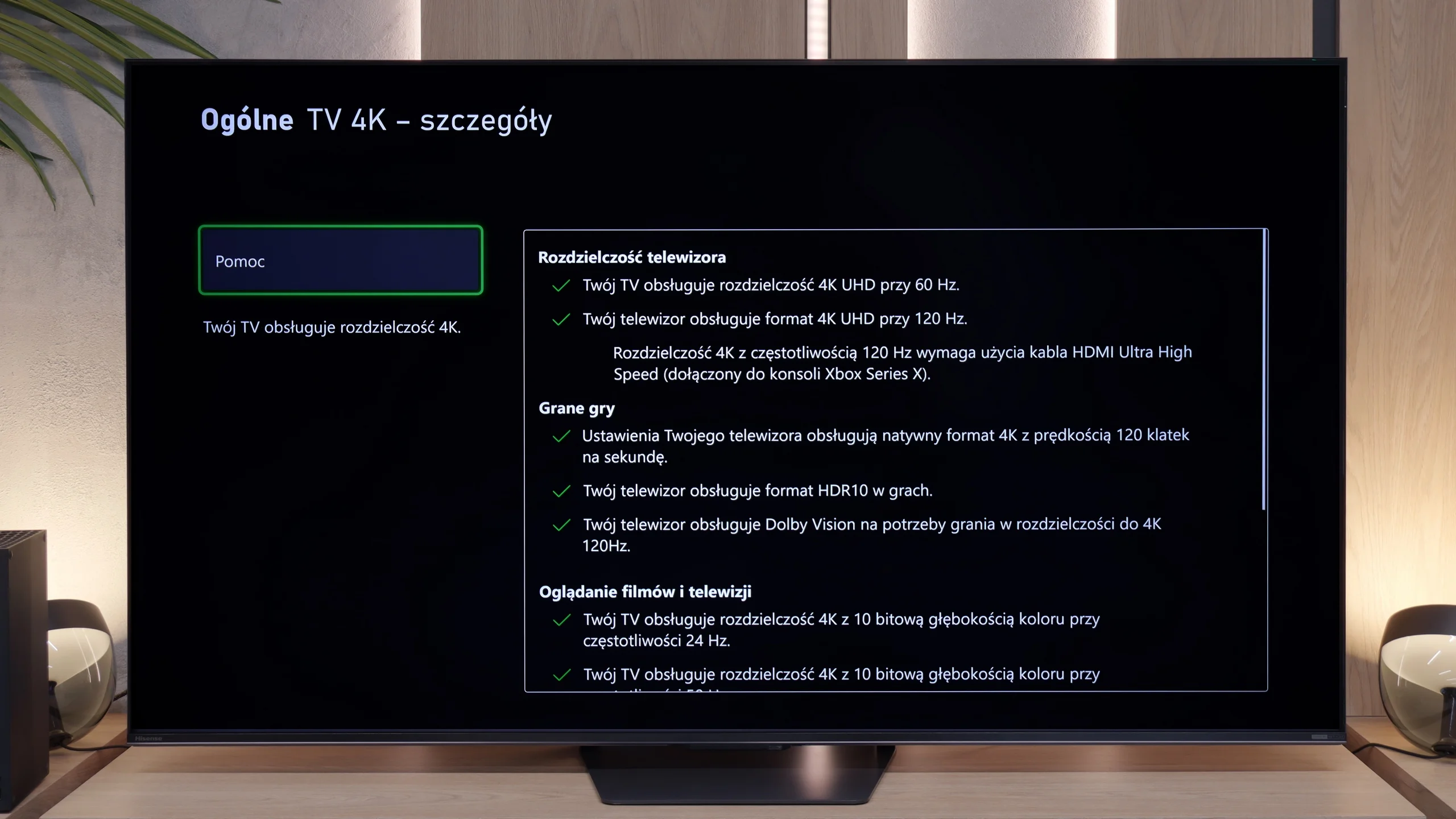
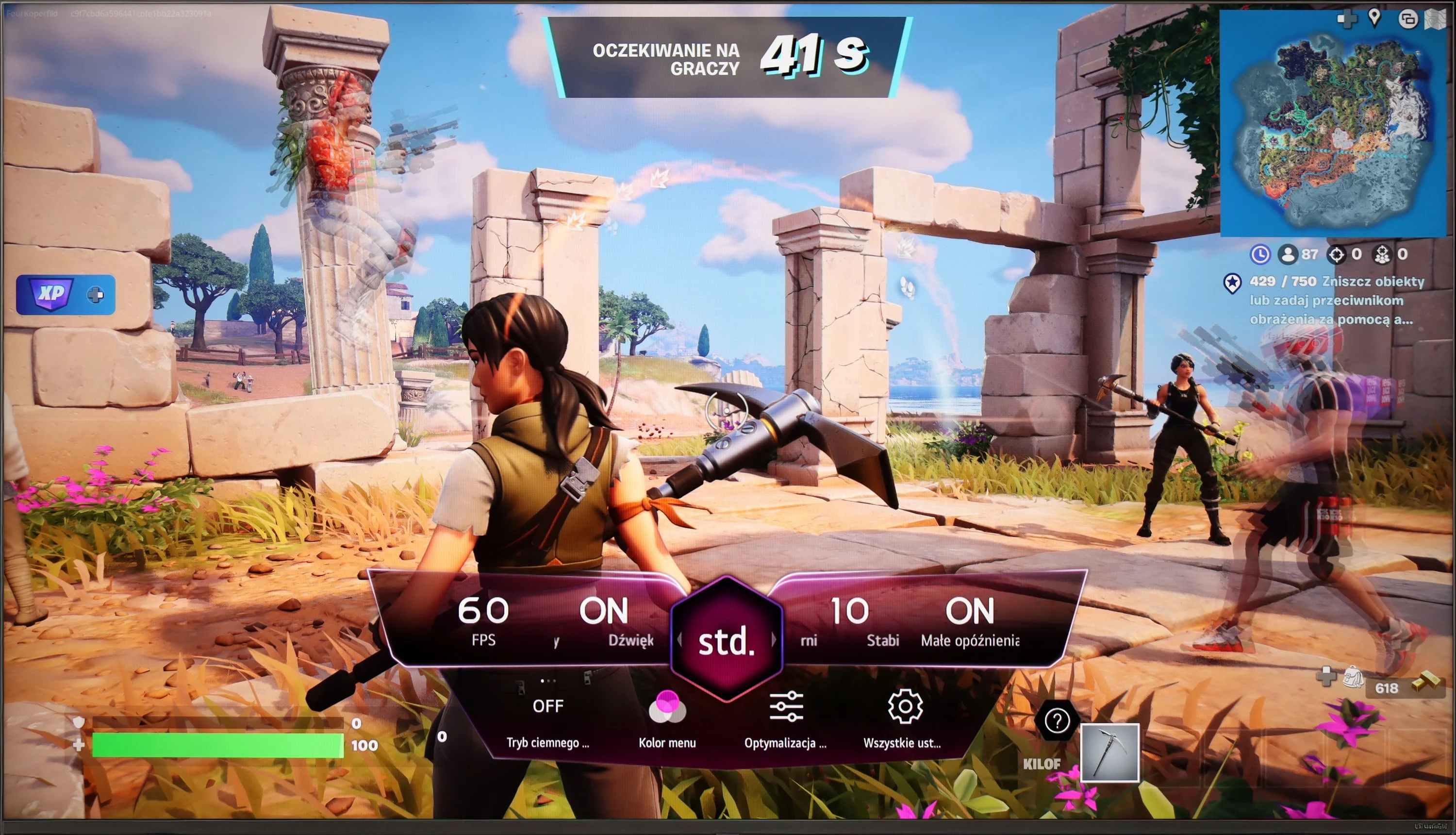
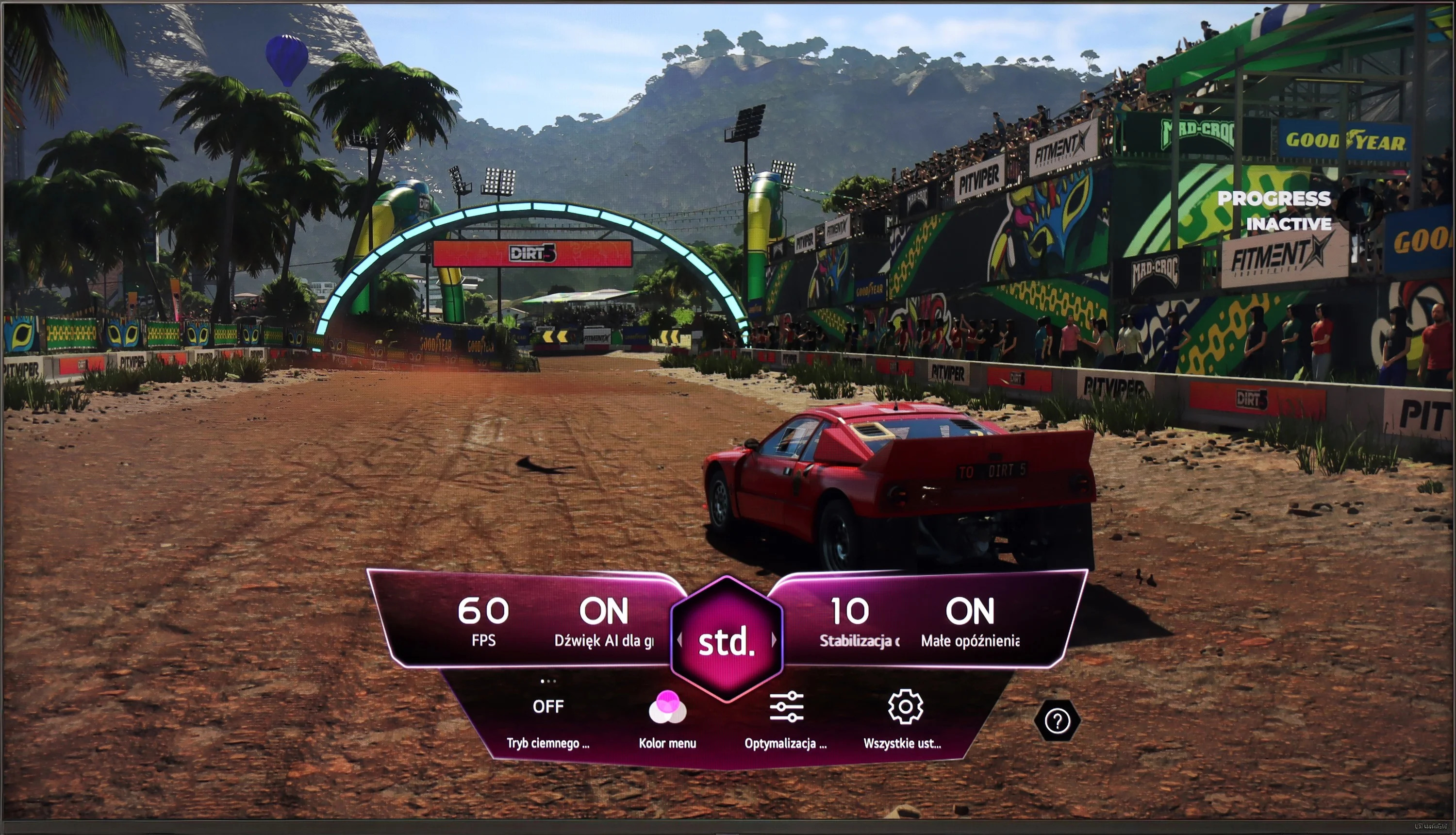
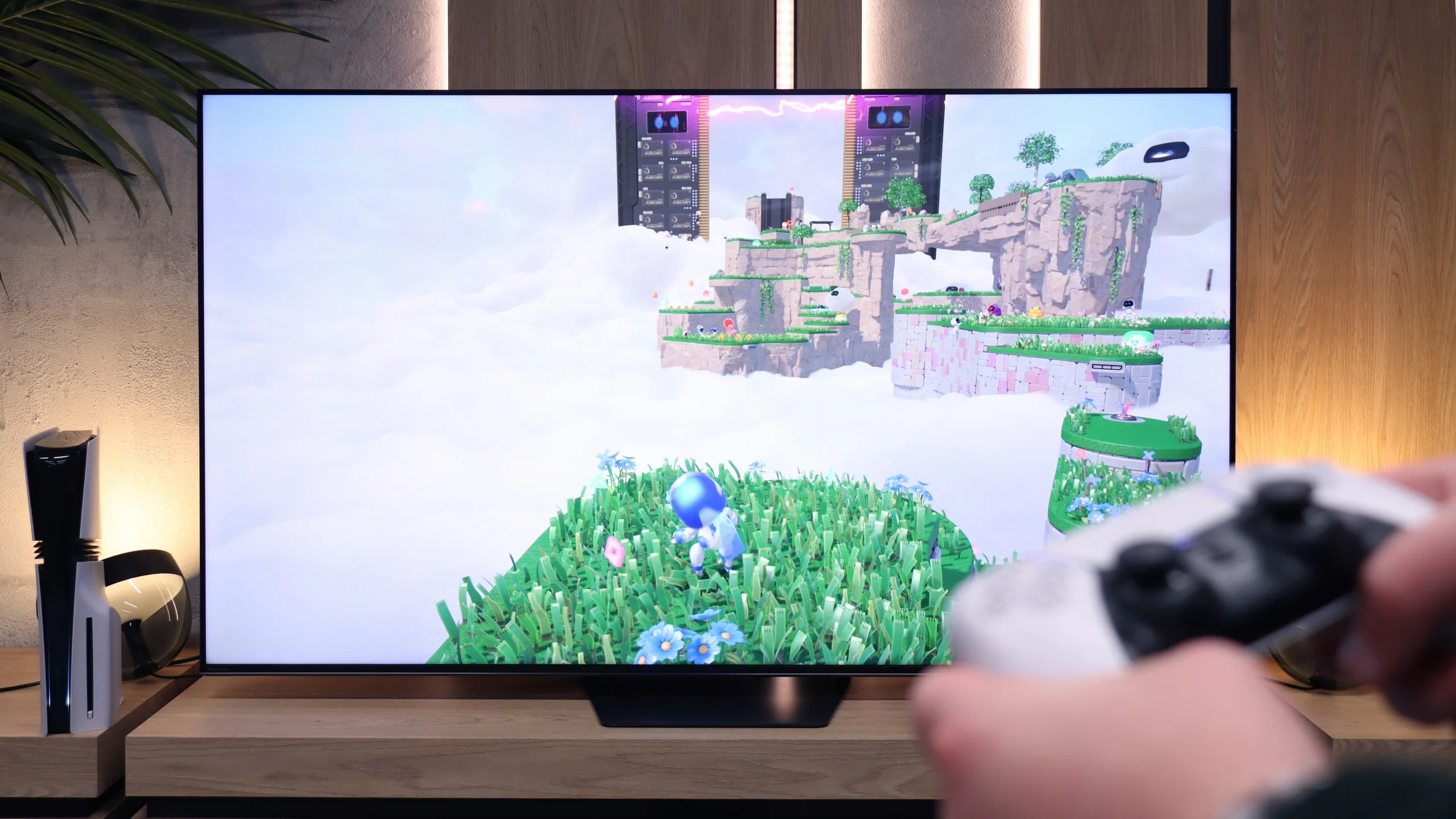
While gaming on the console, LG NANO82T offers a range of features that can significantly impact the gaming experience, though it also has some limitations. Among the advantages, it is worth mentioning the ALLM (Auto Low Latency Mode) feature, which automatically adjusts picture settings by switching the TV to low latency mode. This is particularly beneficial for gamers who need a quick response to their actions. Another plus is the support for HGiG (HDR Gaming Interest Group), as HDR games are displayed according to the creators' intentions, providing realistic and vivid visual effects. These features make the LG NANO82T offer a good gaming experience, although some aspects could be better, especially in dynamic scenes. Unfortunately, LG NANO82T has its limitations when it comes to gaming features. It lacks support for variable refresh rate (VRR), which can affect the smoothness of gameplay, especially in more dynamic games. The TV has a 60Hz panel, preventing the use of higher refresh rates. This is a significant drawback for gamers who expect smoother gameplay at higher resolutions. Additionally, the lack of G-Sync support limits image synchronization capabilities, which can lead to tearing and stuttering in games.
These shortcomings may mean that the LG NANO82T does not meet the expectations of the most demanding gamers who are looking for advanced features and the highest image smoothness.
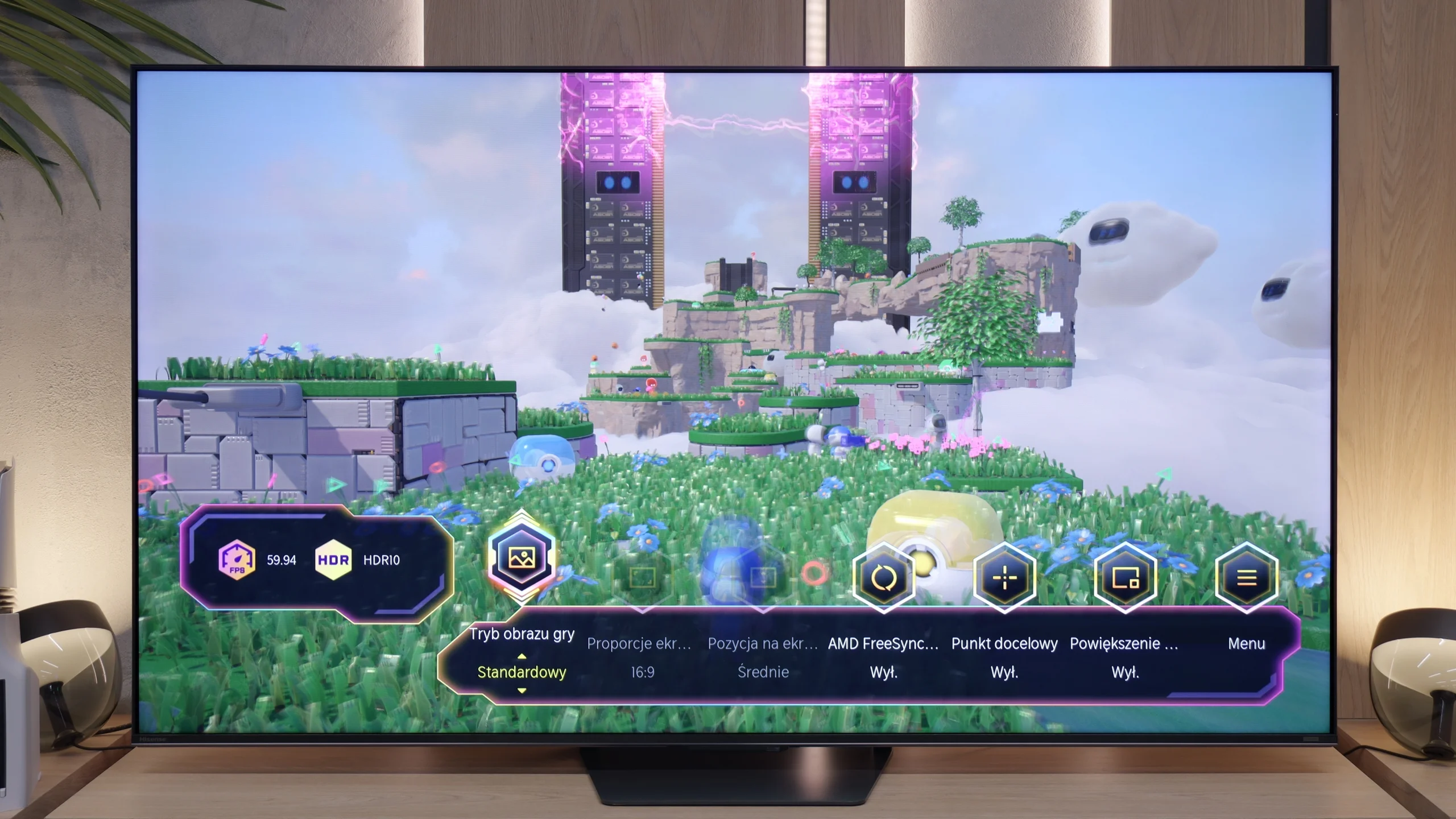
If you're planning to connect a console or PC to the U7S Pro, you'll be more than pleased – this TV is great gear for gamers. Hisense hasn't held back, featuring 4 HDMI 2.1 ports with full bandwidth of 48 Gbps. So you don't have to juggle cables, as each port will handle the full suite of features. We have an automatic game mode (ALLM) and VRR, which operates over a wide range from 48 Hz to a whopping 330 Hz. Of course, that 330 Hz is currently just a gimmick for owners of powerful PCs, as consoles will cap at 120 Hz, but it's good to have that headroom for the future. The Game Bar also works really well when gaming. It's a handy menu bar for gamers, where you can quickly change the picture mode, turn on a crosshair in the middle of the screen, and even switch the display aspect ratio to ultra-wide, which PC simulation fans will appreciate. The only downside worth noting is the incorrect implementation of the HGiG format in games. The issue is that the TV ignores instructions from the console regarding the image generated in HDR10 and constantly butts in, trying to "enhance" the image in its own way. This makes proper HDR configuration in the console menu (where brightness is set on the logo/checkerboard) a bit more challenging.
Input lag
9.9/10
9.7/10
SDR
HDR
Dolby Vision
Input lag in LG NANO82T is really impressive, with a maximum value of just 15 ms. This is a remarkable result that provides instant reaction to player movements. With such low latency, gameplay becomes smooth and responsive, which is crucial for gamers who value quick and precise actions. Regardless of the type of game, the television offers an excellent experience by minimizing delays and allowing full immersion in the world of gaming.
If we talk about latency, it's really good. Results below 10 ms for content at 120 Hz are great news, because the response to movement of the analogue stick or pressing a button on the controller is instantaneous. At the standard 60 Hz the lag rises to about 18 ms, which is still low enough that even a keen gamer won't be able to notice it. The only thing you could pick at is playing with Dolby Vision enabled — then input lag can jump to around 30 ms. To be fair, that's still not something we'd call bad or that would prevent comfortable gaming.
Compatibility with PC
5.6/10
8.4/10
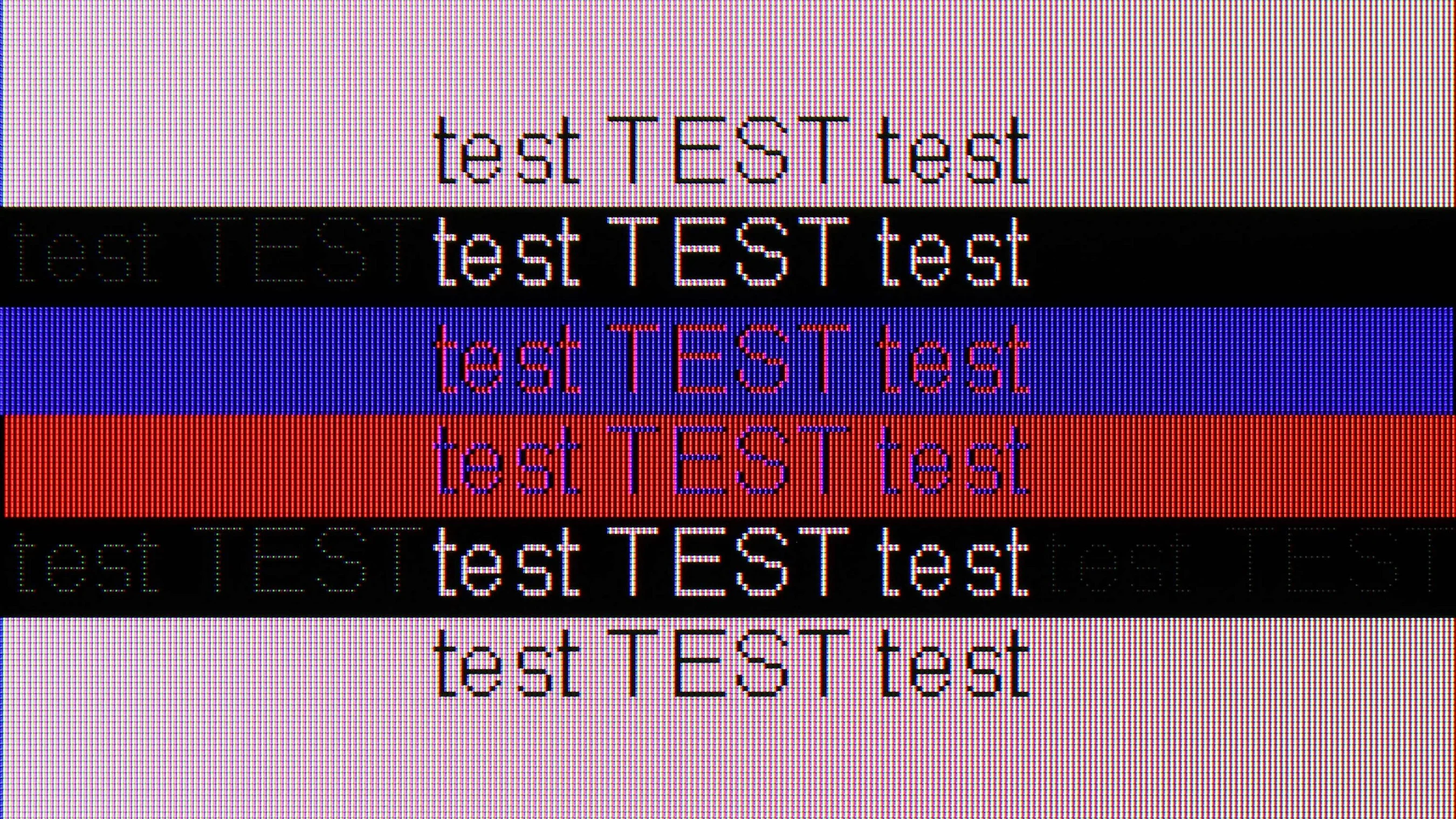
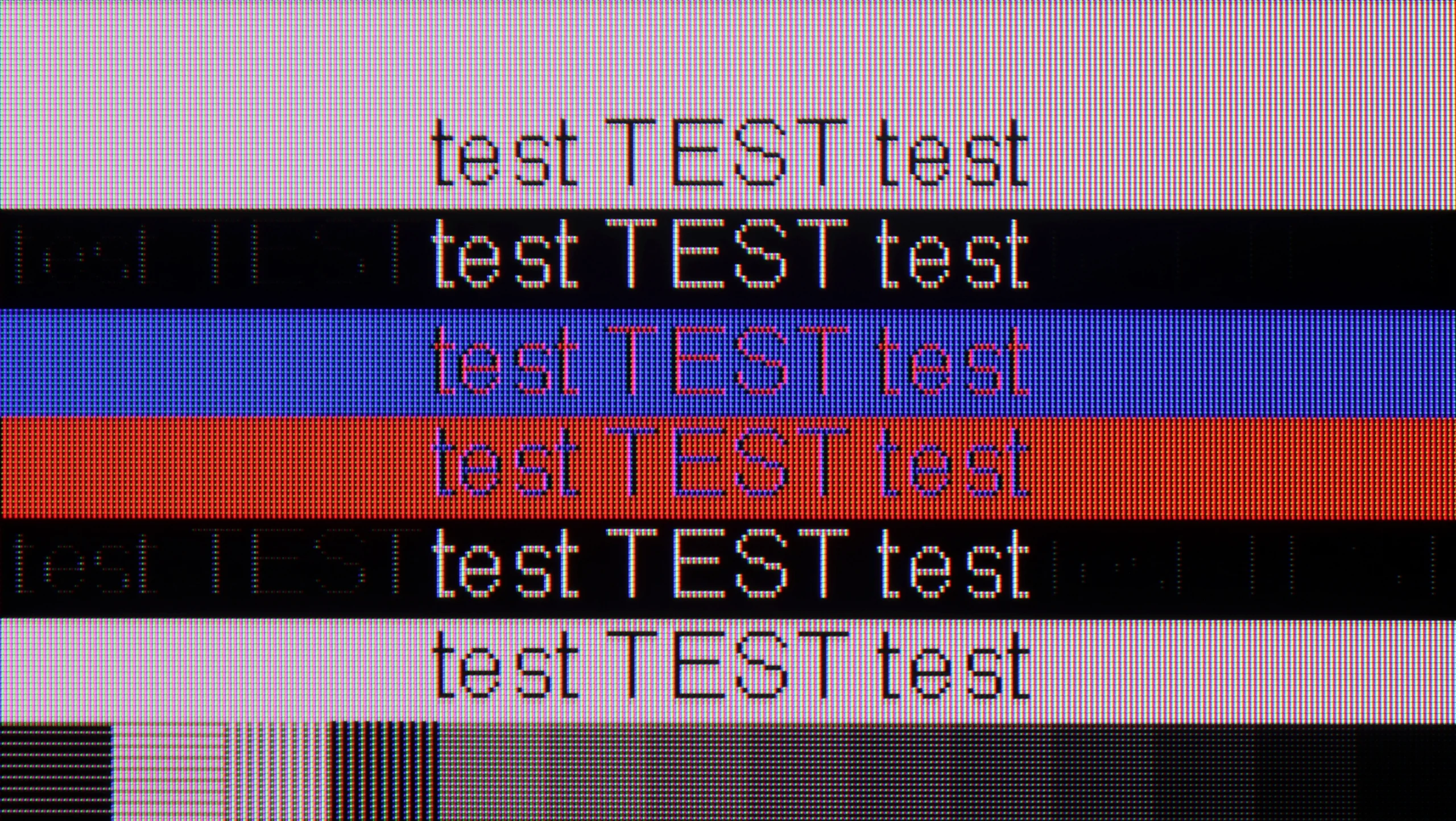
The photo shows the legibility of small fonts. Ideally, lines should be the same thickness on both light and dark text, with minimal pixel gaps.
The collaboration of LG NANO82T with a computer looks very good. The readability of the fonts is at a high level, making it easier to work with texts. Additionally, the television supports chroma 4:4:4, providing clear and sharp details. A low input lag of just 14 ms makes any actions on the screen smooth and responsive. This model offers a 60 Hz refresh rate panel, and the lack of support for G-Sync may disappoint gamers. For this reason, the television receives a lower rating in terms of gaming, although it performs reasonably well as a work monitor. Unfortunately, we deducted further points for the display of fonts on a dark background in green, which can be somewhat irritating in certain cases.
As we already mentioned, the U7S Pro is a great bit of kit for gamers, including PC players. The TV can reach a very high refresh rate — up to 165 Hz at 4K, and when you drop to Full HD it can hit as much as 330 Hz. Those are figures you typically see in monitors, not TVs. On top of that, the TV works well with NVIDIA and AMD graphics cards thanks to G-Sync and FreeSync.
When it comes to desktop text readability, it’s pretty good — the TV supports full colour sampling (Chroma 4:4:4), so fonts should be sharp and clear. There’s a small catch: text readability significantly worsens when the TV is running at 165 Hz or 144 Hz. To fix that and get much sharper fonts, it’s best to simply change the refresh rate in Windows settings to 120 Hz.
Viewing angles
2.7/10
3.2/10
The viewing angles on LG NANO82T aren't great, which is typical for budget VA panels. Colours lose their intensity and contrast deteriorates when viewing the screen from the side. Blacks become more washed out and details less defined. This can affect the viewing quality in larger rooms where viewers sit at different angles. This is one of the main drawbacks of VA panels in lower-priced televisions. Although they offer better contrast and deeper blacks compared to IPS panels, the viewing angles are significantly limited. If we often watch television from various spots in the room, this can impact our visual experience.
Unfortunately, the U7S Pro doesn't offer the best viewing angles on the market. That's due to the VA panel used here, which, unlike IPS or ADS panels, shows much greater picture degradation when viewed from the side. Colours lose their saturation and contrast falls off noticeably. Interestingly, this applies not only to the panel itself but also to the screen's outer layer. The matte coating used here loses its matte qualities at steep angles and starts to behave more like a glossy screen. Instead of diffusing light, it begins to reflect it more strongly, which can increase discomfort when using the TV in a sunlit room. Therefore, to enjoy the best image quality and minimise reflections, it's best to sit directly in front of the U7S Pro wherever possible.
Daytime performance
3.9/10
8.1/10
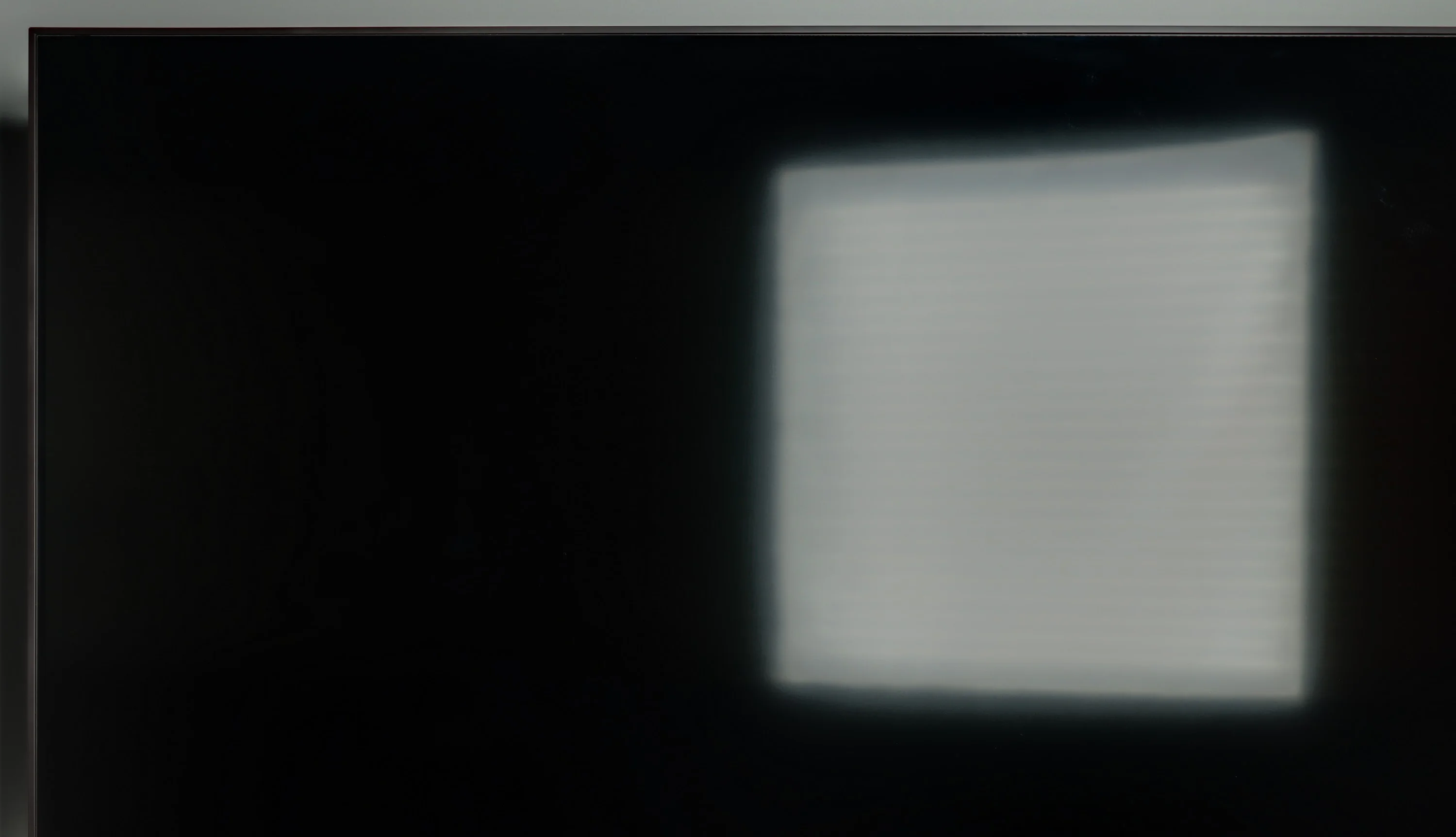
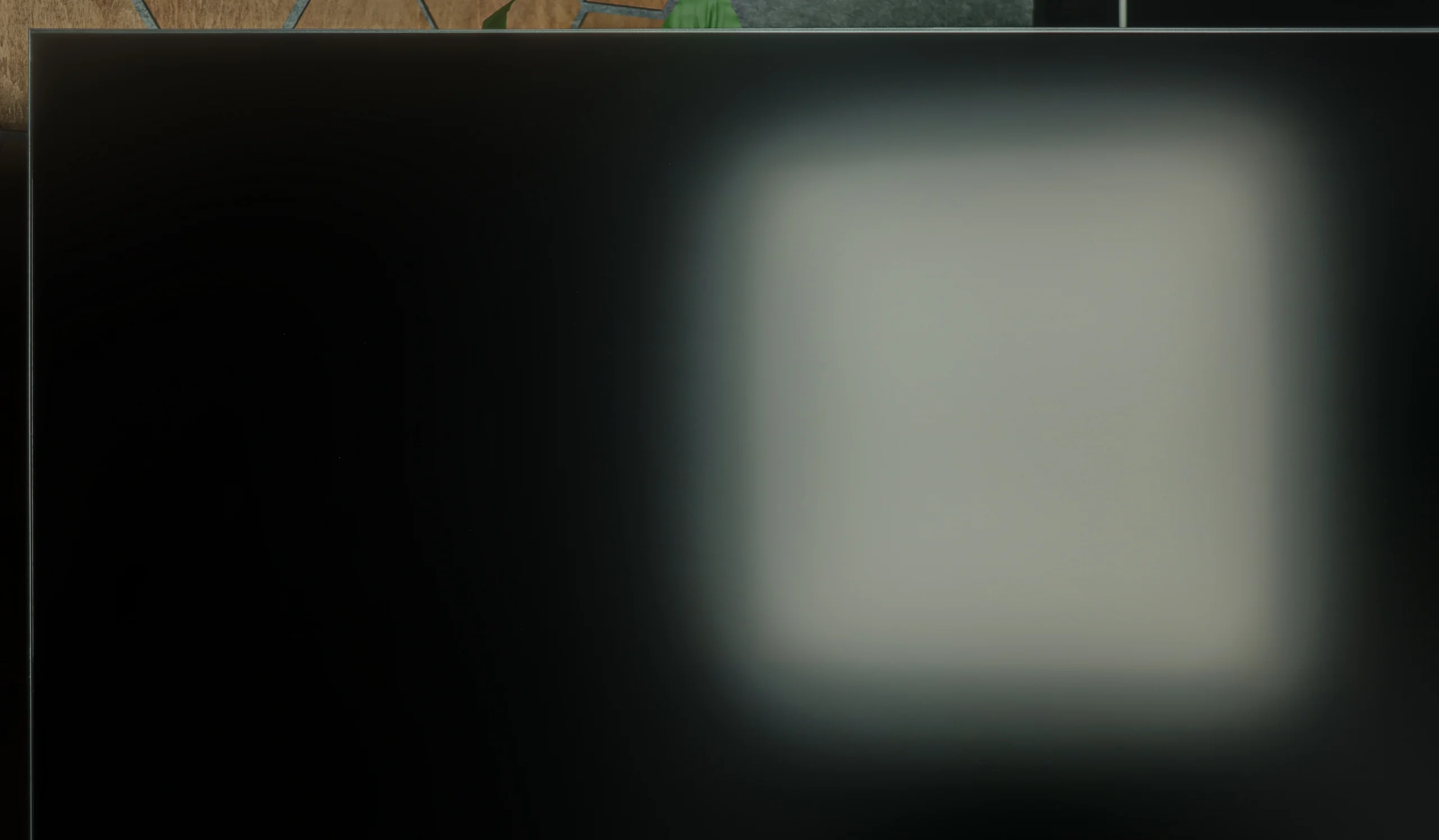
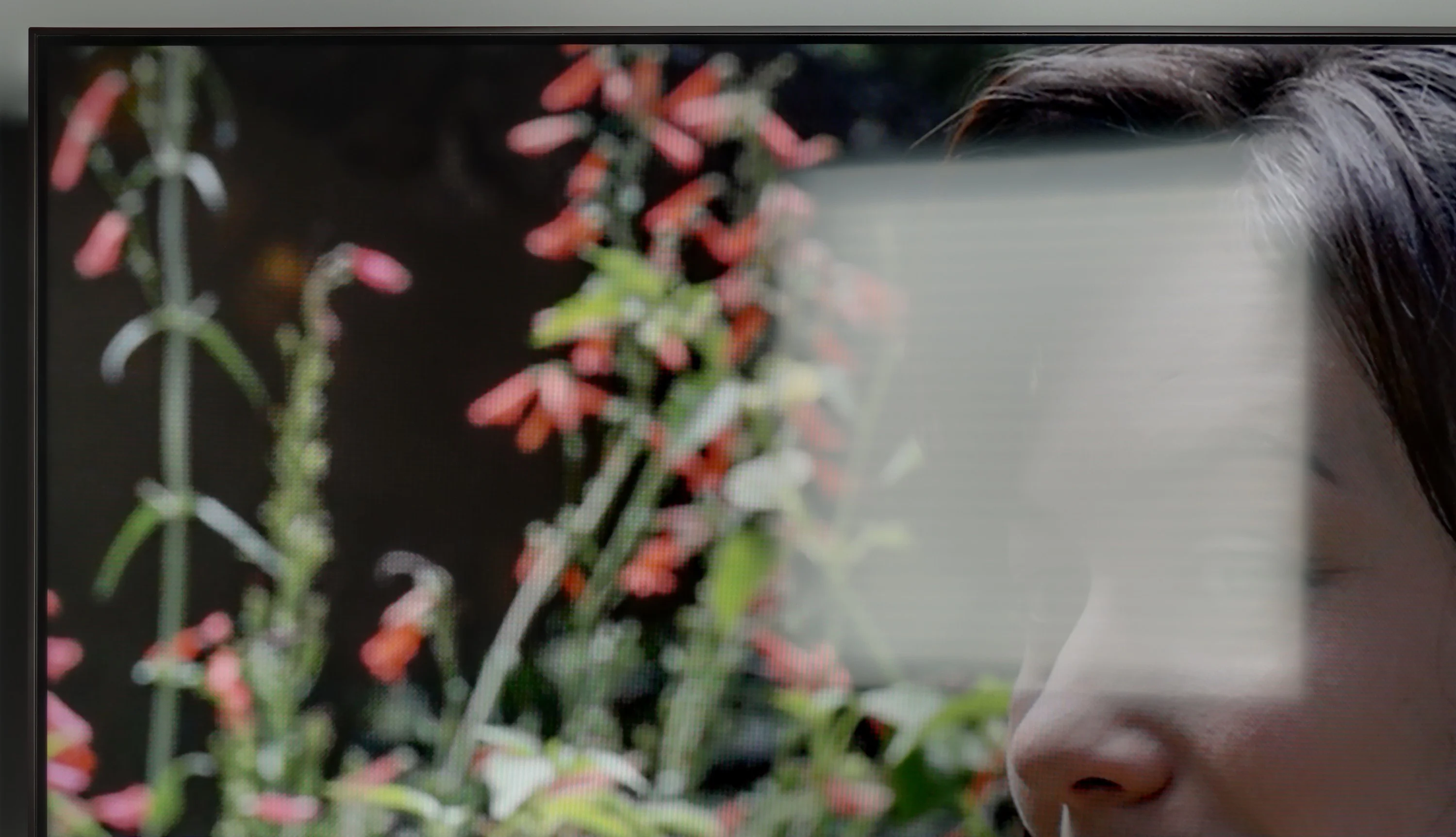
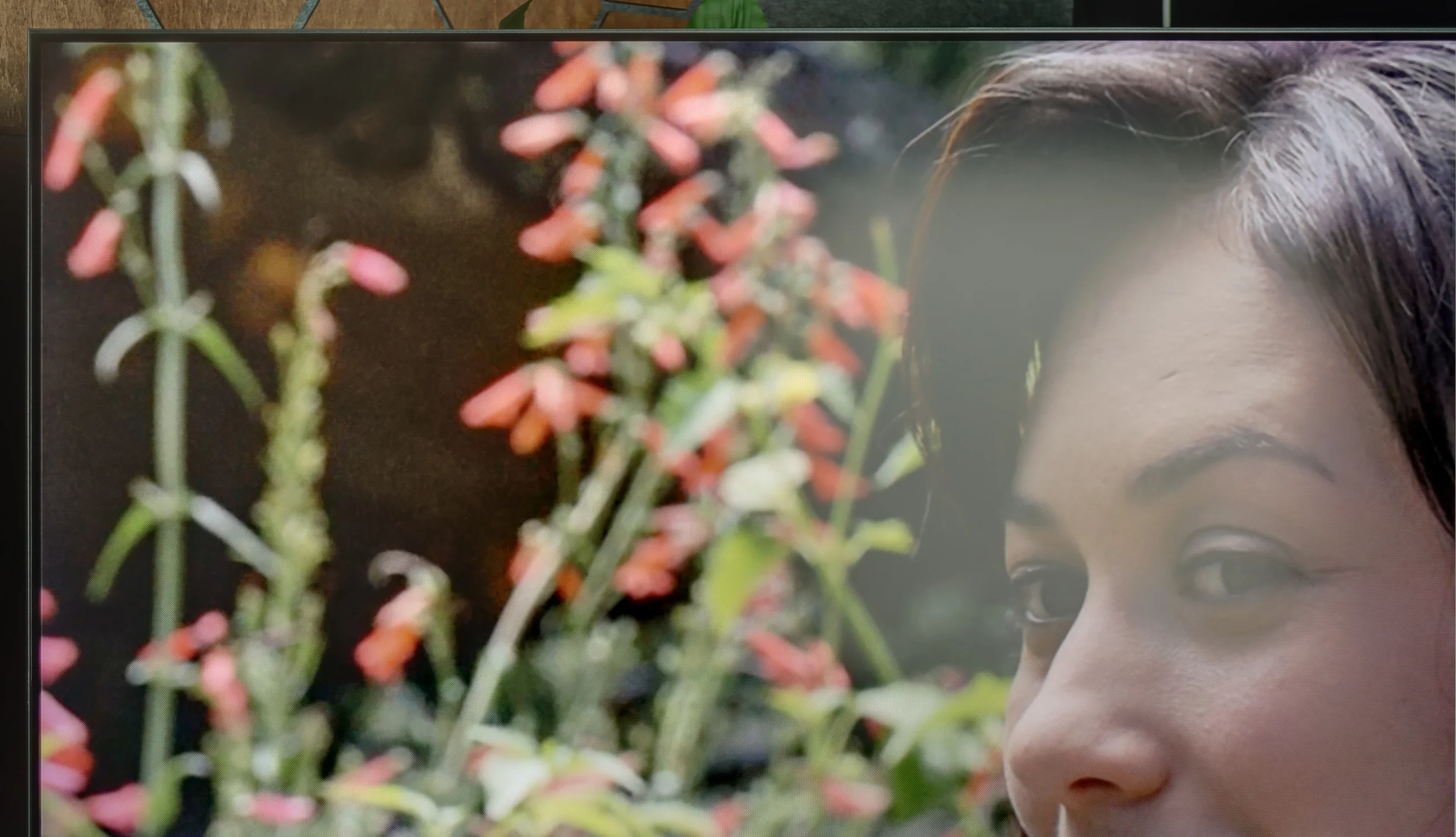
Panel brightness
Hisense U7S Pro: 903 cd/m2
LG NANO82T6B: 259 cd/m2
In the category of daytime performance, LG NANO82T does not perform the best. The satin panel offers average reflection handling, which can be problematic in bright rooms. The low rating is mainly due to the very poor screen brightness of only 250 nits. As a result, the television may struggle to provide adequate picture quality in well-lit environments, limiting its functionality in such conditions.
The U7S Pro works very well in brightly sunlit living rooms, thanks to its new matte screen coating. On this year’s model it does a good job of suppressing reflections from light hitting the screen head-on. It’s not the deepest matte you can find on the market, but in most scenarios it holds up. It’s worth remembering the mentioned quirk: when you sit at an angle the coating drastically loses its effectiveness and the screen starts to look satin-glossy. So if you have windows at an unlucky angle, people sitting at the side of the sofa may have to contend with noticeable reflections. Despite this minor drawback, the U7S Pro is still an excellent choice for a bright living room. Beyond the coating, its main weapon is extreme brightness. In typical TV content (SDR) the screen can reach around 900 nits on average. That’s an outstanding result that places this model among the market leaders.
Panel details
Subpixel Structure:
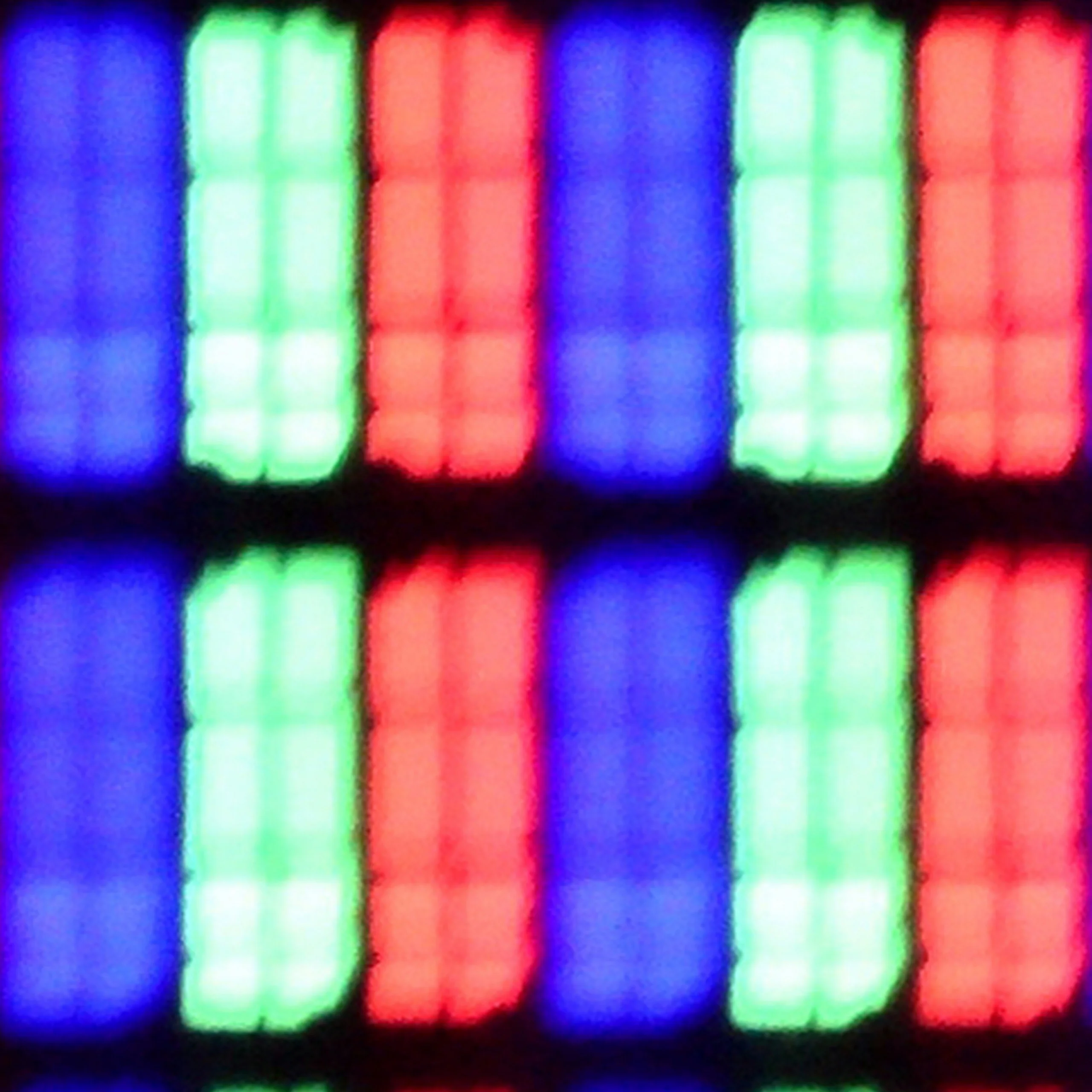
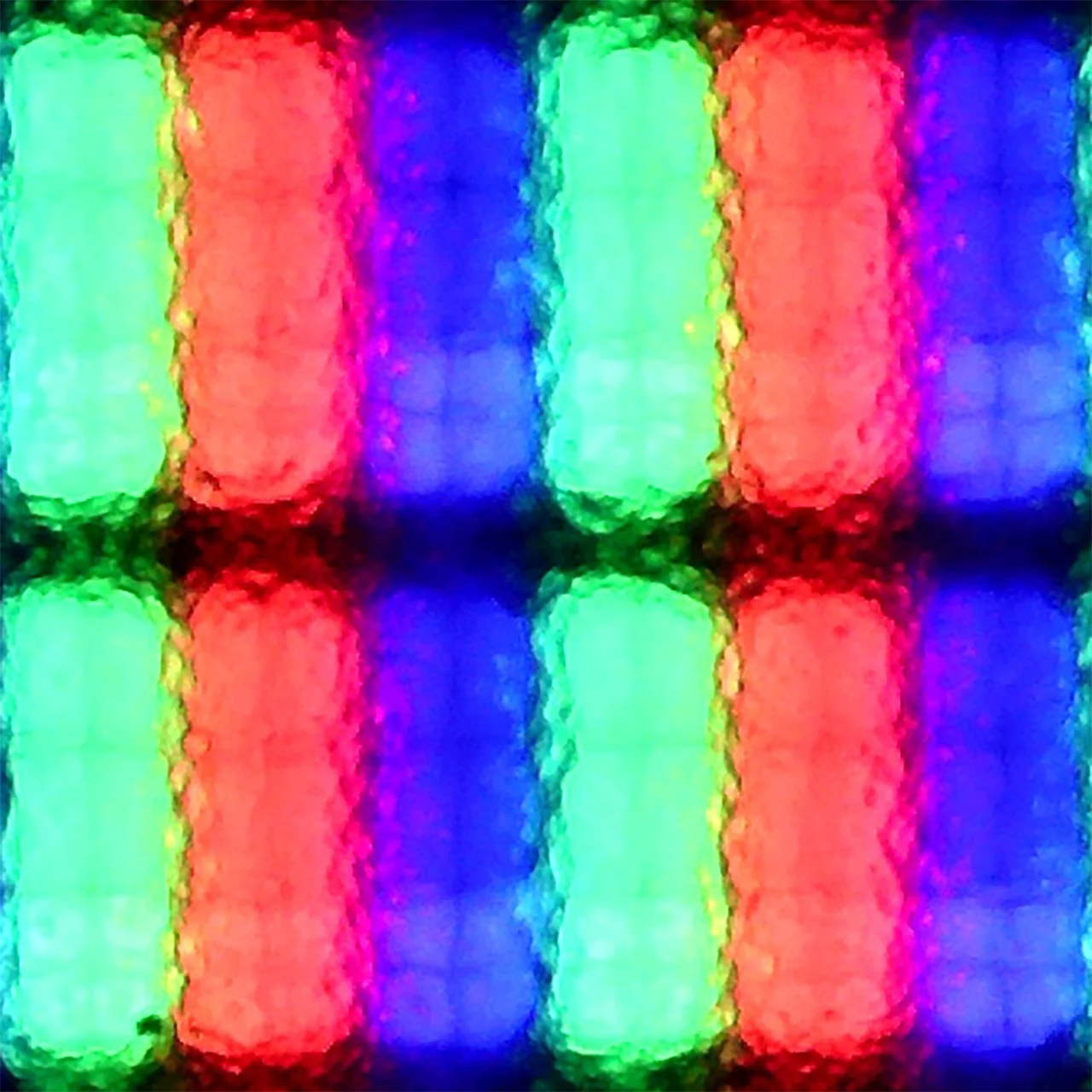
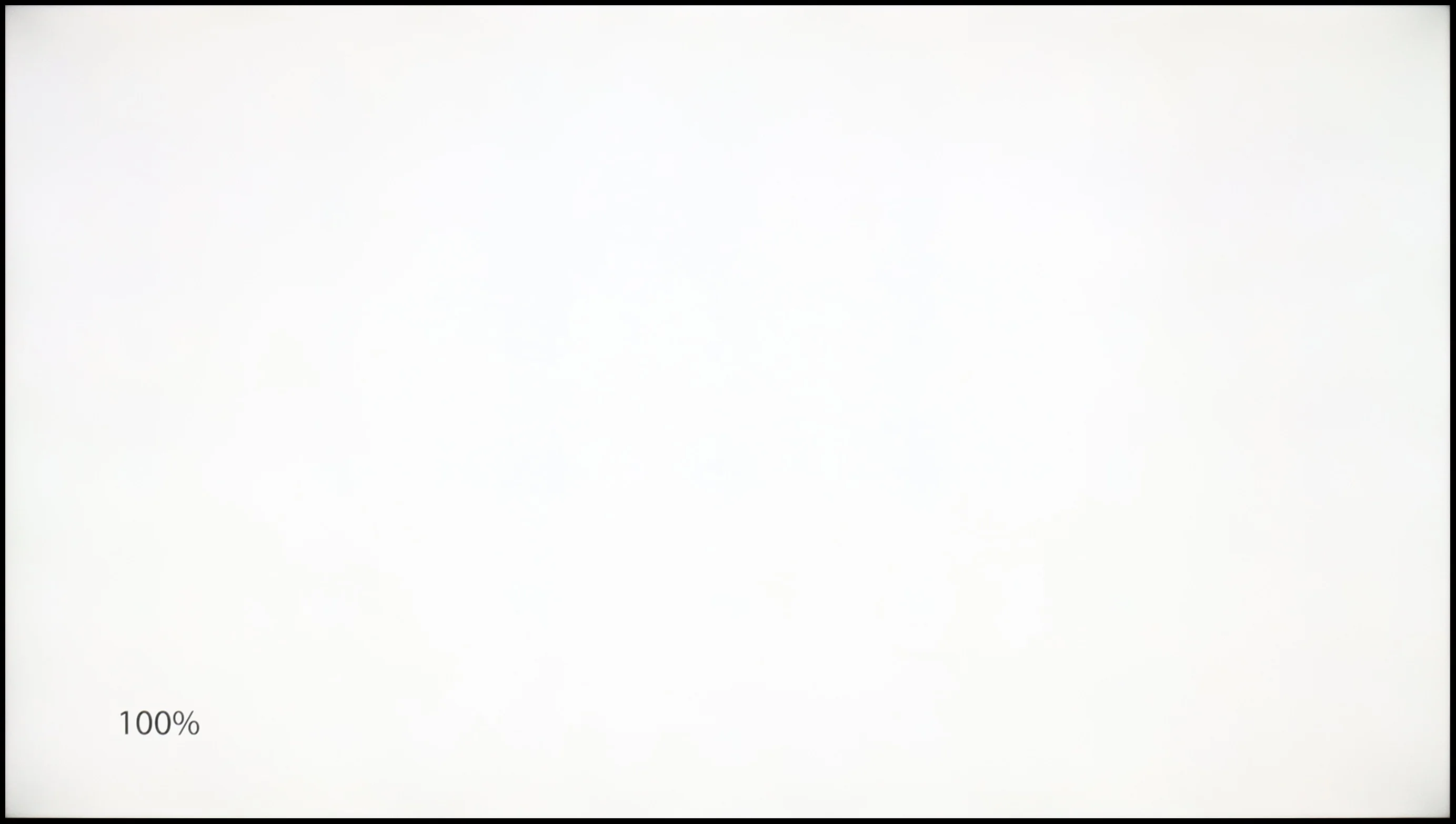
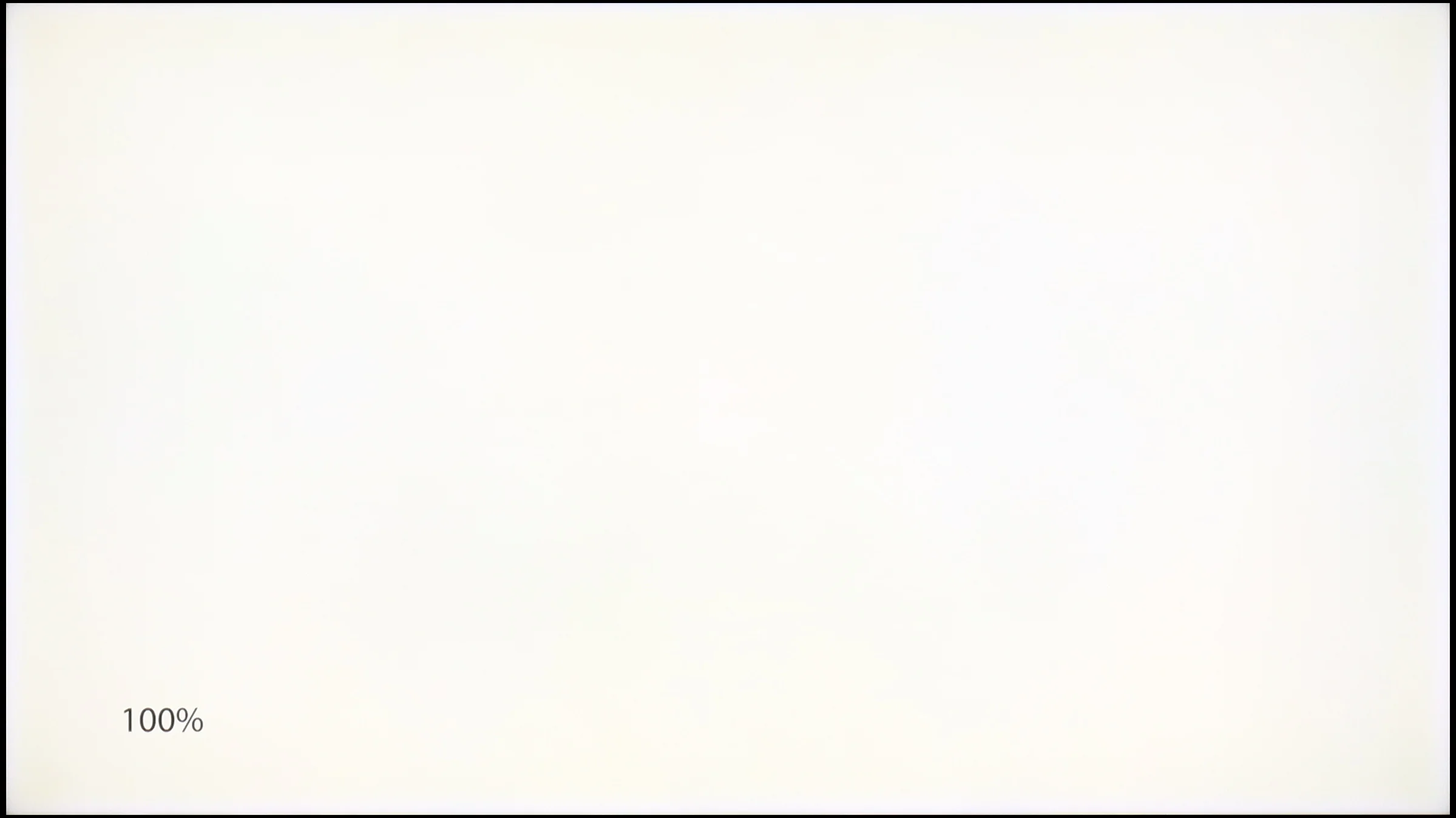
Panel uniformity and thermal imaging:
LG NANO82T6B
Hisense U7S Pro
TV features
7.7/10
9.4/10
- SystemWebOSVIDAA
- System performanceDecentGood
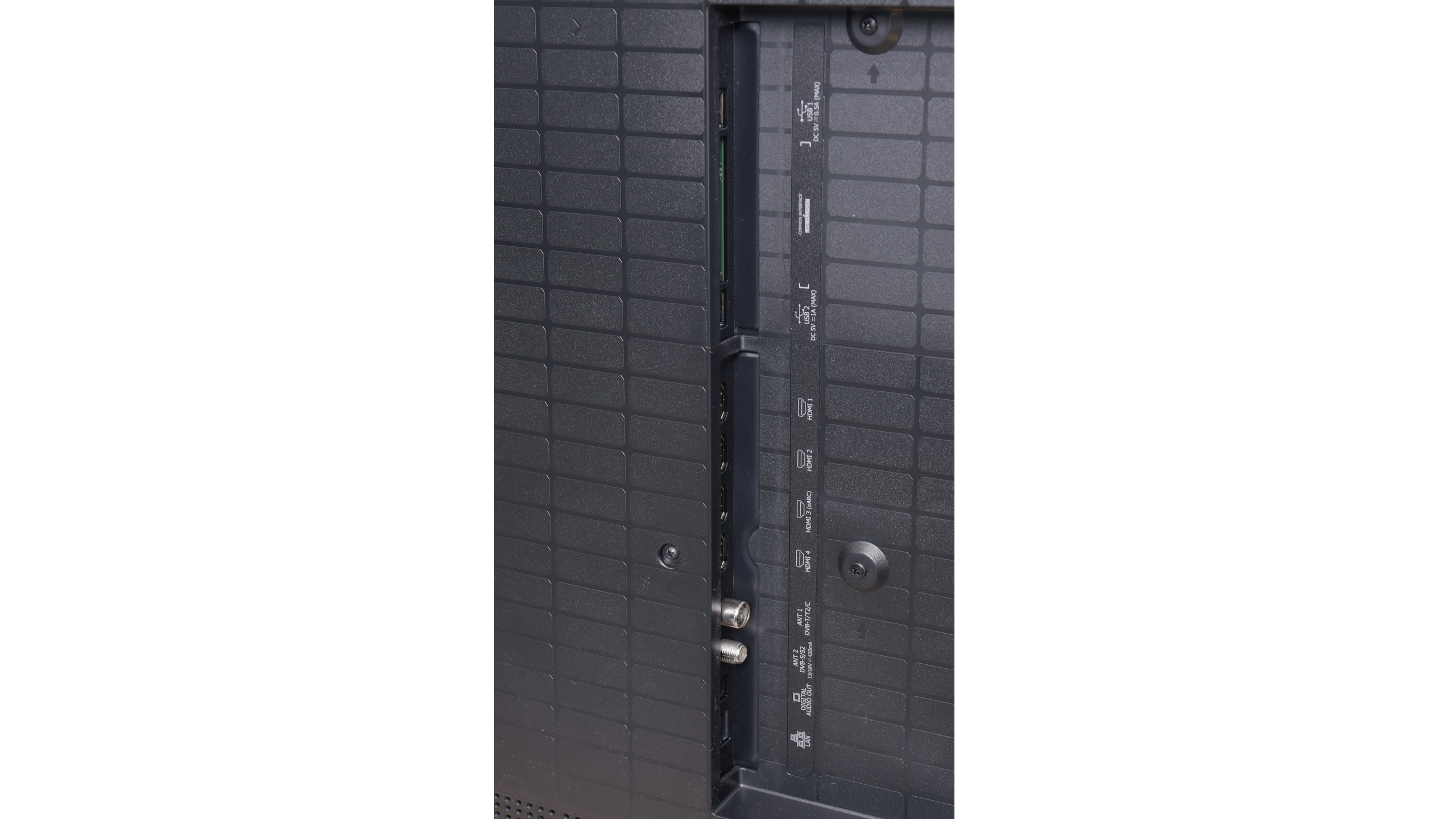
- HDMI inputs3 x HDMI 2.0, 0 x HDMI 2.10 x HDMI 2.0, 4 x HDMI 2.1 48Gbps
- OutputsToslink (Optical audio), eARC (HDMI), ARC (HDMI)Toslink (Optical audio), eARC (HDMI), ARC (HDMI)
- Network InterfacesWi-Fi 2.4GHz, Wi-Fi 5GHz, Ethernet (LAN) 100MbpsWi-Fi 2.4GHz, Wi-Fi 5GHz, Ethernet (LAN) 100Mbps
- TV receptionDVB-T, DVB-T2, DVB-S, DVB-S2, DVB-CDVB-T, DVB-T2, DVB-S, DVB-S2, DVB-C
Classic features:
- Recording to USB (terrestrial TV)
- Recording programming
- Picture in Picture (PiP)
- RF remote control (no need to aim)
- Backlit remote control
- Teletext
- Audio only mode
- Bluetooth headphones support
- Simultaneous Bluetooth headphones & TV audio
Smart features:
- AirPlay
- Screen mirroring (Windows Miracast)
- Voice search
- Voice search in native language
- Ability to connect a keyboard and mouse
Sound connection options
- HDMI audioeARC (HDMI), ARC (HDMI)eARC (HDMI), ARC (HDMI)
- Other audio outputsToslink (Optical audio)Toslink (Optical audio)
- Wireless audioBluetoothBluetooth
Supported audio formats (external HDMI eARC audio):
- Dolby Digital Plus 7.1
- Dolby True HD 7.1
- Dolby Atmos in Dolby Digital Plus (JOC)
- Dolby Atmos in Dolby True HD
- DTS:X in DTS-HD MA
- DTS-HD Master Audio
Senior accessibility
- Numeric keyboard on TV
- Font size adjustment
- Audio description
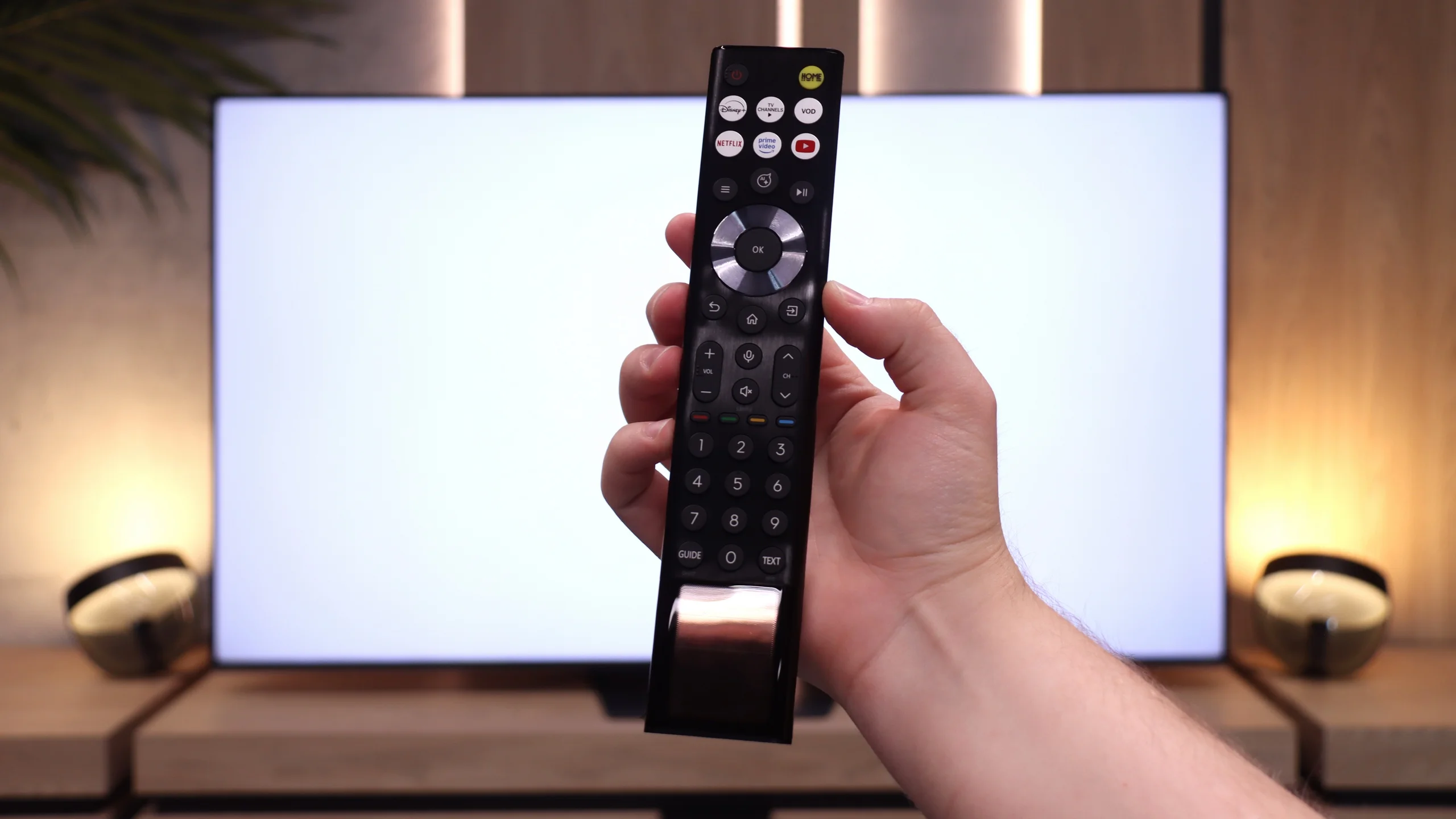
LG NANO82T offers a wide range of features that significantly enhance user comfort. The webOS operating system deserves special attention. It is intuitive, fast, and offers a plethora of applications that can be easily installed and operated. The Magic Remote, or PilotMagic, is another convenience. It operates like a computer mouse and allows for quick navigation through the menu. Moreover, it supports voice commands in Polish, which greatly facilitates the use of the television. WebOS also supports AirPlay, making it easy to stream content from Apple devices such as iPhone or iPad.
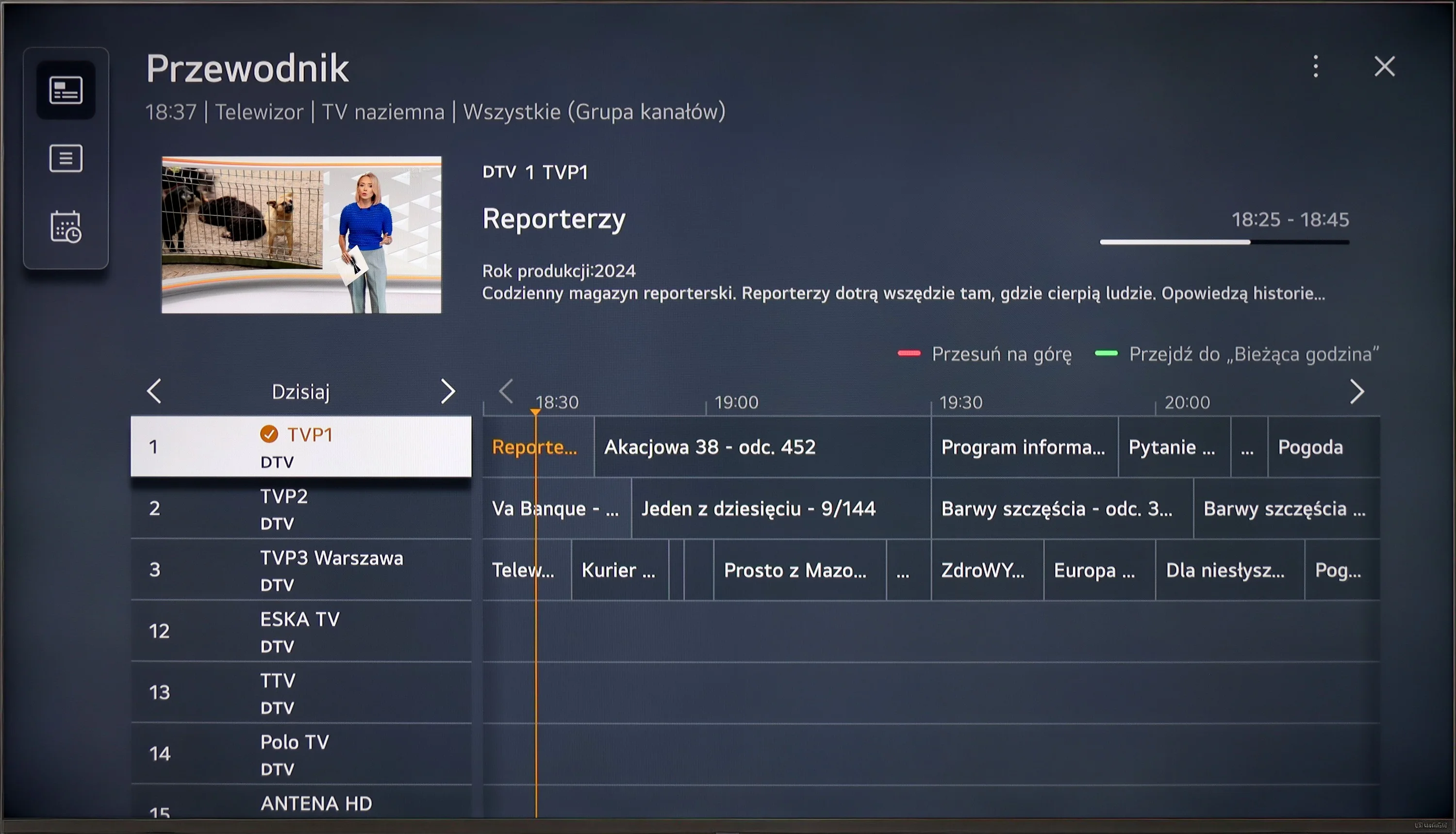
In everyday use, the television performs excellently. It comes equipped with a recording function, allowing you to save your favourite shows and watch them at your convenience. Pairing other devices also poses no problem thanks to the built-in Bluetooth. You can easily connect headphones, speakers, and even keyboards or mice, making the television even more versatile. However, it is worth mentioning a downside in the lack of the PIP (Picture-in-Picture) function, which would allow for simultaneous viewing of two programs. Despite this, the LG NANO82T is a great choice for everyday use, offering many modern and convenient features.
SmartTV: Vidaa / HomeOS
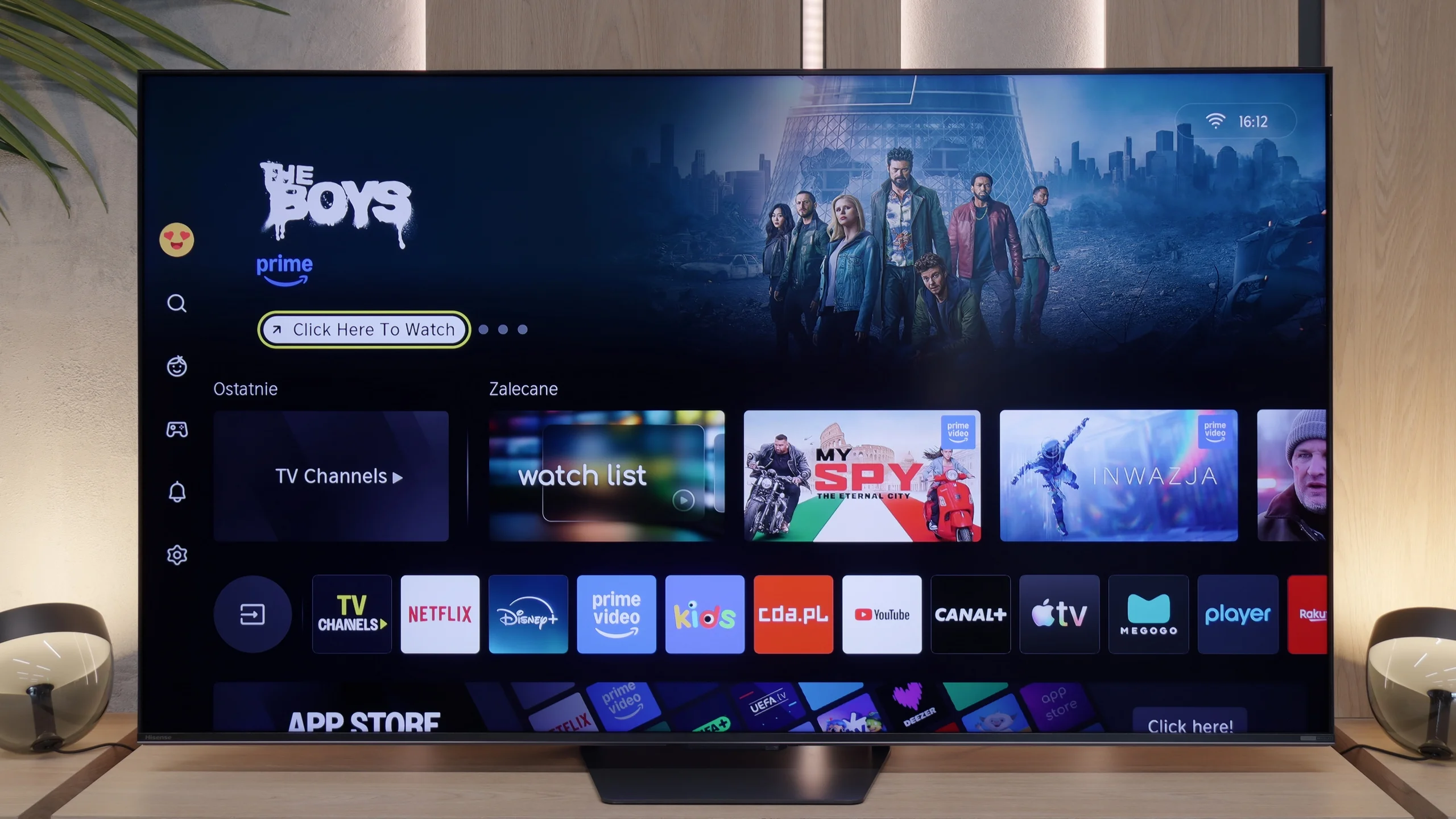
Hisense U7S Pro on our European market traditionally relies on its proprietary system. This year, Vidaa underwent rebranding and changed its name to "HomeOS". When it comes to the appearance of the system itself, there are no major revolutions – instead of purple accents, we simply have yellow. The system operates really smoothly and responsively. The television supports all typical Smart TV functions, such as AirPlay, screen mirroring, and voice search. Interestingly, the new voice assistant is based on artificial intelligence, so its responses are primarily driven by AI. The only criticism that can be levelled at the Vidaa system is that it does not offer the broadest library of applications. At least, this is the case at the time of writing this review, which is in May 2026. (Application list at the bottom).
TV Features
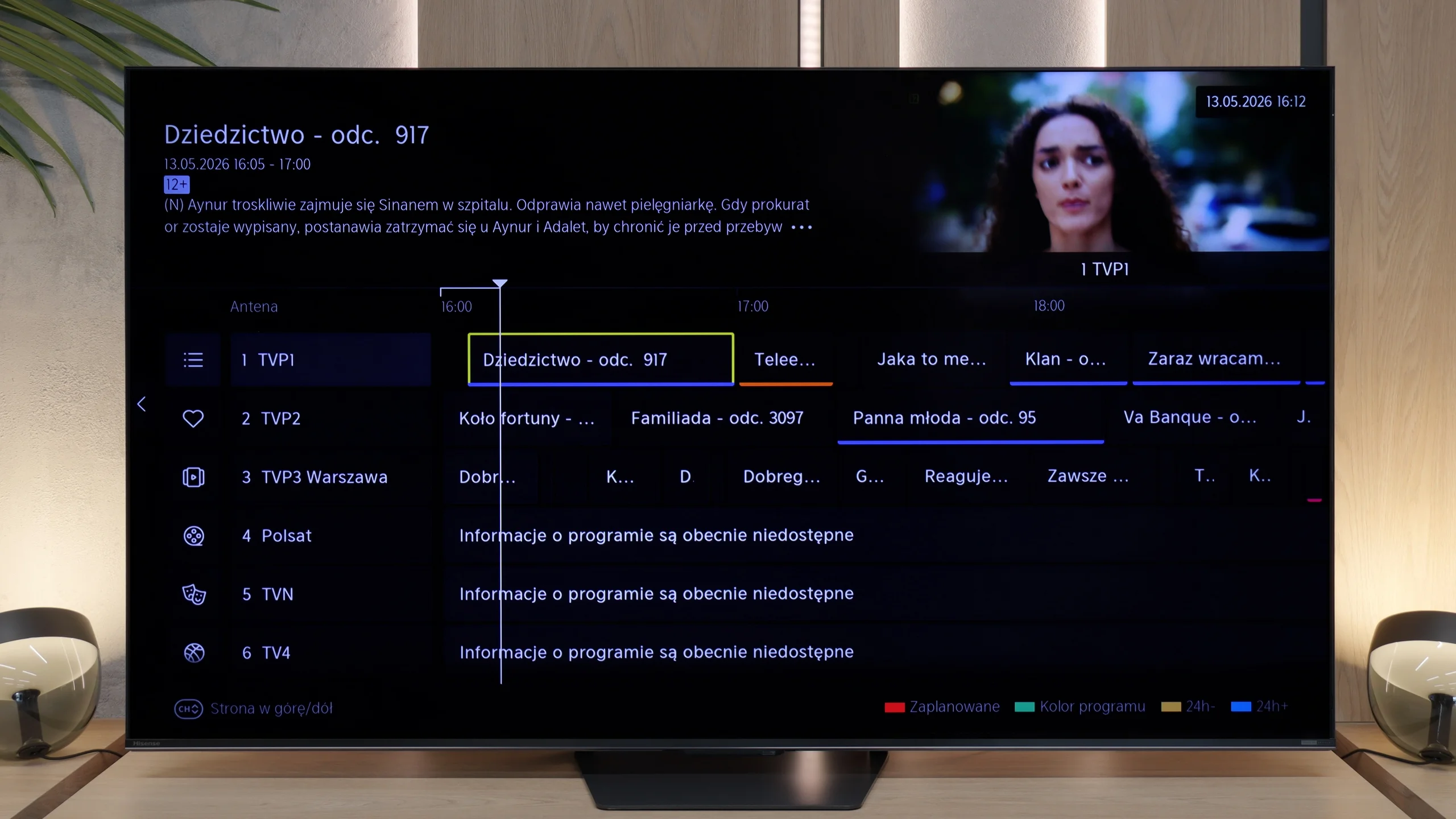
The U7S Pro also performs well as a traditional television for watching regular broadcasts, mainly thanks to the remote control with a physical numeric keypad that comes in the box. With this, you can easily and quickly enter the number of the station you’re interested in. In the evenings, there's no need to click blindly, as the operational part of the remote is backlit. Additionally, you don’t have to worry about batteries – the remote is equipped with a solar panel, and if necessary, it can simply be recharged using a USB-C port. It’s also worth mentioning that the HomeOS system (i.e. Vidaa) offers a program recording function from the built-in tuner directly onto a USB stick or drive, as well as the option to schedule recordings. This is a big plus, as such functionality is quite rare these days, and it will certainly please those who use antenna television.
Apps
9.1/10
7.7/10






















Playing files from USB
8.2/10
8.3/10
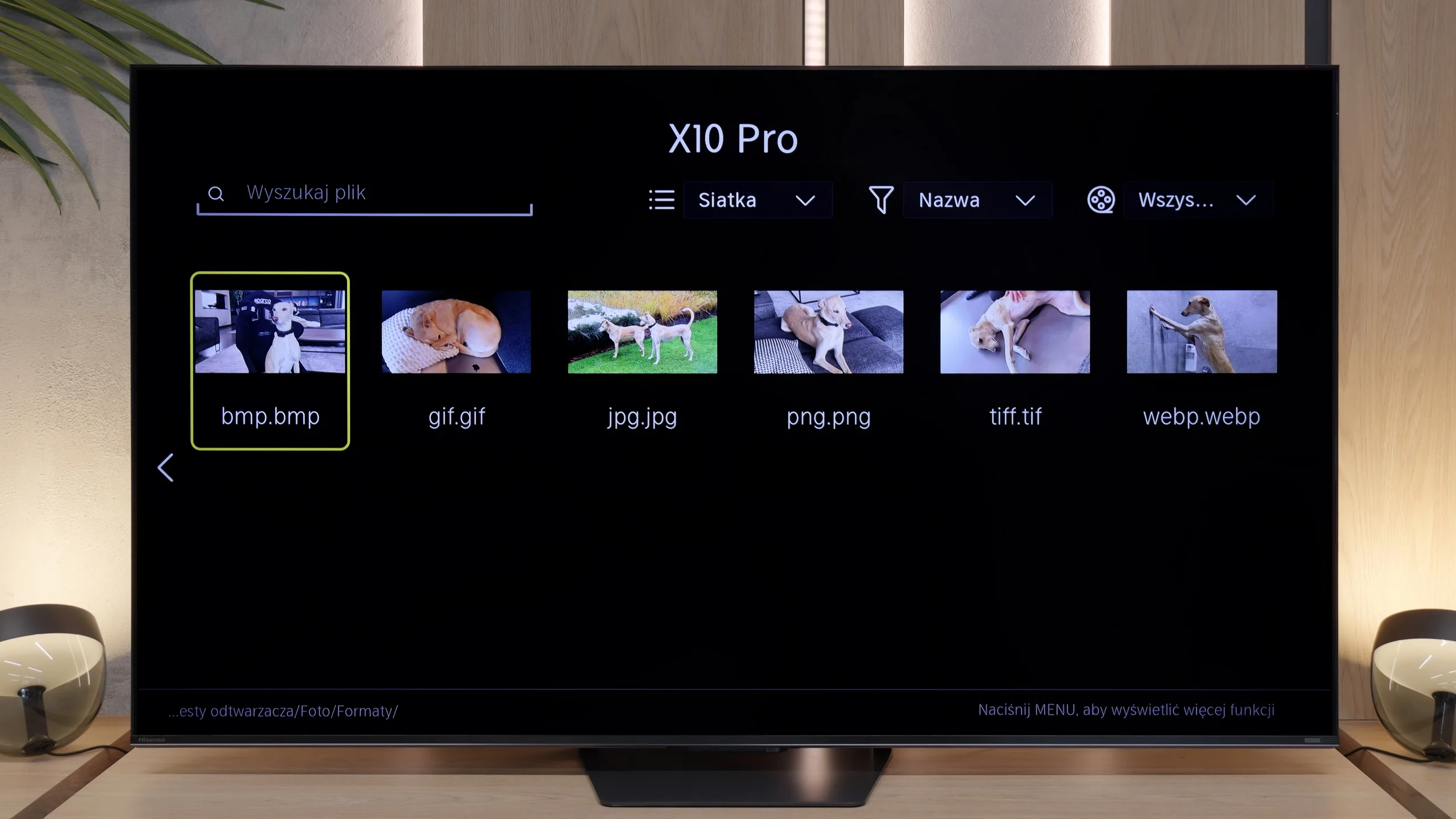
Supported photo formats:
Maximum photo resolution:
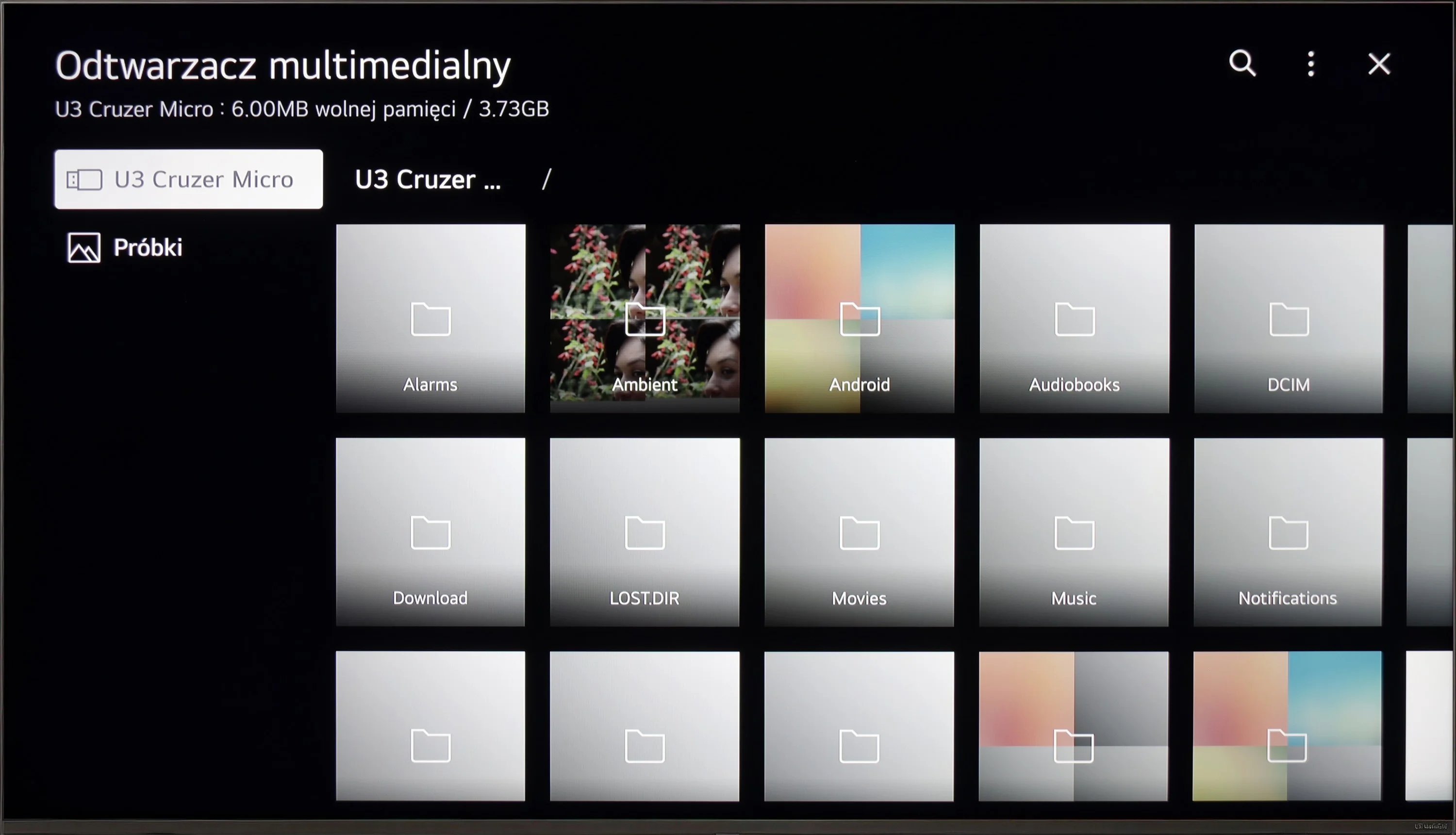
The file player in LG NANO82T is similar to what you can find in other LG models. It will satisfy most users, offering convenient and efficient playback of a variety of video and audio files. However, more demanding users, especially those who need support for unconventional image formats, may feel some limitations. In such cases, it is worth using a computer to achieve full compatibility with different file formats. Overall, the file player in LG NANO82T performs its basic task.
Playing files from a USB stick on the U7S Pro isn't a problem. The TV handles the vast majority of photo, audio and video file formats without complaint. However, we have reservations about the resolutions of supported photos, which are fairly limited. It's worth bearing in mind that during testing photos with resolutions such as 12, 20 or 24 MP simply wouldn't play from the built-in player.
Sound
6.1/10
7.8/10
- Maximum volume-85dB
- Dolby Digital Plus 7.1
- Dolby True HD 7.1
- Dolby Atmos in Dolby Digital Plus (JOC)
- Dolby Atmos in Dolby True HD
- DTS:X in DTS-HD MA
- DTS-HD Master Audio
The sound on the LG NANO82T may not be exceptional, but it's definitely not the worst. The TV is equipped with a typical design of two 10W speakers positioned at the bottom, which allows for decent audio quality during everyday use. However, the lack of DTS format support may disappoint Blu-ray users who expect top-notch audio quality.
The sound on the U7S Pro is really good, certainly above average. Hisense has changed the cabinet design compared with the U7Q Pro and now there’s a built-in subwoofer, a low-frequency speaker. That makes the bass clearly audible. This year the Chinese manufacturer is heavily promoting its collaboration with engineers from Devialet, who handled the audio tuning on this model. The logo on the cabinet mentioned earlier is proof of that. The only thing to criticise is the TV’s behaviour at full volume. At maximum volume (set to 100%) the cabinet vibrates unpleasantly and you can clearly hear irritating creaks in the plastic. Fortunately, reducing the volume to around 80% completely eliminates the problem.
Sound Quality Test
No sound test video
Acoustic Measurements
No acoustic data
85dBC (Max)
75dBC
Reader comments
Comments are provided by the external service Disqus (Zeta Global). Once loaded, Disqus may set cookies and process data about your activity.
We will remember your choice on this device. Provider's privacy policy