 Direct comparison
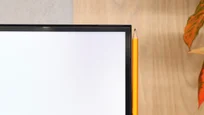
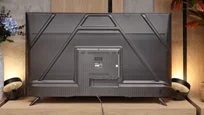
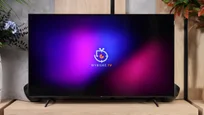
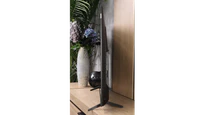
The Kiano Elegance is primarily aimed at people who want to spend as little as possible on a TV while still having convenient access to popular apps. Using Tizen is a big plus here, because you get the system known from Samsung sets and don’t have to immediately buy a streaming stick or set-top box to watch movies or series. At a suitably low price, that could be reason enough to consider this model. The digital video processing also deserves praise; its behaviour is similar to the solutions in Samsung’s entry-level TVs. Kiano quite effectively smooths unwanted colour banding in lower-quality material, so heavily compressed footage looks better. It’s far from perfect, of course, but remember the very modest budget we’re dealing with. In this context, the fact that the feature actually helps is worth acknowledging. Unfortunately, the operating system itself doesn’t make the Kiano run as smoothly as Samsung TVs. Sometimes you have to wait for a response, and the USB media player can take ages to open files. Cost-cutting is also apparent in the build quality and the screen’s capabilities. Low brightness makes watching in a sunny room difficult and prevents the display from showing impressive HDR, while faster motion suffers from blur. Add weak sound to that, and buying separate speakers can quickly become another expense. So the Kiano Elegance only makes sense if it’s noticeably cheaper than the competition. It may be adequate for everyday TV or as a second set in the house, but if you’re only a small amount short of a base model from a better-known brand, we think it’s worth paying the extra. Tizen and the decent video processing are strengths of this Kiano, but they don’t make up for all the cost-cutting. It’s better to compare final prices than to assume a TV with Samsung’s system will offer the same user experience.
- Matching (Score) |
- Our verdict |
- TV appearance |
- Where to buy |
- Contrast and black detail |
- HDR effect quality |
- Factory color reproduction |
- Color reproduction after calibration |
- Smoothness of tonal transitions |
- Image scaling and smoothness of tonal transitions |
- Blur and motion smoothness |
- Console compatibility and gaming features |
- Input lag |
- Compatibility with PC |
- Viewing angles |
- Daytime performance |
- Panel details |
- TV features |
- Apps |
- Playing files from USB |
- Sound
P7L / P79L

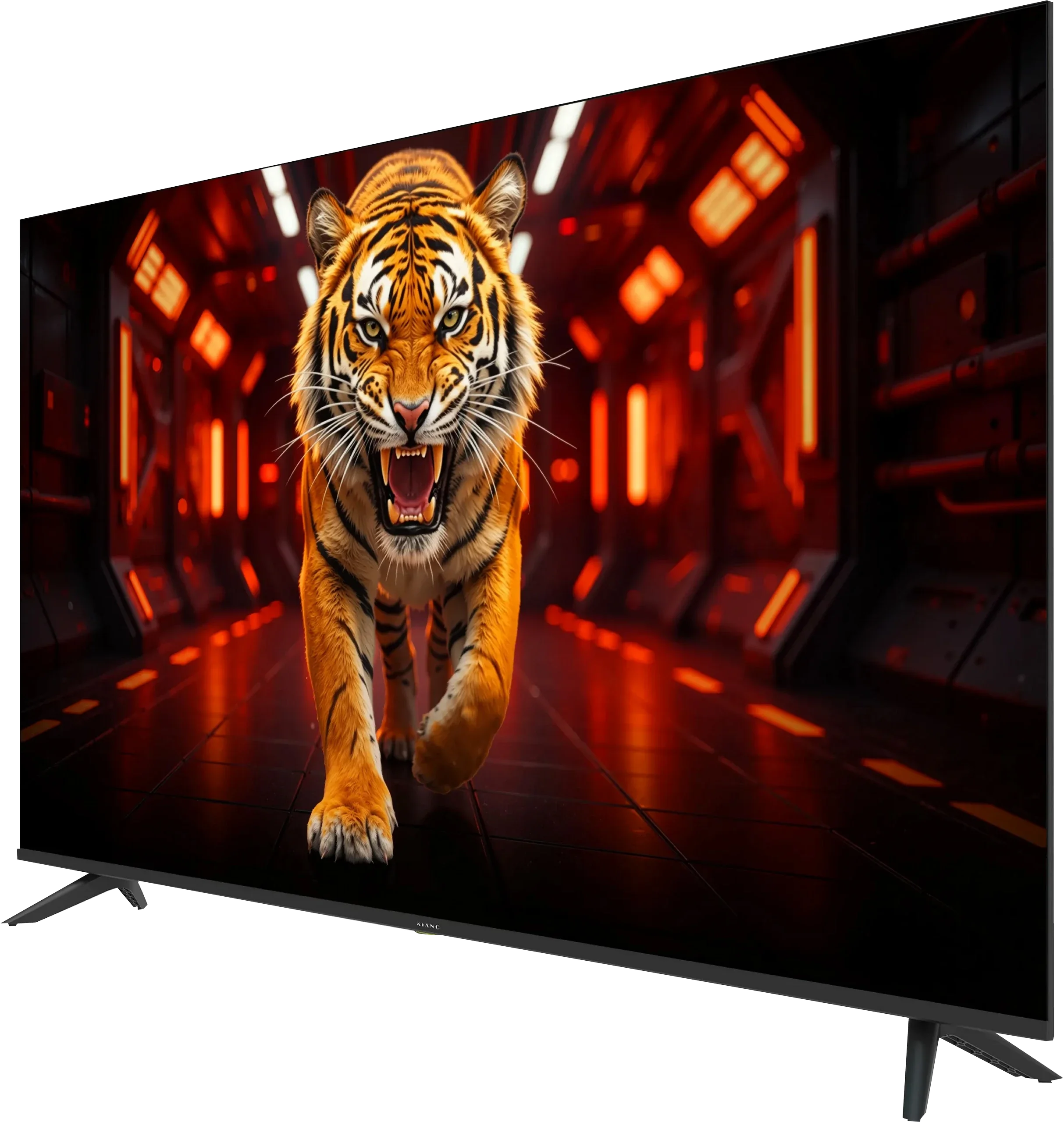
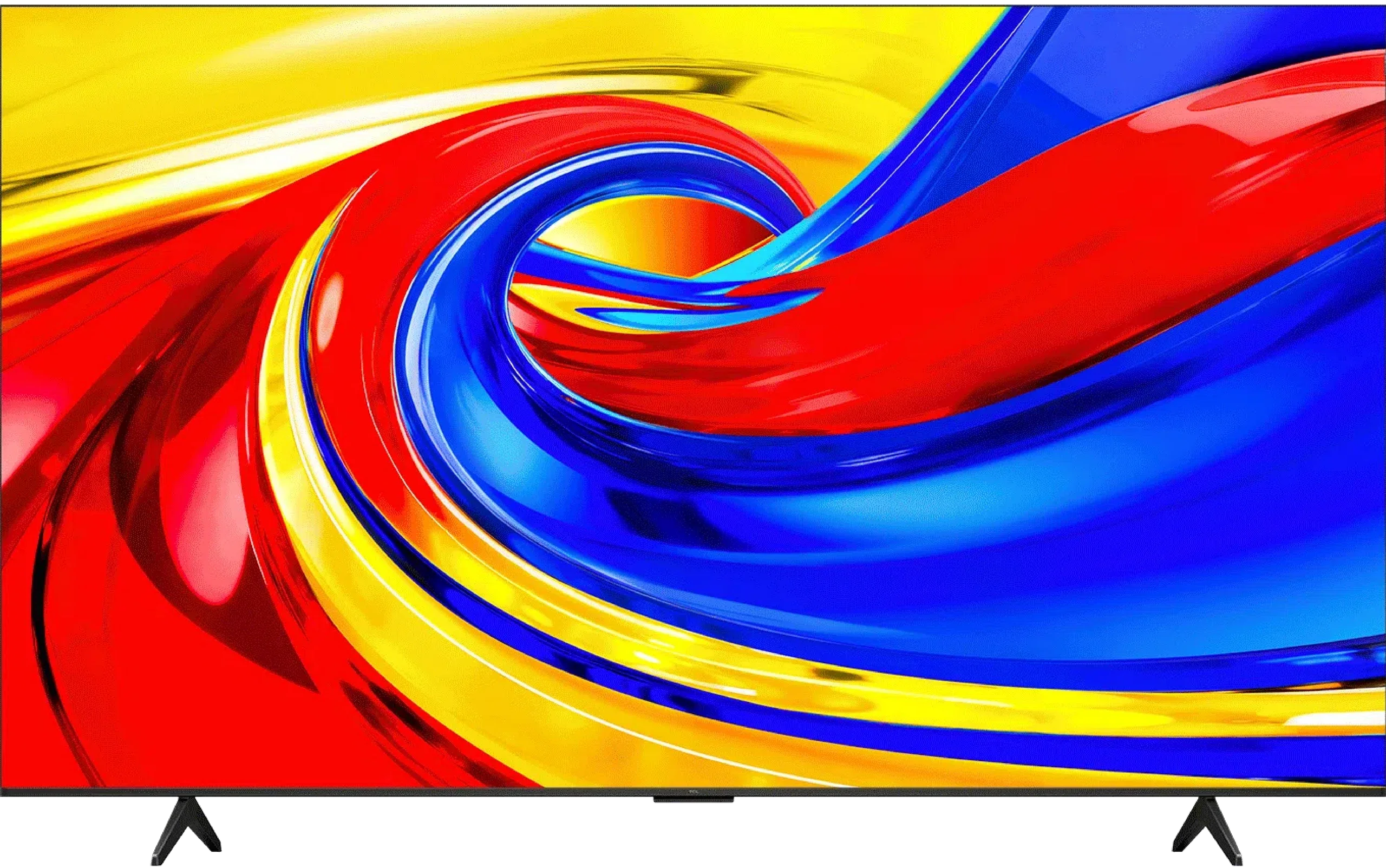
Panel type: LCD VA
Resolution: 3840x2160
System: Tizen
Model year: 2026
Panel type: LCD VA
Resolution: 3840x2160
System: Google TV
Model year: 2026
Check how well they match your needs
Take the surveyOverall rating
4.9
6.3
 Movies and series in UHD quality
4.8
5.8
 Classic TV, YouTube
5.4
6.0
 Sports broadcasts (TV and apps)
3.9
5.7
 Gaming on console
5.3
7.3
 TV as a computer monitor
6.0
5.8
 Watching in bright light
3.7
5.2
 Utility functions
5.1
7.0
 Apps
8.8
9.6
 Sound quality
3.6
6.2
Complete the survey to find out what fits your preferences
Advantages

Low price
Tizen system with a large selection of popular apps
Decent contrast thanks to a VA panel
Effective digital image processing (a feature rarely found at this price)
Low input lag
Very good text clarity when connected to a computer
Supports AirPlay and wireless screen mirroring
Good contrast thanks to a VA panel
Rich colours: QLED (PFS)
Support for Dolby Vision and HDR10+
Audio format support: Dolby Atmos and DTS:X
Advanced gaming features: VRR, ALLM
Low input lag
120Hz support at lower resolutions
Google TV with a wide selection of apps
Disadvantages

Low brightness
No wide colour gamut (no QLED / PFS)
Poor motion handling: noticeable smearing, 60 Hz panel and no motion smoothing
No gaming features at all
Slow responsiveness
Very poor sound
Average build quality
Low brightness
Poor viewing angles
Average sound quality
Our verdict
The TCL P7L is a solid budget TV that shows you can get more than just a basic screen for a relatively low price. It doesn't match pricier Mini-LEDs or OLEDs, but in its class it has plenty to offer. Its VA panel delivers decent blacks and contrast, so evening viewing doesn't look as flat as on many cheap IPS models. Colours also look good after calibration. For watching movies and TV shows it's a very capable base, and Google TV gives access to a wide selection of apps and streaming services. The biggest surprise is its gaming abilities. The P7L responds quickly to controller input, supports VRR and automatically switches into game mode. It even offers Dolby Vision Gaming and a Game Bar with settings at hand. What's more, by dropping the resolution to 1080p or 1440p you can play at 120 Hz. In 4K it’s limited to 60 Hz, so you have to choose between finer detail and smoother motion, but it's great to have that choice at this price.
TCL also handles lower-quality source material quite well. Lower-resolution content looks acceptable, and the banding reduction (smoothing tonal transitions) really helps cut visible bands between shades. Its HDR handling is also commendable. The TV sensibly maps content to its capabilities and tries to preserve highlight detail instead of turning bright areas into blobs of white. Dolby Vision helps further, often producing noticeably better results than HDR10. That doesn't mean the HDR effect is awe-inspiring. The P7L's biggest limitation is brightness. Small highlights and reflections lack the punch you'll see on more expensive screens, even if their detail remains visible. For the same reason the TV struggles in a brightly sunlit living room. It performs much better in a moderately lit room.
So the P7L has its limits, but it's hard to argue with its value for money. It's fine for everyday viewing, doesn't restrict your choice of apps and gives surprisingly generous freedom for gaming. If you're after an affordable TV and can accept its flaws, the TCL P7L is a model worth considering.
TV appearance
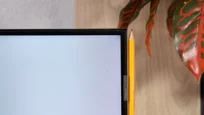
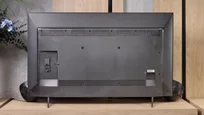

Contrast and black detail
4.8/10
6.1/10
Local dimming function: No
Local dimming function: No
Contrast:


Result
3,350:1

Result
3,350:1

Result
2,650:1

Result
3,650:1

Result
2,400:1
Result
7,550:1
Result
7,350:1
Result
5,150:1
Result
6,600:1
Result
4,250:1
Halo effect and black detail visibility:
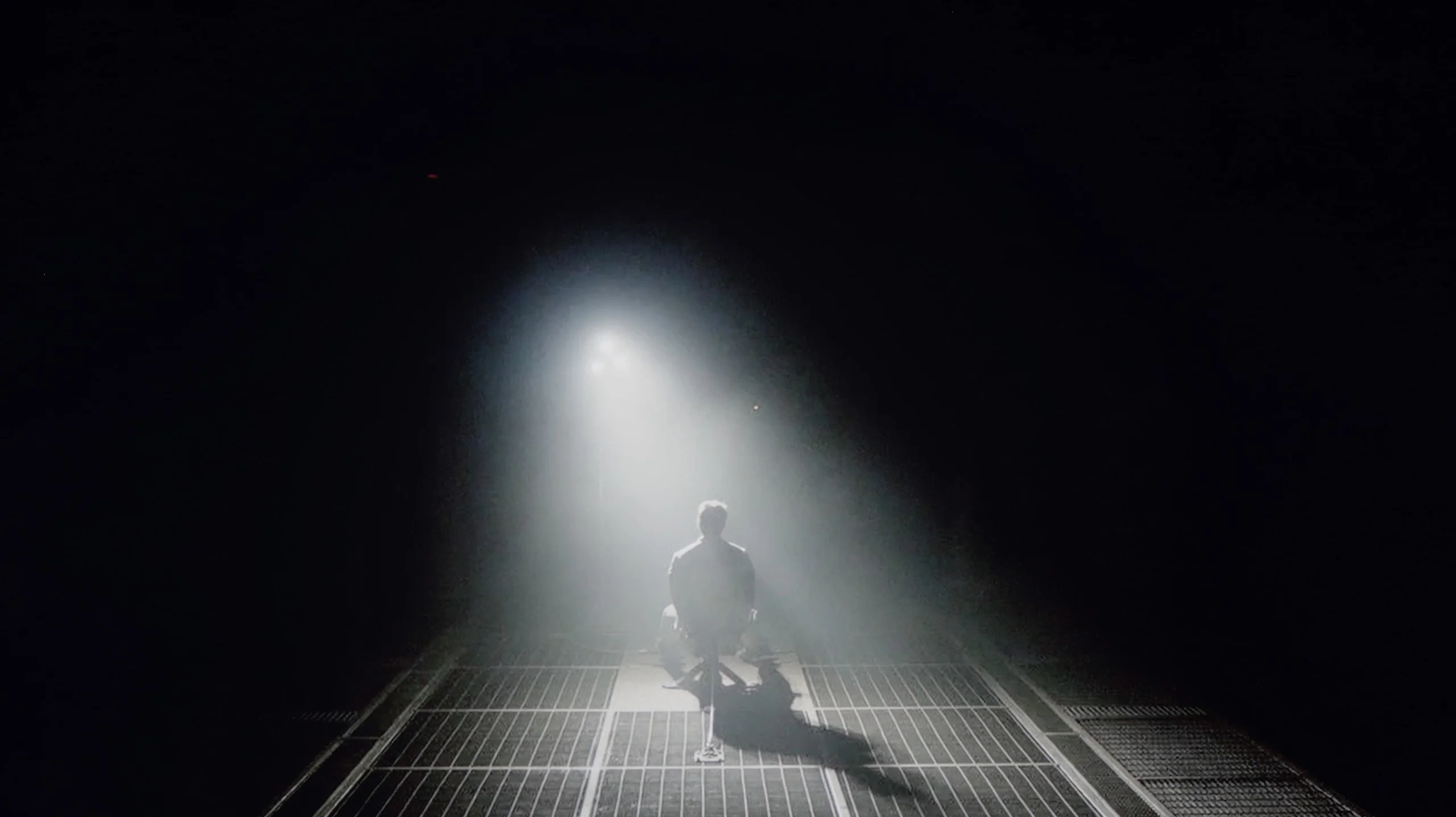
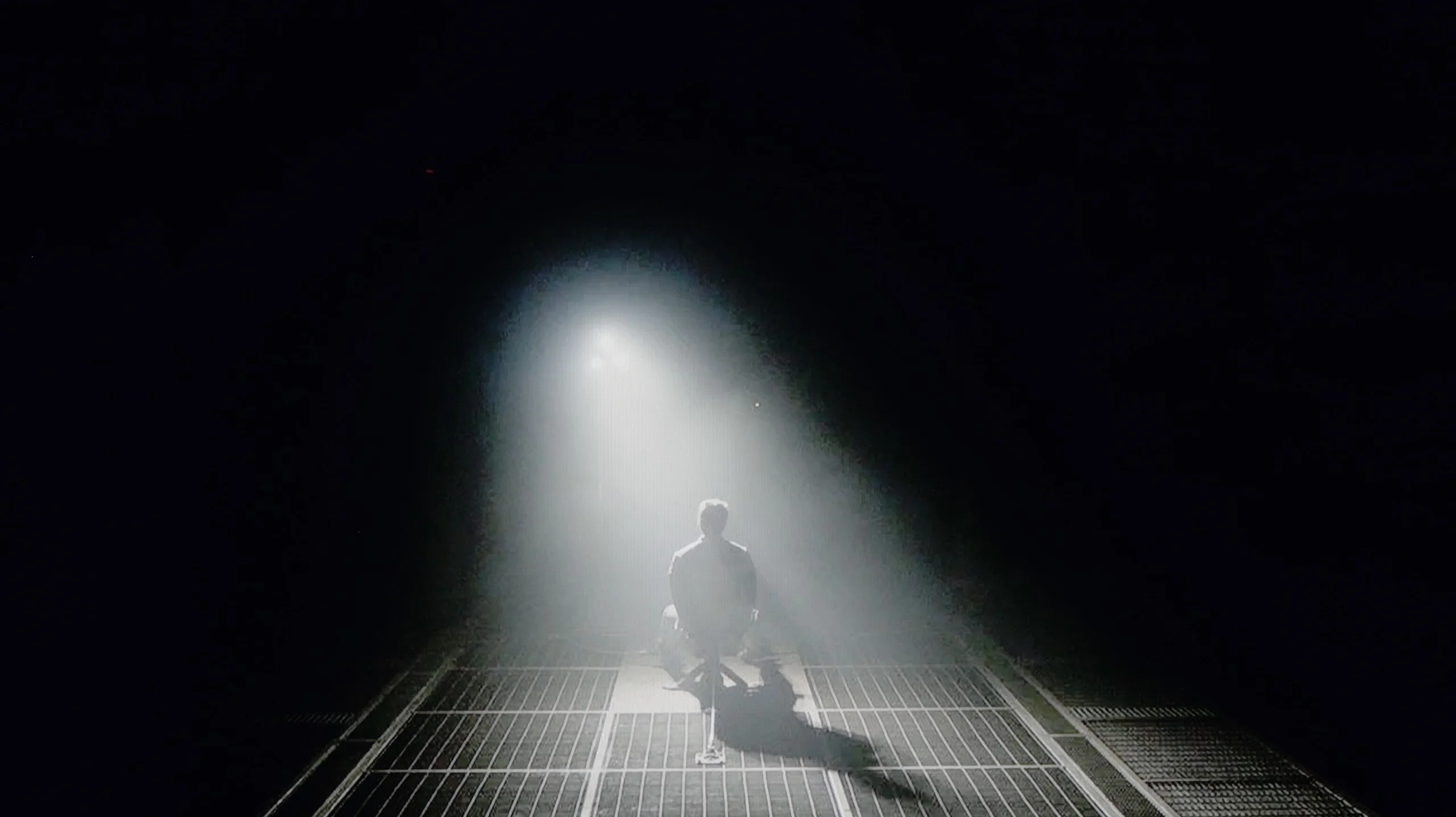
Check the visibility of bright lights on a dark background. Mini-LEDs often struggle with this. The photo does not compare black levels – that’s what the video below is for.
The 55-inch Kiano Elegance we tested uses a VA panel, which by itself delivers fairly decent blacks. Our measured contrast was around 4000:1, a result typical for this type of panel and clearly better than in TVs using IPS or ADS matrices. In the evening the picture therefore has decent depth and the blacks are not as heavily lifted. However, it should be remembered that the Elegance uses a conventional backlight without local dimming. That means the backlight is on all the time and the TV cannot dim selected parts of the screen. In that respect the difference compared with even basic Mini LED models is already noticeable. There, individual backlight zones can dim independently, so blacks can be much deeper in dark scenes. Kiano does not have those capabilities, but for a simple LCD TV its native contrast is quite respectable.
The TCL P7L can surprise with quite respectable blacks, mainly thanks to its VA panel. The panel itself offers contrast of around 4500:1, clearly better than typical IPS screens. The TV also uses global backlight control, so in darker scenes it can drive black levels even lower, and in our measurements it produced results that exceeded the panel's native capabilities.
However, this is not the local dimming seen on Mini LED TVs. The P7L can't dim small parts of the image separately, so when a bright element appears the whole backlight has to run at a similar level. In more demanding scenes the difference compared with models that have zoned dimming becomes apparent fairly quickly, and in a completely dark room blacks can tend to take on a navy tint. Despite these limitations we rate the P7L's overall contrast positively, especially given the segment it occupies.
HDR effect quality
3/10
4.5/10
Luminance measurements in HDR:

Result
158 nit

Result
172 nit

Result
193 nit

Result
180 nit

Result
205 nit
Result
250 nit
Result
300 nit
Result
368 nit
Result
297 nit
Result
347 nit
Scene from the movie “Pan” (about 2800 nits)


Scene from the movie “Billy Lynn” (about 1100 nits)
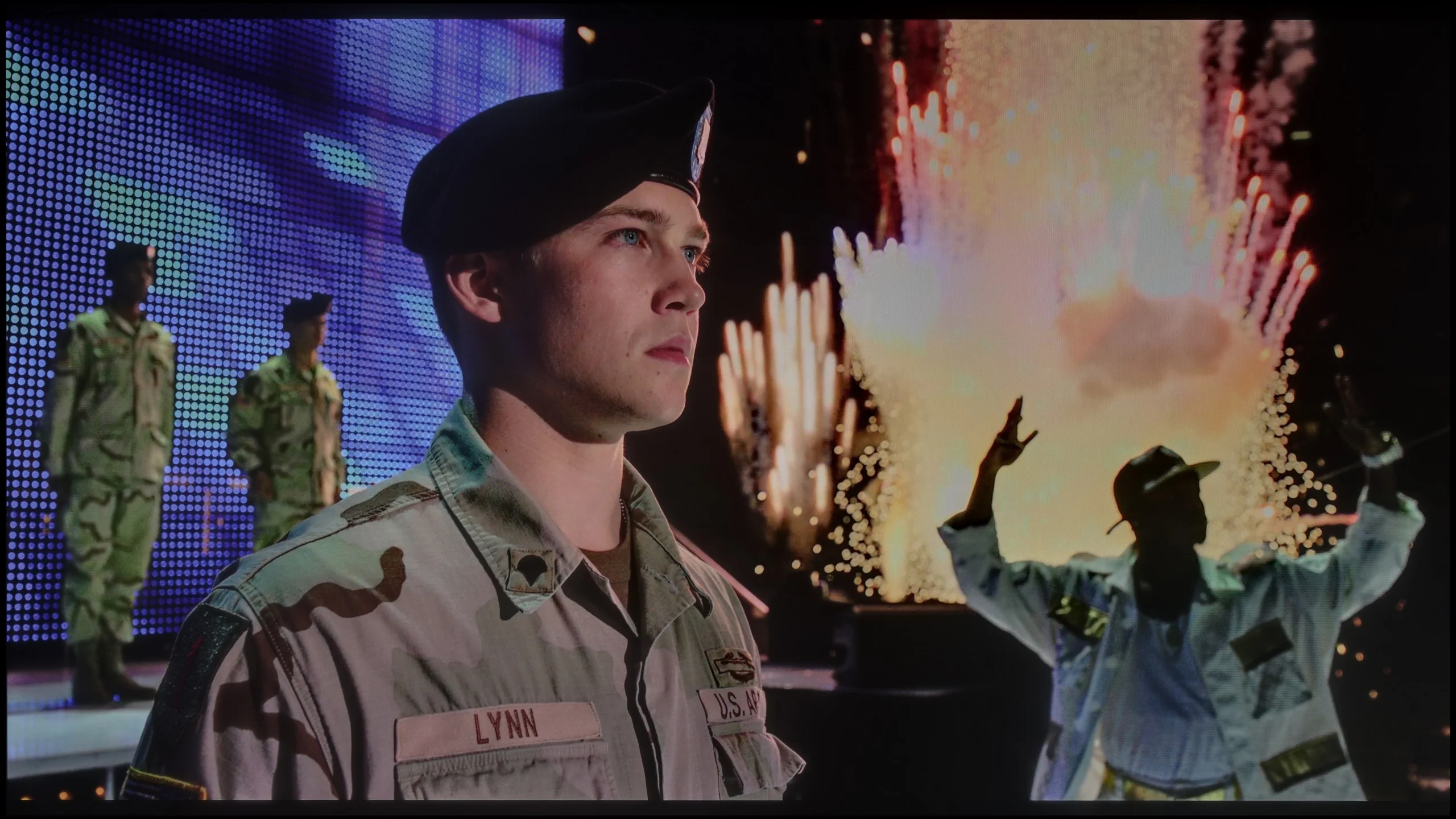
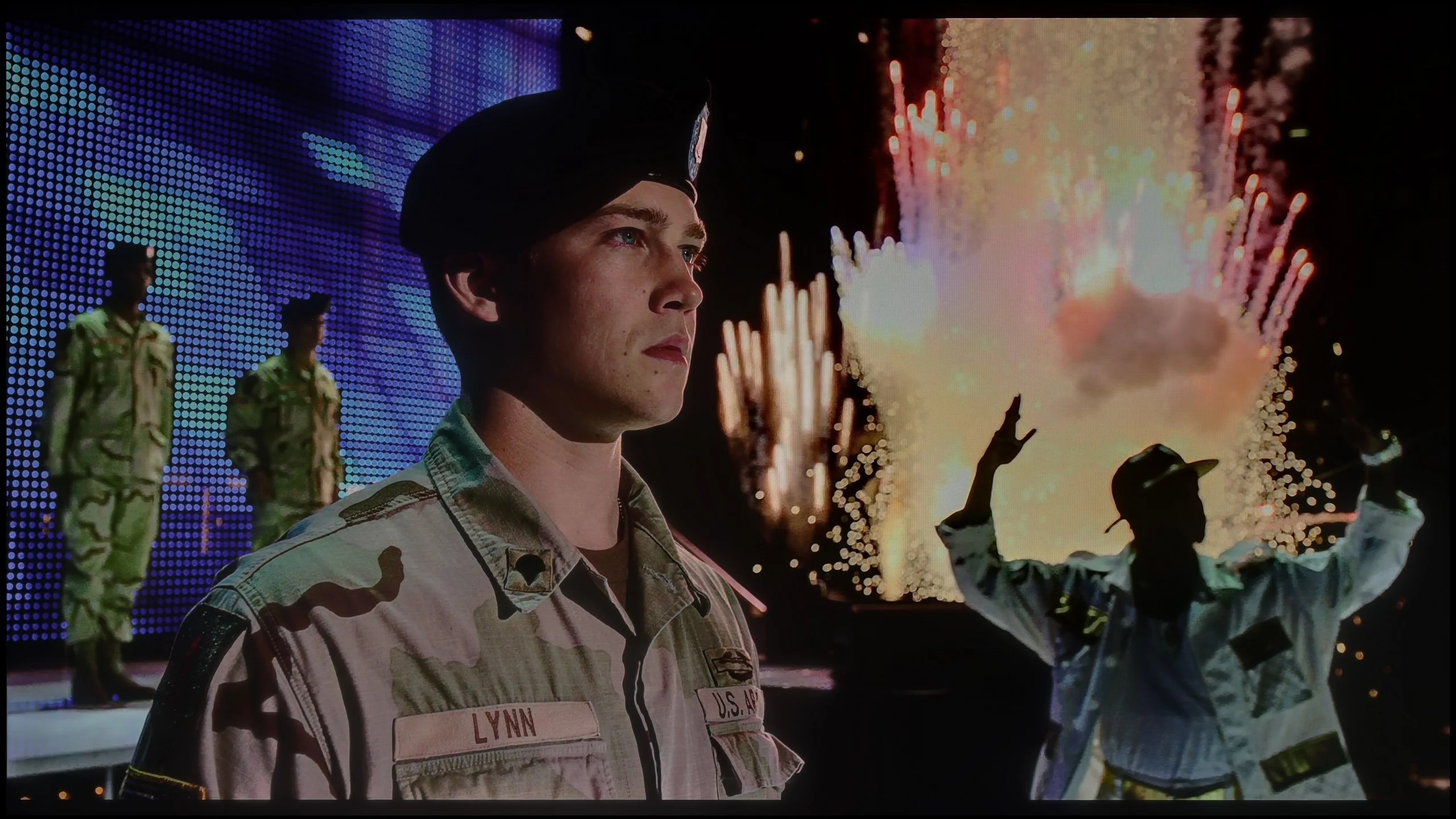
The photos show two HDR10 movies. 'Pan' is one of the brightest productions ever made, while 'Billy Lynn' (soldier) has brightness typical of streaming (Netflix, Prime, HBO MAX). Notice the intensity of effects and detail in whites.
Static HDR10


The photos present the visibility of white details in various HDR formats. They do not show brightness differences between TVs (these can be compared in the previous gallery).
Dynamic: HDR10+
Dynamic: Dolby Vision


The photos present the visibility of white details in various HDR formats. They do not show brightness differences between TVs (these can be compared in the previous gallery).
HDR luminance chart:
TCL P7L / P79L
Kiano Elegance Tizen
The HDR effect on the Kiano Elegance is basically non-existent. The TV is simply too dim to deliver any noticeable quality jump over regular SDR. Measured brightness is around 200 nits, which is far too low for bright elements, like various lighting effects, to really stand out on screen. HDR material will be played back, but without the punch this format should be known for. On top of that, the Kiano Elegance doesn’t use any additional colour‑gamut enhancing technology, such as quantum dots or even a PFS filter. As a result, some of the intense colours encoded in HDR films can’t be shown with proper saturation. In more colourful productions it’s especially obvious that the picture is simply poorer than on TVs with a wide colour gamut. The Kiano Elegance is therefore much better suited to ordinary SDR content, like broadcast TV, YouTube or older films and series; their demands are much lower and match this TV’s capabilities far better.
The biggest limitation of the TCL P7L in HDR is simply brightness. The TV doesn't have much luminance headroom, so strong highlights, sunlight or small light sources can't clearly "pop" out of the image. As a result, even well-produced HDR material looks fairly restrained and, in terms of dynamics, is closer to good SDR than to what brighter models show. That doesn't mean the P7L completely fails at HDR; the issue is mainly a lack of sufficient backlight power. Looking at colours, the situation is a bit better. The TV covers roughly 91% of the DCI‑P3 gamut and about 68% of the wide BT.2020 space, so for its price class the colour range is quite decent. TCL markets this model as QLED, although the nature of the solution used is closer to a PFS phosphor‑based backlight than a classic quantum dot layer. What matters most to the viewer is the effect: more saturated colours are on offer.
Factory color reproduction
4.8/10
5.4/10
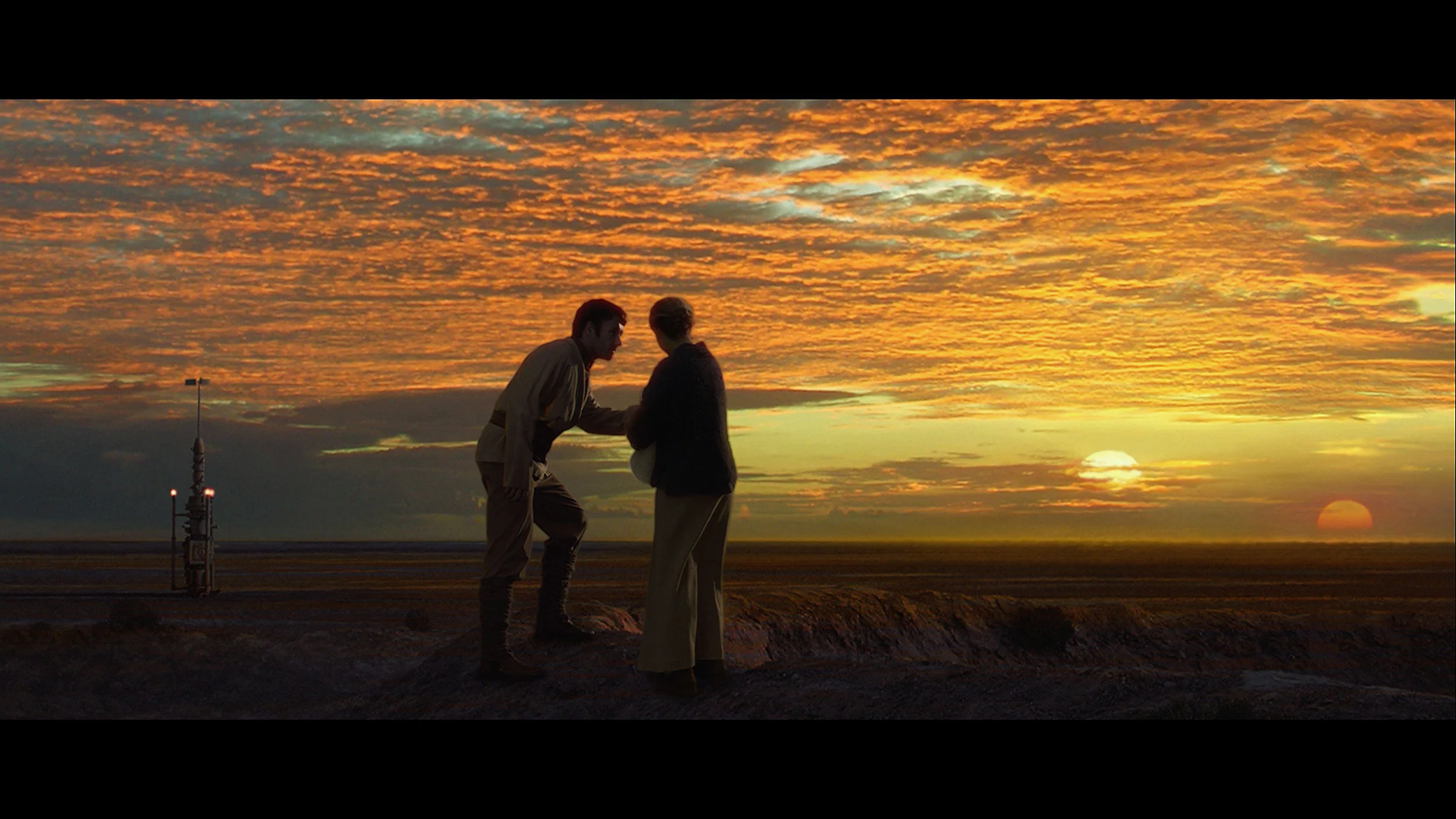
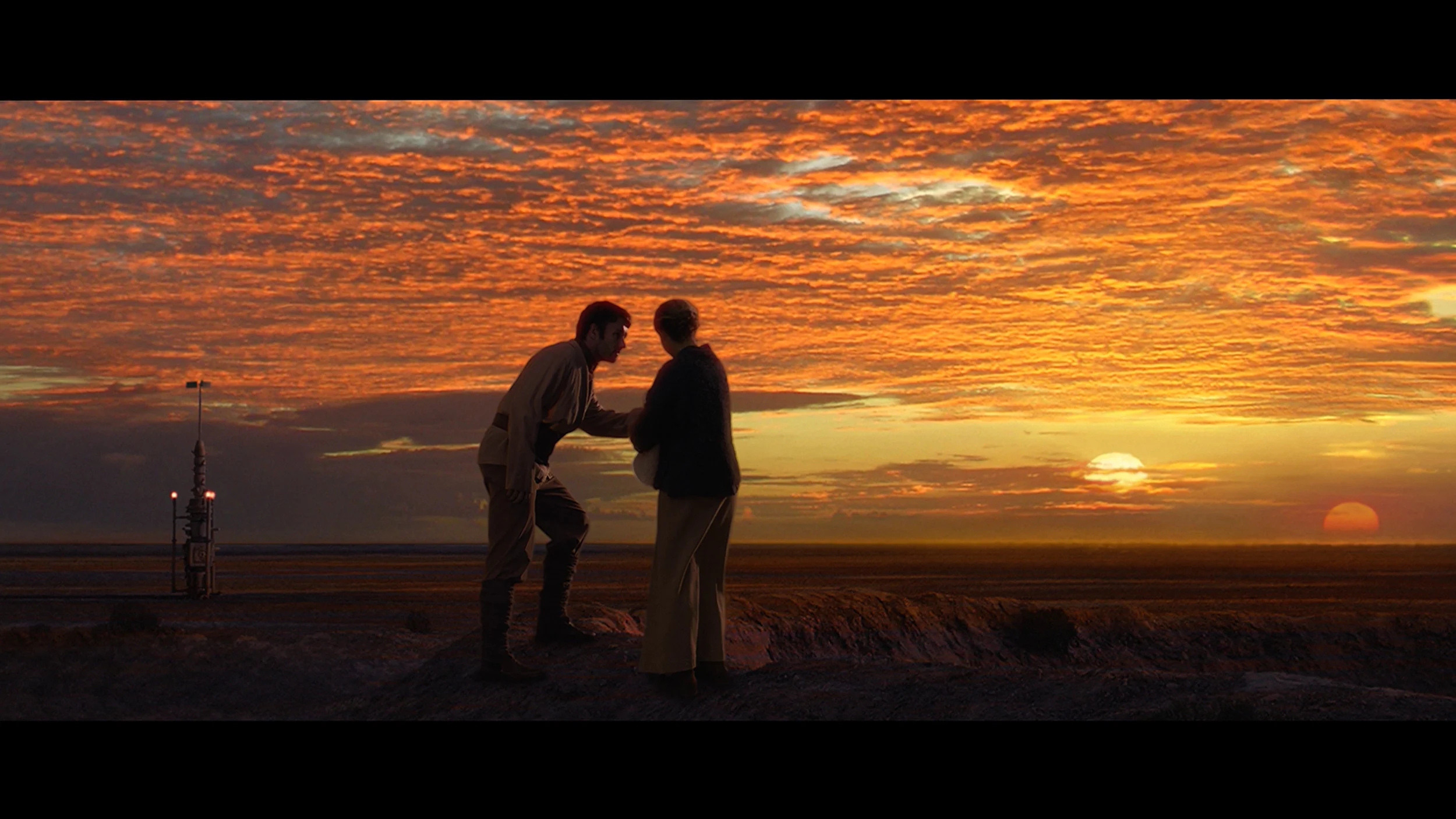
This illustrative image shows how colors change after professional calibration. If you can see the difference, you can order it from SkalibrujTV – it's our own service.
Factory mode
After calibration


This illustrative image shows how colors change after professional calibration. If you can see the difference, you can order it from SkalibrujTV – it's our own service.
Factory mode
After calibration
In Film mode the colours on the Kiano Elegance look quite respectable, especially for a TV in this price range. That said, the picture isn’t correctly set up straight away. It’s most noticeable in the white balance, which lacked red. As a result the image had a slightly cooler cast, and some skin tones and warmer colours didn’t look as natural as they should. On top of that, both the SDR gamma and the EOTF curve in HDR were set too high. Put simply, the TV brightened the picture more than the source material intended. In SDR that produced a slightly brighter, more TV-like image, but it also robbed the picture of some depth. In HDR the same behaviour amplified the panel’s limitations, because at such low brightness the TV had even less headroom to correctly show the brighter parts of the image. The biggest constraints therefore came in HDR. The colour palette encoded in that kind of material often exceeds the Kiano Elegance’s capabilities, since it doesn’t use any gamut-expanding solution. More saturated reds, greens and blues are displayed much more muted than they should be. In less demanding scenes this isn’t yet very obvious, but with more colourful films the difference compared with TVs that have a wide colour gamut becomes very noticeable.
In Film mode the TCL P7L performs quite decently without major tweaks, especially with ordinary SDR material. The white balance is relatively even, although as brightness increases there’s a slight rise in red and blue and a bit too little green. That doesn’t create a strongly visible colour cast and most colours remain close to their reference points. The Colour Checker confirms this, with a large portion of errors falling below the level that should particularly bother during normal viewing. We have more remarks about the gamma response. In the darkest parts of the image the TV drives it noticeably above the reference, so some shadow detail may be a little too dim. The curve then settles and for much of the range it’s close to the intended targets. As a result SDR generally looks natural, but in dark scenes the P7L can lose some subtlety.
In HDR the factory setup is less precise. As brightness increases the excess blue becomes more pronounced, so the picture can look cooler than it should. The number of larger colour deviations also rises, especially in brighter colours. The EOTF curve itself is handled fairly conservatively, with the TV showing the image darker than the reference over much of the range. For such an inexpensive model, the factory Film mode settings are not bad.
Color reproduction after calibration
6.5/10
7/10
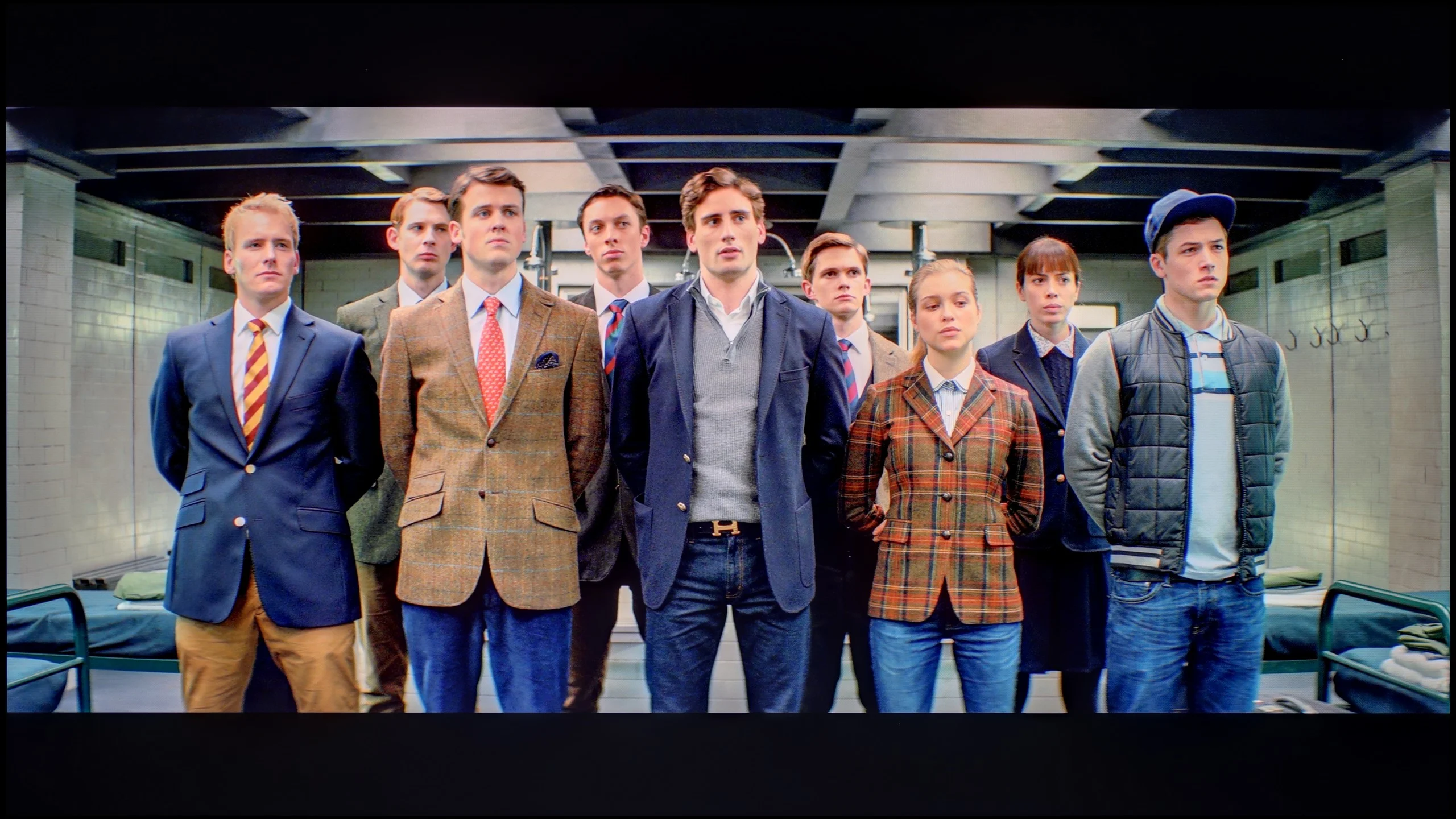
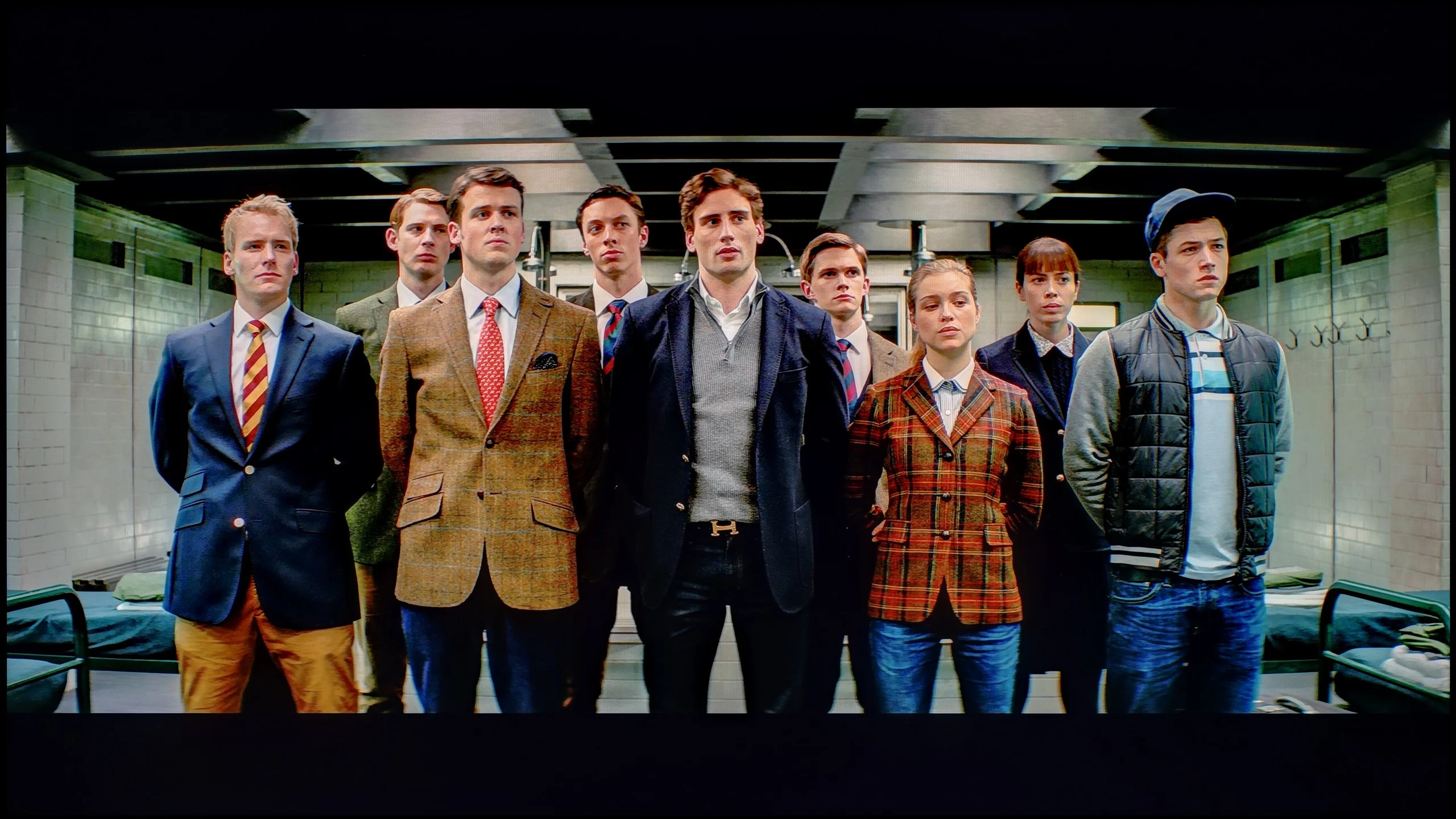
The photos show how movies look on the TV. Pay attention to black detail visibility, colors, and shadow tint.
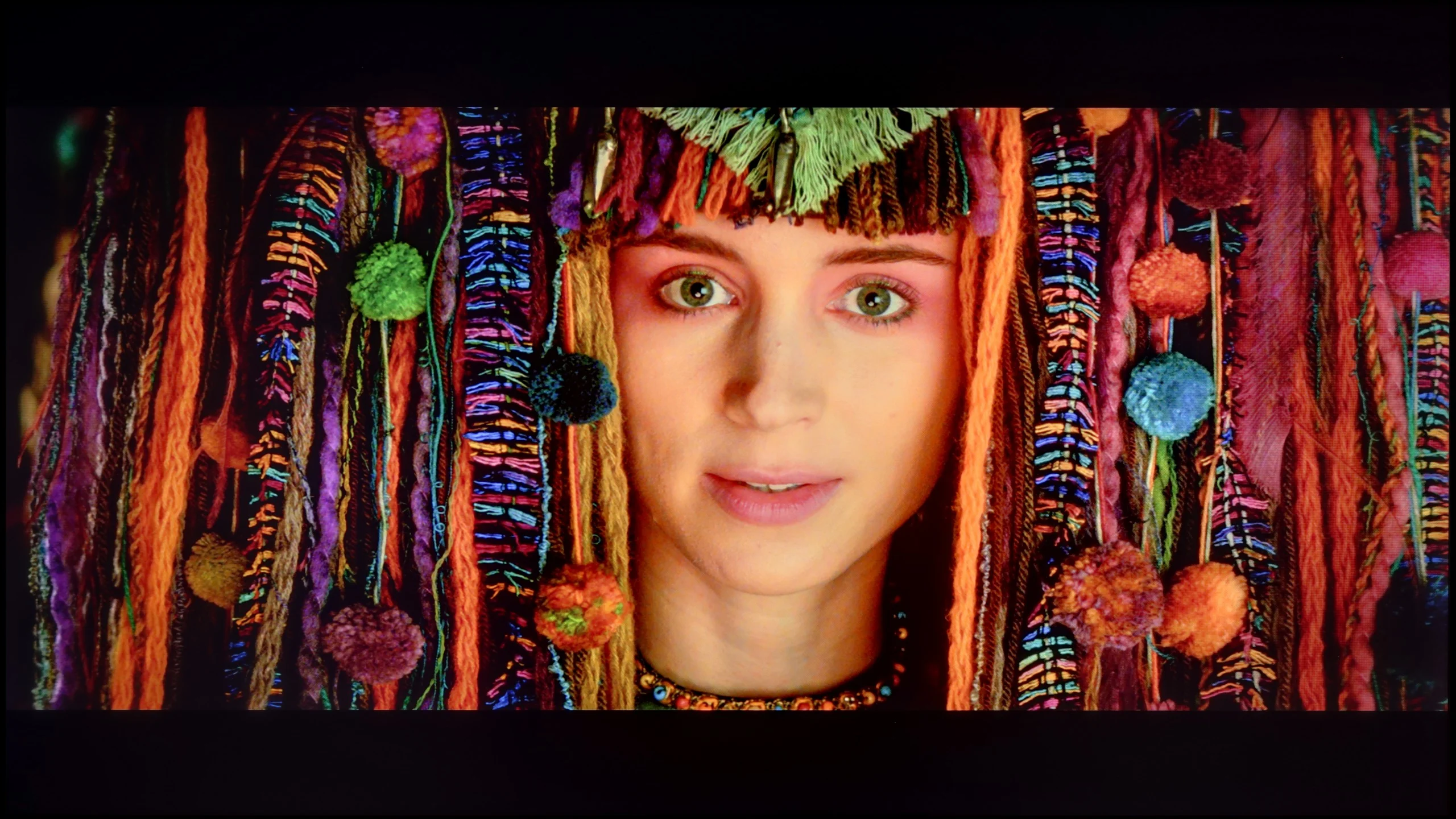

The photos show how movies look on the TV. Pay attention to black detail visibility, colors, and shadow tint.
Surprisingly, even a budget TV like the Kiano Elegance offers quite a few calibration options. We managed particularly well with the white balance. After correction the cooler cast disappeared and the colours became noticeably more natural. We also managed to better set the gamma and the overall picture response in SDR. Despite our efforts, it soon became clear that further limits were no longer due to the settings but to the TV's capabilities. In SDR the Kiano can look quite decent. TV broadcasts, YouTube, sport or older films can display natural colours and a pleasing picture. It's a lot worse with HDR. Here calibration alone can't make up for the lack of brightness and a wide colour gamut. The TV simply can't reproduce some of the more saturated colours or adequately strong bright highlights. So while you can get a really decent picture in SDR, HDR still clearly remains beyond its capabilities.
After calibration the TCL P7L can produce a genuinely pleasant picture, especially with conventional SDR material. We managed to even out the white balance very well, and the gamma curve now tracks close to the target value of 2.4. This is also evident in the colour measurements, as most errors have fallen significantly and in everyday viewing it’s hard to notice any major inaccuracies. Films, series, YouTube and regular TV therefore look more natural, without unnecessary warmth or a cool tint. For a model at this price point the SDR result is really very good.
In HDR the situation becomes more complicated. Calibration improved the white balance and corrected some deviations, but here the panel’s limitations become increasingly apparent. The P7L has relatively limited brightness and can’t sustain appropriate luminance for more saturated colours, so some errors remain even after careful tuning. In other words, settings can improve how the TV interprets the signal, but you can’t overcome its physical capabilities. That’s why calibration is most worthwhile for SDR on this model.
Smoothness of tonal transitions
8.5/10
7/10
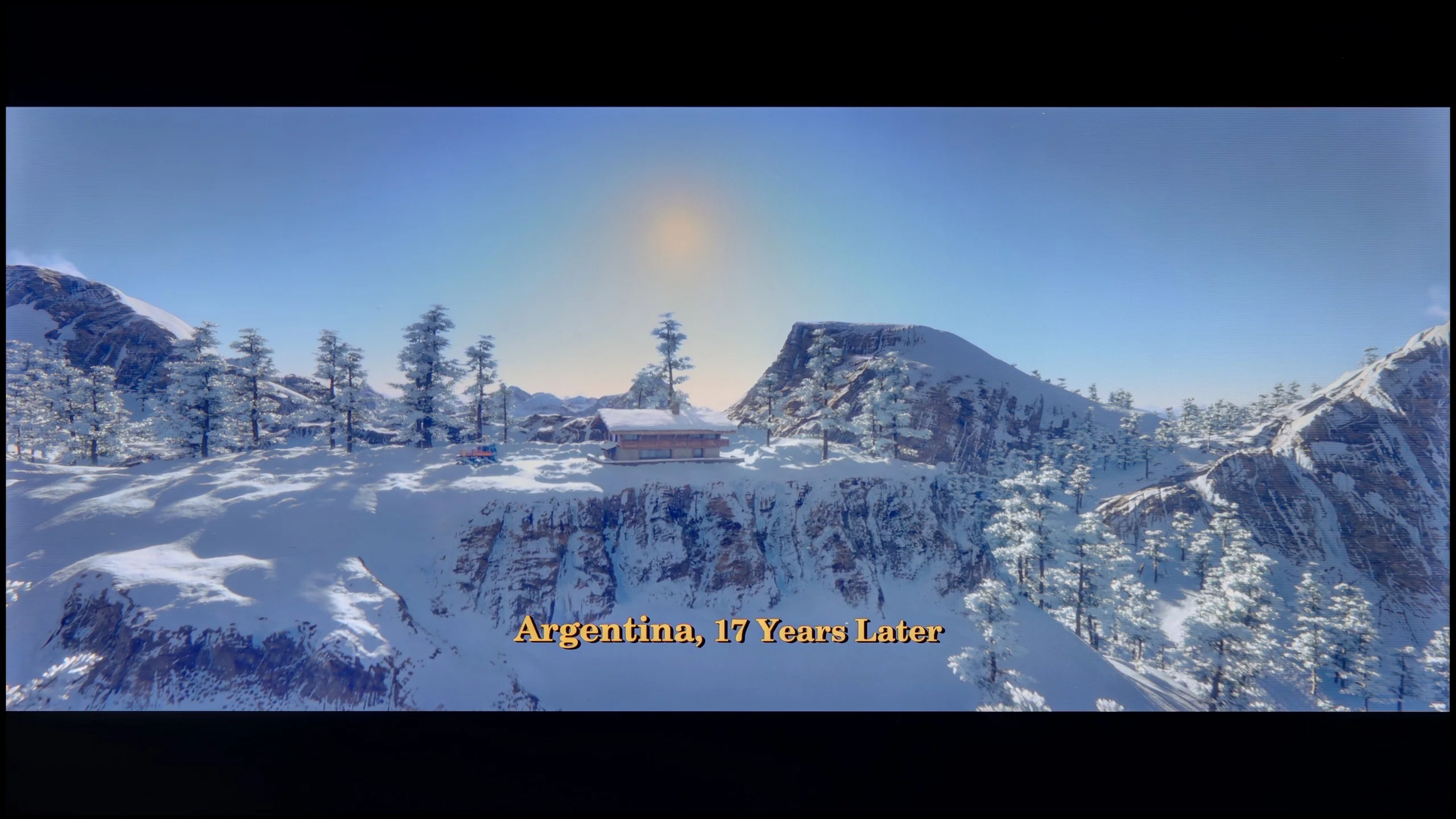
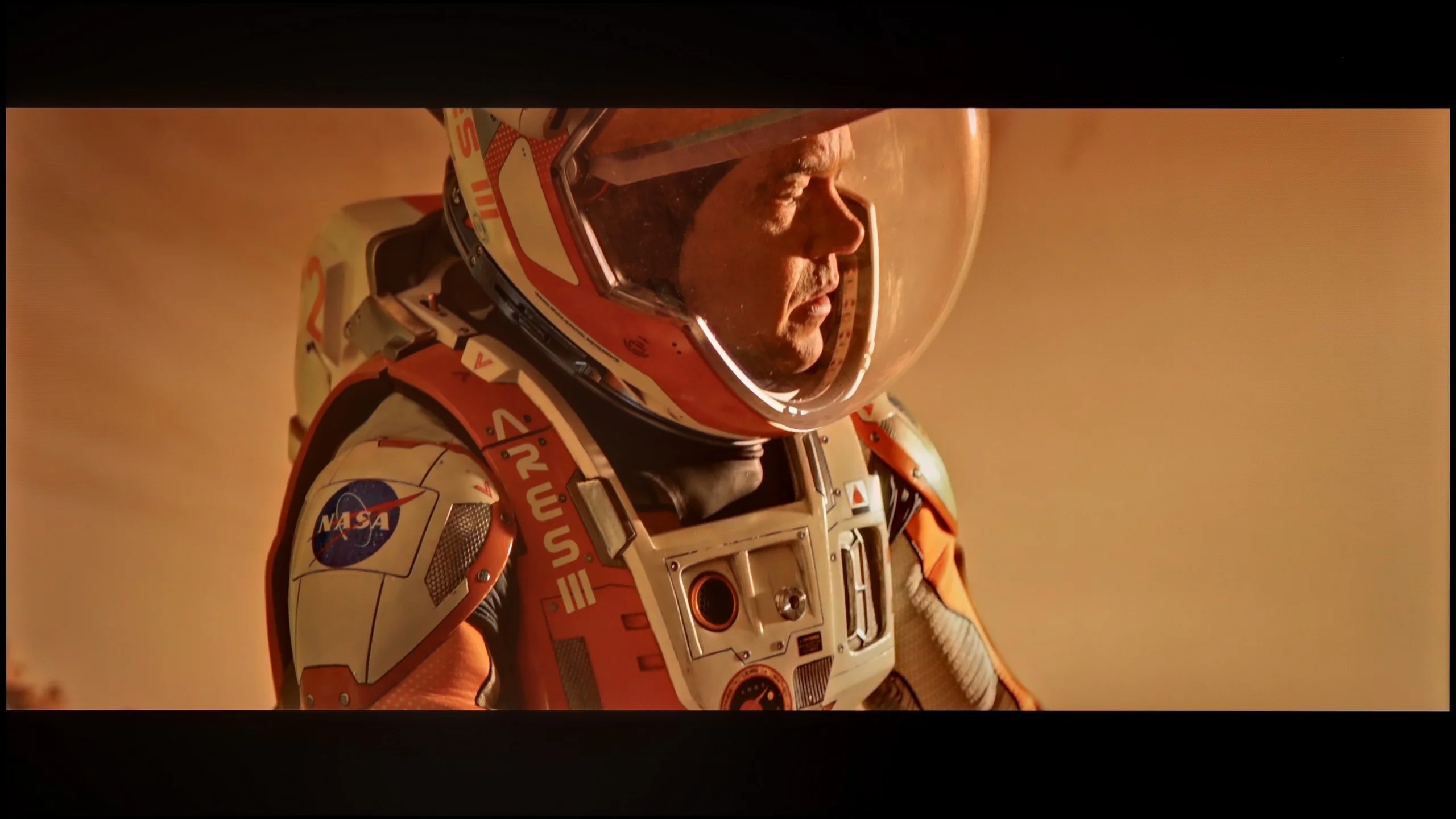
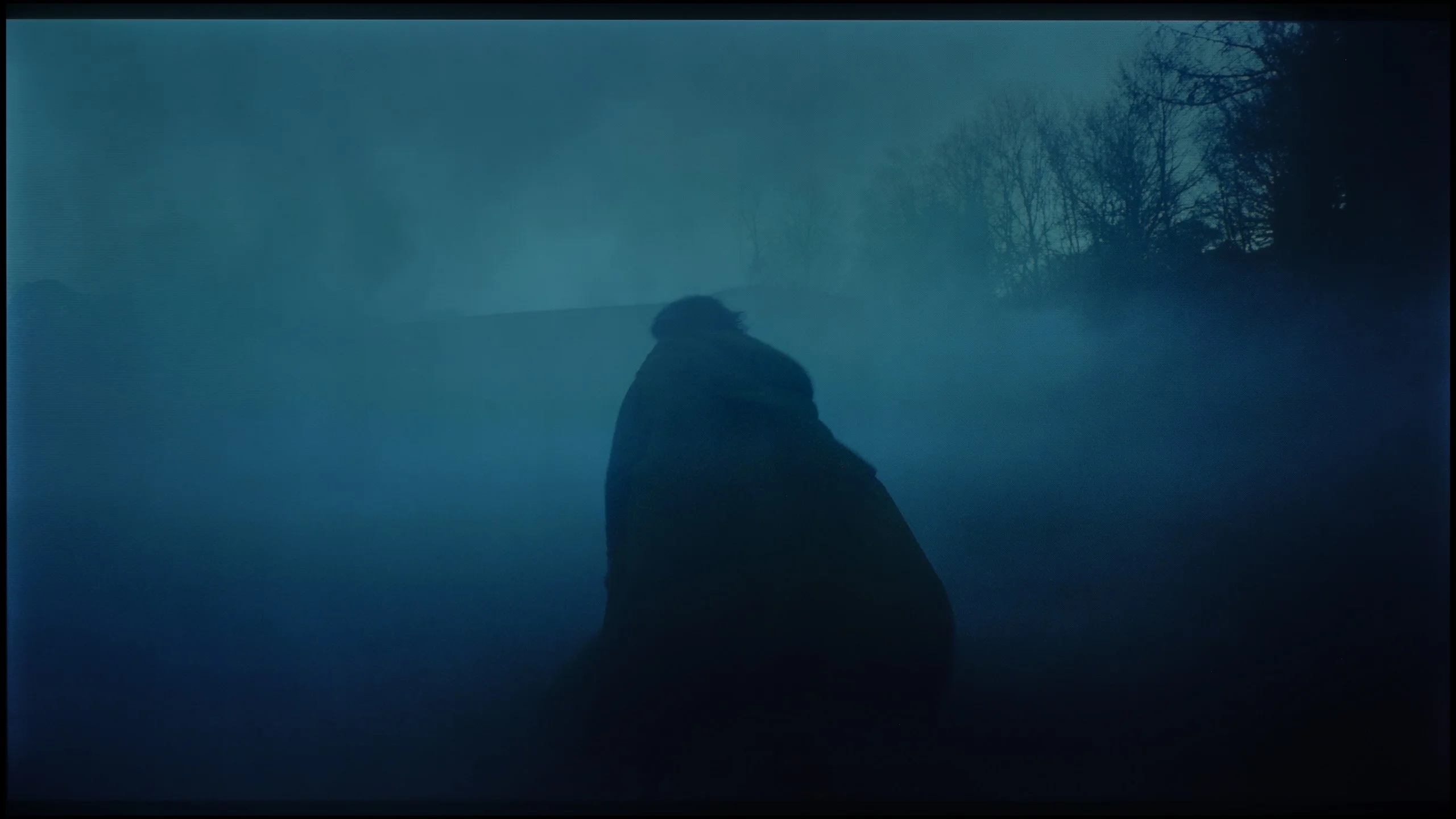
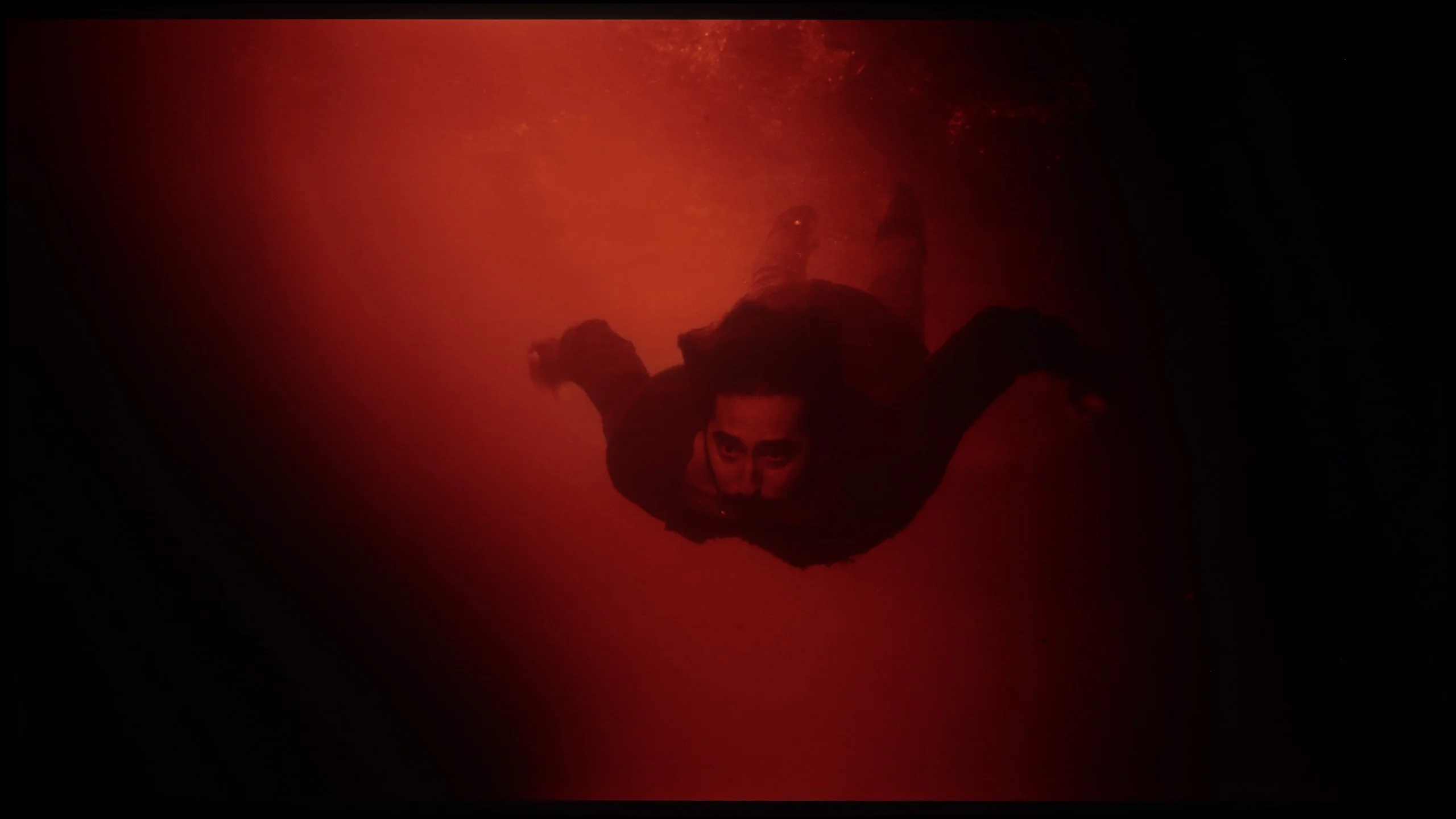
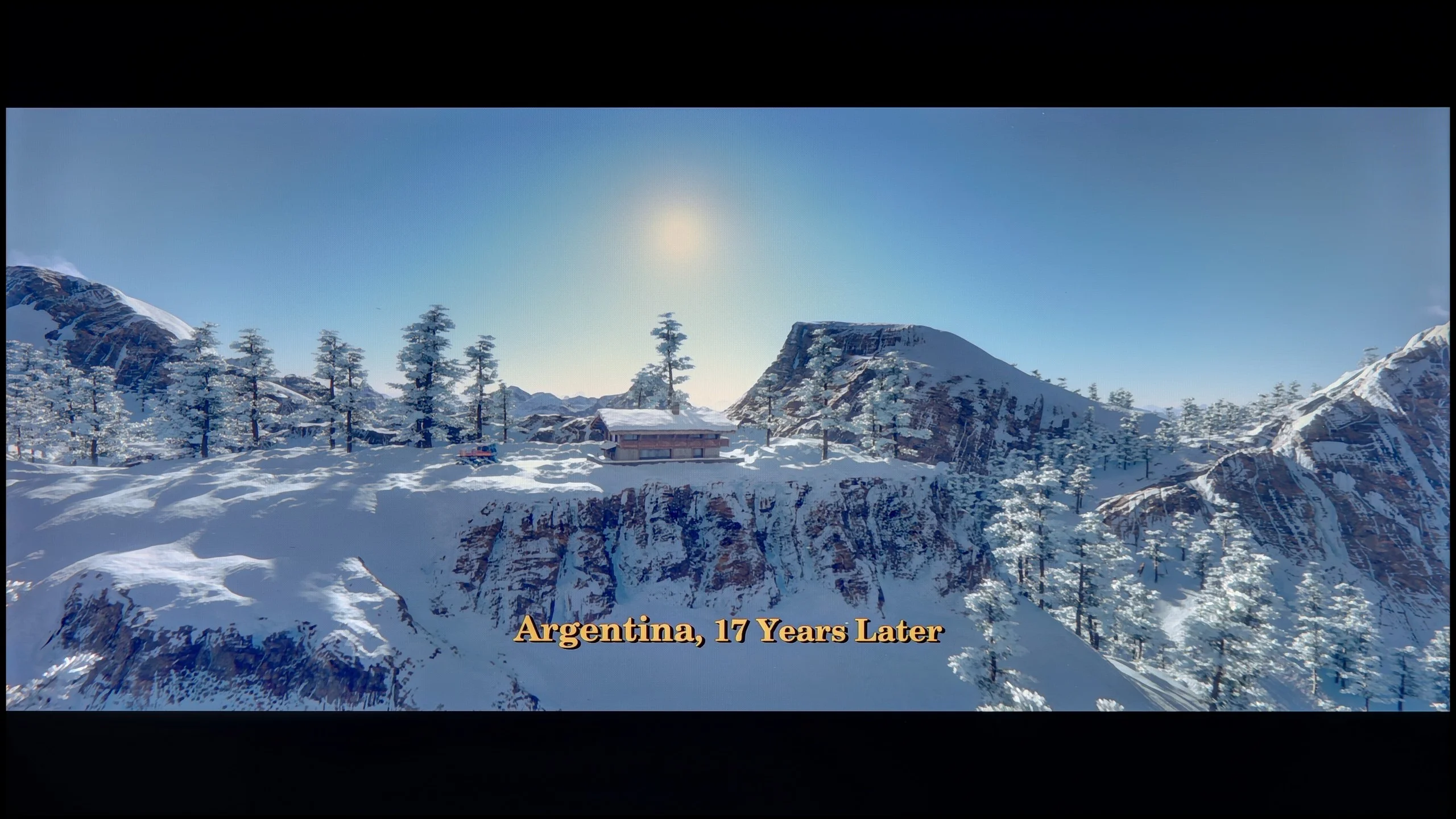
These are selected scenes that show smooth tonal transitions from one color to another. If you see distinct banding, it’s the TV panel’s fault.
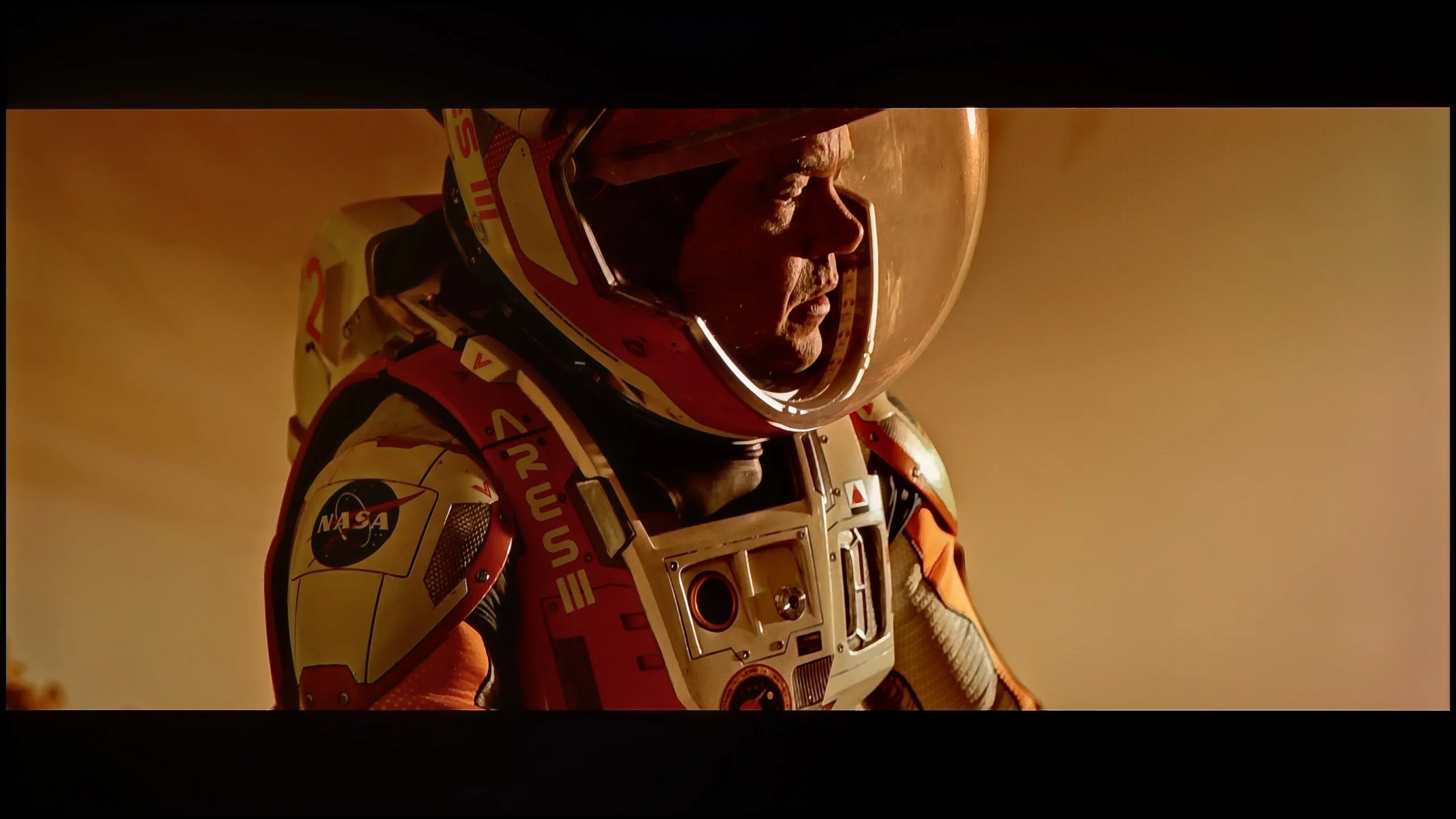
These are selected scenes that show smooth tonal transitions from one color to another. If you see distinct banding, it’s the TV panel’s fault.
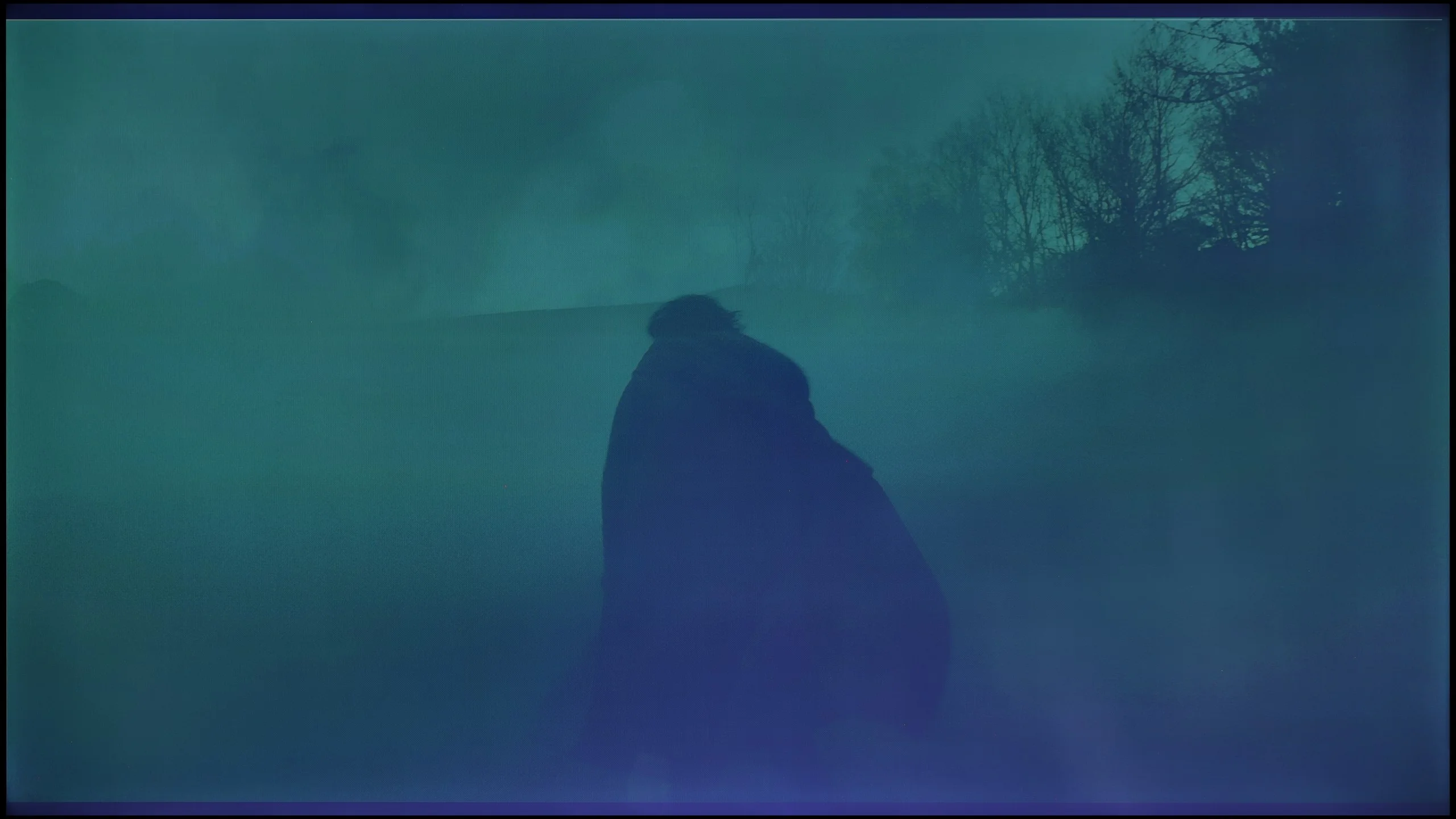
These are selected scenes that show smooth tonal transitions from one color to another. If you see distinct banding, it’s the TV panel’s fault.
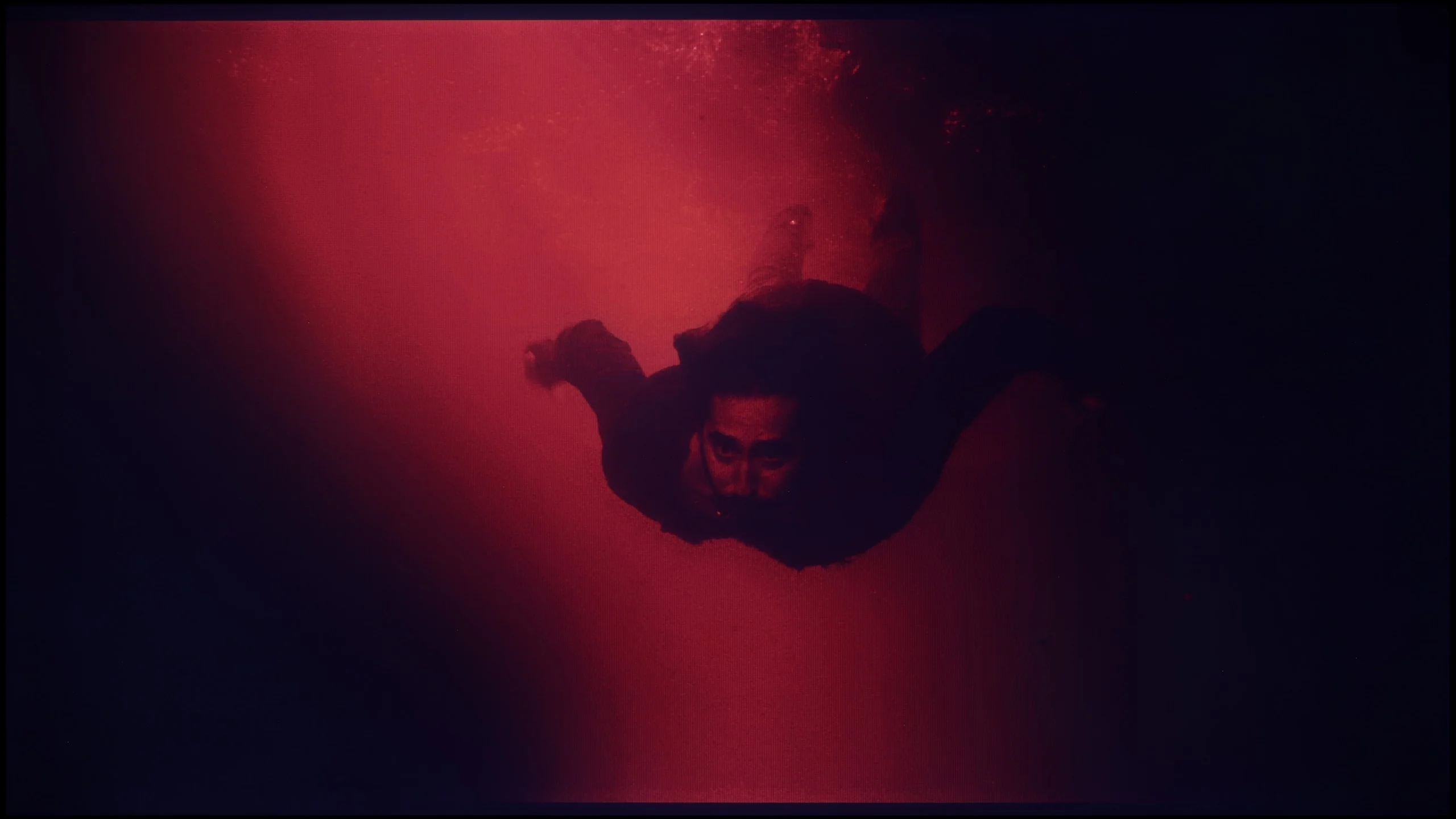
These are selected scenes that show smooth tonal transitions from one color to another. If you see distinct banding, it’s the TV panel’s fault.
Kiano Elegance handles colour gradation quite well. In most scenes the transitions between shades are smooth and there’s no strong banding or obvious stripes, which can be a problem in the cheapest televisions. The biggest limitations only appear in darker scenes. With very subtle transitions in greys or shadows you can notice slight posterisation and some colour separation. However, it’s not something that will be obvious all the time. In typical material Kiano performs reasonably well in this respect, especially given its price.
The smoothness of tonal transitions on the TCL P7L is pretty good, but not in every scene. In brighter scenes the TV handles it really well, as shifts between neighbouring shades are gentle, and on skies, bright walls or subtle gradients it's hard to spot anything that would noticeably distract while watching. It gets worse in darker parts of the picture. That's where visible joins between colours and consecutive grey levels appear more often. In dark scenes you can therefore see characteristic banding or more obvious "steps" where the transition should be smoother. It's not a constant problem, but with lower-quality source material or scenes containing a lot of subtle shading it can stand out.
Image scaling and smoothness of tonal transitions
6.5/10
7/10


Smooth transition function
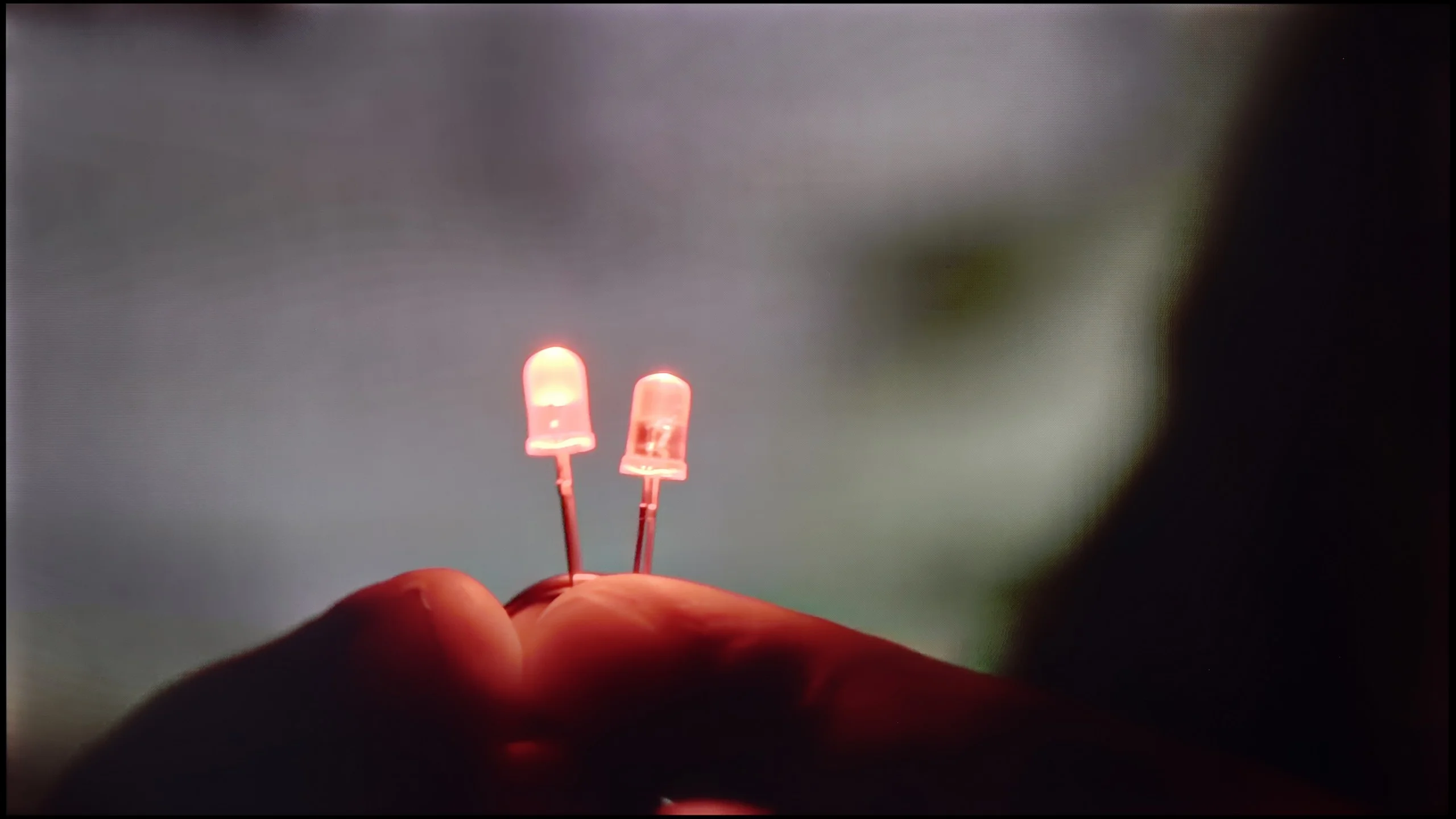
The match photo shows how the TV smooths weak tonal transitions in low-quality video.
Image scaling SD (576i)
For a relatively inexpensive television, the upscaling and digital image processing in the Kiano Elegance perform really well. The upscaling of lower-resolution content is decent. It's not, of course, at the level of the best TVs on the market, but regular broadcast TV and Full HD material look quite good on the 4K screen. We were even more surprised by its ability to smooth unwanted tonal transitions. Many TVs in this price range either don't offer a similar feature at all, or its effect is practically invisible. Kiano, using the noise reduction known from Samsung TVs, can quite effectively mask heavy compression, colour banding and other imperfections of weaker source material. There is only one catch. The feature works fairly aggressively and, along with imperfections, can also remove some fine detail and natural film grain. So with high-quality source material we'd probably leave it off. However, if you're watching older footage, heavily compressed broadcasts or poor-quality material from the internet, it's worth experimenting with it. In those conditions it can actually improve the viewing experience.
In this respect the TCL P7L performs surprisingly well, especially for such an inexpensive TV. The banding reduction feature, which in many budget models does little or nothing, actually manages to improve the picture here. It doesn't remove all banding completely, but it can noticeably reduce posterisation and make trickier gradients look more natural. In this price segment that's a genuinely pleasant surprise.
The upscaling itself also looks good. Lower-resolution material is upscaled properly, without excessive sharpening or adding artificial edges around objects. Of course the P7L won't turn a very poor source into a 4K-quality picture, but for regular TV the result is simply solid. For a model at this price point there are few major complaints to make.
Blur and motion smoothness
2/10
5.5/10
Blur (native resolution, maximum refresh rate):

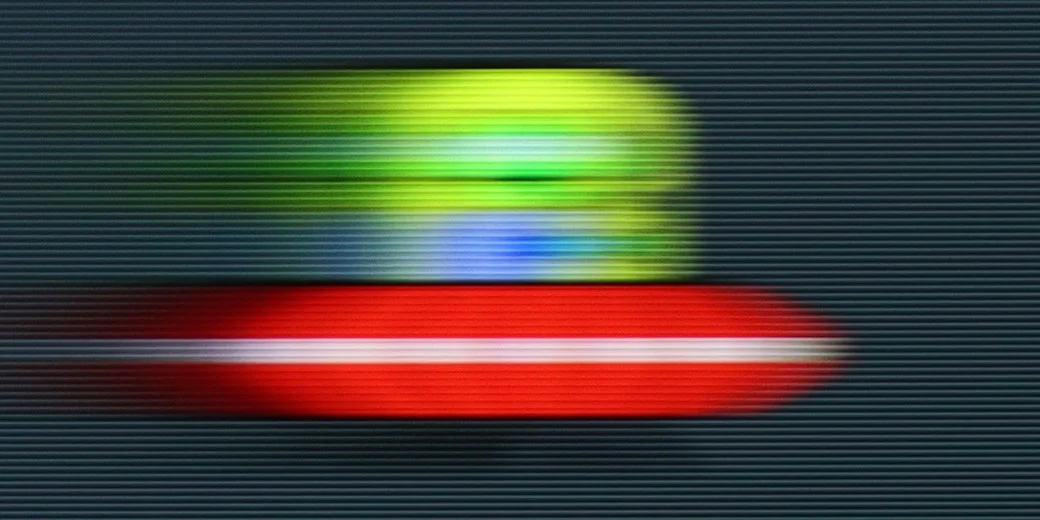

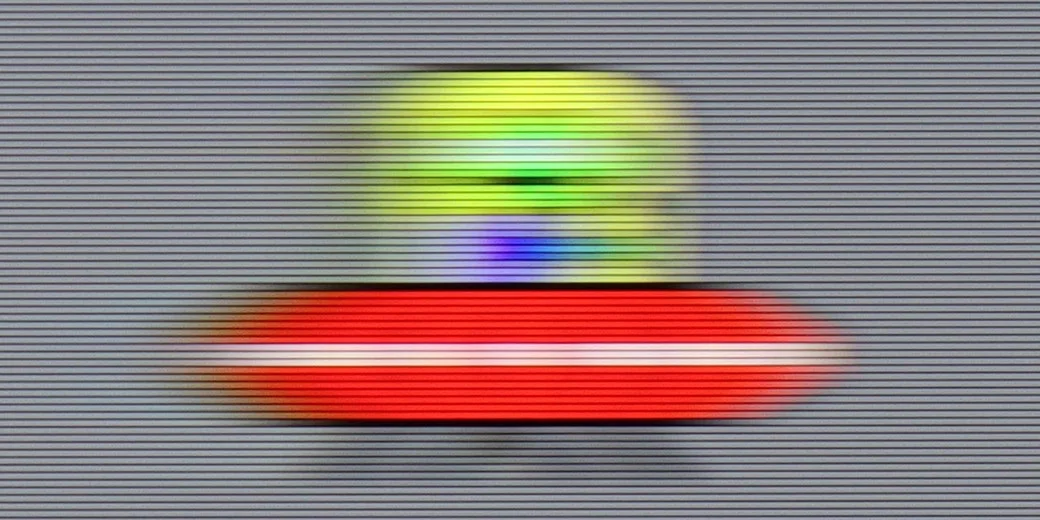

Blur ():
Blur (1440p@120Hz):
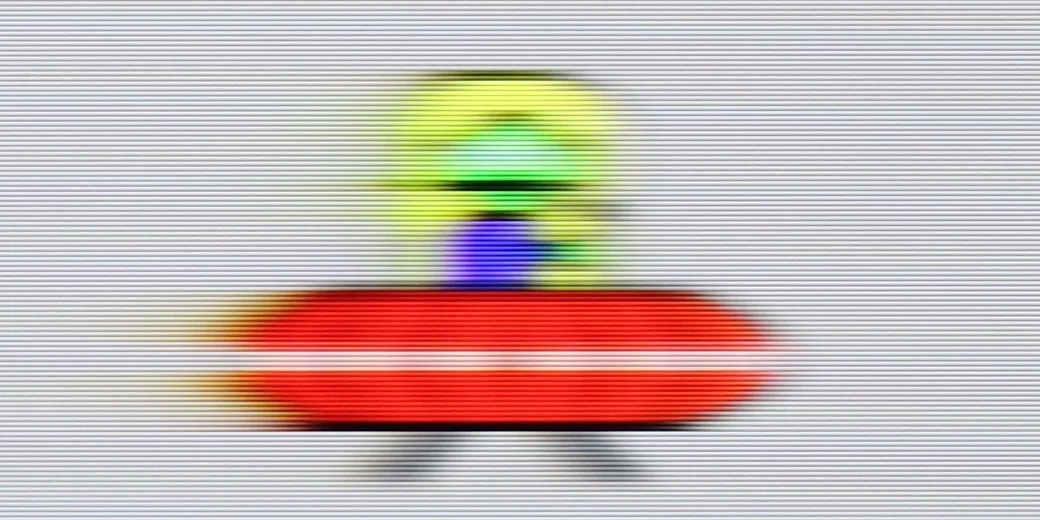
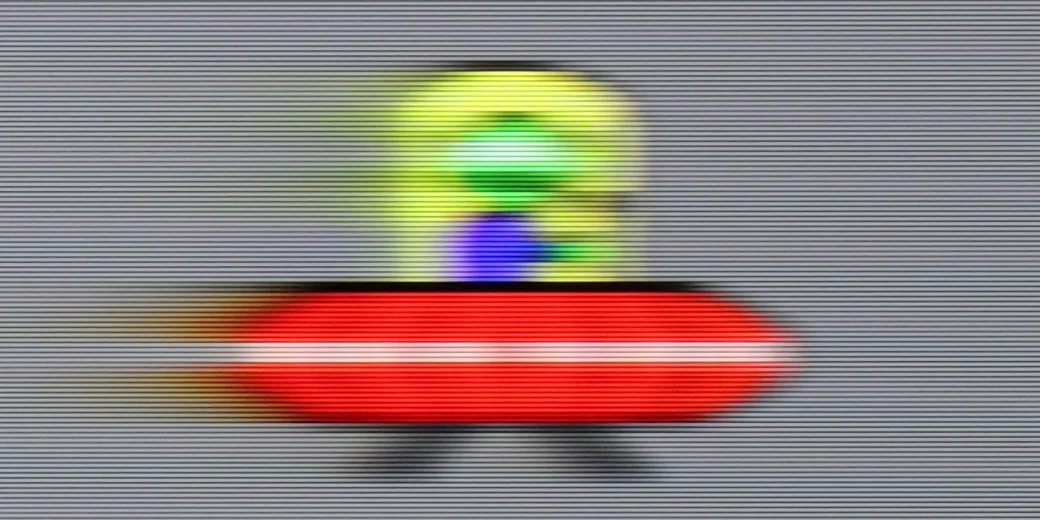
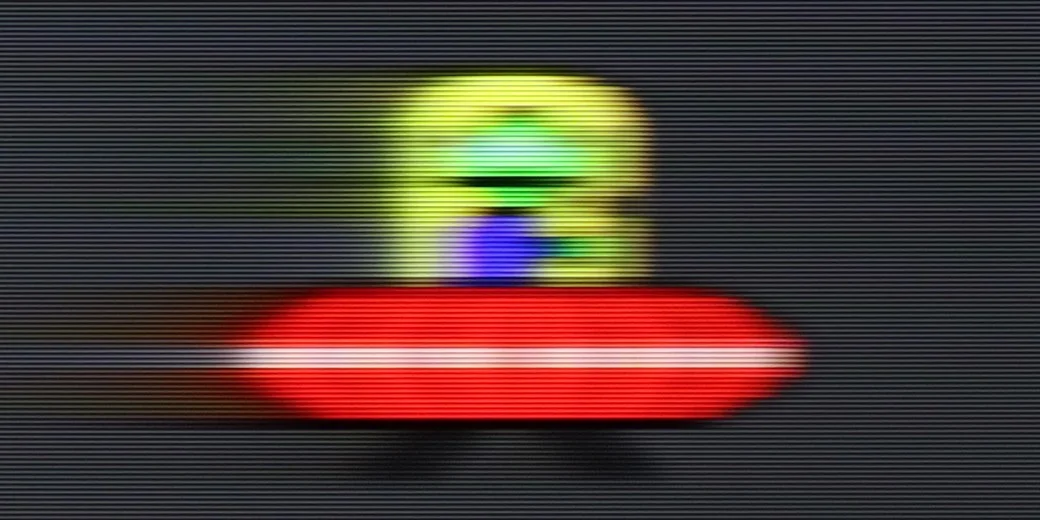
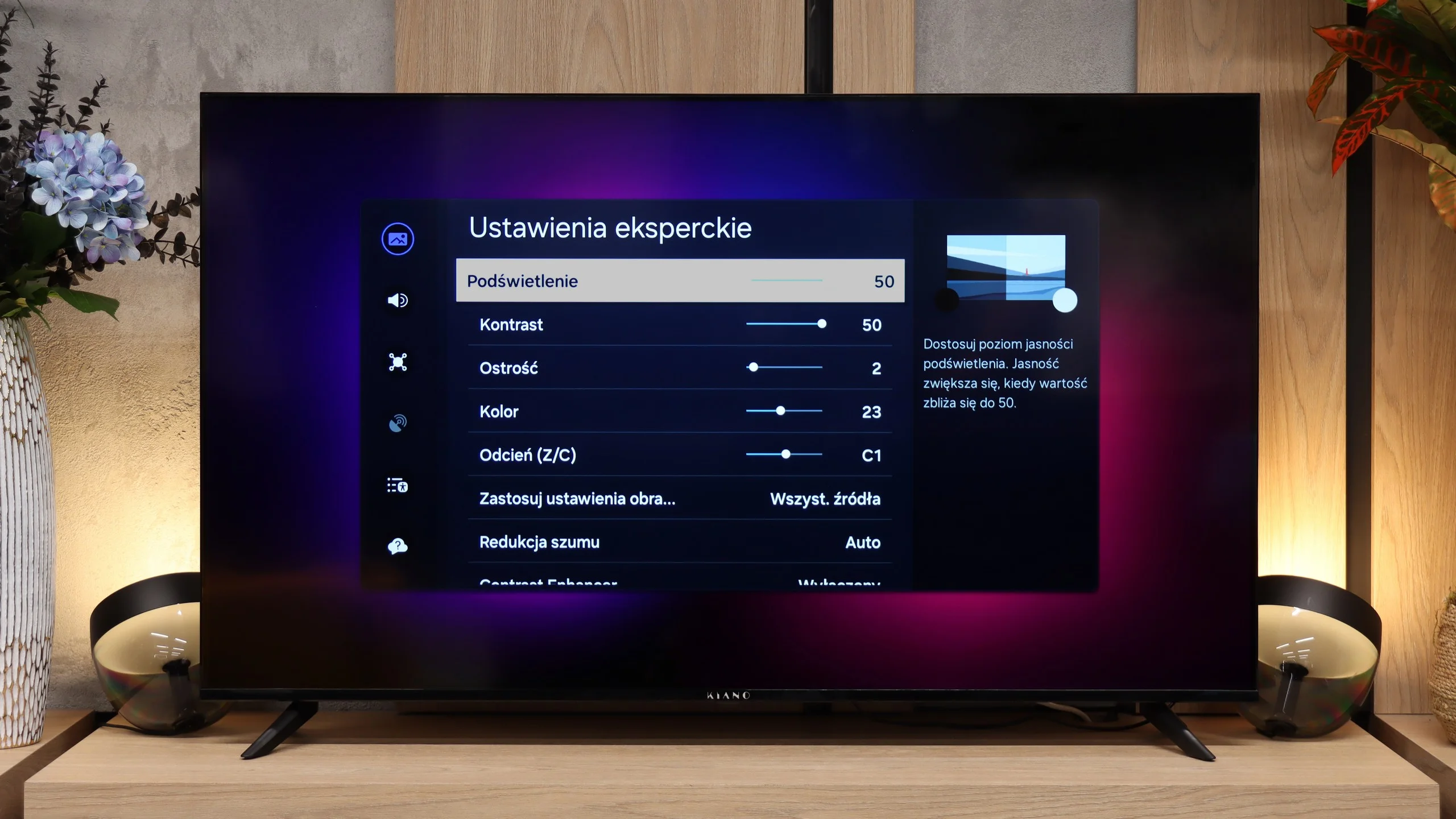
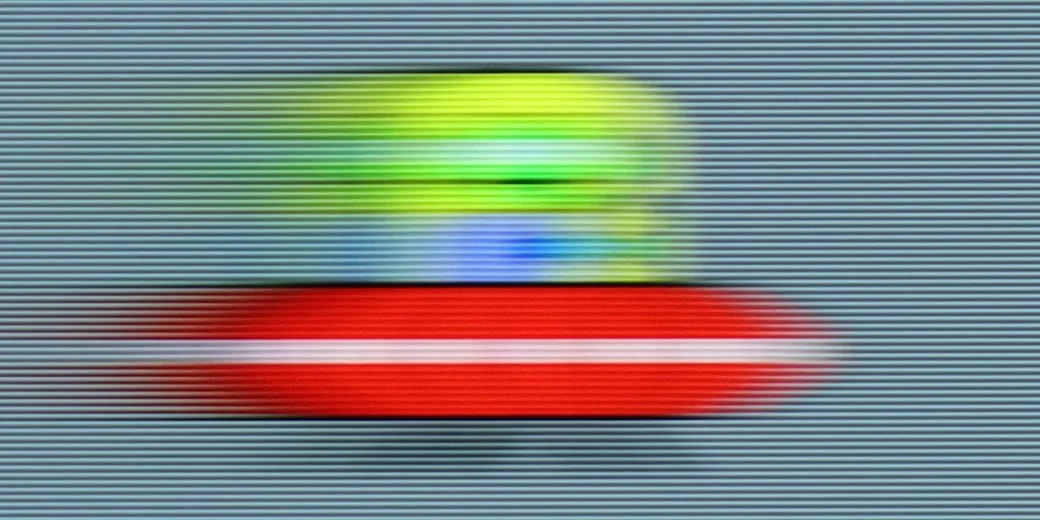
In terms of motion handling the Kiano Elegance performs rather poorly. The TV has a 60 Hz panel, but at this price point that's not surprising. What's far more bothersome is the lack of any motion-smoothing function. In practice this means the TV displays content at exactly the frame rate it was recorded in. In films this isn't yet a major issue, but with sport or fast panning shots it's clear that motion isn't particularly smooth.
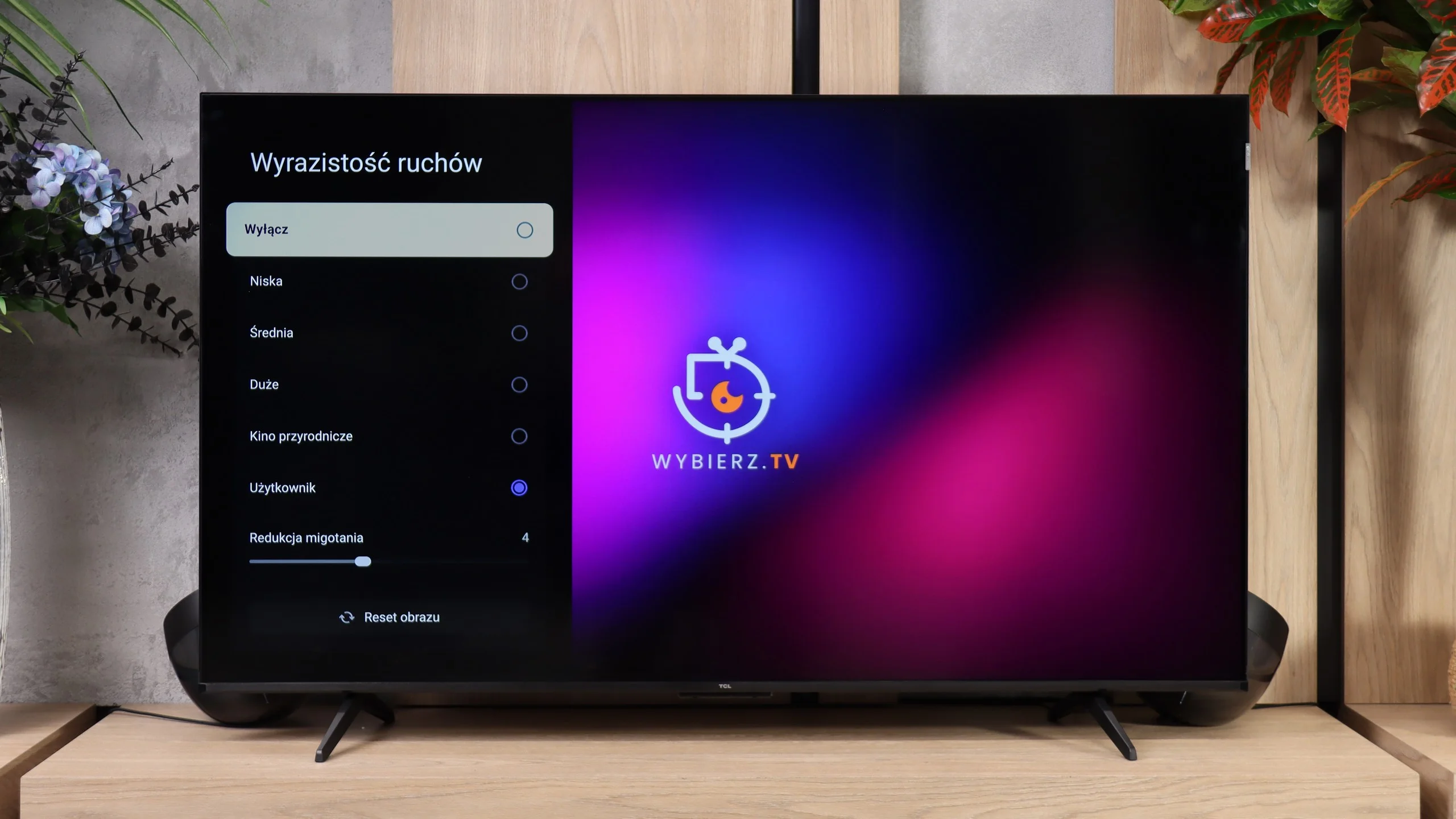
TCL P7L uses a native 60 Hz panel at 4K resolution, and that's how it should be treated in everyday use. For movies the TV mainly offers frame interpolation, so it can smooth motion and reduce noticeable judder, but it doesn't deliver the smoothness typical of true 120 Hz panels.
Console compatibility and gaming features
1.6/10
6.7/10
- ALLM
- VRR
- VRR range 48 - 120Hz
- Dolby Vision Game Mode
- Correct implementation of HGIG
- 1080p@120Hz
- 1440p@120Hz
- 4K@120Hz
- Game bar
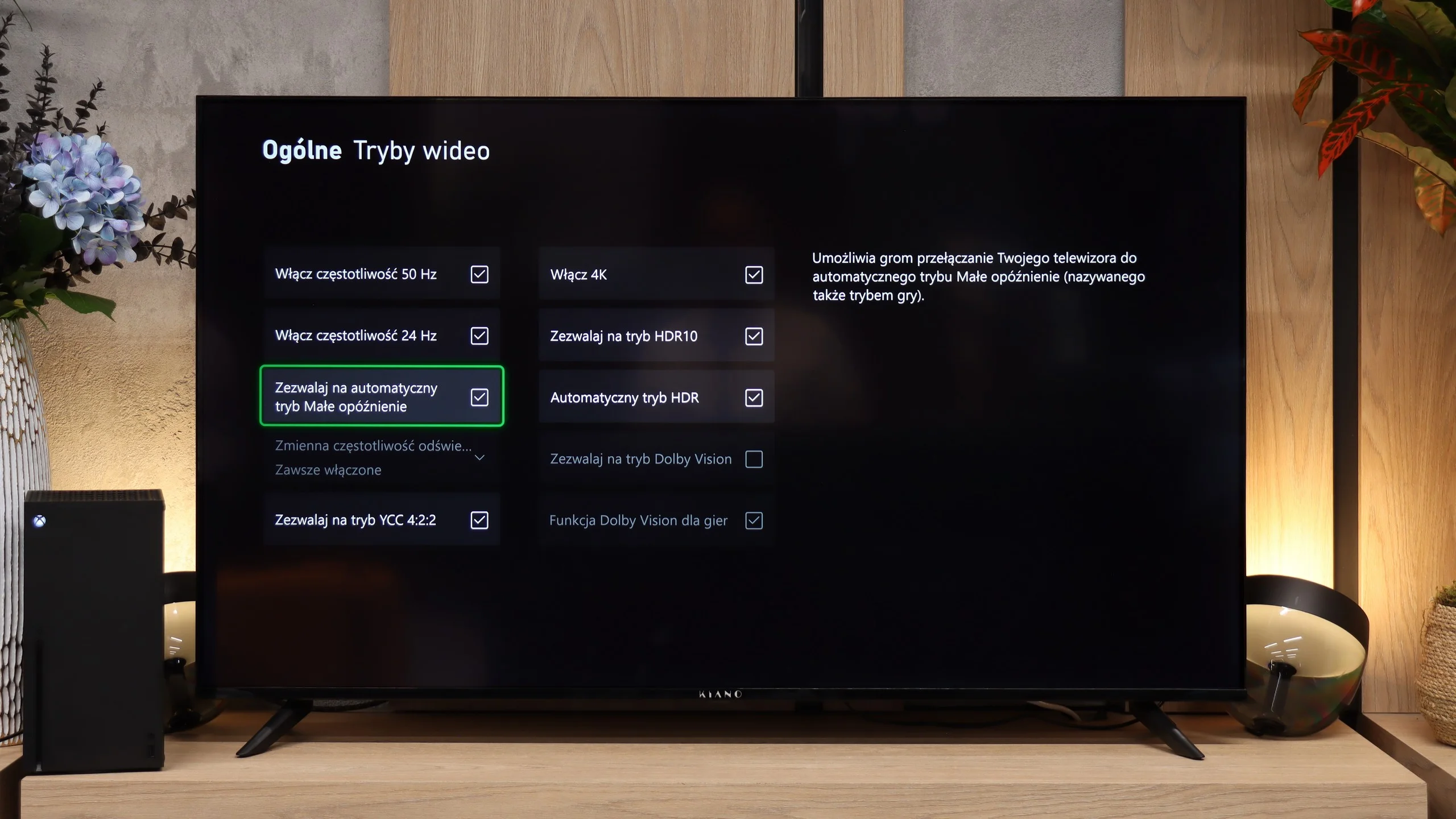
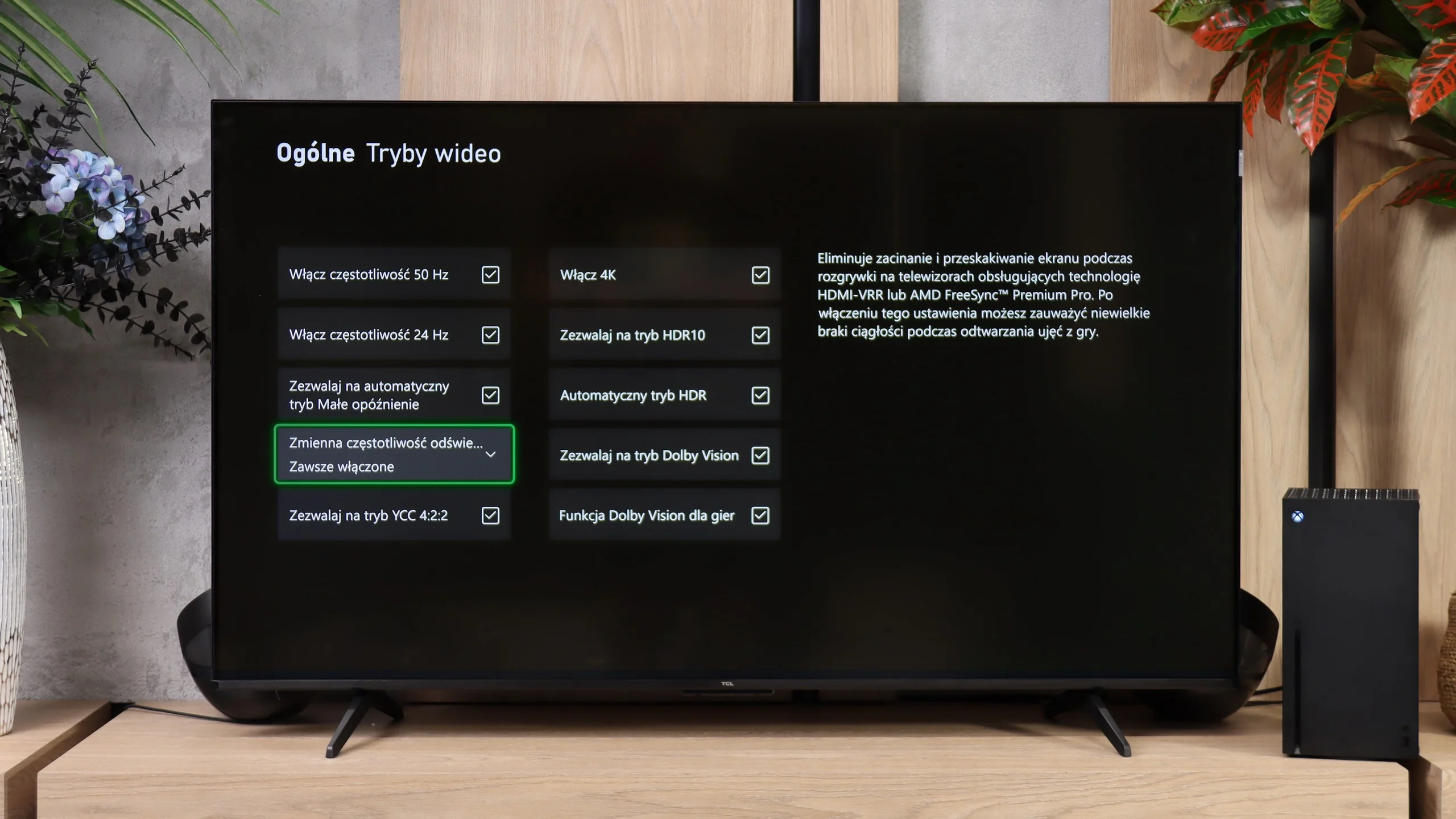
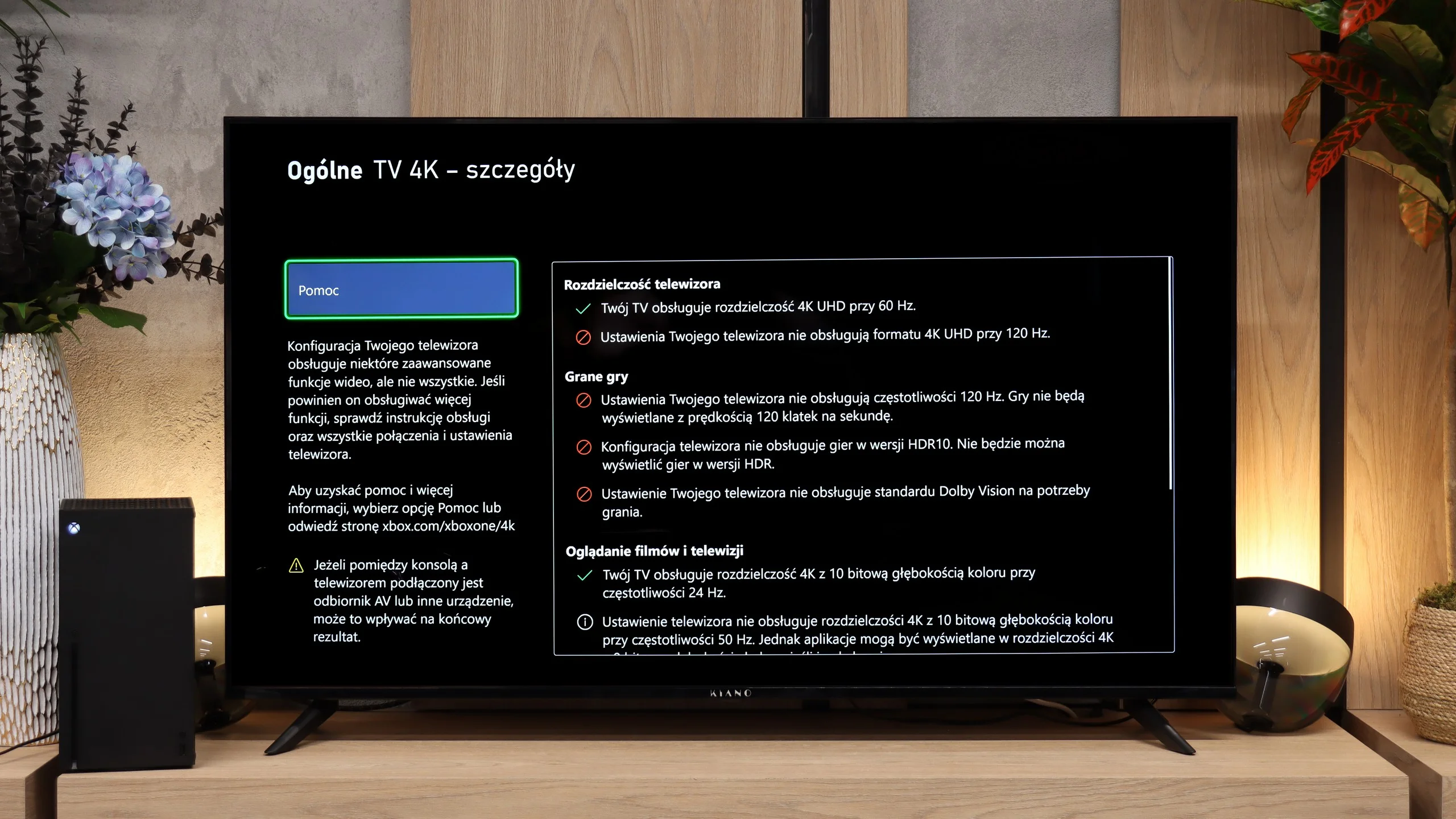
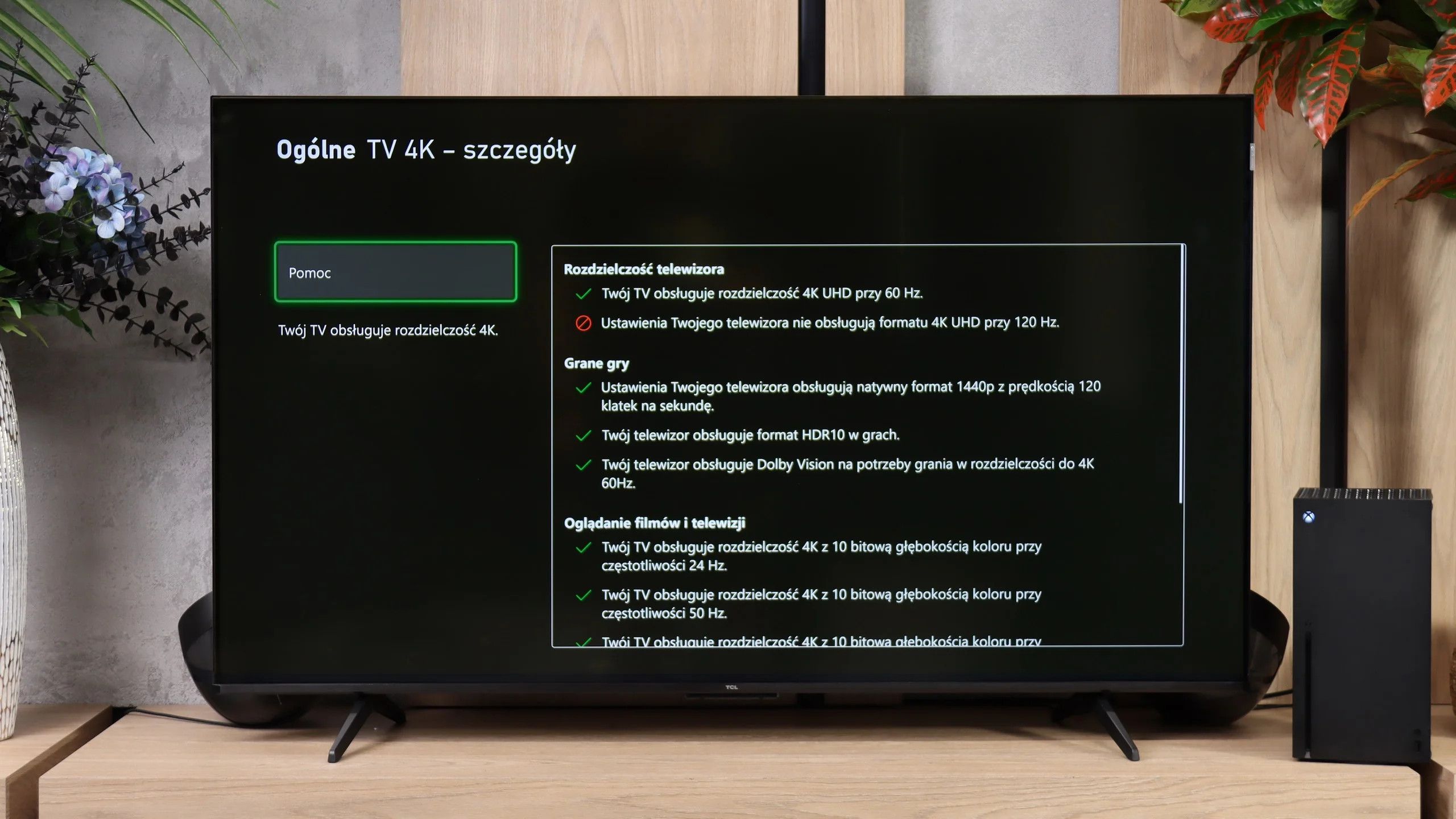
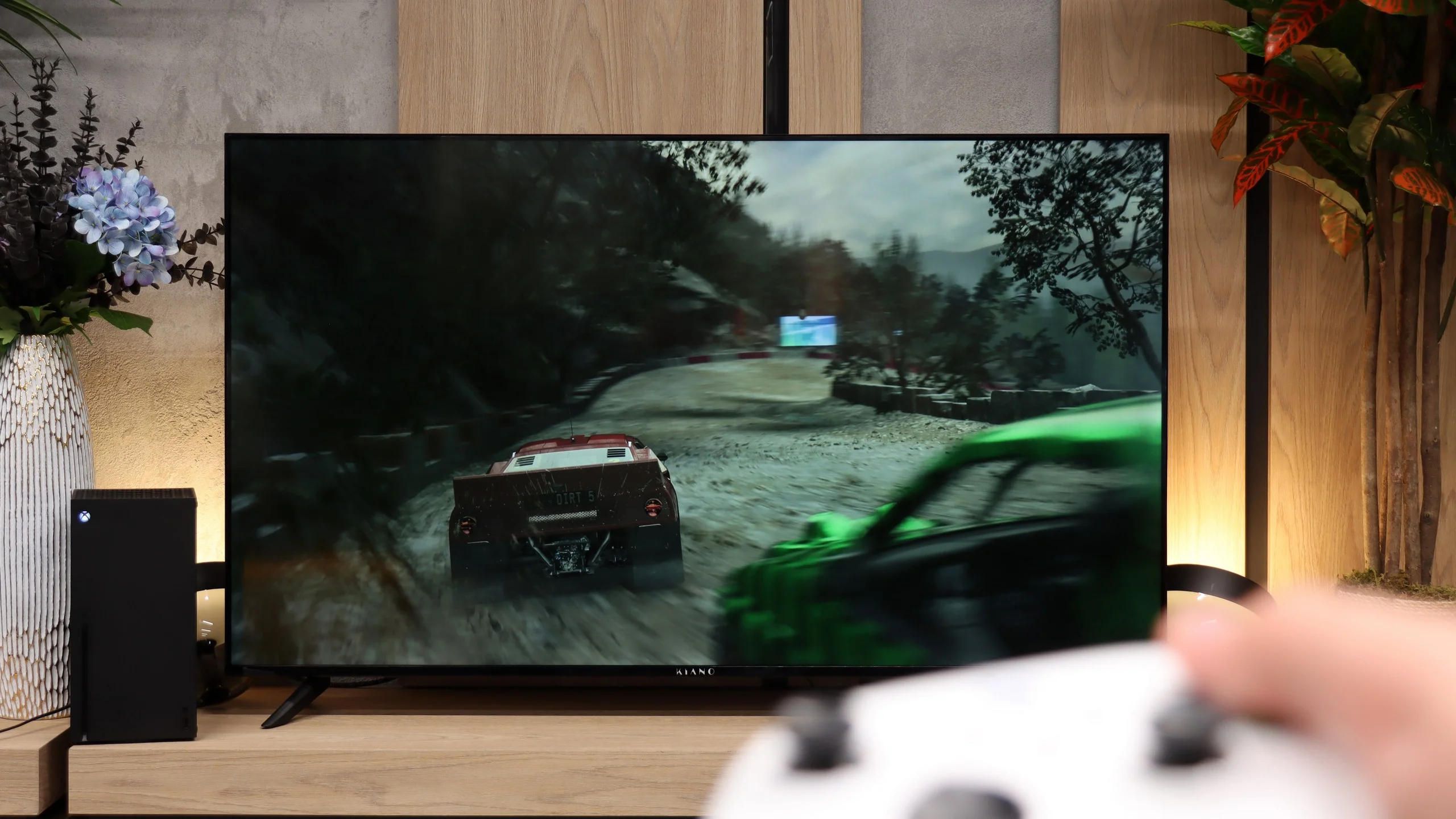
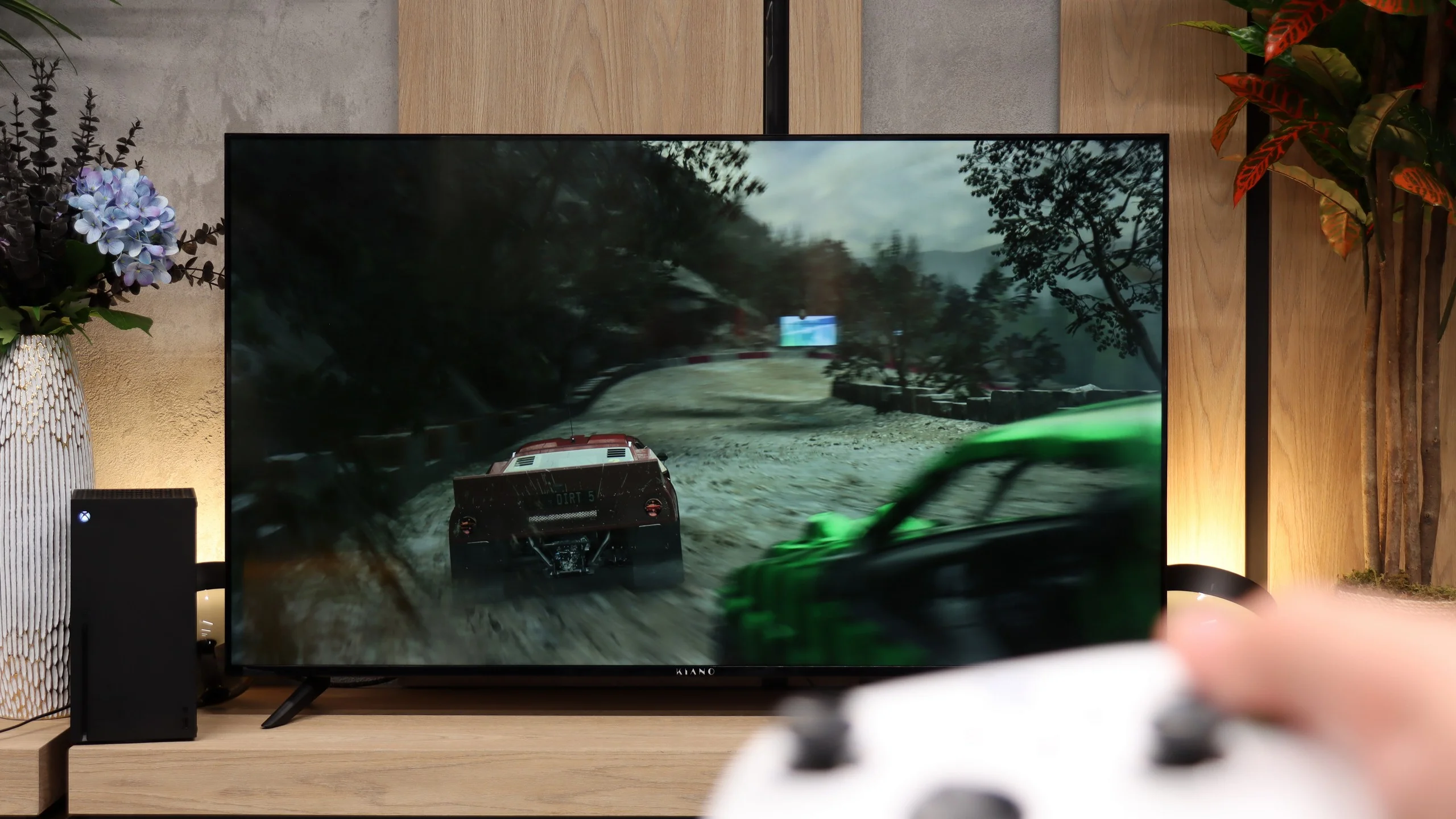
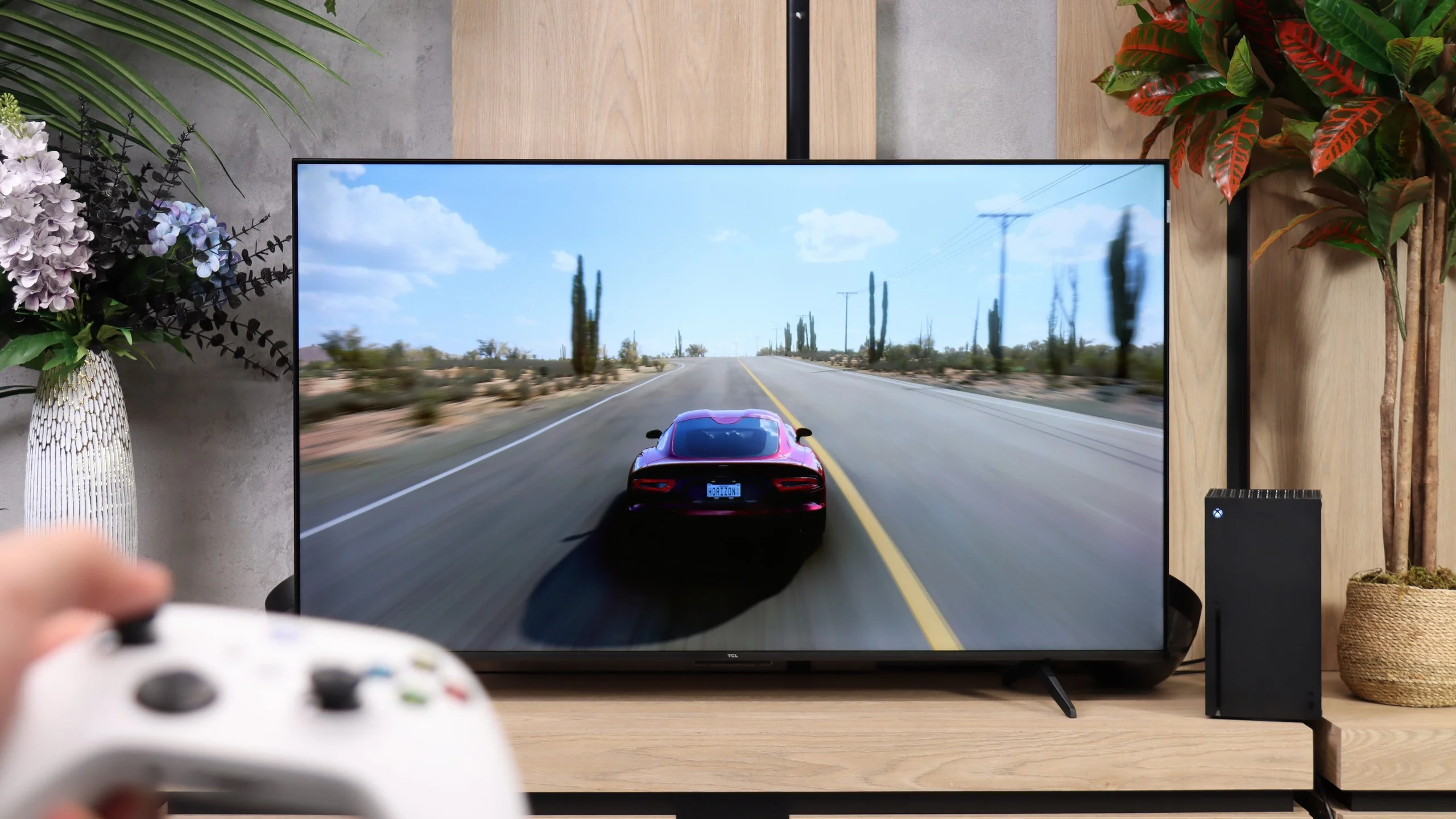
The Kiano Elegance will let you hook up a console and play, but its ambitions pretty much end there. The panel only supports up to 60 Hz, and there's no VRR to help with frame drops. It even lacks ALLM, the automatic switch to a low-latency mode, so you'll need to set up the TV yourself. That's a pity, especially since input lag is low in the right mode. If a console is one of the main reasons you're buying a TV, it's worth looking for something with greater capabilities.
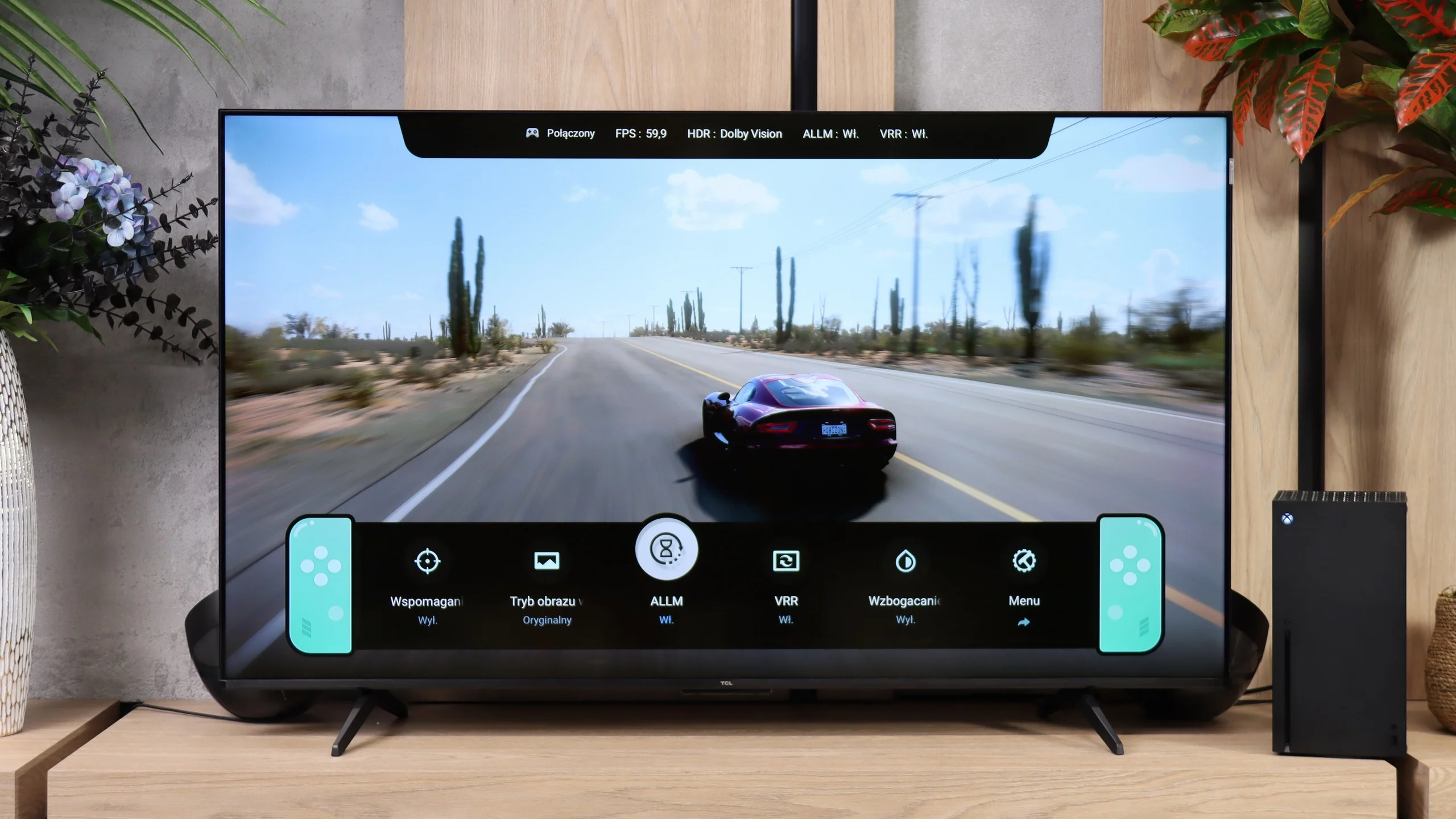
For such an inexpensive TV, the P7L has quite a lot to offer gamers. It has ALLM, VRR and Dolby Vision in games, and TCL also includes its Game Bar, where you can quickly check key information or change some settings without leaving the game. Not everything is perfect, though, because HGiG doesn't work here as it should, but at this price point it's hard to complain much about the feature set. The most interesting part comes when you give up 4K. At that resolution the TV runs at up to 60 Hz, but at 1440p and 1080p it can already display at 120 Hz. And that's not just a spec-sheet curiosity. In fast-paced games that support that frame rate the difference in smoothness is genuinely noticeable, so if you care more about smoother motion than maximum image sharpness, that mode can make a lot of sense. Of course, that doesn't make the P7L a true 120 Hz TV. Still, it's precisely these extra modes that make the P7L perform really well for gaming.
Input lag
9.8/10
10/10
SDR
HDR
Dolby Vision
Although it has few features for gamers, the Kiano Elegance performs very well in terms of input lag. We measured around 14-15 ms at 60 Hz, both in Full HD and 4K. Turning on HDR also doesn't worsen the figure. Response to controller inputs is therefore quick, and while gaming you don't feel the TV noticeably delaying your inputs. It's one of the stronger points of this model.
As far as latency goes, the TCL P7L performs very well. With a 60 Hz signal, input lag is around 13 ms, whether you're playing in SDR, HDR or Dolby Vision. That's a level where delay should be practically unnoticeable during normal gaming. It gets even better when you switch the TV to 120 Hz at a lower resolution. Then input lag drops to about 9 ms, which nicely complements the modes described above. For gamers, that's another reason why, despite the P7L's budget nature, it's quite well prepared in this respect.
Compatibility with PC
6/10
5.8/10
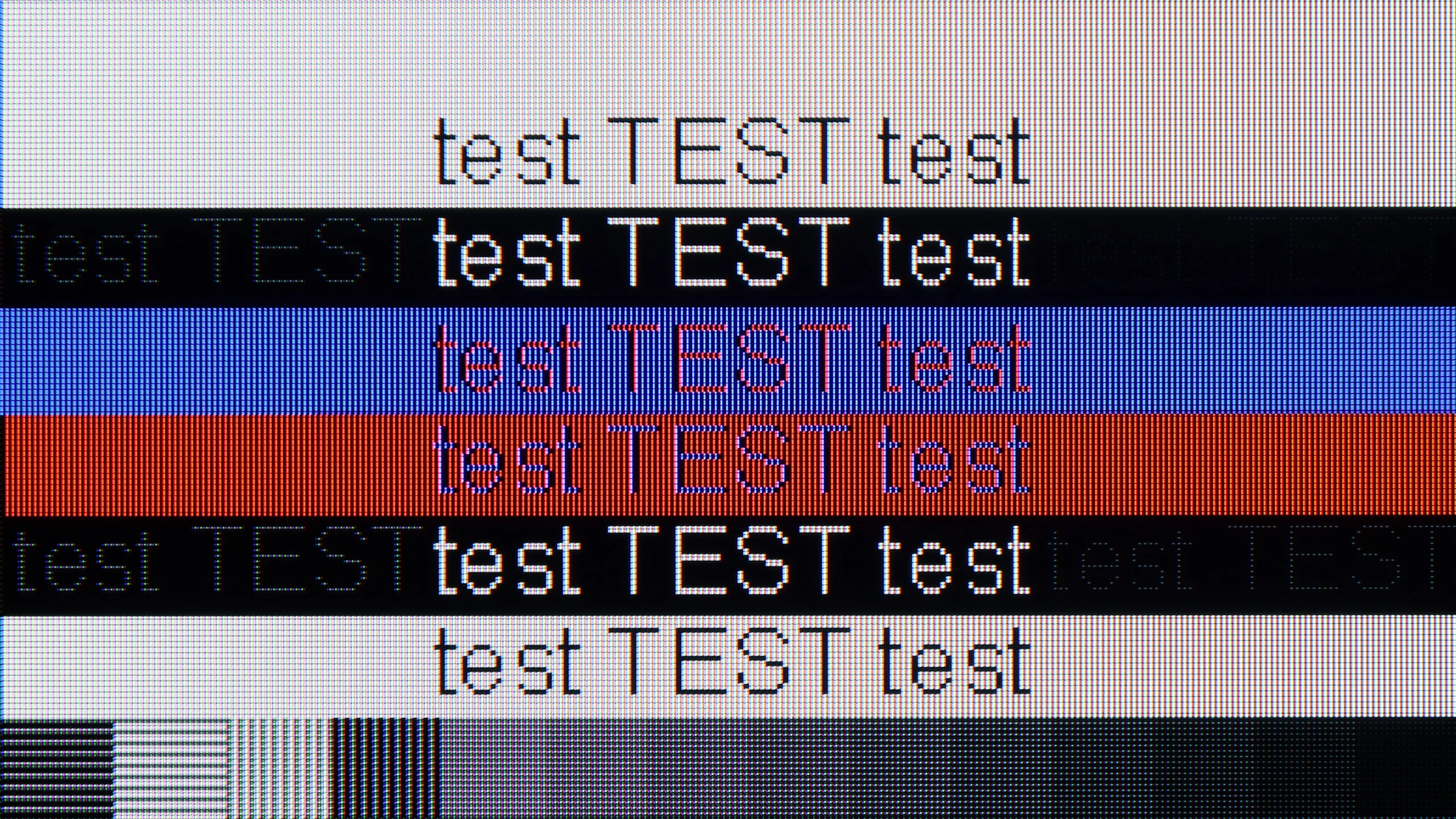
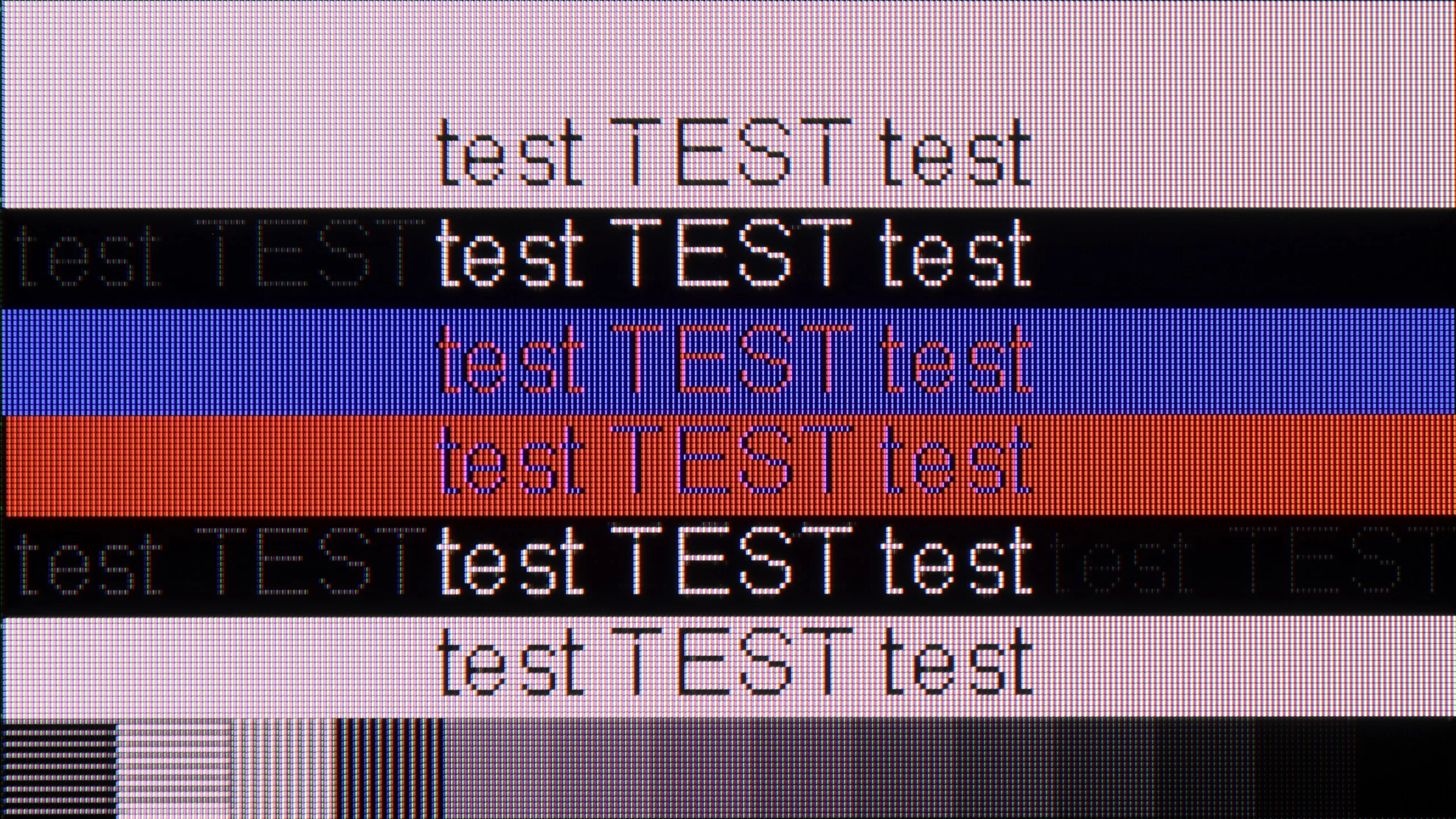
The photo shows the legibility of small fonts. Ideally, lines should be the same thickness on both light and dark text, with minimal pixel gaps.
For browsing the internet, documents or showing an image from a laptop, the Kiano Elegance performs quite well. It supports chroma 4:4:4, so small, coloured letters remain legible. There are no major problems displaying dark text either. Despite using a BGR subpixel layout, font readability in our tests was very good.
When gaming on a computer, however, the earlier described limitations return. The refresh rate tops out at 60 Hz and G-Sync is not supported. A low input lag of around 15 ms provides responsive control, but it won't improve the sharpness of moving objects. As a large screen for basic tasks, the Kiano manages fine, but there are better options for fast-paced games.
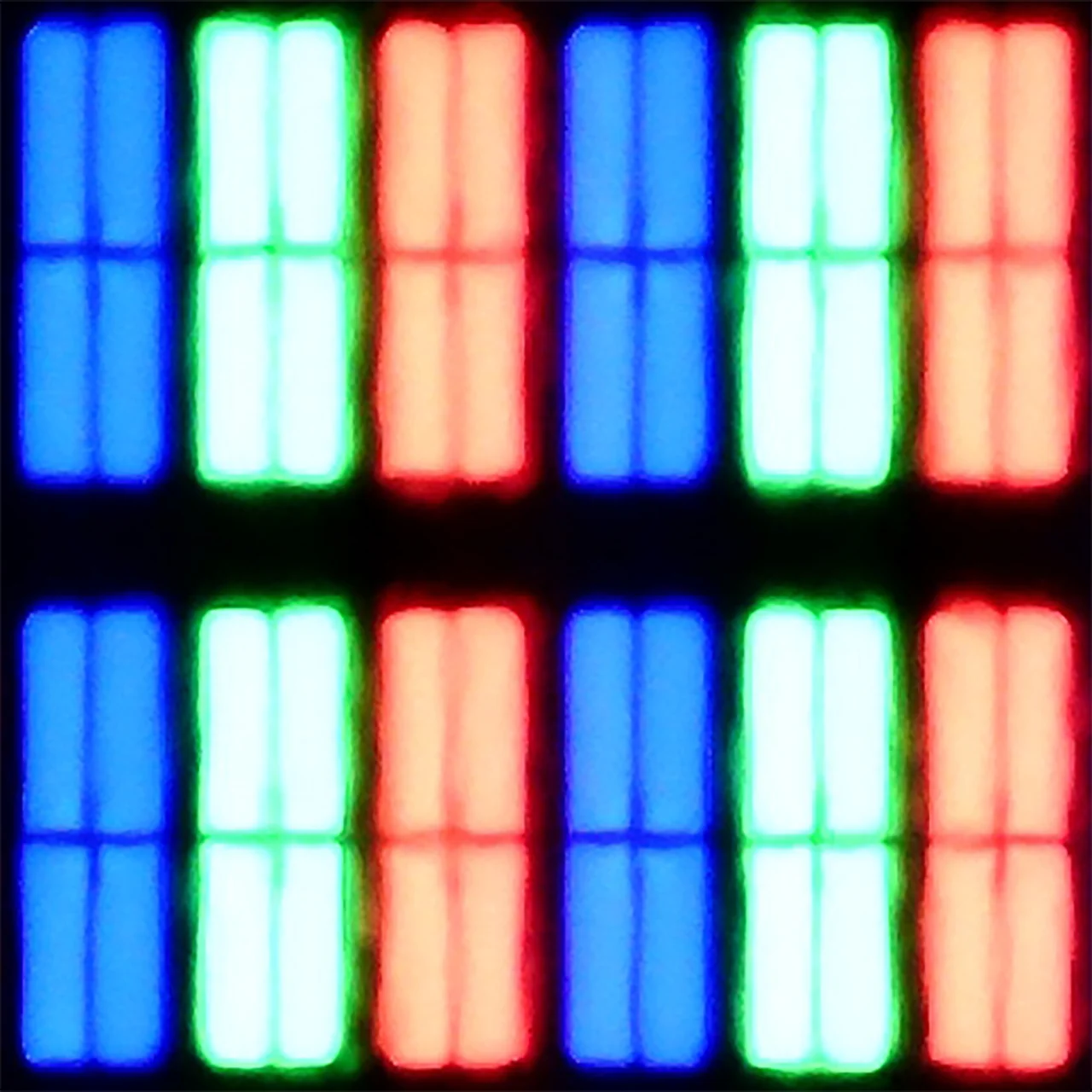
For office work the TCL P7L is unlikely to be the first choice. The TV correctly handles 4:4:4 chroma, so the text itself remains fairly sharp, but the BGR subpixel layout causes some issues with its appearance. On the vertical edges of letters you can notice minor artefacts and characteristic "dots" that can be distracting when sitting close to the screen. For occasional use of a browser or documents this isn't a big problem, but as a monitor for daily text work the P7L performs rather averagely.
It looks much better for gaming on a PC. Low input lag and support for G-Sync and VRR mean the TV works well with a graphics card, and at lower resolutions you can also take advantage of 120 Hz. In 4K we're still limited to 60 Hz, but if the computer is mainly for gaming, the P7L makes a lot more sense in that role than as a typical work monitor.
Viewing angles
2.8/10
3.2/10
The Kiano Elegance is best watched sitting directly in front of the screen. Move to the side and colours clearly lose saturation and the picture becomes much less contrasty. At a 45-degree angle we measured a brightness drop of about 63%, so the difference is hard to miss. It's a typical weakness of VA panels and worth keeping in mind if the TV will sit by a wide sofa or be viewed from different parts of the room.
Viewing angles on the TCL P7L are rather poor, which is typical for a VA panel. It's the VA panel that gives the TV higher contrast and deeper blacks, but the price for that is a noticeable drop in picture quality when you view the screen from the side. Move just a little off-axis and colours start to lose saturation and blacks look greyer. So the P7L works best when you're seated as directly in front of the screen as possible. With a larger sofa and several people watching, the outer seats will be noticeably less comfortable.
Daytime performance
3.7/10
5.2/10
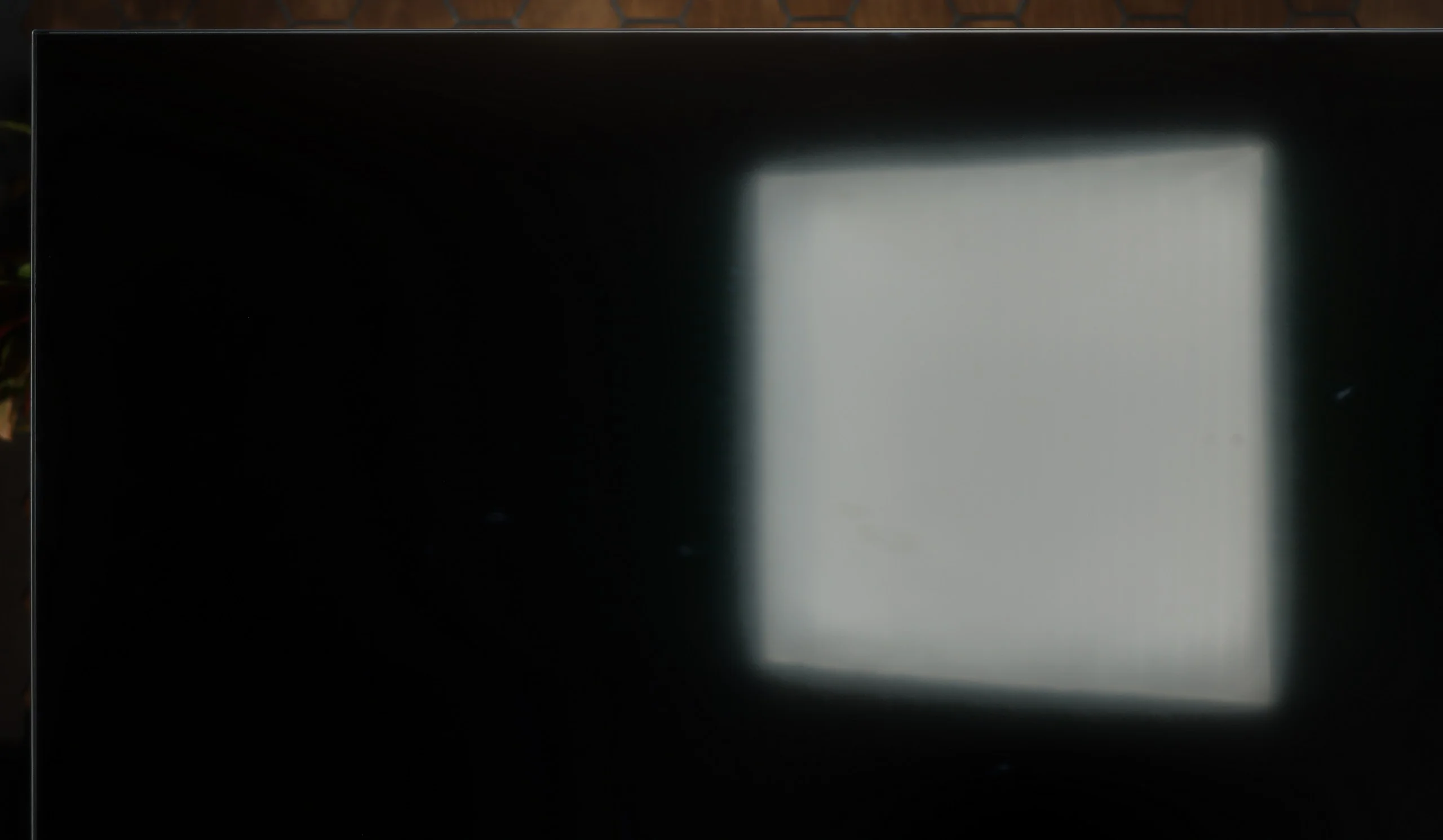
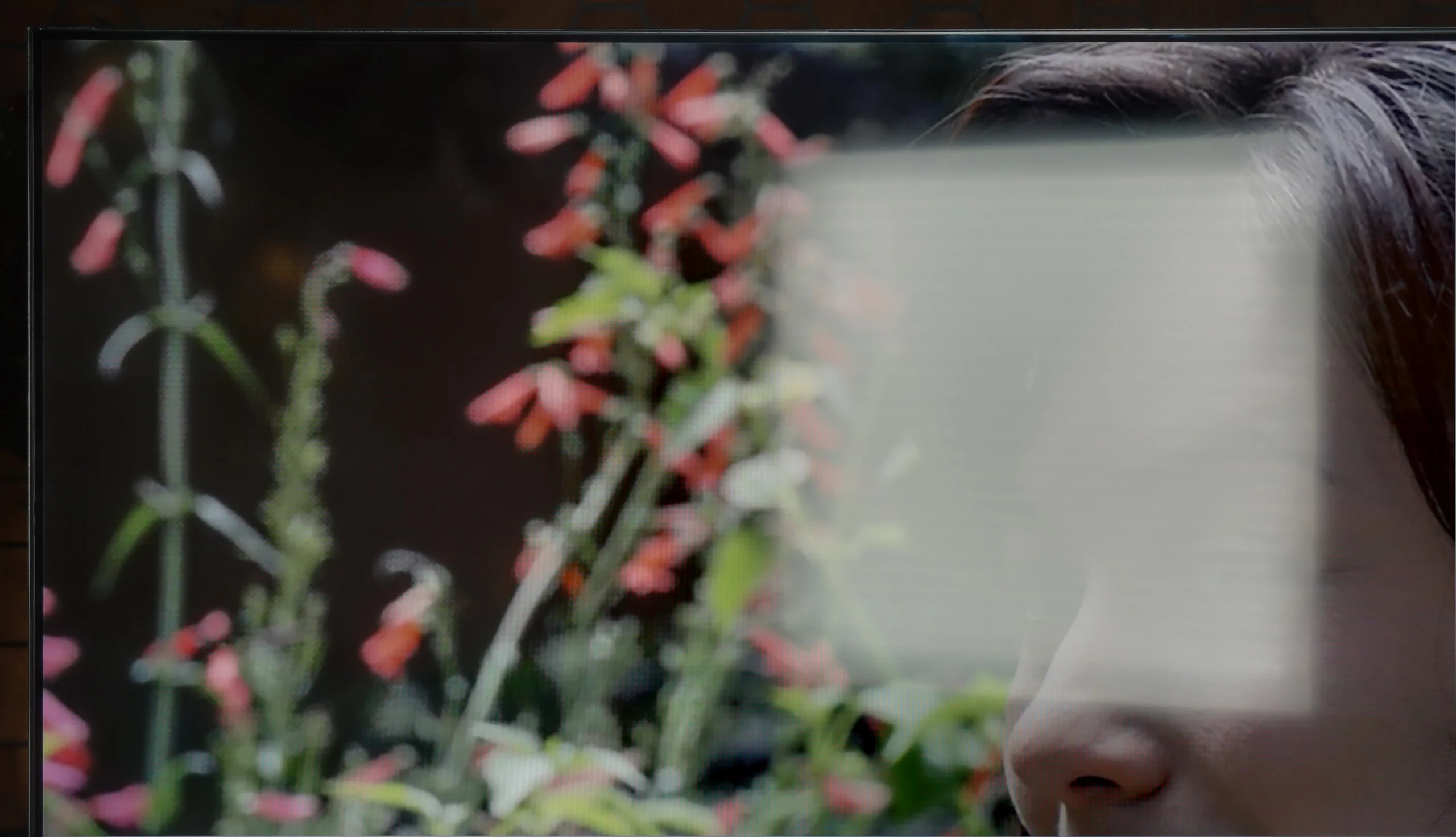
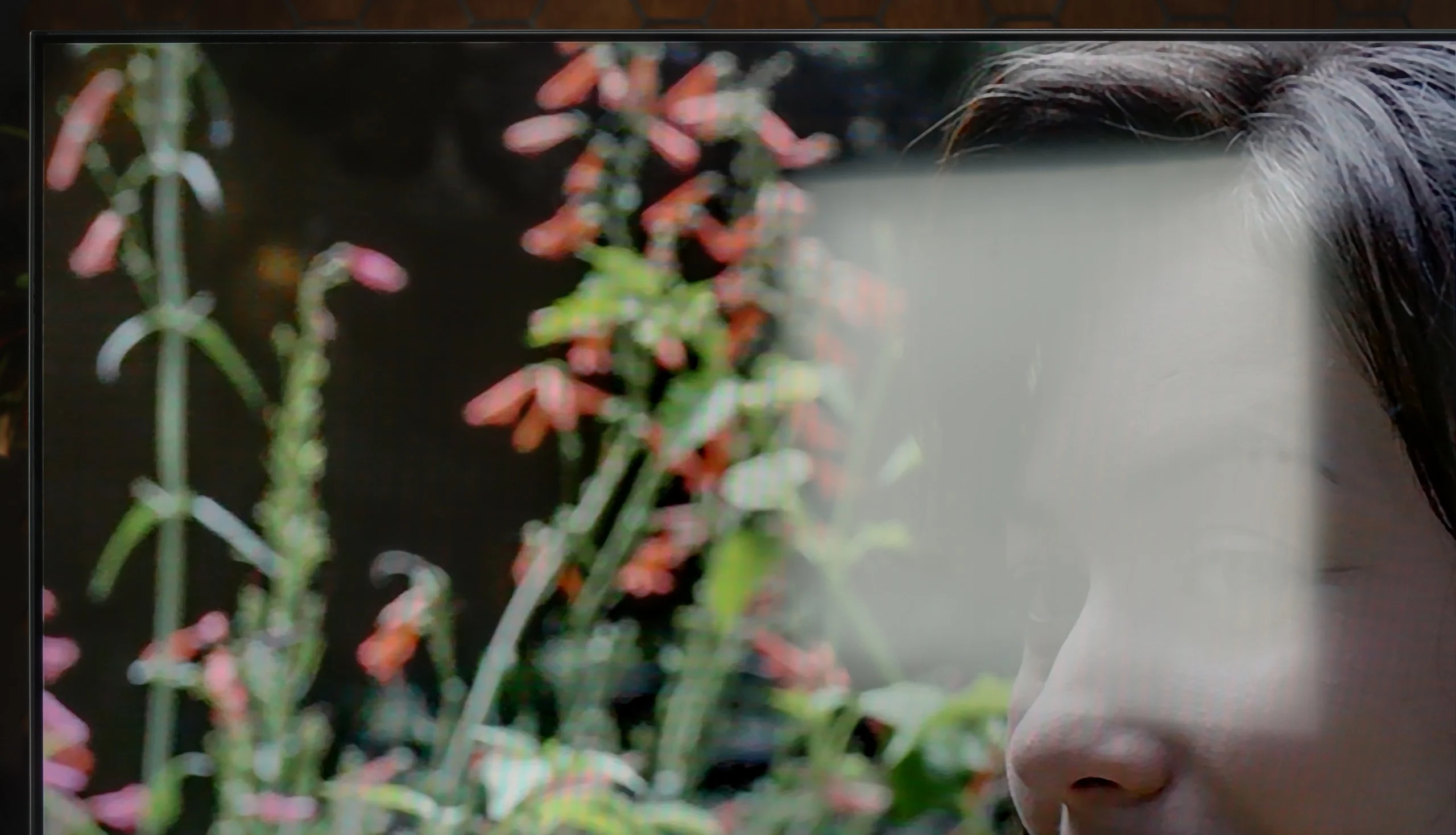
Panel brightness
TCL P7L / P79L: 364 cd/m2
Kiano Elegance Tizen: 215 cd/m2
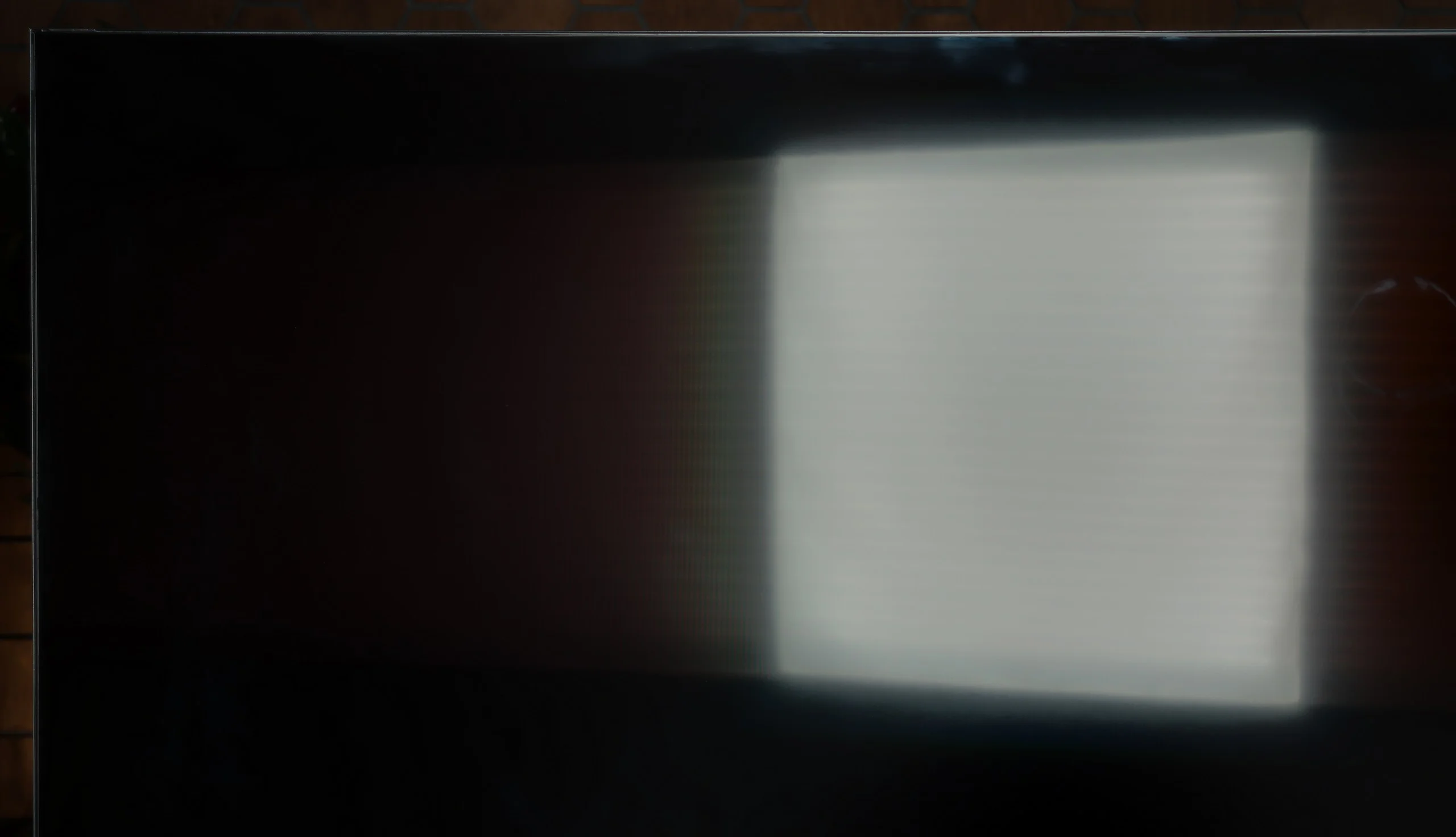
In a brightly sunlit living room the Kiano Elegance will simply be too dim. The average brightness is around 215 nits, so during the day the picture is easily overwhelmed by light coming in through the windows. Especially with darker films you may need to pull the blinds. The satin coating does a decent job of reducing reflections, and blacks in a lit room don't look bad, but that's not enough to make up for the low brightness. The TV will perform much better in a less sunlit room or for evening viewing.
By day the TCL P7L performs quite respectably, although a lot depends on how the TV is positioned relative to windows. The satin screen coating does a good job of diffusing reflections, so under normal living-room light the picture stays readable and doesn’t immediately turn into a mirror. Black levels also hold up well and don’t lose as much depth in daylight. The limitation is brightness. Around 360 nits is enough for normal viewing in a moderately lit room, but with strong sunlight falling directly on the screen the P7L starts to lose out to its surroundings. It will be fine for a typical living room, but if the TV will sit opposite a large window or you mainly watch in a very bright room, it’s worth keeping that in mind.
Panel details
Subpixel Structure:
Panel uniformity and thermal imaging:
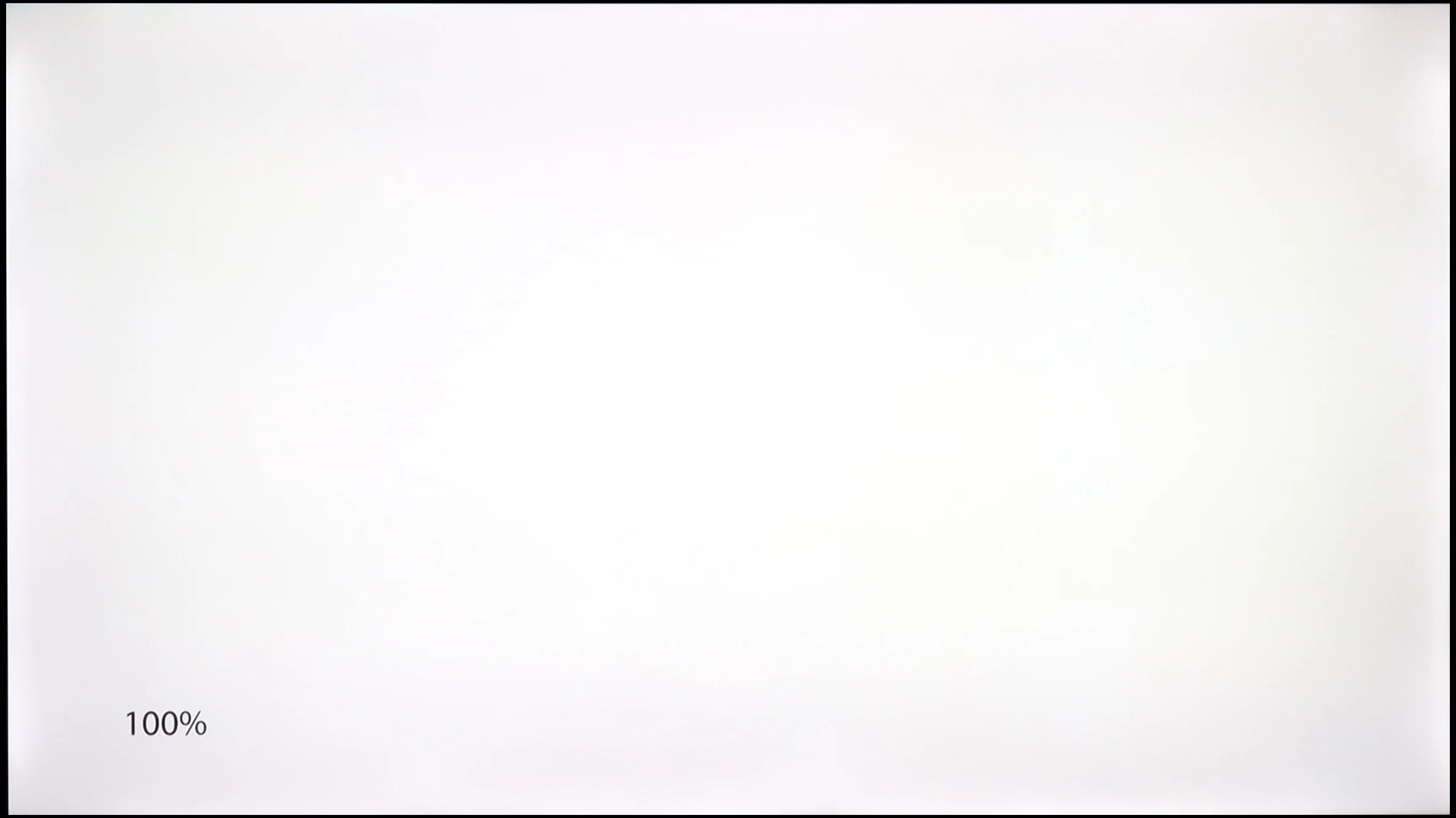

Kiano Elegance Tizen
TCL P7L / P79L
TV features
5.1/10
7/10
- SystemTizenGoogle TV
- System performanceAverageDecent
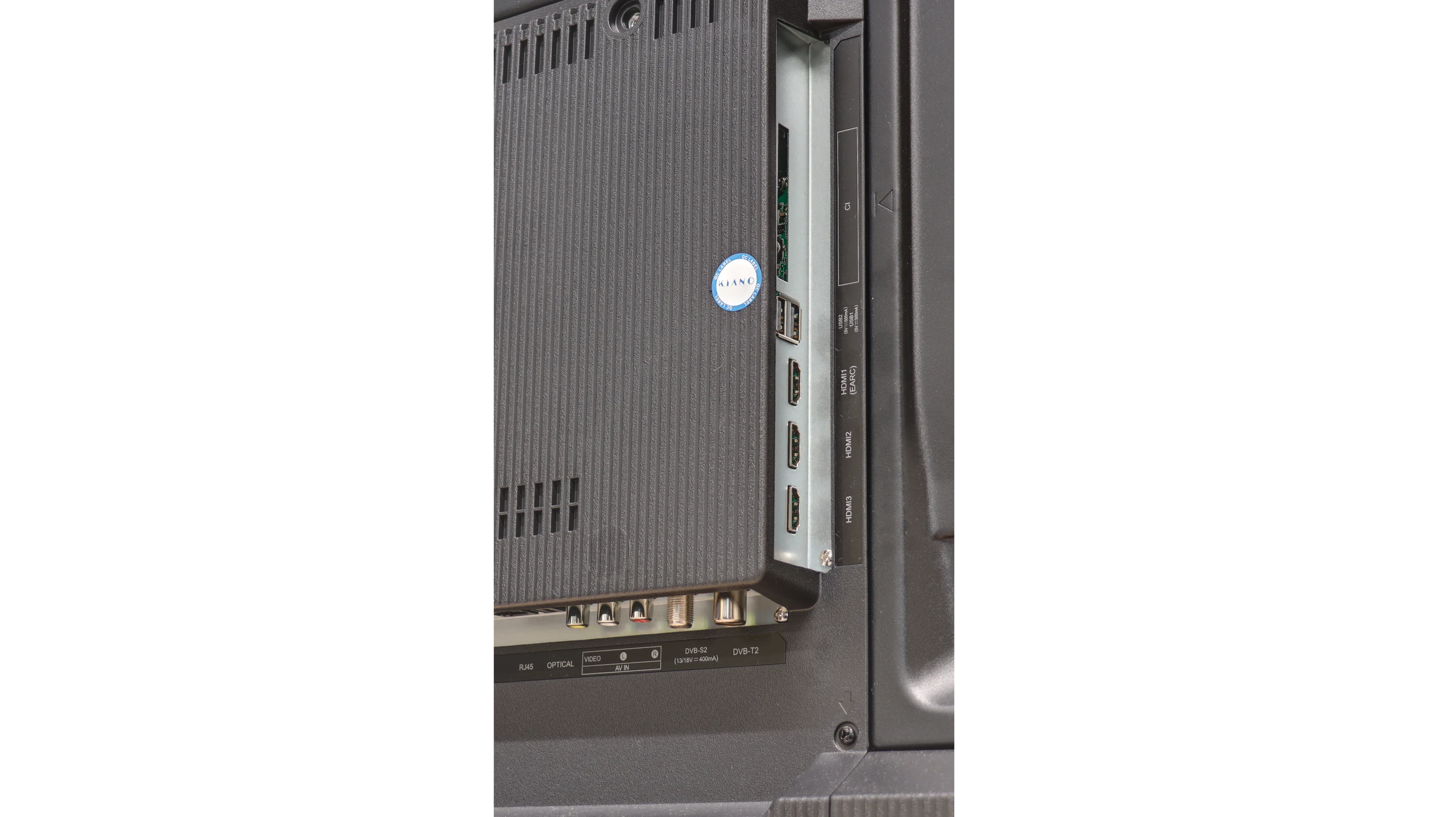
- HDMI inputs3 x HDMI 2.0, 0 x HDMI 2.13 x HDMI 2.0, 0 x HDMI 2.1
- Other inputsRCA (Chinch)
- OutputsSPDIF (Coaxial audio), eARC (HDMI), ARC (HDMI)Toslink (Optical audio), eARC (HDMI), ARC (HDMI)
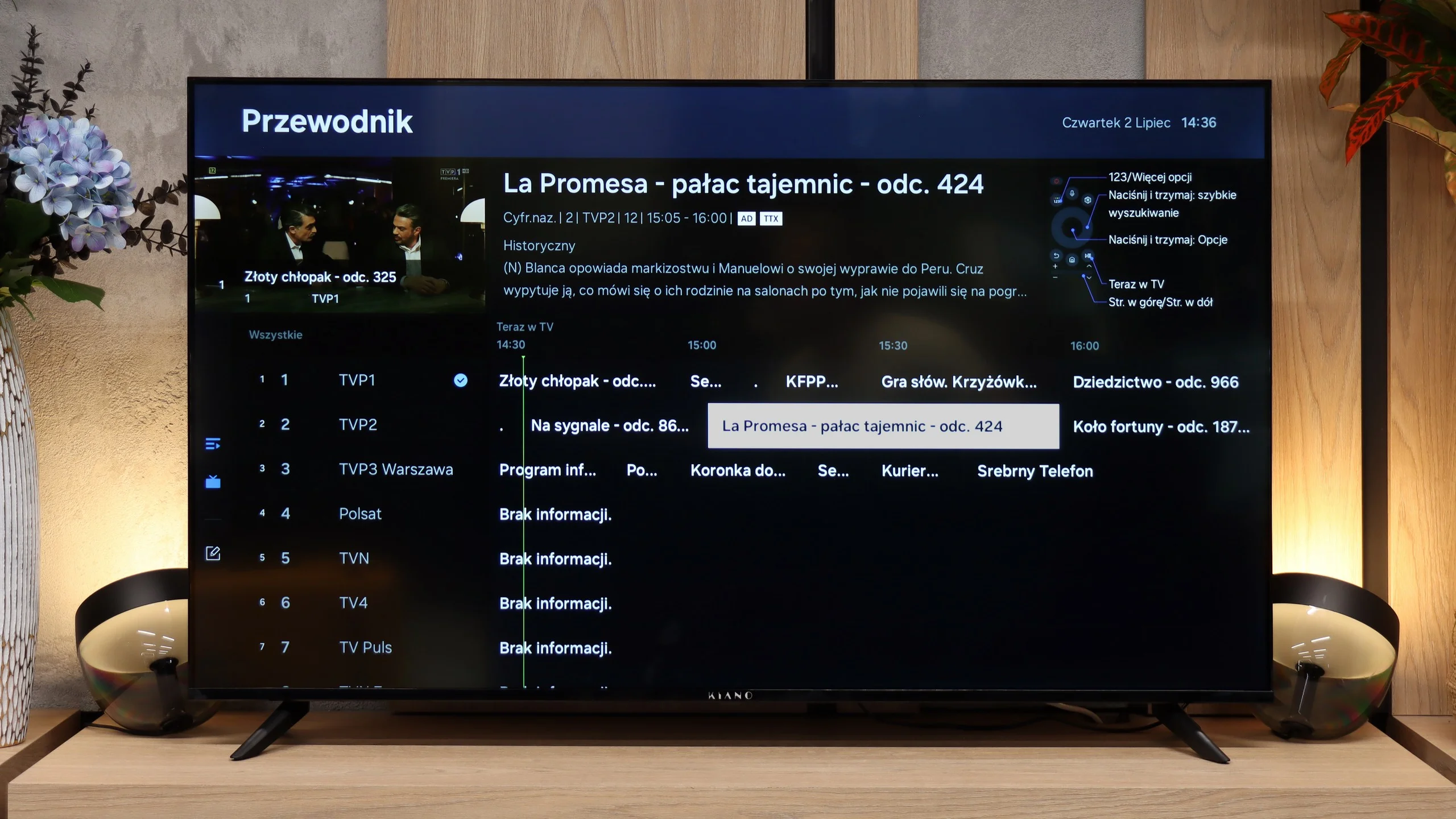
- Network InterfacesWi-Fi 2.4GHz, Wi-Fi 5GHz, Ethernet (LAN) 100MbpsWi-Fi 2.4GHz, Wi-Fi 5GHz, Ethernet (LAN) 100Mbps
- TV receptionDVB-T, DVB-T2, DVB-S, DVB-S2, DVB-CDVB-T, DVB-T2, DVB-S, DVB-S2, DVB-C
Classic features:
- Recording to USB (terrestrial TV)
- Recording programming
- Picture in Picture (PiP)
- RF remote control (no need to aim)
- Backlit remote control
- Teletext
- Audio only mode
- Bluetooth headphones support
- Simultaneous Bluetooth headphones & TV audio
Smart features:
- AirPlay
- Screen mirroring (Windows Miracast)
- Voice search
- Voice search in native language
- Ability to connect a keyboard and mouse
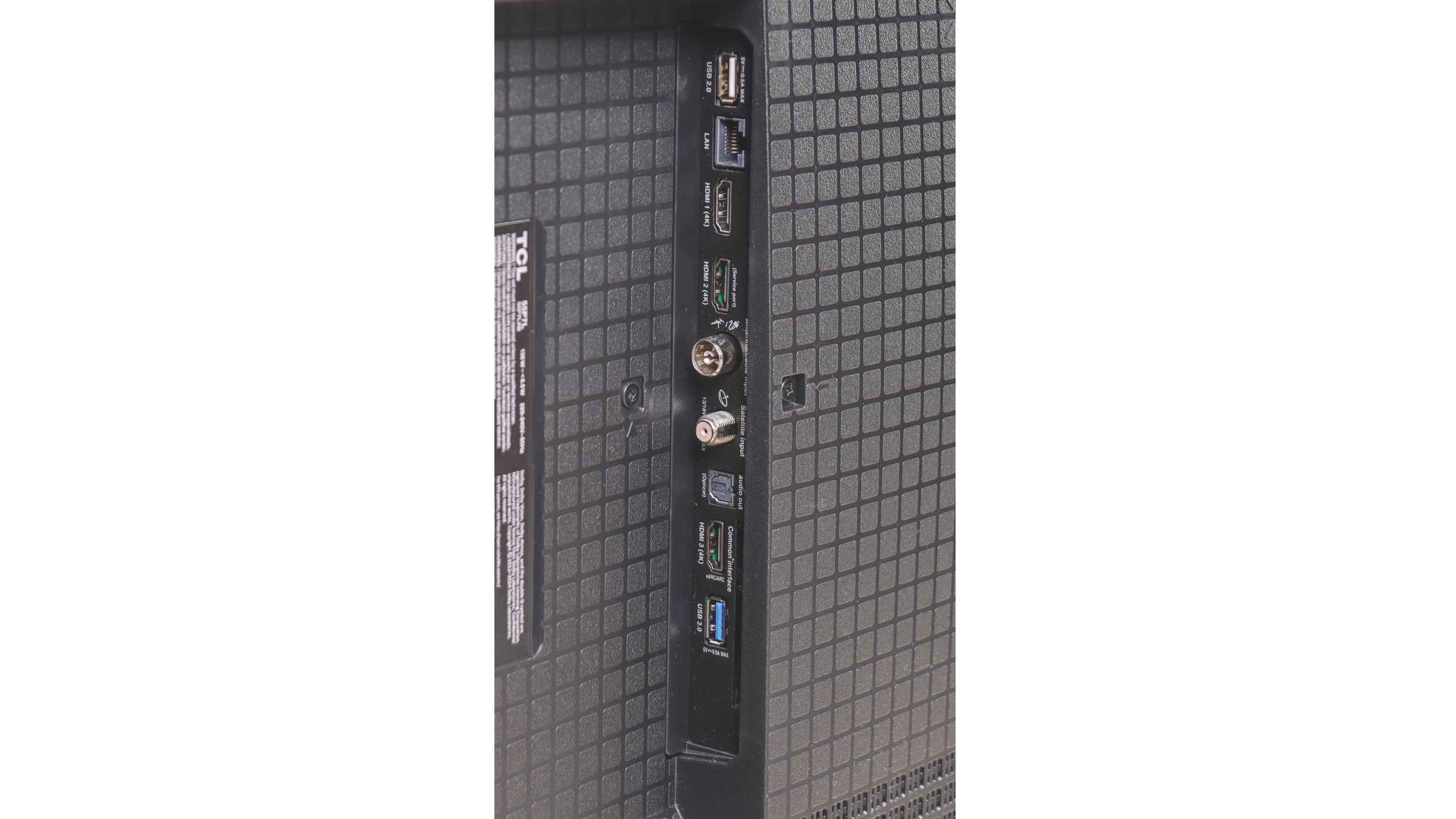
Sound connection options
- HDMI audioeARC (HDMI), ARC (HDMI)eARC (HDMI), ARC (HDMI)
- Other audio outputsAuxiliaryOutput-SPDIF (Coaxial audio)Toslink (Optical audio)
- Wireless audioBluetoothBluetooth
Supported audio formats (external HDMI eARC audio):
- Dolby Digital Plus 7.1
- Dolby True HD 7.1
- Dolby Atmos in Dolby Digital Plus (JOC)
- Dolby Atmos in Dolby True HD
- DTS:X in DTS-HD MA
- DTS-HD Master Audio
Senior accessibility
- Numeric keyboard on TV
- Font size adjustment
- Audio description
Tizen on the Kiano TV
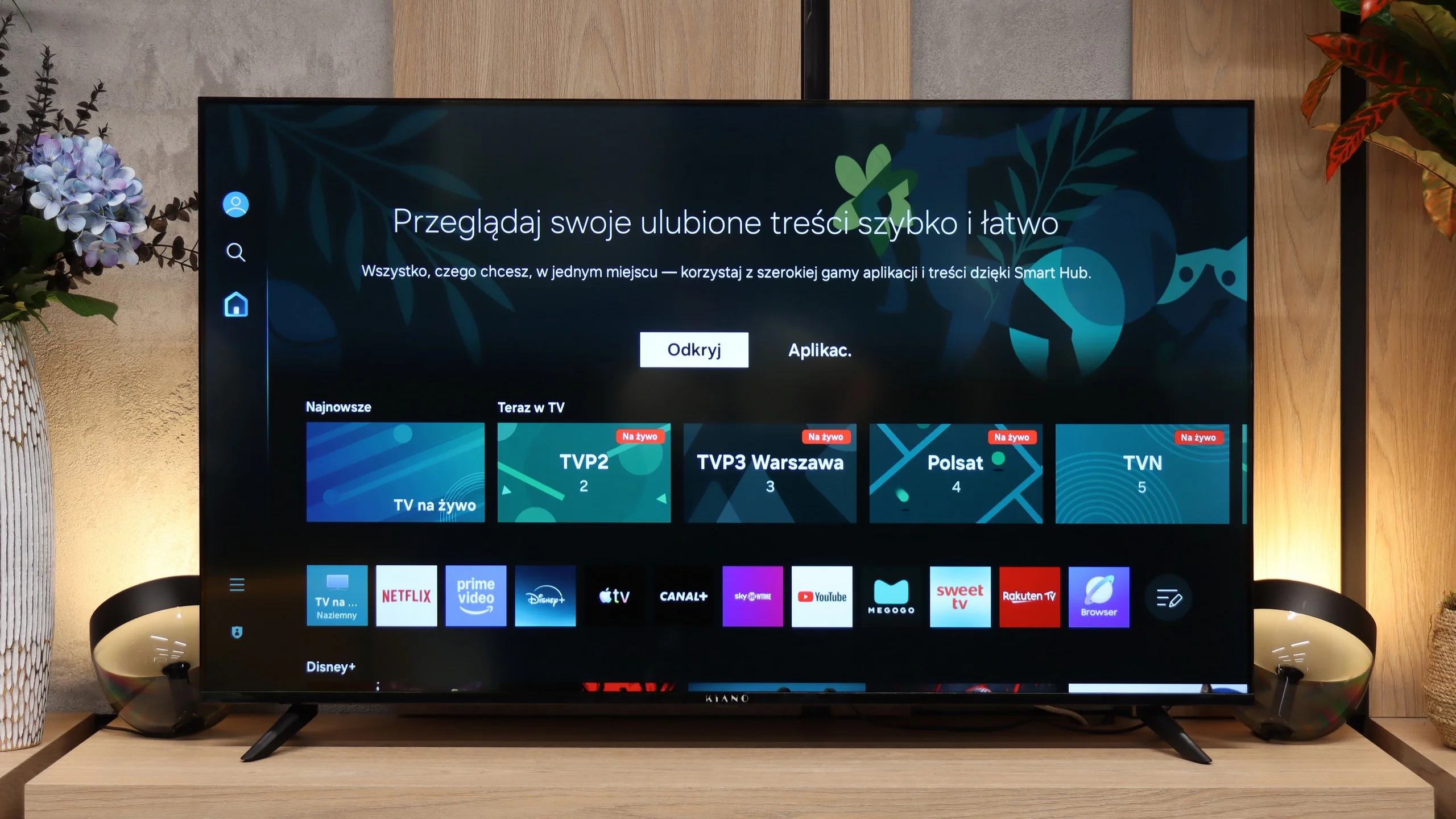
Tizen is one of the main reasons to consider this model. It gives access to many popular apps, so you don't need to buy a streaming stick just to watch series or YouTube. Bear in mind, though, that the same OS doesn't mean the same ease of use as on pricier Samsungs. On the Kiano responsiveness is average and you may have to wait a moment for the menu to react. There's also no voice search, so titles must be entered with the remote. A handy addition is AirPlay and the ability to wirelessly cast the screen from a computer.
Everyday use
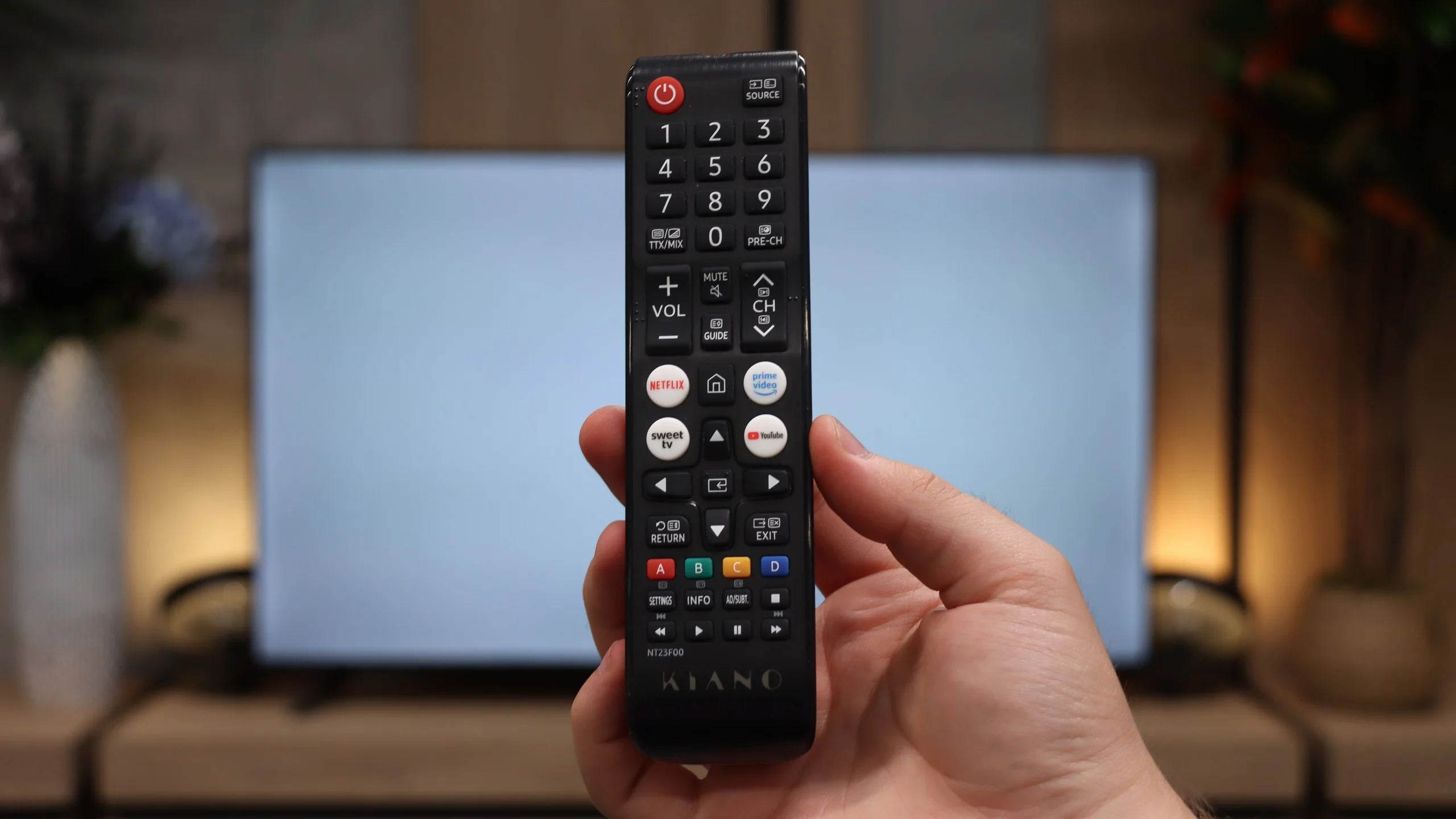
Basic TV functions are in place, but there’s no USB recording or picture-in-picture. The remote works over infrared, so you need to point it at the TV, and its buttons aren’t backlit. A useful feature is the ability to use Bluetooth headphones and the speakers simultaneously. That way one person can listen through headphones (for example a senior) without cutting sound for other household members. For connecting devices there are three HDMI 2.0 inputs, enough for 4K at 60 Hz. You can connect a soundbar via eARC, and an analogue RCA input is retained for older equipment.
Smart TV
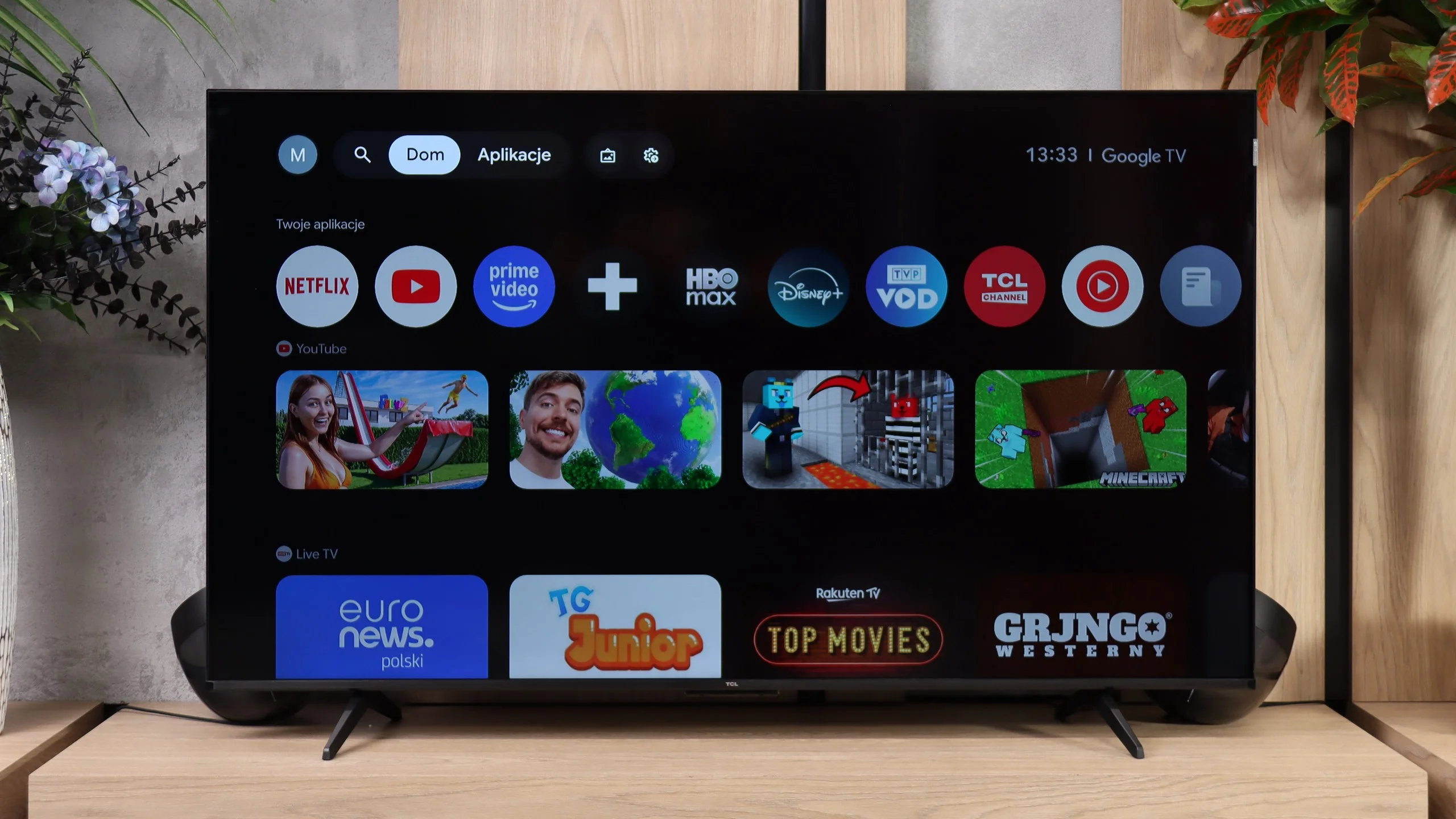
TCL P7L runs on Google TV, and that's definitely one of the model's stronger points. The system gives access to virtually all popular streaming apps, and it also supports AirPlay, screen casting from other devices and voice search, including Polish. The interface itself runs fine. It's not as fast as on pricier TVs, but in everyday use it shouldn't be particularly annoying.
TV features
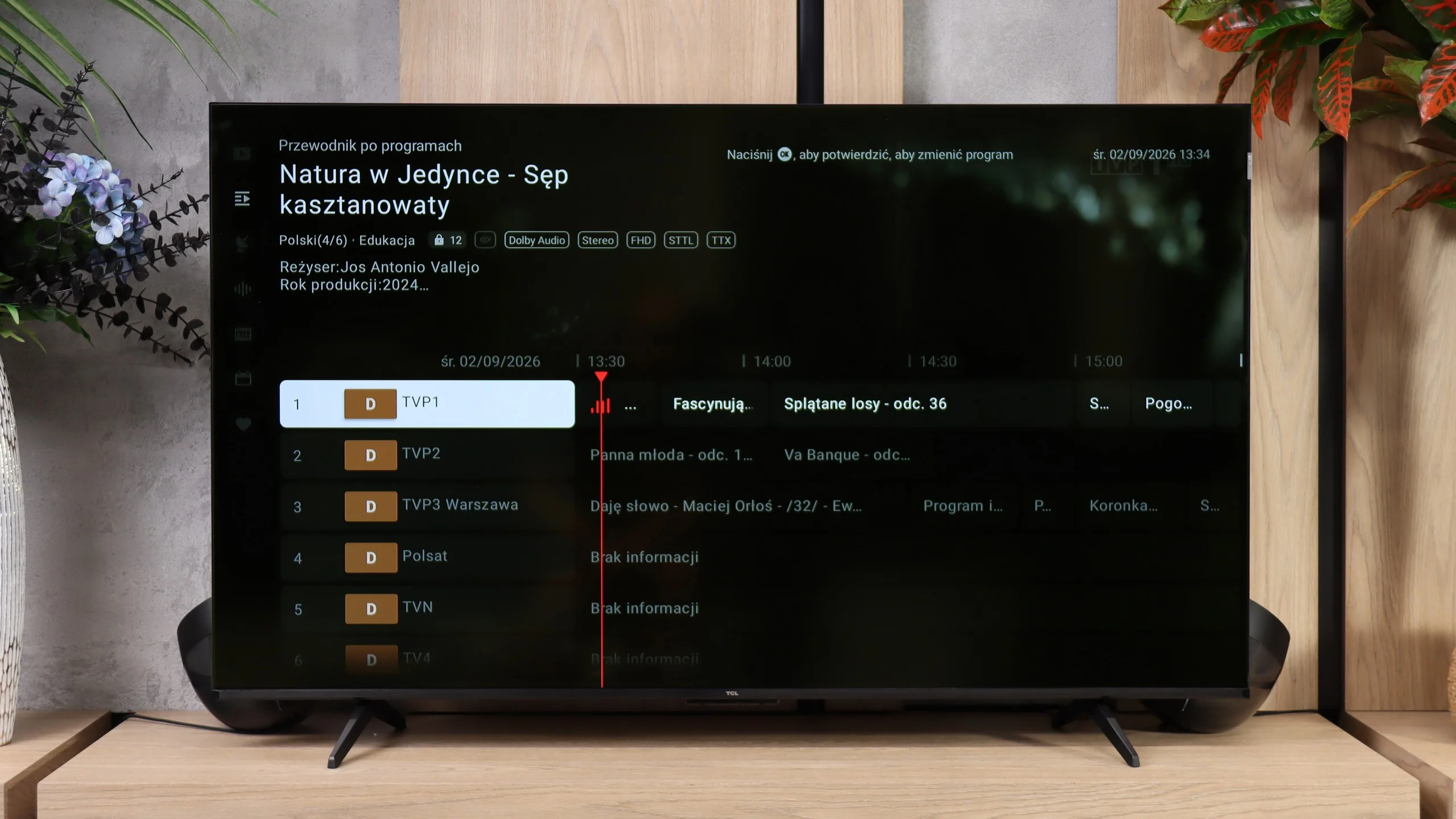
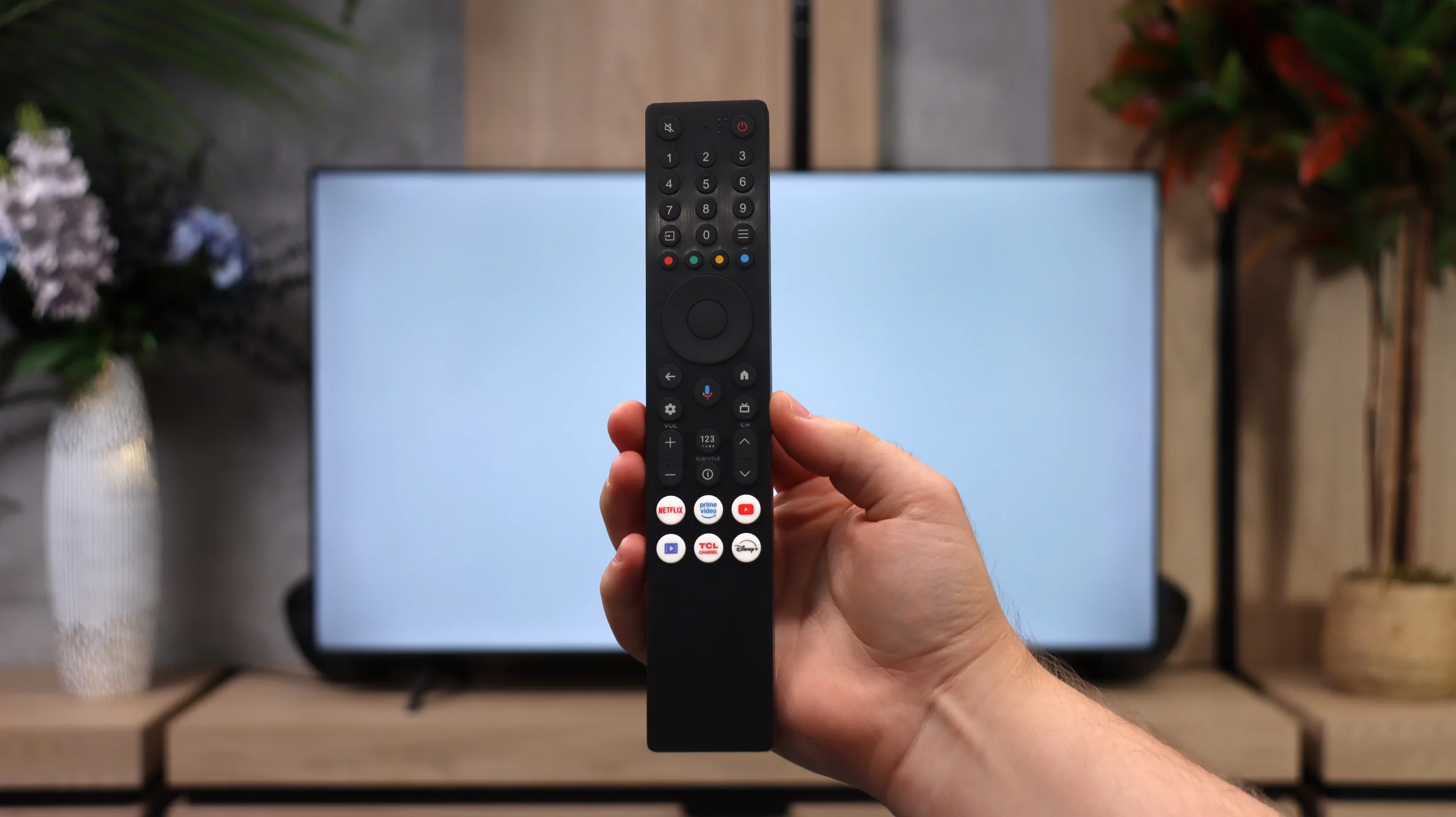
When it comes to more traditional features, the P7L is clearly a more basic TV. There's no USB recording, no scheduled recordings and no picture-in-picture, so people used to those extras on older TVs may miss them. What remains are the basics: teletext, an audio-only mode, support for Bluetooth headphones and the ability to play sound through the TV speakers and headphones at the same time. The remote works over radio, so you don't have to point it directly at the screen, which is simply more convenient in daily use.
Apps
8.8/10
9.6/10






















Playing files from USB
8/10
8.7/10
Supported photo formats:
Maximum photo resolution:
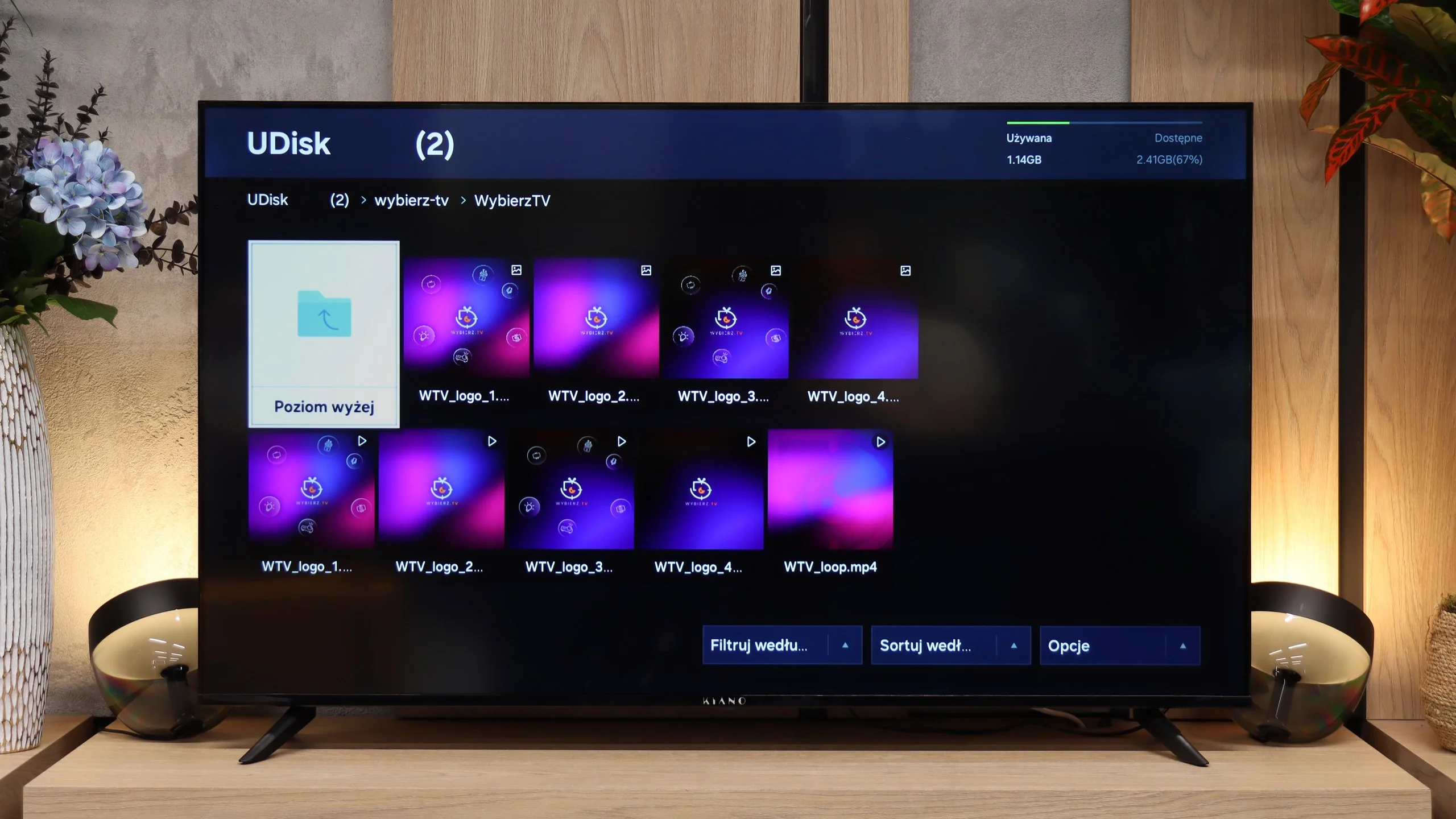
The USB media player in the Kiano Elegance supports most common formats, so playing typical movies, photos or music usually isn’t a problem. However, using it is another story. During testing it had its 'moments of weakness' and could take a very long time to open a single file. Sometimes it took so long you could start to wonder whether the TV was still loading or had frozen. It’s fine for the occasional playback from a USB stick, but browsing a larger collection can require a lot of patience.
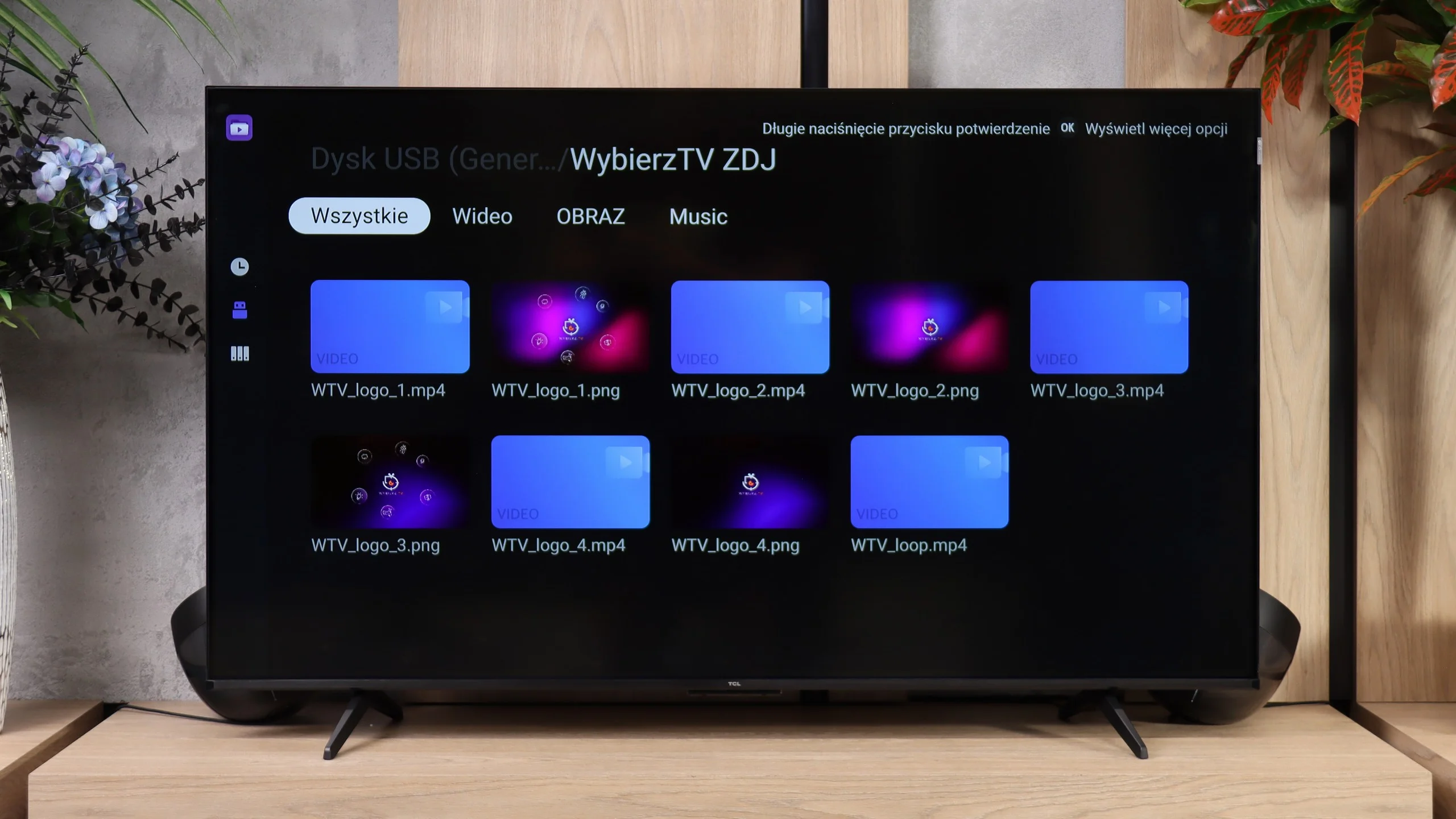
The built-in file player in the TCL P7L performs quite well. The TV handles most common video and subtitle formats and also plays 4K material encoded with newer codecs without any trouble. For occasional viewing of movies from a USB stick or an external drive it is more than enough, and there is little to complain about in that respect. What proved most annoying, however, was photo playback. The P7L did not always open higher-resolution files correctly and was rather selective, with some large photos working and others not. So if you plan to frequently browse photos from your camera or phone on the TV, it’s worth keeping that in mind.
Sound
3.6/10
6.2/10
- Maximum volume88dB89dB
- Dolby Digital Plus 7.1
- Dolby True HD 7.1
- Dolby Atmos in Dolby Digital Plus (JOC)
- Dolby Atmos in Dolby True HD
- DTS:X in DTS-HD MA
- DTS-HD Master Audio
Sound is one of the weaker points of the Kiano Elegance. The TV can play fairly loudly; we measured 88 dB, but volume doesn't translate into sound quality. For regular programme viewing you can stick with the built-in speakers, however for films or music it's worth budgeting for a separate sound system. Connecting a soundbar via HDMI eARC should not be a problem. The TV also supports Dolby Atmos via Dolby Digital Plus, but it won't play Dolby TrueHD or DTS-HD tracks.
The sound on the TCL P7L is fairly conventional for a budget TV. The speakers can get quite loud and dialogue is clear, but they lack depth and, above all, bass. For regular TV, YouTube or news, that setup is perfectly adequate, but in films and music you quickly notice the sound is fairly flat and thin. On the plus side, it supports a wide range of formats, including Dolby Atmos and DTS. However, the TV itself can’t create a full spatial effect from those formats, so if you want stronger sound, especially in the low end, a soundbar will be a much better choice.
Sound Quality Test
Acoustic Measurements
88dBC (Max)
75dBC
89dBC (Max)
75dBC
Reader comments
Comments are provided by the external service Disqus (Zeta Global). Once loaded, Disqus may set cookies and process data about your activity.
We will remember your choice on this device. Provider's privacy policy