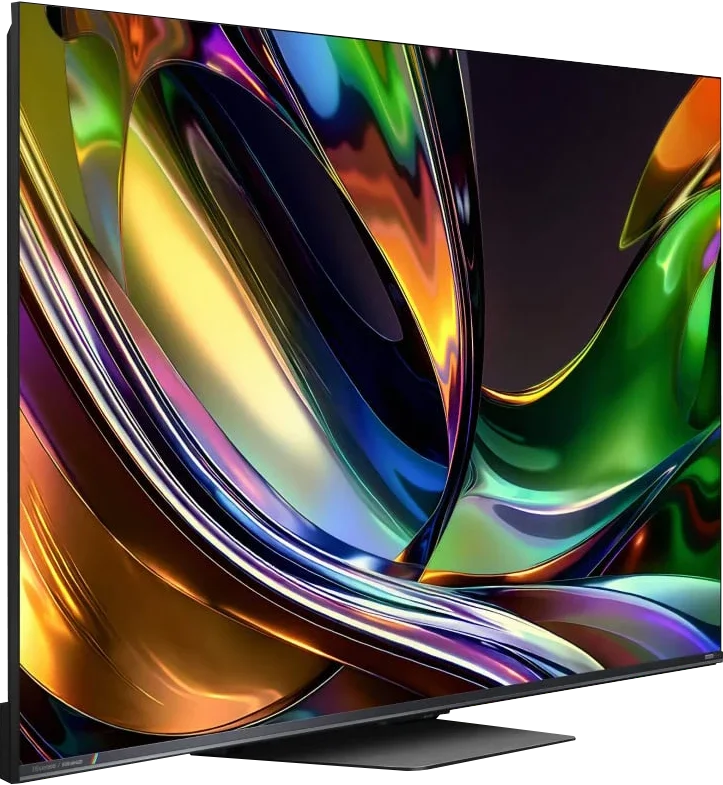
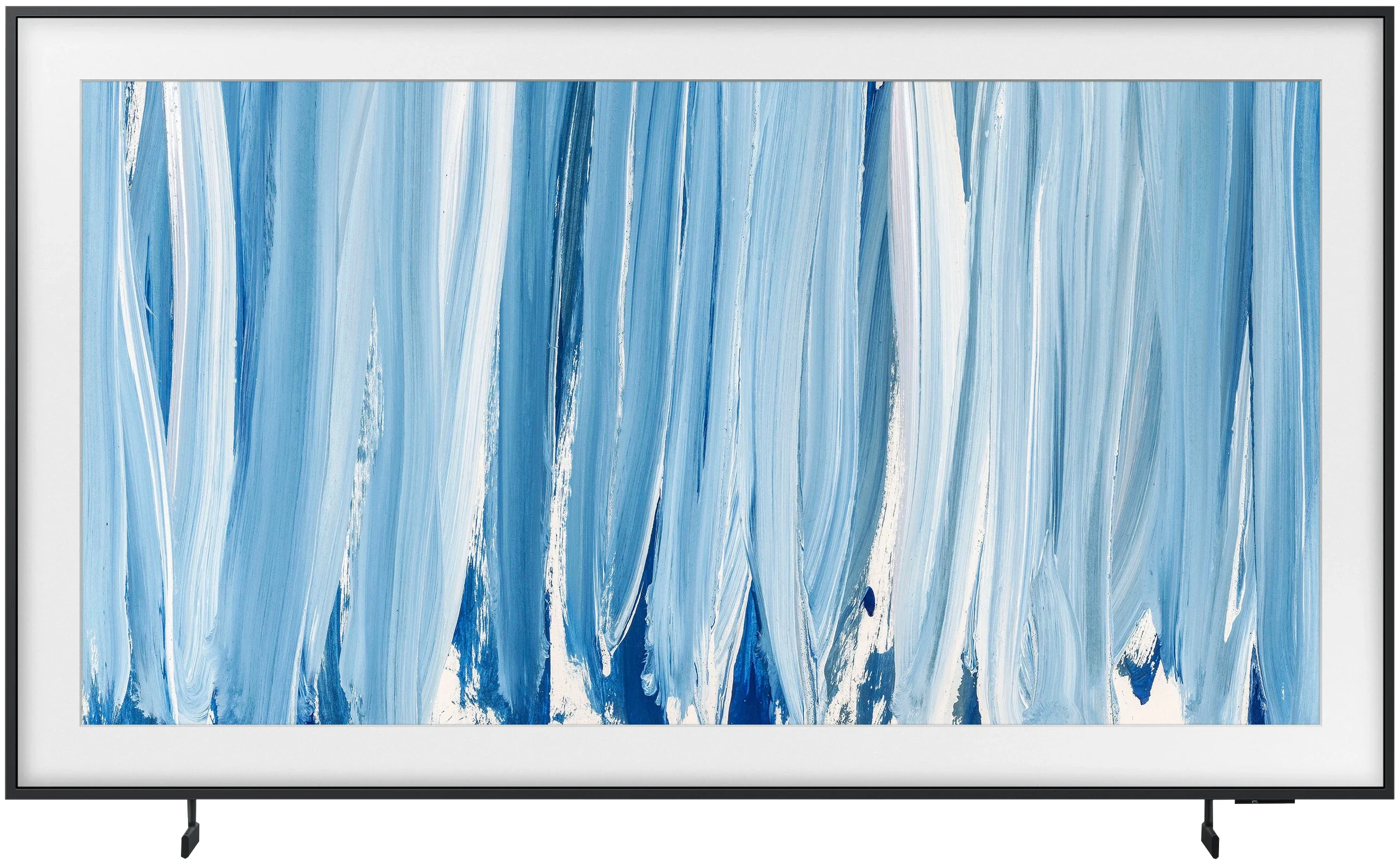
Hisense UR8S vs Samsung The Frame Pro 2026 (LS03HW)

Direct comparison

The Frame Pro / LS03HW

Info

Available screen sizes: 55”65”75”85”100”

Available screen sizes: 55”65”75”85”

Review Hisense UR8S Main photo
Review Samsung The Frame Pro 2026 (LS03HW) Main photo

Panel type: LCD VA

Resolution: 3840x2160

System: VIDAA

Model year: 2026

Complete the survey to find out the result

Panel type: LCD VA

Resolution: 3840x2160

System: Tizen

Model year: 2026

Complete the survey to find out the result

Overall rating

8.2

7.3

  • Movies and series in UHD quality

    7.4

    6.8

  • Classic TV, YouTube

    7.6

    6.5

  • Sports broadcasts (TV and apps)

    7.4

    6.9

  • Gaming on console

    8.4

    8.9

  • TV as a computer monitor

    8.5

    8.4

  • Watching in bright light

    9.5

    6.5

  • Utility functions

    9.4

    7.7

  • Apps

    8.3

    9.3

  • Sound quality

    7.8

    6.4

Advantages

  • Very high contrast and deep blacks

  • High peak brightness

  • Potentially wider colour gamut thanks to RGB backlighting

  • Excellent image processing and upscaling

  • Panel with refresh rate up to 180 Hz

  • Very good gaming performance

  • Good viewing angles for a Mini-LED LCD

  • Matte finish and great performance in daylight

  • Fast VIDAA and lots of user features

  • Support for Dolby Vision, HDR10+, Dolby Atmos and DTS

  • On-wall picture styling: interchangeable frames

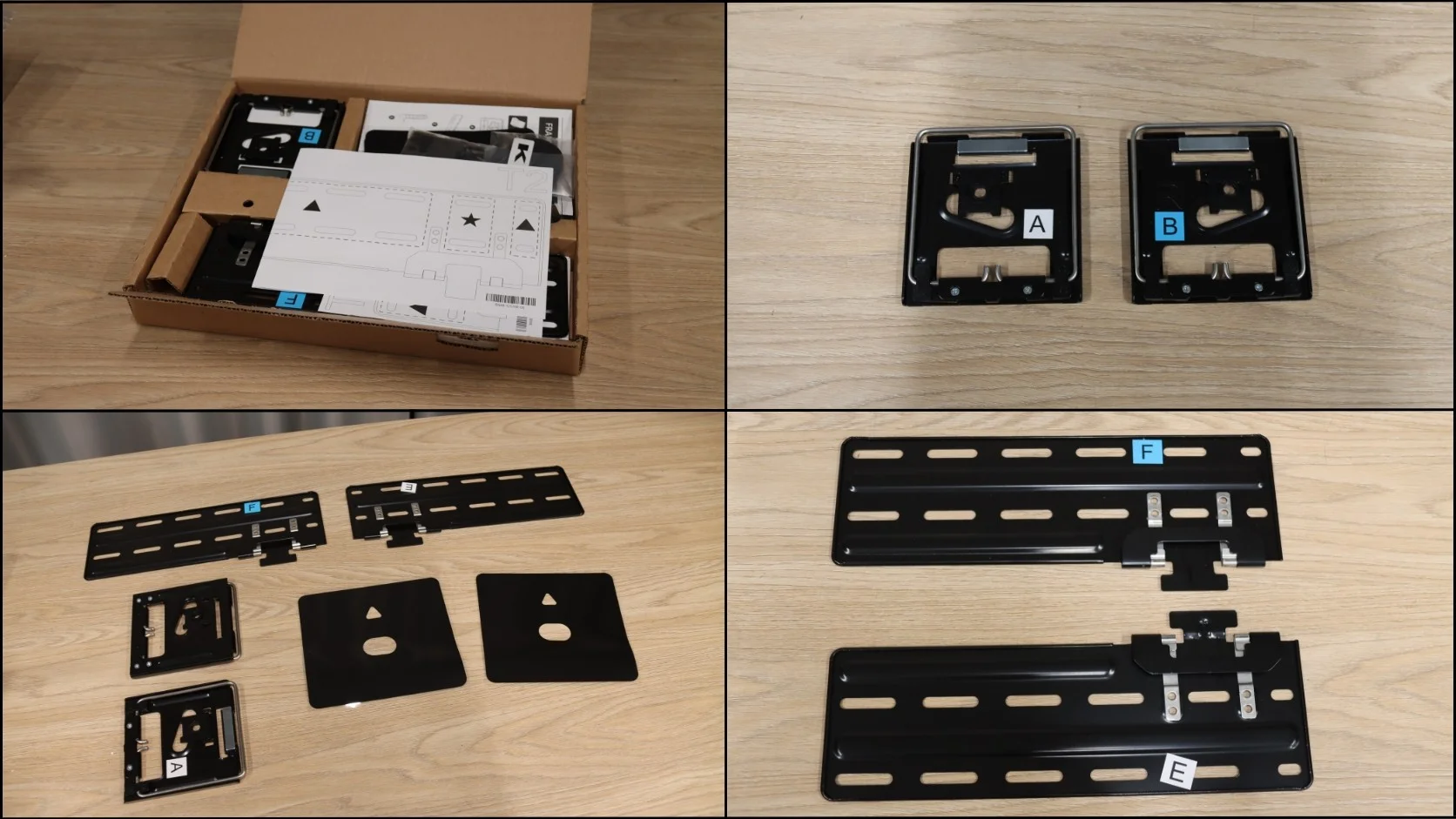
  • Well equipped: wall mount and Wiralles One Connect included

  • Art Store: the best artwork scans on the market

  • Matte screen finish: no reflections

  • High brightness 850–900 nits

  • Wide colour gamut (QLED)

  • Many gaming features: VRR, ALLM, refresh rate up to 240 Hz, Game Motion Plus

  • Smooth, sharp motion: relatively low motion blur for a VA panel

  • Tizen operating system, rich in modern features

Disadvantages

No like
  • The full potential of RGB Mini-LED isn't always realised in films

  • HDR brightness can deviate from the filmmakers' vision

  • Lack of proper HGiG implementation

  • The VIDAA system is still missing a few apps

  • Poor black levels for a "Neo QLED" screen (edge-lit)

  • Art Store requires a monthly subscription (you can work around this by uploading your own photos 😉)

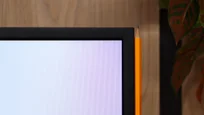
  • Poor viewing angles (they could be better to improve the on-wall picture effect)

  • High input lag when using the Wireless One Connect wireless module

Our verdict

The Hisense UR8S is above all a very versatile, higher-end TV that in most situations simply performs well or very well. It's not a model aimed only at cinema, gaming or watching in a bright living room. Its biggest advantage is that it can combine all those uses in a single set and doesn't have any one obvious weak point. In terms of picture, the UR8S has a lot to offer. Contrast is high, HDR can look very impressive, and the brightness level is more than enough for daytime viewing. Add very good image processing and smooth motion handling. RGB Mini-LED also gives it a very wide colour palette and it's clear this technology has a lot of potential. However, remember it doesn't completely change the character of an LCD TV. In tougher scenes you can still see the limits of local dimming, and very high colour saturation isn't always maintained to the same degree as on simple test patterns.

A major strength of the UR8S is, first and foremost, its everyday usability. The TV works well for sport, is very suitable for gaming, and the high brightness and matte finish make a big difference in a bright room. On top of that, the VIDAA system runs quickly, and Hisense has kept many features that remain useful for normal TV use. That's why we see the UR8S primarily as a TV for people who want one solid screen for everything. RGB Mini-LED is an interesting extra and provides some real benefits, but the technology itself isn't the only reason this model performs well. What really sells it is that it's complete, well equipped and highly versatile.
The Frame Pro 2026 makes the most sense when you want a TV that looks good in the living room and isn’t just another large black slab on the wall. And here Samsung still does something most manufacturers can’t match. Flush mounting, interchangeable bezels, Art Mode, a matte finish and the wireless One Connect mean that when The Frame Pro is hung correctly it can really look more like a piece of decor than AV equipment. In our view, it’s the best-executed TV of this kind on the market. Importantly, you don’t entirely pay for the looks with everyday performance. The Frame Pro is bright, the matte finish handles reflections very well, so it works really well in a brightly lit living room. Colors are vivid, motion is handled very well, and there are surprisingly many gamer-friendly features for a TV that’s primarily meant to “look better.” More questions arise when you consider the “Pro” badge and the fact it’s labelled as a Neo QLED screen. From that you might expect a large jump in picture quality over the regular The Frame, but in practice it isn’t that big. The TV uses Mini-LED backlighting and local dimming, but the zones are located at the edges of the screen. That’s a completely different approach than in more advanced Mini-LEDs, where the backlight works across the whole panel. That isn’t a major issue in bright, colorful scenes. It becomes more noticeable in the evening, especially in films with many dark scenes. Then you can see that black levels and backlight control are clearly weaker than in the best Mini-LED TVs. This is where it becomes most clear that “Pro” doesn’t mean top-tier picture quality in this case. An interesting alternative is the Samsung S99H. It has a strong design focus, but in terms of picture it really goes further. Of course it also costs significantly more, so it’s not a direct replacement but rather an option for someone who wants to combine both worlds with fewer compromises. So is it worth buying The Frame Pro 2026? We think yes, but only if you know what you’re paying for. The TV’s biggest strengths are its looks, Art Mode, very good performance in a bright living room, and the wireless One Connect. If that’s what you’re looking for, The Frame Pro is a very appealing option. If the main reason to pay extra is significantly better picture quality, we’re less convinced. It’s simply a better, more refined The Frame, not a full-fledged rival to the best Mini-LEDs.

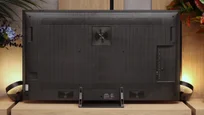
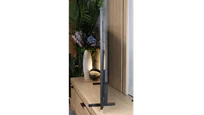
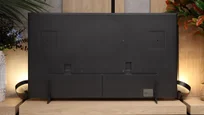
TV appearance

HDMI inputs
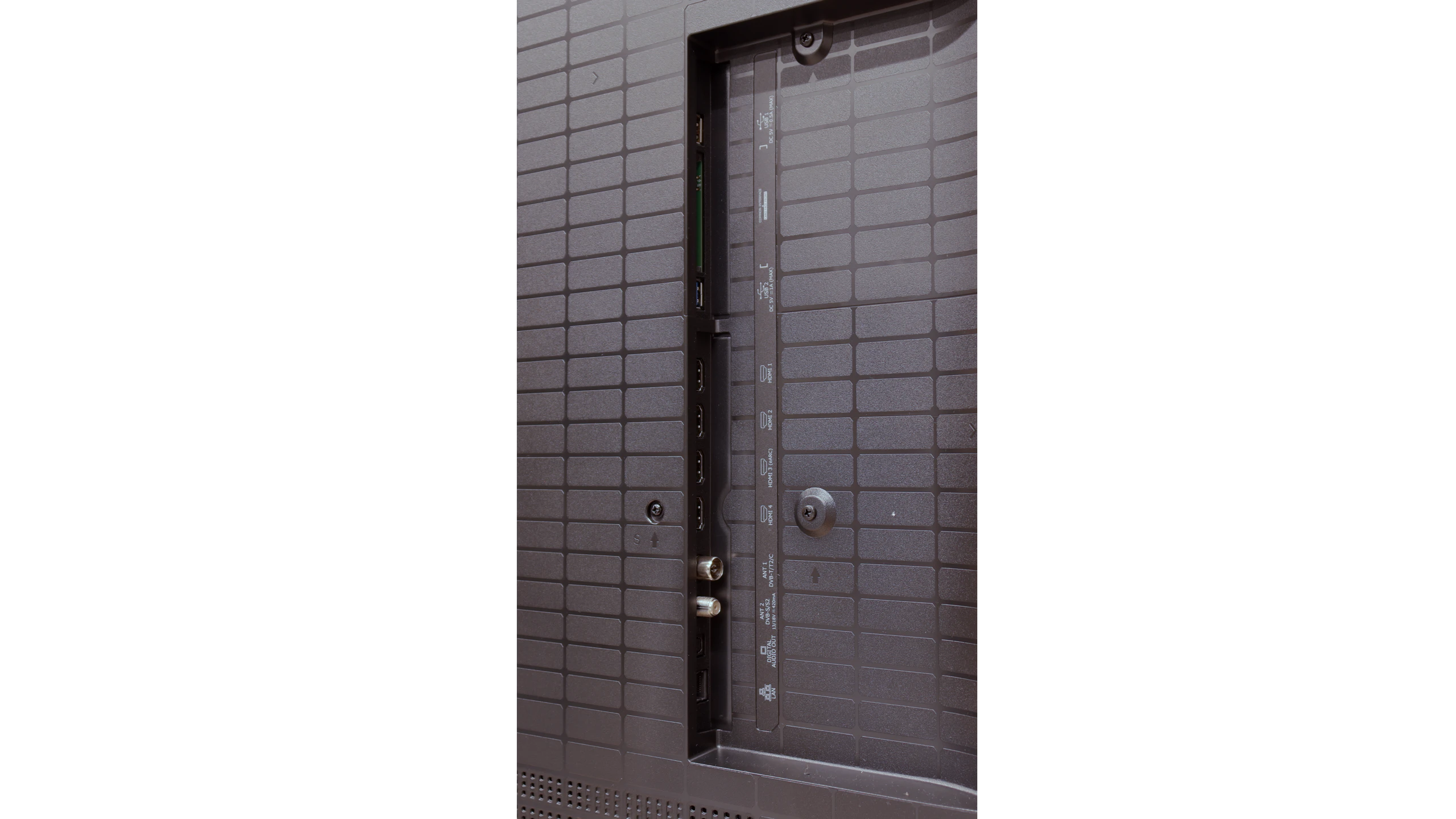
0 x HDMI 2.0, 4 x HDMI 2.1 (48Gbps)
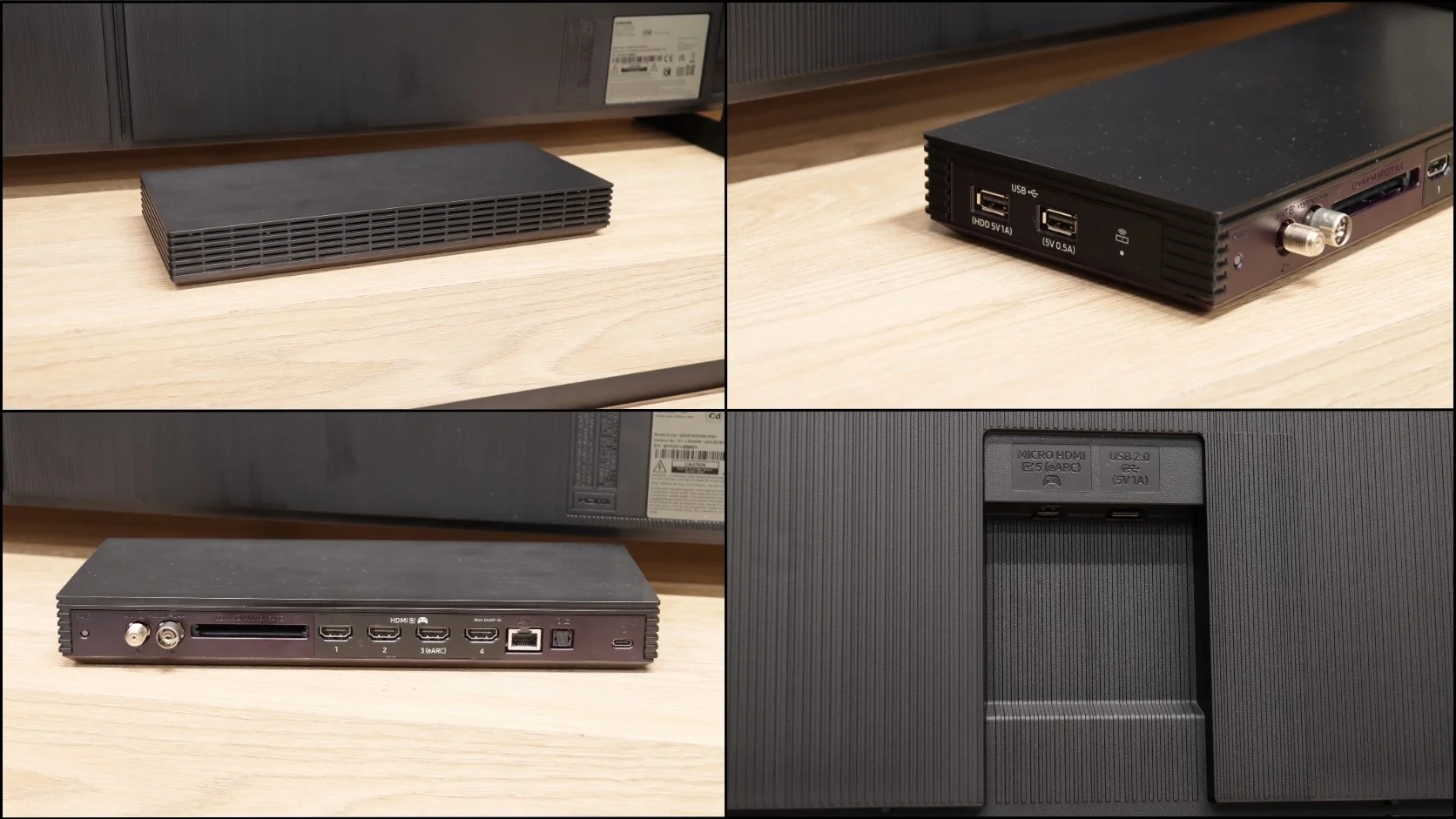
0 x HDMI 2.0, 5 x HDMI 2.1 (48Gbps)
Other inputs
USB-C, Micro-HDMI
Outputs
Toslink (Optical audio), eARC (HDMI), ARC (HDMI)
Network Interfaces
Wi-Fi 2.4GHz, Wi-Fi 5GHz, Ethernet (LAN) 100Mbps
Build quality
Good
Premium
Stand type
Central
Legs
Bezel color
Graphite
Graphite
Stand
Height adjustment
Height adjustment
Flat design
No
Yes
Accessories
Stand
Stand, Wall bracket, One Connect Box

Contrast and black detail

8/10

5.3/10

Local dimming function: Yes, number of zones: 936 (26 x 36)

Local dimming function: Yes, number of zones: 24 (1 x 24)

Contrast:

Review Hisense UR8S Contrast and black detail

Result

267,450:1

Review Hisense UR8S Contrast and black detail

Result

48,550:1

Review Hisense UR8S Contrast and black detail

Result

19,450:1

Review Hisense UR8S Contrast and black detail

Result

14,850:1

Review Hisense UR8S Contrast and black detail

Result

10,800:1

Review Samsung The Frame Pro 2026 (LS03HW) Contrast and black detail

Result

5,400:1

Review Samsung The Frame Pro 2026 (LS03HW) Contrast and black detail

Result

3,250:1

Review Samsung The Frame Pro 2026 (LS03HW) Contrast and black detail

Result

3,900:1

Review Samsung The Frame Pro 2026 (LS03HW) Contrast and black detail

Result

3,750:1

Review Samsung The Frame Pro 2026 (LS03HW) Contrast and black detail

Result

3,900:1

Halo effect and black detail visibility:

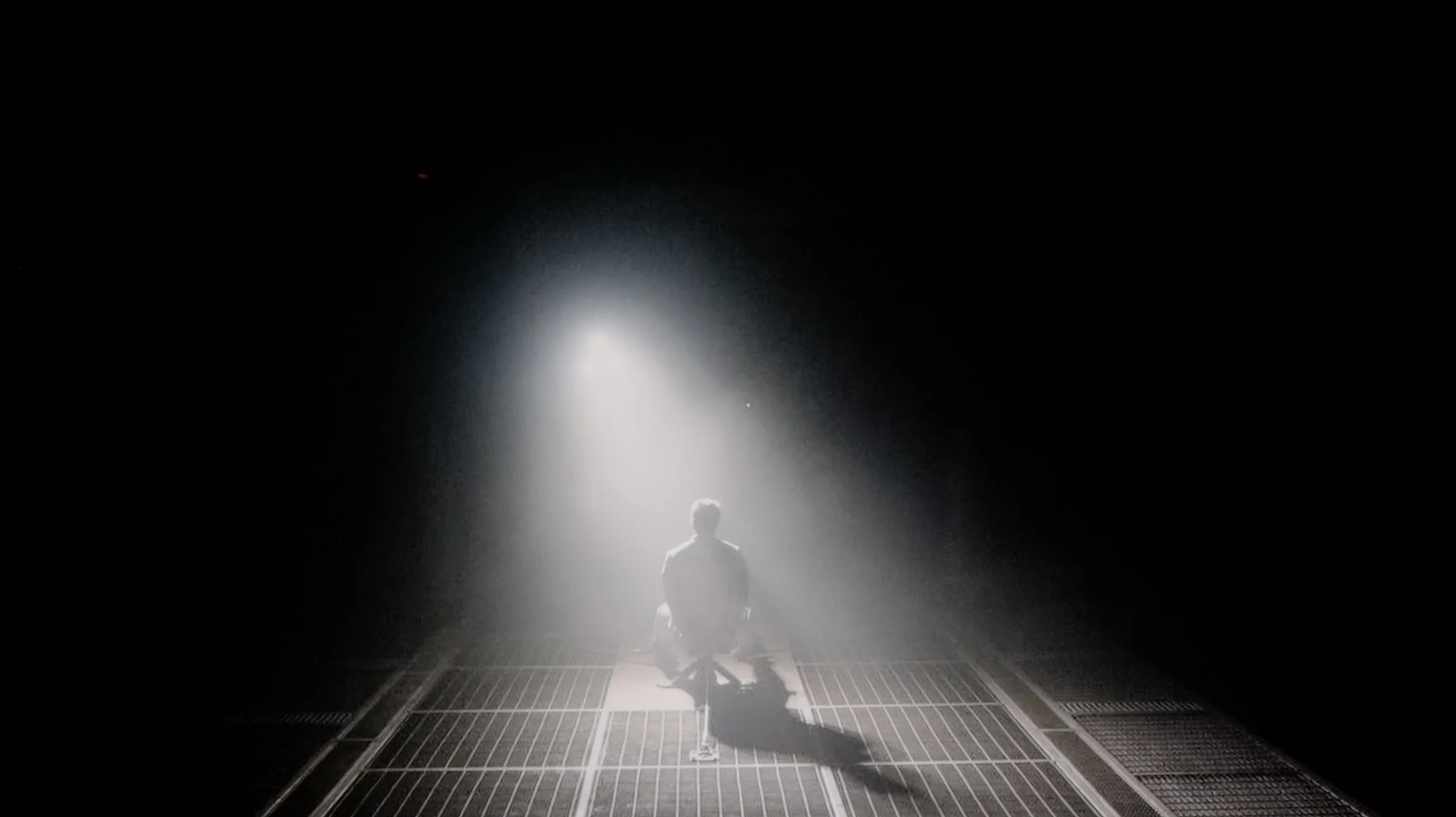
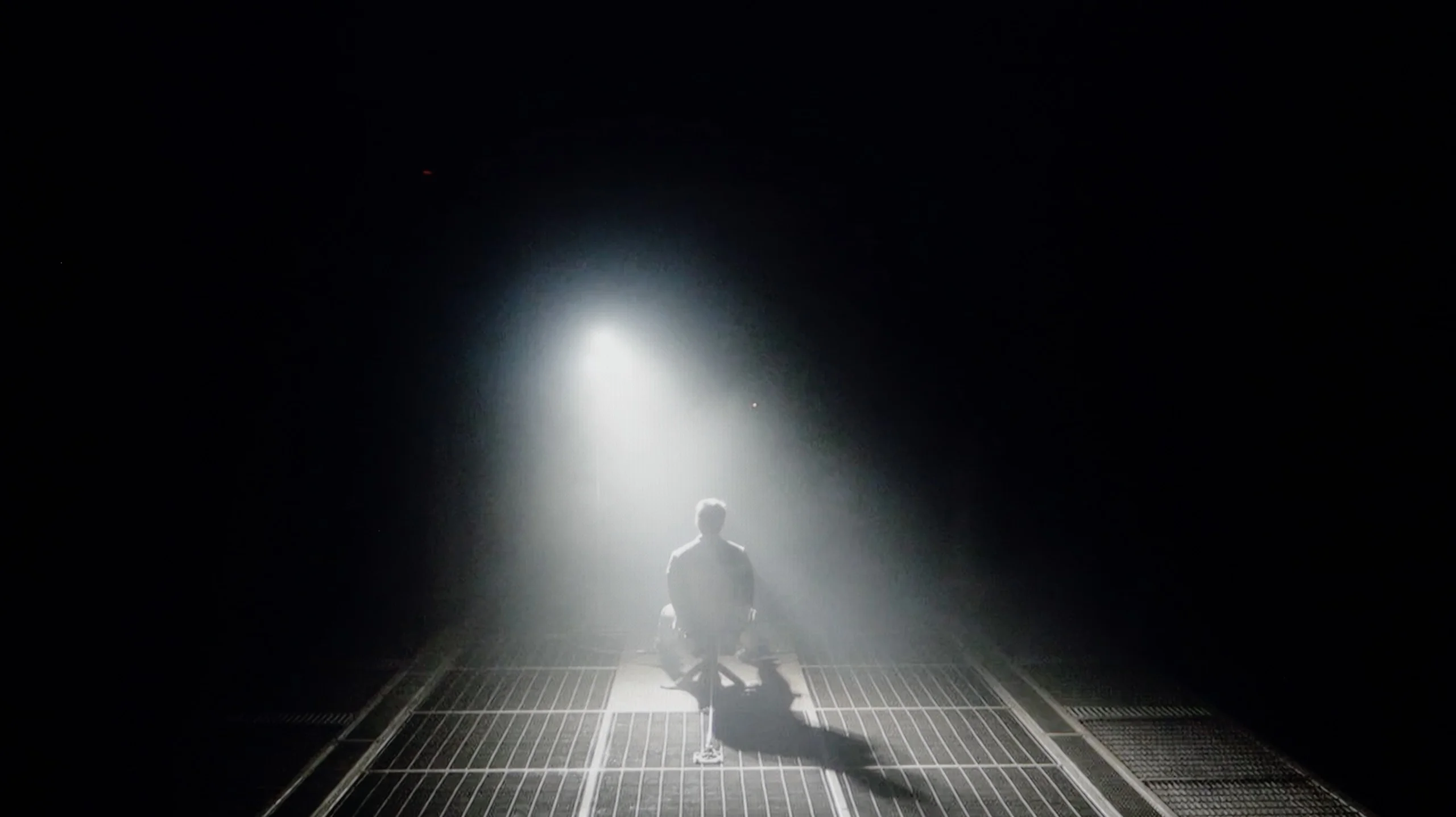
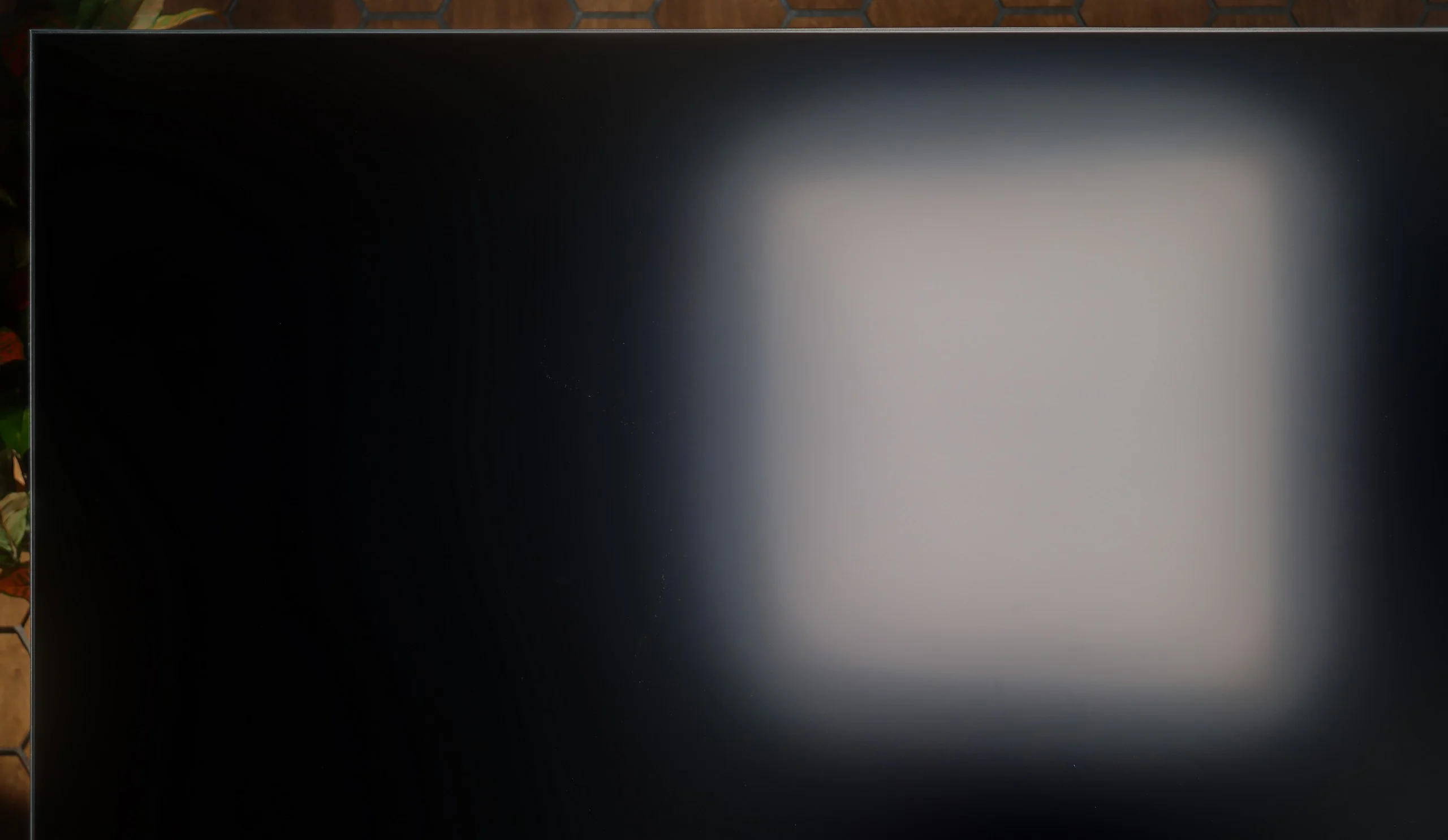
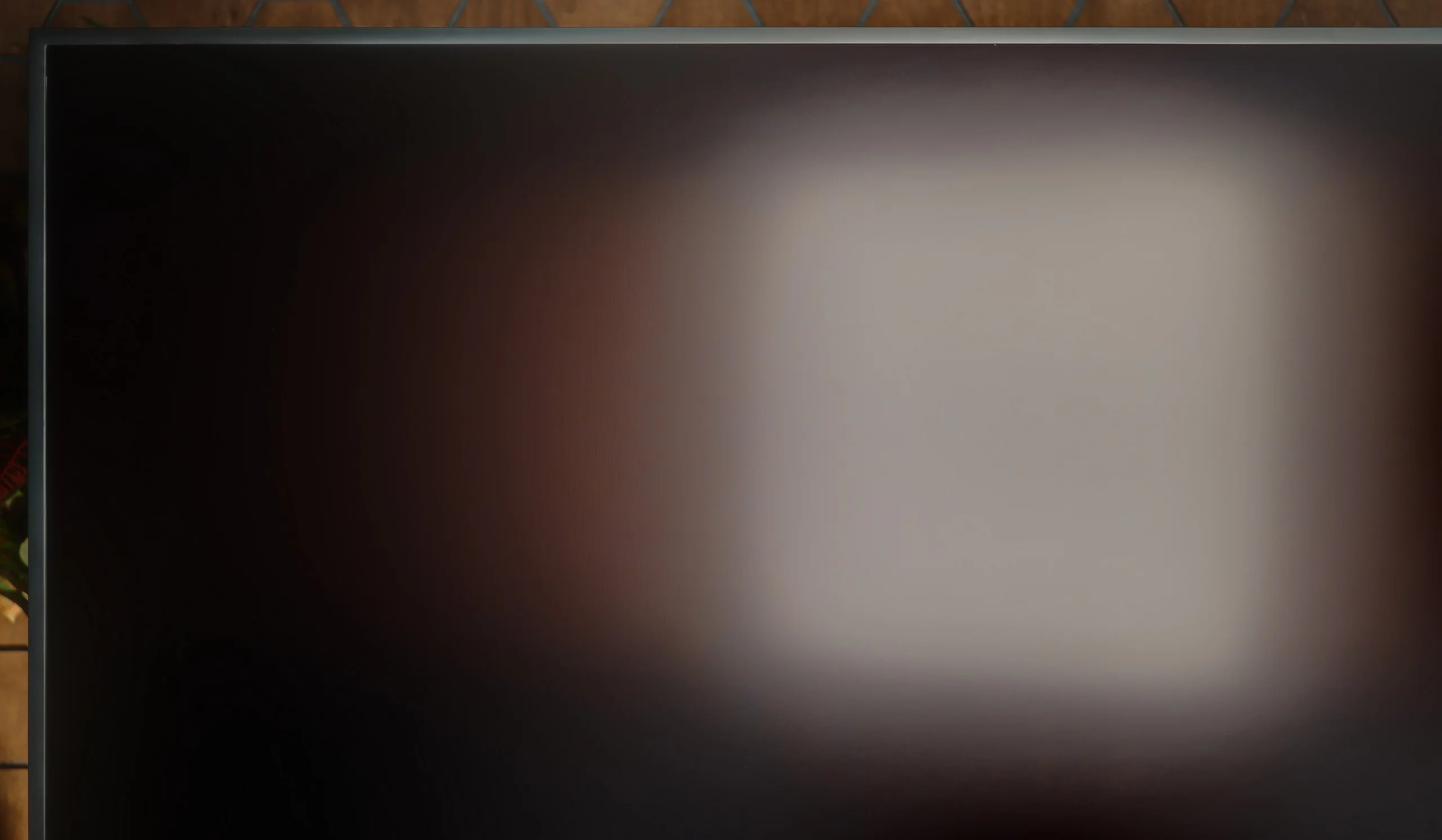
Check the visibility of bright lights on a dark background. Mini-LEDs often struggle with this. The photo does not compare black levels – that’s what the video below is for.

The video accurately shows differences in contrast and black levels between TVs, as well as potential issues: halo around bright objects or Mini-LED zone operation visible as brightness jumps.

We tested the Hisense UR8S in the 65-inch size, and this variant uses a VA panel, so the native contrast is already very good and reaches much higher values than IPS panels. The most important thing, though, is the local dimming. In our unit we counted 936 local dimming zones, and you can clearly see they can significantly help in dark scenes. In films where much of the screen is black, the UR8S performs really well. Blacks are deep, black letterbox bars don't glow navy-blue, and in some shots the effect can even slightly resemble OLED. Of course only slightly, because the difference is still noticeable. You notice it most easily with small, bright elements on a black background. Then a slight halo can appear around the object. It's not large and during normal viewing it shouldn't be very distracting, but it shows we're still dealing with a TV with 936 zones, not a display that can switch off every pixel individually.
The Frame Pro formally belongs to the Neo QLED family, so it uses Mini-LED backlighting. Except this isn't the same kind of Mini-LED we know from most TVs in that series. Instead of a large number of zones placed behind the panel, it only has a single row of zones at the edge. In practice it's an edge-lit design that simply uses smaller LEDs. Unfortunately that's quite quickly visible in blacks. There's just not enough local dimming here for the TV to handle more demanding scenes well. In our measurements contrast most often fell in the range of 3,000–5,000:1, so it's hard to speak of the level you'd expect from more advanced Mini-LEDs. You see it most when single bright elements appear on a dark background. A larger part of the image lights up with them, which makes blacks look noticeably shallower, almost navy. The Sicario 2 scene illustrates this well. Because of that placement of the zones, the TV simply doesn't have the precision to show it any other way. The Frame Pro uses Mini-LED, but its black performance is much closer to simpler designs. It's a bit of a shame, because this is the element we complained about most last year.

HDR effect quality

6/10

6/10

Supported formats
HDR10, HDR10+, Dolby Vision, Dolby Vision IQ, HLG
HDR10, HDR10+, HLG
Color gamut coverage
DCI P3: 100.0%, BT.2020: 94.6%
DCI P3: 95.0%, BT.2020: 71.8%

Luminance measurements in HDR:

Review Hisense UR8S Brightness measurement

Result

1241 nit

Review Hisense UR8S Brightness measurement

Result

269 nit

Review Hisense UR8S Brightness measurement

Result

594 nit

Review Hisense UR8S Brightness measurement

Result

188 nit

Review Hisense UR8S Brightness measurement

Result

1452 nit

Review Samsung The Frame Pro 2026 (LS03HW) Brightness measurement

Result

834 nit

Review Samsung The Frame Pro 2026 (LS03HW) Brightness measurement

Result

536 nit

Review Samsung The Frame Pro 2026 (LS03HW) Brightness measurement

Result

545 nit

Review Samsung The Frame Pro 2026 (LS03HW) Brightness measurement

Result

460 nit

Review Samsung The Frame Pro 2026 (LS03HW) Brightness measurement

Result

668 nit

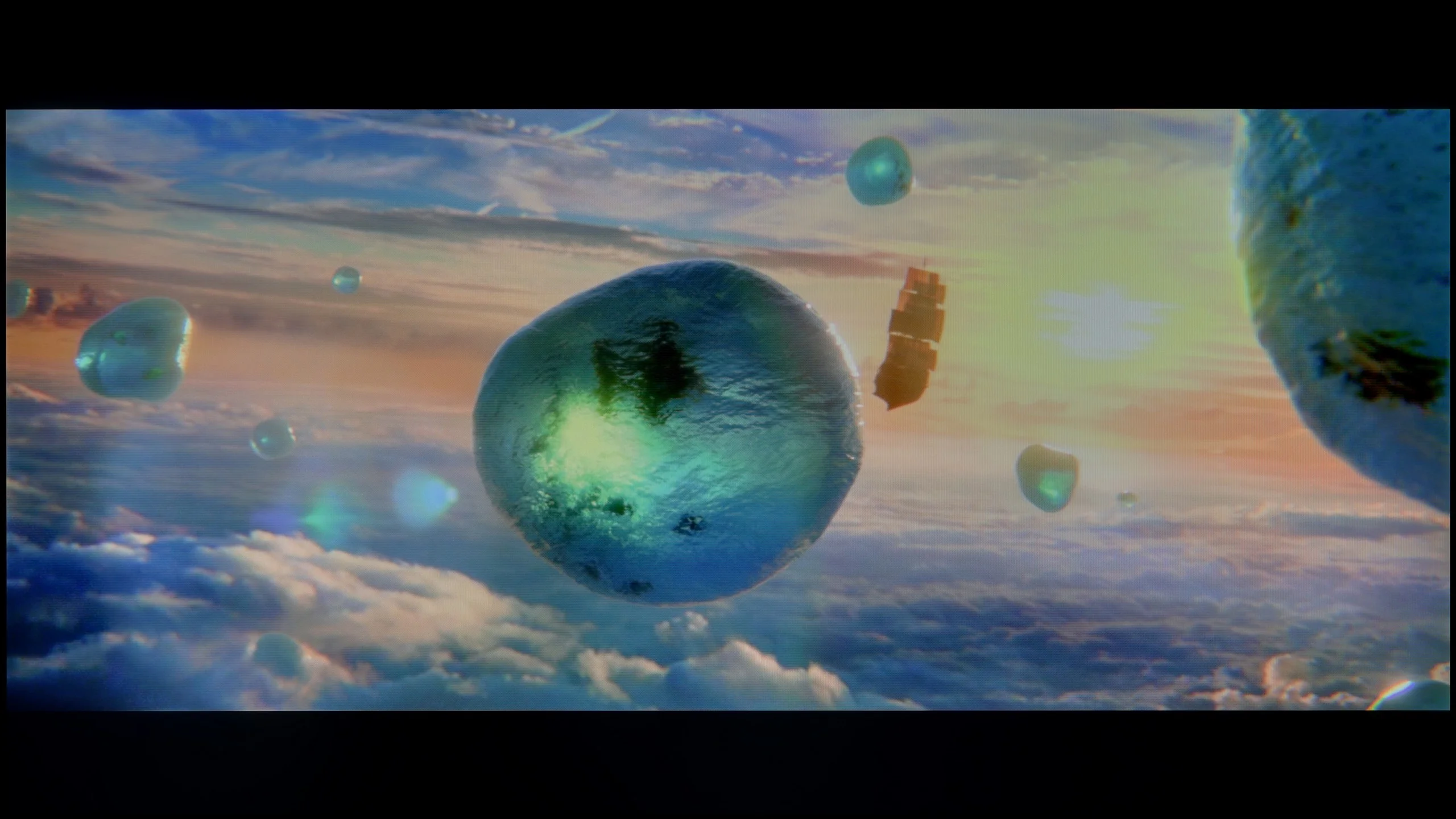
Scene from the movie “Pan” (about 2800 nits)

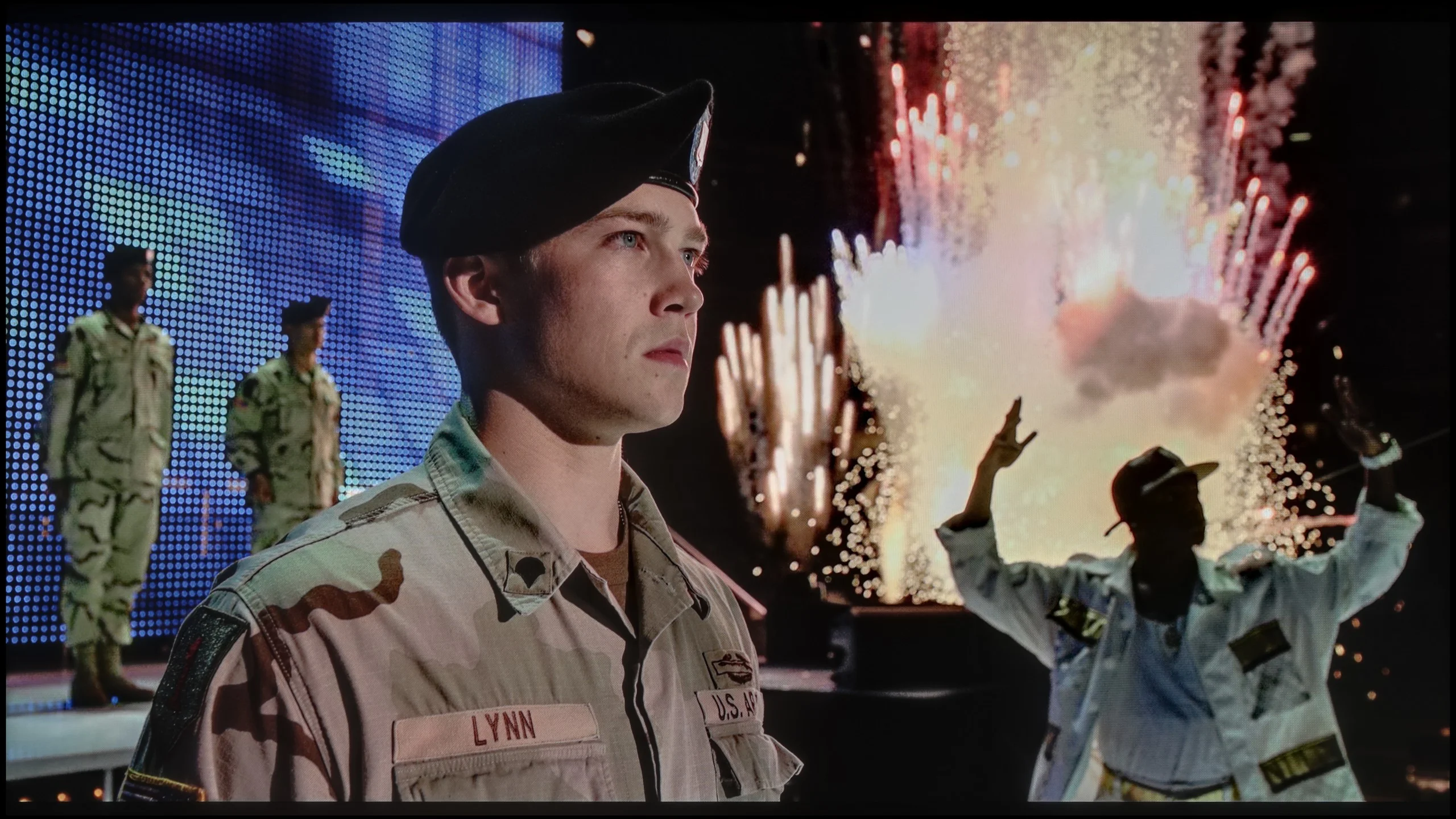
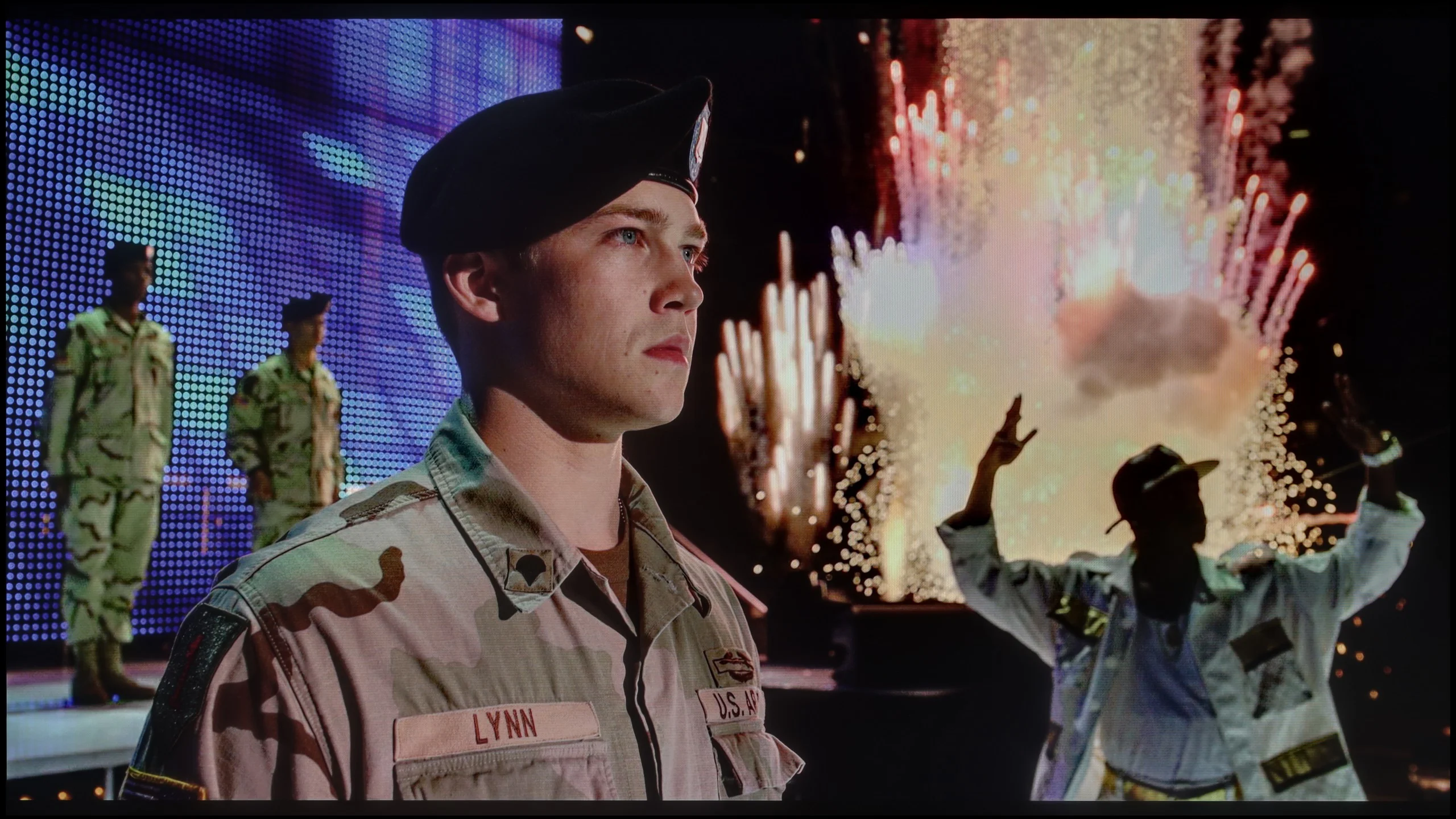
Scene from the movie “Billy Lynn” (about 1100 nits)

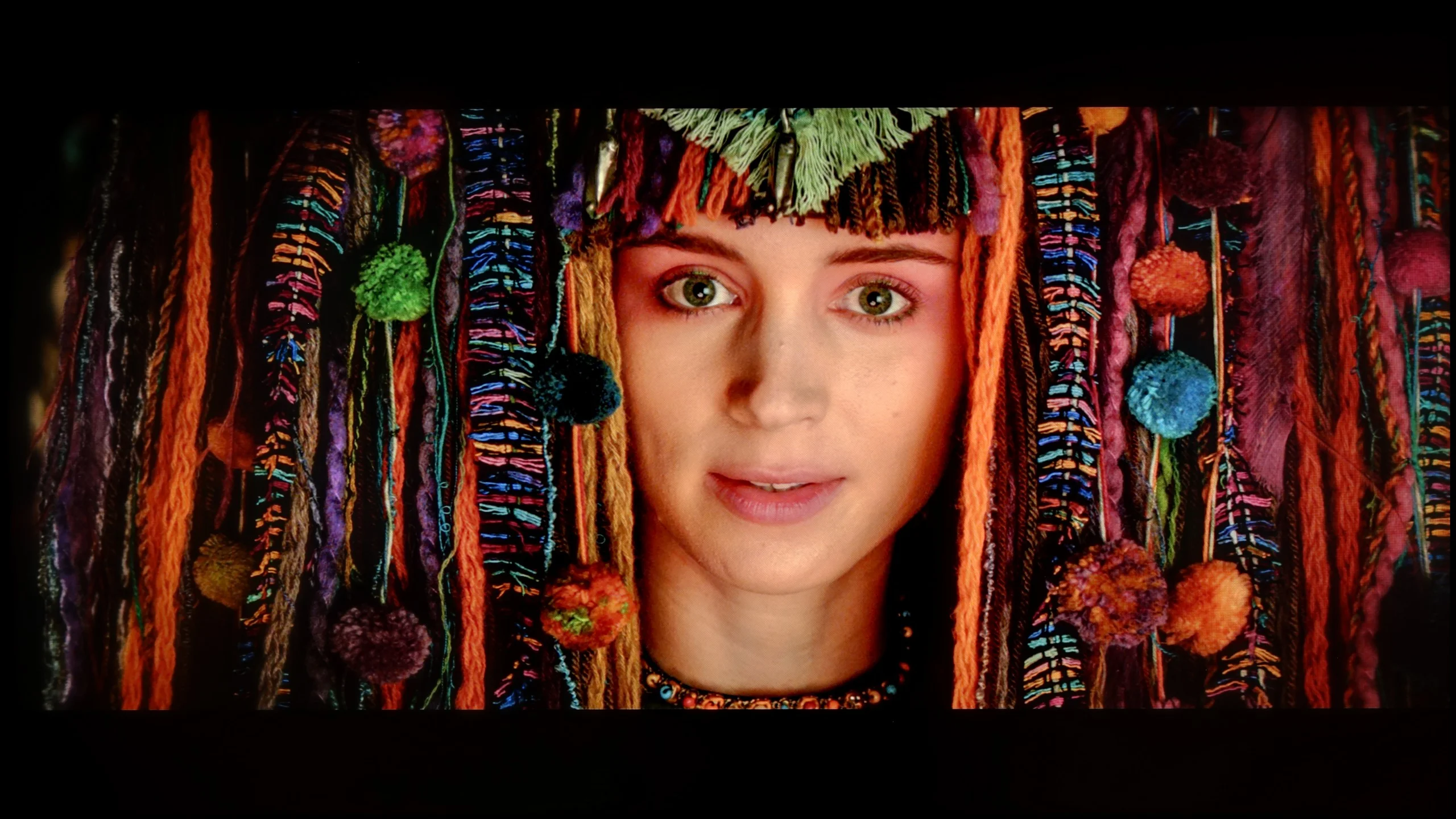
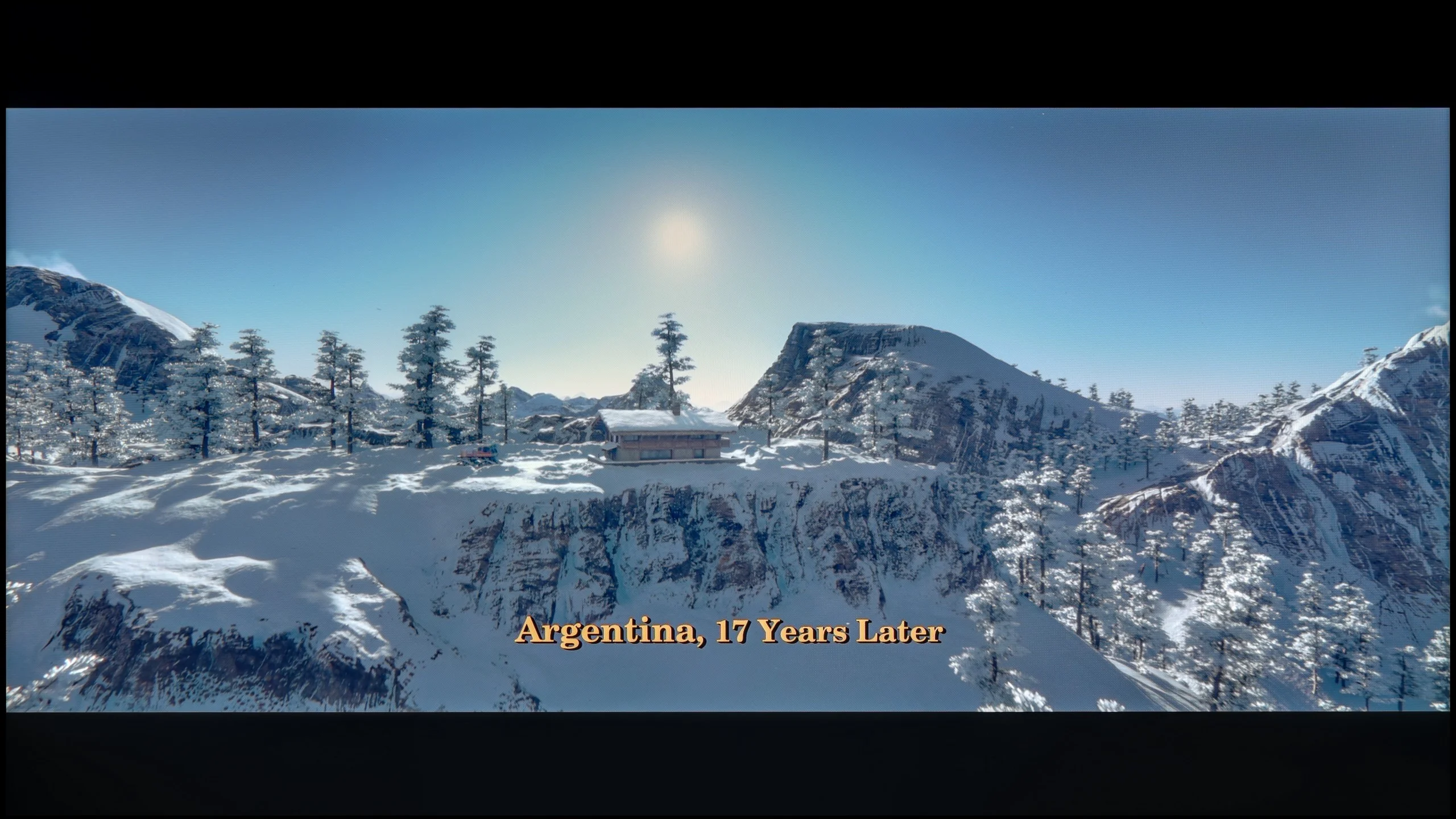
The photos show two HDR10 movies. 'Pan' is one of the brightest productions ever made, while 'Billy Lynn' (soldier) has brightness typical of streaming (Netflix, Prime, HBO MAX). Notice the intensity of effects and detail in whites.

Static HDR10

The photos present the visibility of white details in various HDR formats. They do not show brightness differences between TVs (these can be compared in the previous gallery).

Dynamic: Dolby Vision

Dynamic: HDR10+

The photos present the visibility of white details in various HDR formats. They do not show brightness differences between TVs (these can be compared in the previous gallery).

HDR luminance chart:

Samsung The Frame Pro 2026 (LS03HW)

Hisense UR8S

UR8S is a higher-end Mini-LED, so you could expect plenty of brightness. Indeed, on a synthetic test pattern peak brightness reached about 2200 nits. That’s a very good result, but as always what the TV does in normal film scenes matters much more. Here the results are a bit more mixed. In bright scenes with lots of light on screen, the UR8S can deliver very strong HDR. Brightness then gets up to around 1500 nits, so the image is very intense and has a lot of punch. It’s worse with small bright elements on a dark background. The TV noticeably dims them to preserve deep blacks and avoid excessive blooming. As a result, things like single stars or small specular highlights can be only around 200 nits. And here HDR is no longer as impressive. So the local dimming algorithm works effectively, but it comes at a cost — sometimes it sacrifices the brightness of small details too much in favour of contrast.

Colours

For RGB Mini-LED TVs, colours should be evaluated a little differently than usual. If we look only at the panel’s capabilities, the UR8S performs excellently. We measured about 94% coverage of BT.2020 and virtually full DCI-P3. Those are among the highest figures currently seen in LCD TVs, and this is where the potential of the RGB backlight is most apparent. The problem is that this potential isn’t always used in real scenes. When we ran the same measurements on patterns overlaid with a film-like background, saturation of some colours started to fall noticeably. Individual zones can’t always control the three RGB components with the same precision when the scene becomes more complex. It’s most noticeable with blue and magenta. On simple test patches they can look very strong, but in tougher scenes samples of those colours clearly shrink. In other words, the UR8S has huge potential, but the TV can’t always take full advantage of it in every scene.

You can't fault The Frame Pro for one thing: brightness. At peak we measured about 850-900 nits, so the TV has plenty of power to make many HDR scenes look really impressive. Bright, full-screen shots and more colourful frames perform best. In those scenes The Frame Pro can make a good impression — the image is bright, punchy and has the effect we expect from HDR. In our measurements some scenes reached over 800 nits, and even in tougher passages the TV maintained a fairly respectable brightness level.

The problem starts when HDR depends on small bright elements shown against a dark background. Single lamps, stars or reflections can be bright, but very often the black level across a larger part of the image also rises. As a result the bright point itself can look good, but the whole frame loses a lot of quality. That means The Frame Pro shows HDR best in scenes that are simply full-screen. If a film or series contains many such shots, the effect can be genuinely enjoyable. In darker material the limits of local dimming become much more noticeable.

Colours

The Frame Pro deserves praise for its colour gamut coverage. The TV uses quantum dots, the solution known as QLED, so it can deliver really well-saturated colours. In our measurements coverage of the important DCI-P3 palette was around 94.5%, while the more demanding BT.2020 was about 72%.

Those are very solid results that in most scenes produce pleasant, saturated colours. Of course they are not as eye-catching as the values from the latest panels using RGB backlights, but The Frame Pro makes up for that in another way — colour stability. Regardless of the scene, colour saturation remains fairly consistent and there aren't situations where the TV loses colour badly in more demanding frames.

Factory color reproduction

5.1/10

5.5/10

This gallery shows how colors change after professional TV calibration. If you notice the difference, we recommend ordering this service at SkalibrujTV.com.

Factory Mode

After calibration

This gallery shows how colors change after professional TV calibration. If you notice the difference, we recommend ordering this service at SkalibrujTV.com.

Factory Mode

After calibration

For evaluating the factory colours we used Filmmaker mode, which is supposed to show the image as close as possible to how the content was prepared. And if you look at the white balance alone, the UR8S performs quite well. There’s no strong tint that immediately jumps out, although as brightness increases a bit too much blue and red start to appear, with a corresponding lack of green. Colour errors are therefore visible in measurements, but the image itself doesn’t look bad.

We have much bigger reservations about how the UR8S manages image brightness. In SDR the gamma stays around 1.9–2.0 for most of the range instead of the target 2.4. In practice this simply means the image is too bright, especially in the midtones. Shadows are lifted too much, so the picture loses some depth. A similar tendency is visible in HDR. The EOTF curve sits above the reference value for a large part of the range, so the UR8S again brightens the image more than it should. This isn’t a case of the TV lacking brightness, because it has plenty, but of how it manages that brightness. As a result, HDR material can look very striking, but not always exactly as it should.

In SDR material The Frame Pro in Filmmaker mode performs quite well, though it falls short of perfect. White balance is relatively even, but as brightness increases the blue component diminishes, so brighter parts of the image can have a slightly warmer tint. A bigger difference is visible in the gamma, i.e. the screen’s brightness handling. Across most of the range it runs below our reference point, which means the TV brightens the midtones a little. As a result, the image can appear a little brighter and less contrasty than it should. The colour errors themselves aren’t huge, but they’re noticeable enough that calibration can still make a significant improvement.

In HDR content the white balance looks similar, being fairly even across much of the range, with larger deviations appearing only at higher brightness. The EOTF curve, however, is more revealing. The Frame Pro holds up fairly well against the reference values in the brighter parts of the image, but clearly lifts the darkest parts. This is primarily due to the TV’s backlight design. This also affects the colours. With less saturated colours the errors are still moderate, but they become significantly larger as saturation increases. In Colour Checker measurements many samples already show high error values. So the out-of-the-box HDR can be considered decent, but it’s definitely not an image we’d call very accurate.

Color reproduction after calibration

7.5/10

8.5/10

The photos show how movies look on the TV. Pay attention to black detail visibility, colors, and shadow tint.

The photos show how movies look on the TV. Pay attention to black detail visibility, colors, and shadow tint.

Hisense offers quite a lot of calibration options, and in SDR you can achieve a really good result with them. After adjustment the white balance is practically even across the whole range, and colour errors fall to very low values. The UR8S can be set very precisely here. HDR looks a little different. The white balance can also be noticeably improved, although at the highest brightness levels larger deviations start to appear. Most interesting, however, is the behaviour of the EOTF curve. Even after correctly setting it on test patterns, the UR8S can still interpret brightness in its own way when watching films. Depending on the scene, parts of the picture are slightly brightened and others darkened compared with how they should look. This shows that the algorithms controlling the backlight have quite a large influence on the final image. Calibration therefore allows colours to be improved very well, but we are not able to completely 'turn off' the way the UR8S manages brightness in HDR.

After calibration, the biggest improvements are seen mainly in SDR material. We managed to even out the white balance, but an even more important change was the gamma correction, which before calibration had the greatest effect on the picture's character. After the adjustments the gamma curve is now very close to the reference, so the image is not as bright in the mid-tones and simply looks more natural. Colour errors have also been noticeably reduced, so the effect of calibration in SDR is clearly visible.

In HDR the situation is a bit more complex. White balance was improved and in some ranges the TV tracks the reference much better, but at higher brightness levels deviations still appear. The same goes for colour reproduction; some errors can be corrected, but not all stem from the settings themselves. This reveals the limitations of the TV's design and the way its backlight and local dimming affect the HDR image. So with The Frame Pro, calibration makes the biggest difference to everyday content. Regular TV, YouTube and films and series in SDR (mainly those from cheaper streaming service tiers) can look noticeably better afterwards.

Smoothness of tonal transitions

9.3/10

9.5/10

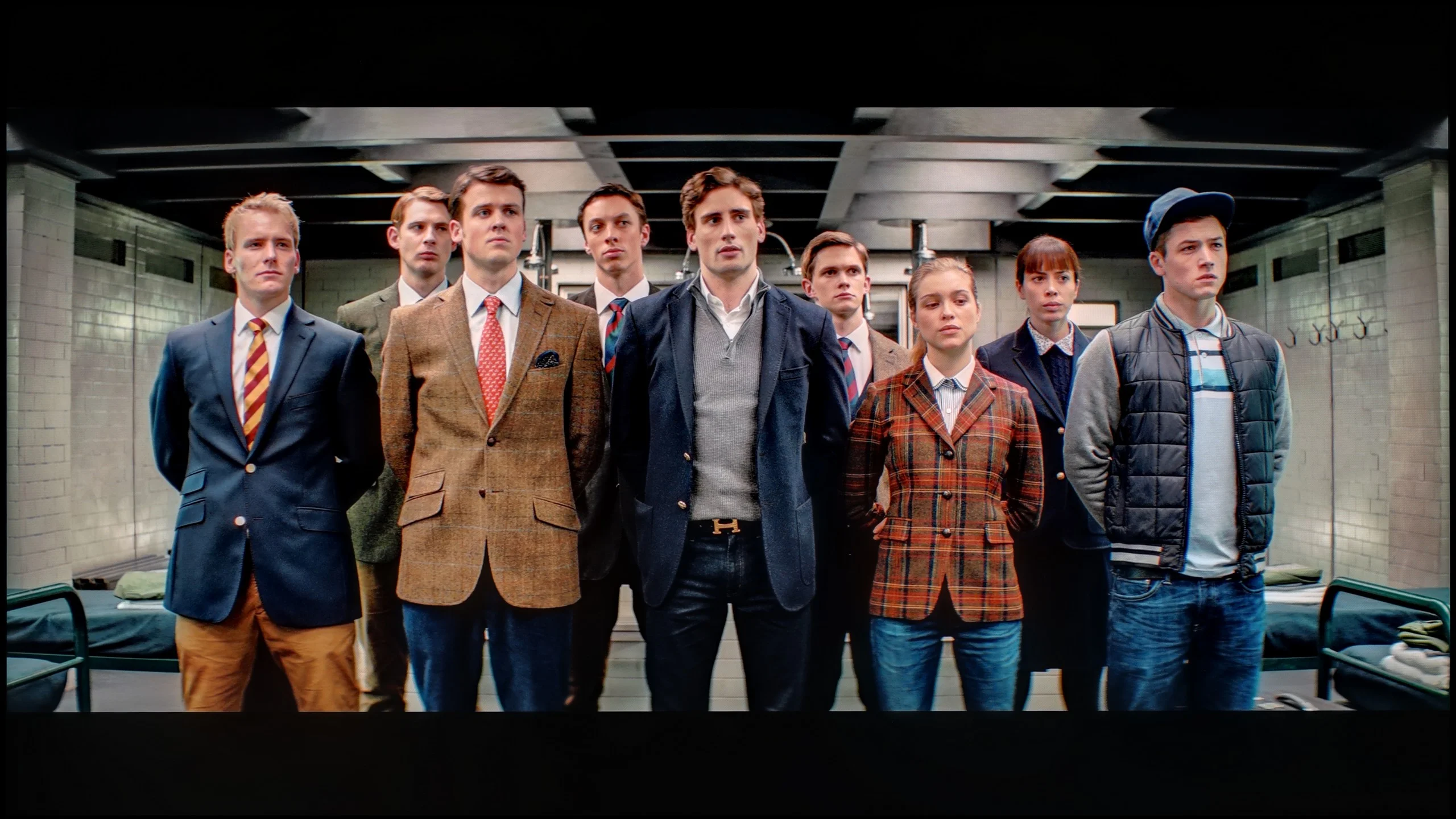
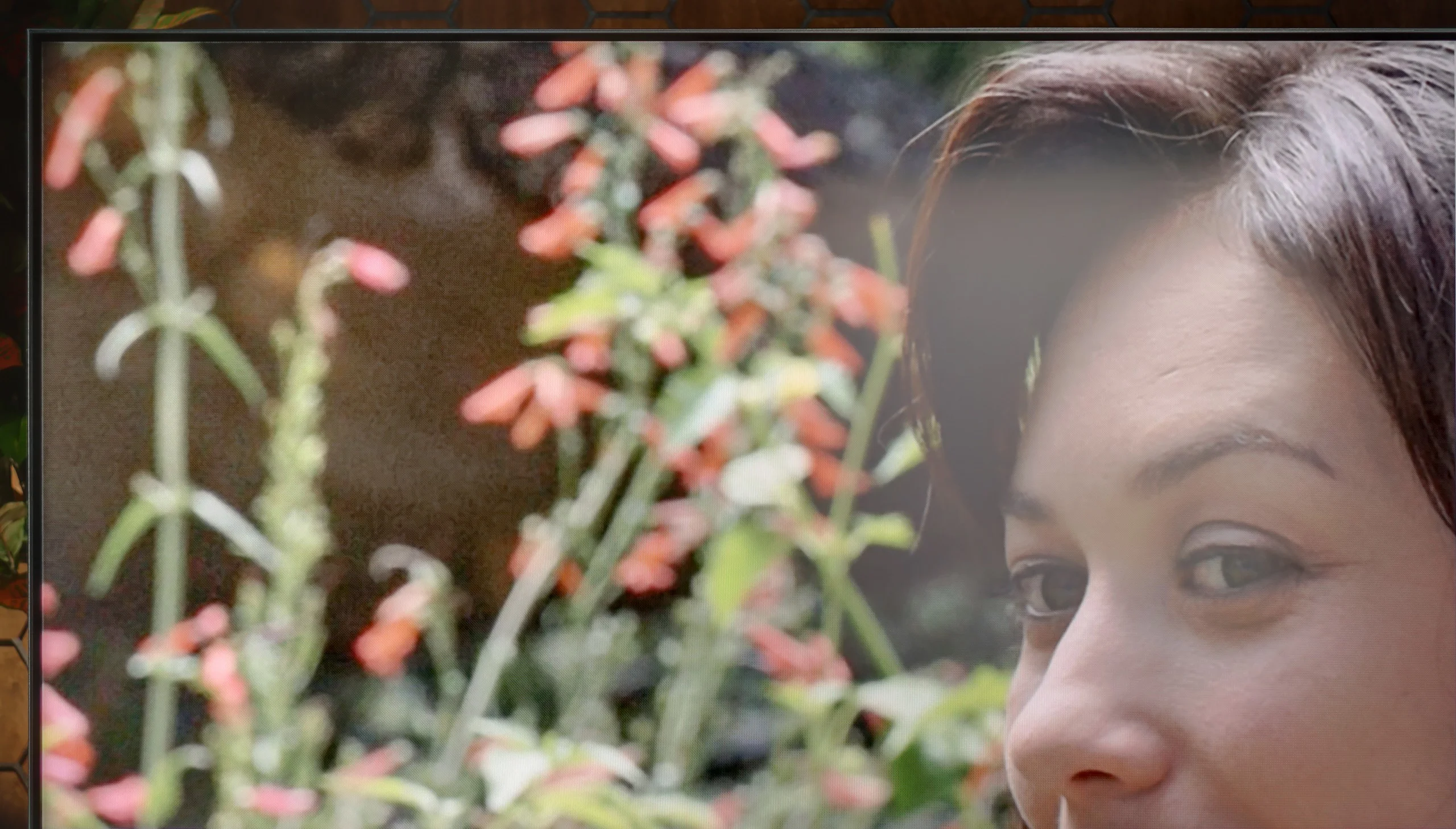
These are selected scenes that show smooth tonal transitions from one color to another. If you see distinct banding, it’s the TV panel’s fault.

These are selected scenes that show smooth tonal transitions from one color to another. If you see distinct banding, it’s the TV panel’s fault.

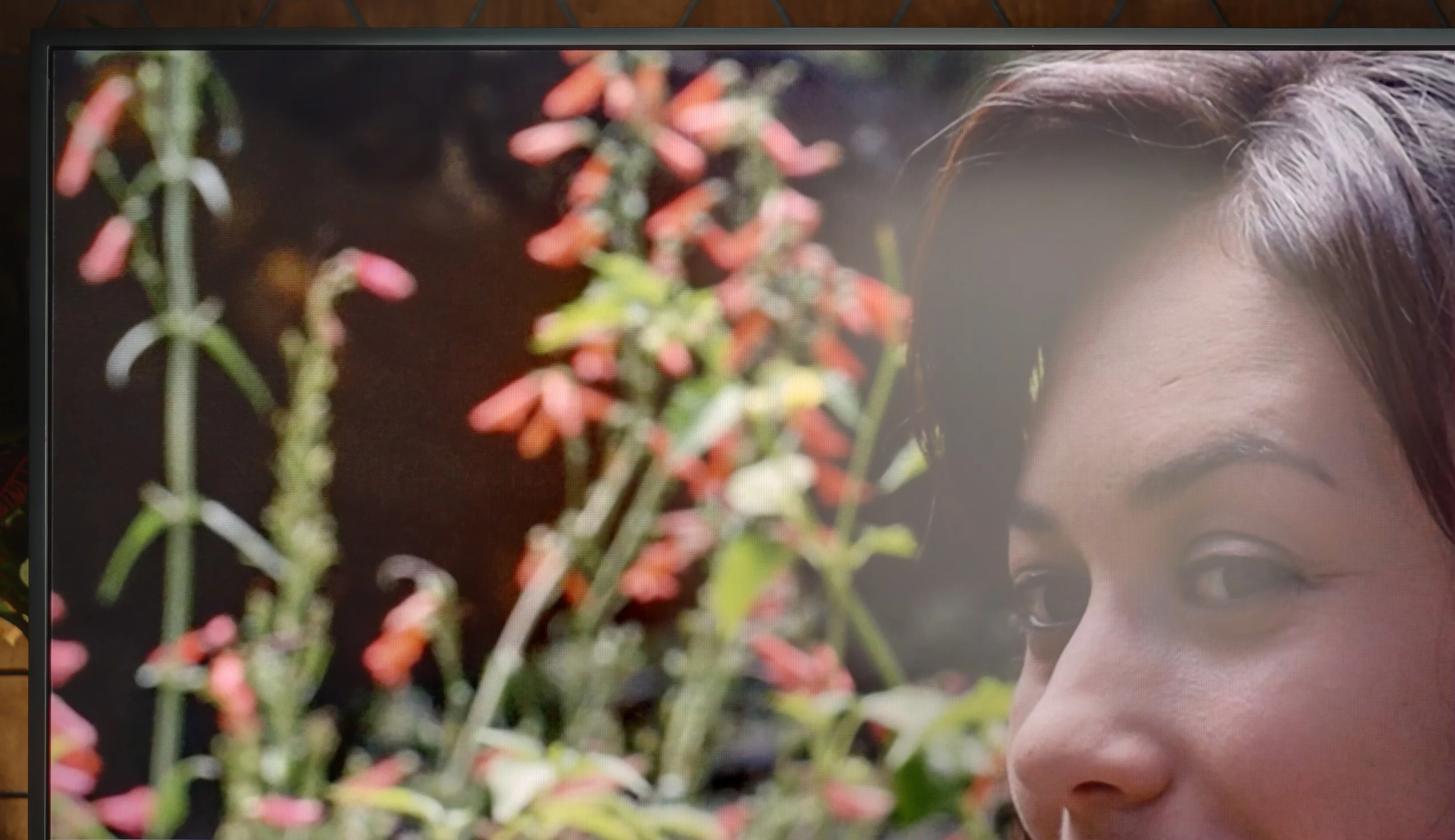
These are selected scenes that show smooth tonal transitions from one color to another. If you see distinct banding, it’s the TV panel’s fault.

These are selected scenes that show smooth tonal transitions from one color to another. If you see distinct banding, it’s the TV panel’s fault.

Tonal transitions on the UR8S perform really well. In most scenes colours shift between successive shades practically without any visible steps or banding. This applies to both darker and lighter parts of the picture. Only in very extreme shades of grey can you notice small imperfections. It's a bit worse with Dolby Vision. In the same scenes faint banding is easier to spot, especially in the darker parts of the picture. It's still good, but because of that difference the rating is slightly lower.

The Frame Pro handles the smoothness of tonal transitions really well. In most content you don't see noticeable banding or ugly breaks between similar shades, and gradients look smooth and natural. Even in more demanding scenes with mist or dark transitions, issues are very rare. It's definitely one of this model's strengths.

Image scaling and smoothness of tonal transitions

8/10

7.5/10

Image without overscan on the SD signal
OK
No
Smooth transition function
OK
OK

Smooth transition function

The match photo shows how the TV smooths weak tonal transitions in low-quality video.

Image scaling SD (576i)

The model photo shows how it handles upscaling of SD material.

The big plus of the UR8S is its use of the MediaTek Pentonic 800 processor, and digital image processing is one of this model’s stronger points. The TV handles smoothing tonal transitions very well, especially with poorer-quality material. The feature responsible for this effect works effectively without overprocessing the picture. Even on a medium setting it can noticeably reduce visible banding and artefacts without heavily blurring details. Upscaling itself also performs very well. Lower-resolution content is displayed cleanly, edges look natural, and the image isn’t over-sharpened. The UR8S simply copes very well with weaker signals, and in that respect it’s one of its clear strengths.

The Frame Pro uses the NQ4 AI Gen3 processor, so in terms of image processing it behaves very similarly to other recent Samsung TVs. Upscaling works really well, with lower-resolution material being sensibly sharpened and the picture remaining readable without over-emphasising edges. With regular TV broadcasts or lower-quality YouTube content this can deliver a noticeable improvement, although viewers watching even older sources, such as VHS tapes, may notice a slight cropping on the left side (overscan).

It’s a different story for heavily compressed footage and the reduction of noise and posterization artefacts. The "Noise Reduction" feature can improve poorer material, but it fairly quickly starts to interfere with the picture and removes fine detail and film grain. So it’s best used sparingly and mainly when the source genuinely needs it.

Blur and motion smoothness

7.8/10

7.9/10

Maximum refresh rate of the panel
180Hz
144Hz
Film motion smoothing option
OK
OK
Blur reduction option
OK
OK
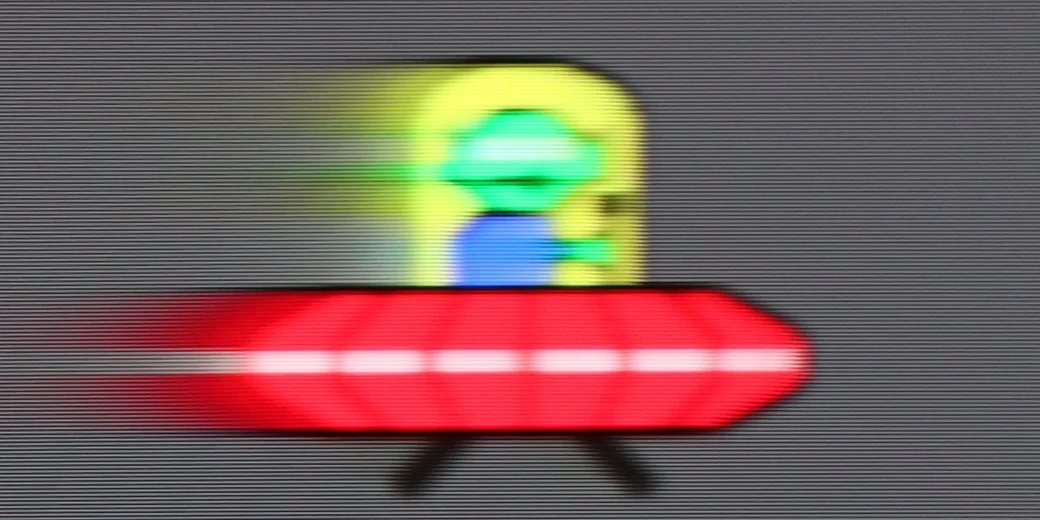
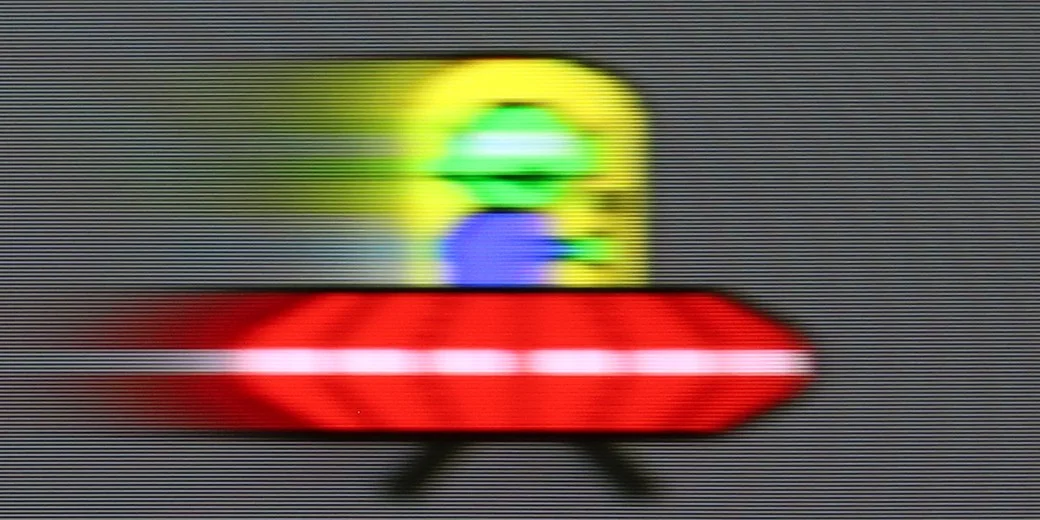
BFI function 60Hz
Yes, 120Hz (double contours)
Yes, 60Hz (image flickers)
BFI function 120Hz
Yes, 240Hz (double contours)
No
Brightness drop with BFI
69%
70%

Blur (native resolution, maximum refresh rate):

Blur (BFI function enabled):

Image flickers in this mode

Blur (1080P@340Hz):

Blur (1080p@240Hz):

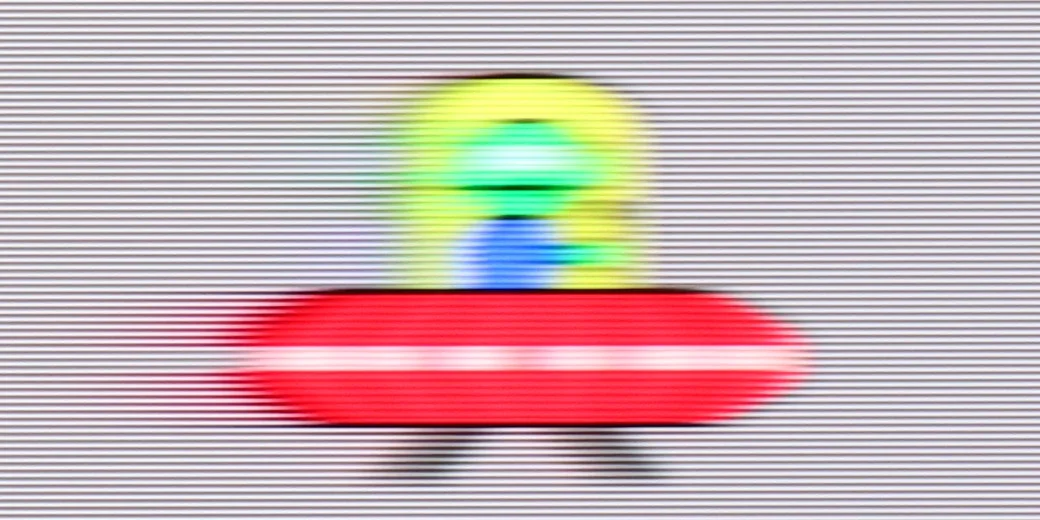
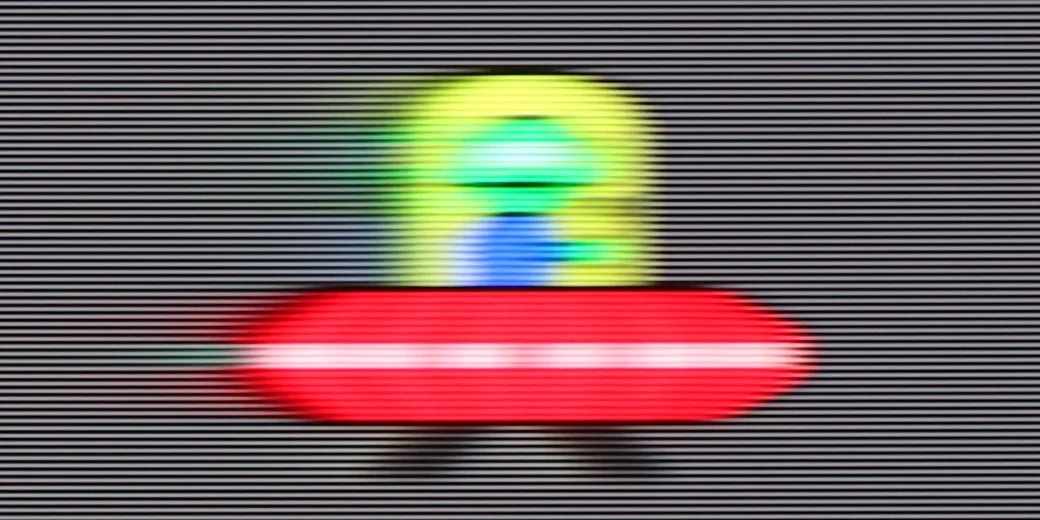
The UR8S is equipped with a panel that has a native 180 Hz refresh rate, so right away it offers very strong potential for smooth motion. The panel itself performs really well, although some limitations typical of VA panels are still visible. Smearing is relatively low for this type of screen, but during faster motion, especially on darker backgrounds, it can still be noticed, particularly if you compare the same image to OLED TVs.

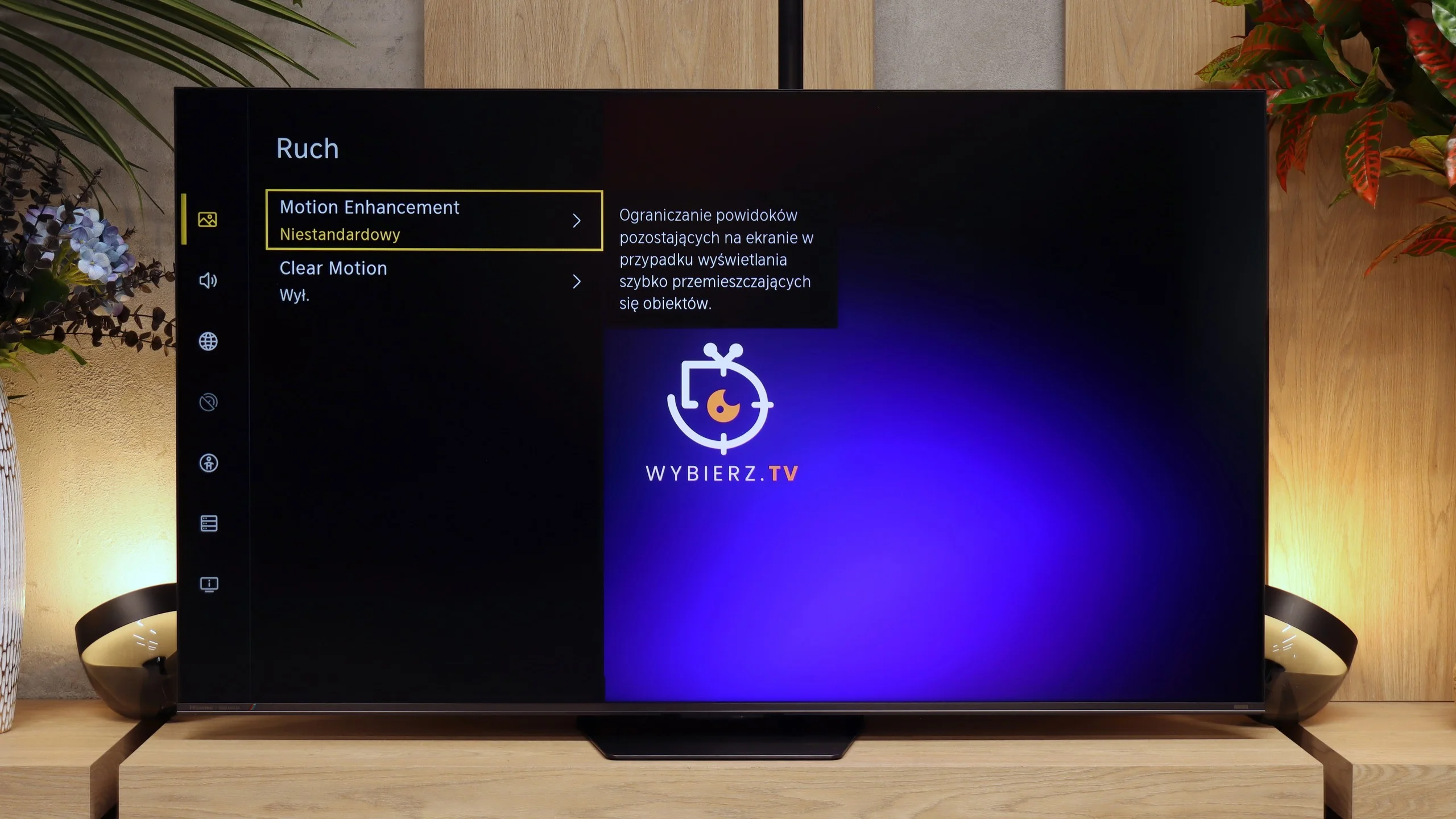
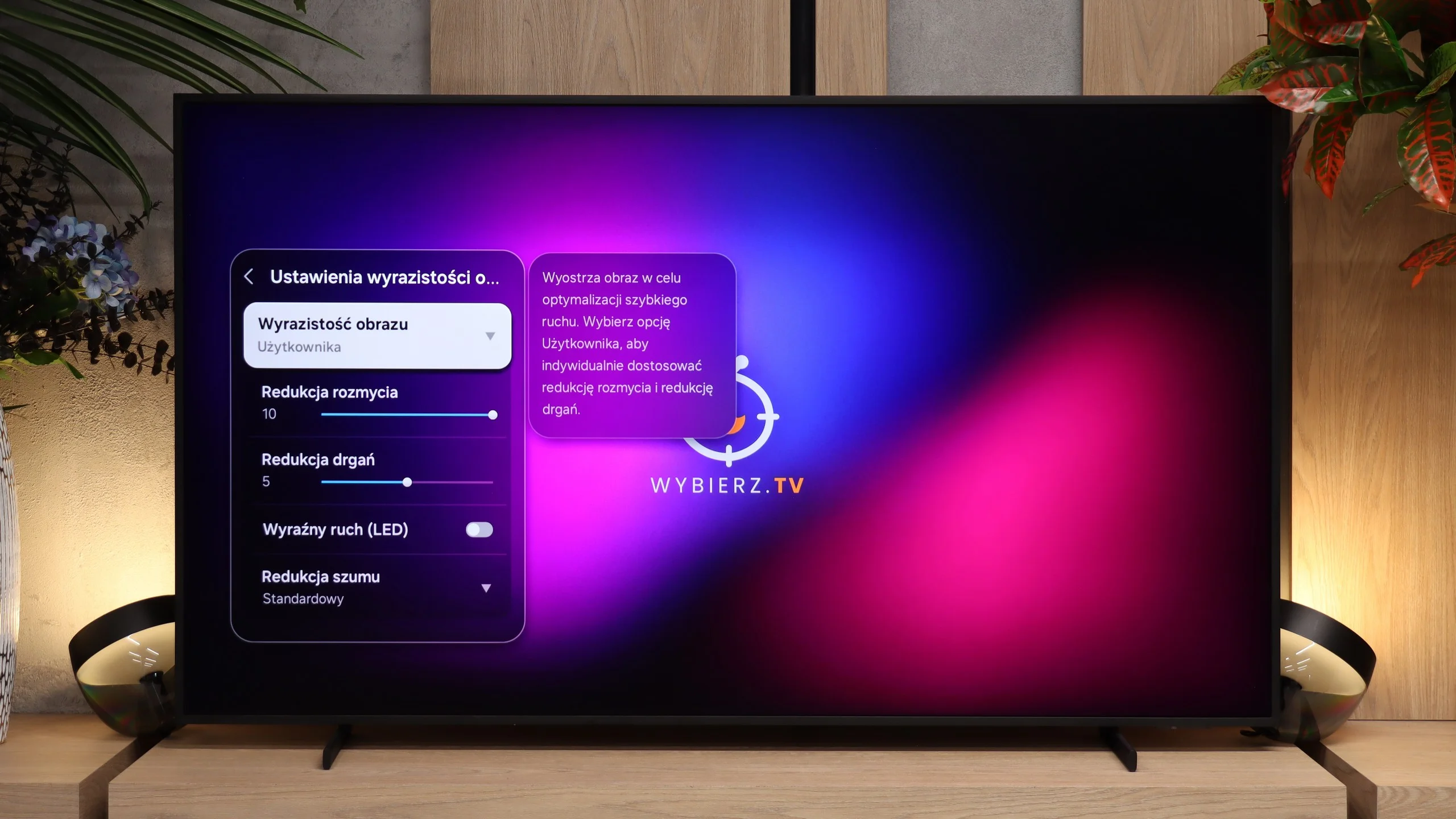
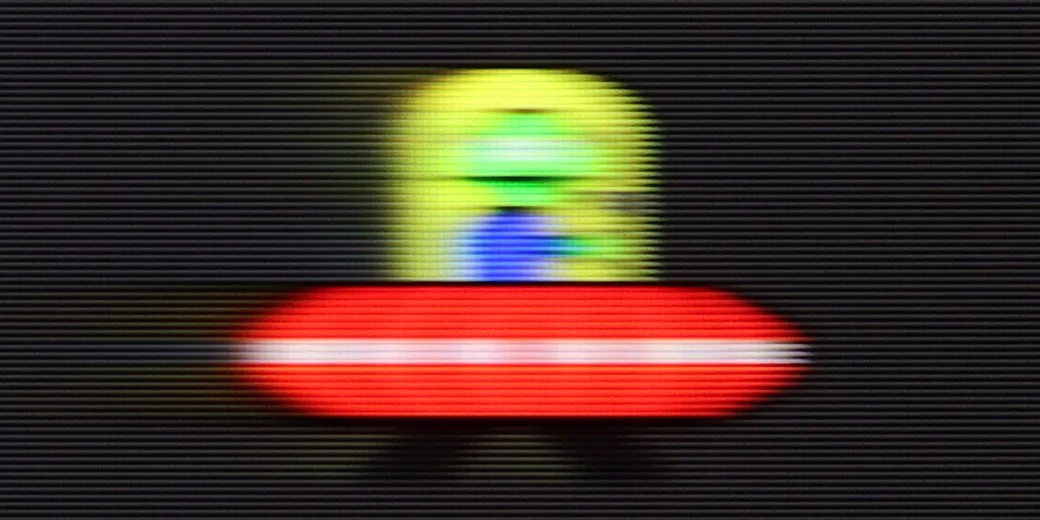
The Frame Pro is equipped with a 144 Hz panel and, when connected to a PC, also supports 240 Hz at Full HD. That's mainly a feature aimed at PC gamers, but the TV also handles the standard 120 Hz refresh rate used for watching sport or gaming on consoles very well. A major plus is the low smearing. For a VA panel, The Frame Pro performs really well in this regard. You don't see the strong, dark trails behind moving objects that are fairly common on TVs with this type of panel. That keeps fast sport and dynamic games clear in motion. There's also a motion smoothing feature with adjustable strength, so for films and sports broadcasts you can tailor the motion to your preferences. You can find our recommended settings in the photo.

Console compatibility and gaming features

8.5/10

9.6/10

  • ALLM
    Yes
    Yes
  • VRR
    Yes
    Yes
  • VRR range
    48 - 330Hz
    48 - 240Hz
  • Dolby Vision Game Mode
    Yes
    No
  • Correct implementation of HGIG
    No
    Yes
  • 1080p@120Hz
    Yes
    Yes
  • 1440p@120Hz
    Yes
    Yes
  • 4K@120Hz
    Yes
    Yes
  • Game bar
    Yes
    Yes

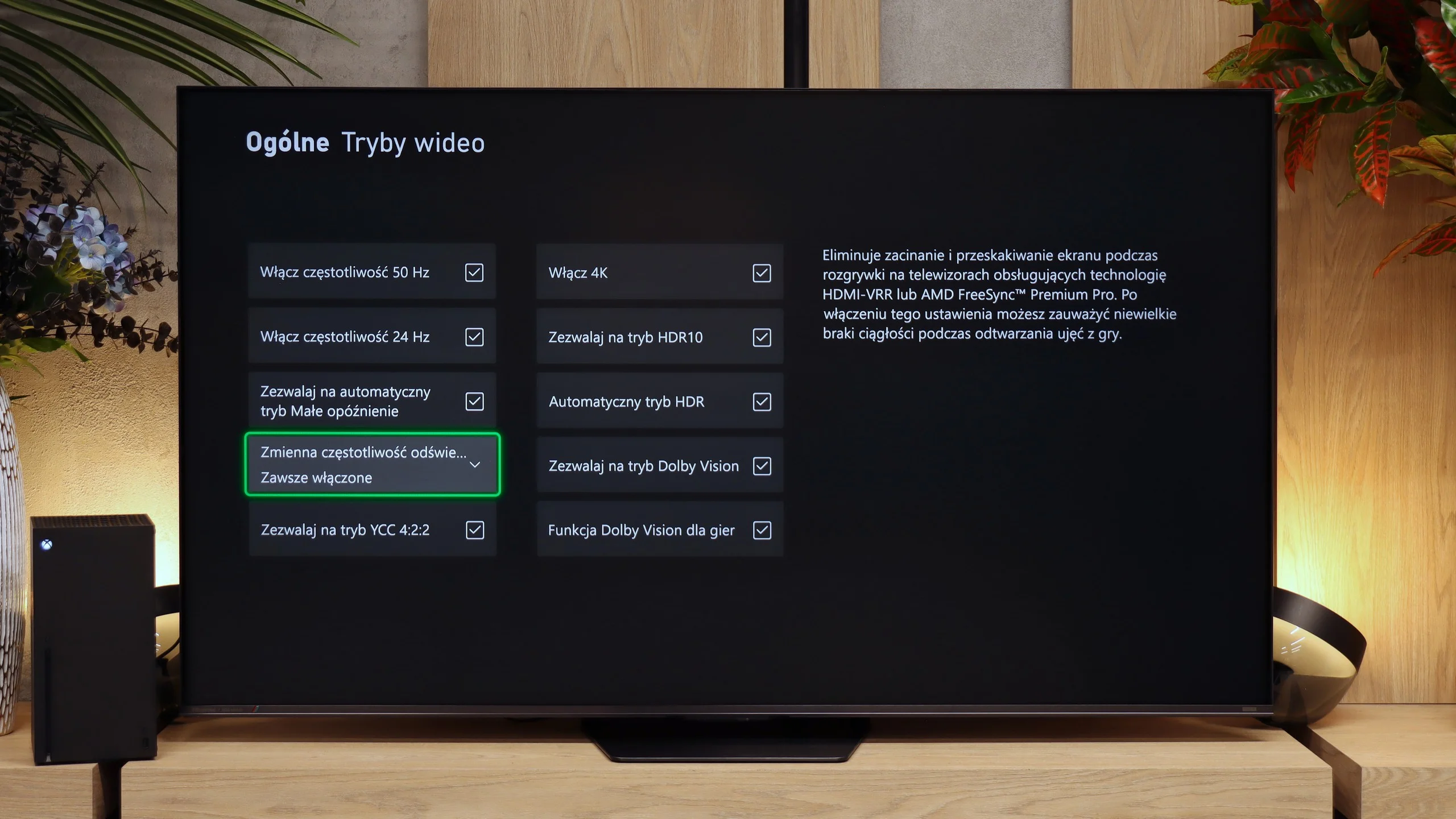
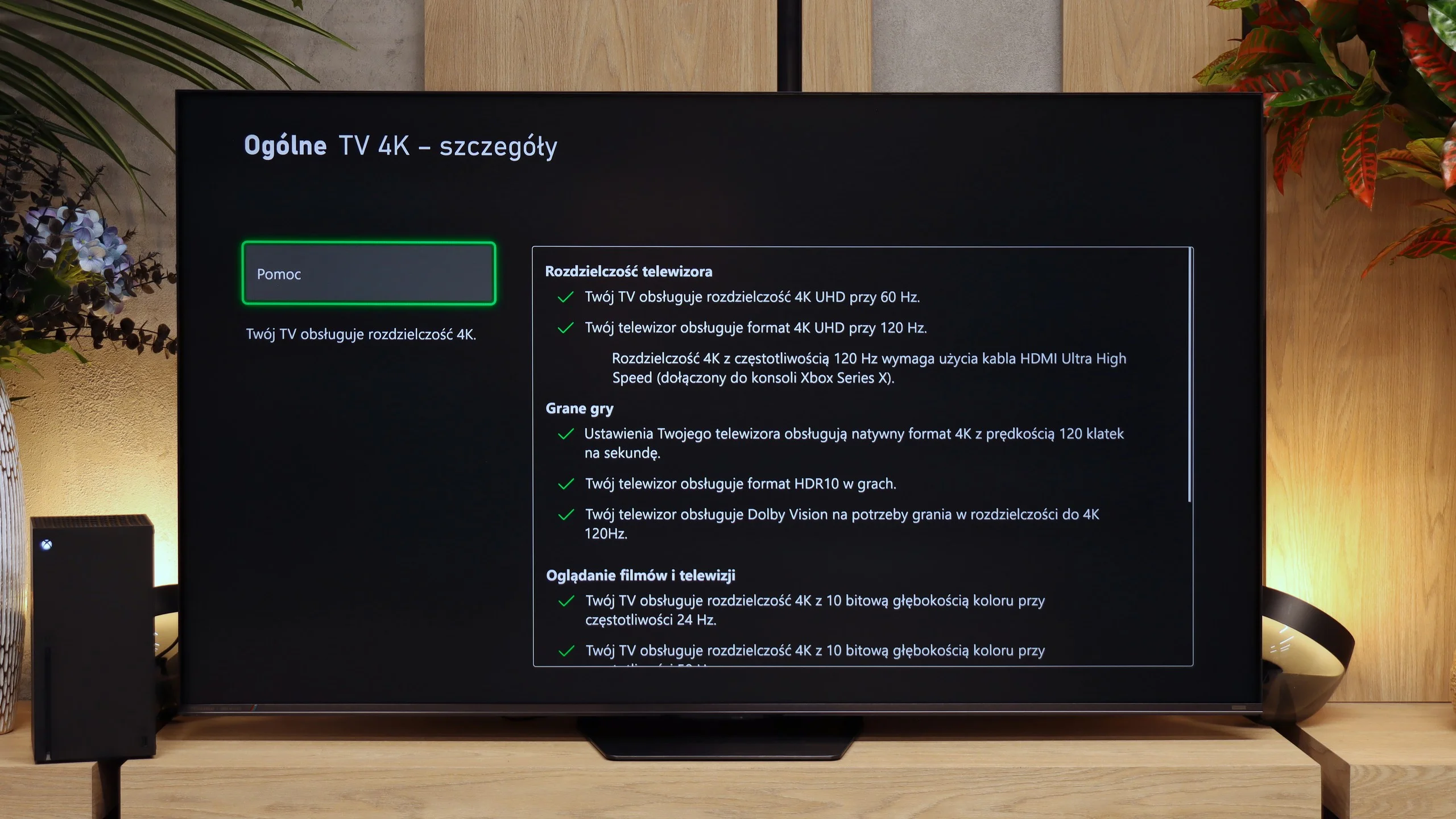
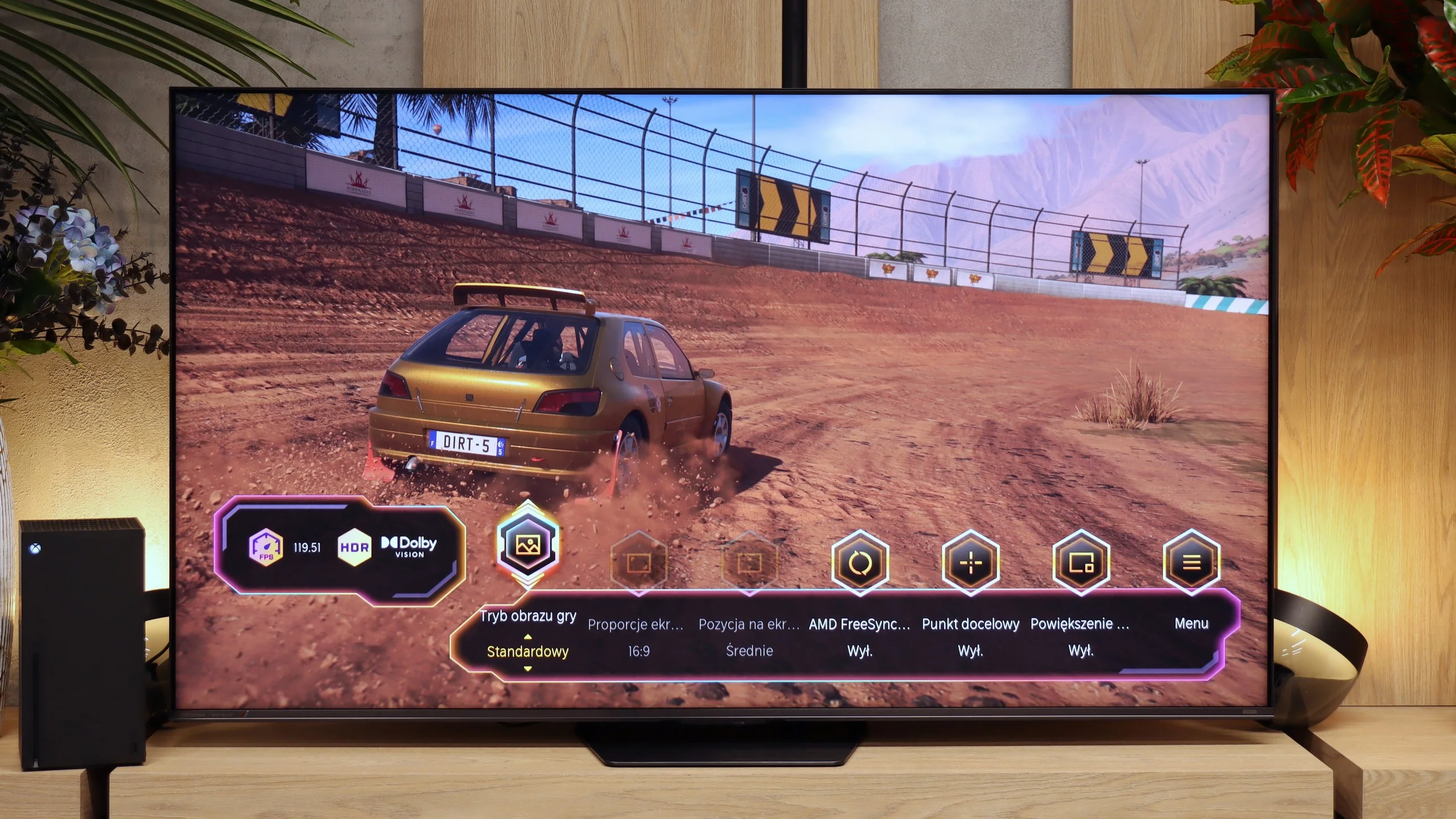
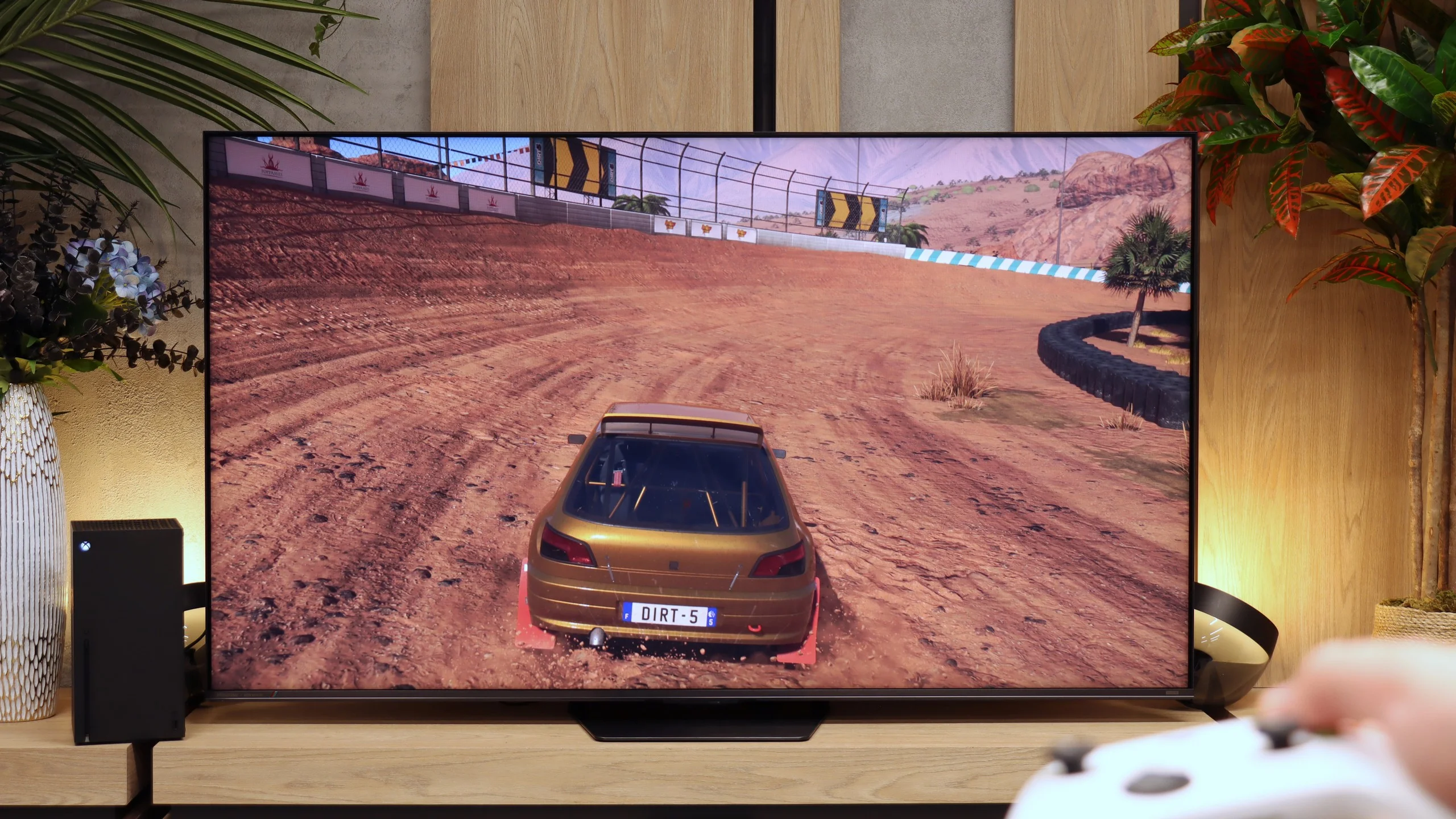
In terms of gamer features the UR8S stacks up really well. The TV supports virtually everything you'd expect from a modern console or PC display. It has ALLM, VRR, and 4K at 120 Hz. There's also Dolby Vision in game mode, so when using, for example, an Xbox Series X you don't have to give up that HDR format. PC gamers get even more options. The panel can run at 4K and 180 Hz, and dropping to Full HD can push the refresh rate as high as 330 Hz. There's also a Game Bar that lets you quickly view key info and change gaming-related settings. The only real shortcoming is a proper implementation of HGiG. When enabled, the TV still interferes with HDR brightness mapping, so we don't get the effect intended by that standard. Apart from that, the UR8S is very well equipped for both consoles and a powerful PC.

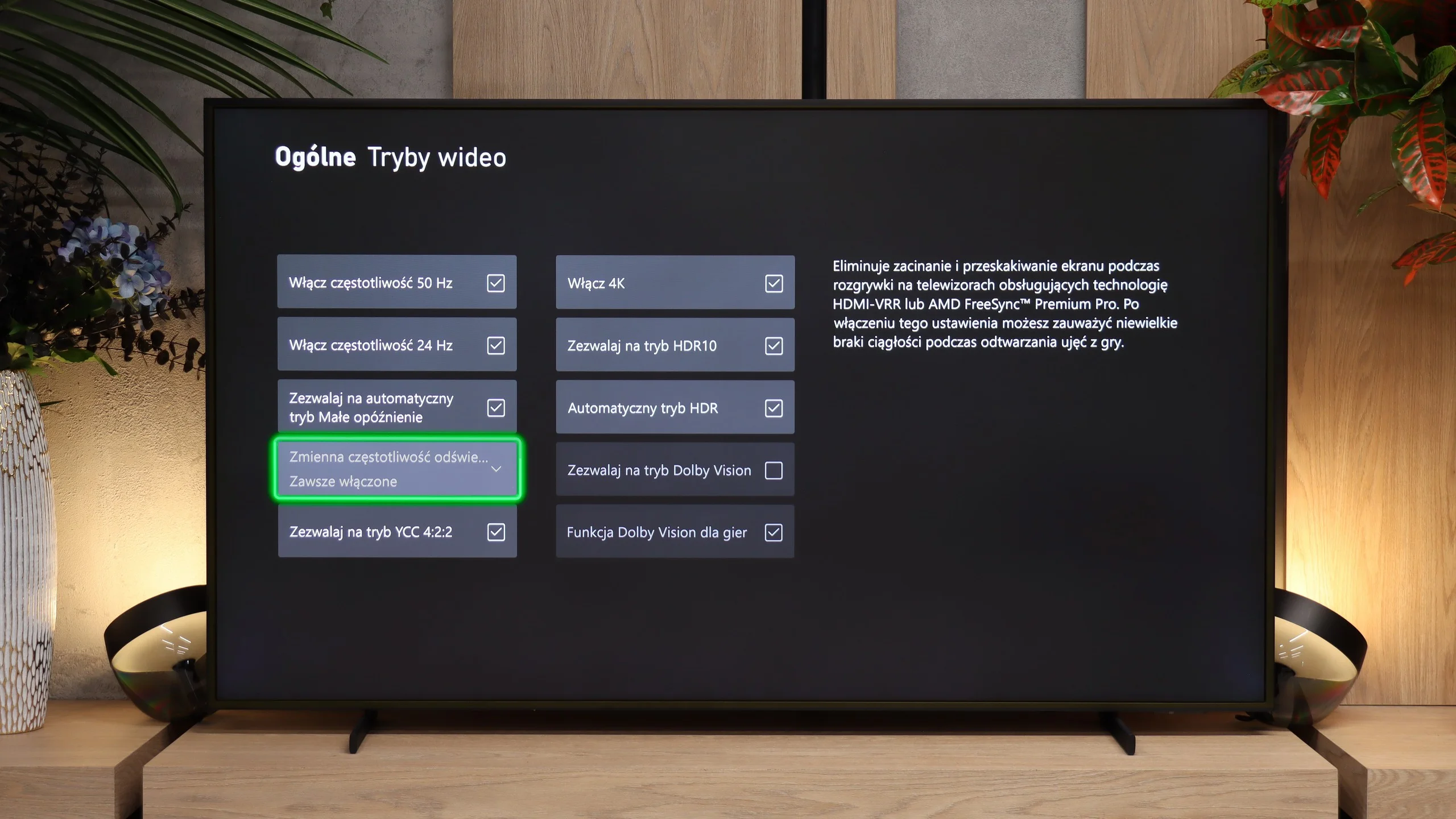
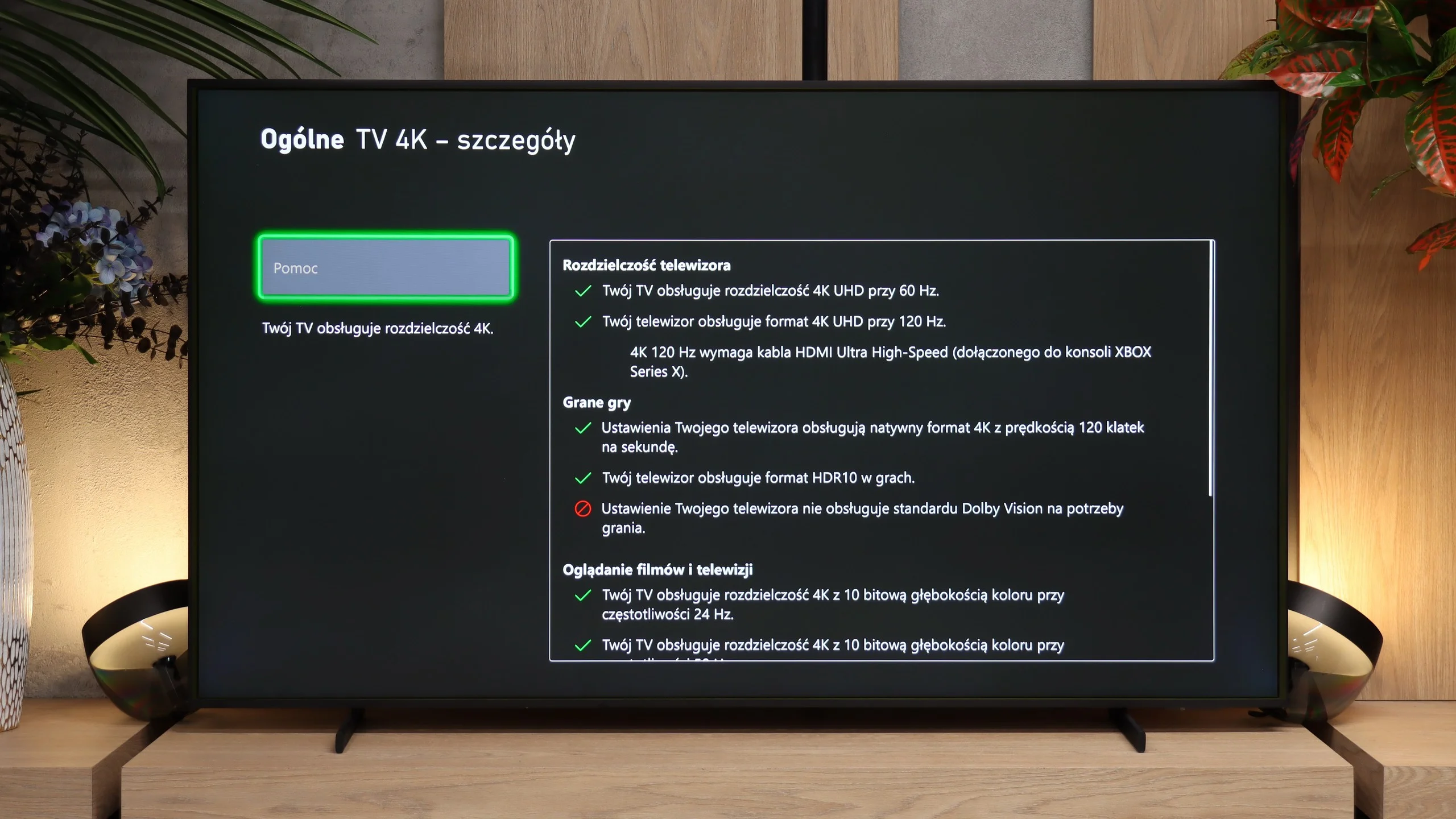
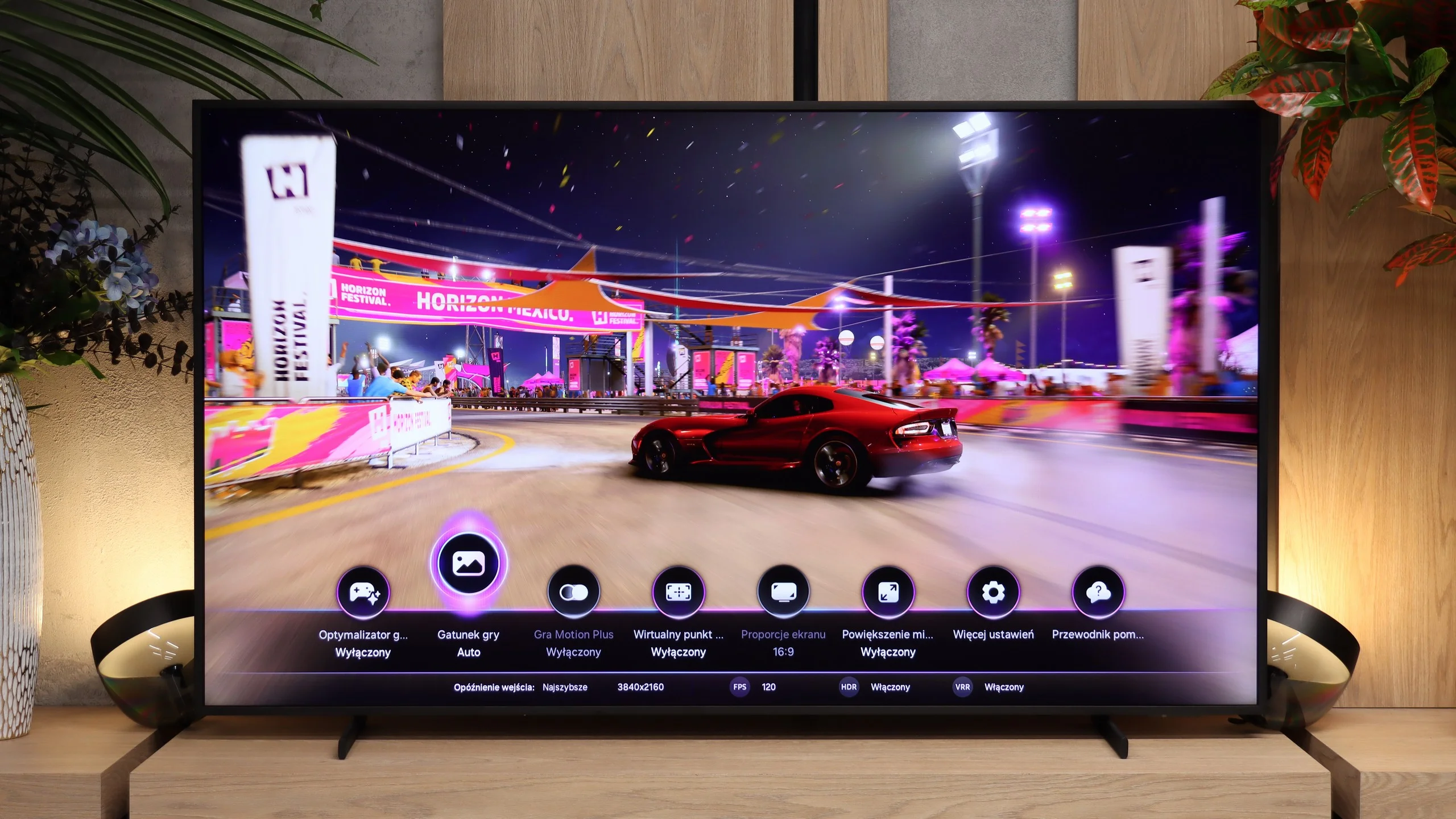
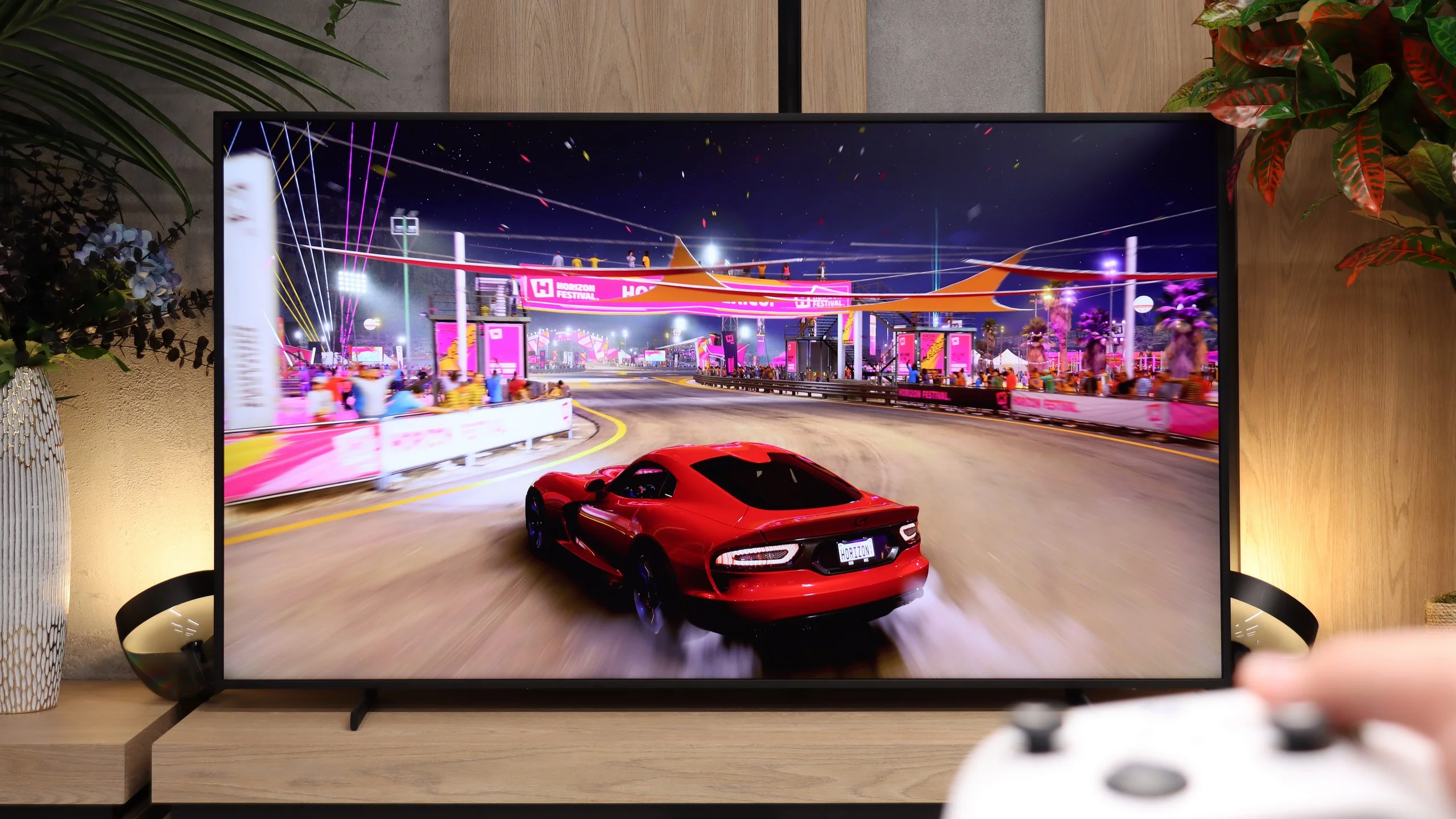
For gamers, The Frame Pro has a lot to offer. The TV supports 4K at 120 Hz, VRR, ALLM and a correctly implemented HGiG. When connected to a PC you can also run 144 Hz at 4K, and even 240 Hz if you drop to Full HD. Samsung also bundles its usual set of gamer extras: an expanded Game Bar that lets you quickly view and change the key settings, and Game Motion Plus to improve smoothness for games running at 30 or 60 fps. There’s also the Gaming Hub and the ability to play in the cloud without needing to connect a console. The only real omission is Dolby Vision Gaming, which Samsung doesn’t support. Aside from that, The Frame Pro offers pretty much everything you’d expect from a well-equipped gaming TV today.

Input lag

9.8/10

10/10

SDR

1080p60
16 ms
13 ms
1080p120
10 ms
7 ms
2160p60
16 ms
13 ms
2160p120
10 ms
7 ms

HDR

2160p60
15 ms
13 ms
2160p120
9 ms
7 ms
4320p60

Dolby Vision

2160p60 DV
15 ms
2160p120 DV
9 ms

The input lag on the UR8S is very low. With a 60 Hz signal we measured around 15 to 16 ms, while switching to 120 Hz brings the delay down to roughly 9 to 10 ms. Importantly, we recorded similar results with HDR and Dolby Vision, so using those formats does not noticeably increase latency. In practice the response to controls is very fast, and even demanding gamers shouldn't have reason to complain.

adasdsadddas

Input Lag Wirales One Connect (2-3 metry od TV)

SDR

HDR

1080p60 Hz: 61

2160p60 Hz HDR: 71

1080p120 Hz: 39

2160p120 Hz HDR: 32

2160p60 Hz: 63

2160p120 Hz: 32

Compatibility with PC

8.5/10

8.4/10

Chroma 444 (max. resolution and refresh rate)
Yes
Yes
Font clarity
Good
Good
Readability of dark text and shapes
Good
Good
Input lag in PC mode (4K, max. refresh rate)
9ms
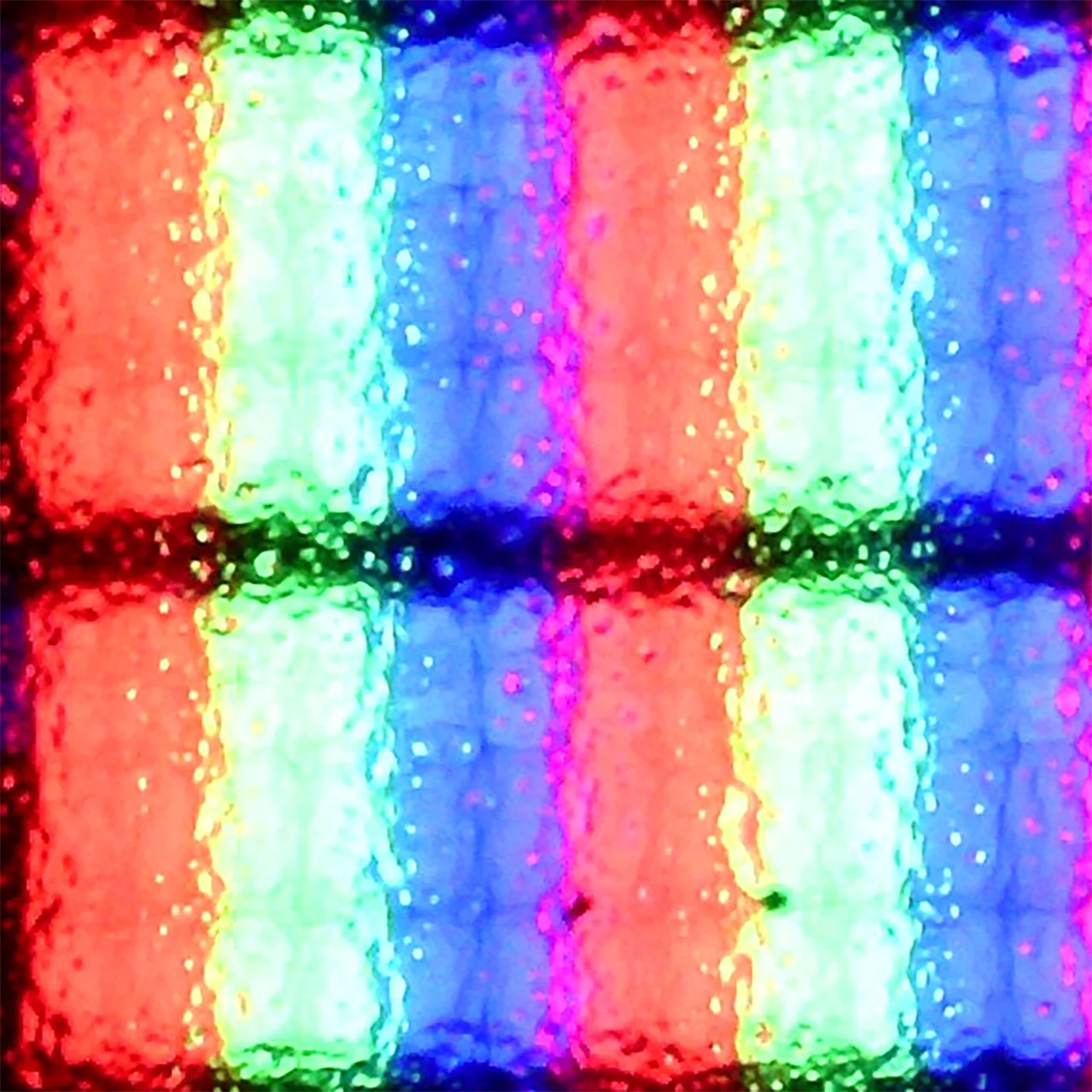
Matrix subpixel arrangement
BGR
RGB
Max refresh rate
180Hz
144Hz
G-Sync
Yes
Yes

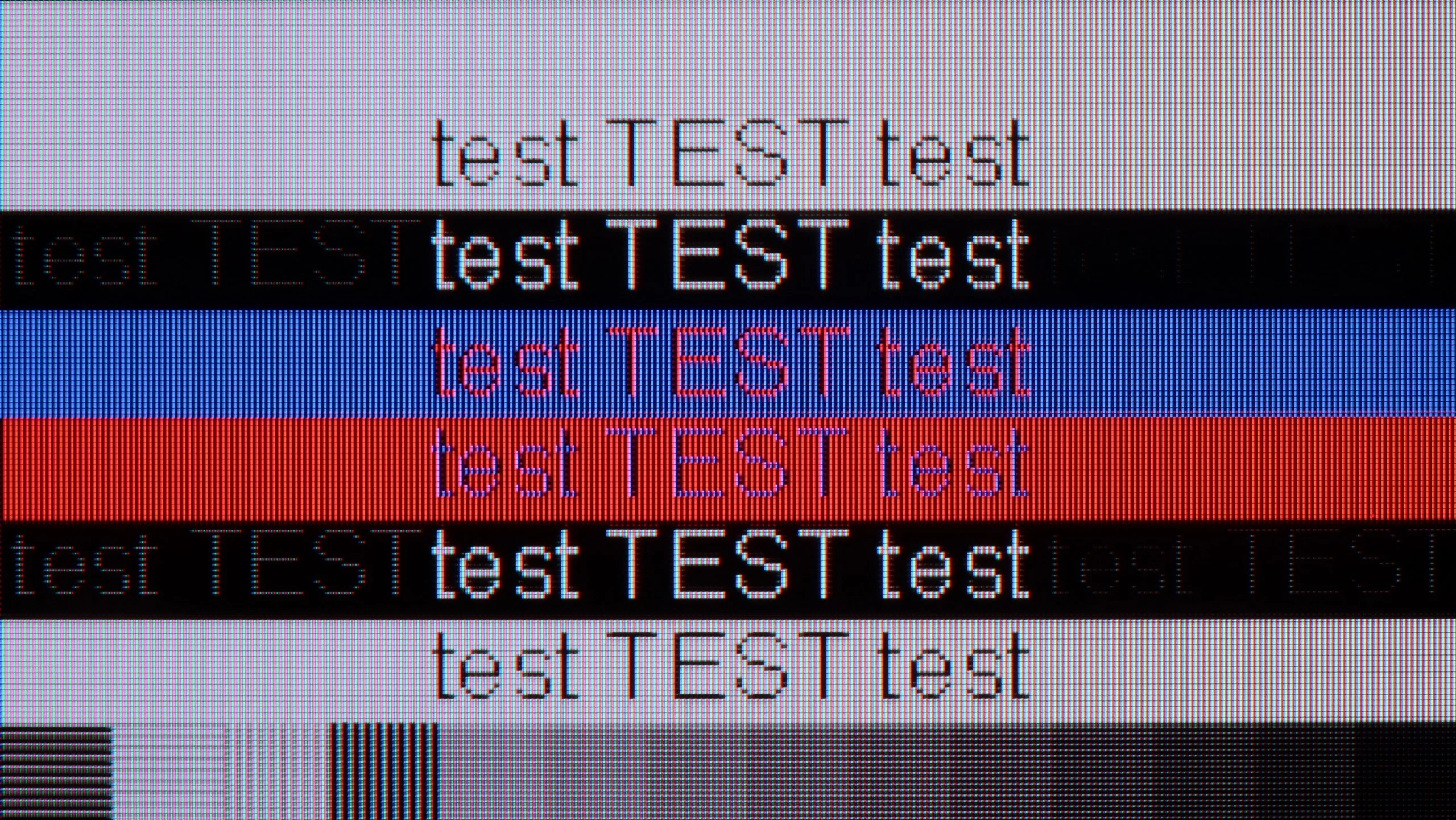
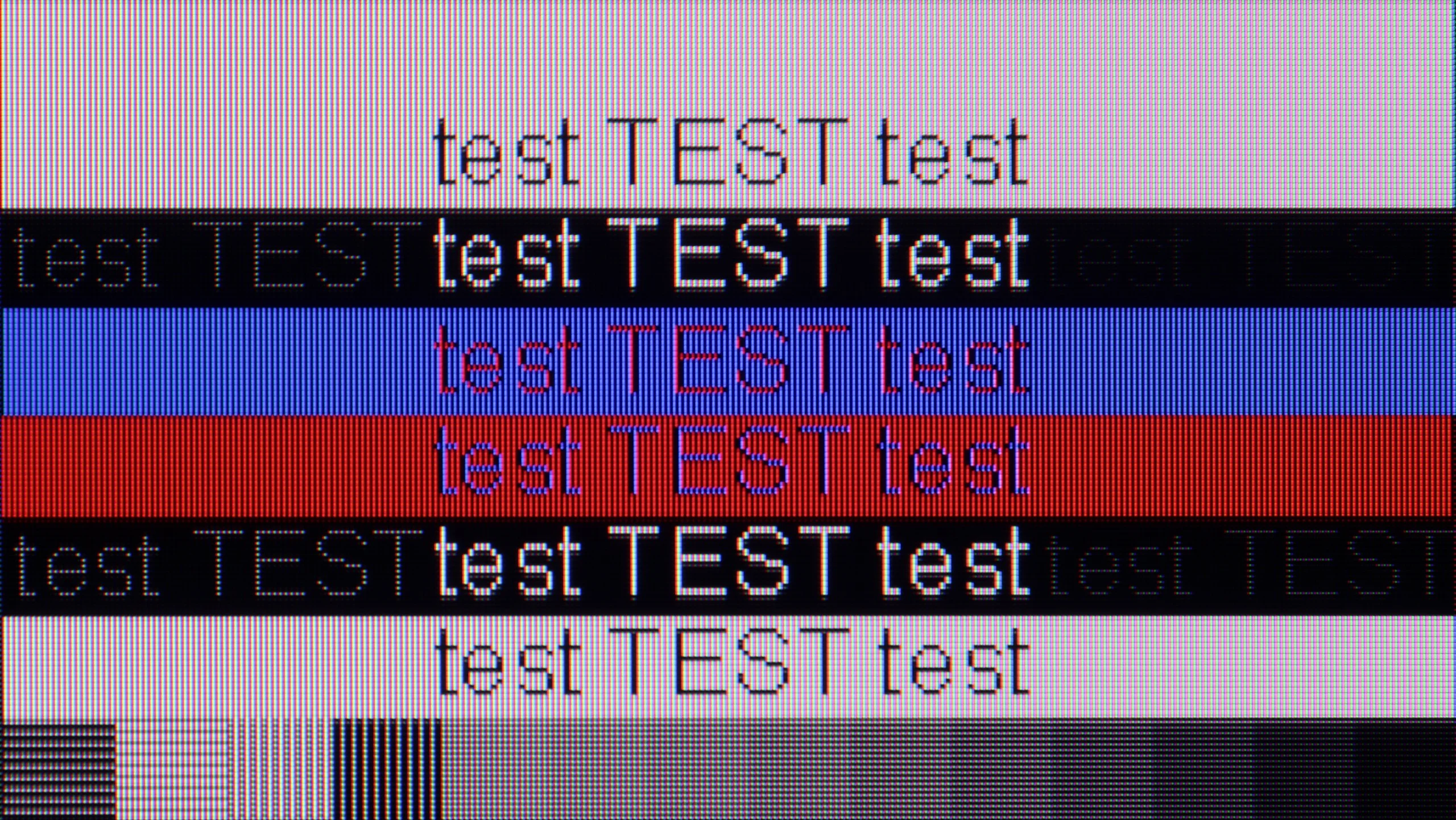
The photo shows the legibility of small fonts. Ideally, lines should be the same thickness on both light and dark text, with minimal pixel gaps.

The UR8S also works very well as a large computer monitor. The TV correctly handles 4:4:4 chroma at maximum resolution and refresh rate, so small fonts remain legible and don't have heavily jagged or coloured edges. The BGR subpixel layout used isn't much of an issue here and text still looks good, although nitpicky users will notice they're not perfect.

It also offers a refresh rate of up to 180 Hz at 4K, G-Sync support and very low input lag, which at the maximum refresh rate is about 9 ms. So if you want to use the UR8S not just for a console but also for gaming on a powerful PC, the TV is very well suited to that.

The Frame Pro performs well when connected to a computer. It supports full 4:4:4 chroma, 144 Hz at 4K and 240 Hz at Full HD. It also works with both NVIDIA's G-Sync and AMD FreeSync. However, it's not ideal for working with text. From a normal viewing distance everything looks fine, but up close you can see minor artefacts around fonts and slightly less crisp edges. That doesn't matter much for gaming or watching content, but you may notice it for office work.

Viewing angles

5.5/10

3.4/10

Brightness drop at an angle of 45 degrees
74%
72%

The viewing angles on the UR8S are quite good, helped by the RGB backlight. Thanks to the three-colour LEDs, colours viewed off-axis hold up better than in many conventional Mini-LED TVs that use white or blue backlights. Of course it’s still not on a par with OLED, and even less so with QD-OLED. At wider viewing angles the picture loses a little contrast and saturation, but for an LCD TV the result is genuinely decent.

Viewing angles on The Frame Pro are average, if not poor. The TV uses a classic VA panel and at wider angles the picture loses quality quite quickly. Brightness drops first and foremost, but colour saturation also clearly falls, making the image look more washed out. That's a bit more of a shame on The Frame Pro than on a regular TV. It's a model that's often meant to hang on the wall and also serve as artwork, so better viewing angles would be really welcome here.

Daytime performance

9.5/10

6.5/10

Panel finish
Matte
Matte
Reflection suppression
Very Good
Very Good
Black levels during daytime
Average
Average

Panel brightness

Samsung The Frame Pro 2026 (LS03HW): 587 cd/m2

Hisense UR8S: 1468 cd/m2

UR8S handles daytime viewing very well. First, it's a very bright TV — in SDR we measured about 1500 nits, so even with a lot of ambient light the picture remains punchy and readable. Another big plus is the matte coating, which disperses reflections from windows and lamps very effectively. Instead of a distinct reflection on the screen, you see more of a soft glow that is much less distracting while watching. That said, the coating works best when you view the TV head-on. From wider angles it begins to resemble a satin finish and reflections become more pronounced and therefore more intrusive. In a brightly lit room blacks also lose some of their depth, but at such high brightness that's not a major issue. Overall, the UR8S is simply a very good choice for a bright living room.

During the day The Frame Pro performs quite well. SDR brightness stays at around 600 nits, so the picture remains readable even in a brighter room. The biggest advantage is the matte screen coating, which very effectively diffuses reflections and means lamps or windows aren't so visible on the screen. However, we noticed that on this year's model the coating affects the image itself a bit more. In stronger light the blacks become slightly lifted and colours lose some of their depth. It's still a very good choice for a bright living room, but in that respect the screen is not without compromises.

Panel details

Backlight Type
Mini-LED RGB
Mini-LED QLED
Software version during testing
V01.09.60W.Q0624
1204
Image processor

Subpixel Structure:

Panel uniformity and thermal imaging:

Review Hisense UR8S TV Panel details
Review Samsung The Frame Pro 2026 (LS03HW) TV Panel details

Hisense UR8S

Samsung The Frame Pro 2026 (LS03HW)

TV features

9.4/10

7.7/10

  • System
    VIDAA
    Tizen
  • System performance
    Very good
    Good
  • HDMI inputs
    0 x HDMI 2.0, 4 x HDMI 2.1 48Gbps
    0 x HDMI 2.0, 5 x HDMI 2.1 48Gbps
  • Other inputs
    USB-C, Micro-HDMI
  • Outputs
    Toslink (Optical audio), eARC (HDMI), ARC (HDMI)
    Toslink (Optical audio), eARC (HDMI), ARC (HDMI)
  • Network Interfaces
    Wi-Fi 2.4GHz, Wi-Fi 5GHz, Ethernet (LAN) 100Mbps
    Wi-Fi 2.4GHz, Wi-Fi 5GHz, Ethernet (LAN) 100Mbps
  • TV reception
    DVB-T, DVB-T2, DVB-S, DVB-S2, DVB-C
    DVB-T, DVB-T2, DVB-S, DVB-S2, DVB-C

Classic features:

  • Recording to USB (terrestrial TV)
    Yes
    No
  • Recording programming
    Yes
    No
  • Picture in Picture (PiP)
    No
    No
  • RF remote control (no need to aim)
    Yes
    Yes
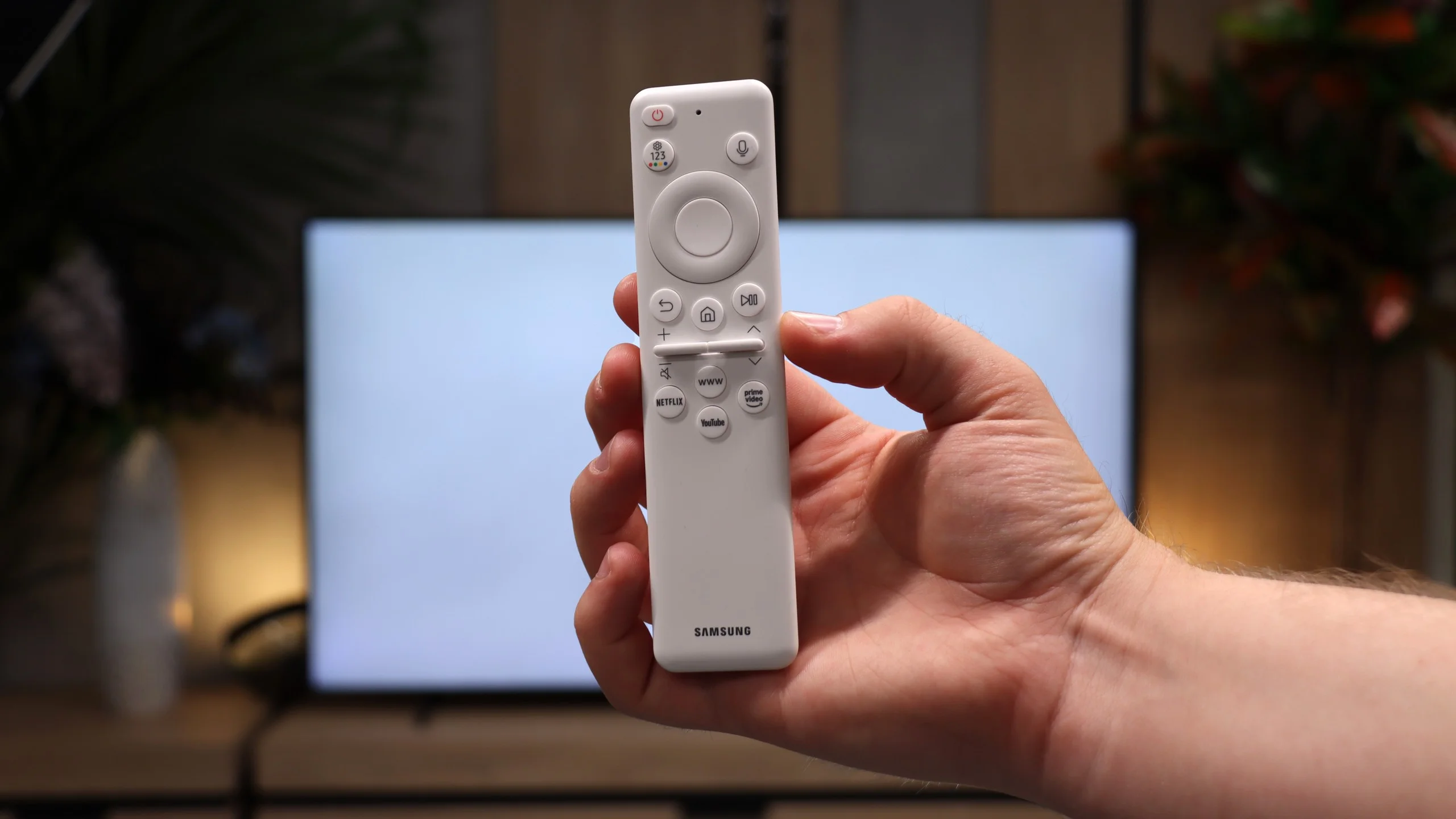
  • Backlit remote control
    Yes
    No
  • Teletext
    Yes
    Yes
  • Audio only mode
    Yes
    Yes
  • Bluetooth headphones support
    Yes
    Yes
  • Simultaneous Bluetooth headphones & TV audio
    Yes
    Yes

Smart features:

  • AirPlay
    Yes
    Yes
  • Screen mirroring (Windows Miracast)
    Yes
    Yes
  • Voice search
    Yes
    Yes
  • Voice search in native language
    Yes
    Yes
  • Ability to connect a keyboard and mouse
    Yes
    Yes
Review Hisense UR8S TV features
Review Samsung The Frame Pro 2026 (LS03HW) TV features

Sound connection options

  • HDMI audio
    eARC (HDMI), ARC (HDMI)
    eARC (HDMI), ARC (HDMI)
  • Other audio outputs
    Toslink (Optical audio)
    Toslink (Optical audio)
  • Wireless audio
    Bluetooth
    Bluetooth

Supported audio formats (external HDMI eARC audio):

  • Dolby Digital Plus 7.1
    Yes
    Yes
  • Dolby True HD 7.1
    Yes
    Yes
  • Dolby Atmos in Dolby Digital Plus (JOC)
    Yes
    Yes
  • Dolby Atmos in Dolby True HD
    Yes
    Yes
  • DTS:X in DTS-HD MA
    Yes
    No
  • DTS-HD Master Audio
    Yes
    No

Senior accessibility

  • Numeric keyboard on TV
    Yes
    No
  • Font size adjustment
    Yes
    Yes
  • Audio description
    Yes
    Yes

Classic features

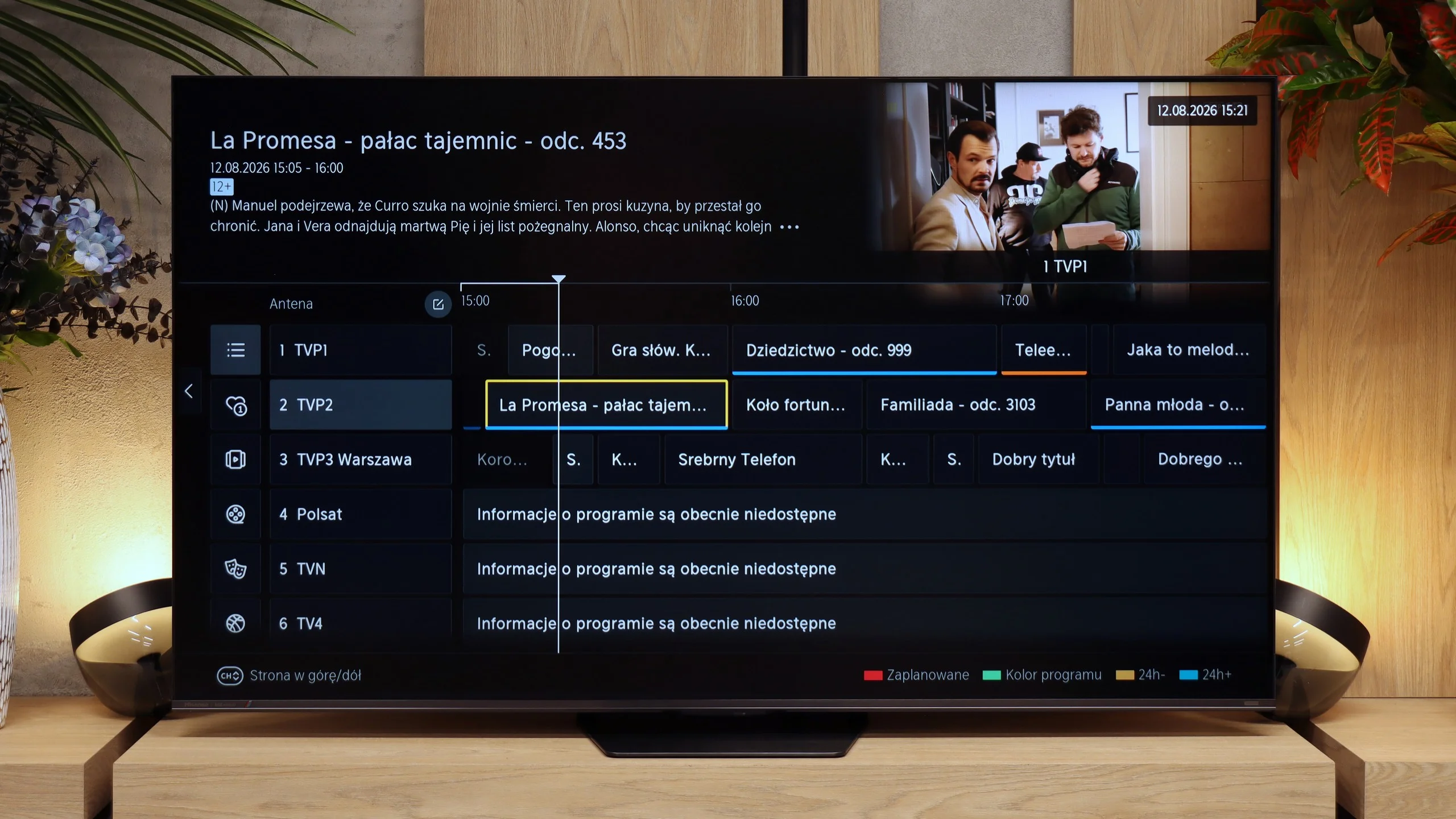
Hisense is one of those manufacturers that, fortunately, hasn’t abandoned the classic TV features. The UR8S lets you record programmes to USB, schedule recordings, has teletext and an "audio-only" mode. You can also use the TV speakers and Bluetooth headphones at the same time. The only real missing feature is picture-in-picture (PiP). The remote control also deserves praise. It’s well made, backlit and has plenty of buttons, so you can access most key functions without digging through menus. It communicates with the TV by radio, so you don’t need to point it directly at the screen.

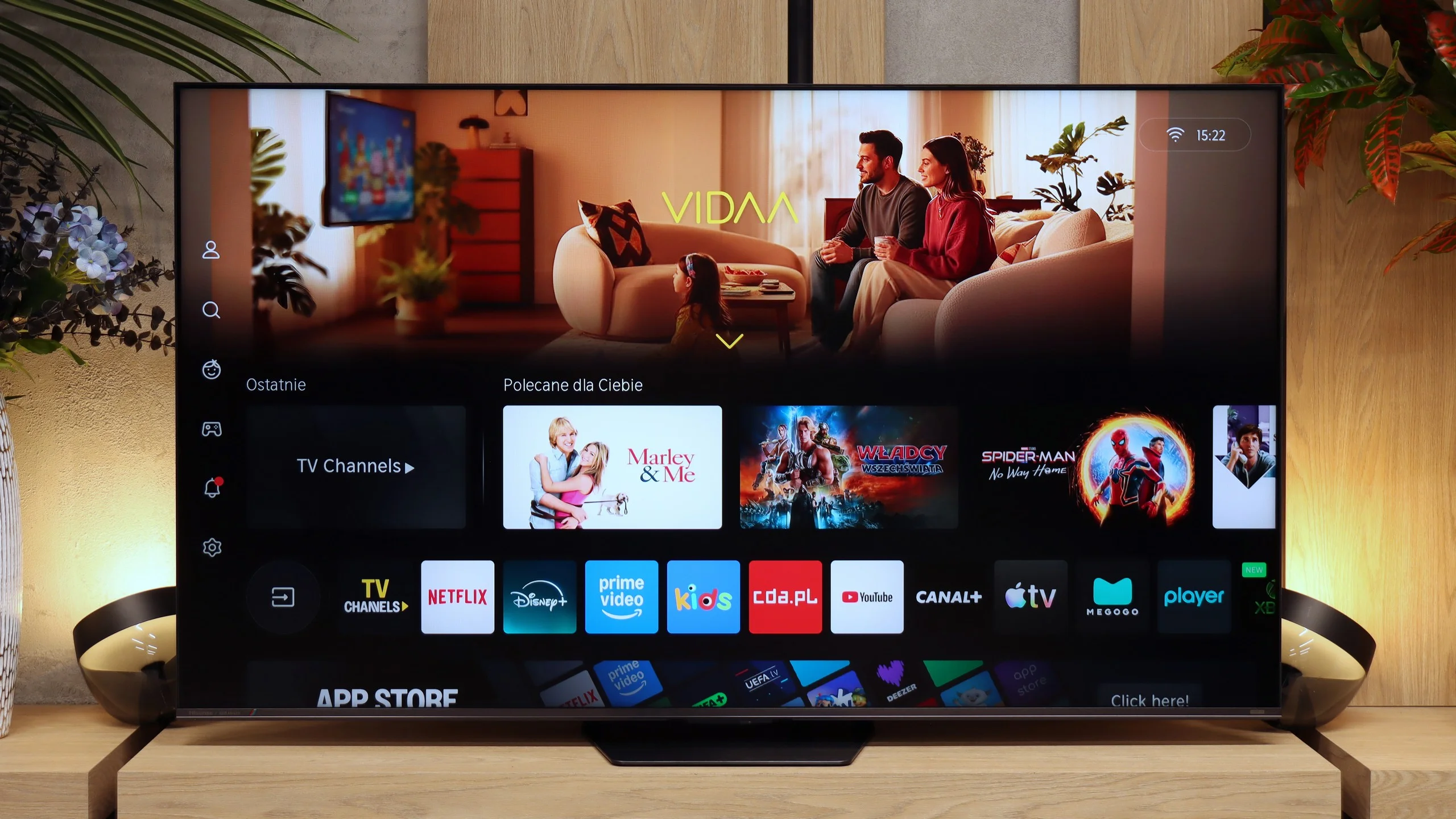
VIDAA system

The VIDAA system on the UR8S is very fast and responsive. Apps launch smoothly, navigating the menus is fluid, and during testing we had no major complaints about its performance. The app library is now large enough to include all the major streaming services. There are also extra Smart features. The UR8S supports AirPlay, Miracast, voice search in Polish and the ability to connect a keyboard and mouse. VIDAA may not offer as much freedom as Google TV, but for everyday TV use it essentially provides everything you need.

Tizen and Smart TV features

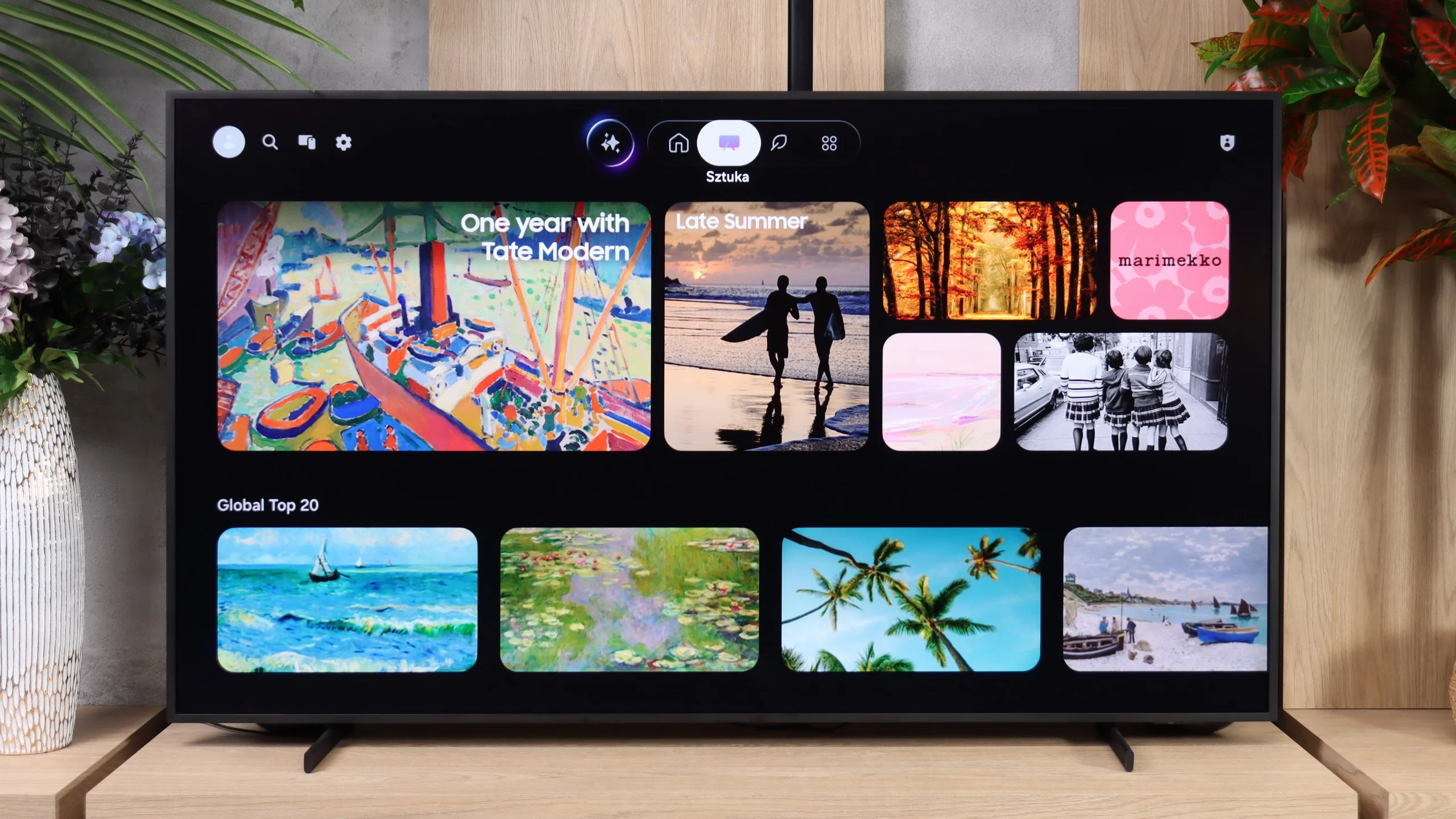
Tizen is, of course, behind the Smart TV features. The system runs smoothly and offers a very large selection of streaming apps. It also supports AirPlay, Miracast and voice search in Polish. In that respect The Frame Pro is not especially different from other new Samsungs – you simply get the manufacturer's feature-rich, well-working system.

Art Mode and Art Store

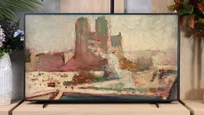
Far more interesting is Art Mode, since it's one of the most important features of the whole Frame series. When turned off, the TV can display paintings, photos or graphics instead of a black screen and can genuinely do a good job of imitating a classic picture hanging on the wall. Samsung provides access to the Art Store, where the selection is really large and the materials themselves are prepared to very high quality. The problem is that full access requires a subscription, and in our view that's a significant drawback for a TV whose main selling point is this feature. Fortunately we're not limited to the Art Store. You can upload your own photos or artwork, so nothing stops you from finding a high-resolution piece yourself and displaying it on the screen. The automation of this mode is also handled very interestingly. The Frame Pro not only has an ambient light sensor to adapt the look of the displayed image to the room, but also a presence sensor. The TV can therefore detect that someone is in the room and automatically activate Art Mode.

Classic features

As for classic TV features, The Frame Pro offers a rather basic set of conveniences. We have DVB-T/T2, DVB-S/S2 and DVB-C tuners, teletext, a sound-only mode and the ability to use Bluetooth headphones and the TV speakers at the same time. Missing, however, are USB programme recording, PiP and a more advanced remote, for example one with a numeric keypad. The remote works via radio, so you don't need to point it at the screen.

Apps

8.3/10

9.3/10

OK
Disney_Plus
OK
Amazon_Prime_Video
OK
Player_TVN
OK
Polsat_Box_Go
OK
Canal_Plus_Online
OK
TVP_VOD
OK
Apple_TV_Plus
OK
SkyShowtime
OK
Rakuten
OK
CDA_Premium_Browser
OK
Spotify
No
Tidal
OK
Netflix
OK
YouTube
OK
HBO_MAX
No
Kodi
No
Apple_music
No
Eleven_sports
OK
Xbox Game Pass
No
GeForce NOW
No
Amazon Luna
OK
Boosteroid
No
Steam Link
OK
Disney_Plus
OK
Amazon_Prime_Video
OK
Player_TVN
OK
Polsat_Box_Go
OK
Canal_Plus_Online
OK
TVP_VOD
OK
Apple_TV_Plus
OK
SkyShowtime
OK
Rakuten
OK
CDA_Premium_Browser
OK
Spotify
No
Tidal
OK
Netflix
OK
YouTube
OK
HBO_MAX
No
Kodi
OK
Apple_music
OK
Eleven_sports
OK
Xbox Game Pass
OK
GeForce NOW
OK
Amazon Luna
OK
Boosteroid
No
Steam Link

Playing files from USB

8.5/10

9.1/10

Supported photo formats:

JPEG
Yes
Yes
HEIC
No
No
PNG
Yes
Yes
GIF
Yes
No
WebP
Yes
No
TIFF
Yes
No
BMP
Yes
Yes
SVG
No
No

Maximum photo resolution:

4 Mpix
Yes
Yes
6 Mpix
Yes
Yes
8 Mpix
Yes
Yes
10 Mpix
No
Yes
12 Mpix
No
Yes
16 Mpix
Yes
Yes
20 Mpix
No
Yes
24 Mpix
No
Yes
28 Mpix
No
Yes
32 Mpix
Yes
Yes

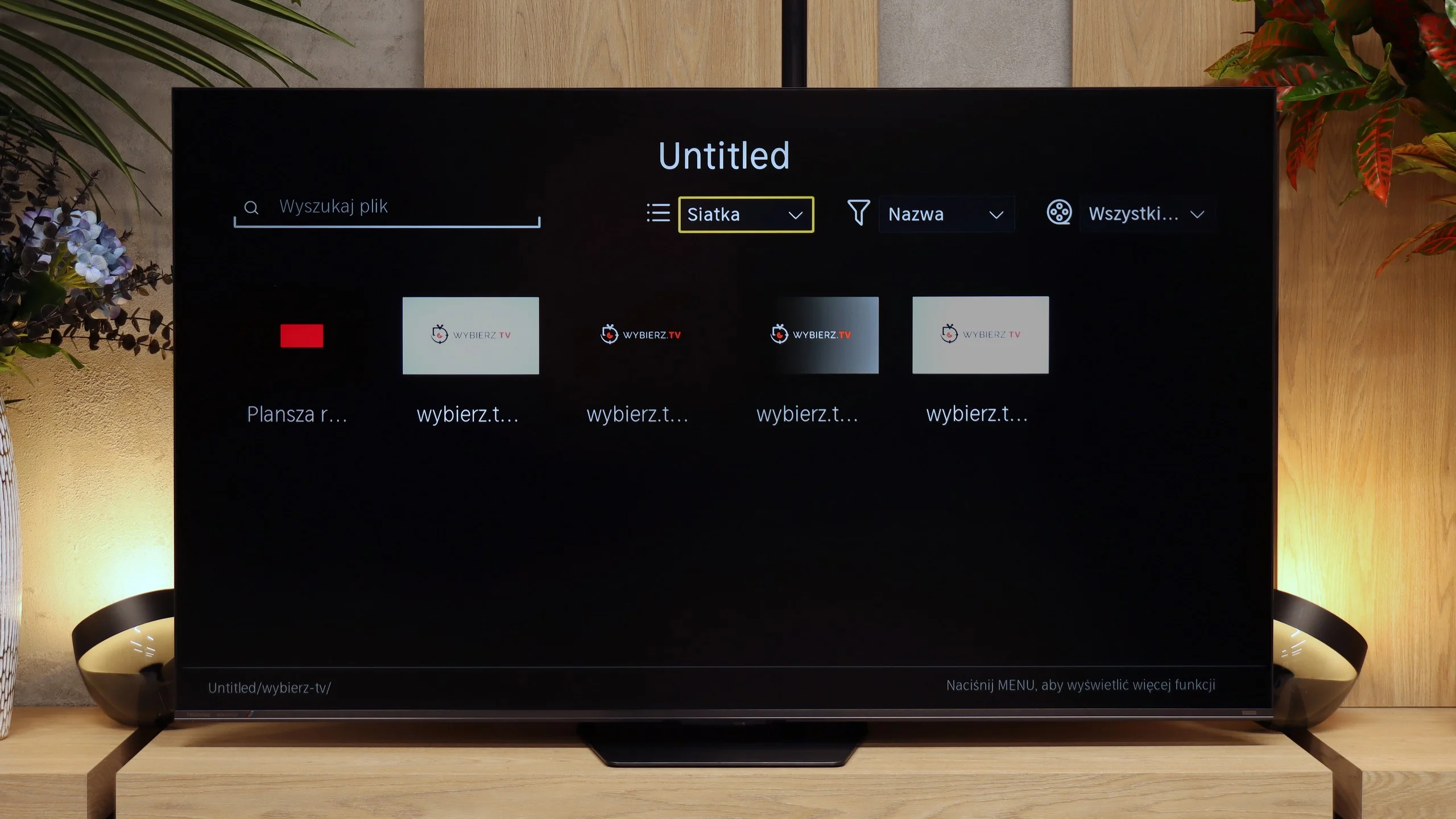
The USB media player works properly and handles most common files without major problems. Our main reservation is the handling of photos. The UR8S is rather selective about image resolutions. For example, it can open 16 or 32 Mpix photos yet refuse to display 10, 12 or 20 Mpix files. It's hard to find any logic in that, so if you often view photos directly from a USB stick you may sometimes run into a file the TV simply won't open.

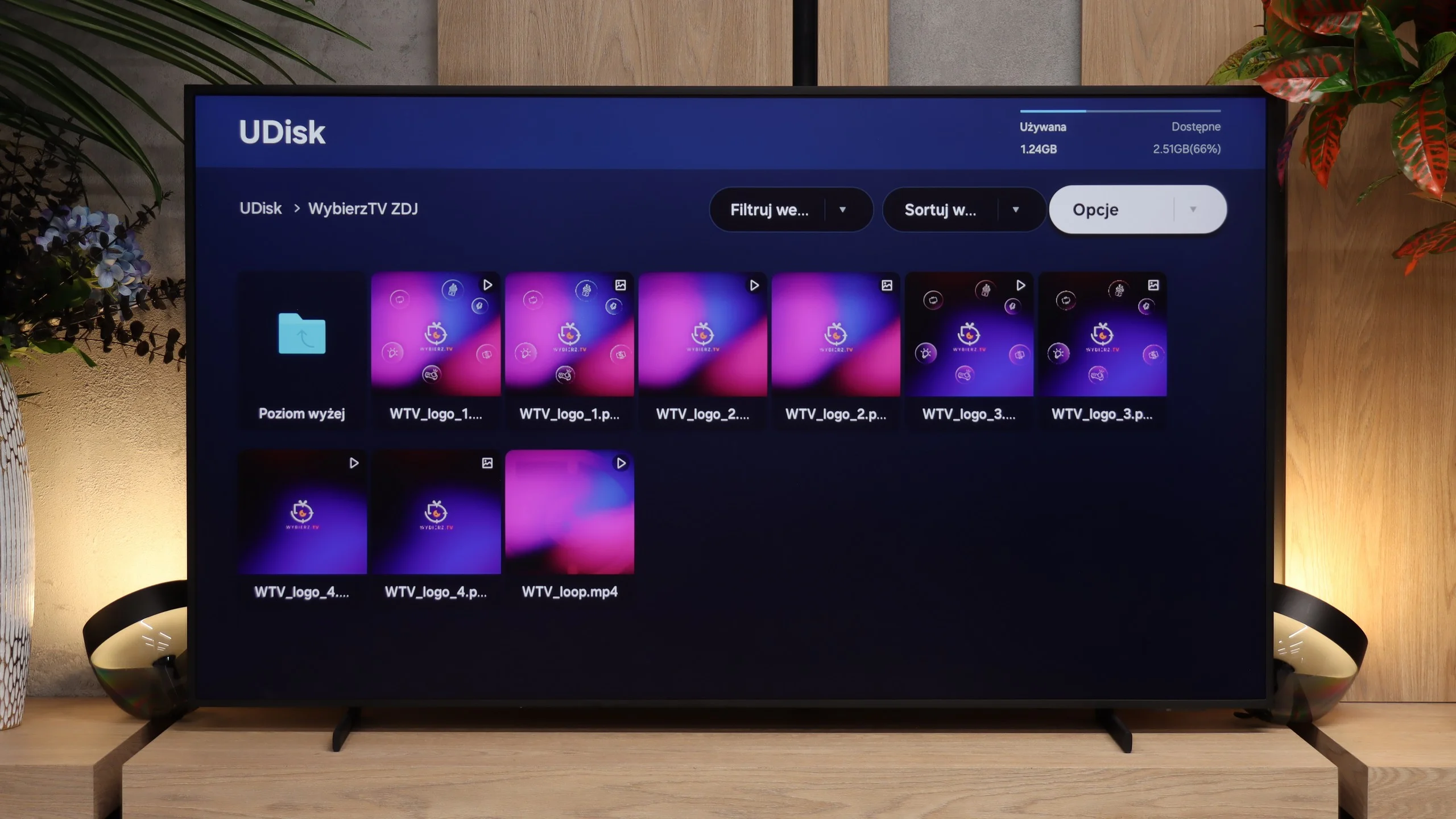
The Frame Pro handles playing files from a USB drive well. Most common video, audio and photo formats work correctly, so you probably won't need to connect a laptop just to play a movie or browse photos. What we miss most is support for HEIC, the format commonly used for photos taken with iPhones. Apple users will therefore have to convert those photos to a supported format beforehand or simply stream them to the TV via AirPlay. Other than that, the player works great.

Sound

7.8/10

6.4/10

  • Maximum volume
    92dB
    89dB
  • Dolby Digital Plus 7.1
    Yes
    Yes
  • Dolby True HD 7.1
    Yes
    No
  • Dolby Atmos in Dolby Digital Plus (JOC)
    Yes
    Yes
  • Dolby Atmos in Dolby True HD
    No
    No
  • DTS:X in DTS-HD MA
    Yes
    No
  • DTS-HD Master Audio
    Yes
    No

In terms of sound, the UR8S performs very similarly to the lower-tier Hisense U7S Pro, and that's no coincidence. The manufacturer has used practically the same 2.1.2 layout with a total power of 50 W. There's an additional subwoofer at the back of the enclosure, while the other speakers are positioned in the lower part of the TV. For built-in speakers the result is quite good. The subwoofer adds some bass, so the sound isn't as flat as in basic TVs, and the whole setup can also play really loudly. In our measurements the maximum loudness reached about 92 dBC. It's not, of course, a replacement for a good soundbar, but it's perfectly adequate for casual TV watching or YouTube.

The sound on The Frame Pro is decent and hasn't changed much compared with last year's model. The TV handles dialogue particularly well, with voices clear and easy to hear. However, it lacks stronger bass, so films and music don't have much depth. If you care about better sound, it's worth considering a soundbar when buying The Frame Pro. Models from the S series suit it especially well. Their slim design complements the look of the TV. Finally, The Frame Pro supports Dolby Atmos, so with a compatible soundbar or AV receiver you can enjoy immersive audio. It does not support DTS, which is worth bearing in mind when playing films from your own library, for example Blu-ray discs.

Sound Quality Test

Acoustic Measurements

92dBC (Max)

75dBC

89dBC (Max)

75dBC

Reader comments

Comments are provided by the external service Disqus (Zeta Global). Once loaded, Disqus may set cookies and process data about your activity.

We will remember your choice on this device. Provider's privacy policy