 Direct comparison
Hisense U8Q is a television that makes it hard not to feel that the manufacturer approached the topic with the ambition of a top student. The picture is strong, vibrant, and contrasted – as if it’s shouting: “look, I can do more than most at this price!” And indeed, there is something to this. The secret lies in the large number of dimming zones in Mini-LED technology. Thanks to them, HDR doesn't just end with promises from the brochure, but can truly impress – especially during evening screenings. It's also hard to complain about motion smoothness. Watching matches and fast-paced games is enjoyable, and while the ball may leave a slight trail at times, it will be a negligible detail for 99% of viewers in everyday watching. Gamers also have reasons to be pleased here – although it should be mentioned right away that there is no HGiG feature. Other than that, it’s really good: low input lag, three HDMI 2.1 ports, and a full set of gaming features make the U8Q stand out as one of the more interesting Mini-LEDs for console fans. Of course, there are no perfect products. The television still carries some "miniLED" quirks, and the Vidaa system – although packed with features – can be less intuitive and has a more modest selection of apps compared to competing platforms. But are these serious flaws or rather minor drawbacks in the context of price and what we actually get? We leave that question for you to answer!
- Matching (Score) |
- Our verdict |
- TV appearance |
- Where to buy |
- Contrast and black detail |
- HDR effect quality |
- Factory color reproduction |
- Color reproduction after calibration |
- Smoothness of tonal transitions |
- Image scaling and smoothness of tonal transitions |
- Blur and motion smoothness |
- Console compatibility and gaming features |
- Input lag |
- Compatibility with PC |
- Viewing angles |
- Daytime performance |
- Panel details |
- TV features |
- Apps |
- Playing files from USB |
- Sound
U8Q
C6 / C64 / C6E / C6H / C61

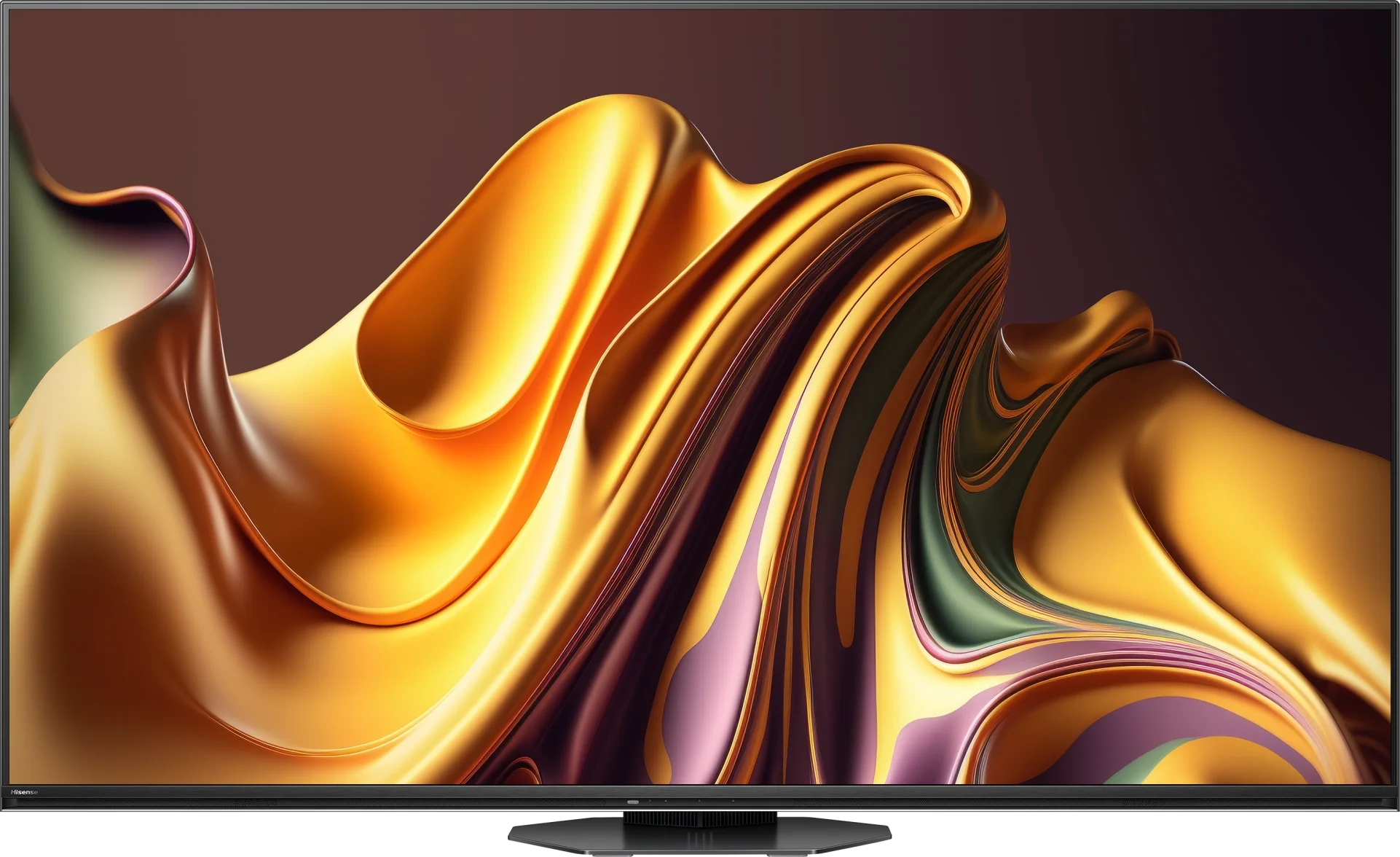
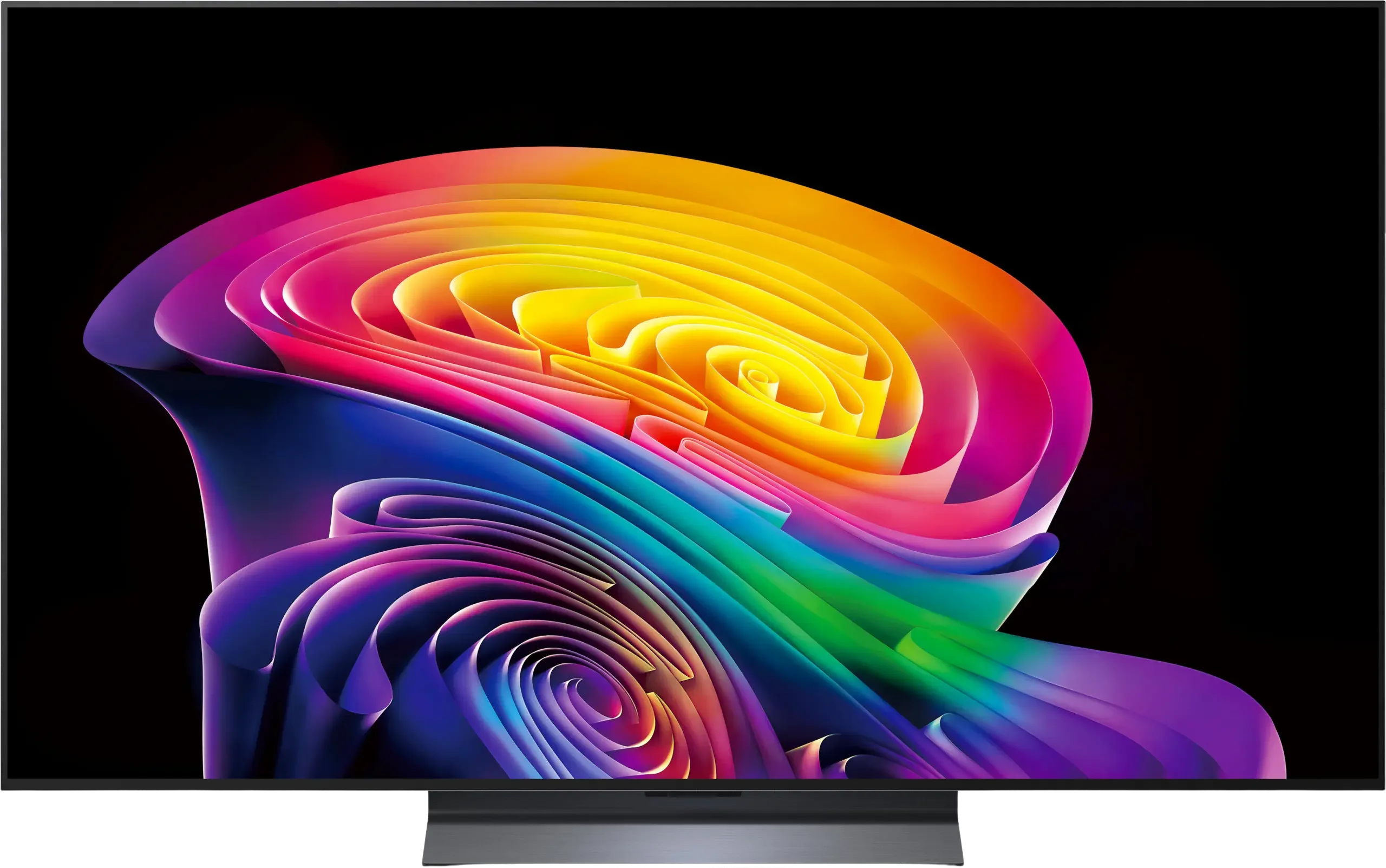
Panel type: LCD VA
Resolution: 3840x2160
System: VIDAA
Model year: 2025
Complete the survey to find out the result
Panel type: WRGB OLED
Resolution: 3840x2160
System: WebOS
Model year: 2026
Complete the survey to find out the result
Overall rating
8.0
8.3
 Movies and series in UHD quality
7.8
8.4
 Classic TV, YouTube
7.6
8.8
 Sports broadcasts (TV and apps)
7.1
8.6
 Gaming on console
8.5
9.4
 TV as a computer monitor
8.4
8.6
 Watching in bright light
8.2
6.6
 Utility functions
9.4
8.4
 Apps
7.7
9.1
 Sound quality
7.8
7.0
Complete the survey to find out what fits your preferences
Advantages

Great blacks and contrast
Incredibly high brightness
Full package of HDR formats: HDR10, HDR10+, Dolby Vision
Good motion smoothness - 165Hz panel
Exceptional usability in difficult lighting conditions (High brightness + New anti-reflective coating on the panel)
Many features for gamers, VRR, ALLM, HDMI 2.1, 288Hz for PC
All 3 ports in HDMI 2.1 standard (Finally!)
USB-C with video signal output capability (Displayport)
Many features in the Vidaa system
Support for DTS and Dolby Atmos
Perfect blacks and OLED-level contrast
Very high HDR brightness, up to around 1,500 nits
Excellent picture quality in HDR films, including Dolby Vision
Very good image processing and upscaling
165 Hz panel with virtually no motion blur
Great gaming package: VRR, G-Sync, HGiG, Dolby Vision Gaming
Very low input lag, about 5 ms at 120 Hz
Wide viewing angles
Intuitive, modern WebOS
Convenient control with the Magic Remote featuring a gyroscope
Disadvantages

Missing some apps on the Vidaa operating system
At maximum volume, the television slightly shakes
The television tends to "burn out" the image in 4K HDR content.
Different versions of the remote depending on the C6 variant, so before buying it's hard to be certain which Magic Remote will be included
Visible grain (dithering) around blacks, noticeable from close viewing distance
Average reflection handling, in a very bright living room strong reflections may be noticeable
No DTS:X support, for that format you'll need an external AV receiver or player
Our verdict
The LG C6 is a very successful evolution of one of the market’s most popular OLEDs. The TV itself hasn’t changed drastically compared with last year’s C5; the look is very similar, webOS offers comparable features, and gamers again get pretty much everything you’d expect from a modern TV. You can’t really complain, since the C5 was already a very complete device in that respect. The most important change is where there was room for improvement: the panel itself. The new WOLED panel is noticeably brighter, and roughly 1500 nits in HDR makes it increasingly hard to see the C6 as just a ‘mid-range’ OLED. HDR movies look very impressive, blacks remain perfect, colours are very good, and the new processor, the same one found in the flagship G6, handles upscaling and lower-quality sources very well. There’s also a really strong offering for gamers. 165 Hz from a PC, VRR, G-Sync and very low input lag mean you can just as easily hook up a console as a powerful PC. During the day the C6 also performs better than previous generations, though of course in a very bright living room you’ll still find brighter TVs on the market. And it’s probably that versatility we like most about the C series. The C6 doesn’t try to be the best TV in every possible category, but it doesn’t really fall short in any. It’s suitable for movies, sport, gaming, regular TV and everyday streaming. If its price starts to fall after launch as it did with previous generations, it could be one of the most interesting OLEDs to buy in 2026.
TV appearance
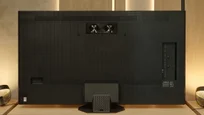
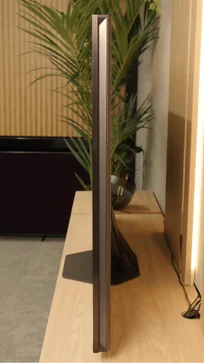
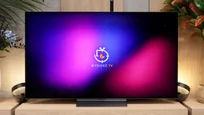


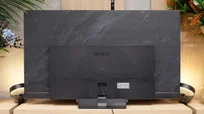

Contrast and black detail
8.6/10
10/10
Local dimming function: Yes, number of zones: 2048 (32 x 64)
Contrast:


Result
1,024,000:1

Result
140,000:1

Result
35,000:1

Result
22,350:1

Result
22,300:1
Result
∞:1
Result
∞:1
Result
∞:1
Result
∞:1
Result
∞:1
Halo effect and black detail visibility:
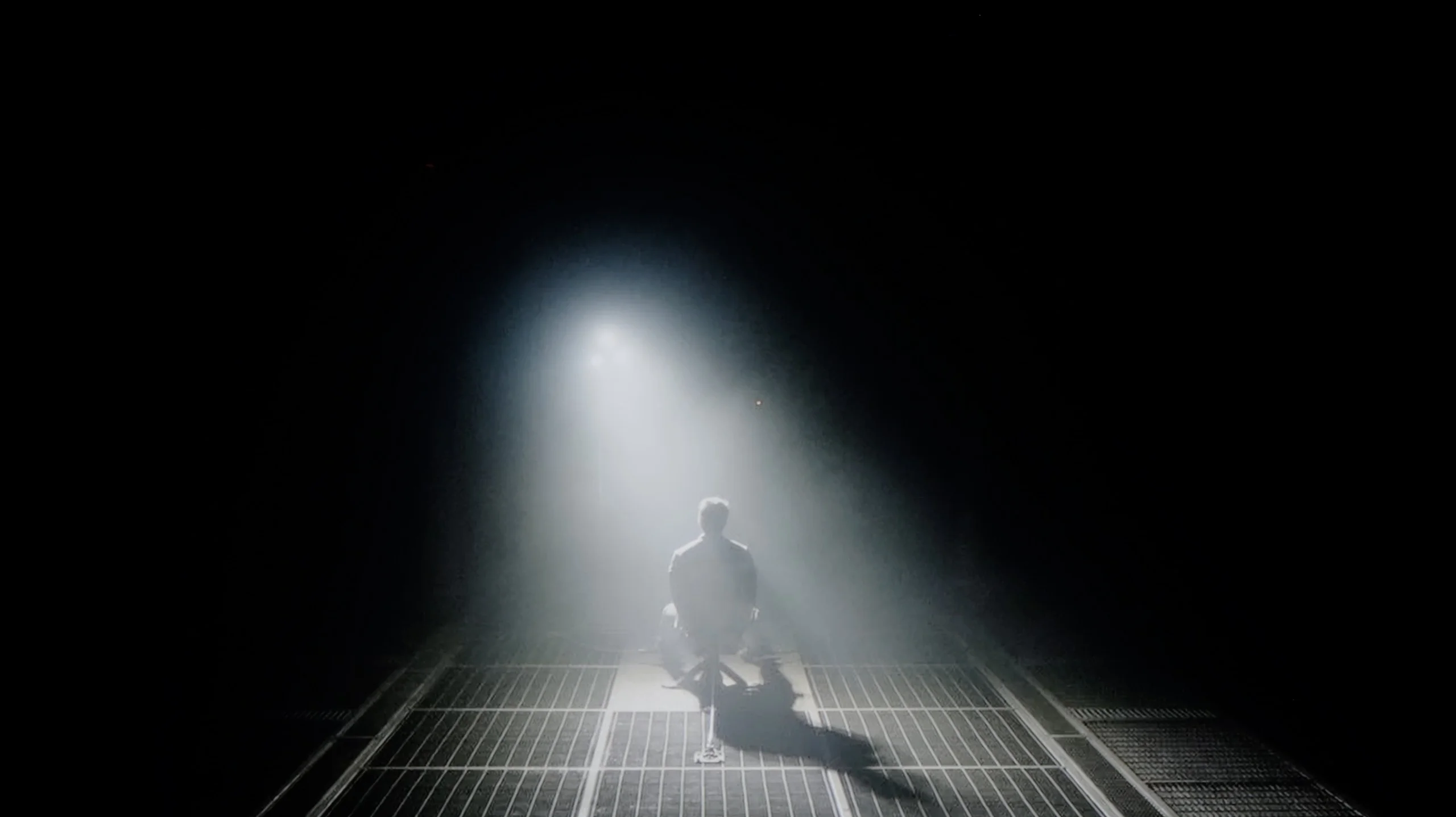
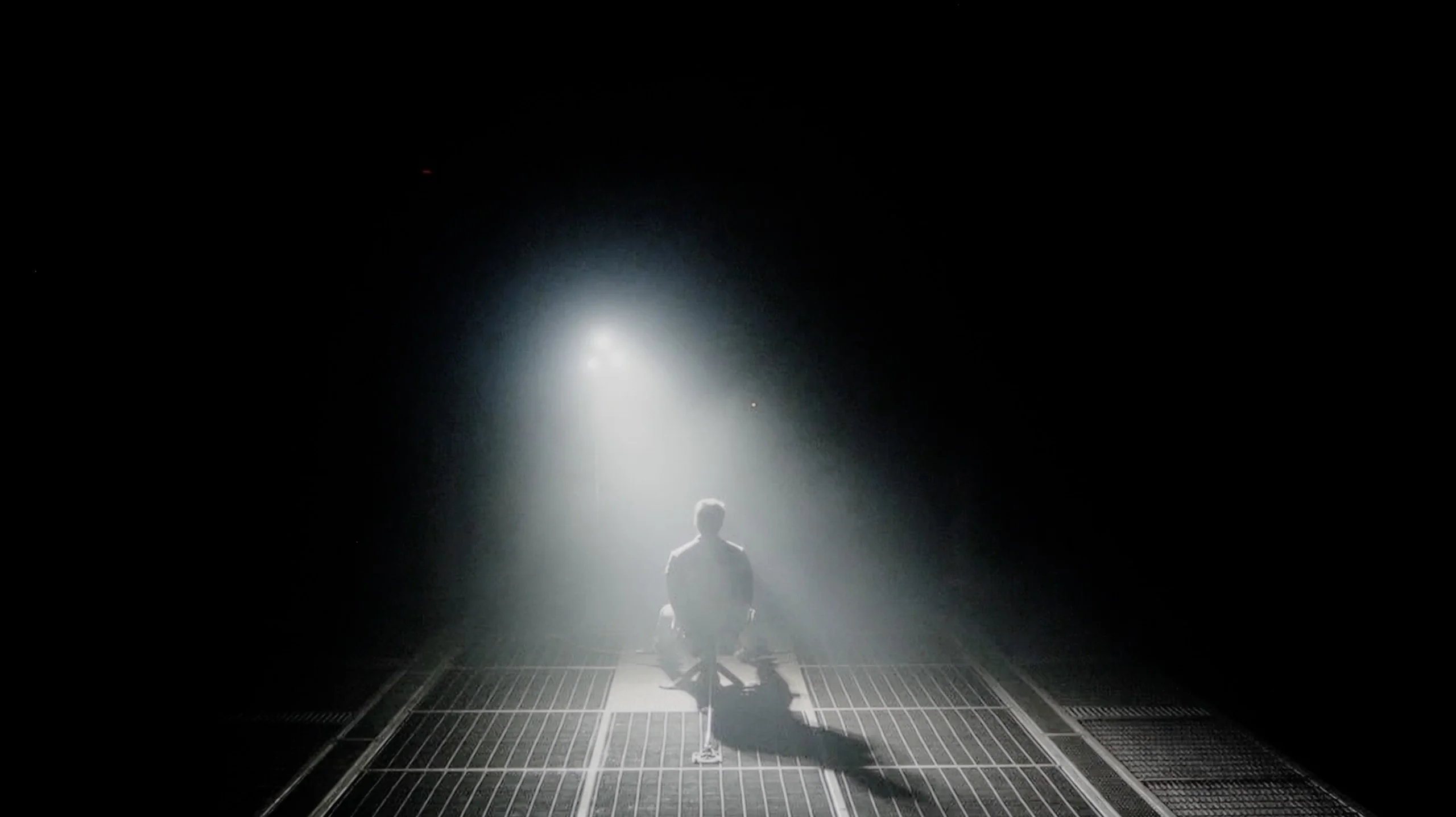
Check the visibility of bright lights on a dark background. Mini-LEDs often struggle with this. The photo does not compare black levels – that’s what the video below is for.
The video accurately shows differences in contrast and black levels between TVs, as well as potential issues: halo around bright objects or Mini-LED zone operation visible as brightness jumps.
The unit we tested, the Hisense U8Q in 65 inches, is equipped with a VA panel that offers high native contrast on its own. However, this is not the biggest strength of this model—the key lies in the Mini LED backlighting. With the use of thousands of dimming zones and a well-tuned light management algorithm, the contrast in the U8Q can be described as excellent, especially for a TV of this technology.
The best results reach around a million to one—a result that is impressive and places the U8Q among the top Mini LED TVs. Yes, there are certain issues and even drops in contrast, but they are not as dramatic as with many other models in this class that we have tested on our portal. It's also worth noting that like every Mini LED TV, the U8Q is not completely free from typical imperfections—sometimes the picture can be dimmed too much, or there may be slight blooming effects with a halo. However, this does not change the overall impression: the contrast in the Hisense U8Q is stunning and is one of the greatest assets of this model.
If it’s about black levels, there’s not much to discuss. The LG C6 uses an OLED panel, so each pixel can be completely turned off. The result is what you’d expect: perfect black, very high contrast and no haloing around bright elements. You can see this clearly in night scenes, where single lamps, text or other bright points appear against a very dark background. The C6 handles them without any trouble and there are none of the limitations typical of Mini LED TVs with local dimming. Interestingly, in this respect it doesn’t matter whether we’re talking about this C6 or the more expensive Tandem OLED variant. When it comes to black levels themselves, both TVs perform practically identically. The differences between them are mainly in brightness and colours.
NOTE: In the helicopter scene from Sicario 2 we noticed graininess and flickering in the darkest parts of the image. It looks like a software bug that LG should fix with an update. On the Tandem OLED version the issue is even more noticeable, and we observed similar behaviour on the flagship LG G6.
HDR effect quality
7.6/10
7.8/10
Luminance measurements in HDR:

Result
2195 nit

Result
725 nit

Result
1652 nit

Result
485 nit

Result
1541 nit
Result
1489 nit
Result
1288 nit
Result
1527 nit
Result
1345 nit
Result
649 nit
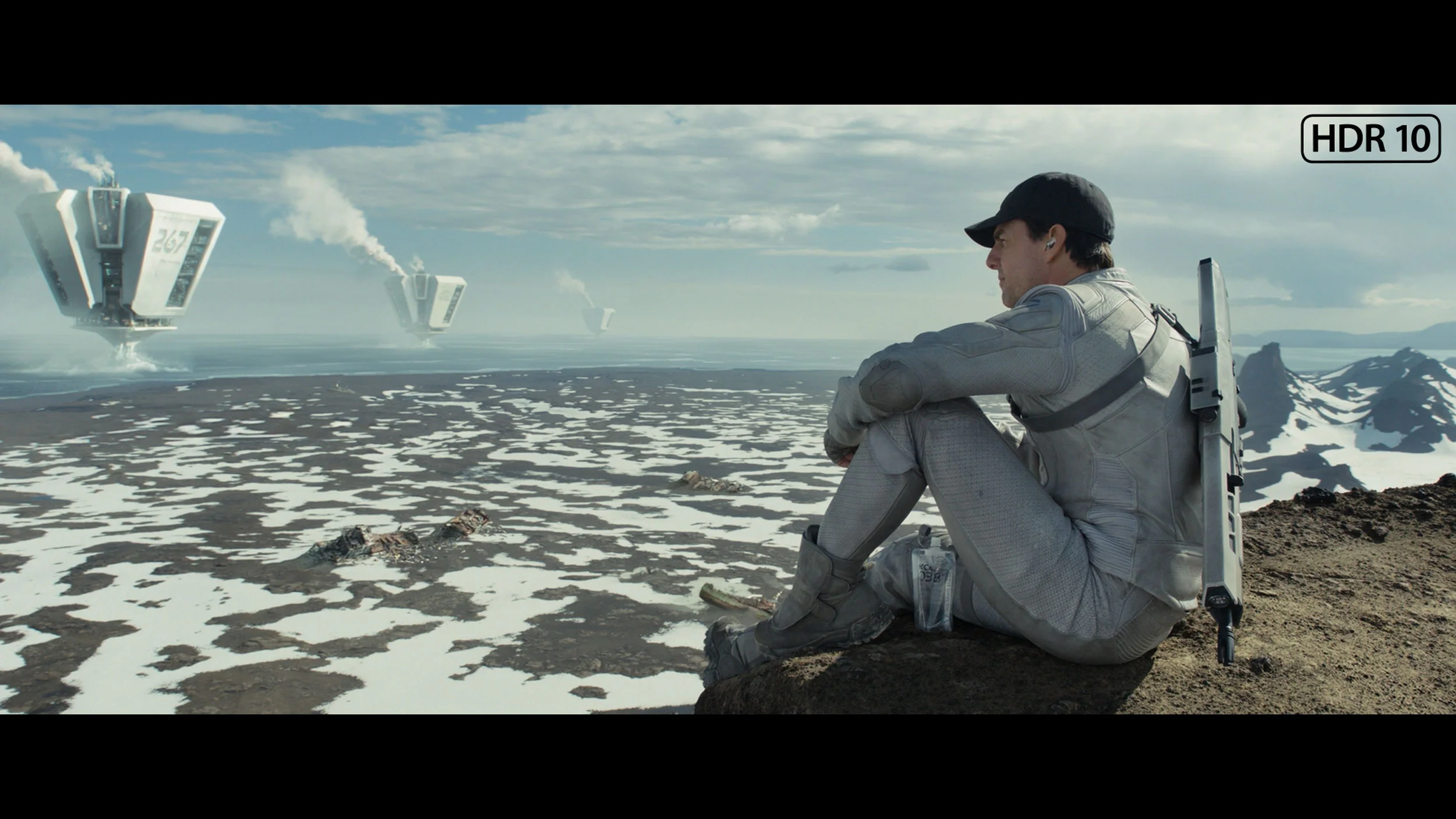
Scene from the movie “Pan” (about 2800 nits)


Scene from the movie “Billy Lynn” (about 1100 nits)

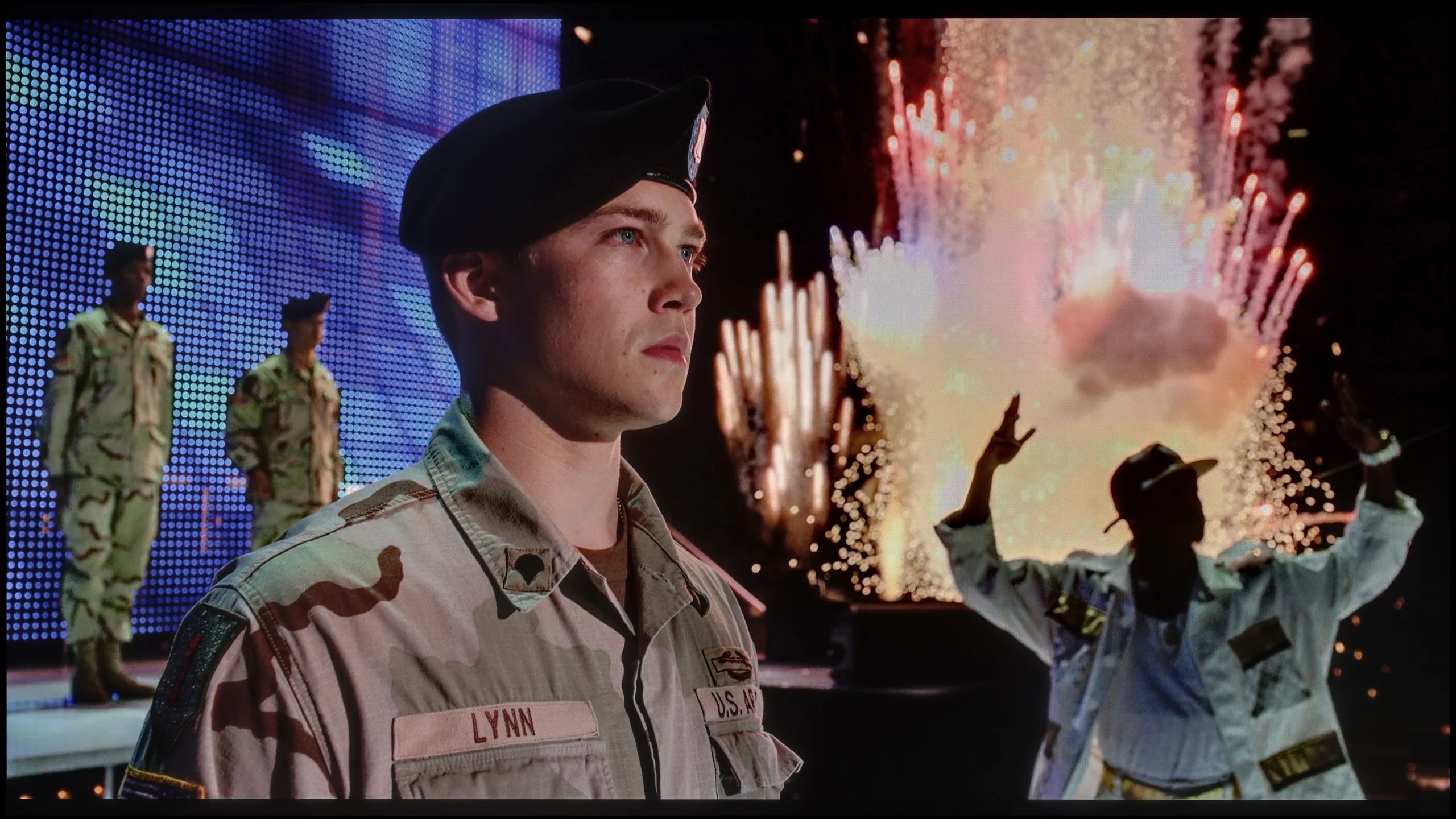
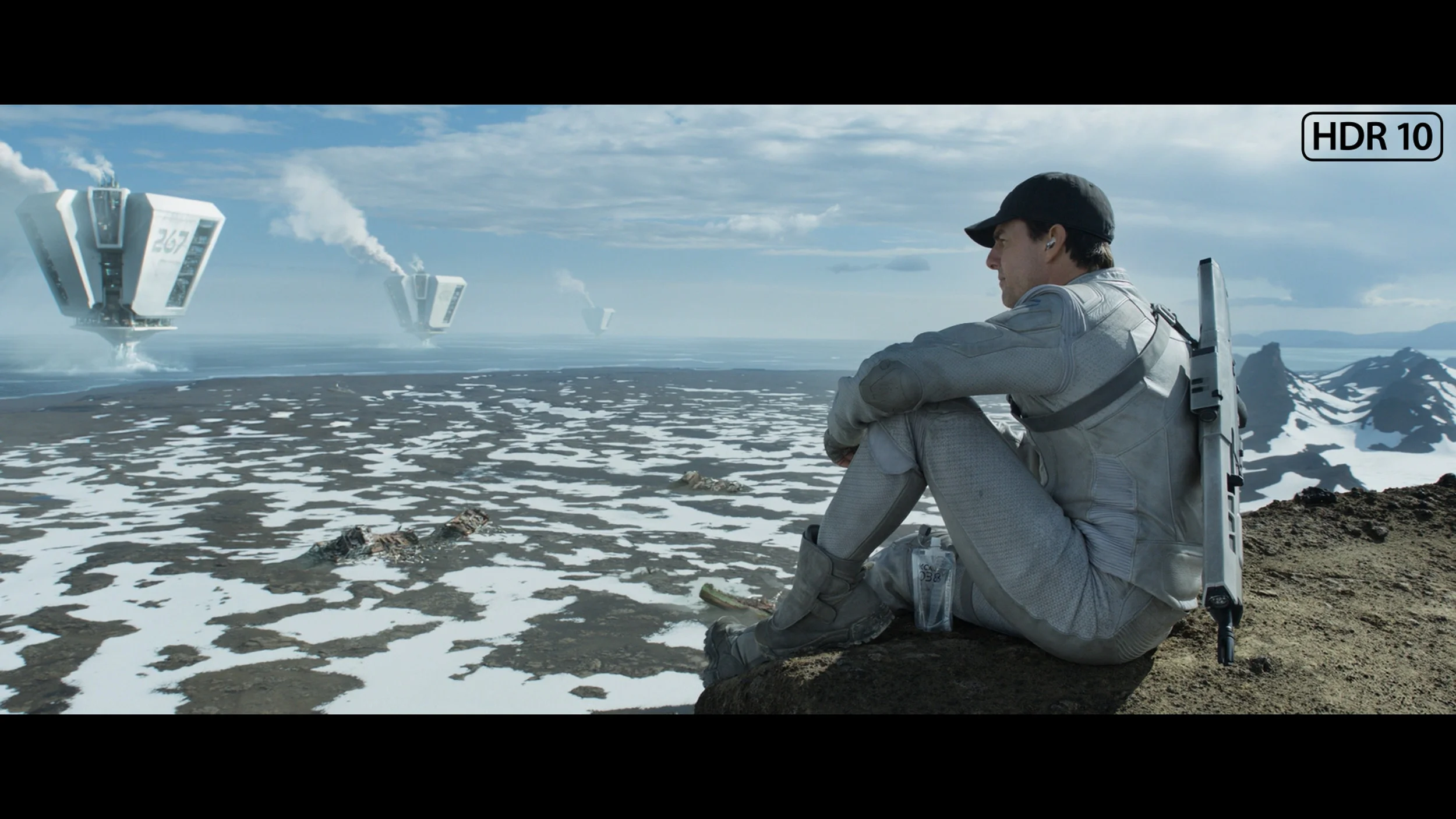
The photos show two HDR10 movies. 'Pan' is one of the brightest productions ever made, while 'Billy Lynn' (soldier) has brightness typical of streaming (Netflix, Prime, HBO MAX). Notice the intensity of effects and detail in whites.
Static HDR10


The photos present the visibility of white details in various HDR formats. They do not show brightness differences between TVs (these can be compared in the previous gallery).
Dynamic: Dolby Vision
Dynamic: Dolby Vision


The photos present the visibility of white details in various HDR formats. They do not show brightness differences between TVs (these can be compared in the previous gallery).
HDR luminance chart:
LG OLED C6 (WOLED)
Hisense U8Q
Luminance of RGB colors
When it comes to HDR, the Hisense U8Q shows its claws. On paper, meaning in synthetic measurement tests, the TV can "push out" nearly 4000 nits of peak brightness. This is a value that most models can only envy. In practice, this translates to very strong light effects in movies – in some scenes we managed to measure real levels from 1500 to 2000 nits, which is a level usually reserved for the absolute top-tier TVs on the market.
Of course, it's not always so perfect. In small, point-like elements, brightness can drop – a good example is scene number 4 from the movie Sicario 2, where instead of thousands of nits we get about 500. But it's worth noting that the effect doesn't disappear completely – the light is still visible, and the image doesn't appear artificially dimmed. This is a typical issue with Mini LEDs, so it’s hard to consider it a major drawback.
However, a huge plus has to be granted for colour reproduction. Thanks to additional coatings improving colour saturation, the U8Q almost covers the entire DCI-P3 colour space (98%), and for the wider BT.2020 gamut it achieved over 80%. This is an excellent result that makes HDR films look juicy, intense, and just very cinematic.
The HDR performance of the LG C6 is really very good. LG Display’s new WOLED panel has mainly brought a significant increase in brightness. In our unit we measured around 1500 nits and, importantly, the TV can show similar values in many normal movie scenes as well. That gives HDR real punch. Bright highlights, lamps and sunlight can be genuinely intense, and most HDR movies simply look very impressive. Of course it’s still an OLED, so brightness falls in scenes with a lot of white. The fifth scene from the movie The Meg illustrates this well, where the C6 reached around 600 to 700 nits. That’s still a very good result, but it also shows the new panel hasn’t shed all the limitations typical of OLEDs.
Colours
When it comes to colours, it’s also hard to raise major objections. The C6 covers about 99% of the DCI-P3 gamut and roughly 75% of BT.2020. In practice colours are very saturated and, importantly, stable regardless of the scene. That’s worth emphasising, because not every TV behaves the same in this respect. In some RGB Mini LED models colour saturation can depend more strongly on image brightness. A wider colour gamut today is mainly offered by QD-OLED TVs and new SQD models with a new generation of quantum dots. However, the C6 still performs very strongly here and is able to produce suitably saturated colours in most movie scenes.
Factory color reproduction
7/10
7.8/10


This gallery shows how colors change after professional TV calibration. If you notice the difference, we recommend ordering this service at SkalibrujTV.com.
Factory Mode
After calibration
This gallery shows how colors change after professional TV calibration. If you notice the difference, we recommend ordering this service at SkalibrujTV.com.
Factory Mode
After calibration
We have to admit that when the U8Q arrived in our editorial office, we were slightly surprised… and in a good way. Usually, white balance in televisions immediately requires adjustment – it can be too warm or too cold, which immediately causes strange colour errors. Meanwhile, here the situation looks really good straight out of the box. Of course, we’re talking about our unit, so there’s no guarantee that every model will be tuned as well, but in our case, the first impressions were very positive. The only more noticeable issue was related to how the television manages brightness. Looking at the EOTF chart, it’s clear that the U8Q tends to brighten small elements on the screen. This, in turn, caused what we mentioned earlier – slight overexposure and the impression that the whole scene is a bit too bright. However, this is not a flaw that negates the picture, rather an effect characteristic of this model.
Right out of the box the LG C6 is quite well set up, especially if you choose the Filmmaker mode. In SDR material the white balance is decent, although as brightness increases there is a slight lack of red. The image becomes a bit cooler, but not enough for it to be very noticeable during normal viewing. More is happening in the brightness characteristic. Gamma is a little low and instead of holding at 2.4, for a large part of the range it sits closer to 2.1–2.2. In practice the C6 slightly brightens midtones. Shadows are therefore more readable, but the image loses some depth compared with how it should look in a darkened room.
In HDR the situation is a bit more interesting. The start of the greyscale looks very good, but from about 20–30% brightness the white balance starts to drift increasingly. As brightness rises there is more red and a noticeable lack of blue. In the brightest sections the difference is already significant and also affects the reproduction of some colours. The EOTF curve itself is followed quite well through most of the range. The C6 only tends to slightly brighten the image, which we also saw in our film comparisons. The largest deviation appears around the brightest parts, where the TV starts adapting the signal to the panel's capabilities.
The factory Filmmaker setting in HDR is therefore not perfect, but overall performs well. The biggest area for improvement is the white balance, especially at high brightness.
Color reproduction after calibration
8/10
9.1/10
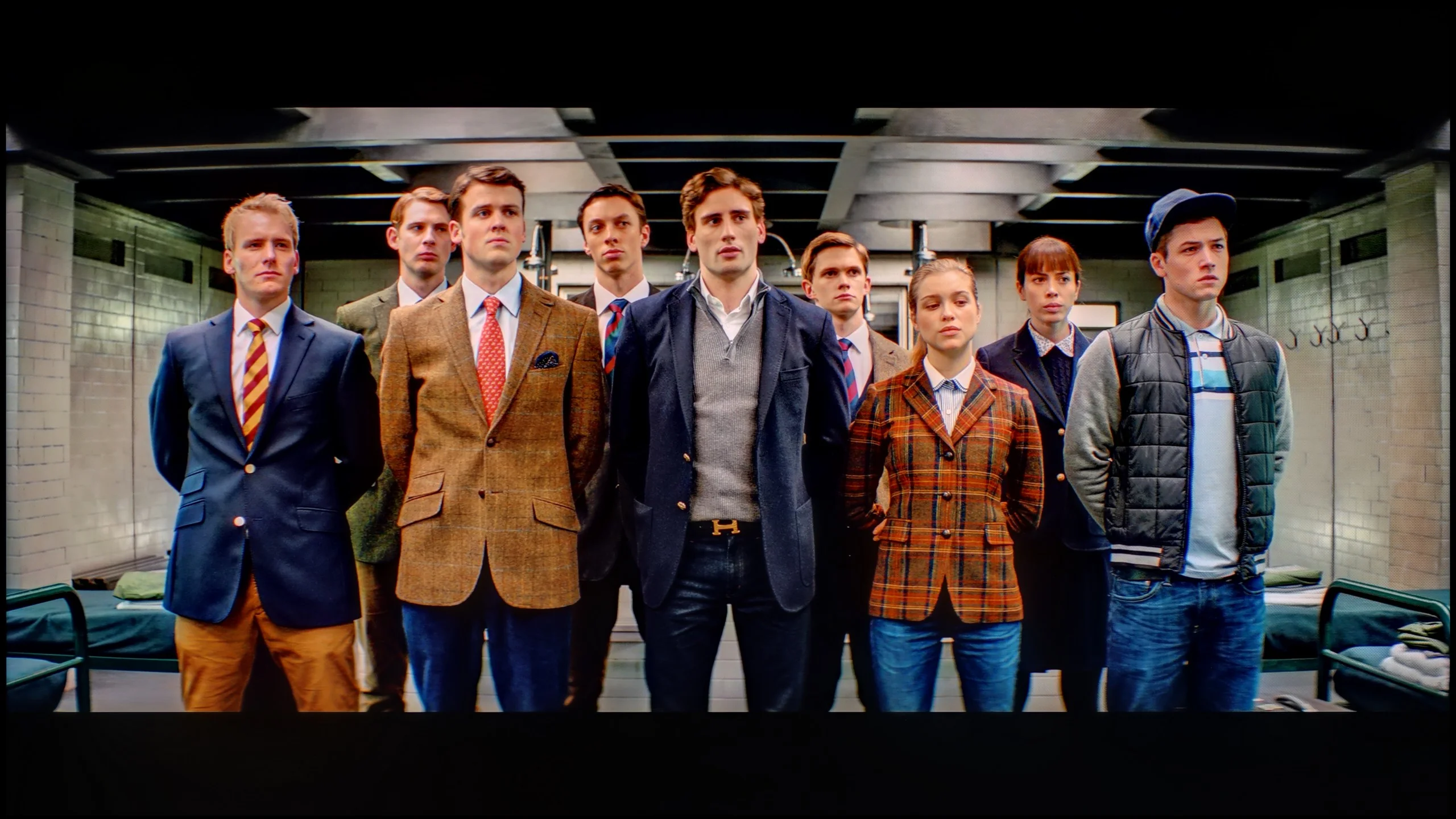
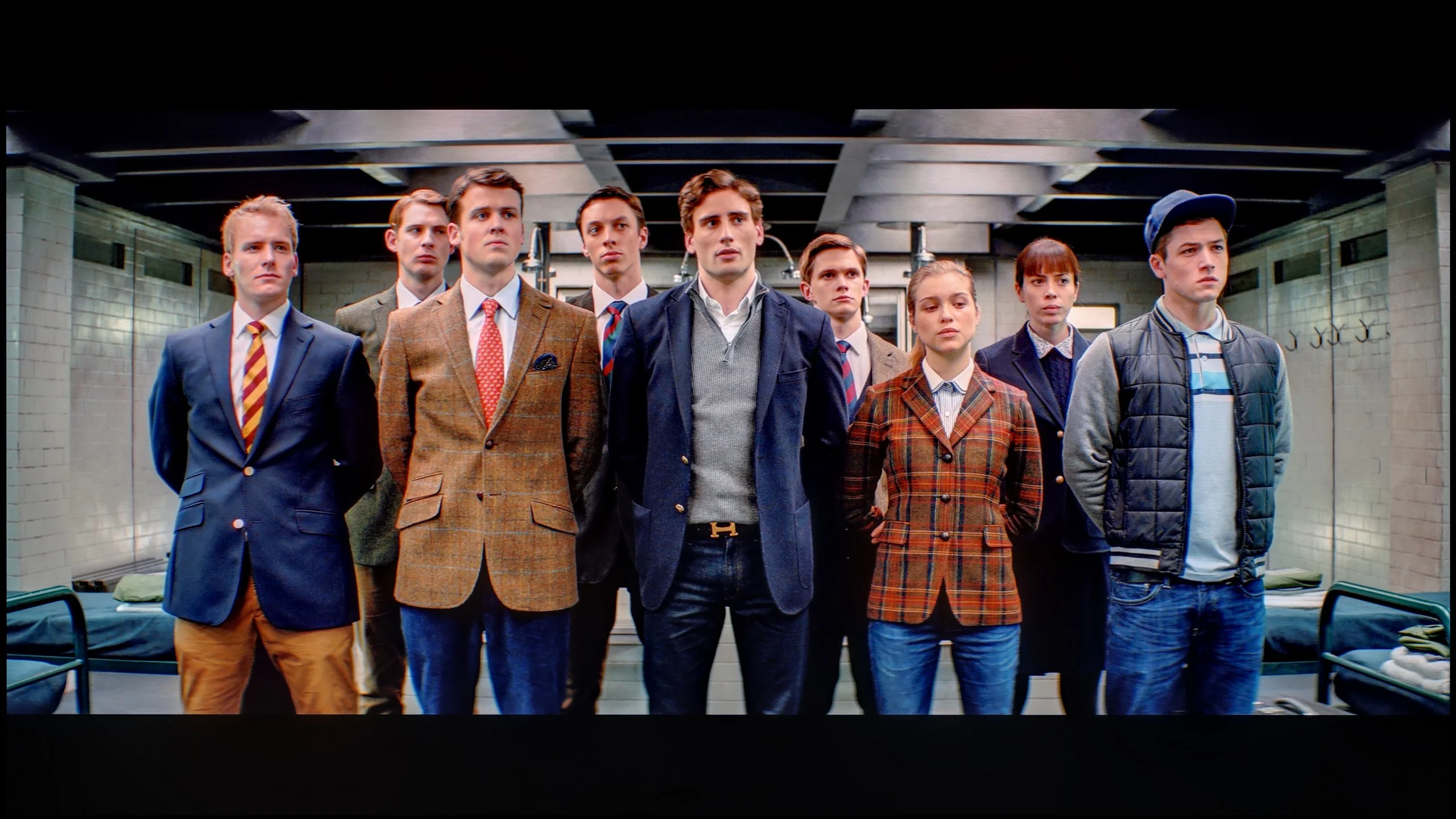
The photos show how movies look on the TV. Pay attention to black detail visibility, colors, and shadow tint.


The photos show how movies look on the TV. Pay attention to black detail visibility, colors, and shadow tint.
Of course, we wouldn’t be ourselves if we didn’t make adjustments to the white balance. After calibration, we managed to level the SDR signal to near perfection – older films, YouTube content, and classic television looked nearly ideal on the U8Q. It’s truly an impressive level that shows this model can do a lot if given a bit of help. Unfortunately, the situation is different with HDR content. The colours themselves don’t pose much of a problem, but the biggest issue with the U8Q remains the EOTF brightness characteristics. In practice, the television tends to "shoot" above how the image should originally look. It’s this slight "blowout" we noticed earlier in comparisons with the best screens on the market. It’s a bit of a shame that this characteristic can't be completely tamed – if we could maintain equally good brightness control in HDR as we do in SDR, we would be looking at an absolutely reference-level image.
LG TVs have long responded very well to calibration, and the C6 is no exception. After adjustments we managed to set the white balance practically perfectly, and most colour errors fell below 3, often down to around 2. In practice this means very accurate colour reproduction in both SDR and HDR. An interesting detail only appeared with the HDR brightness response. On a classic EOTF chart everything looks almost perfect and at first glance it would be hard to find fault. Only when we measured the TV’s behaviour using filters based on real film scenes did it become clear that the C6 has a slight tendency to artificially boost image brightness.
It’s not a huge difference and many viewers may even see it as a positive, because HDR looks a bit more striking as a result. From the point of view of fidelity to the source material, however, it’s not ideal — some scenes are simply a touch brighter than the filmmaker intended. Interestingly, this is rather unusual for LG. In previous generations the brand’s TVs typically held very closely to the reference picture curve after calibration. The C6 is still very close to the standard, but that subtle brightness 'boost' can indeed be noticed in films and TV series.
Smoothness of tonal transitions
8.9/10
7/10


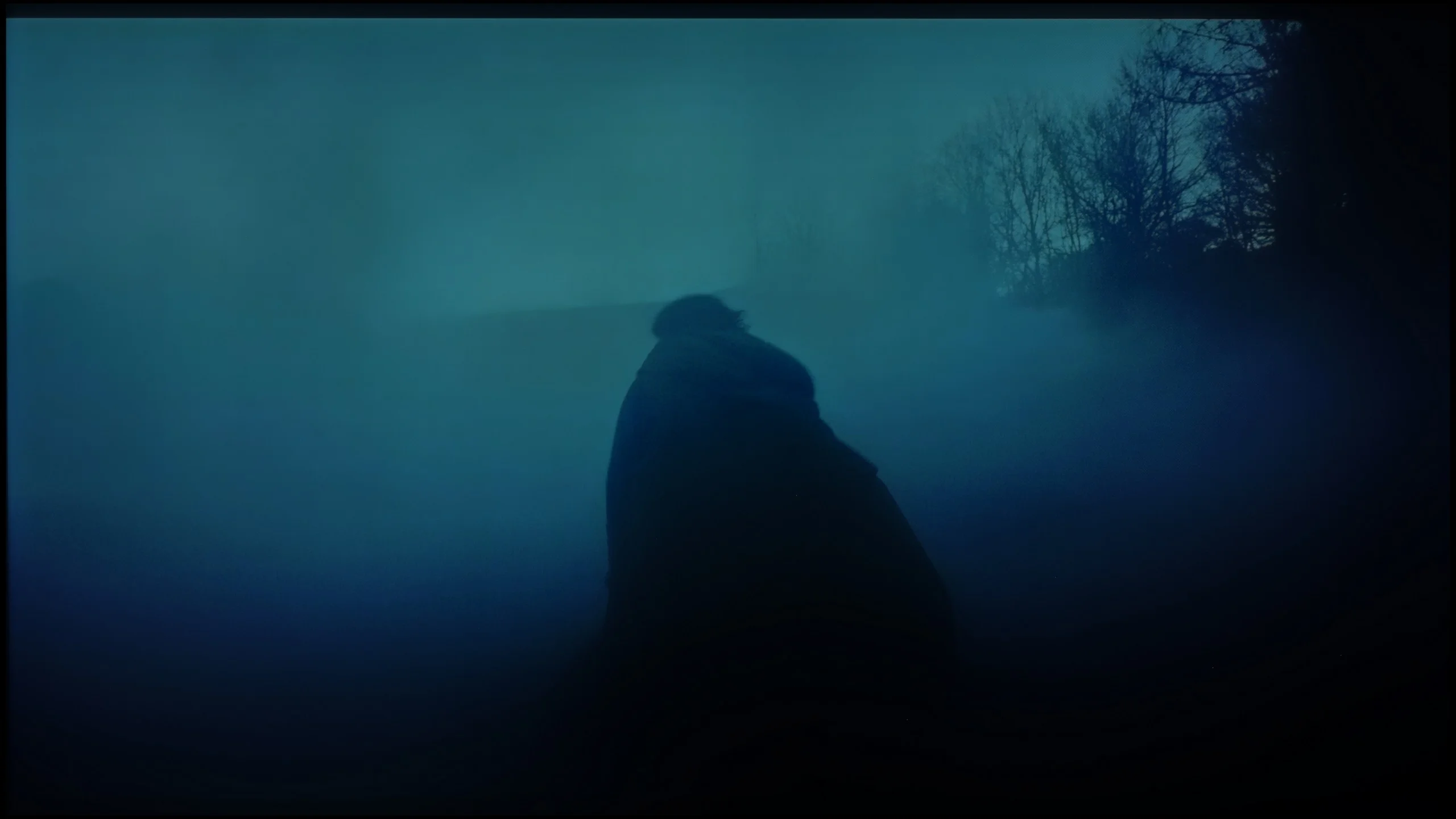
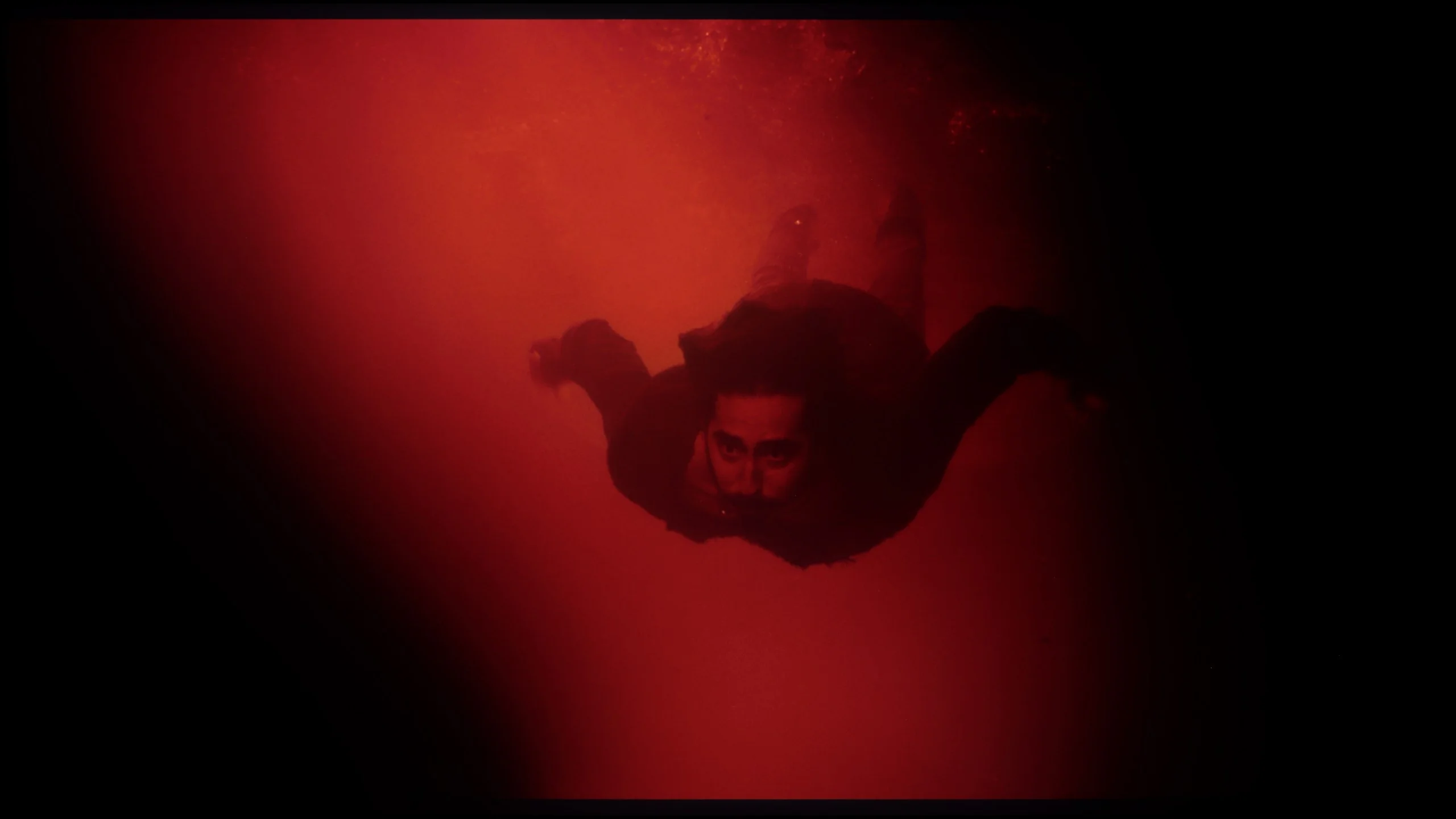
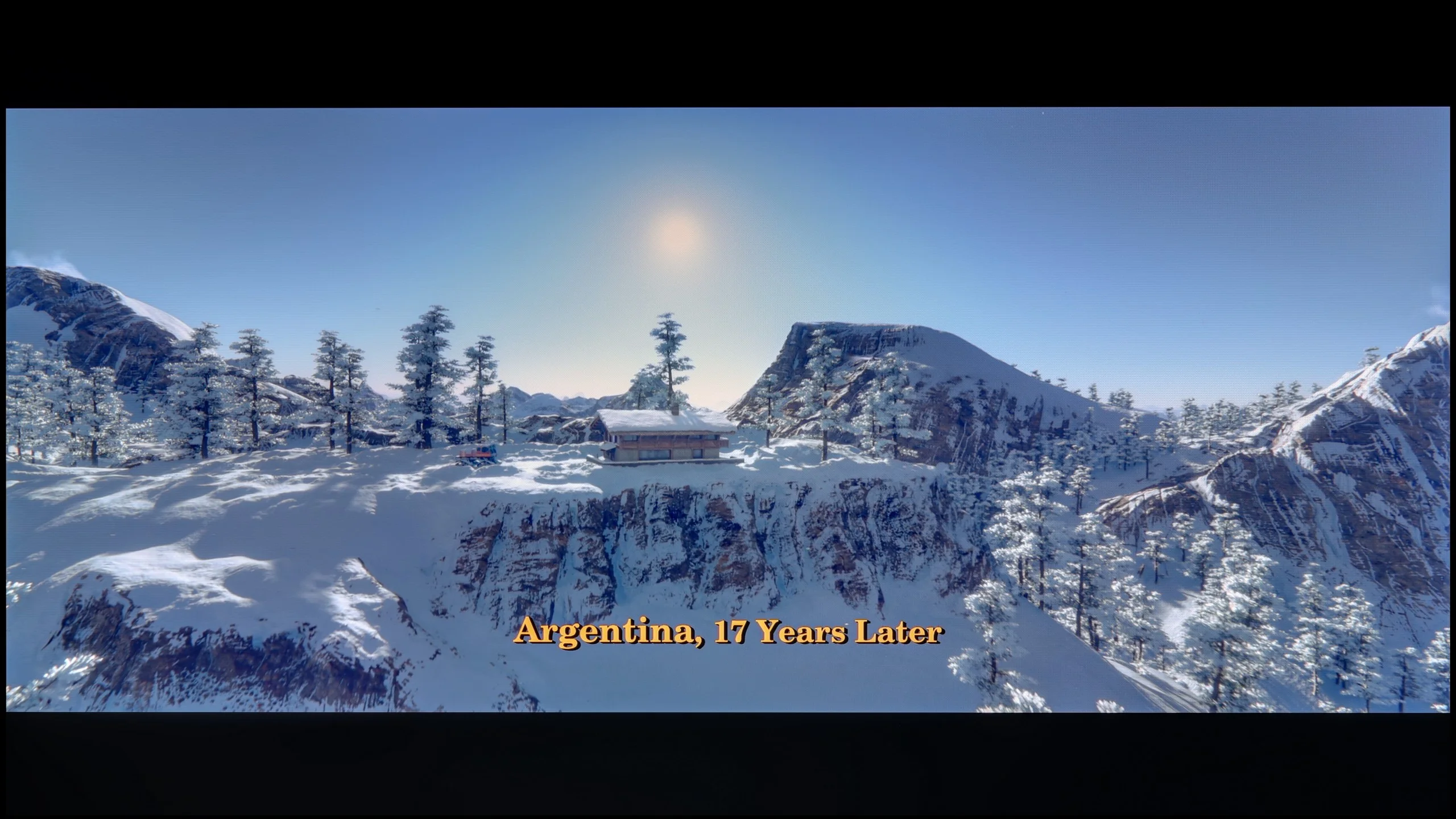
These are selected scenes that show smooth tonal transitions from one color to another. If you see distinct banding, it’s the TV panel’s fault.

These are selected scenes that show smooth tonal transitions from one color to another. If you see distinct banding, it’s the TV panel’s fault.
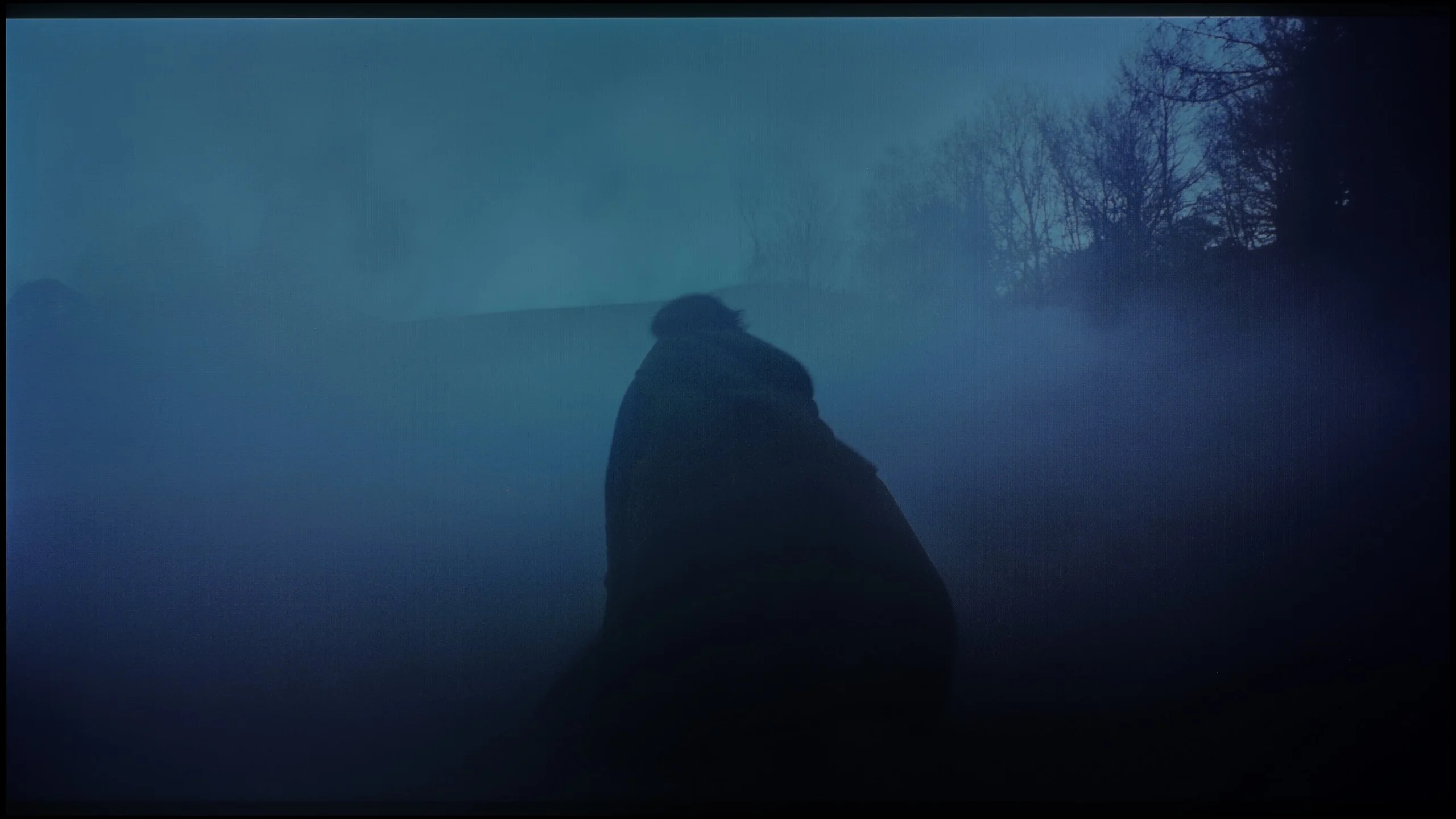
These are selected scenes that show smooth tonal transitions from one color to another. If you see distinct banding, it’s the TV panel’s fault.
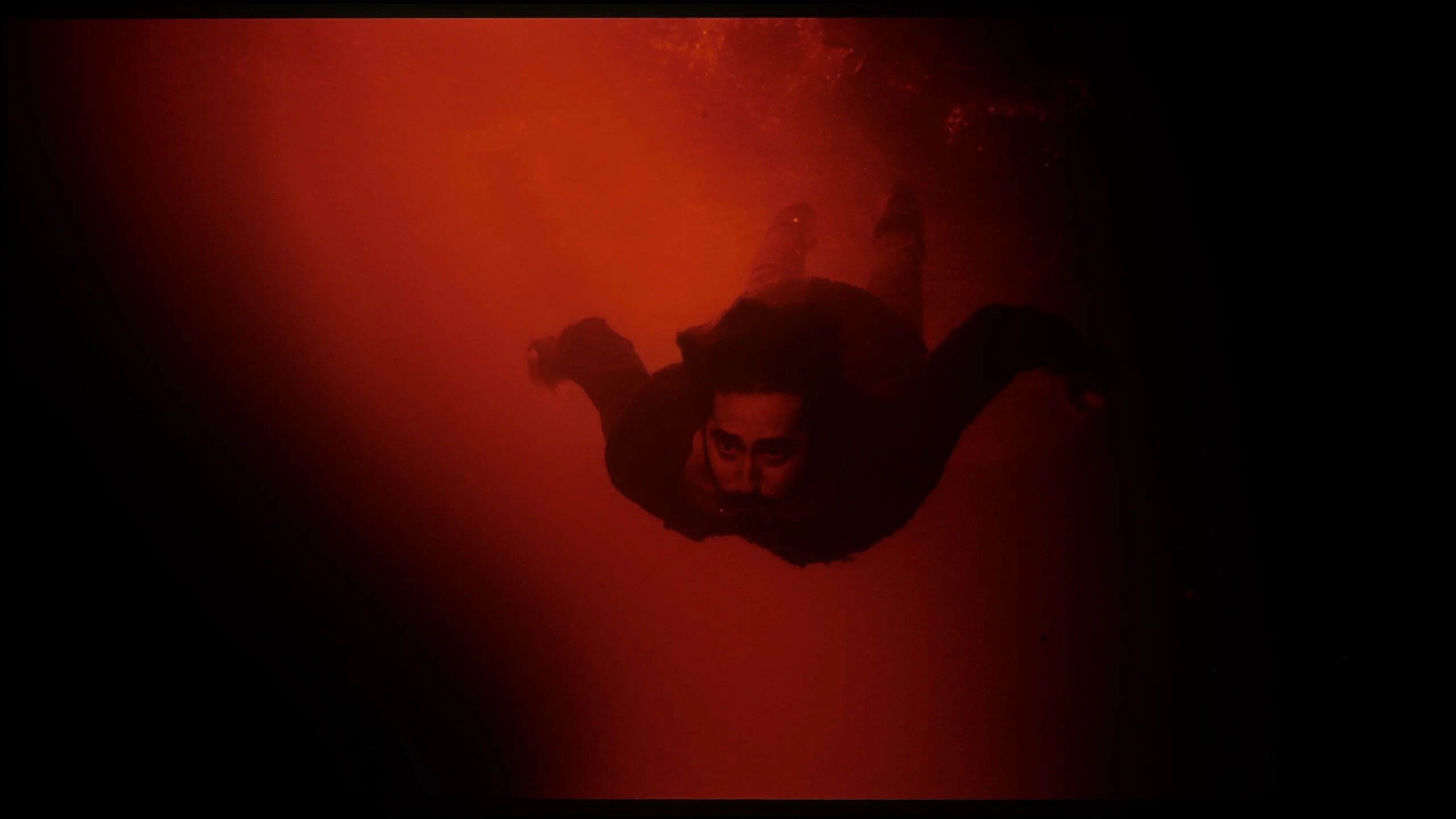
These are selected scenes that show smooth tonal transitions from one color to another. If you see distinct banding, it’s the TV panel’s fault.
When it comes to tonal transition fluidity, the Hisense U8Q left a really great impression on us. Even in the darkest scenes, where usually other TVs show ugly banding and unpleasant transitions, here the picture remains smooth and cohesive. Nothing is separating, there's no "banding" effect – everything looks just as it should. Similarly, in brighter shots – it's also very good. Sure, if we were looking through a magnifying glass, we might find some minor flaws, but in normal viewing, it's hard to pick on anything. Overall, it performs very, very well!
LG C6 handles tonal transitions very well. In most film scenes it was hard to notice obvious posterization problems. Both in dark parts of the image and in bright gradations the colours remain relatively smooth and do not break up into visible bands. That's very good news, because WOLED panels have not always been perfect in this respect. In the C6 it's noticeably better and during normal viewing this aspect of the picture shouldn't draw attention to itself.
One drawback, however, is dithering visible in near-black areas. Up close you can notice slight flicker and graininess in the darkest parts of the image. It's not as pronounced as on the Tandem OLED panel version, but it still occurs, so in this category we decided to deduct a few points from the C6.
Image scaling and smoothness of tonal transitions
8/10
8.5/10

Smooth transition function
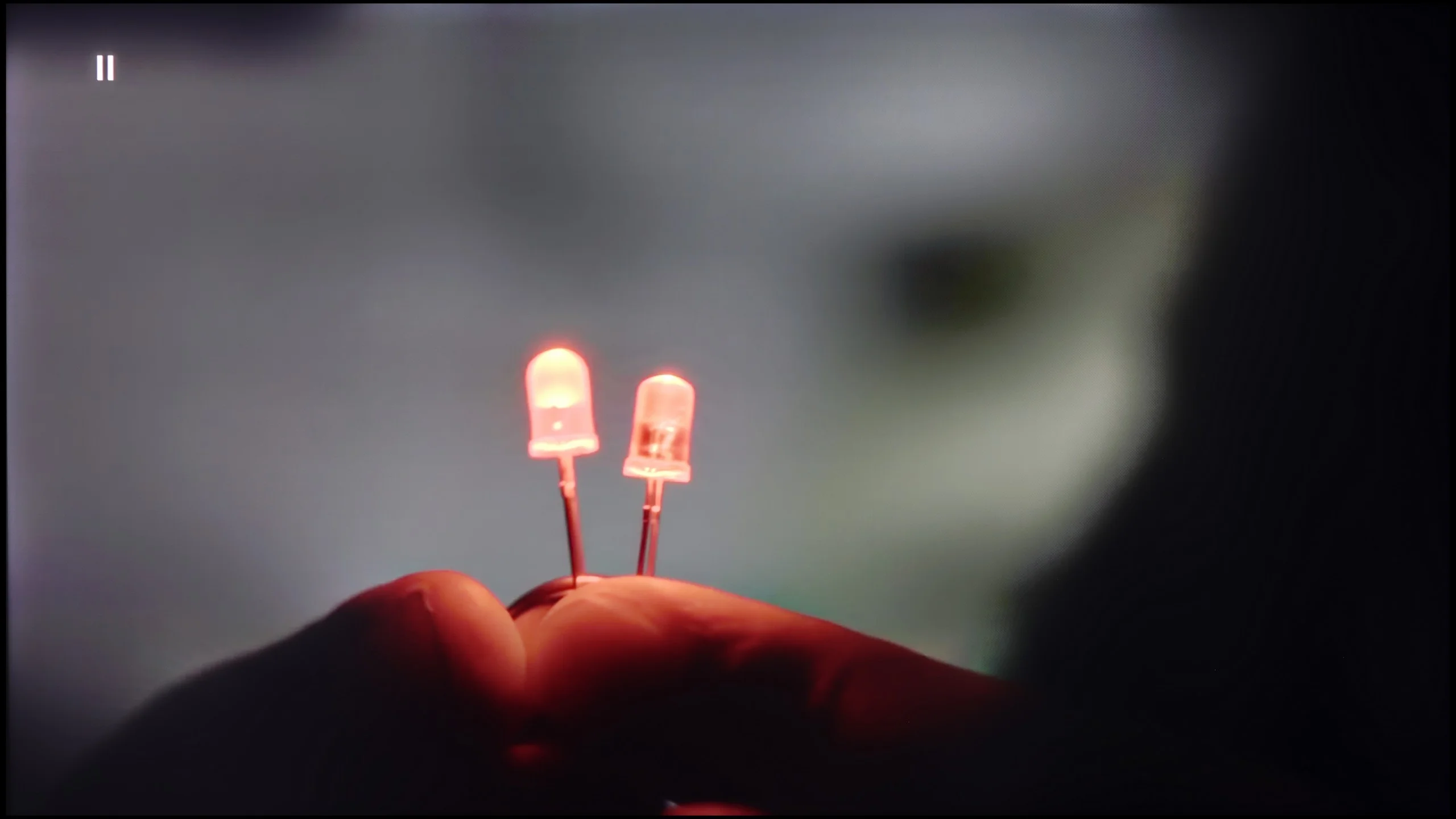
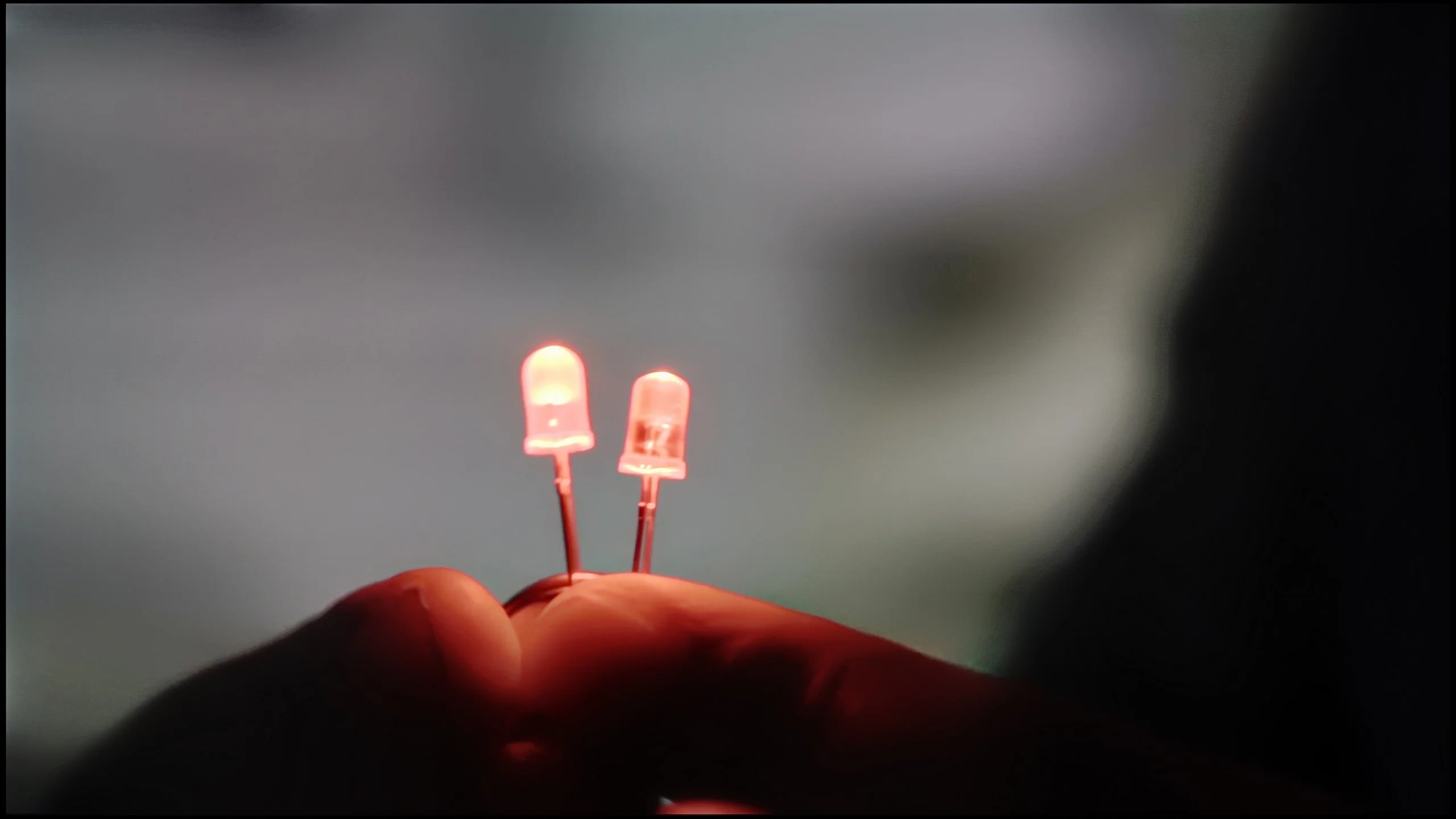
The match photo shows how the TV smooths weak tonal transitions in low-quality video.
Image scaling SD (576i)


The model photo shows how it handles upscaling of SD material.
Hisense U8Q handles lower quality materials quite well. The television can smooth tonal transitions thanks to the “Smooth and Gradient Picture” feature – it works best on the Medium setting. It nicely dims unwanted bands and irregularities in the image, but importantly, it doesn't remove the film grain or fine details.
The upscaling itself is also at a good level. Image from lower resolutions appears smooth and soft, sometimes a bit too much – we get a plastic effect that may not appeal to everyone. Fortunately, this can be easily corrected with the sharpness slider, allowing you to adjust the image to your personal preferences.
Here the LG C6 has taken a really big step forward. The TV uses the same processor found in the flagship G6, and in terms of image processing the two models are very close. That's a big plus, because in this area LG's processor this year performs excellently. The "Smooth Gradation" function works particularly well. With heavily compressed material it can effectively hide ugly tonal banding and artefacts that often appear, for example, in lower-quality streaming. It's best to leave it on the "Low" setting. Then the improvement is clear, and the TV doesn't yet start blurring fine detail. Higher levels smooth the image more aggressively, but can already remove some of the natural texture of objects on screen. Upscaling itself also performs very well. Lower-resolution content is properly sharpened, edges look clean, and the processor quite effectively reconstructs fine details. In that respect the C6 is really close to LG's best TVs and the differences compared with the G6 are small.
Blur and motion smoothness
7.6/10
8.5/10
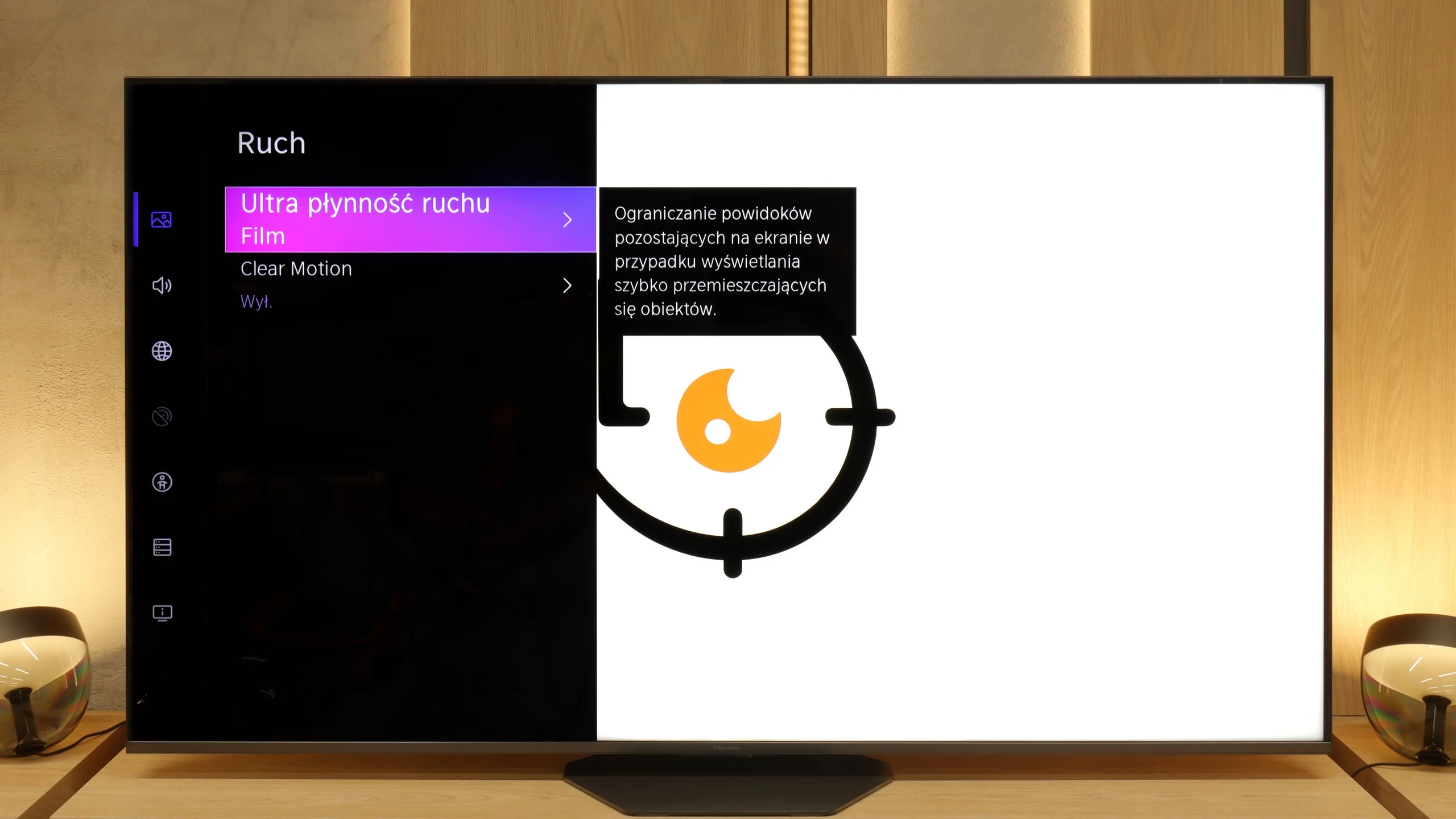
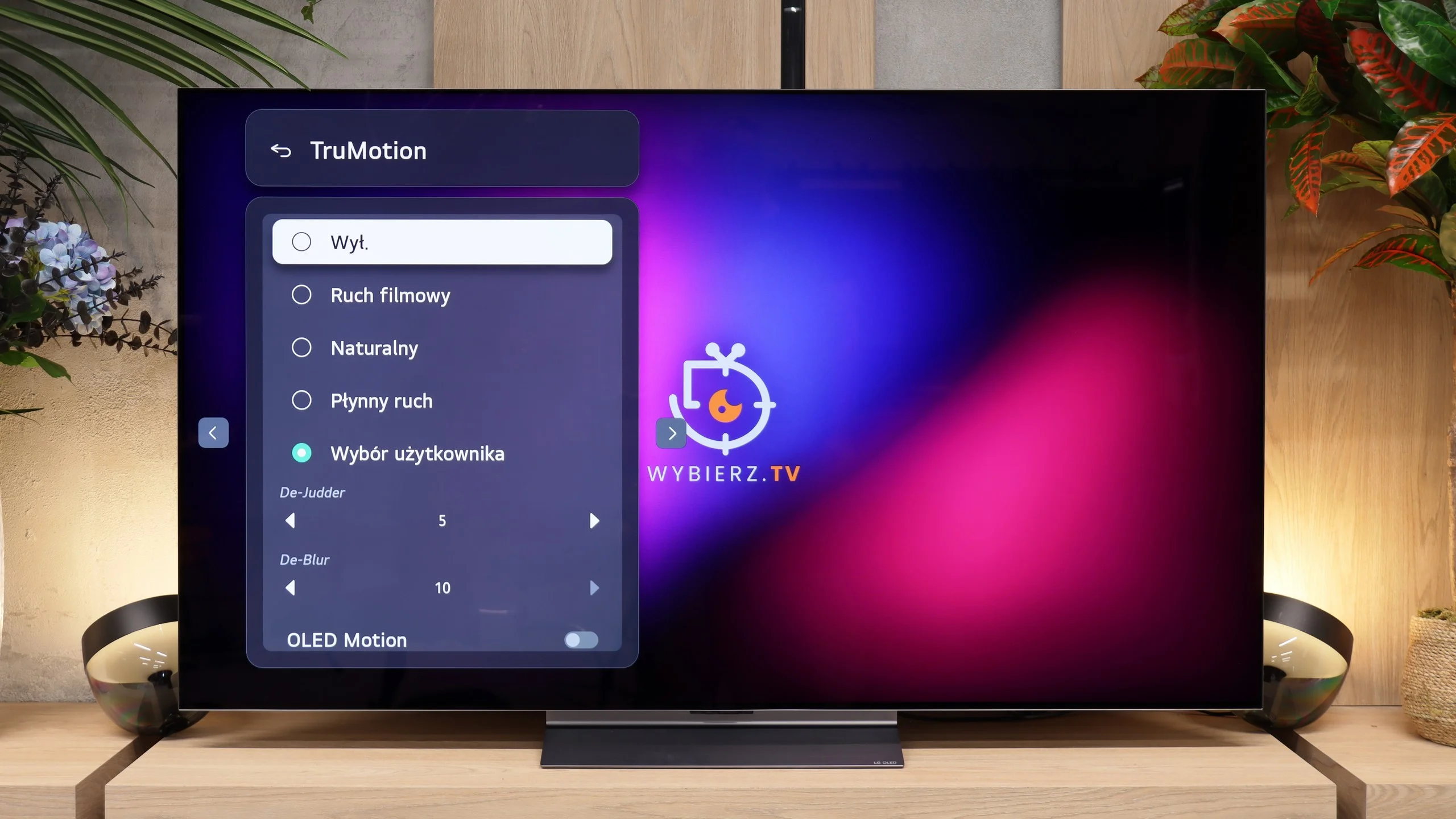
Blur (native resolution, maximum refresh rate):

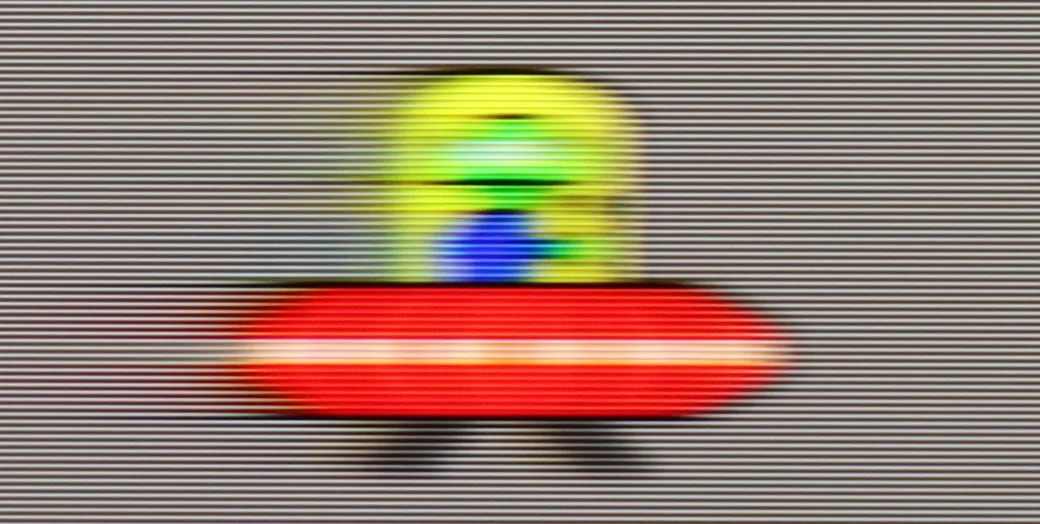
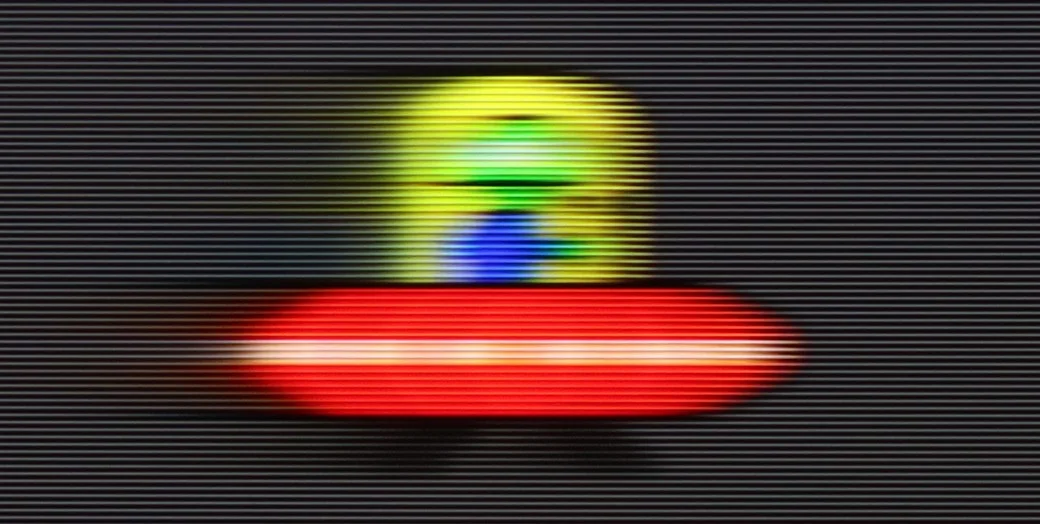



Blur (BFI function enabled):



Image flickers in this mode



Blur (1080p@288Hz):

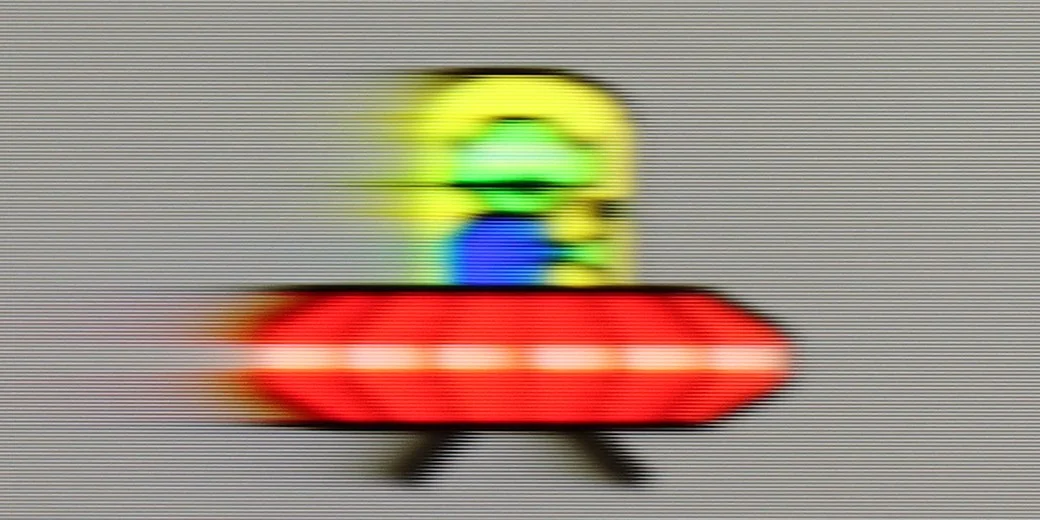
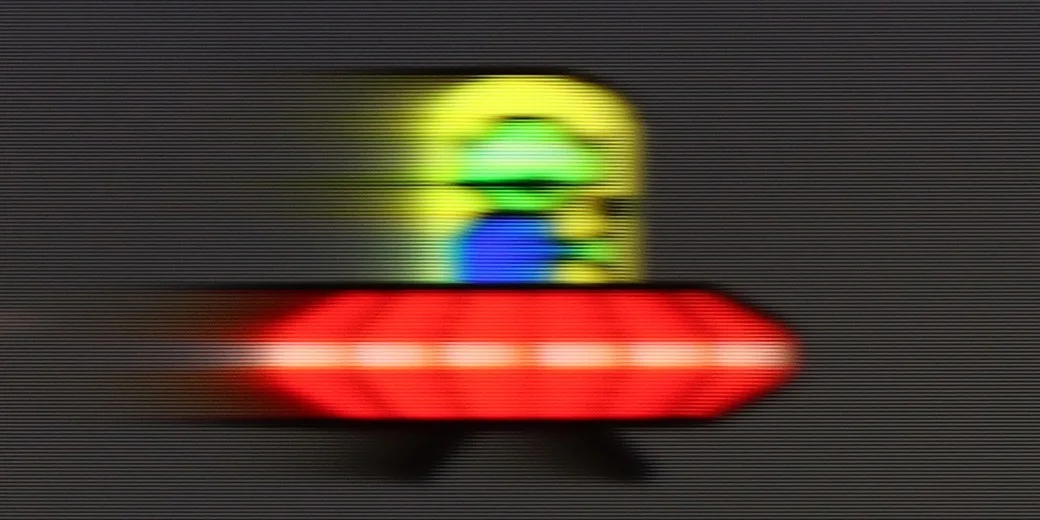
Blur (4K@165Hz):



Hisense U8Q has a panel that can refresh the image up to 165 Hz in 4K resolution. In practice, this will mainly benefit PC gamers, but as they say – better to have it than not 😊. For movies and series, we have a built-in smoother called Ultra Motion Smoothing. In the settings, it can be easily adjusted to your own preferences – whether you want a more ‘cinematic’ frame rate or a smooth, theatrical spectacle.
The LG C6 features a panel with a maximum refresh rate of 165 Hz, which is great news especially for gamers using a powerful PC. For movies, sport and consoles we’ll of course be limited to 120 Hz at most, but even then it’s hard to fault the motion clarity. As you’d expect from an OLED, the panel’s response time is near-instant. Moving objects therefore don’t leave the characteristic smearing you still see on LCD TVs. This is especially noticeable in sport and fast-paced games, where the picture remains very clean even during dynamic movement.
For movies and TV, LG has also included a motion smoothing system called TruMotion. In the user settings you’ll find two separate sliders. De-Judder is primarily for low-frame-rate material, namely movies and TV series at 24 fps. You can use it to slightly reduce the characteristic judder or increase it if you prefer a much smoother picture. De-Blur, on the other hand, is useful for higher-frame-rate content, mainly sports broadcasts and 50/60 fps TV.
Console compatibility and gaming features
8.5/10
10/10
- ALLM
- VRR
- VRR range48 - 288Hz40 - 165Hz
- Dolby Vision Game Mode
- Correct implementation of HGIG

- 1080p@120Hz
- 1440p@120Hz
- 4K@120Hz
- Game bar
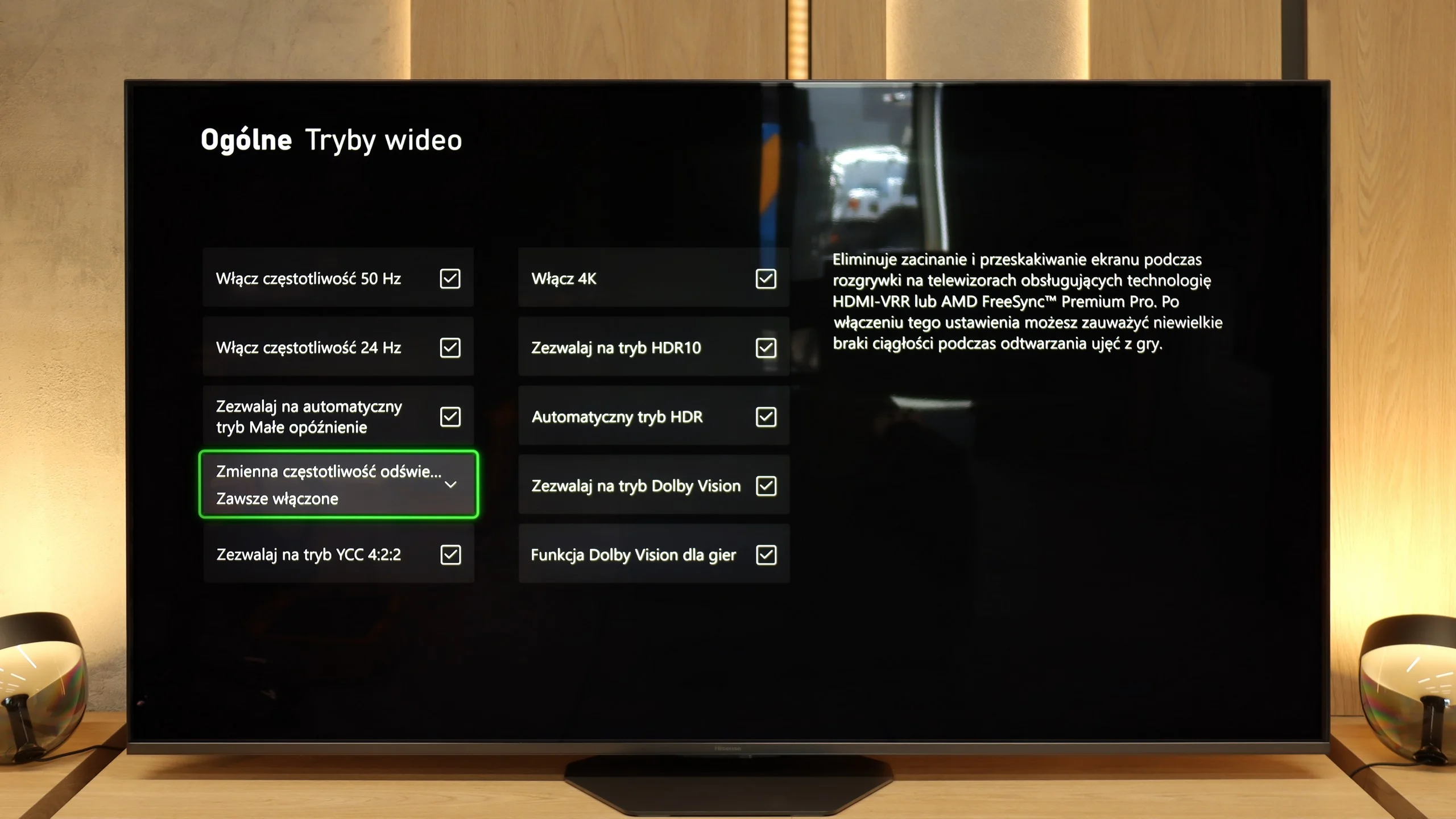
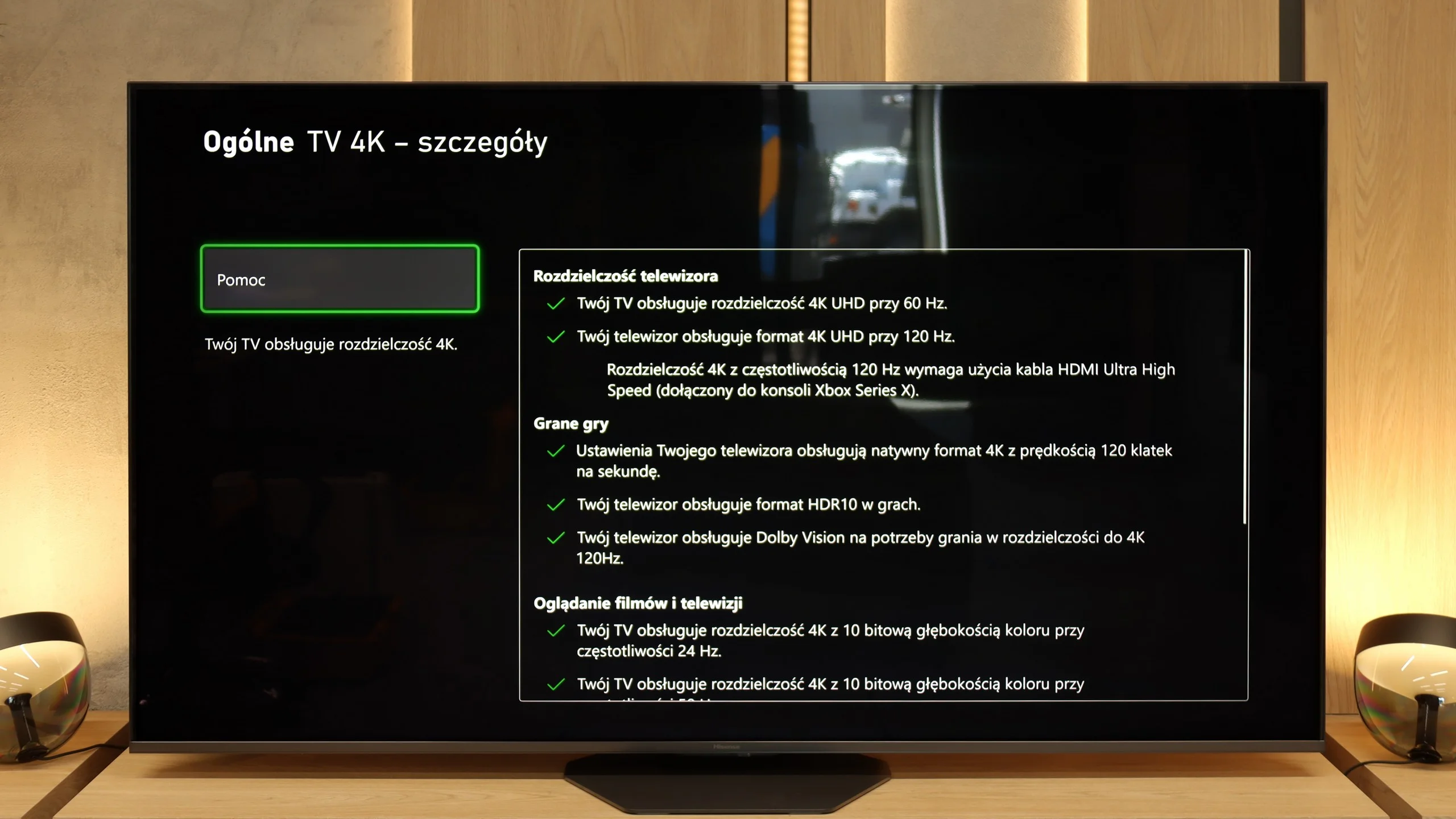
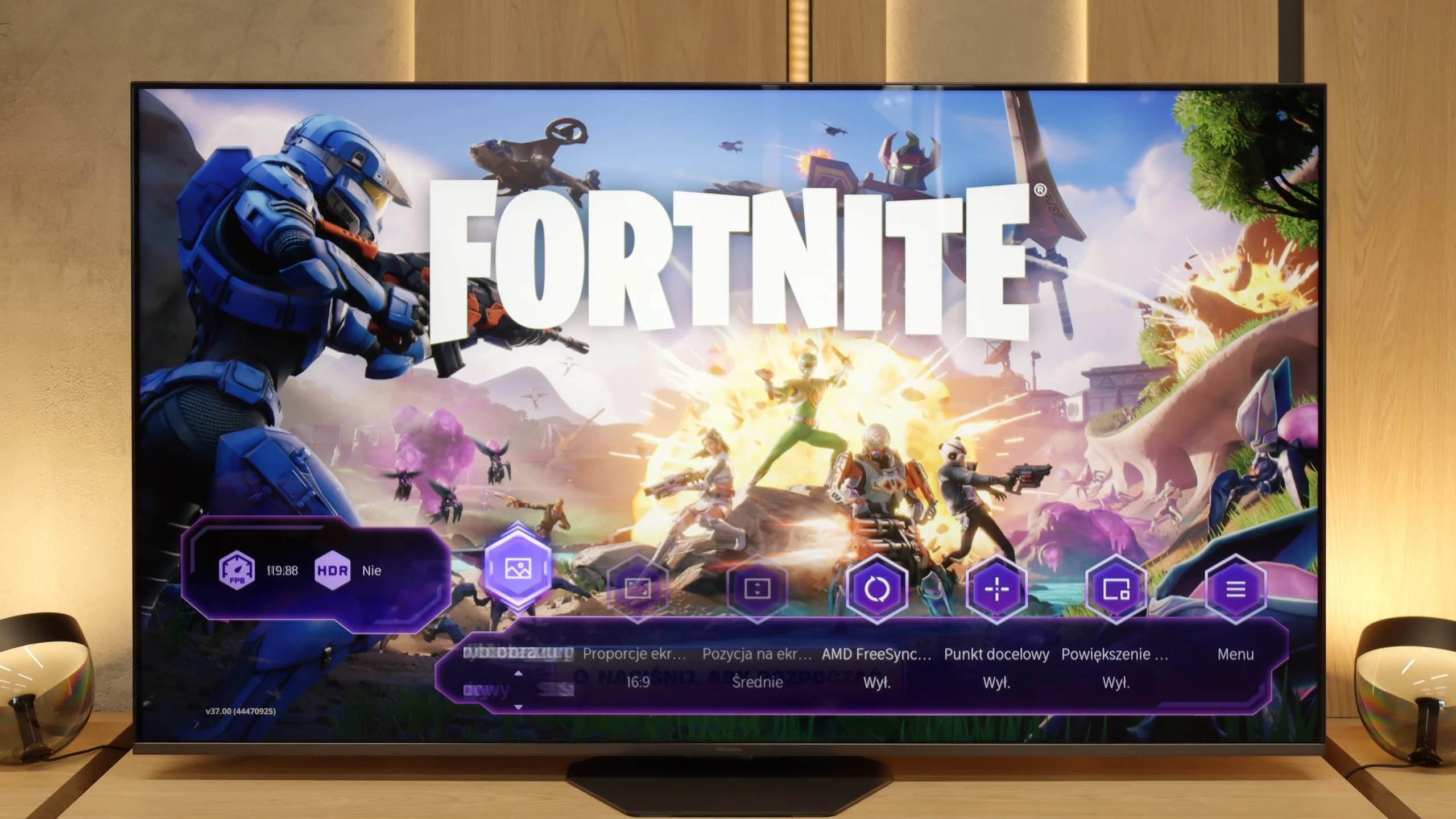
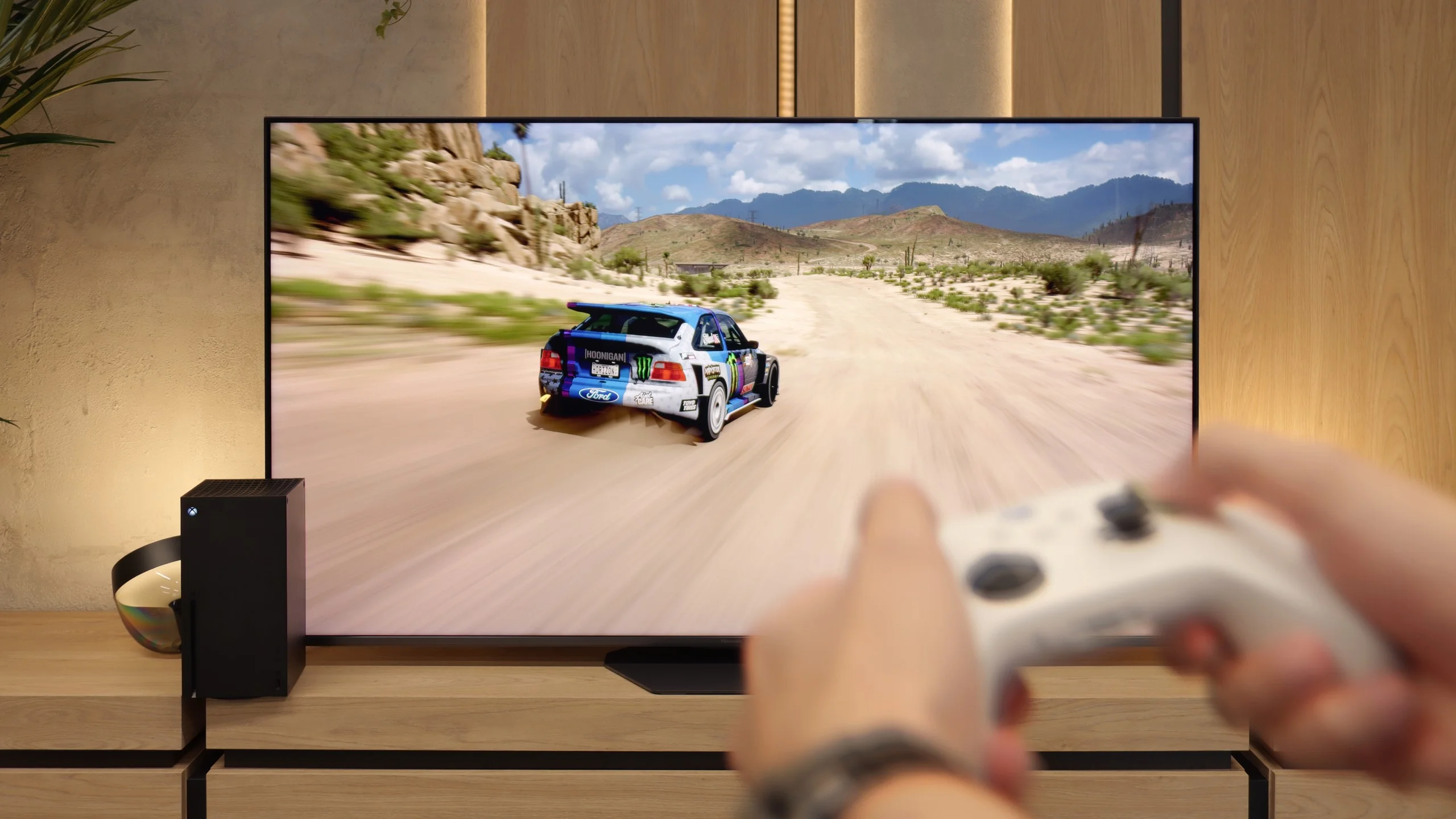
In terms of features, the Hisense U8Q has practically everything one would expect from a modern gaming television. Thanks to the new processor, the manufacturer has managed to implement three HDMI 2.1 ports, so there’s no trouble connecting multiple consoles or a computer. On top of that, it includes all the key technologies – Game Bar with parameter previews, variable refresh rate (VRR), automatic game mode (ALLM)… in a word, a complete set.
But as often happens with Hisense, it’s missing just a bit from perfection. The biggest drawback remains the lack of support for the HGiG format, which allows the TV's brightness to be adjusted to the console and gets the most out of HDR in games. It’s a shame because if this feature were included, we’d have a device practically made for gamers. As it stands, the U8Q remains “only” a very good choice 😉
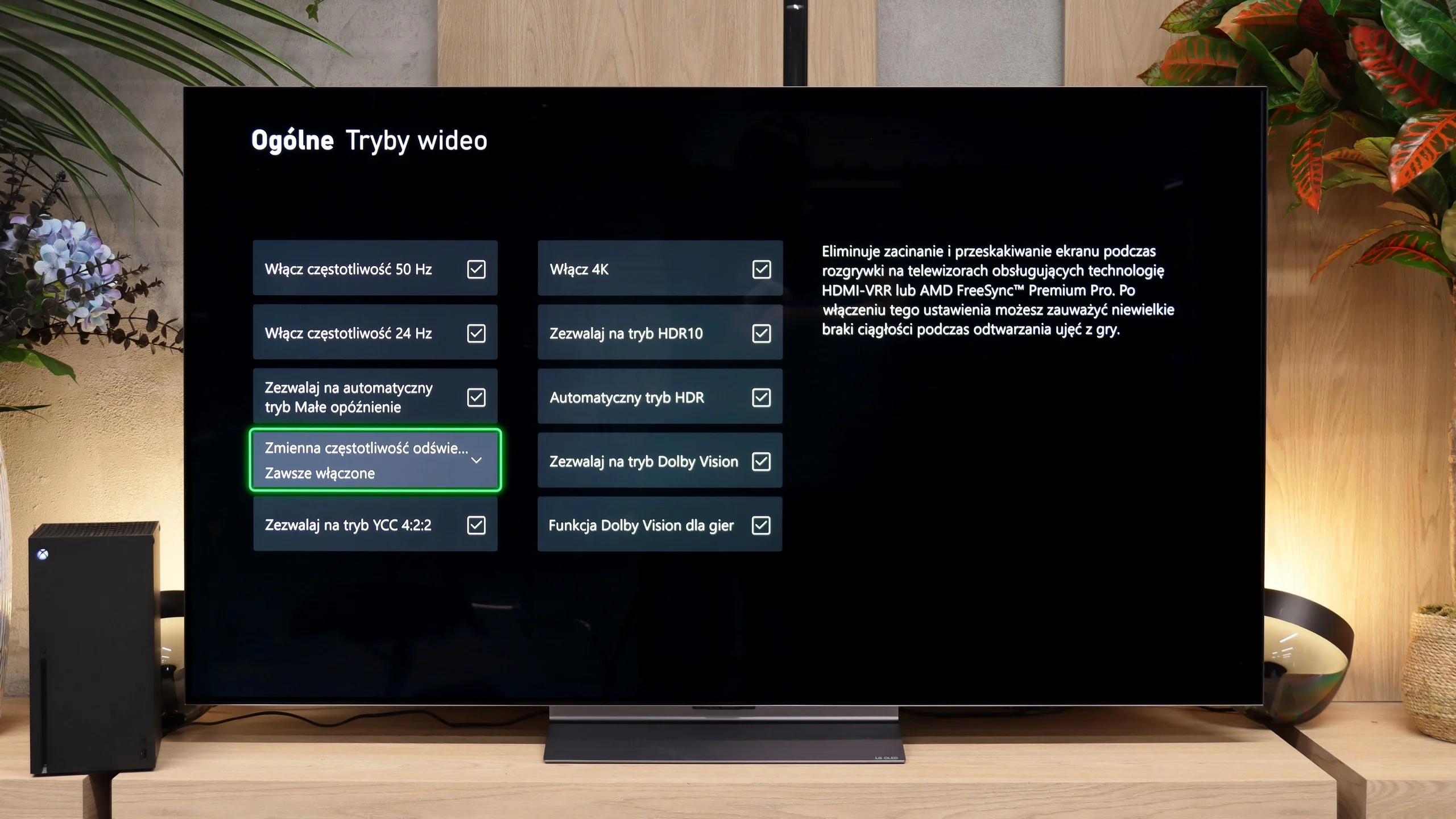
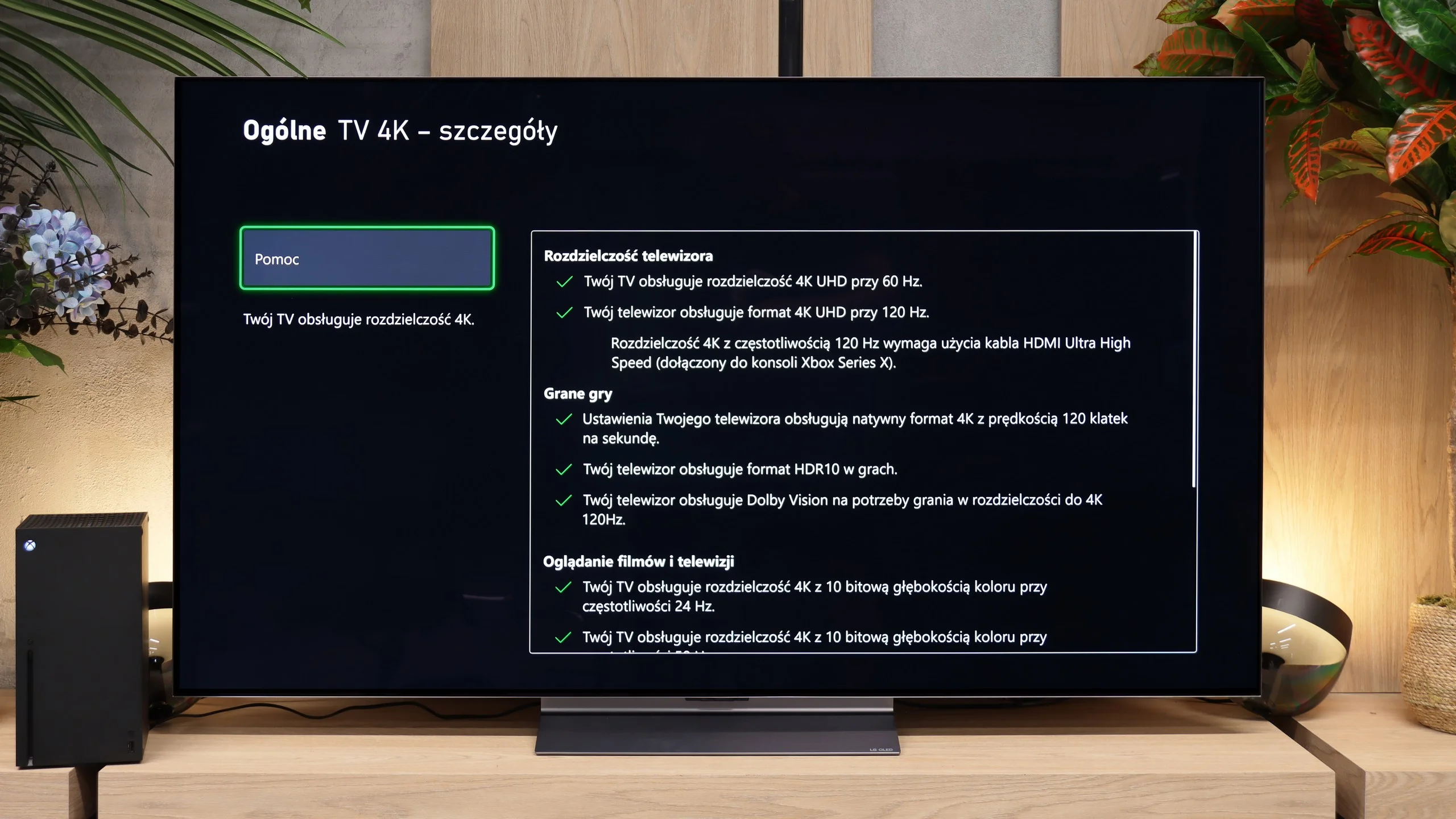
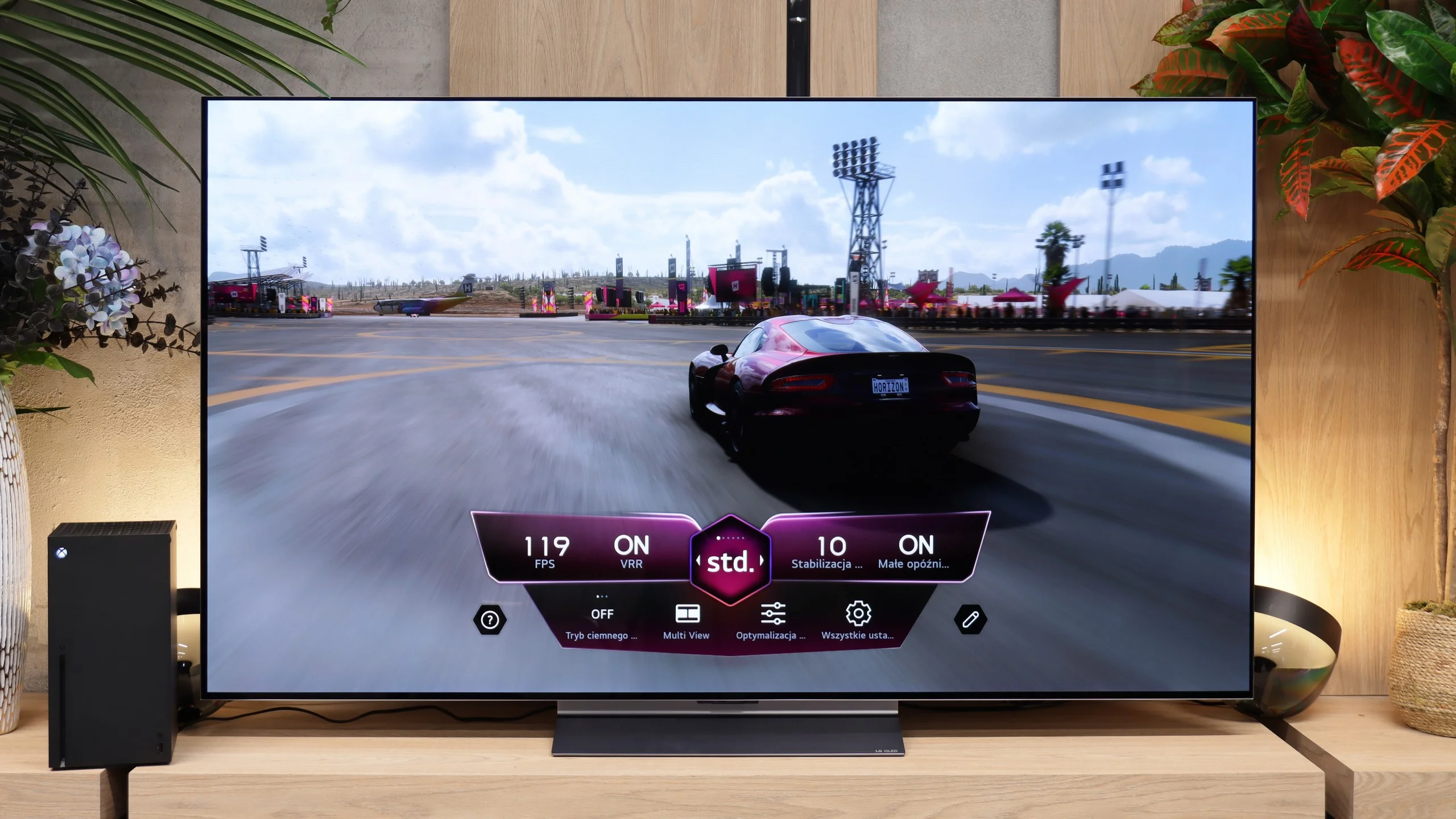
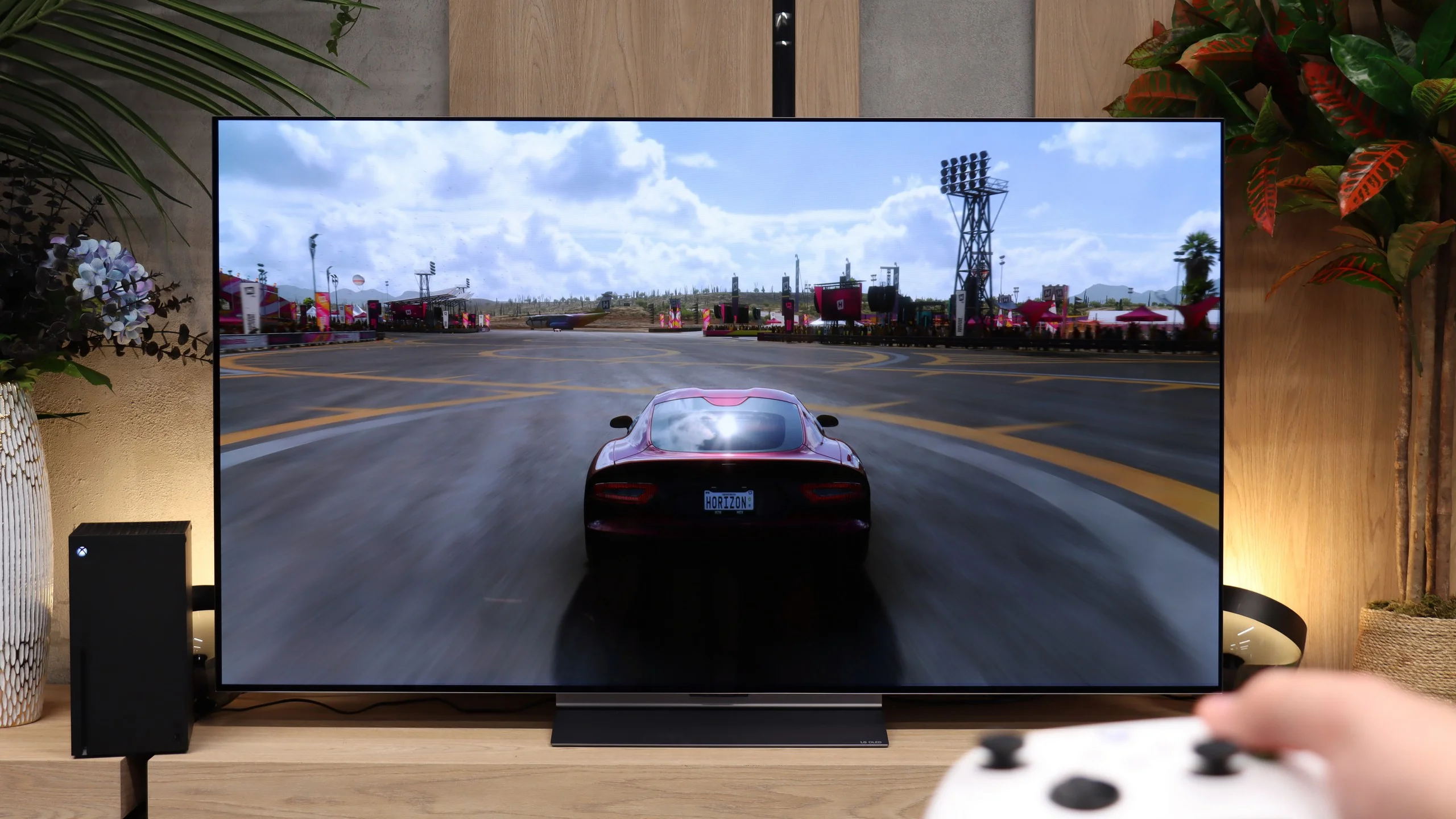
LG has long focused heavily on gamers, and the C6 essentially lacks nothing important. The TV supports 4K at 120 Hz from consoles, and when connected to a PC it can even run at 165 Hz. On top of that there’s VRR from 40 to 165 Hz, ALLM and a properly functioning HGiG. Another big plus is support for Dolby Vision in games, so the Xbox Series X can use that format without giving up game mode. The package is rounded out by the Game Bar, which lets you quickly check key signal parameters and change settings without leaving your game. In terms of features alone, the C6 is one of those TVs it’s really hard to fault. Whether you play on PlayStation, Xbox or PC, practically everything you could expect from a modern gaming TV is available here.
Input lag
9.8/10
9.9/10
SDR
HDR
Dolby Vision
The Hisense U8Q really performs well in terms of signal delay. In 120 Hz mode, the input lag is around 10 ms, and with 60 Hz content, it hovers around 18 ms. These are values that place it among the fast televisions, and in practice, it's hard to have any significant reservations about them. The reaction is instant, controlling a character or a car on screen occurs without noticeable delays. Regardless of whether someone is playing dynamic shooters or calmer narrative titles, the U8Q will perform excellently.
In terms of input lag the C6 performs like a good gaming TV should. At 120 Hz we measured about 5 ms, so controller input is practically instantaneous. At 60 Hz the result increases to around 14 ms, but that's still a good figure. Latency is a bit higher in Dolby Vision. At 120 Hz it's about 14 ms, and at 60 Hz roughly 22 ms. In practice, during normal Xbox gameplay this isn't something that will really bother you.
Compatibility with PC
8.4/10
8.6/10
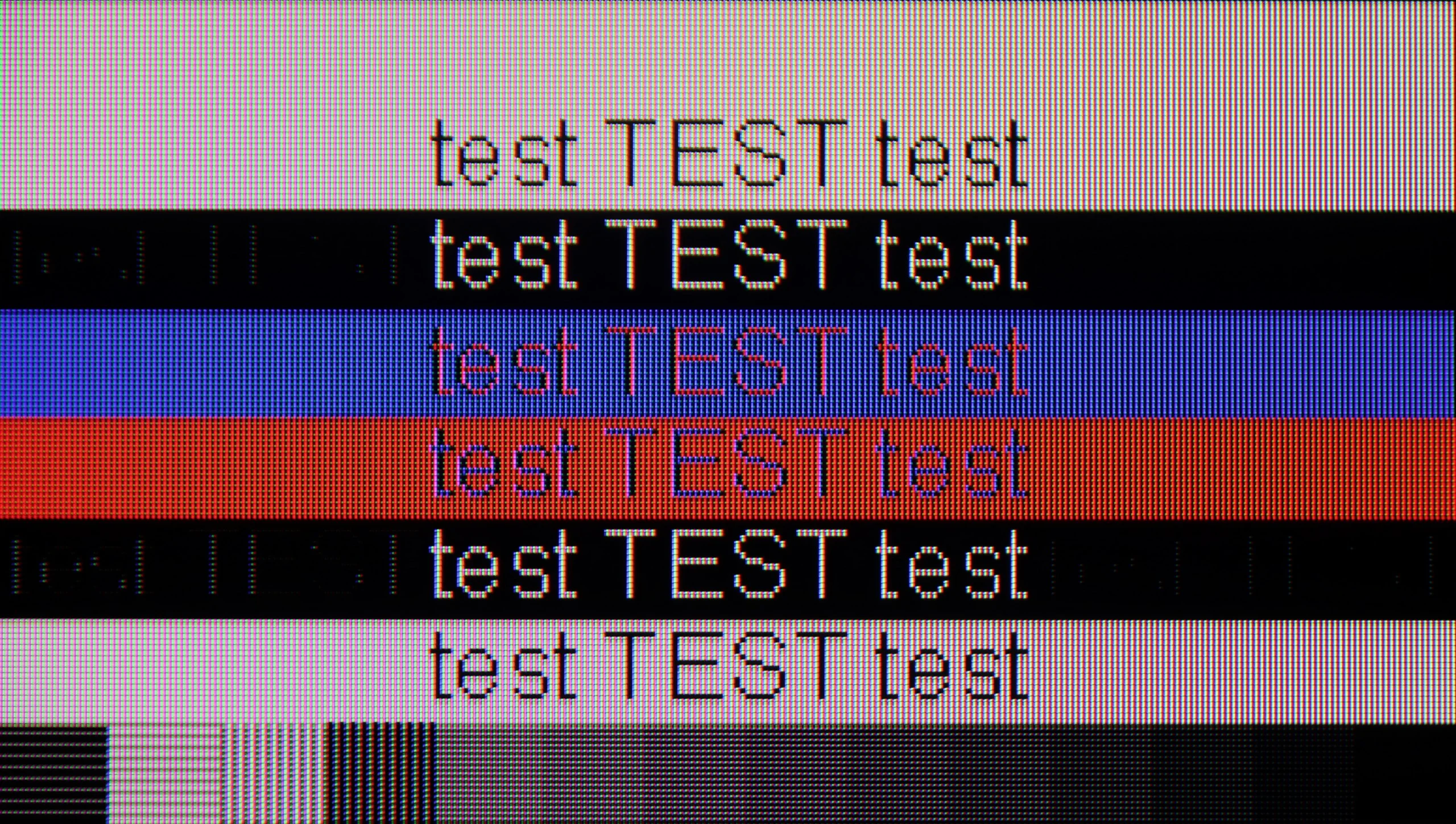
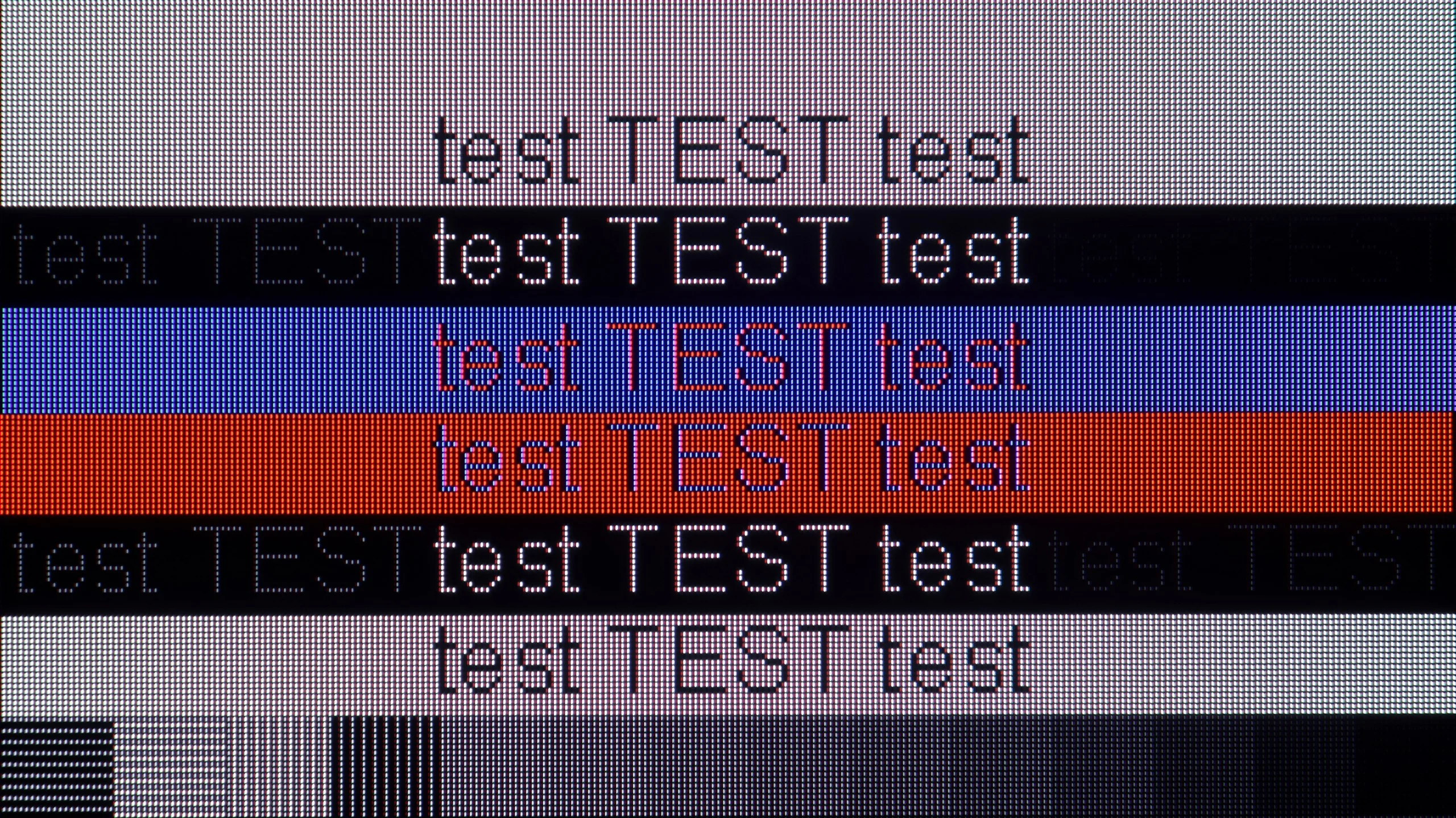
The photo shows the legibility of small fonts. Ideally, lines should be the same thickness on both light and dark text, with minimal pixel gaps.
As we mentioned regarding the features for gamers – the Hisense U8Q also communicates well with computers. The 4K display with a refresh rate of 165 Hz is impressive on its own, and at Full HD resolution, it can even "overclock" to 288 Hz. This is great news for e-sports fans, where speed of reaction counts more than the highest quality of image. Additionally, it supports G-Sync and FreeSync, making gameplay smooth, without stutters or annoying frame tearing.
A pleasant surprise is the presence of a USB-C port with DisplayPort functionality for laptops or even phones. This is a true novelty in televisions, and it’s quite possible that Hisense will be a pioneer here, setting the direction for the competition.
However, when it comes to working with text, we must mention one minor inconvenience. Although the U8Q correctly handles chroma 4:4:4, it has difficulty displaying very thin, horizontal fonts. This means that some subtitles or interface elements may be hard to read. Most people aren’t buying this model with the intention of office work, but if someone had such a plan – it’s worth keeping this in mind.
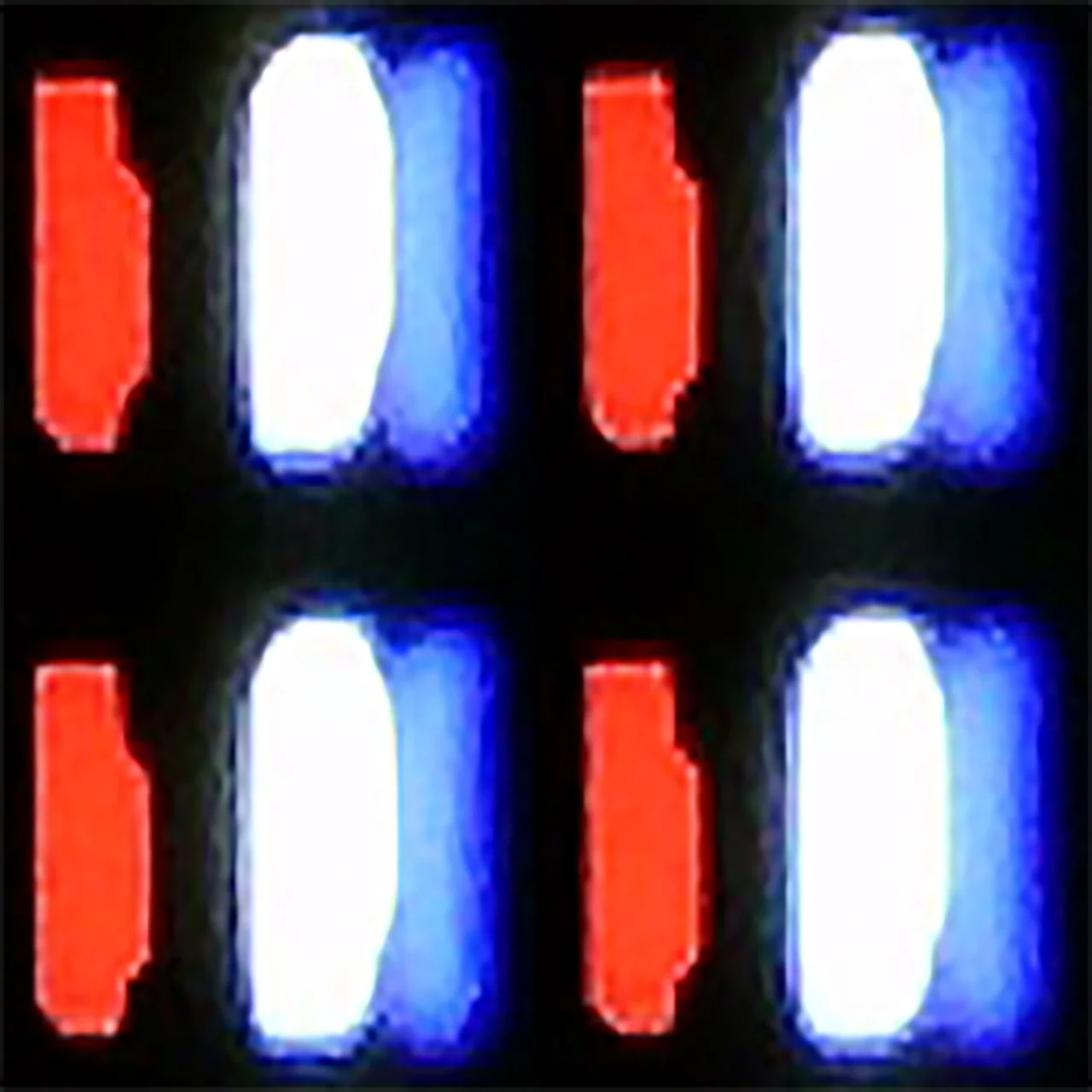
The C6 also performs very well when connected to a computer. The TV correctly supports 4:4:4 chroma, so text, icons and other small UI elements are displayed clearly. You can therefore use it not only for gaming but also for regular work in Windows without much trouble. A limitation is the four‑subpixel panel layout. If you sit really close to the screen, you might notice slight coloured fringing on the edges of some fonts. It isn’t particularly bothersome and becomes practically invisible from a normal viewing distance.
The C6 also has a lot to offer PC gamers. From a PC you can use the full 165 Hz, and it also supports G-Sync, VRR and very low input lag, which is around 5 ms at the maximum refresh rate. Combined with the OLED’s lightning-fast response time, this delivers a very smooth, clean image with no visible motion blur. So if you plan to connect a powerful PC to the C6, the TV can comfortably serve as a large gaming monitor and will also work quite well for everyday productivity.
Viewing angles
3.2/10
7.4/10
In terms of viewing angles, the Hisense U8Q performs averagely – typical for VA panels. It's a classic compromise: in exchange for much better blacks and contrast than with IPS panels, we have to accept that viewing from a wider angle doesn’t look as good. Colours start to lose their intensity, and the image lightens a bit. For someone sitting directly in front of the TV – it's fantastic. For someone who sits a bit off to the side – not so much.
Viewing angles on the LG C6 are very good and actually rank among the best you can currently find in TVs. This is largely due to the OLED panel itself. Even if you sit well off to one side, the picture still retains good contrast and the colours don't lose much saturation. That makes the C6 very well suited to a larger living room, where not everyone sits directly in front of the screen. Only at very extreme angles can you notice slight colour shifts, but during normal viewing it's hard to count that as any real issue. In this respect, really only Samsung Display's QD-OLED panels perform better.
Daytime performance
8.2/10
6.6/10
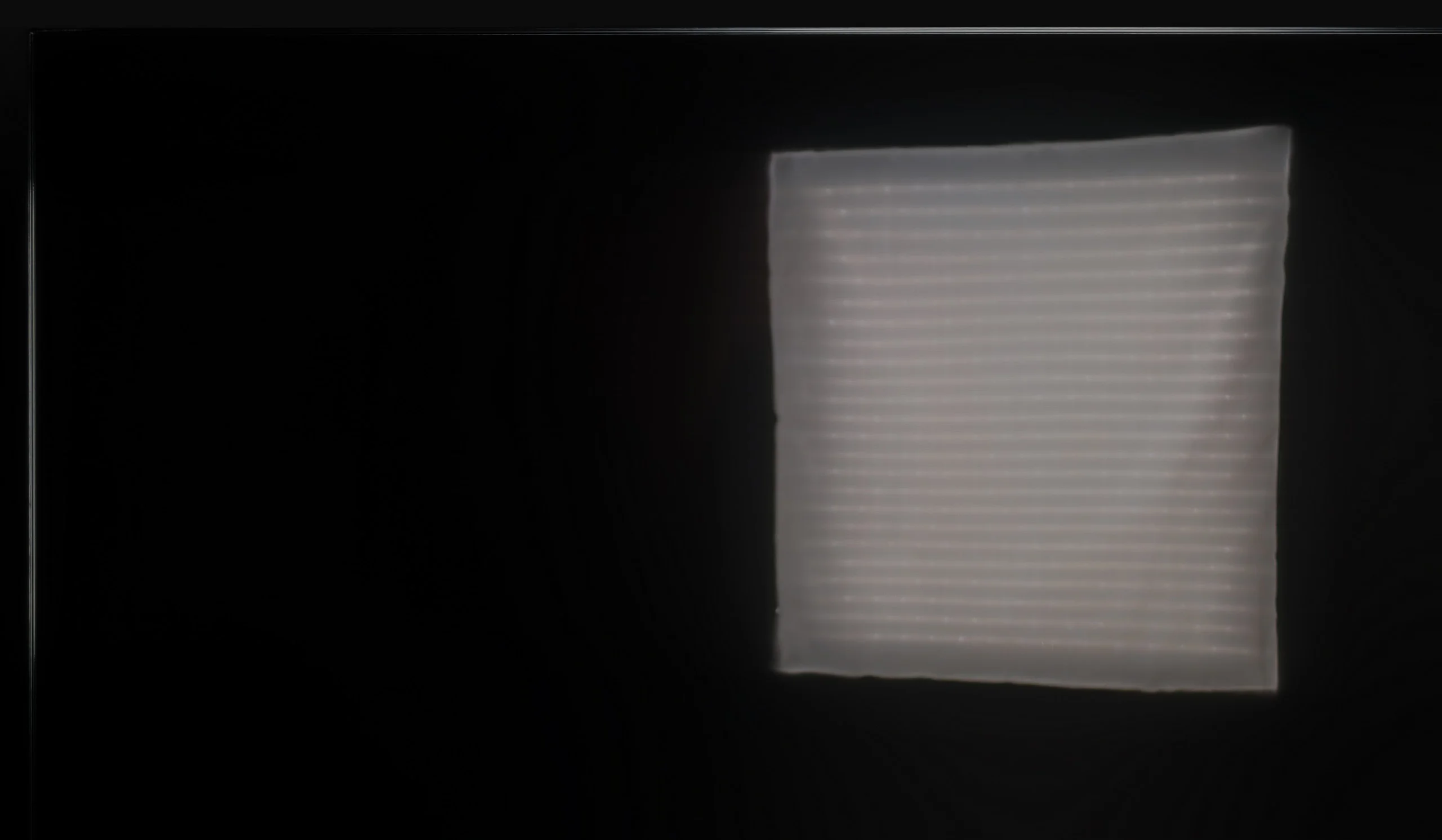
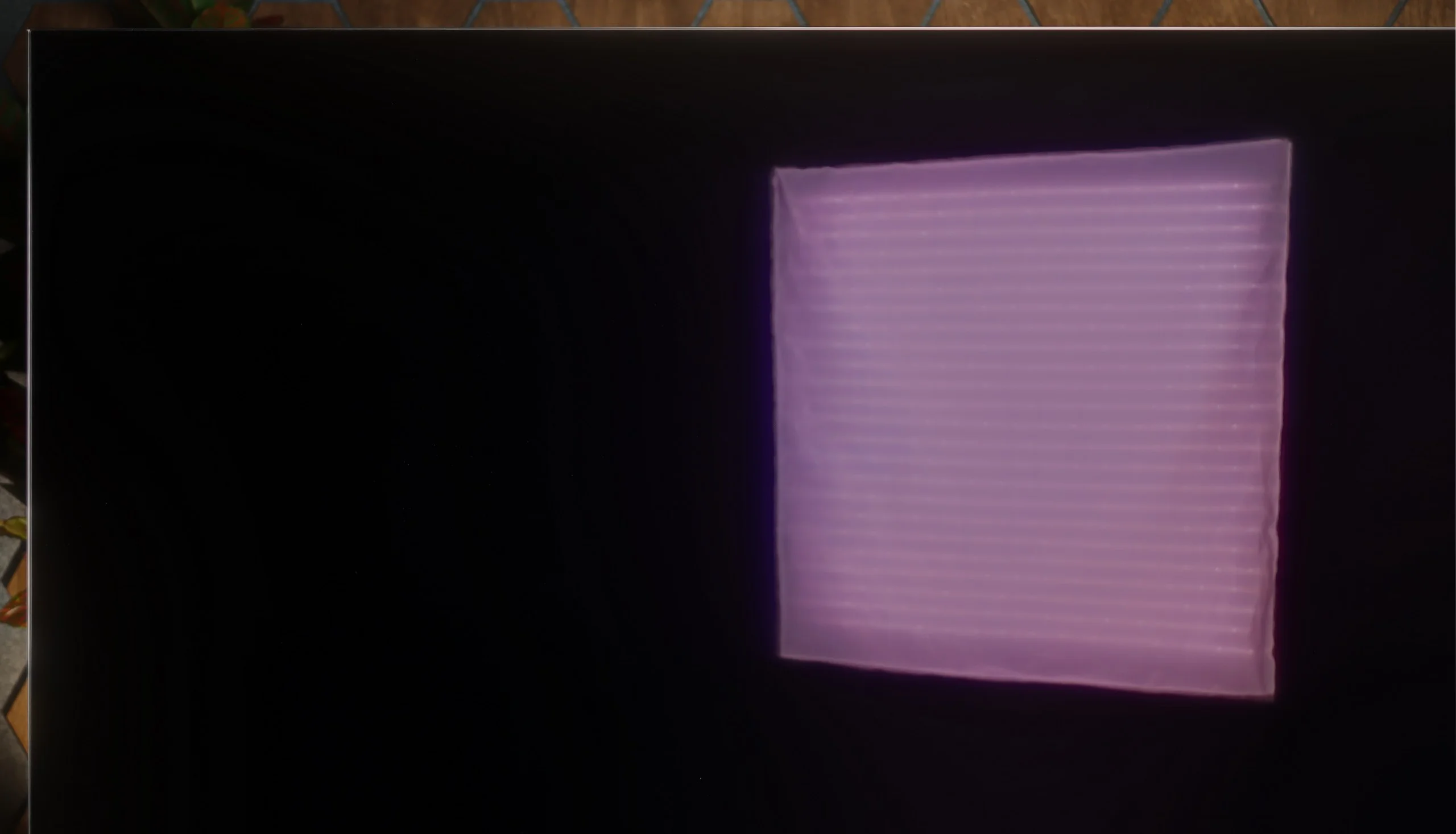
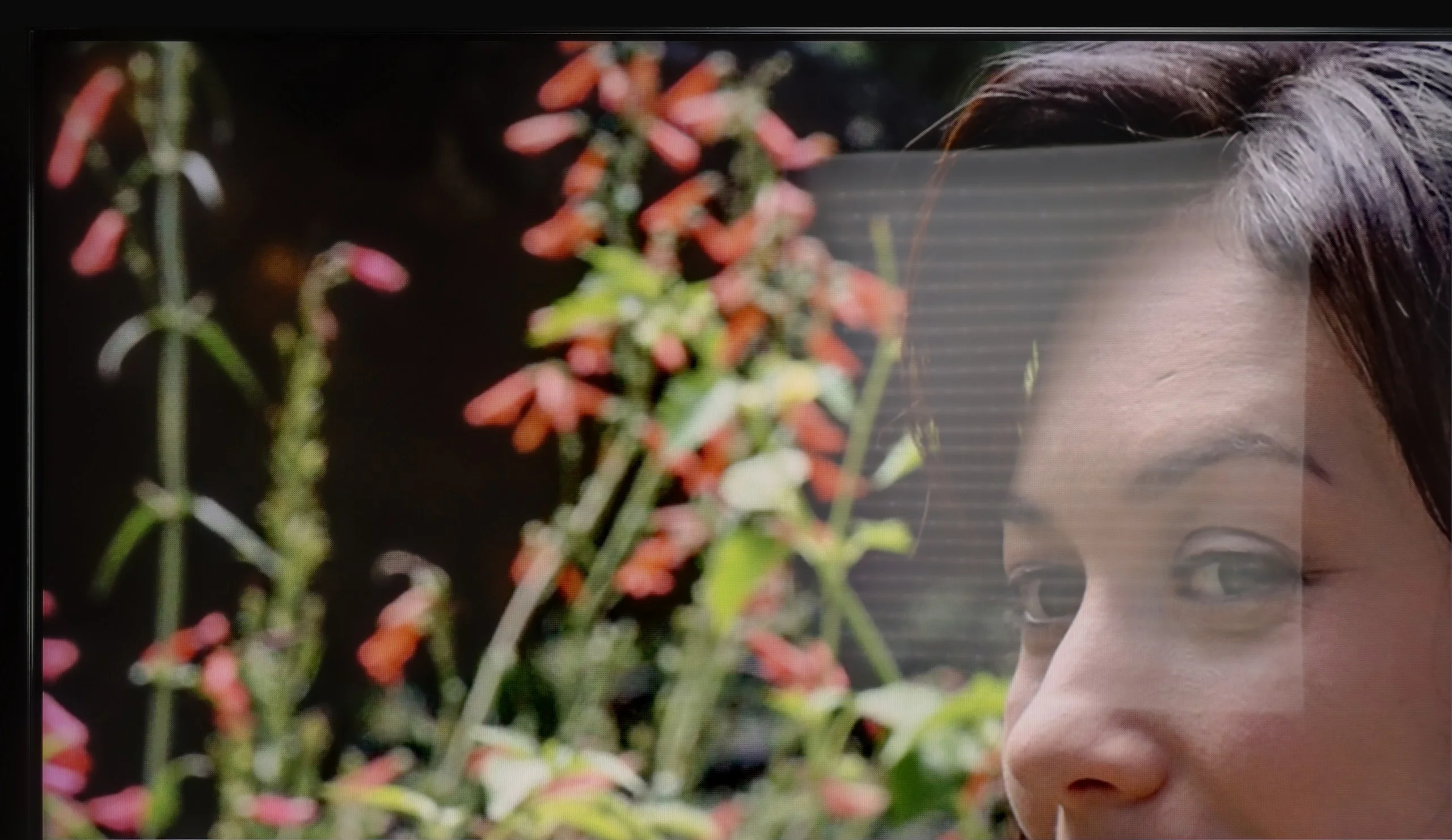
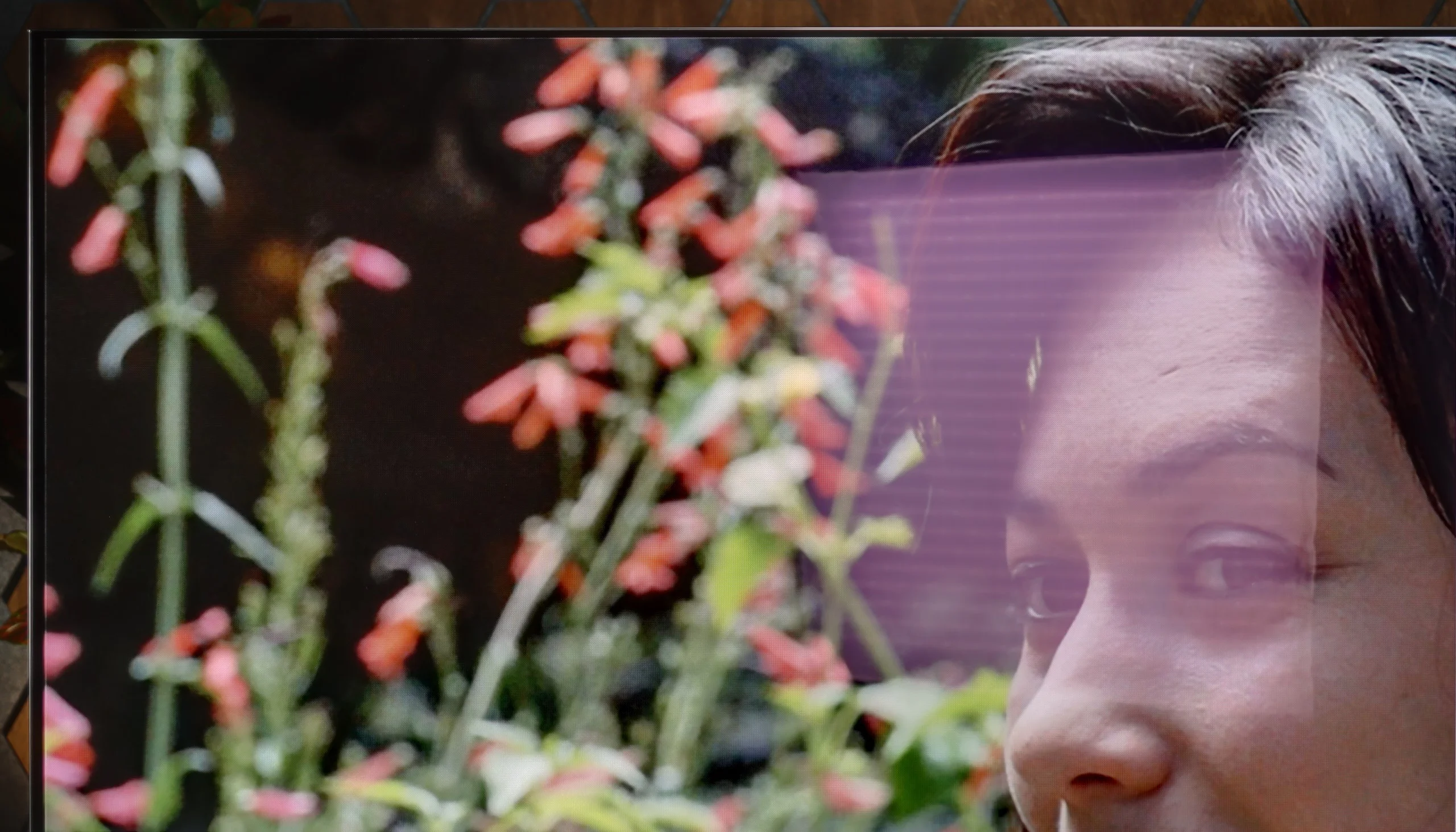
Panel brightness
LG OLED C6 (WOLED): 469 cd/m2
Hisense U8Q: 914 cd/m2
Hisense has introduced a new anti-reflective coating called Anti-Reflection PRO. It aims to improve viewing comfort in difficult lighting conditions – and it really does the job. Reflections don't disappear entirely, but they are well controlled and do not interfere with everyday viewing. However, the highlight is the brightness in SDR – around 1000 nits! That's a result that would make top super premium models proud. As a result, the U8Q performs excellently in sunny rooms and can definitely be considered one of the best televisions for daytime viewing.
The LG C6 has a glossy panel that handles direct reflections quite well, but it doesn’t eliminate them completely. If there’s a large window or a bright lamp facing the TV, their reflections will still be visible. On the other hand, the screen preserves blacks well in a lit room and even during the day the picture doesn’t go grey or washed out. The C6 is also fairly bright in SDR. With typical content we measured around 470 nits, so in most living rooms it should cope during the day without much trouble. Brightness only starts to fall off more noticeably when a large part of the screen is white. That’s still a typical characteristic of OLEDs and it becomes noticeable with very bright content, for example winter sports. Overall, the C6 performs well in a normally lit living room. However, if the TV is going to sit opposite huge windows and spend most of the day fighting strong sunlight, a bright Mini LED will still be the better choice.
Panel details
Subpixel Structure:
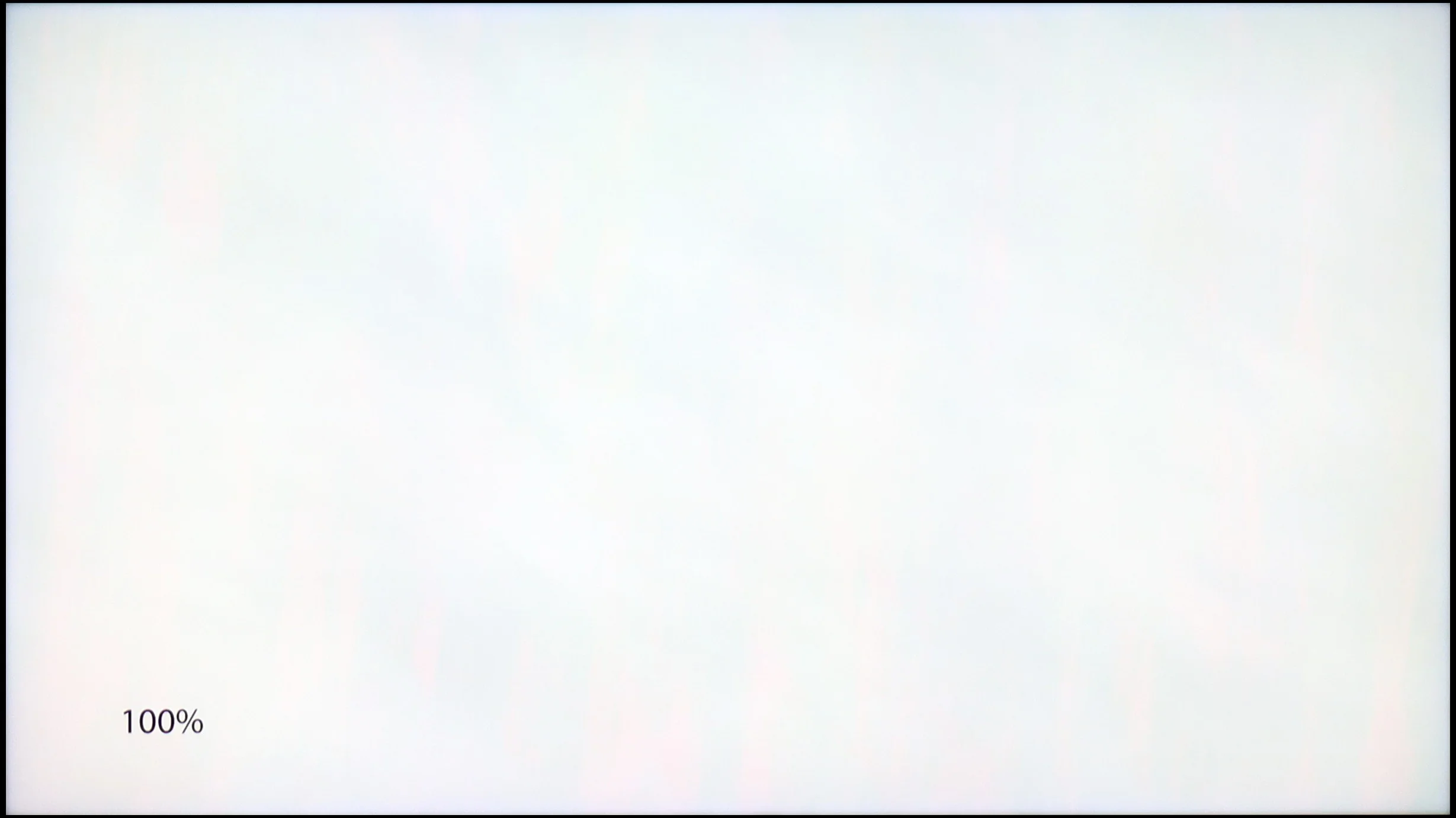
Panel uniformity and thermal imaging:

Hisense U8Q
LG OLED C6 (WOLED)
TV features
9.4/10
8.4/10
- SystemVIDAAWebOS
- System performanceGoodVery good
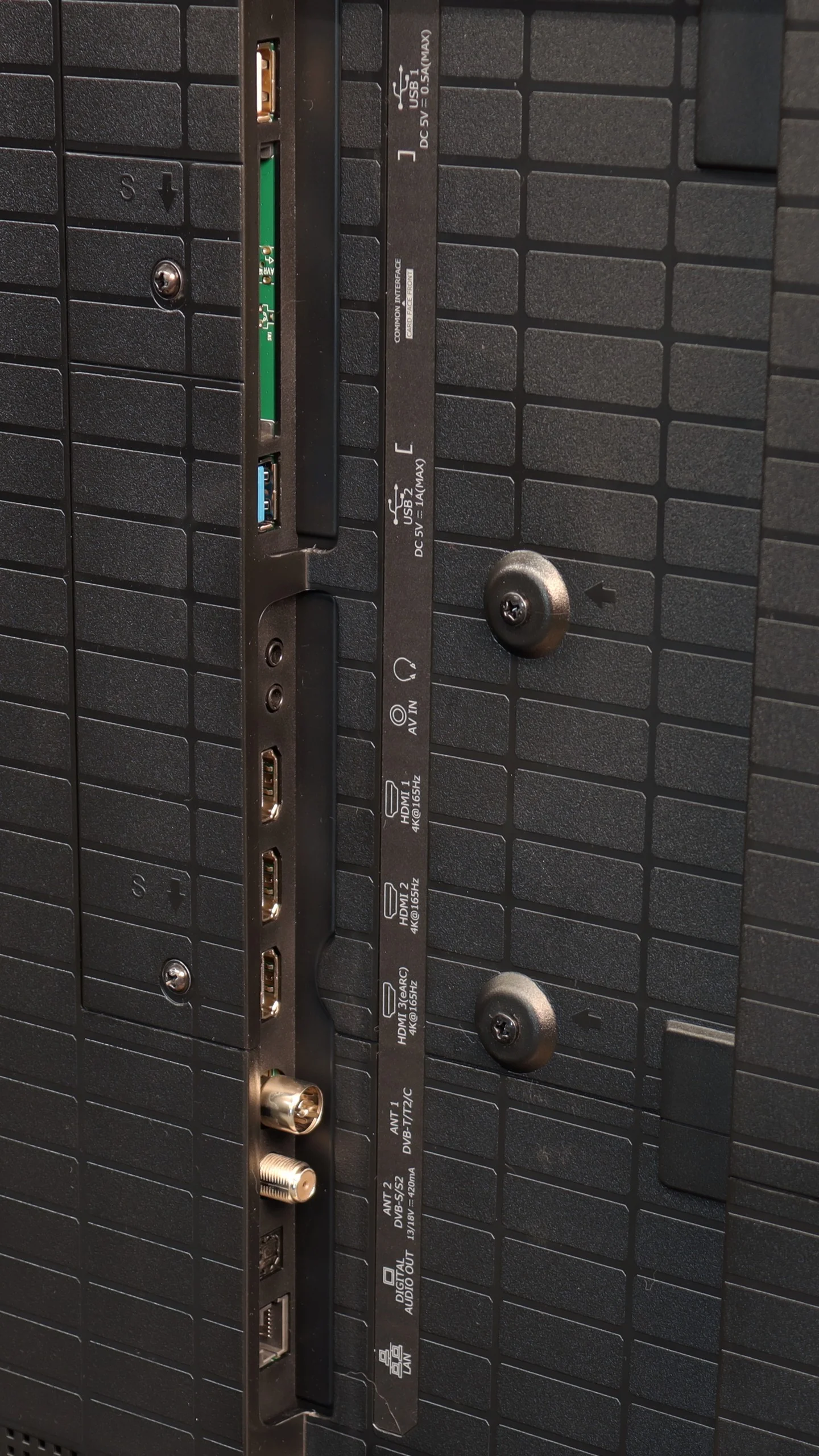
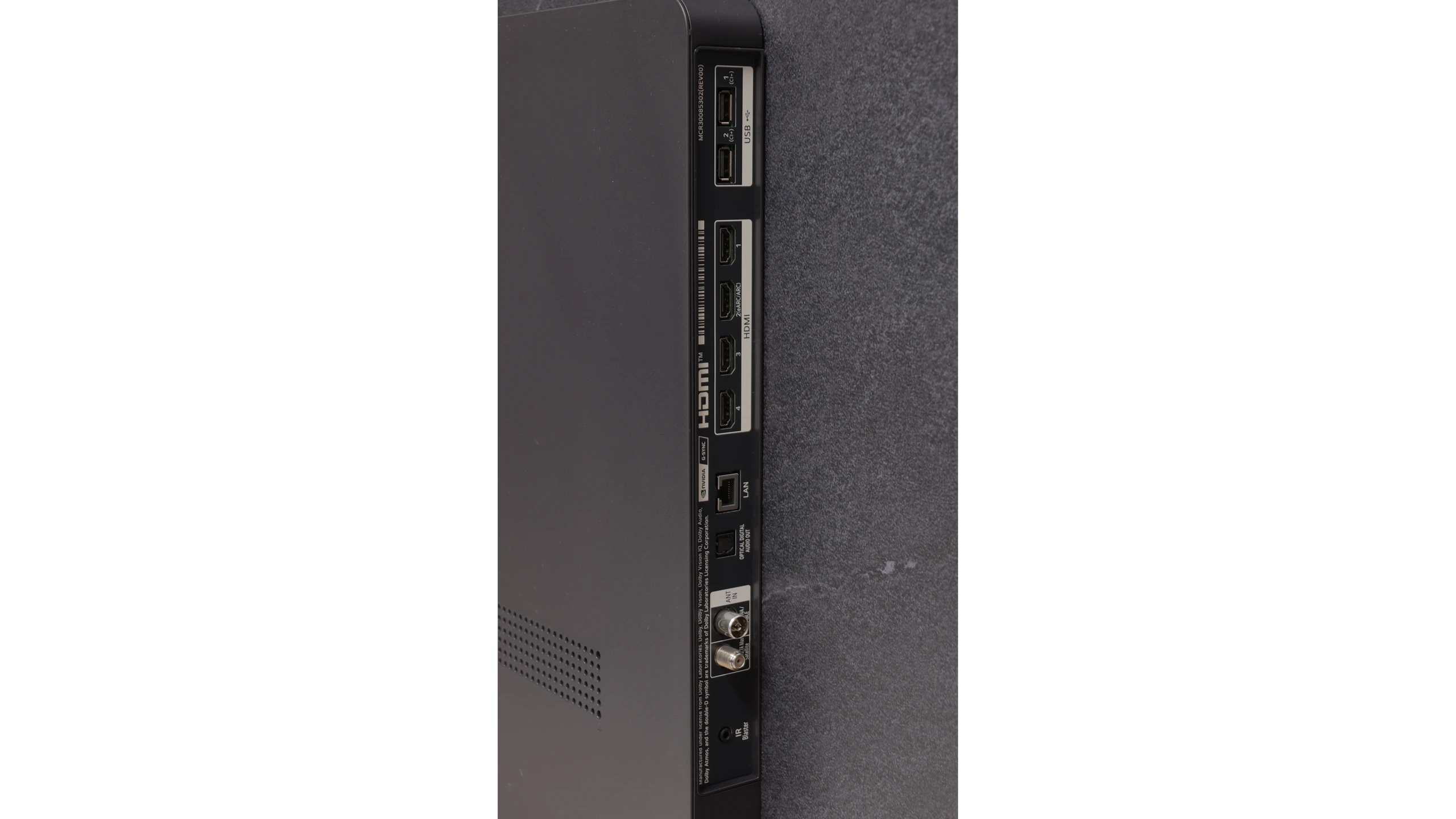
- HDMI inputs0 x HDMI 2.0, 3 x HDMI 2.1 48Gbps0 x HDMI 2.0, 4 x HDMI 2.1 48Gbps
- Other inputsToslink (Optical audio), RCA (Chinch)IR (remote)
- OutputseARC (HDMI), ARC (HDMI), Mini-Jack (Headphones)Toslink (Optical audio), eARC (HDMI), ARC (HDMI)
- Network InterfacesWi-Fi 2.4GHz, Wi-Fi 5GHz, Ethernet (LAN) 100MbpsWi-Fi 2.4GHz, Wi-Fi 5GHz, Ethernet (LAN) 100Mbps
- TV receptionDVB-T, DVB-T2, DVB-S, DVB-S2, DVB-CDVB-T, DVB-T2, DVB-S, DVB-S2, DVB-C
Classic features:
- Recording to USB (terrestrial TV)
- Recording programming
- Picture in Picture (PiP)
- RF remote control (no need to aim)
- Backlit remote control
- Teletext
- Audio only mode
- Bluetooth headphones support
- Simultaneous Bluetooth headphones & TV audio
Smart features:
- AirPlay
- Screen mirroring (Windows Miracast)
- Voice search
- Voice search in native language
- Ability to connect a keyboard and mouse
Sound connection options
- HDMI audioeARC (HDMI), ARC (HDMI)eARC (HDMI), ARC (HDMI)
- Other audio outputsMini-Jack (Headphones)Toslink (Optical audio)
- Wireless audioBluetoothBluetooth
Supported audio formats (external HDMI eARC audio):
- Dolby Digital Plus 7.1
- Dolby True HD 7.1
- Dolby Atmos in Dolby Digital Plus (JOC)
- Dolby Atmos in Dolby True HD
- DTS:X in DTS-HD MA
- DTS-HD Master Audio
Senior accessibility
- Numeric keyboard on TV
- Font size adjustment
- Audio description
Classic Features
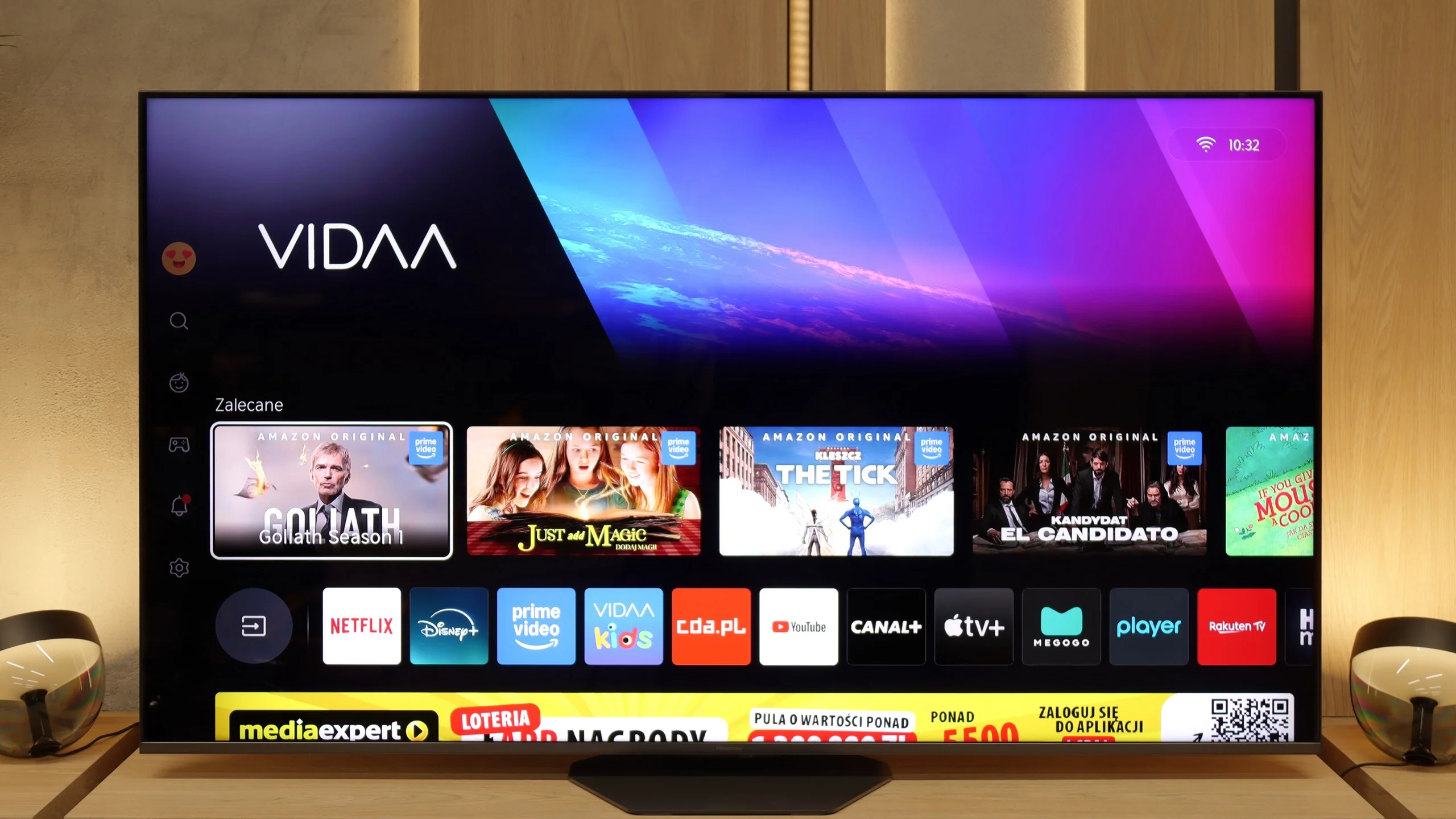
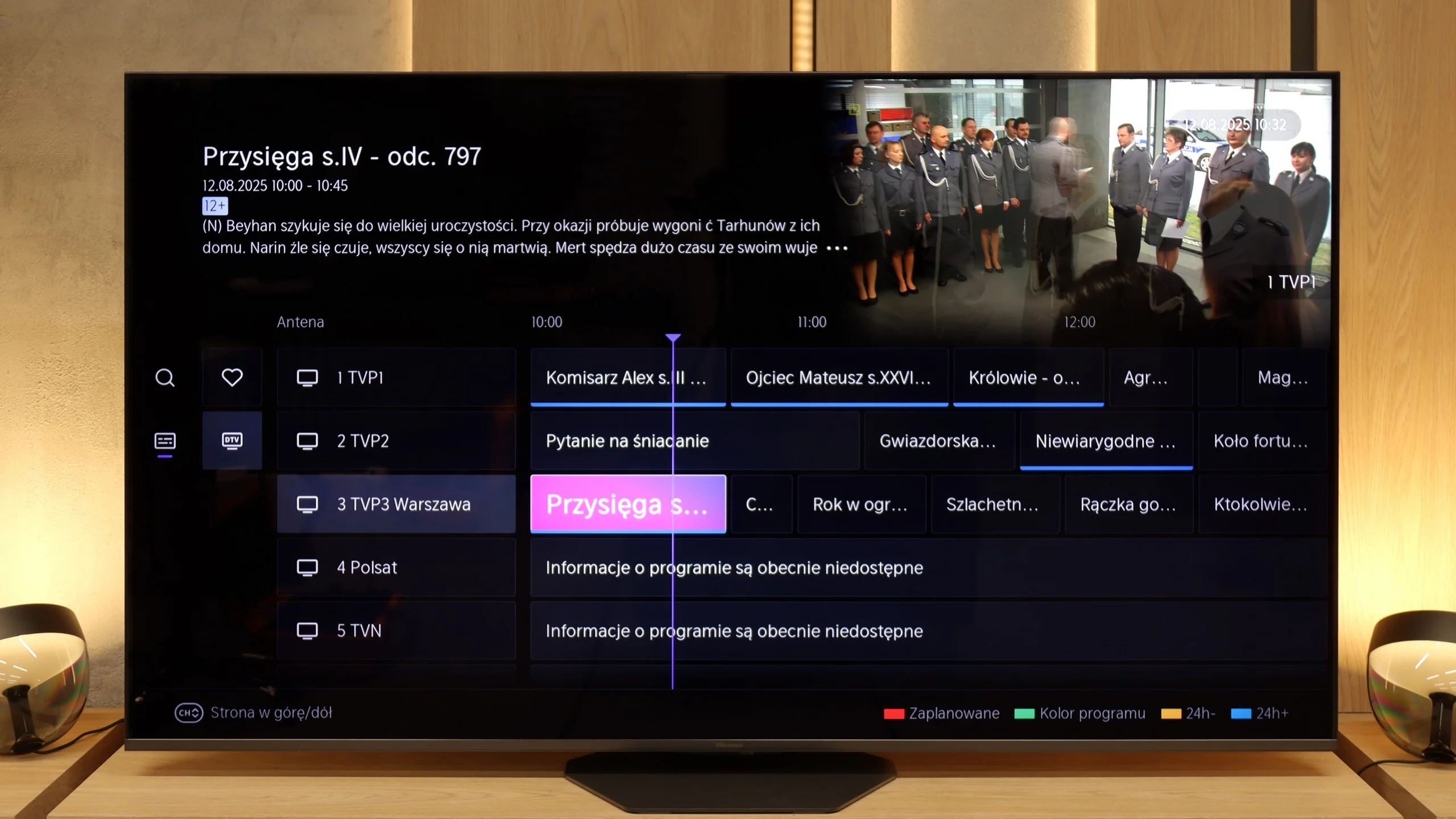
Hisense U8Q runs on the VIDAA system, which can still be considered a newcomer in the European market, but it must be acknowledged – the manufacturer really has a lot to offer here. You'll find classic features that many people still find useful: USB recording, a clear EPG guide, and the ability to connect wired headphones, which will be particularly appreciated by seniors. A nice addition is the presence of an audio jack – a connection that is slowly disappearing from televisions, but has been retained here.
USB-C in the TV!
A new feature in the U8Q is the USB-C port with DisplayPort support. This is a non-standard but very practical solution – it allows you to connect a laptop or phone with a single cable, even if those devices don't have an HDMI output.
Smart Features: VIDAA
When it comes to smart features, VIDAA operates smoothly. The interface is fast, apps open without significant delays, and network functions – such as screen mirroring or AirPlay – work very well. Sure, there are some minor shortcomings, but these are more details than real problems. The Achilles' heel remains the somewhat limited app library. However, it's worth remembering that the list of available programs can change from day to day – some disappear, others appear, so the situation may improve.
Smart TV – webOS
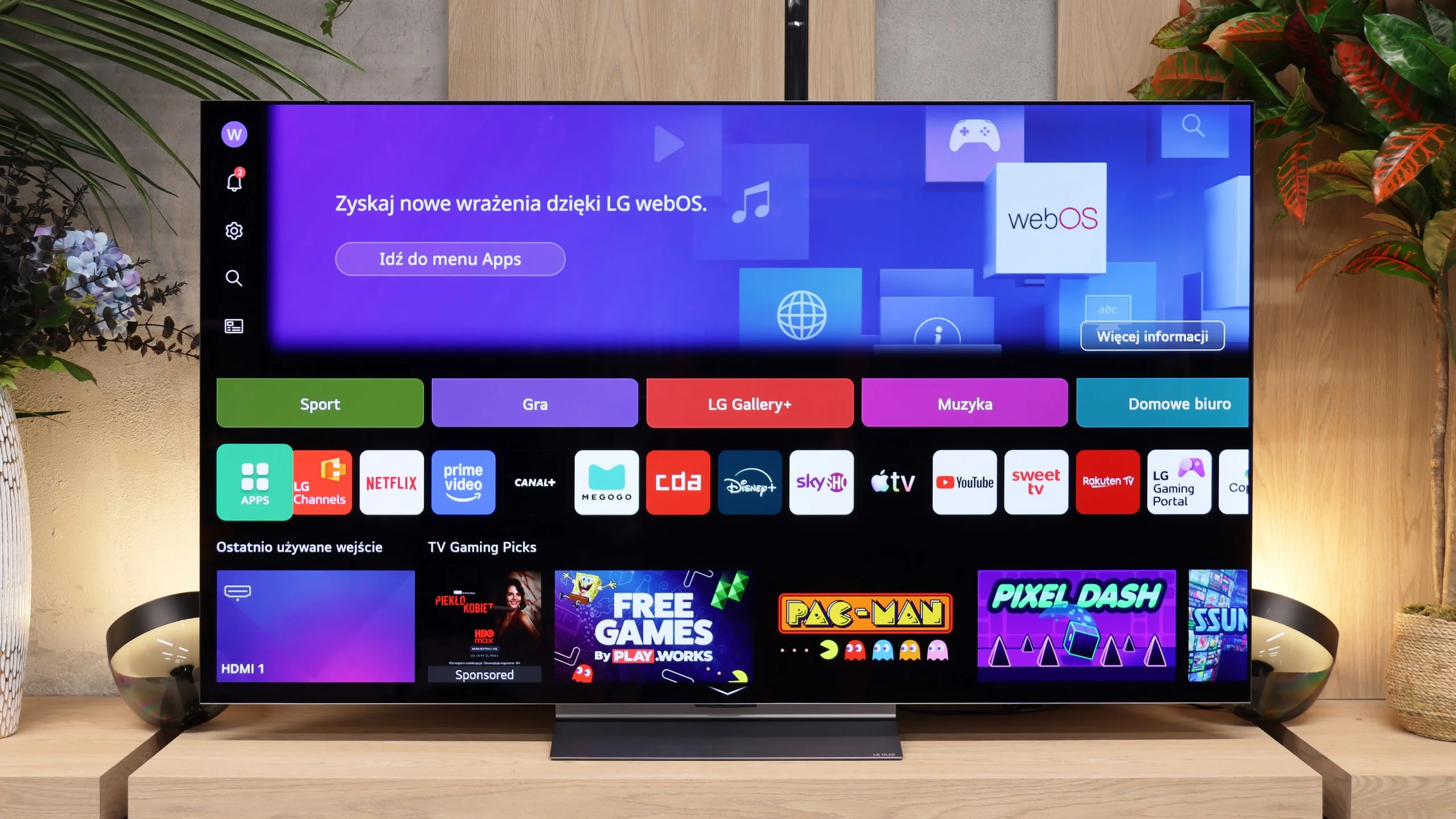
Regardless of which C6 variant you come across, the set of features remains the same. The heart of the television is, of course, webOS, the system LG has been developing for many years. It runs quickly, is well optimised and, above all, provides access to practically all popular apps. Netflix, Disney+, Prime Video, YouTube, Max and other streaming services — in this respect it is hard to find major gaps. The system itself also offers a lot of extra options. There is AirPlay, easy screen casting from a smartphone, control of smart home devices and the ability to personalise the home screen. LG has been significantly expanding webOS for several generations and at times the number of available tabs or recommendations can be a little overwhelming (especially with ads in the background), but once you get used to it the system is convenient and, most importantly, works smoothly.
Classic television features
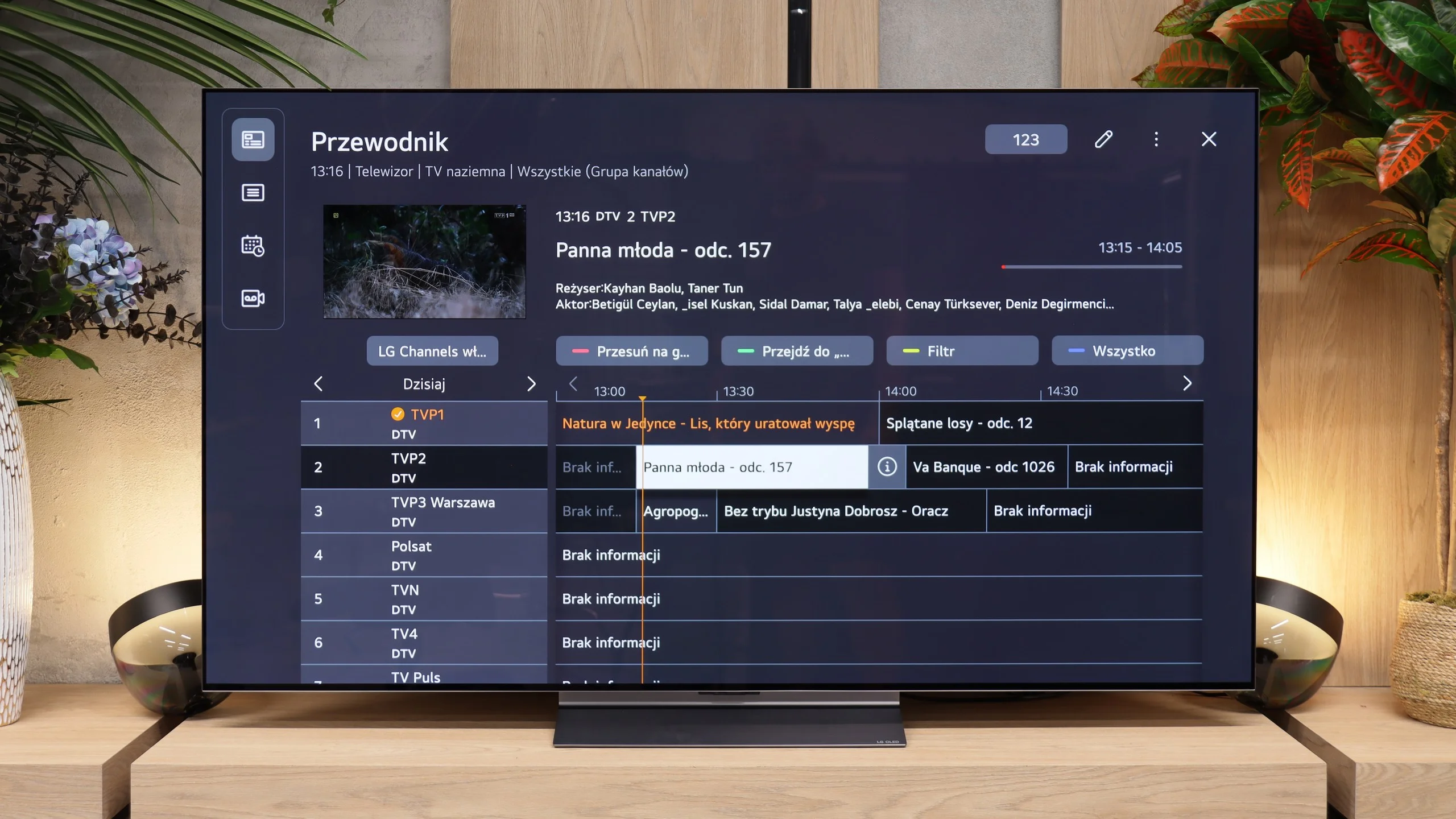
The C6 also handles being used as a normal television very well, not just as a screen for Netflix. Terrestrial TV support, the programme guide and channel switching all work smoothly and there is little to complain about. LG still offers the ability to record programmes to USB, so in terms of traditional features the equipment is really comprehensive. In fact we only miss two things here. The first is PiP, the ability to display two video sources at the same time. The second is a backlight for the remote, which would be particularly useful for evening viewing. Apart from that, the C6 has pretty much everything you can expect from a modern television.
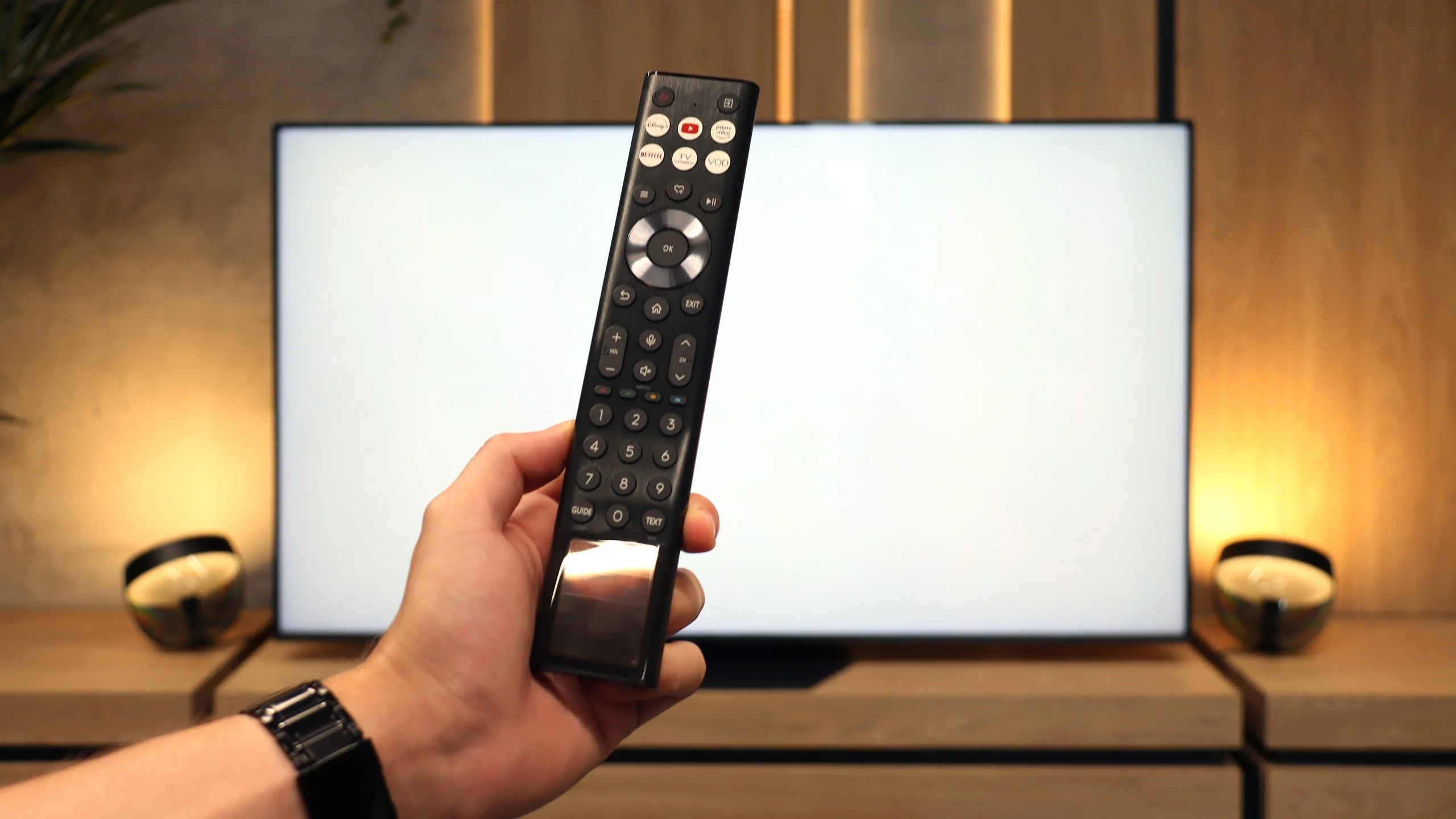
Magic Remote: DIFFERENT VERSIONS
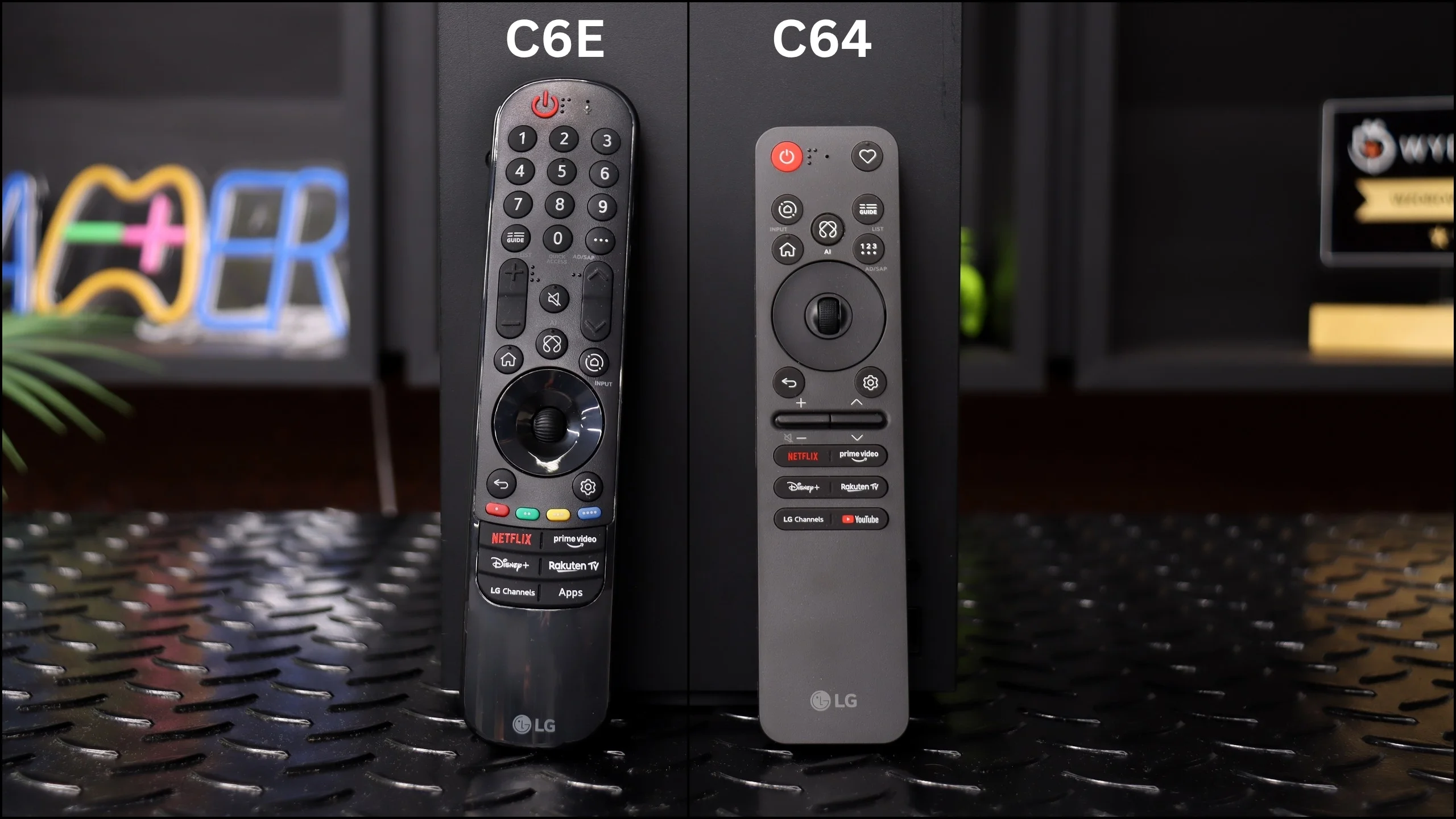
When buying the C6 it is worth paying attention to the remote, because LG has caused a bit of confusion here. During our tests we had, among others, the C64 variant, commonly found in large retail chains. The set included the new, much smaller Magic Remote Slim. It has fewer buttons and looks decidedly more modern, but still retains two of LG remotes' most distinctive features: the scroll wheel and cursor control by moving the remote. The C6E we tested, on the other hand, was equipped with the older, larger version of the Magic Remote. It works essentially the same, but has a classic numeric keypad and many more physical buttons. It looks less modern, but some people — especially those used to traditional remotes — may find it more convenient. So there is no single answer as to which remote is better. The new one is smaller, simpler and decidedly more contemporary; the older one offers faster access to a larger number of functions without having to navigate through menus. It's worth knowing that depending on the C6 marking, you may find one or the other variant in the box.
Apps
7.7/10
9.1/10






















Playing files from USB
8.3/10
9.1/10
Supported photo formats:
Maximum photo resolution:
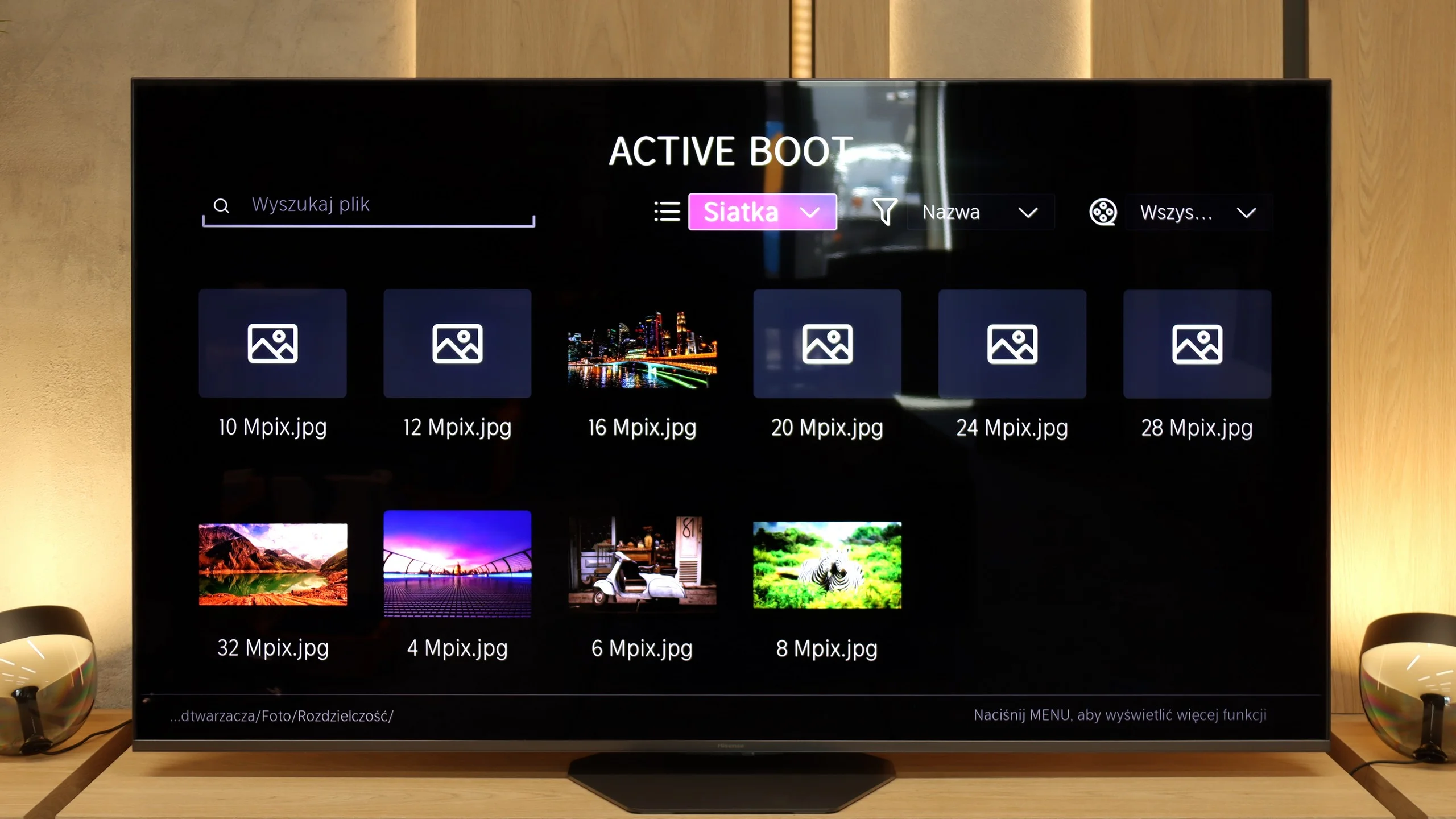
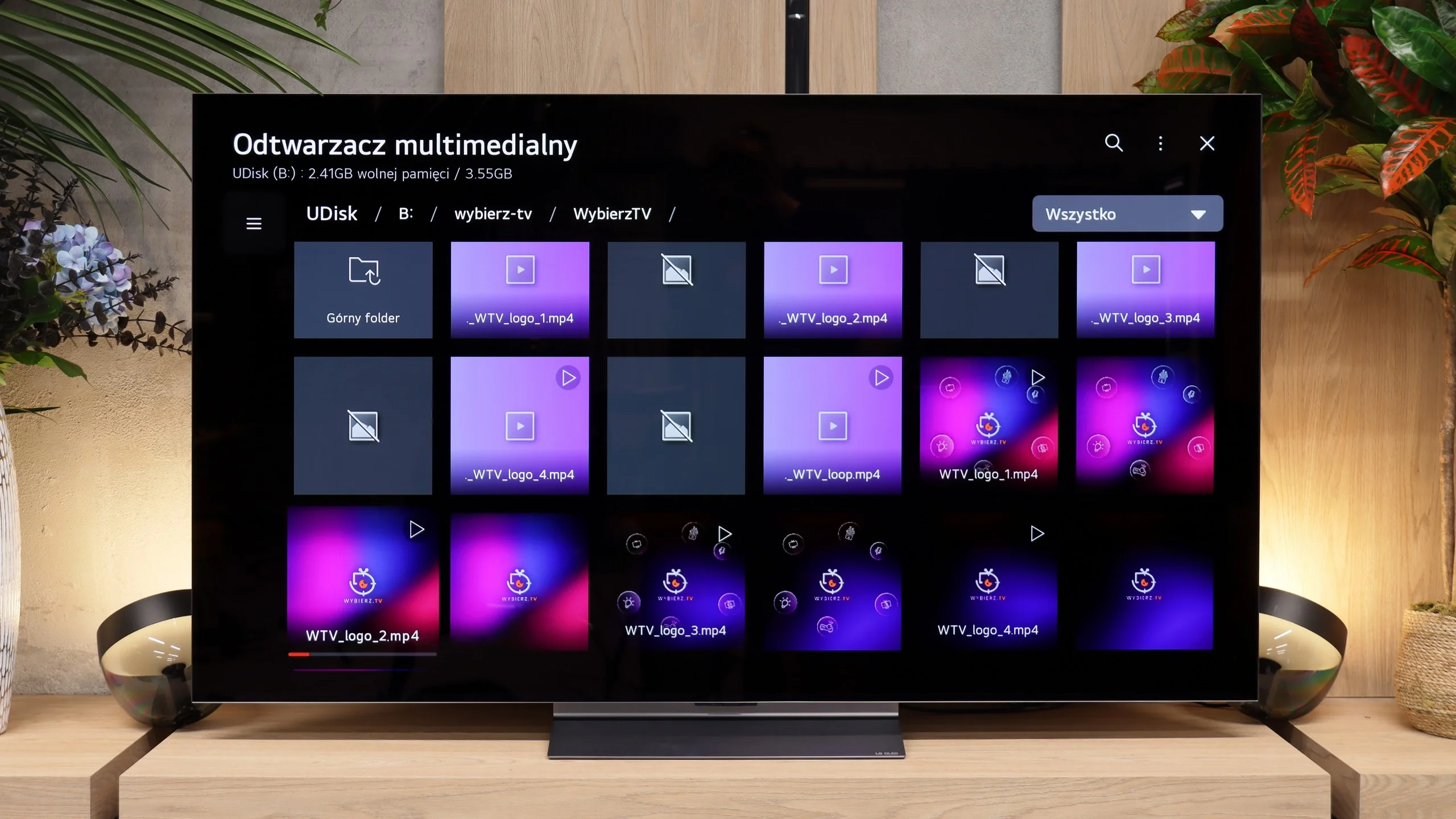
The built-in media player in the Hisense U8Q will be completely sufficient for most people. The television opens popular video and audio formats and also handles photos. However, there is a small caveat – not all photo resolutions are supported. Therefore, if we have photographs saved in a very high number of megapixels, they may simply not open. It’s worth bearing this in mind to avoid unpleasant surprises during the family photo show.
During our tests the TV handled virtually all of the most popular video formats we copied onto a USB stick without any problems. There were no issues with high bitrates, subtitles or more demanding files, so it's hard to criticise it on that front. The only exception was material with a DTS audio track. That's not surprising, because the TV simply doesn't support that codec. Otherwise, the built-in player is good enough that most users will be fine without installing external apps or connecting an additional player.
Sound
7.8/10
7/10
- Maximum volume88dB88dB
- Dolby Digital Plus 7.1
- Dolby True HD 7.1
- Dolby Atmos in Dolby Digital Plus (JOC)
- Dolby Atmos in Dolby True HD
- DTS:X in DTS-HD MA
- DTS-HD Master Audio
The Hisense U8Q performs really well in terms of sound. The audio is pleasant, with a slight bass and quite decent mid tones, so it’s perfectly adequate for everyday viewing of movies, series, or gaming.
It does get a bit worse when we crank the volume up to 100%. That’s a rather rare scenario, but it’s worth mentioning. With very strong bass, the rear speakers start to work so intensely that the TV can slightly “rattle,” and the sound takes on an unpleasant, plastic echo. Therefore, it’s best to keep the volume between 70–80% – at that level, the U8Q sounds clear and enjoyable, without any unwanted effects.
In terms of sound the C6 is practically unchanged from last year’s C5. It still uses a 2.2-channel setup with a total output of 40 W, so a somewhat more solid base than many TVs that rely on simple 2.0 20 W arrangements. In practice the sound is quite good. Dialogue is clear, it doesn’t sound overly flat, and the additional speakers deliver a bit more bass than many basic TVs. Of course it still won’t replace a good soundbar, let alone a home theatre, but it’s more than enough for everyday TV viewing.
There’s a small step backwards, however, in the settings. LG removed some of the preset sound modes this year, which makes it a bit harder to tailor the sound to your preferences than on the previous generation. For that reason our rating is slightly lower, although the speakers’ capabilities remain practically unchanged. On the plus side it supports Dolby Atmos, the most popular surround-sound format in films and streaming right now. DTS support is still missing, which may matter mainly to people using their own movie libraries on discs or files.
Sound Quality Test
Acoustic Measurements
88dBC (Max)
75dBC
88dBC (Max)
75dBC
Reader comments
Comments are provided by the external service Disqus (Zeta Global). Once loaded, Disqus may set cookies and process data about your activity.
We will remember your choice on this device. Provider's privacy policy