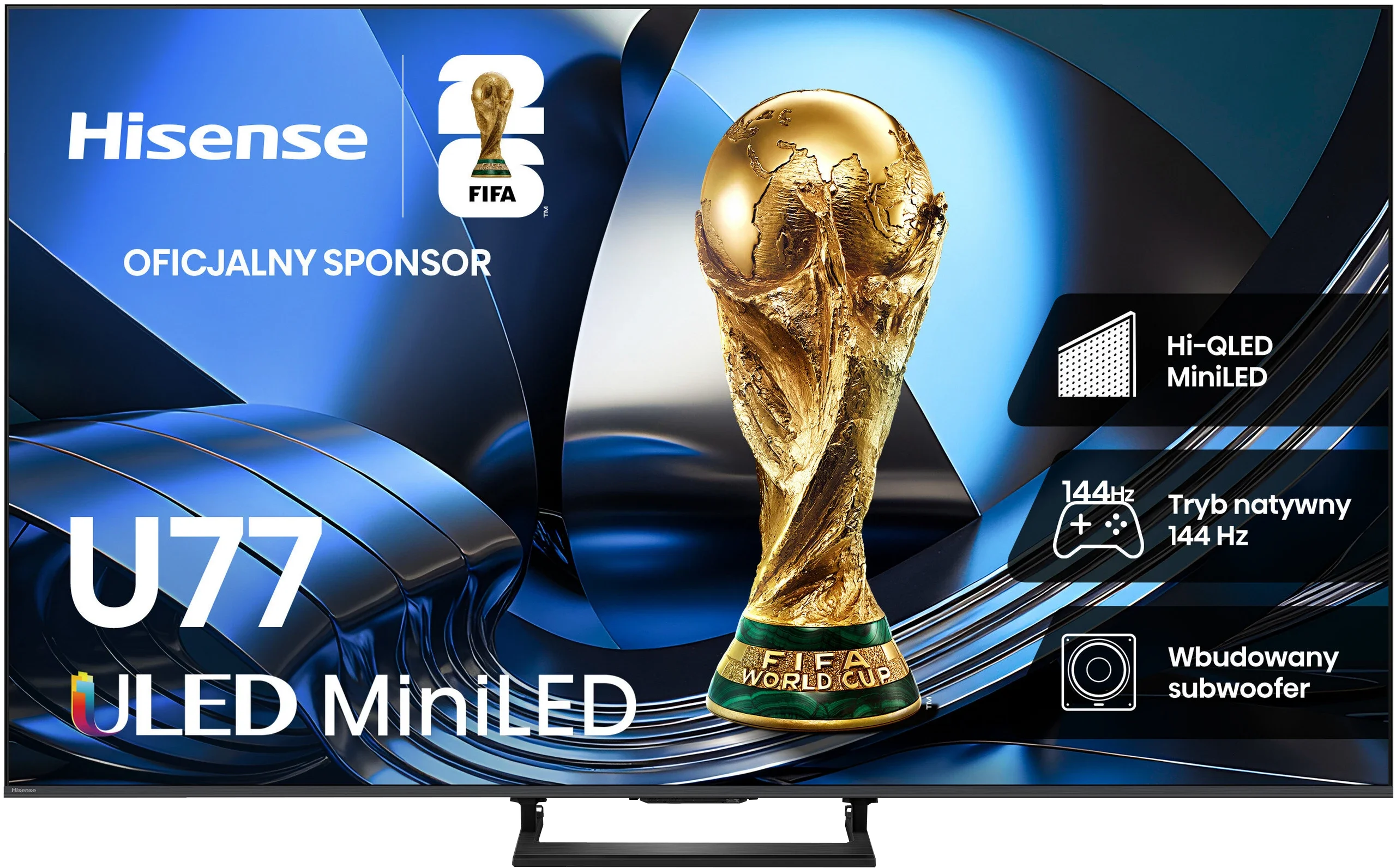
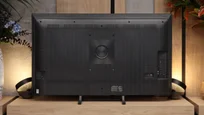
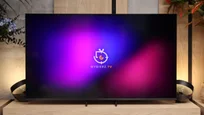
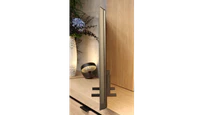
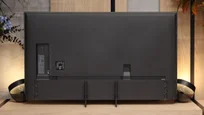
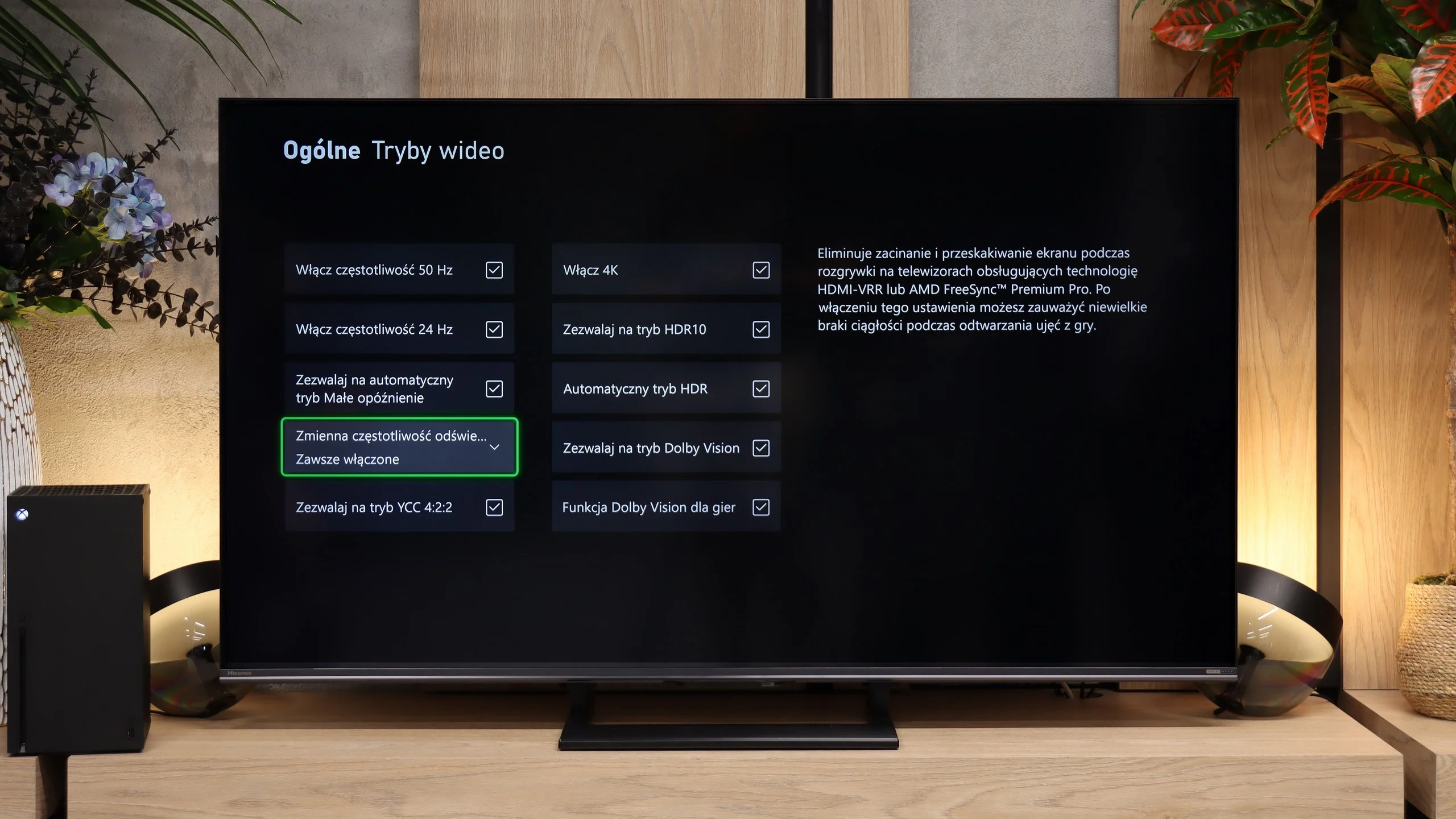
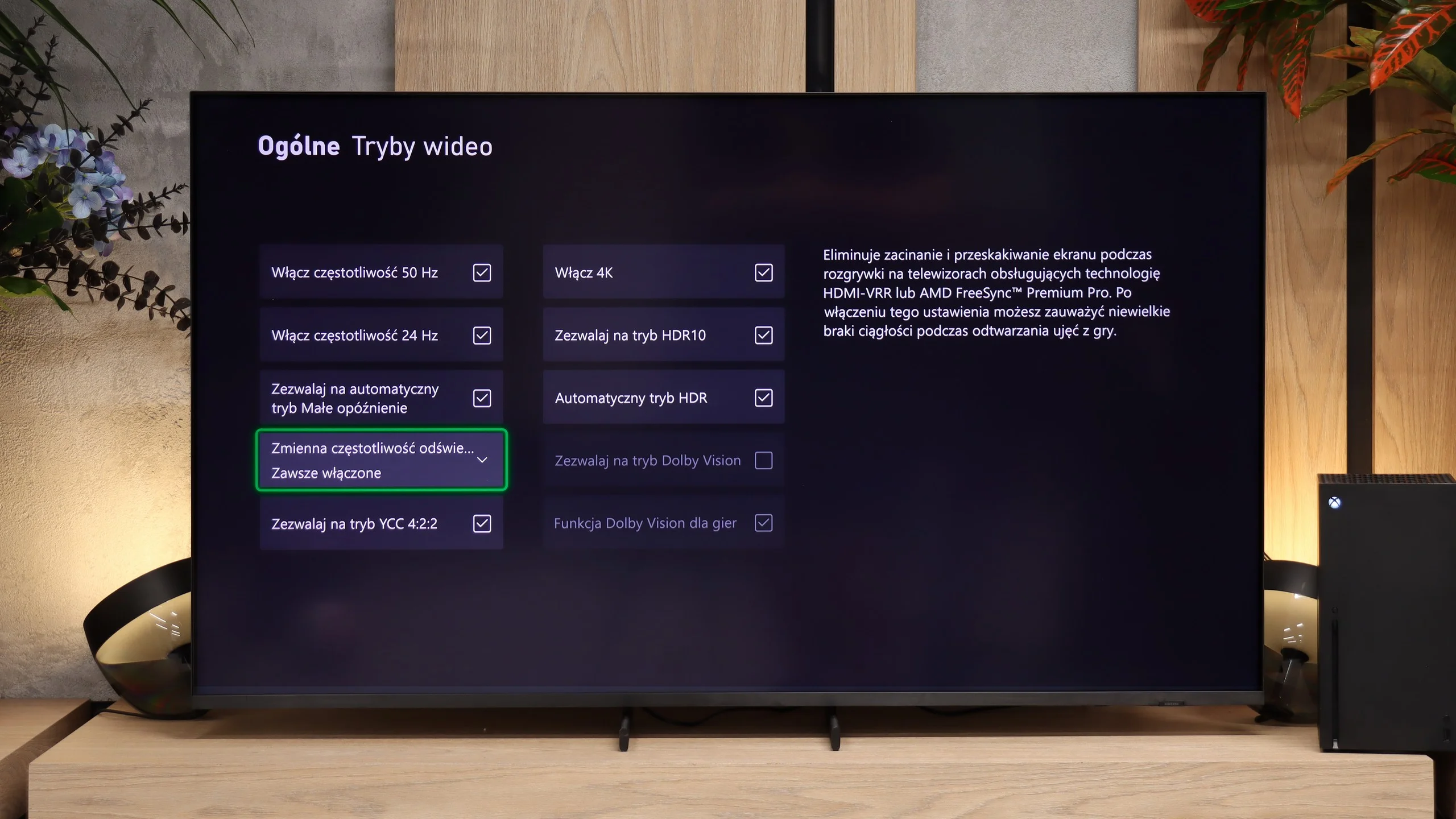
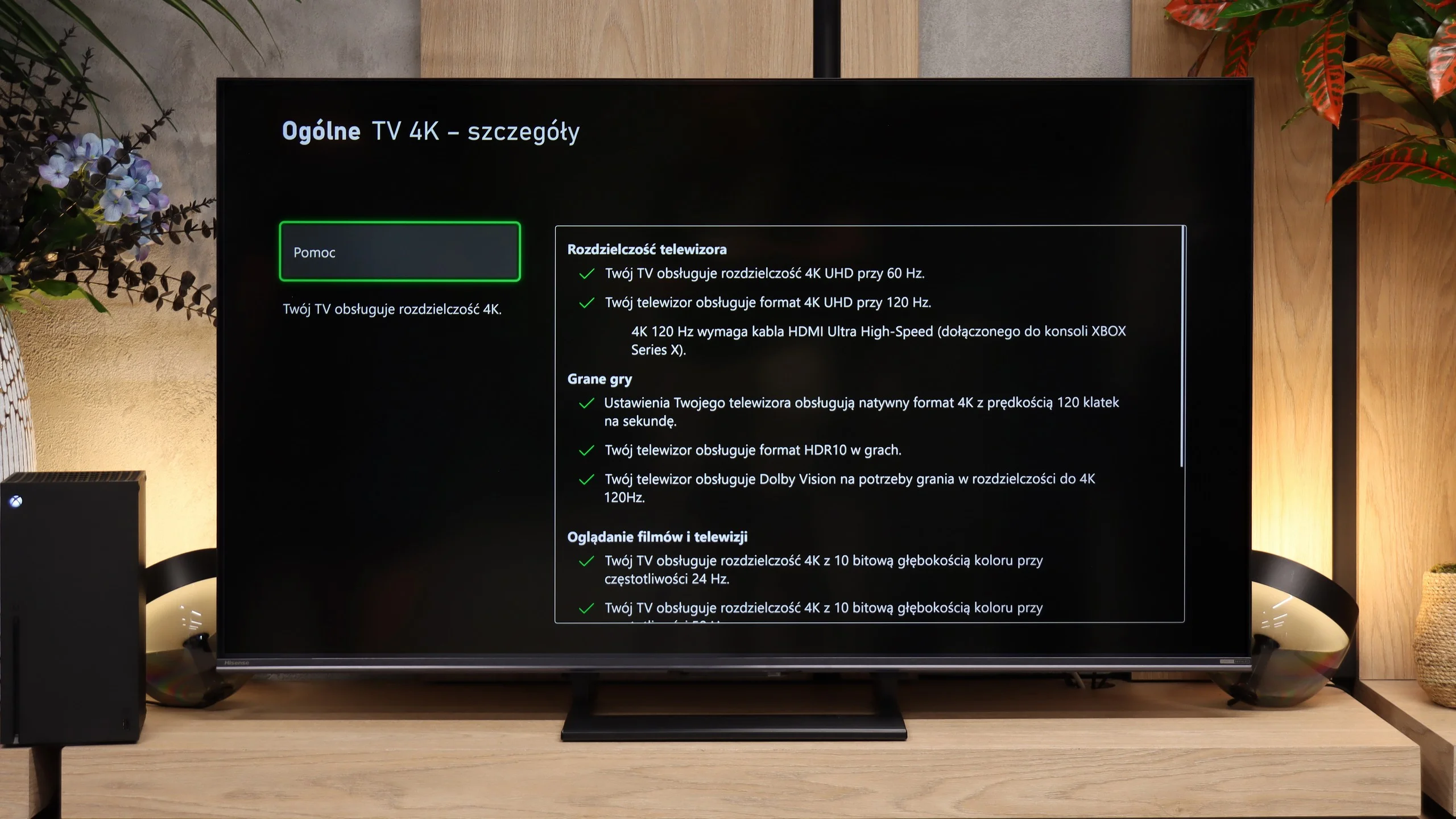
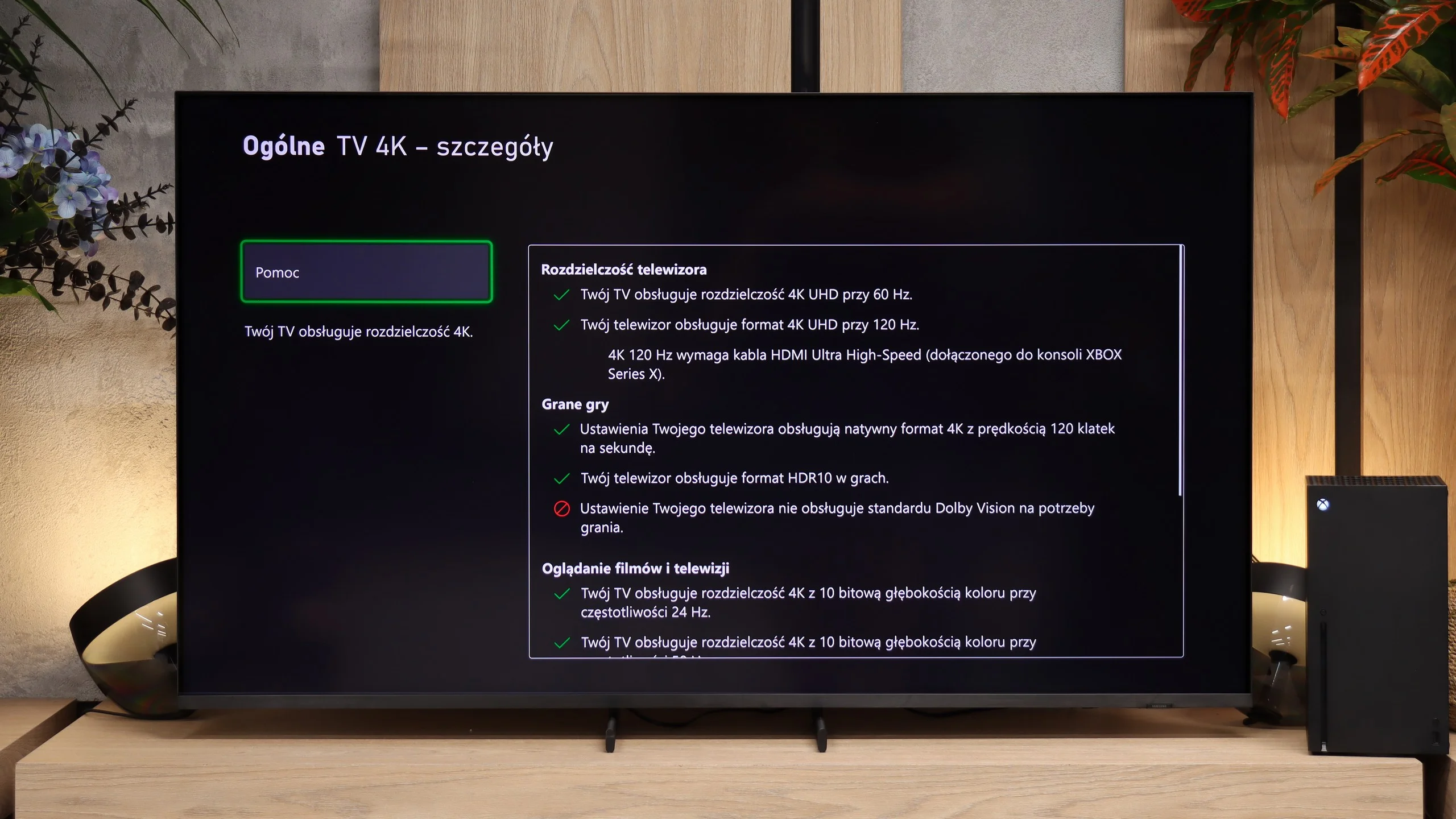
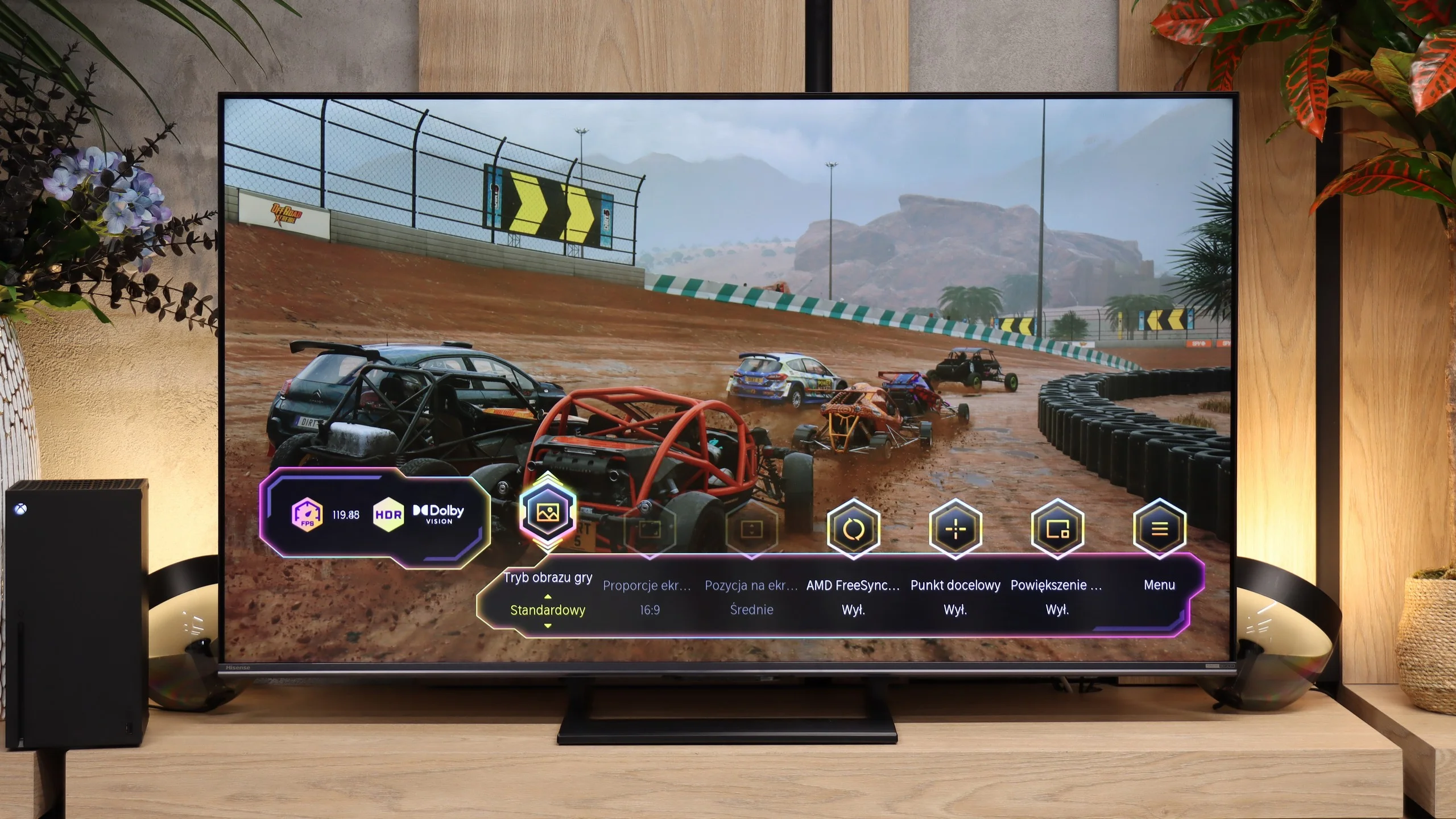
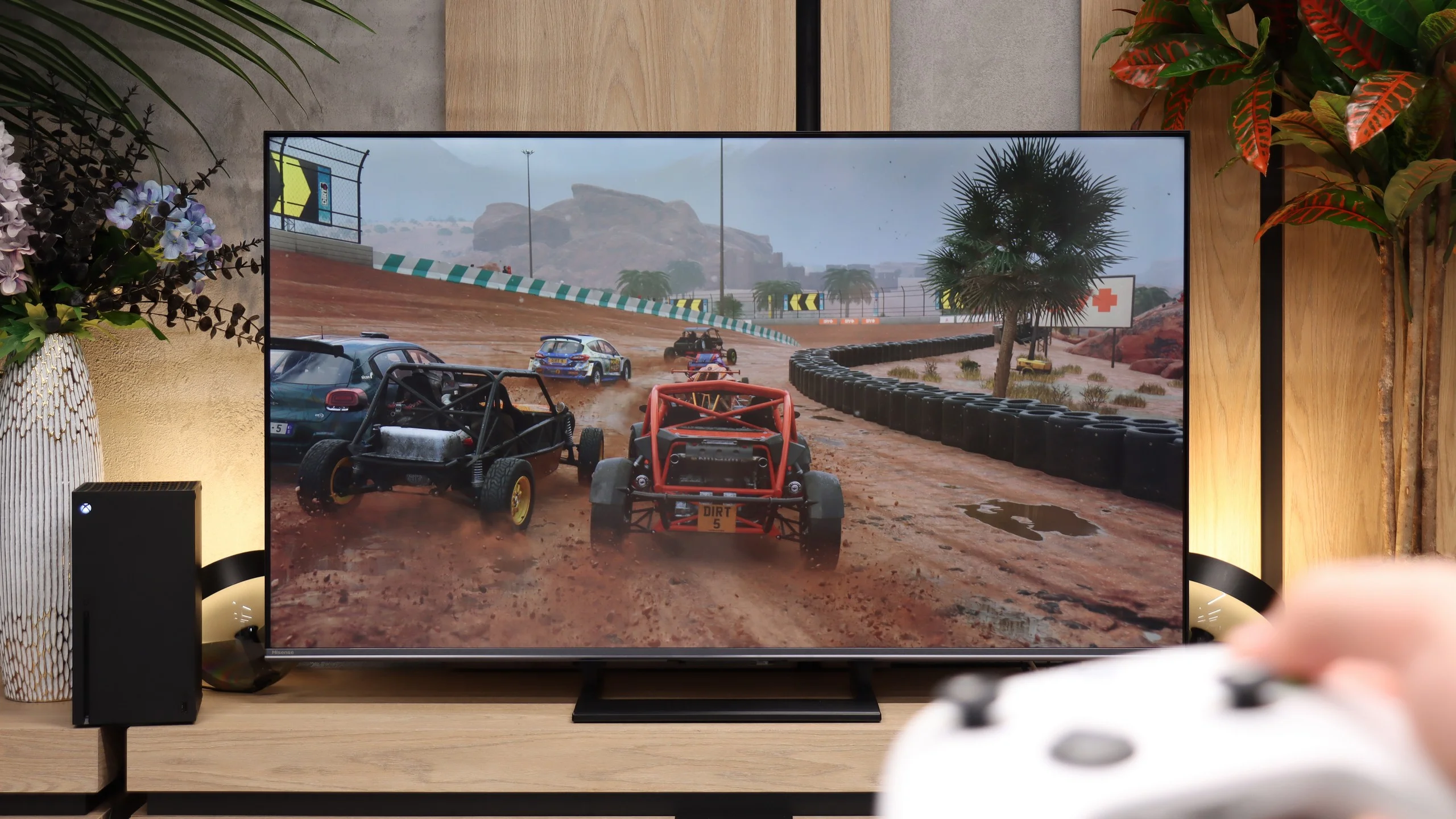
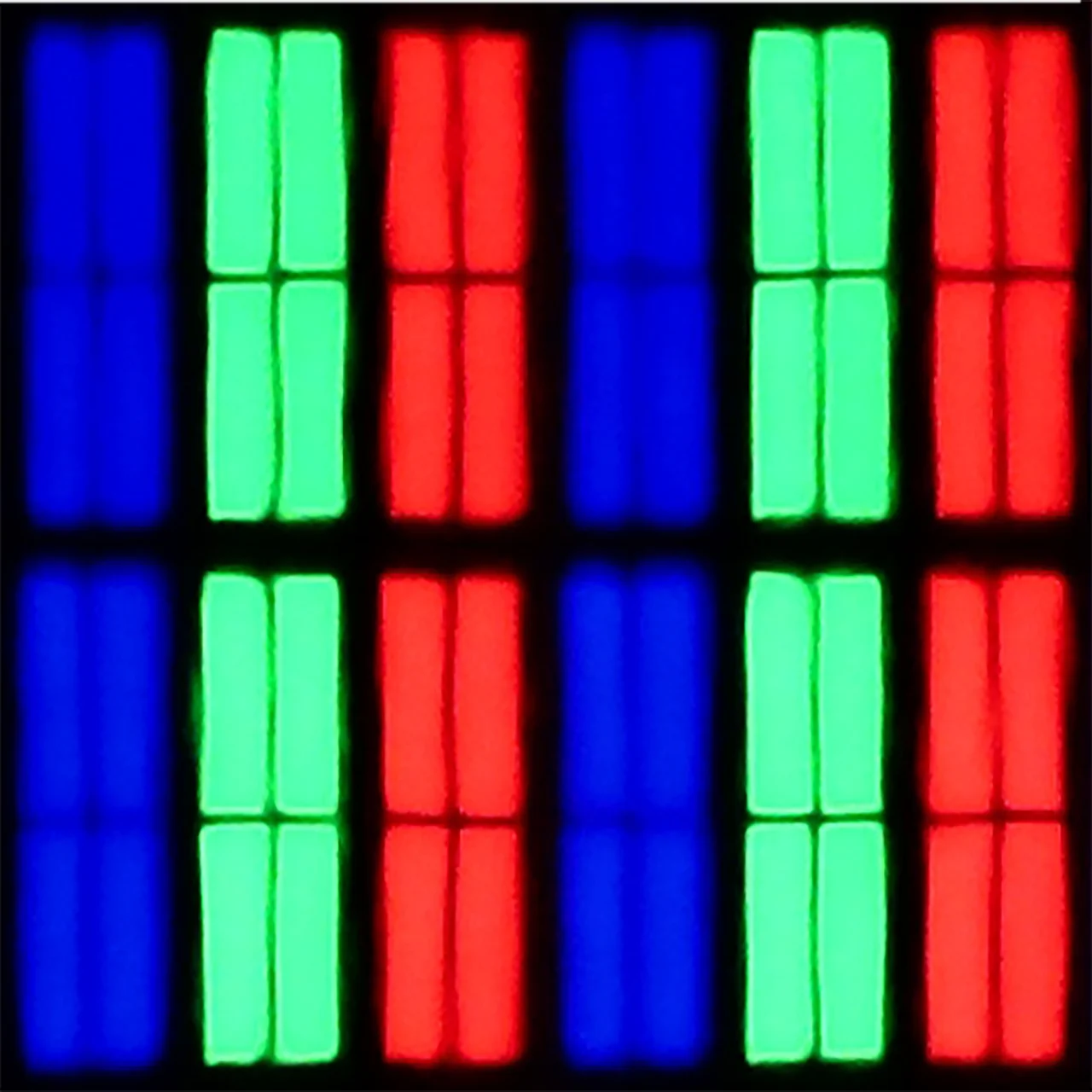
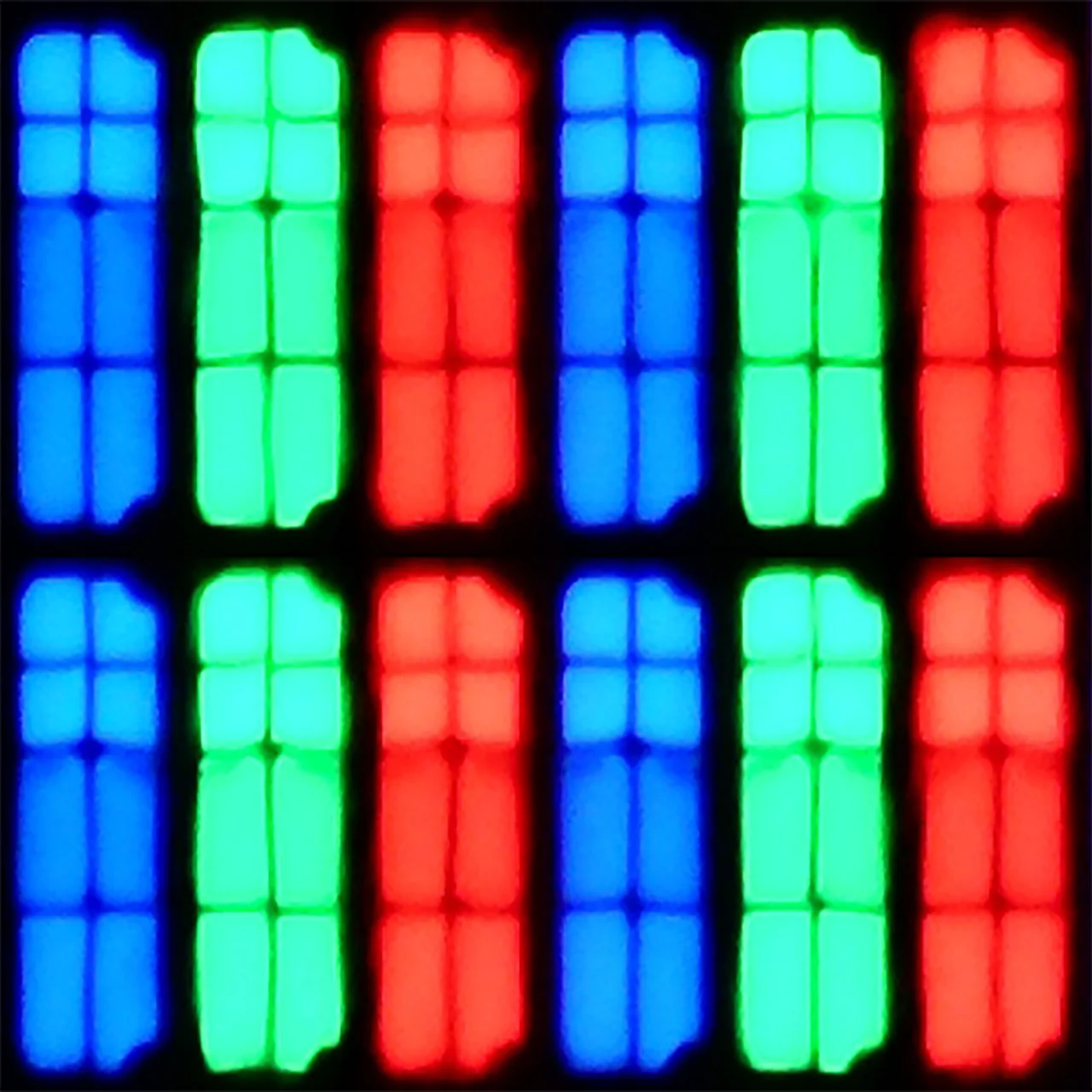
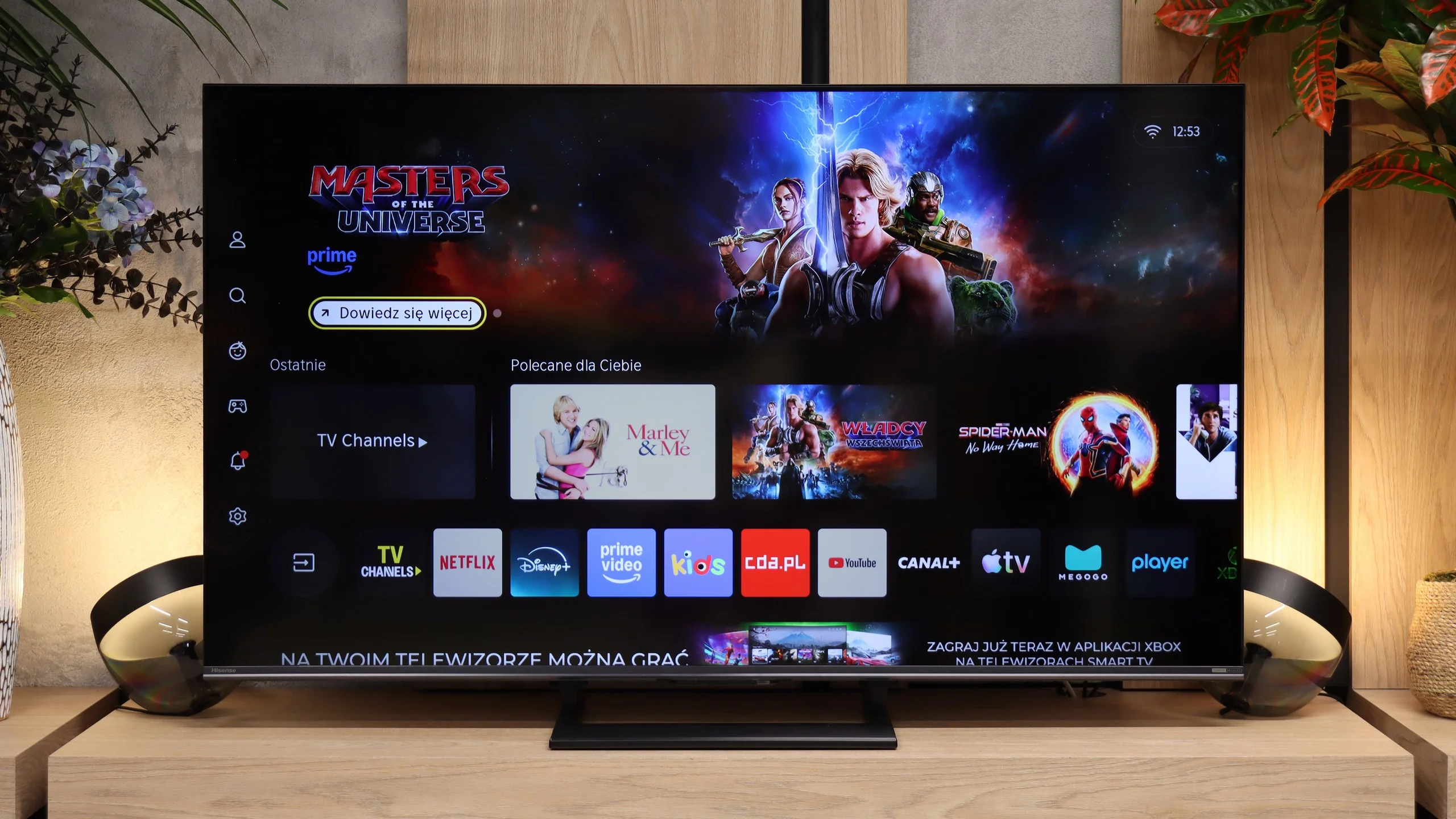
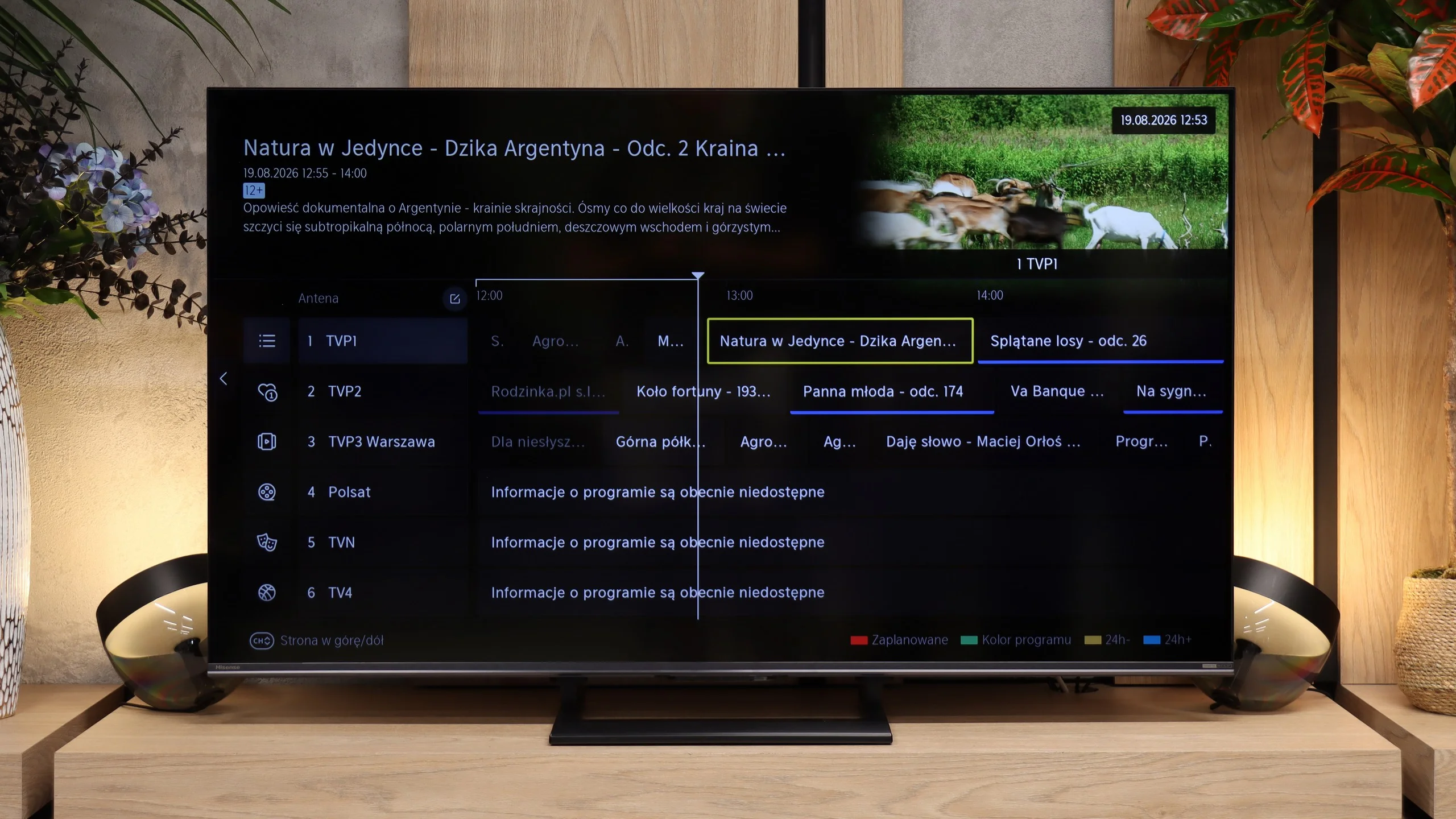
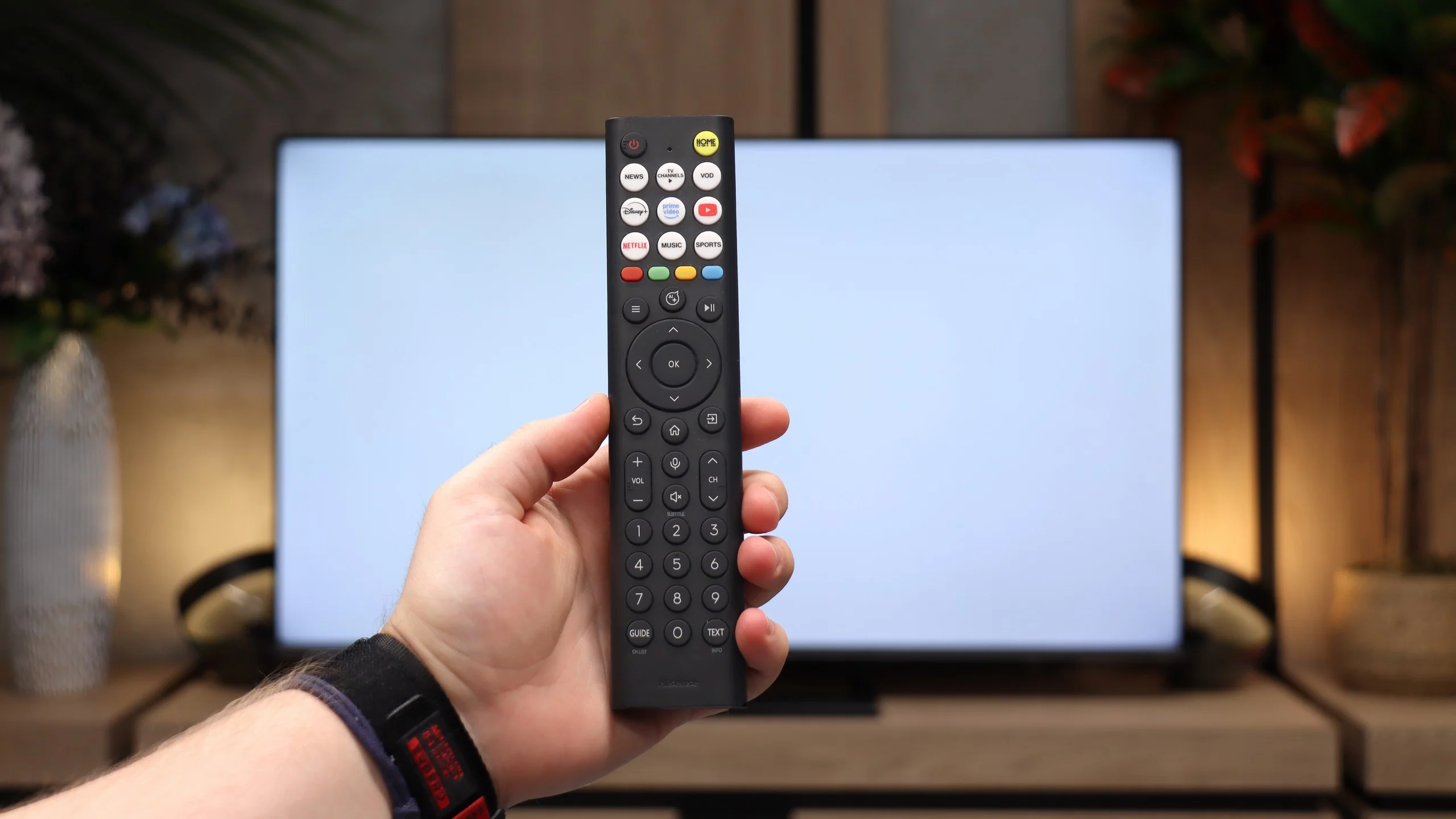
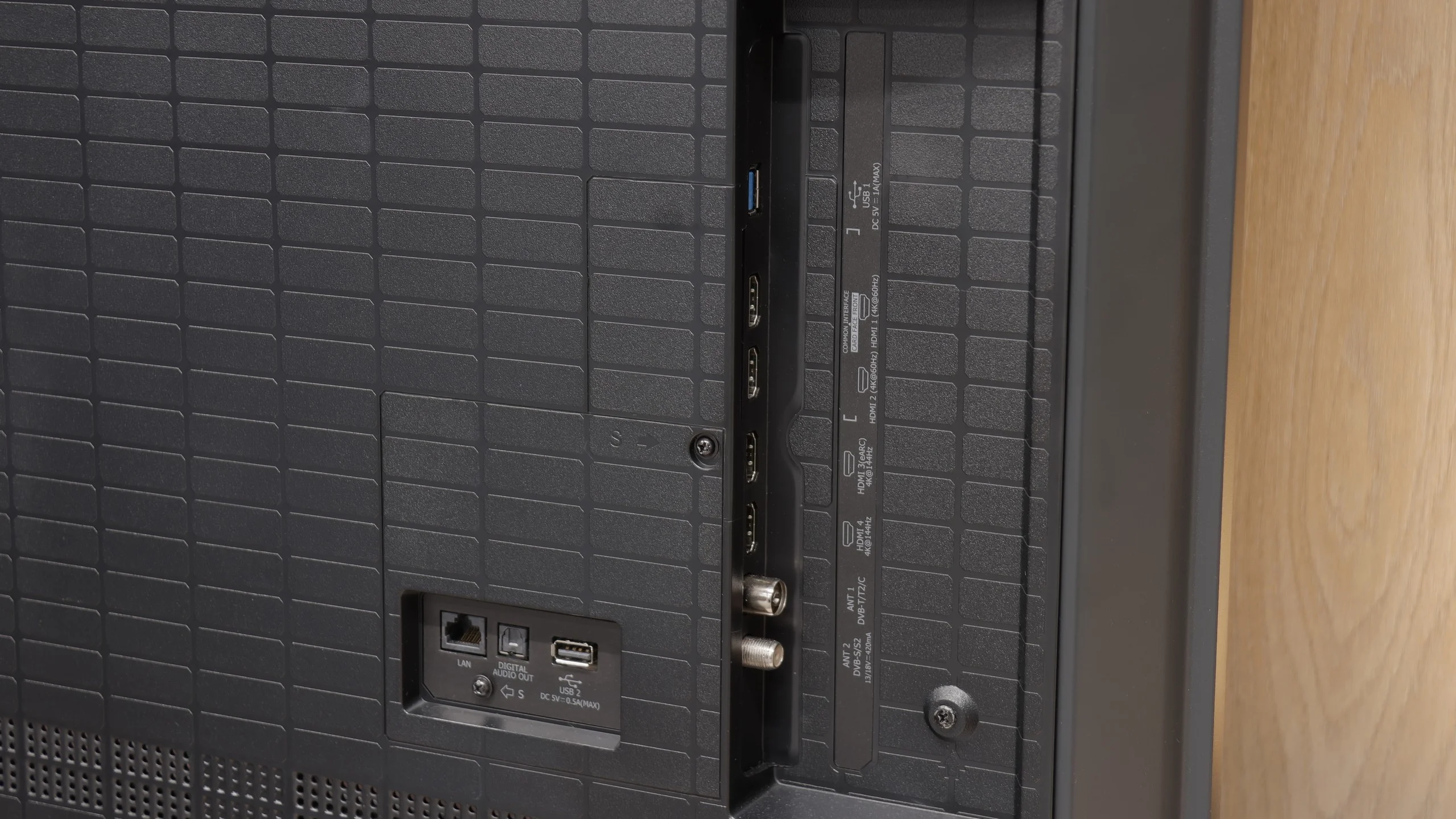
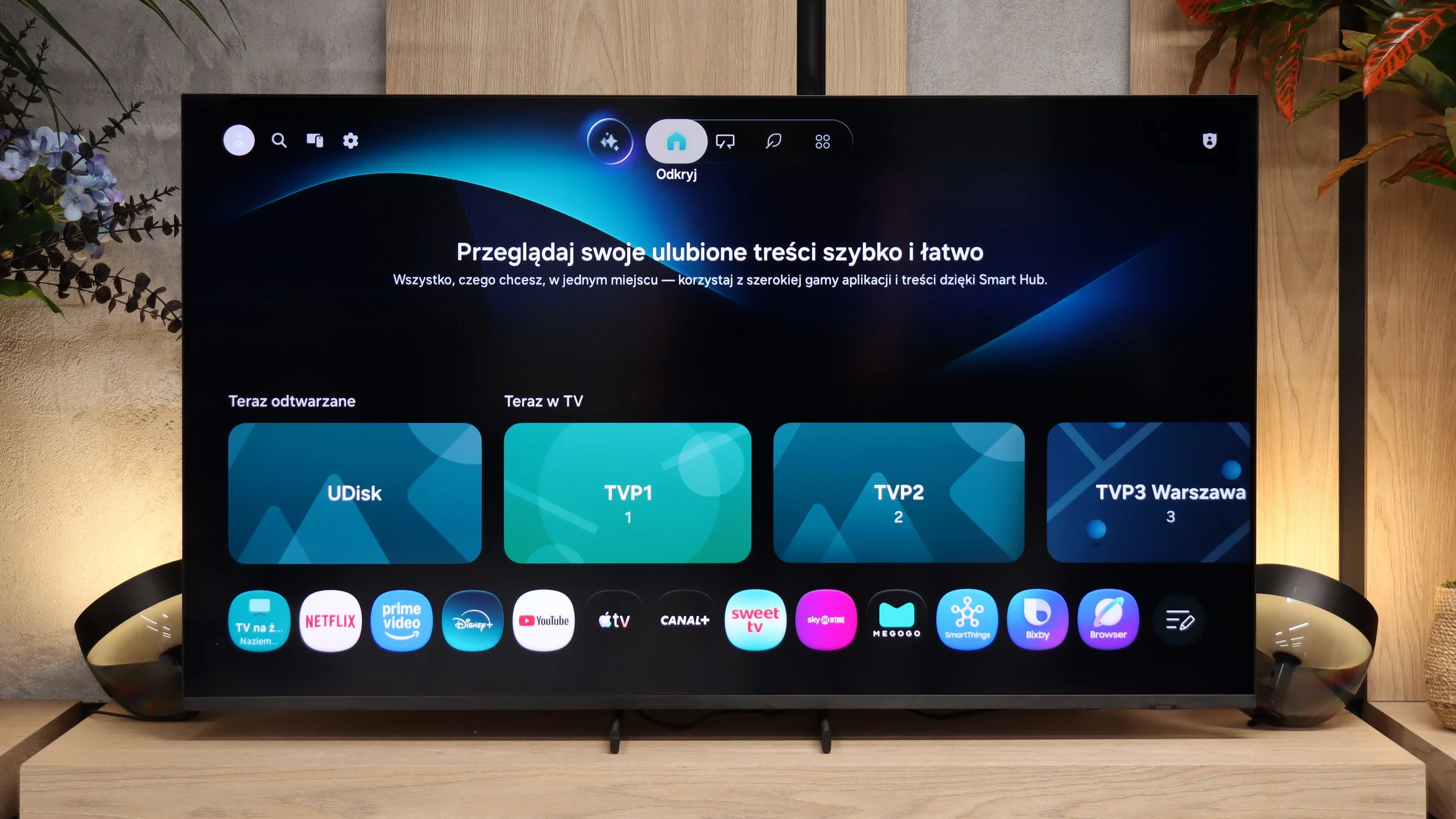
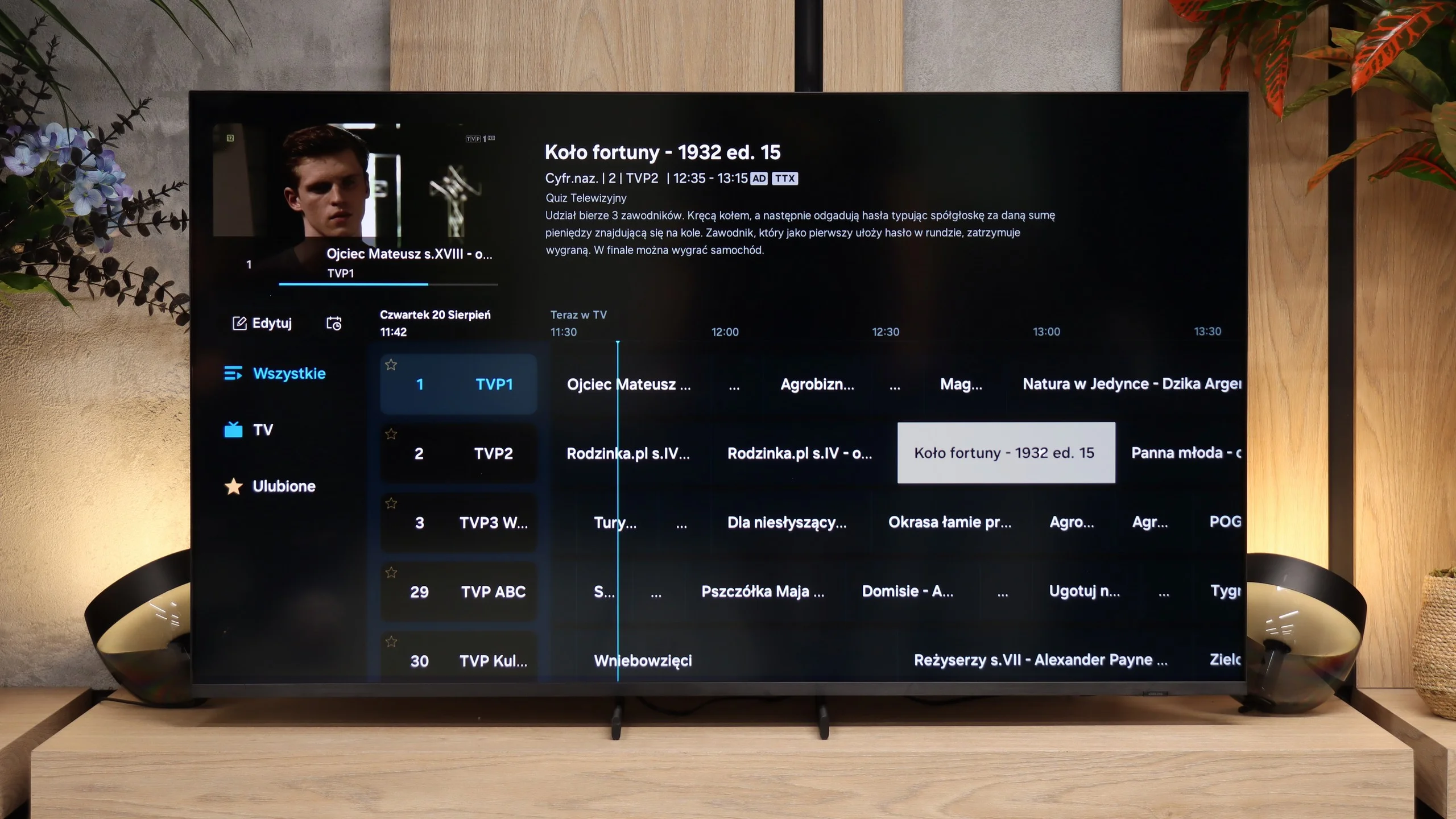
Hisense U7S is the latest iteration of the U7 series, whose biggest advantage remains its price-to-performance ratio. You get a Mini LED TV with local dimming, which genuinely improves black levels and gives the picture more depth for evening viewing. During the day a generous brightness reserve helps, so you don't have to rush to close the curtains. It's not a device without compromises, but as an everyday TV it makes a lot of sense. Gamers get a lot too. The U7S supports high refresh rates from consoles and PCs, has an extensive set of gaming features and responds very quickly to controller input. Pleasingly, the low input lag is maintained even in Dolby Vision. On top of that there's the smooth-running VIDAA, which offers both Smart features and handy extras for regular TV. Overall it's quite versatile, although compared with last year's U7Q it's hard to call it a big step forward.
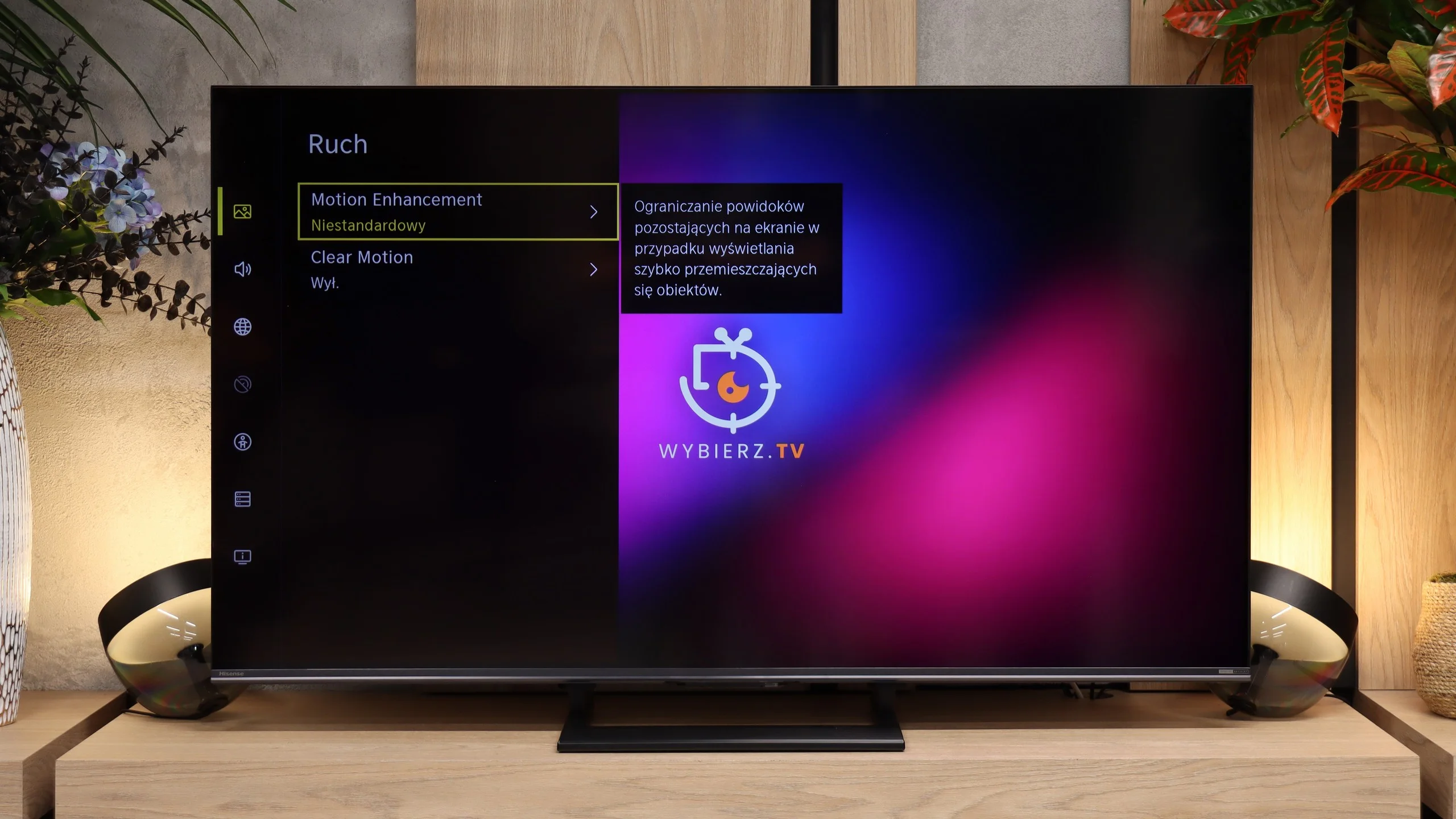
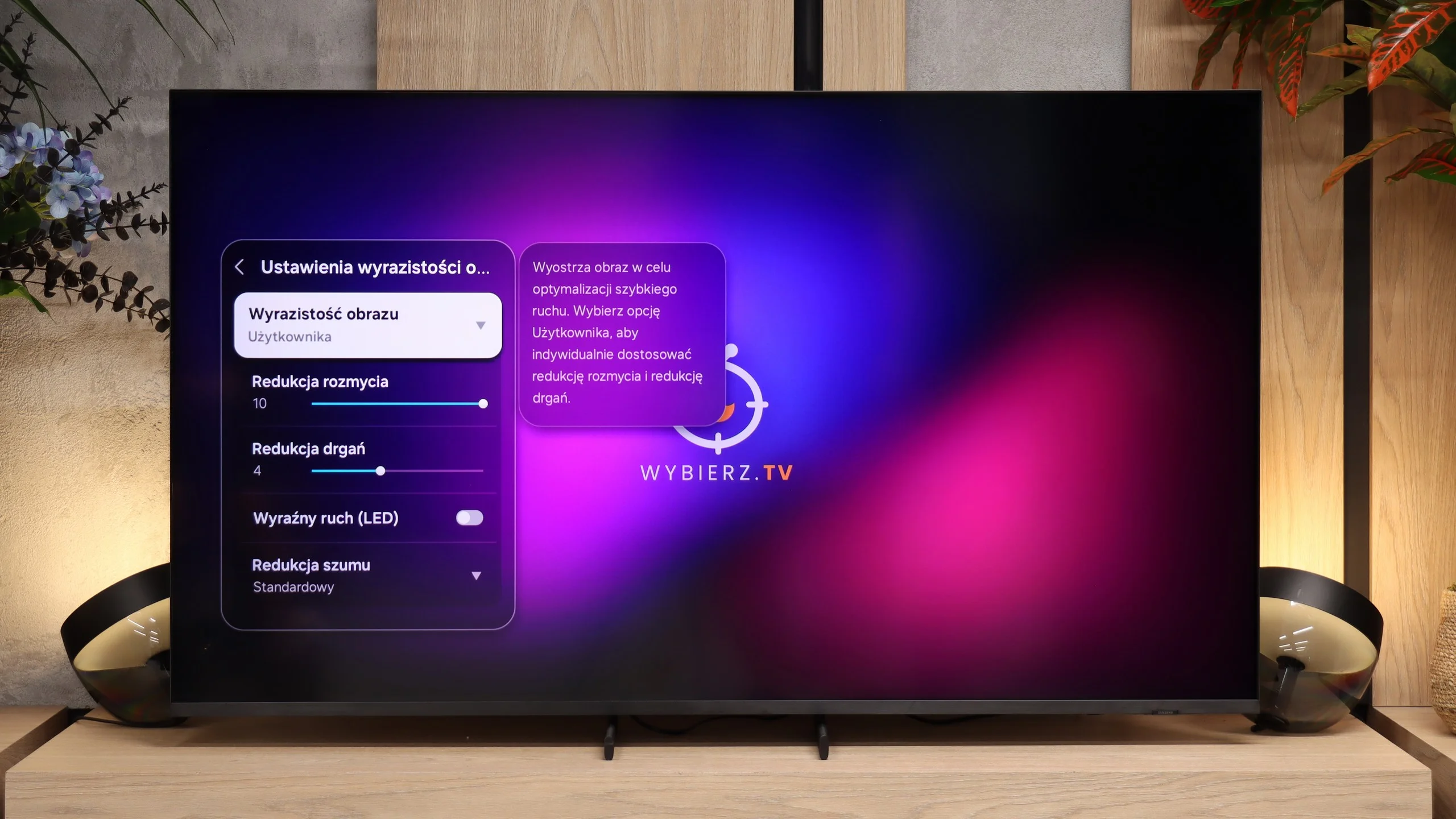
Unfortunately there are also things that clearly bother us. The first is motion smearing. The panel has a high refresh rate, but its pixels don't always keep up, so moving objects leave noticeable trails. Fans of sport and fast-paced games will feel this most. The second issue is HDR, which the TV handles a bit 'its own way'. Instead of sticking to the brightness encoded in the content, it aggressively brightens parts of the image. The aim was probably to make things more striking, but often the opposite happens: a scene becomes overbright, loses depth and clearly departs from the creators' intent. It's a shame that this behaviour can't be effectively corrected even during calibration.
Despite these caveats the U7S remains an interesting choice if you're after as much as possible for a reasonable price. Compared with basic LCDs without local dimming, which you can still find at similar price points, it primarily offers much better black levels. And that's where its biggest strength lies. You don't need to reach for an expensive model to get a Mini LED whose benefits are actually visible in viewing. If you accept its flaws, the Hisense U7S can above all be a very good-value purchase.
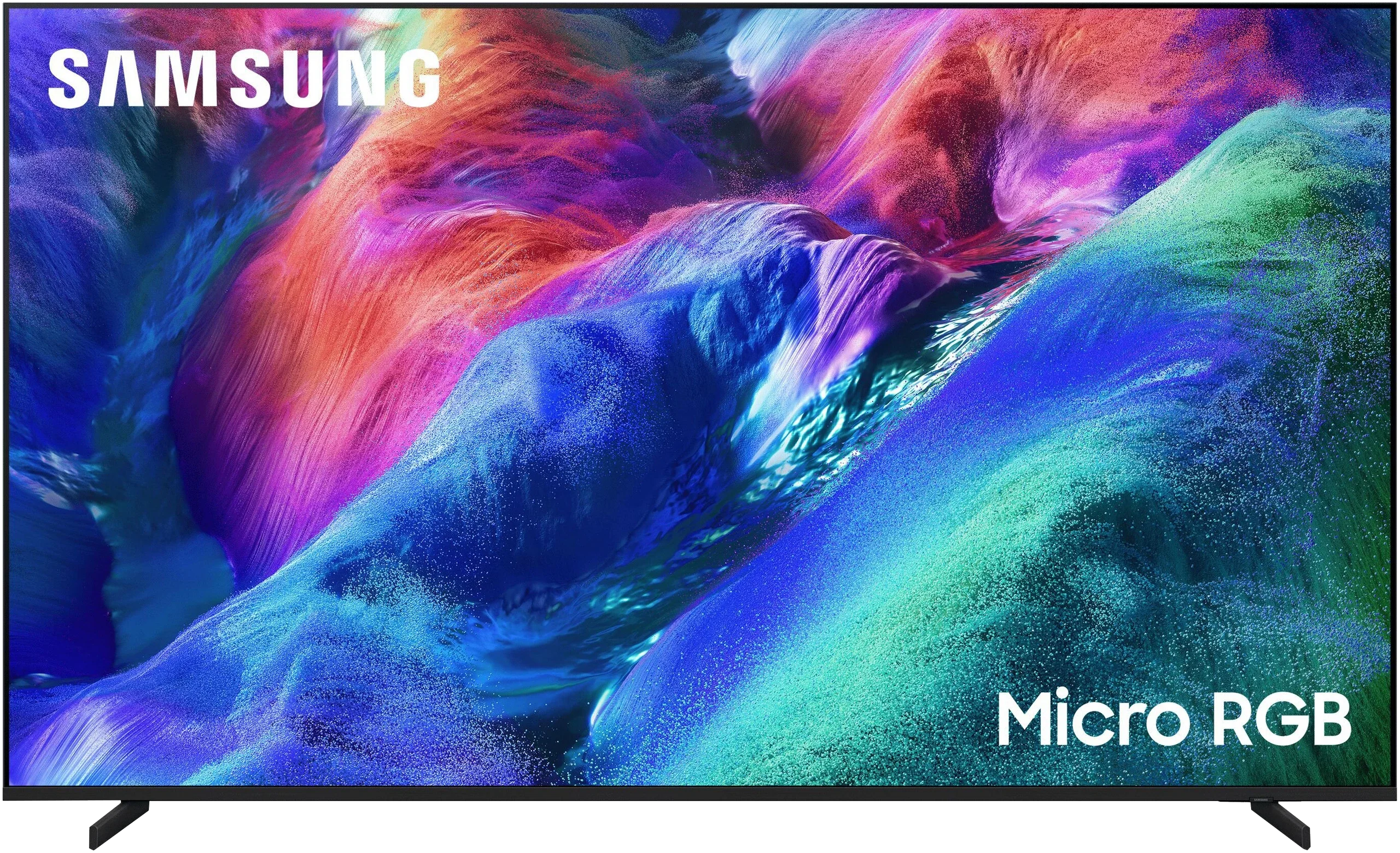
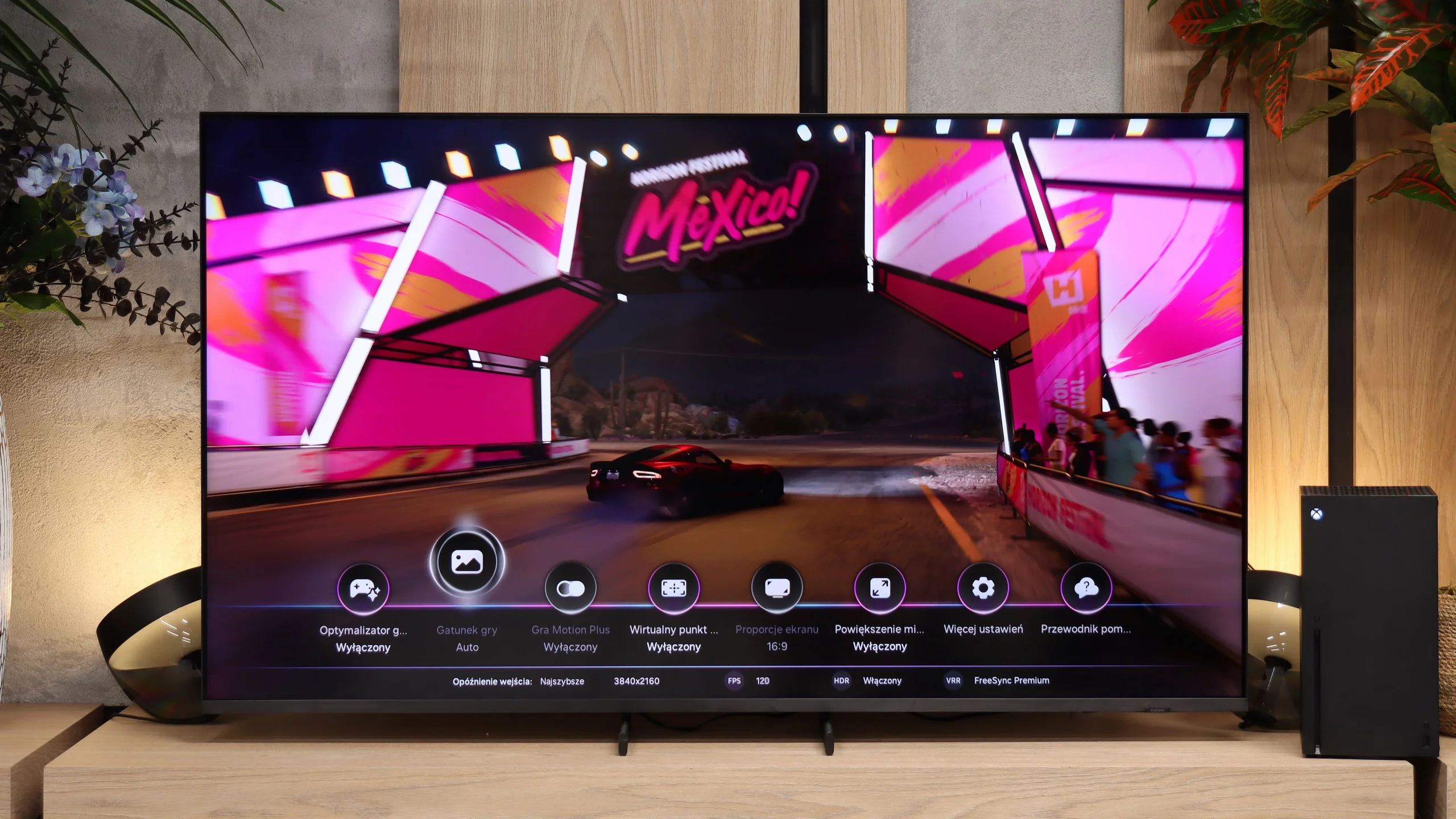
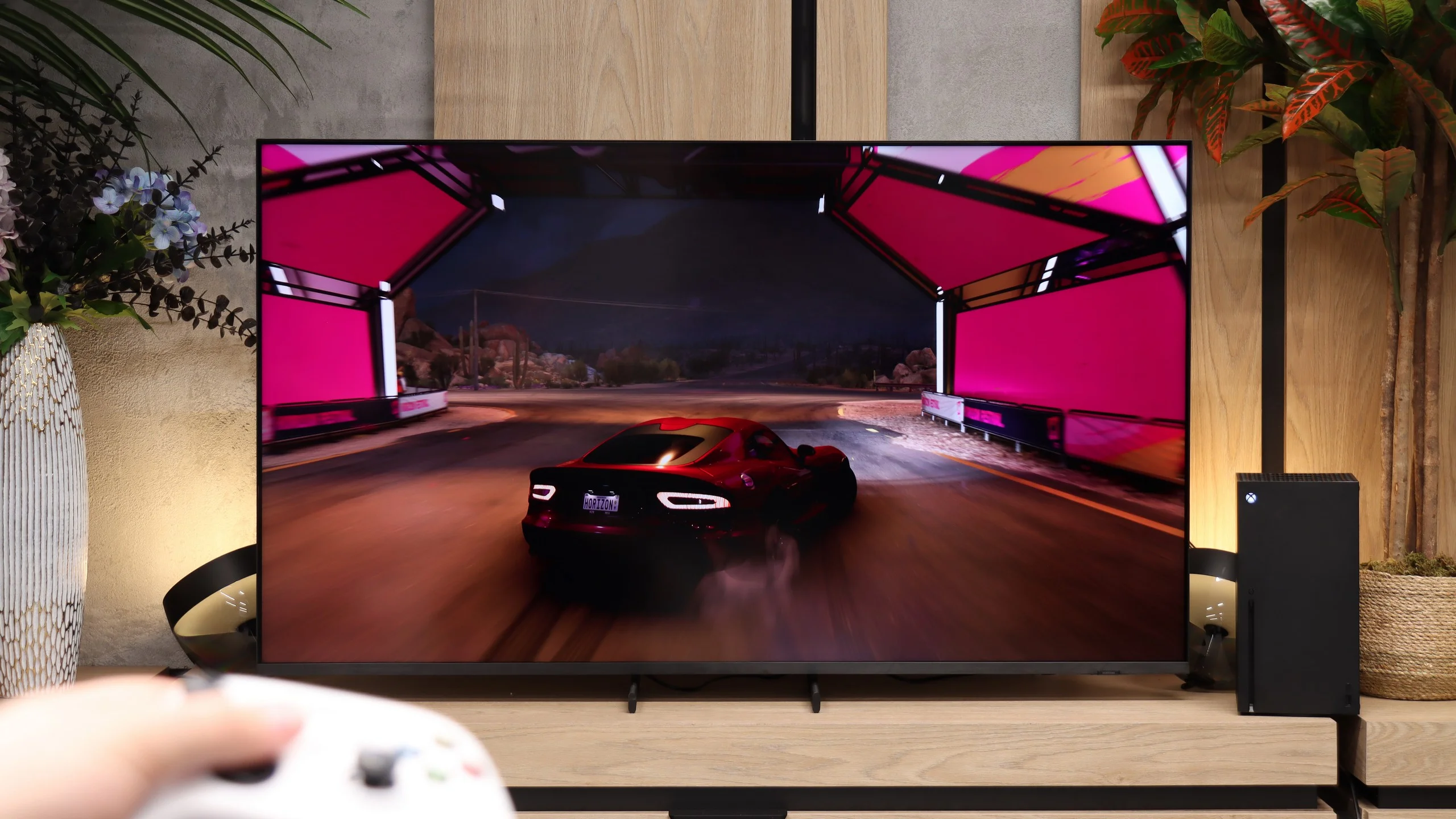
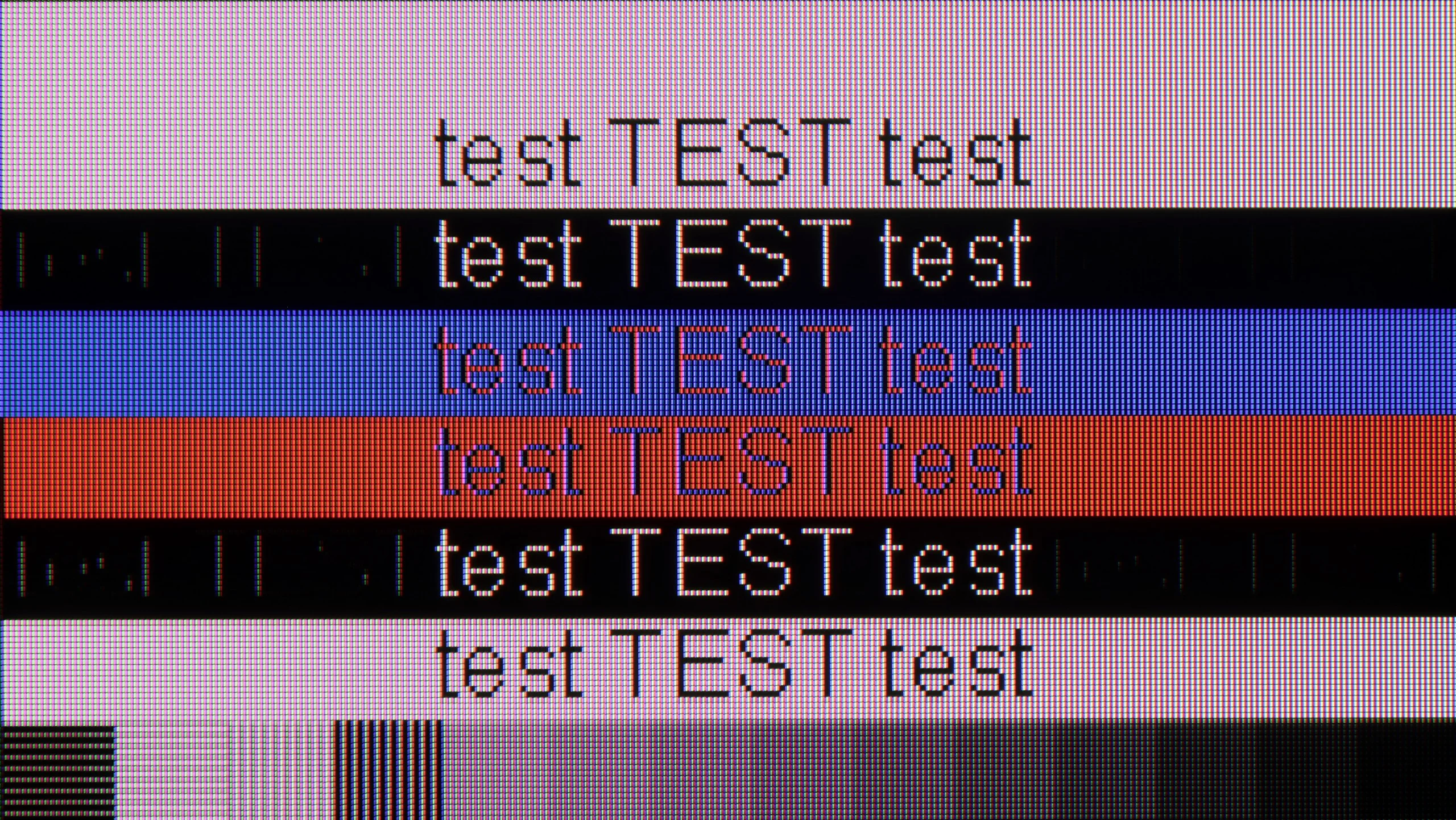
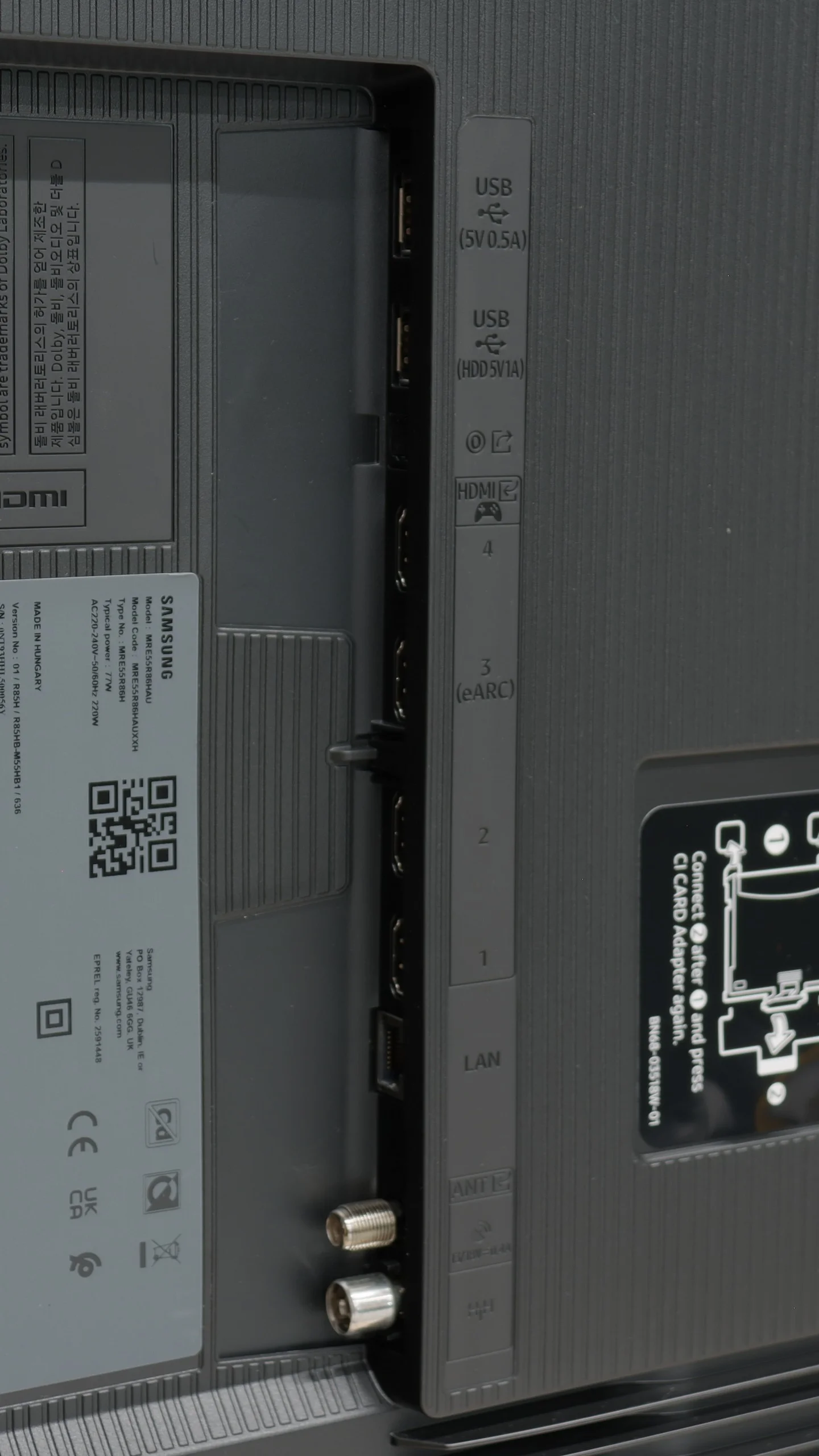
The Samsung R85H is above all a very versatile TV that performs well in pretty much any use case. You can put it in a bright lounge, hook up a console, watch a movie or series in the evening, or use it for everyday broadcast TV, and each time you’ll get a solid picture. It may not make the same immediate impression as Samsung’s best OLEDs, but it’s hard to point to a single feature that would seriously limit its usefulness. That versatility is probably its biggest strength. Of course the thing that draws most attention with the R85H is the new "Micro RGB" backlight. From our tests we’d say it can indeed deliver an advantage over classic Mini-LED, although not always in the areas the manufacturer emphasises most. On measurement charts its colour reproduction is impressive, but in real, more complex scenes the TV doesn’t always exploit the full potential of the three‑colour backlight. Its benefits are easiest to spot on simpler parts of the image, where intense reds, greens and blues can look really striking. Viewing angles are also slightly better, since colours retain their saturation off‑axis longer than on typical LCD TVs. Micro RGB doesn’t, however, solve all the limitations of RGB technology. With very saturated elements you can sometimes notice slight colour bleeding into adjacent bright parts of the image, and the relatively small number of local dimming zones means the backlight can’t always act as precisely as its on‑paper capabilities might suggest. The R85H shows that RGB does have potential and could be the next step in LCD TV development, but using coloured LEDs alone doesn’t automatically produce a huge jump in image quality. We’d therefore treat the R85H mainly as a somewhat better and more interesting alternative to the QN80H, not as a TV you must buy at all costs just because it says Micro RGB. If the price gap between the models is sensible, we’d pick the R85H. We wouldn’t pay a large premium solely for the new backlight, because its everyday advantage isn’t always as big as the marketing materials might imply. All the same, the R85H is a successful all‑round TV, and that’s probably the best way to look at it.
 Direct comparison