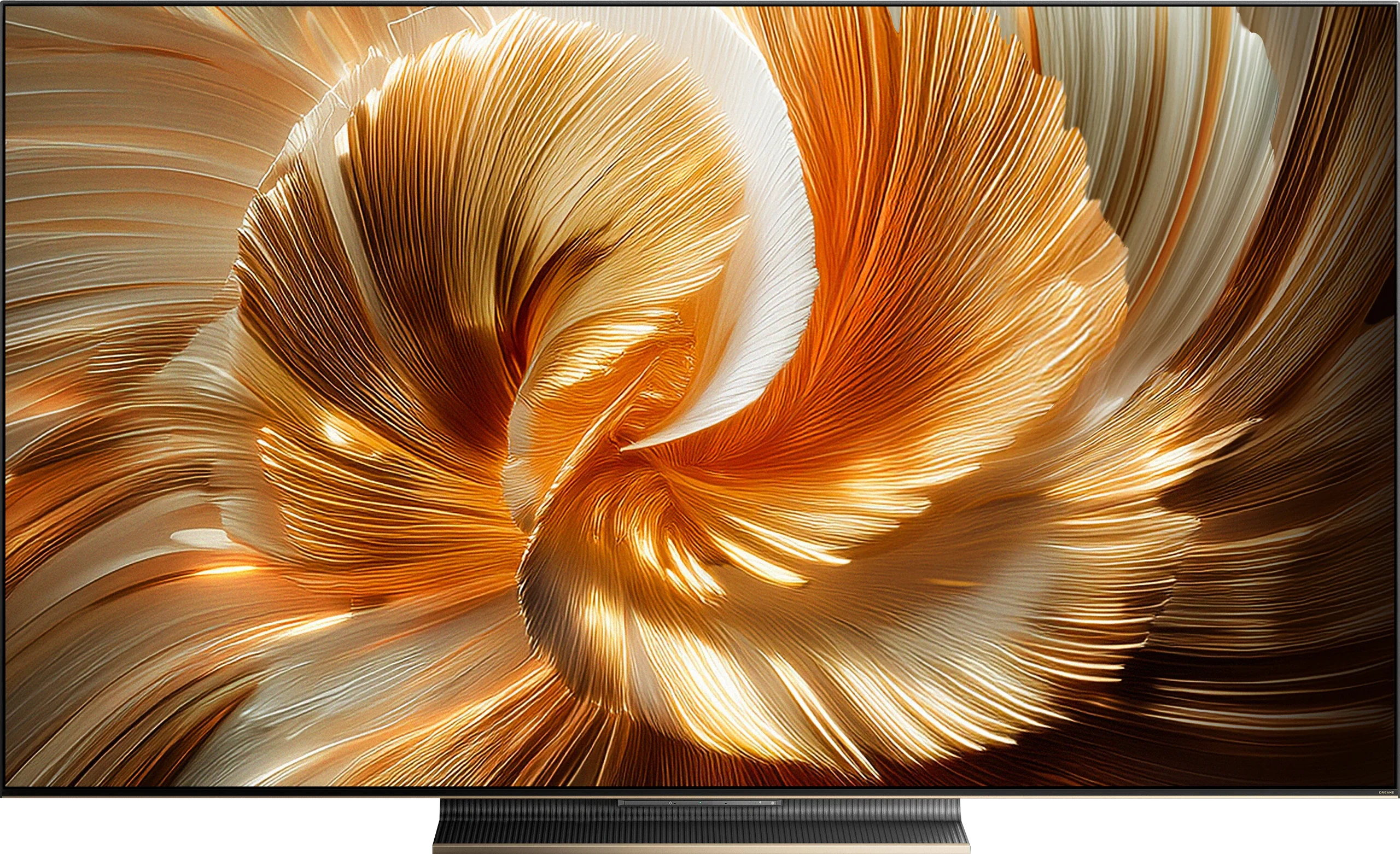
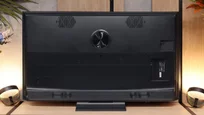
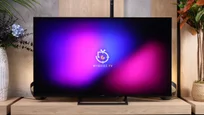
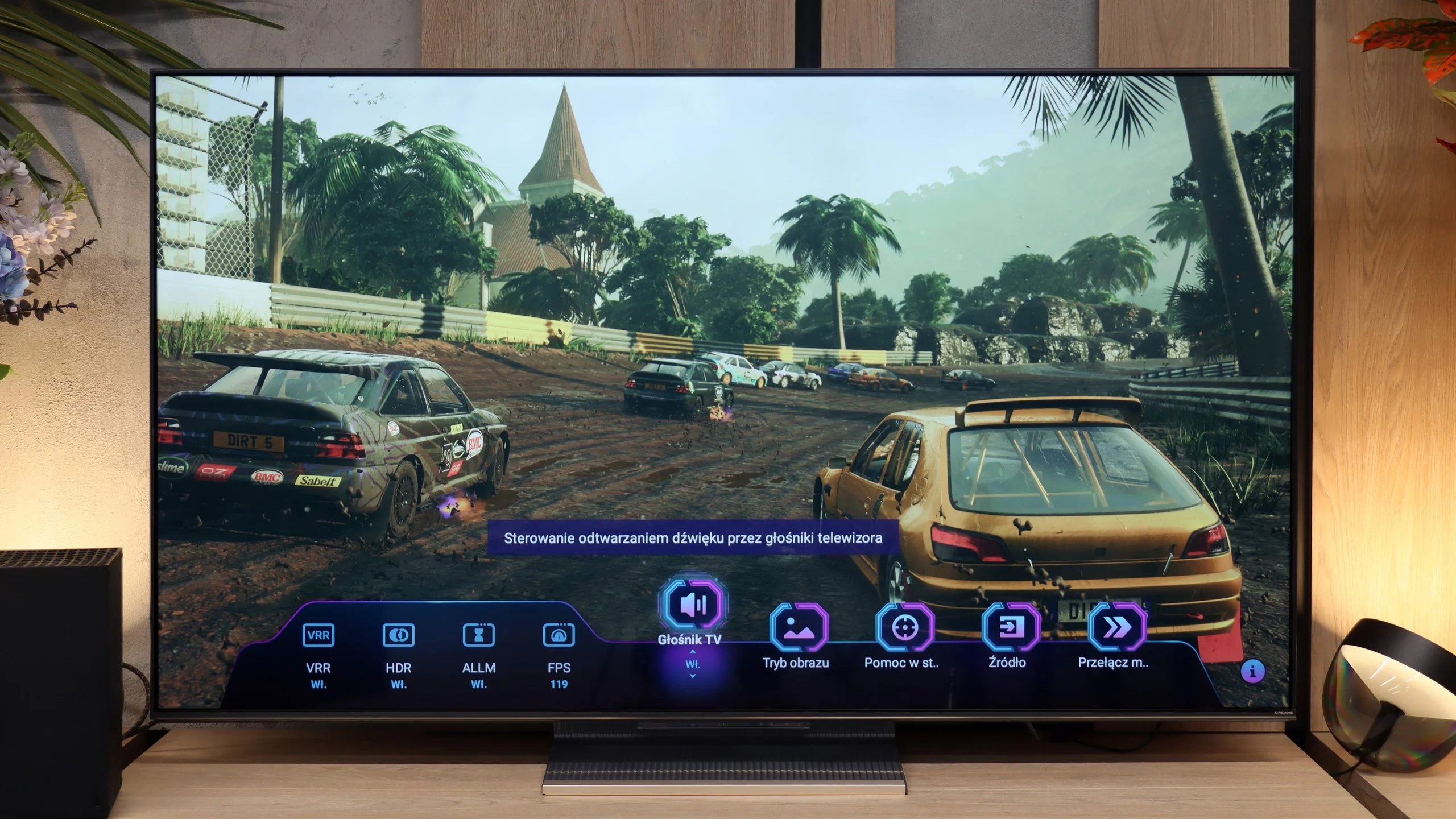
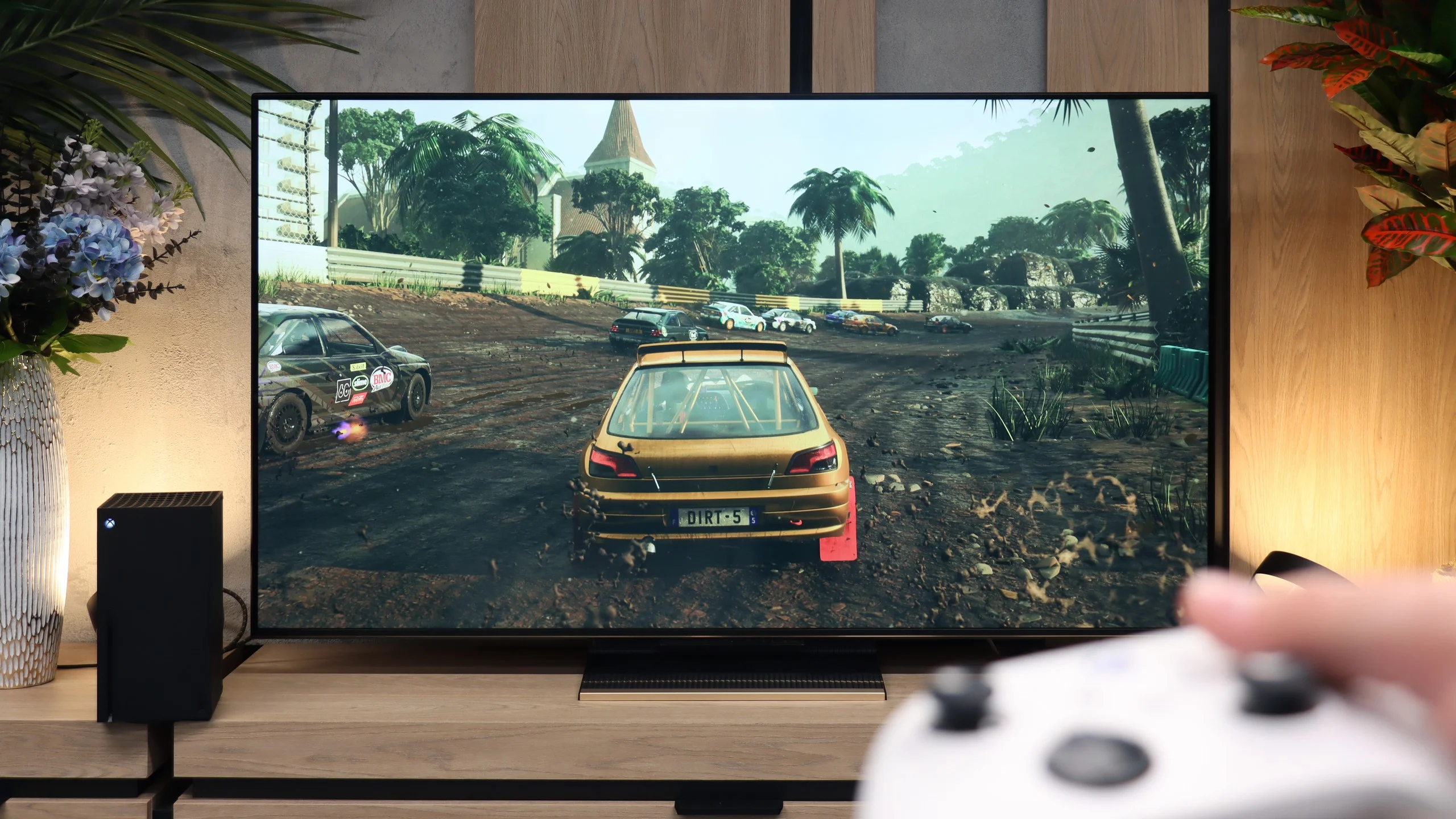
Dreame S100 is a successful, though still somewhat rough debut in the Mini-LED segment. Hardware-wise, the TV stands up for itself: Mini-LED technology with local dimming provides a deep and appealing black for the average viewer, and the IPS/ADS panel offers brilliant viewing angles. This is an interesting combination, as it is extremely rare in the LCD TV segment, which will certainly please those with wide living rooms or large corner sofas. If we add to this a full gaming package (HDMI 2.1, 144 Hz), the Google TV system with an almost endless number of apps, and very strong 4.1.2 audio with 70 W power, which performs well above the market average, we have an incredibly versatile screen.
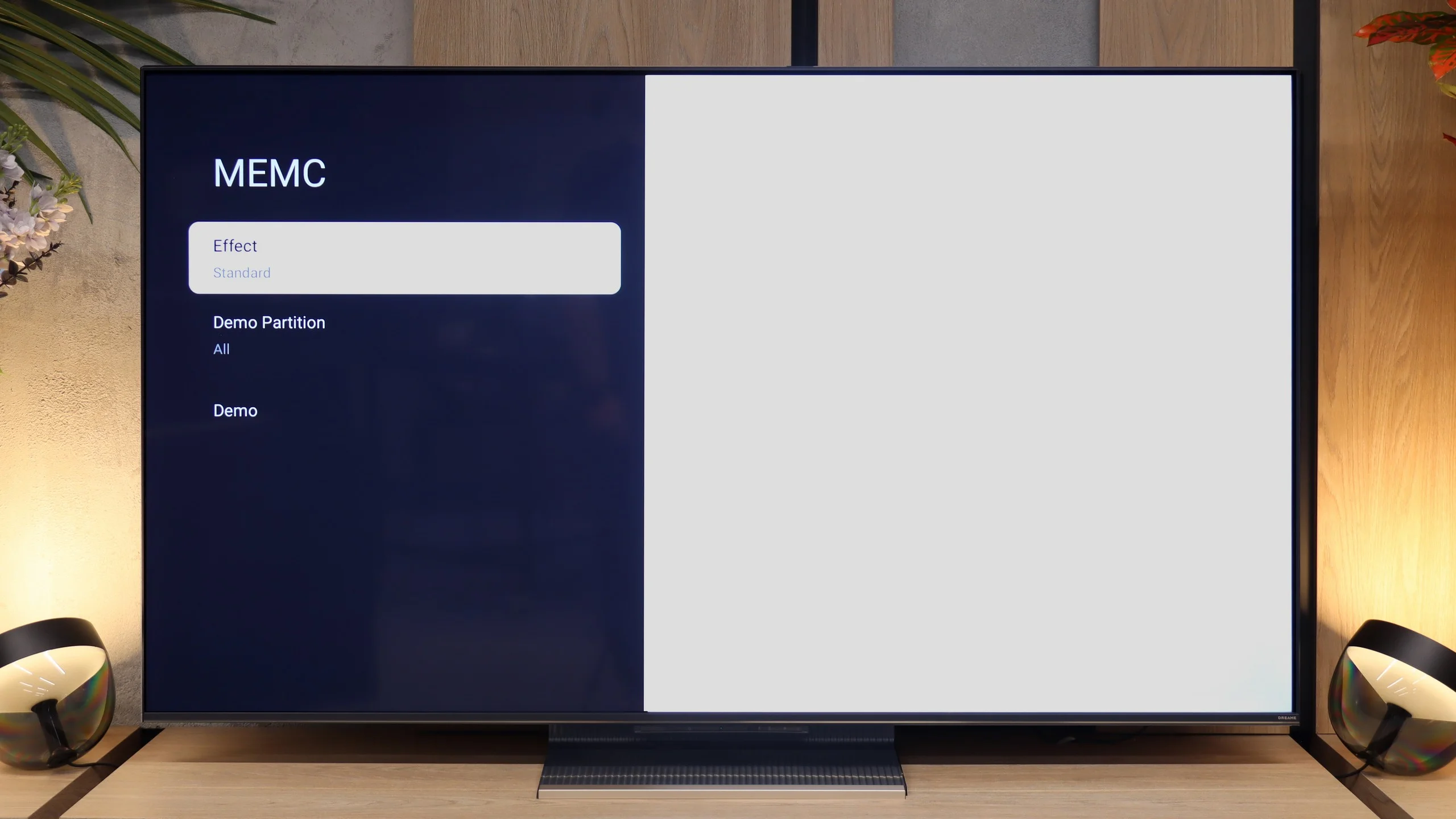
Where's the catch? In the software. Unfortunately, the Dreame S100 suffers from typical “growing pains” – the outdated processor struggles with advanced digital processing, and the local dimming algorithms can be frustrating in more demanding scenes. Additionally, the Google TV system itself can occasionally experience slight stutters. So if you're looking for a well-equipped Mini-LED for a wide living room and are willing to overlook its minor system hiccups that the manufacturer can hopefully fix with future updates – this is a very interesting option. The hardware potential is huge, although the software still needs some final polishing.
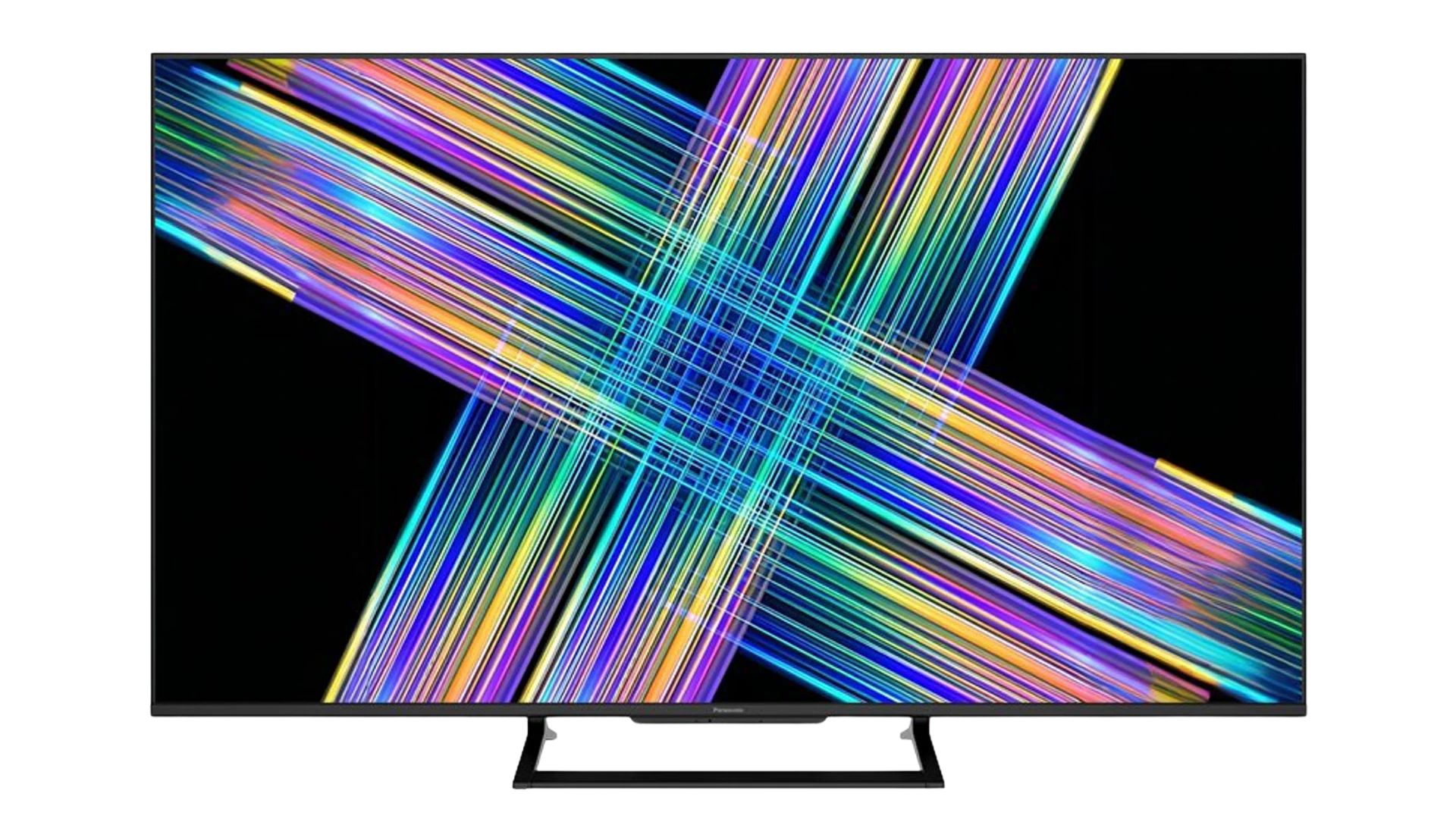
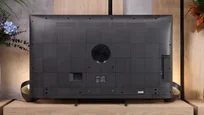
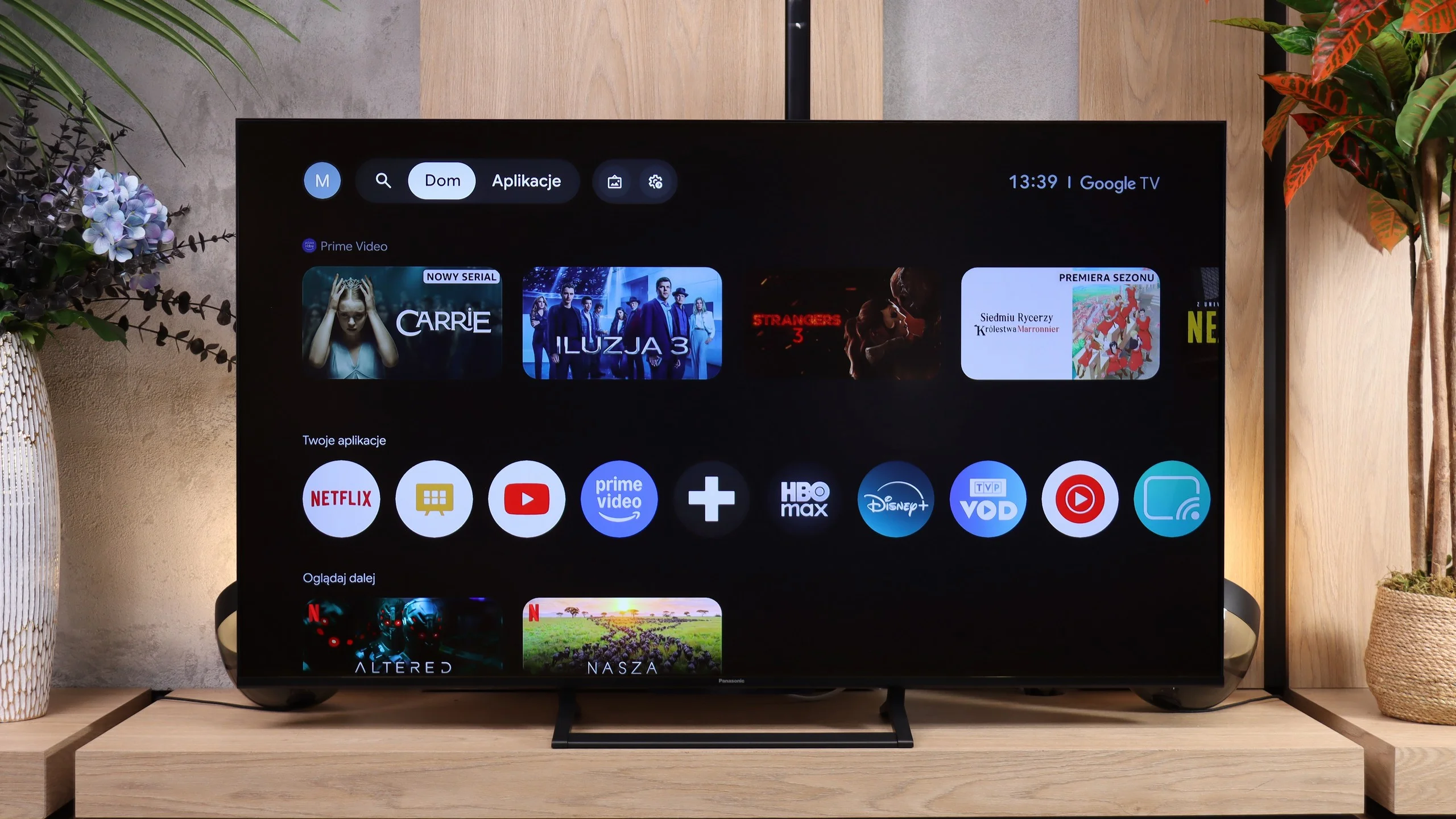
The W92C is the first Panasonic developed in collaboration with Skyworth that we've tested. And it's roughly the change we expected: a bit less of the old Panasonic, but also a few new things that work in its favour. Most welcome is the switch to Google TV. The system runs fast, gives access to the apps you need, and in daily use convinces us more than the previous Fire TV. Paired with a matte screen that handles reflections well, this makes for a comfortable living-room TV where you don't always feel like drawing the curtains before watching.
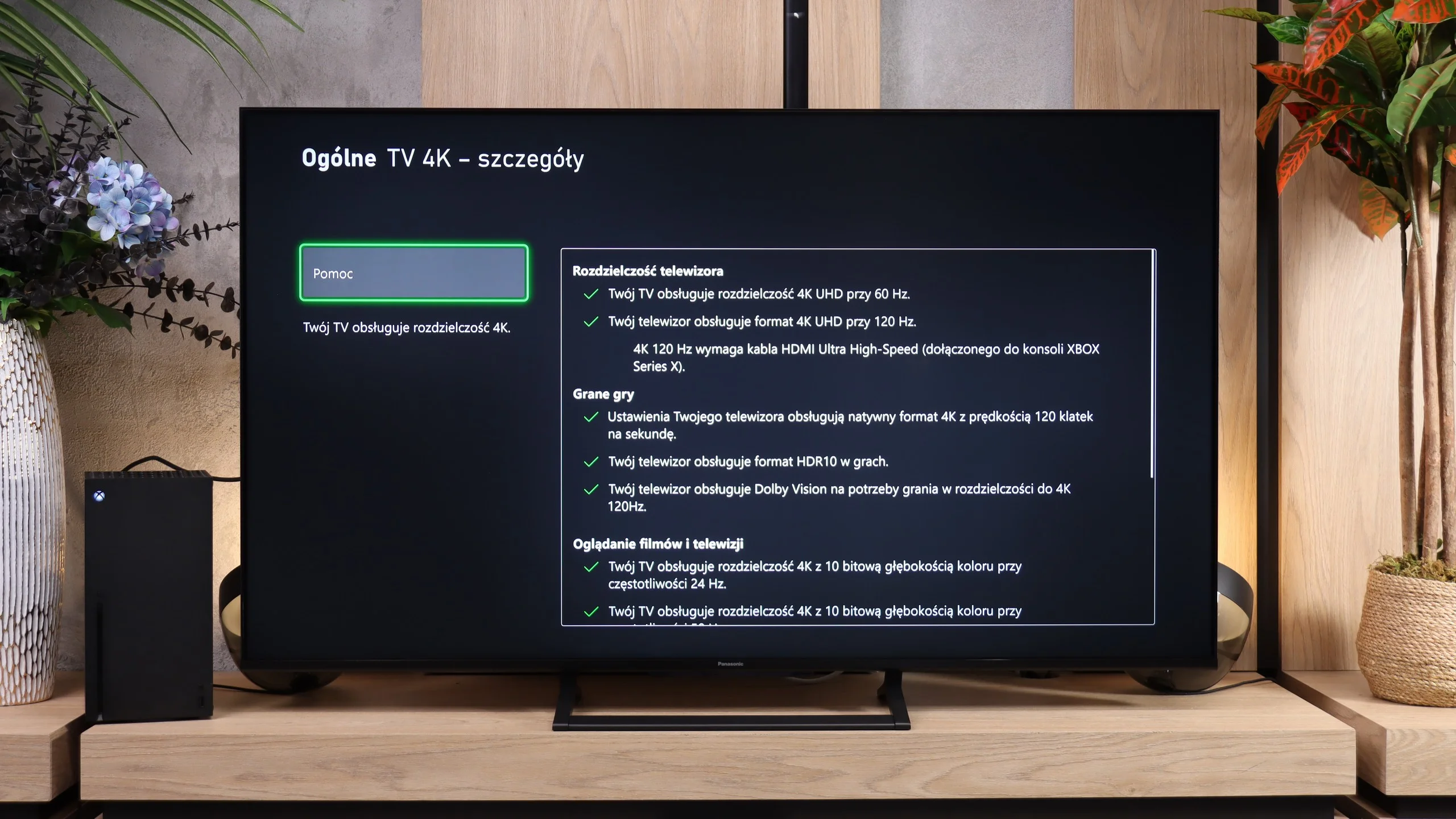
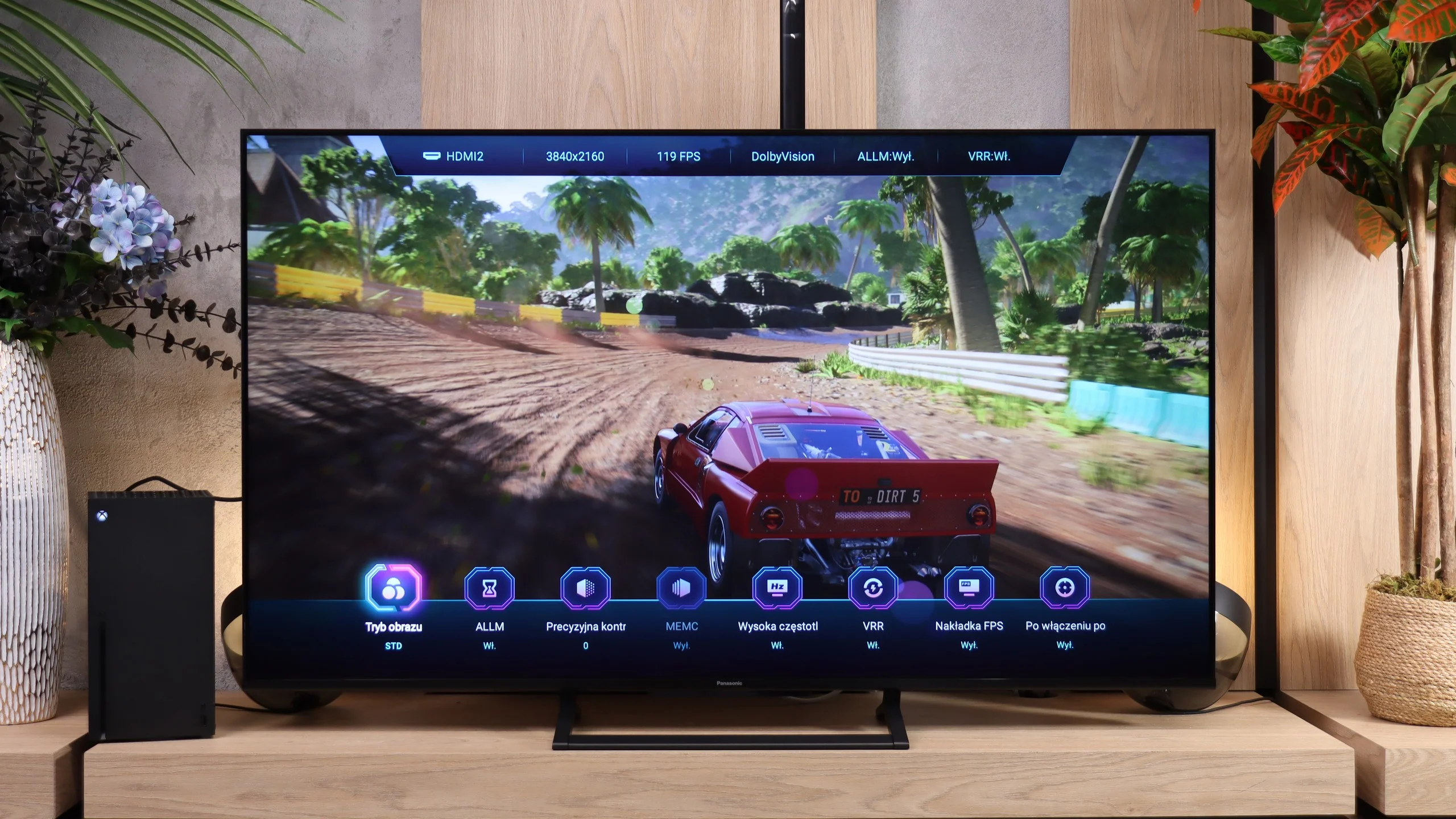
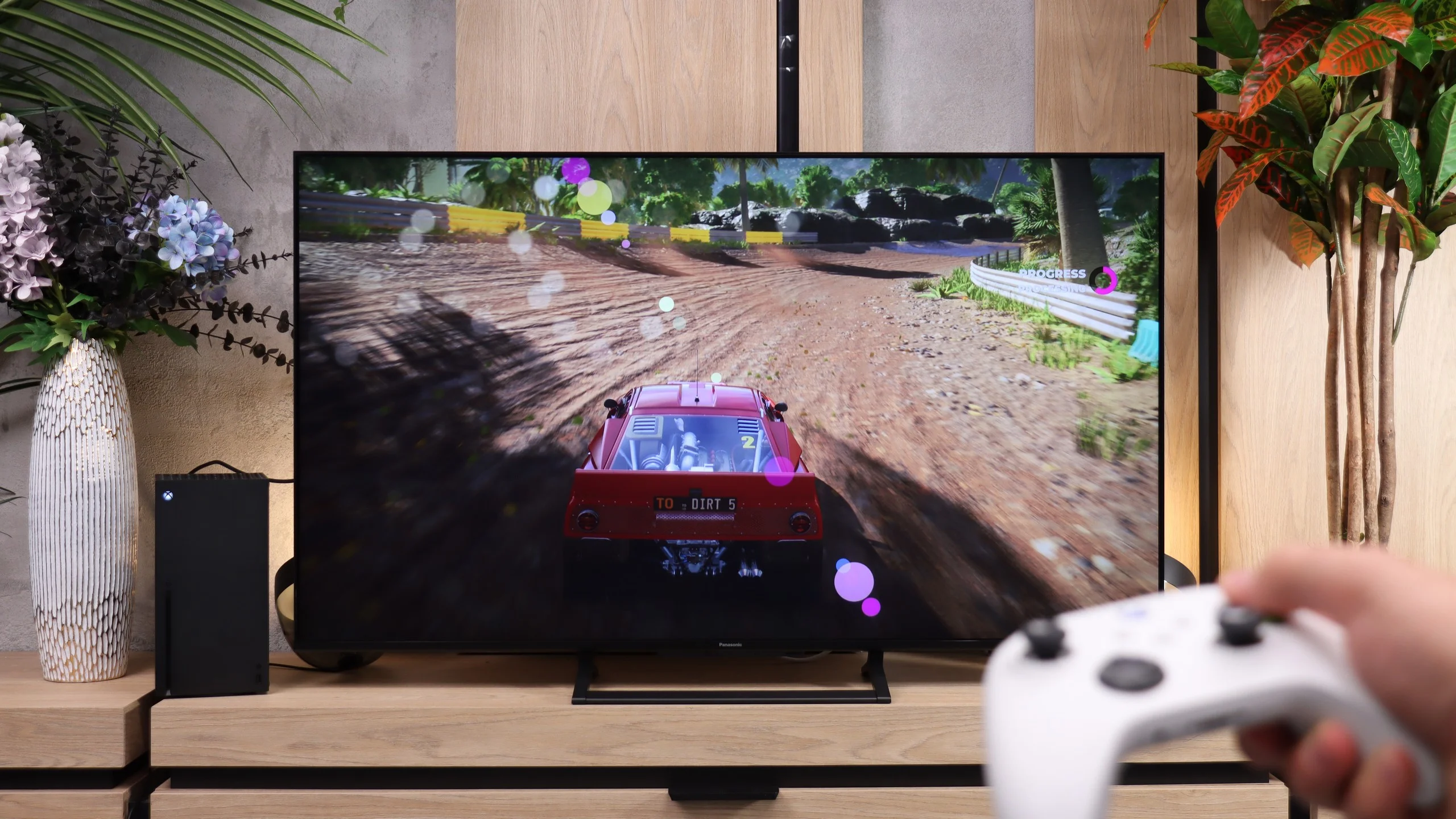
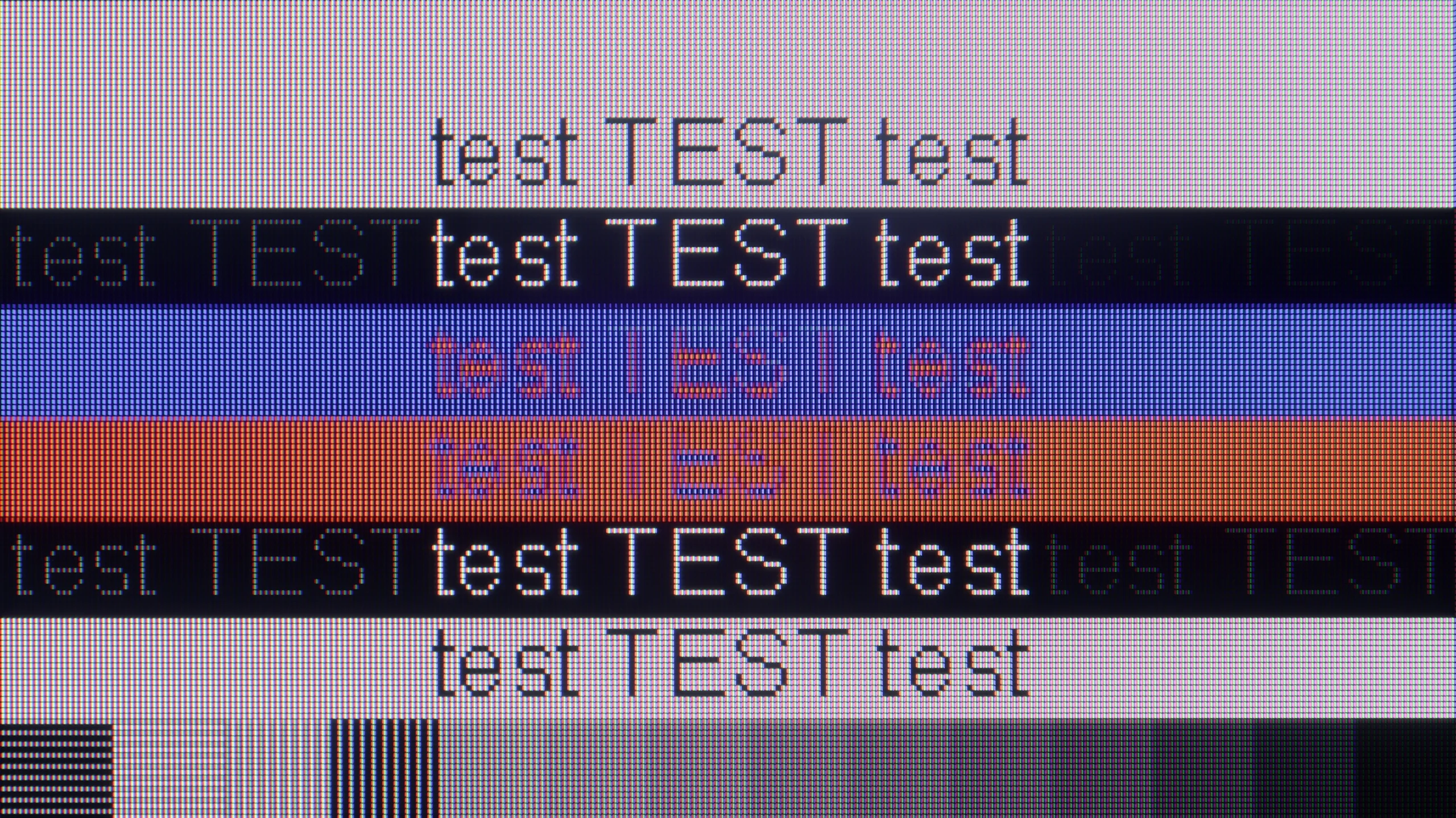
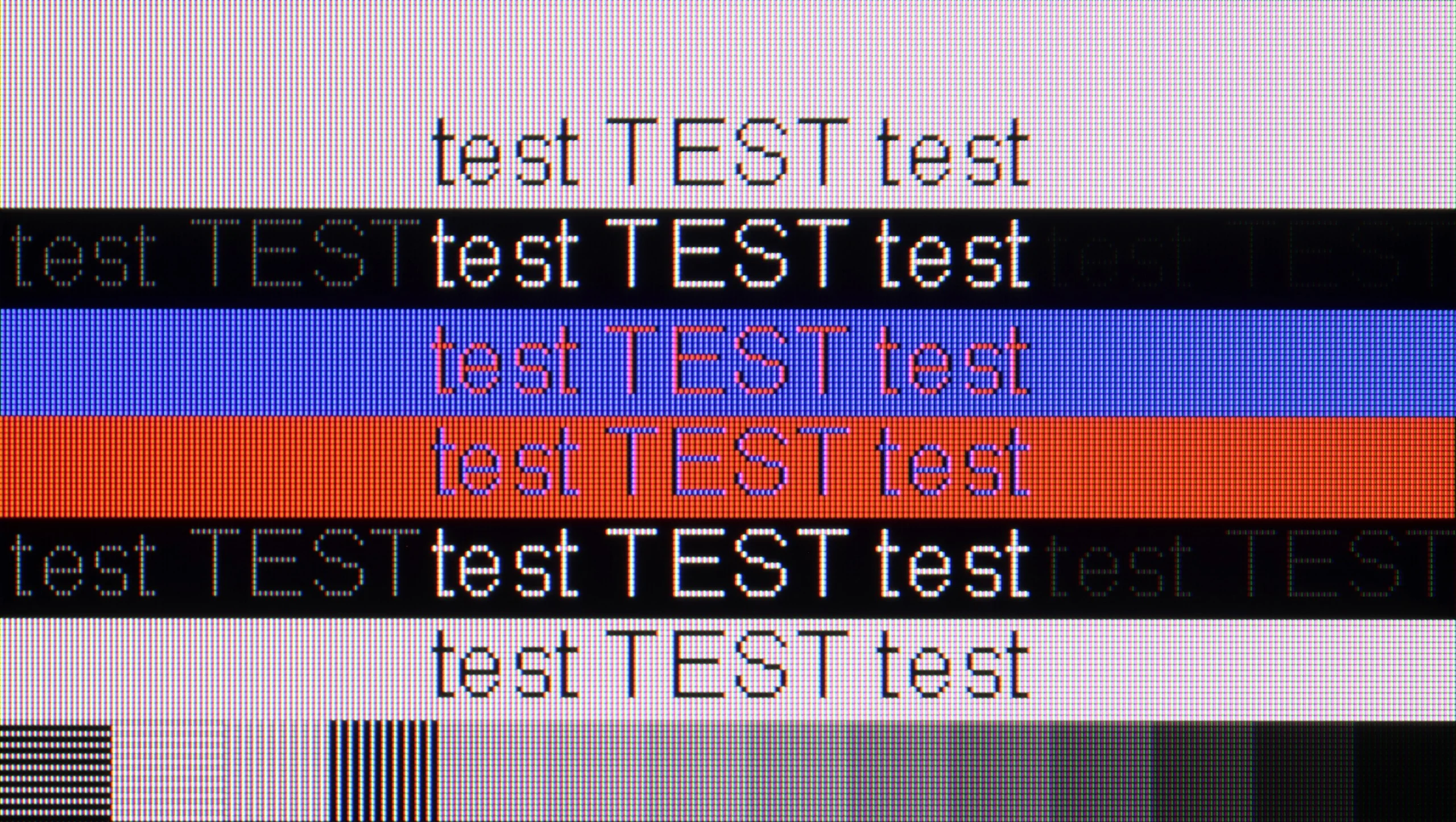
The longer we used the W92C, the more we appreciated its versatility. It can improve poorer source material quite effectively, and after calibration the picture gains a naturalness that, unfortunately, it lacks on the factory settings, as was the case with older Panasonic models. It also works well for consoles and PCs. It responds quickly to input and the high refresh rate delivers pleasant smooth motion. So the Panasonic makes sense in a home where one screen is used for TV, movies, gaming, and sometimes even... working with text. 🙂
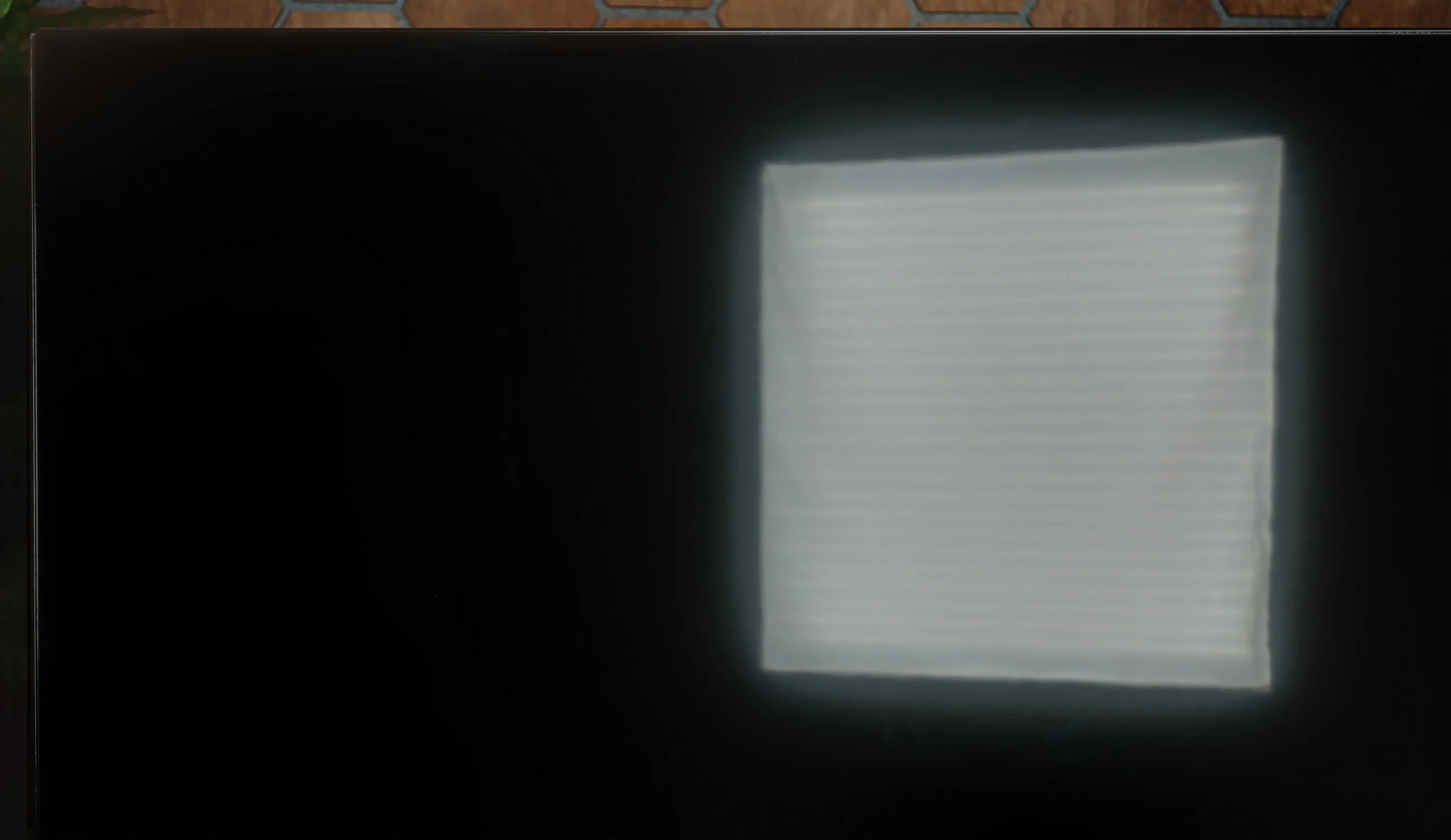
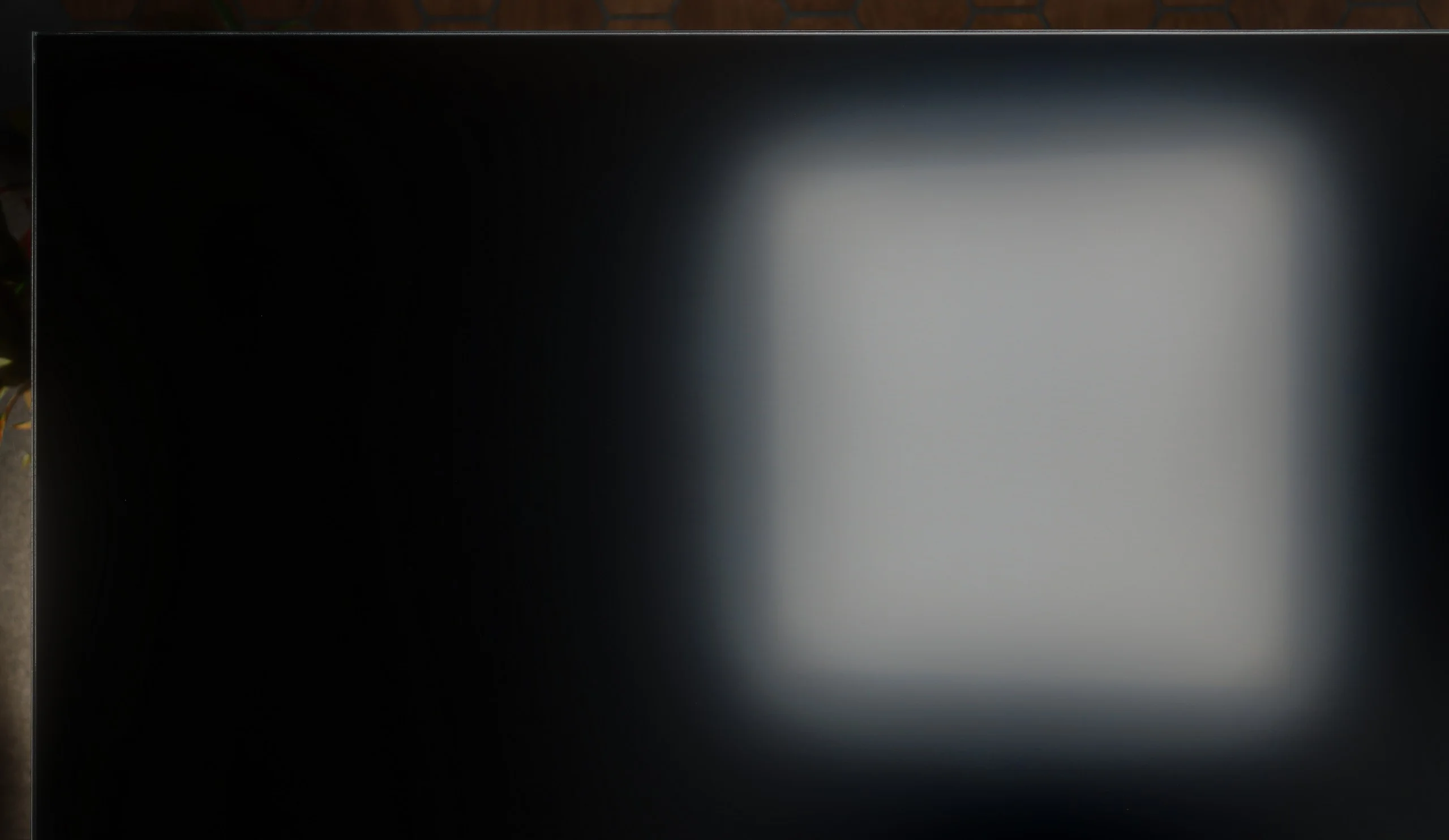
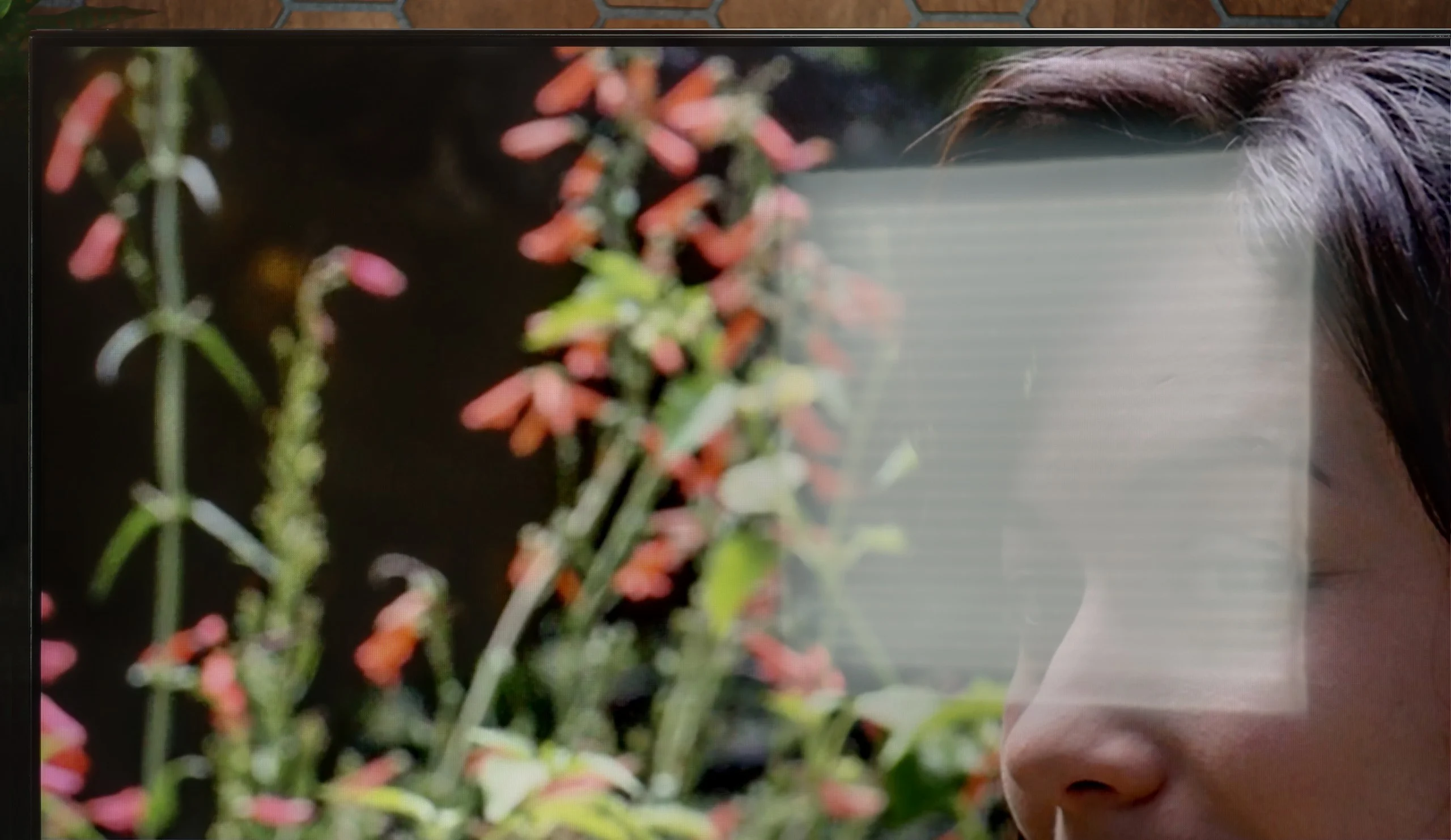
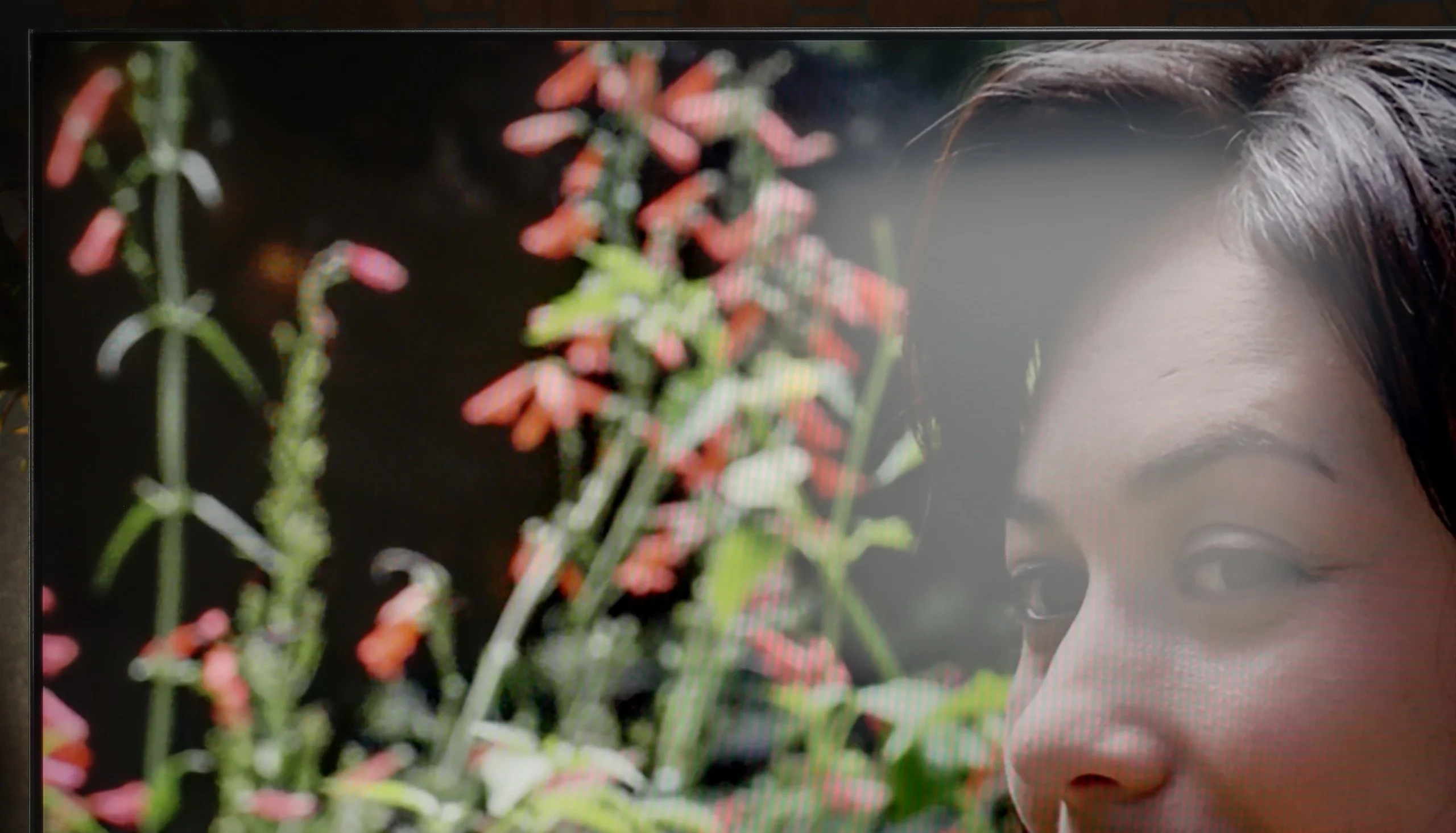
The limitations become more apparent during evening viewing. Black can look good, but a more demanding scene will cause halos around bright objects and the bars above and below the picture to glow. A small number of local dimming zones makes it hard to maintain deep blacks and bright details at the same time. Dolby Vision helps get more out of this screen, but it doesn't remove those limitations. The factory picture tuning is also disappointing, and the automatic brightness shifts we encountered during the review further spoil the user experience. This is where the refinement we expected from the "Panasonic" name is most lacking.
So ultimately the attractiveness of the W92C will come down to price. It's a basic Mini LED and should be priced similarly to competing models with simple local dimming. At that level it would be a sensible proposition, especially for people moving up from a regular LCD. They'll get better blacks, a handy system and a versatile screen that works for both TV and gaming. However, if you have to pay a clear premium for the Panasonic badge, it will be hard to justify. The W92C has enough strengths to hold its own as an inexpensive, versatile TV, but too few advantages to sell itself on the brand alone.
 Direct comparison