 Direct comparison
Blaupunkt UGC5500S is a textbook example of a very cheap television that has primarily two major advantages: the Google TV system and an extremely low price. It is these two elements that make it an attractive option for many people. During testing, we also found it has another great use, which is working with a computer. Thanks to exemplary font readability and good viewing angles of the IPS panel, Blaupunkt surprisingly performs well as a budget monitor. However, one must be aware that this device is typically budget-oriented, and that savings are reflected in the image quality. The panel is simply dark, making it difficult to perform well in tougher lighting conditions, not to mention creating any real HDR effect. Additionally, despite the good viewing angles, the black levels on this model leave much to be desired – in the evenings, it will tend to appear dark grey, which is a typical characteristic of the IPS technology used here. From a price perspective, this is a device that aims to compete in the market not on image quality, but rather on the amount on the receipt. Blaupunkt UGC5500S is perfectly suited as a secondary television in the home, equipment for the holiday house, or for a less important room, where the image just needs to be there, and we want to enjoy all the benefits and applications that Google TV offers.
- Matching (Score) |
- Our verdict |
- TV appearance |
- Where to buy |
- Contrast and black detail |
- HDR effect quality |
- Factory color reproduction |
- Color reproduction after calibration |
- Smoothness of tonal transitions |
- Image scaling and smoothness of tonal transitions |
- Blur and motion smoothness |
- Console compatibility and gaming features |
- Input lag |
- Compatibility with PC |
- Viewing angles |
- Daytime performance |
- Panel details |
- TV features |
- Apps |
- Playing files from USB |
- Sound
S Mini 2026
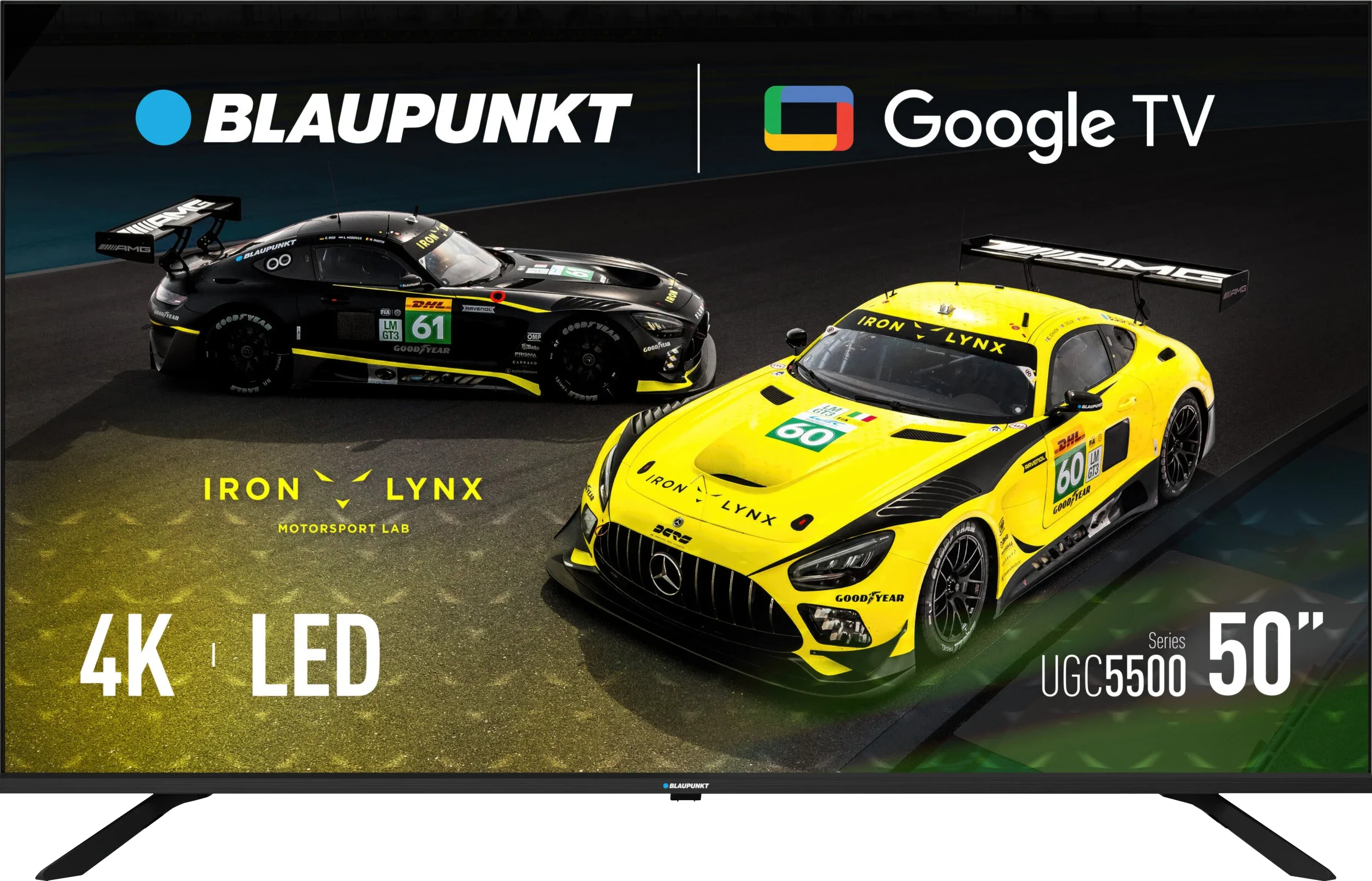
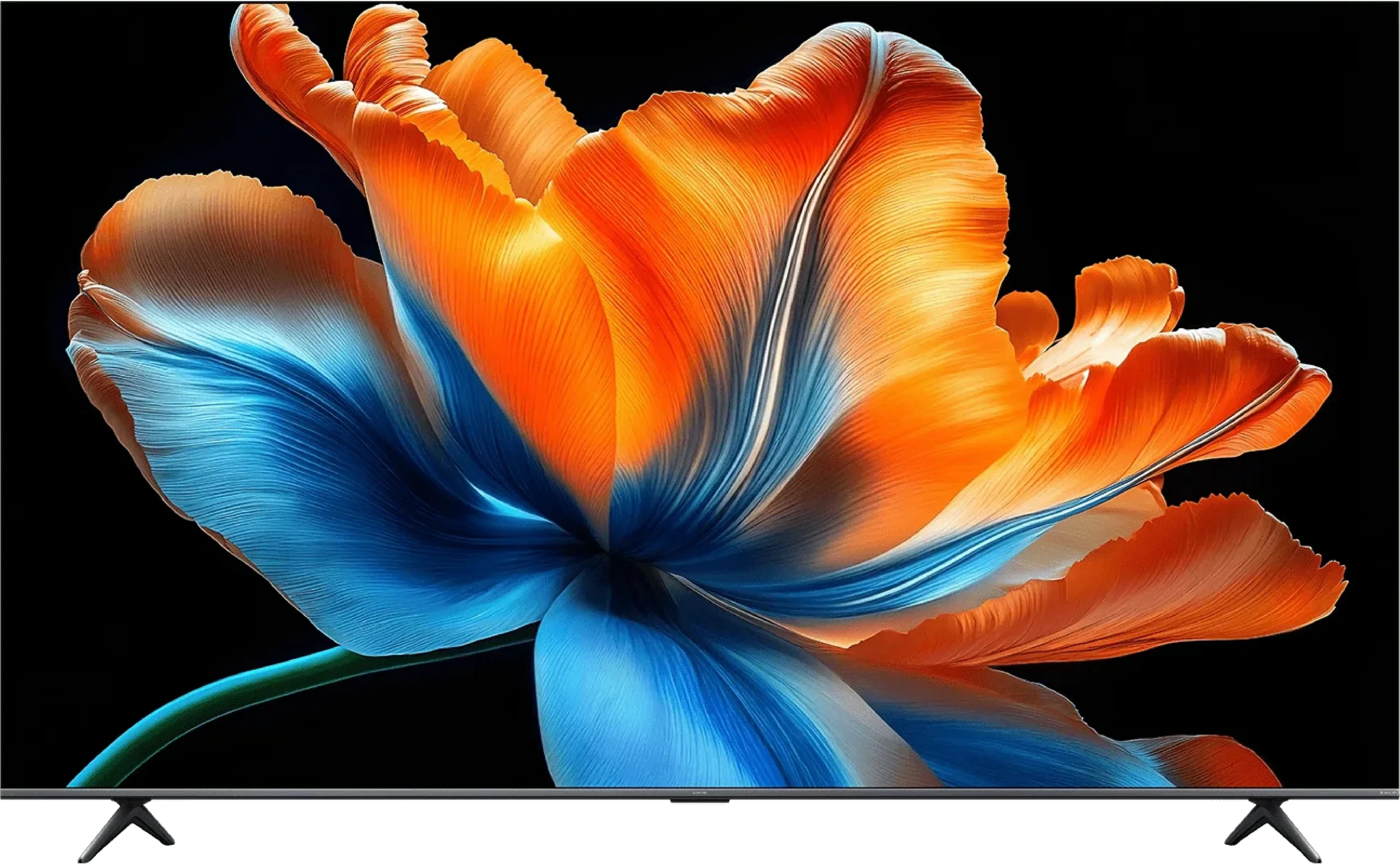
Panel type: LCD IPS
Resolution: 3840x2160
System: Google TV
Model year: 2025
Complete the survey to find out the result
Panel type: LCD VA
Resolution: 3840x2160
System: Google TV
Model year: 2026
Complete the survey to find out the result
Overall rating
5.0
6.2
 Movies and series in UHD quality
4.2
6.2
 Classic TV, YouTube
4.1
6.0
 Sports broadcasts (TV and apps)
4.1
5.0
 Gaming on console
5.4
6.9
 TV as a computer monitor
6.0
5.6
 Watching in bright light
4.0
6.3
 Utility functions
5.1
6.7
 Apps
9.6
9.6
 Sound quality
6.0
5.0
Complete the survey to find out what fits your preferences
Advantages

Google TV system: massive app library
Relatively low input lag
Good viewing angles: thanks to an IPS panel
PC compatibility: excellent font readability (Chroma 4:4:4)
Refresh rate: 120 Hz at Full HD resolution
Presence of a classic mini-jack output
Quite pleasant sound: clear and loud beyond "budget" standard
Very good contrast: MiniLED + VA
High brightness
Wide colour gamut
Low input lag
120 Hz mode at 1080p/1440p
Google TV with a wide selection of apps
Good result after calibration
Disadvantages

Very weak blacks and contrast
HDR: low brightness (250 nits) and lack of real effect
System fluidity: sluggish performance and "dull" remote
Motion: total lack of digital smoothers in the menu
Image processing: noticeable overscan and motion artifacts
Only a 60 Hz panel
Poor viewing angles
Poor image processing
Visible posterisation
Flat sound, little bass
Our verdict
At the smaller screen sizes (55–75 inches) the Xiaomi S Mini 2026 makes a genuinely good impression, provided you judge it from the outset by what it costs. Mini LED technology here does exactly what we expect, delivering strong contrast and enough HDR brightness that movie sessions take on a completely different dynamic compared with conventional TVs in this price bracket. Add Google TV and you get an easy-to-use set for everyday entertainment. The catch is that how you rate this model depends heavily on how you plan to use it. The 55, 65 and 75-inch versions use a 60 Hz panel, which automatically puts them on a completely different footing to the larger variants. If you’re after a screen specifically for sport or want to get the most from a new console in 4K at 120 frames per second, this TV will simply miss the mark.
Another issue is Xiaomi’s policy, because the naming confusion can be seriously misleading. The 85 and 98-inch variants are in fact completely different TVs in terms of construction and capabilities. Buyers are perfectly entitled to assume that by choosing a smaller size they only give up inches and perhaps the number of local dimming zones, whereas in practice they get equipment from a totally different technological tier. Looking at the 55–75-inch model on its own, if your benchmark is the best possible picture quality on a very tight budget, the S Mini 2026 can hold its own without any problem.
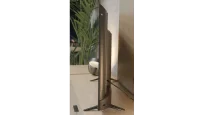
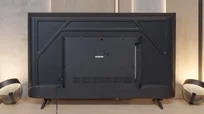
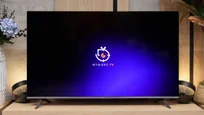
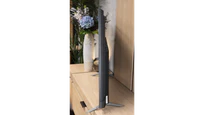
TV appearance
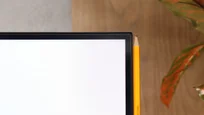
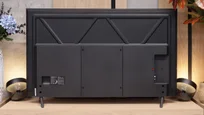

Contrast and black detail
2.2/10
7.8/10
Local dimming function: No
Local dimming function: Yes, number of zones: 308 (22 x 14)
Contrast:


Result
1,000:1

Result
1,100:1

Result
1,150:1

Result
1,100:1

Result
1,050:1
Result
458,550:1
Result
27,450:1
Result
25,200:1
Result
10,950:1
Result
6,650:1
Halo effect and black detail visibility:
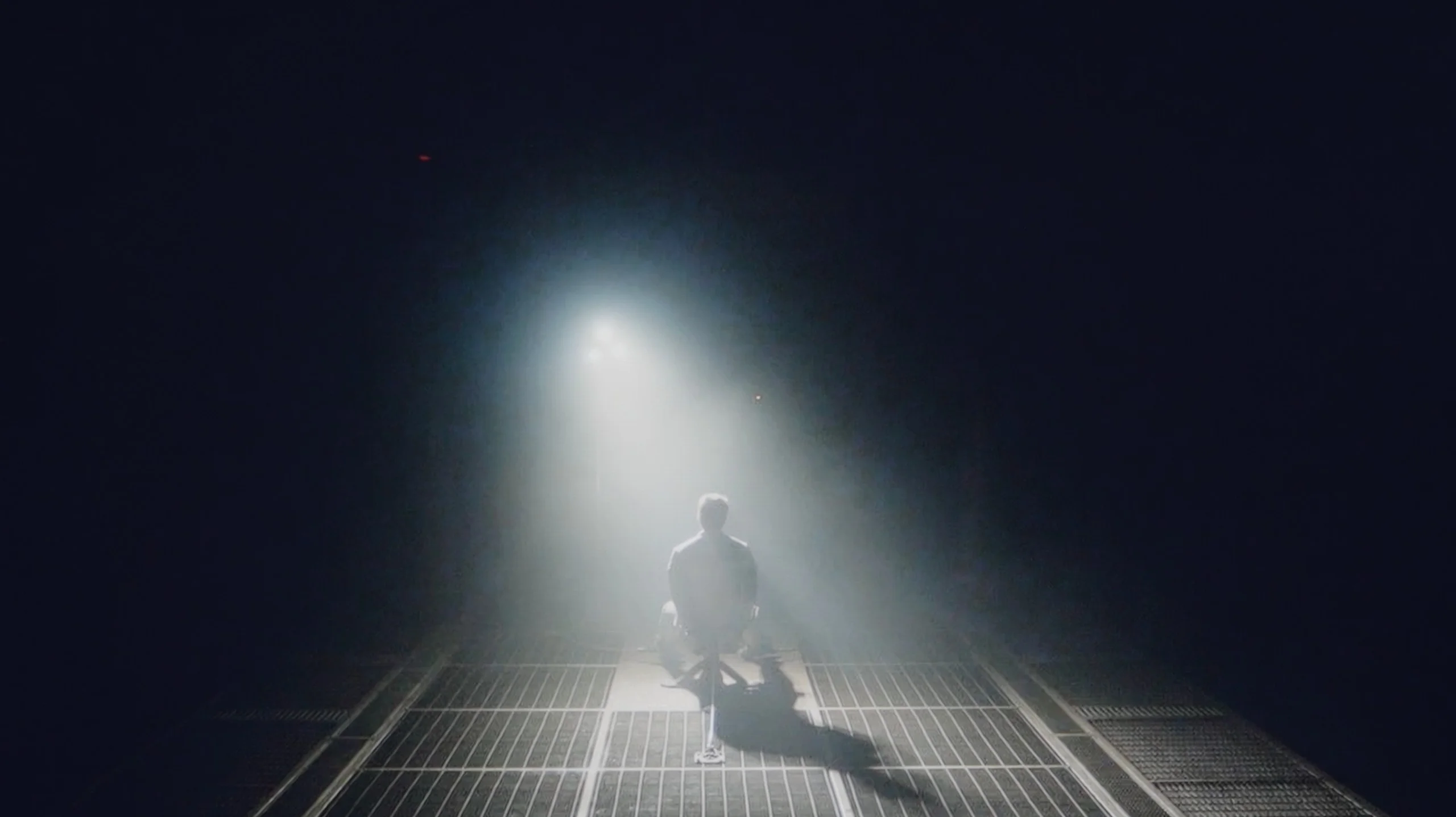
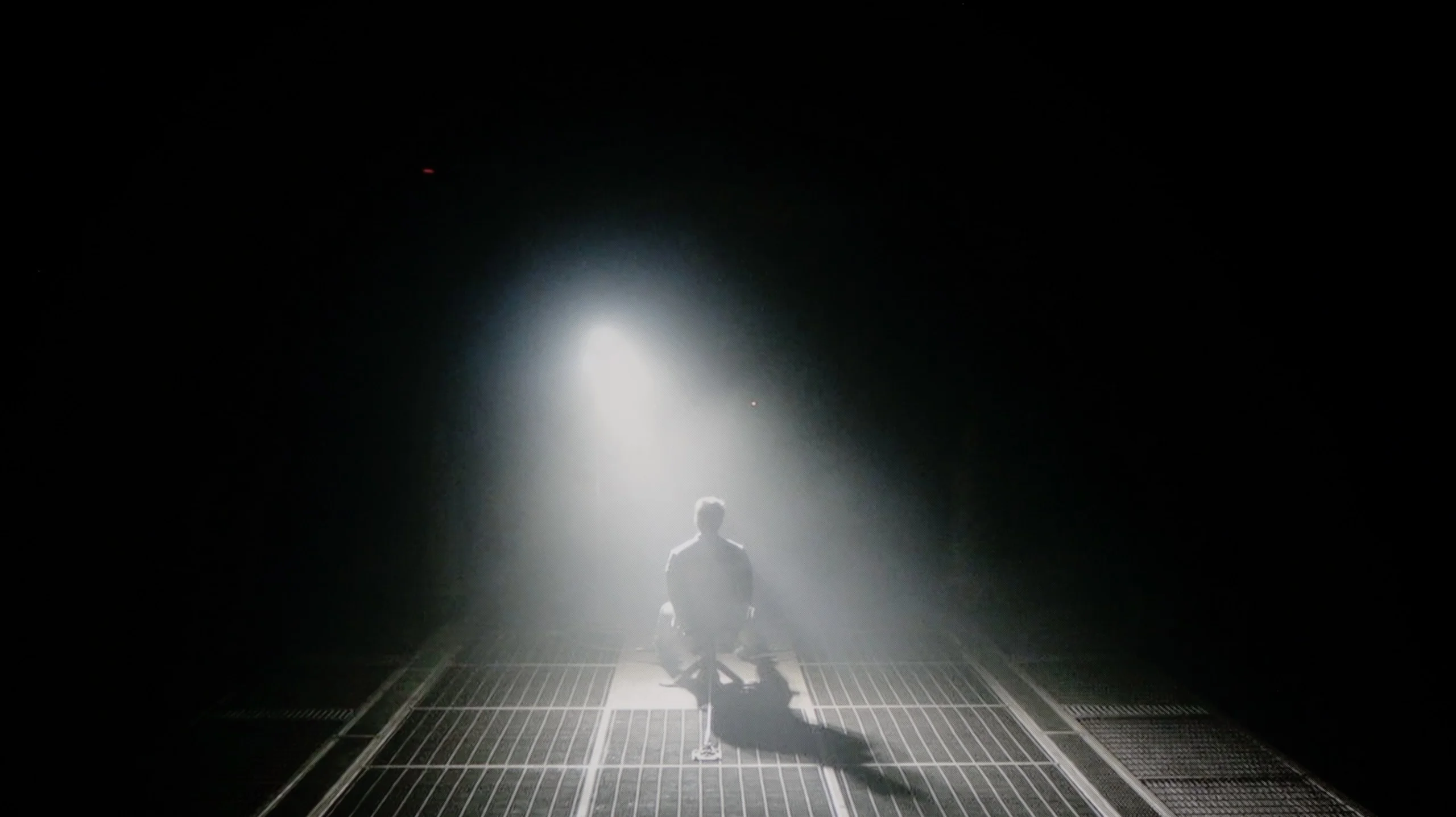
Check the visibility of bright lights on a dark background. Mini-LEDs often struggle with this. The photo does not compare black levels – that’s what the video below is for.
The video accurately shows differences in contrast and black levels between TVs, as well as potential issues: halo around bright objects or Mini-LED zone operation visible as brightness jumps.
To put it bluntly: when it comes to black levels, it's just very poor. Our measurements on test patterns only confirmed what we could see with the naked eye – a result around 1000:1 is, these days, even in this price range, a disappointing outcome. In movie conditions, that "black" simply doesn't exist. To avoid being all talk, we fired up one of our favourite test scenes – the helicopter flight in "Sicario 2" (you can actually see it in the video we've linked below). Instead of inky, deep night, we got an image that is... navy blue. Everything on the screen that should be dark and mysterious actually glows a dark blue. This is the price we pay for using an IPS panel. On one hand, we get quite decent viewing angles, so if you're watching TV with the whole family from different angles, the picture doesn't lose much in saturation. On the other hand, if you're planning evening screenings with the lights off, this lack of contrast is going to sting your eyes from the very first minute.
In terms of contrast the Xiaomi S Mini 2026 performs really well. The TV uses a VA panel and a Mini LED backlight with 308 local dimming zones on the 55-inch model. Although on paper the number of zones doesn't impress as much as in more expensive models, in practice the TV handles dark scenes very well. In shots where small bright objects appear on a black background it can effectively dim the rest of the image. As a result the blacks are deep and the contrast in many films can be reminiscent of what we see from OLED TVs. Of course not every scene is equally easy for the local dimming system. When there are more bright elements or they are placed close together you can notice a faint halo around them. That's a typical limitation of Mini LED TVs and Xiaomi is no different from the competition here. What deserves praise, however, is the backlight control algorithm itself. Compared with the previous generation it operates much more stably, so when watching you don't see irritating flicker or sudden brightness changes between consecutive shots.
HDR effect quality
3.8/10
5/10
Luminance measurements in HDR:

Result
232 nit

Result
245 nit

Result
255 nit

Result
238 nit

Result
252 nit
Result
993 nit
Result
166 nit
Result
641 nit
Result
157 nit
Result
898 nit
Scene from the movie “Pan” (about 2800 nits)
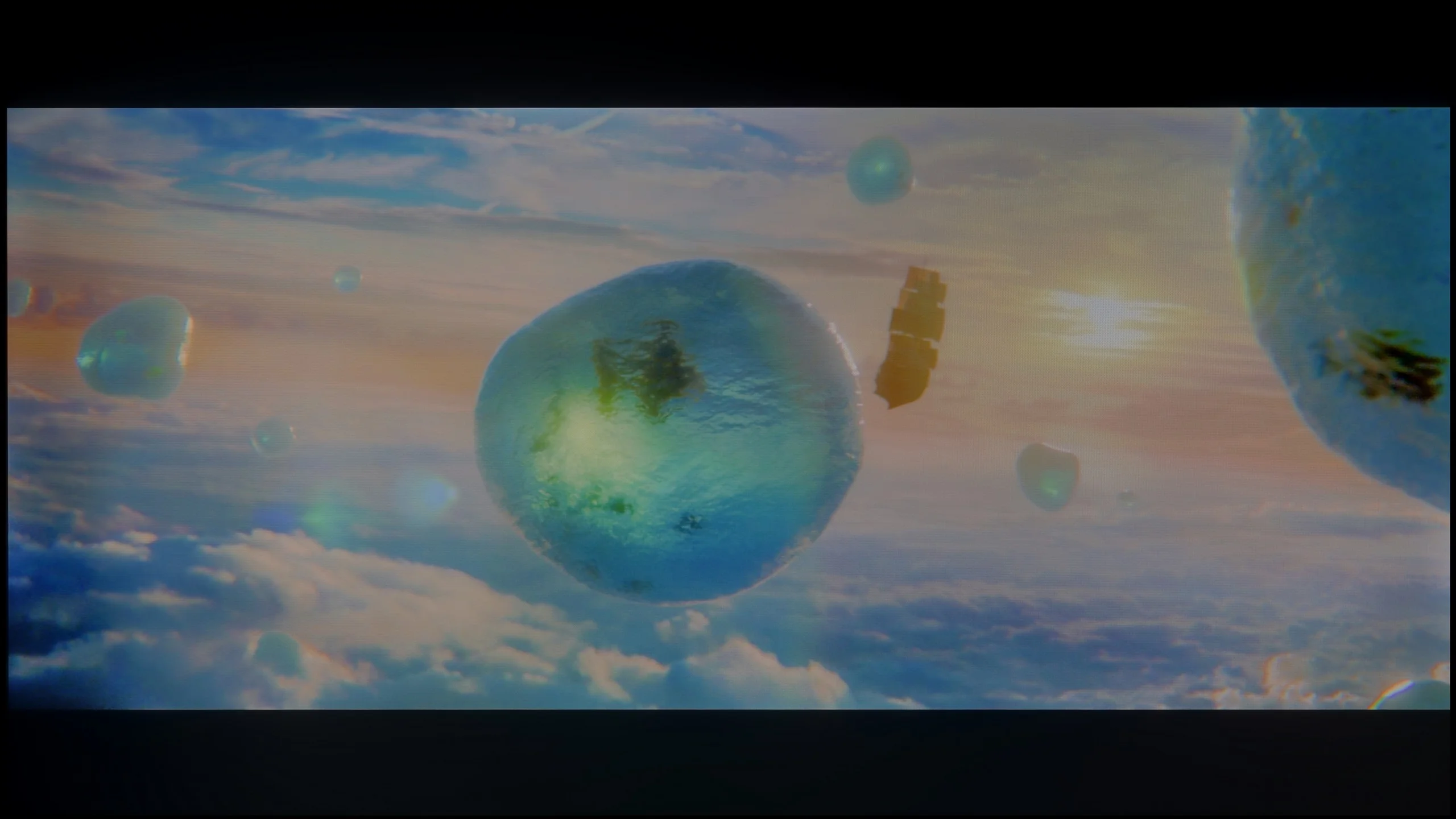

Scene from the movie “Billy Lynn” (about 1100 nits)


The photos show two HDR10 movies. 'Pan' is one of the brightest productions ever made, while 'Billy Lynn' (soldier) has brightness typical of streaming (Netflix, Prime, HBO MAX). Notice the intensity of effects and detail in whites.
Static HDR10


The photos present the visibility of white details in various HDR formats. They do not show brightness differences between TVs (these can be compared in the previous gallery).
HDR luminance chart:
XIAOMI S Mini 2026 (55"-75") 60Hz
Blaupunkt UGC5500S
We won’t beat around the bush here – if you’re looking for a TV strictly for cinematic HDR experiences, then you’ve come to the wrong place. Unfortunately, the Blaupunkt UGC5500S is not a machine built for such challenges. This is primarily due to its very low brightness, which we measured during our tests. A result of around 250 nits on movie screens speaks for itself. It’s simply too little to even consider any real HDR effect. To be honest, everything displayed in this format can confidently be seen as a somewhat “enhanced” SDR mode. We expected this, as practically every device in this price range falls short in this area, but we feel it’s our duty to warn you. Manufacturers love to brag about HDR compatibility on the boxes, but in reality, this format simply doesn’t exist here – it lacks the “fuel” in the form of brightness.
The situation is further complicated for Blaupunkt, as we’re dealing with a panel that has very basic coverage of the DCI-P3 colour gamut, reaching only about 80%. You won’t find any advanced coatings to expand these capabilities (like quantum dots), which means scenes that are supposed to burst with richly saturated colours appear simply underwhelming on this screen. Therefore, we have a particular piece of advice for you: don’t force HDR mode on this model. If you have the option in the streaming app settings – just turn it off. By sticking to the classic SDR mode, you’ll be sure that the TV won’t try to “enhance” something that it can’t handle hardware-wise.
When it comes to HDR, the Xiaomi S Mini 2026 performs really well, especially given the segment this model sits in. The TV can reach around 1000 nits of brightness without much difficulty, so in bright scenes it can deliver a very pronounced HDR effect. The sun, highlights or very brightly lit parts of the picture can be intensely bright and at times really hit you with their intensity. It’s a bit different in dark scenes, though. Very small light sources surrounded by black are rendered at much lower brightness, so they lack the pinpoint intensity seen on the best TVs. That’s not unusual for a Mini LED. The local dimming algorithm reduces the backlight in those cases to preserve as deep a black as possible, which in such scenes matters more than a few extra nits.
HDR colours
Colour reproduction also fares well. Xiaomi markets the S Mini 2026 as a QLED TV, although the solution used here is in practice based on a PFS phosphor. What matters is the result, and that is pretty good. Measured DCI-P3 gamut coverage was around 94%, while in the much wider BT.2020 colour space it was about 74%. That means the TV can show most of the colours used in HDR movies with suitably high saturation. Its limitations are most noticeable with very intense shades of green, where the colour range begins to run out.
Factory color reproduction
4.8/10
5/10


This gallery shows how colors change after professional TV calibration. If you notice the difference, we recommend ordering this service at SkalibrujTV.com.
Factory Mode
After calibration


This gallery shows how colors change after professional TV calibration. If you notice the difference, we recommend ordering this service at SkalibrujTV.com.
Factory Mode
After calibration
We also took a close look at how Blaupunkt handles colours in movie mode, and here the matter is, to put it simply, twofold. We must once again clearly separate what we see in the standard SDR format from what happens when HDR is switched on, as they are two completely different worlds. Let's start with the better side of the coin. If you're planning to watch traditional TV, YouTube, or older films on this television, you can count on really well-tuned colours. In our test sample, the white balance in movie mode performed exceptionally well, which honestly surprised us. Of course, to avoid being too rosy, we noticed some drawbacks. Looking at the gamma charts, we observed that the processor struggles with properly dimming the image in its brightest areas. Additionally, there is quite a strong, at times overly aggressive, red saturation, which resulted in visible errors in reproducing certain shades. Despite this, overall, the image in SDR is simply solid and watchable without a grimace on your face. Unfortunately, the magic fades when we re-enter the world of HDR. Here, Blaupunkt behaves as if we suddenly switched it to store mode, and in its worst rendition. The excess blue in the white balance is so significant that it’s glaring, ruining any realism in the scene. Furthermore, the television interprets brightness very loosely, which, upon analysing the EOTF curve, clearly showed that for most of the time, colours simply appear washed out and lacking depth. This is also perfectly evident in the colour errors that become apparent in this mode. Once again, we are left with the same conclusion: Blaupunkt in SDR mode looks significantly better and more natural than in HDR, which seems to be forcefully added without proper refinement.
We tested the Xiaomi S Mini 2026 (55–75 inch models) in Film mode, which compared with the other presets offered the most accurate colours. That did not mean the image was correctly set up straight away. In our unit the white balance was noticeably shifted toward warmer tones. There was too little blue and too much red, giving whites and greys a slightly warm cast. The TV also tended to brighten darker parts of the image too much. This was due to the gamma, which instead of staying around 2.4 fell in places to about 2.0. That made shadow detail more visible, but the image lost some depth. So the factory settings weren't bad, but they still needed some adjustment to reproduce the picture accurately.
Color reproduction after calibration
6.4/10
7.5/10


The photos show how movies look on the TV. Pay attention to black detail visibility, colors, and shadow tint.


The photos show how movies look on the TV. Pay attention to black detail visibility, colors, and shadow tint.
It may sound like a joke – pulling out professional measuring equipment for a TV that costs around a thousand złoty / 250 dollars, but we wouldn’t be ourselves if we didn’t check it. The question is: does such cheap gear give us any leeway in terms of calibration? To your surprise, the answer is: yes, absolutely. In the Blaupunkt UGC5500S menu, we found surprisingly many options that allowed us to effectively work on the picture. These aren't just empty sliders; these are concrete tools that enabled us to make use of our measurement sensors and software. In SDR mode, the effects were visible to the naked eye. We successfully eliminated the problem we mentioned earlier – that excessive, almost artificial saturation of reds. We also fixed the issue with the incorrect dimming of the brightest parts of the image. After calibration, the picture in standard format became significantly more balanced and simply correct. When it comes to HDR, the situation was more complicated again. While we managed to “tame” that aggressive blue tint in the white balance, it was clear that we were fighting a bit of a losing battle. Even after changing the settings, the TV still tried to interfere with the picture in its own way, as if the electronics knew better than we did how the scene should look. To top it off, there's the hardware barrier that no slider can overcome – colours in HDR still remain undersaturated. This simply results from the quality of the panel itself; it physically cannot produce the most vivid colours. To summarise this point: if any of you ask whether it’s possible to calibrate a TV for “a grand”, we respond with complete conviction: it is possible.
Surprisingly, the Xiaomi S Mini 2026 responds quite well to calibration. After our adjustments we were able to noticeably improve the white balance and the picture stopped leaning toward overly warm tones. In SDR material the result is really good, with the TV able to reproduce such content very accurately and hard to fault for colour reproduction. We made similar adjustments in HDR, although not everything could be corrected there. Colours look better than on the factory settings, but the TV still tends to display the picture a little brighter than it should. You can see this from the EOTF curve, which sits above the reference. In practice this means some HDR scenes are brighter than the creators intended. It's a quirk of this TV and we can't do anything about it.
Smoothness of tonal transitions
6.4/10
5.5/10
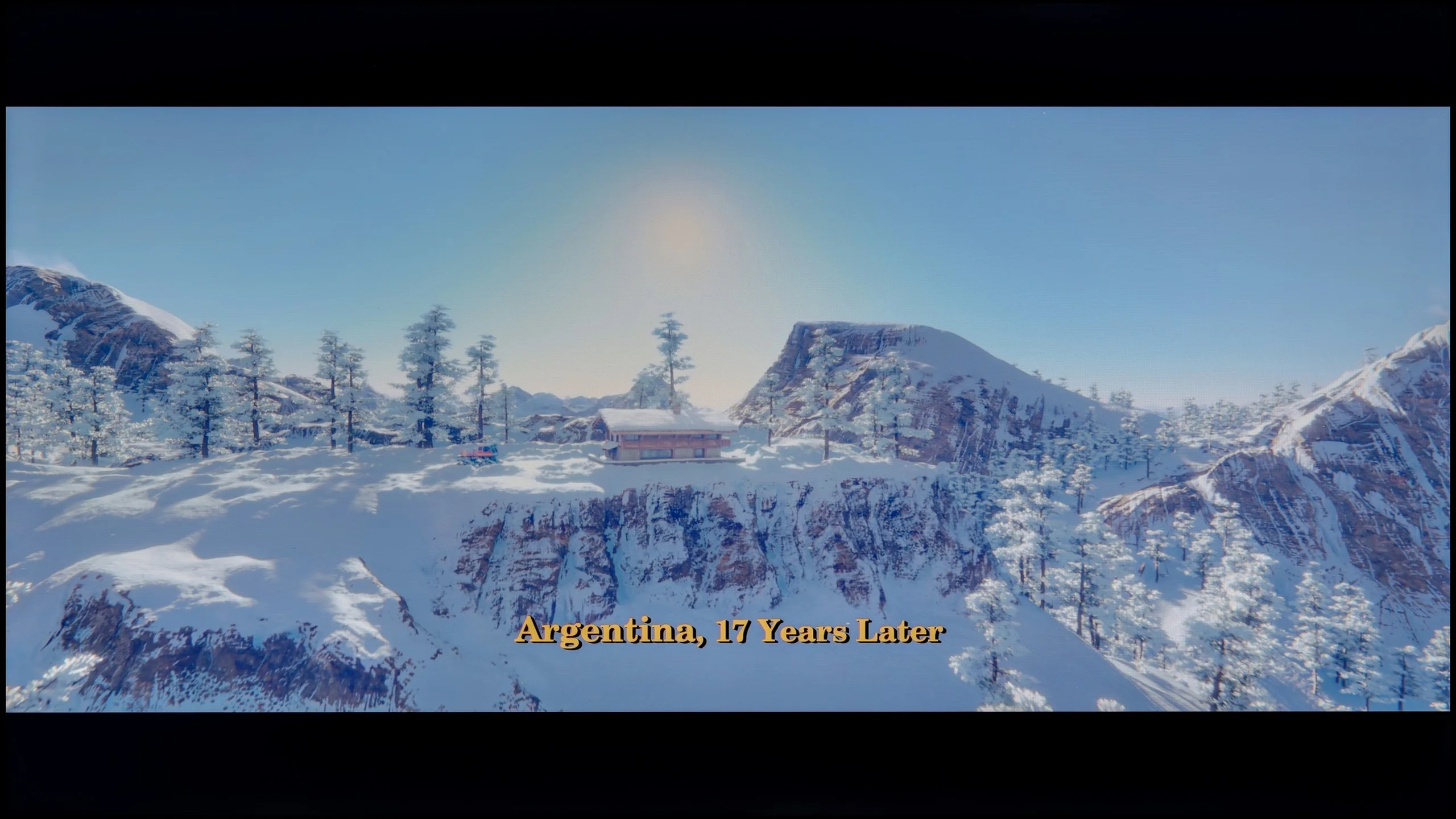

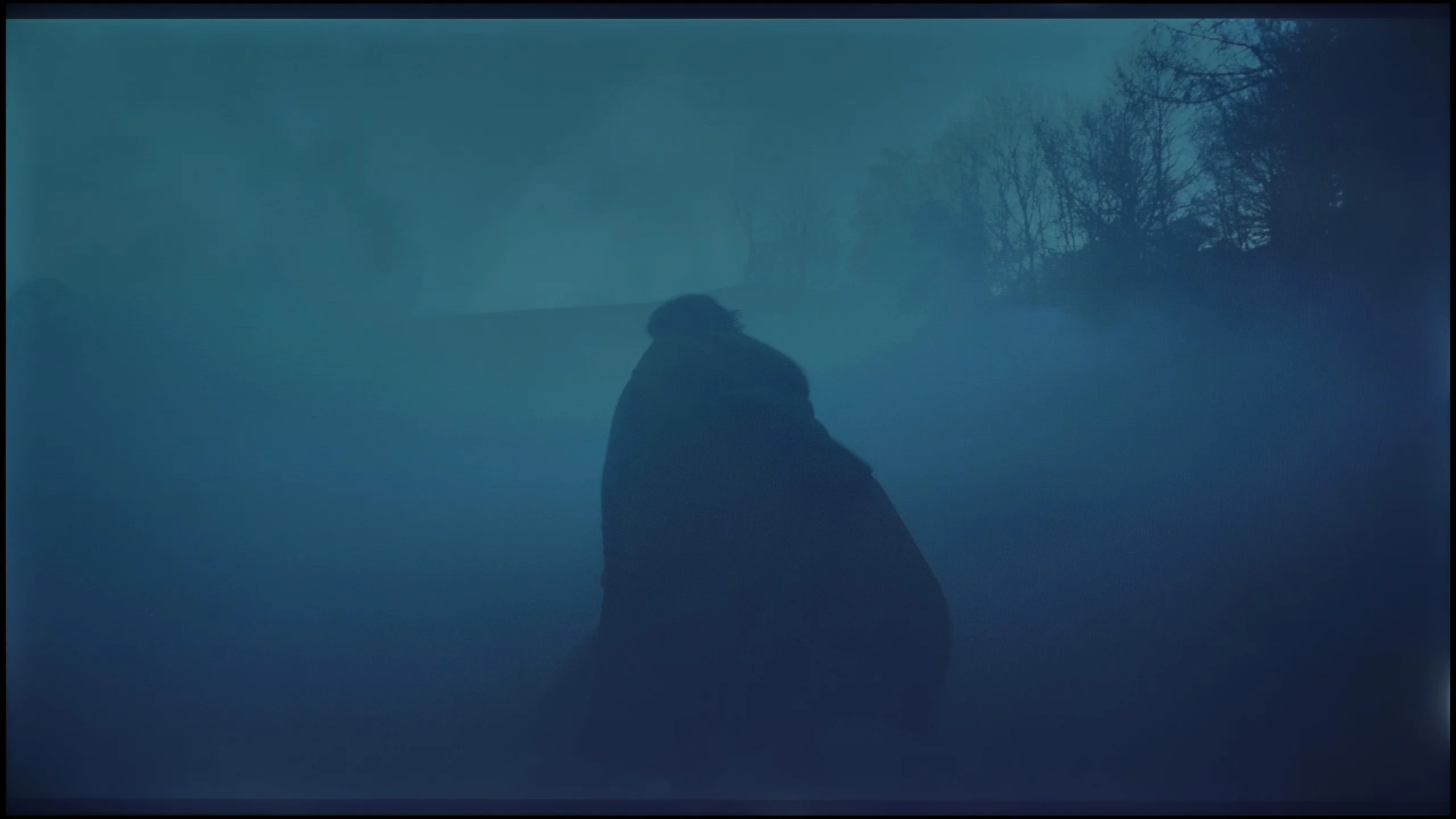

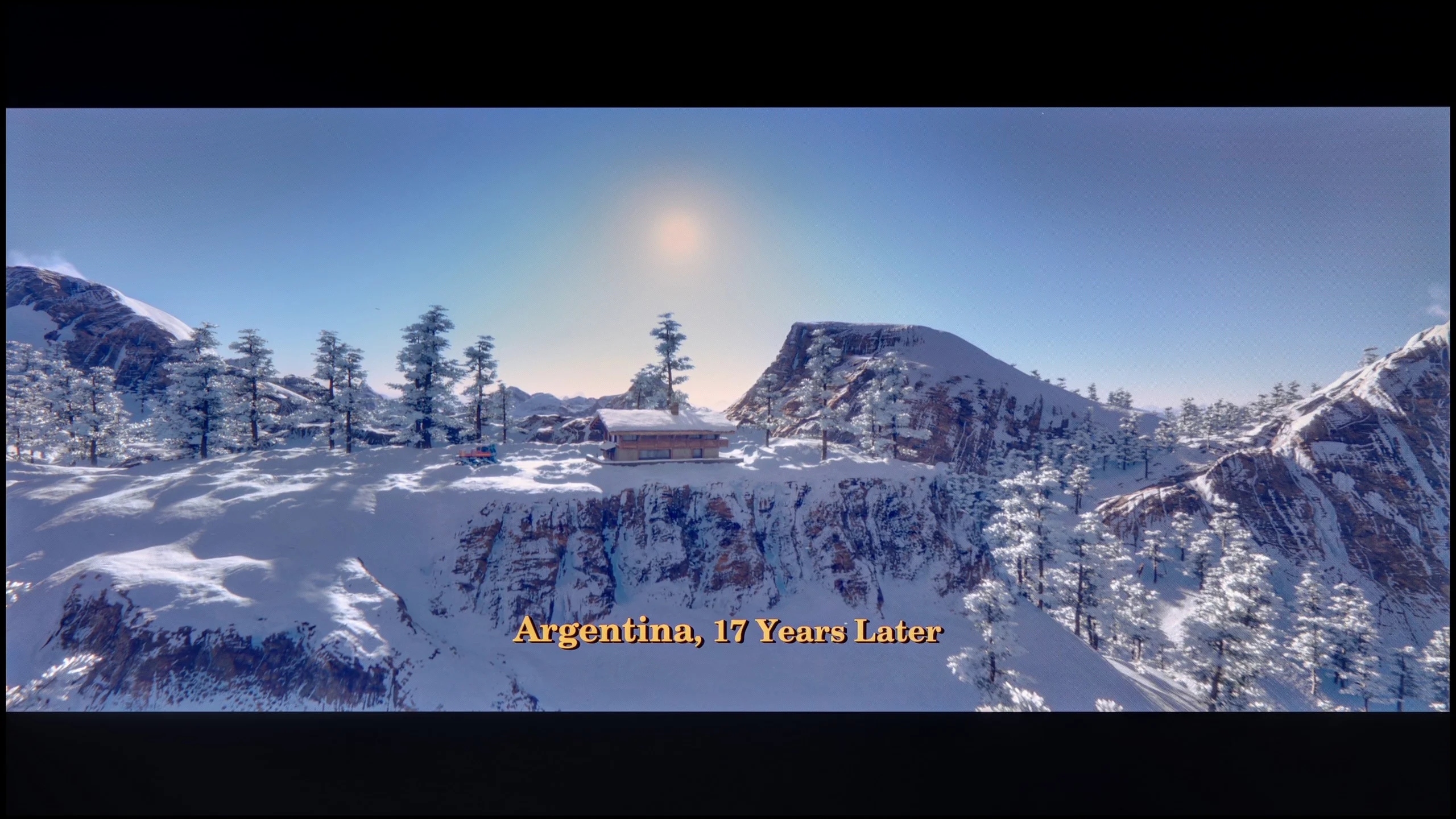
These are selected scenes that show smooth tonal transitions from one color to another. If you see distinct banding, it’s the TV panel’s fault.

These are selected scenes that show smooth tonal transitions from one color to another. If you see distinct banding, it’s the TV panel’s fault.
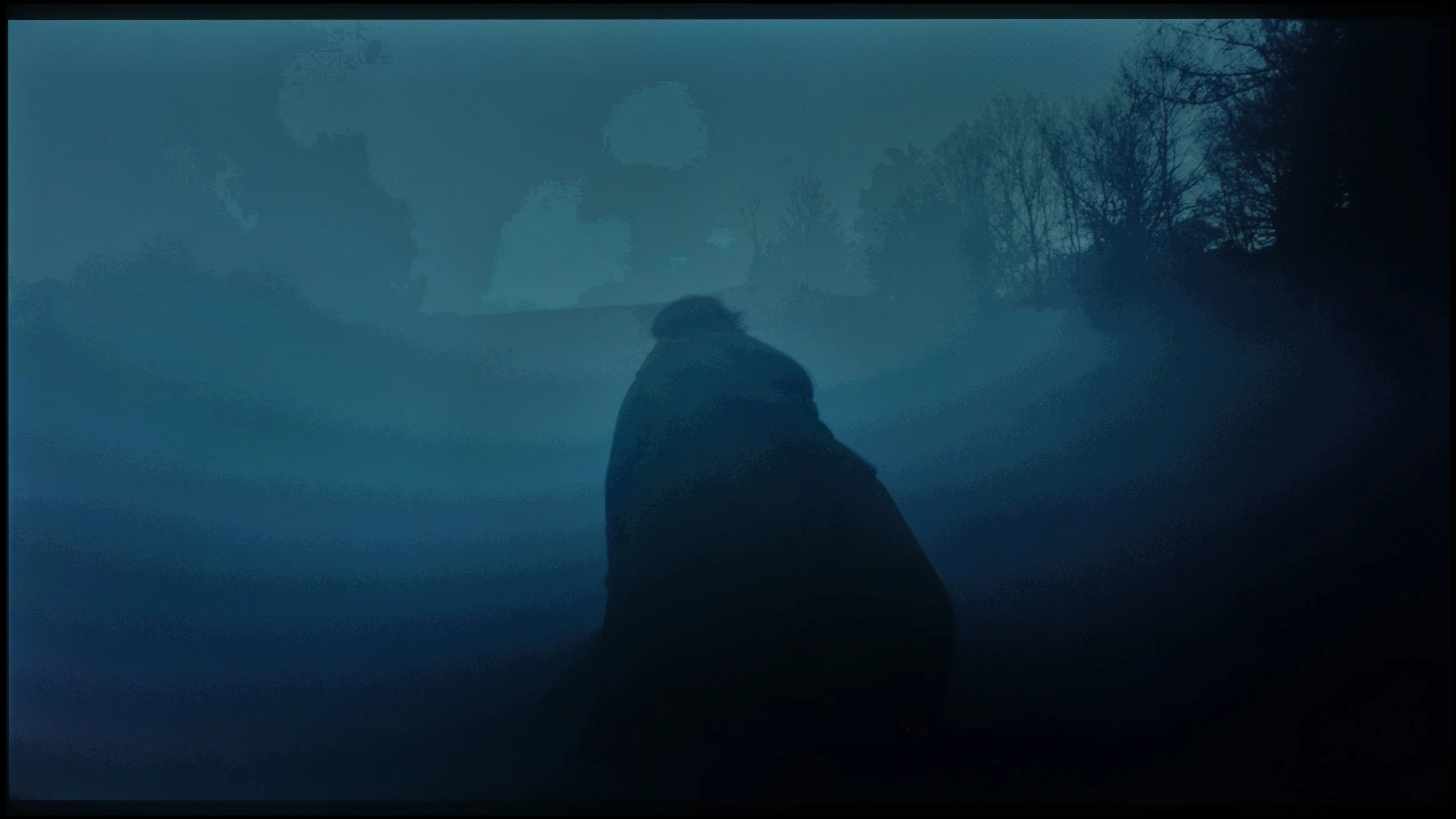
These are selected scenes that show smooth tonal transitions from one color to another. If you see distinct banding, it’s the TV panel’s fault.

These are selected scenes that show smooth tonal transitions from one color to another. If you see distinct banding, it’s the TV panel’s fault.
Looking at our test photographs, it’s really hard to pick at anything. Most of the colours in the attached images blend together almost perfectly, creating smooth gradients without noticeable "jaggies". And indeed, in most scenes where we took these shots, it looked surprisingly good. However, the problem arises when we stop analysing still frames and start simply watching the films. In motion, the situation changes dramatically. During dynamic scenes on screen, artefacts begin to pop up, which are a direct result of simply having a poor image processor here. Unfortunately, a static photo can't capture that "tearing" of colours, but you have to take our word for it: what looks clean and smooth in the photo can really stand out and simply irritate during viewing. This is where our rather low rating in this category comes from.
The smoothness of tonal transitions on the smaller Xiaomi S Mini 2026 versions is noticeably worse than on the larger versions. It's most apparent in dark scenes, where posterisation often appears, visible as bands between similar shades. In some shots this can become clearly distracting. Fortunately the issue mainly affects darker parts of the image. In bright scenes, transitions between colours are generally smooth and there's little to complain about here.
Image scaling and smoothness of tonal transitions
2.5/10
3/10

Smooth transition function
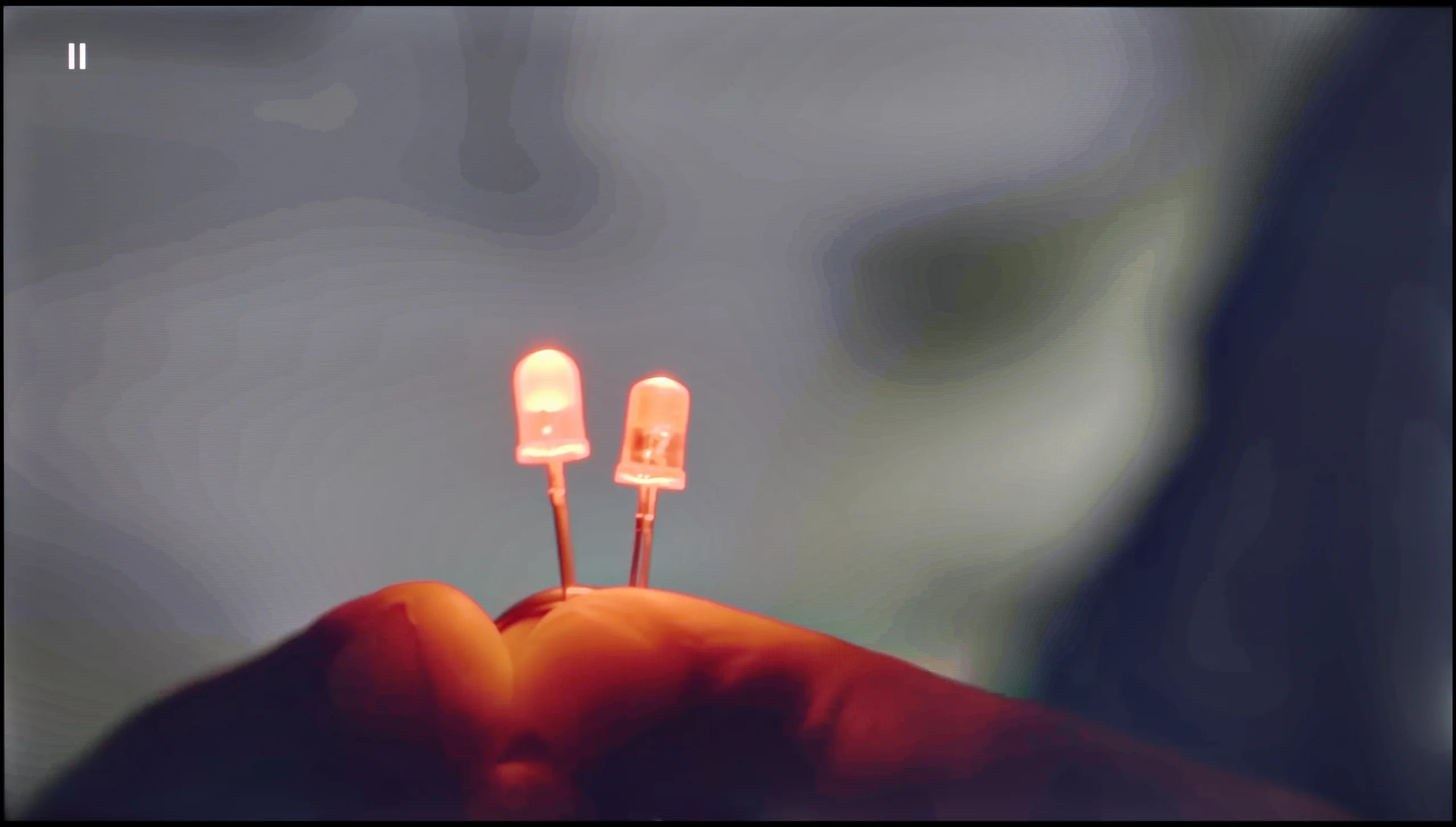
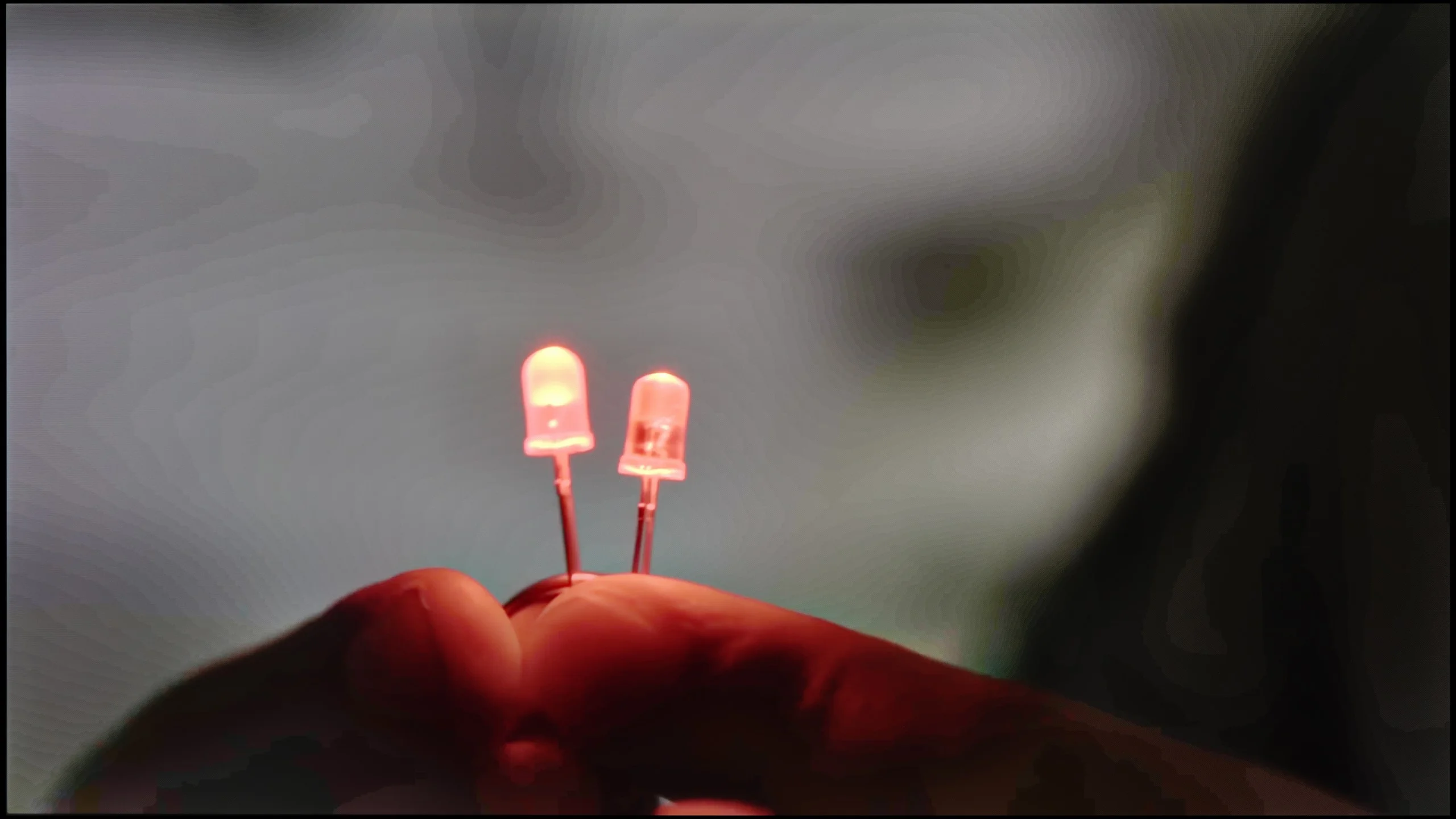
The match photo shows how the TV smooths weak tonal transitions in low-quality video.
Image scaling SD (576i)


The model photo shows how it handles upscaling of SD material.
If you're hoping that the processor in this model will magically "fix" the poor quality signal from your cable TV or old movies from YouTube, we must disappoint you. The capabilities of this television end at absolutely basic upscaling, which is simply stretching the image to a higher resolution. It does this correctly in that the image is not blurry, but there is no mention of any intelligent sharpening or adding details. Worse still, Blaupunkt is completely devoid of any functions to reduce unwanted tonal transitions. If the material being viewed shows what is known as banding (ugly "steps" instead of a smooth transition of colours, e.g., in the sky), this television will display them in all their glory. Additionally, the television has a tendency to slightly crop the edges of the image. Instead of displaying 100% of what the source sends, Blaupunkt slightly zooms in on the frame, causing us to lose details that are at the very edges of the screen. In summary: in the category of digital "enhancement" of the image, Blaupunkt simply performs poorly. We receive a raw, unprocessed signal, with all its flaws.
The MT5896 processor handles digital image processing in the Xiaomi S Mini 2026. Unfortunately, in this respect the TV is fairly average. Low-resolution content isn't upscaled very well, and its limitations become obvious on a large screen. The picture looks quite digital, and the TV can't pull out many extra details. You also can't turn off overscan for low-resolution content. The handling of posterisation smoothing is even worse. On the smaller models there's not even a separate setting to reduce the visible banding between similar shades. So if those imperfections are already present in the source material, Xiaomi effectively doesn't mask them.
Blur and motion smoothness
3.7/10
4.6/10

Blur (native resolution, maximum refresh rate):

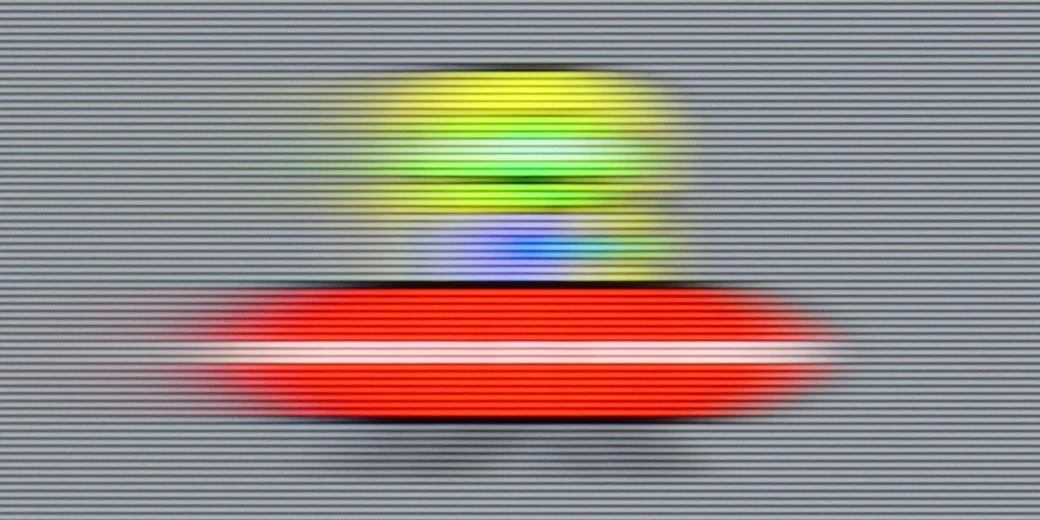
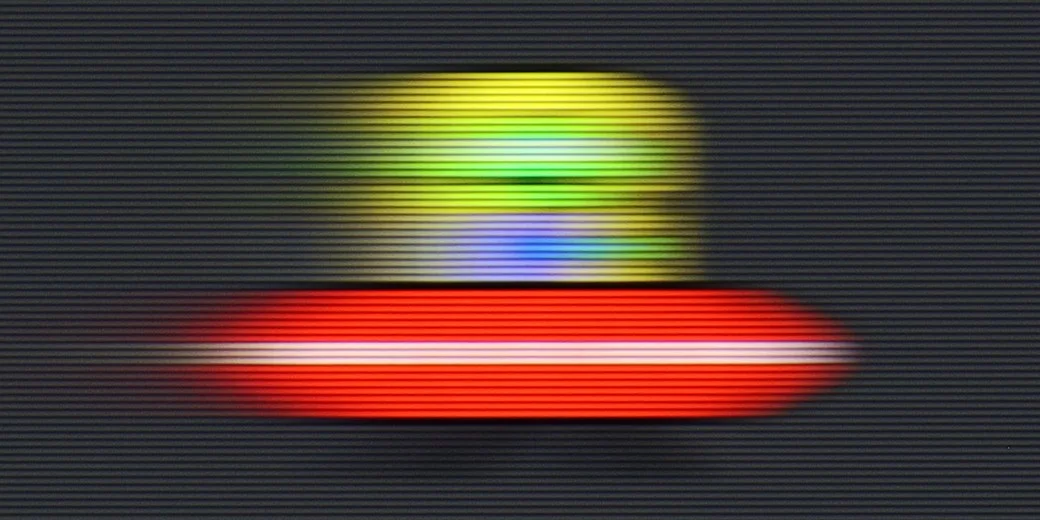
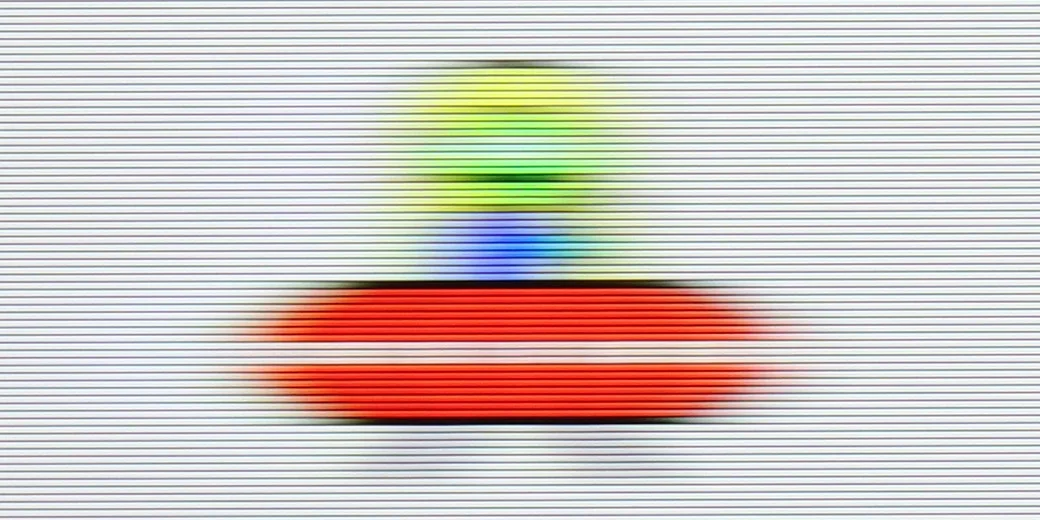
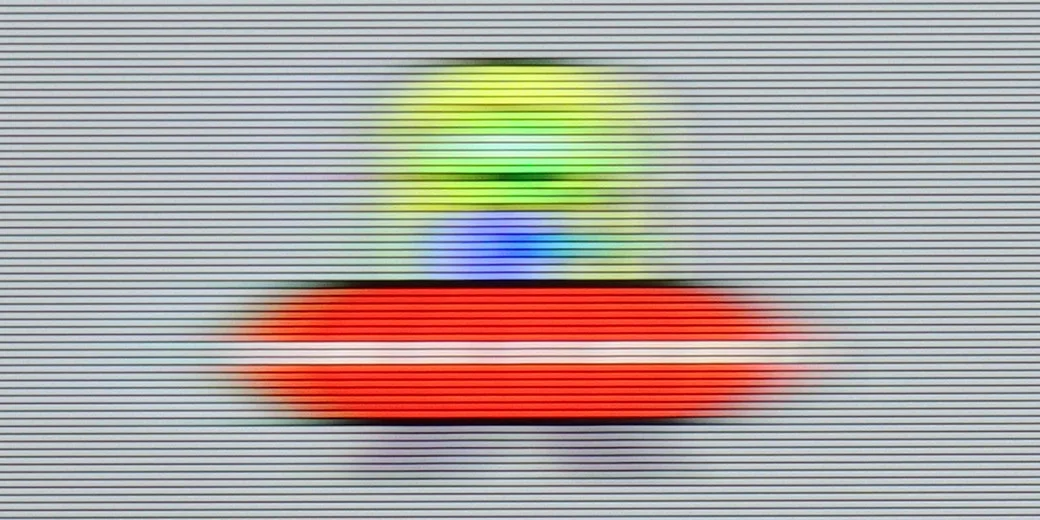
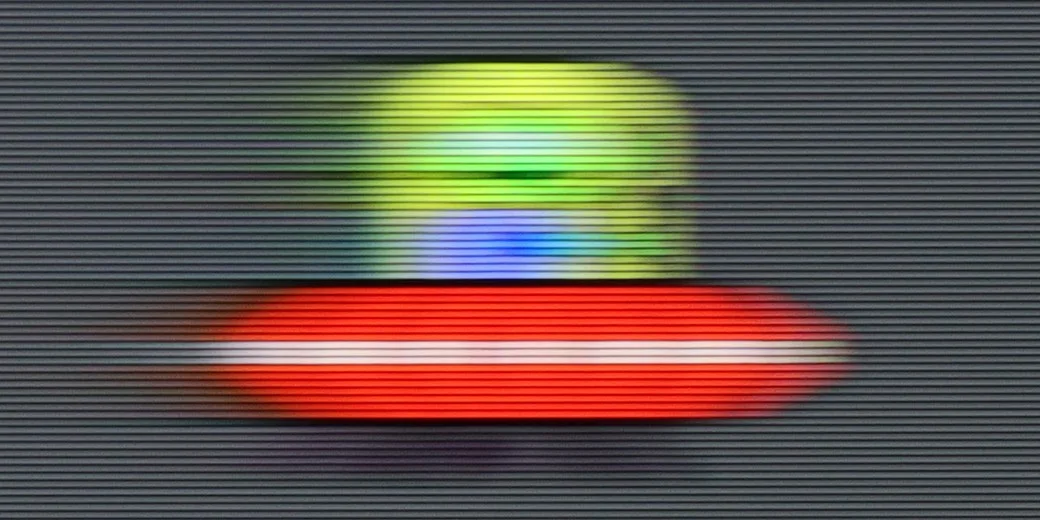
When it comes to motion fluidity, Blaupunkt has nothing to defend itself with. A 60 Hz panel at this price is standard, so none of us expected a perfectly sharp image in fast action scenes or during a match. However, the biggest drawback of this model is that you won’t find any digital motion smoothers in the menu. The manufacturer hasn’t given us any room for manoeuvre – nothing can be smoothed out or the image adjusted to our personal preferences. The picture is always "raw" and we receive it exactly as it is transmitted by the source. For fans of cinematic "jumping" images, this might be good, but the rest simply has to get used to the lack of any motion enhancement.
The smaller variants of the Xiaomi S Mini 2026 use a 60 Hz panel, and that's their biggest limitation when it comes to motion. For films and TV series this isn't yet a major problem, because the TV has a classic motion interpolator for 24/30 fps material. So you can reduce the characteristic judder and adjust motion to your own preferences. Sports and other 50/60 Hz material fare worse, because there’s no additional feature to improve smoothness. In such content we’re therefore limited by the panel itself.
In terms of motion blur the TV performs fairly typically for a VA panel. The most trailing is visible behind objects moving against a dark background, while in brighter scenes the effect is noticeably smaller. It’s not at a level that completely ruins the perception of motion, but in dynamic scenes you can see that the panel isn’t one of the fastest.
Console compatibility and gaming features
3.5/10
4.6/10
- ALLM
- VRR
- VRR range
- Dolby Vision Game Mode
- Correct implementation of HGIG
- 1080p@120Hz
- 1440p@120Hz
- 4K@120Hz
- Game bar
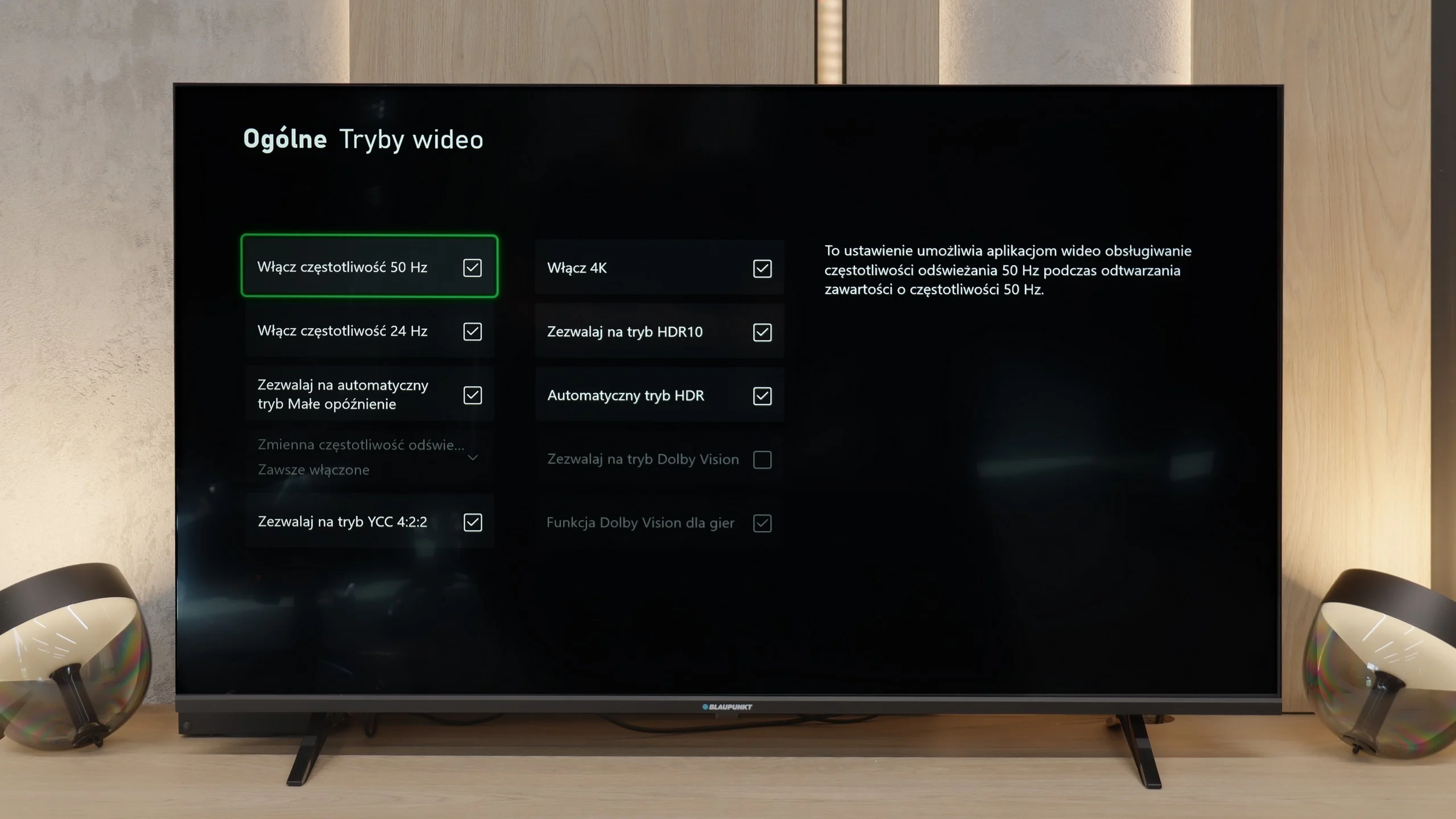
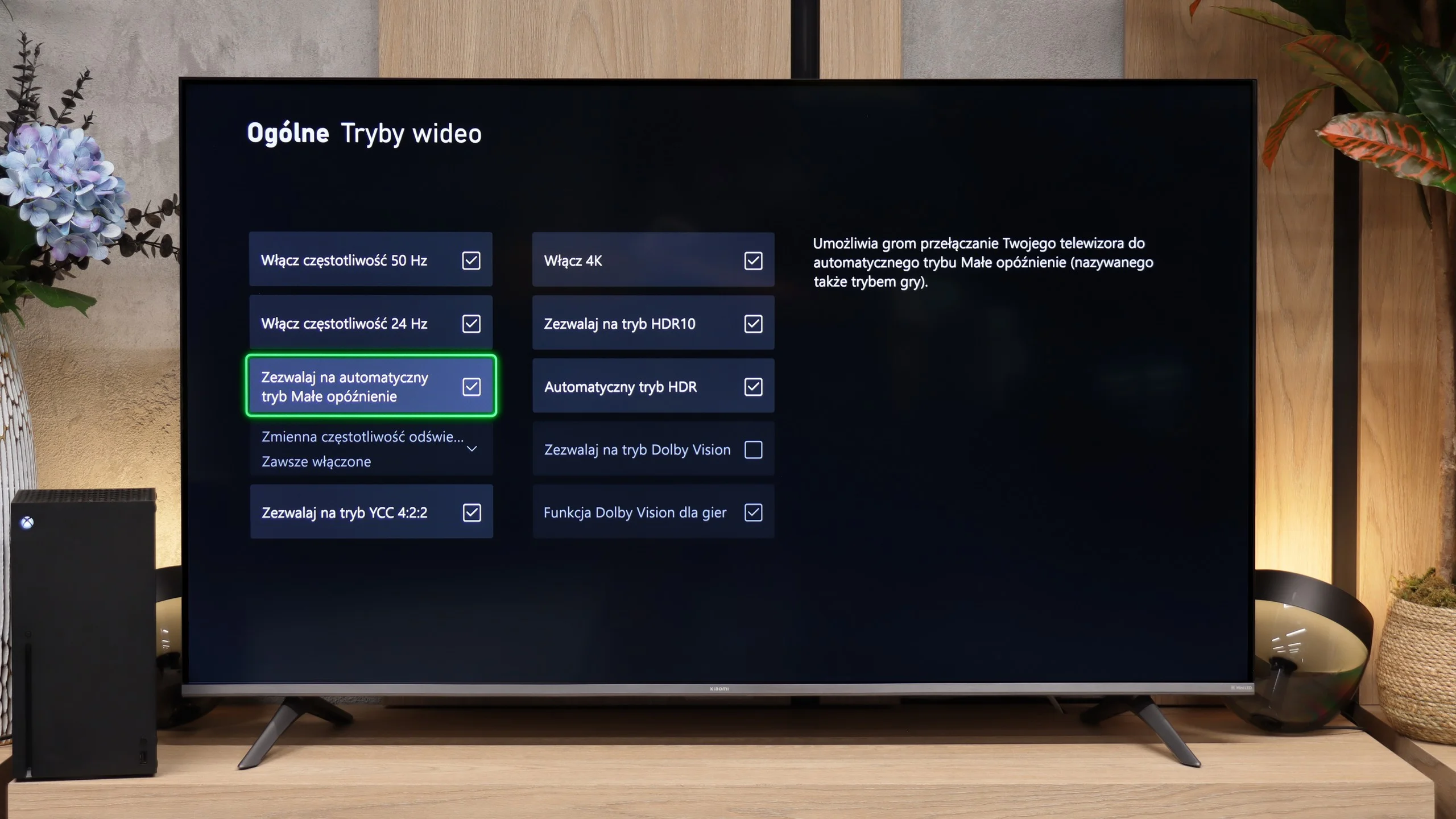
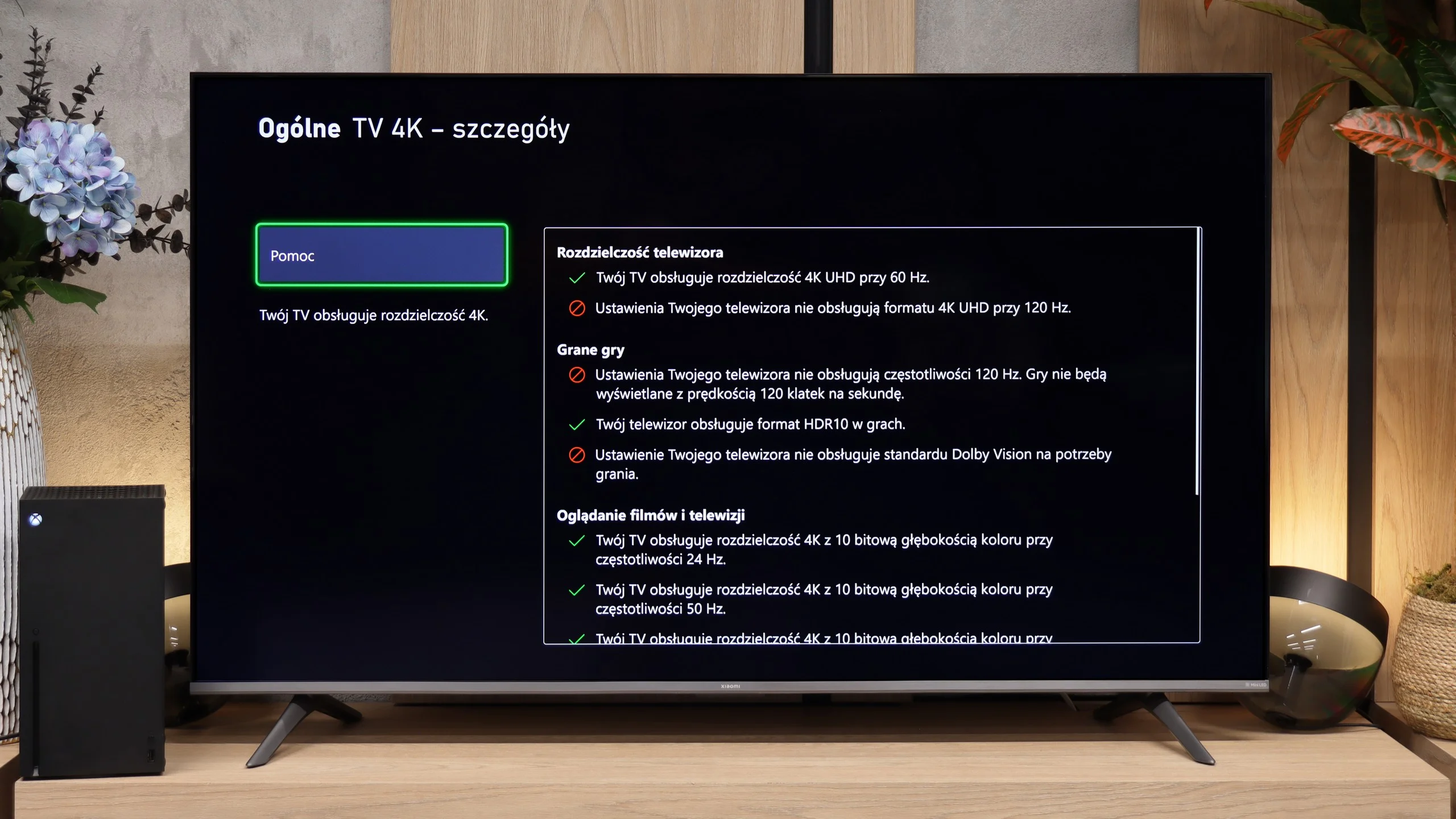
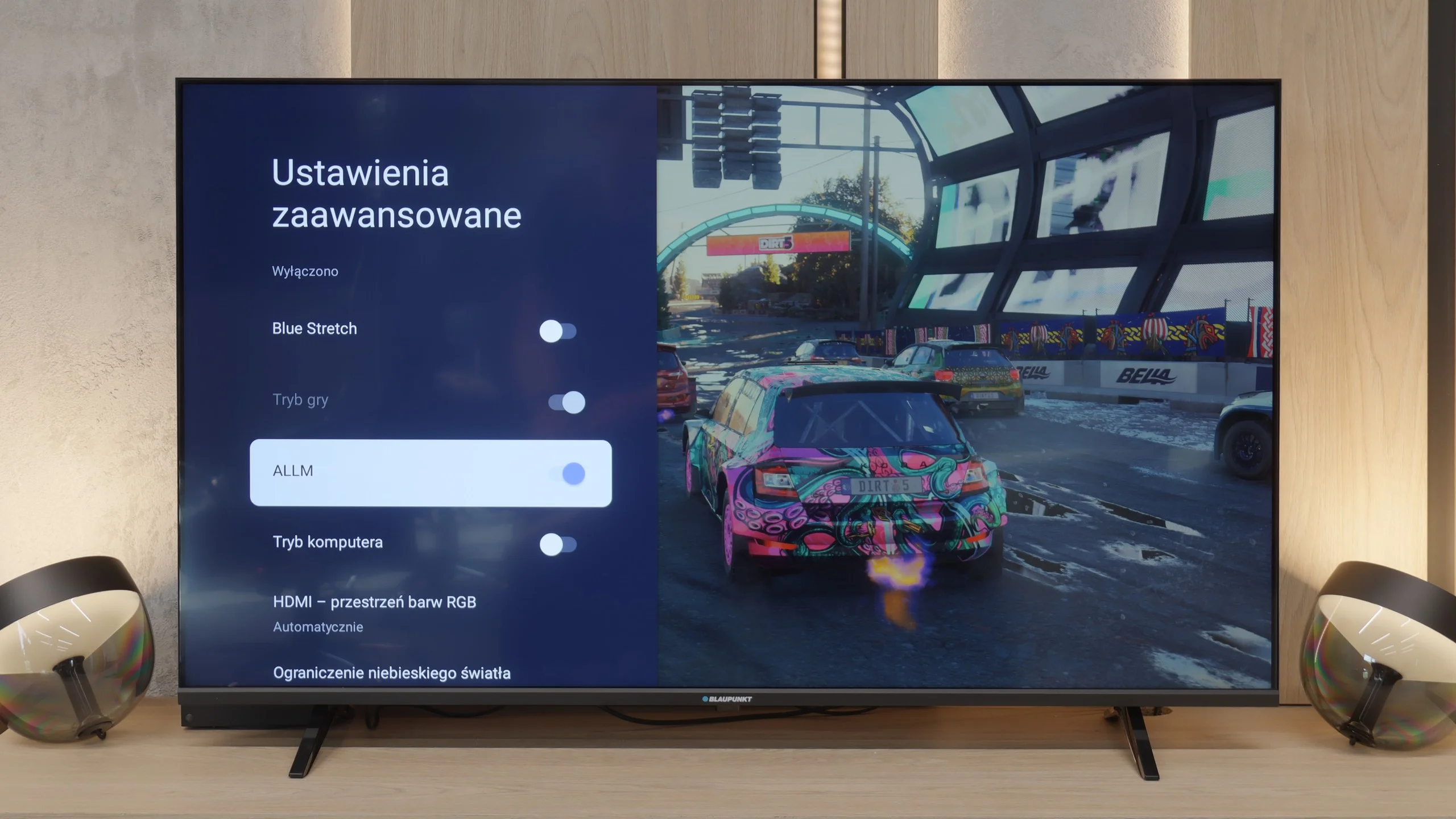
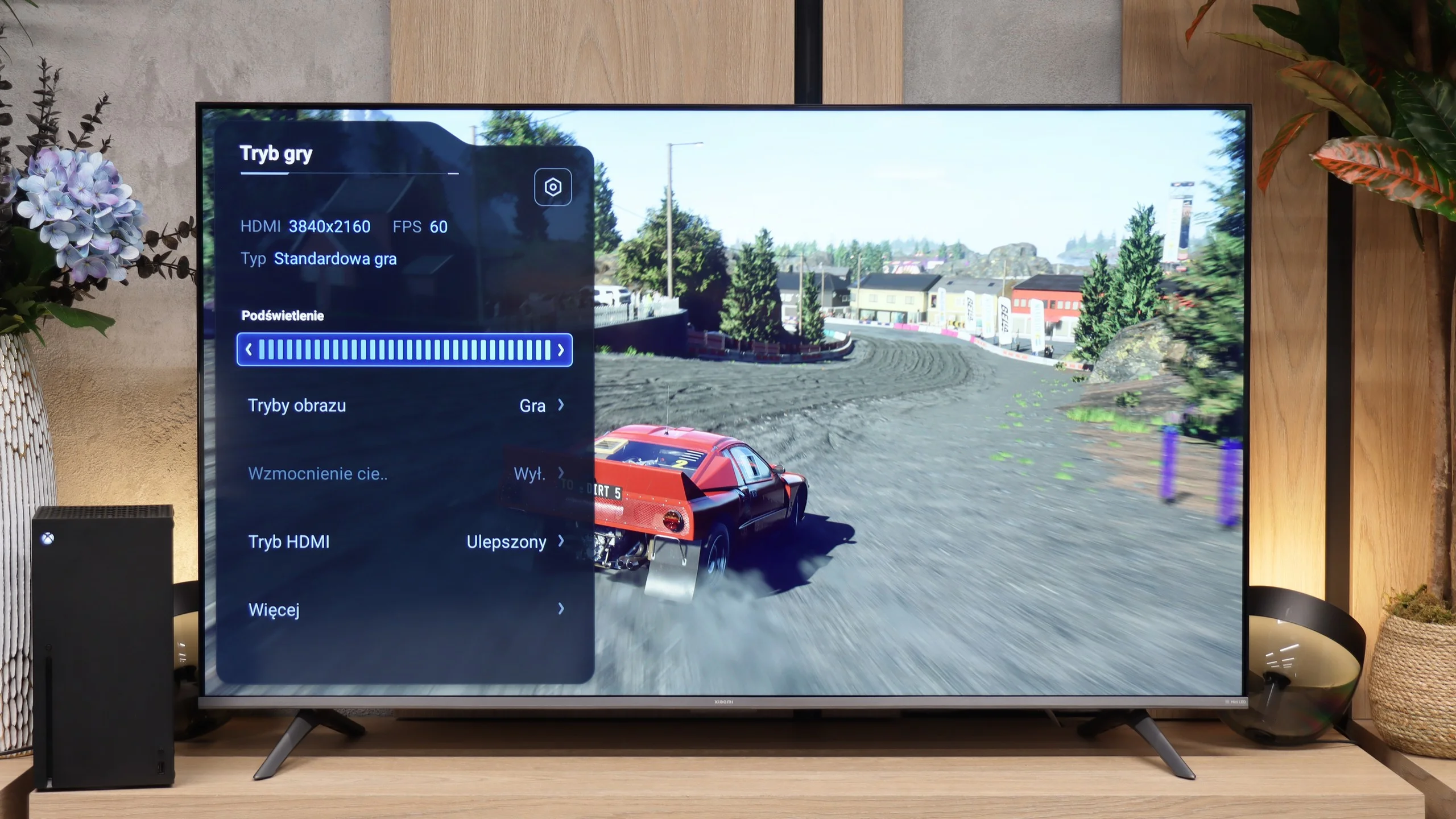
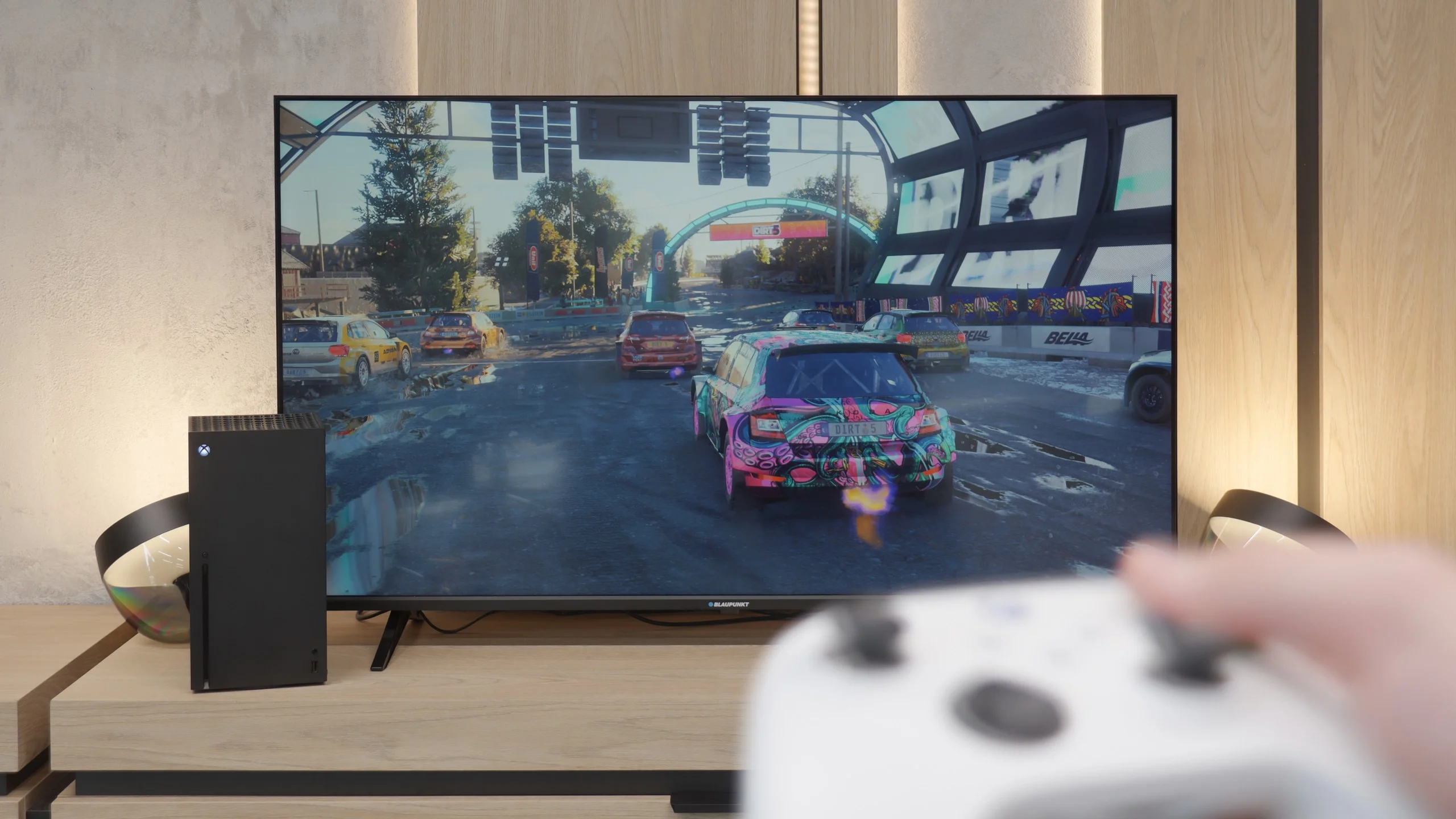
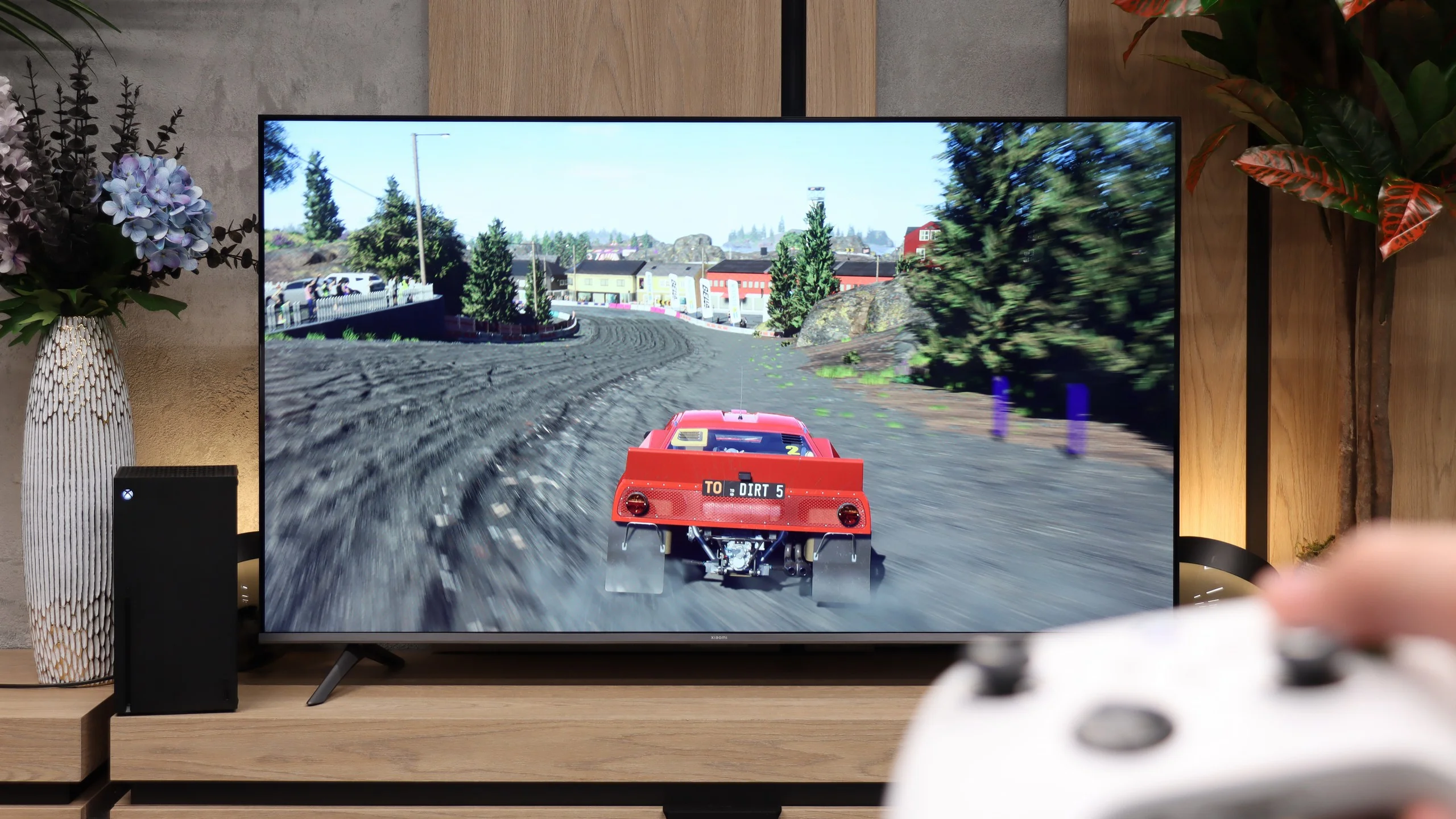
When it comes to gaming on the Blaupunkt, we weren’t expecting miracles and indeed – the list of features isn’t very long. However, there are two interesting points worth mentioning, as they might be significant for some of you at this price. The first advantage is that the TV quite smoothly detects the connected console. Thanks to the ALLM (Auto Low Latency Mode) feature, the device knows when you start gaming and automatically switches to low latency mode. This is convenient because you don’t have to fiddle with settings every time to ensure input lag doesn’t spoil the fun. The second point is a real curiosity that surprised us. Despite it being a 60 Hz panel, the Blaupunkt can display a 120 Hz image at Full HD resolution. Sure, we lose 4K details, but for those playing more dynamic, online shooters where smoothness is more important than resolution, this is a really nice and unexpected addition in such an affordable device. Other than these two points, you won’t find anything more here. There are no advanced smoothness enhancement systems for gamers or extensive gaming menu bars. It’s a simple screen for occasional gaming.
In the larger sizes the Xiaomi S Mini 2026 becomes a far more interesting option for gamers. The panel runs natively at up to 144 Hz, so when you connect a PC you can use the high refresh rate even at 4K. At lower resolutions the TV can go even further, reaching up to 288 Hz. It also offers ALLM, automatic switching to Game Mode, and a Game Bar that keeps the most important settings within easy reach. Of course, the TV has two full-bandwidth HDMI 2.1 ports. So in terms of smoothness the difference compared with the 55–75 inch versions is substantial and particularly easy to notice when using a PC or console. However, not everything works perfectly. As with the smaller variants, we have reservations about the HGiG implementation. The HDR setup screens on the PS5 and Xbox don't precisely reflect the TV's actual capabilities, so if you set the console according to those prompts the brightest parts of the image can be blown out and lose some detail.
Input lag
8.6/10
9.9/10
SDR
HDR
Dolby Vision
An important point for every gamer is, of course, input lag, which is how quickly the television responds to our movements on the controller. Here, Blaupunkt has something to boast about, although the results are quite specific. At 4K resolution, the lag is only 12 ms. That's an excellent result. With such a lag, gaming is simply phenomenal, and the response is almost instantaneous. However, it's a bit disappointing that the situation changes when switching to 1080p. Here, the input lag increases to around 30 ms. Just to be clear: that's still not a terrible result. For most people, it will be "more than acceptable," and during casual gaming, you probably won't even notice it. Nevertheless, it's a pity that such good parameters couldn't be maintained as we saw with full 4K. Nonetheless, in the overall assessment, as a budget screen for console gaming, Blaupunkt really performs admirably in this regard.
No big problem with input lag here. About 10 ms at 120 Hz and 15 ms at 60 Hz are more than enough for console or PC gaming.
Compatibility with PC
6/10
5.6/10
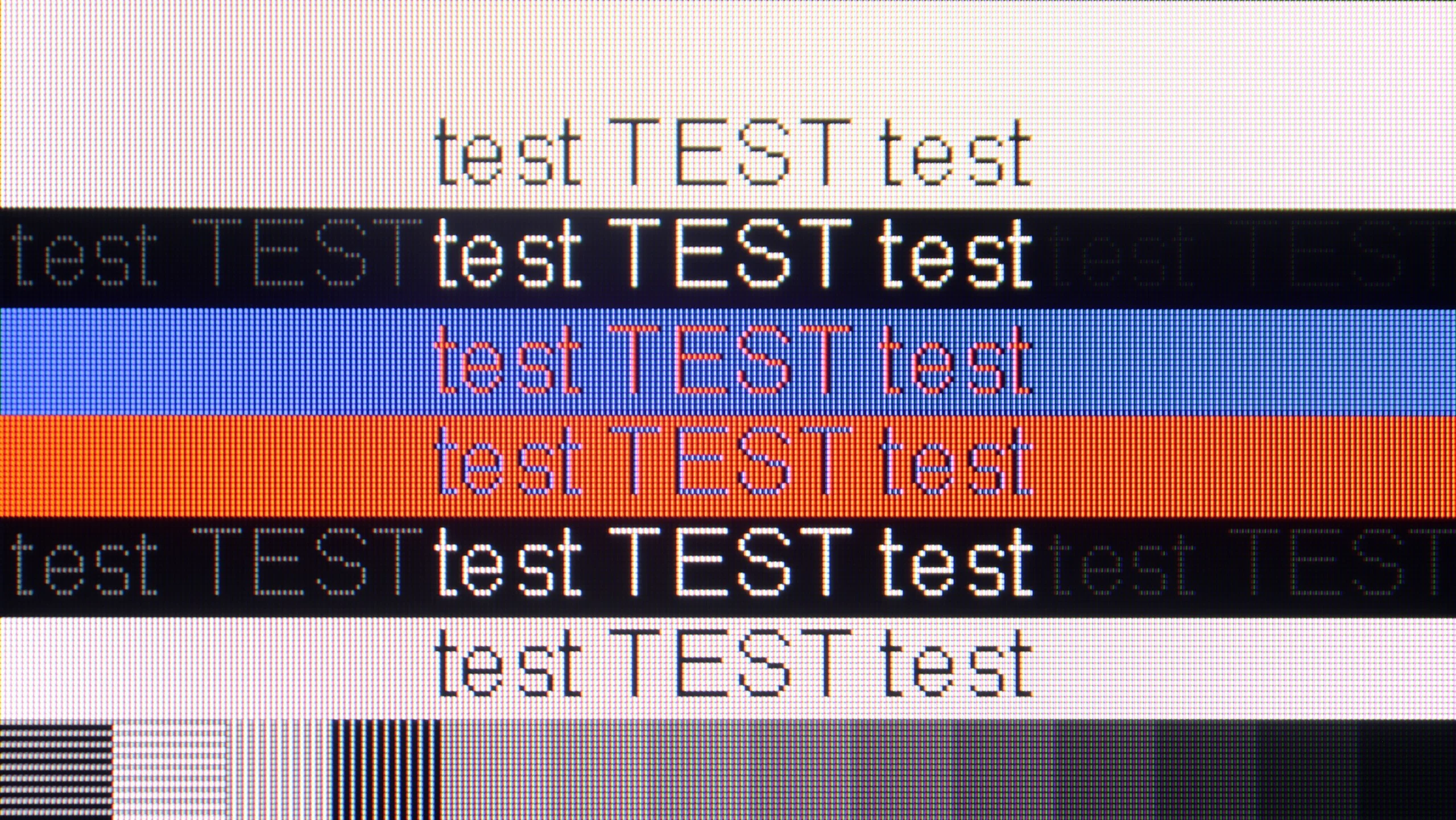
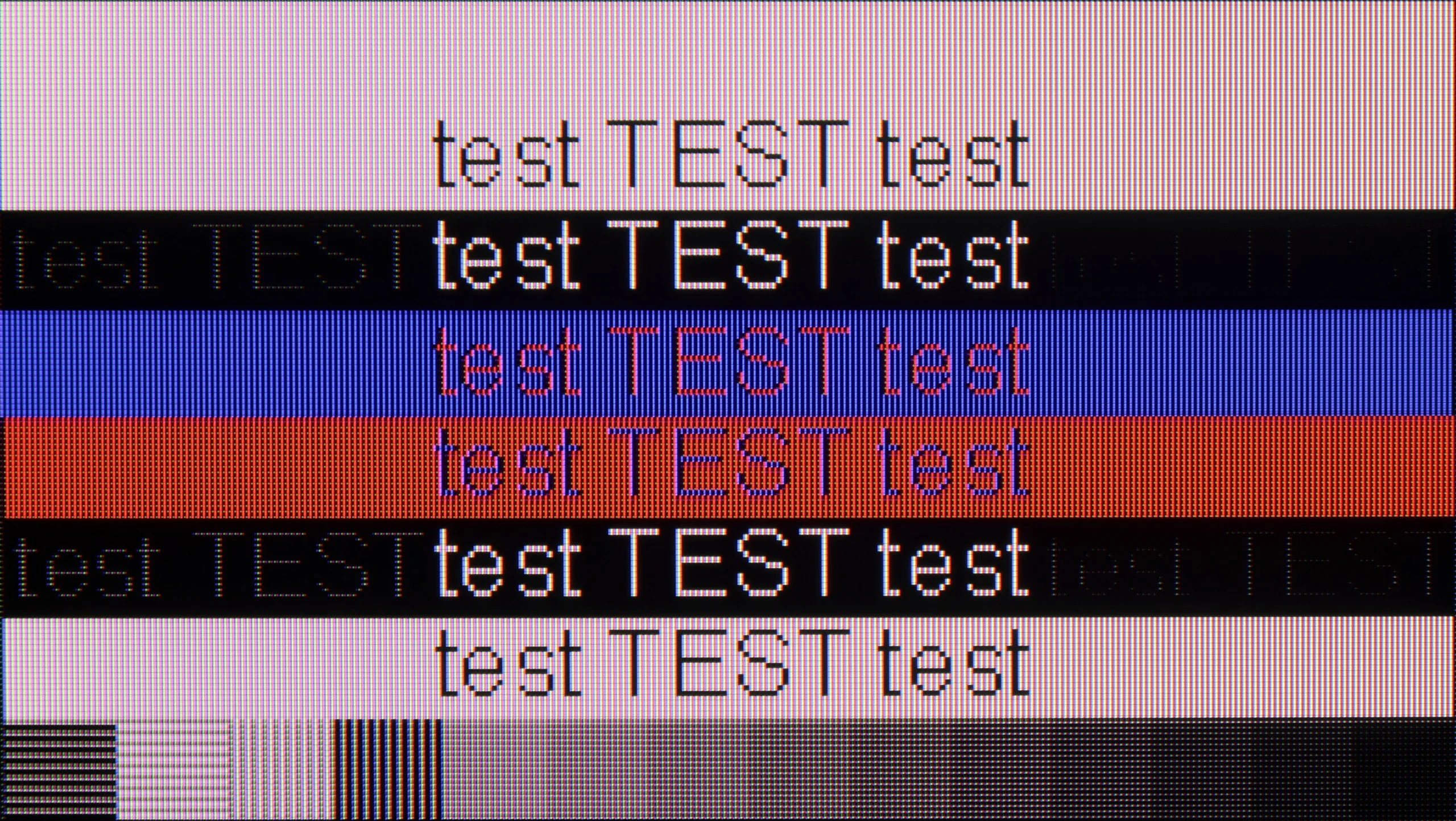
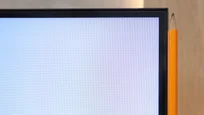
The photo shows the legibility of small fonts. Ideally, lines should be the same thickness on both light and dark text, with minimal pixel gaps.
If you're planning to connect a computer to this television, it's absolutely crucial to find and enable the PC compatibility option in the menu. Once you do this, magic happens – the implementation of Chroma 4:4:4 and font readability jump to an exemplary level. The readability of text is simply excellent here. Of course, our editorial diligence wouldn't let us pass this equipment without taking a look "under the hood." In very specific tests with thin, dark text, we noticed that the horizontal and vertical matrix masks differ slightly in brightness levels. However, we want to reassure you: this phenomenon is so subtle that, during normal use, writing emails or browsing the web, you won't be able to notice it with the naked eye. We maintain our opinion that as a monitor strictly for dynamic gaming on PC, it isn't the ideal choice (as we mentioned in the context of the 60 Hz refresh rate), but if any of you are wondering whether you can comfortably work on such a Blaupunkt – we say: yes, it absolutely can be done.
Working with a computer isn't the strong suit of the smaller variants of the Xiaomi S Mini 2026. The TV doesn't display chroma 4:4:4 correctly, so some fine interface elements, icons and coloured text may look worse than they should. Plain black text on a light background is still fairly readable, but for typical computer work it's hard to regard this model as a particularly good monitor. A plus is the ability to get a higher refresh rate by lowering the resolution. Instead of 4K at 60 Hz you can switch to 1080p or 1440p and use 120 Hz, which for PC gaming can be much more useful than full resolution.
Viewing angles
5/10
3/10
Here it's really very good. Whether we were sitting straight on or on the edge of the couch, the colours didn't lose their saturation. This is a big plus if you're planning to watch matches or movies with a larger group – no one will complain that the picture looks worse for them. Although IPS panels are known for their good viewing angles, in this particular model, when viewed from a sharp angle, the picture noticeably loses brightness. Interestingly, the colour saturation still remains in place, but the screen simply becomes darker. It's not something that disqualifies this television, but it's worth knowing.
Viewing angles on the smaller models of the Xiaomi S Mini 2026 are unfortunately poor. This is a typical issue with VA panels, but here the effect is quite pronounced. Move just a little off-centre and the picture starts to noticeably fade and lose colour saturation. Brightness itself doesn't fall off as much, but colours very quickly look washed out. If the TV is to be watched by several people sitting well off to the sides, keep that in mind.
Daytime performance
4/10
6.3/10
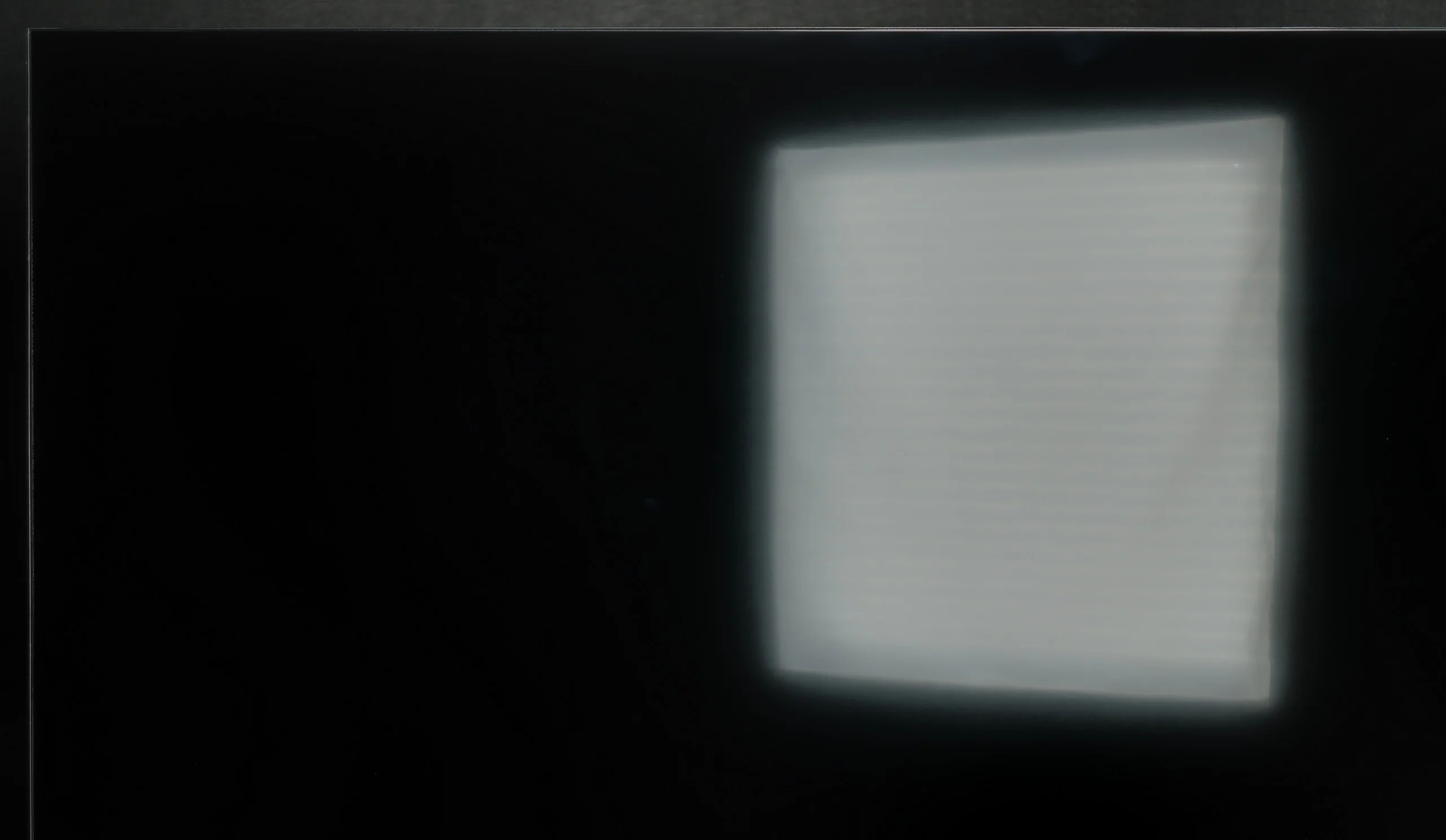
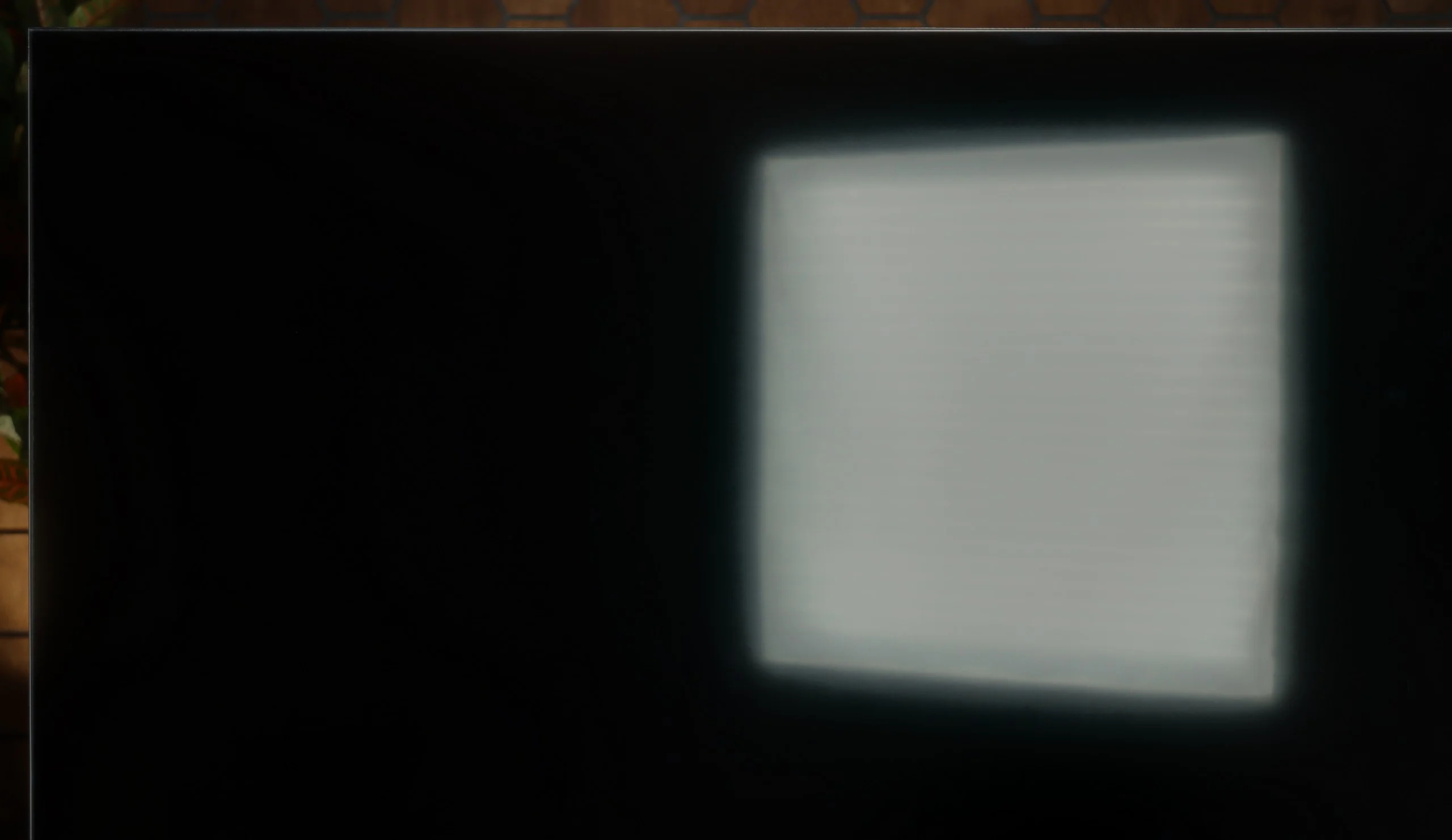
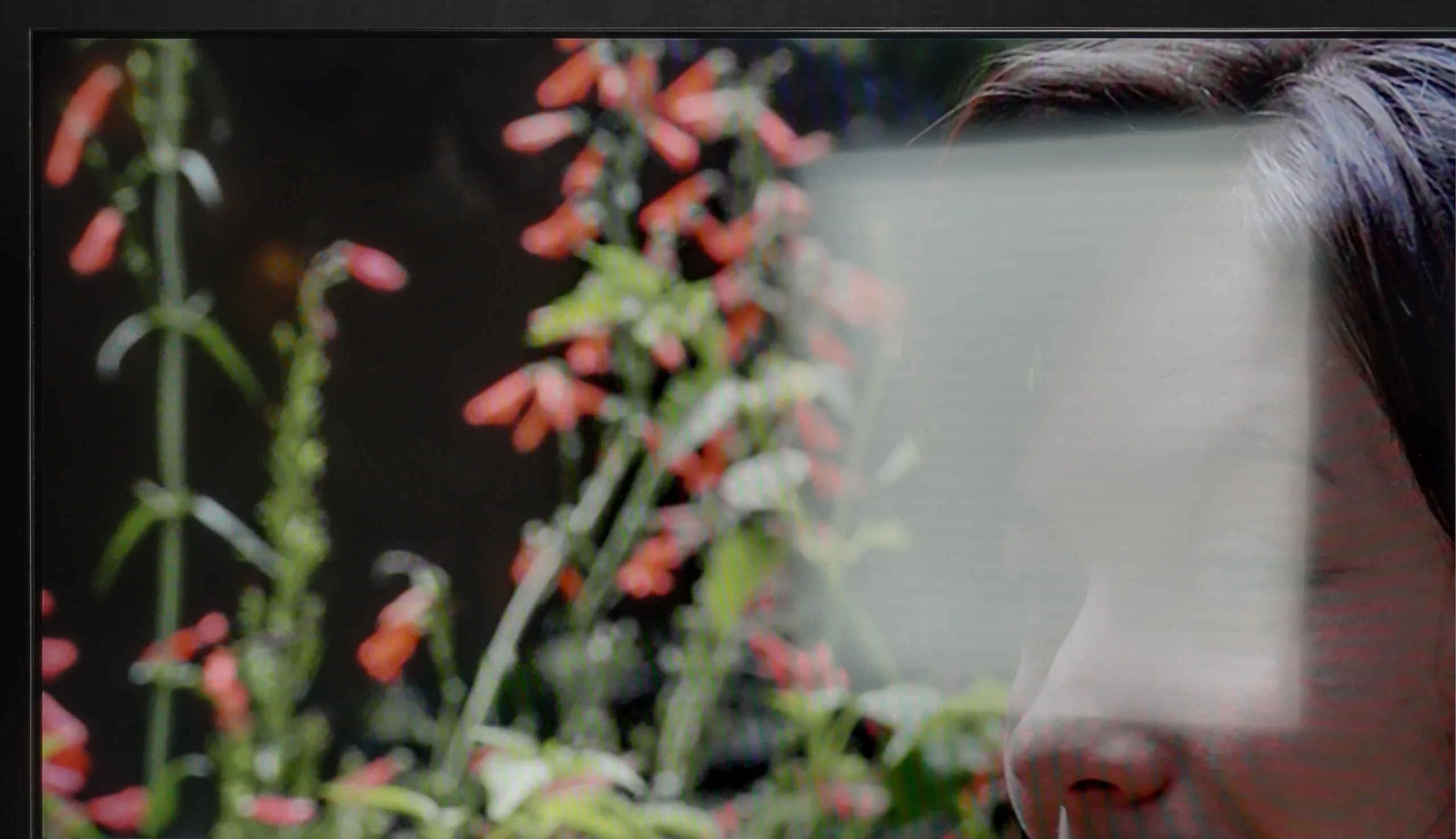
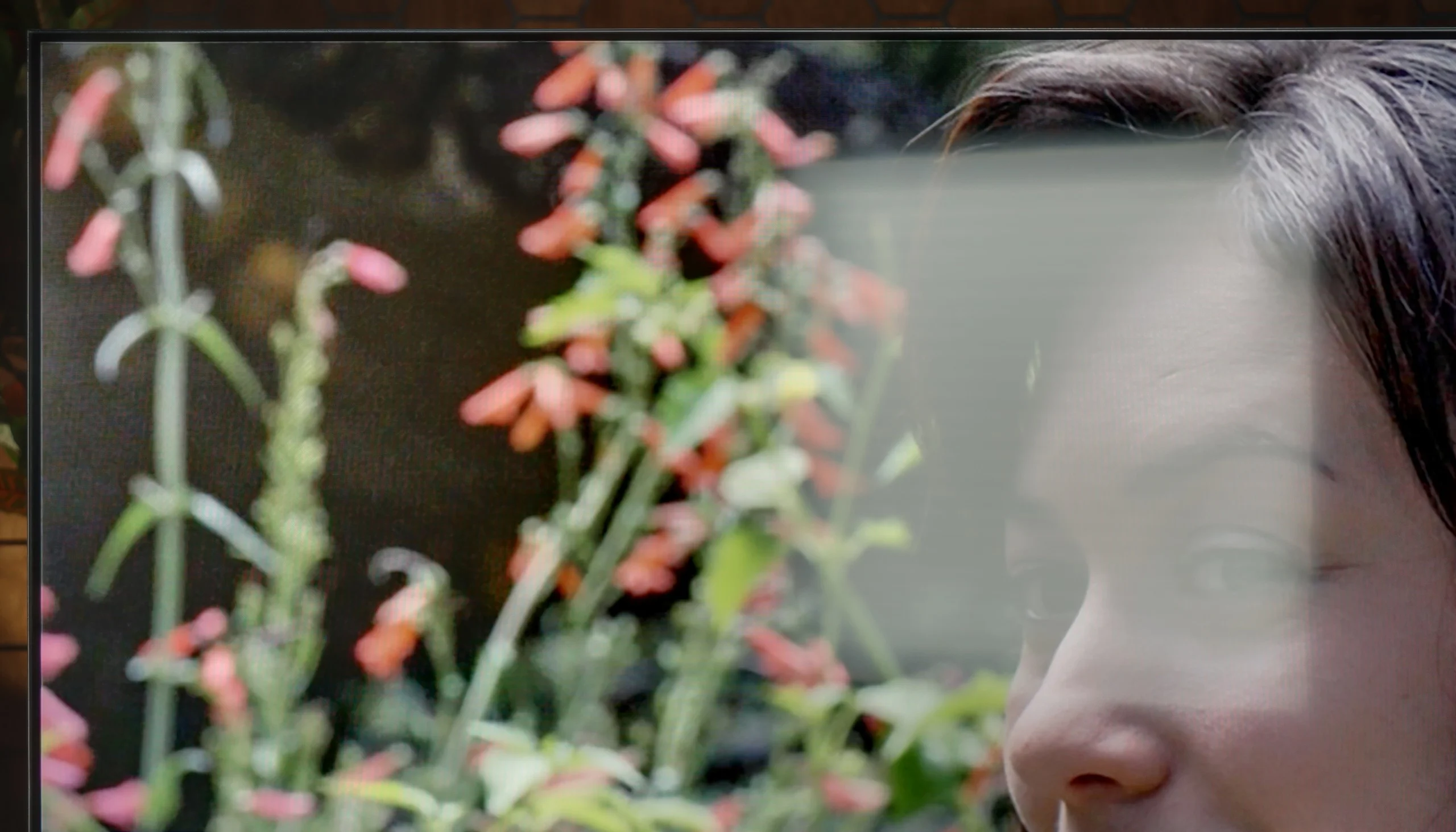
Panel brightness
XIAOMI S Mini 2026 (55"-75") 60Hz : 569 cd/m2
Blaupunkt UGC5500S: 245 cd/m2
In terms of daytime performance, Blaupunkt is simply average. It all comes down to the low brightness of the panel, which – as we mentioned, hovers around 250 nits. That’s definitely too low for the screen to comfortably "cut through" the strong light coming into the living room. As a result, in bright sunlight, the image loses its clarity and appears somewhat washed out. However, there is one bright spot in this category: the satin coating of the panel. Thanks to this, we don't have to deal with the mirror effect, which often means instead of watching a movie, we're seeing our own couch reflected. The satin nicely diffuses reflections, which somewhat saves the situation. Nevertheless, we can’t cheat physics: while the coating bravely fights against reflections, the low brightness ultimately capitulates in the face of the sun's rays. If you plan to watch something in the middle of the day in a very bright room, prepare yourself for the necessity of drawing the curtains.
The smaller variants of the Xiaomi S Mini 2026 handle daytime viewing well. In SDR the TV averages around 570 nits, so it has enough brightness that the picture doesn’t look washed out even in a fairly brightly lit living room.
The screen coating is worse. It’s a satin finish, but it doesn’t suppress direct reflections particularly effectively. If there’s a large window or a bright lamp opposite the TV, the reflection will be clearly visible. The brightness helps partly counteract this, but in terms of reflection handling this isn’t the model’s strongest suit.
Panel details
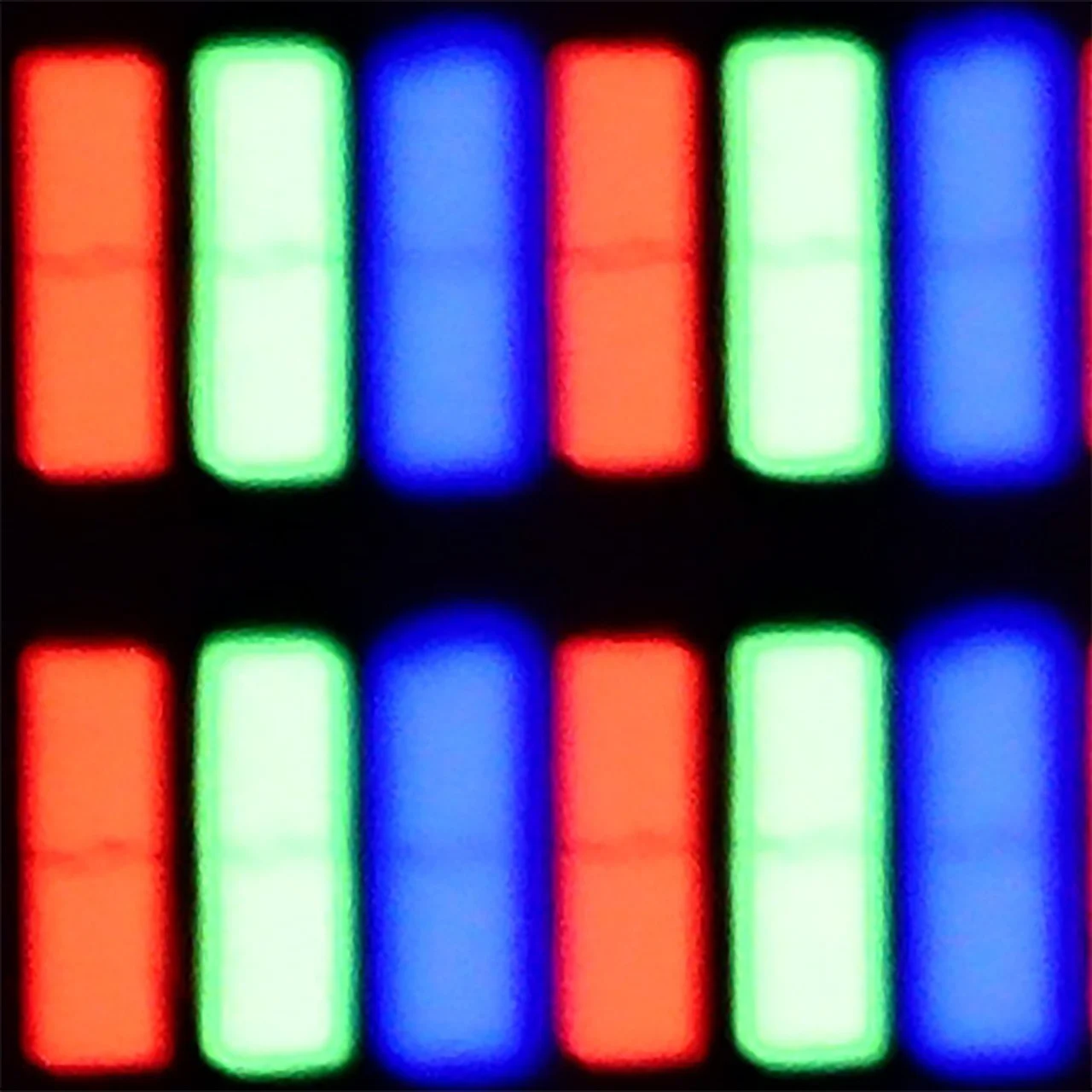
Subpixel Structure:
Panel uniformity and thermal imaging:
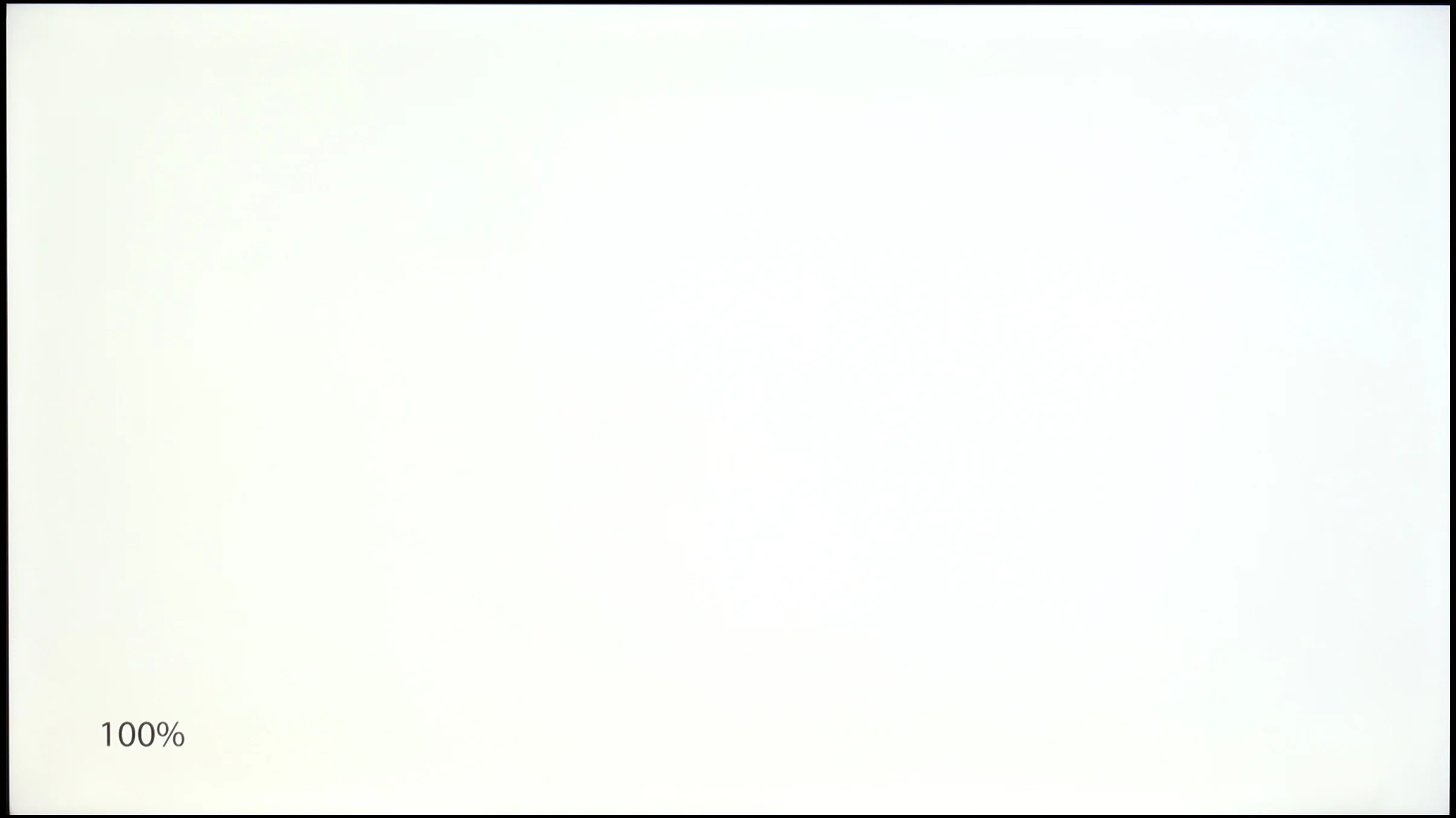

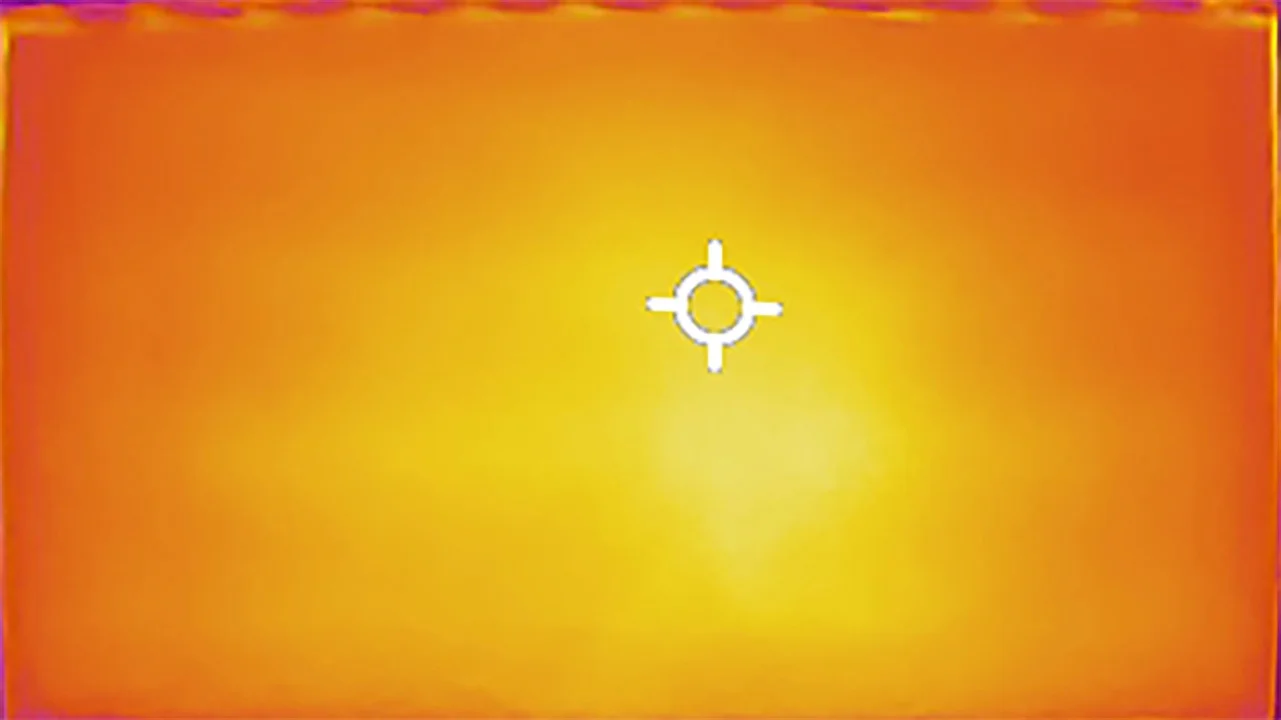
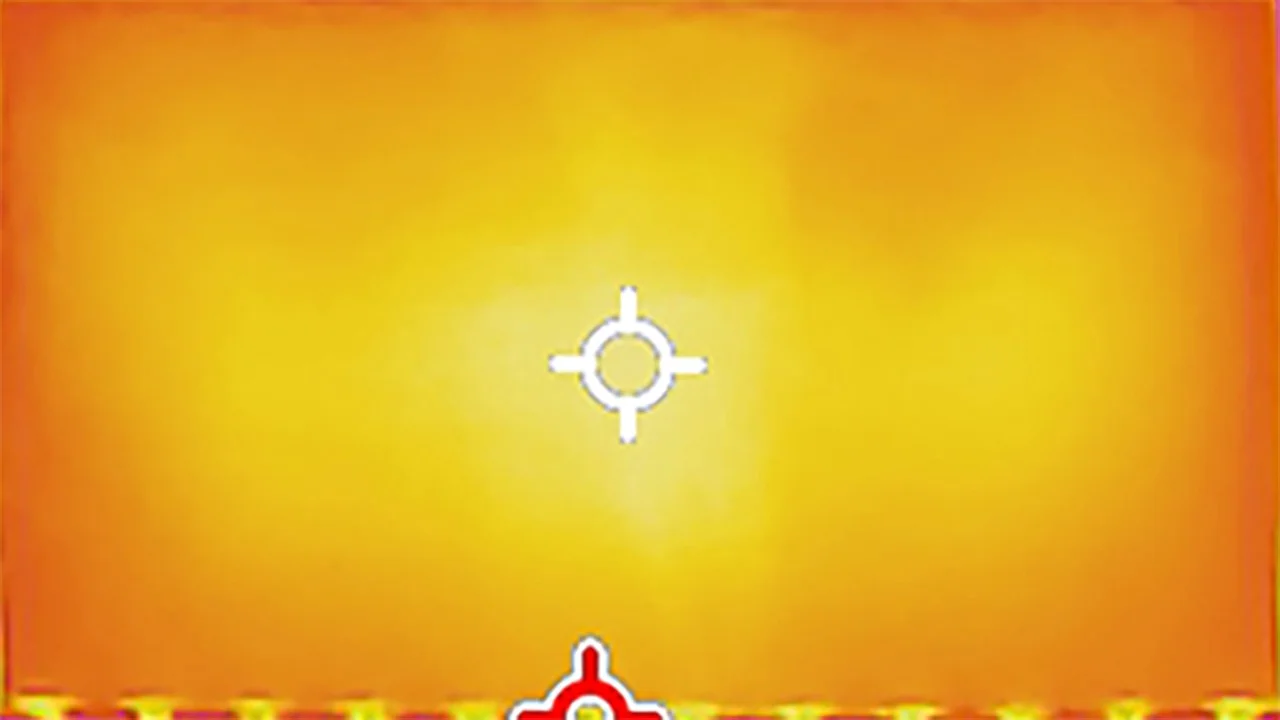
Blaupunkt UGC5500S
XIAOMI S Mini 2026 (55"-75") 60Hz
TV features
5.1/10
6.7/10
- SystemGoogle TVGoogle TV
- System performanceAveragePoor
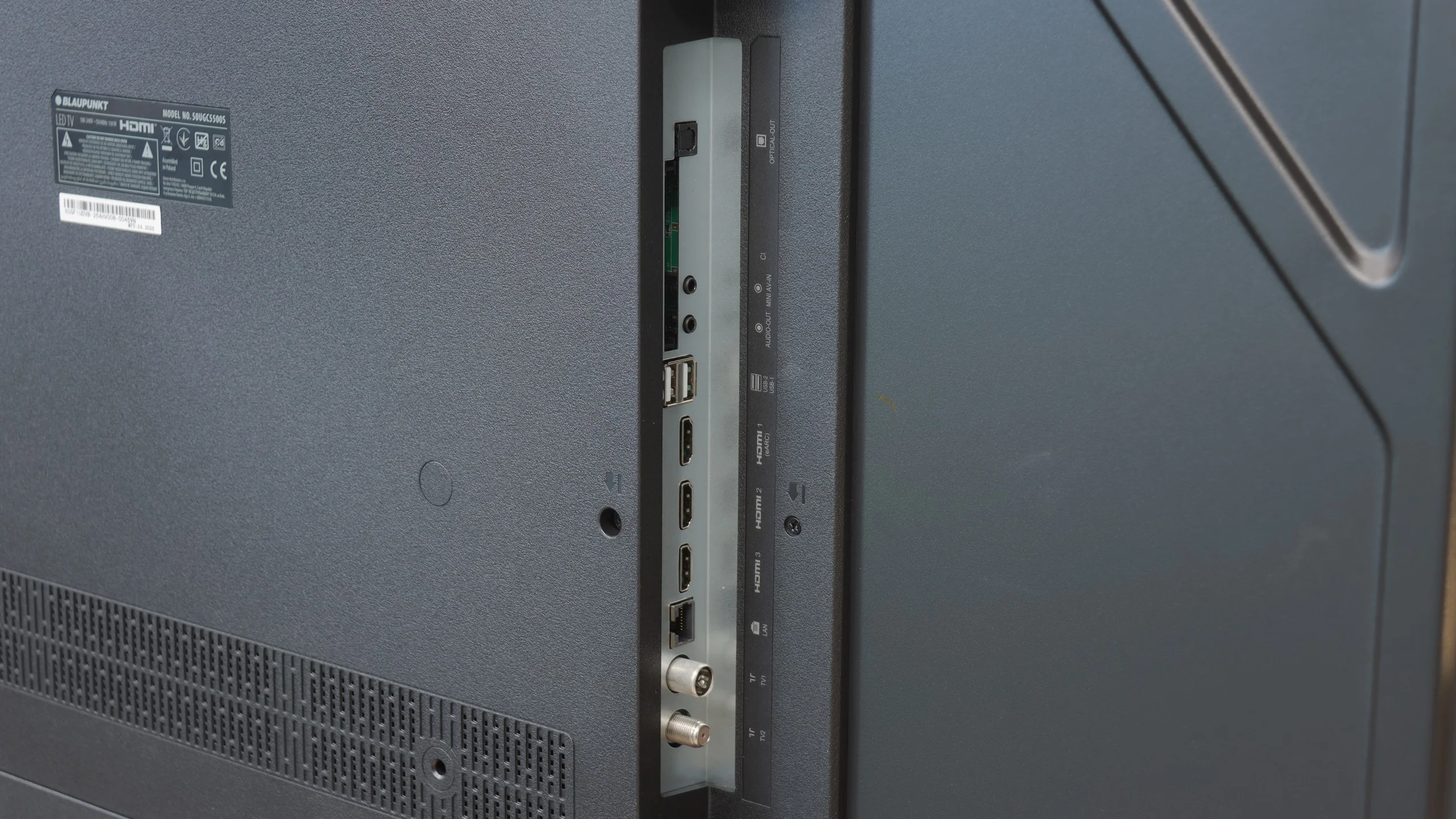
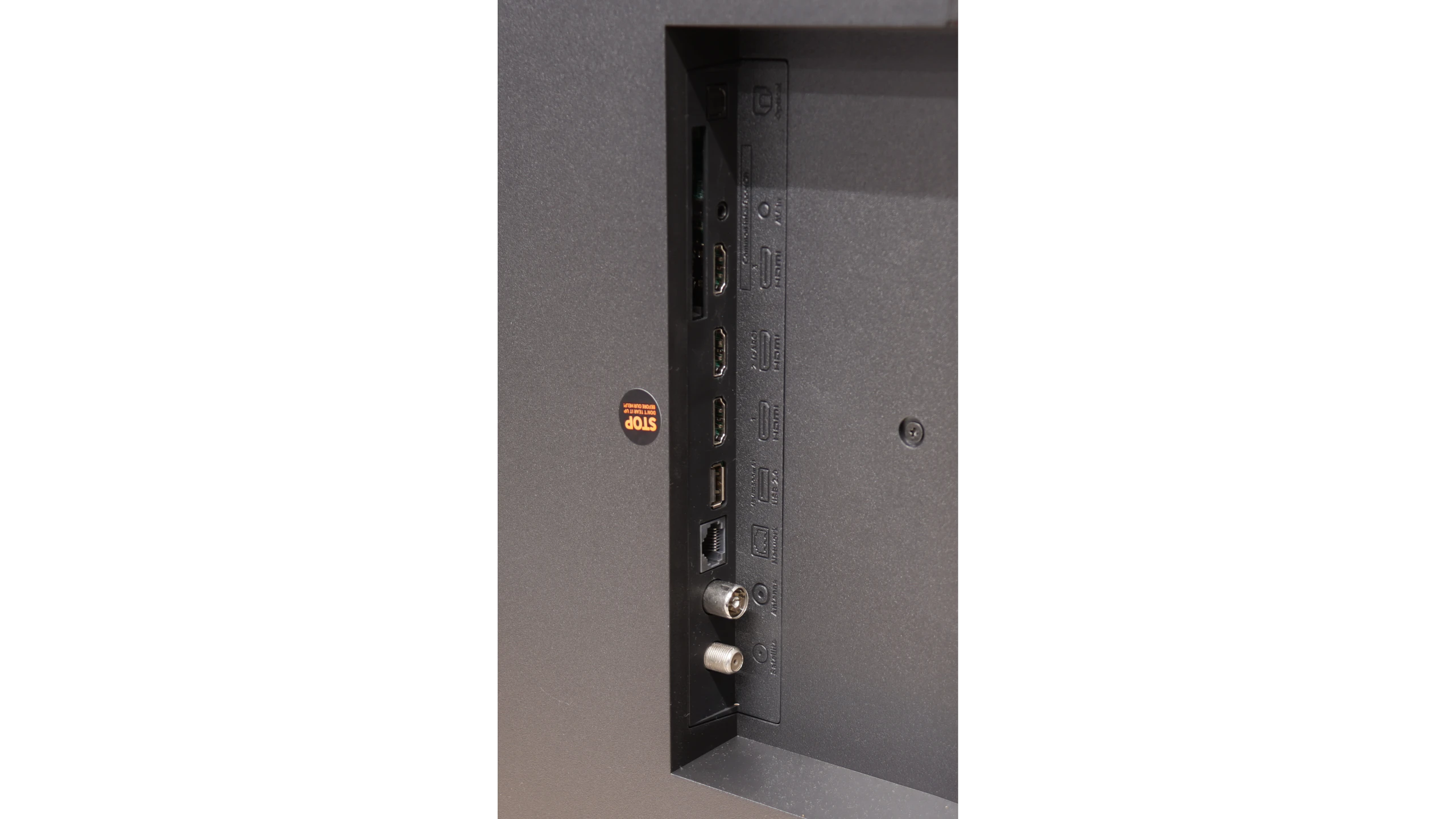
- HDMI inputs3 x HDMI 2.0, 0 x HDMI 2.13 x HDMI 2.0, 0 x HDMI 2.1
- Other inputsRCA (Chinch)
- OutputsToslink (Optical audio), eARC (HDMI), ARC (HDMI), Mini-Jack (Headphones)Toslink (Optical audio), eARC (HDMI), ARC (HDMI), Mini-Jack (Headphones)
- Network InterfacesWi-Fi 2.4GHz, Wi-Fi 5GHz, Ethernet (LAN) 100MbpsWi-Fi 2.4GHz, Wi-Fi 5GHz, Ethernet (LAN) 100Mbps
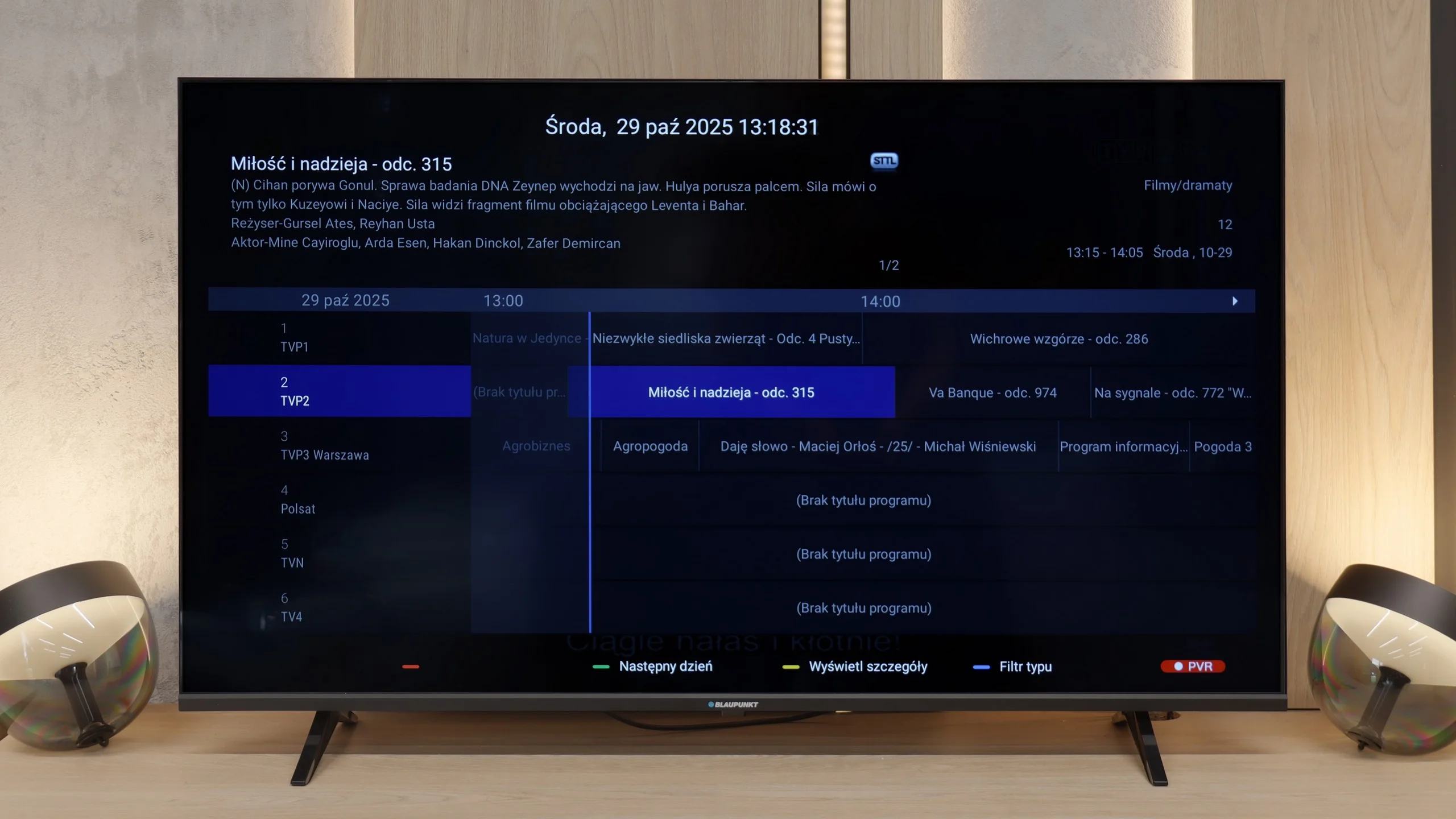
- TV receptionDVB-T, DVB-T2, DVB-S, DVB-S2, DVB-CDVB-T, DVB-T2, DVB-S, DVB-S2, DVB-C
Classic features:
- Recording to USB (terrestrial TV)
- Recording programming
- Picture in Picture (PiP)
- RF remote control (no need to aim)
- Backlit remote control
- Teletext
- Audio only mode
- Bluetooth headphones support
- Simultaneous Bluetooth headphones & TV audio
Smart features:
- AirPlay
- Screen mirroring (Windows Miracast)
- Voice search
- Voice search in native language
- Ability to connect a keyboard and mouse
Sound connection options
- HDMI audioeARC (HDMI), ARC (HDMI)eARC (HDMI), ARC (HDMI)
- Other audio outputsToslink (Optical audio), Mini-Jack (Headphones)Toslink (Optical audio), Mini-Jack (Headphones)
- Wireless audioBluetoothBluetooth
Supported audio formats (external HDMI eARC audio):
- Dolby Digital Plus 7.1
- Dolby True HD 7.1
- Dolby Atmos in Dolby Digital Plus (JOC)
- Dolby Atmos in Dolby True HD
- DTS:X in DTS-HD MA
- DTS-HD Master Audio
Senior accessibility
- Numeric keyboard on TV
- Font size adjustment
- Audio description
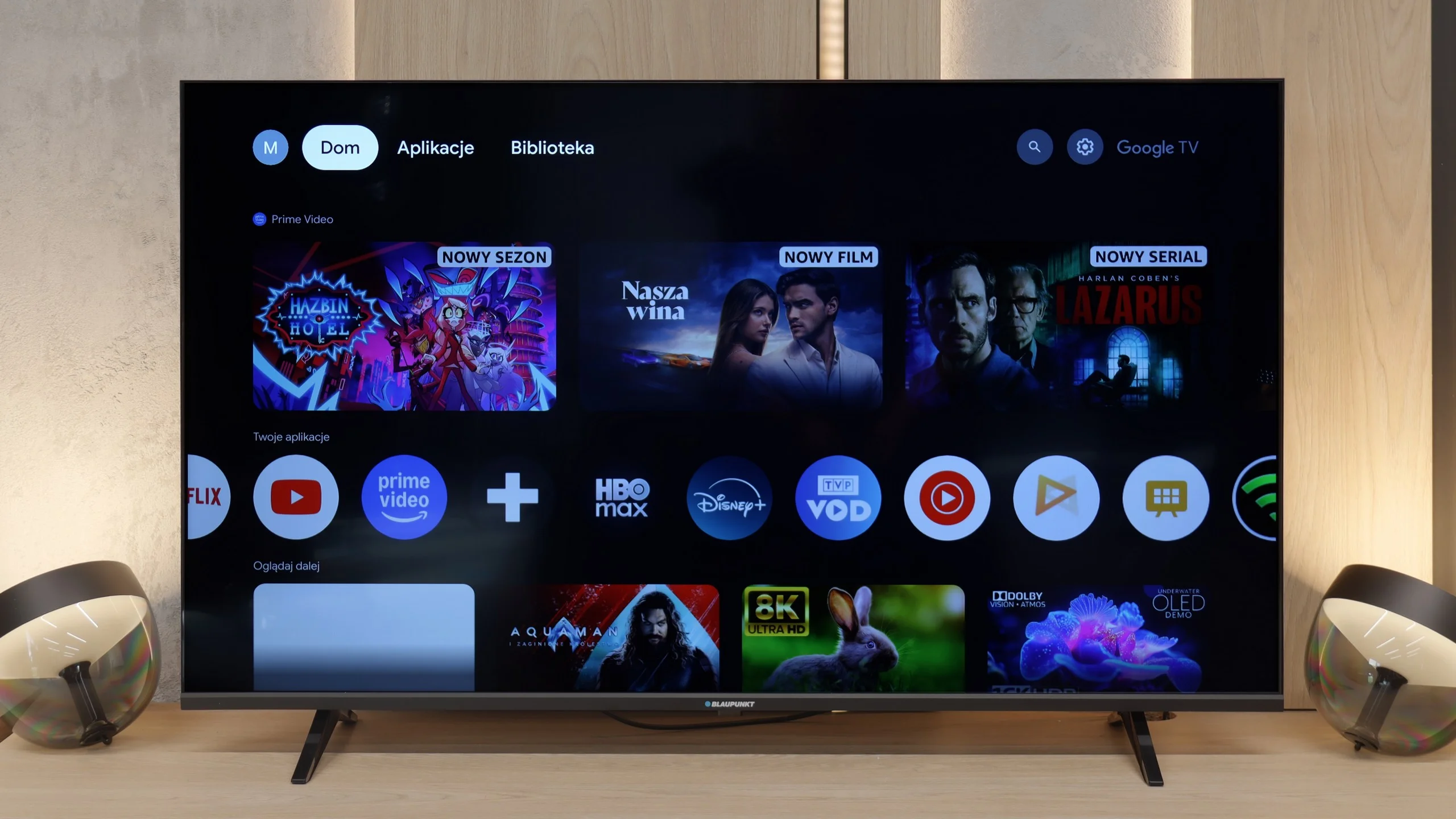
In terms of Smart TV functionality, the Blaupunkt UGC5500S is a classic example of a device where the system is both its biggest asset and its greatest flaw. On one hand, we have full Google TV, which is a huge plus at this price point. We gain access to a massive library of apps and basically all the functionality we know from brands using this software. Nothing has been cut out forcefully, which is really refreshing in such an inexpensive TV. Unfortunately, it must be honestly admitted that in the case of Blaupunkt, this system operates quite clumsily. This is a typical issue with low-budget TVs running Google TV – the processor barely keeps up with the software. Navigating through the menu isn’t as smooth as we would like, and the remote can react with noticeable delays, giving the impression of being "dull." Of course, once you launch a specific app and start a movie, everything works steadily, but just browsing through the interface requires a bit of patience.
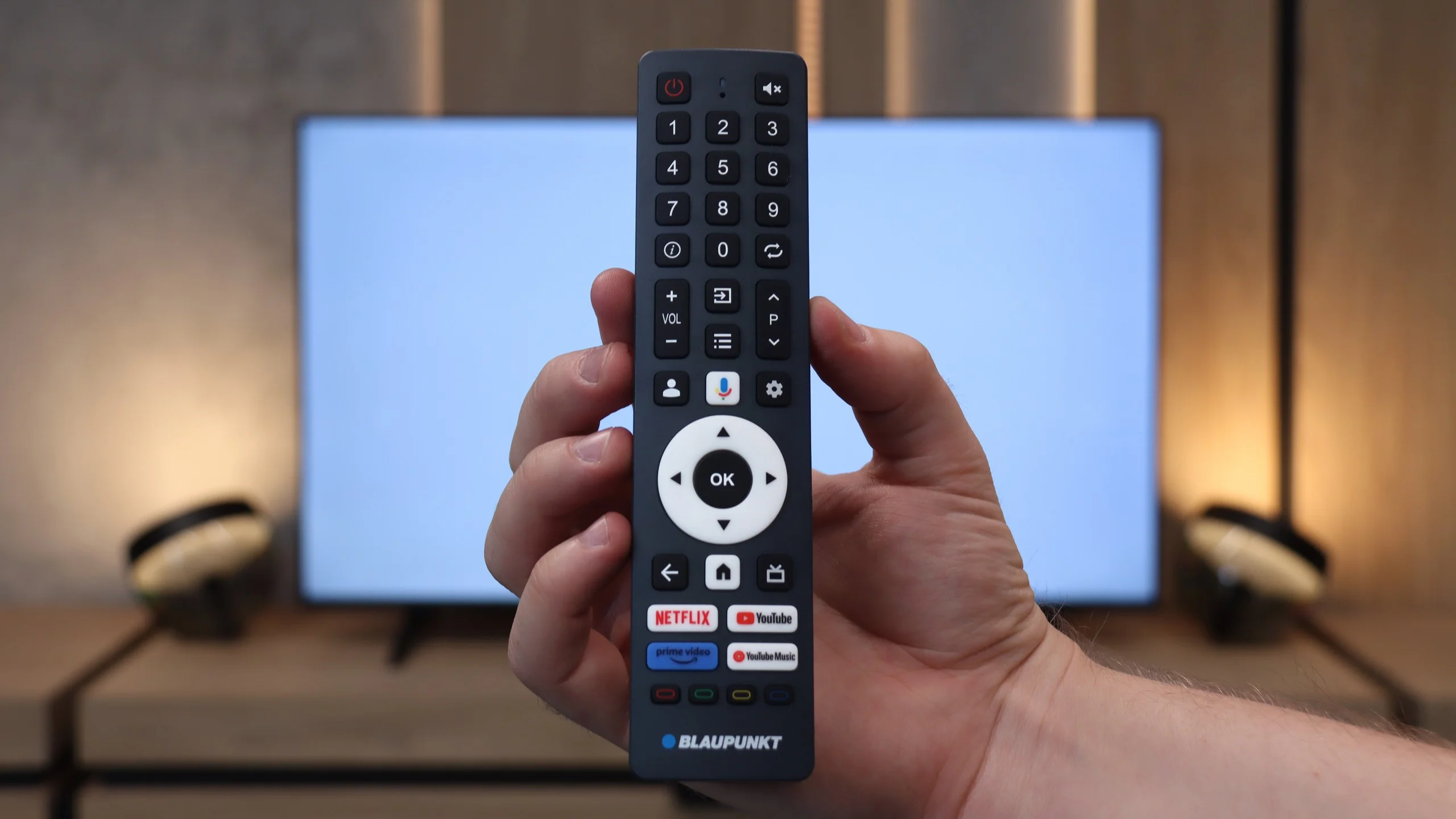
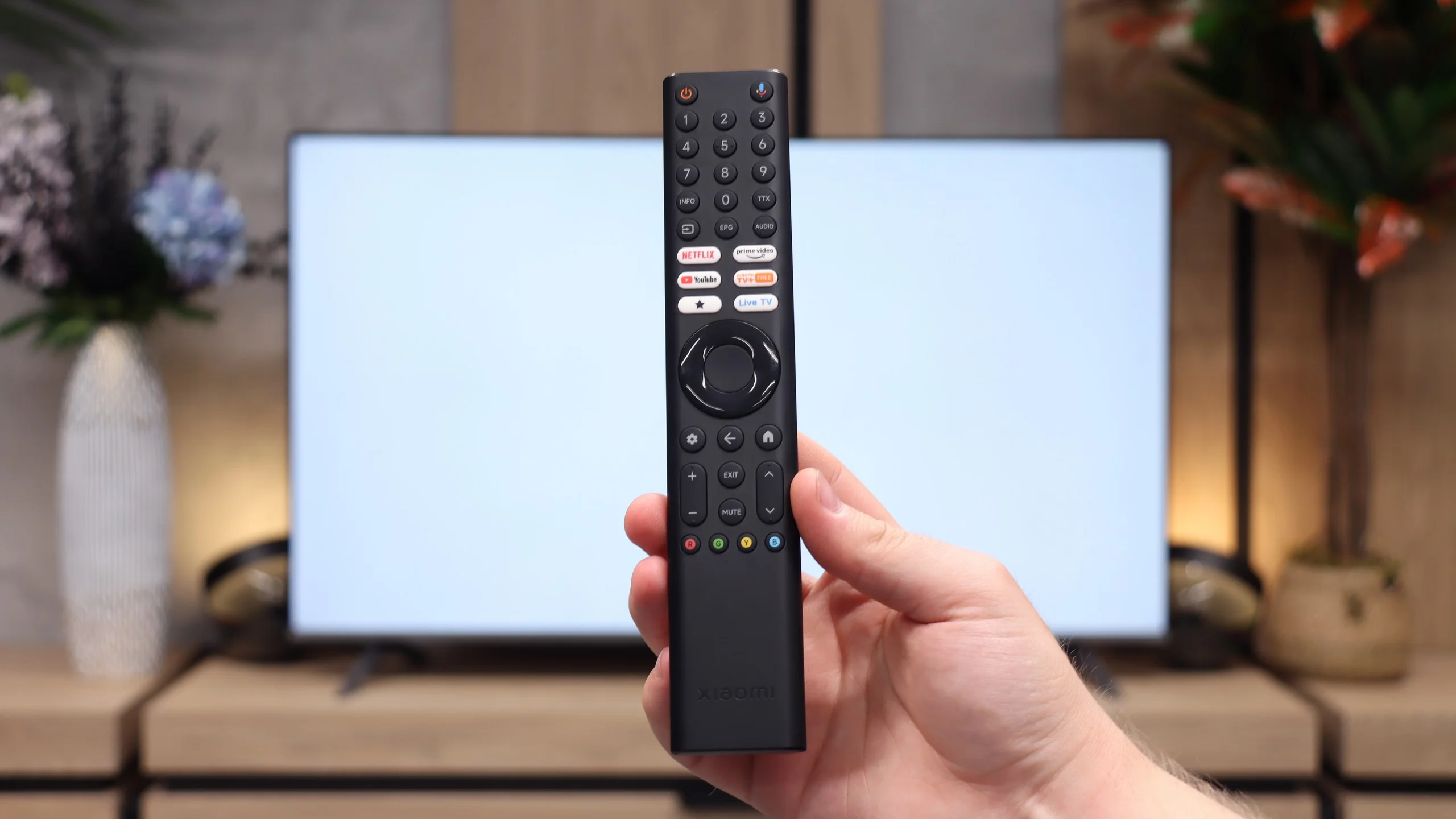
When it comes to classic TV features, Blaupunkt offers nothing extraordinary. It’s a simple device for basic tasks. The remote is a plus, featuring a traditional numeric keypad, which is just convenient for hopping through cable channels. We also have Bluetooth, so you can easily connect wireless headphones or a speaker. The TV also has a physical mini-jack headphone output. At a time when manufacturers are mass-eliminating this connection, the presence of a "jack" is a nod to those with older audio equipment or simply those who prefer classic wired headphones. It’s a small thing, but it’s appreciated.
Google TV
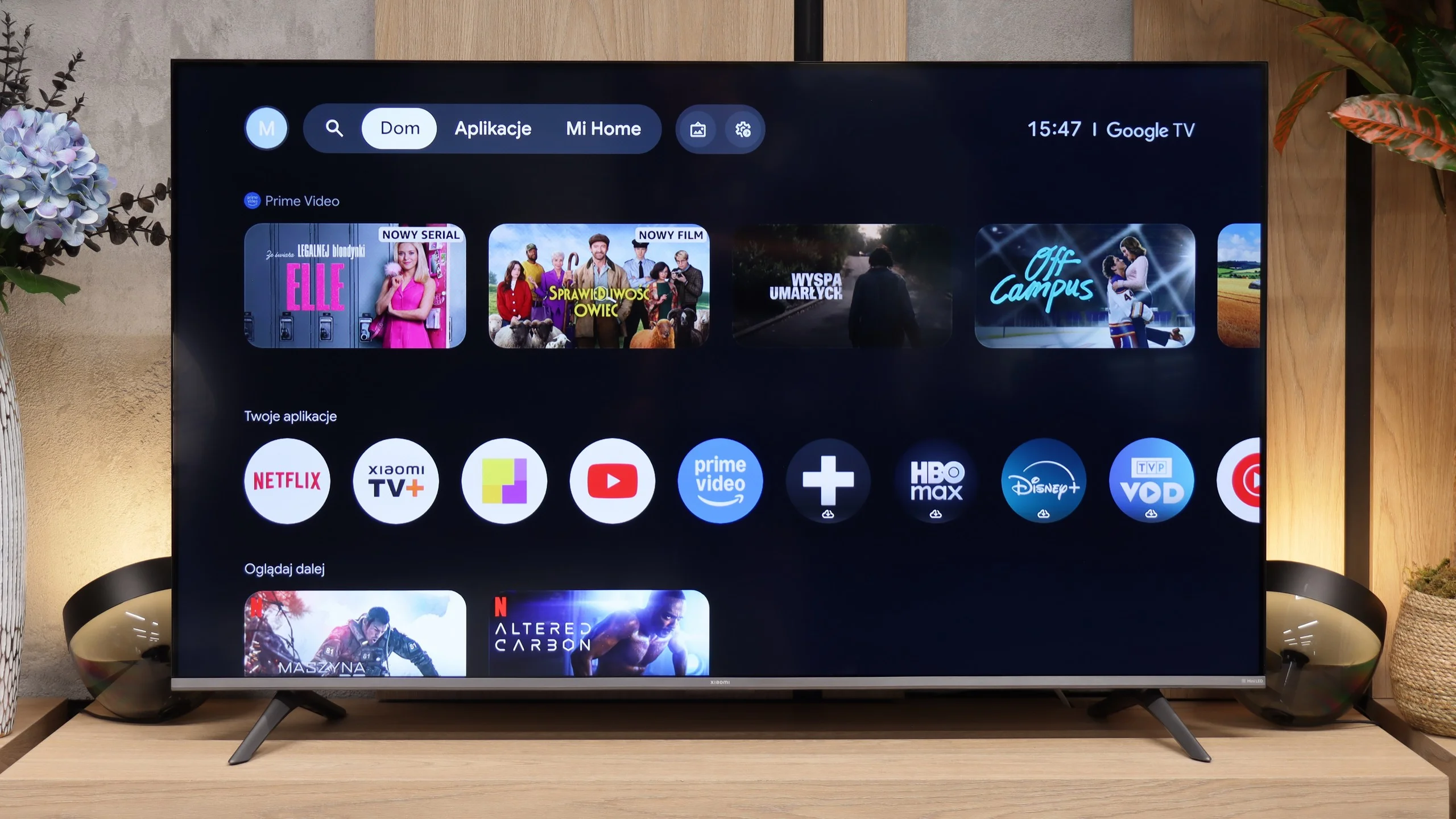
Xiaomi S Mini 2026 runs on Google TV, which remains one of the most comprehensive Smart TV platforms. You’ll find practically all the popular apps here, such as Netflix, YouTube, Prime Video, Disney+, HBO Max and Canal+, and thanks to the Google Play Store you can install many other programmes. It also supports Google Assistant, Chromecast and the ability to control the TV from your smartphone.
Unfortunately, on the smaller models the system doesn’t run as smoothly as we’d expect. Switching between apps or navigating the menu can take a moment, and the interface sometimes responds with a slight delay. It’s not a level that prevents using the TV, but compared with the competition it’s clear this isn’t the fastest version of Google TV on the market.
Classic features
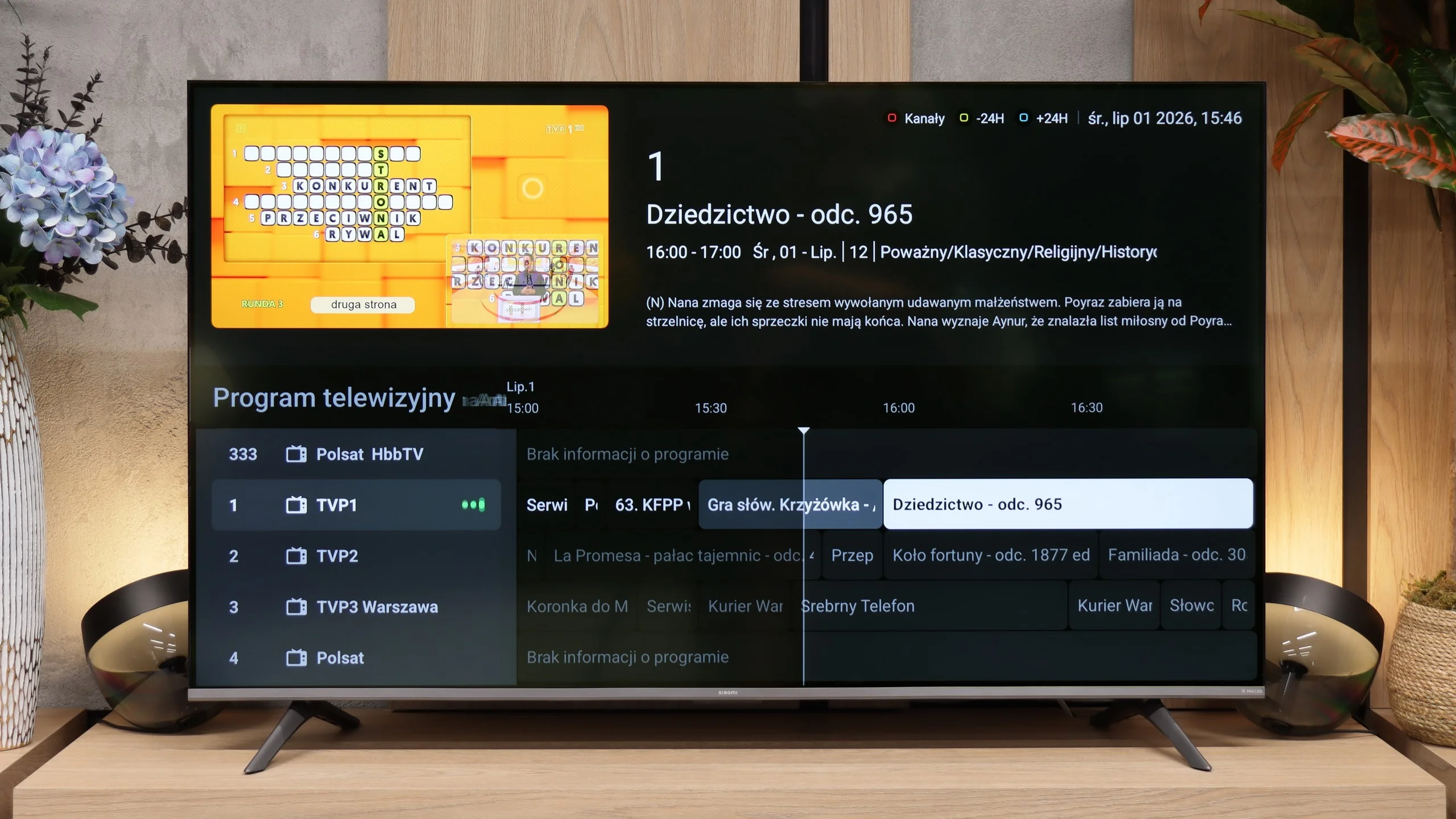
If you mainly use traditional broadcast TV, Xiaomi doesn’t offer anything beyond what you’d expect from a modern television. There’s an electronic programme guide and teletext. The manufacturer also includes a remote control with a classic numeric keypad, which is increasingly rare these days, but for many people will still be a convenient way to change channels.
Worth noting is the presence of an analogue 3.5mm headphone output. This is a feature that is disappearing from TVs year by year, giving way to only digital audio outputs. Thanks to it you can easily connect older wired headphones or speakers without needing extra adapters.
Apps
9.6/10
9.6/10






















Playing files from USB
9.3/10
6.5/10
Supported photo formats:
Maximum photo resolution:
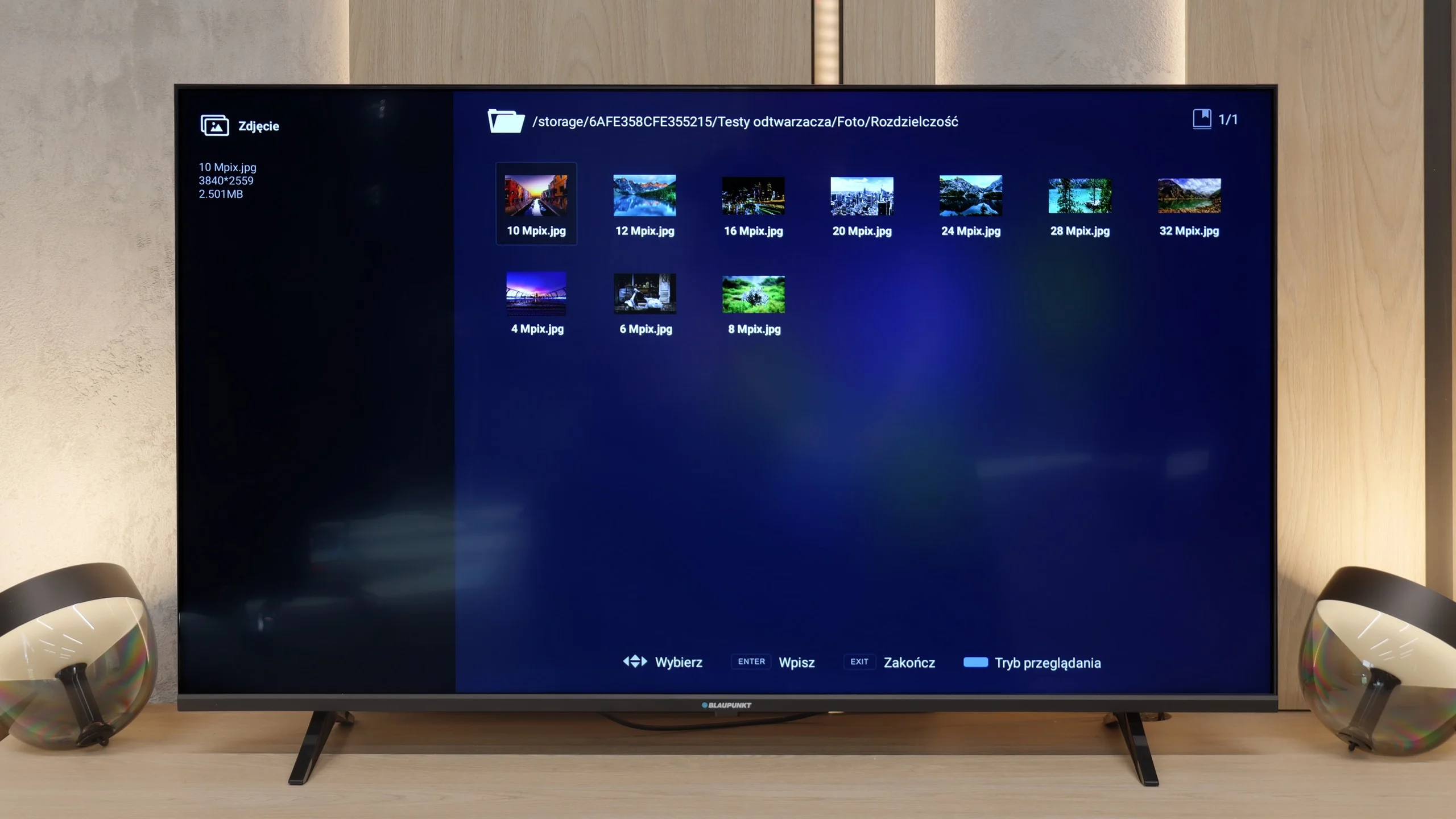
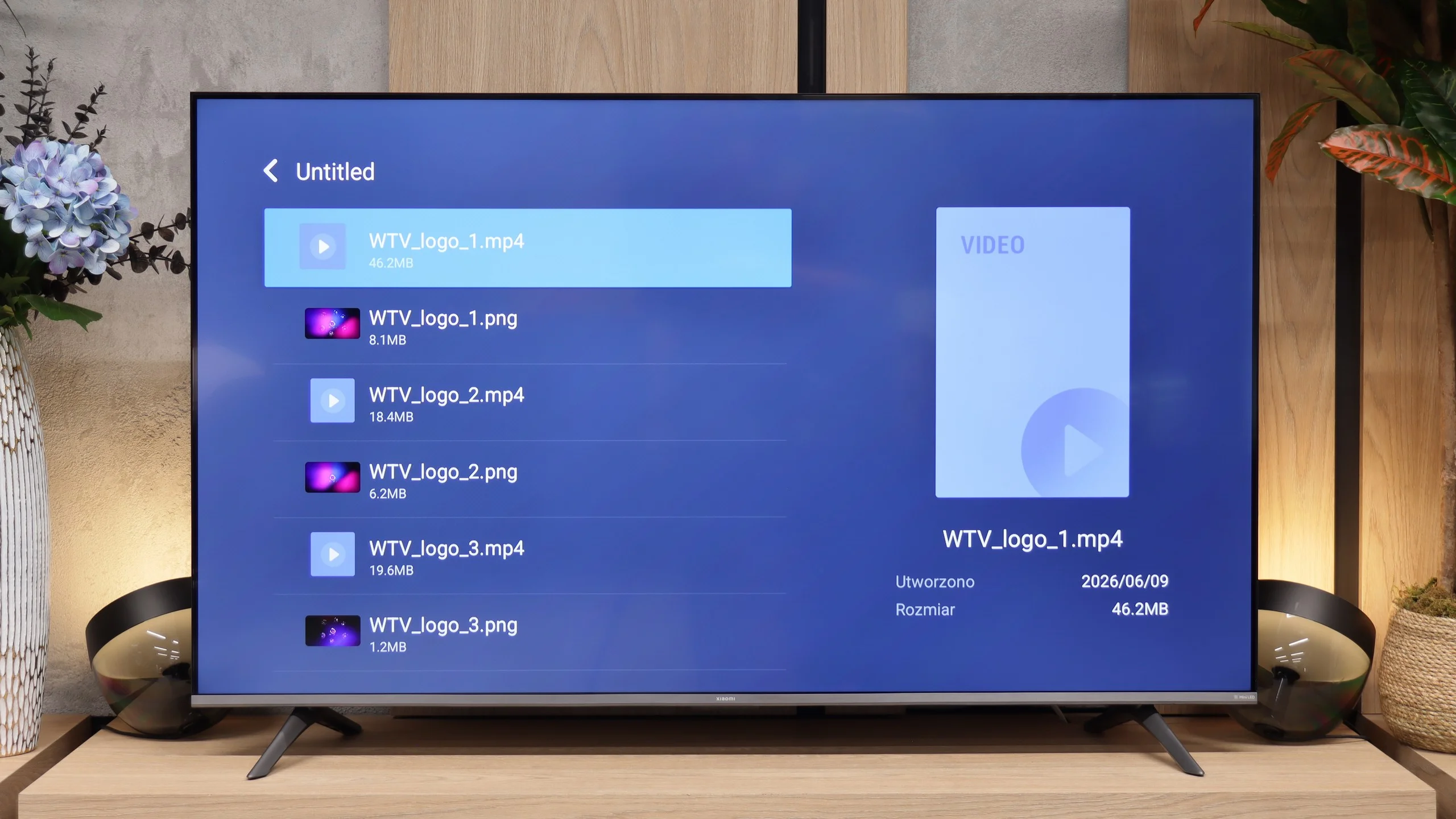
In terms of playing files from USB, Blaupunkt performs quite solidly. We tested several of the most popular formats and basically everything that matters worked without any fuss on the factory player. So you're not forced to immediately download additional software right after pulling the TV out of the box, because the equipment is simply self-sufficient ‘out of the box’. Nevertheless, taking advantage of the charms of Google TV, we still recommend installing some external software, like VLC or Kodi. The factory player is adequate, but it's in those external applications where you'll find the most configuration options, better subtitle support, or just a more convenient interface. Since the system gives you that freedom, it's worth taking advantage of it to get as much as you can out of your multimedia.
The built-in USB file player copes quite well and opens most popular formats without any trouble. However, if you come across a file it doesn't support, Google TV makes it easy to install another player, for example VLC. Our biggest gripe is with subtitles. The stock app doesn't handle some characters outside the basic Latin alphabet correctly, so you may run into problems with Polish letters. If you often watch movies from USB, it's better to use an external app.
Sound
6/10
5/10
- Maximum volume85dB89dB
- Dolby Digital Plus 7.1
- Dolby True HD 7.1
- Dolby Atmos in Dolby Digital Plus (JOC)
- Dolby Atmos in Dolby True HD
- DTS:X in DTS-HD MA
- DTS-HD Master Audio
In terms of audio, Blaupunkt performs really well, especially considering it's a typical budget television. You can see, or rather hear, that the brand hasn't forgotten its roots and for such an inexpensive build, the sound is actually superb. Of course, there's a noticeable lack of bass, but overall it's loud, and surprisingly clear. What matters most to us – even at higher volumes, the sound isn't heavily distorted, which is rare and a pleasant surprise at this price point.
In terms of sound, the Xiaomi S Mini 2026 doesn’t stand out. The speakers are more than adequate for everyday TV watching, but with movies or concerts their limitations quickly become apparent. The biggest shortfall is the lack of bass, which leaves the overall sound rather flat. If you want better audio, it’s worth considering adding a soundbar.
Sound Quality Test
Acoustic Measurements
85dBC (Max)
75dBC
89dBC (Max)
75dBC
Reader comments
Comments are provided by the external service Disqus (Zeta Global). Once loaded, Disqus may set cookies and process data about your activity.
We will remember your choice on this device. Provider's privacy policy