 Redakcja Choose TV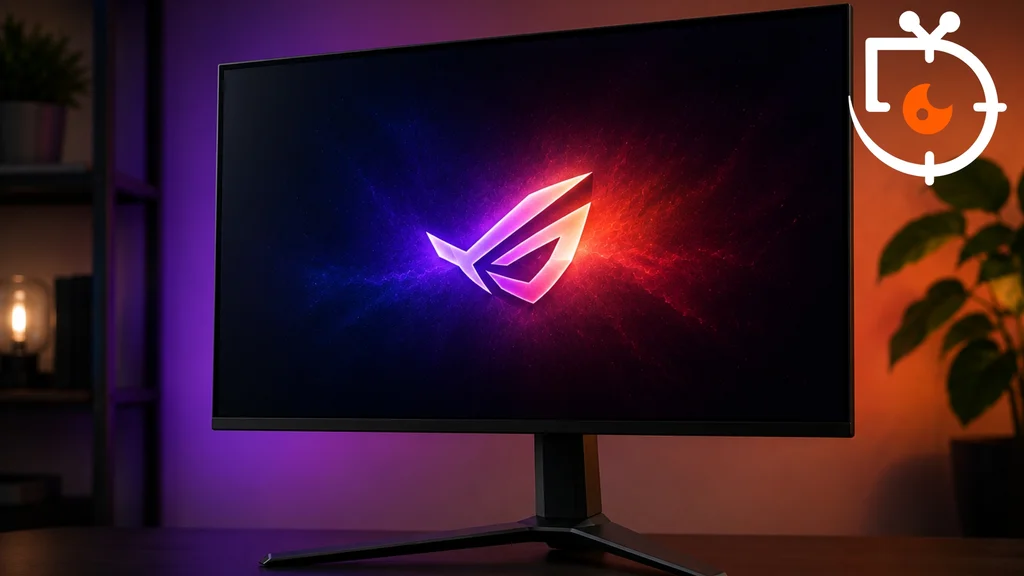
For many years, the risk of burn-in was one of the main arguments against OLED monitors. Although the technology offered excellent picture quality, some users were concerned about the long-term display of static interface elements. Manufacturers gradually tried to dispel these doubts by extending the warranty period covering panel burn-in. Now, Gigabyte has gone a step further and presented the first OLED monitor covered by a four-year protection plan. This is an important signal showing how much modern OLED panels have changed over the past few years.
Manufacturers are increasingly confident in the durability of new OLED panels
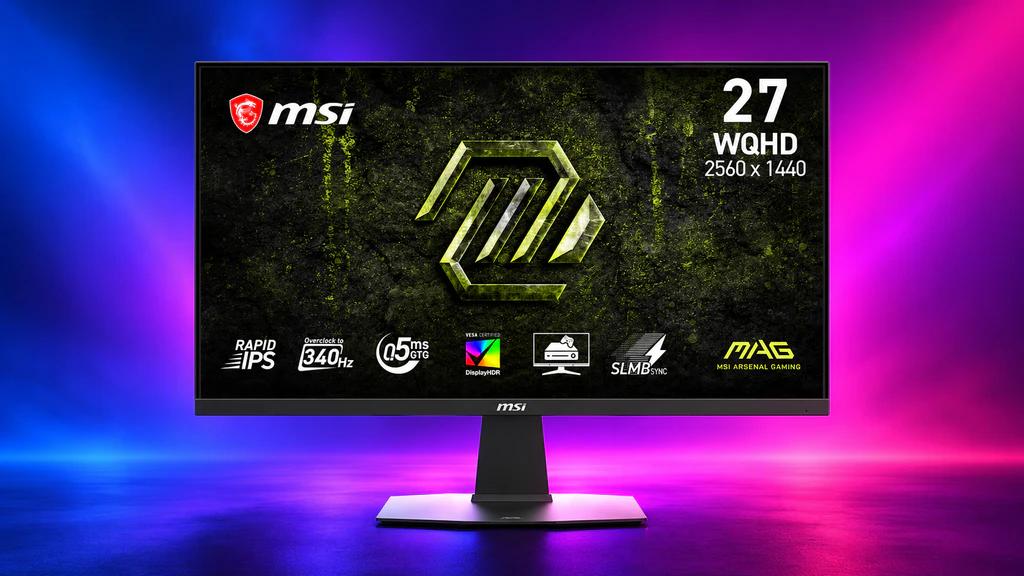
A few years ago, most manufacturers avoided offering special warranties related to burn-in issues. The situation began to change with the emergence of newer generations of OLED panels. Asus, as one of the first consumer monitor manufacturers, decided to provide a two-year warranty against burn-in for its models. Soon after, MSI extended this period to three years, and competitors quickly followed suit. Similar solutions were also offered by LG and Sony. In 2026, the bar was raised even higher. At the Computex trade show, Gigabyte showcased the Aorus FO27Q28G monitor, equipped with the latest Tandem WOLED panel from LG Display. This model was the first to receive a four-year warranty covering burn-in issues. The manufacturer also implemented protection systems using algorithms to monitor the state of the panel. These solutions aim to minimize the risk of uneven pixel wear during daily use. The mere fact of extending the warranty is, however, the most intriguing signal. Companies would not take such a risk if they were not convinced of the significant increase in the durability of modern OLED screens. More advanced organic materials and improved energy management systems mean that contemporary panels last significantly longer than their predecessors. This is good news for those considering purchasing an OLED monitor for work or gaming.
Burn-in hasn't completely disappeared, but the risk is getting lower
The question of whether the burn-in issue has been completely resolved remains open. In theory, burn-in can occur on new OLED screens as well. The technology still relies on organic light-emitting diodes that naturally wear out over time. However, the difference is that this process is now happening much more slowly than it did a few years ago. Screen manufacturers are continually improving panel design and introducing new protective mechanisms. In practice, the number of reports concerning burn-in is now significantly lower than in the early years of OLED's popularity. It’s worth remembering that every year, hundreds of millions of devices equipped with this type of screen hit the market. OLEDs can now be found not only in televisions but also in smartphones, laptops, smartwatches, and computer monitors. Despite the enormous scale of sales, cases of permanent burn-in are no longer as common as they used to be. However, individuals who spend many hours a day on static office applications or the same games may still want to exercise some caution. Therefore, manufacturers are investing in additional safeguards and extending the warranty period. The four-year protection offered by Gigabyte is the best proof that the industry is becoming more confident about the future of OLEDs. For many customers, this could be a more important argument than the technical specifications of the monitor itself.
Gigabyte as the first manufacturer of OLED monitors has decided to offer a four-year warranty covering screen burn-in. This is a clear signal that modern panels are significantly more durable than earlier generations. Although the risk of burn-in still exists, manufacturers are increasingly effective at reducing it thanks to new technologies and protection systems. Everything indicates that OLED is gradually shedding one of its biggest weaknesses.
source: flatpanelshd