 Redakcja Choose TV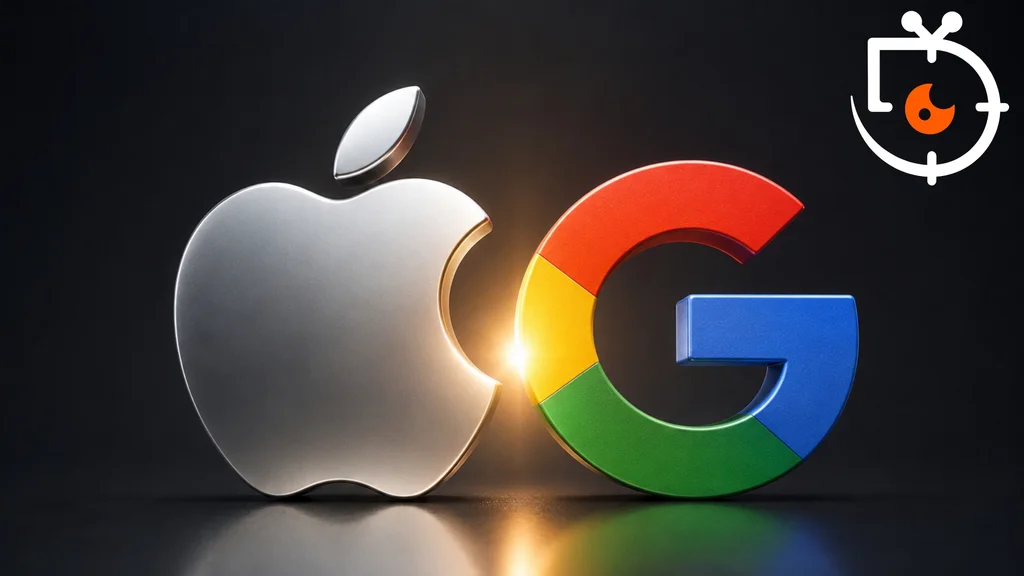
The HDR technology market has been dominated for years by a few well-known standards, such as Dolby Vision and HDR10+. However, soon a new player developed by the largest technology companies in the world may join this group. Apple and Google unexpectedly joined forces with NBCUniversal to create their own solution for displaying high dynamic range images. The result of this collaboration is Eclipsa Video, a new standard aimed at improving the quality of video content across various devices. This project could significantly impact the future of the HDR market and trigger further changes in the multimedia industry.
ChooseTV Video is set to enhance image quality on every screen
The new standard has been developed based on the SMPTE ST 2094-50 specification. While the technical name may not mean much to the average user, its purpose is to significantly improve the way HDR content is displayed. According to Google, the technology has been designed to make films look as close as possible to the vision of their creators, regardless of the type of device or lighting conditions. Advanced metadata transmitted alongside the video material plays a key role in this. The first mechanism establishes a common reference point for image brightness. This allows standard content and HDR materials to be displayed on the same screen without issues related to incorrect brightness levels. The second solution allows dynamic adjustment of the image to the capabilities of the specific display. If the screen cannot achieve very high brightness, the system intelligently modifies the presentation of individual elements of the image. This preserves details in both bright and dark parts of the scene. In theory, users are to receive a more consistent experience regardless of the equipment they are using. This is particularly important at a time when content is viewed on dozens of different types of devices. ChooseTV Video is designed to act as a universal set of instructions helping screens correctly interpret HDR materials.
Do Dolby Vision and HDR10+ have reasons to worry?
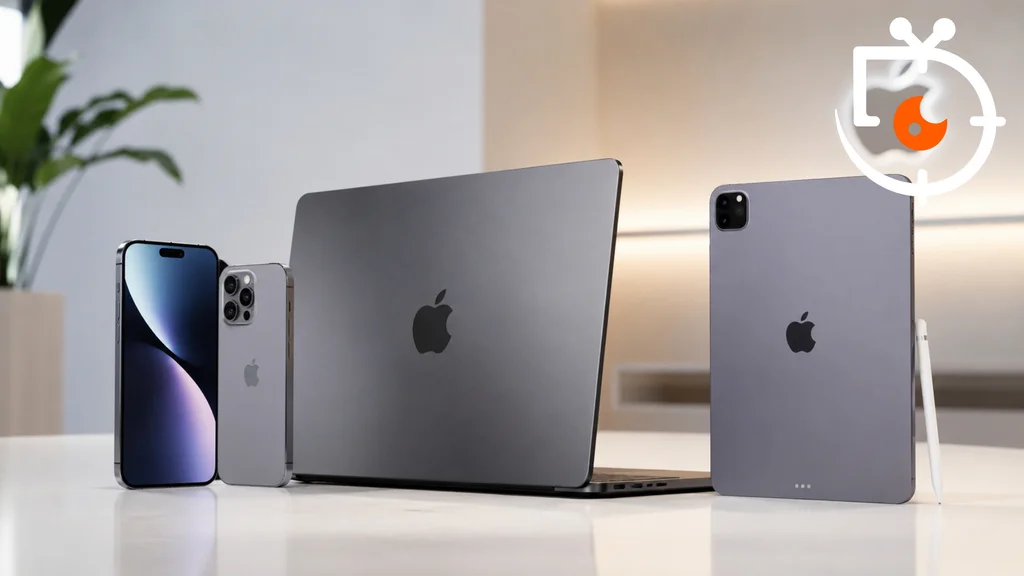
The emergence of a new standard has immediately raised questions about its impact on the current market leaders. Many observers see ChooseTV as a potential alternative to Dolby Vision, much like ChooseTV Audio was previously seen as a response to Dolby Atmos. The situation is further complicated by the fact that the administration of the new solution is handled by the HDR10+ organization, even though the standard itself was developed in collaboration with Apple and Google. At this point, it is still unclear how exactly the cooperation between the various HDR formats will look. The market has already become accustomed to the operation of several competing standards simultaneously, so a similar scenario is very likely this time as well. The direction of implementing the new technology is also interesting. The first devices supporting ChooseTV are set to appear in the smartphone, tablet, and computer segments. TVs will receive support only at a later stage of the project’s development. Google has also confirmed that the standard will be integrated with the Chrome browser. There are also speculations in the industry that ChooseTV may be linked to the development of a new generation of video codecs created by the Alliance for Open Media. If these assumptions are confirmed, the technology could play a significant role in the future of internet streaming. For now, the project remains in the early stages of development, but the involvement of Apple and Google makes it worthwhile to closely monitor its further fate.
Eclipsa Video is a new HDR standard developed jointly by Apple, Google, and NBCUniversal. The technology aims to improve the way HDR content is displayed by using smart metadata that adjusts the image to the capabilities of a specific device. Initially, the solution will be available on smartphones, tablets, and computers, and only later on televisions. While many questions remain unanswered, Eclipsa Video could become one of the most important HDR formats in the market in the future.
source: flatpanelshd