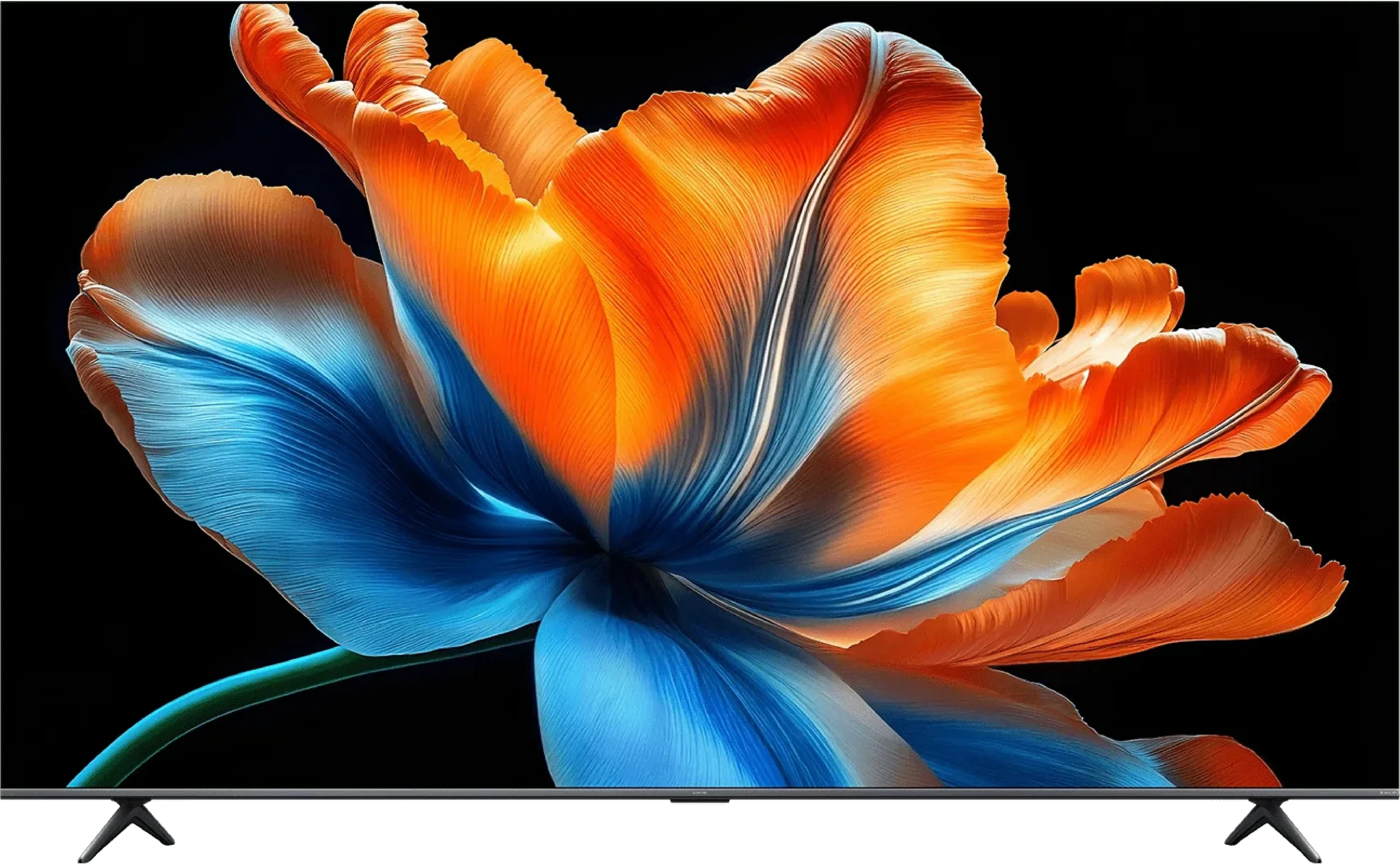
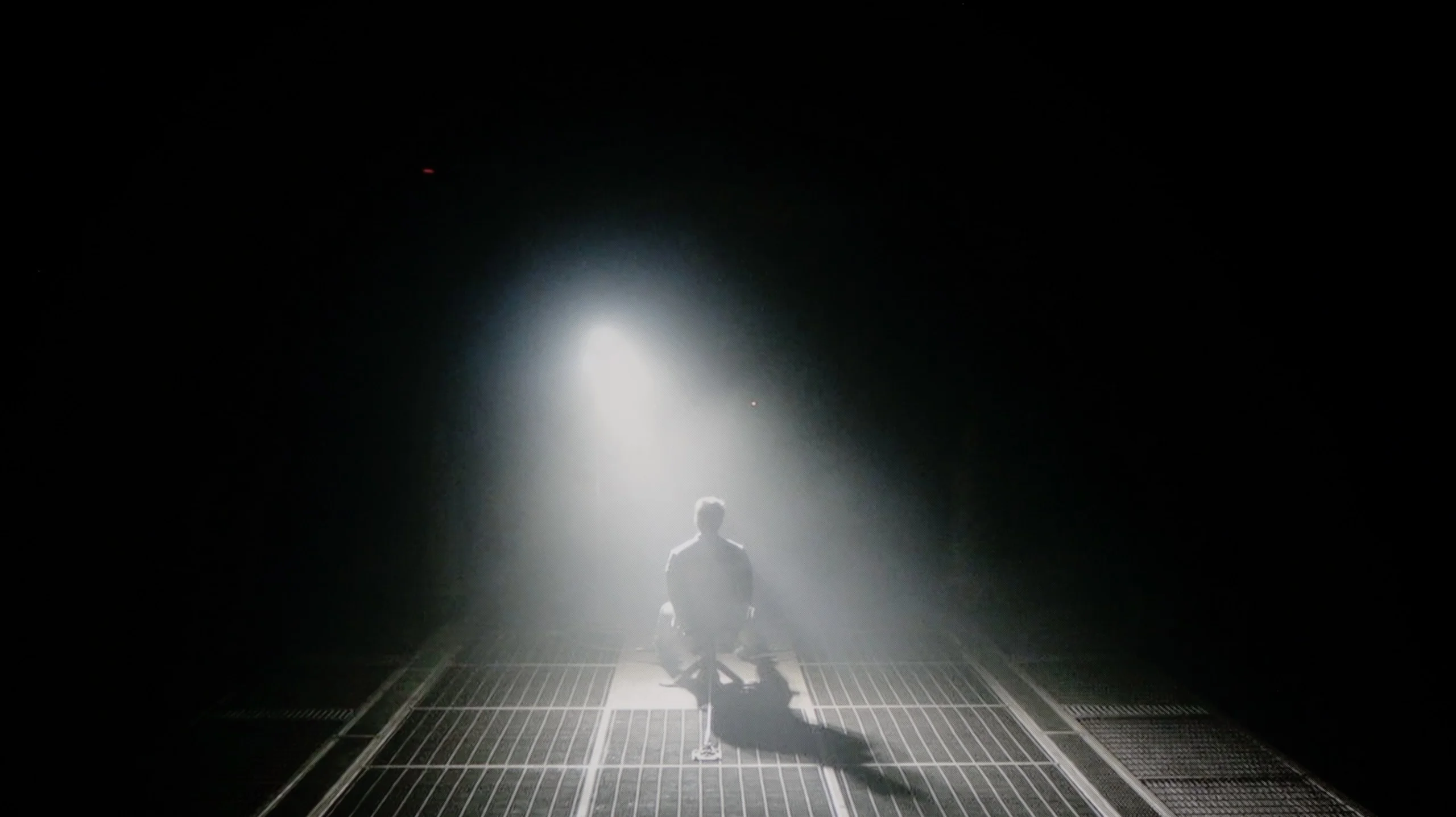
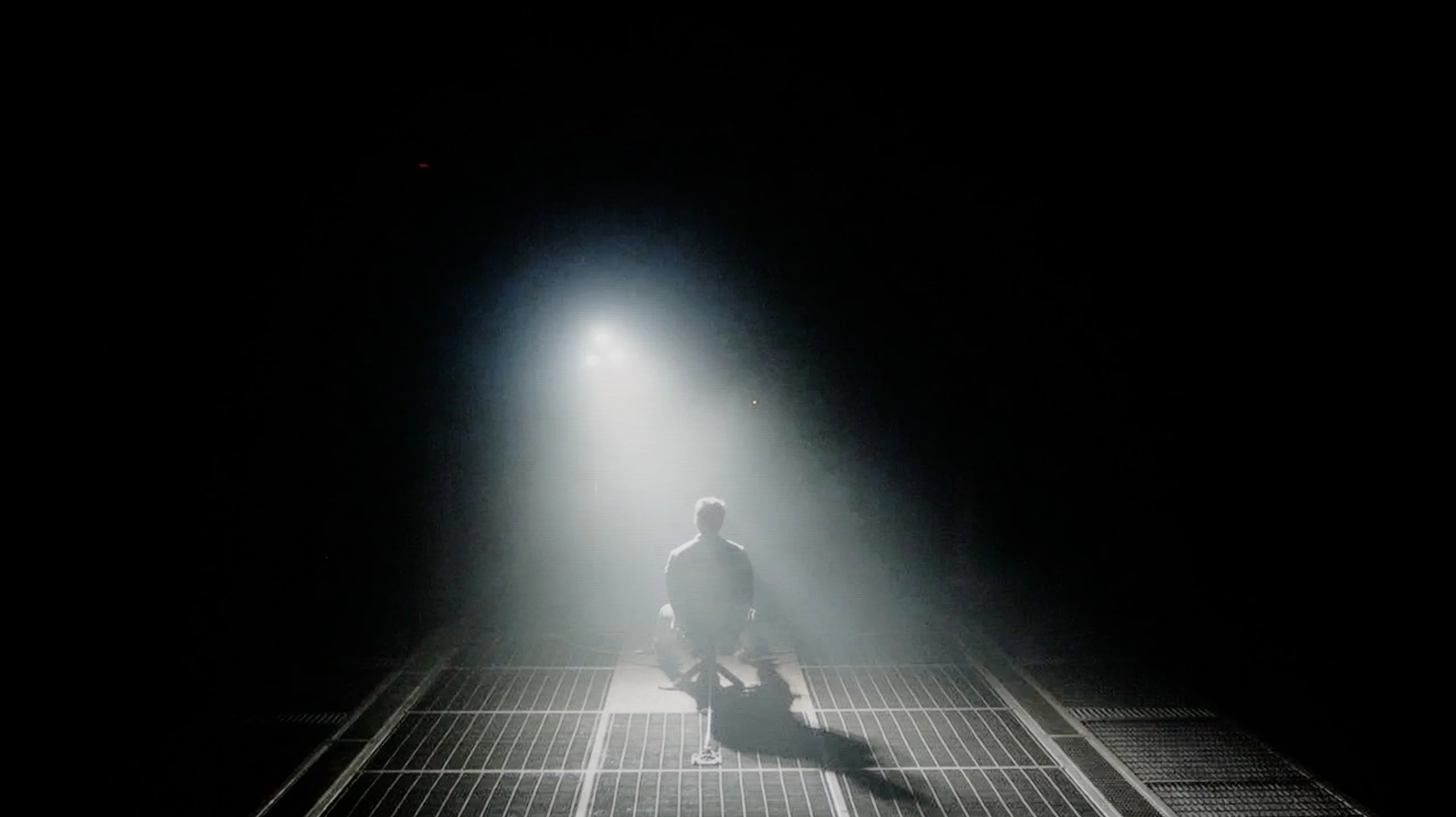
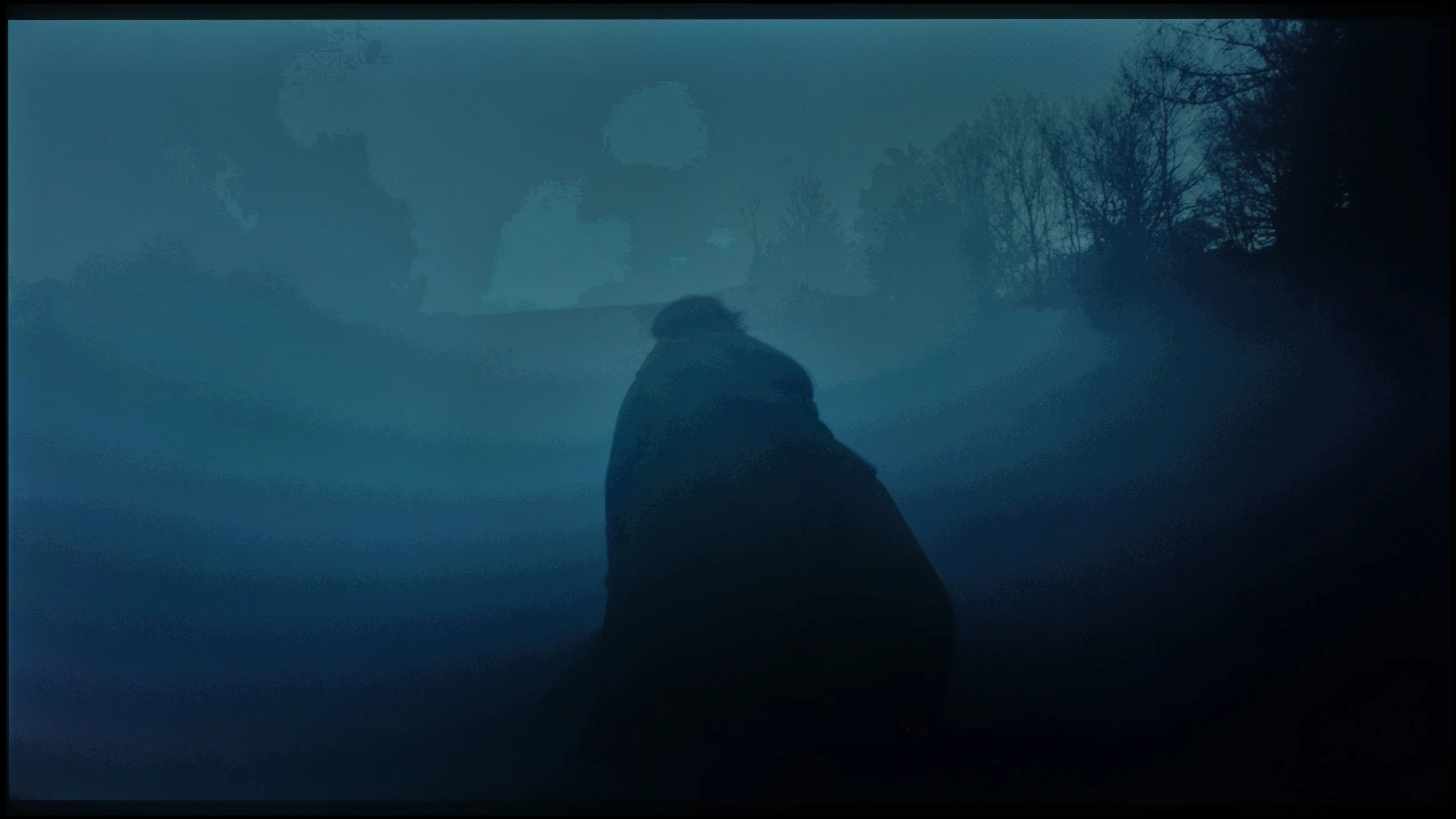
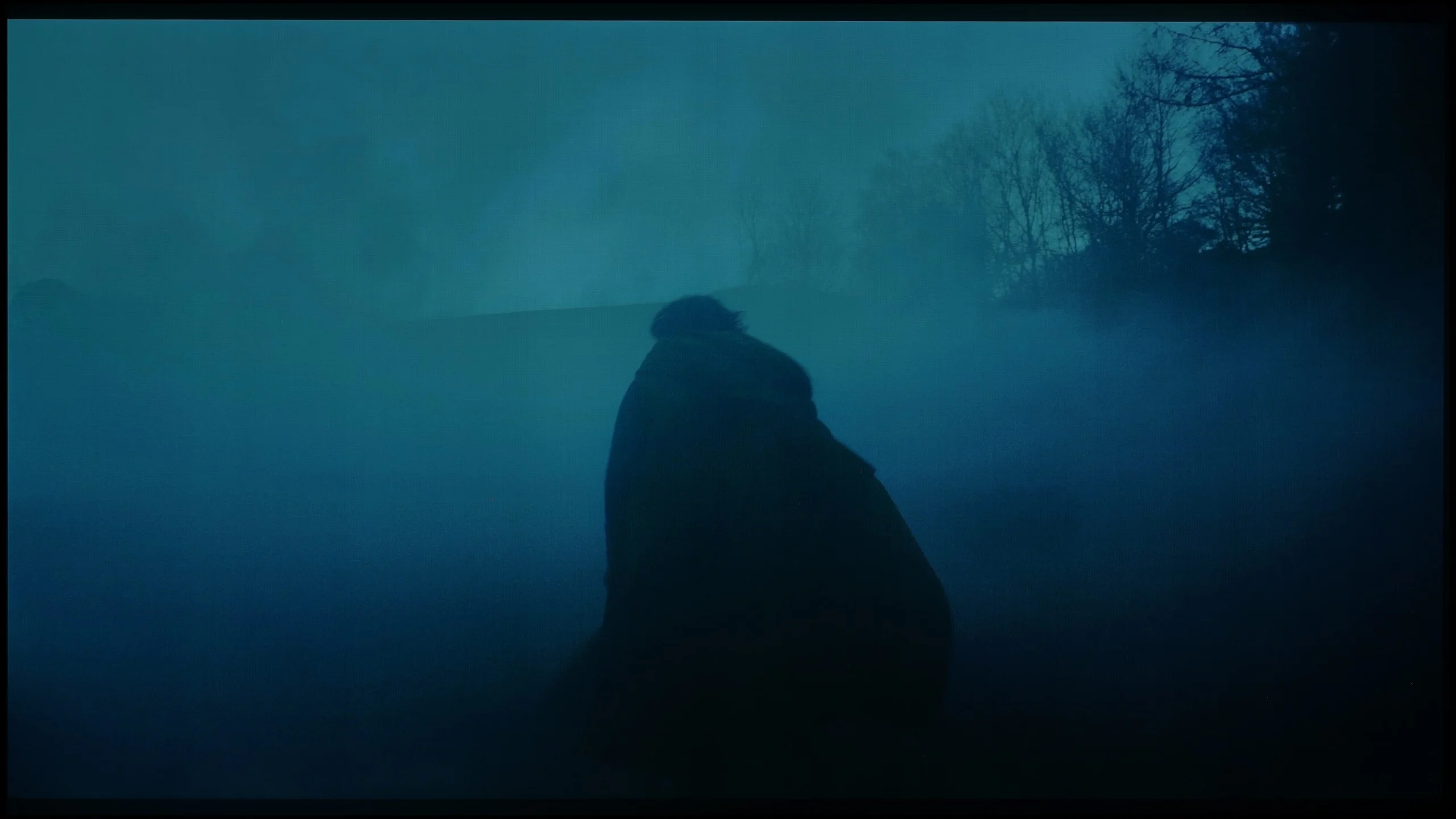
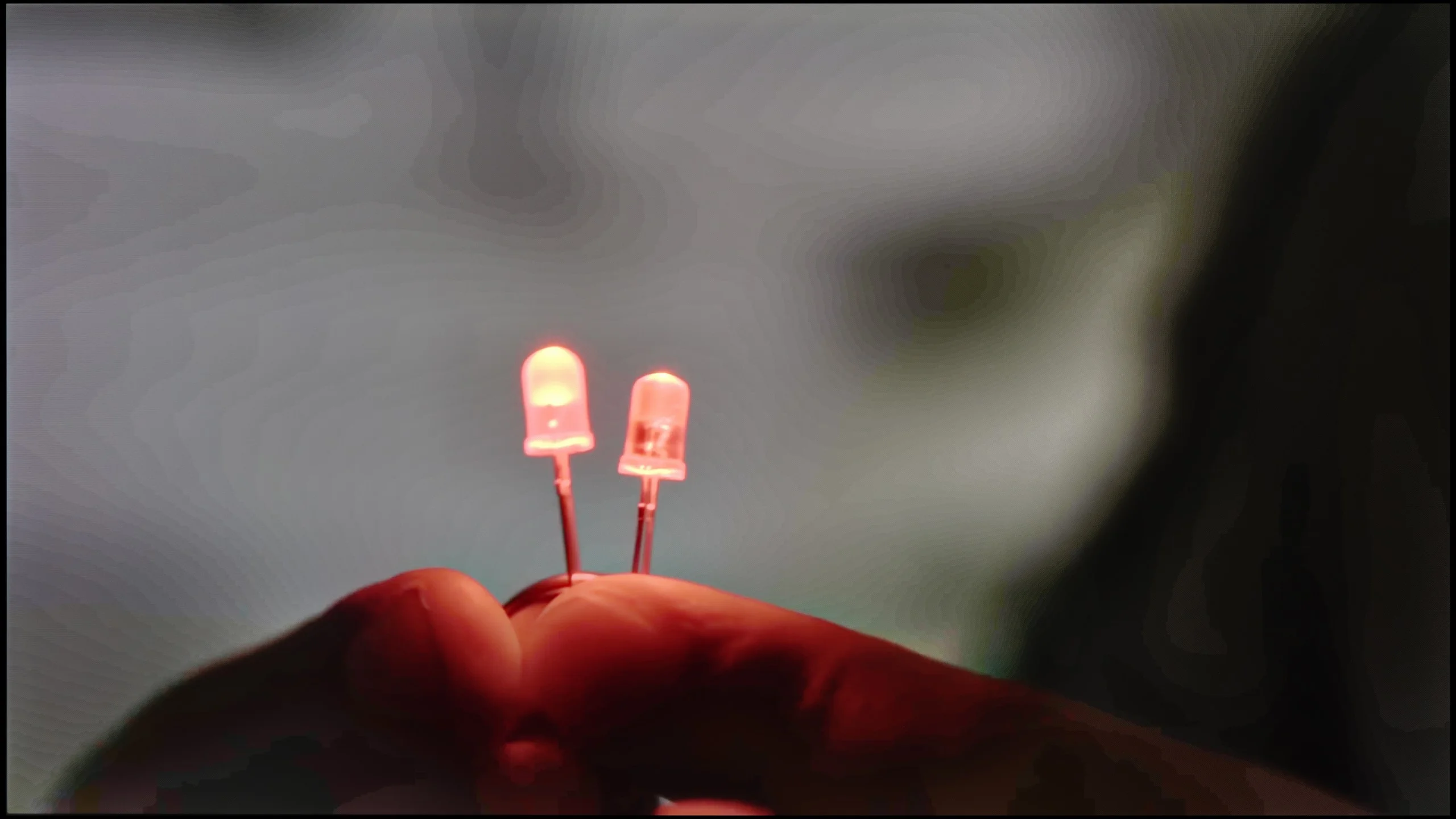
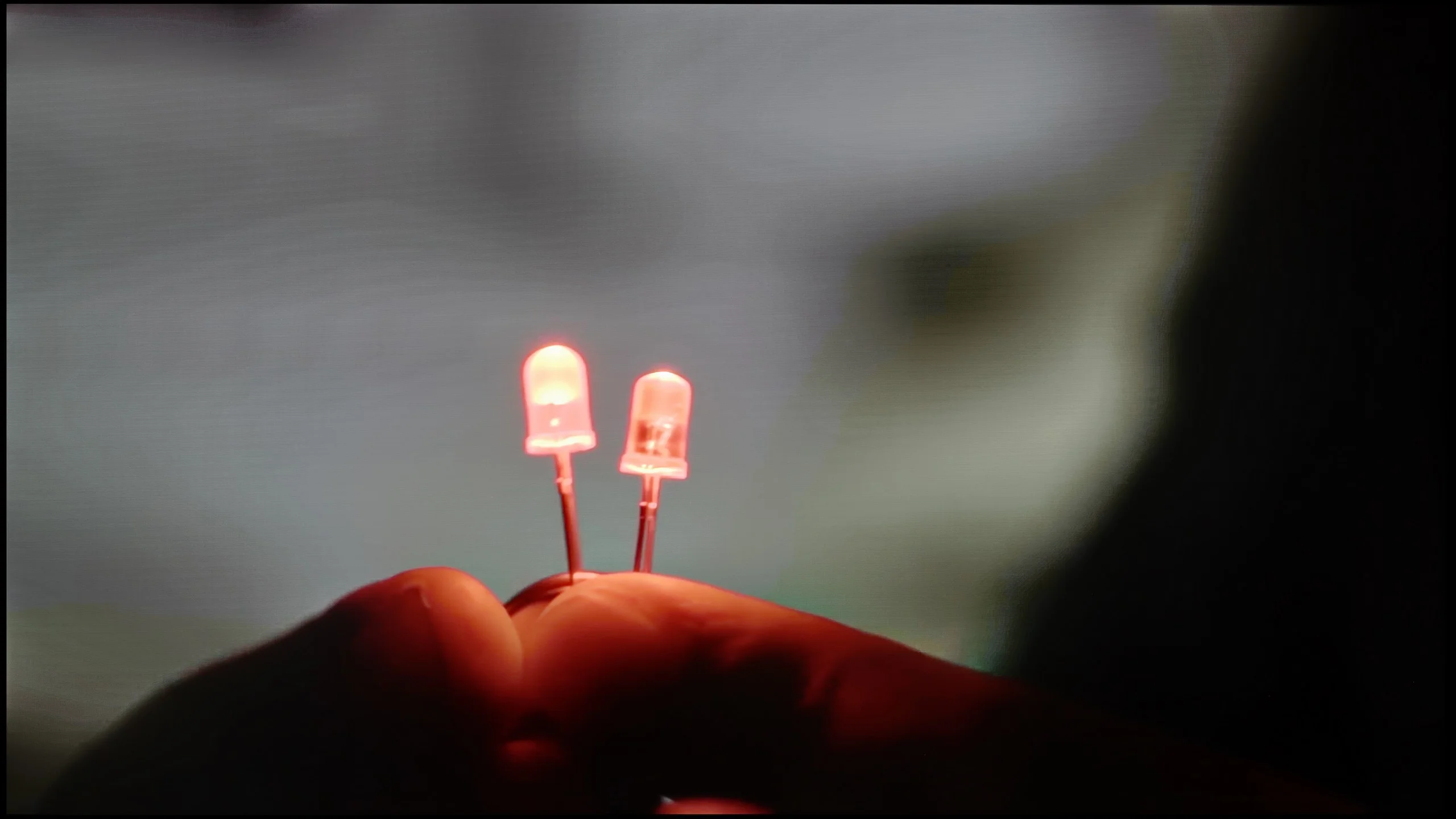
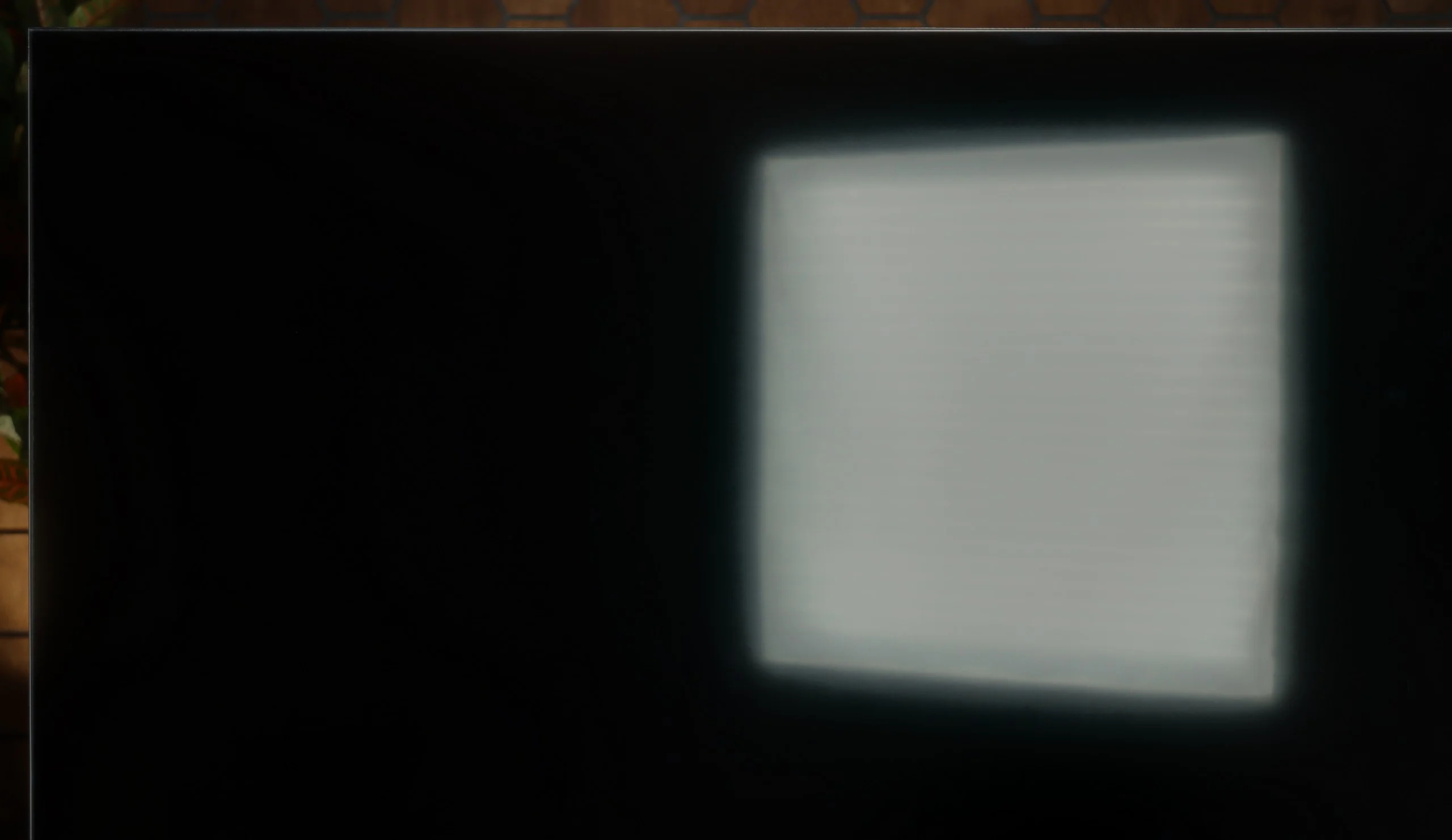
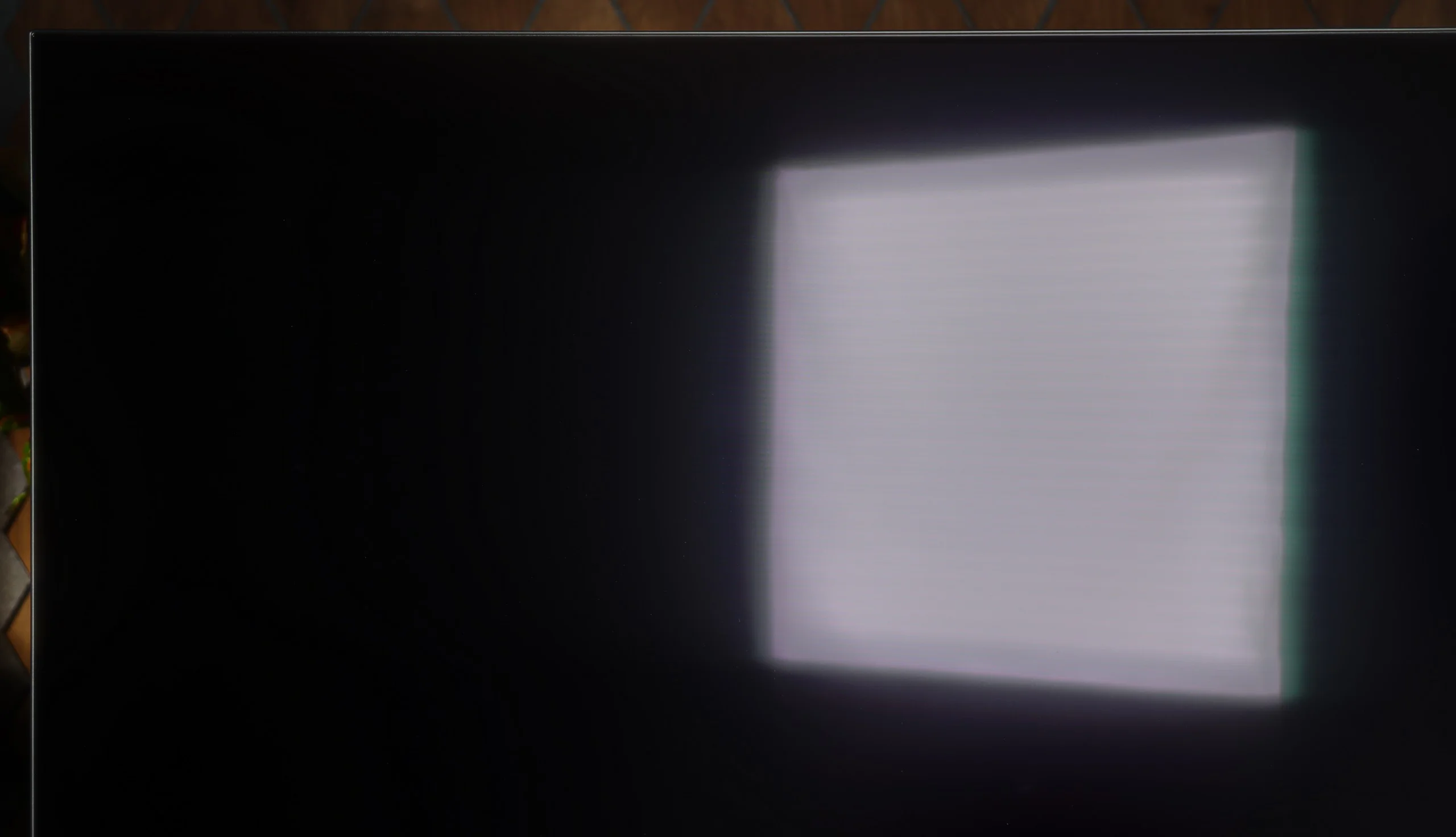
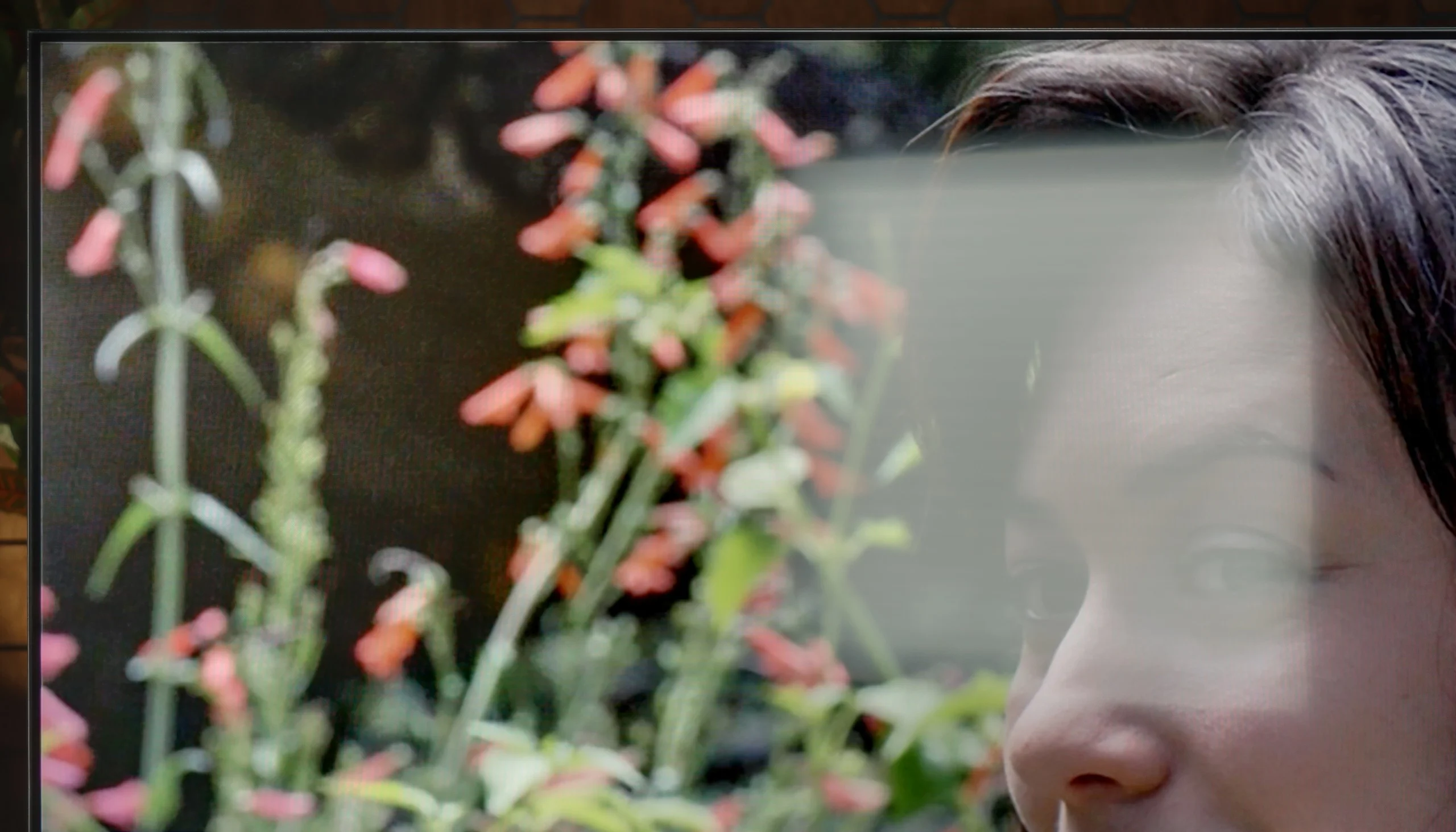
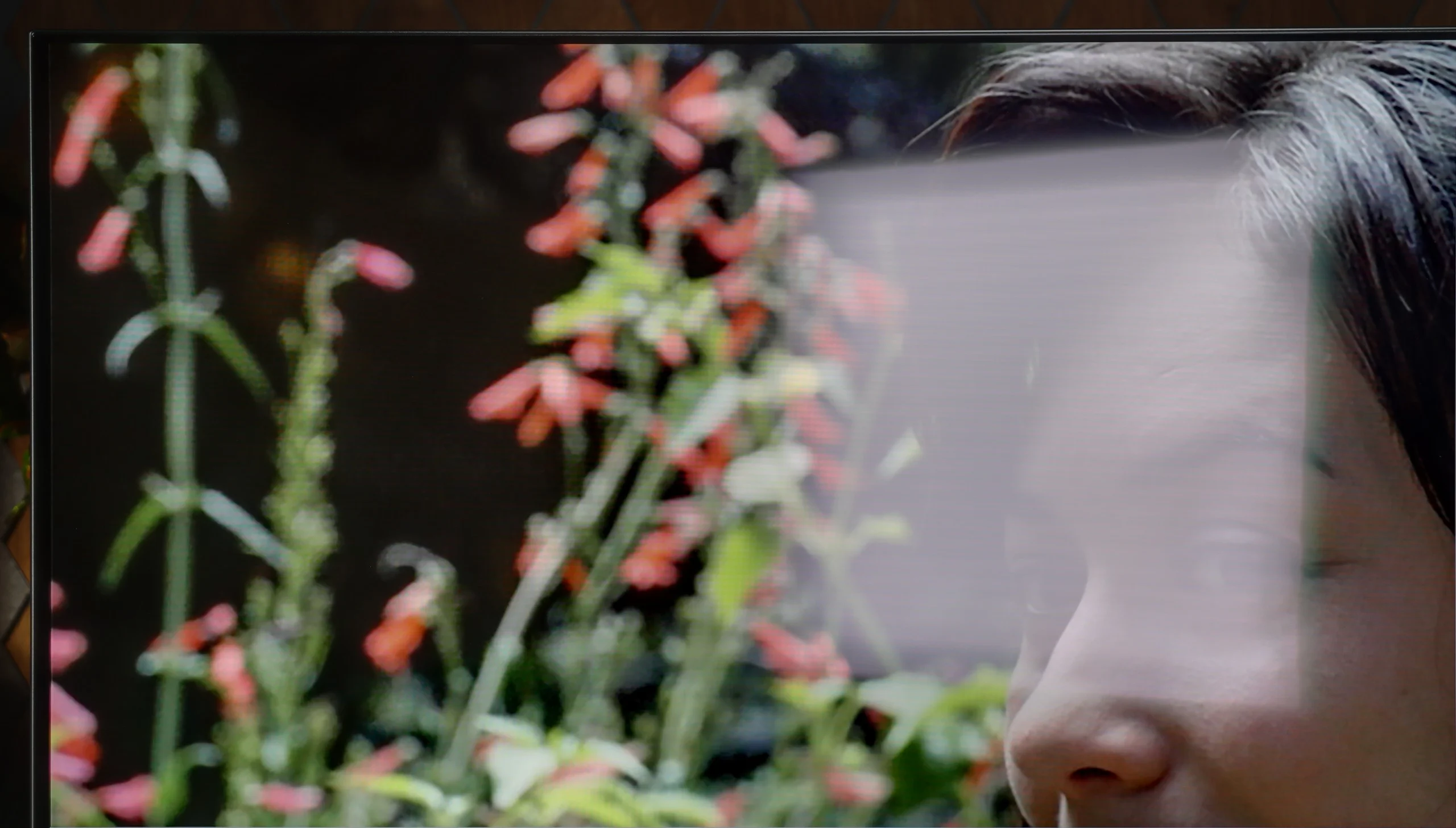
When it comes to HDR, the capabilities of the Xiaomi S Mini 2026 are really good, especially given the segment this model belongs to. The set reaches roughly 1,000 nits of brightness without much trouble, allowing it to deliver a very pronounced HDR effect in bright scenes. Sun highlights, reflections, and brightly lit parts of the image can be very intense and at times almost blindingly bright. It’s a little different in dark scenes, though. Very small light sources surrounded by black are shown at significantly lower brightness, so they lack the point-like intensity seen in the best TVs. This is not unusual for a Mini LED. The local dimming algorithm limits the backlight to keep blacks as deep as possible, which in those scenes matters more than a few extra nits.
HDR Colors
Color reproduction also performs well. Xiaomi markets the S Mini 2026 as a QLED TV, although the solution used here is practically based on a PFS phosphor. What matters most is the result, and it’s quite good. Our measurements showed about 94% coverage of the DCI-P3 gamut, while in the much wider BT.2020 space it was around 74%. That means the TV can reproduce most of the colors used in HDR films with suitably high saturation. Its limitations are most visible only with very saturated shades of green, where the color range starts to fall short.
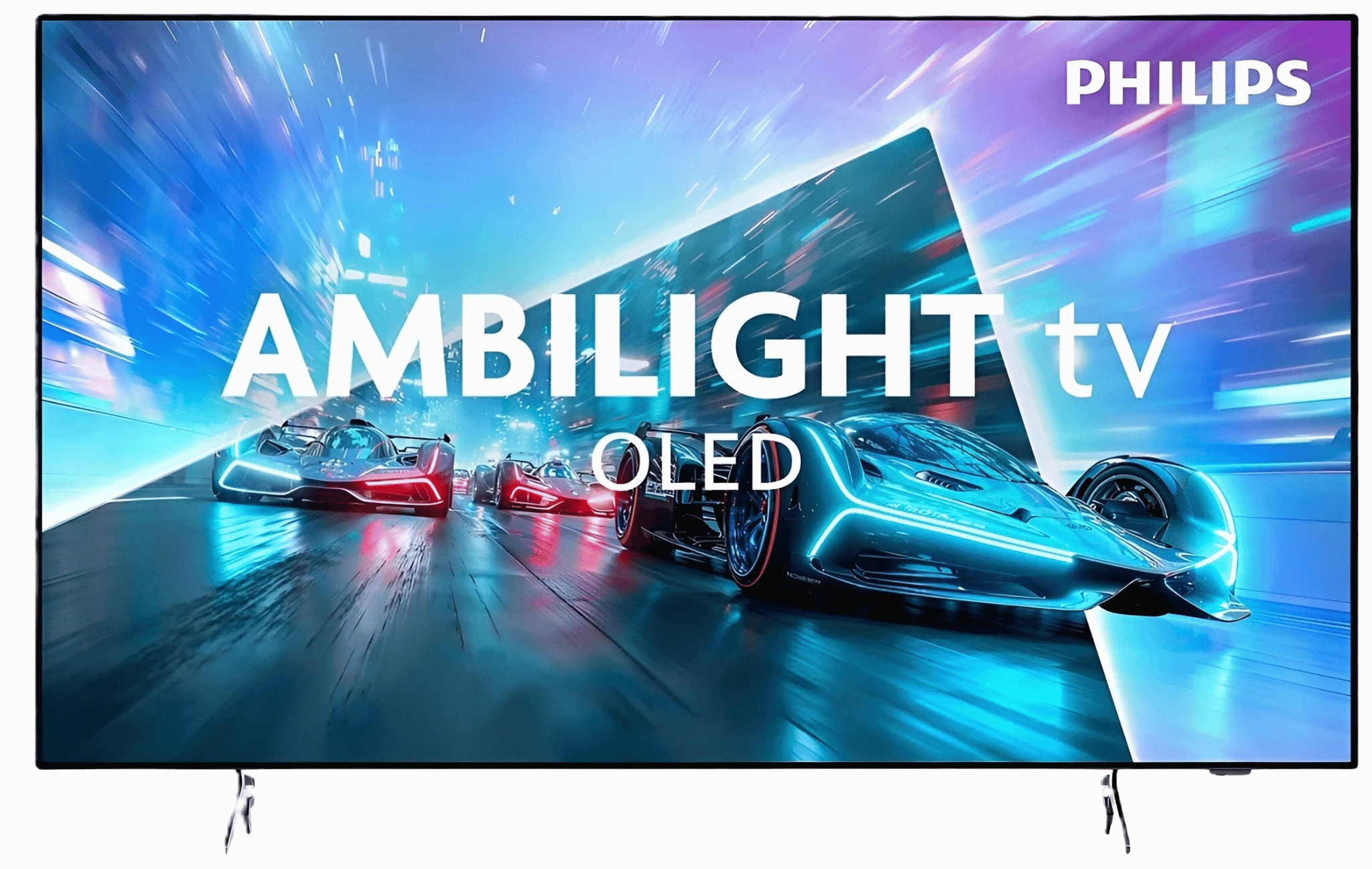
Philips OLED761 uses the new-generation WOLED SE panels from LG Display, and in terms of HDR brightness it achieves results similar to its closest rivals, the Samsung S85H and the LG B6. Peak brightness is around 800 nits, which for an entry-level OLED is a solid result. Importantly, similar values also appear in movies. In scenes with small bright elements on a dark background we measured about 700-780 nits, so a flashlight, a specular highlight, or a lamp can clearly stand out. Combined with perfect black, this delivers a convincing HDR effect, especially during evening viewing. The panel’s capabilities, however, decrease as the bright area of the image increases. When a vast, sunlit landscape replaces isolated highlights, the TV can no longer maintain such high brightness. In a scene with an offshore drilling platform we measured 289 nits, and with even greater bright-area fill the result can approach about 200 nits. In practice this means a sun-drenched shot will look less spectacular than small lights in a night scene. Despite this limitation, the OLED761’s HDR performance deserves a positive assessment. It’s not a TV that will light up an entire room with every bright scene, but it can clearly show the difference between regular footage and HDR material. It performs best where bright accents appear on a darker background, because then the high brightness of individual elements and deep black combine for the best effect.
Colors
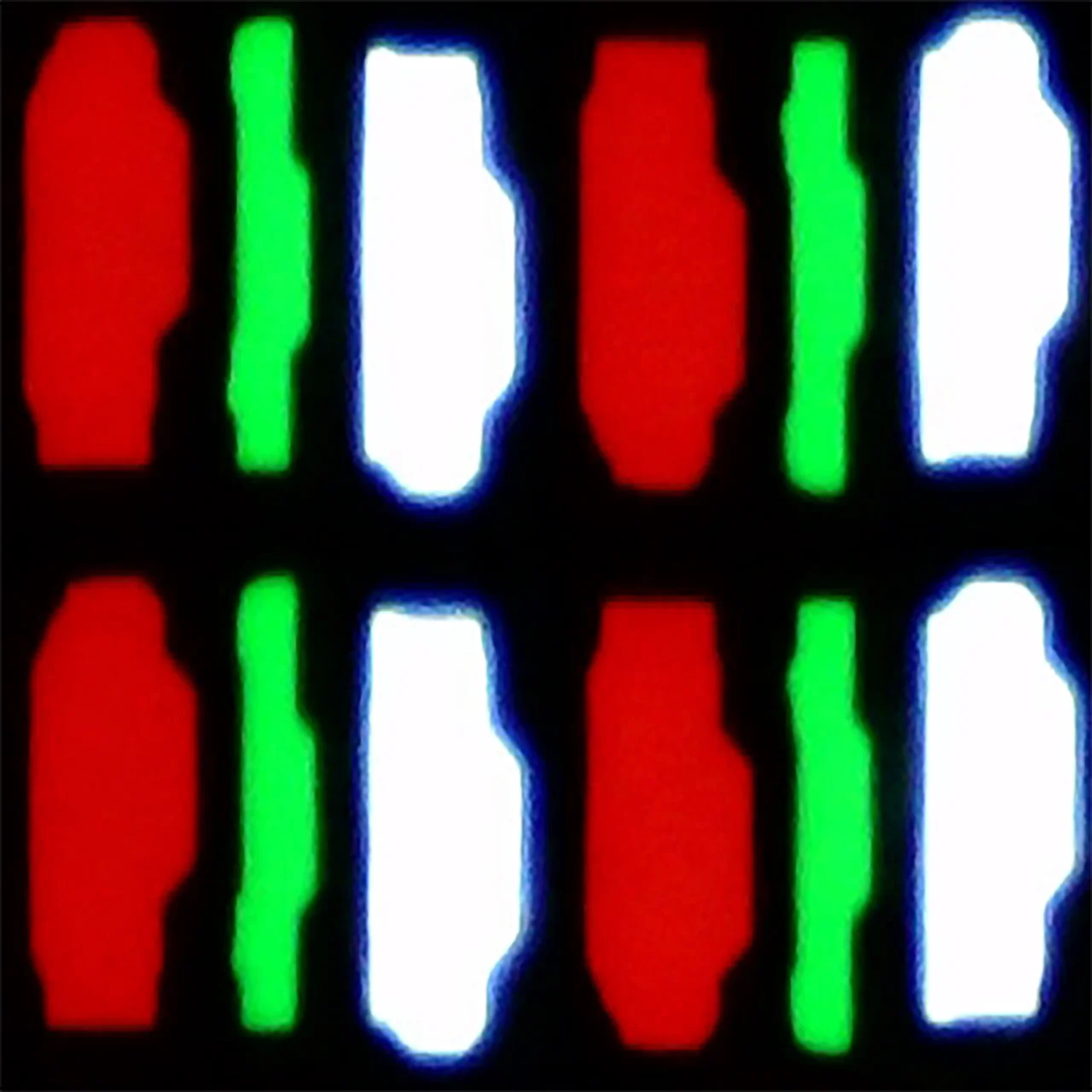
The Philips OLED761 also handles color well, because its panel covers the vast majority of the DCI-P3 gamut, which contains most of the colors found in HDR movies and TV series. As a result, in everyday viewing colors have proper saturation and the picture doesn’t look washed out. Limitations only become apparent in more demanding content that uses shades beyond DCI-P3 and within the wider BT.2020 color space. In such shots the most intense reds and greens can look less impressive than on QD-OLED, SQD-Mini LED, or RGB Mini LED displays. Another issue is saturation retention at high brightness. The WOLED panel uses an extra white subpixel to help brighten the image, but it doesn’t increase the brightness of the colors in the same way. Therefore very bright colors may wash out slightly, which is most noticeable on vivid neon signs or colorful light effects. These are limitations mainly visible in specific, demanding scenes. For most movies and TV shows watched regularly, the OLED761 is capable of delivering well-saturated, attractive colors.
 Direct comparison