 Direct comparison
Xiaomi, well known as a giant in the smartphone market, has decided to compete for the attention of high-end technology enthusiasts by presenting a MiniLED backlit television. Model S MiniLED 2025 looks really impressive on paper. A huge number of dimming zones ensures excellent contrast, and the brightness, reaching impressive values, can impress in both high-quality HDR materials and older SDR. The TV performs excellently where motion smoothness is key. The 120 Hz panel and low input lag make it a good choice not only for sports fans but also for gamers. Support for features like ALLM or GameBar further enhances the gaming experience. Google TV on this television works as it should – fast, smoothly, without unnecessary stutters, which we couldn't say about the model A Pro 2025. Additionally, with such a vast application library, it will satisfy even the most demanding users. However, not everything looks as good in practice. Despite solid hardware specifications, the TV has its issues. The biggest problem lies in the algorithms managing the dimming zones, which can be quite annoying when watching movies in the evening. The operation of individual zones is too visible in dynamic scenes, which can effectively draw our attention away from the image. Problems also arise in more demanding HDR scenes. Small, bright elements often lose brightness, which spoils the effect that should be provided by the highest quality image. The system is also not free from shortcomings – image enhancement features in lower quality materials work unevenly, and some options in Google TV are poorly translated or even untranslated. Xiaomi S MiniLED 2025 has enormous potential, but in its current form, it seems underutilized. It is clear that Xiaomi wanted to create something really good, but several significant shortcomings make the final effect mixed. A device with high aspirations that needs better software to truly shine. It is an ideal television for brighter rooms, where high screen brightness plays a key role, and the issues with local dimming become less noticeable. It will also work perfectly as a screen for gamers and for those who value versatility and functionality in the Google TV system.
- Matching (Score) |
- Our verdict |
- TV appearance |
- Where to buy |
- Contrast and black detail |
- HDR effect quality |
- Factory color reproduction |
- Color reproduction after calibration |
- Smoothness of tonal transitions |
- Image scaling and smoothness of tonal transitions |
- Blur and motion smoothness |
- Console compatibility and gaming features |
- Input lag |
- Compatibility with PC |
- Viewing angles |
- Daytime performance |
- Panel details |
- TV features |
- Apps |
- Playing files from USB |
- Sound

Check prices in stores:
Samsung M80H(paid link)M80H / M86H

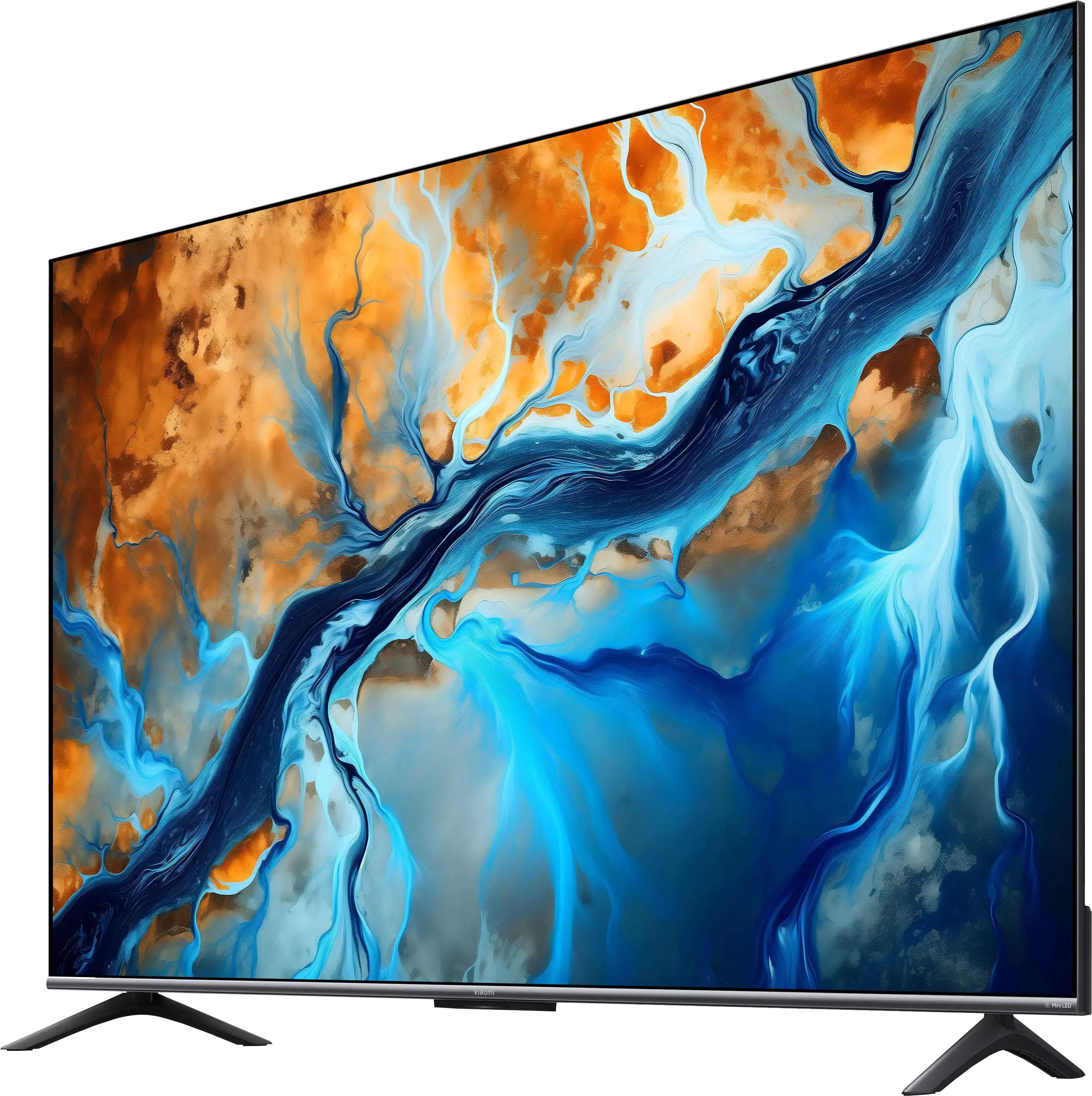
Panel type: LCD VA
Resolution: 3840x2160
System: Google TV
Model year: 2024
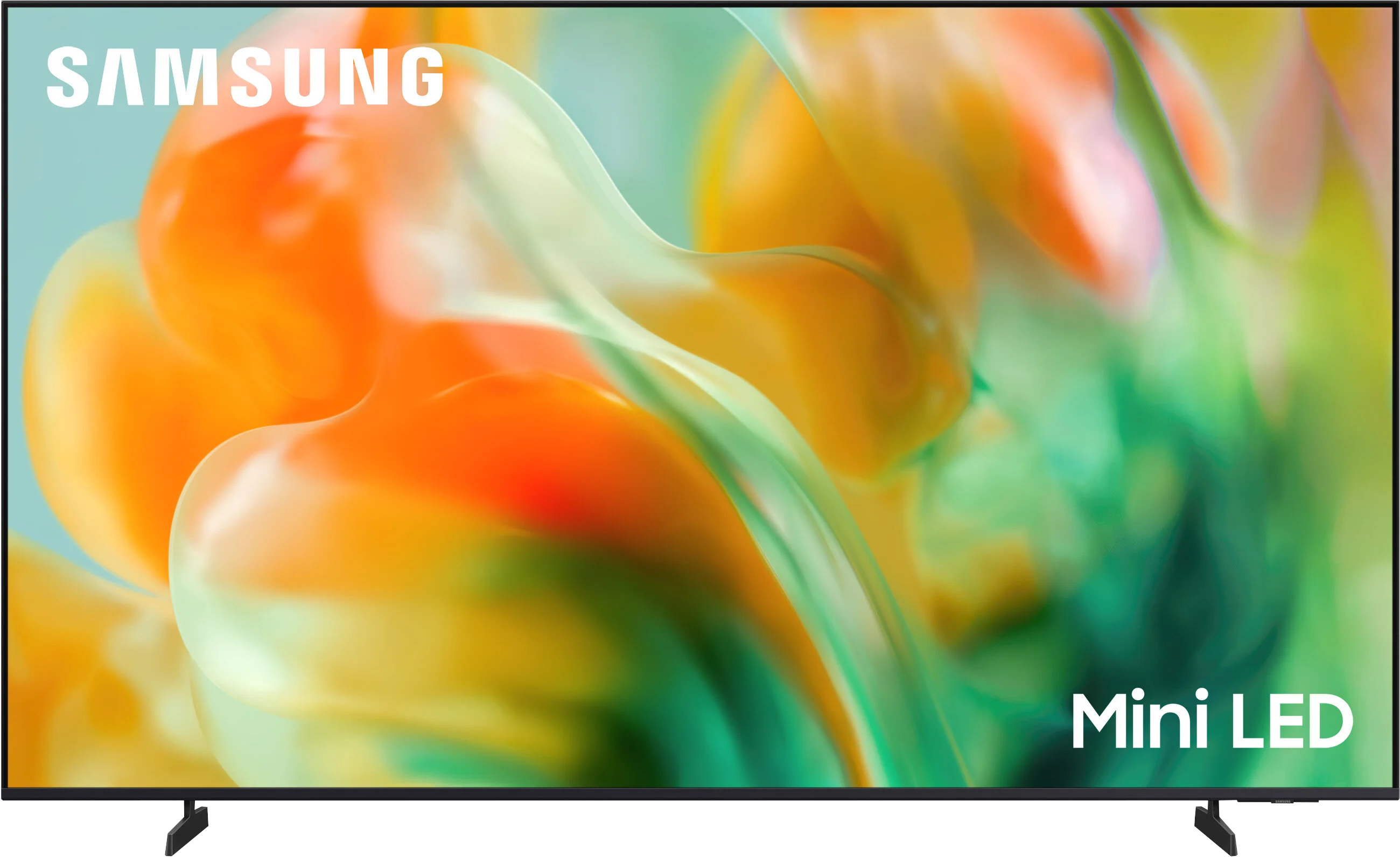
Panel type: LCD VA
Resolution: 3840x2160
System: Tizen
Model year: 2026
Check how well they match your needs
Take the surveyOverall rating
7.0
6.9
 Movies and series in UHD quality
6.3
6.5
 Classic TV, YouTube
6.5
6.6
 Sports broadcasts (TV and apps)
6.4
6.7
 Gaming on console
8.4
8.8
 TV as a computer monitor
8.2
8.9
 Watching in bright light
7.3
5.0
 Utility functions
4.7
7.3
 Apps
9.6
9.3
 Sound quality
6.8
6.0
Complete the survey to find out what fits your preferences
Advantages

VA panel with MiniLED backlighting – good contrast and deep blacks
High brightness (841 cd/m²) – great visibility even in bright rooms
Support for multiple HDR formats: Dolby Vision, HDR10+
Good motion fluidity - High refresh rate
Low input lag – perfect for gaming
Google TV system – versatile and extensive with wide access to applications
The remote does not require aiming at the screen
Pleasant sound with slight bass
Support for audio formats: Dolby Atmos and DTS:X
Three HDMI 2.1 ports with support for VRR and ALLM
Dedicated motion smoothing for gamers: Game Motion Plus
Low input lag
High refresh rates: 4K 144 Hz and Full HD 240 Hz
Decent contrast thanks to a VA panel
Minimal smearing for a VA panel
Rich colors thanks to the PFS filter (a different kind of QLED 😉)
Good digital image processing for this segment
Fast Tizen OS with a wide selection of apps
Disadvantages

Errors in the translation of the TV menu
Problems with aggressive dimming algorithms - noticeable in dynamic scenes
Image scaling and tone transition enhancement features are unstable
No local dimming despite being labeled Mini-LED!
Low brightness: 350 nits
No support for Dolby Vision and DTS:X
No Toslink optical audio output
Our verdict
The M80H shows its strengths where motion matters most. A fast panel, a refresh rate of up to 144 Hz, and relatively low motion blur make sports and fast-paced games look really good. In this respect the TV can even beat some significantly more expensive Samsung LCD models. Gamers also get low input lag, three full-bandwidth HDMI 2.1 ports, and Game Motion Plus, which can improve the smoothness of games running at 30 or 60 frames. When connected to a PC you can also use a 240 Hz refresh rate, although only at Full HD resolution. A big plus for the M80H is the NQ4 AI Gen2 processor, which was until recently used in higher-tier Samsung series. It handles lower-resolution content well and can enhance the look of weaker sports broadcasts or heavily compressed footage. The extra image-enhancing features do produce a visible effect, although at higher settings they become too strong and start to interfere with the picture's natural look. Still, they are worth listing as an advantage, since in the cheapest TVs similar solutions often matter much less.
What raises the most concerns is the M80H being called a Mini-LED TV. It does not have local dimming, the feature that usually accounts for the biggest benefit of this technology. Brightness of around 350 nits also does not allow for particularly striking HDR. In terms of picture quality the M80H is therefore much closer to basic LCD TVs than to more advanced Neo QLED models like the QN80H. That does not mean movies look bad on it. The VA panel provides decent contrast, and the PFS filter delivers attractive, saturated colors. You should be aware, however, that the lack of local dimming clearly limits the TV's picture-quality capabilities. The M80H is therefore not a model that demonstrates the full potential of Mini-LED backlighting.
It will perform much better in the hands of a gamer or sports fan for whom panel speed, low input lag, and extensive gaming features are most important. If its price remains significantly lower than models equipped with local dimming, that compromise may be a sensible choice for that group of users.
TV appearance
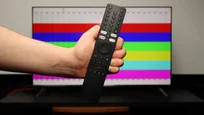
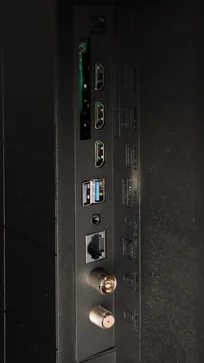
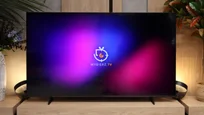
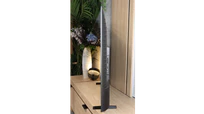
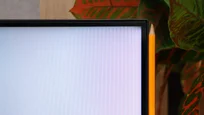
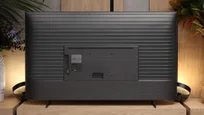

Contrast and black detail
6.8/10
6.3/10
Local dimming function: Yes, number of zones: 308 (22 x 14)
Local dimming function: No
Contrast:


Result
182,000:1

Result
38,050:1

Result
18,300:1

Result
10,150:1

Result
5,450:1
Result
5,950:1
Result
7,150:1
Result
8,150:1
Result
7,850:1
Result
5,550:1
Halo effect and black detail visibility:
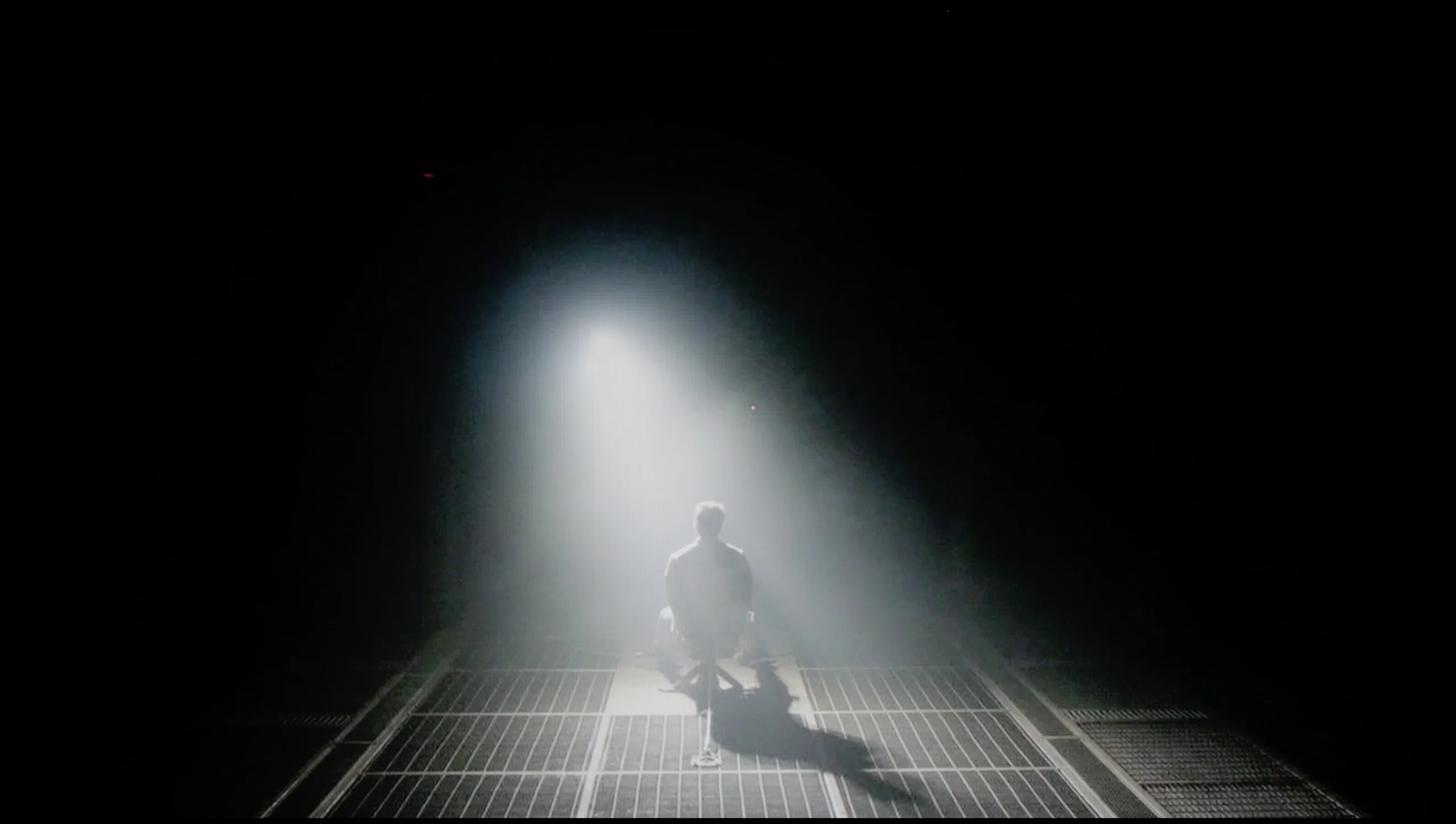
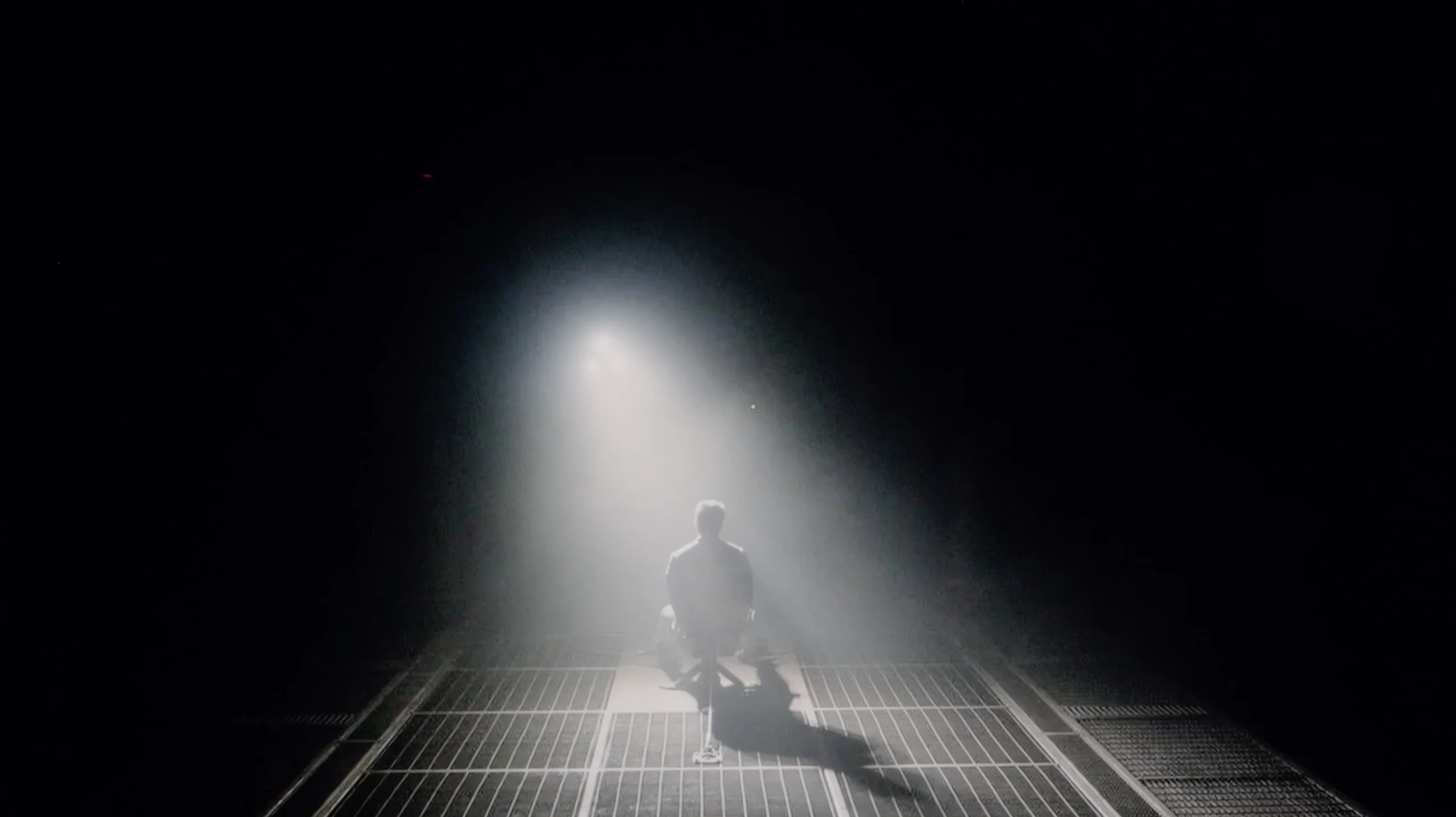
Check the visibility of bright lights on a dark background. Mini-LEDs often struggle with this. The photo does not compare black levels – that’s what the video below is for.
The video accurately shows differences in contrast and black levels between TVs, as well as potential issues: halo around bright objects or Mini-LED zone operation visible as brightness jumps.
Xiaomi S MiniLED is one of the most affordably priced televisions featuring MiniLED technology available on the market. The model we tested in a 55-inch size is equipped with as many as 308 local dimming zones, which is impressive for such a price. Additionally, it uses a VA panel, which naturally offers significantly better contrast than IPS panels. On static test screens, the television performed excellently, achieving an impressive contrast ratio of 182,000:1 in the film Oblivion. The black levels were deep, and details in both bright and dark parts of the image were clearly separated. However, in more demanding scenes, where the image is dynamic, the situation begins to complicate.
Where lies the problem? The main cause is the local dimming algorithms. Although their effects are promising on static images, during film playback – that is, in the television's natural working conditions – they operate too aggressively. In dynamic scenes, such as those from the tested film, one can observe how individual dimming zones "work and flicker," which detracts from the viewer's sense of image coherence. This effect is particularly noticeable in motion, when bright objects move against a dark screen. As a result, although Xiaomi S MiniLED offers a remarkable contrast on paper, in practice the effect is less satisfying. The aggressive operation of the algorithms diminishes the reception of dynamic scenes, making the television average in this category. It is a good example of how MiniLED technology requires not only good specifications but also proper optimization.
Samsung M80H is an LCD TV that, according to the manufacturer, uses Mini-LED backlighting. And maybe smaller LEDs placed directly behind the screen are indeed used here, but it's not the same type of Mini-LED we know from more expensive TVs. The M80H lacks local dimming, so the backlight cannot independently control the brightness of individual parts of the image. Black levels are quite decent, mainly thanks to the VA-type panel used. Depending on the scene, our measured contrast was about 5500:1 to over 8000:1. For a TV without local dimming, those are good results, and it's exactly in such designs that VA panels have a considerable advantage over IPS/ADS panels. It's worth noting that part of the results exceed the native contrast of the panel itself, which is about 5000:1. Samsung has implemented a global dimming feature. When there's a lot of black on the screen, the TV dims the entire backlight, making dark areas look deeper. However, this comes at the cost of the brightness of the rest of the image. The M80H therefore won't strongly brighten a small bright spot while maintaining deep black around it; it dims or brightens the whole screen.
HDR effect quality
4.8/10
4.7/10
Luminance measurements in HDR:

Result
852 nit

Result
140 nit

Result
385 nit

Result
97 nit

Result
1126 nit
Result
288 nit
Result
340 nit
Result
349 nit
Result
345 nit
Result
364 nit
Scene from the movie “Pan” (about 2800 nits)


Scene from the movie “Billy Lynn” (about 1100 nits)
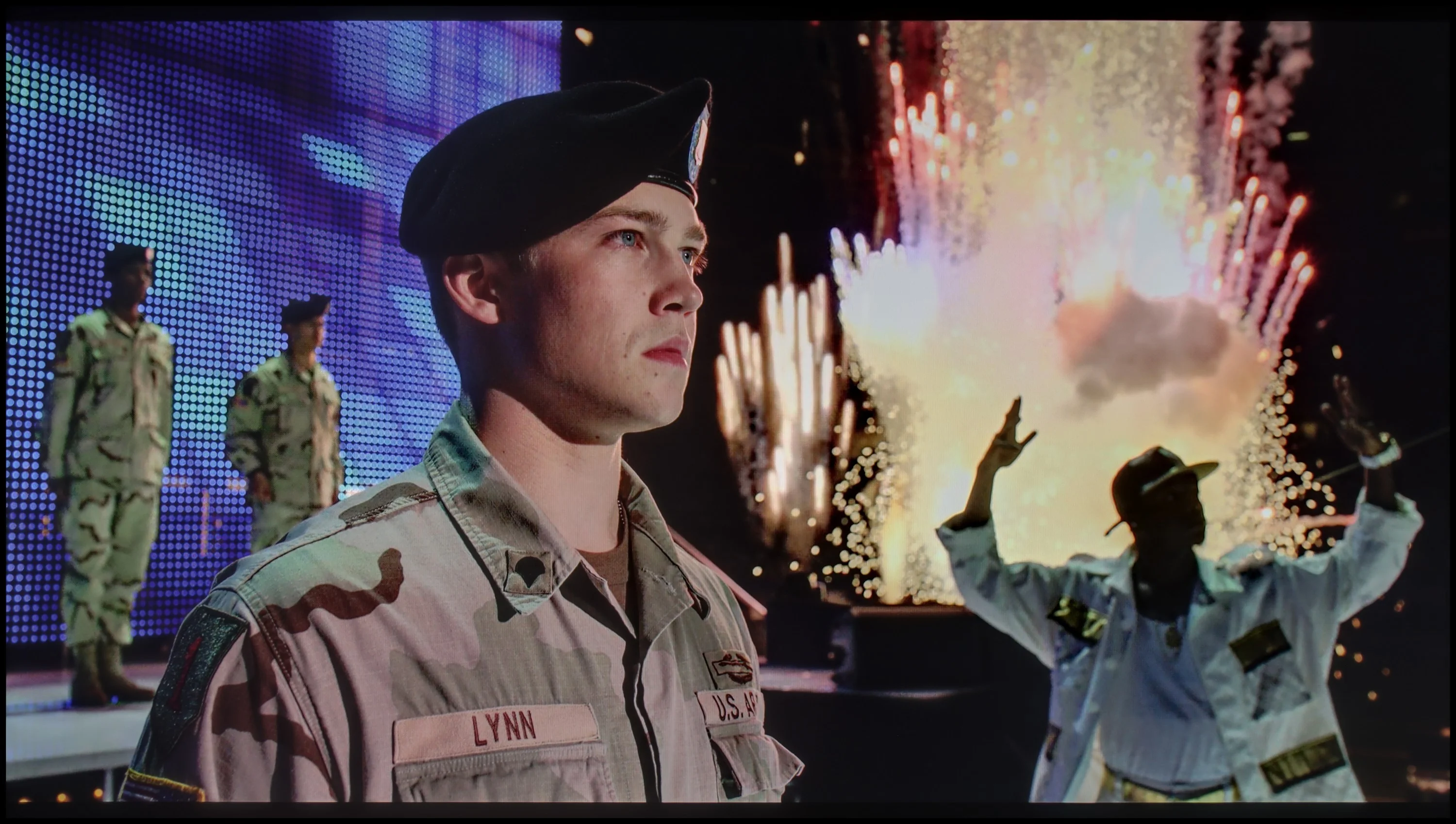
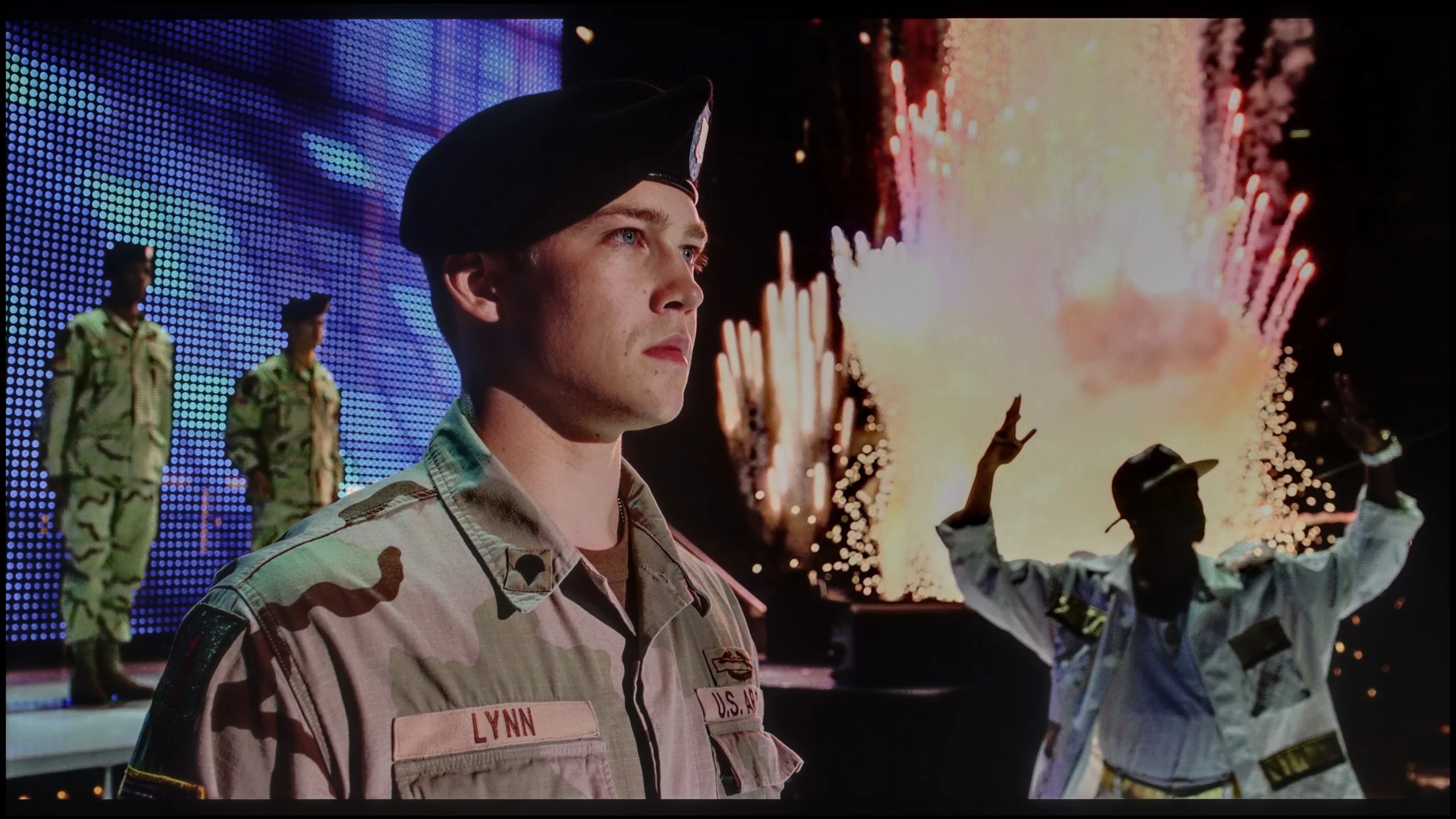
The photos show two HDR10 movies. 'Pan' is one of the brightest productions ever made, while 'Billy Lynn' (soldier) has brightness typical of streaming (Netflix, Prime, HBO MAX). Notice the intensity of effects and detail in whites.
Static HDR10


The photos present the visibility of white details in various HDR formats. They do not show brightness differences between TVs (these can be compared in the previous gallery).
Dynamic: Dolby Vision
Dynamic: HDR10+


The photos present the visibility of white details in various HDR formats. They do not show brightness differences between TVs (these can be compared in the previous gallery).
HDR luminance chart:
Samsung M80H
Xiaomi S Mini 2025
Since the Xiaomi S MiniLED boasts an impressive number of 308 dimming zones, it was time to see how it performs in HDR tests. Starting with luminance, or the ability to display bright scenes, the television achieved nearly 1000 nits of brightness – a result that can be considered outstanding in this class. However, do these numbers translate into real experiences in movie scenes? In the case of less demanding shots, like those from the film The Meg, the television indeed showed excellent results, reaching up to 900 nits. Such values are impressive and can truly convey the strength of HDR effects.
Unfortunately, similar to the contrast situation, there were issues. When smaller, brighter elements appear on the screen – as in challenging scenes from Sicario 2 – the aggressive operation of the dimming zones spoils the whole effect. Brightness during these moments drops to just 100 nits. This is definitely too little to capture the full magic of HDR. Instead of a dynamic and detailed image, the viewer gets a muted, almost flat impression, which diminishes the enjoyment of the viewing experience.
In summary, if we are looking for a television with high brightness for watching movies during the day, the Xiaomi S MiniLED will easily fulfill that task. However, its inability to precisely manage dimming zones means that watching movies in the evening, especially in demanding HDR scenes, can be more frustrating than satisfying.
The M80H is not one of the brightest TVs. Its peak brightness is around 350 nits and we saw similar results in most of our test scenes. That's not enough to produce genuinely impressive HDR — bright highlights lack punch and the overall image is a bit too dark. In practice, HDR on the M80H resembles a well-presented SDR image more than clearly more dynamic wide-range content. The picture can still look fine, but it's hard to point to strong specular highlights, clearly bright light sources, or an effect that immediately separates HDR from ordinary content.
Colors
One of the M80H's strengths is its color. The TV uses a PFS-based backlight filter, which allows it to display a significantly wider color gamut than a standard LCD screen without filters. Our measurements confirm this — the M80H covers about 96% of the DCI-P3 gamut and 72% of BT.2020. Those are very good results, which let the colors appear strongly saturated. Samsung's policy here is interesting. The M80H is not part of the QLED family, even though in terms of color it is practically on par with models carrying that label. From an image-quality standpoint, that doesn't matter much; the colors are simply good.
Factory color reproduction
3.9/10
6.1/10
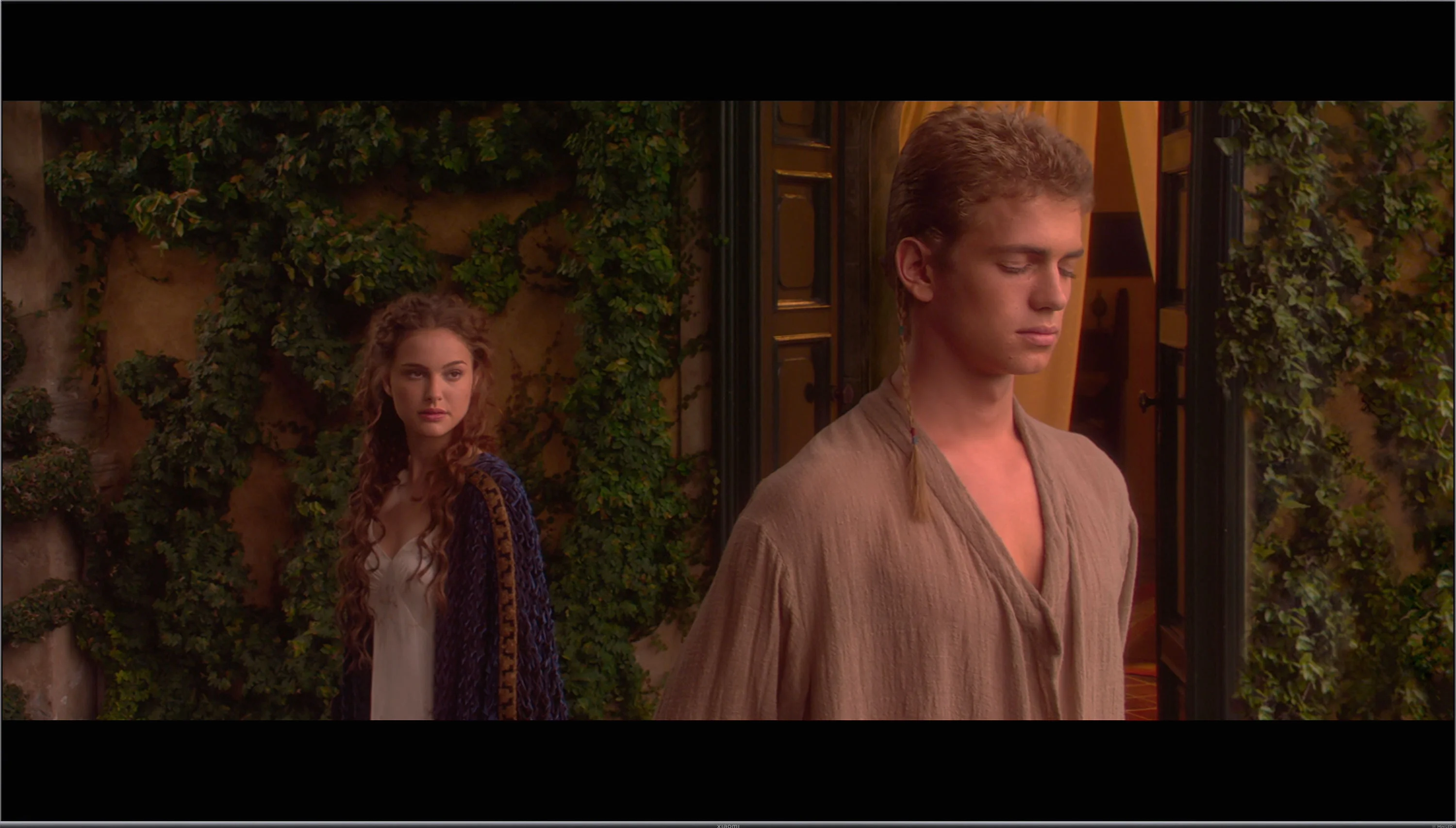
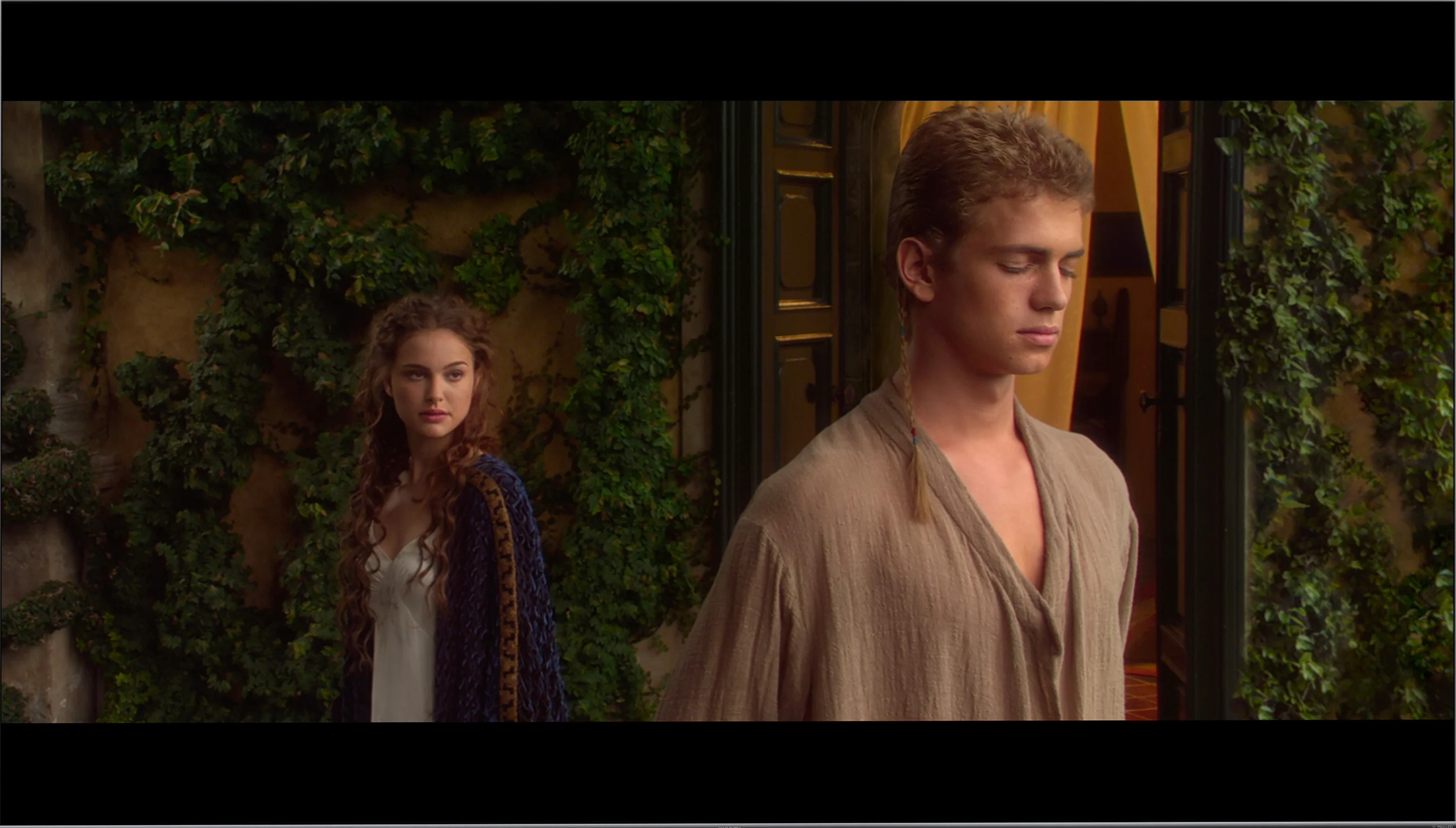
This illustrative image shows how colors change after professional calibration. If you can see the difference, you can order it from SkalibrujTV – it's our own service.
Factory mode
After calibration


This illustrative image shows how colors change after professional calibration. If you can see the difference, you can order it from SkalibrujTV – it's our own service.
Factory mode
After calibration
Xiaomi, like many manufacturers, offers a wide range of picture modes. On the S MiniLED, we can find both IMAX Enhanced and Filmmaker. We conducted our tests in Filmmaker mode, which theoretically is supposed to reference the original image, but the reality turned out to be somewhat different.
Let's start with the test of SDR materials. Here, the television had quite a few problems, especially with white balance. The clearly visible dominance of red made the image appear too warm, and all colors gained a reddish tint. This was particularly noticeable in a comparative scene from the Star Wars movie. The brightness characteristics (gamma) also left much to be desired – instead of a smooth transition, we had a real "rollercoaster," with a visible excessive brightening of the screen.
In 4K materials, the situation looked much better. The white balance, while still not perfect, was much more balanced, with a slight dominance of red and blue, but without excessive influence on the overall perception. The EOTF curve (responsible for brightness in HDR) showed some brightening in the brightest parts of the image, which was noticeable, for example, in the test scene from the Pan movie that we described above. These brightening effects can disrupt image precision, but in 4K, the overall effect was much more acceptable than in SDR.
Although the Xiaomi S MiniLED can positively surprise in 4K materials, its factory settings in SDR require significant adjustments, especially in terms of white balance and brightness. It is definitely a television that would benefit from calibration.
Filmmaker mode is reasonably well set up out of the box, though it falls short of perfect. In SDR material the most noticeable issue is an excess of red in the white balance, which makes the image look a bit warmer than it should. HDR content shows a similar character. As for the brightness response, in SDR the gamma stays close to the target for most of the range. Small deviations are mainly visible in darker areas, which in places are a little too dim. In HDR the very darkest details are slightly lifted, while from around 65% brightness the image begins to be gently darkened. This is largely due to the way the TV controls its brightness. Overall, Filmmaker mode looks good straight out of the box, but the image can still be improved.
Color reproduction after calibration
7.7/10
7.8/10
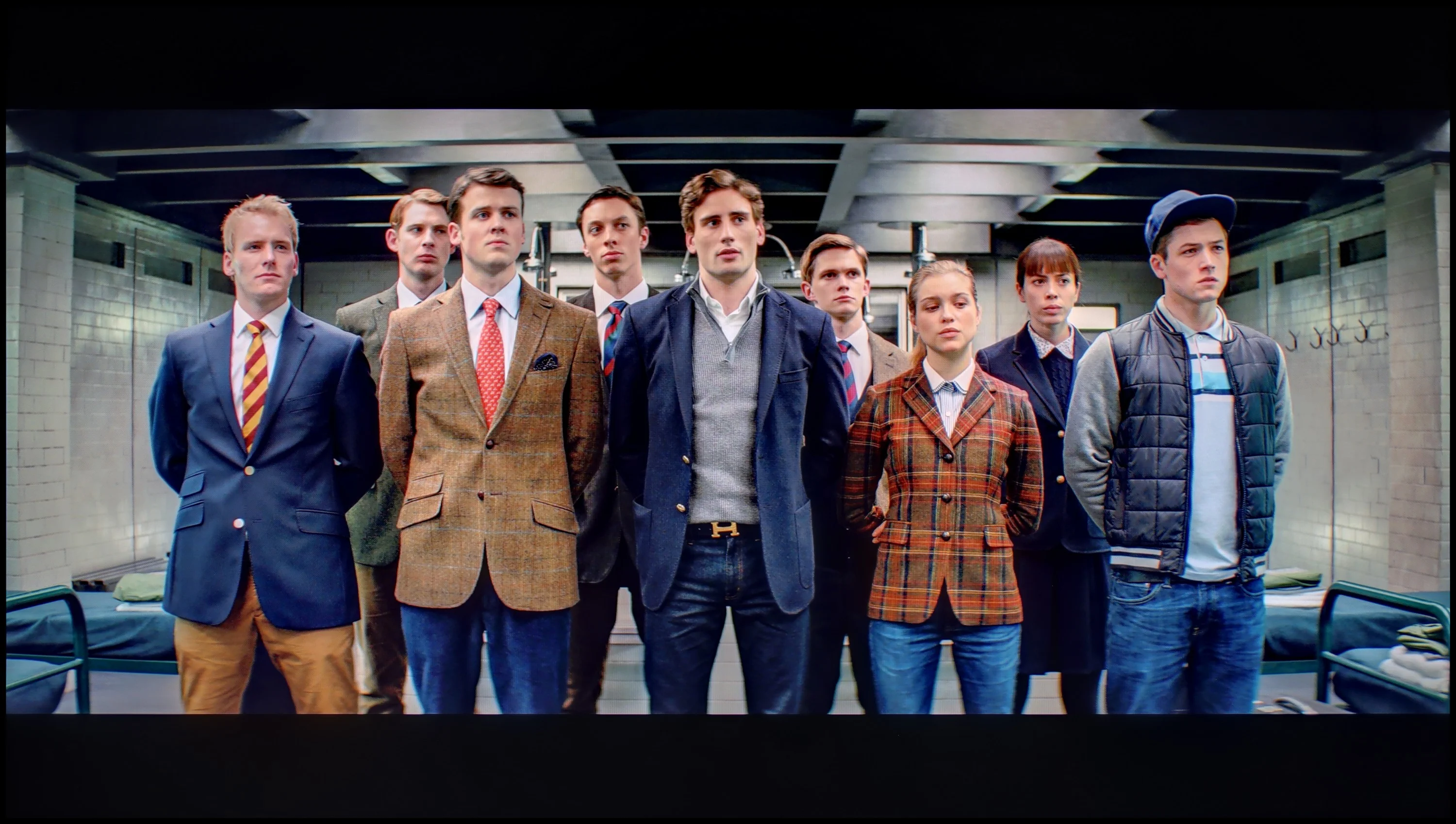
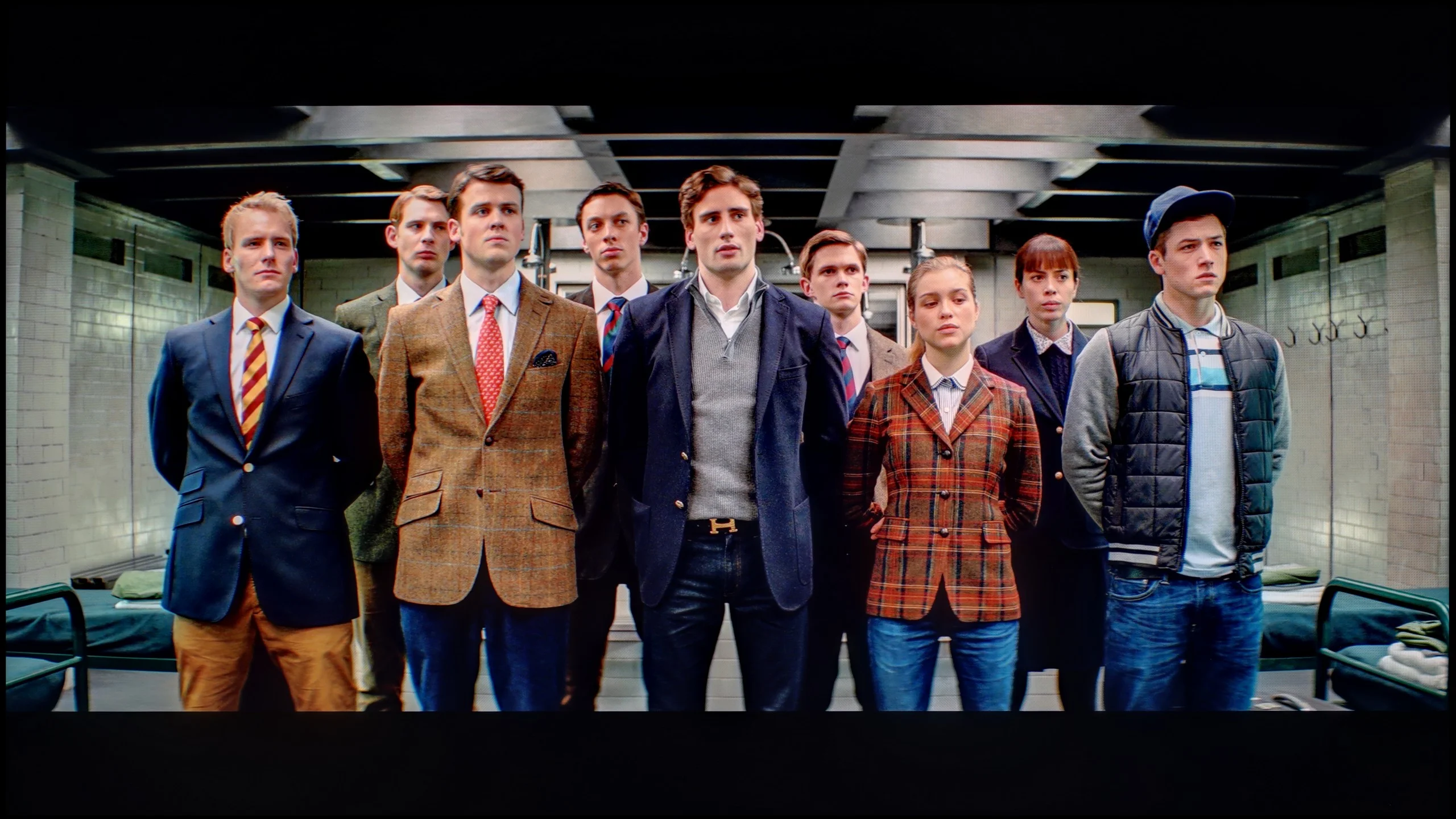
The photos show how movies look on the TV. Pay attention to black detail visibility, colors, and shadow tint.

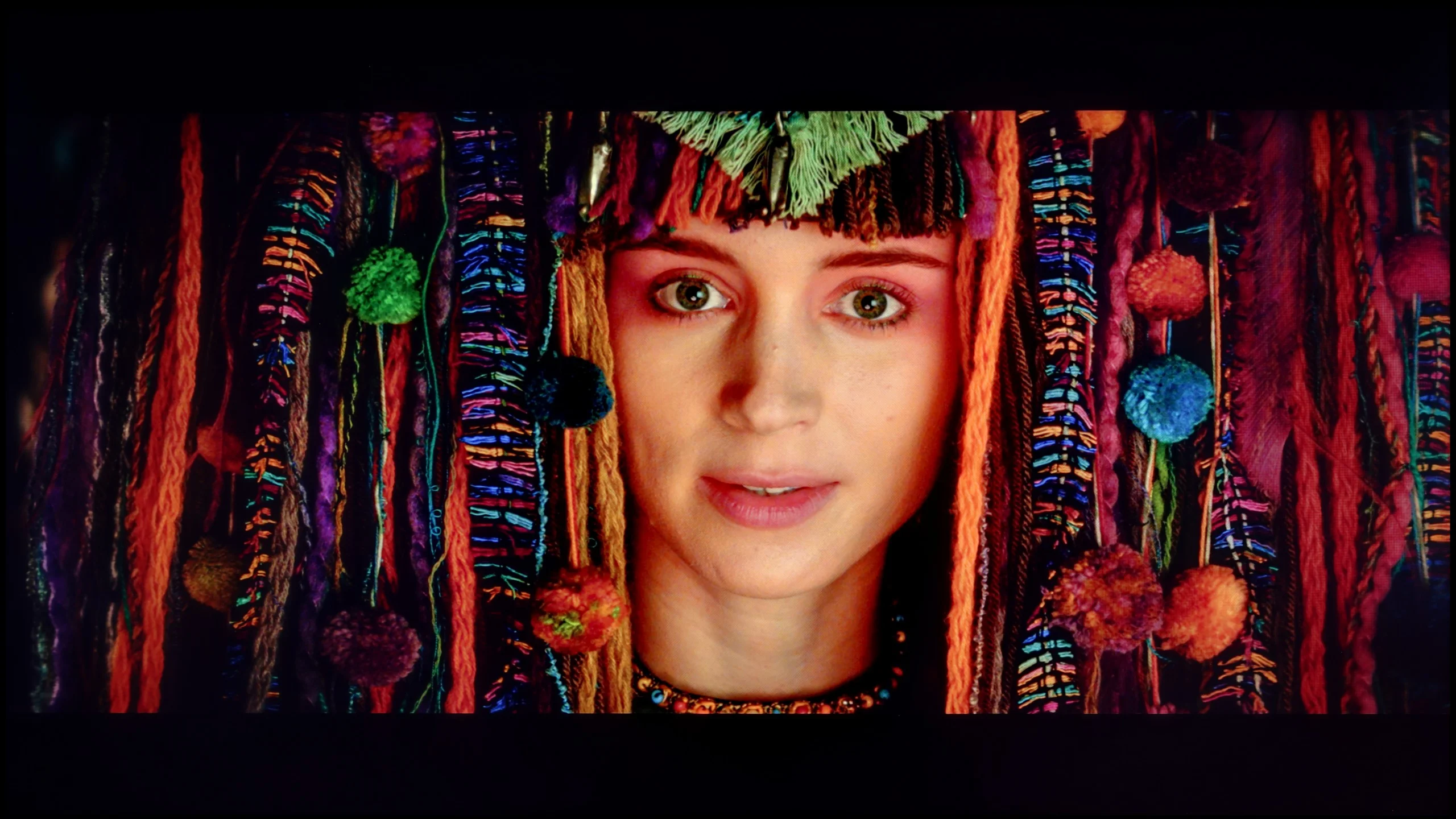
The photos show how movies look on the TV. Pay attention to black detail visibility, colors, and shadow tint.
Xiaomi S MiniLED 2025 is a television that gains a whole new life after calibration. The results are truly remarkable and show how much potential this model has.
In SDR mode, the white balance is nearly perfectly aligned. The errors are minimal enough that in many cases they can be considered negligible. This is confirmed by the Colour Checker palette results, where the errors did not exceed 2 ΔE – a result that is indeed quite rare. Gamma also looks very good, although at the beginning of the graph, there are slight brightenings in the darkest elements. However, this is a minor exception that does not significantly affect the image perception.
In 4K HDR materials, calibration also brought visible improvements, especially in white balance. The image looks natural and consistent. However, the brightness characteristic remains a problem. EOTF analysis in film materials shows that the television tends to over-brighten or darken the smallest elements on the screen. This is a result of limitations in the dimming algorithms that we previously discussed concerning HDR and contrast testing. Unfortunately, this is a technical feature of this model that cannot be completely eliminated.
Despite this minor flaw, calibration allowed extracting the maximum capabilities from this television. The image now looks phenomenal, and its quality impresses with every type of material. Xiaomi S MiniLED 2025 demonstrates that with the right settings, it can compete with more expensive models.
After calibration, the M80H performs really well, especially with basic SDR content. Regular broadcast TV, YouTube, or movies viewed without HDR can look very accurate on it. After correcting the white balance, errors are minor, though you can still sometimes see that the TV tends to oversaturate the most saturated reds. In HDR you can also improve the picture and correct its main faults, but it doesn't reach the level of pricier models. Samsung quite heavily restricts color adjustment options in HDR, so in many areas we have to accept what the TV offers out of the box. Calibration lets us improve some parameters, but we are no longer able to change the overall image character of the M80H.
Smoothness of tonal transitions
8/10
9.8/10
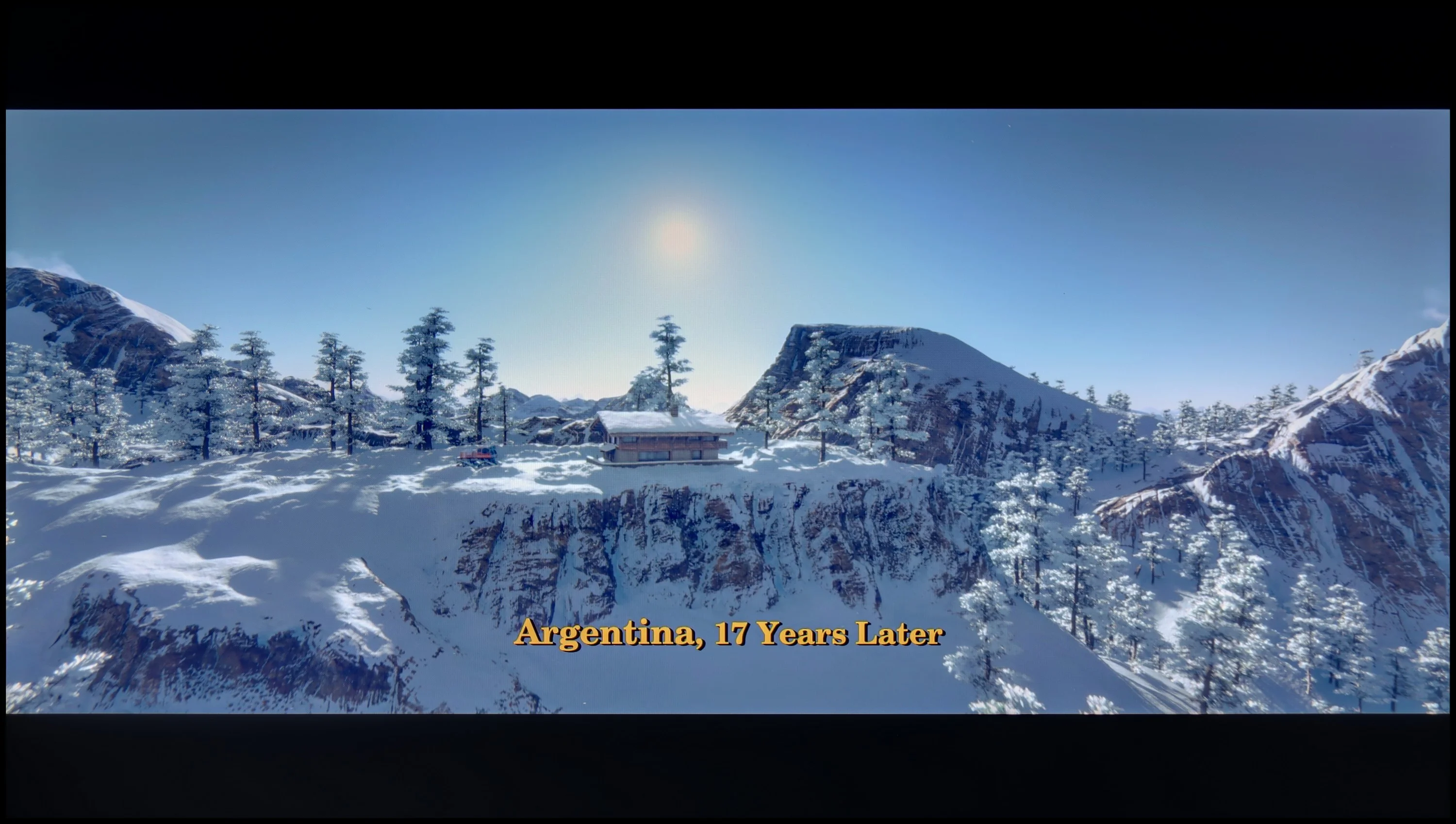

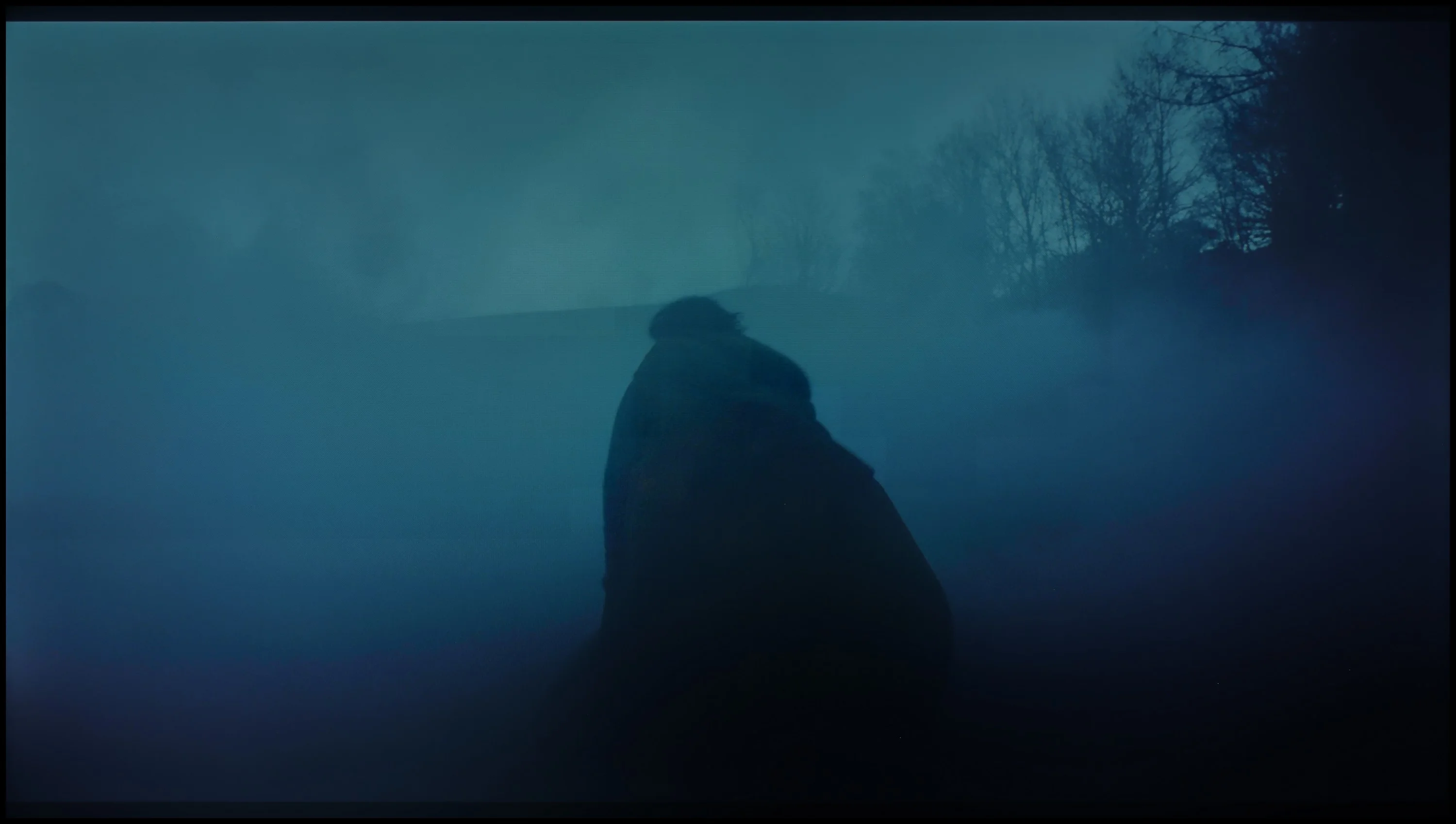
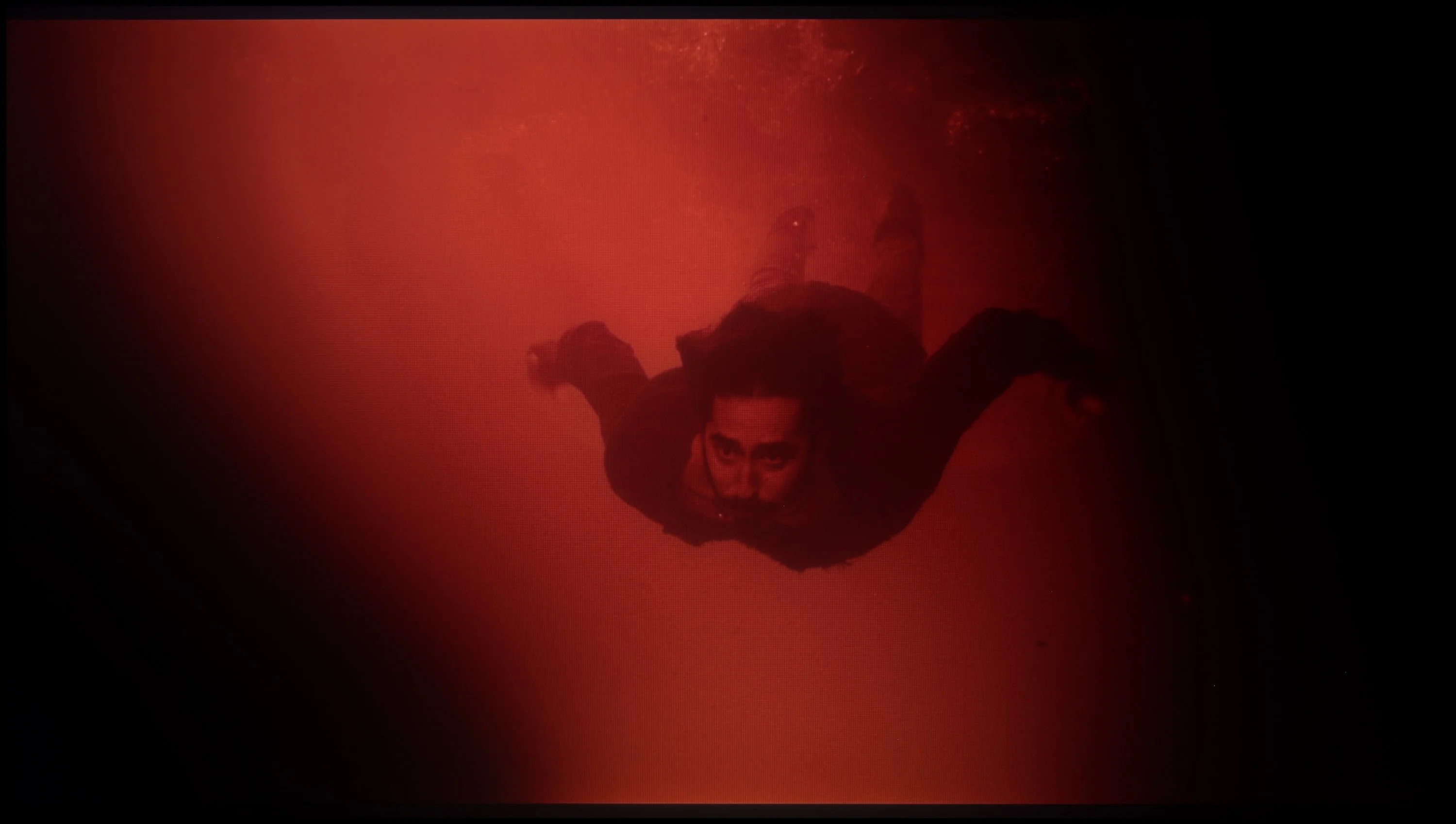
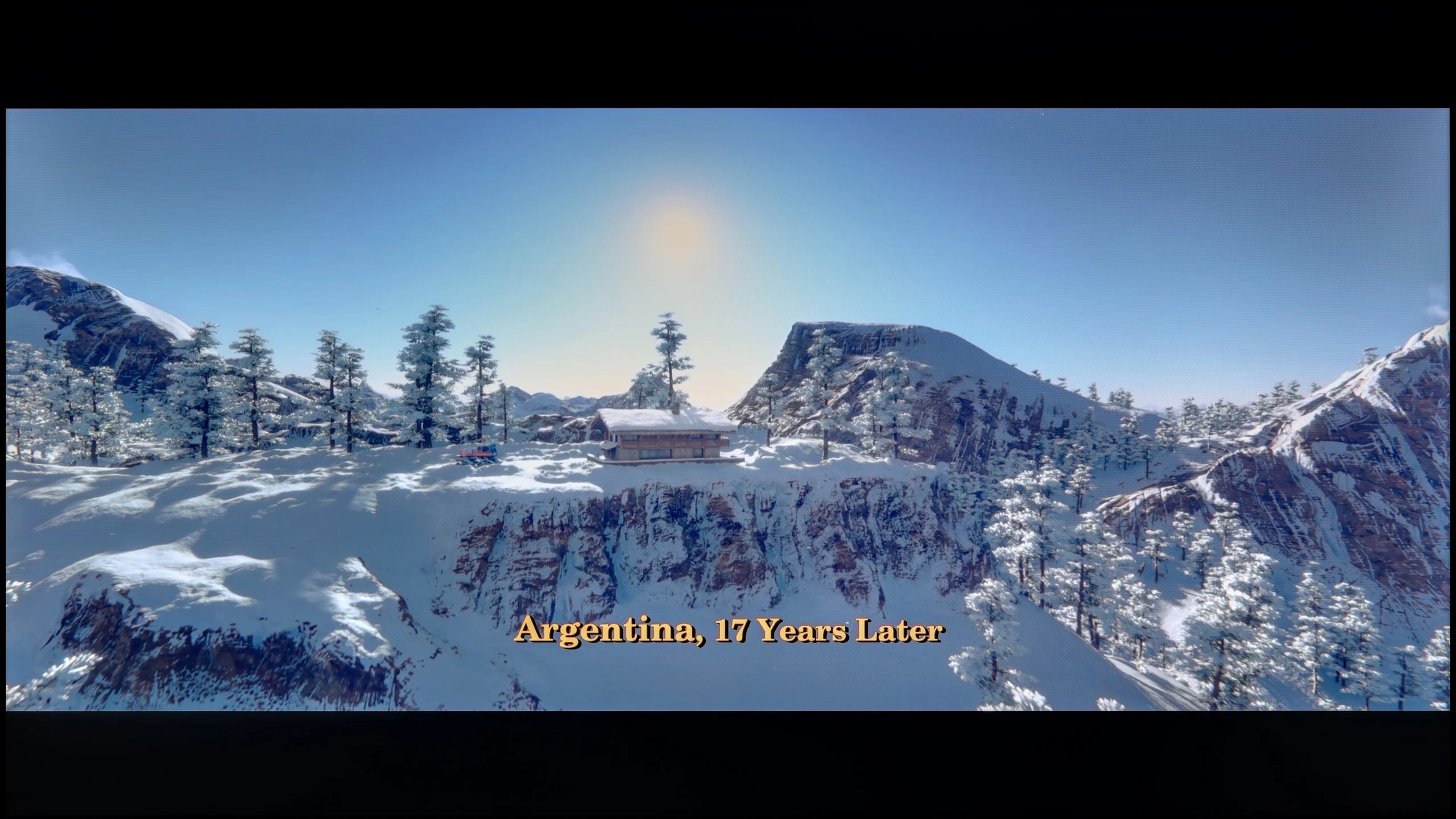
These are selected scenes that show smooth tonal transitions from one color to another. If you see distinct banding, it’s the TV panel’s fault.

These are selected scenes that show smooth tonal transitions from one color to another. If you see distinct banding, it’s the TV panel’s fault.
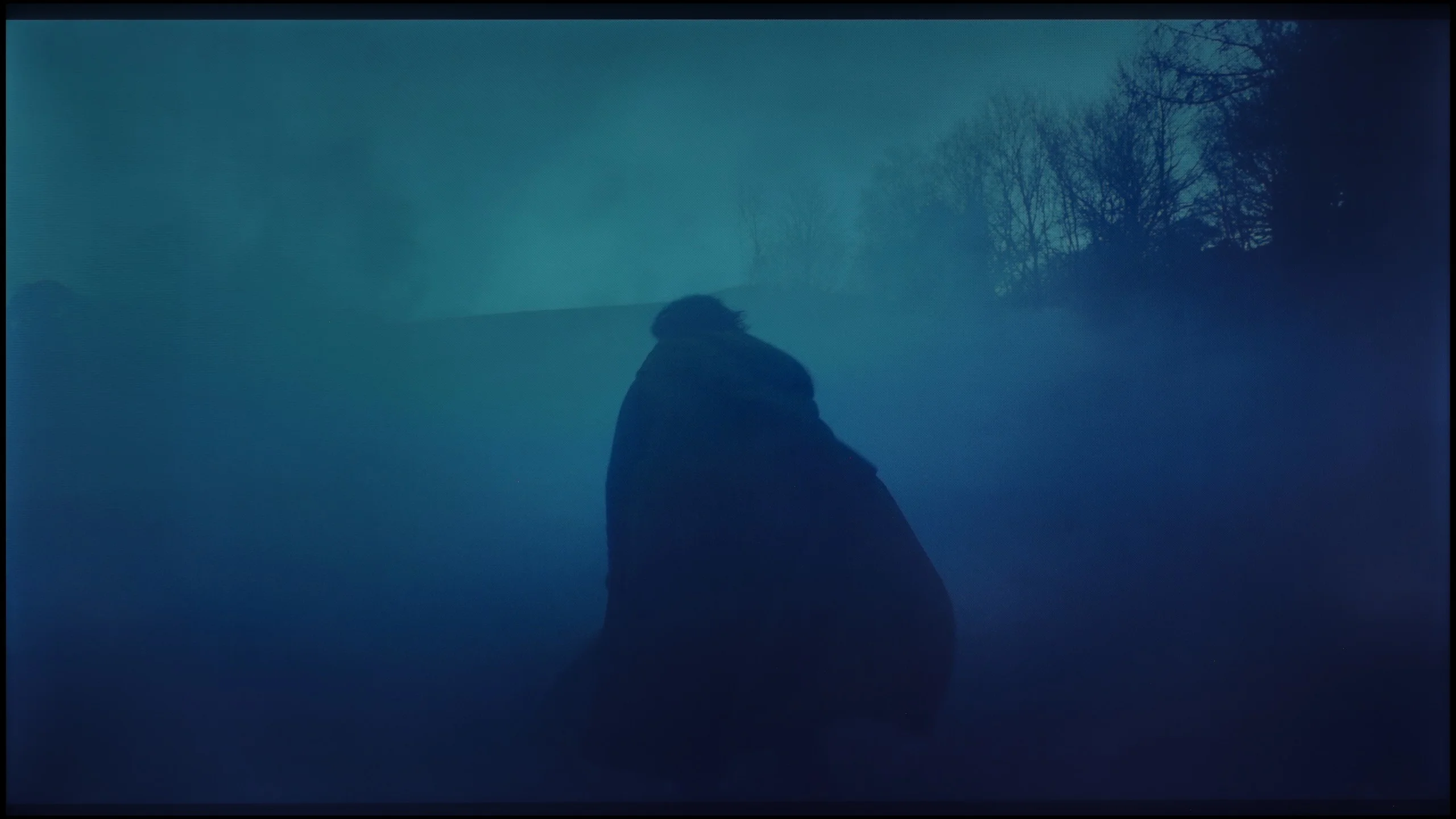
These are selected scenes that show smooth tonal transitions from one color to another. If you see distinct banding, it’s the TV panel’s fault.

These are selected scenes that show smooth tonal transitions from one color to another. If you see distinct banding, it’s the TV panel’s fault.
The fluidity of tonal transitions in Xiaomi S MiniLED 2025 is very good. Even in the theoretically most challenging scene with red water, the television performs excellently – we did not notice any significant issues. Minor imperfections appear in scenes such as Kingsman or The Martian, where subtle color transitions can be seen. Nevertheless, Xiaomi stands out in this category, offering one of the best qualities of tonal transitions in its price range. This is definitely a strong point of this television.
The smoothness of tonal transitions on the M80H is nearly perfect. Posterization is practically non-existent, and successive shades blend very smoothly in both bright and dark scenes. We didn't notice any obvious color banding, even in the sky or in smoke scenes. If the image looks worse in dark shots, that's not due to gradation issues. What becomes more apparent are the backlight limitations and the lack of local dimming, which keep blacks from having proper depth.
Image scaling and smoothness of tonal transitions
6.7/10
7/10


Smooth transition function
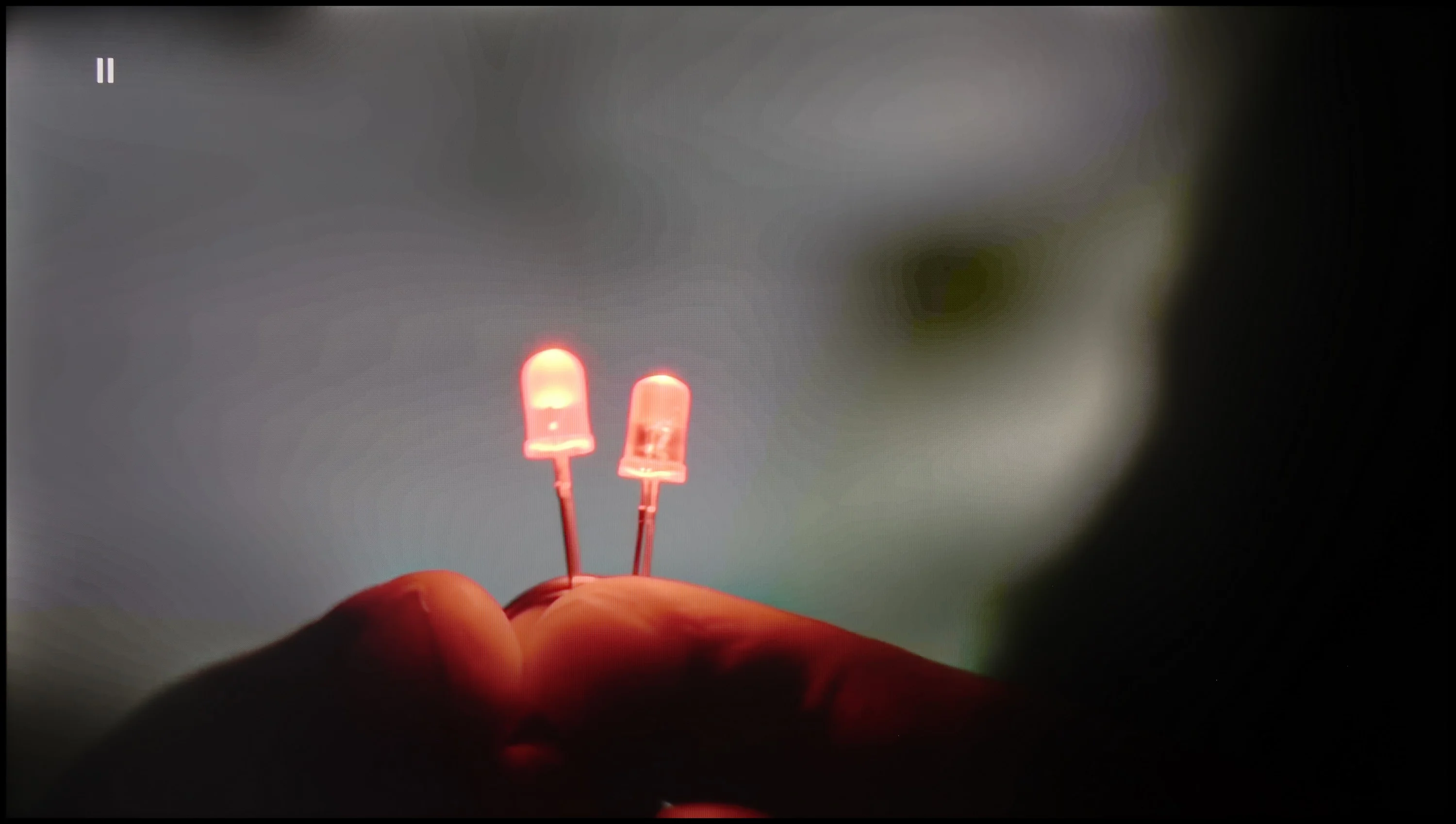
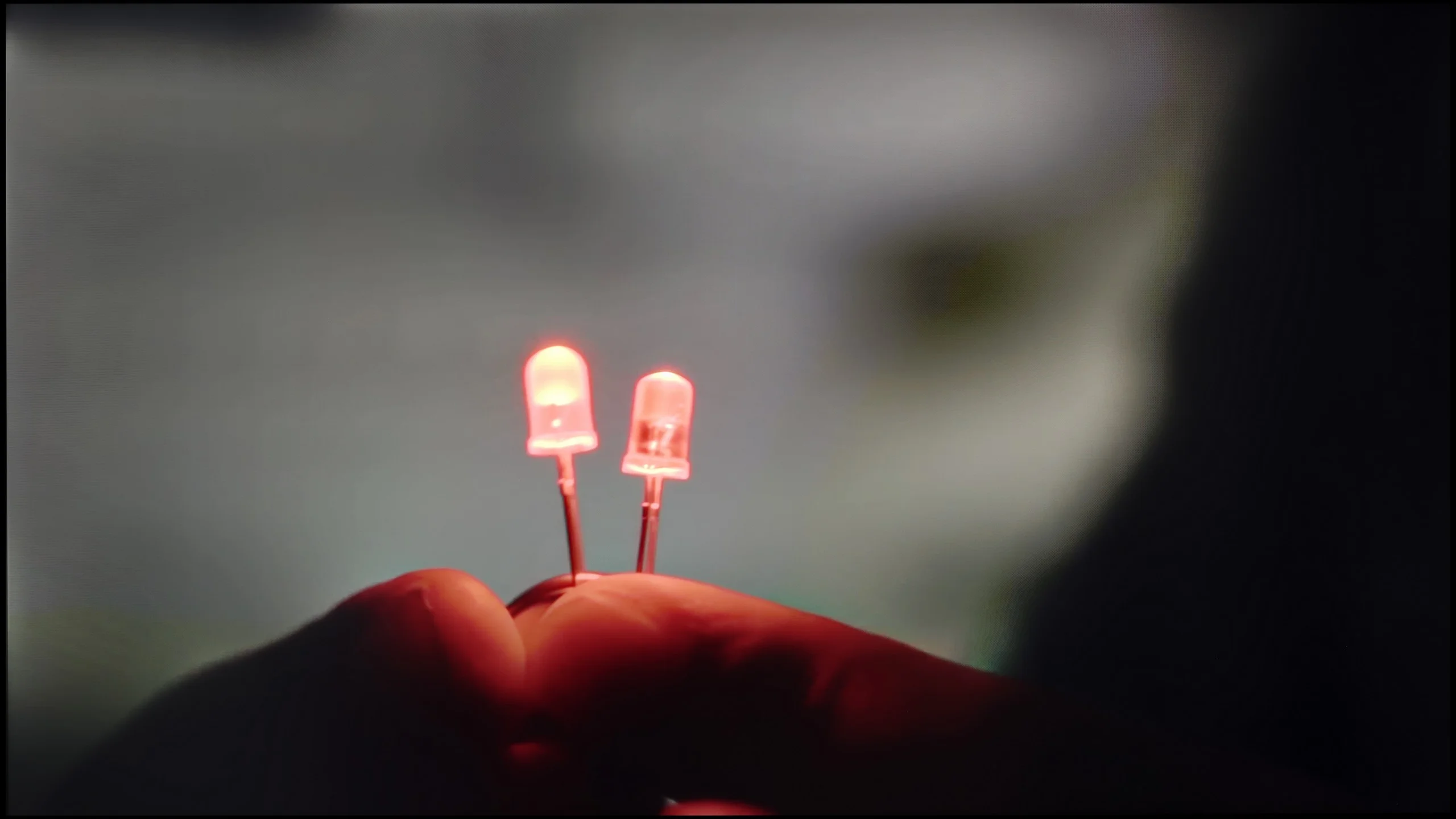
The match photo shows how the TV smooths weak tonal transitions in low-quality video.
Image scaling SD (576i)
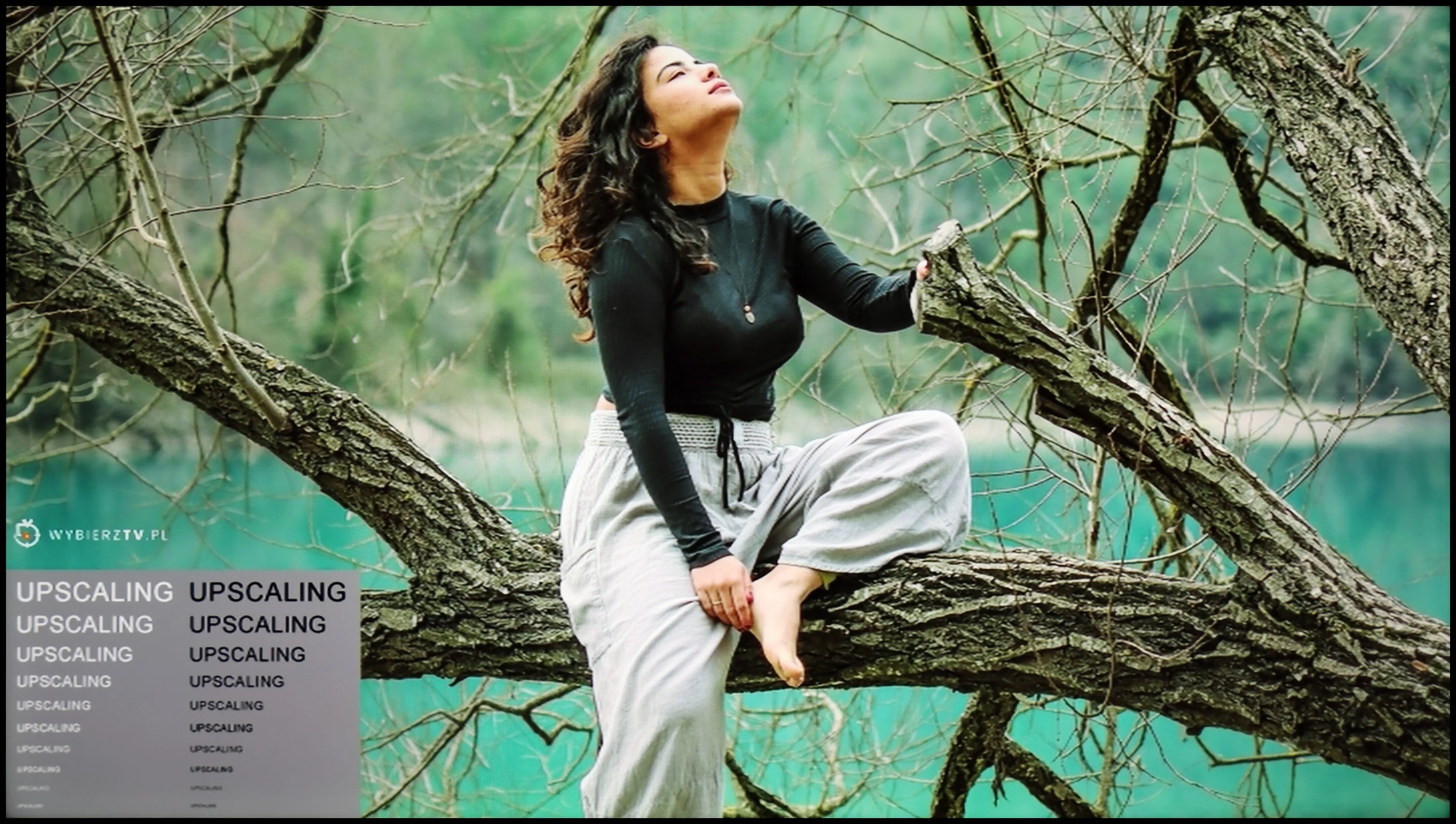
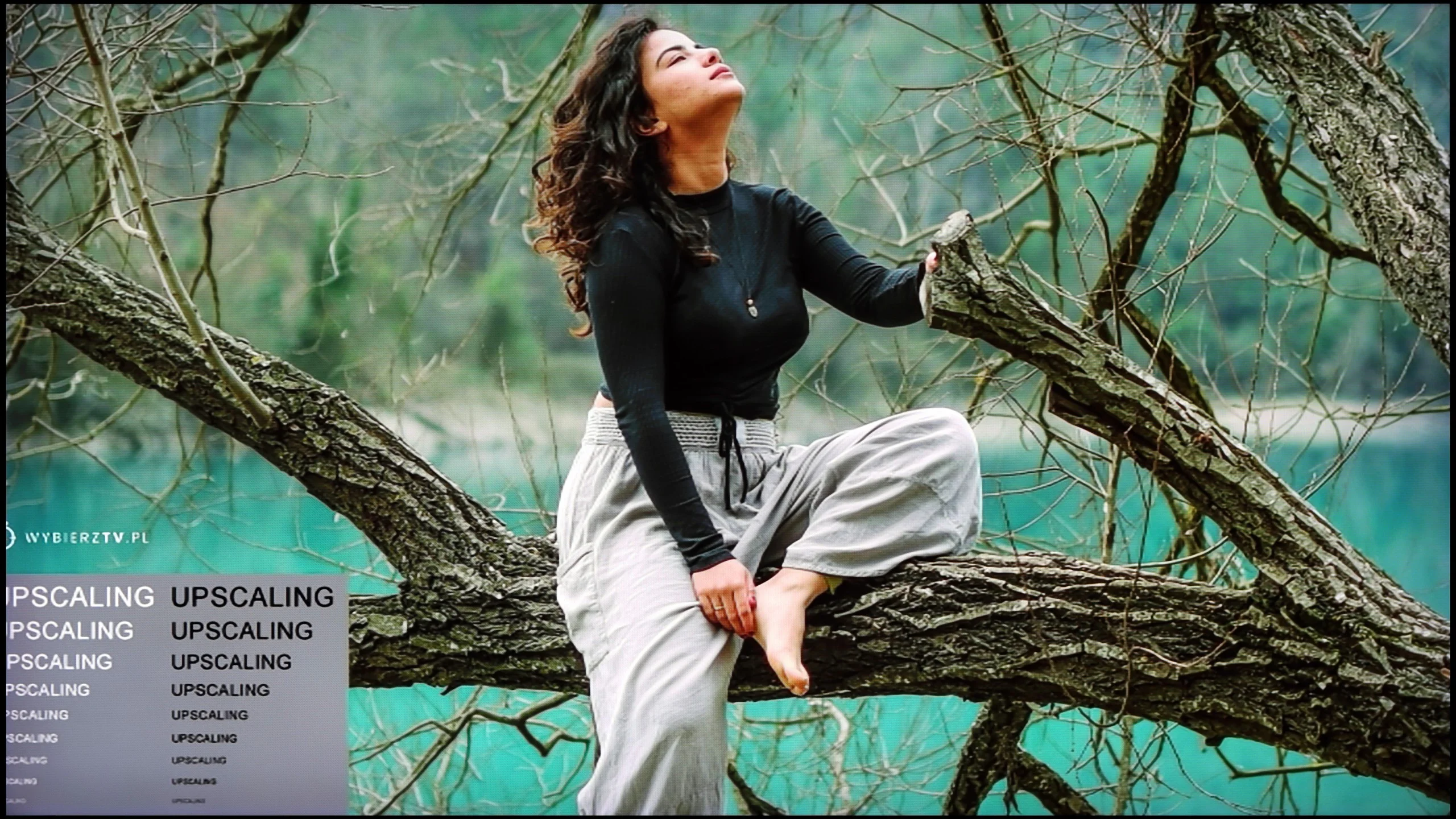
The model photo shows how it handles upscaling of SD material.
When it comes to color transitions in lower quality materials like YouTube or television, the Xiaomi S MiniLED is equipped with the "Color Contour Removal" feature. In the "low" setting, it works quite well, but its effectiveness can be uneven. Sometimes it seems like the TV struggles with smoothing, which creates a certain dissonance. On the plus side, we did not notice any visible side effects, although given the instability of this feature, one might suspect that unexpected issues could arise in some situations.
Image scaling also performs average. There is slight aliasing, especially on thin elements like branches, and subtitles can appear a bit jagged. While it may not be very bothersome, a more discerning eye will certainly catch these shortcomings. Overall, most users should be satisfied with the scaling and smoothing quality, but the TV may not satisfy those who expect perfection in every frame.
Although the M80H is positioned fairly low in Samsung's lineup, the manufacturer equipped it with one of its stronger processors, NQ4 AI Gen2. The same chip can be found in Neo QLED TVs and the lower-tier OLED S85H. That's good news, because the processor does a very good job improving weaker source material. Upscaling performs best. Low-resolution content is displayed properly, and edges don't look overly jagged. Of course the TV won't create details that aren't in the source, but regular broadcast TV and older recordings look decent on it. One drawback is overscan, that is, edge cropping, which cannot be fully disabled. The tonal transition smoothing feature, the so-called noise reduction, also works well. The processor can effectively reduce visible signs of heavy compression, but it does so not without side effects. At higher settings it can overly smooth the image, remove some fine detail, and even eliminate film grain. Therefore we recommend using this feature primarily for content that actually has problems with heavy compression and posterization.
Blur and motion smoothness
7/10
7.9/10
Blur (native resolution, maximum refresh rate):




Blur (BFI function enabled):
Image flickers in this mode



Blur ():
Blur (4K@240Hz):


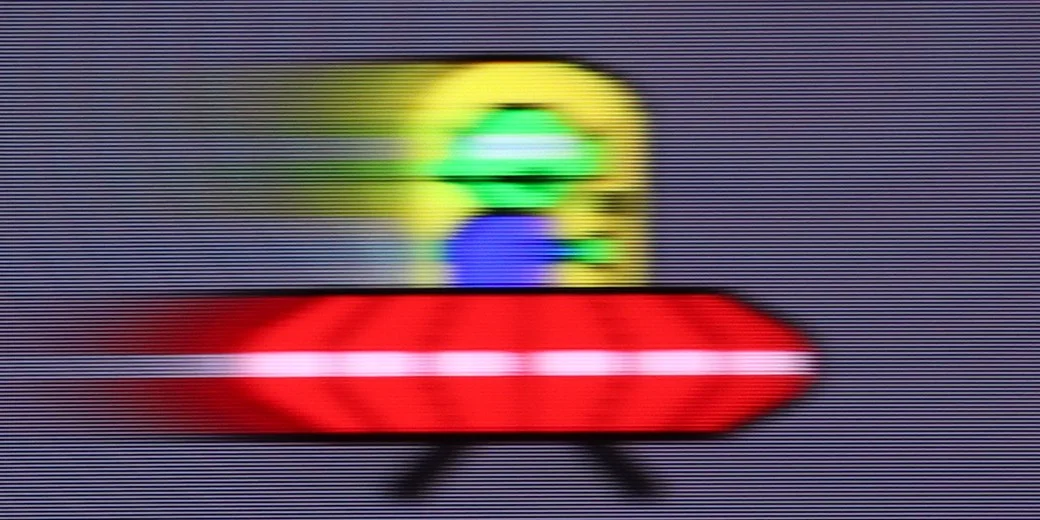
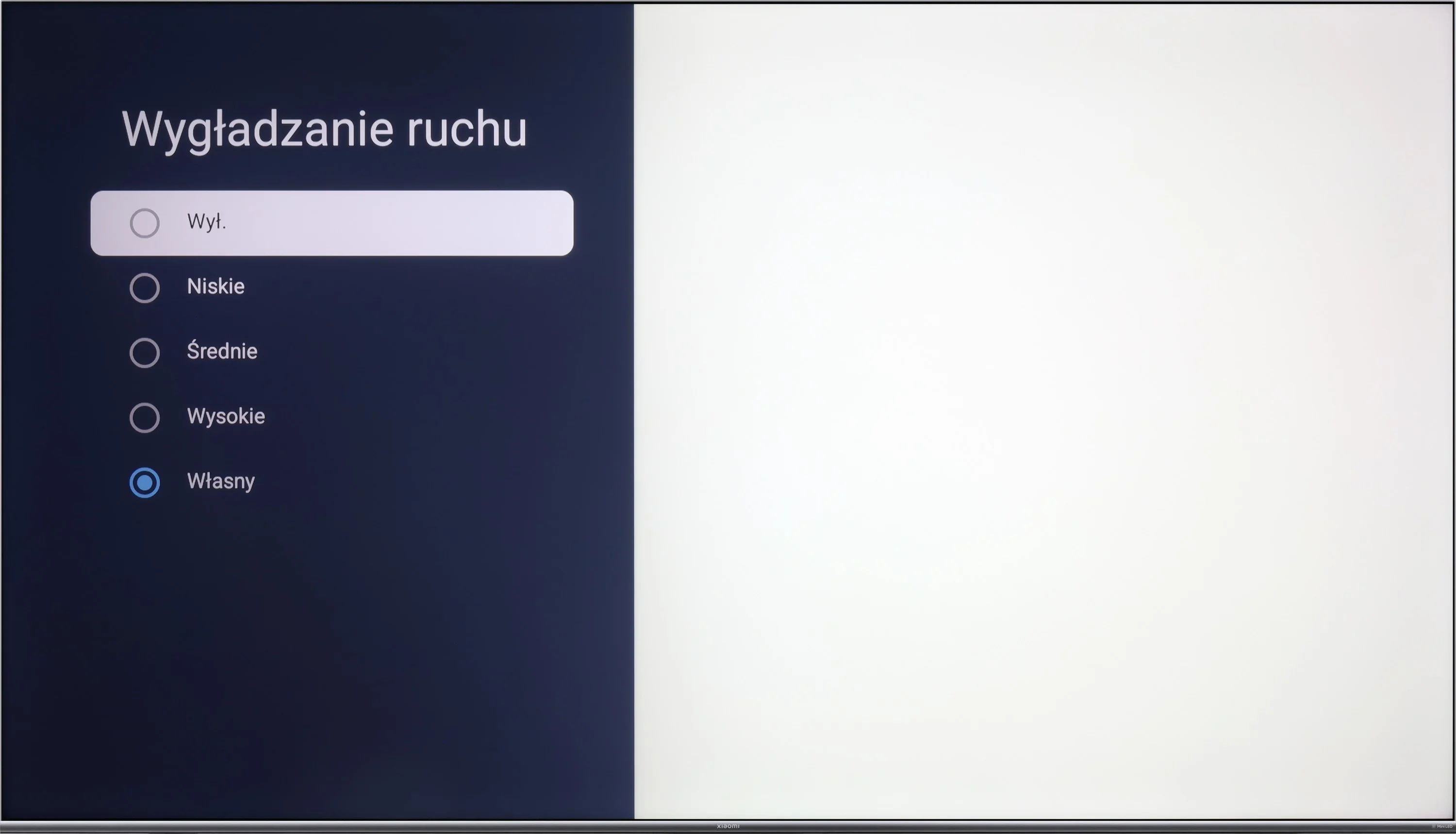
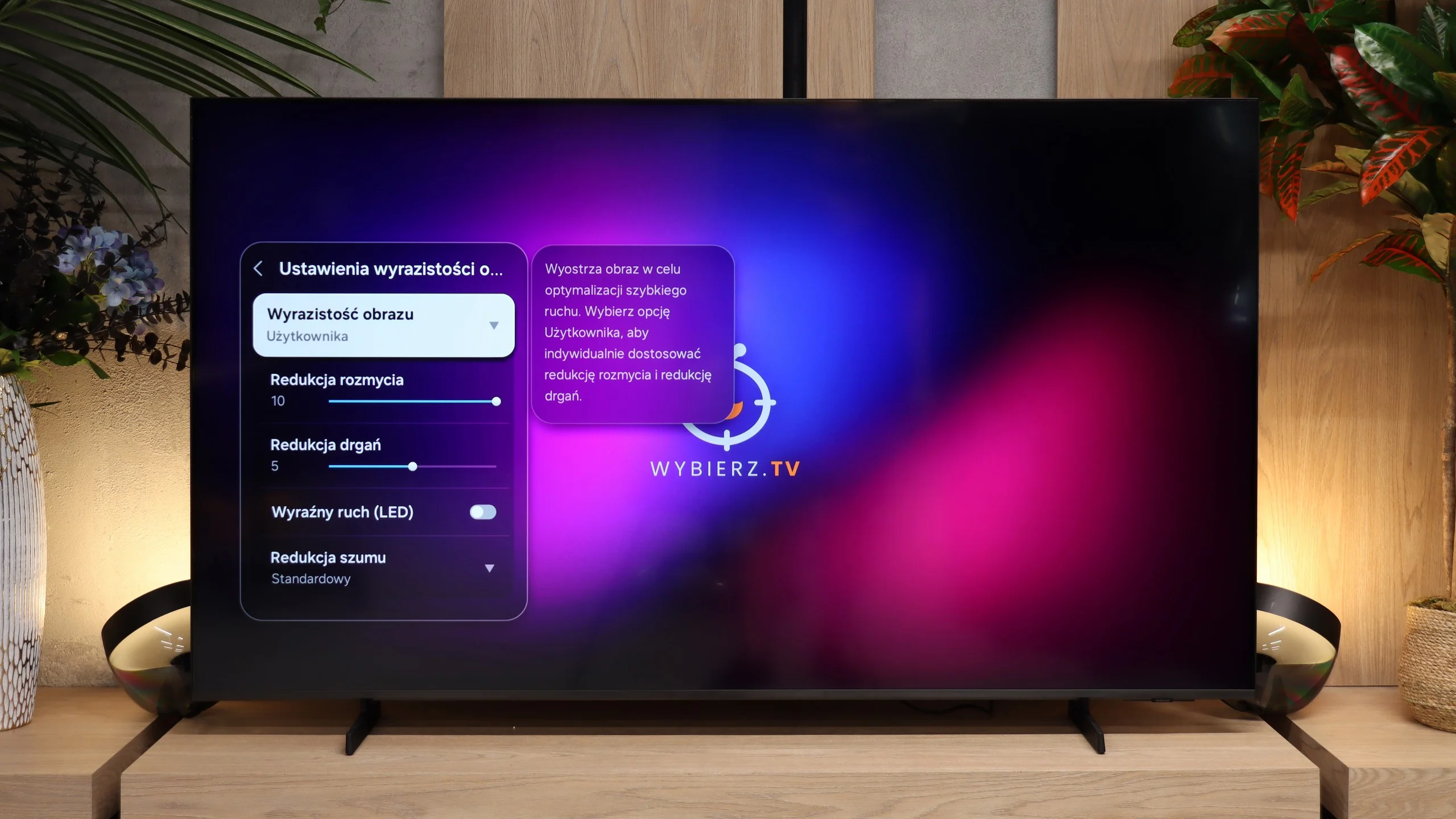
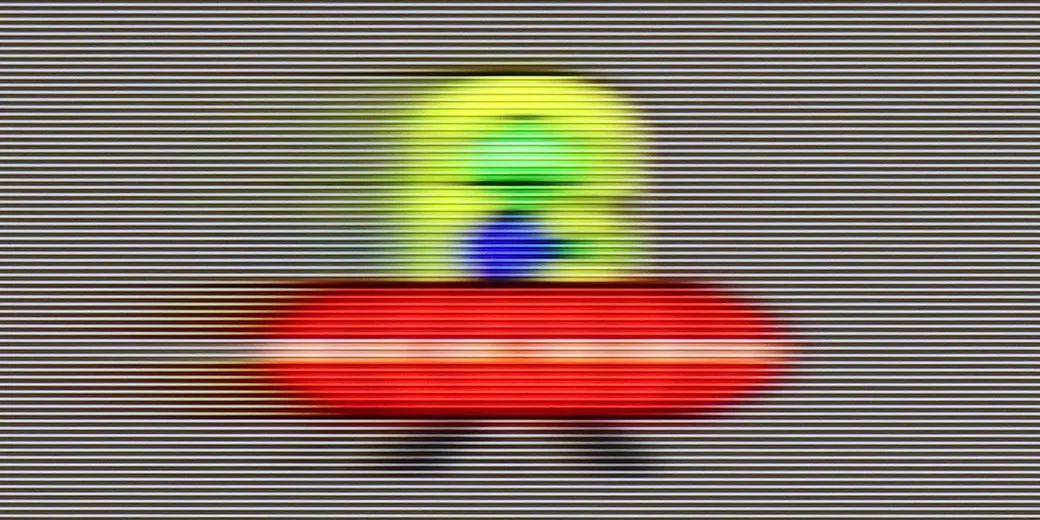
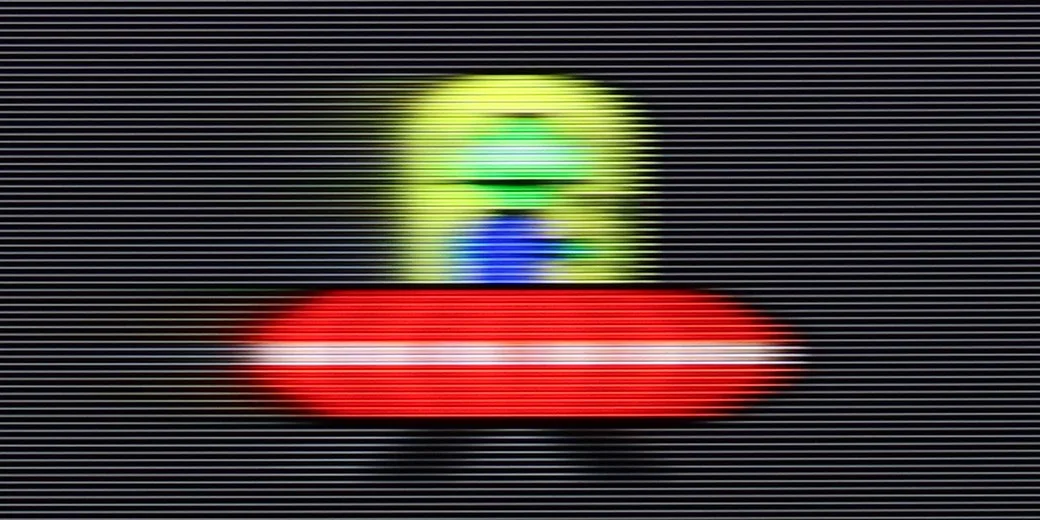
Xiaomi S MiniLED 2025 is equipped with a display that refreshes at 4K@120Hz (1080p@240Hz), providing sufficient smoothness for both watching dynamic sports broadcasts and playing the latest games. This level of refresh rate makes the image look smooth, even in the most intense scenes. Additionally, the TV offers a "Motion Smoothing" feature that allows users to adjust the way images are displayed in movies. We can choose a more frame-like effect, typical of cinematic experiences, or a smoother one reminiscent of the so-called "theatrical effect." This way, every user can tailor the settings to their preferences and enjoy smooth images in their favorite content.
The M80H performs very well for watching sports and gaming. The TV is equipped with a panel with a refresh rate of up to 144 Hz at 4K, and when the resolution is lowered to Full HD it can handle up to 240 Hz. PC gamers will benefit most from the latter option.
The panel also handles 120 Hz content well, which matters especially for console gaming. The high refresh rate is useful for watching sports too, and motion blur is relatively low. That’s important because VA panels are not known for the best results in this respect. With the M80H, fast-moving objects do not produce a very noticeable trail.
Console compatibility and gaming features
9.8/10
9.6/10
- ALLM
- VRR
- VRR range48 - 144Hz48 - 240Hz
- Dolby Vision Game Mode
- Correct implementation of HGIG
- 1080p@120Hz
- 1440p@120Hz
- 4K@120Hz
- Game bar
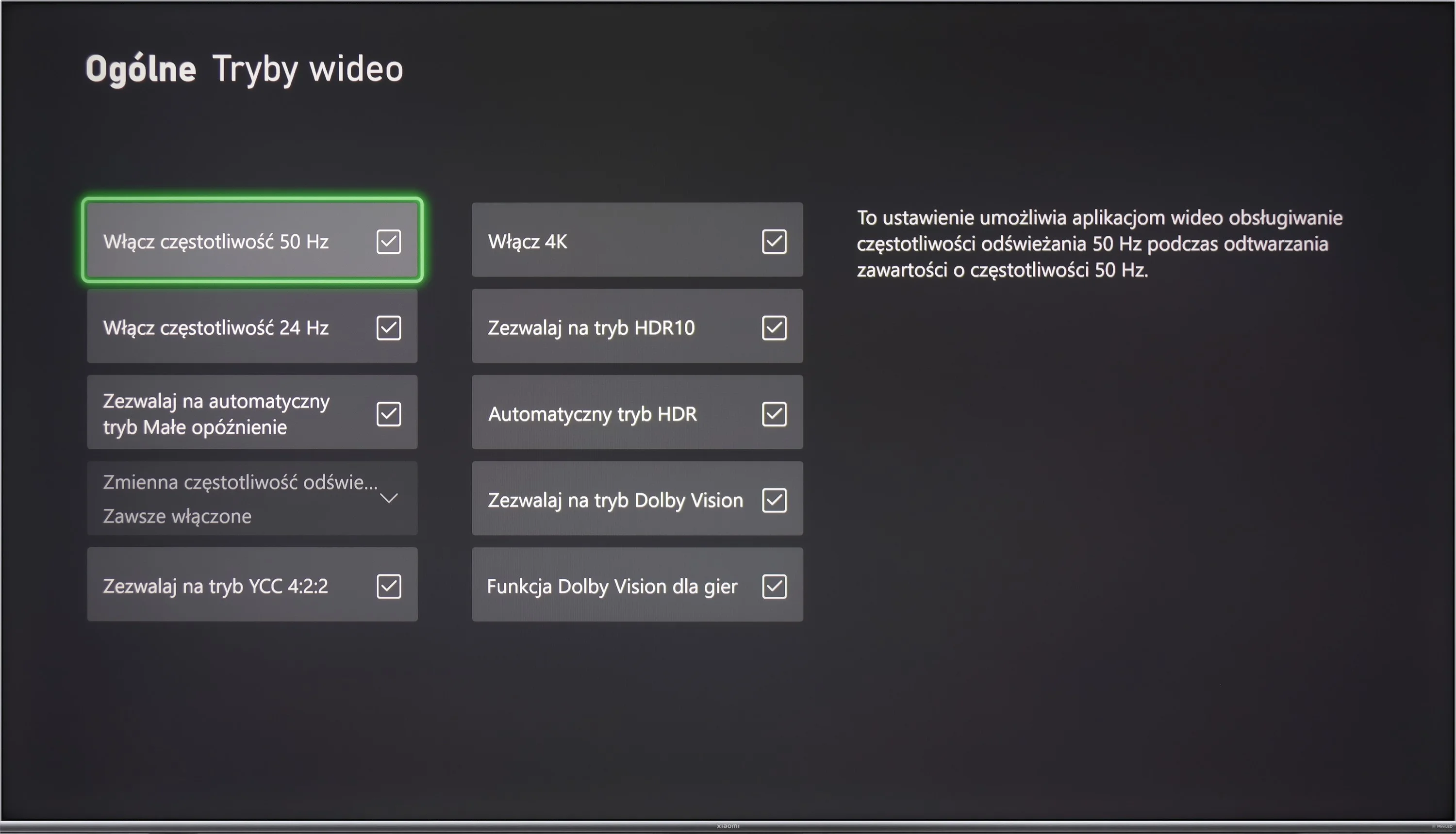
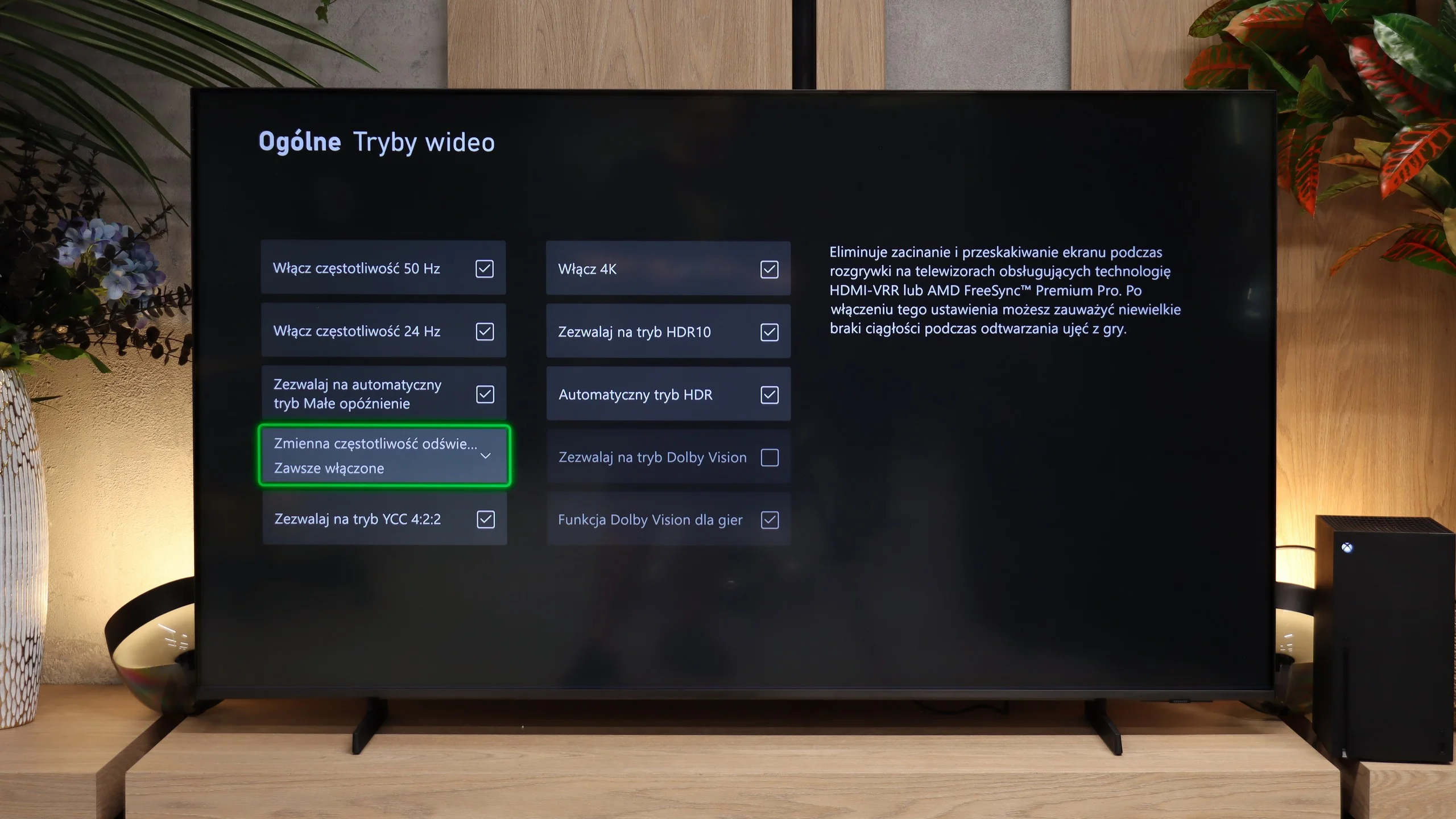
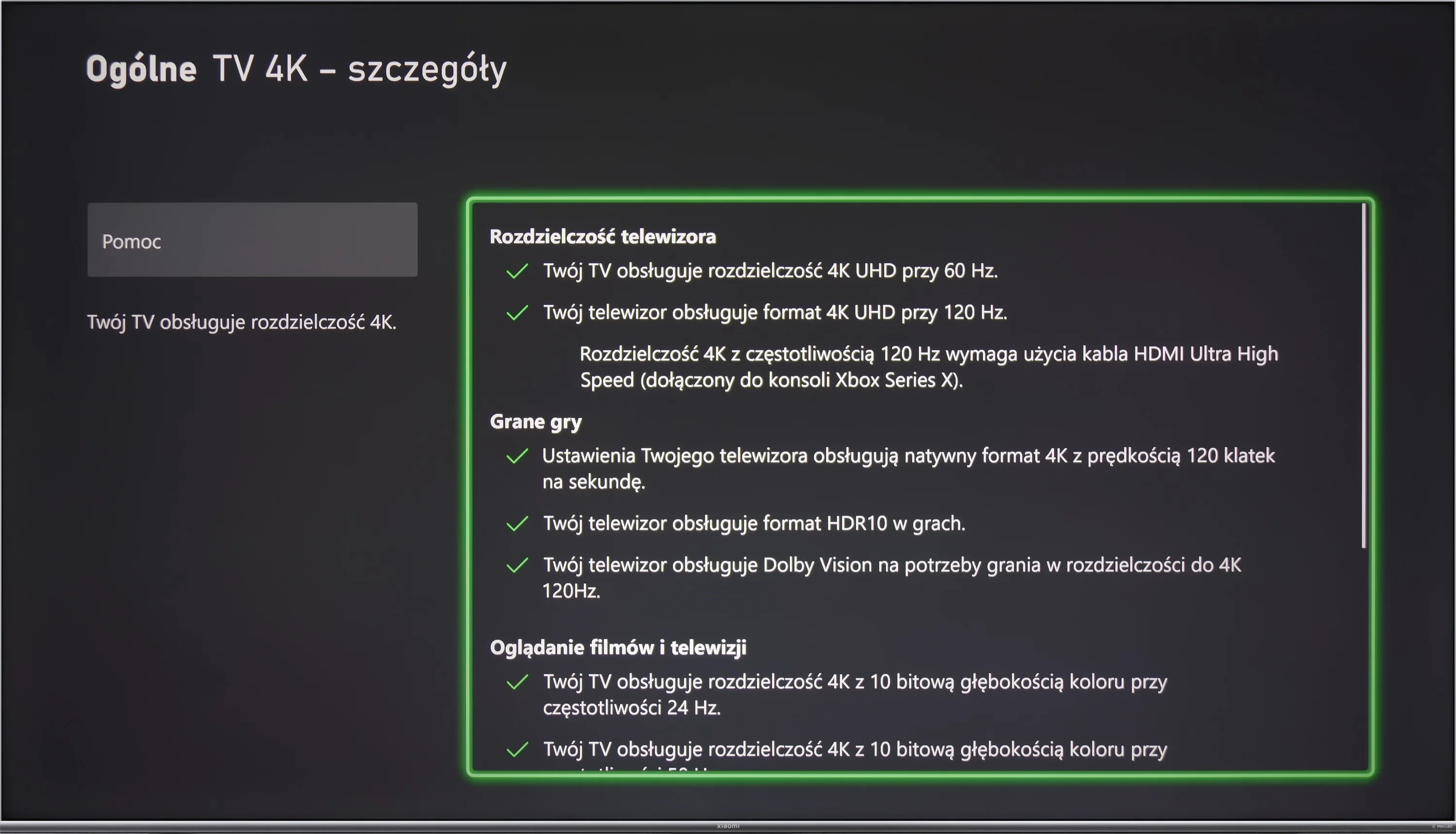
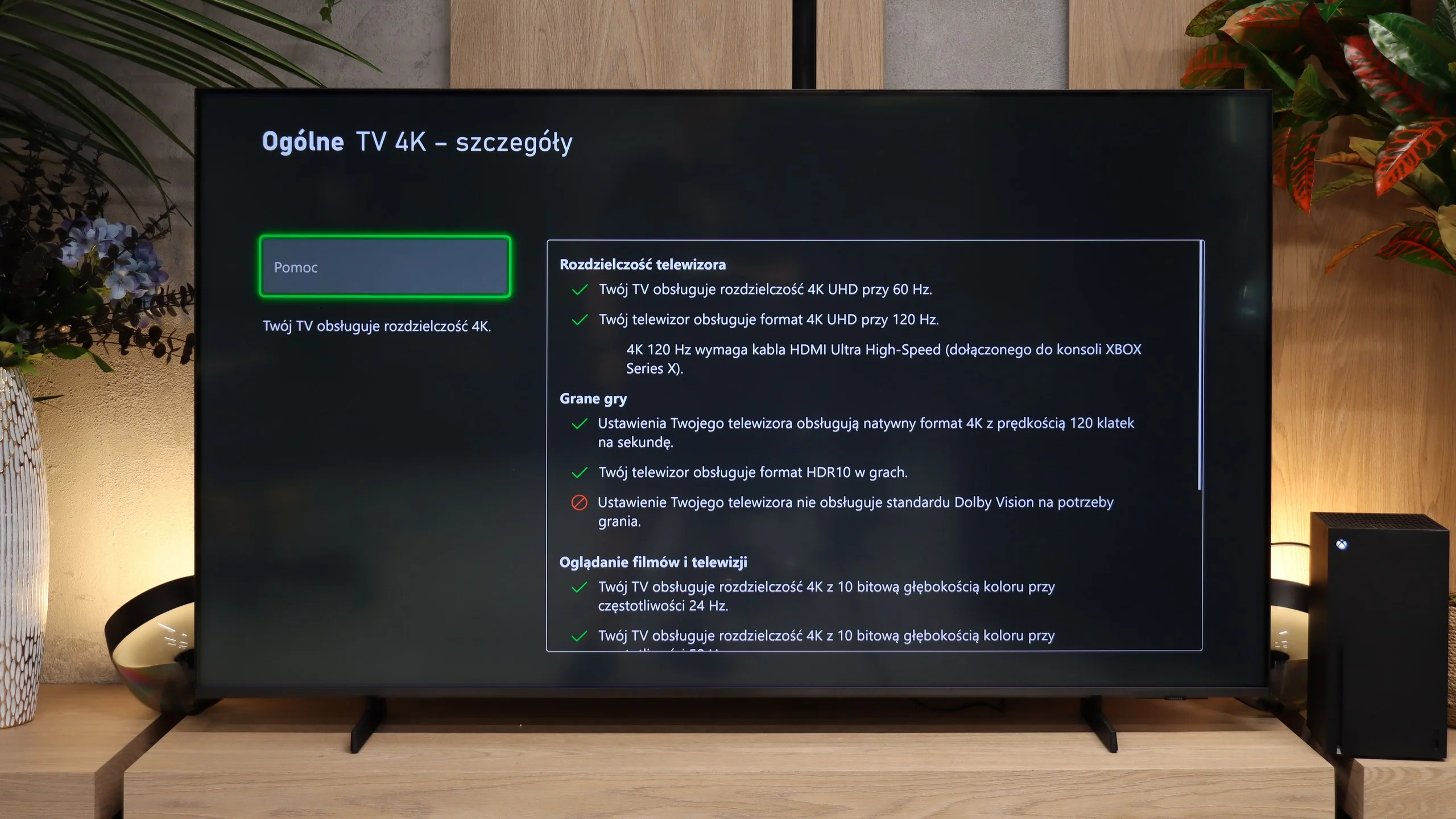
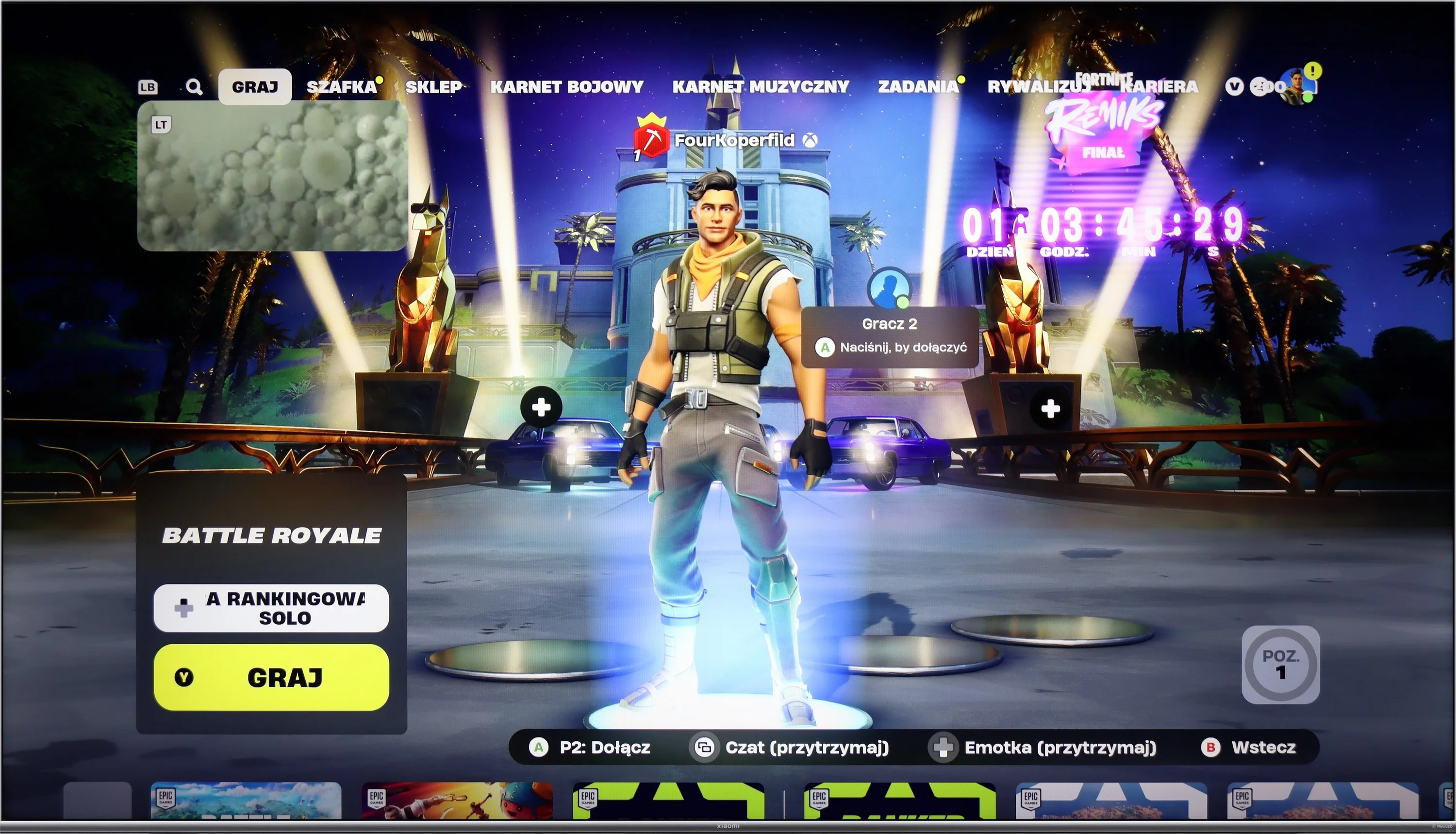
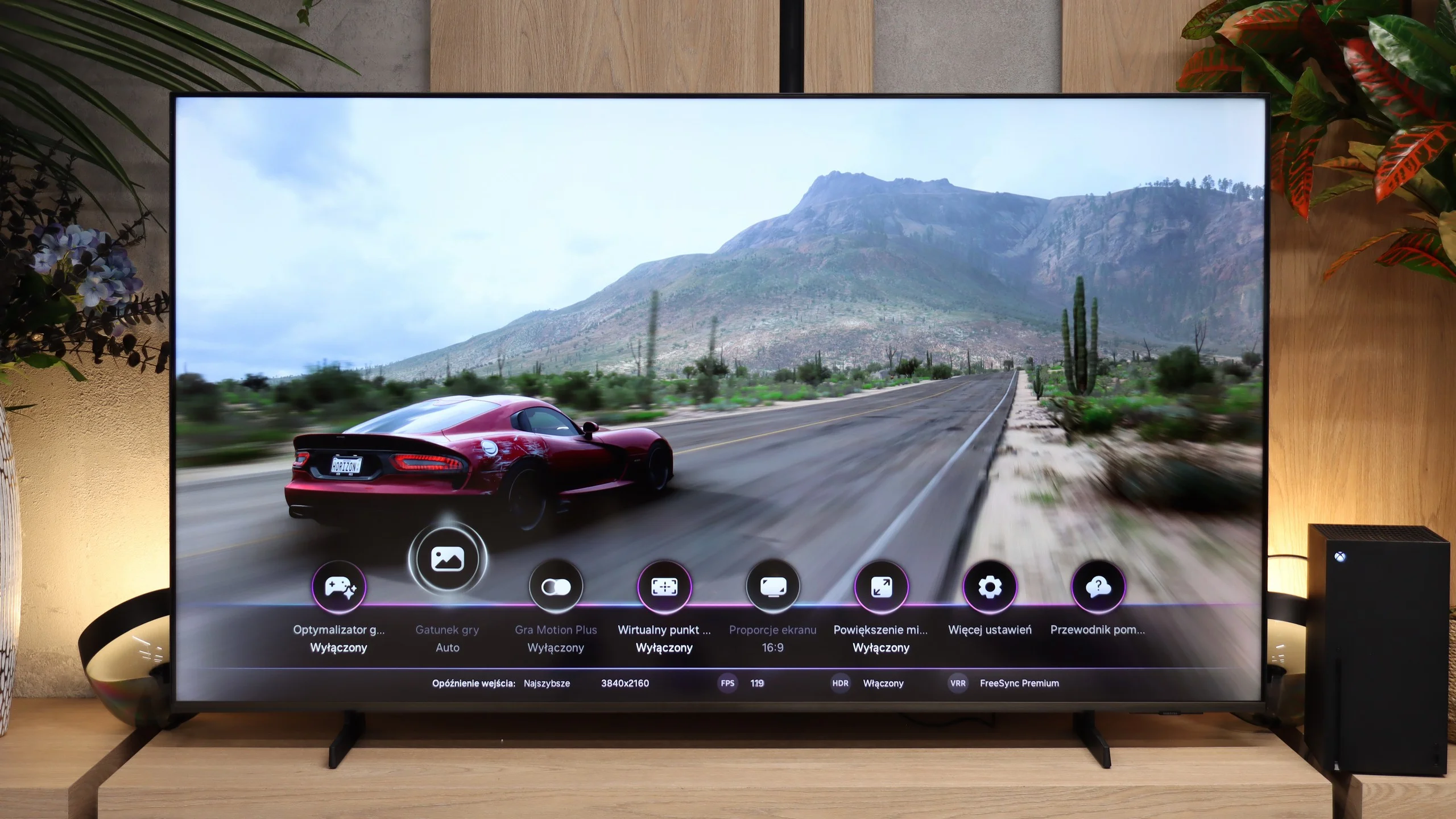
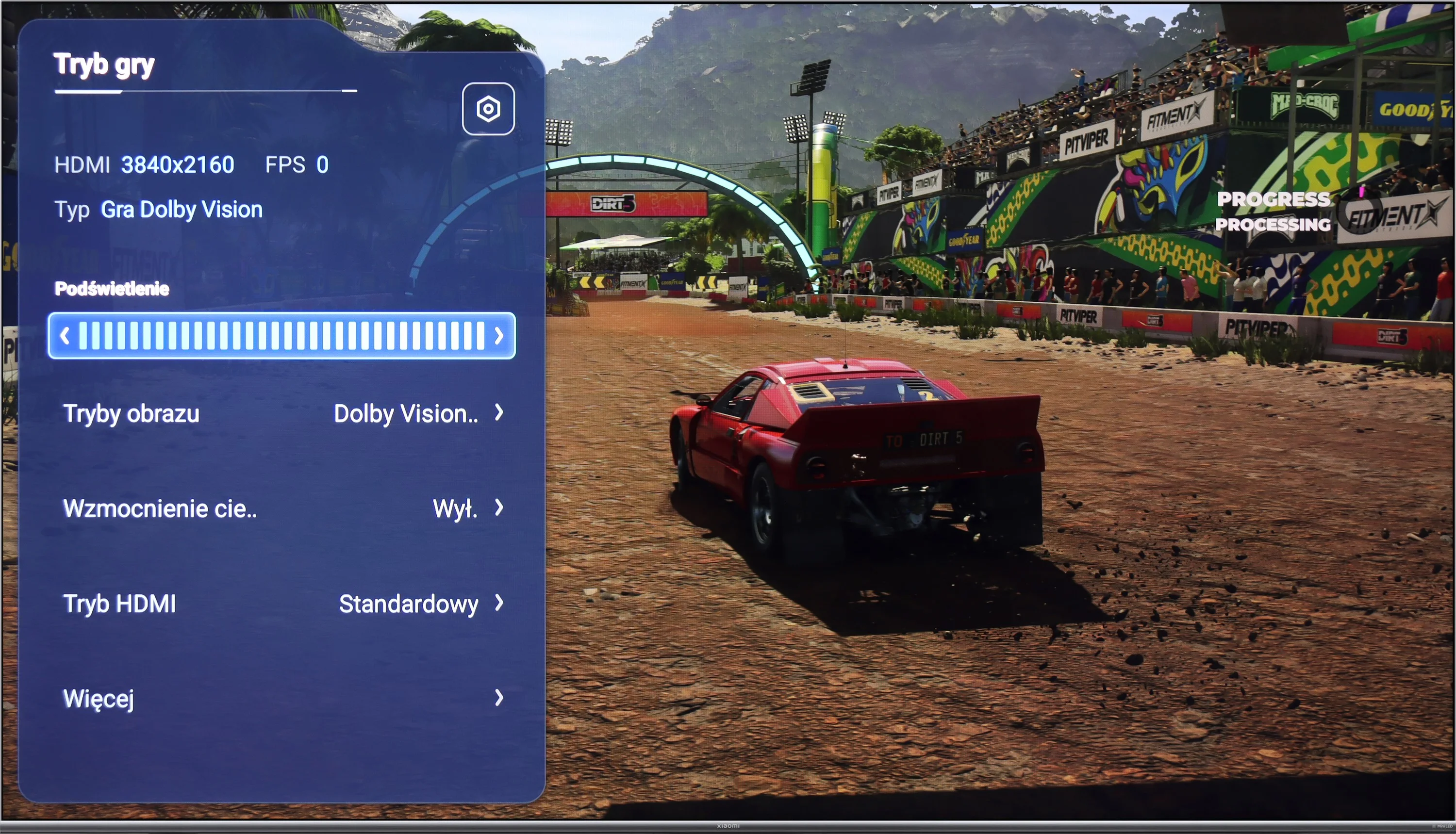
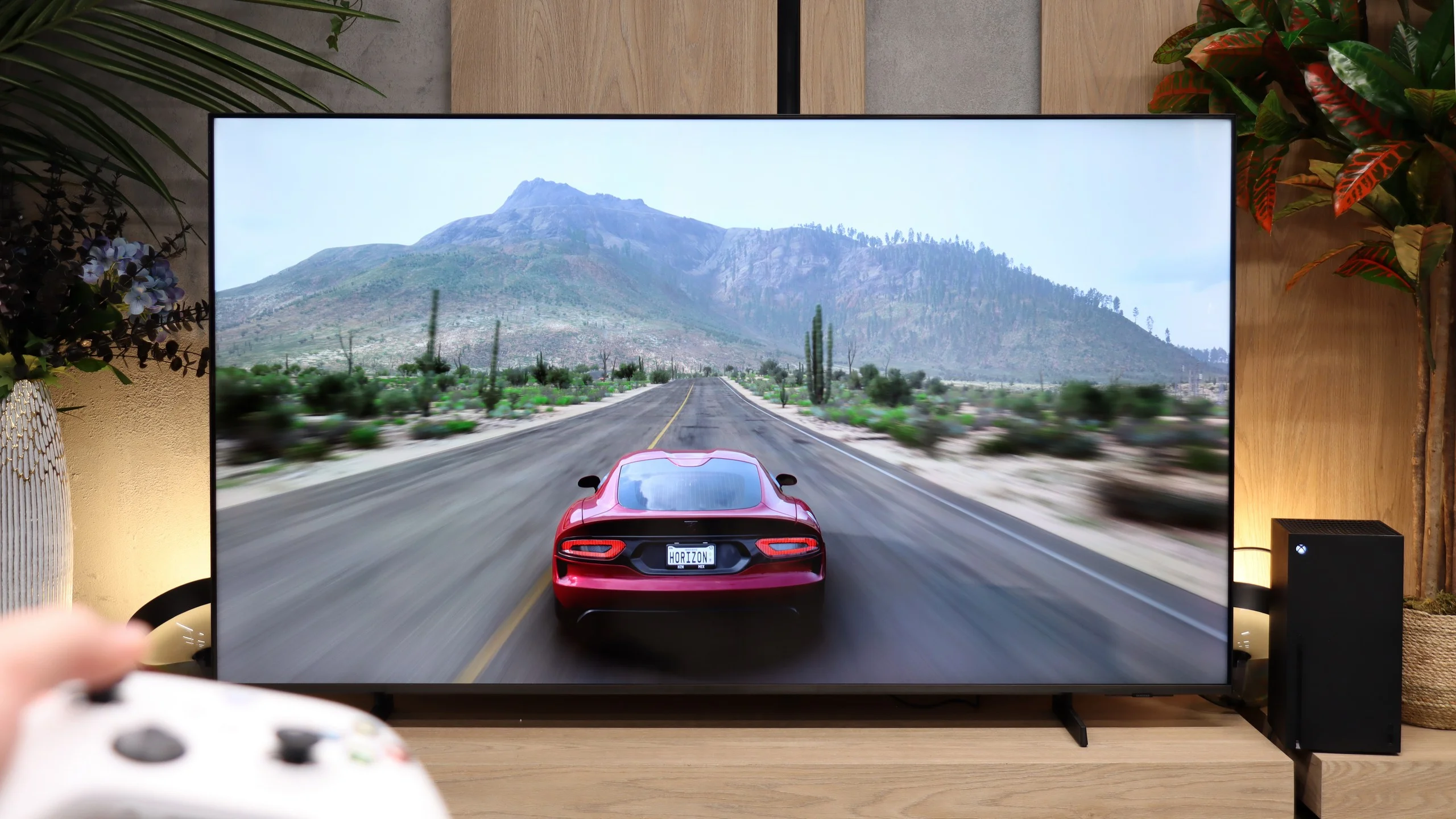
Xiaomi S MiniLED 2025 is a television that has a lot to offer gamers. With two HDMI ports with 48 Gbps bandwidth, we can easily connect modern consoles or PCs, utilizing their full potential. Additionally, the ALLM feature automatically switches the television to low latency mode – something we will appreciate during dynamic games without annoying lags. No matter what we connect, it works smoothly, and the television handles various resolutions well. There is also GameBar, which may not look as impressive as the "bars" from the competition, but makes up for it with practicality. It's a simple settings panel that allows us to quickly change the most important options or check statistics – an ideal solution when time is of the essence.
However, we have to admit that operating the television itself – or rather finding the gaming features – was quite a challenge for us. We approached the Xiaomi S MiniLED 2025 test several times to find all the necessary options. The hidden menu allowed us to discover the "GameBoost" feature, which enables switching the television to 240 Hz mode, activating VRR at 120Hz, and turning on the image in HGIG mode.
In summary, the Xiaomi S MiniLED 2025 is a television that definitely deserves praise in the gaming hardware category. Its rich set of features – 240 Hz mode, VRR, HGIG, and "GameBoost" – provides exceptional gaming experiences. Unfortunately, the intuitiveness of the menu itself leaves much to be desired and may pose a certain challenge for the average user.
The M80H can be a very good choice for gamers on a slightly smaller budget. Feature-wise it offers essentially the same as Samsung's much more expensive TVs. All three HDMI inputs support HDMI 2.1, so even if one is taken by a soundbar connected via eARC there’s still room for a PC and consoles. There’s also VRR up to 144 Hz at 4K and up to 240 Hz in Full HD. Samsung has properly implemented HGiG as well, so after performing HDR calibration on the console, games are appropriately matched to the screen’s capabilities. That won’t make the M80H any brighter, but at least it won’t unnecessarily wash out the brightest parts of the image. There’s also a Game Bar for quick access to the most important settings and a Gaming Hub that lets you play in the cloud without a console. The M80H also includes Game Motion Plus, which creates extra frames and improves the smoothness of games running at 30 or 60 fps. Input lag then rises to about 59 ms, but it’s still roughly three times lower than with the typical motion smoothing on other manufacturers’ TVs. We don’t really recommend it for online multiplayer, but in more relaxed titles it can work very well.
Input lag
9.8/10
9.9/10
SDR
HDR
Dolby Vision
Input lag in Xiaomi S MiniLED 2025 is one of its biggest advantages. 8 ms for 120 Hz content and 17 ms for 60 Hz is an outstanding result that will satisfy even the most demanding gamers. Moreover, the Dolby Vision mode in games deserves praise. Unlike many competing models, Xiaomi maintains low input lag even in this mode, making it an excellent choice for fans of high-quality HDR gaming experiences.
Input lag on the M80H is very low. With a 60 Hz signal it's about 14 ms, and at 120 Hz it drops to 9-10 ms. The lag is therefore practically imperceptible, whether you're playing in SDR or HDR.
Compatibility with PC
8.2/10
8.9/10
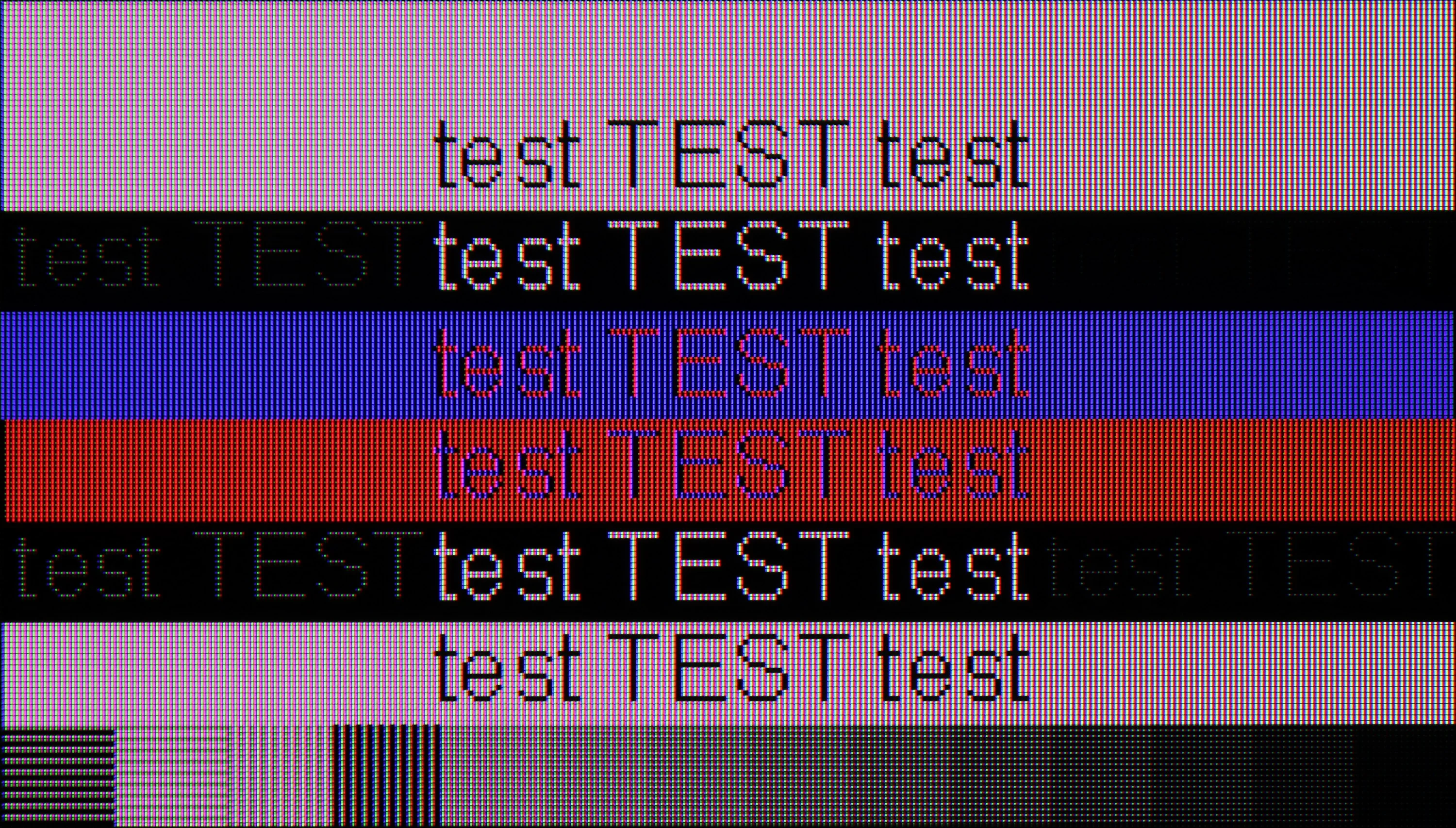
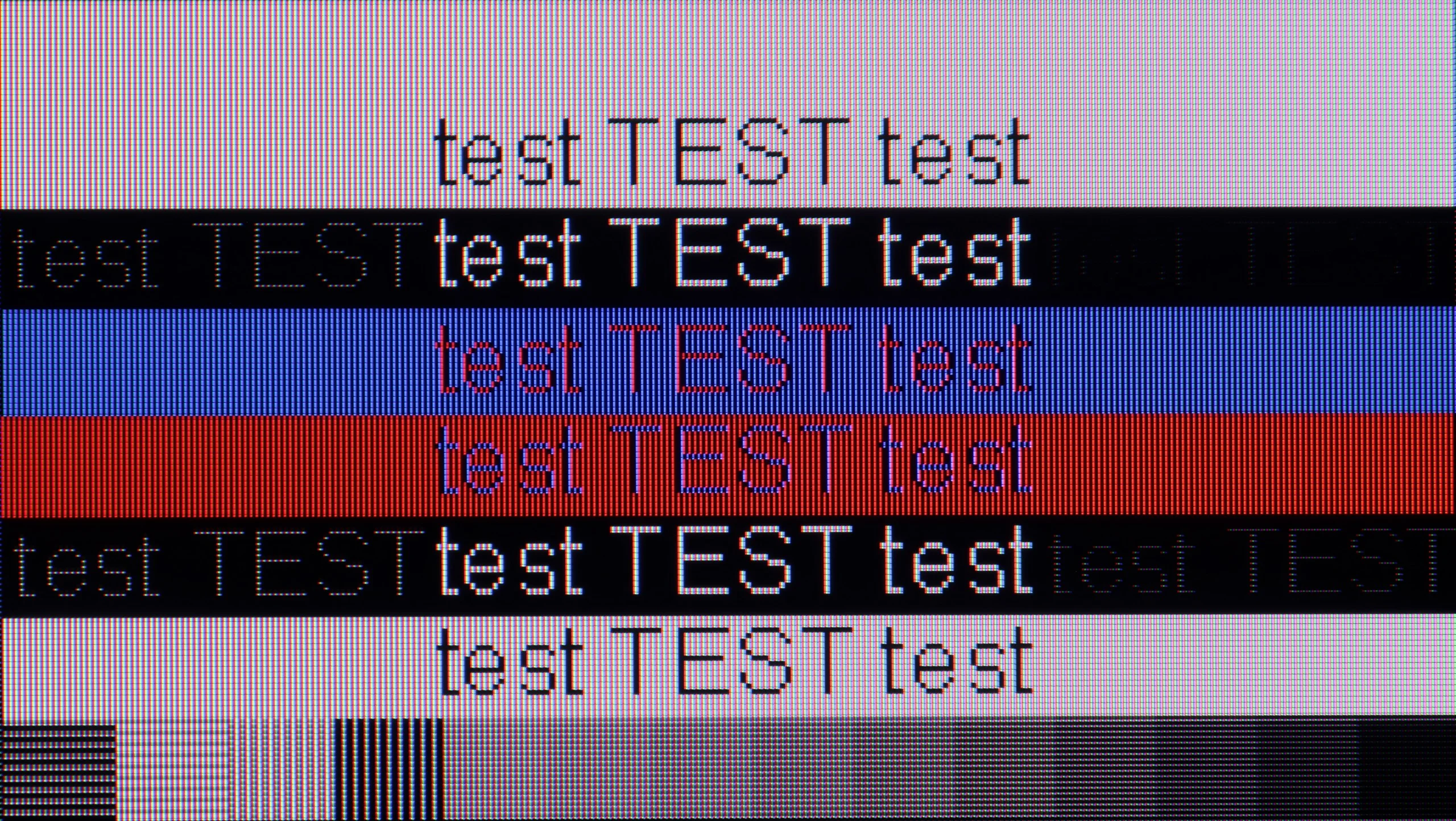
The photo shows the legibility of small fonts. Ideally, lines should be the same thickness on both light and dark text, with minimal pixel gaps.
Xiaomi S MiniLED 2025 is a good choice if we need a television for working with a computer. Fonts are very clear thanks to 4:4:4 chroma support, making it perfect for office work or browsing documents. It also performs excellently in gaming – high refresh rate, G-SYNC, and low input lag ensure smooth gameplay, which will satisfy most gamers.
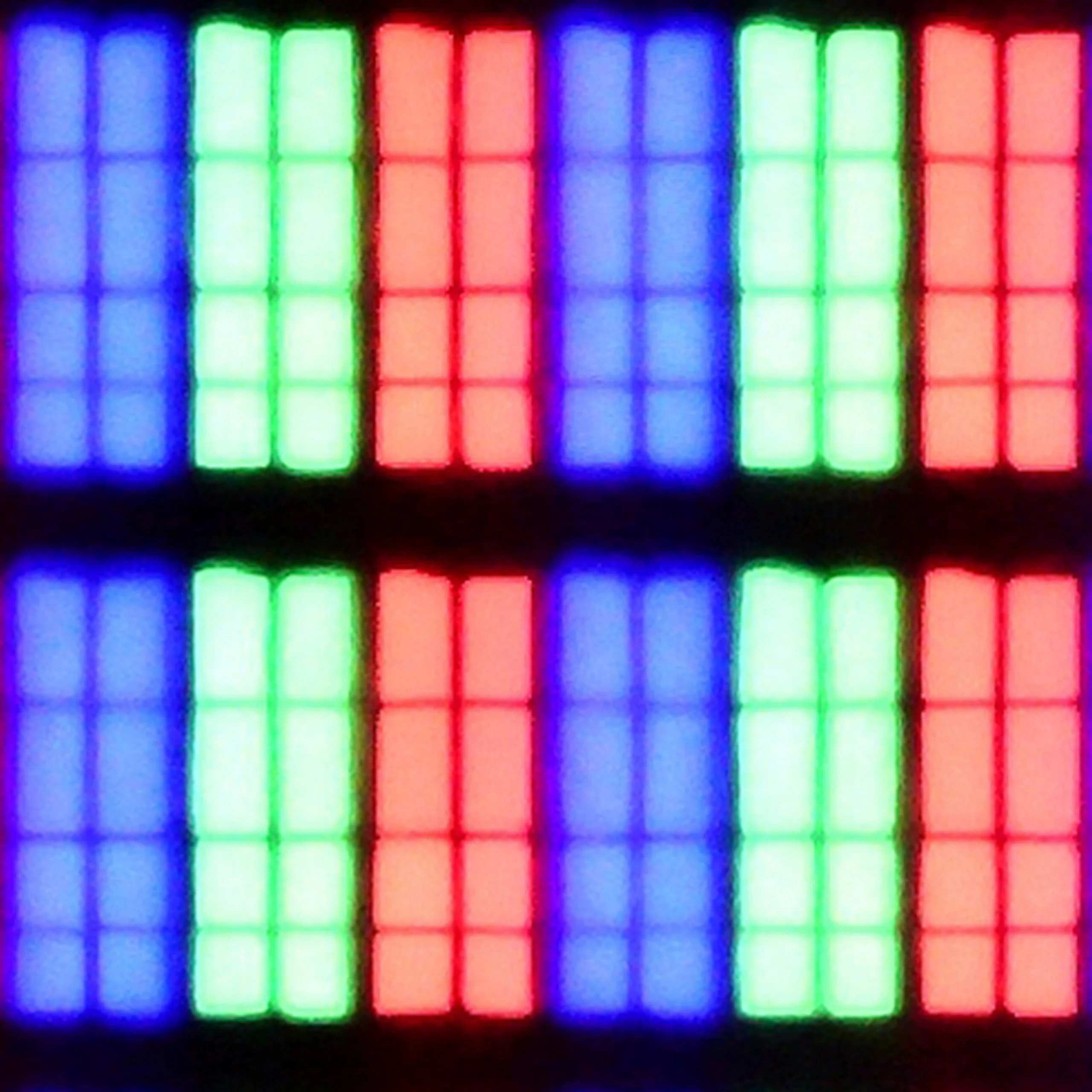
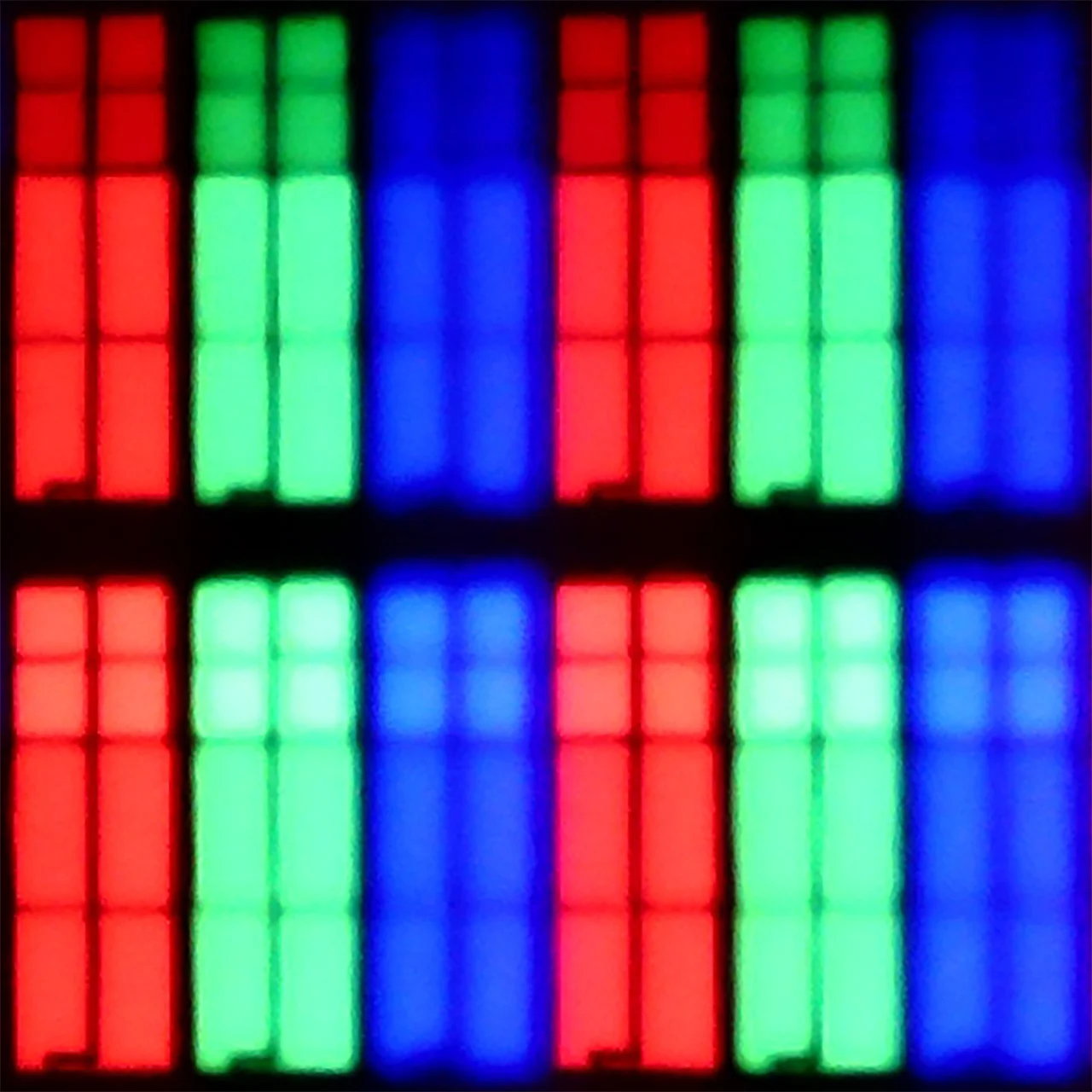
The M80H also works very well as a computer monitor. Gamers can use 4K resolution at 144 Hz with VRR and G-Sync, and input lag in PC mode is about 10 ms. A Full HD mode at 240 Hz is also available. The TV correctly displays chroma 4:4:4 at the maximum resolution and refresh rate. Combined with a classic RGB subpixel layout, this provides very good font legibility for both light and dark text. The M80H is therefore suitable not only for gaming but also for everyday desk work.
Viewing angles
3/10
3.1/10
In terms of viewing angles, Xiaomi S MiniLED 2025 does not impress. This is a typical problem for VA panels, which, without additional coatings to widen viewing angles, do not perform well. The image begins to lose quality when watching the TV from the side – colors fade, and contrast clearly decreases. However, the advantage of VA panels is significantly better contrast compared to IPS panels, which, on the other hand, win in terms of wider viewing angles. This is a classic compromise where one has to choose between deeper blacks and a more versatile image seen from different places in the room.
Viewing angles are one of the weaker points of the M80H. The TV uses a VA panel, which delivers better blacks and higher contrast than an IPS panel, but it looks worse when viewed from the side. Sit at a wider angle and colors start to lose saturation, blacks become noticeably lighter, and the whole image looks more washed out. That's a typical trade-off with this type of panel. The M80H is therefore best used when watched straight on or from only a slight angle.
Daytime performance
7.3/10
5/10
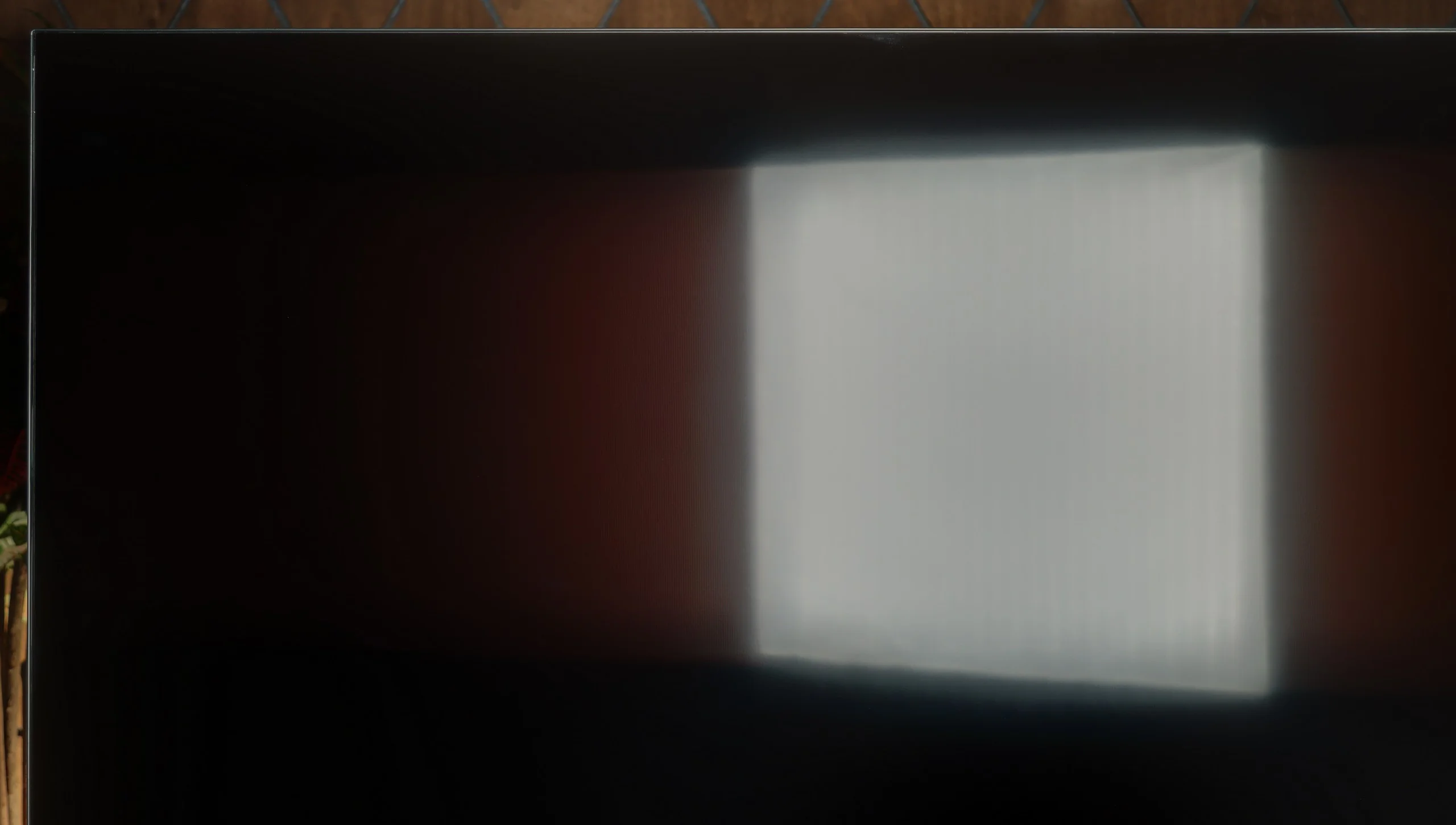
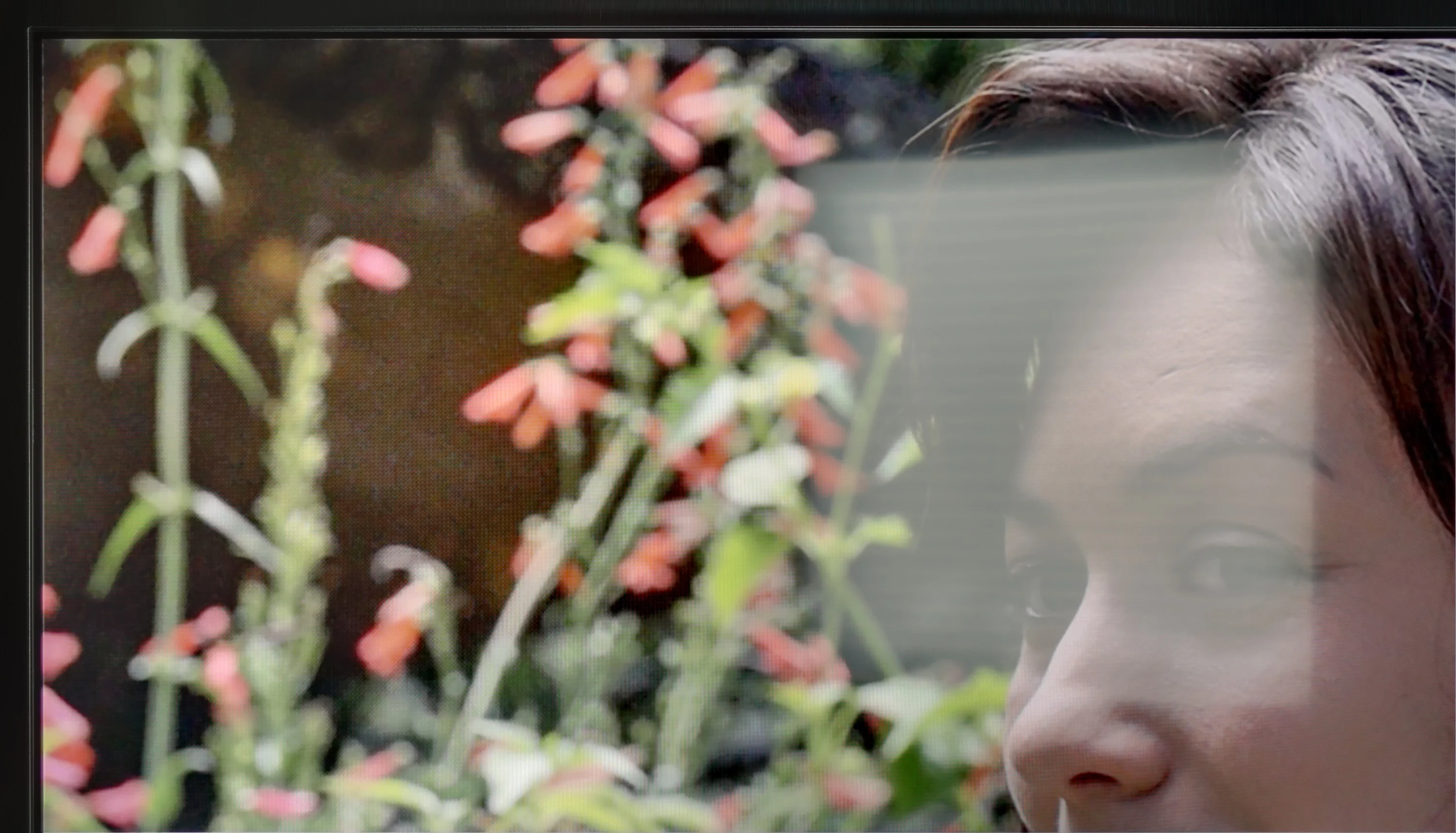
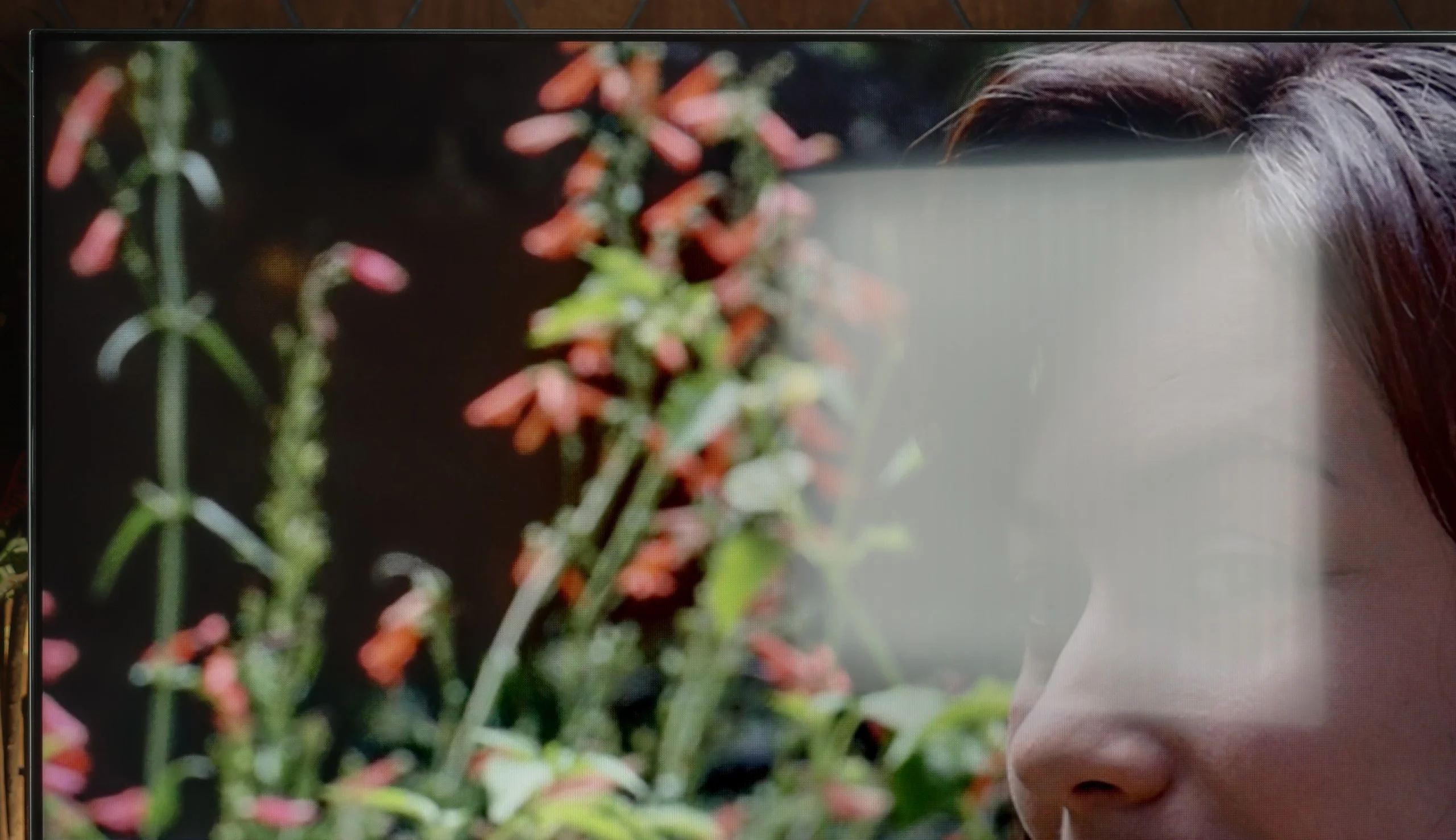
Panel brightness
Samsung M80H: 345 cd/m2
Xiaomi S Mini 2025: 841 cd/m2
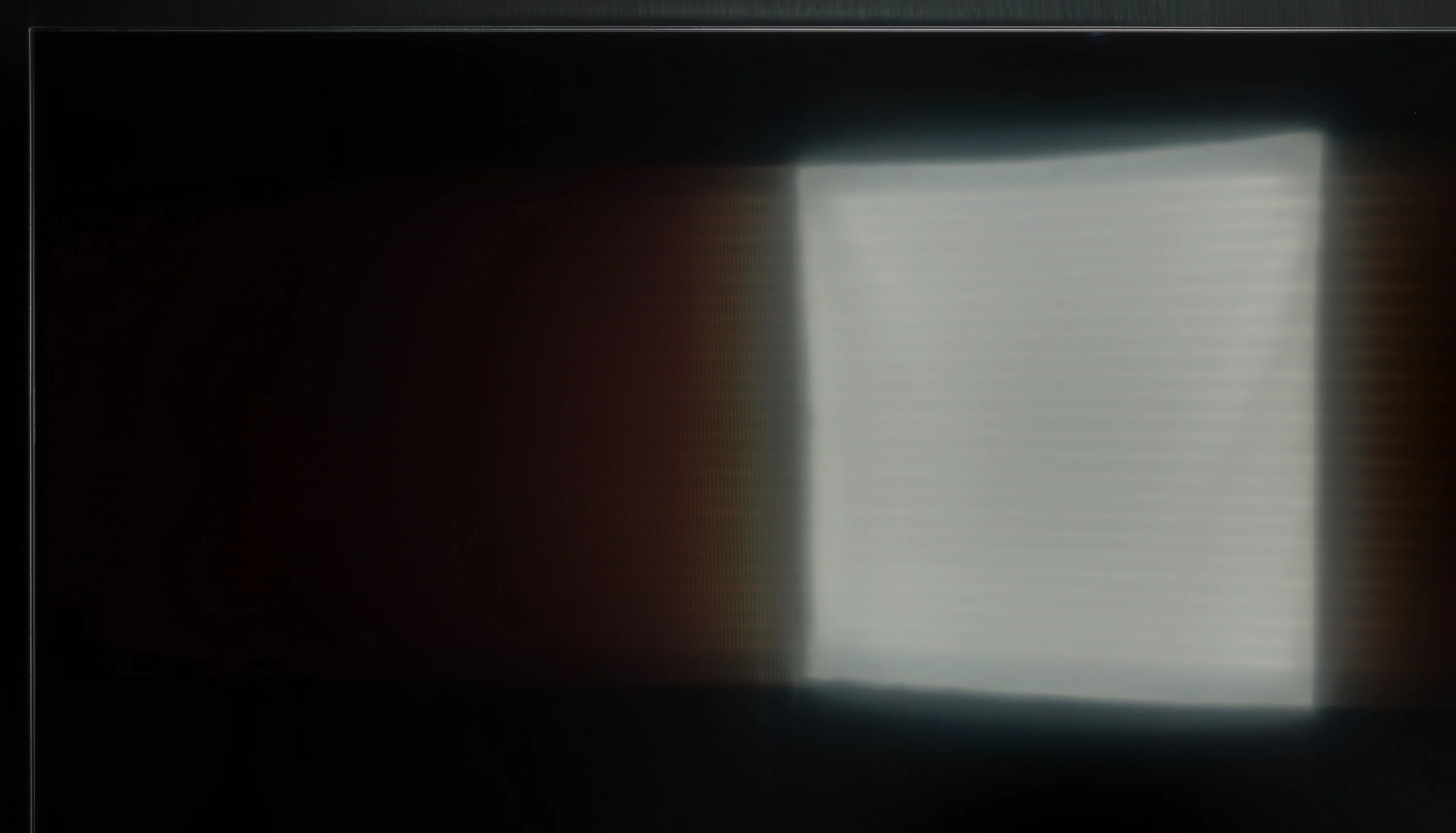
Xiaomi S MiniLED 2025 is equipped with a satin coating on the panel, which averages out well in reducing reflections. On the screen surface, one can notice light reflections, which can be somewhat distracting in brightly lit rooms. However, the key element that saves this television in daytime use is its brightness. With a value of 841 cd/m², the screen performs well even in very sunlit interiors. This is more than sufficient for comfortably watching television, movies, or sports events. Importantly, the television also handles more demanding materials, such as winter sports, where the dominating white can pose quite a challenge for other televisions. Here, Xiaomi definitely delivers.
In a bright room the M80H performs adequately but without much fanfare. Its satin coating reasonably reduces reflections, though with large windows or lamps placed opposite the screen they will still be visible. The blacks are a plus; they don’t become excessively gray when the lights are turned on. SDR brightness is about 345 nits and remains stable regardless of the scene being shown. In a typical living room that should be enough for comfortable daytime viewing. In a room with very strong sunlight, however, the picture may not be vivid enough.
Panel details
Subpixel Structure:
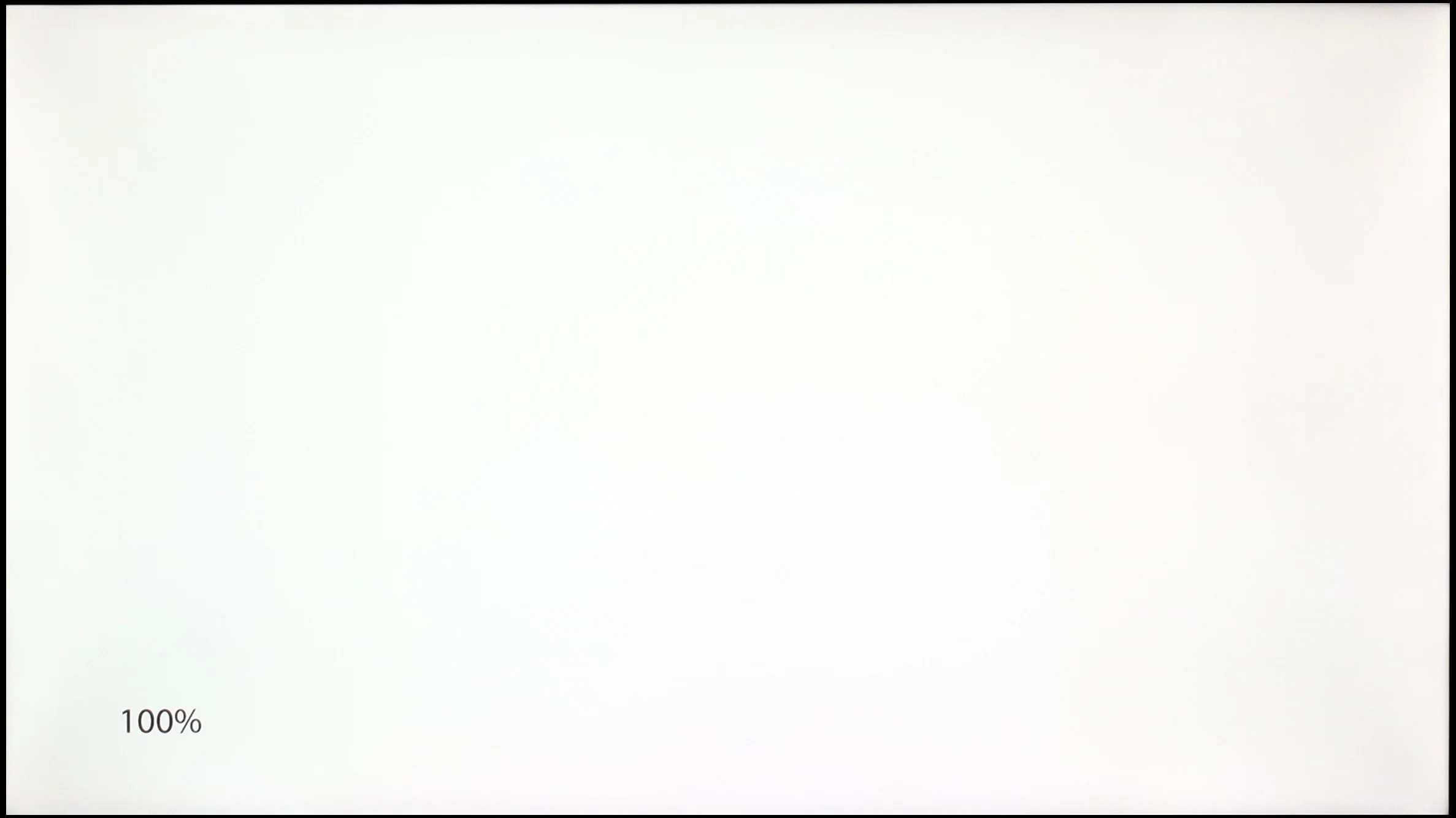
Panel uniformity and thermal imaging:

TV features
4.7/10
7.3/10
- SystemGoogle TVTizen
- System performanceAverageVery good
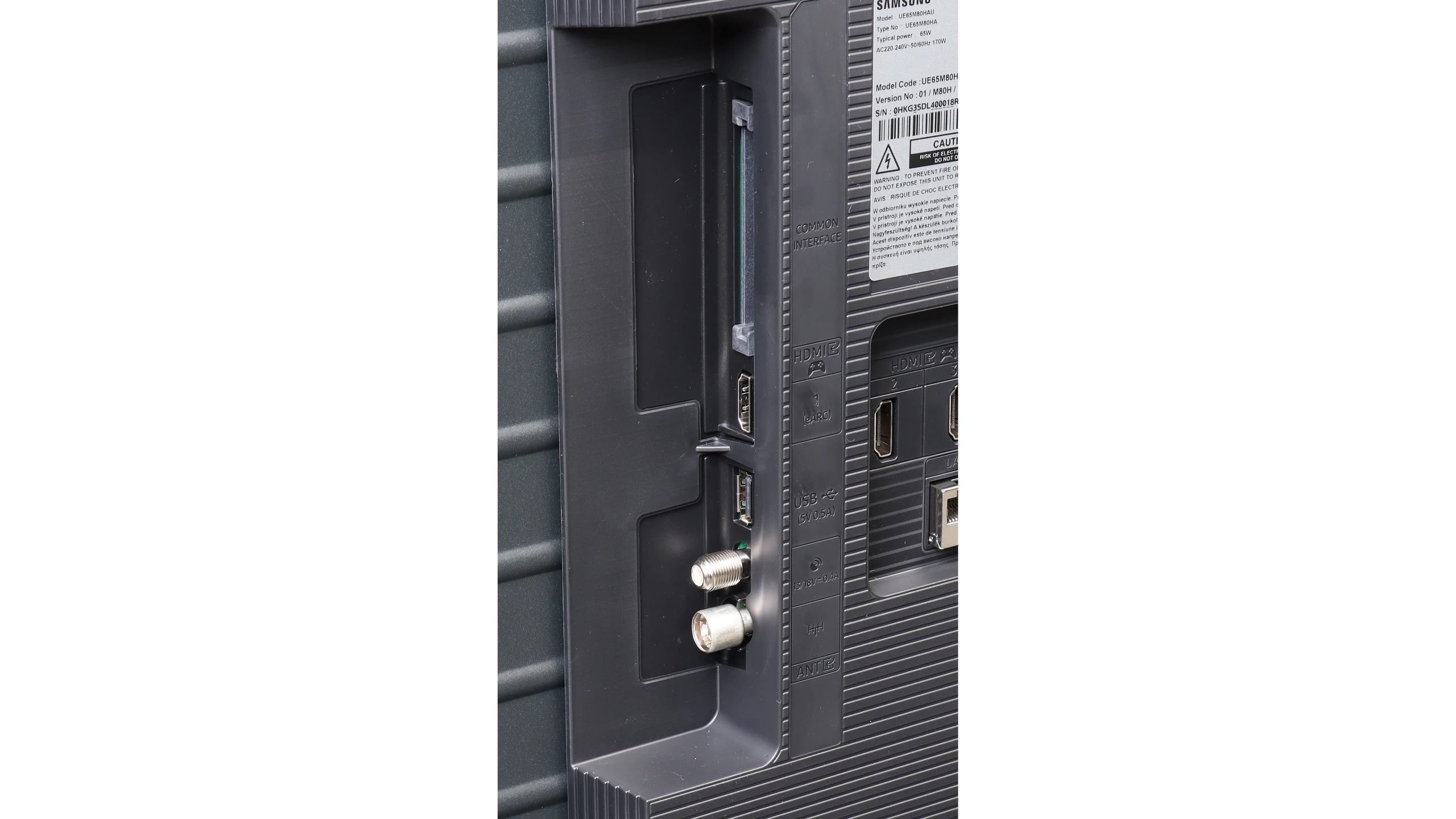
- HDMI inputs1 x HDMI 2.0, 2 x HDMI 2.1 48Gbps0 x HDMI 2.0, 3 x HDMI 2.1 48Gbps
- OutputsToslink (Optical audio), eARC (HDMI), ARC (HDMI), Mini-Jack (Headphones)eARC (HDMI), ARC (HDMI)
- Network InterfacesWi-Fi 2.4GHz, Wi-Fi 5GHz, Ethernet (LAN) 100MbpsWi-Fi 2.4GHz, Wi-Fi 5GHz, Ethernet (LAN) 100Mbps
- TV receptionDVB-T, DVB-T2, DVB-S, DVB-S2, DVB-CDVB-T, DVB-T2, DVB-S, DVB-S2, DVB-C
Classic features:
- Recording to USB (terrestrial TV)
- Recording programming
- Picture in Picture (PiP)
- RF remote control (no need to aim)
- Backlit remote control
- Teletext
- Audio only mode
- Bluetooth headphones support
- Simultaneous Bluetooth headphones & TV audio
Smart features:
- AirPlay
- Screen mirroring (Windows Miracast)
- Voice search
- Voice search in native language
- Ability to connect a keyboard and mouse
Sound connection options
- HDMI audioeARC (HDMI), ARC (HDMI)eARC (HDMI), ARC (HDMI)
- Other audio outputsToslink (Optical audio), Mini-Jack (Headphones)
- Wireless audioBluetoothBluetooth
Supported audio formats (external HDMI eARC audio):
- Dolby Digital Plus 7.1
- Dolby True HD 7.1
- Dolby Atmos in Dolby Digital Plus (JOC)
- Dolby Atmos in Dolby True HD
- DTS:X in DTS-HD MA
- DTS-HD Master Audio
Senior accessibility
- Numeric keyboard on TV
- Font size adjustment
- Audio description
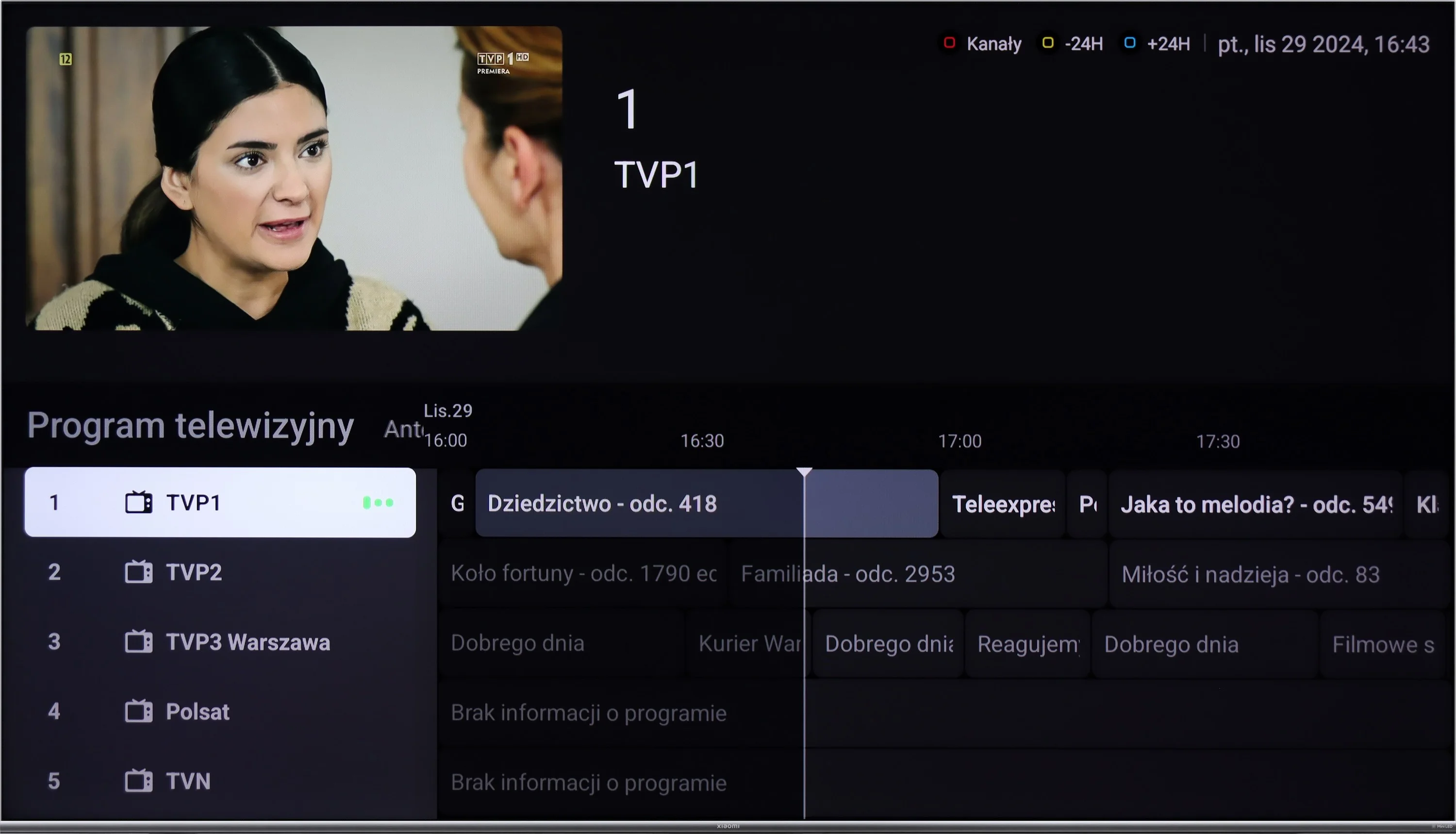
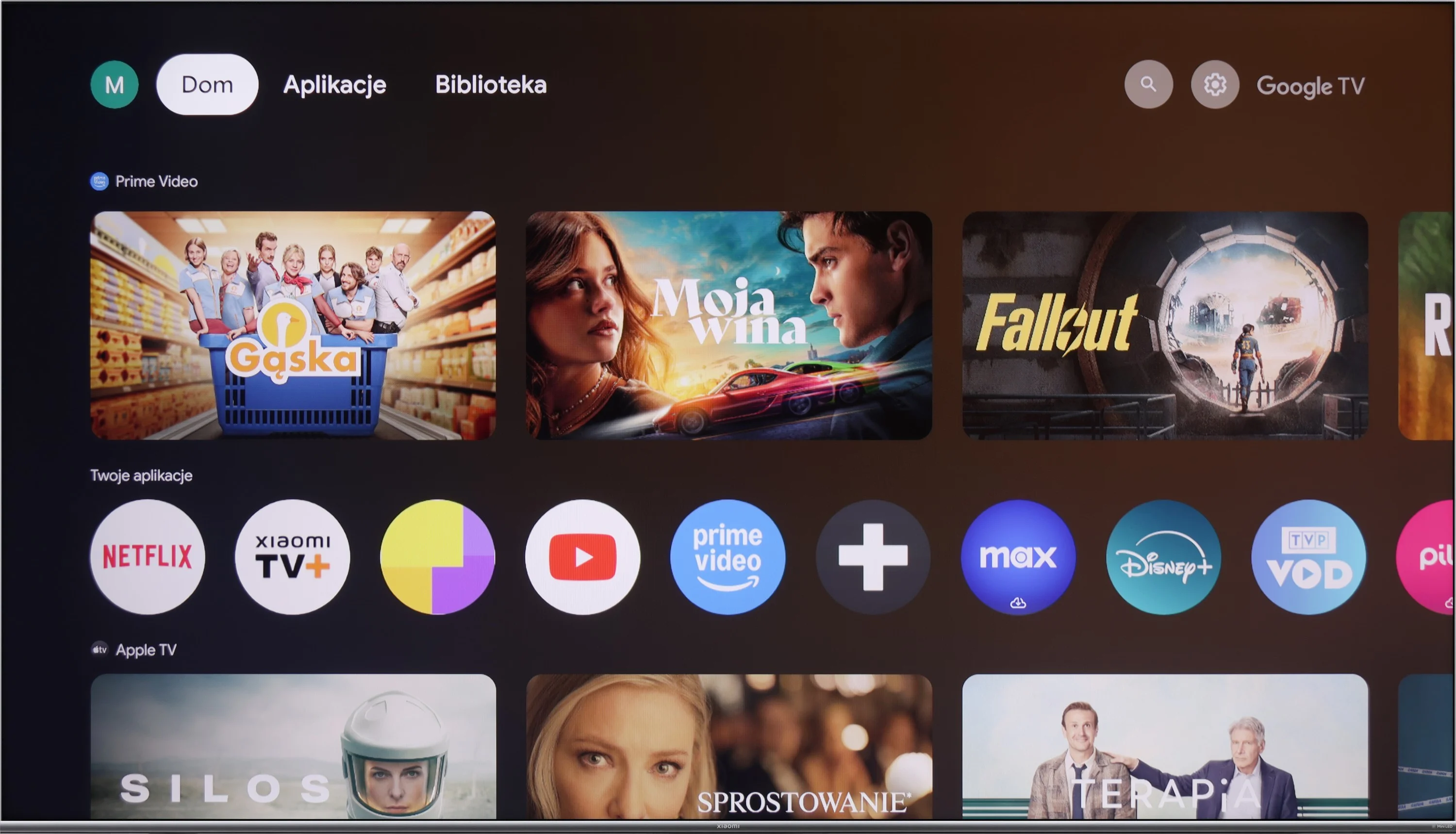
Xiaomi S MiniLED 2025 is a television that stands out thanks to the Google TV system. It offers access to the most popular streaming services, music applications, and various useful features that significantly enhance everyday use of the TV. For those who like personalization, the system also provides plenty of configuration options.
The built-in voice assistant works smoothly – we can not only control the TV with it but also ask about the weather forecast or set a reminder for the next day. Unfortunately, we noticed during testing that some functions have trouble translating into Polish, which can be frustrating, especially for those less proficient in navigating the settings. Despite this, the overall impression is very good, and minor shortcomings can be addressed in updates.
The device handles connectivity well. Wireless connections with Windows computers or Apple devices are smooth, and thanks to Bluetooth, we can easily connect headphones, keyboards, or other accessories. The remote is simple and comfortable – it works from any position, so aiming at the screen is not necessary. However, there are certain shortcomings. If someone often uses traditional television, they may miss the recording feature from tuners or the PiP (picture-in-picture) option. This slightly limits capabilities, but for those focused on streaming and modern features, it shouldn't be a significant problem.
Xiaomi compensates for these shortcomings with an excellent operating system. Google TV is one of the most advanced and intuitive systems available on the market, which makes the TV really perform well in everyday use.
Smart TV system
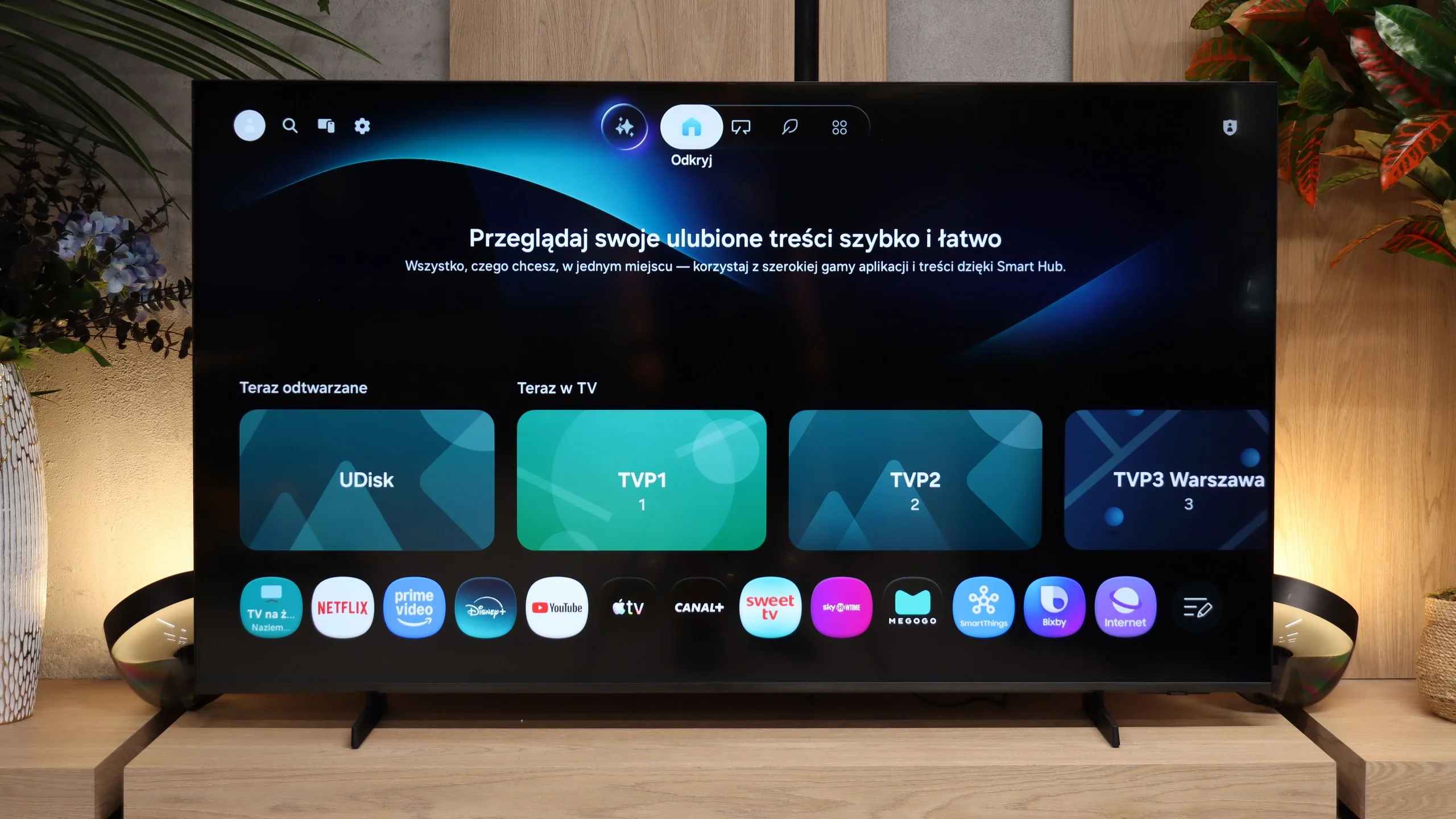
The M80H runs Tizen, the same system used across Samsung TVs. It's fast, stable, and offers all the most popular streaming apps, so you don't have to worry that a lower-tier model would be missing any major services. It also supports AirPlay, Miracast, and voice search. The TV works with SmartThings, so you can use it to control smart home devices.
TV features
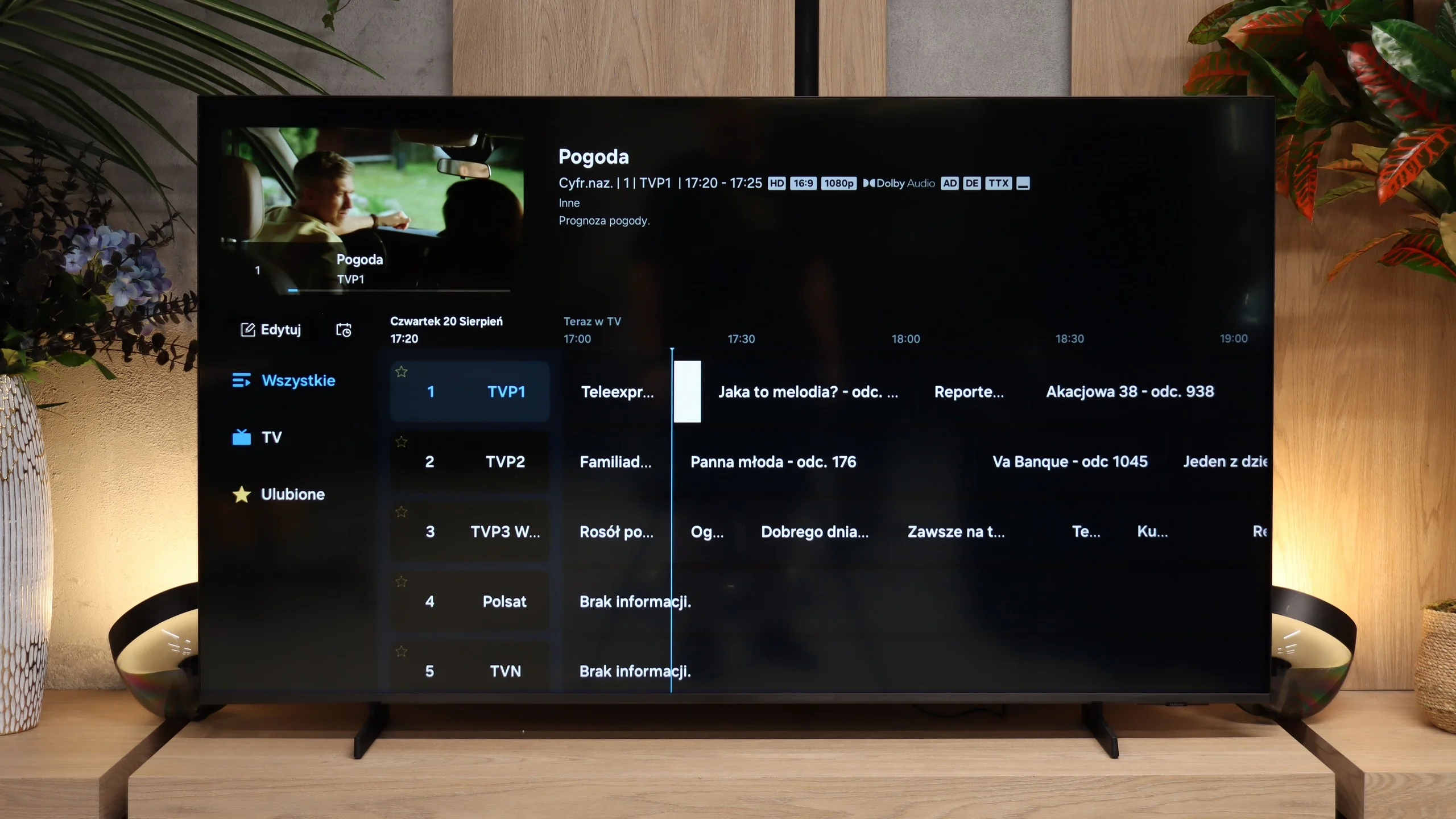
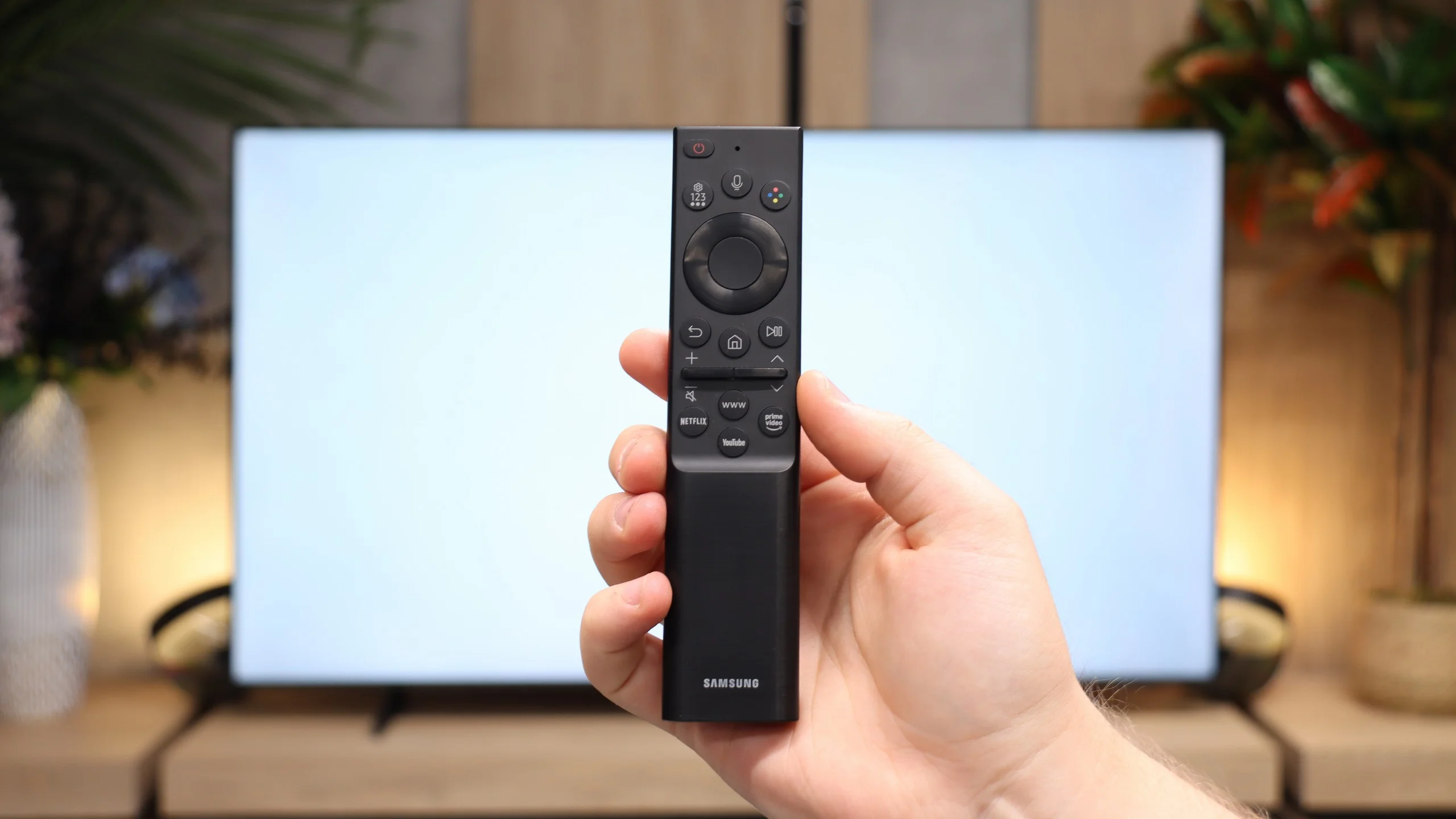
Conventional TV features are weaker. The M80H doesn't allow recording programs to a USB drive or scheduling recordings. It also lacks picture-in-picture. On the plus side, it keeps the basics, like teletext and the ability to turn off the screen while leaving the audio playing. You can connect Bluetooth headphones to the TV, and audio can play simultaneously through them and the built-in speakers. That's useful if one viewer needs higher volume, for example seniors. The TV comes with a simple Smart remote with a limited number of buttons. Unfortunately it's not the solar-powered version found on some other Samsung models, and the remote uses regular batteries. Fortunately it connects to the TV via radio, so you don't need to point it directly at the screen.
Apps
9.6/10
9.3/10






















Playing files from USB
7.3/10
9.1/10
Supported photo formats:
Maximum photo resolution:
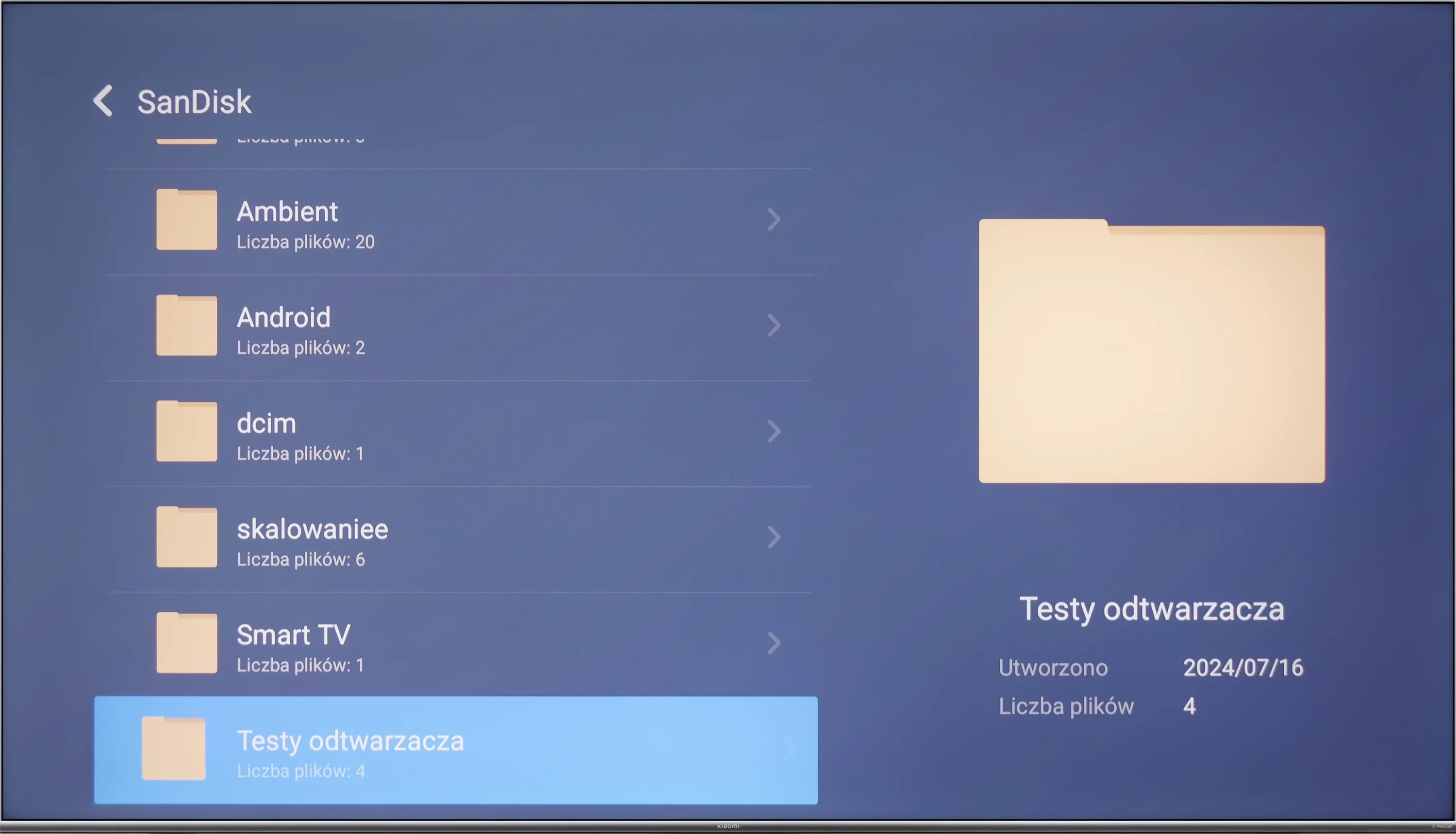
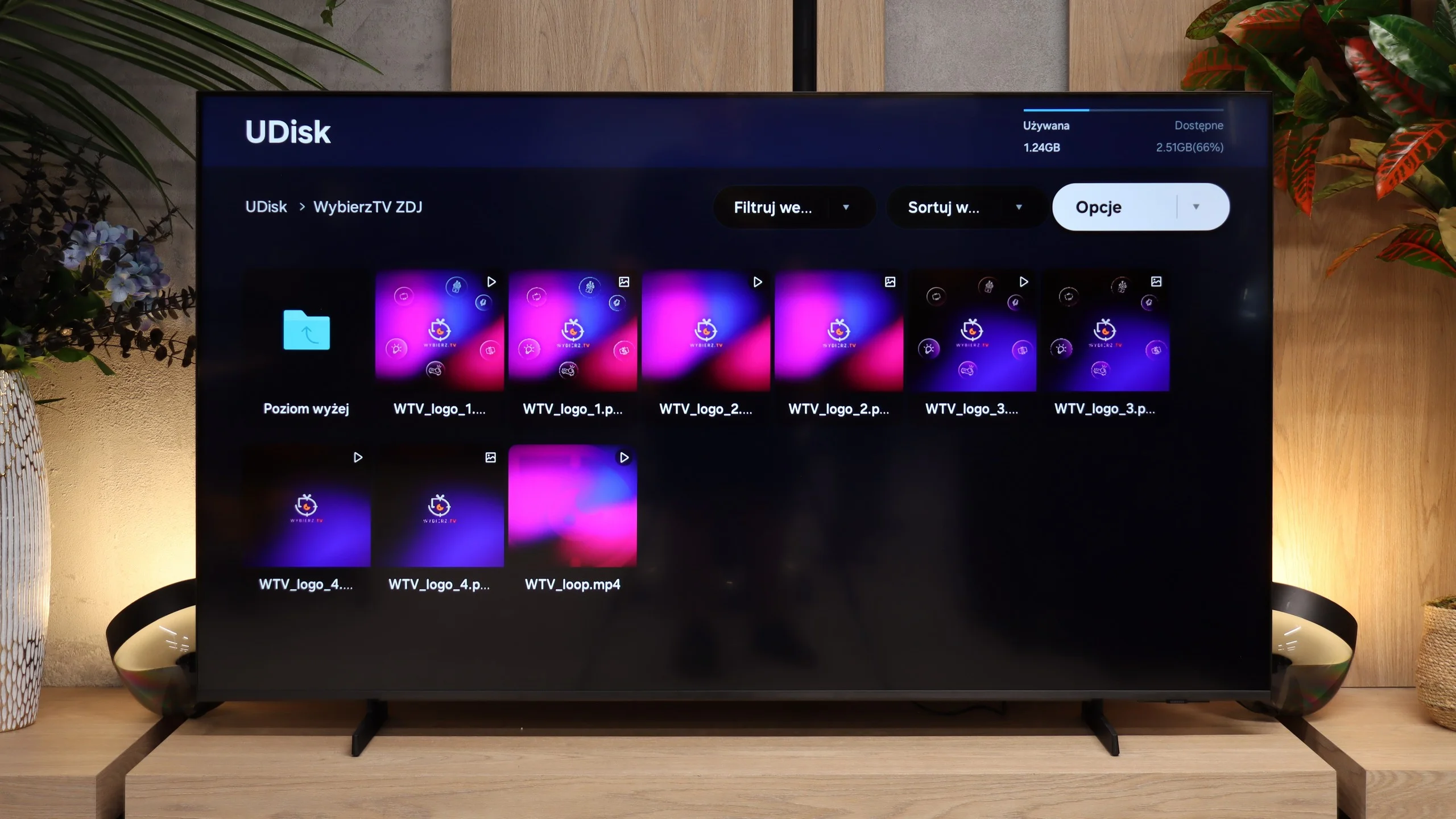
The basic file player in Xiaomi S MiniLED 2025 fulfills its task for simple video materials. However, a noticeable drawback is the lack of support for Polish diacritics, which can be problematic for people using subtitles.
Fortunately, the presence of the Google TV system provides an easy way around this limitation. It allows you to install alternative file playback applications that handle Polish characters and offer much more advanced options. As a result, the limitations of the built-in player are not as burdensome as one might think.
The built-in USB player handles most popular video and photo formats. It easily displays JPEG, PNG, and BMP files, even in high resolution. However, it lacks support for HEIC, the format used, among others, by iPhones. In practice this probably won’t be a big issue, because the M80H supports AirPlay and most people will likely use that to show vacation photos on the TV. 😉
Sound
6.8/10
6/10
- Maximum volume-88dB
- Dolby Digital Plus 7.1
- Dolby True HD 7.1
- Dolby Atmos in Dolby Digital Plus (JOC)
- Dolby Atmos in Dolby True HD
- DTS:X in DTS-HD MA
- DTS-HD Master Audio
Xiaomi S MiniLED 2025 sounds really pleasant and even offers a slight bass, reminiscent of the audio known from the lower model, the A Pro 2025. The sound is well balanced, making movie watching or music listening comfortable, even without additional audio equipment. Interestingly, the TV seamlessly supports audio formats such as Dolby Atmos and the less common DTS:X. This allows you to connect a home theater system or soundbar and enjoy spatial sound without any difficulties. A nice addition is also the presence of a standard speaker jack.
The M80H is equipped with a 2.0 speaker setup with 20 W of power. It performs adequately but doesn't stand out compared with TVs with similar audio systems. Dialogue is clearly audible and the speakers themselves don't add noticeable distortion. However, it definitely lacks bass, so music in particular can sound flat. If you want a somewhat fuller sound, consider a simple soundbar and connect it via HDMI eARC. The TV can also pass through Dolby Atmos audio that way. However, note that the M80H has no optical output, so you can't connect older audio equipment using that method.
Sound Quality Test
No sound test video
Acoustic Measurements
No acoustic data
88dBC (Max)
75dBC
Reader comments
Comments are provided by the external service Disqus (Zeta Global). Once loaded, Disqus may set cookies and process data about your activity.
We will remember your choice on this device. Provider's privacy policy