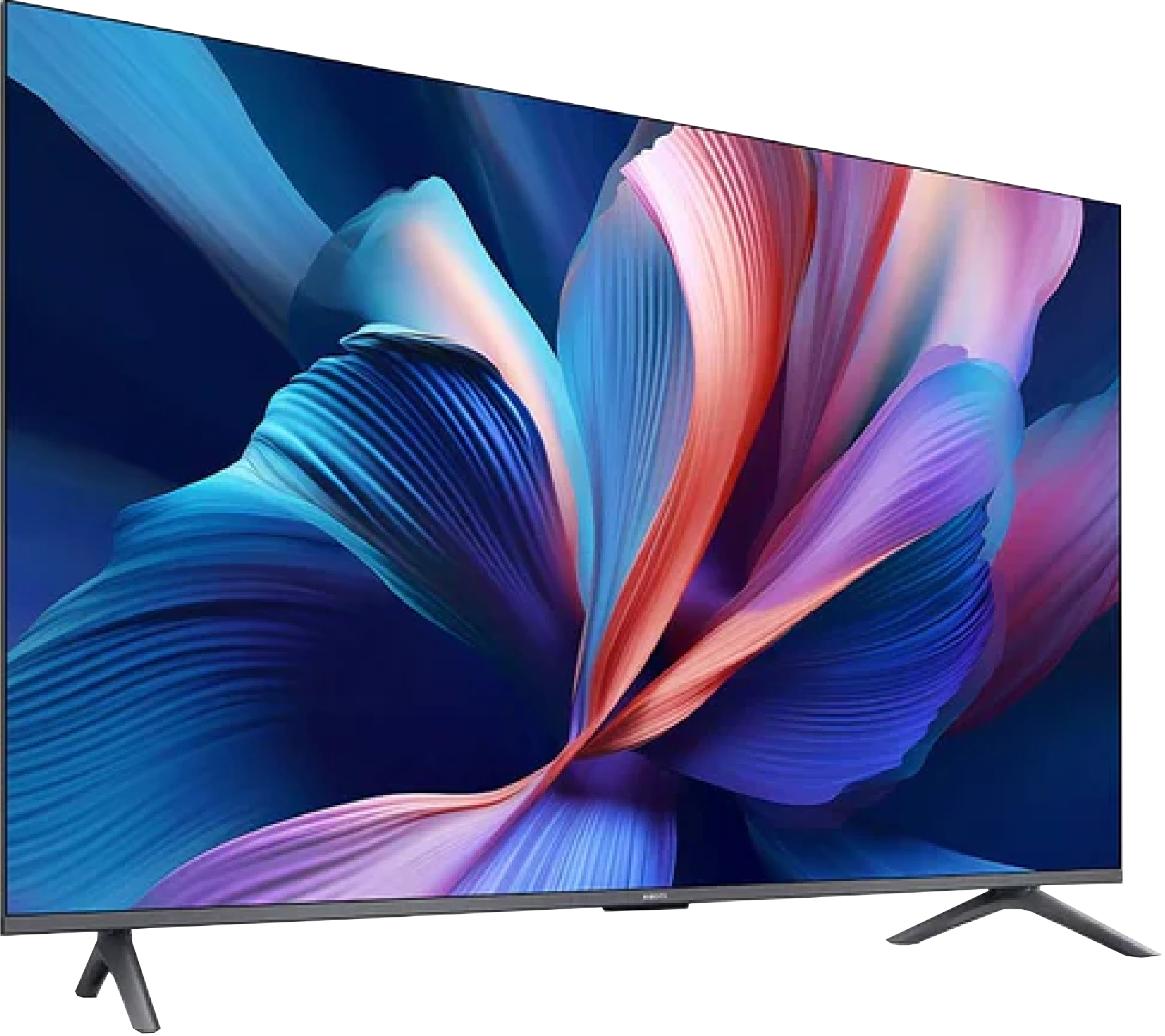
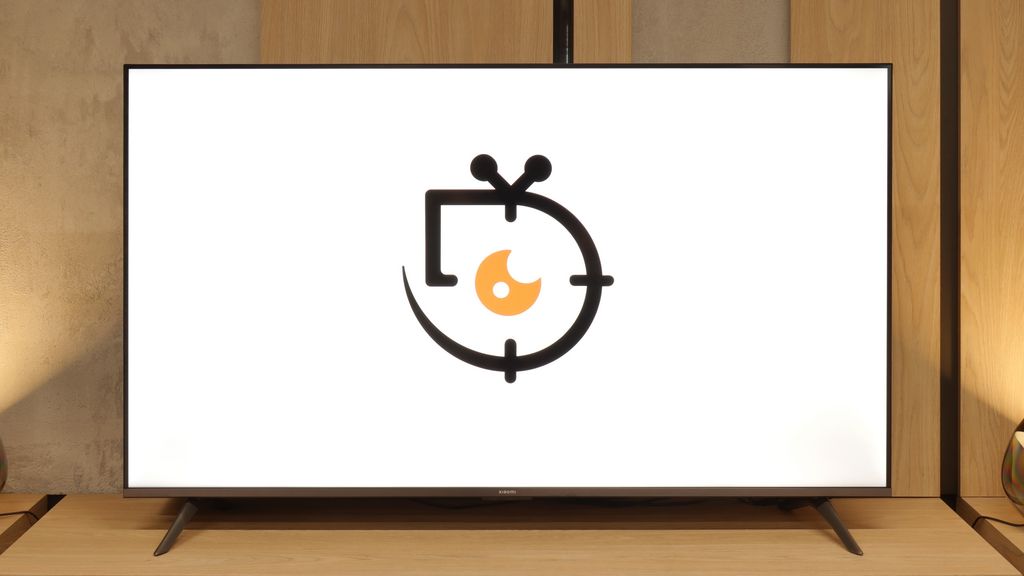
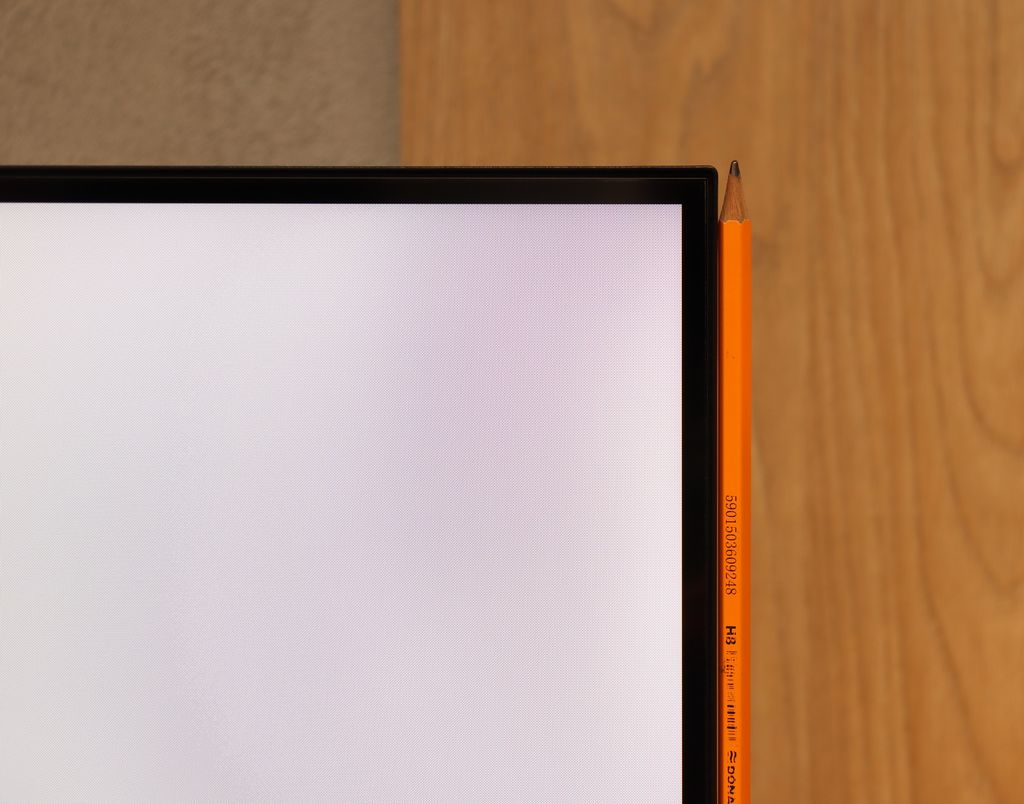
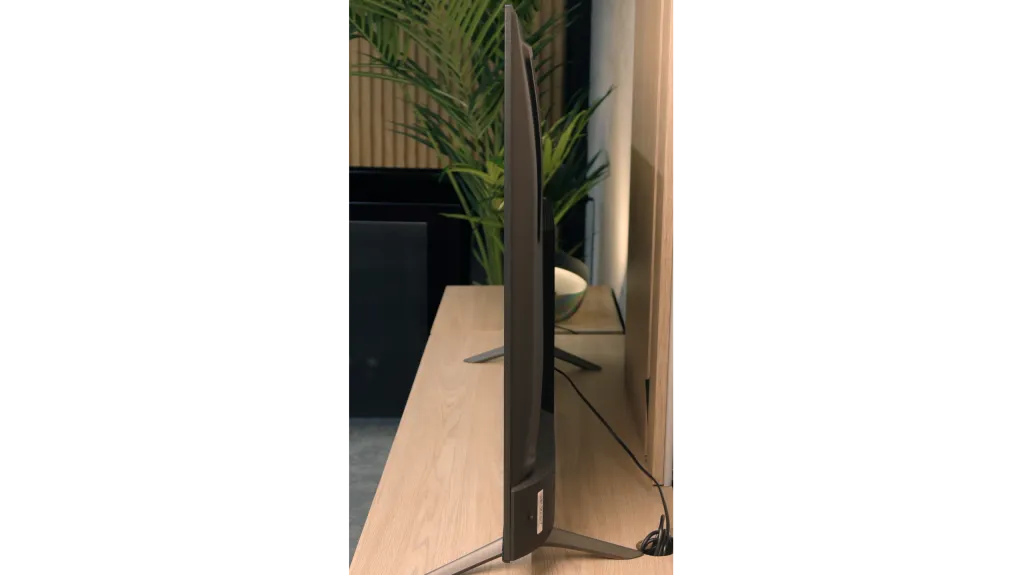
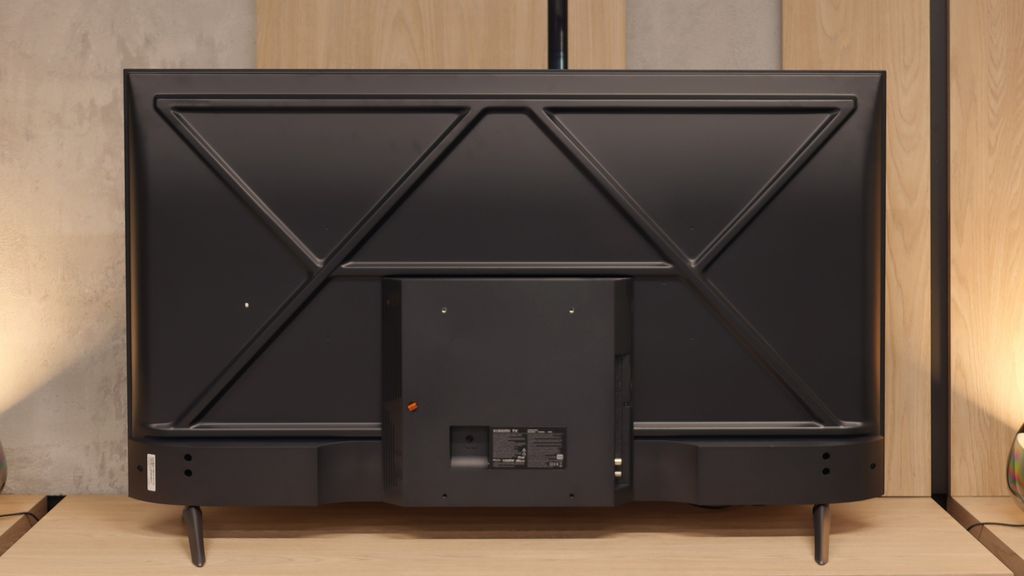
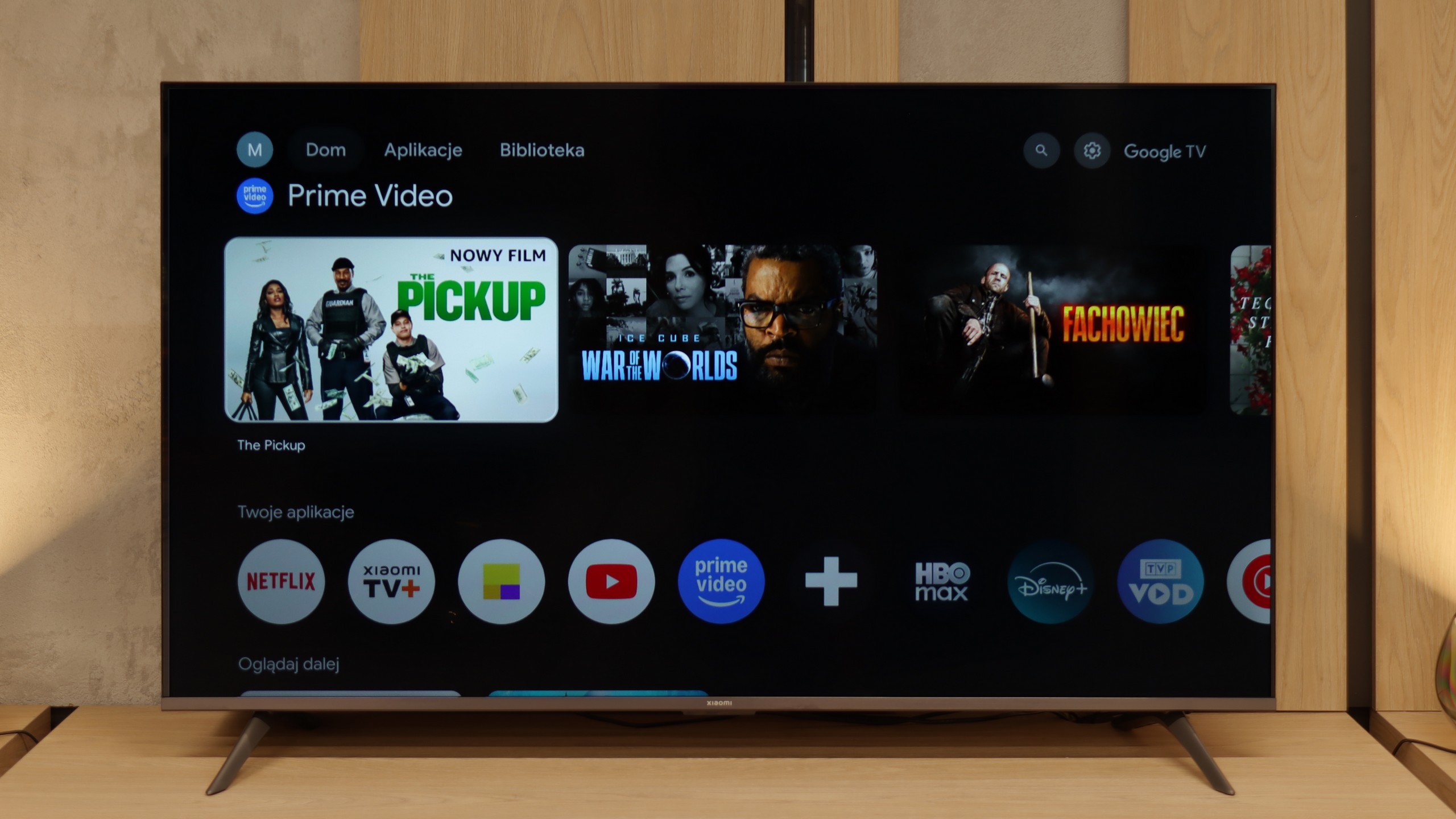
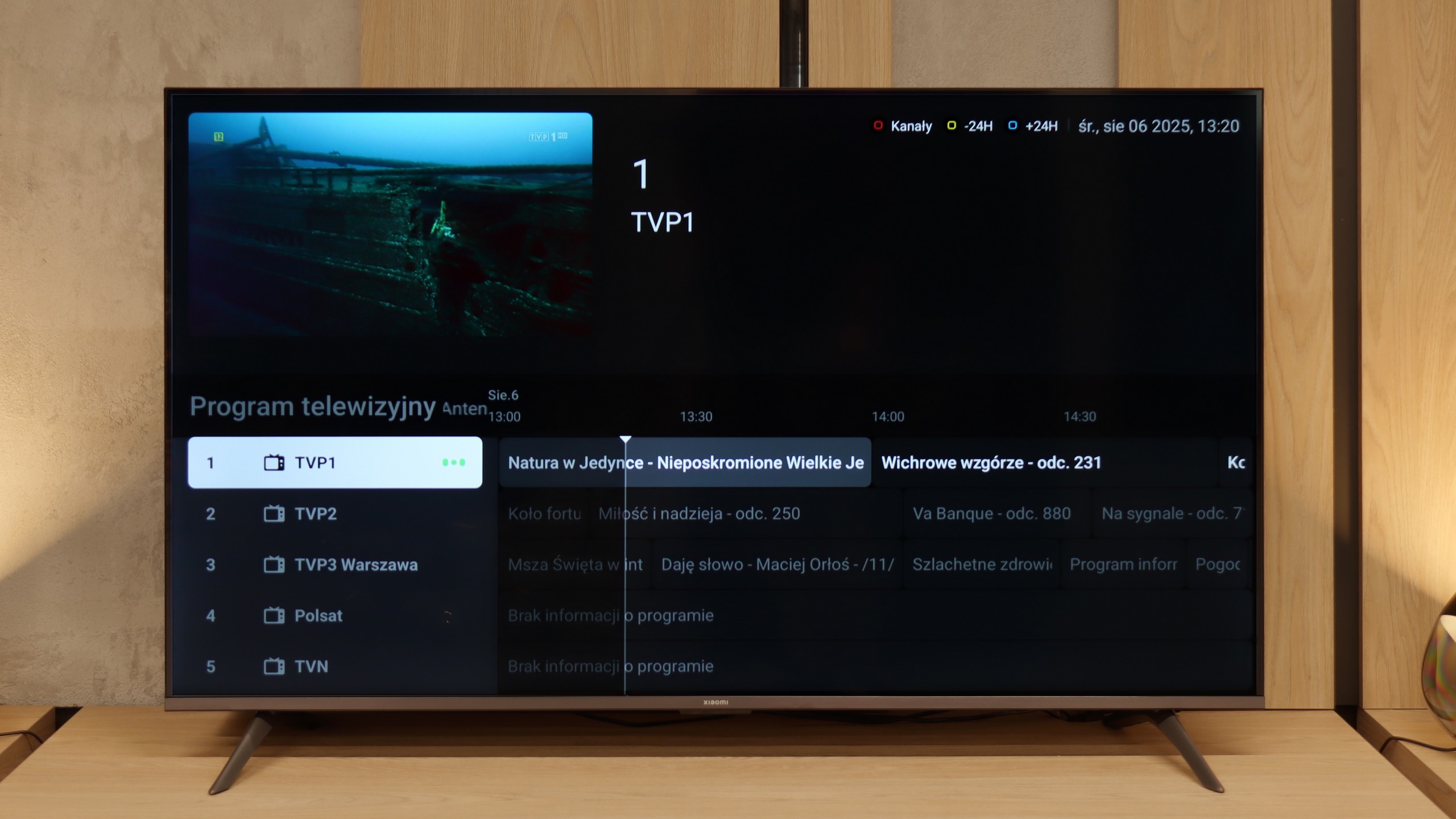
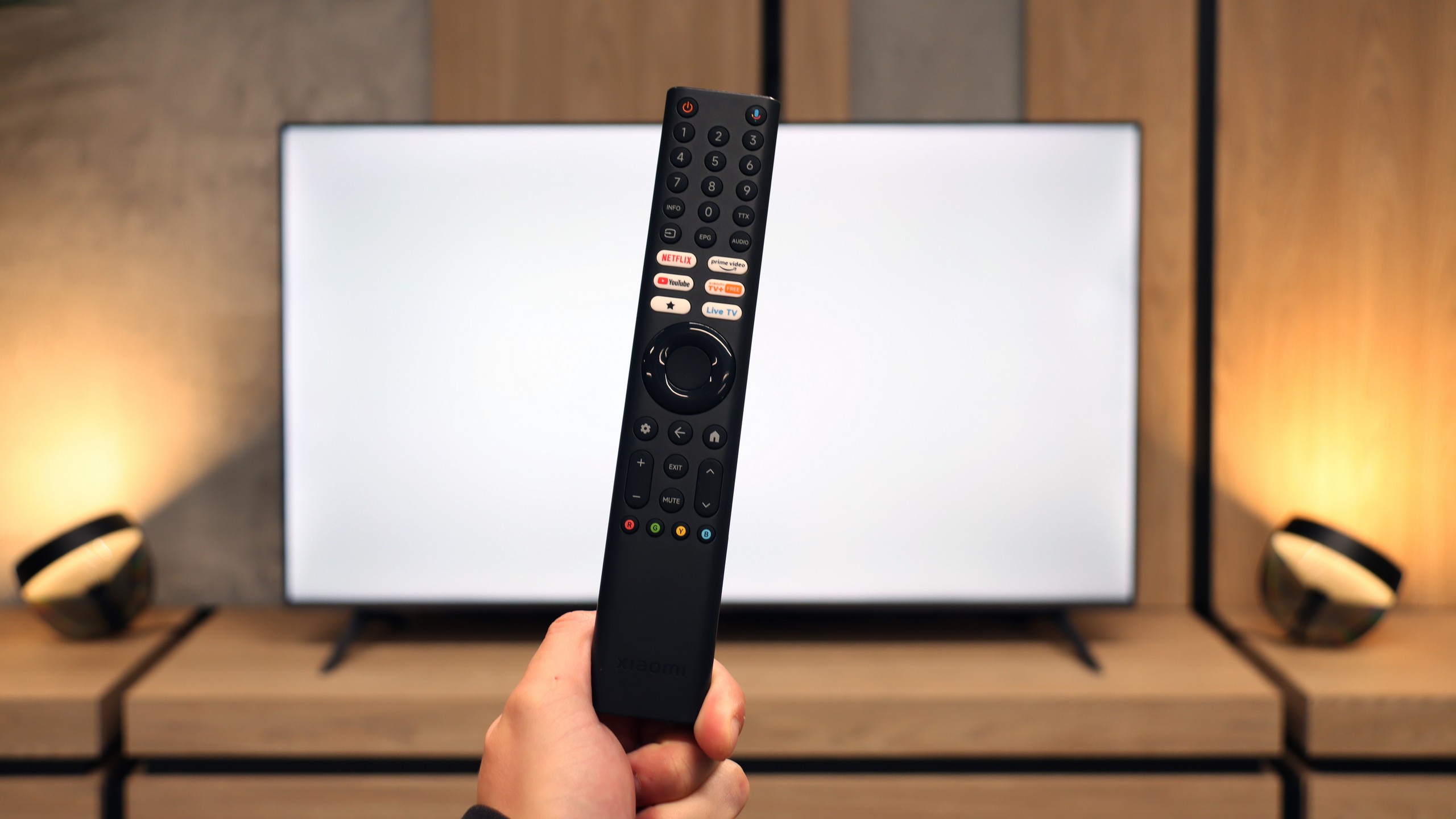
The Xiaomi A Pro 2025 is a device that caters to the needs of many basic users. As one of the most affordable QLED TVs available, it offers a good balance between price and quality. One of its standout features is the Google TV system, which provides seamless access to a variety of apps and multimedia content. The intuitive interface makes it easy to navigate popular streaming platforms such as Netflix and YouTube. Voice control in Polish adds further convenience, allowing users to issue commands without manually navigating menus. The completely wireless remote enhances usability, removing the need to aim directly at the TV.
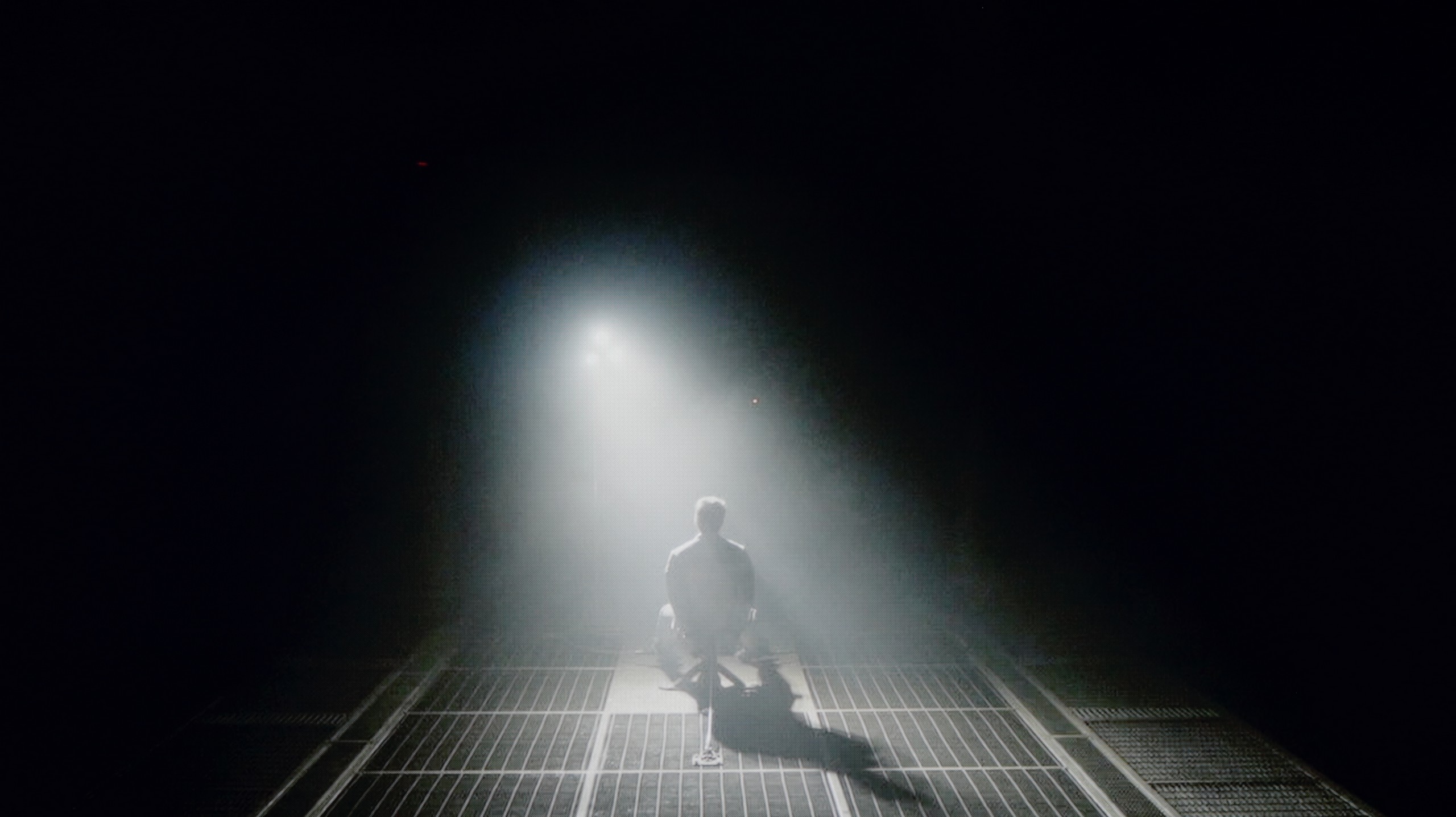
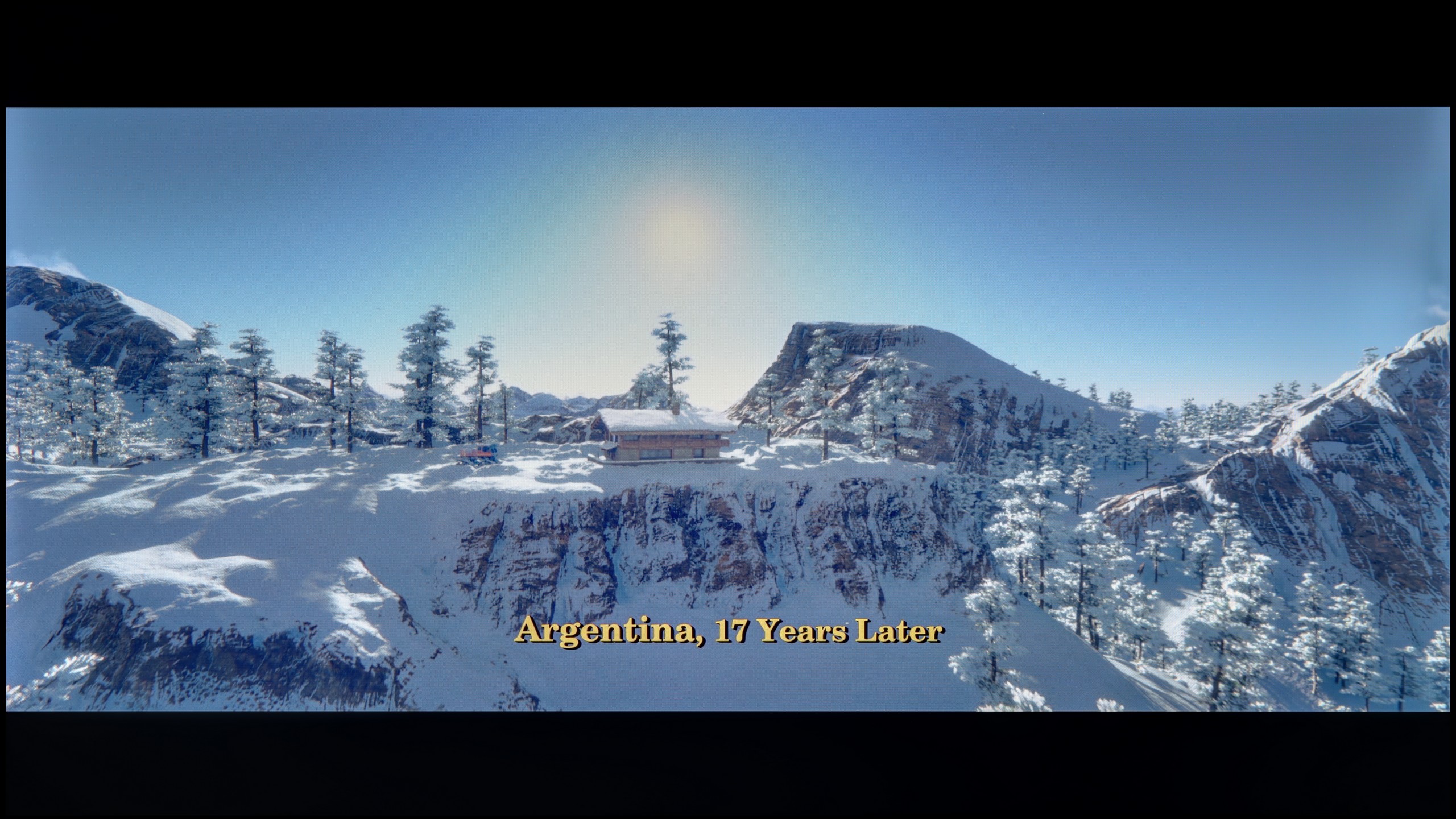
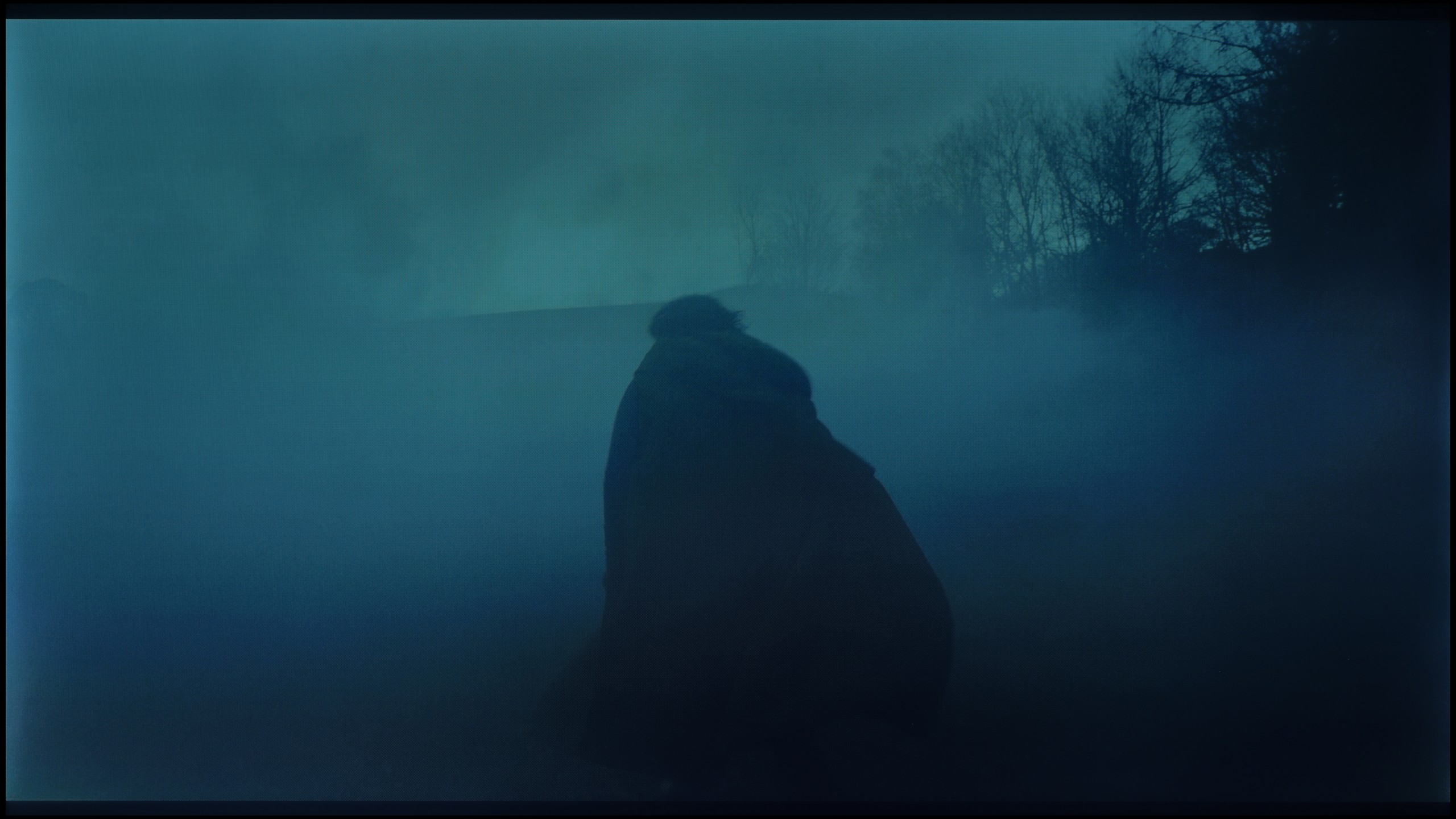
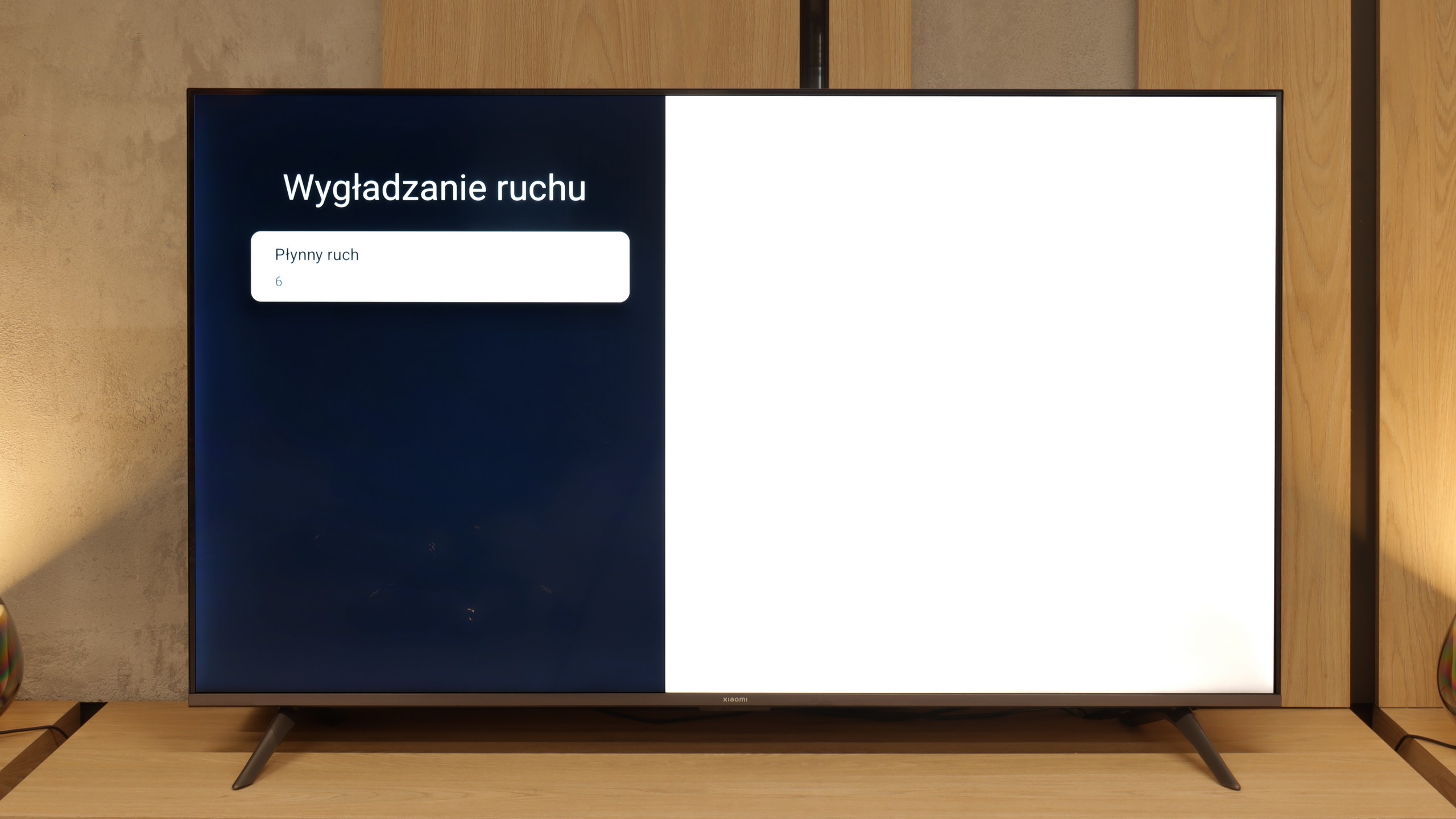
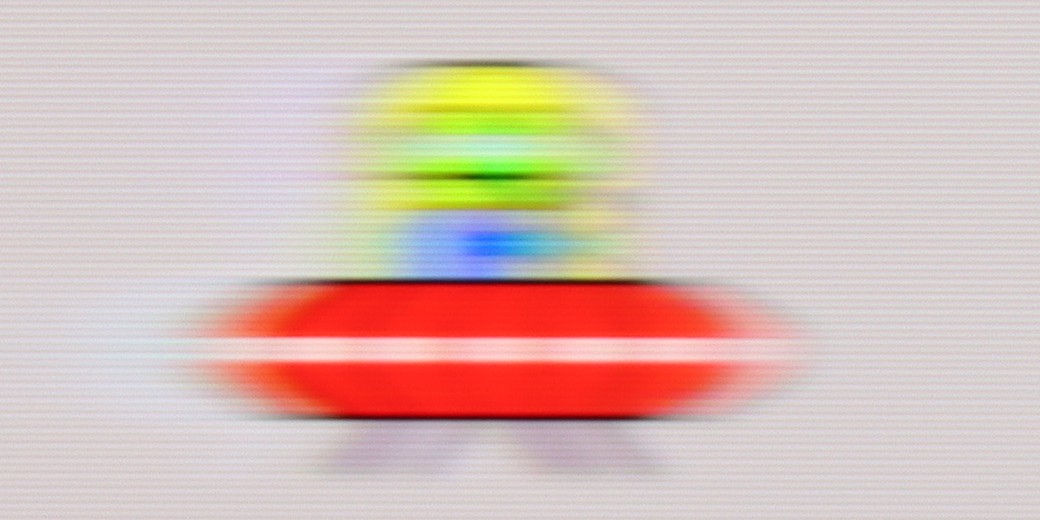
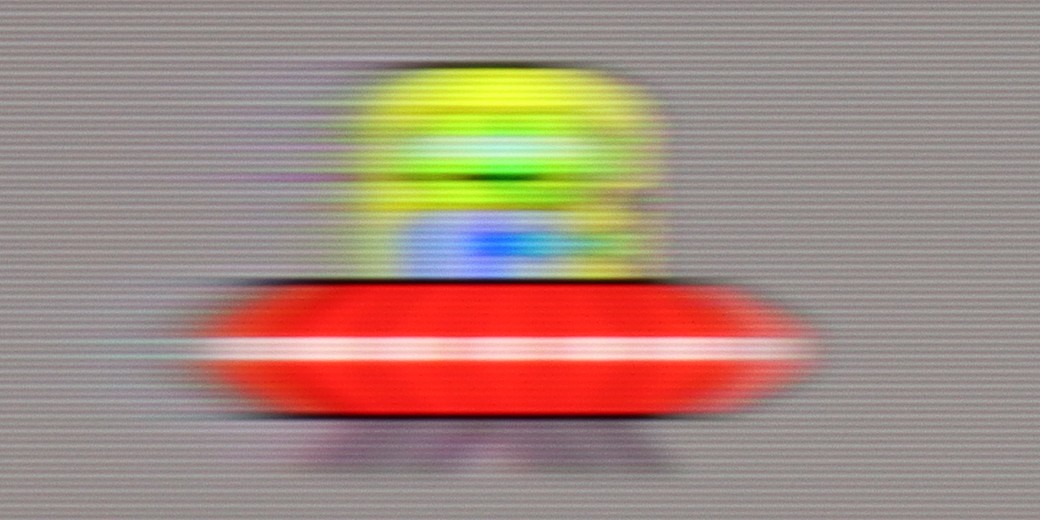
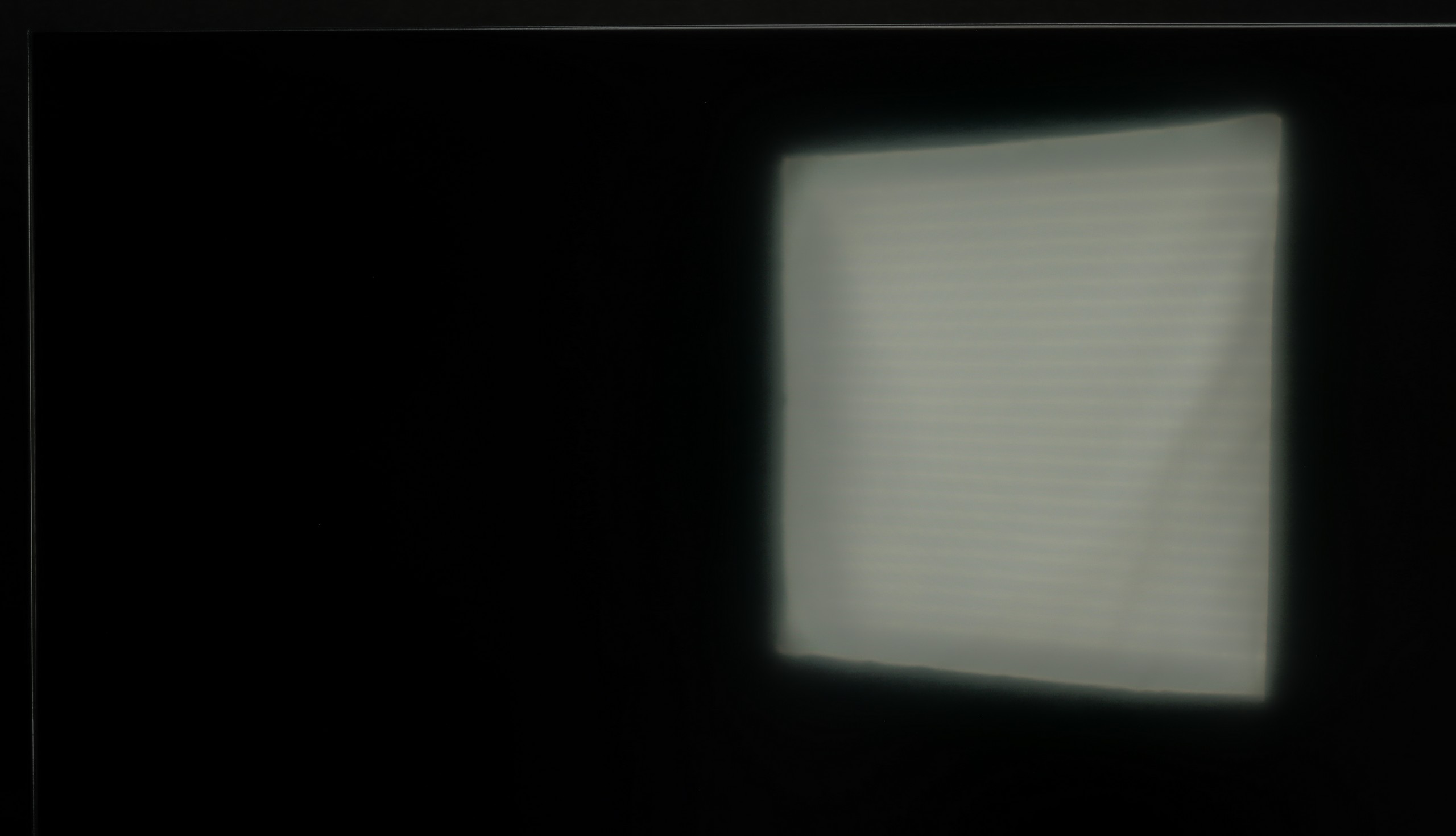
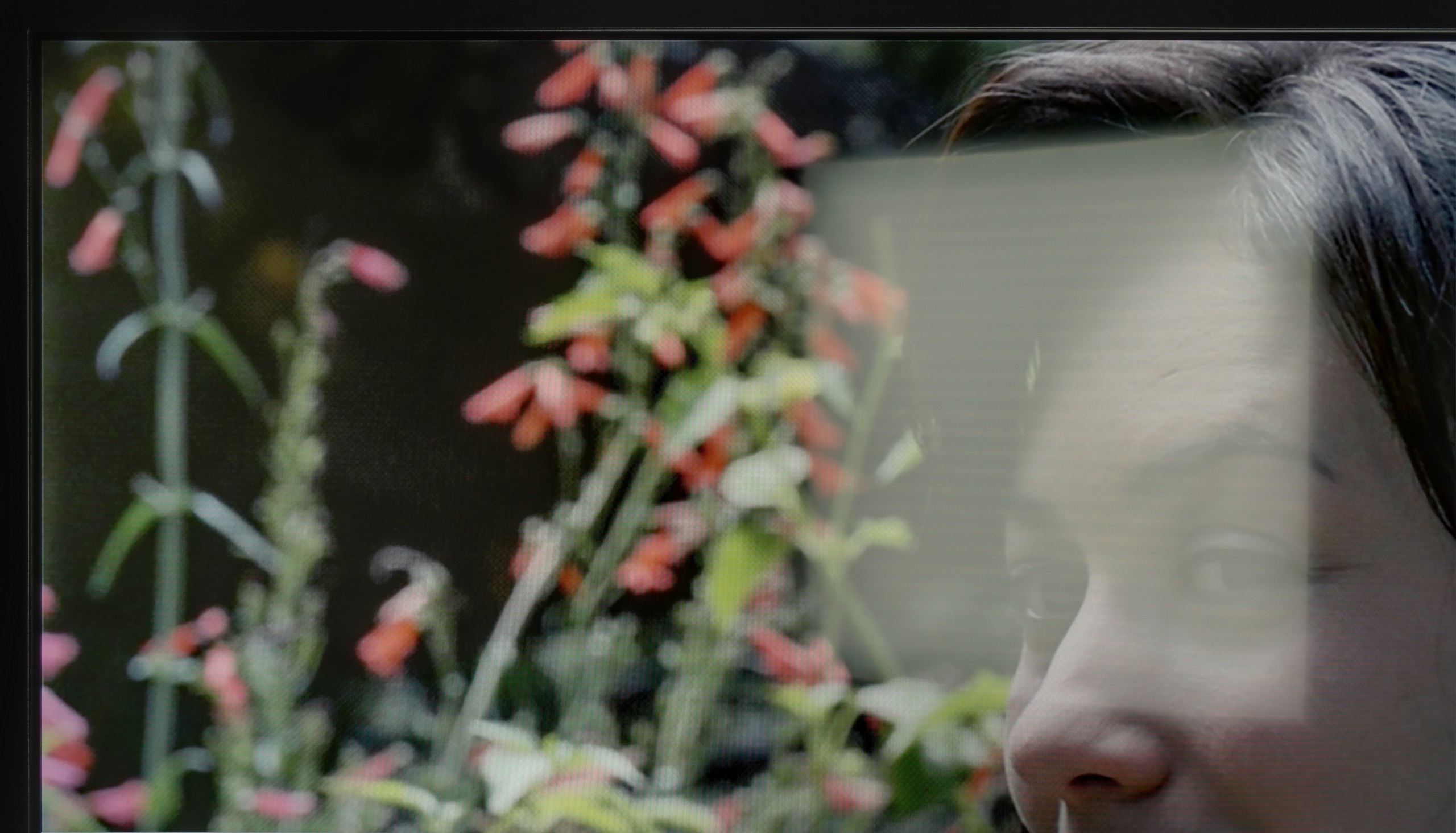
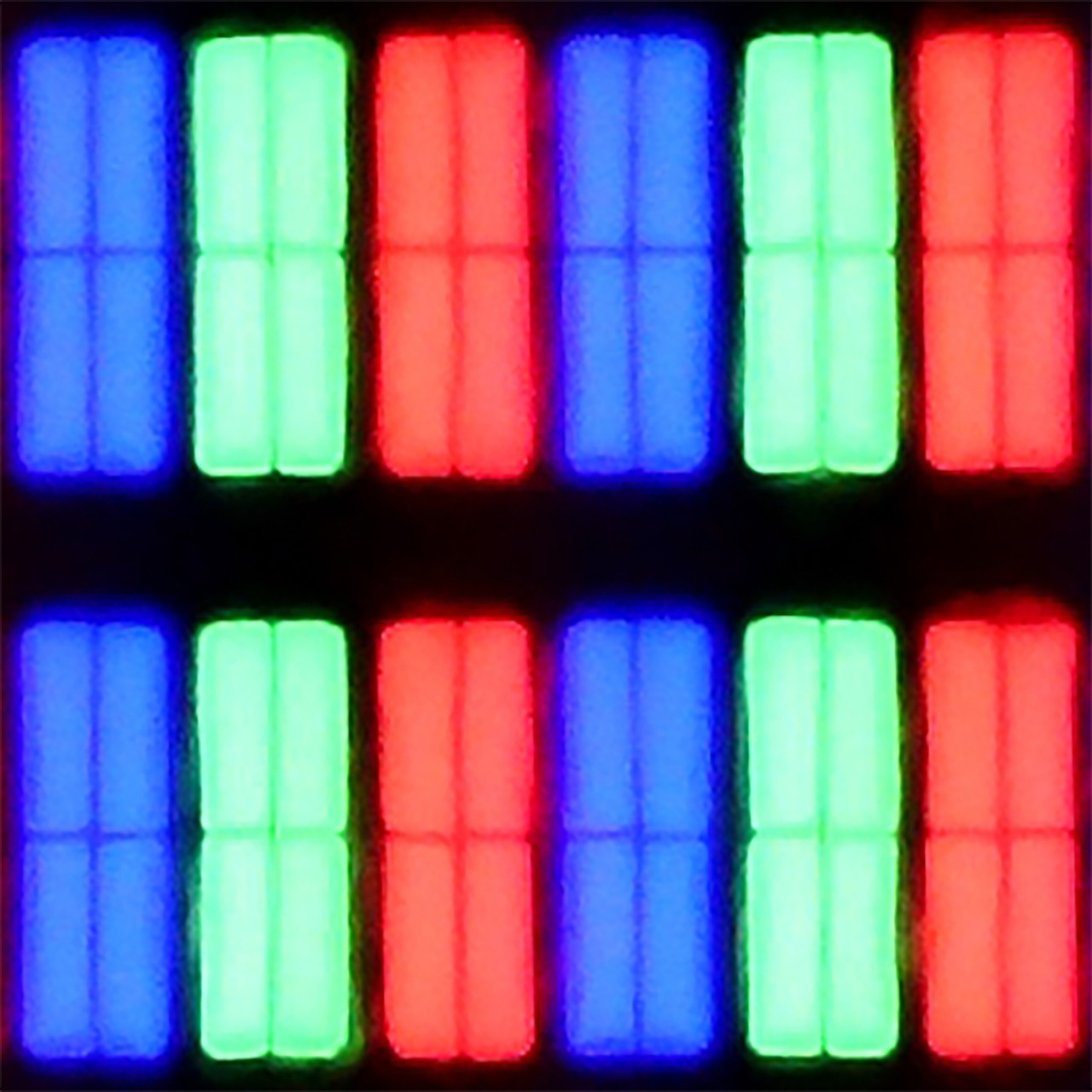
In terms of picture quality, the TV delivers solid performance for everyday viewing. It handles tonal transitions smoothly and processes lower-quality materials effectively, resulting in a pleasing image for standard television programmes. However, its limited brightness may affect performance in brightly lit environments—an expected compromise in this price range. The inclusion of a basic motion smoother allows for adjustable fluidity in movies and series, making it suitable for less demanding viewers in terms of motion handling.
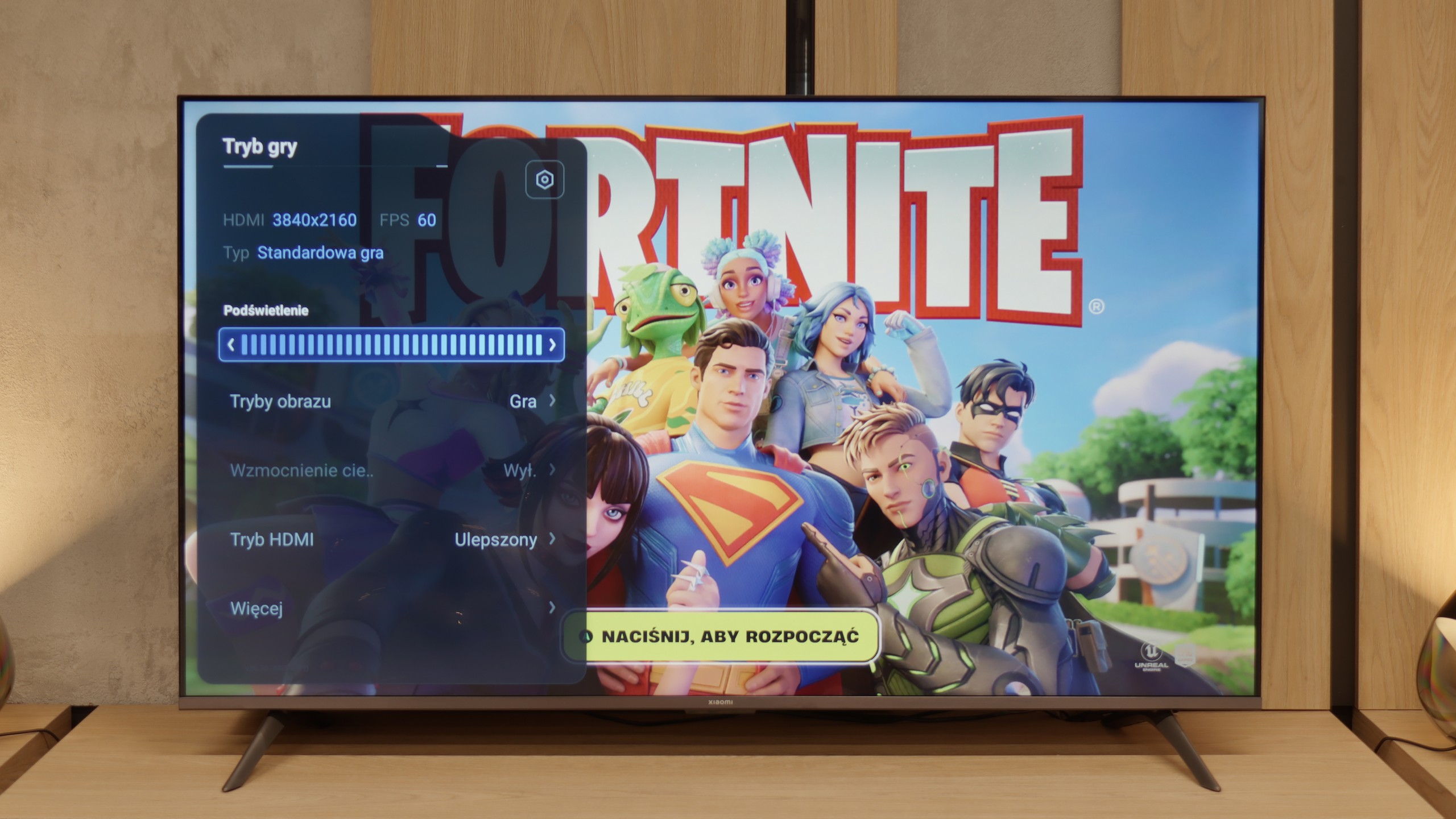
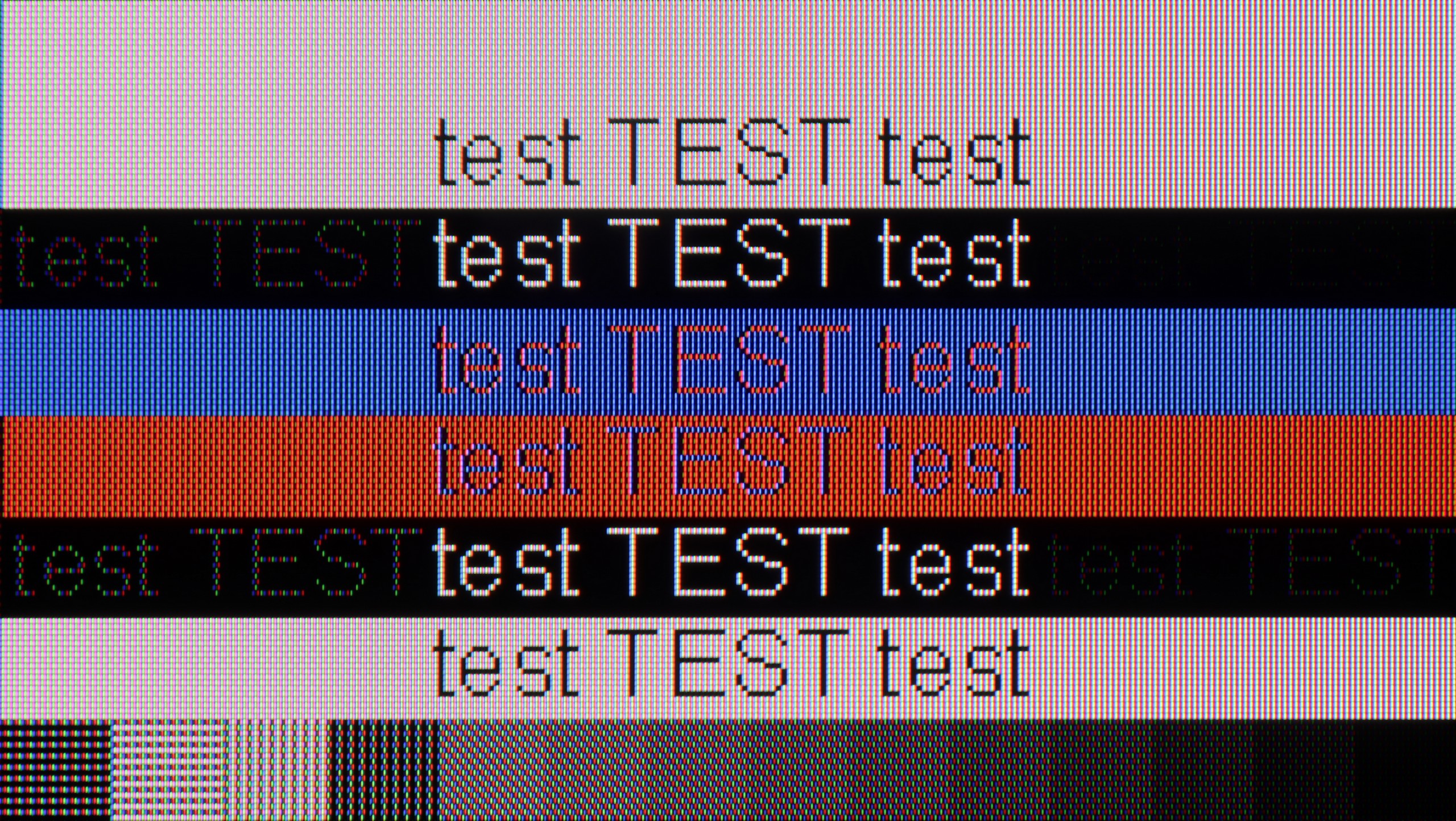
That said, the TV’s 60 Hz panel and lack of advanced features may limit its appeal for those seeking higher performance. Its low input lag will appeal to occasional gamers, but the device falls short for PC connectivity due to poor font clarity, which makes text work less enjoyable. Additionally, while the operating system offers extensive functionality, its responsiveness could be better.
Despite these shortcomings, the Xiaomi A Pro 2025 remains a compelling choice for budget-conscious users seeking an affordable QLED TV with practical features and reliable performance for basic applications.
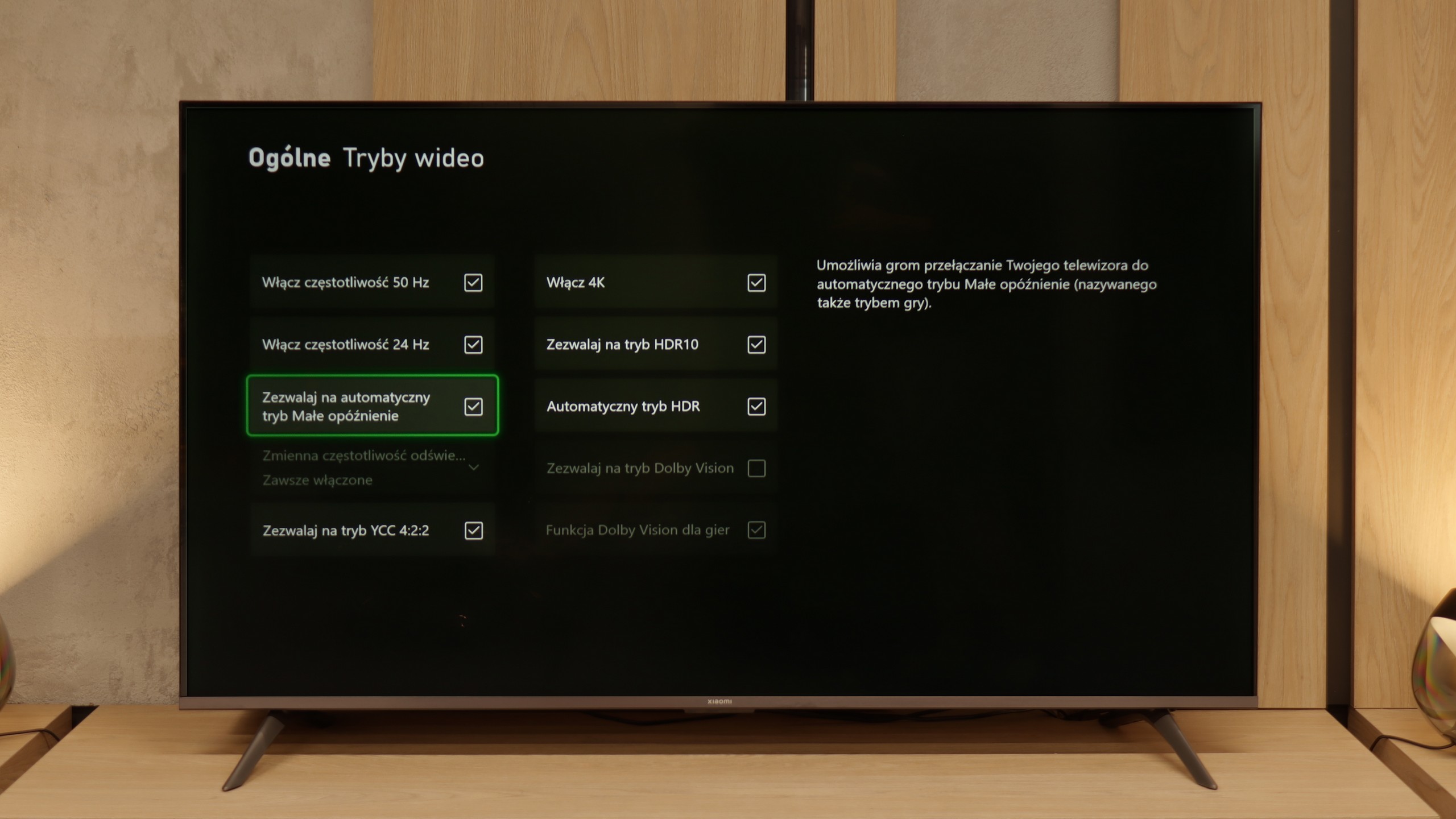
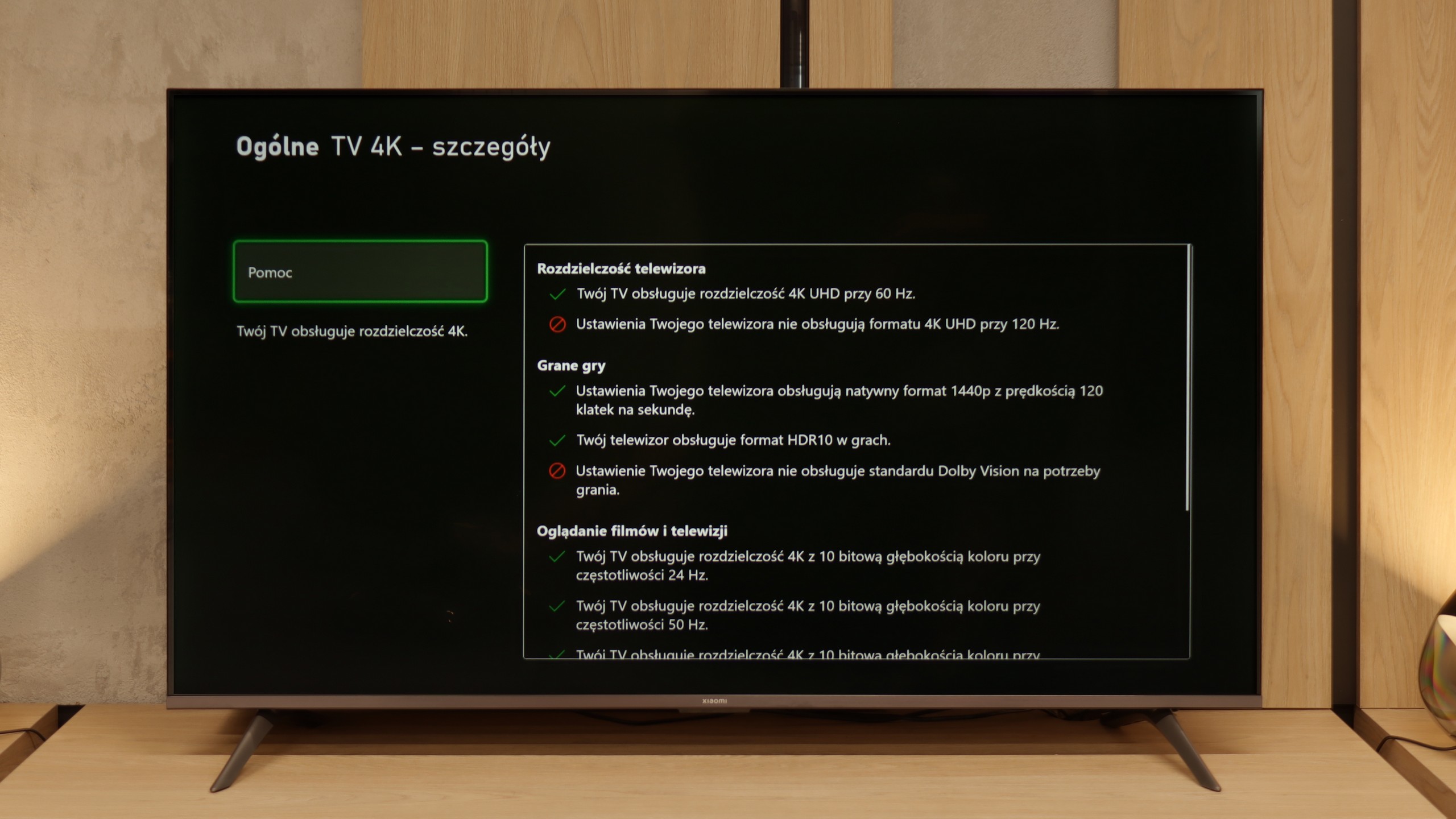
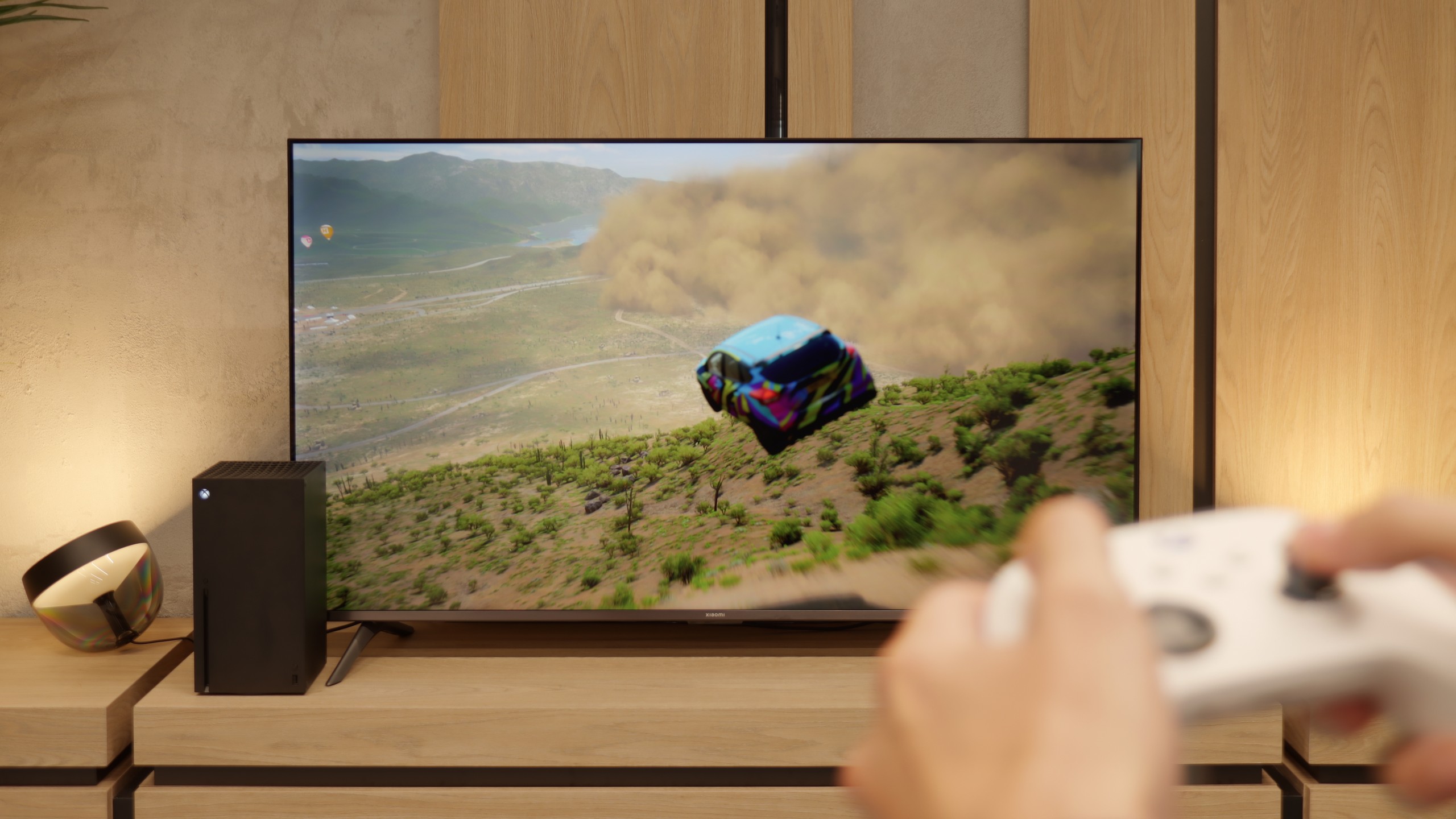
Xiaomi A Pro 2026 is a television that at first glance doesn’t reveal significant changes compared to its predecessor. Someone might even think it's just a copy of last year's model with a different sticker. And there’s some truth to that, as the main novelty, or rather the only clear difference, is the 120 Hz mode at lower resolutions. It must be acknowledged that this addition really does make a difference – it's not a solution for professional gamers, but rather a nod towards those looking for a smoother picture during casual gaming. This is where the A Pro 2026 can shine – with a simple, yet clever idea that sets it apart in the "super budget" segment. Unfortunately, when we begin to look at the television more broadly, enthusiasm quickly wanes. Even though the year has changed in the calendar, most of the issues known from the A Pro 2025 remain with us – the system can still experience strange stutters, and occasional bugs can be quite annoying. Additionally, there is a lack of any serious tools for digital image processing that worked quite decently last year. As a result, there are many construction limitations visible here that competitors at a similar price point are already trying to mask in some way. As for the quality of the image, we won't be dishonest with you either. Brightness levels of 200–300 nits don't stand a chance against more demanding materials. Yes, simpler streaming content can be watched, but with high-budget productions, it’s immediately clear why the television costs what it does. The impression of watching a flattened image stripped of details accompanies us virtually every time. And here we come to the crux of the matter. Xiaomi A Pro 2026 is a television for those who really do not require much. As a daily screen for series, news, or YouTube – it performs fairly well, especially thanks to its operating system, which is GoogleTV. Also, if someone is looking for budget equipment and additionally would like a taste of smoother gameplay in games thanks to the 120 Hz mode, they might even be satisfied. But anyone expecting at least average image quality, a stable system, and proper functionality will quickly notice that there are other budget models on the market that simply perform better.
 Direct comparison