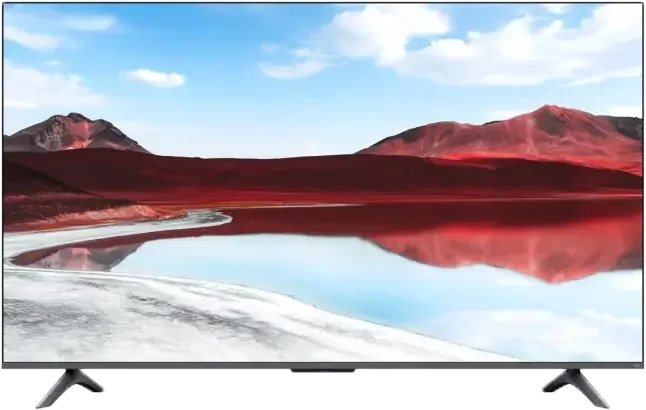
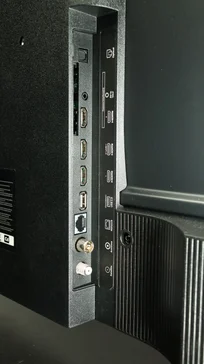
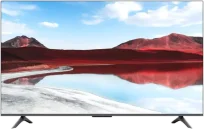
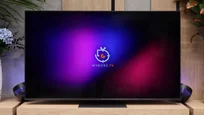
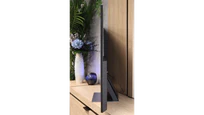
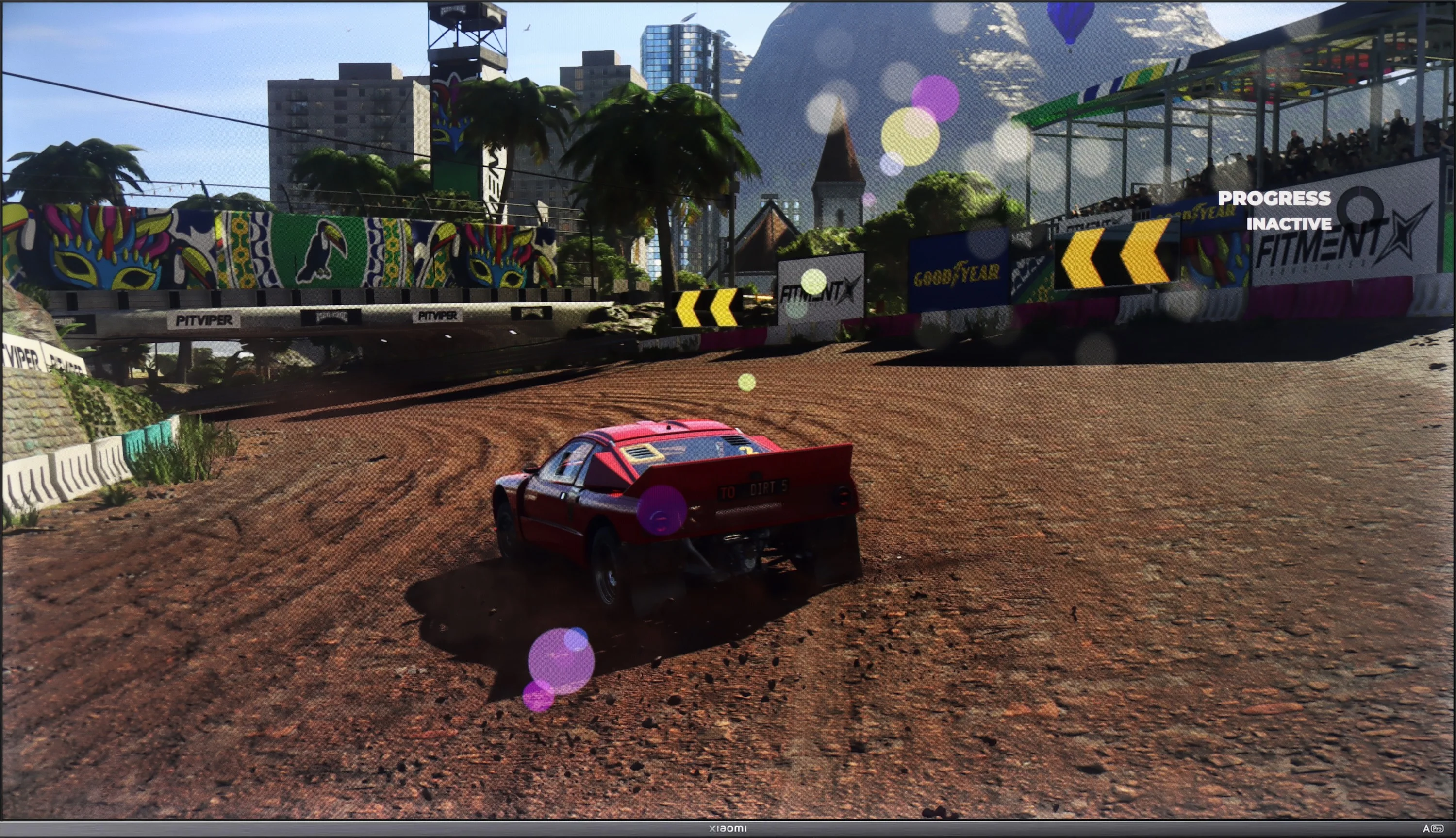
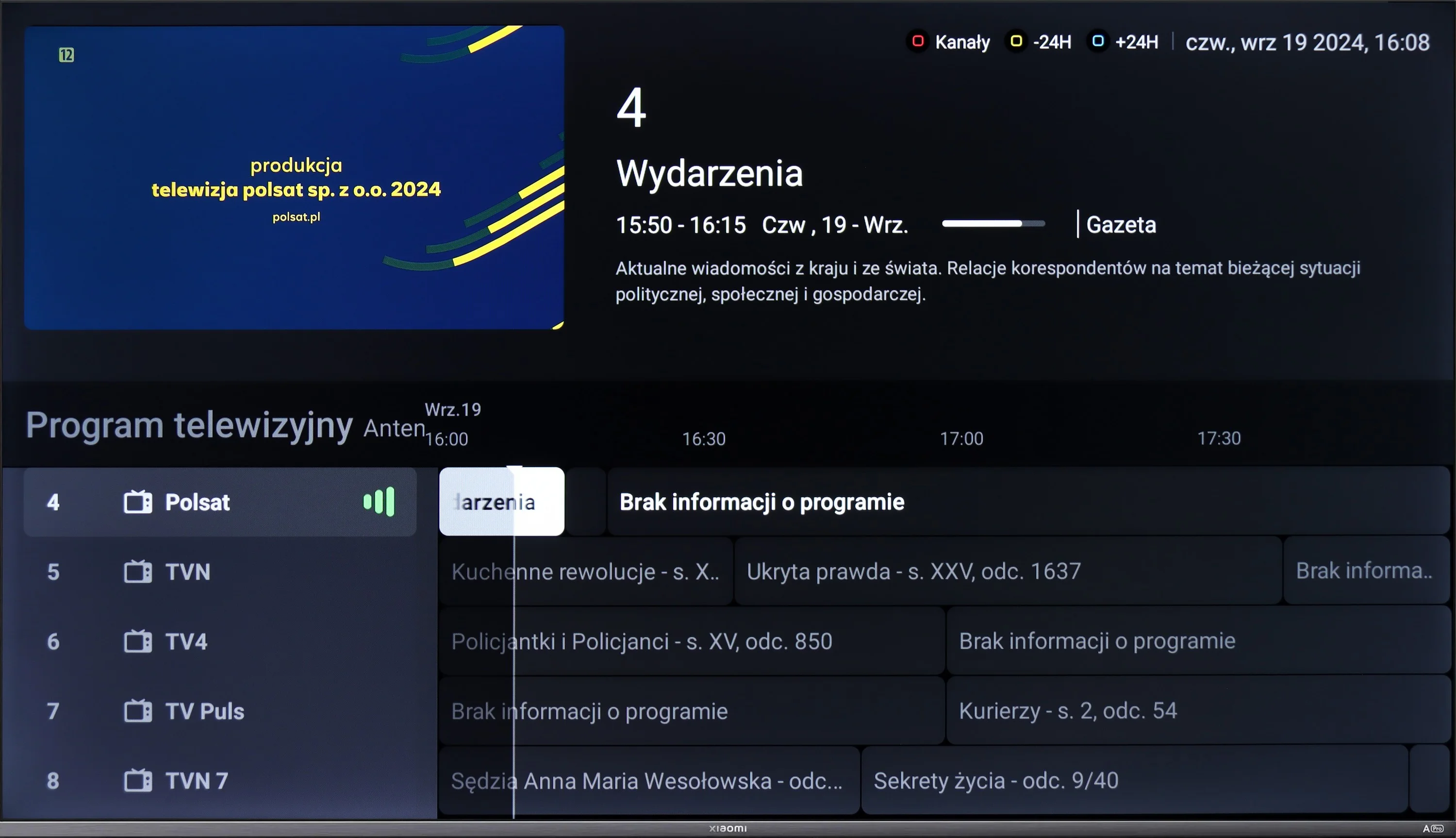
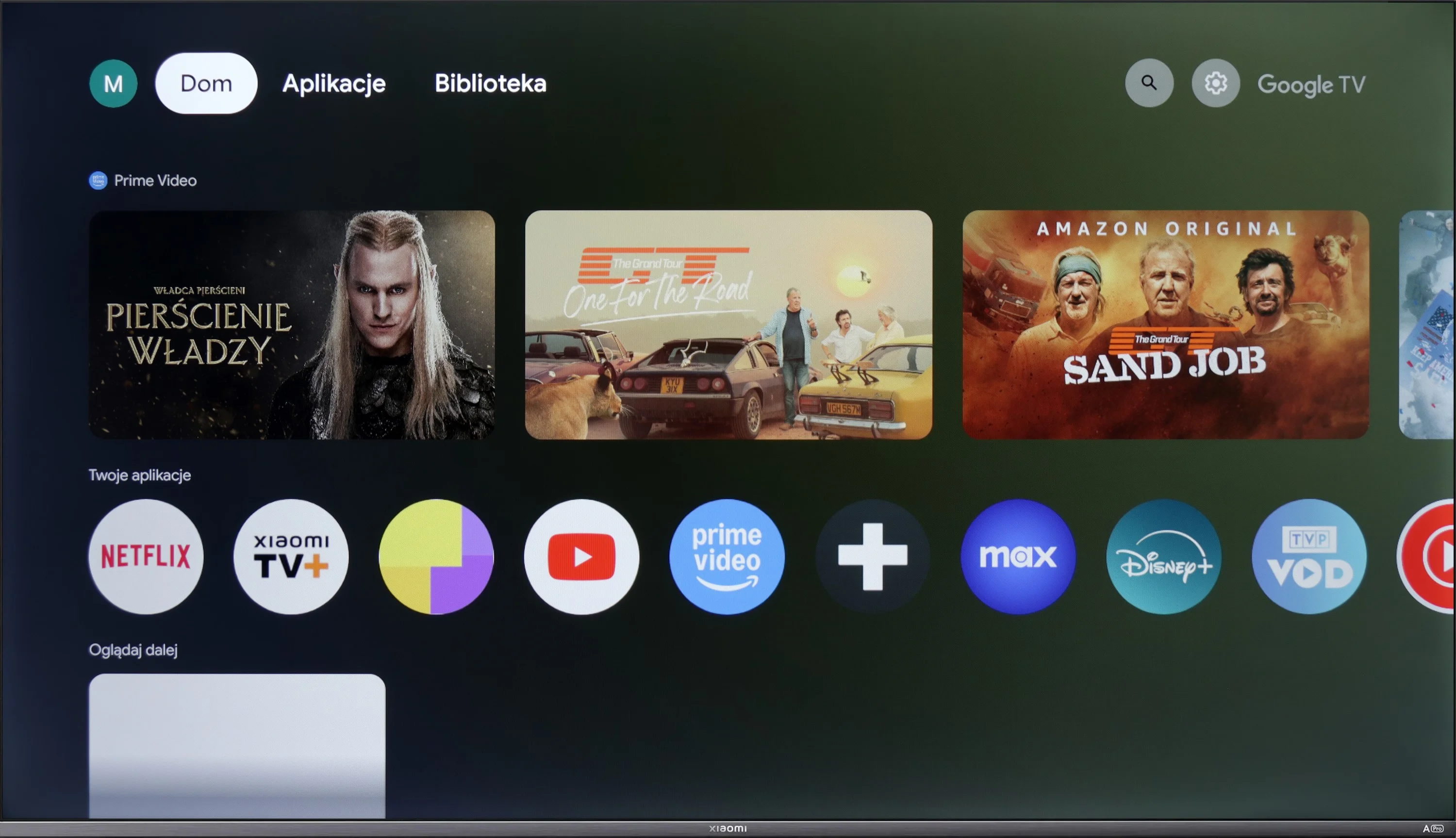
The Xiaomi A Pro 2025 is a device that caters to the needs of many basic users. As one of the most affordable QLED TVs available, it offers a good balance between price and quality. One of its standout features is the Google TV system, which provides seamless access to a variety of apps and multimedia content. The intuitive interface makes it easy to navigate popular streaming platforms such as Netflix and YouTube. Voice control in Polish adds further convenience, allowing users to issue commands without manually navigating menus. The completely wireless remote enhances usability, removing the need to aim directly at the TV.
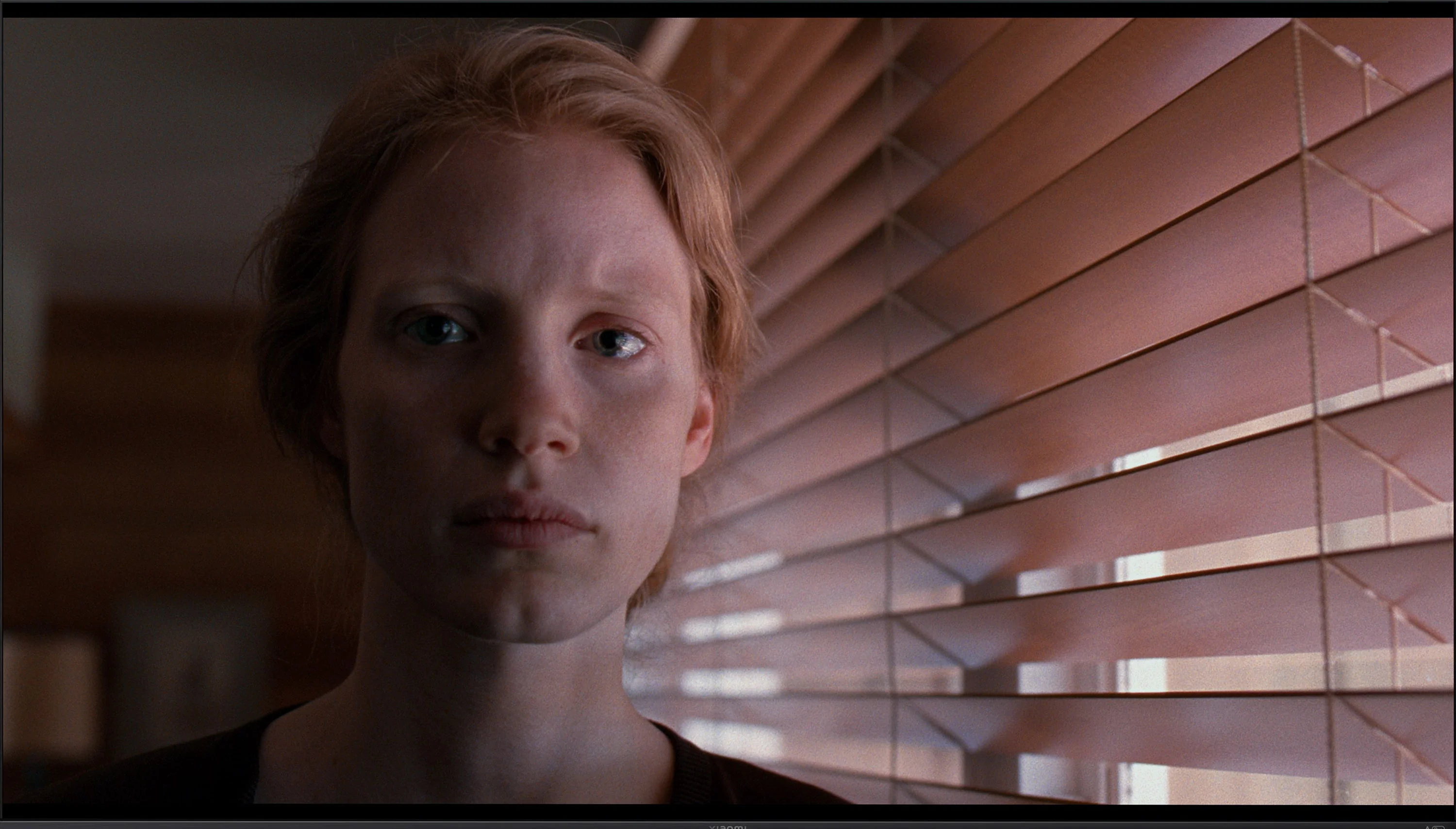
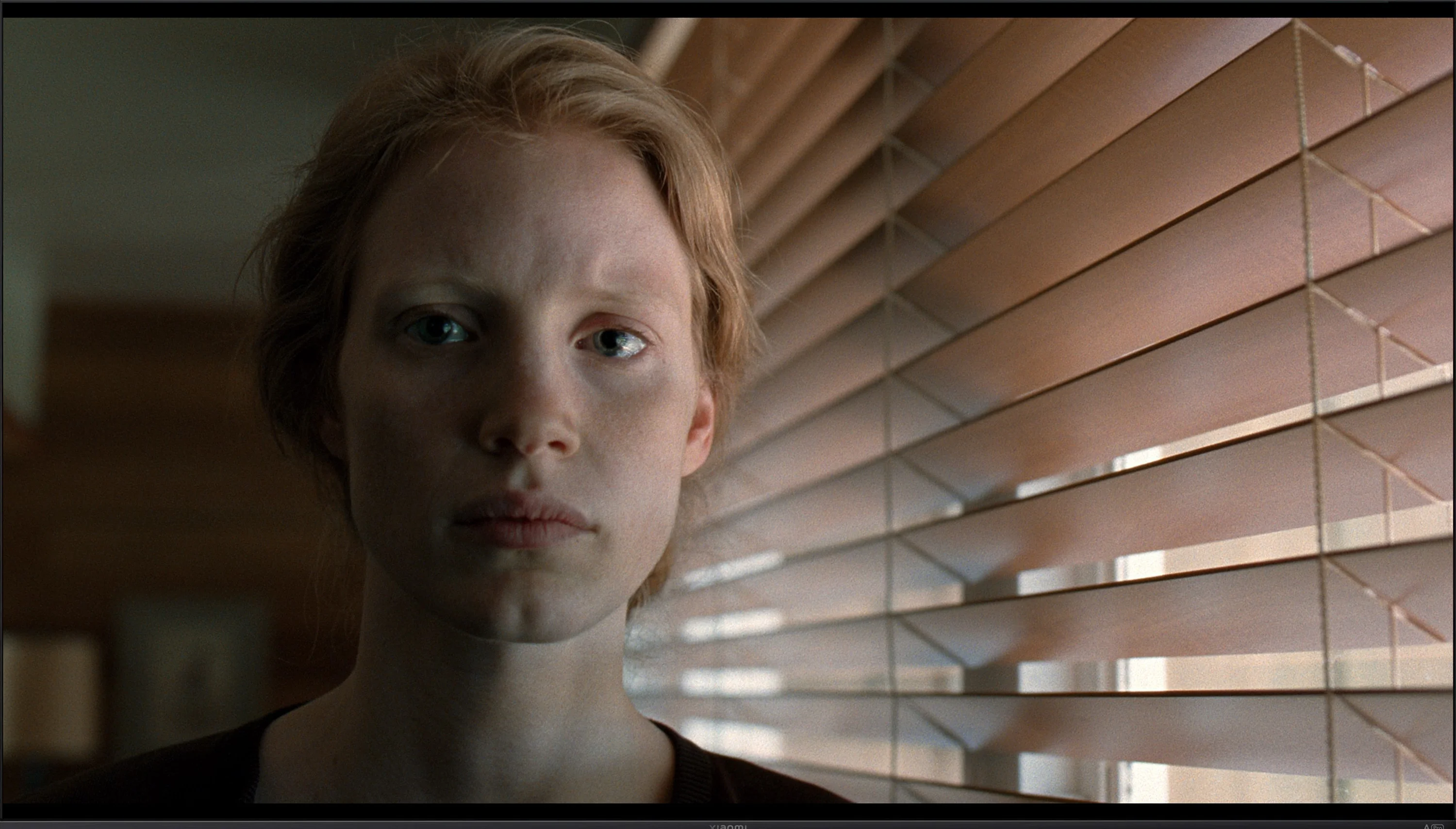
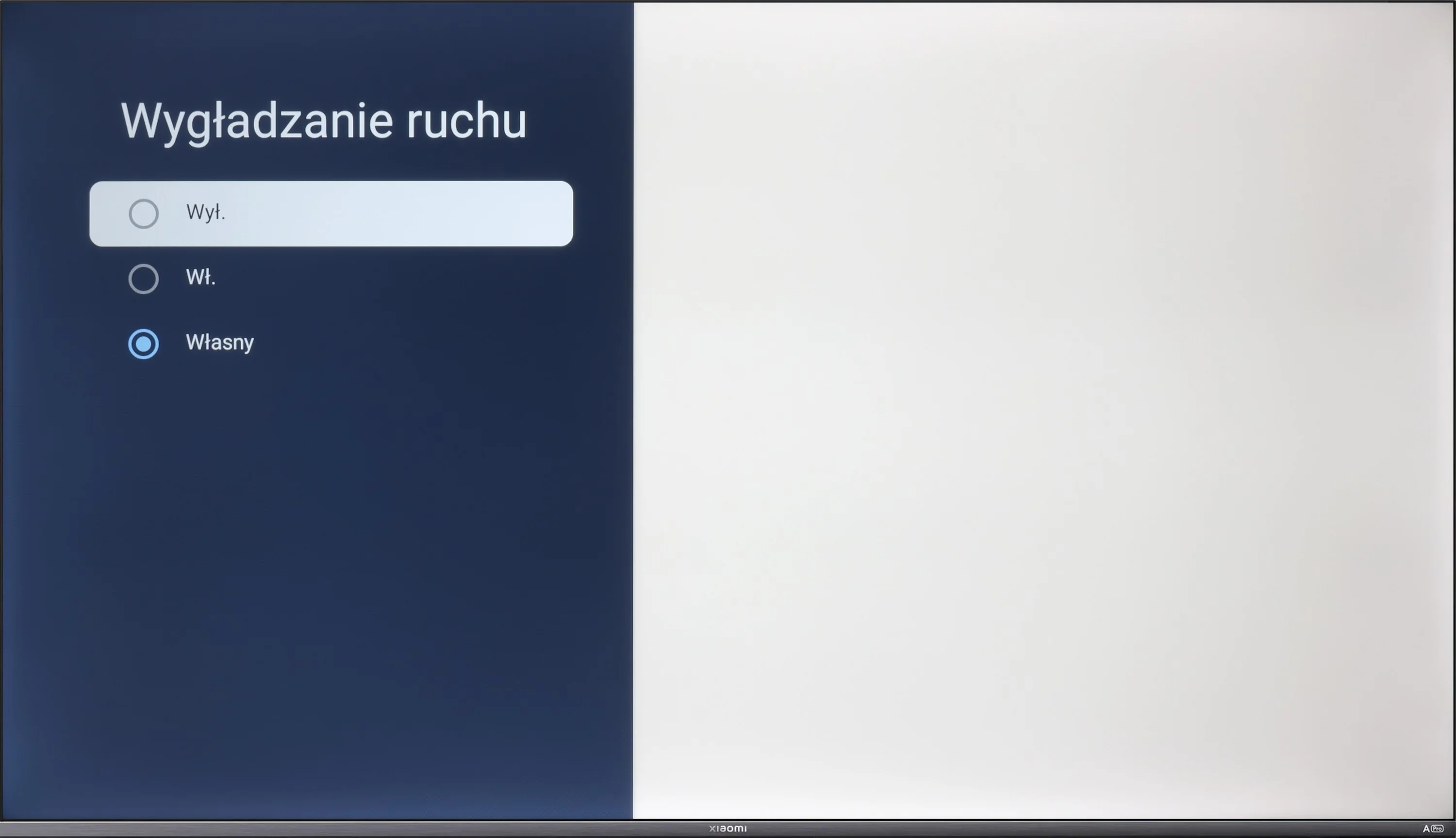
In terms of picture quality, the TV delivers solid performance for everyday viewing. It handles tonal transitions smoothly and processes lower-quality materials effectively, resulting in a pleasing image for standard television programmes. However, its limited brightness may affect performance in brightly lit environments—an expected compromise in this price range. The inclusion of a basic motion smoother allows for adjustable fluidity in movies and series, making it suitable for less demanding viewers in terms of motion handling.
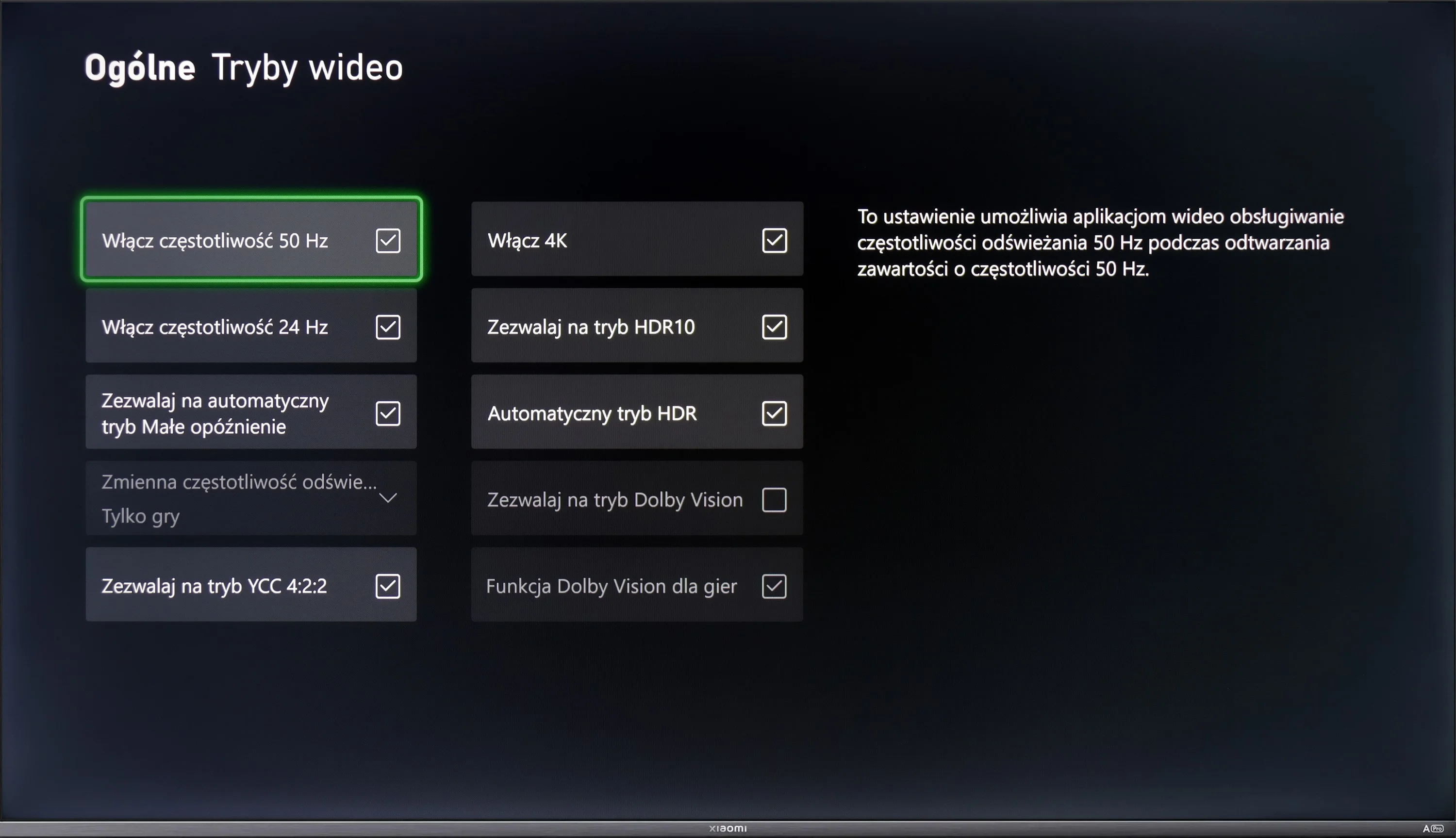
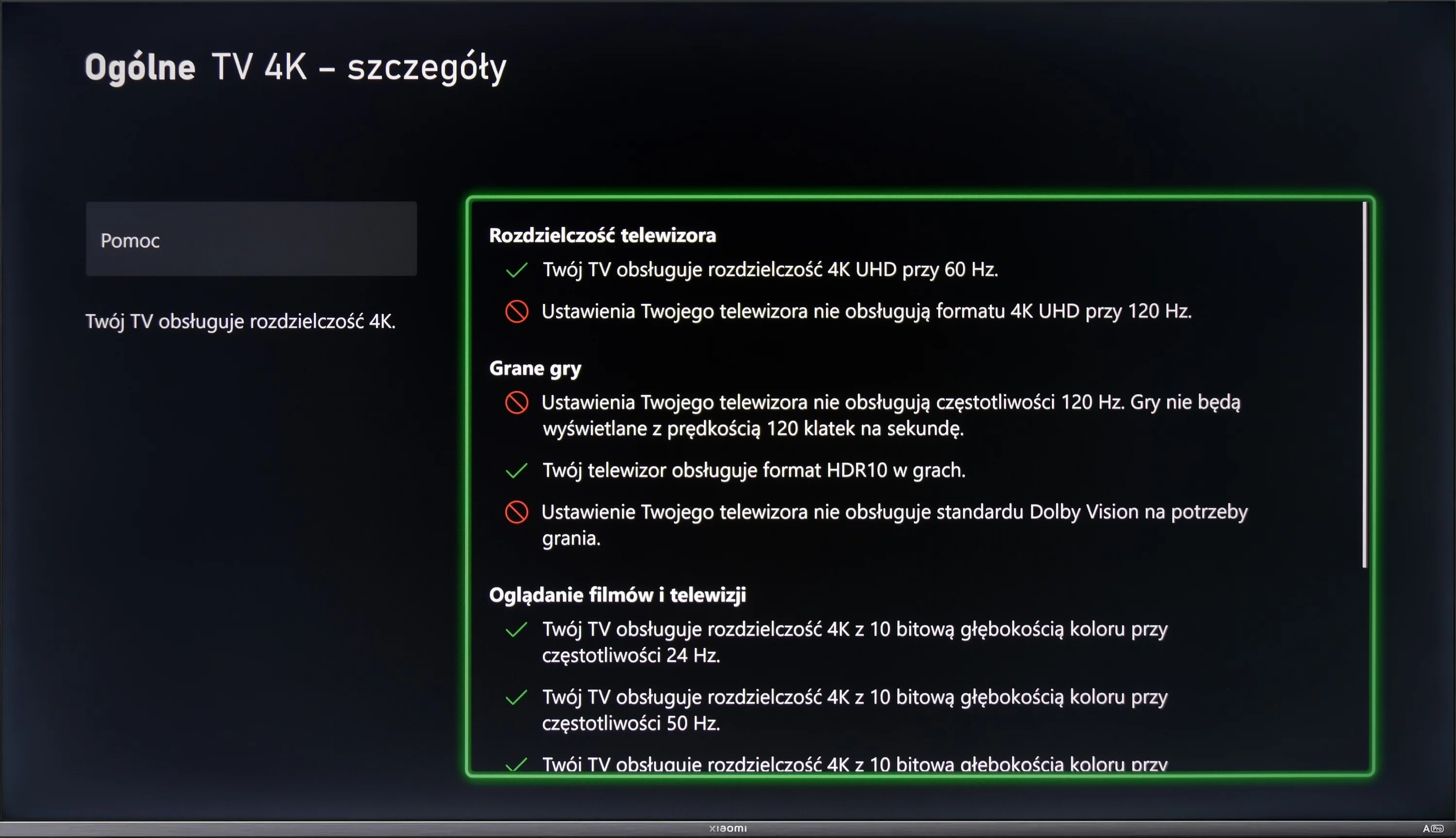
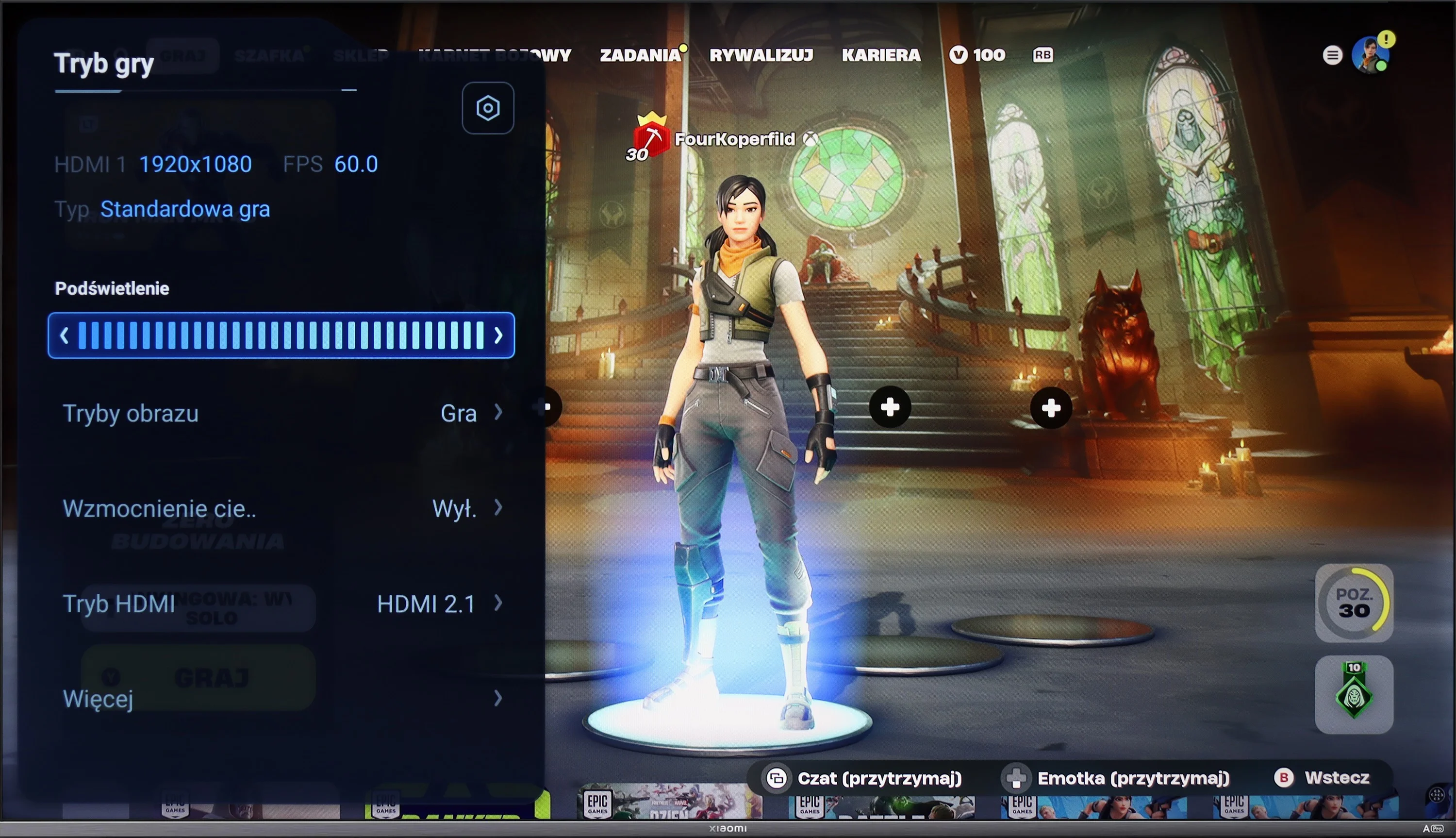
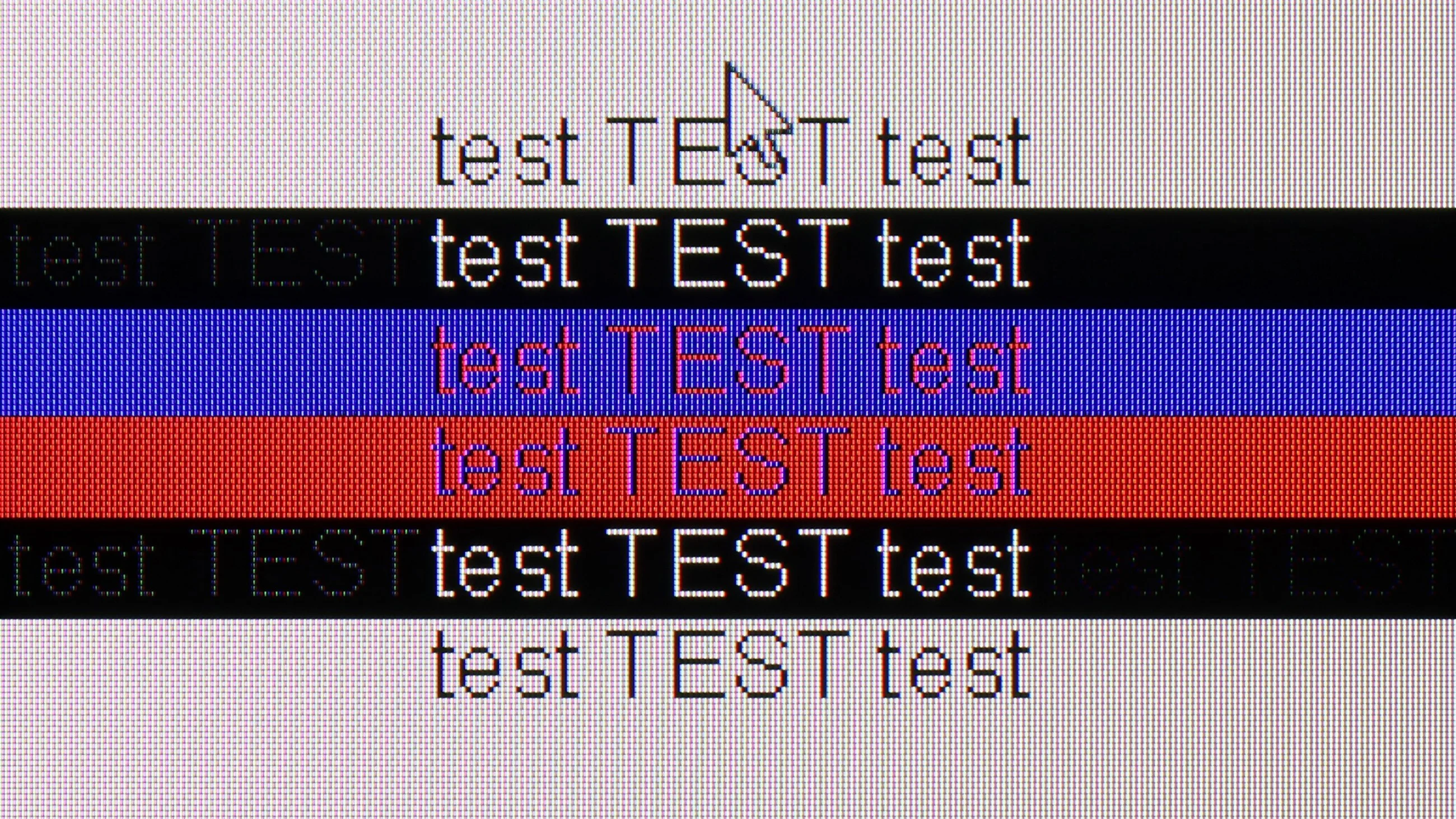
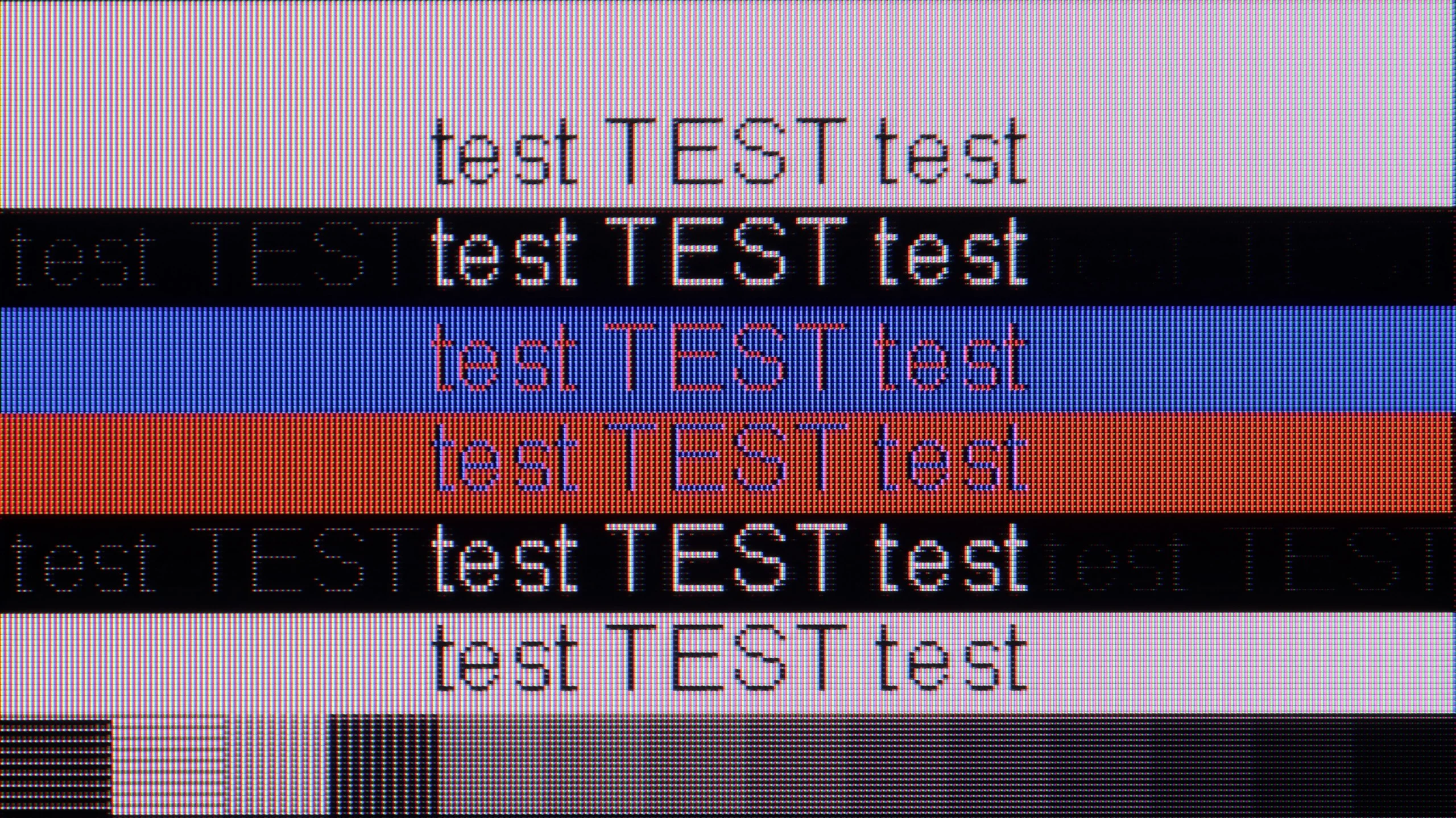
That said, the TV’s 60 Hz panel and lack of advanced features may limit its appeal for those seeking higher performance. Its low input lag will appeal to occasional gamers, but the device falls short for PC connectivity due to poor font clarity, which makes text work less enjoyable. Additionally, while the operating system offers extensive functionality, its responsiveness could be better.
Despite these shortcomings, the Xiaomi A Pro 2025 remains a compelling choice for budget-conscious users seeking an affordable QLED TV with practical features and reliable performance for basic applications.
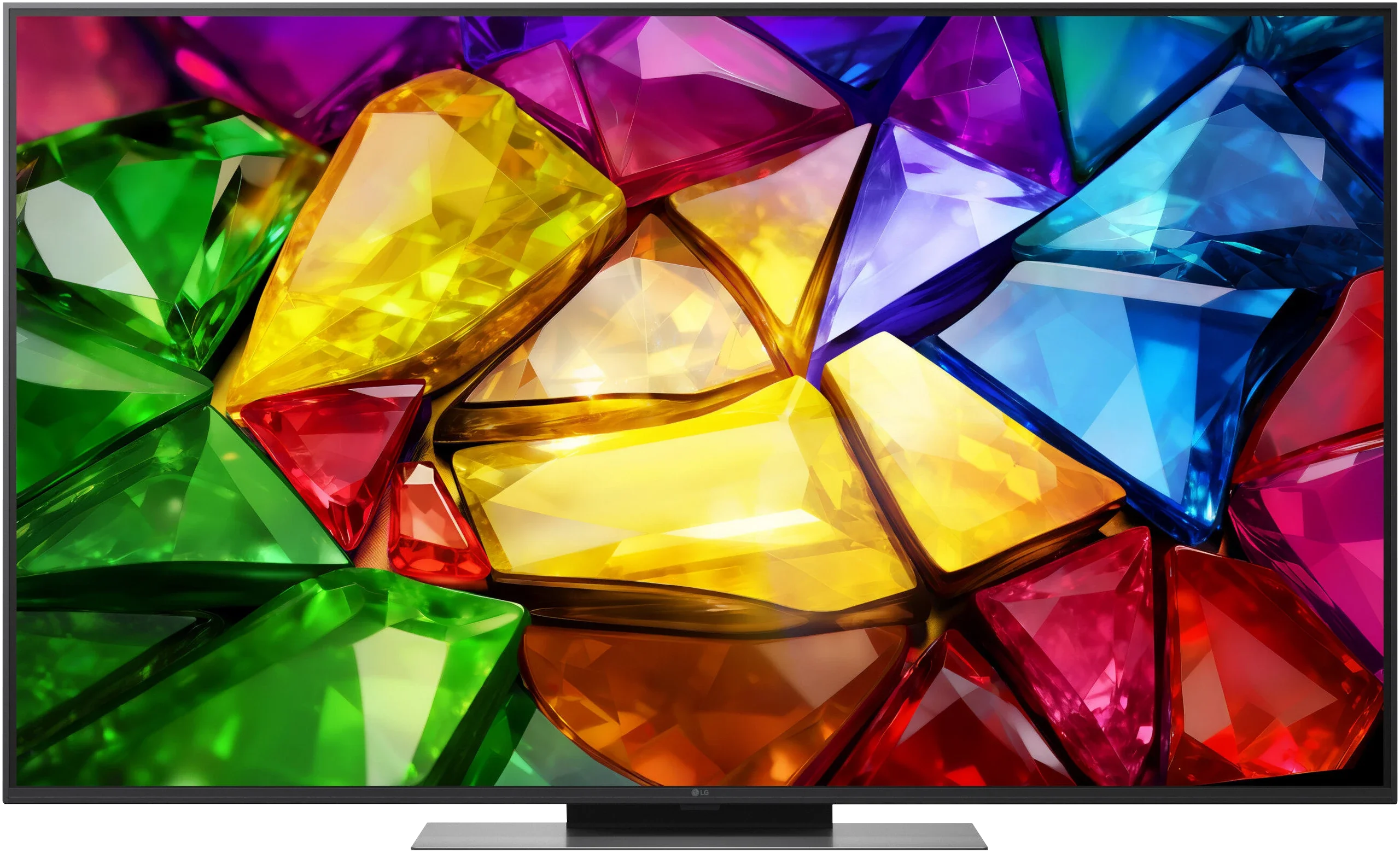
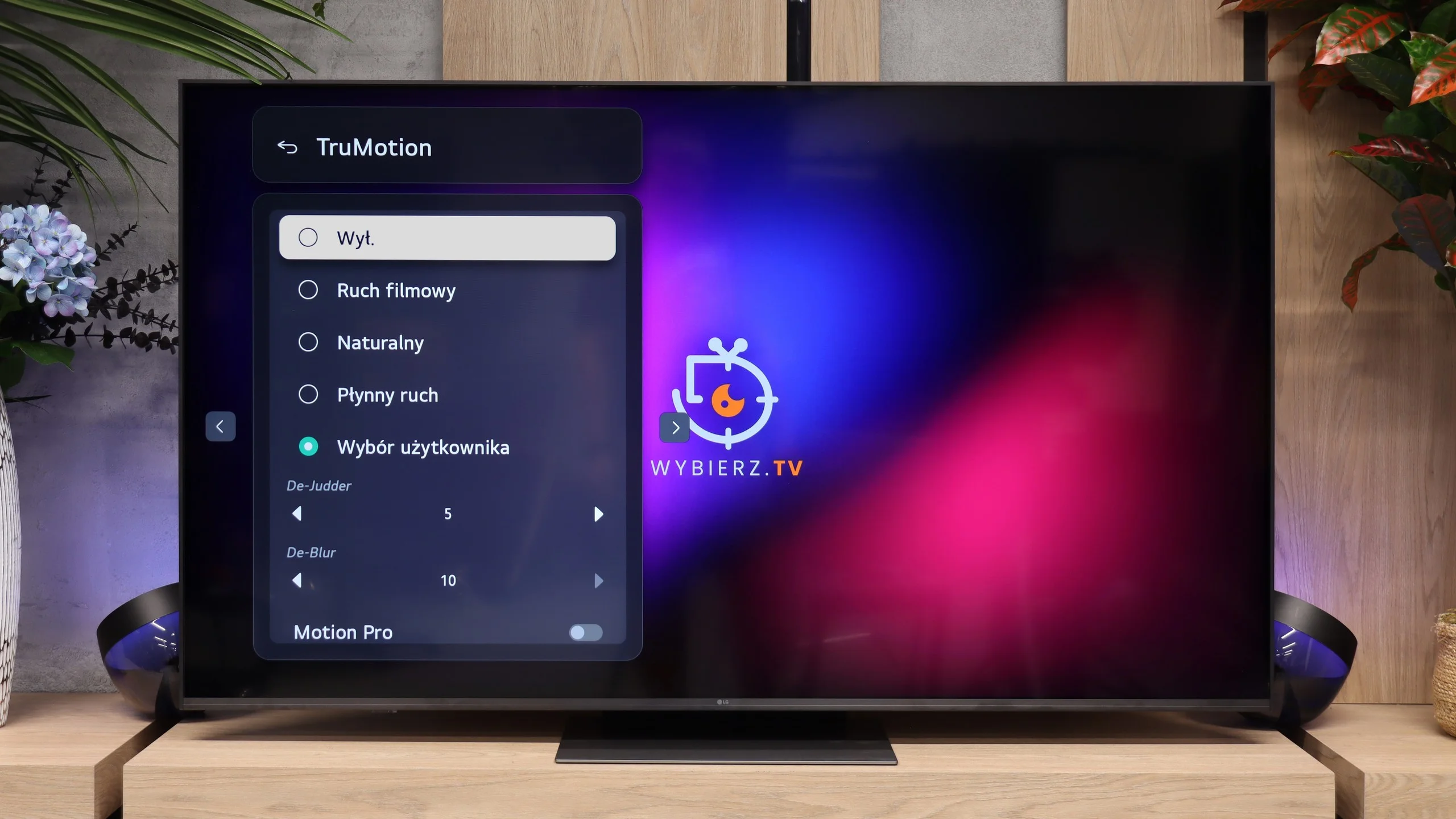
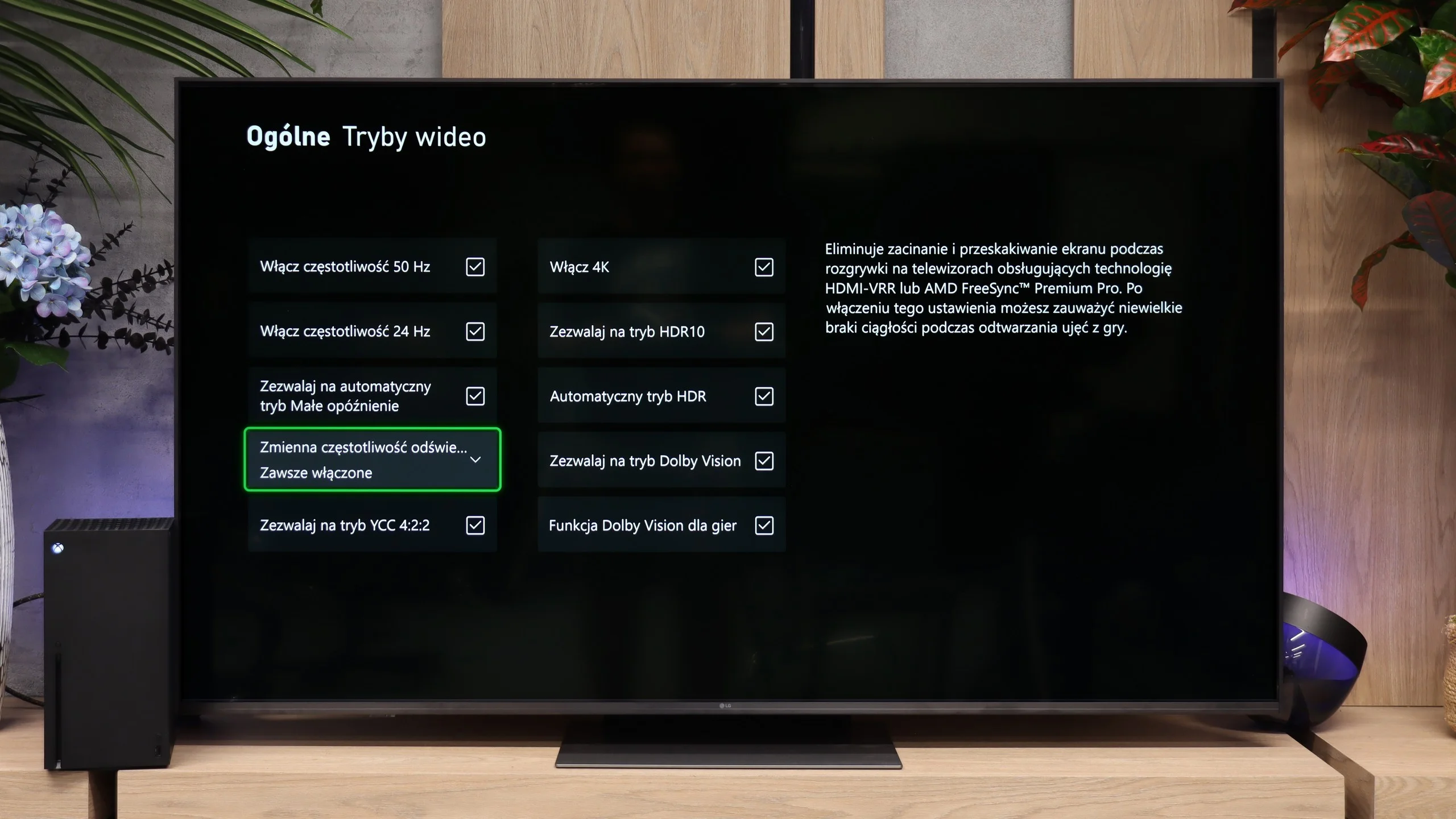
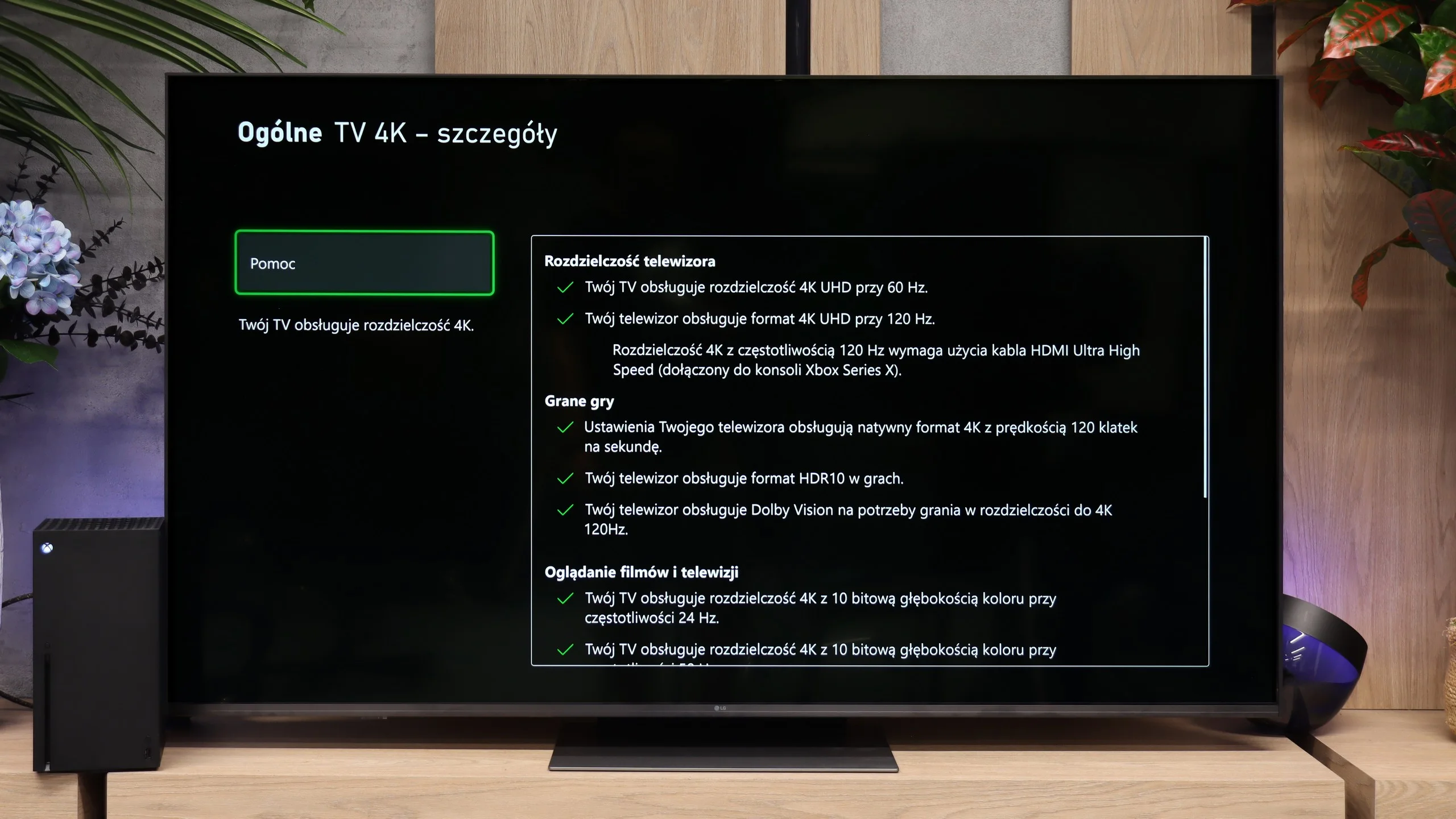
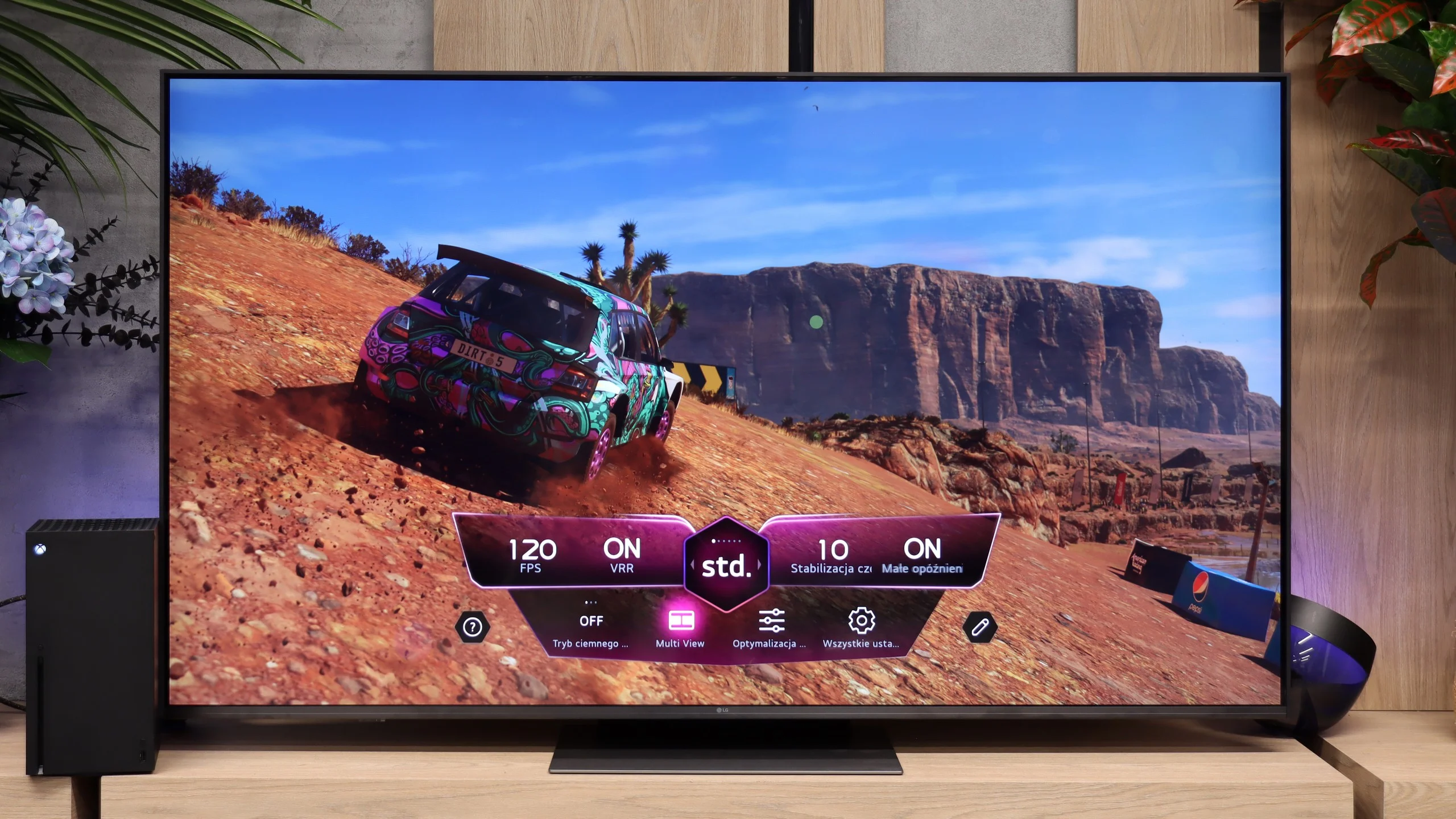
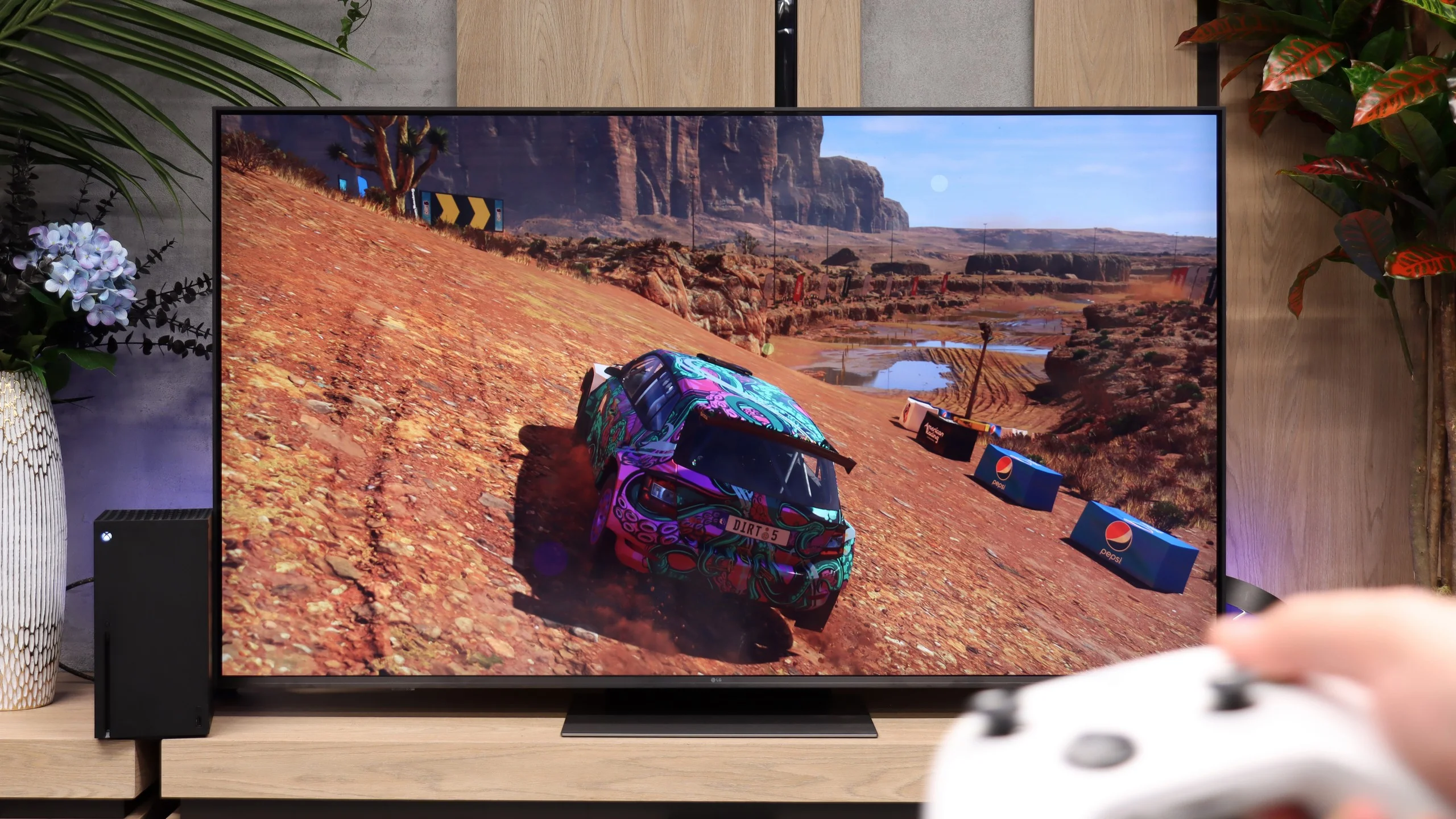
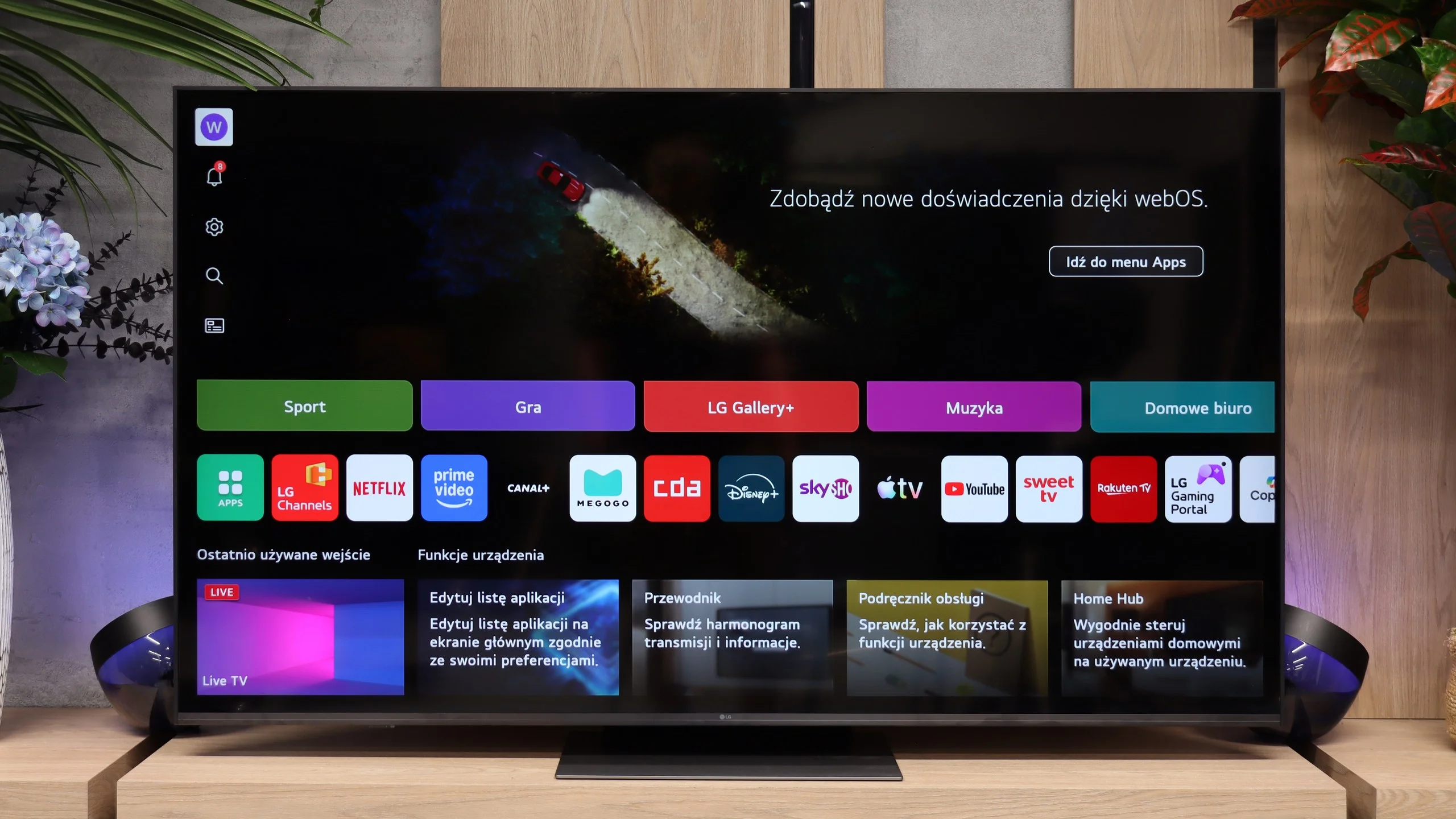
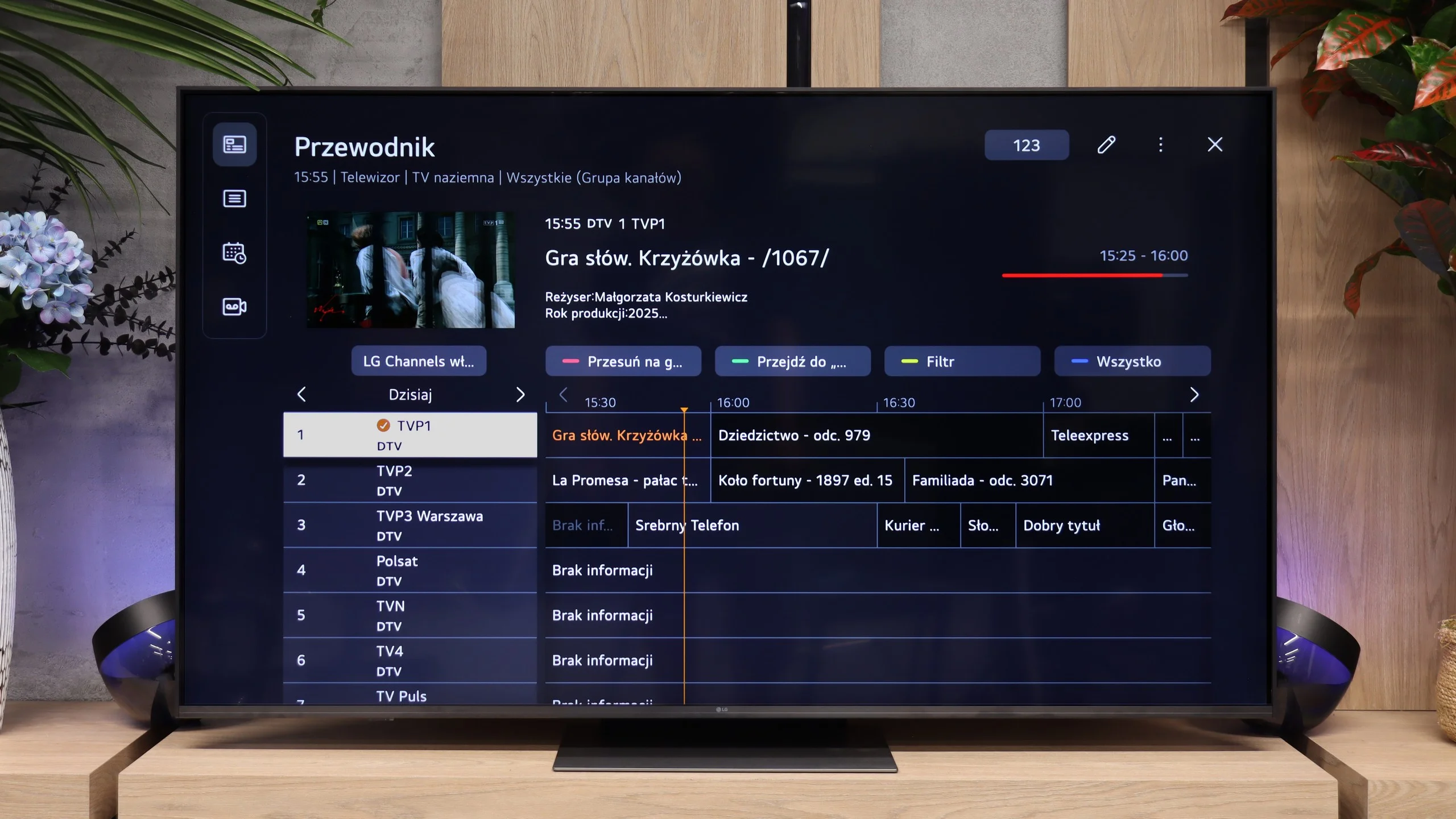
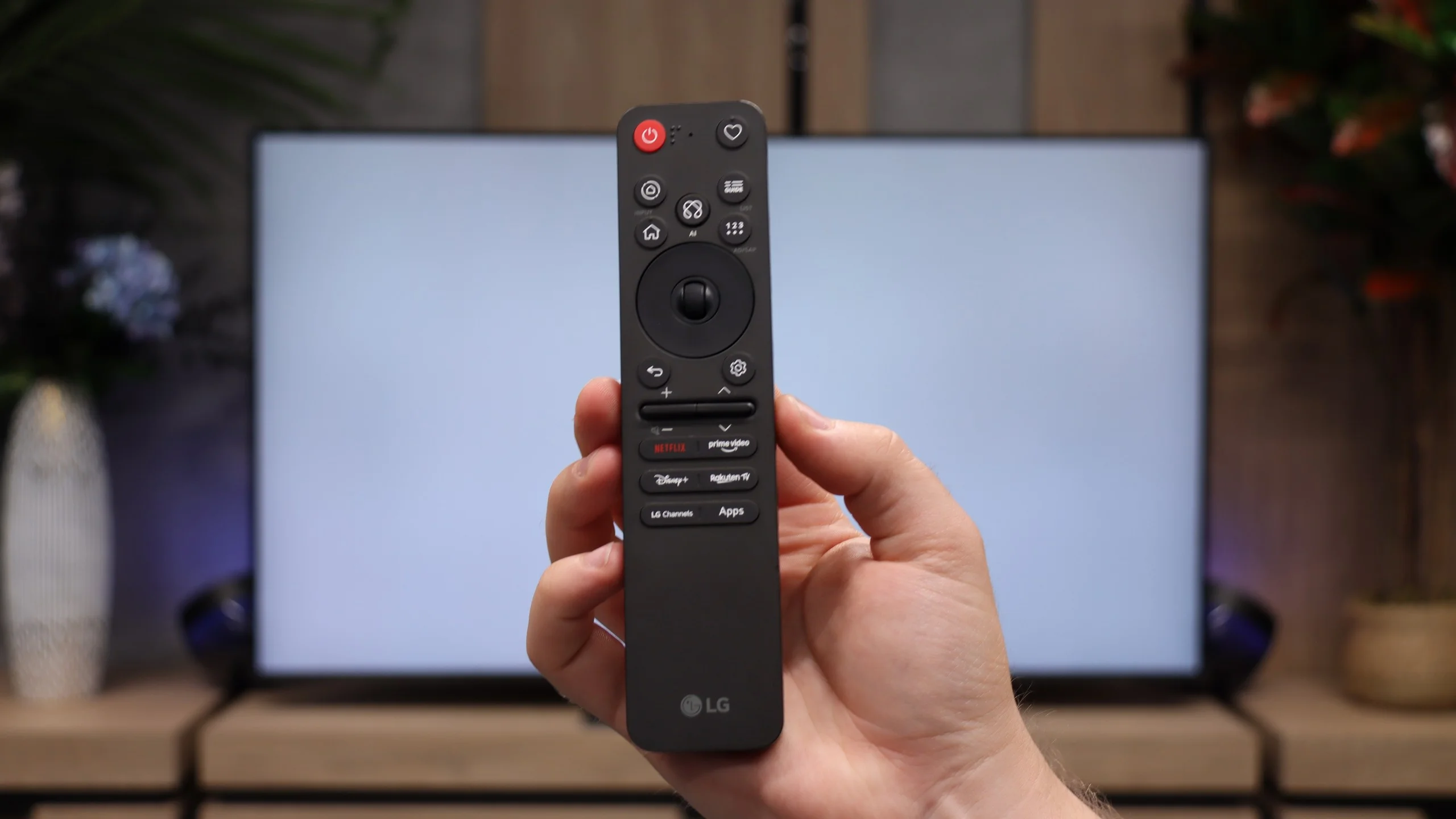
LG MRGB85 is a TV that feels most at home in the hands of gamers and people attached to the webOS ecosystem. In that respect it’s hard to fault. It offers a lot of advantages for gamers thanks to a very high refresh rate panel. On top of that there’s a smooth webOS experience that stands out on the market mainly because of the convenient Magic remote and a full set of features for traditional TV. The problem starts when you look at overall picture quality and compare it to the price the manufacturer asks for this model. The MRGB85 launches at a level that, to put it mildly, is hard to call attractive compared with competing models. For similar money you can find TVs with much more sophisticated backlighting and, above all, better black-level control. The biggest controversy, however, is the naming and the way LG positions this model. MRGB85 does use a three-color backlight, but it’s placed at the edge of the screen. It’s therefore hard to call this a full-fledged RGB Mini-LED in the sense commonly used for TVs that employ a large number of independently controlled zones behind the panel. In practice the local dimming limitations are very noticeable and in dark scenes they significantly impair the viewing experience. That doesn’t mean the MRGB85 is a bad TV. It handles everyday content well, offers decent colors, good brightness and a very broad feature set. SDR material can look really good, and Dolby Vision partly helps hide weaker brightness management in HDR. Still, it’s difficult to shake the impression that the model’s biggest problem isn’t the hardware itself but its price and overly ambitious positioning in the market. If someone is mainly looking for a gaming TV, values the convenience of webOS and finds a big discount, the MRGB85 can make sense. At the current price it takes a back seat, because the competition today simply offers more in terms of picture quality.
 Direct comparison