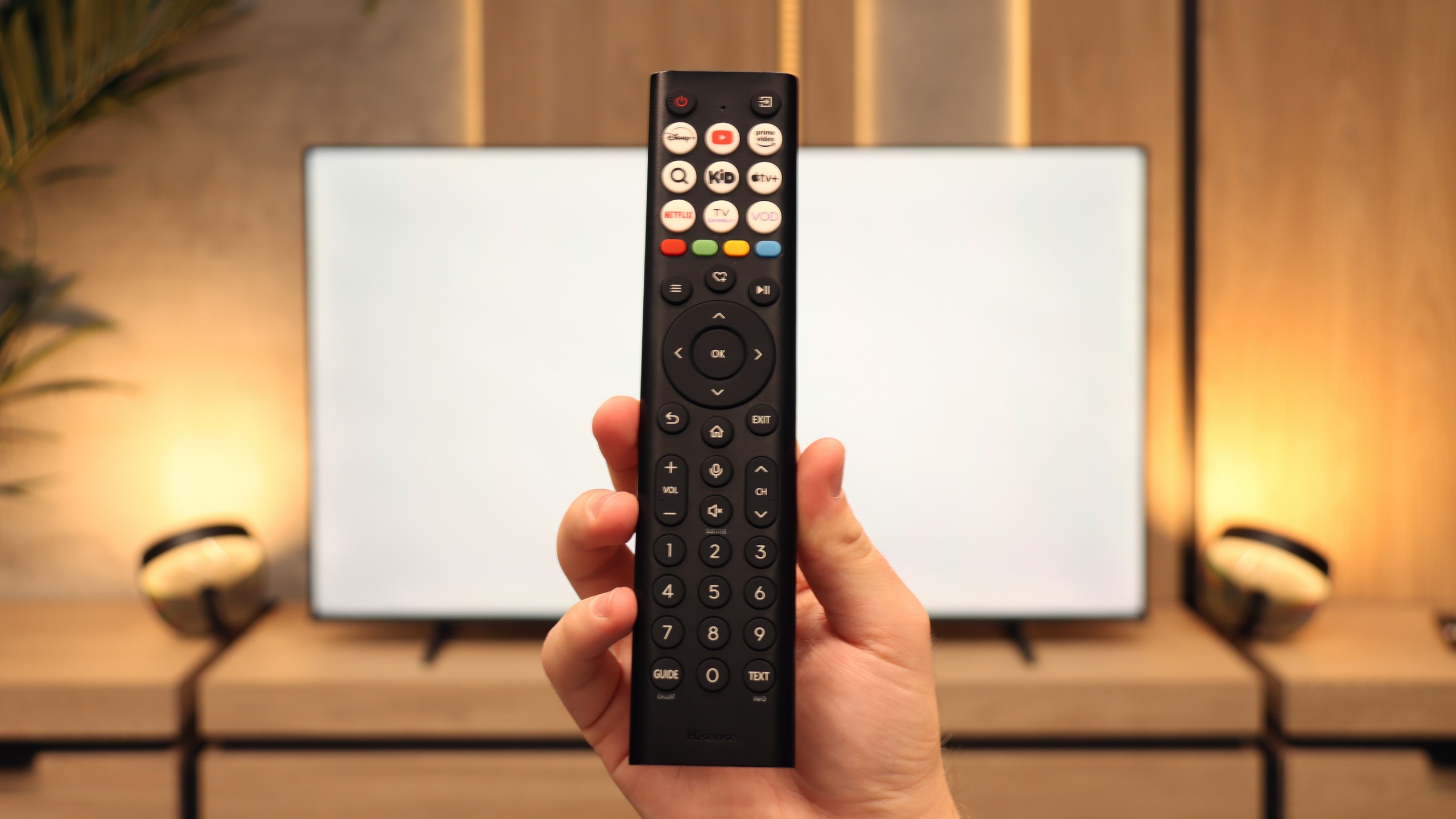
The Xiaomi A Pro 2025 is a device that caters to the needs of many basic users. As one of the most affordable QLED TVs available, it offers a good balance between price and quality. One of its standout features is the Google TV system, which provides seamless access to a variety of apps and multimedia content. The intuitive interface makes it easy to navigate popular streaming platforms such as Netflix and YouTube. Voice control in Polish adds further convenience, allowing users to issue commands without manually navigating menus. The completely wireless remote enhances usability, removing the need to aim directly at the TV.
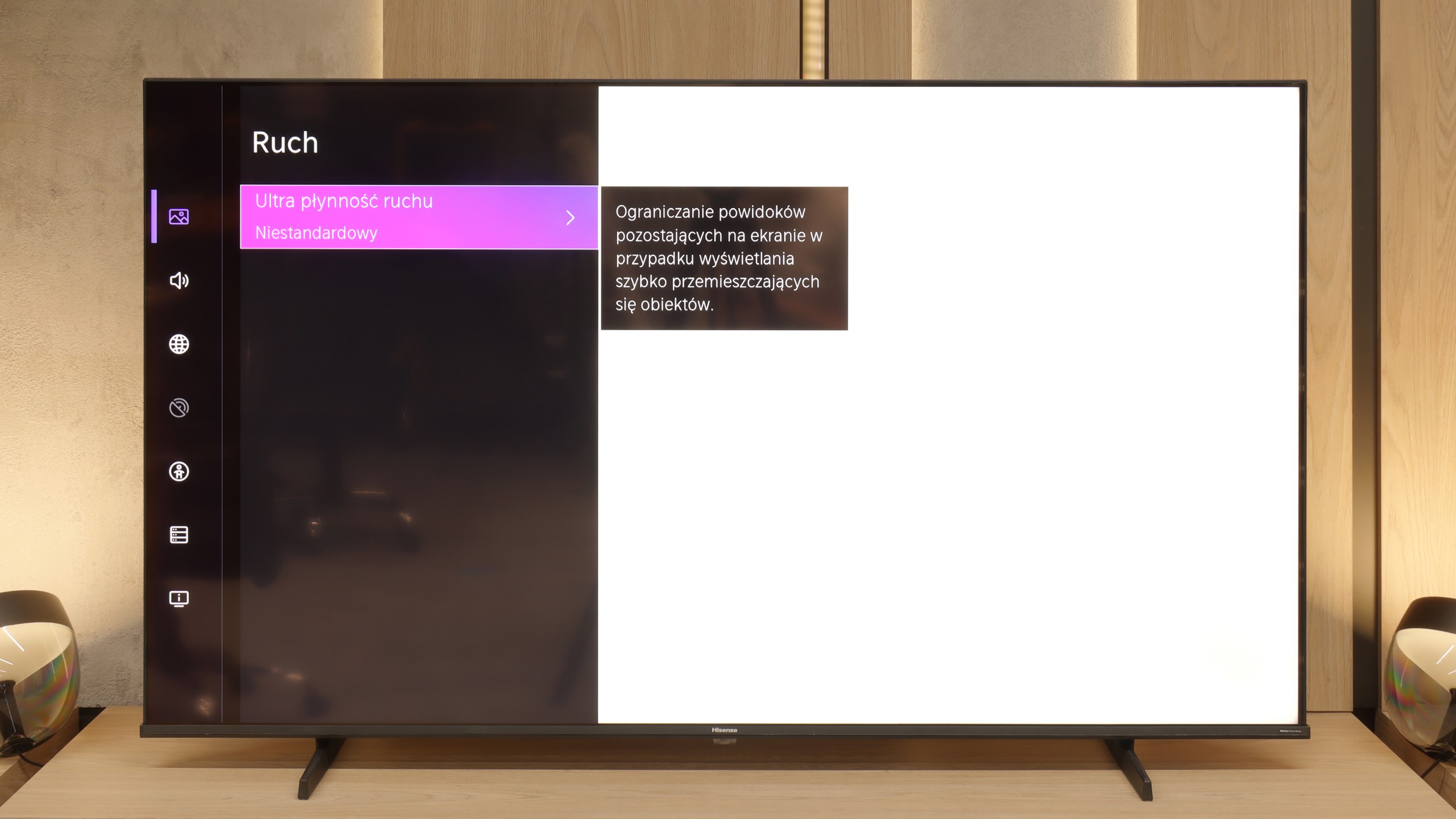
In terms of picture quality, the TV delivers solid performance for everyday viewing. It handles tonal transitions smoothly and processes lower-quality materials effectively, resulting in a pleasing image for standard television programmes. However, its limited brightness may affect performance in brightly lit environments—an expected compromise in this price range. The inclusion of a basic motion smoother allows for adjustable fluidity in movies and series, making it suitable for less demanding viewers in terms of motion handling.
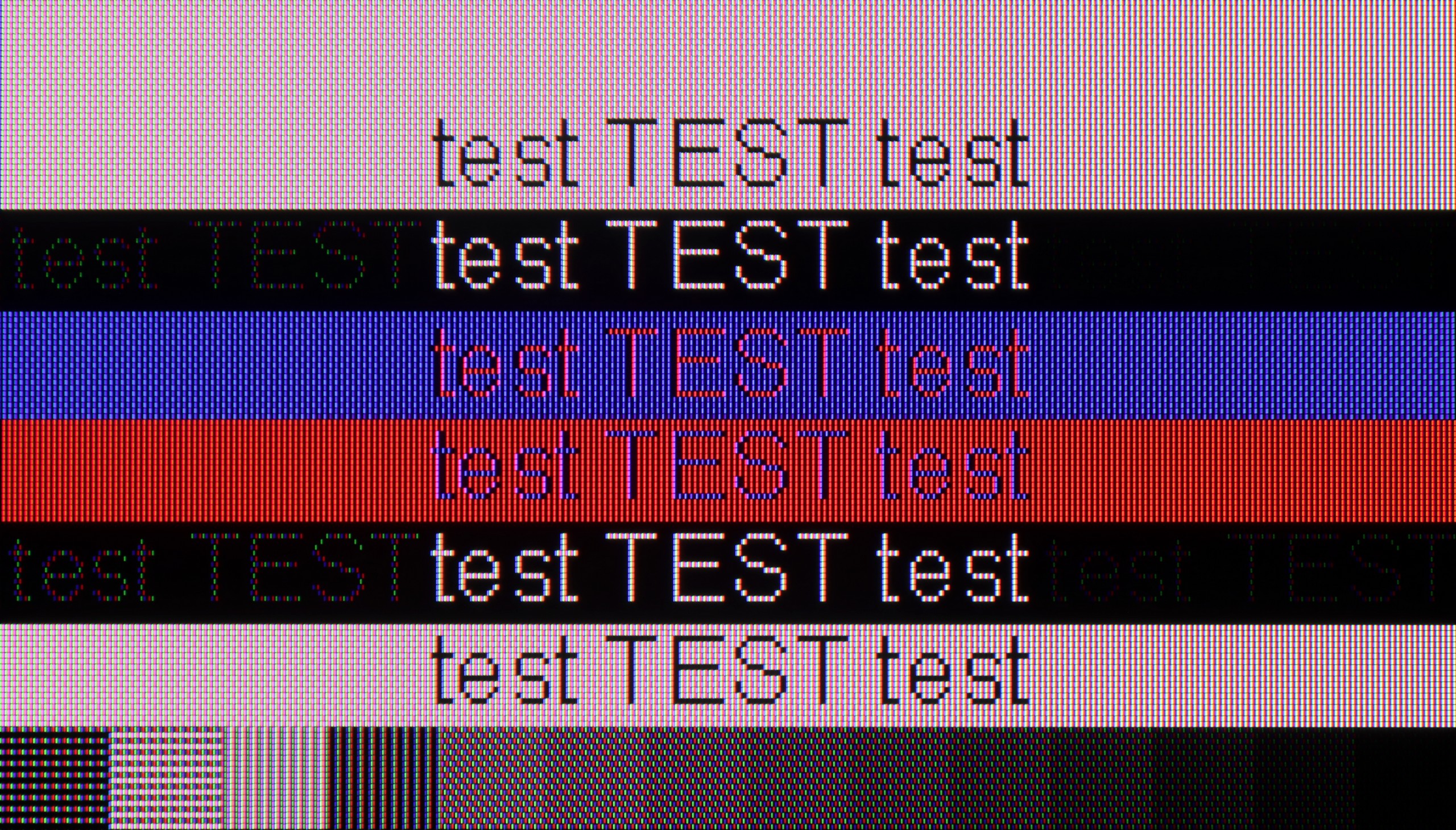
That said, the TV’s 60 Hz panel and lack of advanced features may limit its appeal for those seeking higher performance. Its low input lag will appeal to occasional gamers, but the device falls short for PC connectivity due to poor font clarity, which makes text work less enjoyable. Additionally, while the operating system offers extensive functionality, its responsiveness could be better.
Despite these shortcomings, the Xiaomi A Pro 2025 remains a compelling choice for budget-conscious users seeking an affordable QLED TV with practical features and reliable performance for basic applications.
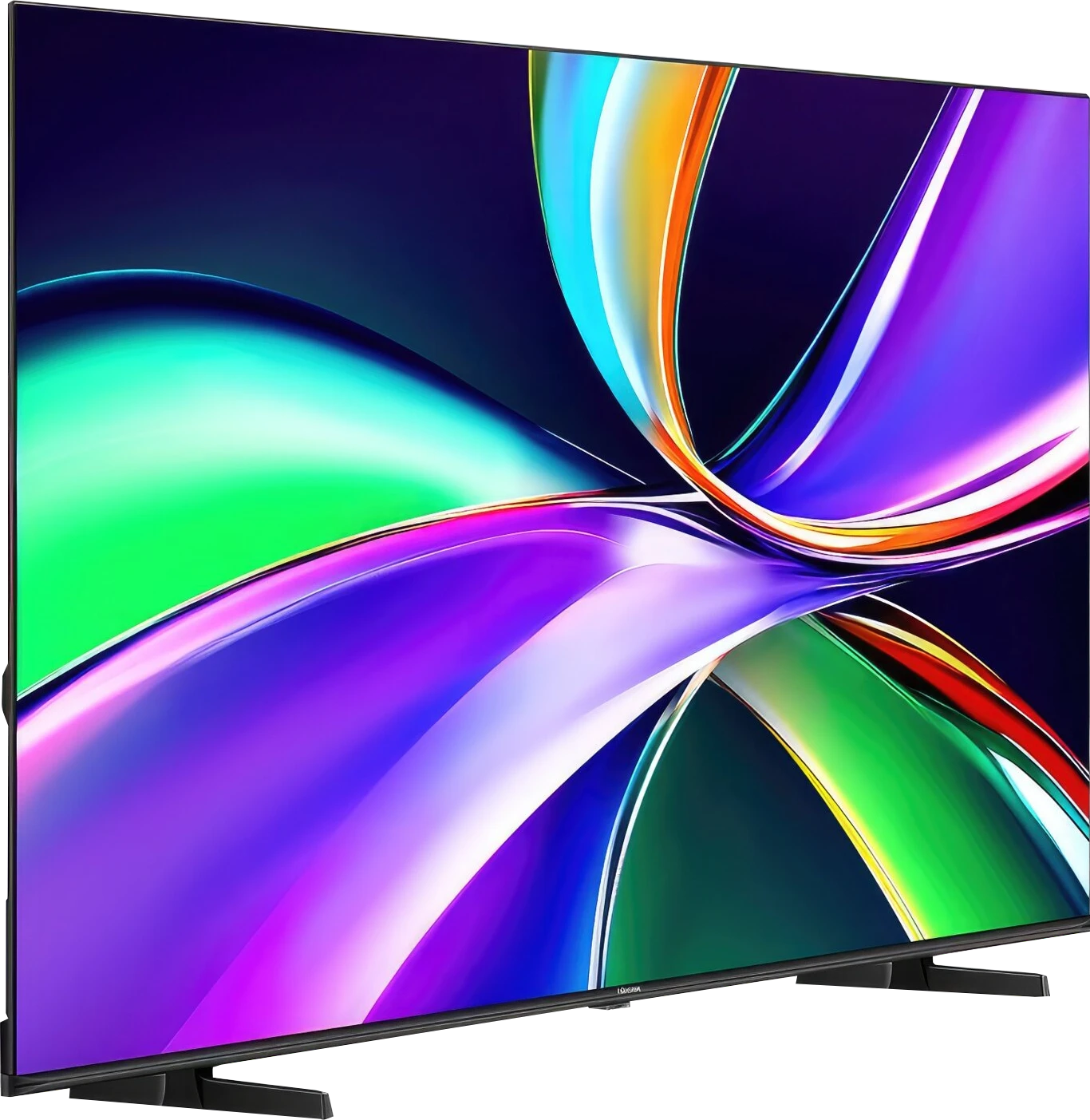
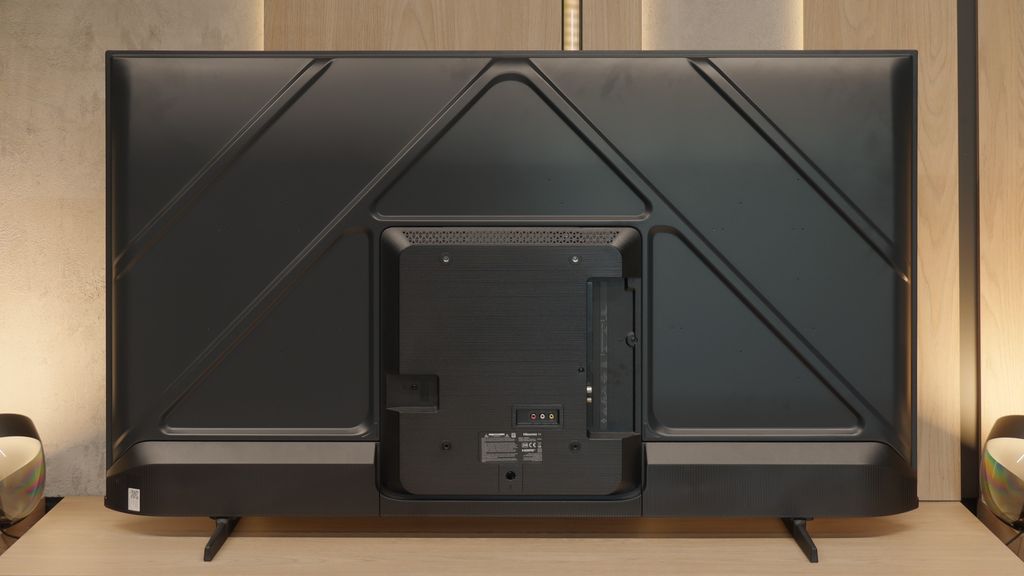
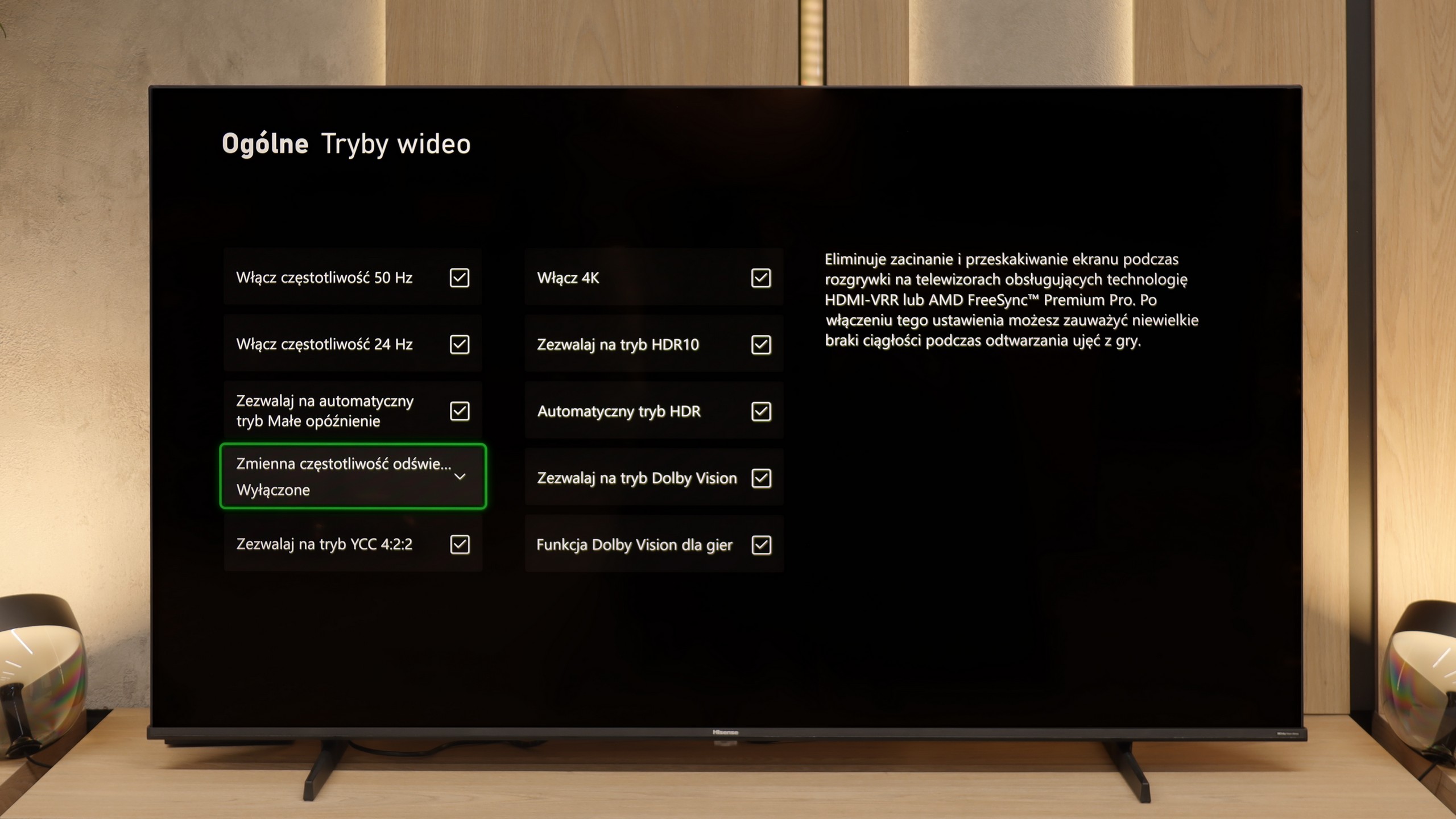
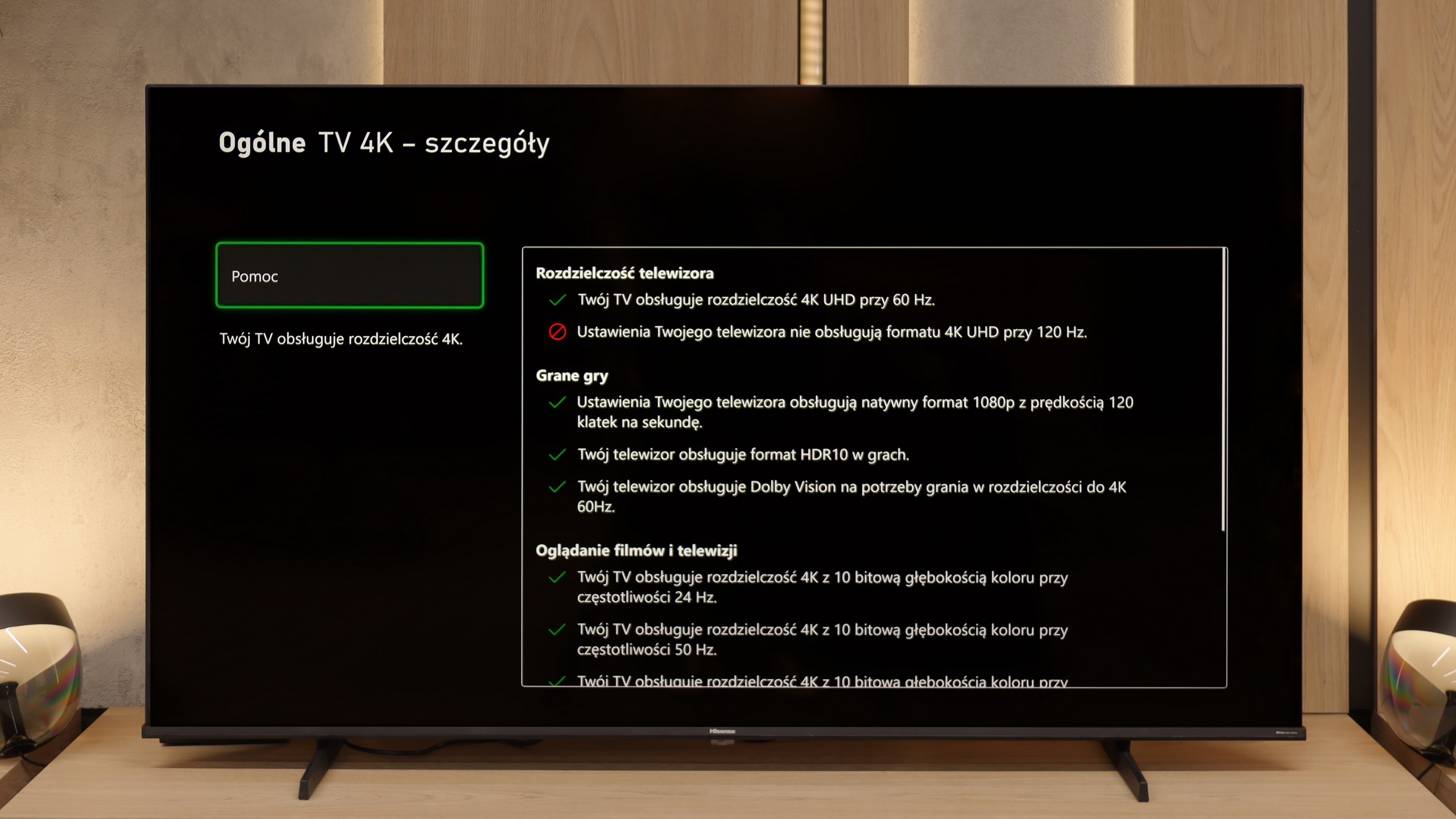
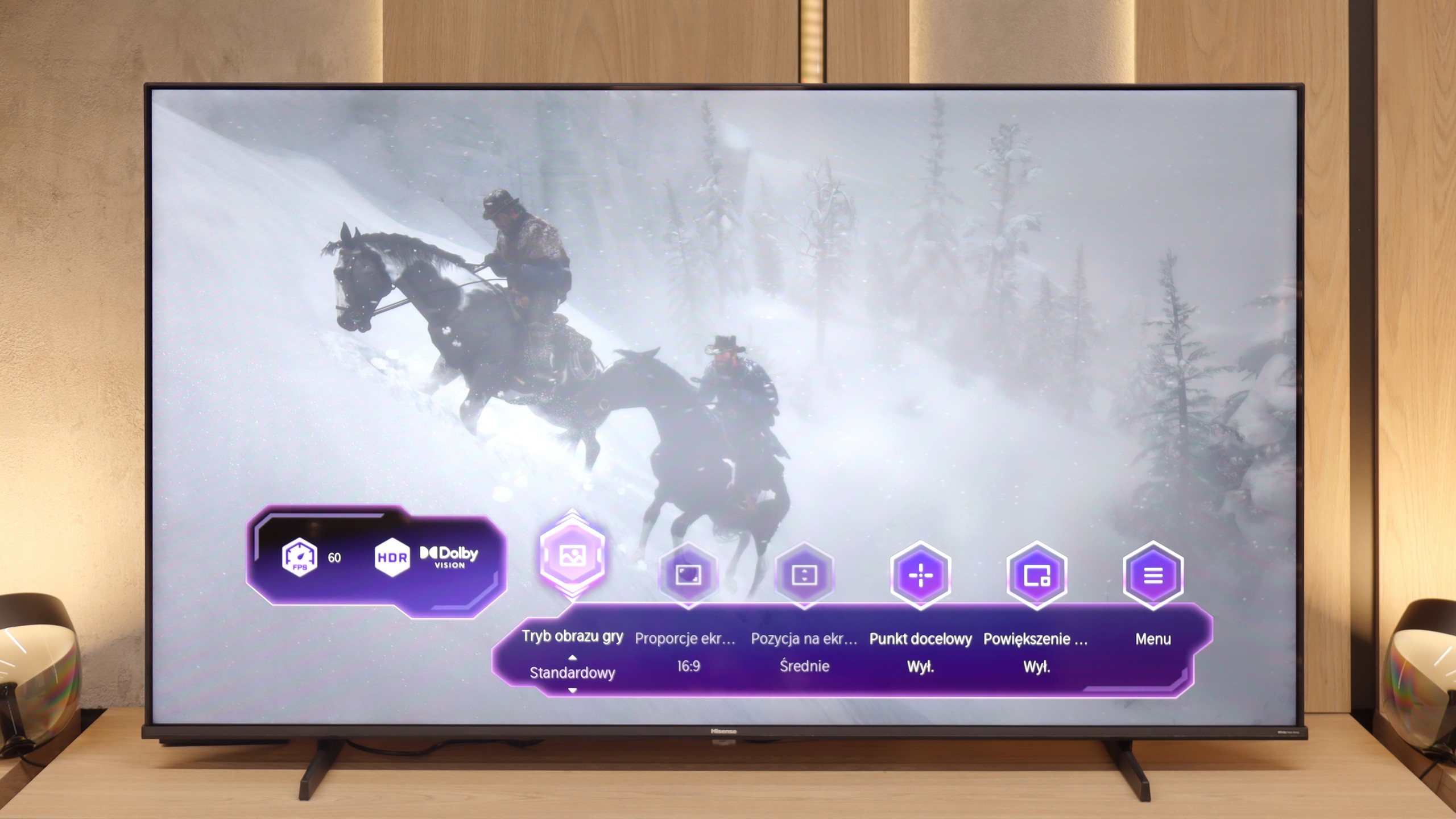
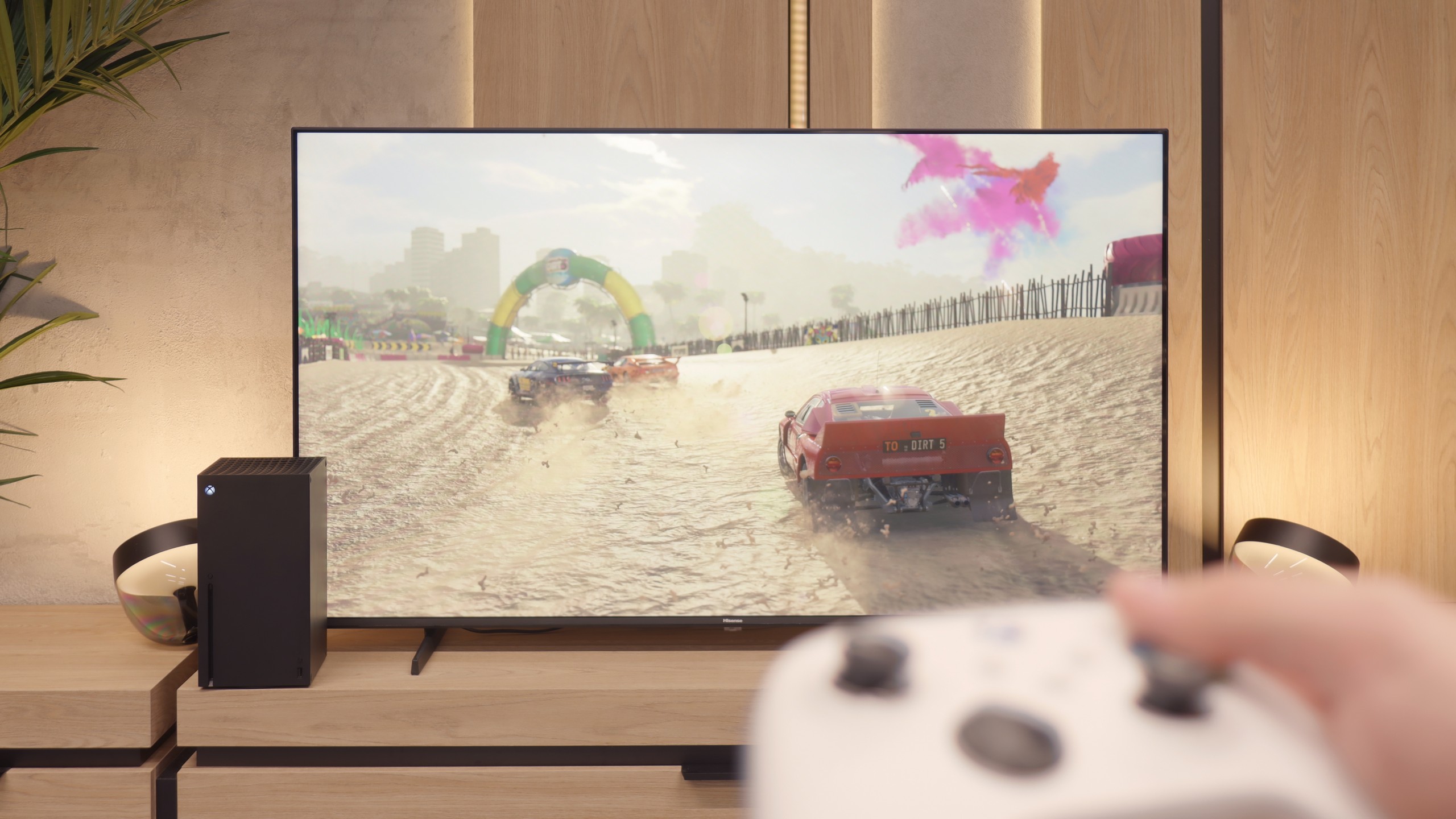
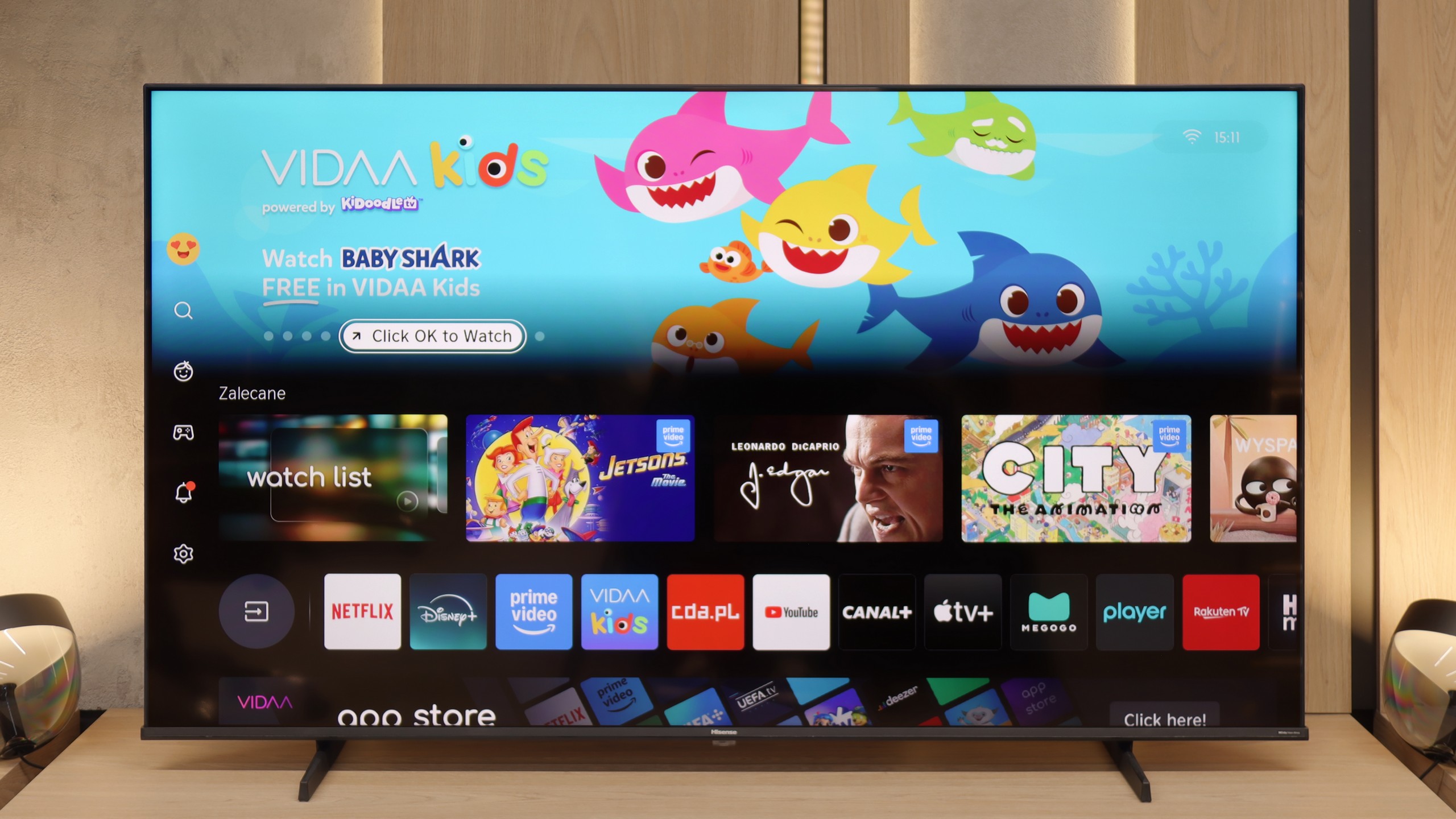
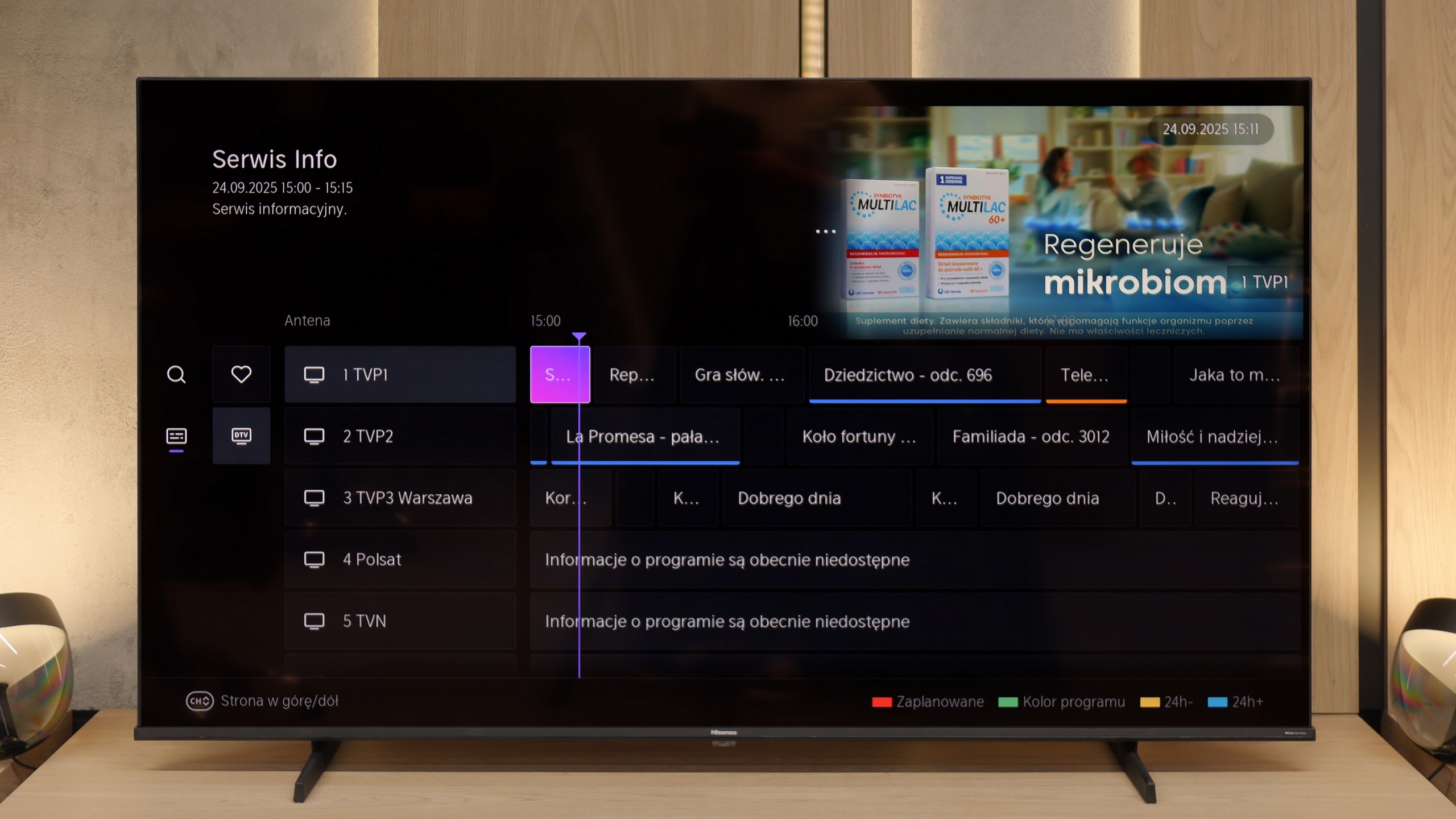
The Hisense E7Q / E79Q is a type of television that doesn't promise miracles – and maybe that's why it can pleasantly surprise. It doesn't try to pretend to be high-end equipment; it simply does its job. If you're looking for a cheap screen for everything that can handle Netflix, a console, and morning YouTube while having coffee, this model makes a lot of sense. The VIDAA system has matured over the past few years, and you can see that the manufacturer is learning from experience. It has AirPlay, screen mirroring, and voice search in Polish – everything works, maybe not at lightning speed, but smoothly enough not to be irritating. You won't find thousands of apps like in Google TV, but the most important ones are readily available. It's a system meant to be simple and practical, not overloaded with unnecessary gimmicks – and in this sense, it really holds up. There’s also something interesting for gamers. The E7Q / E79Q offers low input lag, an automatic low latency mode (ALLM), support for VRR up to 60 Hz, and even a 120 Hz mode in 1080p resolution. It's not a screen for hardcore e-sports enthusiasts, but if you simply enjoy turning on your console in the evening to play a few rounds, this television will get the job done without complaints. And what about picture quality? We won’t deceive you – it’s not exceptional, but there are also no reasons to complain. A brightness of around 350 nits won’t impress anyone, but the contrast thanks to the VA panel can really surprise positively. The black levels are quite deep, and the colors have a pleasant intensity, especially in SDR mode. It's a bit of a shame that Dolby Vision doesn't add much – because if it worked as it should, we would have a television that could confidently be recommended for HDR viewing as well. On the other hand, it's hard to expect that in this price range. It's simply a fair, well-priced screen that doesn’t try to be a star but can deliver solid picture quality and surprisingly good features. And while it’s not perfect, after a few days of use, it's hard not to think: "wow, this cheap Hisense really does the job."
 Direct comparison