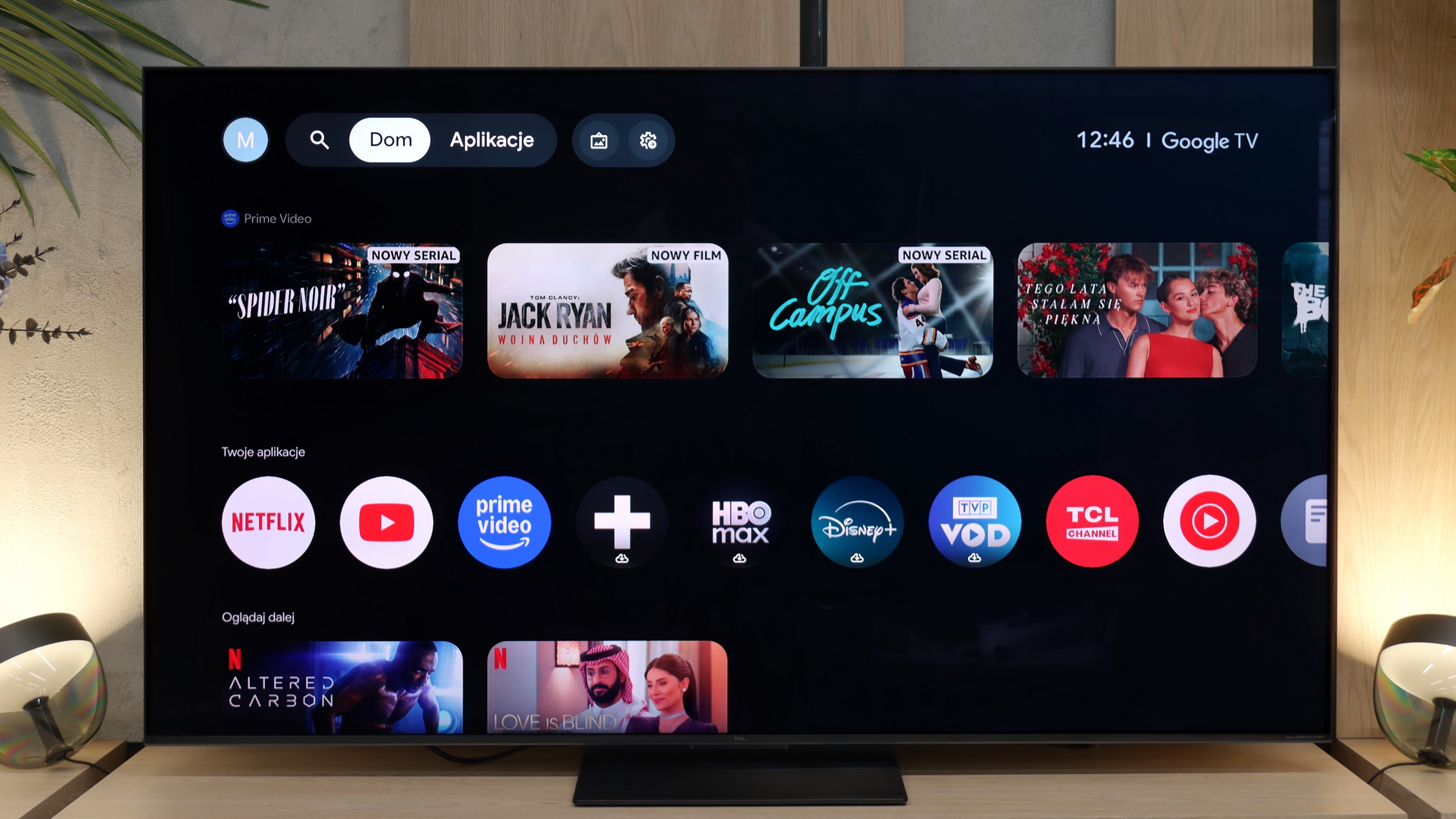
The TCL P755 stands out with its integration of Google TV, providing a smooth, user-friendly experience and access to thousands of apps and streaming services like Netflix, HBO Max, YouTube, and Disney+. The system personalises content recommendations based on the user’s viewing habits, adding a customised touch. Support for AirPlay and Windows Miracast further enhances its appeal, allowing the P755 to act as a central entertainment hub with both convenience and functionality.
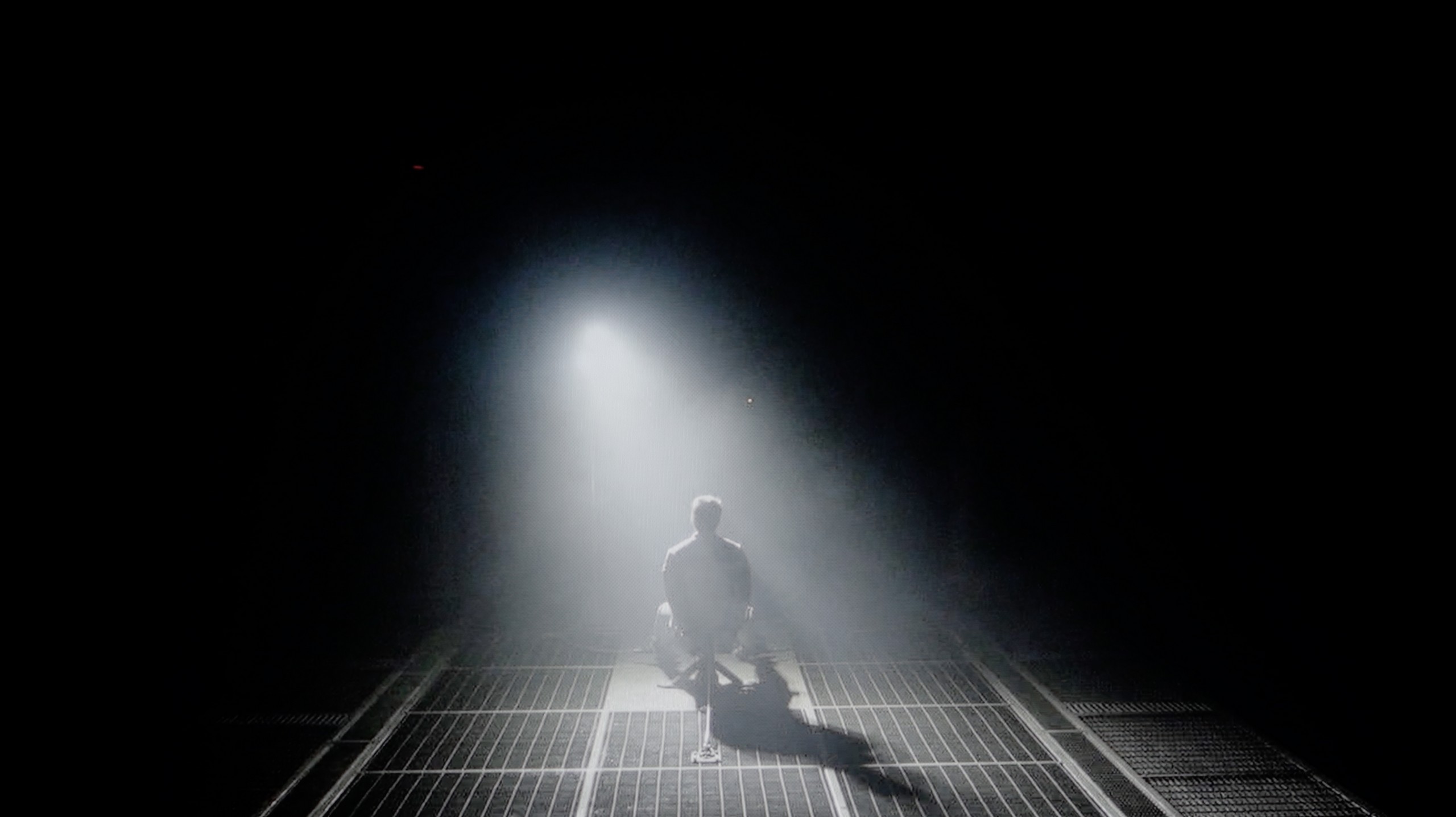
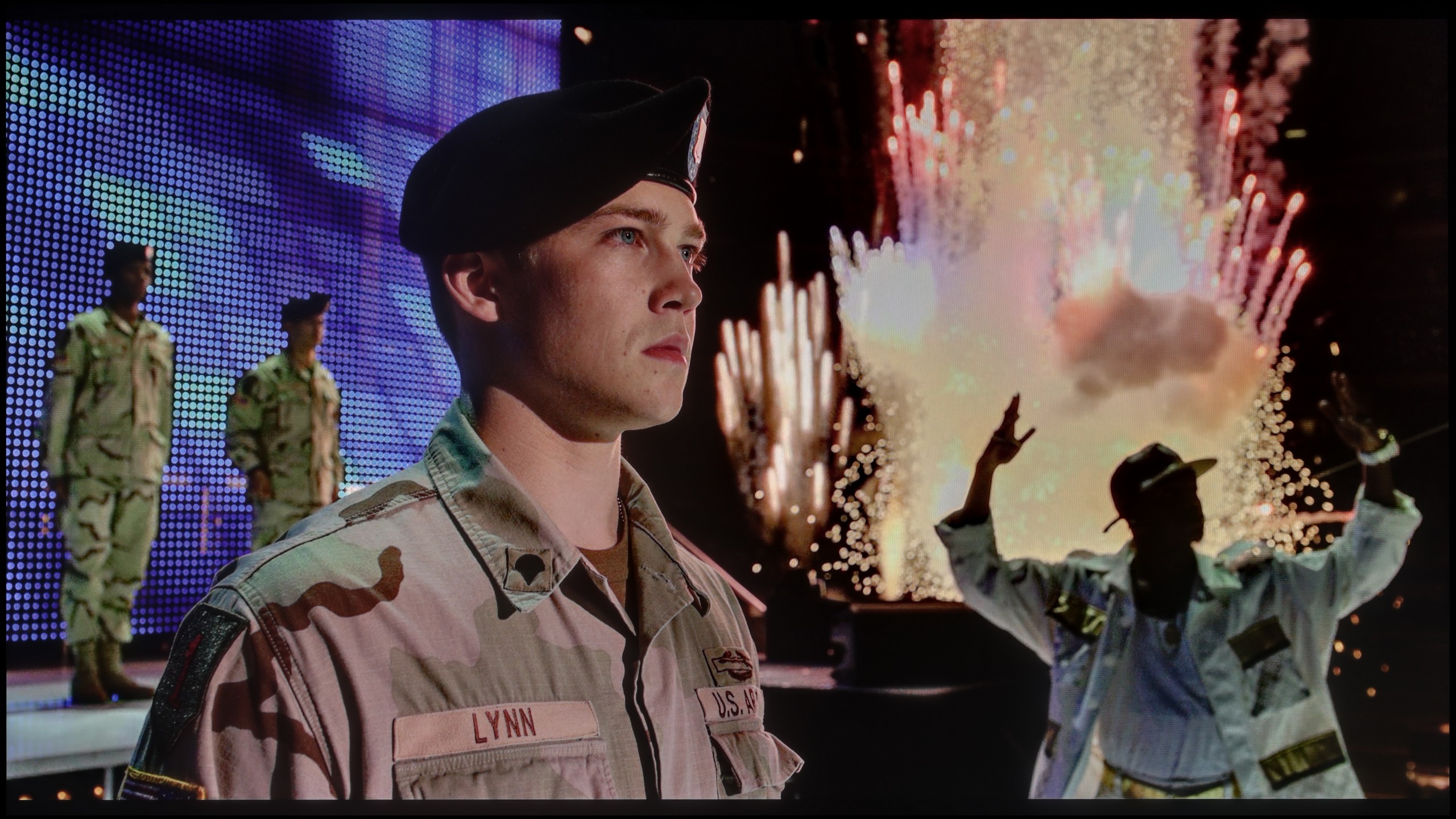
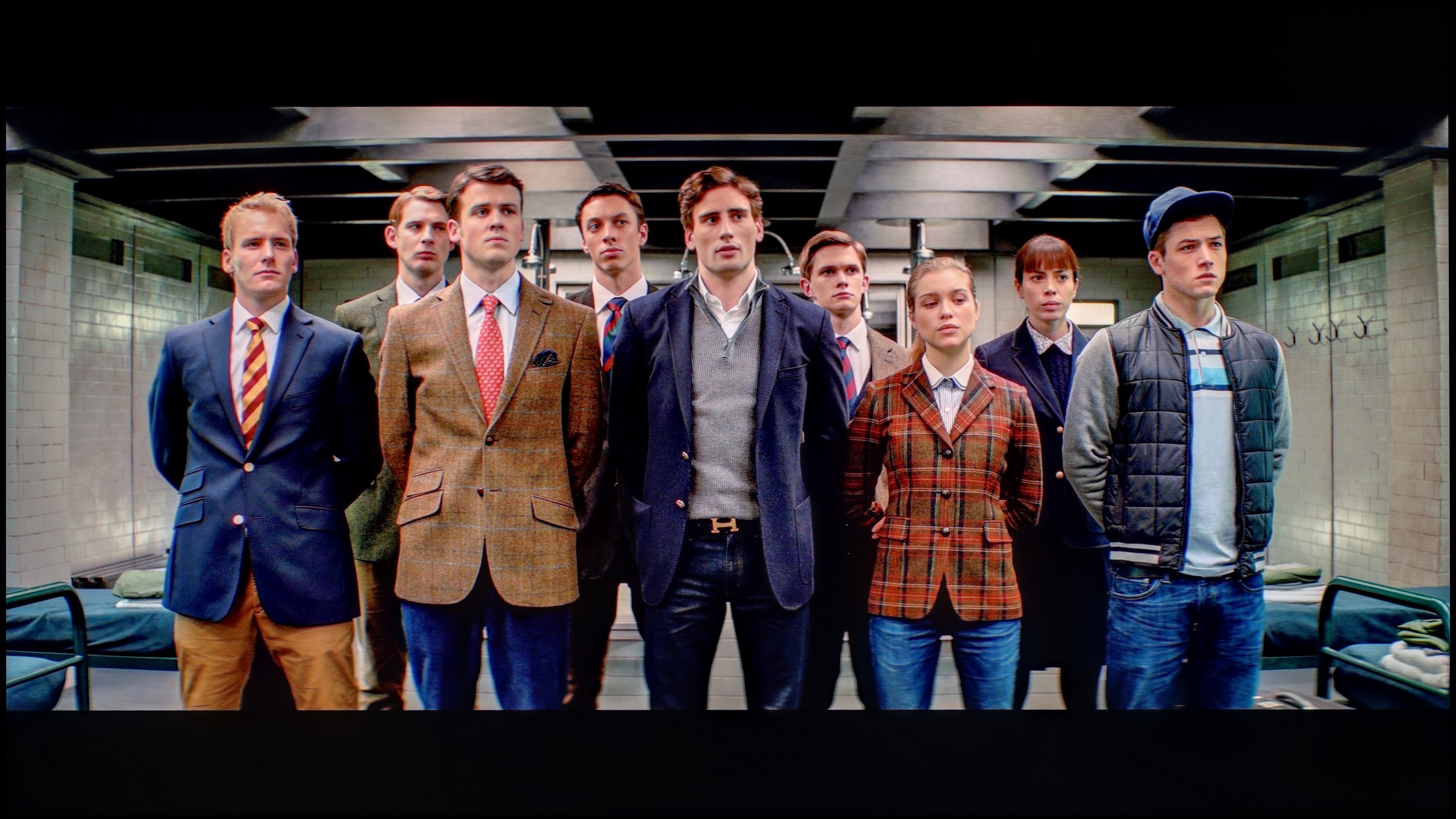
In terms of picture quality, the P755 impresses within its price range, with Dolby Vision support for an enriched HDR experience that features deeper colours and enhanced contrast. Its wide colour gamut coverage ensures vibrant and lifelike visuals, making movies and series more immersive. The high native contrast is also notable and rare among similarly priced competitors, offering an attractive viewing experience.
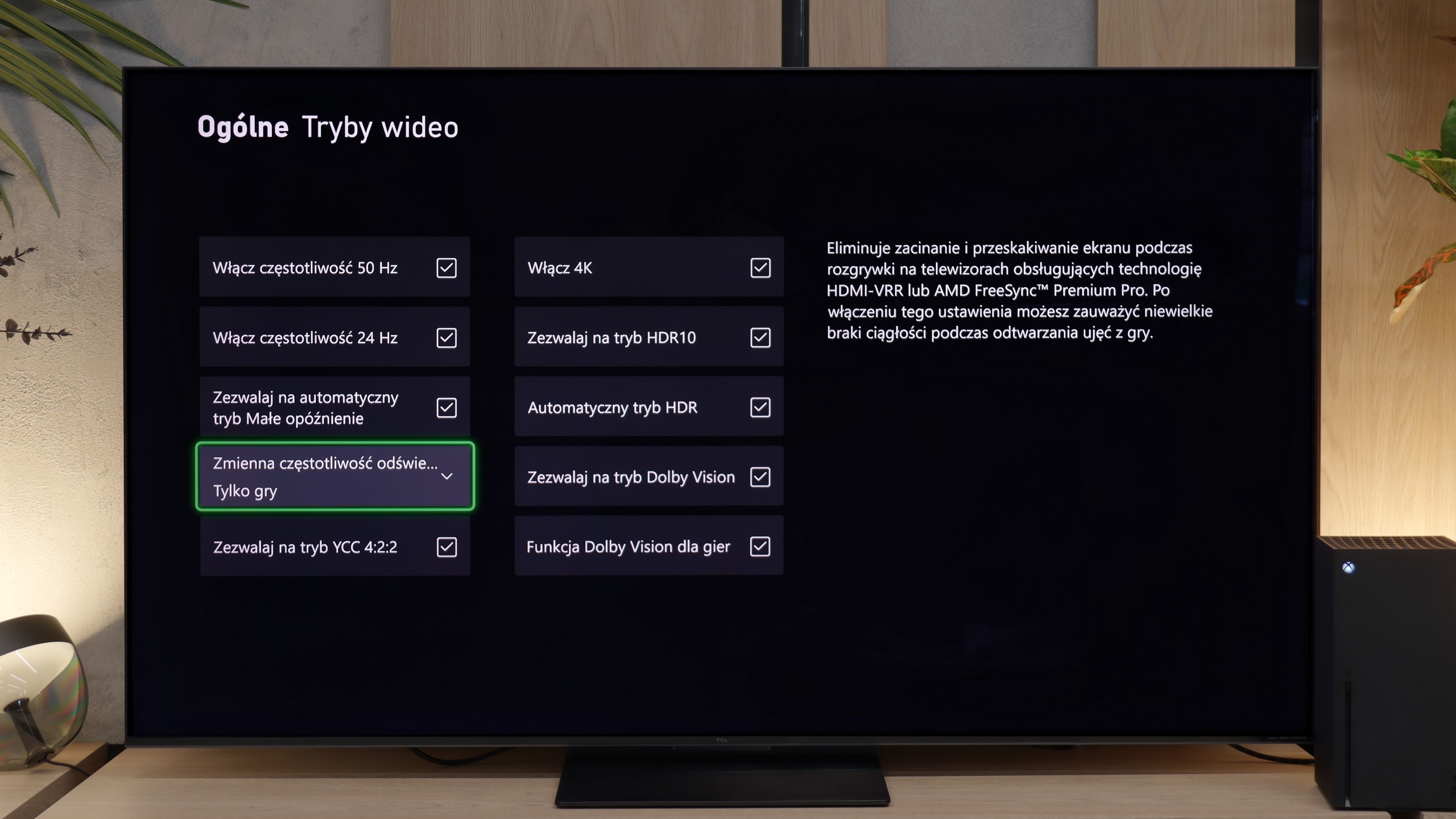
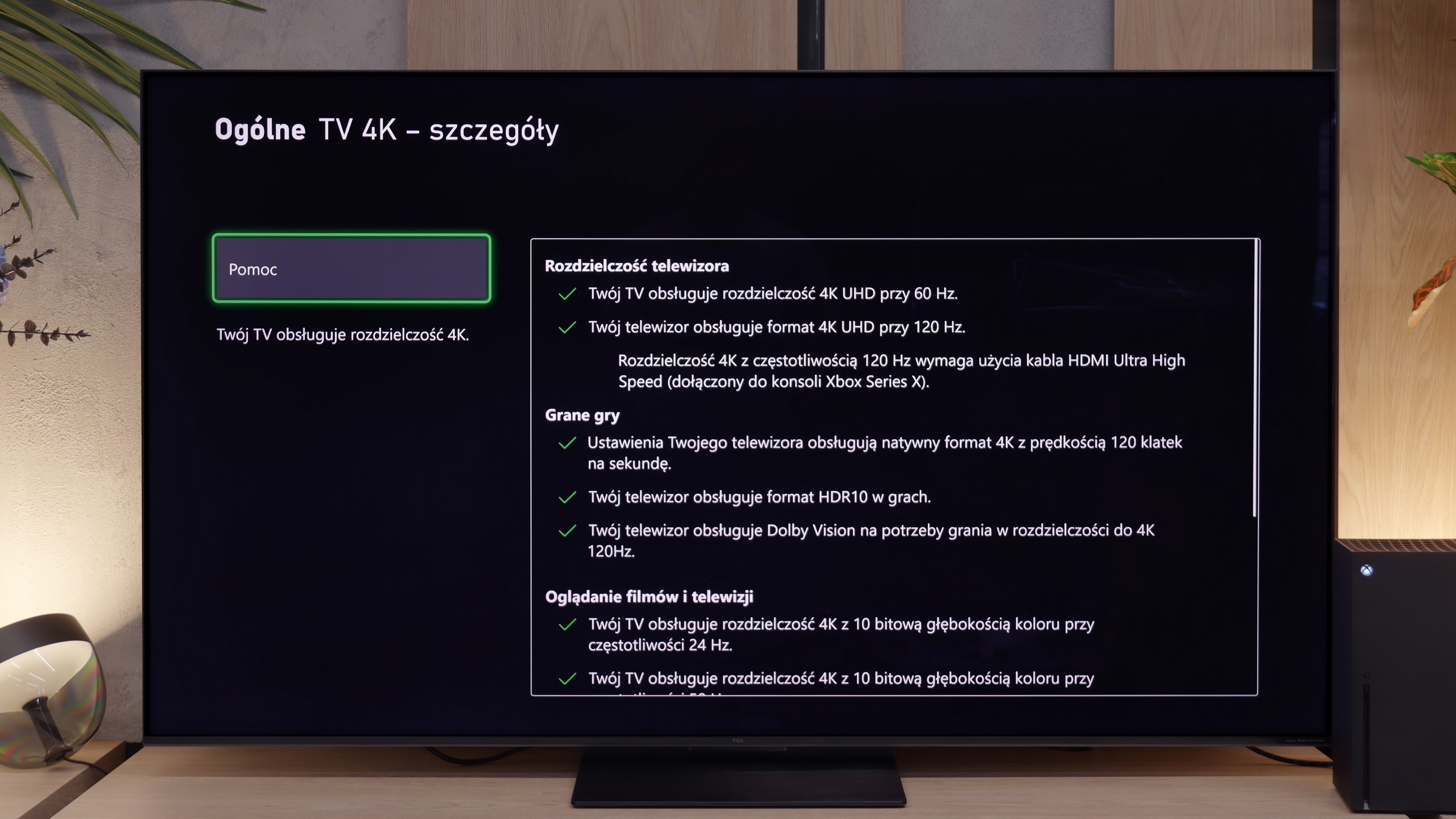
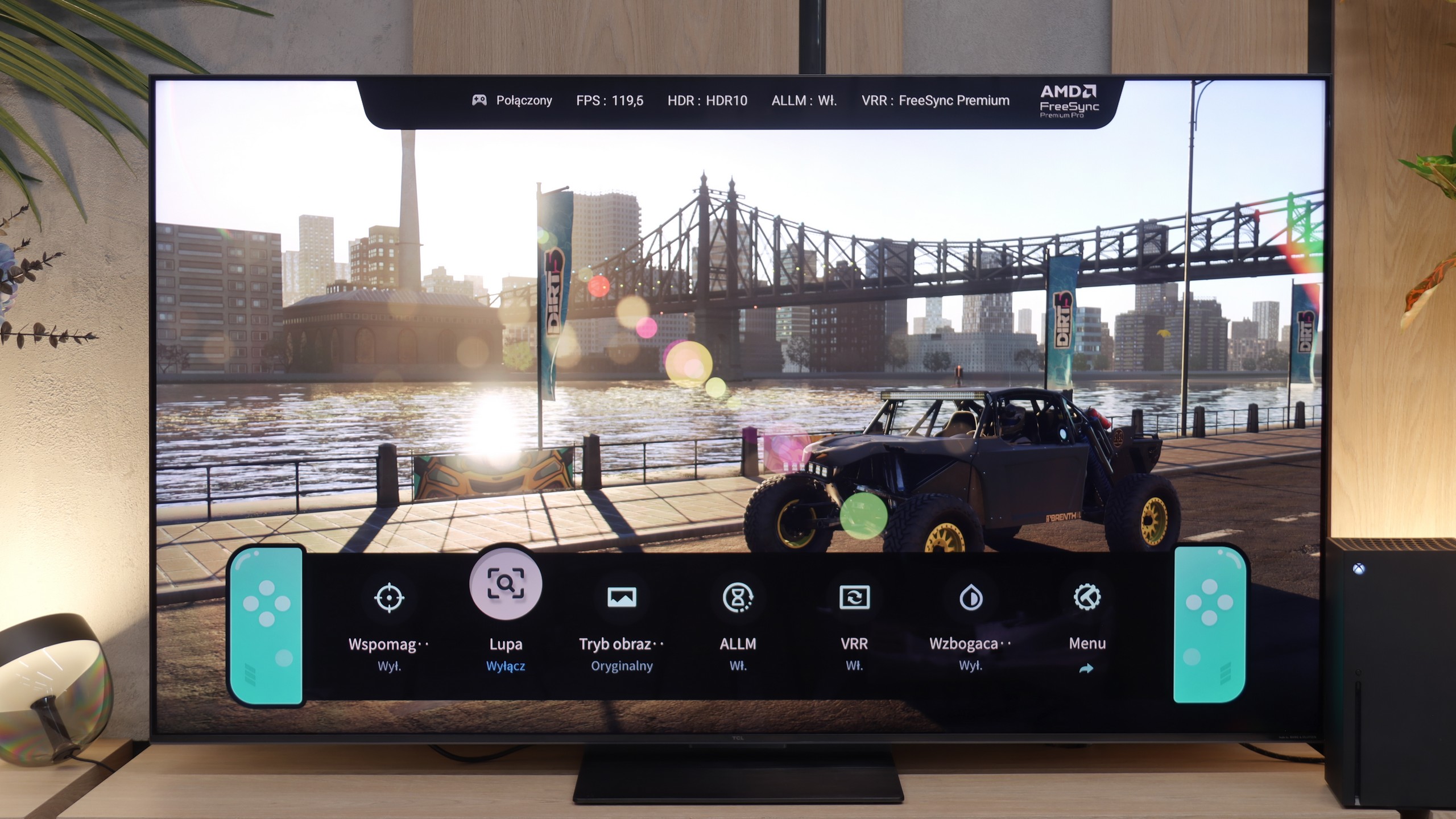
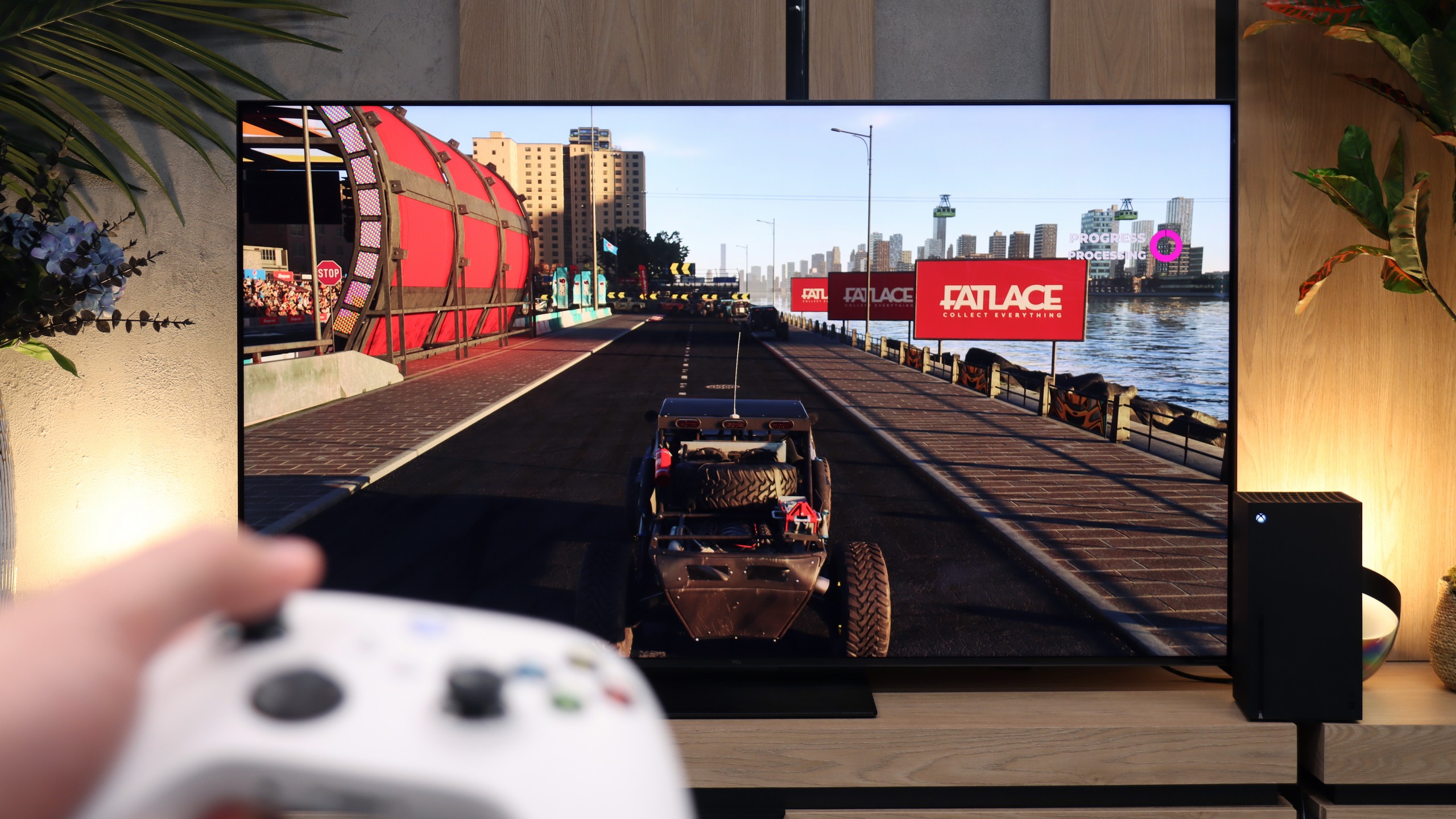
For gamers, the TCL P755 has benefits like low input lag, making it responsive enough for fast-paced games. While the TV’s 60 Hz panel and HGiG limitations may pose minor challenges, it remains a good choice for casual gaming.
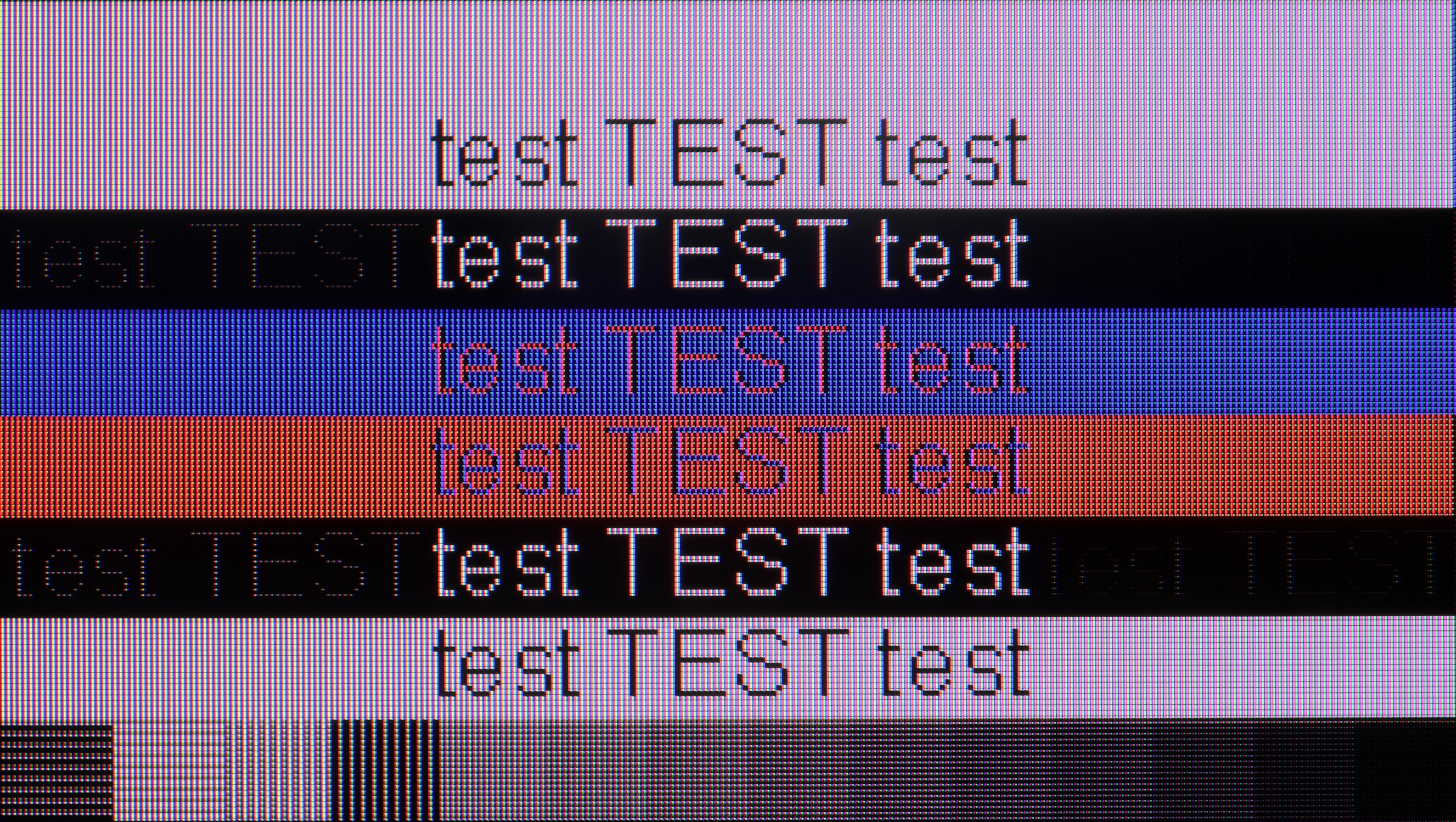
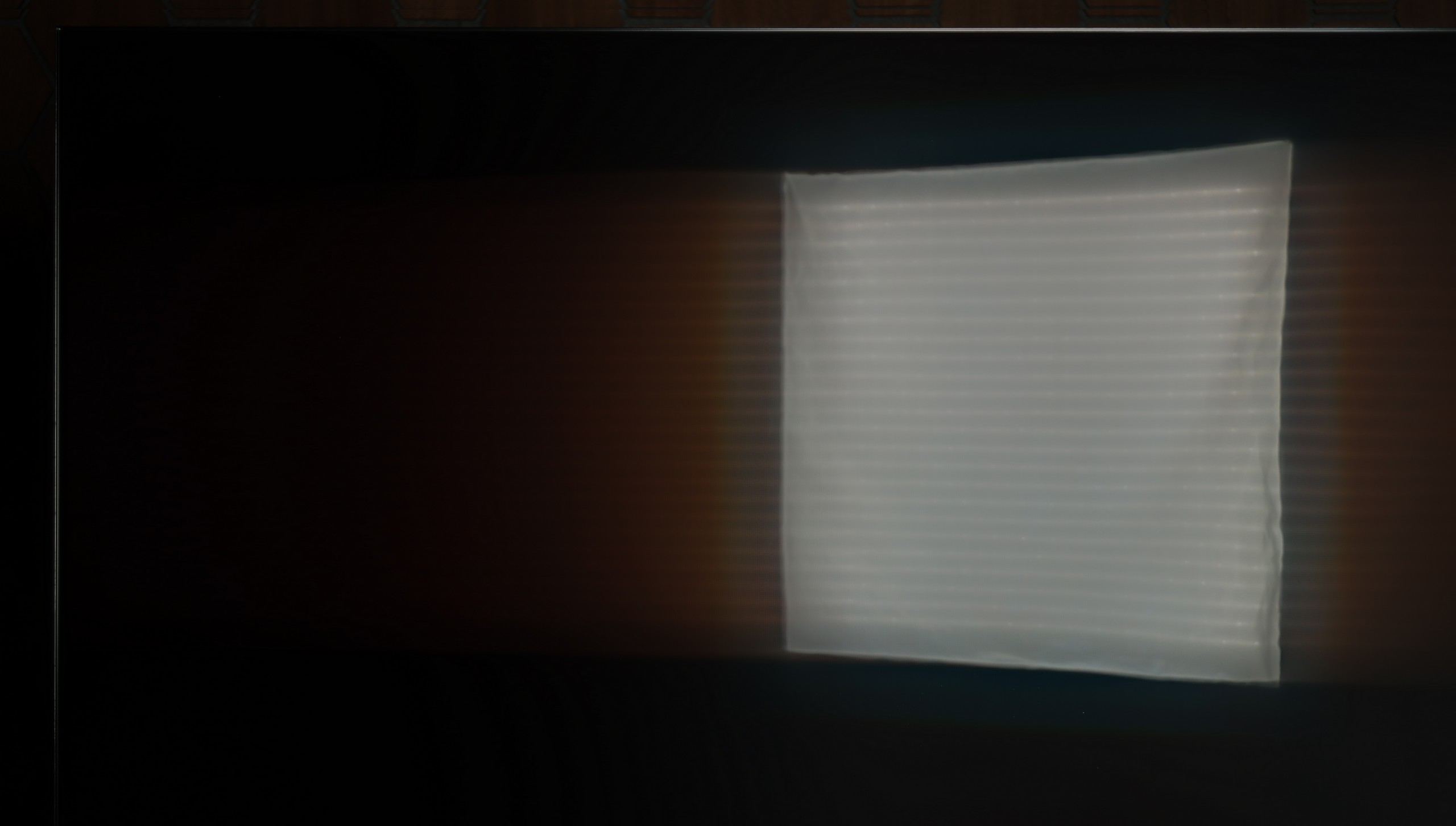
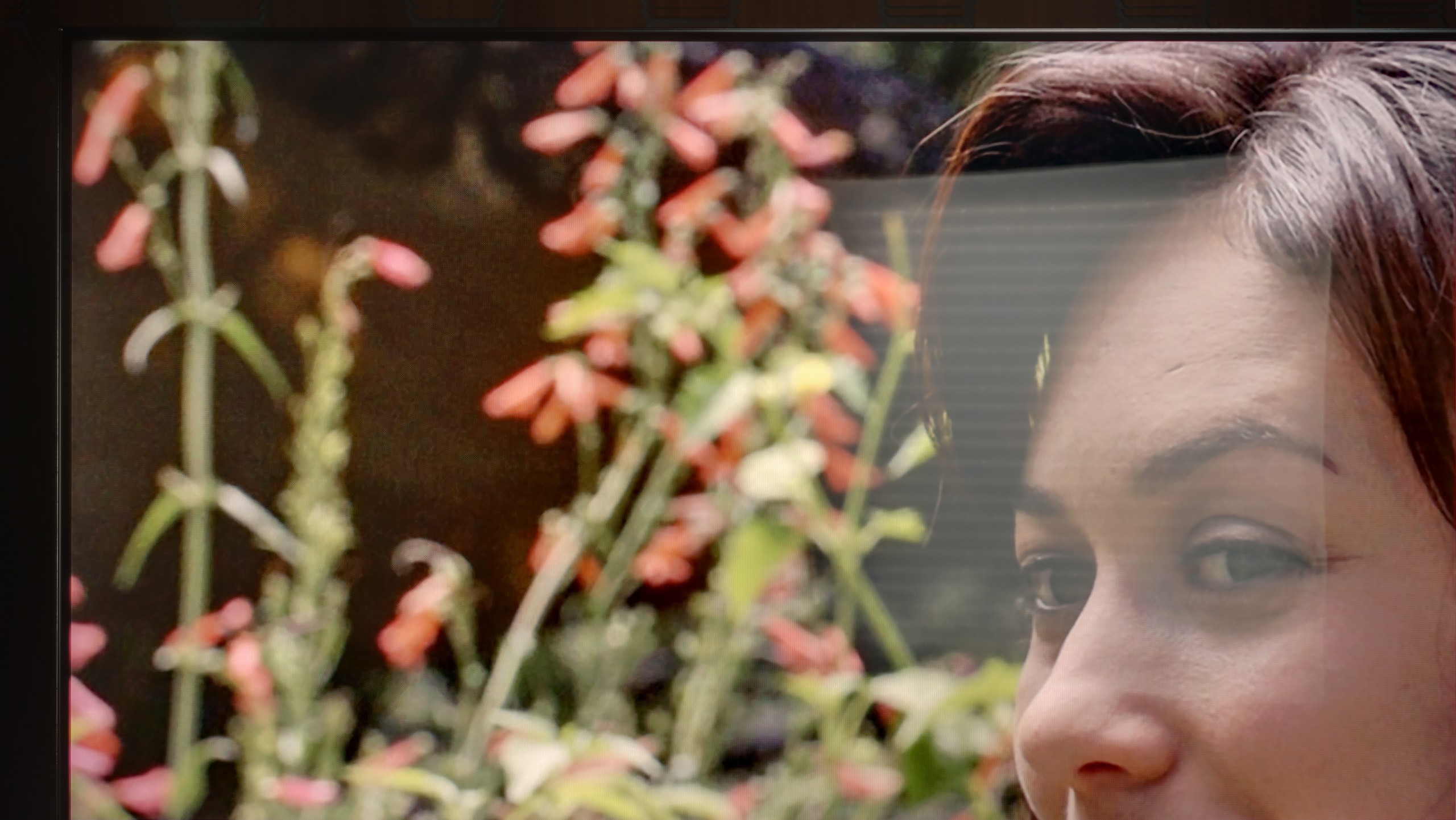
However, the P755 has some limitations. Low brightness and narrow viewing angles may impact viewing in brightly lit spaces, and dithering can introduce artefacts in darker scenes and reduce font clarity on a PC.
Overall, the TCL P755 offers premium features like Dolby Vision, a wide colour gamut, and low input lag at an affordable price, with the trade-offs being reasonable given its price bracket.
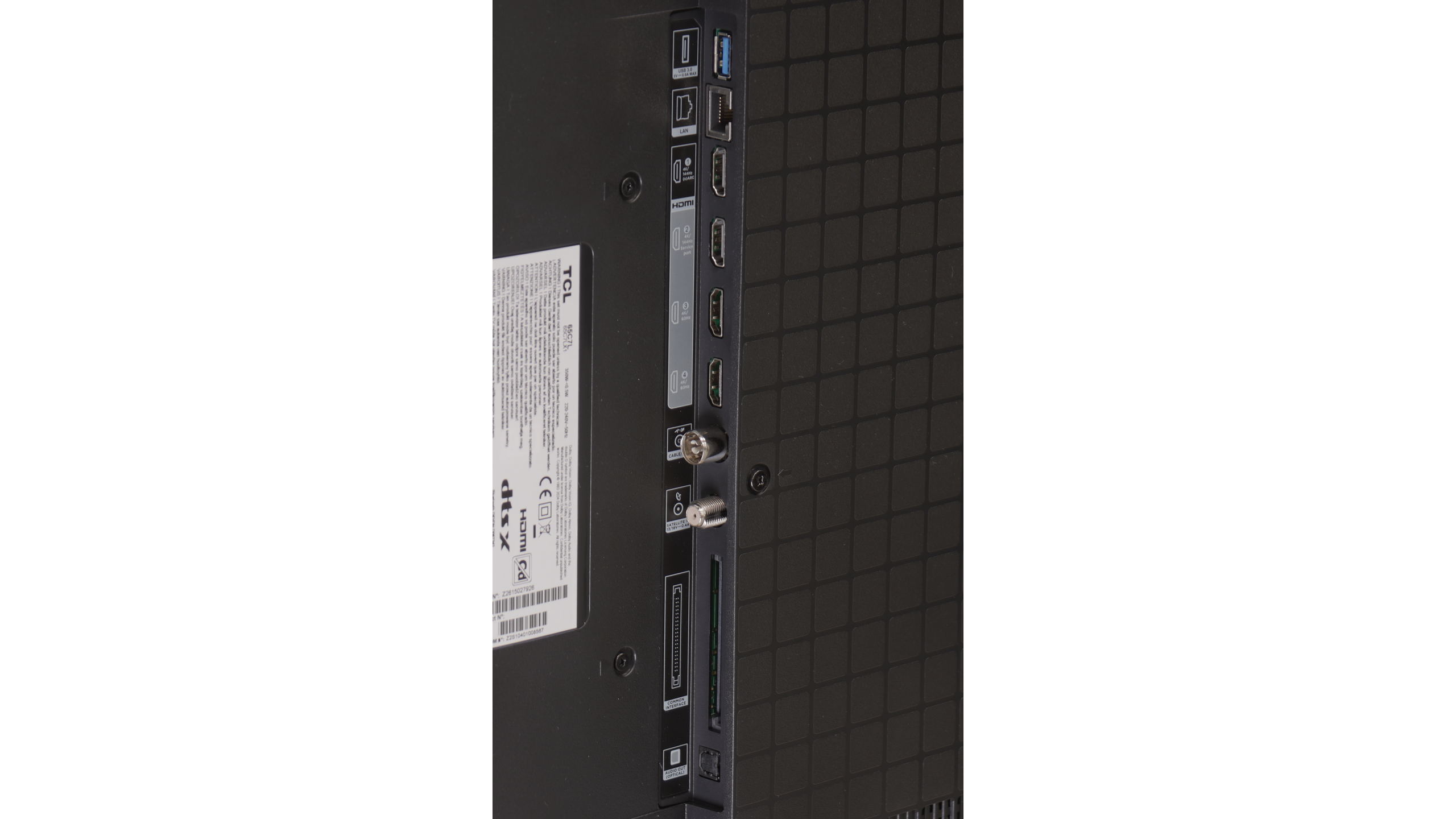
The TCL C7L is an incredibly successful Mini-LED television and a fully deserved successor to the hit model C7K. The list of advantages of this device is truly long. At the top is the extremely high brightness of the panel. Thanks to this, the television effortlessly handles brightly lit living rooms, offering an exceptional and dynamic picture in HDR format. Huge praise is also due for the use of the new Super QLED coating – after professional calibration, the colors can be not only natural but also incredibly saturated. The best part is that the screen does this regardless of what scene is being displayed, which is often not the case with all TVs that have RGB backlighting. The C7L is also a great piece of equipment for gamers; you could say it’s a true "media powerhouse." We get full support for consoles and PCs, a refresh rate of up to 288 Hz, G-Sync, and low input lag that doesn’t increase even when the very demanding mode of Dolby Vision Gaming is activated. The whole thing is tied together by a well-optimized Google TV system, which in this generation of TCL devices operates noticeably smoother and more efficiently (at least that’s the impression we got during our tests). Of course, the C7L is not a perfect device, and the manufacturer had to make certain compromises with this model. The biggest drawback of the C7L is the use of a less powerful image processor. Unfortunately, this translates to quite average digital processing and other design limitations in the form of only two HDMI 2.1 ports. A more powerful chip has been reserved this year for higher series, such as the C8L. From a business perspective, this is fully understandable. Why? Because if TCL had put a better processor here, most people would probably see no point in paying extra for the higher model. So even if certain compromises exist, the C7L series once again promises to be one of the most cost-effective Mini-LED televisions this year. If you are looking for a versatile, extremely bright screen for movies, series, television, or games – literally for everything – and at the same time do not want to overpay for the top series, then yes... the C7L is a brilliant choice that we can definitely recommend to you.
 Direct comparison