TCL P755 vs TCL C69K / Q6C

Direct comparison

P755

C69K / Q6C / C6K

Available screen sizes: 43”50”55”65”75”

Available screen sizes: 55”65”75”85”98”

Panel type: LCD VA

Resolution: 3840x2160

System: Google TV

Model year: 2024

Complete the survey to find out the result

Panel type: LCD VA

Resolution: 3840x2160

System: Google TV

Model year: 2025

Complete the survey to find out the result

Overall rating

5.8

7.1

  • Movies and series in UHD quality

    5.9

    6.7

  • Classic TV, YouTube

    6.0

    6.6

  • Sports broadcasts (TV and apps)

    5.1

    6.3

  • Gaming on console

    6.8

    8.4

  • TV as a computer monitor

    2.5

    8.6

  • Watching in bright light

    3.8

    6.4

  • Utility functions

    7.3

    7.0

  • Apps

    9.6

    9.6

  • Sound quality

    5.8

    6.5

Advantages

  • High native contrast

  • Support for advanced gaming features

  • Google TV

  • Low input lag

  • Support for all HDR formats

  • Support for all Dolby and DTS audio formats

  • Very good contrast and black: VA panel and MINI-LED backlighting

  • Good motion fluidity: High refresh rate of 144Hz

  • Decent panel brightness

  • Many features for gamers: VRR, ALLM, HDMI 2.1, HGiG

  • Extra mode for PC gamers: 240Hz

  • GoogleTV system with a wide selection of apps

  • Support for multiple HDR formats including Dolby Vision

  • Support for Dolby Atmos and DTS

  • Very attractive price

Disadvantages

No like
  • Low brightness

  • Average viewing angles

  • Incorrectly functioning HGiG mode

  • Poor font readability

  • Managing the backlighting could be more precise

  • Minor, occasional system errors

  • Slight smudging visible in dynamic scenes

  • Great chaos in naming (many derivative models that differ in nothing)

Our verdict

The TCL P755 stands out with its integration of Google TV, providing a smooth, user-friendly experience and access to thousands of apps and streaming services like Netflix, HBO Max, YouTube, and Disney+. The system personalises content recommendations based on the user’s viewing habits, adding a customised touch. Support for AirPlay and Windows Miracast further enhances its appeal, allowing the P755 to act as a central entertainment hub with both convenience and functionality.

In terms of picture quality, the P755 impresses within its price range, with Dolby Vision support for an enriched HDR experience that features deeper colours and enhanced contrast. Its wide colour gamut coverage ensures vibrant and lifelike visuals, making movies and series more immersive. The high native contrast is also notable and rare among similarly priced competitors, offering an attractive viewing experience.

For gamers, the TCL P755 has benefits like low input lag, making it responsive enough for fast-paced games. While the TV’s 60 Hz panel and HGiG limitations may pose minor challenges, it remains a good choice for casual gaming.

However, the P755 has some limitations. Low brightness and narrow viewing angles may impact viewing in brightly lit spaces, and dithering can introduce artefacts in darker scenes and reduce font clarity on a PC.

Overall, the TCL P755 offers premium features like Dolby Vision, a wide colour gamut, and low input lag at an affordable price, with the trade-offs being reasonable given its price bracket.
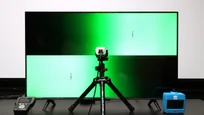
The TCL C69K / Q6C is a TV that perfectly targets gamers and movie fans on a reasonable budget. Its biggest strength is the combination of a VA panel with Mini-LED backlighting. Simply put, contrast is high and blacks are deep, making evening movie sessions look truly impressive. Add to that a 144 Hz refresh rate, which does wonders not only for sports but especially for gaming. And for gamers, it’s a full package: HDMI 2.1, VRR, ALLM, HGiG, and even a 240 Hz option for PC. Throw in Dolby Vision, which gives movies a cinematic touch, and you get a picture that’s just pleasing to the eye. On the software side, it runs Google TV with the Gemini AI assistant, so there’s no shortage of apps. The sound system holds up well too — Dolby Atmos and DTS support are nice additions, complemented by branded Onkyo speakers. Of course, it’s not perfect. The local dimming system can sometimes struggle in complex scenes, slightly lifting black levels. And those Polish translations in the menu... let’s just say they could use some work. Still, the C69K / Q6C makes a very strong case for itself. Considering the price, it’s one of the most interesting all-around TVs for both movies and gaming. Definitely worth watching out for during sales — and hoping for TCL’s usual post-launch firmware improvements.
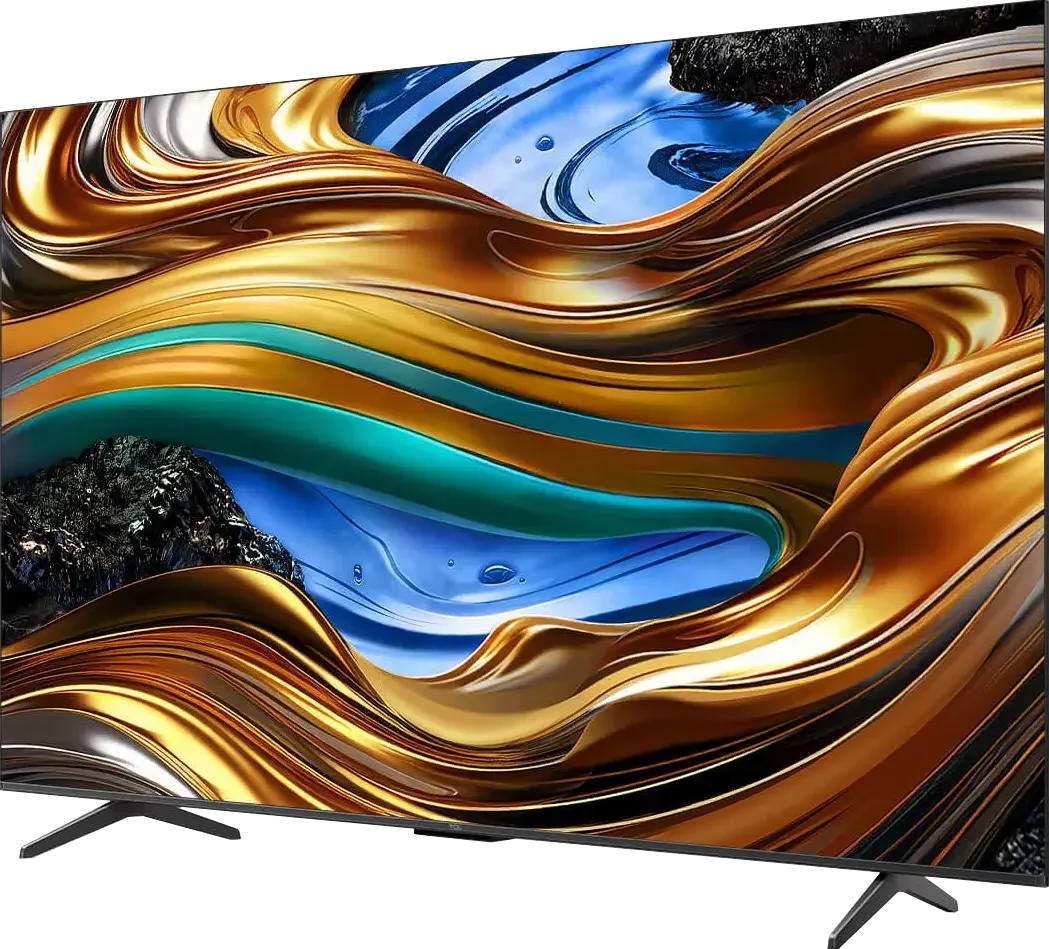
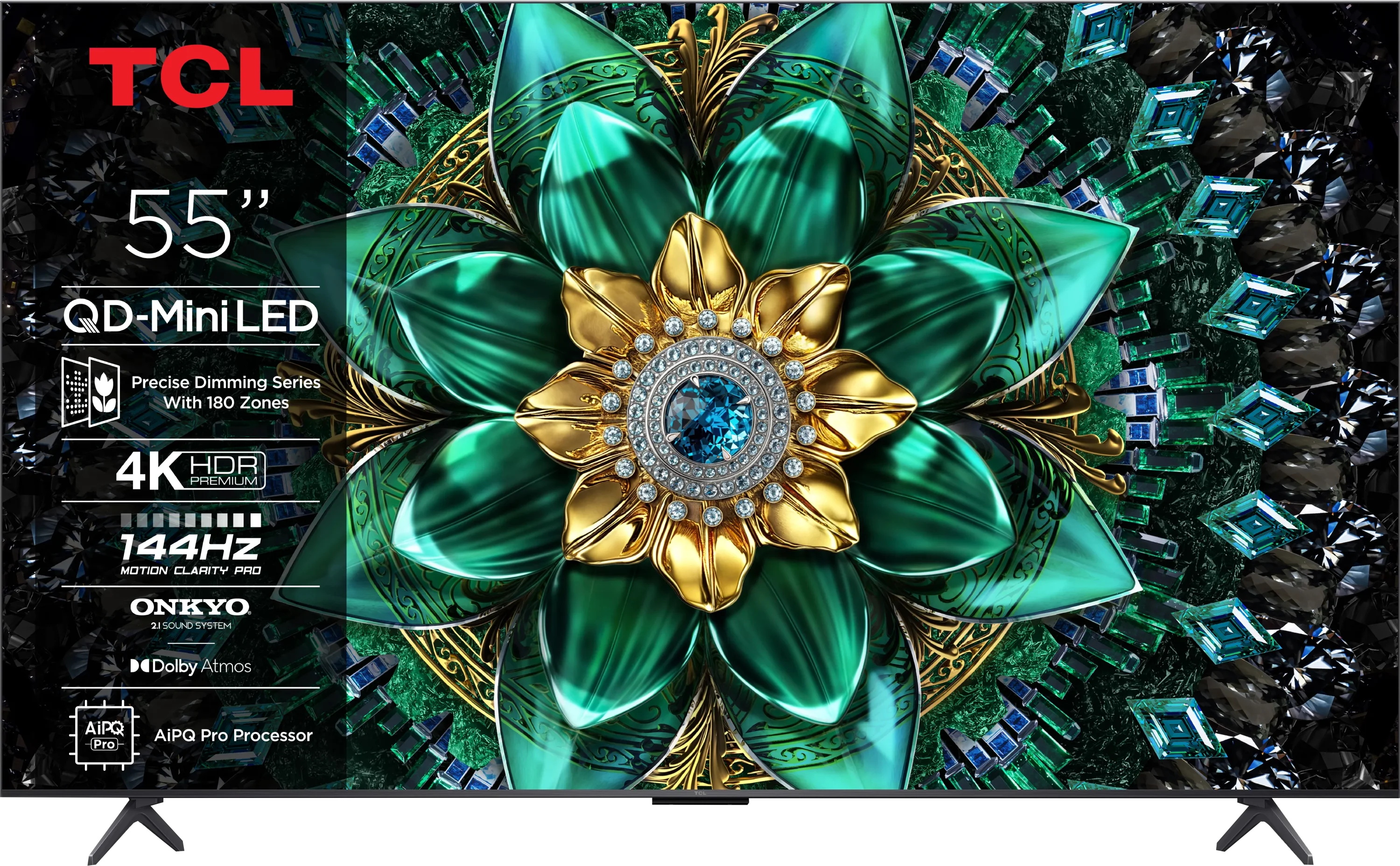
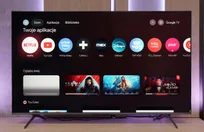
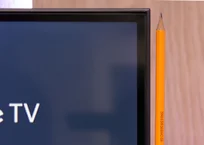
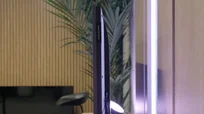
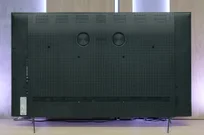
TV appearance

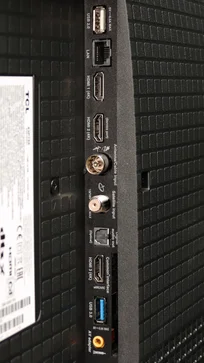
HDMI inputs
3 x HDMI 2.0, 0 x HDMI 2.1
2 x HDMI 2.0, 2 x HDMI 2.1 (48Gbps)
Other inputs
RCA (Chinch)
Outputs
Toslink (Optical audio), eARC (HDMI), ARC (HDMI)
Network Interfaces
Wi-Fi 2.4GHz, Wi-Fi 5GHz, Ethernet (LAN) 100Mbps
Build quality
Average
BuildQuality-Good
Stand type
Legs
Legs
Bezel color
Graphite
Graphite
Stand
Fixed
Fixed
Flat design
No
Yes
Accessories
Stand
Stand

Contrast and black detail

6.1/10

7.3/10

Local dimming function: No

Local dimming function: Yes, number of zones: 180 (10 x 18)

Contrast:

Review TCL P755 Contrast and black detail

Result

5,650:1

Review TCL P755 Contrast and black detail

Result

6,750:1

Review TCL P755 Contrast and black detail

Result

5,850:1

Review TCL P755 Contrast and black detail

Result

6,550:1

Review TCL P755 Contrast and black detail

Result

6,100:1

Review TCL C69K / Q6C Contrast and black detail

Result

113,750:1

Review TCL C69K / Q6C Contrast and black detail

Result

17,350:1

Review TCL C69K / Q6C Contrast and black detail

Result

16,300:1

Review TCL C69K / Q6C Contrast and black detail

Result

9,850:1

Review TCL C69K / Q6C Contrast and black detail

Result

4,850:1

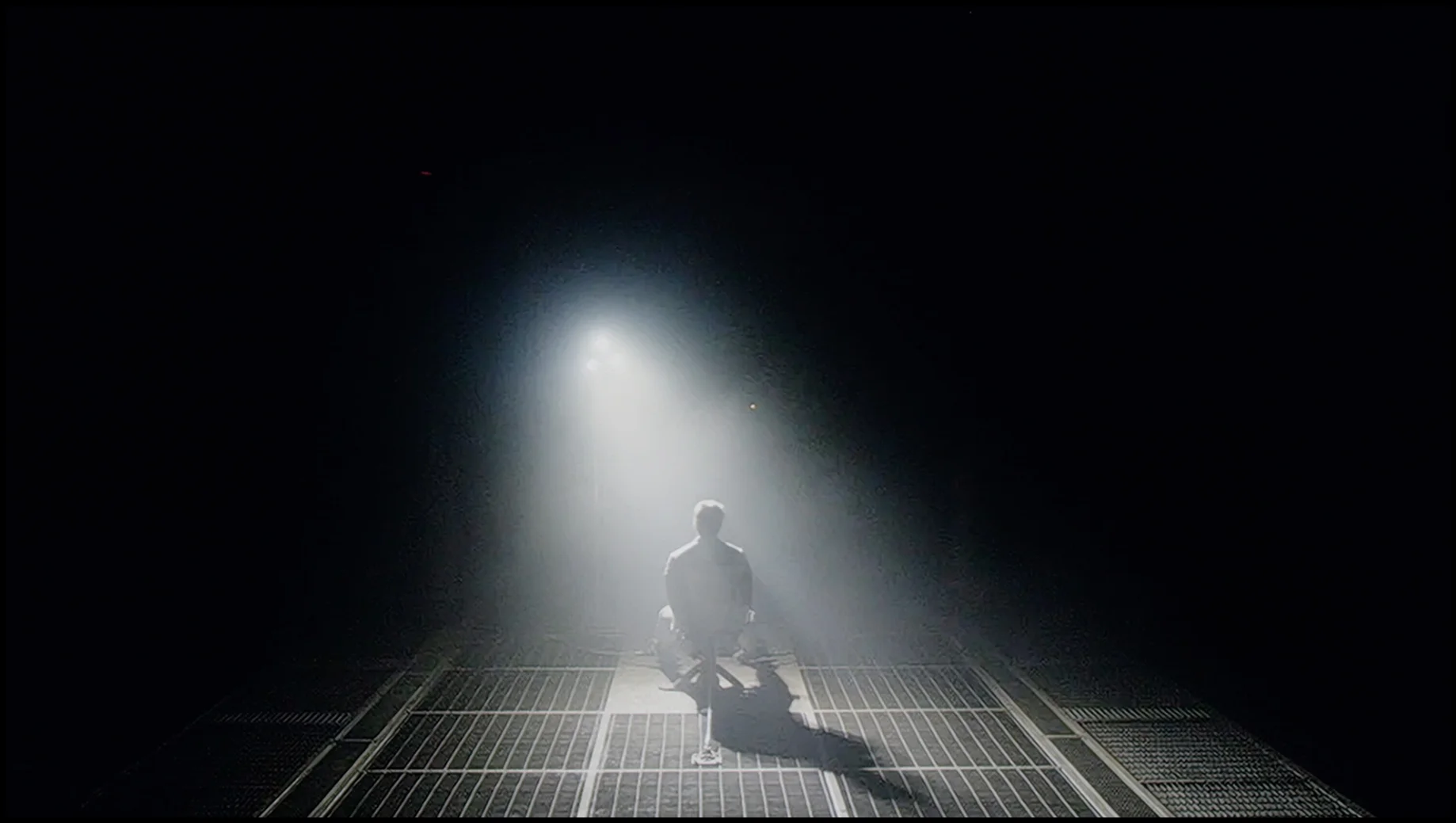
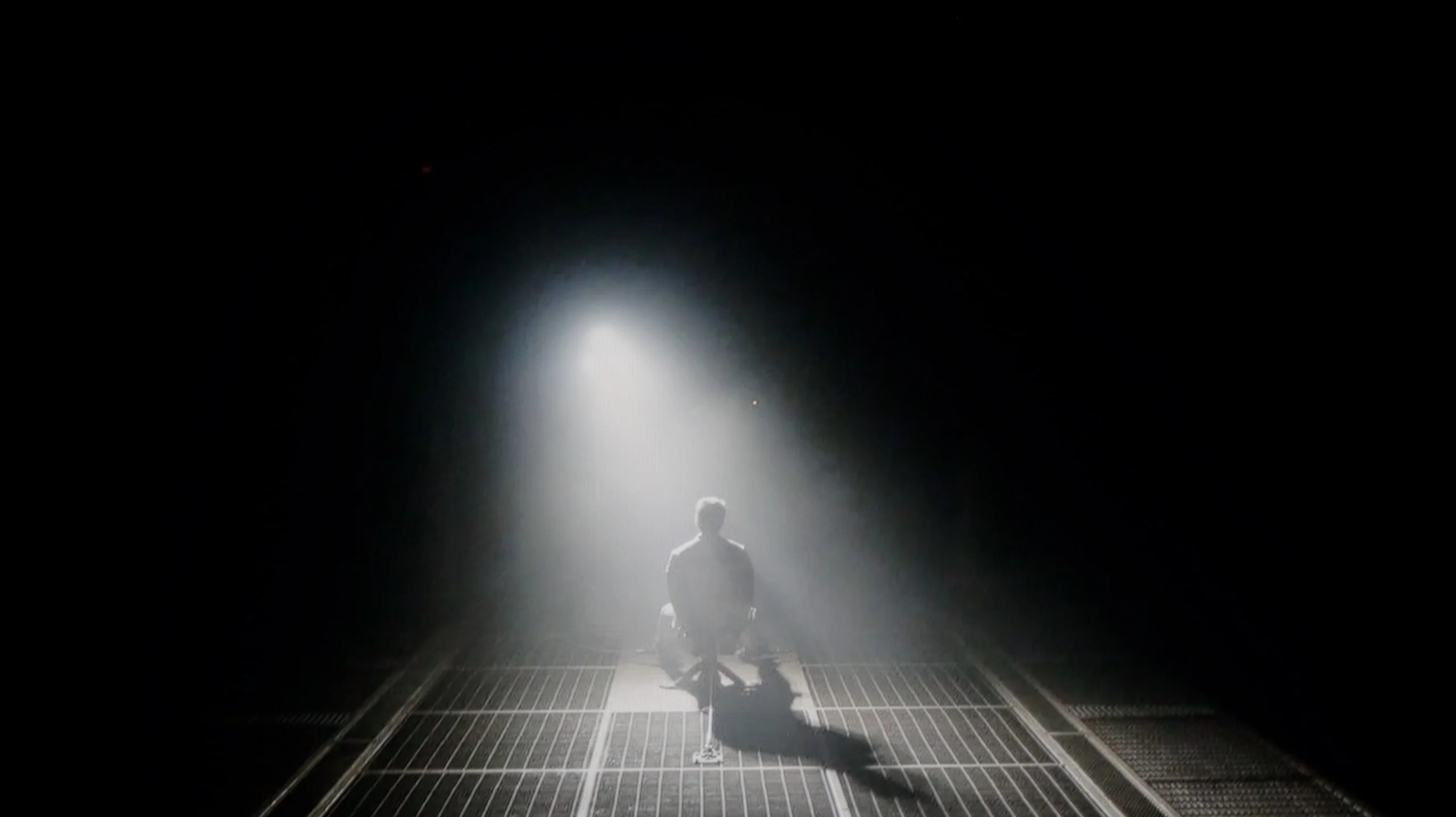
Halo effect and black detail visibility:

Review TCL P755 Contrast and black detail
Review TCL C69K / Q6C Contrast and black detail
Review TCL P755 Contrast and black detail
Review TCL C69K / Q6C Contrast and black detail

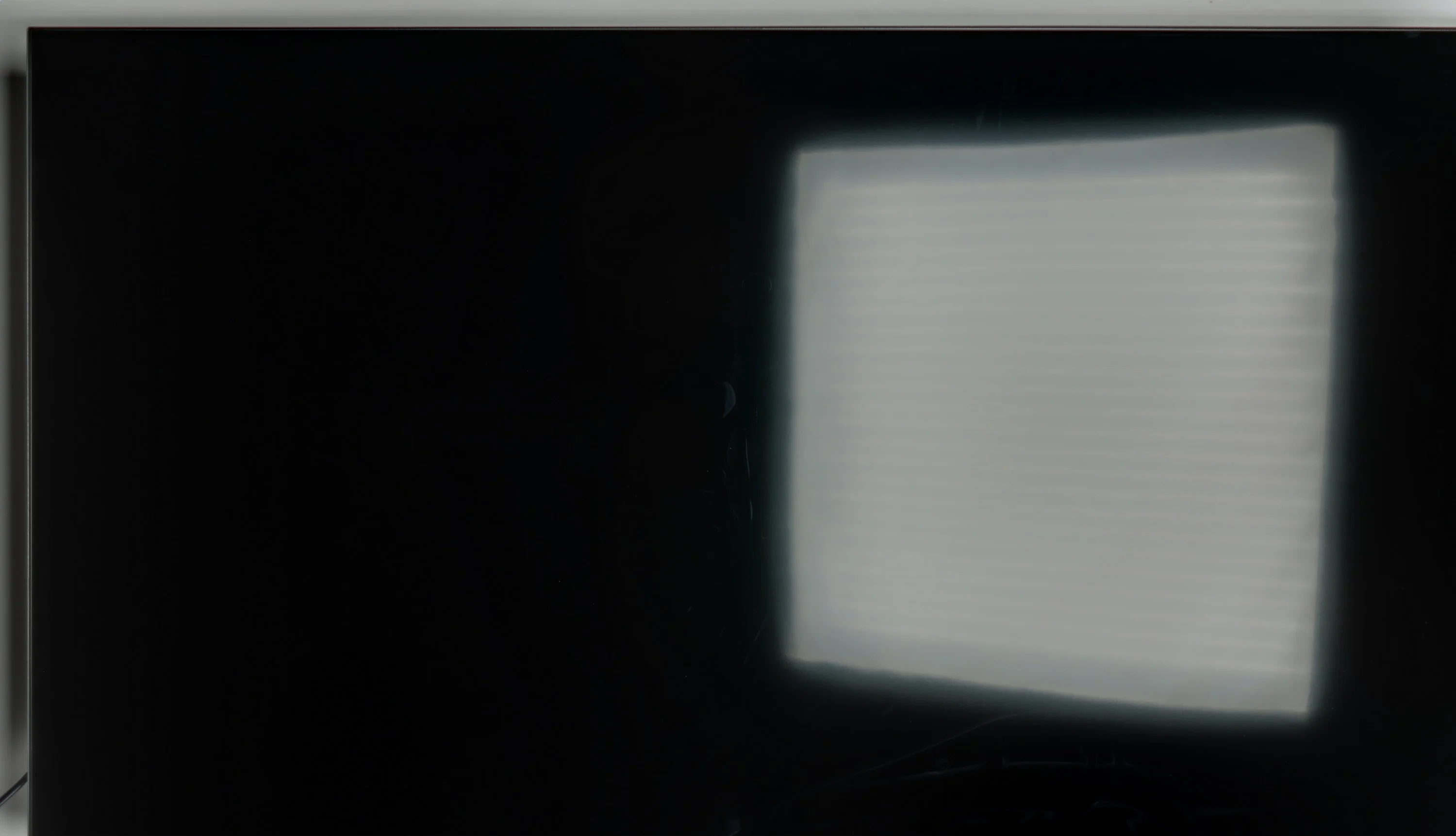
The TCL P755, with its VA matrix, provides impressive native contrast, resulting in deeper blacks and enhanced detail in darker scenes compared to IPS/ADS panels. This contrast is a standout feature in movie mode, delivering a more immersive experience. However, the lack of local dimming prevents the blacks from reaching true depth, occasionally giving them a navy blue hue that can be noticeable during darker movie scenes. For example, while watching The Revenant, slight overexposure in the lower corners was observed, potentially diverting attention from key details in shadowed areas and slightly reducing the scene's overall impact.

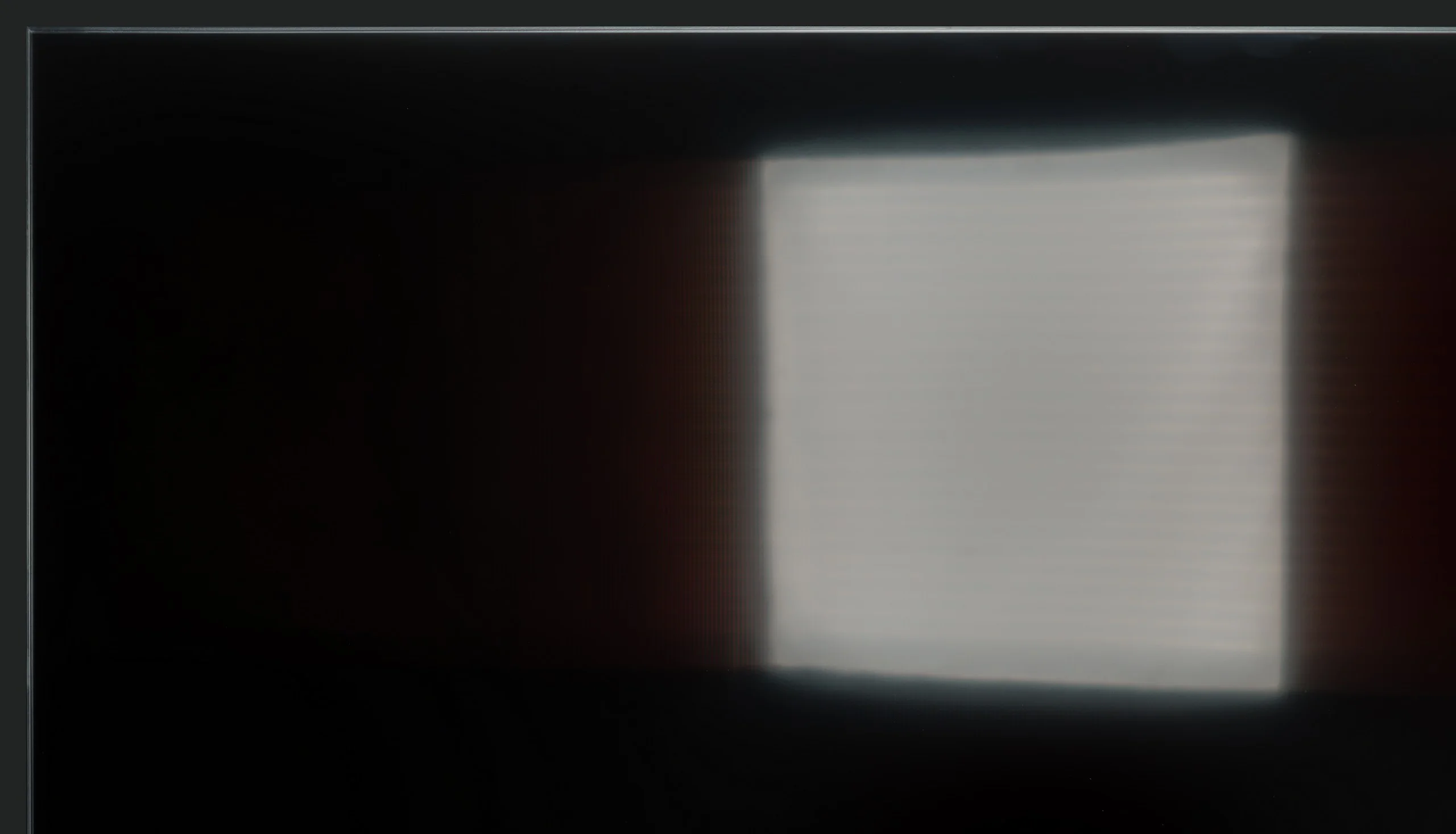
The heart of the image in TCL C69K / Q6C is a VA panel (specifically HVA from TCL CSOT), which offers a solid native contrast ratio of 6000–7000:1, even before activating local dimming. However, the true strength of this model lies in the Mini-LED backlighting with the ability to dim individual zones. In the 55-inch sample we tested, we counted around 180 of these zones (this value increases with the diagonal size). For this price segment, the contrast is truly impressive. In less complicated movie scenes, for example in segments from "Oblivion," it looks outstanding, and the shots immersed in black are very striking. Nevertheless, the characteristics of Mini-LED technology mean that we cannot always avoid issues – in more demanding frames with many bright details, halo effects or excessive dimming of certain elements occur (regardless of the selected local dimming settings). All in all, contrast is undeniably a strong point of C69K / Q6C.

HDR effect quality

4.2/10

4.9/10

Supported formats
HDR10, HDR10+, Dolby Vision, HLG
HDR10, HDR10+, Dolby Vision, Dolby Vision IQ, HLG
Color gamut coverage
DCI P3: 93.5%, Bt.2020: 69.5%
DCI P3: 92.7%, Bt.2020: 71.4%

Luminance measurements in HDR:

Review TCL P755 Brightness measurement

Result

190 nit

Review TCL P755 Brightness measurement

Result

238 nit

Review TCL P755 Brightness measurement

Result

272 nit

Review TCL P755 Brightness measurement

Result

248 nit

Review TCL P755 Brightness measurement

Result

283 nit

Review TCL C69K / Q6C Brightness measurement

Result

610 nit

Review TCL C69K / Q6C Brightness measurement

Result

204 nit

Review TCL C69K / Q6C Brightness measurement

Result

425 nit

Review TCL C69K / Q6C Brightness measurement

Result

148 nit

Review TCL C69K / Q6C Brightness measurement

Result

589 nit

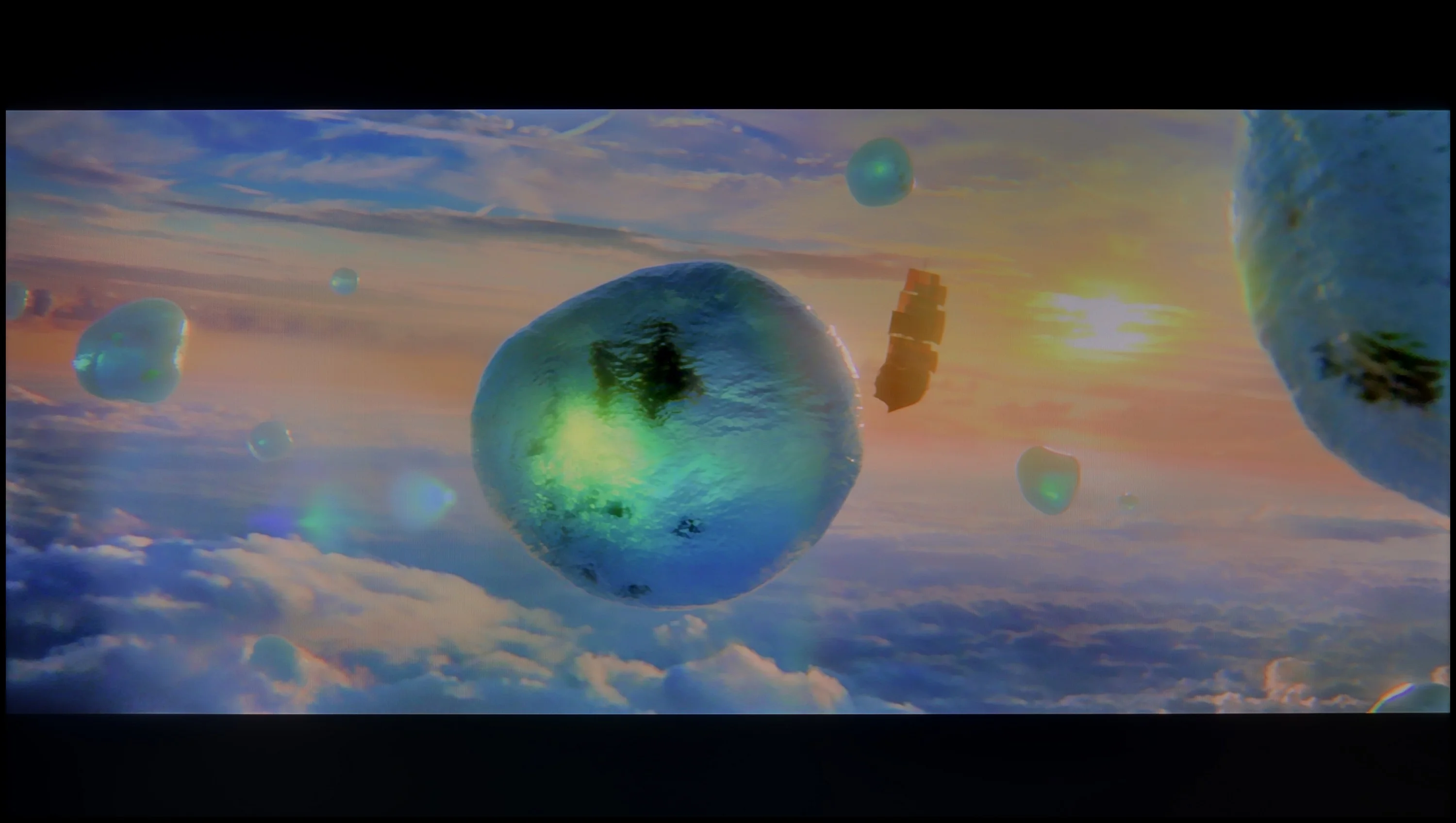
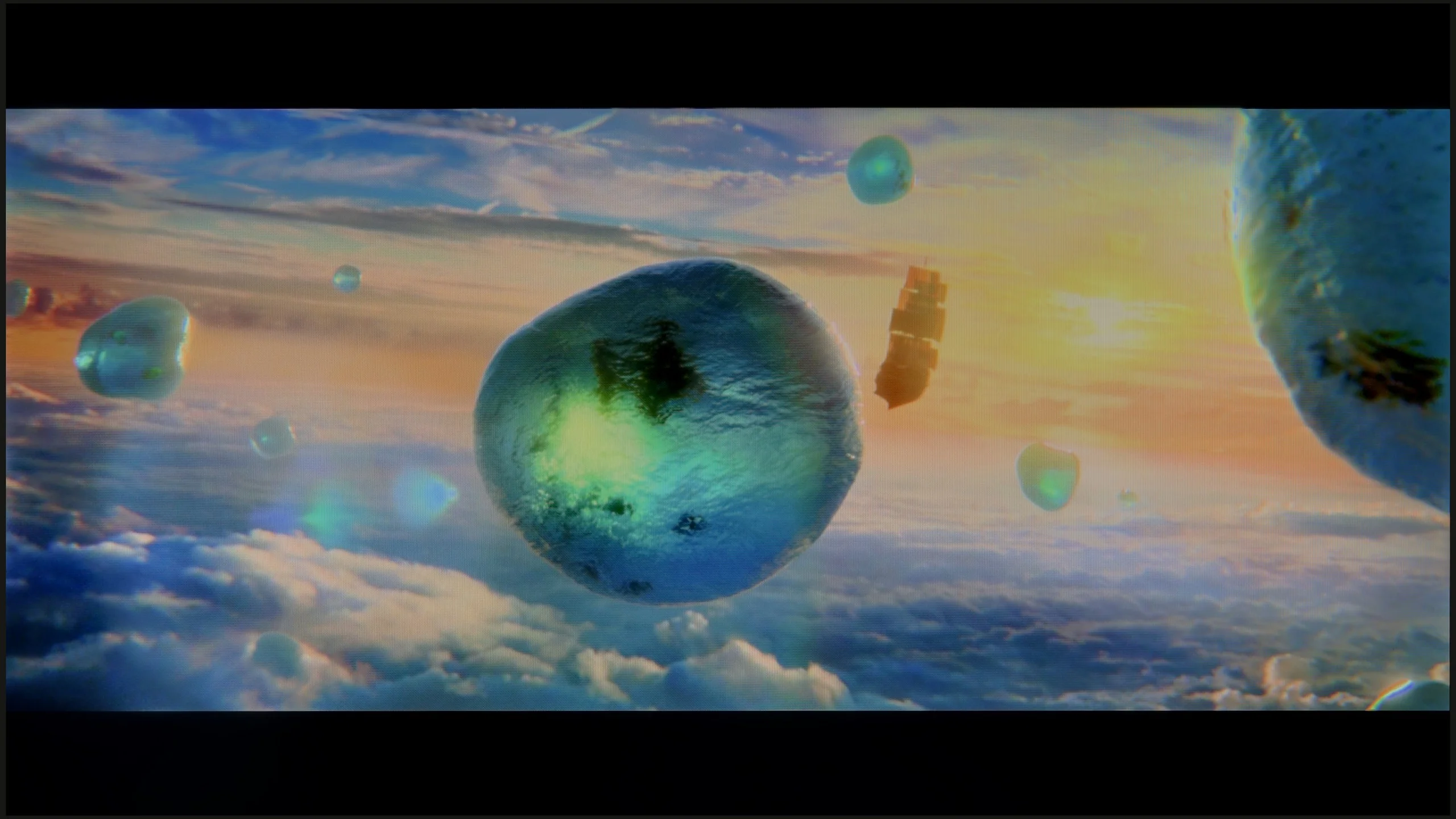
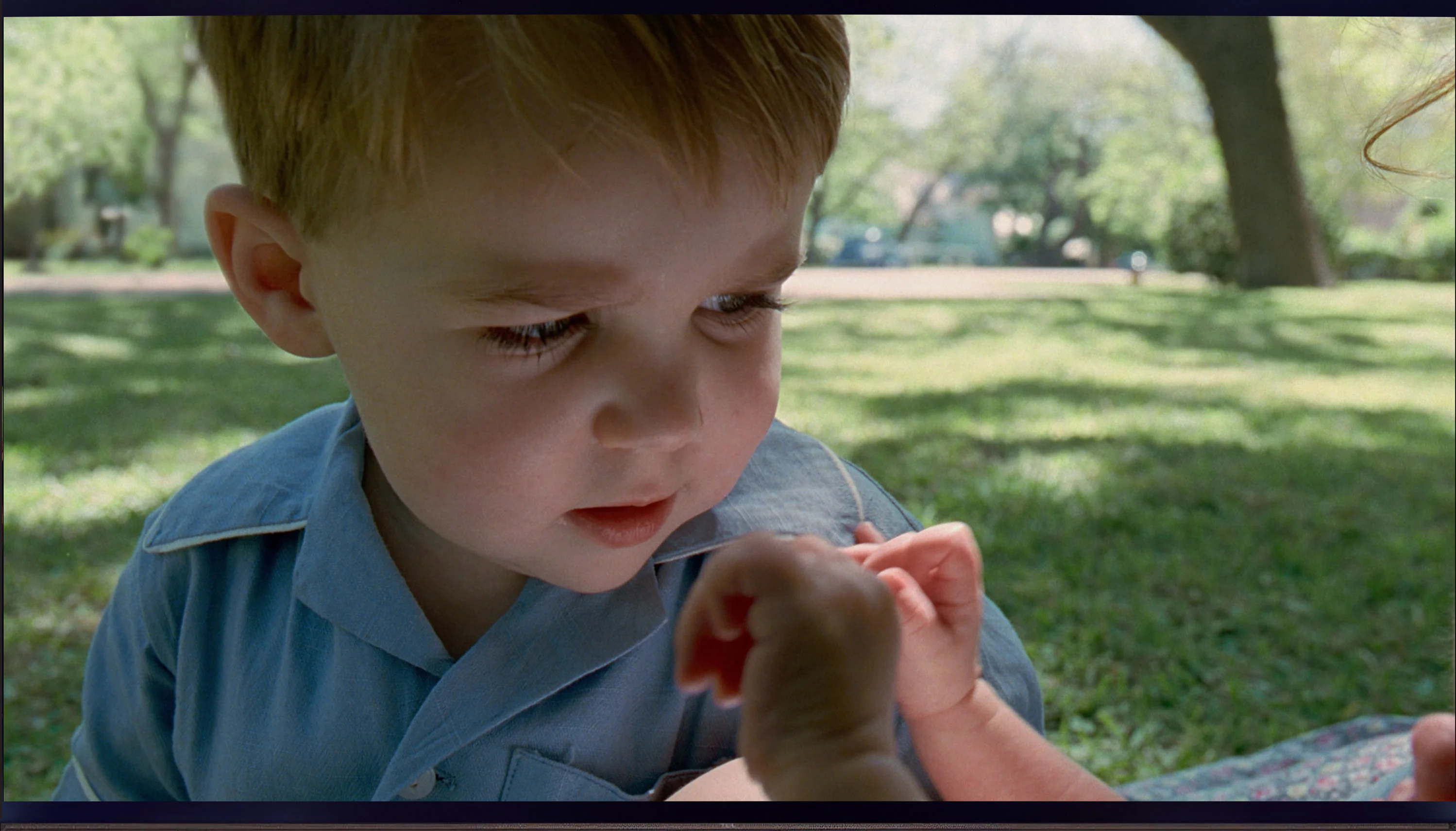
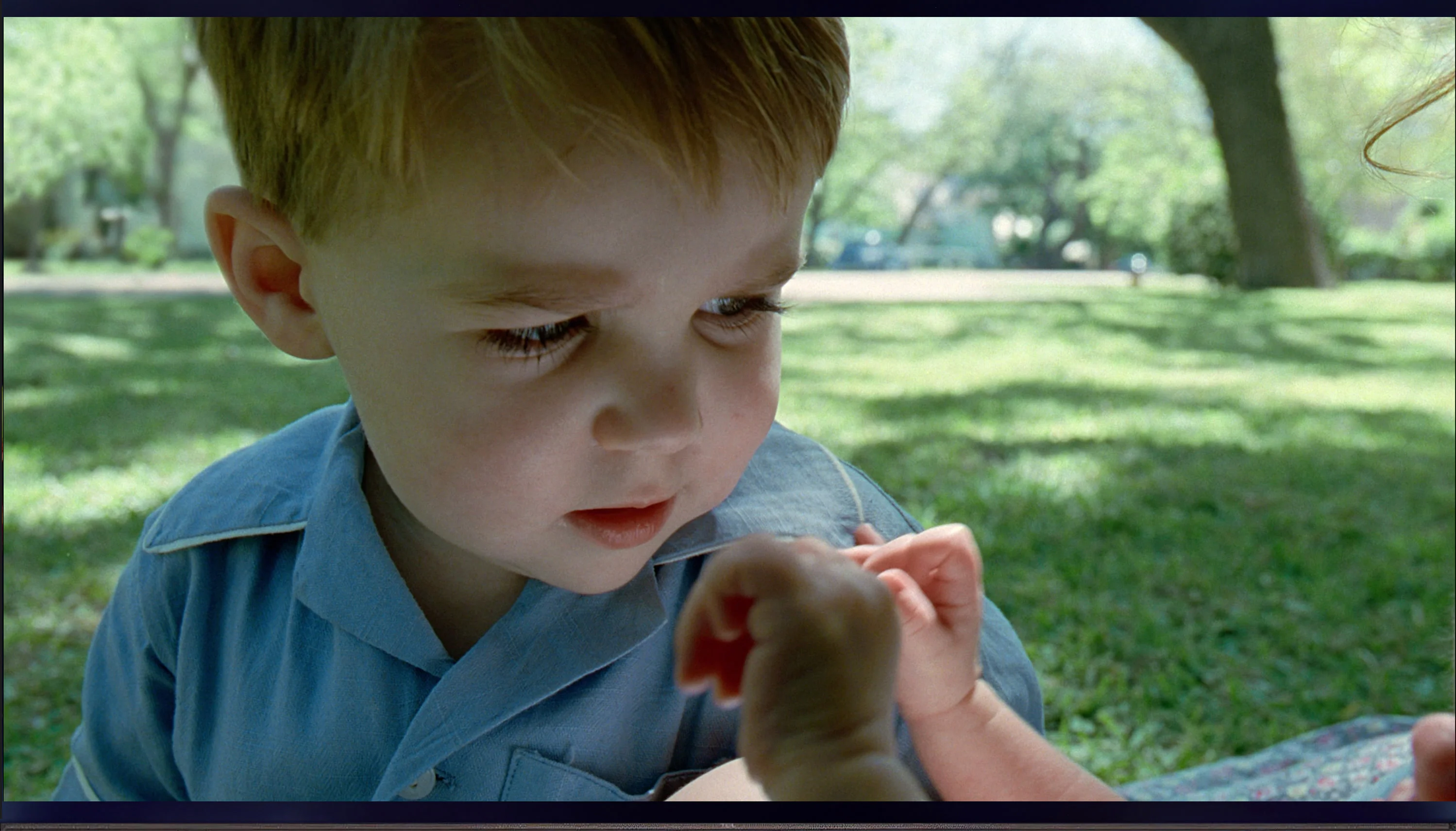
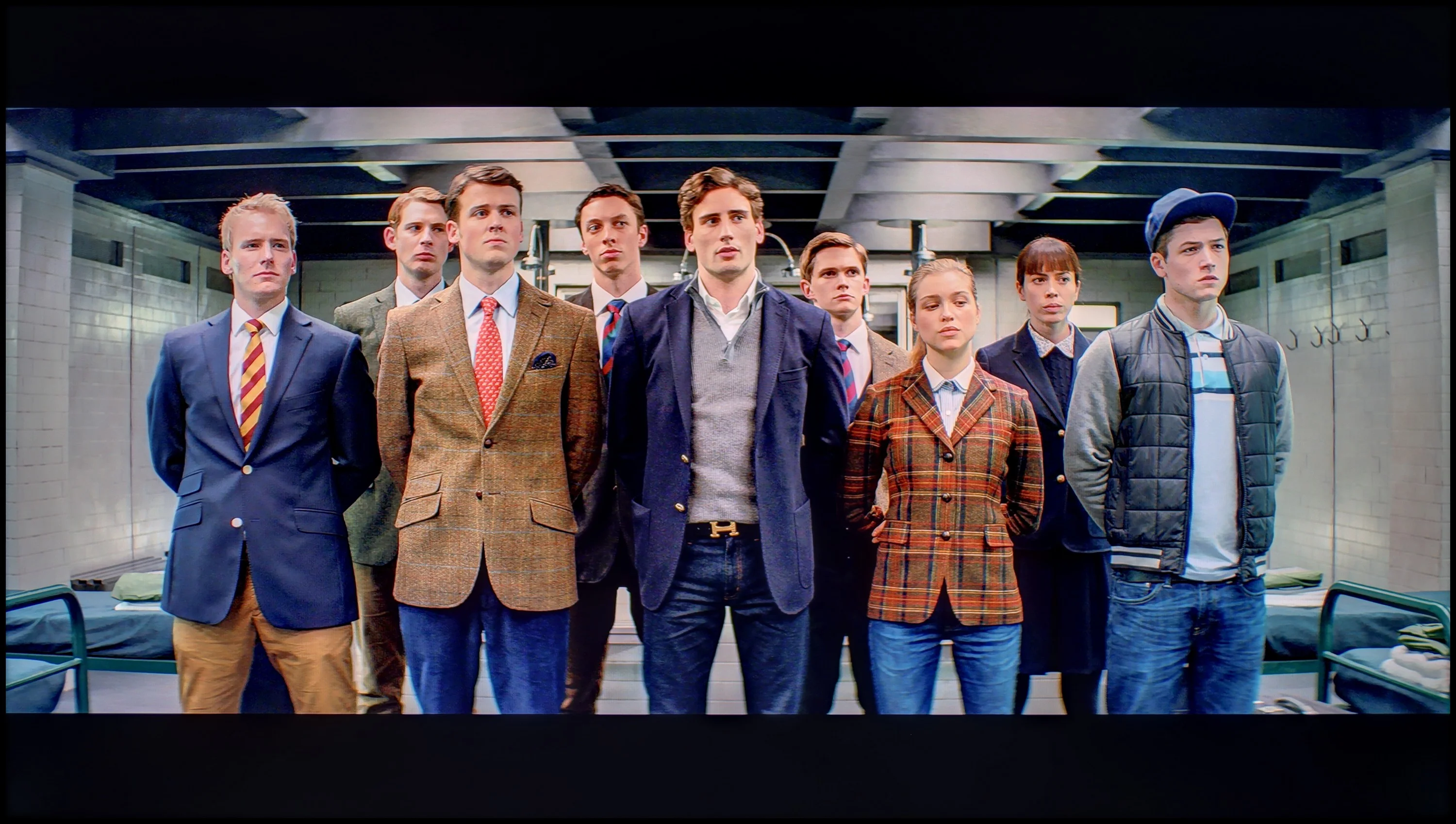
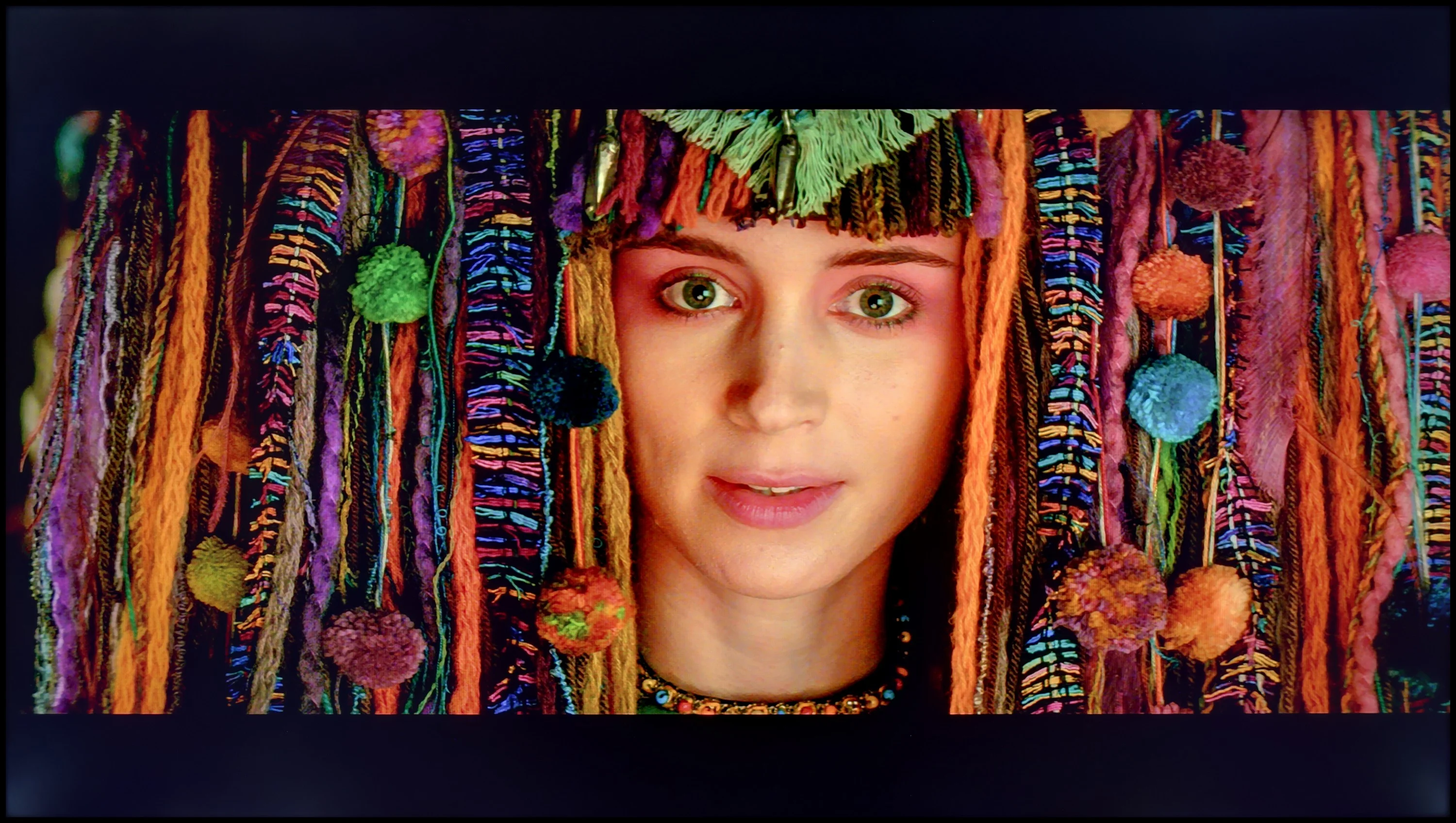
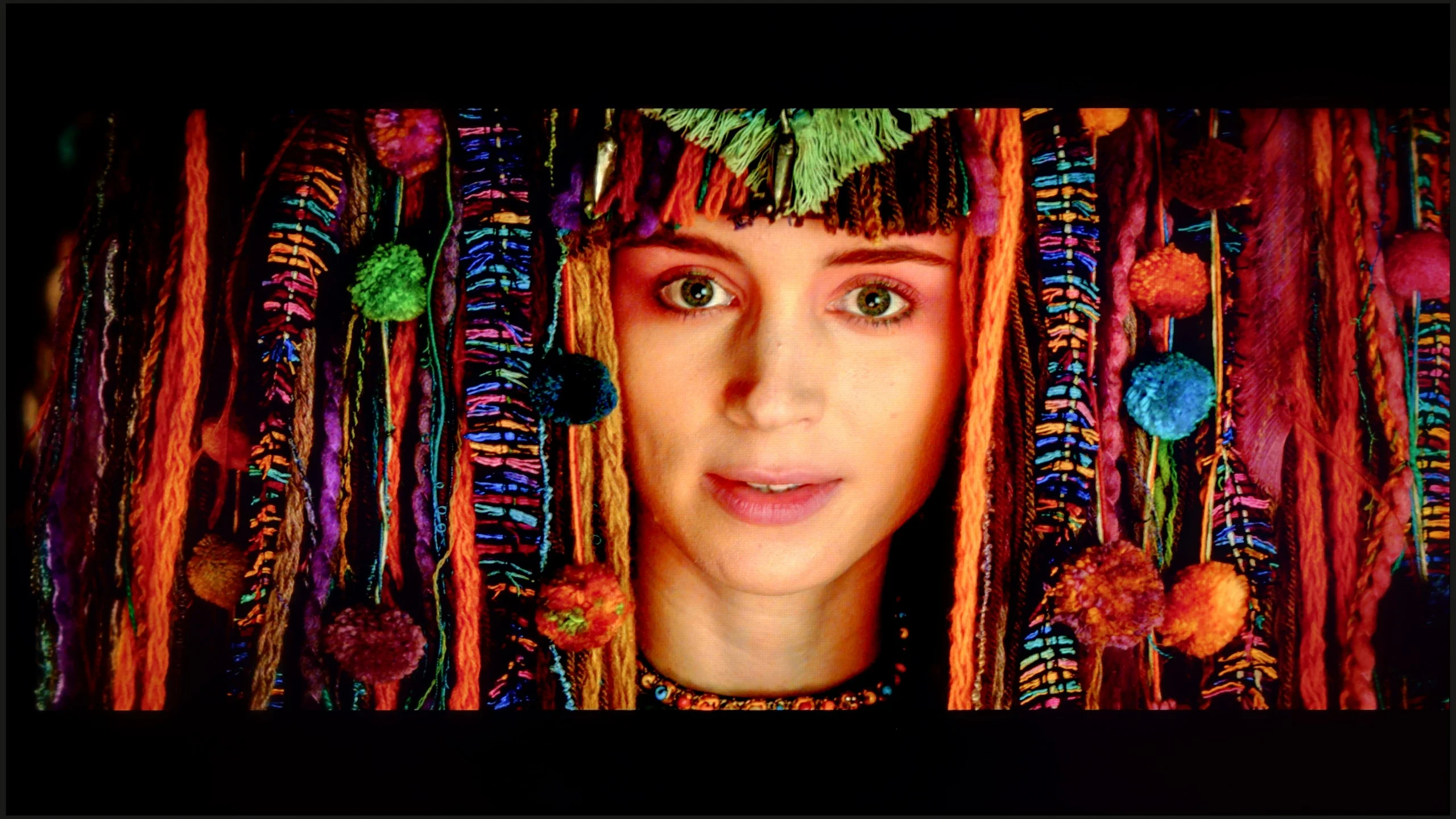
Scene from the movie “Pan” (about 2800 nits)

Review TCL P755 HDR effect quality
Review TCL C69K / Q6C HDR effect quality

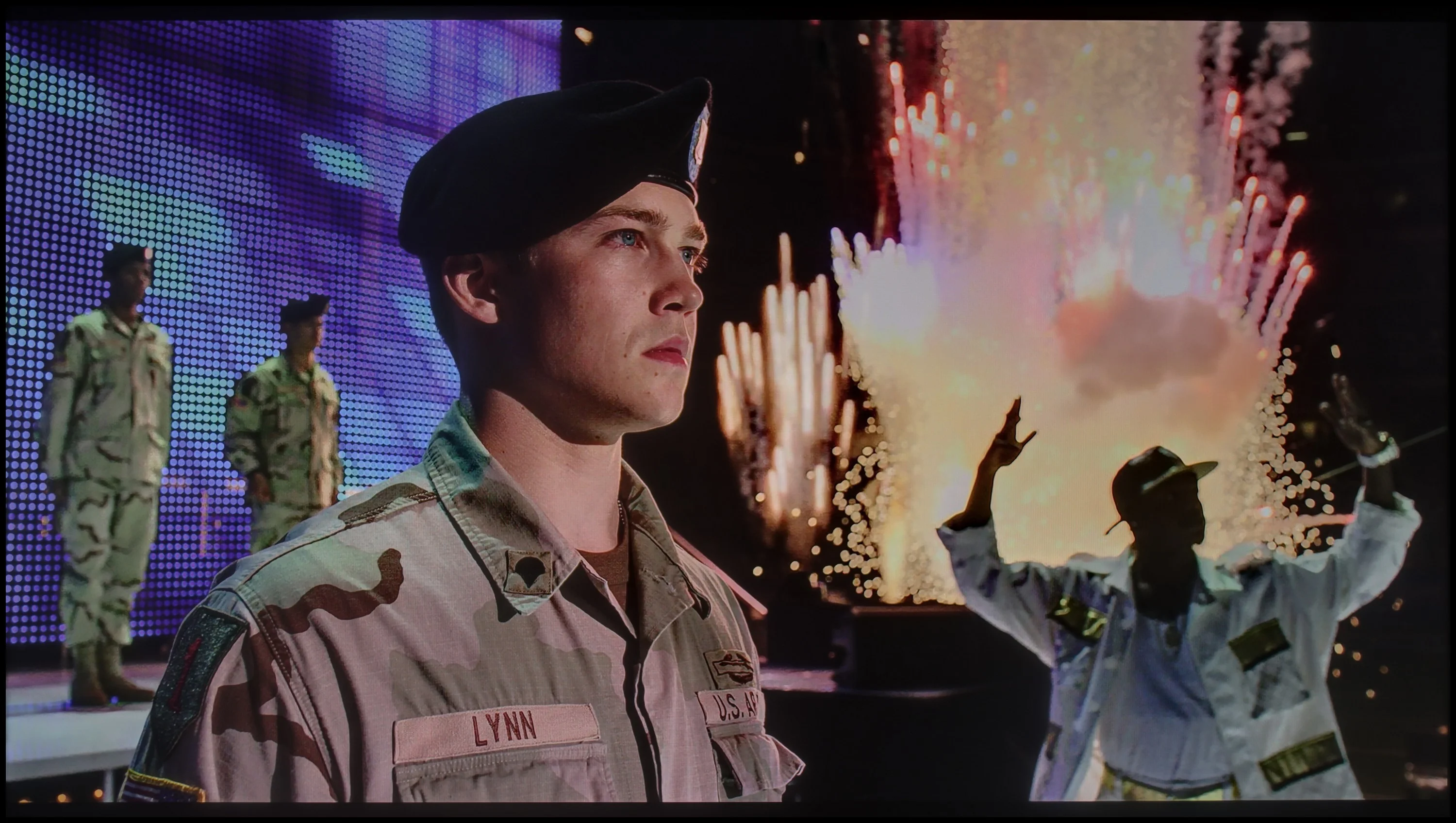
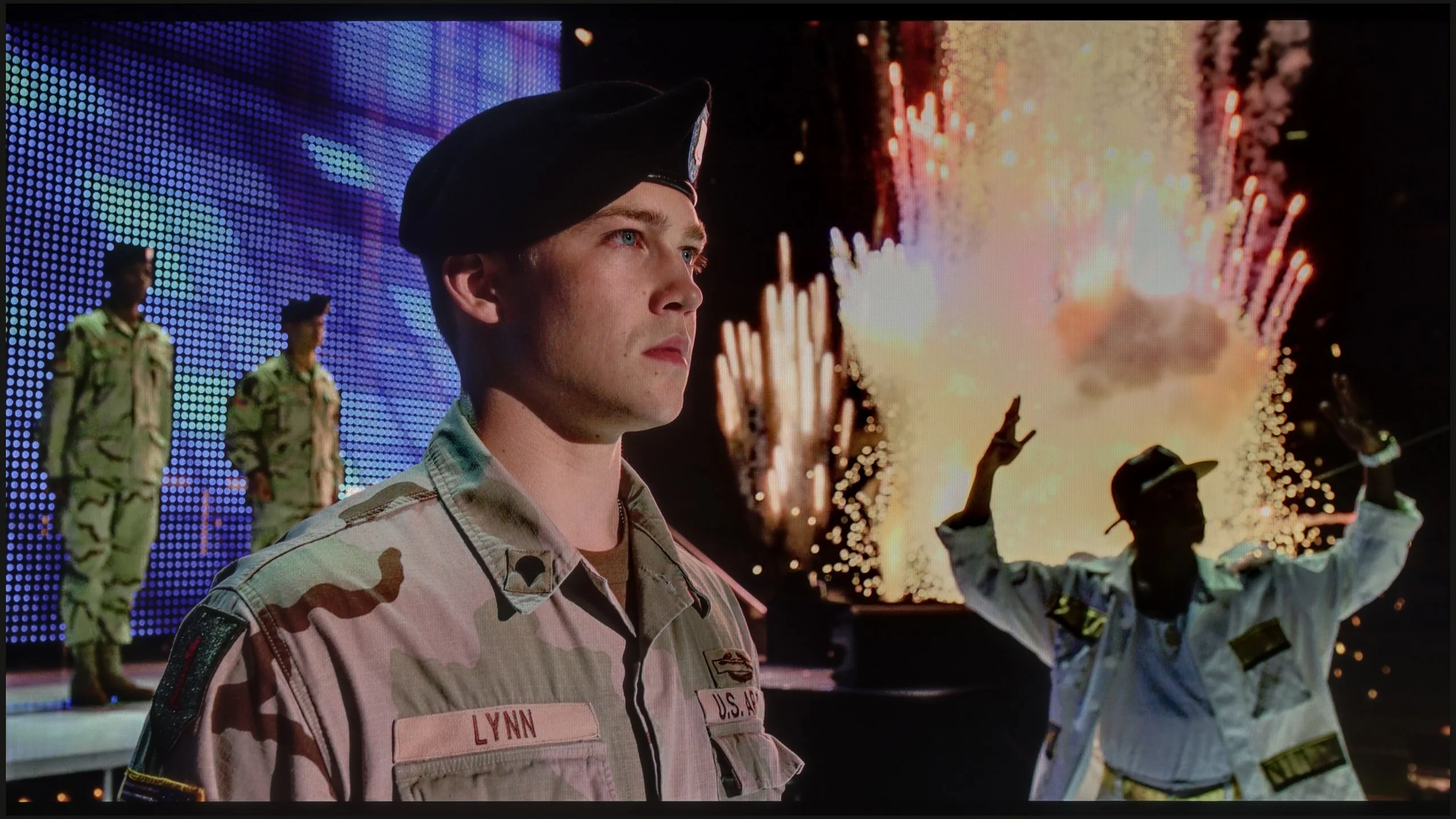
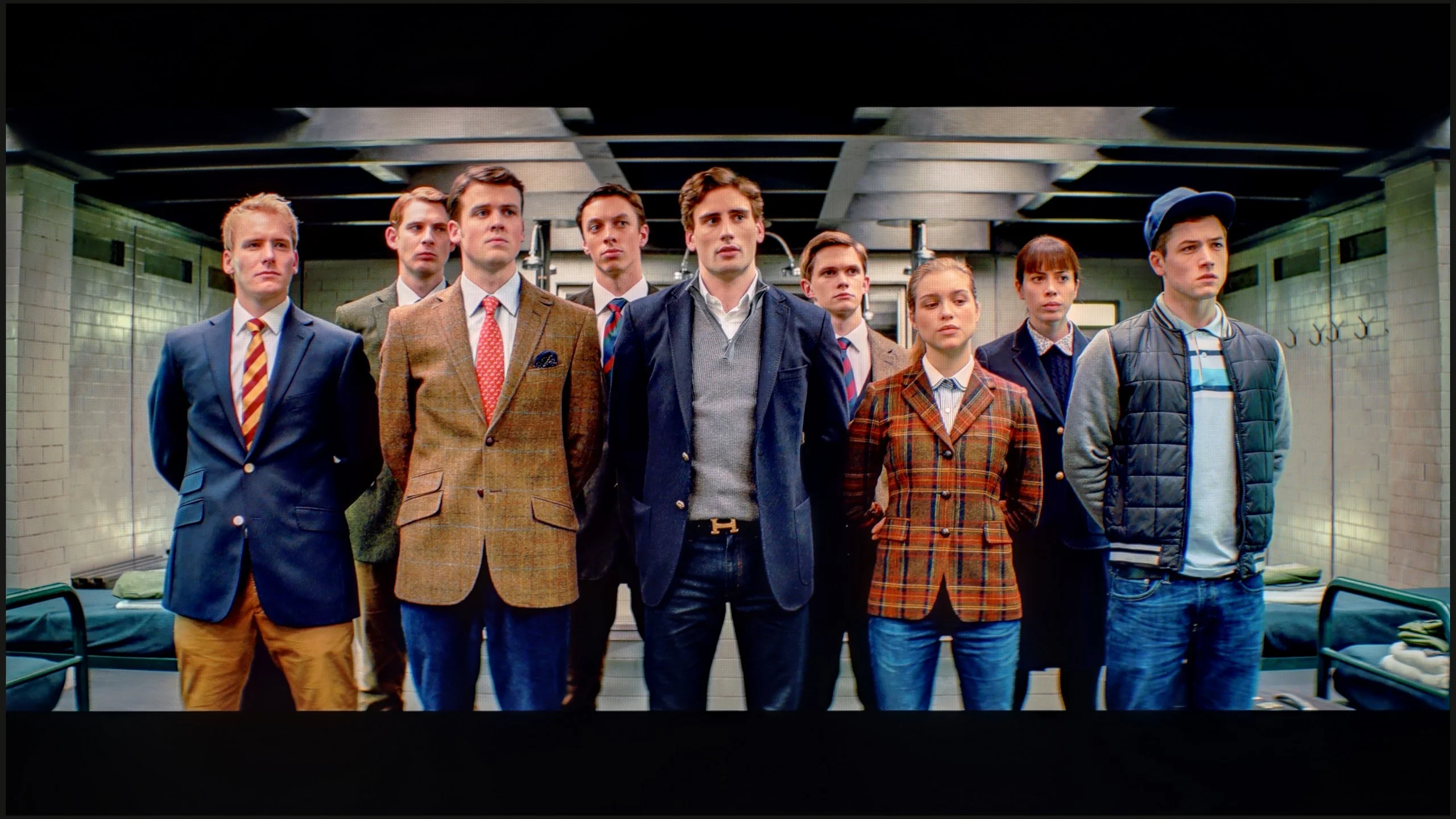
Scene from the movie “Billy Lynn” (about 1100 nits)

Review TCL P755 HDR effect quality
Review TCL C69K / Q6C HDR effect quality

Static HDR10

Review TCL P755 HDR effect quality
Review TCL C69K / Q6C HDR effect quality

Dynamic: Dolby Vision

Dynamic: Dolby Vision

Review TCL P755 HDR effect quality
Review TCL C69K / Q6C HDR effect quality

HDR luminance chart:

TCL C69K / Q6C

HDR luminance

TCL P755

HDR luminance

The TCL P755 delivers an average HDR experience, with a maximum brightness of just under 300 nits. This limitation affects the intensity of bright areas in HDR content, reducing the contrast impact, as bright elements may appear less pronounced. However, the TV compensates with an impressive 93% coverage of the DCI-P3 colour gamut, which brings vibrant, saturated colours that enhance the quality of HDR content. Despite the brightness cap, the extensive colour range enriches hues, providing a more lifelike and visually engaging viewing experience.

In terms of brightness, TCL C69K / Q6C is a moderate model. Under optimal movie conditions, it shows its full potential, reaching a maximum of around 600 nits. In scenes with large, intense light sources, the HDR effect can be truly satisfying, providing a cinematic sparkle. However, it should be noted that when managing the backlight zones, there are situations where some elements of the image become dimmed, and sometimes they are barely visible. This suggests that there is still a lack of proper optimization of algorithms, though considering the technical parameters in this price range, the construction still looks very good.

Factory color reproduction

6.2/10

5/10

Review TCL P755 Factory color reproduction
Review TCL C69K / Q6C Factory color reproduction

Factory Mode

After calibration

Review TCL P755 Factory color reproduction
Review TCL C69K / Q6C Factory color reproduction

Factory Mode

After calibration

In Cinema mode, the colour reproduction on the TCL P755, while set to the best factory configuration, falls short of ideal accuracy. The primary issue is the white balance, where the red component is notably elevated and the green is reduced. This imbalance shifts colours towards red, making them appear unnatural, particularly in scenes featuring white or neutral tones. This issue is highlighted in the Colour Checker test, which shows a discernible red bias affecting the realism of the image and diminishing the perception of colour depth.

Examining contrast performance, the gamma graph analysis reveals notable inconsistencies, especially in darker areas, where values dip below the target level of 2.4. Consequently, shadows and darker sections are displayed brighter than intended, impacting overall contrast. Furthermore, the EOTF (Electro-Optical Transfer Function) curve, essential for accurate brightness representation, veers slightly above the reference curve. The data shows a boost in brightness up to around 50% before a gradual levelling off. This creates excessive mid-tone brightness, which can lead to loss of detail and some distortion in brighter scenes, ultimately affecting the clarity and immersion of the viewing experience.

The Filmmaker mode, which has arrived in this year's TCL televisions (including the C69K / Q6C), is definitely the best choice "to start with." This is the mode we recommend for everyday viewing of movies and series. Unfortunately, as is often the case, best does not mean perfect. In SDR content, the image turned out to be too warm, with a strong red tint in the white balance. We had the opposite impression with HDR content – here the image became cooler than it should have, due to an excess of blue color. Additionally, the brightness characteristics sometimes resulted in overexposure. In practice, this translated to quite noticeable errors in color tests, which is hard to accept in a mode labeled as “by the creators.”

Color reproduction after calibration

7.6/10

7.5/10

Review TCL P755 Color reproduction after calibration
Review TCL C69K / Q6C Color reproduction after calibration
Review TCL P755 Color reproduction after calibration
Review TCL C69K / Q6C Color reproduction after calibration

Post-calibration, the TCL P755 delivers a markedly improved colour performance for SDR content. The colour curves now align closely with ideal values, with a more consistent gamma stability across the range. While a slight drop at the beginning of the gamma curve persists, the accuracy in colour reproduction is significantly enhanced. The Colour Checker test reveals most colour samples are now under an error threshold of 2, showcasing much-improved colour fidelity with only minimal deviations, resulting in colours that feel notably more authentic to life.

HDR content benefits from these calibration adjustments as well. White balance corrections lend a more natural tone, with colours appearing more balanced overall. The EOTF curve, while nearer to the ideal reference line, still features a mild brightness elevation at the start, which can cause minor distortions in exceptionally bright scenes. However, overall tonal quality and detail resolution have both improved. Tone mapping also performs more effectively, enhancing detail in bright regions while maintaining better image accuracy.

In summary, while calibration does not bring flawless performance, it makes a substantial difference in the P755’s visual quality. Following these adjustments, the television provides a more accurate, realistic viewing experience in both SDR and HDR content, smoothing out many of the previous colour inconsistencies for a more visually engaging result.

Through white balance adjustment, we were able to significantly reduce the tendency of C69K / Q6C to distort colors, which resulted in a very good final outcome. After calibration, the issue of excessive warmth in SDR scenes and overly cool images in HDR disappeared. However, it is worth closely analyzing brightness characteristics. While there are few complaints about SDR content - the image looks really good, especially in older movies, TV programs, or on YouTube - the situation is much worse with HDR content. Analysis of the EOTF curve suggests that everything is fine, but in practice (EOTF in films), the limitations of the design become apparent. This model tends to excessively brighten small parts of the frame, while in other situations it dims the entire scene too much. The effect of calibration is undeniable, and in terms of color accuracy, C69K / Q6C gains a lot. Unfortunately, certain limitations resulting from local dimming management simply cannot be overcome.

Smoothness of tonal transitions

7.5/10

9.5/10

Review TCL P755 Smoothness of tonal transitions
Review TCL C69K / Q6C Smoothness of tonal transitions
Review TCL P755 Smoothness of tonal transitions
Review TCL C69K / Q6C Smoothness of tonal transitions
Review TCL P755 Smoothness of tonal transitions
Review TCL C69K / Q6C Smoothness of tonal transitions
Review TCL P755 Smoothness of tonal transitions
Review TCL C69K / Q6C Smoothness of tonal transitions

For high-quality content, the TCL P755 provides respectable smoothness in tonal transitions. While there are minor imperfections in colour blending, particularly in complex gradients, these are generally expected at this price point. Testing with film scenes revealed that these issues may occasionally become visible, but in most situations, one would need to observe closely to detect them. These subtle flaws are unlikely to detract from everyday viewing experience.

In the model C69K / Q6C, tonal transitions (between colors) are very smooth, and it's hard to notice any banding. The image looks natural, and any minor imperfections are only visible on bright test screens, and only with very careful observation. In everyday viewing, the effect is simply fantastic. It can confidently be stated that in this category, C69K / Q6C performs remarkably.

Image scaling and smoothness of tonal transitions

5.5/10

5/10

Image without overscan on the SD signal
No
OK
Smooth transition function
OK
No

Smooth transition function

Review TCL P755 Image scaling and smoothness of tonal transitions
Review TCL C69K / Q6C Image scaling and smoothness of tonal transitions

Image without overscan on the SD signal

Review TCL P755 Image scaling and smoothness of tonal transitions
Review TCL C69K / Q6C Image scaling and smoothness of tonal transitions

The "Gradual Smoothing" function on the TCL P755 performs effectively, reducing visible boundaries between shades of the same colour and creating smoother tonal transitions. Unfortunately, this feature is unavailable in HDR mode, which can impact the quality of tonal gradations in high dynamic range content.

In terms of image scaling, the television shows some limitations. There are visible edge cut-offs, especially noticeable around figures and tree branches, which result in some detail blurring and a reduction in overall image sharpness. This is particularly noticeable when viewing lower-resolution content. Additionally, SD-quality images display a slight crop at the top and bottom, which may further impact viewing for standard-definition content.

In terms of image scaling, TCL C69K / Q6C performs quite well. Lower quality content is displayed acceptably, and thanks to the lack of overscan issues, the image is presented in full without any cropping. However, one shouldn't expect miracles – very low-quality materials won't gain a new life here, as the image processor has its limitations.

On thin lines and details, one can see characteristic jitter, indicating a lack of more advanced image enhancement algorithms. It's also a pity that the C69K / Q6C lacks the function for smoothing tonal transitions. As a result, in older movies or video materials, color banding can be noticeable and may become distracting during longer viewing sessions.

Blur and motion smoothness

4.3/10

7.3/10

Maximum refresh rate of the panel
60Hz
144Hz
Film motion smoothing option
OK
OK
Blur reduction option
No
OK
BFI function 60Hz
No
Yes, 120Hz (double contours)
BFI function 120Hz
No
Yes, 240Hz (double contours)
Brightness drop with BFI
-%
-%

Blur (native resolution, maximum refresh rate):

Blur (BFI function enabled):

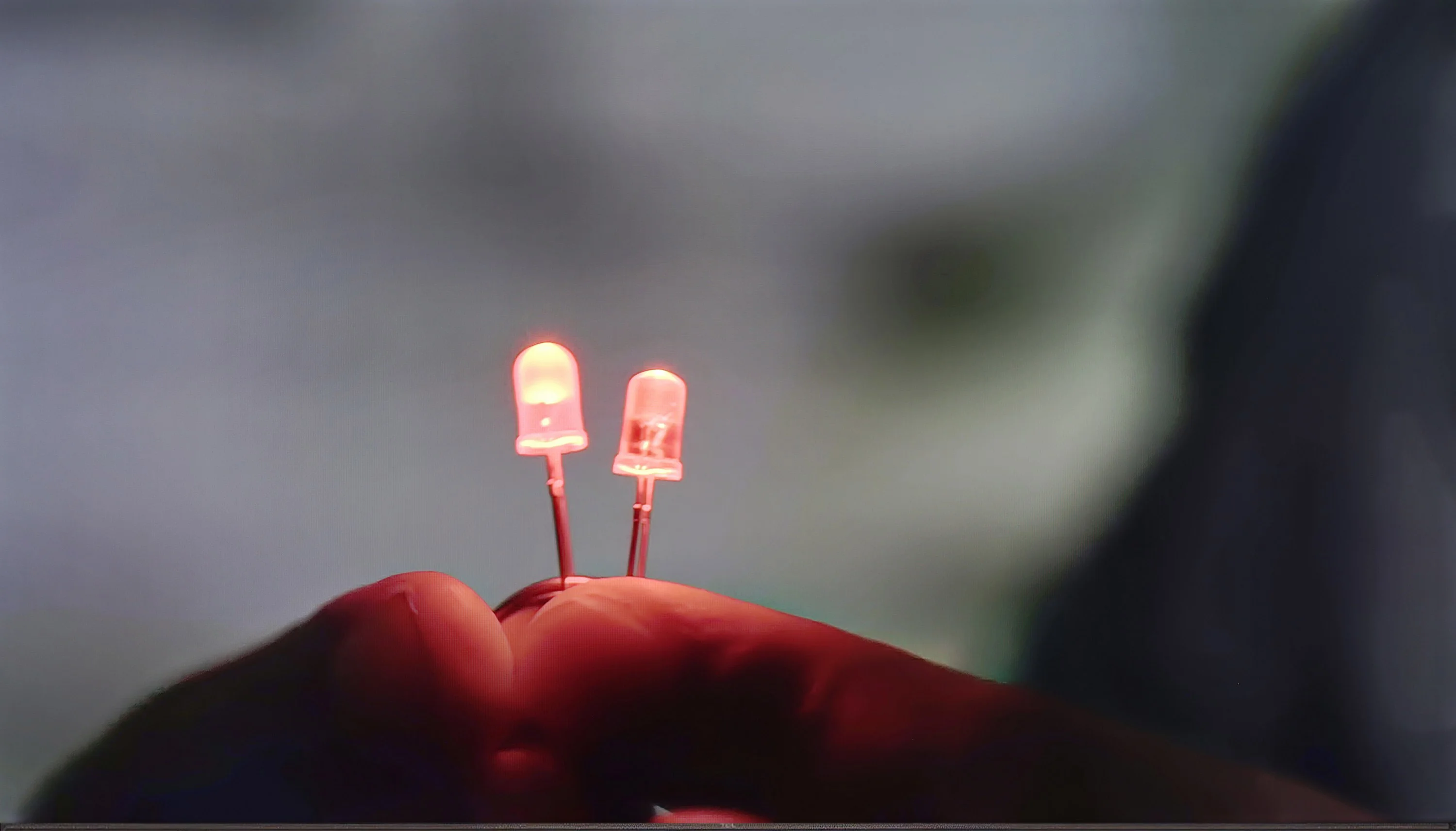
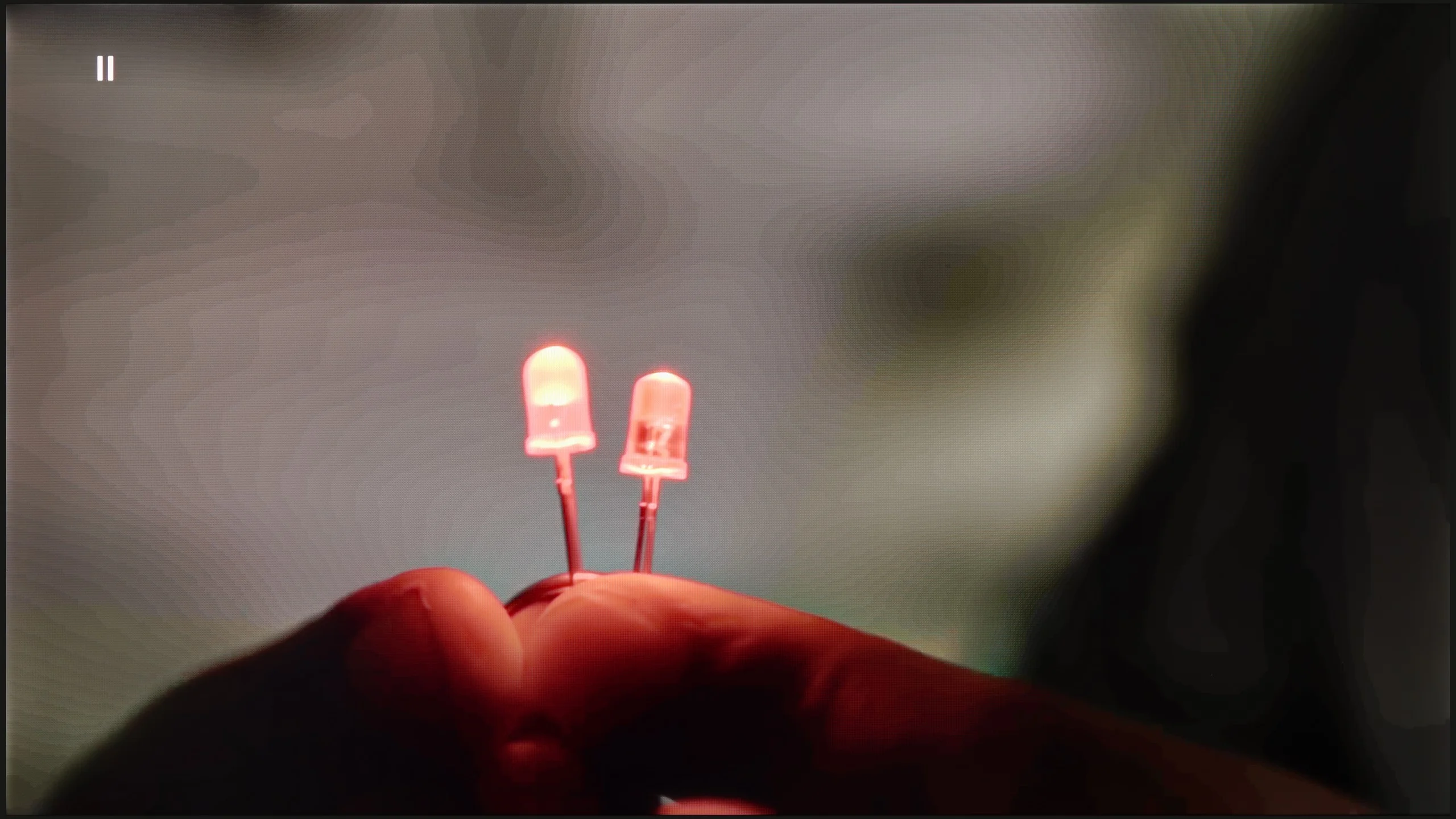
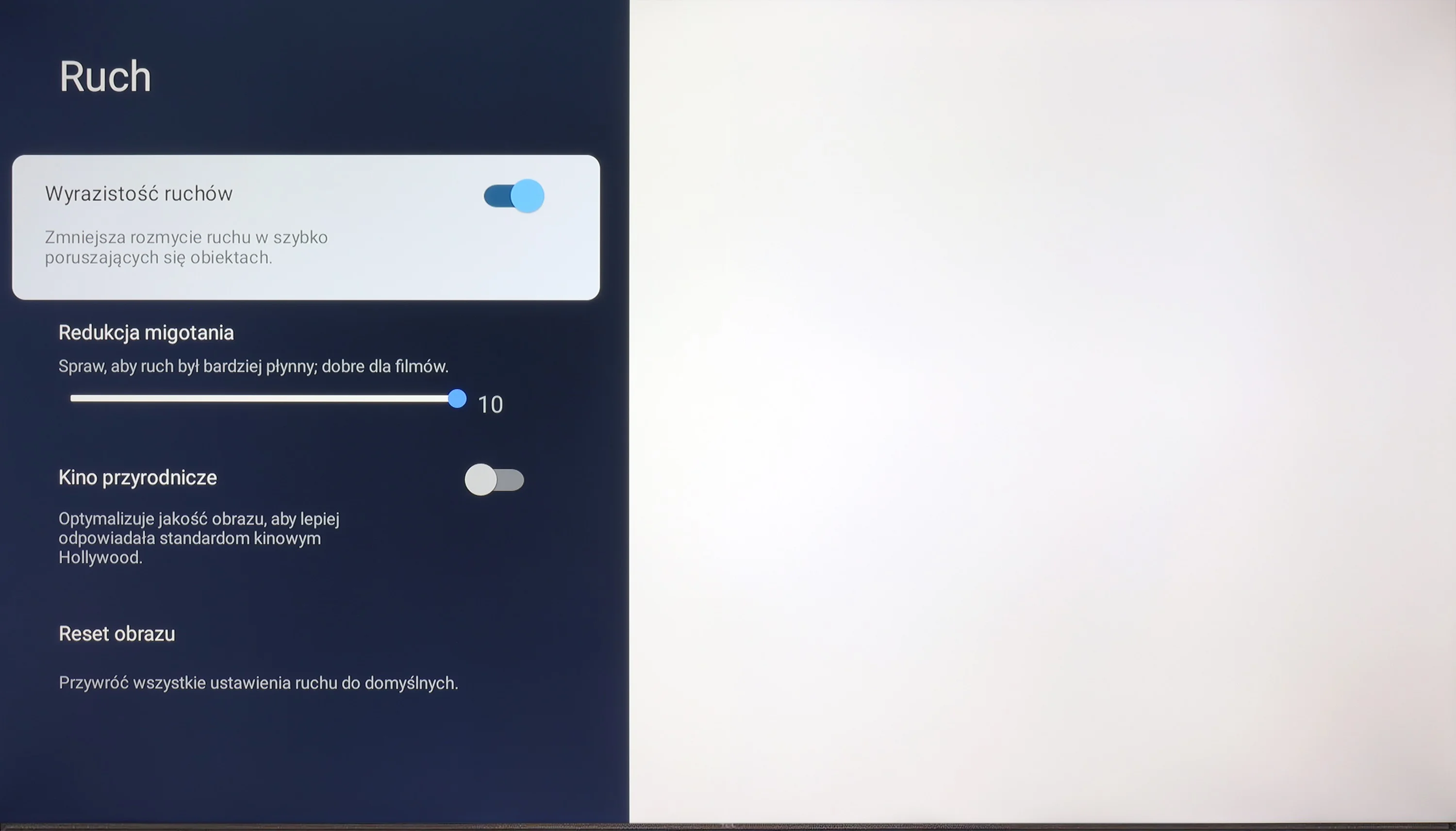
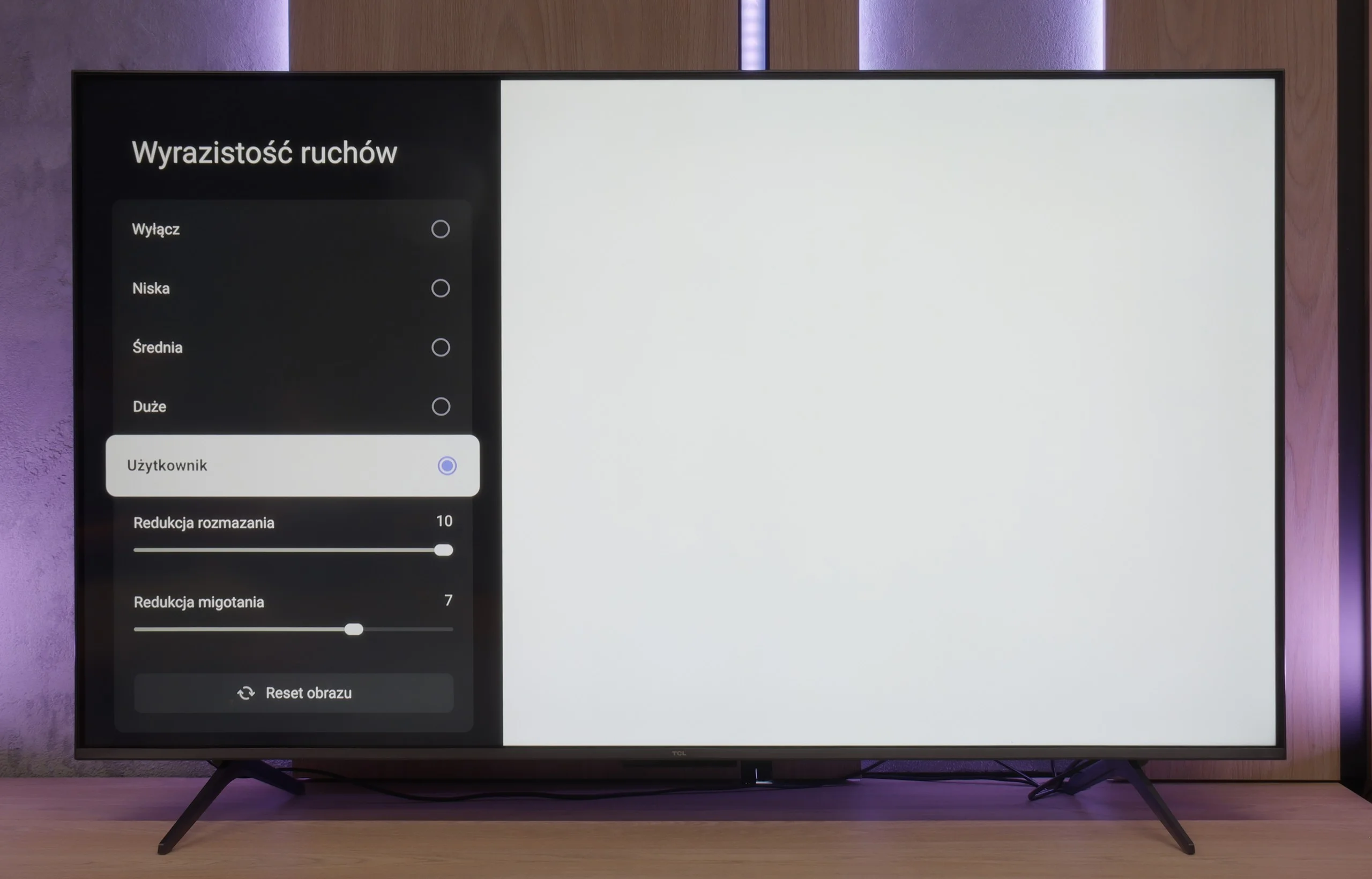
The TCL P755 delivers satisfactory, though not flawless, motion smoothness. It includes a "Flicker Reduction" feature for films, allowing users to fine-tune motion smoothness on a scale from 1 to 10. This setting offers flexibility in tailoring the image to cinematic or more theatrical preferences, adjusting for a slower or faster appearance according to personal viewing taste.

The use of a 144 Hz panel in TCL C69K / Q6C is a significant advantage in this price range. It represents an important step forward compared to its predecessor (C655 PRO), which only offered 60 Hz at 4K. The difference is particularly noticeable when watching sports or playing games – the ball, players, or dynamic action in games are displayed more clearly and without losing details. An interesting feature is also the ability of the panel to operate at 240 Hz (which the manufacturer does not officially mention) – we will return to this topic in relation to the PC gaming mode. TCL has also added a feature for movie fans: “Motion Clarity.” This allows users to adjust the picture to their preferences using two simple sliders. We can either keep the visible film frame or opt for very smooth, "

Console compatibility and gaming features

5.3/10

9.8/10

  • ALLM
    Yes
    Yes
  • VRR
    Yes
    Yes
  • VRR range
    48 - 60Hz
    48 - 240Hz
  • Dolby Vision Game Mode
    Yes
    Yes
  • Correct implementation of HGIG
    No
    Yes
  • 1080p@120Hz
    No
    Yes
  • 1440p@120Hz
    No
    Yes
  • 4K@120Hz
    No
    Yes
  • Game bar
    Yes
    Yes

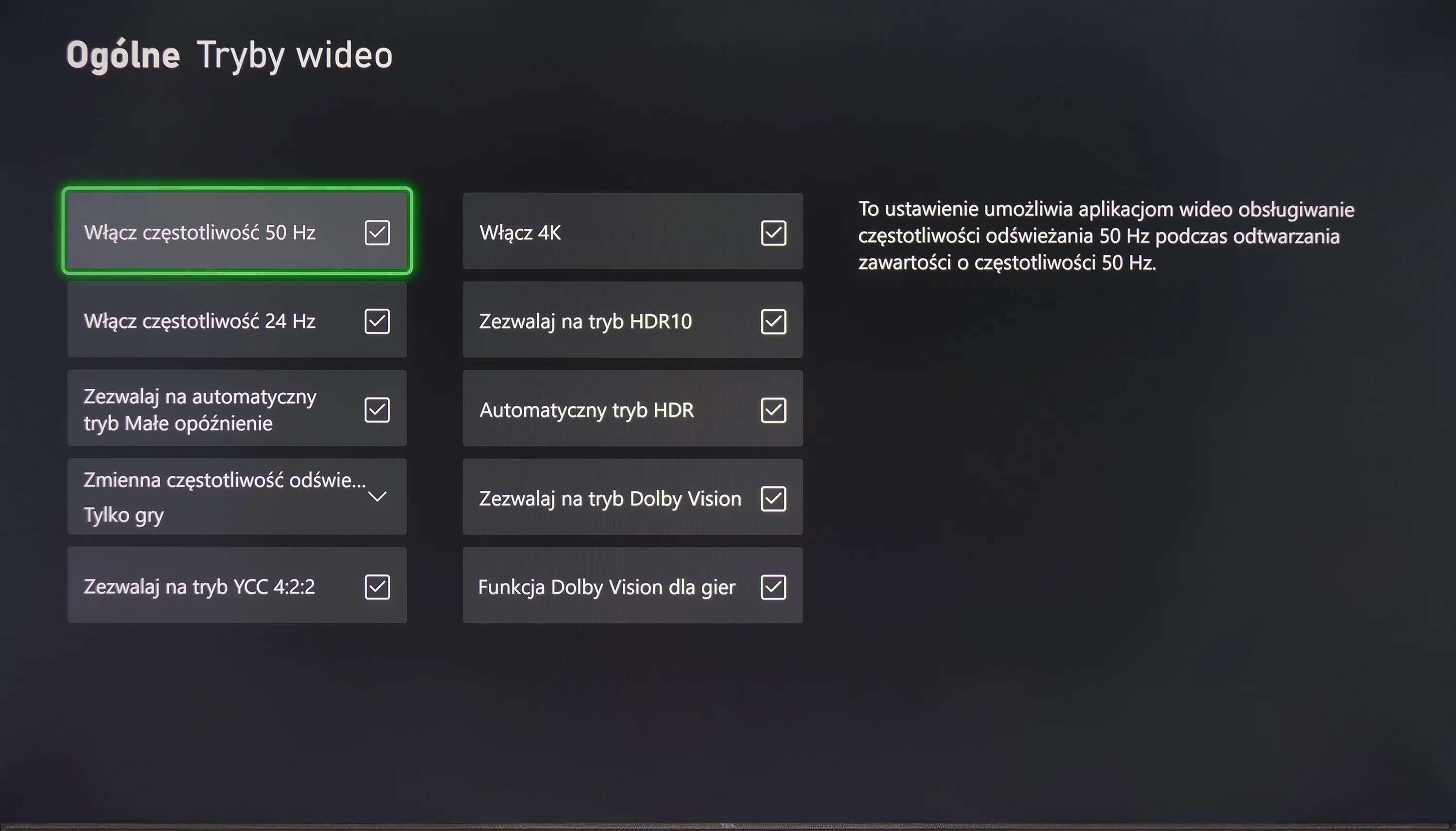
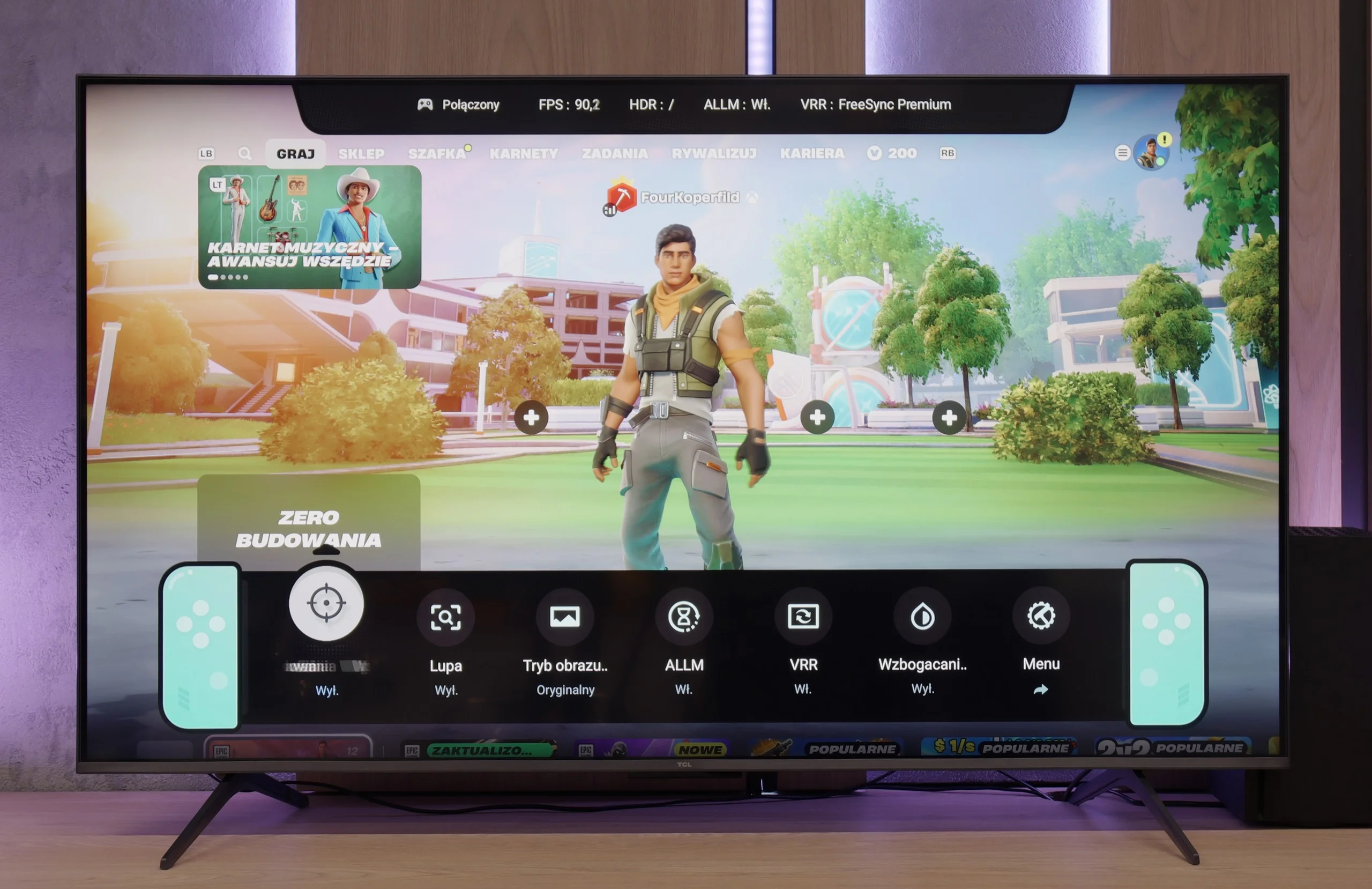
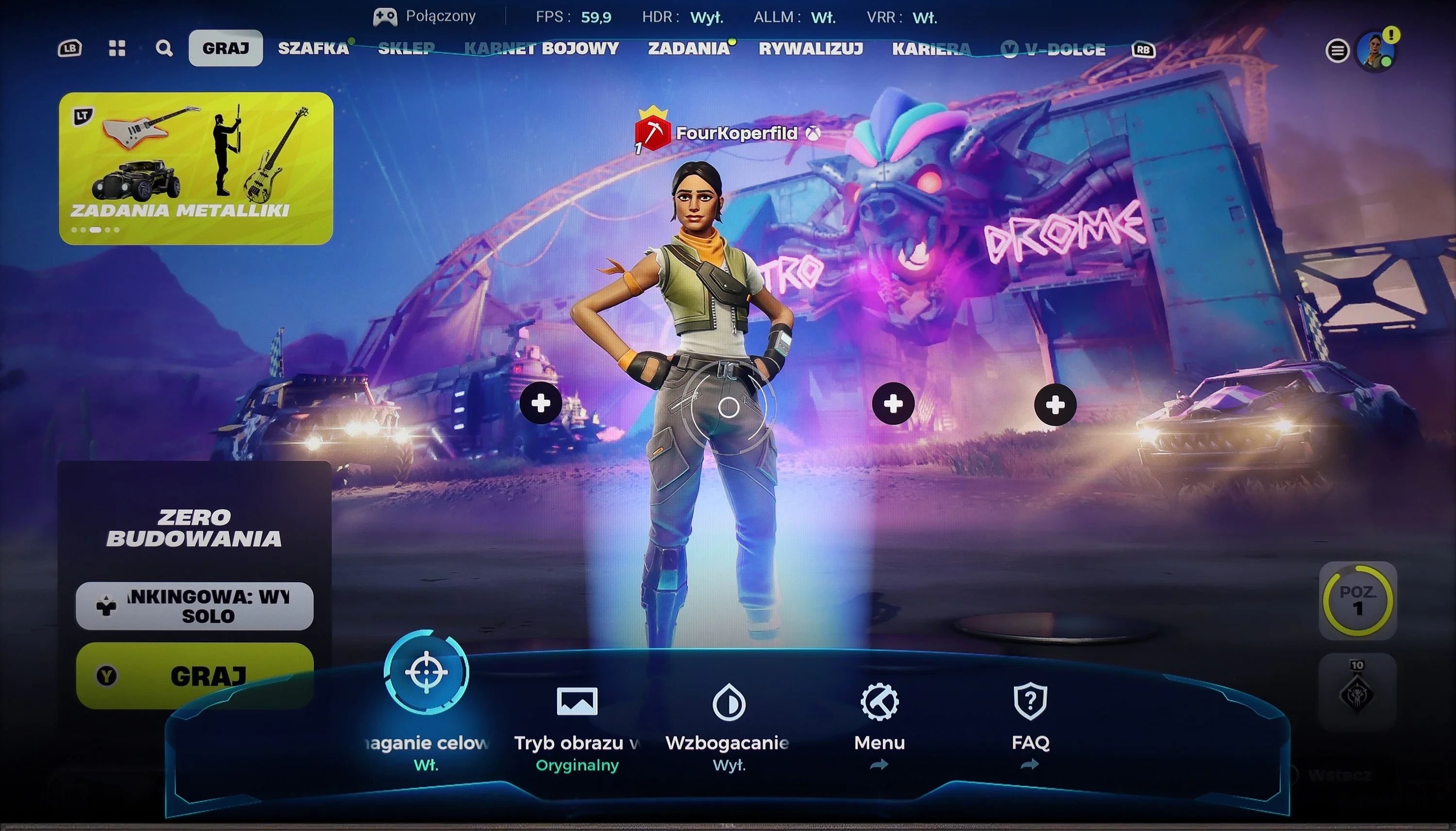
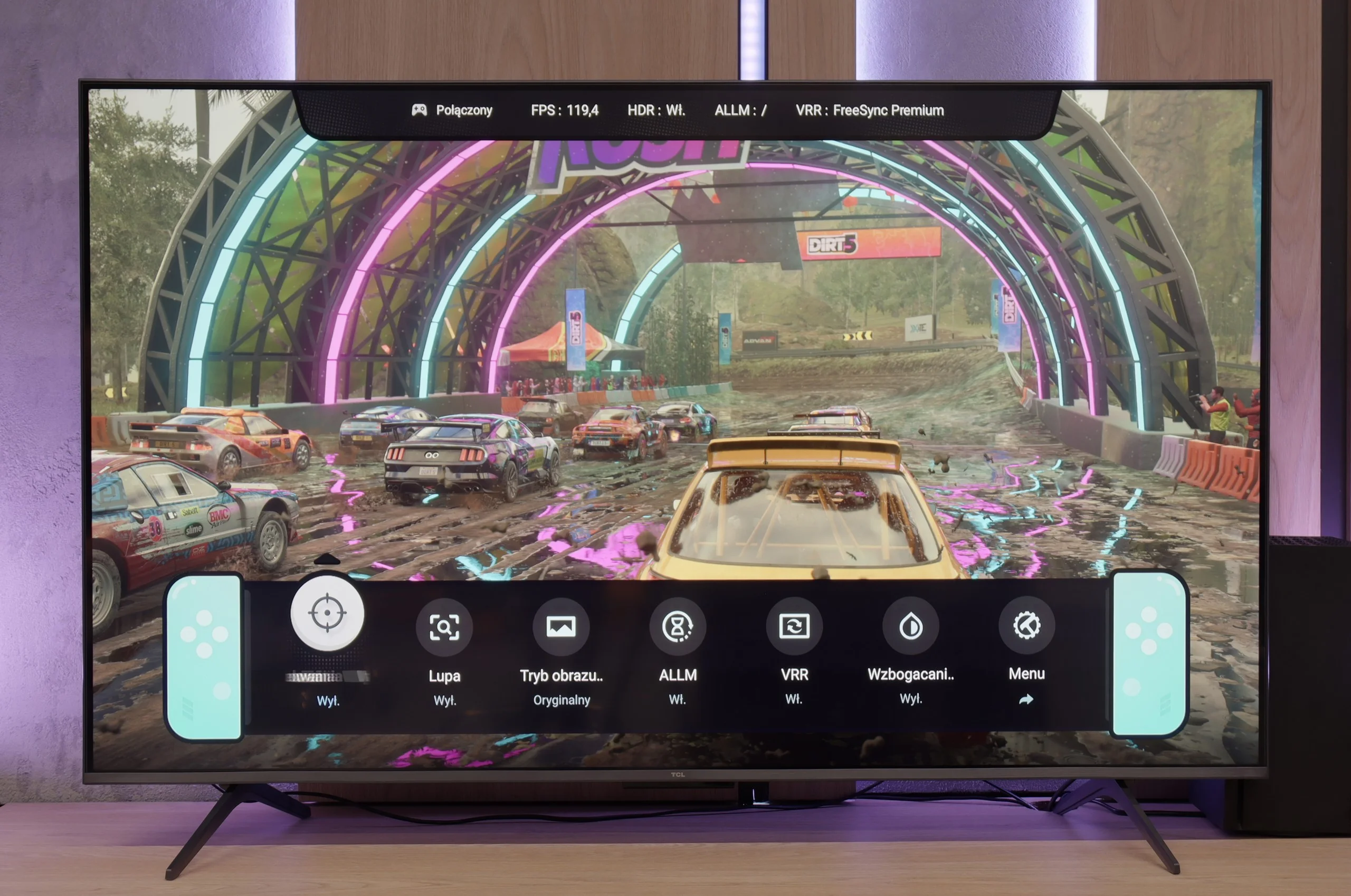
The TCL P755 comes equipped with gamer-oriented features like ALLM (Auto Low Latency Mode), VRR (Variable Refresh Rate), Dolby Vision for gaming, and a Game Bar. ALLM automatically activates low latency mode to enhance response times and reduce input lag, while VRR syncs the screen refresh rate with the console's frame output, minimising screen tearing for a smoother gaming experience. Dolby Vision for gamers brings improved colour and contrast for compatible games, and the Game Bar allows easy access to essential settings like response time.

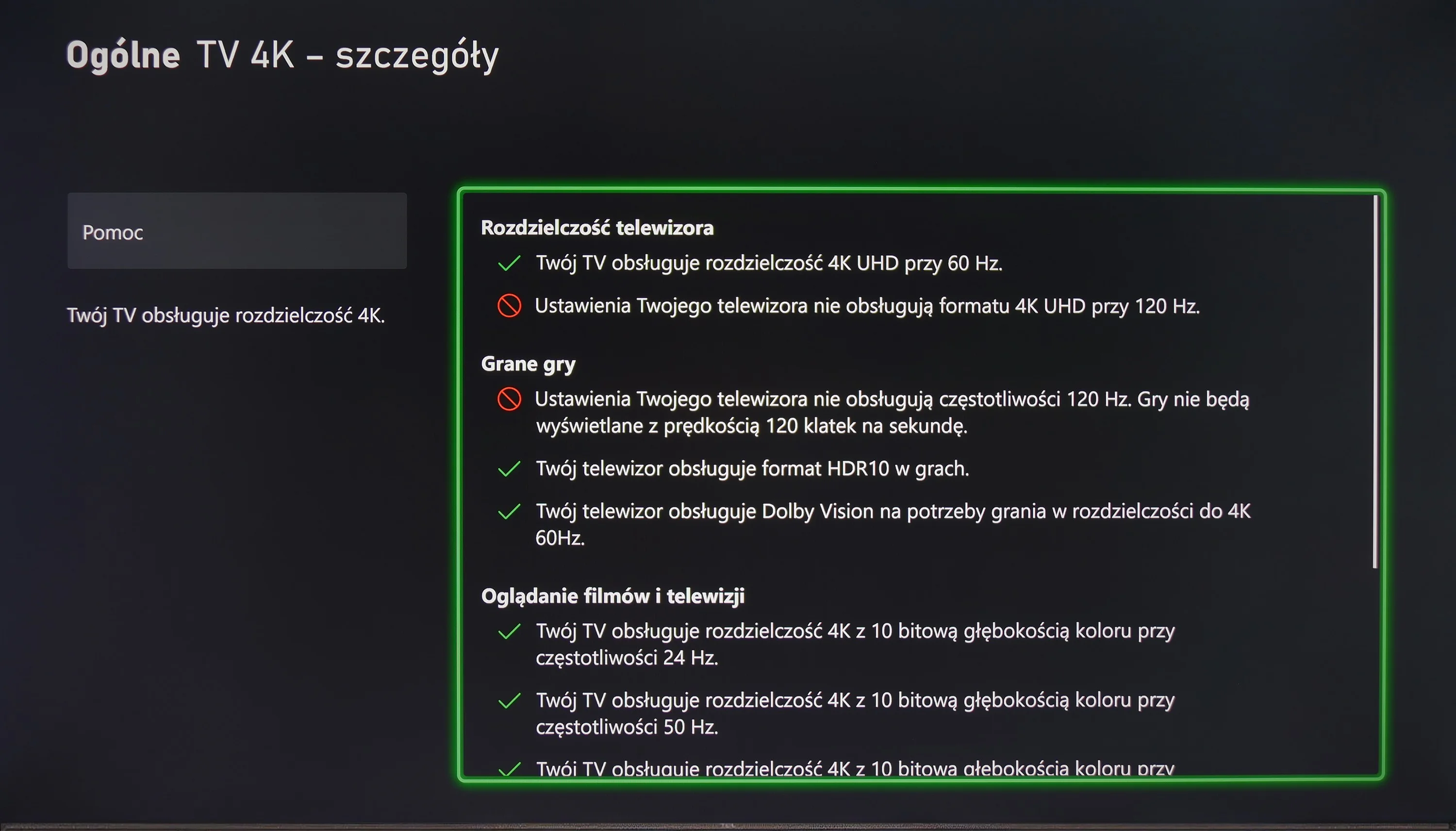
However, the 60 Hz panel limits the display to this refresh rate across resolutions, which may impact the fluidity in high-motion games. The absence of G-Sync also affects PC gamers, as gameplay on computers lacks this technology's extra smoothing. Notably, HGiG mode, meant to optimise HDR game visuals, is not fully functional on this model, which slightly detracts from the HDR gaming experience.

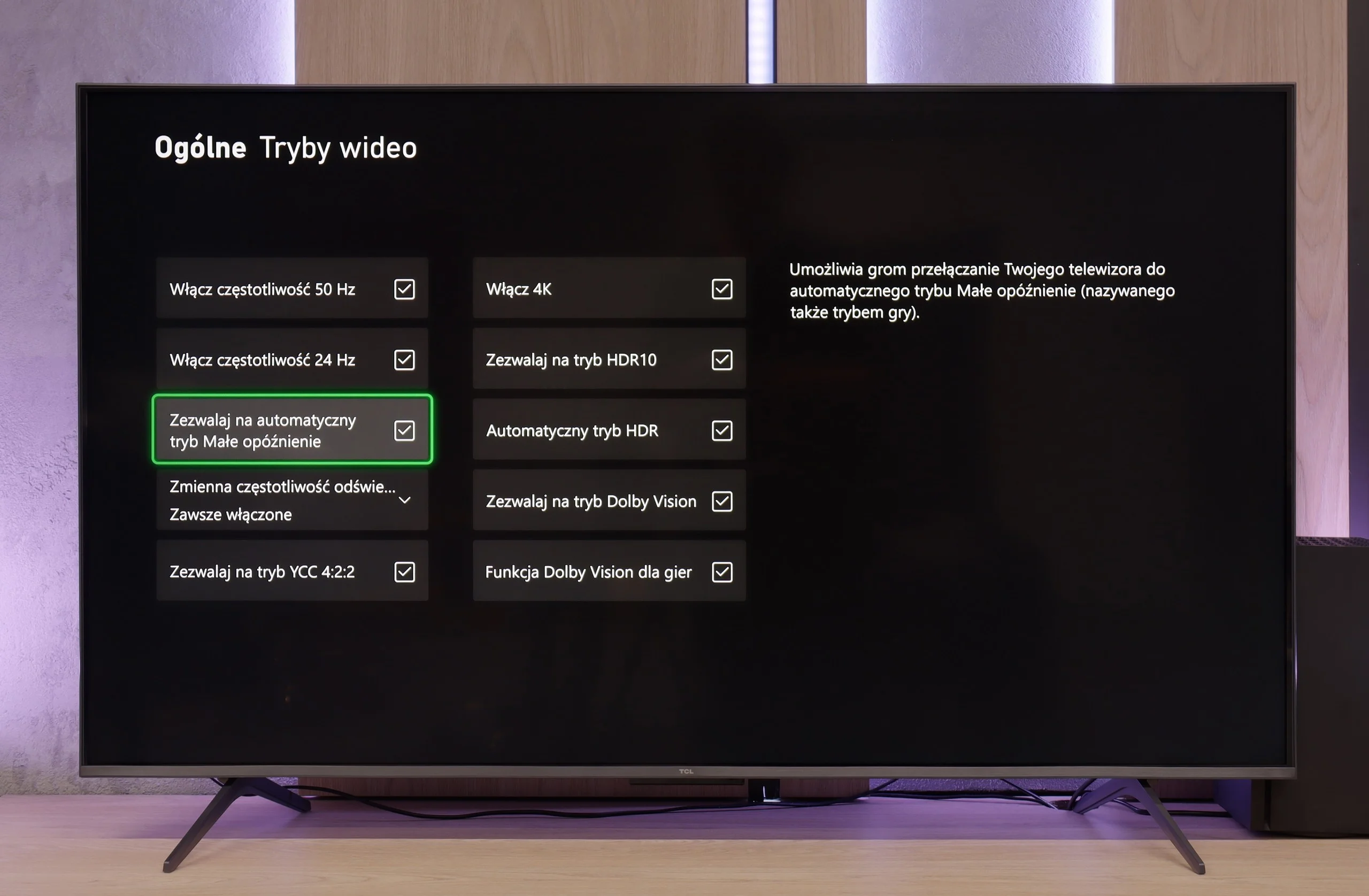
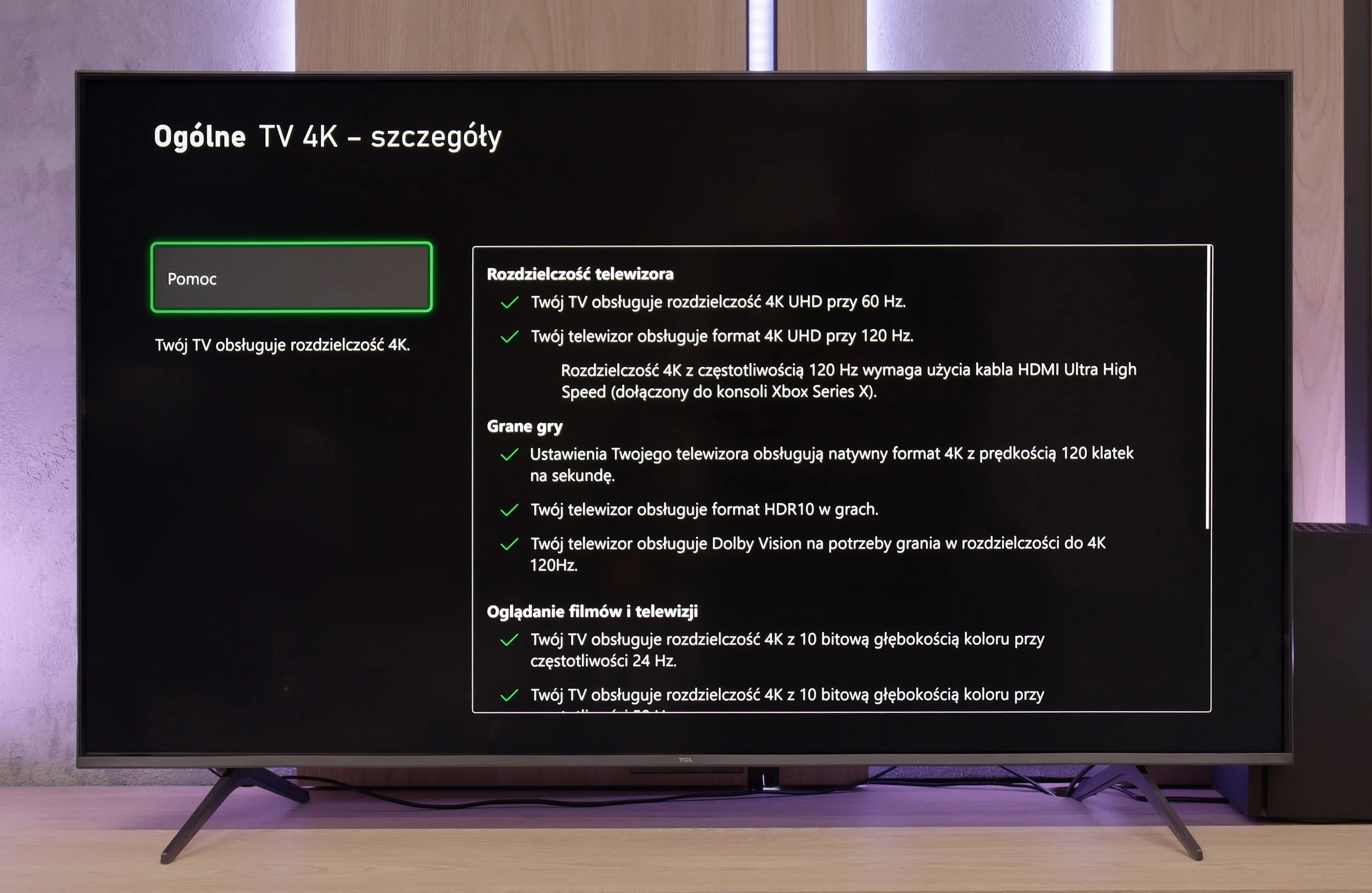
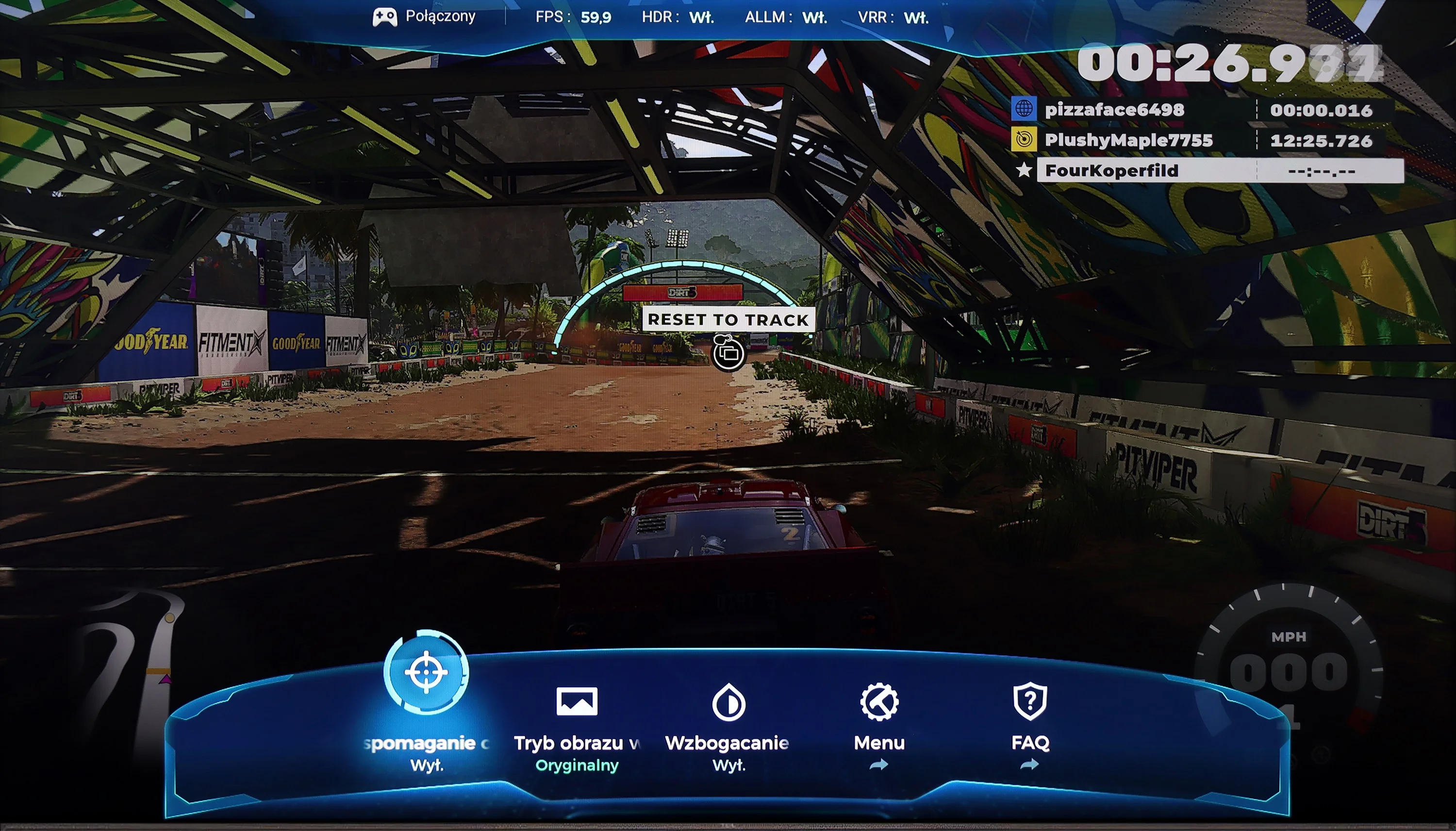
TCL C69K / Q6C is a television that can boldly be called equipment created with gamers in mind. Here we have 4K at 144 Hz, VRR support, automatic game mode (ALLM), and Dolby Vision Gaming. Additionally, there's a practical Game Bar, which is a panel with the most important settings right at hand – useful when we want to quickly change something during gameplay (e.g., aspect ratio: Yes, it’s possible!). The wide range of VRR, reaching up to 240 Hz, is noteworthy. This option is primarily for PC gamers who will lower the resolution below native 4K. In that case, the TV can spread its wings and show additional smoothness, especially in fast esports titles. For consoles, we stick to the classic limit of 120 Hz, but the possibilities are still quite broad. The only drawback is slight motion blur that can sometimes be seen in dynamic scenes. Other than that, C69K / Q6C offers everything gamers expect from a television.

Input lag

10/10

9.7/10

SDR

1080p60
11 ms
18 ms
1080p120
10 ms
2160p60
11 ms
18 ms
2160p120
10 ms

HDR

2160p60
11 ms
17 ms
2160p120
11 ms
4320p60

Dolby Vision

2160p60 DV
11 ms
17 ms
2160p120 DV
9 ms

The TCL P755 impresses with its exceptionally low input lag, making it a great choice for gamers. Regardless of mode—SDR, HDR, or Dolby Vision—the input lag remains consistently low at just 11 ms across all resolutions. This outstanding latency performance ensures highly responsive gameplay without noticeable delays, even in the demanding Dolby Vision mode. With this level of responsiveness, the P755 delivers smooth, immersive gaming experiences, ideal for those seeking precision and speed in their gameplay.

In terms of input lag, TCL C69K / Q6C performs excellently. With 120 Hz content, the delay is around 10 ms, and at times even less. This is a level at which the response is practically instantaneous, and it is hard to find any objections. For 60 Hz material, the result is around 18 ms – still a very good outcome, more than sufficient for comfortable gaming.

Compatibility with PC

2.5/10

8.6/10

Chroma 444 (maximum resolution and refresh rate)
Yes
Yes
Font clarity
Average
Good
Readability of dark text and shapes
Poor
Very Good
Input lag in PC mode (4K, maximum refresh rate)
12ms
11ms
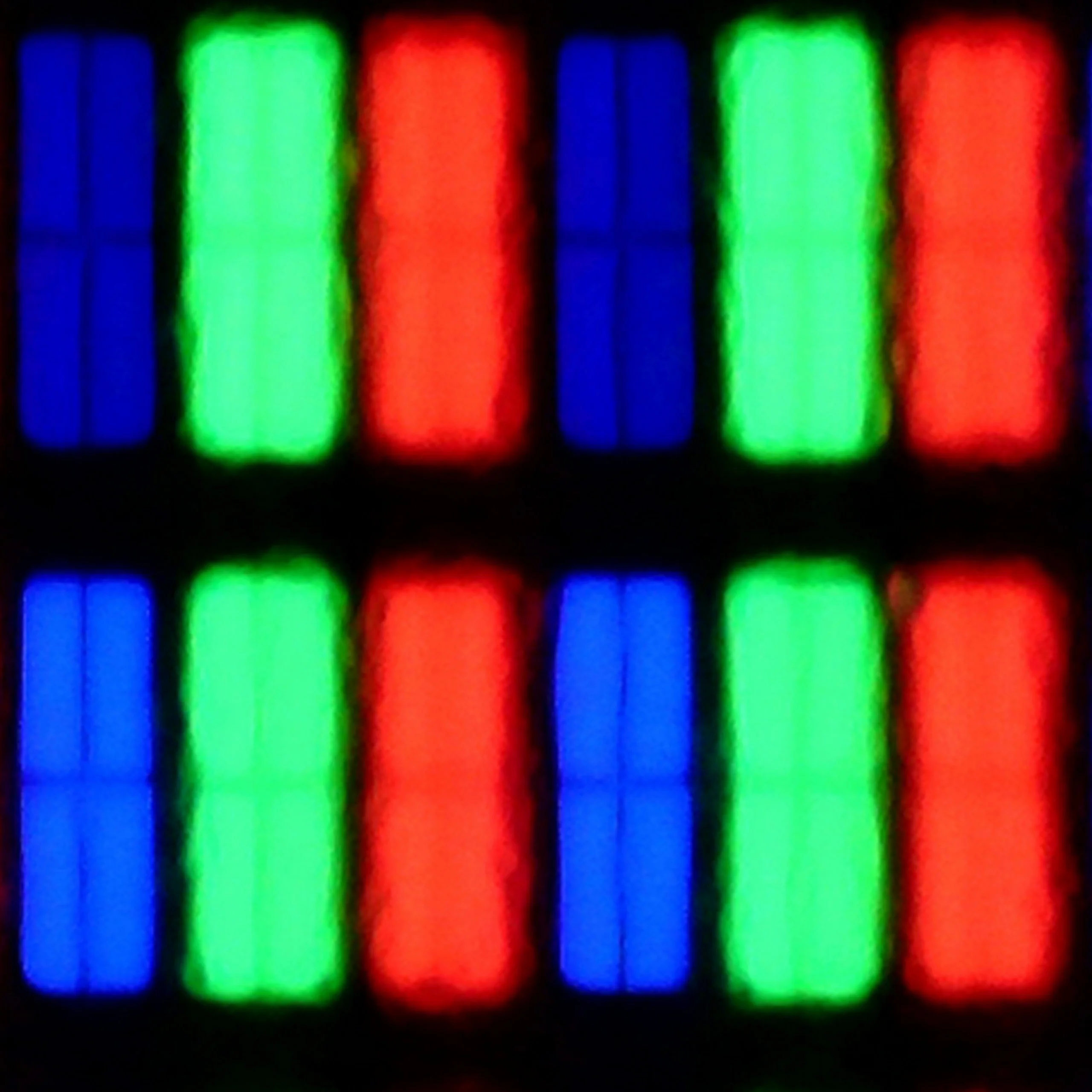
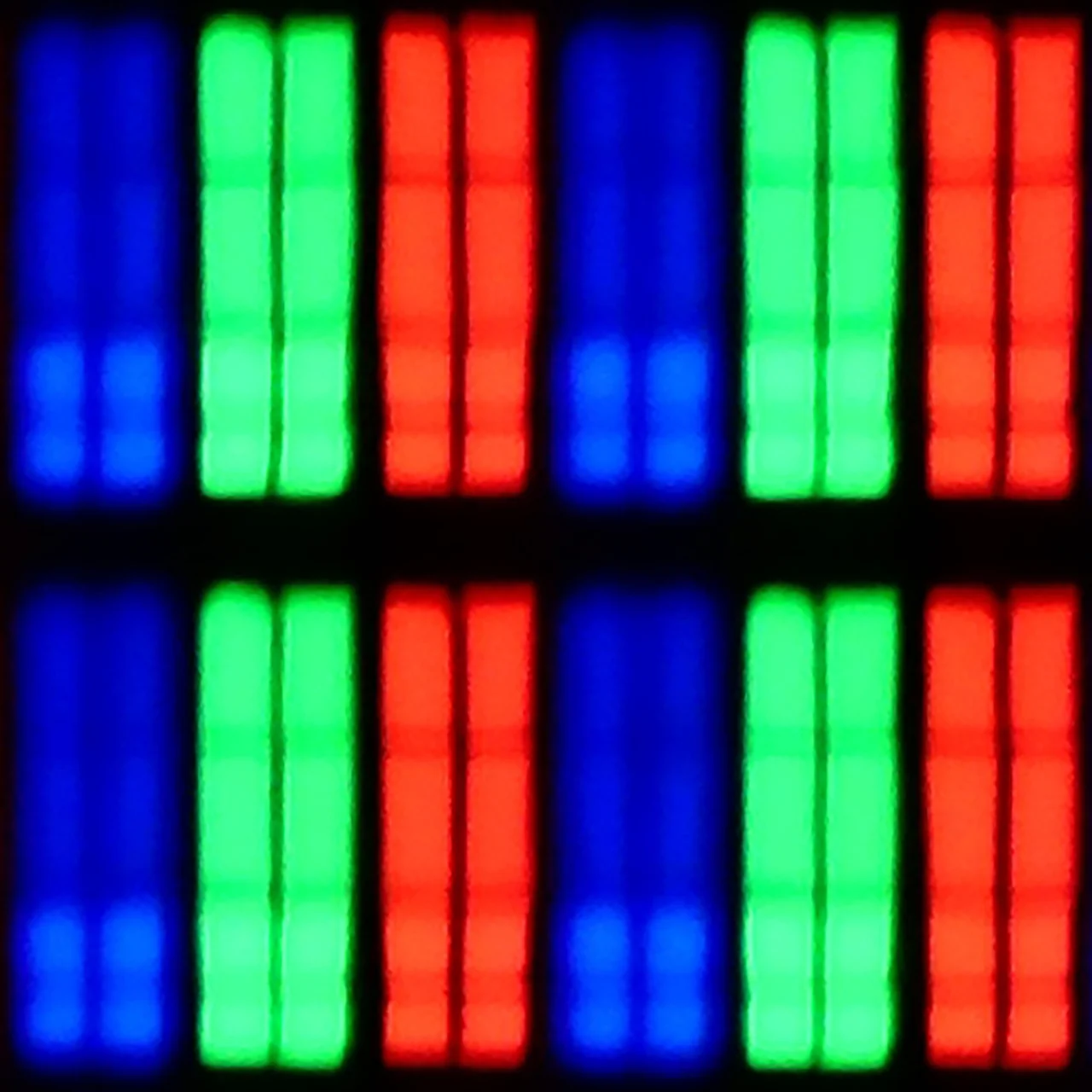
Matrix subpixel arrangement
BGR
BGR
Max refresh rate
60Hz
144Hz
G-Sync
No
Yes
Review TCL P755 Compatibility with PC
Review TCL C69K / Q6C Compatibility with PC

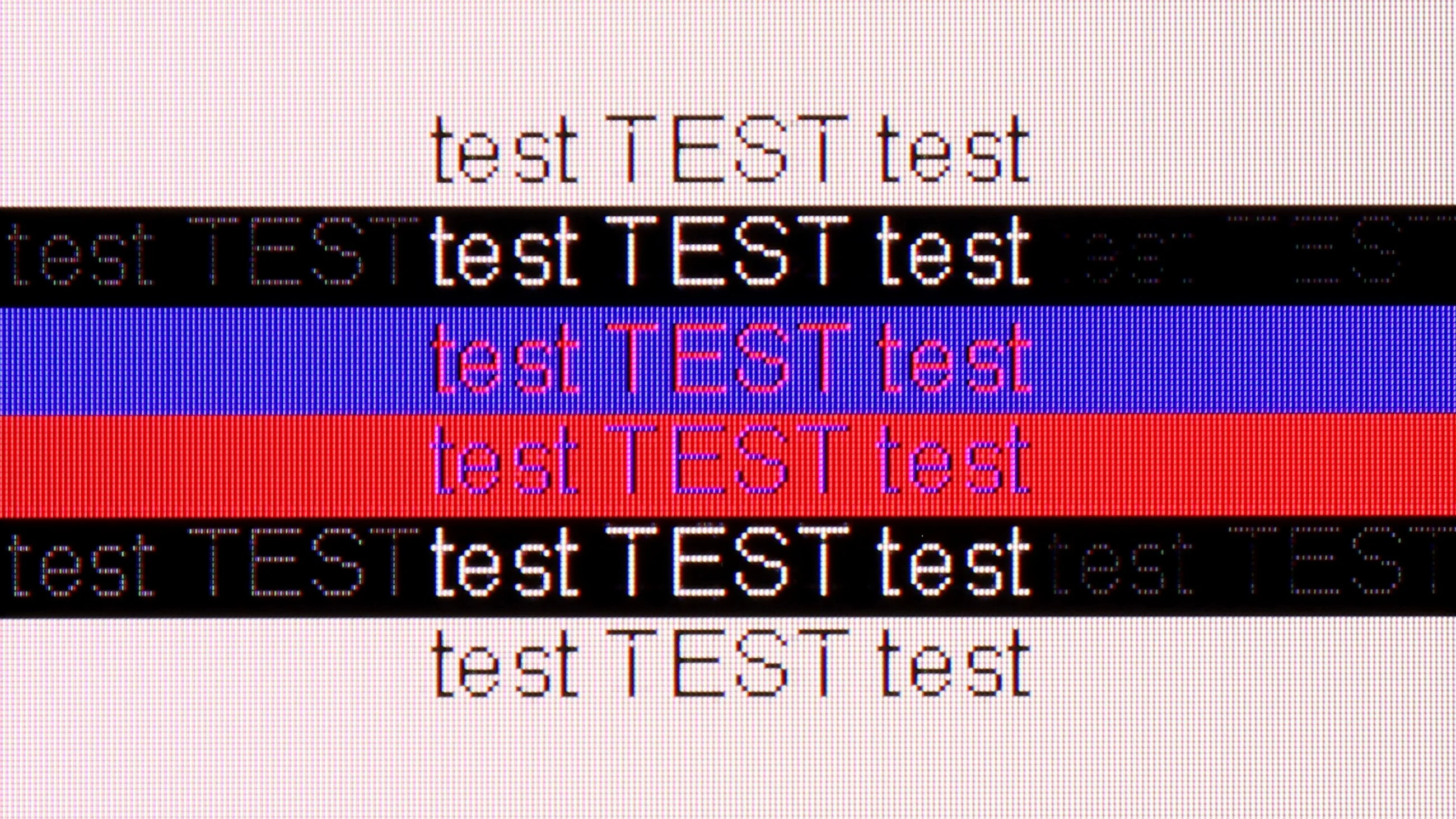
When connected to a computer, the TCL P755 initially impresses with its support for chroma 4:4:4, ensuring accurate colour reproduction, which is essential for text and graphic work. However, font readability leaves room for improvement, especially with dark text or shapes against dark backgrounds. This limitation stems from reduced resolution in darker shades due to applied dithering, causing pixels to resemble a Full HD display, which can be particularly bothersome with smaller fonts, making office work on a large screen less comfortable.

On the positive side, the TV offers a very low input lag of 12 ms, making it a viable option for occasional PC gaming, especially in fast-paced games. Ultimately, while the TCL P755 can serve well for gaming purposes, users who need sharp text readability for work might find it lacking in this area.

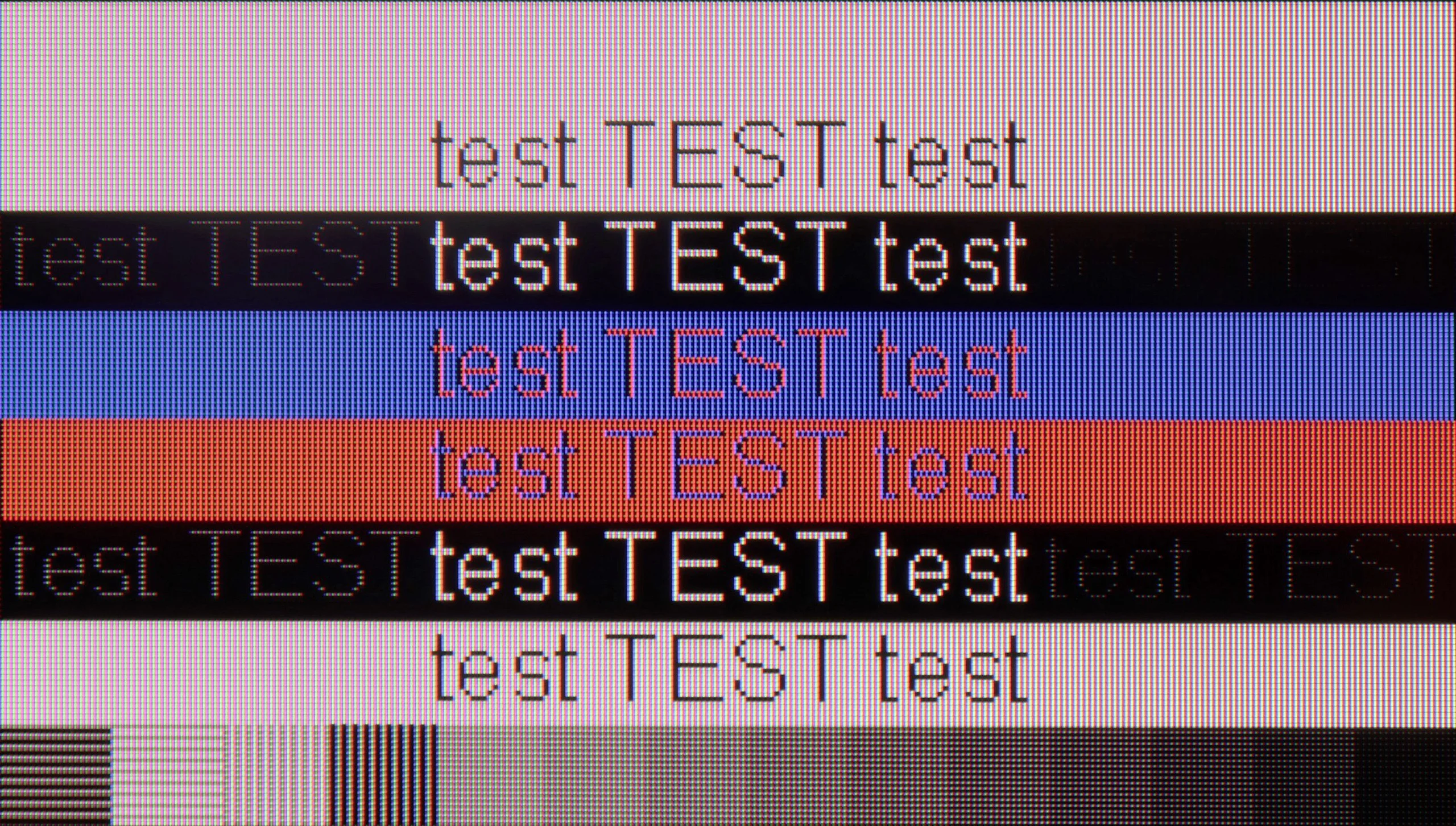
As a computer monitor, TCL C69K / Q6C performs excellently. At native resolution, we achieve 4K at 144 Hz, and by lowering the resolution, we can even reach 240 Hz. The television also works with Nvidia and AMD cards, supporting both G-Sync and FreeSync. It's hard to have any reservations for office work as well. Thanks to 4:4:4 chroma support, fonts are sharp and readable, and any minor imperfections are so small that they go unnoticed in everyday use.

Viewing angles

3.2/10

3/10

Brightness drop at an angle of 45 degrees
76%
78%

The P755, equipped with a VA panel, offers average viewing angles. In practice, this means that the image brightness significantly decreases when viewing the screen at an angle. VA panels, although they provide better contrast and deeper blacks compared to IPS panels, have worse properties in terms of viewing angles. IPS panels, known for their wider viewing angles, offer a more stable image from various angles, but usually at the cost of slightly lower contrast and black depth. Although the VA panel contributes to better contrast, the drop in brightness at an angle is noticeable and can affect viewing comfort in larger groups or from different positions in the room.

In the TCL C69K / Q6C, the viewing angles are typical for a VA panel. Sitting directly in front, the picture looks very good, but any shift to the side results in a noticeable drop in color saturation and brightness. The difference is particularly evident in colorful scenes – the colors become washed out, and the contrast loses its depth. Compared to IPS panels, this is clearly a weaker performance, although it is compensated by better black levels and higher native contrast.

Daytime performance

3.8/10

6.4/10

Panel finish
Satin
Satin
Reflection suppression
Poor
Decent
Black levels during daytime
Good
Good
Review TCL P755 Daytime performance
Review TCL C69K / Q6C Daytime performance
Review TCL P755 Daytime performance
Review TCL C69K / Q6C Daytime performance

Panel brightness

Average luminance SDR

TCL C69K / Q6C: 532 cd/m2

TCL P755: 290 cd/m2

The TCL P755, featuring a satin finish, performs reasonably well in moderately lit daytime settings. Its SDR brightness of approximately 290 nits is average, but the TV’s reflection suppression is limited, making light reflections quite noticeable in brighter environments. Despite this drawback, the VA panel provides good black levels and improved contrast compared to IPS alternatives, helping to maintain picture quality. In practical terms, while reflections can be distracting, the P755 delivers satisfactory performance during daytime viewing, with decent contrast and black depth to enhance overall image quality.

In bright lighting conditions, TCL C69K / Q6C performs quite well. The panel offers decent brightness (in SDR content it reaches about 550 nits), which allows for comfortable TV viewing in a moderately lit living room, and even on days when strong light comes through the windows. This means that daytime viewing does not require completely darkening the room. Another plus is that the screen coating does quite well at reducing reflections, so the TV does not become a "mirror" even in bright light. However, this is not at the level of top models with more advanced anti-reflective coatings – in very challenging conditions (e.g., with large windows), reflections will be noticeable.

Panel details

Backlight Type
PFS LED
PFS LED
Software version during testing
V8-T653T01-LF1V531.002396
Image processor
rtd6748 2gb ram
MT5896 2,5GB RAM

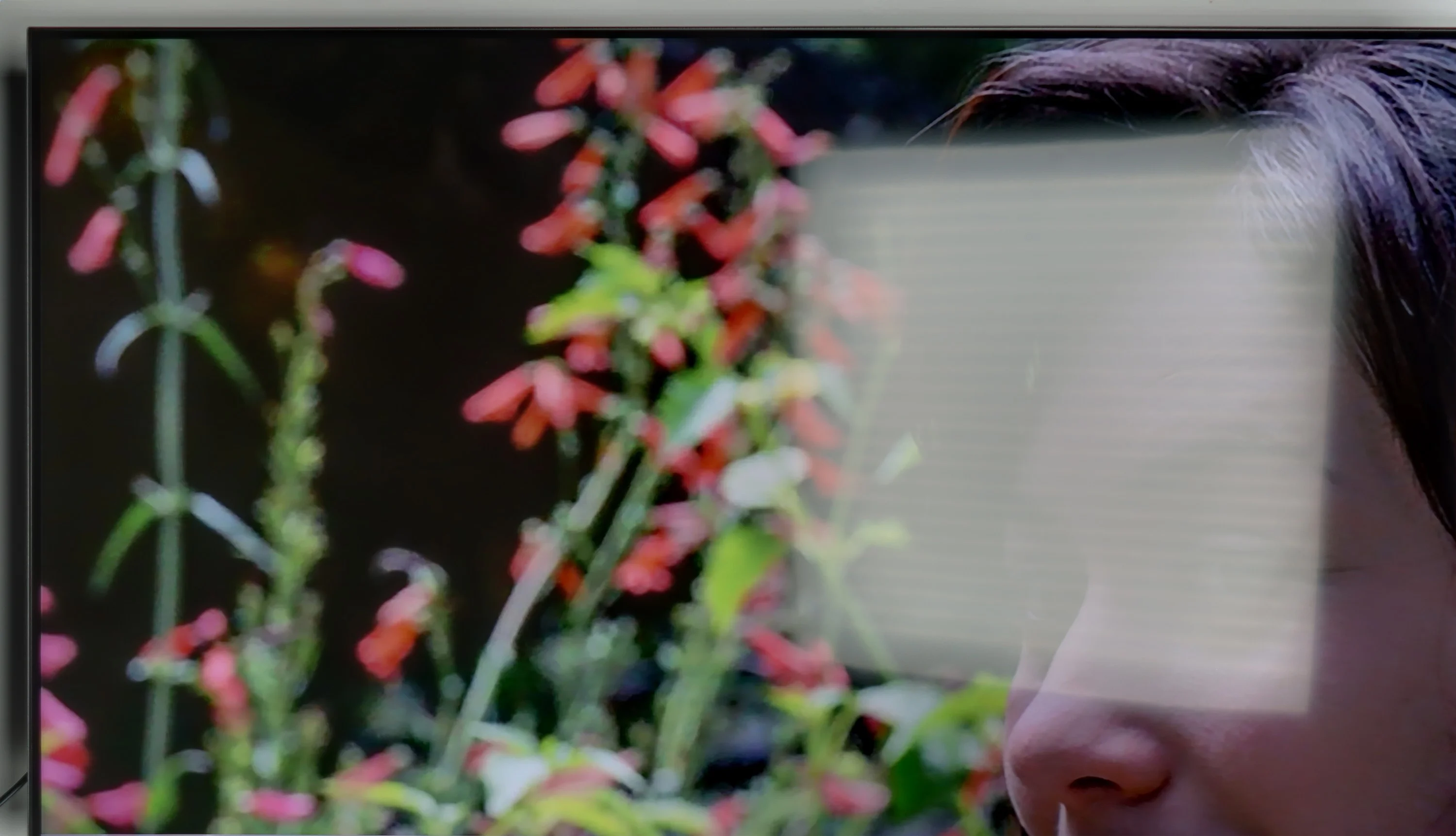
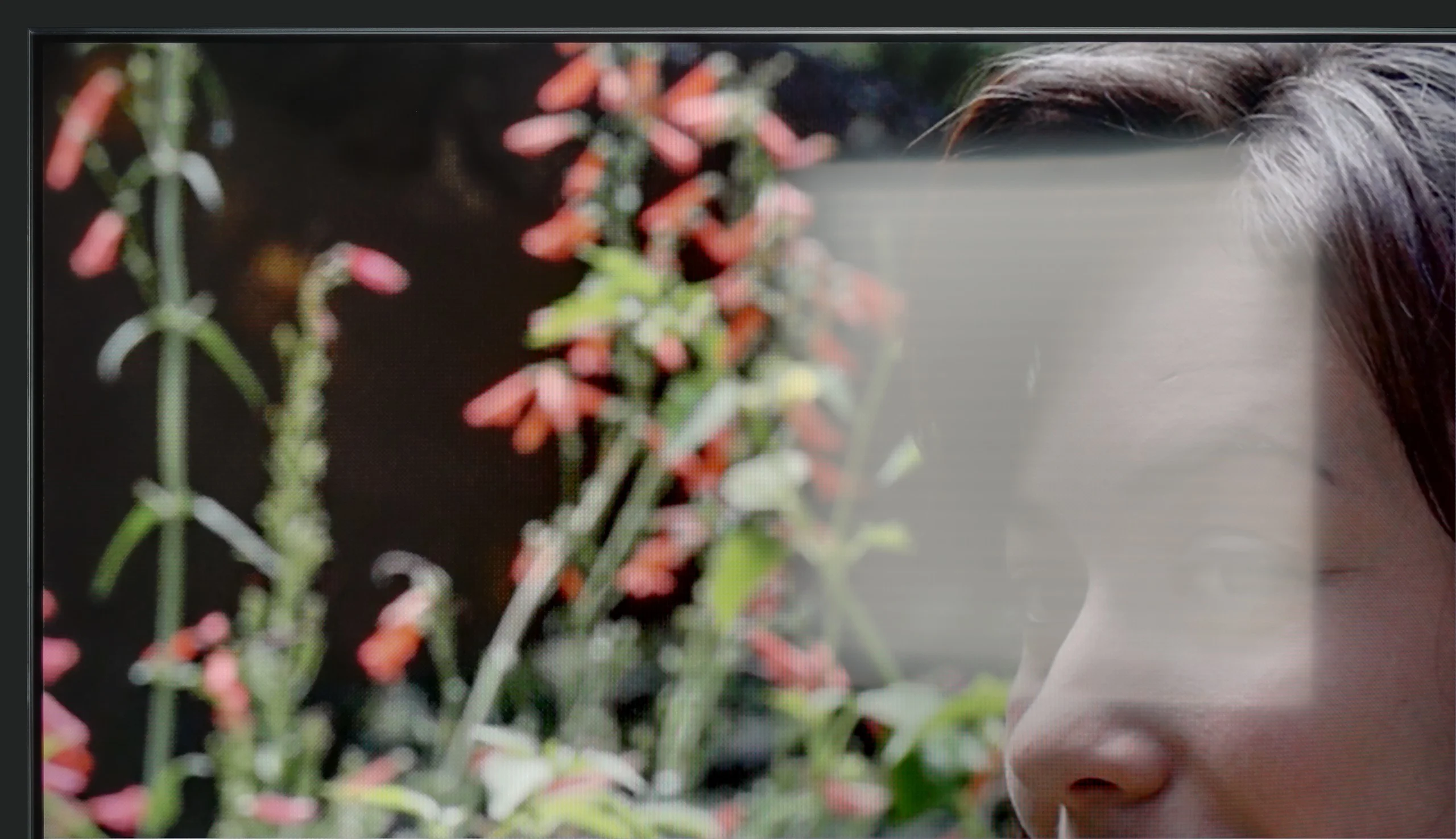
Subpixel Structure:

Panel uniformity and thermal imaging:

Review TCL P755 TV Panel details
Review TCL C69K / Q6C TV Panel details

TCL P755

TCL C69K / Q6C

TV features

7.3/10

7/10

  • HDMI inputs
    3 x HDMI 2.0, 0 x HDMI 2.1
    2 x HDMI 2.0, 2 x HDMI 2.1 48Gbps
  • Other inputs
    RCA (Chinch)
  • Outputs
    Toslink (Optical audio), eARC (HDMI), ARC (HDMI)
    Toslink (Optical audio), eARC (HDMI), ARC (HDMI)
  • Network Interfaces
    Wi-Fi 2.4GHz, Wi-Fi 5GHz, Ethernet (LAN) 100Mbps
    Wi-Fi 2.4GHz, Wi-Fi 5GHz, Ethernet (LAN) 100Mbps
  • TV reception
    DVB-T, DVB-T2, DVB-S, DVB-S2, DVB-C
    DVB-T, DVB-T2, DVB-S, DVB-S2, DVB-C

Classic features:

  • Recording to USB (terrestrial TV)
    No
    No
  • Recording programming
    No
    No
  • Picture in Picture (PiP)
    No
    No
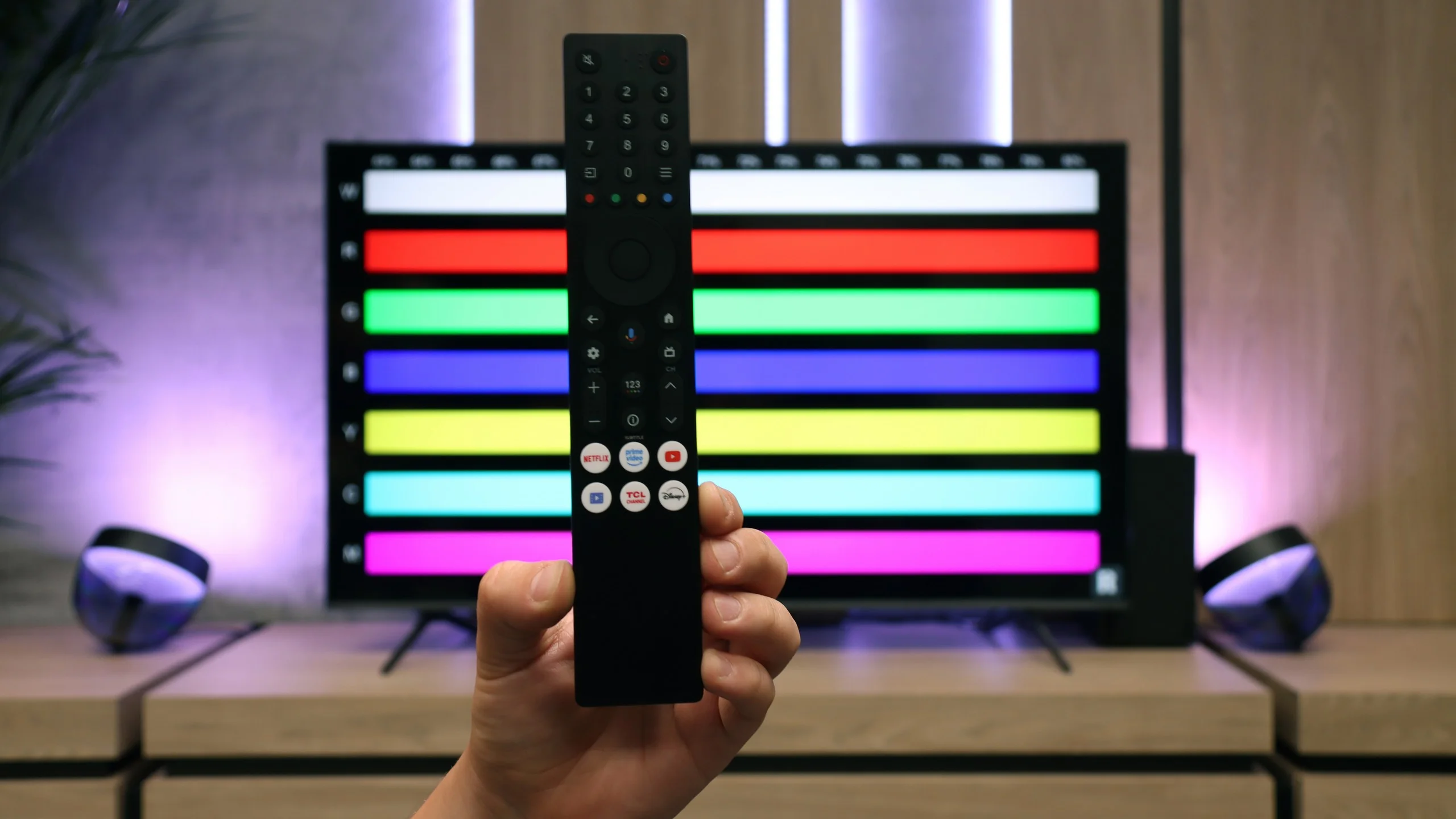
  • RF remote control (no need to aim at the screen)
    Yes
    Yes
  • Backlit remote control
    No
    No
  • Teletext
    Yes
    Yes
  • Audio only mode
    Yes
    Yes
  • Bluetooth headphones support
    Yes
    Yes
  • Simultaneous Bluetooth headphones & TV audio
    Yes
    Yes

Smart features:

  • AirPlay
    Yes
    Yes
  • Screen mirroring (Windows Miracast)
    Yes
    Yes
  • Voice search
    No
    Yes
  • Voice search in native language
    Yes
    Yes
  • Ability to connect a keyboard and mouse
    Yes
    Yes
Review TCL P755 TV features
Review TCL C69K / Q6C TV features

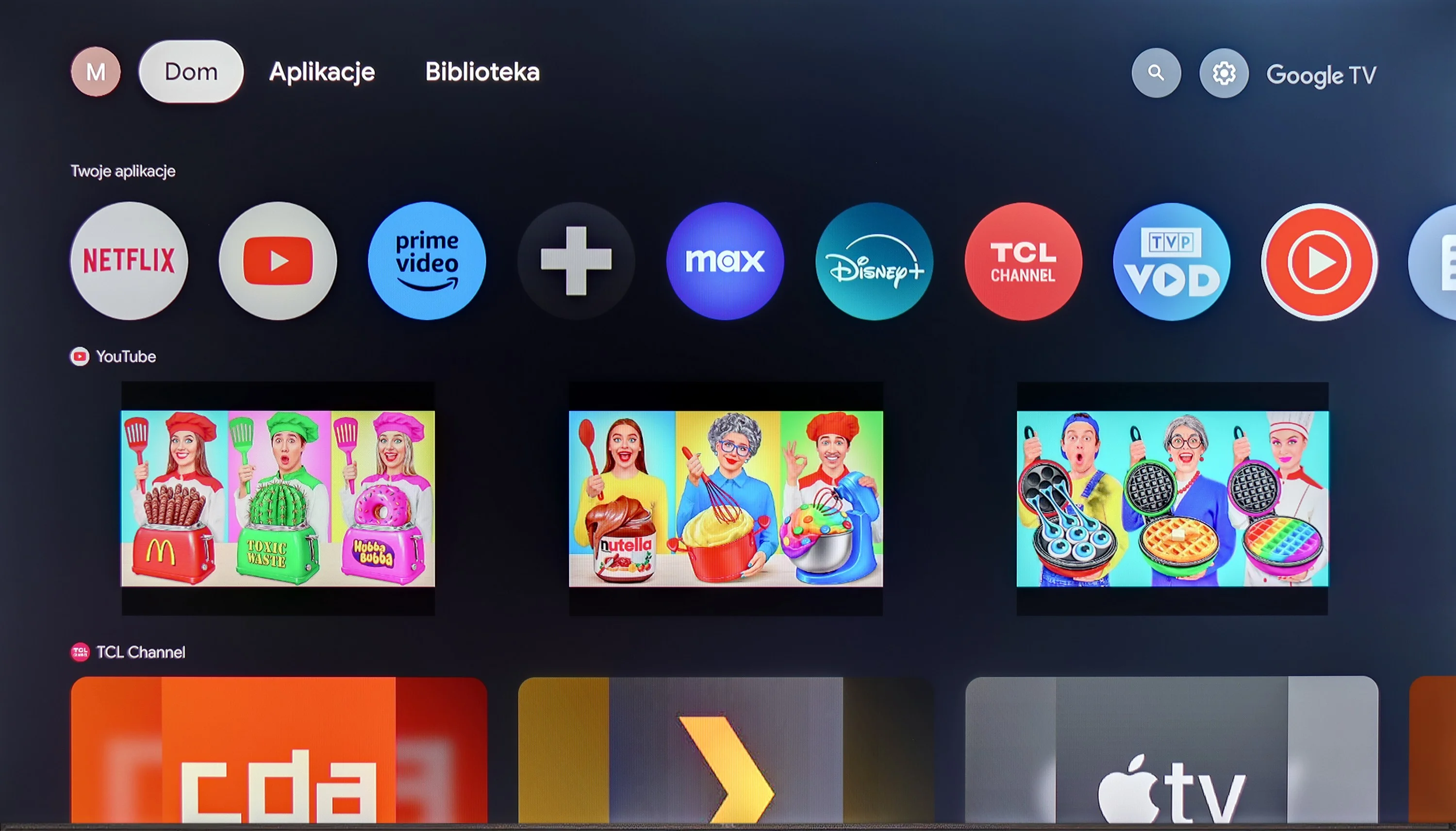
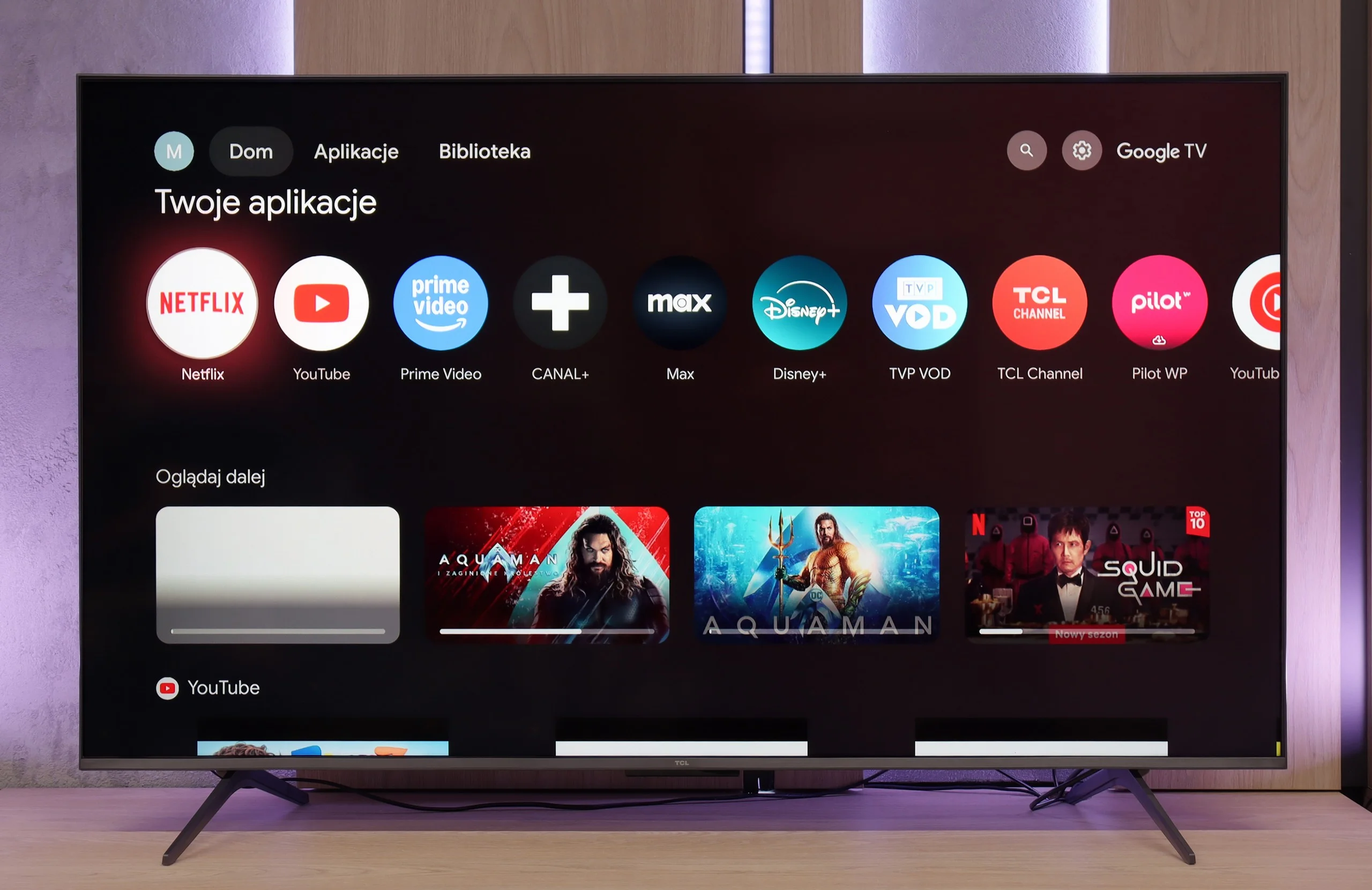
The TCL P755 operates on the Google TV platform, enhancing user comfort with a variety of features. This extension of Android TV offers personalized content recommendations tailored to viewing habits and preferences, making it easier to discover new shows and movies. Users can effortlessly access popular streaming applications like Netflix, YouTube, and Prime Video, while the integration with the Google Play Store allows for additional app downloads. Furthermore, the system seamlessly connects with other Google devices, enabling control through Google Assistant and integration into a smart home setup.

For connectivity, the TV supports screen mirroring via Windows Miracast and AirPlay, facilitating easy sharing of content from other devices. It also accommodates keyboard and mouse connections, and Bluetooth headphones, allowing for versatile audio options. Users can enjoy simultaneous audio from headphones and the built-in speakers, each with separate volume controls. The TV remote operates on an RF basis, eliminating the need to point it directly at the screen, although it lacks backlighting. Additionally, the P755 features an audio-only mode and Teletext functionality, but it does not offer a picture-in-picture (PiP) option.

Multimedia Features: Google TV

The Google TV system is undoubtedly the strongest user aspect of TCL C69K / Q6C. It gives the television character and provides an advantage over many competitors. We get the full package of services here: from support for popular streaming applications, through support for screen mirroring, to AirPlay (so iPhone users will feel right at home). In addition, there is Google Assistant, recently in the Gemini AI version, which not only answers questions but also efficiently performs simple commands (e.g., changing the channel or searching for content in VOD). The system itself operates quite responsively. However, it is worth mentioning a certain drawback: the awkward translations in the Polish menu can provoke a smile, but sometimes require a moment of thought to decipher their meaning.

Classic Features

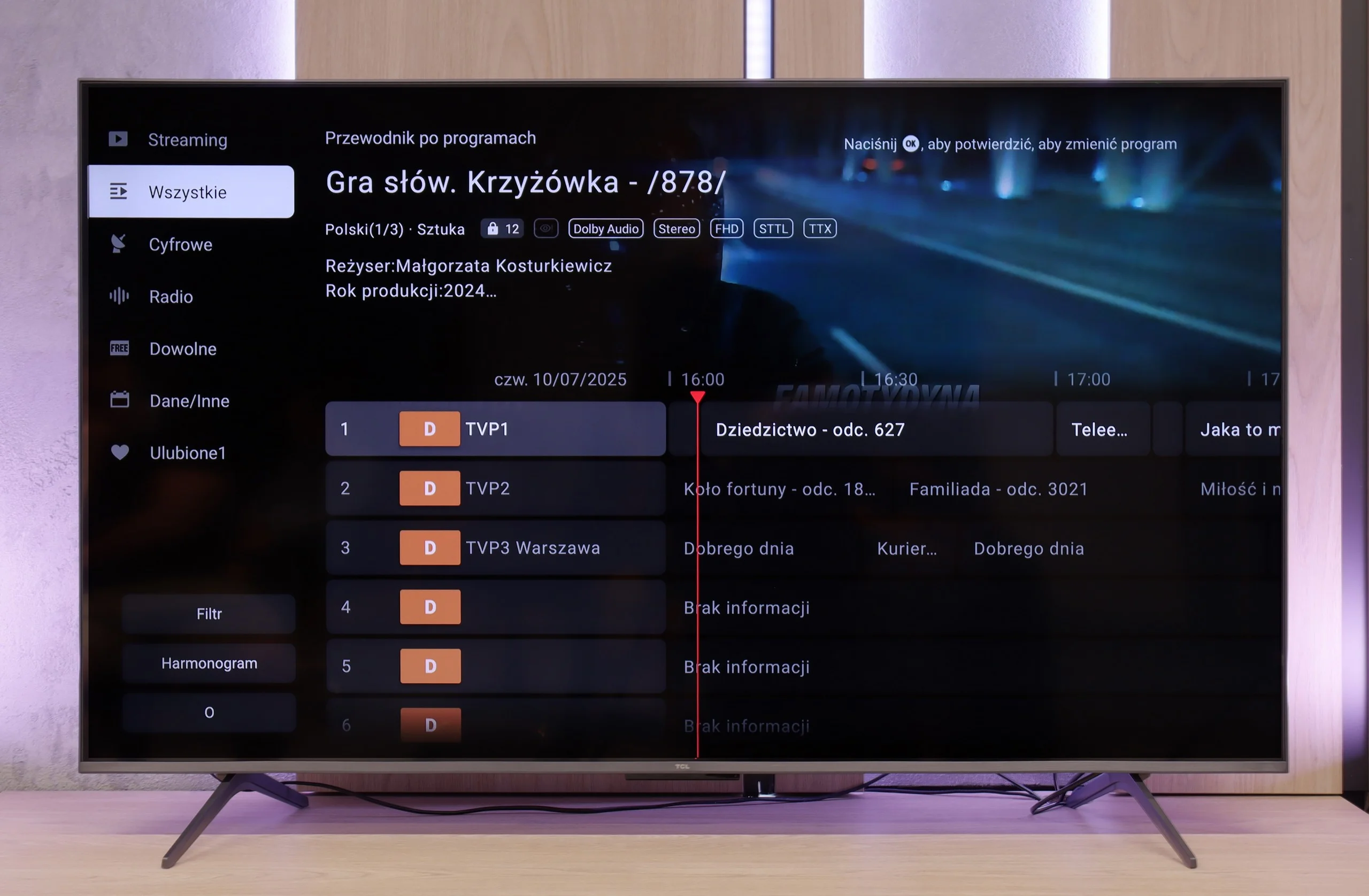
In terms of classic TV features, TCL C69K / Q6C is rather average. We won’t find USB recording or PiP mode here, which may disappoint some users. However, the manufacturer did not forget about the basics: teletext TV and a readable EPG are available, which still matter to some users. In everyday use, the support for external audio devices via Bluetooth is also useful. It’s a simple way to connect, for example, a speaker or headphones, which can be a practical solution for seniors. Beyond that, however, it is difficult to find elements that would distinguish C69K / Q6C from competitors – it’s simply a solid but standard package of basic functions.

Playing files from USB

9.1/10

8.9/10

Supported photo formats:

JPEG
Yes
Yes
HEIC
No
No
PNG
No
Yes
GIF
No
Yes
WebP
No
Yes
TIFF
No
No
BMP
Yes
Yes
SVG
No
No

Maximum photo resolution:

4 Mpix
Yes
Yes
6 Mpix
Yes
Yes
8 Mpix
Yes
Yes
10 Mpix
Yes
Yes
12 Mpix
Yes
Yes
16 Mpix
Yes
Yes
20 Mpix
Yes
Yes
24 Mpix
Yes
Yes
28 Mpix
Yes
Yes
32 Mpix
Yes
Yes

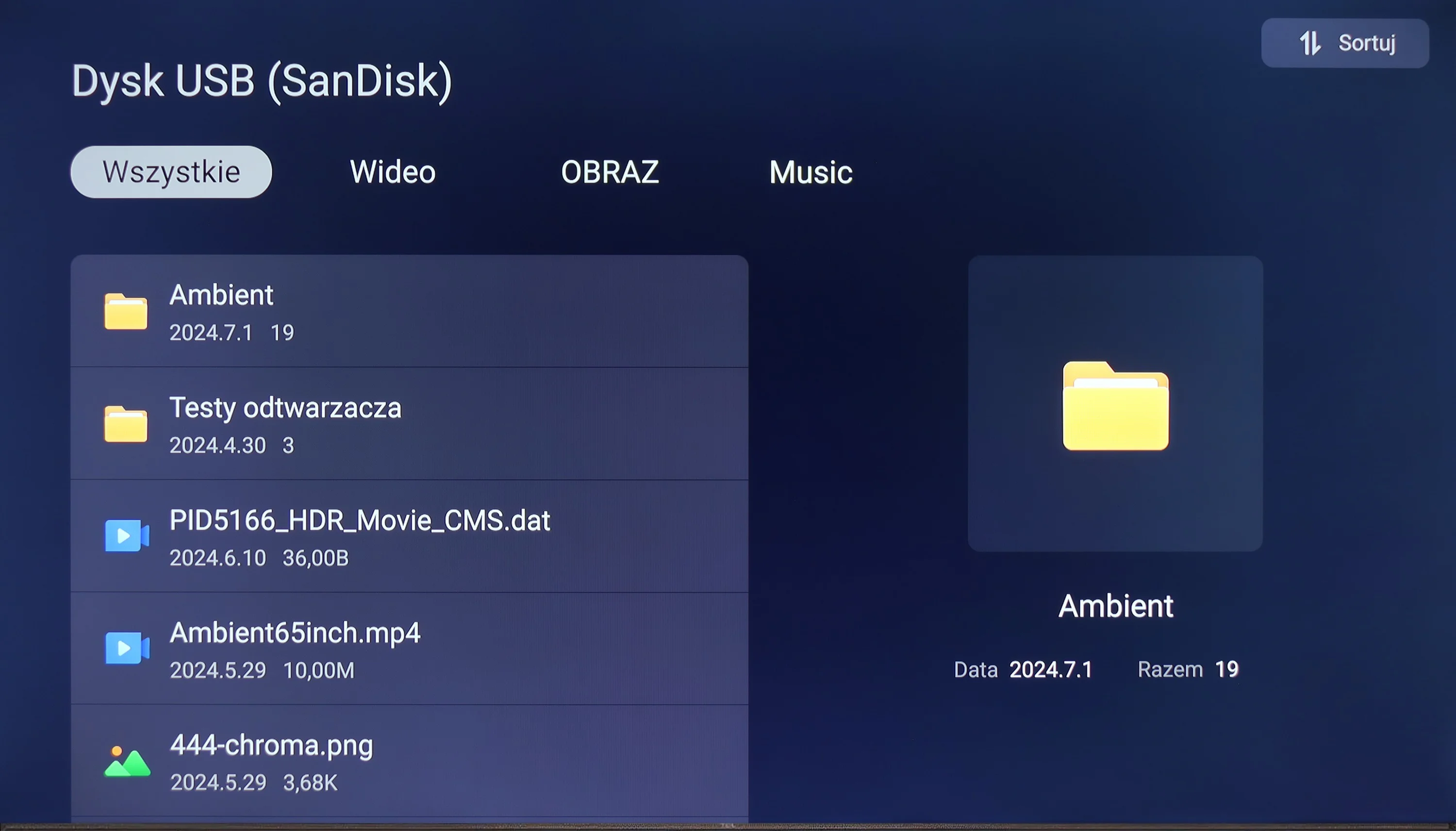
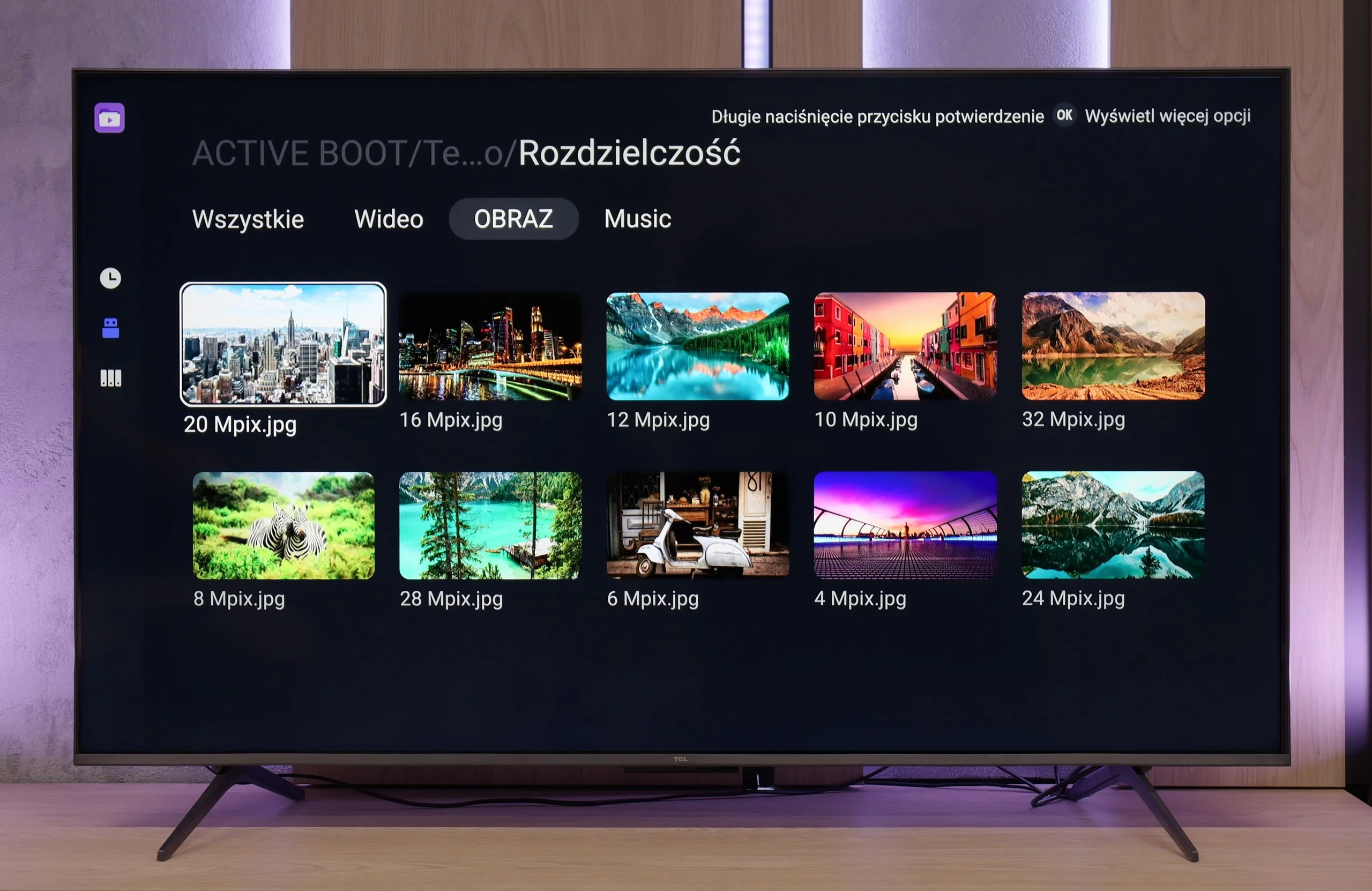
The television will play most files and video codecs, and the font size for loaded subtitles can be adjusted. The biggest downside here is the lack of support for less popular image formats.

The built-in media player in TCL C69K / Q6C performs really well – practically all popular file formats work without major issues. There are some minor exceptions, particularly with less common codecs or unusual video file configurations, but in everyday use, this is rarely noticeable. The biggest advantage, however, is that the television runs on Google TV, which provides complete freedom in choosing additional software. If someone encounters a file that the standard player does not support, it is enough to install an alternative – like VLC – and the problem disappears.

Apps

9.6/10

9.6/10

OK
Disney_Plus
OK
Amazon_Prime_Video
OK
Player_TVN
OK
Polsat_Box_Go
OK
Canal_Plus_Online
OK
TVP_VOD
OK
Apple_TV_Plus
OK
SkyShowtime
OK
Rakuten
OK
CDA_Premium_Browser
OK
Spotify
OK
Tidal
OK
Netflix
OK
YouTube
OK
HBO_MAX
OK
Kodi
No
Apple_music
OK
Eleven_sports
No
Xbox Game Pass
OK
GeForce Now!
No
Amazon Luna
OK
Boosteroid
OK
Steam Link
OK
Disney_Plus
OK
Amazon_Prime_Video
OK
Player_TVN
OK
Polsat_Box_Go
OK
Canal_Plus_Online
OK
TVP_VOD
OK
Apple_TV_Plus
OK
SkyShowtime
OK
Rakuten
OK
CDA_Premium_Browser
OK
Spotify
OK
Tidal
OK
Netflix
OK
YouTube
OK
HBO_MAX
OK
Kodi
No
Apple_music
OK
Eleven_sports
No
Xbox Game Pass
OK
GeForce Now!
No
Amazon Luna
OK
Boosteroid
OK
Steam Link

Sound

5.8/10

6.5/10

  • Maximum volume
    -
    -
  • Dolby Digital Plus 7.1
    Yes
    Yes
  • Dolby True HD 7.1
    Yes
    No
  • Dolby Atmos in Dolby Digital Plus (JOC)
    Yes
    Yes
  • Dolby Atmos in Dolby True HD
    Yes
    No
  • DTS:X in DTS-HD MA
    Yes
    Yes
  • DTS-HD Master Audio
    Yes
    Yes

The sound quality on the TCL P755 is rather average. The high tones can be somewhat distorted and unclear, while the bass is nearly non-existent. The overall sound experience is dominated by mid-tones, which creates a balanced but somewhat hollow audio profile. On a positive note, the TV supports advanced audio codecs such as Dolby and DTS, enhancing compatibility with various sound sources and audio formats. While it may not deliver an immersive audio experience, these features help improve flexibility in connecting to external sound systems.

In terms of audio, TCL C69K / Q6C performs quite well. The manufacturer has been boasting about its collaboration with Onkyo for several years, and this indeed translates into sound quality. The sound is pleasant, with clear mid-tones and quite a clean high end, and overall it feels well balanced. Of course, this will not replace a full-fledged soundbar, especially in terms of bass depth, but for built-in speakers in a television from this price segment – it is really very good.