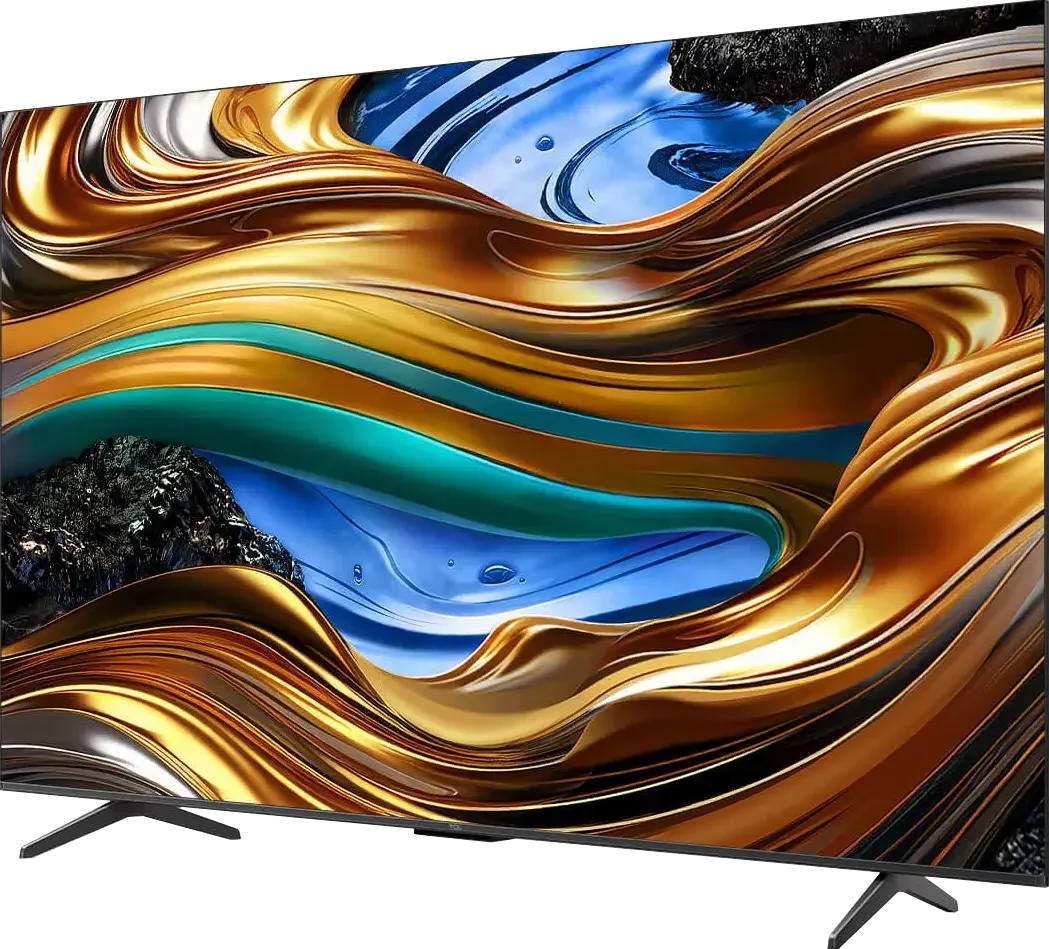
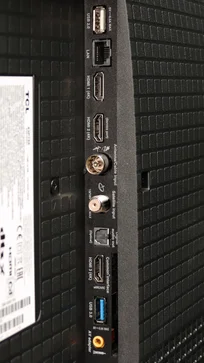
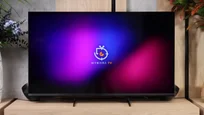
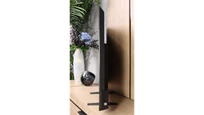
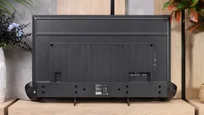
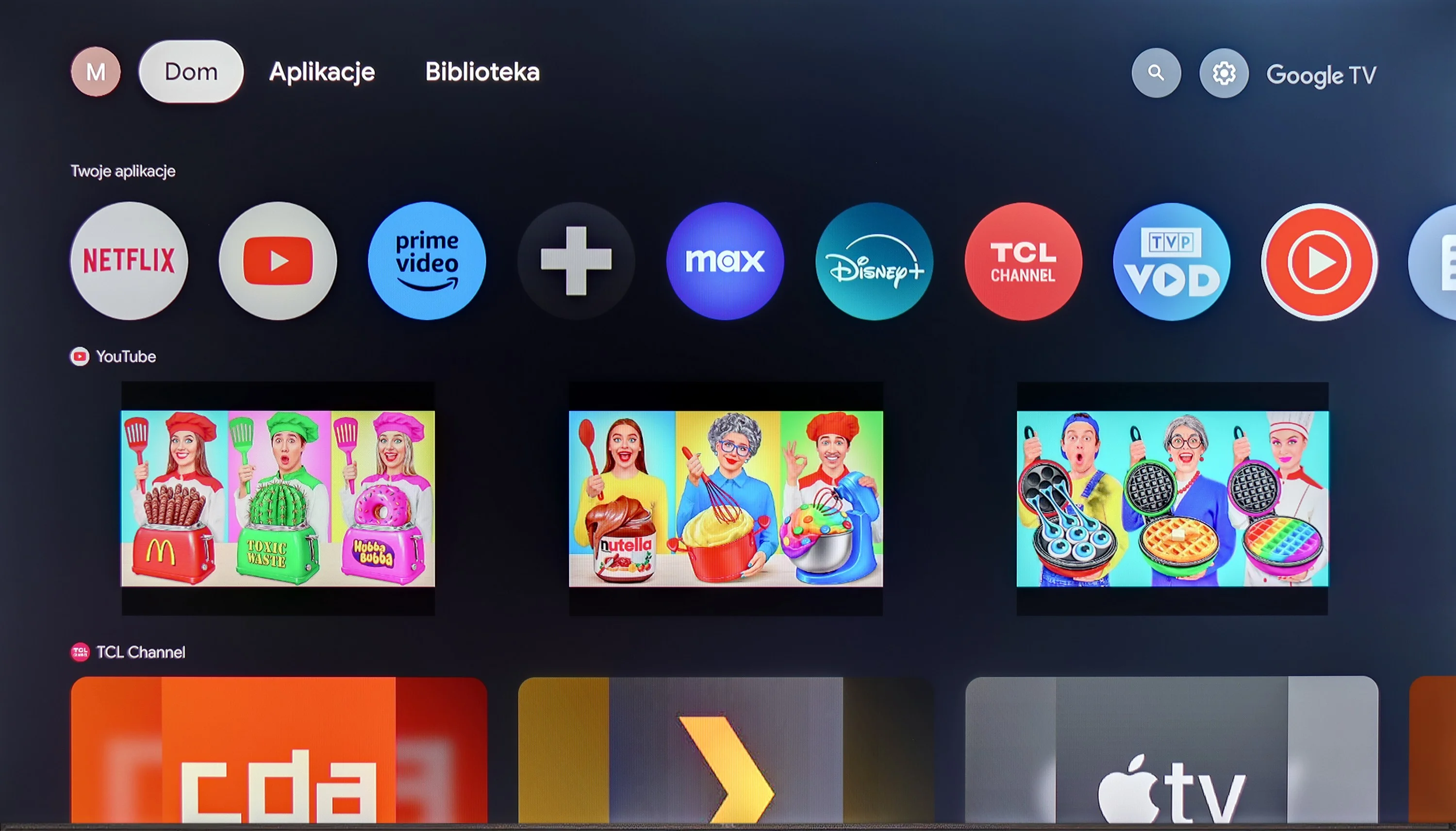
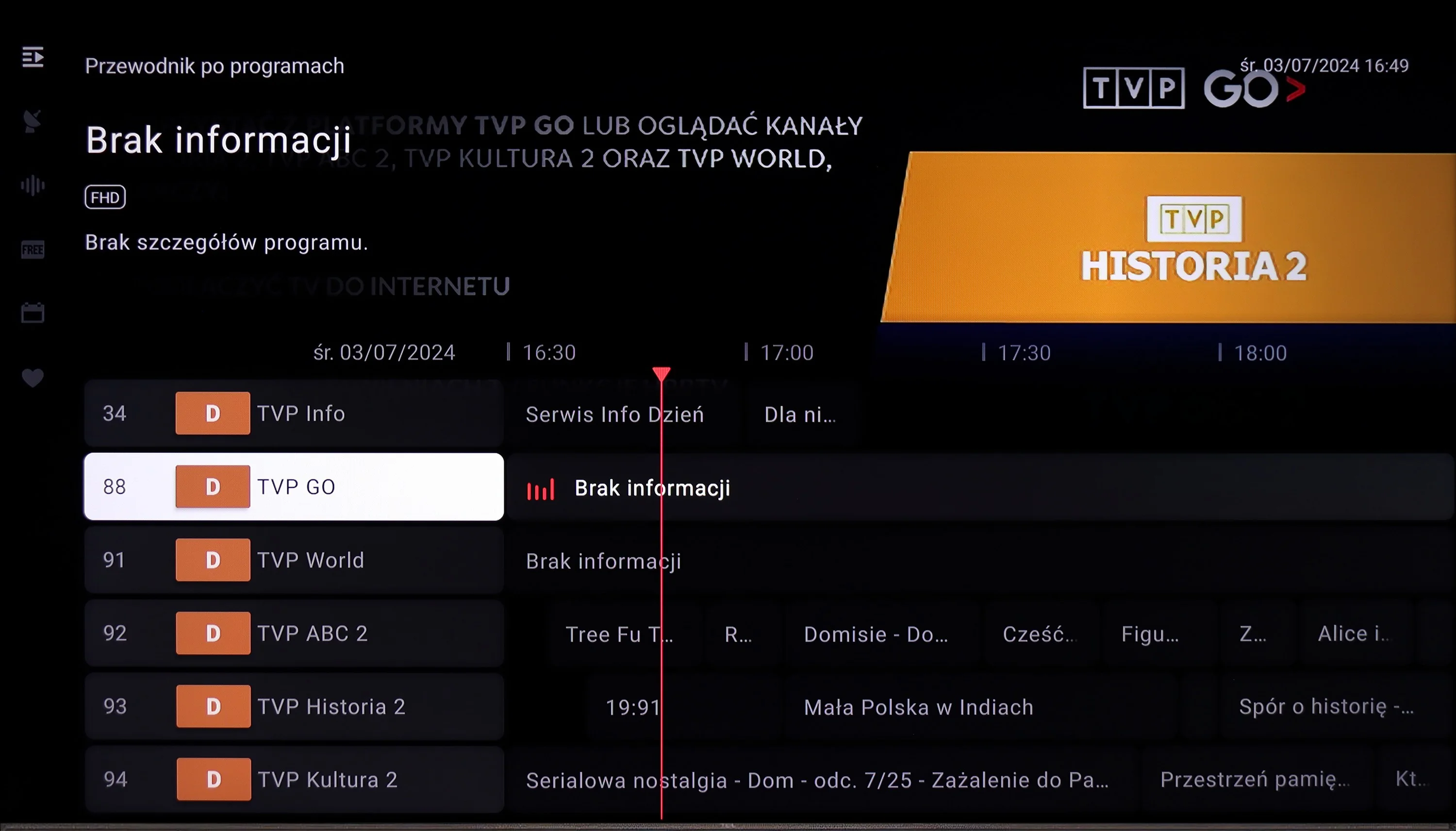
The TCL P755 stands out with its integration of Google TV, providing a smooth, user-friendly experience and access to thousands of apps and streaming services like Netflix, HBO Max, YouTube, and Disney+. The system personalises content recommendations based on the user’s viewing habits, adding a customised touch. Support for AirPlay and Windows Miracast further enhances its appeal, allowing the P755 to act as a central entertainment hub with both convenience and functionality.
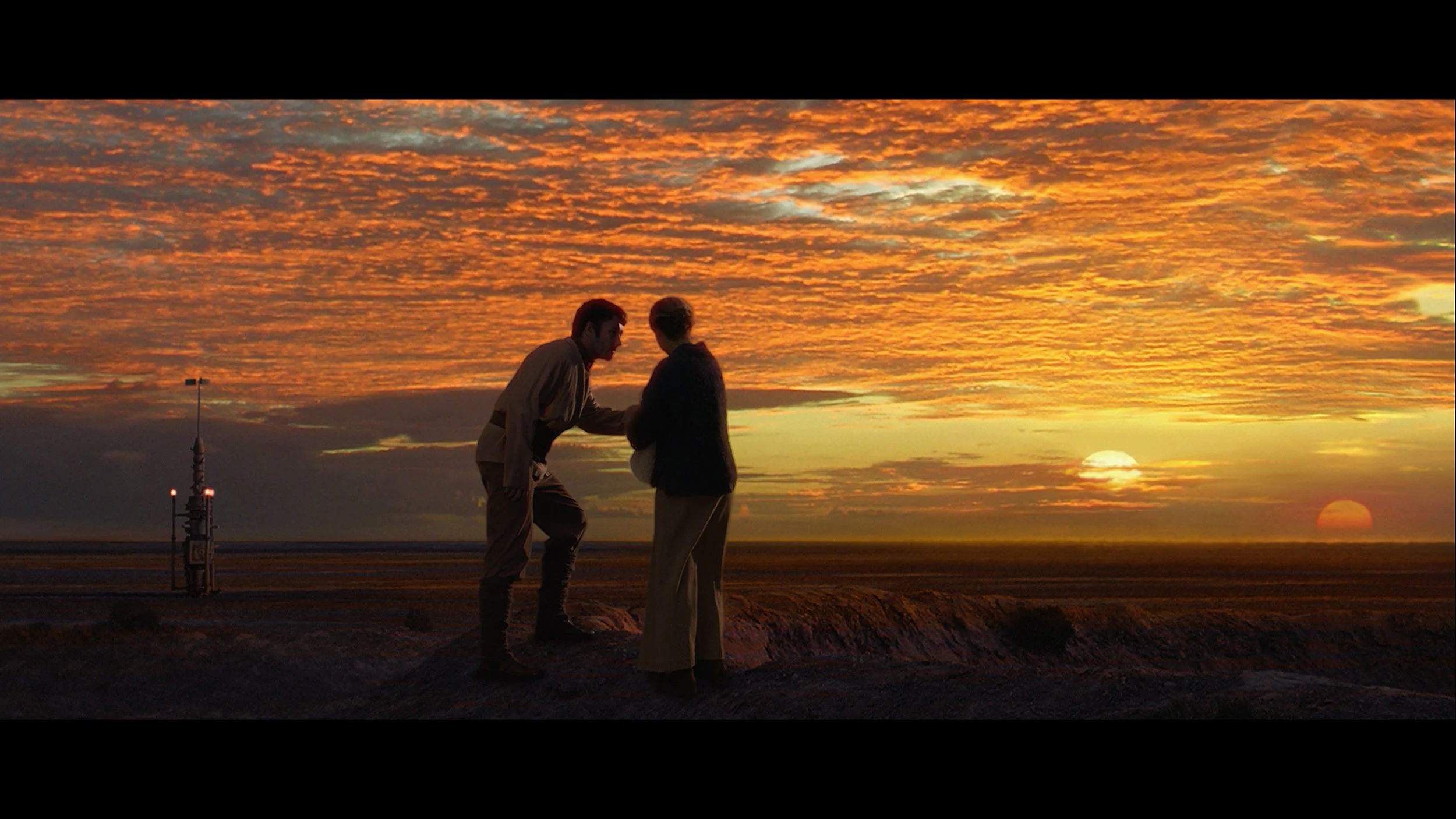
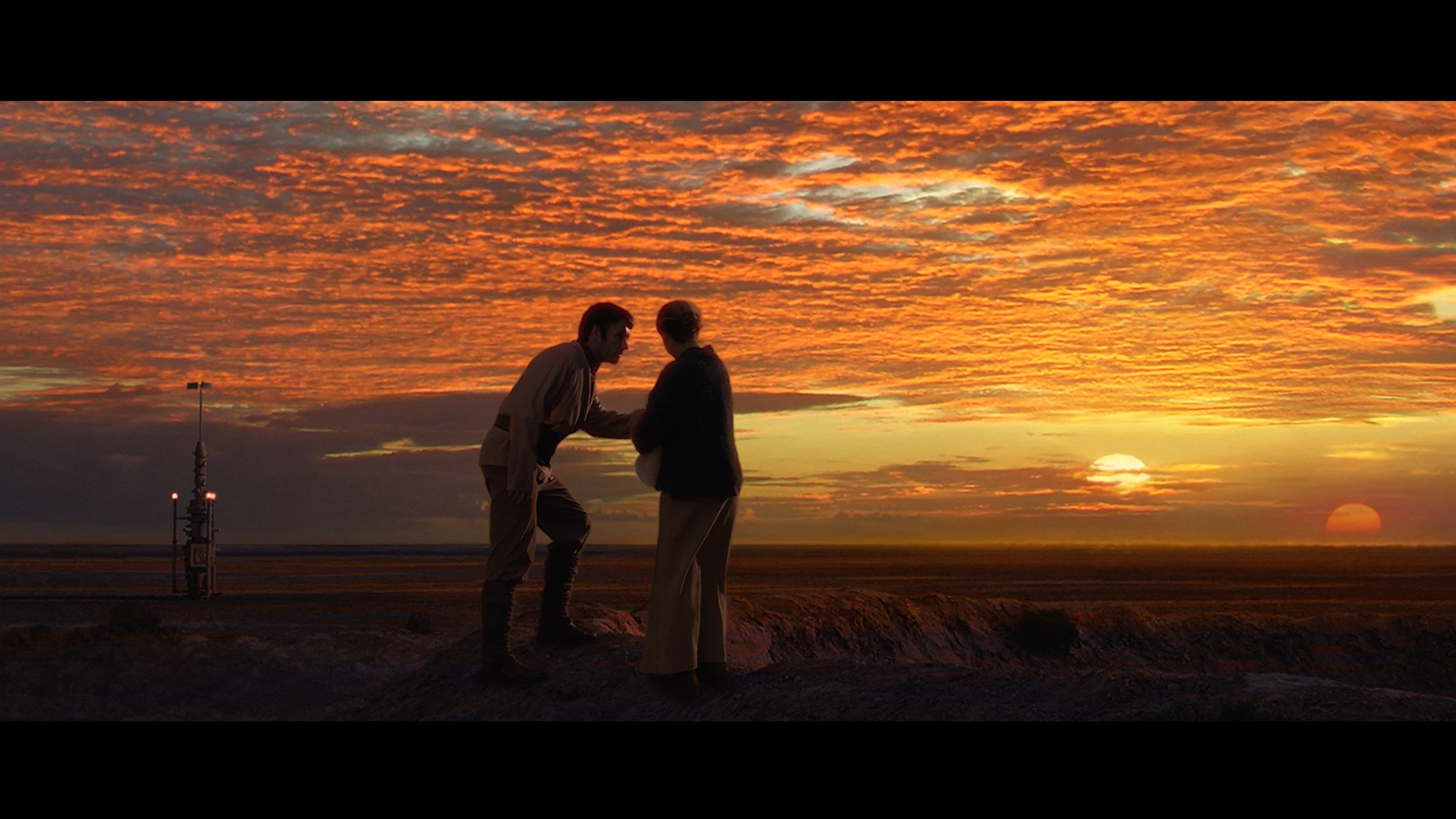
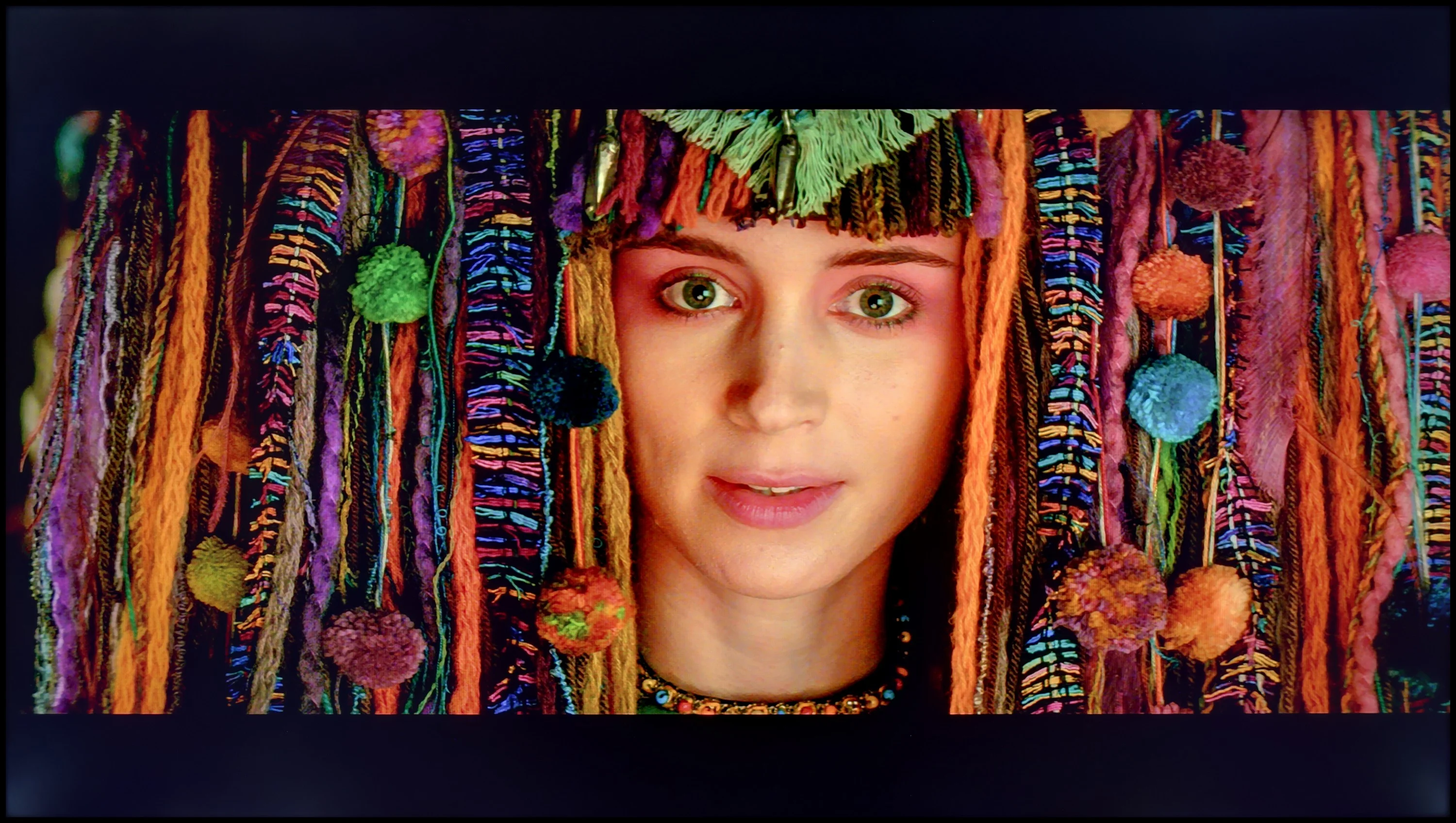
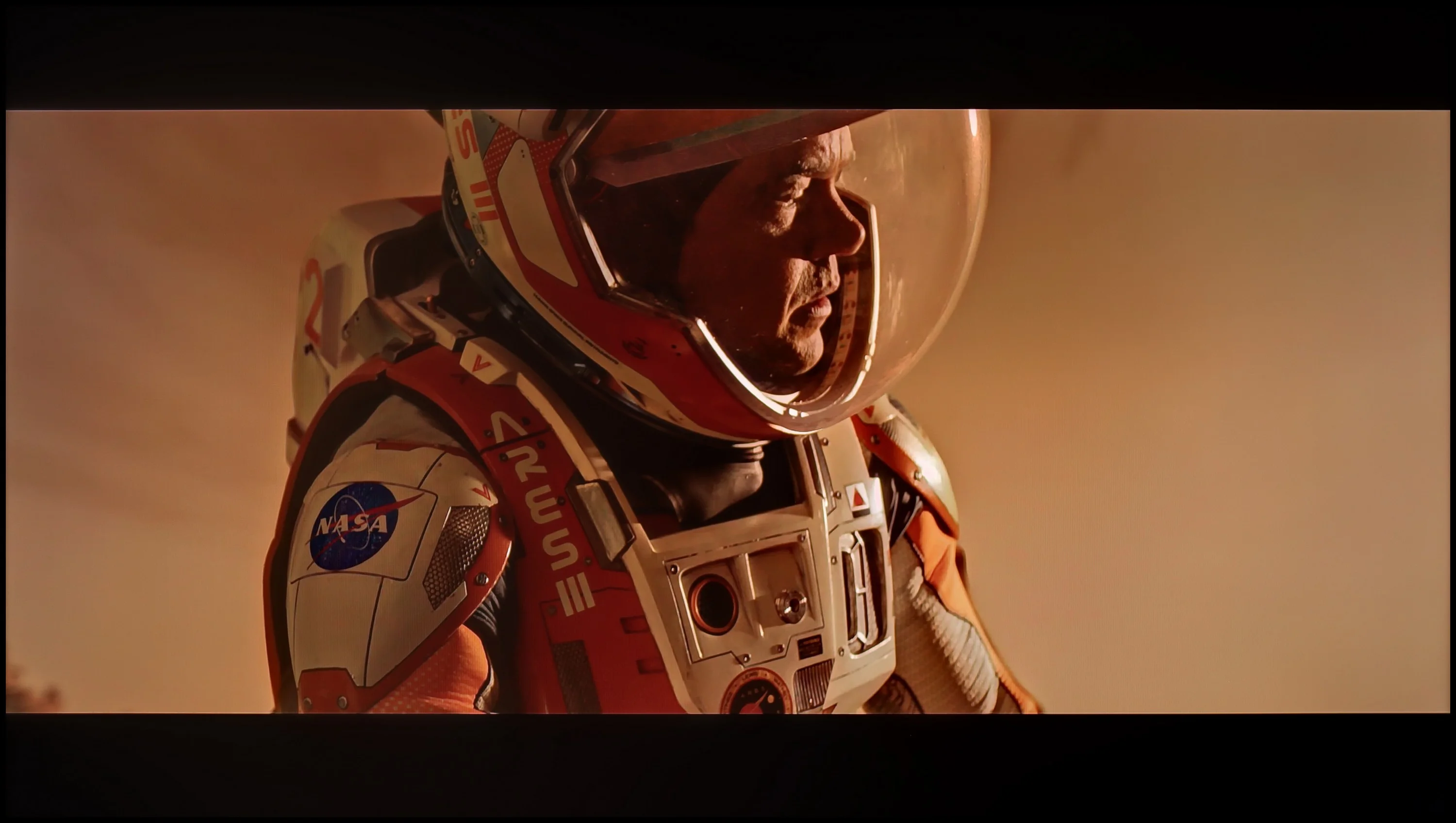
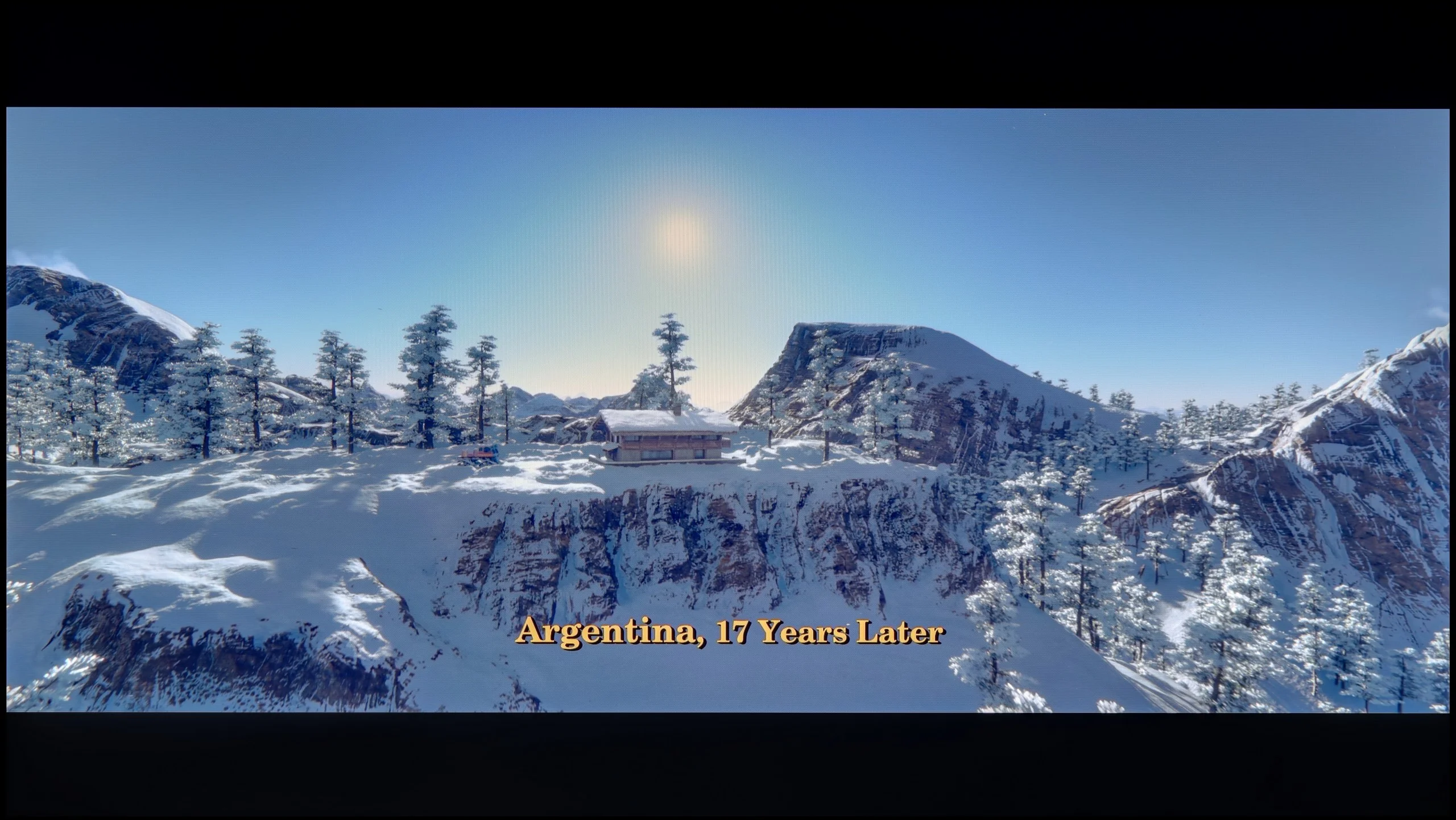
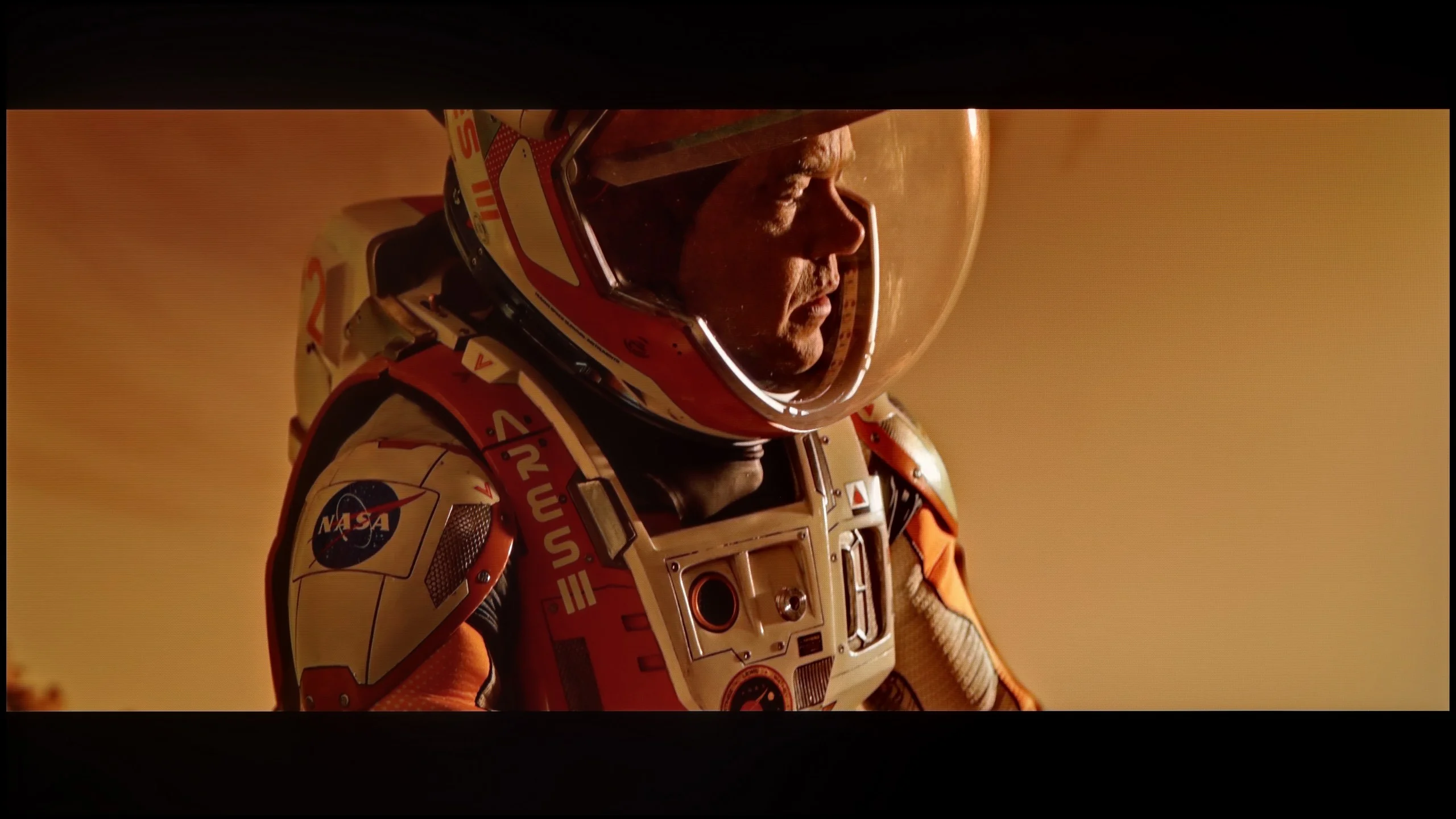
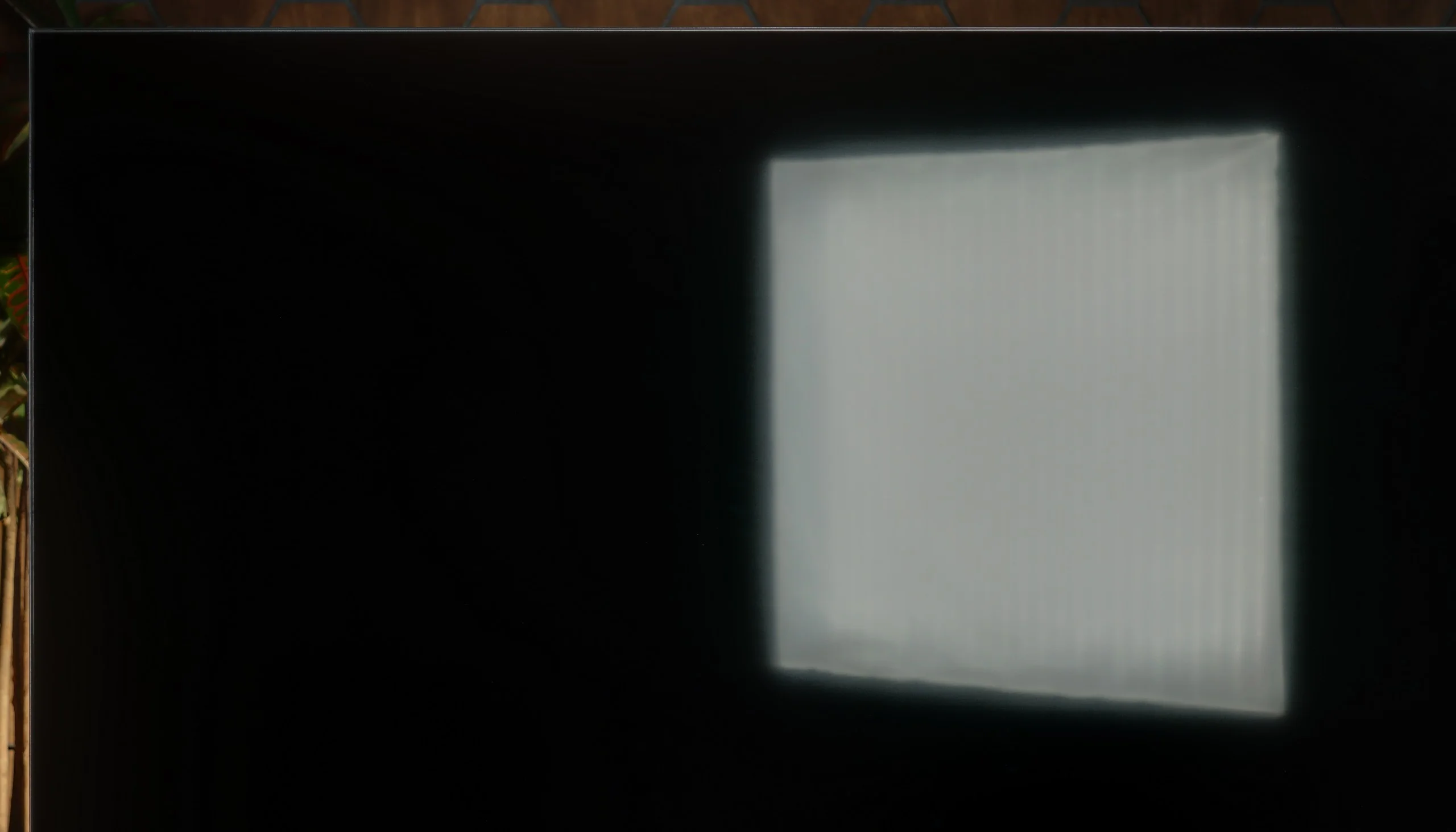
In terms of picture quality, the P755 impresses within its price range, with Dolby Vision support for an enriched HDR experience that features deeper colours and enhanced contrast. Its wide colour gamut coverage ensures vibrant and lifelike visuals, making movies and series more immersive. The high native contrast is also notable and rare among similarly priced competitors, offering an attractive viewing experience.
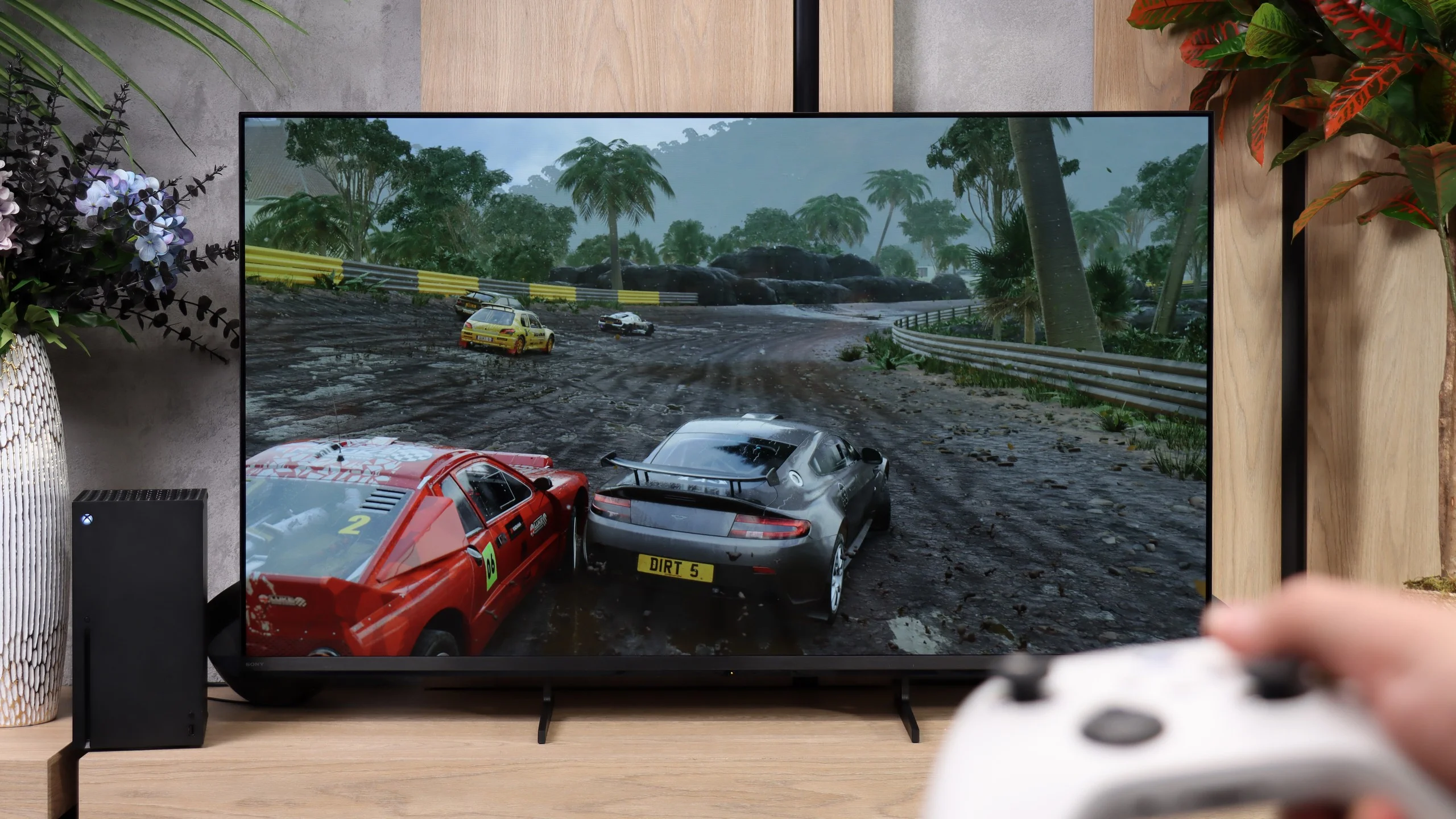
For gamers, the TCL P755 has benefits like low input lag, making it responsive enough for fast-paced games. While the TV’s 60 Hz panel and HGiG limitations may pose minor challenges, it remains a good choice for casual gaming.
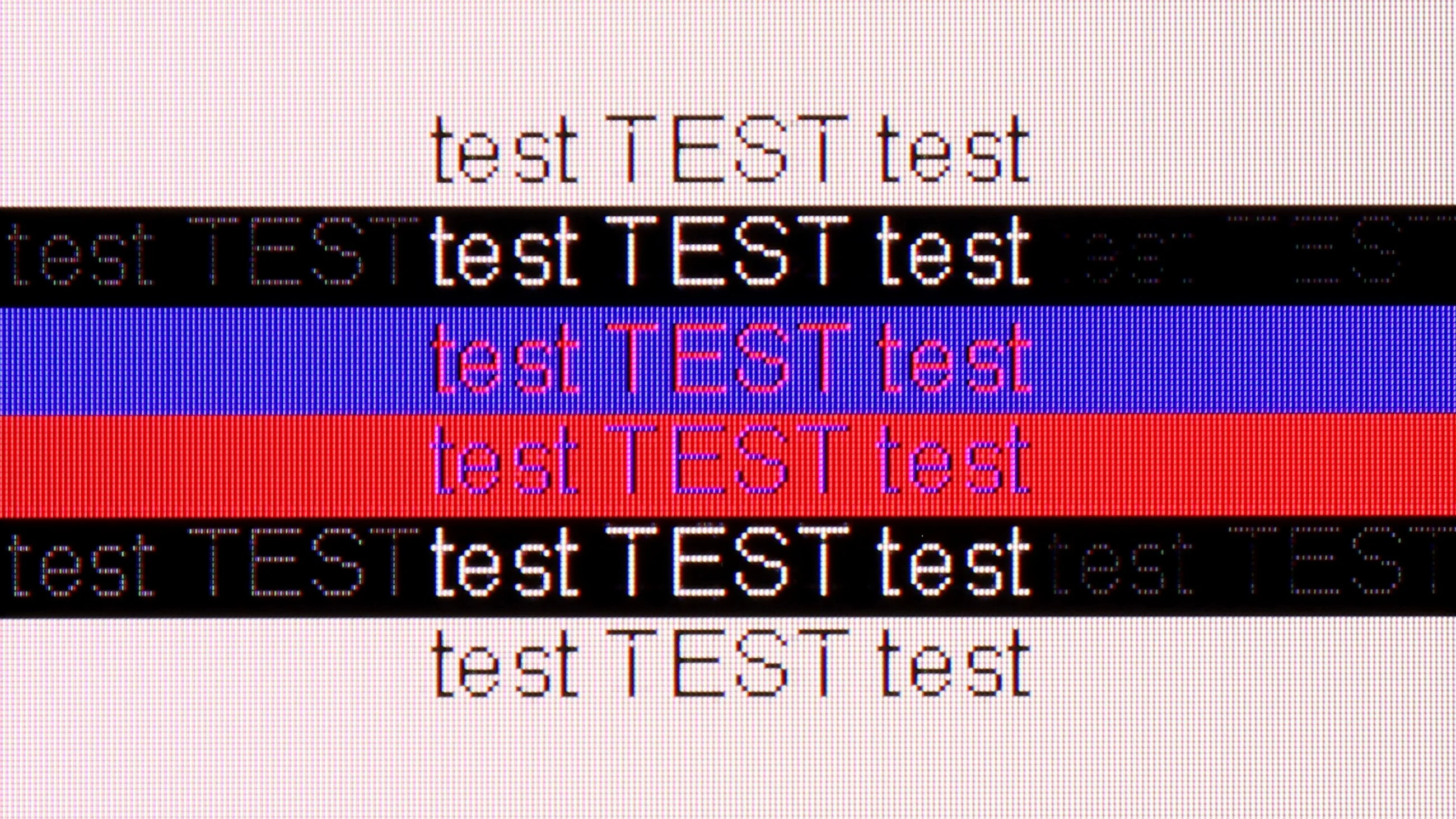
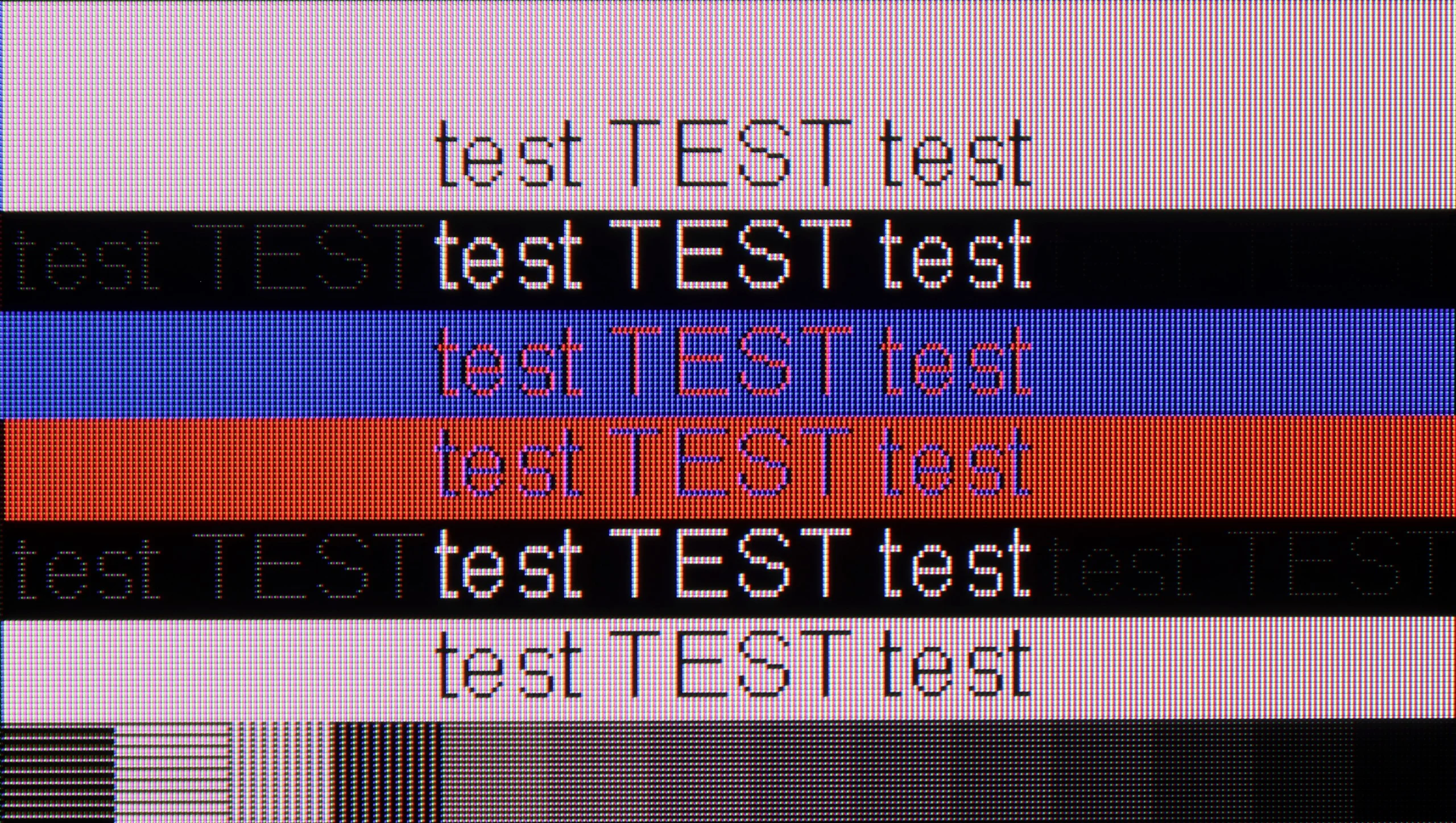
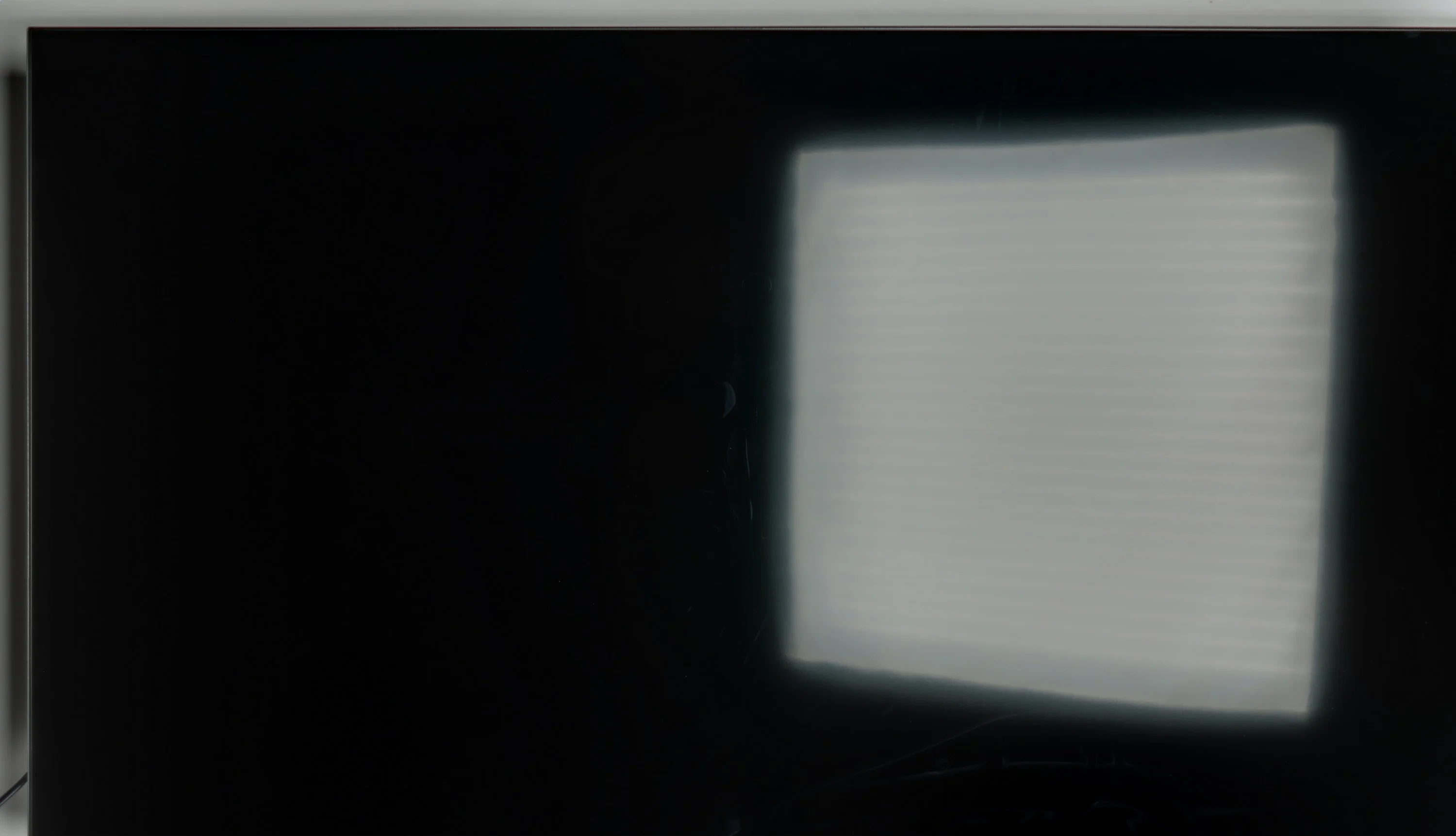
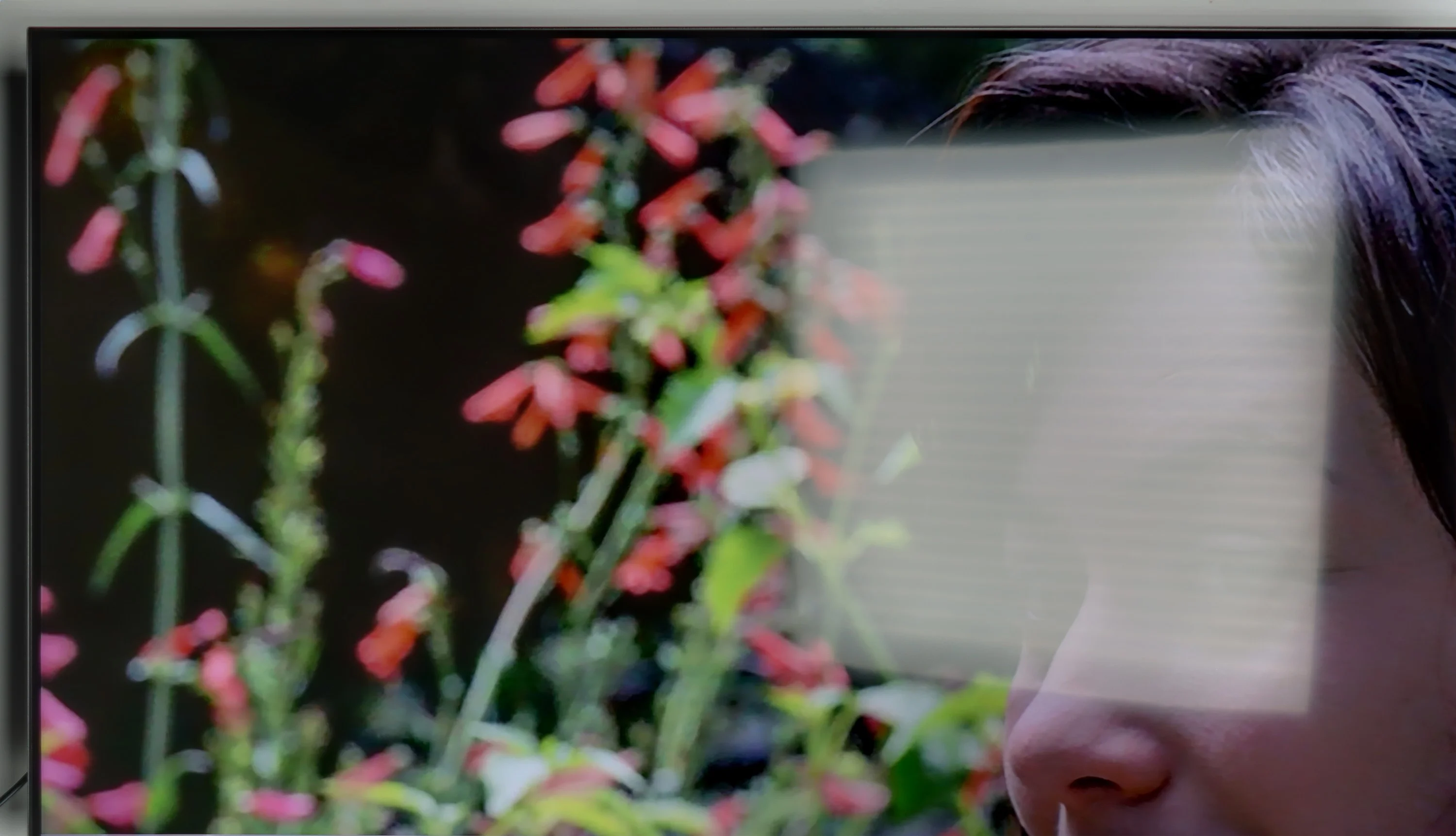
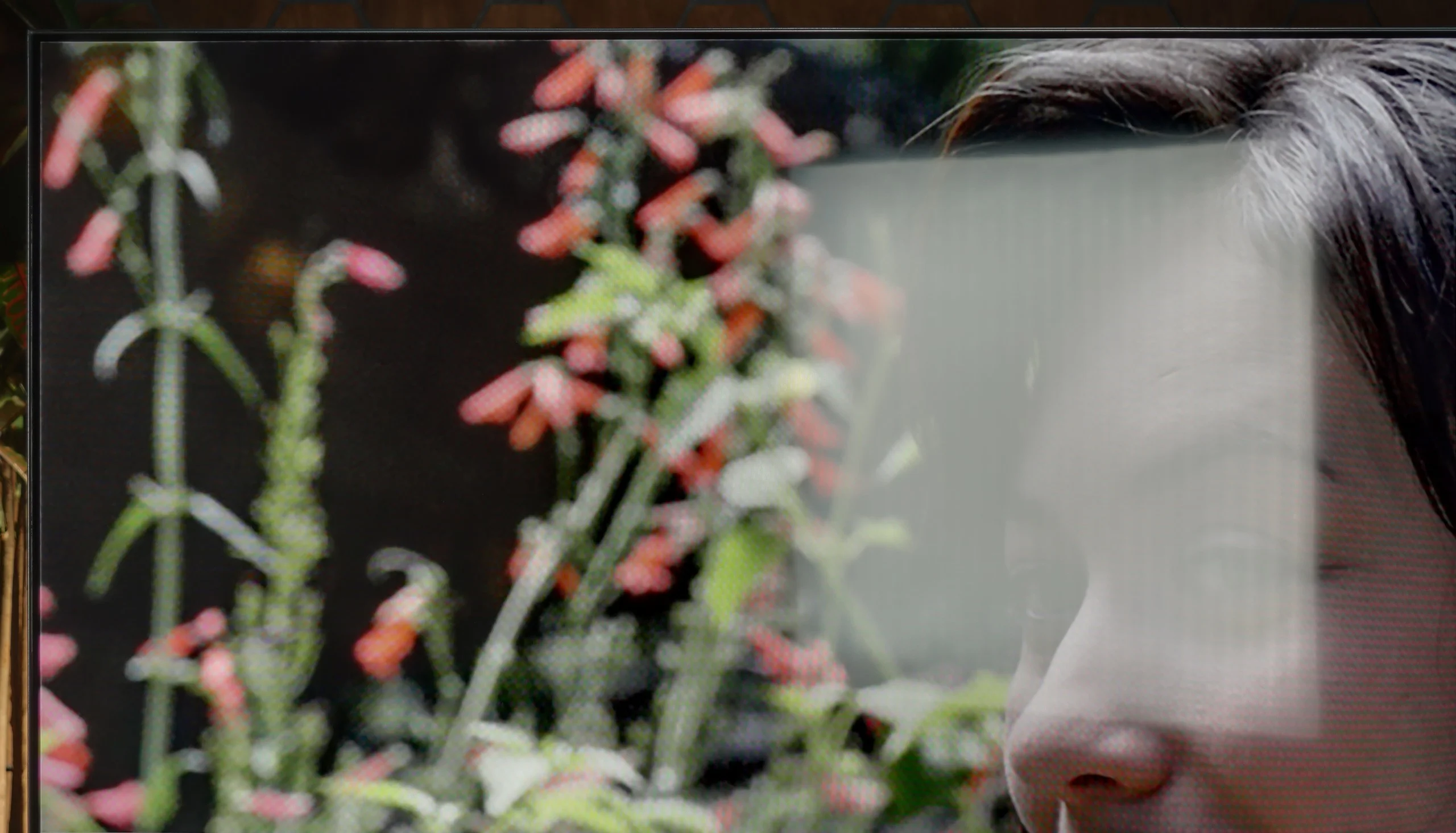
However, the P755 has some limitations. Low brightness and narrow viewing angles may impact viewing in brightly lit spaces, and dithering can introduce artefacts in darker scenes and reduce font clarity on a PC.
Overall, the TCL P755 offers premium features like Dolby Vision, a wide colour gamut, and low input lag at an affordable price, with the trade-offs being reasonable given its price bracket.
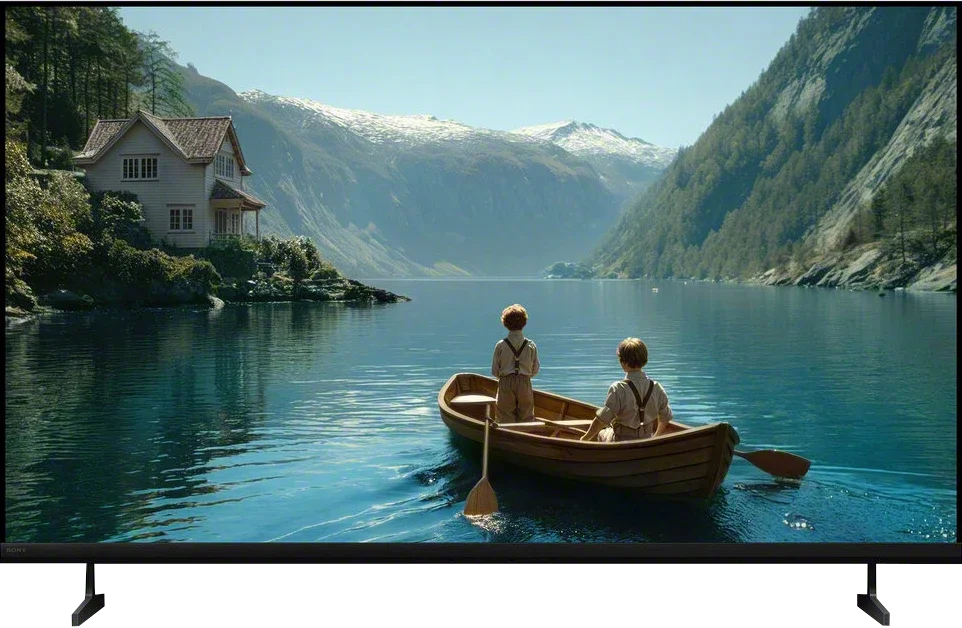
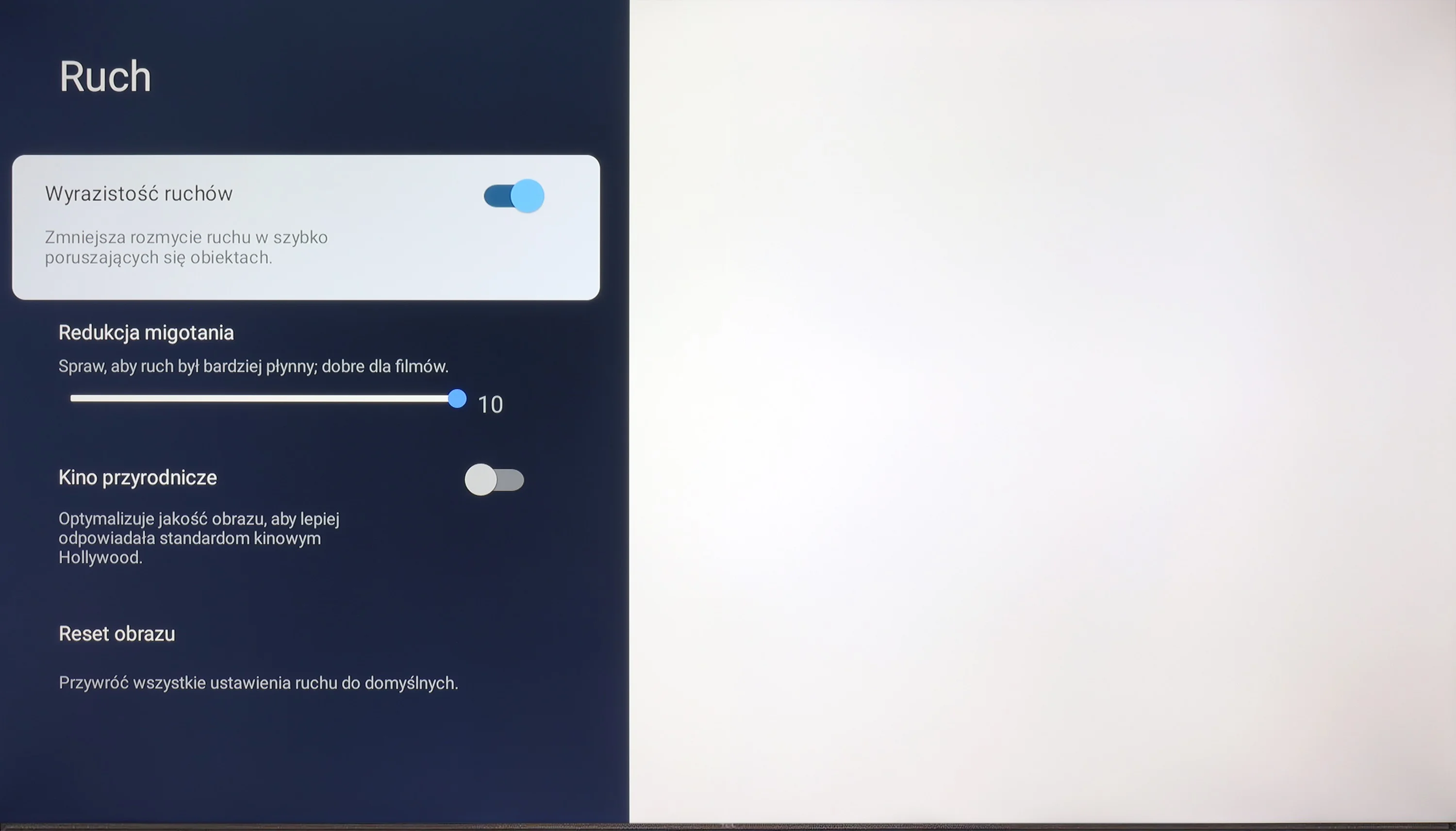
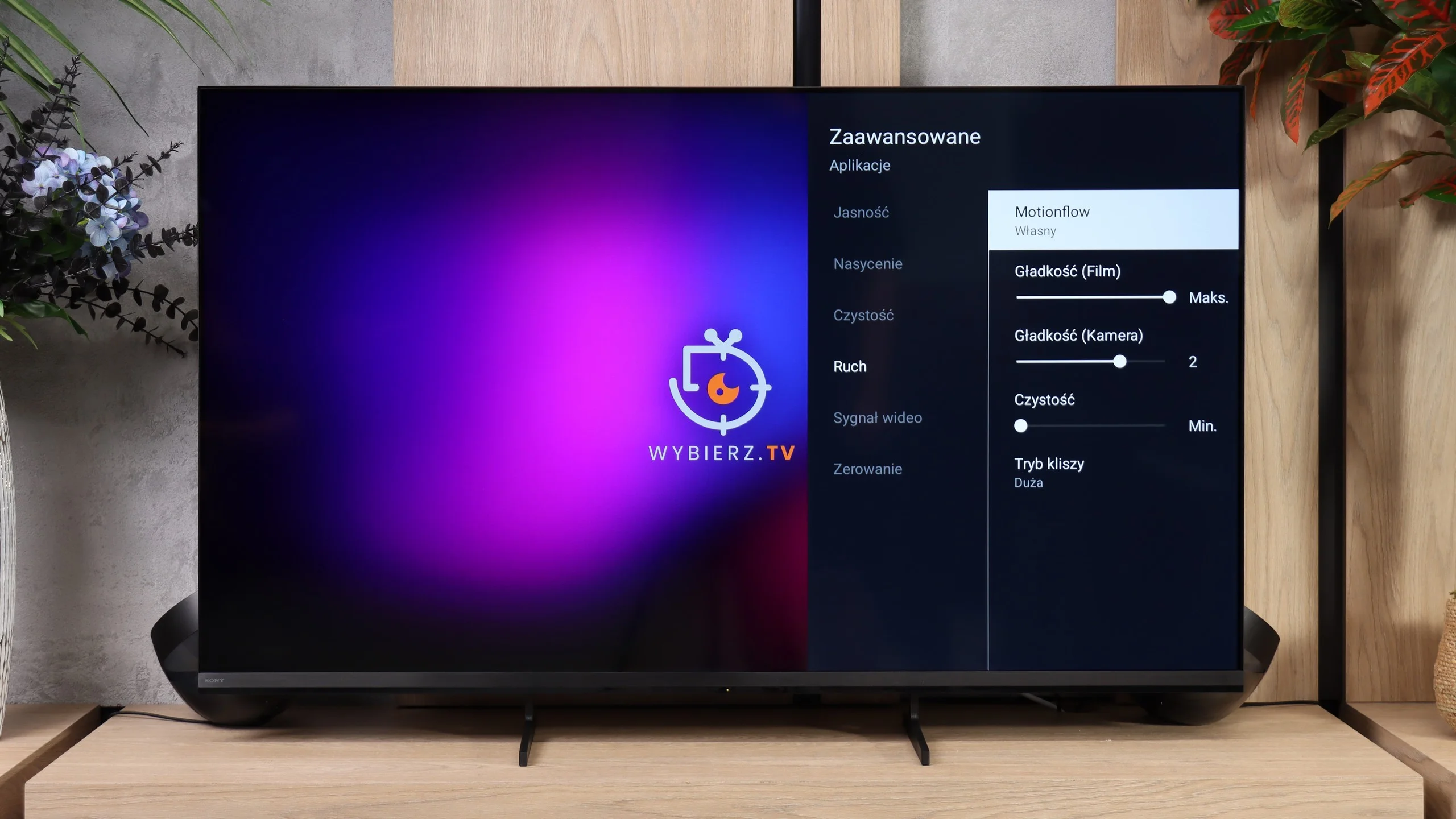
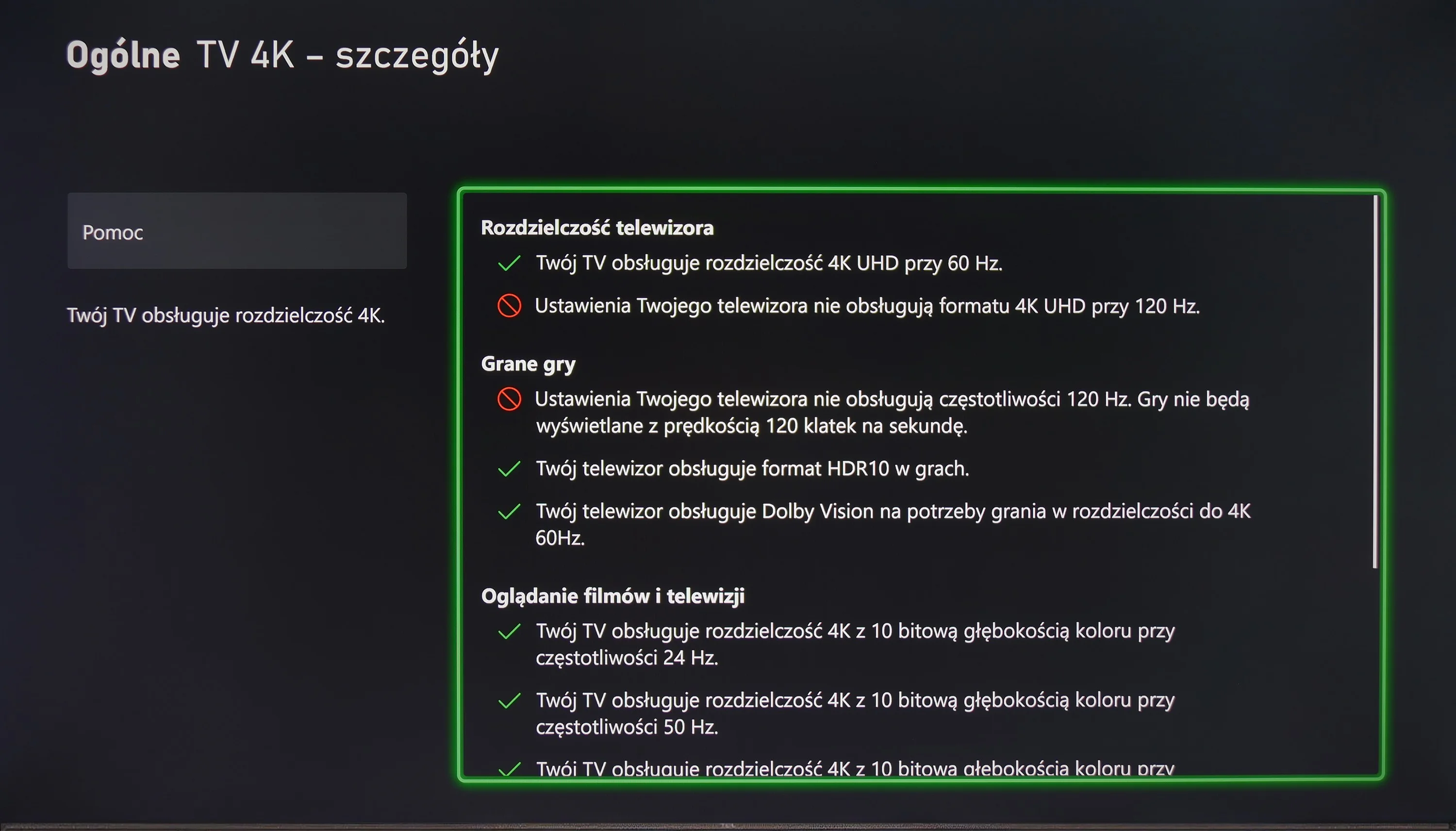
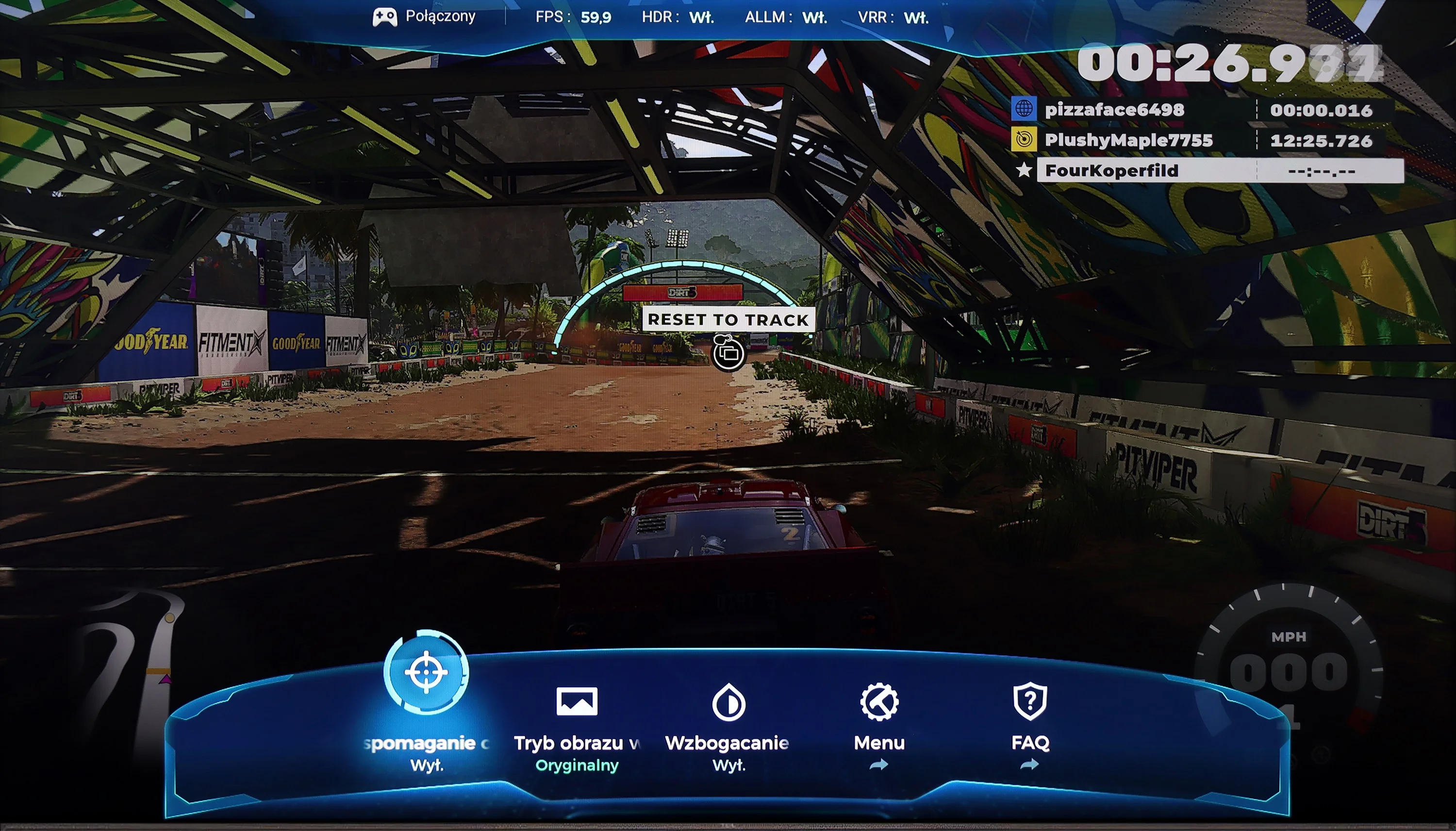
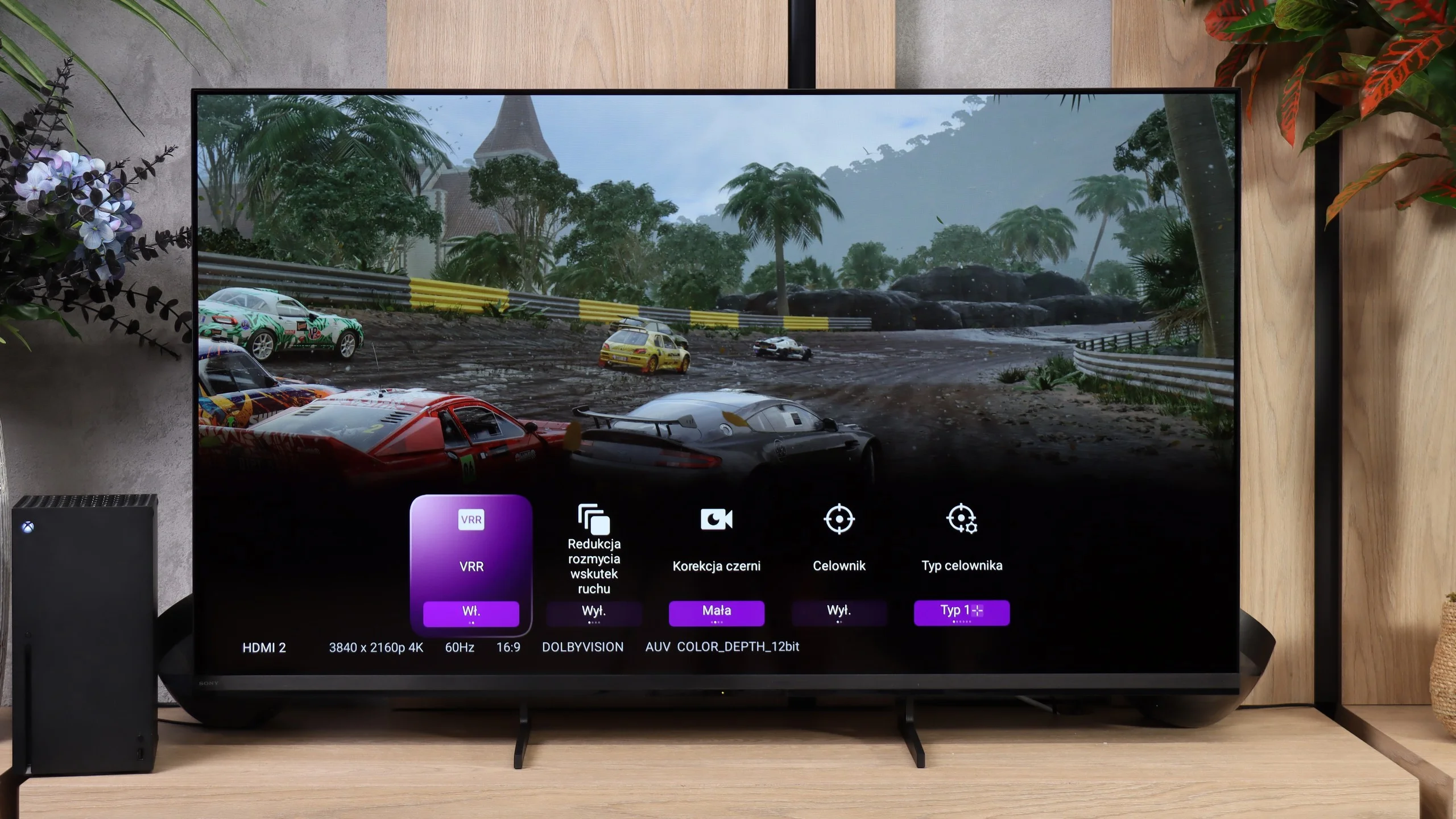
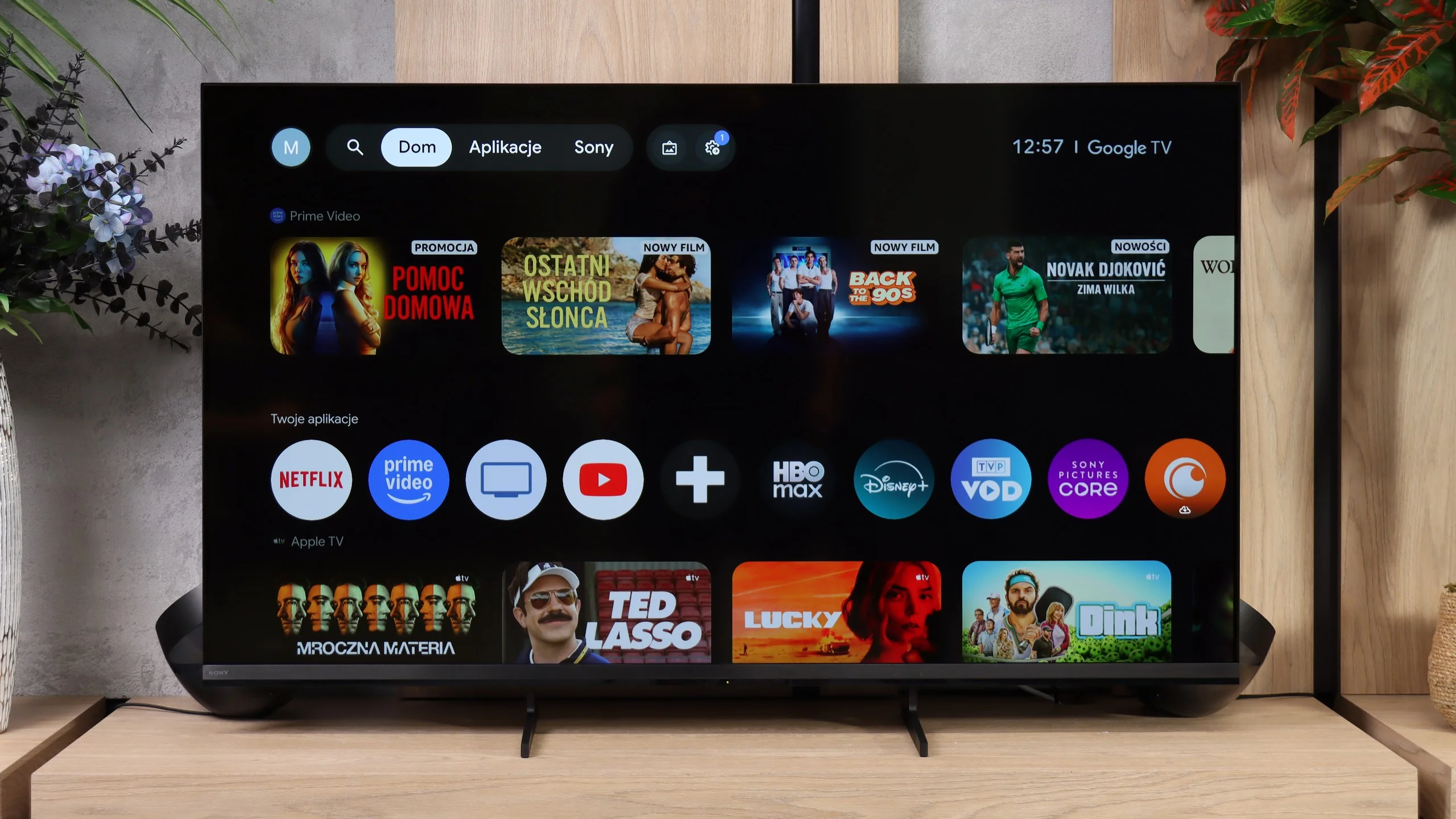
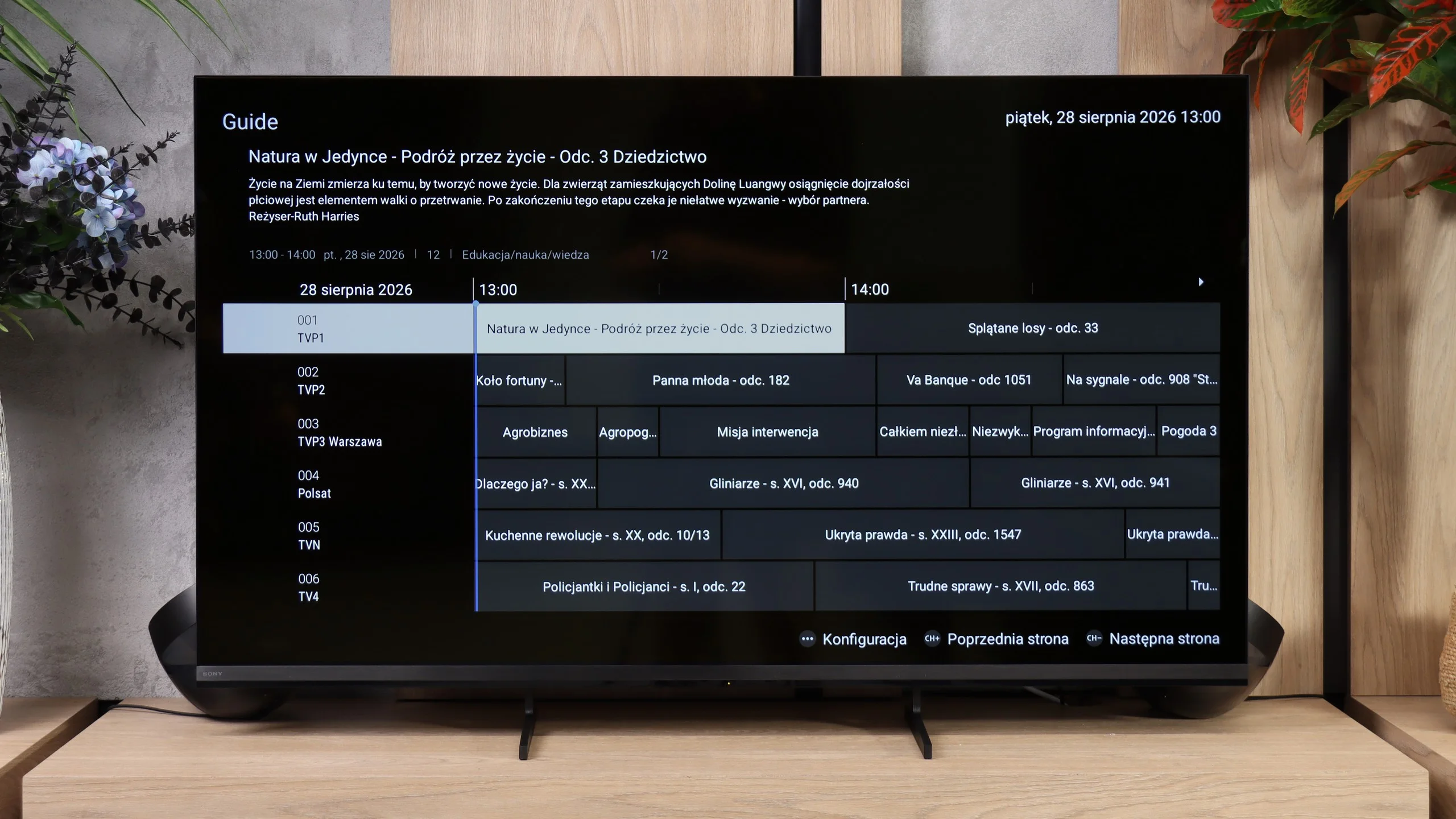
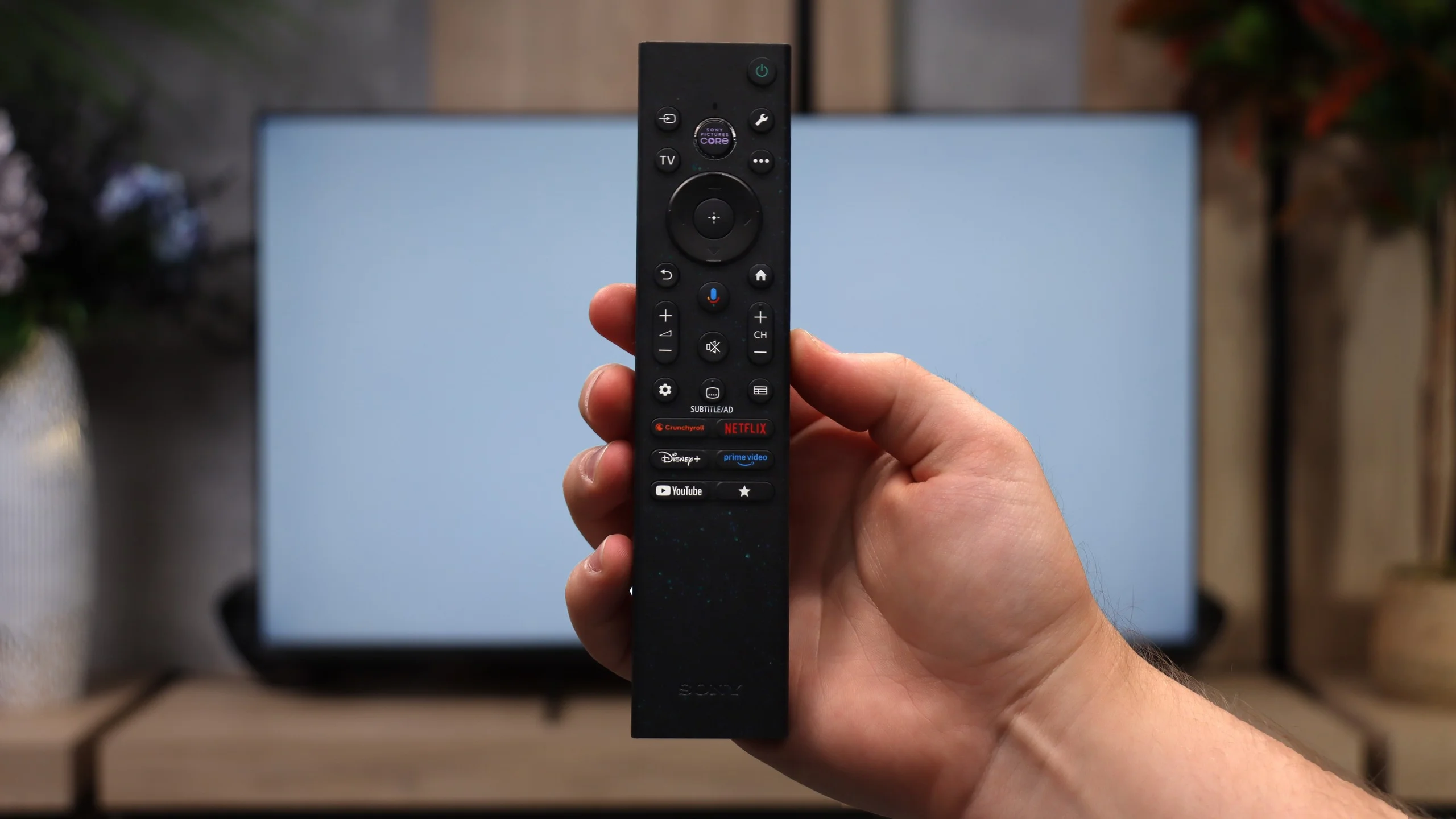
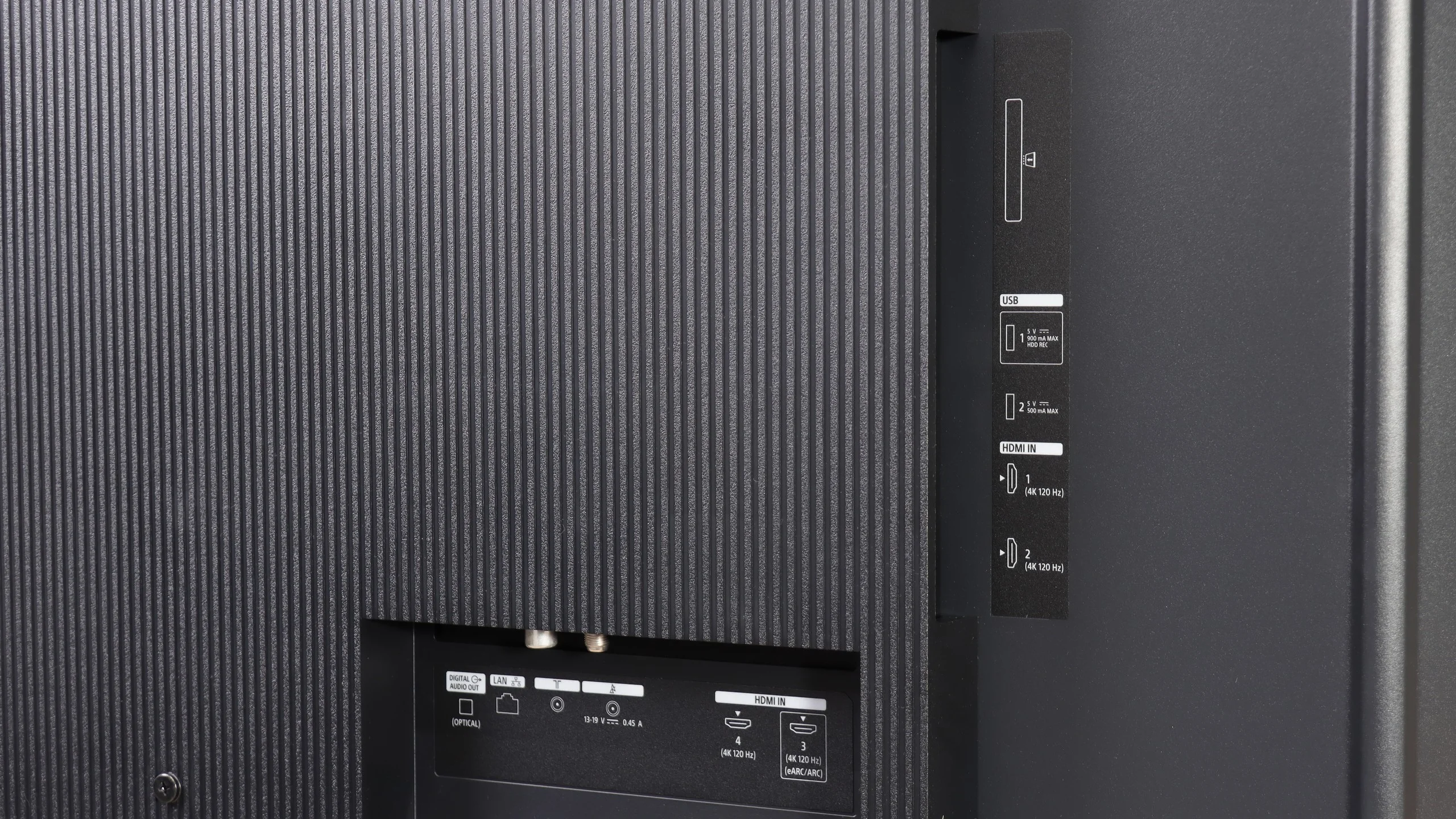
The Sony Bravia 3 II is a TV that quickly reveals what the manufacturer had in mind for this model. It's meant above all to be a sensible Bravia for gaming, and in that respect the changes are substantial. After all, Sony fixed one of the biggest complaints about its TVs: having only two full HDMI 2.1 ports. Here there are four, and that alone makes the Bravia 3 II a much more convenient choice for anyone who wants to hook up a lot of gaming gear. Fortunately it doesn't stop at gaming. The 120 Hz panel performs very well in terms of motion, motion blur is minimal, and the motion-enhancing systems work surprisingly effectively, sometimes even better than on Sony's top TVs. That's why sports are another use where the Bravia 3 II feels right at home. Add Google TV with its full suite of apps and features, and in terms of everyday use it's the Sony we've known for years.
The biggest problem with this model, however, isn't the TV itself but its current price. The Bravia 3 II is today priced dangerously close to the Bravia 5, and when the premium for the higher model is only a few percent, choosing the lower series starts to lose its point. The Bravia 5 already offers full Mini-LED backlighting with local dimming, exactly what the Bravia 3 II most lacks for evening viewing and in HDR. That's why we look at this model through the lens of price. The Bravia 3 II is a genuinely successful lower midrange TV and, at the right price, could easily be one of the more interesting choices for a gamer or sports fan. However, if the gap to the Bravia 5 remains small, it will be hard to recommend it with full conviction.
 Direct comparison