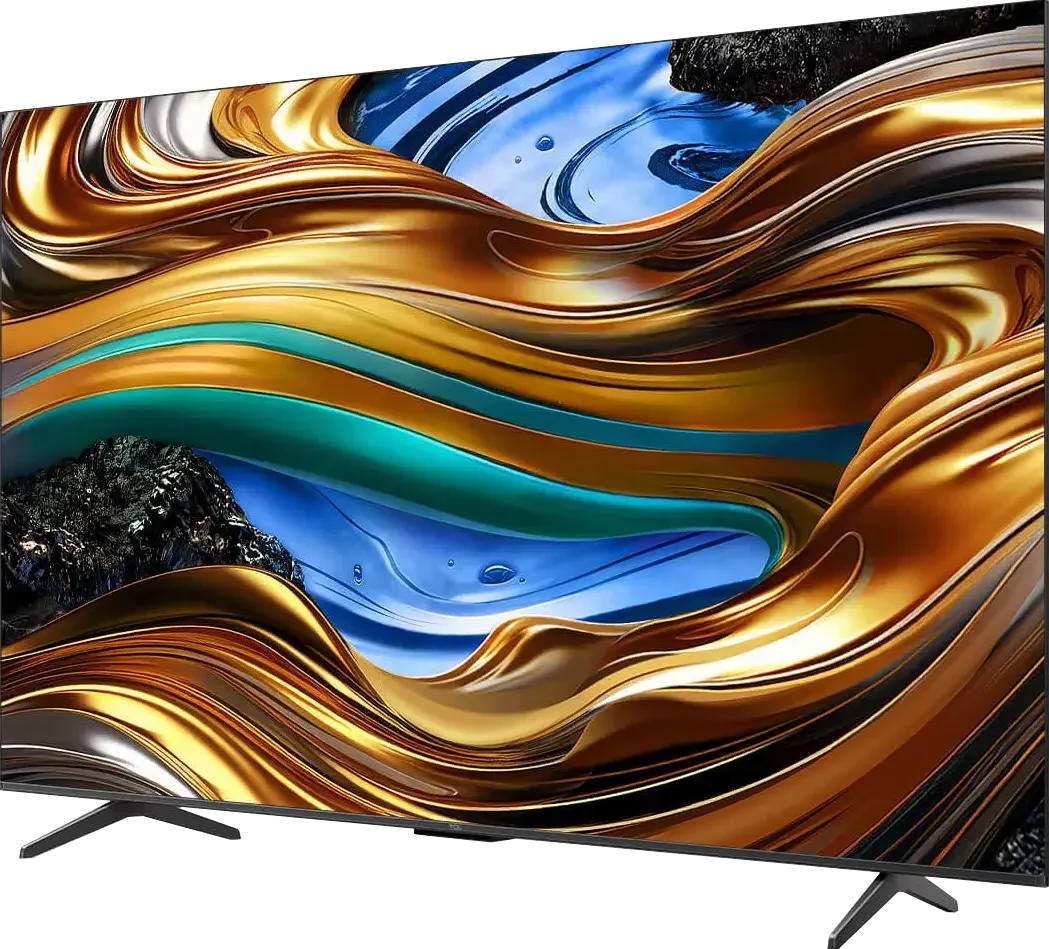
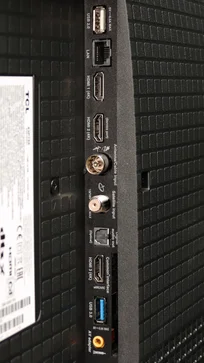
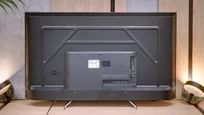
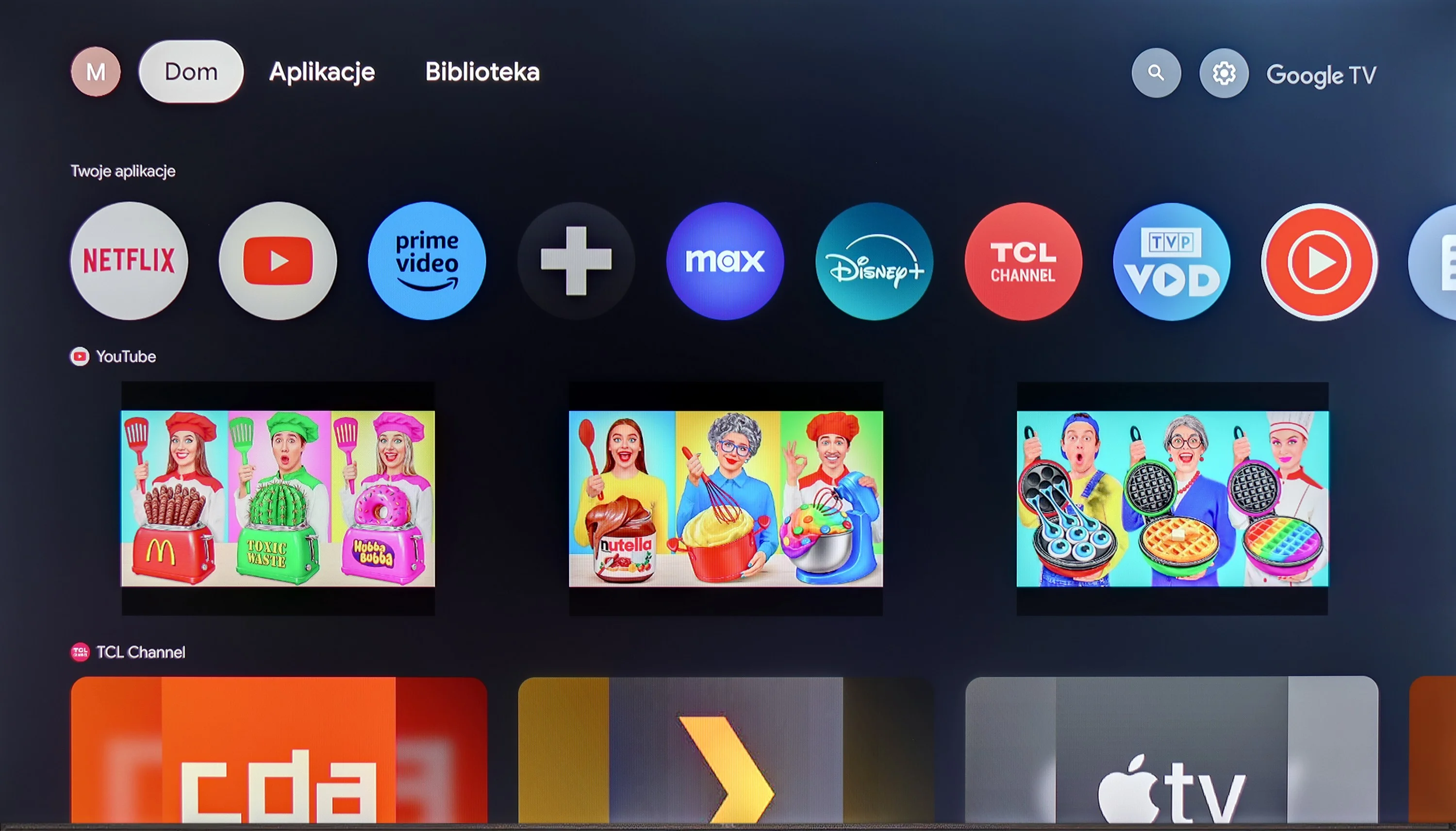
The TCL P755 stands out with its integration of Google TV, providing a smooth, user-friendly experience and access to thousands of apps and streaming services like Netflix, HBO Max, YouTube, and Disney+. The system personalises content recommendations based on the user’s viewing habits, adding a customised touch. Support for AirPlay and Windows Miracast further enhances its appeal, allowing the P755 to act as a central entertainment hub with both convenience and functionality.
In terms of picture quality, the P755 impresses within its price range, with Dolby Vision support for an enriched HDR experience that features deeper colours and enhanced contrast. Its wide colour gamut coverage ensures vibrant and lifelike visuals, making movies and series more immersive. The high native contrast is also notable and rare among similarly priced competitors, offering an attractive viewing experience.
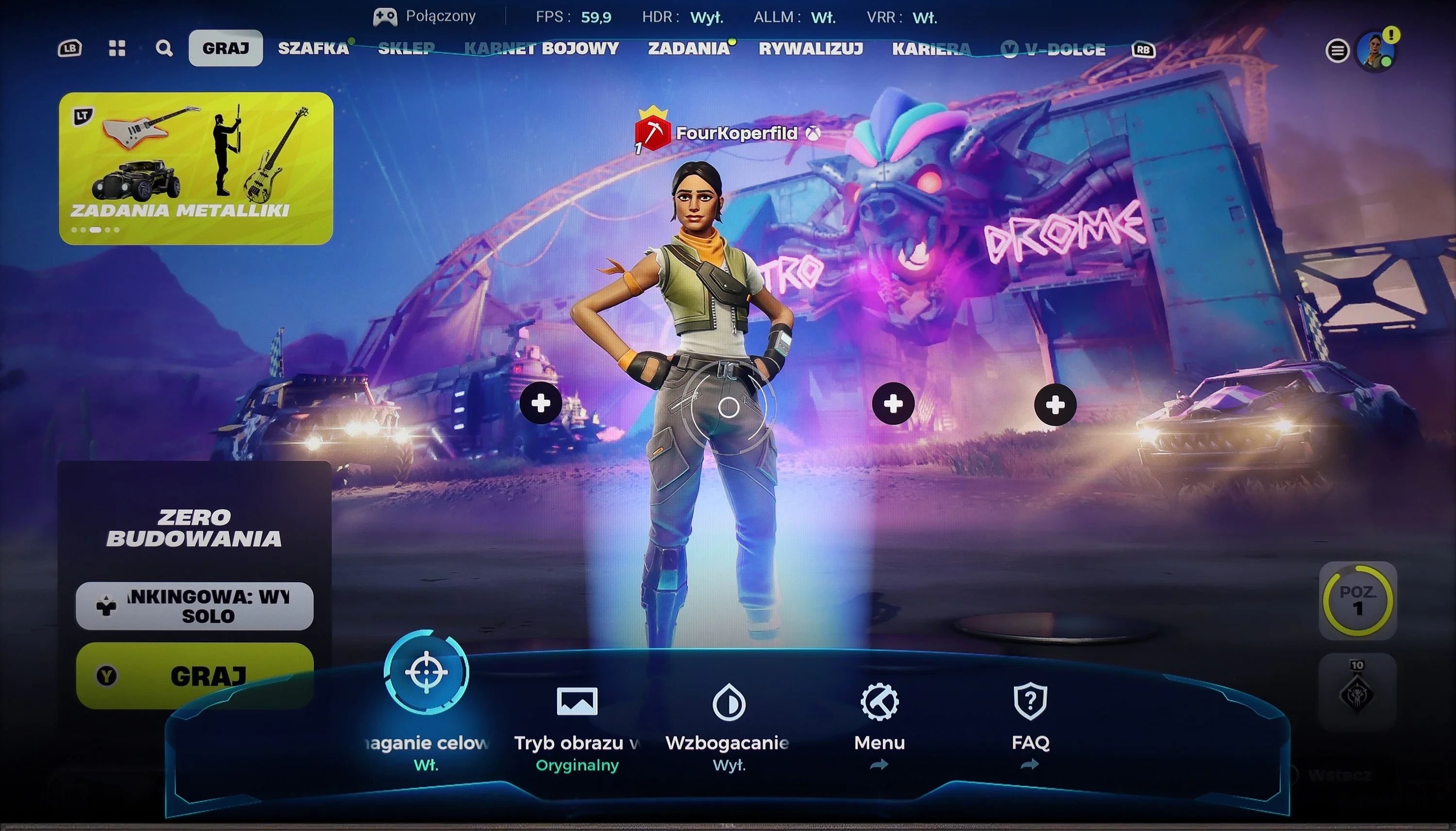
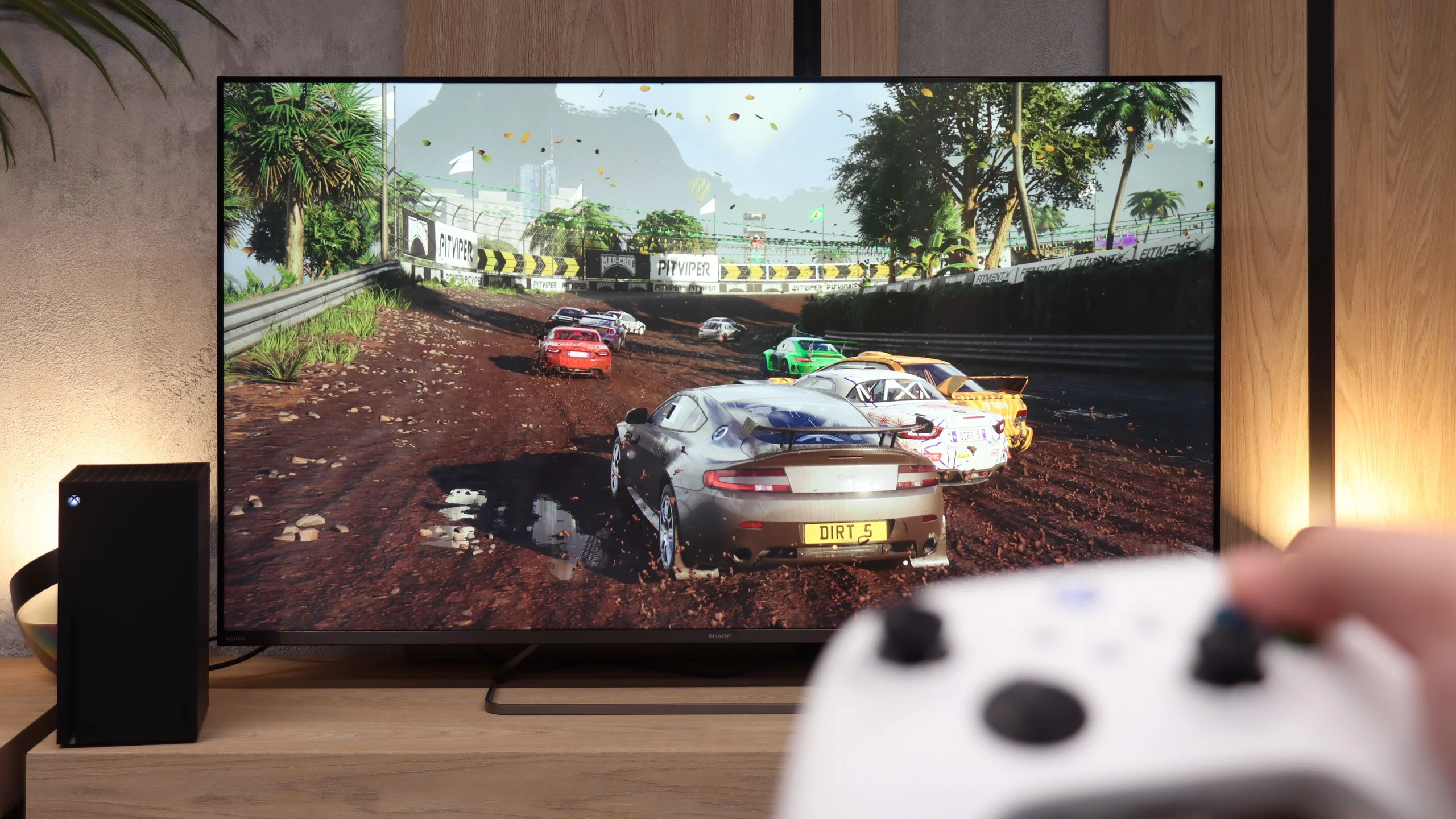
For gamers, the TCL P755 has benefits like low input lag, making it responsive enough for fast-paced games. While the TV’s 60 Hz panel and HGiG limitations may pose minor challenges, it remains a good choice for casual gaming.
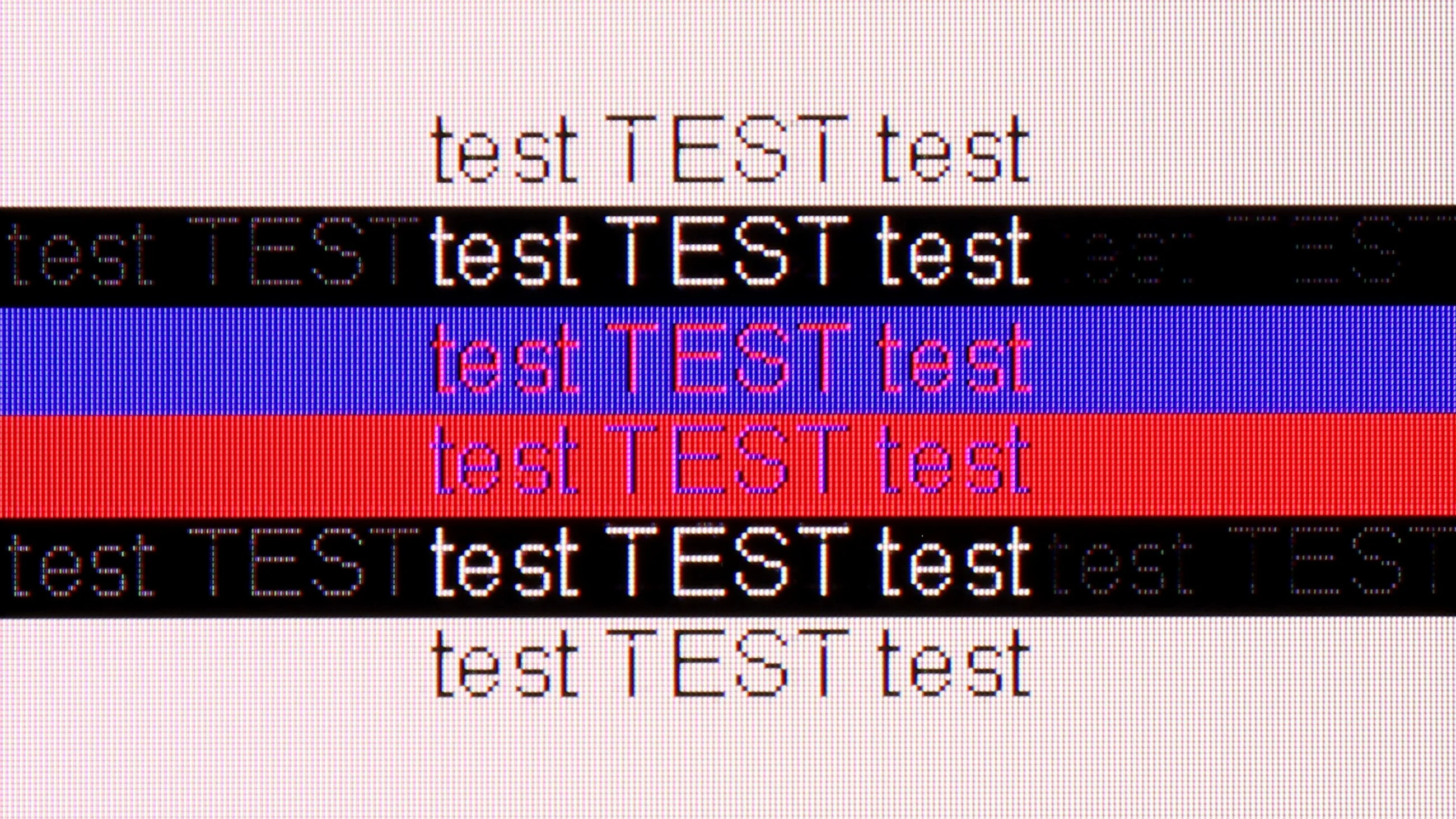
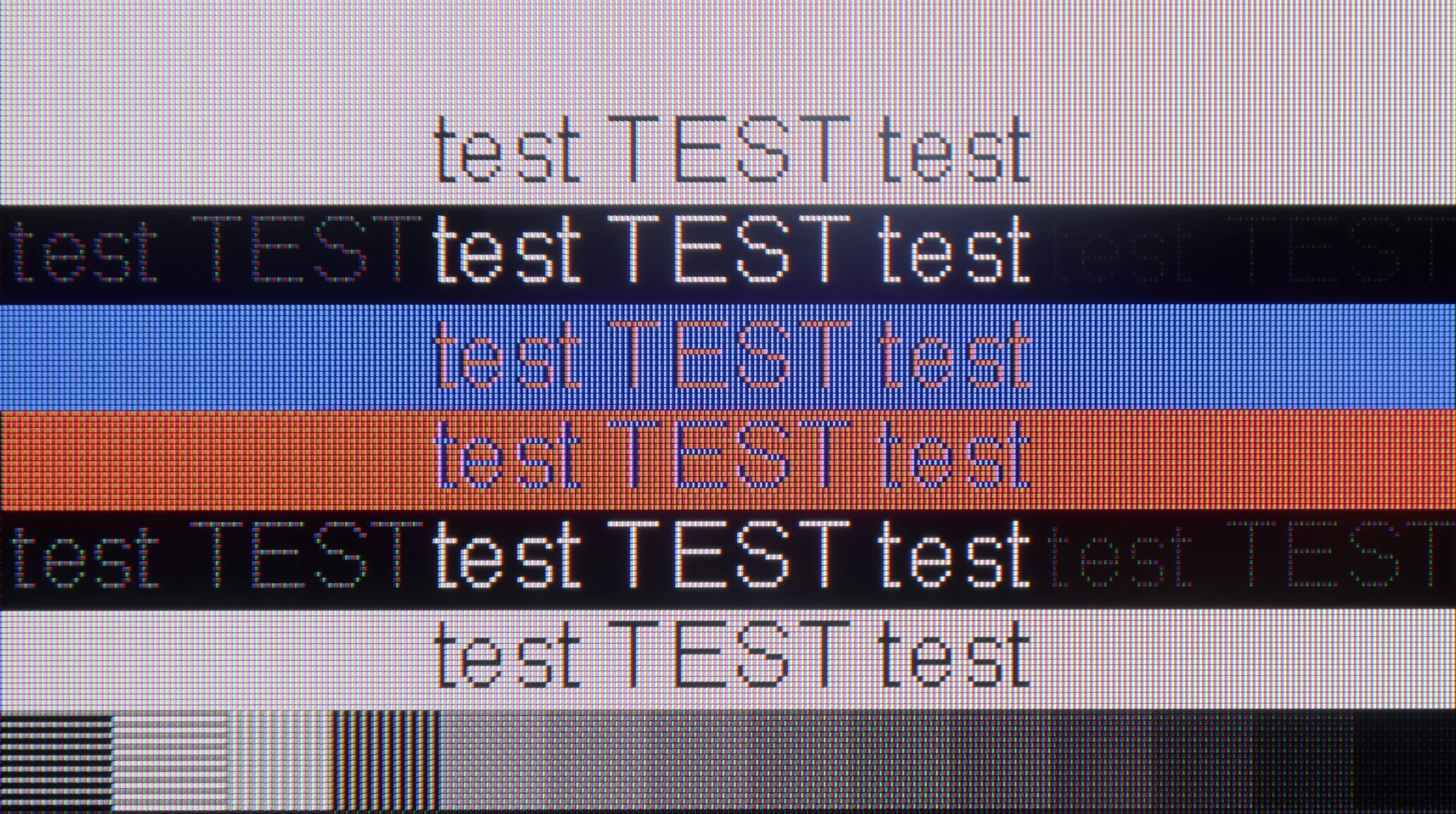
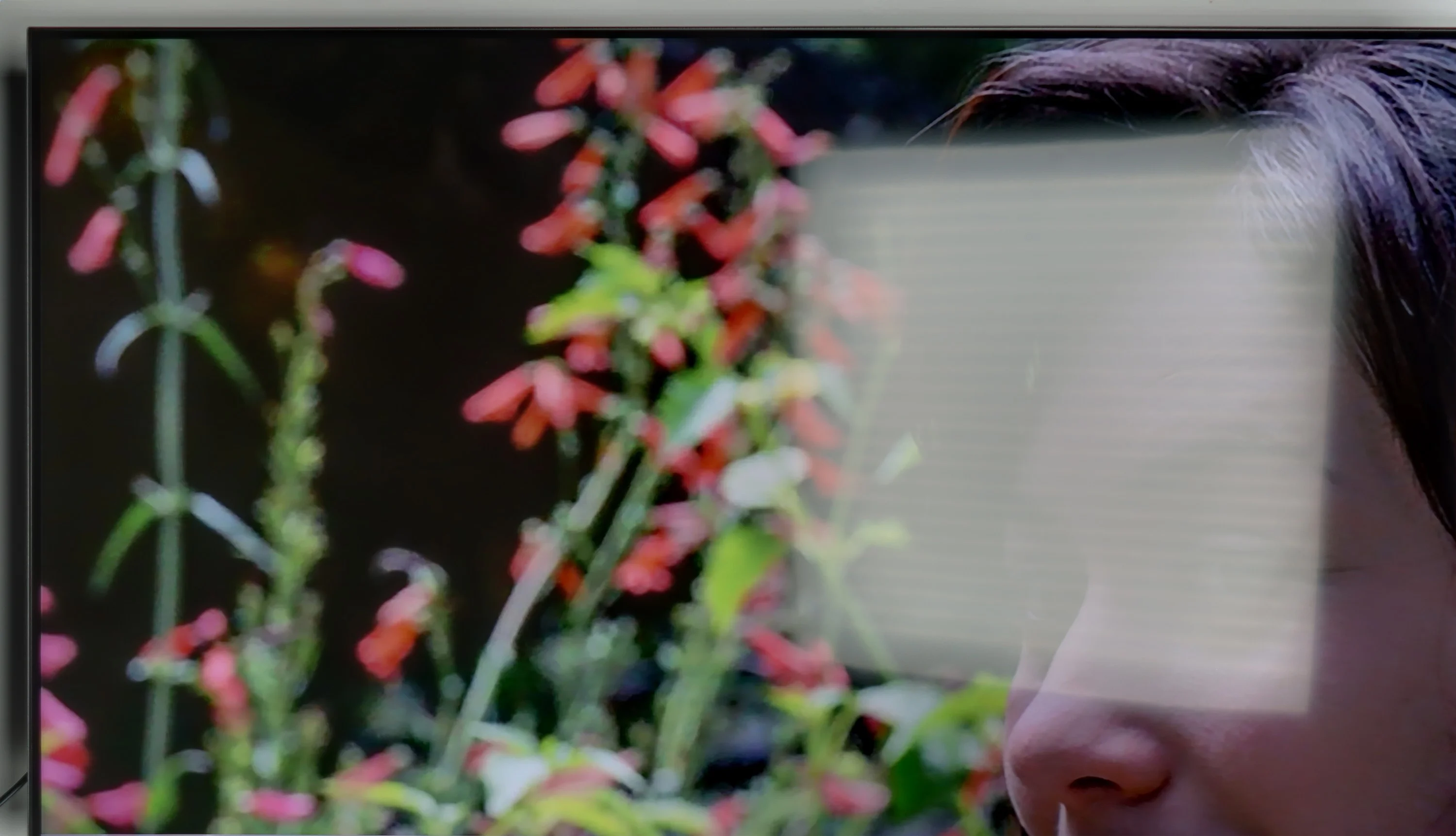
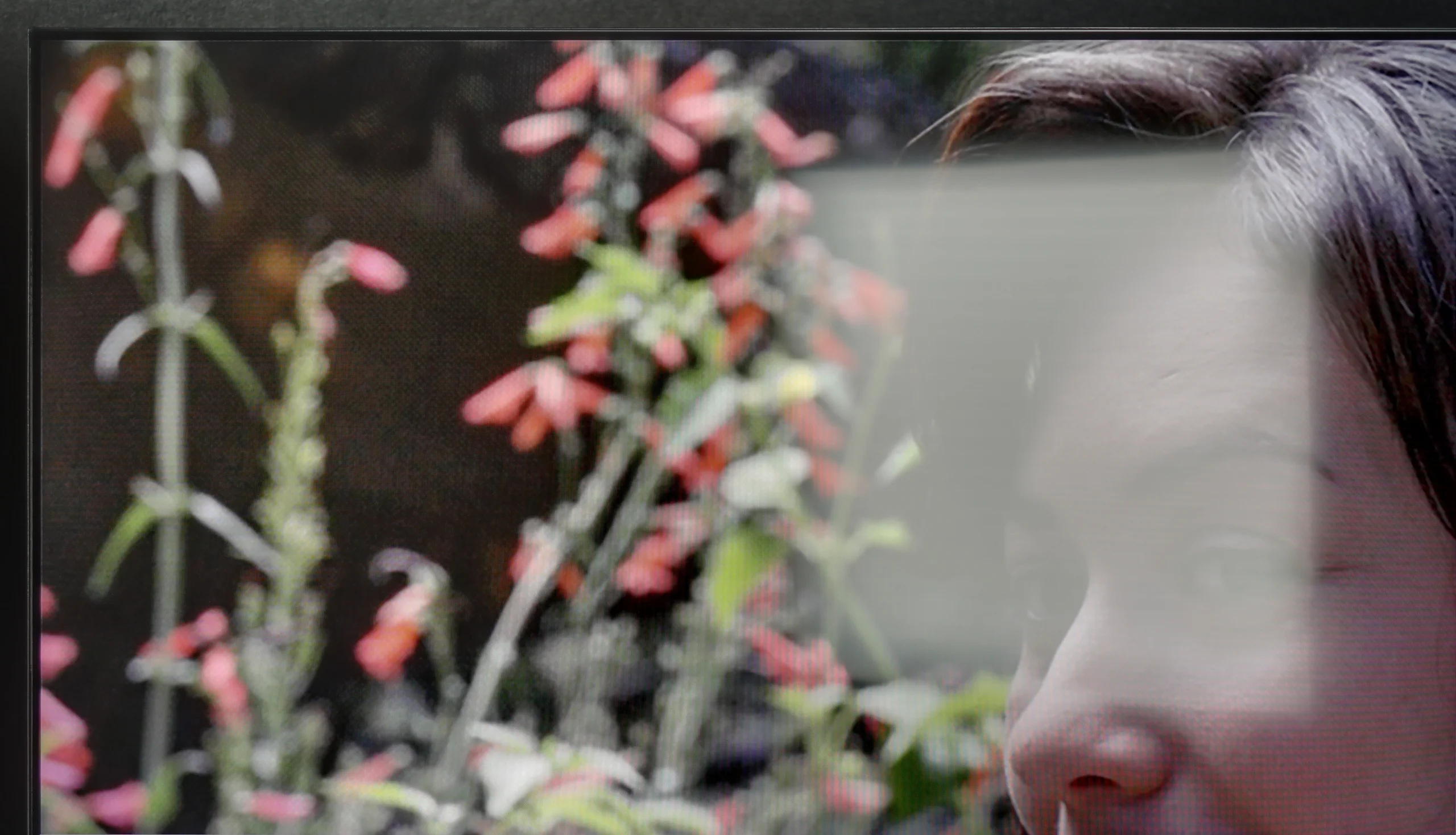
However, the P755 has some limitations. Low brightness and narrow viewing angles may impact viewing in brightly lit spaces, and dithering can introduce artefacts in darker scenes and reduce font clarity on a PC.
Overall, the TCL P755 offers premium features like Dolby Vision, a wide colour gamut, and low input lag at an affordable price, with the trade-offs being reasonable given its price bracket.
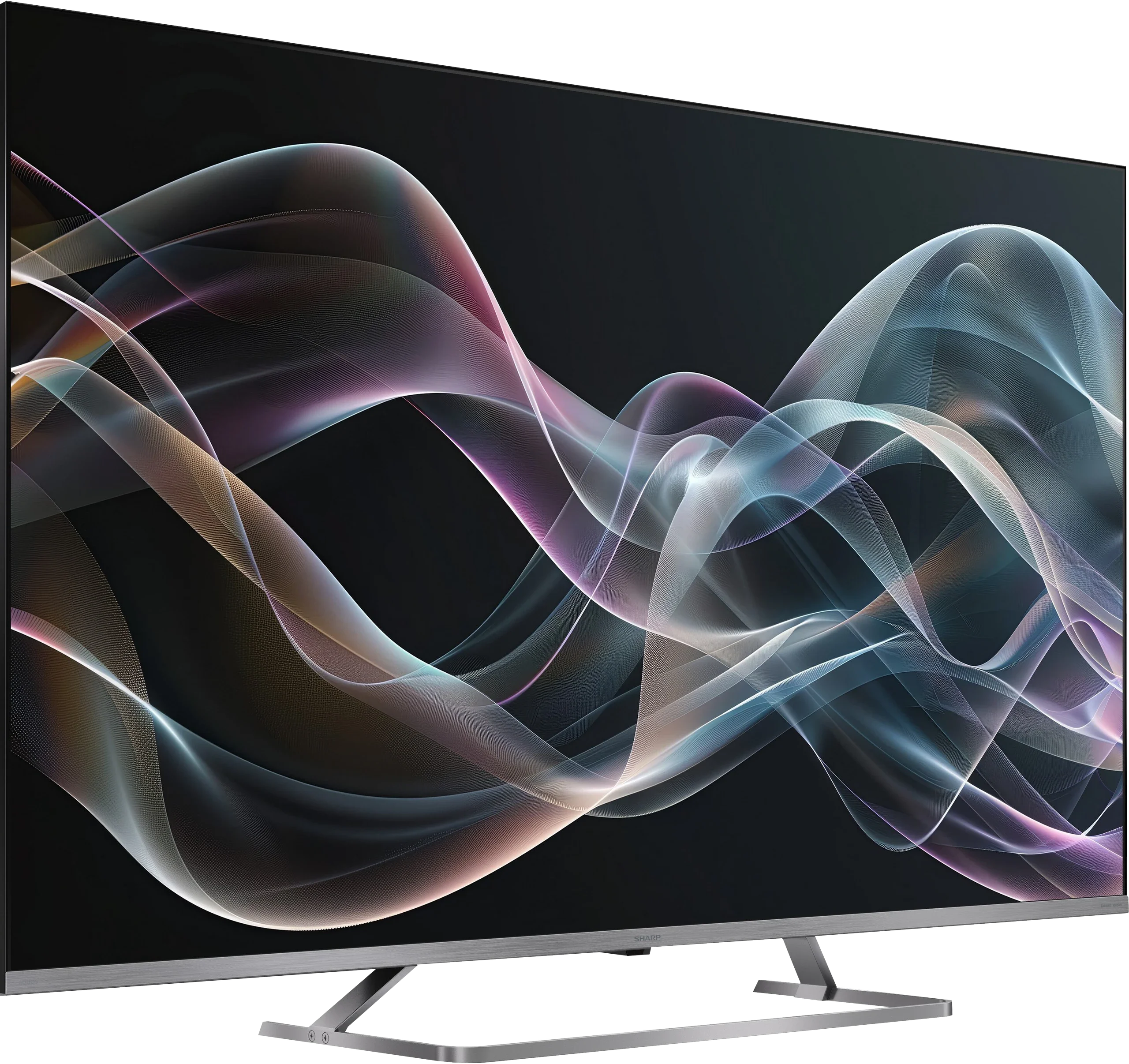
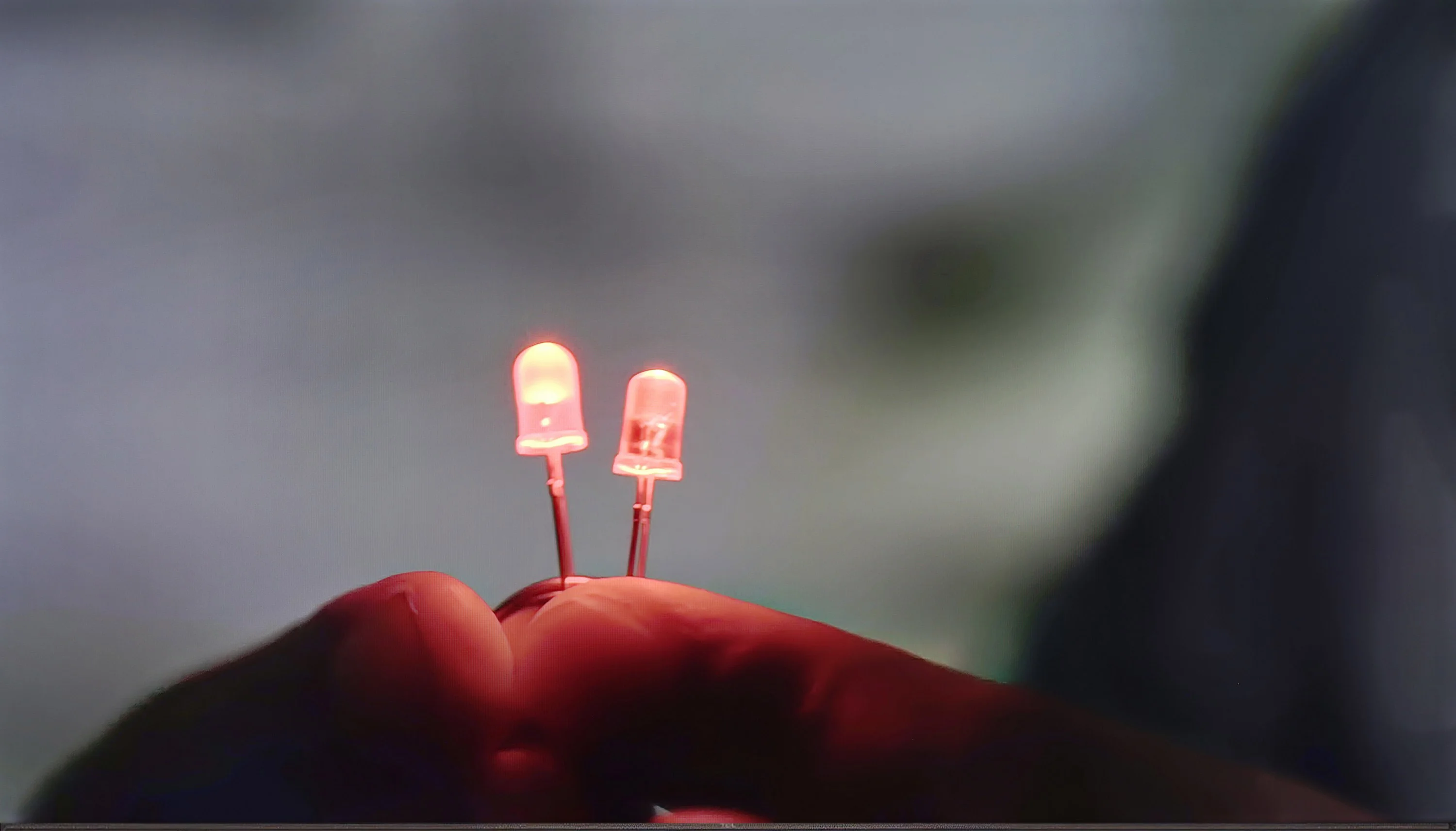
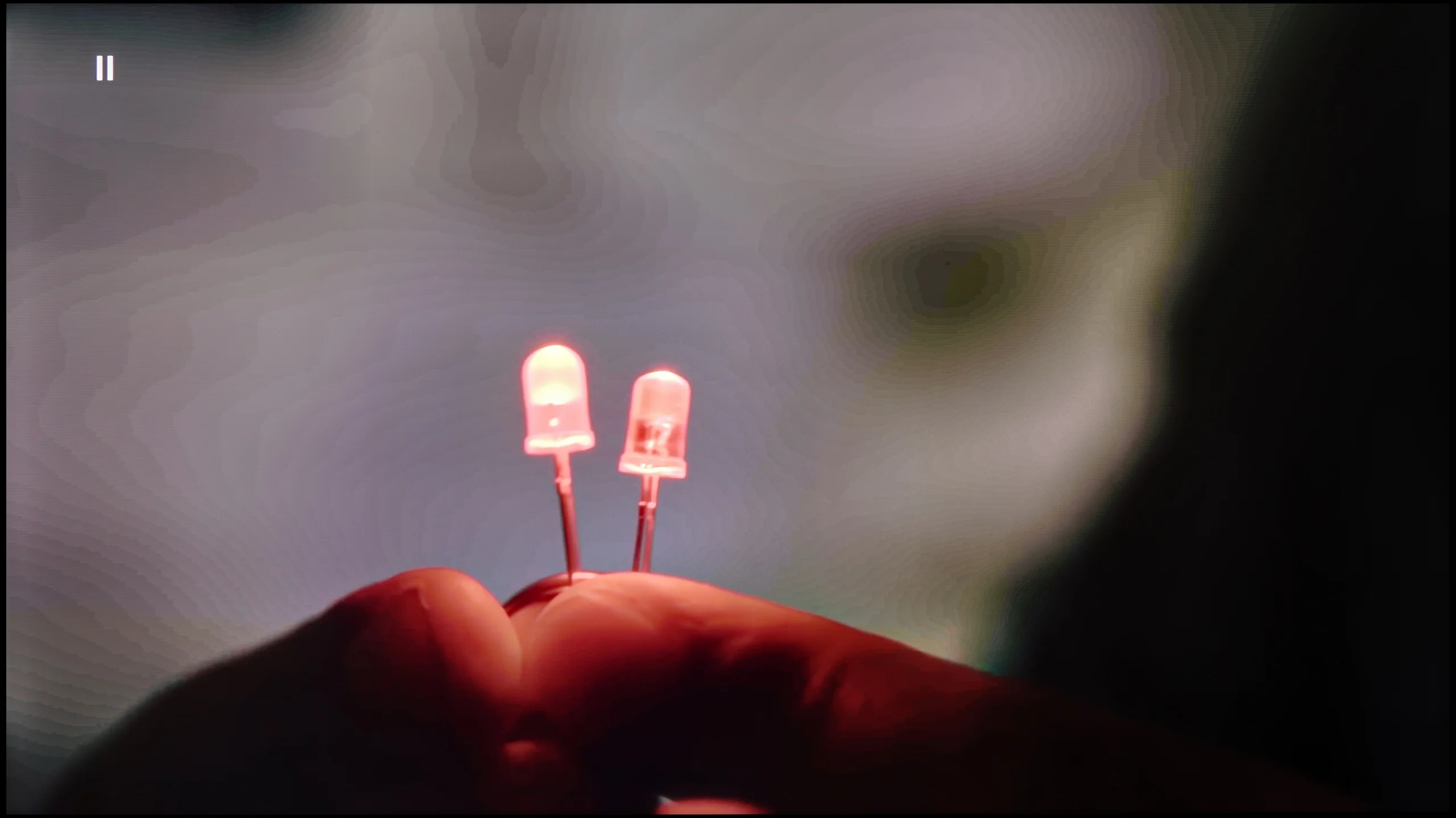
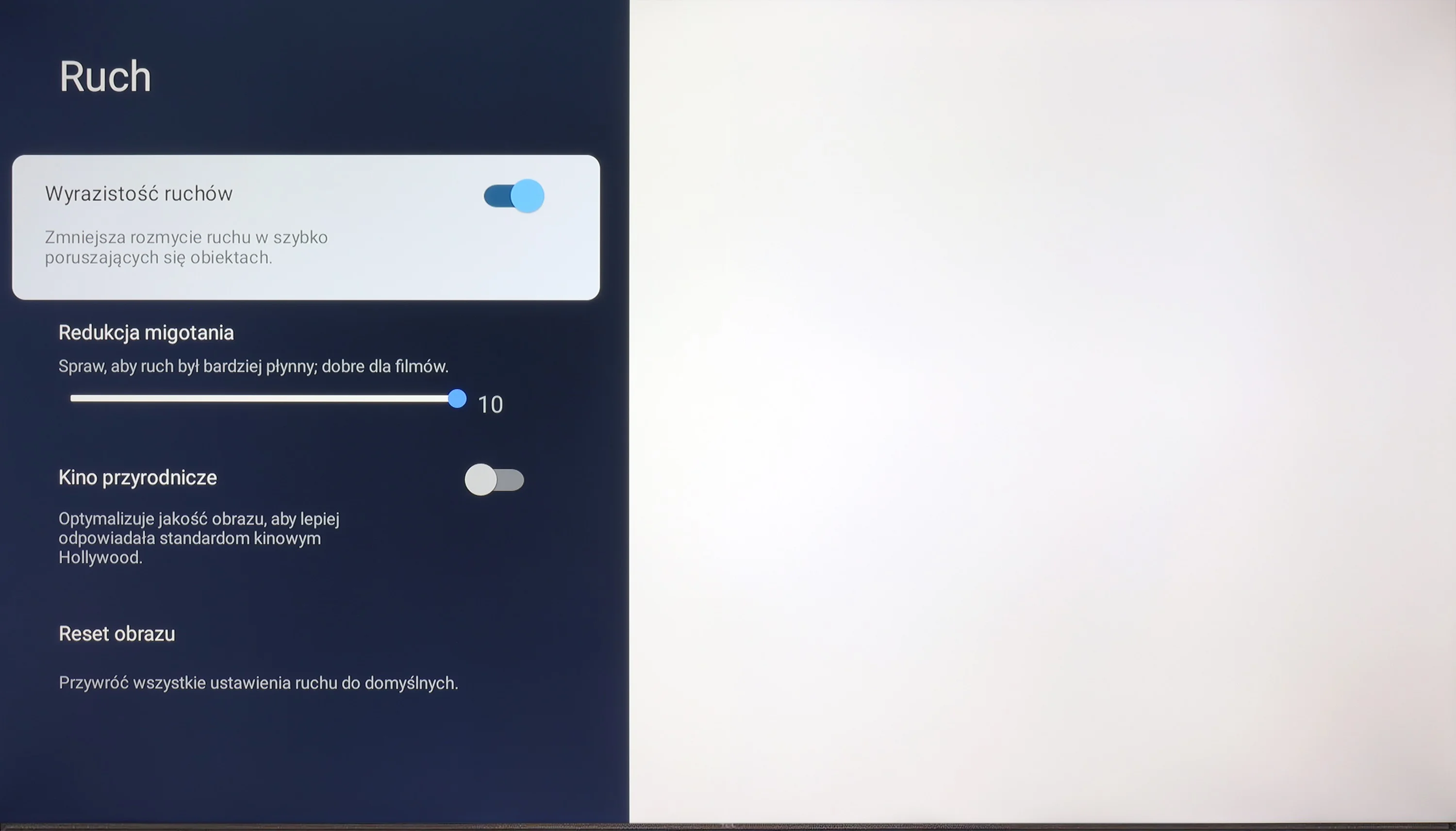
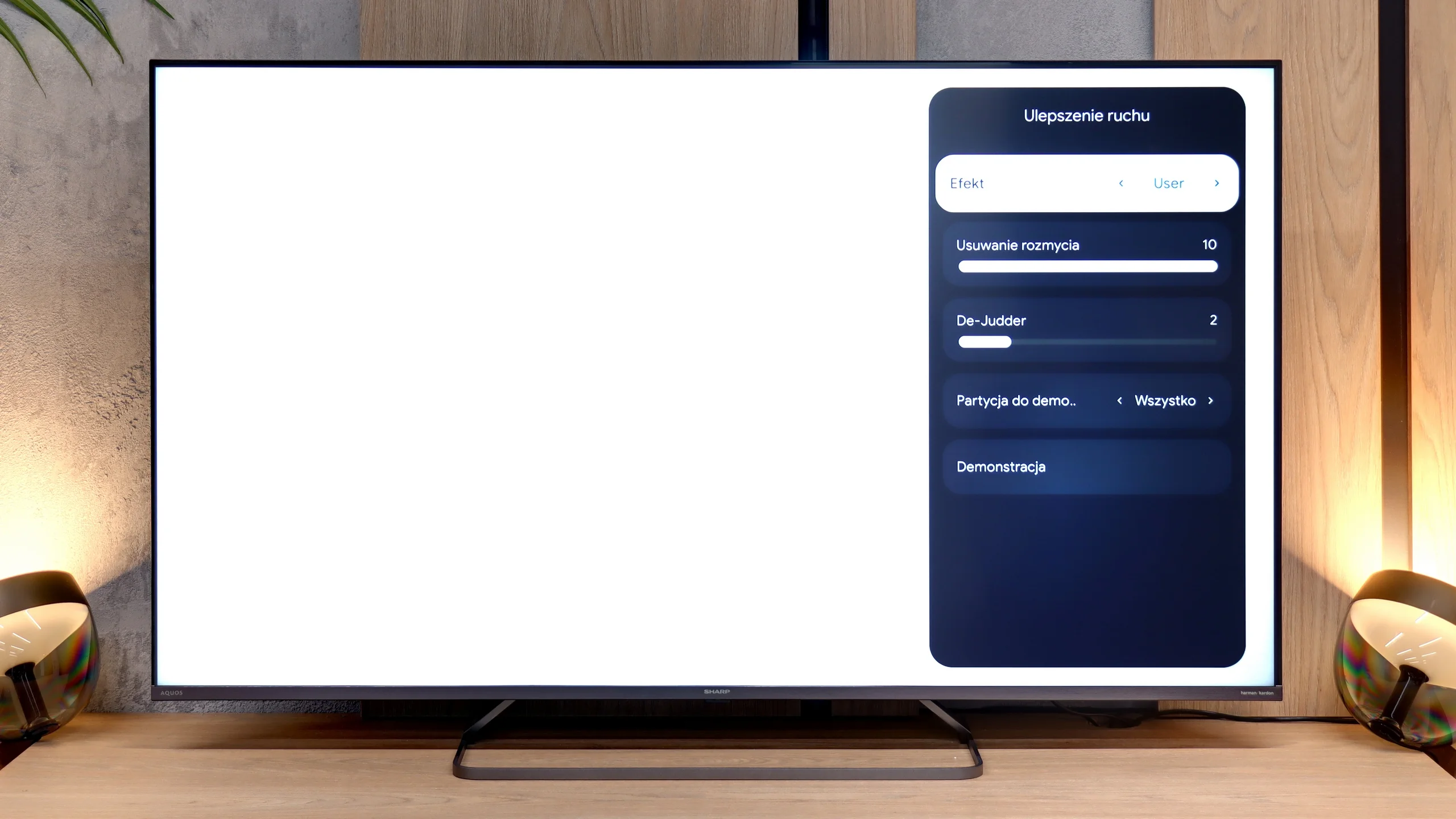
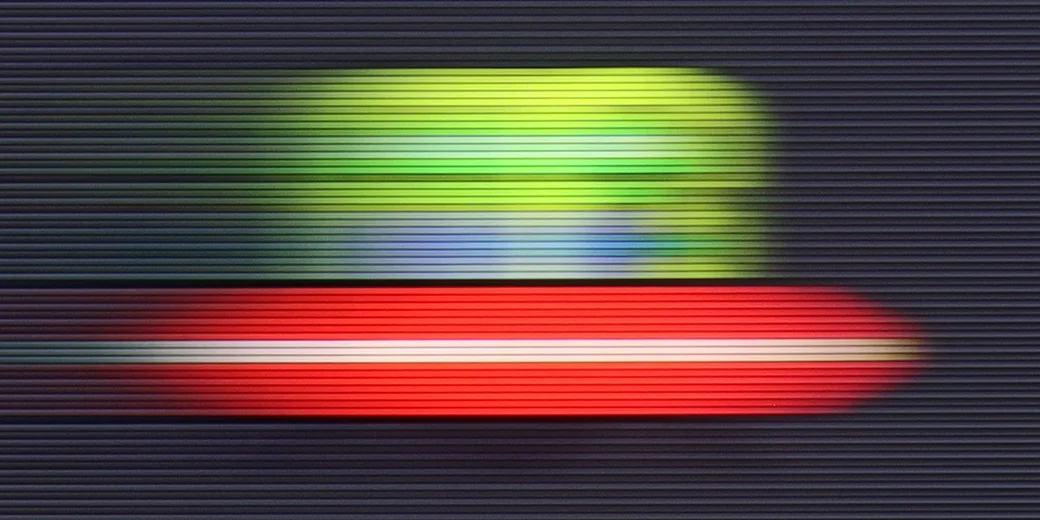
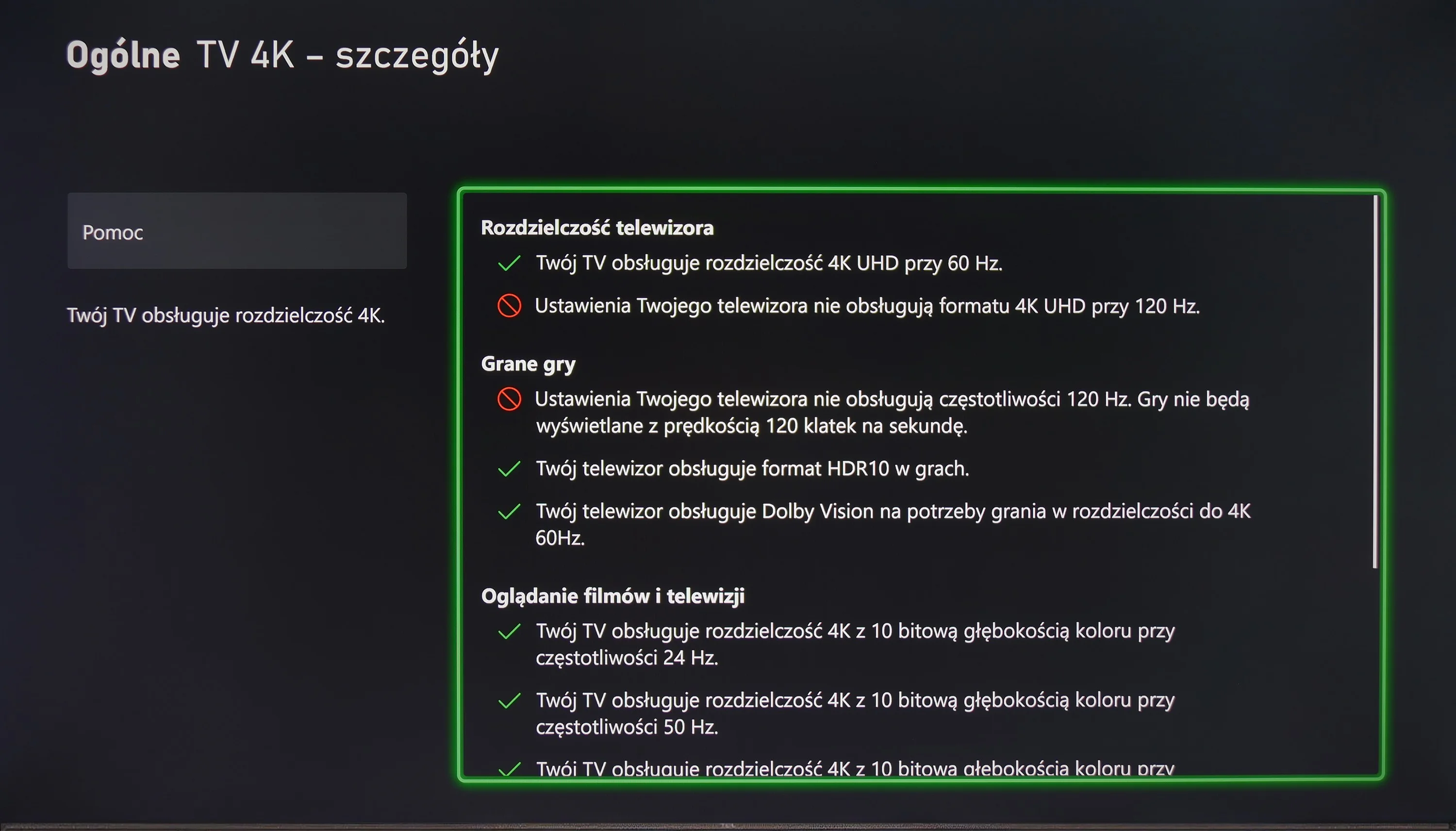
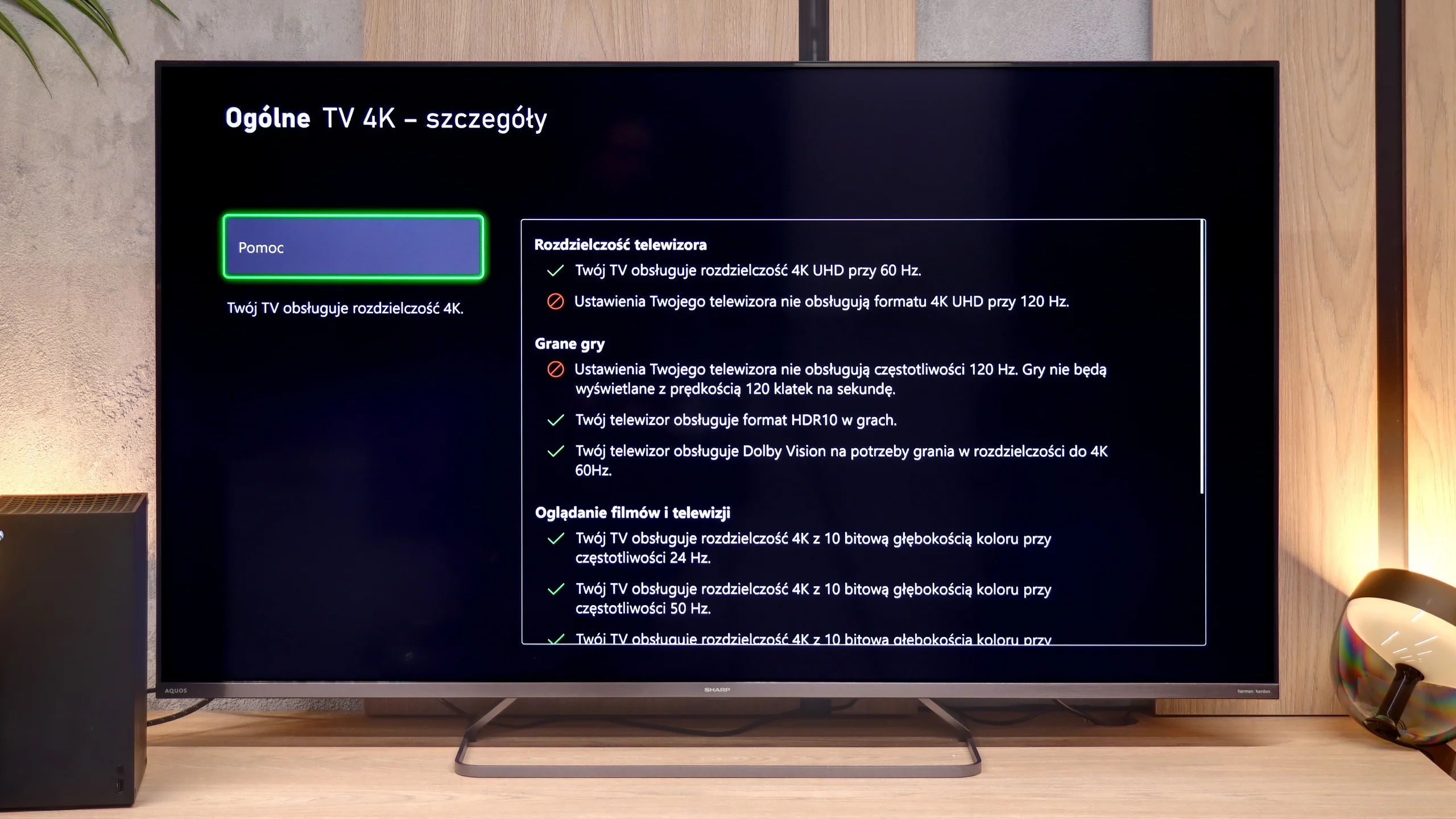
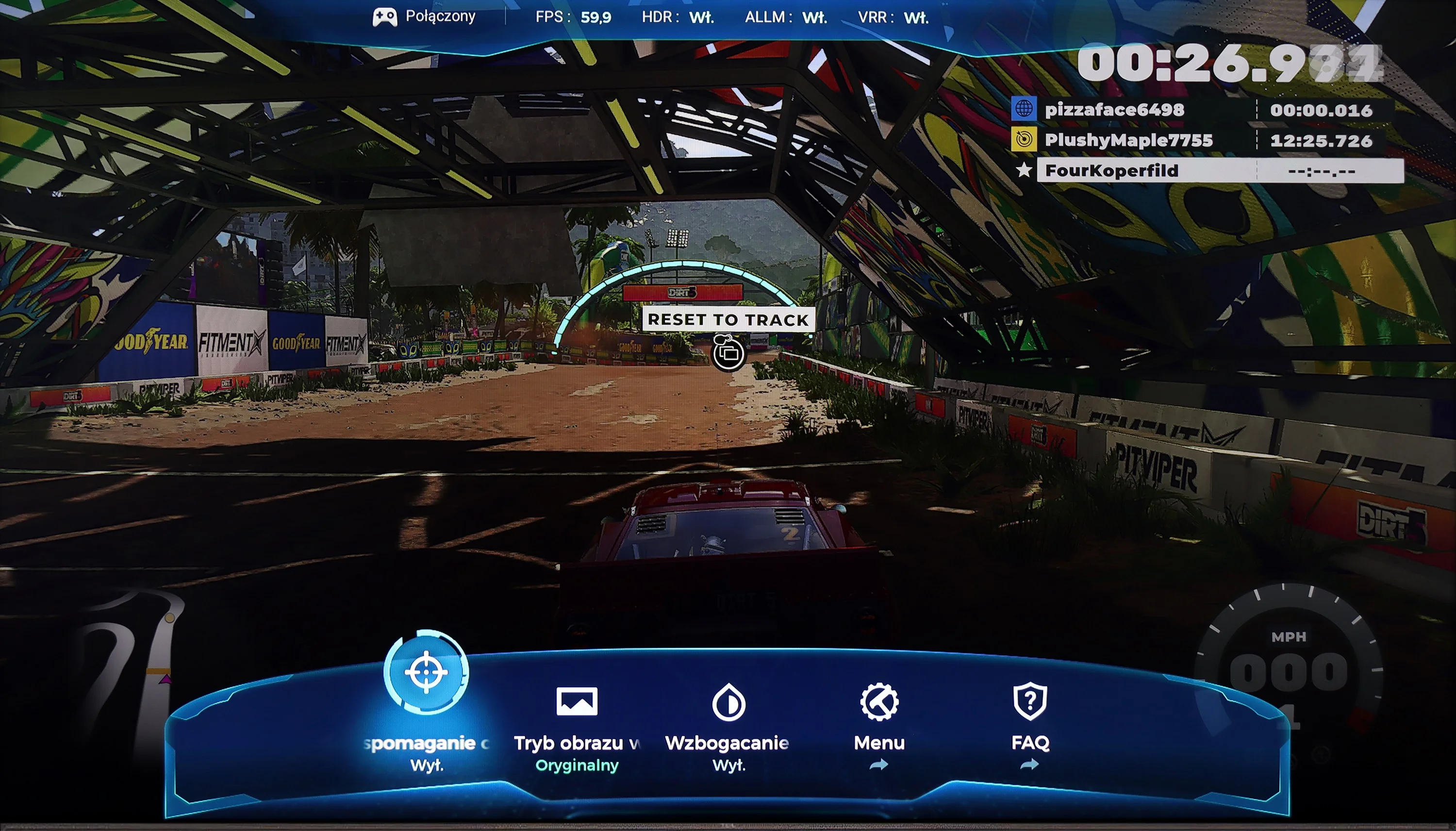
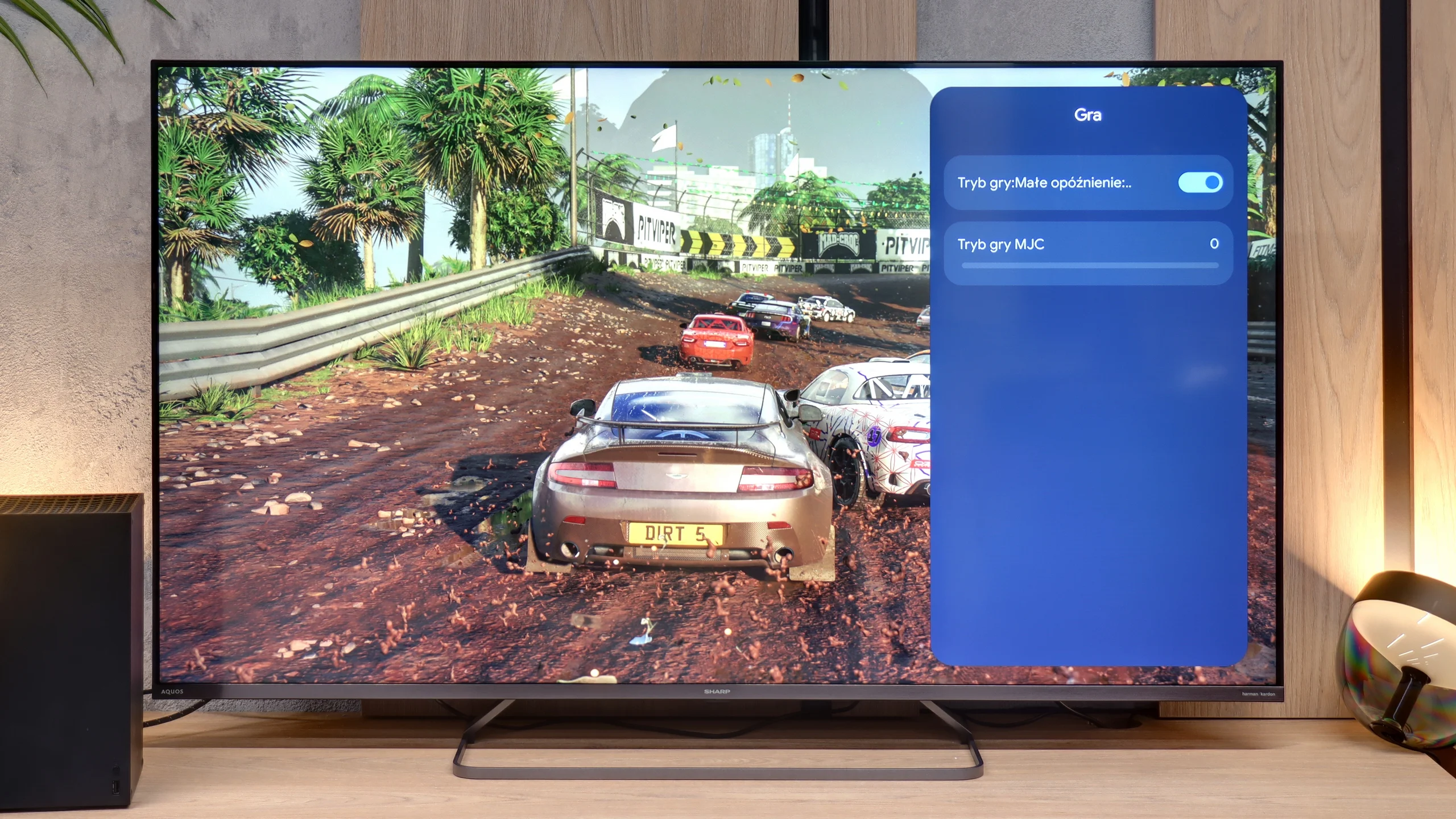
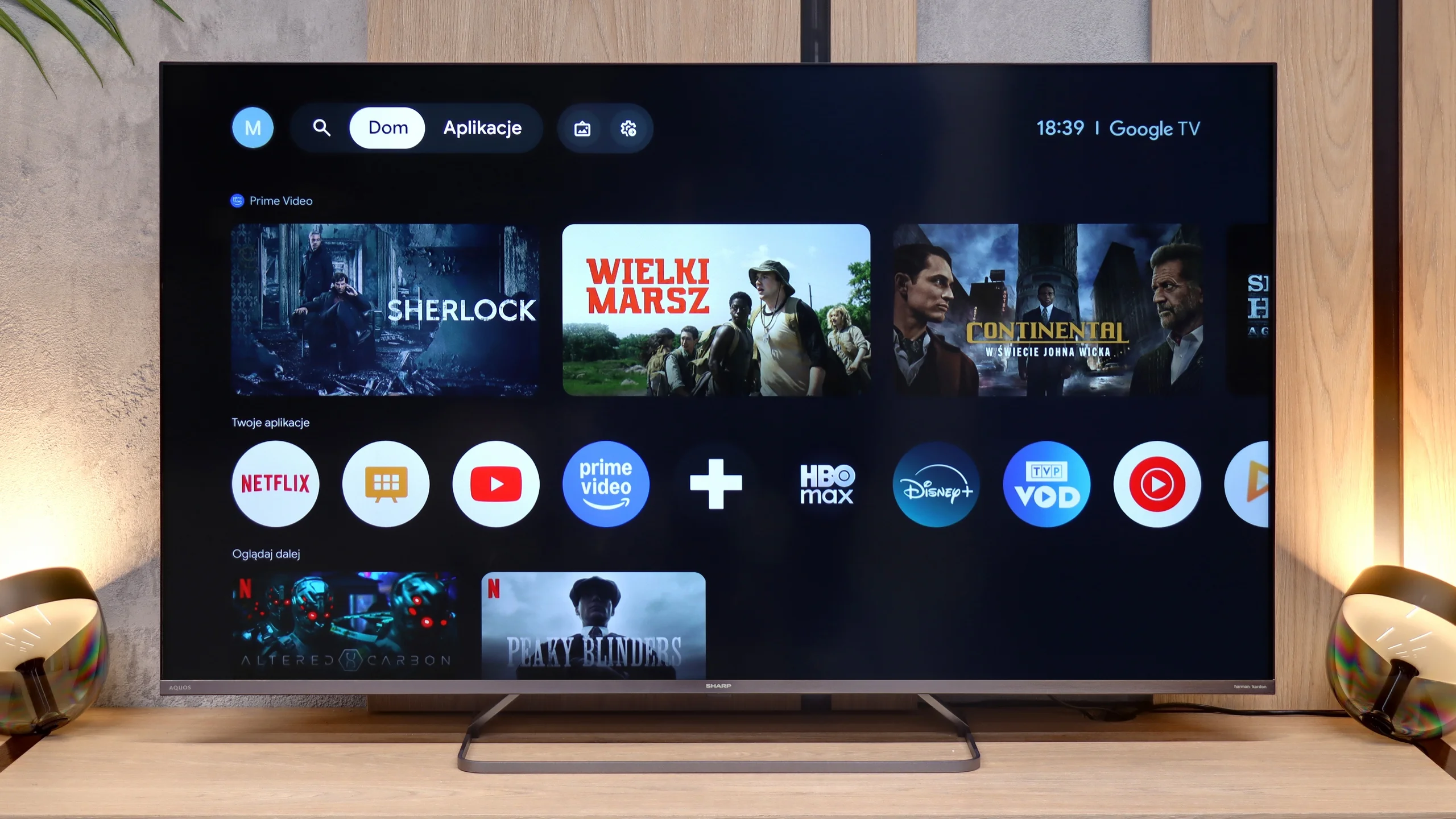
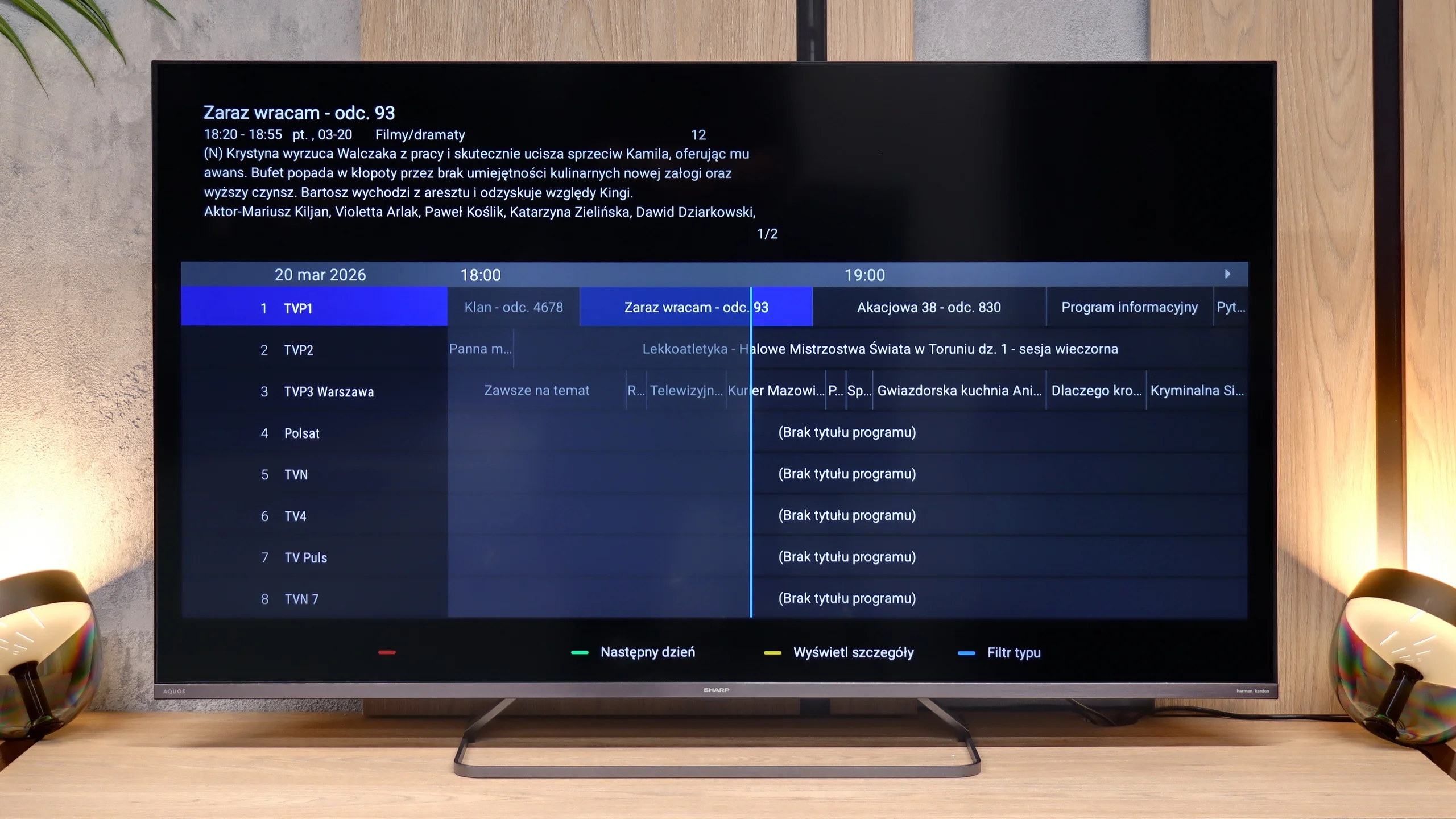
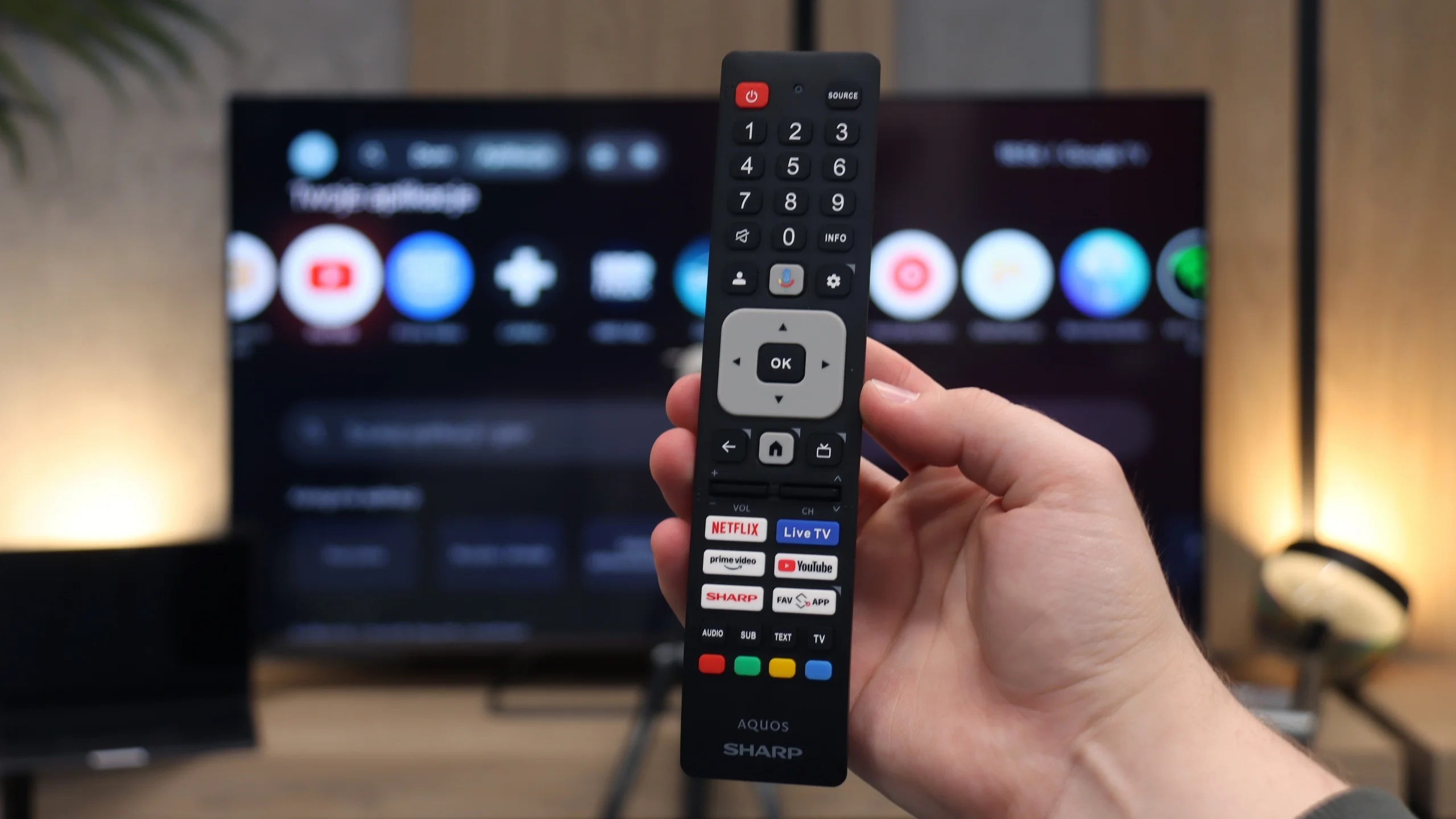
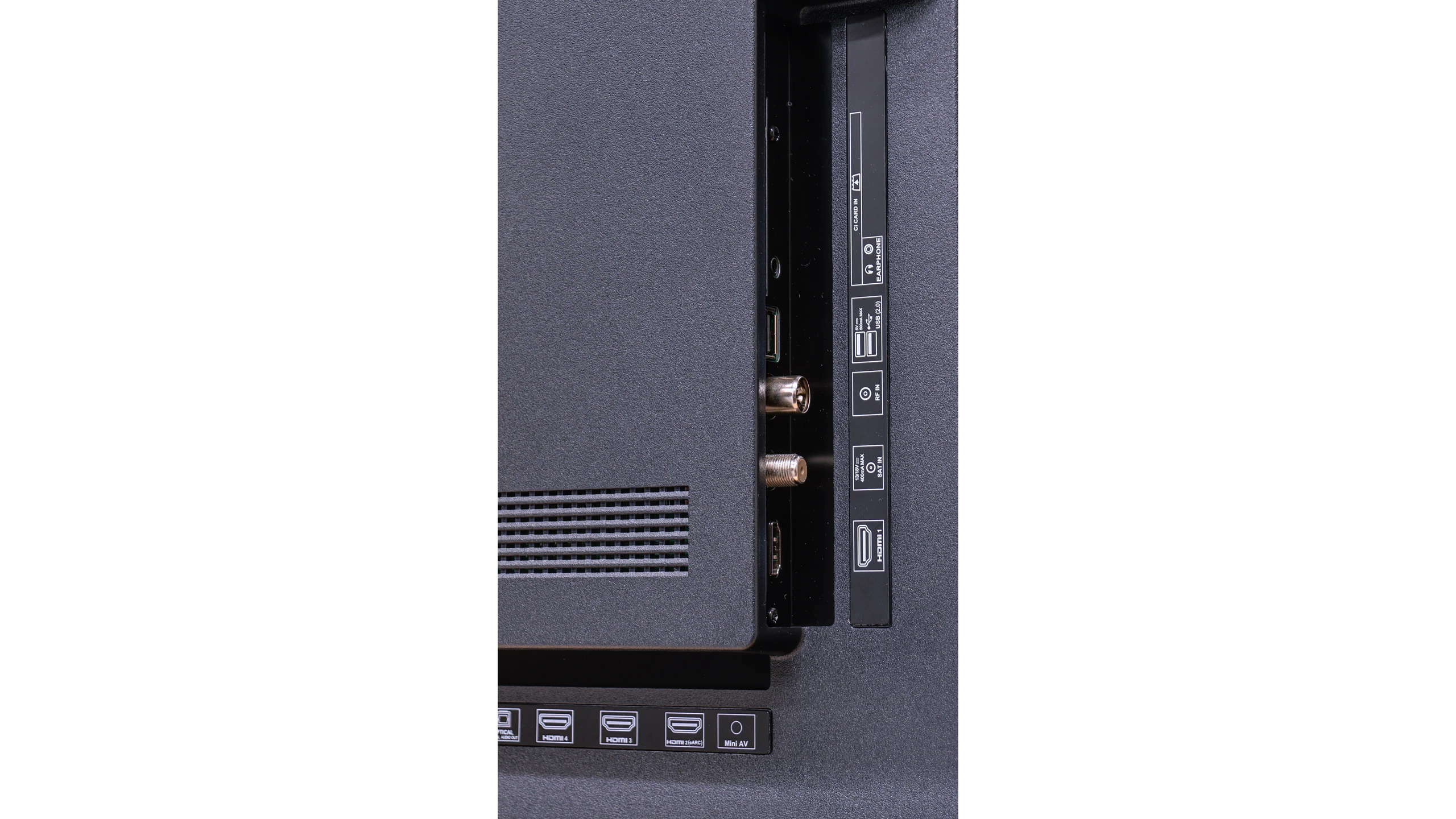
Sharp JP7765 is another offering in the market that tries to prove that Mini-LED technology doesn’t have to cost a fortune. The low price is matched with an exceptionally high brightness — a peak of 1000 nits in HDR is a result that simply impresses in this price range. Although the proprietary processor doesn’t always manage backlighting perfectly in demanding scenes, support for Dolby Vision effectively saves the situation. Thanks to dynamic metadata, the image becomes plastic, deep, and simply appealing to the eye. Adding to this the Google TV system, extreme volume, and a rarely-seen headphone jack, we get a device that is a brilliant option for seniors or less demanding viewers transitioning from basic, cheap LCDs. In such a scenario, the Sharp JP7 appears to be a really decent and cost-effective choice. However, it must be made clear: contrary to marketing slogans, this is not equipment for everyone. Gamers or sports fans will definitely not find themselves here. The biggest drawback of the JP7765 model is the slow, 60Hz panel and significant motion blur, which essentially disqualifies this television when watching dynamic matches or playing fast-paced titles. The image loses sharpness so markedly during rapid movements that for a football or racing fan, it may be an unacceptable barrier.
So who is the Sharp JP7765 for? It is a sensible option for budget-conscious individuals who do not have high demands for motion fluidity but appreciate a “kick” of brightness. By choosing the Sharp JP7, you will definitely make a better deal than purchasing basic (non-dimming) televisions from the competition. Rivals usually offer standard LCD panels at a similar price that cannot compare to the capabilities of even such a basic Mini-LED model as the JP7. Ultimately, it’s a matter of a simple arrangement: you accept weaker motion fluidity in exchange for the powerful brightness that is hard to find with other manufacturers at this price point.
 Direct comparison