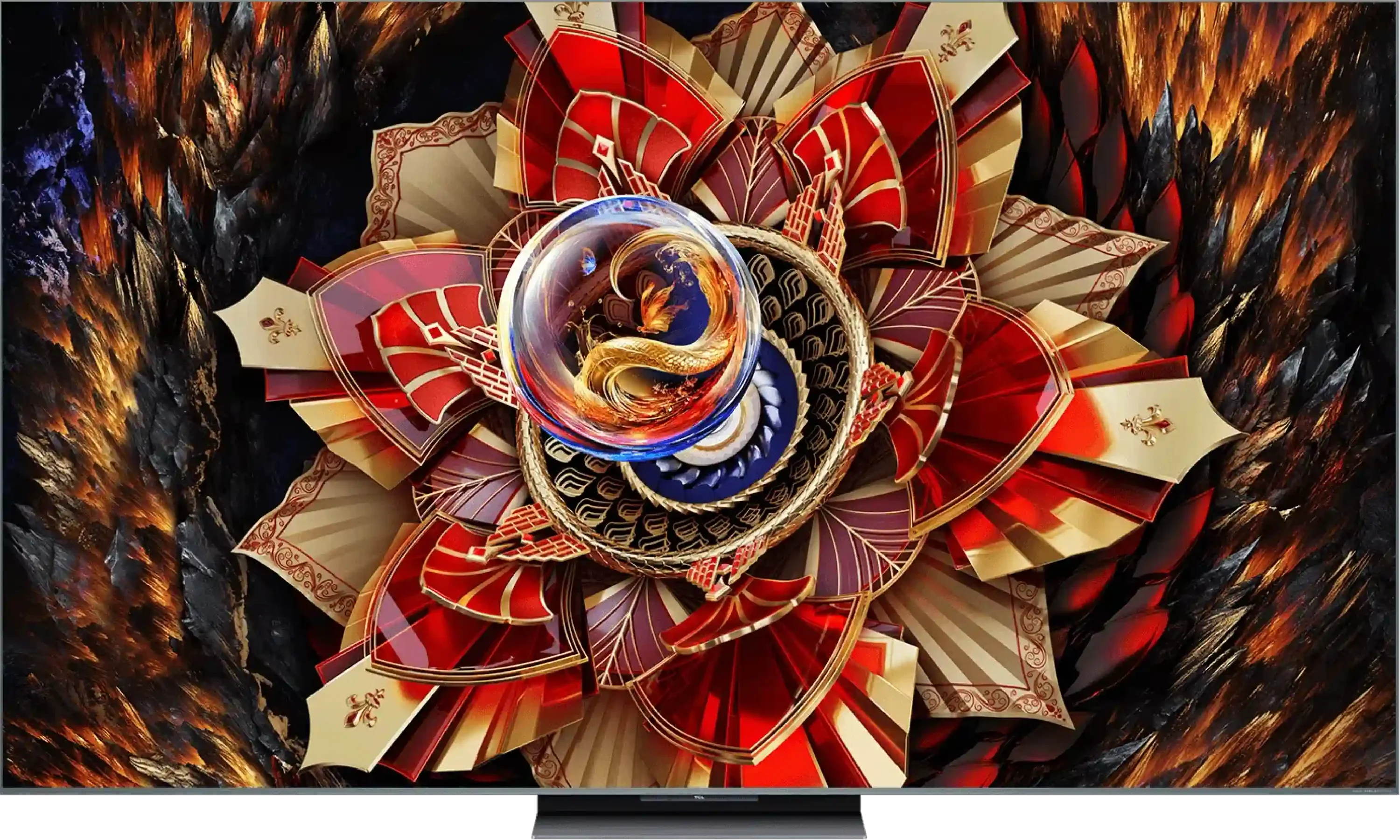
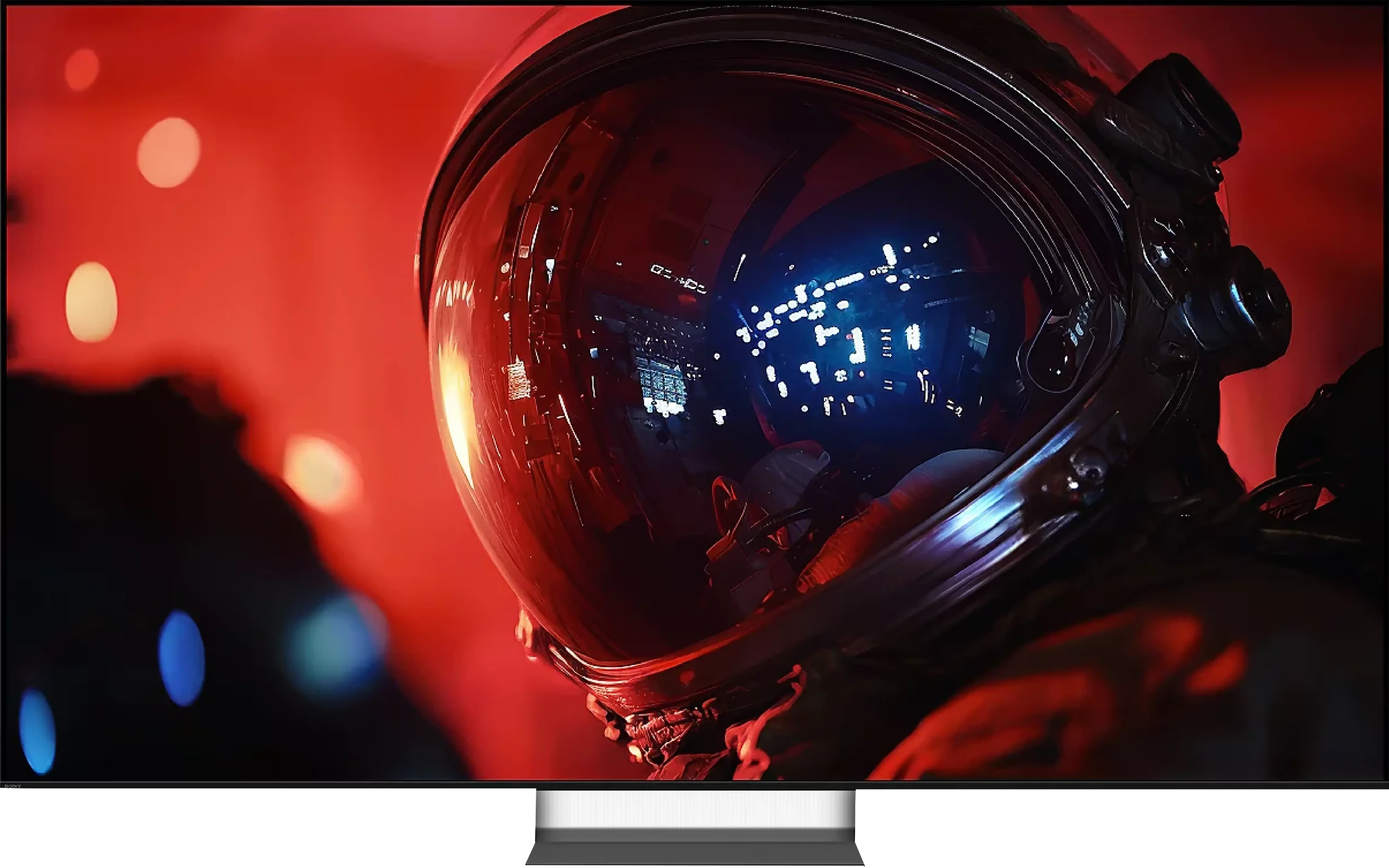
TCL C9K vs SONY Bravia 9 II XR95M2

Direct comparison

C9K

BRAVIA 9 II / XR95M2 / XR9M2

Available screen sizes: 65”75”85”

Available screen sizes: 65”75”85”115”

Panel type: LCD VA

Resolution: 3840x2160

System: Google TV

Model year: 2025

Complete the survey to find out the result

Panel type: LCD VA

Resolution: 3840x2160

System: Google TV

Model year: 2026

Complete the survey to find out the result

Overall rating

7.7

8.9

  • Movies and series in UHD quality

    7.5

    8.9

  • Classic TV, YouTube

    7.0

    8.4

  • Sports broadcasts (TV and apps)

    6.7

    8.0

  • Gaming on console

    8.8

    9.2

  • TV as a computer monitor

    8.6

    7.8

  • Watching in bright light

    7.0

    10.0

  • Utility functions

    7.7

    8.8

  • Apps

    9.6

    9.6

  • Sound quality

    7.9

    9.0

Advantages

  • Very good contrast and black

  • Very high brightness

  • Support for all HDR formats including Dolby Vision

  • Fast 144Hz panel - for gaming and sports fans

  • Many features for gamers: VRR, ALLM, low input lag, etc.

  • GoogleTV operating system with a wide range of applications

  • Great sound branded by Bang & Olufsen

  • Improved viewing angles thanks to WHVA panel

  • Remarkable black levels for an RGB Mini-LED LCD panel

  • Extremely high HDR and SDR brightness (identical to the Sony BVM-HX3110 director monitor)

  • Excellent daytime performance thanks to the matte panel

  • Very good color reproduction

  • Top-tier image processing

  • Plenty of gaming features (VRR, ALLM, HDMI 2.1)

  • Quite good viewing angles (for a VA panel)

  • Refined Google TV operating system and two remotes included

  • Very good sound

  • Support for premium video and audio formats: Dolby Vision, Dolby Atmos, DTS:X

Disadvantages

No like
  • Local dimming needs improvement

  • Only 2 HDMI 2.1 ports

  • No recording function from built-in tuners and no PiP

  • No smaller variants, e.g., 55"

  • Only 2 HDMI 2.1 ports (on a flagship 2026 model?!)

  • No 98-inch option in the lineup

  • Limited picture calibration features

  • Highly noticeable local-dimming zone operation when viewed at an angle

  • No high refresh-rate modes for PC gamers (higher than 120Hz)

Our verdict

The TCL C9K is a television that on paper looks like a show of strength from the manufacturer – thousands of Mini-LED zones, WHVA panel, audio system from Bang & Olufsen, full support for HDR formats, gaming at 144 Hz, and even 288 Hz at lower resolutions. It’s clear that TCL wanted to throw in absolutely everything they had best. And indeed – in many aspects, the C9K can impress. The brightness is enormous, HDR in large scenes can be breathtaking, motion smoothness and gaming capabilities are at a top level, and the sound – considering it’s built into the television – sounds really good. This is a device that can easily be seen as a home entertainment center. But there is also another side to the coin. Brightness management simply falters despite the amazing technical specifications – smaller details often get lost in the shadows or are blown out. And although synthetic tests of contrast or brightness perform exceptionally well, in everyday viewing of movies and series, the effect is no longer so impressive.

To summarize briefly: the C9K is a television full of contrasts – literally and figuratively. It can provide experiences close to top screens, but it's still evident that TCL needs to work on the software and optimization. If someone is looking for a screen for gaming, sports, or spectacular blockbusters – they will be delighted. However, if one expects perfect reproduction of the director's vision and thinks they have managed to buy an absolutely top model at half the price of the competition, unfortunately, they will be disappointed. It's a pity, because the technological potential here is truly vast – it just lacked a bit of common sense in its utilization.

Sony Bravia 9 II is, without a doubt, one of the most advanced TVs that has ever passed through our editorial office. The Japanese have built a real beast, using a completely new RGB Mini-LED backlight design they call True RGB. But the technology alone is only half the success. Only combined with Sony’s years-refined image processing algorithms did a TV emerge that is closer to the director’s vision than any other screen we’ve tested so far. This is where you can see why Sony has enjoyed such a reputation in the world of imaging for years. HDR looks spectacular, brightness at times seems almost absurd, black levels for an LCD can be surprising, and colors are both incredibly vivid and natural. Most importantly, all these elements form a coherent whole. There’s no sense that the TV is trying to impress only with specification numbers — you simply enjoy watching it, whether it’s a movie, a series, or gaming. Beyond the excellent picture quality, it’s worth remembering that this is simply a complete TV. Google TV runs quickly and offers practically all the major apps, gamers get a full set of premium features, and support for audio and video formats makes it hard to complain about the equipment. These are exactly the qualities we expect from a device that aspires to be the TV of the Year 2026.

Are there any downsides? Of course there are. Even the Bravia 9 II is not a perfect design. Interestingly, our biggest reservations are not about picture quality, because that is at an absolutely phenomenal level. We are far more surprised by the manufacturer’s decisions. In the flagship model for 2026 we still get only two HDMI 2.1 ports, which with a console, PC, or audio gear can be simply annoying. The other issue is the lack of a 98-inch version. It’s really hard to understand why a TV of this class doesn’t come in a size that’s recently become so popular.

So is it worth buying the Bravia 9 II? Our answer is: YES, YES, and once again YES. If you’re looking for an absolute top-tier TV and you care above all about picture quality, it’s currently hard to find a better choice. Sony has not only proven that RGB Mini-LED has huge potential, but also shown how the technology should be used. The “True RGB” label didn’t appear here by accident. What’s more, looking at the current price of this model, you can safely say it has been set quite reasonably compared to the competition. The Bravia 9 II is not just one of the best TVs of 2026. It’s a TV that sets a new benchmark and shows the whole industry what an RGB Mini-LED TV’s image should look like.

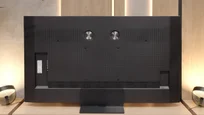
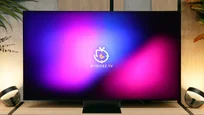
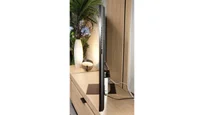
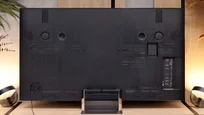
TV appearance

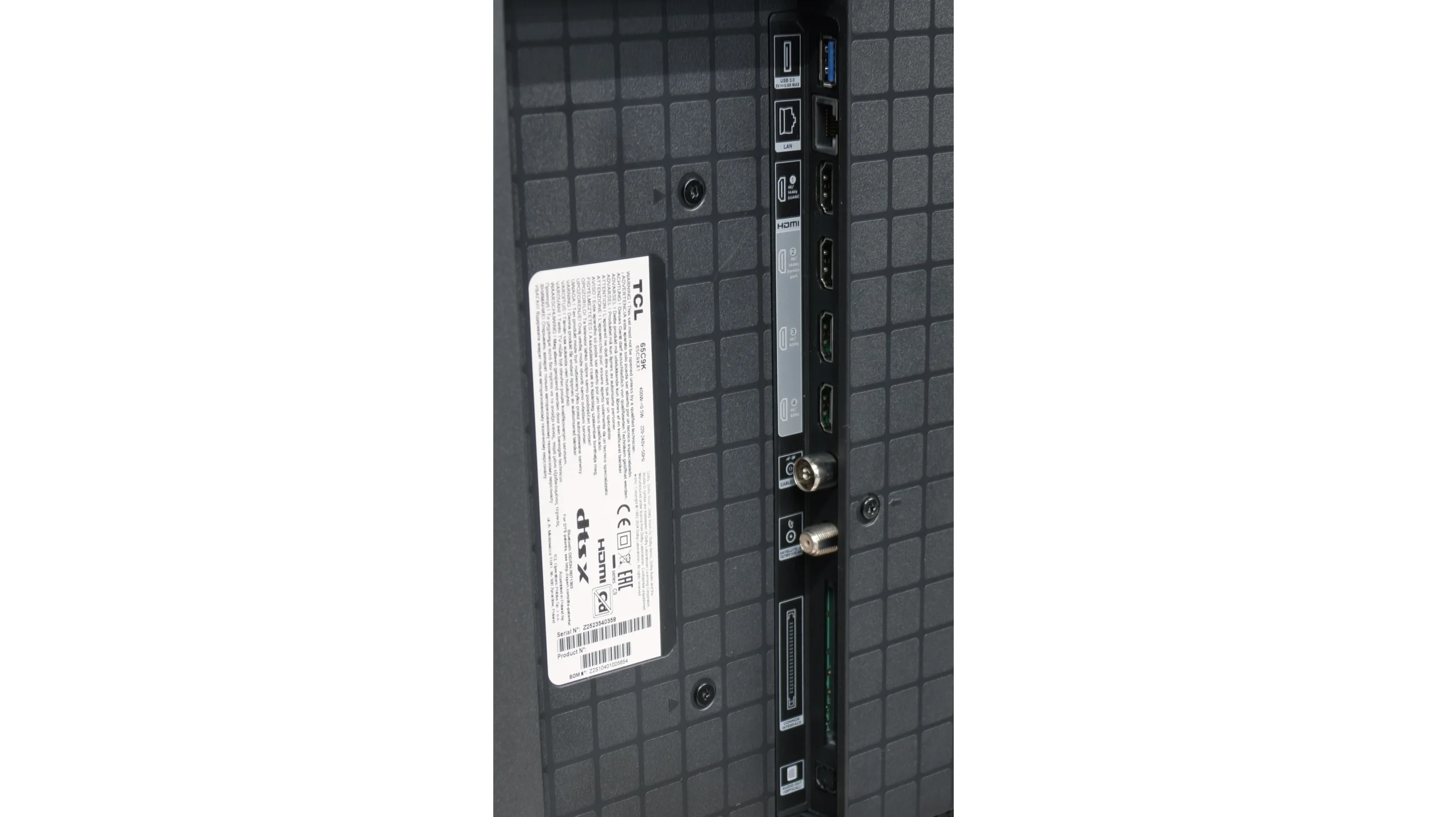
HDMI inputs
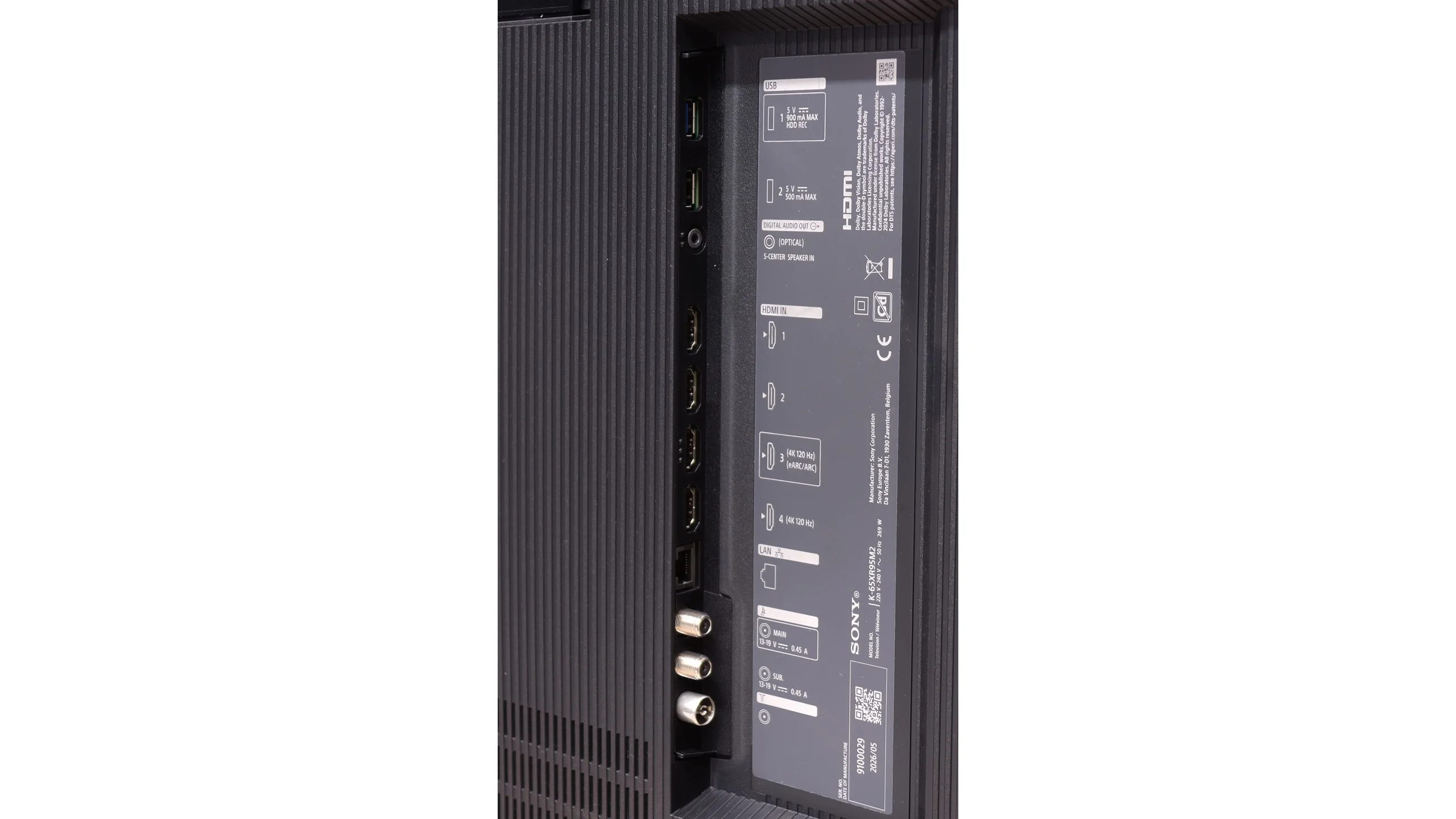
2 x HDMI 2.0, 2 x HDMI 2.1 (48Gbps)
Other inputs
Outputs
Toslink (Optical audio), eARC (HDMI), ARC (HDMI)
Toslink (Optical audio), eARC (HDMI), ARC (HDMI), Mini-Jack (Sony S-Center)
Network Interfaces
Wi-Fi 2.4GHz, Wi-Fi 5GHz, Ethernet (LAN) 100Mbps
Build quality
Premium
Super Premium
Stand type
Central
Central
Bezel color
Silver
Black
Stand
Fixed
Fixed
Flat design
Yes
Yes
Accessories
Stand
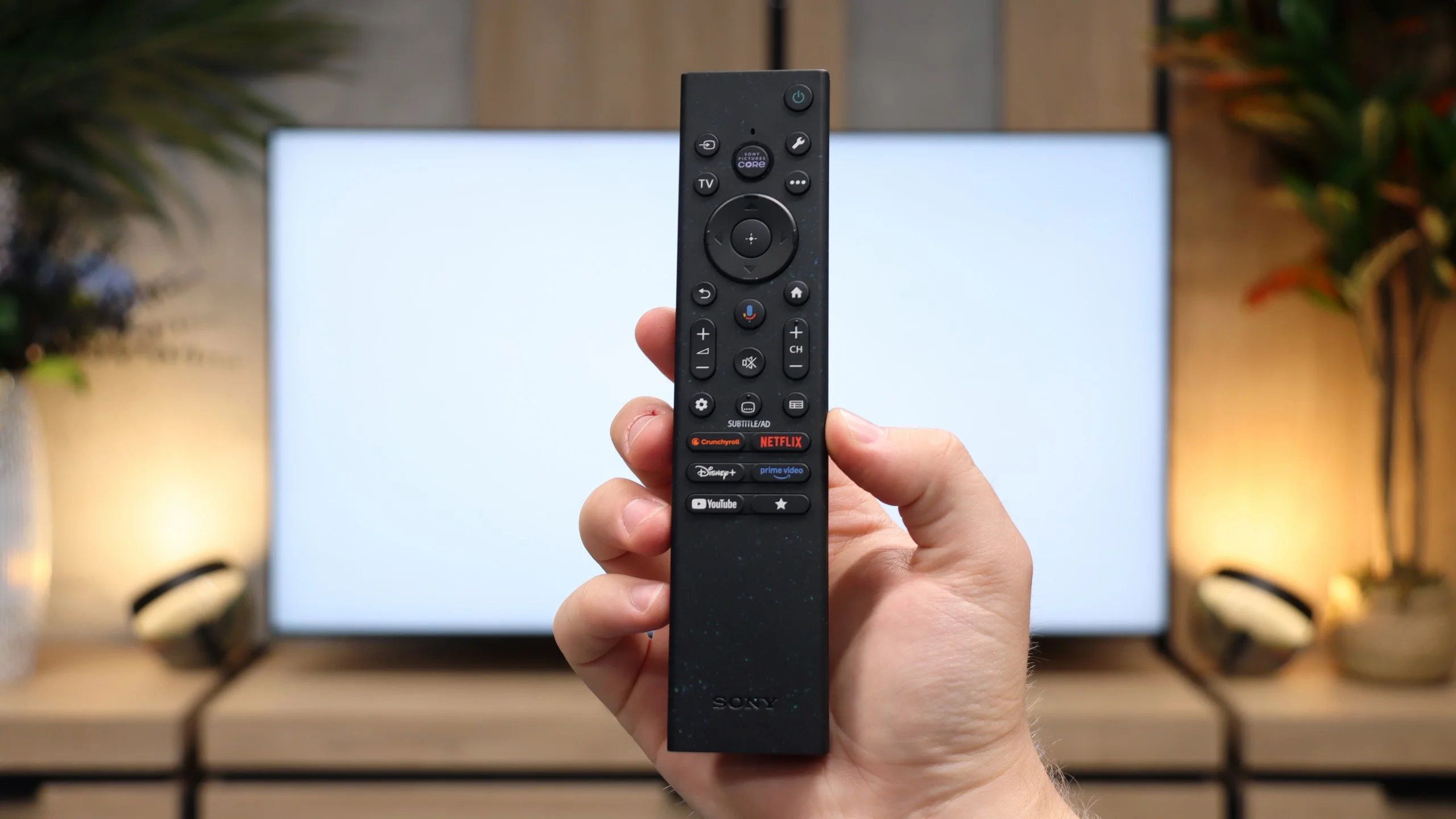
Two remote controls

Contrast and black detail

8.1/10

8.6/10

Local dimming function: Yes, number of zones: 3024 (42 x 72)

Local dimming function: Yes, number of zones: 1500 (30 x 50)

Contrast:

Review TCL C9K Contrast and black detail

Result

459,000:1

Review TCL C9K Contrast and black detail

Result

72,750:1

Review TCL C9K Contrast and black detail

Result

30,350:1

Review TCL C9K Contrast and black detail

Result

9,800:1

Review TCL C9K Contrast and black detail

Result

12,200:1

Review SONY Bravia 9 II XR95M2 Contrast and black detail

Result

218,000:1

Review SONY Bravia 9 II XR95M2 Contrast and black detail

Result

66,700:1

Review SONY Bravia 9 II XR95M2 Contrast and black detail

Result

448,850:1

Review SONY Bravia 9 II XR95M2 Contrast and black detail

Result

12,700:1

Review SONY Bravia 9 II XR95M2 Contrast and black detail

Result

4,200:1

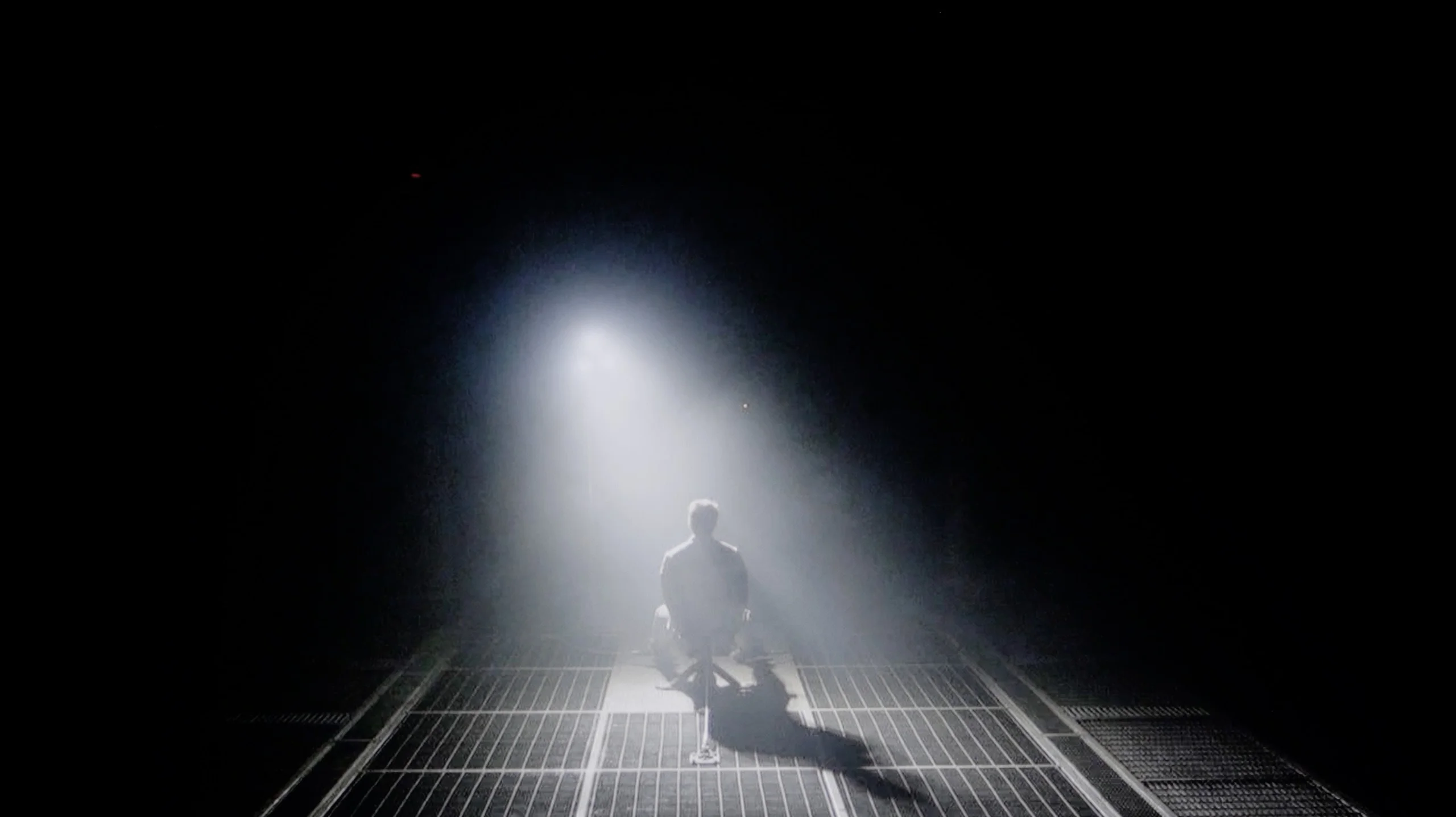
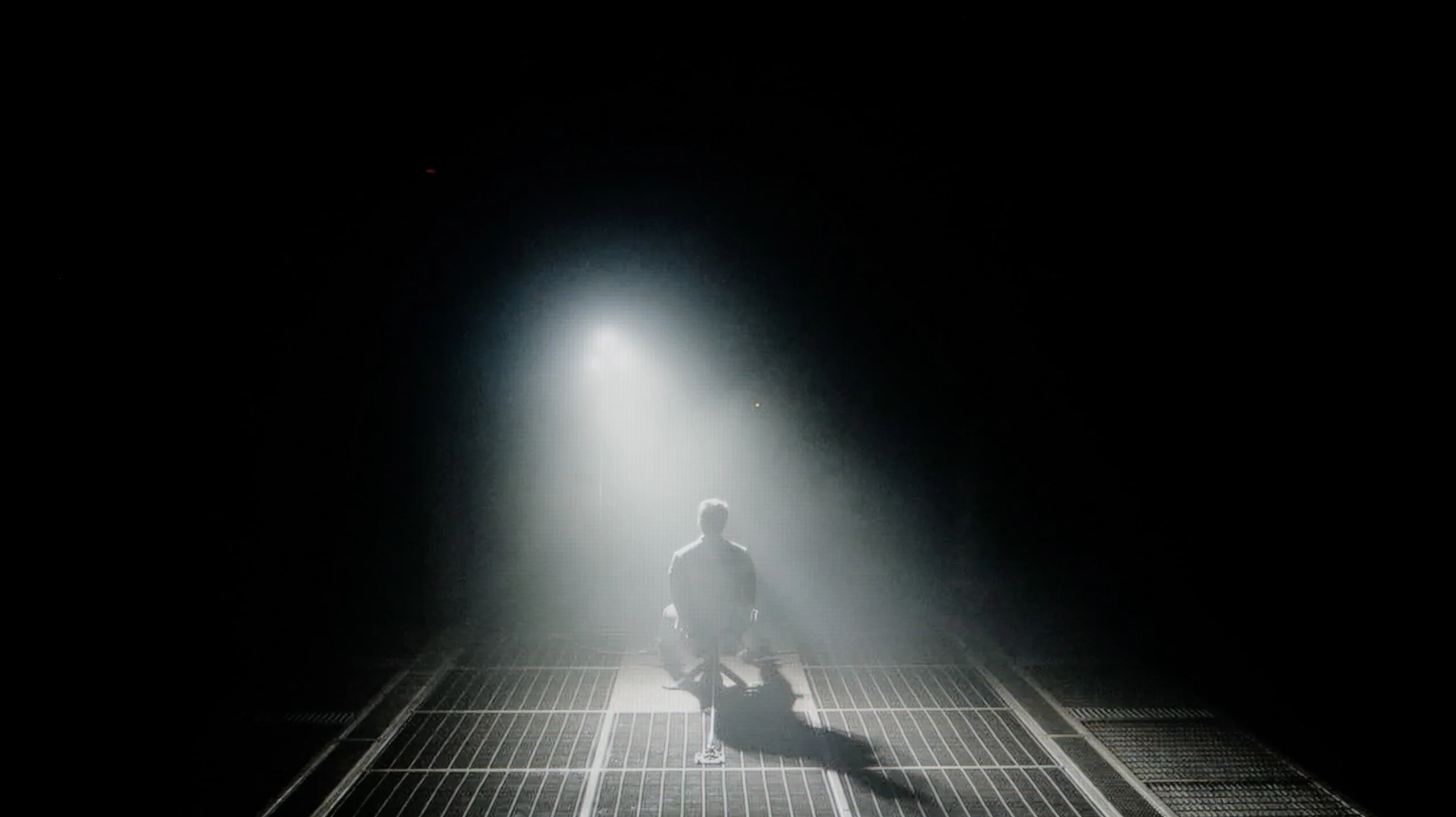
Halo effect and black detail visibility:

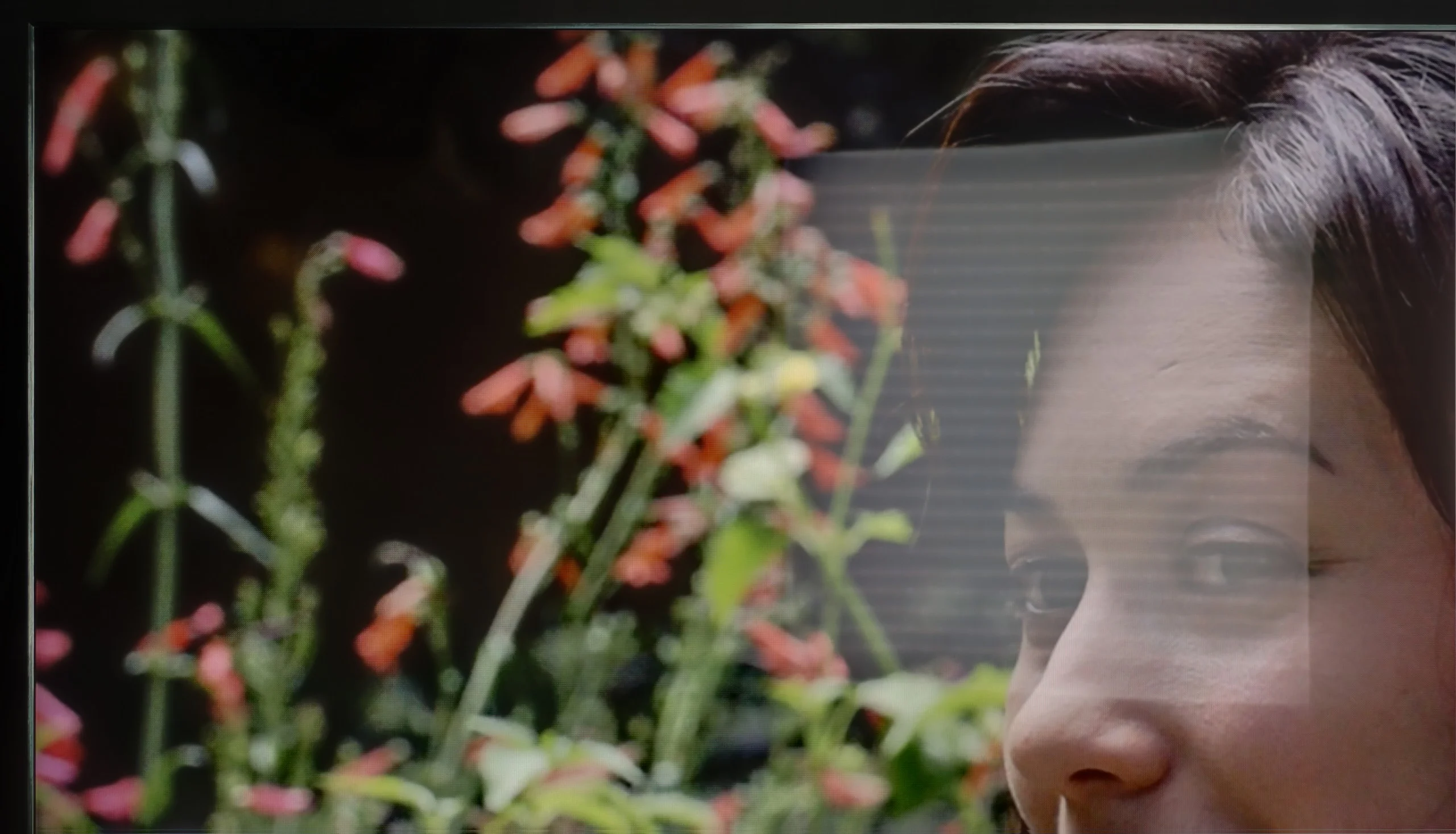
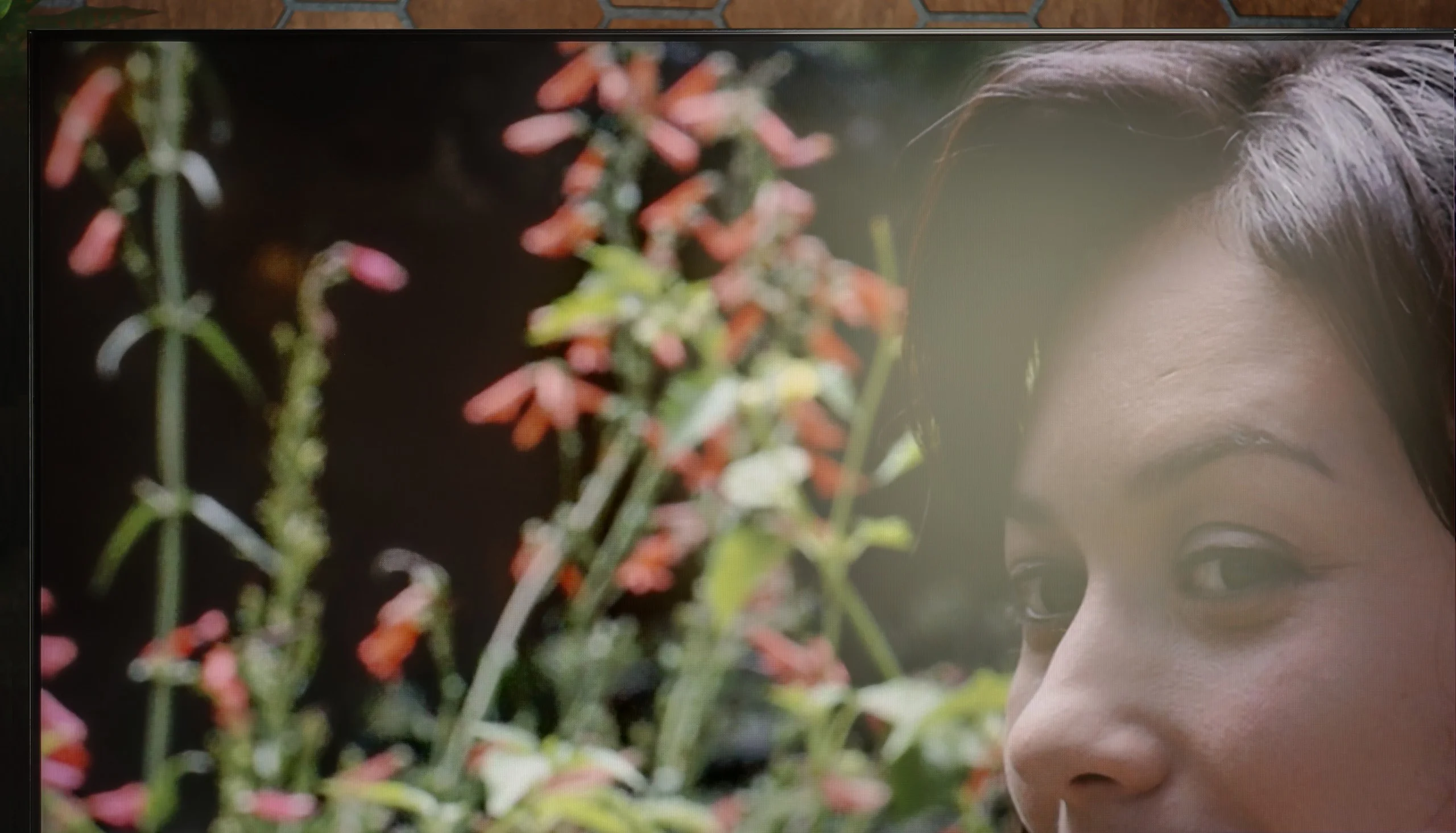
Check the visibility of bright lights on a dark background. Mini-LEDs often struggle with this. The photo does not compare black levels – that’s what the video below is for.

The video accurately shows differences in contrast and black levels between TVs, as well as potential issues: halo around bright objects or Mini-LED zone operation visible as brightness jumps.

What immediately distinguishes the C9K from the C8K model is the number of local dimming zones. In the 65-inch version, we counted… over 3000! One must admit – this is a true showcase of TCL's strength, cramming literally everything they had into this television. On paper, it makes a huge impression and indeed – in less demanding film scenes, the blacks look fantastic. The level is absolutely top-notch, and the separation of lights from dark parts of the image can be breathtaking. The problem is that this impressive specification does not always translate into practice. In our tests, we noticed situations where the C9K, despite having a greater number of zones, stumbled into contrast traps and performed… worse than the C8K. For instance, it cannot perfectly dim the true black bars in 21:9 format films (those with black bars on the top and bottom). Sounds strange? Unfortunately, this is the result of a lack of optimization – the hardware is "packed" with technology, but the algorithms do not always keep up with utilizing that potential.

Don't get us wrong – black is a strong point of the C9K and in many scenes, it simply looks fantastic. In synthetic measurements, the contrast is outstanding, coming close to the level of the best TVs on the market. But in real cinema usage, those numbers do not always correspond to a better experience than in its cheaper cousin. And that is probably the biggest disappointment – because the potential was enormous.

In the 65-inch size we tested, we counted exactly 1,500 independent local dimming zones. Combined with the VA panel's native high contrast, this translates into very good results when rendering dark scenes. Although the number of zones isn't as staggering as on classic QD-Mini LED-backlit displays, Sony's algorithms more than make up for that. The measured contrast reaches very high levels, and in simpler dark shots dominated by deep blacks the image can even resemble OLED screens. Of course, Mini LED has its physical limitations and it is not an OLED. When small bright elements appear on a dark background, the halo effect — the characteristic bright glow around a bright point, caused by the fact that a backlight zone is much larger than a single pixel — is still visible.

In the Bravia 9 II, however, this phenomenon behaves completely differently than in classic LCD TVs. Thanks to the new architecture, the glows around objects take on the color of the displayed element. You can see this clearly in a helicopter cockpit scene: the halo glow around the indicators isn't white-blue but takes on the exact green hue of the LEDs in the cockpit. To the human eye that image is much more coherent and gives a greater sense of depth, even if the purely mathematical, measurable contrast at that specific point isn't revolutionary. Sony again proves it has the best local dimming algorithms on the market. The software doesn't cause artificial, sudden brightening of the picture and handles unwanted side effects of zoned backlighting very effectively. If you're wondering which RGB display currently manages backlight zones best, the Bravia 9 II is the answer.

HDR effect quality

6.9/10

9.3/10

Supported formats
HDR10, HDR10+, Dolby Vision, Dolby Vision IQ, HLG
HDR10, Dolby Vision, HLG
Color gamut coverage
DCI P3: 96.5%, Bt.2020: 80.5%
DCI P3: 98.7%, Bt.2020: 90.0%

Luminance measurements in HDR:

Review TCL C9K Brightness measurement

Result

1425 nit

Review TCL C9K Brightness measurement

Result

531 nit

Review TCL C9K Brightness measurement

Result

1277 nit

Review TCL C9K Brightness measurement

Result

331 nit

Review TCL C9K Brightness measurement

Result

1424 nit

Review SONY Bravia 9 II XR95M2 Brightness measurement

Result

3003 nit

Review SONY Bravia 9 II XR95M2 Brightness measurement

Result

2717 nit

Review SONY Bravia 9 II XR95M2 Brightness measurement

Result

2755 nit

Review SONY Bravia 9 II XR95M2 Brightness measurement

Result

2230 nit

Review SONY Bravia 9 II XR95M2 Brightness measurement

Result

2033 nit

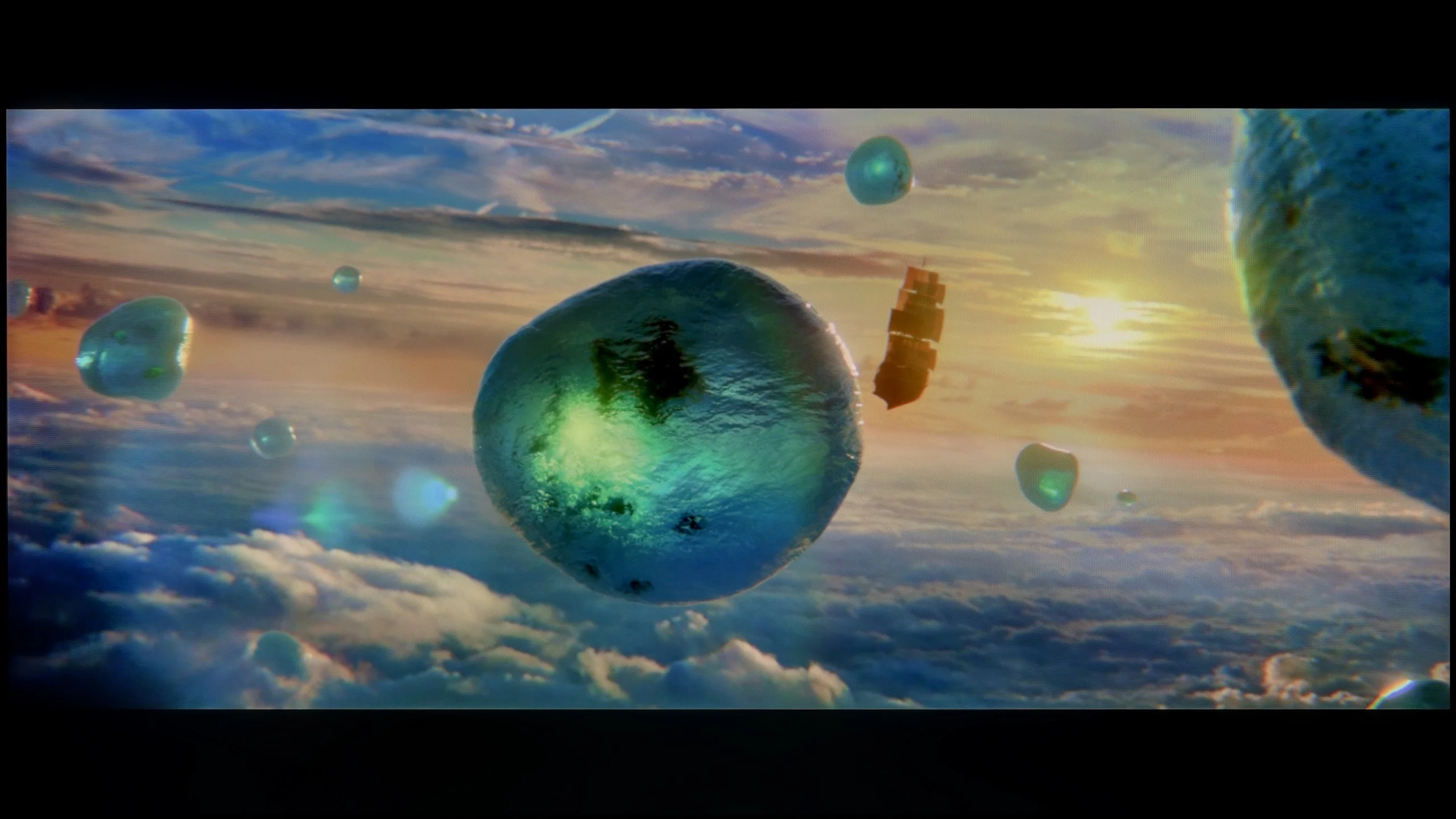
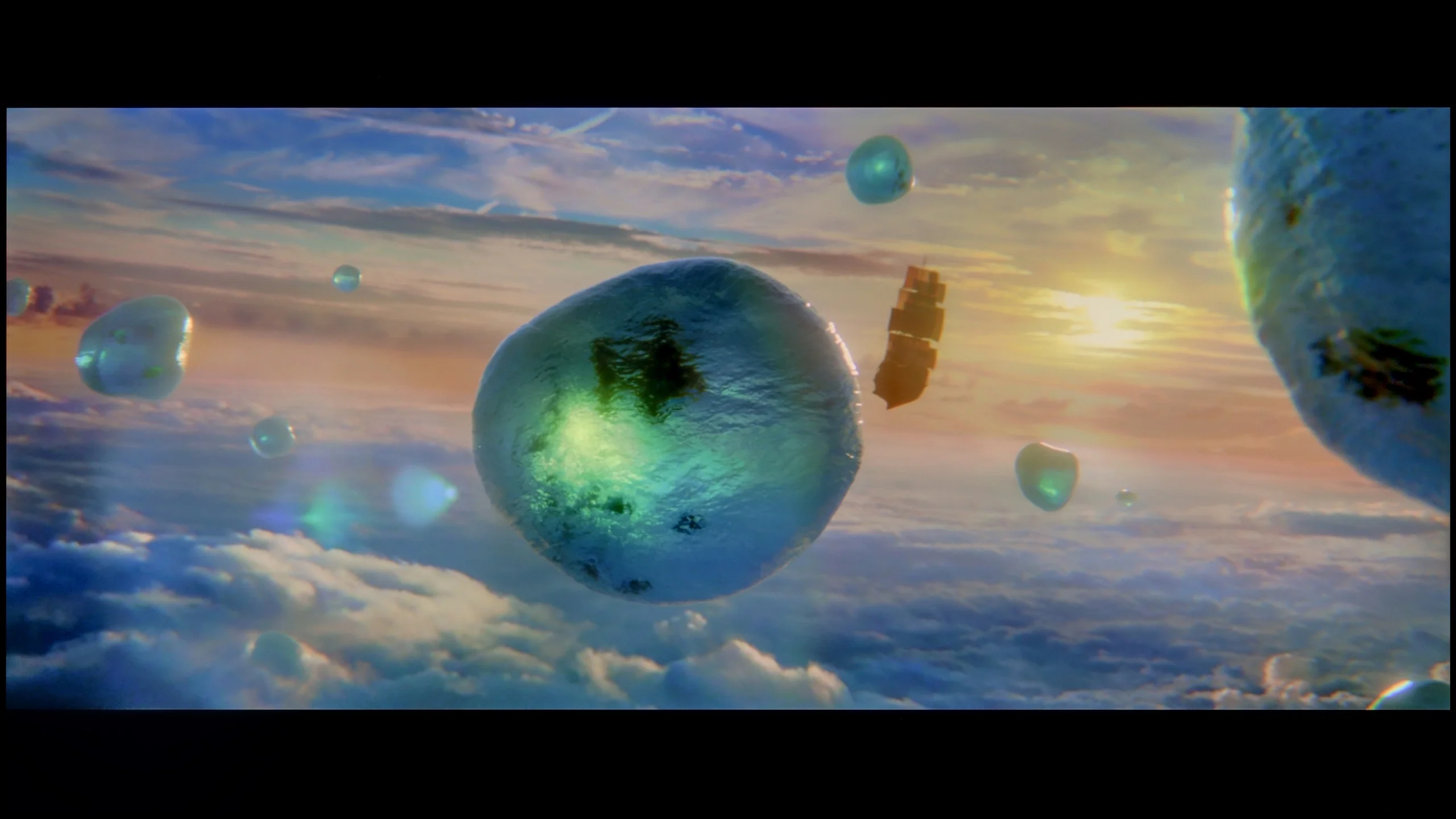
Scene from the movie “Pan” (about 2800 nits)

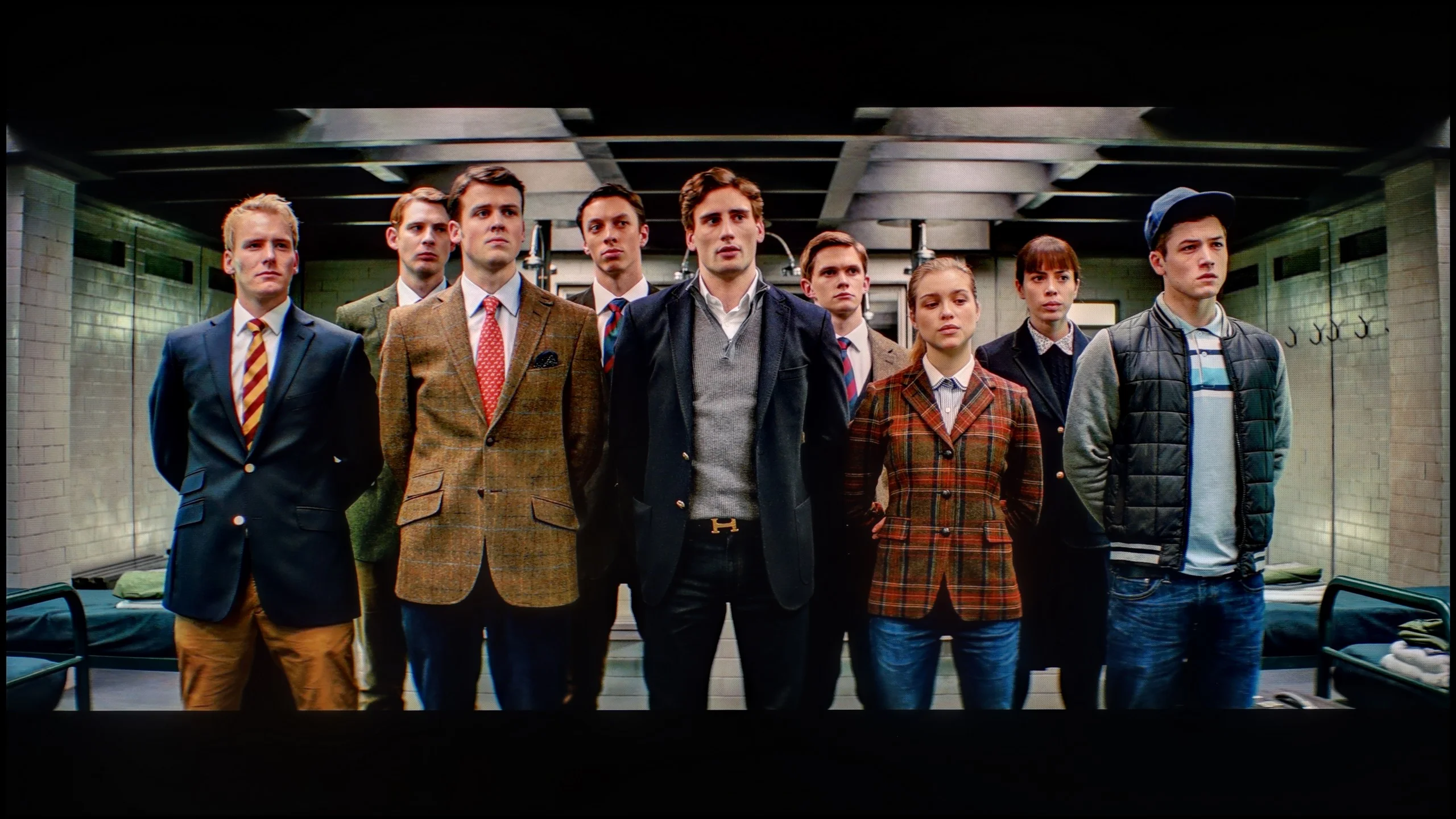
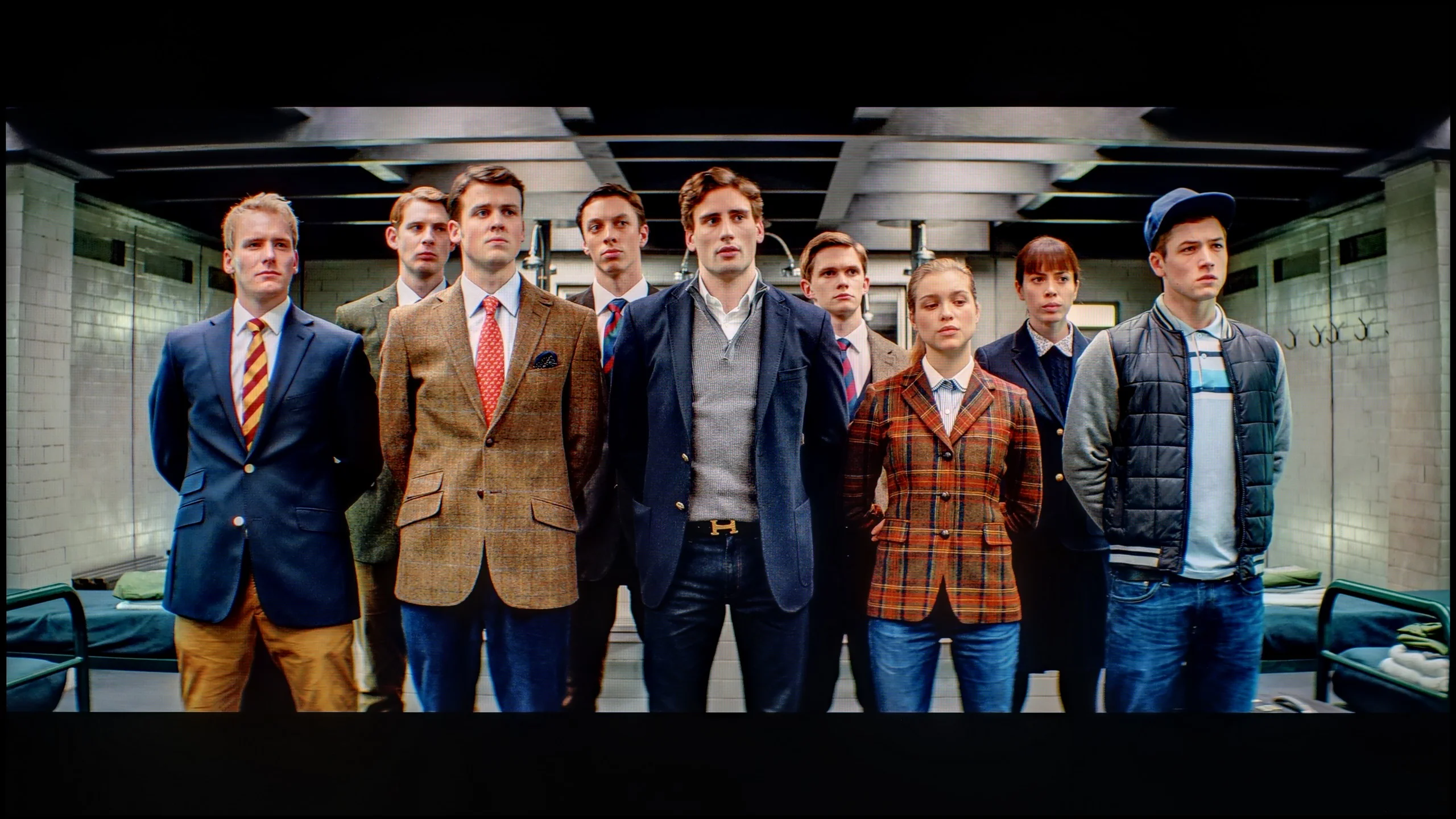
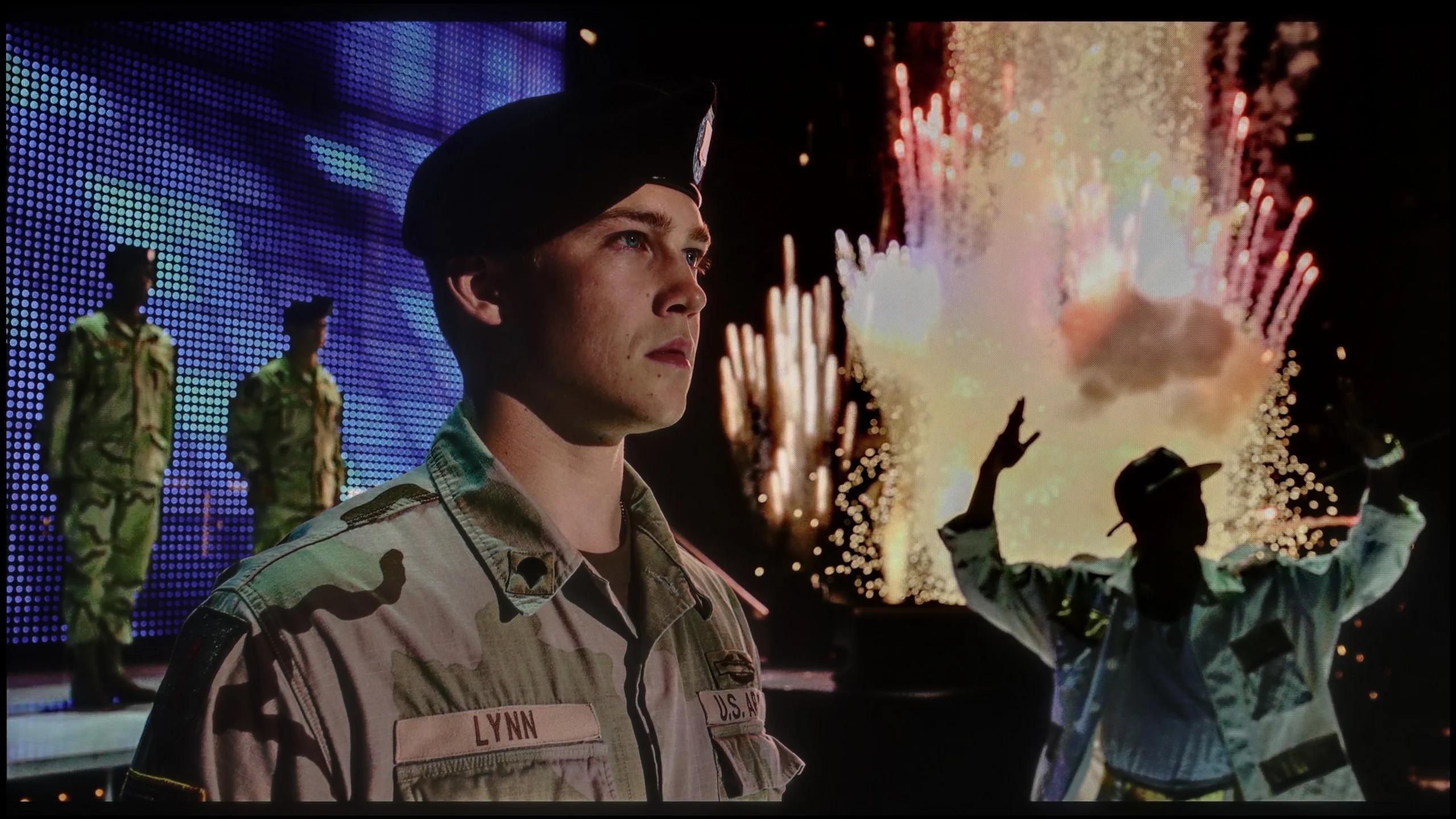
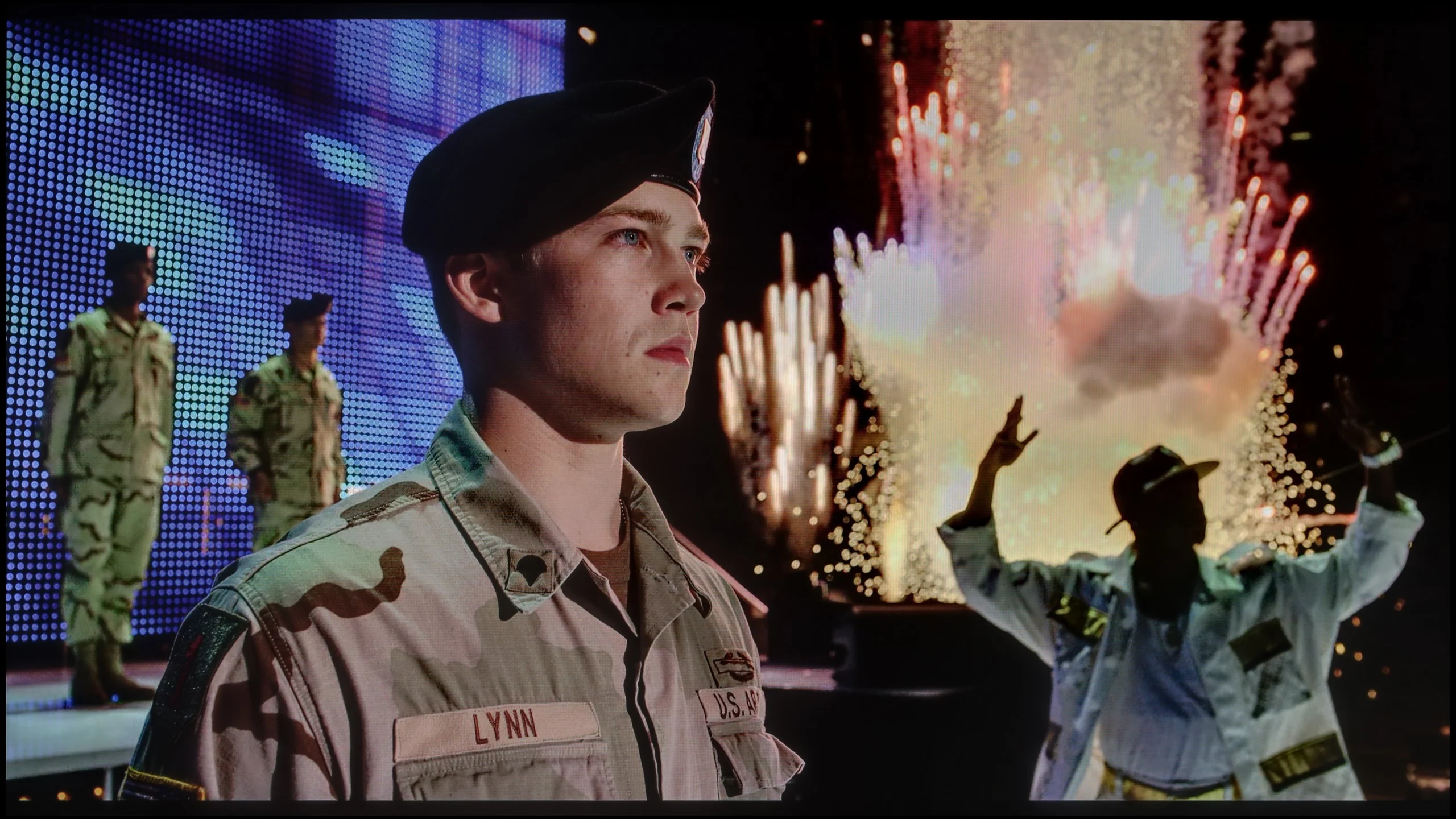
Scene from the movie “Billy Lynn” (about 1100 nits)

The photos show two HDR10 movies. 'Pan' is one of the brightest productions ever made, while 'Billy Lynn' (soldier) has brightness typical of streaming (Netflix, Prime, HBO MAX). Notice the intensity of effects and detail in whites.

Static HDR10

The photos present the visibility of white details in various HDR formats. They do not show brightness differences between TVs (these can be compared in the previous gallery).

Dynamic: Dolby Vision

Dynamic: Dolby Vision

The photos present the visibility of white details in various HDR formats. They do not show brightness differences between TVs (these can be compared in the previous gallery).

HDR luminance chart:

SONY Bravia 9 II XR95M2

TCL C9K

As we mentioned with black and contrast – the C9K can make a huge impression in synthetic tests. Our measurements showed that on a screen 10% filled with white, the television is capable of squeezing out… 4000 nits of brightness! It sounds astronomical, but – and here, unfortunately, the pattern repeats – the numbers say one thing, and practice says another. In real movie scenes, the situation looks different. At best, when the light effects occupy a large part of the image and the local dimming algorithm does not have to think too hard about what to do with thousands of zones – the effect is really good. At that point, the C9K can reach around 1500 nits, which provides a pleasant, intense flash and can indeed make a positive impression.

The problem starts with smaller elements – such as stars in the sky, the moon, or single reflections. That’s when the proverbial cat comes out of the bag: the algorithms are not yet refined, and brightness drops to even 400–500 nits. That’s a huge difference compared to the potential 4000 nits we saw in laboratory tests. Why does this happen? Most likely, the television is trying to protect the blacks in this way and minimize the halo effect around bright objects. Unfortunately, this comes at the cost of details – some details simply vanish, and the scene loses its nature.

The real showcase of the new backlight architecture and Sony’s processor is the reproduction of HDR content. At the official launch engineers at Sony said (not officially 😉) that the Bravia 9 II’s brightness would be almost identical to the capabilities of their professional director’s monitor BVM-HX3110, which is priced at astronomical sums. Our lab tests confirmed these were not empty promises. During synthetic measurements on the L20 test pattern the TV easily exceeded the 4000 nits peak brightness barrier. More importantly, these remarkable results translate directly to real movie scenes. In most of the demanding shots we tested the screen easily maintained brightness around 2500–3000 nits. Regardless of the scene, whether the light was small and pinpoint or flooded nearly the entire screen, the HDR effect was incredibly intense.

Colors

Color is another key pillar of RGB Mini LED technology (True RGB as implemented by Sony). Specifically for testing these kinds of screens we added a permanent new testing section to see how TVs handle colors in real-world conditions. Traditional synthetic test patterns are no longer enough to confirm real color-gamut coverage. From now on we also measure color saturation directly in selected movie scenes by overlaying measurement points. So how do the colors perform?

In synthetic tests the Bravia 9 II posts excellent results. For the popular DCI-P3 color space for HDR the color-gamut coverage was almost 98%, while for the very wide, demanding BT.2020 space the instrument indicated nearly 90%. However, in real, varied scenes these values drop by a few percent. This is directly due to the nature of zone-based RGB backlighting. When differently colored elements or bright white highlights appear side by side, light from the zones starts to mix slightly, creating a white backlight. This of course affects color saturation, slightly reducing it. This shows that despite Sony’s brilliant RGB LED control algorithm, the number of zones is still too small to eliminate this effect entirely.

Is this a reason to complain? Of course not. The Bravia 9 II’s color coverage ultimately matches that of a very good QLED TV, and it’s important to remember: the vast majority of HDR movies and series are distributed in the DCI-P3 gamut. In that standard Sony easily maintains very high color saturation, regardless of the scene.
Factory color reproduction
4.5/10

6.2/10

This gallery shows how colors change after professional TV calibration. If you notice the difference, we recommend ordering this service at SkalibrujTV.com.

Factory Mode

After calibration

This gallery shows how colors change after professional TV calibration. If you notice the difference, we recommend ordering this service at SkalibrujTV.com.

Factory Mode

After calibration
For color tests, as always, we reached for the Filmmaker mode – a new feature in TCL TVs for 2025. And while the direction itself is a step in the right direction, the execution leaves much to be desired. The white balance in SDR content turned out to be too warm – there was an excess of red. On the other hand, in HDR, it went in the opposite direction: the image became excessively blue. The Colour Checker test revealed quite a few color errors that were noticeable to the naked eye. An even bigger problem turned out to be what we mentioned above – brightness management. Regardless of whether we were watching SDR or HDR content, the image tended to blow out the entire scene, giving it an unnatural, even grotesque character. It's hard to call this a "director-created" mode – because the director has certainly never seen such an image.
Contrary to appearances and high expectations, the Bravia 9 II we tested showed some issues with its factory tuning straight out of the box. Looking at the white balance charts, you can see it is not perfect. In SDR content the red component was primarily lacking, causing the picture to shift toward cooler, bluish tones. In HDR the white balance in this respect looked much better. So where do the visible errors in image reproduction come from? They result from unexpected tuning of the gamma and the EOTF curve. In both cases the Bravia 9 II straight from the factory showed a clear deviation from reference standards.

In SDR content the gamma was definitely too high; at its most extreme it hovered very close to 2.8 instead of the reference 2.4. In practice this meant the image was artificially darkened and appeared washed-out, with details in dark areas (shadows) completely disappearing. The opposite occurred with HDR material, where brightness reproduction is handled by the EOTF curve. That curve was pushed too far above the correct value, resulting in the image being artificially brightened across most luminance ranges. As with every TV we test, we subjected this unit to professional calibration. You can see the results and how we managed to correct these factory errors below.

Color reproduction after calibration

7.5/10

9/10

The photos show how movies look on the TV. Pay attention to black detail visibility, colors, and shadow tint.

The photos show how movies look on the TV. Pay attention to black detail visibility, colors, and shadow tint.

After calibration, we finally managed to tame the white balance – and it immediately translated into a more natural image. Colors finally started to look the way they should, and the overall presentation was incomparably better than in the factory settings. In other words – it’s worth taking a moment to improve this, as the gain is truly significant. The gamma responsible for managing brightness was also brought into order in SDR content, and the effect was more than satisfying. Unfortunately, when we turned on HDR materials, the situation quickly became complicated. No matter how we set the local dimming, the television had a tendency to do what it liked with the image – either it overexposed everything or dimmed the darkest parts too much. Exactly as we saw in the scene from the movie Billy Lynn. So, the color improvement after calibration makes a great impression, but brightness management in HDR remains the Achilles' heel of C9K and presents a certain technological limitation.

Fortunately, with professional calibration, most of the Bravia 9 II's factory missteps can be effectively eliminated. We were able to precisely correct, above all, the white balance and the gamma curve and EOTF. After these adjustments, in everyday use and during movie sessions the TV looks much better. The image gained proper depth, the cool tint in the whites disappeared, and shadow details that had previously been lost due to too-high gamma finally became clearly visible. Although we ultimately rate color accuracy as very good, as specialists we must point out one fairly serious design flaw in this model. The Bravia 9 II could look even better if not for the complete lack of an advanced color management system in the TV's menu.

While basic white balance correction can be performed here without issue, the settings lack options for adjusting specific colors. We tried to tackle this in every possible way: both the traditional method using the remote and via dedicated calibration software for Bravia TVs. Unfortunately, that function has been completely locked. We suspect this may stem from the specifics of the new RGB architecture, which imposes its own limitations. It's a real shame, because without it you can't refine color reproduction to perfection. The inaccurate red still stands out, for example. One can only hope Sony will fix this shortcoming over time with an update.

Smoothness of tonal transitions

8.7/10

9.5/10

These are selected scenes that show smooth tonal transitions from one color to another. If you see distinct banding, it’s the TV panel’s fault.

These are selected scenes that show smooth tonal transitions from one color to another. If you see distinct banding, it’s the TV panel’s fault.

These are selected scenes that show smooth tonal transitions from one color to another. If you see distinct banding, it’s the TV panel’s fault.

These are selected scenes that show smooth tonal transitions from one color to another. If you see distinct banding, it’s the TV panel’s fault.

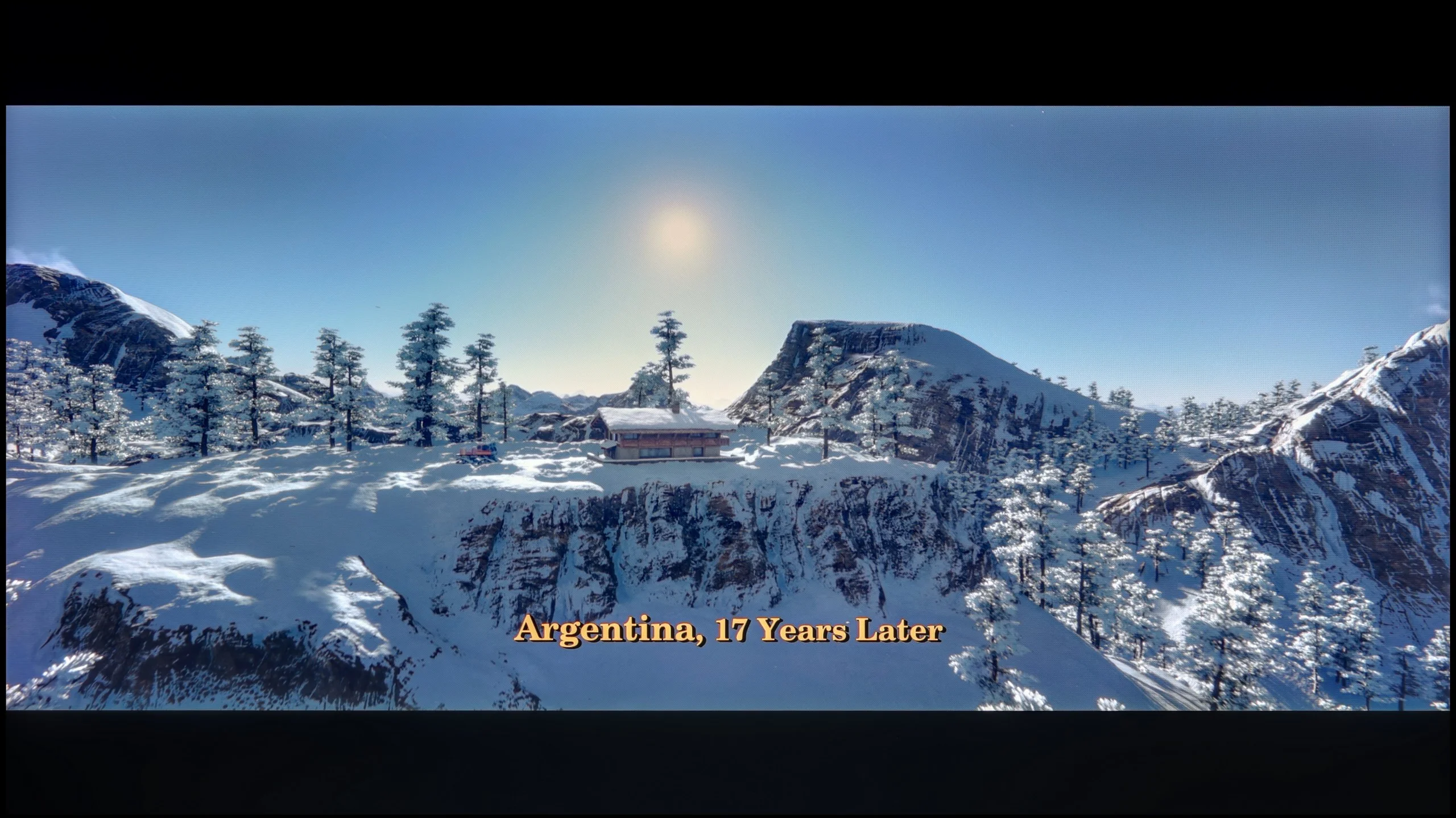
In terms of the smoothness of tonal transitions, TCL C9K performs really well. In more challenging movie scenes, there is no typical color banding that can break immersion even in more expensive TVs. Perhaps slight issues can be noticed in the brightest parts – for example, in scenes from the movie Kingstone – but these are nuances. For the vast majority of viewers, especially with 4K content, color grading will look smooth and practically unnoticeable.

Sony deserves major praise for the smoothness of tonal transitions, which has been significantly improved compared with last year’s Bravia 9. Color gradation here is at a very high level and, most importantly, it’s consistent regardless of the scene. In both extremely bright highlights and very dark, demanding gradients the TV performs excellently, effectively eliminating the annoying phenomenon of posterization (that is, the appearance of visible “steps” and bands in color transitions, for example in shots of the sky or in fog). The only minor slips in this area can be seen when watching Dolby Vision material. In those specific scenes gradation can sometimes be slightly worse than with an HDR10 signal, but the differences are so subtle and marginal that they will remain completely imperceptible to a typical viewer.

Image scaling and smoothness of tonal transitions

5.5/10

8.5/10

Image without overscan on the SD signal
OK
OK
Smooth transition function
OK
OK

Smooth transition function

The match photo shows how the TV smooths weak tonal transitions in low-quality video.

Image scaling SD (576i)

The model photo shows how it handles upscaling of SD material.

Digital image processing in TCL C9K is quite mediocre. The tonal smoothing feature seems to be present, but turning it on practically changes nothing – color bands are still visible, and it can unintentionally highlight elements we would prefer to hide, such as textures of objects. Fortunately, it doesn’t remove film grain, but that’s small comfort since the effects are still poor. Therefore, it's hard to recommend using this option.

On the other hand, image scaling performs much better. Lower quality materials look quite decent – characters and backgrounds are presented clearly, although, of course, with sources at 576p, physics cannot be fooled. Sometimes, characteristic aliasing on objects appears, but that’s the fault of the source itself, not the algorithm. A plus for not having issues with overscan – the image is not artificially cropped or enlarged.

Digital processing and upscaling have long been Sony’s signature strength, and after testing the Bravia 9 II we can confidently say nothing has changed on the market in that respect. Sony is still at the forefront. Their proprietary XR image processor, which in this model works with the main MediaTek Pentonic 1000 chip, deserves the highest praise. That combination delivers excellent results. The upscaling of lower-resolution content is extremely effective and precise.

However, what most deserves praise in the XR processor’s performance is the tonal transition smoothing feature. The system can reduce posterization in heavily compressed material to virtually zero. Crucially, the algorithm does this in a very intelligent way. It removes only the annoying digital "steps" in gradients without blurring fine texture details or creating an artificial, "plastic" look that lacks film grain. The image remains sharp, natural, and cinematic.

Blur and motion smoothness

7.6/10

8.1/10

Maximum refresh rate of the panel
144Hz
120Hz
Film motion smoothing option
OK
OK
Blur reduction option
OK
OK
BFI function 60Hz
Yes, 120Hz (double contours)
Yes, 60Hz (image flickers)
BFI function 120Hz
Yes, 240Hz (double contours)
Brightness drop with BFI
51%
76%

Blur (native resolution, maximum refresh rate):

Blur (BFI function enabled):

Blur (1080p@288Hz):

Blur ():

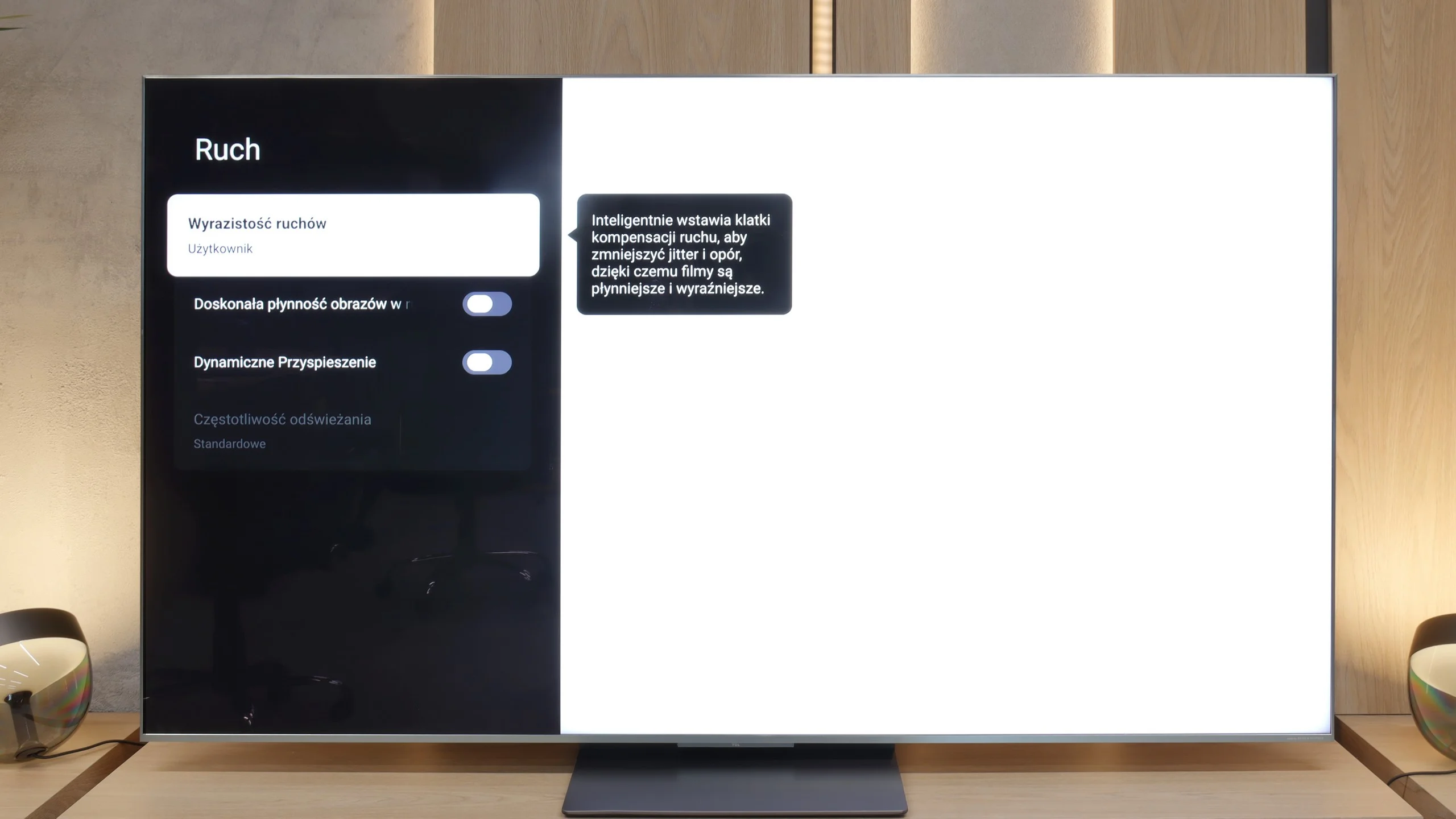
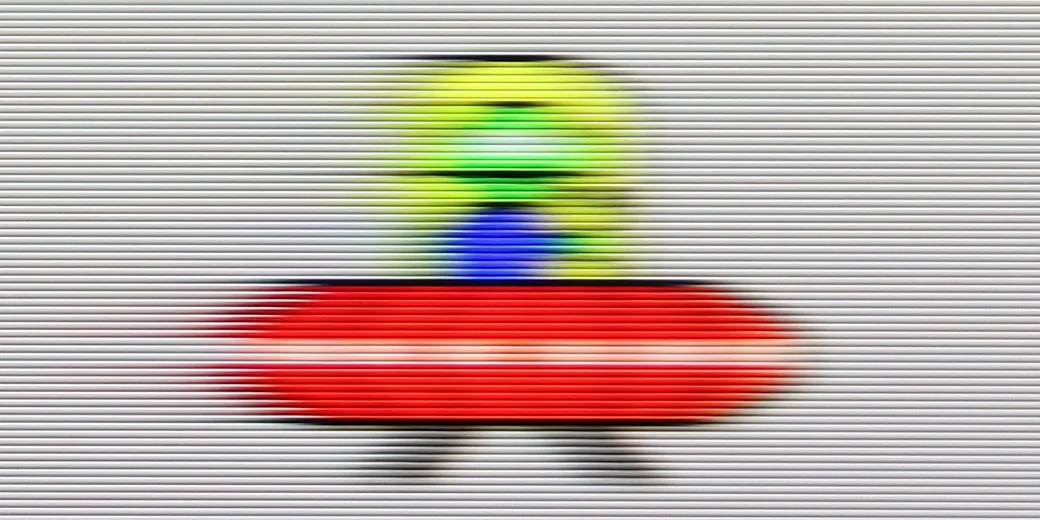
Like the C8K, the C9K is also a really fast television – both figuratively and literally. It features a 4K panel with a refresh rate of 144 Hz, and at lower resolutions, the display can even ramp up to 288 Hz. This speed translates into practice – when watching sports or playing games, the image looks very smooth and clear. Additionally, in films, we get an extra motion smoother called Motion Clarity, which allows us to adjust the fluidity to our own preferences – from the cinematic "judder" frame to almost theatrical smoothness.

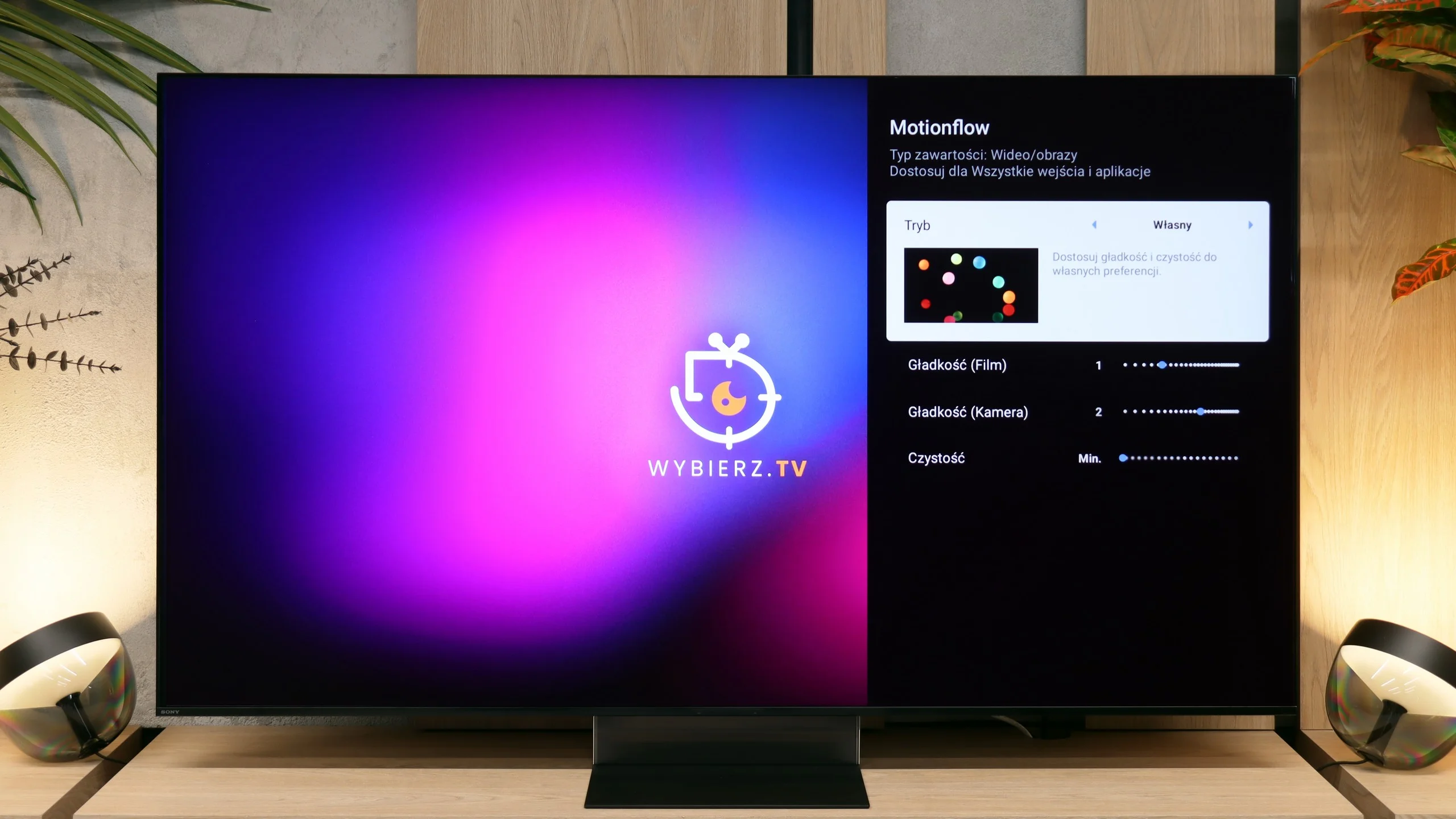
The Sony Bravia 9 II's specifications don't list staggering refresh rates above 120 Hz, which some more demanding PC gamers may view as a drawback. However, in everyday use, during movie sessions, playing console games, or watching sports, it's really hard to find any complaints about motion smoothness. The VA-type panel used here does show some slight, inherent smearing typical for this panel type, but excellent Motionflow motion smoothing algorithms come to the rescue. In the system menu you'll find sliders for blur reduction and smoothing that let you precisely tailor the motion characteristics to your preferences.

Console compatibility and gaming features

9.8/10

9.4/10

  • ALLM
    Yes
    Yes
  • VRR
    Yes
    Yes
  • VRR range
    48 - 288Hz
    48 - 120Hz
  • Dolby Vision Game Mode
    Yes
    Yes
  • Correct implementation of HGIG
    Yes
    Yes
  • 1080p@120Hz
    Yes
    Yes
  • 1440p@120Hz
    Yes
    No
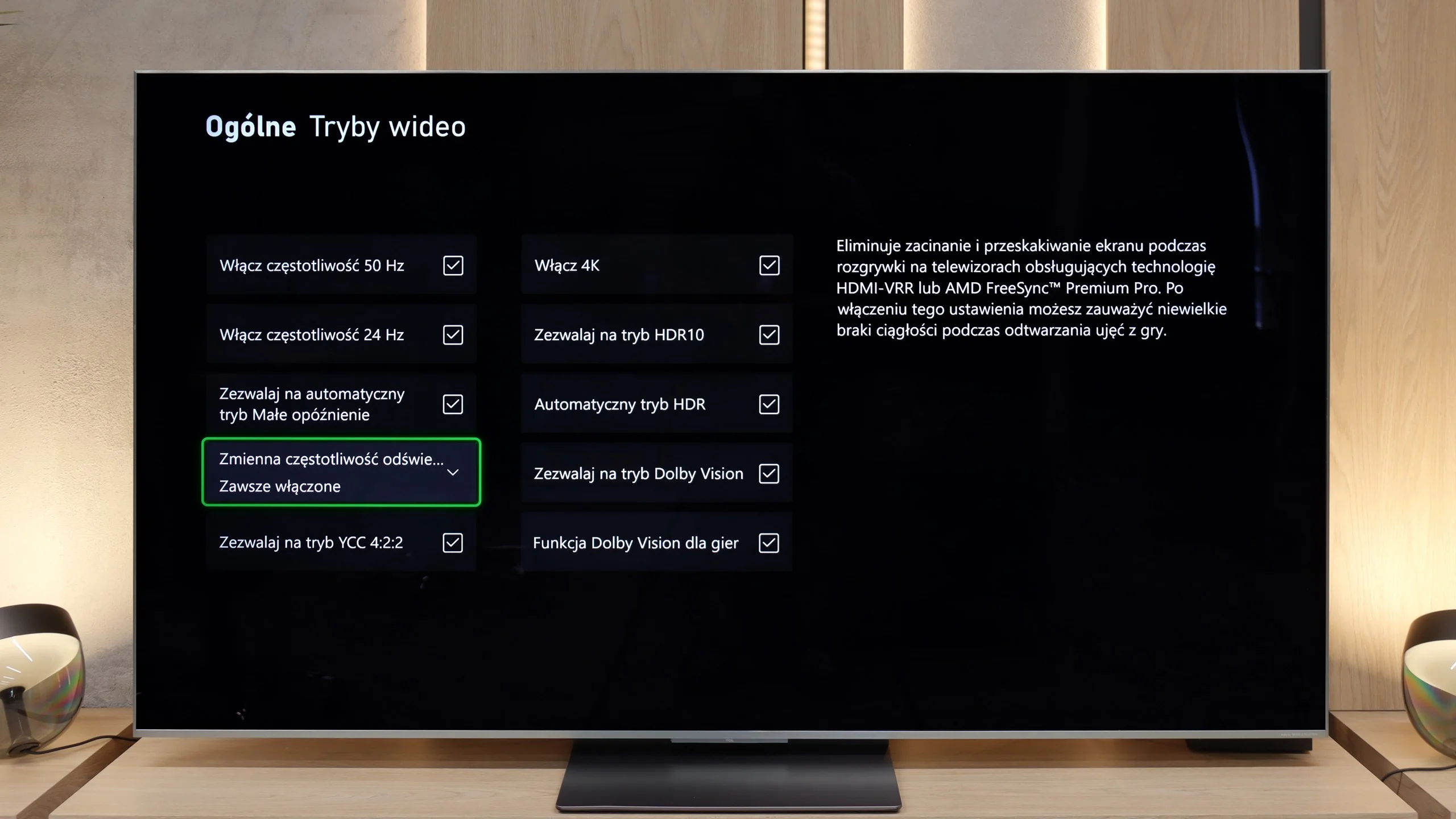
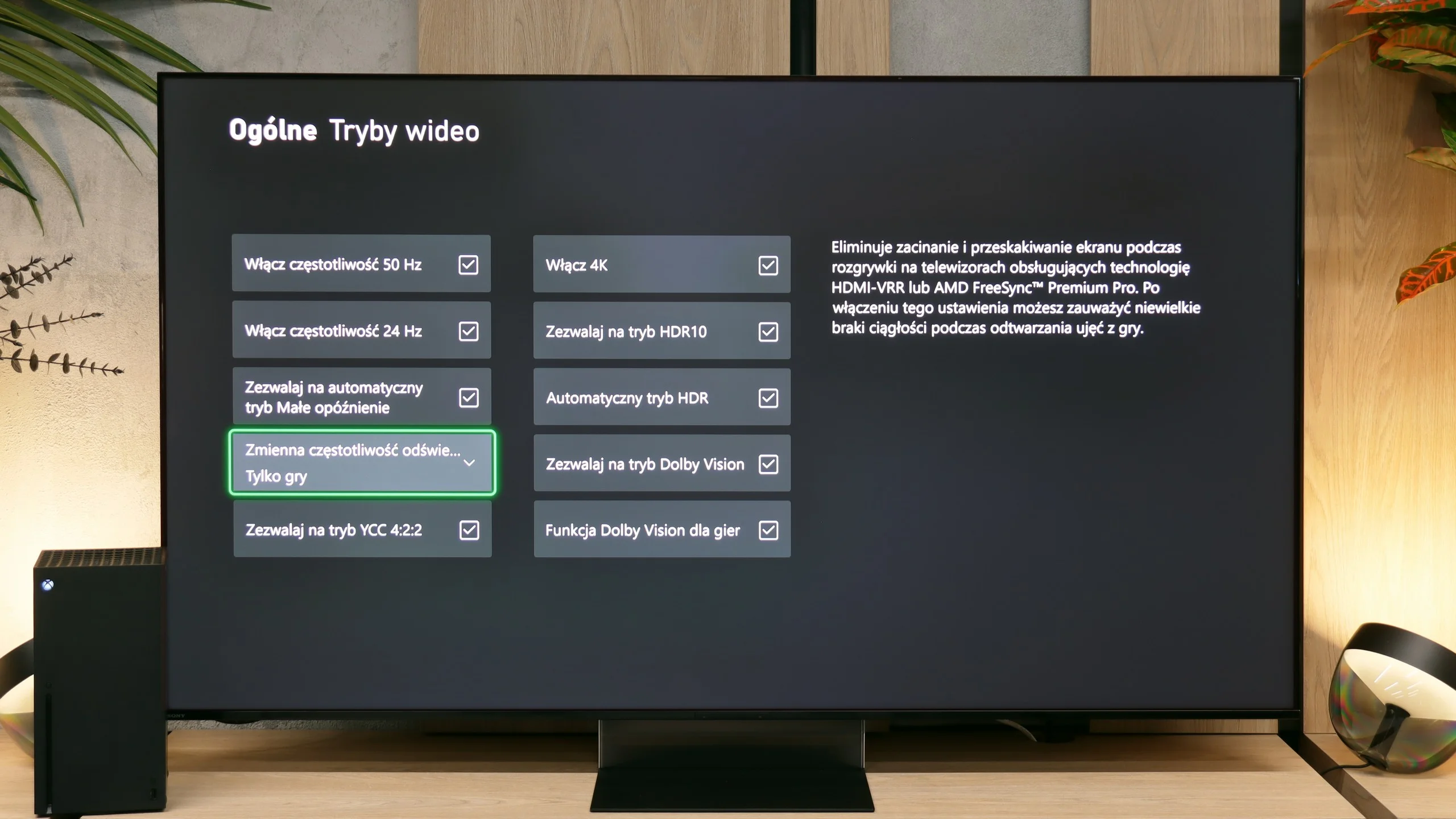
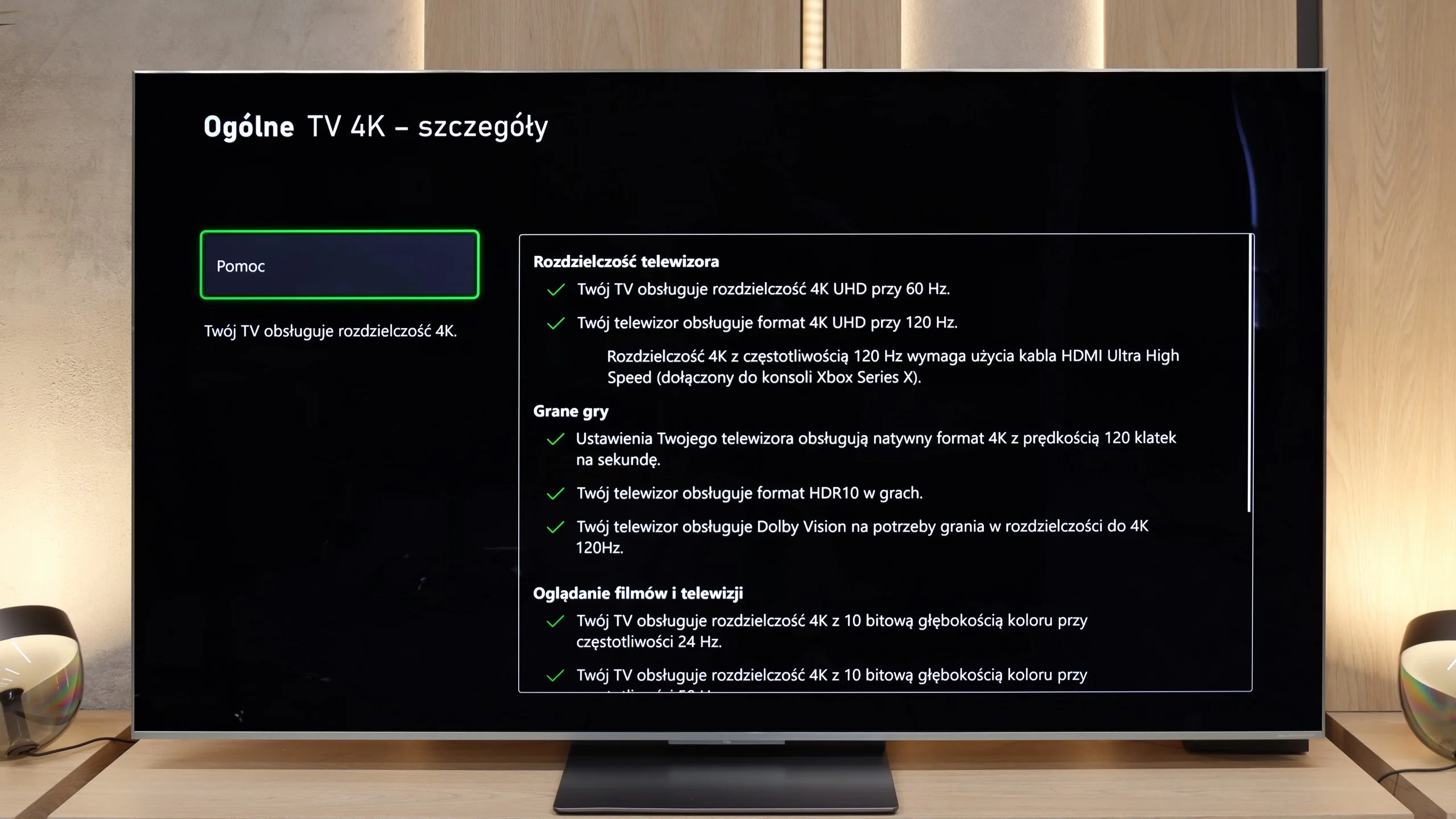
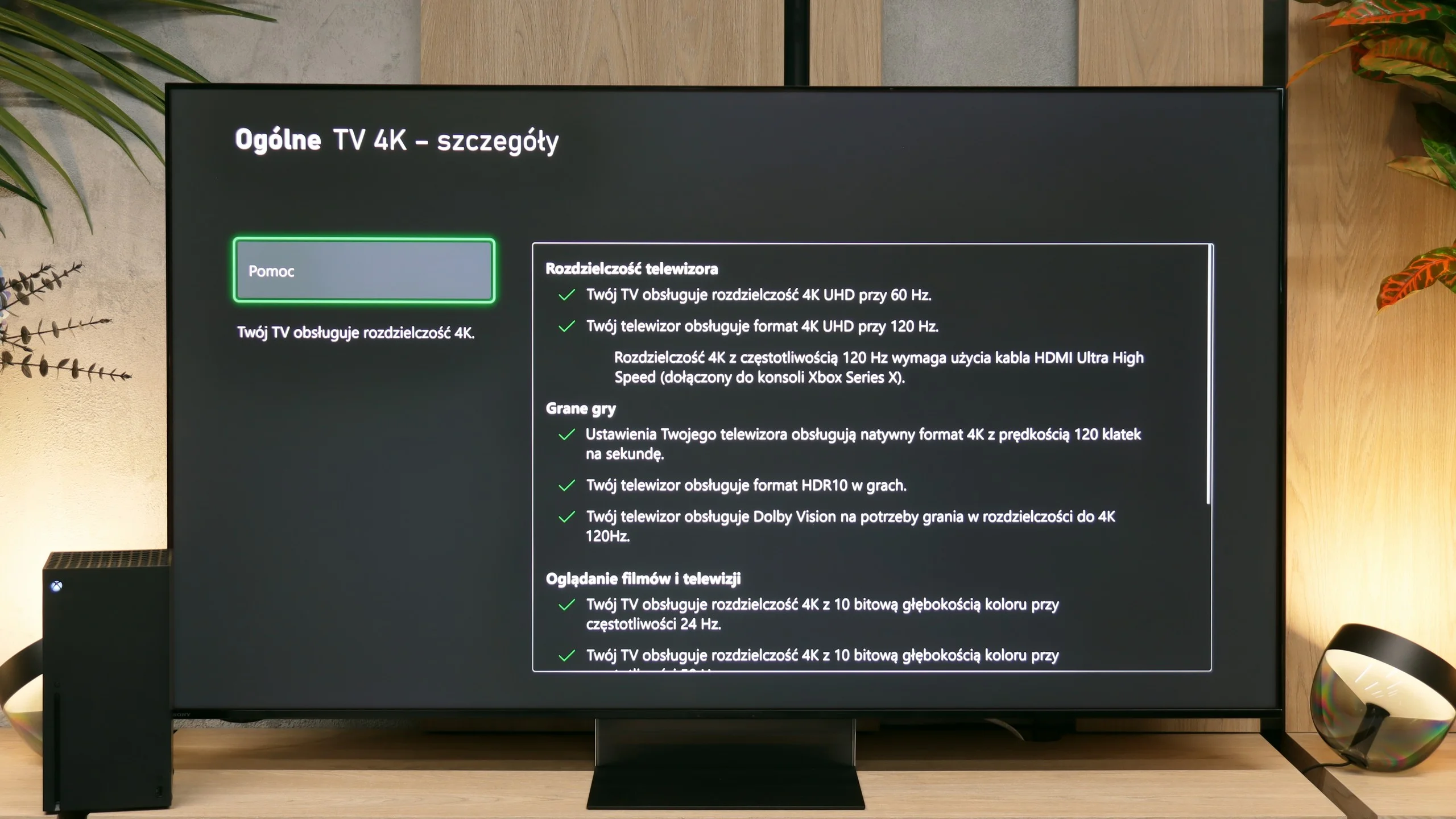
  • 4K@120Hz
    Yes
    Yes
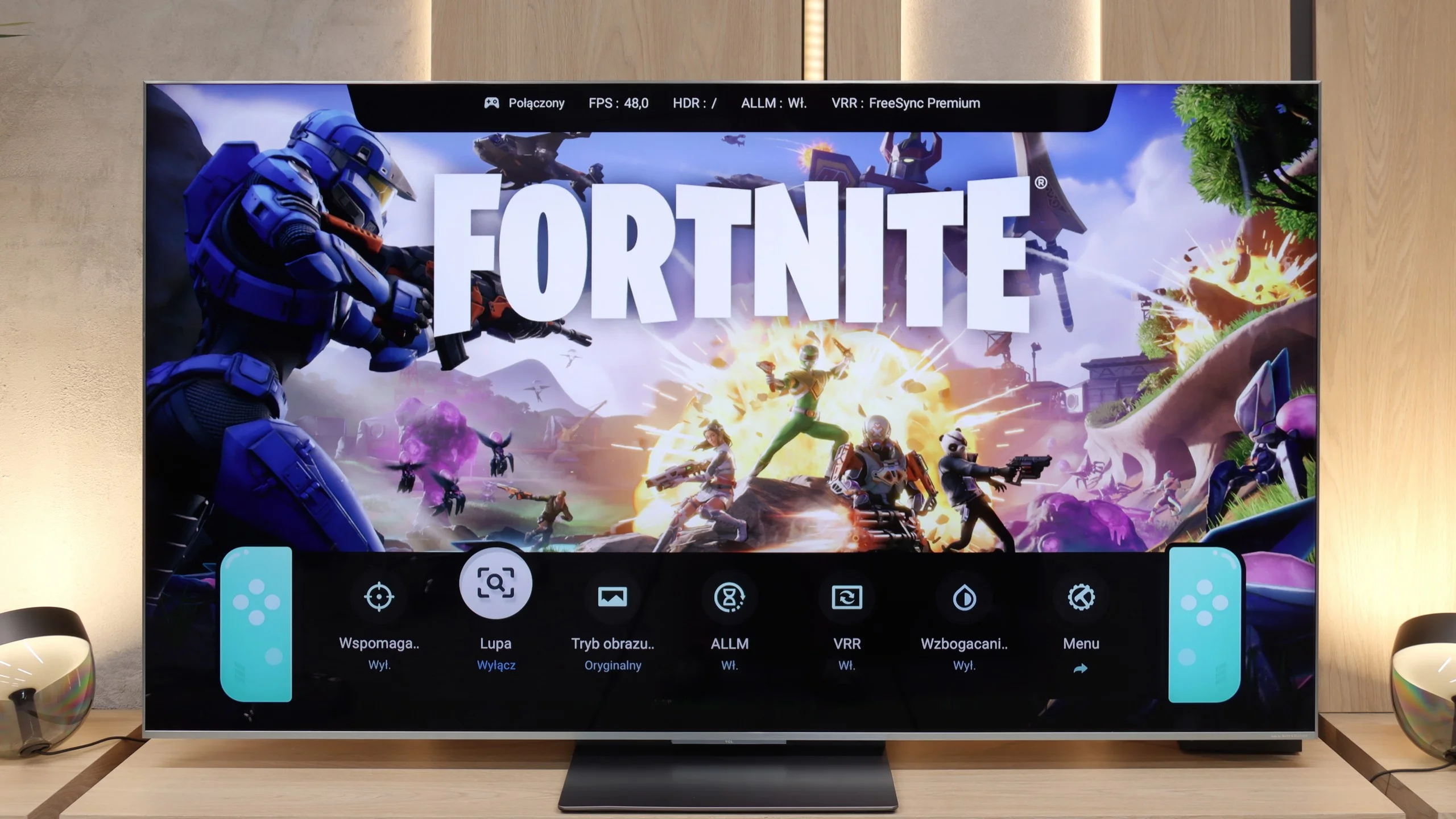
  • Game bar
    Yes
    Yes

For gaming, the TCL C9K is a complete tool. Here we have two (out of four) HDMI 2.1 ports with full bandwidth of 48 Gbps, so all key technologies work: VRR (variable refresh rate) and ALLM (automatic low latency mode). Additionally, the manufacturer added a really intuitive Game Bar, which allows you to quickly preview the most important parameters and adjust settings without digging through the menu. Also, TCL's policy is a plus – the TV is not afraid of any HDR formats, even in game mode. Whether it's HGiG or Dolby Vision for the Xbox Series S/X console – everything works as it should, giving the player wide freedom.

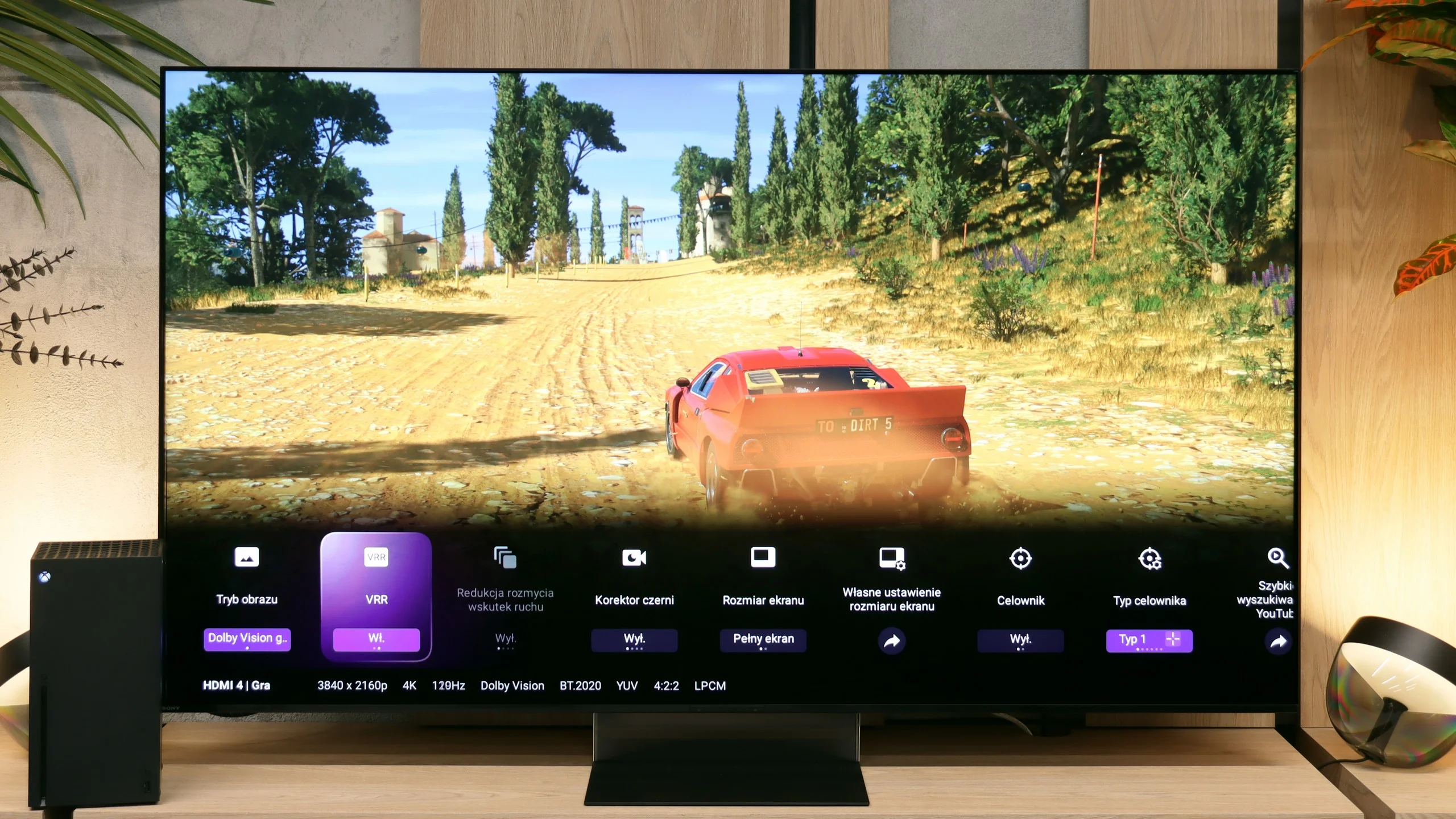
Apart from a fairly serious design oversight, limiting the platform to just two full HDMI 2.1 ports, the Bravia 9 II offers almost all key gaming features available on the market. Sony has already accustomed us to such a rich package in its previous models. The list of supported technologies is very long. It includes automatic low-latency mode (ALLM), variable refresh rate (VRR), as well as a proper implementation of the HGIG standard and the Dolby Vision format specifically designed for gamers.

Input lag

9.8/10

10/10

SDR

1080p60
16 ms
13 ms
1080p120
7 ms
8 ms
2160p60
16 ms
13 ms
2160p120
7 ms
8 ms

HDR

2160p60
16 ms
12 ms
2160p120
7 ms
7 ms
4320p60

Dolby Vision

2160p60 DV
16 ms
13 ms
2160p120 DV
7 ms
7 ms

In terms of input lag, the TCL C9K performs exceptionally well. With 120 Hz content, the lag is just 7 ms, placing it among the very best TVs available on the market. Naturally, with 60 Hz materials, the input lag rises to about 15-16 ms, but in practice, this has little impact on the final responsiveness of the screen to our actions on the pad.

Alongside a rich package of gaming features comes an extremely important parameter for every gamer: input lag. Here the new Bravia 9 II is simply flawless. Our lab tests showed that input lag in "Game" mode is super low. The values we recorded during measurements are completely imperceptible to the human eye and place this model among the very best.

Compatibility with PC

8.6/10

7.8/10

Chroma 444 (max. resolution and refresh rate)
Yes
Yes
Font clarity
Good
Very Good
Readability of dark text and shapes
Good
Good
Input lag in PC mode (4K, max. refresh rate)
7ms
8ms
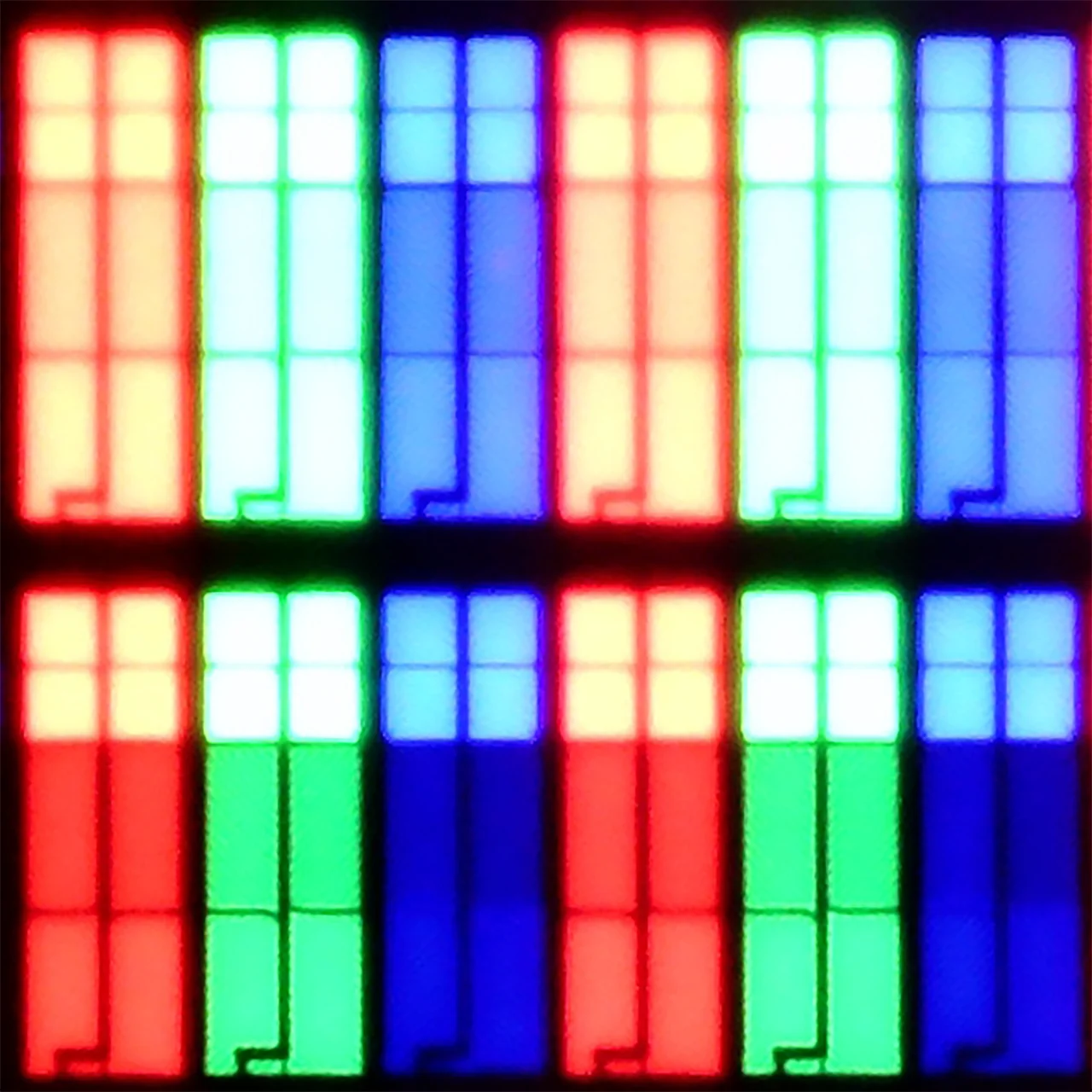
Matrix subpixel arrangement
RGB
RGB
Max refresh rate
144Hz
120Hz
G-Sync
Yes
Yes

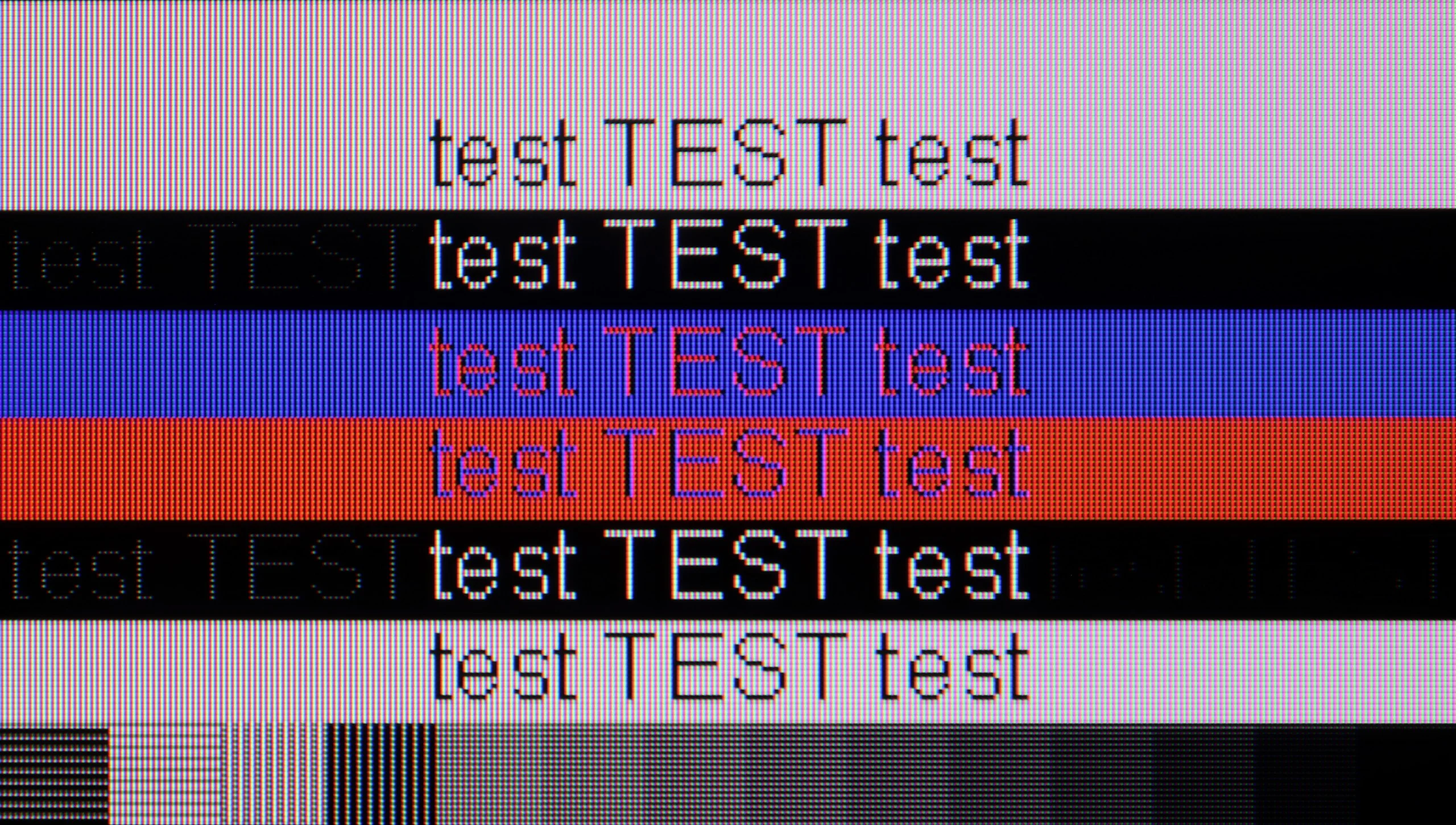
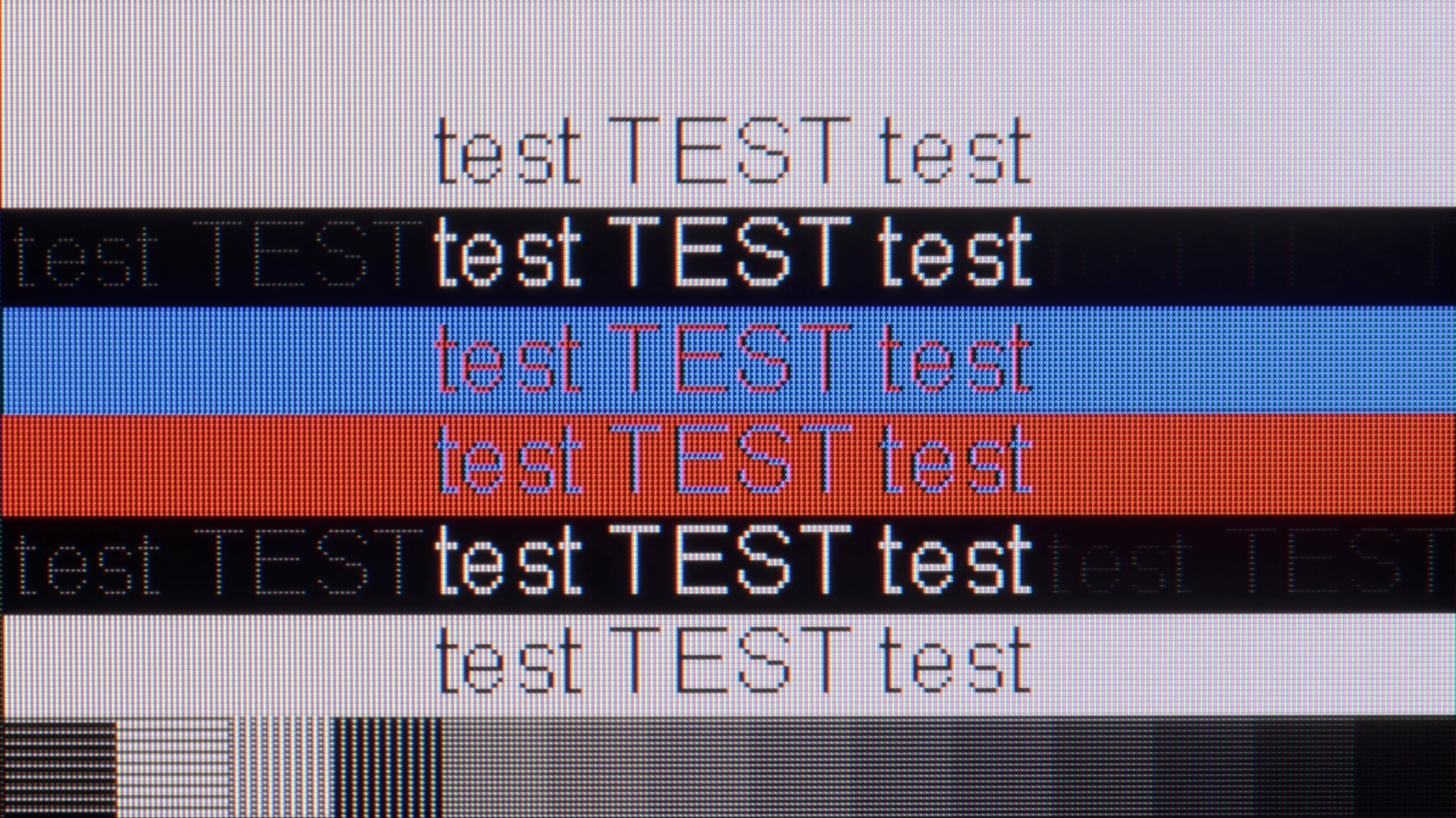
The photo shows the legibility of small fonts. Ideally, lines should be the same thickness on both light and dark text, with minimal pixel gaps.

In terms of office work, the TCL C9K does not disappoint – thanks to the support for 4:4:4 chroma, the readability of fonts is at a good level, so writing or working with documents should not pose a problem. One could indeed notice slight issues with dimming horizontal lines, but in everyday use, it’s hard to call that a real flaw. However, the C9K reveals its greatest potential in PC gaming. Here, the television showcases its full capabilities – it can switch to lower resolutions, such as Full HD, and display images at up to 288 Hz. Additionally, it supports both G-Sync and FreeSync, so image synchronization with the graphics card works flawlessly. It’s hard to have any major complaints about this set – it’s truly a top-tier screen for computer gaming.

Bravia 9 II also works great as a powerful computer display. Although there are no special PC modes that would let you push the refresh rate above 120 Hz, as a huge monitor the TV performs superbly. Full frame synchronization works flawlessly and is compatible with the most common graphics-card vendor implementations. You can enable both G-Sync and FreeSync without any problem.

A very welcome surprise and improvement is the change to the panel’s subpixel layout. In the new model Sony has moved away from a BGR arrangement in favor of the more conventional structurally RGB. That change directly improved the legibility of fonts and other fine elements in Windows and macOS compared with the first-generation Bravia 9. At very close viewing distances a trained eye might notice that the edges of dark text on a bright background are not "perfectly" sharp, but in everyday use, whether working with documents or playing games, this is completely unnoticeable.

Viewing angles

4/10

6/10

Brightness drop at an angle of 45 degrees
75%
58%

A new feature in TCL televisions for 2025 is the WHVA panel, which is designed to provide better viewing angles than standard VA panels. And indeed, there is noticeable progress. When viewing the screen from the side, the image is clearer and colors do not degrade as quickly as in previous models. However, this does not mean that we are dealing with the level of top coatings or solutions known from IPS panels, and certainly not from OLEDs. The image remains readable, but brightness clearly decreases. This is definitely a step forward compared to earlier TCL models, but it is not yet a complete revolution.

The Bravia 9 II is equipped with a VA LCD panel. Naturally its strongest point is high native contrast, but unfortunately that comes at the cost of weaker viewing angles. Importantly, because a new deep matte screen coating was used, the manufacturer had to forgo special angle-expanding filters.

Does that mean the viewing angles are simply bad? Not entirely. When you look at the panel from a moderate angle (say around 45 degrees), color saturation and brightness remain at a perfectly acceptable level. It all comes down to the specifics of the RGB backlight. Because the backlight takes on the color of the image currently being displayed, what we see appears much more natural to the human eye. We perceive such an image as more coherent compared with conventional Mini LED screens with quantum dots. On the other hand, when comparing the visibility of zone operation at a steep angle to a standard Mini LED, the Sony screen made the halo effect and zonal banding more noticeable.

Daytime performance

7/10

10/10

Panel finish
Glare
Matte
Reflection suppression
Decent
Very Good
Black levels during daytime
Very Good
Average

Panel brightness

SONY Bravia 9 II XR95M2: 1980 cd/m2

TCL C9K: 642 cd/m2

The new WHVA matrix coating has its strengths and weaknesses. On one hand, it manages quite well with minor reflections; on the other hand, with stronger light sources, it is evident that the reflection suppression is not at the highest level. Fortunately, the coating does not spoil what is most important: the blacks and color saturation. This is a definite plus, as in many competing models, the compromises in this area are more painful. Additionally, there is very high brightness – in SDR content, the C9K can achieve an average of 650 nits in SDR materials. This result is easily sufficient for watching television or movies in more challenging lighting conditions, even on sunny days.

High brightness combined with the new coating makes the Bravia 9 II one of the best TVs on the market for watching in demanding conditions. Average brightness in SDR content is about 2000 nits, and smaller highlights can reach up to a powerful 4000 nits. In practice this means the picture stays readable even when direct midday sun pours into the living room. The new, deeply matte panel coating plays a key role here. Unlike the glossy screen finish of the previous model, this filter deals with scattered reflections exceptionally well. When direct light from a window or lamp hits the screen, you won’t see annoying reflections of your face or the furniture. The natural trade-off of a matte finish is a slight reduction in perceived color saturation and black levels compared with perfectly glossy panels. In very bright light the image can look a bit flatter. That said, it’s a fully justified and almost symbolic price to pay for a dramatic improvement in usability. If you’re looking for a TV for a living room with large windows and want to put an end to bothersome daytime reflections once and for all, the Bravia 9 II is ideal in this regard.

Panel details

Backlight Type
Mini-LED QLED
RGB MINI-LED
Software version during testing
V8-0012T01-LF1V538.002459
114.602.030.1EUA
Image processor
MT5896 2,5 GB RAM
MT5897 5gb ram

Subpixel Structure:

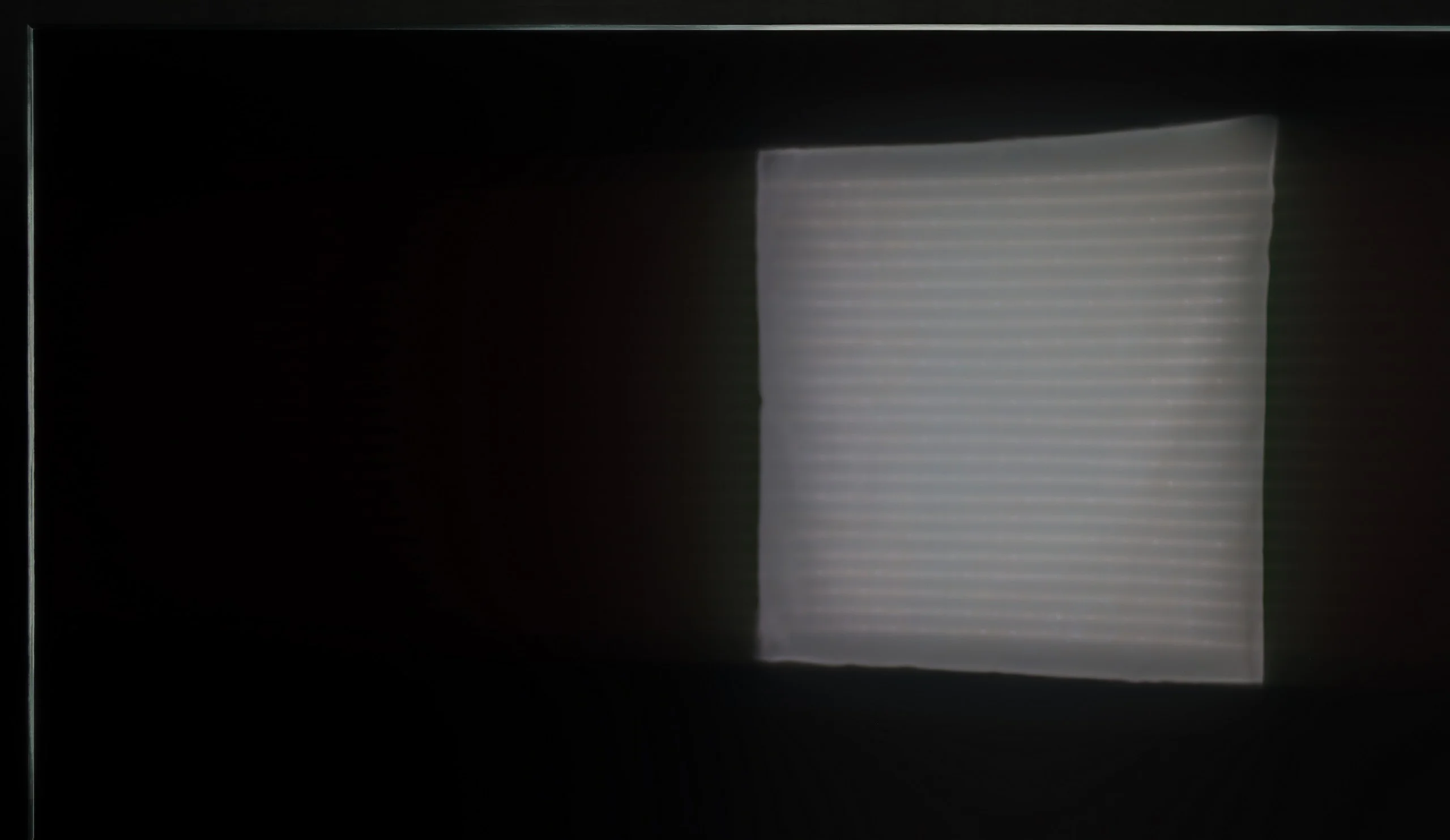
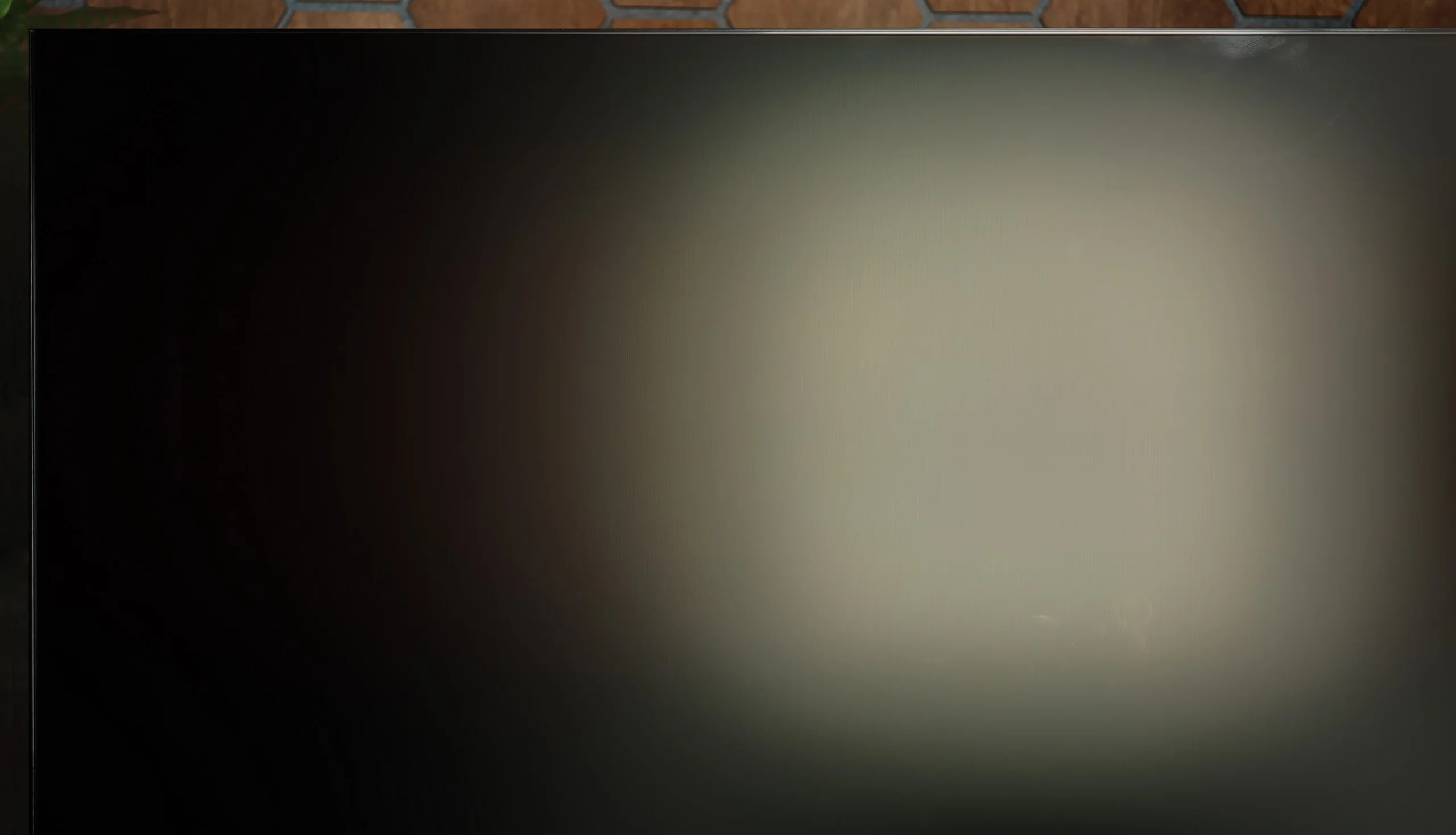
Panel uniformity and thermal imaging:

Review TCL C9K TV Panel details
Review SONY Bravia 9 II XR95M2 TV Panel details

TCL C9K

SONY Bravia 9 II XR95M2

TV features

7.7/10

8.8/10

  • System
    Google TV
    Google TV
  • System performance
    Good
    Very good
  • HDMI inputs
    2 x HDMI 2.0, 2 x HDMI 2.1 48Gbps
    2 x HDMI 2.0, 2 x HDMI 2.1 48Gbps
  • Outputs
    Toslink (Optical audio), eARC (HDMI), ARC (HDMI)
    Toslink (Optical audio), eARC (HDMI), ARC (HDMI), Mini-Jack (Sony S-Center)
  • Network Interfaces
    Wi-Fi 2.4GHz, Wi-Fi 5GHz, Ethernet (LAN) 100Mbps
    Wi-Fi 2.4GHz, Wi-Fi 5GHz, Ethernet (LAN) 100Mbps
  • TV reception
    DVB-T, DVB-T2, DVB-S, DVB-S2, DVB-C
    DVB-T, DVB-T2, DVB-S, DVB-S2, DVB-C

Classic features:

  • Recording to USB (terrestrial TV)
    No
    Yes
  • Recording programming
    No
    Yes
  • Picture in Picture (PiP)
    No
    No
  • RF remote control (no need to aim)
    Yes
    Yes
  • Backlit remote control
    Yes
    Yes
  • Teletext
    Yes
    Yes
  • Audio only mode
    Yes
    Yes
  • Bluetooth headphones support
    Yes
    Yes
  • Simultaneous Bluetooth headphones & TV audio
    Yes
    Yes

Smart features:

  • AirPlay
    Yes
    Yes
  • Screen mirroring (Windows Miracast)
    Yes
    Yes
  • Voice search
    Yes
    Yes
  • Voice search in native language
    Yes
    Yes
  • Ability to connect a keyboard and mouse
    Yes
    Yes
Review TCL C9K TV features
Review SONY Bravia 9 II XR95M2 TV features

Sound connection options

  • HDMI audio
    eARC (HDMI), ARC (HDMI)
    eARC (HDMI), ARC (HDMI)
  • Other audio outputs
    Toslink (Optical audio)
    Toslink (Optical audio), AuxiliaryOutput-Mini-Jack (Sony S-Center)
  • Wireless audio
    Bluetooth
    Bluetooth

Supported audio formats (external HDMI eARC audio):

  • Dolby Digital Plus 7.1
    Yes
    Yes
  • Dolby True HD 7.1
    No
    No
  • Dolby Atmos in Dolby Digital Plus (JOC)
    Yes
    Yes
  • Dolby Atmos in Dolby True HD
    No
    No
  • DTS:X in DTS-HD MA
    Yes
    Yes
  • DTS-HD Master Audio
    Yes
    Yes

Senior accessibility

  • Numeric keyboard on TV
    No
    Yes
  • Font size adjustment
    No
    Yes
  • Audio description
    Yes
    Yes

Classic TV Features

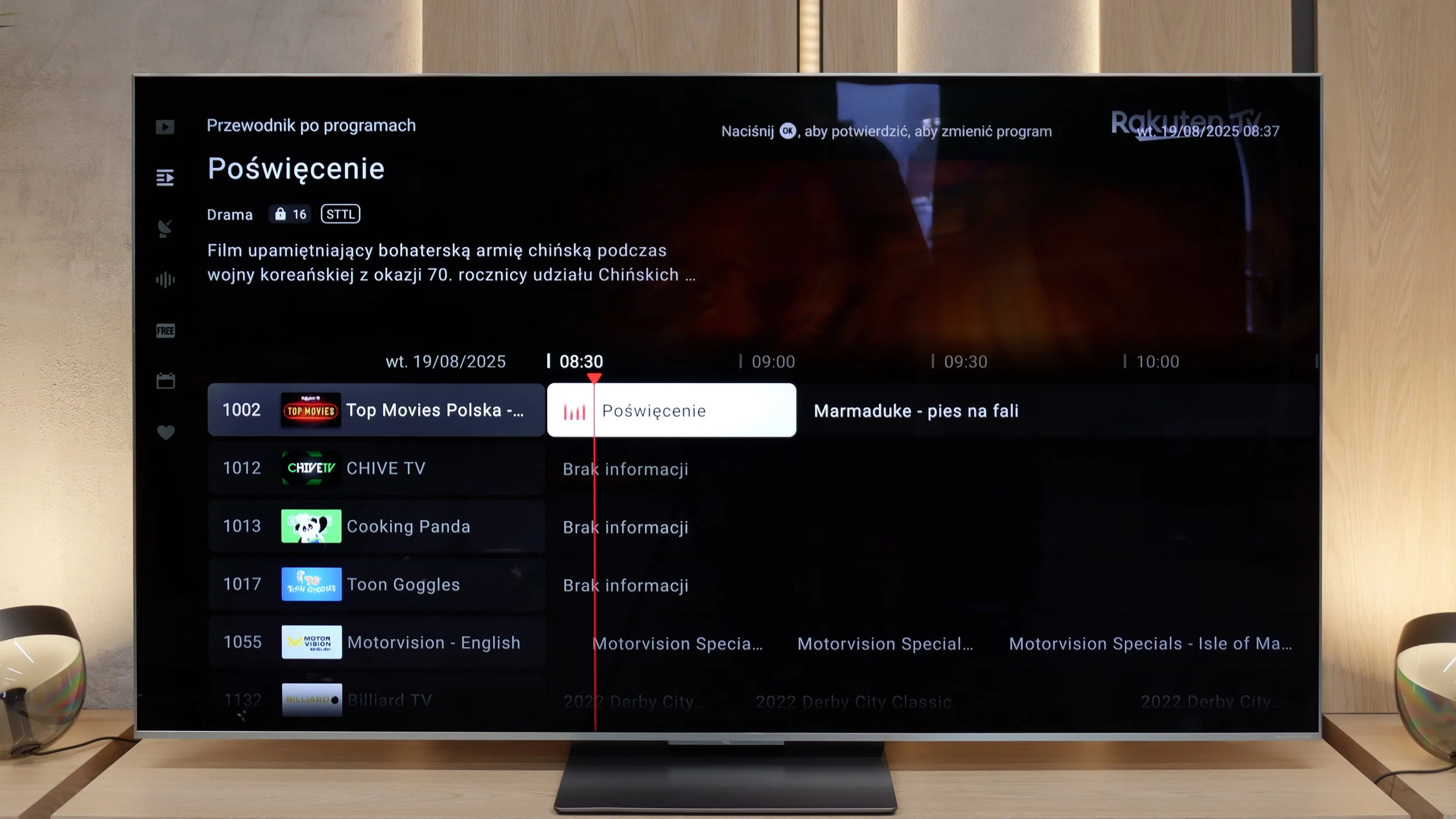
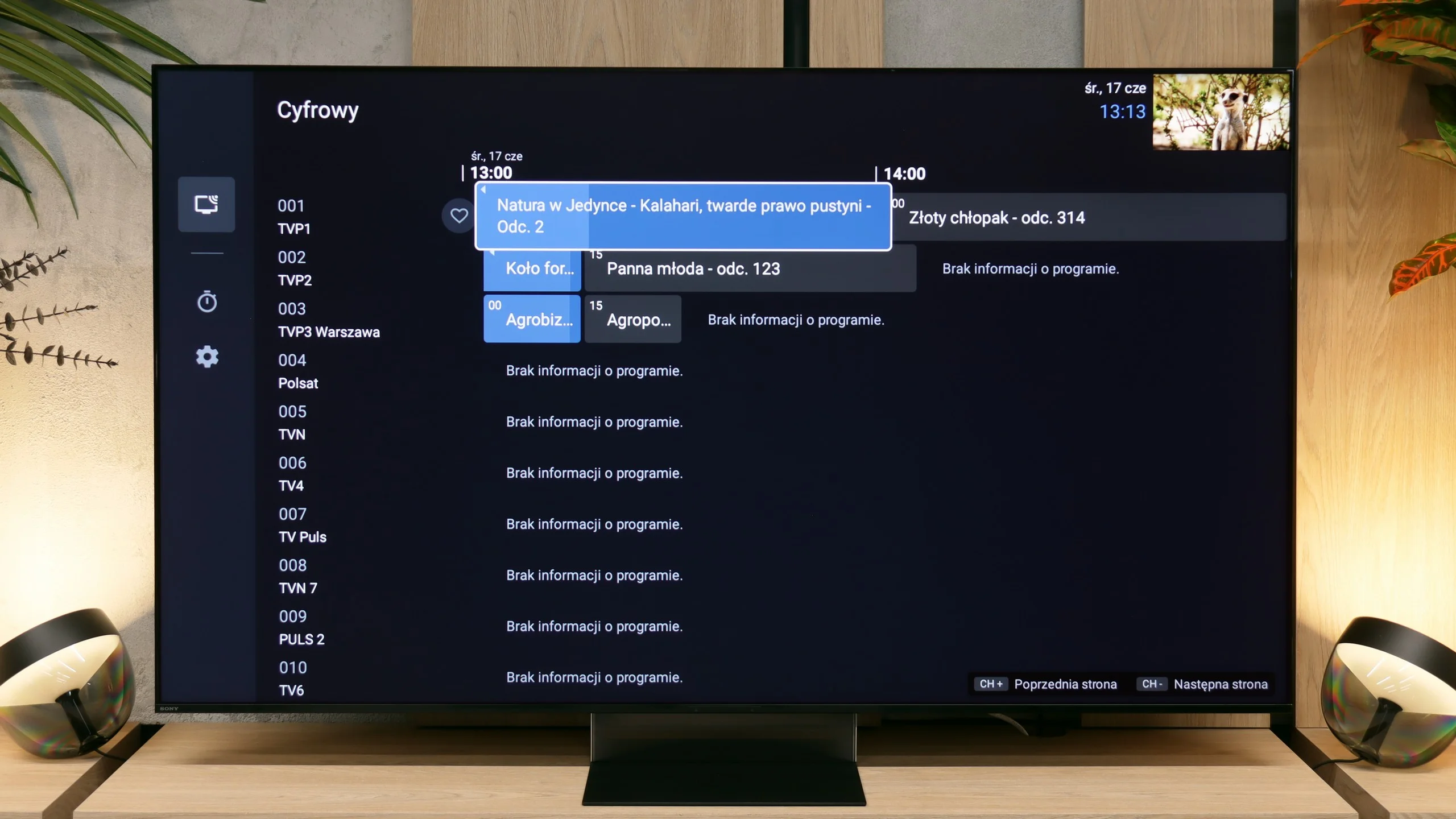
In terms of basic TV features, the TCL C9K does not disappoint – it has everything that most users expect. The EPG guide works smoothly, teletext is available, and pairing Bluetooth headphones, a mouse, or a keyboard is straightforward. However, it should be noted that in the Google TV system – just like in other TCL models – there are no more advanced options, such as recording programs or picture-in-picture (PiP) mode. Some may find this lacking, especially if they have used such features with competitors. It's also worth mentioning that we only have one USB port available – enough to connect a drive with movies or a flash drive, but if someone plans to use multiple devices, they might find this insufficient.

Smart Features

While the TCL C9K does not stand out in terms of classic solutions, it showcases its full potential in the realm of smart features. The Google TV system is currently the most popular platform, and it's easy to see why – the library of applications is vast. Netflix, YouTube, Disney+, HBO Max, Amazon Prime Video – all are readily available. Only those very attached to more closed ecosystems, such as Apple Music, will feel the gaps. A significant advantage is the built-in voice assistant – it works quickly, understands natural commands, and allows for convenient control of the TV: from switching channels to opening applications, to searching for content or checking the weather. It is in this aspect that the TCL C9K shows that a smart TV is more than just a "TV with the internet" – it is a tool that truly simplifies daily use of the device.

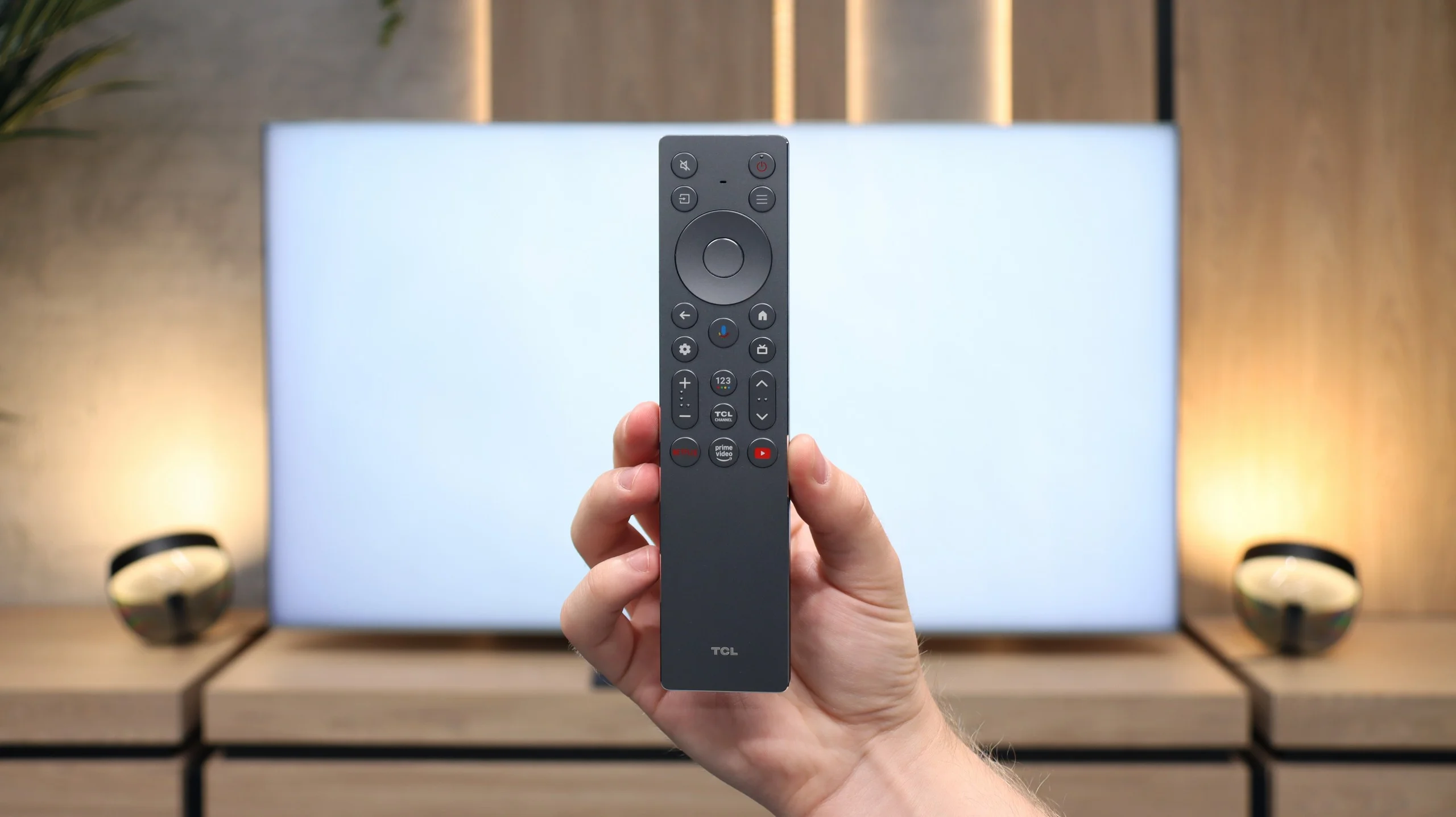
Classic features and two remotes

When discussing such an advanced TV, it's easy to focus only on processors and nits, but the Bravia 9 II is also an excellent set in the most down-to-earth aspects. A great example is the return to traditional solutions many competitors have already forgotten. That includes full support for recording TV programs directly to external USB storage.

The Japanese maker's traditional, very practical approach is apparent as soon as you open the box. Sony is one of the few players on the market (maybe the only one right now? 🤔) that still includes not one but two remotes. The first is a nod to older users and traditionalists. It may look like a design from the 2000s, but it offers a full, physical numeric keypad, which makes quickly jumping through cable or satellite channels much easier. The second remote belongs to a completely different school. It's a compact smart remote that's beautifully balanced, sits great in the hand, and the icing on the cake is automatic button backlighting. An interesting fact is that, according to Sony, it is made largely from recycled materials.

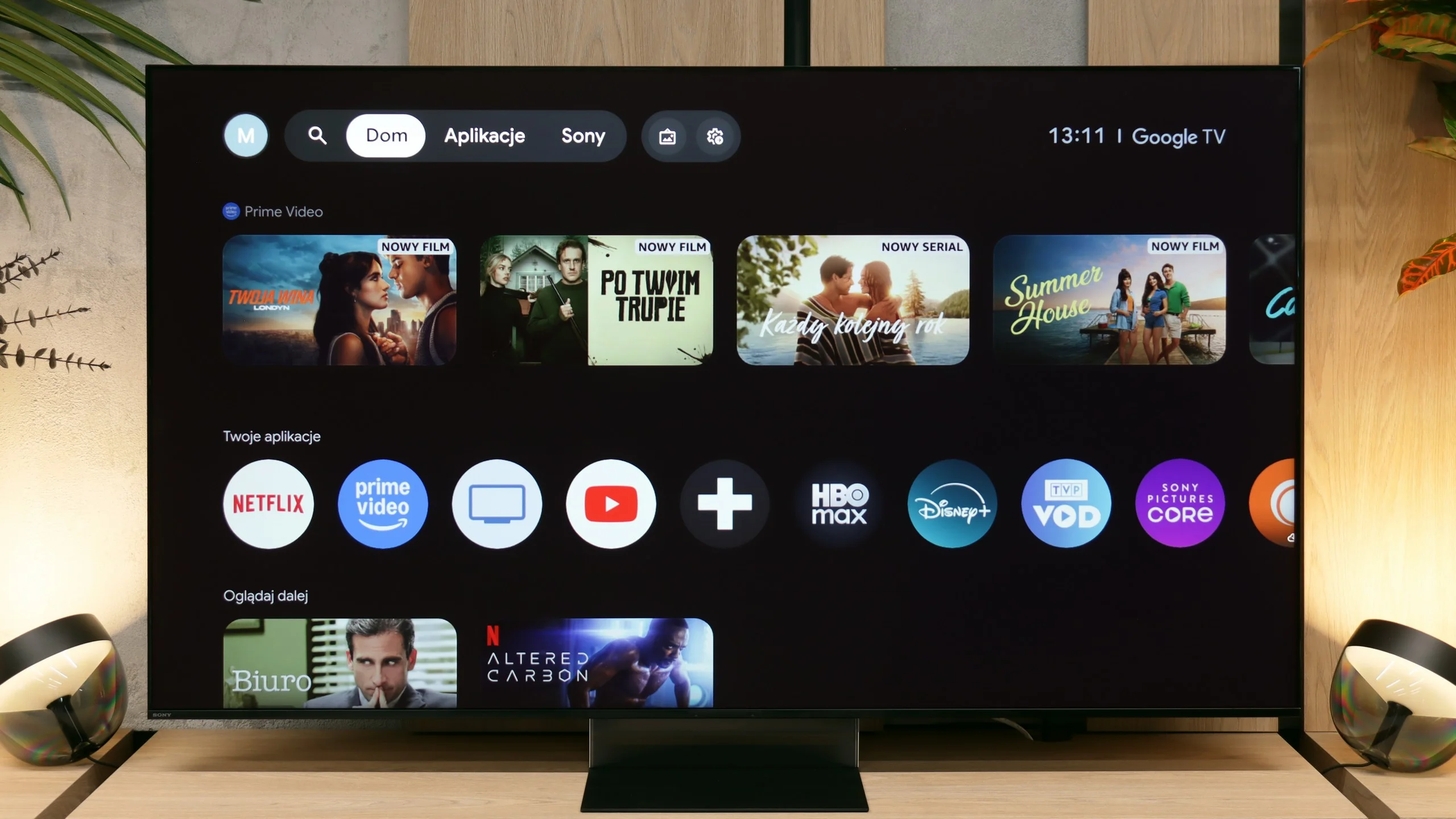
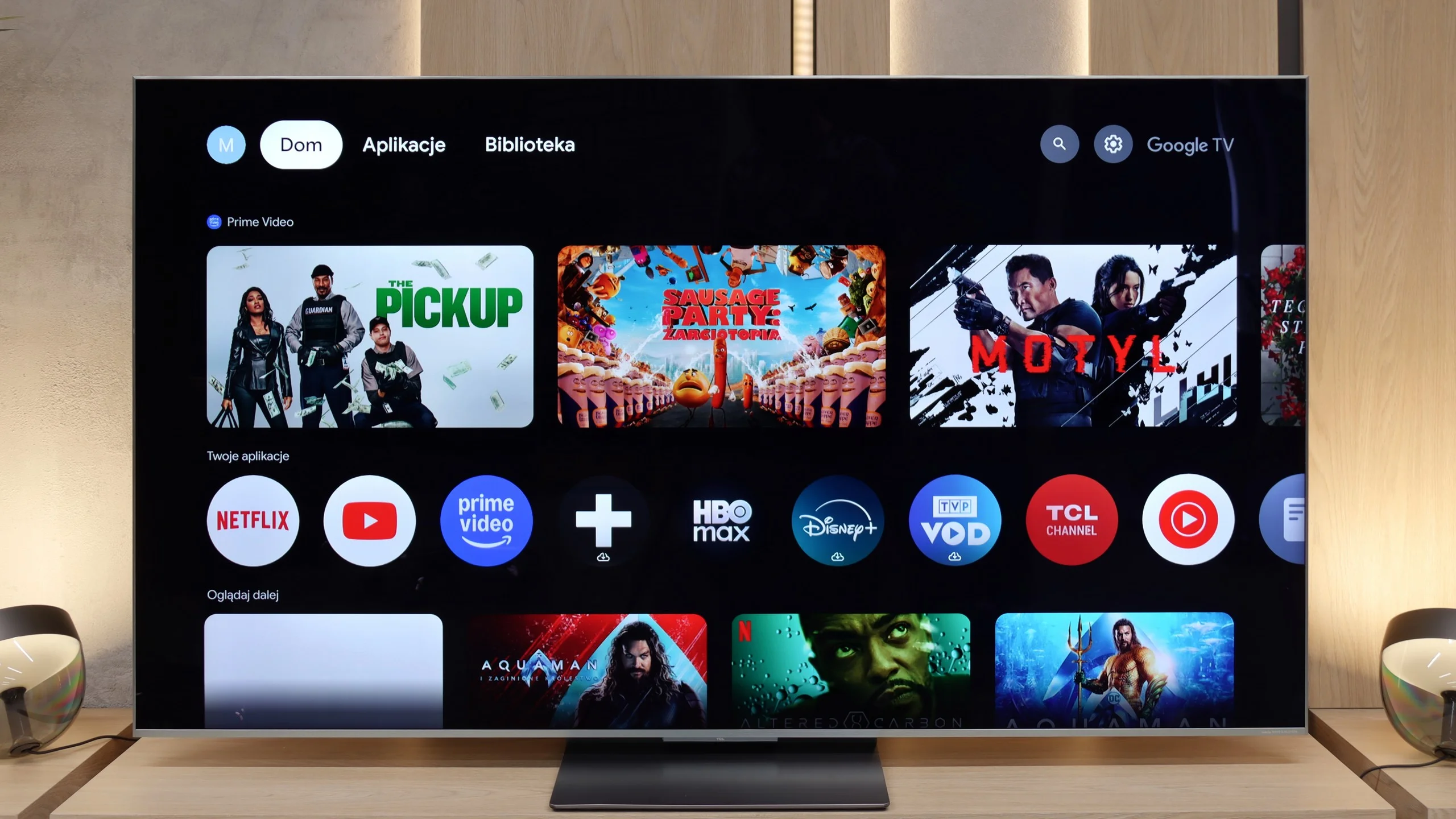
Smart TV: Google TV

When you turn the TV on with that remote, you'll be greeted by Google TV. In this model the platform has received excellent optimization. The menu responds immediately to commands, and animations don't drop frames, which used to be a pain in older models. Although the interface can sometimes be overloaded with sponsored recommendations for movies and series (unfortunately a sign of the times), the system makes up for it with an absolutely unrivaled app library.

An additional unique selling point of Sony's platform is built-in access to the Sony Pictures Core app. It's Sony's own streaming service that, thanks to massive data throughput, can deliver images with extremely low compression, offering quality unattainable by other VOD platforms.

Apps

9.6/10

9.6/10

OK
Disney_Plus
OK
Amazon_Prime_Video
OK
Player_TVN
OK
Polsat_Box_Go
OK
Canal_Plus_Online
OK
TVP_VOD
OK
Apple_TV_Plus
OK
SkyShowtime
OK
Rakuten
OK
CDA_Premium_Browser
OK
Spotify
OK
Tidal
OK
Netflix
OK
YouTube
OK
HBO_MAX
OK
Kodi
No
Apple_music
OK
Eleven_sports
No
Xbox Game Pass
OK
GeForce NOW
No
Amazon Luna
OK
Boosteroid
OK
Steam Link
OK
Disney_Plus
OK
Amazon_Prime_Video
OK
Player_TVN
OK
Polsat_Box_Go
OK
Canal_Plus_Online
OK
TVP_VOD
OK
Apple_TV_Plus
OK
SkyShowtime
OK
Rakuten
OK
CDA_Premium_Browser
OK
Spotify
OK
Tidal
OK
Netflix
OK
YouTube
OK
HBO_MAX
OK
Kodi
No
Apple_music
OK
Eleven_sports
No
Xbox Game Pass
OK
GeForce NOW
No
Amazon Luna
OK
Boosteroid
OK
Steam Link

Playing files from USB

9.2/10

8.9/10

Supported photo formats:

JPEG
Yes
Yes
HEIC
No
Yes
PNG
Yes
No
GIF
Yes
No
WebP
Yes
No
TIFF
No
No
BMP
Yes
No
SVG
No
No

Maximum photo resolution:

4 Mpix
Yes
Yes
6 Mpix
Yes
Yes
8 Mpix
Yes
Yes
10 Mpix
Yes
Yes
12 Mpix
Yes
Yes
16 Mpix
Yes
Yes
20 Mpix
Yes
Yes
24 Mpix
Yes
Yes
28 Mpix
Yes
Yes
32 Mpix
Yes
Yes

C9K easily handled most of the materials we uploaded to the pendrive – from MKV format films, through older AVI files, to DTS and FLAC audio tracks. The only drawback remains the lack of support for HEIC format photos from Apple devices, but this is a common issue with almost all manufacturers. The most important thing, however, is that if someone finds a lack of support for some exotic format, they can always reach for an alternative player available in the Google Play store. And this is where the advantage of the Google TV system is evident – the ease with which you can extend the capabilities of the television with additional applications.

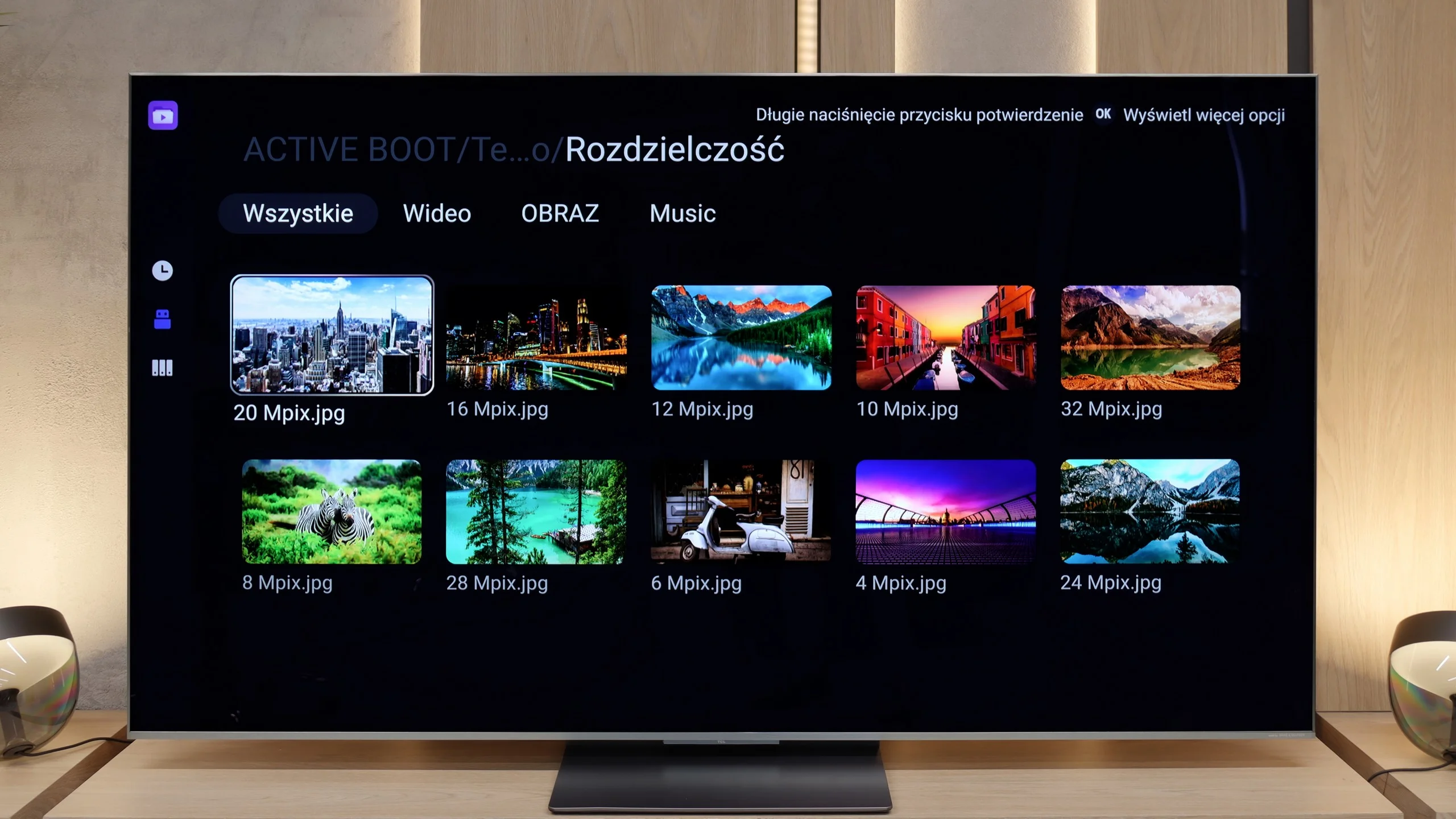
Playing files directly from an external drive or USB flash drive works smoothly and quickly. The interface loads the drive’s contents instantly. We do have some reservations about the built-in media player's out-of-the-box capabilities. While the list of supported audio and video codecs is truly extensive, the TV handled image files surprisingly poorly. It really only supports standard JPG files and Apple's HEIC format, which is great news for iPhone users. Unfortunately, it doesn’t include even such a common format as PNG. Fortunately, thanks to Google TV, this problem is easy to solve. Just download a third-party player from the app store and it will open any missing file format without a hitch.

Sound

7.9/10

9/10

  • Maximum volume
    77dB
    93dB
  • Dolby Digital Plus 7.1
    Yes
    Yes
  • Dolby True HD 7.1
    No
    No
  • Dolby Atmos in Dolby Digital Plus (JOC)
    Yes
    Yes
  • Dolby Atmos in Dolby True HD
    No
    No
  • DTS:X in DTS-HD MA
    Yes
    Yes
  • DTS-HD Master Audio
    Yes
    Yes

The sound in the TCL C9K is handled by the same system as in the C8K model – developed together with Bang & Olufsen. It is a 4.2.2 configuration with a total power of 90 W, meaning eight speakers placed to create a fuller sense of space. And I must admit – the effect is impressive. Dialogues are clear, the high and mid tones sound pure, and the bass doesn't fade, even during louder screenings. Of course, this won't replace a dedicated soundbar or home theater system, but for built-in speakers – there is really something worth listening to.

*During tests at maximum volume, we noticed unusual behavior from the audio system. When the slider is set to 100%, the TV reaches about 76–78 dB, but you can hear that it tries to generate more power, after which the volume level is immediately corrected to the mentioned value. On the other hand, when we lower the volume to, for example, 70%, it first drops as expected but then slowly rises back to the same level of 76 dB. This effect gives the impression of an aggressive limiter that always brings the volume to one level, regardless of the position of the slider. We checked this behavior multiple times, and in every case, the result was identical – no additional "smart" volume adjustment or AI features were active during this testing.

The two-year-old Bravia 9 had already gotten us used to the idea that a regular, slim TV without an integrated soundbar can deliver truly pleasant sound. The new Bravia 9 II goes a step further and raises those impressions even more. In our view the engineers have mainly improved the low end. The bass, which was somewhat lacking and occasionally too flat in the previous model, is now much stronger, deeper and noticeably more dynamic.

As a result, watching movies (especially those with explosions) or simply listening to music is much more enjoyable. The built-in sound system can easily replace a basic soundbar that lacks an external subwoofer. As usual, Sony deserves big credit for its approach to audio licensing and formats. Besides the obvious and popular Dolby Atmos standard, the set also offers full support for DTS:X. That’s great news for movie buffs who own extensive collections of films on 4K Ultra HD discs. In terms of built-in audio, the Bravia 9 II is an absolute masterpiece.

Sound Quality Test

No sound test video

Acoustic Measurements

77dBC (Max)

75dBC

93dBC (Max)

75dBC

Reader comments

Comments are provided by the external service Disqus (Zeta Global). Once loaded, Disqus may set cookies and process data about your activity.

We will remember your choice on this device. Provider's privacy policy