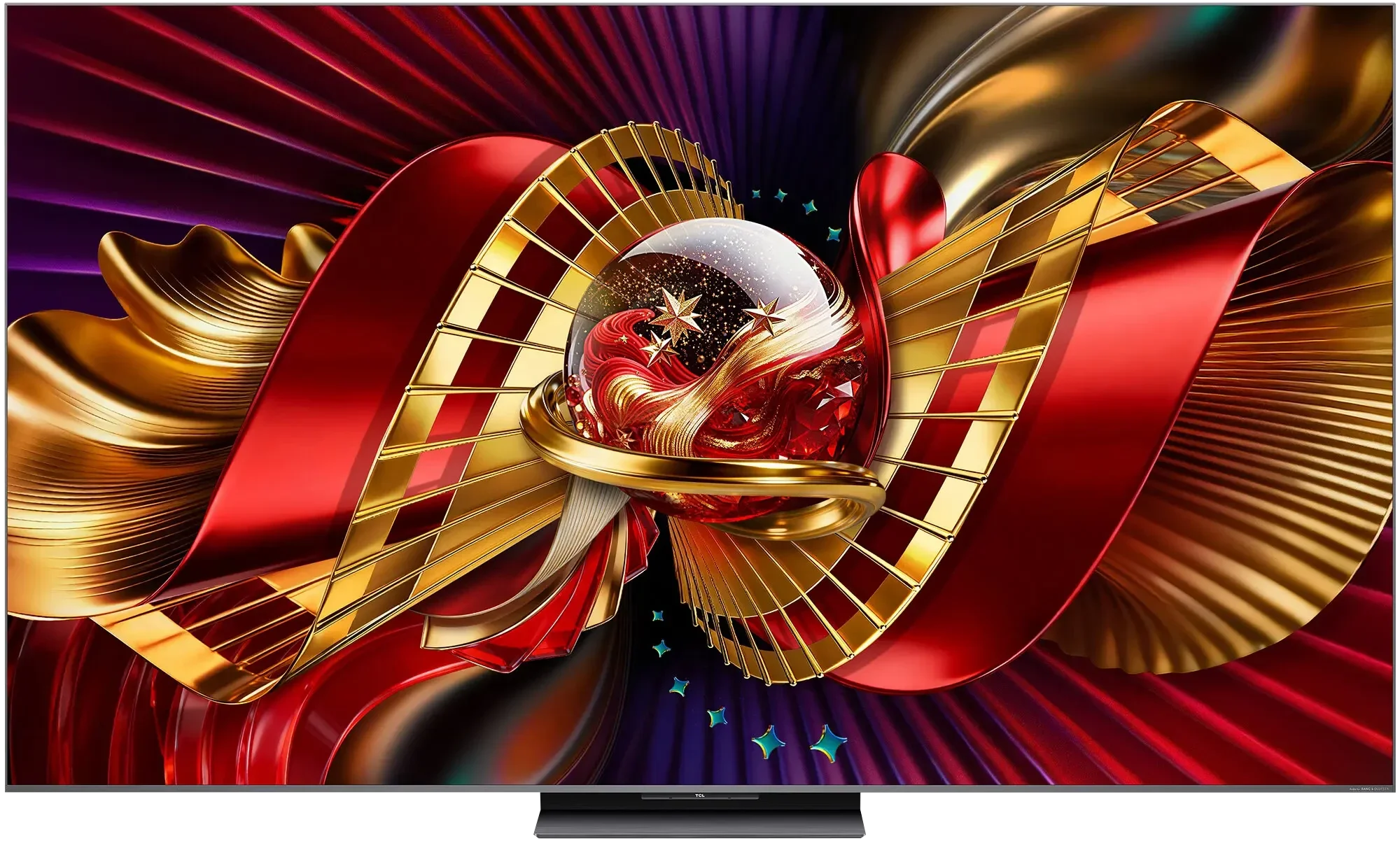
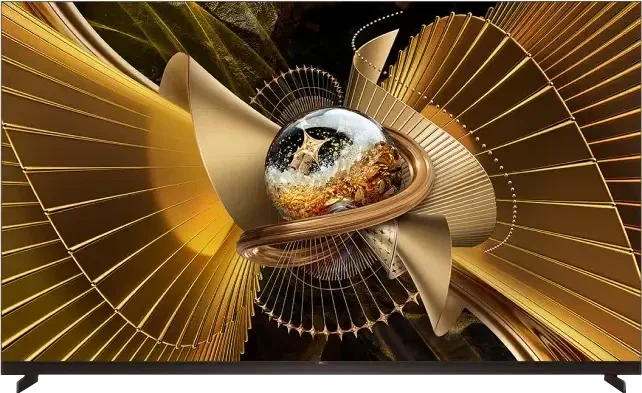
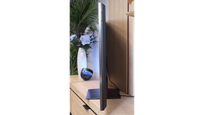
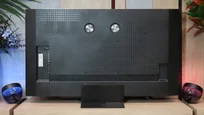
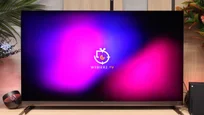
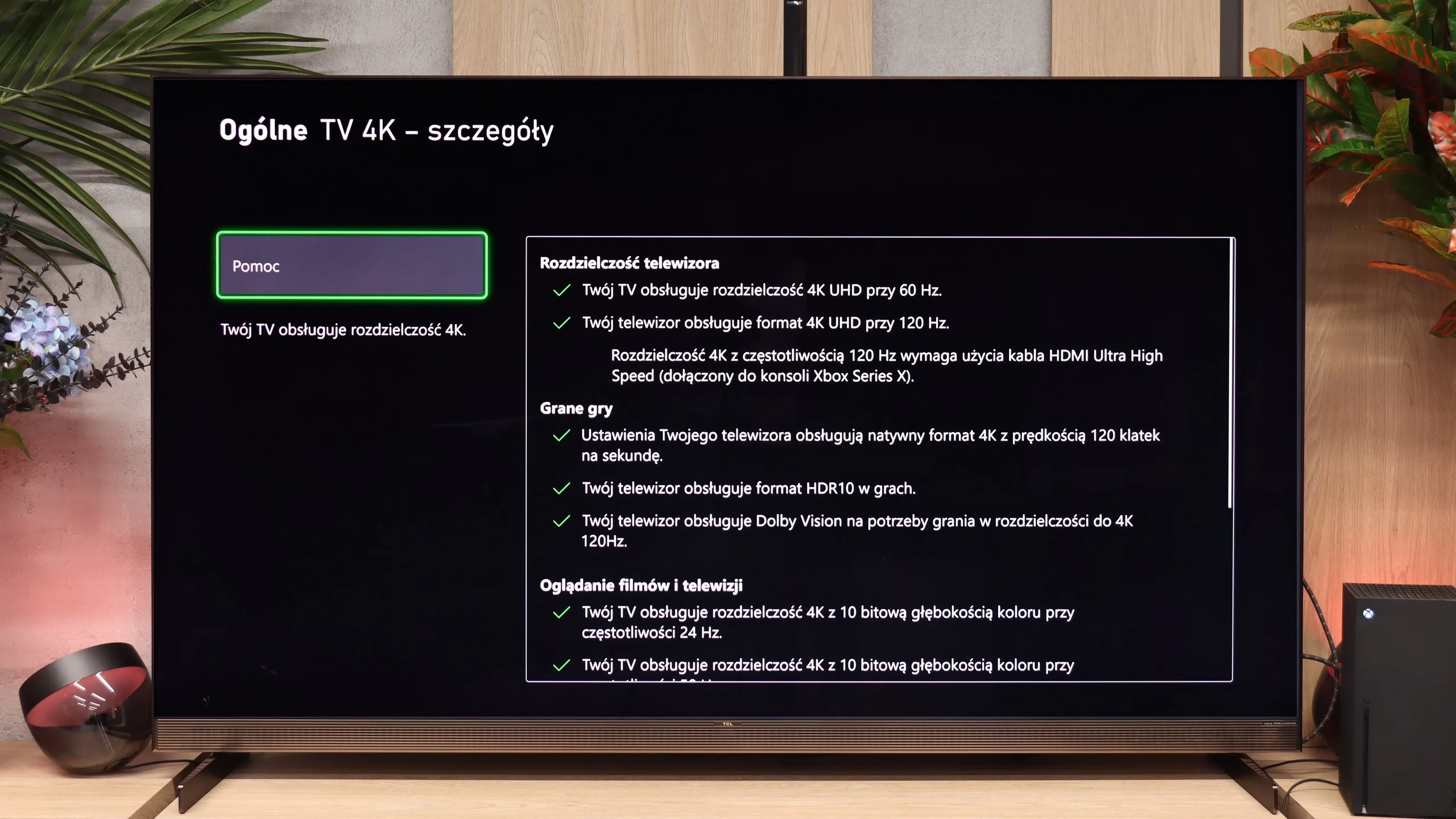
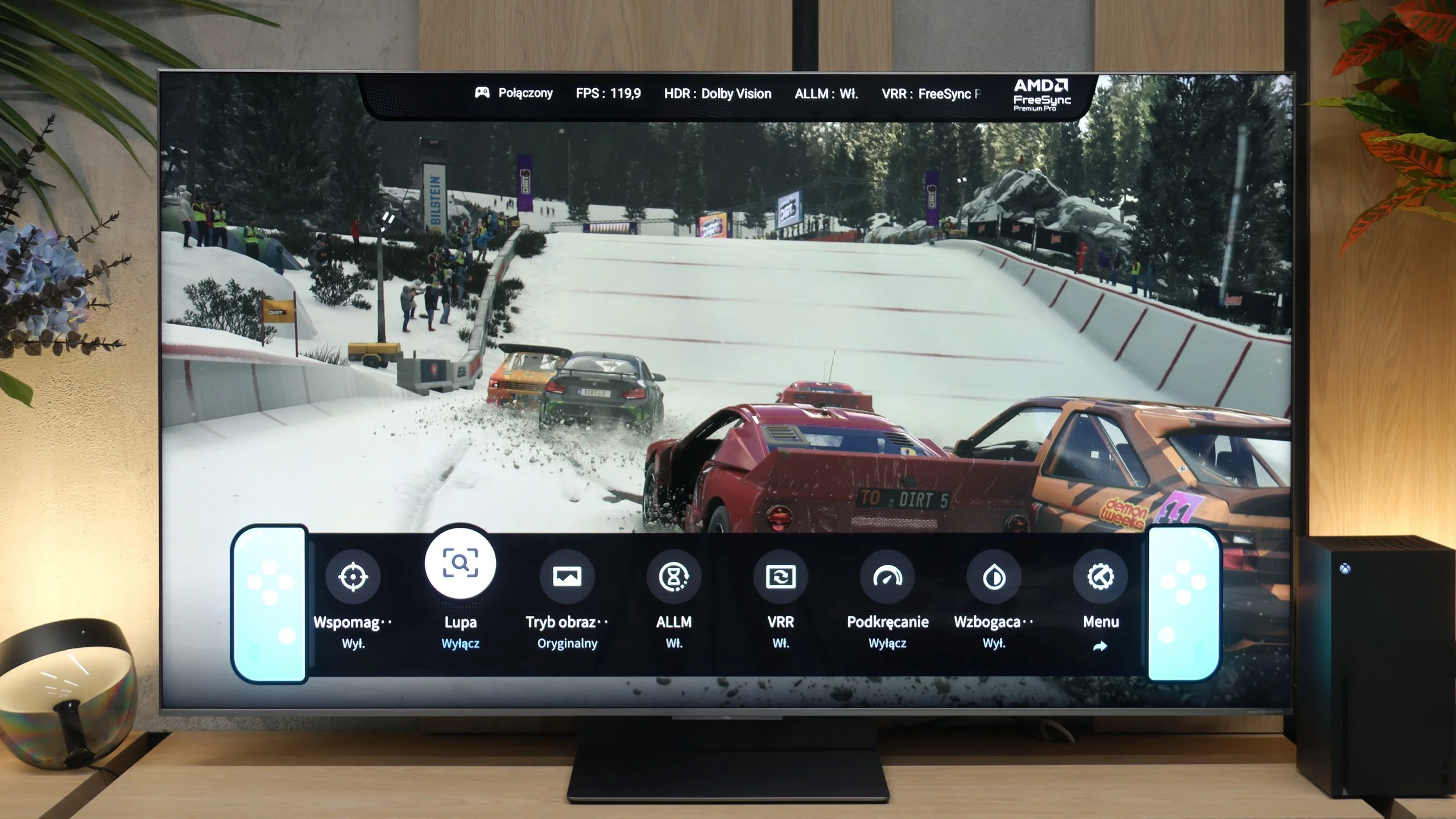
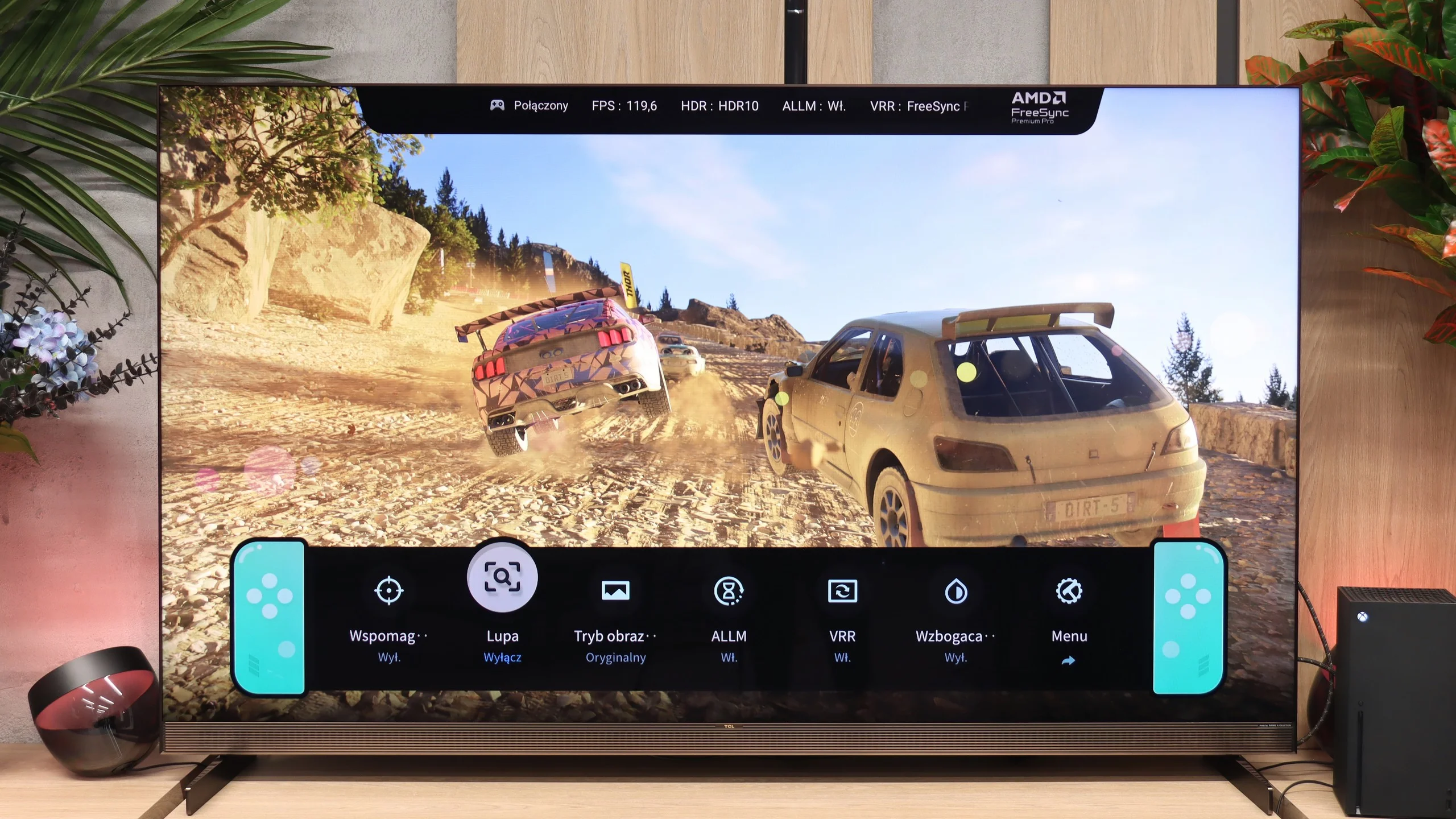
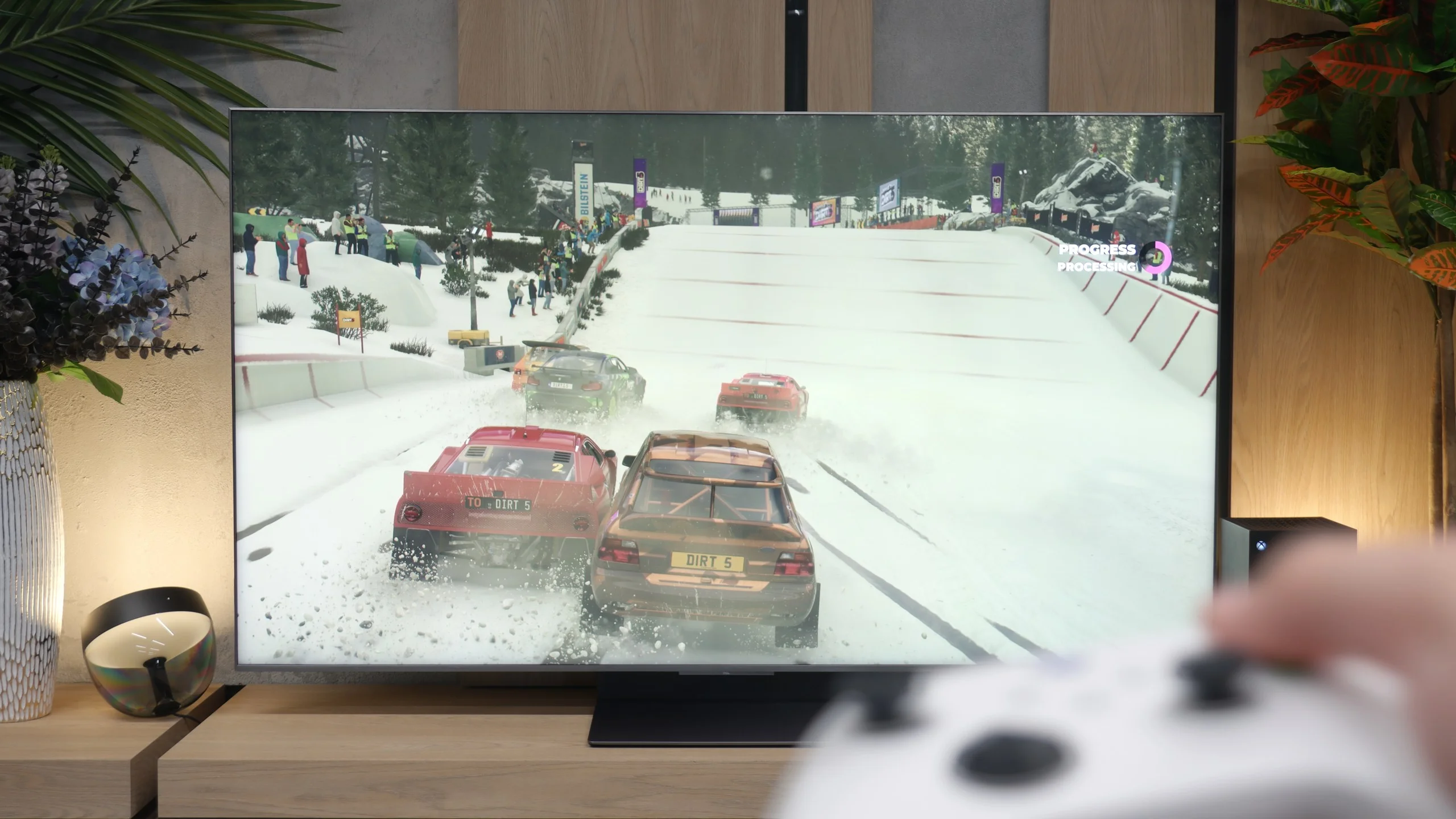
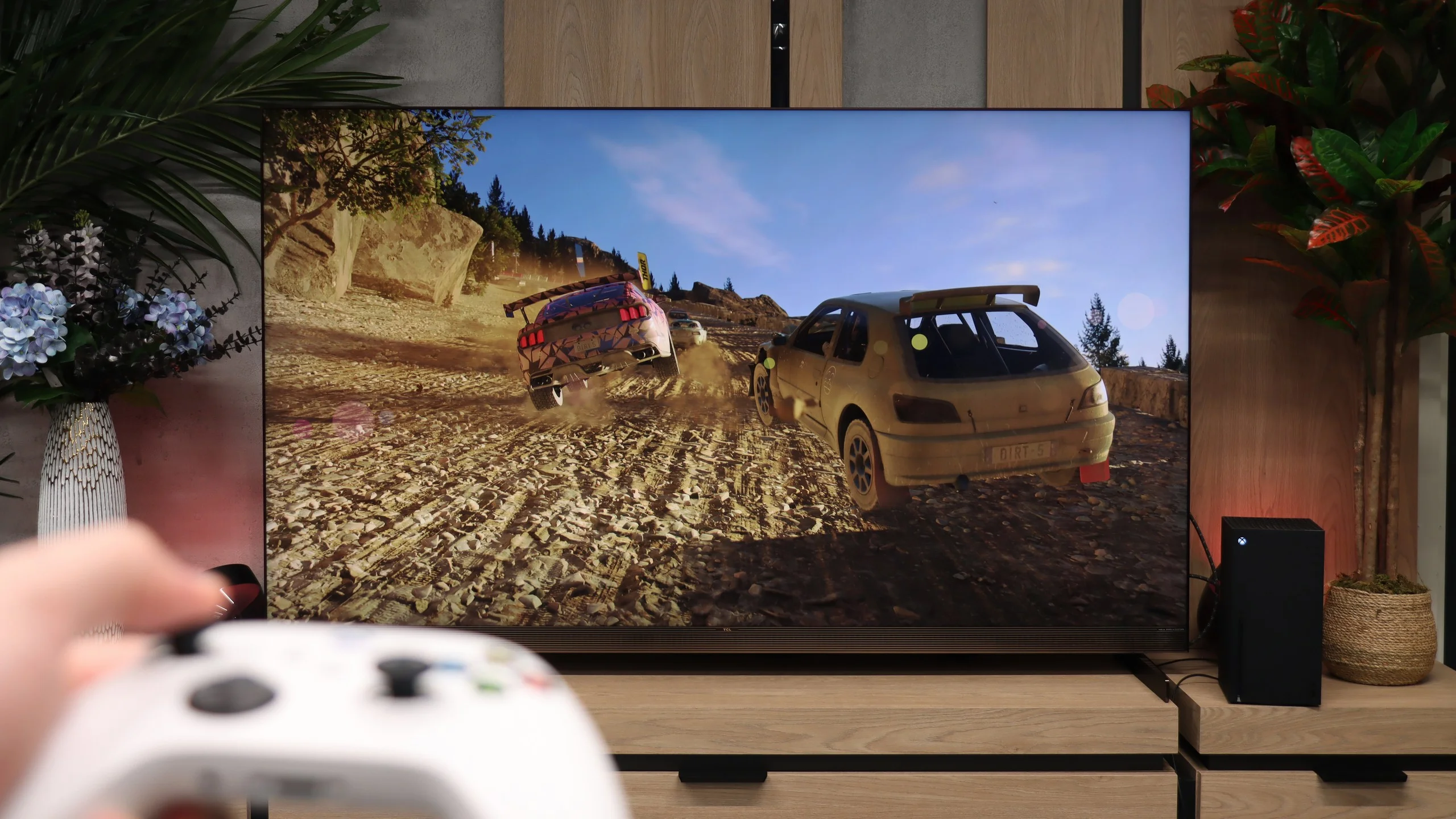
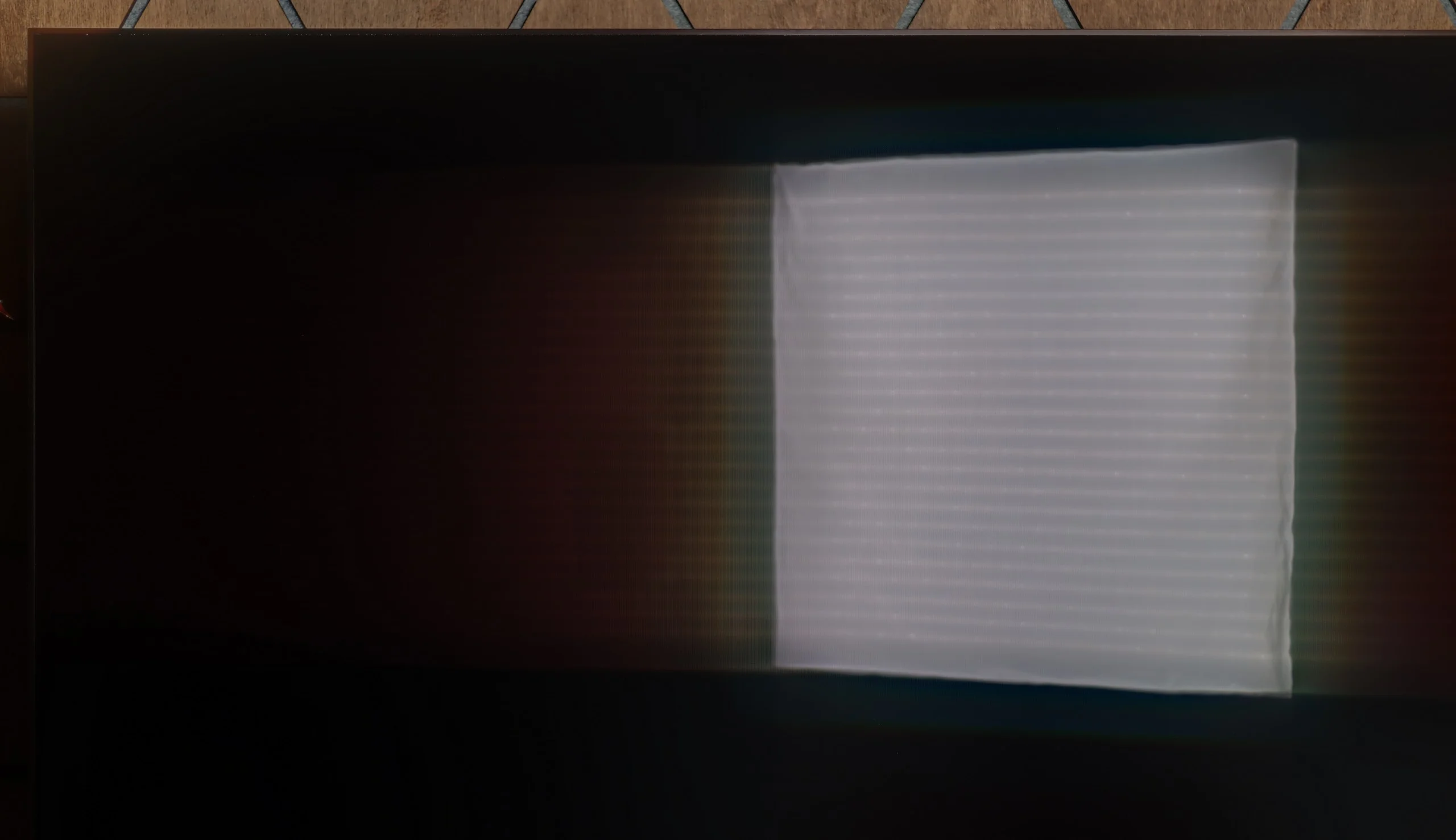
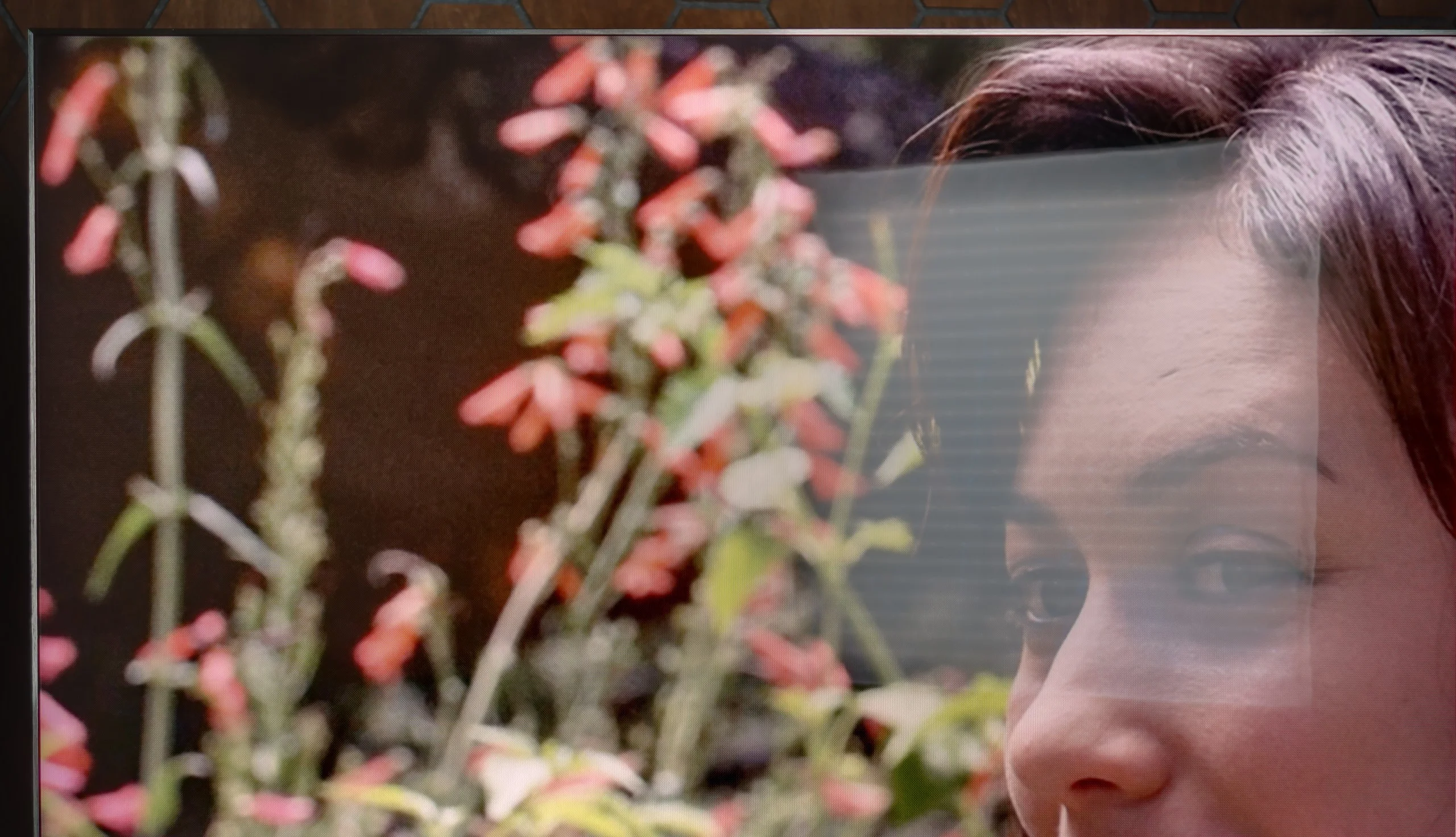
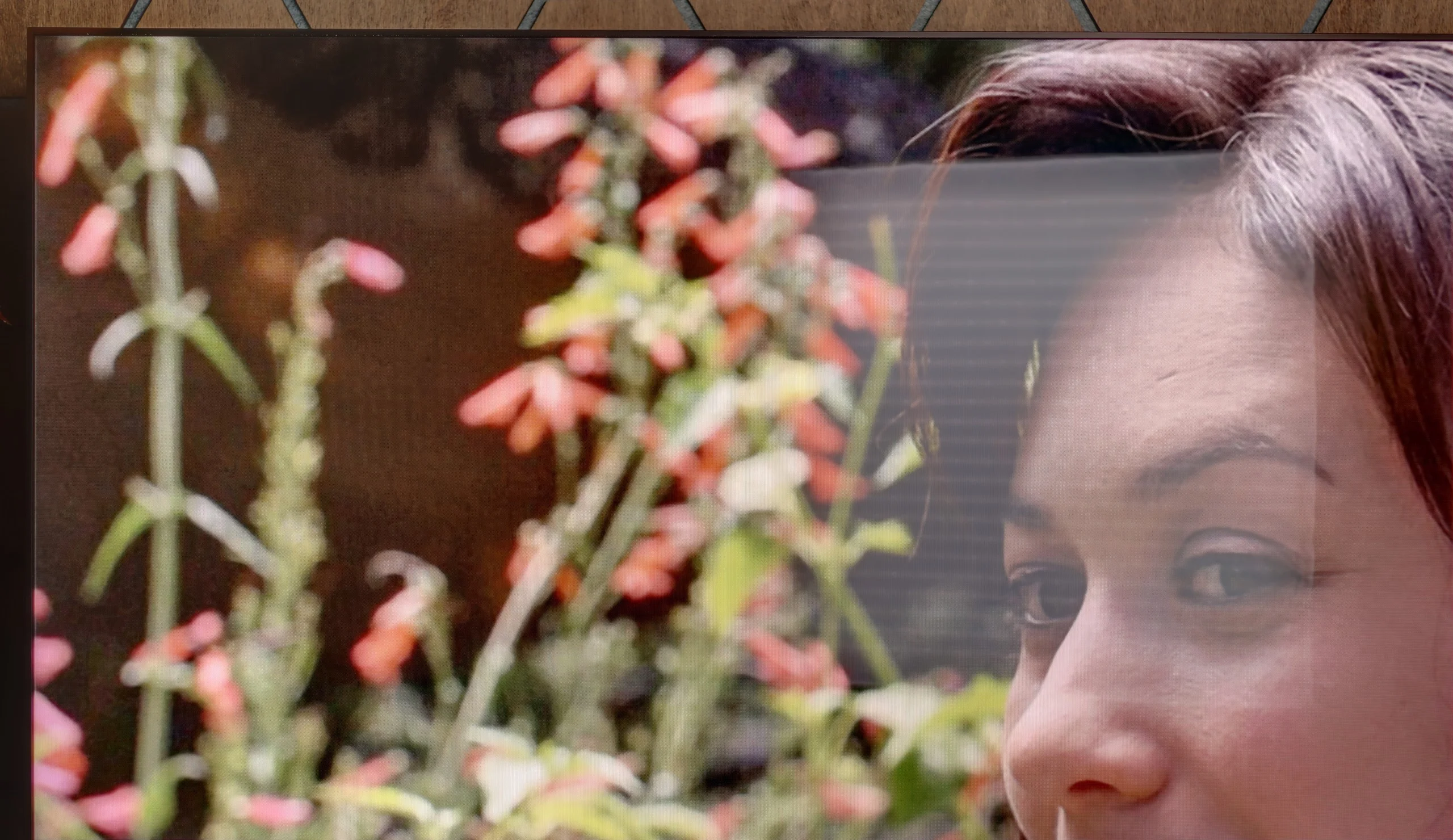
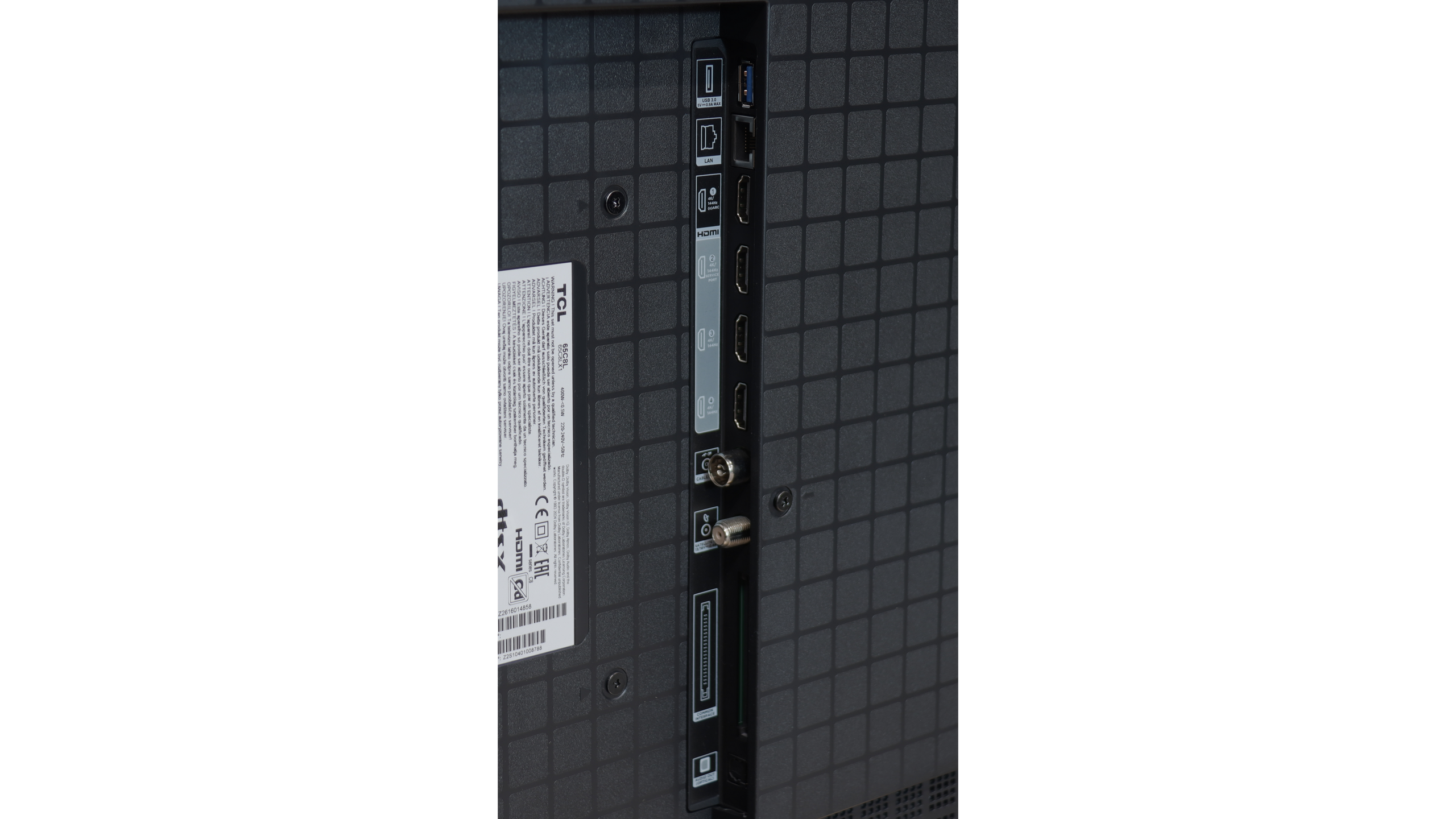
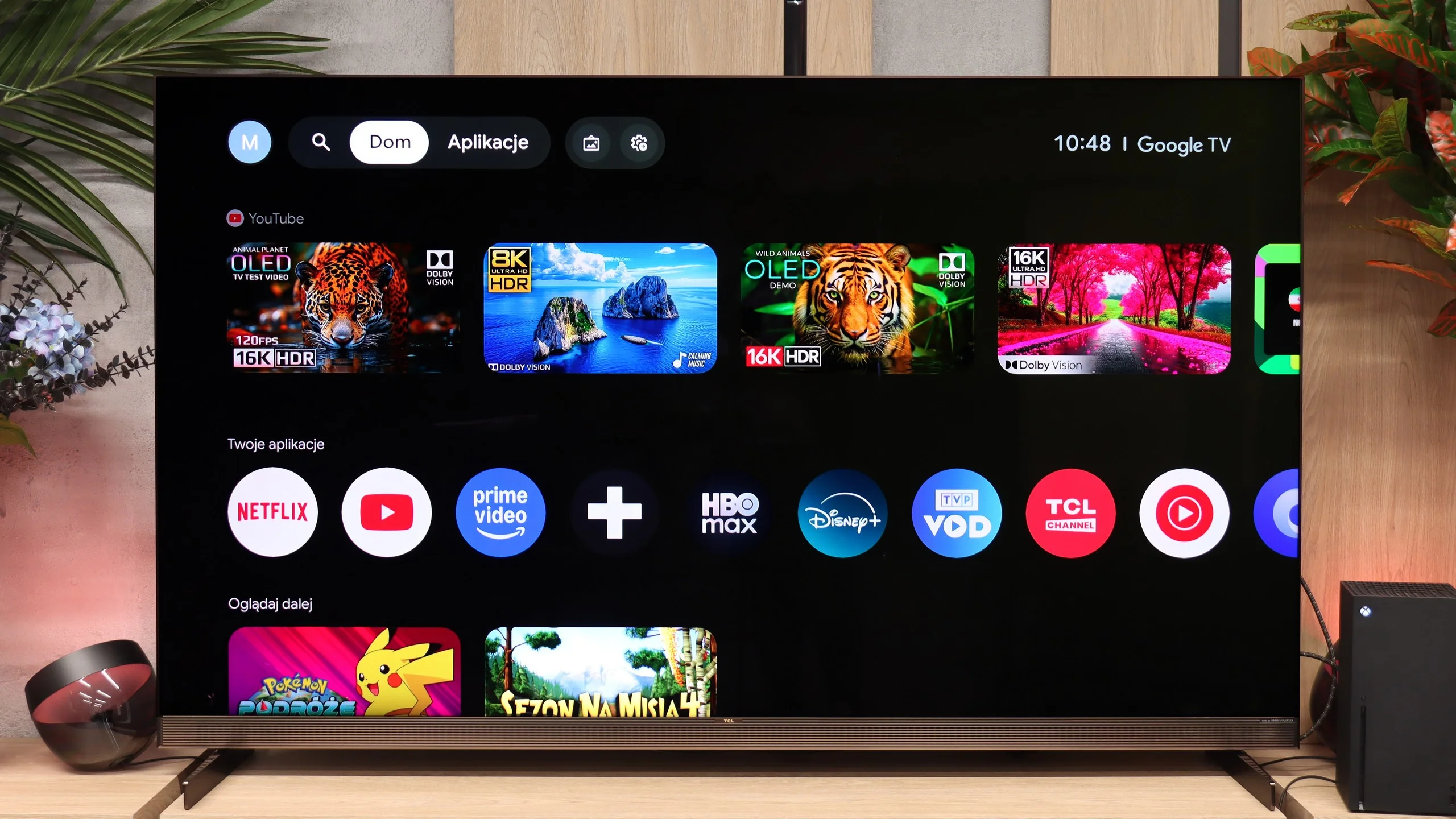
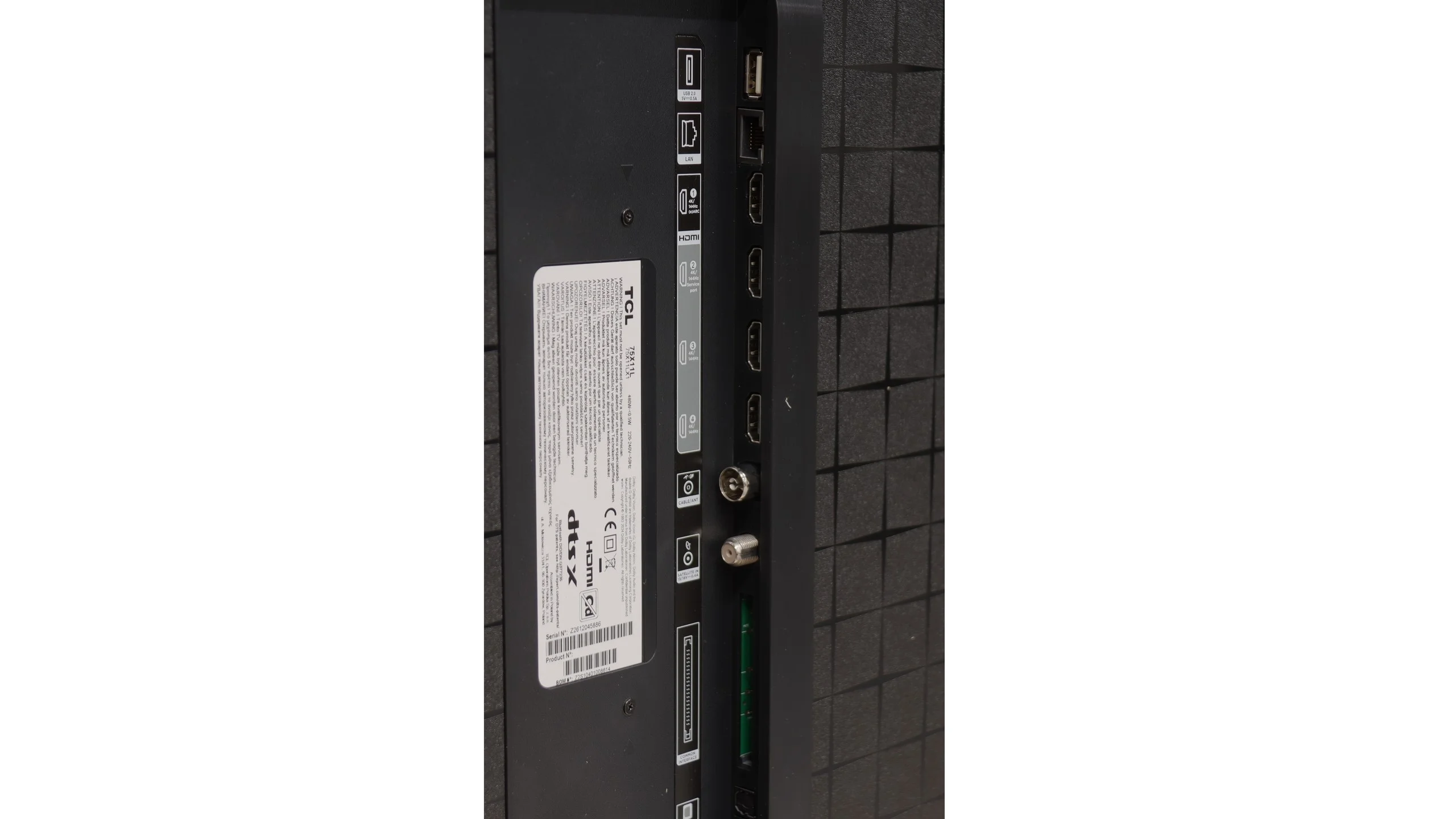
TCL C8L is undoubtedly one of the most intriguing Mini-LED TVs to come into our lab this year. This model stands out primarily due to its excellent price-to-capability ratio. TCL has accustomed us to aggressive pricing of its screens, but in the case of the C8 series, the manufacturer has managed to push the boundaries even further. For the amount that often allows just the purchase of mid-range models or two models like the C8K with market competitors, here we receive features and specifications equal to those of top models. A new image processor, four full HDMI 2.1 ports, support for extreme refresh rates, and impressive peak brightness thanks to a massive number of dimming zones are arguments that are hard to overlook.
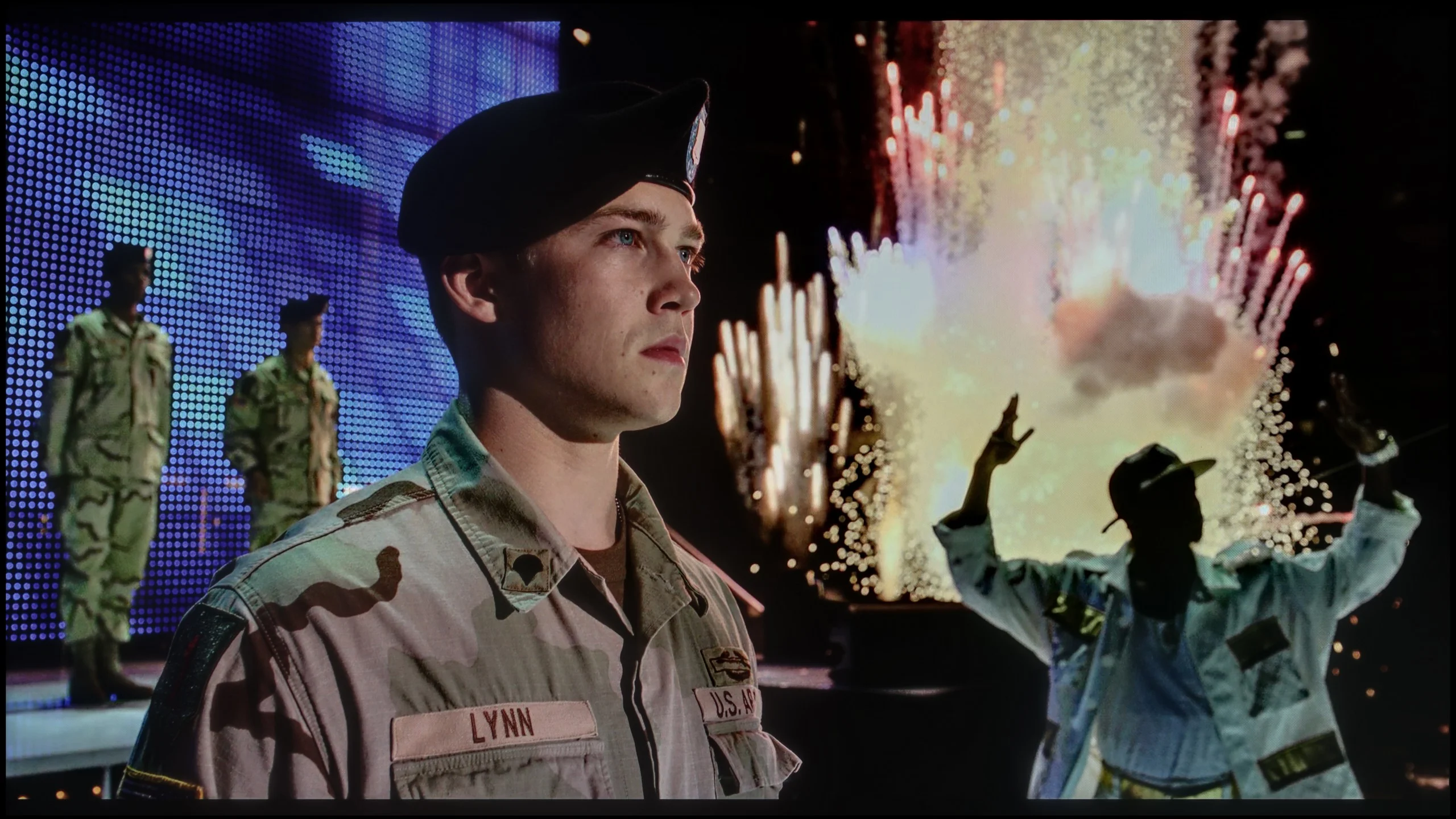
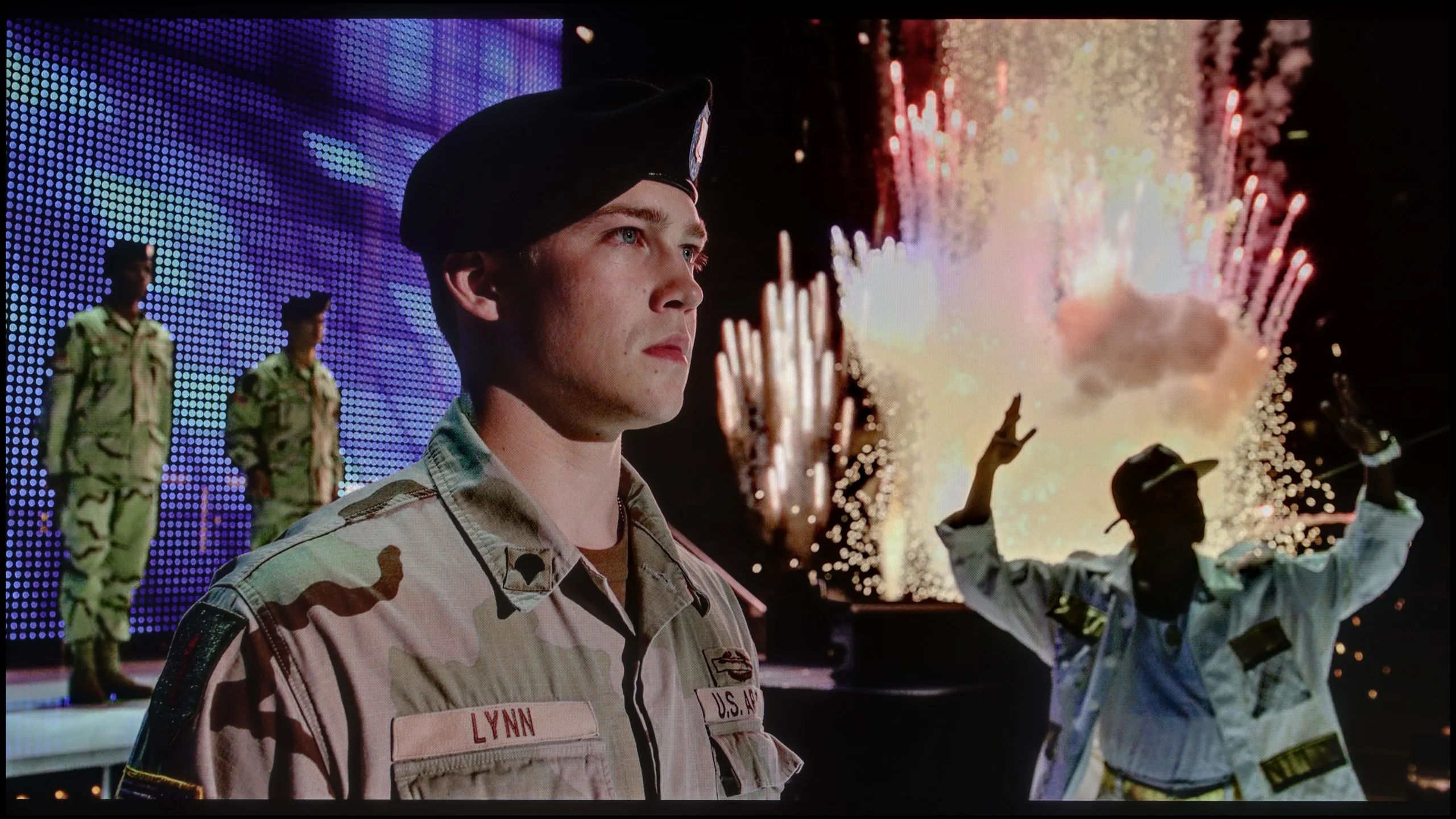
However, analyzing the whole picture, we must honestly summarize the character of this TV. The C8L is a device created more for displaying "impressive" images rather than rigorously faithful ones. What do we mean by that? The software and algorithms managing the Mini-LED backlight zones have been tuned to prioritize spectacle – the image is meant to be bright, contrasty, and strikingly saturated. And what does this mean? The TV tends to interpret images autonomously rather than adhering to certain studio standards. For most users looking for "greater" emotions in movies or games, this effect will likely be an advantage. On the other hand, purists and fans of perfectly natural images (like us 😉) may consider this behavior too aggressive and not in line with the director's intent. Therefore, we leave the final assessment on this issue to you.
Overall, despite this specificity, the TCL C8L is a TV that we can, and indeed must, recommend wholeheartedly. It is primarily a premium-class product that does literally everything correctly... to the point of being painful. We would regard certain imperfections simply as characteristics of this device rather than flaws – mainly due to the technological limitations that all Mini-LED TVs from every manufacturer on the market have accustomed us to. Ultimately, the software refinement has given the new eight a great deal, making it a mature, confident, and nearly complete device.
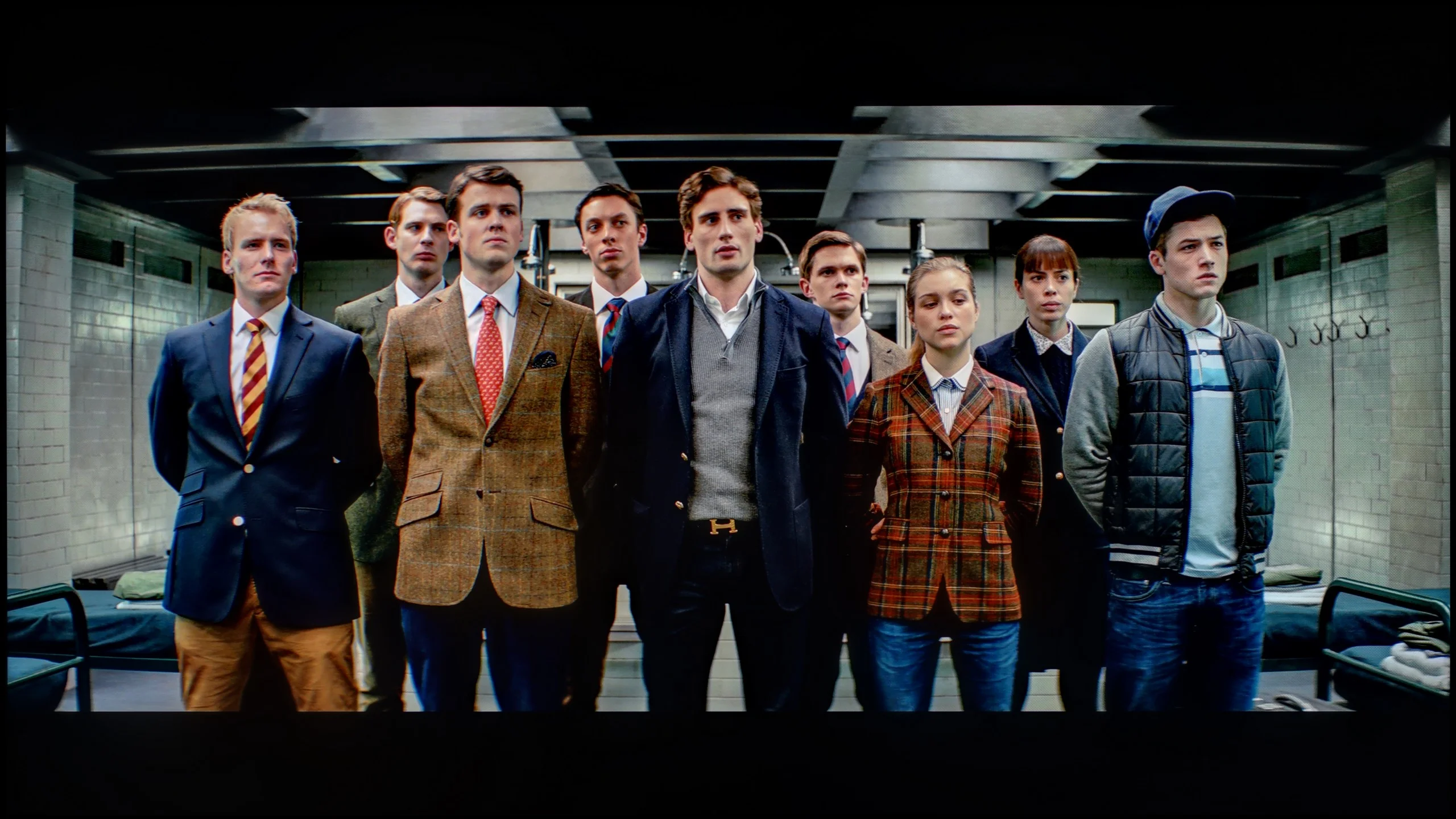
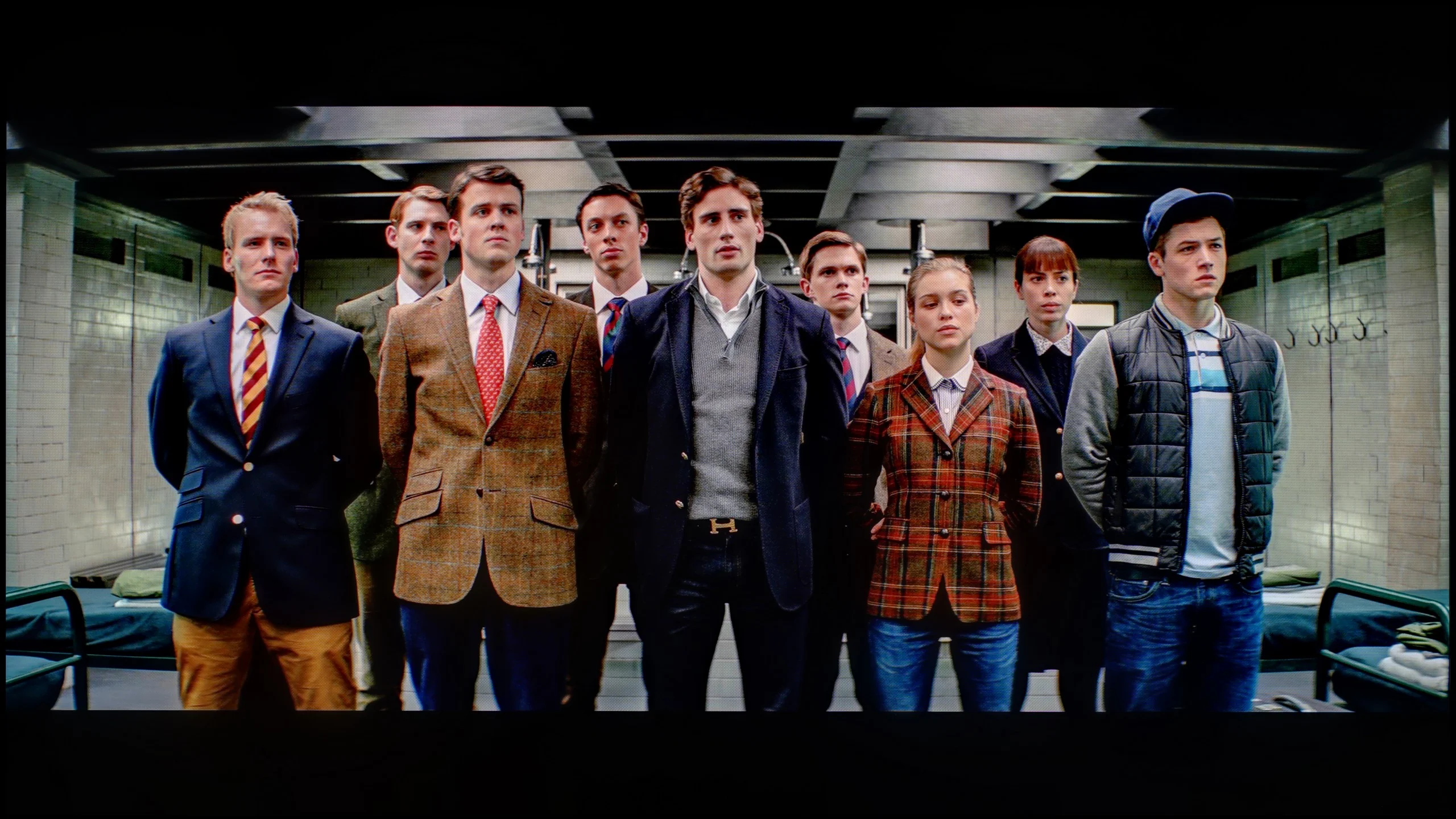
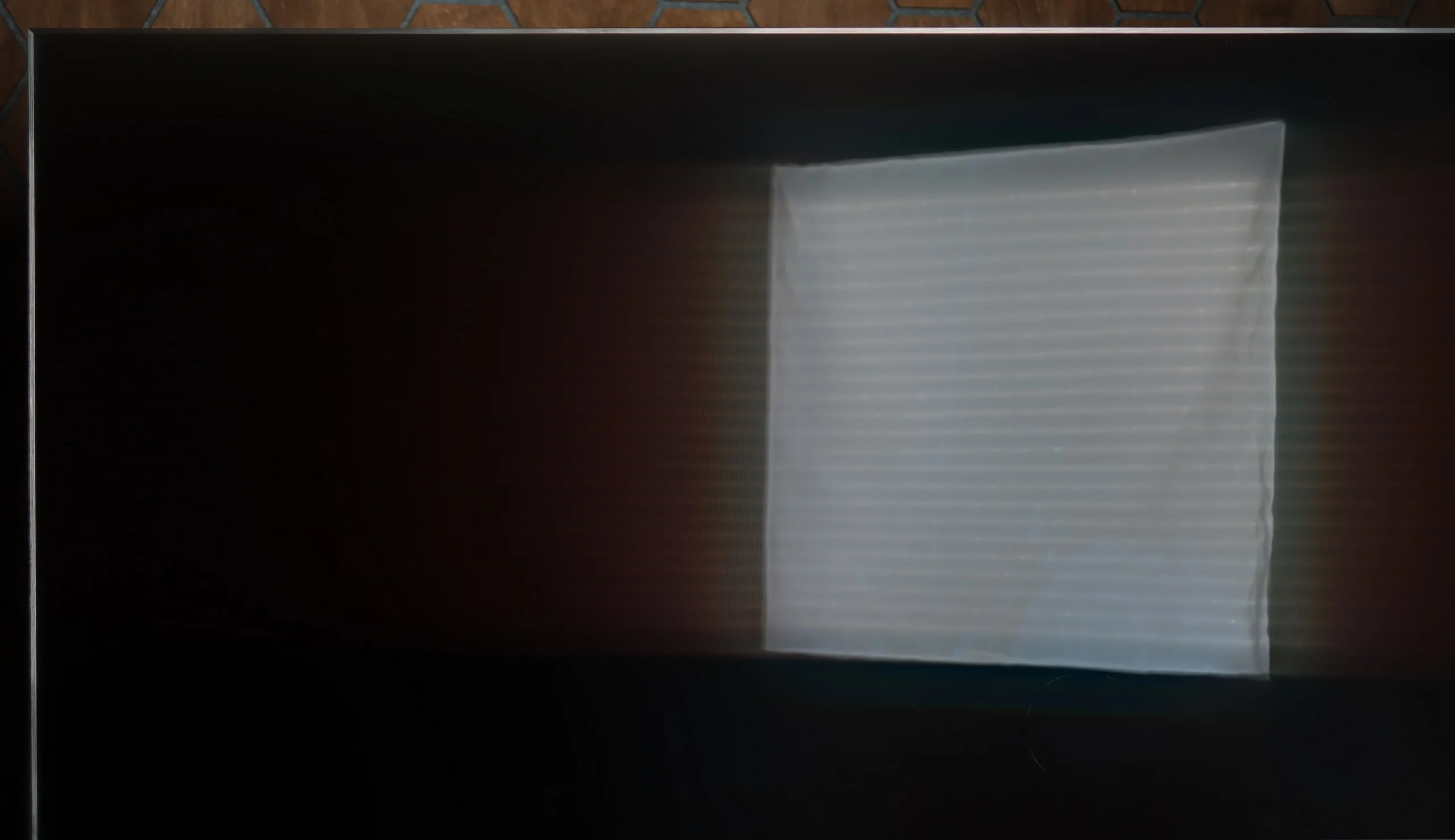
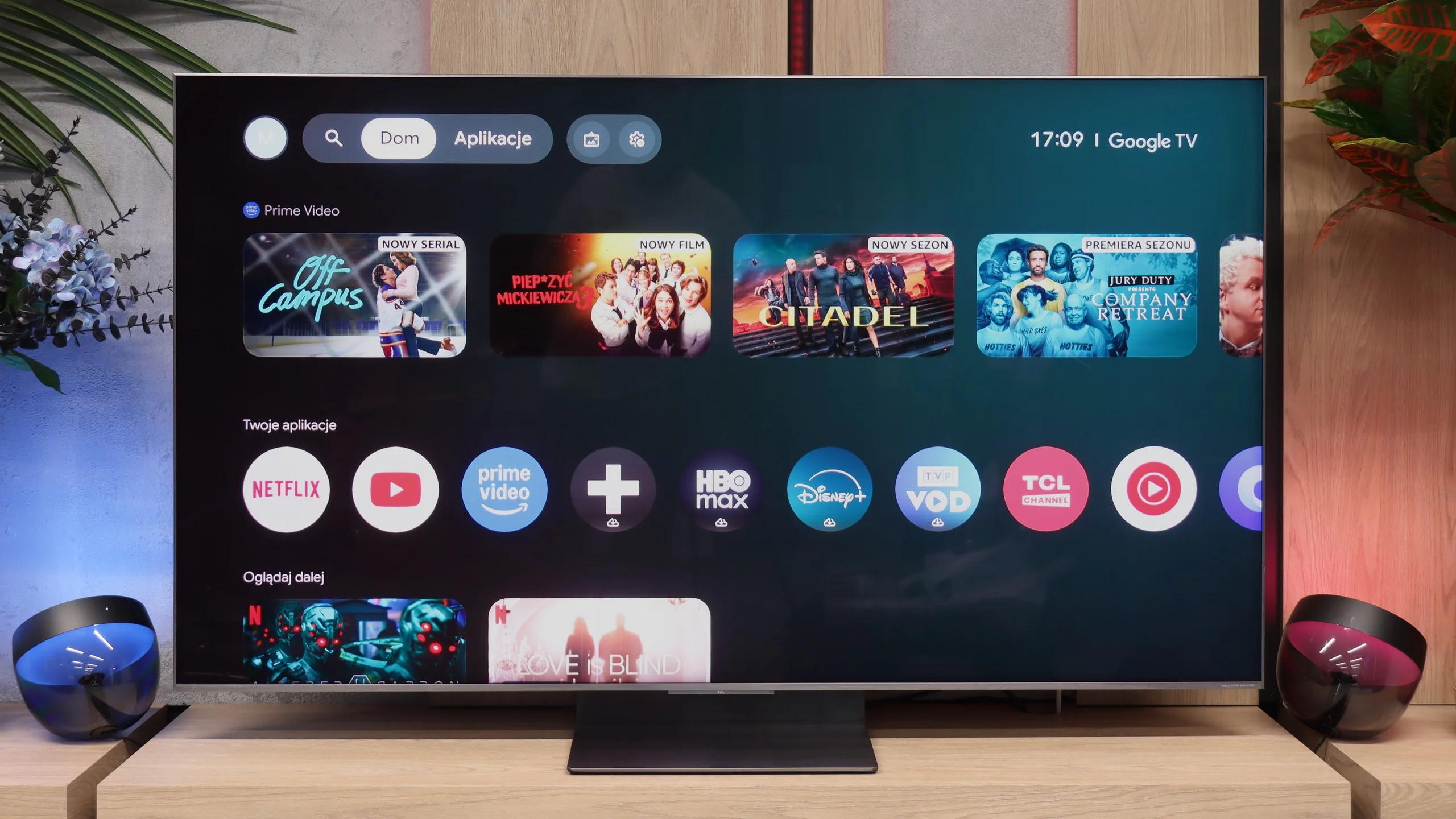
The TCL X11L is, without a doubt, a powerful demonstration of the manufacturer's capabilities and a TV that impresses in many areas. You can see the engineers focused on what matters most: peak brightness, black levels and contrast. The new quantum dots with an SQD filter do such a job that color saturation is on par with the top new RGB panels. And the blacks? The X11L can easily be placed next to an OLED and it doesn't lose that battle by much, which is a real achievement in the Mini-LED world. On top of that comes a whole bunch of things surrounding the panel. The new MediaTek Pentonic 800 processor has completely eliminated TCL's old issues; digital processing, upscaling and the smoothness of tonal transitions finally look as good as those from competitors in Korea or Japan. There is nothing to be ashamed of anymore. Gamers will be thrilled too: four full HDMI 2.1 ports, refresh rates up to 288 Hz, a console-inspired Game Bar and Dolby Vision without any noticeable input lag. All of this is tied together by a very smooth Google TV system. Sounds like a recipe for the best Mini-LED of 2026, right? And it would be perfect if not for one annoying quirk that stems directly from TCL's stubborn "philosophy" of image tuning. This TV can simply ignore the director's intent and, in HDR formats, arbitrarily and artificially brighten entire scenes. What’s the effect? The picture can be too bright at times, sometimes even blown out. The worst part is that the software offers no way to fix it; even during professional calibration we weren't able to fully correct this flaw. For a screen at this price that aspires to be "the best of the best," such willful behavior is simply unacceptable, especially in the "Filmmaker" mode.
Still, if you don't care about perfect, studio-accurate fidelity and you want a picture that is above all maximally striking, spectacular and extremely bright in daylight, the X11L is a true beast. It's the first Mini-LED to come so close to OLED black levels, and in brightness it simply crushes OLED. The only real brake here is the price. The amount you'll have to pay for this model (regardless of size) is a serious outlay. Is it worth spending that money? We'll leave that up to you. One thing you have to give it: it's currently one of the best Mini-LEDs we've tested so far.
 Direct comparison