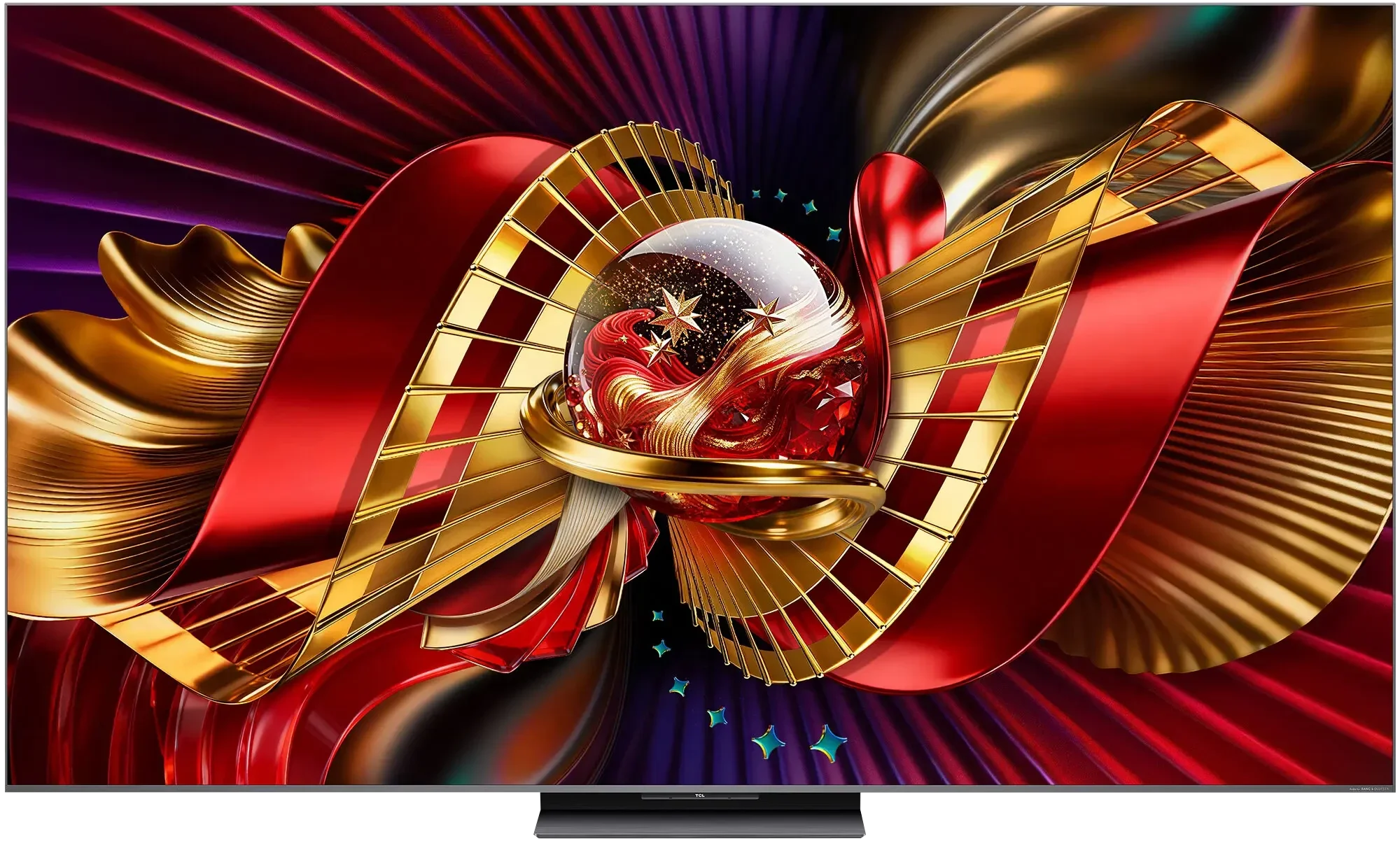
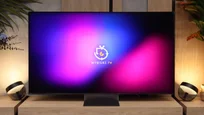
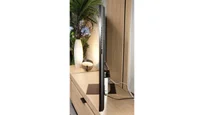
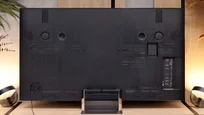
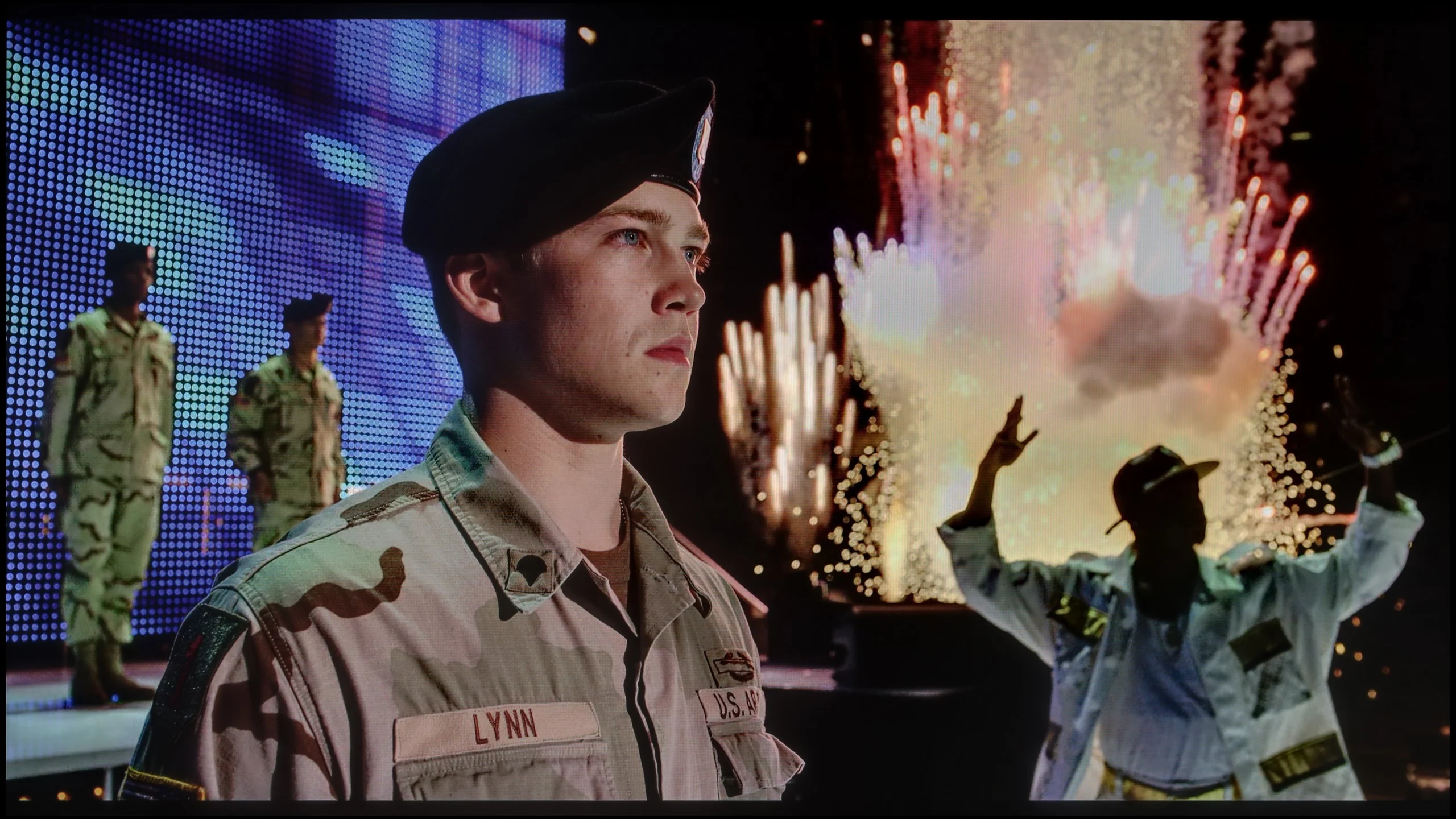
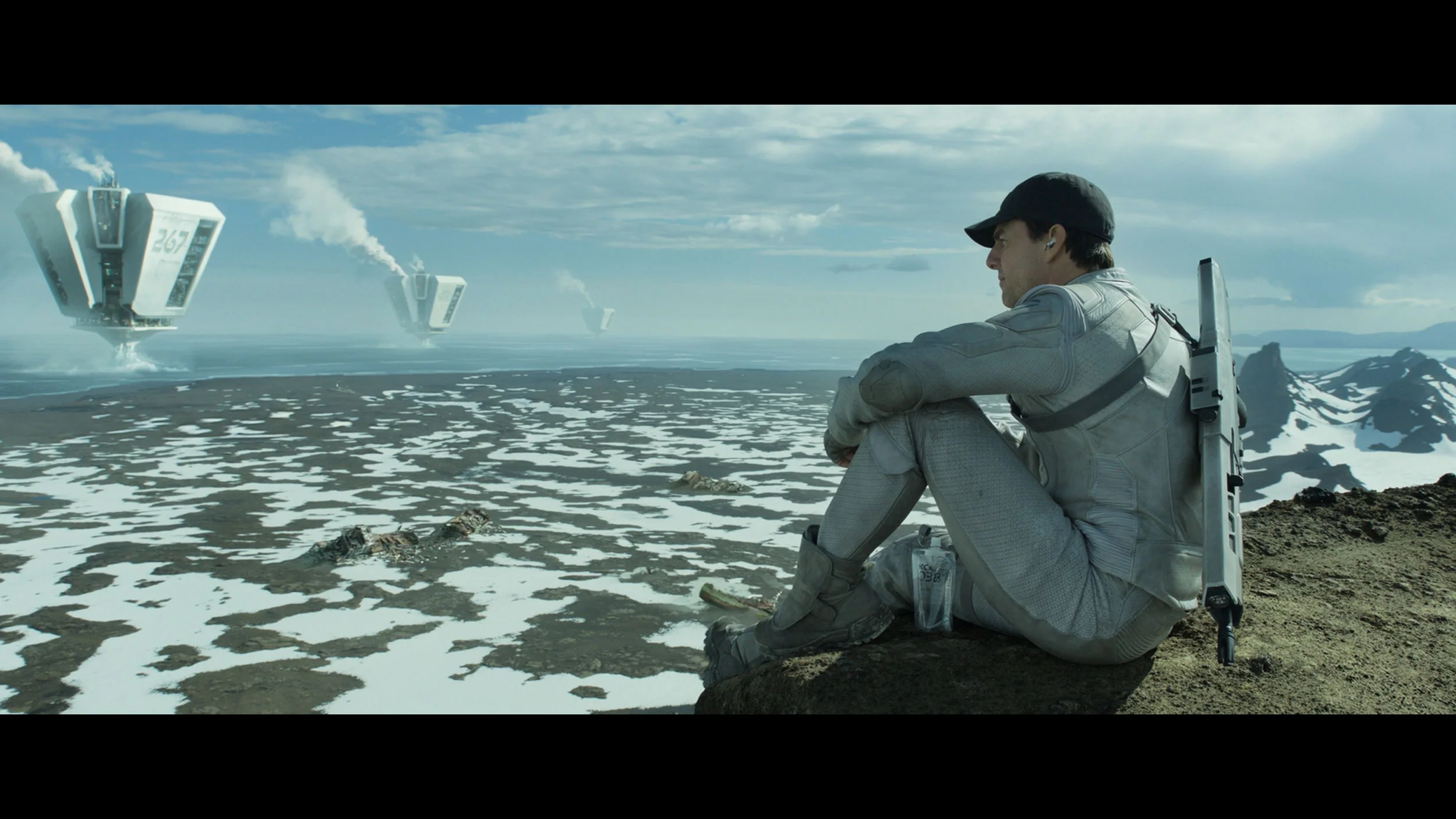
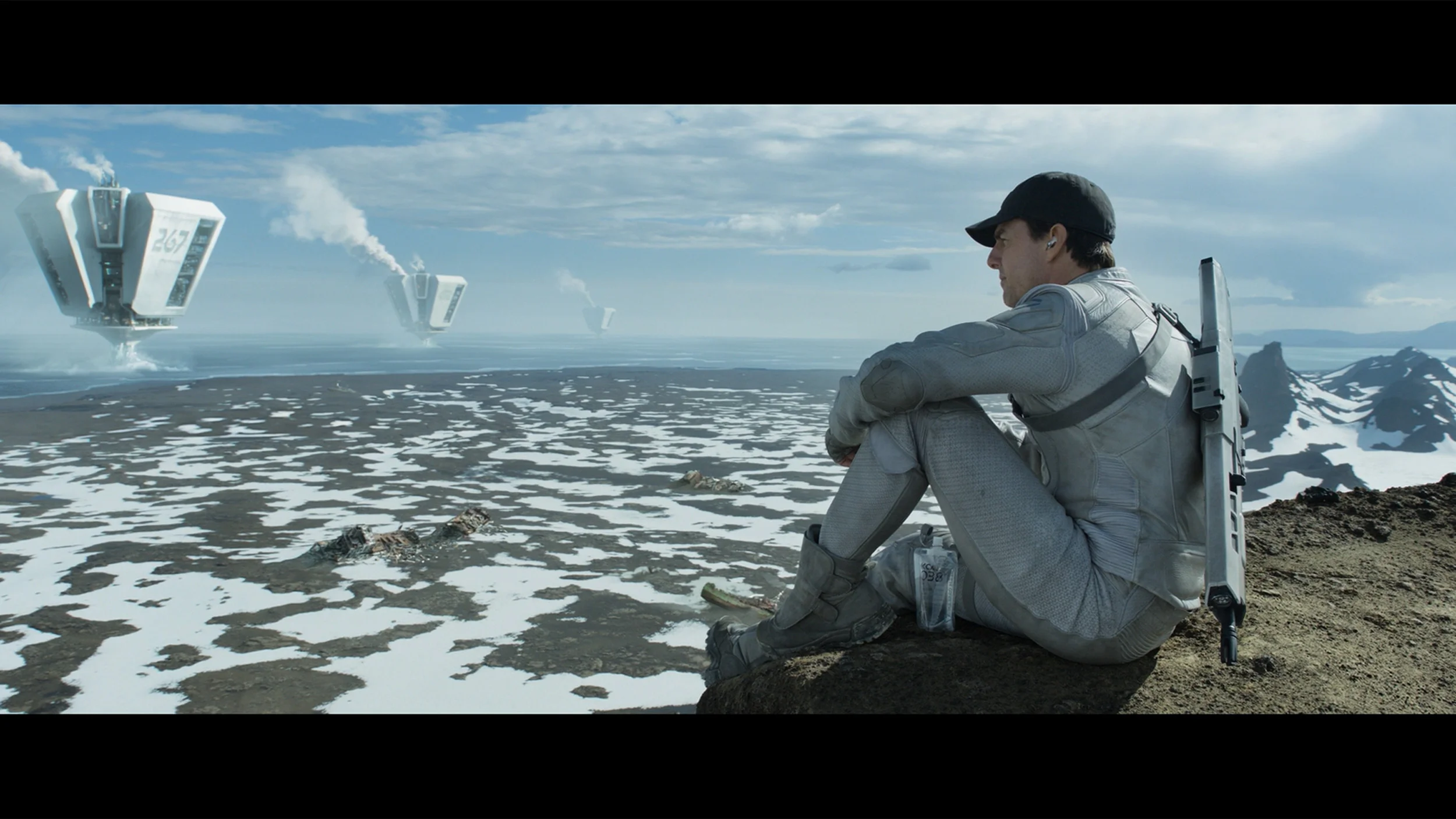
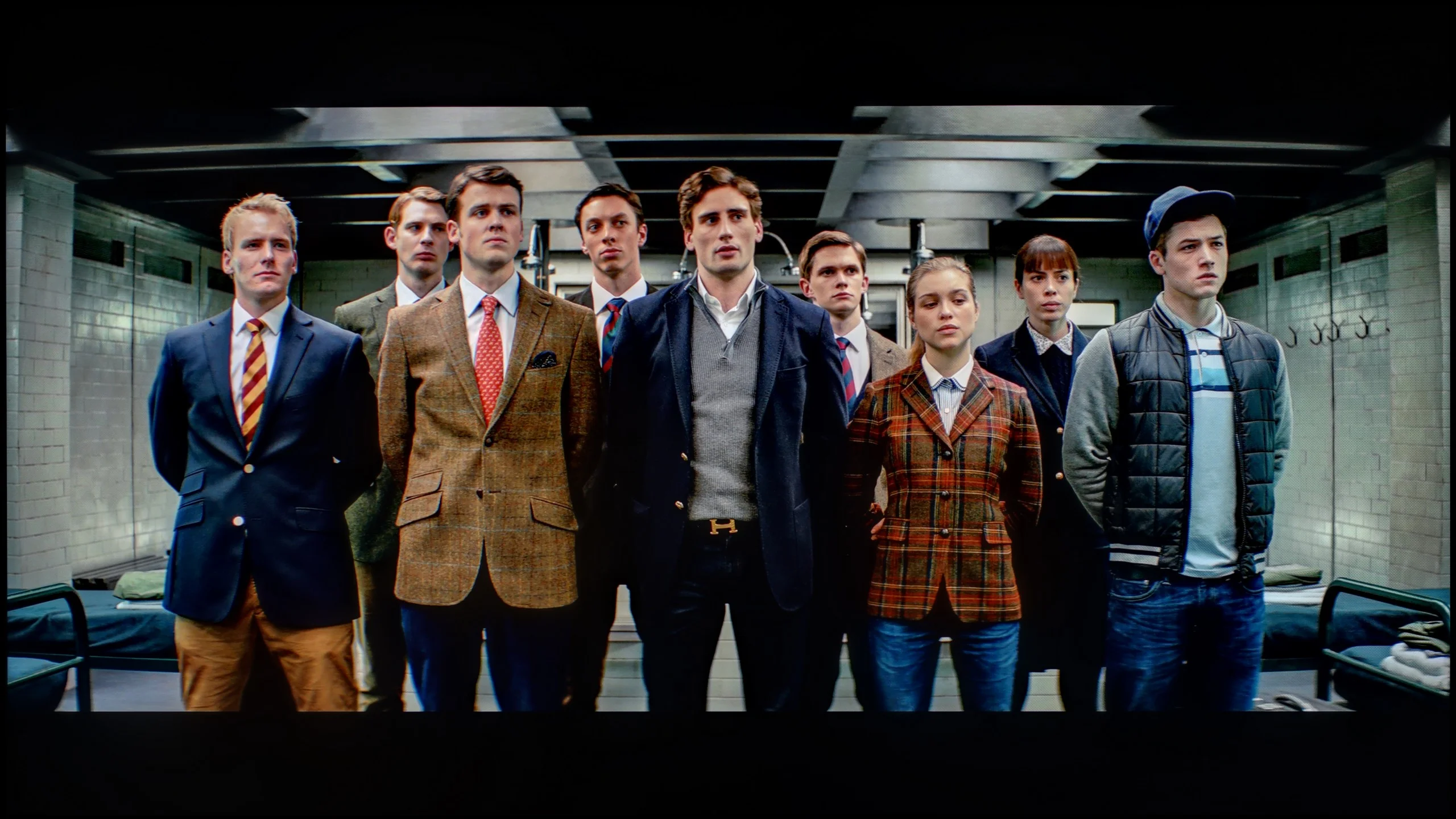
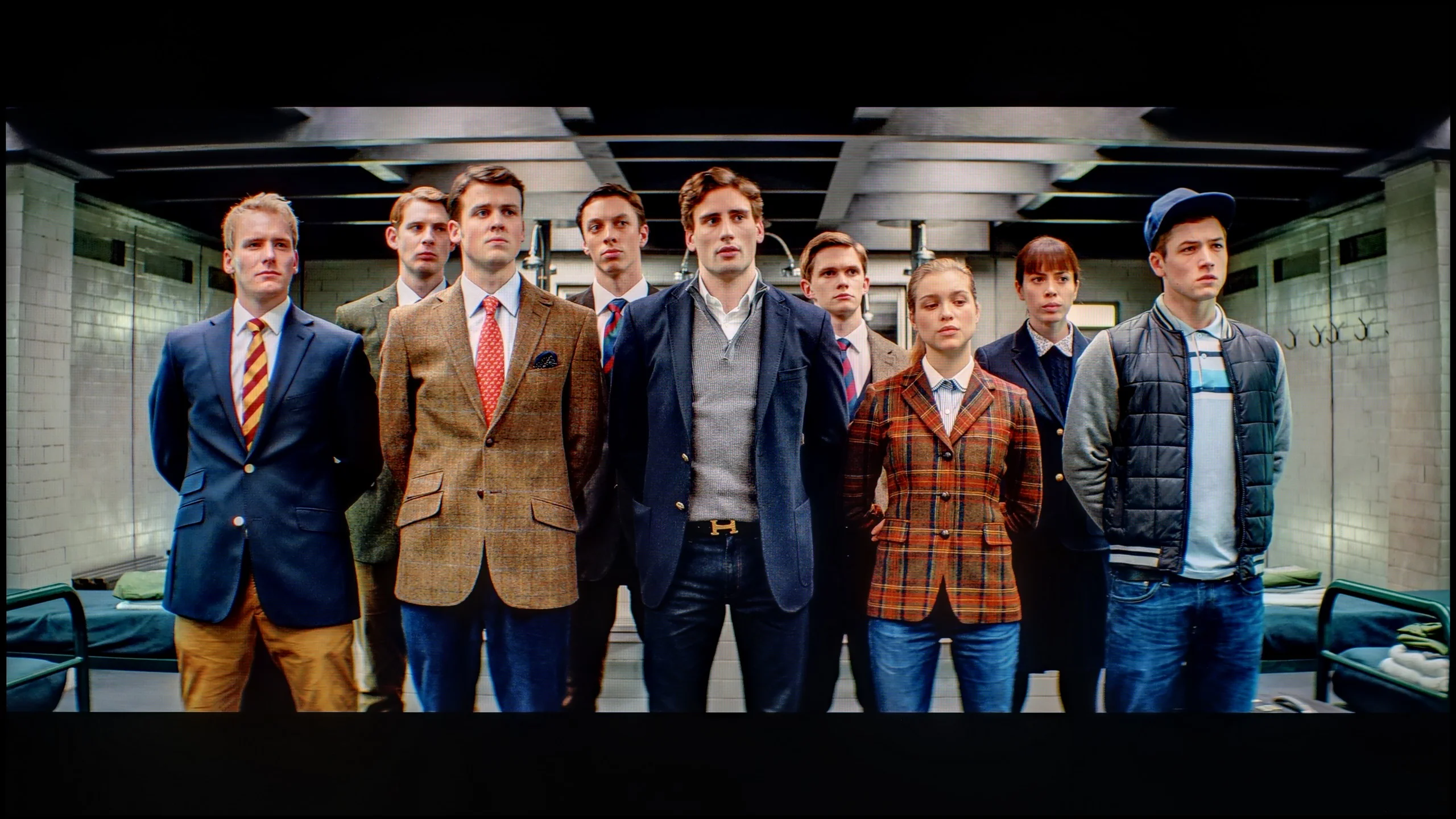
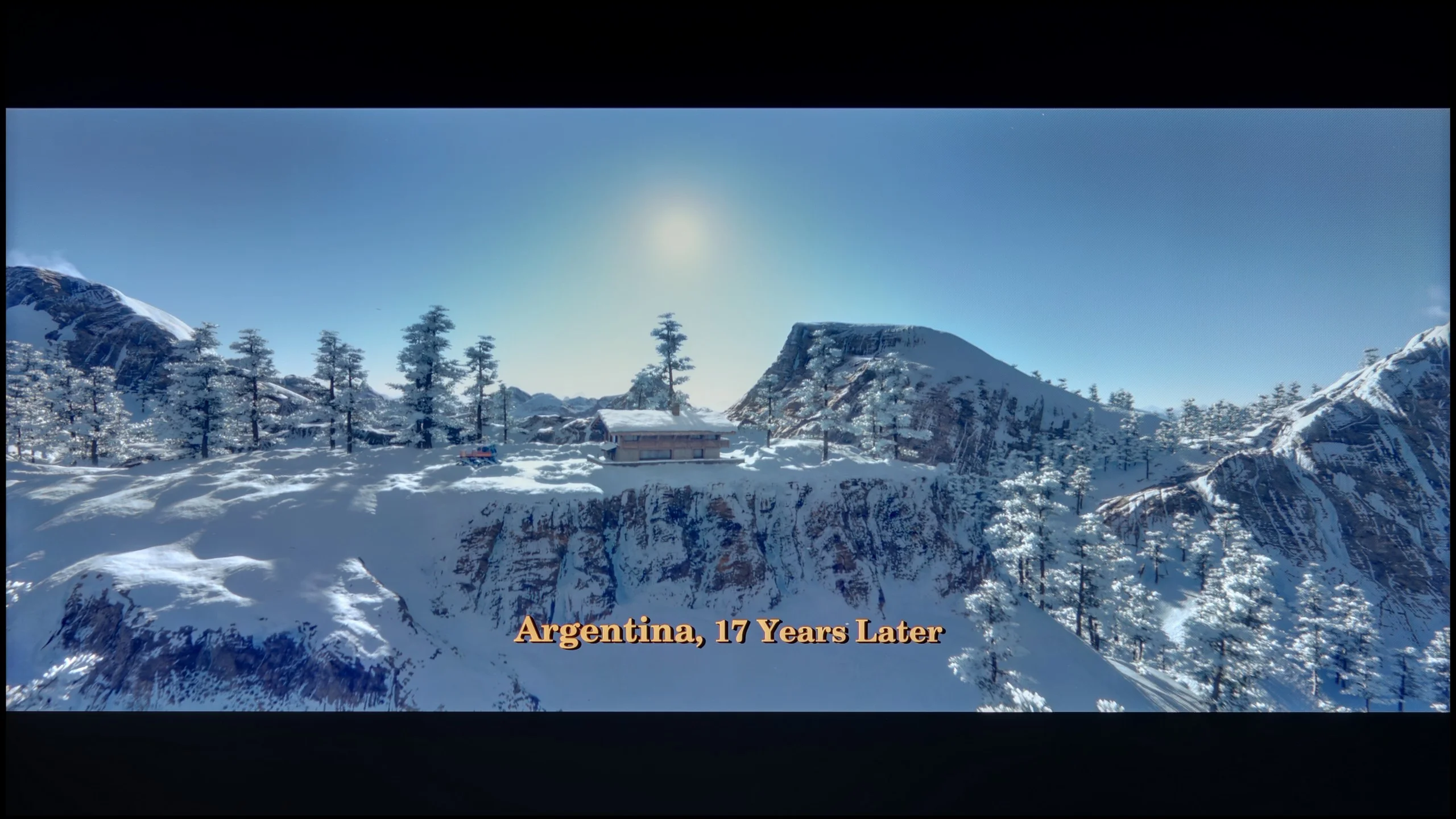
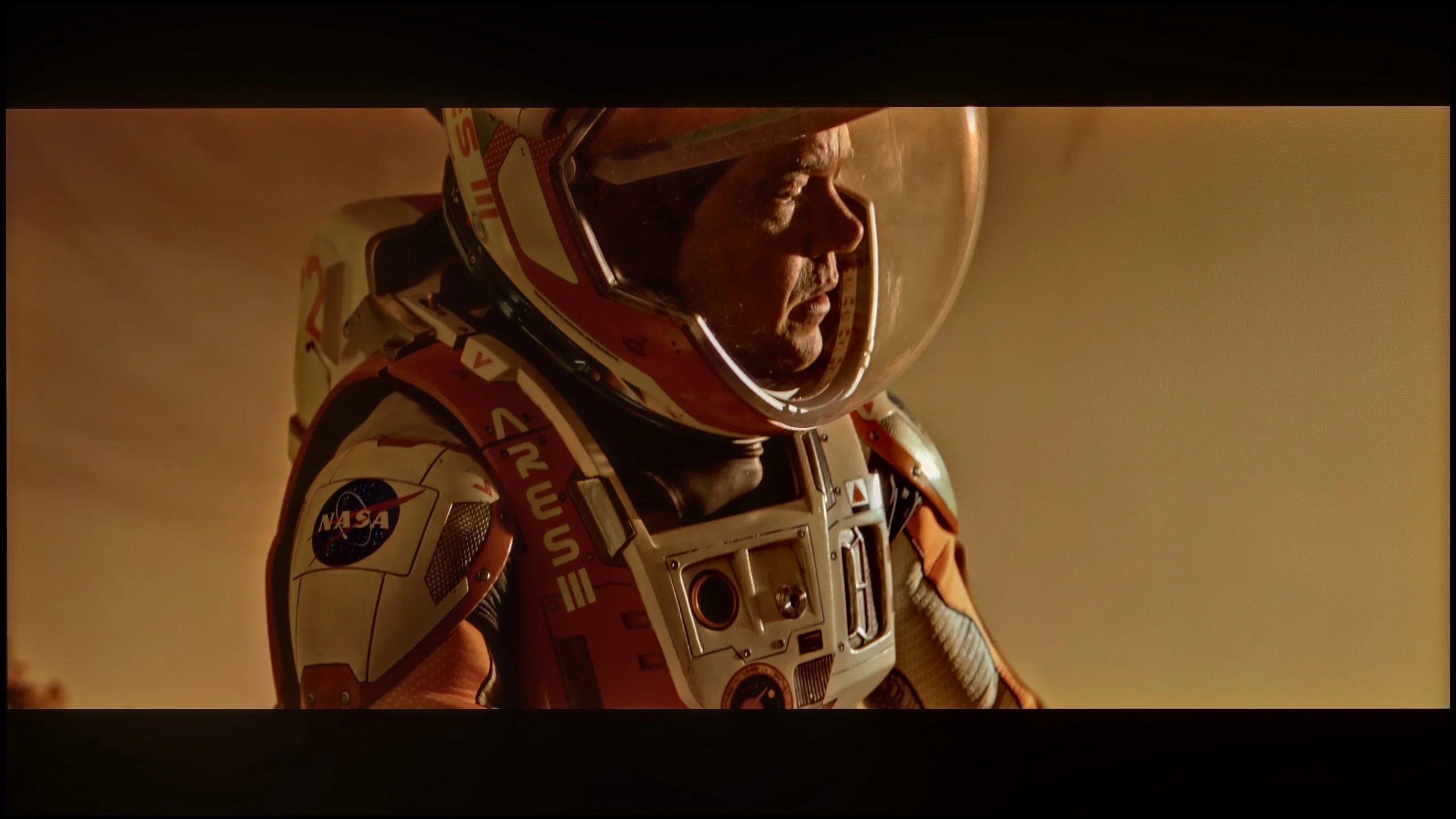
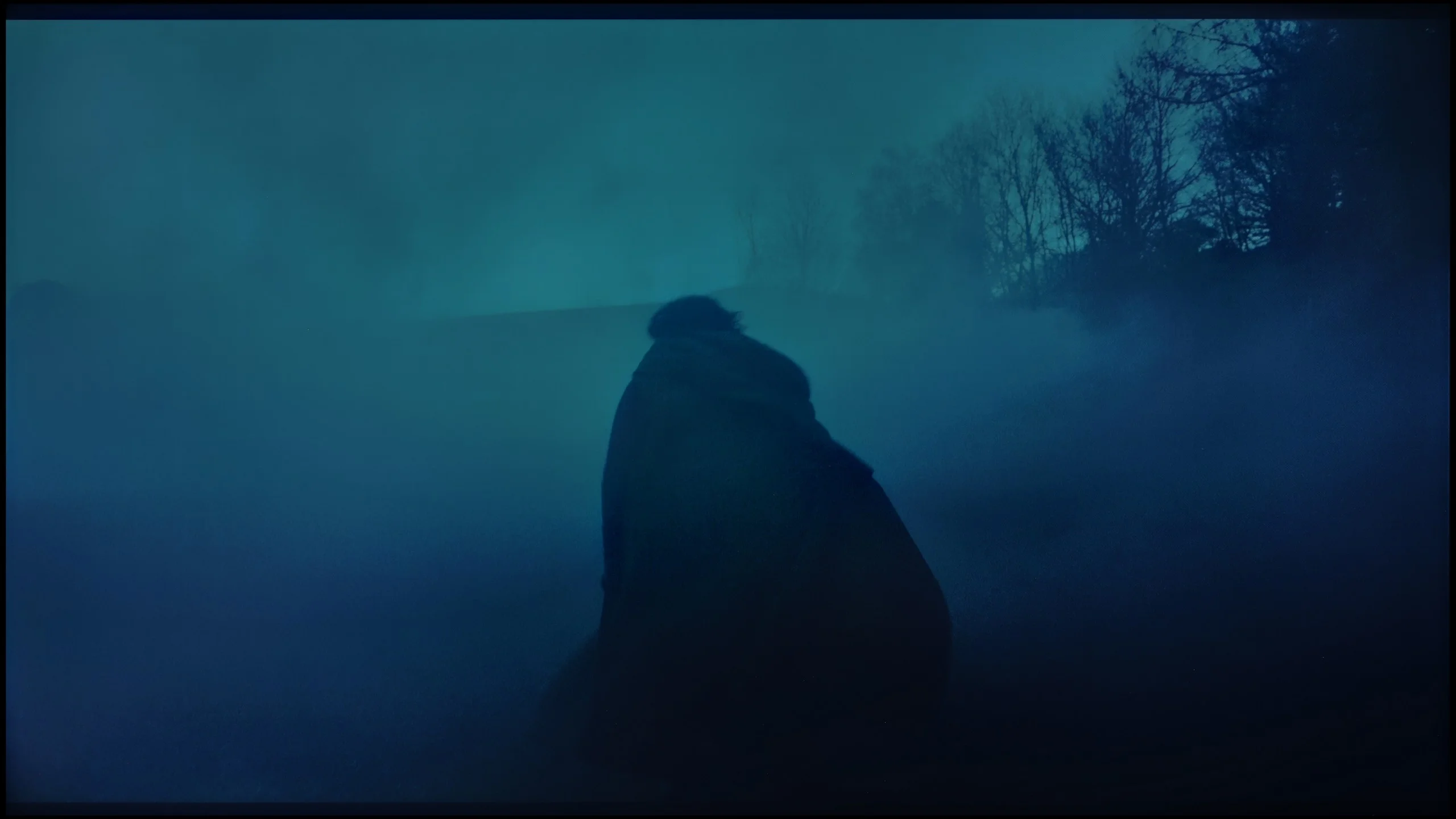
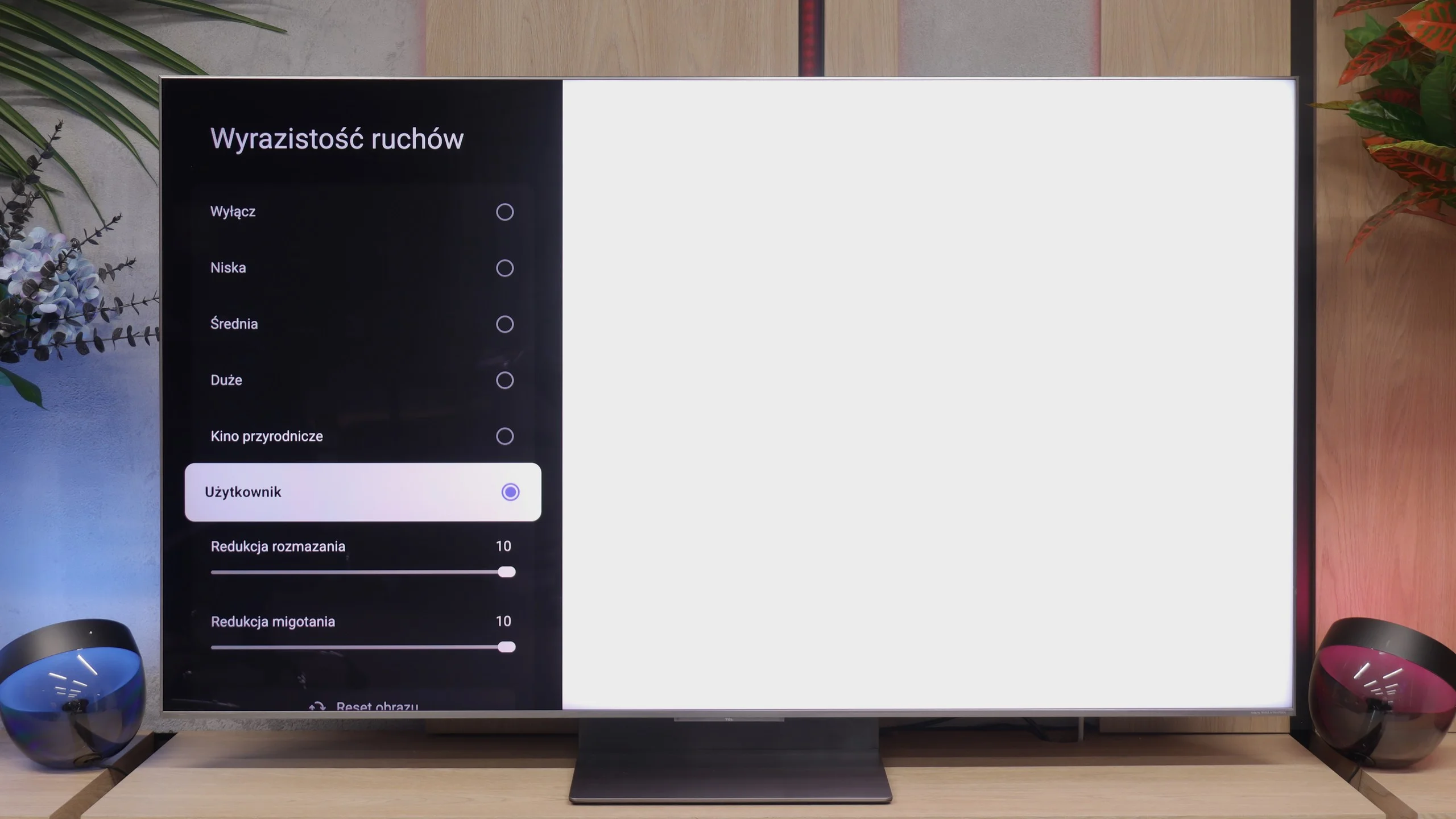
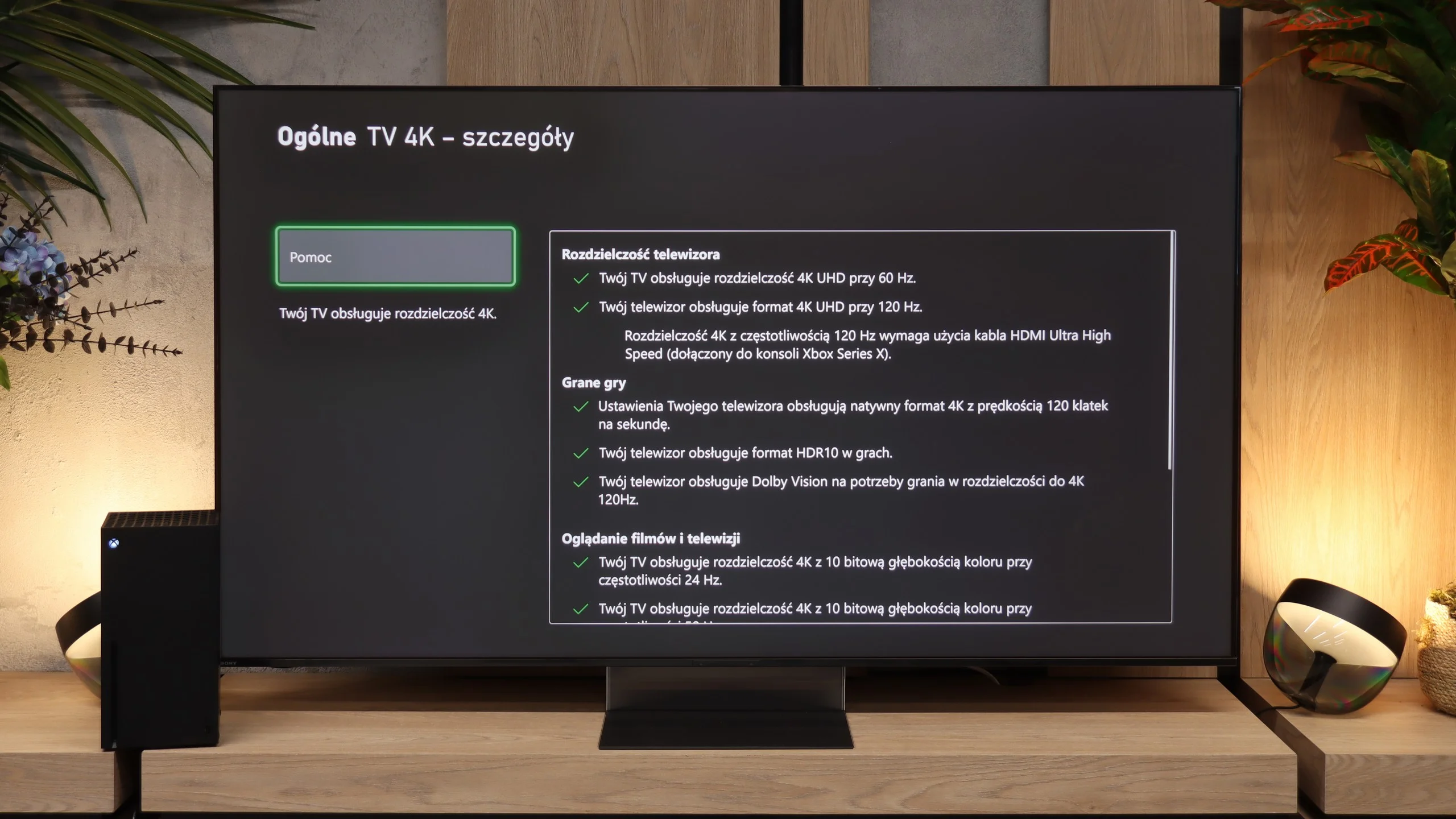
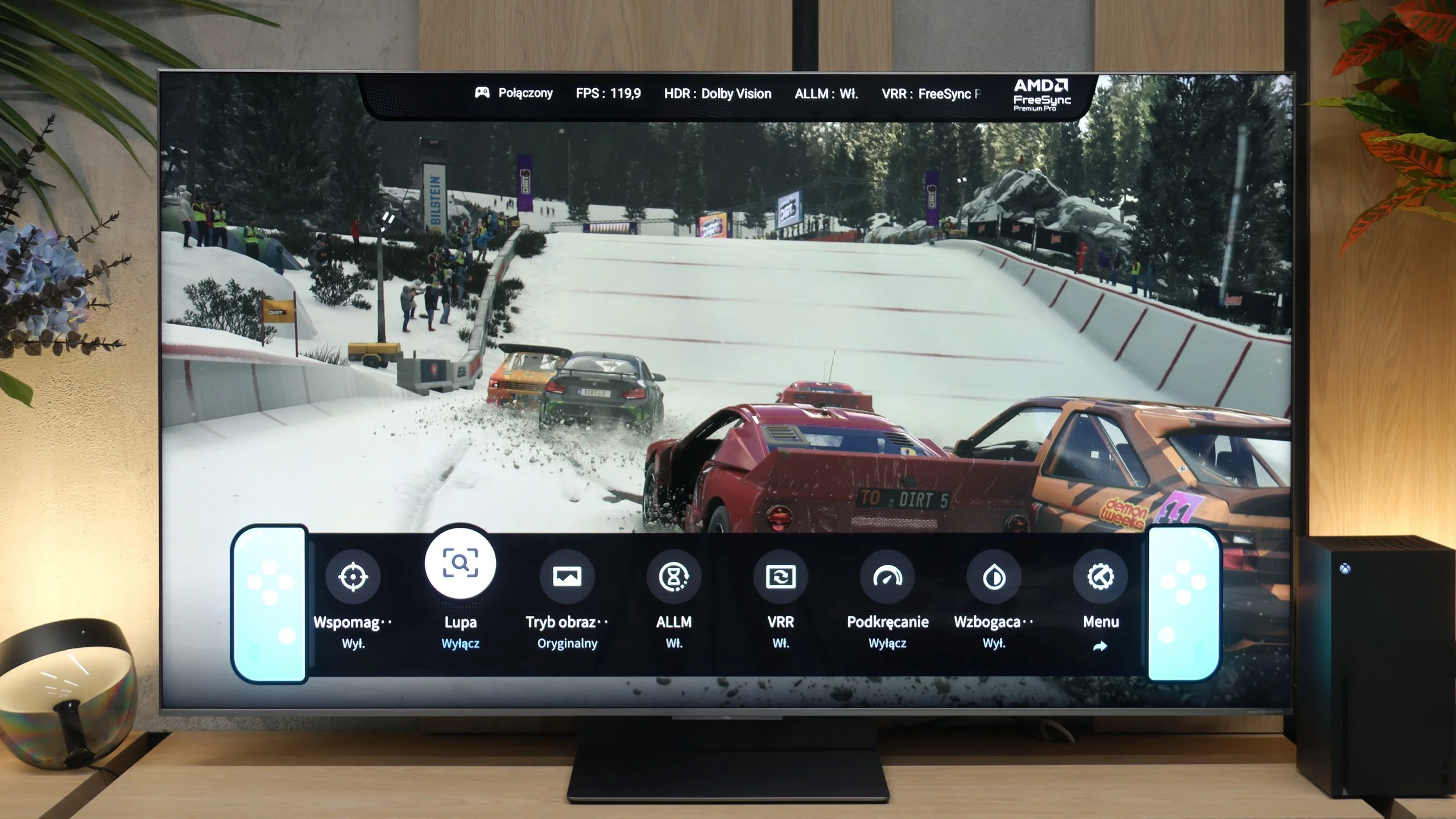
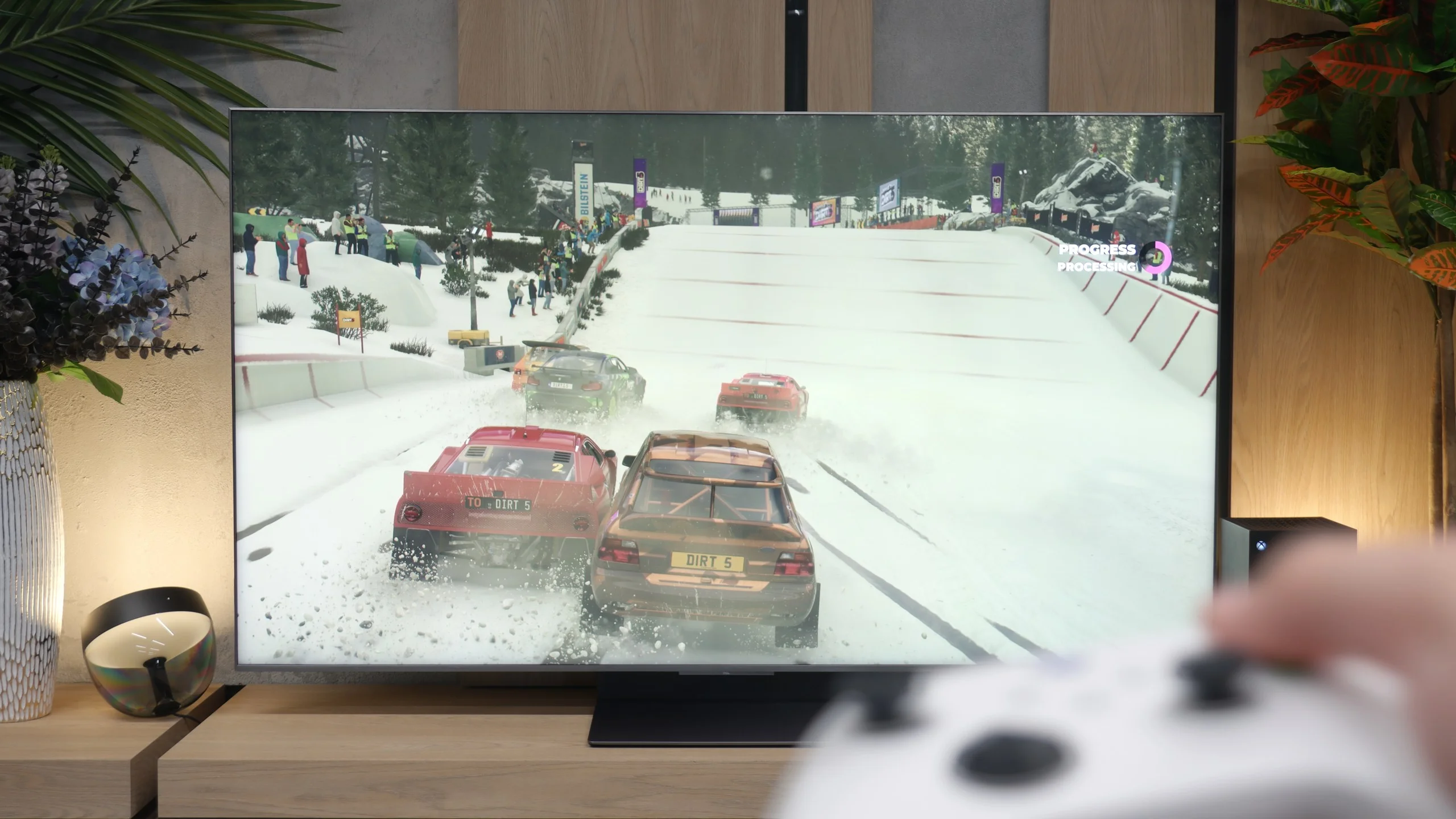
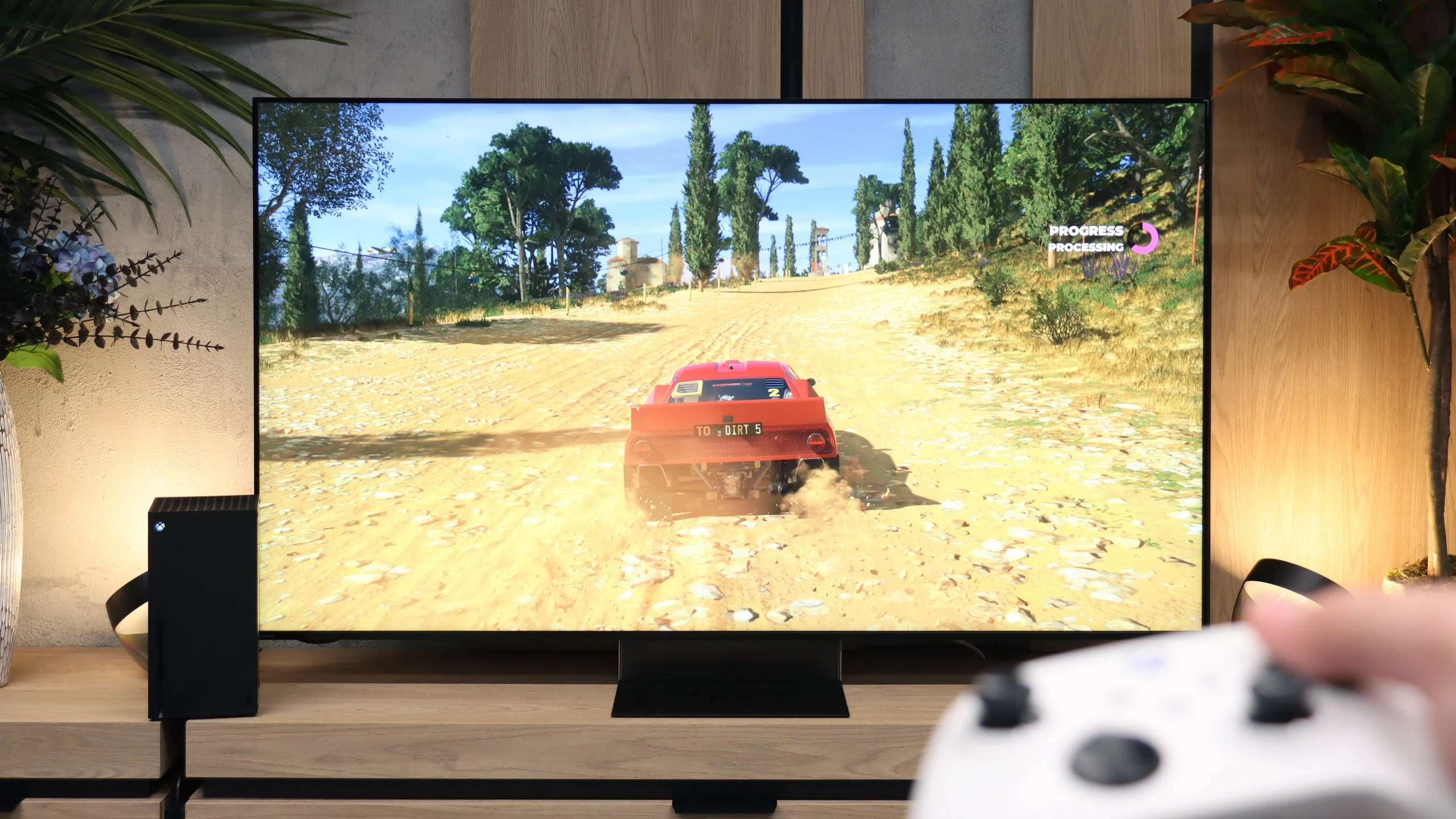
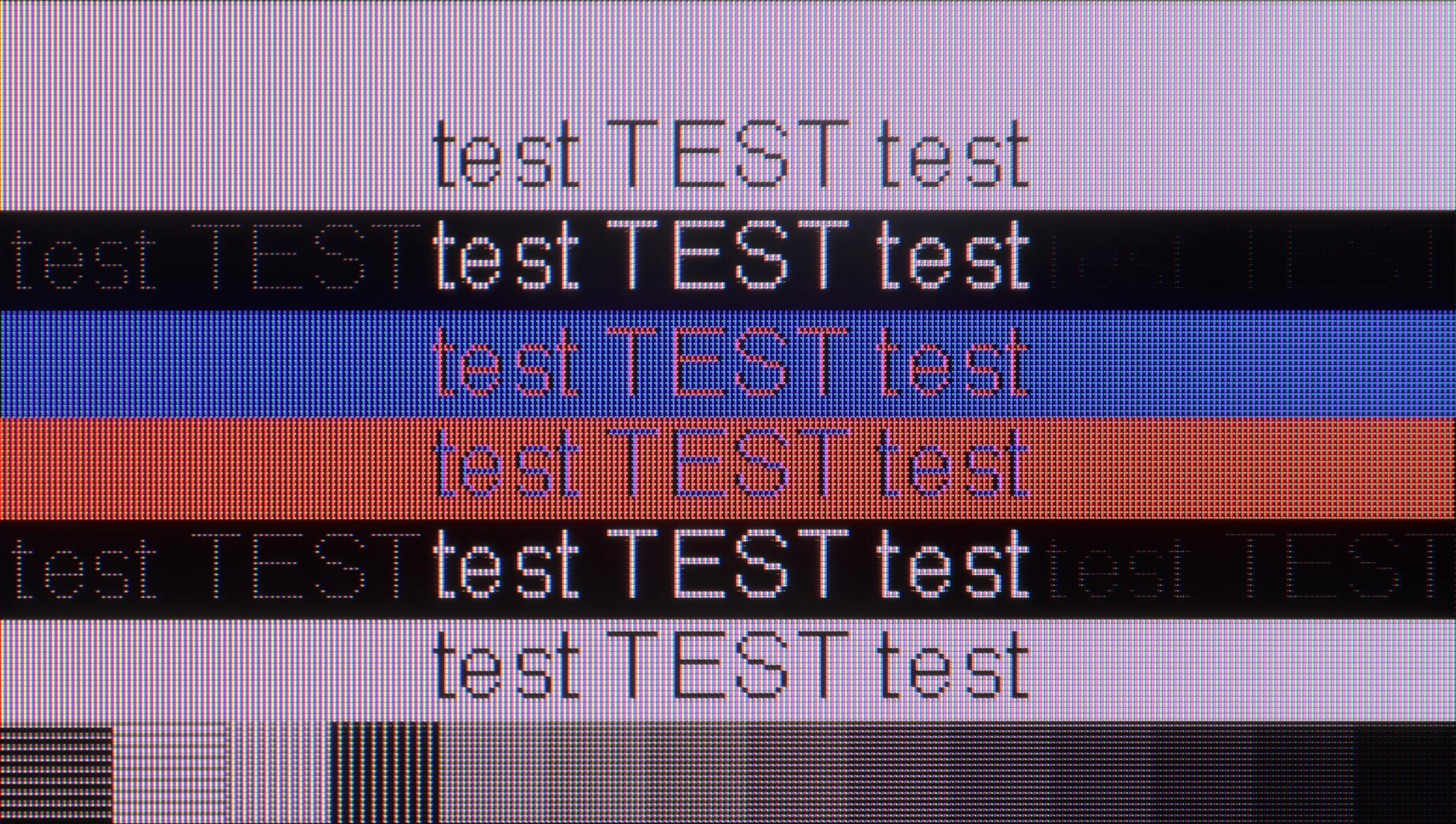
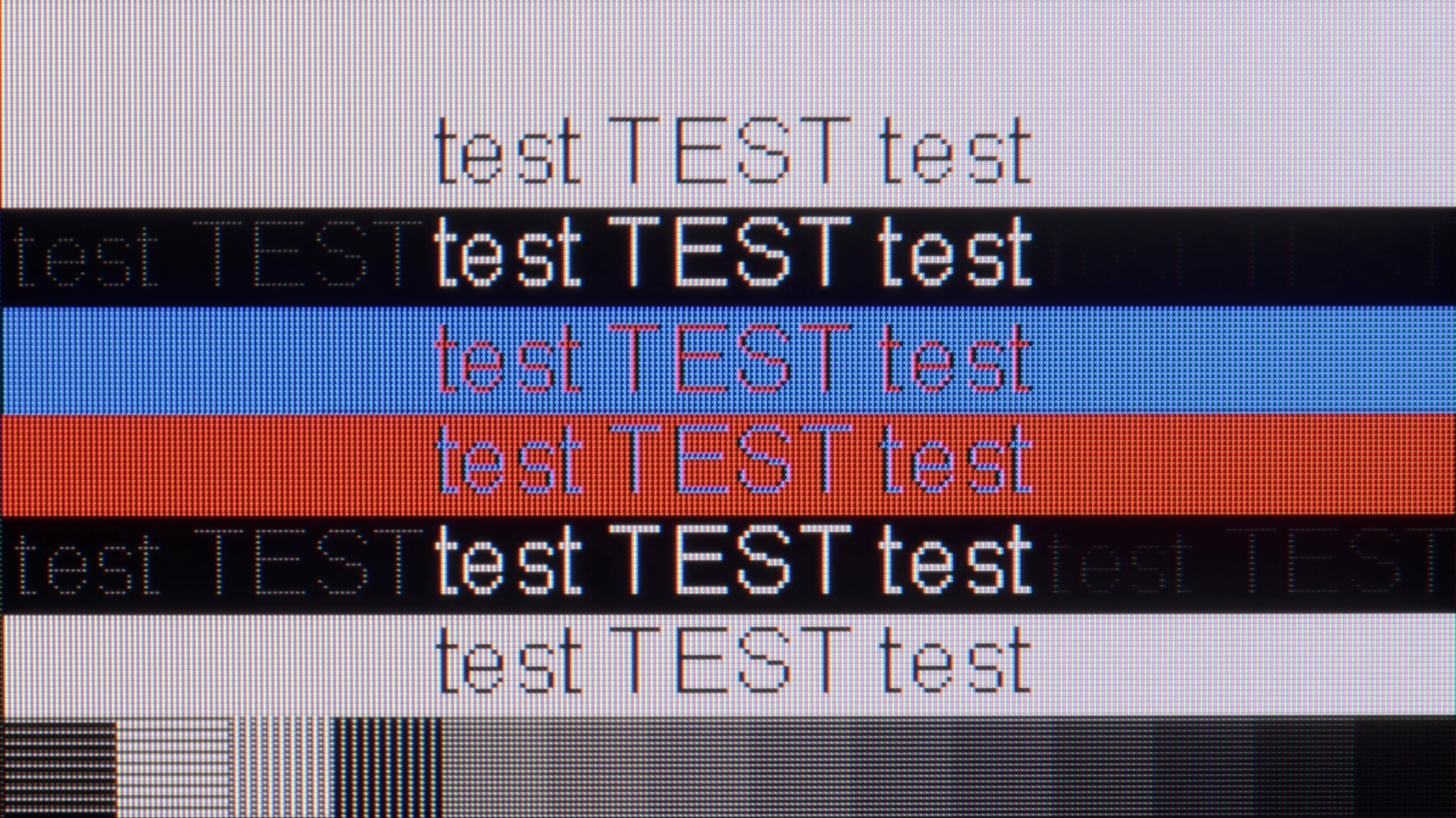
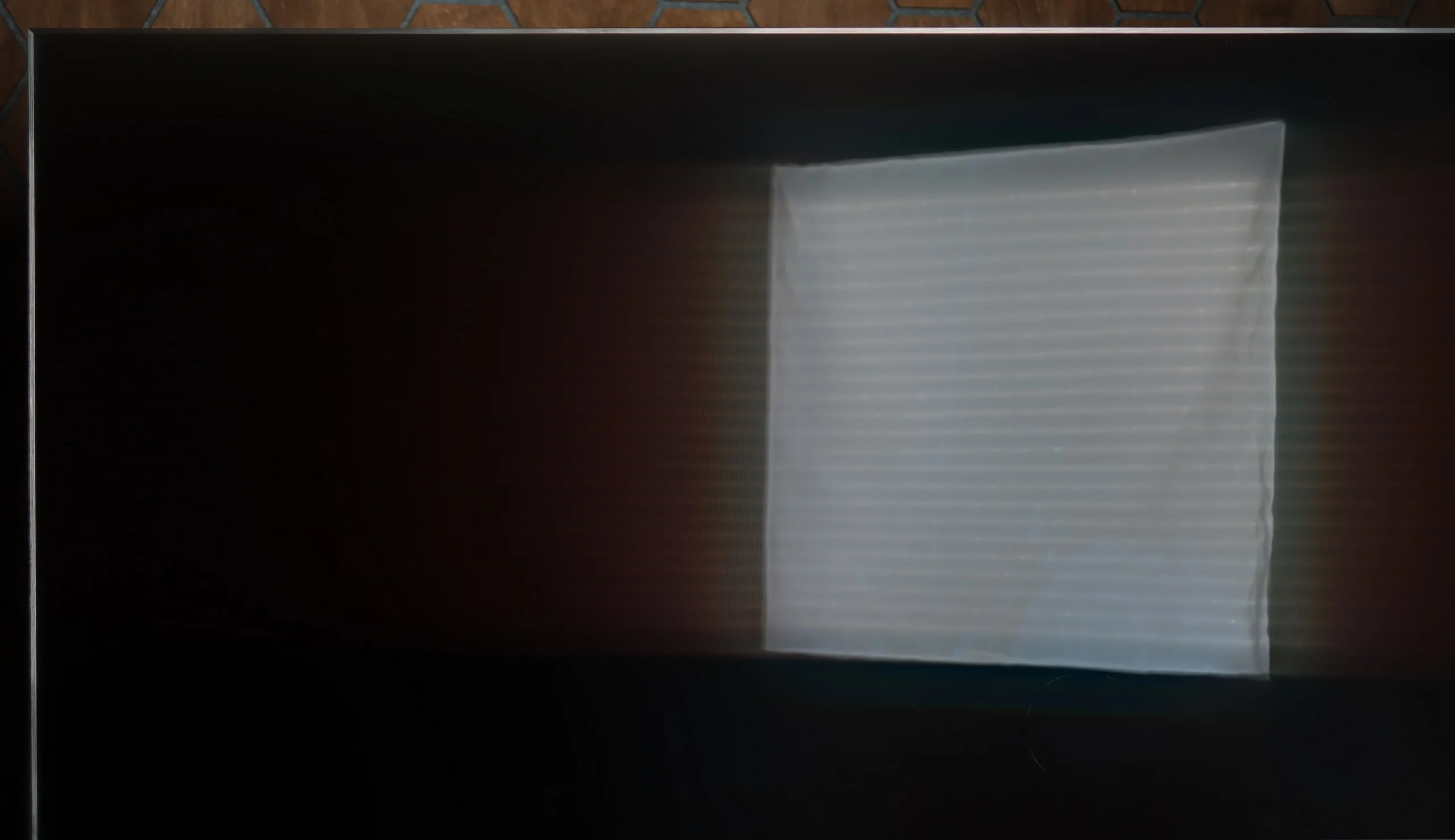
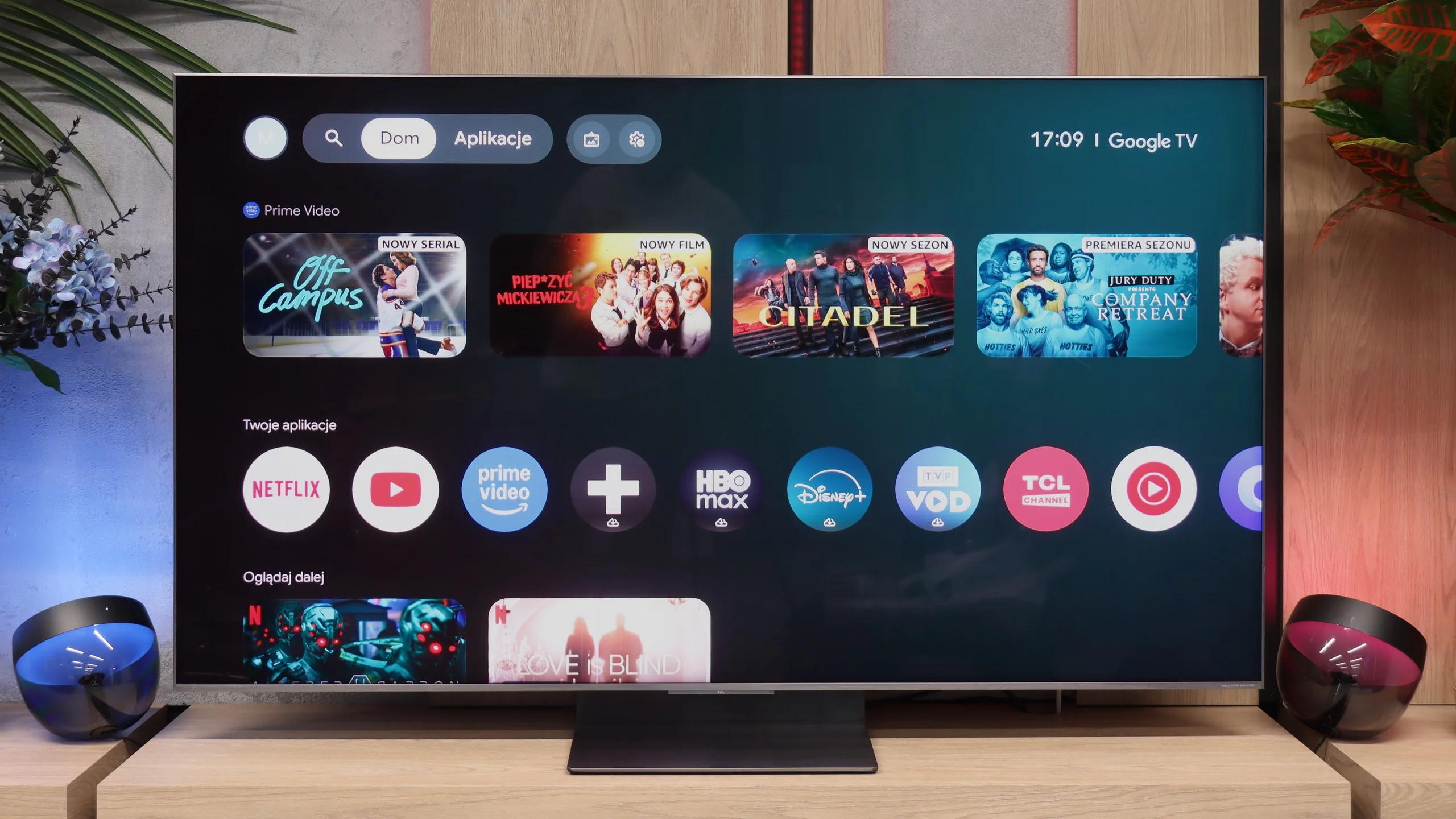
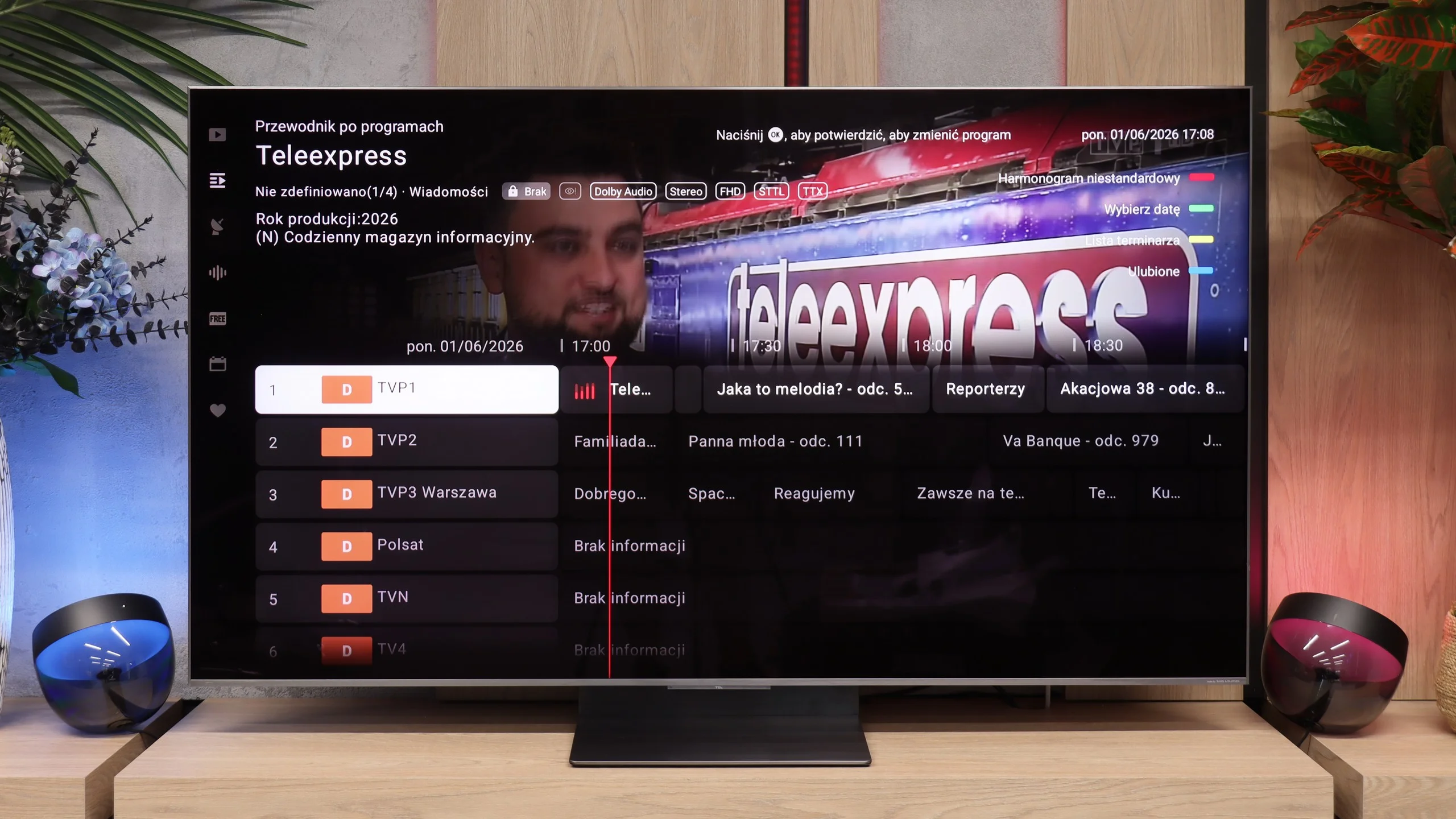
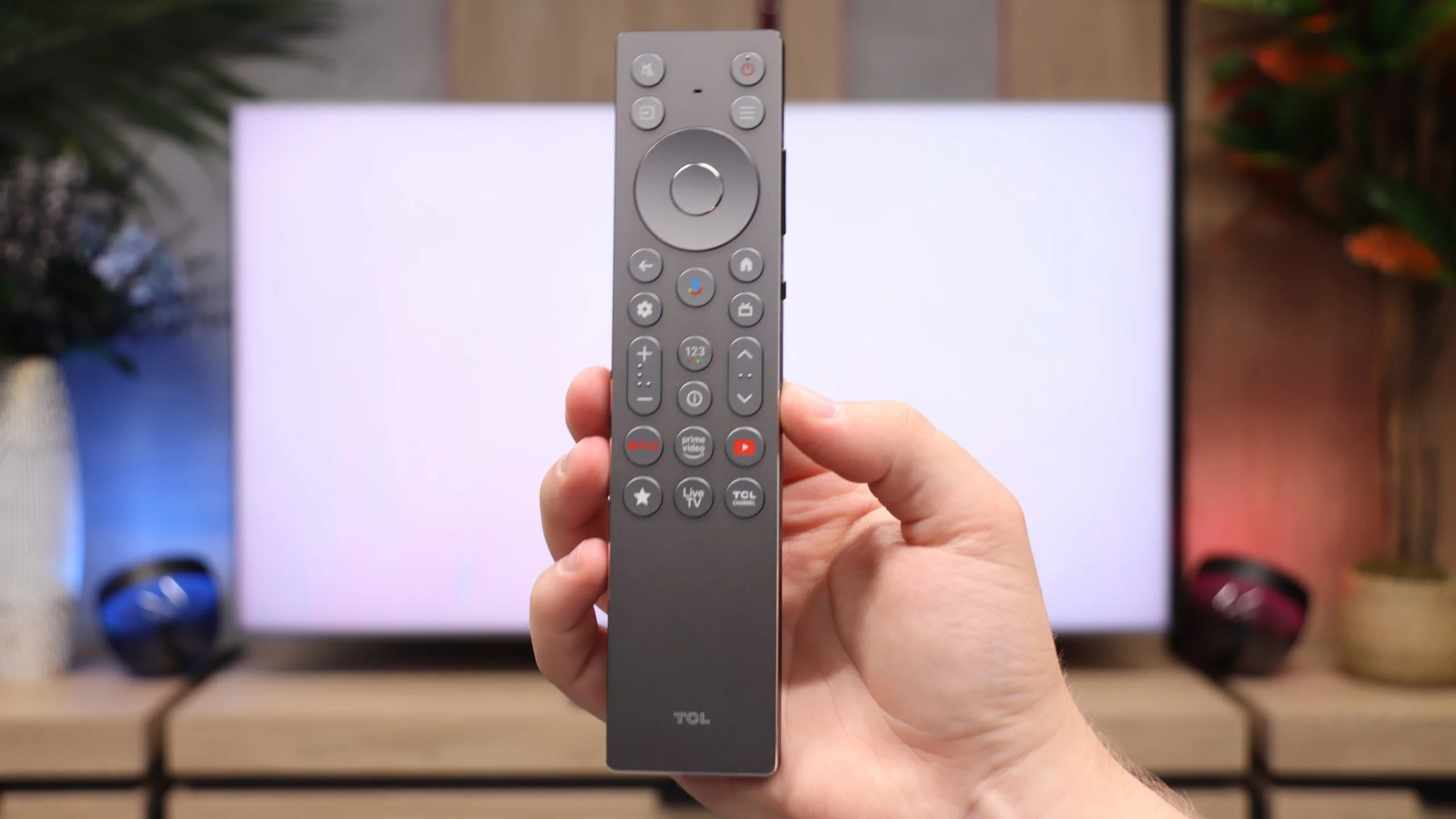
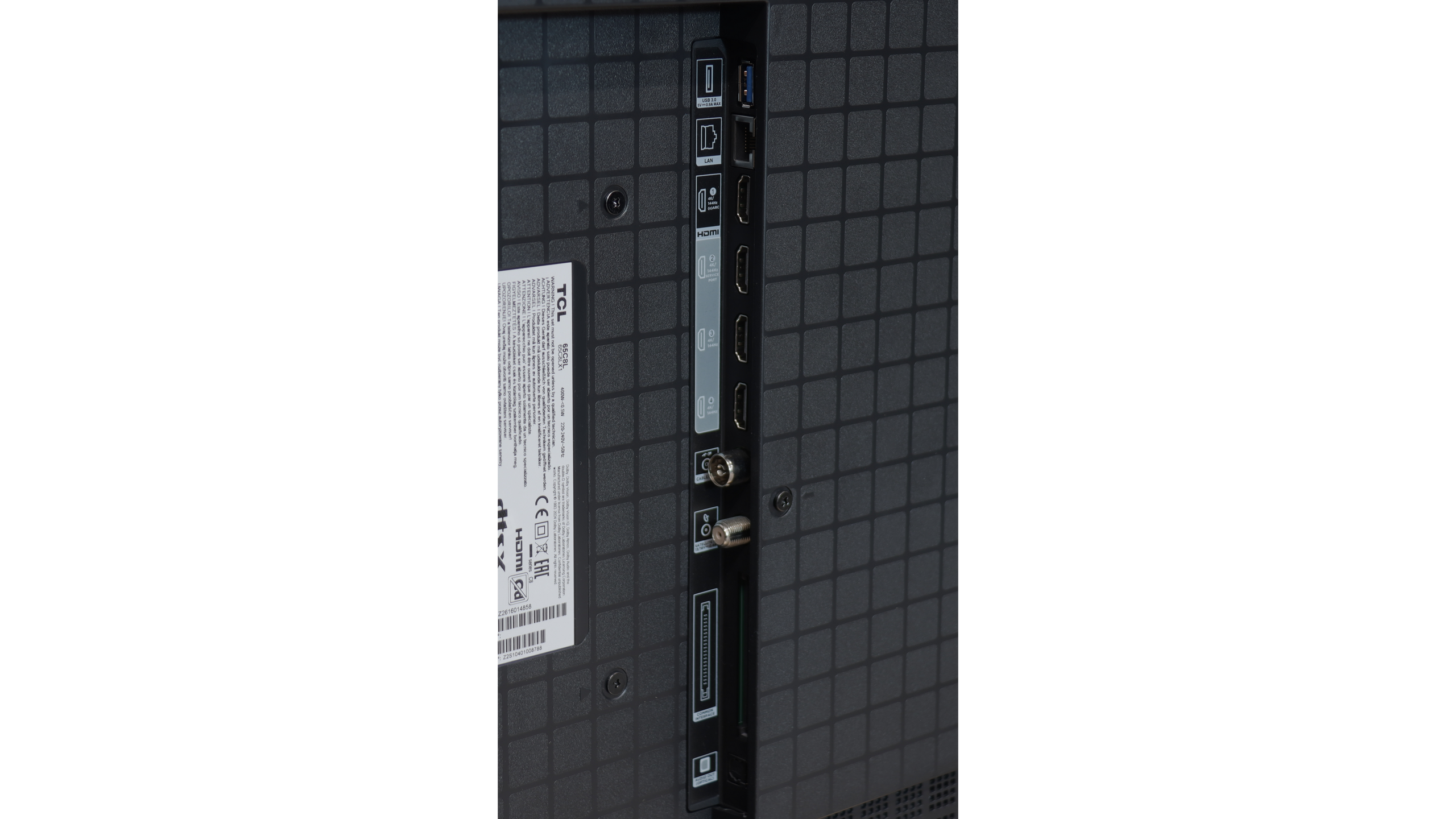
TCL C8L is undoubtedly one of the most intriguing Mini-LED TVs to come into our lab this year. This model stands out primarily due to its excellent price-to-capability ratio. TCL has accustomed us to aggressive pricing of its screens, but in the case of the C8 series, the manufacturer has managed to push the boundaries even further. For the amount that often allows just the purchase of mid-range models or two models like the C8K with market competitors, here we receive features and specifications equal to those of top models. A new image processor, four full HDMI 2.1 ports, support for extreme refresh rates, and impressive peak brightness thanks to a massive number of dimming zones are arguments that are hard to overlook.
However, analyzing the whole picture, we must honestly summarize the character of this TV. The C8L is a device created more for displaying "impressive" images rather than rigorously faithful ones. What do we mean by that? The software and algorithms managing the Mini-LED backlight zones have been tuned to prioritize spectacle – the image is meant to be bright, contrasty, and strikingly saturated. And what does this mean? The TV tends to interpret images autonomously rather than adhering to certain studio standards. For most users looking for "greater" emotions in movies or games, this effect will likely be an advantage. On the other hand, purists and fans of perfectly natural images (like us 😉) may consider this behavior too aggressive and not in line with the director's intent. Therefore, we leave the final assessment on this issue to you.
Overall, despite this specificity, the TCL C8L is a TV that we can, and indeed must, recommend wholeheartedly. It is primarily a premium-class product that does literally everything correctly... to the point of being painful. We would regard certain imperfections simply as characteristics of this device rather than flaws – mainly due to the technological limitations that all Mini-LED TVs from every manufacturer on the market have accustomed us to. Ultimately, the software refinement has given the new eight a great deal, making it a mature, confident, and nearly complete device.
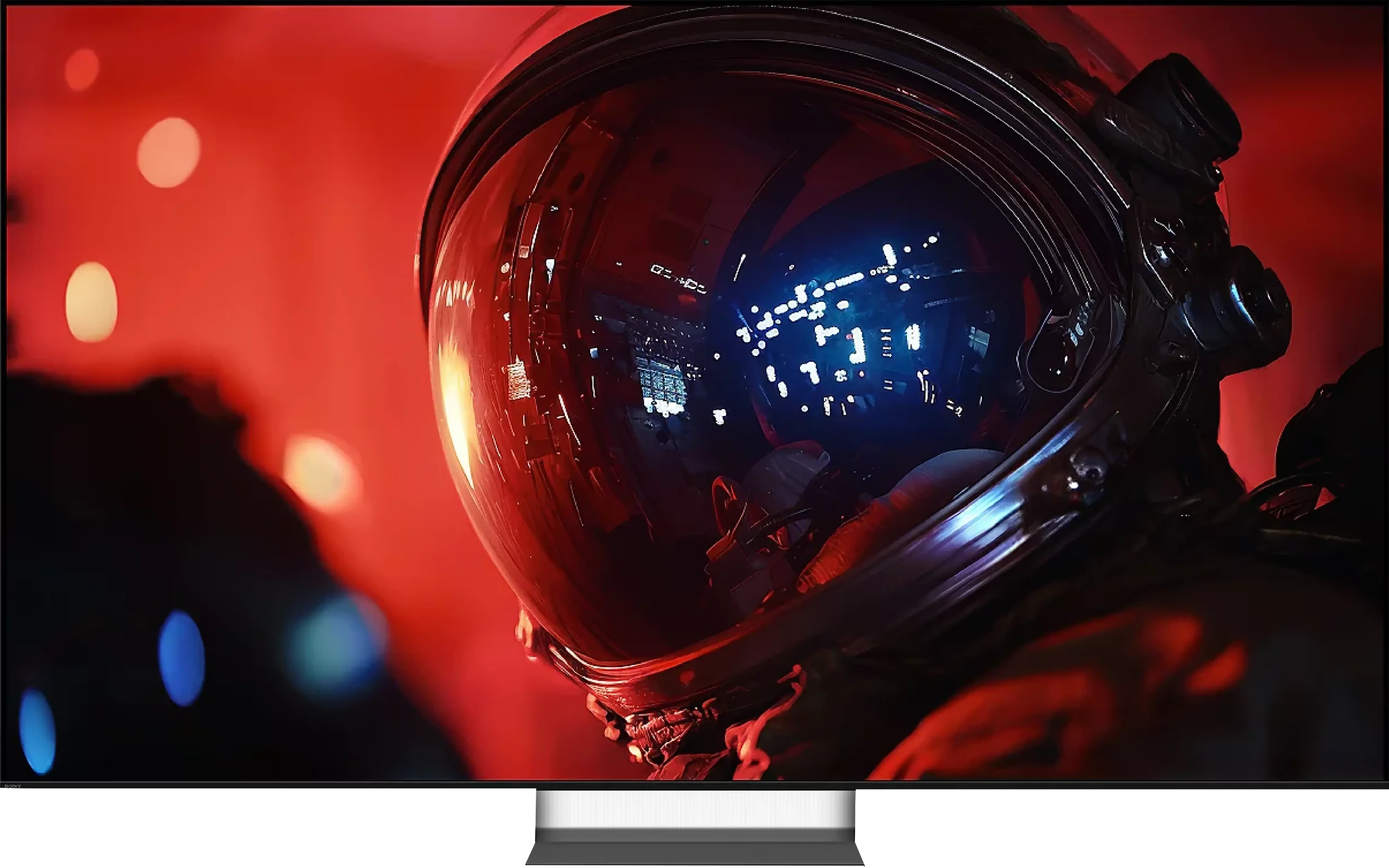
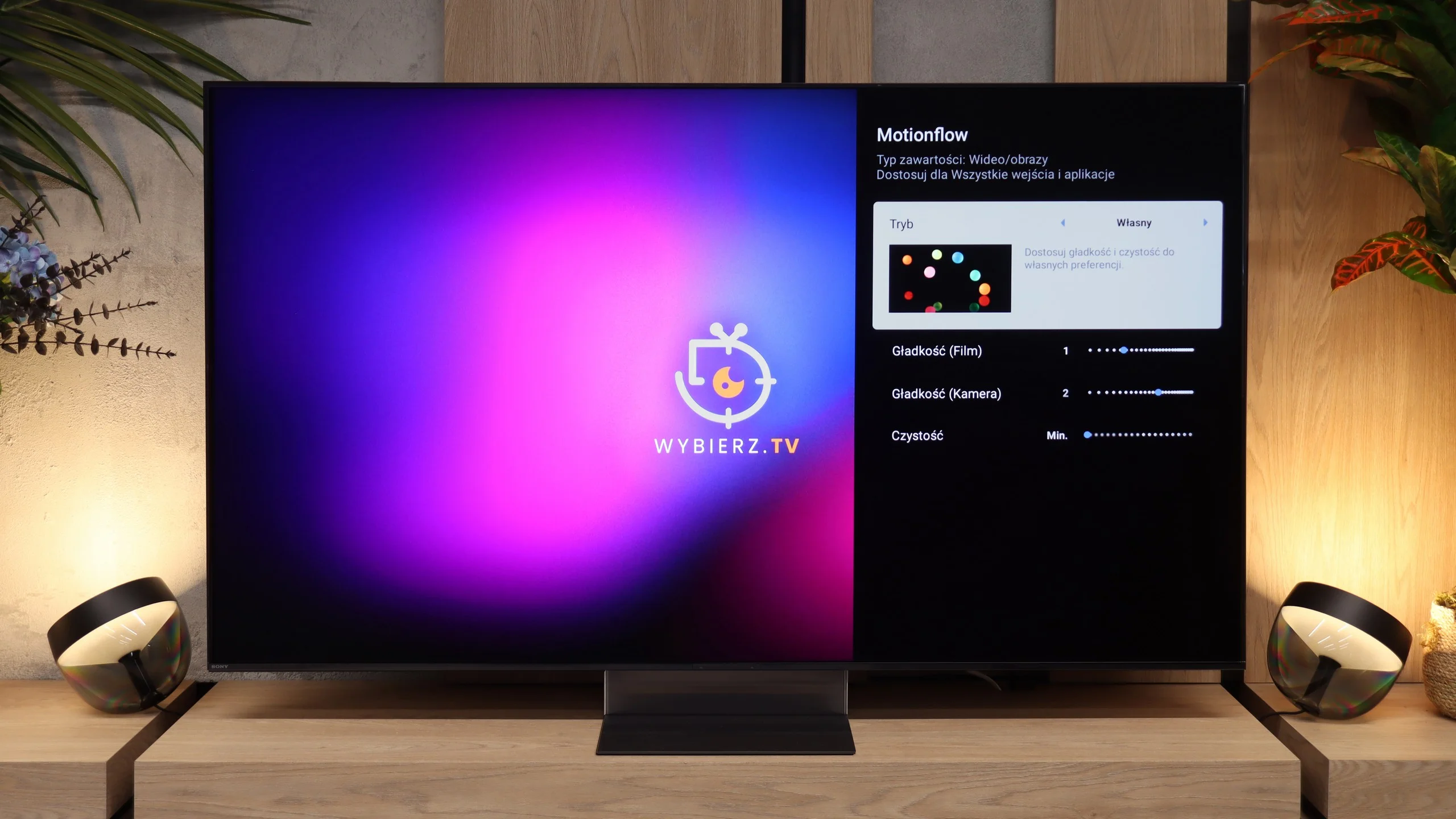
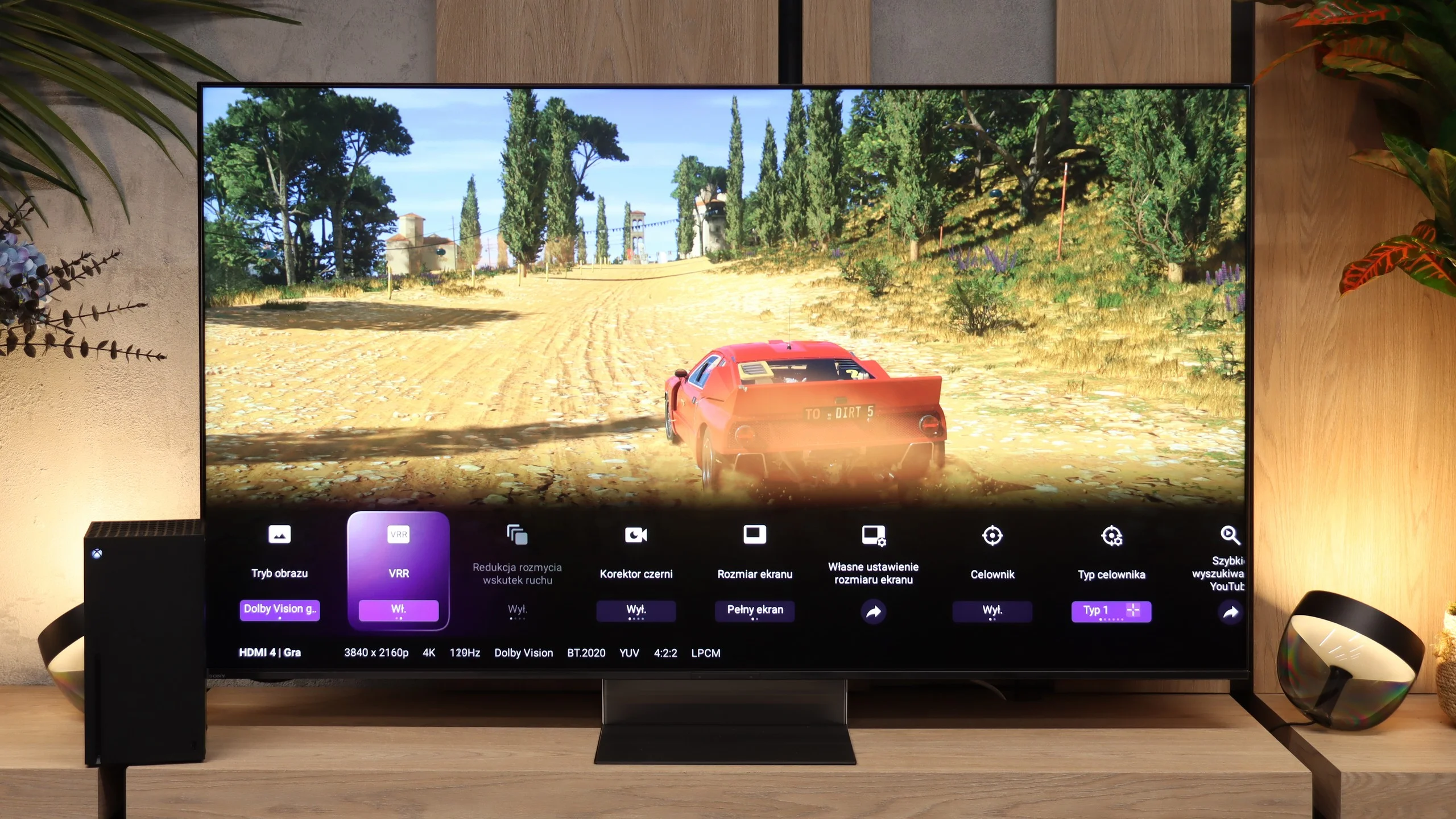
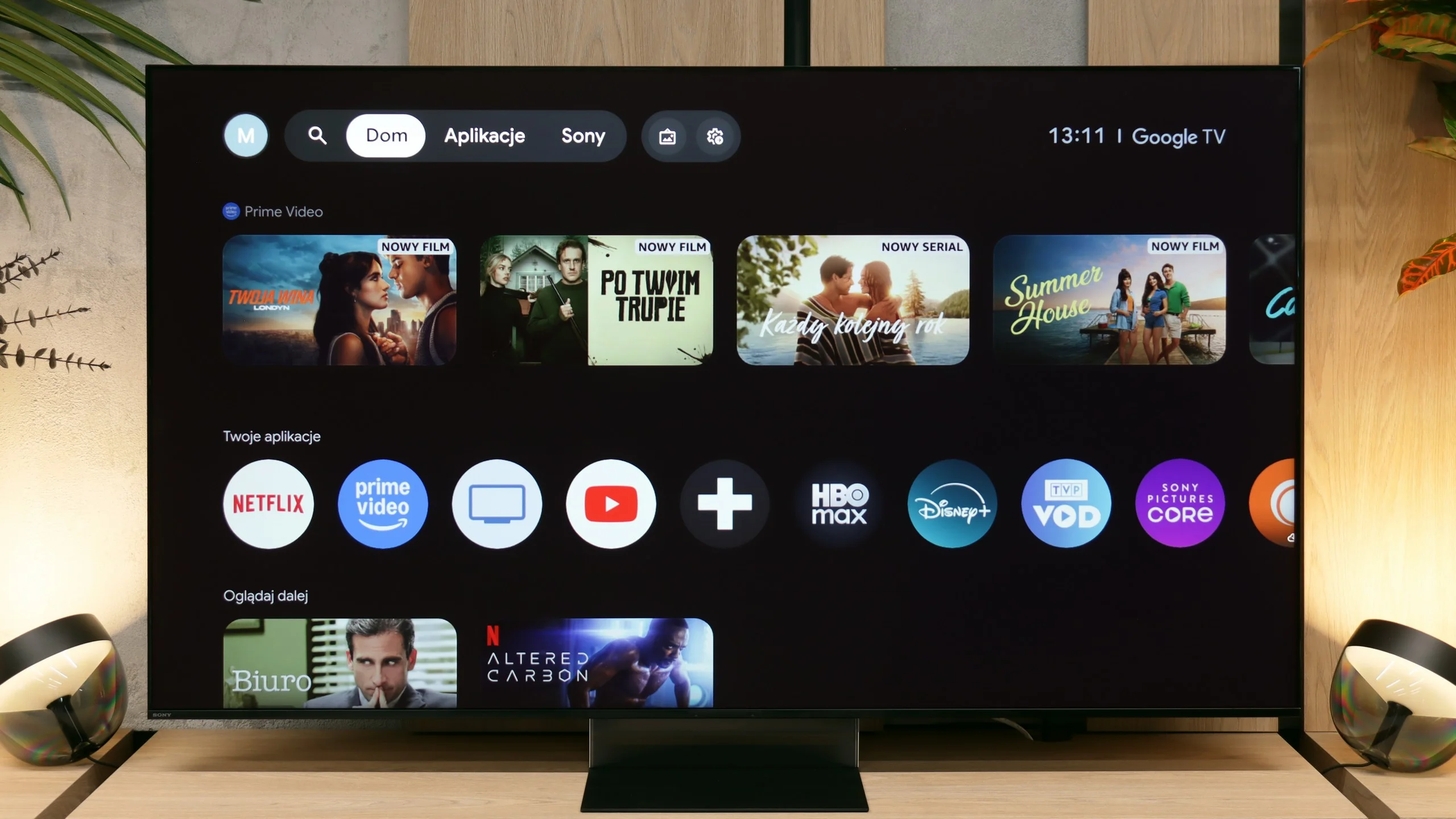
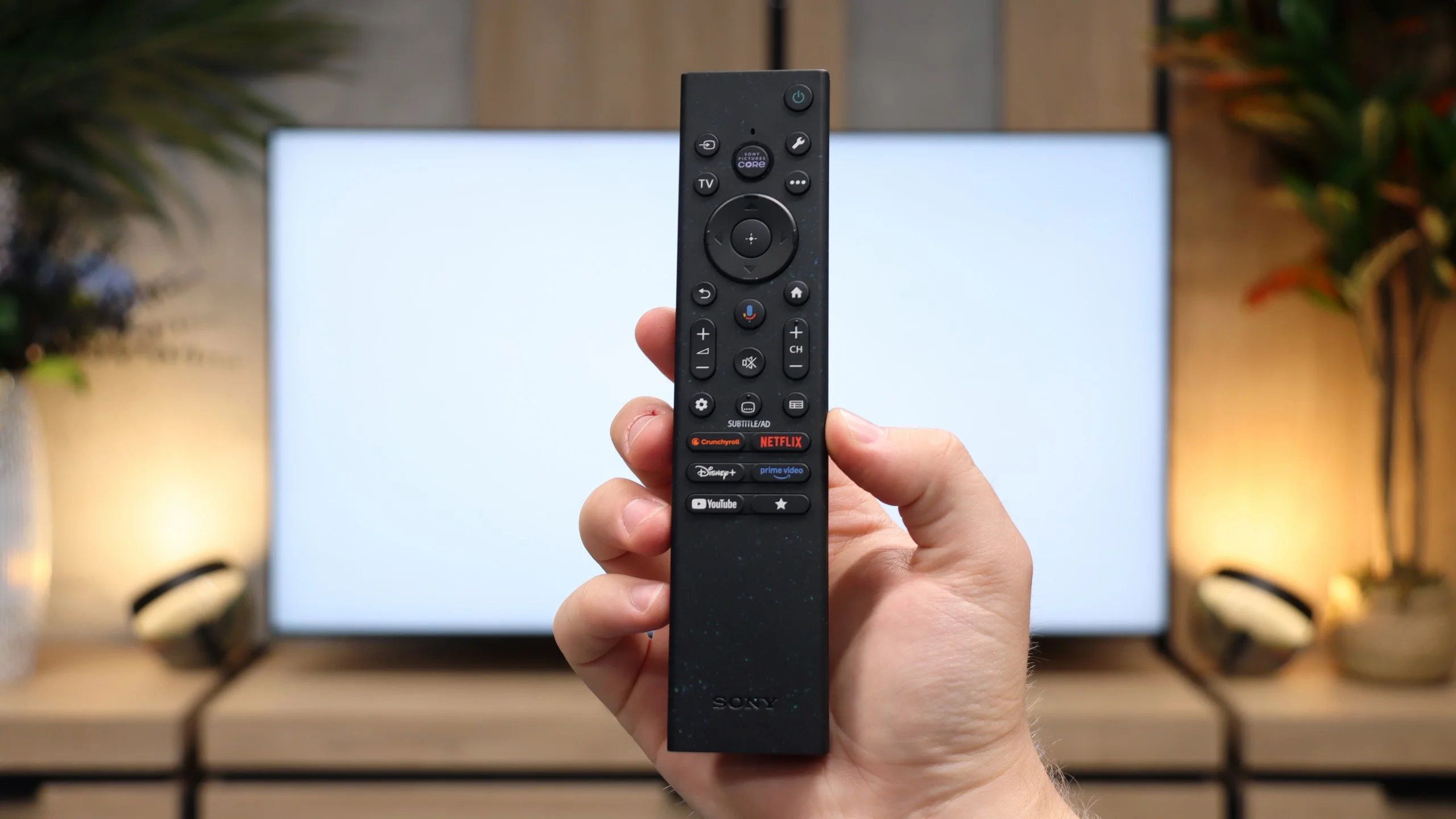
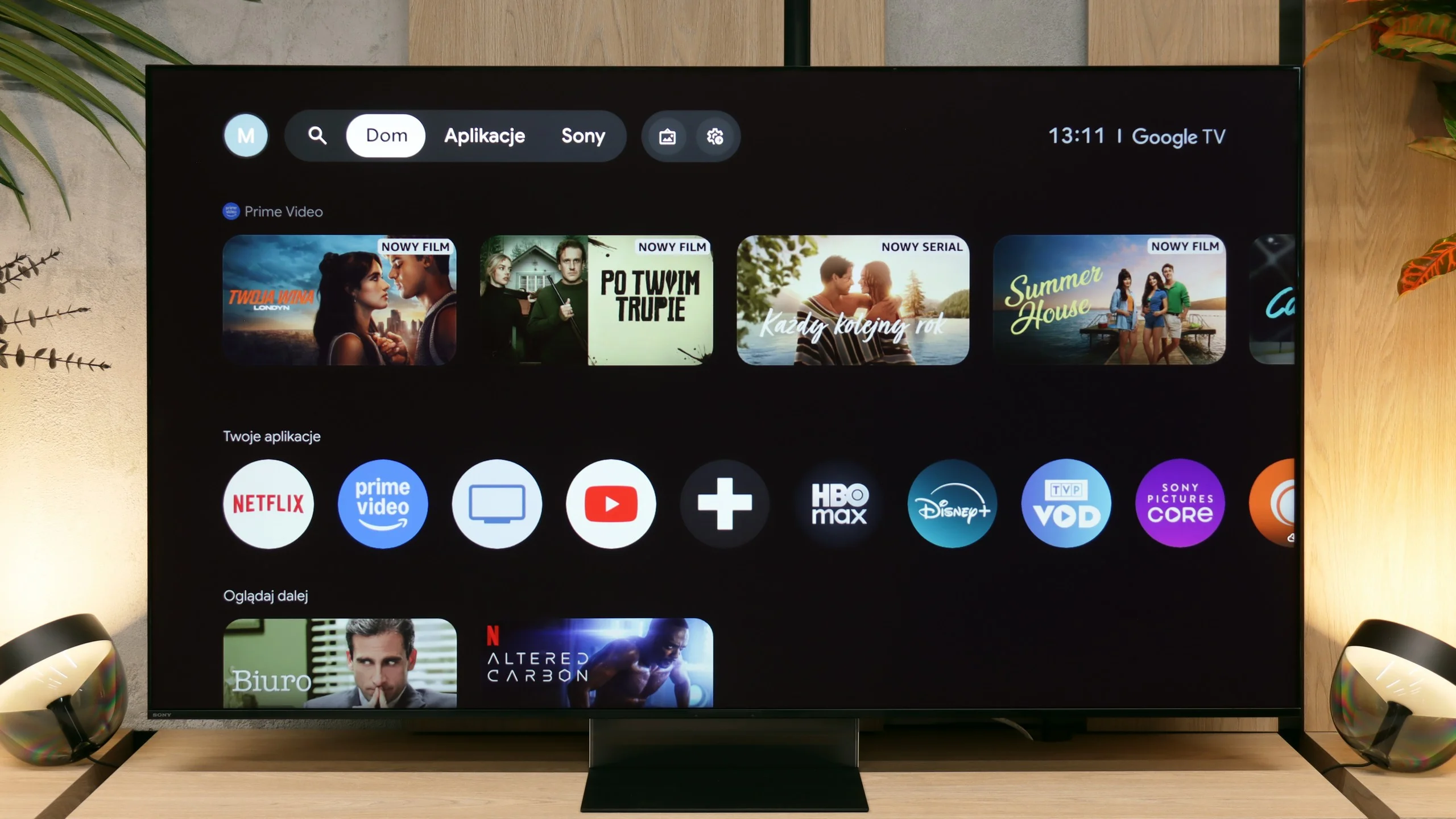
Sony Bravia 9 II is, without a doubt, one of the most advanced TVs that has ever passed through our editorial office. The Japanese have built a real beast, using a completely new RGB Mini-LED backlight design they call True RGB. But the technology alone is only half the success. Only combined with Sony’s years-refined image processing algorithms did a TV emerge that is closer to the director’s vision than any other screen we’ve tested so far. This is where you can see why Sony has enjoyed such a reputation in the world of imaging for years. HDR looks spectacular, brightness at times seems almost absurd, black levels for an LCD can be surprising, and colors are both incredibly vivid and natural. Most importantly, all these elements form a coherent whole. There’s no sense that the TV is trying to impress only with specification numbers — you simply enjoy watching it, whether it’s a movie, a series, or gaming. Beyond the excellent picture quality, it’s worth remembering that this is simply a complete TV. Google TV runs quickly and offers practically all the major apps, gamers get a full set of premium features, and support for audio and video formats makes it hard to complain about the equipment. These are exactly the qualities we expect from a device that aspires to be the TV of the Year 2026.
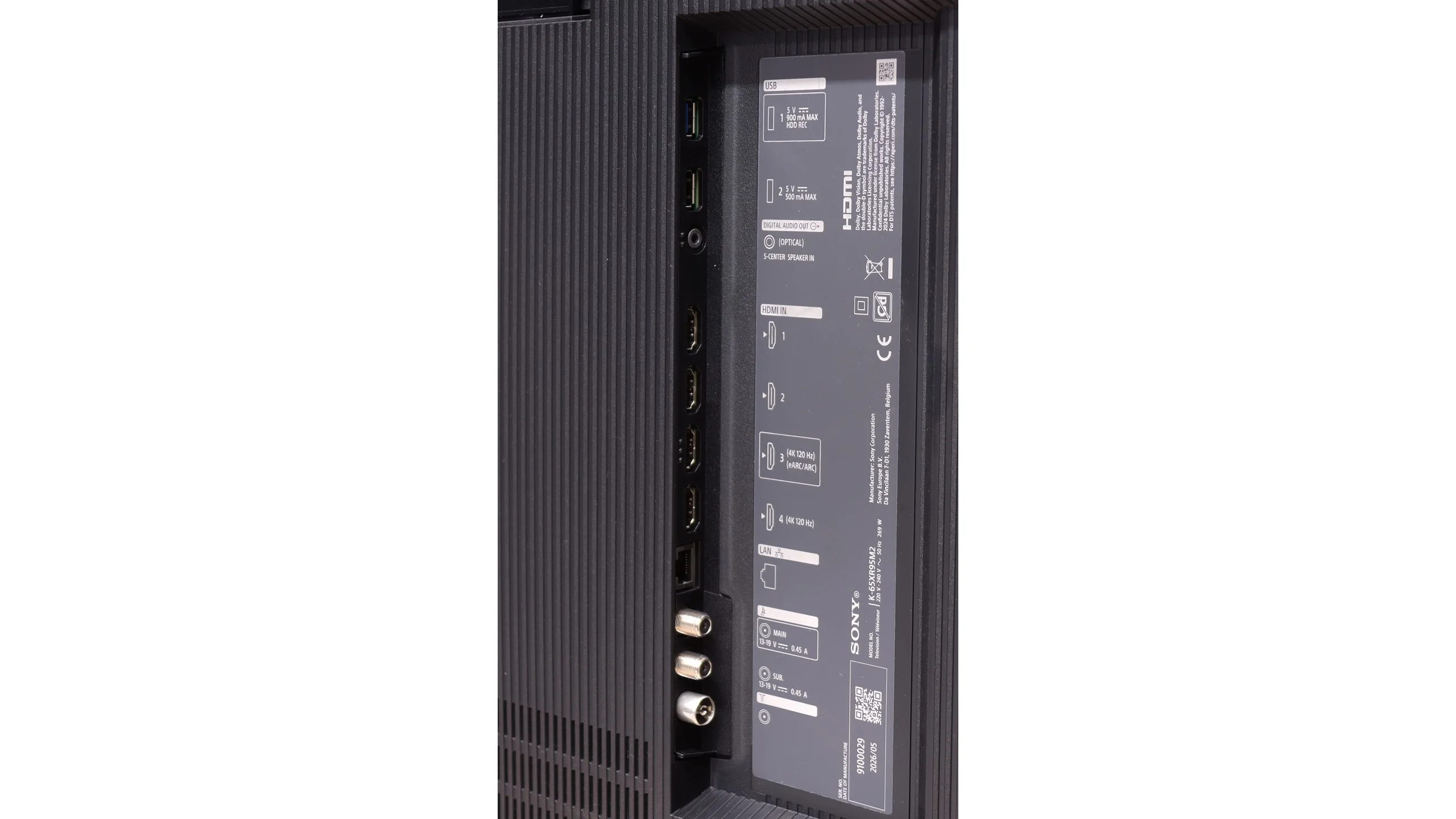
Are there any downsides? Of course there are. Even the Bravia 9 II is not a perfect design. Interestingly, our biggest reservations are not about picture quality, because that is at an absolutely phenomenal level. We are far more surprised by the manufacturer’s decisions. In the flagship model for 2026 we still get only two HDMI 2.1 ports, which with a console, PC, or audio gear can be simply annoying. The other issue is the lack of a 98-inch version. It’s really hard to understand why a TV of this class doesn’t come in a size that’s recently become so popular.
So is it worth buying the Bravia 9 II? Our answer is: YES, YES, and once again YES. If you’re looking for an absolute top-tier TV and you care above all about picture quality, it’s currently hard to find a better choice. Sony has not only proven that RGB Mini-LED has huge potential, but also shown how the technology should be used. The “True RGB” label didn’t appear here by accident. What’s more, looking at the current price of this model, you can safely say it has been set quite reasonably compared to the competition. The Bravia 9 II is not just one of the best TVs of 2026. It’s a TV that sets a new benchmark and shows the whole industry what an RGB Mini-LED TV’s image should look like.
 Direct comparison