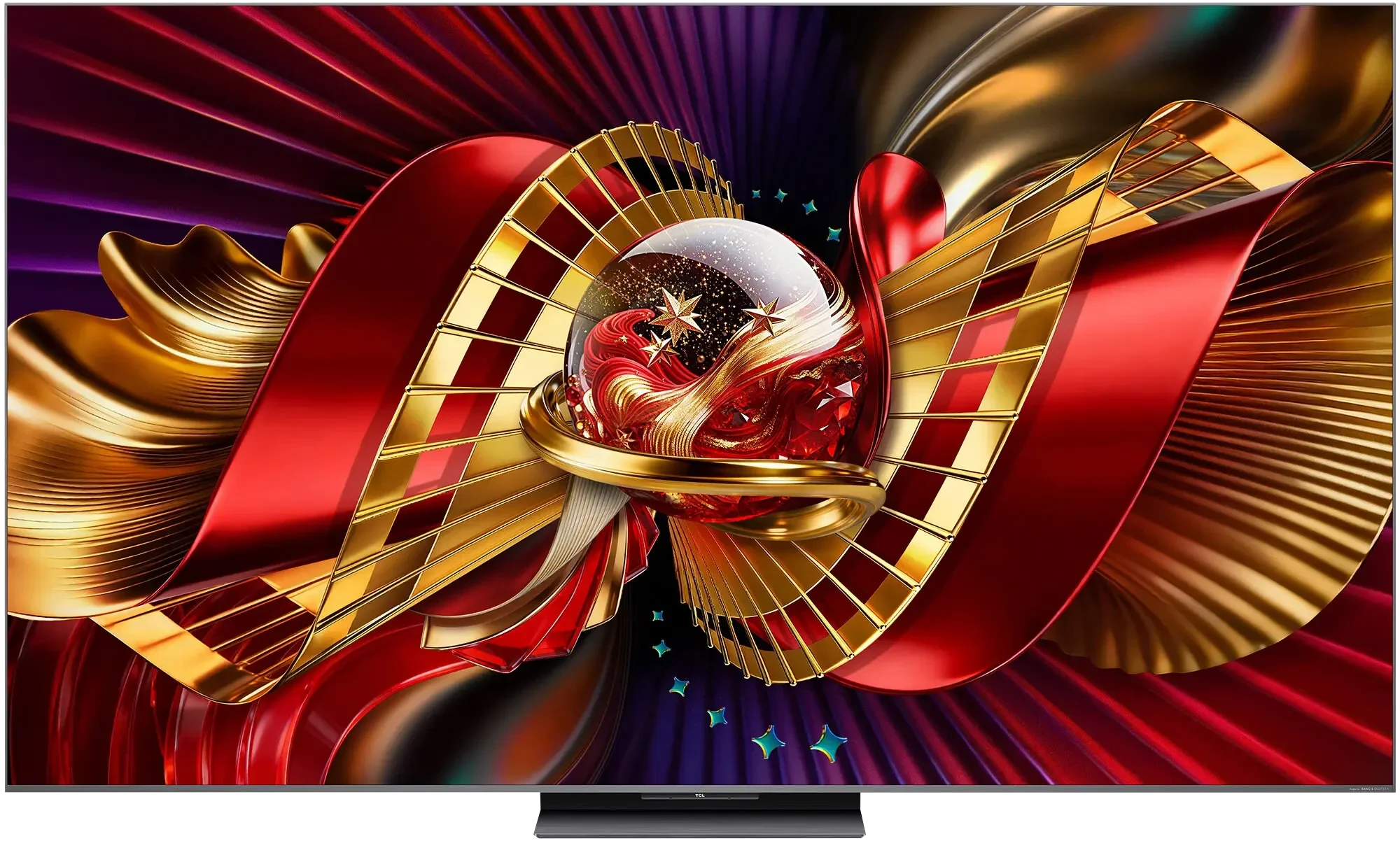
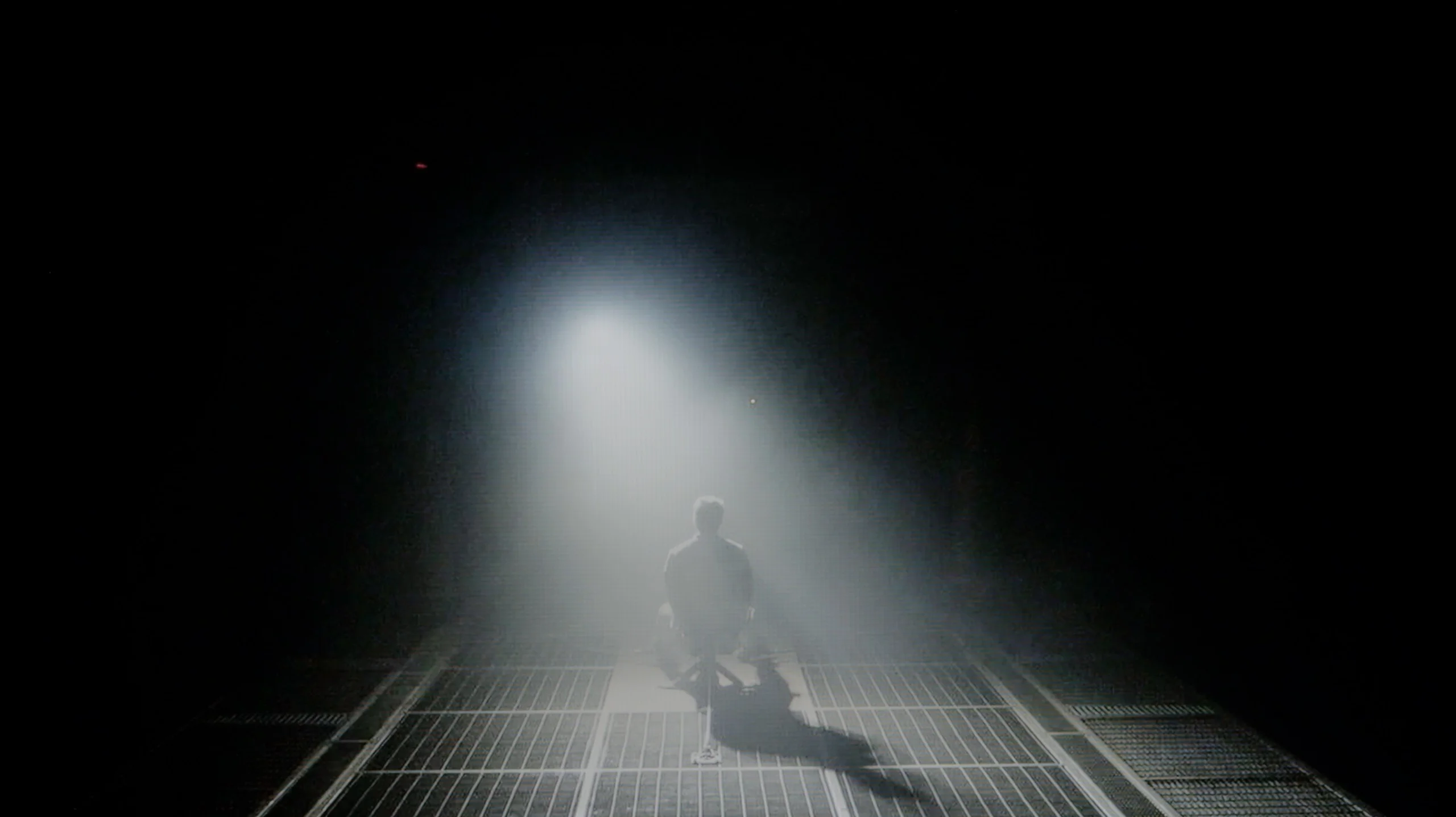
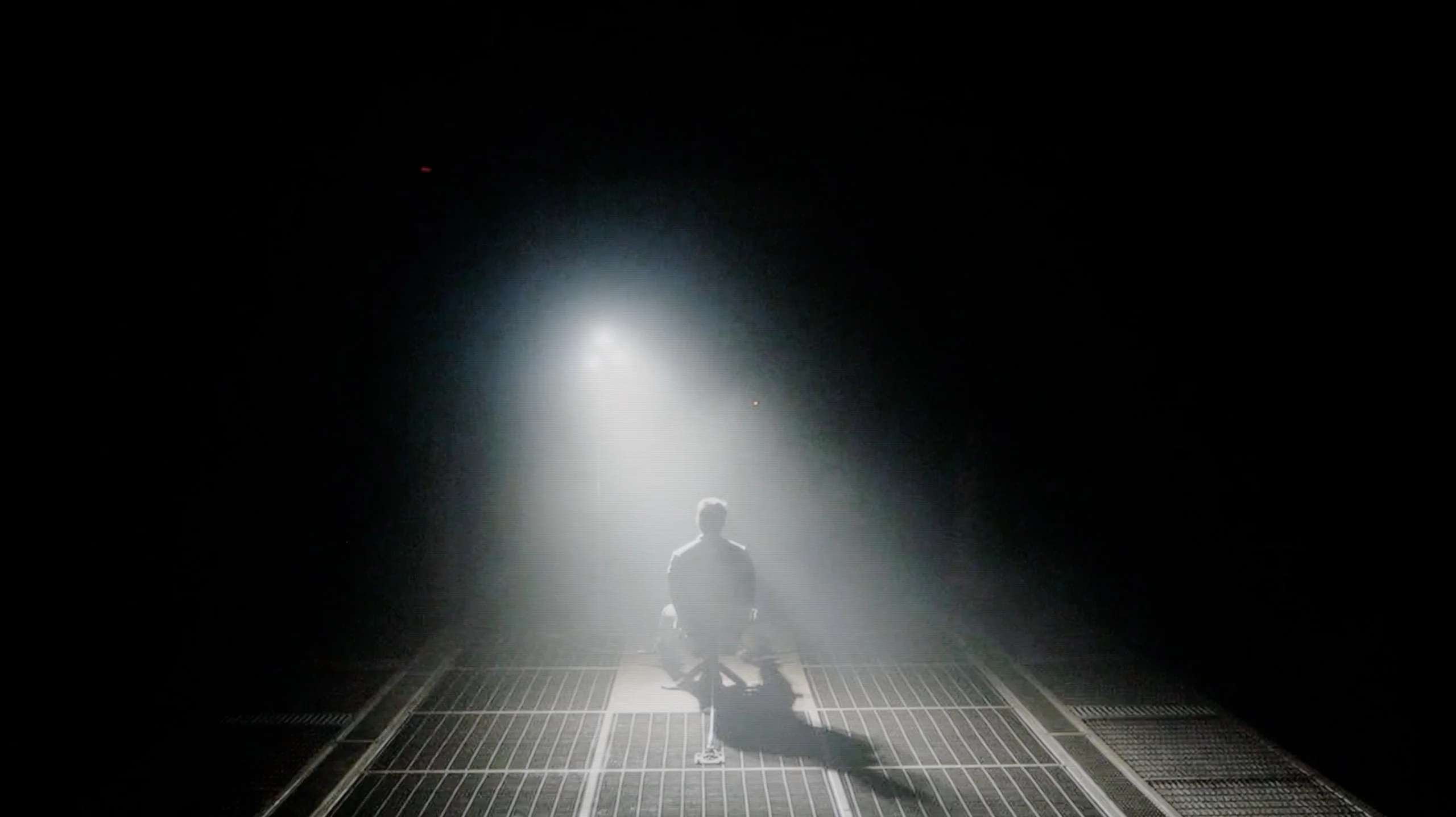
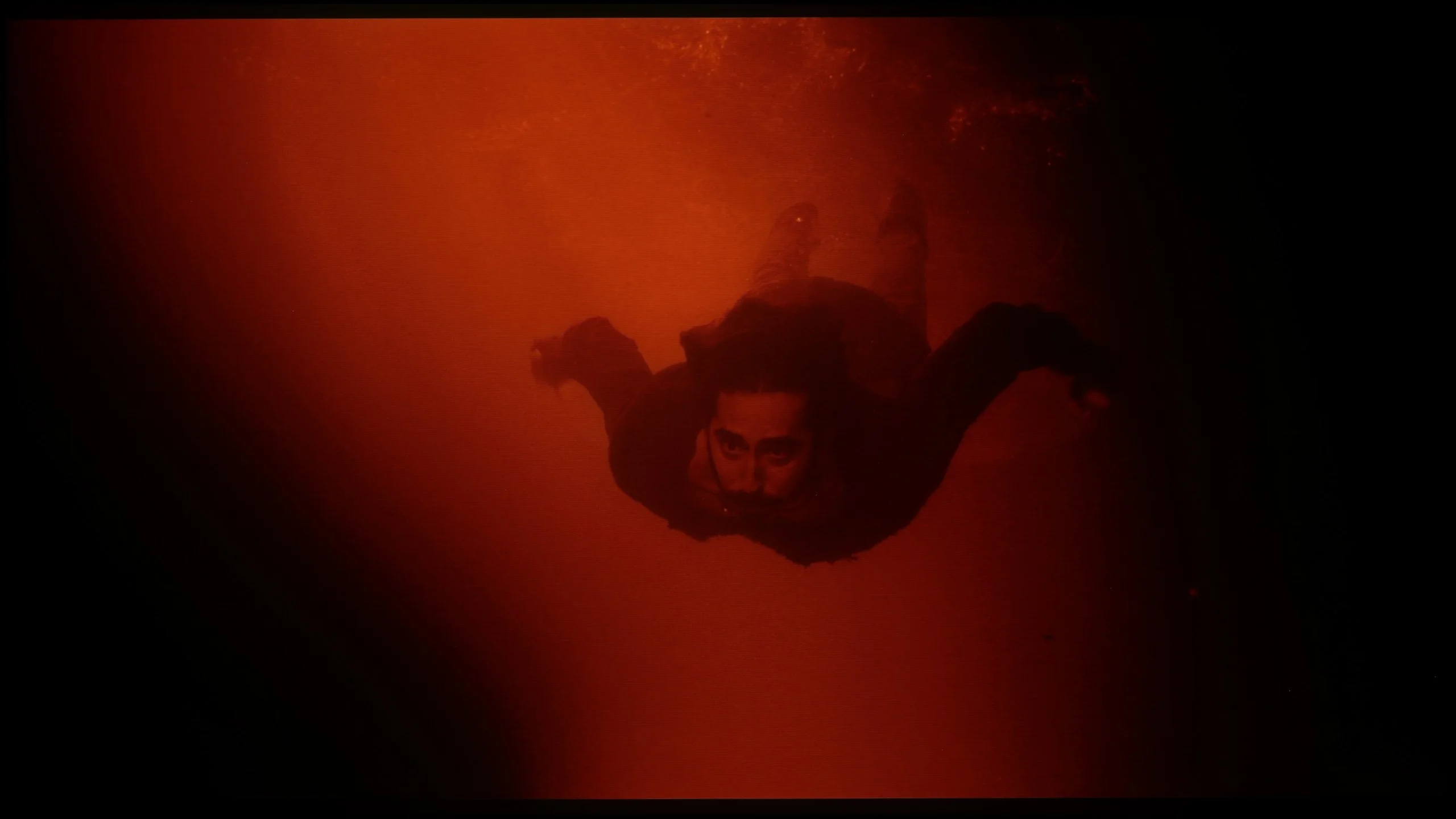
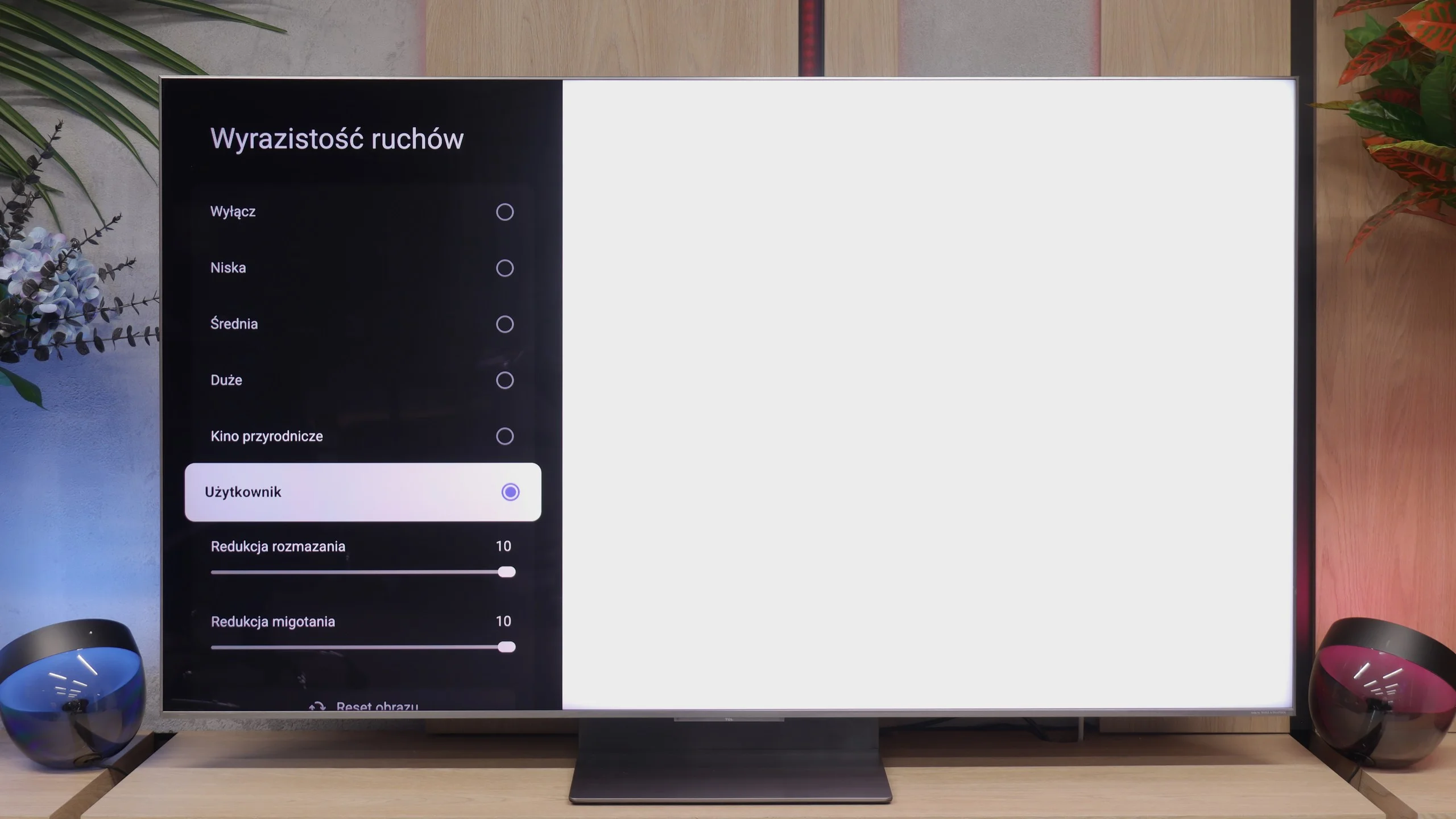
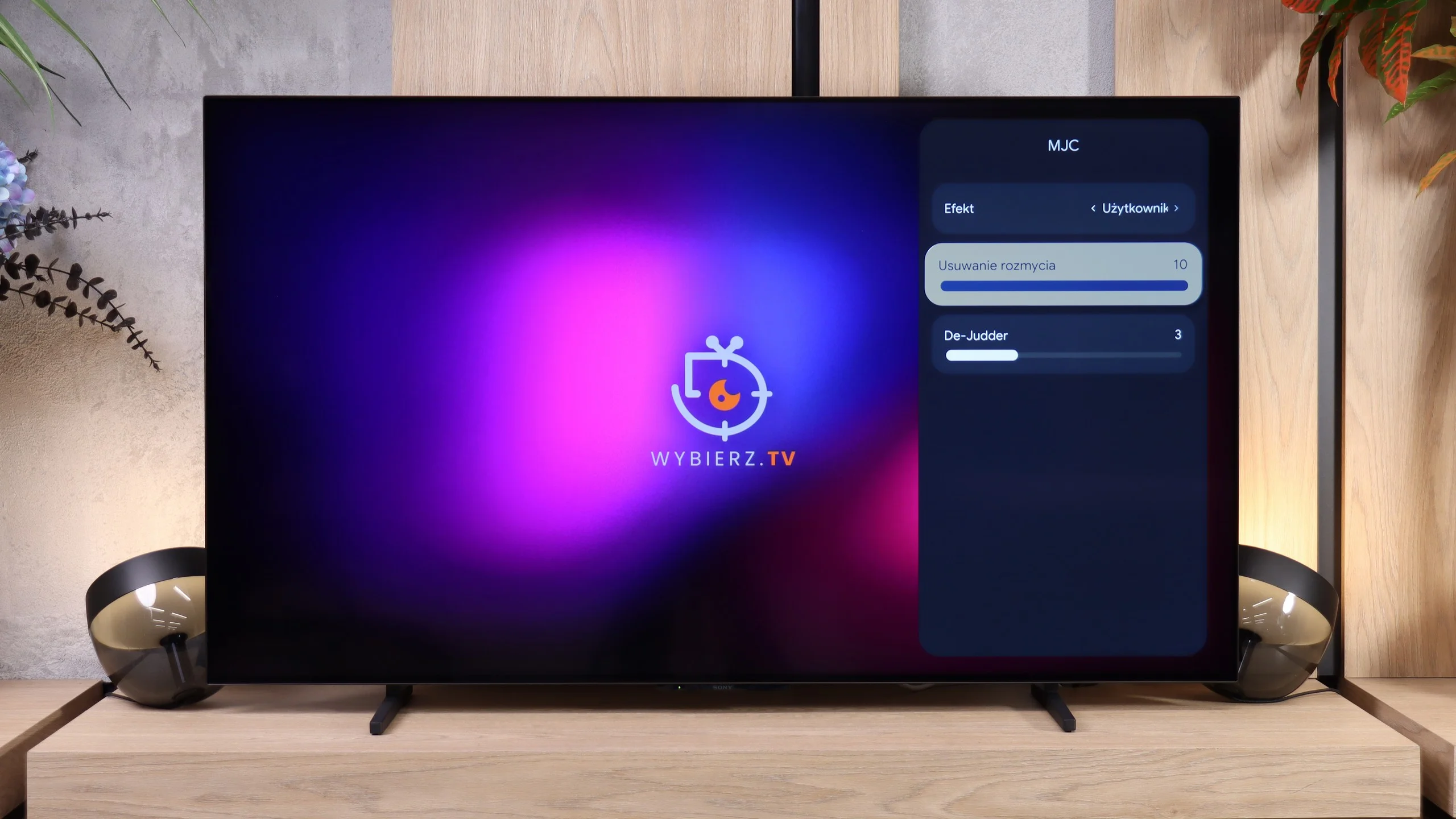
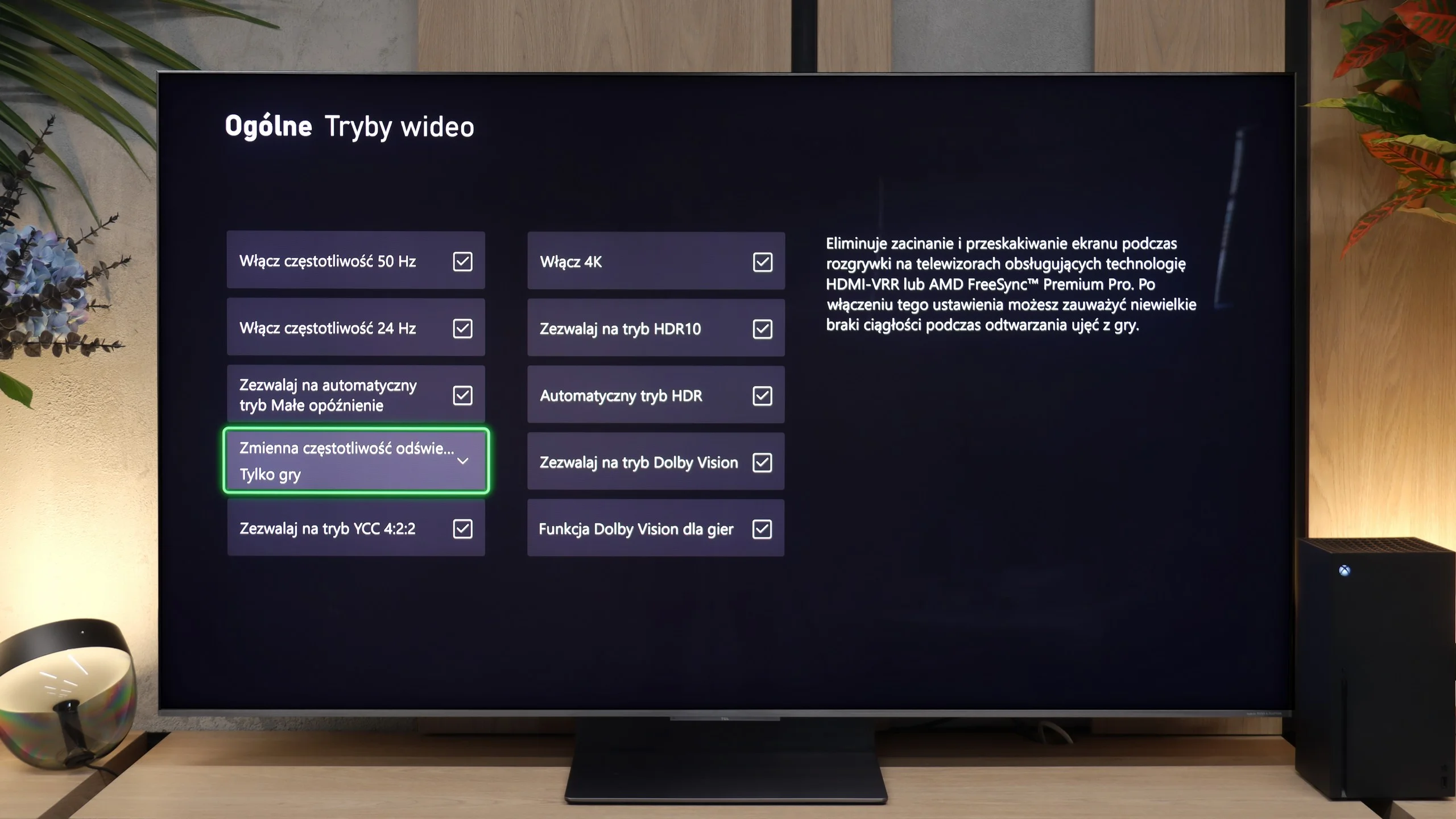
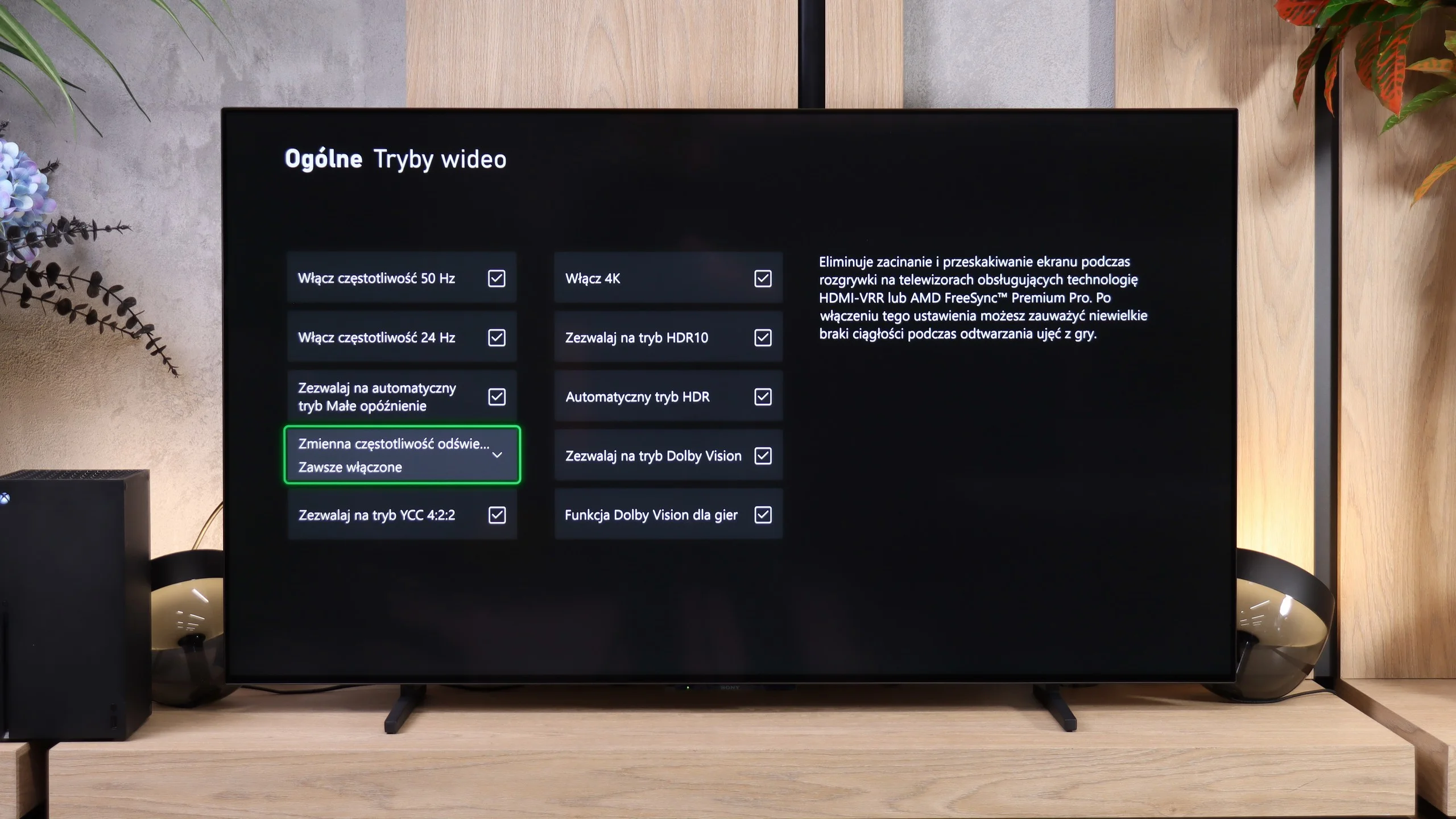
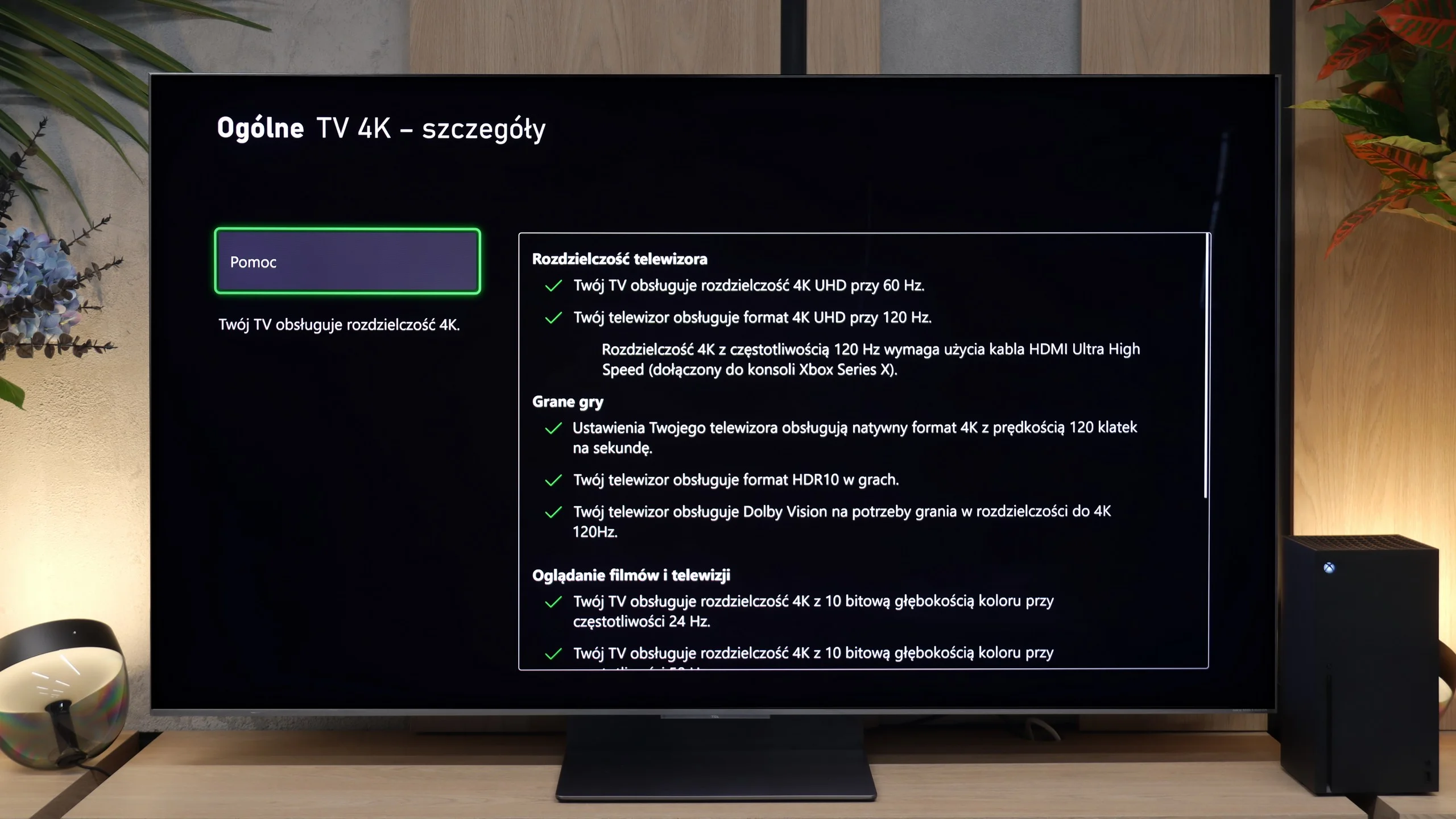
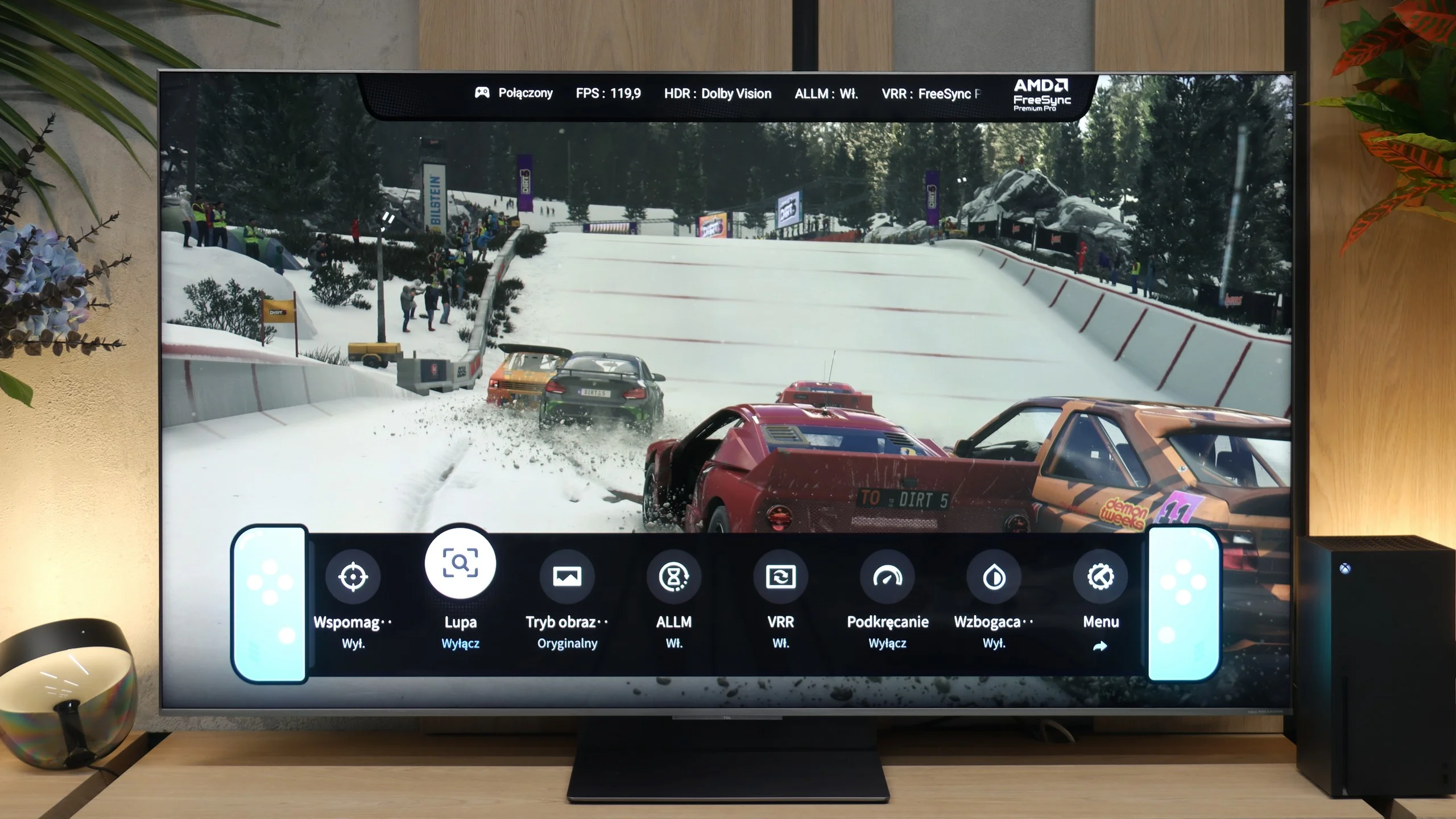
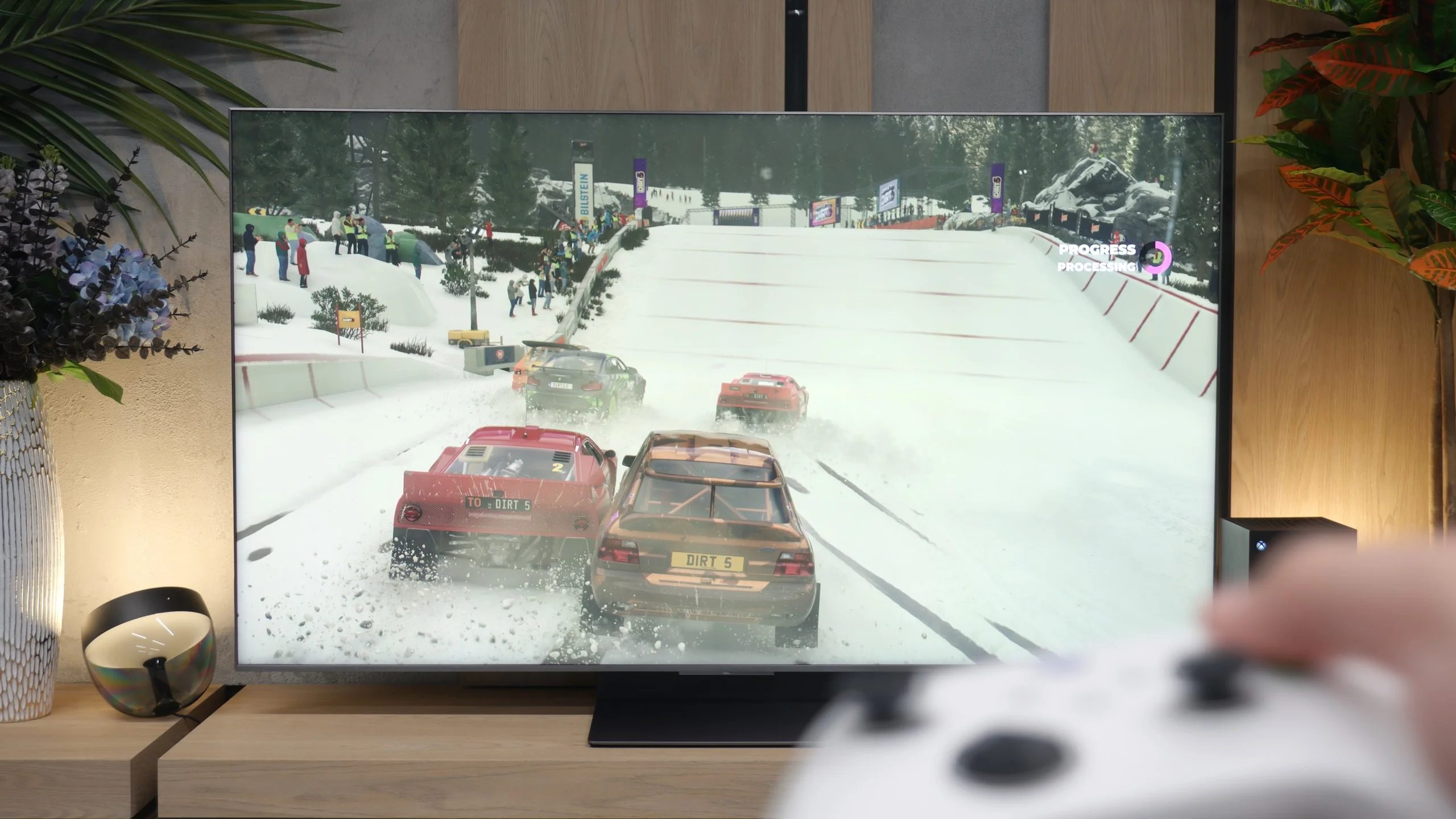
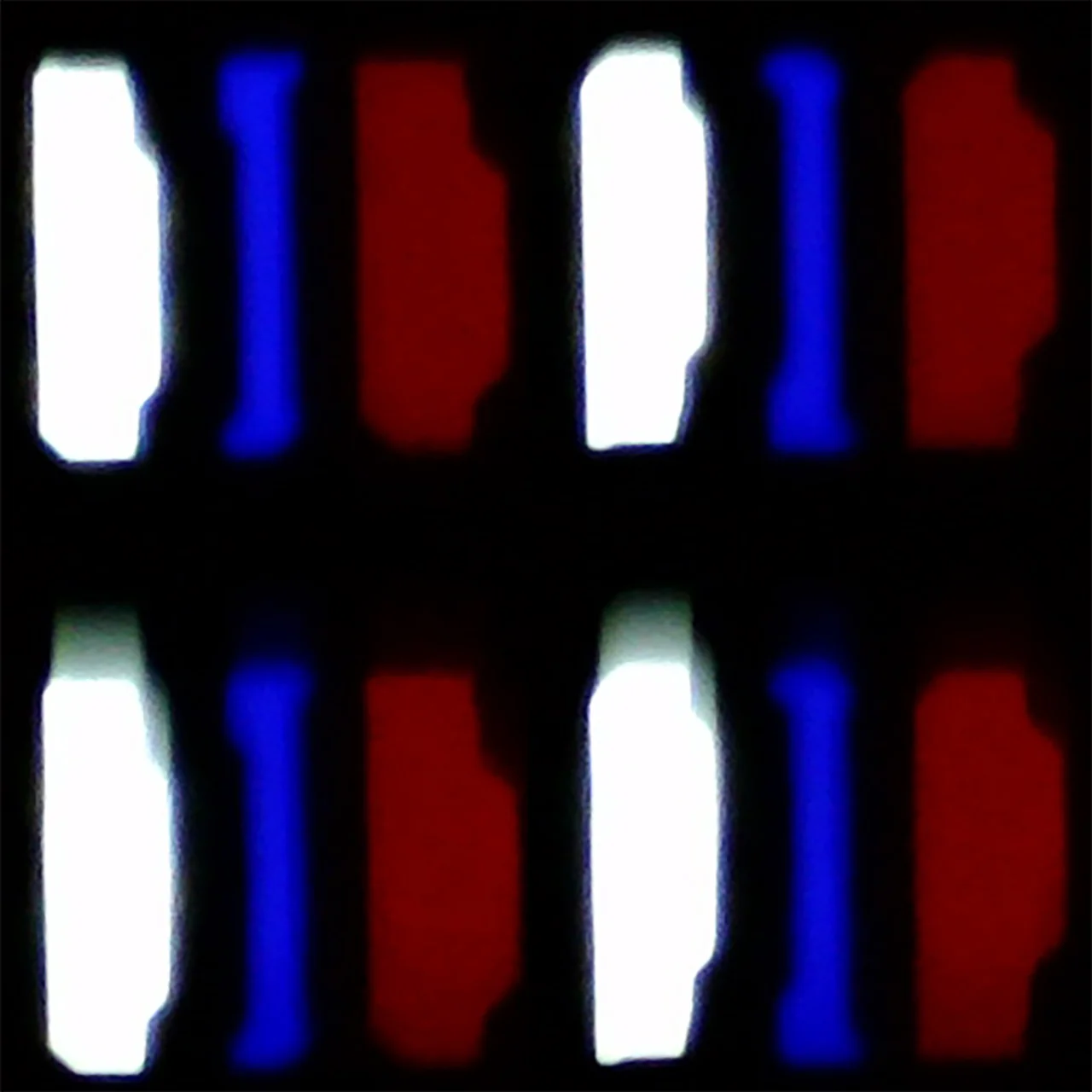
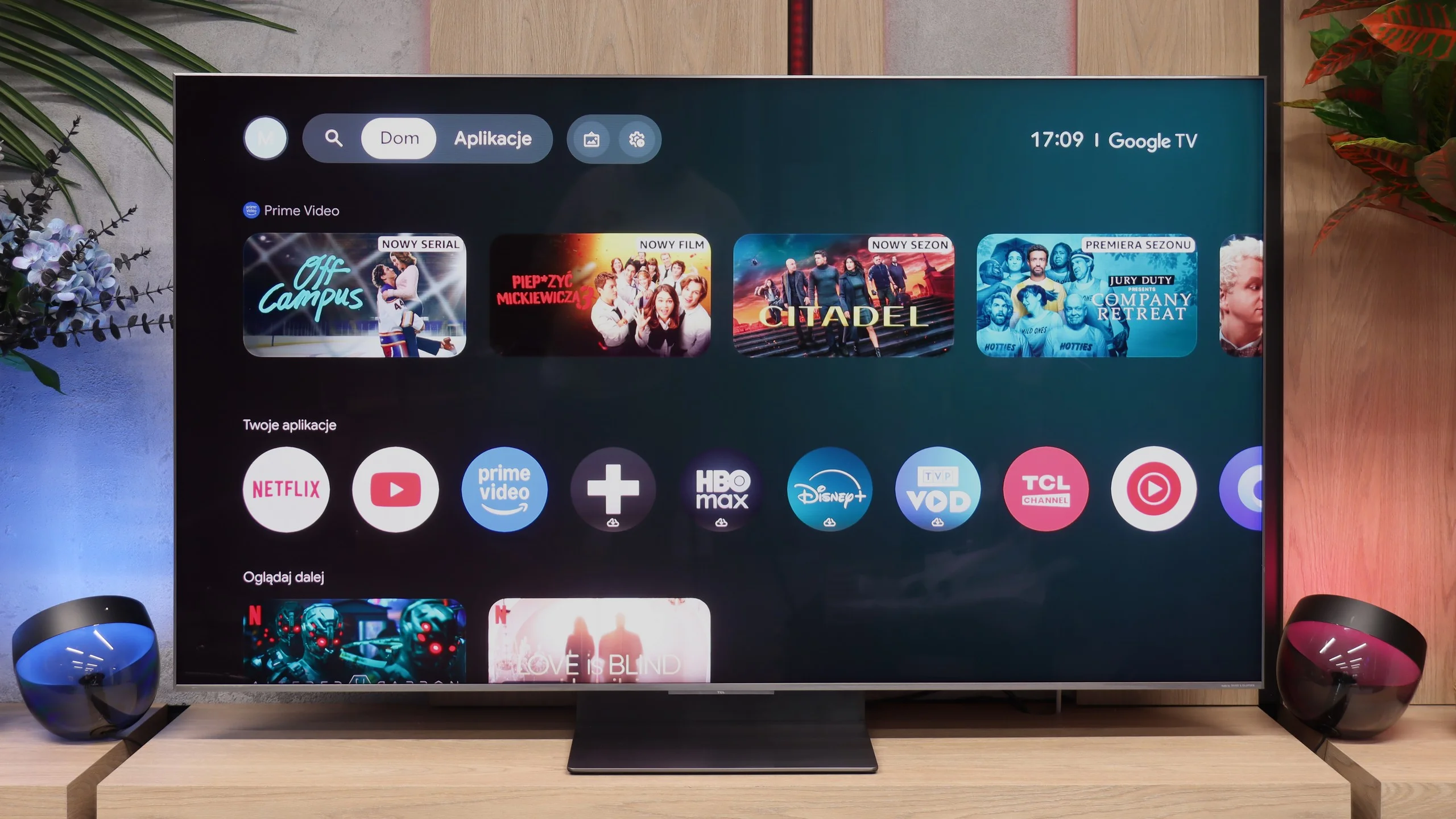
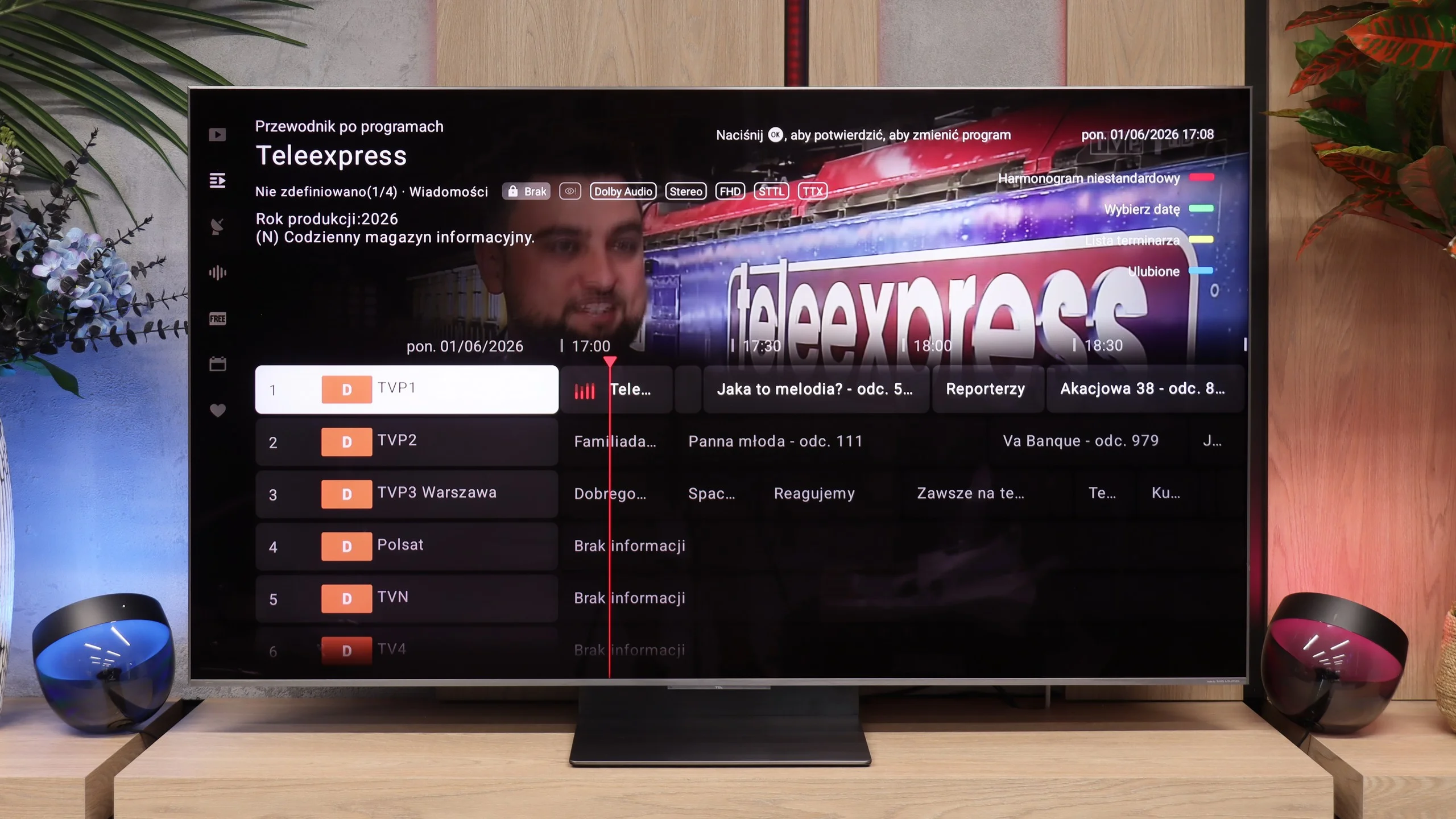
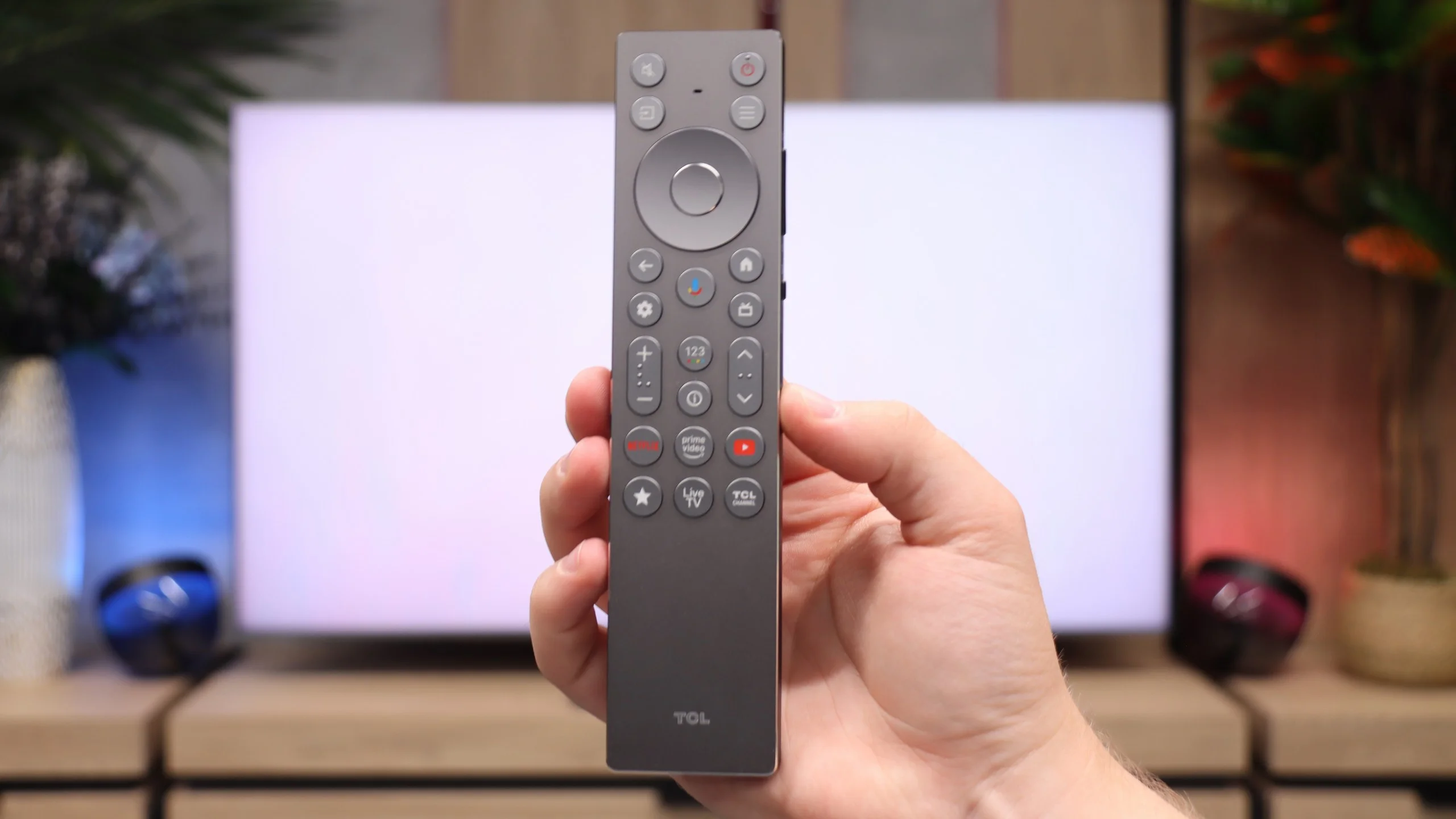
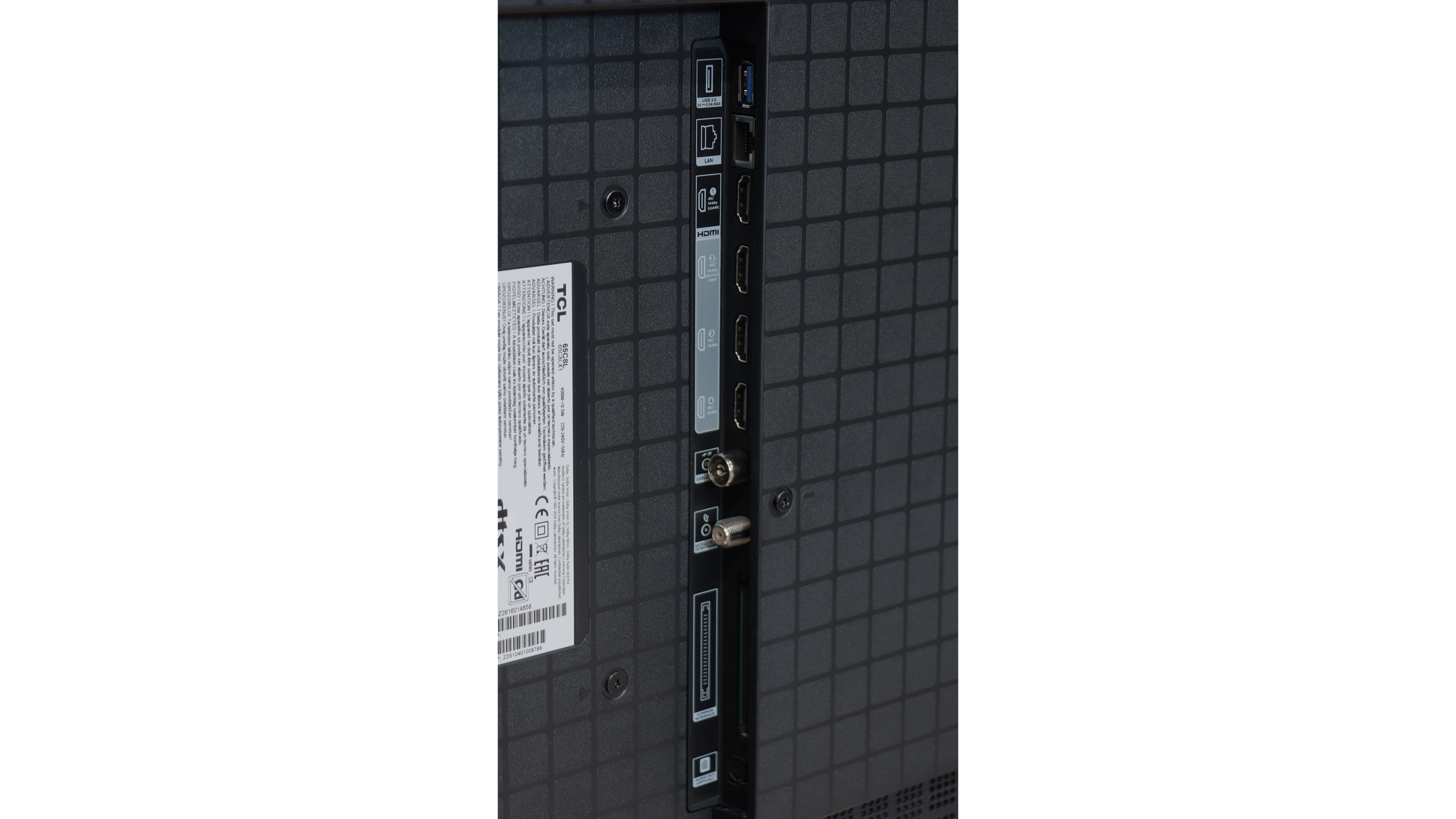
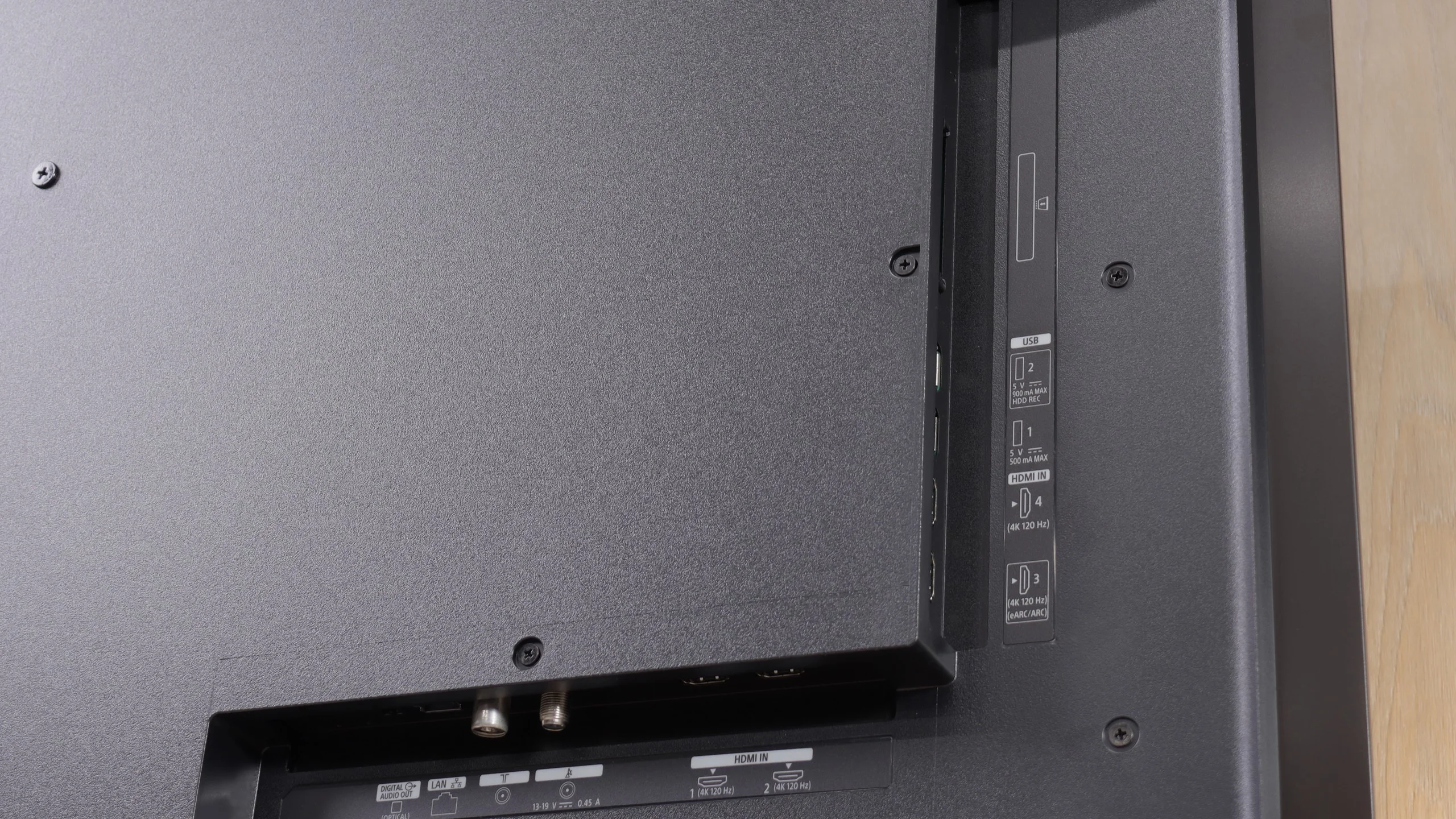
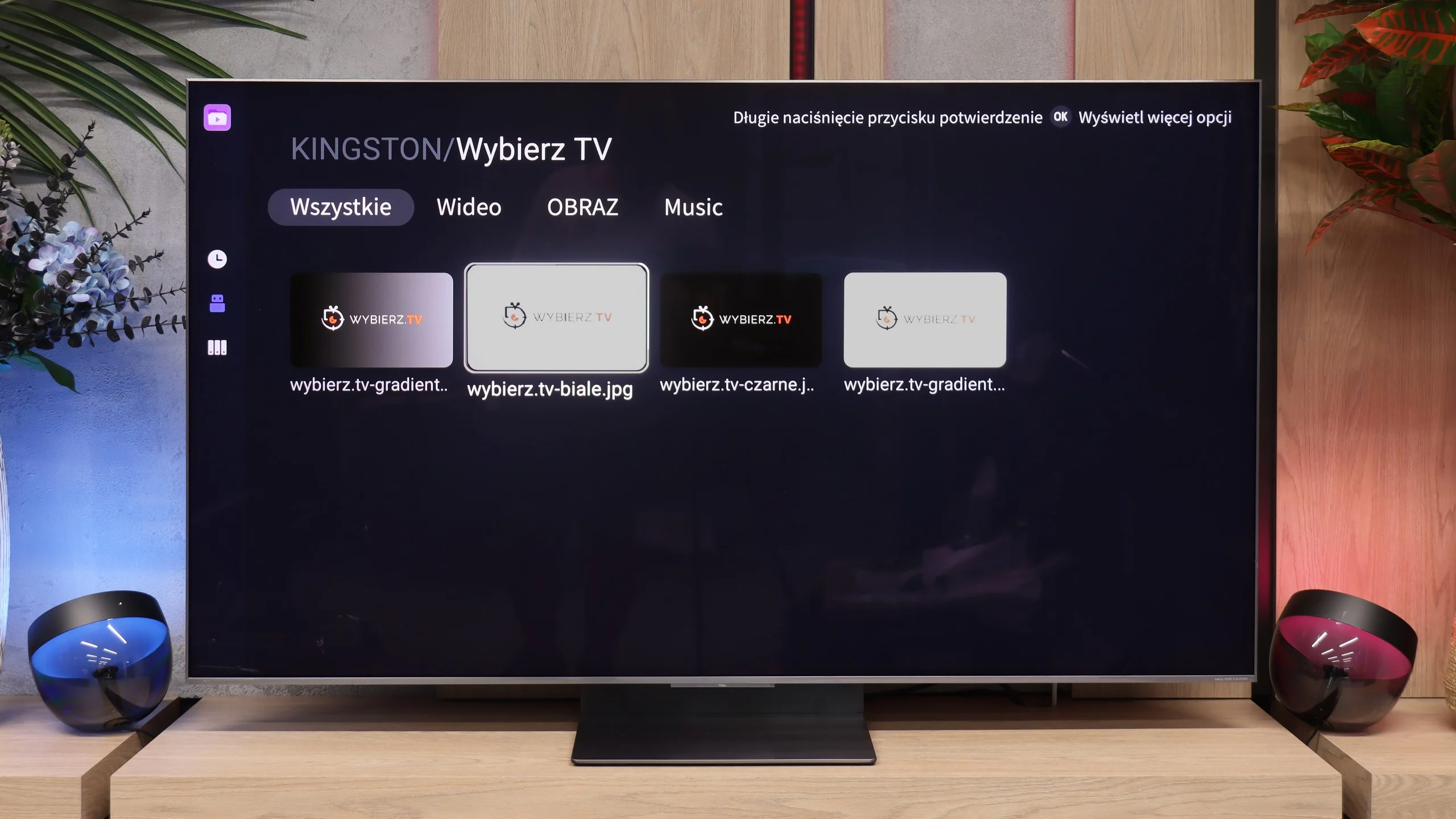
TCL C8L is undoubtedly one of the most intriguing Mini-LED TVs to come into our lab this year. This model stands out primarily due to its excellent price-to-capability ratio. TCL has accustomed us to aggressive pricing of its screens, but in the case of the C8 series, the manufacturer has managed to push the boundaries even further. For the amount that often allows just the purchase of mid-range models or two models like the C8K with market competitors, here we receive features and specifications equal to those of top models. A new image processor, four full HDMI 2.1 ports, support for extreme refresh rates, and impressive peak brightness thanks to a massive number of dimming zones are arguments that are hard to overlook.
However, analyzing the whole picture, we must honestly summarize the character of this TV. The C8L is a device created more for displaying "impressive" images rather than rigorously faithful ones. What do we mean by that? The software and algorithms managing the Mini-LED backlight zones have been tuned to prioritize spectacle – the image is meant to be bright, contrasty, and strikingly saturated. And what does this mean? The TV tends to interpret images autonomously rather than adhering to certain studio standards. For most users looking for "greater" emotions in movies or games, this effect will likely be an advantage. On the other hand, purists and fans of perfectly natural images (like us 😉) may consider this behavior too aggressive and not in line with the director's intent. Therefore, we leave the final assessment on this issue to you.
Overall, despite this specificity, the TCL C8L is a TV that we can, and indeed must, recommend wholeheartedly. It is primarily a premium-class product that does literally everything correctly... to the point of being painful. We would regard certain imperfections simply as characteristics of this device rather than flaws – mainly due to the technological limitations that all Mini-LED TVs from every manufacturer on the market have accustomed us to. Ultimately, the software refinement has given the new eight a great deal, making it a mature, confident, and nearly complete device.
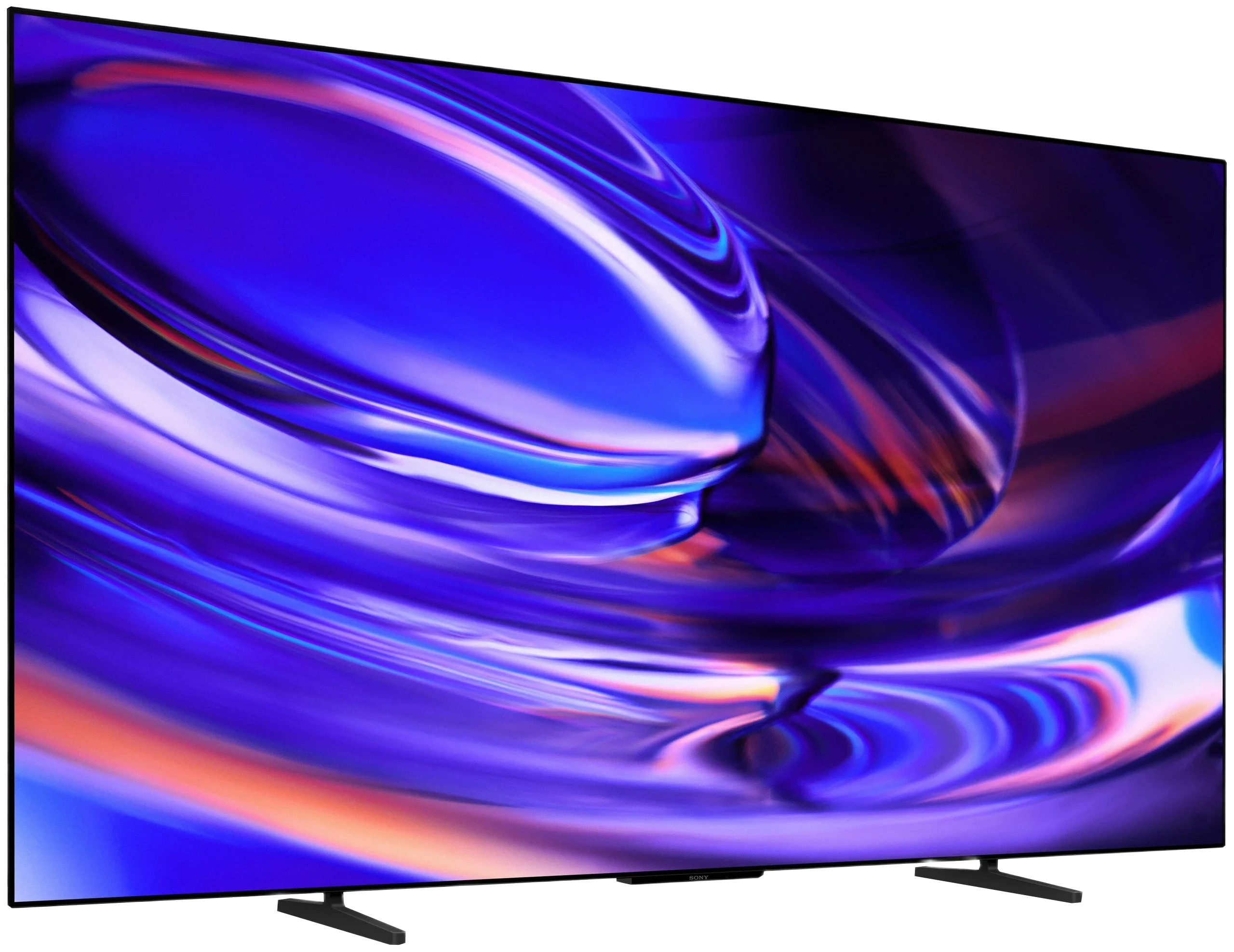
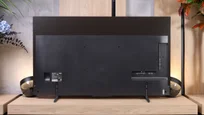
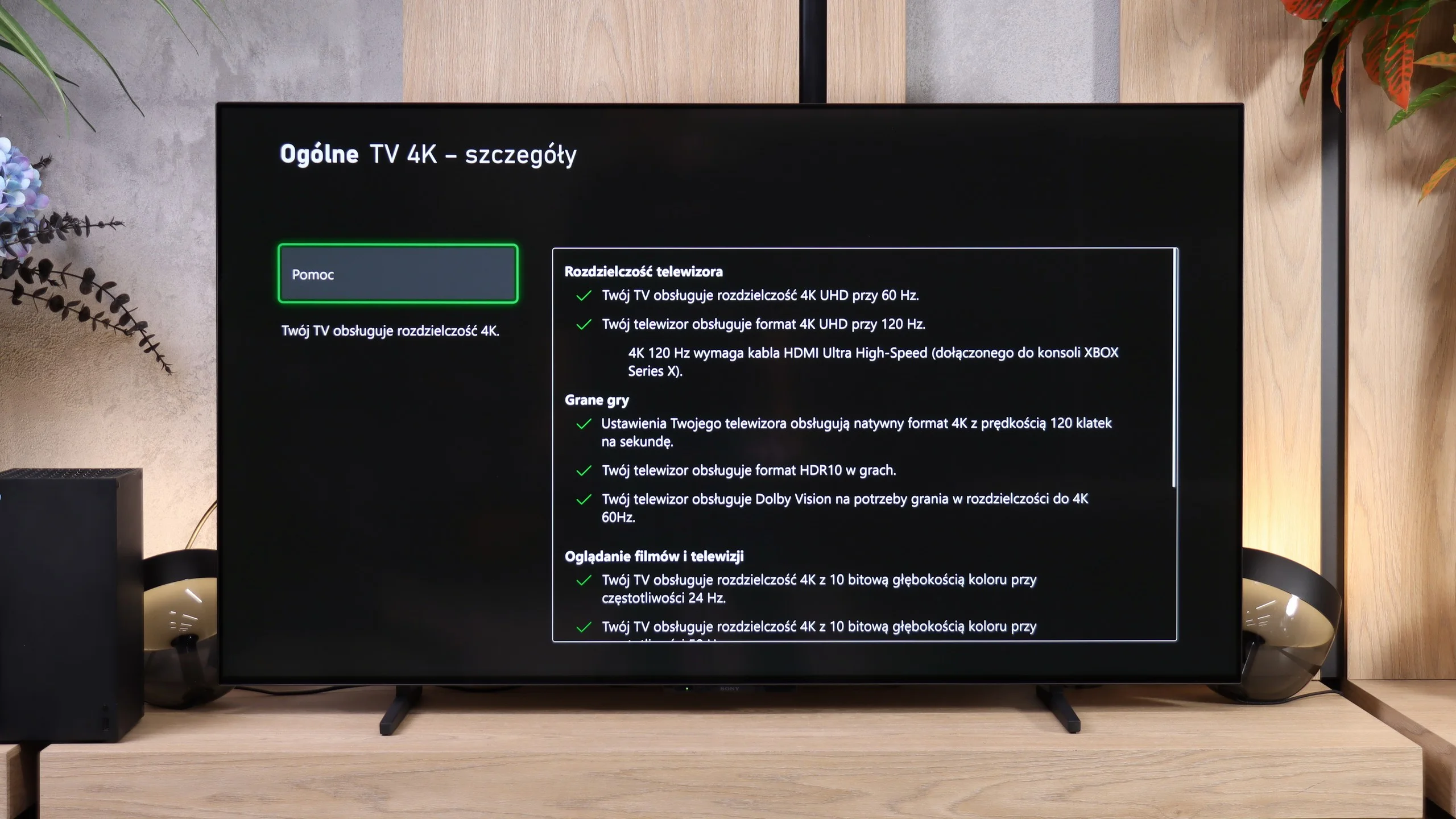
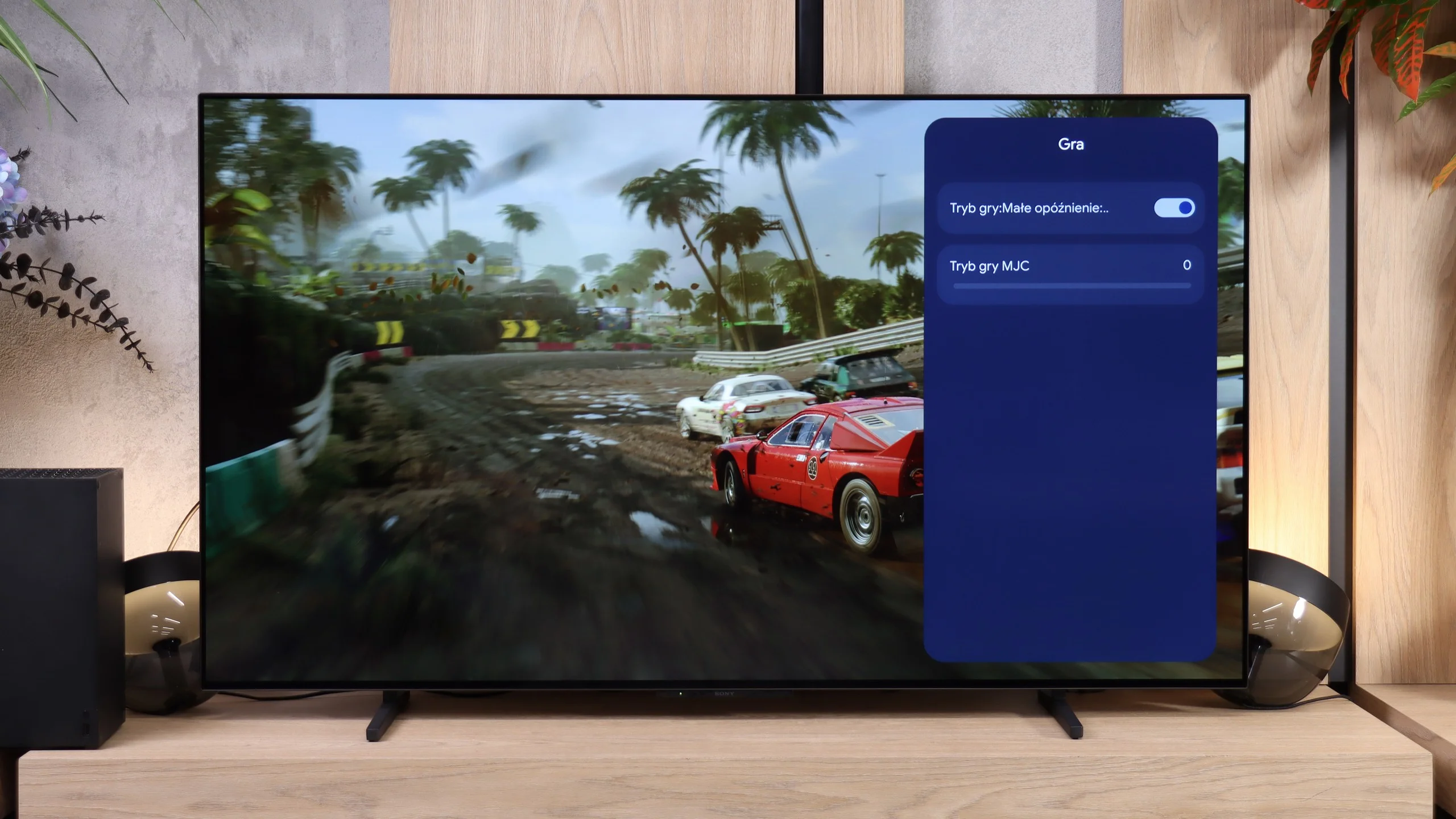
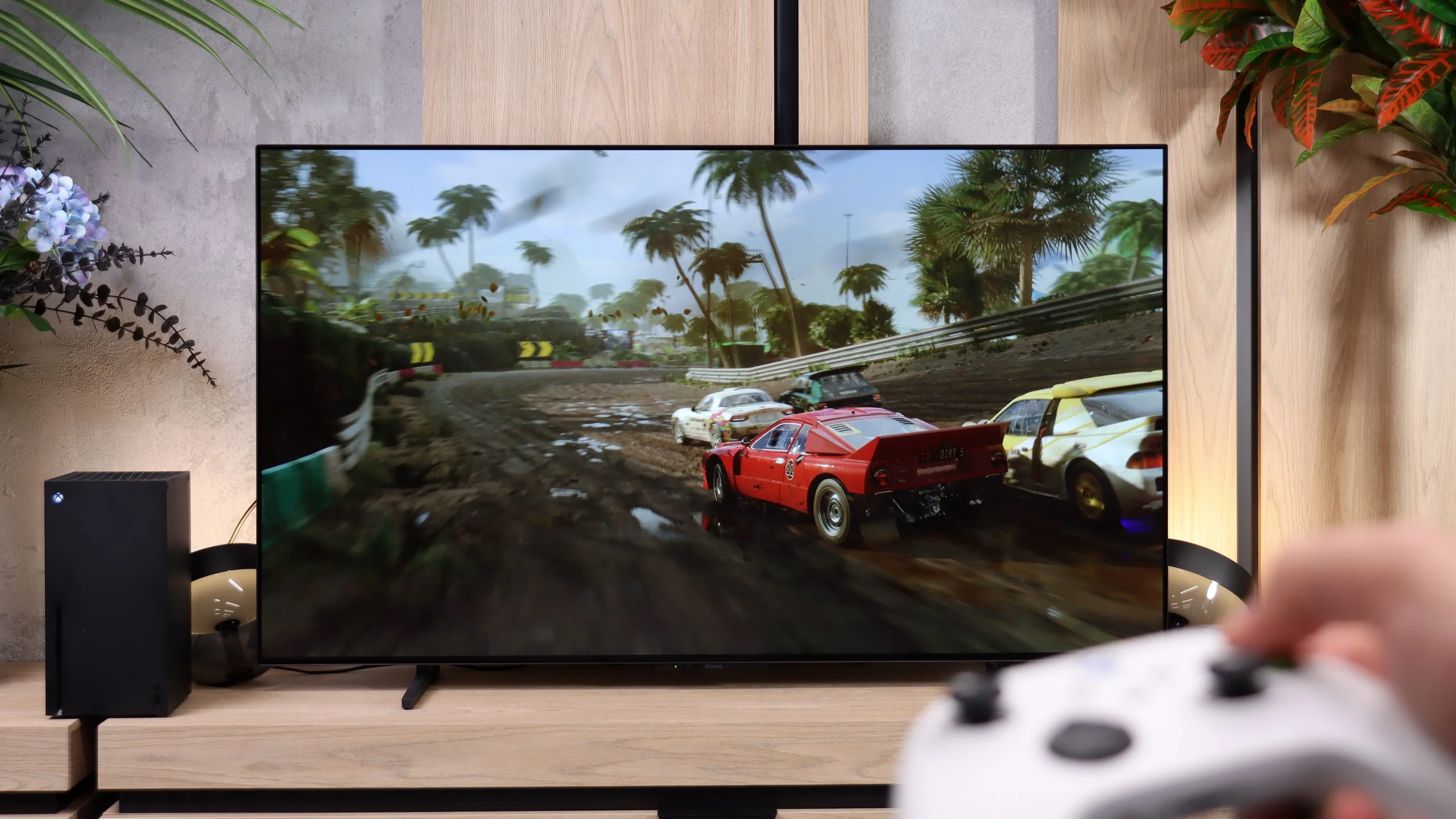
BRAVIA 6 can deliver a lot of viewing pleasure, especially in the evening when the advantages of the OLED panel are most visible. Deep blacks, good contrast and natural colors after calibration make it easy to appreciate its picture with the right material. It also performs well for console gaming: it provides smooth motion and responds quickly to controller input. It's also nice to see four full HDMI 2.1 ports, which Sony has finally included. Thanks to them, connecting multiple devices is less troublesome than even in some of the brand's pricier models. Solid build quality and an attractive design round out the package.
However, that's not enough to stand out among competing OLEDs. We usually paid more for Sony TVs for, among other things, better image processing, and with the BRAVIA 6 it's hard to see an advantage in that area. Lower-quality footage looks average, and in demanding HDR scenes detail is lost in bright parts of the picture. Dolby Vision helps a bit, but it doesn't change the overall impression: you get an image that can be pleasing, but it doesn't give a clear reason to choose Sony over another entry-level OLED.
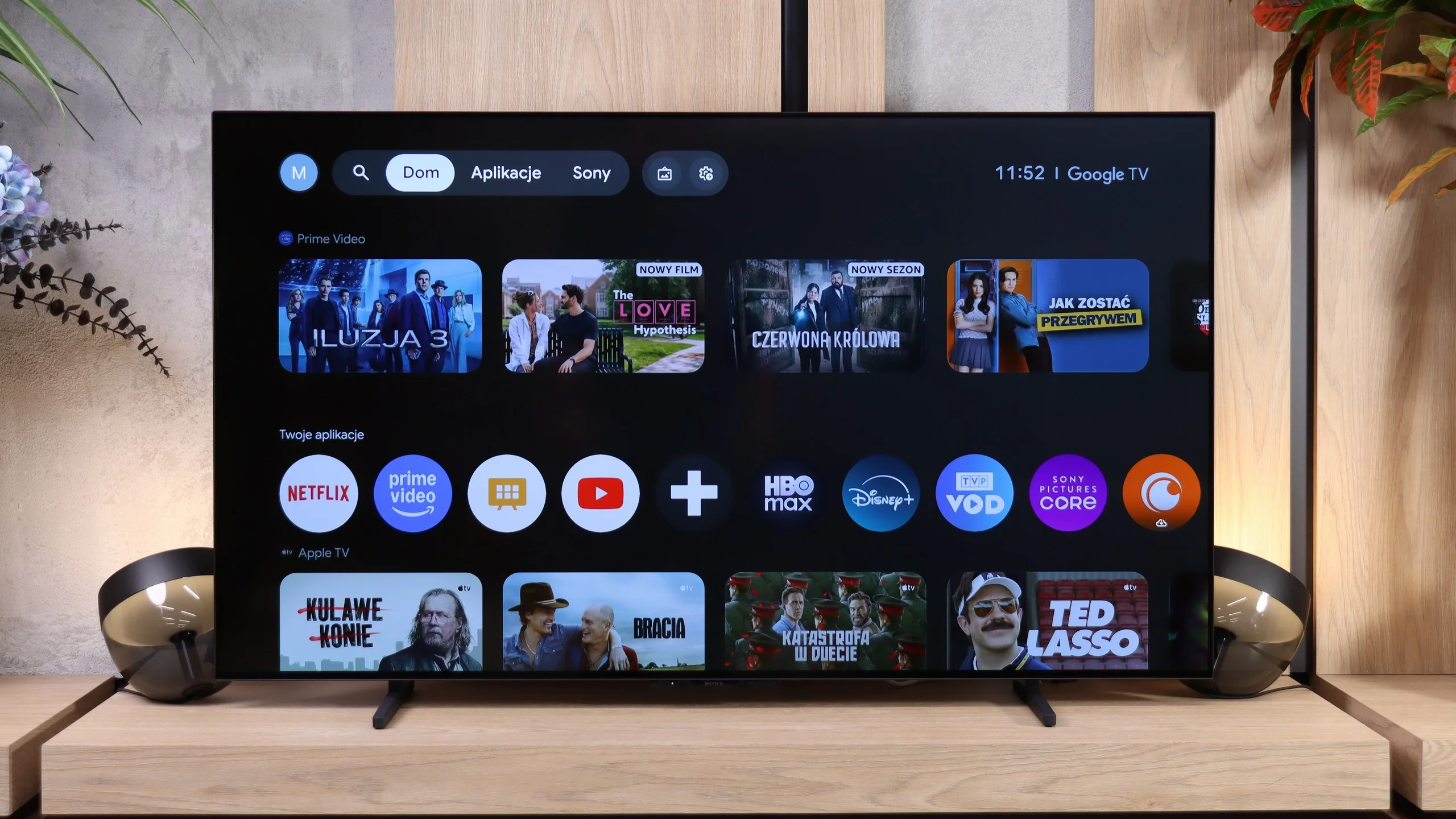
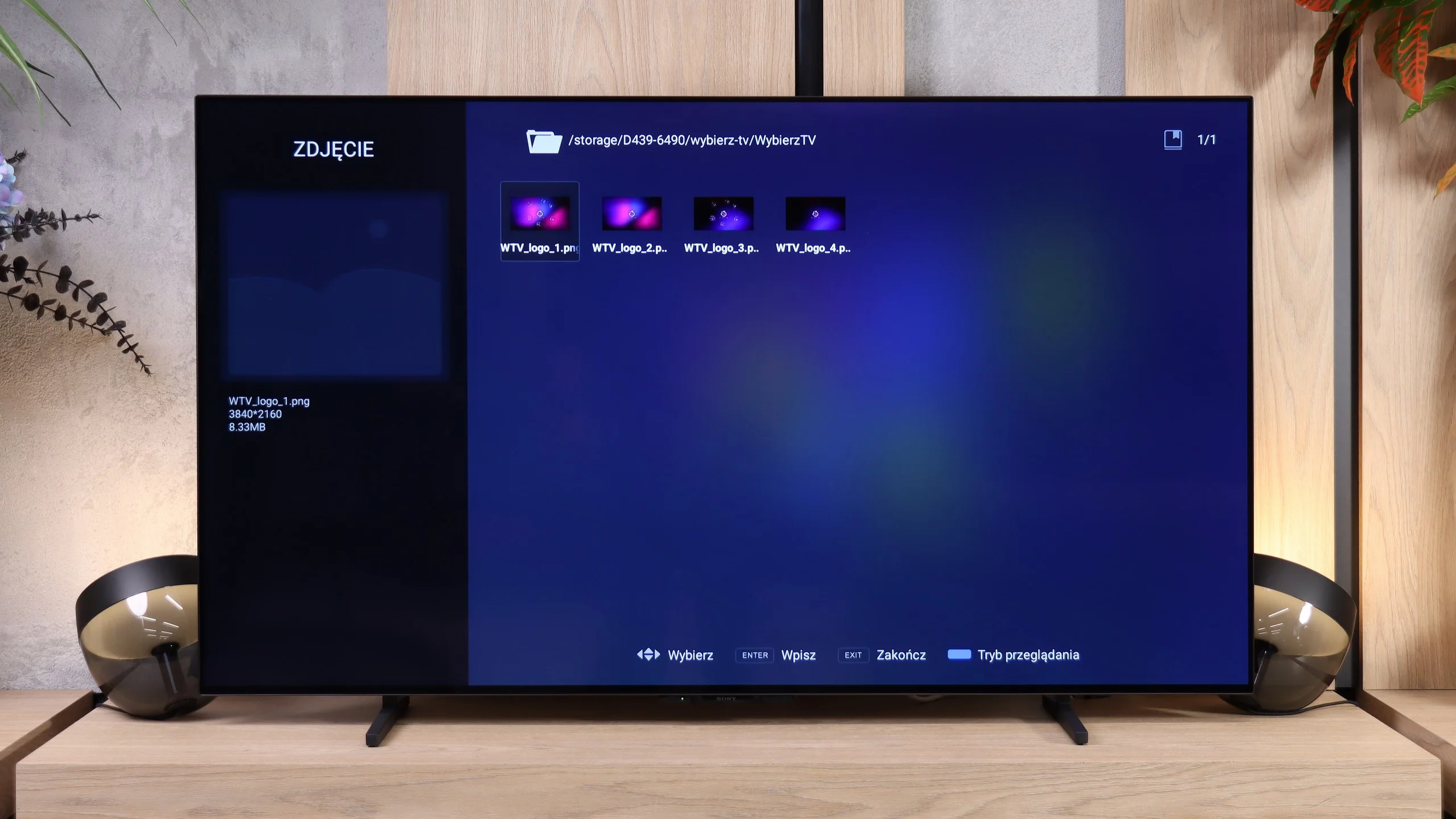
While the lack of such an advantage can be accepted at a sufficiently low price, it's much harder to turn a blind eye to problems with daily use. Google TV offers a wide selection of apps, but during our tests using the TV too often ended with the need to... unplug it. Even playing a movie from a USB drive could be problematic. It's at moments like these that we felt there was little... Sony in this BRAVIA. It lacks the polish that used to be one of the reasons to pay more for a Sony TV.
In the end the BRAVIA 6 leaves a big sense of disappointment. The OLED panel itself gives it a solid foundation, but the enjoyment of watching too often gives way to frustration with the operation. So in its current state it's hard for us to recommend it, even though it's among the cheapest OLEDs on the market. An attractive price can compensate for some image limitations, but it's hard to call that a sufficient argument when basic functions fail. Before we even start considering whether it's worth buying the BRAVIA 6, Sony needs to deliver the refinement we expect.
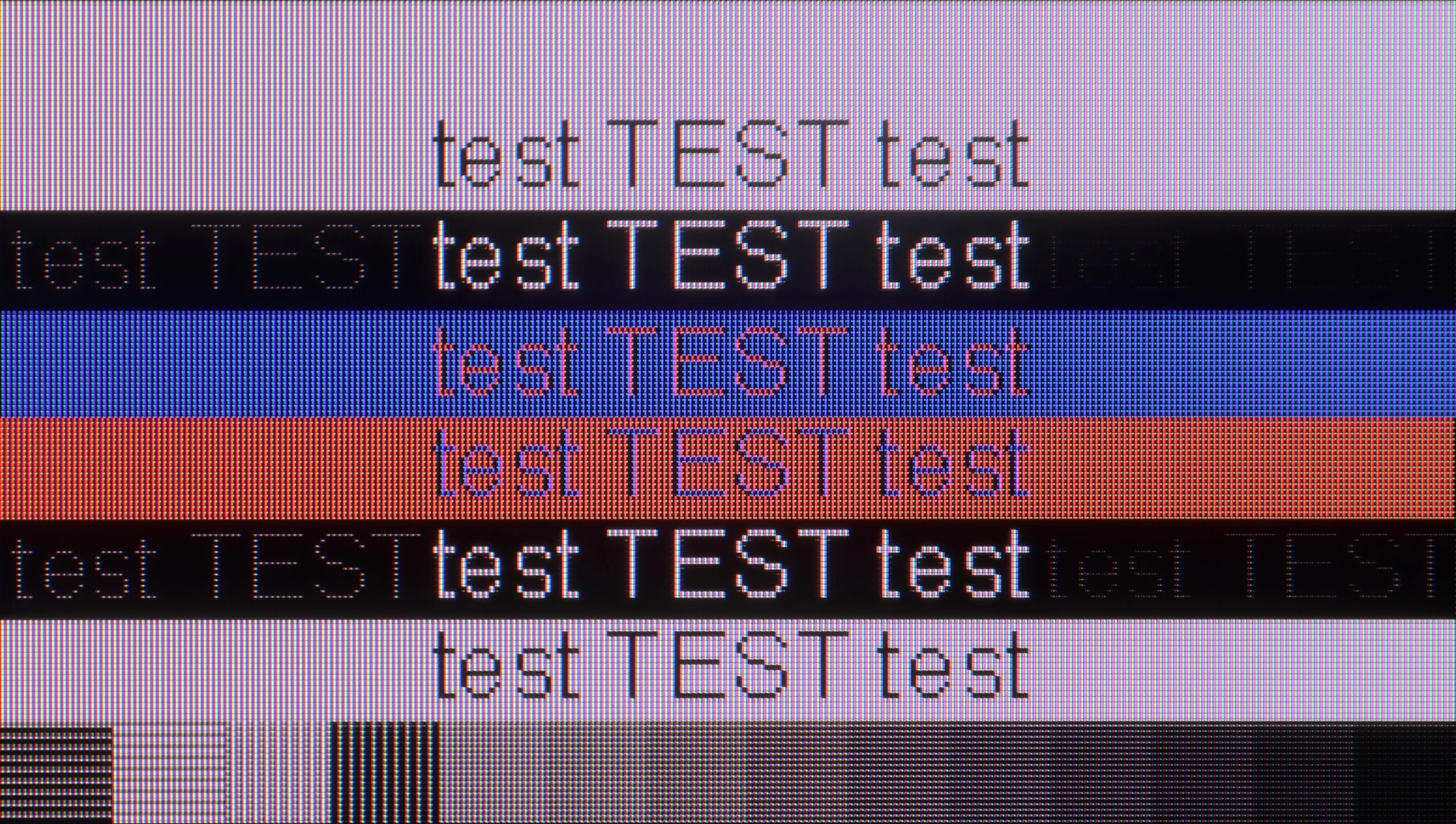
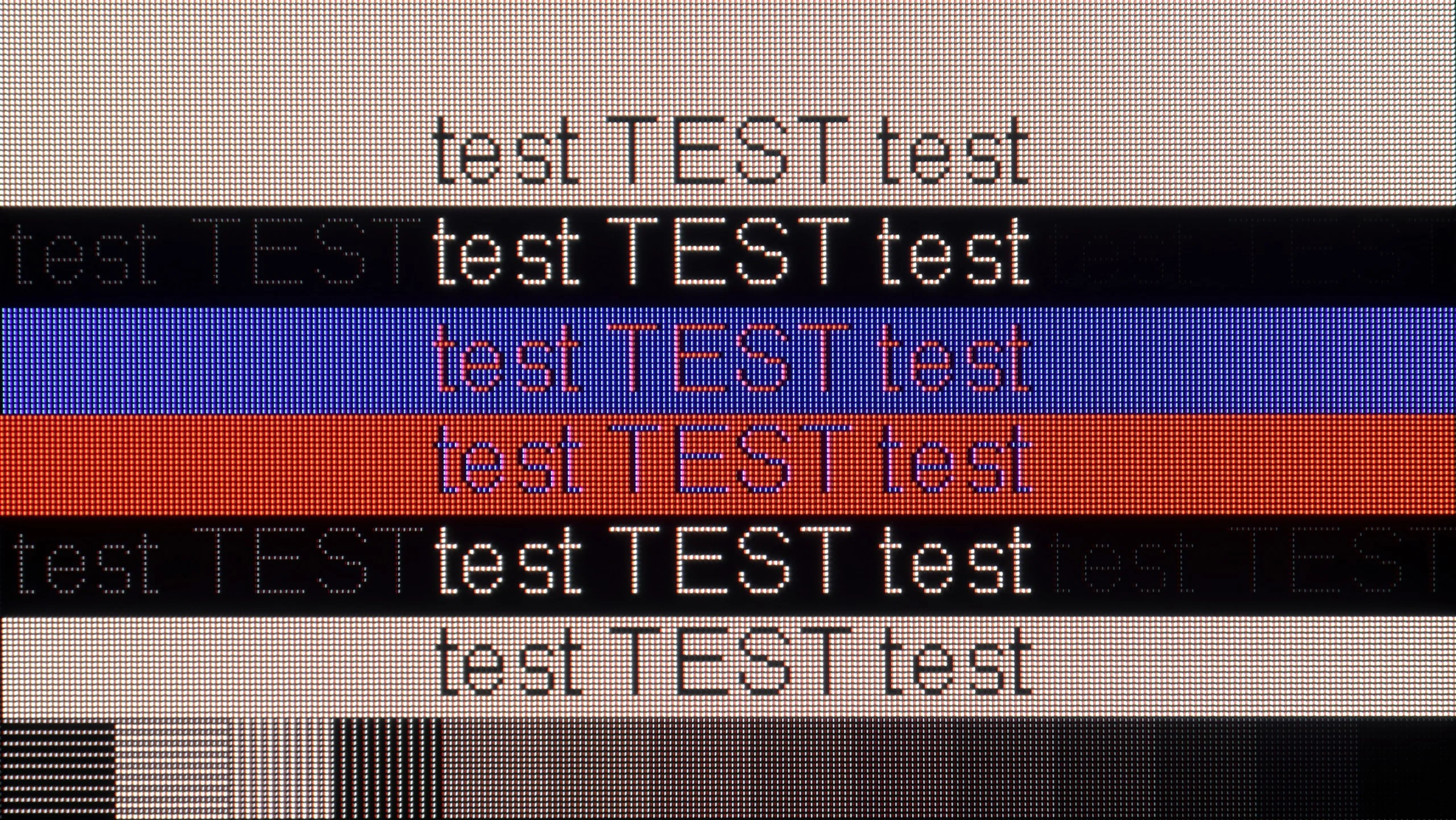
 Direct comparison