The TCL C855 is a standout television in the TV market, showcasing a versatile performance across various applications and excelling in its price range. With Mini LED backlighting, the TV achieves impressive contrast and black levels, resulting in deep, vivid images. Its algorithm effectively maintains black uniformity, minimizing blooming effects, a significant advantage for viewing HDR content.
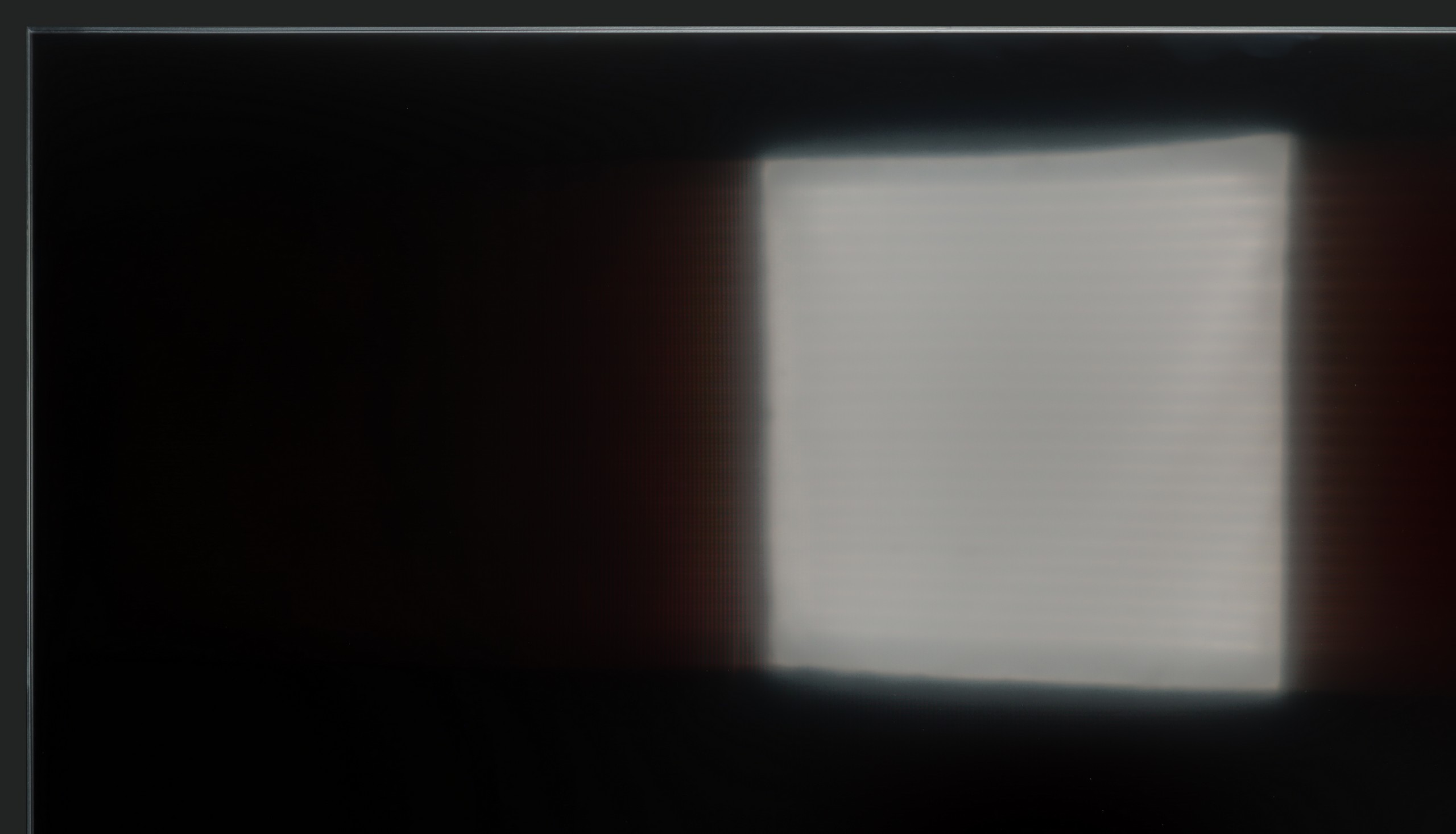
While the TCL C855 can reach brightness levels of up to 1800 nits, which is commendable, it is worth noting that brightness can significantly drop to around 200 nits when bright but small elements appear on-screen. Additionally, the mid-tone boost can compromise contrast and reduce fidelity to the director's original vision.
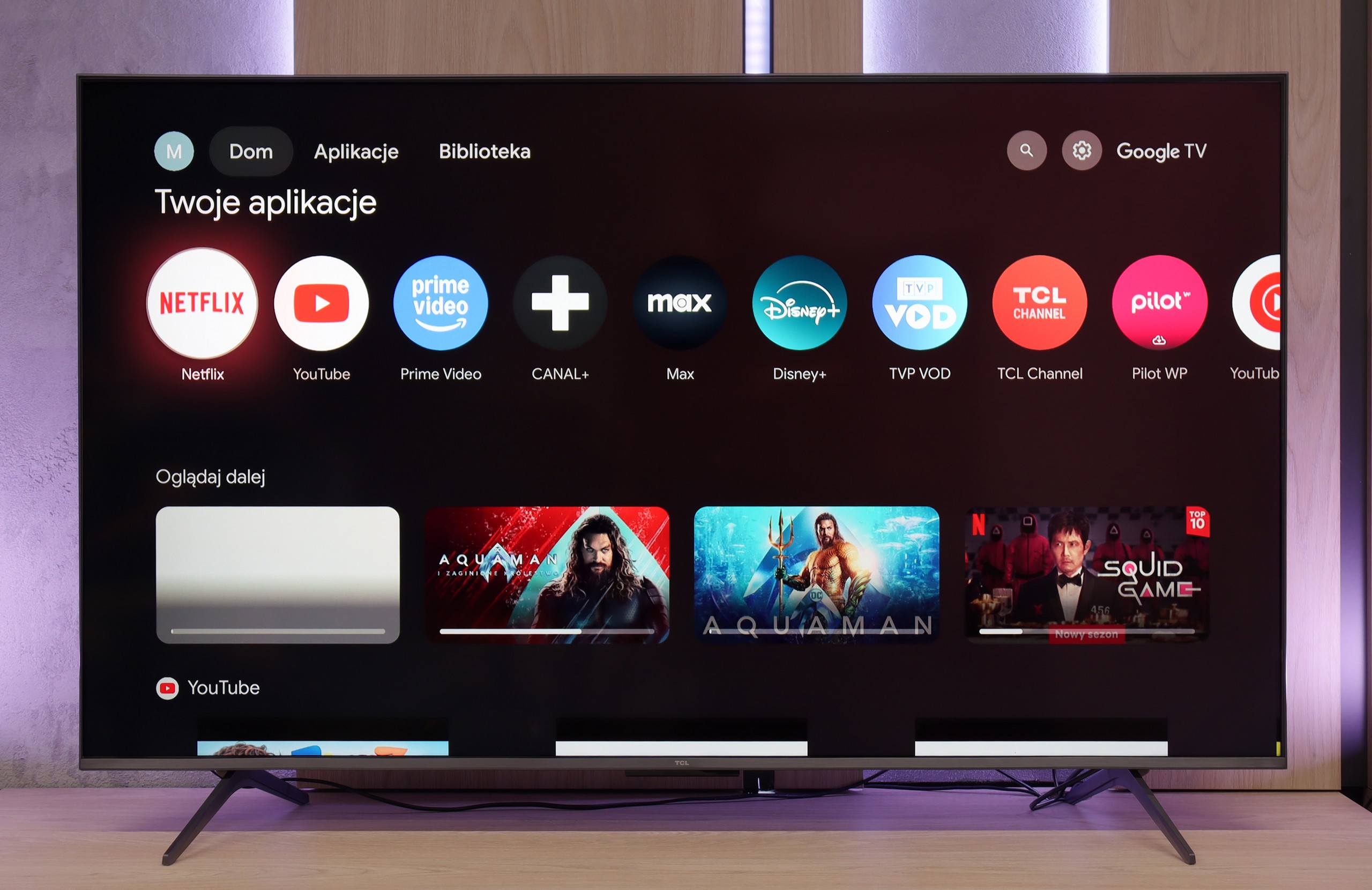
For gamers, the TCL C855 shines brightly, offering extremely low latency and high-quality performance thanks to its full implementation of HDMI 2.1 features. The inclusion of the Google TV operating system adds to its appeal, providing nearly limitless options for application installation, including support for APK files from outside the official store.
The TCL C855 is an excellent choice for those seeking a reliable and versatile television. While it may have some drawbacks, its overall image quality, gaming performance, and advanced operating system make it a strong contender in the market.
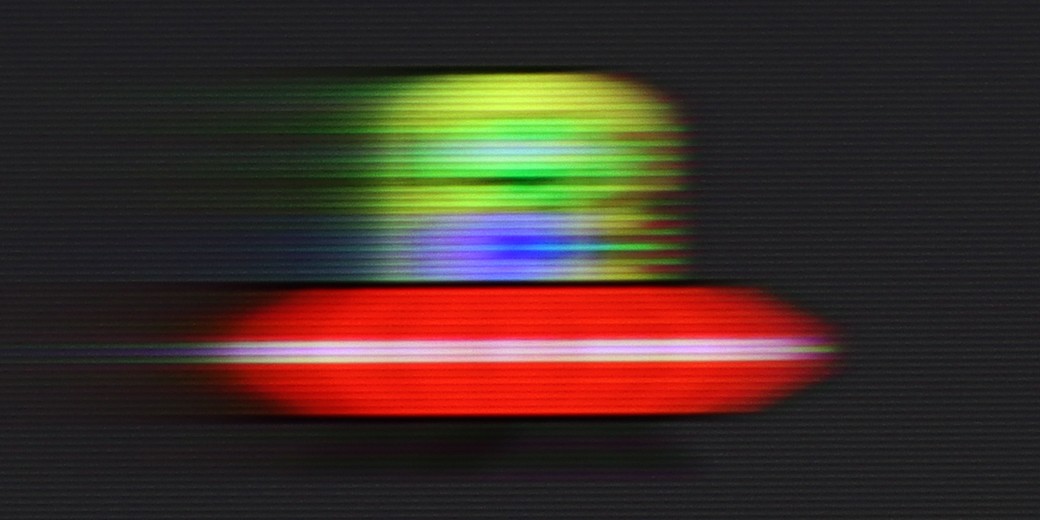
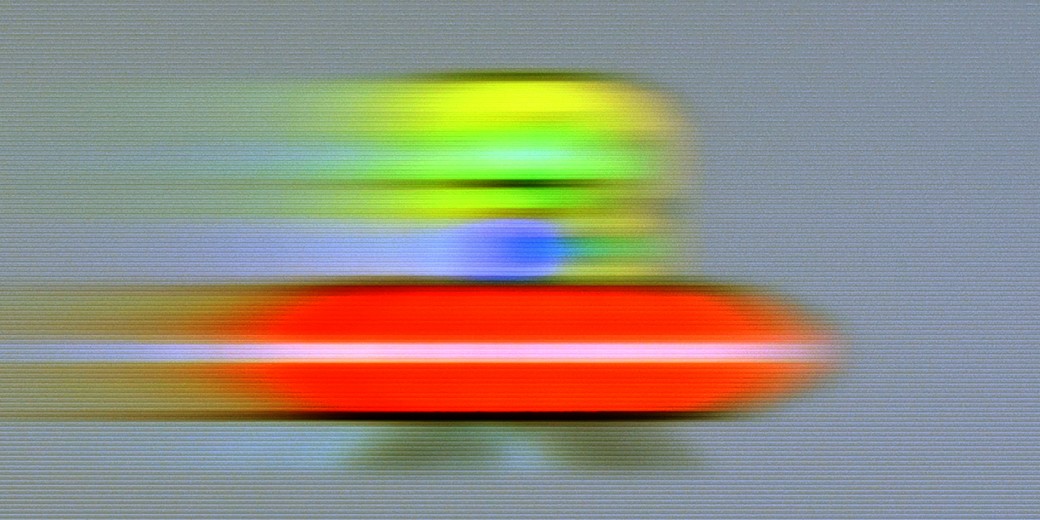
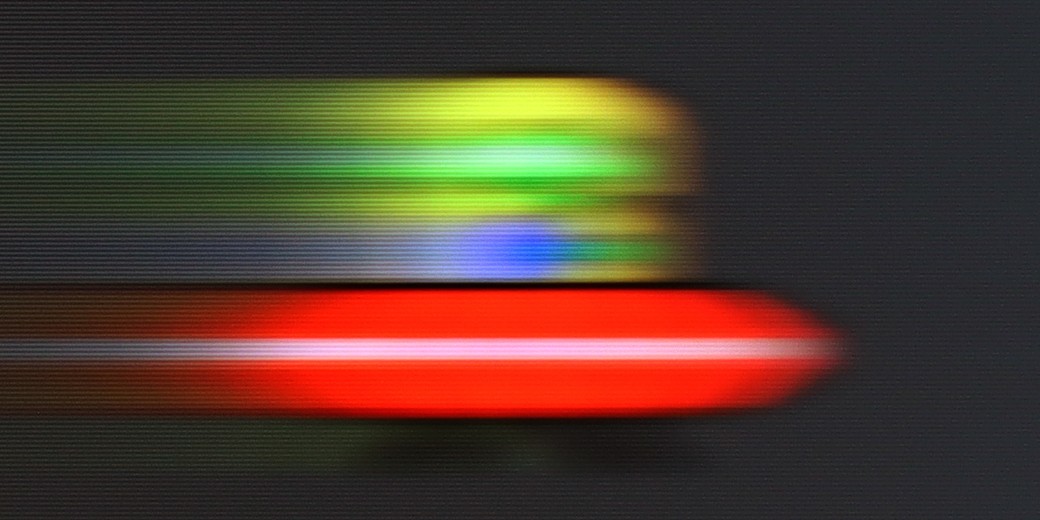
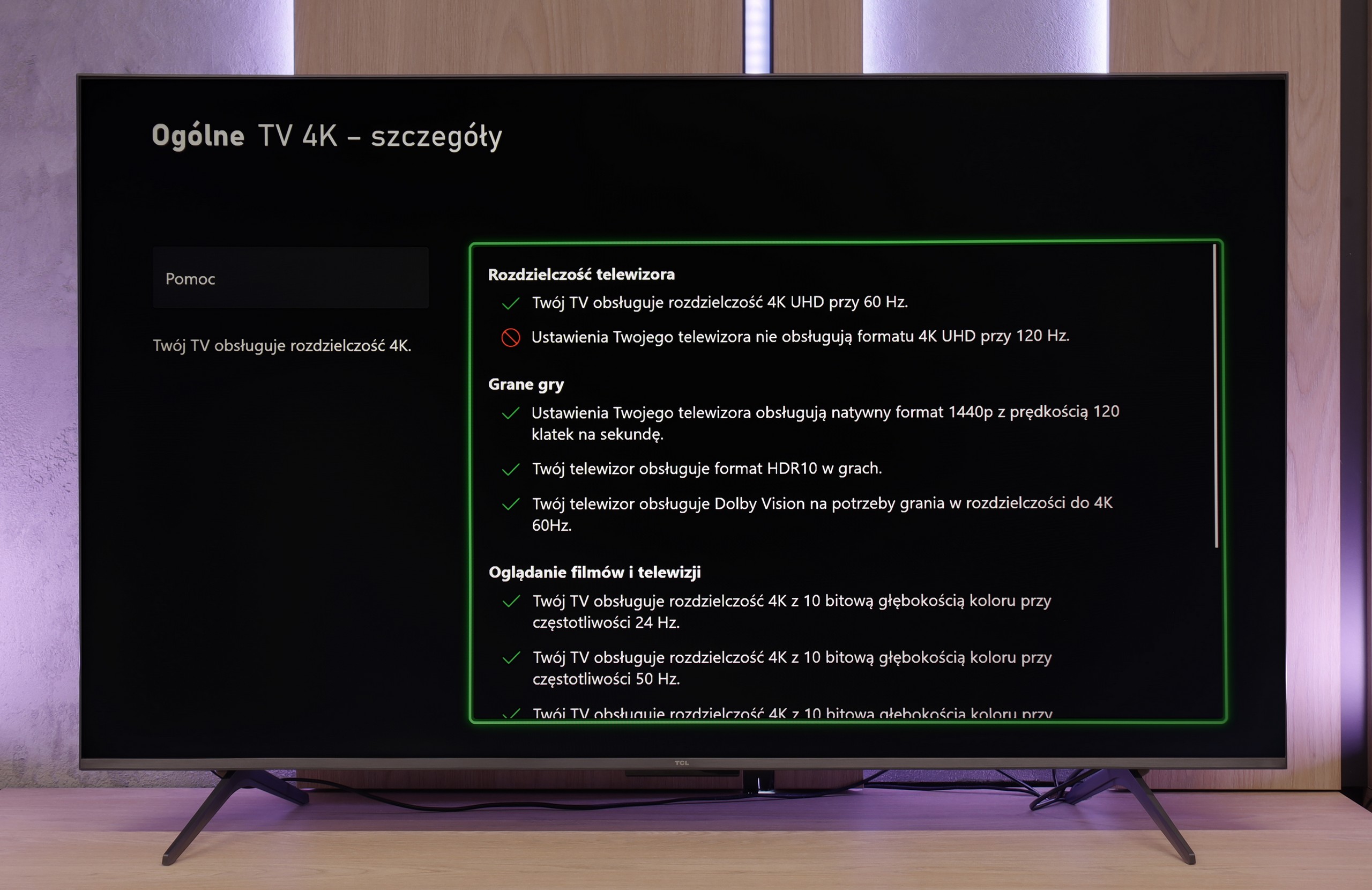
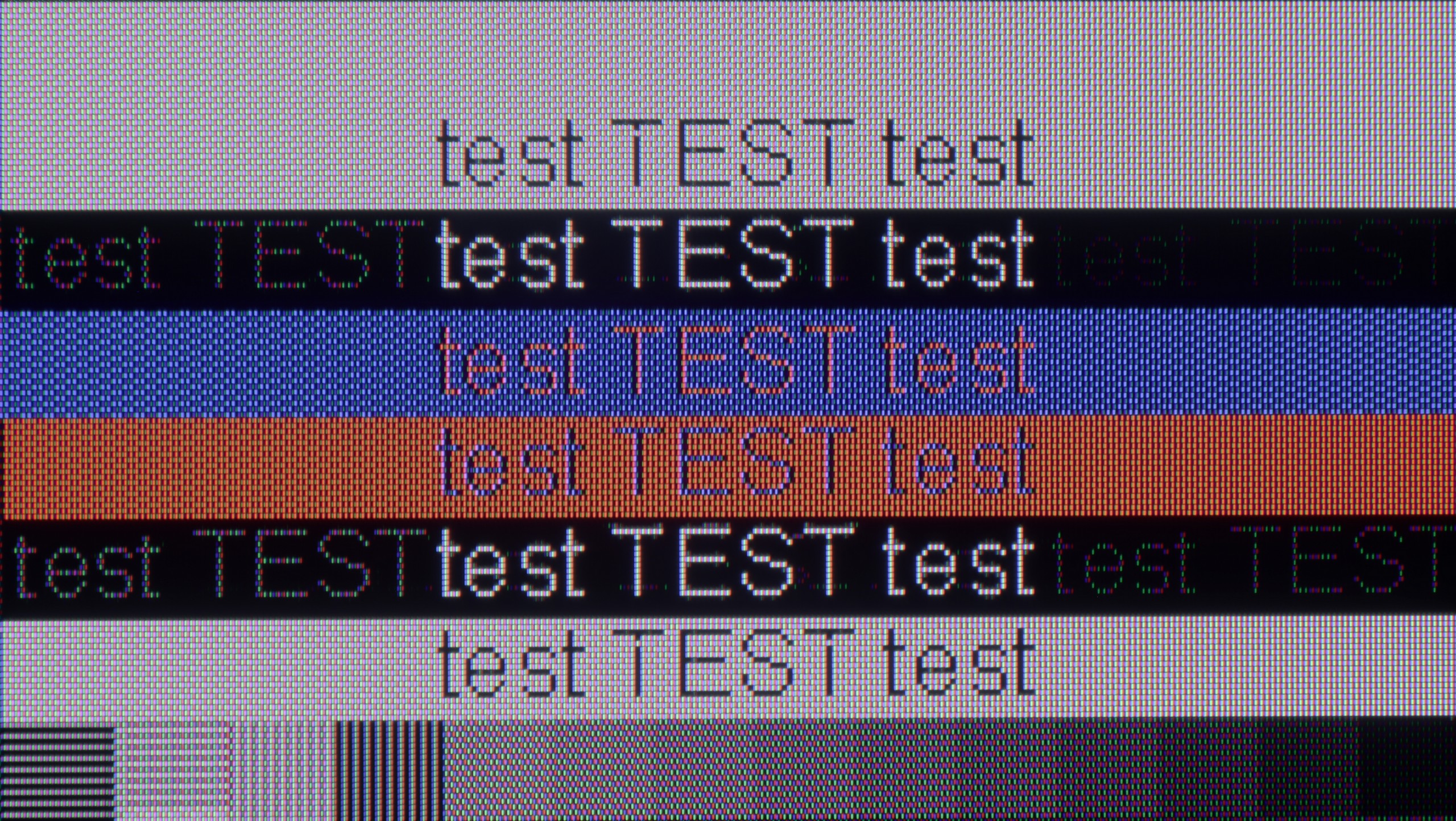
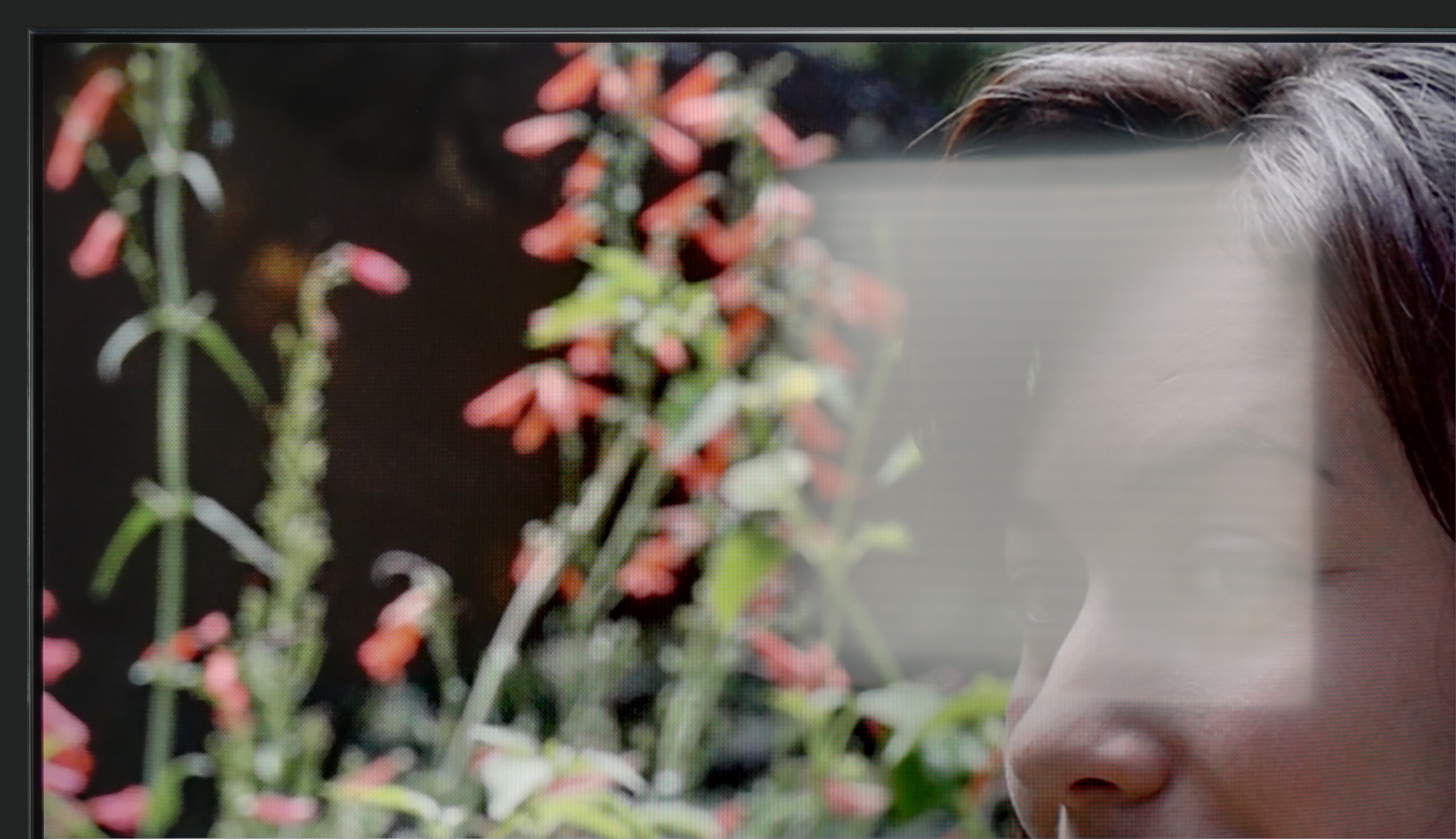
TCL C6KS (also known as C69KS and Q6CS) is a television that on paper promised to be a hit in the "value for money" category. And indeed, in many ways it's a successful piece of equipment: thanks to Mini-LED backlighting, we get good black levels and brightness that rivals more expensive models. In fact, it's identical to the slightly more expensive C6K model, which we've already tested for you. Additionally, it features the same excellent Google TV system and surprisingly rich gaming features, making it enjoyable to play even with a 60 Hz panel. Unfortunately, the positive impression is marred by the performance of the panel used. The television suffers from noticeable motion blur, and aggressive dithering (digital grain) makes the image often appear unnatural and artificial—as if it were being forced to be sharper. Ultimately, the biggest problem with the C6KS isn’t its flaws, but rather its sibling, the C6K. At its current price, this model finds itself in a strange "middle ground." It costs almost the same (or just slightly less) as the full-fledged TCL C6K, which offers a significantly better 120 Hz panel and is simply a complete design without those annoying flaws. The C6KS is a compromise model that will only become attractive under one condition—if its price drops drastically. For now, opting for the (often symbolic) additional cost to the C6K model remains a much safer and better choice. One could mischievously state that the letter "S" in the name actually stands for "Slim." It's just that it's not about an exceptionally slim case, but about how much this model has been "slimmed down" in terms of capabilities compared to the full-fledged C6K.
 Direct comparison