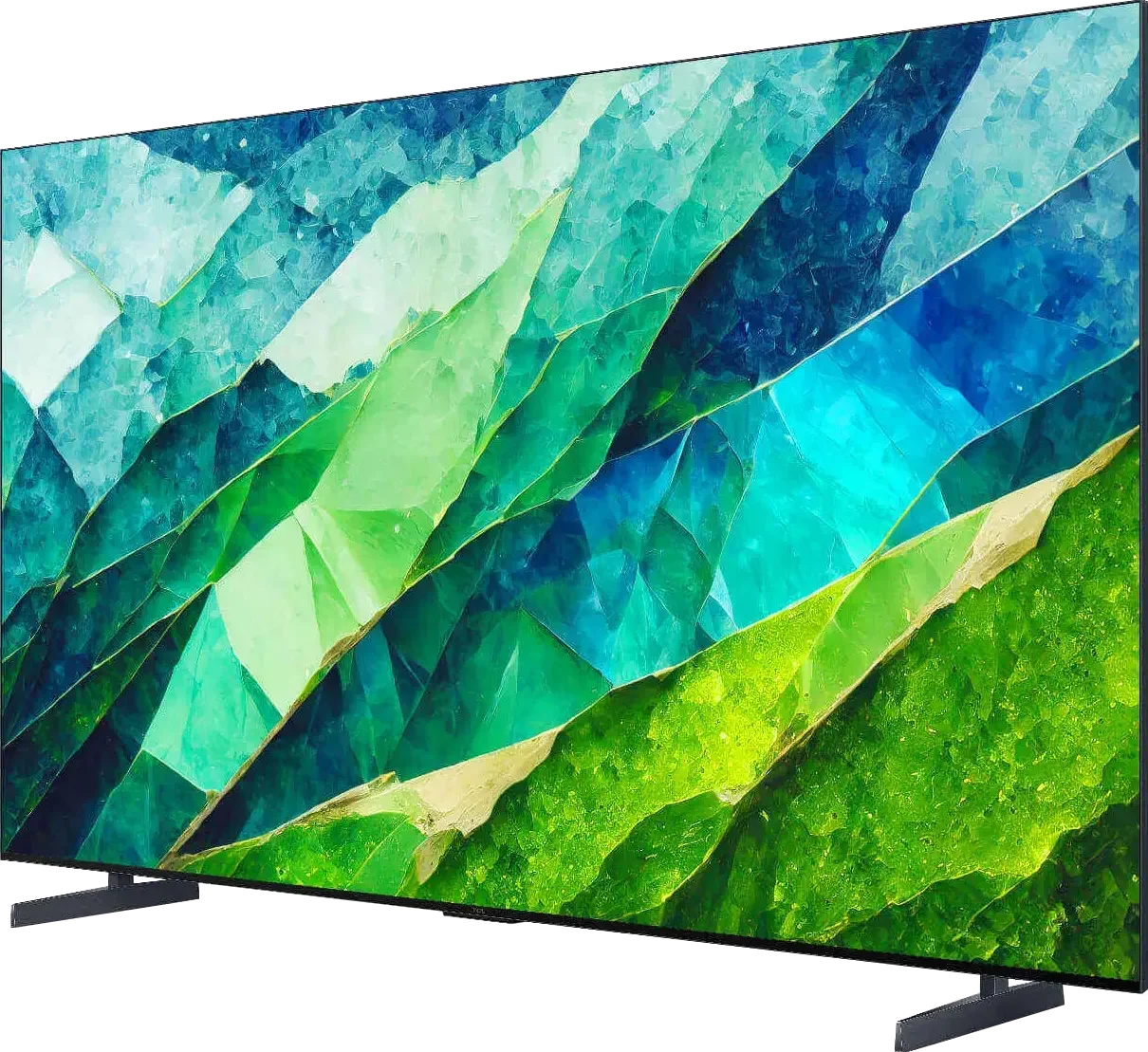
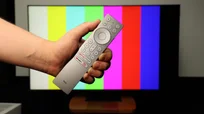
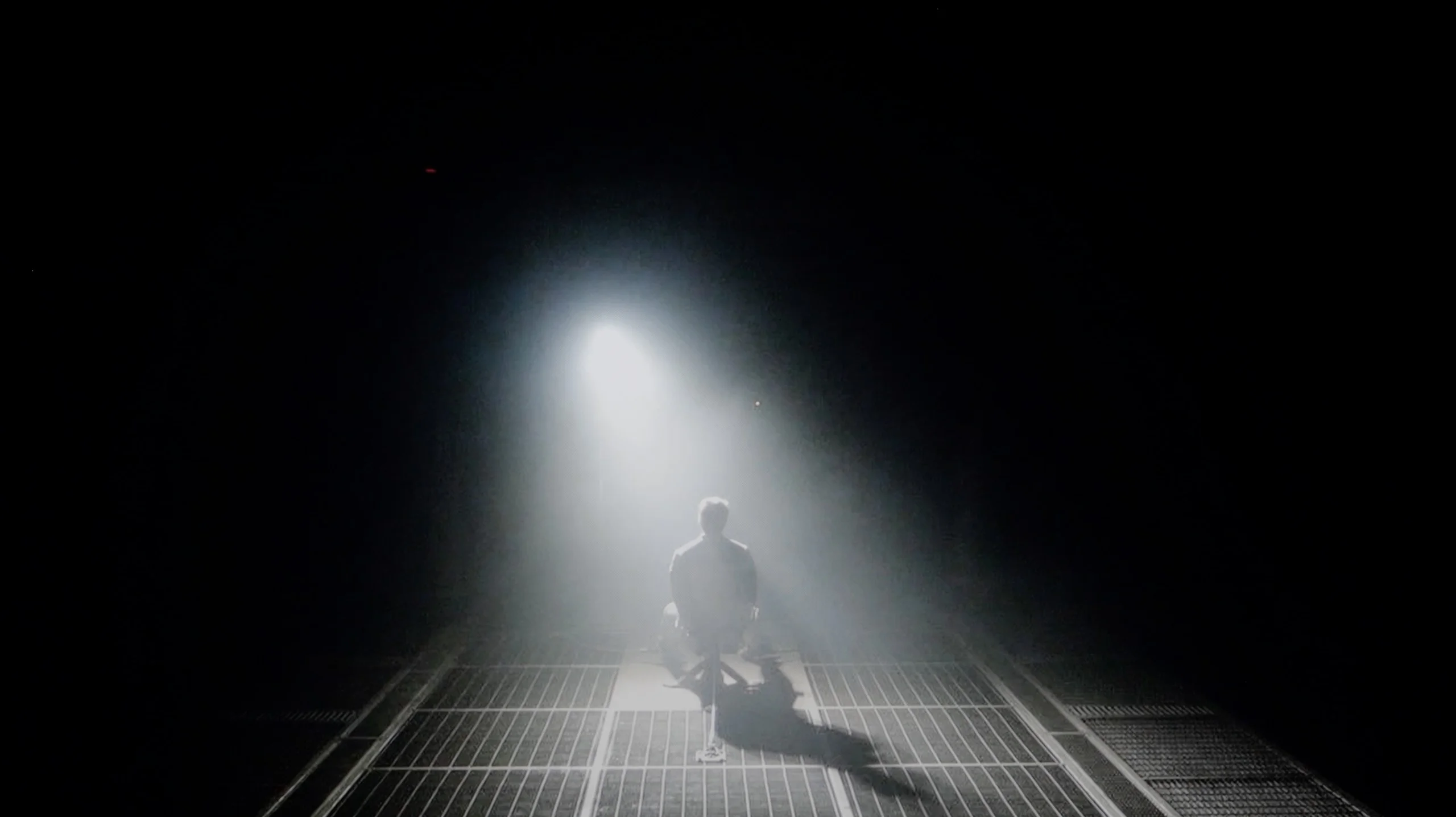
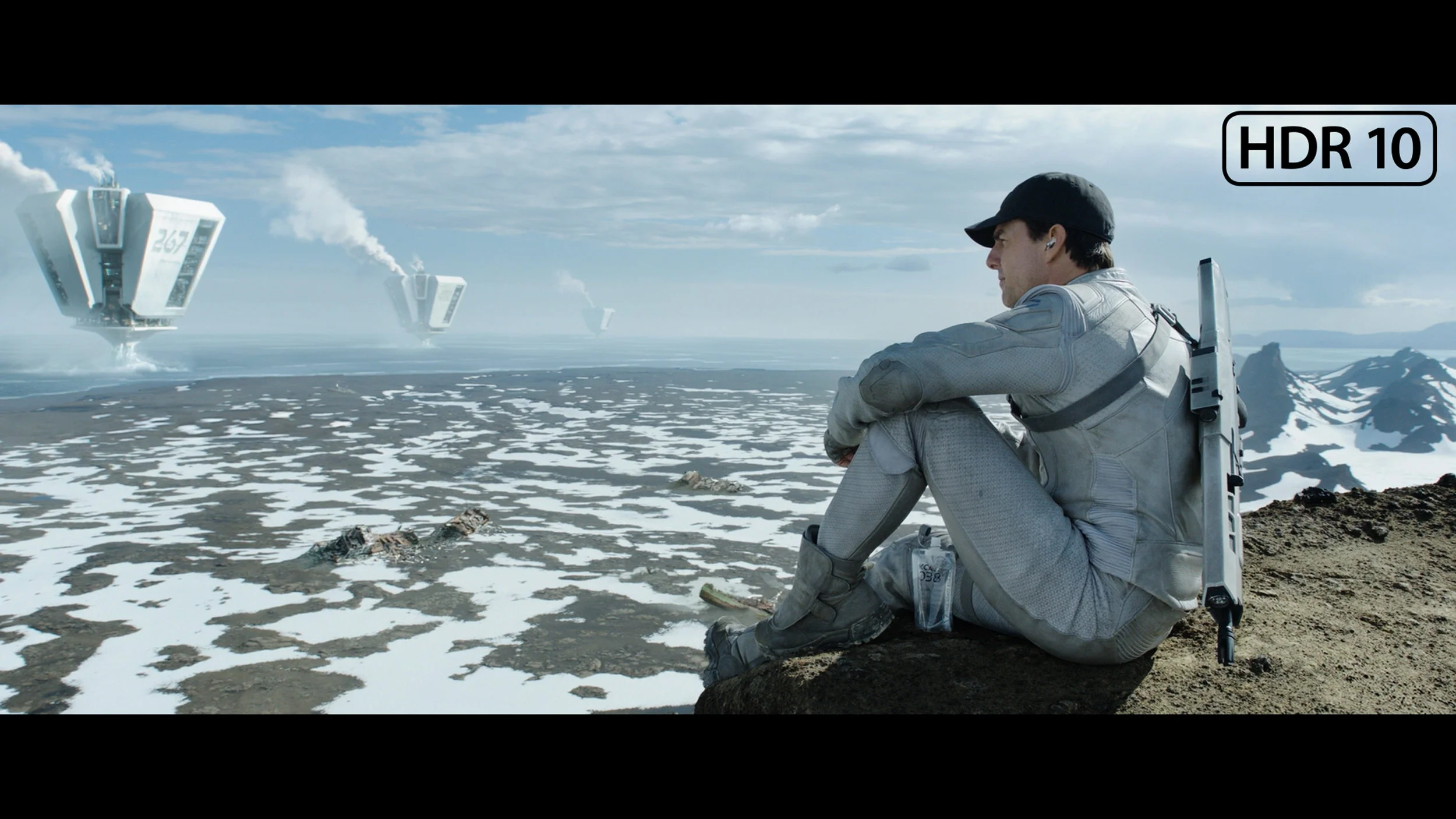
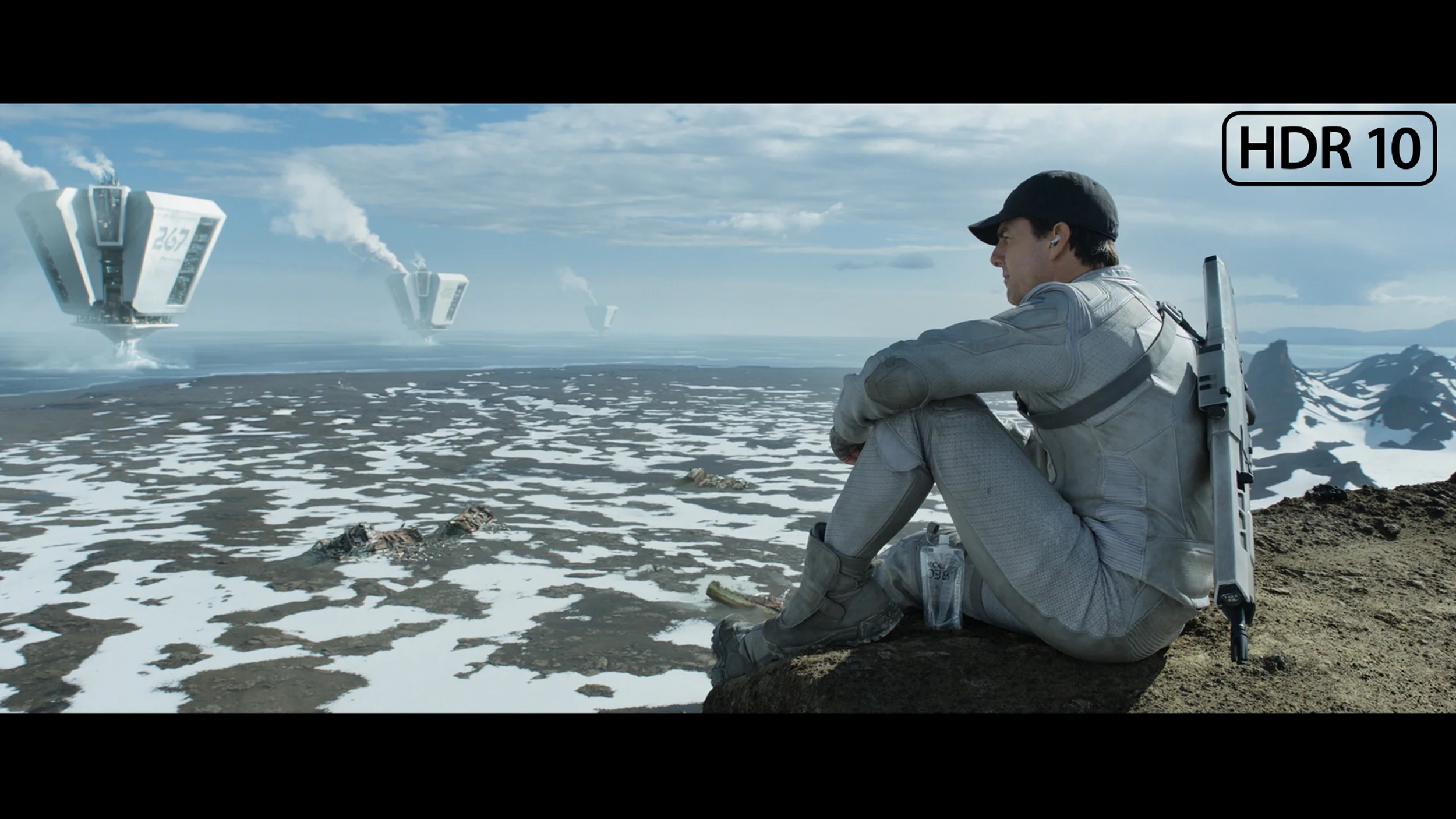
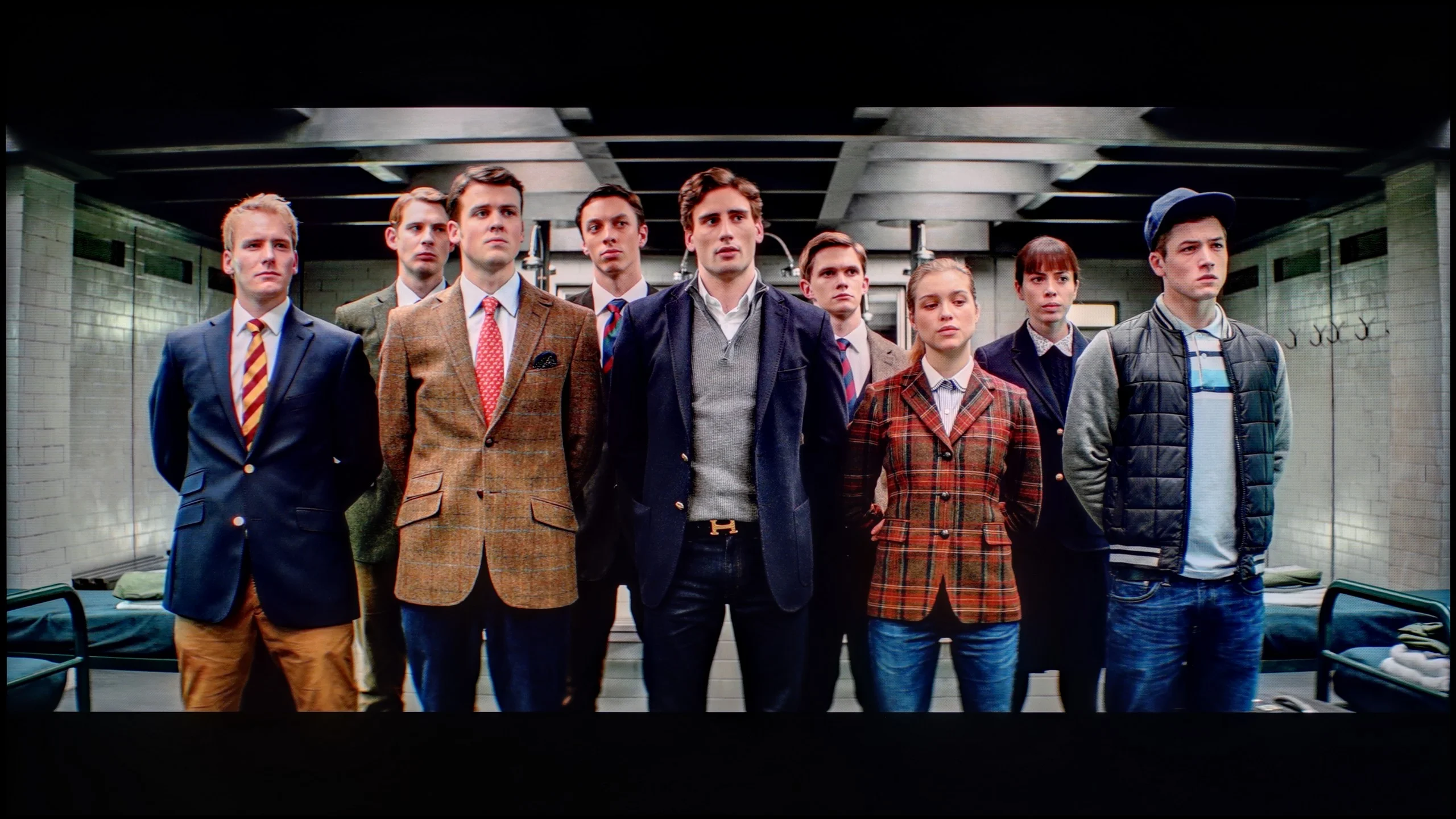
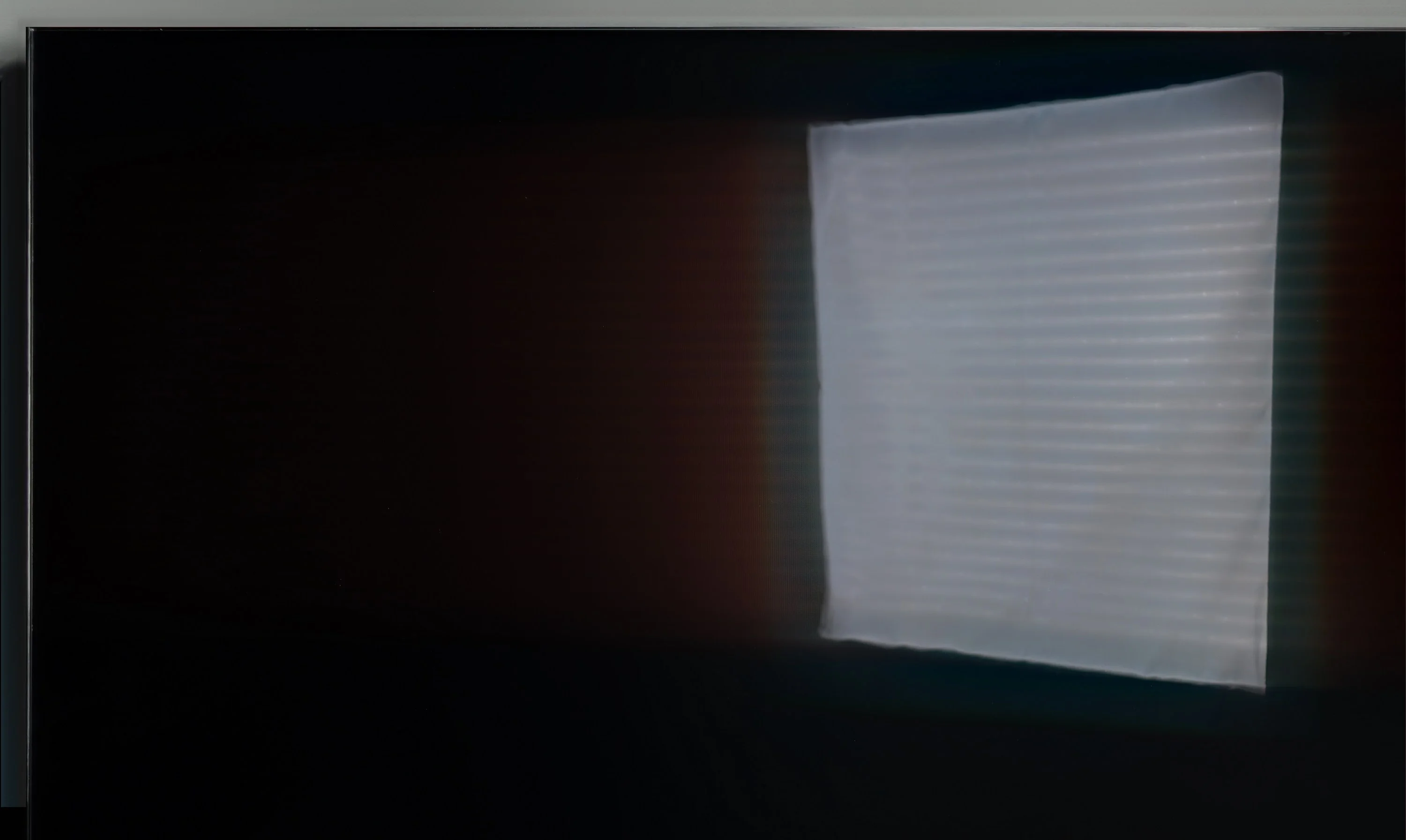
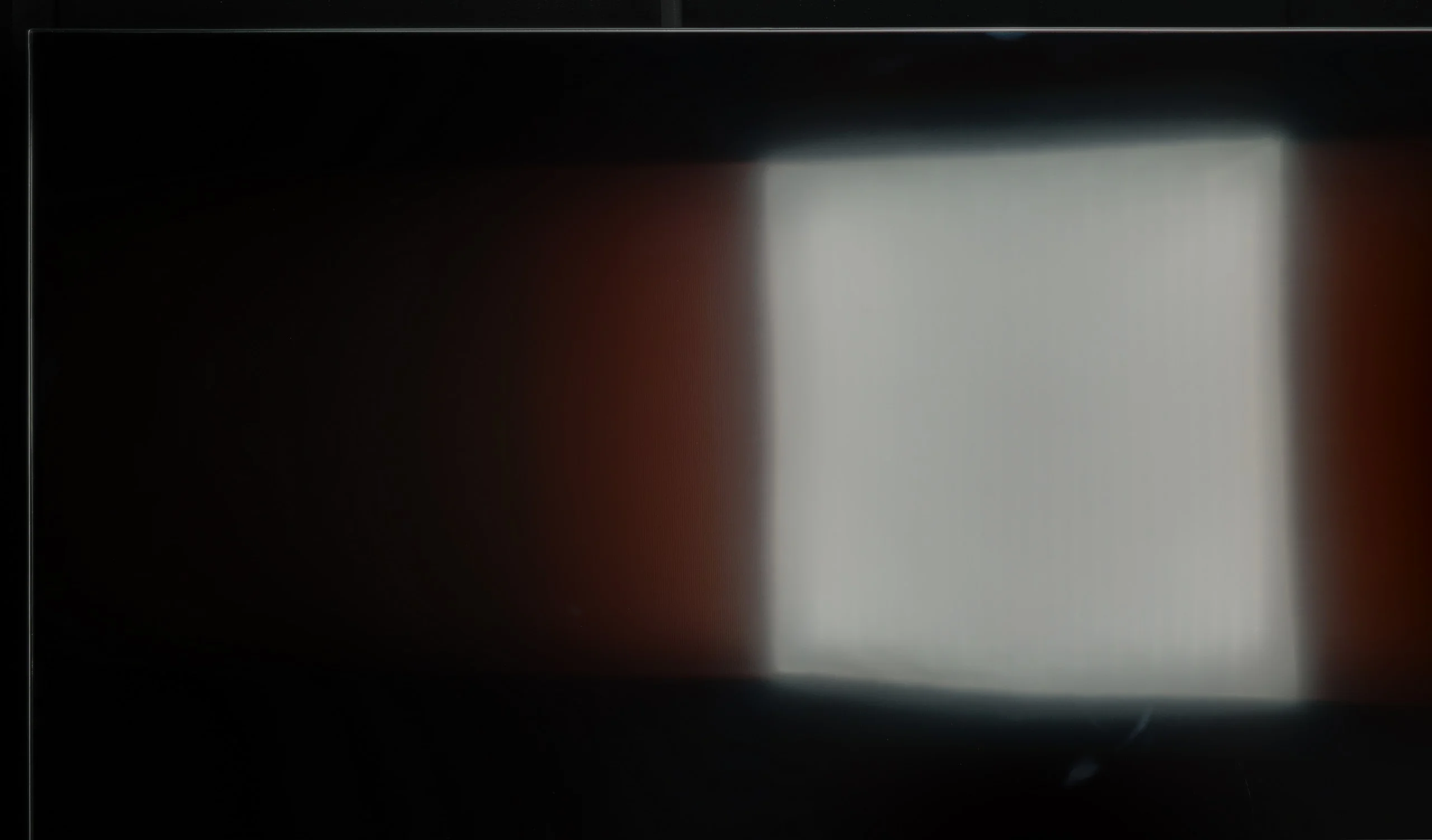
The TCL C855 is a standout television in the TV market, showcasing a versatile performance across various applications and excelling in its price range. With Mini LED backlighting, the TV achieves impressive contrast and black levels, resulting in deep, vivid images. Its algorithm effectively maintains black uniformity, minimizing blooming effects, a significant advantage for viewing HDR content.
While the TCL C855 can reach brightness levels of up to 1800 nits, which is commendable, it is worth noting that brightness can significantly drop to around 200 nits when bright but small elements appear on-screen. Additionally, the mid-tone boost can compromise contrast and reduce fidelity to the director's original vision.
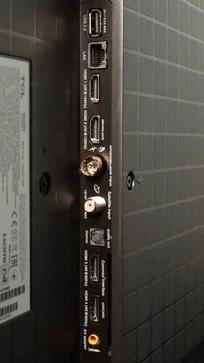
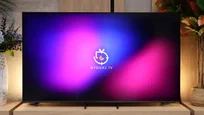
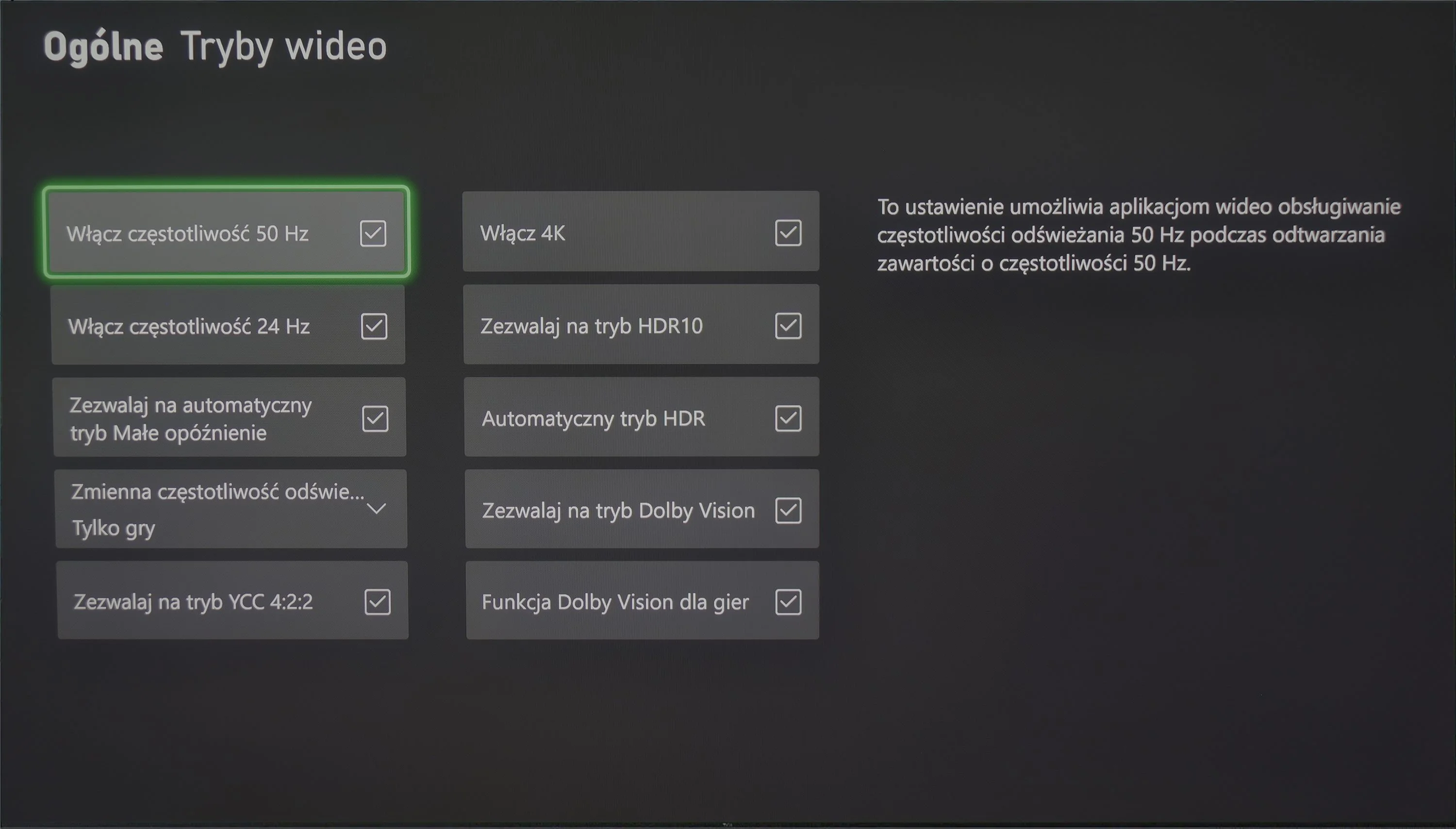
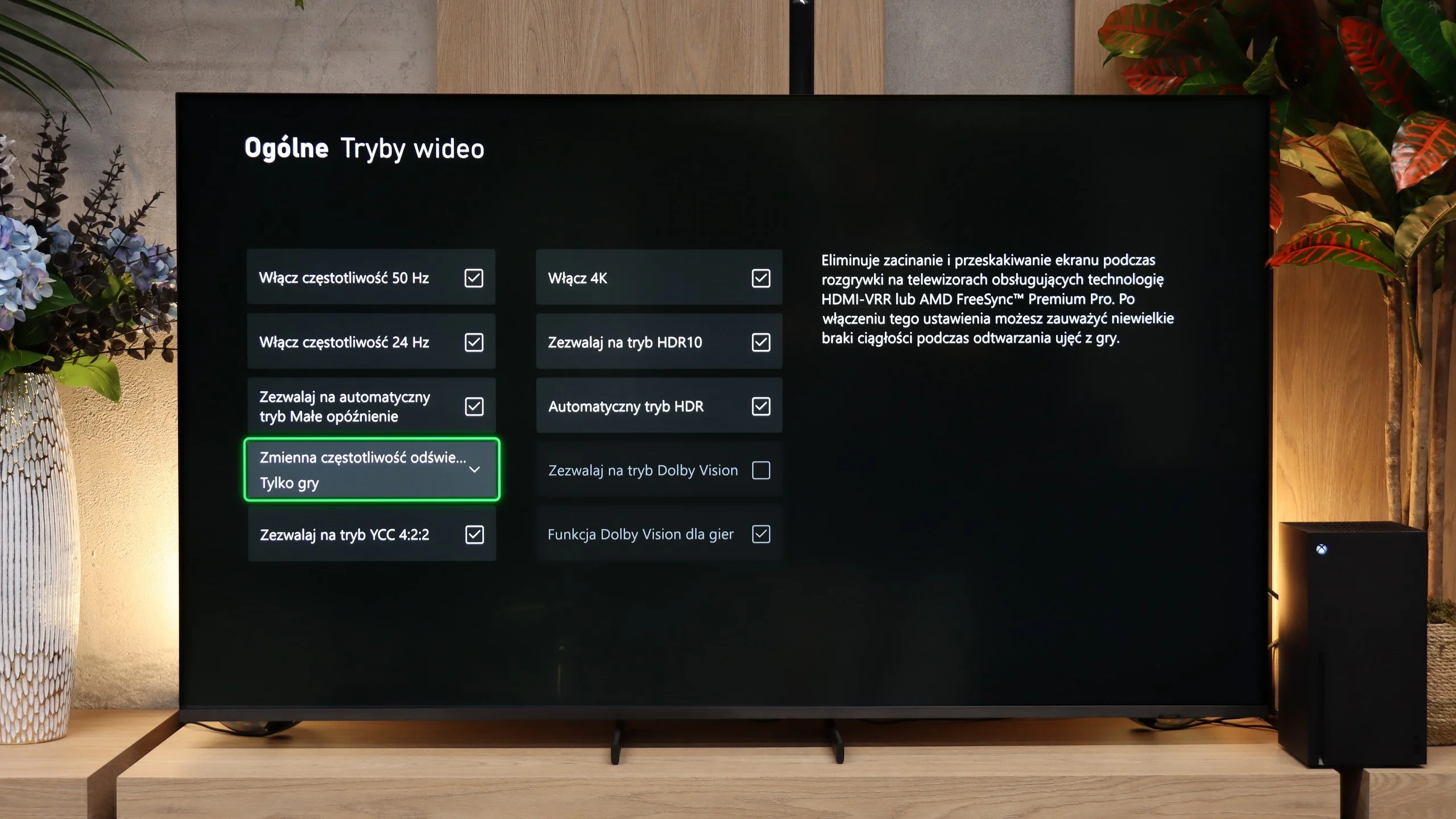
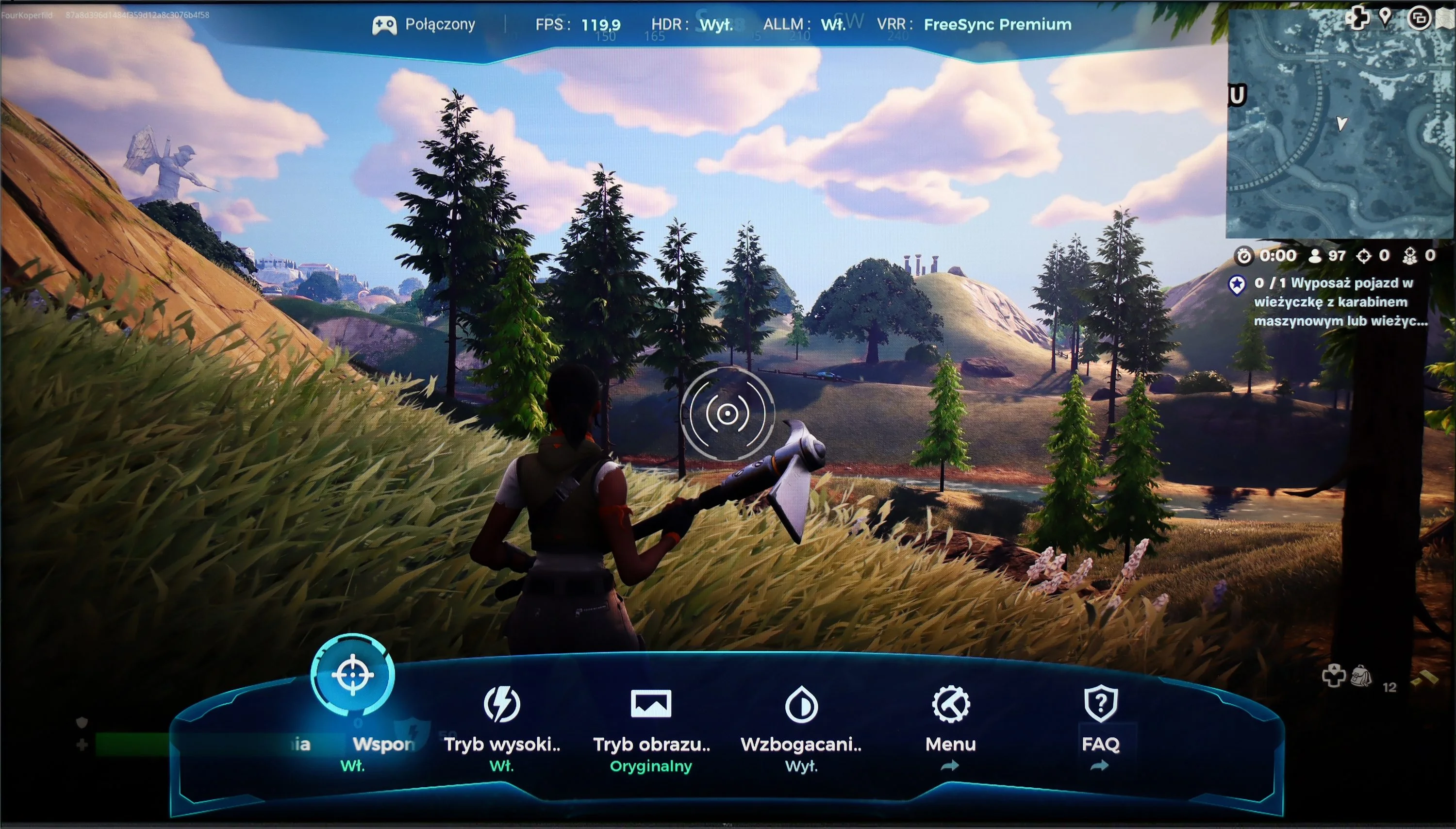
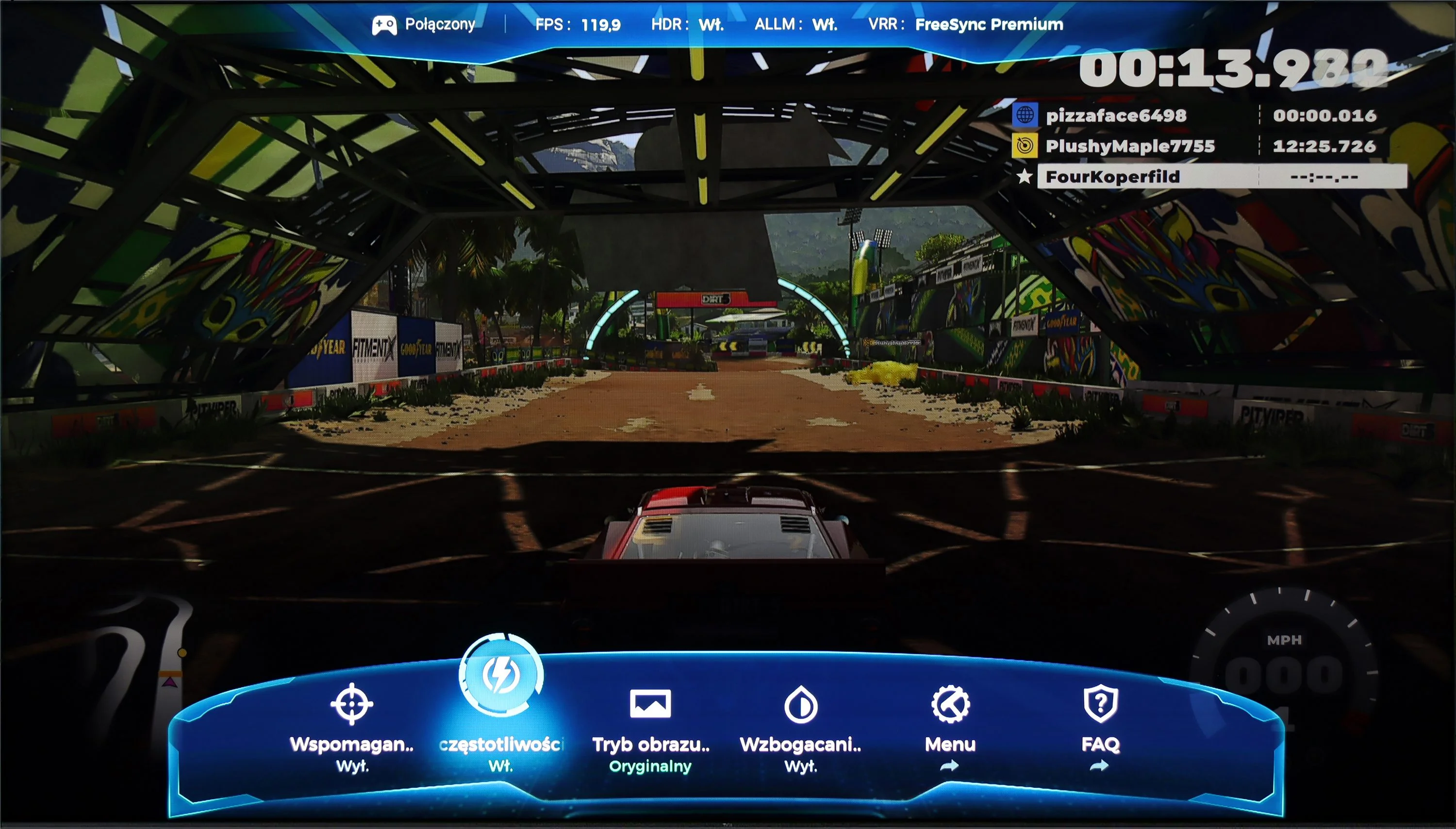
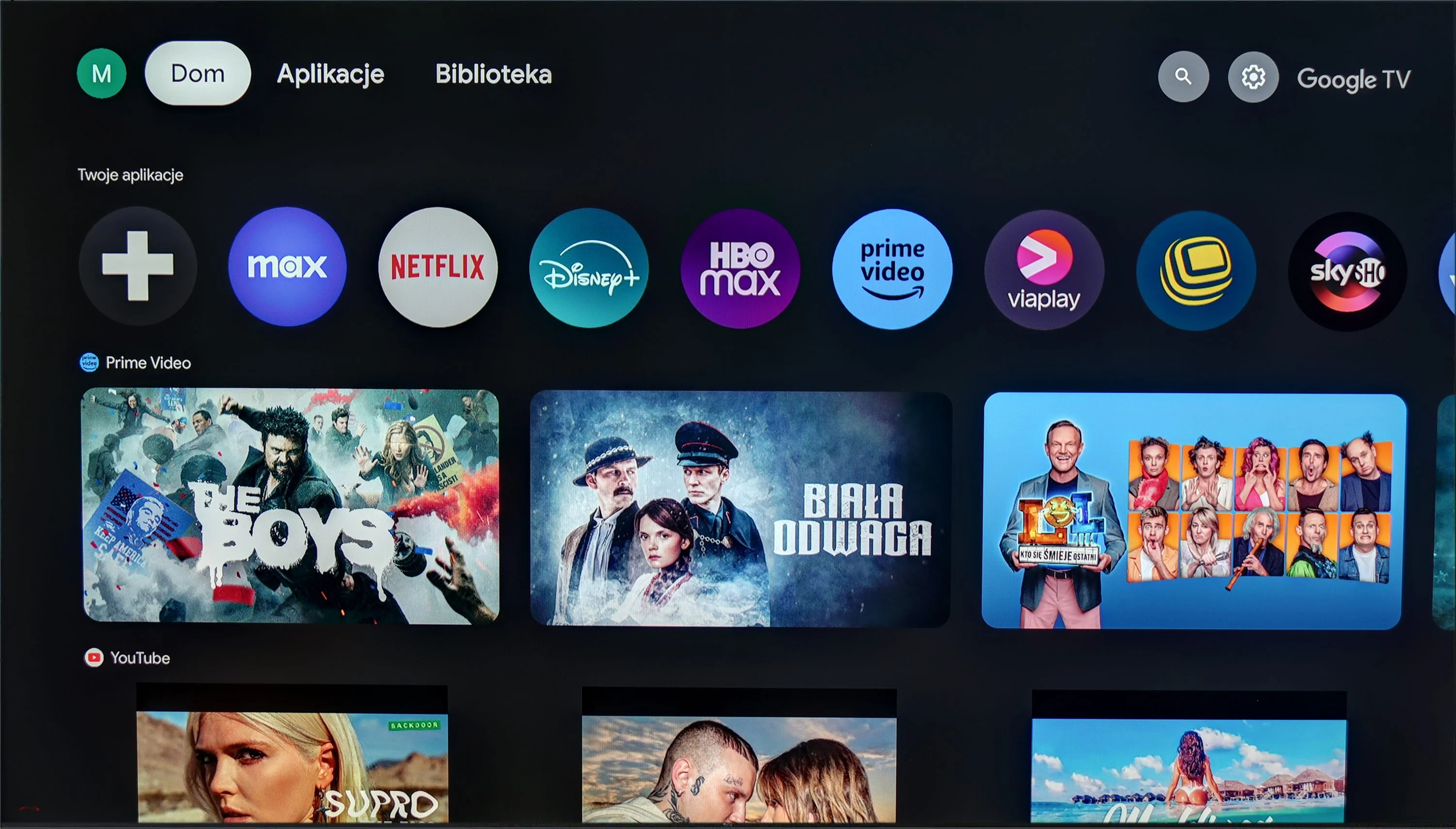
For gamers, the TCL C855 shines brightly, offering extremely low latency and high-quality performance thanks to its full implementation of HDMI 2.1 features. The inclusion of the Google TV operating system adds to its appeal, providing nearly limitless options for application installation, including support for APK files from outside the official store.
The TCL C855 is an excellent choice for those seeking a reliable and versatile television. While it may have some drawbacks, its overall image quality, gaming performance, and advanced operating system make it a strong contender in the market.
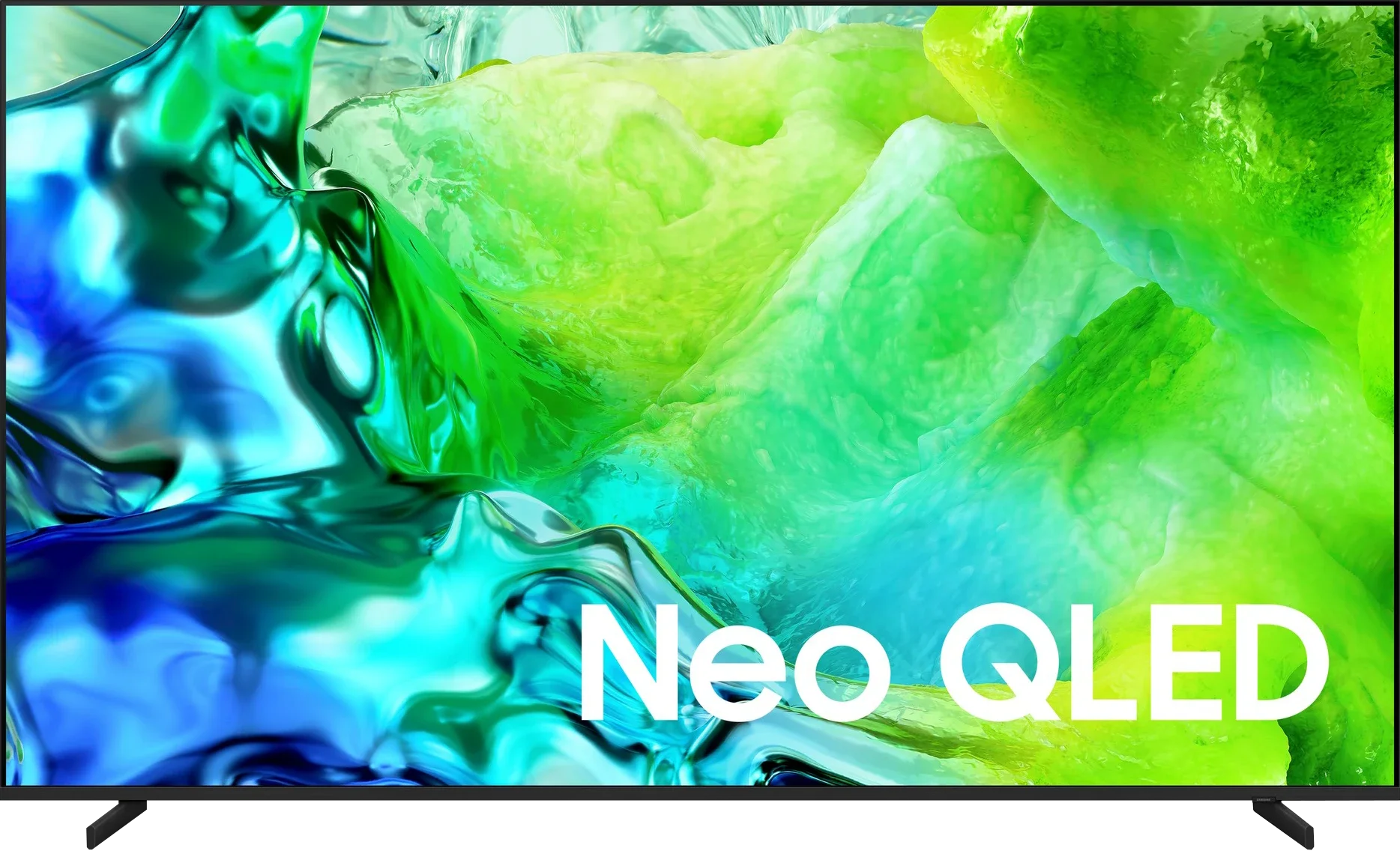
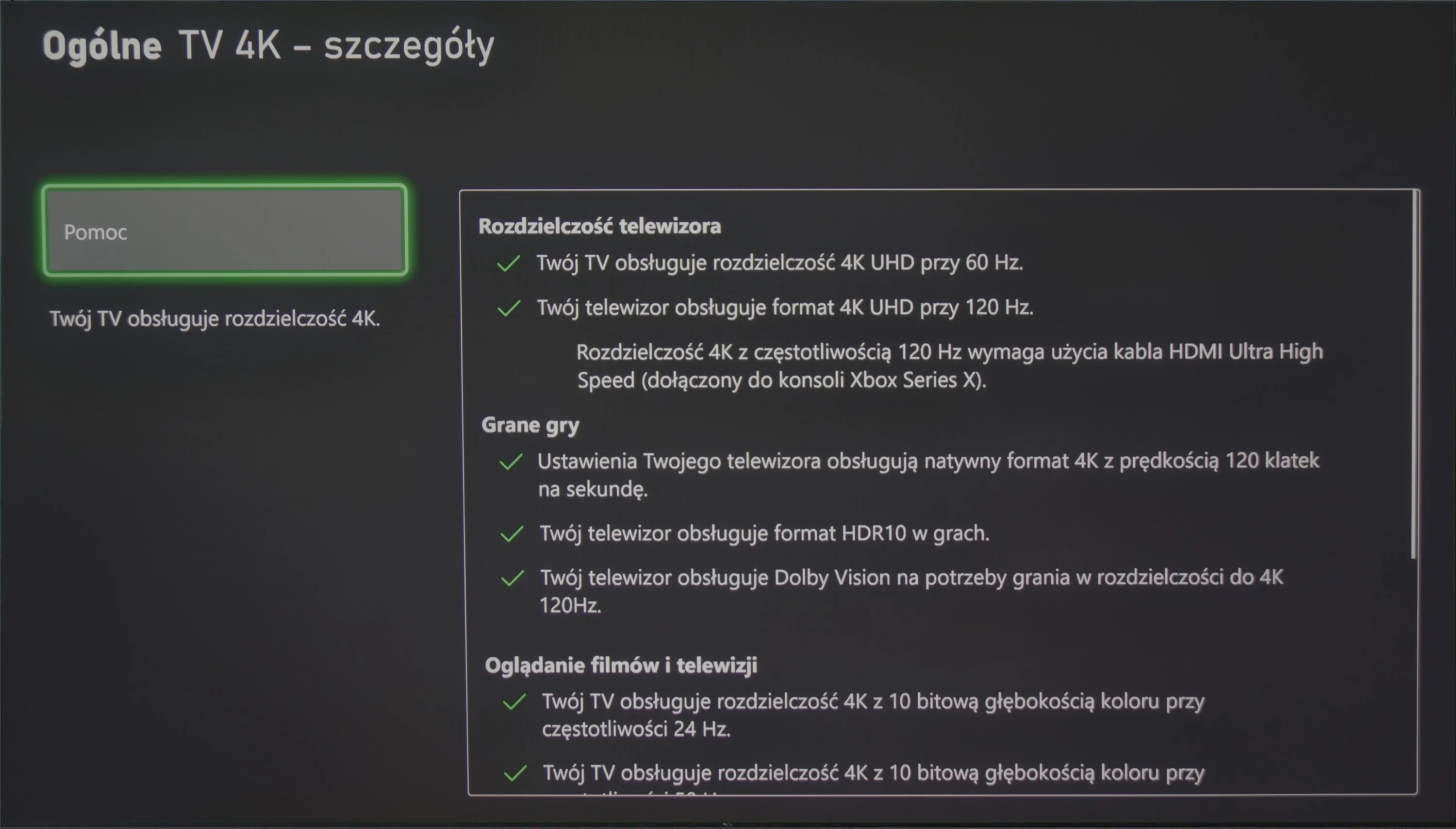
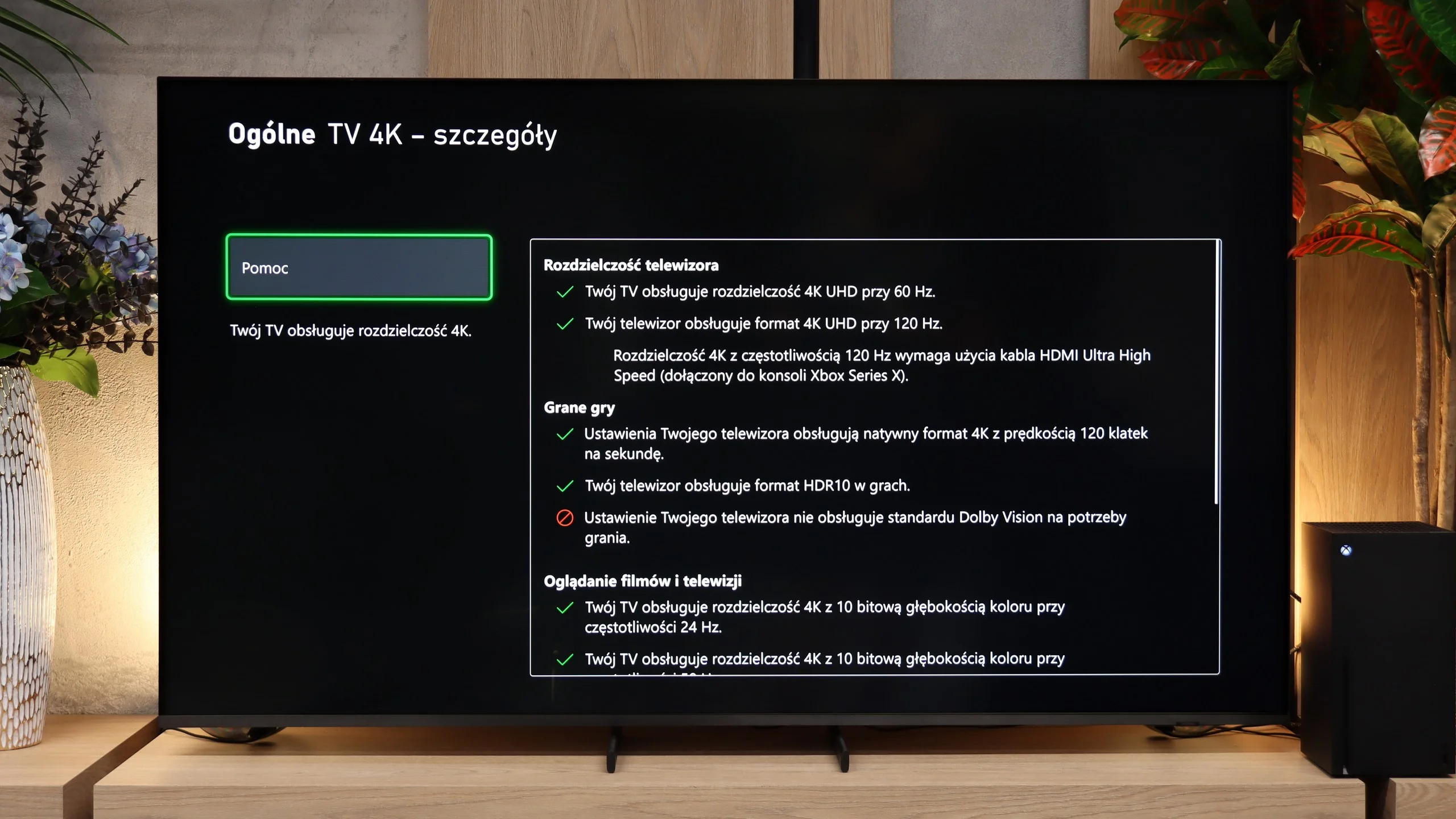
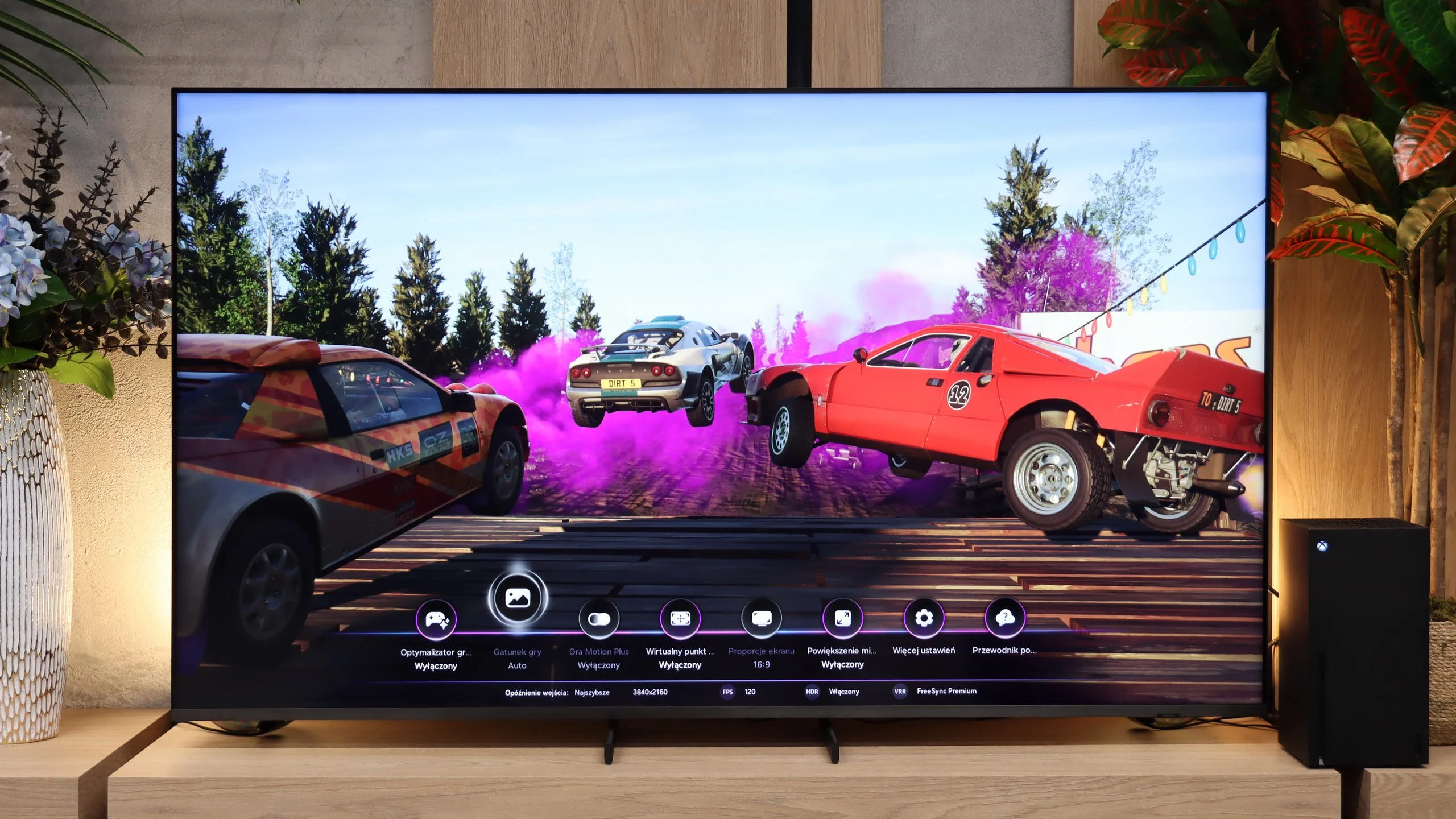
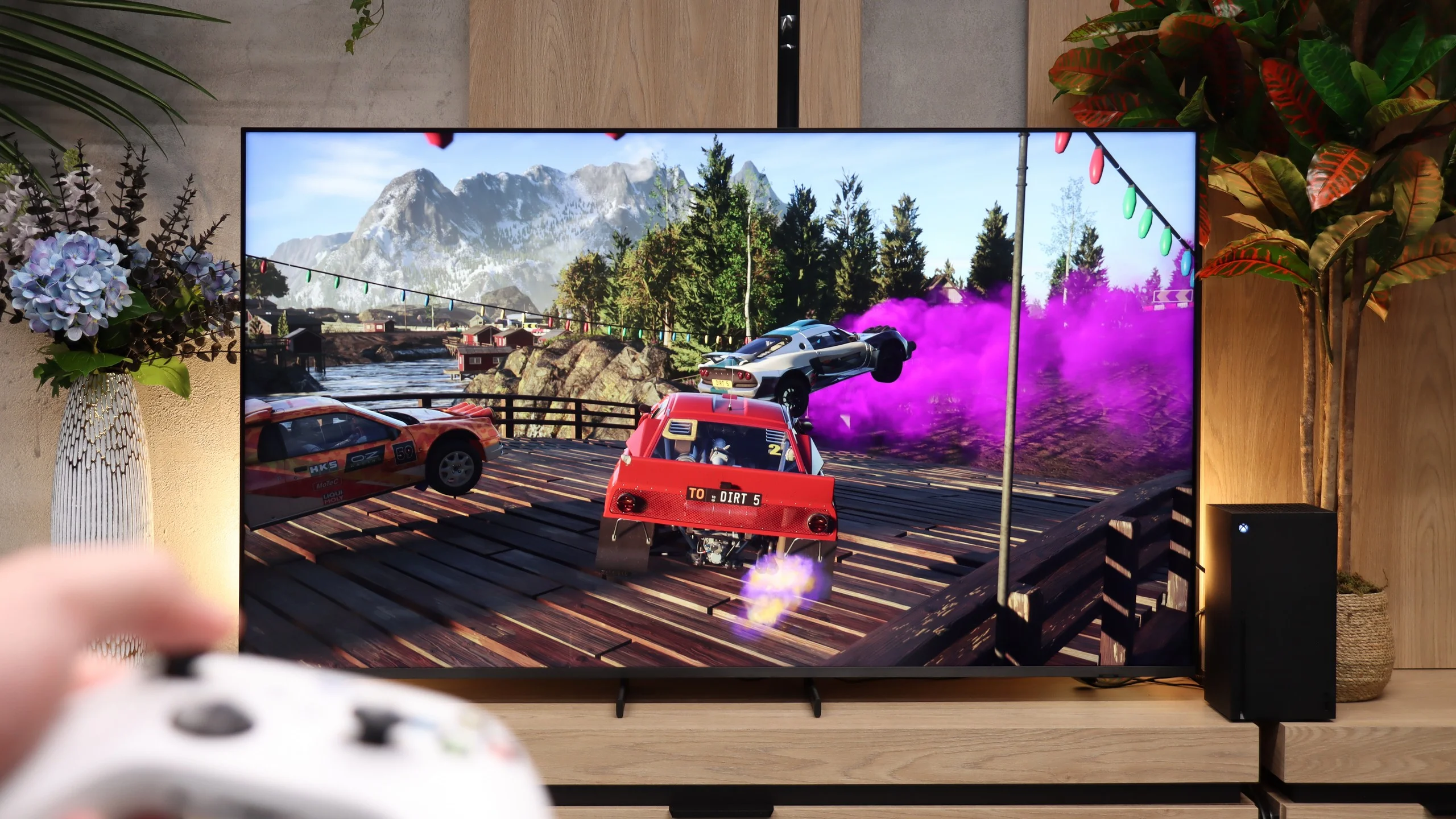
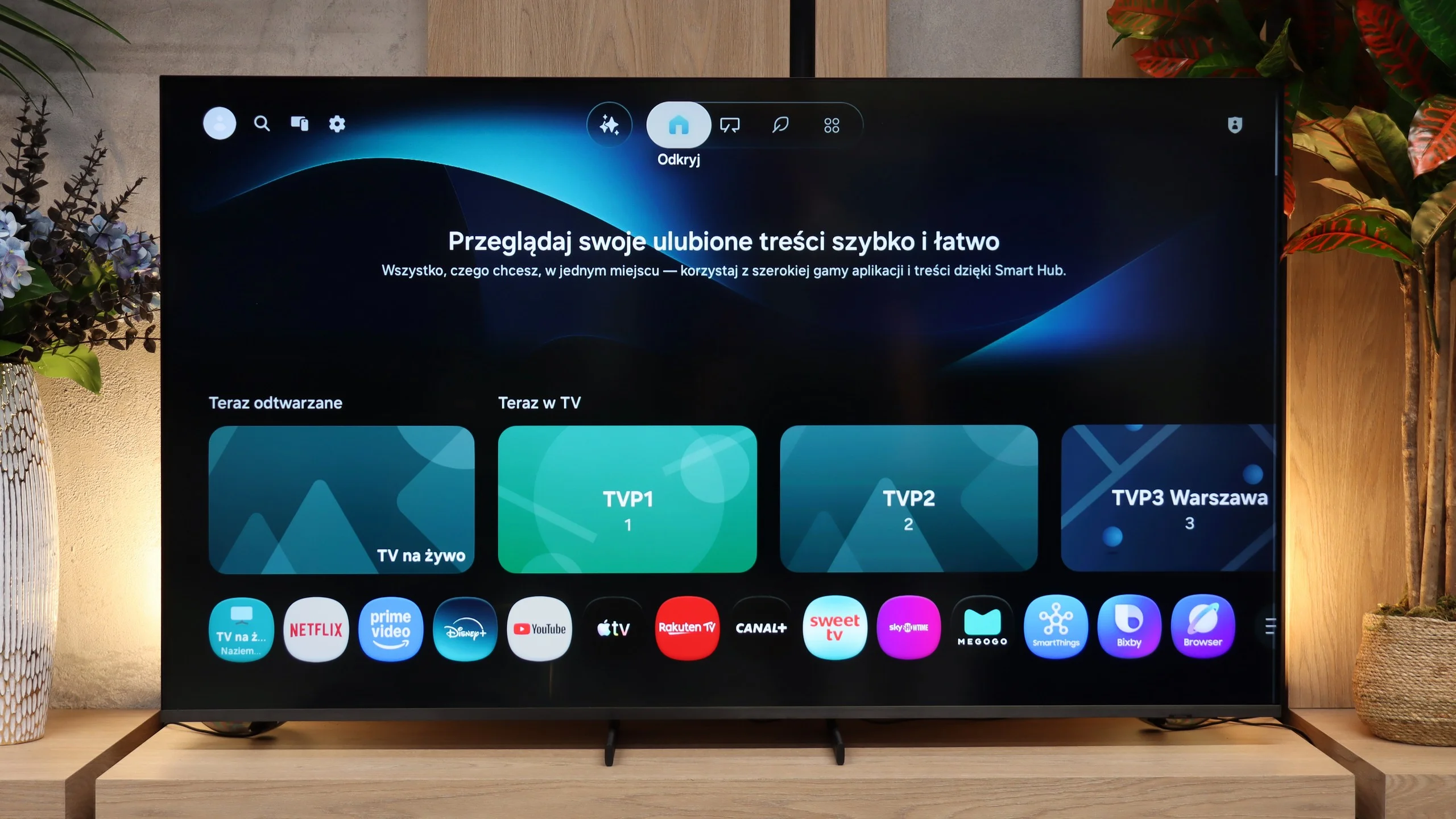
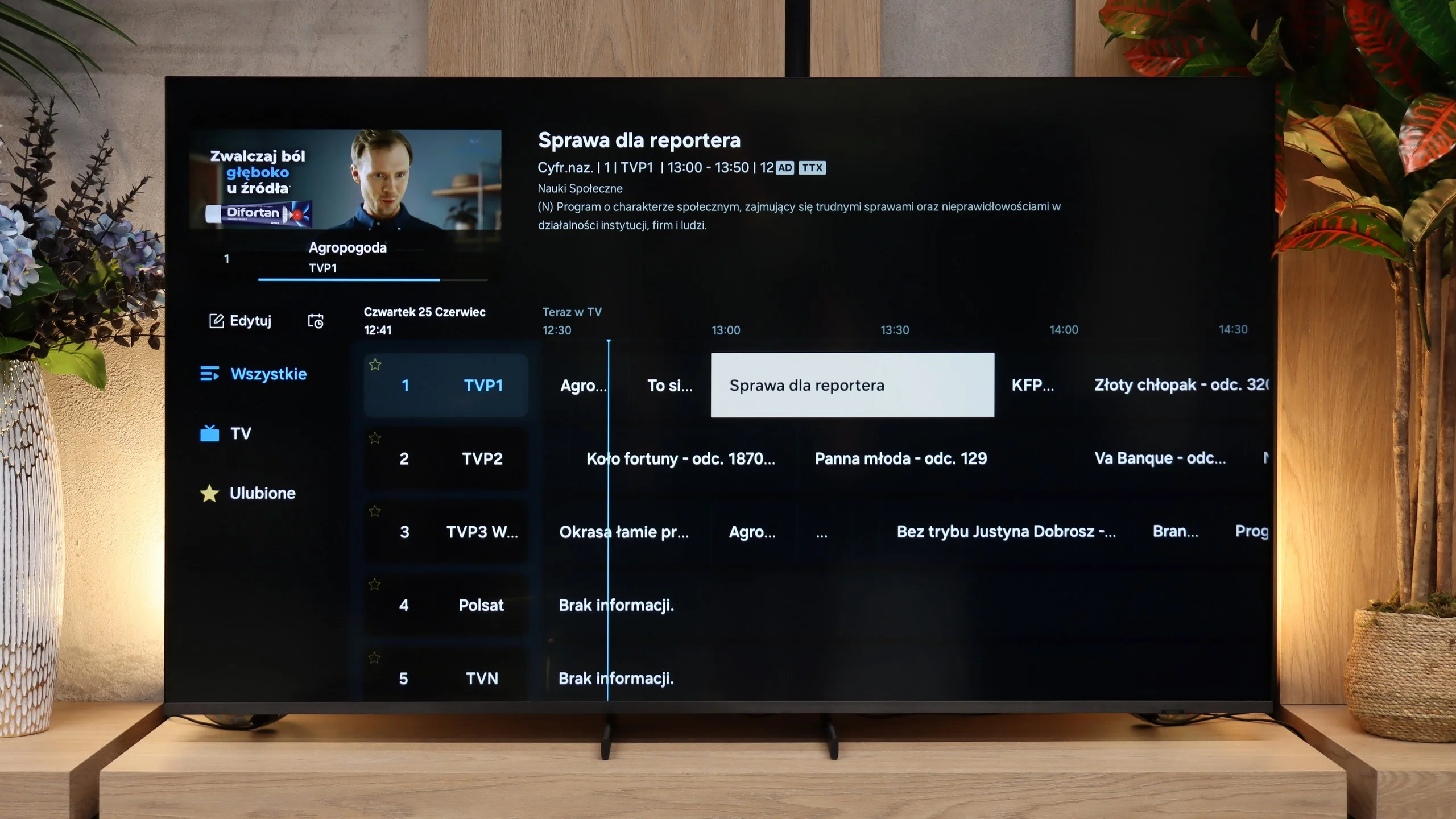
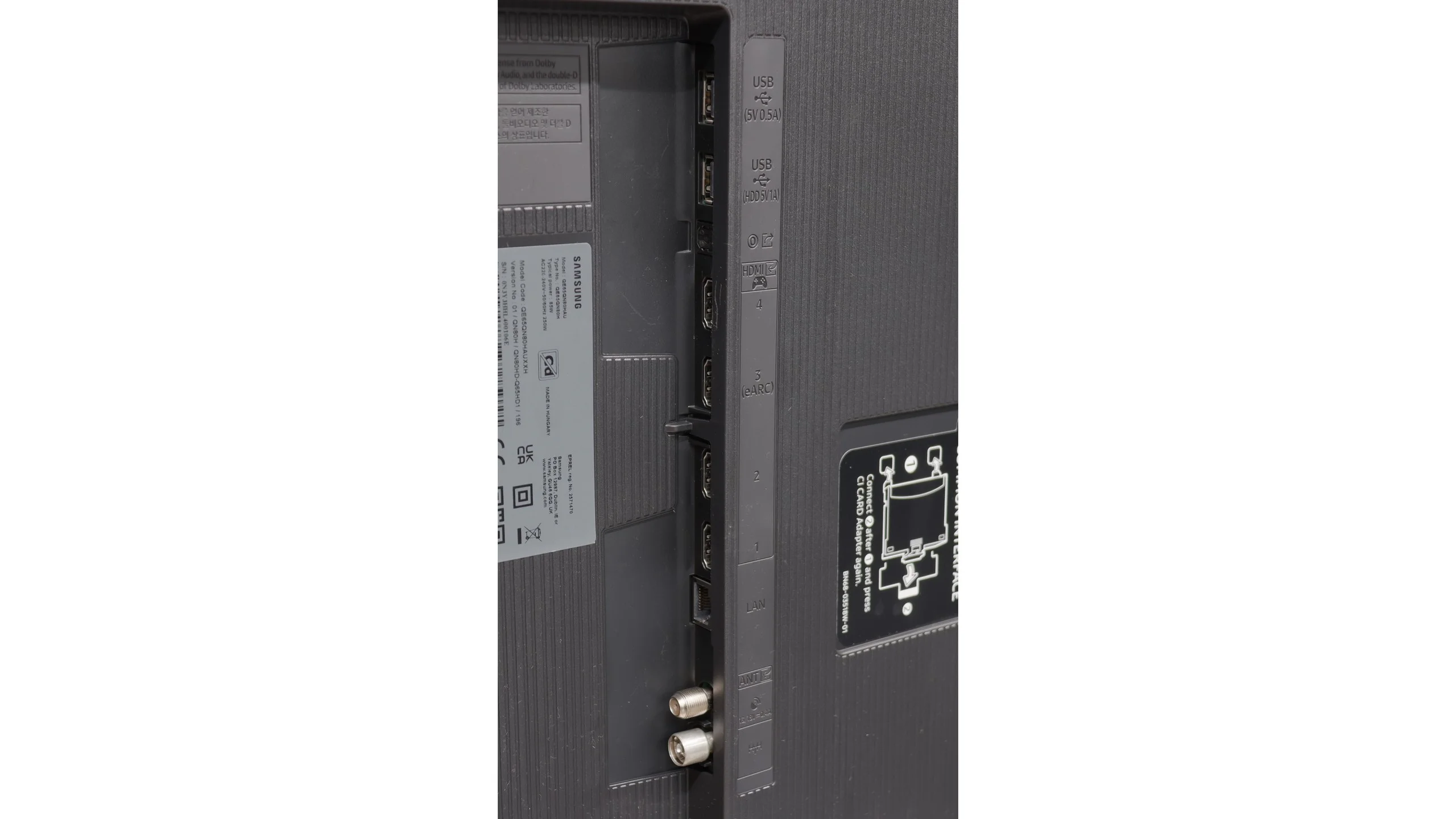
The Samsung QN80H is a very successful mid-range TV, and in our view that's exactly how it should be seen. Not as a new Neo QLED flagship, but as the first model in Samsung's lineup that gives a clear taste of better picture quality. Full Mini LED backlighting, high brightness, and well-saturated colors mean that for someone moving up from a regular LCD TV the difference can be significant. A huge plus for this model is that Samsung didn't shortchange it on functionality. The QN80H received almost the same rich package of features as the flagships. So we get a complete kit for gamers, led by four HDMI 2.1 ports, and an extremely fast Tizen system that also comes with guaranteed support and updates for the next seven years.
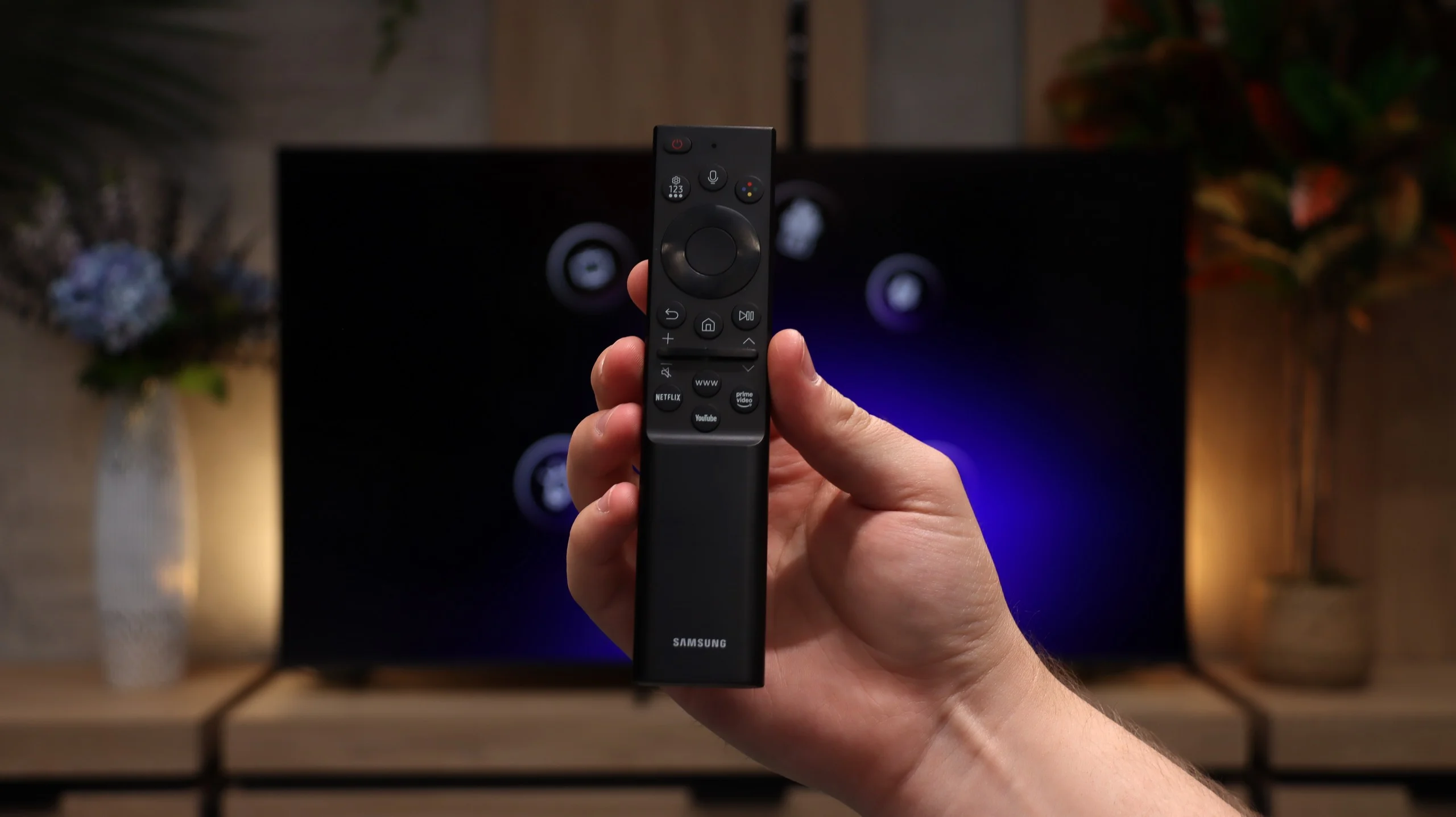
Of course we must remember this is not a top-tier model. The number of Mini-LED dimming zones isn't record-breaking, so in demanding scenes you can see some compromises in picture quality. There are also small choices we'll simply dislike, like dropping the solar remote in favor of a less elegant battery-powered version. Even so, it's hard to fault the QN80H for performing poorly in any important area. This is a TV that manages to do at least well across practically every field. Those are the expectations you should have for it. It doesn't try to fake being a flagship, but it also doesn't disappoint in any aspect. That's exactly the result we expected from the "80" series, and those expectations have been met. Is it worth buying? Yes, but much will depend on the price. At a suitably attractive price, the QN80H could once again become one of Samsung's most sensible models for people who want to step up to higher picture quality without paying extra for the brand's most expensive TVs.
 Direct comparison