TCL C855 vs LG QNED80A6A (IPS)

Direct comparison

C855 / C85

Available screen sizes: 65”75”85”98”

Available screen sizes: 43”65”86”

Panel type: LCD VA

Resolution: 3840x2160

System: Google TV

Model year: 2024

Complete the survey to find out the result

Panel type: LCD IPS

Resolution: 3840x2160

System: WebOS

Model year: 2025

Complete the survey to find out the result

Overall rating

7.6

5.9

  • Movies and series in UHD quality

    7.5

    5.7

  • Classic TV, YouTube

    7.1

    5.6

  • Sports broadcasts (TV and apps)

    6.7

    5.5

  • Gaming on console

    8.8

    6.8

  • TV as a computer monitor

    8.6

    5.0

  • Watching in bright light

    7.4

    4.7

  • Utility functions

    6.7

    6.8

  • Apps

    9.6

    9.1

  • Sound quality

    7.2

    6.0

Advantages

  • Wide Range of Built-In Applications

  • High Contrast and Deep Blacks

  • Exceptional HDR Performance in Bright Scenes

  • Impressive Brightness Levels

  • Image Quality Comparable to Higher-End Models

  • Wide viewing angles – the image looks just as good from any spot on the couch

  • Rich and vibrant colors thanks to the PFS filter (QNED)

  • Smooth and modern WebOS 25 system

  • Magic remote (with cursor)

  • Good detail reproduction in HDR

  • Effective upscaling and tone transition smoothing function

  • Low input lag

  • Decent features for gamers (VRR, ALLM, HGiG), despite the 60Hz panel

  • Smooth tone transitions – no visible "banding" in color gradients

Disadvantages

No like
  • Poor viewing angles

  • Poor factory colour reproduction (to be improved through calibration)

  • Poor contrast and grayish black – the IPS panel does not perform well in low light

  • Problematic local dimming – vertical backlight bands are highly visible on a dark background

  • 60Hz panel

  • No Dolby Vision support

  • Sound lacking depth – a soundbar is recommended

Our verdict

The TCL C855 is a standout television in the TV market, showcasing a versatile performance across various applications and excelling in its price range. With Mini LED backlighting, the TV achieves impressive contrast and black levels, resulting in deep, vivid images. Its algorithm effectively maintains black uniformity, minimizing blooming effects, a significant advantage for viewing HDR content.

While the TCL C855 can reach brightness levels of up to 1800 nits, which is commendable, it is worth noting that brightness can significantly drop to around 200 nits when bright but small elements appear on-screen. Additionally, the mid-tone boost can compromise contrast and reduce fidelity to the director's original vision.

For gamers, the TCL C855 shines brightly, offering extremely low latency and high-quality performance thanks to its full implementation of HDMI 2.1 features. The inclusion of the Google TV operating system adds to its appeal, providing nearly limitless options for application installation, including support for APK files from outside the official store.

The TCL C855 is an excellent choice for those seeking a reliable and versatile television. While it may have some drawbacks, its overall image quality, gaming performance, and advanced operating system make it a strong contender in the market.

The QNED80A variant based on IPS technology targets a completely different audience. If you are looking for a television for a space where life buzzes all day, and family members watch TV from different spots, this will be a good choice. Wide viewing angles and saturated colors ensure that the picture looks good regardless of whether we are sitting directly in front or at the dining table. Of course, it is not perfect equipment, as there simply aren't any in this price range. The IPS panel won't provide you with jet black, so evening horror movie sessions may appear slightly gray, and edge dimming in dark scenes can create visible light stripes. Despite these shortcomings, the QNED80A makes up for it with an overall good picture quality. The processor's performance deserves immense praise – both scaling regular TV to 4K and presenting details in HDR content are outstanding here. The picture is clean, sharp, and rich in detail, even if the screen itself doesn't break brightness records. Combined with the superb WebOS system, which operates quickly and stably, this is a very safe, solid choice for everyday family entertainment at a relatively low price.

TV appearance

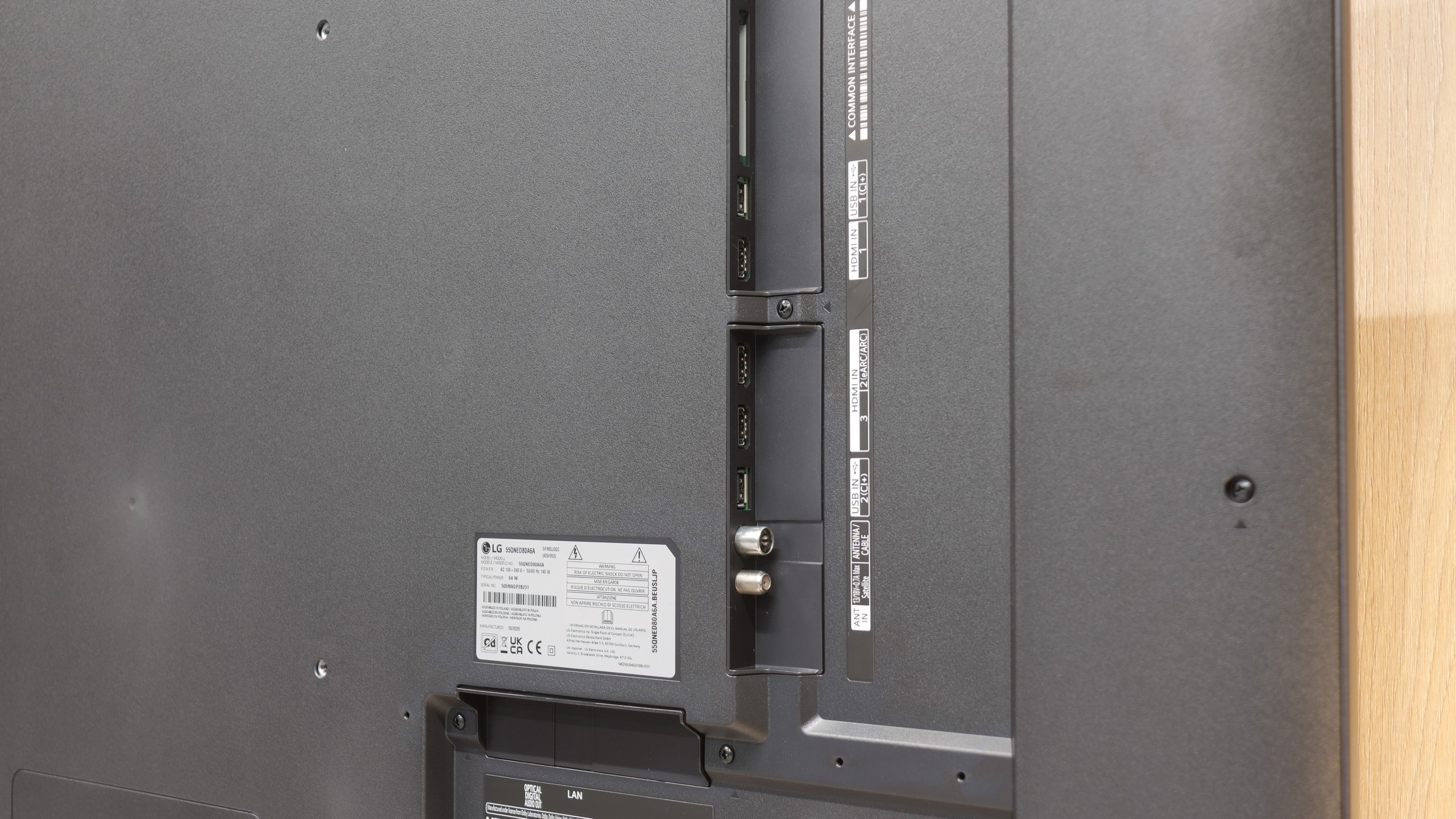
HDMI inputs
2 x HDMI 2.0, 2 x HDMI 2.1 (48Gbps)
3 x HDMI 2.0, 0 x HDMI 2.1
Other inputs
RCA (Chinch)
Outputs
Toslink (Optical audio), eARC (HDMI), ARC (HDMI)
Network Interfaces
Wi-Fi 2.4GHz, Wi-Fi 5GHz, Ethernet (LAN) 100Mbps
Build quality
Premium
BuildQuality-Good
Stand type
stand-type-
Legs
Bezel color
Graphite
Graphite
Stand
Fixed
Flat design
No
Yes
Accessories
Stand
Stand

Contrast and black detail

8.6/10

2.7/10

Local dimming function: Yes, number of zones: 1344 (48 x 28)

Local dimming function: Yes, number of zones: 6 (1 x 6)

Contrast:

Review TCL C855 Contrast and black detail

Result

:1

Review TCL C855 Contrast and black detail

Result

176,000:1

Review TCL C855 Contrast and black detail

Result

54,000:1

Review TCL C855 Contrast and black detail

Result

30,500:1

Review TCL C855 Contrast and black detail

Result

13,700:1

Review LG QNED80A6A (IPS) Contrast and black detail

Result

2,400:1

Review LG QNED80A6A (IPS) Contrast and black detail

Result

1,350:1

Review LG QNED80A6A (IPS) Contrast and black detail

Result

2,450:1

Review LG QNED80A6A (IPS) Contrast and black detail

Result

1,200:1

Review LG QNED80A6A (IPS) Contrast and black detail

Result

1,150:1

Halo effect and black detail visibility:

Review TCL C855 Contrast and black detail
Review LG QNED80A6A (IPS) Contrast and black detail
Review TCL C855 Contrast and black detail
Review LG QNED80A6A (IPS) Contrast and black detail

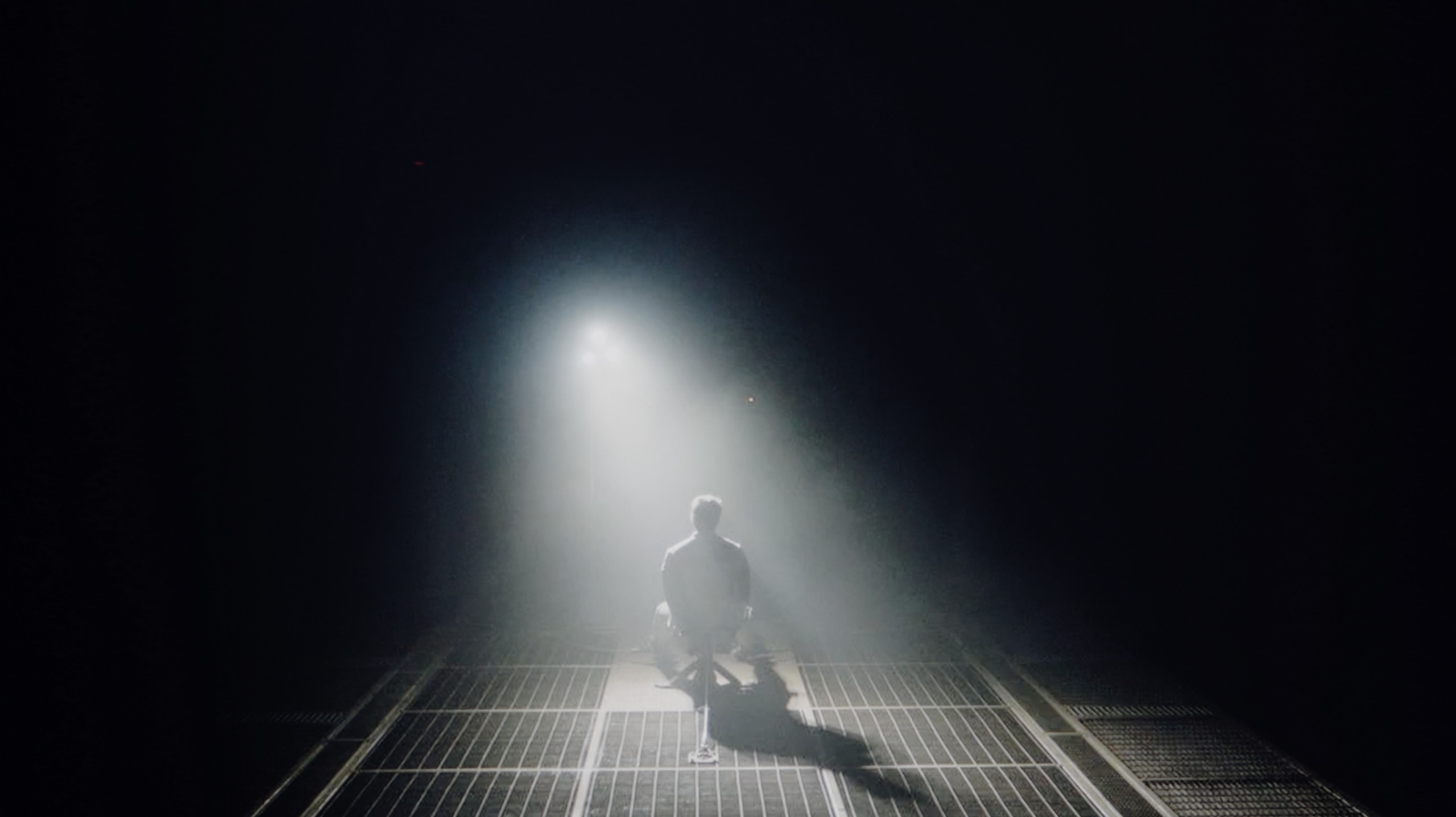
The TCL C855 features a high-contrast VA matrix, achieving an impressive ANSI contrast ratio of 5238:1 without dimming. This level allows for very good black levels. Furthermore, the panel incorporates multi-zone Mini LED backlighting, divided into 1344 independent dimming zones for the 65-inch model. Such a configuration yields excellent results in our tests. Notably, TCL is among the few manufacturers offering such advanced panel specifications at a reasonable price, unlike the traditional big four brands. In the majority of scenes we evaluated, the performance was impressive, particularly in the first three tests; even in the third, with a ratio of 54,000:1, the black level and contrast were far from weak, demonstrating satisfactory results. However, performance does dip in two specific scenarios: scenes with movie strips and when the screen contains many elements surrounded by black. While the last test scene maintained excellent contrast, the final scenario revealed some blooming in the blacks. A frame from the movie "Oblivion" showcased the TCL C855's capabilities, with black levels that can rival those of OLED screens—a notable achievement. The television also demonstrates commendable light separation, which is no small feat. In our flagship scene from "Sicario 2" the contrast was equally impressive, although some loss of detail in the blacks across the first, second, and third planes was evident. The backlight control algorithm effectively minimizes halo and blooming effects, which is praiseworthy. However, it's important to note that very small elements, like stars, can occasionally be completely dimmed by the TCL C855.

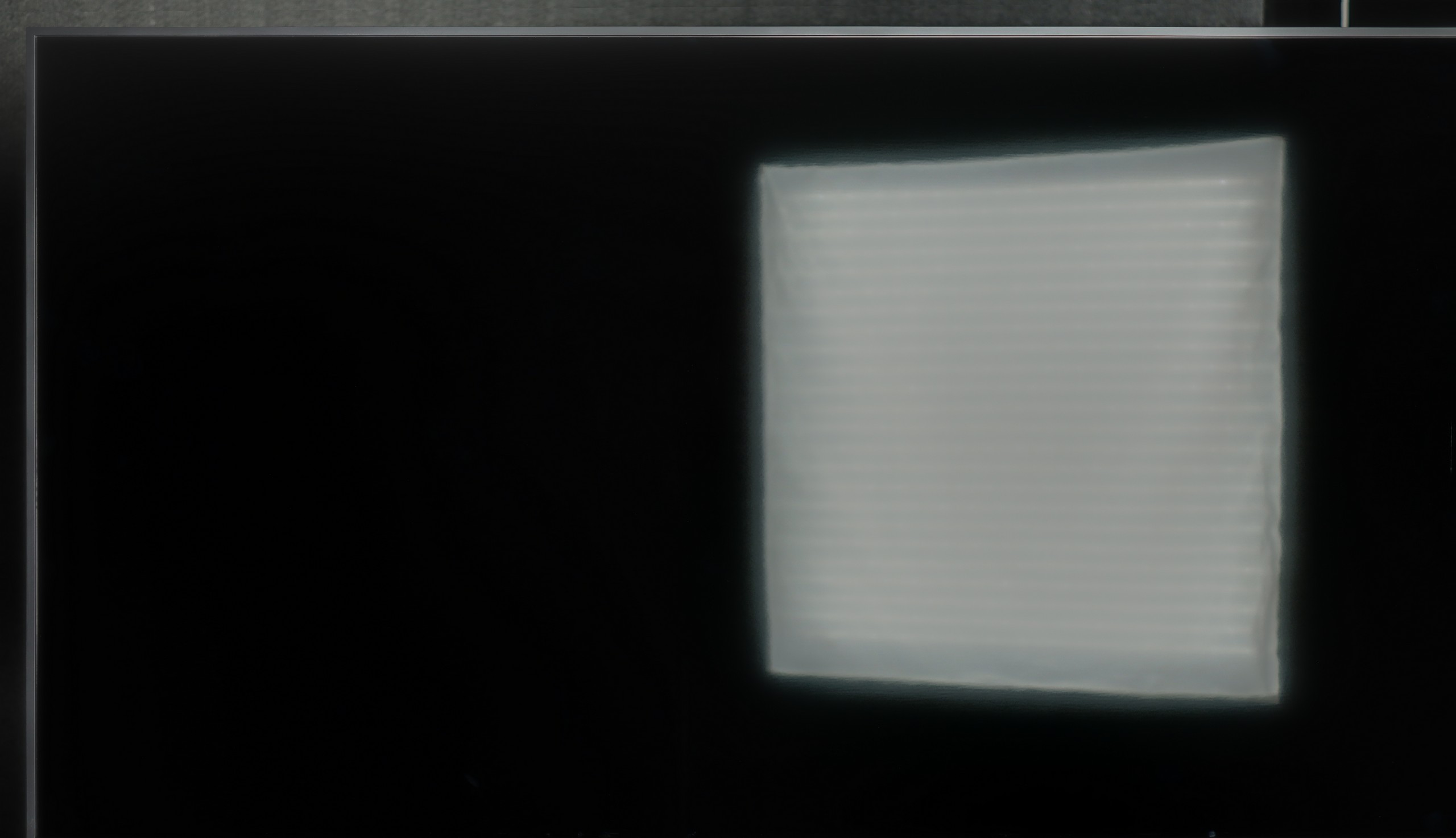
If you come across a model equipped with an IPS panel, the situation changes drastically and we won't beat around the bush – the contrast is simply weak. This is a natural feature of this technology, which pales in comparison to VA panels. Black, especially during evening screenings in the dark, is rarely jet black – more often, it leans towards shades of dark gray or navy blue. However, the real problem with this variant is the way the local dimming system operates. Since we are dealing with edge-lit backlighting on a panel that naturally "lets" through more light, this system often does more harm than good. When a bright object appears on a dark background, the TV tries to illuminate it by activating the appropriate zone. The effect? Instead of pinpoint light, we see illuminated vertical bands stretching across the entire screen. Unfortunately, this looks worse than in the VA version. Due to the lower native contrast of the panel, these "light bands" (so-called blooming) are much more visible and stand out more from the background. In many cases, these jumps in brightness are so aggressive that instead of enjoying the show, we focus on the backlighting work.

HDR effect quality

6.6/10

4.8/10

Supported formats
HDR10, HDR10+, Dolby Vision, Dolby Vision IQ, HLG
HDR10, HLG
Color gamut coverage
DCI P3: 97.0%, Bt.2020: 79.0%
DCI P3: 91.3%, Bt.2020: 66.5%

Luminance measurements in HDR:

Review TCL C855 Brightness measurement

Result

1472 nit

Review TCL C855 Brightness measurement

Result

445 nit

Review TCL C855 Brightness measurement

Result

754 nit

Review TCL C855 Brightness measurement

Result

237 nit

Review TCL C855 Brightness measurement

Result

1820 nit

Review LG QNED80A6A (IPS) Brightness measurement

Result

369 nit

Review LG QNED80A6A (IPS) Brightness measurement

Result

325 nit

Review LG QNED80A6A (IPS) Brightness measurement

Result

434 nit

Review LG QNED80A6A (IPS) Brightness measurement

Result

342 nit

Review LG QNED80A6A (IPS) Brightness measurement

Result

318 nit

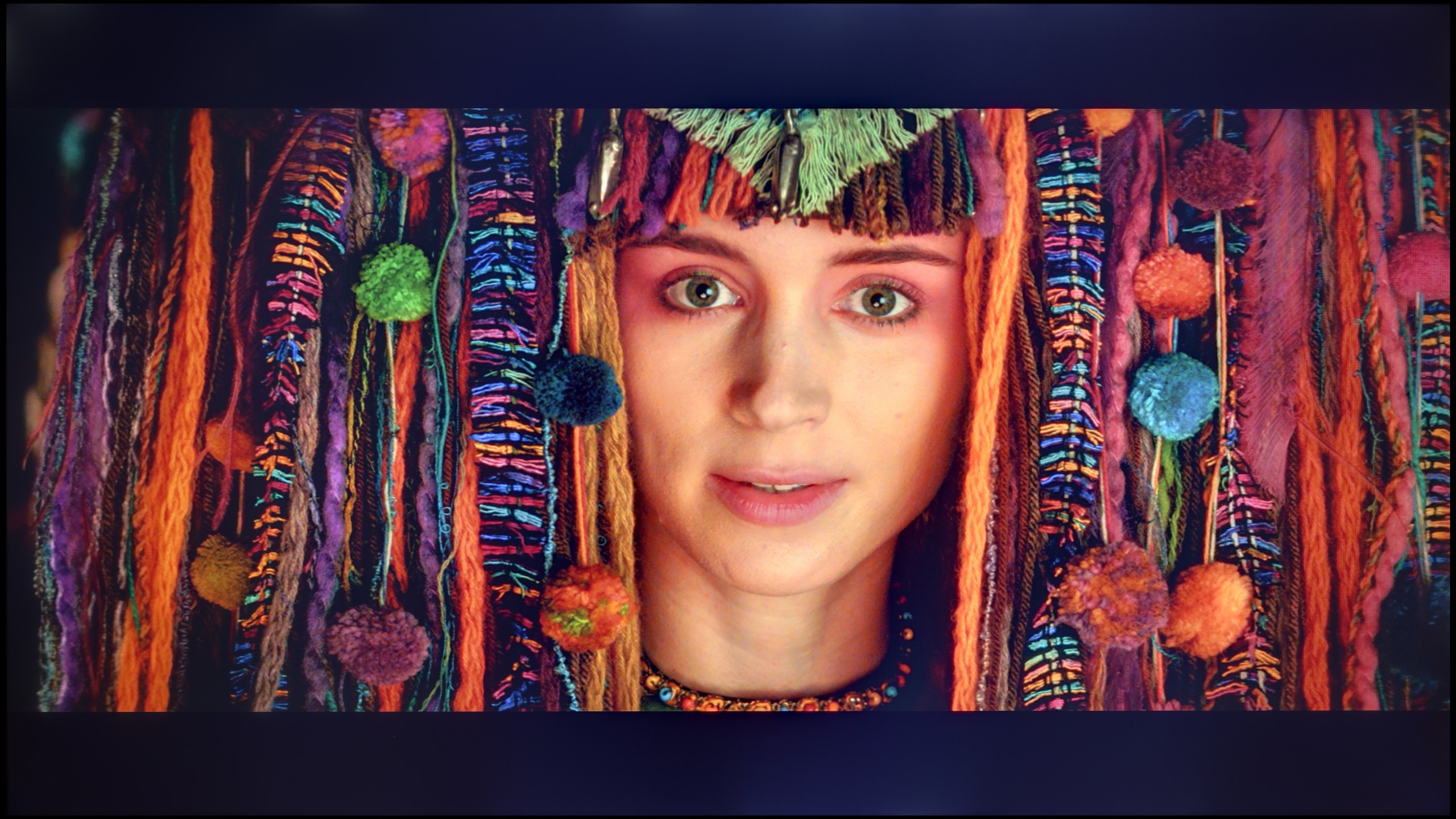
Scene from the movie “Pan” (about 2800 nits)

Review TCL C855 HDR effect quality
Review LG QNED80A6A (IPS) HDR effect quality

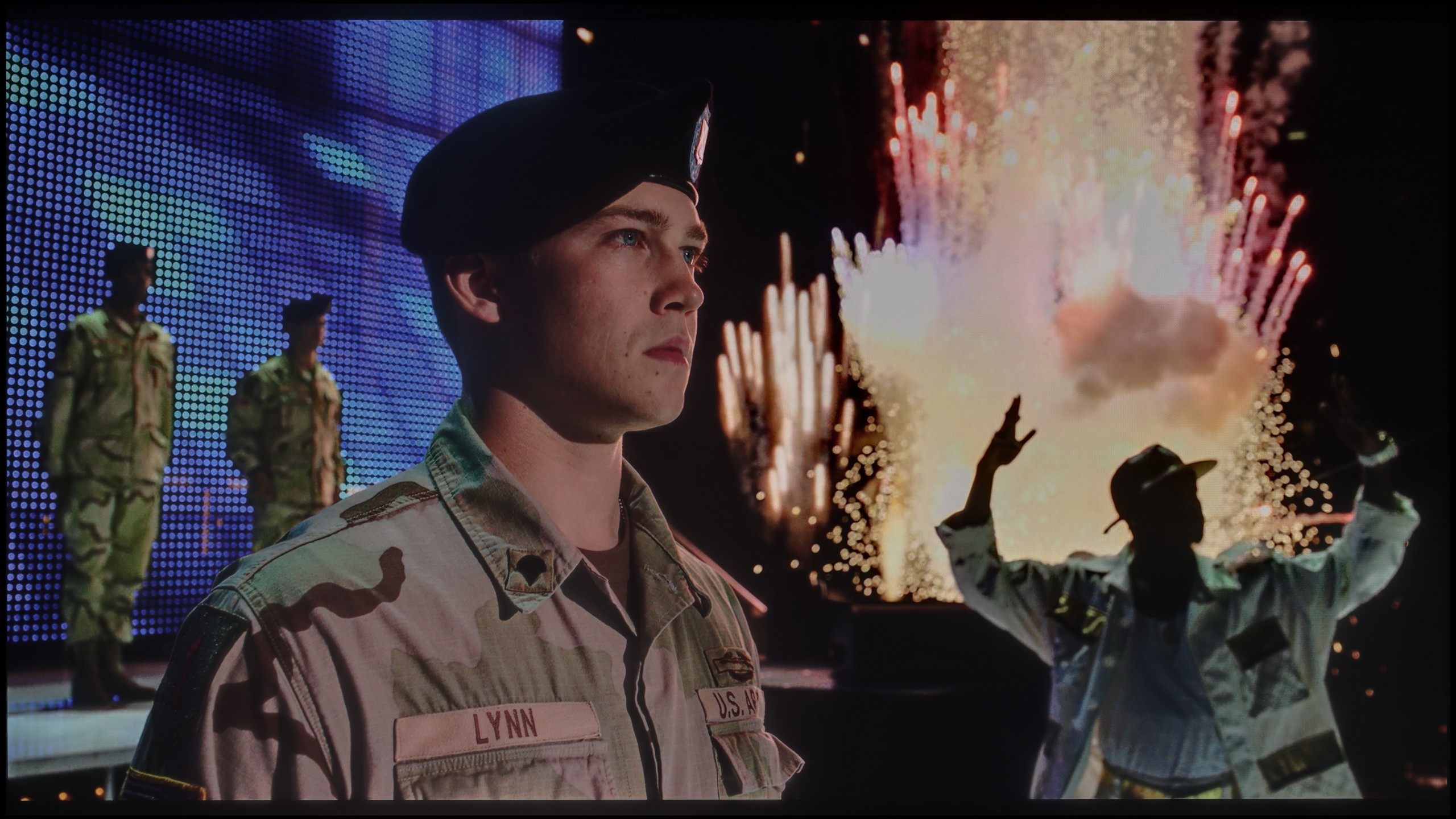
Scene from the movie “Billy Lynn” (about 1100 nits)

Review TCL C855 HDR effect quality
Review LG QNED80A6A (IPS) HDR effect quality

Static HDR10

Review TCL C855 HDR effect quality
Review LG QNED80A6A (IPS) HDR effect quality

HDR luminance chart:

LG QNED80A6A (IPS)

HDR luminance

TCL C855

HDR luminance

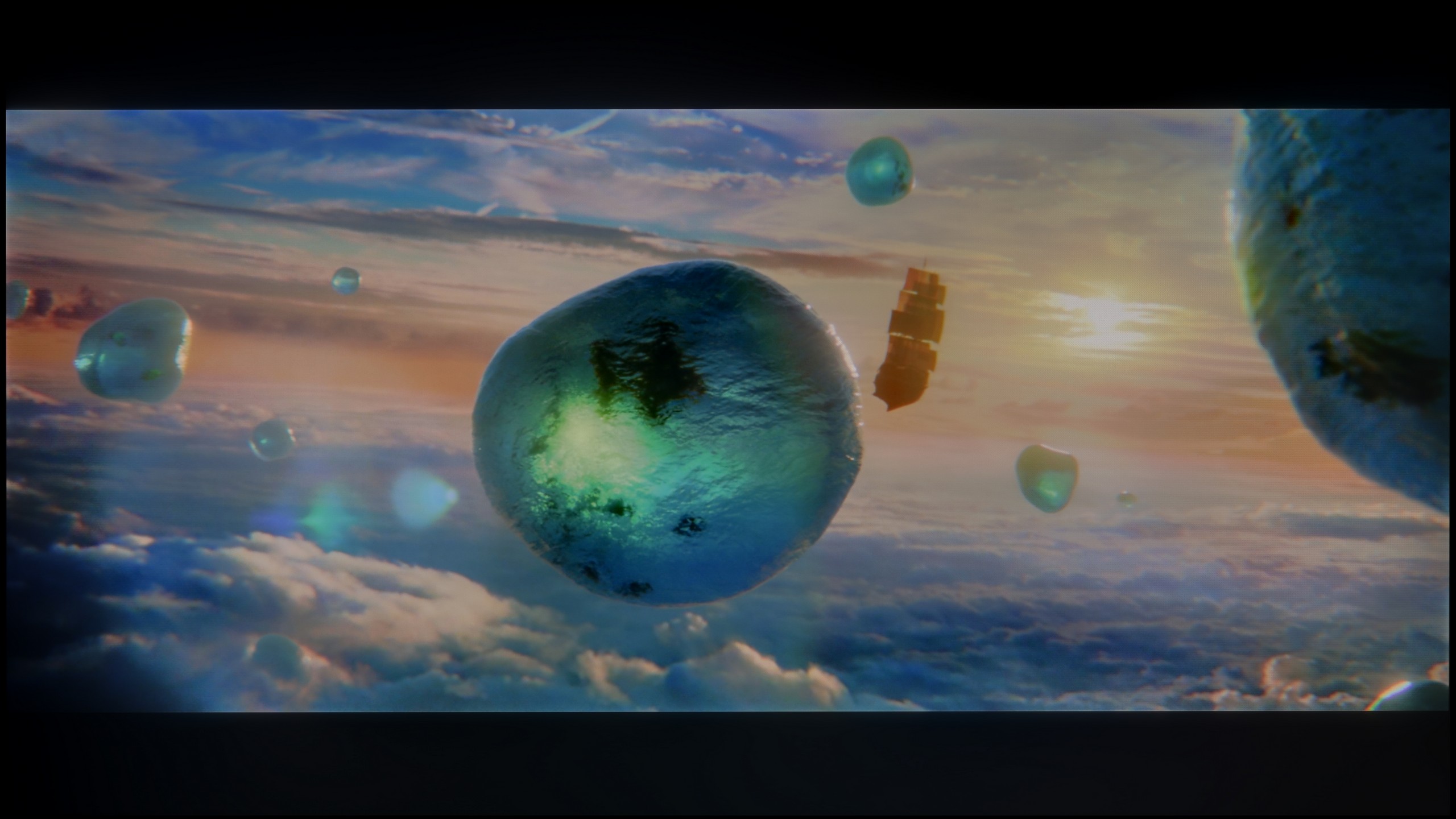
The TCL C855 delivers a highly varied HDR effect. At times, the television truly excels, while at other moments, it appears reminiscent of a low-end model equipped with FALD backlighting. Inconsistency is frequently found with this brand, so it didn’t come as a surprise. The first and last scenes, which feature large light elements, are nothing short of spectacular, boasting brightness levels of 1470 and 1820 nits, respectively. Such brightness can make viewers squint their eyes, allowing them to feel the extraordinary dynamism of the scene. It genuinely immerses the audience, creating a sensation of being inside the movie itself. However, the situation shifts dramatically when small or subtle elements with high luminance appear against a dark background. In these instances, the TCL C855 significantly reduces brightness to levels as low as 240 nits to mitigate halo effects. This reduction is disappointing, as it can make the movie appear as if it was not filmed in HDR. Despite these shortcomings, the HDR effect on the TCL C855 enhances the viewing experience during dynamic scenes, making it feel more engaging and allowing the viewer to feel part of the action. Even with smaller high-luminance elements, the television retains details without excessive dimming. Additionally, the TCL C855 adjusts image brightness according to scenes with rich detail, further enhancing viewing comfort.

When it comes to image dynamics and brightness, the QNED80A has its feet firmly on the ground. It is not a "light beast" – during our measurements, peak brightness oscillated around 350-400 nits. To put it plainly: these are values that will not allow HDR formats to fully spread their wings. So don’t expect the glare of the sun or car headlights in movies to blind you. However, this TV has a powerful ace up its sleeve that saves the overall view of the image – it is the colors. LG engineers have implemented an advanced filtration system here (technically likely based on a PFS phosphor, marketed as QNED/NanoCell), which does a fantastic job. Thanks to it, despite the average brightness, the screen can generate exceptionally saturated and pure colors. Our instruments showed coverage of the wide DCI-P3 cinema palette at the level of 93-94%. This result outclasses most standard LCD TVs. In practice, this means that when watching 4K HDR content, the image – while not particularly bright – is very plastic, vibrant, and pleases the eye with the depth of colors.

Factory color reproduction

5.2/10

4.4/10

Review TCL C855 Factory color reproduction
Review LG QNED80A6A (IPS) Factory color reproduction

Factory Mode

After calibration

Review TCL C855 Factory color reproduction
Review LG QNED80A6A (IPS) Factory color reproduction

Factory Mode

After calibration

The best factory mode for the TCL C855 is the "Film" setting, and all our tests were conducted using this mode. However, like many predefined modes, it has flaws that should be addressed to achieve an image closer to the producer's original vision. In our examination of the colour characteristics for both SDR and HDR materials, issues were found.

Focusing first on SDR content, there is a noticeable dominance of green in the white balance, which leads to an unpleasant greenish tint across the entire image. The gamma chart, crucial for image contrast, shows a significant deviation from the reference line marked at 2.4. Initially, there is a pronounced spike in the measured value, resulting in an over-contrasted image where details can merge into a dark blob. This condition persists for nearly 20% of the chart before it dips below the reference line, causing the image to brighten and resulting in a substantial drop in contrast.

In HDR materials, the factory mode performs somewhat better; the white balance appears more balanced overall, although the green tint resurfaces in the latter half of the spectrum. When we look at the Electro-Optical Transfer Function (EOTF) curve—unlike gamma, which reflects contrast—we identify two main errors: the darkest scenes are too dark, while the brightest ones become overexposed. This discrepancy was evident in our review of the scene from the movie "Pan," further illustrating the TCL C855's HDR performance issues.

Here, regardless of whether you encounter the VA or IPS version, the situation looks identical. LG engineers once again served us their vision of a "gaming look," which unfortunately has little to do with accuracy. After switching to console, the white balance automatically drifts into very cold areas. The image is dominated by the color blue, making it seem artificially sharpened, and the white is so aggressive that it is almost burned out. This creates an effect that we associate with bright retail modes – everything is supposed to shine and scream "I am digital." While some may like this, we must say it straight: this is not an accurate image. If you care about naturalness, we suggest checking the settings right away and changing the color temperature to a warmer one.

Color reproduction after calibration

6.9/10

7.4/10

Review TCL C855 Color reproduction after calibration
Review LG QNED80A6A (IPS) Color reproduction after calibration
Review TCL C855 Color reproduction after calibration
Review LG QNED80A6A (IPS) Color reproduction after calibration

TCL, like most manufacturers, offers advanced calibration tools within its televisions. These include both 2-point and 20-point adjustments for grayscale, as well as a comprehensive colour management system. As a result, we achieved impressive results in SDR materials, bringing the image significantly closer to the reference standard. We successfully eliminated both the green tint and the gamma issue, although a slight "kink" at the very beginning of the gamma curve still persists.

In contrast, the situation with HDR materials was less favourable, as the TCL C855 did not allow for precise modelling. We were only able to make minor adjustments to the EOTF curve while significantly enhancing the overall colour accuracy. This limitation suggests that while calibration tools are effective, they may require further refinement for optimal HDR performance.

After professional calibration, the QNED80A in the IPS version has changed beyond recognition, especially in "regular" content (SDR). We managed to eliminate the greenish tint and calm down the overly bright gamma. In classic television or older games, color errors (DeltaE) fell below the threshold of perceptibility (value < 2). The image is now consistent, natural, and truly pleasing to the eye. The situation is somewhat more complicated in HDR mode. Although the colors are already in place, the television has trouble perfectly controlling the brightness (EOTF curve). Due to the limitations of edge lighting and the rather poor adjustment options provided by LG in this area, the television's software sometimes "does what it wants" just to mask the imperfections of black and contrast. However, this is not a cause for concern – despite these technical limitations, the image after calibration is a class better than what you saw out of the box.

Smoothness of tonal transitions

9.2/10

9.2/10

Review TCL C855 Smoothness of tonal transitions
Review LG QNED80A6A (IPS) Smoothness of tonal transitions
Review TCL C855 Smoothness of tonal transitions
Review LG QNED80A6A (IPS) Smoothness of tonal transitions
Review TCL C855 Smoothness of tonal transitions
Review LG QNED80A6A (IPS) Smoothness of tonal transitions
Review TCL C855 Smoothness of tonal transitions
Review LG QNED80A6A (IPS) Smoothness of tonal transitions

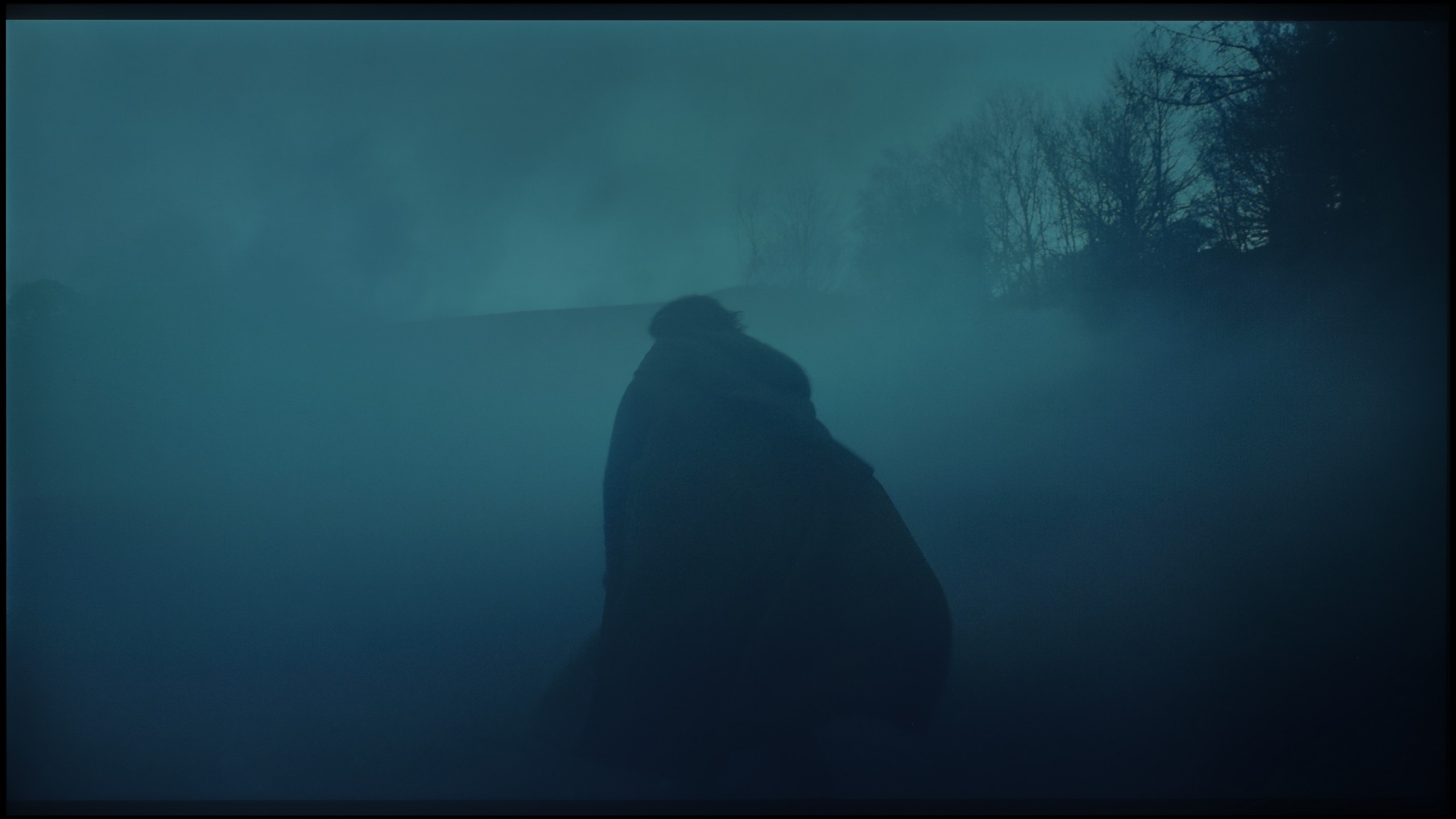
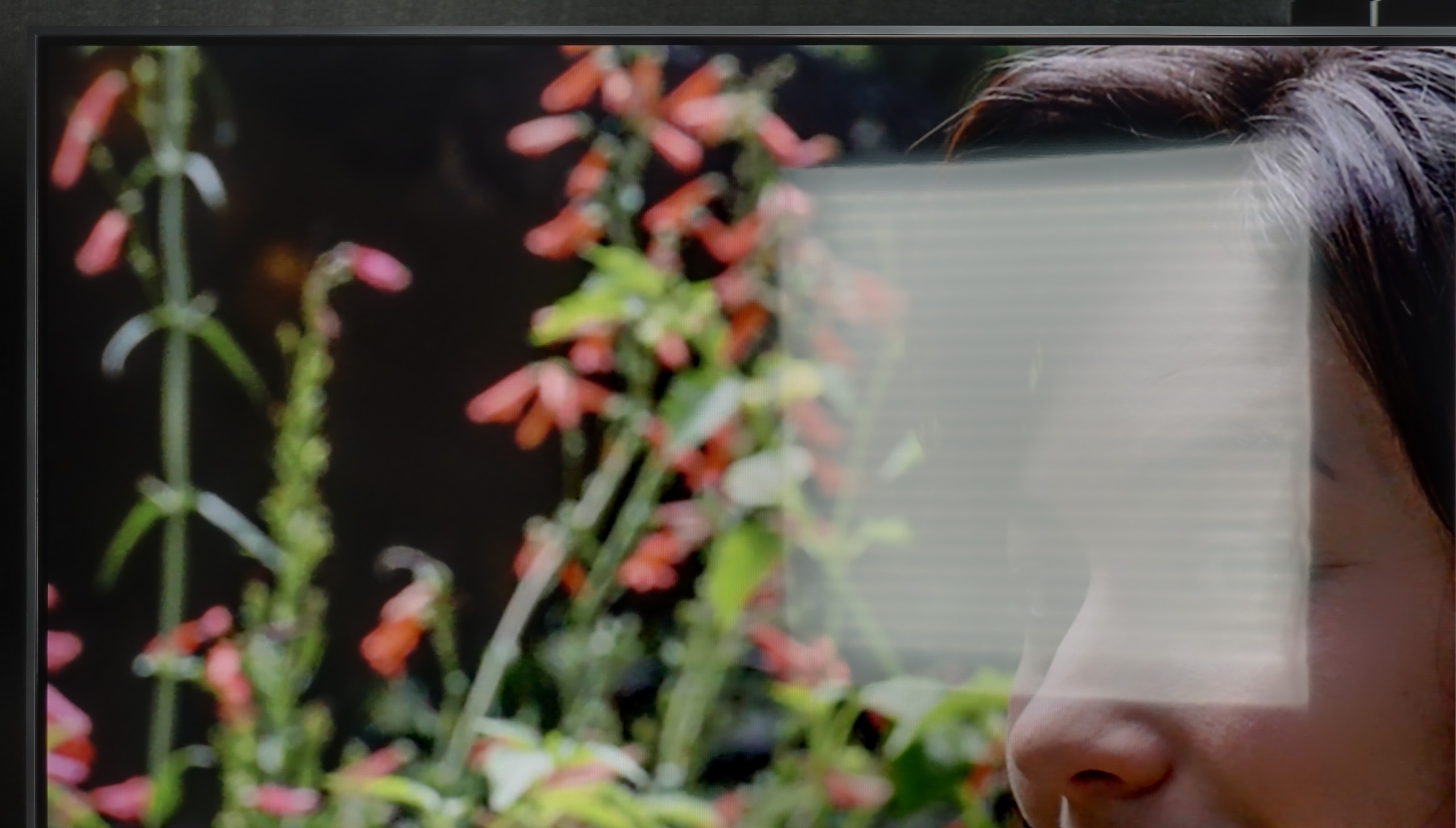
Another important aspect of assessing image quality is tonal transitions. To achieve a clean image free from posterisation effects, a television must employ highly effective algorithms for smoothing colour gradations. We must acknowledge that the algorithm used in the TCL C855, known as "Gradual Smoothing," ranks among the best we've had the opportunity to test. In nearly every scene, the performance is impressive, leaving little room for criticism. A prime example of this capability is the scene from "The Green Knight," which poses a challenge due to the multitude of fine and subtle transitions in the fog. The C855 successfully smooths out the details within this scene, allowing the viewer to fully appreciate its suspenseful atmosphere. The only instance where slight posterization is noticeable occurs in a frame from "The Green Knight," where the reds in the upper left part of the screen create a contrasting effect.

Another very strong point of this model is the way it handles tonal transitions. Often in cheaper LCD constructions, we see what's called banding – a situation where the television cannot smoothly display a gradient, creating visible "steps" between shades. In the case of the QNED80A, the engineers have done their homework. Whether we are watching a blue sky, fog, or dark scenes full of gray, the transitions between colors are incredibly smooth and soft. There are no artificial cuts or jagged color edges. As a result, the image is very cohesive and natural, which is not a standard in this price segment.

Image scaling and smoothness of tonal transitions

5.5/10

7/10

Image without overscan on the SD signal
OK
OK
Smooth transition function
No
OK

Smooth transition function

Review TCL C855 Image scaling and smoothness of tonal transitions
Review LG QNED80A6A (IPS) Image scaling and smoothness of tonal transitions

Image without overscan on the SD signal

Review TCL C855 Image scaling and smoothness of tonal transitions
Review LG QNED80A6A (IPS) Image scaling and smoothness of tonal transitions

Once again, we will take a look at the function of smoothing tonal transitions, but this time also image scaling. The latter is particularly important when watching materials of lower quality, such as some television programs or older films. We will focus on the function responsible for tonal transitions. Interestingly, just like in the scenes from the previous test where it performed excellently and smoothed out practically all the inconsistencies, here it had issues. Using the menu responsible for the operation of this function, we found that no setting—even the strongest—was helpful.

Image scaling in TCL C855 is defined as one of the best we have had the opportunity to test so far. The image is sharp, but in a way that could be described as natural to our eye. Even small, fine branches do not have jagged edges, and there is no white halo around figures, a characteristic of weaker scaling systems.

It often happens that cheap 4K TVs mercilessly expose the flaws of low-resolution materials. Here, it's different. The QNED80A is great equipment for watching content that isn't perfect. The processor does a great job of upscaling the image, making even older recordings look quite decent on a 4K screen – they are consistent and free of digital noise. An interesting feature is the gradation reduction available in the settings. It is quite effective in combating so-called banding (color banding) in low-bitrate materials. Of course, one should approach it with some caution. Due to the lower computing power of the chip (compared to the premium series), enabling this option can sometimes result in unwanted artifacts or blurriness. Despite this risk, we encourage experimentation, as in many cases this feature can save a poor-quality viewing experience.

Blur and motion smoothness

8/10

4.6/10

Maximum refresh rate of the panel
144Hz
60Hz
Film motion smoothing option
OK
OK
Blur reduction option
OK
No
BFI function 60Hz
Yes, 60Hz (image flickers)
No
BFI function 120Hz
Yes, 120Hz
No
Brightness drop with BFI
51%
-%

Blur (native resolution, maximum refresh rate):

Blur (BFI function enabled):

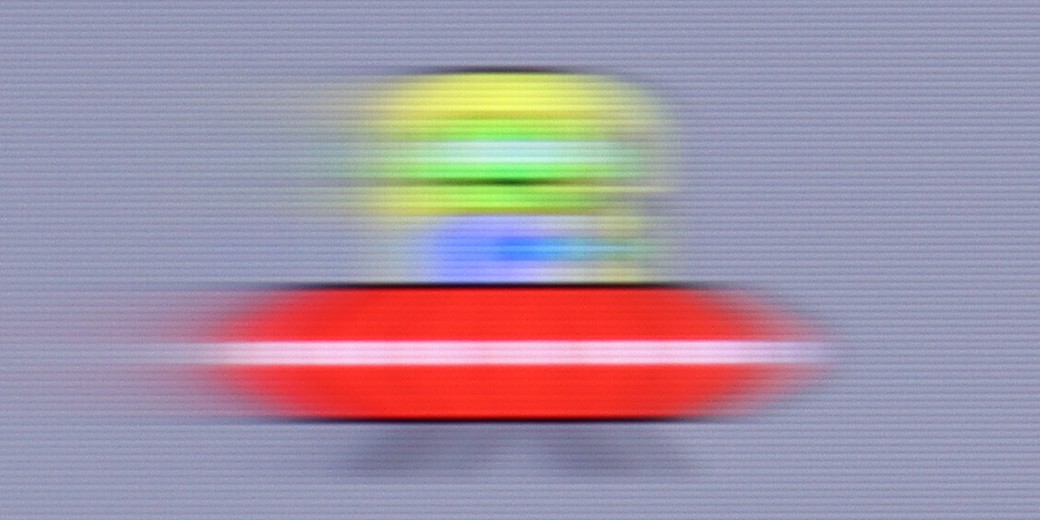
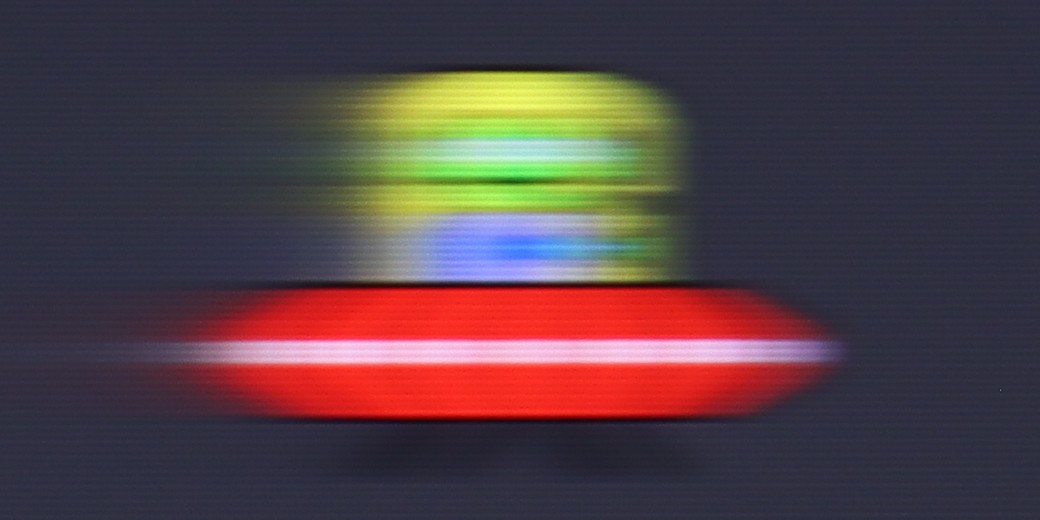
The maximum refresh rate you can set on the TCL C855 is 144 Hz. Naturally, this is only possible after connecting the TCL C855 TV to a very powerful PC. Otherwise, we will be operating at a maximum refresh rate of 120 Hz, which is recommended if we want to watch primarily sports or materials with a lot of motion dynamics. For those who require high image fluidity, the manufacturer has implemented a multi-stage motion smoother. It is divided into two separate sliders which control the sharpness of moving images (Motion Blur Reduction) and flicker (Flicker Reduction). Both sliders can be adjusted from 0 to 10, with each level affecting the degree of fluidity, so everyone can find their sweet spot. We present a setting that allows for slight smoothing without the soap opera effect. The matrix of the TCL C855 features a very good response time. This is particularly important since VA panels often struggle with the so-called ghosting effect, where a black halo can be observed behind a fast-moving object. where a black halo can be observed behind a fast-moving object.

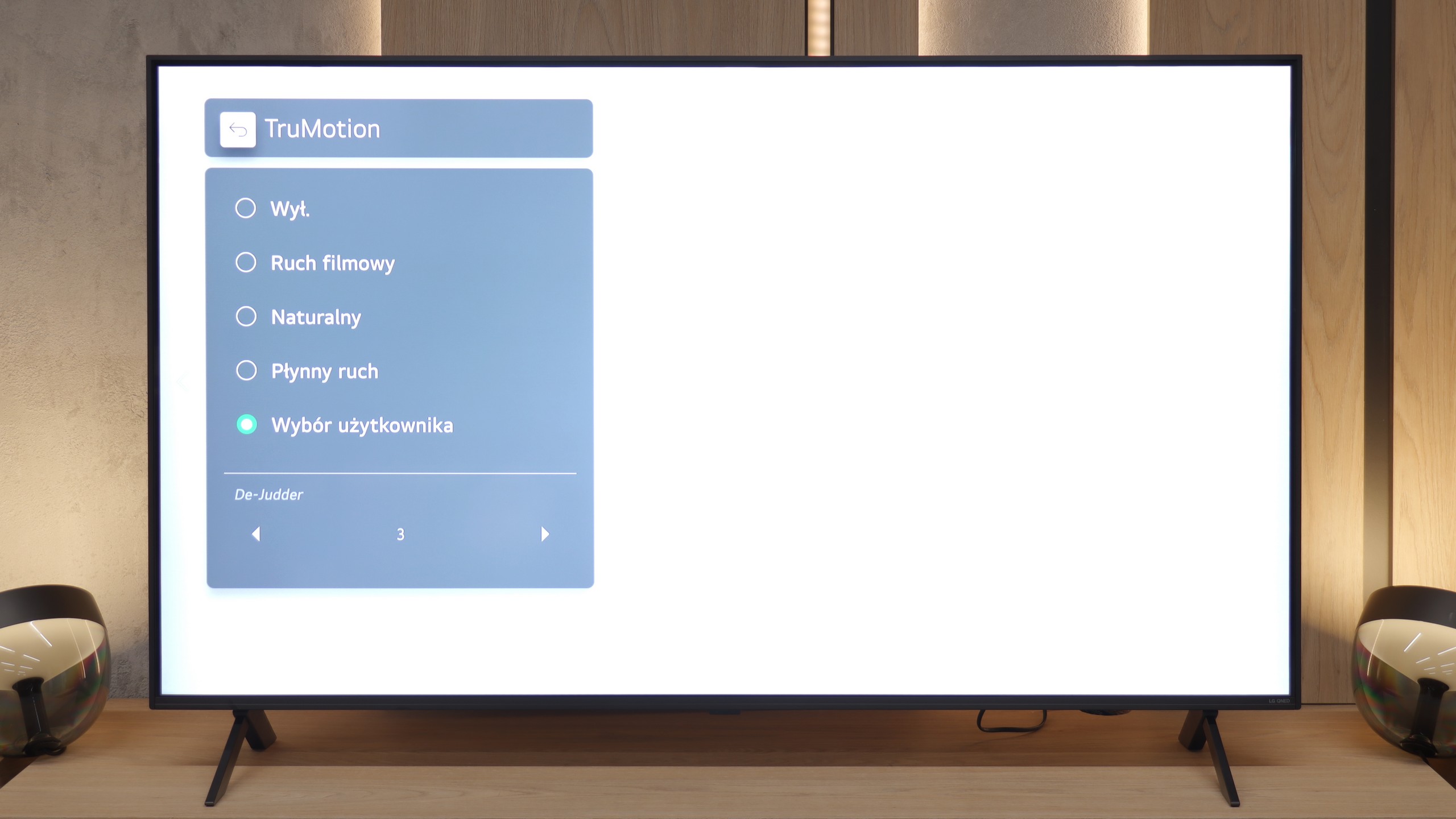
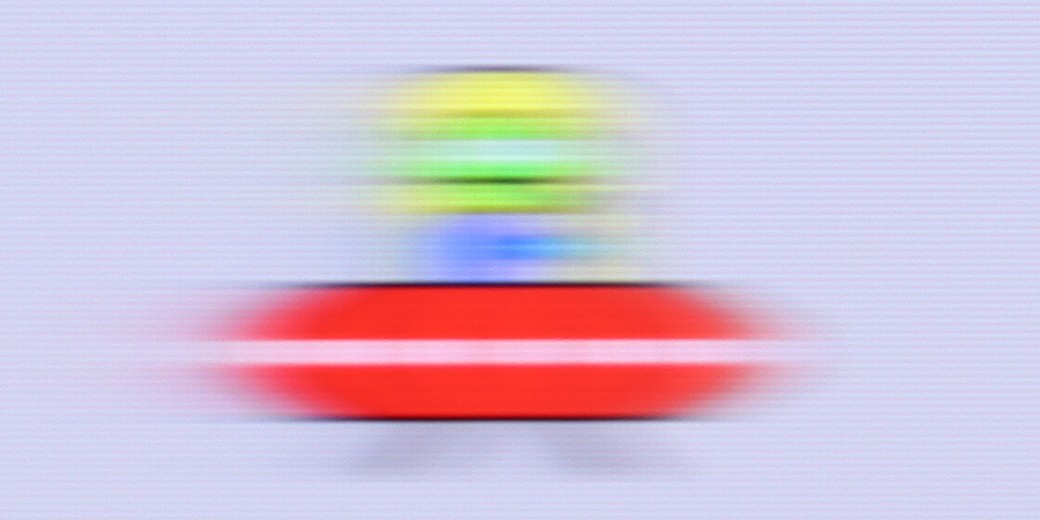
In terms of motion reproduction, the QNED80A unfortunately has a tough time. The television is based on a 60Hz refresh rate panel, which in 2025 in the QNED series is quite a disappointment. If you are looking for perfect sharpness in dynamic soccer matches, you might feel a bit unsatisfied. A solution in this situation is the TruMotion system. It allows for artificially adding frames, which smooths out the image in movies and series. In the menu, you will find the De-Judder slider – we recommend setting it to a value of 2, 3, or 4. This is the "golden mean" that improves fluidity without turning the film into a soap opera.

Console compatibility and gaming features

9.8/10

6/10

  • ALLM
    Yes
    Yes
  • VRR
    Yes
    Yes
  • VRR range
    48 - 144Hz
    48 - 60Hz
  • Dolby Vision Game Mode
    Yes
    No
  • Correct implementation of HGIG
    Yes
    Yes
  • 1080p@120Hz
    Yes
    No
  • 1440p@120Hz
    Yes
    No
  • 4K@120Hz
    Yes
    No
  • Game bar
    Yes
    Yes

The TCL C855 TV has fully-featured HDMI 2.1 ports, boasting a full bandwidth of 48 Gb/s. During our testing, we confirmed the seamless operation of all functions included in this connection standard. As highlighted, all checkboxes are illuminated in green, a feature that will undoubtedly be appreciated by gamers, whether on consoles or those using the TV as a computer monitor. Additionally, the TCL C855 supports both AMD FreeSync and NVIDIA's G-Sync, which can be easily activated in the graphics card settings. Those with powerful configurations can feed a 144 Hz signal to the C855, which handles this effortlessly. It is also worth noting the implementation of the HGIG mode, which can be excessively bright due to the shortcomings of the "Game" mode, making proper configuration on the screen challenging. Fortunately, the TV excels with the Dolby Vision format.

TCL, as one of the pioneering manufacturers, has equipped its televisions with a special GameBar, allowing for extensive adjustment of settings "on the fly" without the need to exit the game. This feature includes options like an additional crosshair grid, black level correction, and settings designed for individuals with disabilities. The image showcases the next generation of this solution.

In summary, the TCL C855 TV is an ideal choice for those seeking a screen for all forms of electronic gaming. With comprehensive features supporting such entertainment, it provides an extremely engaging experience. It is also important to emphasise that it maintains very low input lag, regardless of the selected settings, including when using the Dolby Vision HDR format.

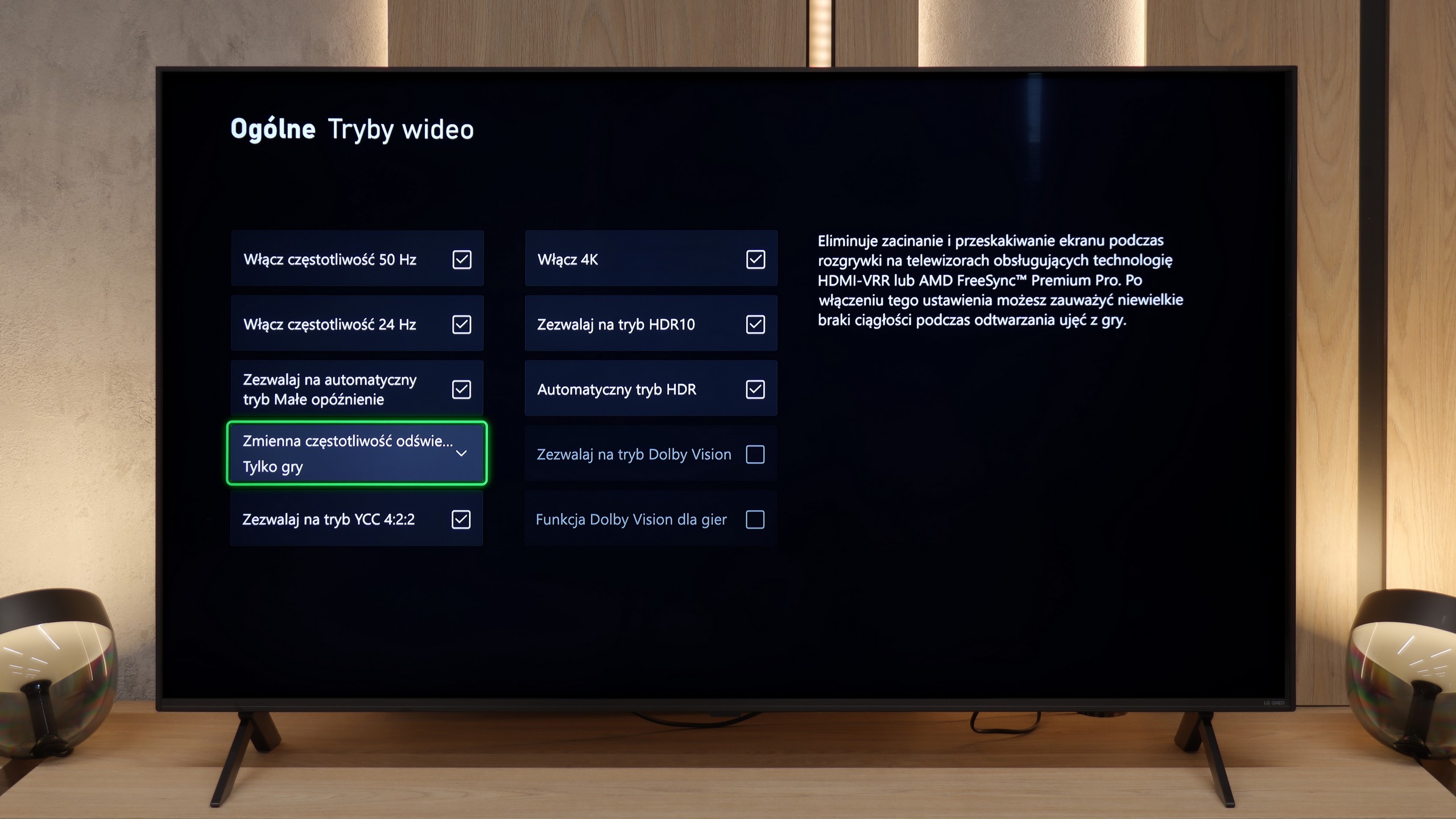
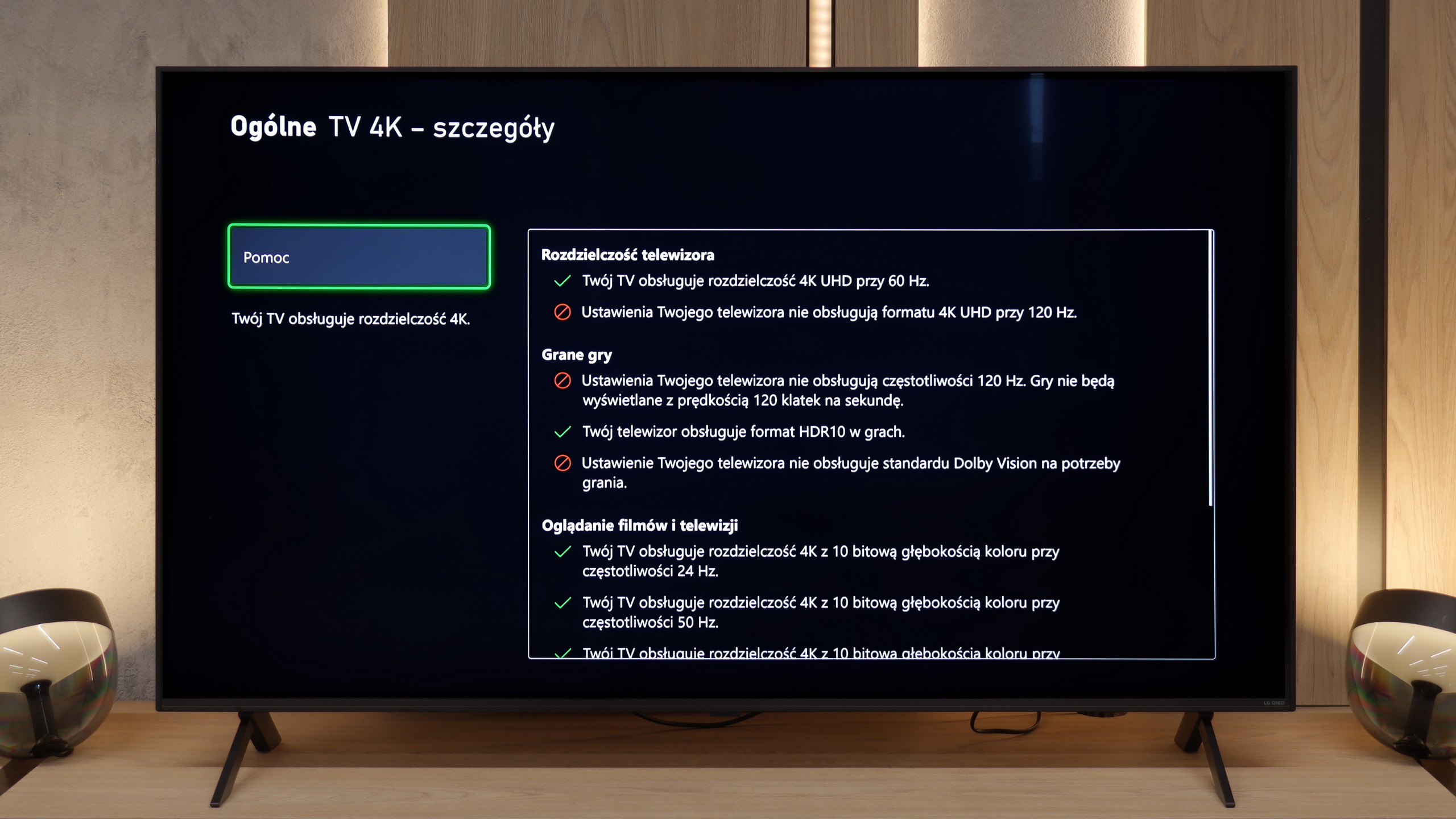
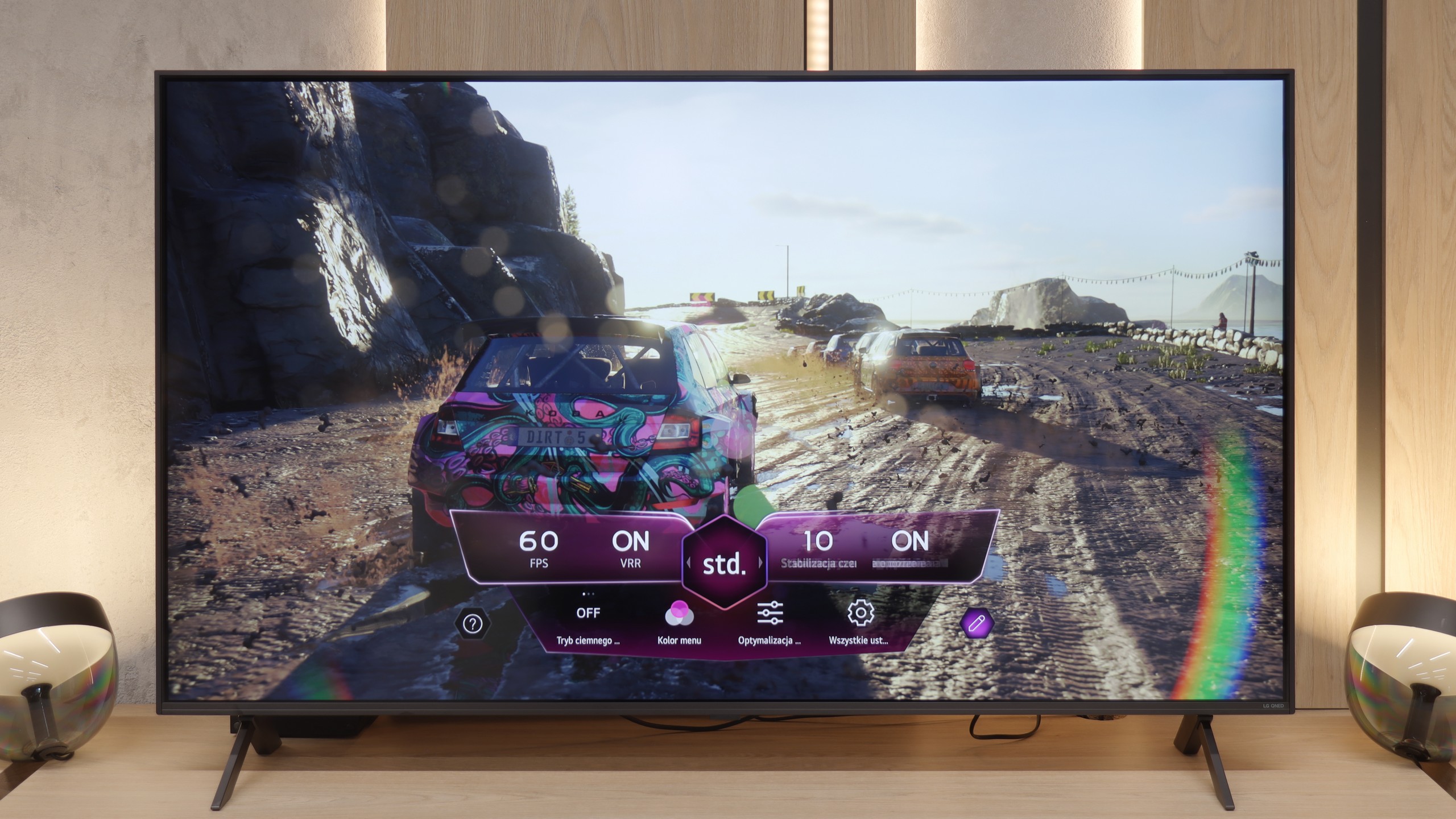
In the gaming section, we won't sugarcoat it for you – the QNED80A is not e-sports equipment. The lack of support for 120Hz signal is a fact that must be accepted. However, LG engineers have done everything to squeeze the maximum potential out of this 60 Hz panel, providing gamers with a set of desired features. First and foremost, the television supports VRR (in the range of 48-60Hz) and ALLM. This means that the image is smooth, does not stutter, and the television automatically switches to low latency mode as soon as we pick up the controller. Accessing these options is incredibly simple thanks to the dedicated system overlay – Game Dashboard. It is also worth appreciating the support for the HGiG format. This is a nod to owners of modern consoles. Although the screen does not support gaming Dolby Vision, HGiG ensures that the television "understands" how to display games in HDR. This helps us avoid the issue of blown-out clouds, which is unfortunately a plague on cheaper LCD televisions.

Input lag

9.8/10

9.8/10

SDR

1080p60
16 ms
15 ms
1080p120
7 ms
2160p60
16 ms
15 ms
2160p120
7 ms

HDR

2160p60
16 ms
15 ms
2160p120
7 ms
4320p60

Dolby Vision

2160p60 DV
17 ms
2160p120 DV
9 ms

The input lag of the TCL C855 is impressively low across all scenarios. Even the most dedicated gamers will appreciate the minimal input lag of just 7 ms at demanding 4K 120 Hz settings with HDR. Furthermore, this lag remains consistent when enabling Dolby Vision HDR, which is not always the case with competing models. As such, the TCL C855 merits the highest rating and recommendation.

What about responsiveness? Our measurements showed an input lag of about 15 ms. In the gaming world, where top monitors go down to 1 ms, this might seem like an average result, but in the category of living room TVs, it is a very good result. In practice, this means that when playing on a console, you will not feel any discomfort. There's no situation here where the character reacts with a noticeable delay after pressing a button on the controller. The TV responds to the controller without delay, allowing you to enjoy the gameplay without unnecessary irritation. For recreational gaming after work – the result is quite acceptable.

Compatibility with PC

8.6/10

5/10

Chroma 444 (maximum resolution and refresh rate)
Yes
Yes
Font clarity
Good
Very Good
Readability of dark text and shapes
Good
Average
Input lag in PC mode (4K, maximum refresh rate)
16ms
15ms
Matrix subpixel arrangement
BGR
RGB
Max refresh rate
144Hz
60Hz
G-Sync
Yes
No
Review TCL C855 Compatibility with PC
Review LG QNED80A6A (IPS) Compatibility with PC

When connected to a computer as a monitor, the TCL C855 performs exceptionally well. This is largely due to its very low latency time along the mouse-eye-screen line and excellent font readability, achieved through a chroma 4:4:4 at all resolutions, including 4K@144Hz.

The subpixel layout is BGR, which does not negatively affect usage in the Windows environment. However, this situation may change when using macOS or other software that cannot adjust fonts to accommodate this subpixel layout.

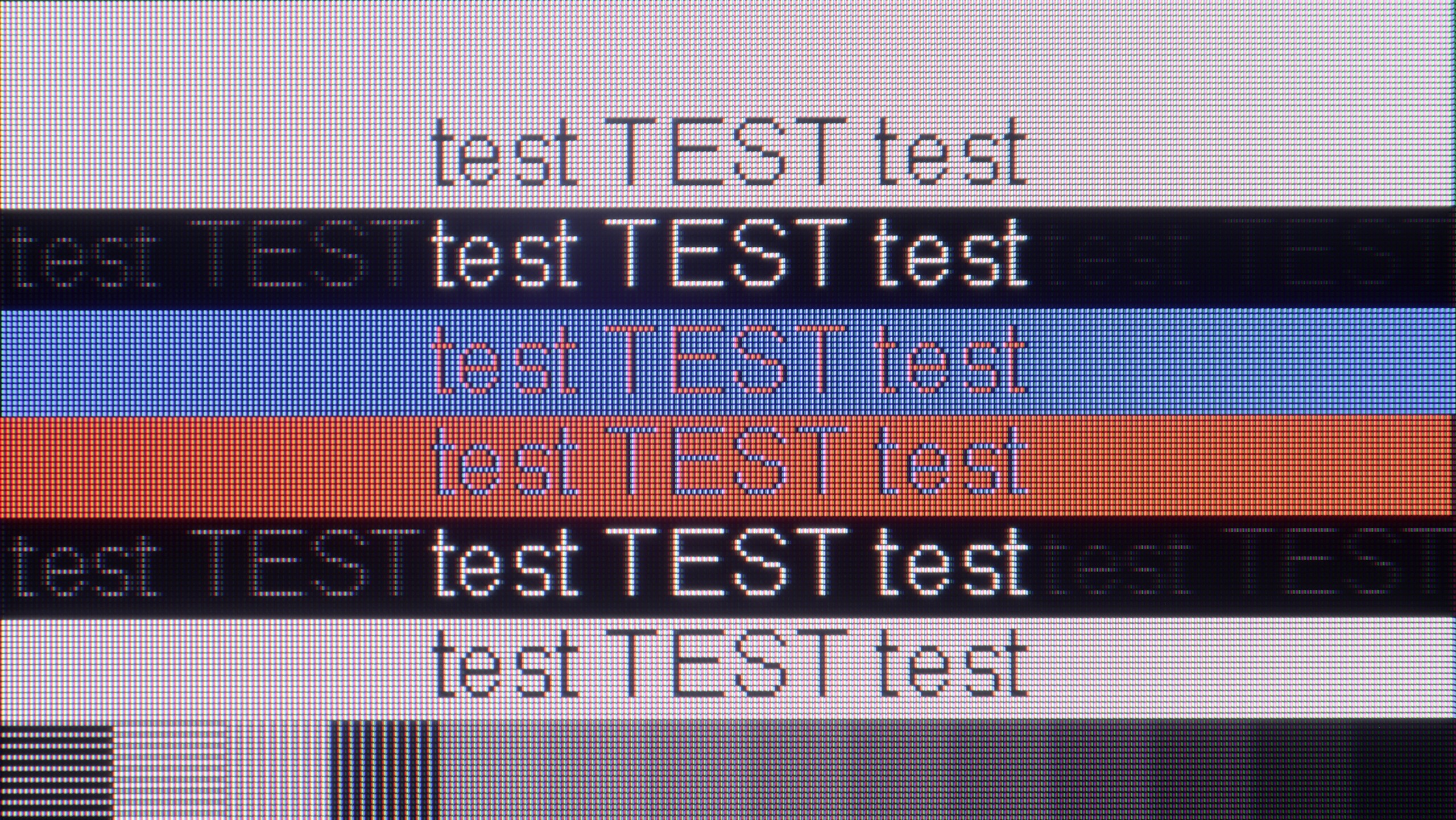
In terms of cooperation with a PC, we have another surprise in store. Theoretically, it is IPS matrices that, due to their pixel structure, should dominate in displaying static office content. Meanwhile, the QNED80A breaks the mold once again. During testing, we noticed strange behavior when displaying text. While classic, bold fonts are readable and look correct, the trouble begins with small, thin letters. They tend to "split" along the contours and cast a strange shadow. This causes fine text to become less clear, and prolonged reading can be tiring for the eyes. So, if you are looking for a TV that will mainly serve to display Excel tables or Word documents, this particular variant may disappoint you a bit.

Viewing angles

3.5/10

6/10

Brightness drop at an angle of 45 degrees
73%
69%

A well-known drawback of VA panels without an angle coating is their poor performance regarding viewing angles. This holds true for the TCL C855, where even a slight deviation from the central axis results in noticeable image fading and colour degradation.

Do you remember how we complained about the weaker contrast? Now it's time for a comeback. It is in terms of viewing angles that the IPS matrix shows its superiority and reason for existence. If you have a spacious living room and family members watch television from different spots – for example, from an armchair in the corner or over the dining table – this variant will be a home run. Unlike VA panels, here the image retains its properties even at a large angle. Colors remain vibrant and do not change hues when viewed from the side. This makes the QNED80A in this version a great choice for watching games with friends or cartoons with kids, where not everyone has the luxury of sitting perfectly in front of the screen.

Daytime performance

7.4/10

4.7/10

Panel finish
Glare
Satin
Reflection suppression
Average
Decent
Black levels during daytime
Good
Good
Review TCL C855 Daytime performance
Review LG QNED80A6A (IPS) Daytime performance
Review TCL C855 Daytime performance
Review LG QNED80A6A (IPS) Daytime performance

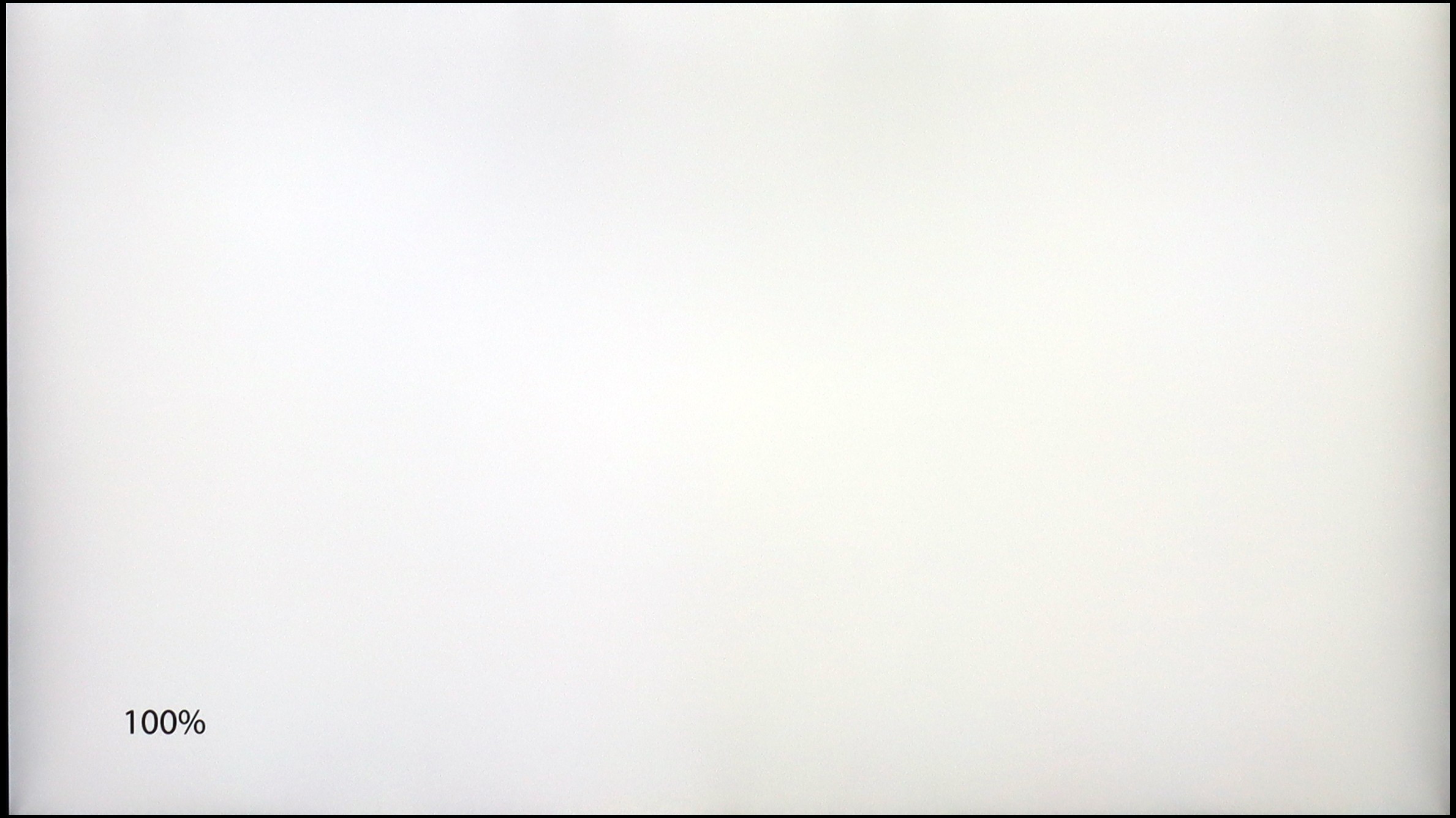
Panel brightness

Average luminance SDR

LG QNED80A6A (IPS): 310 cd/m2

TCL C855: 910 cd/m2

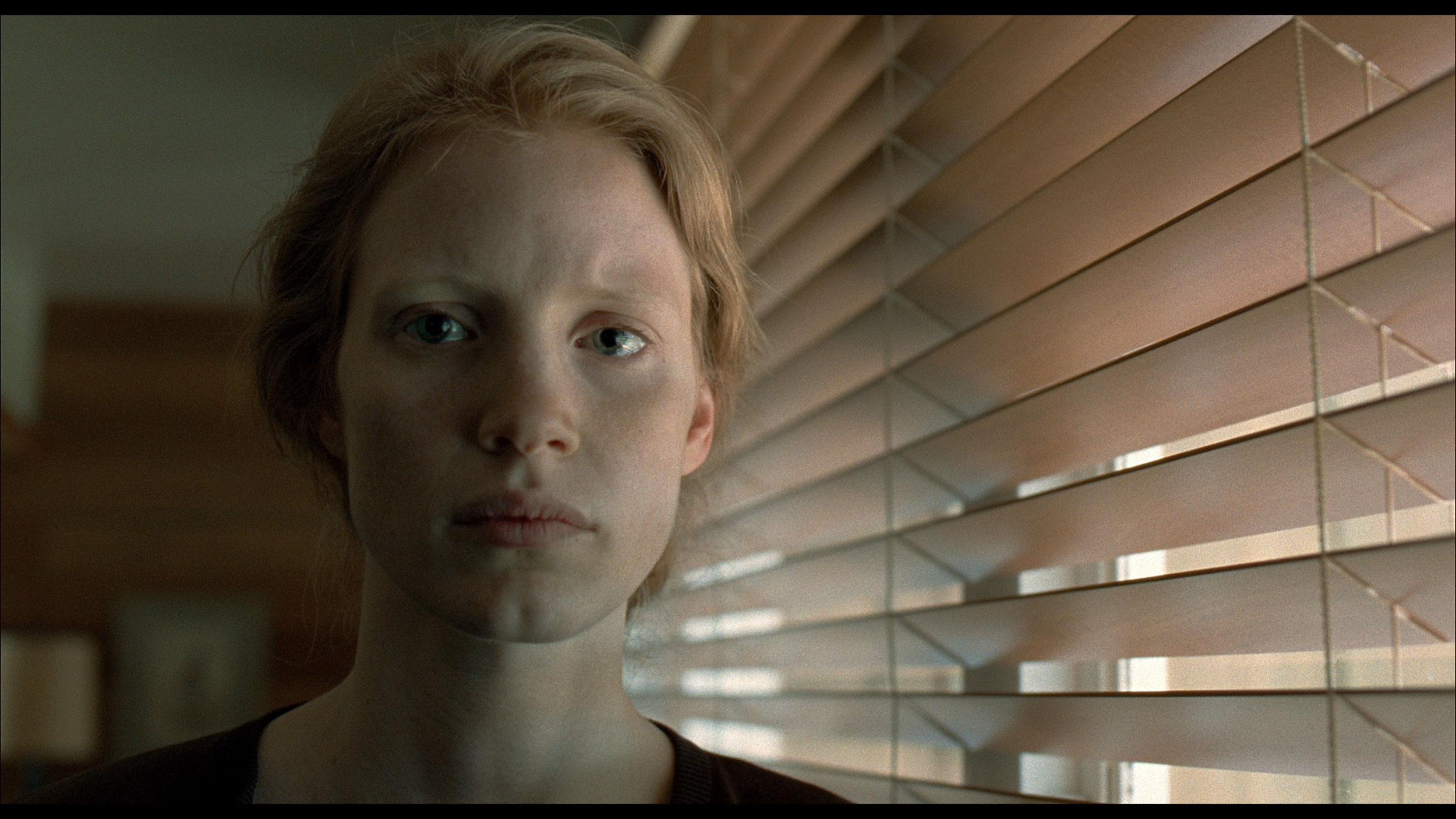
The glossy finish of the TCL C855 panel prevents it from achieving the highest rating for daytime viewing performance. However, this finish contributes to impressive black levels during the day. The high brightness in SDR material makes the actress's face stand out prominently against reflections. A downside of this panel is that light falling directly on the screen tends to "spill" rather than being contained in one area. Generally speaking, if sunlight does not directly hit the panel, the TCL C855 remains a solid choice for well-lit rooms.

QNED80A is not a "light monster," so in full, direct sunlight, the image may appear a bit washed out. It is not equipment dedicated to combating sharp sunlight hitting directly on the screen. However, it has an ace up its sleeve that significantly improves user comfort: the panel coating. Instead of a cheap, glossy finish, LG has used a satin texture here. It works very effectively, "softening" reflections from the surroundings. So we don't see our perfect reflection in the screen like in a mirror, which can be incredibly irritating in darker scenes. So it might be insufficient for extremely bright rooms, but in standard, moderate home conditions, the QNED80A will perform perfectly.

Panel details

Backlight Type
Mini-LED QLED
Mini-LED PFS LED
Software version during testing
TV+:TVM6.0.1_926b00935_240329
33.21.62
Image processor
mt5896

Subpixel Structure:

Panel uniformity and thermal imaging:

Review TCL C855 TV Panel details
Review LG QNED80A6A (IPS) TV Panel details

TCL C855

LG QNED80A6A (IPS)

TV features

6.7/10

6.8/10

  • HDMI inputs
    2 x HDMI 2.0, 2 x HDMI 2.1 48Gbps
    3 x HDMI 2.0, 0 x HDMI 2.1
  • Other inputs
    RCA (Chinch)
  • Outputs
    Toslink (Optical audio), eARC (HDMI), ARC (HDMI)
    Toslink (Optical audio), eARC (HDMI), ARC (HDMI)
  • Network Interfaces
    Wi-Fi 2.4GHz, Wi-Fi 5GHz, Ethernet (LAN) 100Mbps
    Wi-Fi 2.4GHz, Wi-Fi 5GHz, Ethernet (LAN) 100Mbps
  • TV reception
    DVB-T, DVB-T2, DVB-S, DVB-S2, DVB-C
    DVB-T, DVB-T2, DVB-S, DVB-S2, DVB-C

Classic features:

  • Recording to USB (terrestrial TV)
    No
    No
  • Recording programming
    No
    No
  • Picture in Picture (PiP)
    No
    No
  • RF remote control (no need to aim at the screen)
    Yes
    Yes
  • Backlit remote control
    No
    No
  • Teletext
    Yes
    Yes
  • Audio only mode
    No
    Yes
  • Bluetooth headphones support
    Yes
    Yes
  • Simultaneous Bluetooth headphones & TV audio
    Yes
    Yes

Smart features:

  • AirPlay
    Yes
    Yes
  • Screen mirroring (Windows Miracast)
    Yes
    Yes
  • Voice search
    Yes
    Yes
  • Voice search in native language
    Yes
    Yes
  • Ability to connect a keyboard and mouse
    Yes
    Yes
Review TCL C855 TV features
Review LG QNED80A6A (IPS) TV features

The TCL C855 operates on the Google TV platform, which offers a significant advantage over TVs with proprietary systems from other manufacturers, where installing applications from a USB drive can often be challenging or impossible. With Google TV, users can install virtually any application, whether from the official store or directly from online repositories via APK files.

This system also provides various conveniences in terms of control. Users can connect a keyboard with a touchpad, making it easier to enter queries. Additionally, thanks to integration with Google, voice control features via the remote work very well, although minor issues may occasionally arise with function translations. It's worth noting that Google TV regularly receives updates that enhance functionality and introduce new options. However, according to reports from users of older models, the software can sometimes have its off days, leading to occasional performance hiccups.

In summary, Google TV is currently one of the most popular systems on the market. Thanks to its efficient CPU, it runs very smoothly, avoiding freezing and stuttering for the majority of usage. This makes it an excellent choice for those looking to fully utilise the capabilities of the TCL C855 and who appreciate the openness of the system.

WebOS Platform and Support

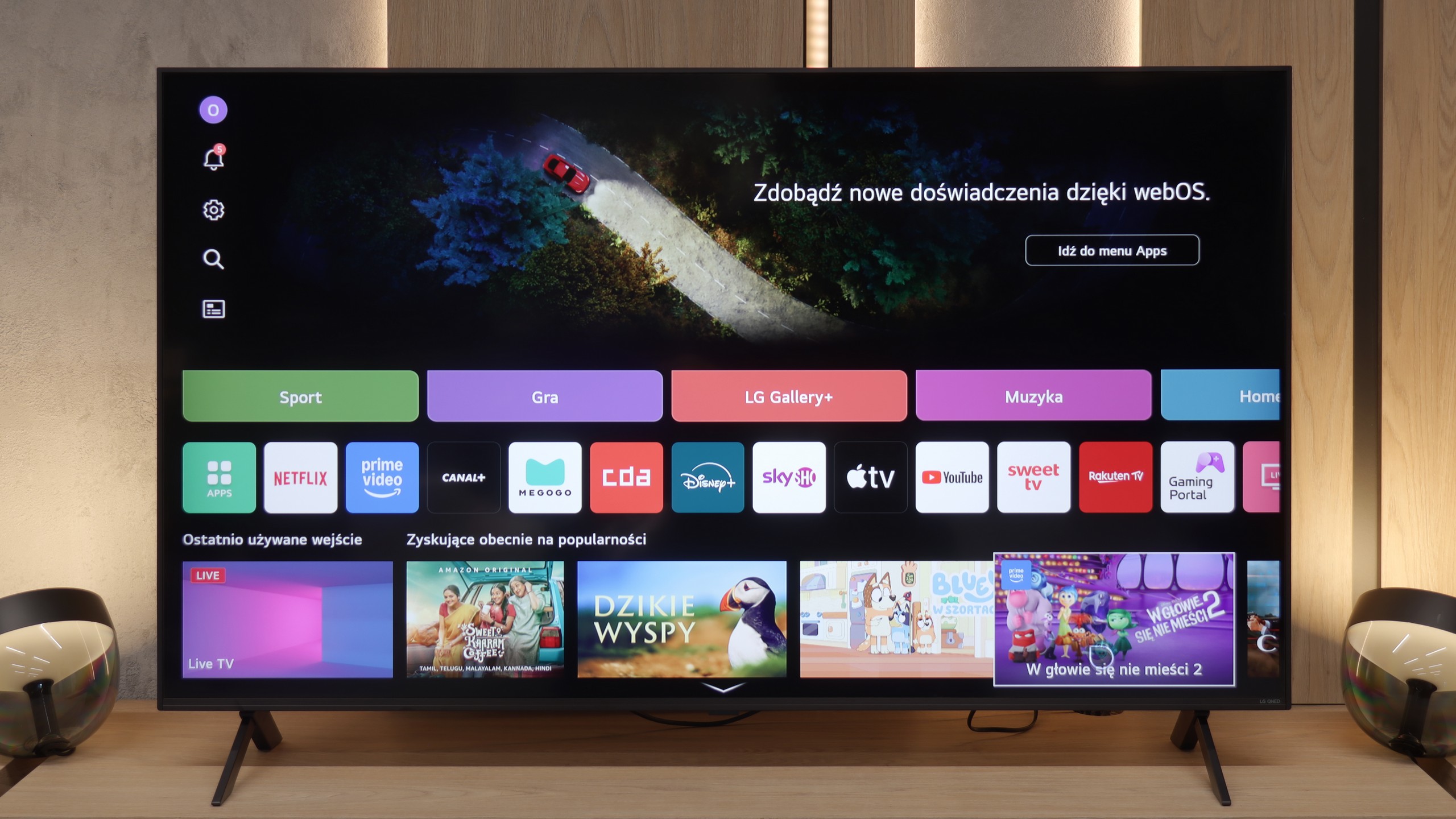
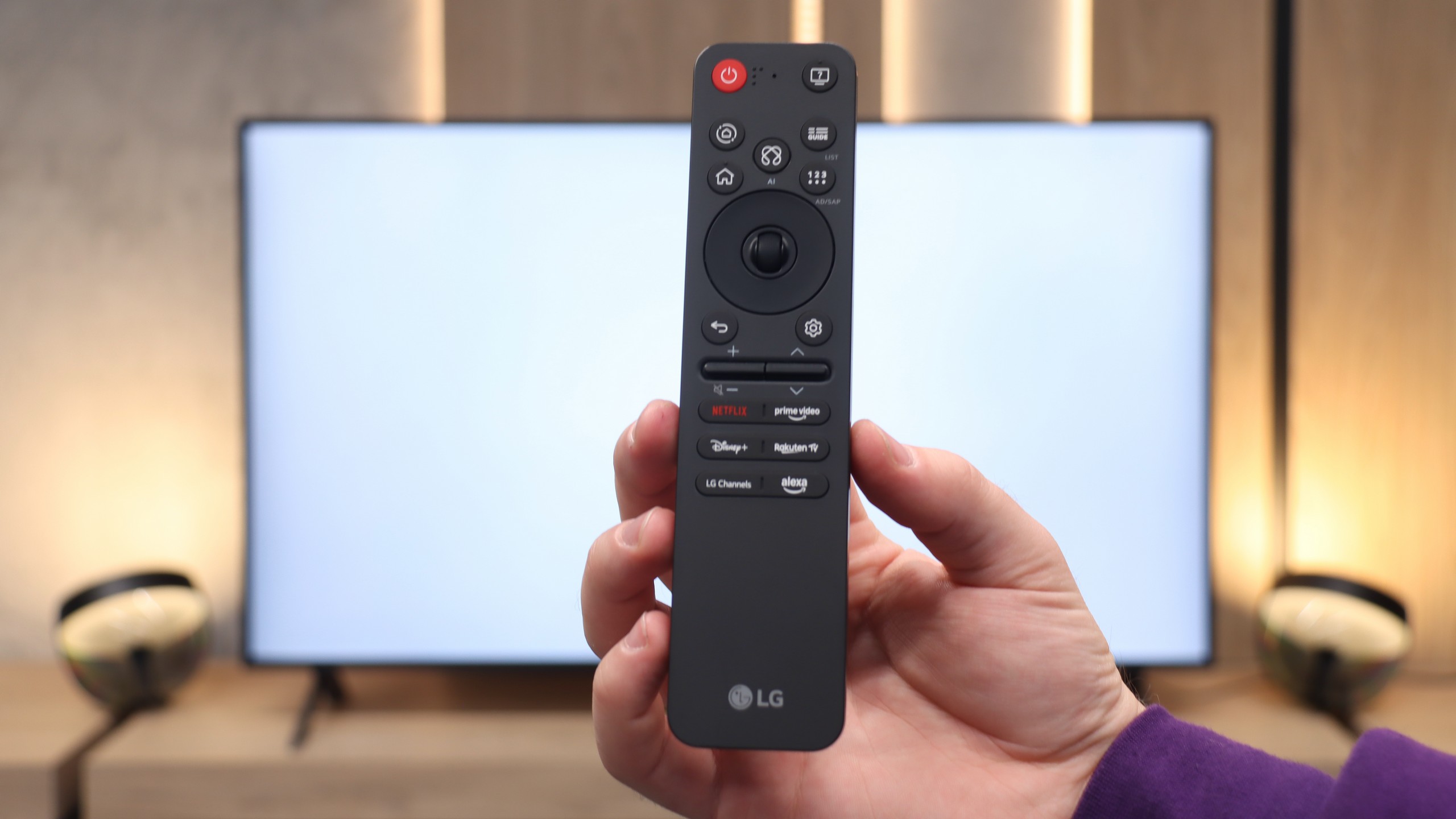
One of the biggest advantages of the QNED80A model is its "brain," meaning the operating system. LG has implemented a full-fledged WebOS for the year 2025, which in terms of smoothness and usability is on par with more expensive models. Applications launch smoothly, and navigating the menu is a pure pleasure. All this is thanks to the unique remote control with a pointer function (cursor), which underwent a visual overhaul this year. The manufacturer opted for minimalism—the new "Magic" is significantly smaller and more ergonomic. It fits perfectly in hand, but this change also has a downside. The physical number pad has disappeared from the casing. For the younger generations, who are accustomed to streaming, this is not an issue, but older family members who are used to entering channel numbers from memory will have to change their habits.

Everyday Use and Add-ons

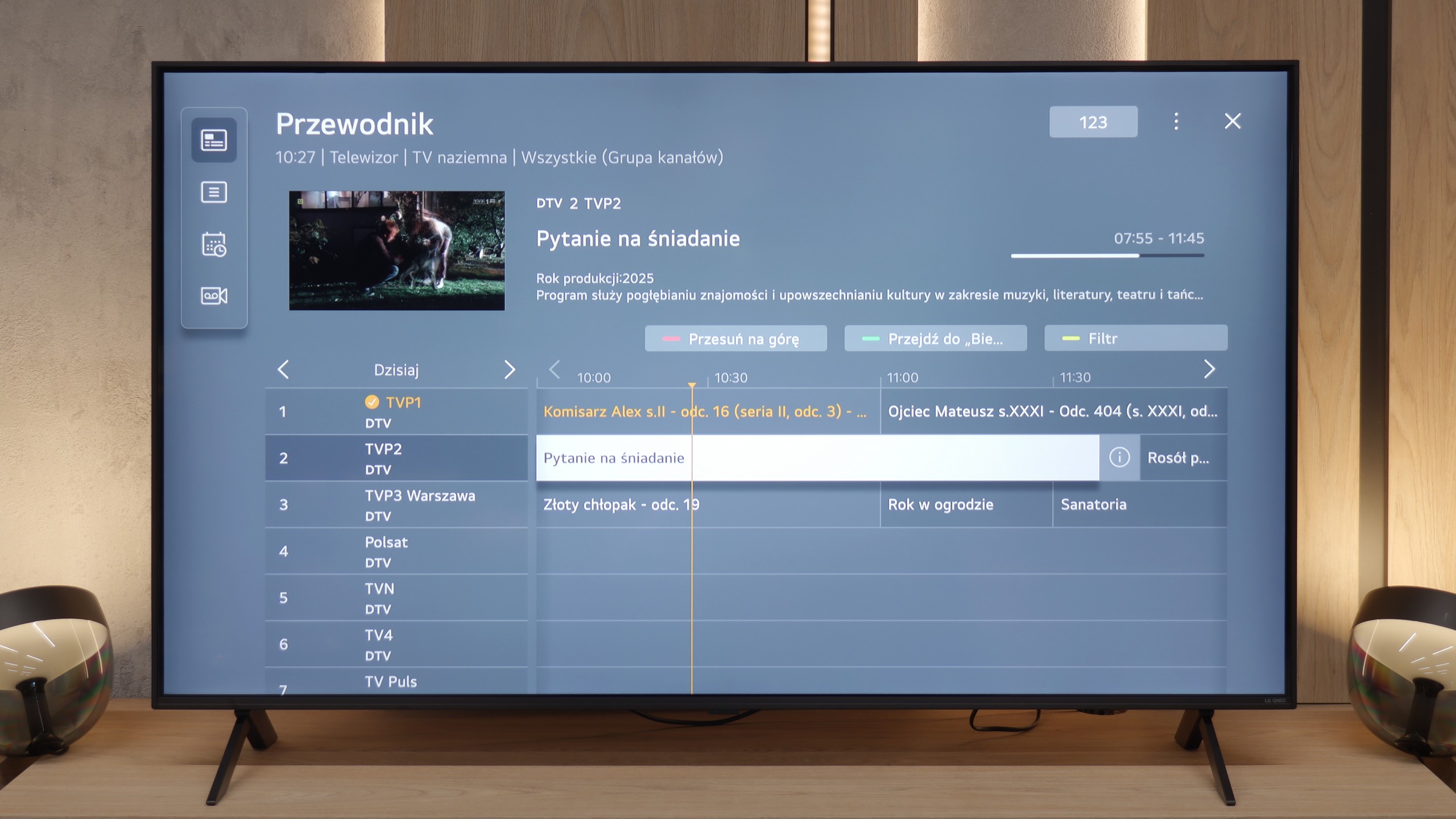
In terms of functions that we would call "classic," the QNED80A sticks to a proven standard. It is not a multimedia powerhouse that will surprise you with exotic features, but it performs flawlessly in everyday television craftsmanship. The operation of classic television, including Teletext, is correct and problem-free. Wireless communication also deserves praise—the Bluetooth module works reliably, allowing for quick connections to a game console controller or wireless speakers. This is a TV that simply "works"—steadily, predictably, and without unnecessary complications.

Apps

9.6/10

9.1/10

OK
Disney_Plus
OK
Amazon_Prime_Video
OK
Player_TVN
OK
Polsat_Box_Go
OK
Canal_Plus_Online
OK
TVP_VOD
OK
Apple_TV_Plus
OK
SkyShowtime
OK
Rakuten
OK
CDA_Premium_Browser
OK
Spotify
OK
Tidal
OK
Netflix
OK
YouTube
OK
HBO_MAX
OK
Kodi
No
Apple_music
OK
Eleven_sports
No
Xbox Game Pass
OK
GeForce Now!
No
Amazon Luna
OK
Boosteroid
OK
Steam Link
OK
Disney_Plus
OK
Amazon_Prime_Video
No
Player_TVN
OK
Polsat_Box_Go
OK
Canal_Plus_Online
OK
TVP_VOD
OK
Apple_TV_Plus
OK
SkyShowtime
OK
Rakuten
OK
CDA_Premium_Browser
OK
Spotify
OK
Tidal
OK
Netflix
OK
YouTube
OK
HBO_MAX
No
Kodi
OK
Apple_music
No
Eleven_sports
OK
Xbox Game Pass
OK
GeForce Now!
OK
Amazon Luna
OK
Boosteroid
No
Steam Link

Playing files from USB

9.2/10

8.2/10

Supported photo formats:

JPEG
Yes
Yes
HEIC
No
No
PNG
Yes
Yes
GIF
Yes
No
WebP
Yes
No
TIFF
No
No
BMP
Yes
Yes
SVG
No
No

Maximum photo resolution:

4 Mpix
Yes
Yes
6 Mpix
Yes
Yes
8 Mpix
Yes
Yes
10 Mpix
Yes
Yes
12 Mpix
Yes
Yes
16 Mpix
Yes
Yes
20 Mpix
Yes
No
24 Mpix
Yes
No
28 Mpix
Yes
No
32 Mpix
Yes
Yes

The default file player on the TCL C855 performs admirably with nearly all the media formats tested. Most video formats are supported, providing a versatile viewing experience. However, a notable drawback is the lack of functionality to change font colours. When it comes to photo playback, the TV handles high-resolution images well, but it is worth mentioning that it does not support Apple's HEIC or SVG file formats.

On the audio front, the TCL C855 manages to play various audio files without any issues, although it's unlikely that many users are reliant on formats like AIFF or DSD64. A significant advantage of the C855, alongside its operating system, is the ability to download alternative media players from the app store, ensuring compatibility with a wider range of file types.

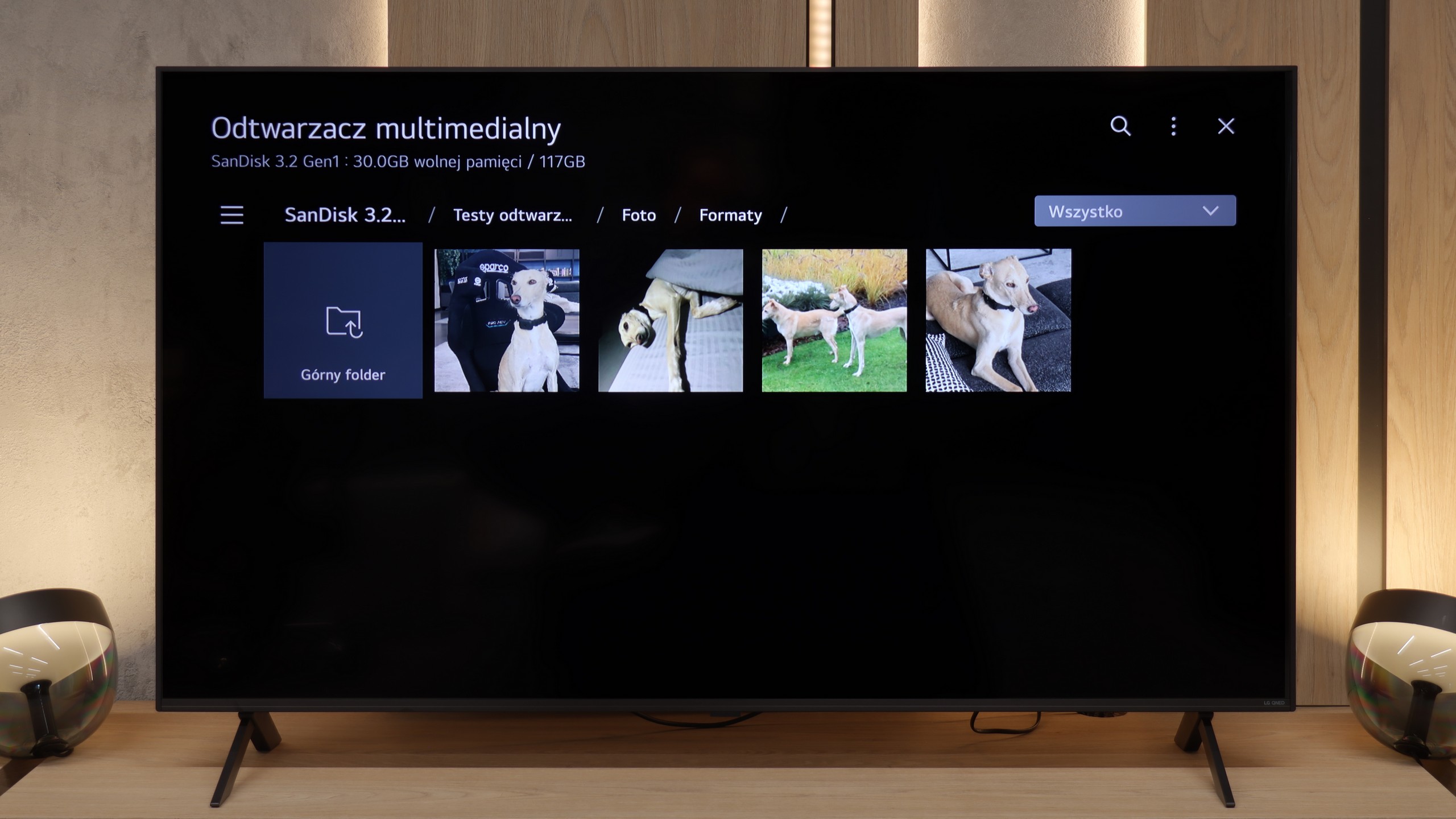
Many of us still enjoy watching movies or photos from our own USB drives. Here, the QNED80A performs quite decently, supporting a wide range of video and audio codecs. Most movie libraries will start "right off the bat." However, it is important to remember the specifics of the WebOS system. Since it is a closed environment, we are stuck with what the manufacturer has prepared for us – there is no option to install alternative players (e.g., the popular VLC) if we encounter a read error. What kind of errors might we encounter? First and foremost, the lack of support for HEIC files. So, if you take pictures with your iPhone and want to display them on a large screen straight from the flash drive – the TV won't see them. It's worth changing the photo save format on your phone to JPG right away. We also noticed that the player has difficulties processing very large graphic files. Photos with resolutions around 20-28 Mpix might not load or could cause errors. Aside from these exceptions – the playback is trouble-free.

Sound

7.2/10

6/10

  • Maximum volume
    -
    81dB
  • Dolby Digital Plus 7.1
    Yes
    Yes
  • Dolby True HD 7.1
    No
    No
  • Dolby Atmos in Dolby Digital Plus (JOC)
    Yes
    Yes
  • Dolby Atmos in Dolby True HD
    No
    No
  • DTS:X in DTS-HD MA
    Yes
    No
  • DTS-HD Master Audio
    Yes
    No

When evaluating the sound quality of the TCL C855, several key aspects come into play, such as clarity, balance, and the absence of dominant frequencies. In this case, the sound performance is commendable; it is well-balanced and does not evoke any negative sensations, providing an overall good audio experience.

For those who utilise a home theatre system, the TCL C855 supports a wide range of audio codecs, including the two most significant ones: DTS-HD Master Audio and Dolby Atmos. This support ensures high sound quality, making it a suitable choice for users seeking an enhanced audio experience.

When it comes to sound, the QNED80A fits into the market standard for the mid-range. Here we have a classic 2.0 setup with a power of 20 watts. We won't hide it – you can't fool physics. The sound lacks low tones (bass) and that specific depth that builds the atmosphere in action movies or while listening to music. However, the TV has one significant advantage that users of traditional television, such as series and news programs, will appreciate. It's the reproduction of speech. Dialogues are surprisingly clear and natural. The sound is not "bass-heavy" or artificially boosted, which prevents ear fatigue and allows understanding every word of the narrator without the need to increase the volume.

Sound Quality Test

No sound test video