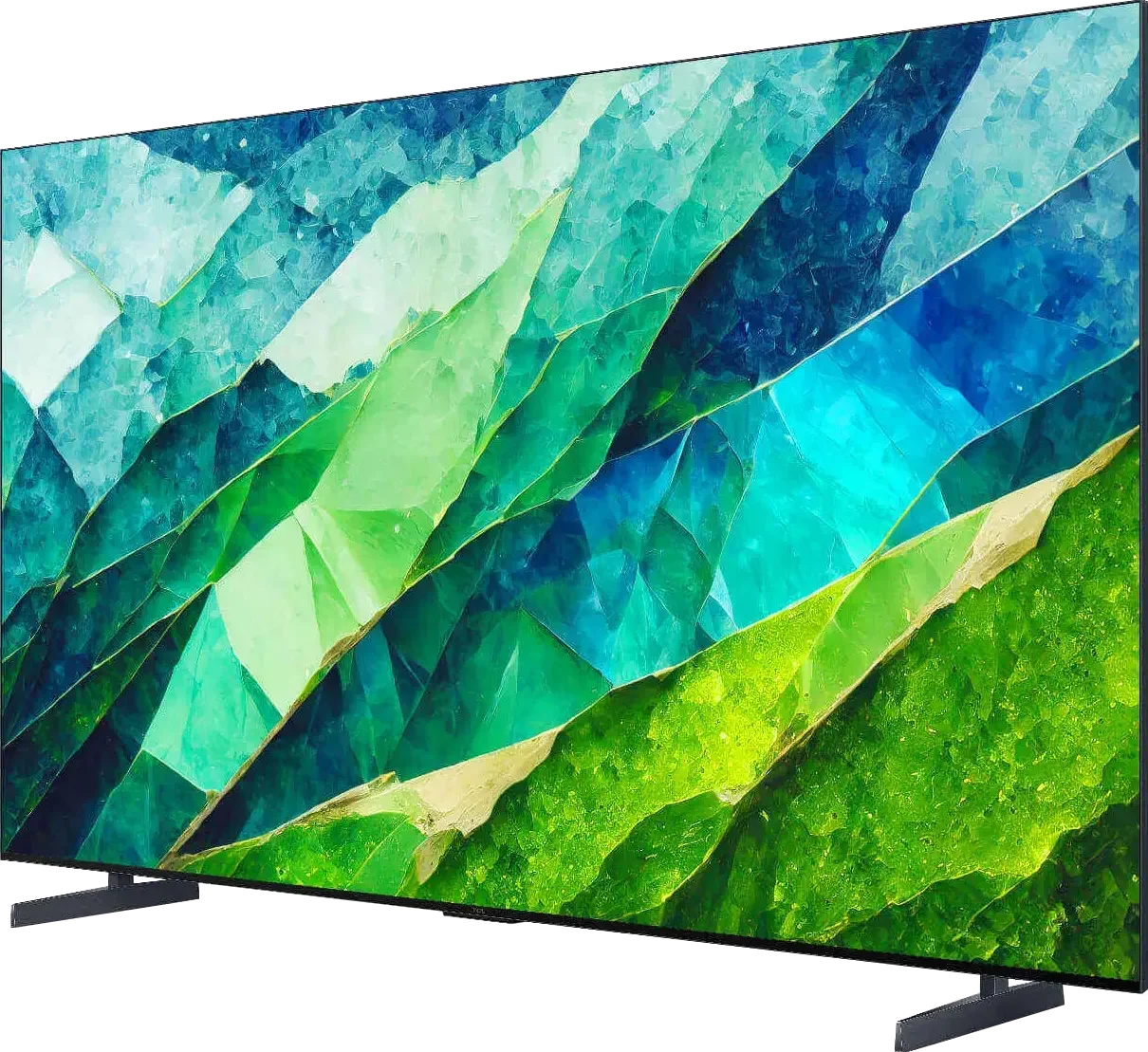
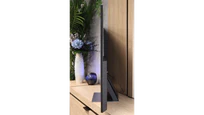
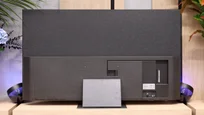
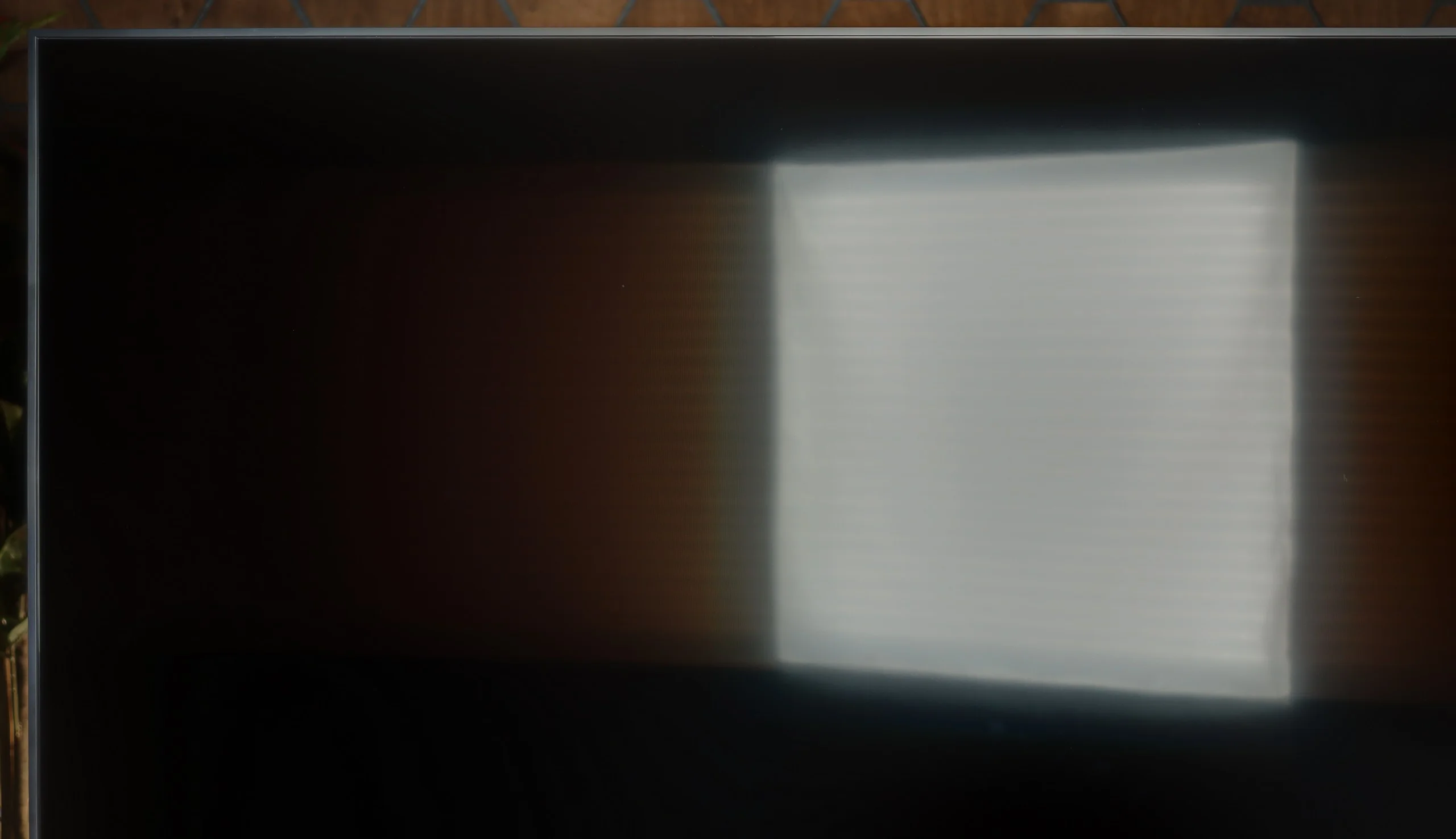
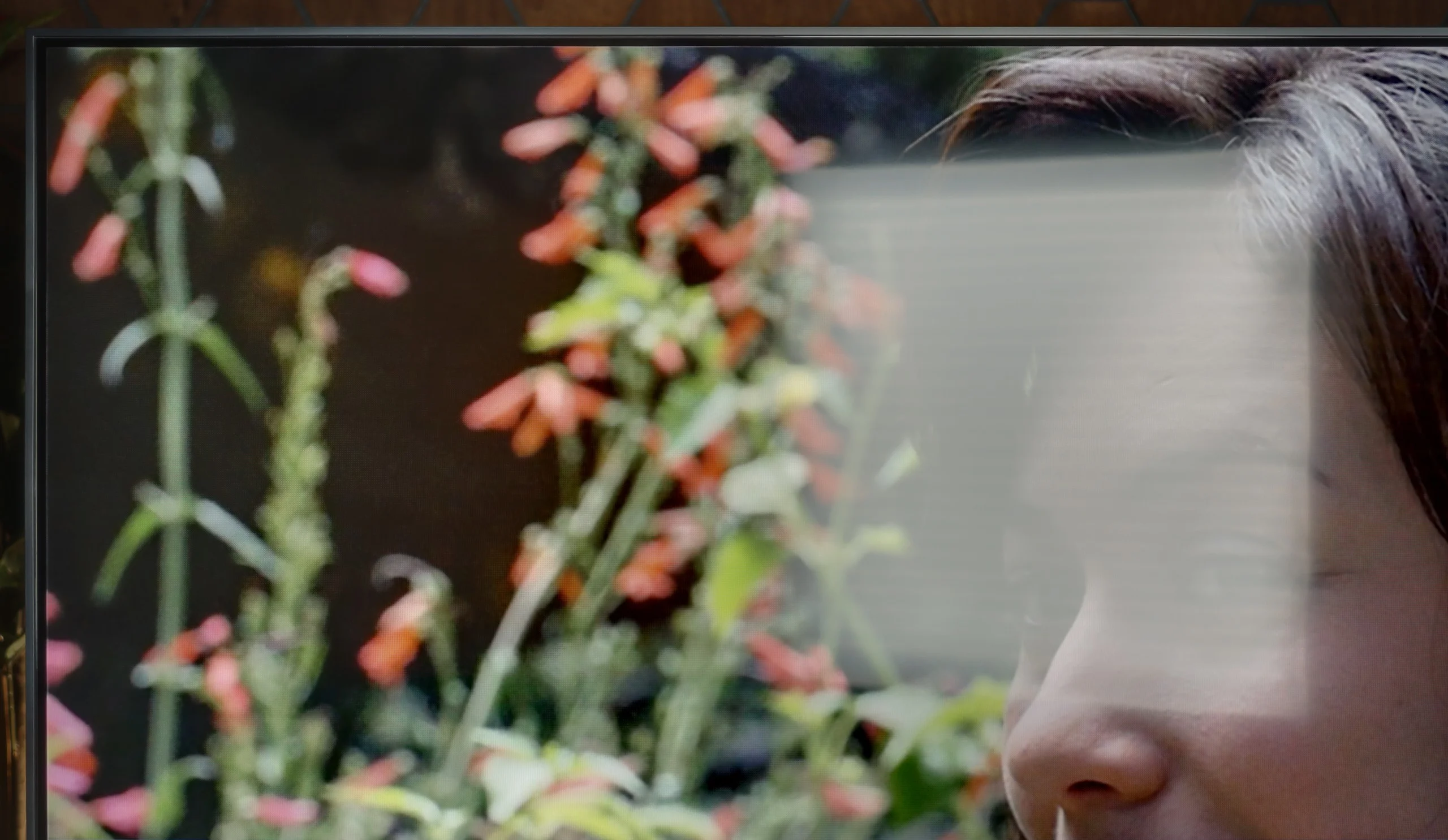
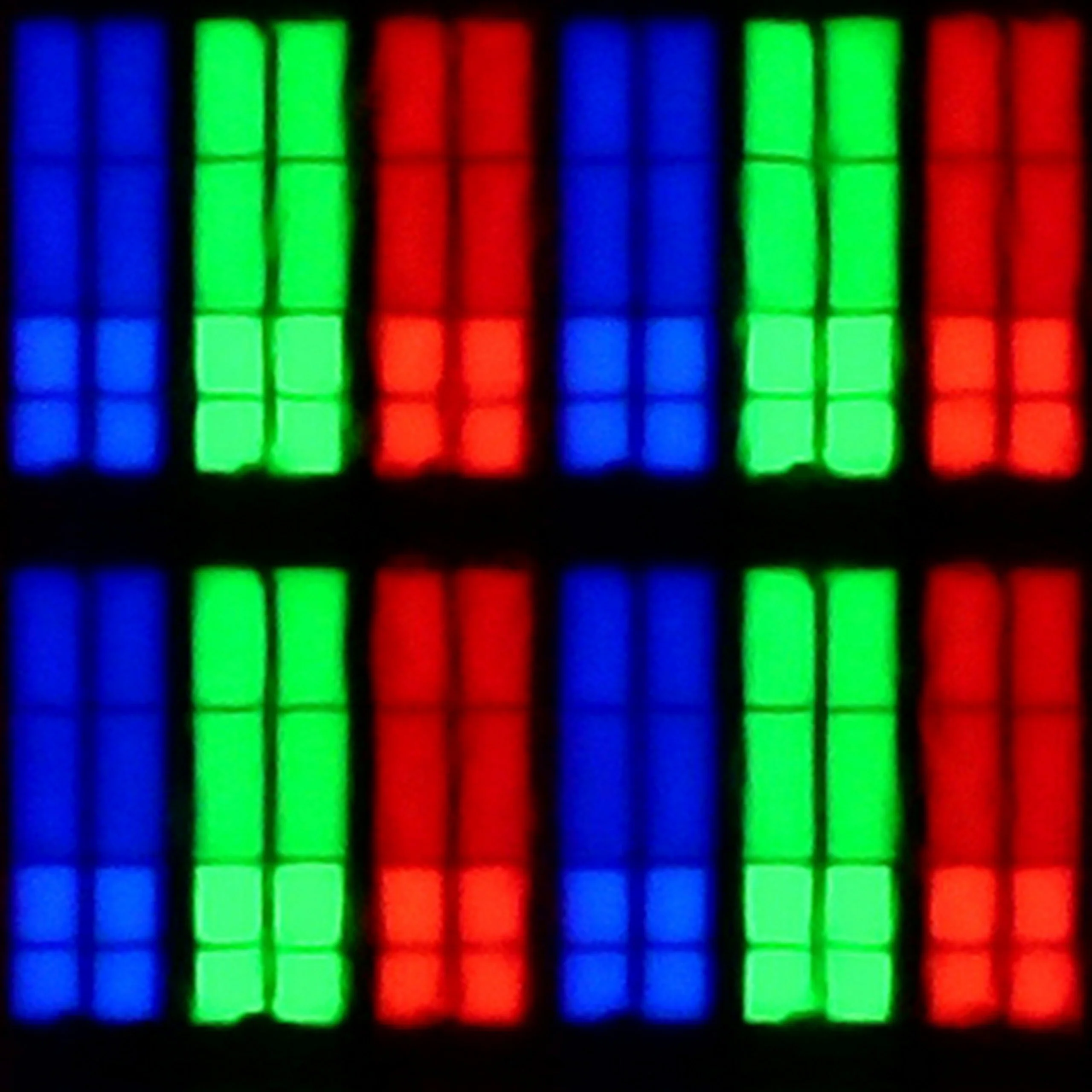
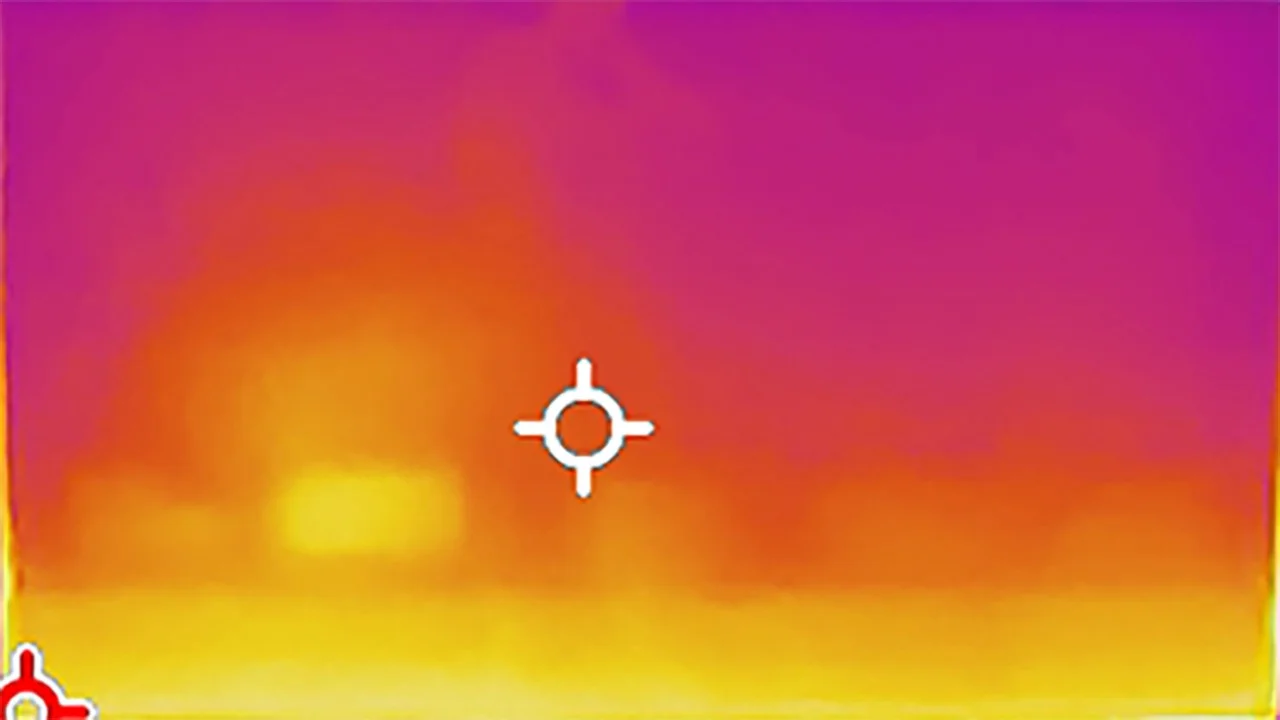
The TCL C855 is a standout television in the TV market, showcasing a versatile performance across various applications and excelling in its price range. With Mini LED backlighting, the TV achieves impressive contrast and black levels, resulting in deep, vivid images. Its algorithm effectively maintains black uniformity, minimizing blooming effects, a significant advantage for viewing HDR content.
While the TCL C855 can reach brightness levels of up to 1800 nits, which is commendable, it is worth noting that brightness can significantly drop to around 200 nits when bright but small elements appear on-screen. Additionally, the mid-tone boost can compromise contrast and reduce fidelity to the director's original vision.
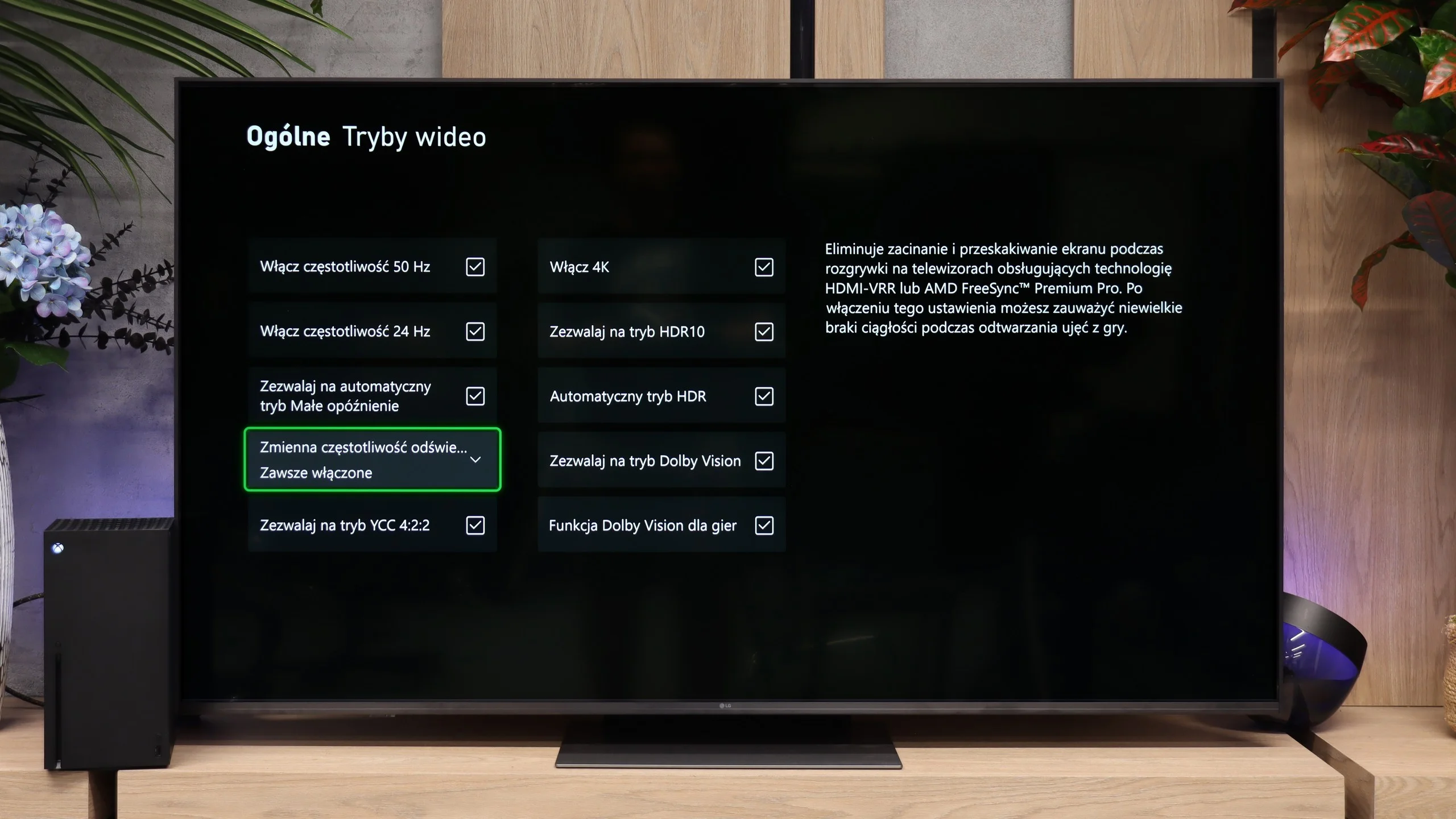
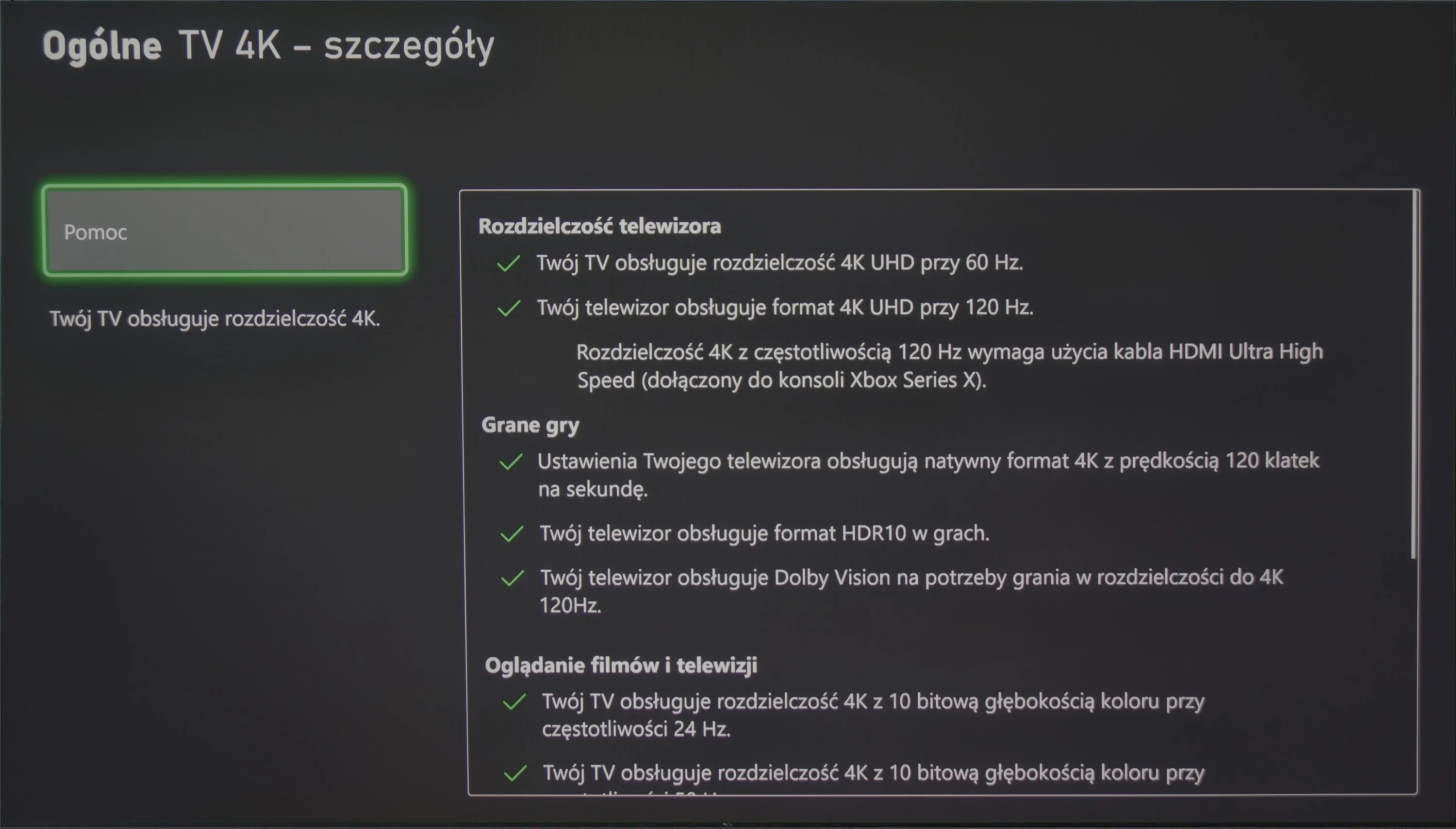
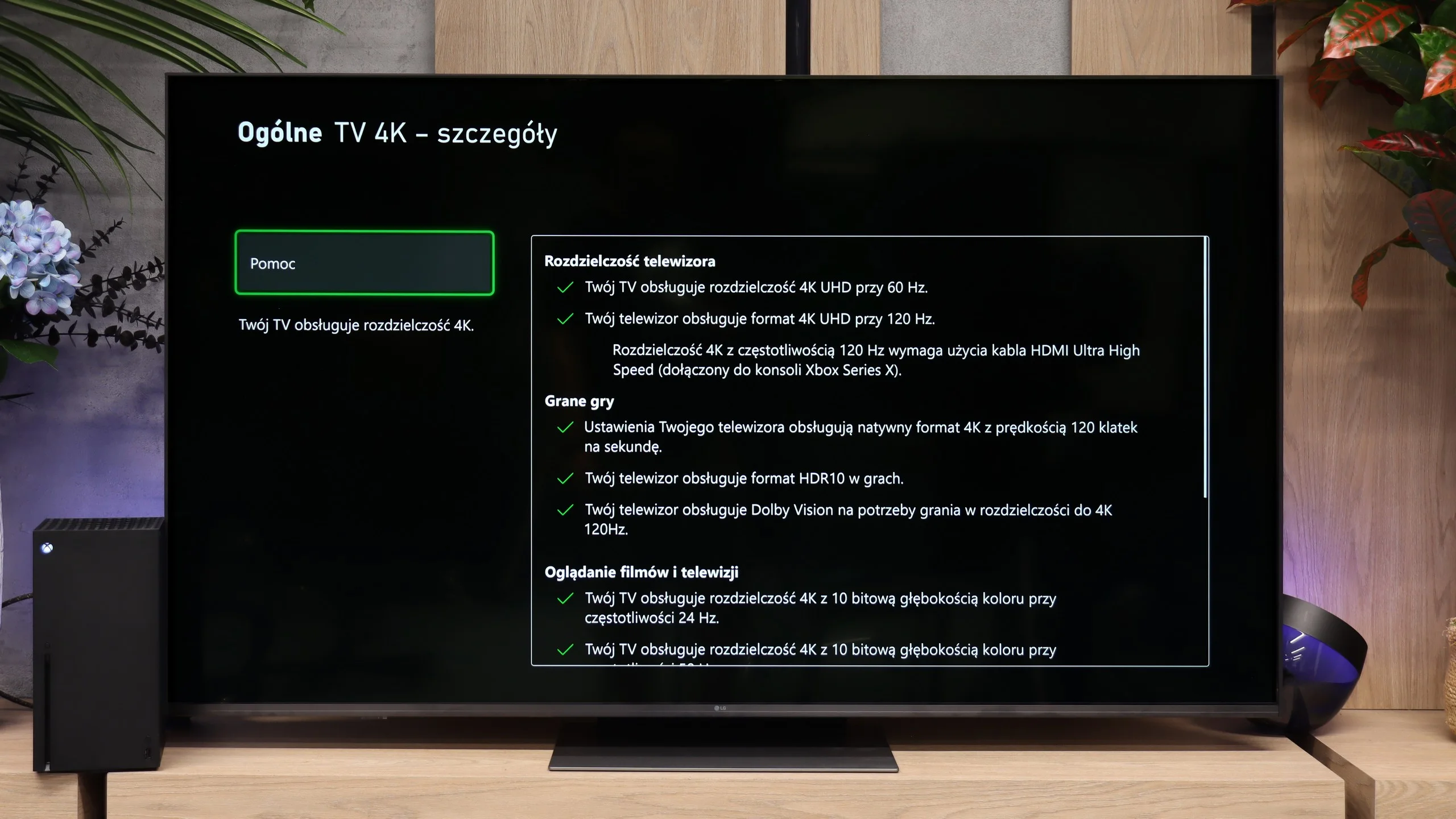
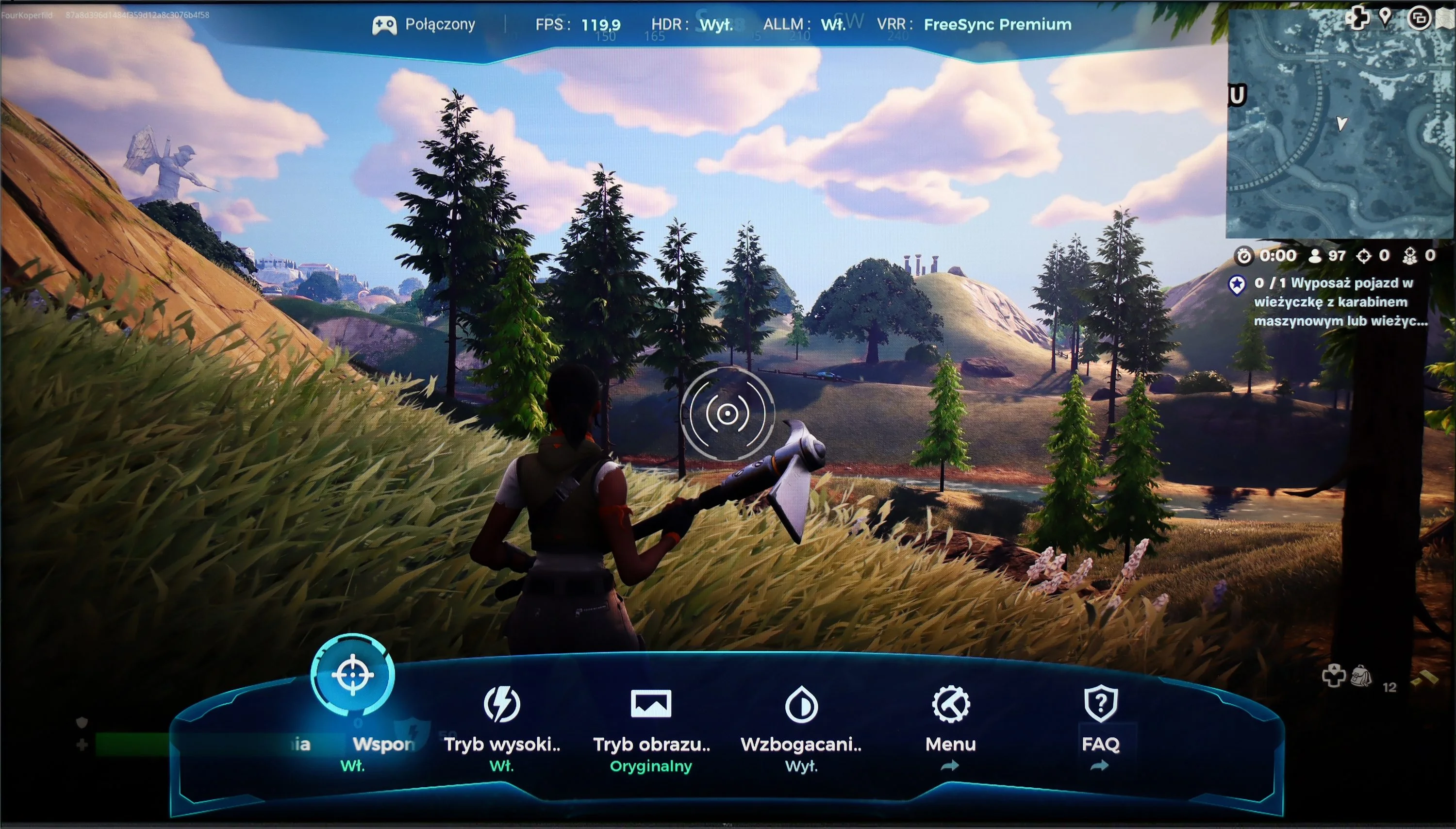
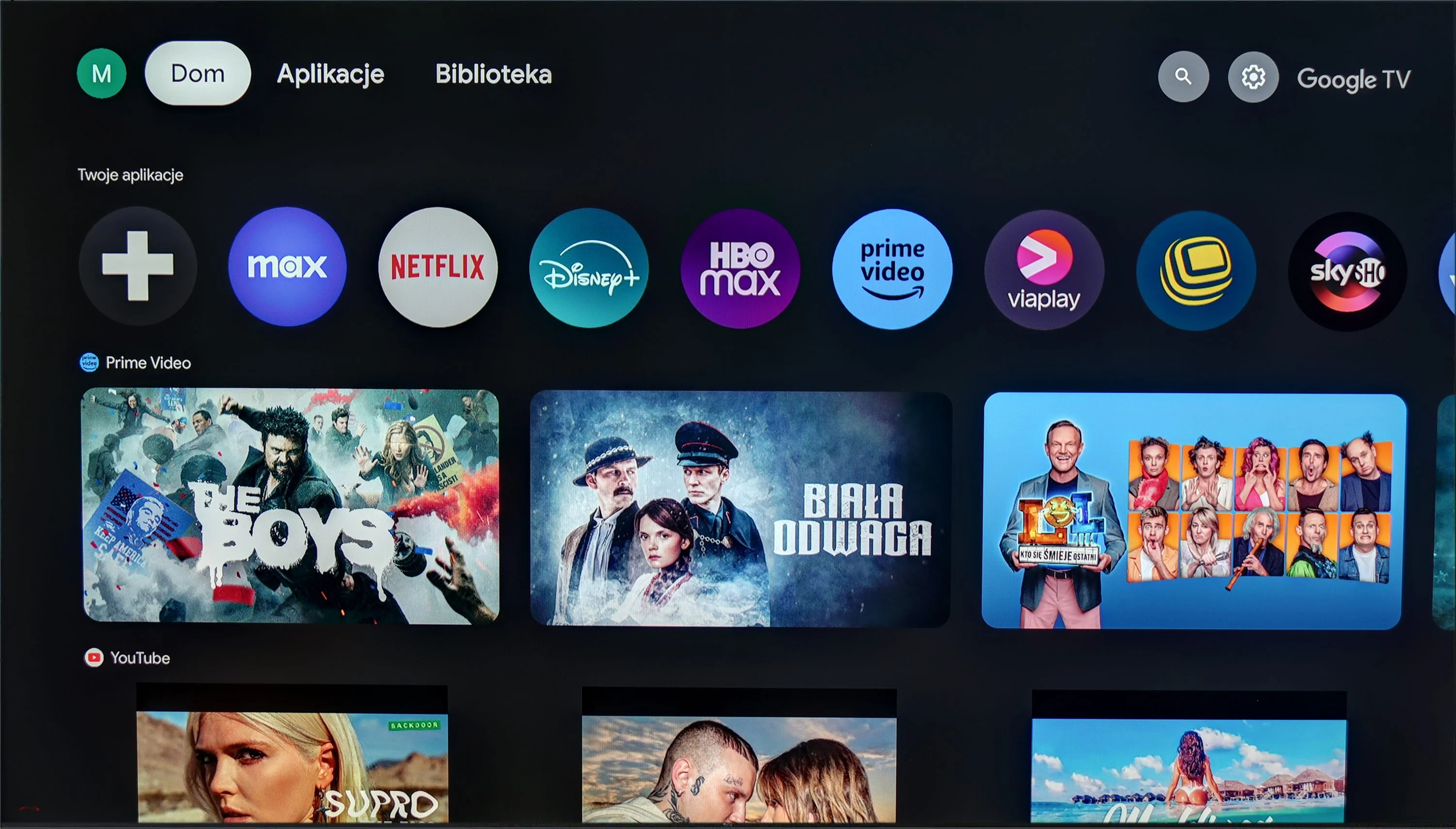
For gamers, the TCL C855 shines brightly, offering extremely low latency and high-quality performance thanks to its full implementation of HDMI 2.1 features. The inclusion of the Google TV operating system adds to its appeal, providing nearly limitless options for application installation, including support for APK files from outside the official store.
The TCL C855 is an excellent choice for those seeking a reliable and versatile television. While it may have some drawbacks, its overall image quality, gaming performance, and advanced operating system make it a strong contender in the market.
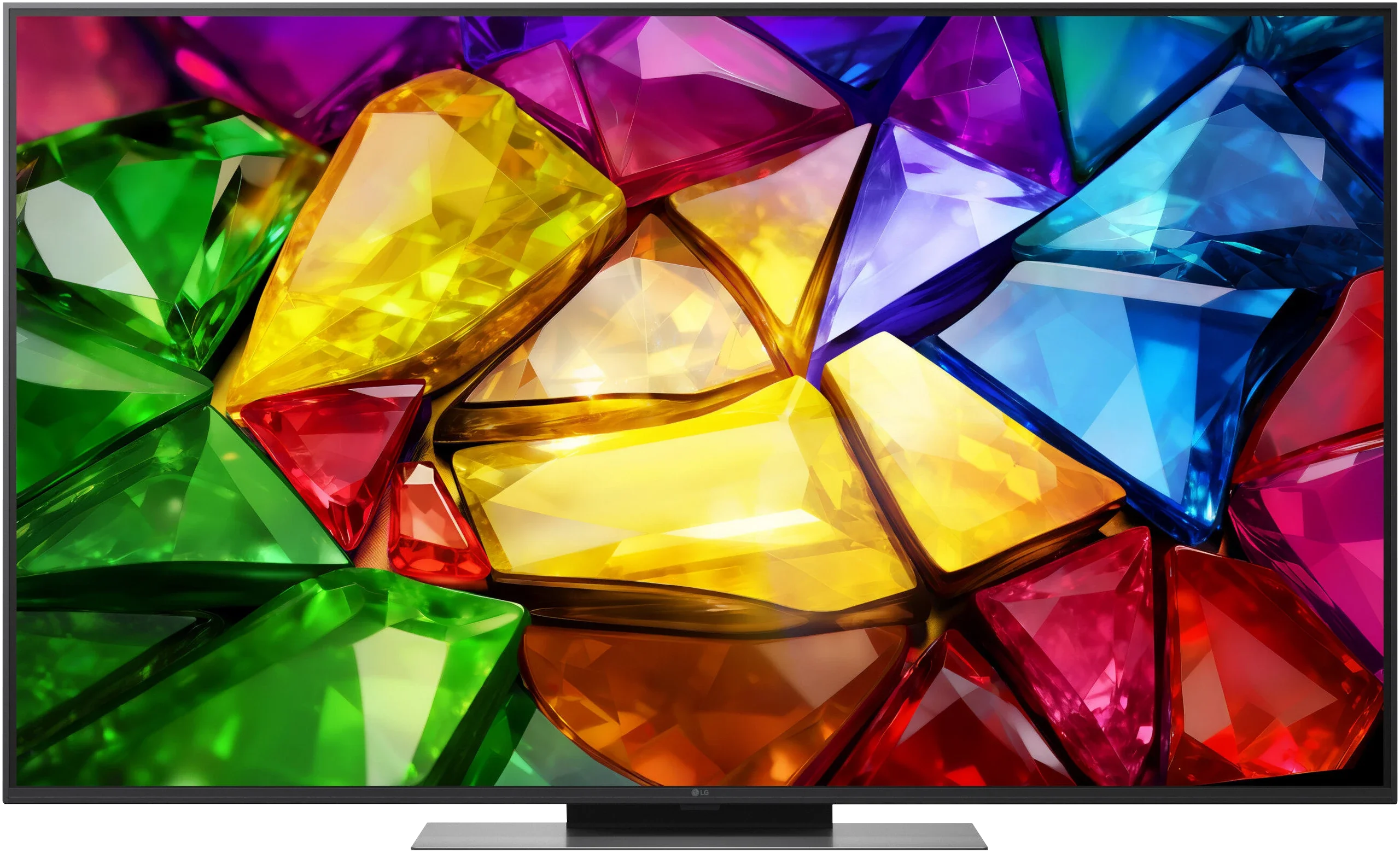
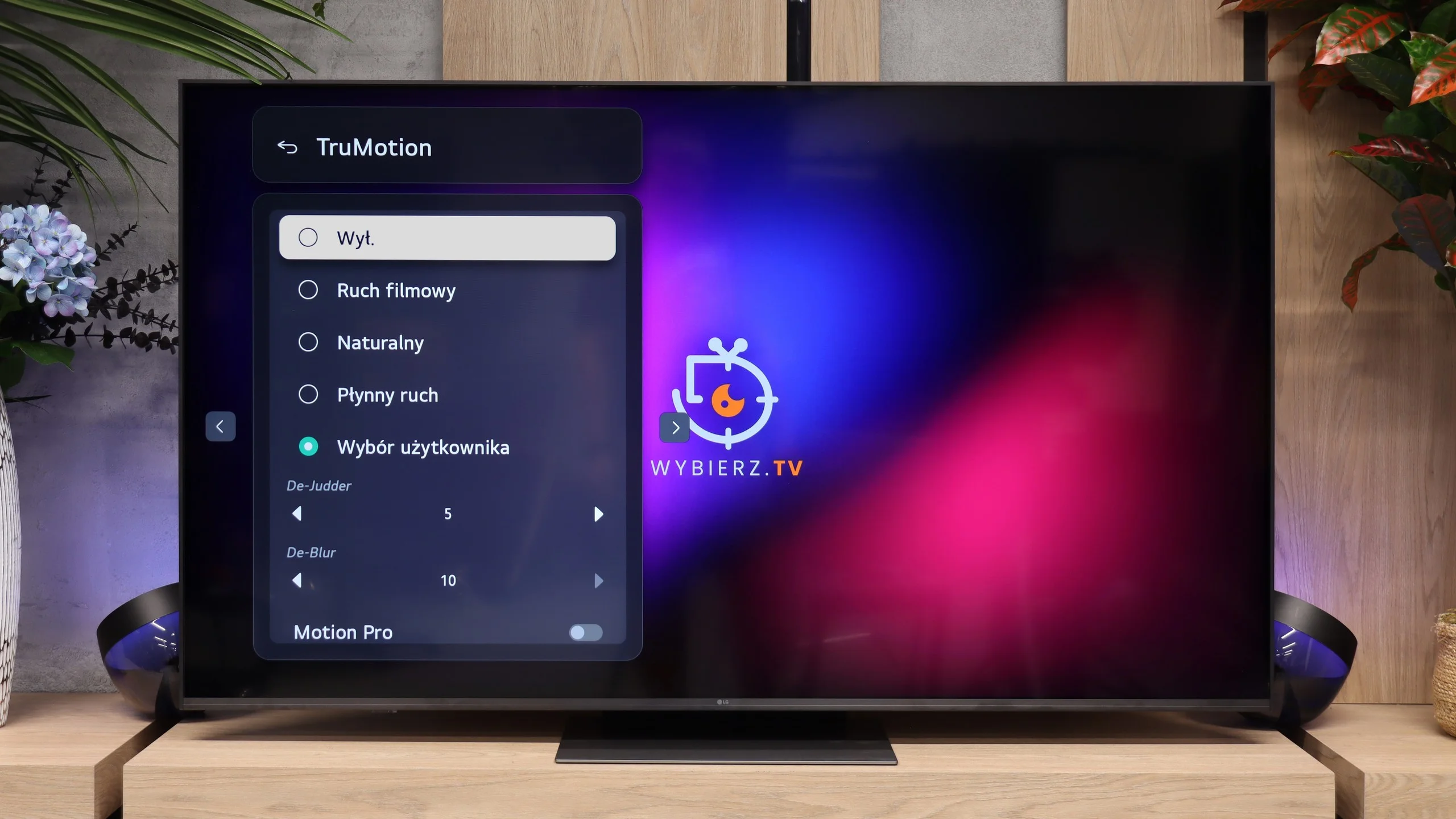
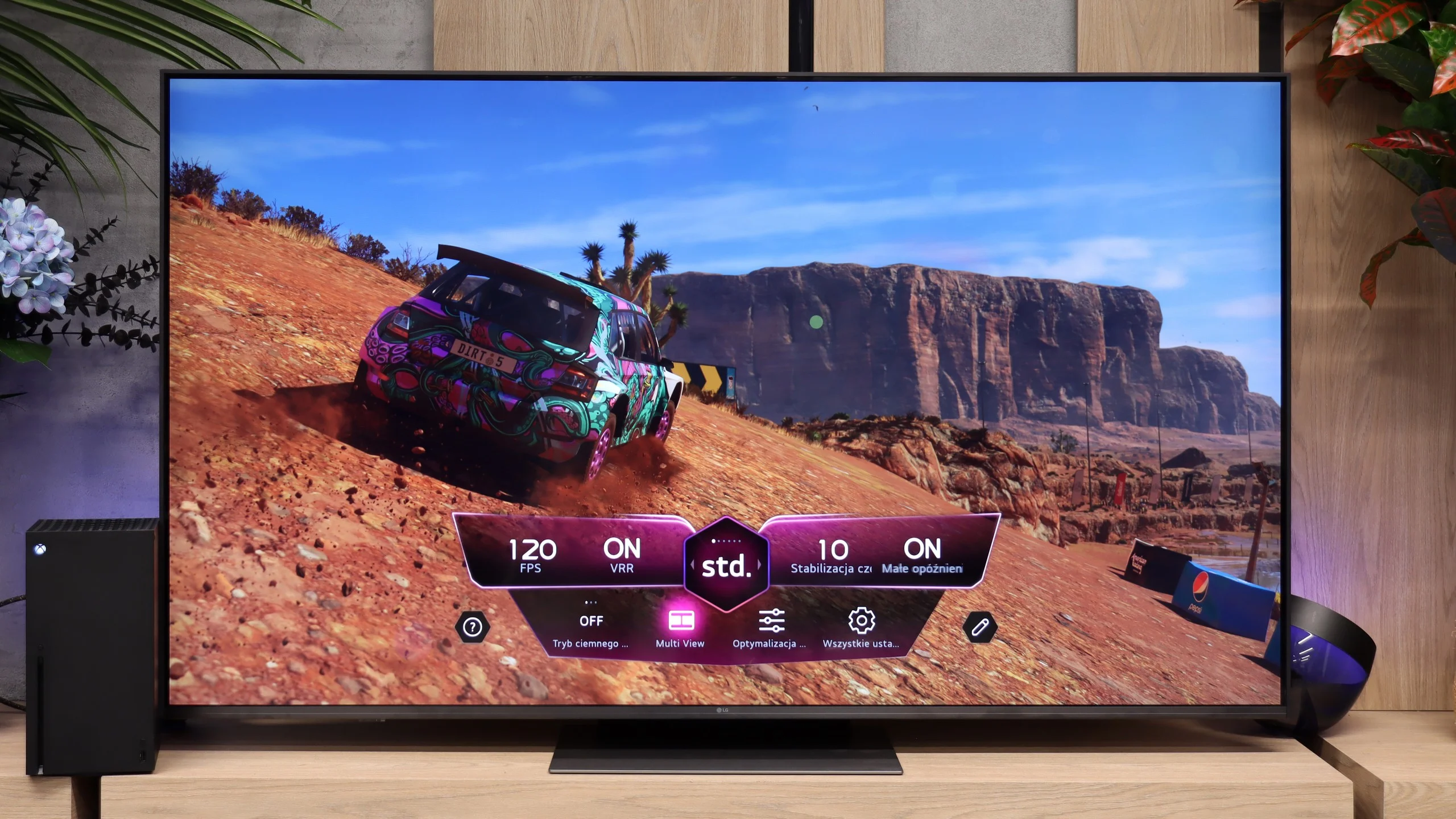
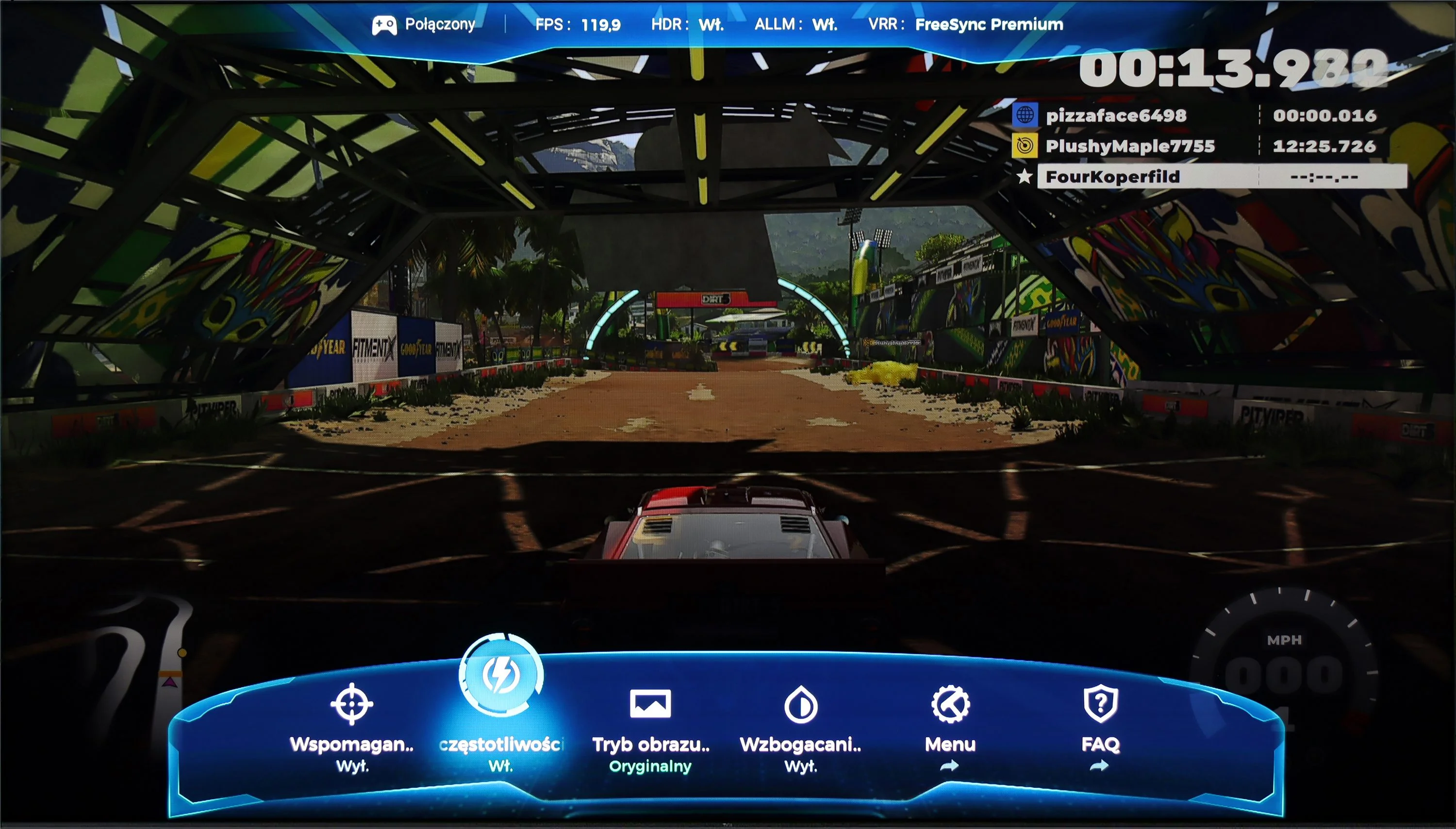
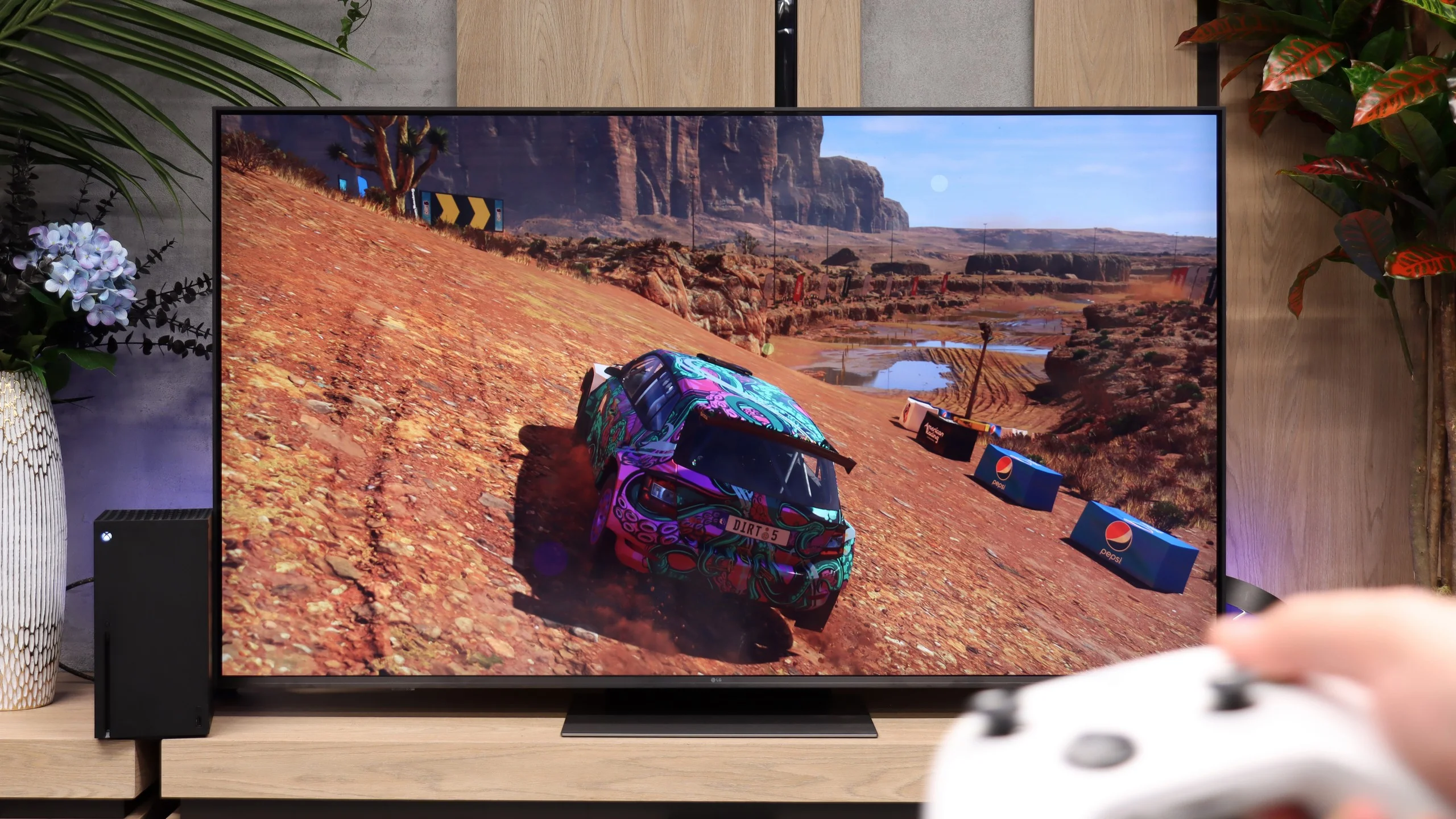
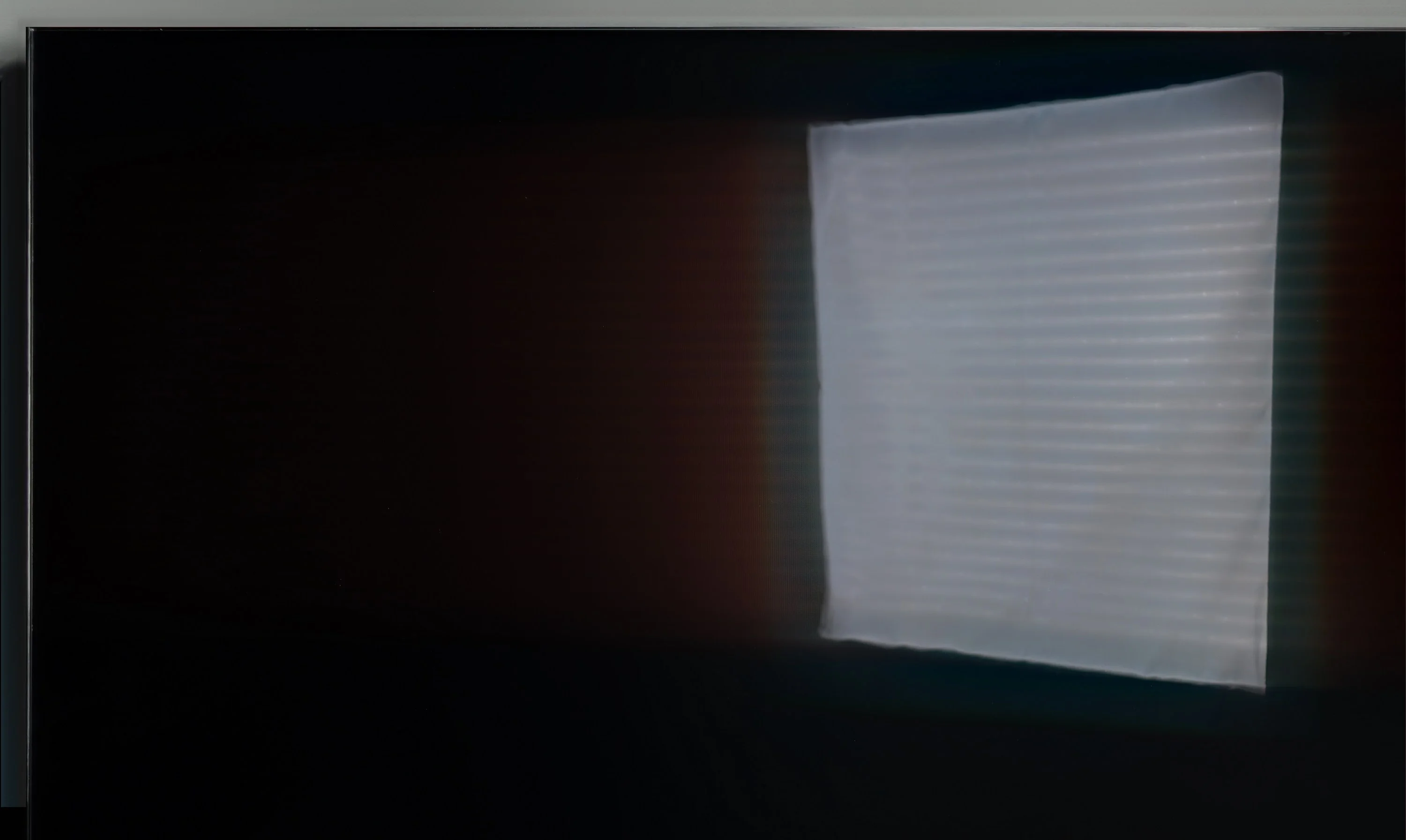
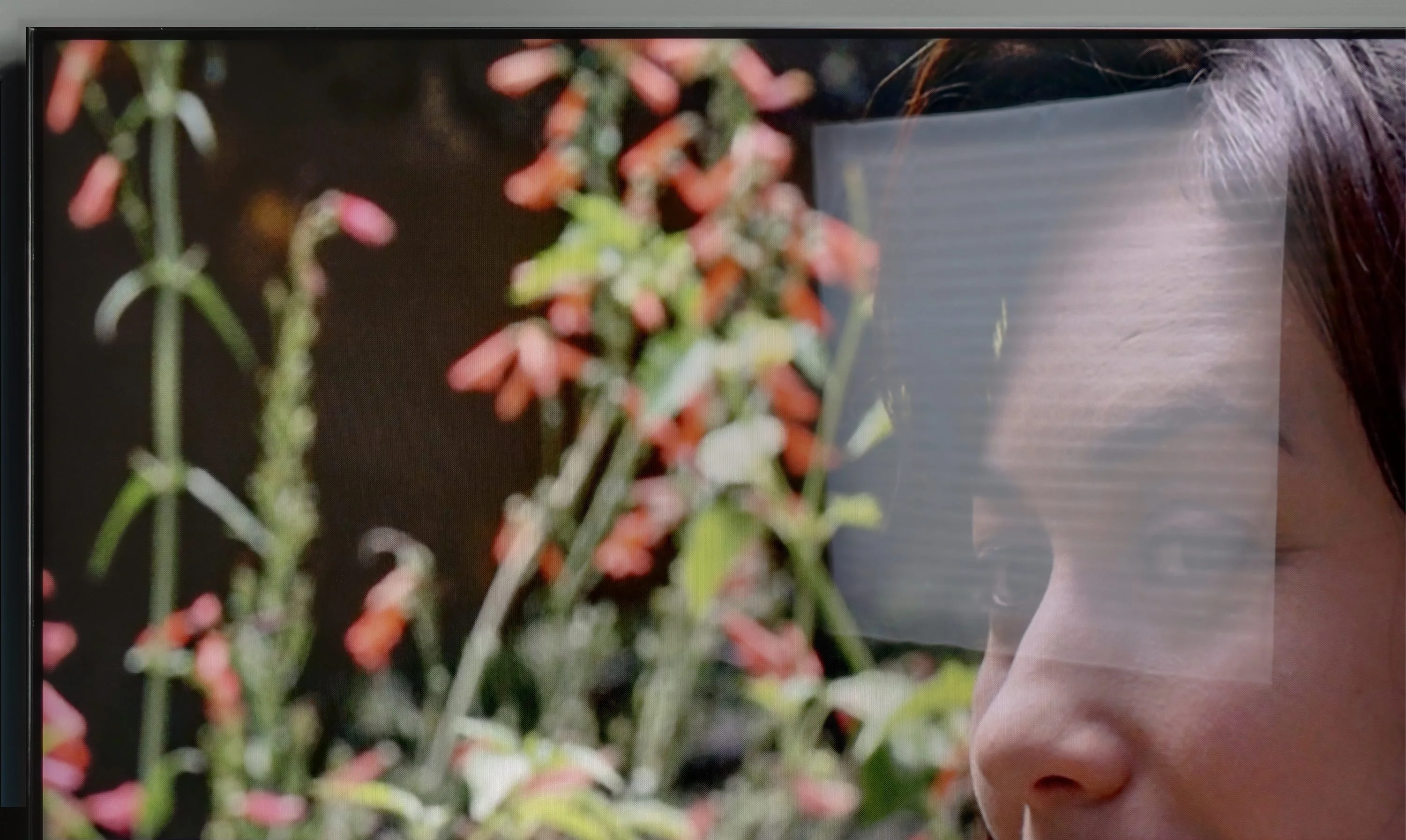
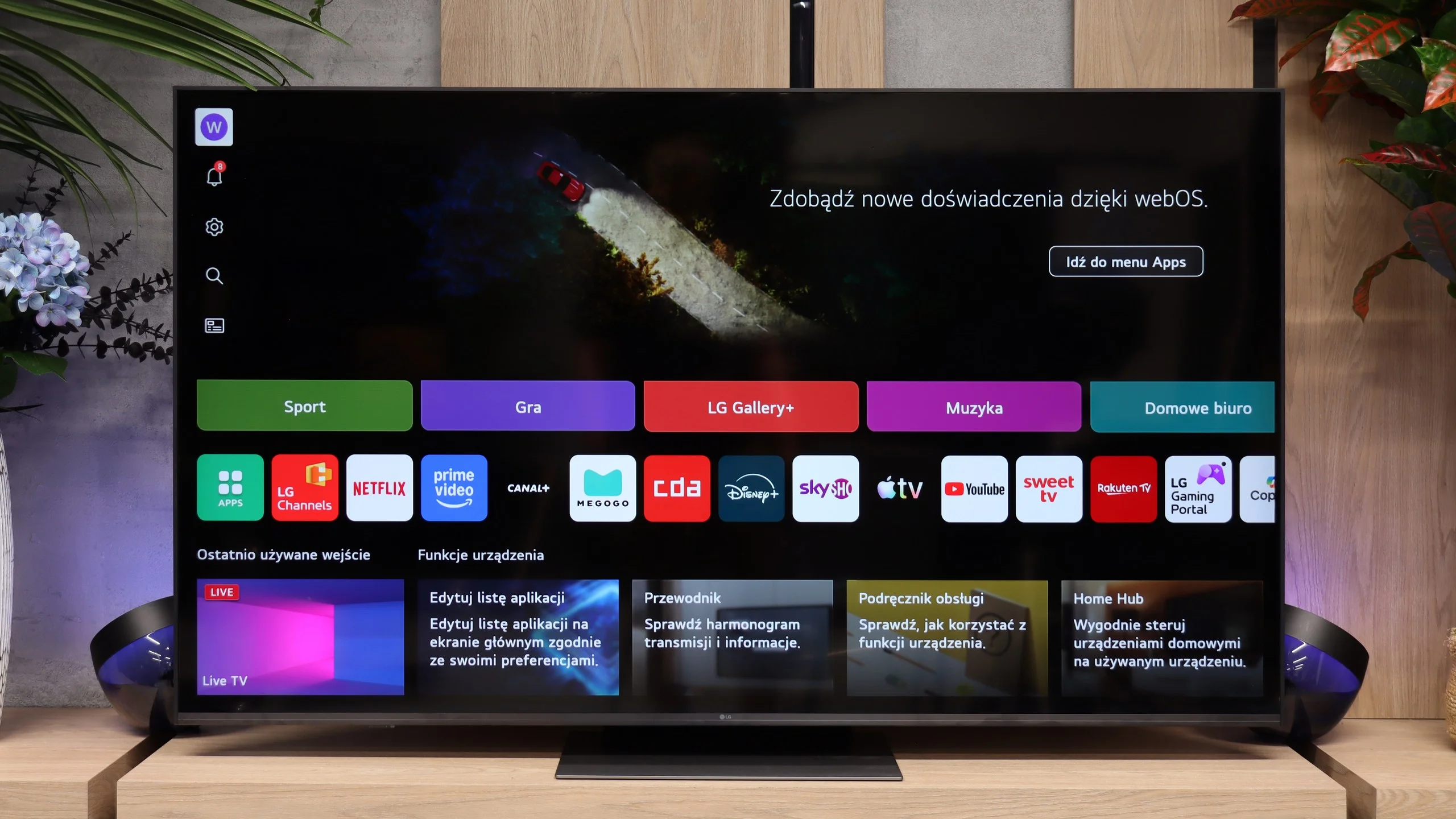
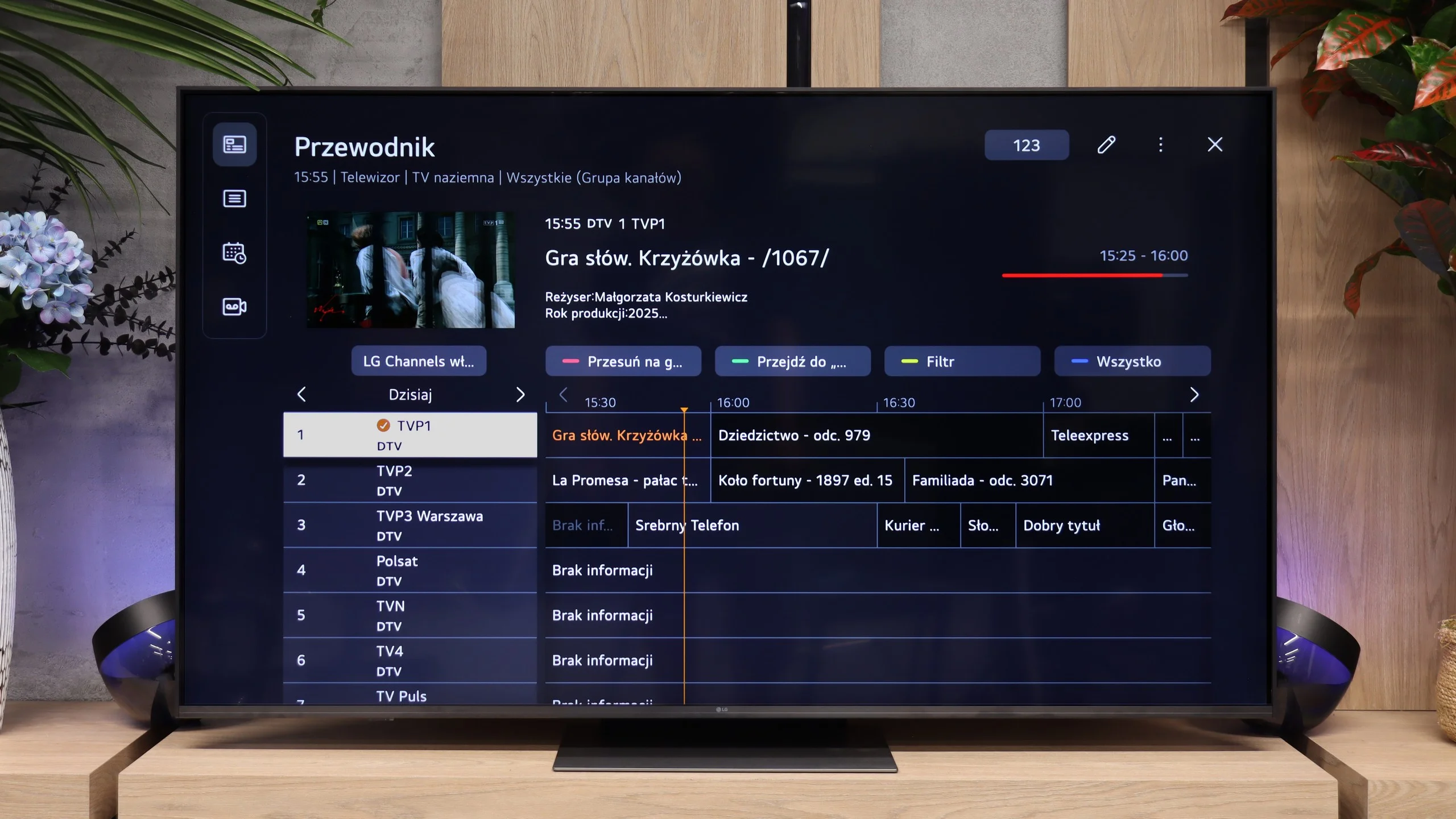
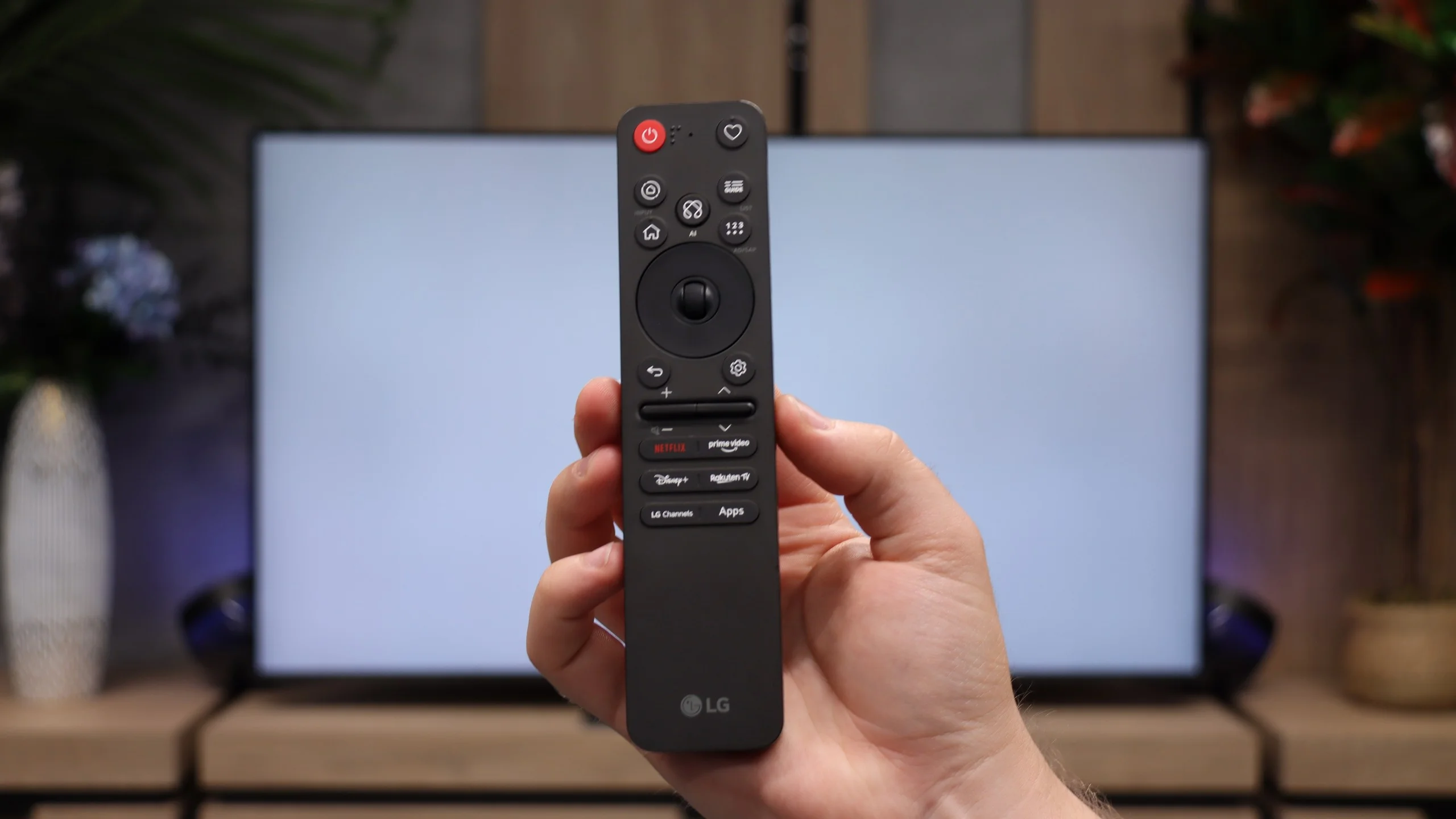
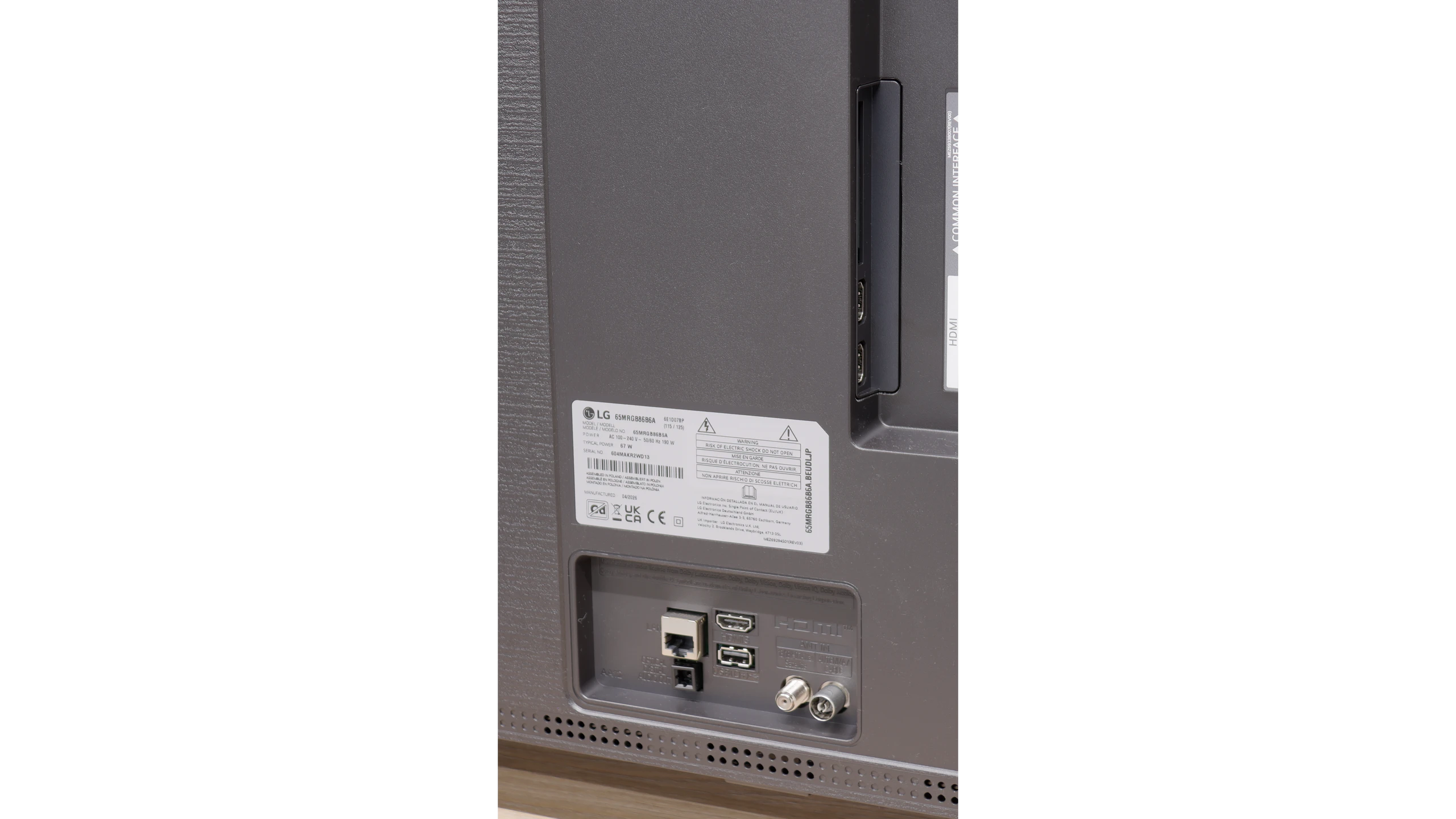
LG MRGB85 is a TV that feels most at home in the hands of gamers and people attached to the webOS ecosystem. In that respect it’s hard to fault. It offers a lot of advantages for gamers thanks to a very high refresh rate panel. On top of that there’s a smooth webOS experience that stands out on the market mainly because of the convenient Magic remote and a full set of features for traditional TV. The problem starts when you look at overall picture quality and compare it to the price the manufacturer asks for this model. The MRGB85 launches at a level that, to put it mildly, is hard to call attractive compared with competing models. For similar money you can find TVs with much more sophisticated backlighting and, above all, better black-level control. The biggest controversy, however, is the naming and the way LG positions this model. MRGB85 does use a three-color backlight, but it’s placed at the edge of the screen. It’s therefore hard to call this a full-fledged RGB Mini-LED in the sense commonly used for TVs that employ a large number of independently controlled zones behind the panel. In practice the local dimming limitations are very noticeable and in dark scenes they significantly impair the viewing experience. That doesn’t mean the MRGB85 is a bad TV. It handles everyday content well, offers decent colors, good brightness and a very broad feature set. SDR material can look really good, and Dolby Vision partly helps hide weaker brightness management in HDR. Still, it’s difficult to shake the impression that the model’s biggest problem isn’t the hardware itself but its price and overly ambitious positioning in the market. If someone is mainly looking for a gaming TV, values the convenience of webOS and finds a big discount, the MRGB85 can make sense. At the current price it takes a back seat, because the competition today simply offers more in terms of picture quality.
 Direct comparison