TCL C855 vs IFFALCON U85X

Direct comparison

C855 / C85

U85X1

Available screen sizes: 65”75”85”98”

Available screen sizes: 65”

Panel type: LCD VA

Resolution: 3840x2160

System: Google TV

Model year: 2024

Complete the survey to find out the result

Panel type: LCD VA

Resolution: 3840x2160

System: Google TV

Model year: 2026

Complete the survey to find out the result

Overall rating

7.6

6.9

  • Movies and series in UHD quality

    7.5

    6.2

  • Classic TV, YouTube

    7.1

    6.3

  • Sports broadcasts (TV and apps)

    6.7

    6.1

  • Gaming on console

    8.8

    8.4

  • TV as a computer monitor

    8.6

    8.6

  • Watching in bright light

    7.4

    5.6

  • Utility functions

    6.7

    7.6

  • Apps

    9.6

    9.6

  • Sound quality

    7.2

    6.9

Advantages

  • Wide Range of Built-In Applications

  • High Contrast and Deep Blacks

  • Exceptional HDR Performance in Bright Scenes

  • Impressive Brightness Levels

  • Image Quality Comparable to Higher-End Models

  • Good contrast and black: VA panel with MINI-LED local dimming zones

  • High HDR brightness: sturdy 650 nits

  • Decent colors: thanks to the PFS filter (according to the manufacturer QLED)

  • Amazing for gamers: full HDMI 2.1, 144Hz, very low input lag, and VRR/ALLM features

  • Great as a monitor: 240Hz mode, support for G-SYNC/FreeSync

  • Powerful sound – dedicated subwoofer provides a realistically felt bass

  • Versatile Smart TV – advanced Google TV system with full AirPlay support

Disadvantages

No like
  • Poor viewing angles

  • Poor factory colour reproduction (to be improved through calibration)

  • Visible smearing

  • Backlight management could be better

  • Poor viewing angles – typical color degradation of VA panels when viewed from the side

  • Software errors – inaccurate menu translations and occasional drops in system fluidity

Our verdict

The TCL C855 is a standout television in the TV market, showcasing a versatile performance across various applications and excelling in its price range. With Mini LED backlighting, the TV achieves impressive contrast and black levels, resulting in deep, vivid images. Its algorithm effectively maintains black uniformity, minimizing blooming effects, a significant advantage for viewing HDR content.

While the TCL C855 can reach brightness levels of up to 1800 nits, which is commendable, it is worth noting that brightness can significantly drop to around 200 nits when bright but small elements appear on-screen. Additionally, the mid-tone boost can compromise contrast and reduce fidelity to the director's original vision.

For gamers, the TCL C855 shines brightly, offering extremely low latency and high-quality performance thanks to its full implementation of HDMI 2.1 features. The inclusion of the Google TV operating system adds to its appeal, providing nearly limitless options for application installation, including support for APK files from outside the official store.

The TCL C855 is an excellent choice for those seeking a reliable and versatile television. While it may have some drawbacks, its overall image quality, gaming performance, and advanced operating system make it a strong contender in the market.

The iFFALCON U85X is a device that draws heavily from the technological solutions of its parent brand, TCL. It is hard not to get the impression that in terms of pure technical parameters, we are dealing with nearly a faithful copy of the successful C6K series (C69K/Q6C), although visually, the designers opted for references to the more budget-friendly P line. This specific combination makes the television do exactly what we expect from a solid Mini-LED at an even lower price. It provides very good contrast and a vivid HDR effect, which is directly due to the impressive number of local dimming zones. It is worth noting that, just like the models from the C series, the iFFALCON U85X turns out to be exceptionally tailored to the needs of gamers. You will find almost every function necessary for comfortable gaming, from full support for HDMI 2.1 ports, through ALLM and VRR technologies for console owners, to excellent compatibility with PCs. As a monitor, the device performs superbly not only due to its refresh rate support up to 240Hz but also because of its very sharp and legible font, which is not always a given in the world of televisions. Of course, it is not an ideal model, as it shares the same set of advantages and disadvantages as its counterpart under the TCL brand – mainly referring to issues like noticeable motion blur and aggressive brightness management in HDR. However, it all creates an extremely interesting mix that makes us seriously contemplate the sense of the existence of the iFFALCON brand as a separate entity, since the same product could successfully debut with a full-fledged TCL logo on the casing. Nevertheless, we have no major reservations about the device itself; it is truly a model worth attention as long as you manage to purchase it, as it is very difficult to obtain at the moment.

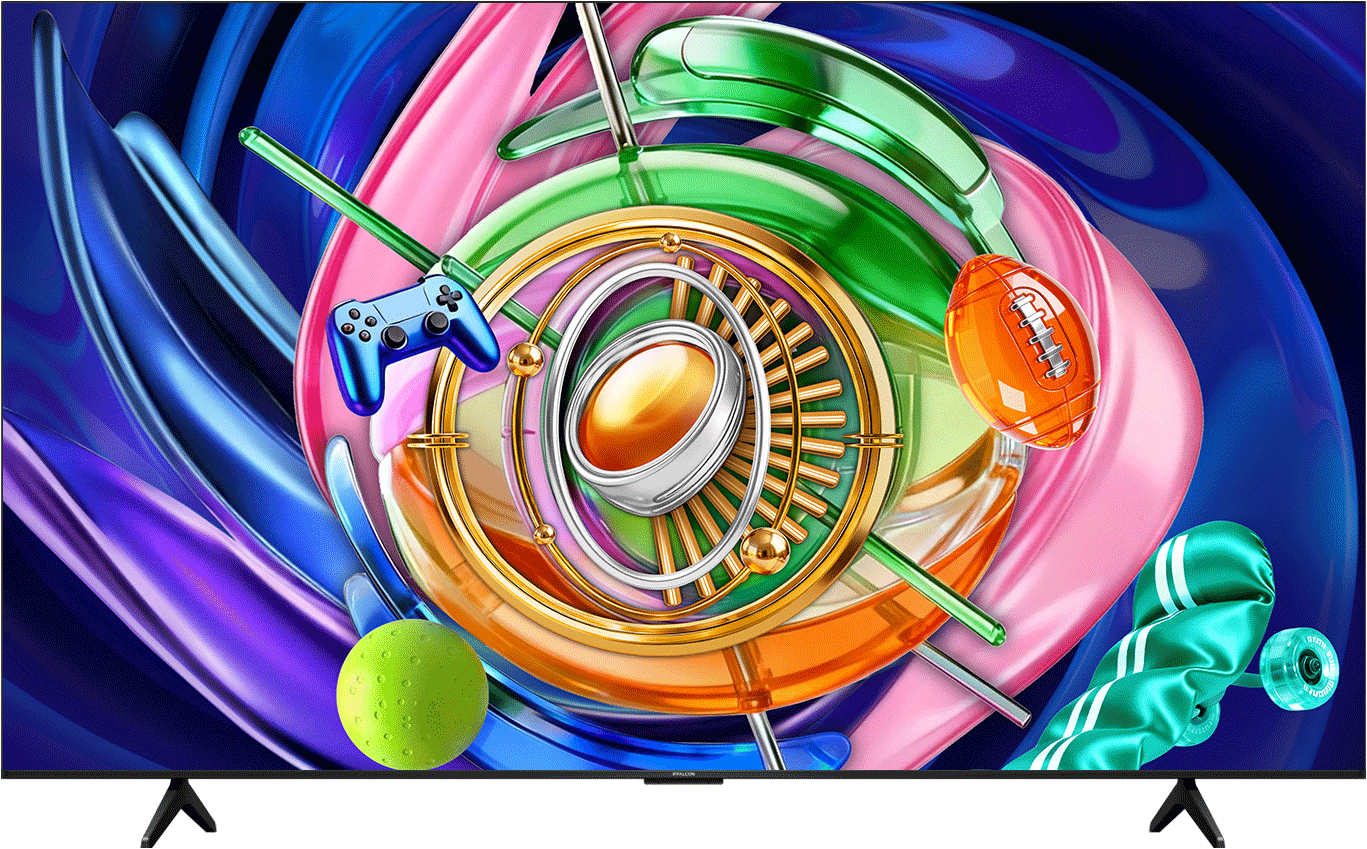
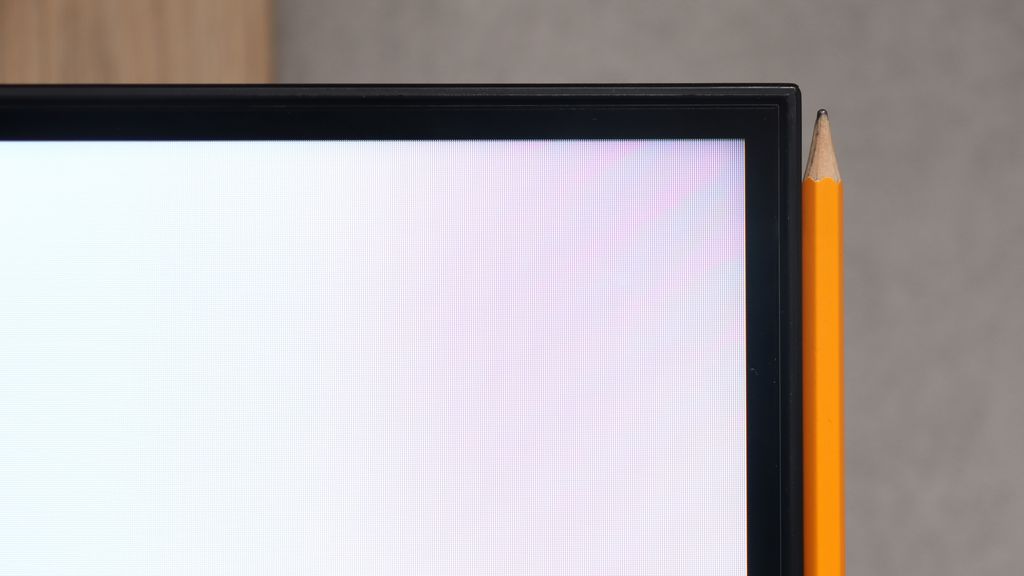
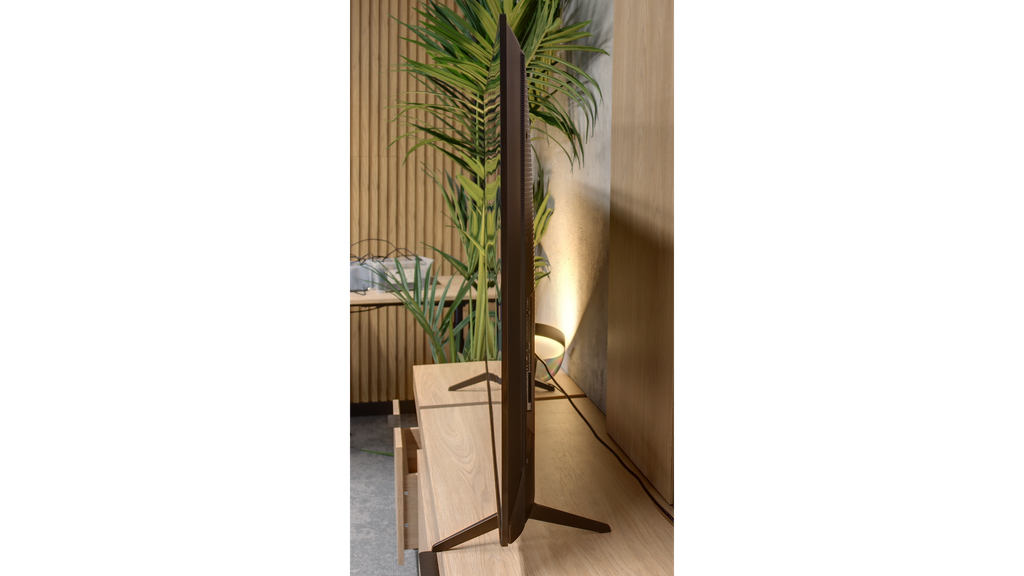
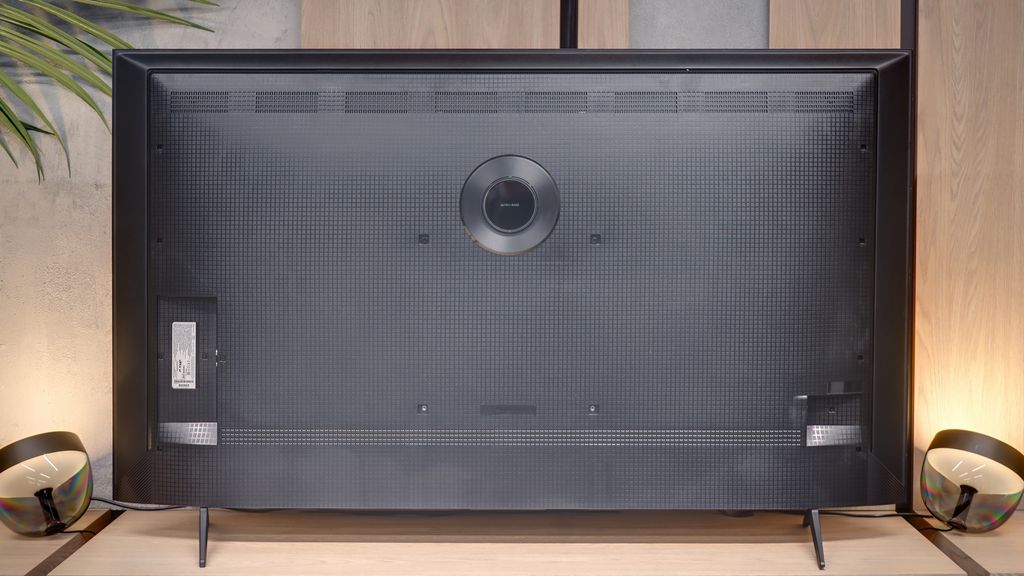
TV appearance

HDMI inputs
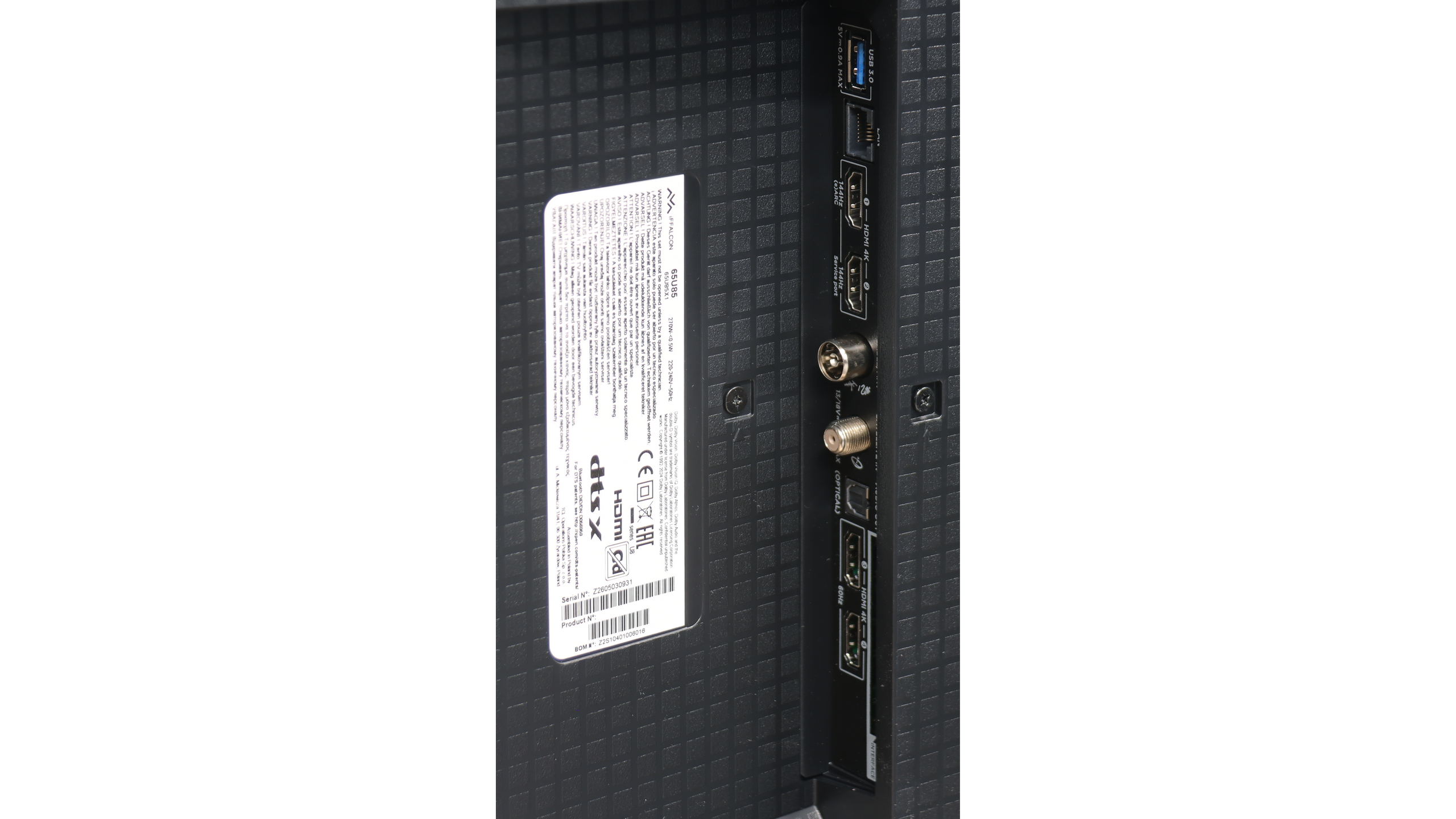
2 x HDMI 2.0, 2 x HDMI 2.1 (48Gbps)
Other inputs
RCA (Chinch)
Outputs
Toslink (Optical audio), eARC (HDMI), ARC (HDMI)
Toslink (Optical audio), eARC (HDMI)
Network Interfaces
Wi-Fi 2.4GHz, Wi-Fi 5GHz, Ethernet (LAN) 100Mbps
Build quality
Premium
Average
Stand type
stand-type-
Legs
Bezel color
Graphite
Graphite
Stand
Fixed
Accessories
Stand
Stand

Contrast and black detail

8.6/10

7.3/10

Local dimming function: Yes, number of zones: 1344 (48 x 28)

Local dimming function: Yes, number of zones: 224 (14 x 16)

Contrast:

Review TCL C855 Contrast and black detail

Result

:1

Review TCL C855 Contrast and black detail

Result

176,000:1

Review TCL C855 Contrast and black detail

Result

54,000:1

Review TCL C855 Contrast and black detail

Result

30,500:1

Review TCL C855 Contrast and black detail

Result

13,700:1

Review IFFALCON U85X Contrast and black detail

Result

113,850:1

Review IFFALCON U85X Contrast and black detail

Result

24,800:1

Review IFFALCON U85X Contrast and black detail

Result

10,950:1

Review IFFALCON U85X Contrast and black detail

Result

7,000:1

Review IFFALCON U85X Contrast and black detail

Result

6,050:1

Halo effect and black detail visibility:

Check the visibility of bright lights on a dark background. Mini-LEDs often struggle with this. The photo does not compare black levels – that’s what the video below is for.
The video accurately shows differences in contrast and black levels between TVs, as well as potential issues: halo around bright objects or Mini-LED zone operation visible as brightness jumps.

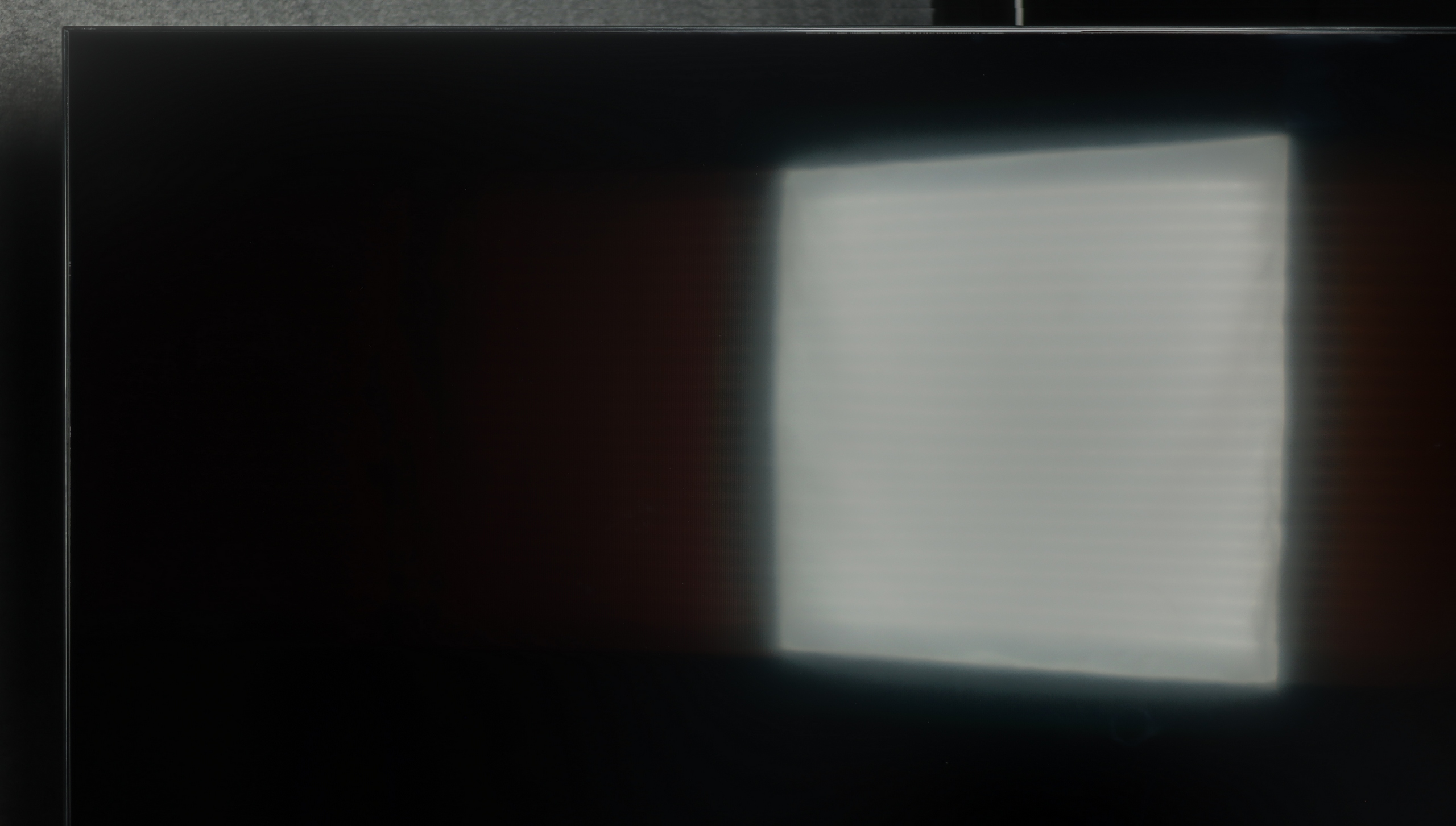
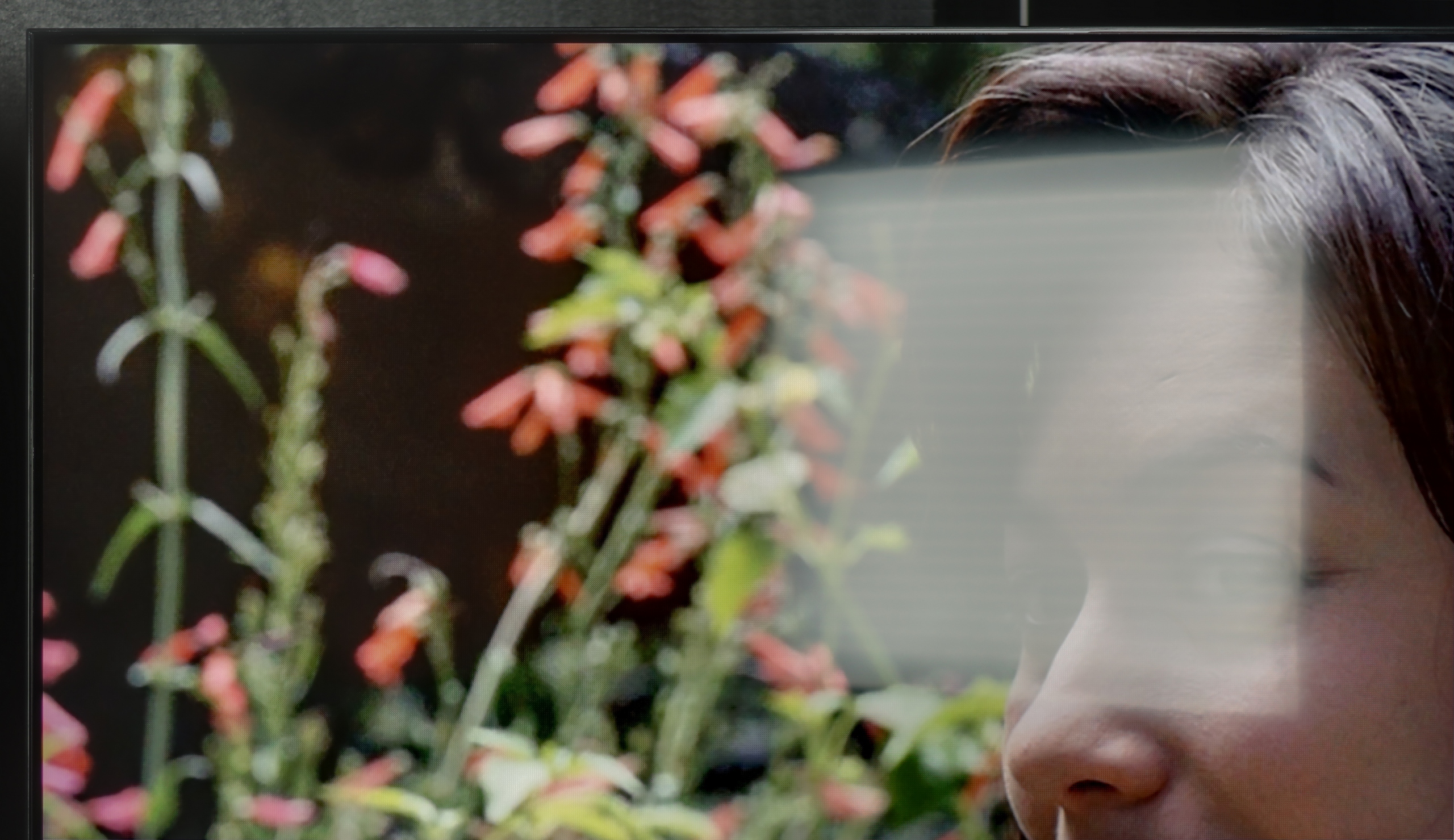
The TCL C855 features a high-contrast VA matrix, achieving an impressive ANSI contrast ratio of 5238:1 without dimming. This level allows for very good black levels. Furthermore, the panel incorporates multi-zone Mini LED backlighting, divided into 1344 independent dimming zones for the 65-inch model. Such a configuration yields excellent results in our tests. Notably, TCL is among the few manufacturers offering such advanced panel specifications at a reasonable price, unlike the traditional big four brands. In the majority of scenes we evaluated, the performance was impressive, particularly in the first three tests; even in the third, with a ratio of 54,000:1, the black level and contrast were far from weak, demonstrating satisfactory results. However, performance does dip in two specific scenarios: scenes with movie strips and when the screen contains many elements surrounded by black. While the last test scene maintained excellent contrast, the final scenario revealed some blooming in the blacks. A frame from the movie "Oblivion" showcased the TCL C855's capabilities, with black levels that can rival those of OLED screens—a notable achievement. The television also demonstrates commendable light separation, which is no small feat. In our flagship scene from "Sicario 2" the contrast was equally impressive, although some loss of detail in the blacks across the first, second, and third planes was evident. The backlight control algorithm effectively minimizes halo and blooming effects, which is praiseworthy. However, it's important to note that very small elements, like stars, can occasionally be completely dimmed by the TCL C855.
In terms of black levels and contrast, the 65-inch iFFALCON U85X is almost an exact replica of the solutions known from TCL's C6K and C69K models, offering the same number of 224 local dimming zones in a 14x16 arrangement. Thanks to the use of a VA panel and such a solid number of zones, the device can generate an image with impressive depth, where our measurements in real movie scenes indicated a contrast exceeding 100,000:1. Of course, at this level of hardware, local dimming does not always exhibit perfect precision, so in more challenging scenes with bright details on a dark background, we have to reckon with the occurrence of halo effects, which are subtle glows around objects. Nevertheless, the overall quality of black levels is very high and will certainly satisfy the majority of users seeking cinematic experiences. The image certainly appears to have greater depth than in solutions without any local dimming technology.

HDR effect quality

6.6/10

4.7/10

Supported formats
HDR10, HDR10+, Dolby Vision, Dolby Vision IQ, HLG
Color gamut coverage
DCI P3: 97.0%, Bt.2020: 79.0%
DCI P3: 93.7%, Bt.2020: 72.5%

Luminance measurements in HDR:

Review TCL C855 Brightness measurement

Result

1472 nit

Review TCL C855 Brightness measurement

Result

445 nit

Review TCL C855 Brightness measurement

Result

754 nit

Review TCL C855 Brightness measurement

Result

237 nit

Review TCL C855 Brightness measurement

Result

1820 nit

Review IFFALCON U85X Brightness measurement

Result

627 nit

Review IFFALCON U85X Brightness measurement

Result

165 nit

Review IFFALCON U85X Brightness measurement

Result

390 nit

Review IFFALCON U85X Brightness measurement

Result

124 nit

Review IFFALCON U85X Brightness measurement

Result

528 nit

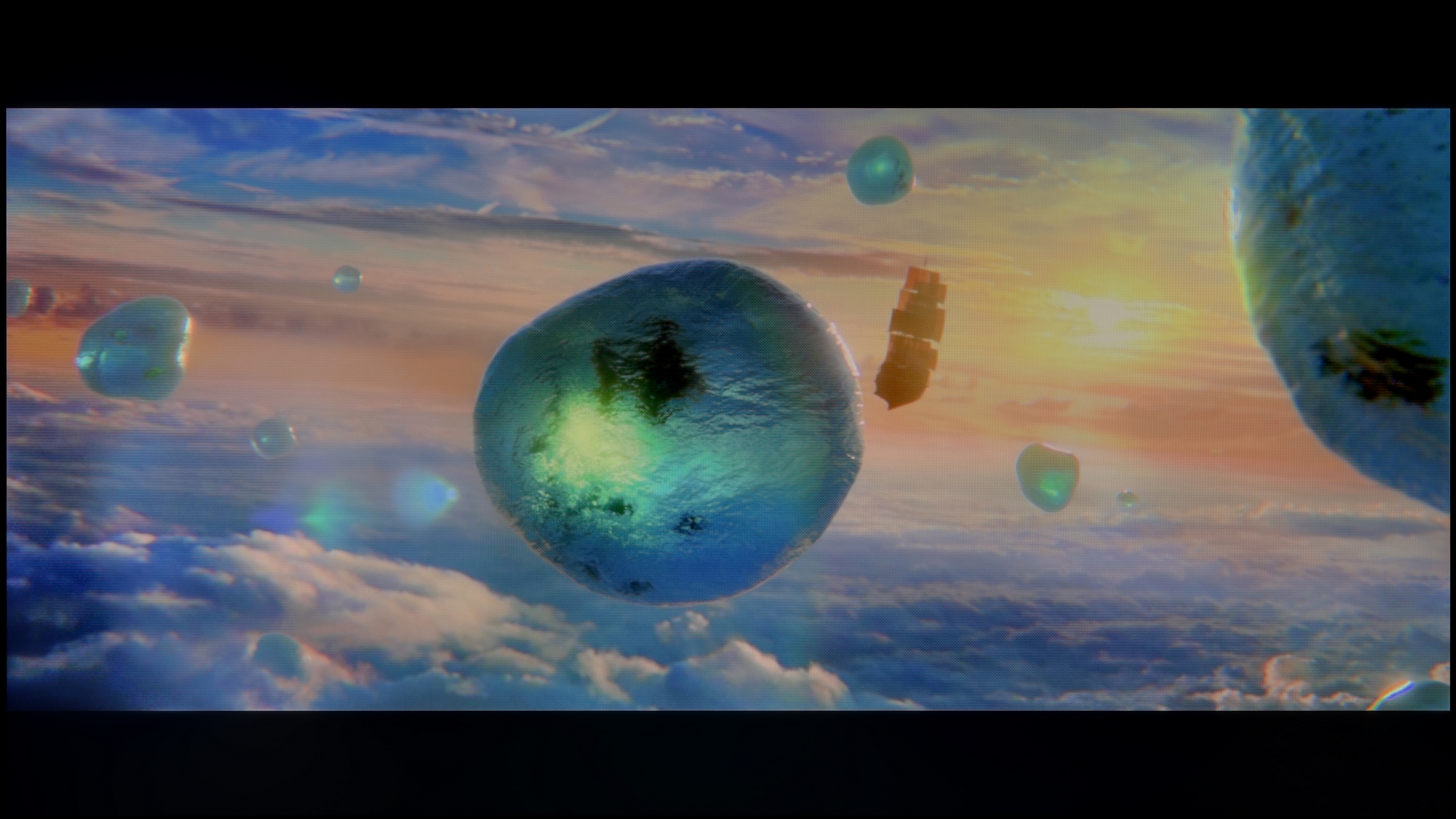
Scene from the movie “Pan” (about 2800 nits)

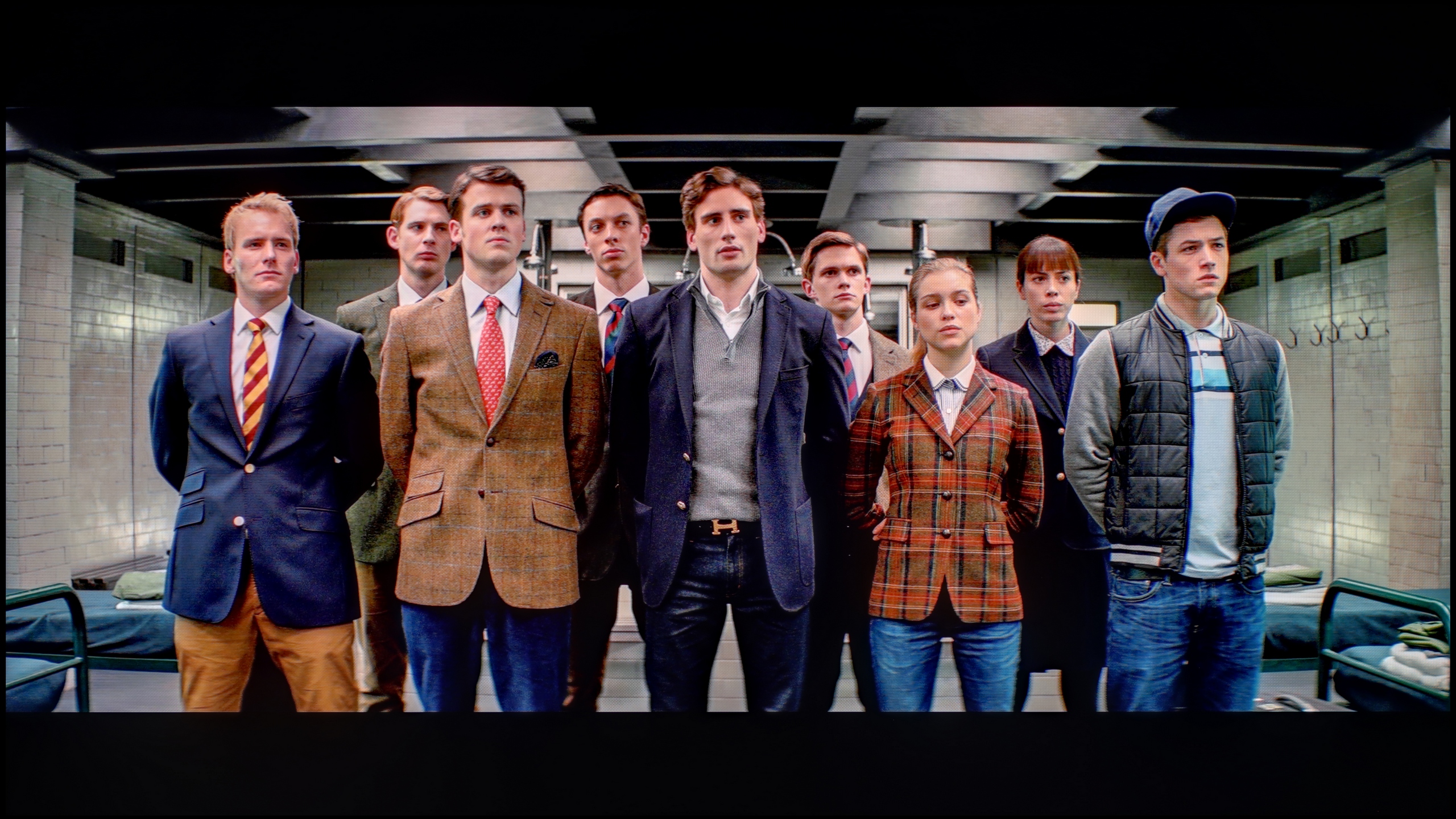
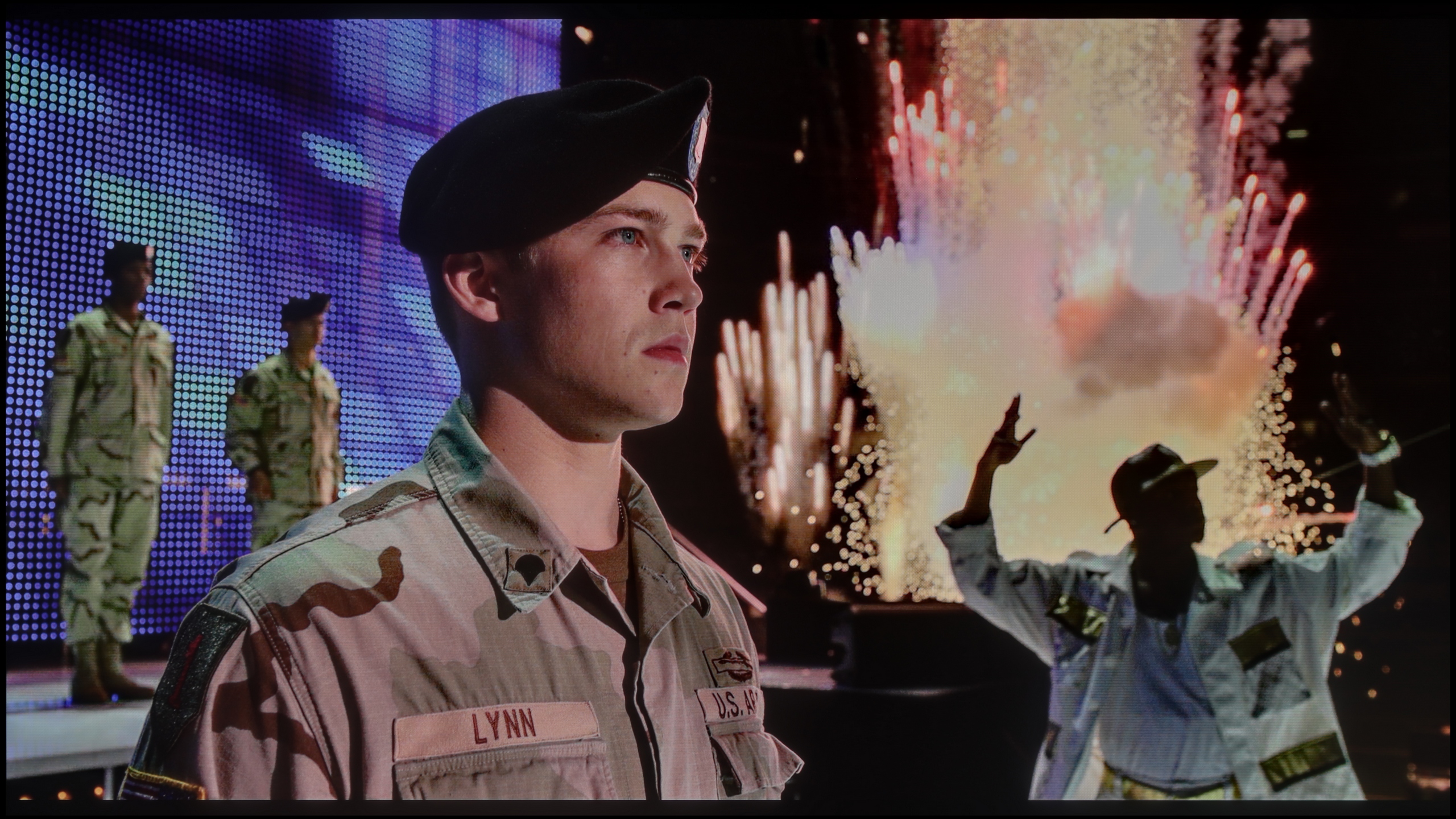
Scene from the movie “Billy Lynn” (about 1100 nits)

The photos show two HDR10 movies. 'Pan' is one of the brightest productions ever made, while 'Billy Lynn' (soldier) has brightness typical of streaming (Netflix, Prime, HBO MAX). Notice the intensity of effects and detail in whites.

Static HDR10

The photos present the visibility of white details in various HDR formats. They do not show brightness differences between TVs (these can be compared in the previous gallery).

Dynamic: Dolby Vision

Dynamic: Dolby Vision

The photos present the visibility of white details in various HDR formats. They do not show brightness differences between TVs (these can be compared in the previous gallery).

HDR luminance chart:

IFFALCON U85X

TCL C855

The TCL C855 delivers a highly varied HDR effect. At times, the television truly excels, while at other moments, it appears reminiscent of a low-end model equipped with FALD backlighting. Inconsistency is frequently found with this brand, so it didn’t come as a surprise. The first and last scenes, which feature large light elements, are nothing short of spectacular, boasting brightness levels of 1470 and 1820 nits, respectively. Such brightness can make viewers squint their eyes, allowing them to feel the extraordinary dynamism of the scene. It genuinely immerses the audience, creating a sensation of being inside the movie itself. However, the situation shifts dramatically when small or subtle elements with high luminance appear against a dark background. In these instances, the TCL C855 significantly reduces brightness to levels as low as 240 nits to mitigate halo effects. This reduction is disappointing, as it can make the movie appear as if it was not filmed in HDR. Despite these shortcomings, the HDR effect on the TCL C855 enhances the viewing experience during dynamic scenes, making it feel more engaging and allowing the viewer to feel part of the action. Even with smaller high-luminance elements, the television retains details without excessive dimming. Additionally, the TCL C855 adjusts image brightness according to scenes with rich detail, further enhancing viewing comfort.

iFFALCON U85 handles HDR in a rather dual manner – on one hand, it can surprise with a solid peak brightness of around 650 nits, which places it well above average in this price segment. This is particularly evident in full-screen, bright scenes. Examples from movies like Life of Pi or the final test sequences from The Meg prove that the TV can maintain the strength and essence of the HDR effect when the entire panel has to "light up," delivering truly satisfying experiences. However, problems begin in high-contrast scenes, where smaller, bright details appear on the screen; the dimming algorithms prioritize deep blacks to such an extent that they can suppress the brightness of small highlights to just 100 nits, drastically reducing the dynamism of the image and depriving us of the true "punch" we expect from HDR standards. However, the question of colors remains a sweetener; thanks to the use of the PFS phosphor filter (marketed as QLED by the manufacturer), they look very good, achieving nearly 94% coverage of the DCI-P3 color palette, allowing for a rich and vibrant image in most content.

Factory color reproduction

5.2/10

4.8/10

This gallery shows how colors change after professional TV calibration. If you notice the difference, we recommend ordering this service at SkalibrujTV.com.

Factory Mode

After calibration

This gallery shows how colors change after professional TV calibration. If you notice the difference, we recommend ordering this service at SkalibrujTV.com.

Factory Mode

After calibration

The best factory mode for the TCL C855 is the "Film" setting, and all our tests were conducted using this mode. However, like many predefined modes, it has flaws that should be addressed to achieve an image closer to the producer's original vision. In our examination of the colour characteristics for both SDR and HDR materials, issues were found.

Focusing first on SDR content, there is a noticeable dominance of green in the white balance, which leads to an unpleasant greenish tint across the entire image. The gamma chart, crucial for image contrast, shows a significant deviation from the reference line marked at 2.4. Initially, there is a pronounced spike in the measured value, resulting in an over-contrasted image where details can merge into a dark blob. This condition persists for nearly 20% of the chart before it dips below the reference line, causing the image to brighten and resulting in a substantial drop in contrast.

In HDR materials, the factory mode performs somewhat better; the white balance appears more balanced overall, although the green tint resurfaces in the latter half of the spectrum. When we look at the Electro-Optical Transfer Function (EOTF) curve—unlike gamma, which reflects contrast—we identify two main errors: the darkest scenes are too dark, while the brightest ones become overexposed. This discrepancy was evident in our review of the scene from the movie "Pan," further illustrating the TCL C855's HDR performance issues.

We tested the factory colors in the iFFALCON U85X model in “Film” mode, which is definitely the most reliable among all available settings, although it is still far from perfect. The main problem that stands out in both SDR and HDR content is improper white balance - an excess of blue and red components gives the image a slight purple tint, which undermines the naturalness of film scenes. However, an even greater challenge is the way the television manages its brightness. Analyzing the gamma curve for the SDR signal, we noticed significant instability: instead of sticking to the reference value of 2.4, the device oscillates around 2.2, only to suddenly experience an unnatural jump to around 3.0. In practice, this leads to confusing effects - large bright areas on the screen appear too dark, while smaller elements are unnecessarily brightened. A similar feature can be found in the EOTF curve, which makes the image unpredictable and loses its cinematic authenticity.

Color reproduction after calibration

6.9/10

7.5/10

The photos show how movies look on the TV. Pay attention to black detail visibility, colors, and shadow tint.

The photos show how movies look on the TV. Pay attention to black detail visibility, colors, and shadow tint.

TCL, like most manufacturers, offers advanced calibration tools within its televisions. These include both 2-point and 20-point adjustments for grayscale, as well as a comprehensive colour management system. As a result, we achieved impressive results in SDR materials, bringing the image significantly closer to the reference standard. We successfully eliminated both the green tint and the gamma issue, although a slight "kink" at the very beginning of the gamma curve still persists.

In contrast, the situation with HDR materials was less favourable, as the TCL C855 did not allow for precise modelling. We were only able to make minor adjustments to the EOTF curve while significantly enhancing the overall colour accuracy. This limitation suggests that while calibration tools are effective, they may require further refinement for optimal HDR performance.

After professional calibration of the movie mode, we must admit that the effect is more than satisfactory – the iFFALCON U85X undergoes a true transformation. Color errors in SDR content dropped to a level below 2, making them practically imperceptible to the human eye. We managed to set the white balance almost perfectly, and brightness management (gamma) became nearly exemplary. As a result, with standard quality materials, the television looks simply perfect, and it's hard to find any faults with it.

In the case of HDR signal, the situation has also improved significantly, although here the nature of the device is a bit more pronounced. Color errors have been reduced to around 3, which is an outstanding result in this price range. However, it is worth taking a look at the EOTF chart (available on the right side of the screen in the filters: 4K HDR, gamma / EOTF) to see what is not immediately visible regarding brightness management by the U85. Although the reference line looks decent, in actual film scenes, the television still interprets the signal "in its own way" due to very aggressive local dimming algorithms. Does this disqualify this model for watching HDR content? Absolutely not. It's simply a typical ailment of almost every Mini-LED that has to reconcile high brightness with an attempt to maintain deep black. One just has to be aware of these technical limitations, which are unavoidable in this segment.

Smoothness of tonal transitions

9.2/10

7/10

These are selected scenes that show smooth tonal transitions from one color to another. If you see distinct banding, it’s the TV panel’s fault.

These are selected scenes that show smooth tonal transitions from one color to another. If you see distinct banding, it’s the TV panel’s fault.

These are selected scenes that show smooth tonal transitions from one color to another. If you see distinct banding, it’s the TV panel’s fault.

These are selected scenes that show smooth tonal transitions from one color to another. If you see distinct banding, it’s the TV panel’s fault.

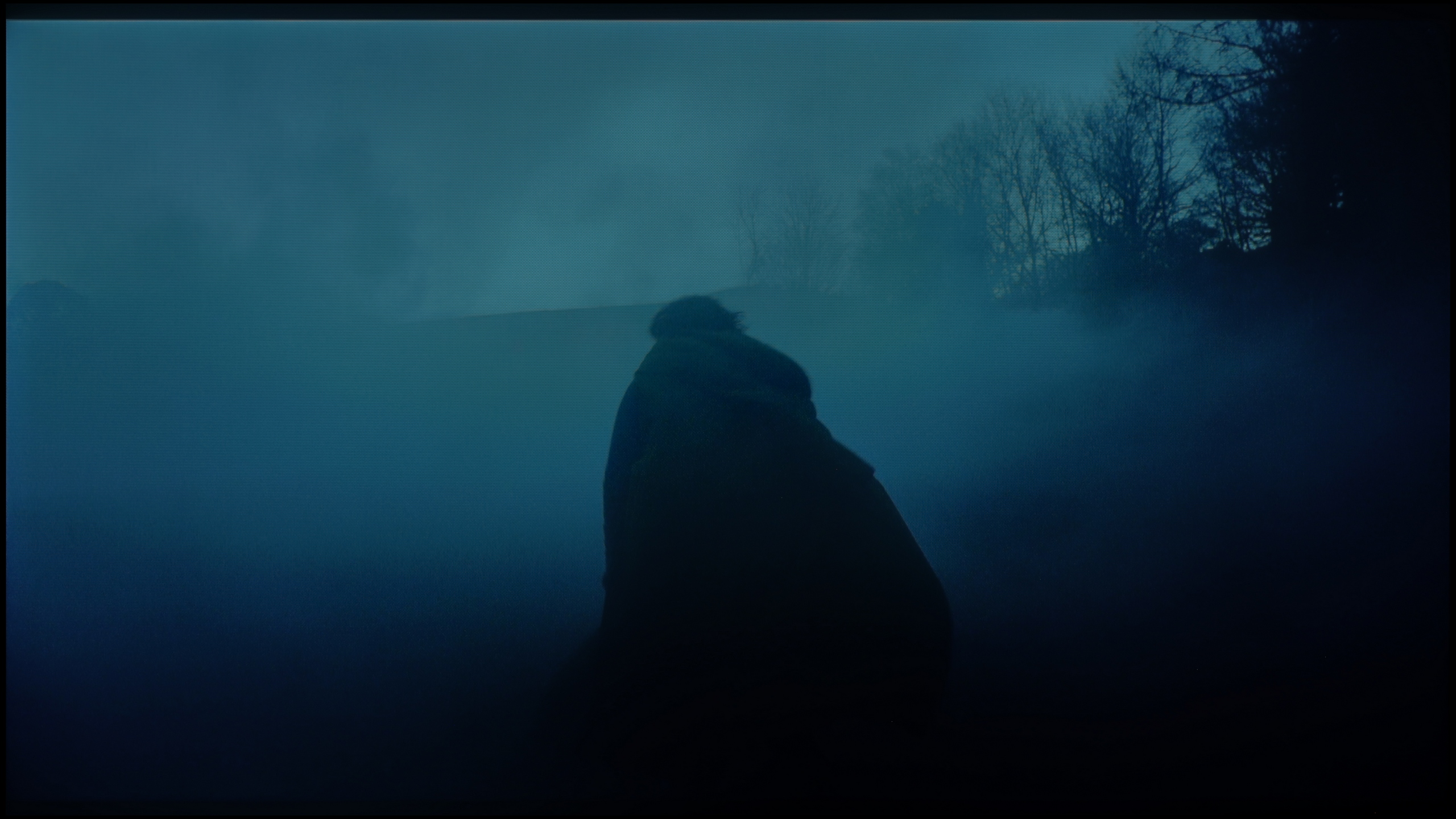
Another important aspect of assessing image quality is tonal transitions. To achieve a clean image free from posterisation effects, a television must employ highly effective algorithms for smoothing colour gradations. We must acknowledge that the algorithm used in the TCL C855, known as "Gradual Smoothing," ranks among the best we've had the opportunity to test. In nearly every scene, the performance is impressive, leaving little room for criticism. A prime example of this capability is the scene from "The Green Knight," which poses a challenge due to the multitude of fine and subtle transitions in the fog. The C855 successfully smooths out the details within this scene, allowing the viewer to fully appreciate its suspenseful atmosphere. The only instance where slight posterization is noticeable occurs in a frame from "The Green Knight," where the reds in the upper left part of the screen create a contrasting effect.

When it comes to the smoothness of tonal transitions, the iFFALCON U85X performs quite decently. In most scenes, gradients are almost imperceptible, so the irritating "banding" of colors shouldn't be noticeable during everyday viewing, for example, on ChooseTV. However, it must be honestly admitted that in very dark frames, the image is not always perfectly smooth, and certain imperfections in transitions between shades can be observed. Nonetheless, this result is more than satisfactory and does not spoil the overall perception of the image.

Image scaling and smoothness of tonal transitions

5.5/10

5/10

Image without overscan on the SD signal
OK
OK
Smooth transition function
No
OK

Smooth transition function

The match photo shows how the TV smooths weak tonal transitions in low-quality video.

Image scaling SD (576i)

The model photo shows how it handles upscaling of SD material.

Once again, we will take a look at the function of smoothing tonal transitions, but this time also image scaling. The latter is particularly important when watching materials of lower quality, such as some television programs or older films. We will focus on the function responsible for tonal transitions. Interestingly, just like in the scenes from the previous test where it performed excellently and smoothed out practically all the inconsistencies, here it had issues. Using the menu responsible for the operation of this function, we found that no setting—even the strongest—was helpful.

Image scaling in TCL C855 is defined as one of the best we have had the opportunity to test so far. The image is sharp, but in a way that could be described as natural to our eye. Even small, fine branches do not have jagged edges, and there is no white halo around figures, a characteristic of weaker scaling systems.

When it comes to scaling the image to 4K resolution, the iFFALCON U85X performs solidly. The device efficiently enhances low-quality signals, making even older materials look clean and clear on the 4K matrix. At extremely low resolutions, such as 480p, you can notice slightly jagged edges (especially on thin lines), but let's face it – this is a scenario you'll only encounter when watching very old footage, so it's not a real issue in everyday use.

However, the digital processing aimed at smoothing tonal transitions is significantly worse. Although the menu features a function called “Gradual Smoothing”, its effectiveness is at least debatable. In practice, it does not effectively reduce banding (color stepping), and worse, it can cause more harm than good. This filter can be too aggressive where it shouldn't be, artificially smoothing out details that should not be touched, such as the natural texture of the face or fine details of the skin's texture. Instead of improving quality, this feature can give the image an unnatural, “plastic” look, so it's best to use it with great caution or, better yet: leave it turned off.

Blur and motion smoothness

8/10

6.8/10

Maximum refresh rate of the panel
144Hz
144Hz
Film motion smoothing option
OK
OK
Blur reduction option
OK
OK
BFI function 60Hz
Yes, 60Hz (image flickers)
Yes, 120Hz (double contours)
BFI function 120Hz
Yes, 120Hz
Yes, 240Hz (double contours)
Brightness drop with BFI
51%
25%

Blur (native resolution, maximum refresh rate):

Blur (BFI function enabled):

Blur ():

Blur (4K@144Hz):

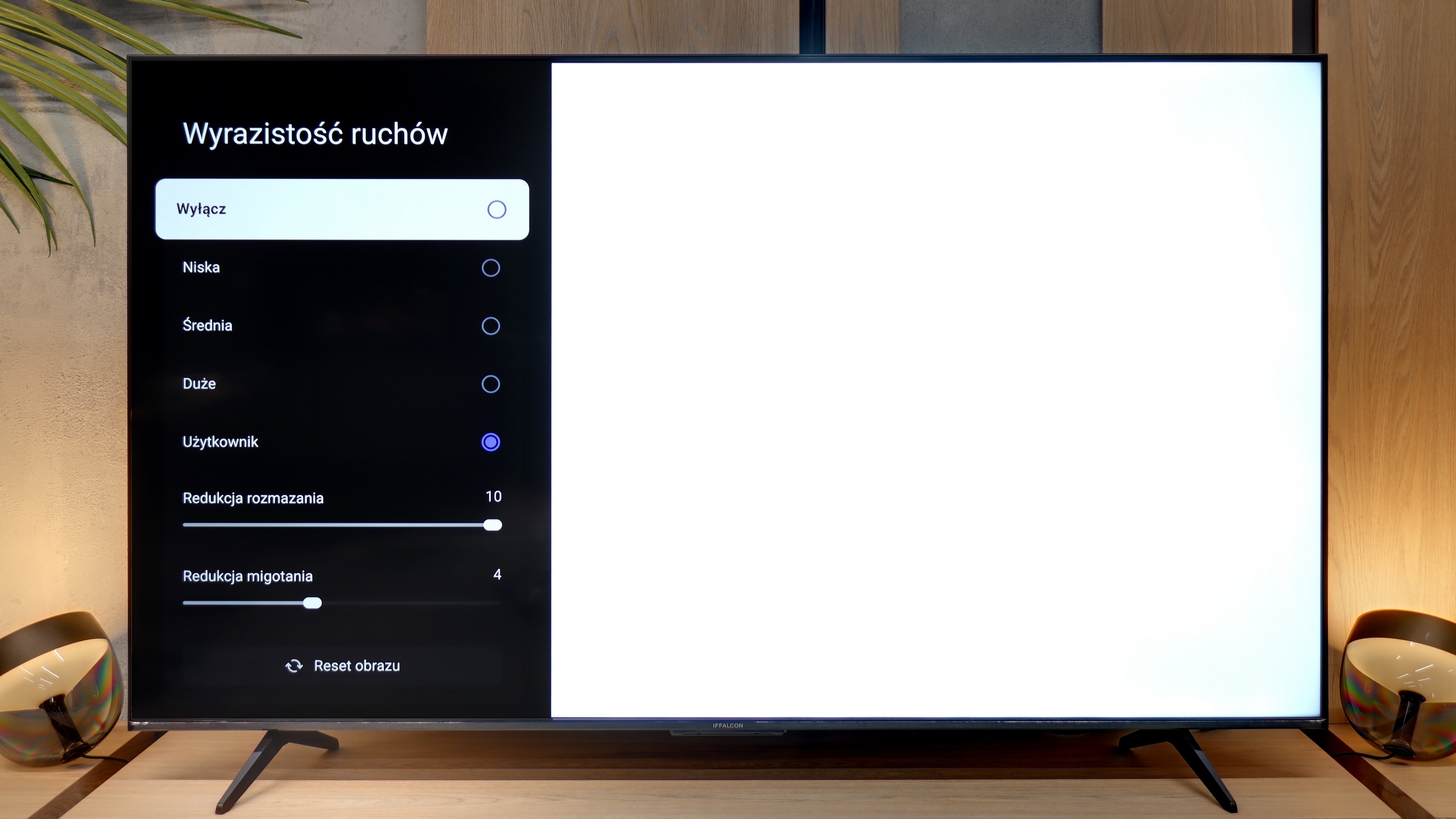
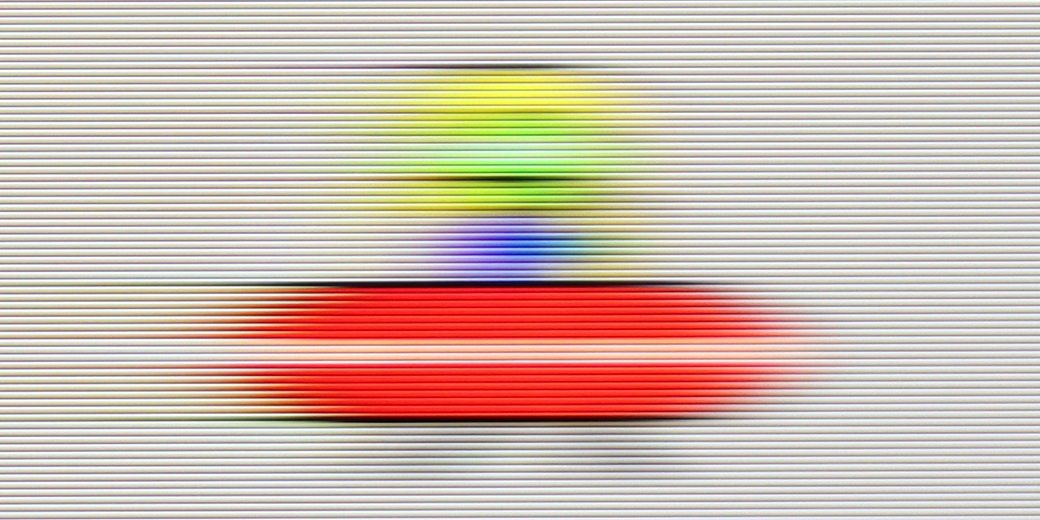
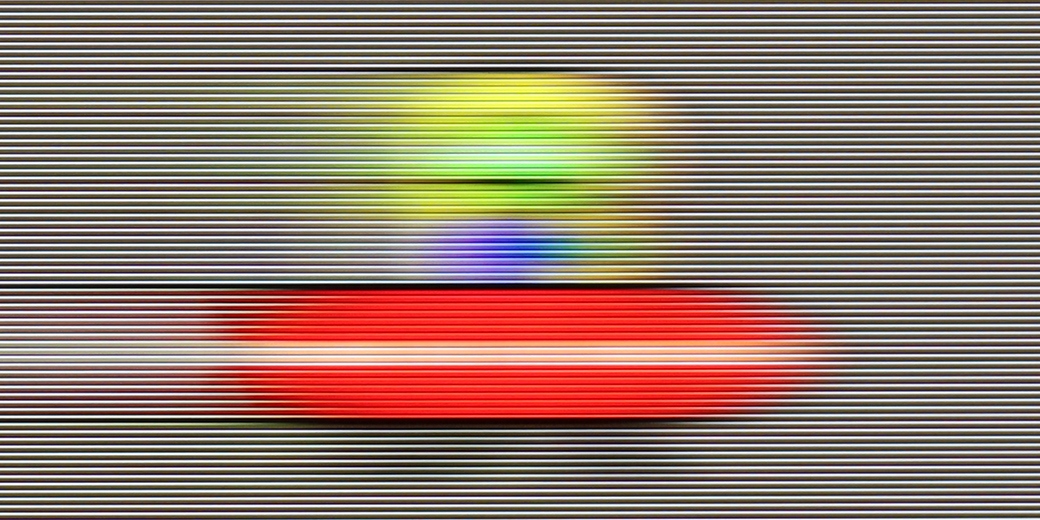
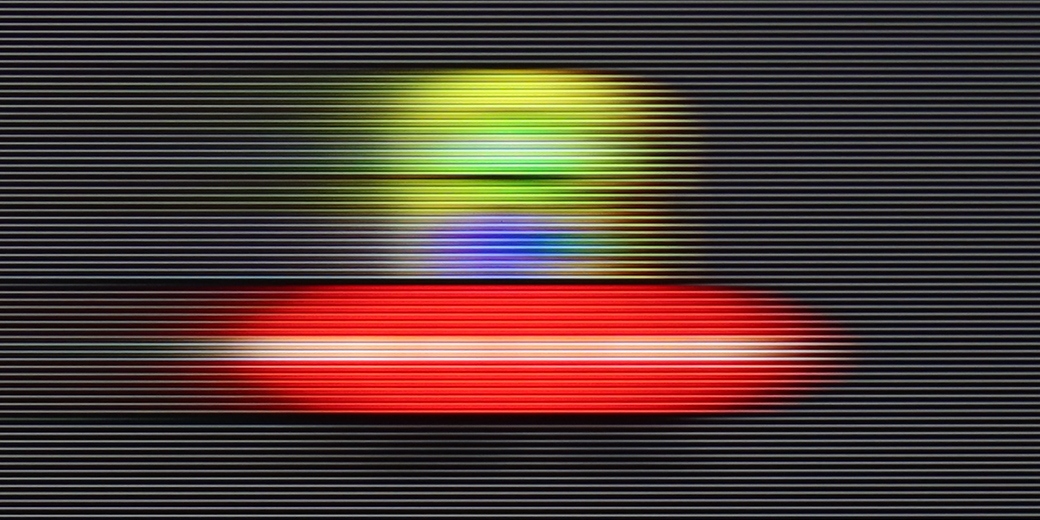
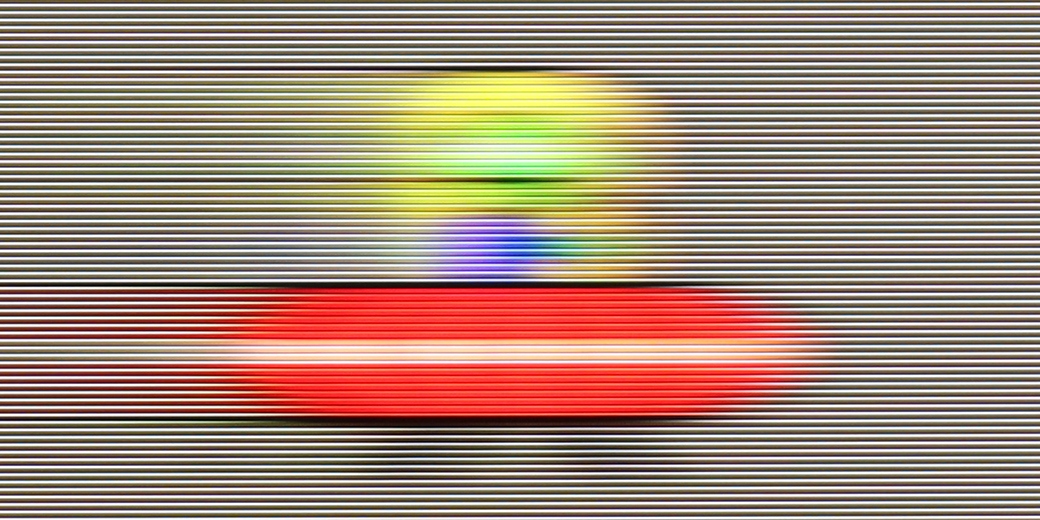
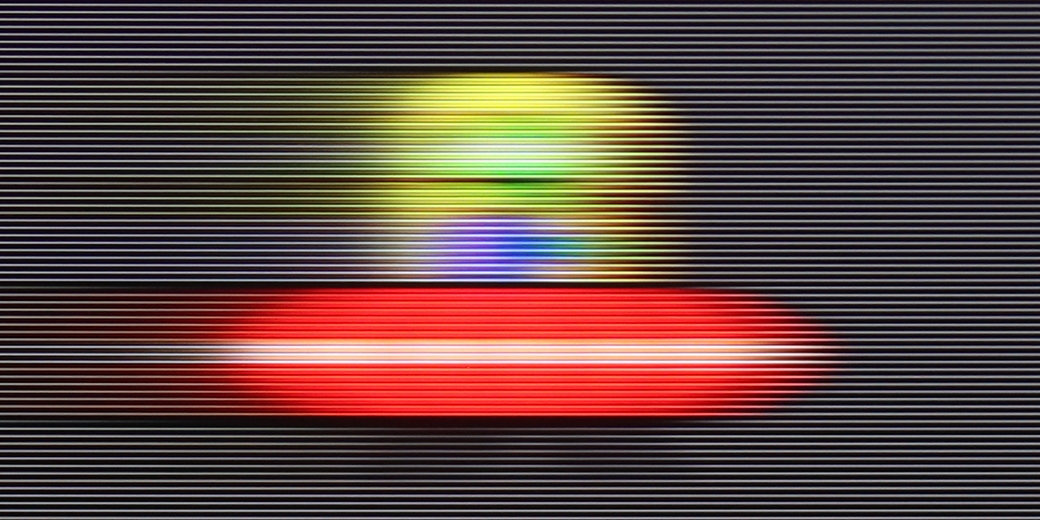
The maximum refresh rate you can set on the TCL C855 is 144 Hz. Naturally, this is only possible after connecting the TCL C855 TV to a very powerful PC. Otherwise, we will be operating at a maximum refresh rate of 120 Hz, which is recommended if we want to watch primarily sports or materials with a lot of motion dynamics. For those who require high image fluidity, the manufacturer has implemented a multi-stage motion smoother. It is divided into two separate sliders which control the sharpness of moving images (Motion Blur Reduction) and flicker (Flicker Reduction). Both sliders can be adjusted from 0 to 10, with each level affecting the degree of fluidity, so everyone can find their sweet spot. We present a setting that allows for slight smoothing without the soap opera effect. The matrix of the TCL C855 features a very good response time. This is particularly important since VA panels often struggle with the so-called ghosting effect, where a black halo can be observed behind a fast-moving object. where a black halo can be observed behind a fast-moving object.

In contrast to budget constructions, which in dynamic sports scenes may resemble a slideshow, the iFFALCON U85X is a heavyweight contender equipped with a panel featuring a native refresh rate of 144Hz. However, it is worth remembering that in the world of movies, series, or sports, we will mostly operate at 120Hz due to the specifics of image enhancement systems. Such a fast panel is excellent news for gamers and sports fans, as it opens the door to advanced motion settings that simply don't exist in cheaper 60-Hz models.

We manage everything from the "Motion Clarity" menu, where instead of using pre-set, often too aggressive modes, we definitely recommend a custom configuration based on two sliders. The most important of them, reduction of flicker, is responsible for smoothness in films – here, it's best to aim for a value around 4, which will maintain a natural, cinematic character of motion without falling into the artificial "soap opera effect." On the other hand, the first slider, reduction of blur, is the key to success in sports broadcasts. In this case, it's worth going all out and setting it to maximum, ensuring that the image during fast actions on the field remains sharp, and annoying trailing is eliminated.

Console compatibility and gaming features

9.8/10

9.8/10

  • ALLM
    Yes
    Yes
  • VRR
    Yes
    Yes
  • VRR range
    48 - 144Hz
    48 - 240Hz
  • Dolby Vision Game Mode
    Yes
    Yes
  • Correct implementation of HGIG
    Yes
    Yes
  • 1080p@120Hz
    Yes
    Yes
  • 1440p@120Hz
    Yes
    Yes
  • 4K@120Hz
    Yes
    Yes
  • Game bar
    Yes
    Yes

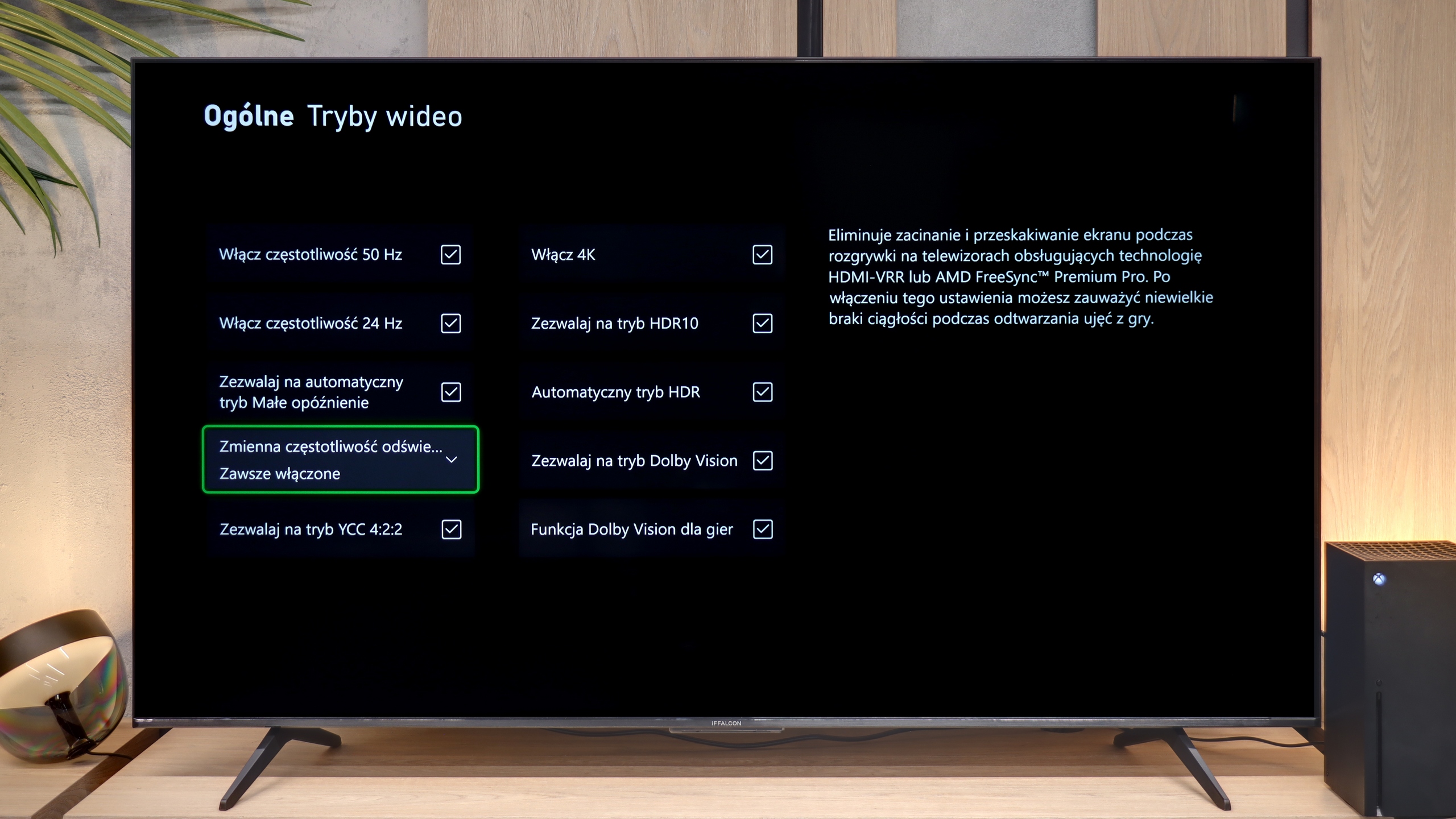
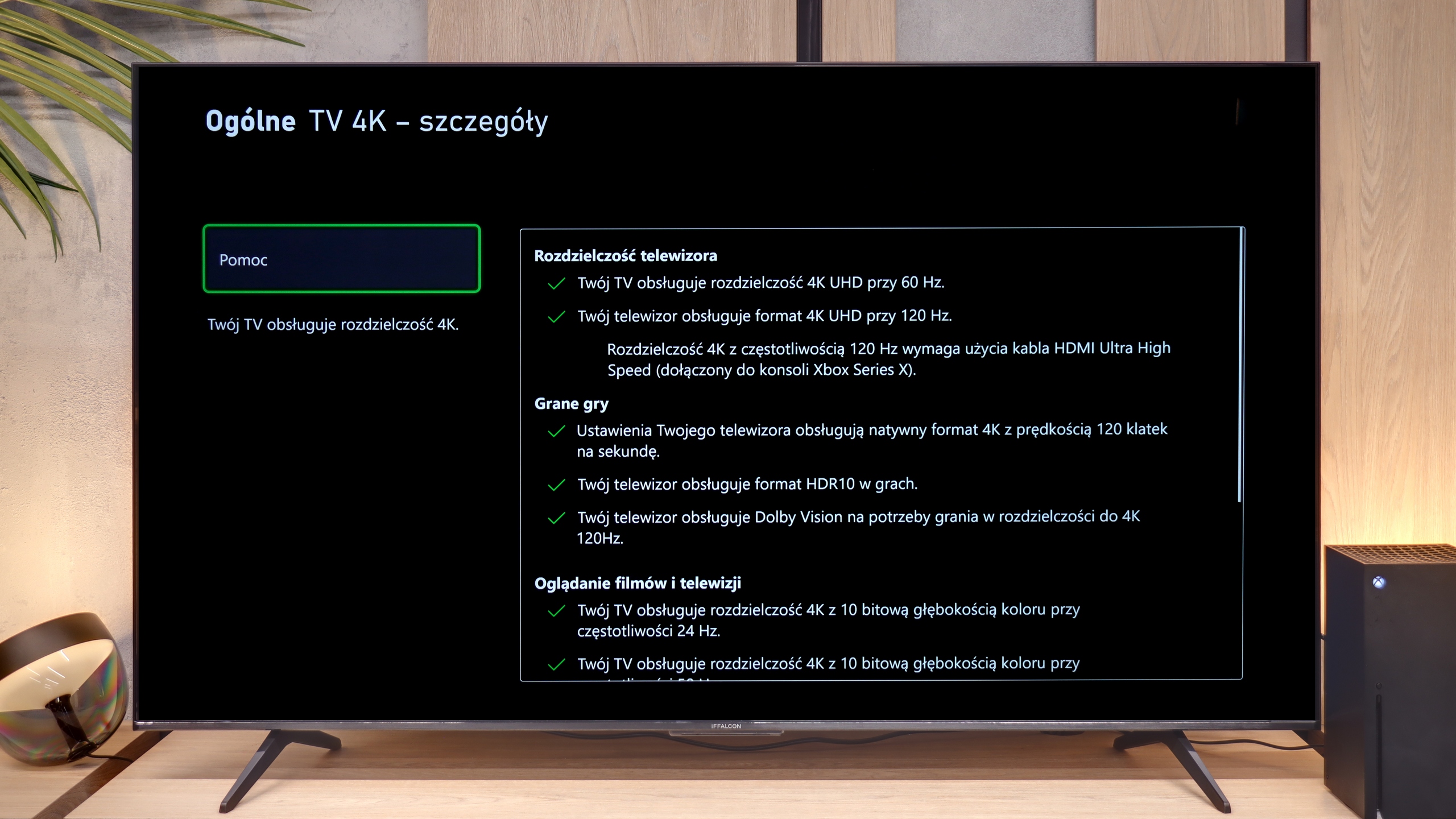
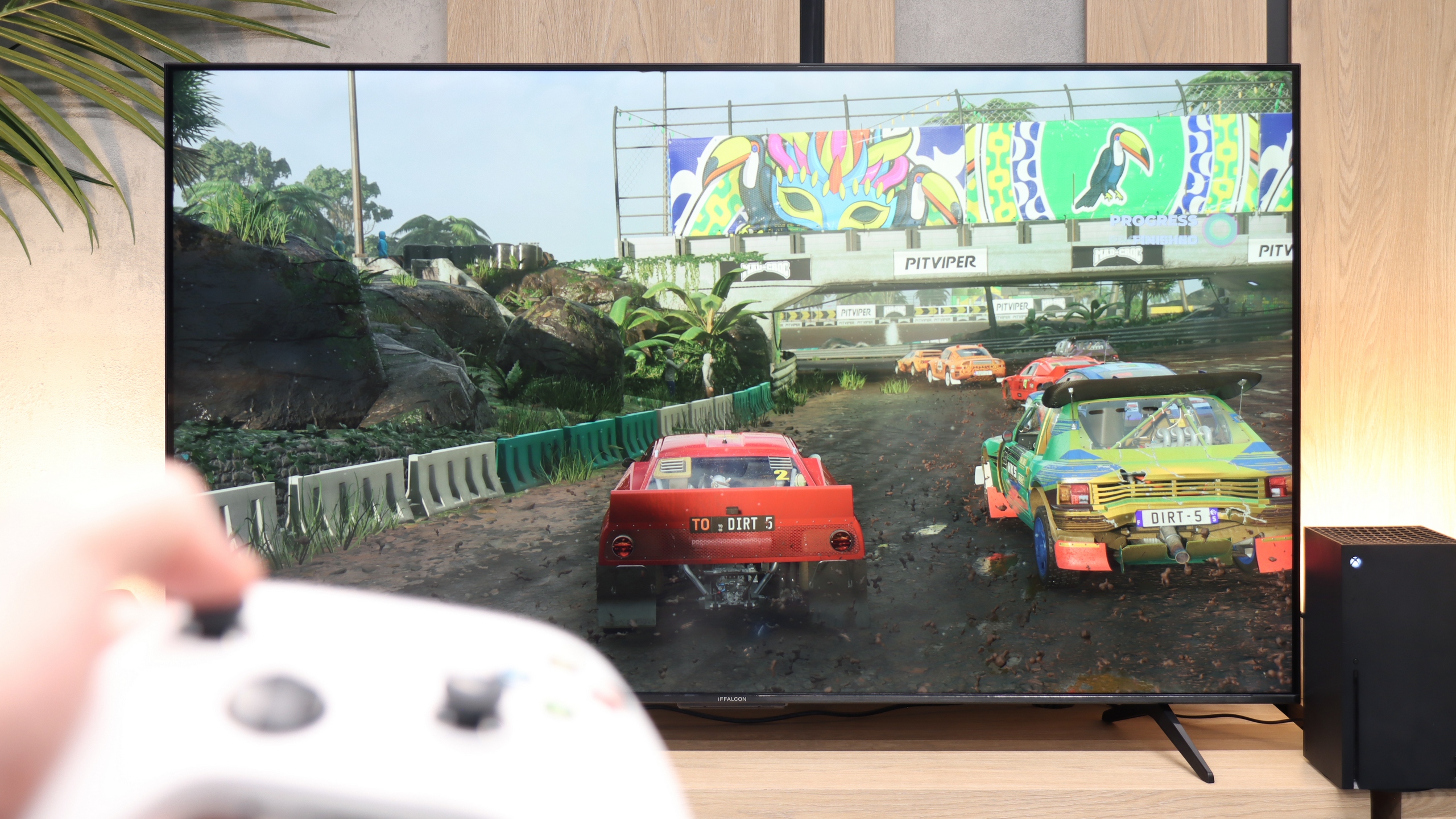
The TCL C855 TV has fully-featured HDMI 2.1 ports, boasting a full bandwidth of 48 Gb/s. During our testing, we confirmed the seamless operation of all functions included in this connection standard. As highlighted, all checkboxes are illuminated in green, a feature that will undoubtedly be appreciated by gamers, whether on consoles or those using the TV as a computer monitor. Additionally, the TCL C855 supports both AMD FreeSync and NVIDIA's G-Sync, which can be easily activated in the graphics card settings. Those with powerful configurations can feed a 144 Hz signal to the C855, which handles this effortlessly. It is also worth noting the implementation of the HGIG mode, which can be excessively bright due to the shortcomings of the "Game" mode, making proper configuration on the screen challenging. Fortunately, the TV excels with the Dolby Vision format.

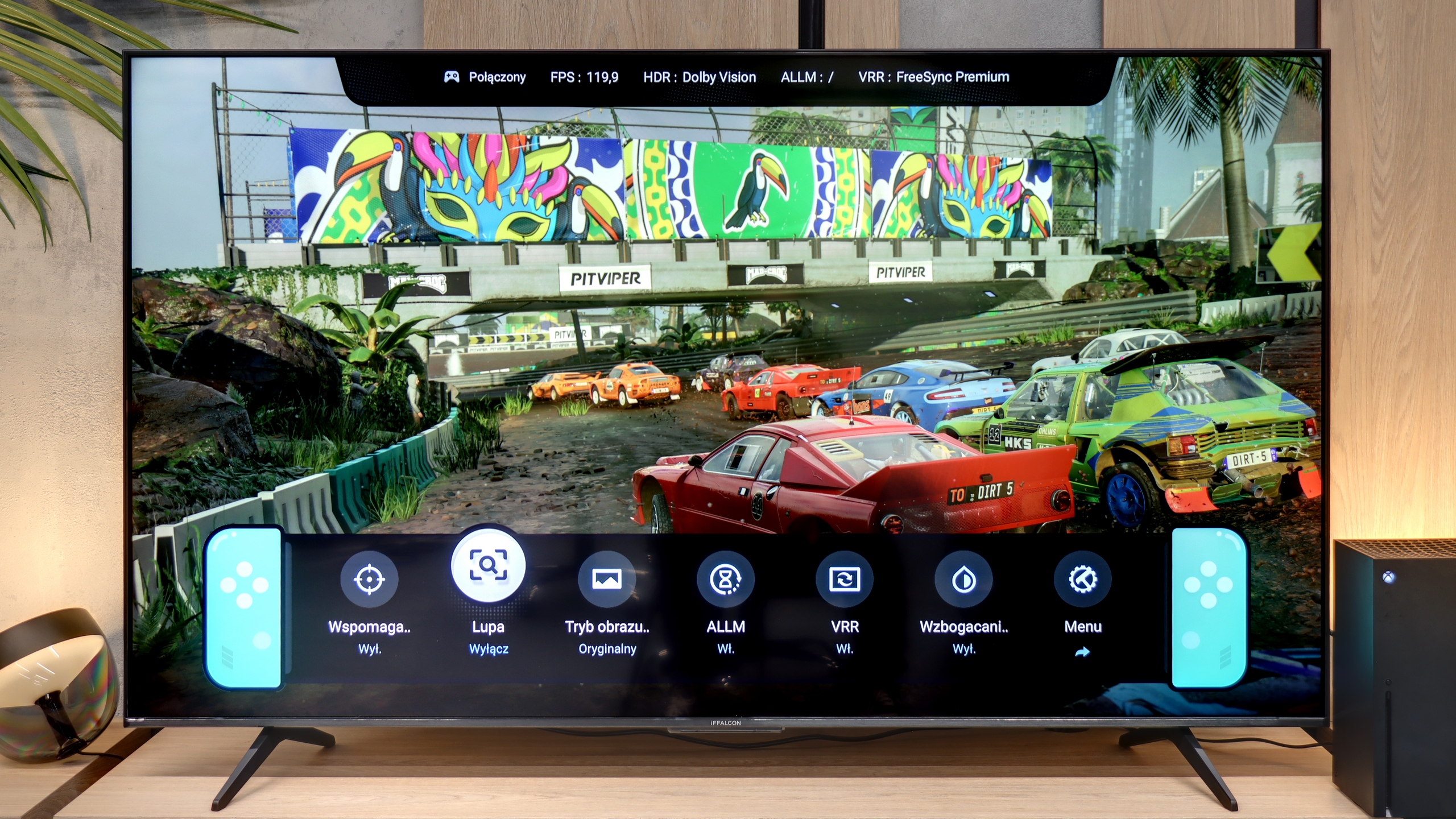
TCL, as one of the pioneering manufacturers, has equipped its televisions with a special GameBar, allowing for extensive adjustment of settings "on the fly" without the need to exit the game. This feature includes options like an additional crosshair grid, black level correction, and settings designed for individuals with disabilities. The image showcases the next generation of this solution.

In summary, the TCL C855 TV is an ideal choice for those seeking a screen for all forms of electronic gaming. With comprehensive features supporting such entertainment, it provides an extremely engaging experience. It is also important to emphasise that it maintains very low input lag, regardless of the selected settings, including when using the Dolby Vision HDR format.

iFFALCON U85X is an exceptional device for gamers that has virtually everything you can expect from a modern screen for consoles or PCs. Here we find two fully-fledged HDMI 2.1 ports with full bandwidth of 48 Gbps, which opens the door to key technologies such as VRR and ALLM, ensuring smooth gameplay without tearing and with minimal latency. The TV handles high refresh rates at various resolutions without any problem, and a real curiosity is the mode that allows for up to 240Hz when dropping to Full HD quality. The entire system is managed by the Game Bar (a faithful copy from TCL), which allows for instant switching of picture modes, customization of the interface appearance, or even adding a virtual crosshair in the middle of the screen.

Input lag

9.8/10

9.8/10

SDR

1080p60
16 ms
17 ms
1080p120
7 ms
9 ms
2160p60
16 ms
17 ms
2160p120
7 ms
9 ms

HDR

2160p60
16 ms
17 ms
2160p120
7 ms
9 ms
4320p60

Dolby Vision

2160p60 DV
17 ms
17 ms
2160p120 DV
9 ms
9 ms

The input lag of the TCL C855 is impressively low across all scenarios. Even the most dedicated gamers will appreciate the minimal input lag of just 7 ms at demanding 4K 120 Hz settings with HDR. Furthermore, this lag remains consistent when enabling Dolby Vision HDR, which is not always the case with competing models. As such, the TCL C855 merits the highest rating and recommendation.

The completion of the gaming arsenal is the remarkable latency results that we measured in our tests. With a standard 60Hz signal, the input lag is only 17 ms, which is a completely safe value for comfortable gameplay, while switching to 120Hz reduces the latency to an impressive 9 ms. A nice fact is that these excellent parameters do not deteriorate even in Dolby Vision mode. In many televisions, activating this format still comes with additional processor overhead and increased lag, but here the engineers at TCL (or iFFALCON) did a great job.

Compatibility with PC

8.6/10

8.6/10

Chroma 444 (max. resolution and refresh rate)
Yes
Yes
Font clarity
Good
Good
Readability of dark text and shapes
Good
Very Good
Input lag in PC mode (4K, max. refresh rate)
16ms
9ms
Matrix subpixel arrangement
BGR
BGR
Max refresh rate
144Hz
144Hz
G-Sync
Yes
Yes

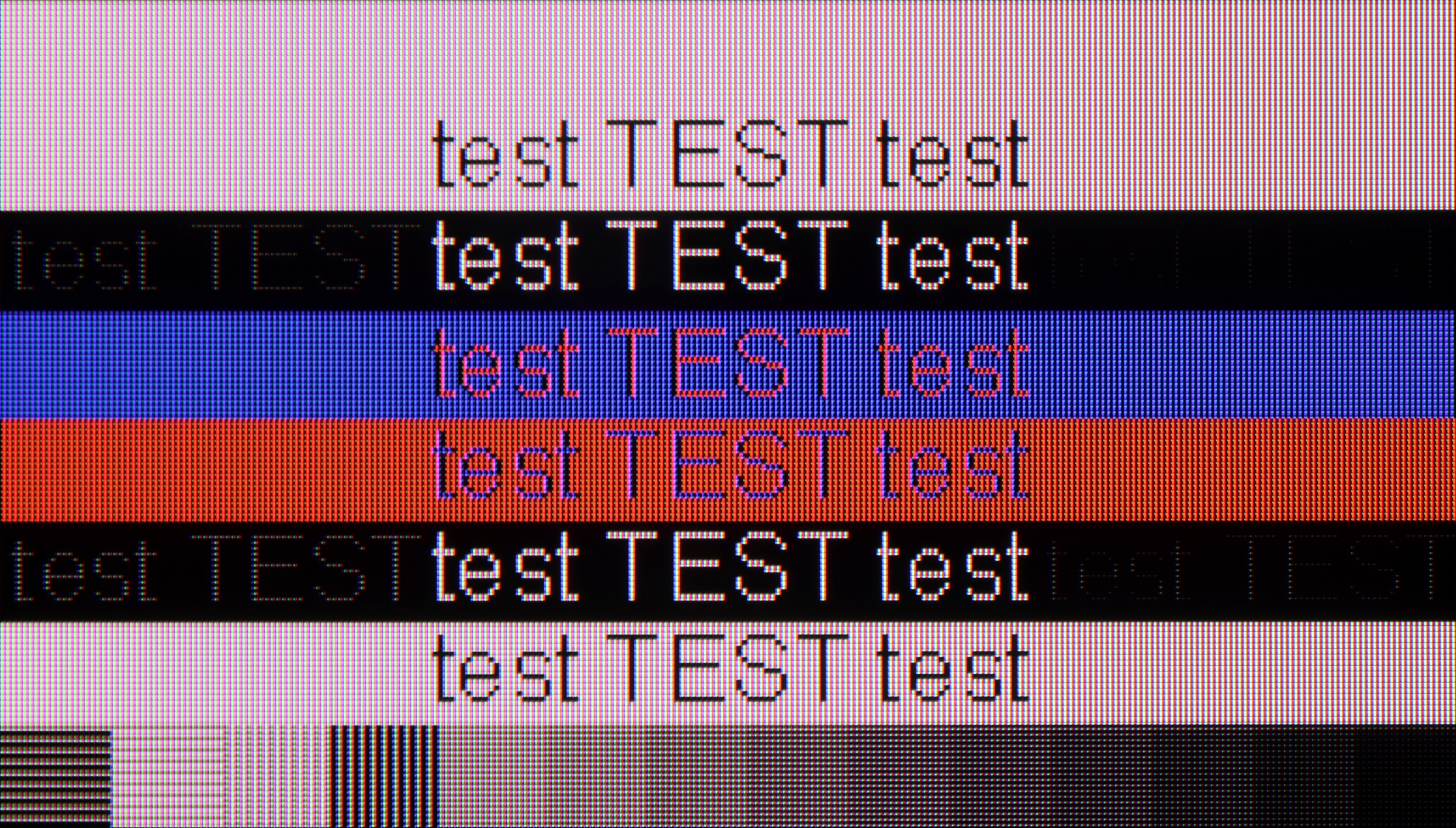
The photo shows the legibility of small fonts. Ideally, lines should be the same thickness on both light and dark text, with minimal pixel gaps.

When connected to a computer as a monitor, the TCL C855 performs exceptionally well. This is largely due to its very low latency time along the mouse-eye-screen line and excellent font readability, achieved through a chroma 4:4:4 at all resolutions, including 4K@144Hz.

The subpixel layout is BGR, which does not negatively affect usage in the Windows environment. However, this situation may change when using macOS or other software that cannot adjust fonts to accommodate this subpixel layout.

iFFALCON U85X is also a great candidate for a powerful computer monitor, offering a work culture that is hard to find in typical televisions. The readability of the fonts is at almost an exemplary level – although due to the specifics of the VA panel, it is not as crystal clear as in IPS panels, the difference becomes practically undetectable to the human eye when maintaining a distance of over one meter. The device natively supports a resolution of 4K at 144Hz refresh rate, but the real ace up its sleeve is the 240Hz mode (available at lower resolutions), which makes this giant an excellent tool for fast-paced esports titles, where refresh rate takes priority over pixel count. What is almost most important for PC users, such high performance is fully supported by frame synchronization technologies such as NVIDIA G-Sync and AMD FreeSync, which effectively eliminates screen tearing and ensures perfect smoothness regardless of the graphic card in use.

Viewing angles

3.5/10

3.1/10

Brightness drop at an angle of 45 degrees
73%
68%

A well-known drawback of VA panels without an angle coating is their poor performance regarding viewing angles. This holds true for the TCL C855, where even a slight deviation from the central axis results in noticeable image fading and colour degradation.

In terms of viewing angles, the iFFALCON U85X does not offer any surprises – it is simply poor, which is a typical characteristic of VA matrix screens. We must treat this as a natural and conscious compromise: when choosing a panel with high contrast and deep blacks, we almost always sacrifice wide viewing angles (only in top-end series do manufacturers use special coatings to improve this feature). The laws of physics in this price segment cannot be deceived, because while sitting directly in front of the television, the picture looks stunning, it only takes a slight lean to the side for the colors to start losing their saturation. If you plan on evening screenings with a larger group, it's a good idea to ensure that everyone sits as close to the central axis of the screen as possible.

Daytime performance

7.4/10

5.6/10

Panel finish
Glare
Satin
Reflection suppression
Average
Decent
Black levels during daytime
Good
Good

Panel brightness

IFFALCON U85X: 419 cd/m2

TCL C855: 910 cd/m2

The glossy finish of the TCL C855 panel prevents it from achieving the highest rating for daytime viewing performance. However, this finish contributes to impressive black levels during the day. The high brightness in SDR material makes the actress's face stand out prominently against reflections. A downside of this panel is that light falling directly on the screen tends to "spill" rather than being contained in one area. Generally speaking, if sunlight does not directly hit the panel, the TCL C855 remains a solid choice for well-lit rooms.

In a bright room, the iFFALCON U85X performs reasonably well, thanks to the satin coating used on the panel. It adequately dampens direct light reflections, allowing us to avoid the irritating mirror effect, although under stronger lighting, one can notice the characteristic warm "spills" of light around the reflecting objects. While it is not on par with top-tier panels featuring the most advanced filters, the absence of high gloss makes daytime use much less burdensome. In terms of pure brightness in SDR standard, that is for television, the TV achieves an average brightness level of around 420 nits. This is not an outstanding result that would allow it to compete with direct sunlight hitting the screen, but it is perfectly sufficient for comfortable viewing in a moderately sunny living room.

Panel details

Backlight Type
Mini-LED QLED
Mini-LED PFS LED
Software version during testing
TV+:TVM6.0.1_926b00935_240329
V8-0012T01-LF1V543.002503
Image processor
mt5896
MT5896 2,5GB RAM

Subpixel Structure:

Panel uniformity and thermal imaging:

Review TCL C855 TV Panel details
Review IFFALCON U85X TV Panel details

TCL C855

IFFALCON U85X

TV features

6.7/10

7.6/10

  • HDMI inputs
    2 x HDMI 2.0, 2 x HDMI 2.1 48Gbps
    2 x HDMI 2.0, 2 x HDMI 2.1 48Gbps
  • Other inputs
    RCA (Chinch)
  • Outputs
    Toslink (Optical audio), eARC (HDMI), ARC (HDMI)
    Toslink (Optical audio), eARC (HDMI)
  • Network Interfaces
    Wi-Fi 2.4GHz, Wi-Fi 5GHz, Ethernet (LAN) 100Mbps
    Wi-Fi 2.4GHz, Wi-Fi 5GHz, Ethernet (LAN) 100Mbps
  • TV reception
    DVB-T, DVB-T2, DVB-S, DVB-S2, DVB-C
    DVB-T, DVB-T2, DVB-S, DVB-S2, DVB-C

Classic features:

  • Recording to USB (terrestrial TV)
    No
    No
  • Recording programming
    No
    No
  • Picture in Picture (PiP)
    No
    No
  • RF remote control (no need to aim)
    Yes
    Yes
  • Backlit remote control
    No
    No
  • Teletext
    Yes
    Yes
  • Audio only mode
    No
    Yes
  • Bluetooth headphones support
    Yes
    Yes
  • Simultaneous Bluetooth headphones & TV audio
    Yes
    Yes

Smart features:

  • AirPlay
    Yes
    Yes
  • Screen mirroring (Windows Miracast)
    Yes
    Yes
  • Voice search
    Yes
    Yes
  • Voice search in native language
    Yes
    Yes
  • Ability to connect a keyboard and mouse
    Yes
    Yes
Review TCL C855 TV features
Review IFFALCON U85X TV features

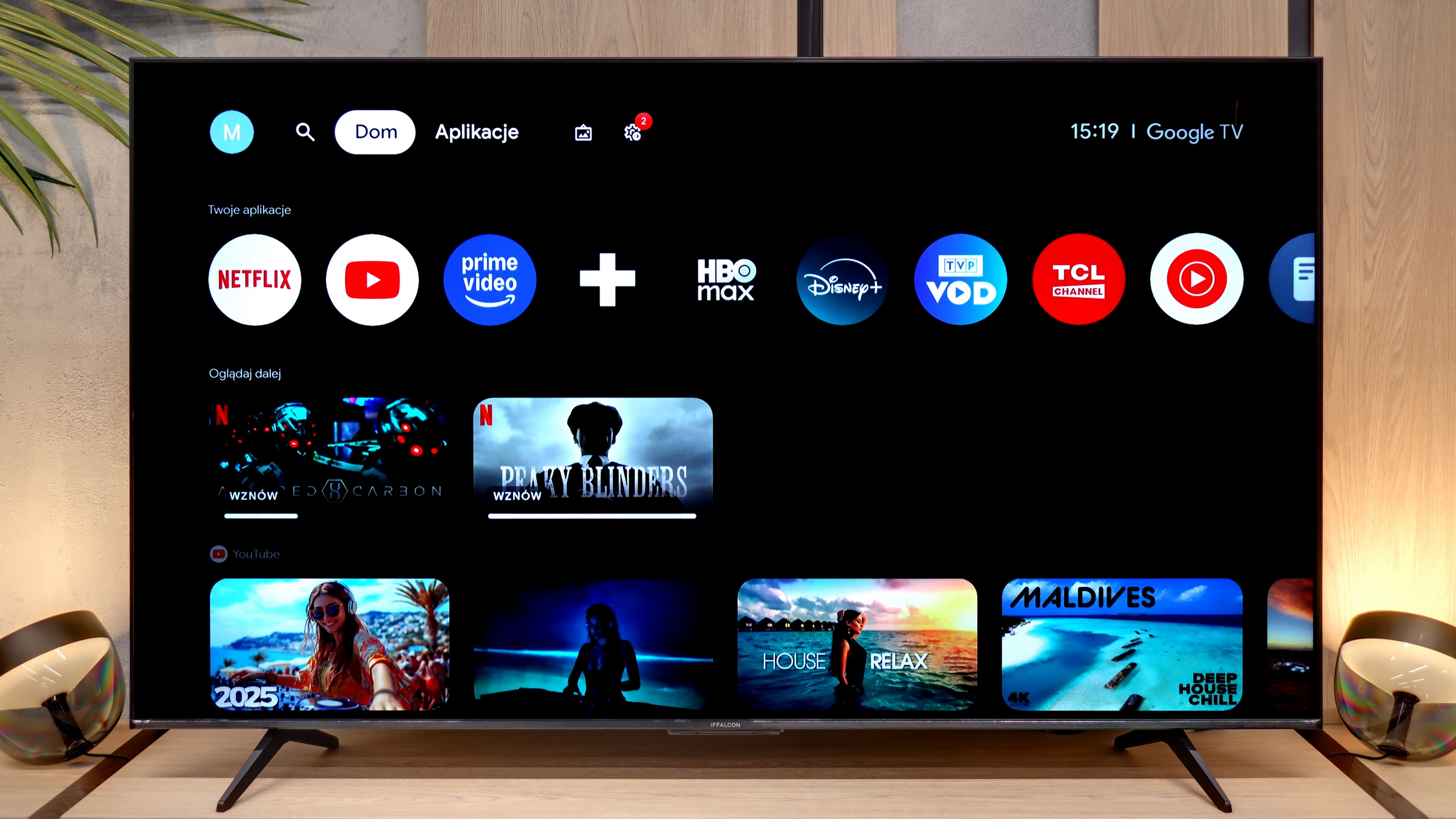
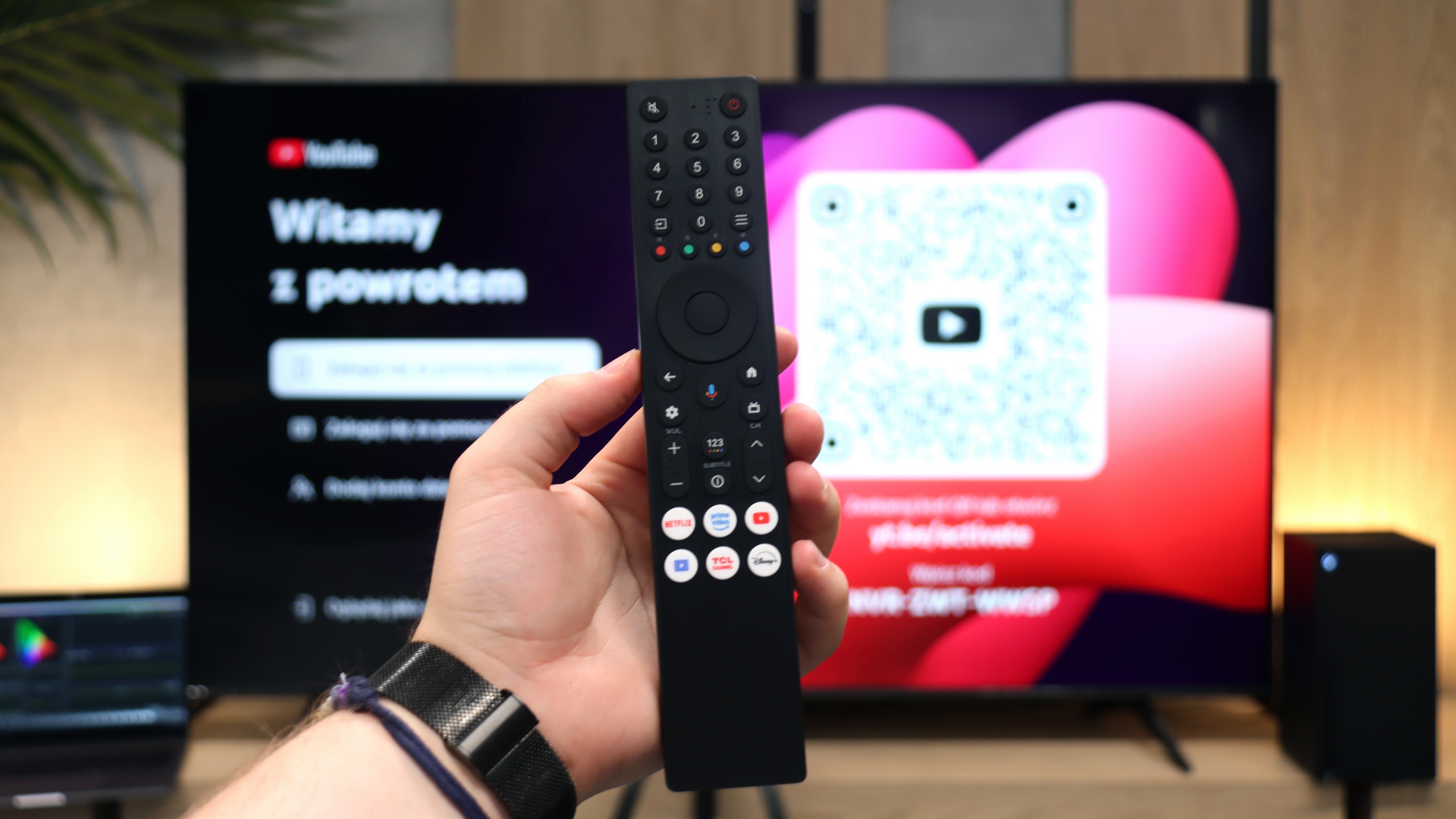
The TCL C855 operates on the Google TV platform, which offers a significant advantage over TVs with proprietary systems from other manufacturers, where installing applications from a USB drive can often be challenging or impossible. With Google TV, users can install virtually any application, whether from the official store or directly from online repositories via APK files.

This system also provides various conveniences in terms of control. Users can connect a keyboard with a touchpad, making it easier to enter queries. Additionally, thanks to integration with Google, voice control features via the remote work very well, although minor issues may occasionally arise with function translations. It's worth noting that Google TV regularly receives updates that enhance functionality and introduce new options. However, according to reports from users of older models, the software can sometimes have its off days, leading to occasional performance hiccups.

In summary, Google TV is currently one of the most popular systems on the market. Thanks to its efficient CPU, it runs very smoothly, avoiding freezing and stuttering for the majority of usage. This makes it an excellent choice for those looking to fully utilise the capabilities of the TCL C855 and who appreciate the openness of the system.

Smart Features

Like products from TCL, the iFFALCON U85X benefits from the Google TV system. This means access to an almost unlimited library of applications, from the most popular VOD services to niche tools, as well as full integration with Google and Gemini voice assistants. Apple ecosystem users are also not left out – the television easily works with their devices thanks to the built-in AirPlay feature. The system itself operates quite smoothly, although it's undeniable that it inherits some issues known from TCL models. The interface can sometimes "catch its breath" and needs a moment to think, and Polish translations in the deeper corners of the menu can be quite strange and occasionally illogical.

Classic Features

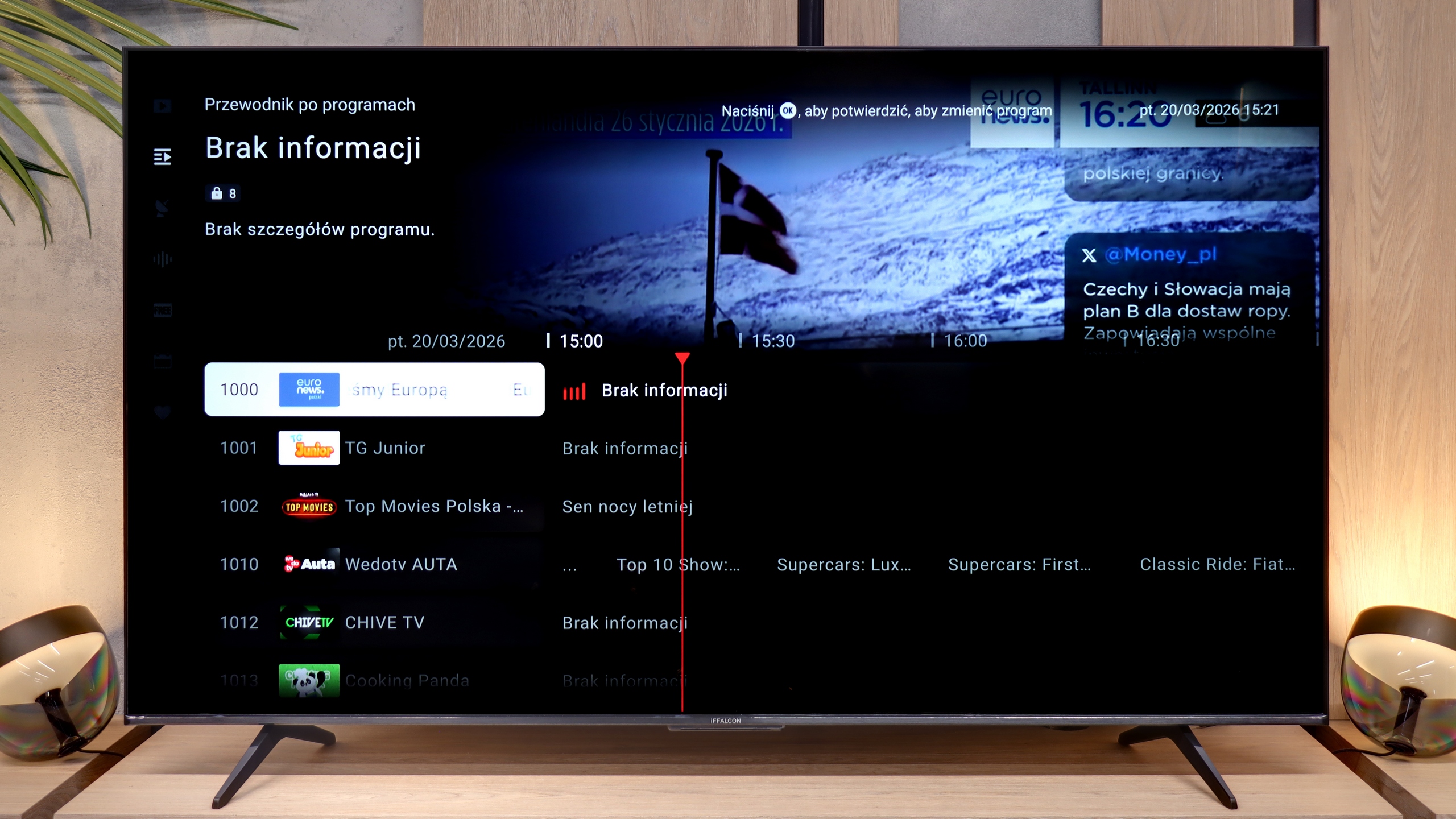
In terms of traditional television functions, the iFFALCON U85X does not strive for any extravagance and offers the absolute minimum, which may be somewhat disappointing for more demanding users of traditional cable or satellite. It’s futile to look for features like recording programs to external USB memory or picture-in-picture (PiP) mode, which would allow following two sources simultaneously. From the more "modern" classics, we only get the ability to wirelessly connect headphones via Bluetooth and teletext support. The remote control also does not pretend to be a modern gadget from the future; it’s a classic design with a full numeric keypad that makes it easier to jump quickly between channels, but visually it strongly diverges from minimalist trends.

Apps

9.6/10

9.6/10

OK
Disney_Plus
OK
Amazon_Prime_Video
OK
Player_TVN
OK
Polsat_Box_Go
OK
Canal_Plus_Online
OK
TVP_VOD
OK
Apple_TV_Plus
OK
SkyShowtime
OK
Rakuten
OK
CDA_Premium_Browser
OK
Spotify
OK
Tidal
OK
Netflix
OK
YouTube
OK
HBO_MAX
OK
Kodi
No
Apple_music
OK
Eleven_sports
No
Xbox Game Pass
OK
GeForce Now!
No
Amazon Luna
OK
Boosteroid
OK
Steam Link
OK
Disney_Plus
OK
Amazon_Prime_Video
OK
Player_TVN
OK
Polsat_Box_Go
OK
Canal_Plus_Online
OK
TVP_VOD
OK
Apple_TV_Plus
OK
SkyShowtime
OK
Rakuten
OK
CDA_Premium_Browser
OK
Spotify
OK
Tidal
OK
Netflix
OK
YouTube
OK
HBO_MAX
OK
Kodi
No
Apple_music
OK
Eleven_sports
No
Xbox Game Pass
OK
GeForce Now!
No
Amazon Luna
OK
Boosteroid
OK
Steam Link

Playing files from USB

9.2/10

9.2/10

Supported photo formats:

JPEG
Yes
Yes
HEIC
No
No
PNG
Yes
Yes
GIF
Yes
Yes
WebP
Yes
Yes
TIFF
No
No
BMP
Yes
Yes
SVG
No
No

Maximum photo resolution:

4 Mpix
Yes
Yes
6 Mpix
Yes
Yes
8 Mpix
Yes
Yes
10 Mpix
Yes
Yes
12 Mpix
Yes
Yes
16 Mpix
Yes
Yes
20 Mpix
Yes
Yes
24 Mpix
Yes
Yes
28 Mpix
Yes
Yes
32 Mpix
Yes
Yes

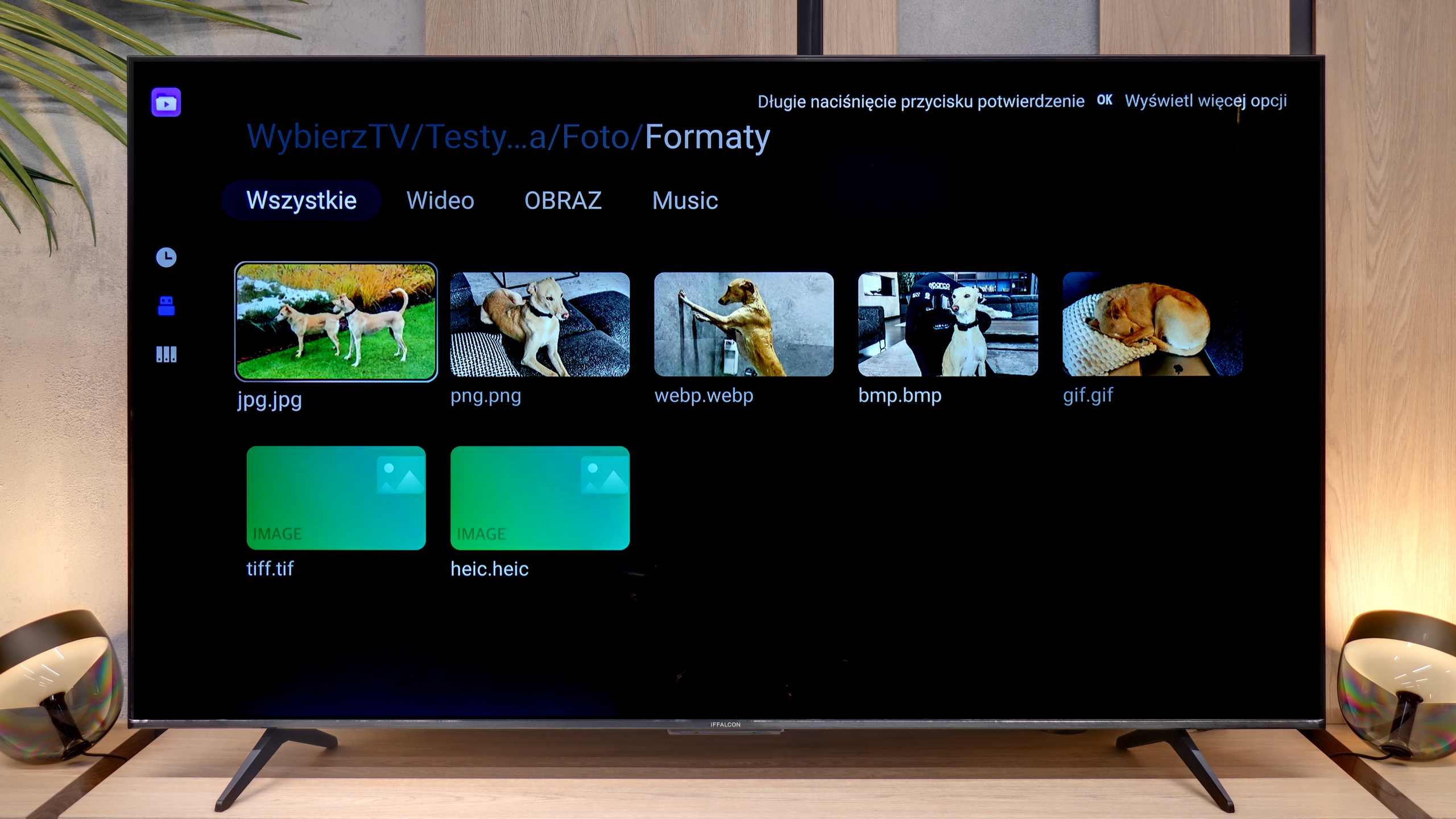
The default file player on the TCL C855 performs admirably with nearly all the media formats tested. Most video formats are supported, providing a versatile viewing experience. However, a notable drawback is the lack of functionality to change font colours. When it comes to photo playback, the TV handles high-resolution images well, but it is worth mentioning that it does not support Apple's HEIC or SVG file formats.

On the audio front, the TCL C855 manages to play various audio files without any issues, although it's unlikely that many users are reliant on formats like AIFF or DSD64. A significant advantage of the C855, alongside its operating system, is the ability to download alternative media players from the app store, ensuring compatibility with a wider range of file types.

Playing files from a USB drive is no challenge for the iFFALCON U85X – the built-in player handles almost every audio and video format we threw at it during testing without a hitch. The only drawback we could point out is the support for external subtitles; while popular formats like .sub and .srt work flawlessly, the TV can be finicky with .txt files. Fortunately, with the presence of Google TV, this problem can be quickly resolved by installing an external VLC-type application. Still, for most users, the factory tool will probably be more than sufficient to enjoy their own multimedia library without unnecessary hassle.

Sound

7.2/10

6.9/10

  • Maximum volume
    -
    83dB
  • Dolby Digital Plus 7.1
    Yes
    Yes
  • Dolby True HD 7.1
    No
    No
  • Dolby Atmos in Dolby Digital Plus (JOC)
    Yes
    Yes
  • Dolby Atmos in Dolby True HD
    No
    No
  • DTS:X in DTS-HD MA
    Yes
    Yes
  • DTS-HD Master Audio
    Yes
    Yes

When evaluating the sound quality of the TCL C855, several key aspects come into play, such as clarity, balance, and the absence of dominant frequencies. In this case, the sound performance is commendable; it is well-balanced and does not evoke any negative sensations, providing an overall good audio experience.

For those who utilise a home theatre system, the TCL C855 supports a wide range of audio codecs, including the two most significant ones: DTS-HD Master Audio and Dolby Atmos. This support ensures high sound quality, making it a suitable choice for users seeking an enhanced audio experience.

iFFALCON U85X proves that the absence of the Onkyo or Bang & Olufsen logo on the casing does not have to mean flat and shrill sound. The audio system in this model performs surprisingly well, largely due to the dedicated subwoofer located at the back of the device. Our acoustic measurements confirm that the lower frequencies begin to "respond." It is this discernible "bump" on the graph that accounts for the noticeable dose of bass, which typically provides weight and depth to films and music that are often lacking in televisions. The only criticism one might have is that such bass can overpower the high tones, making them seem a bit muted. Overall, it can deliver sound at a level of up to 83 dBC, which is more than sufficient for amplifying a larger living room.

Sound Quality Test

No sound test video

Acoustic Measurements

No acoustic data

83dBC (Max)

75dBC