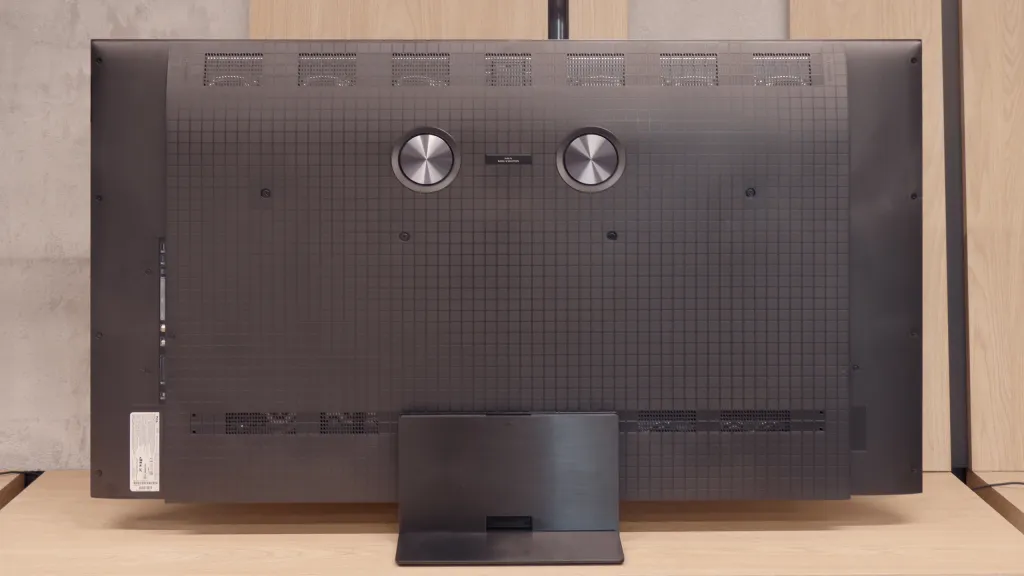
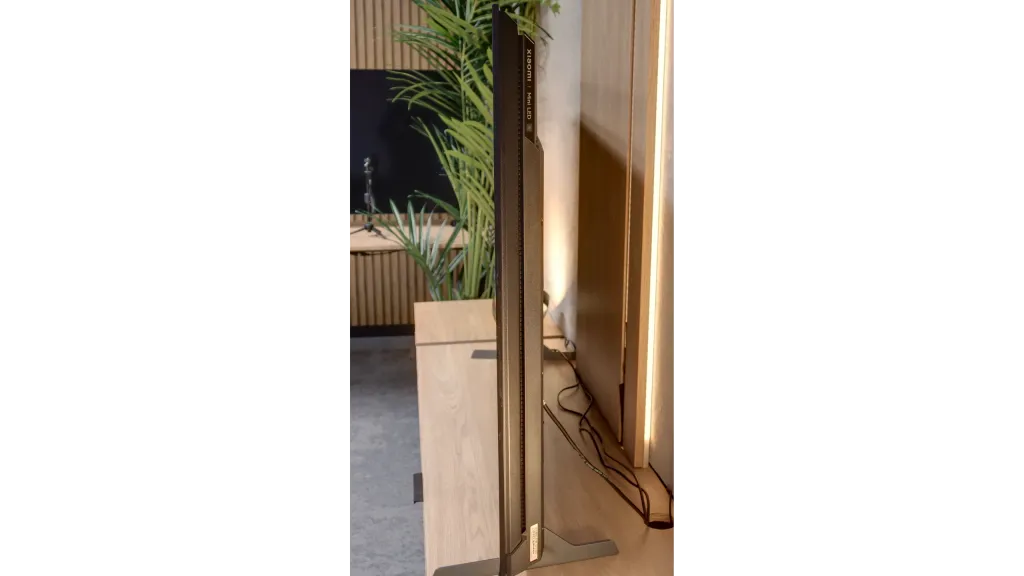
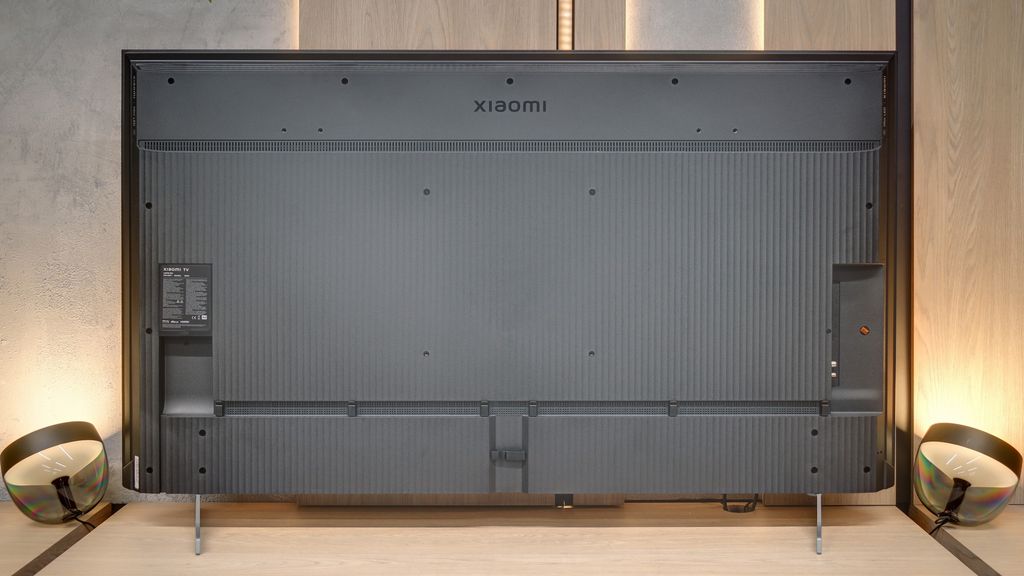
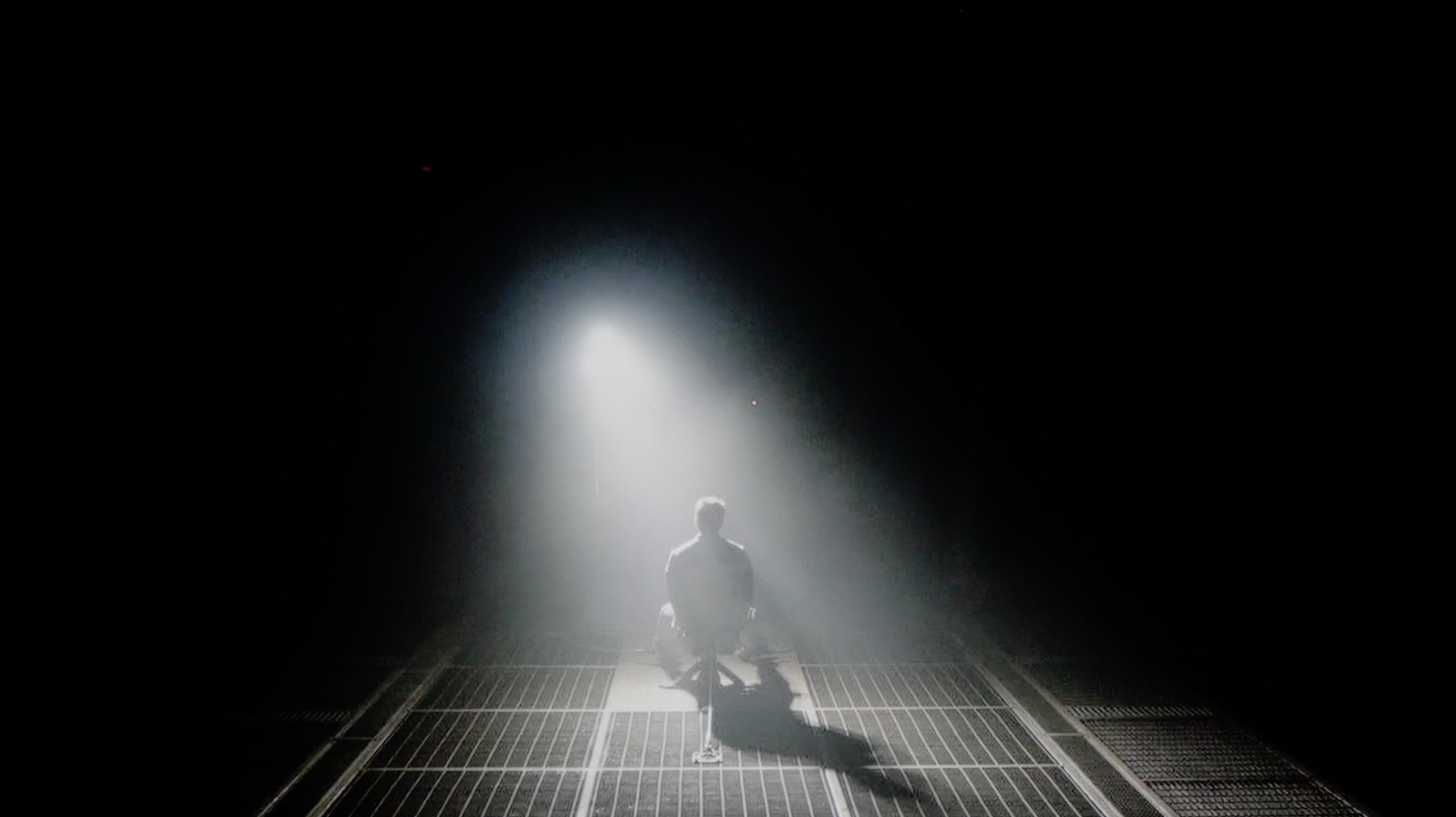
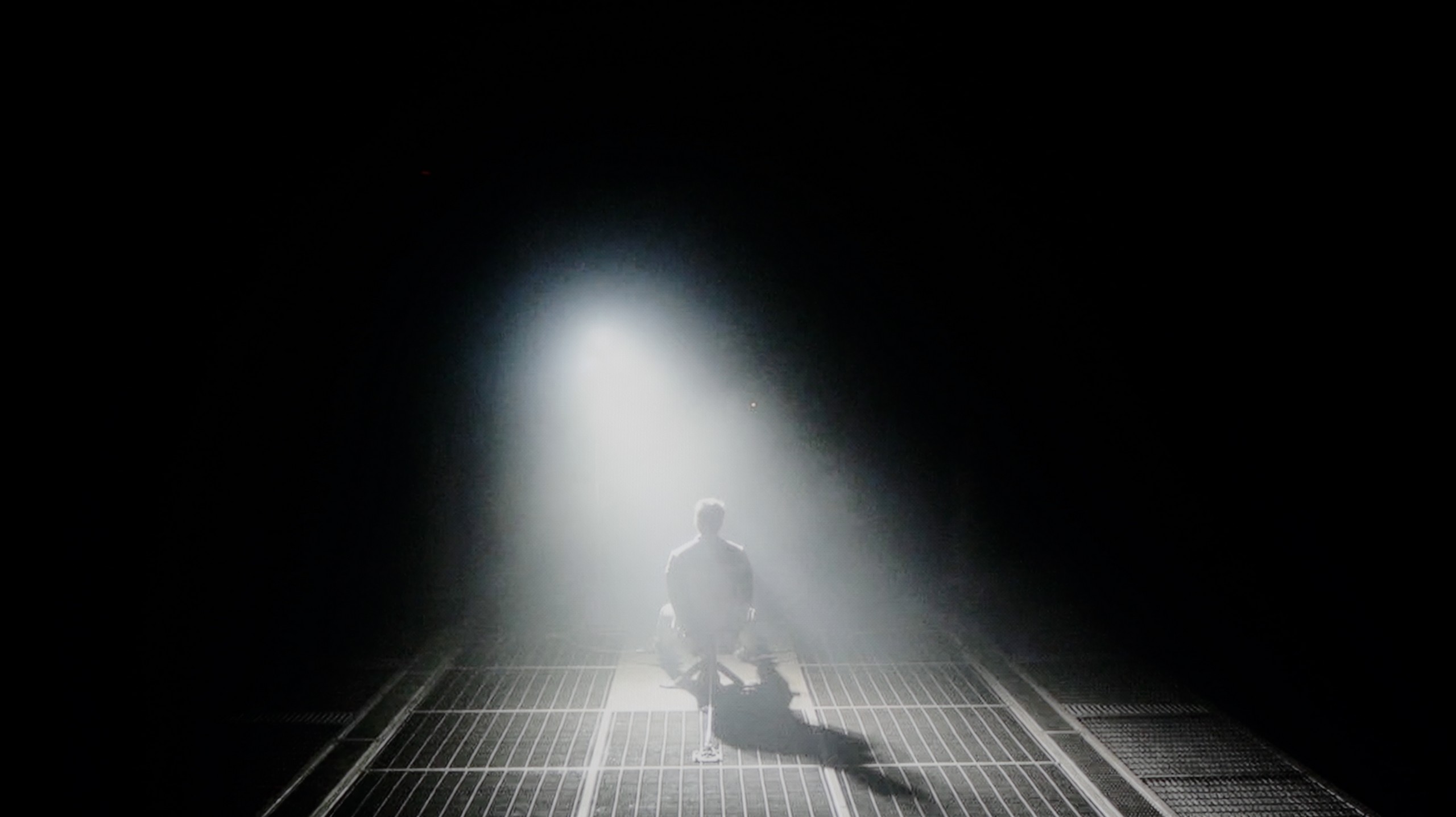
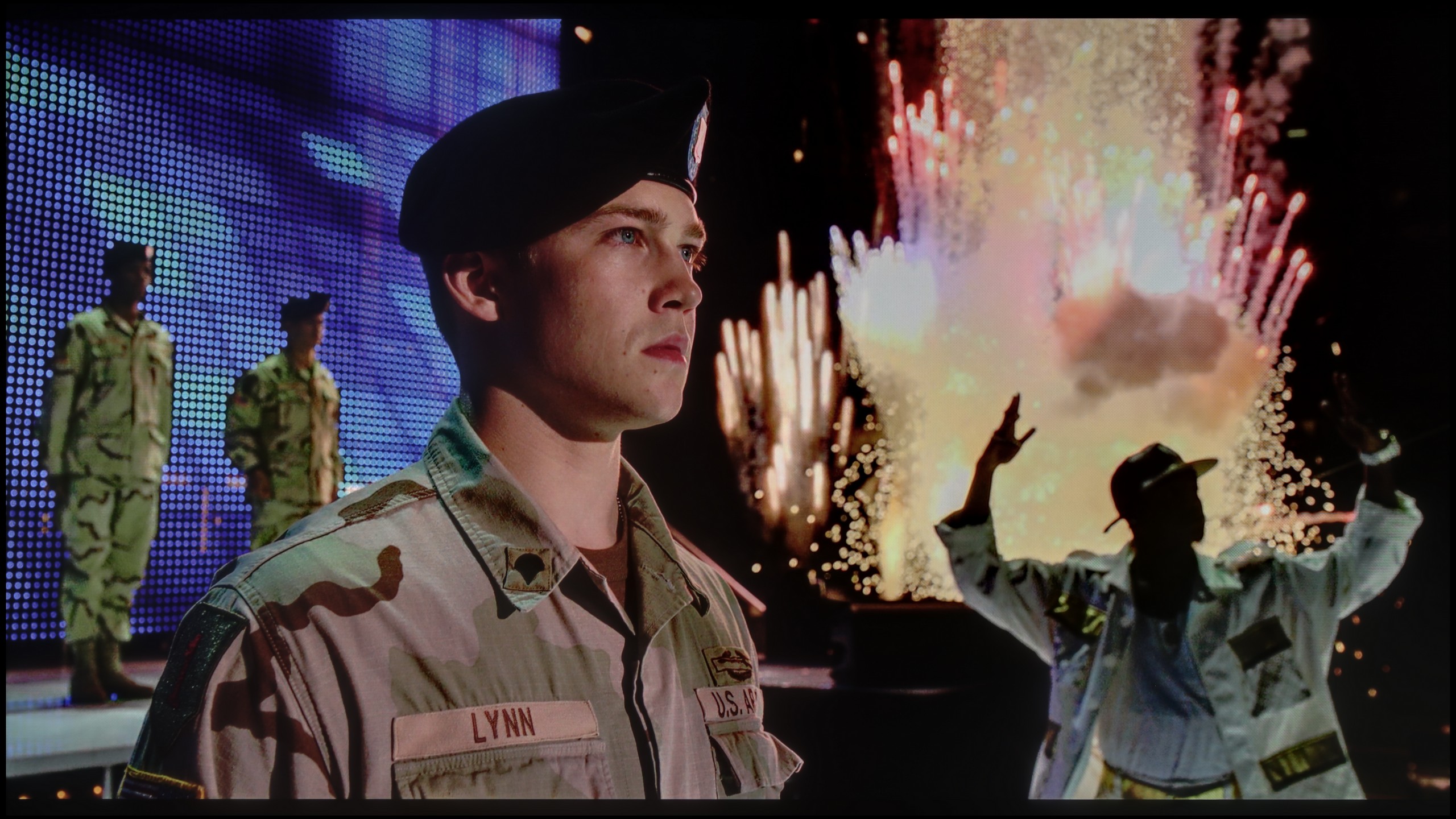
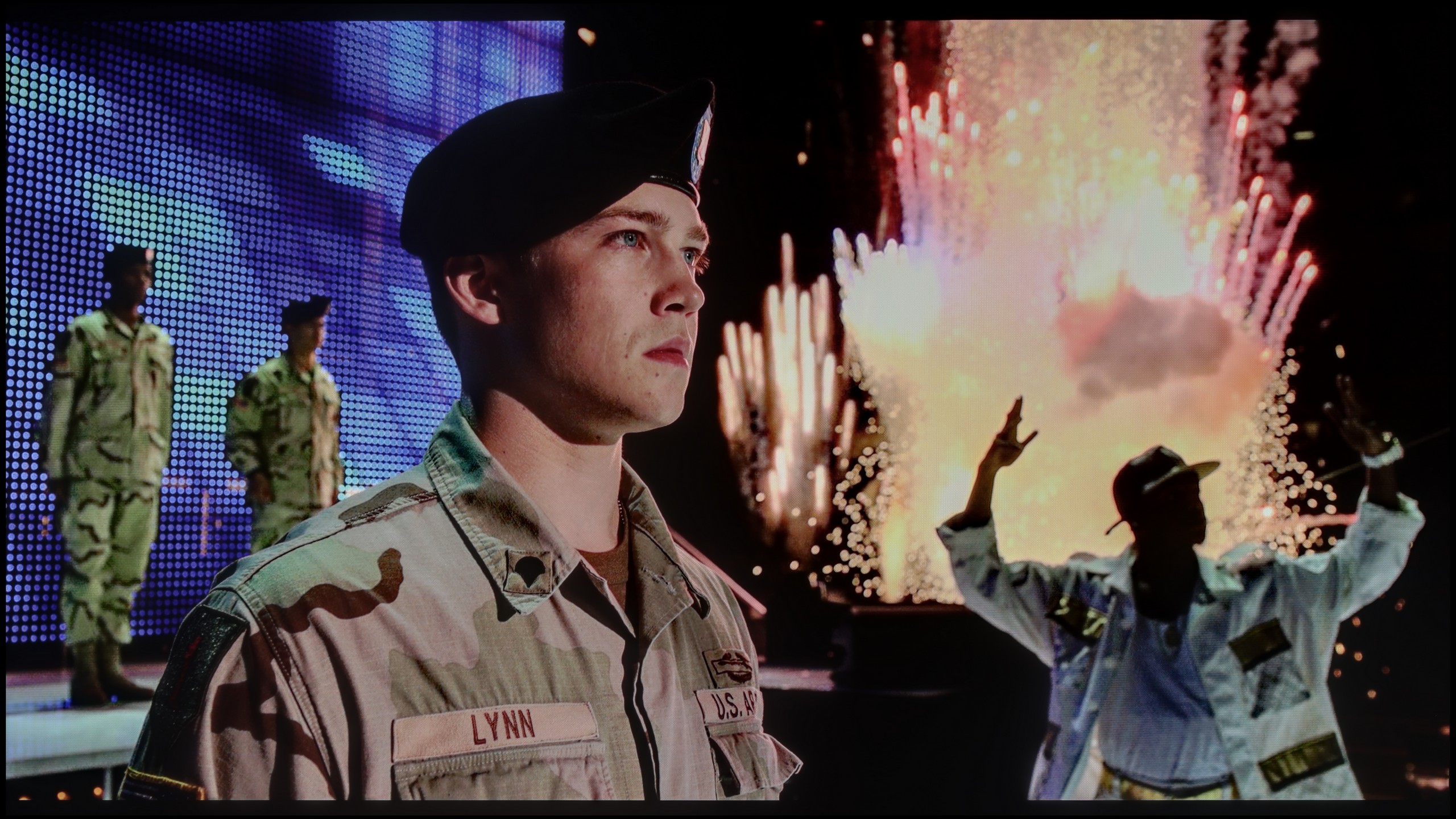
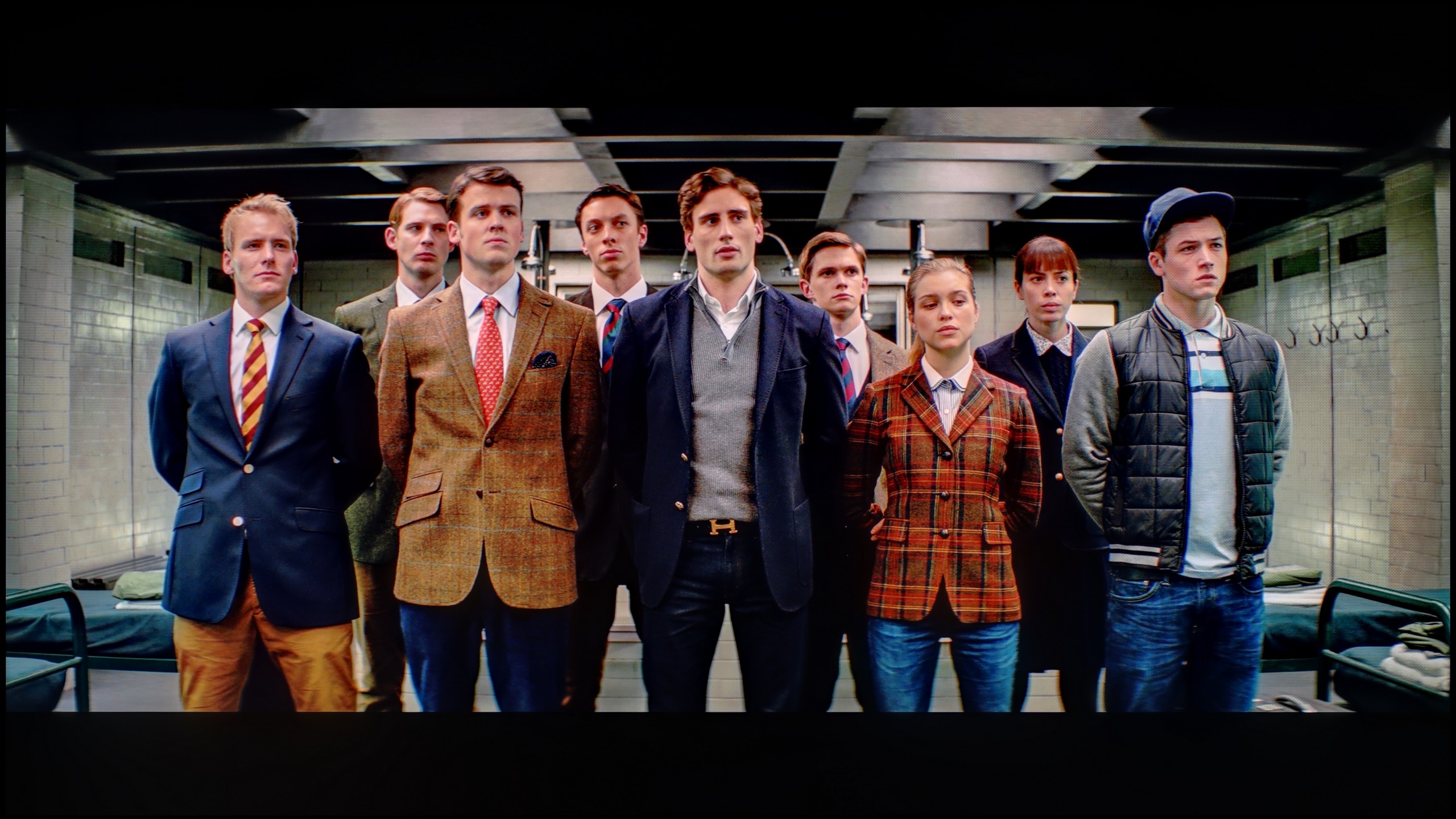
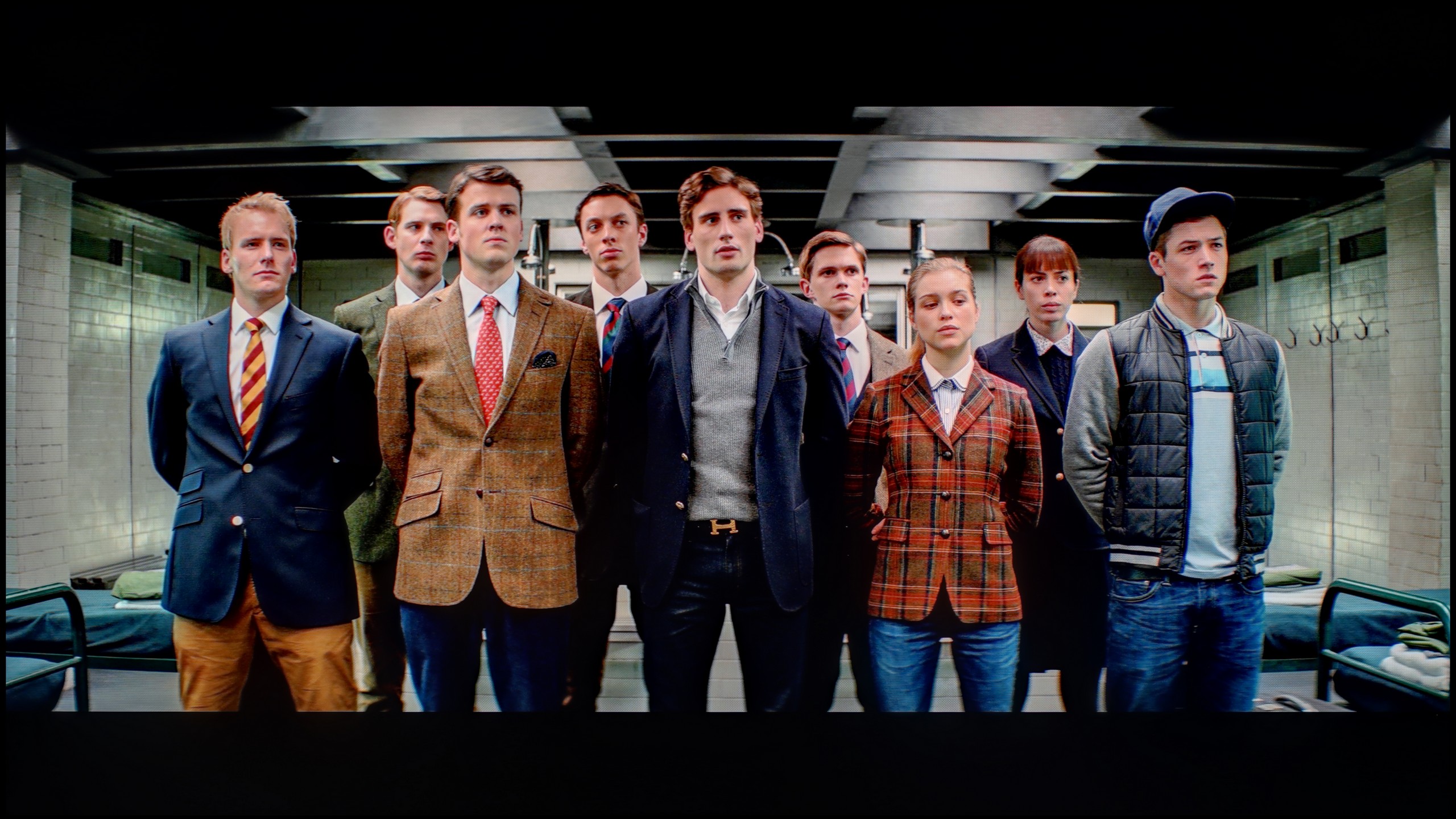
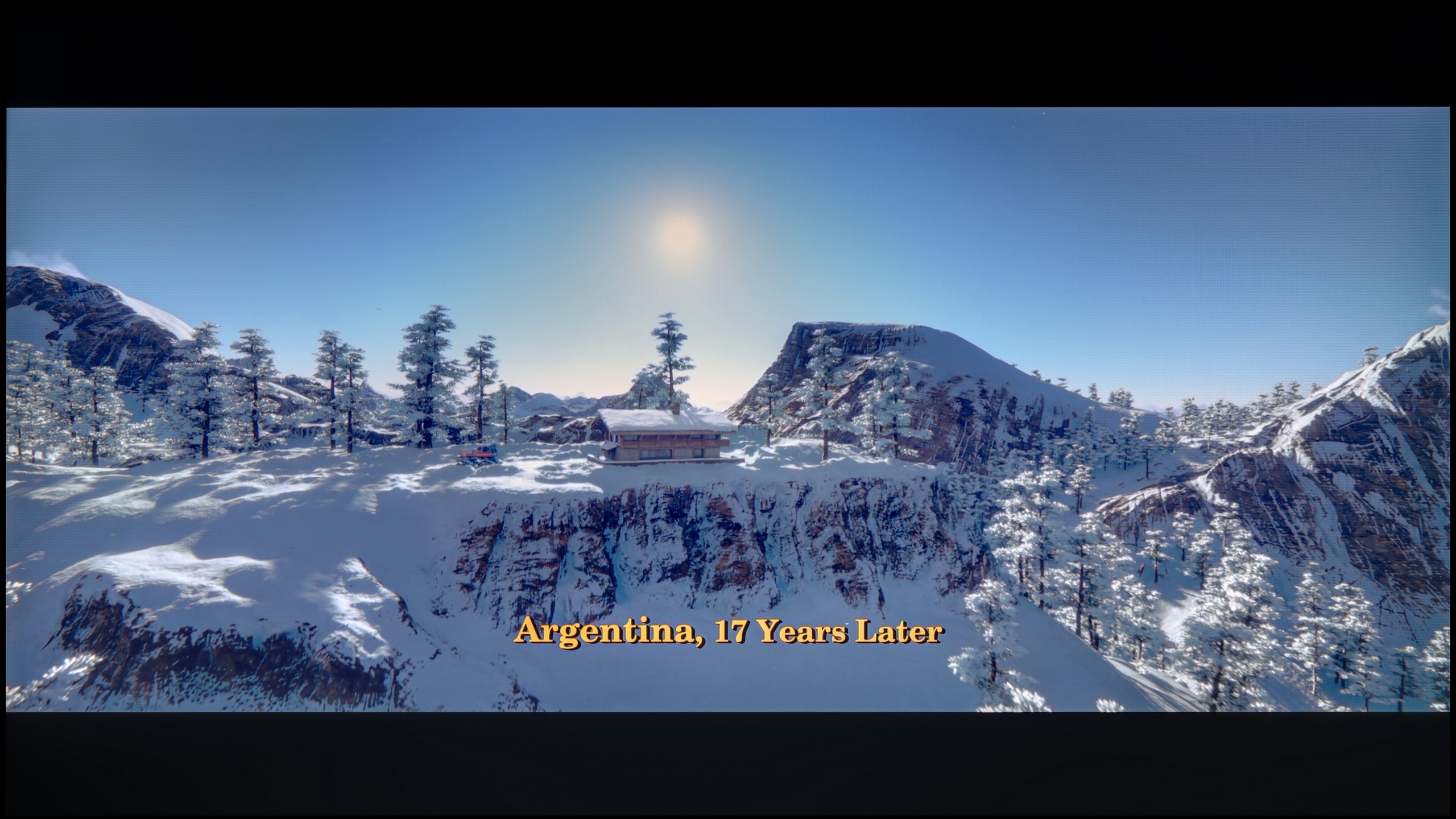
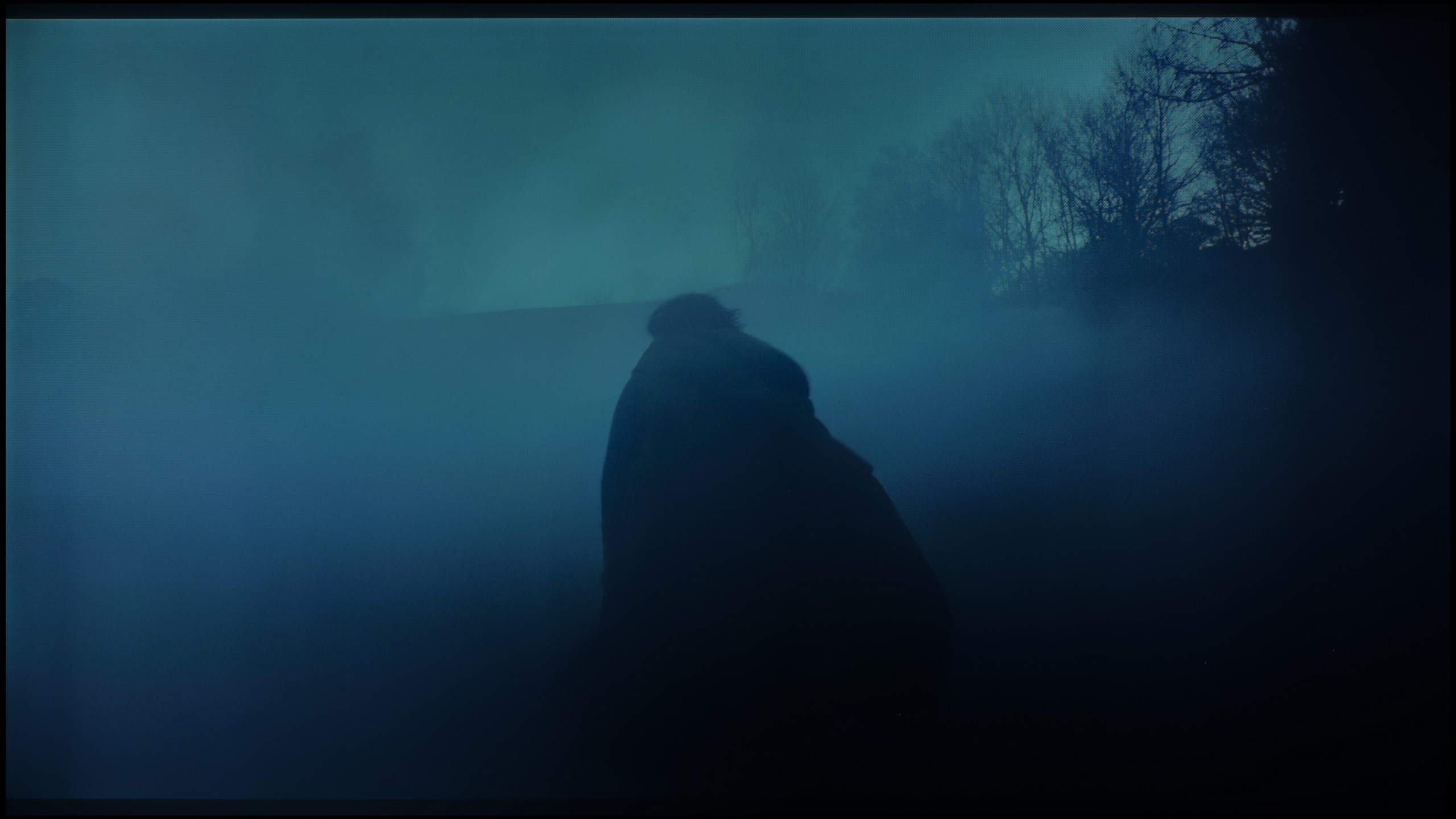
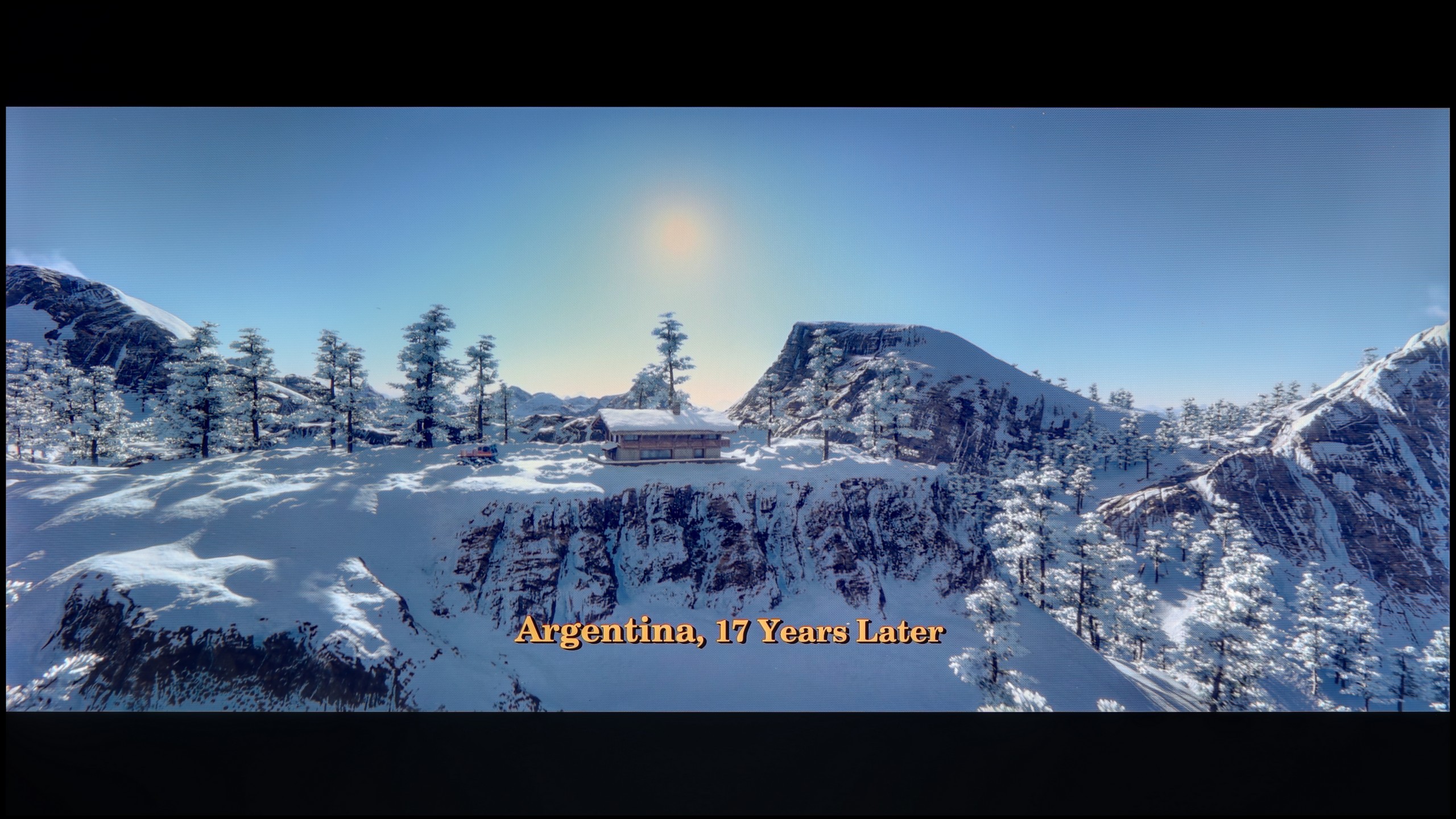
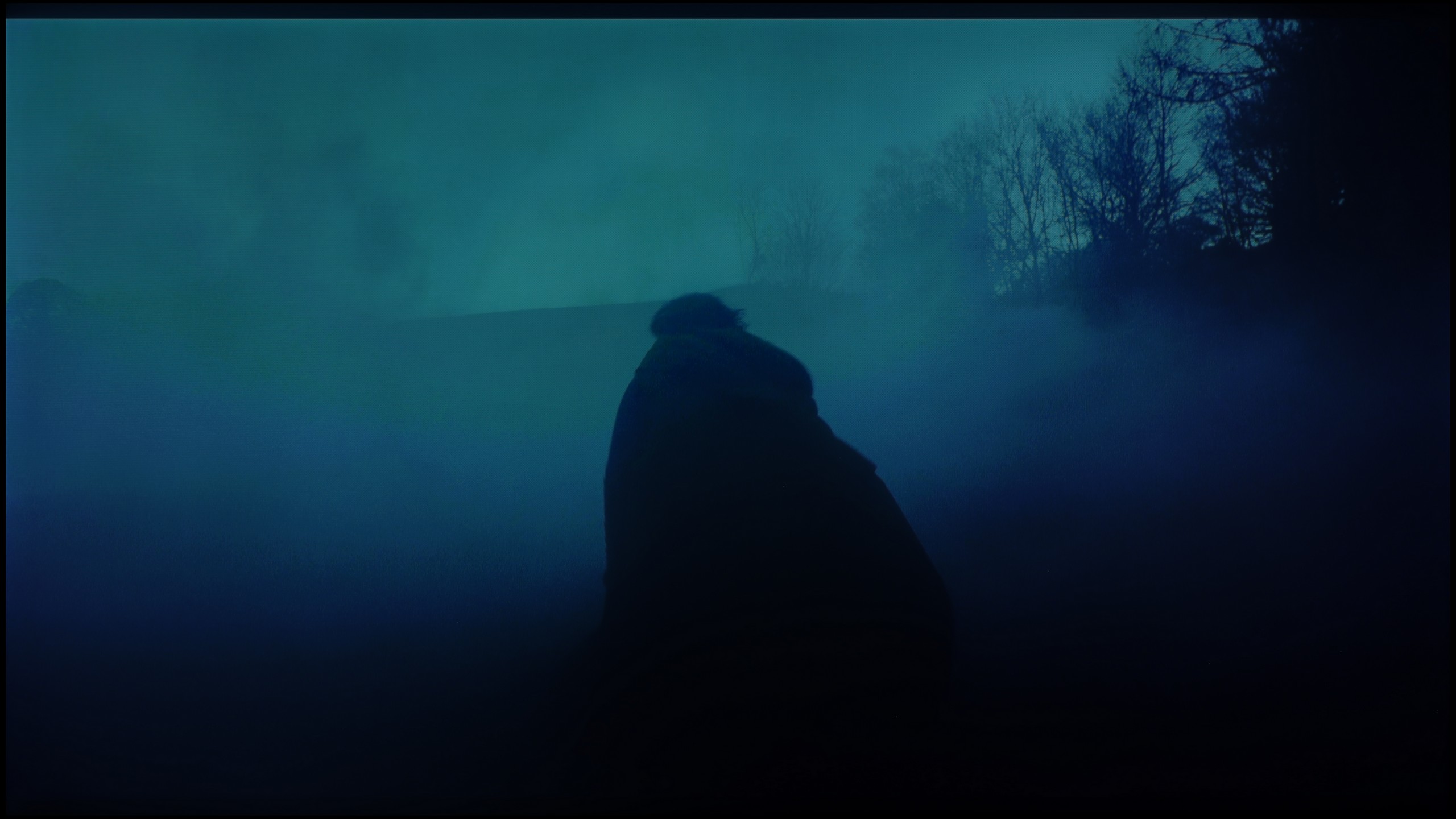
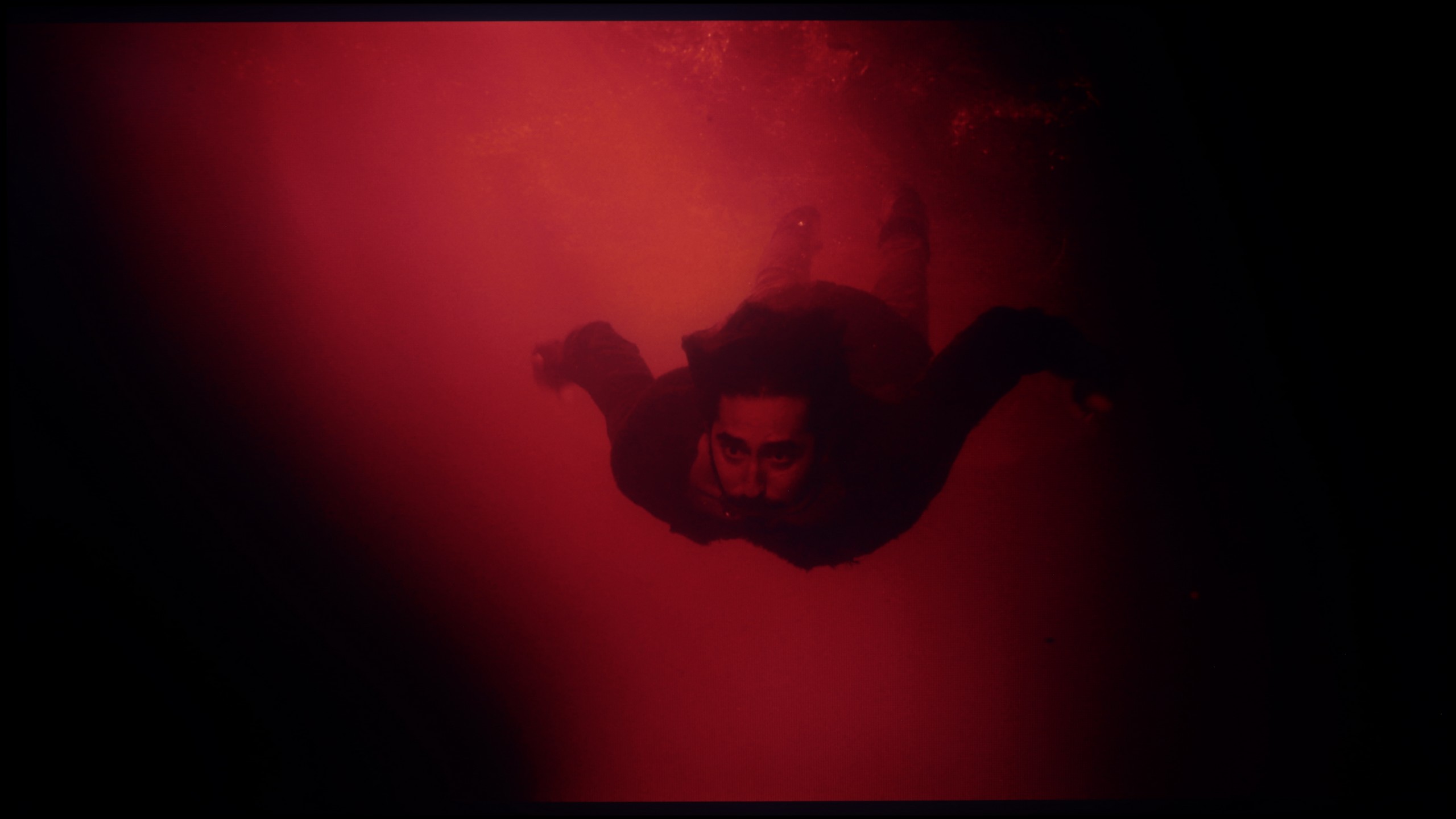
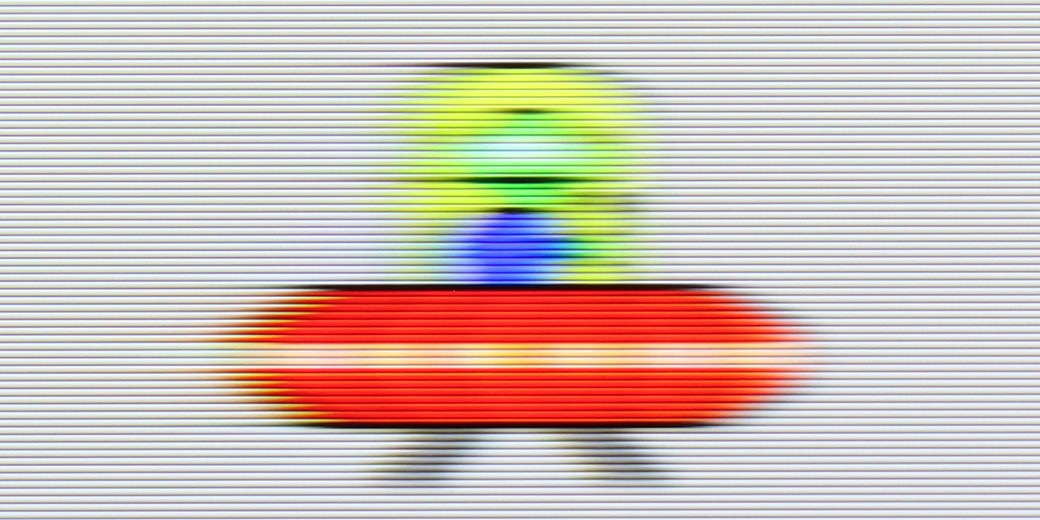
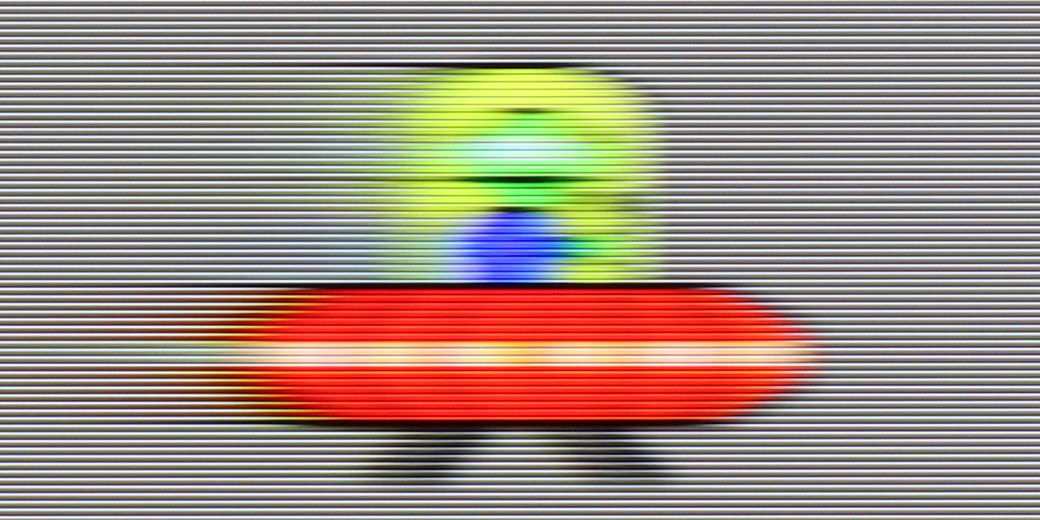
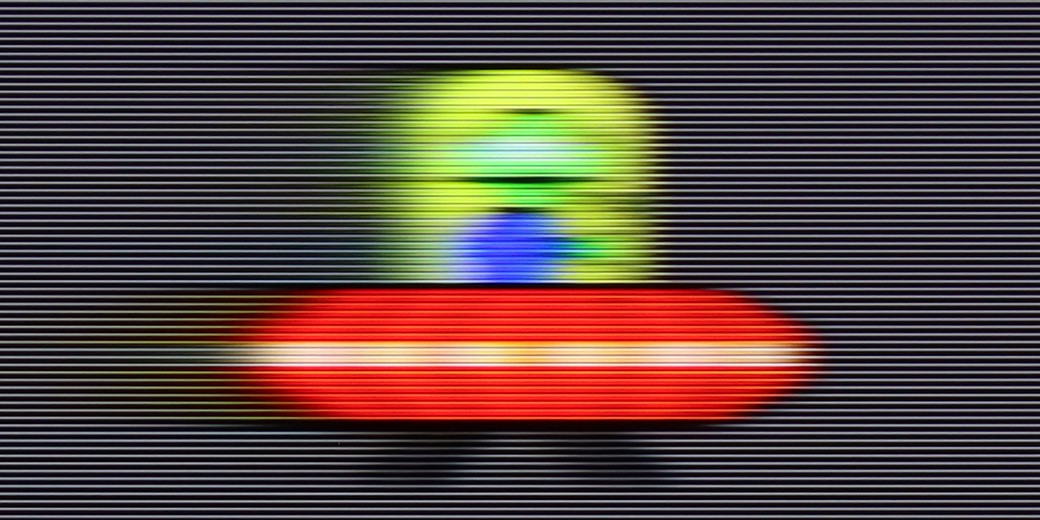
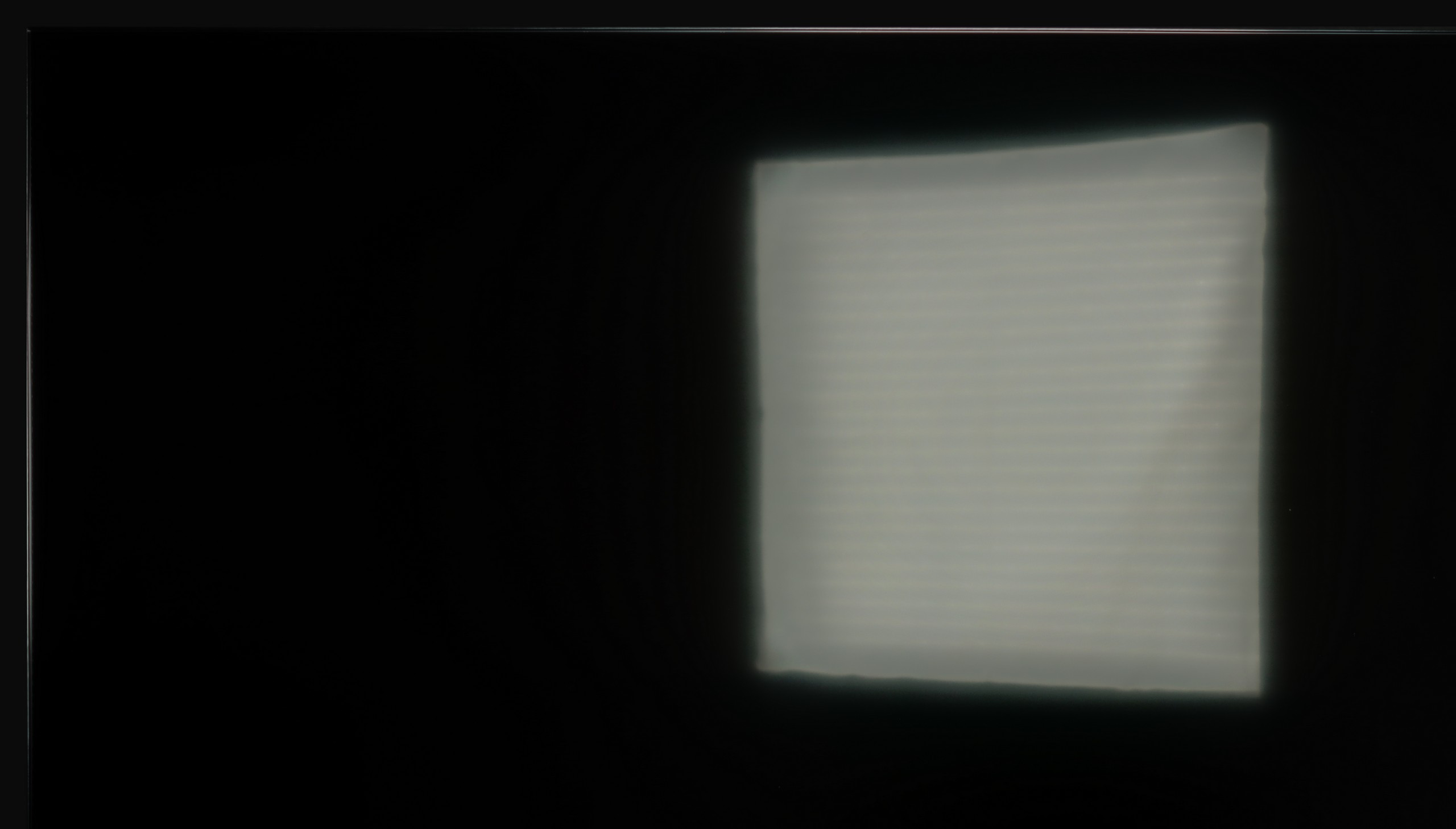
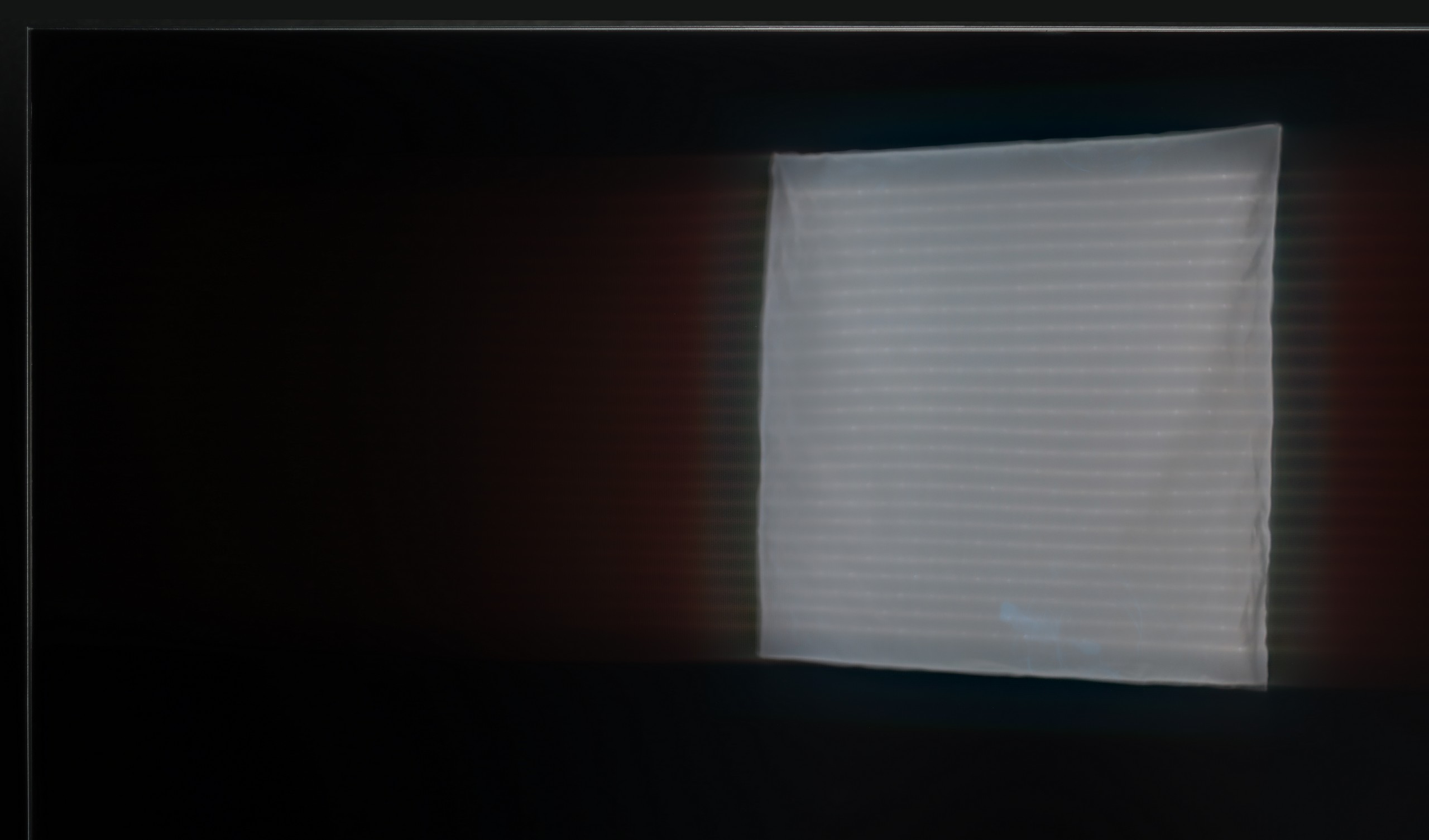
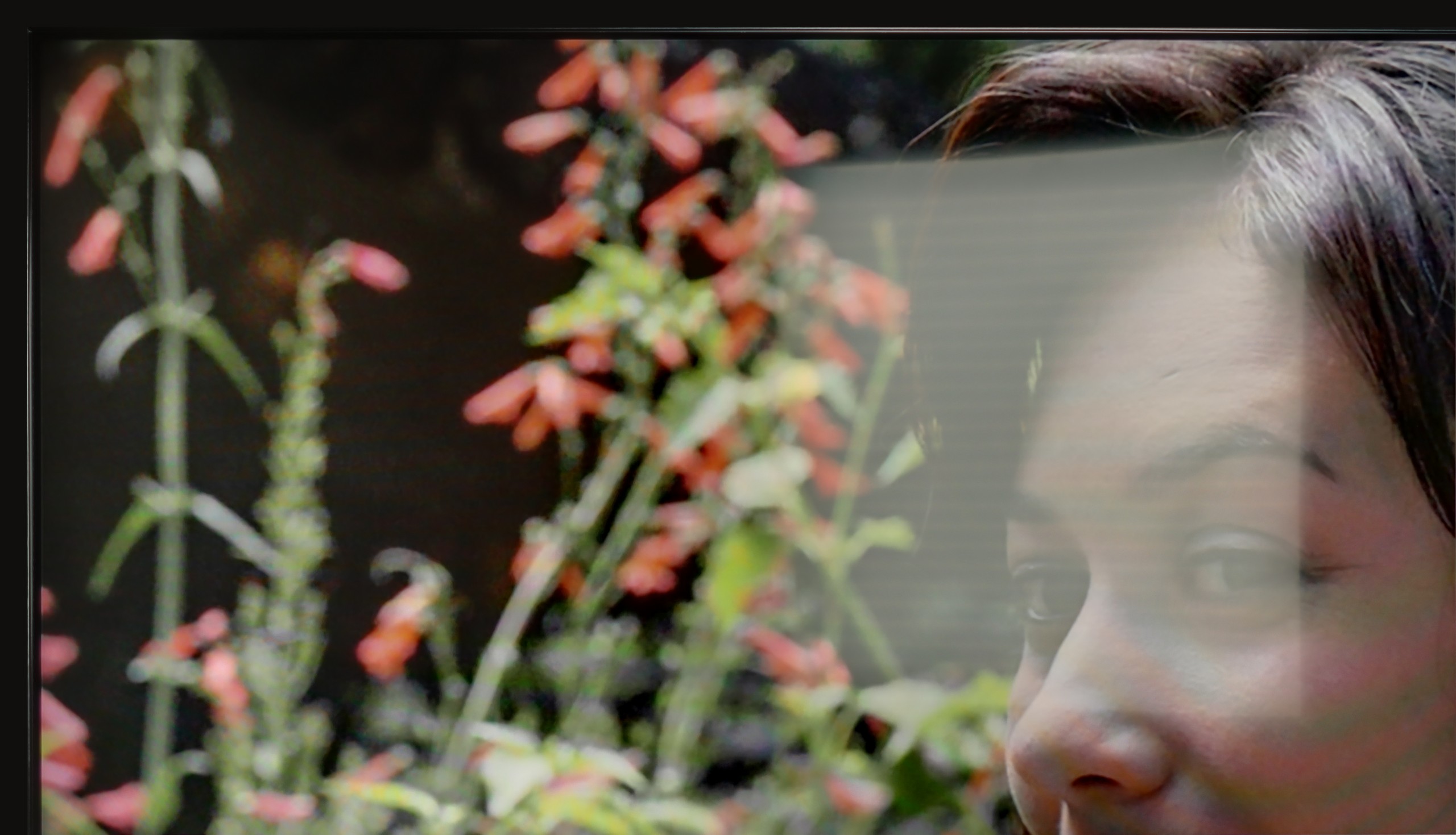
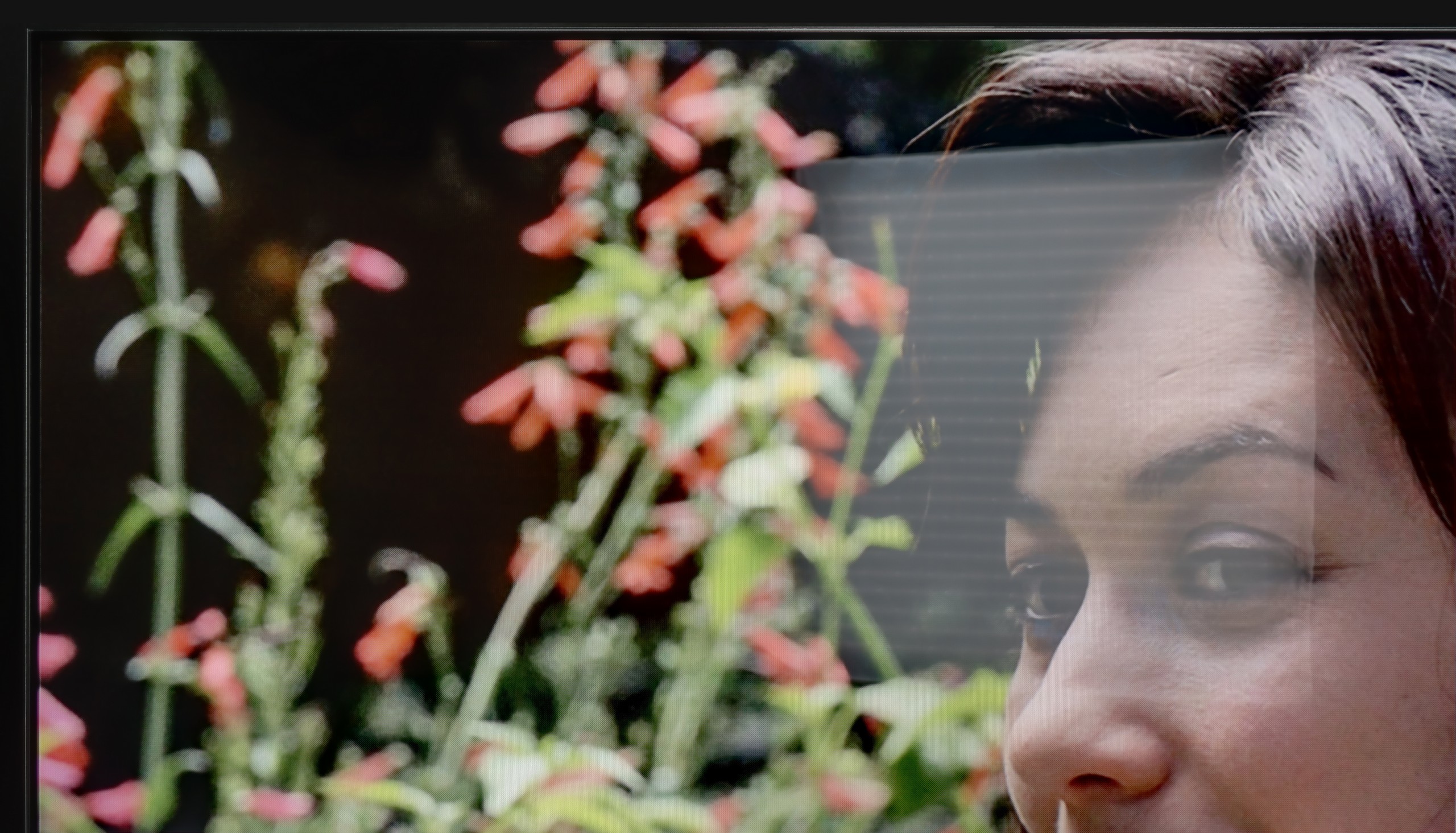
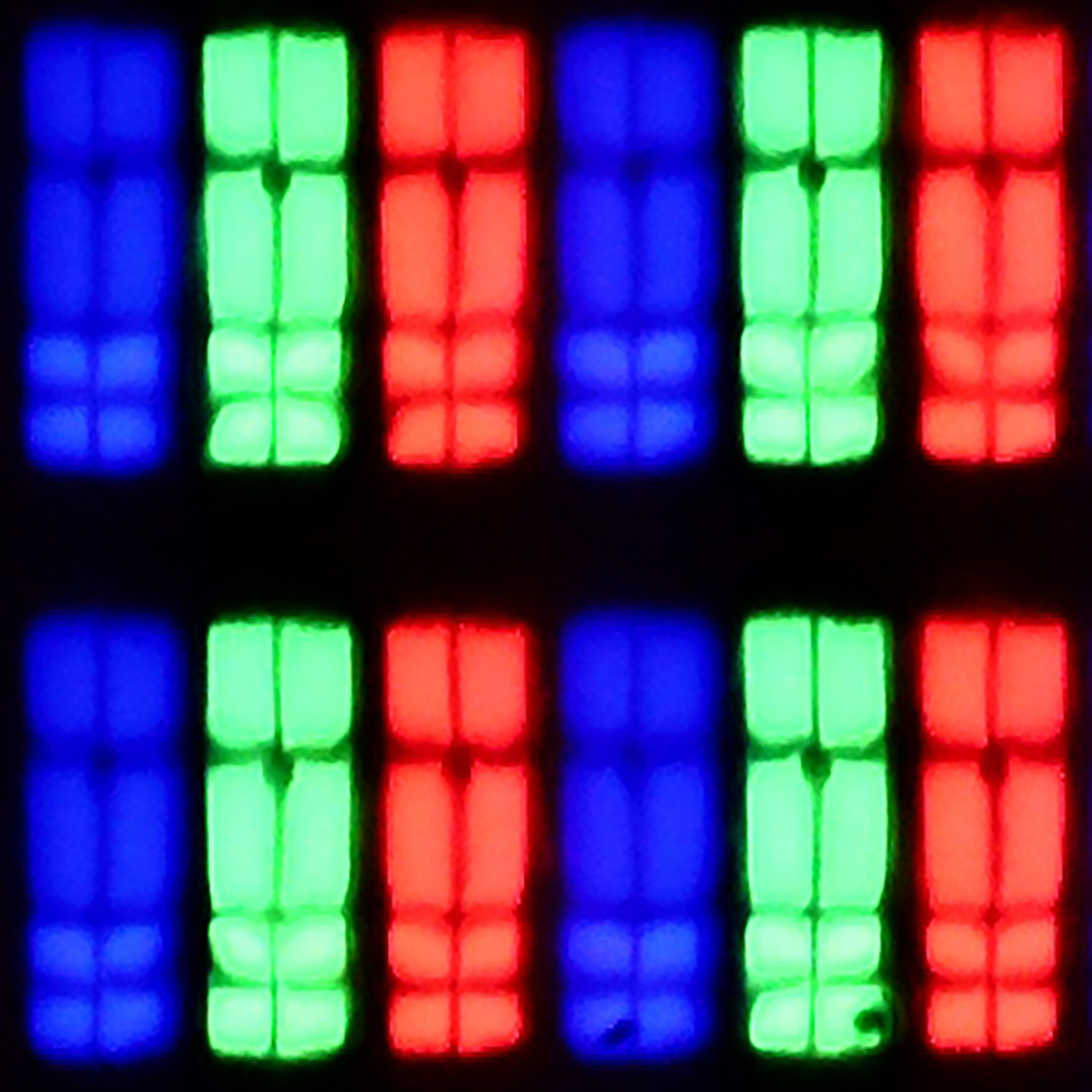
The results of black and contrast tests on models from 55 to 85 inches are very similar, which is why in the main part of the evaluation we refer to the 65-inch version. It is a natural phenomenon that larger sizes mean a greater number of backlight zones, and in the case of 65 inches, we counted over 1000. The effect is very good – the contrast is at a high level and is definitely better than in the smallest, 50-inch variant. Typical MiniLED limitations are still noticeable, such as the halo effect or a somewhat too aggressive dimming of the image, but here they are less perceptible than in the smaller model.
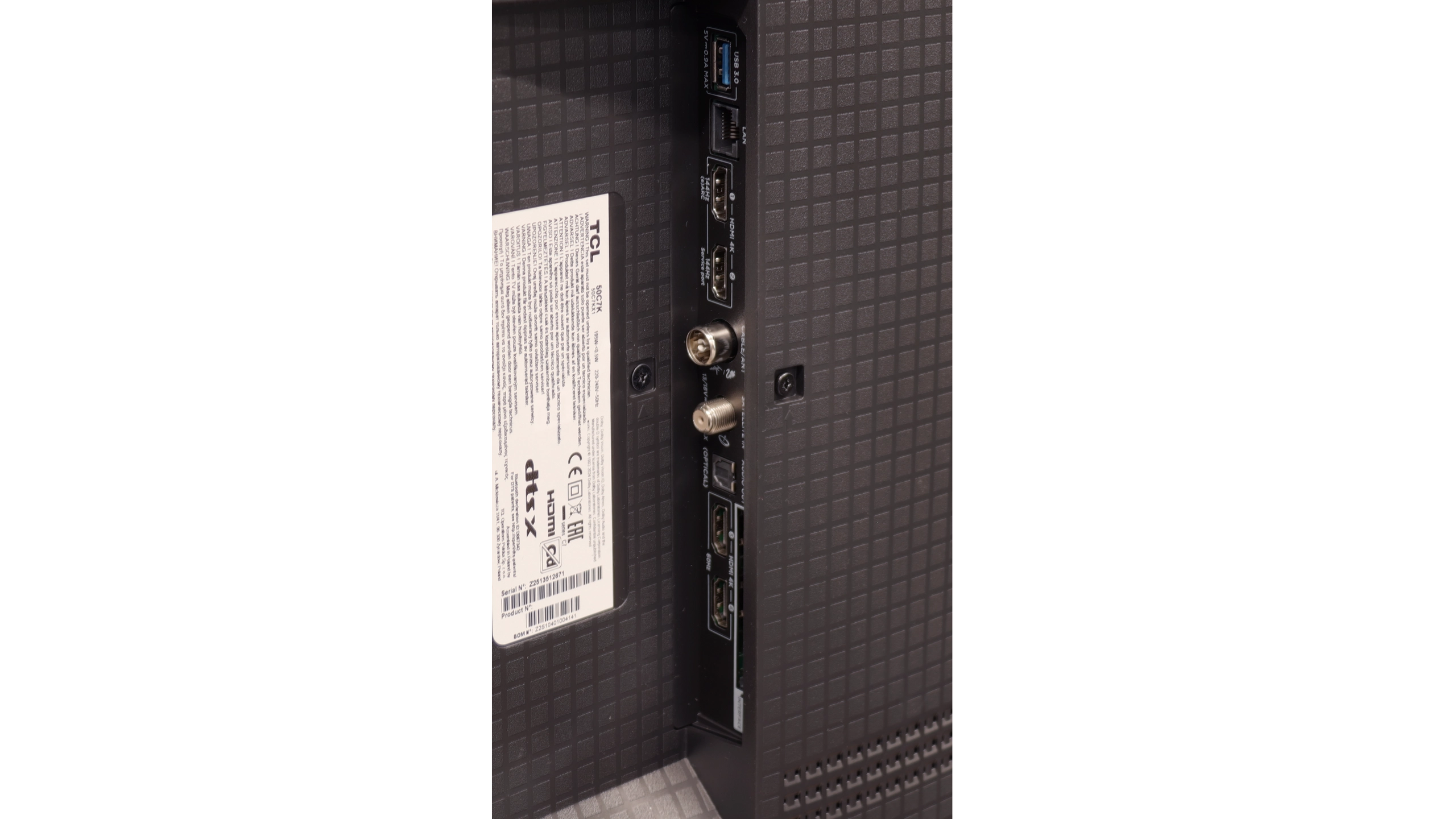
For comparison, it is worth recalling that the 50-inch TCL C7K, although surprising with its use of as many as 336 dimming zones, had difficulties managing the backlight in more complicated scenes – there were instances of overexposure or loss of detail. In larger sizes, this problem does not disappear completely, but thanks to a greater number of zones, its impact on the image perception is less bothersome.
Let's get to the point, which is what is most important in the Mini LED panel: black levels and contrast. The Xiaomi S Pro 2026 is built on a VA matrix, which right from the start promises deep blacks. Let's add to that Mini LED backlighting with a very large number of local dimming zones. In the 65-inch variant we tested, we counted as many as 532 of them. That's a solid number that should provide precise control over the backlighting. It should be noted that this number is proportional to the size—choosing the smaller 55-inch variant will result in correspondingly fewer zones, while larger models will have more.
So, how does the black level perform on the S Pro 2026? The answer is complex.
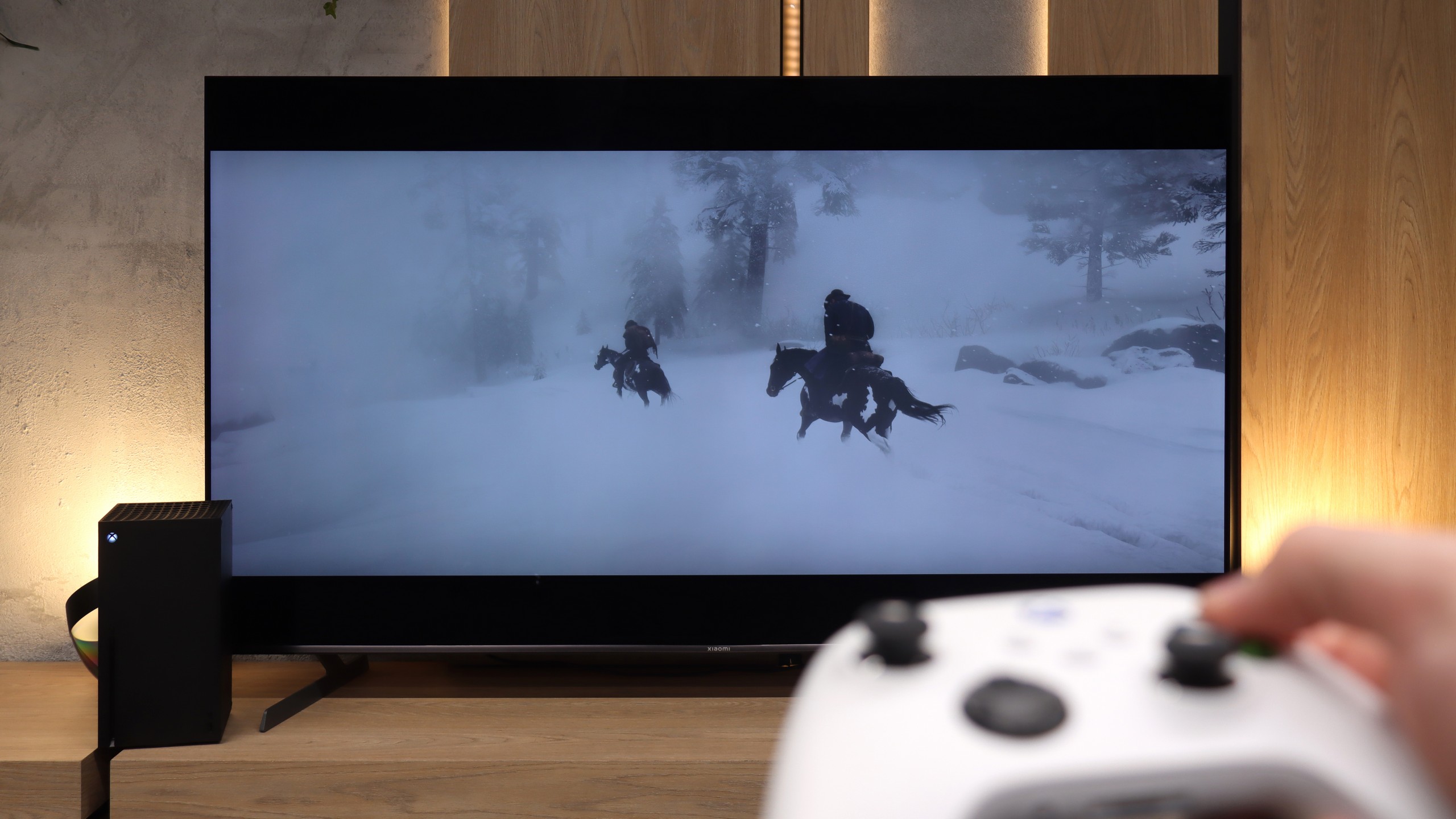
Generally, it's really not bad, and we see a clear improvement compared to the problematic model from 2025. As you can see in our measurement charts, the results are occasionally spectacular. In most of the film scenes we measured in SDR (standard dynamic range), the contrast could be confidently described as very good and even comparable to constructions three times more expensive. Well, it could be... and this brings us to the paradox of this model. The problem lies in how the TV manages zones in scenarios other than SDR. As soon as we feed the TV a higher quality signal, such as an HDR series or Dolby Vision from streaming platforms (Netflix, HBO Max, or Disney+), something strange happens. We have an overwhelming impression that the TV suddenly... forgets that it was equipped with local dimming zones at all. As shown in our video below, the black in such scenes resembles more shades of dark gray or navy blue. On top of that, there's a slight flickering of the entire screen. This is the level one would expect from TVs completely devoid of a local dimming system. It seems that Xiaomi decided to fix one, but crucial flaw of last year's 2025 model over the year. And they succeeded – we no longer have the annoying "zone disco," and the picture is stable. It's just a pity that when consuming top-quality content (HDR), the whole advanced system becomes completely useless.
 Direct comparison