The TCL C69K / Q6C is a TV that perfectly targets gamers and movie fans on a reasonable budget. Its biggest strength is the combination of a VA panel with Mini-LED backlighting. Simply put, contrast is high and blacks are deep, making evening movie sessions look truly impressive. Add to that a 144 Hz refresh rate, which does wonders not only for sports but especially for gaming. And for gamers, it’s a full package: HDMI 2.1, VRR, ALLM, HGiG, and even a 240 Hz option for PC. Throw in Dolby Vision, which gives movies a cinematic touch, and you get a picture that’s just pleasing to the eye. On the software side, it runs Google TV with the Gemini AI assistant, so there’s no shortage of apps. The sound system holds up well too — Dolby Atmos and DTS support are nice additions, complemented by branded Onkyo speakers. Of course, it’s not perfect. The local dimming system can sometimes struggle in complex scenes, slightly lifting black levels. And those Polish translations in the menu... let’s just say they could use some work. Still, the C69K / Q6C makes a very strong case for itself. Considering the price, it’s one of the most interesting all-around TVs for both movies and gaming. Definitely worth watching out for during sales — and hoping for TCL’s usual post-launch firmware improvements.
- Matching (Score) |
- Our verdict |
- TV appearance |
- Where to buy |
- Contrast and black detail |
- HDR effect quality |
- Factory color reproduction |
- Color reproduction after calibration |
- Smoothness of tonal transitions |
- Image scaling and smoothness of tonal transitions |
- Blur and motion smoothness |
- Console compatibility and gaming features |
- Input lag |
- Compatibility with PC |
- Viewing angles |
- Daytime performance |
- Panel details |
- TV features |
- Apps |
- Playing files from USB |
- Sound
TCL C69K / Q6C vs LG MRGB85B
 Direct comparison
C69K / Q6C / C6K
MRGB85 / MRGB86 / MRGB87 / MRGB88

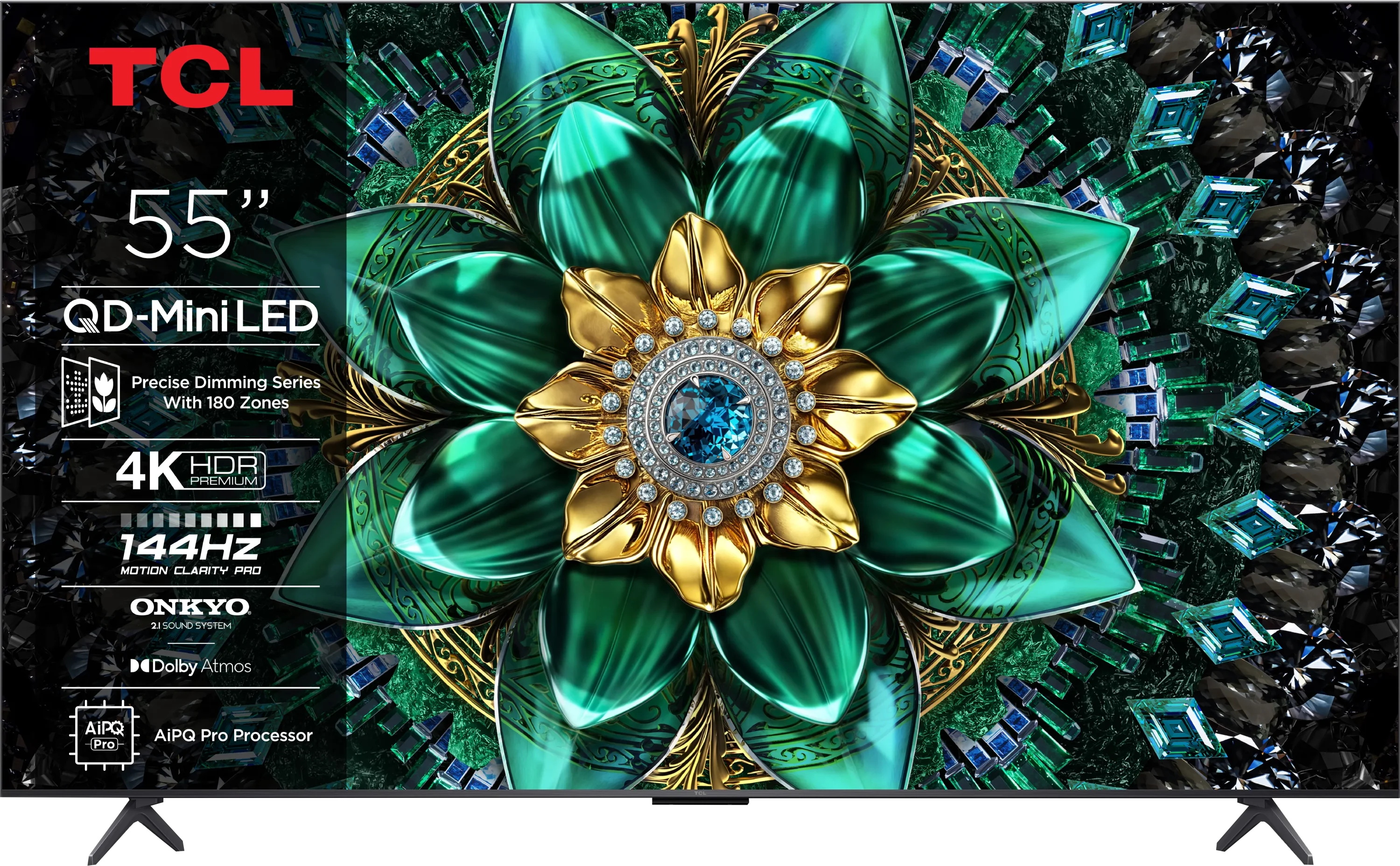
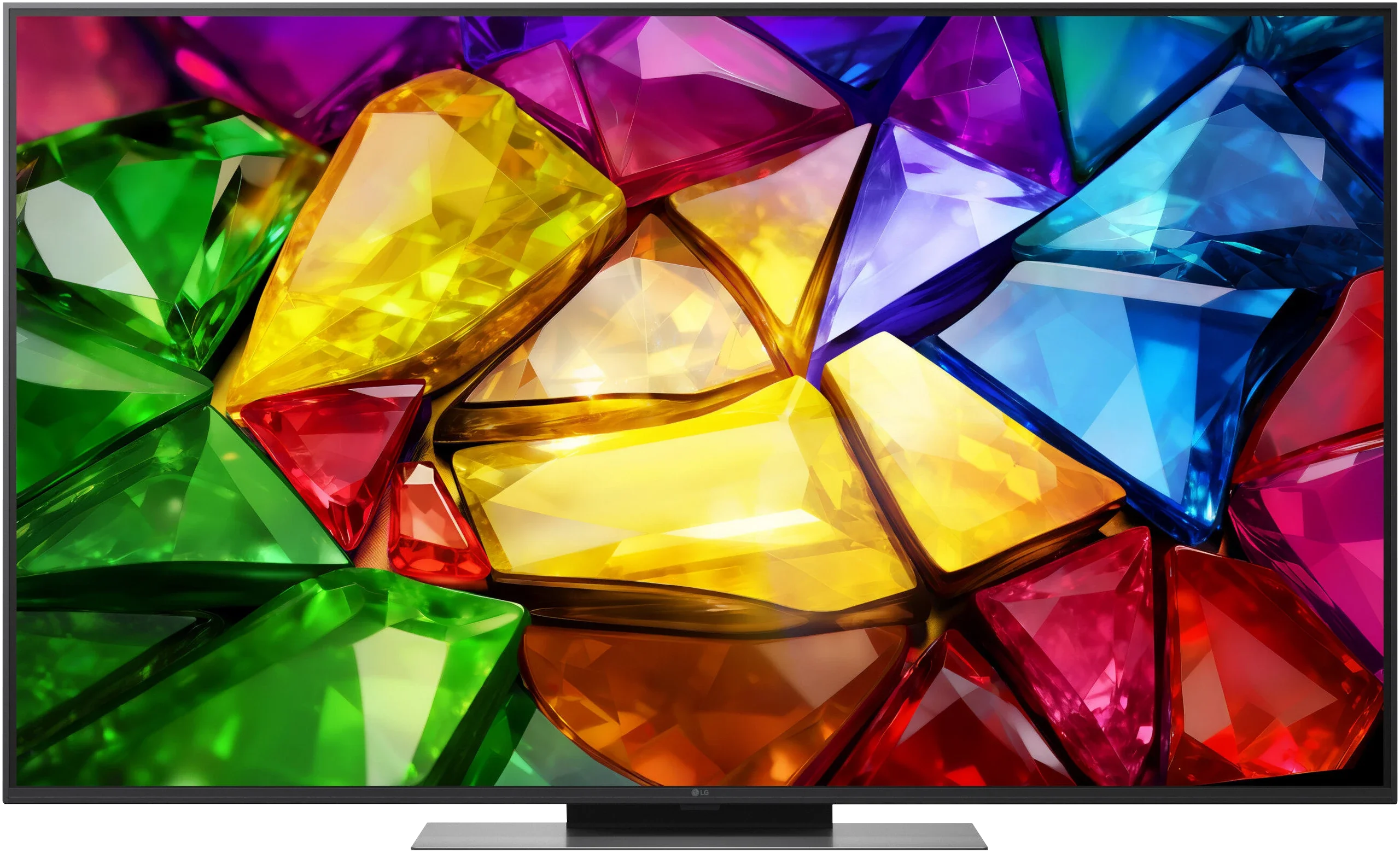
Panel type: LCD VA
Resolution: 3840x2160
System: Google TV
Model year: 2025
Complete the survey to find out the result
Panel type: LCD VA
Resolution: 3840x2160
System: WebOS
Model year: 2026
Complete the survey to find out the result
Overall rating
7.1
6.9
 Movies and series in UHD quality
 6.7
6.2
 Classic TV, YouTube
 6.6
6.0
 Sports broadcasts (TV and apps)
 6.3
6.4
 Gaming on console
 8.4
8.3
 TV as a computer monitor
 8.6
8.4
 Watching in bright light
 6.4
6.1
 Utility functions
 7.0
7.7
 Apps
Apps 9.6
9.1
 Sound quality
 6.5
6.4
Complete the survey to find out what fits your preferences
Advantages

Very good contrast and black: VA panel and MINI-LED backlighting
Good motion fluidity: High refresh rate of 144Hz
Decent panel brightness
Many features for gamers: VRR, ALLM, HDMI 2.1, HGiG
Extra mode for PC gamers: 240Hz
GoogleTV system with a wide selection of apps
Support for multiple HDR formats including Dolby Vision
Support for Dolby Atmos and DTS
Very attractive price
Extensive features for gamers
Three full-bandwidth HDMI 2.1 ports
Supports 4K at 144 Hz, VRR, G-Sync, and FreeSync
Low input lag
Supports Dolby Vision HDR
Fast and user-friendly webOS
Magic remote with gyroscope
Decent brightness and a wide color gamut
Disadvantages

Managing the backlighting could be more precise
Minor, occasional system errors
Slight smudging visible in dynamic scenes
Great chaos in naming (many derivative models that differ in nothing)
Average black levels
Aggressive local dimming control (edge-lit)
Average HDR picture quality
Poor viewing angles and noticeable smearing on the VA panel
Our verdict
LG MRGB85 is a TV that feels most at home in the hands of gamers and people attached to the webOS ecosystem. In that respect it’s hard to fault. It offers a lot of advantages for gamers thanks to a very high refresh rate panel. On top of that there’s a smooth webOS experience that stands out on the market mainly because of the convenient Magic remote and a full set of features for traditional TV. The problem starts when you look at overall picture quality and compare it to the price the manufacturer asks for this model. The MRGB85 launches at a level that, to put it mildly, is hard to call attractive compared with competing models. For similar money you can find TVs with much more sophisticated backlighting and, above all, better black-level control. The biggest controversy, however, is the naming and the way LG positions this model. MRGB85 does use a three-color backlight, but it’s placed at the edge of the screen. It’s therefore hard to call this a full-fledged RGB Mini-LED in the sense commonly used for TVs that employ a large number of independently controlled zones behind the panel. In practice the local dimming limitations are very noticeable and in dark scenes they significantly impair the viewing experience. That doesn’t mean the MRGB85 is a bad TV. It handles everyday content well, offers decent colors, good brightness and a very broad feature set. SDR material can look really good, and Dolby Vision partly helps hide weaker brightness management in HDR. Still, it’s difficult to shake the impression that the model’s biggest problem isn’t the hardware itself but its price and overly ambitious positioning in the market. If someone is mainly looking for a gaming TV, values the convenience of webOS and finds a big discount, the MRGB85 can make sense. At the current price it takes a back seat, because the competition today simply offers more in terms of picture quality.
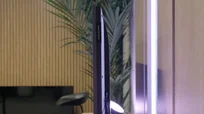
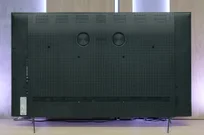
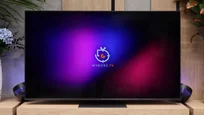
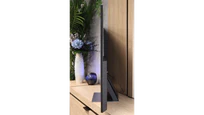
TV appearance
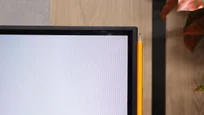
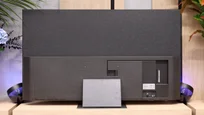

Contrast and black detail
7.3/10
5/10
Local dimming function: Yes, number of zones: 180 (10 x 18)
Local dimming function: Yes, number of zones: 6 (1 x 6)
Contrast:


Result
113,750:1

Result
17,350:1

Result
16,300:1

Result
9,850:1

Result
4,850:1
Result
12,100:1
Result
6,200:1
Result
15,900:1
Result
6,000:1
Result
4,600:1
Halo effect and black detail visibility:
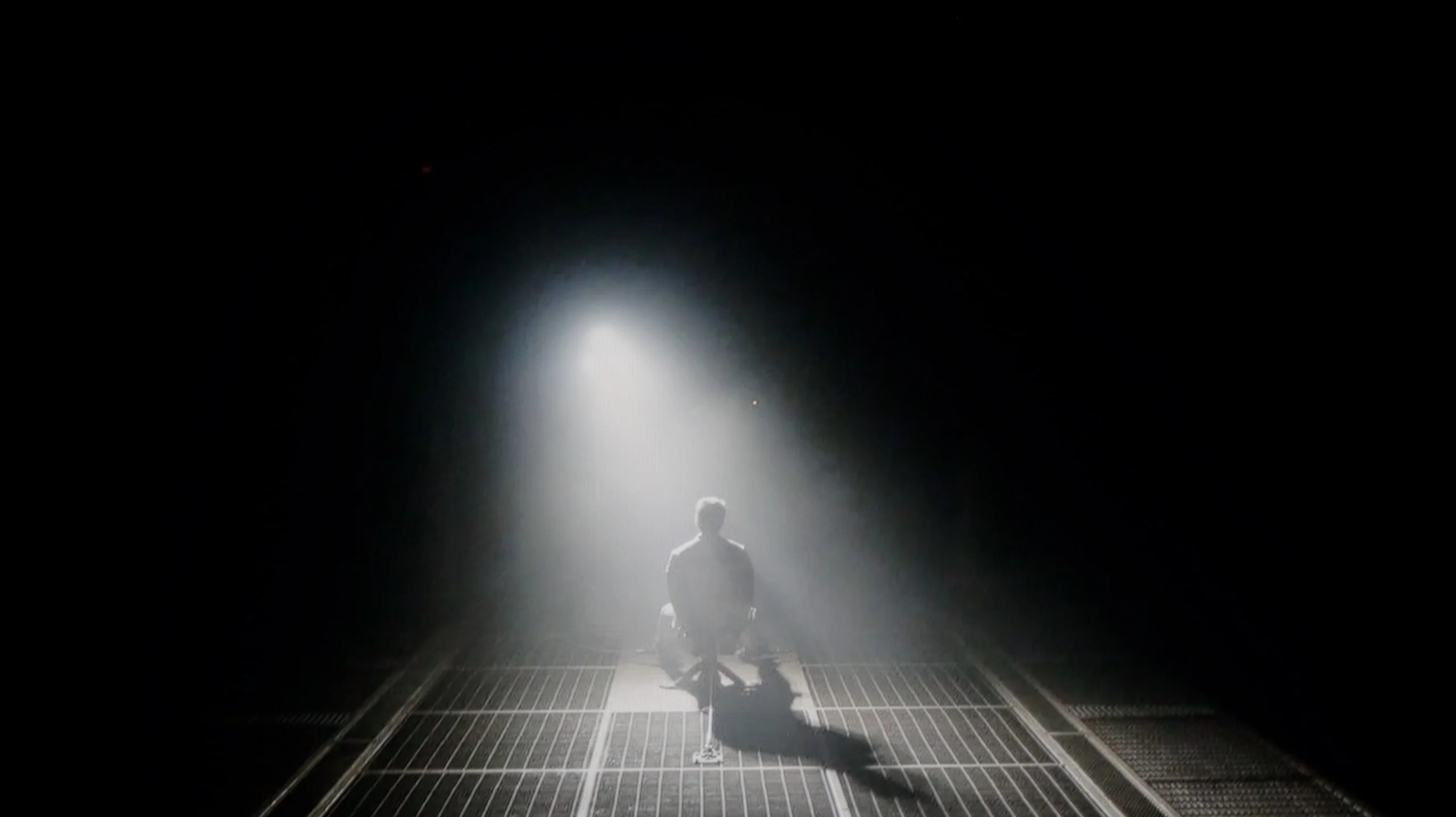
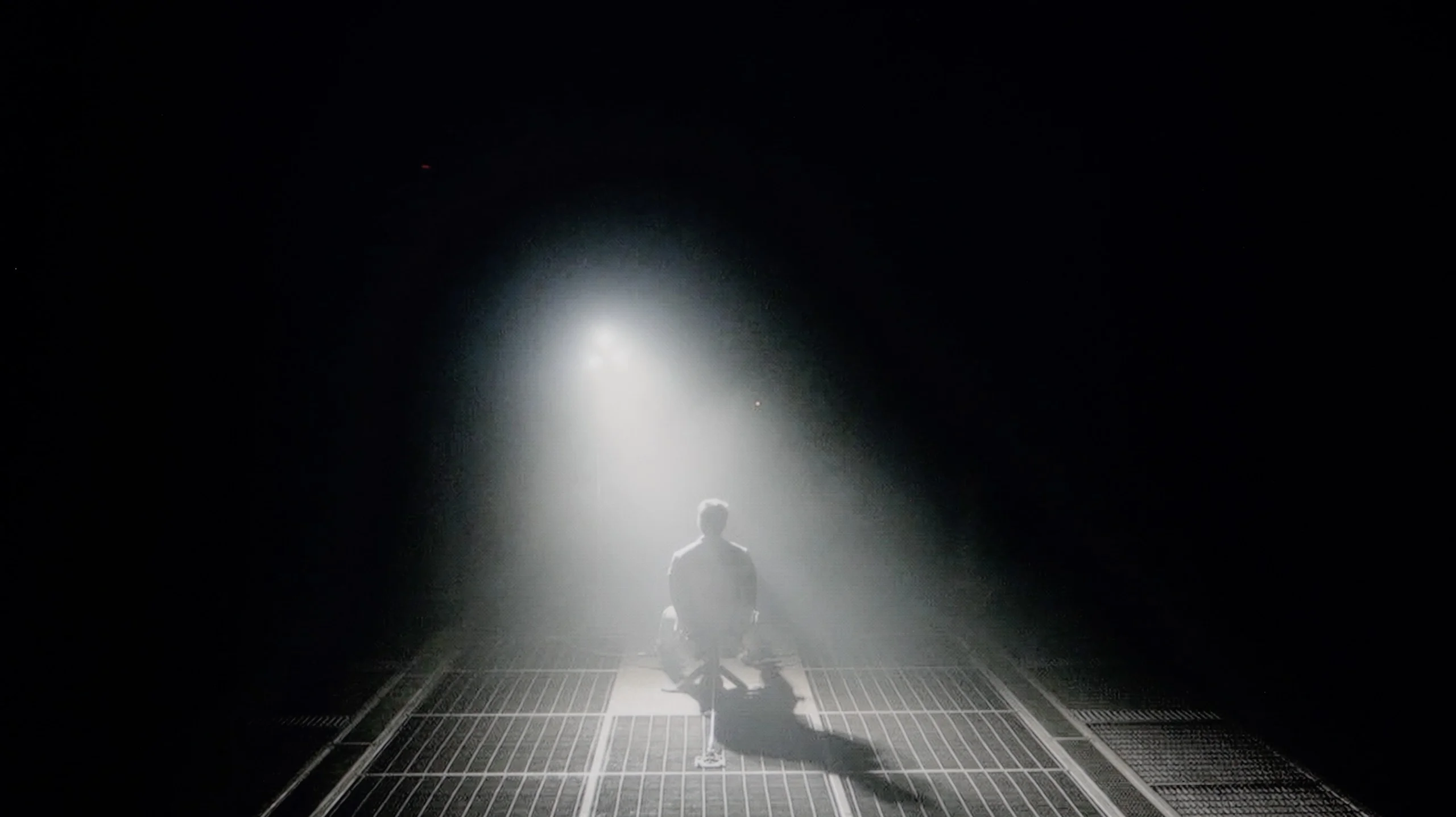
Check the visibility of bright lights on a dark background. Mini-LEDs often struggle with this. The photo does not compare black levels – that’s what the video below is for.
The video accurately shows differences in contrast and black levels between TVs, as well as potential issues: halo around bright objects or Mini-LED zone operation visible as brightness jumps.
The heart of the image in TCL C69K / Q6C is a VA panel (specifically HVA from TCL CSOT), which offers a solid native contrast ratio of 6000–7000:1, even before activating local dimming. However, the true strength of this model lies in the Mini-LED backlighting with the ability to dim individual zones. In the 55-inch sample we tested, we counted around 180 of these zones (this value increases with the diagonal size). For this price segment, the contrast is truly impressive. In less complicated movie scenes, for example in segments from "Oblivion," it looks outstanding, and the shots immersed in black are very striking. Nevertheless, the characteristics of Mini-LED technology mean that we cannot always avoid issues – in more demanding frames with many bright details, halo effects or excessive dimming of certain elements occur (regardless of the selected local dimming settings). All in all, contrast is undeniably a strong point of C69K / Q6C.
LG MRGB85 uses a VA panel, so even without extra measures it delivers better black levels than models based on IPS or ADS panels. In simpler scenes the picture has decent depth and can look quite convincing. The biggest limitation, however, appears once local dimming is enabled. The TV uses edge-lit backlighting placed at the bottom of the screen. As a result it cannot precisely control the brightness of small areas of the image. When a single bright element appears on a dark background, an entire vertical strip often lights up. This is accompanied by a noticeable halo, and what stands out even more is the backlight's behavior. During scene changes the brightness can rise and fall abruptly, causing the image to visibly pulse in a dark room. Local dimming can be turned off completely in the TV's menu. Contrast then drops noticeably, but the picture becomes much more stable and the frequent backlight flicker disappears. In practice, some users may therefore consciously give up deeper blacks in favor of a calmer, more predictable image.
HDR effect quality
4.9/10
5.7/10
Luminance measurements in HDR:

Result
610 nit

Result
204 nit

Result
425 nit

Result
148 nit

Result
589 nit
Result
583 nit
Result
401 nit
Result
569 nit
Result
423 nit
Result
455 nit
Scene from the movie “Pan” (about 2800 nits)
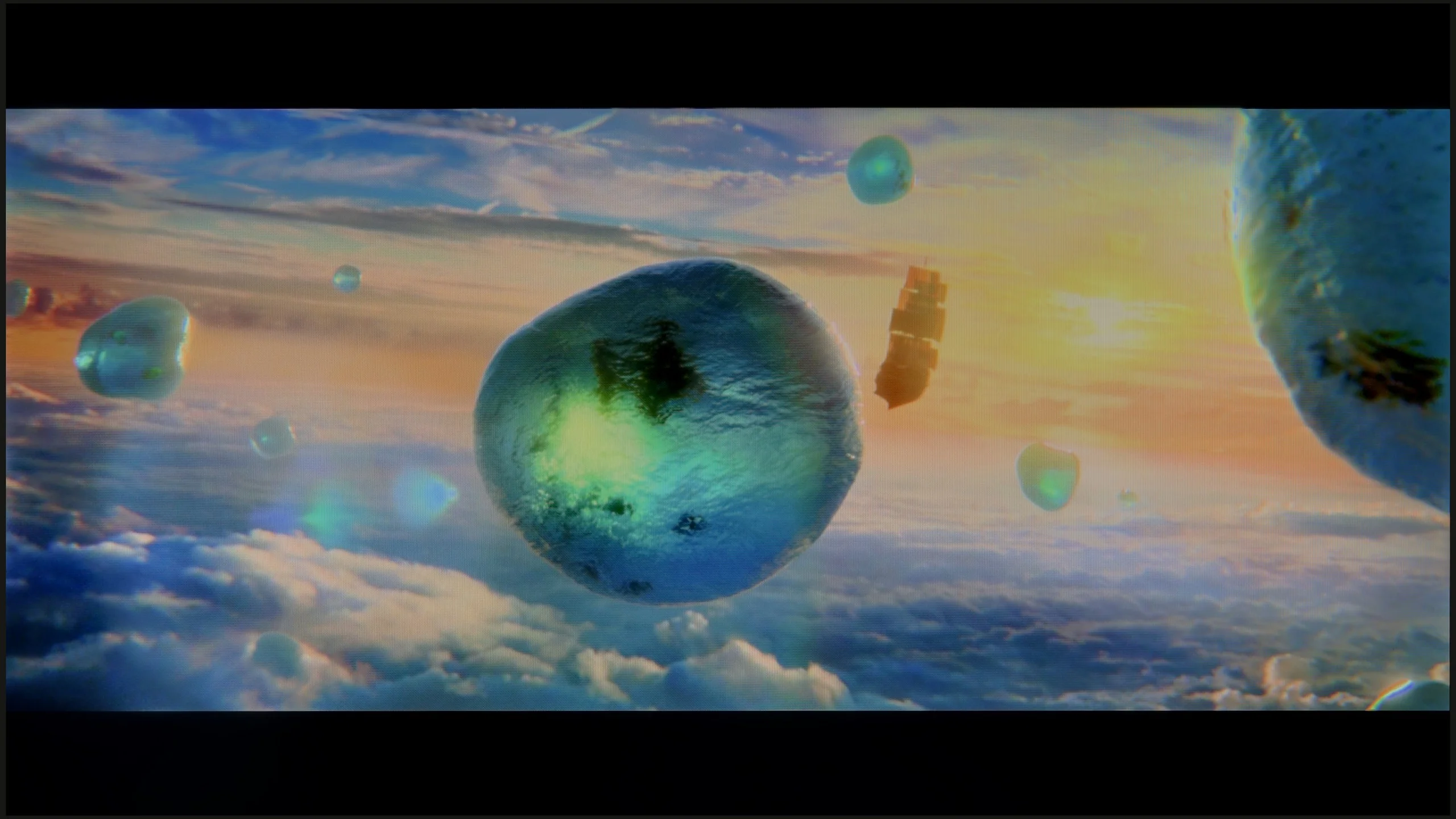
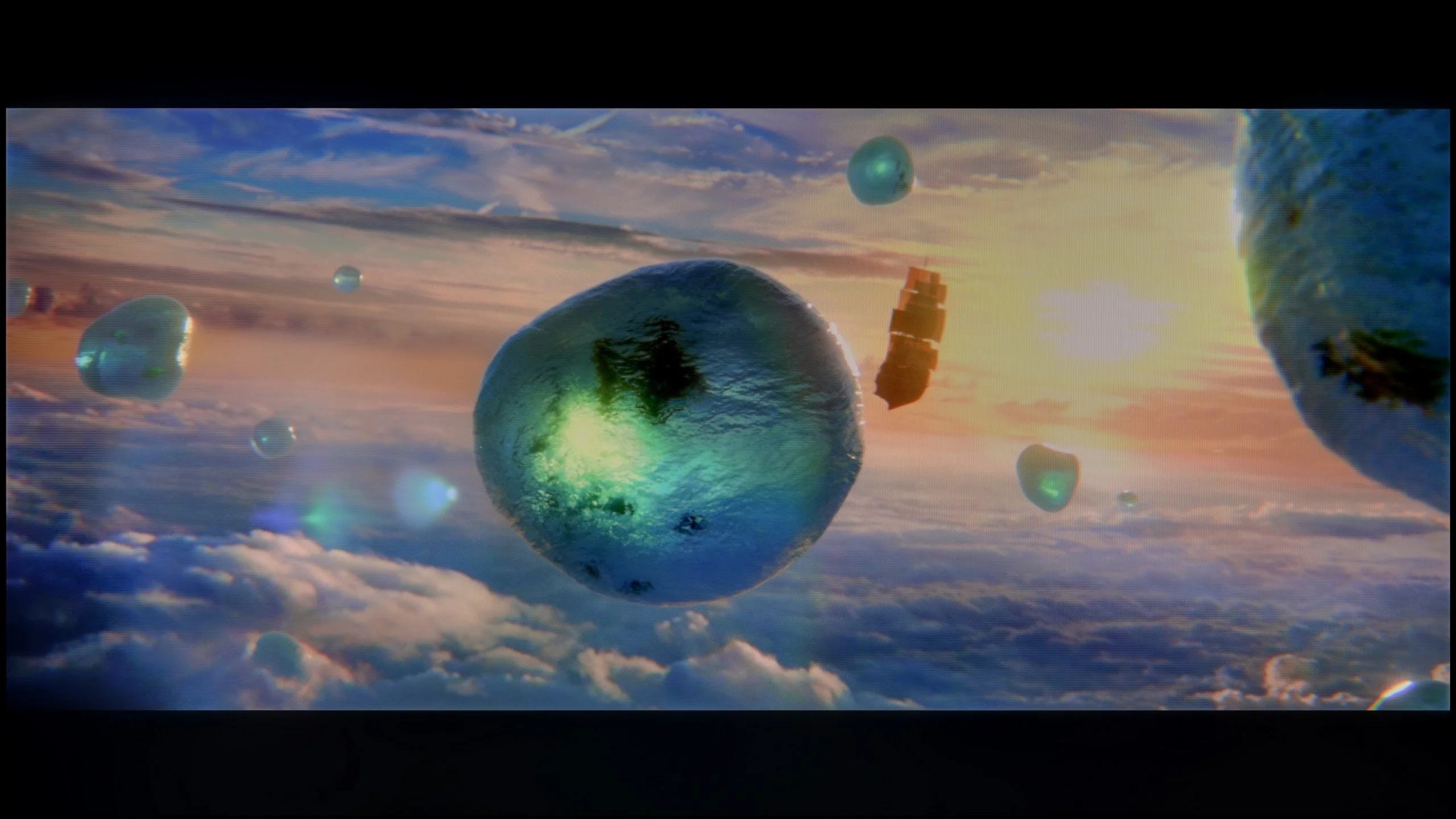
Scene from the movie “Billy Lynn” (about 1100 nits)
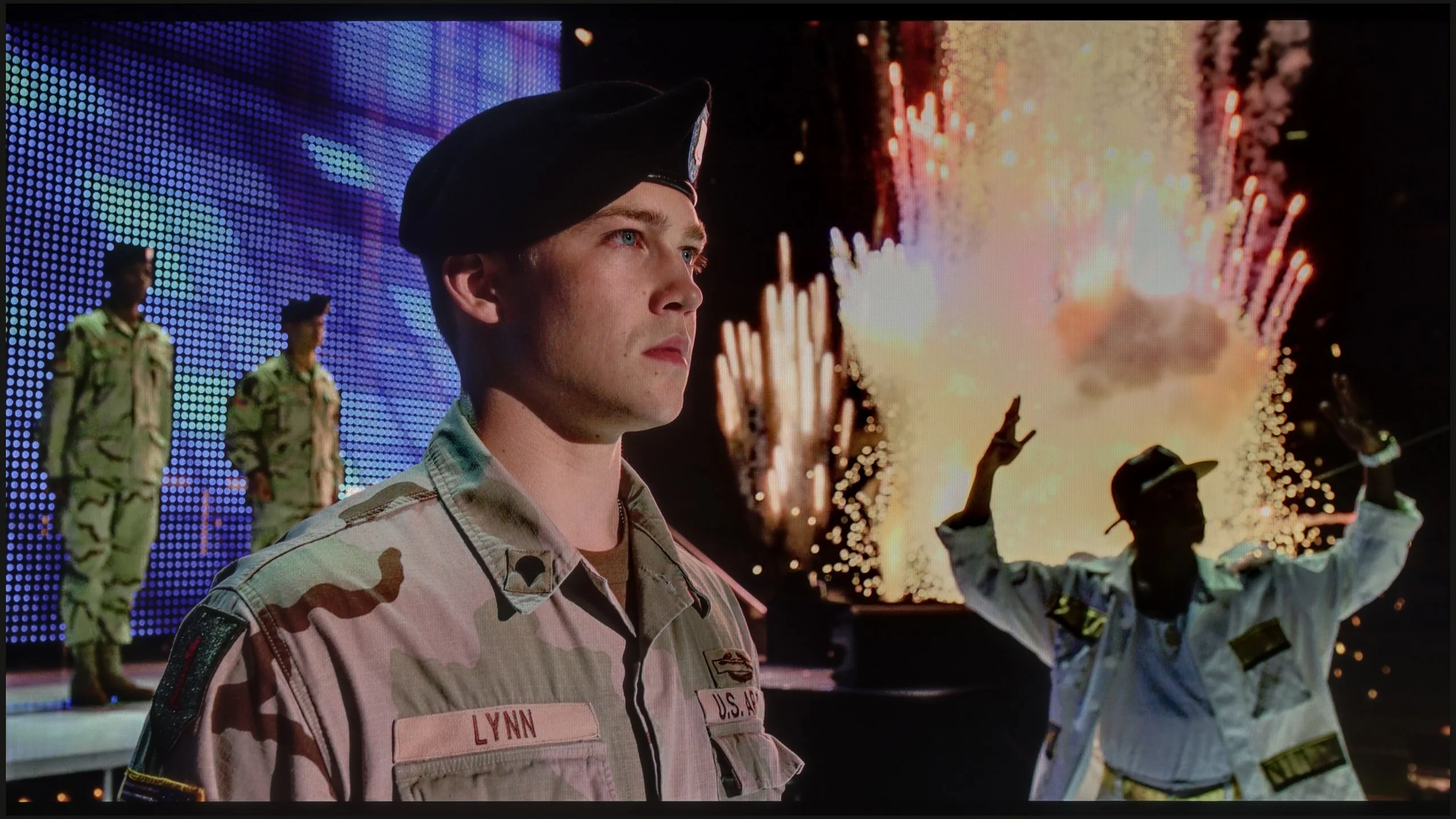
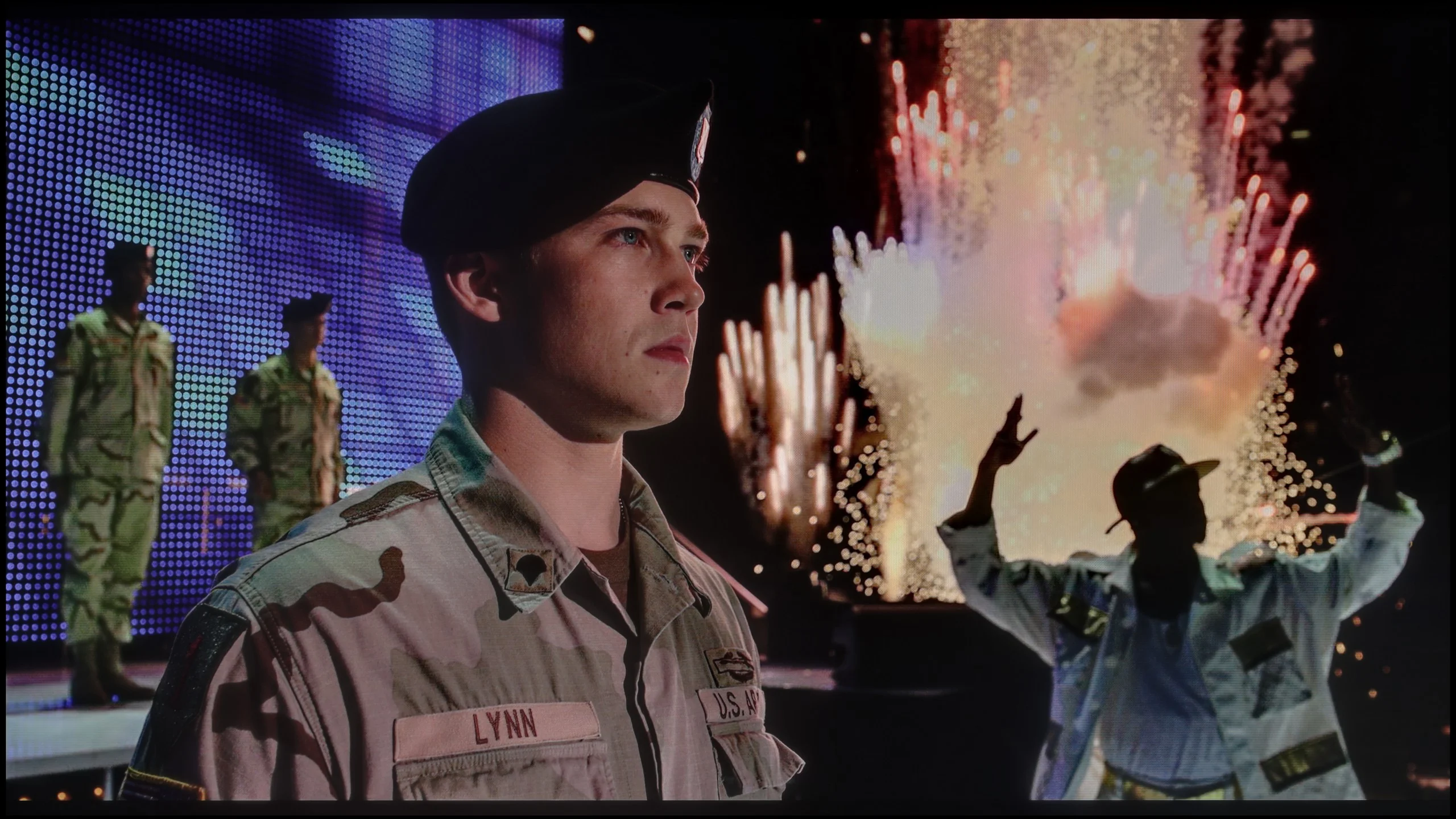
The photos show two HDR10 movies. 'Pan' is one of the brightest productions ever made, while 'Billy Lynn' (soldier) has brightness typical of streaming (Netflix, Prime, HBO MAX). Notice the intensity of effects and detail in whites.
Static HDR10


The photos present the visibility of white details in various HDR formats. They do not show brightness differences between TVs (these can be compared in the previous gallery).
Dynamic: Dolby Vision
Dynamic: Dolby Vision


The photos present the visibility of white details in various HDR formats. They do not show brightness differences between TVs (these can be compared in the previous gallery).
HDR luminance chart:
LG MRGB85B
TCL C69K / Q6C
In terms of brightness, TCL C69K / Q6C is a moderate model. Under optimal movie conditions, it shows its full potential, reaching a maximum of around 600 nits. In scenes with large, intense light sources, the HDR effect can be truly satisfying, providing a cinematic sparkle. However, it should be noted that when managing the backlight zones, there are situations where some elements of the image become dimmed, and sometimes they are barely visible. This suggests that there is still a lack of proper optimization of algorithms, though considering the technical parameters in this price range, the construction still looks very good.
LG MRGB85 offers moderate brightness. On test patterns it reaches about 700 nits, which by itself is a decent result. In actual movie scenes the values are lower and most often fall between 400 and 600 nits. Bright, expansive shots perform best. In scenes with a lot of black the TV noticeably limits luminance, trying to maintain the highest possible contrast. The HDR effect is therefore visible, but it is far from the level offered by more advanced Mini-LED designs. Especially in darker parts of films the limitations of edge-lit backlighting and imprecise local dimming become noticeable again.
HDR Colors
A much stronger suit of the MRGB85 is its colors. The TV covers about 95% of the DCI-P3 color space and 74% of BT.2020, allowing HDR material to look vivid and striking. Colors are well saturated, and the difference compared with basic LCD TVs is clearly visible. It is worth noting, however, that this is not a classic RGB backlight, where each of the three primary colors is generated by a separate diode. Red is produced by a PFS phosphor, which expands the palette and yields more saturated red shades. This solution works well for color reproduction, but it does not change the limitations of dimming itself. The LEDs are not driven independently in the way the series name might suggest... so it turns out that Mini RGB is not the same as Mini-LED RGB!
Factory color reproduction
5/10
5.6/10


This gallery shows how colors change after professional TV calibration. If you notice the difference, we recommend ordering this service at SkalibrujTV.com.
Factory Mode
After calibration


This gallery shows how colors change after professional TV calibration. If you notice the difference, we recommend ordering this service at SkalibrujTV.com.
Factory Mode
After calibration
The Filmmaker mode, which has arrived in this year's TCL televisions (including the C69K / Q6C), is definitely the best choice "to start with." This is the mode we recommend for everyday viewing of movies and series. Unfortunately, as is often the case, best does not mean perfect. In SDR content, the image turned out to be too warm, with a strong red tint in the white balance. We had the opposite impression with HDR content – here the image became cooler than it should have, due to an excess of blue color. Additionally, the brightness characteristics sometimes resulted in overexposure. In practice, this translated to quite noticeable errors in color tests, which is hard to accept in a mode labeled as “by the creators.”
We tested the TV in Filmmaker Mode, because among the available settings it produced the image closest to the reference. Factory color reproduction was not perfect. The biggest deviations were in the white balance, with too much red and not enough blue, which pushed the picture noticeably toward warmer tones. Whites took on a slightly yellowish cast, and skin tones and bright areas did not always look natural. It wasn’t a flaw that completely ruined the viewing experience, but in a direct comparison with the same screen after calibration the difference was clearly visible.
Color reproduction after calibration
7.5/10
7/10
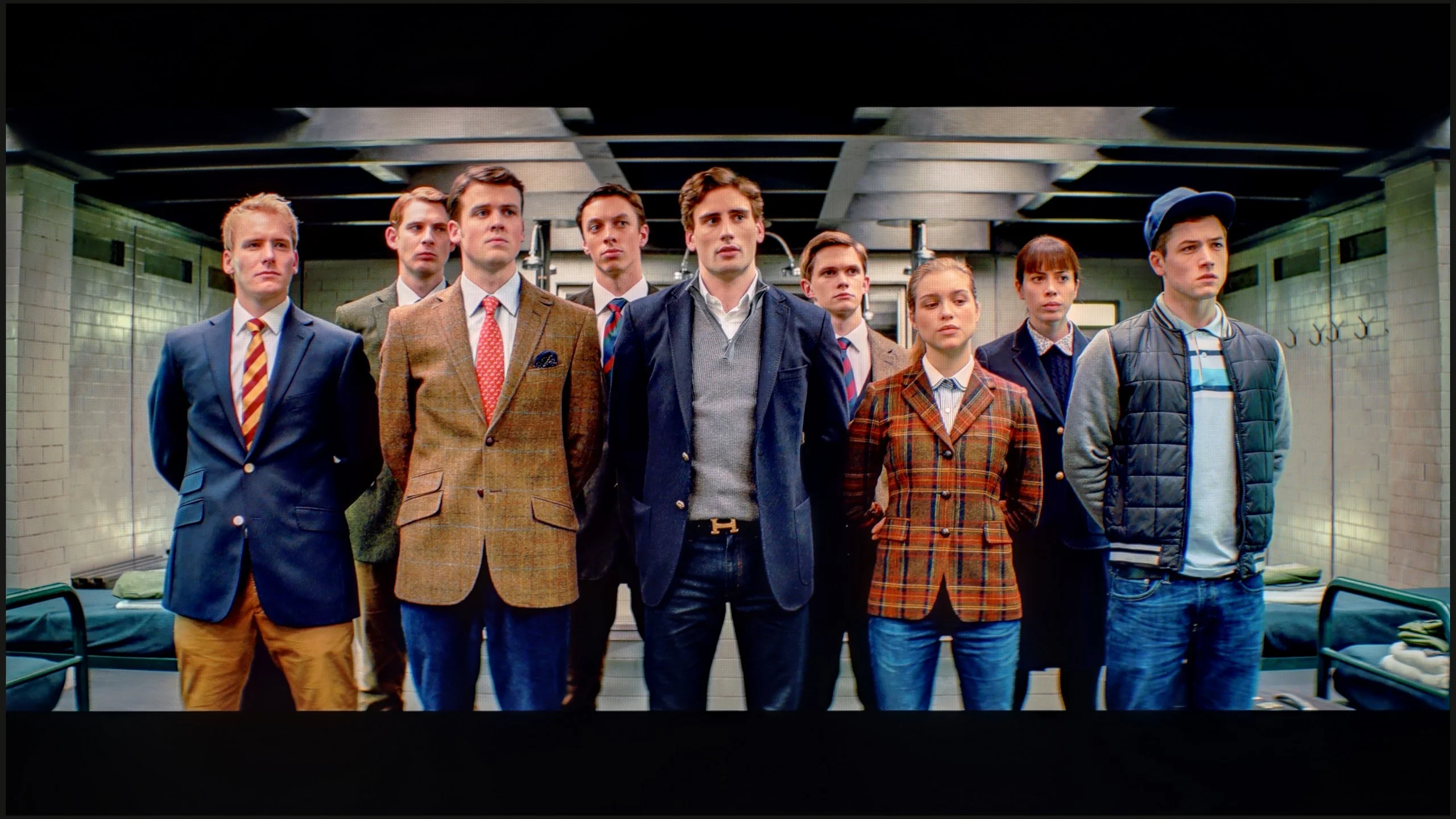
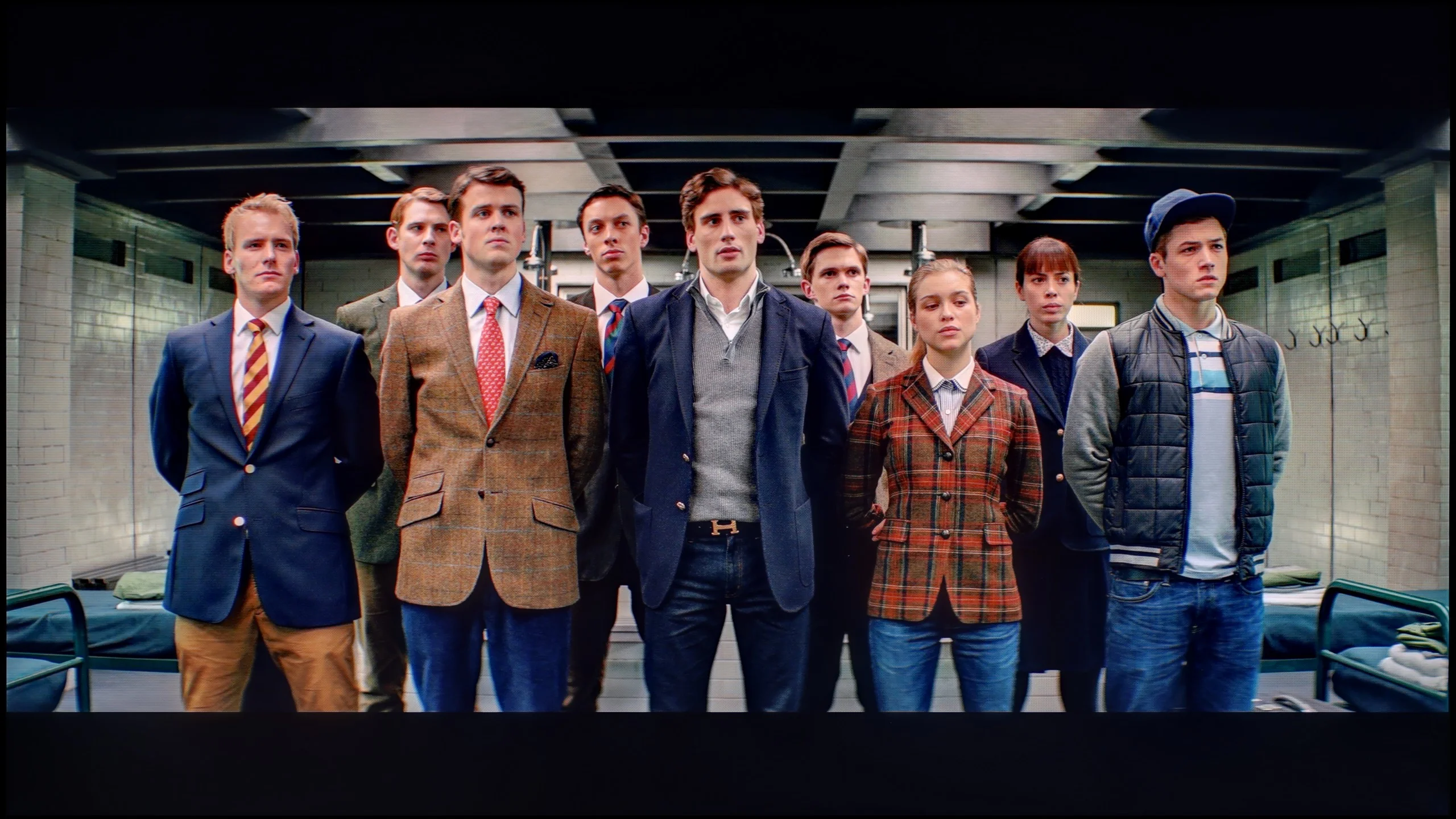
The photos show how movies look on the TV. Pay attention to black detail visibility, colors, and shadow tint.
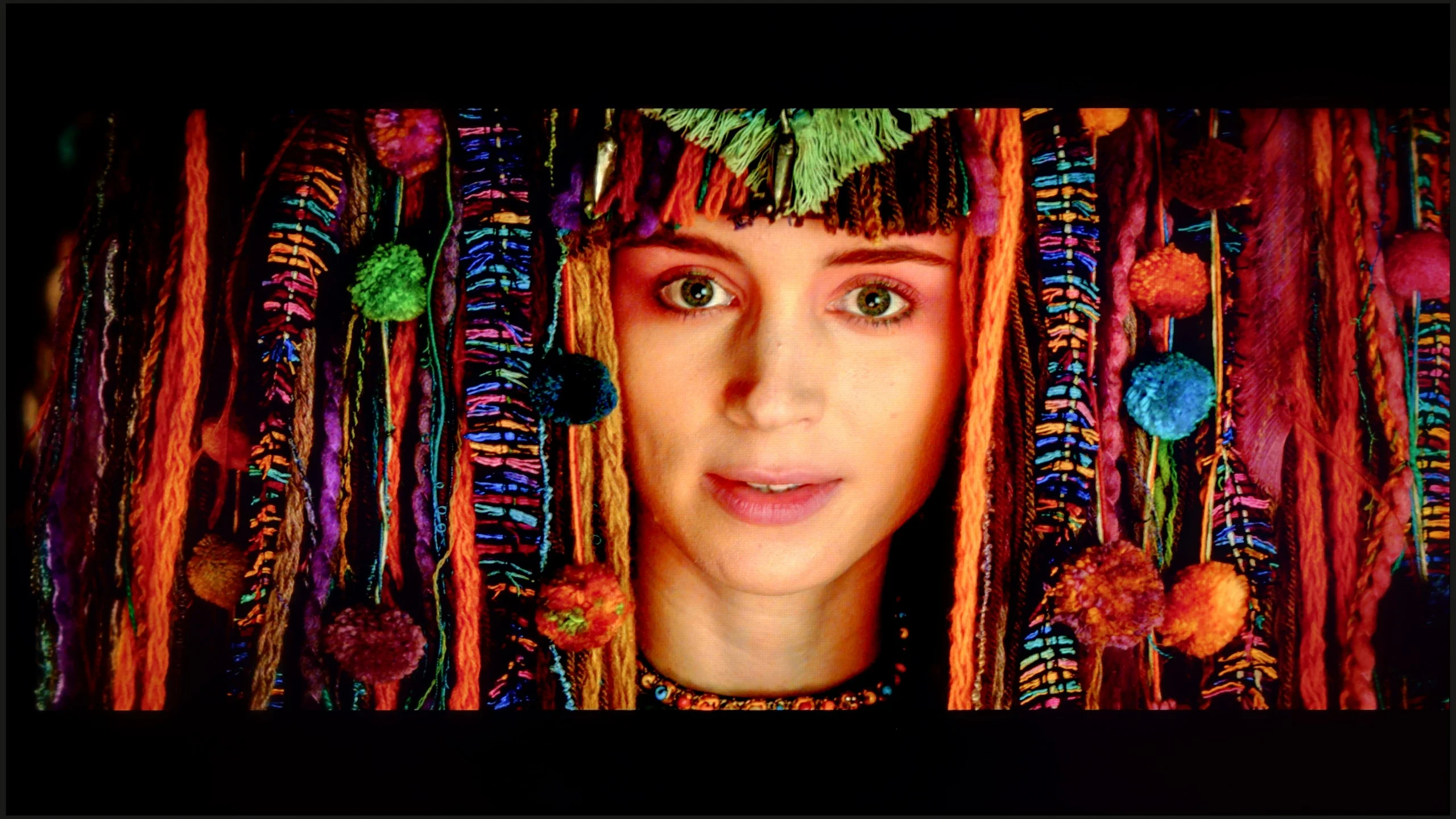
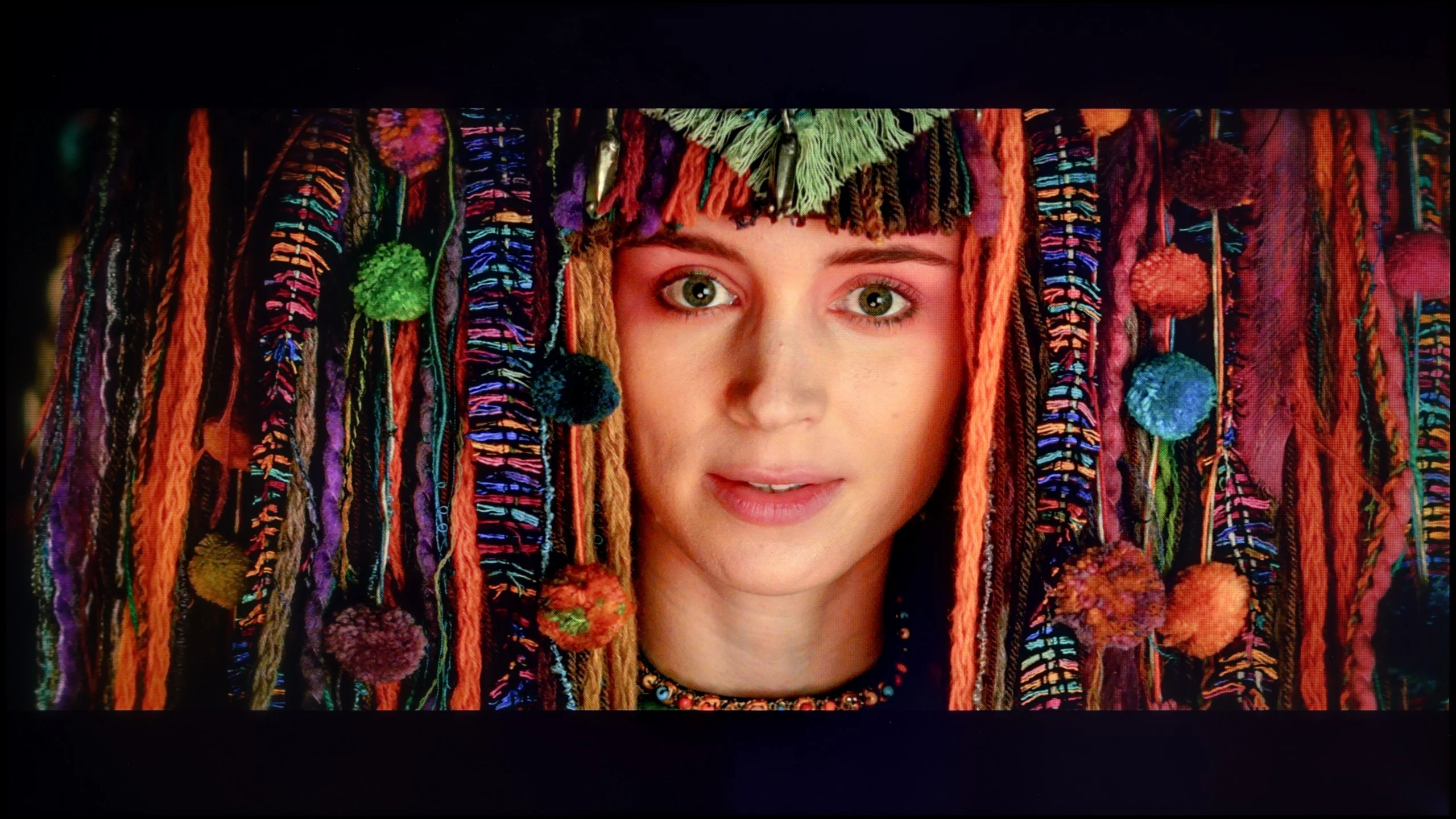
The photos show how movies look on the TV. Pay attention to black detail visibility, colors, and shadow tint.
Through white balance adjustment, we were able to significantly reduce the tendency of C69K / Q6C to distort colors, which resulted in a very good final outcome. After calibration, the issue of excessive warmth in SDR scenes and overly cool images in HDR disappeared. However, it is worth closely analyzing brightness characteristics. While there are few complaints about SDR content - the image looks really good, especially in older movies, TV programs, or on YouTube - the situation is much worse with HDR content. Analysis of the EOTF curve suggests that everything is fine, but in practice (EOTF in films), the limitations of the design become apparent. This model tends to excessively brighten small parts of the frame, while in other situations it dims the entire scene too much. The effect of calibration is undeniable, and in terms of color accuracy, C69K / Q6C gains a lot. Unfortunately, certain limitations resulting from local dimming management simply cannot be overcome.
Calibration primarily corrected the white balance and removed the previously visible warm tint. After the adjustment, whites no longer had a yellow cast and colors became more neutral and natural. The biggest improvement was seen in SDR content, where the picture looked even and much closer to the reference. A similar effect was achieved in HDR. After calibration the picture became more controlled, although not all of the TV's limitations could be eliminated. The biggest issue remained the intense reds, which were not always reproduced with the necessary precision. In practice the MRGB85 handles everyday SDR content very well, but in more demanding HDR material its limitations remain clearly visible.
Smoothness of tonal transitions
9.5/10
8.9/10
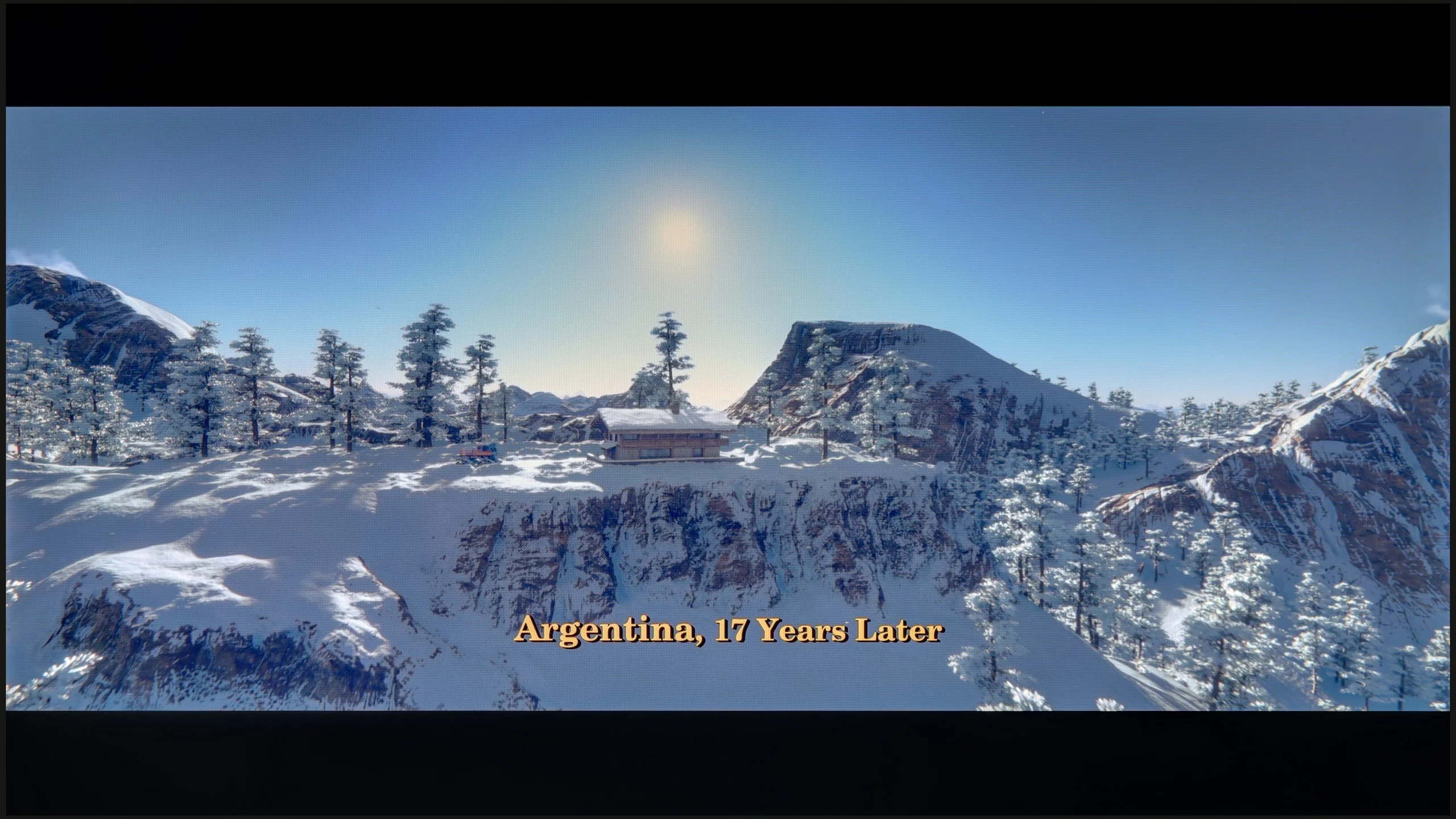
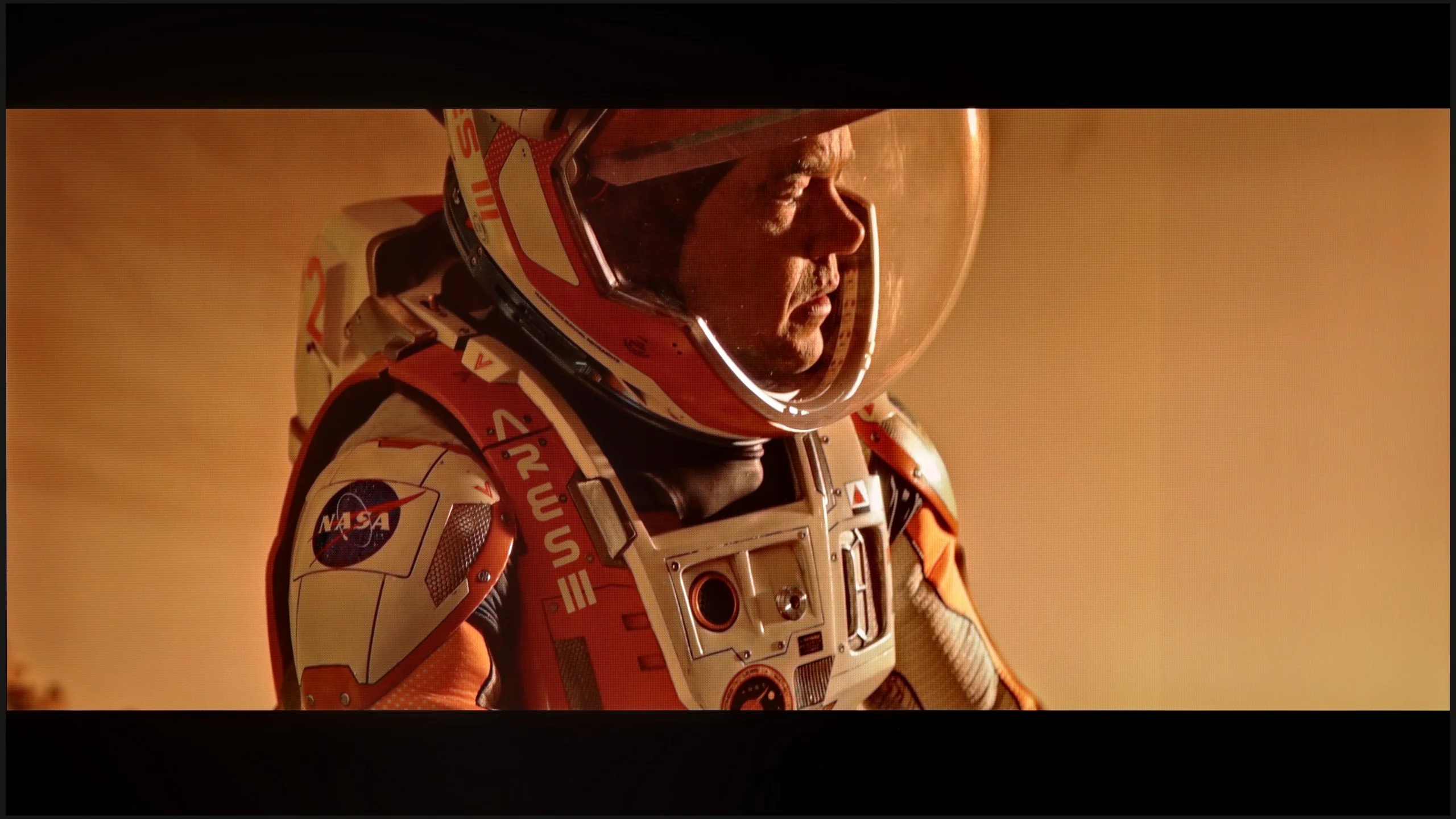
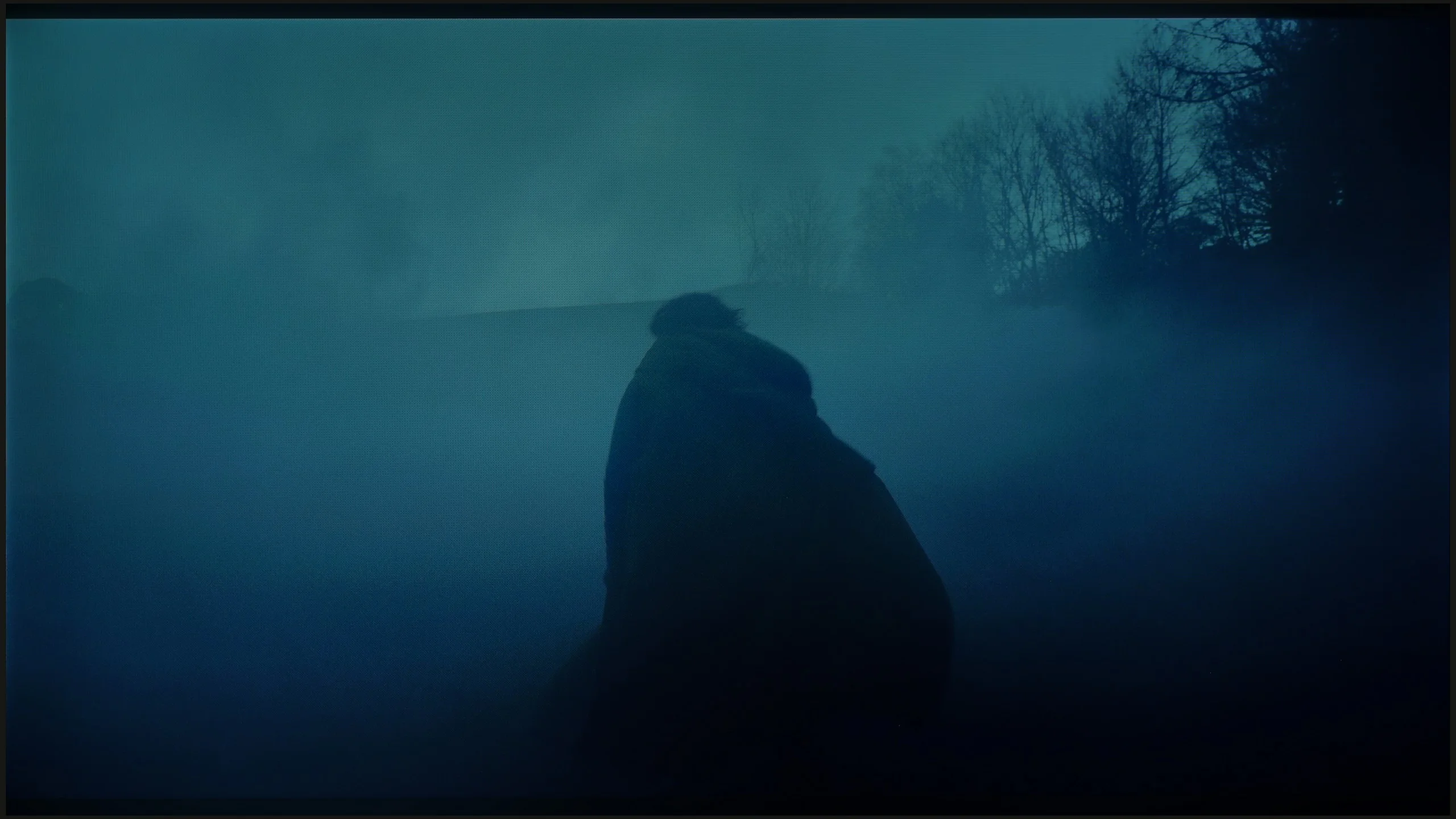
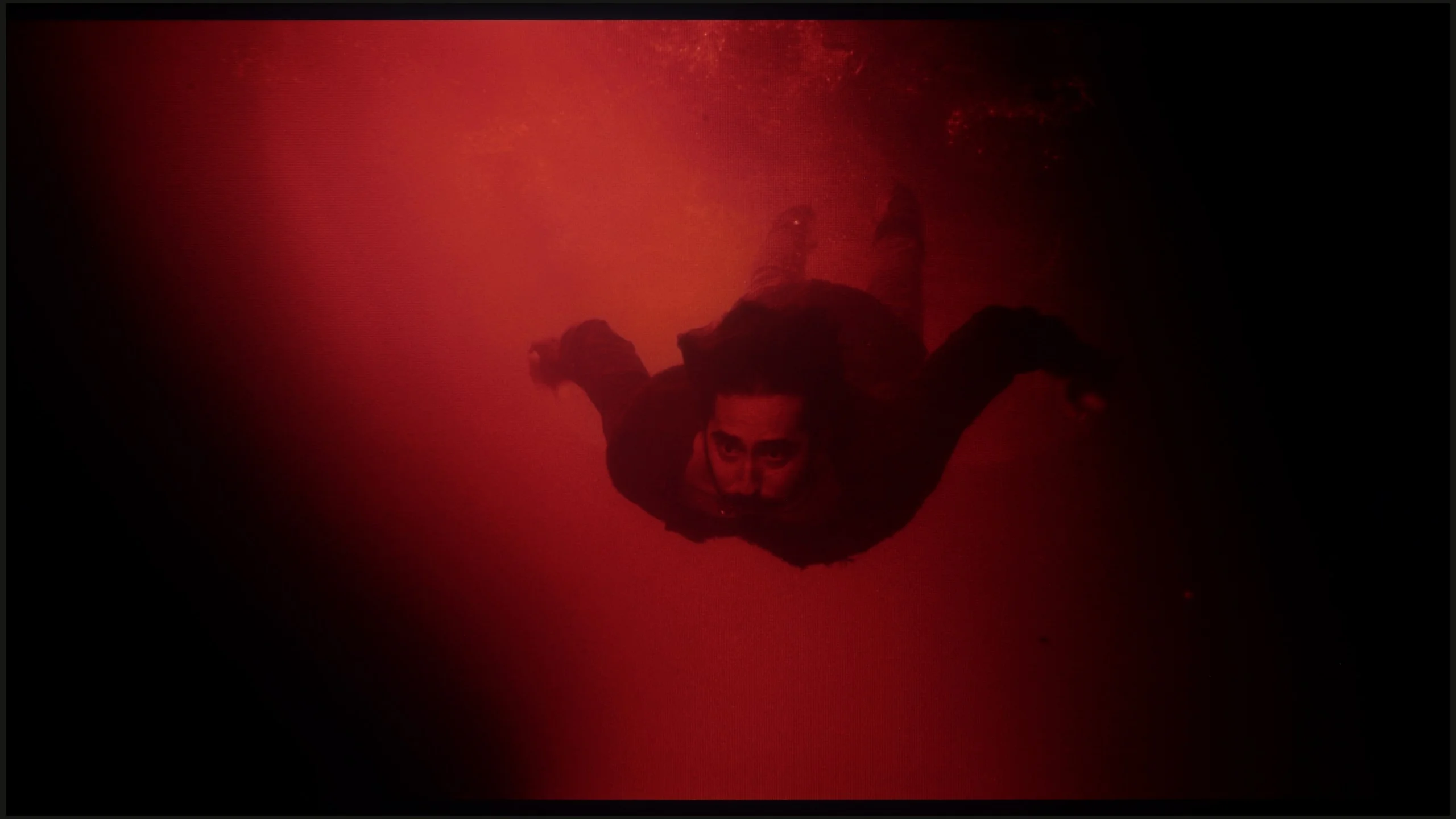
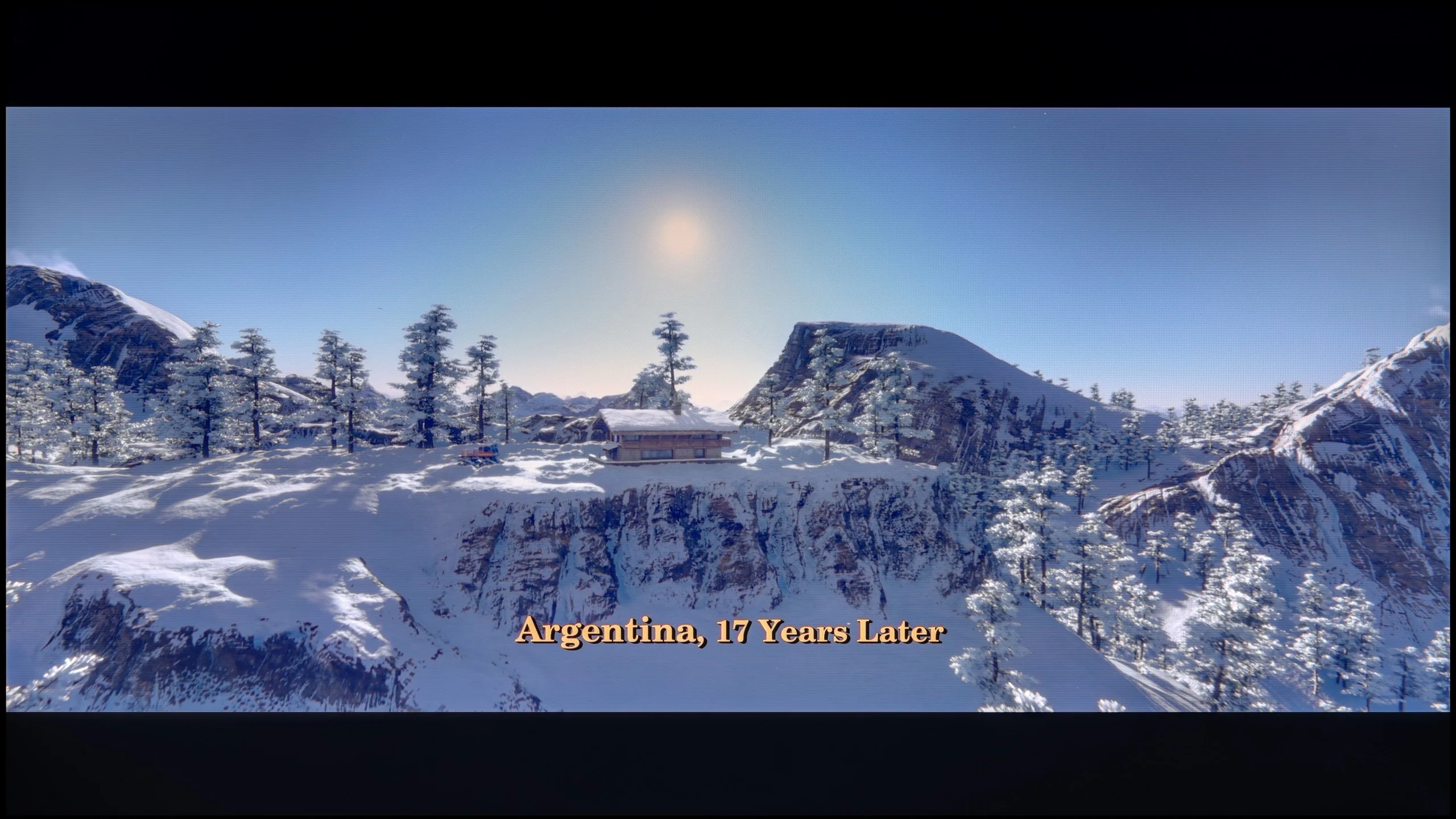
These are selected scenes that show smooth tonal transitions from one color to another. If you see distinct banding, it’s the TV panel’s fault.
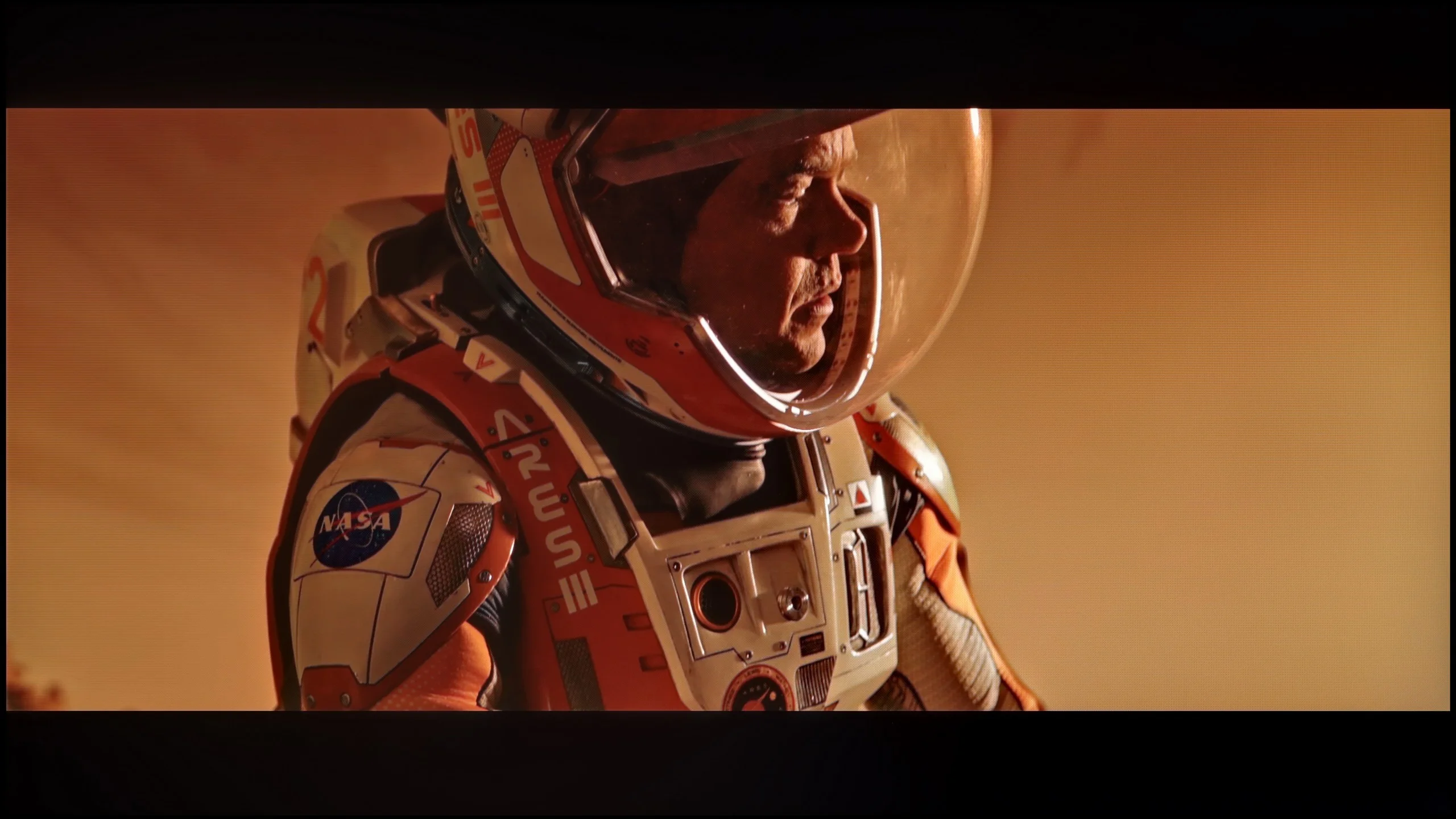
These are selected scenes that show smooth tonal transitions from one color to another. If you see distinct banding, it’s the TV panel’s fault.
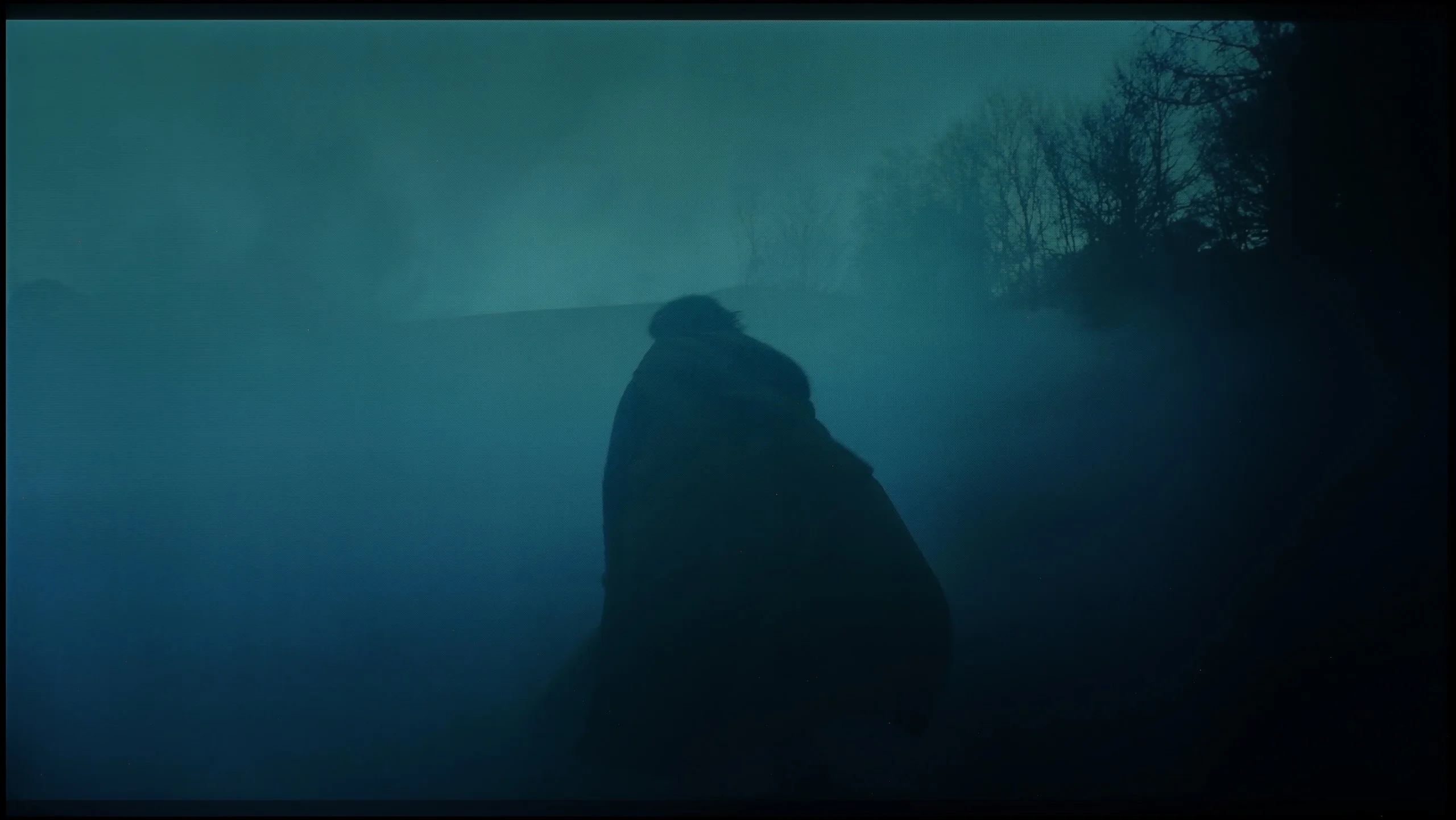
These are selected scenes that show smooth tonal transitions from one color to another. If you see distinct banding, it’s the TV panel’s fault.
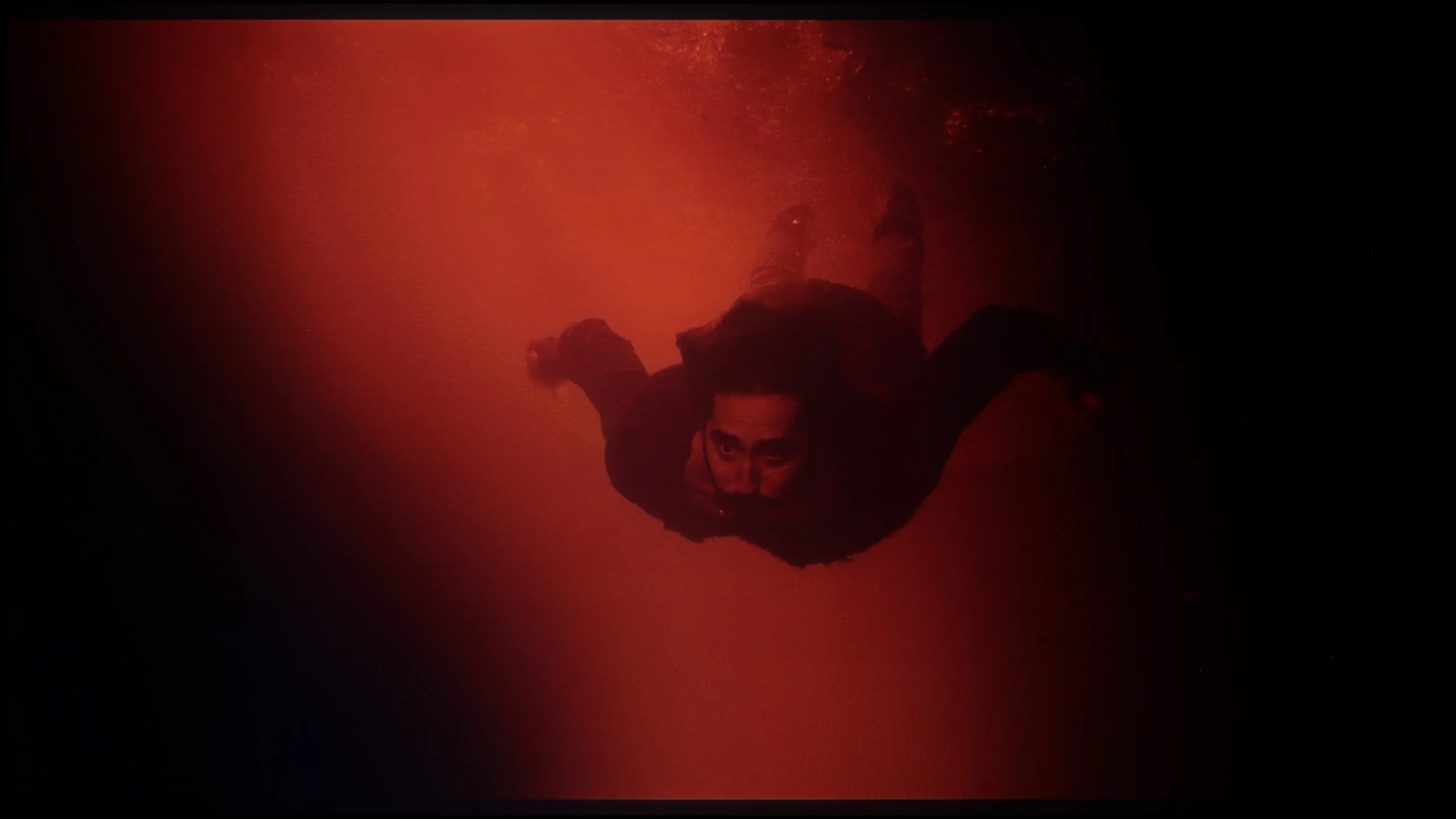
These are selected scenes that show smooth tonal transitions from one color to another. If you see distinct banding, it’s the TV panel’s fault.
In the model C69K / Q6C, tonal transitions (between colors) are very smooth, and it's hard to notice any banding. The image looks natural, and any minor imperfections are only visible on bright test screens, and only with very careful observation. In everyday viewing, the effect is simply fantastic. It can confidently be stated that in this category, C69K / Q6C performs remarkably.
LG MRGB85 handles tonal transitions quite well. In bright scenes posterization is least noticeable, and the TV has no problem separating individual shades. Tonal transitions are somewhat worse in dark scenes, where posterization in the most demanding moments that shift into dark gray shades can be more noticeable. That said, this is fairly typical for most TVs. It's worth noting that similar behavior can be seen in Dolby Vision mode, where posterization on the MRGB85 is slightly worse than usual.
Image scaling and smoothness of tonal transitions
5/10
7.8/10


Smooth transition function
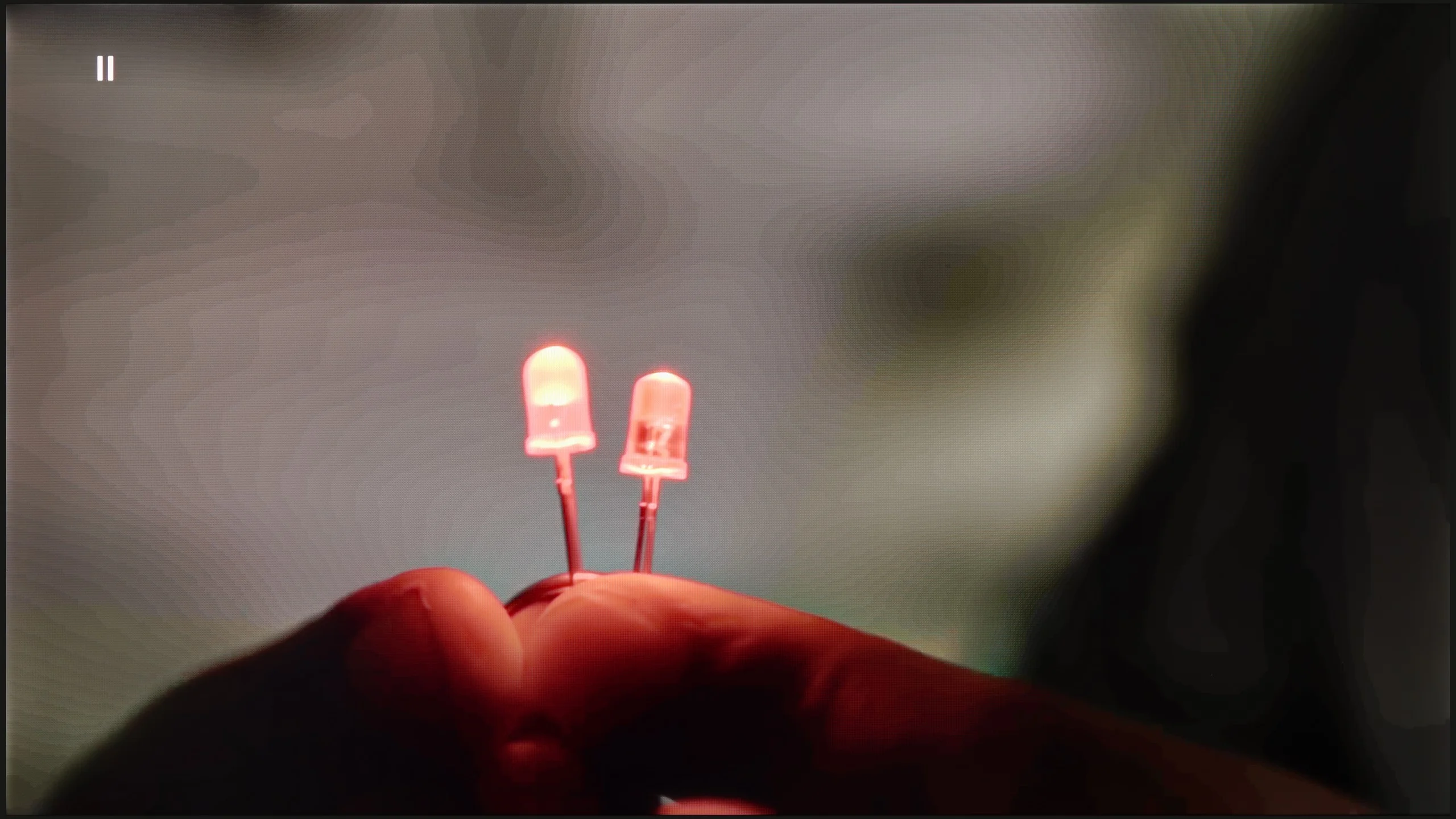
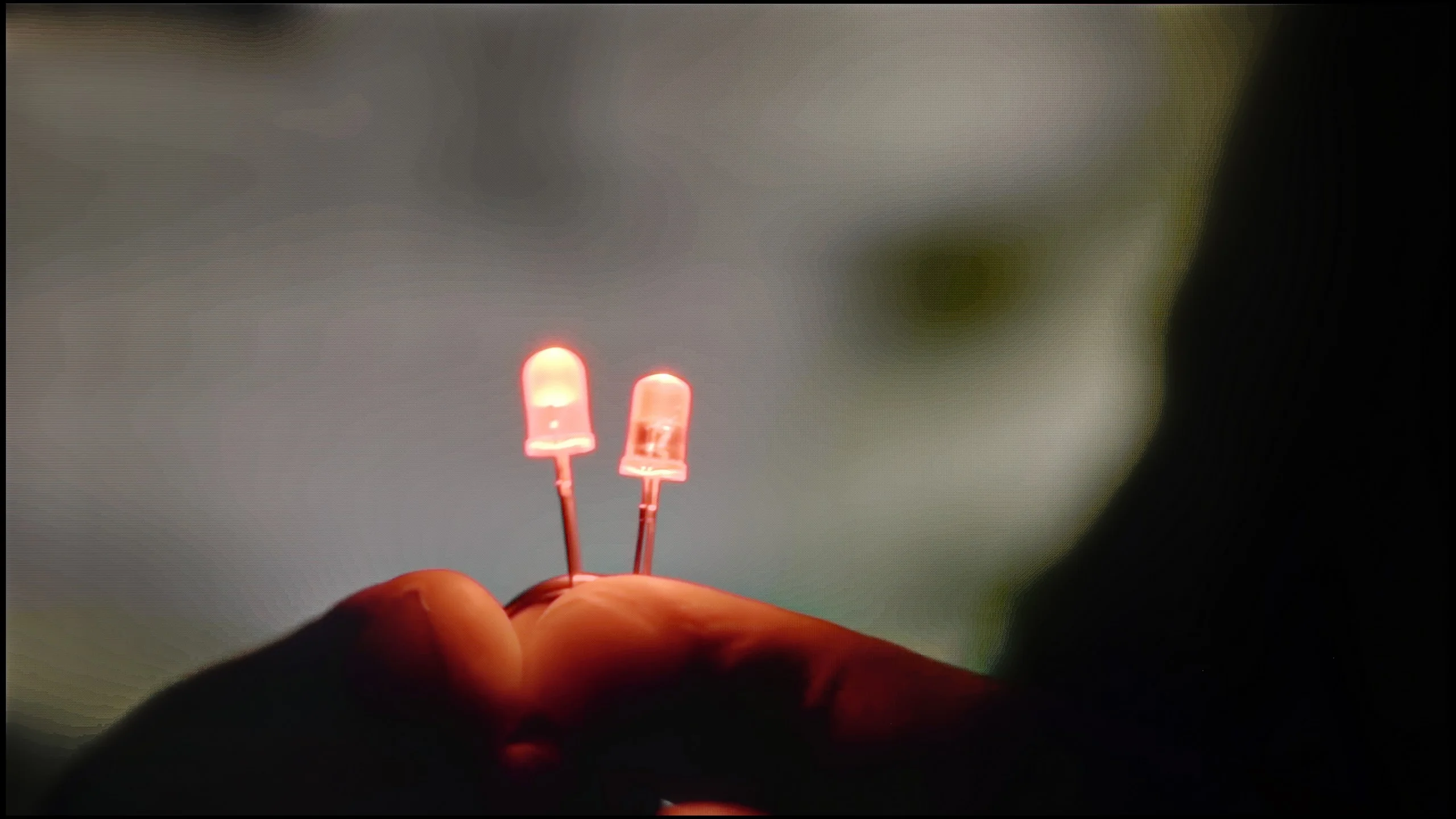
The match photo shows how the TV smooths weak tonal transitions in low-quality video.
Image scaling SD (576i)

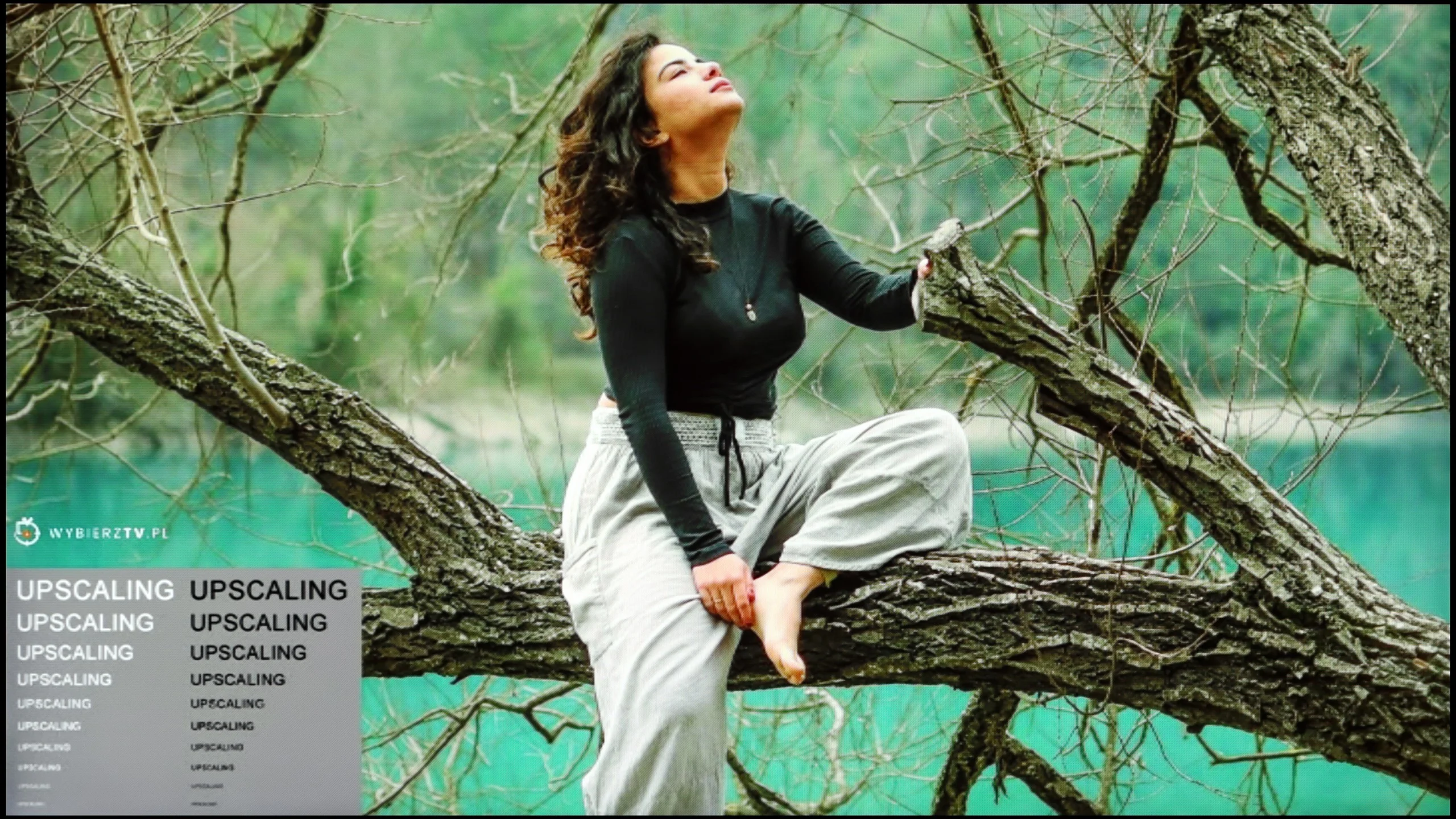
The model photo shows how it handles upscaling of SD material.
In terms of image scaling, TCL C69K / Q6C performs quite well. Lower quality content is displayed acceptably, and thanks to the lack of overscan issues, the image is presented in full without any cropping. However, one shouldn't expect miracles – very low-quality materials won't gain a new life here, as the image processor has its limitations.
On thin lines and details, one can see characteristic jitter, indicating a lack of more advanced image enhancement algorithms. It's also a pity that the C69K / Q6C lacks the function for smoothing tonal transitions. As a result, in older movies or video materials, color banding can be noticeable and may become distracting during longer viewing sessions.
Upscaling and digital image processing perform quite well on the LG MRGB85. The Alpha 8 AI 4K Gen7 processor efficiently upscales lower-resolution content, and you can easily disable overscan regardless of the source. The TV also handles compression artifacts fairly well. The "Smooth Gradation" feature can effectively reduce visible banding and tonal unevenness, but it doesn't always work precisely. At higher settings it can smooth over fine details, for example material textures. On the plus side, it doesn't remove film grain. It's safest to use the "Low" or "Medium" setting, which provides the best compromise between artifact reduction and detail retention.
Blur and motion smoothness
7.3/10
7.3/10
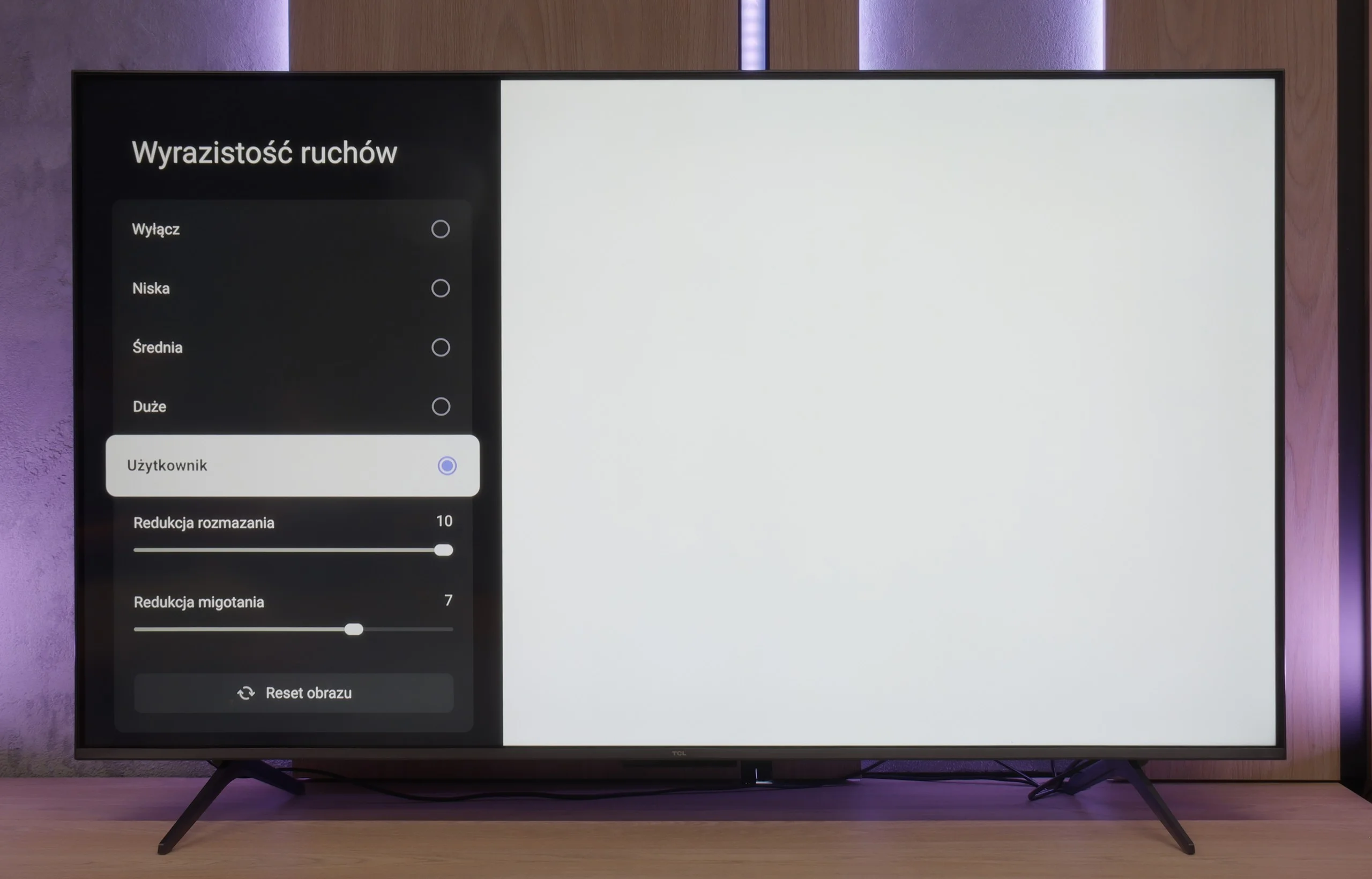
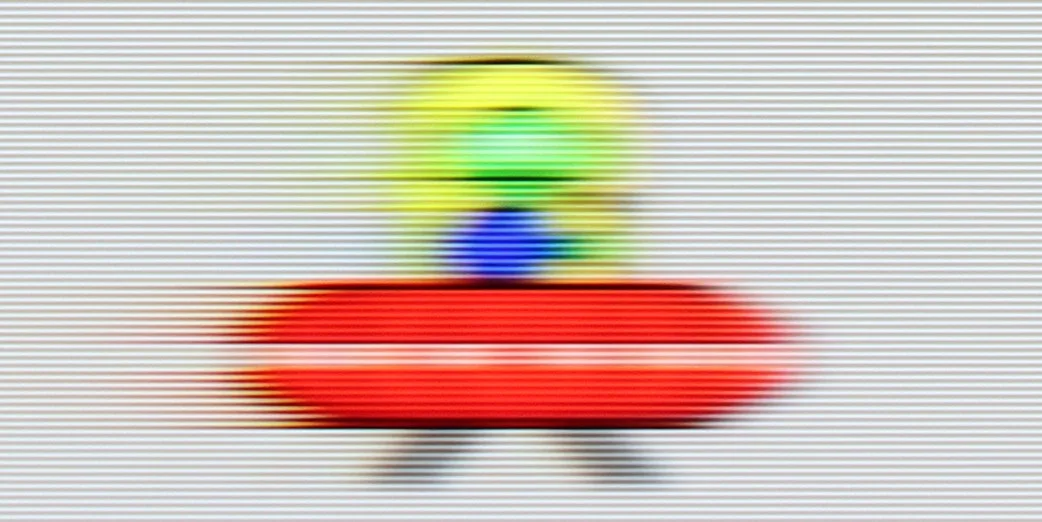
Blur (native resolution, maximum refresh rate):
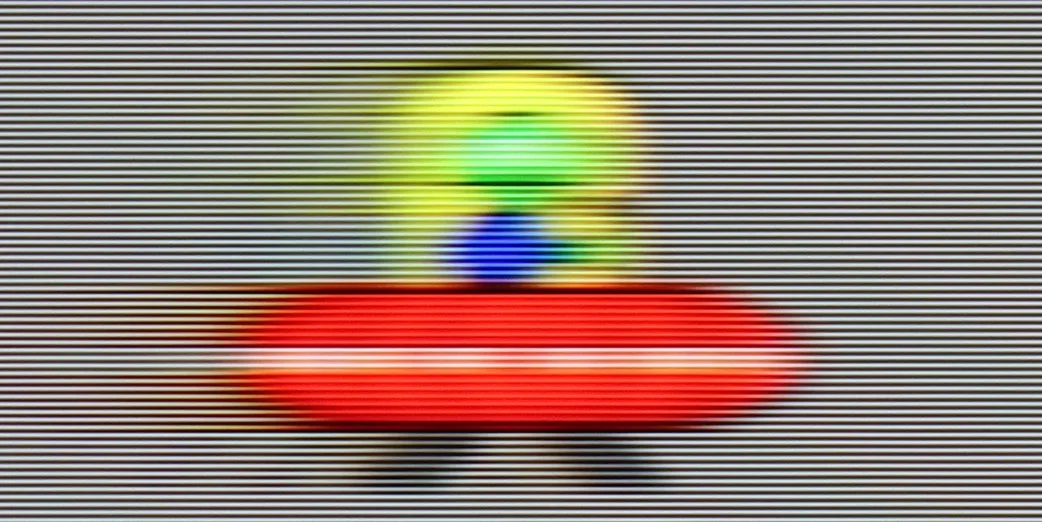
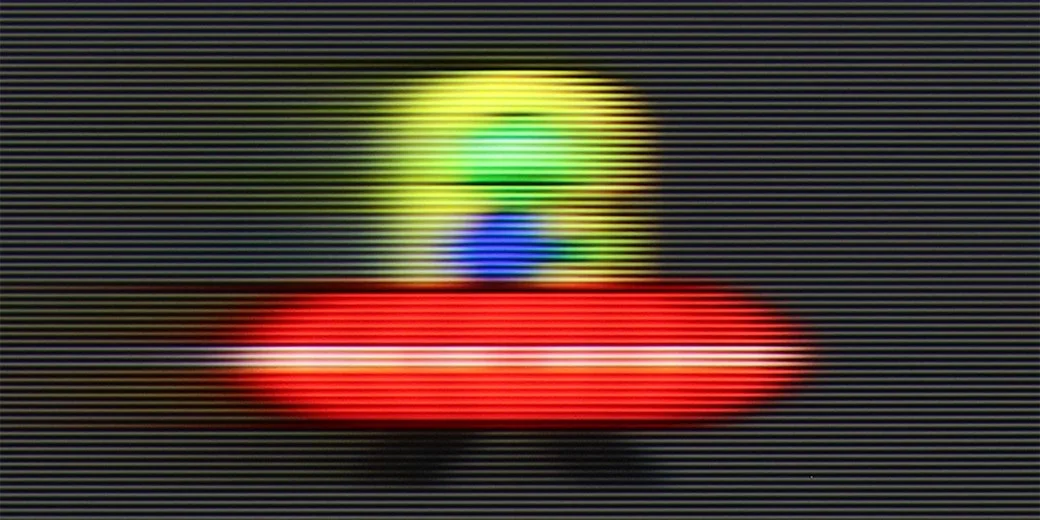
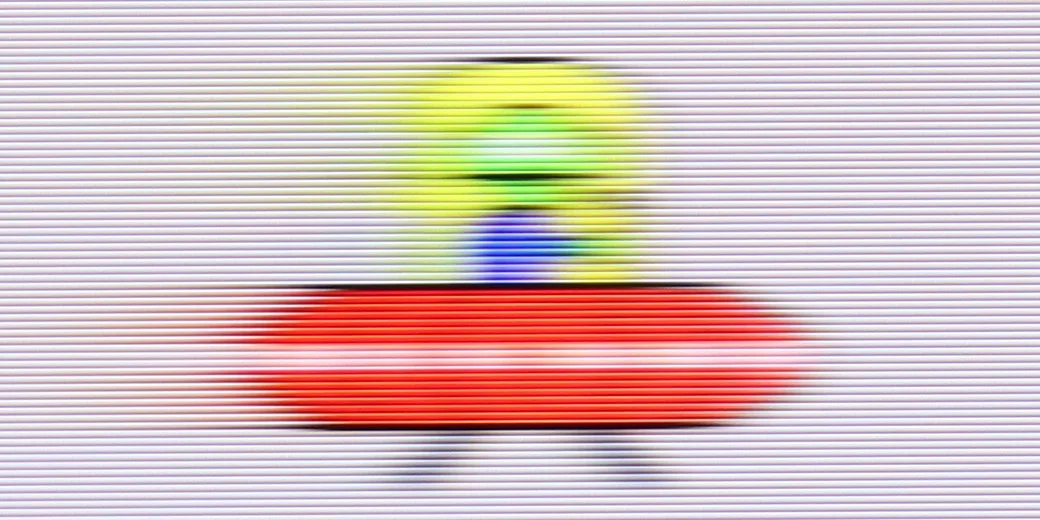
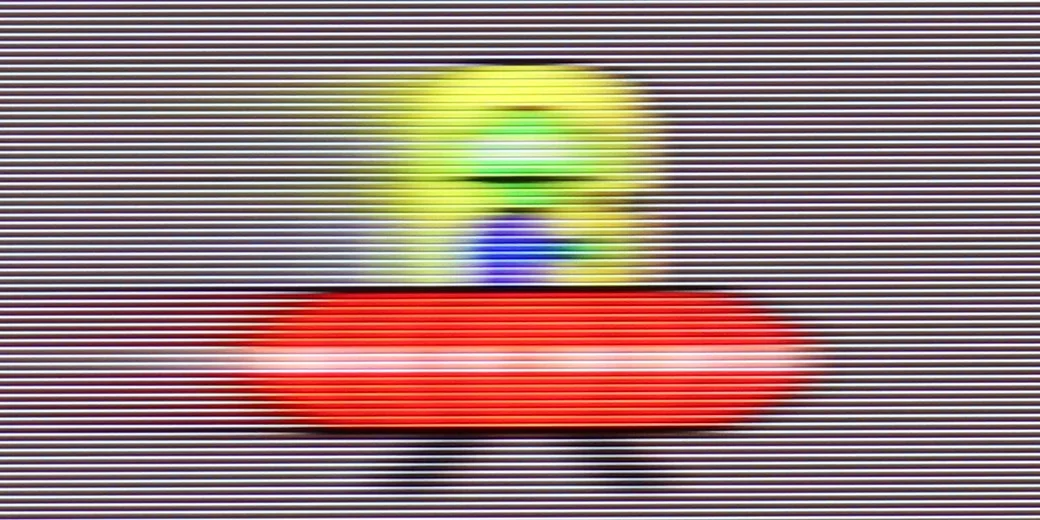
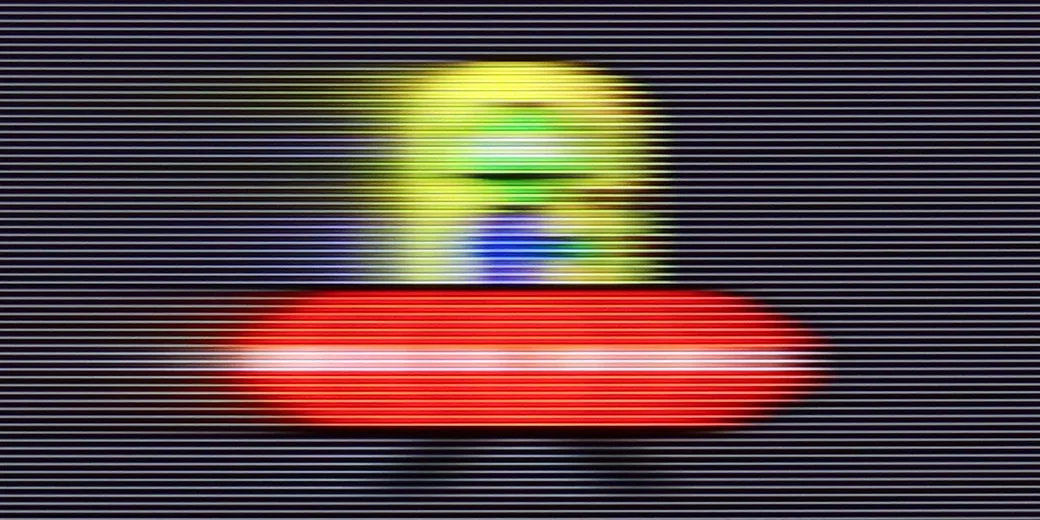
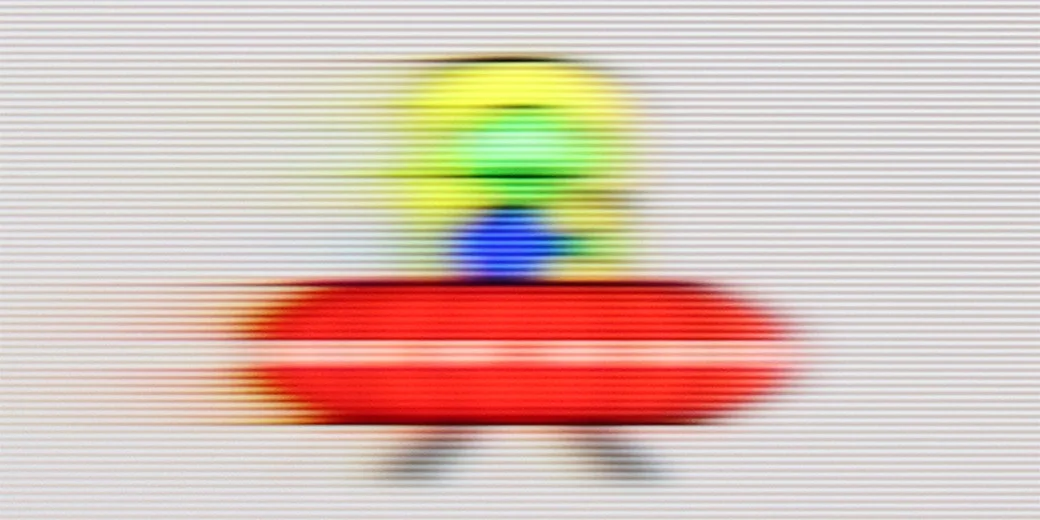
Blur (BFI function enabled):
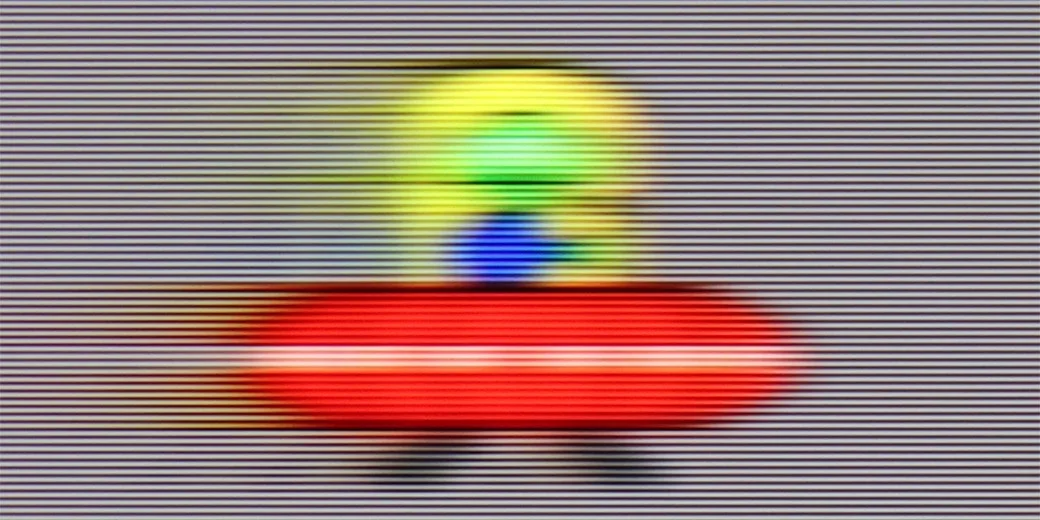
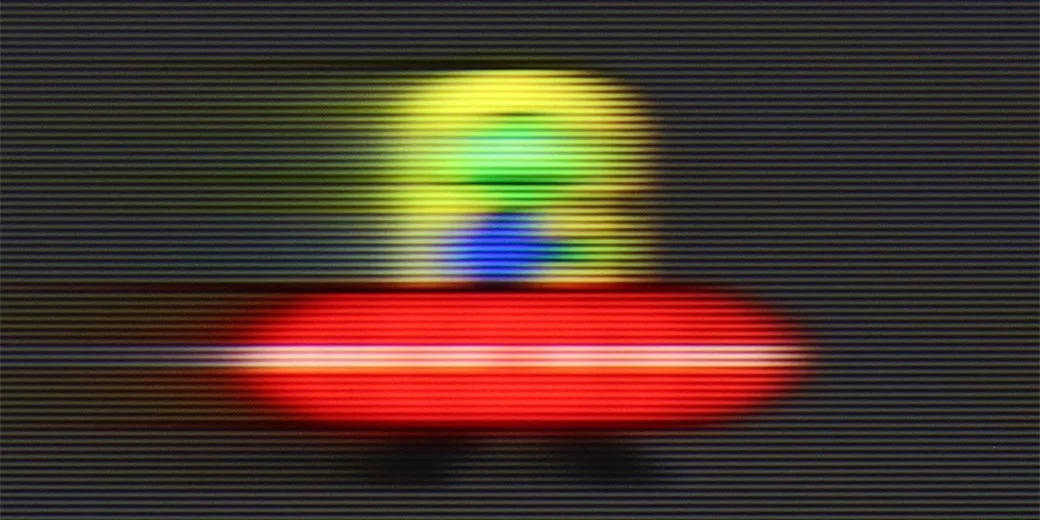
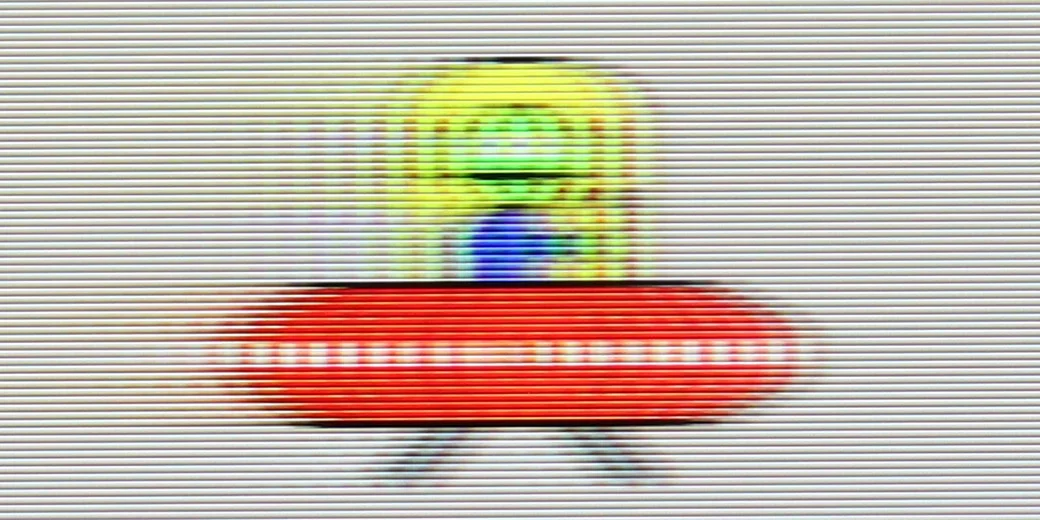
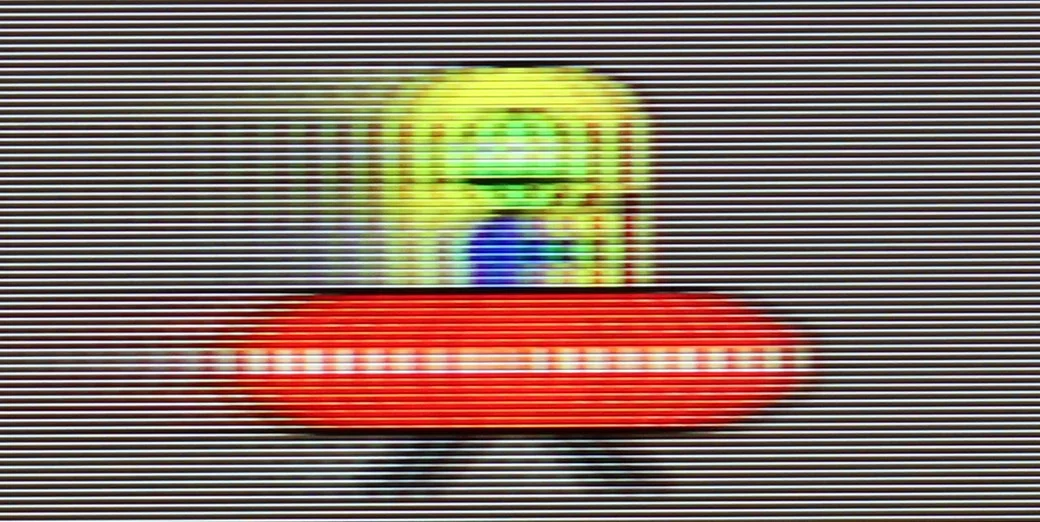
Blur ():
Blur (4K@144Hz):
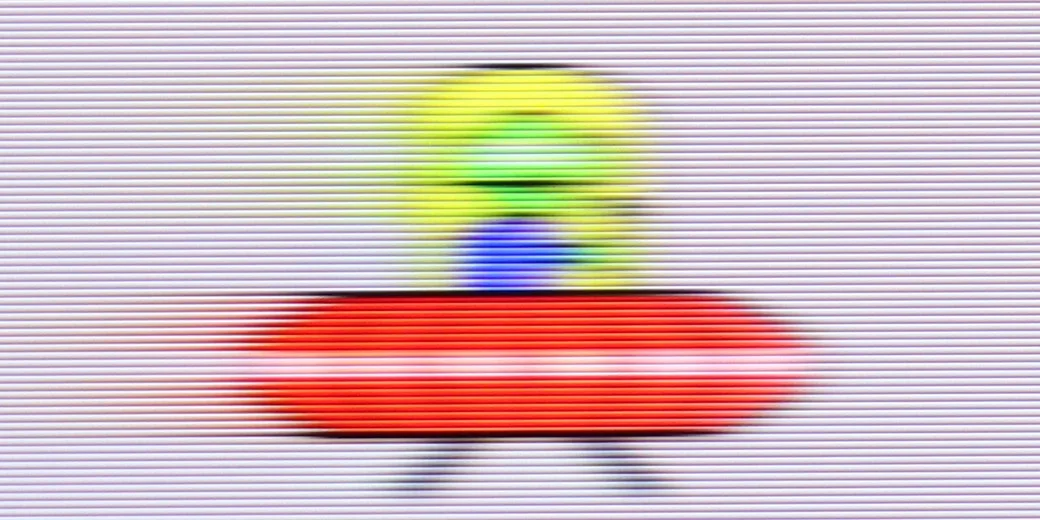
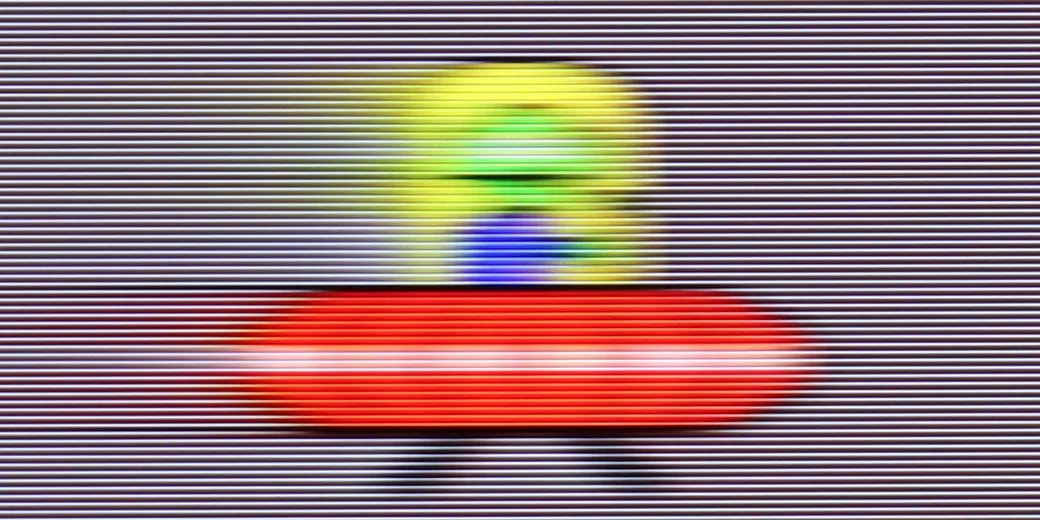
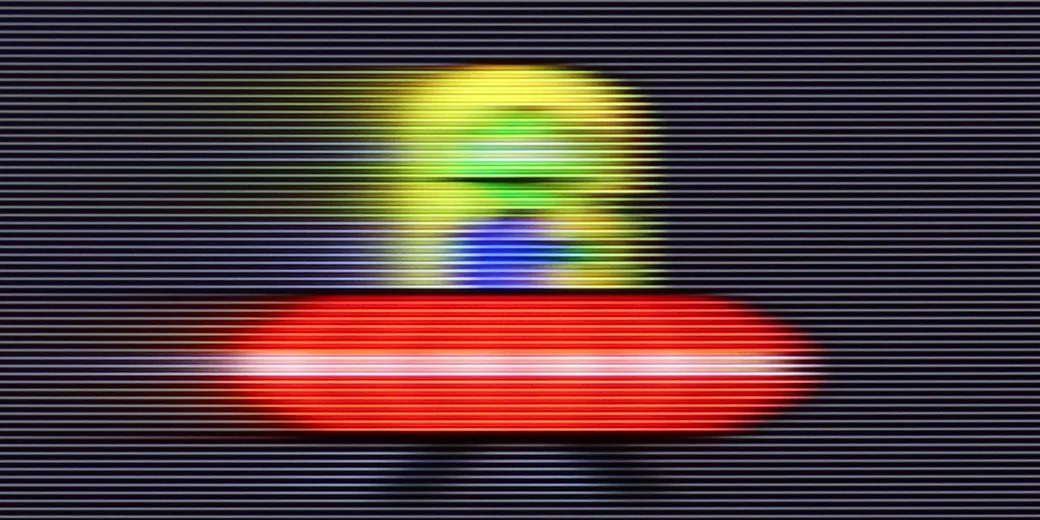
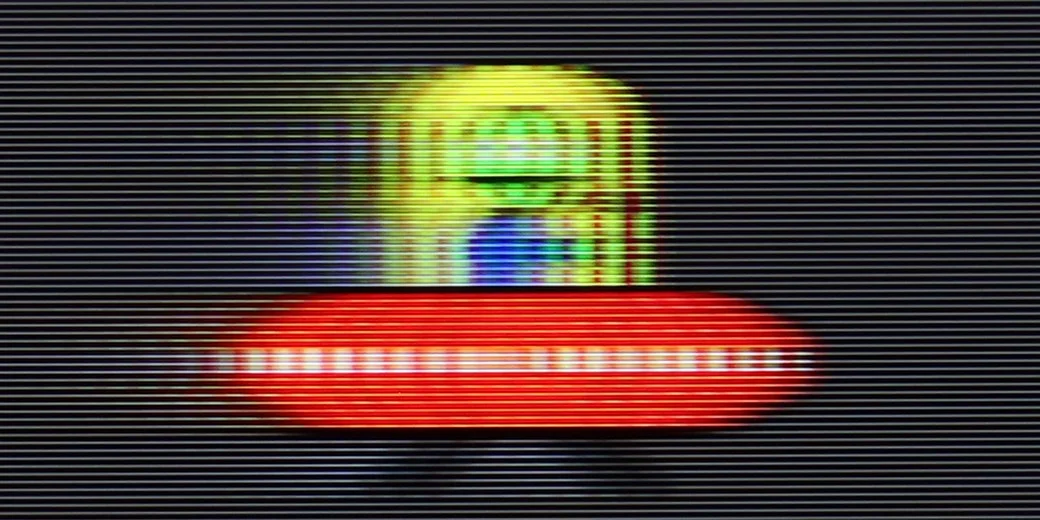
The use of a 144 Hz panel in TCL C69K / Q6C is a significant advantage in this price range. It represents an important step forward compared to its predecessor (C655 PRO), which only offered 60 Hz at 4K. The difference is particularly noticeable when watching sports or playing games – the ball, players, or dynamic action in games are displayed more clearly and without losing details. An interesting feature is also the ability of the panel to operate at 240 Hz (which the manufacturer does not officially mention) – we will return to this topic in relation to the PC gaming mode. TCL has also added a feature for movie fans: “Motion Clarity.” This allows users to adjust the picture to their preferences using two simple sliders. We can either keep the visible film frame or opt for very smooth, "
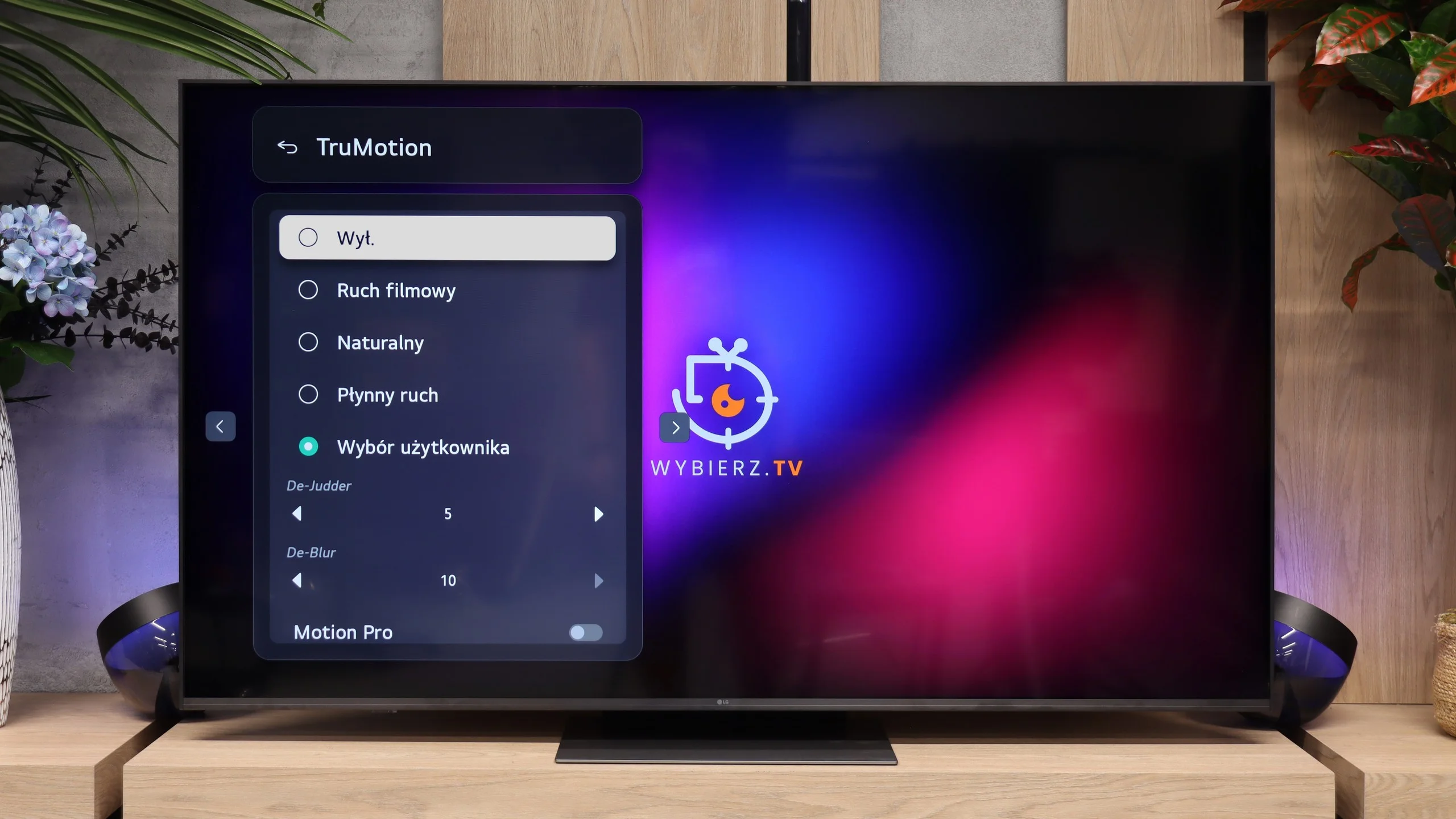
The LG MRGB85 is equipped with a VA panel with a native 144 Hz refresh rate, so it performs very well in terms of motion smoothness. The TV easily handles 120 Hz content from consoles and higher refresh rates when connected to a PC. That matters not only for gaming but also when watching sports, where camera movement is noticeably smoother than on basic 60 Hz models. There's also the TruMotion system, which lets you set the level of motion smoothing yourself. You can keep a more cinematic motion or increase smoothness, which works well for sports broadcasts and TV shows. The range of adjustment is wide, so you can easily tailor the motion smoothing to your preferences.
Console compatibility and gaming features
9.8/10
9.8/10
- ALLM
- VRR
- VRR range48 - 240Hz48 - 144Hz
- Dolby Vision Game Mode
- Correct implementation of HGIG
- 1080p@120Hz
- 1440p@120Hz
- 4K@120Hz
- Game bar
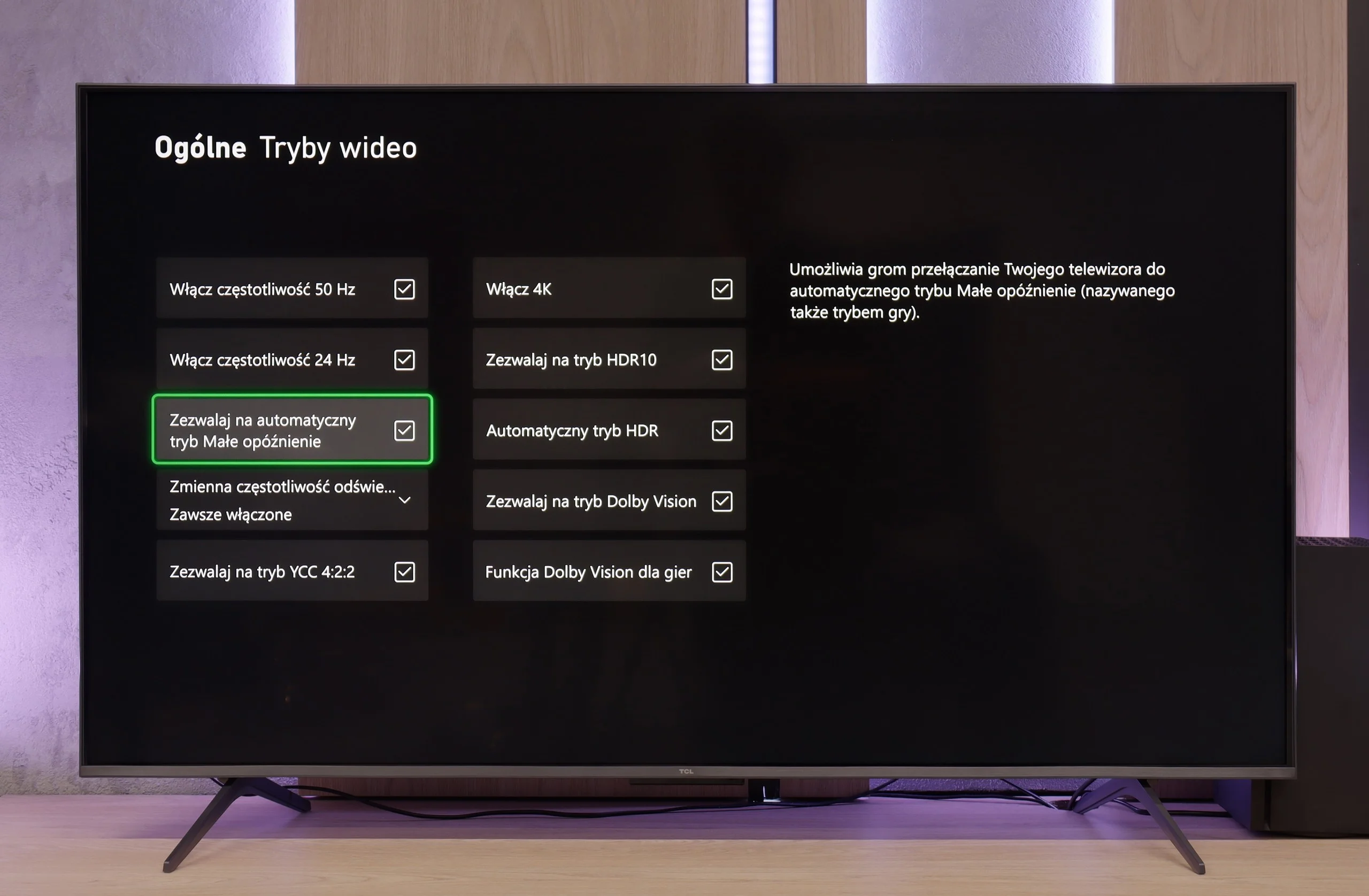
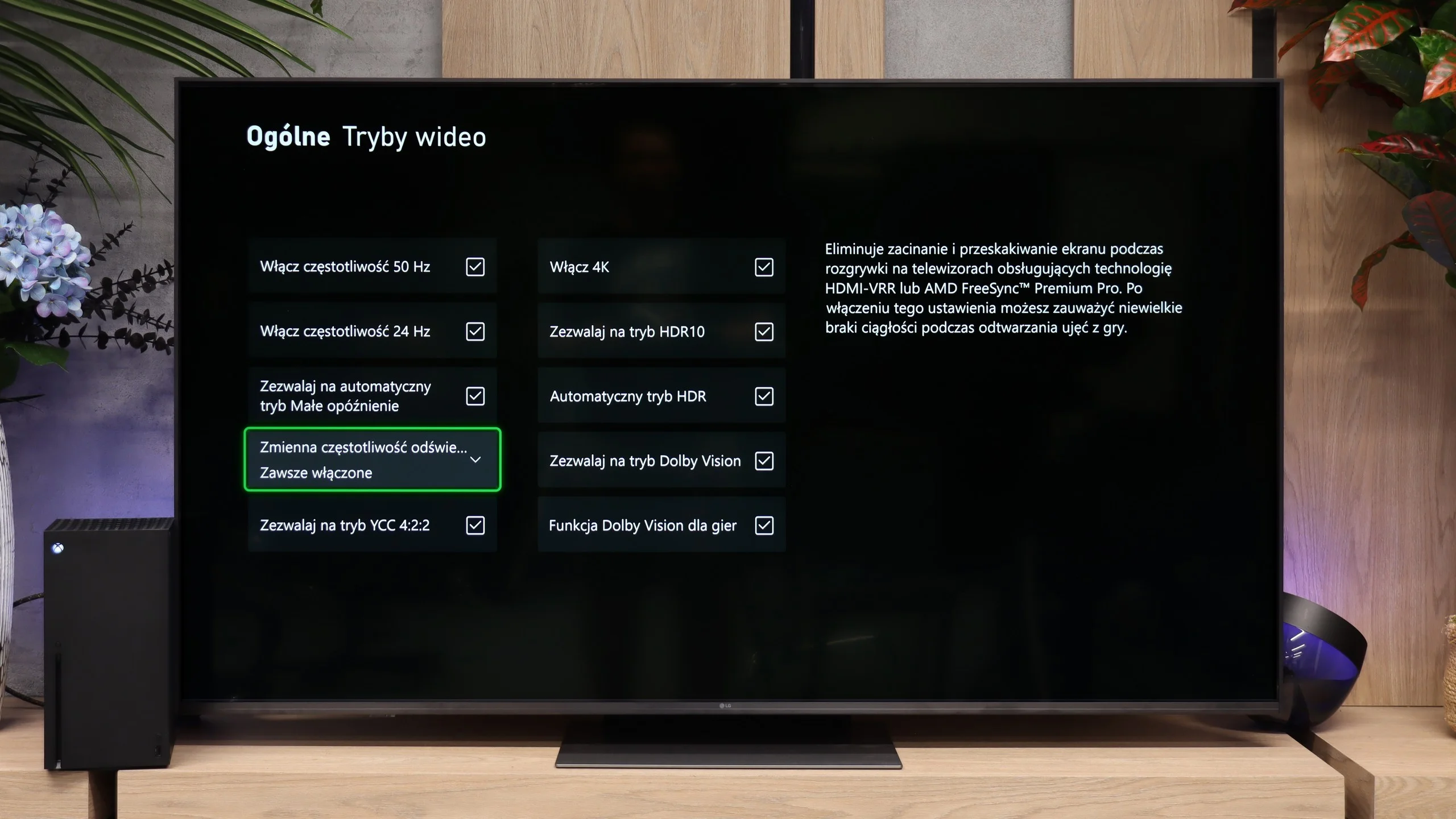
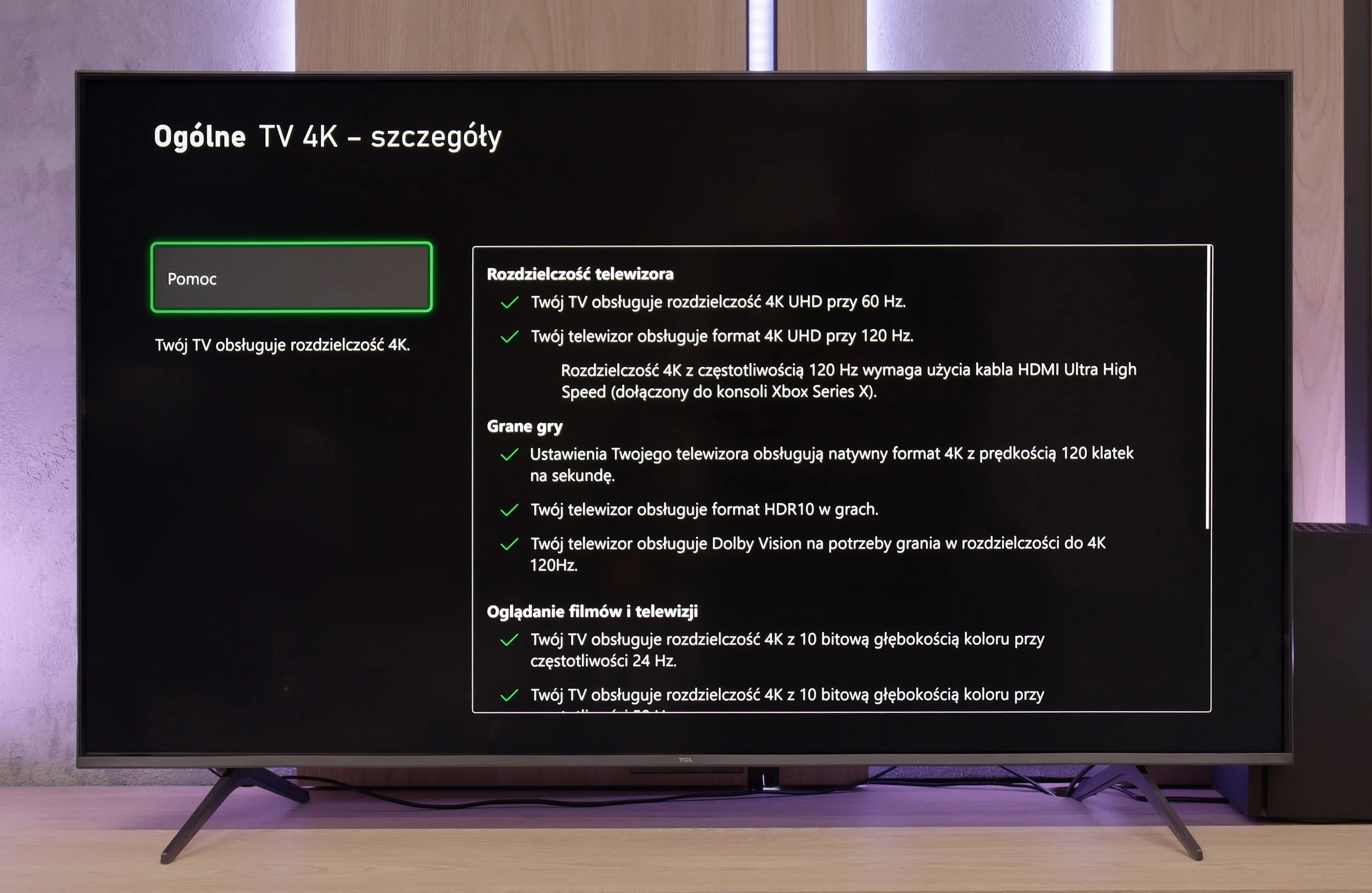
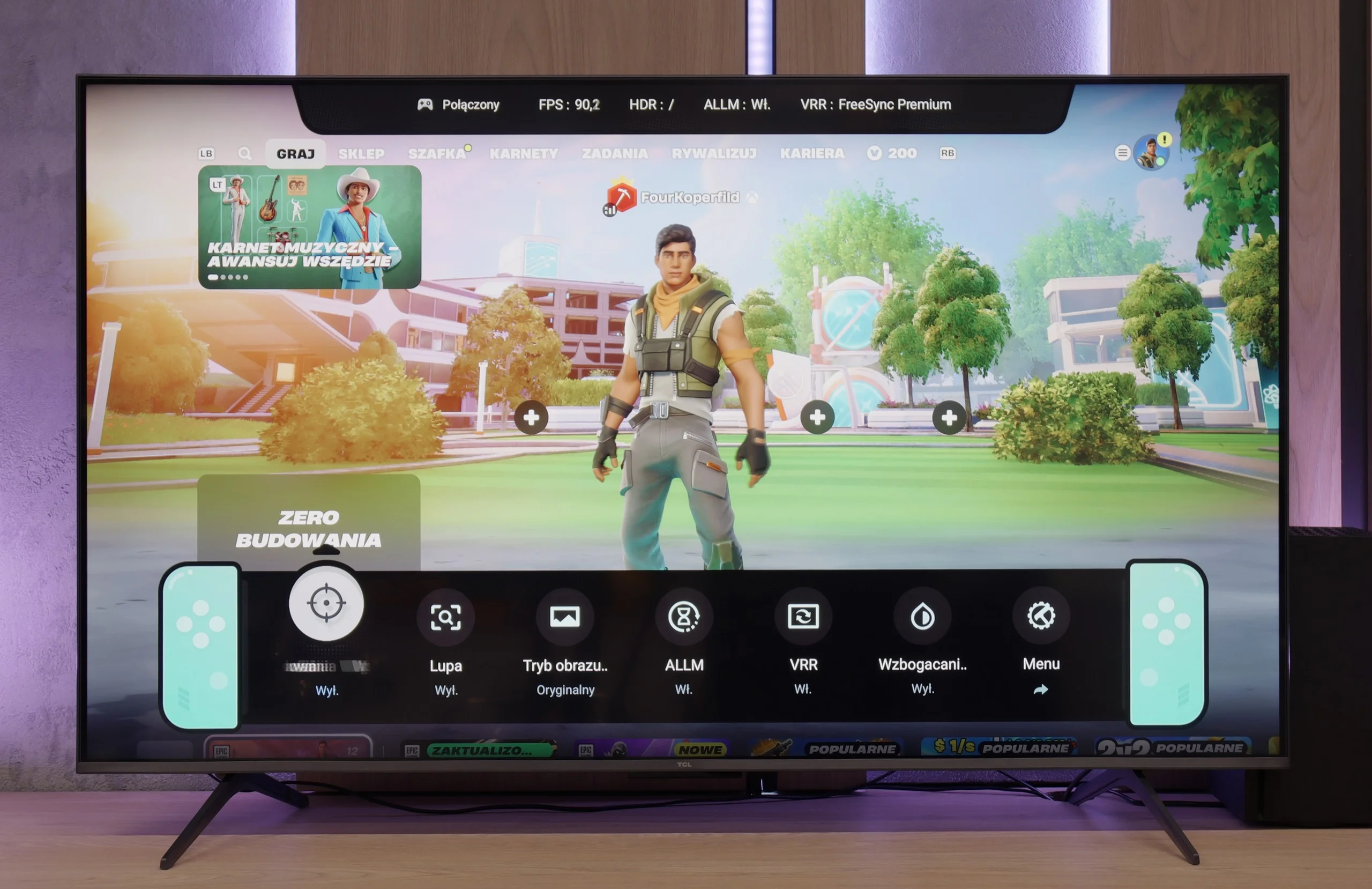
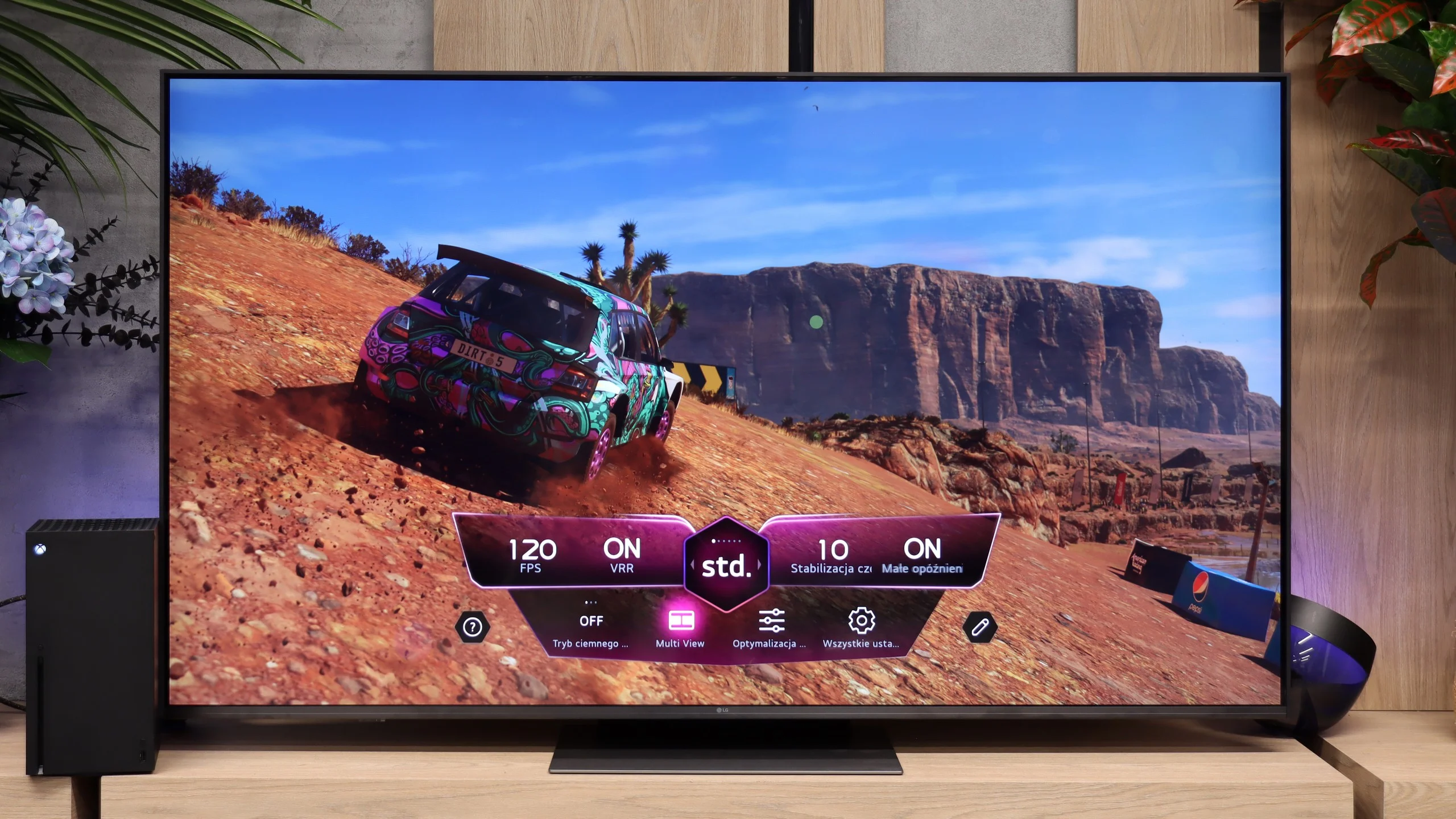
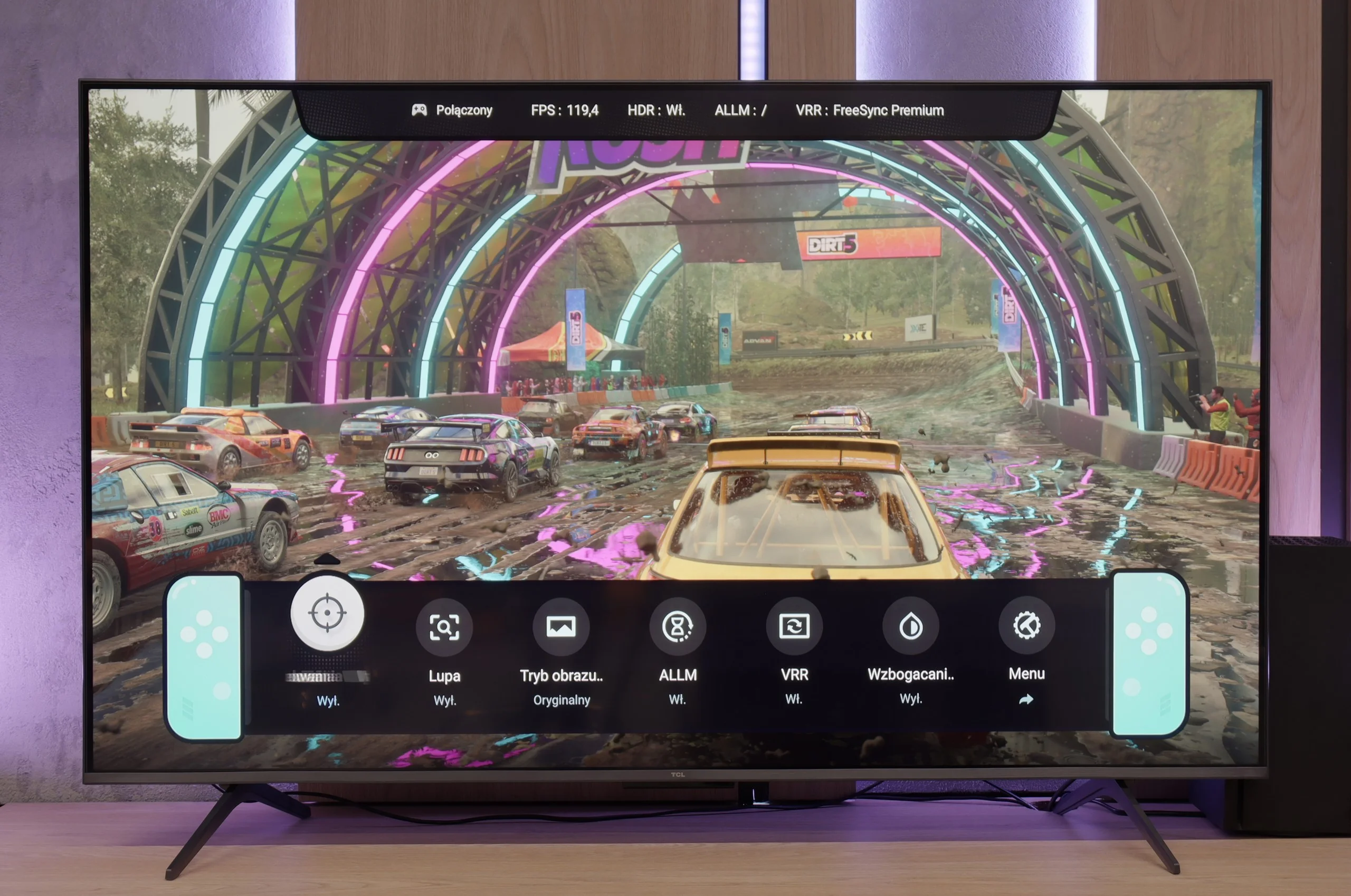
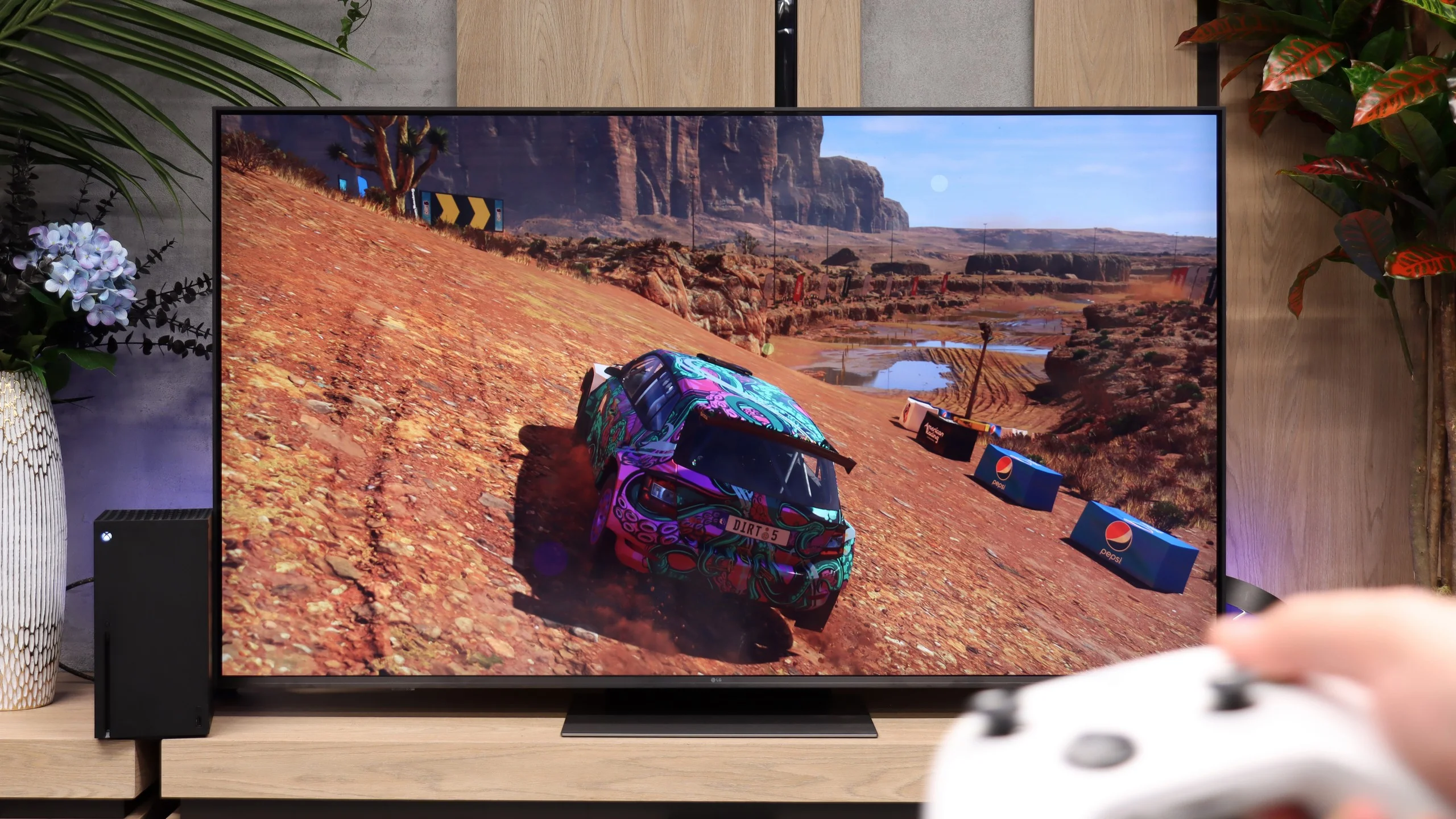
TCL C69K / Q6C is a television that can boldly be called equipment created with gamers in mind. Here we have 4K at 144 Hz, VRR support, automatic game mode (ALLM), and Dolby Vision Gaming. Additionally, there's a practical Game Bar, which is a panel with the most important settings right at hand – useful when we want to quickly change something during gameplay (e.g., aspect ratio: Yes, it’s possible!). The wide range of VRR, reaching up to 240 Hz, is noteworthy. This option is primarily for PC gamers who will lower the resolution below native 4K. In that case, the TV can spread its wings and show additional smoothness, especially in fast esports titles. For consoles, we stick to the classic limit of 120 Hz, but the possibilities are still quite broad. The only drawback is slight motion blur that can sometimes be seen in dynamic scenes. Other than that, C69K / Q6C offers everything gamers expect from a television.
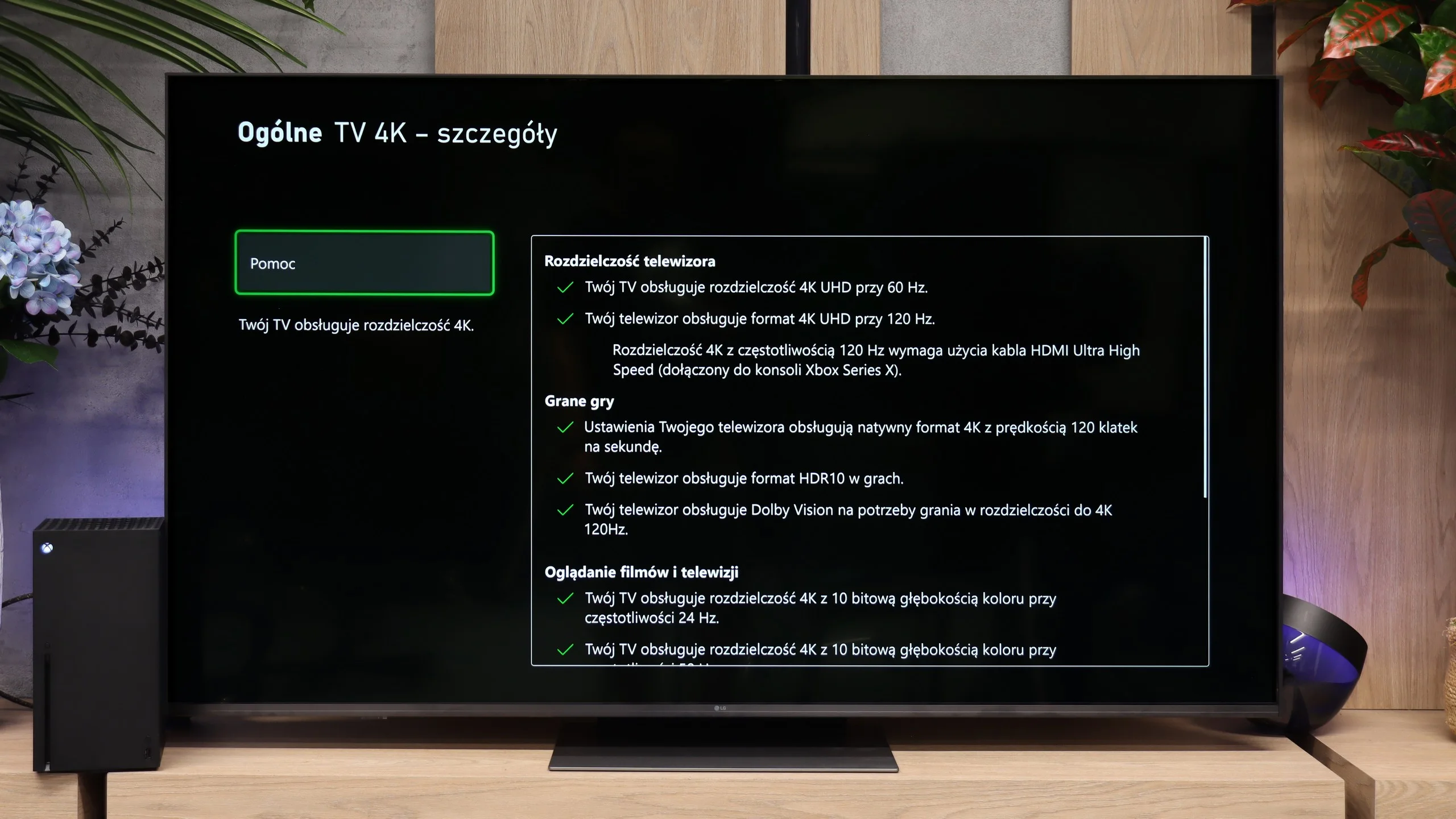
When it comes to gaming, the LG MRGB85 performs best by far. The manufacturer didn’t skimp on the feature set and essentially brought the full suite of functions from higher-end TVs to this model. You get three HDMI 2.1 ports with full 48 Gbps bandwidth. Each of them supports 4K 120 Hz from consoles, and when connected to a PC also 4K 144 Hz. So you don’t have to worry about which port to plug your console or PC into, since they all offer the same capabilities.
It also includes VRR, AMD FreeSync Premium, NVIDIA G-Sync Compatible, ALLM, and HGiG. Dolby Vision Gaming is present as well, allowing supported games to use high refresh rates and dynamic HDR simultaneously on Xbox. Rounding it out is Game Optimizer, a handy in-game menu for gamers. Without leaving the game you can change the picture profile, brighten shadow details, or check the current frame rate. In terms of gaming features, the MRGB85 therefore offers almost the same as much more expensive LG models.
Input lag
9.7/10
9.7/10
SDR
HDR
Dolby Vision
In terms of input lag, TCL C69K / Q6C performs excellently. With 120 Hz content, the delay is around 10 ms, and at times even less. This is a level at which the response is practically instantaneous, and it is hard to find any objections. For 60 Hz material, the result is around 18 ms – still a very good outcome, more than sufficient for comfortable gaming.
Input lag in the LG MRGB85 is really low. Our measurements showed about 10 ms with a 120 Hz signal and about 20 ms at 60 Hz. Importantly, we saw similar results in Dolby Vision mode. These may not be the absolute best figures on the market, but in practice they are more than enough for comfortable, smooth gameplay. The delay isn’t noticeable and shouldn’t interfere even in fast action or online multiplayer games.
Compatibility with PC
8.6/10
8.4/10
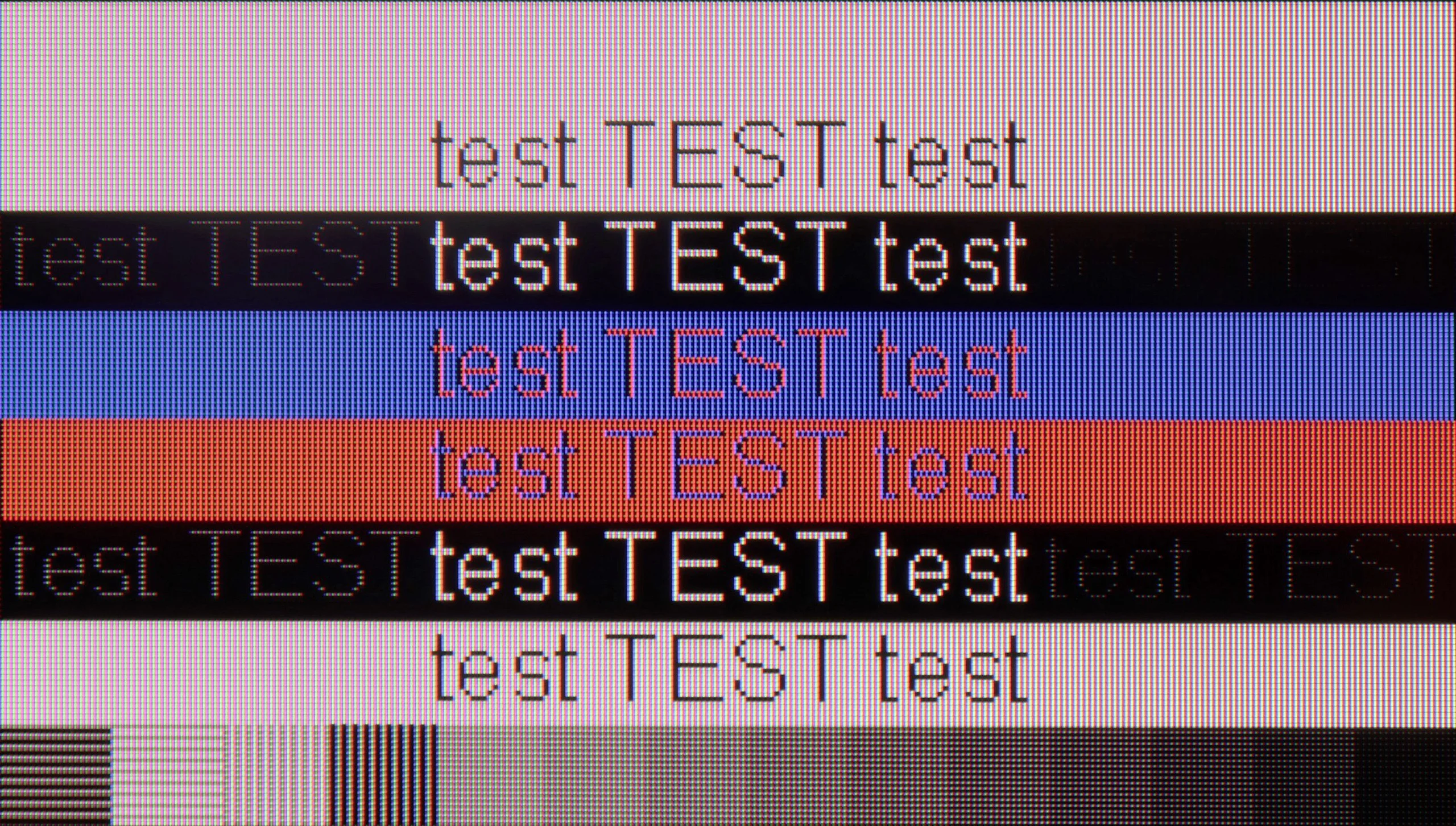
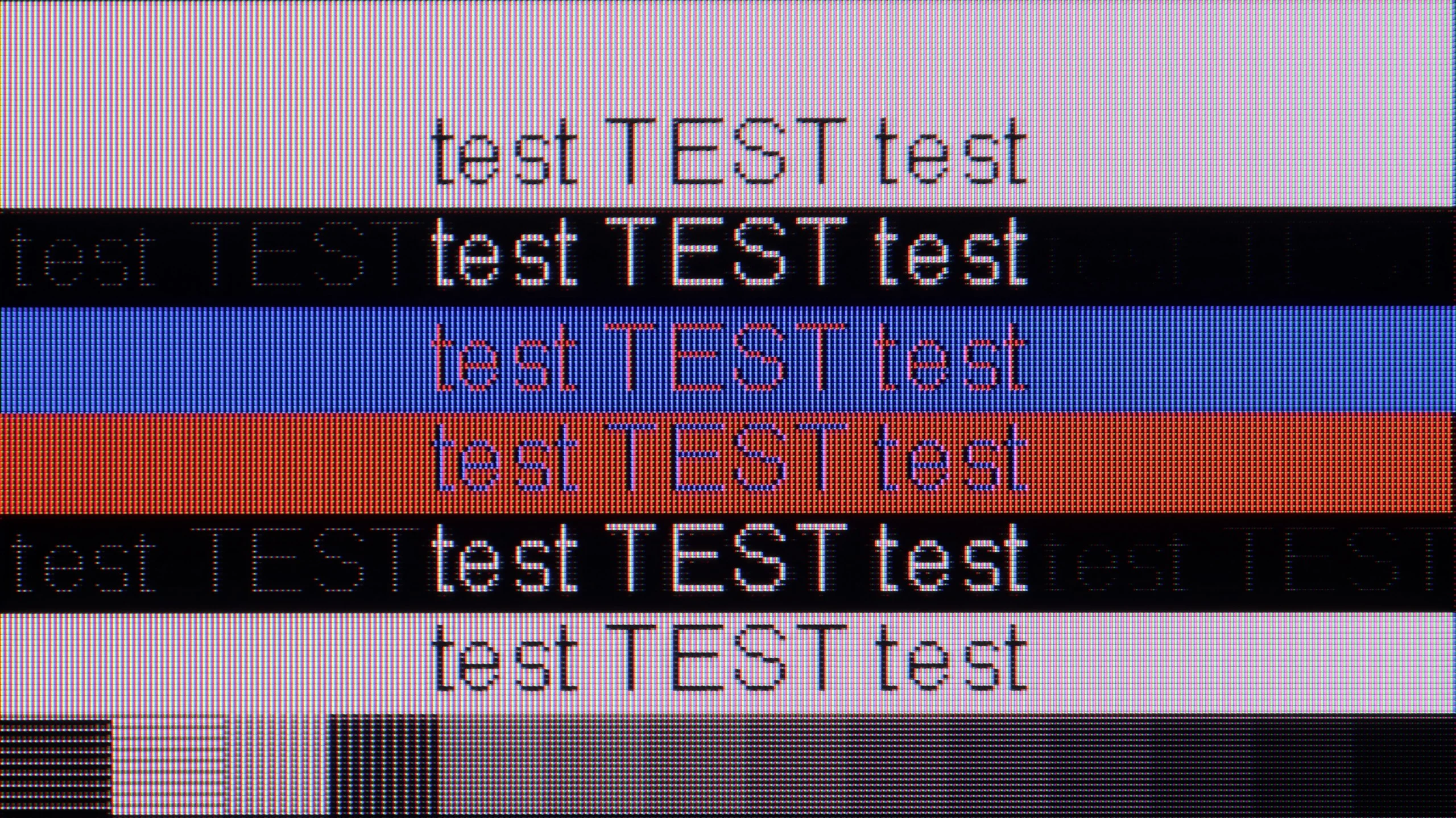
The photo shows the legibility of small fonts. Ideally, lines should be the same thickness on both light and dark text, with minimal pixel gaps.
As a computer monitor, TCL C69K / Q6C performs excellently. At native resolution, we achieve 4K at 144 Hz, and by lowering the resolution, we can even reach 240 Hz. The television also works with Nvidia and AMD cards, supporting both G-Sync and FreeSync. It's hard to have any reservations for office work as well. Thanks to 4:4:4 chroma support, fonts are sharp and readable, and any minor imperfections are so small that they go unnoticed in everyday use.
The MRGB85 works very well with PCs. Support for 4K at 144 Hz plus G-Sync Compatible and FreeSync Premium make it not just a gaming screen but also a quite capable monitor for work. In terms of text readability, it's simply good. The TV properly handles 4:4:4 chroma, so small fonts and system UI elements stay sharp. Only when viewing the screen from very close can you spot minor artifacts on the edges of letters, but at a normal viewing distance from a 55" or larger screen, it makes no difference.
Viewing angles
3/10
3.4/10
In the TCL C69K / Q6C, the viewing angles are typical for a VA panel. Sitting directly in front, the picture looks very good, but any shift to the side results in a noticeable drop in color saturation and brightness. The difference is particularly evident in colorful scenes – the colors become washed out, and the contrast loses its depth. Compared to IPS panels, this is clearly a weaker performance, although it is compensated by better black levels and higher native contrast.
The viewing angles on the LG MRGB85 are average. Because it uses a VA panel, the image loses color saturation fairly quickly, even at a slight angle. This is a typical trait of this kind of panel — in exchange for high contrast you get poorer viewing angles. IPS panels work the other way: they offer lower contrast but hold on to colors better when you look at the screen from the side. Theoretically the MRGB85 belongs to the family of RGB TVs, where viewing angles can be better than in models that use additional QLED filters. Here, however, that doesn't provide much of an advantage. The modest number of zones placed along the edge of the screen and the way they operate mean that, at an angle, the image quickly loses quality, much like on ordinary LCD screens.
Daytime performance
6.4/10
6.1/10
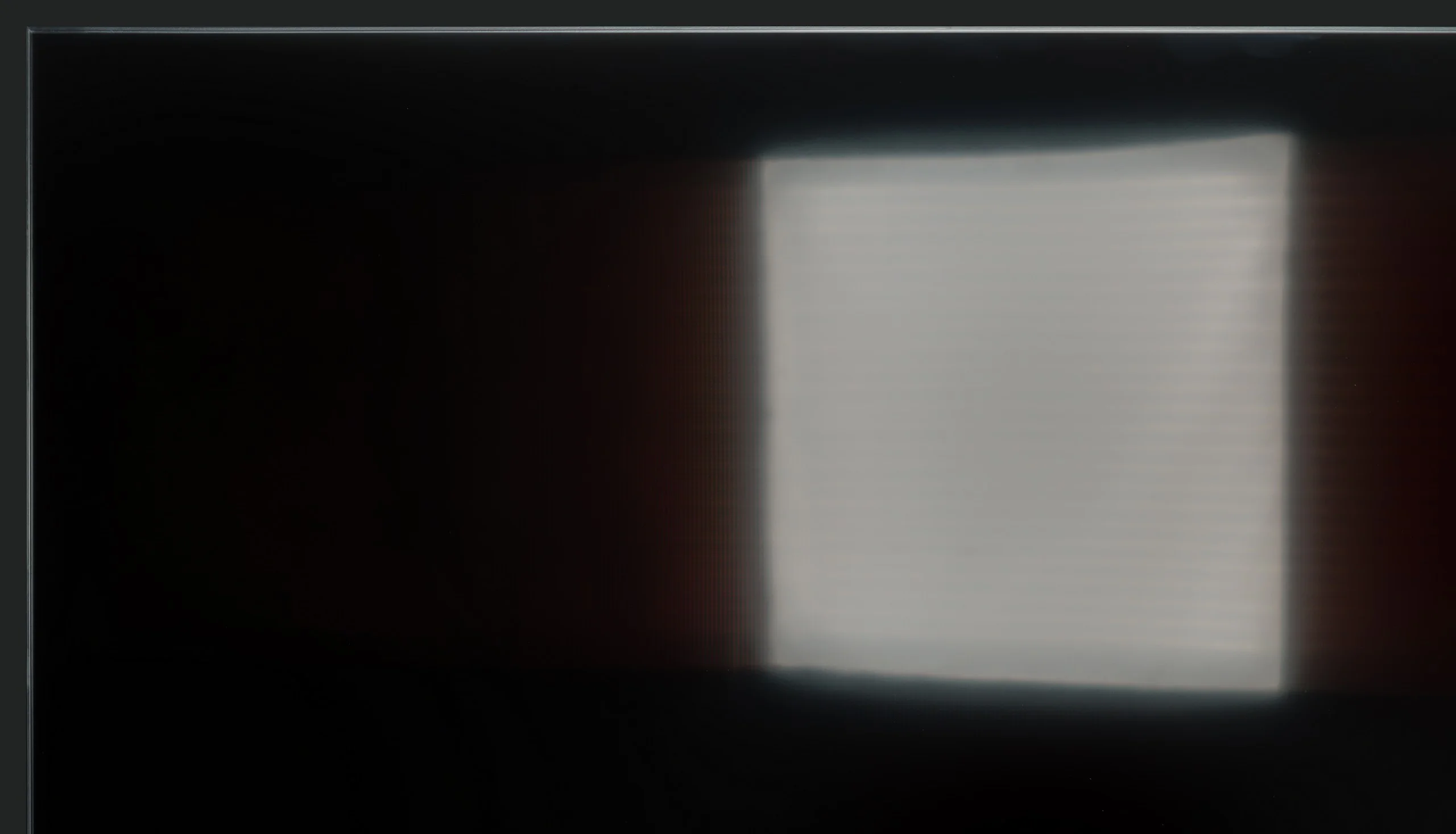
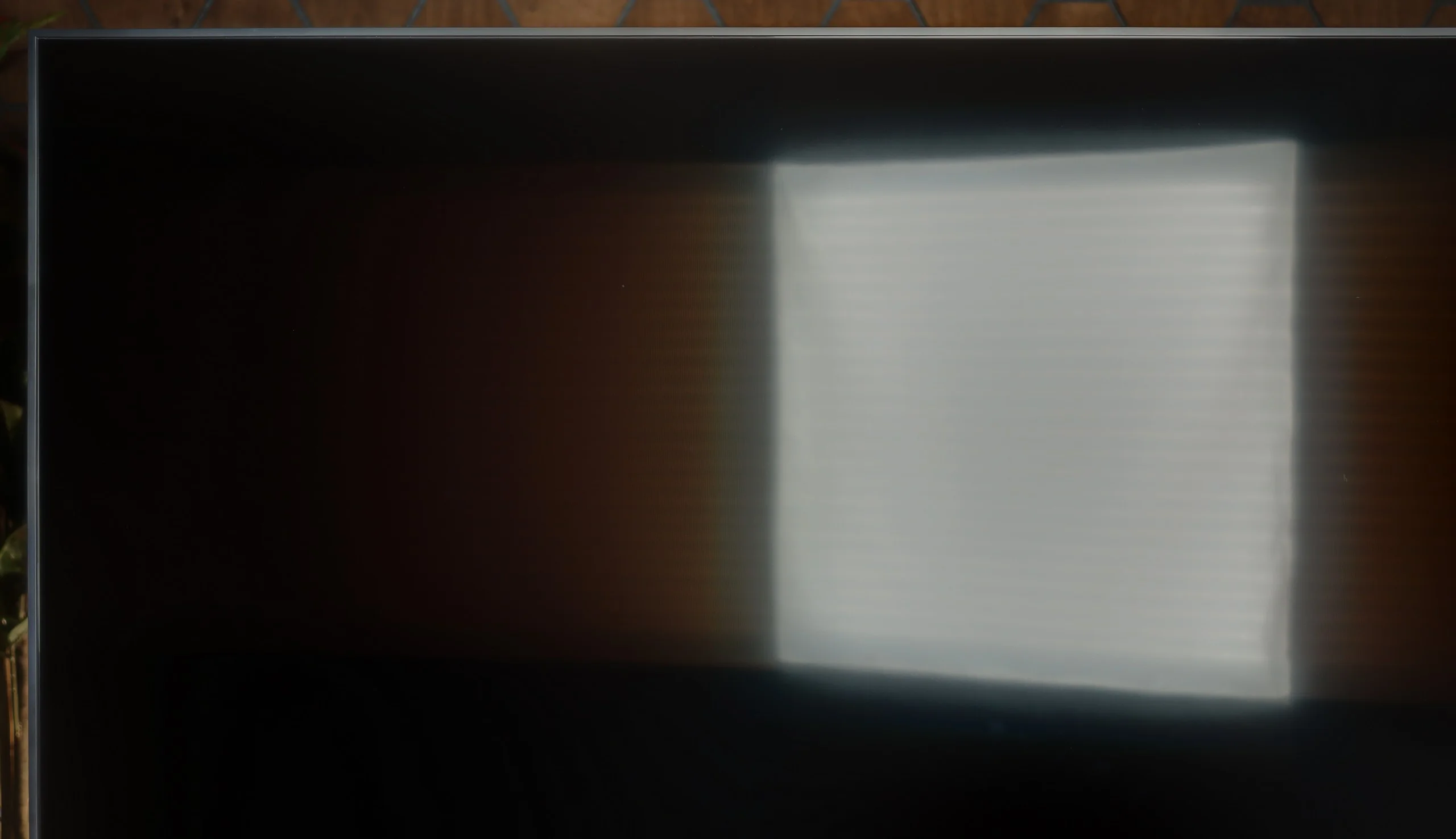
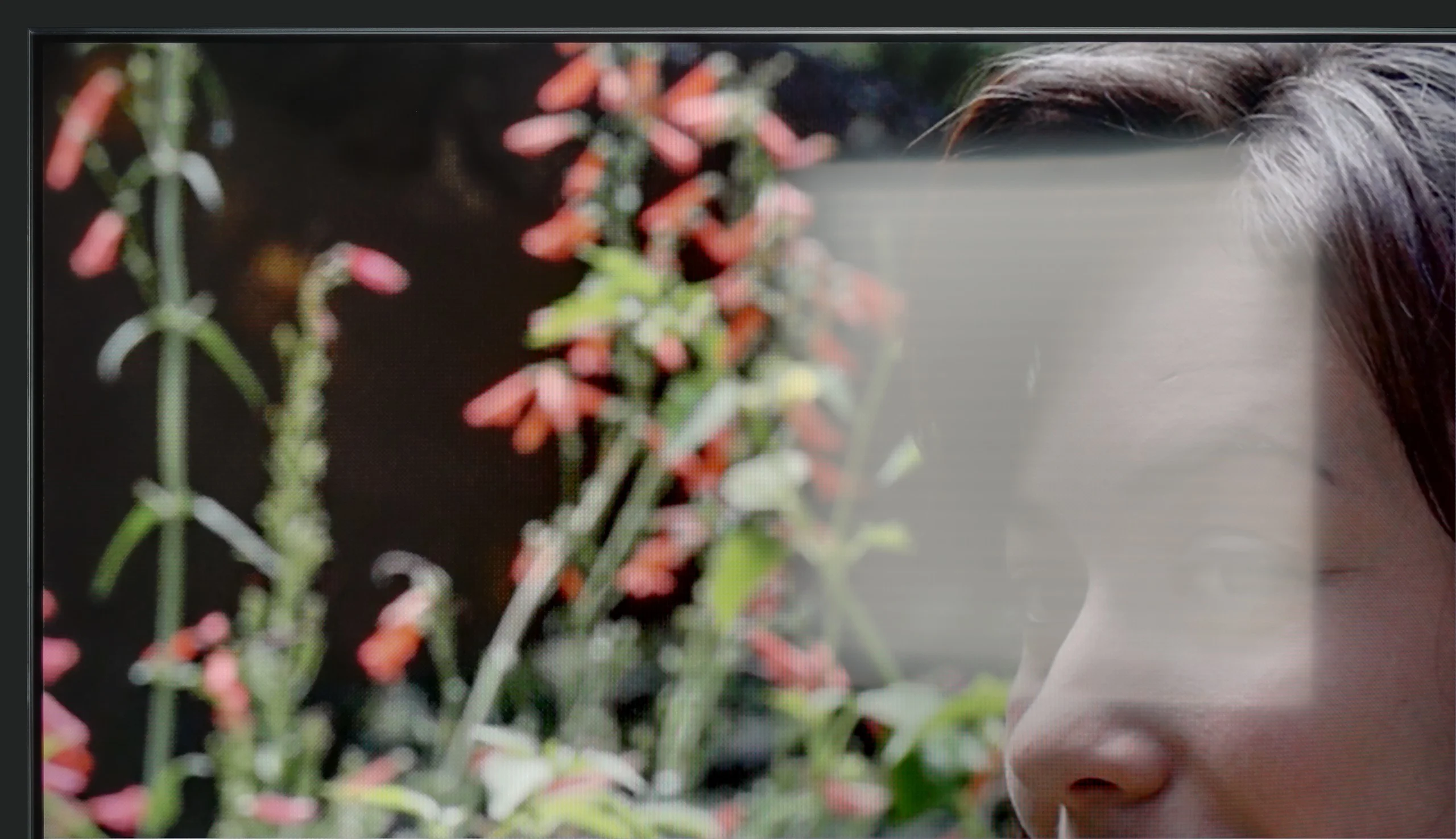
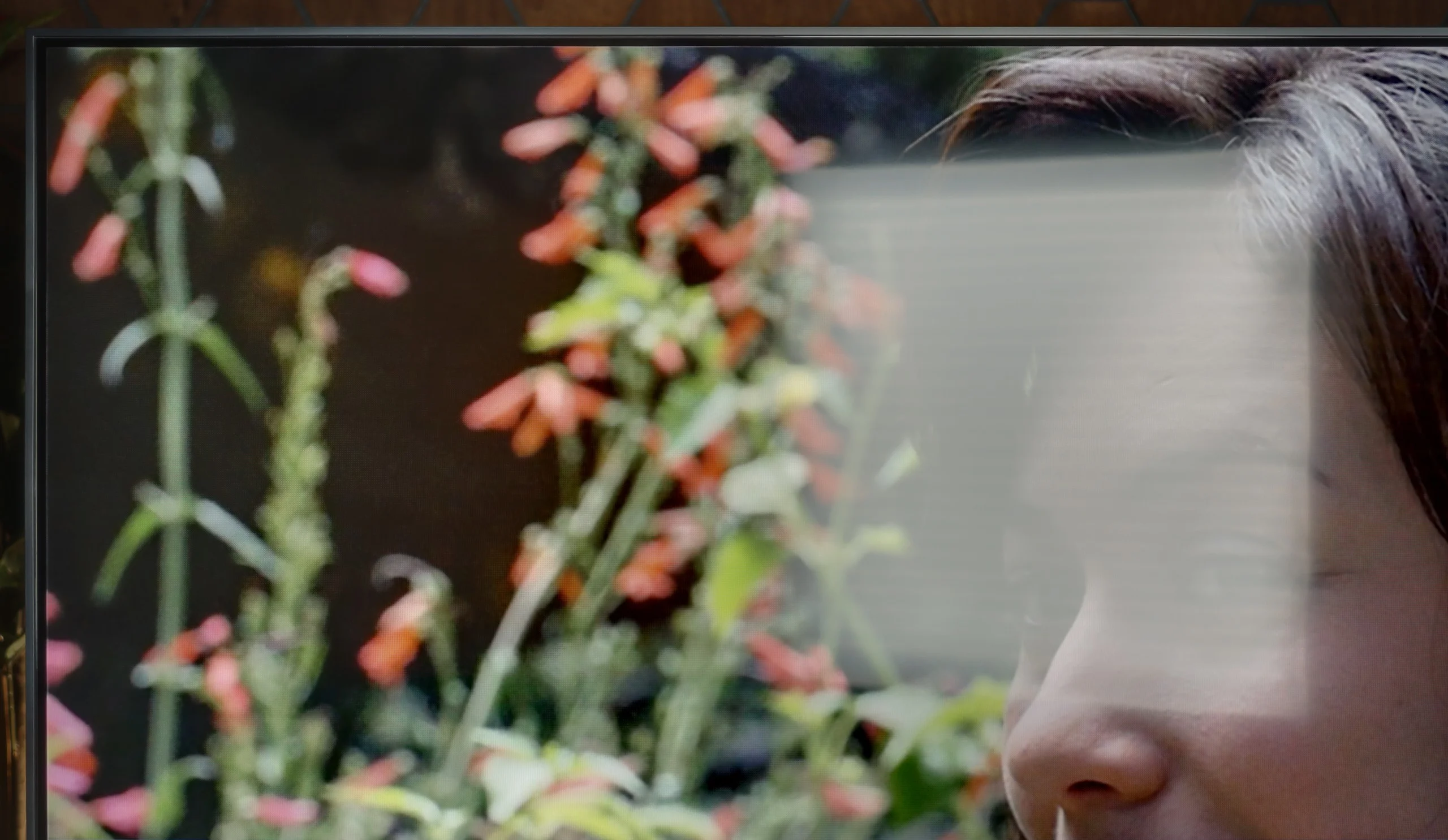
Panel brightness
LG MRGB85B: 515 cd/m2
TCL C69K / Q6C: 532 cd/m2
In bright lighting conditions, TCL C69K / Q6C performs quite well. The panel offers decent brightness (in SDR content it reaches about 550 nits), which allows for comfortable TV viewing in a moderately lit living room, and even on days when strong light comes through the windows. This means that daytime viewing does not require completely darkening the room. Another plus is that the screen coating does quite well at reducing reflections, so the TV does not become a "mirror" even in bright light. However, this is not at the level of top models with more advanced anti-reflective coatings – in very challenging conditions (e.g., with large windows), reflections will be noticeable.
The LG MRGB85 performs quite well in a bright room. Its average brightness reaches about 500 nits, noticeably above average. That means the picture remains readable in a moderately sunlit living room and doesn't appear dimmed. The screen's anti-reflective coating fares worse, however, only doing an average job of reducing reflections. Direct reflections from windows or lamps can be clearly visible, so it's best not to place the TV directly opposite large windows or strong light sources.
Panel details
Subpixel Structure:
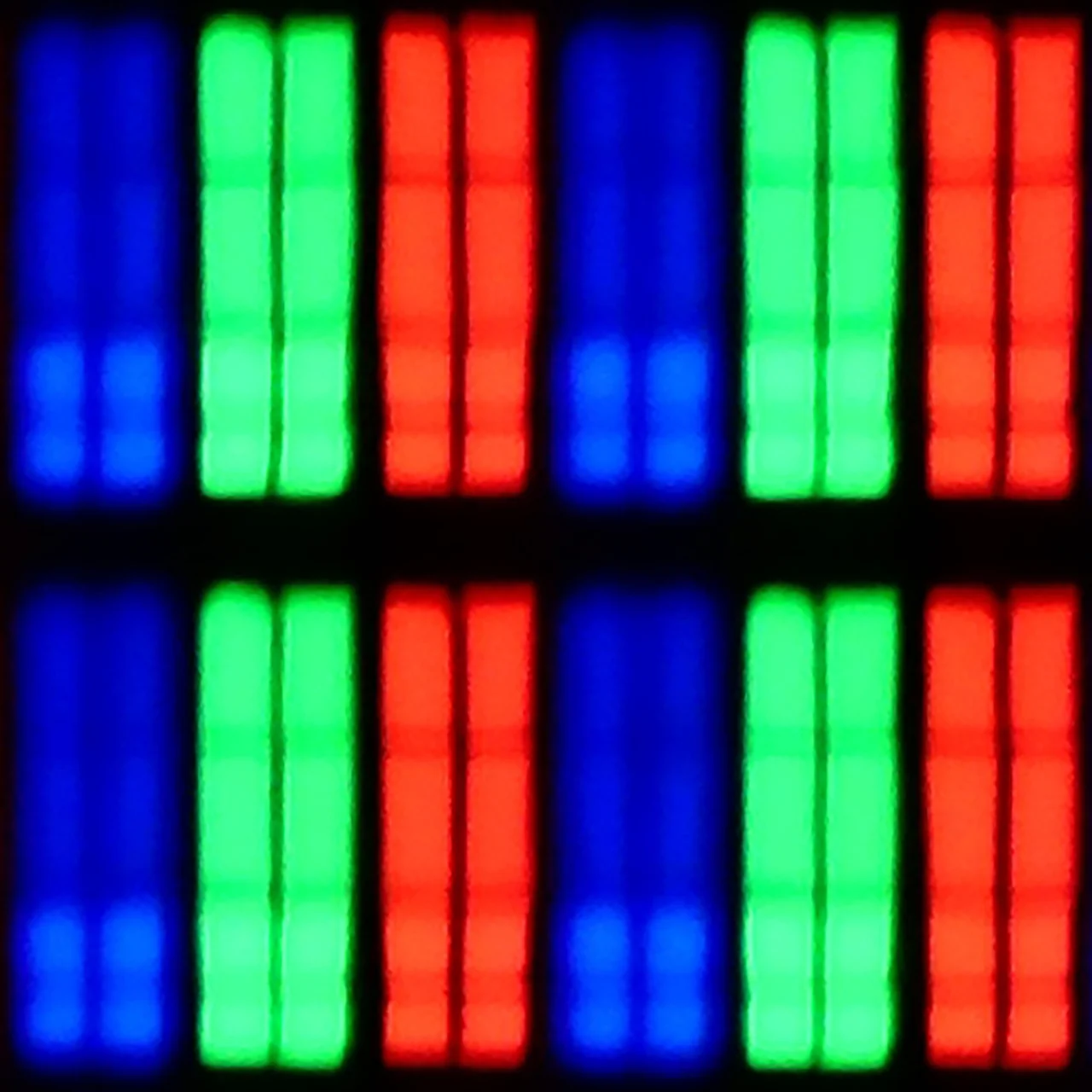
Panel uniformity and thermal imaging:
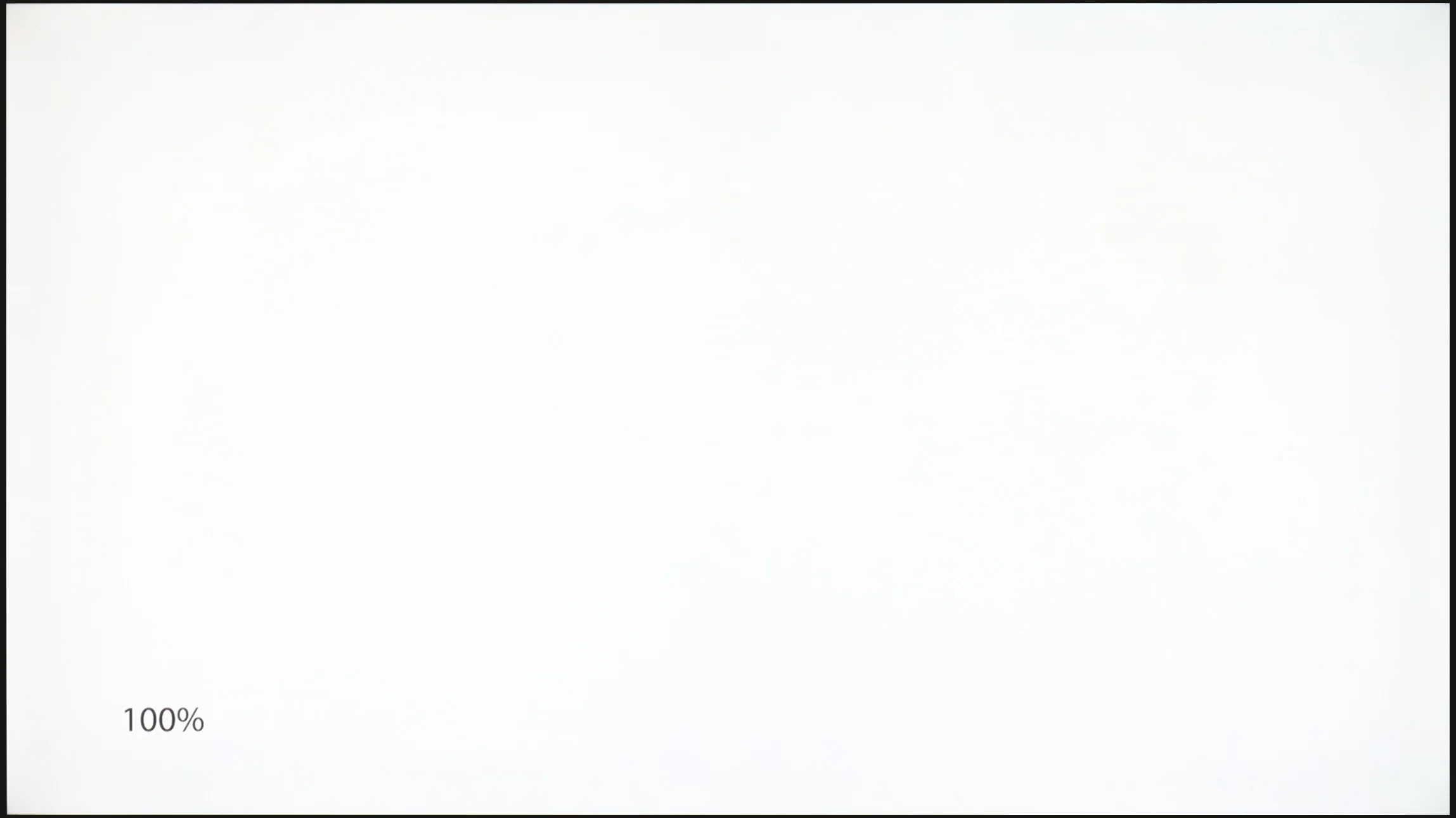
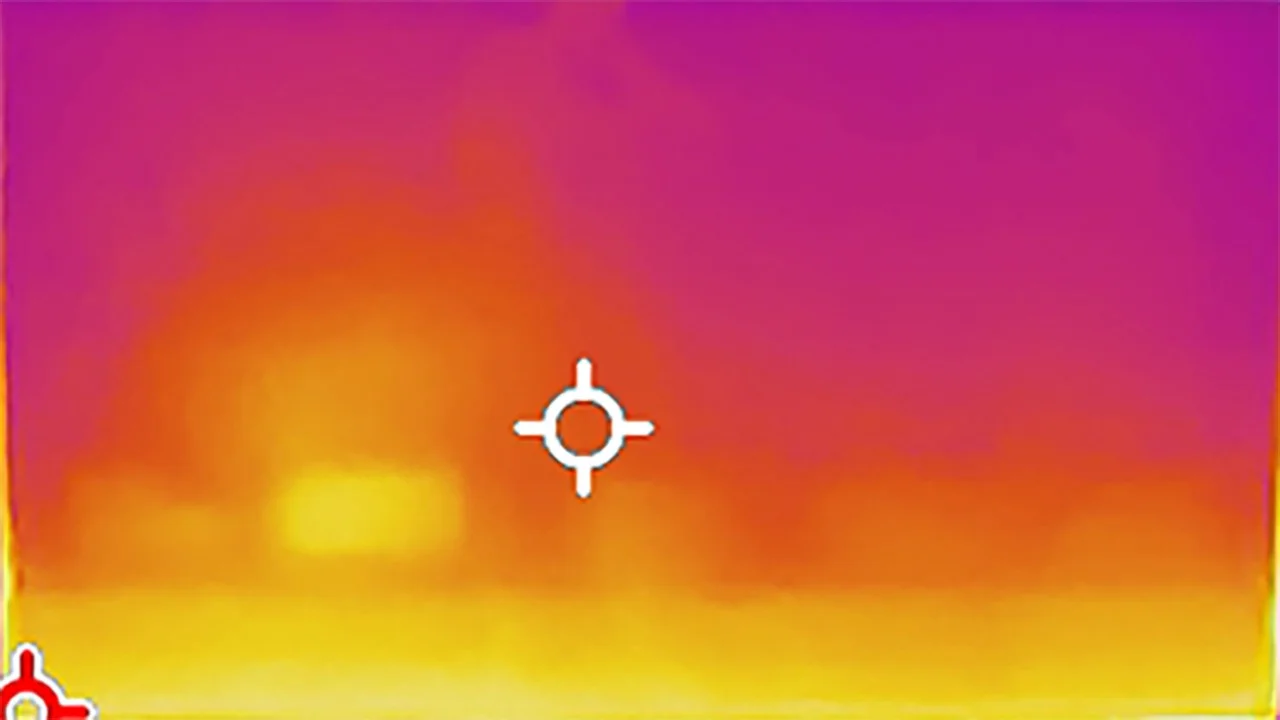
TCL C69K / Q6C
LG MRGB85B
TV features
7/10
7.7/10
- SystemGoogle TVWebOS
- System performanceDecentVery good
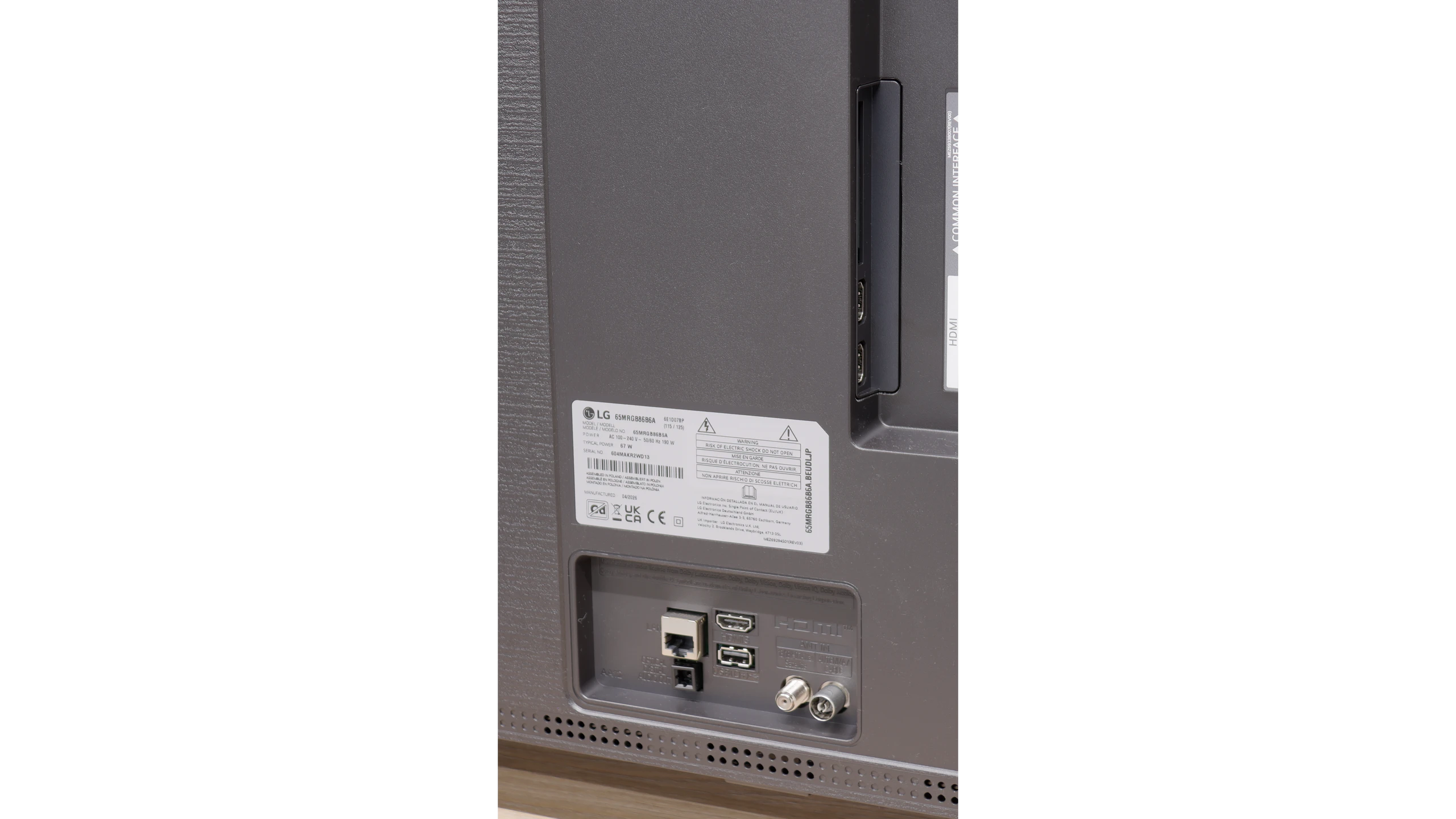
- HDMI inputs2 x HDMI 2.0, 2 x HDMI 2.1 48Gbps0 x HDMI 2.0, 3 x HDMI 2.1 48Gbps
- OutputsToslink (Optical audio), eARC (HDMI), ARC (HDMI)Toslink (Optical audio), eARC (HDMI), ARC (HDMI)
- Network InterfacesWi-Fi 2.4GHz, Wi-Fi 5GHz, Ethernet (LAN) 100MbpsWi-Fi 2.4GHz, Wi-Fi 5GHz, Ethernet (LAN) 100Mbps
- TV receptionDVB-T, DVB-T2, DVB-S, DVB-S2, DVB-CDVB-T, DVB-T2, DVB-S, DVB-S2, DVB-C
Classic features:
- Recording to USB (terrestrial TV)
- Recording programming
- Picture in Picture (PiP)
- RF remote control (no need to aim)
- Backlit remote control
- Teletext
- Audio only mode
- Bluetooth headphones support
- Simultaneous Bluetooth headphones & TV audio
Smart features:
- AirPlay
- Screen mirroring (Windows Miracast)
- Voice search
- Voice search in native language
- Ability to connect a keyboard and mouse
Sound connection options
- HDMI audioeARC (HDMI), ARC (HDMI)eARC (HDMI), ARC (HDMI)
- Other audio outputsToslink (Optical audio)Toslink (Optical audio)
- Wireless audioBluetoothBluetooth
Supported audio formats (external HDMI eARC audio):
- Dolby Digital Plus 7.1
- Dolby True HD 7.1
- Dolby Atmos in Dolby Digital Plus (JOC)
- Dolby Atmos in Dolby True HD
- DTS:X in DTS-HD MA
- DTS-HD Master Audio
Senior accessibility
- Numeric keyboard on TV
- Font size adjustment
- Audio description
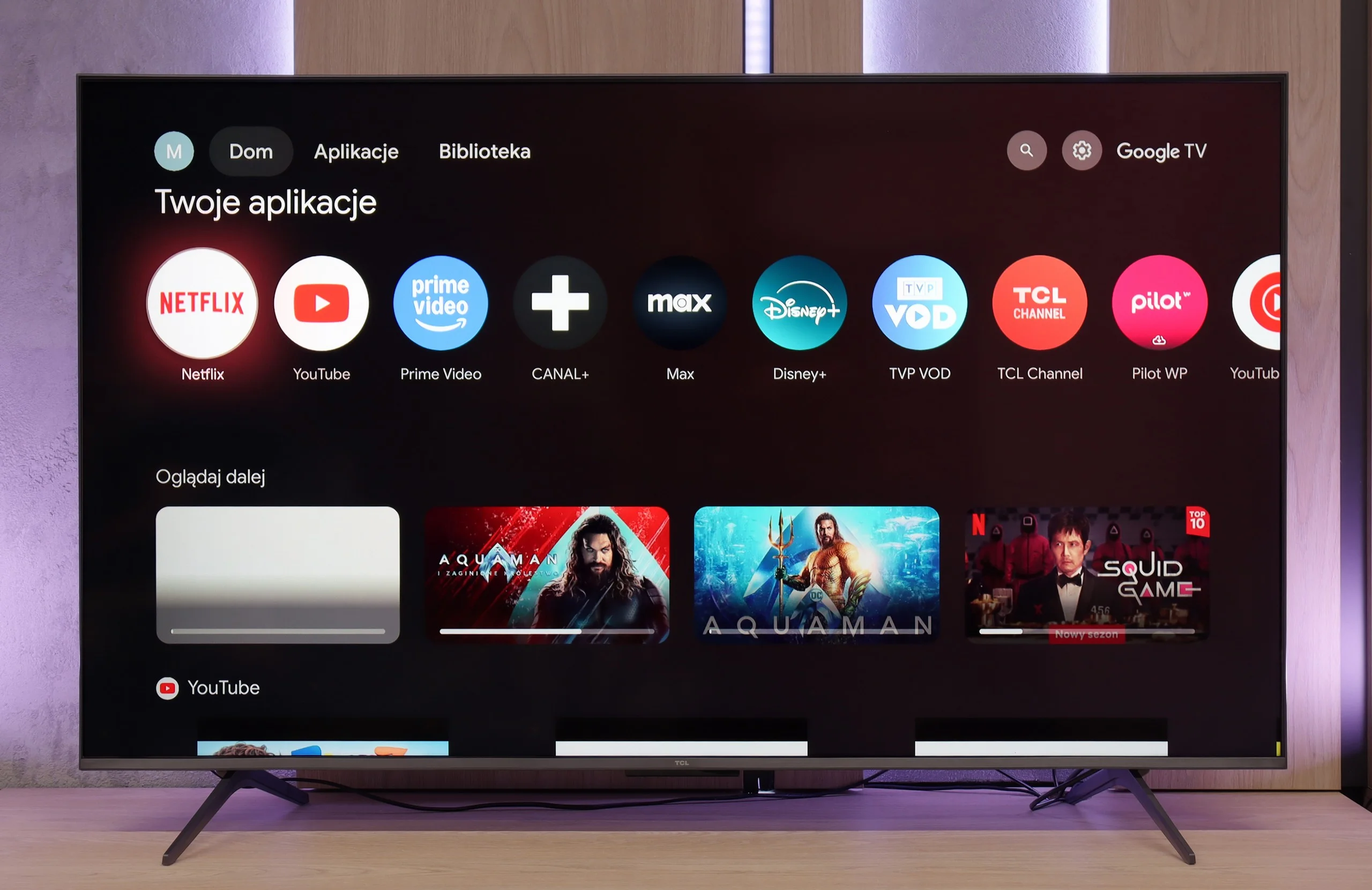
Multimedia Features: Google TV
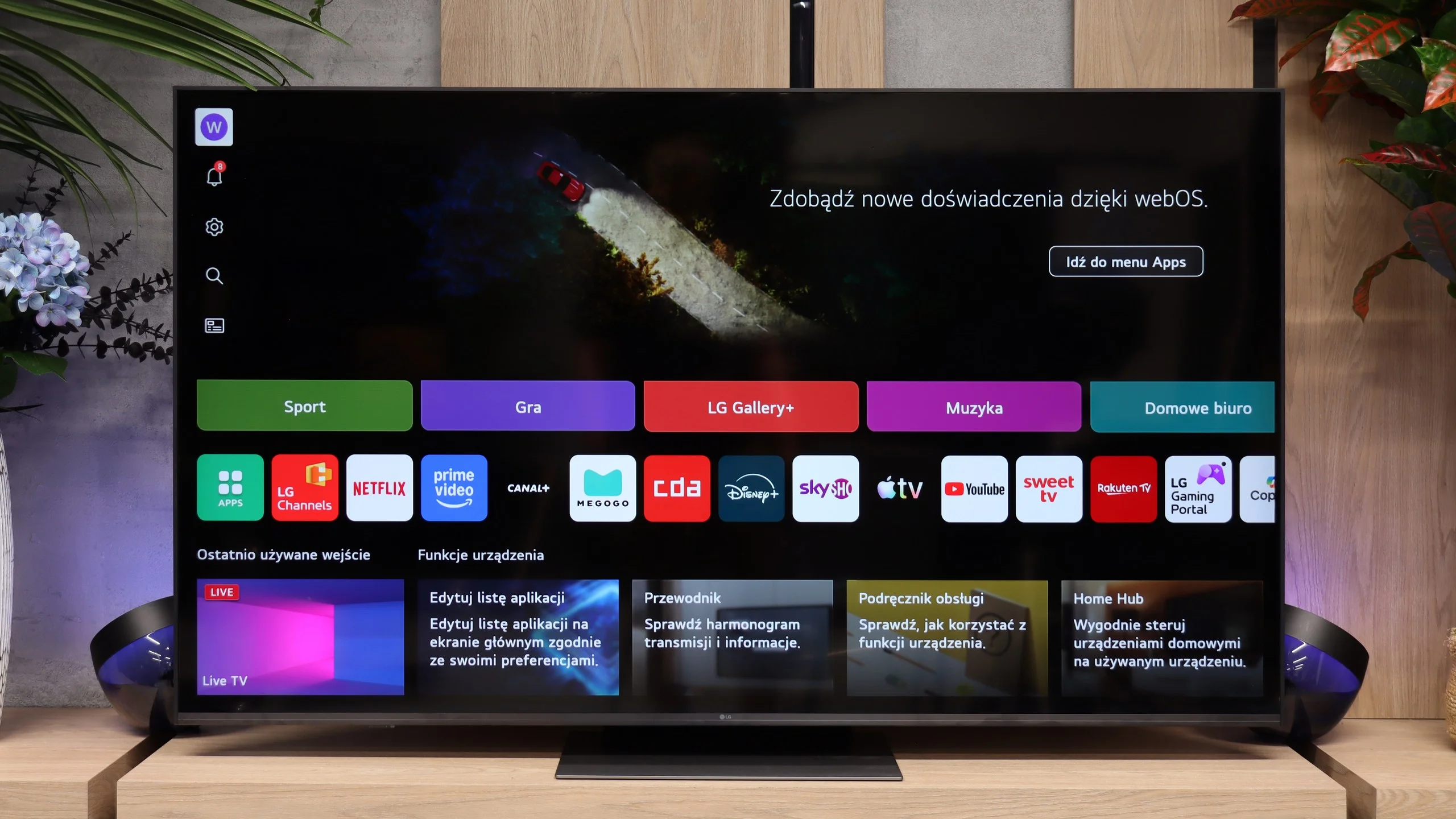
The Google TV system is undoubtedly the strongest user aspect of TCL C69K / Q6C. It gives the television character and provides an advantage over many competitors. We get the full package of services here: from support for popular streaming applications, through support for screen mirroring, to AirPlay (so iPhone users will feel right at home). In addition, there is Google Assistant, recently in the Gemini AI version, which not only answers questions but also efficiently performs simple commands (e.g., changing the channel or searching for content in VOD). The system itself operates quite responsively. However, it is worth mentioning a certain drawback: the awkward translations in the Polish menu can provoke a smile, but sometimes require a moment of thought to decipher their meaning.
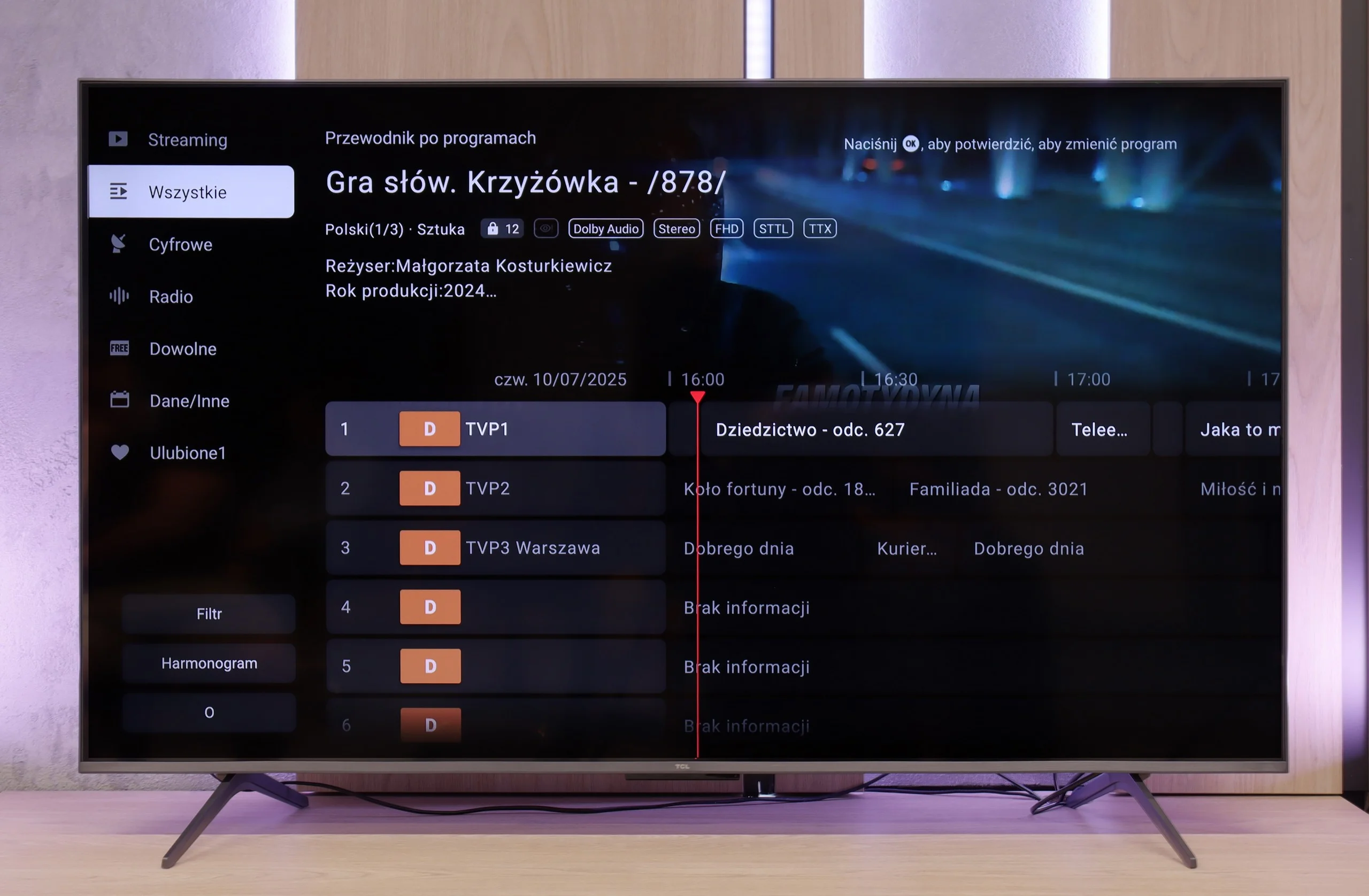
Classic Features
In terms of classic TV features, TCL C69K / Q6C is rather average. We won’t find USB recording or PiP mode here, which may disappoint some users. However, the manufacturer did not forget about the basics: teletext TV and a readable EPG are available, which still matter to some users. In everyday use, the support for external audio devices via Bluetooth is also useful. It’s a simple way to connect, for example, a speaker or headphones, which can be a practical solution for seniors. Beyond that, however, it is difficult to find elements that would distinguish C69K / Q6C from competitors – it’s simply a solid but standard package of basic functions.
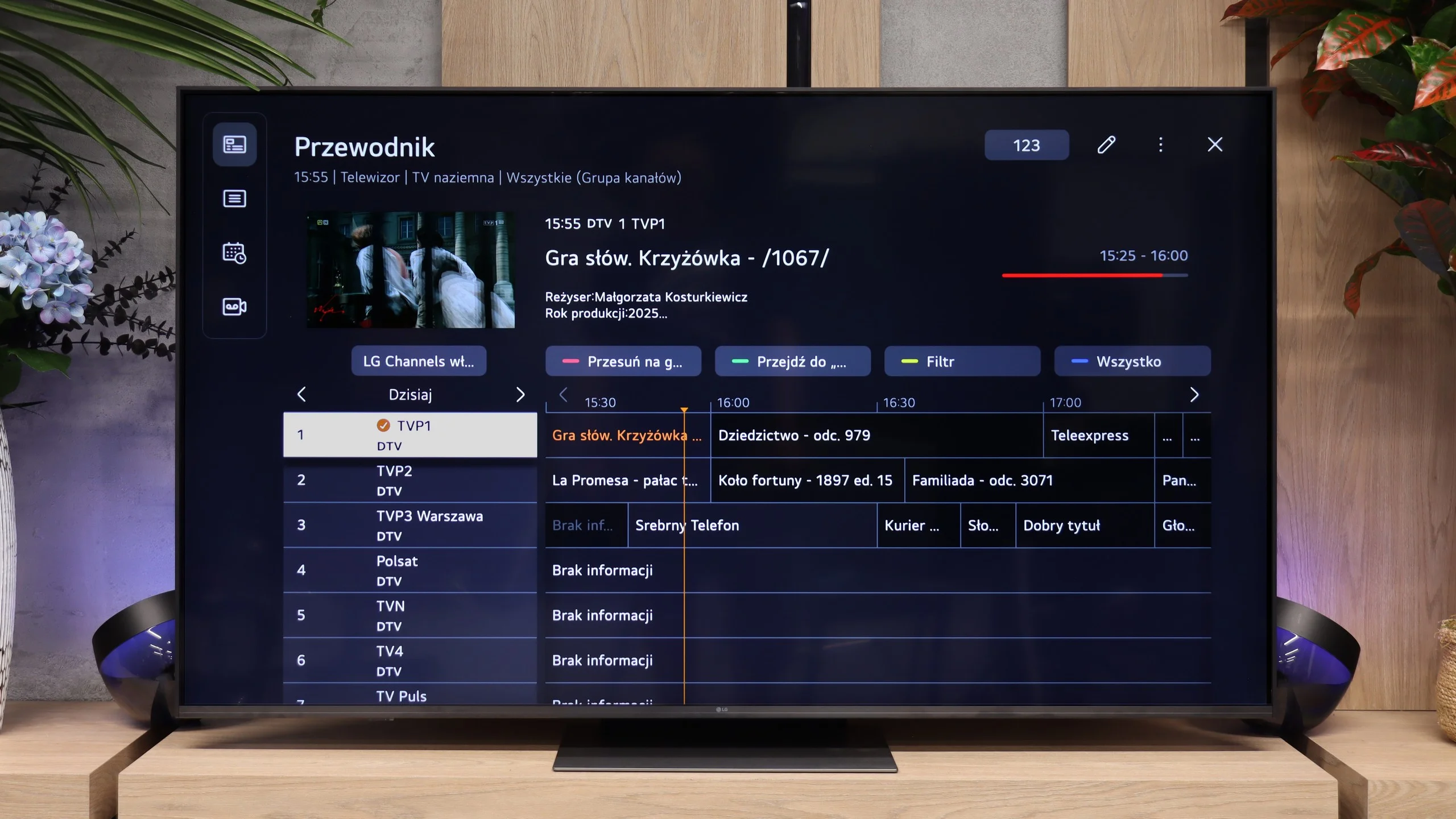
The LG MRGB85 runs on webOS, which is fast, clear, and gives access to all the major streaming apps. The menu is smooth and easy to navigate. The TV also handles regular live TV well. Among other features, it includes Time Shift, HbbTV, and a convenient channel guide. So the MRGB85 is suitable for Netflix, YouTube, and everyday TV viewing.
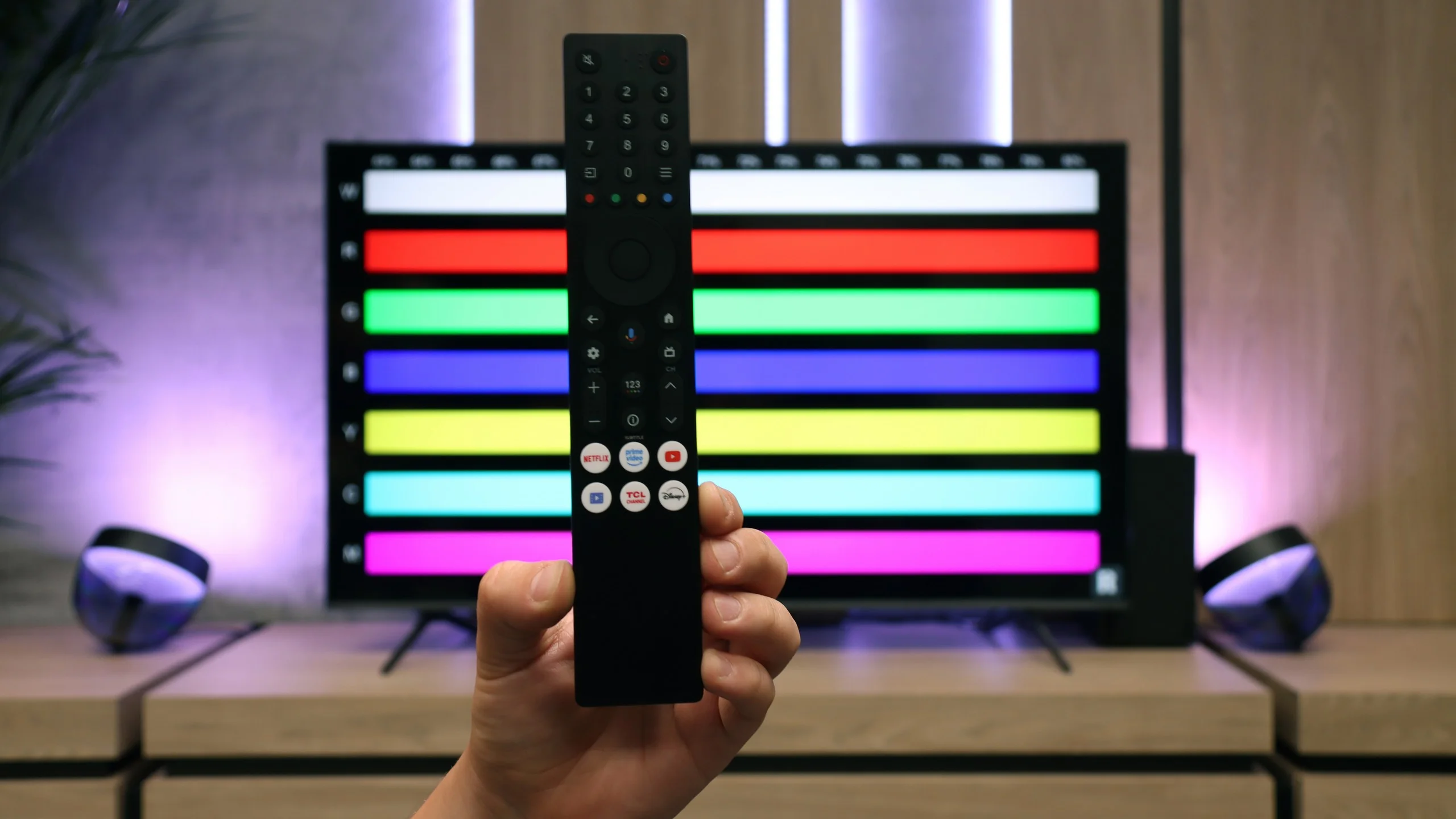
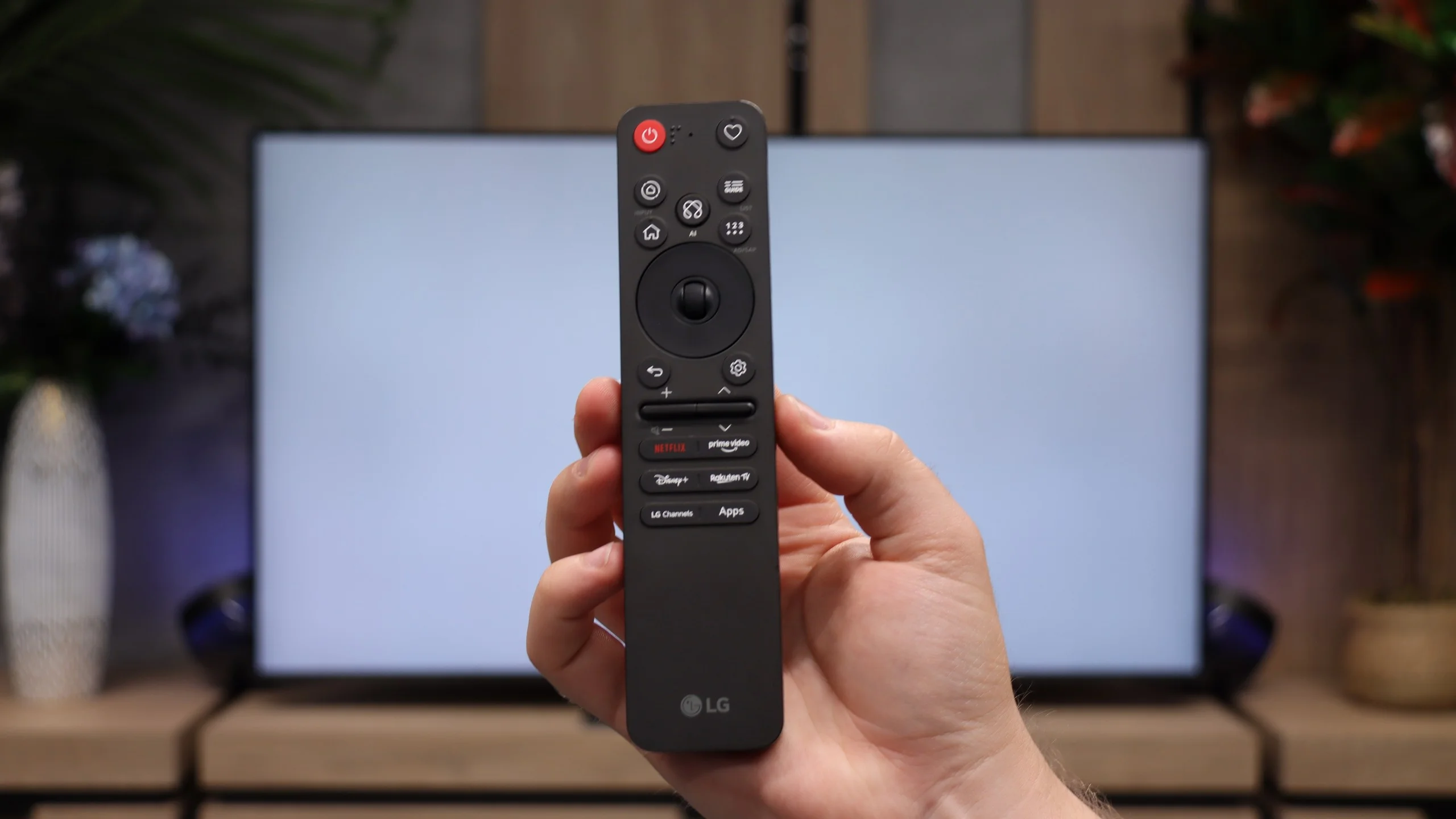
Control is handled by a newer version of the Magic Remote. Compared with older models, it’s noticeably slimmer and no longer includes a traditional numeric keypad, but it fits the hand better and is more comfortable for everyday use. It still retains the familiar gyroscope, which lets you control the on-screen cursor with hand movements. Combined with webOS, this works very well.
Apps
9.6/10
9.1/10






















Playing files from USB
8.9/10
9/10
Supported photo formats:
Maximum photo resolution:
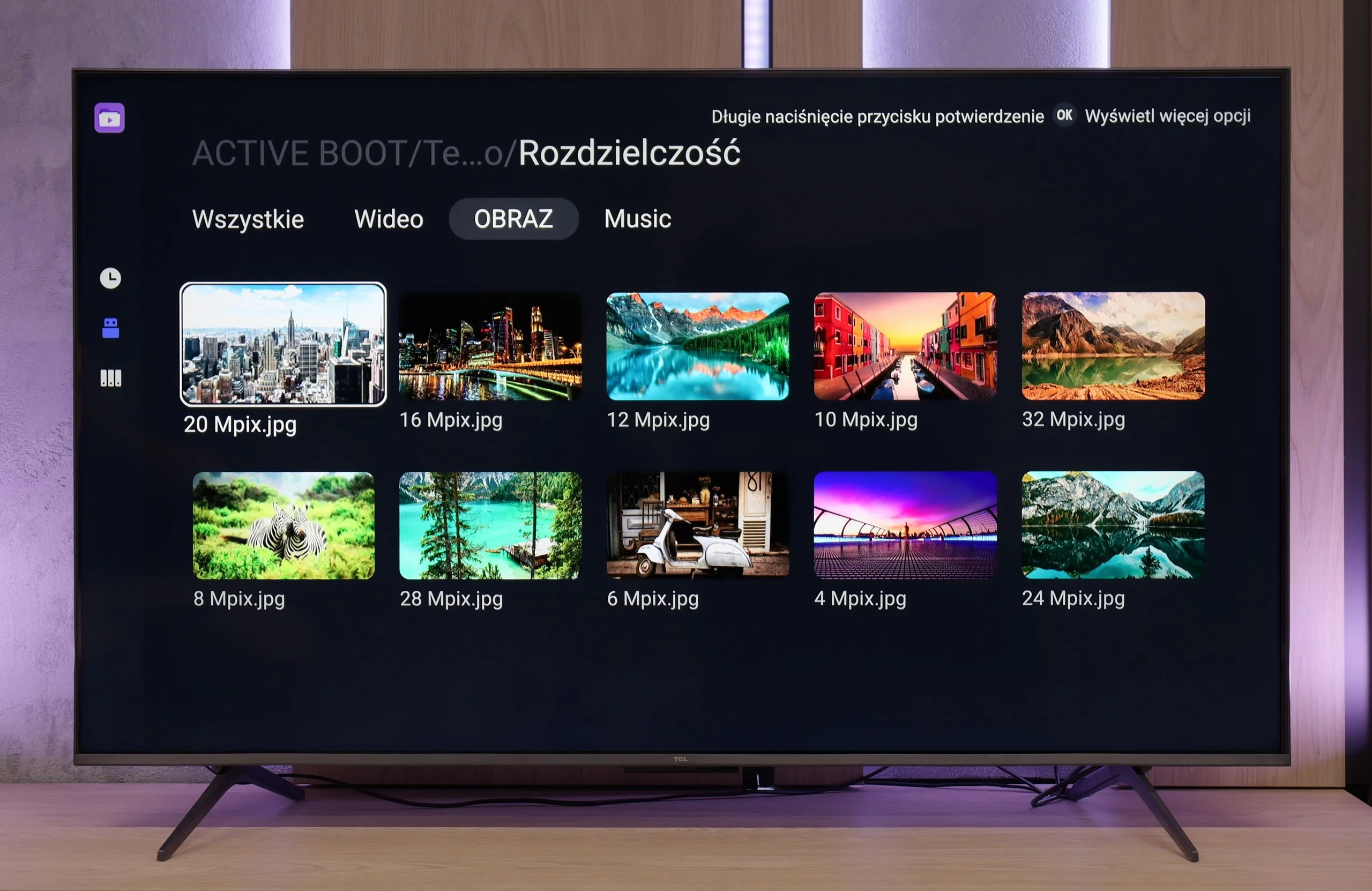
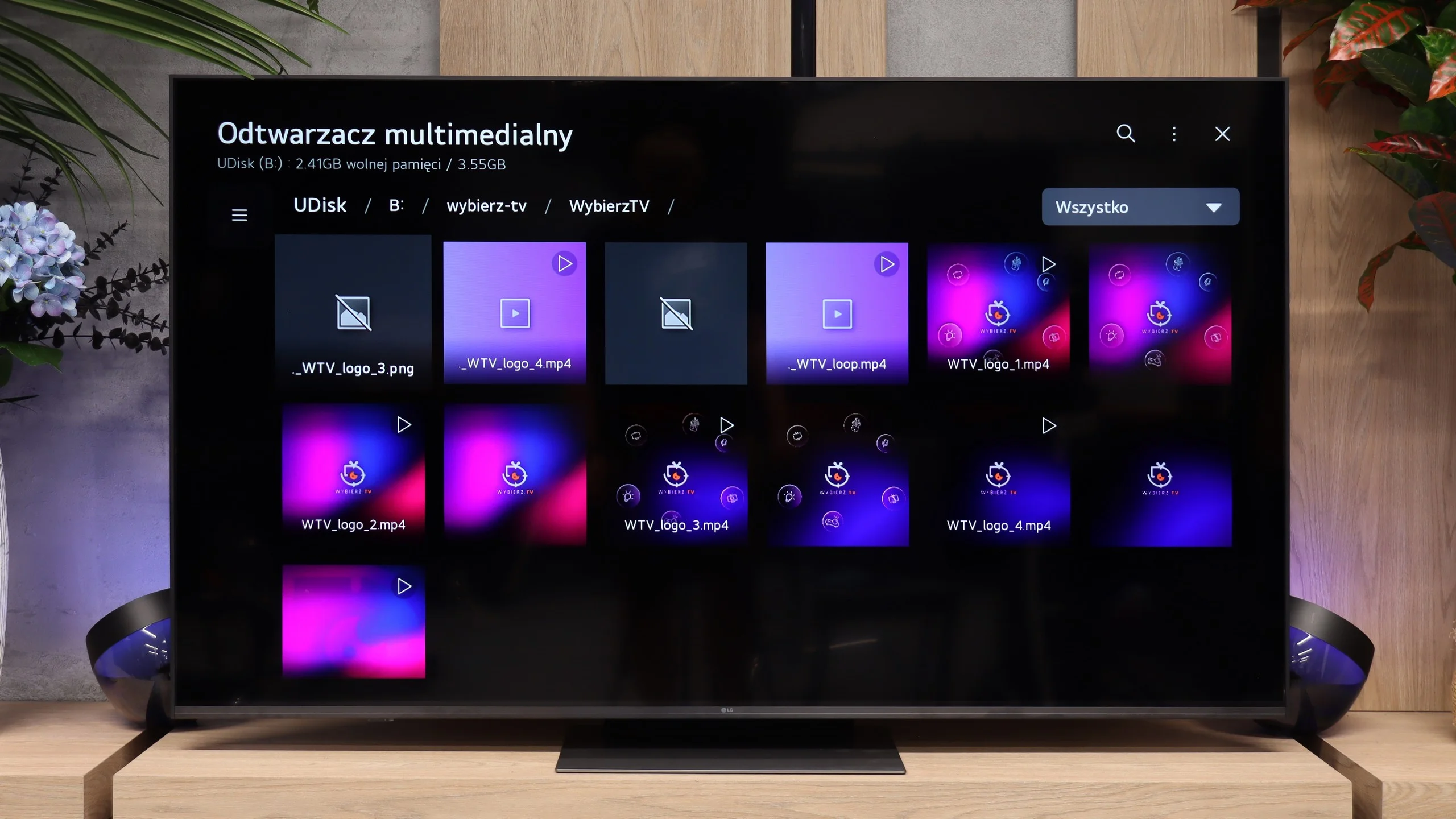
The built-in media player in TCL C69K / Q6C performs really well – practically all popular file formats work without major issues. There are some minor exceptions, particularly with less common codecs or unusual video file configurations, but in everyday use, this is rarely noticeable. The biggest advantage, however, is that the television runs on Google TV, which provides complete freedom in choosing additional software. If someone encounters a file that the standard player does not support, it is enough to install an alternative – like VLC – and the problem disappears.
The built-in media player handles most popular video, music, and photo formats, so for everyday use you shouldn't be missing anything. The only unusual glitch appeared with HEIC files. The TV displayed their thumbnails correctly, but when opened it couldn't show the photo at full resolution. Aside from that, the player worked without any significant issues.
Sound
6.5/10
6.4/10
- Maximum volume-86dB
- Dolby Digital Plus 7.1
- Dolby True HD 7.1
- Dolby Atmos in Dolby Digital Plus (JOC)
- Dolby Atmos in Dolby True HD
- DTS:X in DTS-HD MA
- DTS-HD Master Audio
In terms of audio, TCL C69K / Q6C performs quite well. The manufacturer has been boasting about its collaboration with Onkyo for several years, and this indeed translates into sound quality. The sound is pleasant, with clear mid-tones and quite a clean high end, and overall it feels well balanced. Of course, this will not replace a full-fledged soundbar, especially in terms of bass depth, but for built-in speakers in a television from this price segment – it is really very good.
The sound on the LG MRGB85 is simply adequate and there's not much more to say about it. The 2.0 system with a total output of 20 W performs like most TVs on the market. It lacks pronounced bass and a wider soundstage, although it can get fairly loud. For everyday TV viewing that setup is sufficient. However, anyone seeking fuller, more impressive sound should consider adding a soundbar or a home theater system.
Sound Quality Test
No sound test video
Acoustic Measurements
No acoustic data
86dBC (Max)
75dBC
Reader comments
Comments are provided by the external service Disqus (Zeta Global). Once loaded, Disqus may set cookies and process data about your activity.
We will remember your choice on this device. Provider's privacy policy