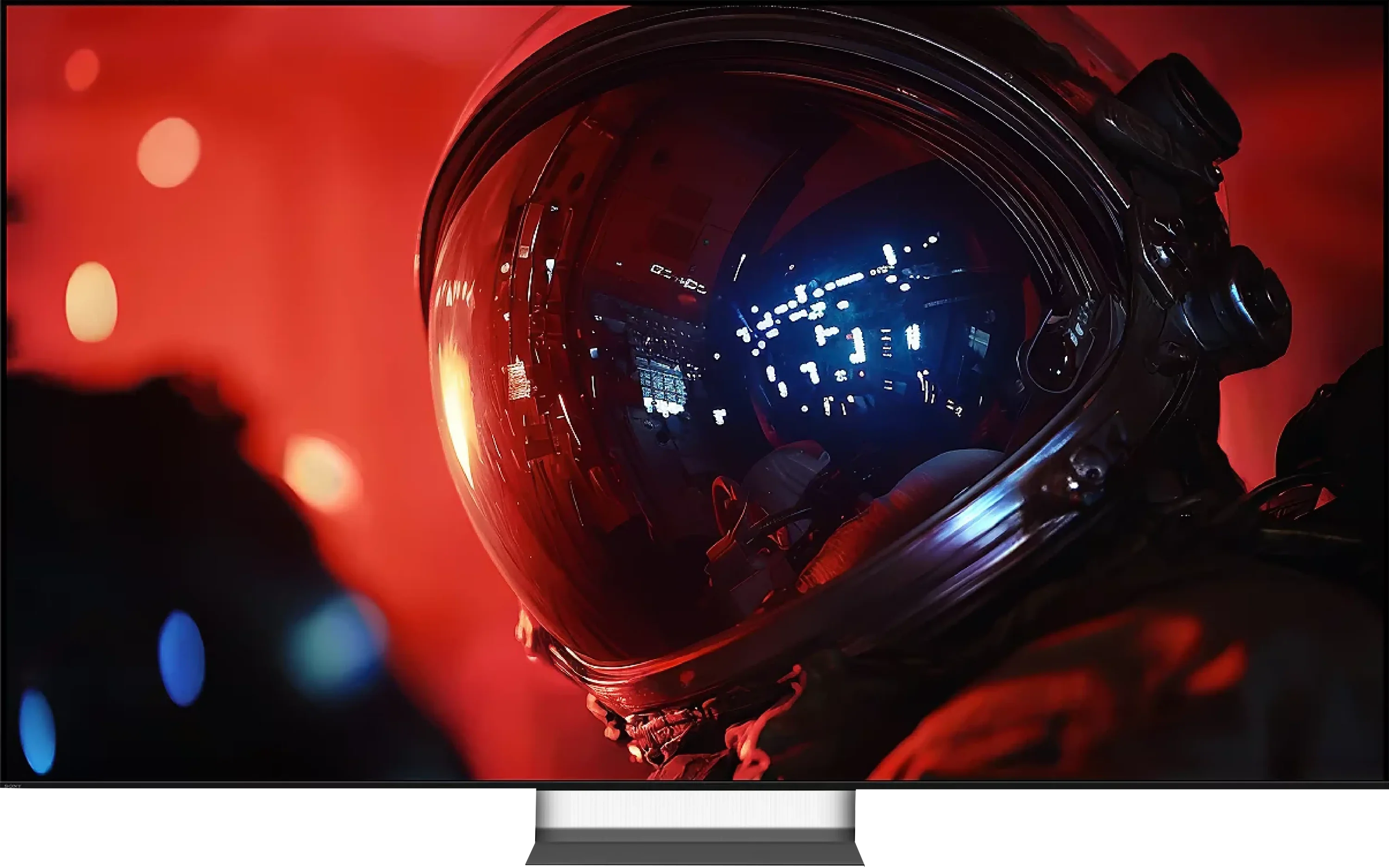
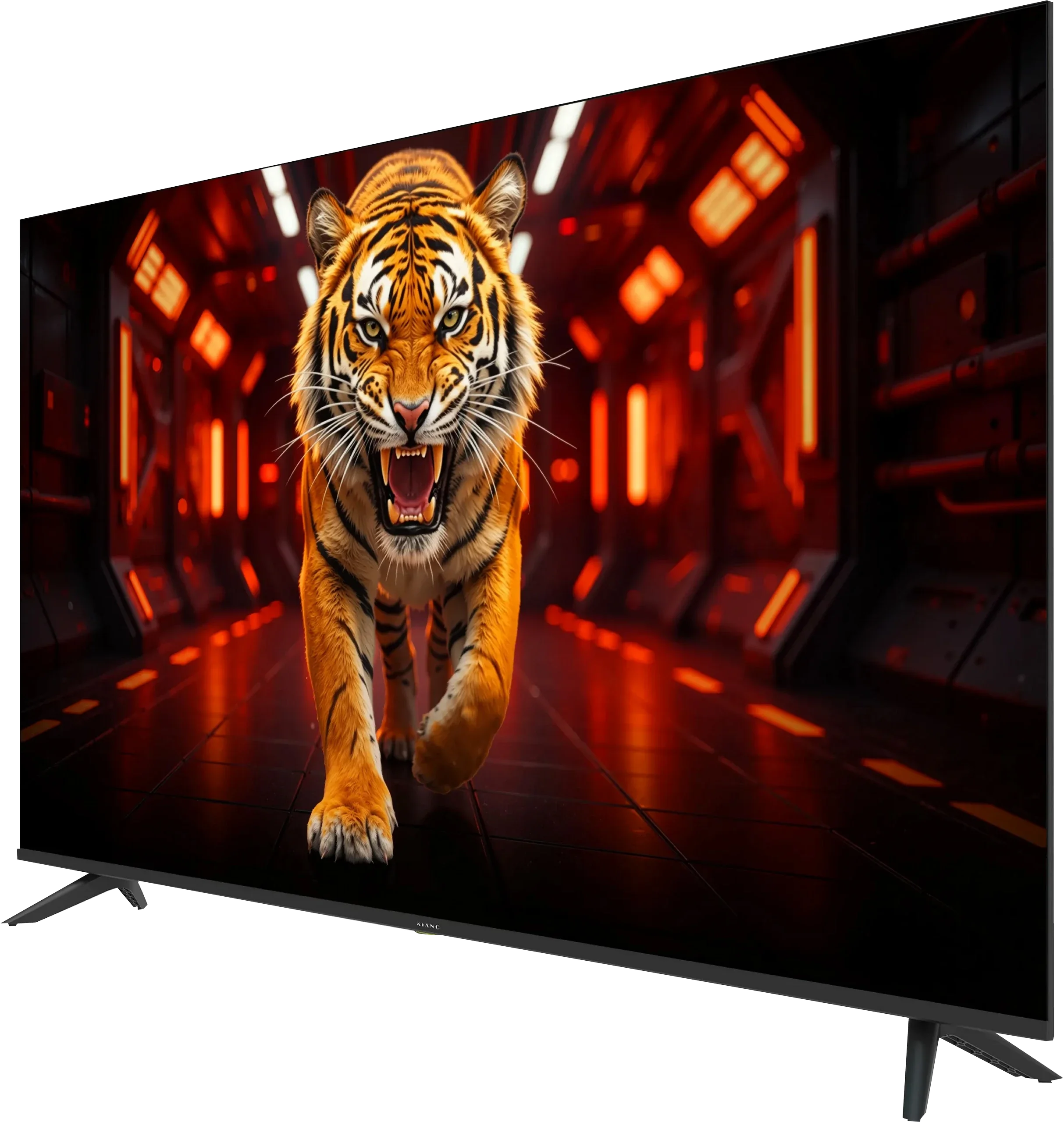
SONY Bravia 9 II XR95M2 vs Kiano Elegance (Tizen OS Powered by Samsung)

Direct comparison

BRAVIA 9 II / XR95M2 / XR9M2

Available screen sizes: 65”75”85”115”

Available screen sizes: 50”55”65”

Review SONY Bravia 9 II XR95M2 Main photo
Review Kiano Elegance (Tizen OS Powered by Samsung) Main photo

Panel type: LCD VA

Resolution: 3840x2160

System: Google TV

Model year: 2026

Complete the survey to find out the result

Panel type: LCD VA

Resolution: 3840x2160

System: Tizen

Model year: 2026

Complete the survey to find out the result

Overall rating

8.9

4.9

  • Movies and series in UHD quality

    8.9

    4.8

  • Classic TV, YouTube

    8.4

    5.4

  • Sports broadcasts (TV and apps)

    8.0

    3.9

  • Gaming on console

    9.2

    5.3

  • TV as a computer monitor

    7.8

    6.0

  • Watching in bright light

    10.0

    3.7

  • Utility functions

    8.8

    5.1

  • Apps

    9.6

    8.8

  • Sound quality

    9.0

    3.6

Advantages

  • Remarkable black levels for an RGB Mini-LED LCD panel

  • Extremely high HDR and SDR brightness (identical to the Sony BVM-HX3110 director monitor)

  • Excellent daytime performance thanks to the matte panel

  • Very good color reproduction

  • Top-tier image processing

  • Plenty of gaming features (VRR, ALLM, HDMI 2.1)

  • Quite good viewing angles (for a VA panel)

  • Refined Google TV operating system and two remotes included

  • Very good sound

  • Support for premium video and audio formats: Dolby Vision, Dolby Atmos, DTS:X

  • Low price

  • Tizen OS with a wide selection of popular apps

  • Decent contrast thanks to a VA panel

  • Effective digital image processing (a feature rarely found at this price)

  • Low input lag

  • Very good text readability when connected to a computer

  • Support for AirPlay and wireless screen mirroring

Disadvantages

No like
  • Only 2 HDMI 2.1 ports (on a flagship 2026 model?!)

  • No 98-inch option in the lineup

  • Limited picture calibration features

  • Highly noticeable local-dimming zone operation when viewed at an angle

  • No high refresh-rate modes for PC gamers (higher than 120Hz)

  • Low brightness

  • No wide color gamut (no QLED / PFS)

  • Poor motion handling: noticeable motion blur, a 60 Hz panel and no motion interpolation

  • No gaming features

  • Slow responsiveness

  • Very poor sound

  • Average build quality

Our verdict

Sony Bravia 9 II is, without a doubt, one of the most advanced TVs that has ever passed through our editorial office. The Japanese have built a real beast, using a completely new RGB Mini-LED backlight design they call True RGB. But the technology alone is only half the success. Only combined with Sony’s years-refined image processing algorithms did a TV emerge that is closer to the director’s vision than any other screen we’ve tested so far. This is where you can see why Sony has enjoyed such a reputation in the world of imaging for years. HDR looks spectacular, brightness at times seems almost absurd, black levels for an LCD can be surprising, and colors are both incredibly vivid and natural. Most importantly, all these elements form a coherent whole. There’s no sense that the TV is trying to impress only with specification numbers — you simply enjoy watching it, whether it’s a movie, a series, or gaming. Beyond the excellent picture quality, it’s worth remembering that this is simply a complete TV. Google TV runs quickly and offers practically all the major apps, gamers get a full set of premium features, and support for audio and video formats makes it hard to complain about the equipment. These are exactly the qualities we expect from a device that aspires to be the TV of the Year 2026.

Are there any downsides? Of course there are. Even the Bravia 9 II is not a perfect design. Interestingly, our biggest reservations are not about picture quality, because that is at an absolutely phenomenal level. We are far more surprised by the manufacturer’s decisions. In the flagship model for 2026 we still get only two HDMI 2.1 ports, which with a console, PC, or audio gear can be simply annoying. The other issue is the lack of a 98-inch version. It’s really hard to understand why a TV of this class doesn’t come in a size that’s recently become so popular.

So is it worth buying the Bravia 9 II? Our answer is: YES, YES, and once again YES. If you’re looking for an absolute top-tier TV and you care above all about picture quality, it’s currently hard to find a better choice. Sony has not only proven that RGB Mini-LED has huge potential, but also shown how the technology should be used. The “True RGB” label didn’t appear here by accident. What’s more, looking at the current price of this model, you can safely say it has been set quite reasonably compared to the competition. The Bravia 9 II is not just one of the best TVs of 2026. It’s a TV that sets a new benchmark and shows the whole industry what an RGB Mini-LED TV’s image should look like.
Kiano Elegance is primarily aimed at people who want to spend as little as possible on a TV while still having convenient access to popular apps. The use of Tizen is a big plus here, since you get the system known from Samsungs and don't have to immediately buy a streaming stick or set-top box to watch movies or shows. At a low enough price, that could be reason enough to consider this model. The digital picture processing also deserves praise; in its operation it resembles the solutions used in entry-level Samsung sets. Kiano quite effectively smooths unwanted color banding in poorer sources, so heavily compressed footage looks better. It's not perfect, of course, but remember how tight the budget is. The very fact that this feature actually helps is worthy of recognition.

Unfortunately, the operating system doesn't make the Kiano run as smoothly as Samsung TVs. Sometimes you have to wait for a response, and the USB player can take a very long time to open files. The savings are also visible in the build quality and the panel's capabilities. Low brightness makes watching in a sunny room difficult and prevents HDR from looking impressive, while faster motion suffers from noticeable smearing. On top of that, the sound is weak, so buying separate speakers or a soundbar can quickly become another expense.

So Kiano Elegance mainly makes sense when it is clearly cheaper than the competition. It can be sufficient for daily channels or as a second TV in the home, but if only a small extra amount separates it from a basic model by a better-known manufacturer, we think it's worth paying the difference. Tizen and decent picture processing are strengths of this Kiano, but they don't make up for all the cutbacks. It's better to compare final prices than to assume that a TV with Samsung's system will provide the same level of user comfort.

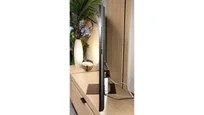
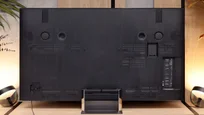
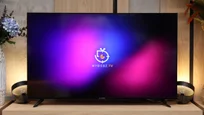
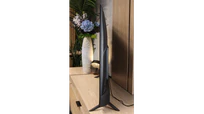
TV appearance

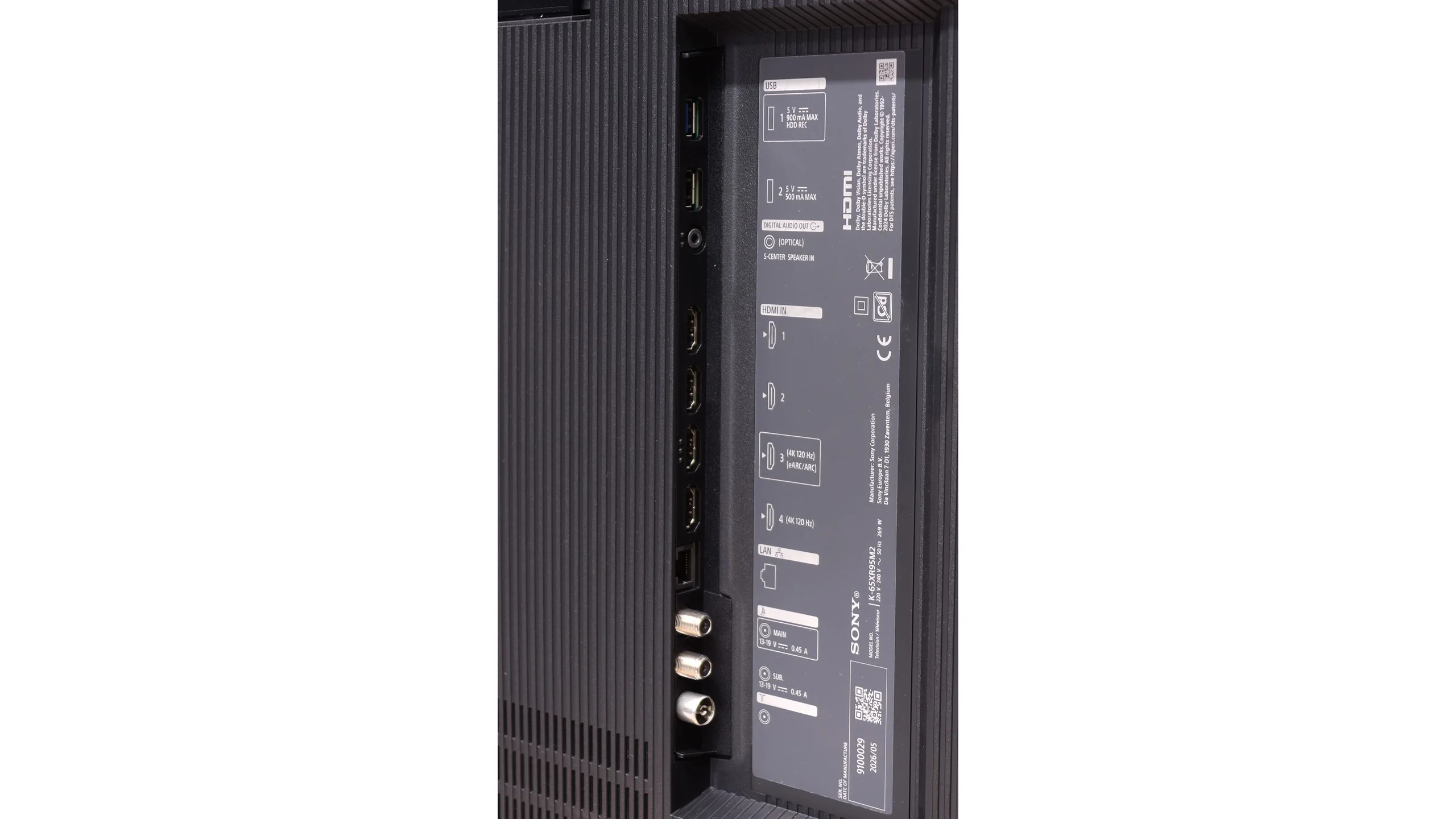
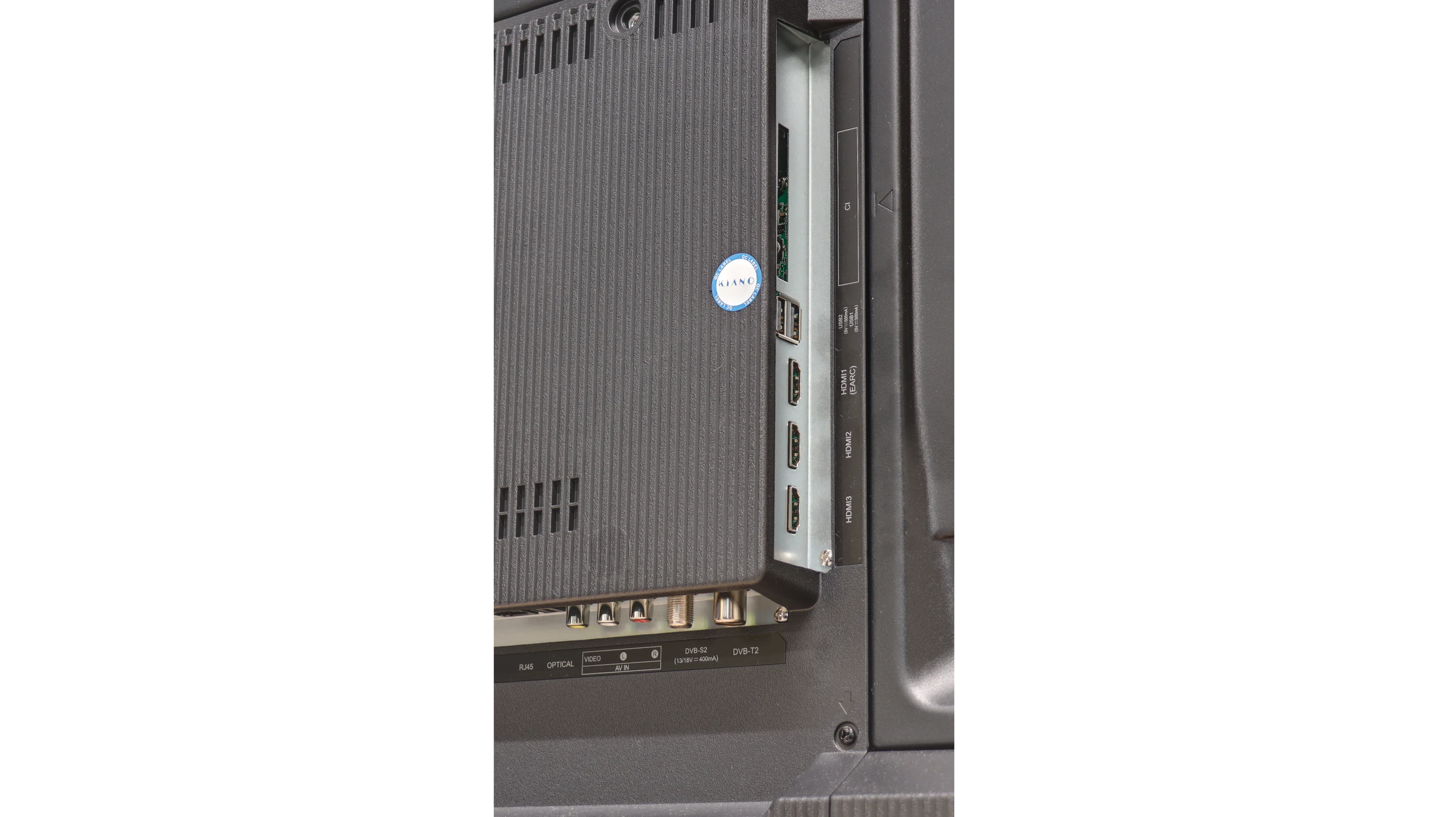
HDMI inputs
2 x HDMI 2.0, 2 x HDMI 2.1 (48Gbps)
3 x HDMI 2.0, 0 x HDMI 2.1
Other inputs
RCA (Chinch)
Outputs
Toslink (Optical audio), eARC (HDMI), ARC (HDMI), Mini-Jack (Sony S-Center)
SPDIF (Coaxial audio), eARC (HDMI), ARC (HDMI)
Network Interfaces
Wi-Fi 2.4GHz, Wi-Fi 5GHz, Ethernet (LAN) 100Mbps
Build quality
Super Premium
Average
Stand type
Central
Legs
Bezel color
Black
Black
Stand
Fixed
Fixed
Flat design
Yes
No
Accessories
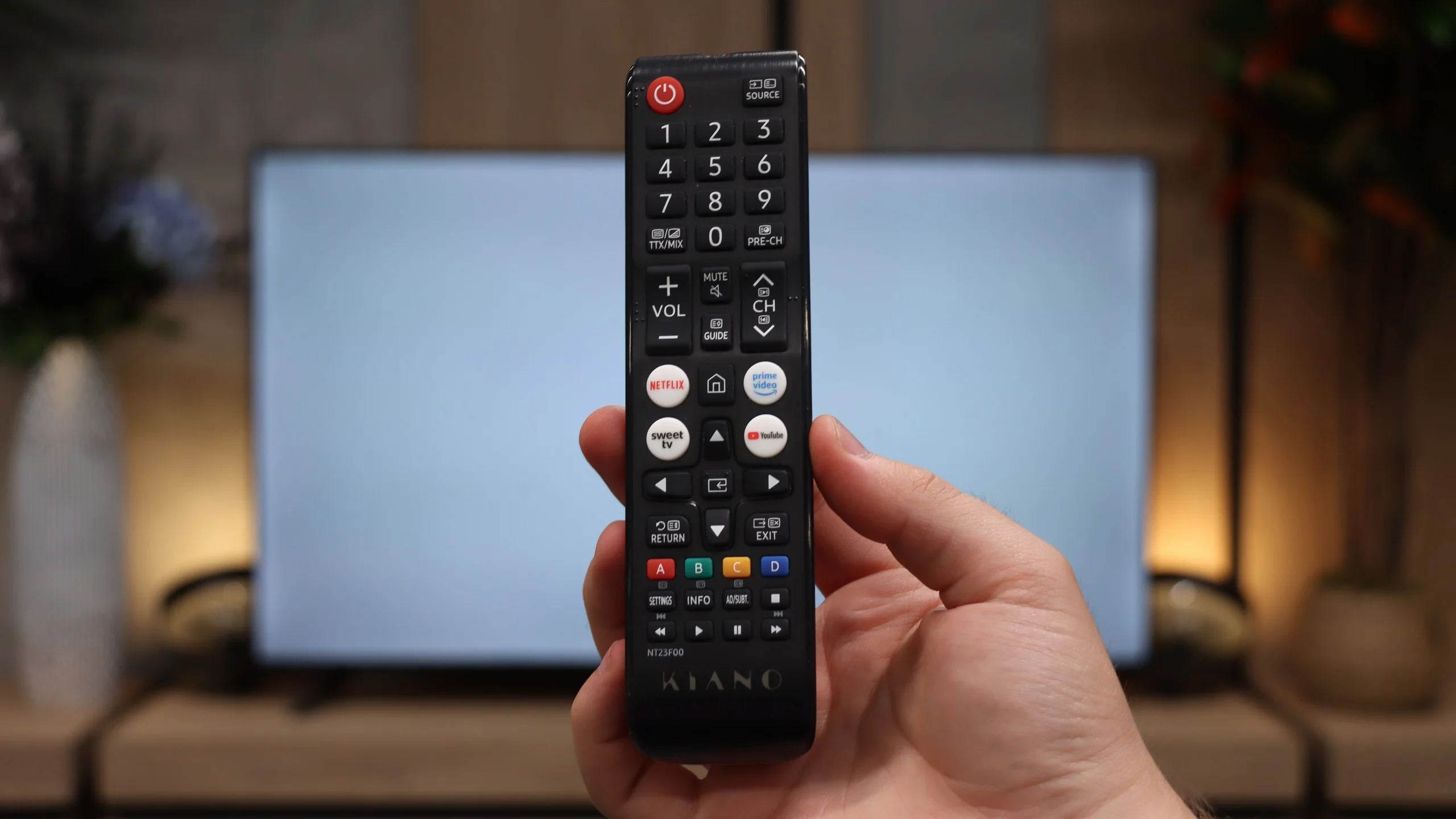
Two remote controls
Stand

Contrast and black detail

8.6/10

4.8/10

Local dimming function: Yes, number of zones: 1500 (30 x 50)

Local dimming function: No

Contrast:

Review SONY Bravia 9 II XR95M2 Contrast and black detail

Result

218,000:1

Review SONY Bravia 9 II XR95M2 Contrast and black detail

Result

66,700:1

Review SONY Bravia 9 II XR95M2 Contrast and black detail

Result

448,850:1

Review SONY Bravia 9 II XR95M2 Contrast and black detail

Result

12,700:1

Review SONY Bravia 9 II XR95M2 Contrast and black detail

Result

4,200:1

Review Kiano Elegance (Tizen OS Powered by Samsung) Contrast and black detail

Result

3,350:1

Review Kiano Elegance (Tizen OS Powered by Samsung) Contrast and black detail

Result

3,350:1

Review Kiano Elegance (Tizen OS Powered by Samsung) Contrast and black detail

Result

2,650:1

Review Kiano Elegance (Tizen OS Powered by Samsung) Contrast and black detail

Result

3,650:1

Review Kiano Elegance (Tizen OS Powered by Samsung) Contrast and black detail

Result

2,400:1

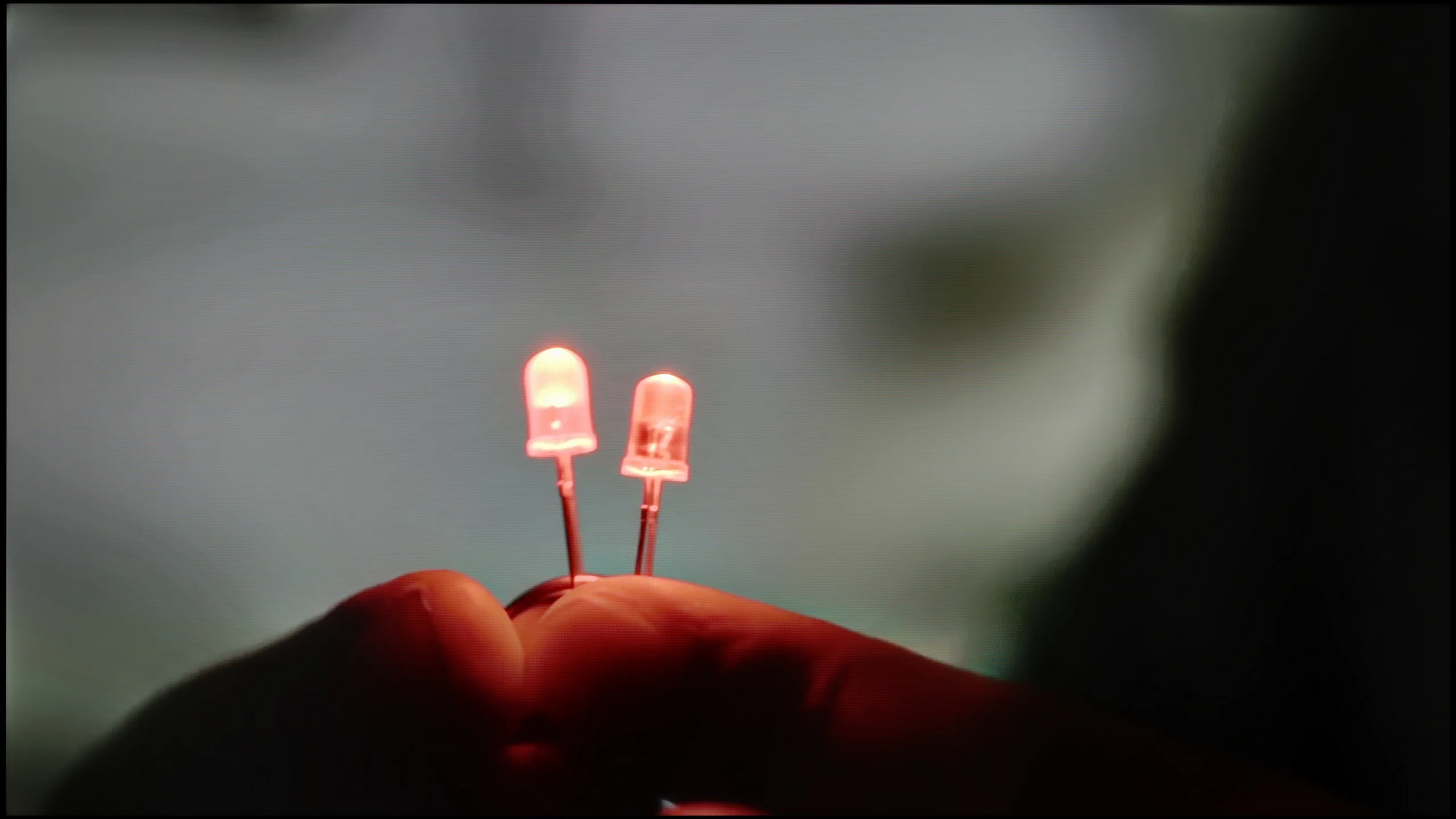
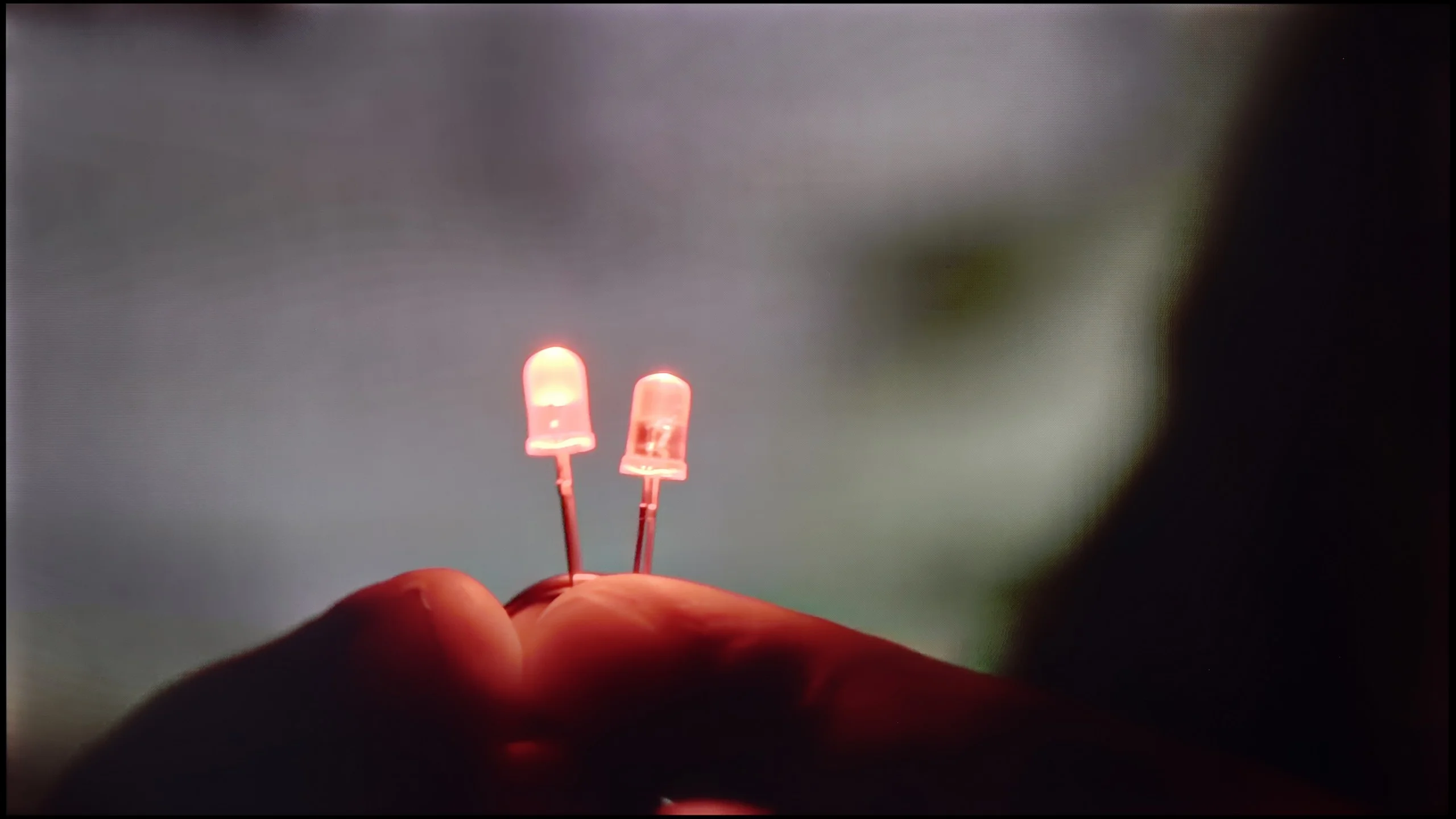
Halo effect and black detail visibility:

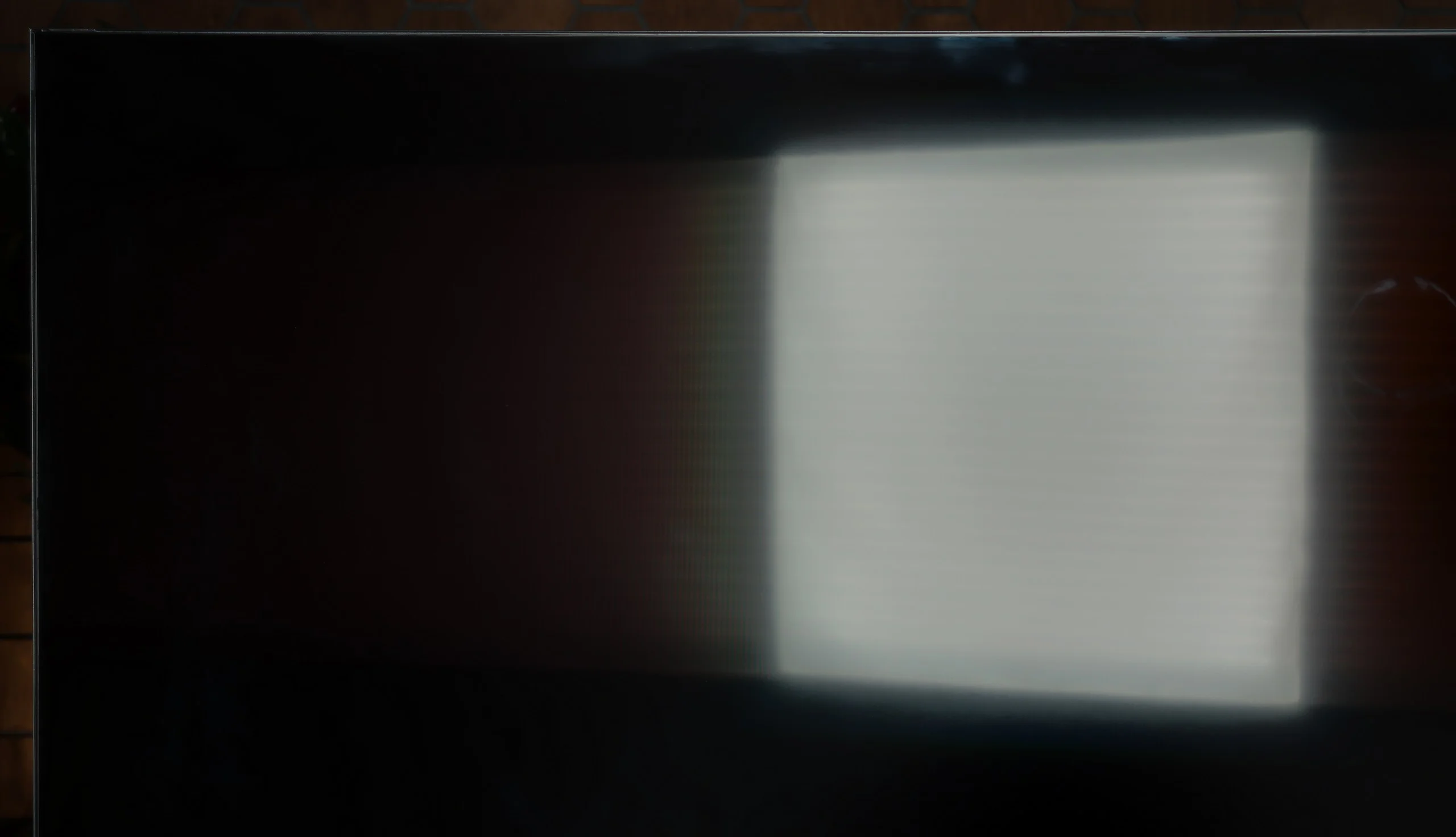
Check the visibility of bright lights on a dark background. Mini-LEDs often struggle with this. The photo does not compare black levels – that’s what the video below is for.

The video accurately shows differences in contrast and black levels between TVs, as well as potential issues: halo around bright objects or Mini-LED zone operation visible as brightness jumps.

In the 65-inch size we tested, we counted exactly 1,500 independent local dimming zones. Combined with the VA panel's native high contrast, this translates into very good results when rendering dark scenes. Although the number of zones isn't as staggering as on classic QD-Mini LED-backlit displays, Sony's algorithms more than make up for that. The measured contrast reaches very high levels, and in simpler dark shots dominated by deep blacks the image can even resemble OLED screens. Of course, Mini LED has its physical limitations and it is not an OLED. When small bright elements appear on a dark background, the halo effect — the characteristic bright glow around a bright point, caused by the fact that a backlight zone is much larger than a single pixel — is still visible.

In the Bravia 9 II, however, this phenomenon behaves completely differently than in classic LCD TVs. Thanks to the new architecture, the glows around objects take on the color of the displayed element. You can see this clearly in a helicopter cockpit scene: the halo glow around the indicators isn't white-blue but takes on the exact green hue of the LEDs in the cockpit. To the human eye that image is much more coherent and gives a greater sense of depth, even if the purely mathematical, measurable contrast at that specific point isn't revolutionary. Sony again proves it has the best local dimming algorithms on the market. The software doesn't cause artificial, sudden brightening of the picture and handles unwanted side effects of zoned backlighting very effectively. If you're wondering which RGB display currently manages backlight zones best, the Bravia 9 II is the answer.

The 55-inch version of the Kiano Elegance we tested uses a VA panel, which by itself delivers fairly good blacks. We measured contrast at about 4000:1, a figure typical for this kind of panel and noticeably better than in TVs using IPS or ADS panels. That gives the picture decent depth in the evening, and blacks aren't as heavily brightened. You should remember, however, that the Elegance uses a conventional backlight without local dimming. That means the backlight is always on and the TV can't dim selected parts of the screen. In that respect the difference compared with even basic Mini LED models is already clear. There, individual backlight zones can dim independently, so blacks in dark scenes can be much deeper. Kiano doesn't have those capabilities, but for a basic LCD TV its native contrast is quite respectable.

HDR effect quality

9.3/10

3/10

Supported formats
HDR10, Dolby Vision, HLG
HDR10, HDR10+, HLG
Color gamut coverage
DCI P3: 98.7%, BT.2020: 90.0%
DCI P3: 81.0%, BT.2020: 60.0%

Luminance measurements in HDR:

Review SONY Bravia 9 II XR95M2 Brightness measurement

Result

3003 nit

Review SONY Bravia 9 II XR95M2 Brightness measurement

Result

2717 nit

Review SONY Bravia 9 II XR95M2 Brightness measurement

Result

2755 nit

Review SONY Bravia 9 II XR95M2 Brightness measurement

Result

2230 nit

Review SONY Bravia 9 II XR95M2 Brightness measurement

Result

2033 nit

Review Kiano Elegance (Tizen OS Powered by Samsung) Brightness measurement

Result

158 nit

Review Kiano Elegance (Tizen OS Powered by Samsung) Brightness measurement

Result

172 nit

Review Kiano Elegance (Tizen OS Powered by Samsung) Brightness measurement

Result

193 nit

Review Kiano Elegance (Tizen OS Powered by Samsung) Brightness measurement

Result

180 nit

Review Kiano Elegance (Tizen OS Powered by Samsung) Brightness measurement

Result

205 nit

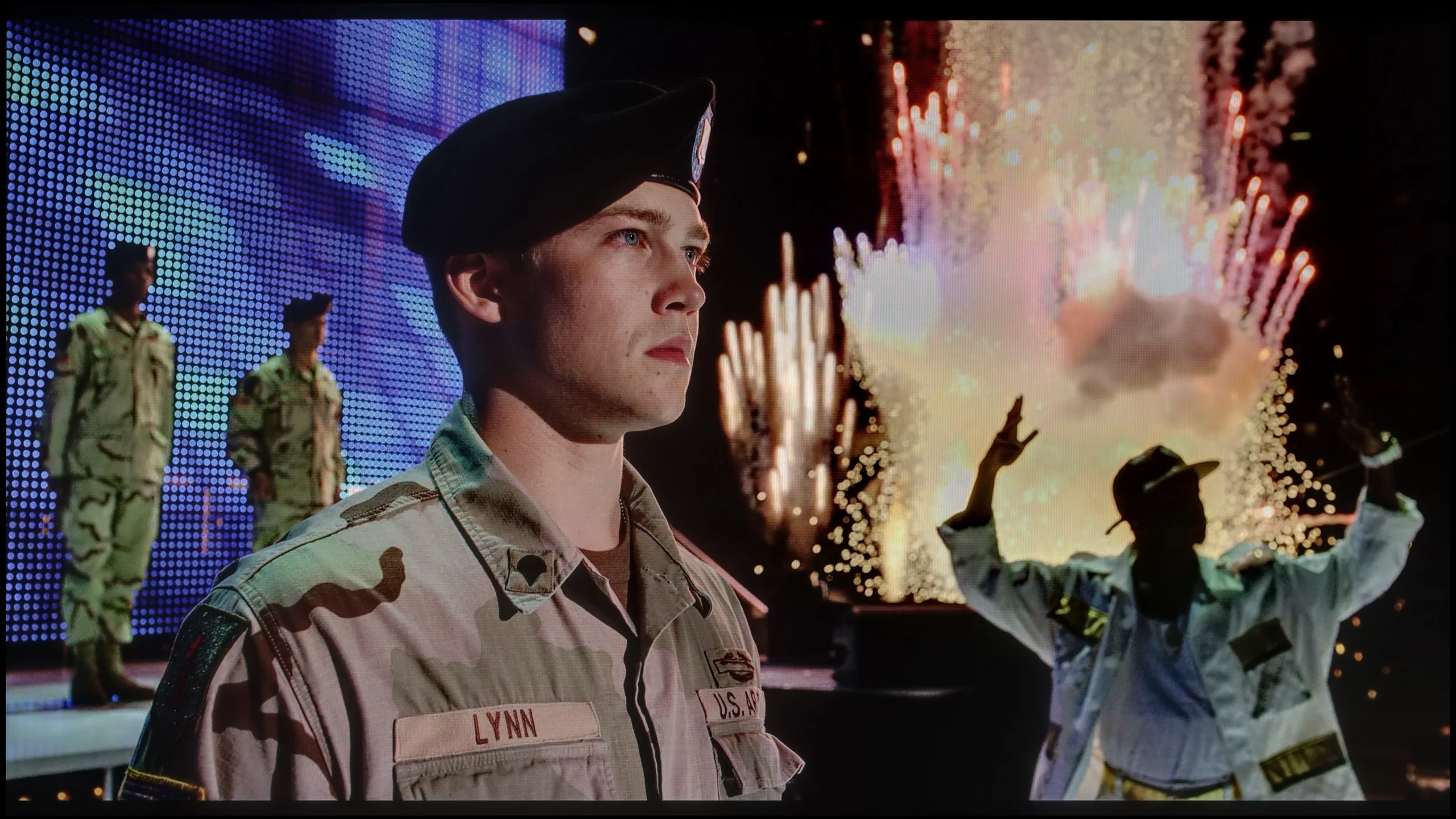
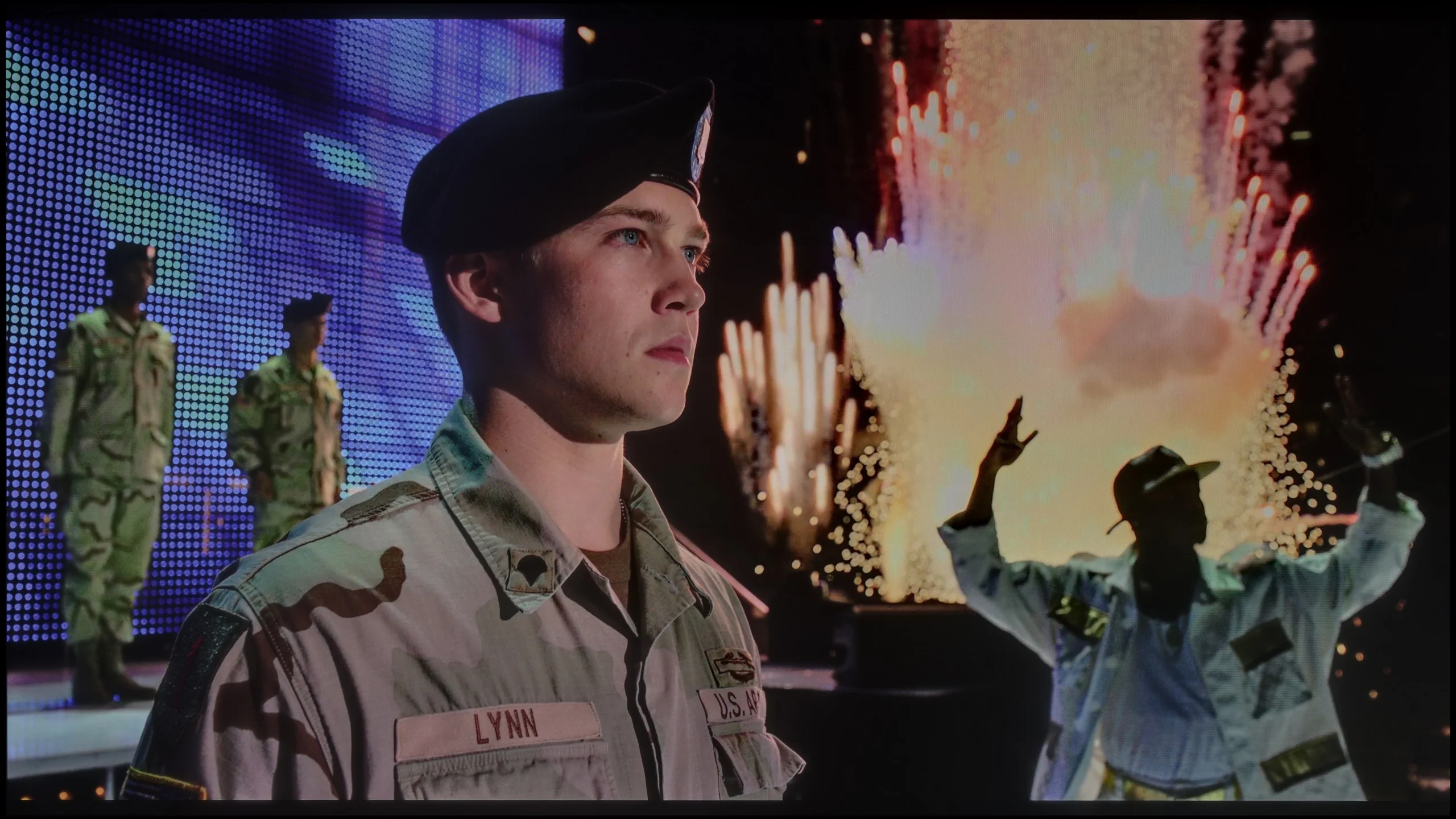
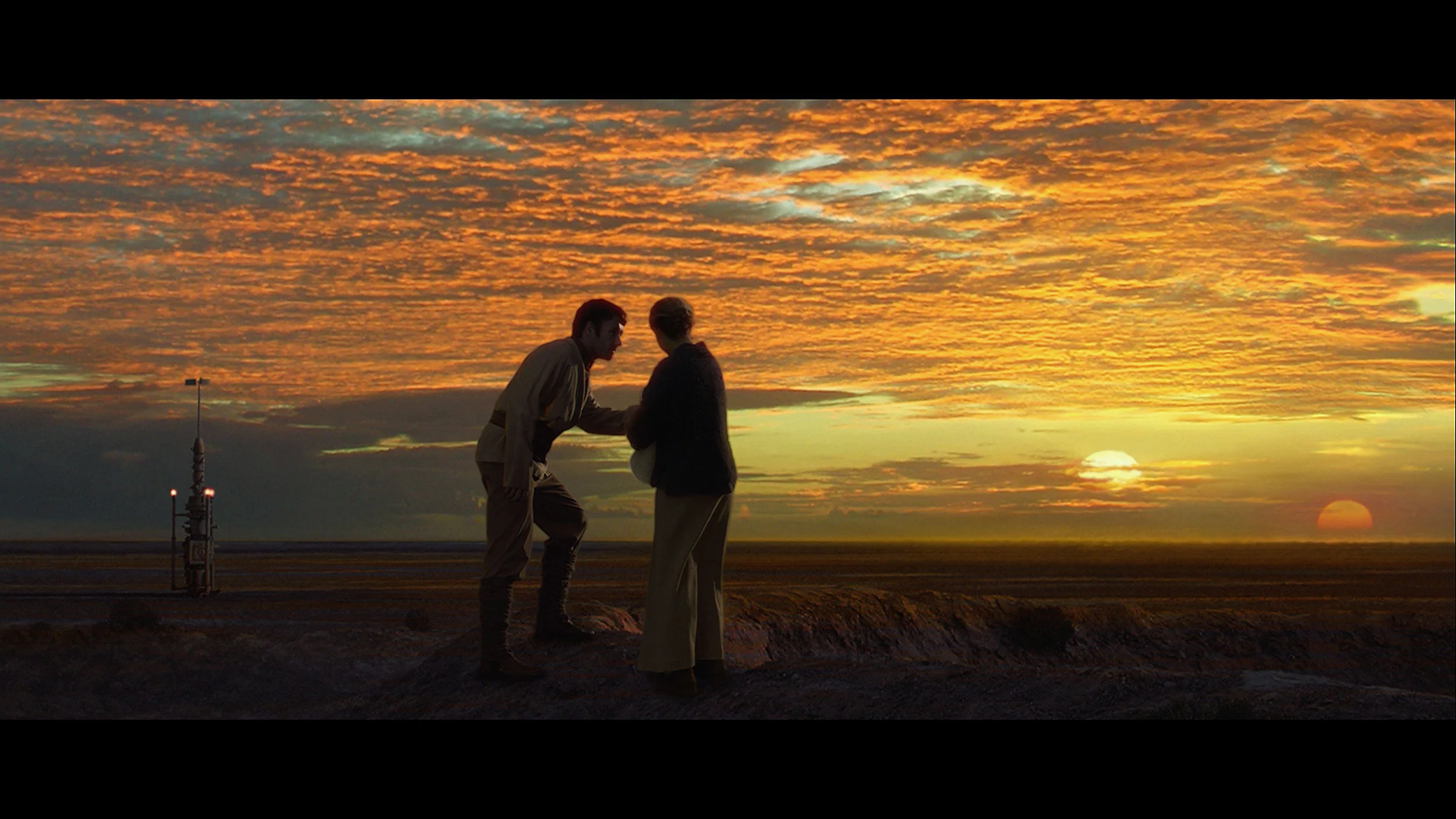
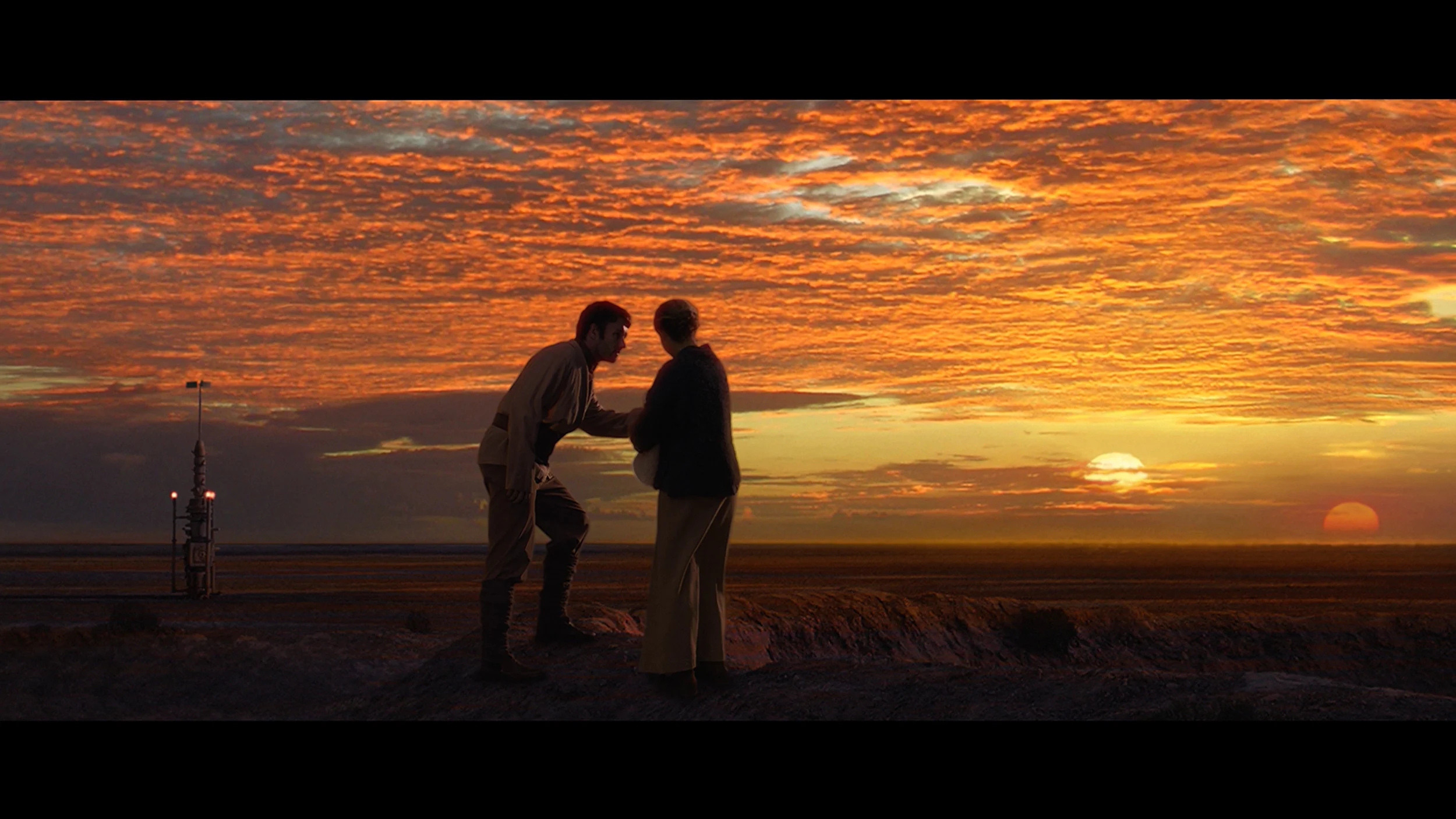
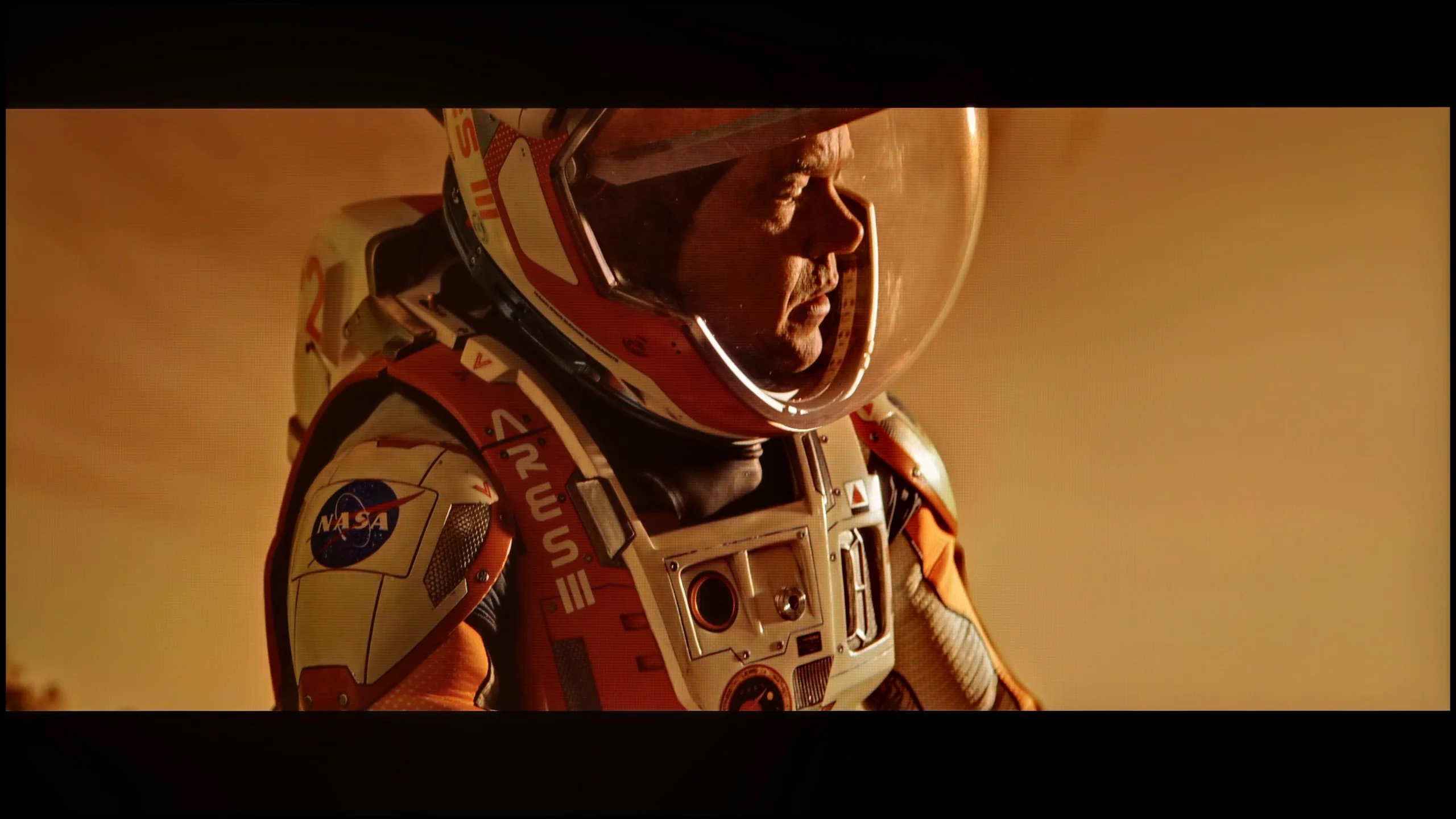
Scene from the movie “Pan” (about 2800 nits)

Scene from the movie “Billy Lynn” (about 1100 nits)

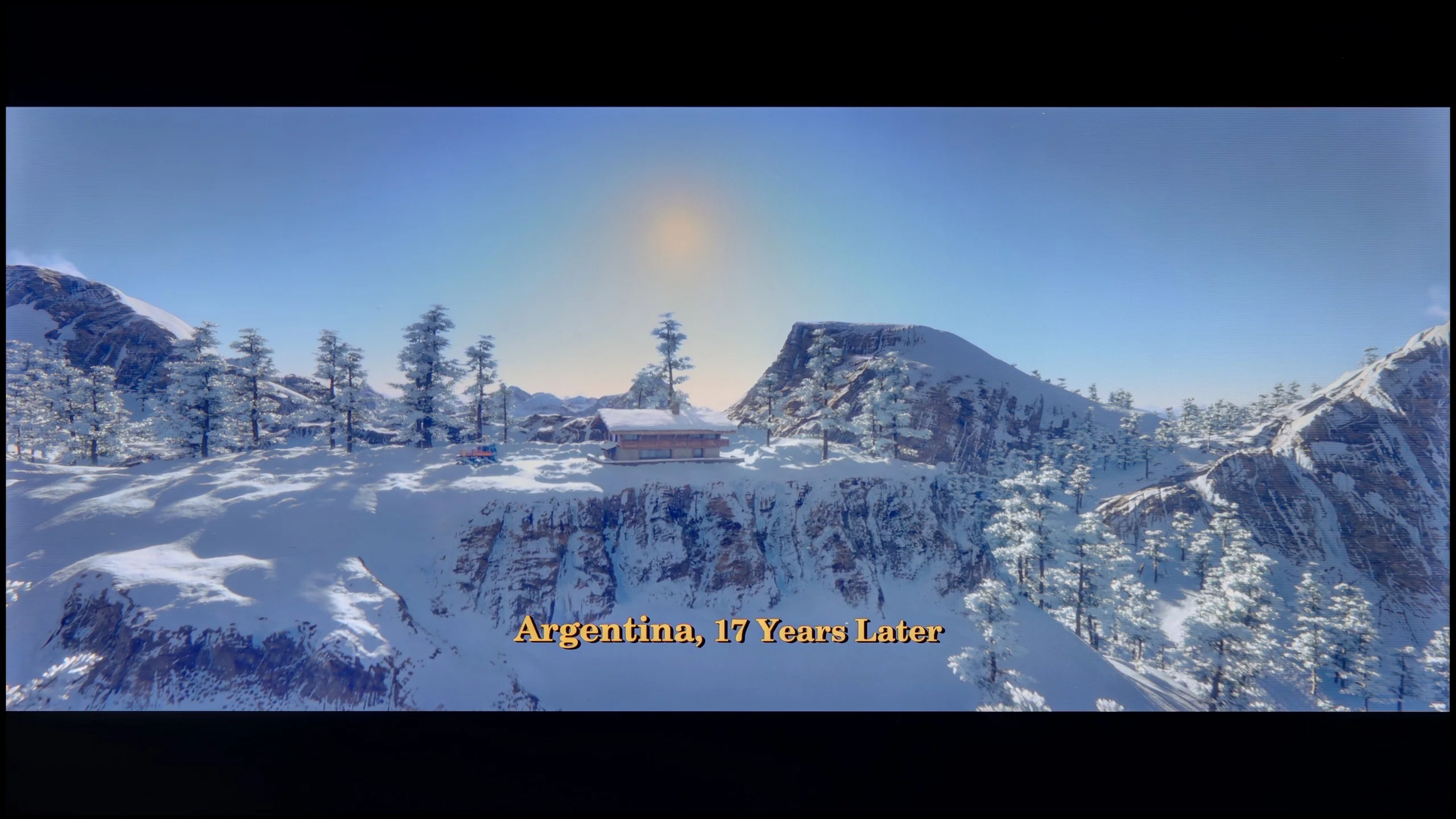
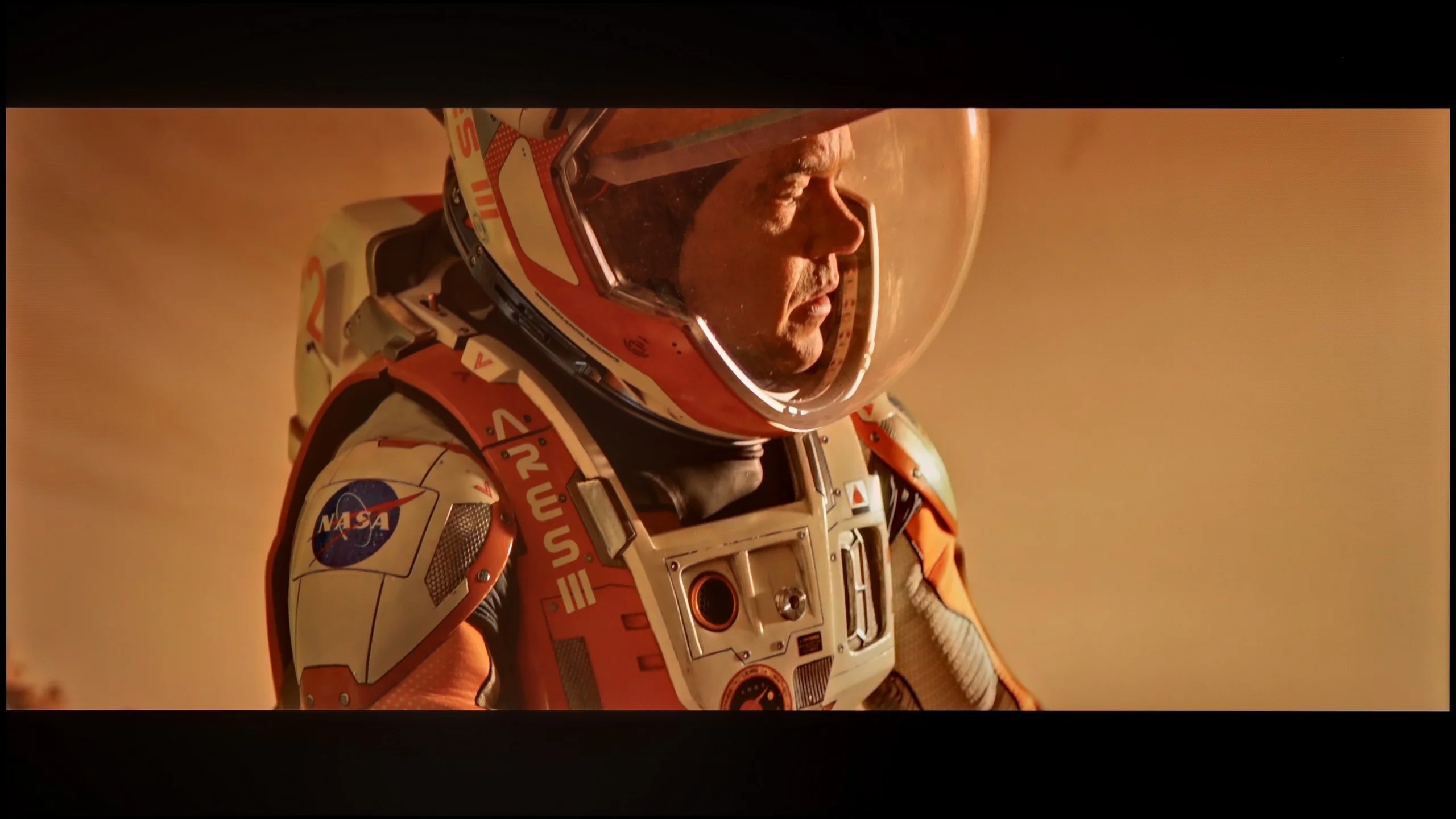
The photos show two HDR10 movies. 'Pan' is one of the brightest productions ever made, while 'Billy Lynn' (soldier) has brightness typical of streaming (Netflix, Prime, HBO MAX). Notice the intensity of effects and detail in whites.

Static HDR10

The photos present the visibility of white details in various HDR formats. They do not show brightness differences between TVs (these can be compared in the previous gallery).

Dynamic: Dolby Vision

Dynamic: HDR10+

The photos present the visibility of white details in various HDR formats. They do not show brightness differences between TVs (these can be compared in the previous gallery).

HDR luminance chart:

Kiano Elegance (Tizen OS Powered by Samsung)

SONY Bravia 9 II XR95M2

The real showcase of the new backlight architecture and Sony’s processor is the reproduction of HDR content. At the official launch engineers at Sony said (not officially 😉) that the Bravia 9 II’s brightness would be almost identical to the capabilities of their professional director’s monitor BVM-HX3110, which is priced at astronomical sums. Our lab tests confirmed these were not empty promises. During synthetic measurements on the L20 test pattern the TV easily exceeded the 4000 nits peak brightness barrier. More importantly, these remarkable results translate directly to real movie scenes. In most of the demanding shots we tested the screen easily maintained brightness around 2500–3000 nits. Regardless of the scene, whether the light was small and pinpoint or flooded nearly the entire screen, the HDR effect was incredibly intense.

Colors

Color is another key pillar of RGB Mini LED technology (True RGB as implemented by Sony). Specifically for testing these kinds of screens we added a permanent new testing section to see how TVs handle colors in real-world conditions. Traditional synthetic test patterns are no longer enough to confirm real color-gamut coverage. From now on we also measure color saturation directly in selected movie scenes by overlaying measurement points. So how do the colors perform?

In synthetic tests the Bravia 9 II posts excellent results. For the popular DCI-P3 color space for HDR the color-gamut coverage was almost 98%, while for the very wide, demanding BT.2020 space the instrument indicated nearly 90%. However, in real, varied scenes these values drop by a few percent. This is directly due to the nature of zone-based RGB backlighting. When differently colored elements or bright white highlights appear side by side, light from the zones starts to mix slightly, creating a white backlight. This of course affects color saturation, slightly reducing it. This shows that despite Sony’s brilliant RGB LED control algorithm, the number of zones is still too small to eliminate this effect entirely.

Is this a reason to complain? Of course not. The Bravia 9 II’s color coverage ultimately matches that of a very good QLED TV, and it’s important to remember: the vast majority of HDR movies and series are distributed in the DCI-P3 gamut. In that standard Sony easily maintains very high color saturation, regardless of the scene.

The HDR effect on the Kiano Elegance is essentially nonexistent. The TV is simply too dim to produce any noticeable step up in quality compared with standard SDR. Our measurements show a brightness of around 200 nits, which is definitely too low for bright elements, such as various lighting effects, to actually stand out on screen. HDR content will therefore be played back, but without the impact this format should deliver. In addition, the Kiano Elegance doesn't use any extra wide color-gamut technology, such as quantum dots or even a PFS filter. As a result, some of the intense colors encoded in HDR films cannot be shown with proper saturation. Especially in more colorful productions, it's clear the image is simply poorer than on TVs with a wide color gamut. The Kiano Elegance is therefore much better suited to ordinary SDR material, like TV, YouTube, or older movies and series. Their demands are much lower and much more in line with this TV's capabilities.

Factory color reproduction

6.2/10

4.8/10

This gallery shows how colors change after professional TV calibration. If you notice the difference, we recommend ordering this service at SkalibrujTV.com.

Factory Mode

After calibration

This gallery shows how colors change after professional TV calibration. If you notice the difference, we recommend ordering this service at SkalibrujTV.com.

Factory Mode

After calibration

Contrary to appearances and high expectations, the Bravia 9 II we tested showed some issues with its factory tuning straight out of the box. Looking at the white balance charts, you can see it is not perfect. In SDR content the red component was primarily lacking, causing the picture to shift toward cooler, bluish tones. In HDR the white balance in this respect looked much better. So where do the visible errors in image reproduction come from? They result from unexpected tuning of the gamma and the EOTF curve. In both cases the Bravia 9 II straight from the factory showed a clear deviation from reference standards.

In SDR content the gamma was definitely too high; at its most extreme it hovered very close to 2.8 instead of the reference 2.4. In practice this meant the image was artificially darkened and appeared washed-out, with details in dark areas (shadows) completely disappearing. The opposite occurred with HDR material, where brightness reproduction is handled by the EOTF curve. That curve was pushed too far above the correct value, resulting in the image being artificially brightened across most luminance ranges. As with every TV we test, we subjected this unit to professional calibration. You can see the results and how we managed to correct these factory errors below.

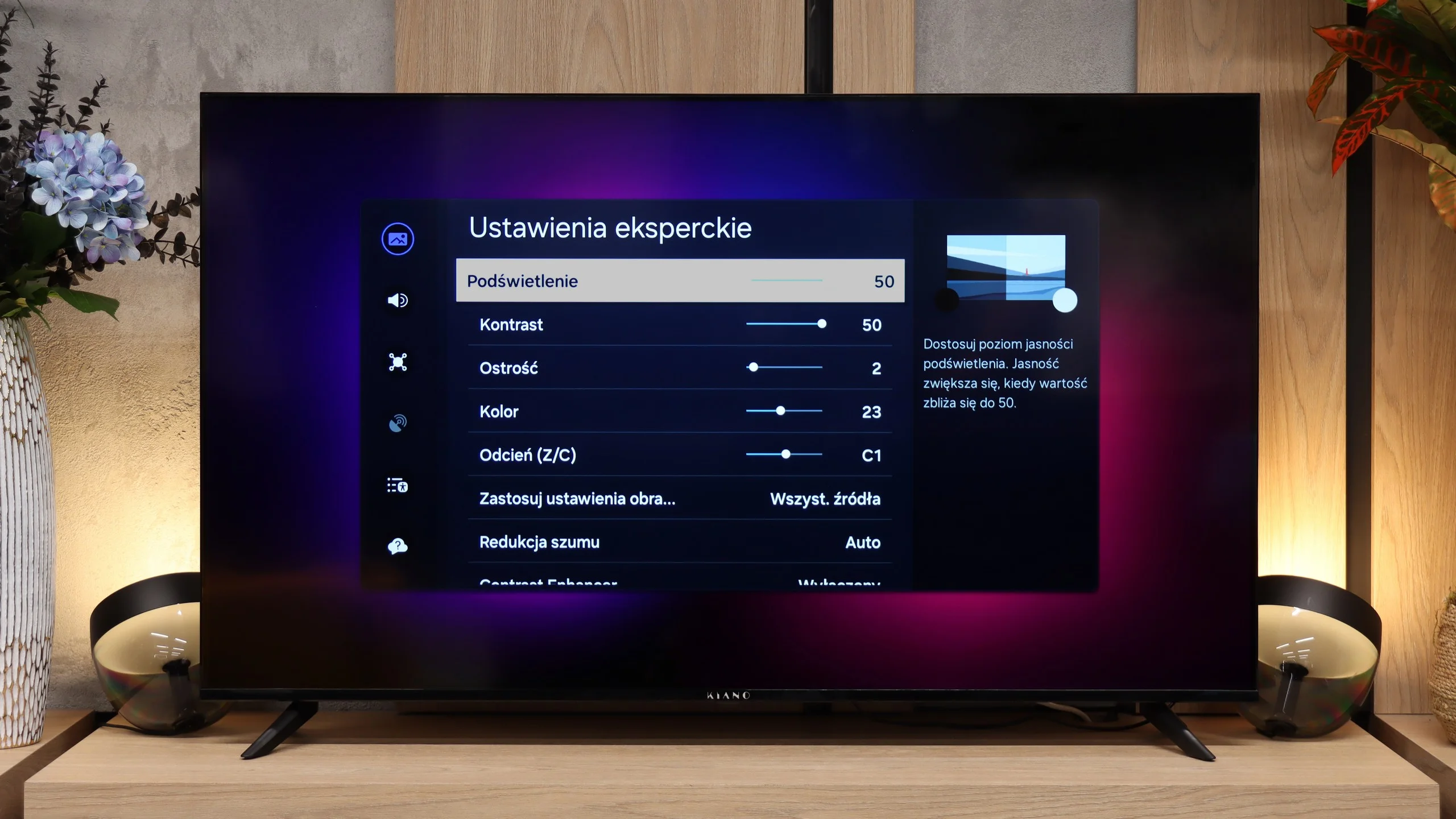
In Film mode the colors on the Kiano Elegance look quite decent, especially for a TV at this price point. That doesn't mean the image is correctly calibrated out of the box. The clearest example is the white balance, which was lacking in red. As a result the picture had a slightly cooler cast, and some skin tones and warmer colors didn't look as natural as they should. Both the SDR gamma and the EOTF curve in HDR were set too high. Simply put, the TV brightened the image more than the source material intended. In SDR this produced a slightly brighter, more "television-like" picture, but it also robbed it of some depth. In HDR the same behavior amplified the panel's own limitations, because at such low brightness the TV had even less headroom to correctly show brighter parts of the image. The biggest limitations, however, appeared in HDR. The color gamut encoded in that kind of content often exceeds the capabilities of the Kiano Elegance, which doesn't use any gamut-expansion solution. More saturated reds, greens, and blues are therefore displayed much more muted than they should be. In less demanding scenes this isn't yet very noticeable, but with more colorful films the difference compared to TVs with a wide color gamut becomes very apparent.

Color reproduction after calibration

9/10

6.5/10

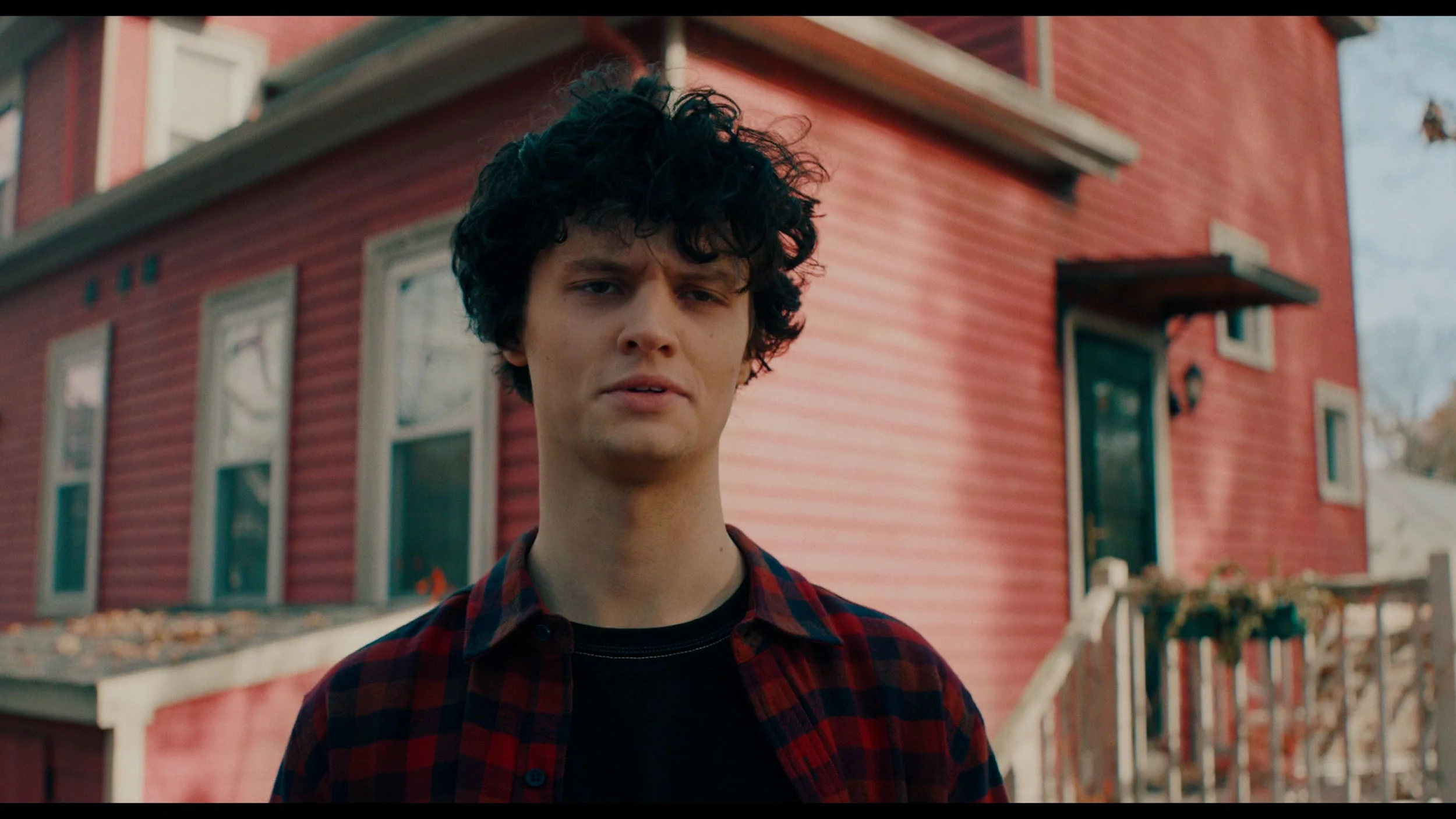
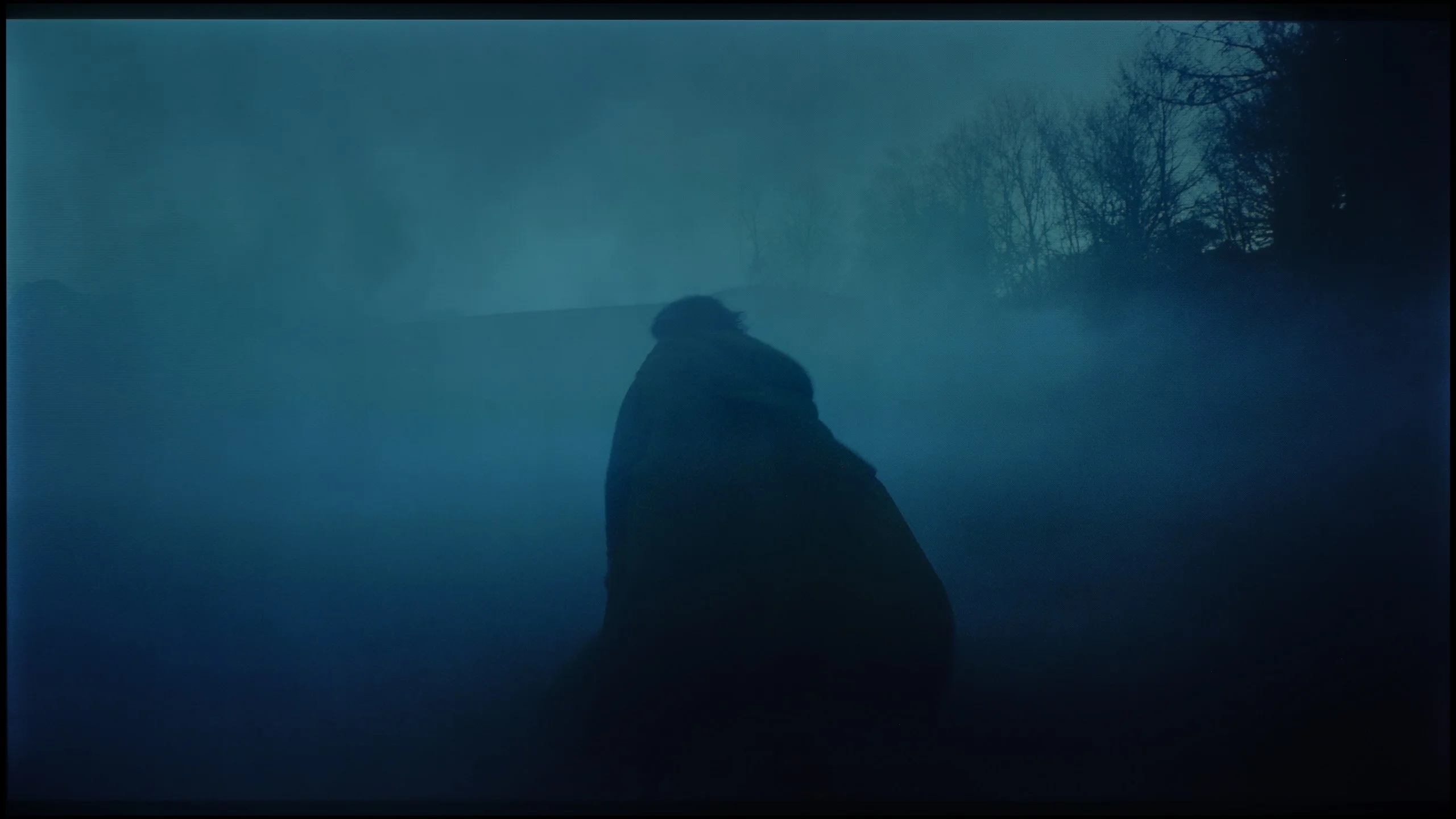
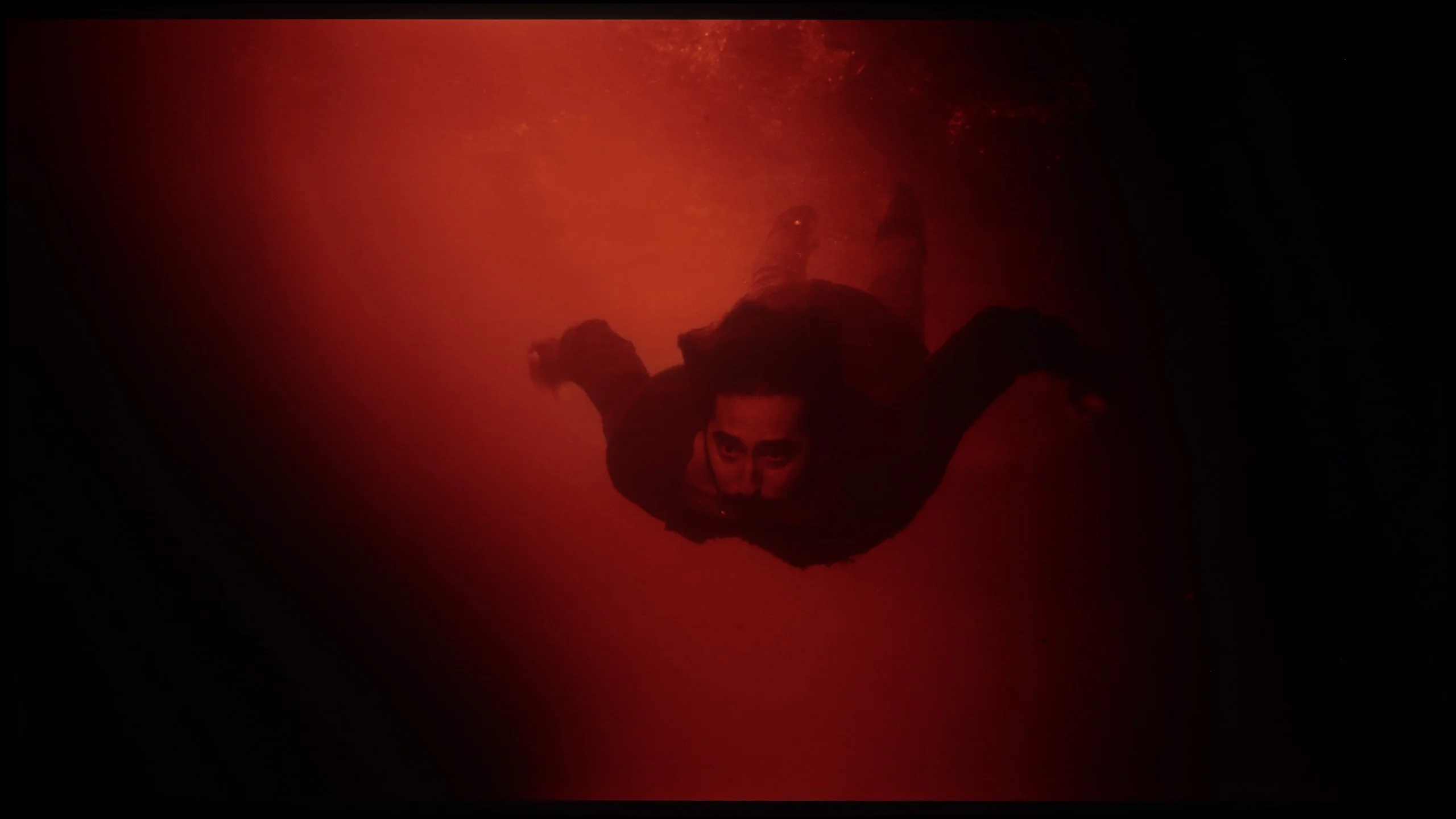
The photos show how movies look on the TV. Pay attention to black detail visibility, colors, and shadow tint.

The photos show how movies look on the TV. Pay attention to black detail visibility, colors, and shadow tint.

Fortunately, with professional calibration, most of the Bravia 9 II's factory missteps can be effectively eliminated. We were able to precisely correct, above all, the white balance and the gamma curve and EOTF. After these adjustments, in everyday use and during movie sessions the TV looks much better. The image gained proper depth, the cool tint in the whites disappeared, and shadow details that had previously been lost due to too-high gamma finally became clearly visible. Although we ultimately rate color accuracy as very good, as specialists we must point out one fairly serious design flaw in this model. The Bravia 9 II could look even better if not for the complete lack of an advanced color management system in the TV's menu.

While basic white balance correction can be performed here without issue, the settings lack options for adjusting specific colors. We tried to tackle this in every possible way: both the traditional method using the remote and via dedicated calibration software for Bravia TVs. Unfortunately, that function has been completely locked. We suspect this may stem from the specifics of the new RGB architecture, which imposes its own limitations. It's a real shame, because without it you can't refine color reproduction to perfection. The inaccurate red still stands out, for example. One can only hope Sony will fix this shortcoming over time with an update.

Contrary to appearances, even a cheap TV like the Kiano Elegance offers quite a few calibration options. We were especially successful in improving the white balance. After correction, the cooler cast disappeared and colors became noticeably more natural. We also managed to better set the gamma and the overall picture characteristics in SDR. Despite our efforts, it quickly became clear that further limitations no longer stem from the settings themselves but from the TV's capabilities. In SDR the Kiano can look really decent. TV broadcasts, YouTube, sports, or older movies can have natural colors and a pleasant image. It's much worse in HDR. Here calibration alone can't make up for the lack of brightness and a wide color gamut. The TV simply can't reproduce some of the more saturated colors or sufficiently strong highlights. So while you can get a really respectable picture in SDR, HDR still remains clearly beyond its capabilities.

Smoothness of tonal transitions

9.5/10

8.5/10

These are selected scenes that show smooth tonal transitions from one color to another. If you see distinct banding, it’s the TV panel’s fault.

These are selected scenes that show smooth tonal transitions from one color to another. If you see distinct banding, it’s the TV panel’s fault.

These are selected scenes that show smooth tonal transitions from one color to another. If you see distinct banding, it’s the TV panel’s fault.

These are selected scenes that show smooth tonal transitions from one color to another. If you see distinct banding, it’s the TV panel’s fault.

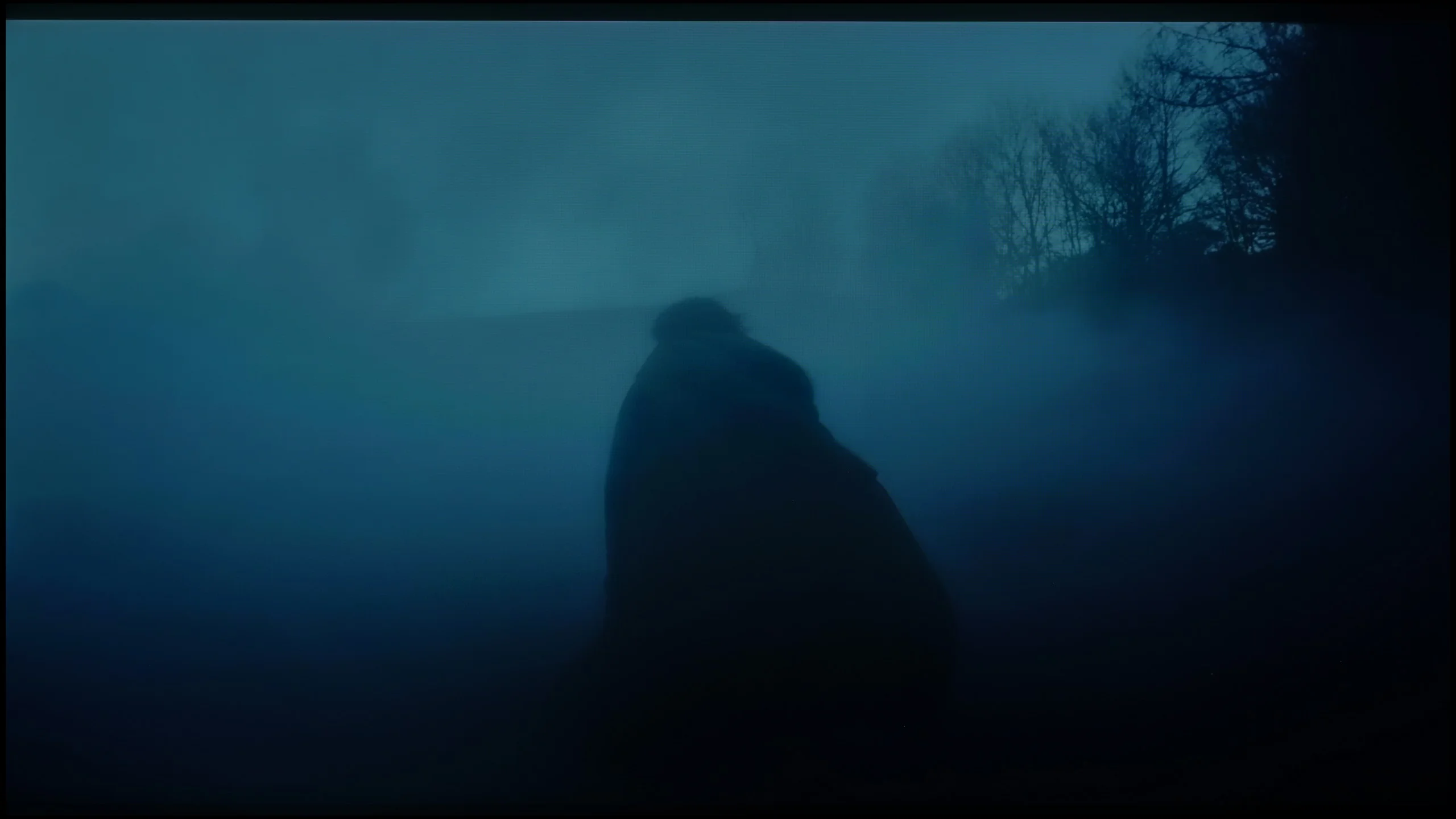
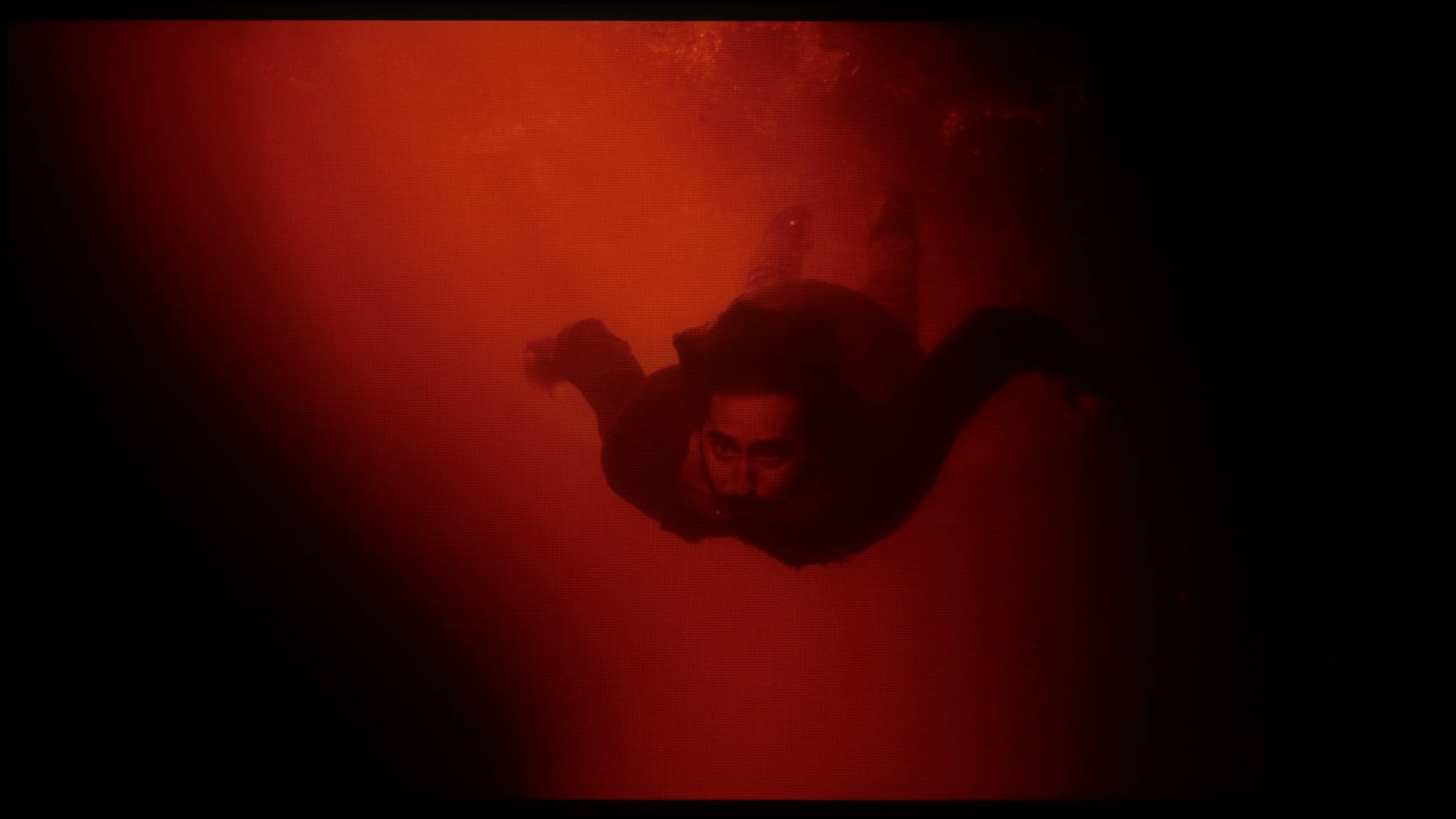
Sony deserves major praise for the smoothness of tonal transitions, which has been significantly improved compared with last year’s Bravia 9. Color gradation here is at a very high level and, most importantly, it’s consistent regardless of the scene. In both extremely bright highlights and very dark, demanding gradients the TV performs excellently, effectively eliminating the annoying phenomenon of posterization (that is, the appearance of visible “steps” and bands in color transitions, for example in shots of the sky or in fog). The only minor slips in this area can be seen when watching Dolby Vision material. In those specific scenes gradation can sometimes be slightly worse than with an HDR10 signal, but the differences are so subtle and marginal that they will remain completely imperceptible to a typical viewer.

Kiano Elegance handles color gradation quite well. In most scenes the transitions between individual shades are smooth and you don't see strong banding or obvious bands that can be a problem in the cheapest TVs. The biggest limitations only show up in darker scenes. With very subtle transitions in grays or shadows you can notice slight posterization and color breakup. However, it's not something that will be noticeable all the time. In typical content Kiano performs quite decently in this regard, especially considering its price.

Image scaling and smoothness of tonal transitions

8.5/10

6.5/10

Image without overscan on the SD signal
OK
No
Smooth transition function
OK
OK

Smooth transition function

The match photo shows how the TV smooths weak tonal transitions in low-quality video.

Image scaling SD (576i)

Digital processing and upscaling have long been Sony’s signature strength, and after testing the Bravia 9 II we can confidently say nothing has changed on the market in that respect. Sony is still at the forefront. Their proprietary XR image processor, which in this model works with the main MediaTek Pentonic 1000 chip, deserves the highest praise. That combination delivers excellent results. The upscaling of lower-resolution content is extremely effective and precise.

However, what most deserves praise in the XR processor’s performance is the tonal transition smoothing feature. The system can reduce posterization in heavily compressed material to virtually zero. Crucially, the algorithm does this in a very intelligent way. It removes only the annoying digital "steps" in gradients without blurring fine texture details or creating an artificial, "plastic" look that lacks film grain. The image remains sharp, natural, and cinematic.

For a relatively inexpensive TV, the upscaling and digital image processing in the Kiano Elegance are actually quite good. The scaling of lower-resolution material itself is decent. It’s not, of course, at the level of the best TVs on the market, but regular broadcast TV or Full HD content looks pretty good on a 4K screen. We were even more surprised by its ability to smooth unwanted tonal transitions. Many TVs in this price range either don’t offer a similar feature at all or it’s practically invisible. Using noise reduction similar to that found in Samsung TVs, Kiano can quite effectively mask heavy compression, color banding, and other imperfections in weaker sources. There’s just one catch. The feature works fairly aggressively and, along with the imperfections, can also remove some fine detail or natural film grain. So with good-quality material we’d generally leave it off. However, if you’re watching older recordings, heavily compressed broadcast TV, or low-quality internet sources, it’s worth experimenting with. In those conditions it can actually improve the perceived image quality.

Blur and motion smoothness

8.1/10

2/10

Maximum refresh rate of the panel
120Hz
60Hz
Film motion smoothing option
OK
No
Blur reduction option
OK
No
BFI function 60Hz
Yes, 60Hz (image flickers)
-
BFI function 120Hz
Yes, 240Hz (double contours)
-
Brightness drop with BFI
76%
-%

Blur (native resolution, maximum refresh rate):

Blur (BFI function enabled):

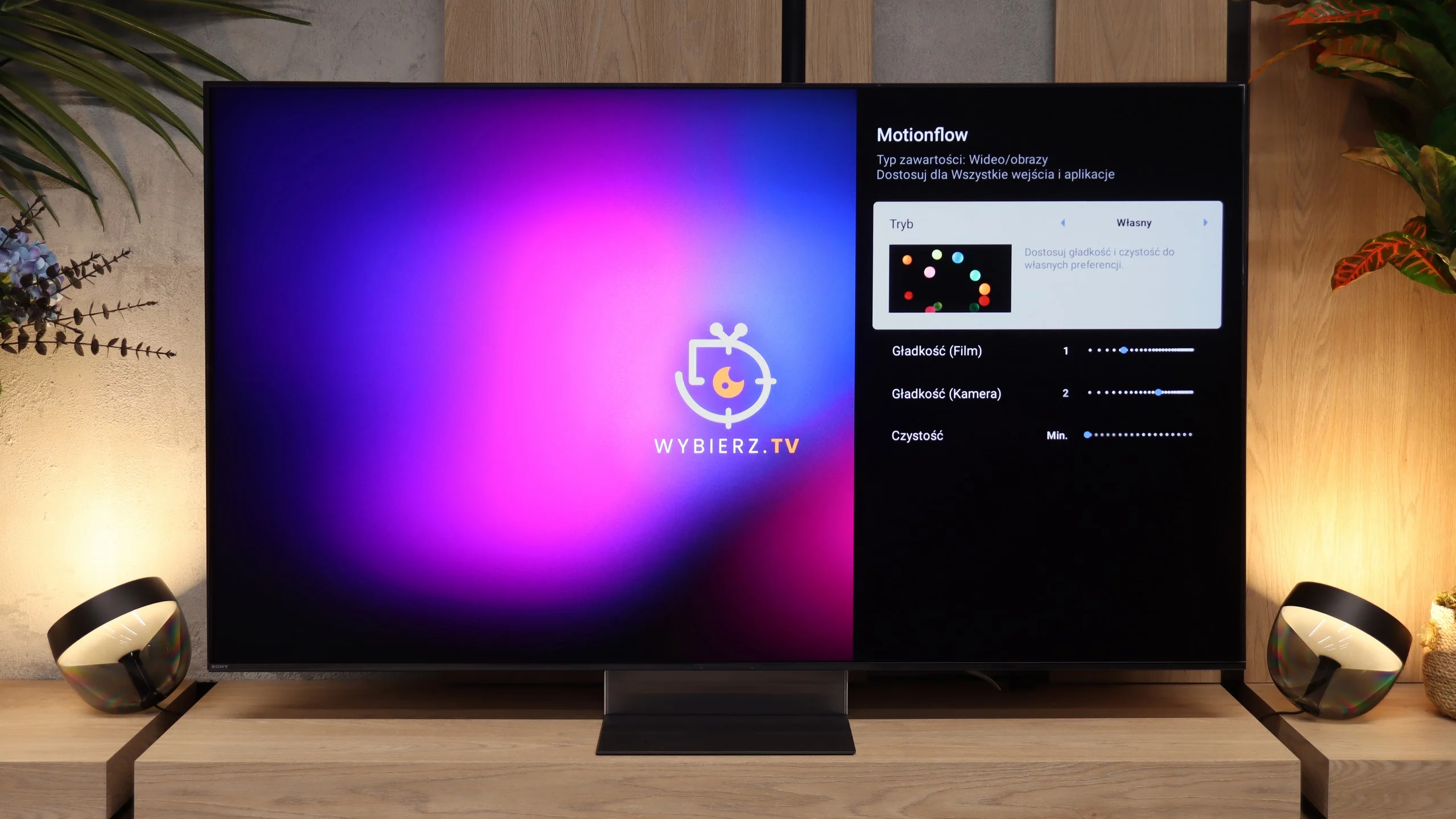
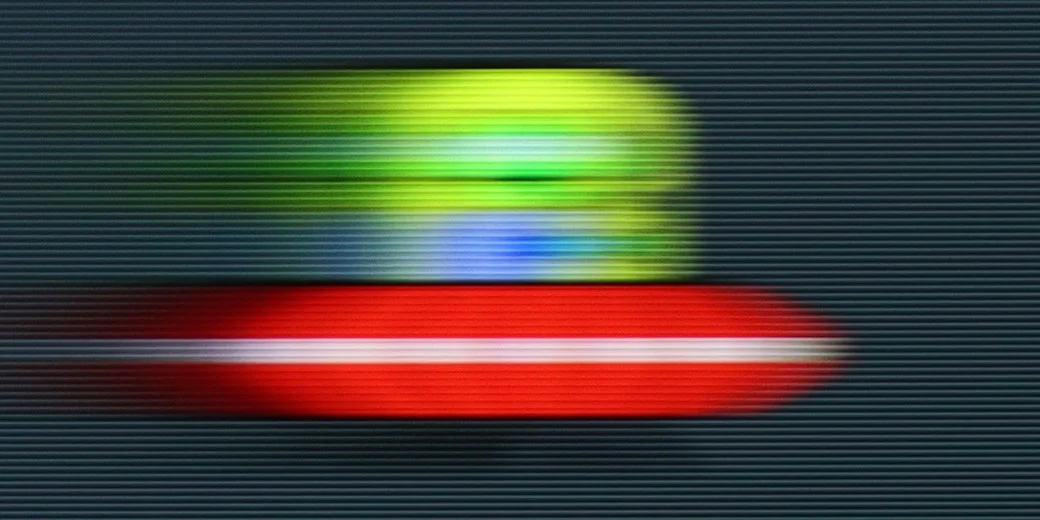
The Sony Bravia 9 II's specifications don't list staggering refresh rates above 120 Hz, which some more demanding PC gamers may view as a drawback. However, in everyday use, during movie sessions, playing console games, or watching sports, it's really hard to find any complaints about motion smoothness. The VA-type panel used here does show some slight, inherent smearing typical for this panel type, but excellent Motionflow motion smoothing algorithms come to the rescue. In the system menu you'll find sliders for blur reduction and smoothing that let you precisely tailor the motion characteristics to your preferences.

In terms of motion handling, the Kiano Elegance performs rather poorly. The TV uses a 60 Hz panel, but at this price point that's not surprising. What’s more bothersome is the complete lack of any motion-smoothing feature. In practice this means the TV displays content at exactly the frame rate it was recorded at. That’s not a huge problem for movies, but with sports or fast panning shots it becomes obvious that motion isn’t particularly smooth.

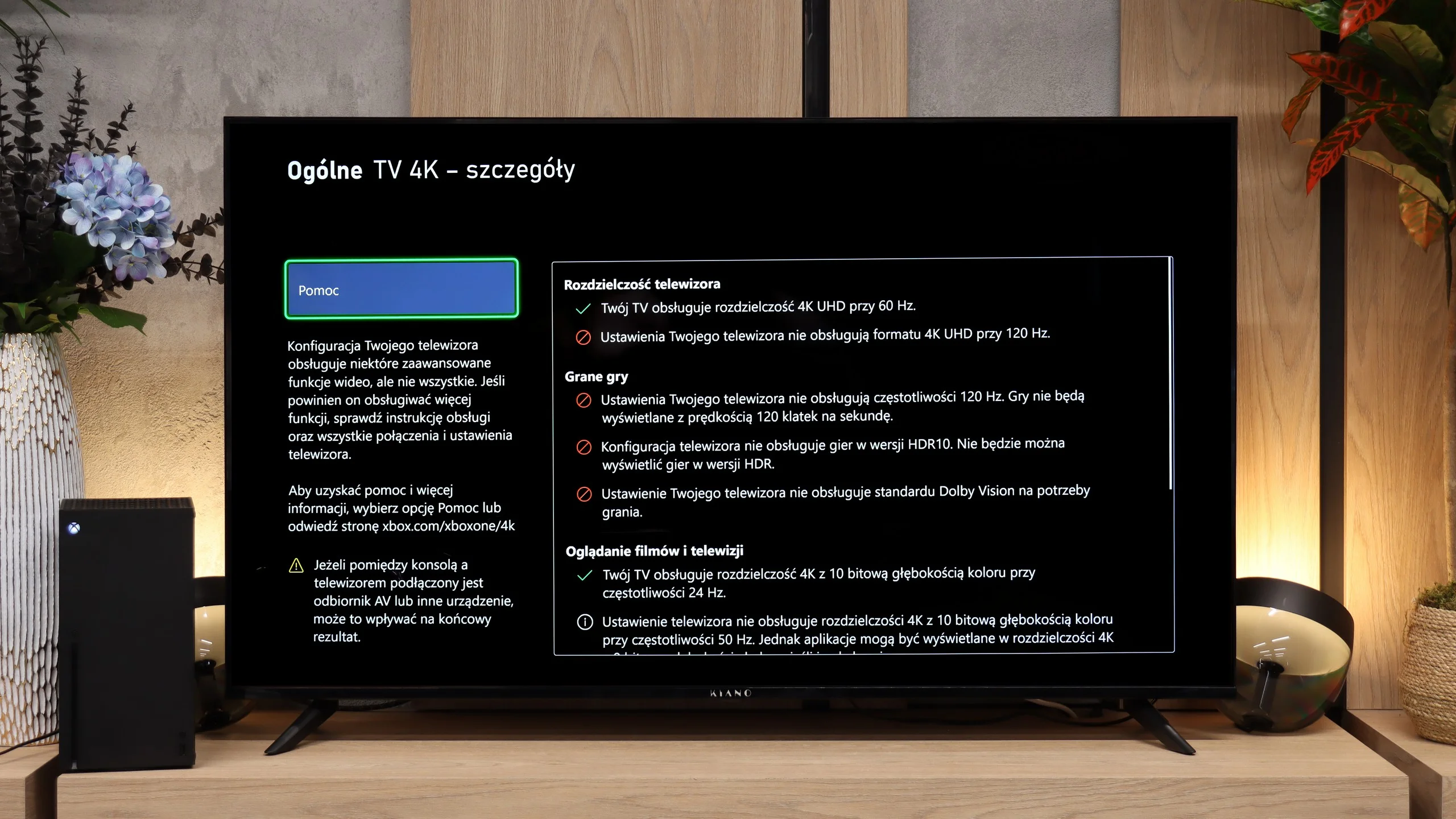
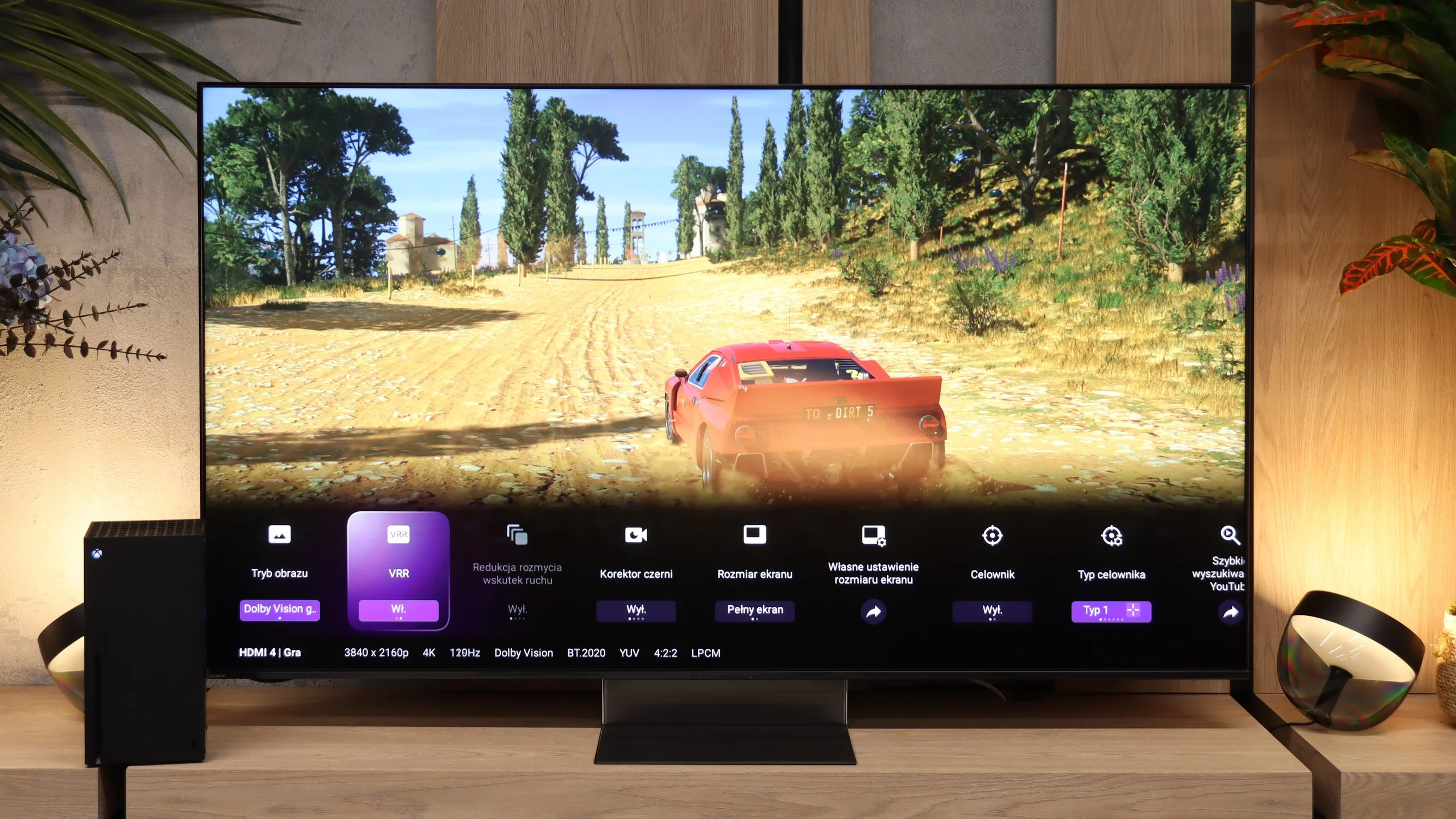
Console compatibility and gaming features

9.4/10

1.6/10

  • ALLM
    Yes
    No
  • VRR
    Yes
    No
  • VRR range
    48 - 120Hz
    No
  • Dolby Vision Game Mode
    Yes
    No
  • Correct implementation of HGIG
    Yes
    No
  • 1080p@120Hz
    Yes
    No
  • 1440p@120Hz
    No
    No
  • 4K@120Hz
    Yes
    No
  • Game bar
    Yes
    No

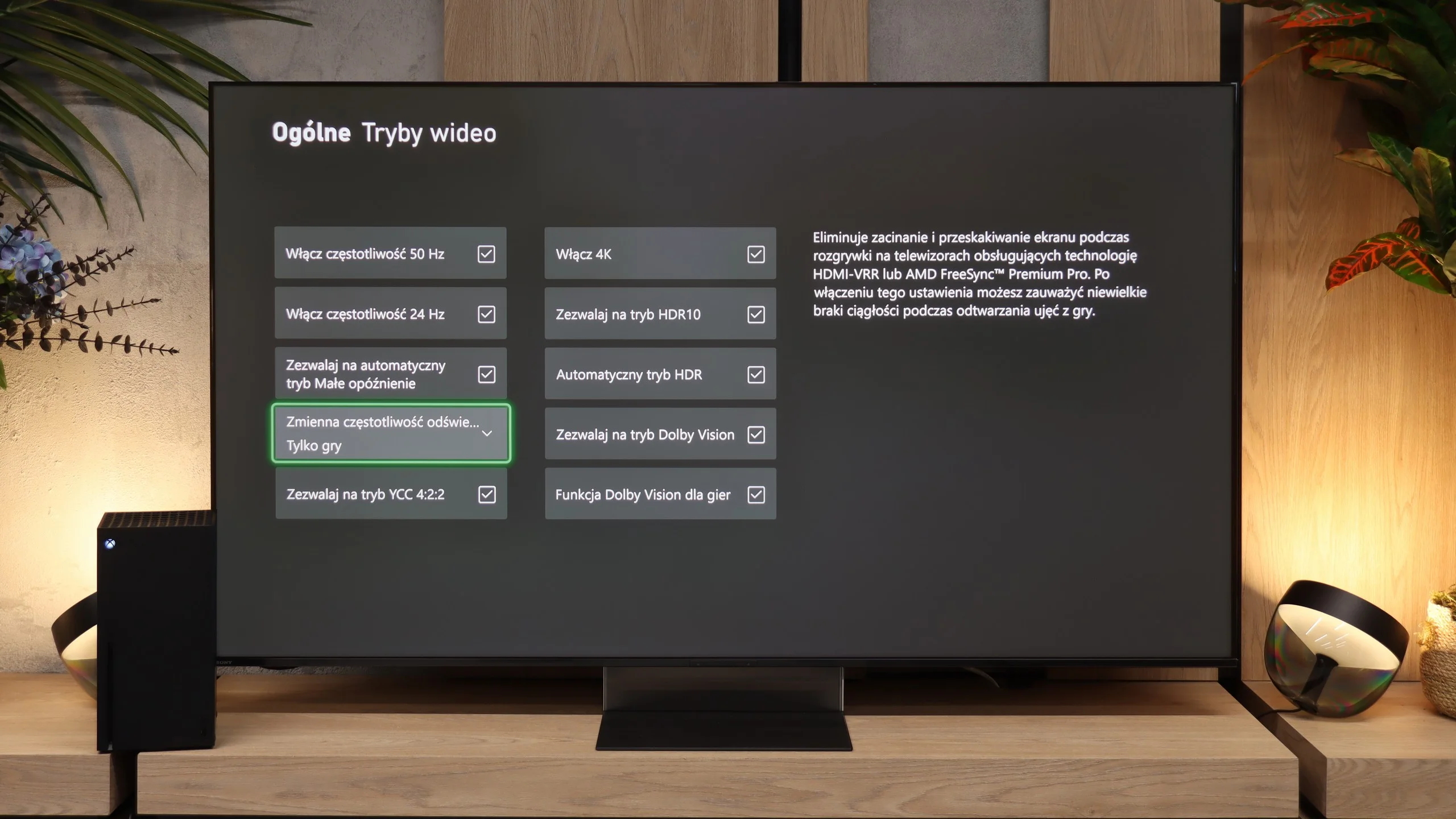
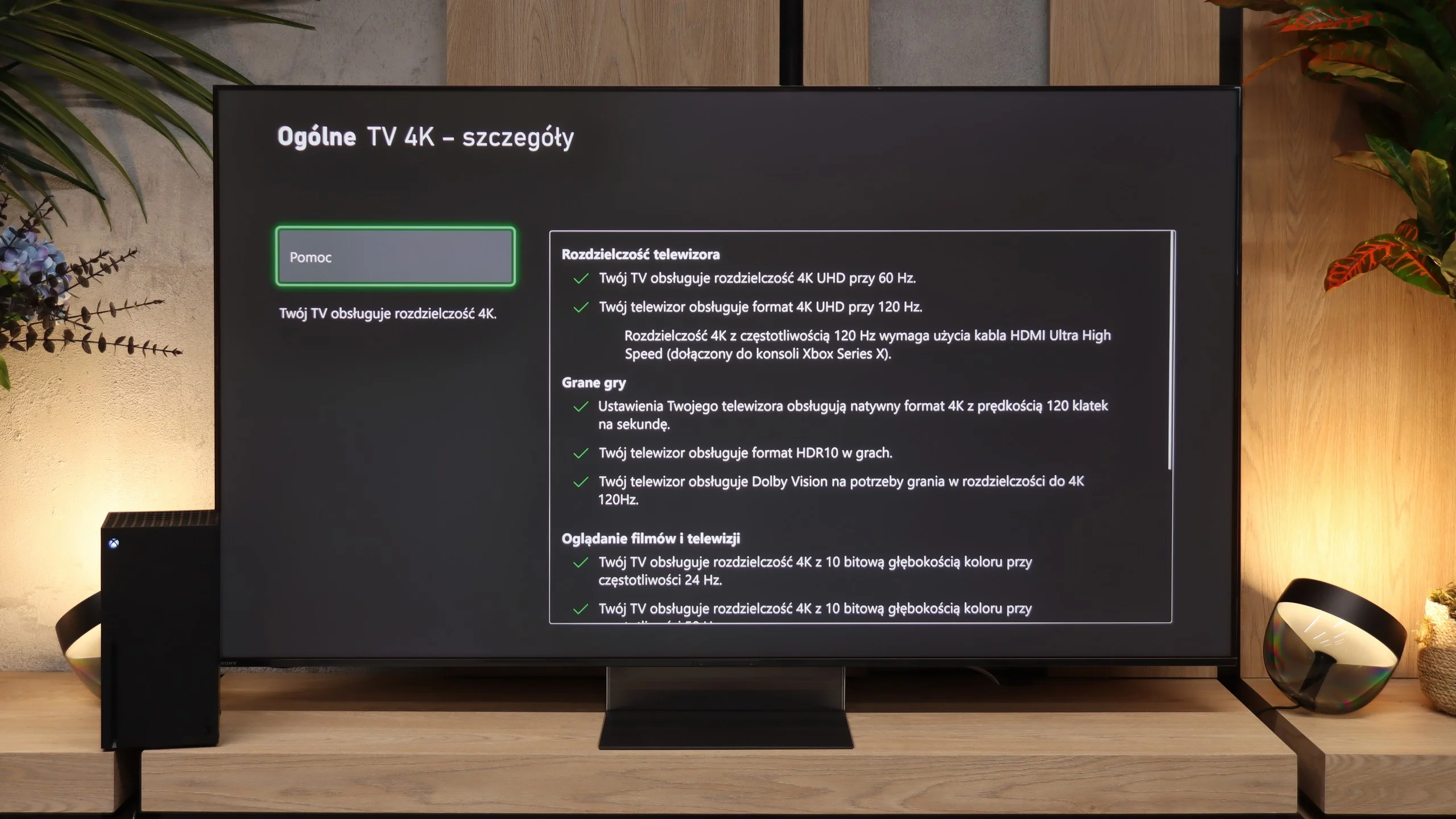
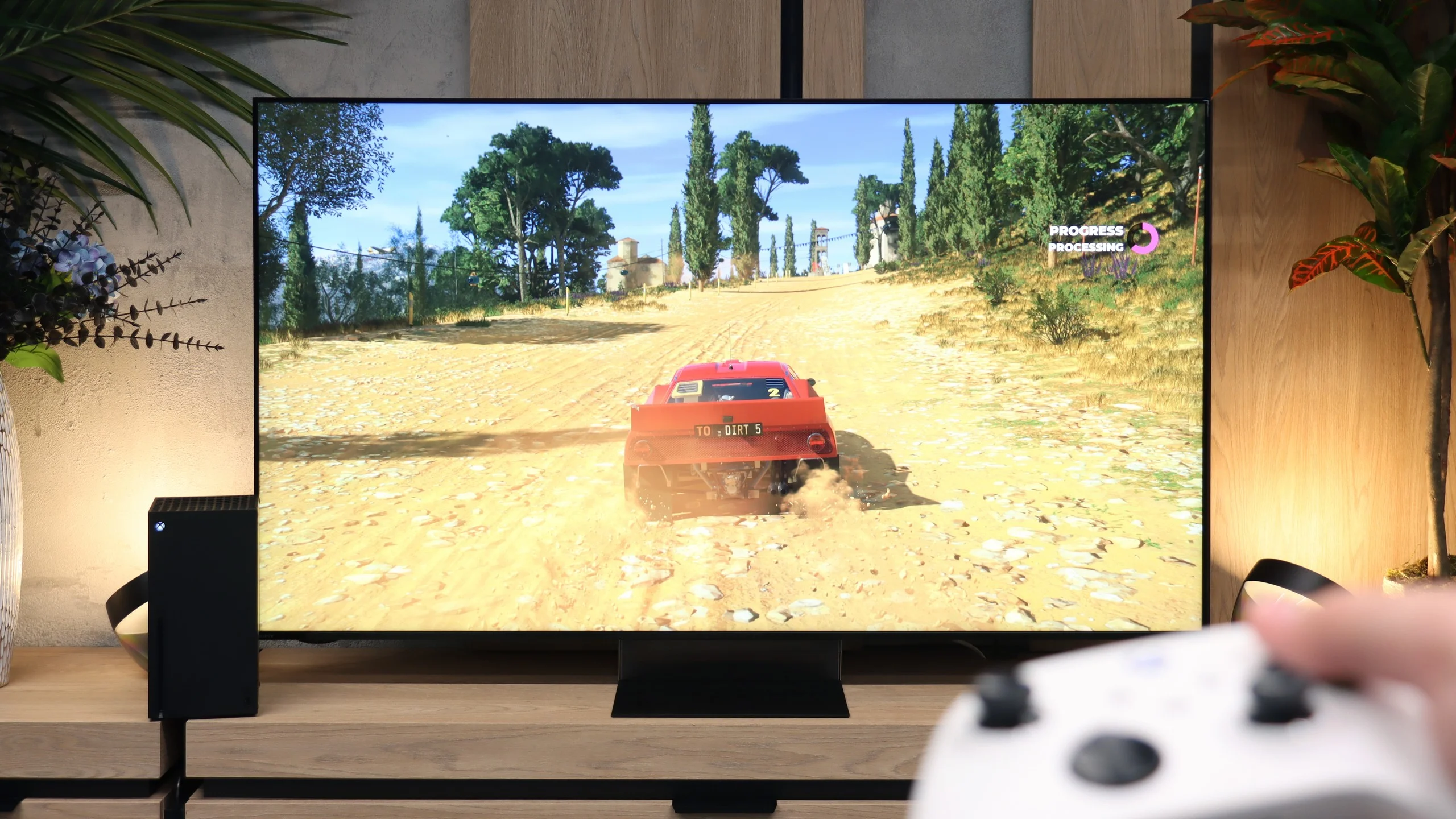
Apart from a fairly serious design oversight, limiting the platform to just two full HDMI 2.1 ports, the Bravia 9 II offers almost all key gaming features available on the market. Sony has already accustomed us to such a rich package in its previous models. The list of supported technologies is very long. It includes automatic low-latency mode (ALLM), variable refresh rate (VRR), as well as a proper implementation of the HGIG standard and the Dolby Vision format specifically designed for gamers.

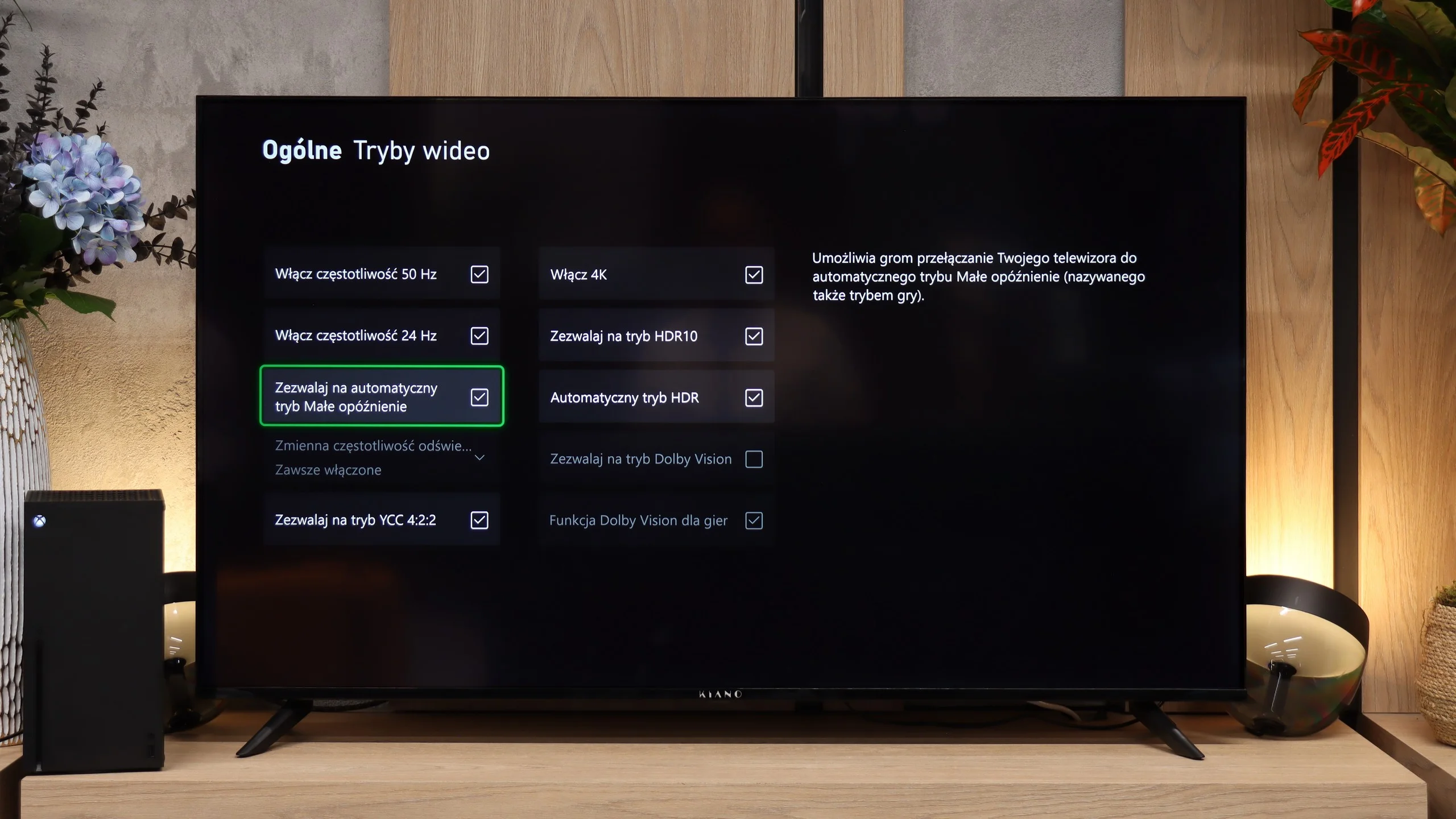
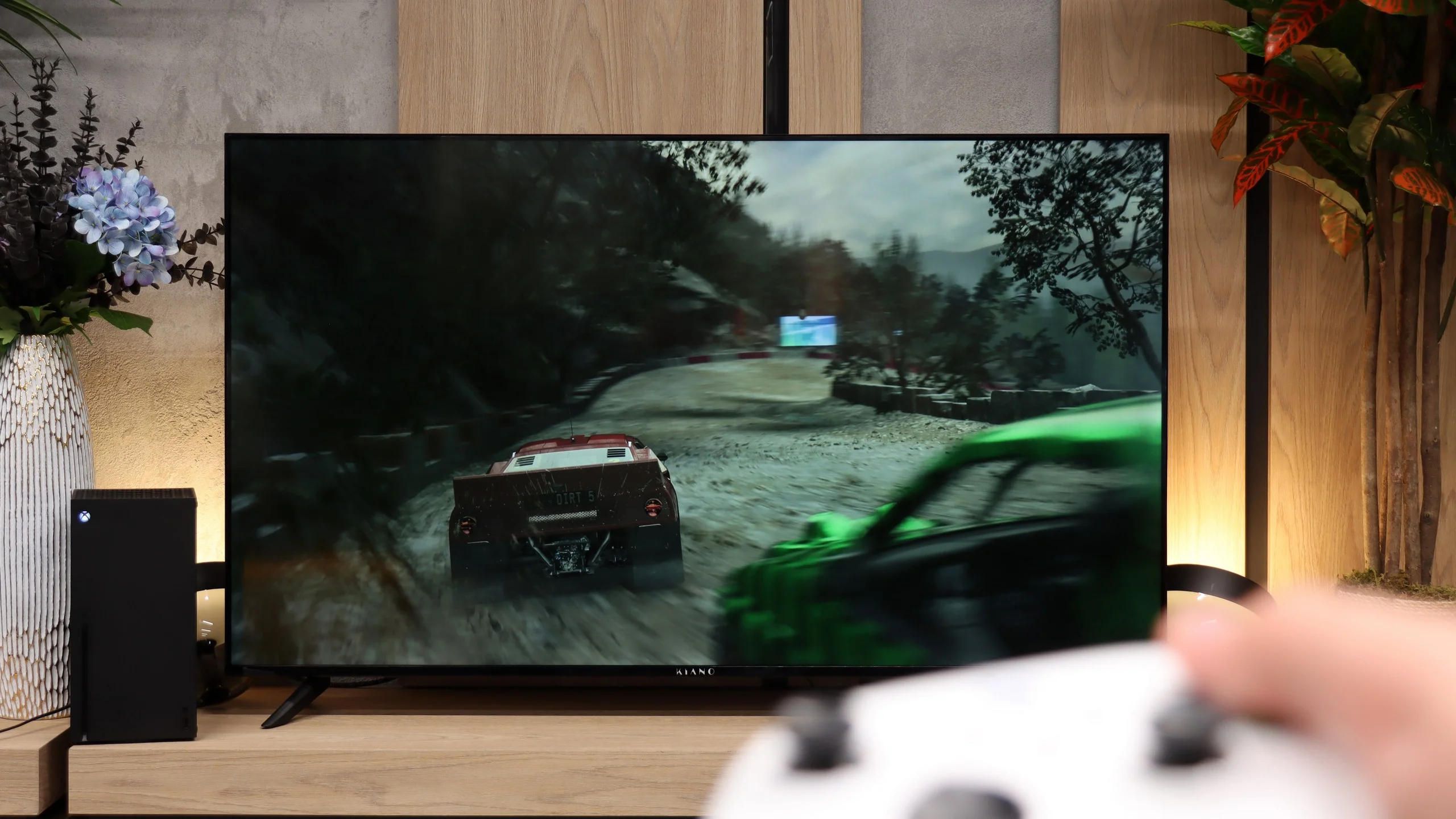
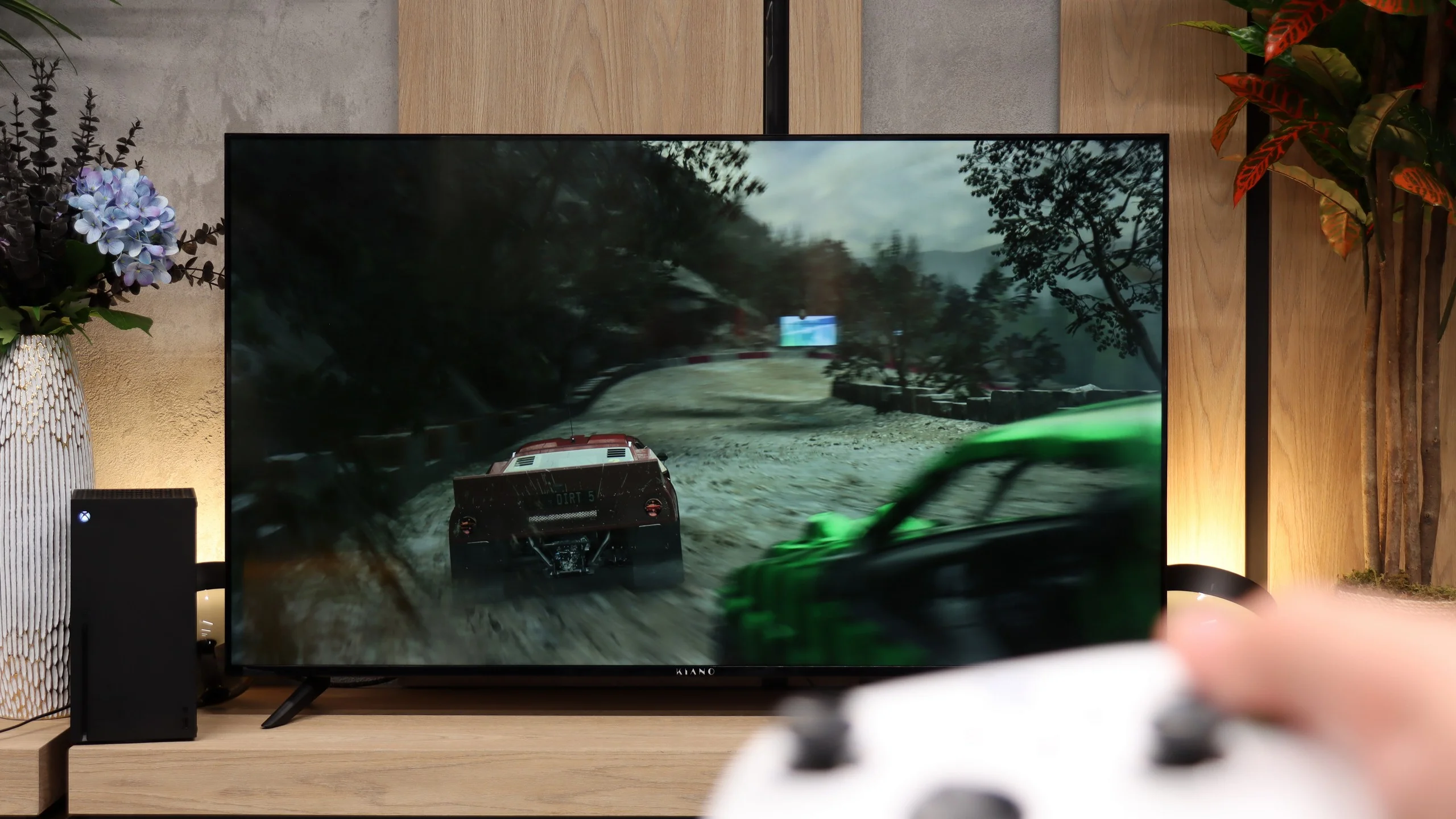
The Kiano Elegance will let you plug in a console and play, but that's basically where its ambitions end. The panel supports a maximum of 60 Hz and it also lacks VRR, which helps with frame-rate drops. It doesn't even have ALLM, i.e. automatic switching to a low-latency mode, so you'll have to take care of the TV's settings yourself. That's a shame, especially since input lag is low in the right mode. If a console is one of the main reasons you're buying a TV, it's worth looking for something more capable.

Input lag

10/10

9.8/10

SDR

1080p60
13 ms
15 ms
1080p120
8 ms
2160p60
13 ms
14 ms
2160p120
8 ms

HDR

2160p60
12 ms
15 ms
2160p120
7 ms
4320p60

Dolby Vision

2160p60 DV
13 ms
2160p120 DV
7 ms

Alongside a rich package of gaming features comes an extremely important parameter for every gamer: input lag. Here the new Bravia 9 II is simply flawless. Our lab tests showed that input lag in "Game" mode is super low. The values we recorded during measurements are completely imperceptible to the human eye and place this model among the very best.

Although there are few features for gamers, the Kiano Elegance performs very well in terms of input lag. We measured about 14-15 ms at 60 Hz, in both Full HD and 4K. Enabling HDR doesn't degrade the result either. Controller input is therefore quick, and while gaming you won't feel the TV noticeably delaying your inputs. That's one of this model's strongest points.

Compatibility with PC

7.8/10

6/10

Chroma 444 (max. resolution and refresh rate)
Yes
Yes
Font clarity
Very Good
Very Good
Readability of dark text and shapes
Good
Very Good
Input lag in PC mode (4K, max. refresh rate)
8ms
15ms
Matrix subpixel arrangement
RGB
BGR
Max refresh rate
120Hz
60Hz
G-Sync
Yes
No

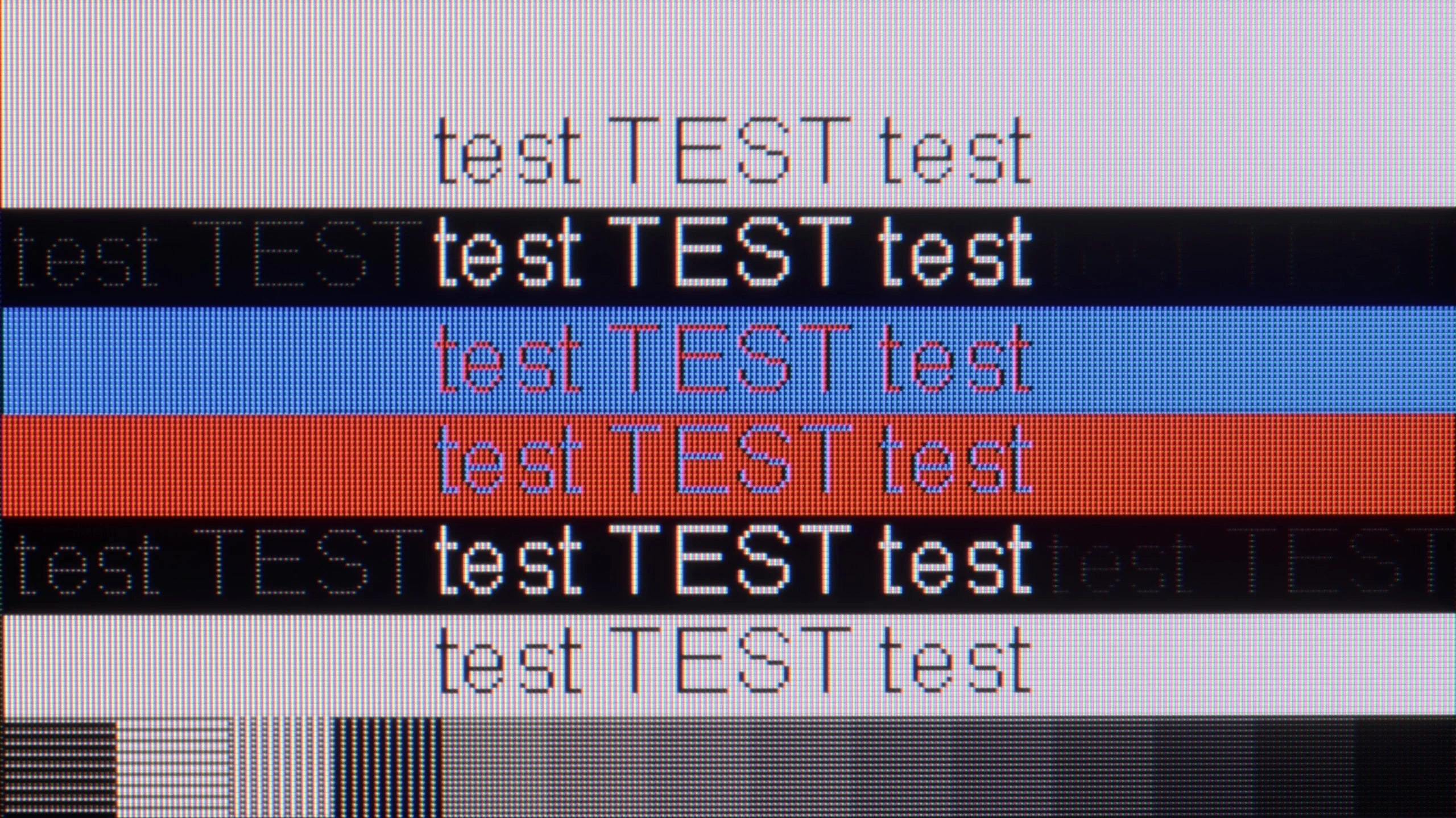
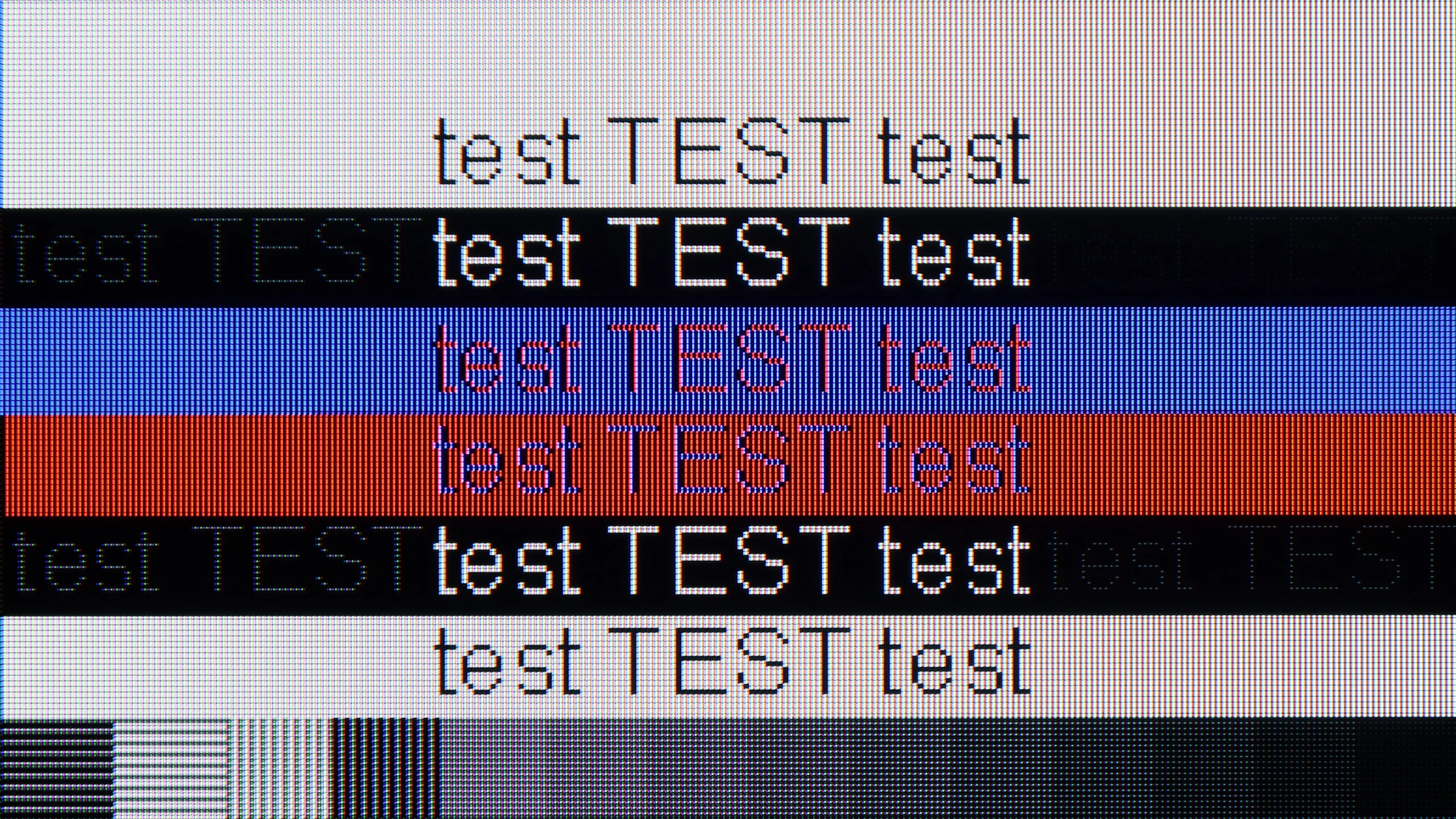
The photo shows the legibility of small fonts. Ideally, lines should be the same thickness on both light and dark text, with minimal pixel gaps.

Bravia 9 II also works great as a powerful computer display. Although there are no special PC modes that would let you push the refresh rate above 120 Hz, as a huge monitor the TV performs superbly. Full frame synchronization works flawlessly and is compatible with the most common graphics-card vendor implementations. You can enable both G-Sync and FreeSync without any problem.

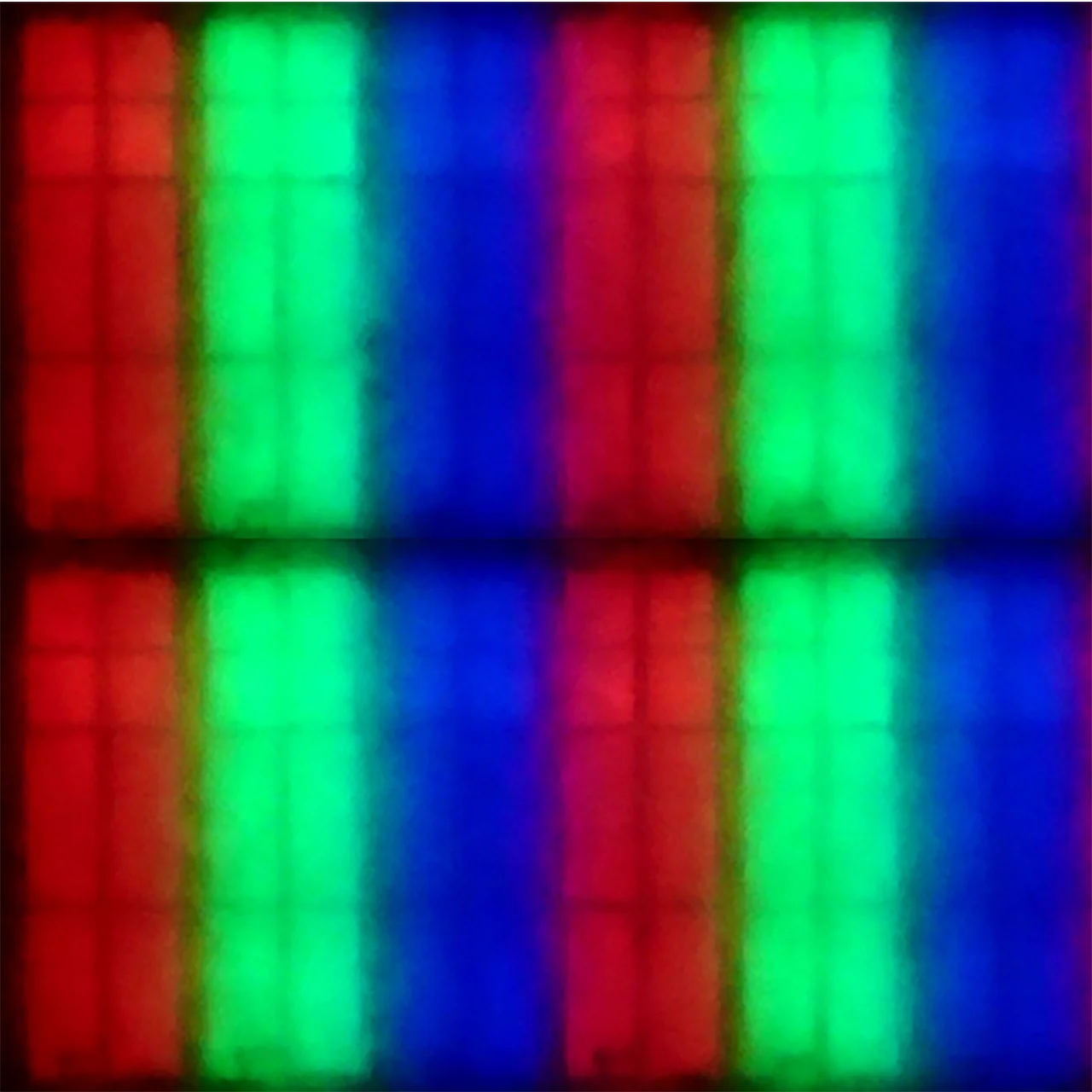
A very welcome surprise and improvement is the change to the panel’s subpixel layout. In the new model Sony has moved away from a BGR arrangement in favor of the more conventional structurally RGB. That change directly improved the legibility of fonts and other fine elements in Windows and macOS compared with the first-generation Bravia 9. At very close viewing distances a trained eye might notice that the edges of dark text on a bright background are not "perfectly" sharp, but in everyday use, whether working with documents or playing games, this is completely unnoticeable.

For browsing the web, reading documents, or displaying an image from a laptop, the Kiano Elegance performs quite well. It supports 4:4:4 chroma subsampling, so small, colorful text remains legible. There are also no major issues with rendering dark text. Despite using a BGR subpixel layout, font readability in our tests was very good.

When gaming on a PC, however, the limitations described earlier return. The refresh rate is limited to 60 Hz, and G-Sync is not supported. Low input lag, at around 15 ms, provides responsive controls, but it won't improve the sharpness of moving objects. As a large screen for basic use the Kiano is adequate, but there are better options for fast-paced games.

Viewing angles

6/10

2.8/10

Brightness drop at an angle of 45 degrees
58%
63%

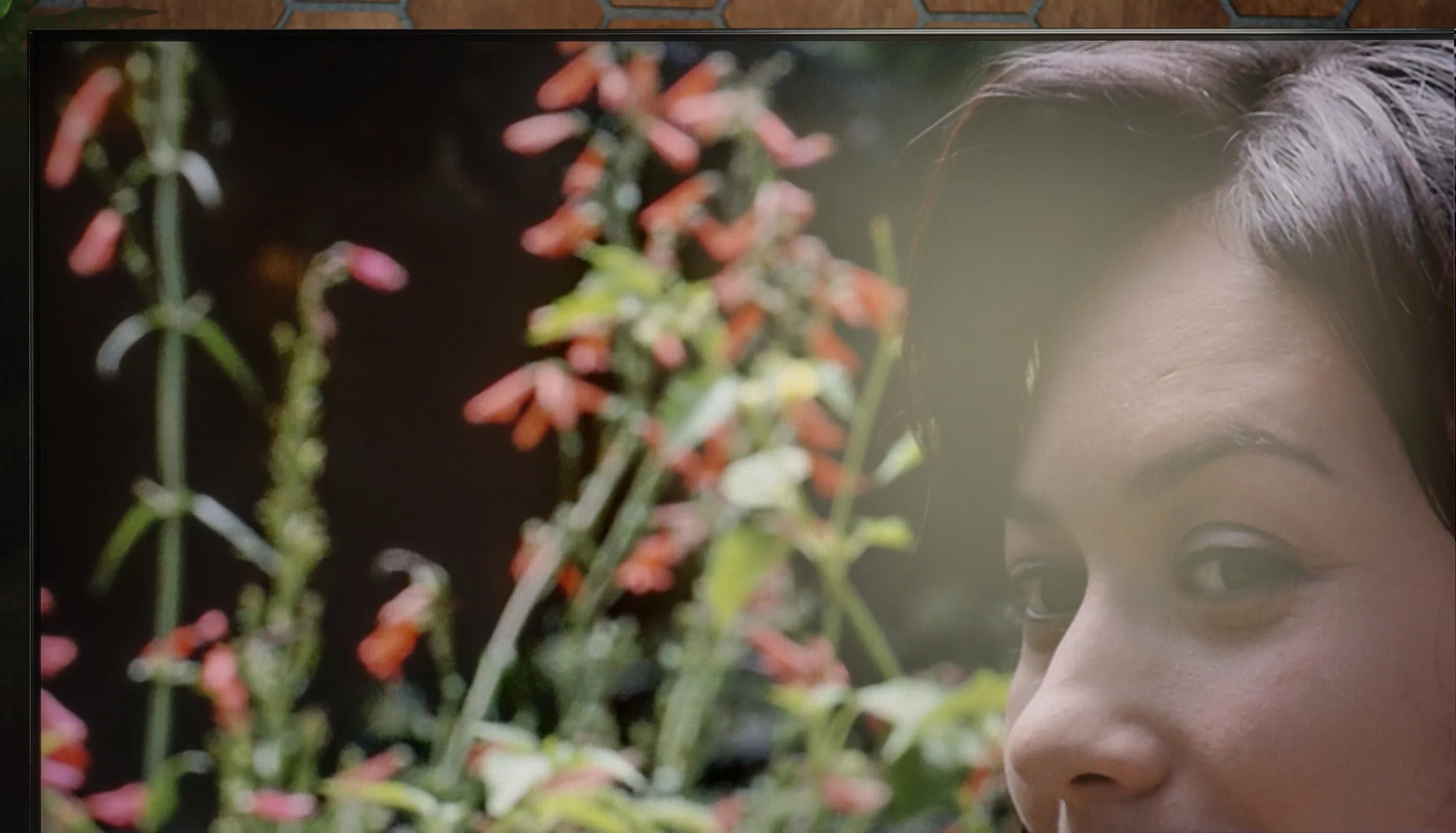
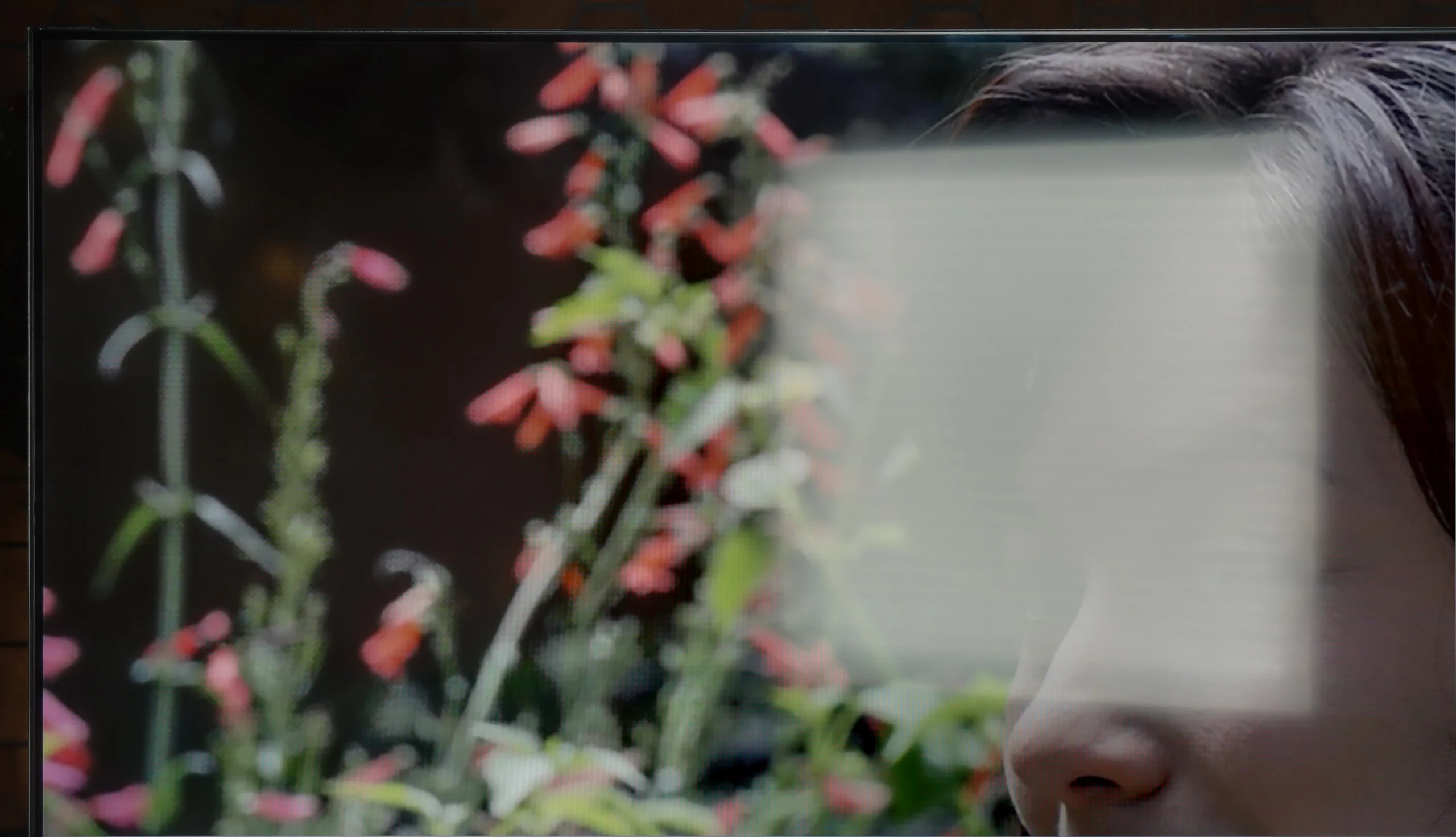
The Bravia 9 II is equipped with a VA LCD panel. Naturally its strongest point is high native contrast, but unfortunately that comes at the cost of weaker viewing angles. Importantly, because a new deep matte screen coating was used, the manufacturer had to forgo special angle-expanding filters.

Does that mean the viewing angles are simply bad? Not entirely. When you look at the panel from a moderate angle (say around 45 degrees), color saturation and brightness remain at a perfectly acceptable level. It all comes down to the specifics of the RGB backlight. Because the backlight takes on the color of the image currently being displayed, what we see appears much more natural to the human eye. We perceive such an image as more coherent compared with conventional Mini LED screens with quantum dots. On the other hand, when comparing the visibility of zone operation at a steep angle to a standard Mini LED, the Sony screen made the halo effect and zonal banding more noticeable.

The Kiano Elegance is best viewed while sitting directly in front of the screen. When you move to the side, colors noticeably lose saturation and the image becomes much less contrasty. At a 45-degree angle we measured a drop in brightness of about 63%, so the difference is hard to miss. This is a typical weakness of VA panels, which you should consider if the TV will be placed by a wide sofa or watched from different parts of the room.

Daytime performance

10/10

3.7/10

Panel finish
Matte
Satin
Reflection suppression
Very Good
Decent
Black levels during daytime
Average
AbsorptiveBlack-Decent

Panel brightness

Kiano Elegance (Tizen OS Powered by Samsung): 215 cd/m2

SONY Bravia 9 II XR95M2: 1980 cd/m2

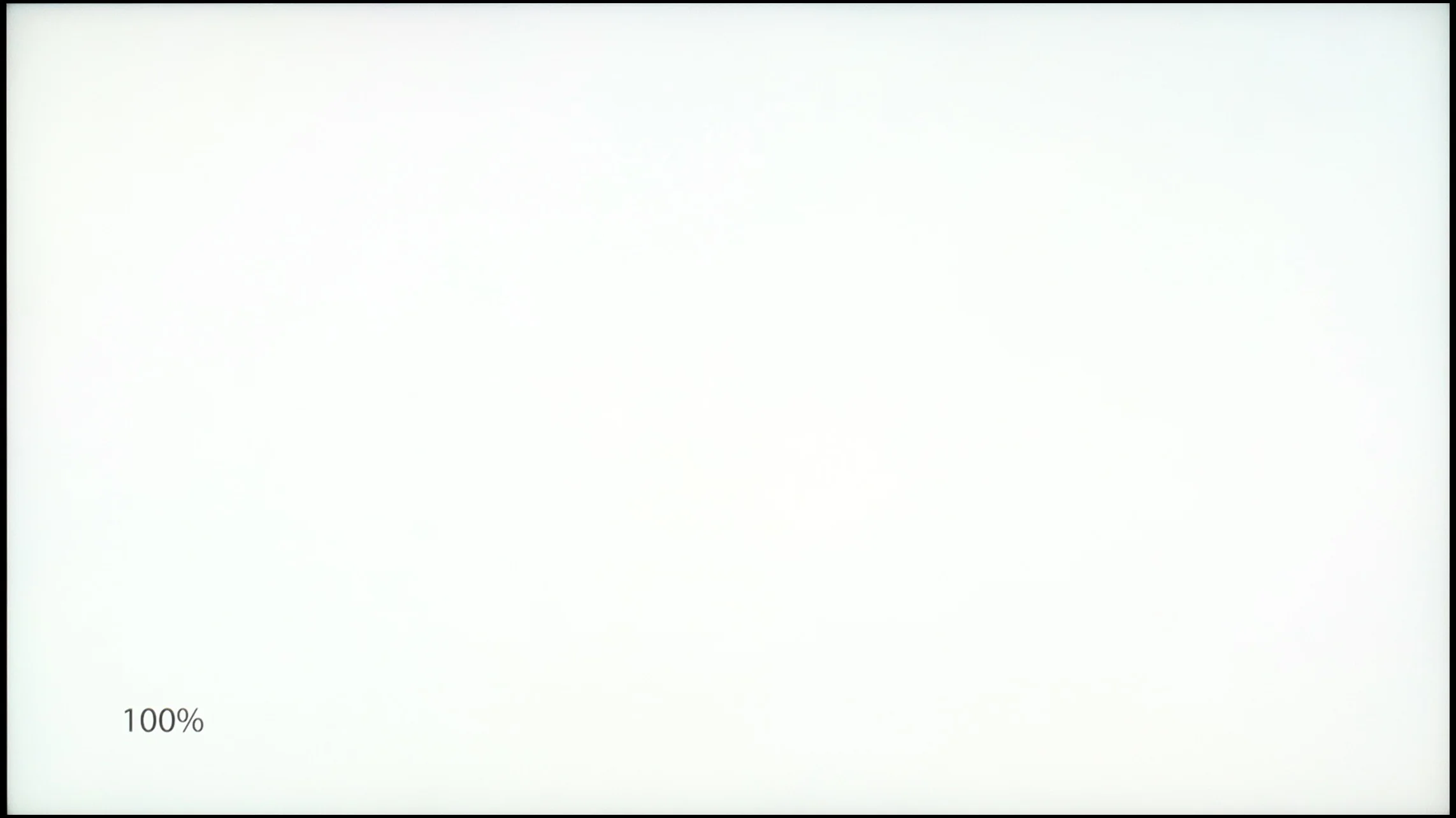
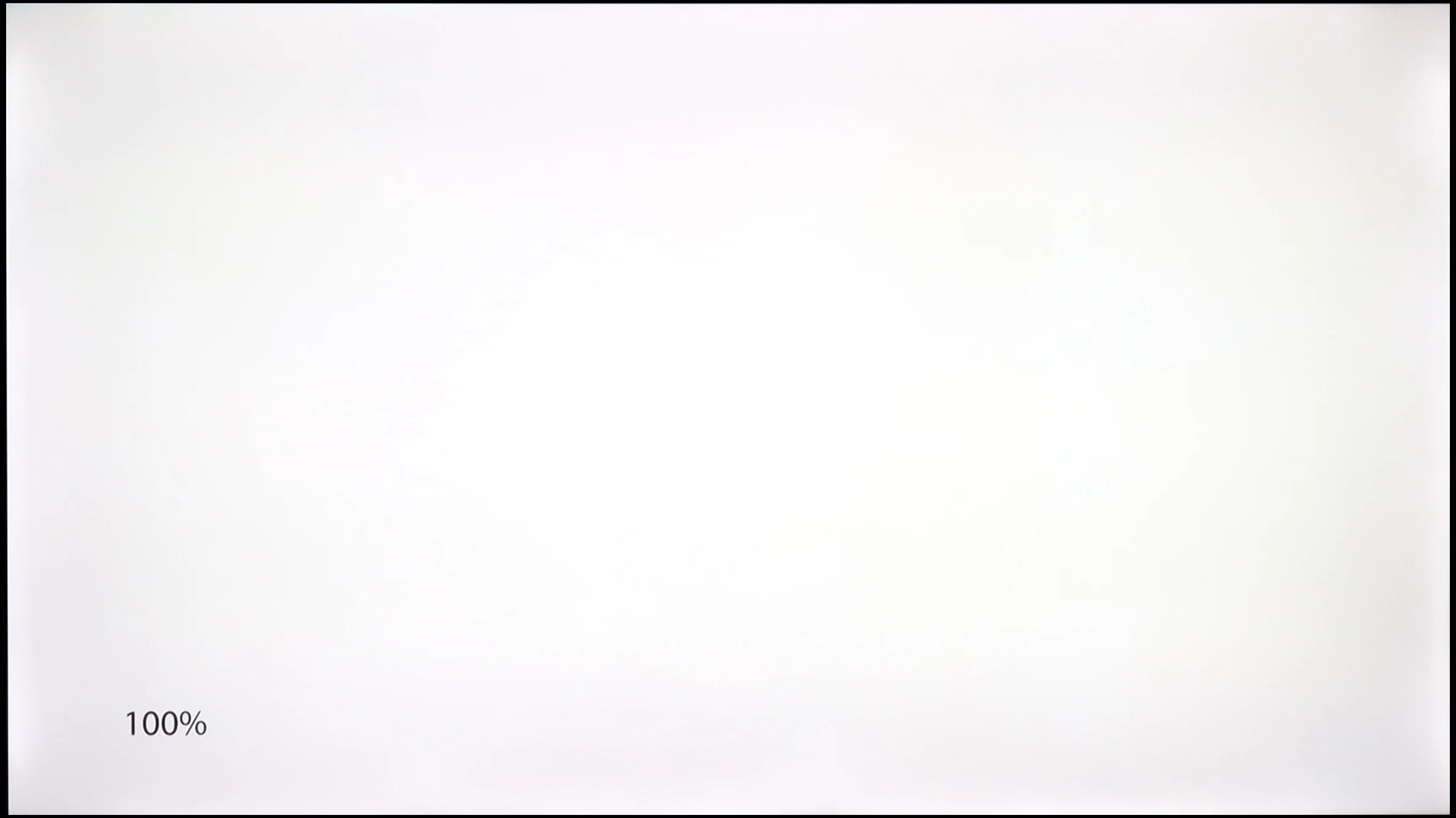
High brightness combined with the new coating makes the Bravia 9 II one of the best TVs on the market for watching in demanding conditions. Average brightness in SDR content is about 2000 nits, and smaller highlights can reach up to a powerful 4000 nits. In practice this means the picture stays readable even when direct midday sun pours into the living room. The new, deeply matte panel coating plays a key role here. Unlike the glossy screen finish of the previous model, this filter deals with scattered reflections exceptionally well. When direct light from a window or lamp hits the screen, you won’t see annoying reflections of your face or the furniture. The natural trade-off of a matte finish is a slight reduction in perceived color saturation and black levels compared with perfectly glossy panels. In very bright light the image can look a bit flatter. That said, it’s a fully justified and almost symbolic price to pay for a dramatic improvement in usability. If you’re looking for a TV for a living room with large windows and want to put an end to bothersome daytime reflections once and for all, the Bravia 9 II is ideal in this regard.

The Kiano Elegance is simply too dim for a very sunlit living room. Average brightness is about 215 nits, so during the day the picture is easily washed out by light coming through the windows. Especially with darker movies you may need to close the blinds. The satin coating does a decent job of reducing reflections, and black levels in a lit room don't look bad, but that's not enough to make up for the low brightness. The TV is much better suited to a less sunlit room or to evening viewing.

Panel details

Backlight Type
Mini-LED RGB
White LED
Software version during testing
114.602.030.1EUA
T-24RSSFUCVTDEUC-1201.0
Image processor
MT5897 5gb ram

Subpixel Structure:

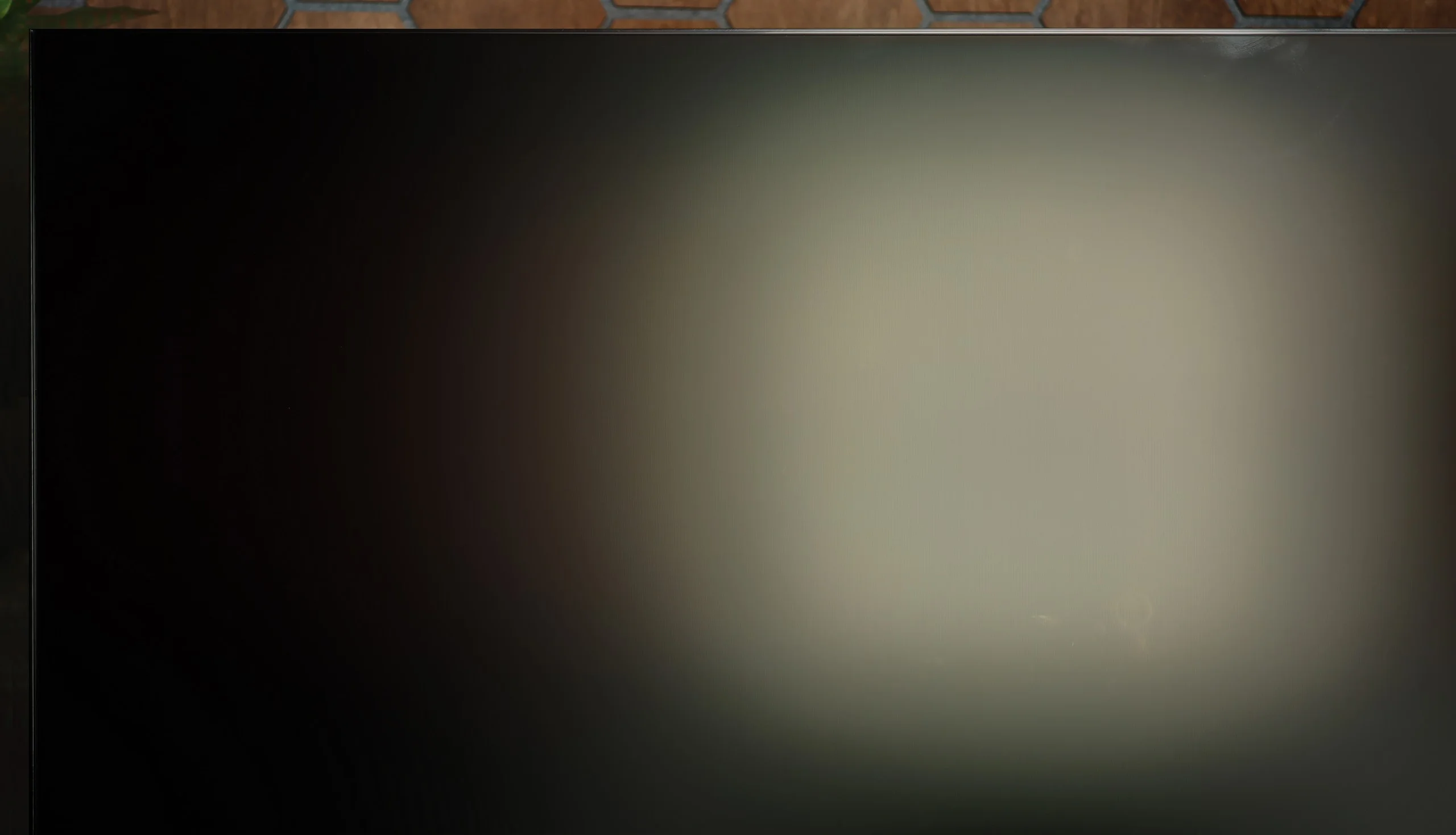
Panel uniformity and thermal imaging:

Review SONY Bravia 9 II XR95M2 TV Panel details
Review Kiano Elegance (Tizen OS Powered by Samsung) TV Panel details

SONY Bravia 9 II XR95M2

Kiano Elegance (Tizen OS Powered by Samsung)

TV features

8.8/10

5.1/10

  • System
    Google TV
    Tizen
  • System performance
    Very good
    Average
  • HDMI inputs
    2 x HDMI 2.0, 2 x HDMI 2.1 48Gbps
    3 x HDMI 2.0, 0 x HDMI 2.1
  • Other inputs
    RCA (Chinch)
  • Outputs
    Toslink (Optical audio), eARC (HDMI), ARC (HDMI), Mini-Jack (Sony S-Center)
    SPDIF (Coaxial audio), eARC (HDMI), ARC (HDMI)
  • Network Interfaces
    Wi-Fi 2.4GHz, Wi-Fi 5GHz, Ethernet (LAN) 100Mbps
    Wi-Fi 2.4GHz, Wi-Fi 5GHz, Ethernet (LAN) 100Mbps
  • TV reception
    DVB-T, DVB-T2, DVB-S, DVB-S2, DVB-C
    DVB-T, DVB-T2, DVB-S, DVB-S2, DVB-C

Classic features:

  • Recording to USB (terrestrial TV)
    Yes
    No
  • Recording programming
    Yes
    No
  • Picture in Picture (PiP)
    No
    No
  • RF remote control (no need to aim)
    Yes
    No
  • Backlit remote control
    Yes
    No
  • Teletext
    Yes
    Yes
  • Audio only mode
    Yes
    Yes
  • Bluetooth headphones support
    Yes
    Yes
  • Simultaneous Bluetooth headphones & TV audio
    Yes
    Yes

Smart features:

  • AirPlay
    Yes
    Yes
  • Screen mirroring (Windows Miracast)
    Yes
    Yes
  • Voice search
    Yes
    No
  • Voice search in native language
    Yes
    No
  • Ability to connect a keyboard and mouse
    Yes
    Yes
Review SONY Bravia 9 II XR95M2 TV features
Review Kiano Elegance (Tizen OS Powered by Samsung) TV features

Sound connection options

  • HDMI audio
    eARC (HDMI), ARC (HDMI)
    eARC (HDMI), ARC (HDMI)
  • Other audio outputs
    Toslink (Optical audio), AuxiliaryOutput-Mini-Jack (Sony S-Center)
    AuxiliaryOutput-SPDIF (Coaxial audio)
  • Wireless audio
    Bluetooth
    Bluetooth

Supported audio formats (external HDMI eARC audio):

  • Dolby Digital Plus 7.1
    Yes
    Yes
  • Dolby True HD 7.1
    No
    No
  • Dolby Atmos in Dolby Digital Plus (JOC)
    Yes
    Yes
  • Dolby Atmos in Dolby True HD
    No
    No
  • DTS:X in DTS-HD MA
    Yes
    No
  • DTS-HD Master Audio
    Yes
    No

Senior accessibility

  • Numeric keyboard on TV
    Yes
    Yes
  • Font size adjustment
    Yes
    Yes
  • Audio description
    Yes
    Yes

Classic features and two remotes

When discussing such an advanced TV, it's easy to focus only on processors and nits, but the Bravia 9 II is also an excellent set in the most down-to-earth aspects. A great example is the return to traditional solutions many competitors have already forgotten. That includes full support for recording TV programs directly to external USB storage.

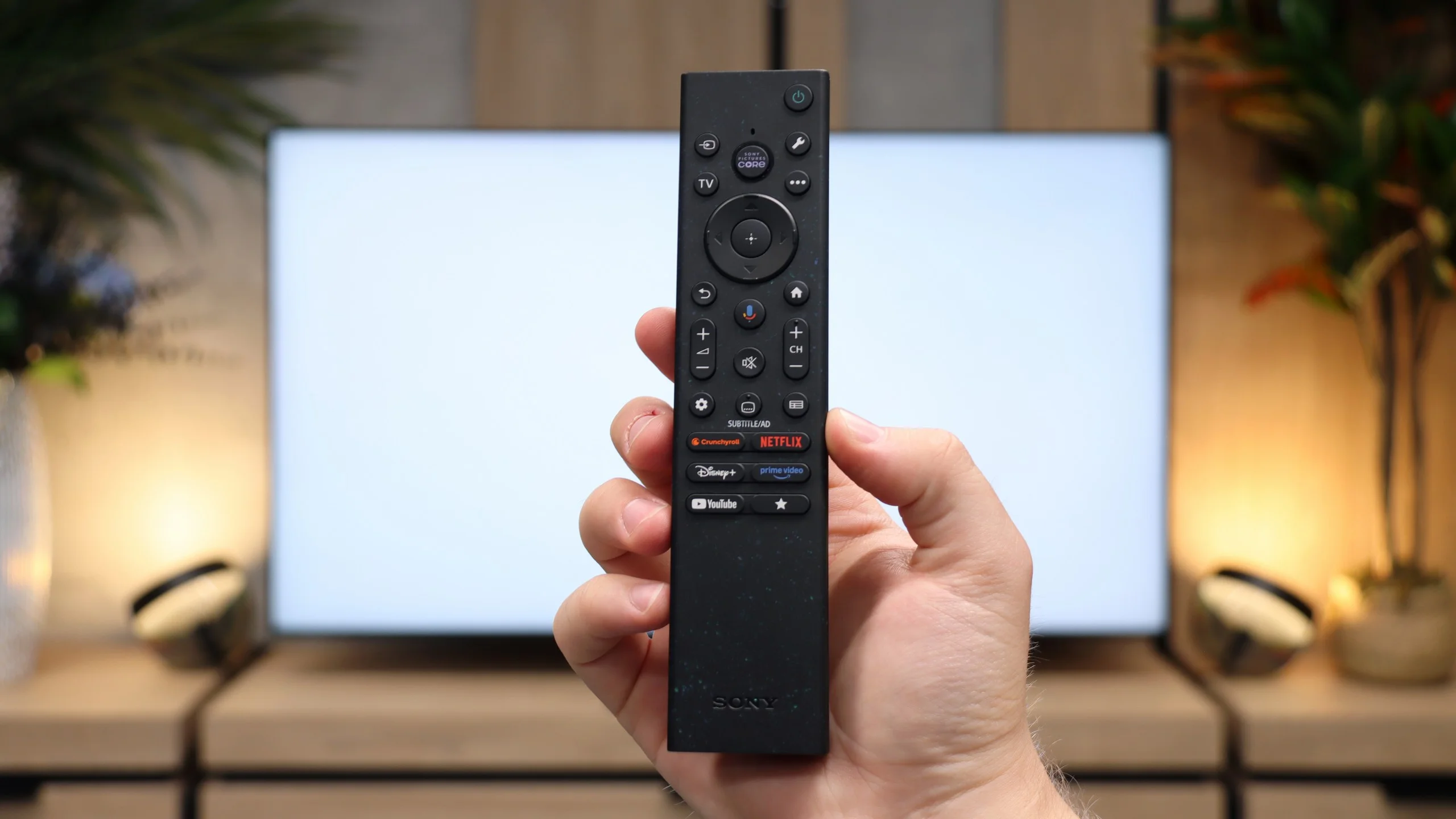
The Japanese maker's traditional, very practical approach is apparent as soon as you open the box. Sony is one of the few players on the market (maybe the only one right now? 🤔) that still includes not one but two remotes. The first is a nod to older users and traditionalists. It may look like a design from the 2000s, but it offers a full, physical numeric keypad, which makes quickly jumping through cable or satellite channels much easier. The second remote belongs to a completely different school. It's a compact smart remote that's beautifully balanced, sits great in the hand, and the icing on the cake is automatic button backlighting. An interesting fact is that, according to Sony, it is made largely from recycled materials.

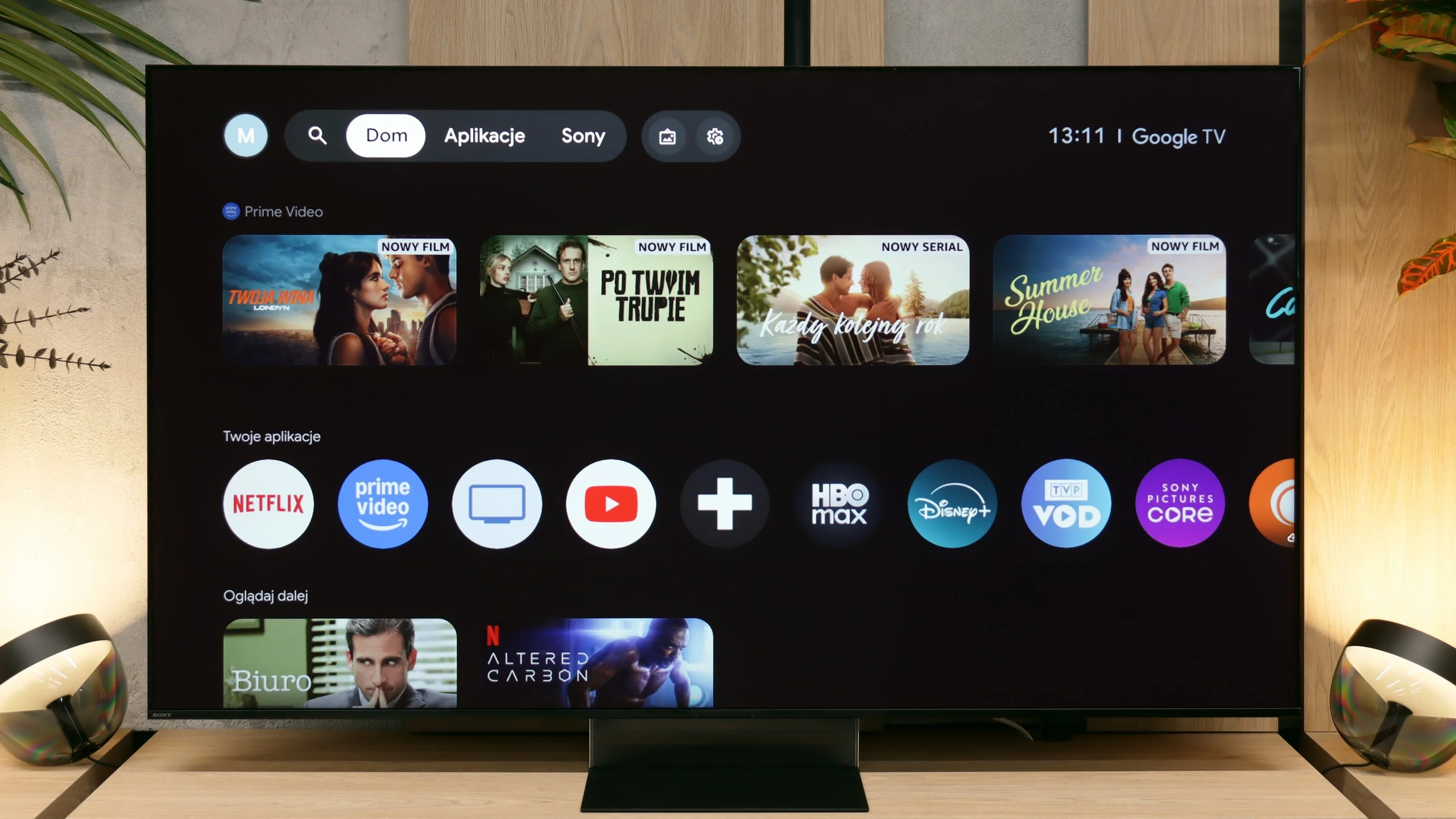
Smart TV: Google TV

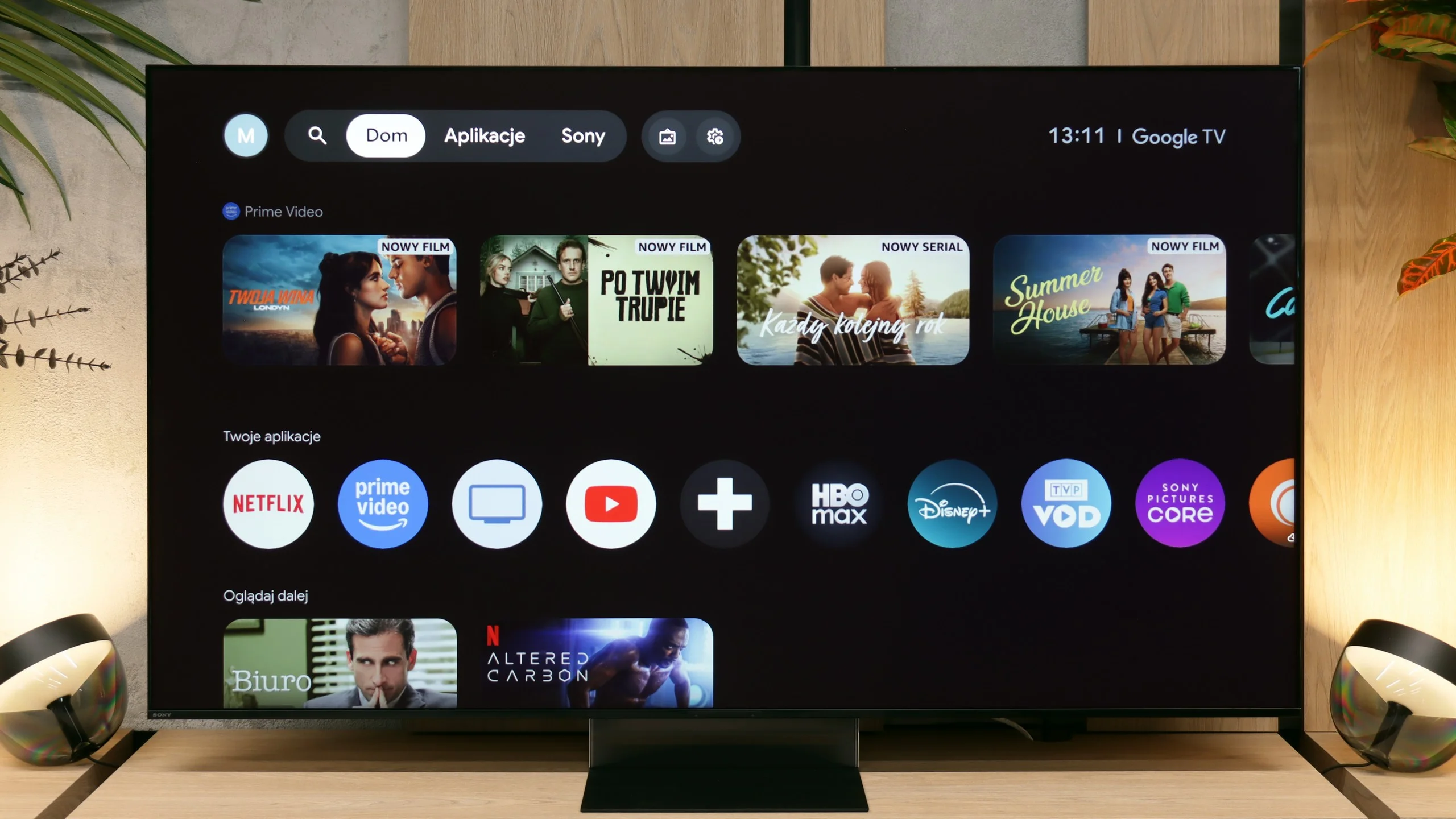
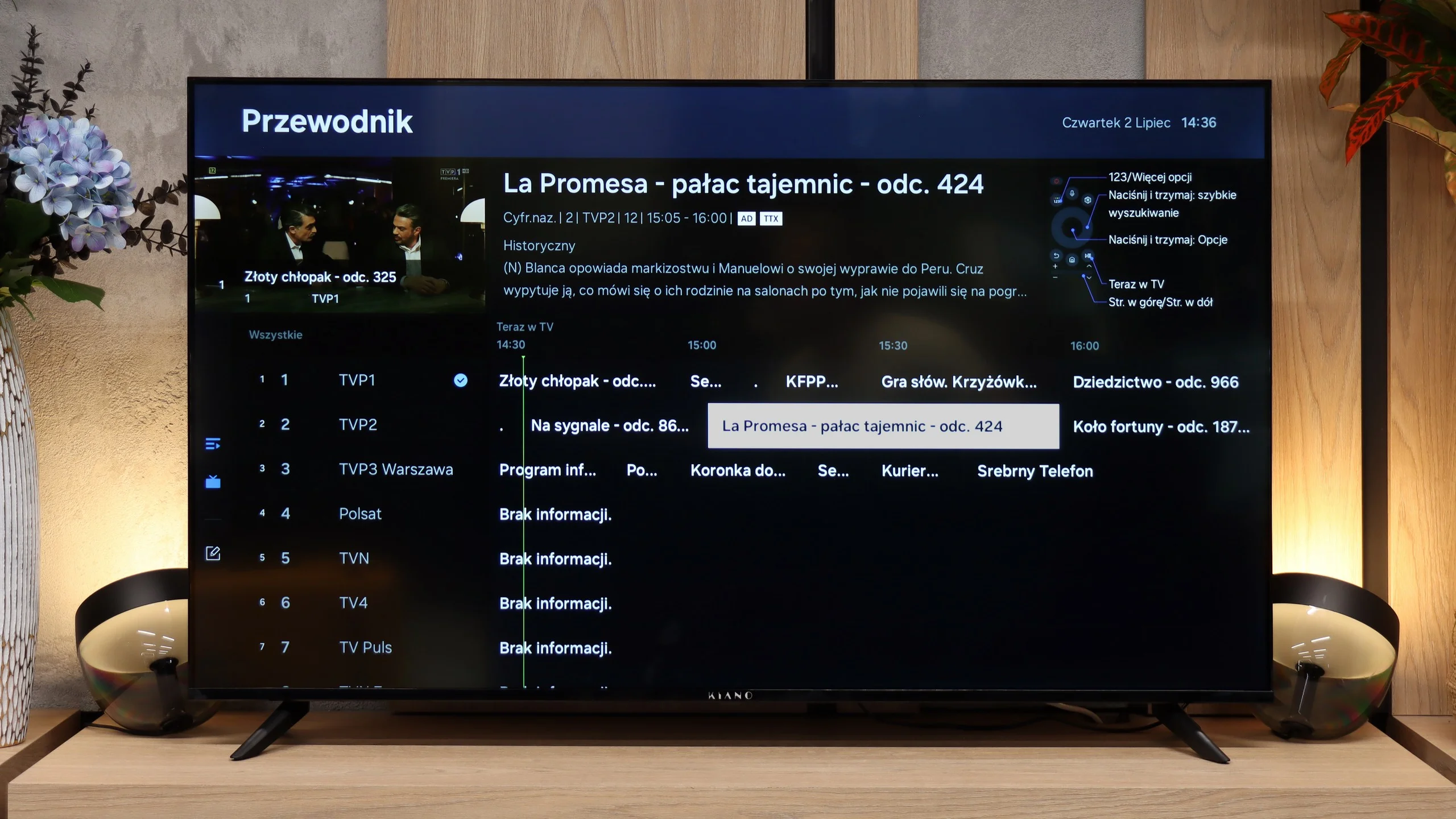
When you turn the TV on with that remote, you'll be greeted by Google TV. In this model the platform has received excellent optimization. The menu responds immediately to commands, and animations don't drop frames, which used to be a pain in older models. Although the interface can sometimes be overloaded with sponsored recommendations for movies and series (unfortunately a sign of the times), the system makes up for it with an absolutely unrivaled app library.

An additional unique selling point of Sony's platform is built-in access to the Sony Pictures Core app. It's Sony's own streaming service that, thanks to massive data throughput, can deliver images with extremely low compression, offering quality unattainable by other VOD platforms.

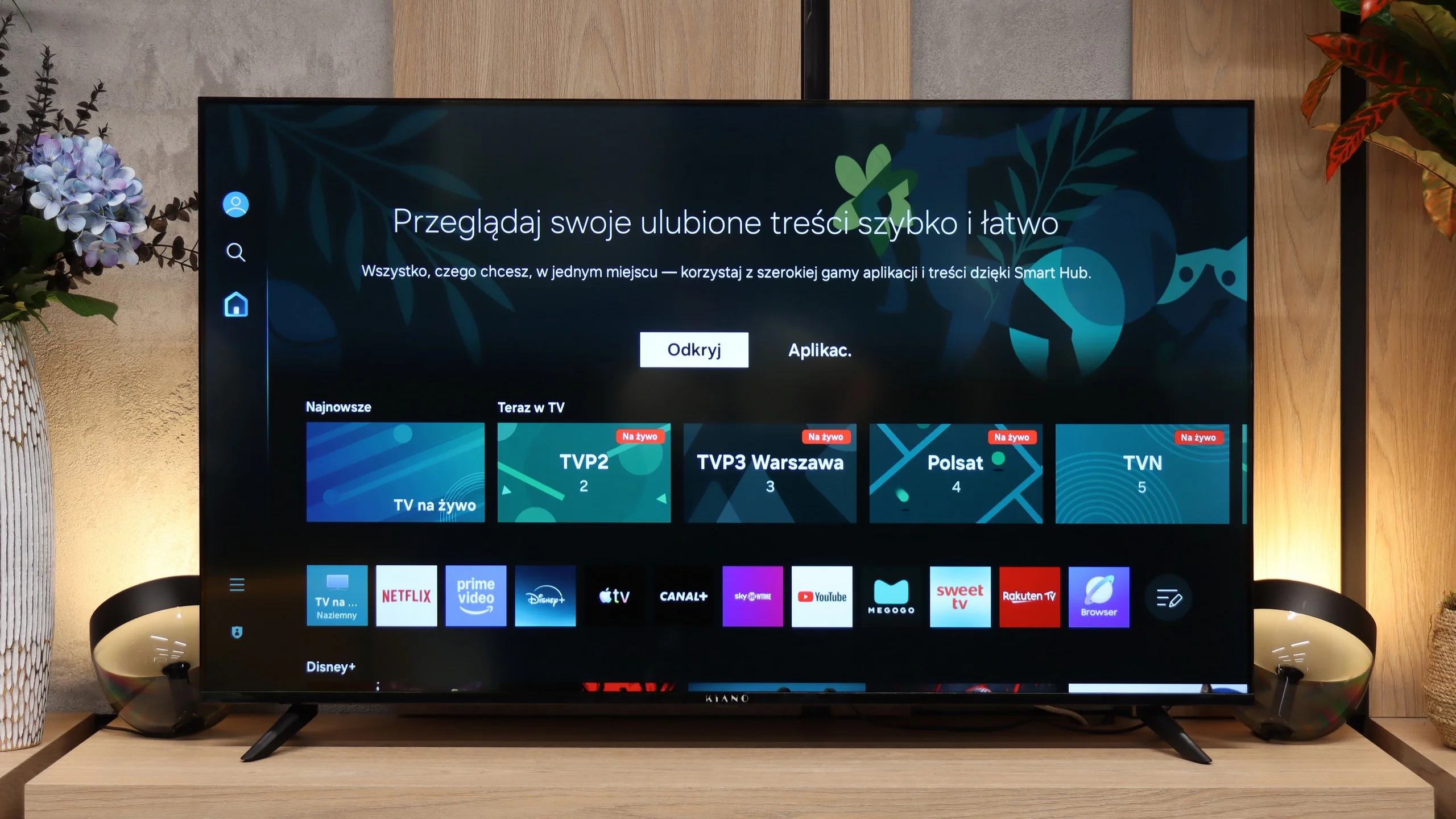
Tizen on the Kiano TV

Tizen is one of the main reasons to consider this model. It provides access to many popular apps, so you don't need to buy a separate streaming device just to watch TV series or YouTube. However, keep in mind that the same system doesn't mean the same level of usability as in more expensive Samsungs. On the Kiano, responsiveness is average and you may have to wait a moment for the menu to react. There is no voice search, so titles must be entered with the remote. A convenient addition is AirPlay and the ability to wirelessly cast video from a computer.

Daily use

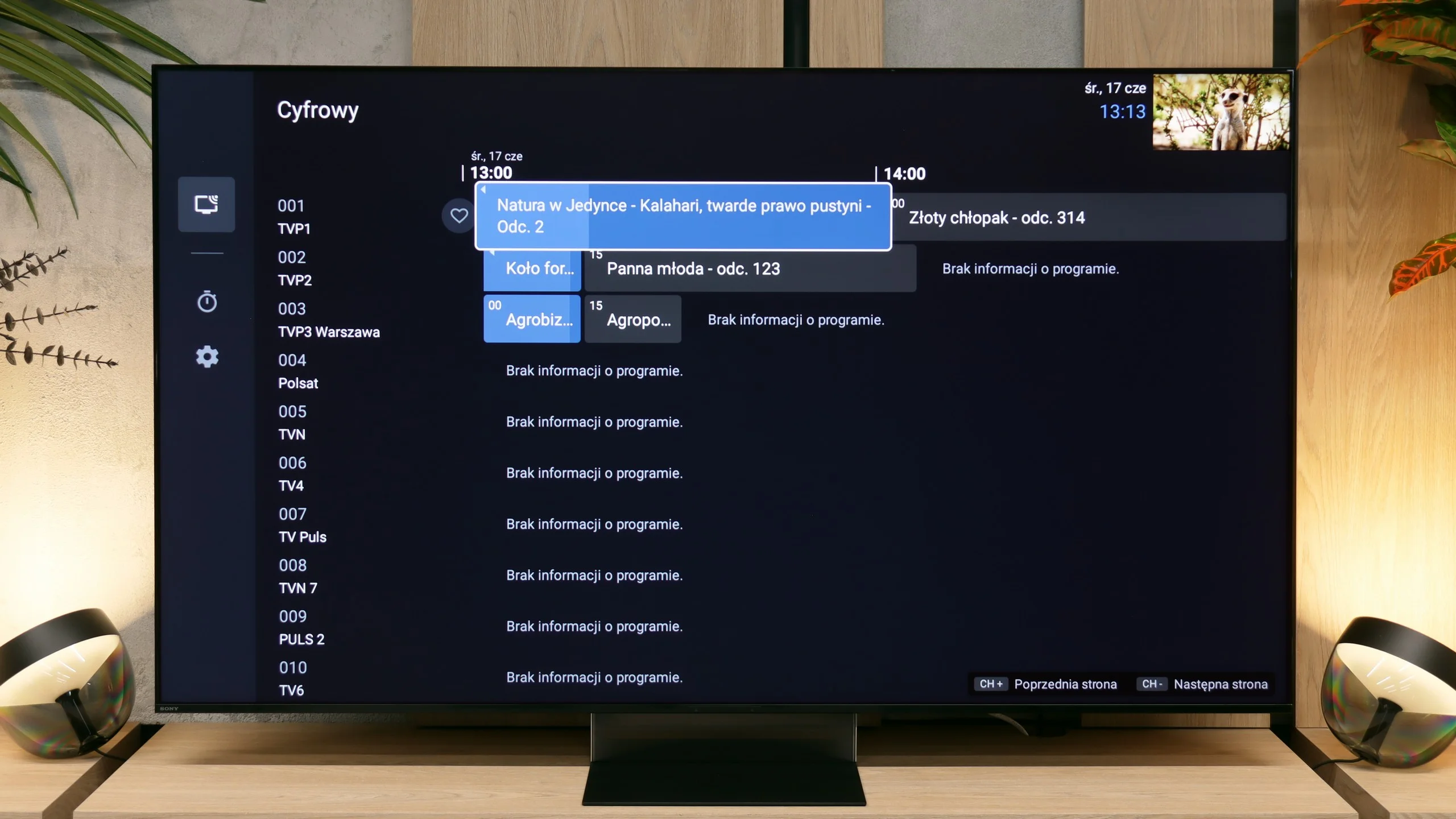
Basic TV functions are present, but there is no USB recording of programs or picture-in-picture. The remote works via infrared, so you need to point it at the TV, and its buttons are not backlit. A useful feature is the ability to use Bluetooth headphones and the speakers at the same time. That way one person can listen to the program through headphones (for example, an older viewer) without cutting audio for other household members. For connecting devices there are three HDMI 2.0 inputs, which are enough for 4K at 60 Hz. You can connect a soundbar via eARC, and an analog RCA input is provided for older equipment.

Apps

9.6/10

8.8/10

OK
Disney_Plus
OK
Amazon_Prime_Video
OK
Player_TVN
OK
Polsat_Box_Go
OK
Canal_Plus_Online
OK
TVP_VOD
OK
Apple_TV_Plus
OK
SkyShowtime
OK
Rakuten
OK
CDA_Premium_Browser
OK
Spotify
OK
Tidal
OK
Netflix
OK
YouTube
OK
HBO_MAX
OK
Kodi
No
Apple_music
OK
Eleven_sports
No
Xbox Game Pass
OK
GeForce NOW
No
Amazon Luna
OK
Boosteroid
OK
Steam Link
OK
Disney_Plus
OK
Amazon_Prime_Video
OK
Player_TVN
OK
Polsat_Box_Go
OK
Canal_Plus_Online
No
TVP_VOD
OK
Apple_TV_Plus
OK
SkyShowtime
OK
Rakuten
OK
CDA_Premium_Browser
OK
Spotify
No
Tidal
OK
Netflix
OK
YouTube
OK
HBO_MAX
No
Kodi
OK
Apple_music
OK
Eleven_sports
OK
Xbox Game Pass
OK
GeForce NOW
OK
Amazon Luna
OK
Boosteroid
No
Steam Link

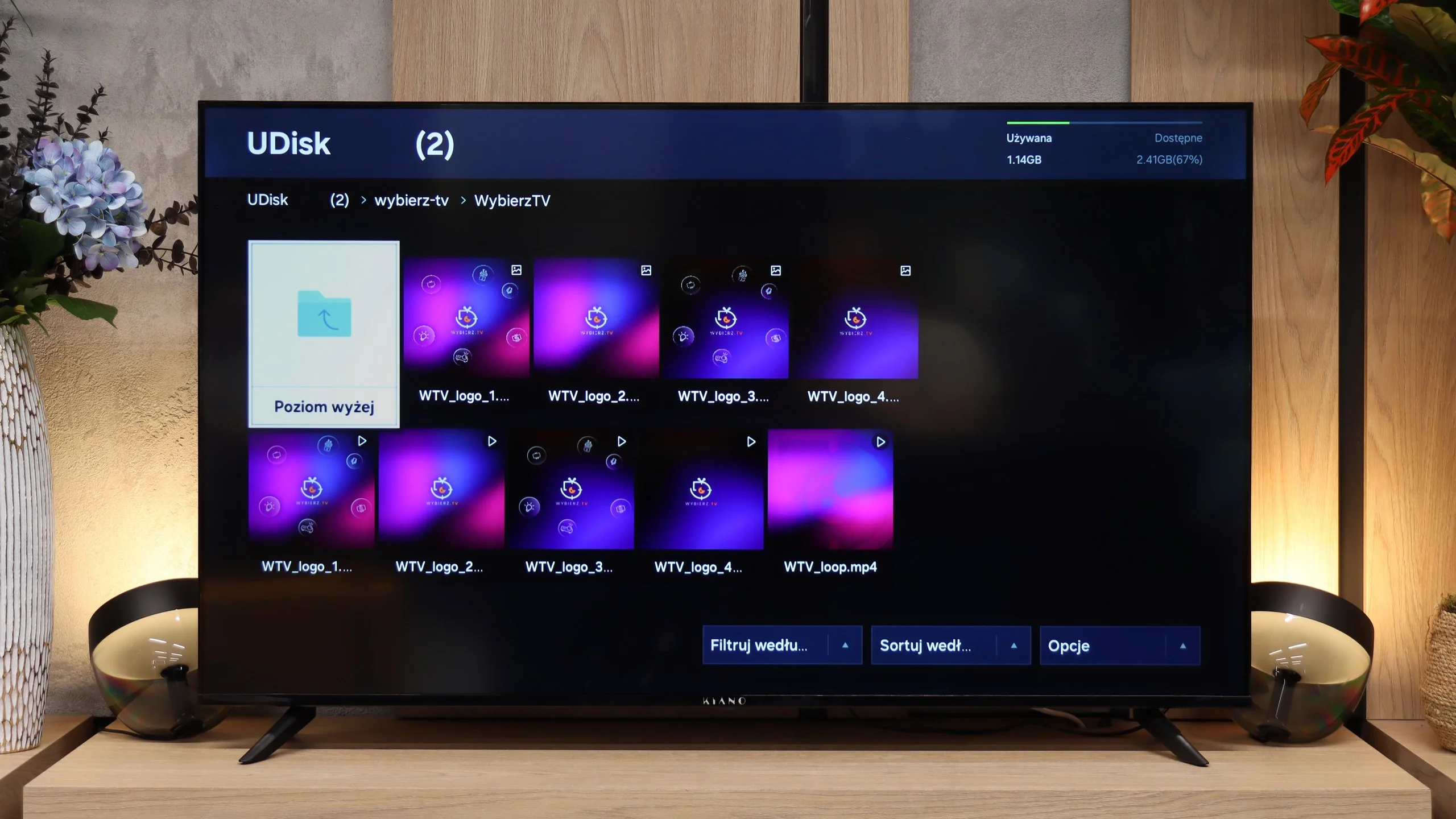
Playing files from USB

8.9/10

8/10

Supported photo formats:

JPEG
Yes
Yes
HEIC
Yes
No
PNG
No
Yes
GIF
No
No
WebP
No
No
TIFF
No
No
BMP
No
Yes
SVG
No
No

Maximum photo resolution:

4 Mpix
Yes
Yes
6 Mpix
Yes
Yes
8 Mpix
Yes
Yes
10 Mpix
Yes
Yes
12 Mpix
Yes
Yes
16 Mpix
Yes
Yes
20 Mpix
Yes
Yes
24 Mpix
Yes
Yes
28 Mpix
Yes
Yes
32 Mpix
Yes
Yes

Playing files directly from an external drive or USB flash drive works smoothly and quickly. The interface loads the drive’s contents instantly. We do have some reservations about the built-in media player's out-of-the-box capabilities. While the list of supported audio and video codecs is truly extensive, the TV handled image files surprisingly poorly. It really only supports standard JPG files and Apple's HEIC format, which is great news for iPhone users. Unfortunately, it doesn’t include even such a common format as PNG. Fortunately, thanks to Google TV, this problem is easy to solve. Just download a third-party player from the app store and it will open any missing file format without a hitch.

The USB player in the Kiano Elegance supports most common formats, so opening typical movies, photos, or music usually shouldn't be a problem. However, using it is another matter. During testing it had its "moments of weakness" and could take a very long time to open individual files. Sometimes it took so long that you might start to wonder whether the TV was still loading something or had already frozen. It's fine for occasional playback from a USB flash drive, but browsing a larger collection may require a lot of patience.

Sound

9/10

3.6/10

  • Maximum volume
    93dB
    88dB
  • Dolby Digital Plus 7.1
    Yes
    Yes
  • Dolby True HD 7.1
    No
    No
  • Dolby Atmos in Dolby Digital Plus (JOC)
    Yes
    Yes
  • Dolby Atmos in Dolby True HD
    No
    No
  • DTS:X in DTS-HD MA
    Yes
    No
  • DTS-HD Master Audio
    Yes
    No

The two-year-old Bravia 9 had already gotten us used to the idea that a regular, slim TV without an integrated soundbar can deliver truly pleasant sound. The new Bravia 9 II goes a step further and raises those impressions even more. In our view the engineers have mainly improved the low end. The bass, which was somewhat lacking and occasionally too flat in the previous model, is now much stronger, deeper and noticeably more dynamic.

As a result, watching movies (especially those with explosions) or simply listening to music is much more enjoyable. The built-in sound system can easily replace a basic soundbar that lacks an external subwoofer. As usual, Sony deserves big credit for its approach to audio licensing and formats. Besides the obvious and popular Dolby Atmos standard, the set also offers full support for DTS:X. That’s great news for movie buffs who own extensive collections of films on 4K Ultra HD discs. In terms of built-in audio, the Bravia 9 II is an absolute masterpiece.

Sound is one of the weaker aspects of the Kiano Elegance. The TV can get quite loud, it measured 88 dB, but volume does not translate into sound quality. For regular TV viewing you can stick with the built-in speakers, but for movies or music it's worth budgeting for a separate sound system. Connecting a soundbar via HDMI eARC should not be a problem. The TV also supports Dolby Atmos over Dolby Digital Plus, but it does not play Dolby TrueHD or DTS-HD tracks.

Sound Quality Test

Acoustic Measurements

93dBC (Max)

75dBC

88dBC (Max)

75dBC

Reader comments

Comments are provided by the external service Disqus (Zeta Global). Once loaded, Disqus may set cookies and process data about your activity.

We will remember your choice on this device. Provider's privacy policy