The Bravia 8 is Sony’s flagship OLED model for 2024, aimed at attracting image quality enthusiasts. This television delivers outstanding picture quality with OLED’s hallmark deep blacks, vivid, precise colours, and infinite contrast, creating a highly realistic viewing experience. Dark scenes are presented with perfect black levels, while brighter elements are rendered with impressive detail, giving each frame a distinctive cinematic feel. With a 120 Hz refresh rate, the Bravia 8 ensures excellent motion fluidity, making it ideal for sports, gaming, and fast-paced movie scenes. Its ability to provide a ghost-free image allows viewers to appreciate fine details even during rapid action sequences, a feature that will particularly appeal to fans of dynamic content. Running on the Google TV platform, the Bravia 8 offers an intuitive, fast, and user-friendly interface. This system provides seamless access to popular applications and favourite content. The clear and responsive interface enhances the viewing experience, making navigation smooth and straightforward. The practical, backlit remote control adds further convenience and can be charged via USB-C, distinguishing it from traditional battery-powered remotes. This thoughtful design ensures easy use, even in low-light conditions. However, despite its strengths, the Bravia 8 does have some limitations. With an SDR brightness level of 330 nits, it may not perform optimally in very bright rooms, potentially leading to reflections or a less vivid display in strong ambient light. Users who valued the superior gradation in earlier Sony models may find this a minor drawback. Additionally, the television features only two HDMI 2.1 ports, which could be limiting for gamers who use multiple consoles or other high-bandwidth devices. Overall, the Sony Bravia 8 is a premium OLED television that excels in most areas. Its superb picture quality, advanced gaming features, and solid sound performance make it an excellent choice for a reliable OLED model in 2024. While there are some areas for improvement, particularly in SDR brightness and connectivity, the Bravia 8’s overall performance and features make it a compelling option for both everyday use and immersive viewing experiences.
- Matching (Score) |
- Our verdict |
- TV appearance |
- Where to buy |
- Contrast and black detail |
- HDR effect quality |
- Factory color reproduction |
- Color reproduction after calibration |
- Smoothness of tonal transitions |
- Image scaling and smoothness of tonal transitions |
- Blur and motion smoothness |
- Console compatibility and gaming features |
- Input lag |
- Compatibility with PC |
- Viewing angles |
- Daytime performance |
- Panel details |
- TV features |
- Apps |
- Playing files from USB |
- Sound
Sony Bravia 8 (XR80) vs TCL C9K
 Direct comparison

Check the best price offer:
Sony Bravia 8 (XR80)BRAVIA 8 / XR80
C9K

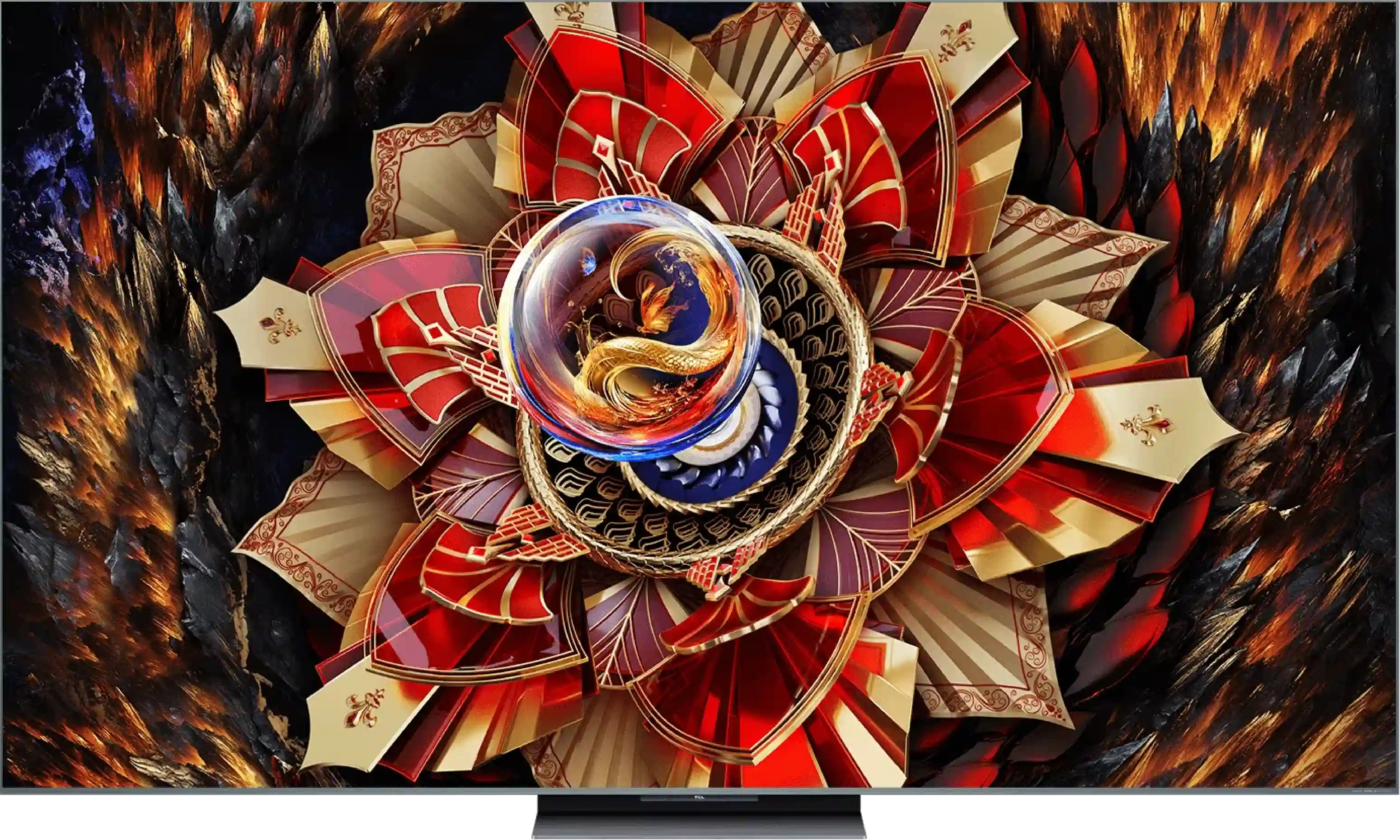
Panel type: WRGB OLED
Resolution: 3840x2160
System: Google TV
Model year: 2024
Complete the survey to find out the result
Panel type: LCD VA
Resolution: 3840x2160
System: Google TV
Model year: 2025
Complete the survey to find out the result
Overall rating
7.8
7.7
 Movies and series in UHD quality
 7.6
7.4
 Classic TV, YouTube
 8.0
7.0
 Sports broadcasts (TV and apps)
 8.1
6.8
 Gaming on console
 8.8
8.9
 TV as a computer monitor
 7.6
8.6
 Watching in bright light
 5.6
7.0
 Utility functions
 9.4
7.7
 Apps
Apps 9.6
9.6
 Sound quality
 7.5
7.9
Complete the survey to find out what fits your preferences
Advantages

Excellent contrast
Google TV – intuitive system, easy access to applications, backlit remote.
Very good motion smoothness – 120 Hz, advanced smoothing system.
Great Dolby Vision support
Very good viewing angles
Superb built-in audio system
Very good contrast and black
Very high brightness
Support for all HDR formats including Dolby Vision
Fast 144Hz panel - for gaming and sports fans
Many features for gamers: VRR, ALLM, low input lag, etc.
GoogleTV operating system with a wide range of applications
Great sound branded by Bang & Olufsen
Improved viewing angles thanks to WHVA panel
Disadvantages

Poor gradation – visible connections on dark and light colors
Brightness during the day – better for night sessions than for use in daylight
Only 2 HDMI 2.1 ports - one of which is ARC.
Local dimming needs improvement
Only 2 HDMI 2.1 ports
No recording function from built-in tuners and no PiP
No smaller variants, e.g., 55"
Our verdict
The TCL C9K is a television that on paper looks like a show of strength from the manufacturer – thousands of Mini-LED zones, WHVA panel, audio system from Bang & Olufsen, full support for HDR formats, gaming at 144 Hz, and even 288 Hz at lower resolutions. It’s clear that TCL wanted to throw in absolutely everything they had best. And indeed – in many aspects, the C9K can impress. The brightness is enormous, HDR in large scenes can be breathtaking, motion smoothness and gaming capabilities are at a top level, and the sound – considering it’s built into the television – sounds really good. This is a device that can easily be seen as a home entertainment center. But there is also another side to the coin. Brightness management simply falters despite the amazing technical specifications – smaller details often get lost in the shadows or are blown out. And although synthetic tests of contrast or brightness perform exceptionally well, in everyday viewing of movies and series, the effect is no longer so impressive.
To summarize briefly: the C9K is a television full of contrasts – literally and figuratively. It can provide experiences close to top screens, but it's still evident that TCL needs to work on the software and optimization. If someone is looking for a screen for gaming, sports, or spectacular blockbusters – they will be delighted. However, if one expects perfect reproduction of the director's vision and thinks they have managed to buy an absolutely top model at half the price of the competition, unfortunately, they will be disappointed. It's a pity, because the technological potential here is truly vast – it just lacked a bit of common sense in its utilization.
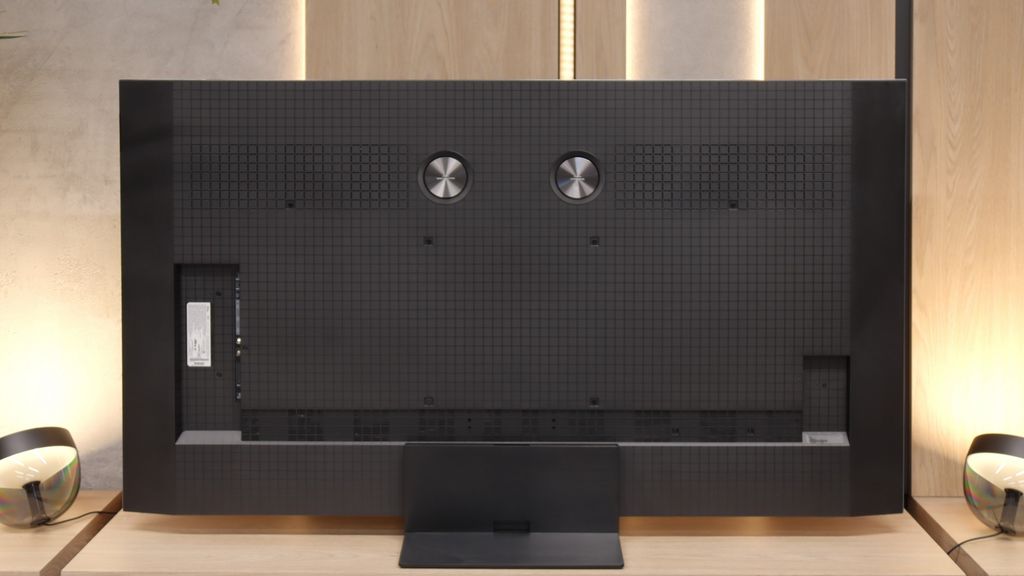
TV appearance



Contrast and black detail
10/10
8.1/10
Local dimming function: Yes, number of zones: 3024 (42 x 72)
Contrast:


Result
∞:1

Result
∞:1

Result
∞:1

Result
∞:1

Result
∞:1
Result
459,000:1
Result
72,750:1
Result
30,350:1
Result
9,800:1
Result
12,200:1
Halo effect and black detail visibility:

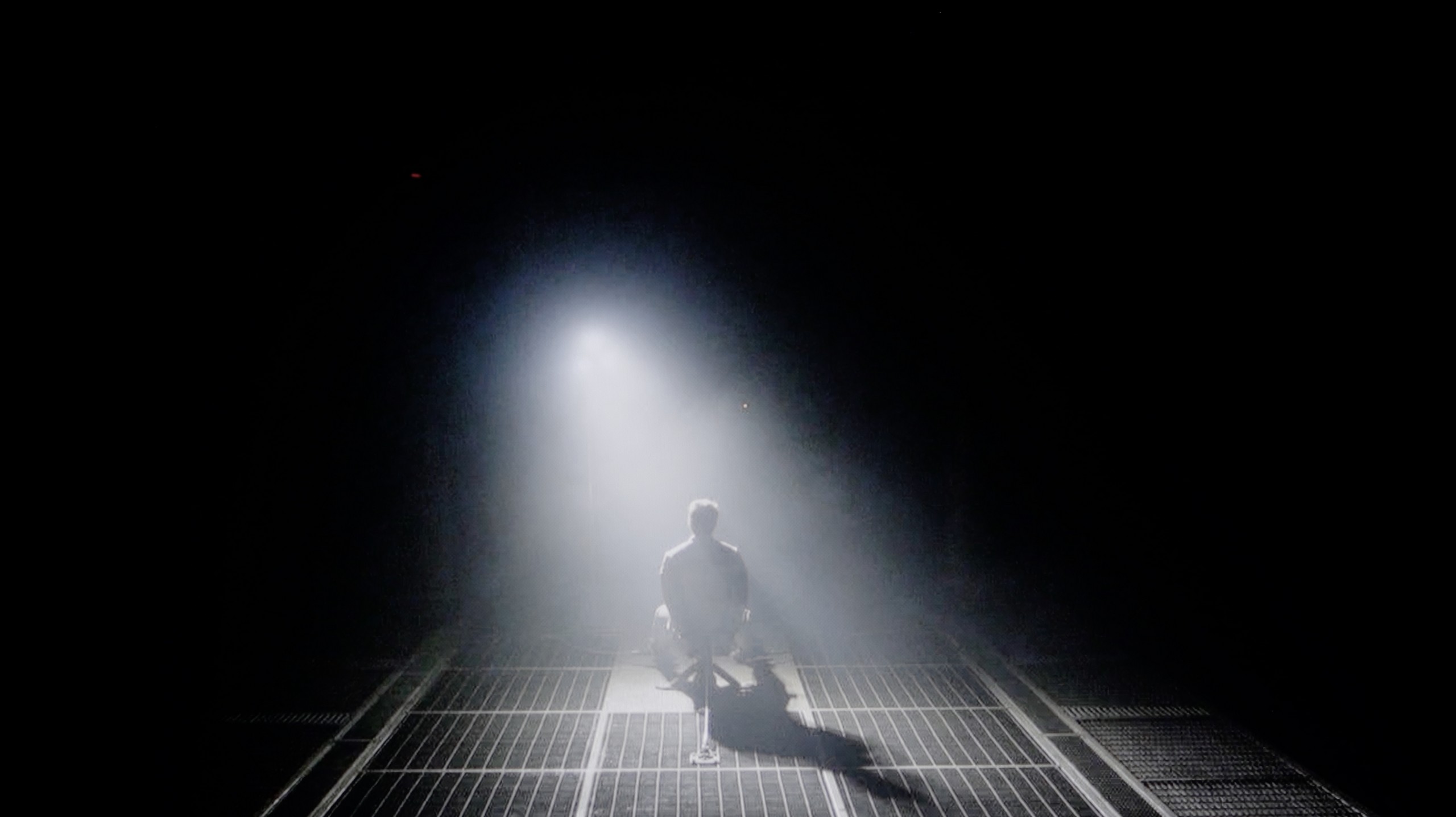
Check the visibility of bright lights on a dark background. Mini-LEDs often struggle with this. The photo does not compare black levels – that’s what the video below is for.
The video accurately shows differences in contrast and black levels between TVs, as well as potential issues: halo around bright objects or Mini-LED zone operation visible as brightness jumps.
The Sony Bravia 8 television, equipped with an OLED matrix, delivers exceptional picture quality with outstanding black levels and contrast. Thanks to OLED technology, each pixel emits its own light, ensuring deep blacks and precise light reproduction. During testing with scenes from films like Oblivion and The Revenant, the Bravia 8 showcased impeccable separation between light and dark elements, producing detailed and lifelike images, even in challenging high-contrast scenarios. This performance places the Bravia 8 among the top models in its class.
What immediately distinguishes the C9K from the C8K model is the number of local dimming zones. In the 65-inch version, we counted… over 3000! One must admit – this is a true showcase of TCL's strength, cramming literally everything they had into this television. On paper, it makes a huge impression and indeed – in less demanding film scenes, the blacks look fantastic. The level is absolutely top-notch, and the separation of lights from dark parts of the image can be breathtaking. The problem is that this impressive specification does not always translate into practice. In our tests, we noticed situations where the C9K, despite having a greater number of zones, stumbled into contrast traps and performed… worse than the C8K. For instance, it cannot perfectly dim the true black bars in 21:9 format films (those with black bars on the top and bottom). Sounds strange? Unfortunately, this is the result of a lack of optimization – the hardware is "packed" with technology, but the algorithms do not always keep up with utilizing that potential.
Don't get us wrong – black is a strong point of the C9K and in many scenes, it simply looks fantastic. In synthetic measurements, the contrast is outstanding, coming close to the level of the best TVs on the market. But in real cinema usage, those numbers do not always correspond to a better experience than in its cheaper cousin. And that is probably the biggest disappointment – because the potential was enormous.
HDR effect quality
6.8/10
6.9/10
Luminance measurements in HDR:

Result
849 nit

Result
865 nit

Result
888 nit

Result
880 nit

Result
469 nit
Result
1425 nit
Result
531 nit
Result
1277 nit
Result
331 nit
Result
1424 nit
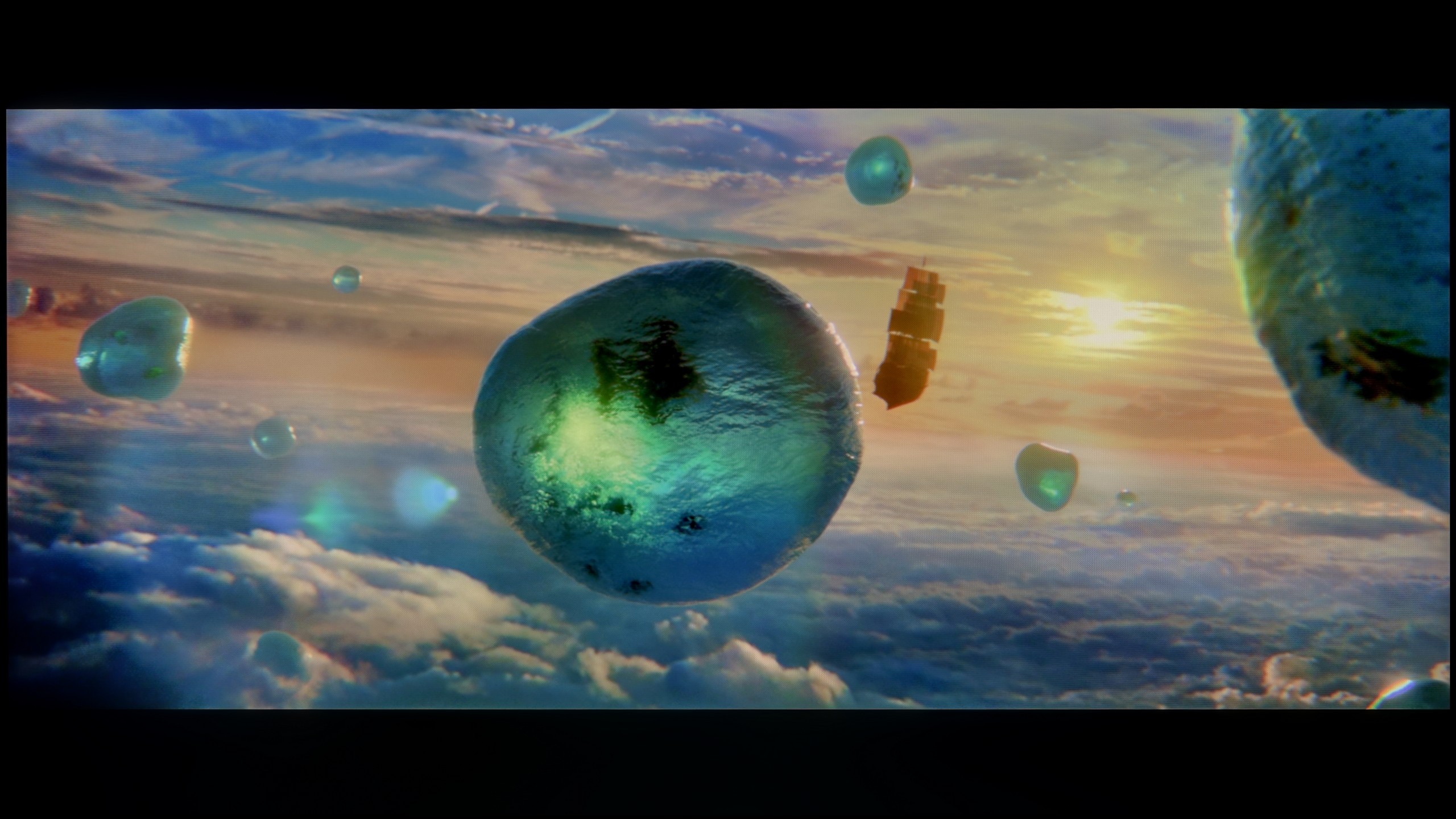
Scene from the movie “Pan” (about 2800 nits)

Scene from the movie “Billy Lynn” (about 1100 nits)

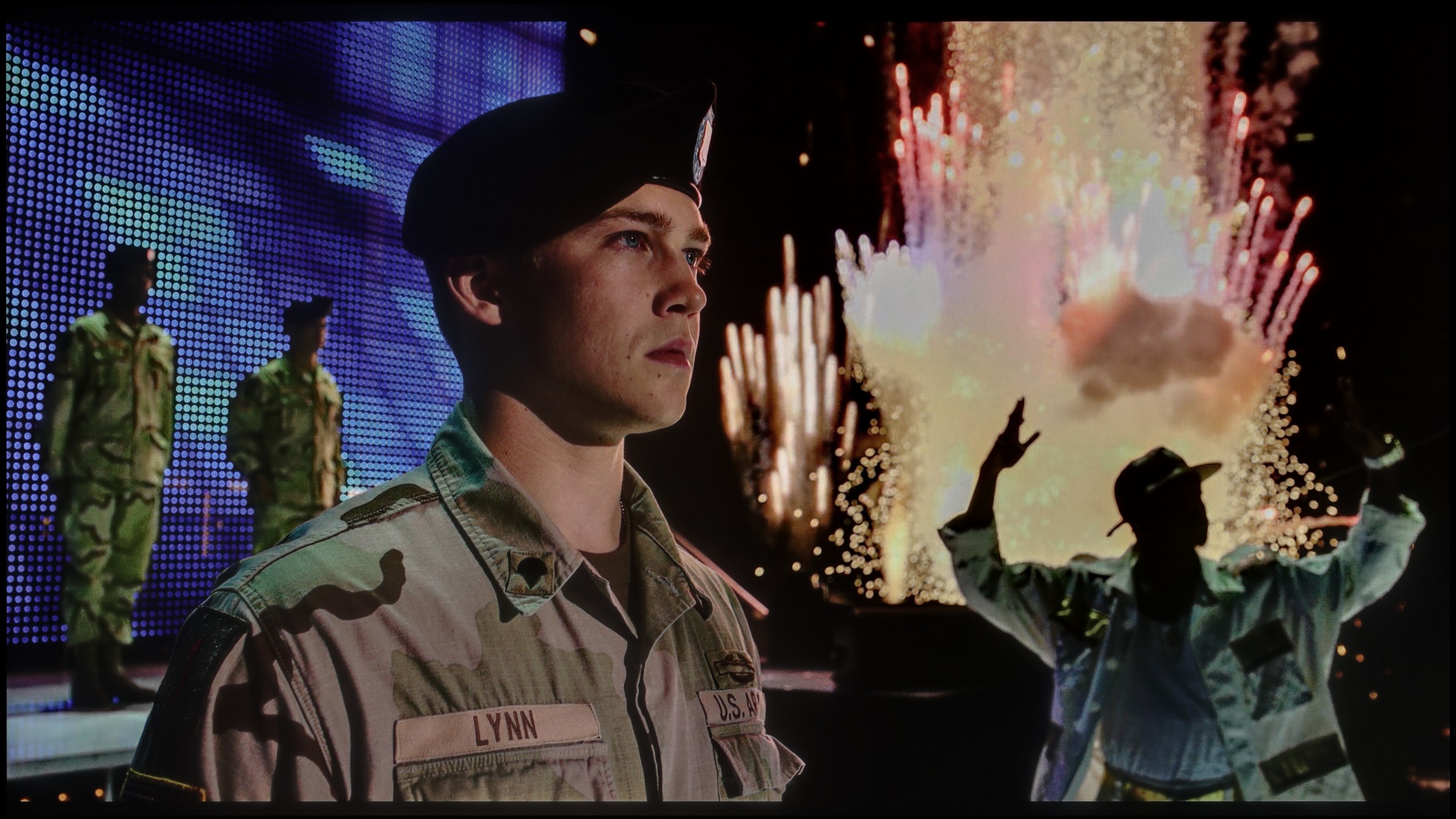
The photos show two HDR10 movies. 'Pan' is one of the brightest productions ever made, while 'Billy Lynn' (soldier) has brightness typical of streaming (Netflix, Prime, HBO MAX). Notice the intensity of effects and detail in whites.
Static HDR10


The photos present the visibility of white details in various HDR formats. They do not show brightness differences between TVs (these can be compared in the previous gallery).
Dynamic: Dolby Vision
Dynamic: Dolby Vision


The photos present the visibility of white details in various HDR formats. They do not show brightness differences between TVs (these can be compared in the previous gallery).
HDR luminance chart:
TCL C9K
Sony Bravia 8 (XR80)
Luminance of RGB colors
The Sony Bravia 8 performs commendably in terms of HDR brightness, reaching a peak of 880 nits. This level is sufficient to render lighting effects effectively in most scenes. In tested clips from Life of Pi and Sicario 2, the television demonstrated vibrant, detailed imagery that captured the atmosphere of these films beautifully.
However, challenges arise in scenes with consistently high brightness, such as in The Meg, where the display's limitations become apparent. In these situations, OLED technology can struggle, with brightness levels dropping to around 450 nits, which can be less satisfying when intense illumination is needed throughout a scene. Despite this, the Sony Bravia 8 remains a strong contender, offering excellent DCI-P3 colour gamut coverage and 74% BT.2020 coverage. These attributes result in rich, accurate colours and fine details, enhancing HDR content and providing an enjoyable viewing experience.
As we mentioned with black and contrast – the C9K can make a huge impression in synthetic tests. Our measurements showed that on a screen 10% filled with white, the television is capable of squeezing out… 4000 nits of brightness! It sounds astronomical, but – and here, unfortunately, the pattern repeats – the numbers say one thing, and practice says another. In real movie scenes, the situation looks different. At best, when the light effects occupy a large part of the image and the local dimming algorithm does not have to think too hard about what to do with thousands of zones – the effect is really good. At that point, the C9K can reach around 1500 nits, which provides a pleasant, intense flash and can indeed make a positive impression.
The problem starts with smaller elements – such as stars in the sky, the moon, or single reflections. That’s when the proverbial cat comes out of the bag: the algorithms are not yet refined, and brightness drops to even 400–500 nits. That’s a huge difference compared to the potential 4000 nits we saw in laboratory tests. Why does this happen? Most likely, the television is trying to protect the blacks in this way and minimize the halo effect around bright objects. Unfortunately, this comes at the cost of details – some details simply vanish, and the scene loses its nature.
Factory color reproduction
7.2/10
4.5/10


This gallery shows how colors change after professional TV calibration. If you notice the difference, we recommend ordering this service at SkalibrujTV.com.
Factory Mode
After calibration

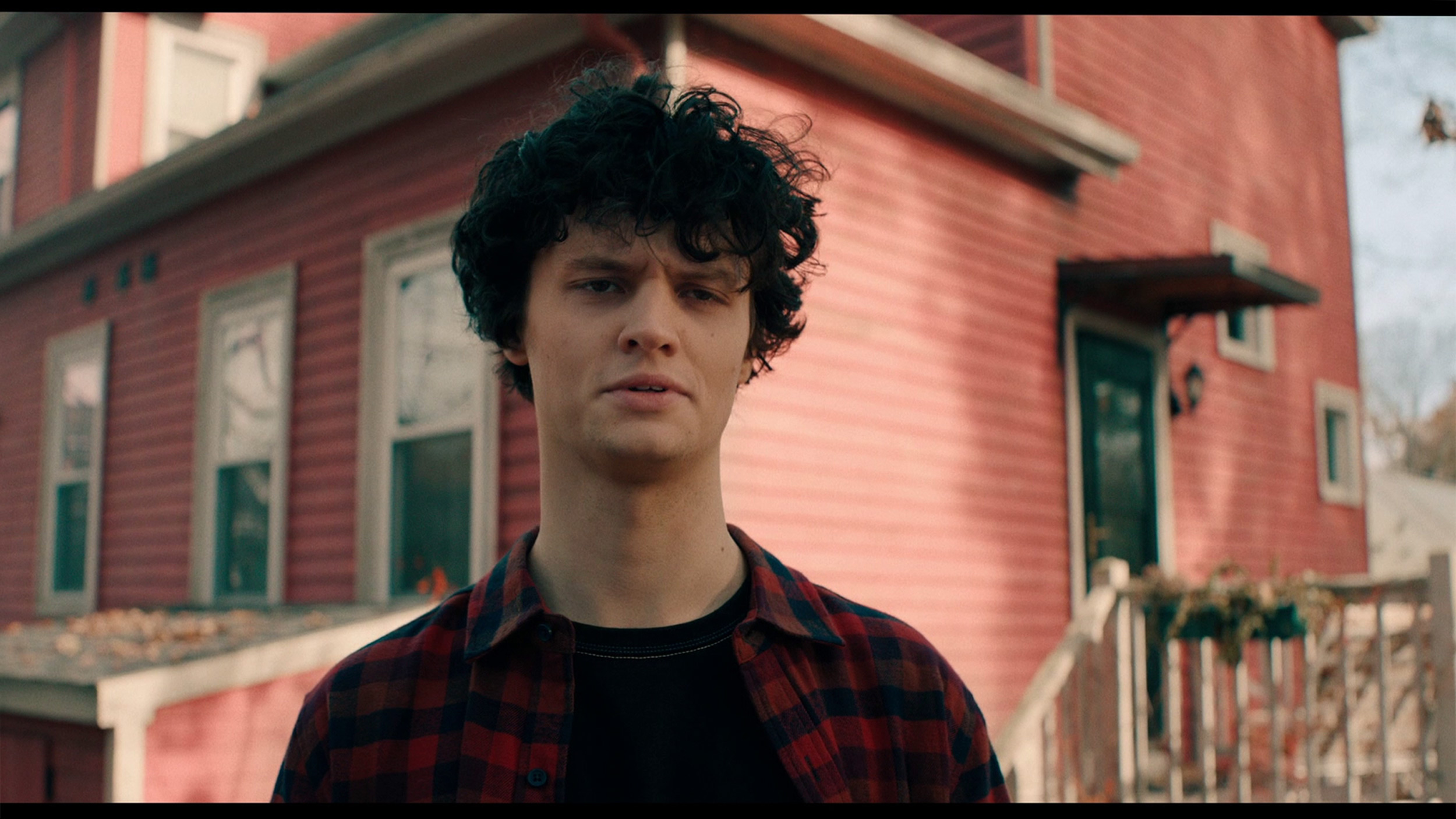
This gallery shows how colors change after professional TV calibration. If you notice the difference, we recommend ordering this service at SkalibrujTV.com.
Factory Mode
After calibration
The best factory mode on the Sony Bravia 8 television is IMAX Enhanced, offering the most cinematic experience, though it isn't perfectly calibrated. The TV attempts to replicate cinematic settings as accurately as possible, but some issues are evident. Starting with white balance, both for SDR and 4K content, there is a noticeable blue dominance, making the image appear too cold and lacking in natural warmth. Colour Checker tests reveal a shift towards cooler tones, affecting colour accuracy and making the image feel less lifelike.
Regarding brightness and contrast, the gamma shows a significant drop towards the end of the spectrum, meaning dark details may become too shadowed, and bright areas too intense, causing a loss of subtlety and detail. This is particularly noticeable in the sky, as seen in the comparison image. Additionally, the EOTF curve is considerably above the reference value, making bright elements overly intense. As a result, users may experience an unnatural image, with bright parts losing detail and negatively impacting the overall viewing quality.
For color tests, as always, we reached for the Filmmaker mode – a new feature in TCL TVs for 2025. And while the direction itself is a step in the right direction, the execution leaves much to be desired. The white balance in SDR content turned out to be too warm – there was an excess of red. On the other hand, in HDR, it went in the opposite direction: the image became excessively blue. The Colour Checker test revealed quite a few color errors that were noticeable to the naked eye. An even bigger problem turned out to be what we mentioned above – brightness management. Regardless of whether we were watching SDR or HDR content, the image tended to blow out the entire scene, giving it an unnatural, even grotesque character. It's hard to call this a "director-created" mode – because the director has certainly never seen such an image.
Color reproduction after calibration
8.2/10
7/10

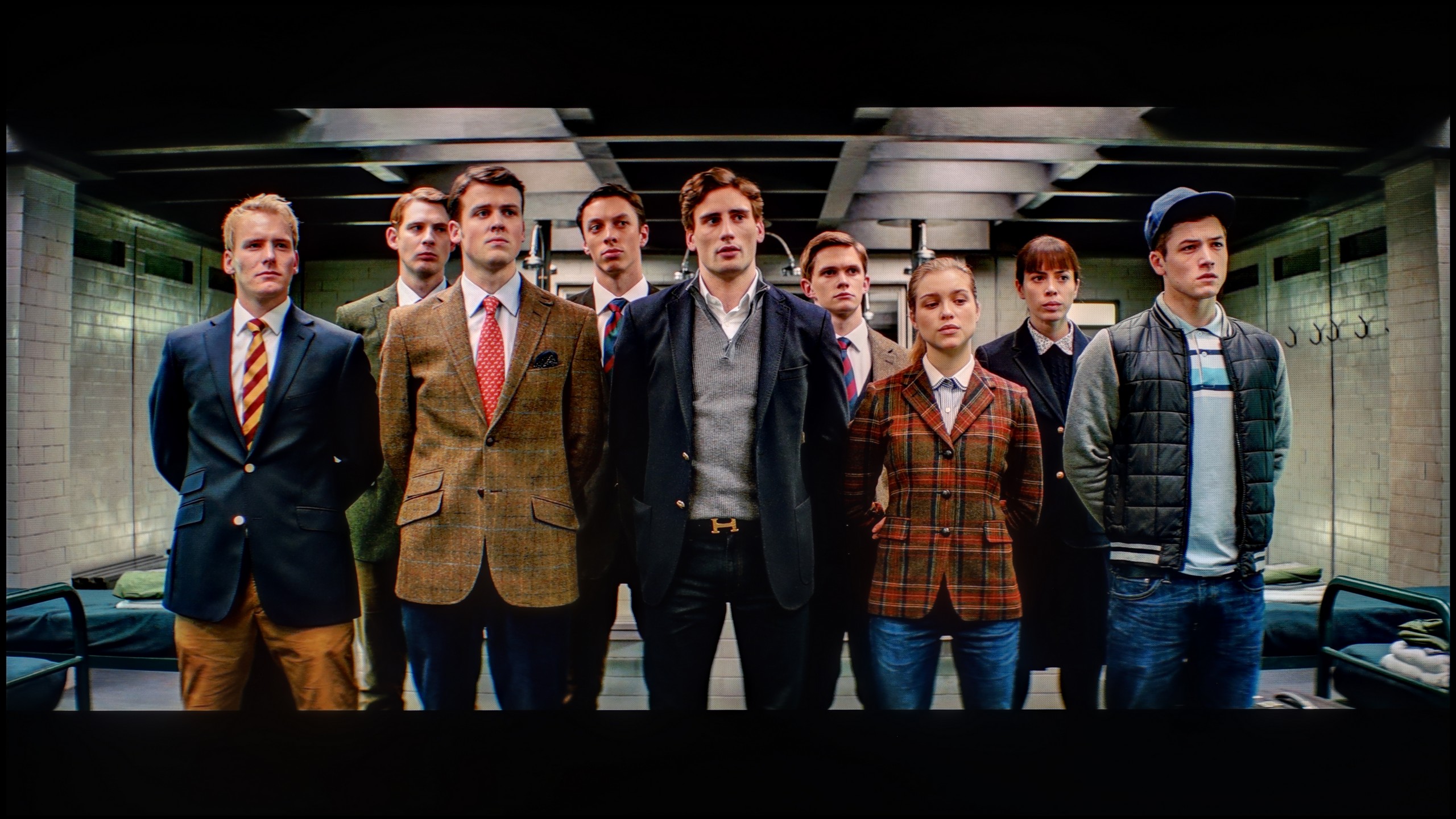
The photos show how movies look on the TV. Pay attention to black detail visibility, colors, and shadow tint.

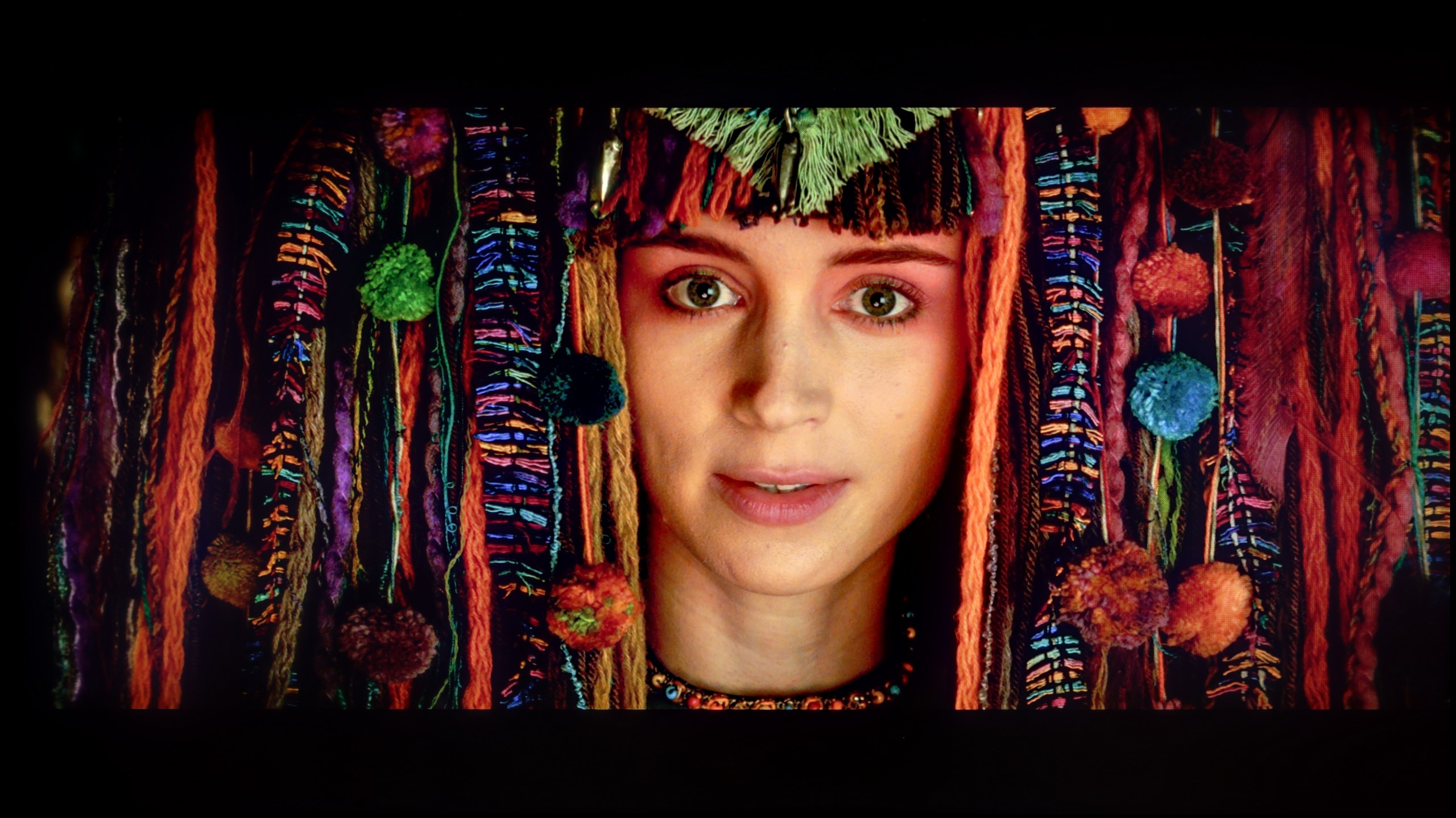
The photos show how movies look on the TV. Pay attention to black detail visibility, colors, and shadow tint.
The calibration process of the Sony Bravia 8 television resulted in significant improvements in image quality. The white balance was notably enhanced for both SDR and 4K HDR content, with minimal errors in the middle section of the graph. Gamma calibration was one of the biggest improvements, eliminating previous dips that had impacted brightness stability and the reproduction of detail in dark areas. The EOTF curve was also corrected, making bright elements appear more natural and improving the overall tonal balance.
However, the most attention should be given to colour reproduction, where some issues persist despite calibration. Sony has omitted the CMS system in this model, which would allow for more precise colour control. As a result, the Colour Checker test for 4K content still reveals significant colour inaccuracies. Despite these limitations, calibration is still recommended, as the improvements in brightness and contrast are noticeable and greatly enhance the overall image quality.
After calibration, we finally managed to tame the white balance – and it immediately translated into a more natural image. Colors finally started to look the way they should, and the overall presentation was incomparably better than in the factory settings. In other words – it’s worth taking a moment to improve this, as the gain is truly significant. The gamma responsible for managing brightness was also brought into order in SDR content, and the effect was more than satisfying. Unfortunately, when we turned on HDR materials, the situation quickly became complicated. No matter how we set the local dimming, the television had a tendency to do what it liked with the image – either it overexposed everything or dimmed the darkest parts too much. Exactly as we saw in the scene from the movie Billy Lynn. So, the color improvement after calibration makes a great impression, but brightness management in HDR remains the Achilles' heel of C9K and presents a certain technological limitation.
Smoothness of tonal transitions
5/10
8.7/10


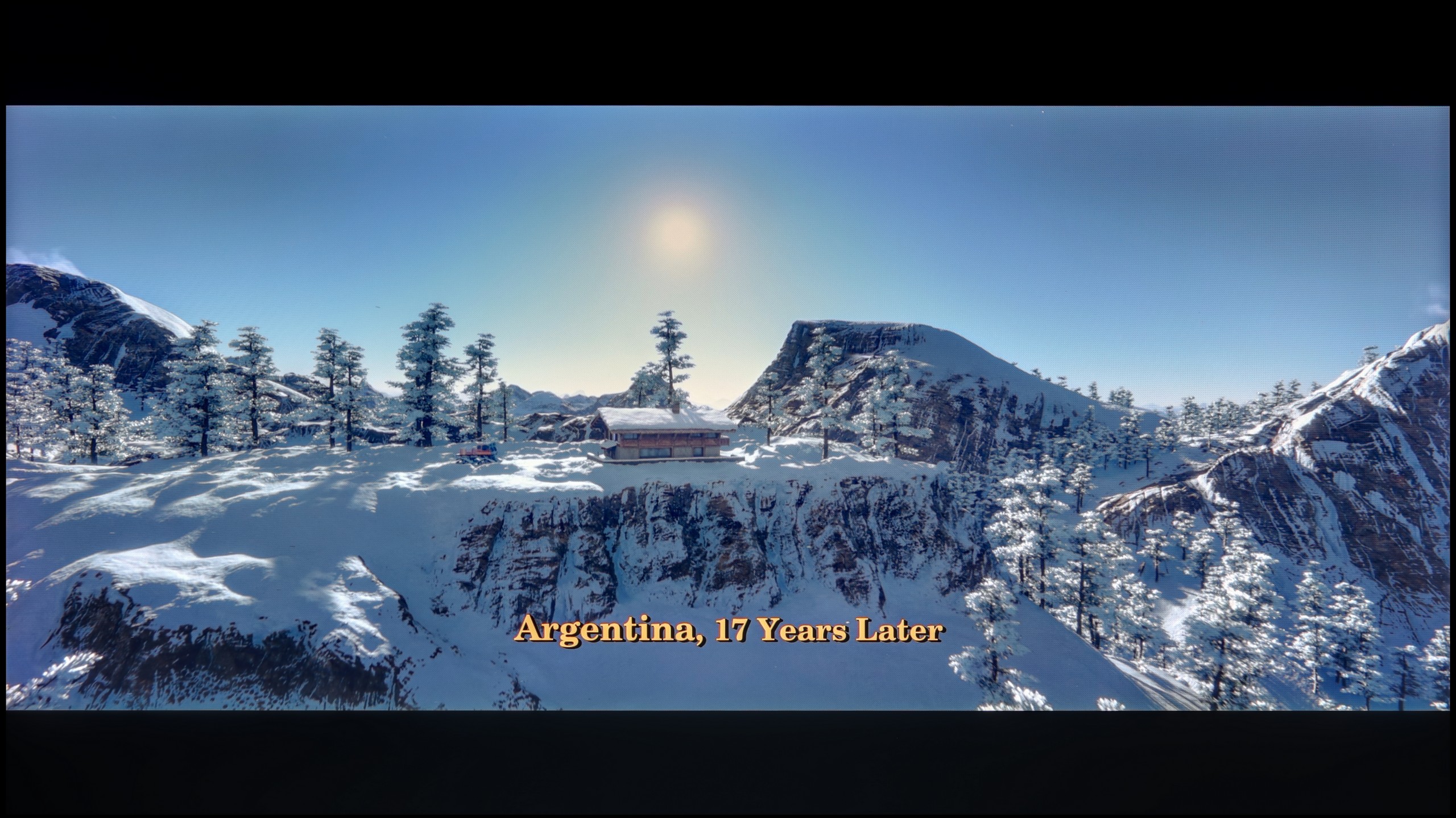
These are selected scenes that show smooth tonal transitions from one color to another. If you see distinct banding, it’s the TV panel’s fault.
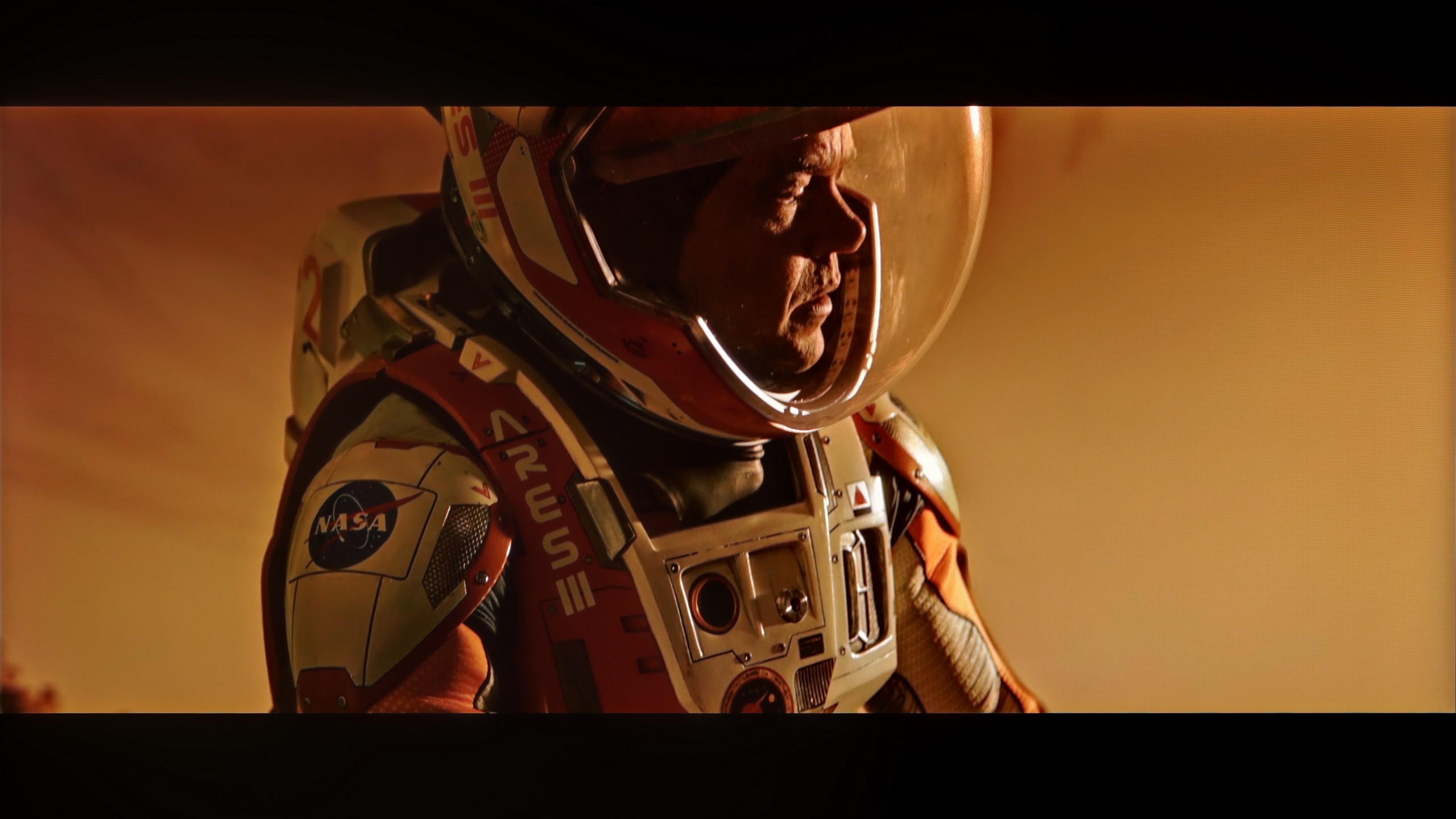
These are selected scenes that show smooth tonal transitions from one color to another. If you see distinct banding, it’s the TV panel’s fault.
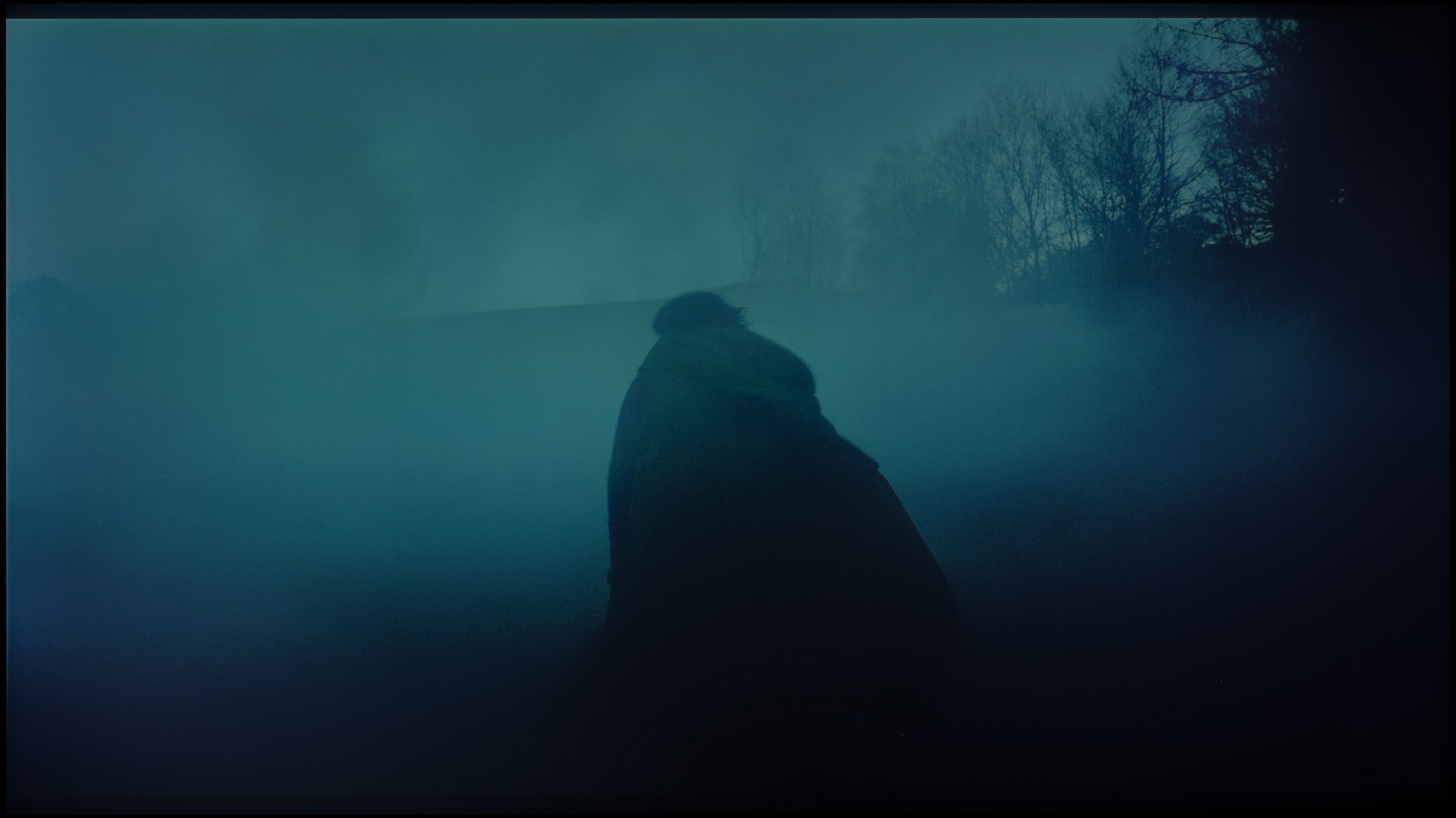
These are selected scenes that show smooth tonal transitions from one color to another. If you see distinct banding, it’s the TV panel’s fault.
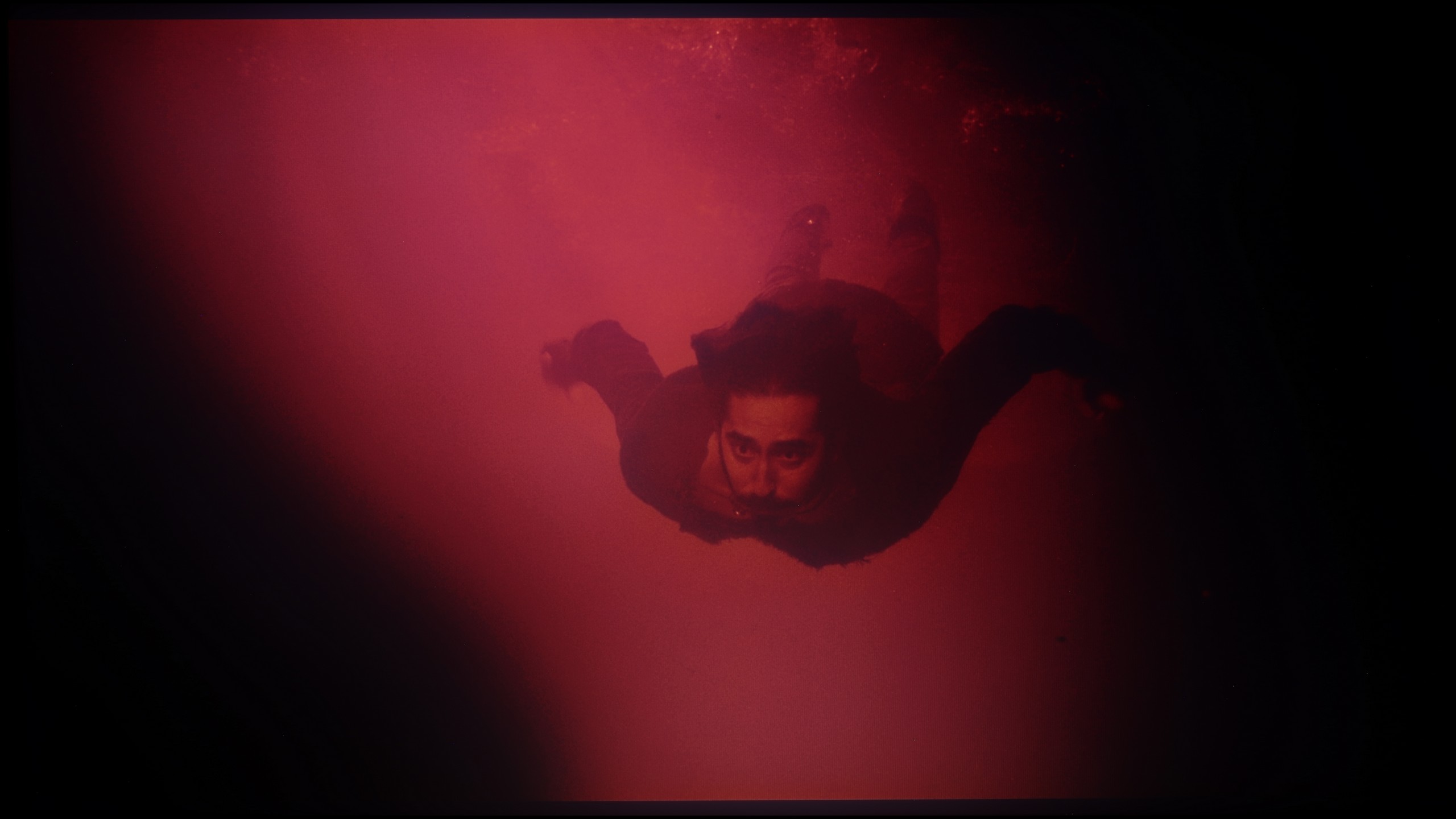
These are selected scenes that show smooth tonal transitions from one color to another. If you see distinct banding, it’s the TV panel’s fault.
In 4K materials, the gradation is notably poor and disappointing. Visible seams are apparent in dark and light colours, detracting from the image quality and diminishing the overall viewing experience of high-resolution content. This is a notable weakness, as Sony's processors have typically excelled in this area, but it appears to be a failure this time.
In terms of the smoothness of tonal transitions, TCL C9K performs really well. In more challenging movie scenes, there is no typical color banding that can break immersion even in more expensive TVs. Perhaps slight issues can be noticed in the brightest parts – for example, in scenes from the movie Kingstone – but these are nuances. For the vast majority of viewers, especially with 4K content, color grading will look smooth and practically unnoticeable.
Image scaling and smoothness of tonal transitions
6.1/10
5.5/10


Smooth transition function

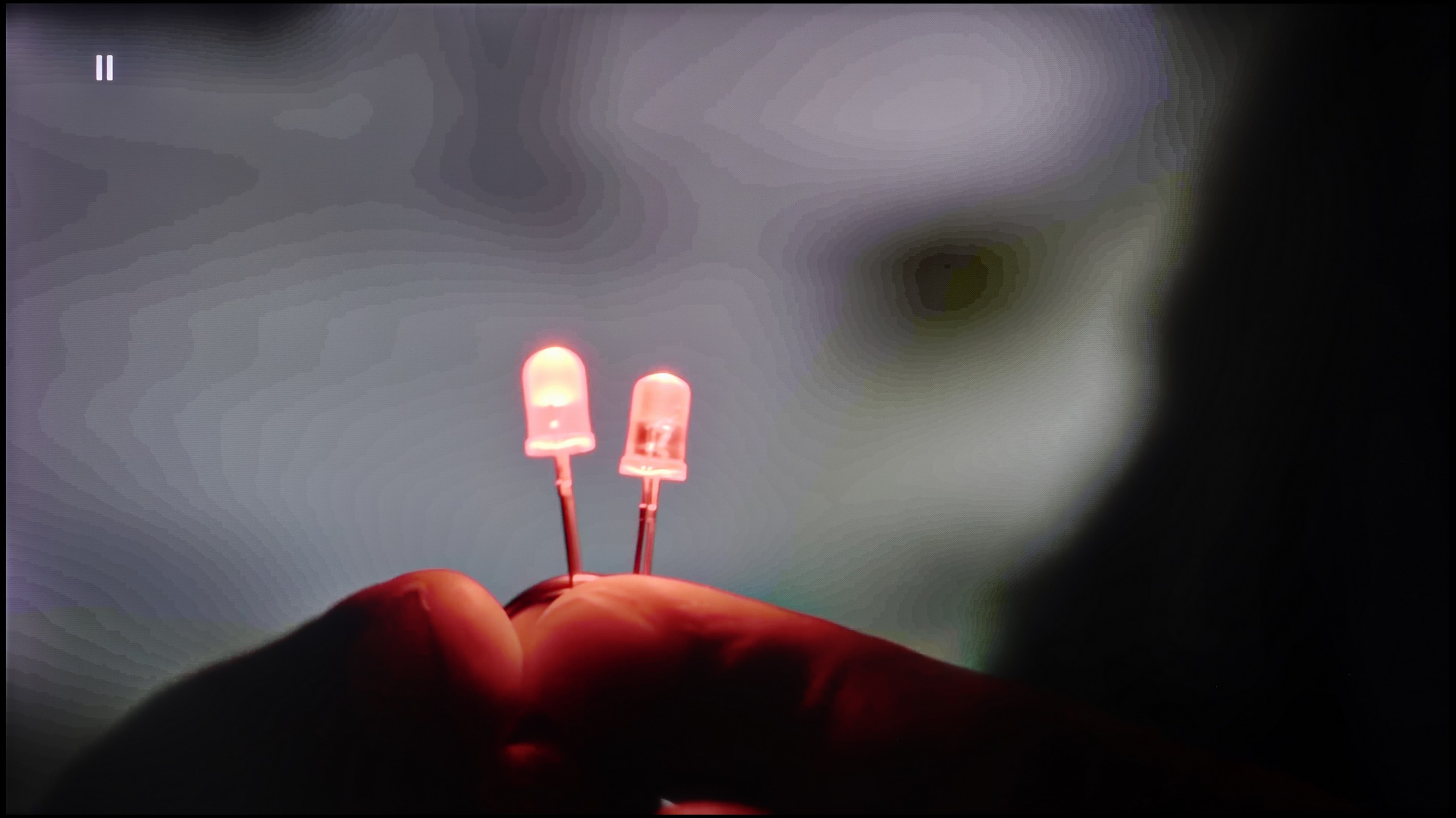
The match photo shows how the TV smooths weak tonal transitions in low-quality video.
Image scaling SD (576i)


The model photo shows how it handles upscaling of SD material.
The fluidity of tonal transitions in lower-quality materials on the Bravia 8 is lacking. Unfortunately, the gentle gradation function, which was available in previous models, is missing, which is a significant drawback. The digital noise reduction feature can improve tonal transitions, but it often removes fine details, such as clouds in scenes from The Martian, which may not be to everyone's taste. On the other hand, the digital processing in the Sony XR80 is quite effective. In test scenes, it performed well without noticeable flaws, and the branches in the background remained smooth without jagged edges. This indicates that the Bravia 8 is capable of handling complex low-resolution image details with relative ease.
Digital image processing in TCL C9K is quite mediocre. The tonal smoothing feature seems to be present, but turning it on practically changes nothing – color bands are still visible, and it can unintentionally highlight elements we would prefer to hide, such as textures of objects. Fortunately, it doesn’t remove film grain, but that’s small comfort since the effects are still poor. Therefore, it's hard to recommend using this option.
On the other hand, image scaling performs much better. Lower quality materials look quite decent – characters and backgrounds are presented clearly, although, of course, with sources at 576p, physics cannot be fooled. Sometimes, characteristic aliasing on objects appears, but that’s the fault of the source itself, not the algorithm. A plus for not having issues with overscan – the image is not artificially cropped or enlarged.
Blur and motion smoothness
8.5/10
7.8/10

Blur (native resolution, maximum refresh rate):




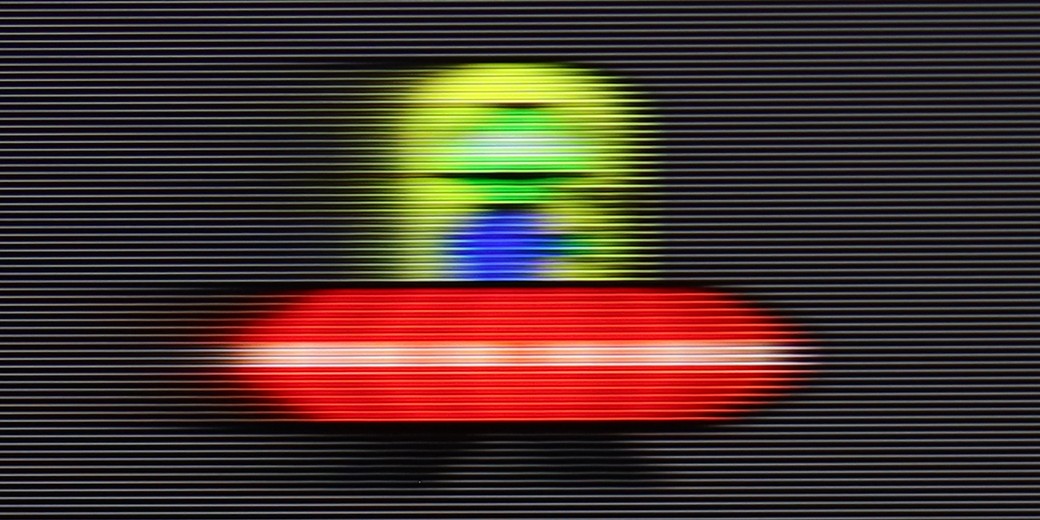
Blur (BFI function enabled):
Image flickers in this mode





Blur ():
Blur (1080p@288Hz):


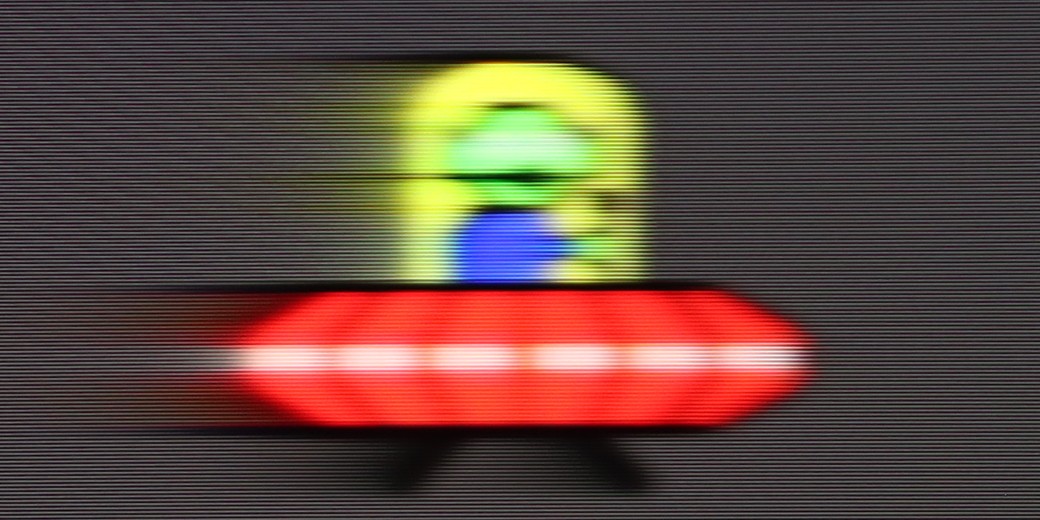
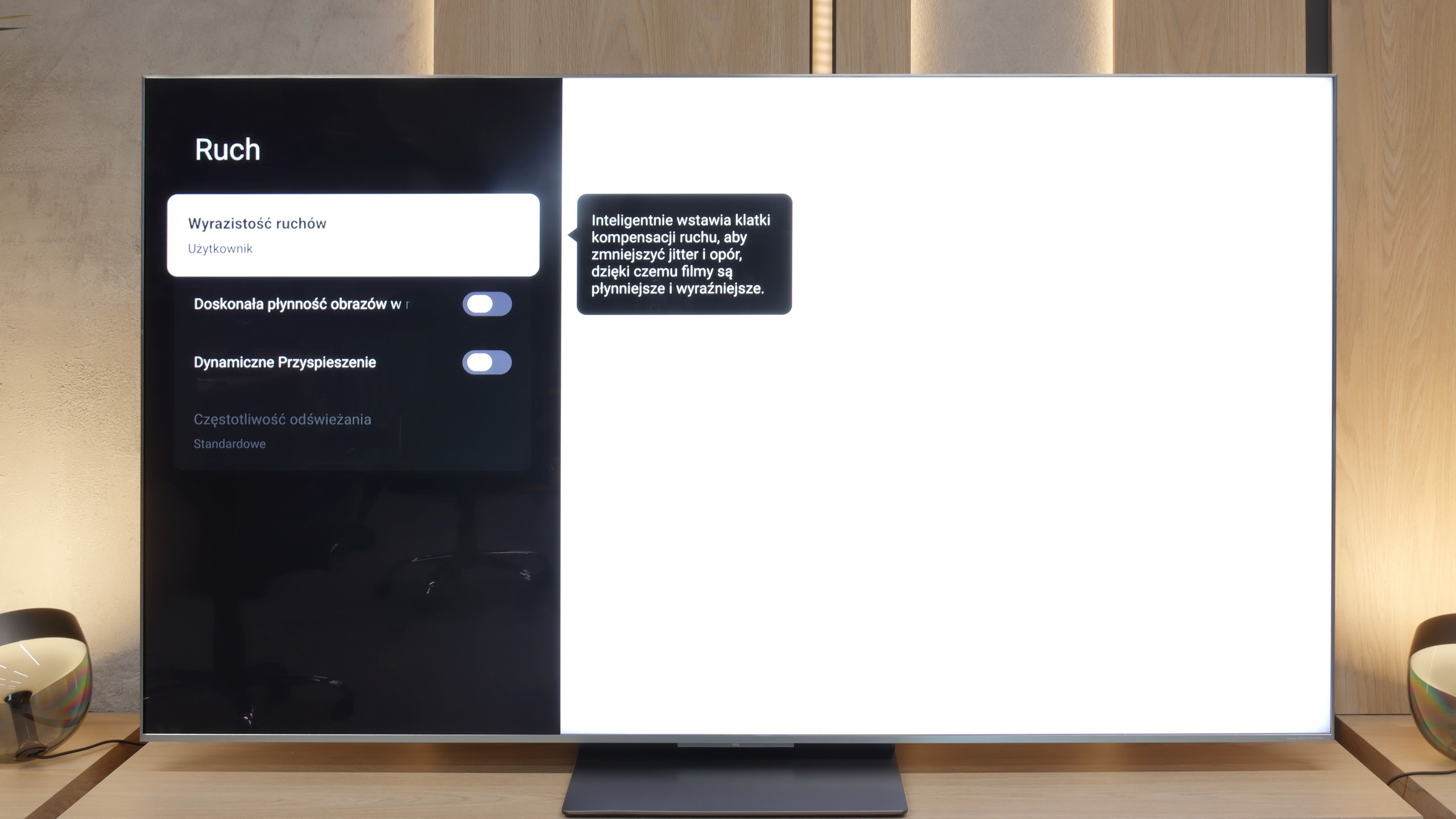
The Sony Bravia 8 offers a maximum refresh rate of 120 Hz, ensuring smooth viewing of dynamic content such as sports and games, with sharp and fluid motion. For more demanding users, the Sony XR80 features an advanced motion smoothing system, divided into three settings: Smoothness (Film), Smoothness (Camera), and Clarity. The first two settings adjust the level of blur and smoothness, while the Clarity setting will be discussed in more detail below. Each of these parameters can be customised to suit individual preferences, allowing users to fine-tune the settings for the optimal viewing experience.
Like the C8K, the C9K is also a really fast television – both figuratively and literally. It features a 4K panel with a refresh rate of 144 Hz, and at lower resolutions, the display can even ramp up to 288 Hz. This speed translates into practice – when watching sports or playing games, the image looks very smooth and clear. Additionally, in films, we get an extra motion smoother called Motion Clarity, which allows us to adjust the fluidity to our own preferences – from the cinematic "judder" frame to almost theatrical smoothness.
Console compatibility and gaming features
8.1/10
9.8/10
- ALLM
- VRR
- VRR range48 - 120Hz48 - 288Hz
- Dolby Vision Game Mode
- Correct implementation of HGIG
- 1080p@120Hz
- 1440p@120Hz
- 4K@120Hz
- Game bar

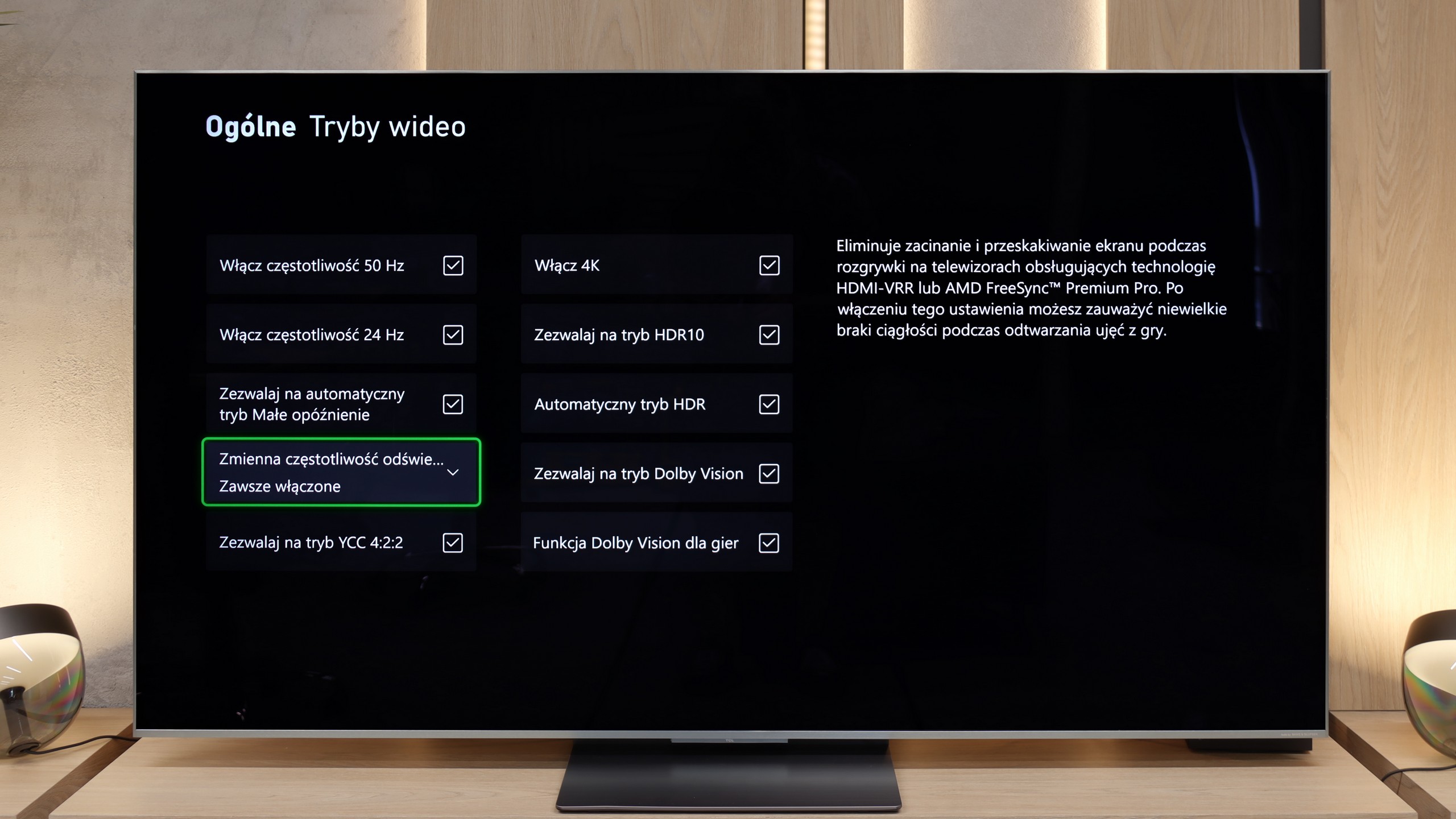

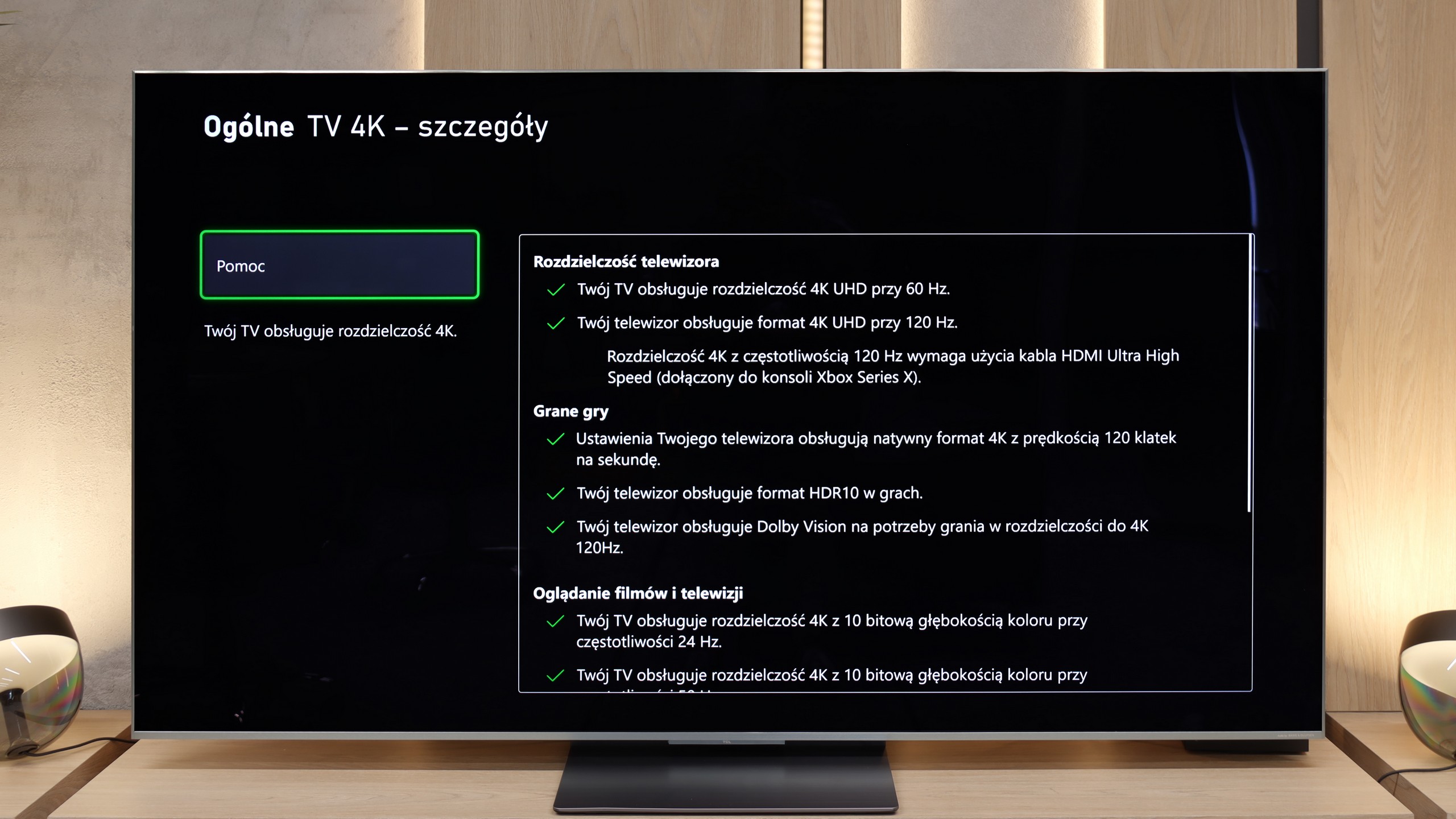

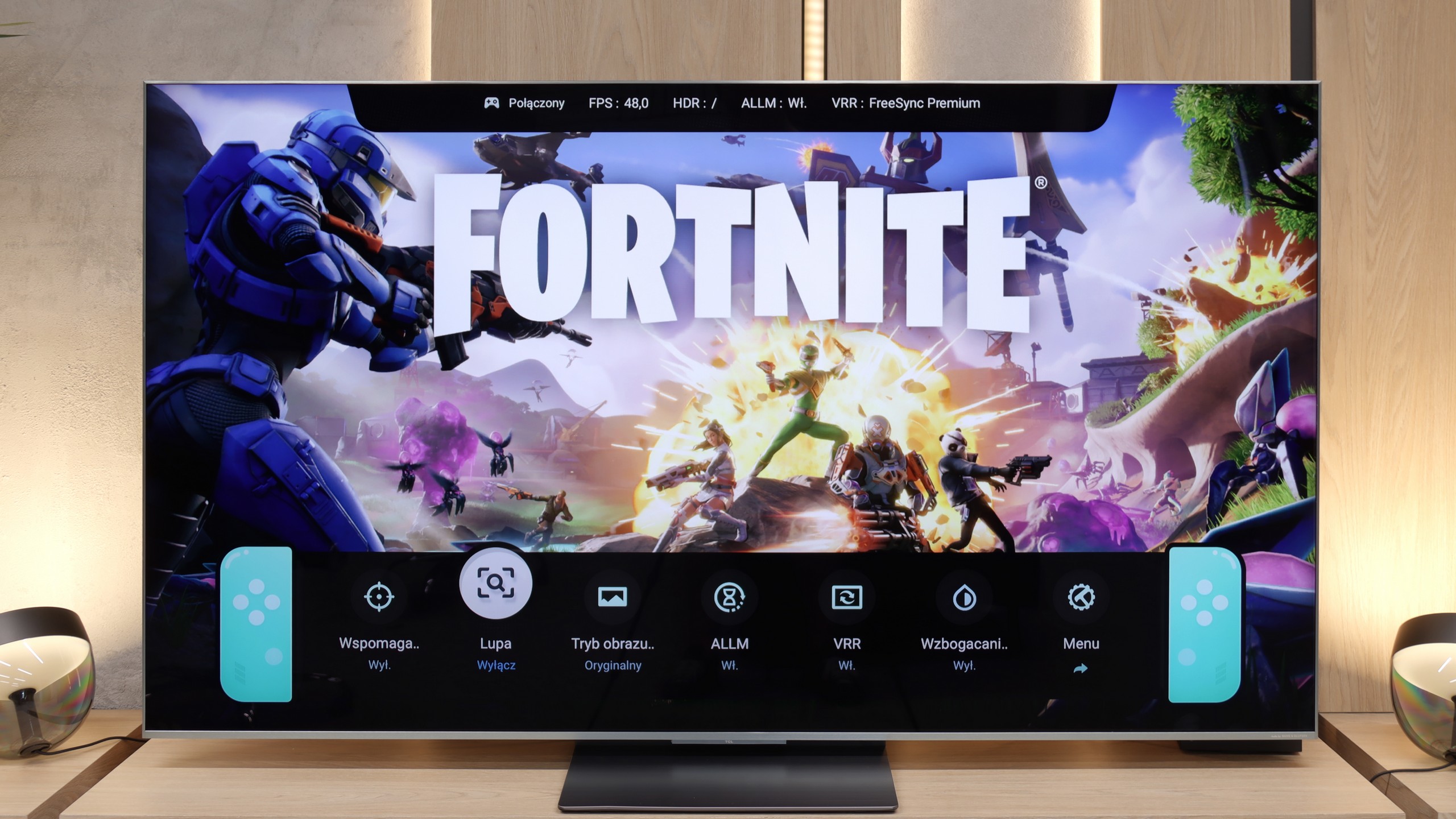

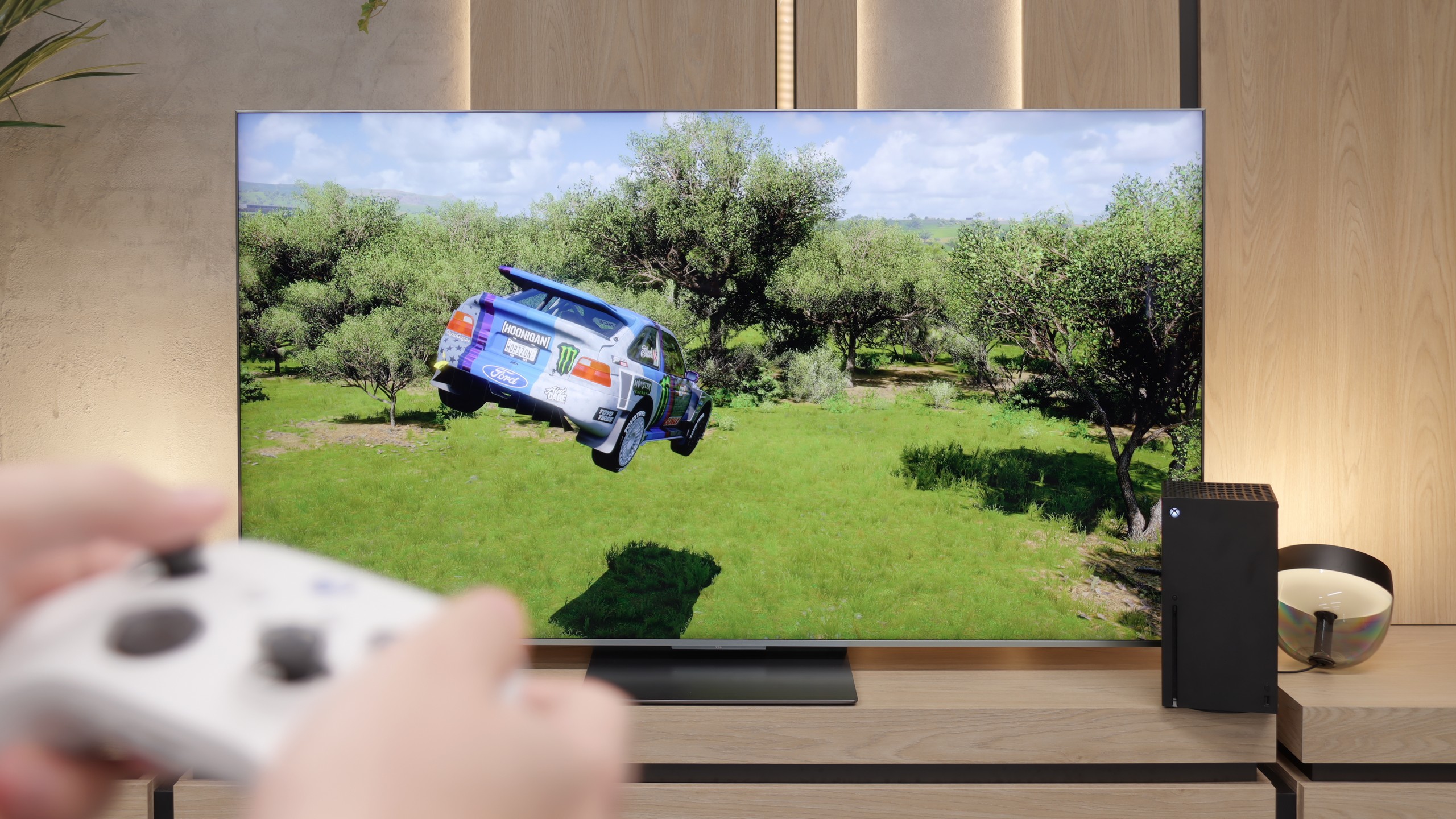
The Sony Bravia 8 has greatly improved its compatibility with consoles compared to earlier models. It supports variable refresh rate (VRR), which eliminates screen tearing and can sync with graphics cards for smooth visuals. The Auto Low Latency Mode (ALLM) reduces input lag, a crucial feature for fast-paced games. Additionally, Dolby Vision with low latency enhances HDR effects, offering stunning visuals during gameplay.
The Sony XR80 also includes a Game Bar, which provides quick access to settings and monitoring tools during gaming. A notable feature is the option to enable a virtual crosshair on the screen, giving players a potential advantage in shooter games.
However, there are some drawbacks. The TV lacks support for 1440p@120Hz resolution, which would benefit users with less powerful graphics cards. Furthermore, the Sony XR80 has only two HDMI 2.1 ports, one of which is typically used for connecting an audio system via eARC, limiting the number of available ports for next-gen consoles.
For gaming, the TCL C9K is a complete tool. Here we have two (out of four) HDMI 2.1 ports with full bandwidth of 48 Gbps, so all key technologies work: VRR (variable refresh rate) and ALLM (automatic low latency mode). Additionally, the manufacturer added a really intuitive Game Bar, which allows you to quickly preview the most important parameters and adjust settings without digging through the menu. Also, TCL's policy is a plus – the TV is not afraid of any HDR formats, even in game mode. Whether it's HGiG or Dolby Vision for the Xbox Series S/X console – everything works as it should, giving the player wide freedom.
Input lag
10/10
9.8/10
SDR
HDR
Dolby Vision
The low input lag on the Sony Bravia 8 is certainly a standout feature, with a remarkable 13 ms providing exceptional responsiveness. The Dolby Vision mode also deserves praise, as it performs exceptionally well on this model. Unlike many other manufacturers, where Dolby Vision often underperforms, it delivers its full potential here, enhancing the gaming experience.
In terms of input lag, the TCL C9K performs exceptionally well. With 120 Hz content, the lag is just 7 ms, placing it among the very best TVs available on the market. Naturally, with 60 Hz materials, the input lag rises to about 15-16 ms, but in practice, this has little impact on the final responsiveness of the screen to our actions on the pad.
Compatibility with PC
7.6/10
8.6/10

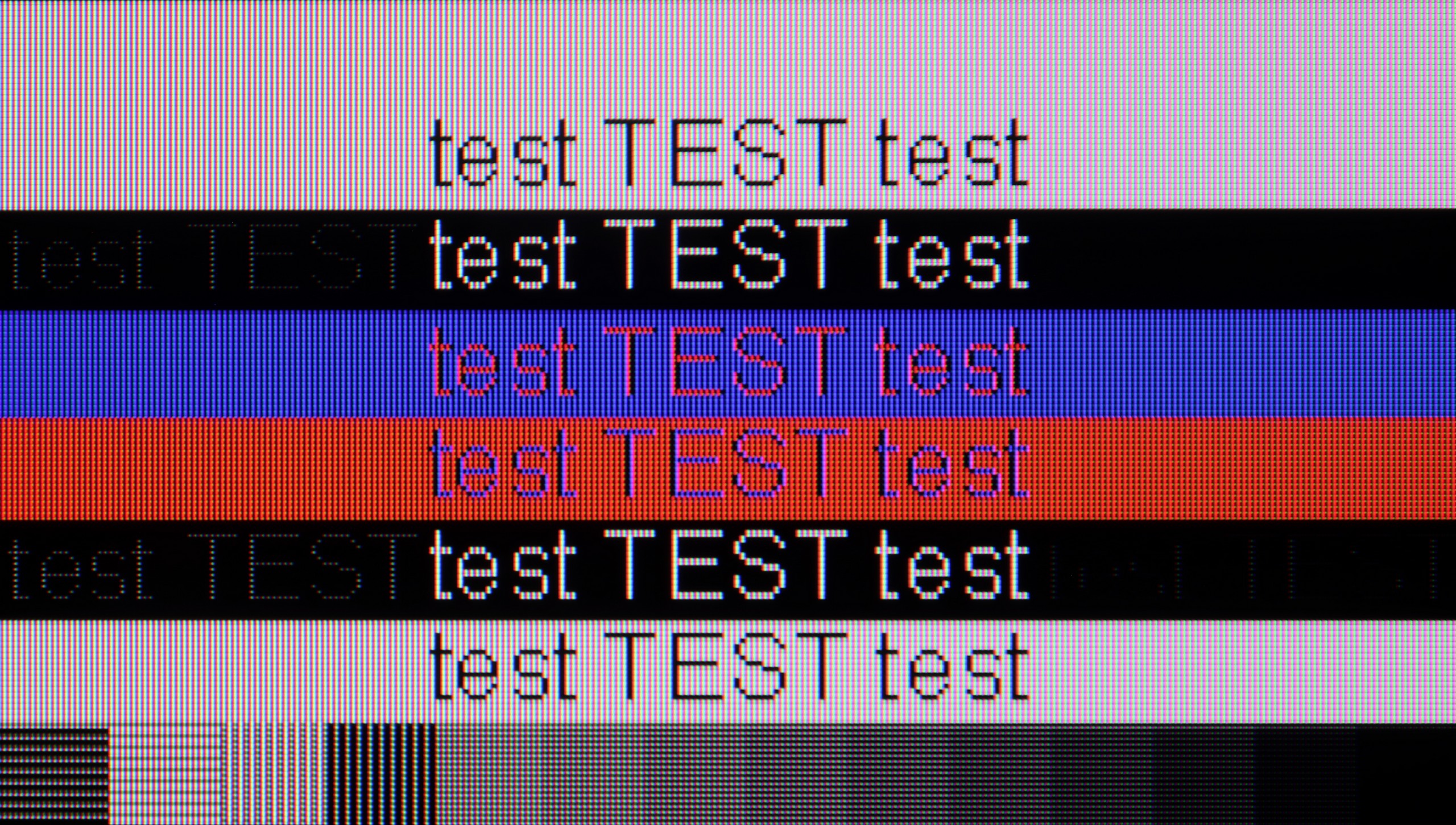
The photo shows the legibility of small fonts. Ideally, lines should be the same thickness on both light and dark text, with minimal pixel gaps.
The Sony Bravia 8 works very well with computers, much like most WOLED matrix televisions. Font readability is excellent, making it comfortable to work with documents or browse websites. The impressive 5 ms input lag ensures excellent responsiveness during gameplay. The only downside is that fonts on a dark background appear slightly dimmed.
In terms of office work, the TCL C9K does not disappoint – thanks to the support for 4:4:4 chroma, the readability of fonts is at a good level, so writing or working with documents should not pose a problem. One could indeed notice slight issues with dimming horizontal lines, but in everyday use, it’s hard to call that a real flaw. However, the C9K reveals its greatest potential in PC gaming. Here, the television showcases its full capabilities – it can switch to lower resolutions, such as Full HD, and display images at up to 288 Hz. Additionally, it supports both G-Sync and FreeSync, so image synchronization with the graphics card works flawlessly. It’s hard to have any major complaints about this set – it’s truly a top-tier screen for computer gaming.
Viewing angles
7.3/10
4.5/10
The viewing angles on the Sony Bravia 8 are excellent, as expected from an OLED TV. The image retains its colours and contrasts even when viewed from wide angles. The only models that outperform it in this area are those equipped with MLA (Meta-Lens Array) technology and QD-OLED, which provide even wider viewing angles and superior image quality at extreme angles.
A new feature in TCL televisions for 2025 is the WHVA panel, which is designed to provide better viewing angles than standard VA panels. And indeed, there is noticeable progress. When viewing the screen from the side, the image is clearer and colors do not degrade as quickly as in previous models. However, this does not mean that we are dealing with the level of top coatings or solutions known from IPS panels, and certainly not from OLEDs. The image remains readable, but brightness clearly decreases. This is definitely a step forward compared to earlier TCL models, but it is not yet a complete revolution.
Daytime performance
5.6/10
7/10

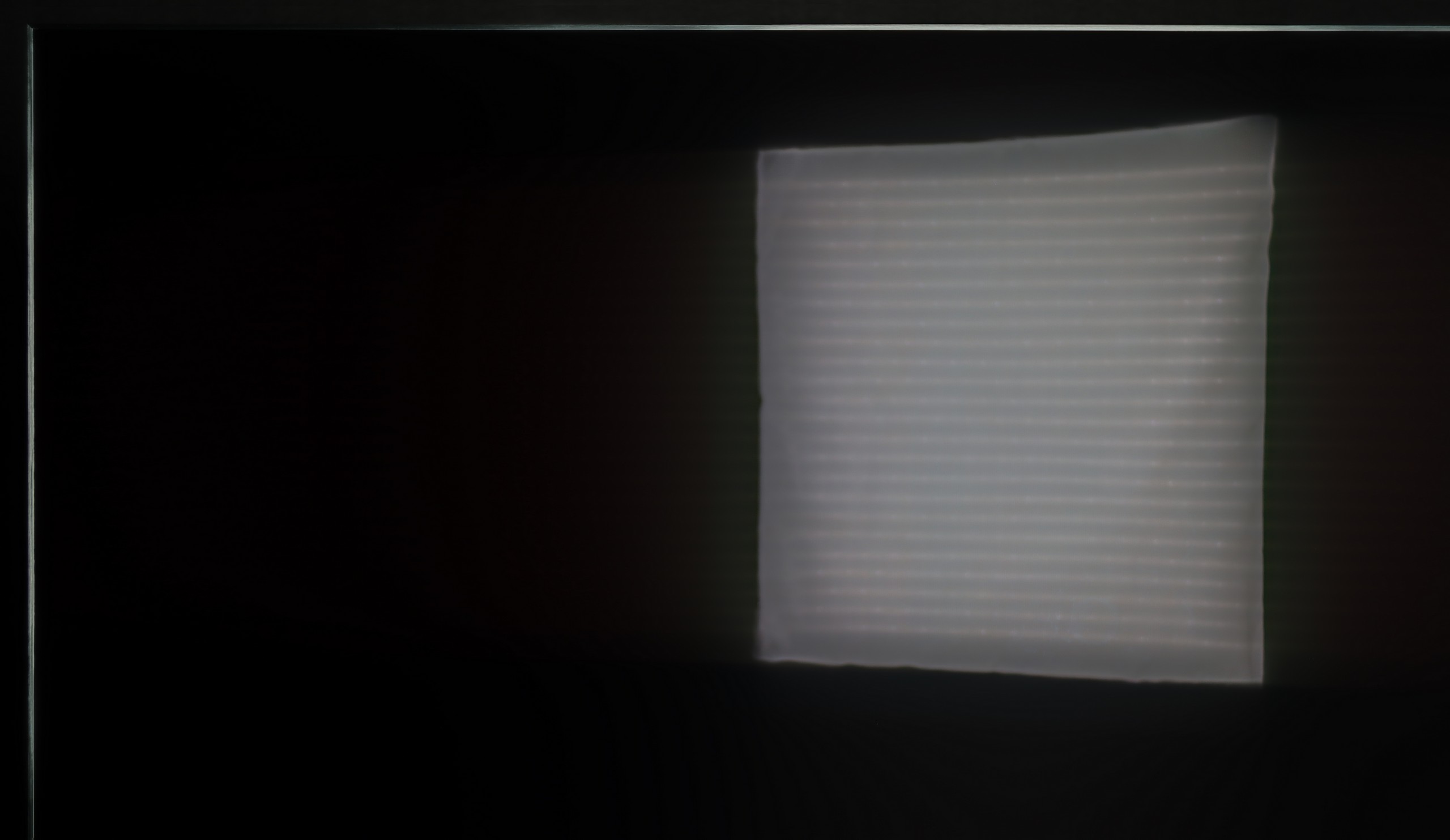

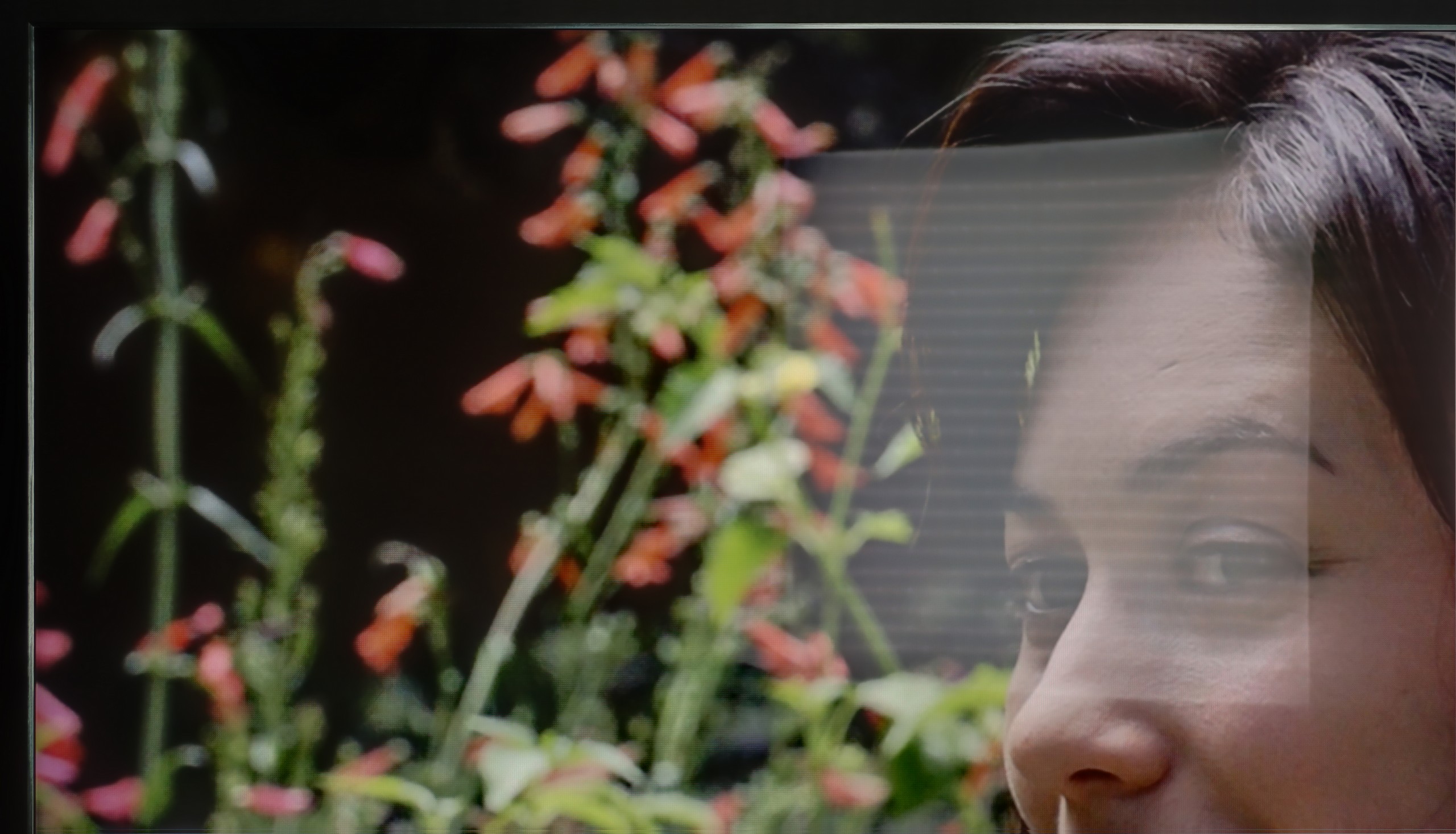
Panel brightness
TCL C9K: 642 cd/m2
Sony Bravia 8 (XR80): 335 cd/m2
The glossy matrix on the Sony Bravia 8 effectively reduces reflections, although they take on a slightly bluish hue. However, the brightness level of 330 nits is not particularly impressive, making this TV better suited for evening viewing. During the day, to ensure optimal image quality, it's advisable to close the windows to minimise the impact of external light.
The new WHVA matrix coating has its strengths and weaknesses. On one hand, it manages quite well with minor reflections; on the other hand, with stronger light sources, it is evident that the reflection suppression is not at the highest level. Fortunately, the coating does not spoil what is most important: the blacks and color saturation. This is a definite plus, as in many competing models, the compromises in this area are more painful. Additionally, there is very high brightness – in SDR content, the C9K can achieve an average of 650 nits in SDR materials. This result is easily sufficient for watching television or movies in more challenging lighting conditions, even on sunny days.
Panel details
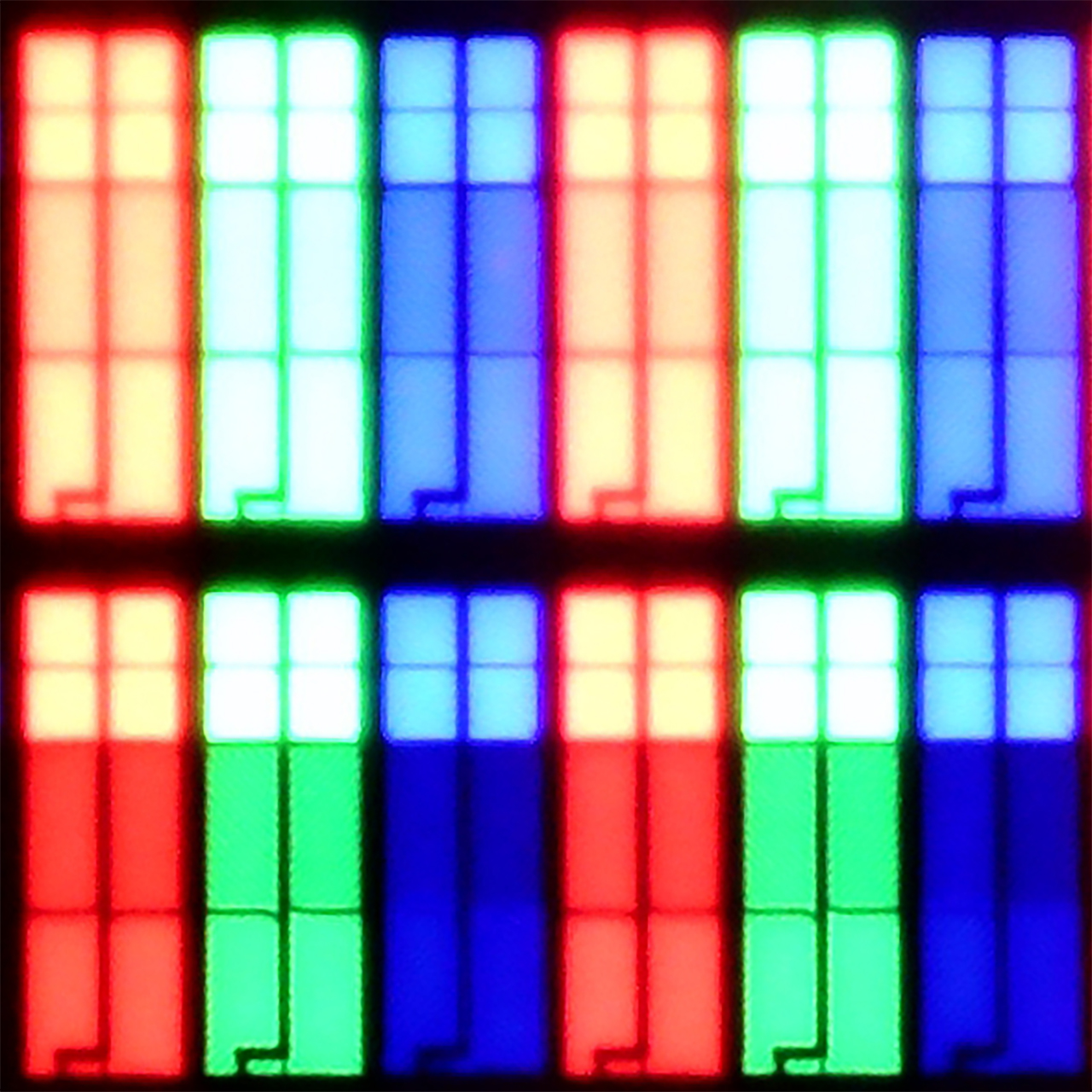
Subpixel Structure:

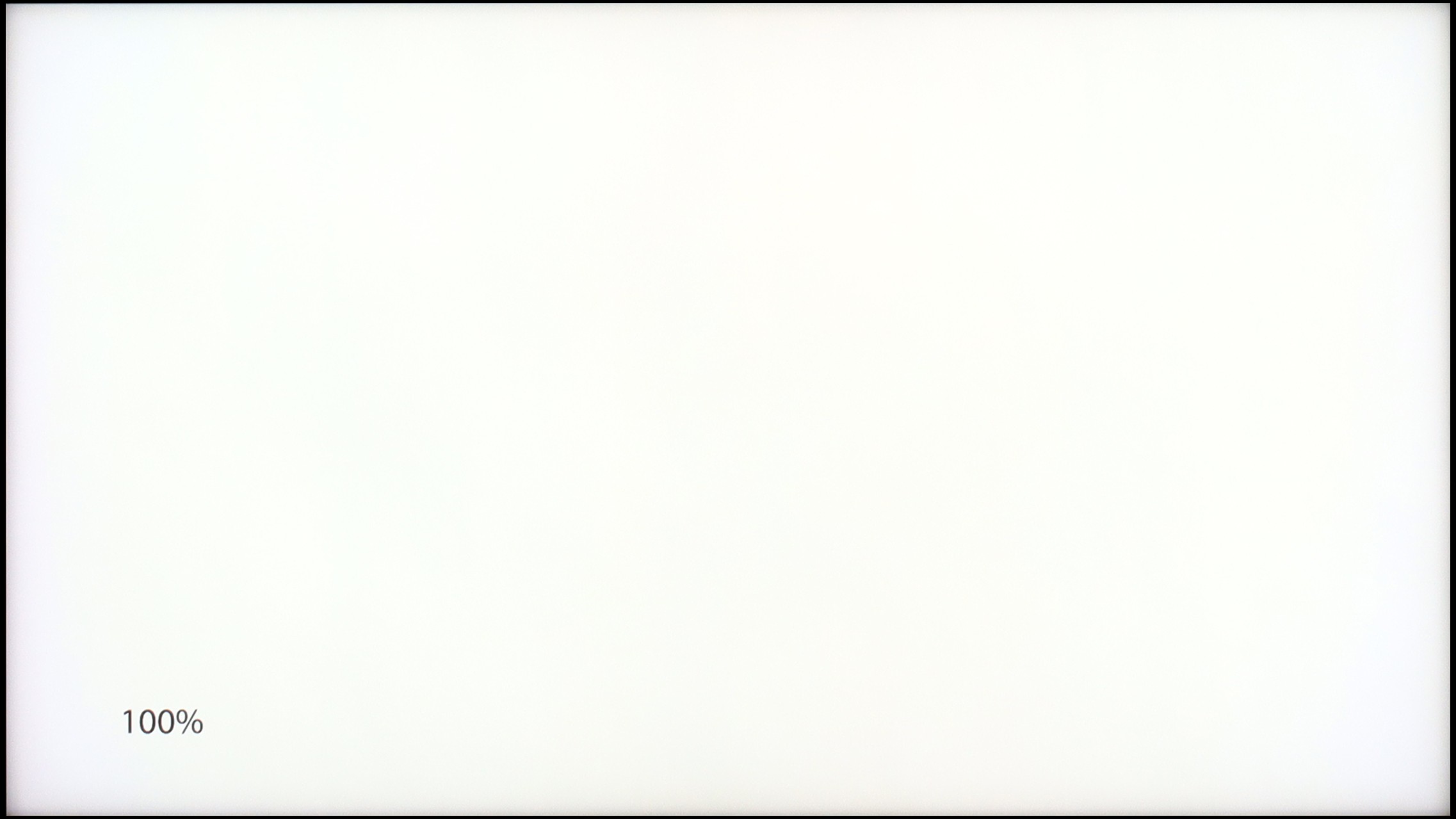
Panel uniformity and thermal imaging:

Sony Bravia 8 (XR80)
TCL C9K
TV features
9.4/10
7.7/10
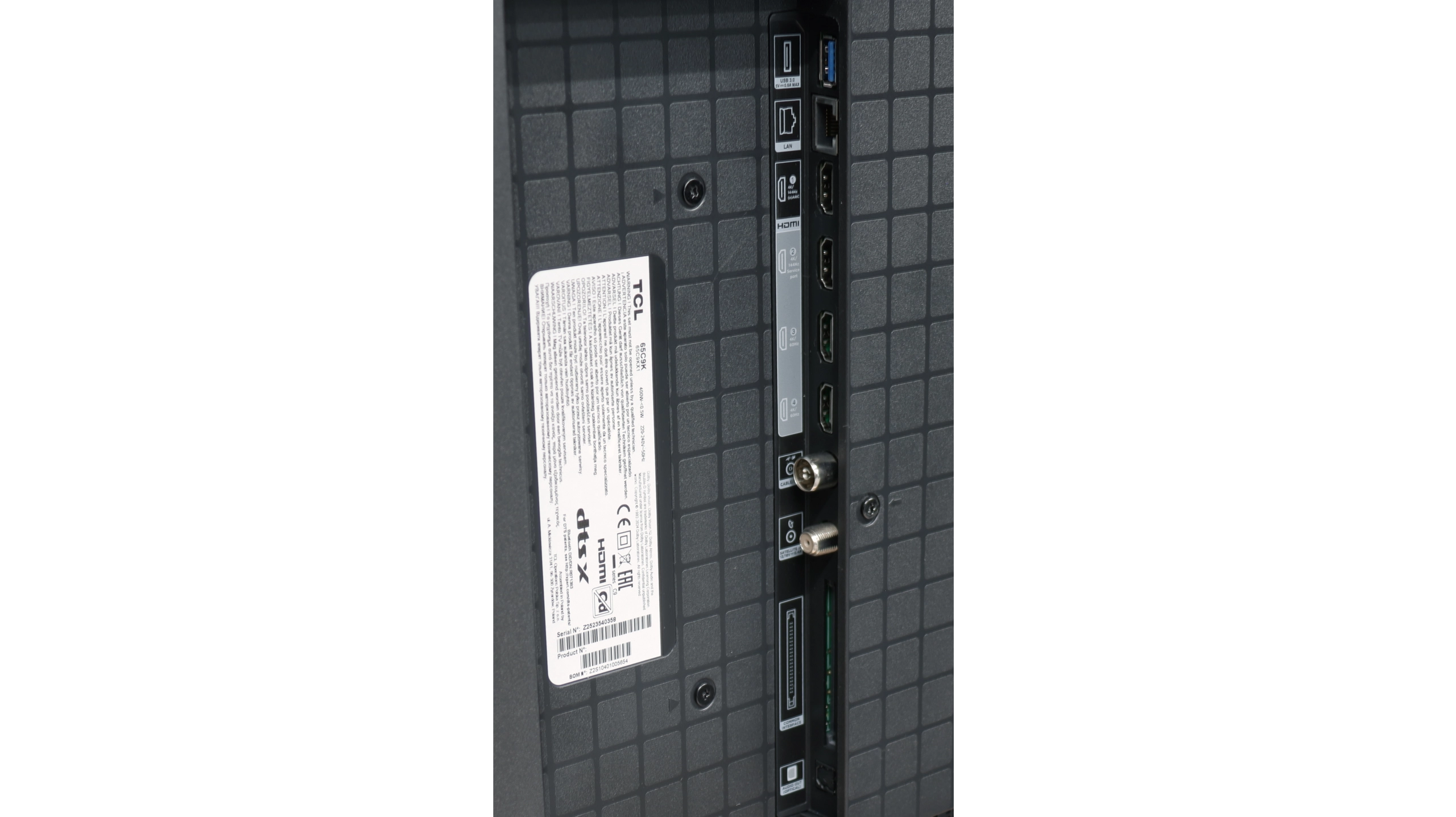
- HDMI inputs2 x HDMI 2.0, 2 x HDMI 2.1 48Gbps2 x HDMI 2.0, 2 x HDMI 2.1 48Gbps
- OutputsToslink (Optical audio), eARC (HDMI), ARC (HDMI)Toslink (Optical audio), eARC (HDMI), ARC (HDMI)
- Network InterfacesWi-Fi 2.4GHz, Wi-Fi 5GHz, Ethernet (LAN) 100MbpsWi-Fi 2.4GHz, Wi-Fi 5GHz, Ethernet (LAN) 100Mbps
- TV receptionDVB-T, DVB-T2, DVB-S, DVB-S2, DVB-CDVB-T, DVB-T2, DVB-S, DVB-S2, DVB-C
Classic features:
- Recording to USB (terrestrial TV)
- Recording programming
- Picture in Picture (PiP)
- RF remote control (no need to aim)
- Backlit remote control
- Teletext
- Audio only mode
- Bluetooth headphones support
- Simultaneous Bluetooth headphones & TV audio
Smart features:
- AirPlay
- Screen mirroring (Windows Miracast)
- Voice search
- Voice search in native language
- Ability to connect a keyboard and mouse


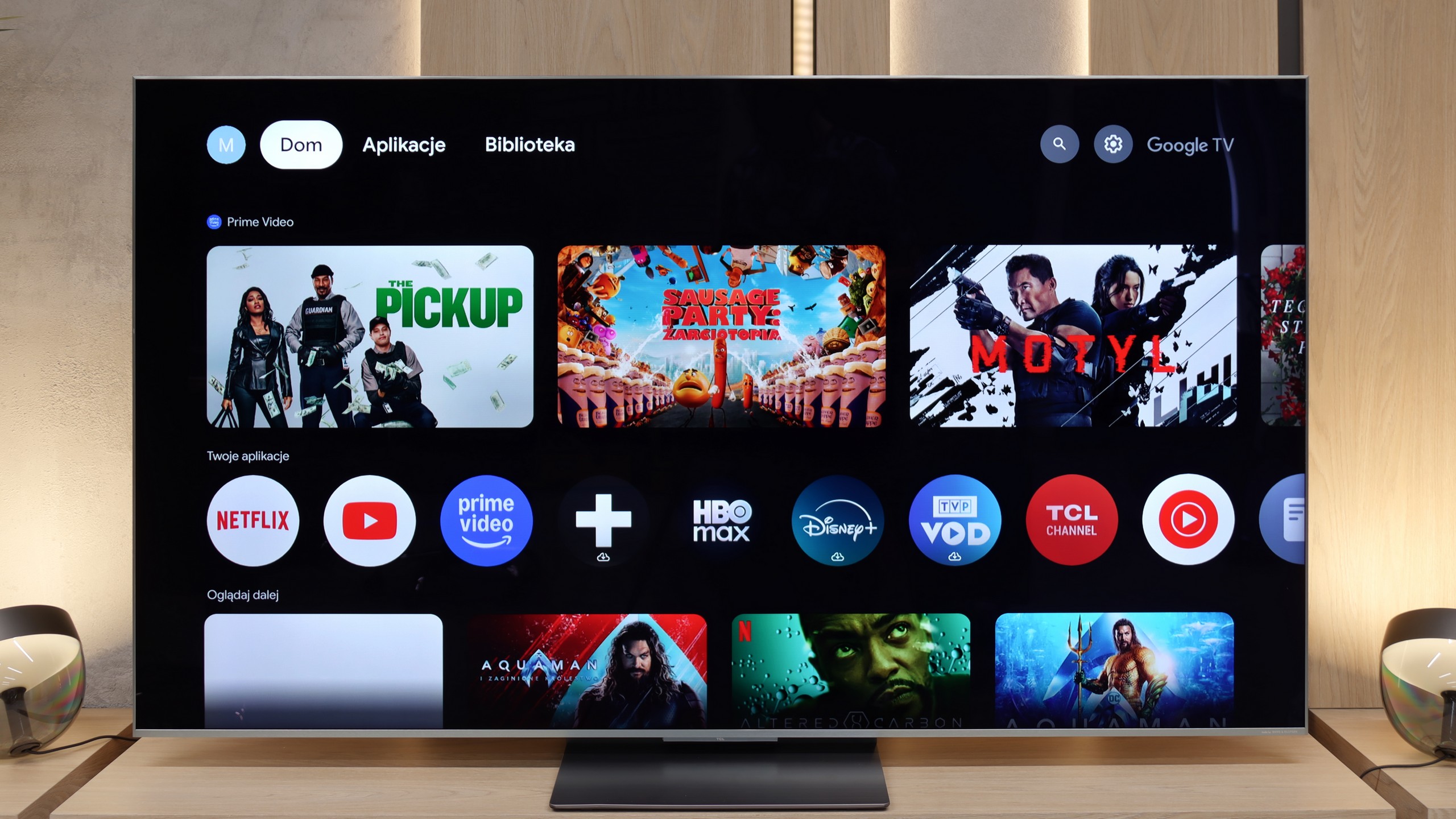
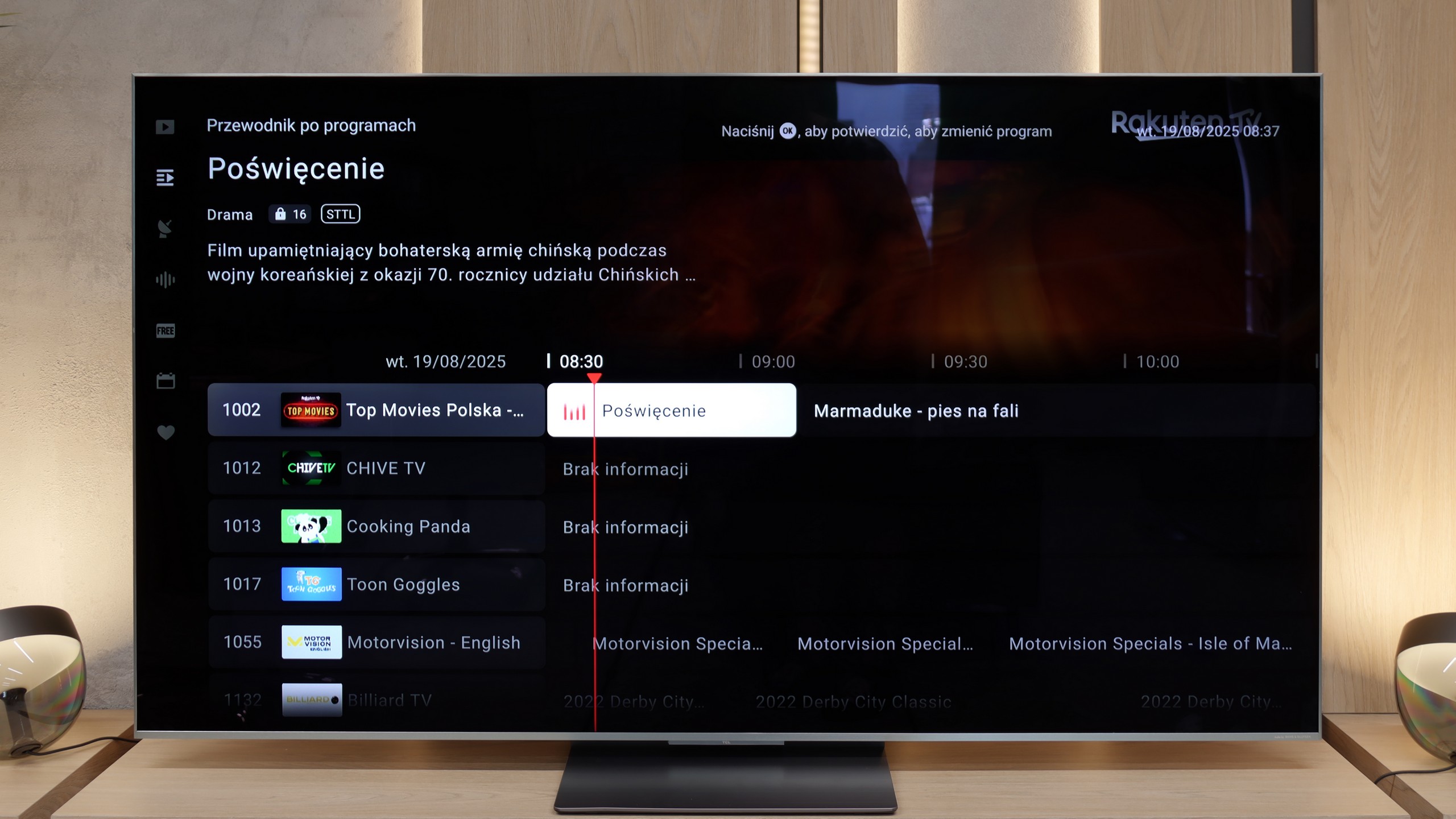
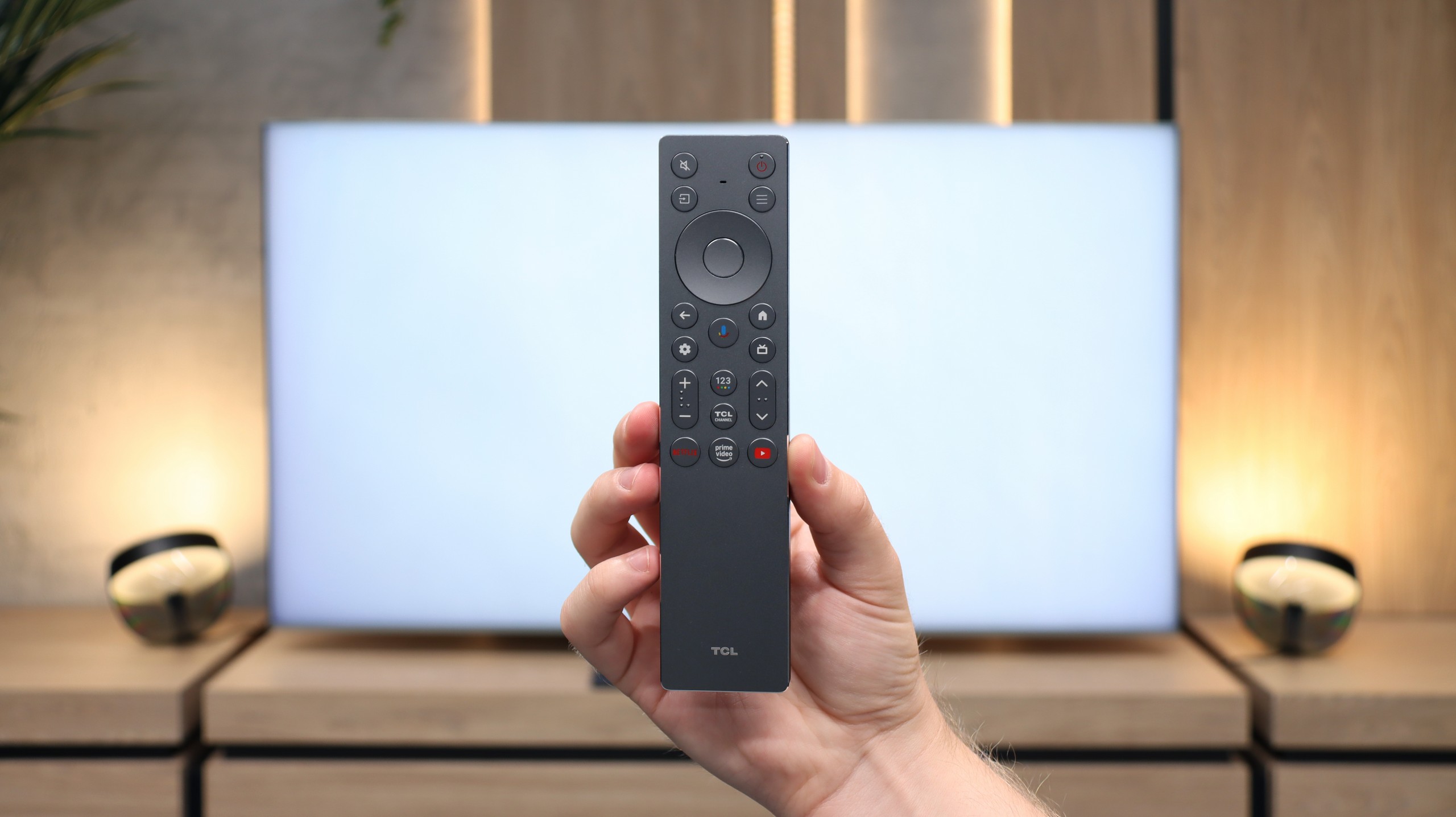
The Sony Bravia 8 runs on the Google TV system, offering an intuitive and user-friendly interface with access to an extensive range of applications. The interface is well-designed, with easy access to apps and features. The remote, similar to those from Korean competitors, can be charged via a USB-C port and is backlit, making it much easier to use in low-light conditions.
The TV provides a broad range of features that will satisfy most users. The Sony XR80 allows for program recording and easy connection to external devices via Bluetooth. However, it lacks the Picture-in-Picture (PiP) feature, which would enable simultaneous viewing of two image sources—a feature that could be useful in certain situations.
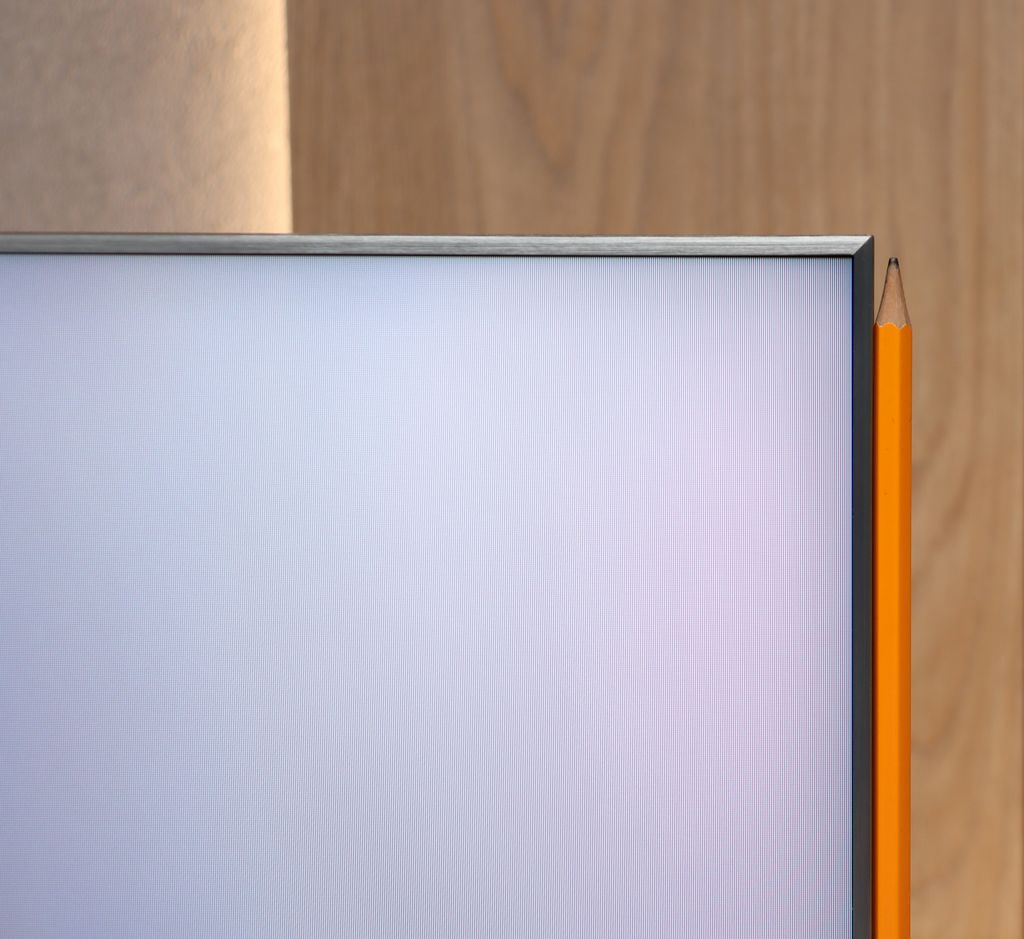
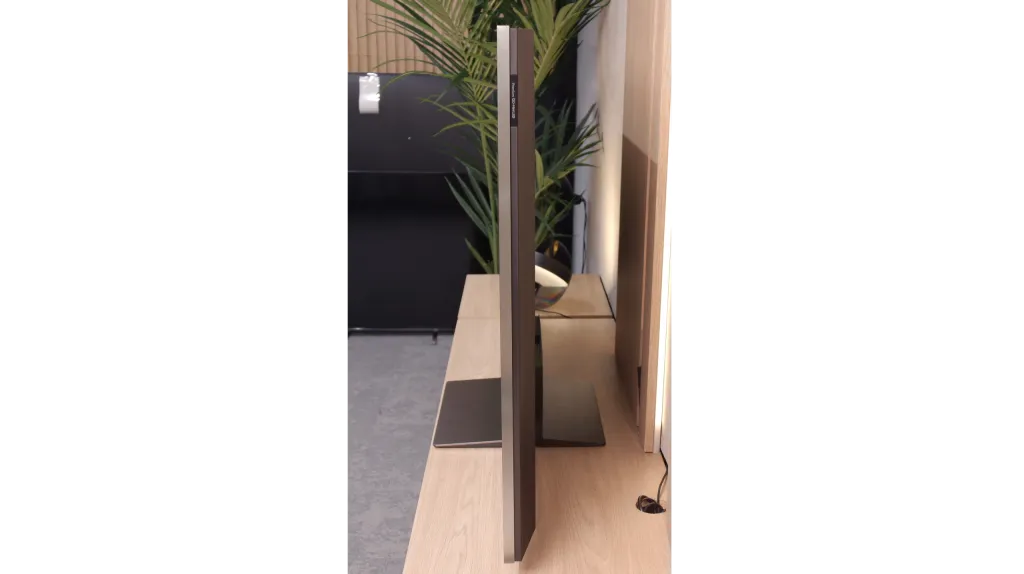
The design of the television is impressive, featuring a sturdy metal frame that adds an elegant touch. It stands on two adjustable feet, allowing for customisation of both width and height, making it easy to place a soundbar beneath the screen. While the Sony Bravia 8 is not the thinnest OLED on the market, its high-quality materials and meticulous finish ensure it presents well.
Classic TV Features
In terms of basic TV features, the TCL C9K does not disappoint – it has everything that most users expect. The EPG guide works smoothly, teletext is available, and pairing Bluetooth headphones, a mouse, or a keyboard is straightforward. However, it should be noted that in the Google TV system – just like in other TCL models – there are no more advanced options, such as recording programs or picture-in-picture (PiP) mode. Some may find this lacking, especially if they have used such features with competitors. It's also worth mentioning that we only have one USB port available – enough to connect a drive with movies or a flash drive, but if someone plans to use multiple devices, they might find this insufficient.
Smart Features
While the TCL C9K does not stand out in terms of classic solutions, it showcases its full potential in the realm of smart features. The Google TV system is currently the most popular platform, and it's easy to see why – the library of applications is vast. Netflix, YouTube, Disney+, HBO Max, Amazon Prime Video – all are readily available. Only those very attached to more closed ecosystems, such as Apple Music, will feel the gaps. A significant advantage is the built-in voice assistant – it works quickly, understands natural commands, and allows for convenient control of the TV: from switching channels to opening applications, to searching for content or checking the weather. It is in this aspect that the TCL C9K shows that a smart TV is more than just a "TV with the internet" – it is a tool that truly simplifies daily use of the device.
Apps
9.6/10
9.6/10






















Playing files from USB
8.7/10
9.2/10
Supported photo formats:
Maximum photo resolution:

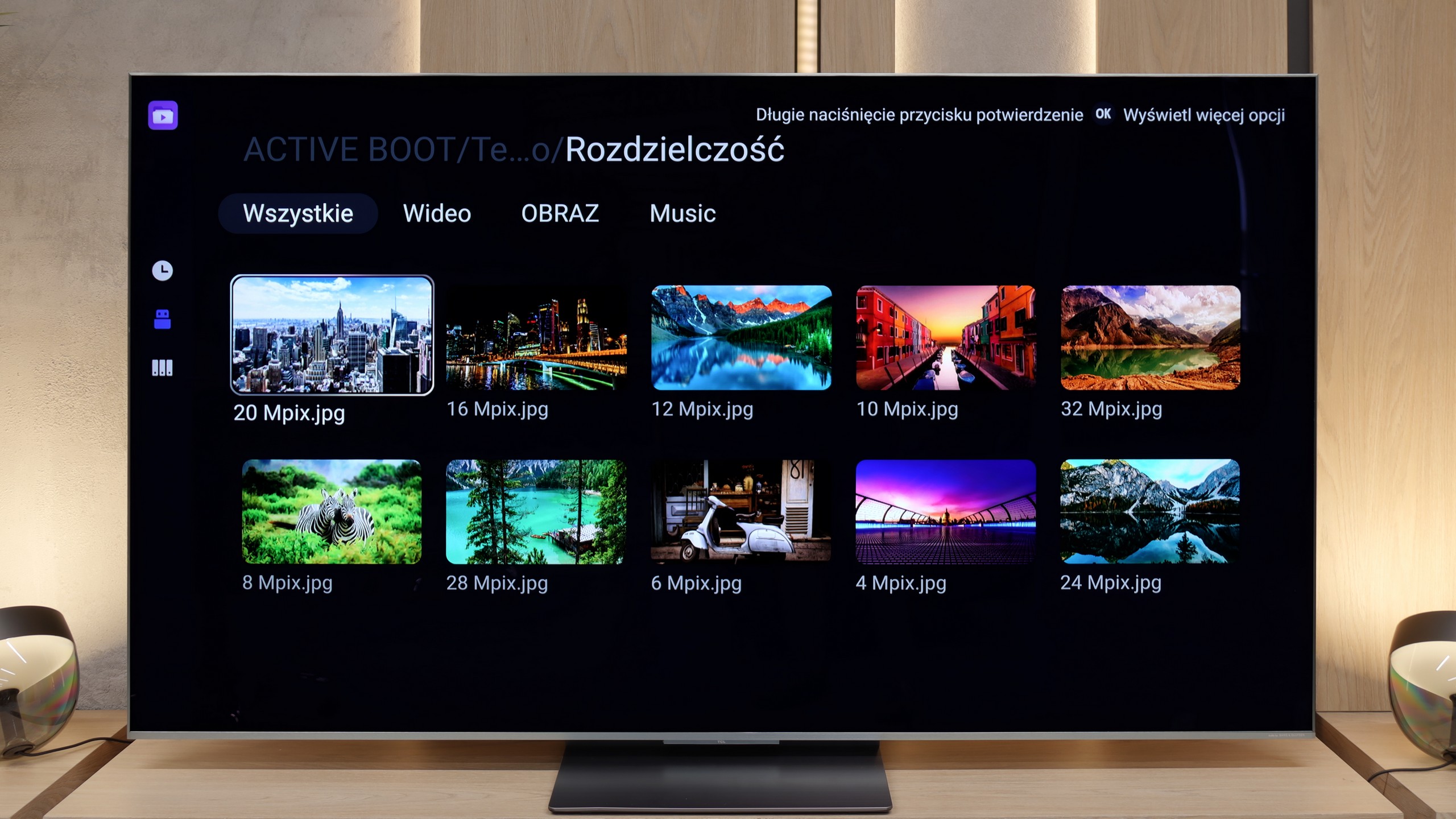
The Sony Bravia 8 will satisfy most users for multimedia playback. The built-in player supports the most popular video and audio formats, ensuring seamless access to a wide variety of content. While there are some limitations with photo playback, the Google TV system allows users to install alternative players that should address these issues.
C9K easily handled most of the materials we uploaded to the pendrive – from MKV format films, through older AVI files, to DTS and FLAC audio tracks. The only drawback remains the lack of support for HEIC format photos from Apple devices, but this is a common issue with almost all manufacturers. The most important thing, however, is that if someone finds a lack of support for some exotic format, they can always reach for an alternative player available in the Google Play store. And this is where the advantage of the Google TV system is evident – the ease with which you can extend the capabilities of the television with additional applications.
Sound
7.5/10
7.9/10
- Maximum volume-77dB
- Dolby Digital Plus 7.1
- Dolby True HD 7.1
- Dolby Atmos in Dolby Digital Plus (JOC)
- Dolby Atmos in Dolby True HD
- DTS:X in DTS-HD MA
- DTS-HD Master Audio
The Bravia 8 has a 50W sound system in a 2.2.1 configuration, featuring speakers mounted behind the screen under the Acoustic Surface Audio system. The sound is pleasant and well-balanced, perfectly complementing the image. In terms of audio format support, the Sony Bravia 8 performs excellently, playing all popular codecs without issues and delivering a rich, immersive audio experience.
The sound in the TCL C9K is handled by the same system as in the C8K model – developed together with Bang & Olufsen. It is a 4.2.2 configuration with a total power of 90 W, meaning eight speakers placed to create a fuller sense of space. And I must admit – the effect is impressive. Dialogues are clear, the high and mid tones sound pure, and the bass doesn't fade, even during louder screenings. Of course, this won't replace a dedicated soundbar or home theater system, but for built-in speakers – there is really something worth listening to.
*During tests at maximum volume, we noticed unusual behavior from the audio system. When the slider is set to 100%, the TV reaches about 76–78 dB, but you can hear that it tries to generate more power, after which the volume level is immediately corrected to the mentioned value. On the other hand, when we lower the volume to, for example, 70%, it first drops as expected but then slowly rises back to the same level of 76 dB. This effect gives the impression of an aggressive limiter that always brings the volume to one level, regardless of the position of the slider. We checked this behavior multiple times, and in every case, the result was identical – no additional "smart" volume adjustment or AI features were active during this testing.
Acoustic Measurements
No acoustic data
77dBC (Max)
75dBC