 Direct comparison
The Bravia 8 is Sony’s flagship OLED model for 2024, aimed at attracting image quality enthusiasts. This television delivers outstanding picture quality with OLED’s hallmark deep blacks, vivid, precise colours, and infinite contrast, creating a highly realistic viewing experience. Dark scenes are presented with perfect black levels, while brighter elements are rendered with impressive detail, giving each frame a distinctive cinematic feel. With a 120 Hz refresh rate, the Bravia 8 ensures excellent motion fluidity, making it ideal for sports, gaming, and fast-paced movie scenes. Its ability to provide a ghost-free image allows viewers to appreciate fine details even during rapid action sequences, a feature that will particularly appeal to fans of dynamic content. Running on the Google TV platform, the Bravia 8 offers an intuitive, fast, and user-friendly interface. This system provides seamless access to popular applications and favourite content. The clear and responsive interface enhances the viewing experience, making navigation smooth and straightforward. The practical, backlit remote control adds further convenience and can be charged via USB-C, distinguishing it from traditional battery-powered remotes. This thoughtful design ensures easy use, even in low-light conditions. However, despite its strengths, the Bravia 8 does have some limitations. With an SDR brightness level of 330 nits, it may not perform optimally in very bright rooms, potentially leading to reflections or a less vivid display in strong ambient light. Users who valued the superior gradation in earlier Sony models may find this a minor drawback. Additionally, the television features only two HDMI 2.1 ports, which could be limiting for gamers who use multiple consoles or other high-bandwidth devices. Overall, the Sony Bravia 8 is a premium OLED television that excels in most areas. Its superb picture quality, advanced gaming features, and solid sound performance make it an excellent choice for a reliable OLED model in 2024. While there are some areas for improvement, particularly in SDR brightness and connectivity, the Bravia 8’s overall performance and features make it a compelling option for both everyday use and immersive viewing experiences.
- Matching (Score) |
- Our verdict |
- TV appearance |
- Where to buy |
- Contrast and black detail |
- HDR effect quality |
- Factory color reproduction |
- Color reproduction after calibration |
- Smoothness of tonal transitions |
- Image scaling and smoothness of tonal transitions |
- Blur and motion smoothness |
- Console compatibility and gaming features |
- Input lag |
- Compatibility with PC |
- Viewing angles |
- Daytime performance |
- Panel details |
- TV features |
- Apps |
- Playing files from USB |
- Sound

Check prices in stores:
Sony Bravia 8 (XR80)(paid link)BRAVIA 8 / XR80
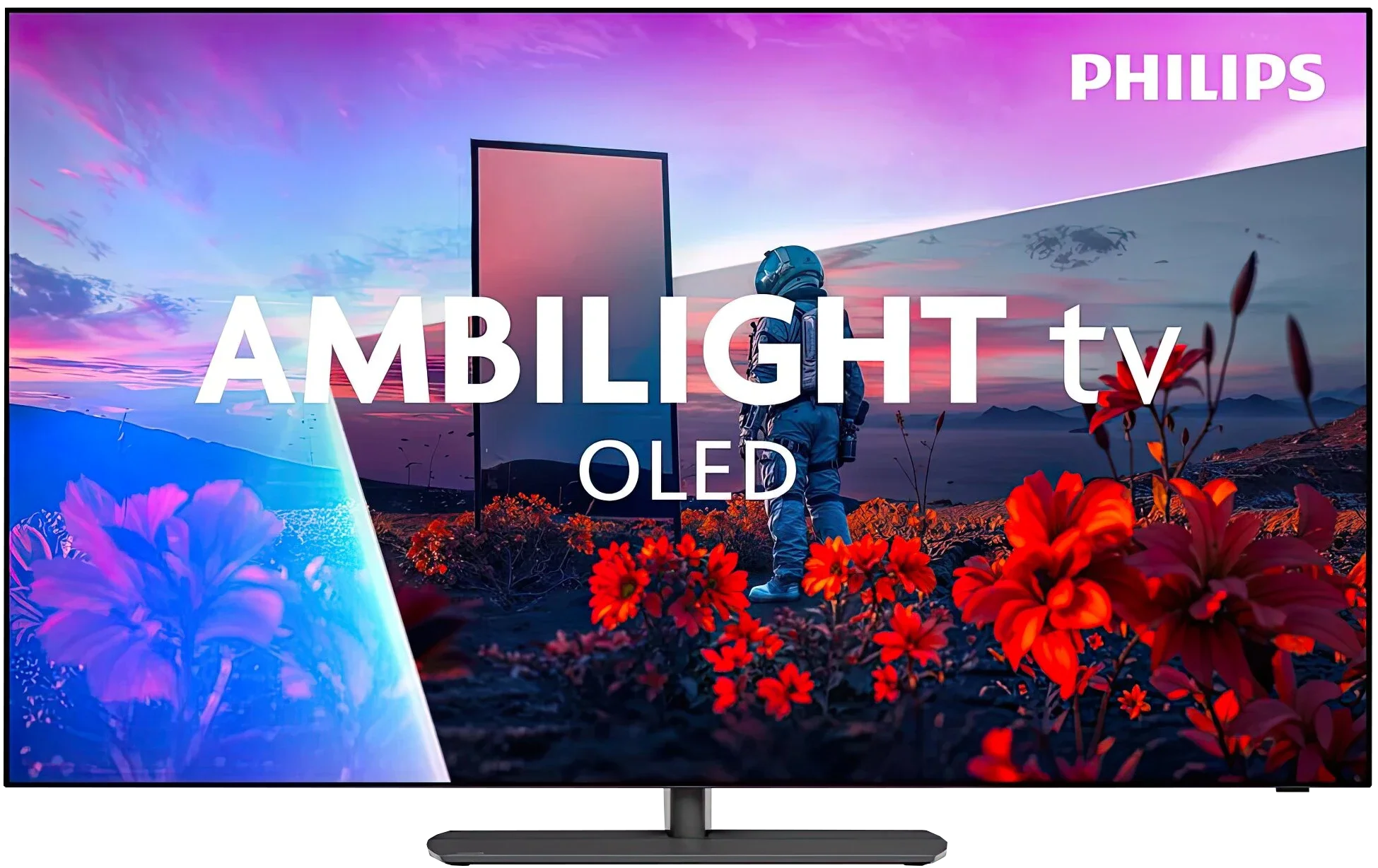
OLED801 / OLED811

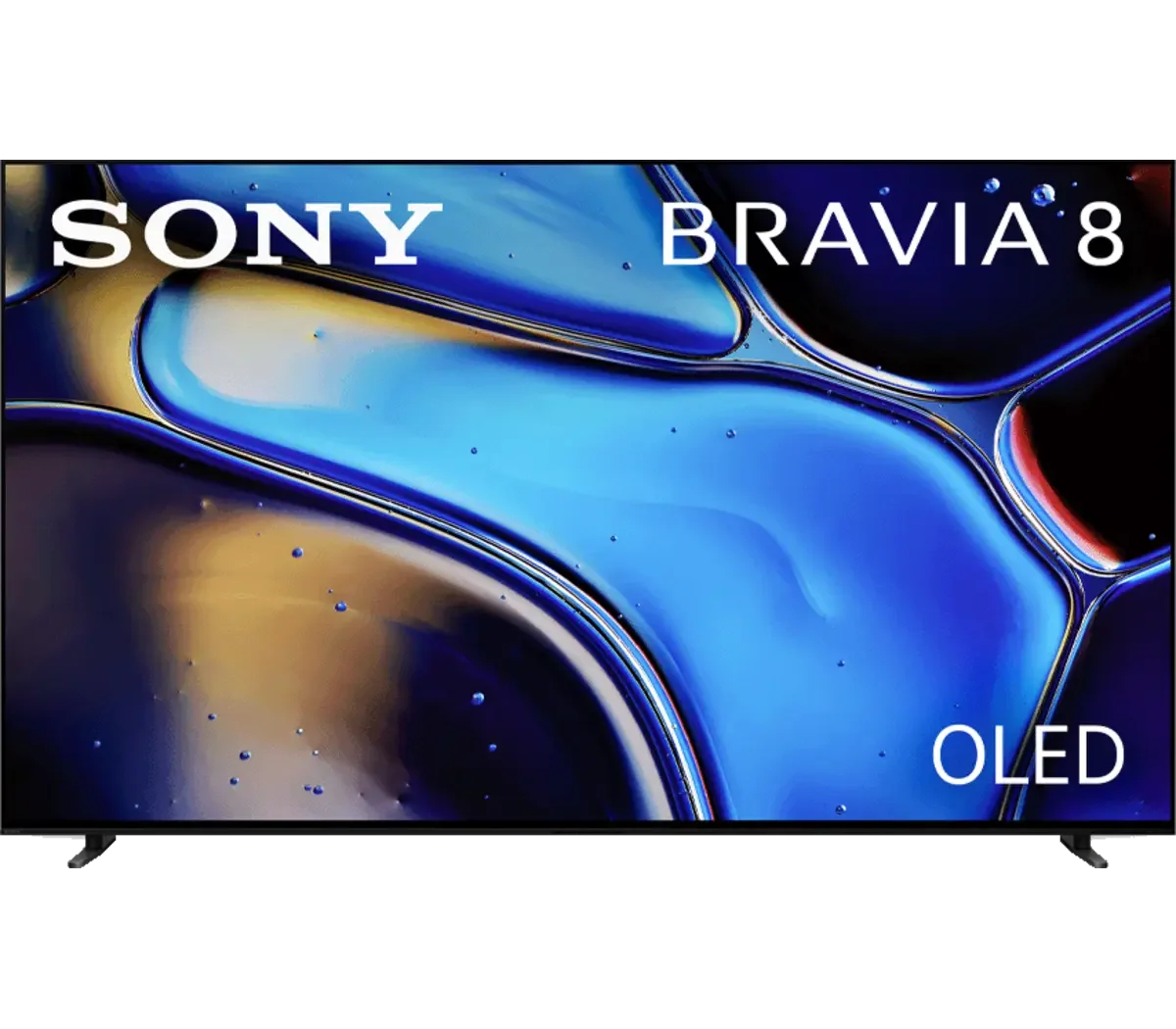
Panel type: WRGB OLED
Resolution: 3840x2160
System: Google TV
Model year: 2024
Panel type: WRGB OLED
Resolution: 3840x2160
System: Titan OS
Model year: 2026
Check how well they match your needs
Take the surveyOverall rating
7.8
8.1
 Movies and series in UHD quality
7.6
8.5
 Classic TV, YouTube
8.0
8.7
 Sports broadcasts (TV and apps)
8.1
8.5
 Gaming on console
8.8
8.9
 TV as a computer monitor
7.6
8.6
 Watching in bright light
5.6
6.0
 Utility functions
9.4
7.9
 Apps
9.6
7.7
 Sound quality
7.5
7.6
Complete the survey to find out what fits your preferences
Advantages

Excellent contrast
Google TV – intuitive system, easy access to applications, backlit remote.
Very good motion smoothness – 120 Hz, advanced smoothing system.
Great Dolby Vision support
Very good viewing angles
Superb built-in audio system
Three-sided Ambilight that creates a great atmosphere while watching
Perfect blacks and outstanding contrast from the OLED panel
Strong HDR effect. Brightness around 1500 nits
Very good viewing angles
Excellent motion clarity (no motion blur)
Supports 4K at 165 Hz
Four HDMI 2.1 ports
Extensive features for gamers
Support for multiple audio/video formats (Dolby Vision, Dolby Atmos, HDR10+, DTS)
Disadvantages

Poor gradation – visible connections on dark and light colors
Brightness during the day – better for night sessions than for use in daylight
Only 2 HDMI 2.1 ports - one of which is ARC.
Titan OS has a more limited app library compared with Google TV and other competitors
An infrared remote that requires pointing at the TV (sometimes responds slowly)
Visible posterization (mainly in bright scenes)
Underused image processing capabilities of the Pentonic 800
Our verdict
The Philips OLED811 is a mid-range OLED TV for 2026 that stands out from its biggest rivals primarily because of one feature: Ambilight. By projecting light that follows the on-screen action onto the wall behind the TV, Ambilight can transform the atmosphere of an entire viewing session. In the evening, the picture seems to extend beyond the edges of the screen, making everything you watch feel that little bit more special. For some, it will simply be a nice extra; for others, it will be reason enough to choose a Philips TV once again.
Picture quality is very similar to what you get from models such as the LG C6 or Samsung S90H, at least in versions using the same type of panel. You can therefore expect deep, perfect blacks that make bright highlights look particularly impressive. The OLED811 is capable of delivering impactful HDR, and importantly, once calibrated, its picture comes close to reference quality. It does not have a major advantage over its competitors in this respect, but choosing Philips for Ambilight does not mean sacrificing picture quality either.
Gamers will also find several worthwhile improvements over last year’s model. Thanks to the MediaTek Pentonic 800 chipset, the TV finally offers four HDMI 2.1 ports. This means that connecting several devices—such as consoles, a PC and a soundbar—no longer forces you to decide which one gets access to the full capabilities of the interface. Gaming itself is highly enjoyable: the TV responds quickly, supports variable refresh rates and allows PC users to play in 4K at up to 165 Hz. It is only a shame that the new processor’s capabilities have not been put to equally good use when handling lower-quality content.
The operating system, however, raises the most concerns. Titan OS has replaced the well-liked Google TV platform, and although it has clearly improved over the past year, it is still difficult to see the change as a positive one. Admittedly, the system now runs more smoothly, offers more useful features and includes most popular streaming services in its app library. Nevertheless, the selection of apps remains far more limited than on Google TV and competing platforms. In our view, this is still the OLED811’s biggest weakness. The difference will be particularly noticeable to viewers who use less mainstream services.
Is it worth buying? Yes—provided that Titan OS meets your needs. In terms of picture quality and gaming features, the OLED811 offers just as much as its competitors, while Ambilight gives it something no rival can match. Philips therefore gives with one hand and takes with the other: it adds a uniquely immersive viewing atmosphere but limits your freedom when it comes to choosing apps. If all the services you use are available, this may well be a compromise worth making.
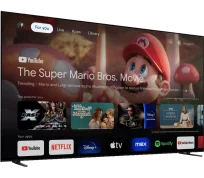
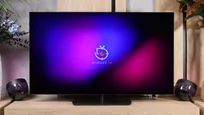
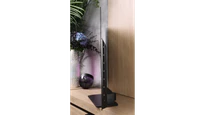
TV appearance
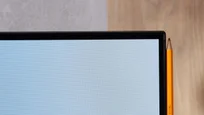
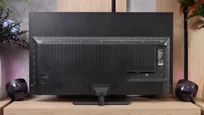

Contrast and black detail
10/10
10/10
Contrast:


Result
∞:1

Result
∞:1

Result
∞:1

Result
∞:1

Result
∞:1
Result
∞:1
Result
∞:1
Result
∞:1
Result
∞:1
Result
∞:1
Halo effect and black detail visibility:
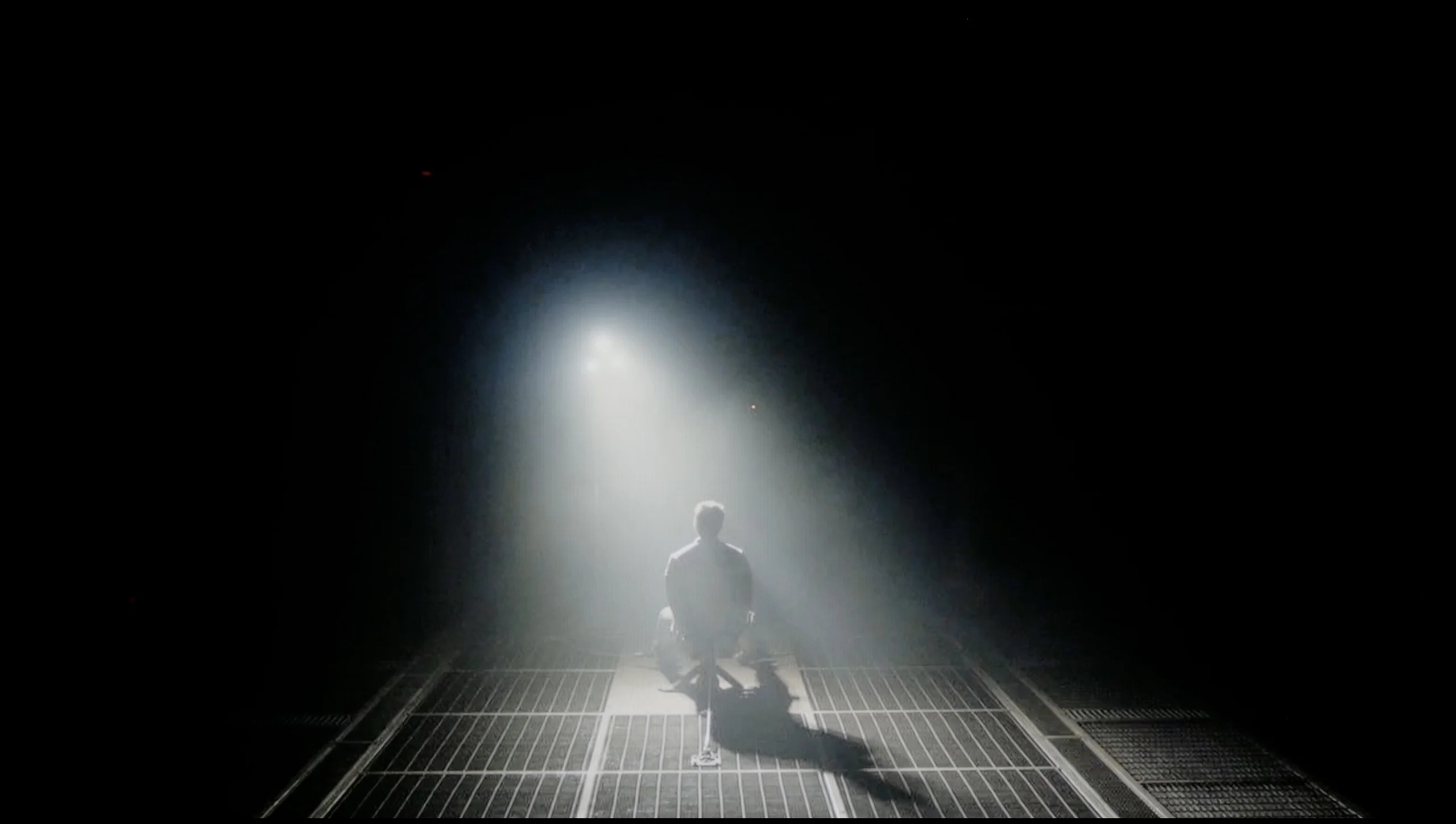
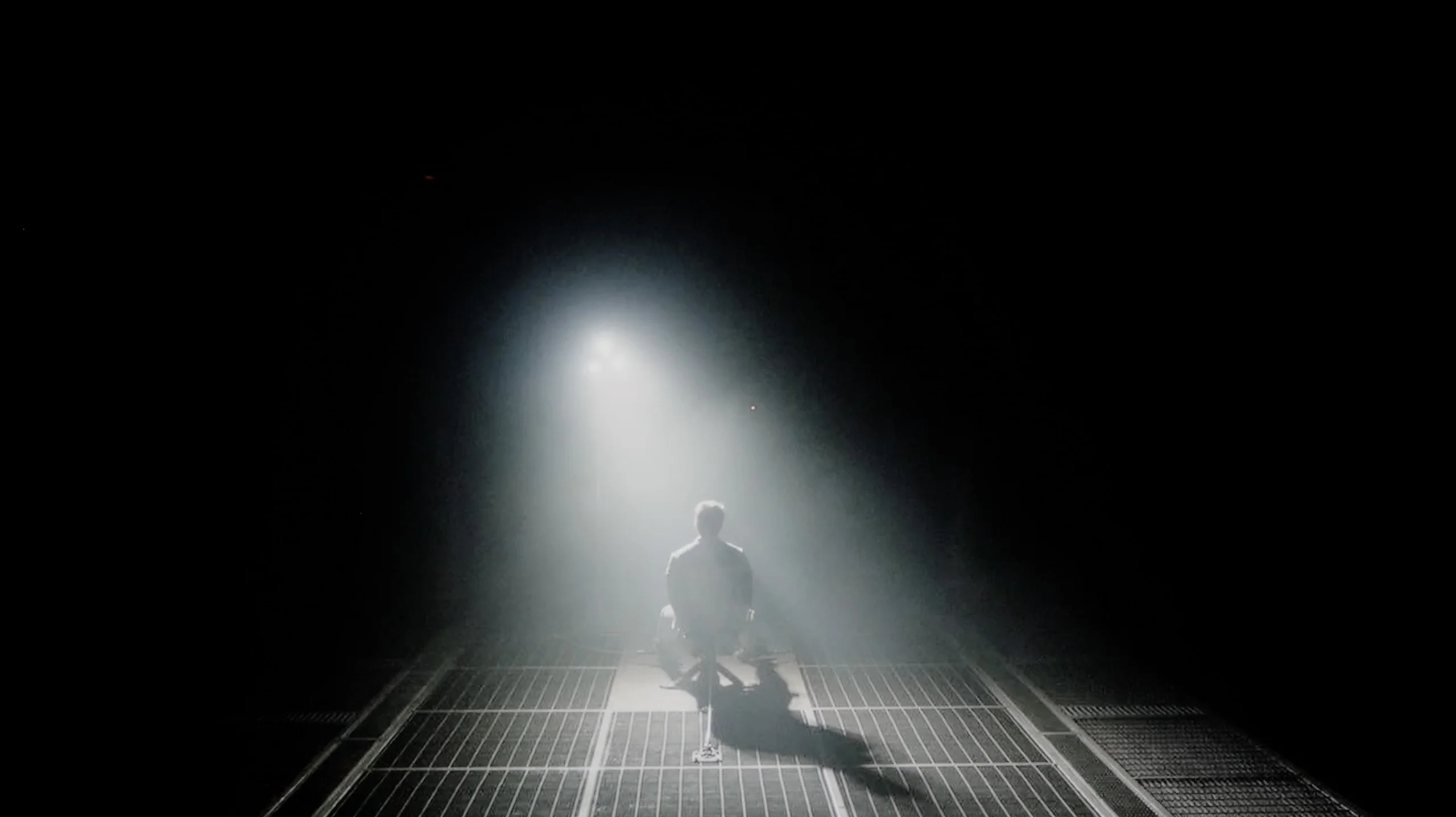
Check the visibility of bright lights on a dark background. Mini-LEDs often struggle with this. The photo does not compare black levels – that’s what the video below is for.
The video accurately shows differences in contrast and black levels between TVs, as well as potential issues: halo around bright objects or Mini-LED zone operation visible as brightness jumps.
The Sony Bravia 8 television, equipped with an OLED matrix, delivers exceptional picture quality with outstanding black levels and contrast. Thanks to OLED technology, each pixel emits its own light, ensuring deep blacks and precise light reproduction. During testing with scenes from films like Oblivion and The Revenant, the Bravia 8 showcased impeccable separation between light and dark elements, producing detailed and lifelike images, even in challenging high-contrast scenarios. This performance places the Bravia 8 among the top models in its class.
Black level and contrast are areas where the Philips OLED811 showcases all the strengths of OLED technology. Each pixel lights independently and can be turned completely off, so black is simply black. No gray halo or blooming around bright objects. In evening viewing this delivers a great effect: stars in the night sky, city lights, and text on dark backgrounds remain clearly separated from perfectly black surroundings.
So you shouldn't expect improvements here compared with other OLEDs, because in terms of black depth and contrast the result is already exemplary. The OLED811 doesn't need local dimming or any compromise between the brightness of a small object and the black around it. Even a single bright point can sit next to a completely switched-off pixel, giving the picture outstanding depth.
This is exactly where the advantage over Mini LED TVs becomes apparent in scenes with lots of black. Even the most advanced local dimming systems control larger areas of the image, so in demanding shots they can produce a halo around bright elements or dim them to preserve a dark background. The Philips OLED811 doesn't have that problem.
HDR effect quality
6.8/10
7.6/10
Luminance measurements in HDR:

Result
849 nit

Result
865 nit

Result
888 nit

Result
880 nit

Result
469 nit
Result
1225 nit
Result
1310 nit
Result
1443 nit
Result
1368 nit
Result
626 nit
Scene from the movie “Pan” (about 2800 nits)


Scene from the movie “Billy Lynn” (about 1100 nits)


The photos show two HDR10 movies. 'Pan' is one of the brightest productions ever made, while 'Billy Lynn' (soldier) has brightness typical of streaming (Netflix, Prime, HBO MAX). Notice the intensity of effects and detail in whites.
Static HDR10


The photos present the visibility of white details in various HDR formats. They do not show brightness differences between TVs (these can be compared in the previous gallery).
Dynamic: Dolby Vision
Dynamic: Dolby Vision


The photos present the visibility of white details in various HDR formats. They do not show brightness differences between TVs (these can be compared in the previous gallery).
HDR luminance chart:
Philips OLED811
Sony Bravia 8 (XR80)
Luminance of RGB colors
Luminance of RGB colors
The Sony Bravia 8 performs commendably in terms of HDR brightness, reaching a peak of 880 nits. This level is sufficient to render lighting effects effectively in most scenes. In tested clips from Life of Pi and Sicario 2, the television demonstrated vibrant, detailed imagery that captured the atmosphere of these films beautifully.
However, challenges arise in scenes with consistently high brightness, such as in The Meg, where the display's limitations become apparent. In these situations, OLED technology can struggle, with brightness levels dropping to around 450 nits, which can be less satisfying when intense illumination is needed throughout a scene. Despite this, the Sony Bravia 8 remains a strong contender, offering excellent DCI-P3 colour gamut coverage and 74% BT.2020 coverage. These attributes result in rich, accurate colours and fine details, enhancing HDR content and providing an enjoyable viewing experience.
Philips OLED811 uses the new generation WOLED EX panels, also found in models like the LG C6 and Samsung S90H. After calibration we measured around 1500 nits, which is a very good result for an OLED TV. You can see it clearly in movies and series. All kinds of light flashes have the right intensity, especially when they appear on a dark background. In such scenes the OLED811 can deliver truly impressive HDR. Of course, that doesn't mean you'll see that peak brightness in every shot. When the screen is filled with a large area of white or a big explosion, brightness falls to around 600 nits. That's still a good result, but those scenes no longer have the same punch as small, bright elements on a dark background. This is a known limitation of OLEDs, and the OLED811 is no exception.
Colors
Aside from HDR brightness, colors also matter, and Philips performs very well here too. It covers almost the entire DCI-P3 gamut, which contains most of the colors used in HDR movies and series. So you get rich reds and lush greens, and while watching it's hard to find major faults in this area. It looks a bit worse with the much wider BT.2020 gamut — its most saturated shades are already beyond the reach of this panel. Added to that is the issue of the white subpixel the WOLED panel uses to help boost brightness. With very bright colors you can see some "whitening": the color is bright but loses some of its saturation. In exactly these situations QD-OLED panels from Samsung Display have the advantage. In most movies and series, however, this won't be something that immediately stands out.
Factory color reproduction
7.2/10
7.8/10


This illustrative image shows how colors change after professional calibration. If you can see the difference, you can order it from SkalibrujTV – it's our own service.
Factory mode
After calibration


This illustrative image shows how colors change after professional calibration. If you can see the difference, you can order it from SkalibrujTV – it's our own service.
Factory mode
After calibration
The best factory mode on the Sony Bravia 8 television is IMAX Enhanced, offering the most cinematic experience, though it isn't perfectly calibrated. The TV attempts to replicate cinematic settings as accurately as possible, but some issues are evident. Starting with white balance, both for SDR and 4K content, there is a noticeable blue dominance, making the image appear too cold and lacking in natural warmth. Colour Checker tests reveal a shift towards cooler tones, affecting colour accuracy and making the image feel less lifelike.
Regarding brightness and contrast, the gamma shows a significant drop towards the end of the spectrum, meaning dark details may become too shadowed, and bright areas too intense, causing a loss of subtlety and detail. This is particularly noticeable in the sky, as seen in the comparison image. Additionally, the EOTF curve is considerably above the reference value, making bright elements overly intense. As a result, users may experience an unnatural image, with bright parts losing detail and negatively impacting the overall viewing quality.
The movie mode on the Philips OLED811 is sensibly configured right out of the box. Most color errors are minor, both in SDR and HDR, so you can sit down and watch without first adjusting the settings. There are no major inaccuracies that would immediately pull attention away from the film.
It's not perfect, though. The white balance shows a slight deficiency of red compared with green, so whites and grays can have a faint greenish tint. It's not a strong cast, but measurements clearly show it. There are also small brightness deviations in SDR: some areas of the picture are slightly lifted, and the deepest blacks aren't always rendered evenly. In HDR the TV tracks the reference much more closely, although in places it slightly pulls details out of the shadows. These are generally things to refine. The factory movie mode provides a good starting point, and calibration will show how much more you can get out of it.
Color reproduction after calibration
8.2/10
9.3/10


The photos show how movies look on the TV. Pay attention to black detail visibility, colors, and shadow tint.


The photos show how movies look on the TV. Pay attention to black detail visibility, colors, and shadow tint.
The calibration process of the Sony Bravia 8 television resulted in significant improvements in image quality. The white balance was notably enhanced for both SDR and 4K HDR content, with minimal errors in the middle section of the graph. Gamma calibration was one of the biggest improvements, eliminating previous dips that had impacted brightness stability and the reproduction of detail in dark areas. The EOTF curve was also corrected, making bright elements appear more natural and improving the overall tonal balance.
However, the most attention should be given to colour reproduction, where some issues persist despite calibration. Sony has omitted the CMS system in this model, which would allow for more precise colour control. As a result, the Colour Checker test for 4K content still reveals significant colour inaccuracies. Despite these limitations, calibration is still recommended, as the improvements in brightness and contrast are noticeable and greatly enhance the overall image quality.
After calibration the Philips OLED811 produces an image very close to the reference. We managed to even out the white balance and remove the subtle color cast visible in the factory settings. Errors in Color Checker measurements for SDR and HDR dropped to around 1 to 2, and many samples even fall below 1. That's a level at which it's hard to spot differences from the reference image with the naked eye. We also improved the gamma, and only in the brightest whites a slight brightening remains. In HDR the EOTF curve also stays close to the reference, although the TV still tends to slightly boost the brightness of small elements like stars or subtitles. That gives the image a bit of extra glow that shouldn't be there, but otherwise there's little to complain about. It was already good out of the box, and after calibration we managed to refine most of the remaining shortcomings.
Smoothness of tonal transitions
5/10
7.5/10
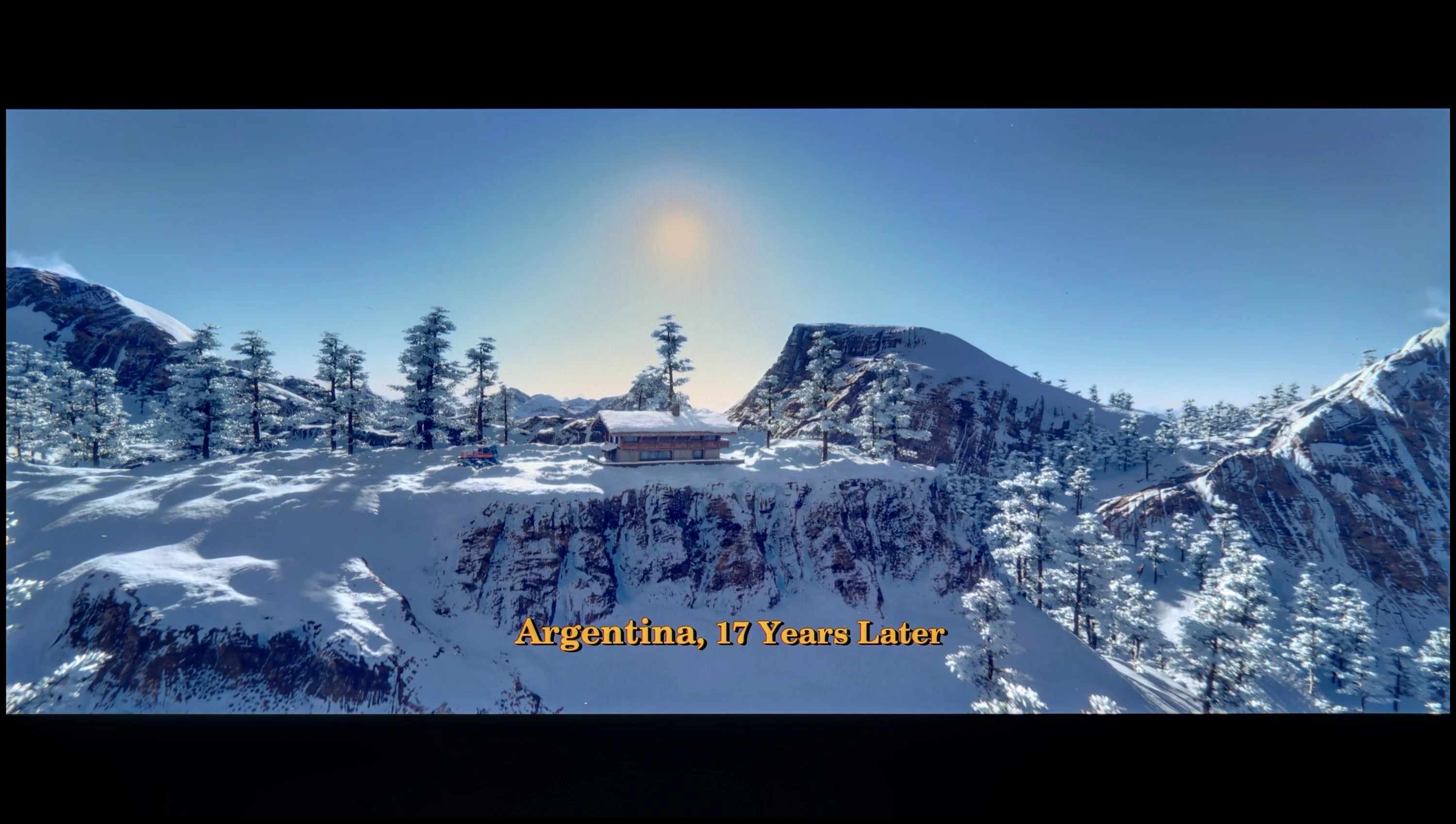

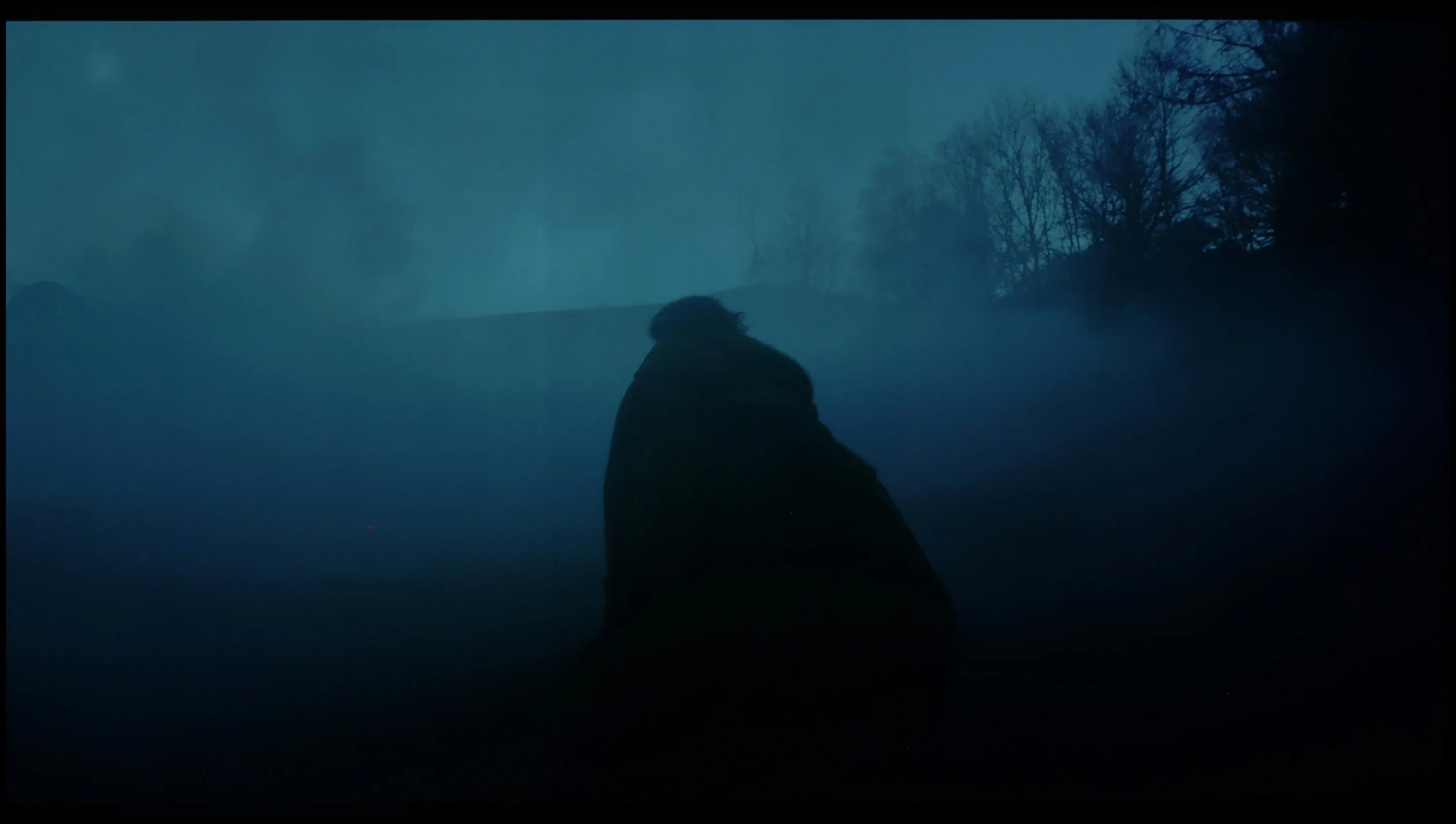
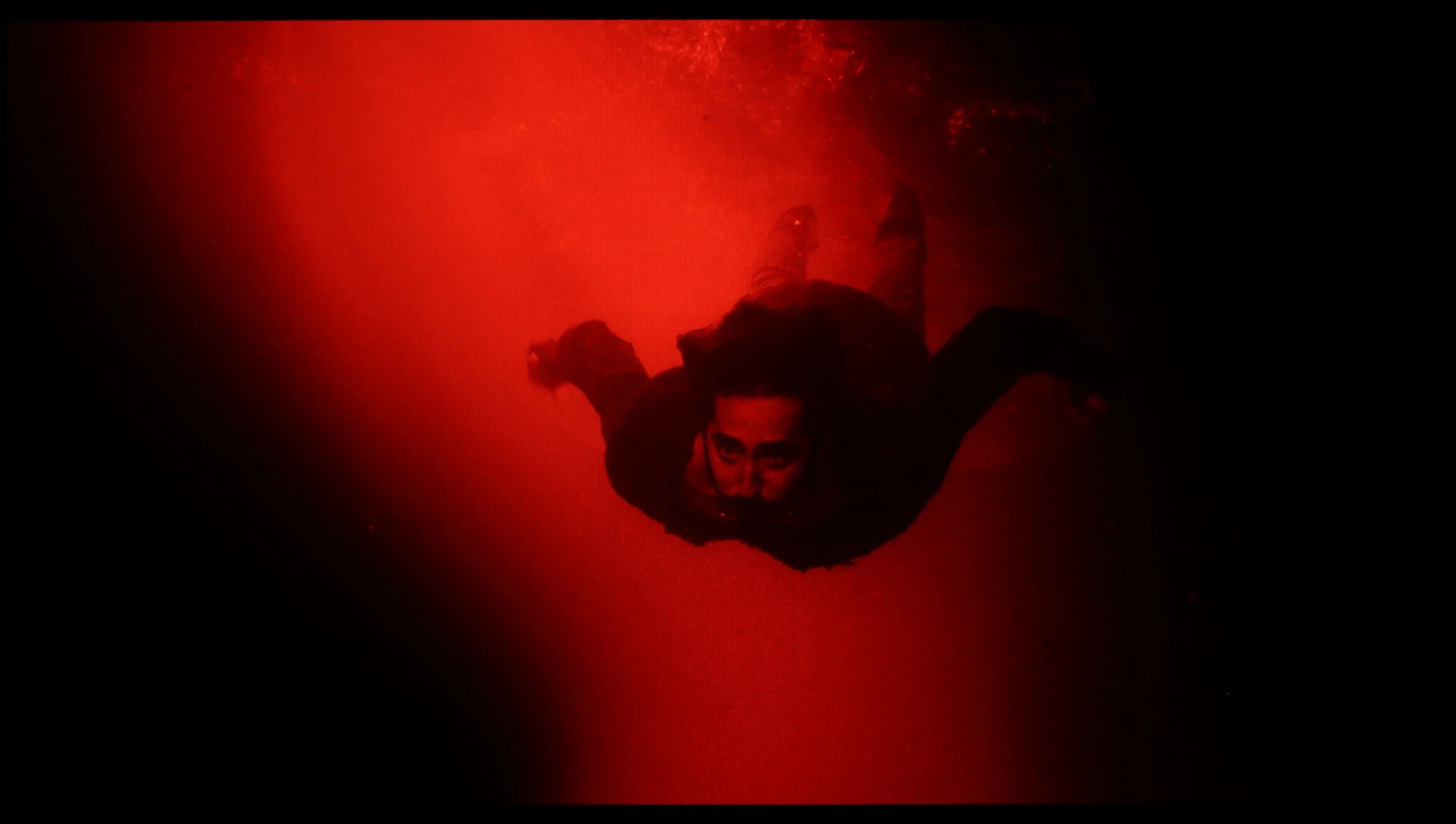
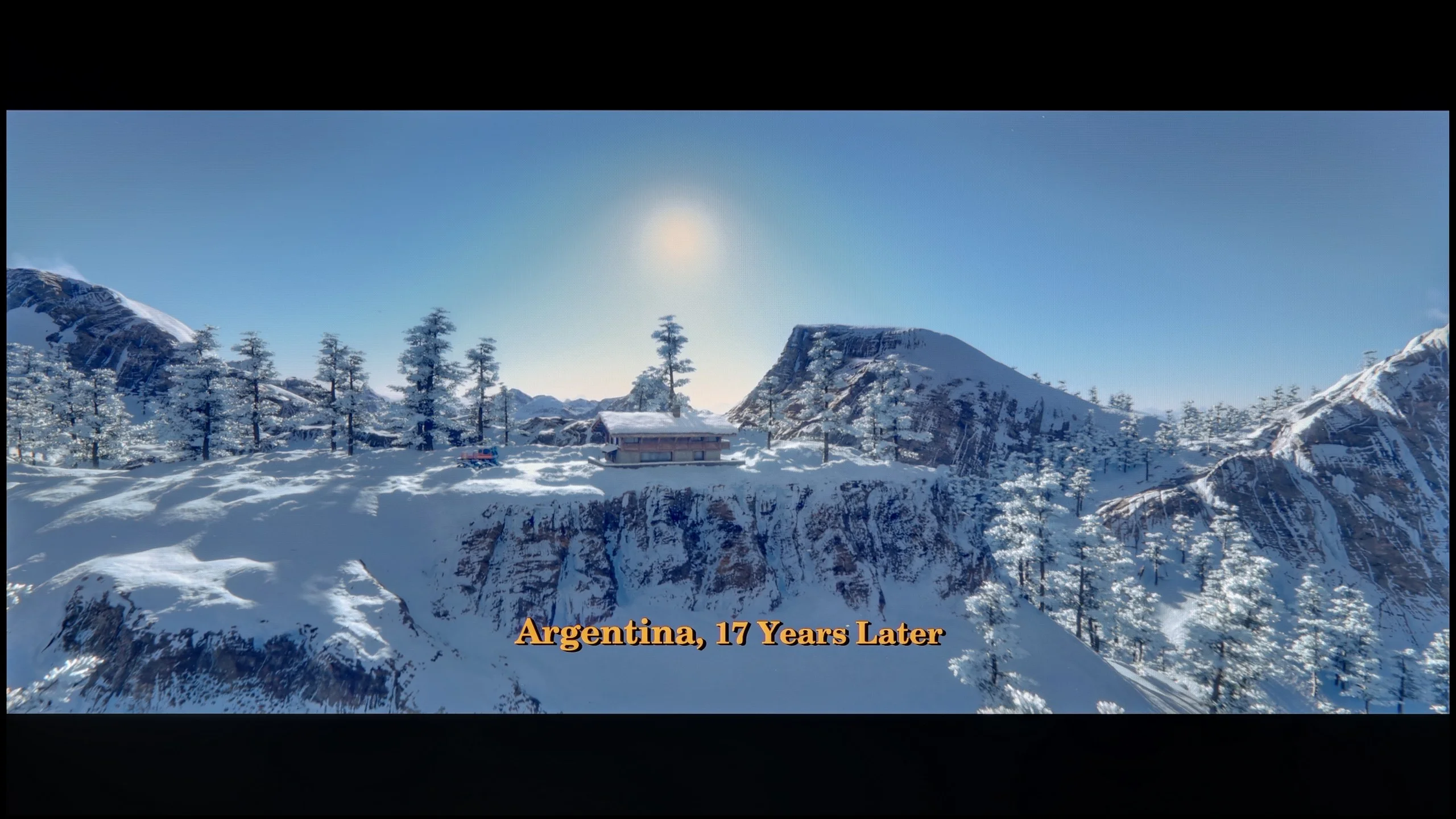
These are selected scenes that show smooth tonal transitions from one color to another. If you see distinct banding, it’s the TV panel’s fault.

These are selected scenes that show smooth tonal transitions from one color to another. If you see distinct banding, it’s the TV panel’s fault.
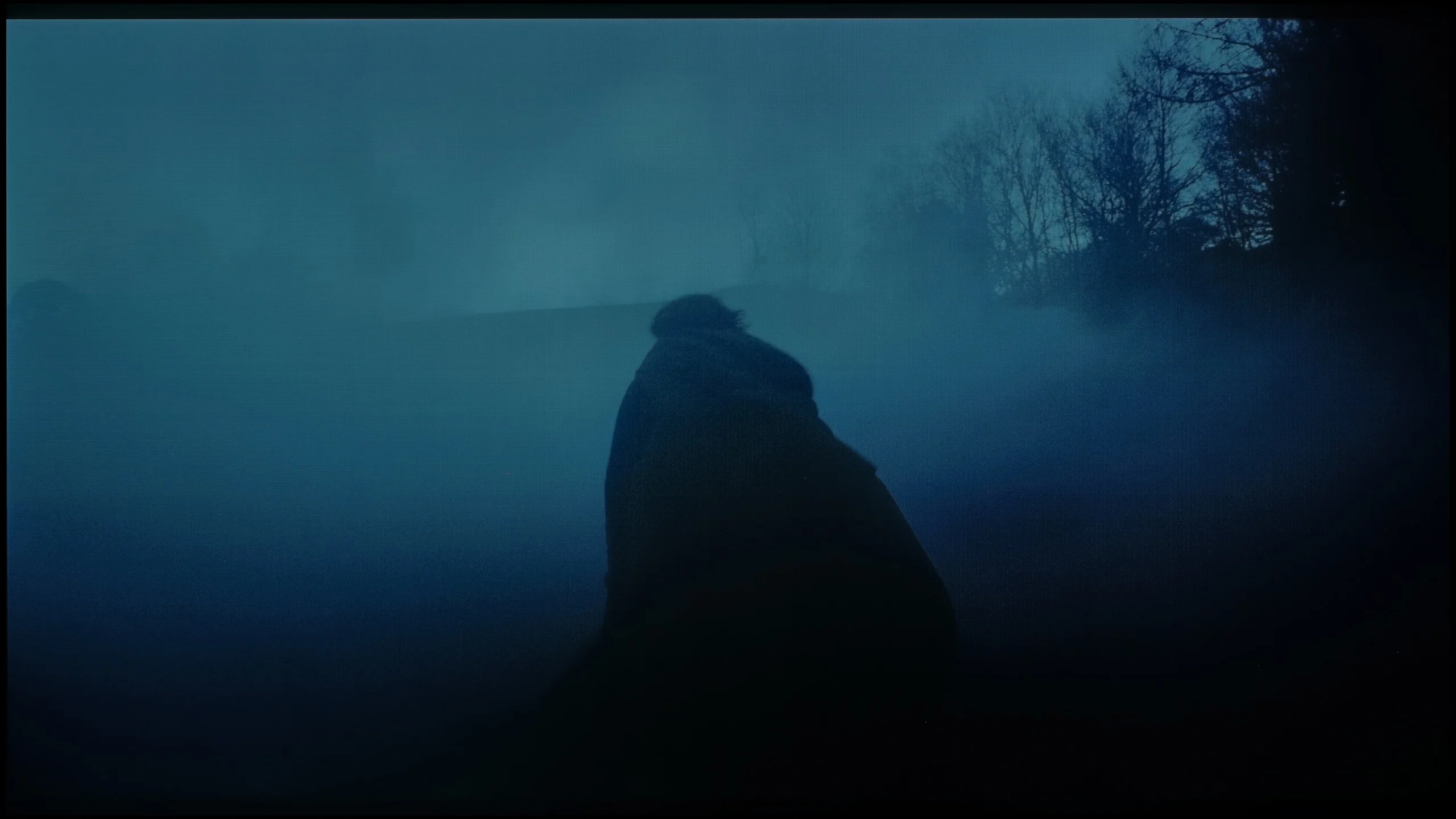
These are selected scenes that show smooth tonal transitions from one color to another. If you see distinct banding, it’s the TV panel’s fault.
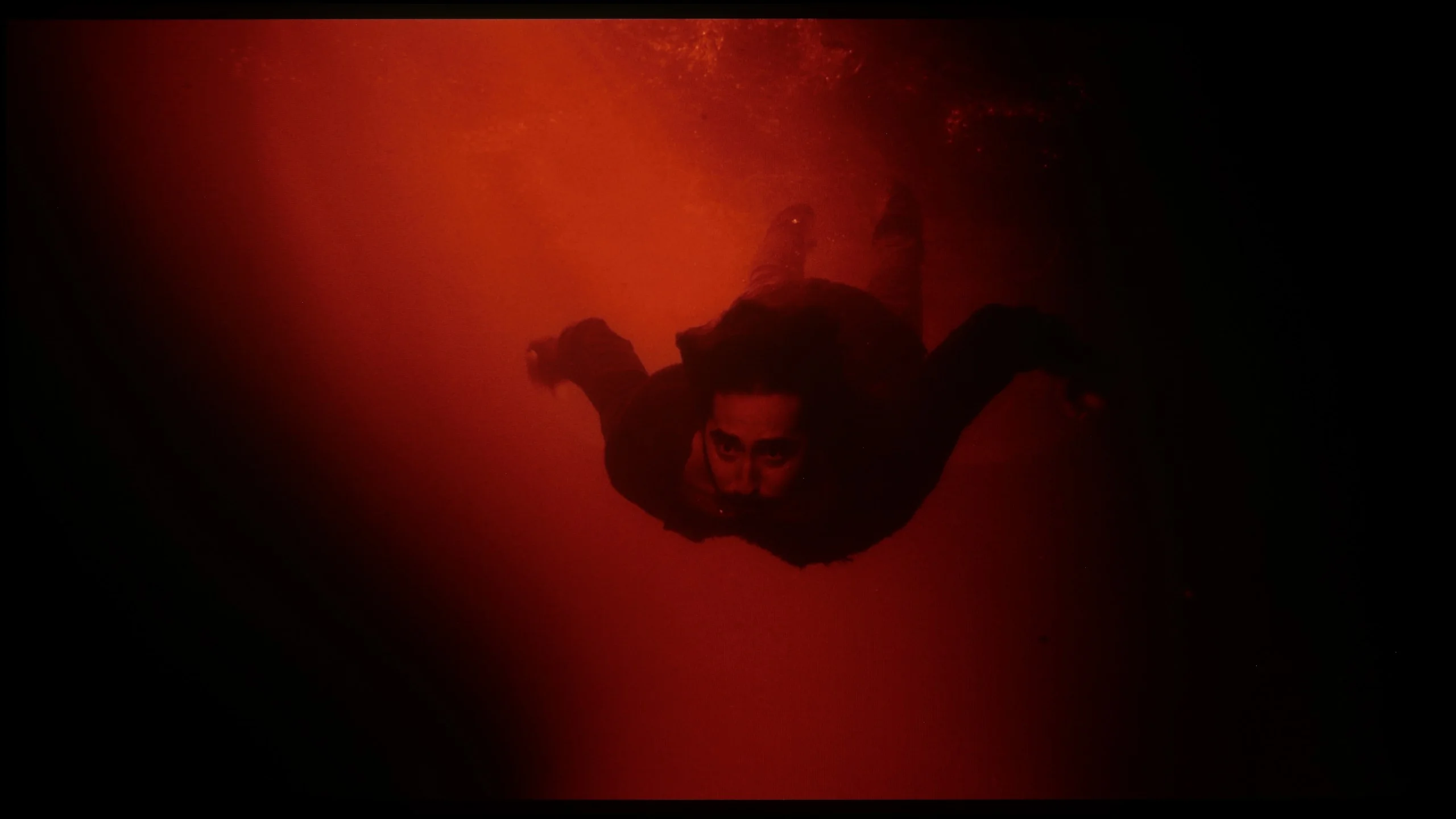
These are selected scenes that show smooth tonal transitions from one color to another. If you see distinct banding, it’s the TV panel’s fault.
In 4K materials, the gradation is notably poor and disappointing. Visible seams are apparent in dark and light colours, detracting from the image quality and diminishing the overall viewing experience of high-resolution content. This is a notable weakness, as Sony's processors have typically excelled in this area, but it appears to be a failure this time.
Compared with Philips’ previous OLEDs, the smoothness of tonal transitions has clearly improved. The biggest difference is visible in the dark parts of the image, which can give WOLED panels a lot of trouble. On the OLED811 they have been smoothed out very well; tones transition smoothly from one to another without obvious banding or visible steps. That’s a big plus, especially when watching dark scenes. Unfortunately, it’s not as good in brighter scenes. This is where we have the biggest reservations: instead of smooth transitions between tones you can sometimes see distinct boundaries, a posterization effect. It can be noticeable, and it’s a shame that the improvement seen in dark scenes didn’t extend to the bright areas to the same degree.
Image scaling and smoothness of tonal transitions
6.1/10
6.8/10


Smooth transition function
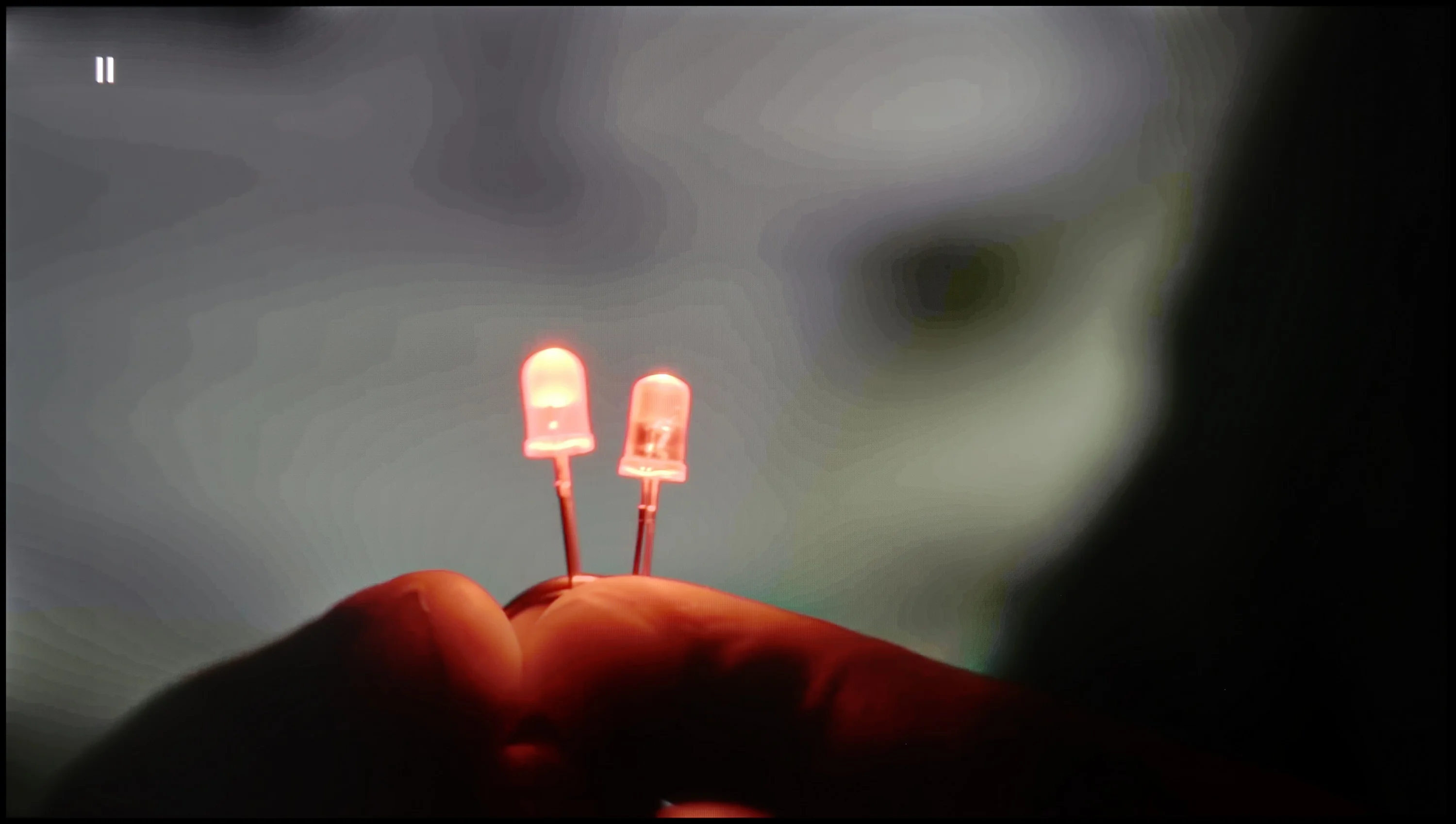
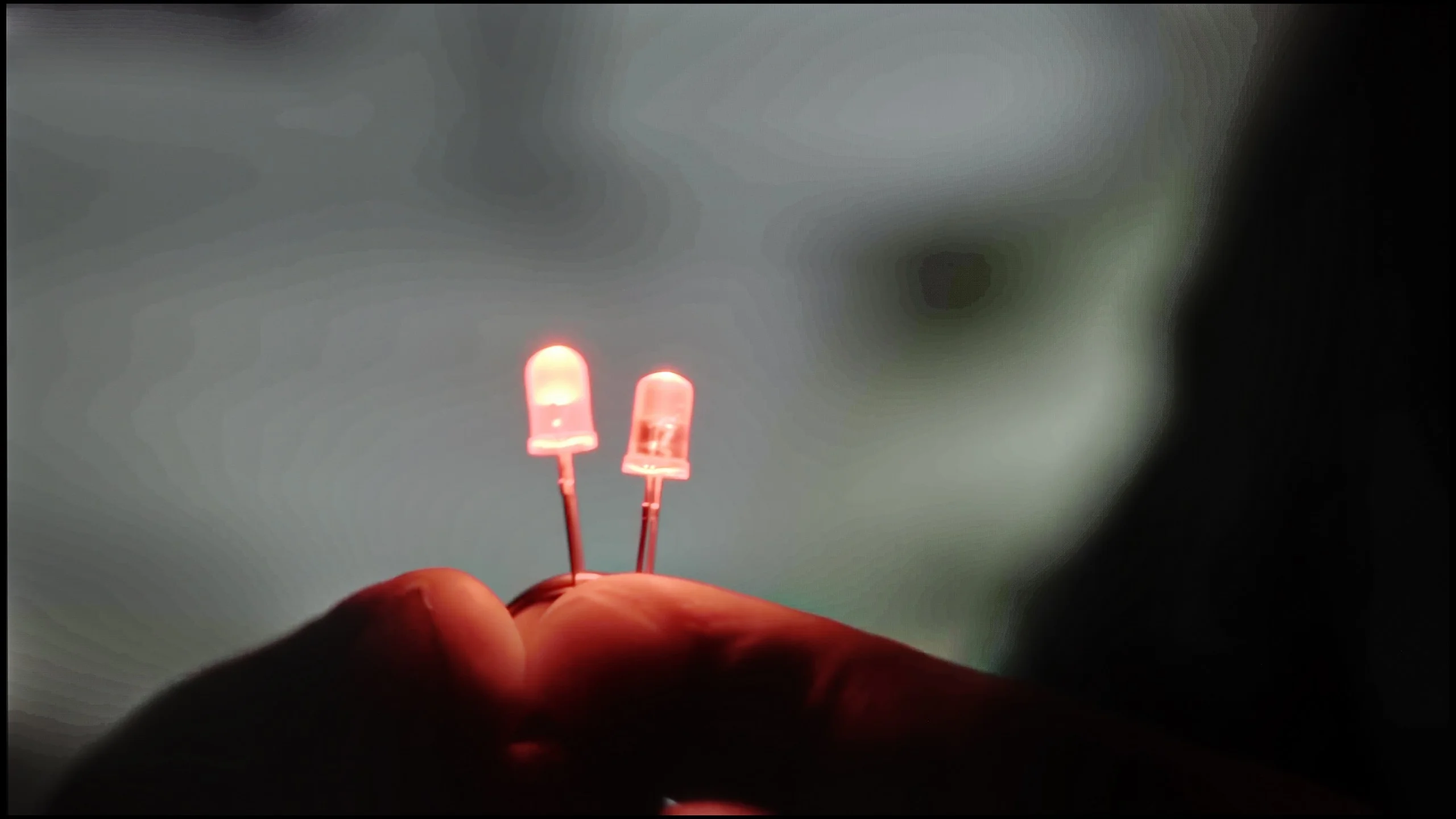
The match photo shows how the TV smooths weak tonal transitions in low-quality video.
Image scaling SD (576i)


The model photo shows how it handles upscaling of SD material.
The fluidity of tonal transitions in lower-quality materials on the Bravia 8 is lacking. Unfortunately, the gentle gradation function, which was available in previous models, is missing, which is a significant drawback. The digital noise reduction feature can improve tonal transitions, but it often removes fine details, such as clouds in scenes from The Martian, which may not be to everyone's taste. On the other hand, the digital processing in the Sony XR80 is quite effective. In test scenes, it performed well without noticeable flaws, and the branches in the background remained smooth without jagged edges. This indicates that the Bravia 8 is capable of handling complex low-resolution image details with relative ease.
The OLED811 handles lower-quality content reasonably well, though it's far from perfect. The "Artifact Reduction" feature helps smooth tonal transitions and on the low setting delivers a pretty good result. It doesn't remove banding between shades as effectively as similar solutions from some competitors, but at least it doesn't introduce new artifacts. That's a sensible setting for everyday viewing. Still, there's some disappointment, because the MediaTek Pentonic 800 chip used here can, in other manufacturers' implementations, deal more effectively with heavy compression even at similarly low settings. A lot therefore depends on how each manufacturer uses its capabilities. We have a few more reservations about the 4K upscaling itself. There is plenty of detail, but the overall image looks fairly soft. Edges are heavily smoothed, which robs the picture of some sharpness and clarity. You can partly correct that with the sharpness slider in the menu, though that will just emphasize outlines rather than recover detail. On the plus side, there is no overscan, so even with an SD signal the TV does not crop the edges of the picture.
Blur and motion smoothness
8.5/10
8.5/10
Blur (native resolution, maximum refresh rate):






Blur (BFI function enabled):
Image flickers in this mode


Blur ():
Blur (4K@165Hz ):



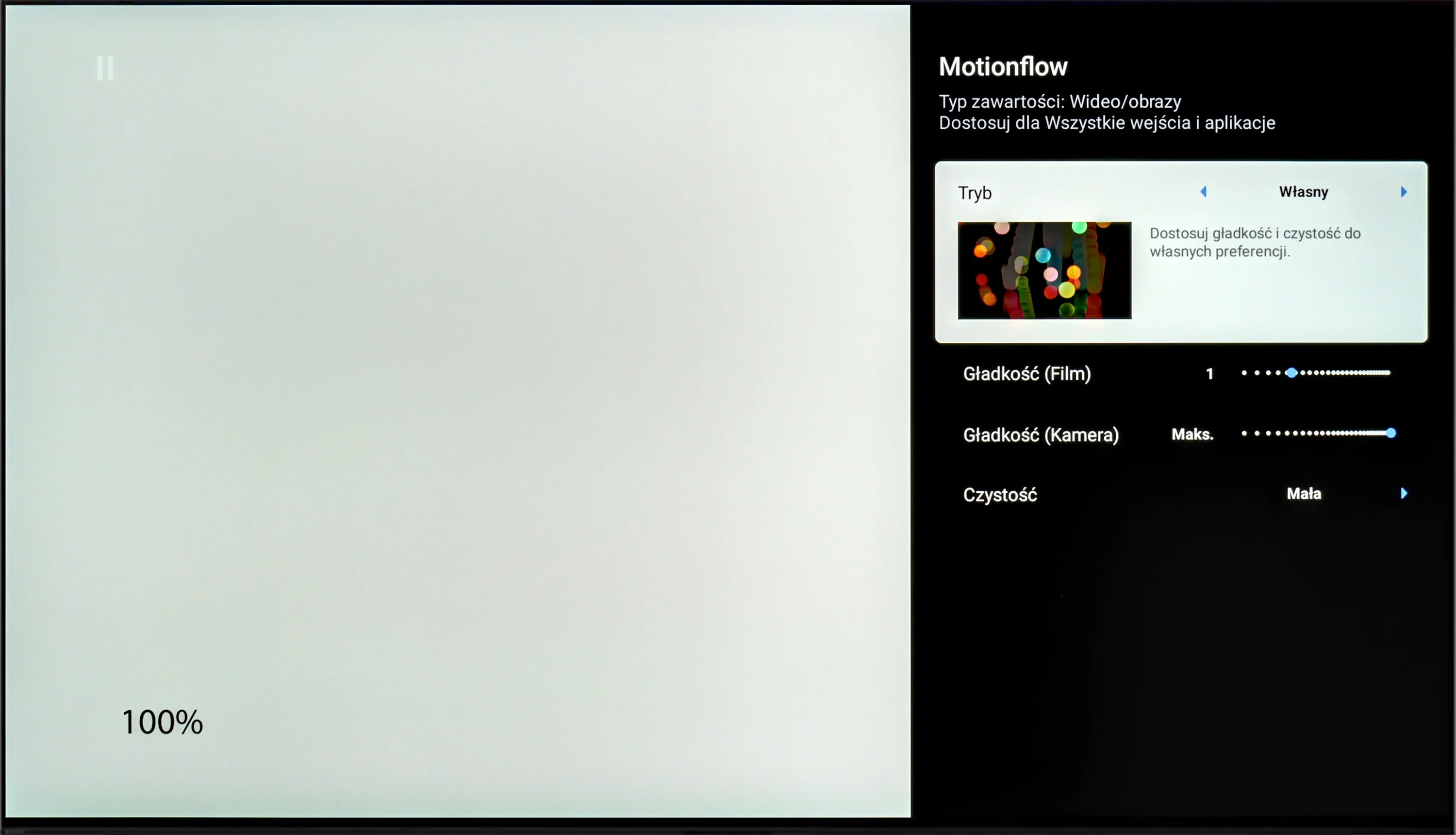
The Sony Bravia 8 offers a maximum refresh rate of 120 Hz, ensuring smooth viewing of dynamic content such as sports and games, with sharp and fluid motion. For more demanding users, the Sony XR80 features an advanced motion smoothing system, divided into three settings: Smoothness (Film), Smoothness (Camera), and Clarity. The first two settings adjust the level of blur and smoothness, while the Clarity setting will be discussed in more detail below. Each of these parameters can be customised to suit individual preferences, allowing users to fine-tune the settings for the optimal viewing experience.
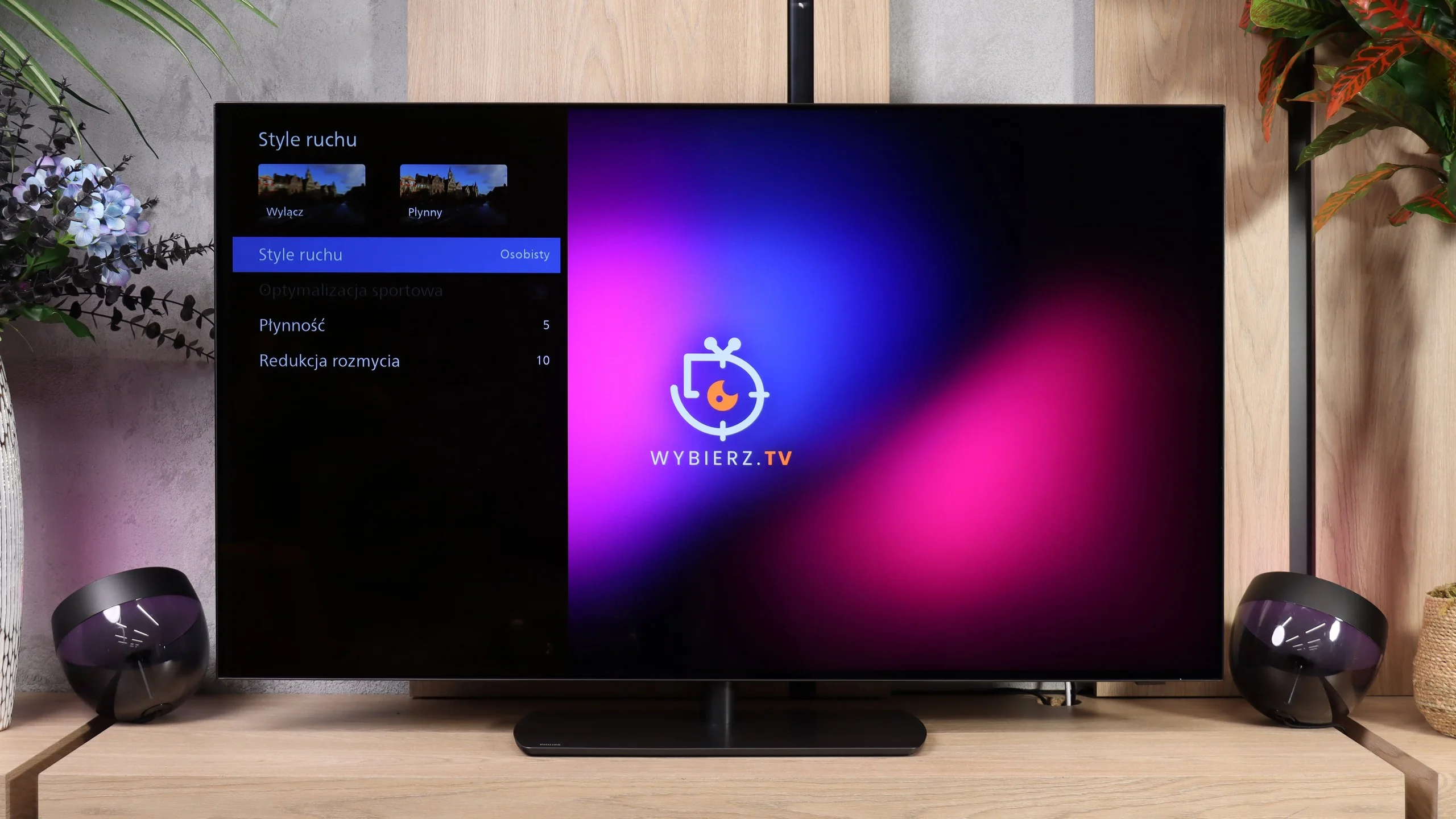
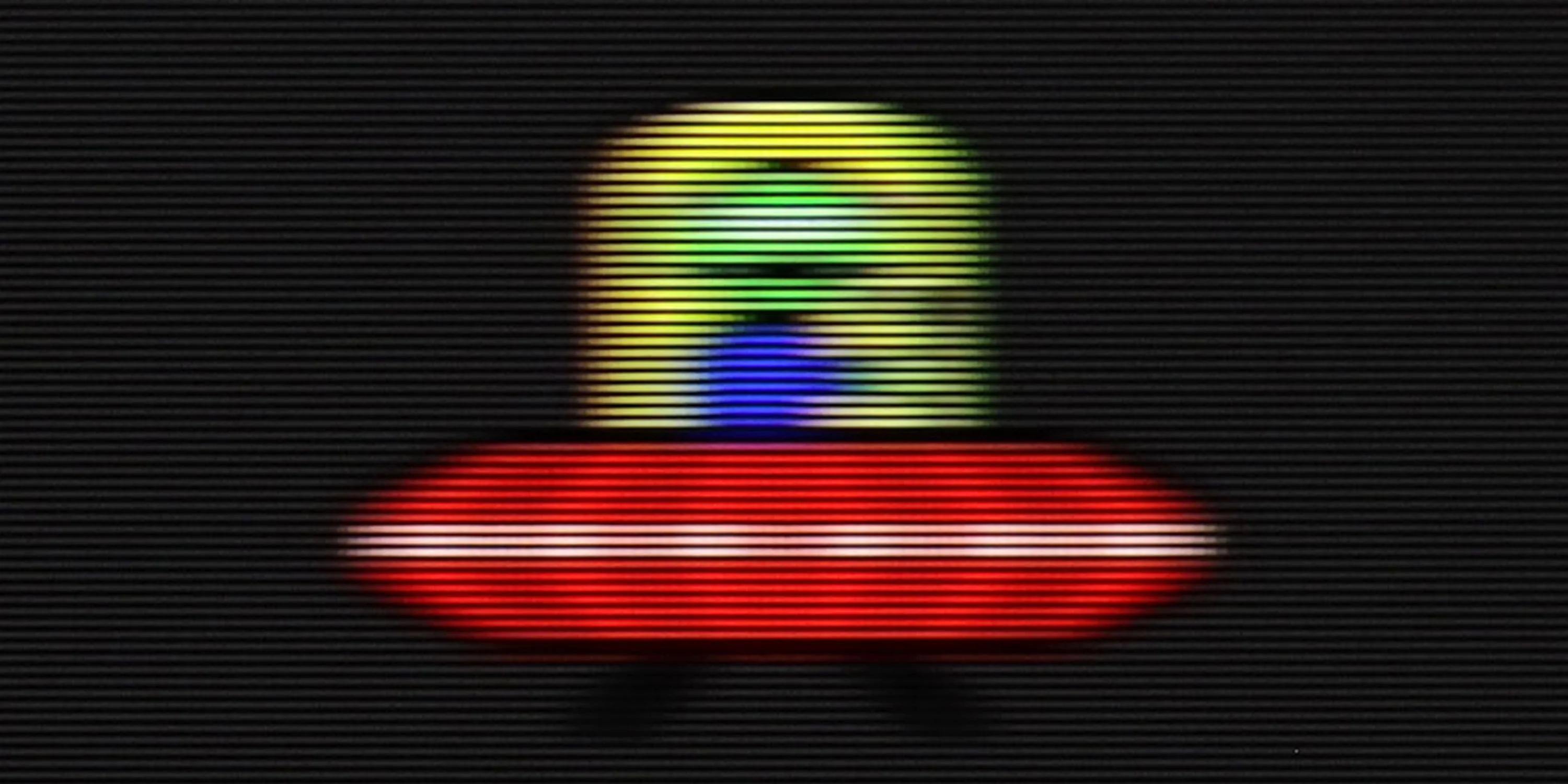
In terms of motion handling, the OLED811 performs excellently. At 120 Hz, which is useful for console gaming and watching sports, the image stays clear and moving objects don’t leave noticeable trails. The fast response of OLED pixels helps here; you can see it clearly in the UFO test, even on dark backgrounds. There are also motion-smoothing controls. For movies you can adjust the strength of smoothing to your taste, ranging from preserving a cinematic feel to much smoother motion. A separate motion blur reduction control is useful for fast-paced content like live sports broadcasts.
Console compatibility and gaming features
8.1/10
9.5/10
- ALLM
- VRR
- VRR range48 - 120Hz48 - 165Hz
- Dolby Vision Game Mode
 Yes, high input lag
- Correct implementation of HGIG
- 1080p@120Hz
- 1440p@120Hz
- 4K@120Hz
- Game bar
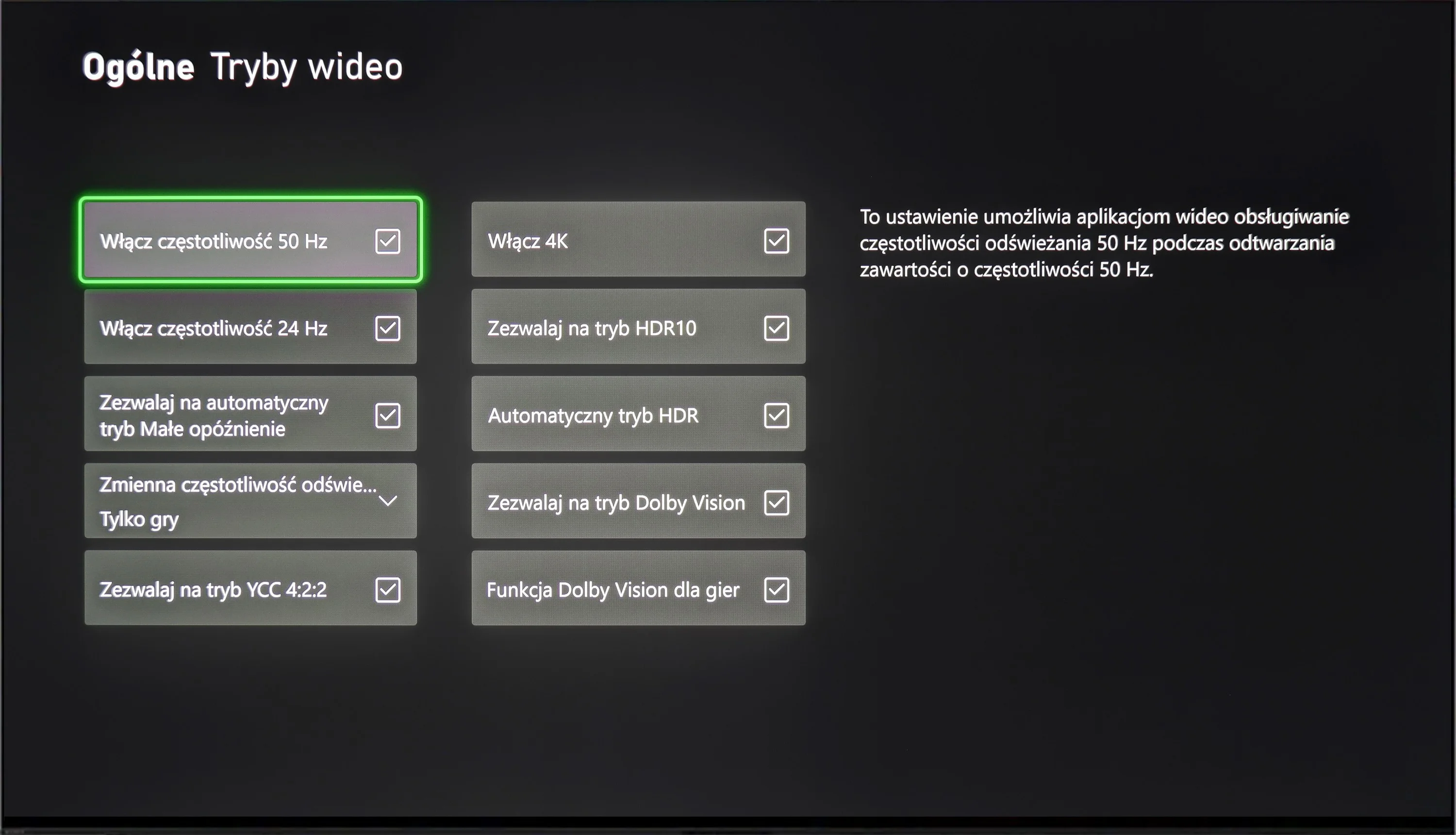
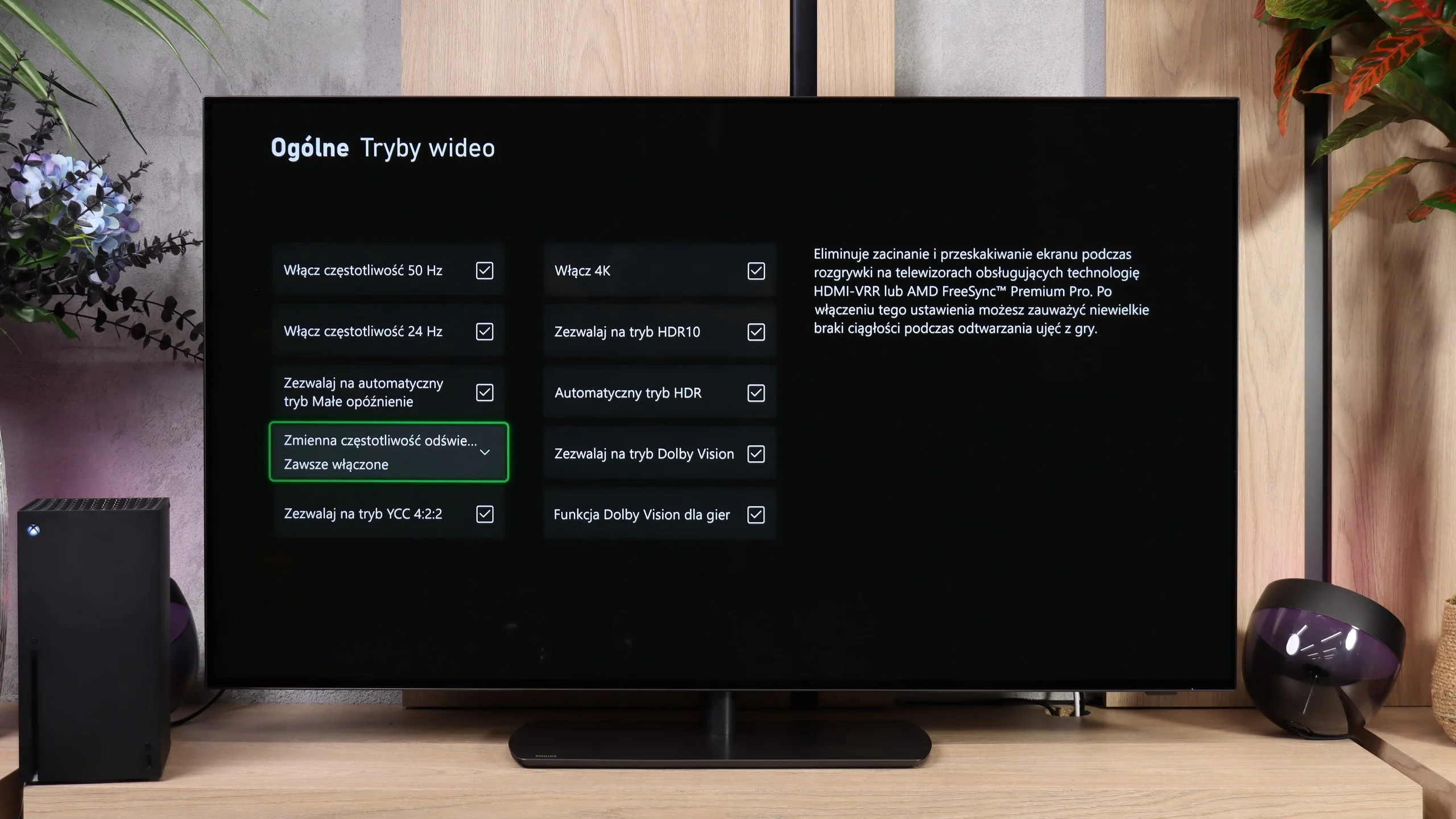
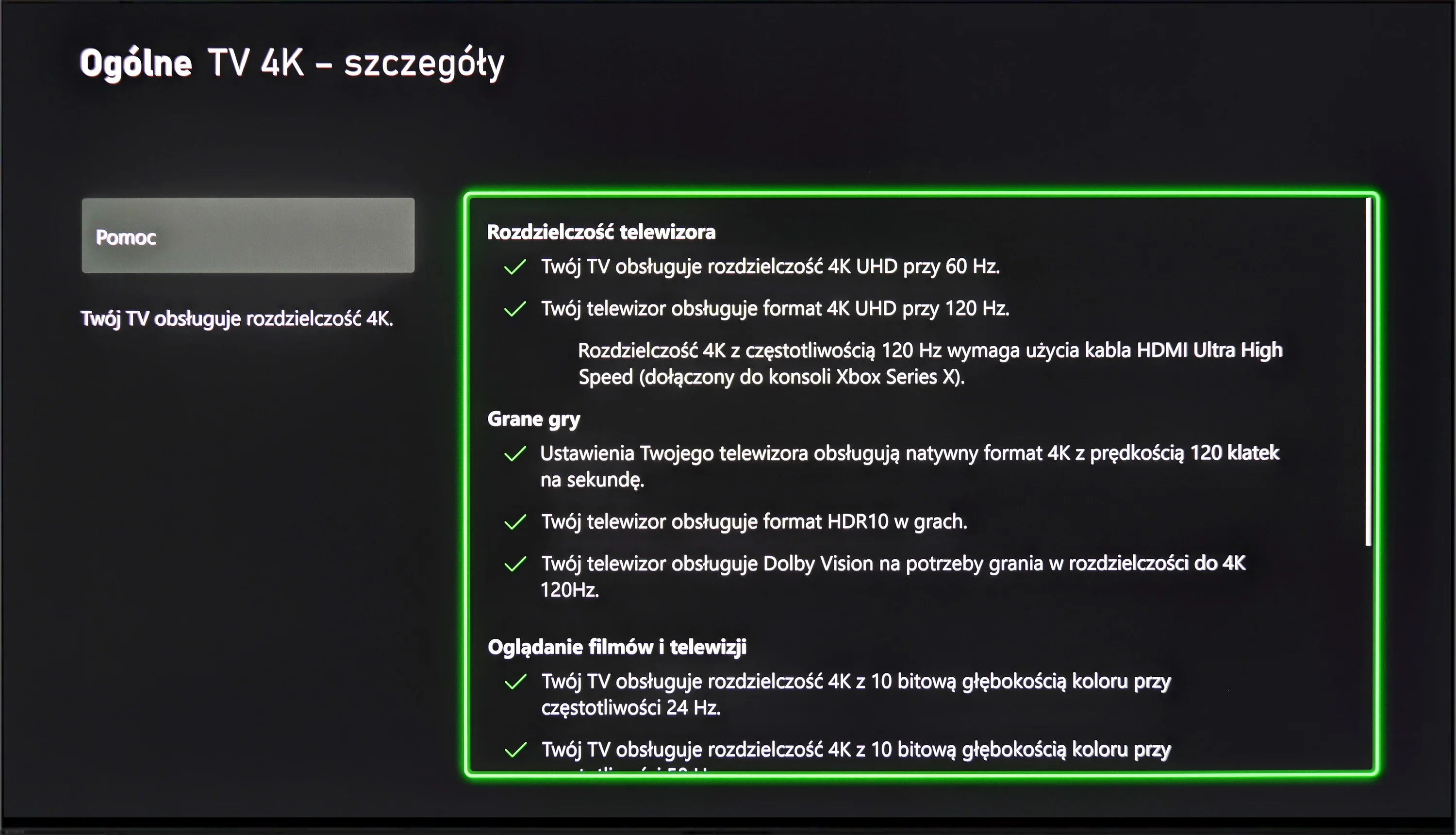
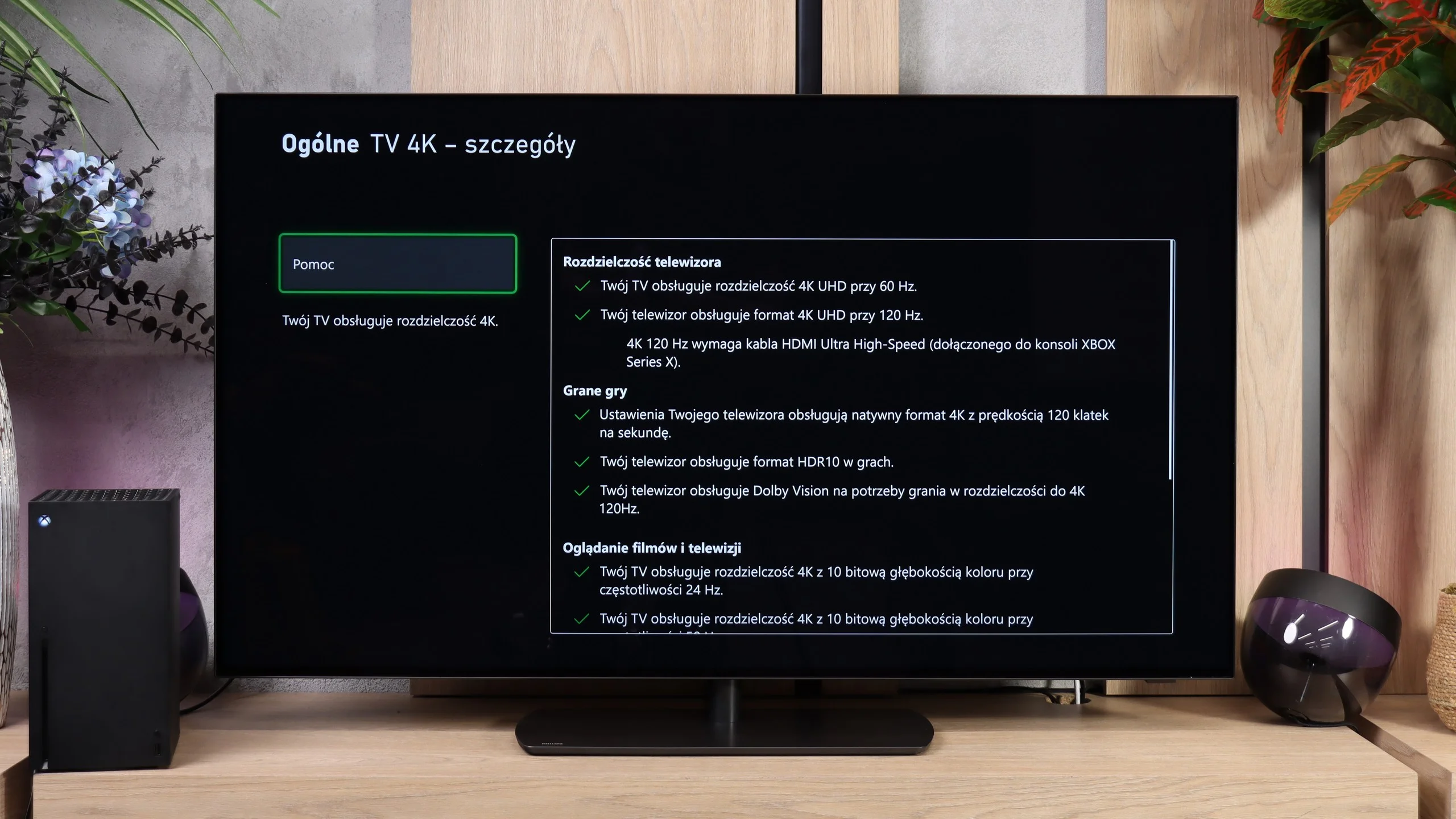
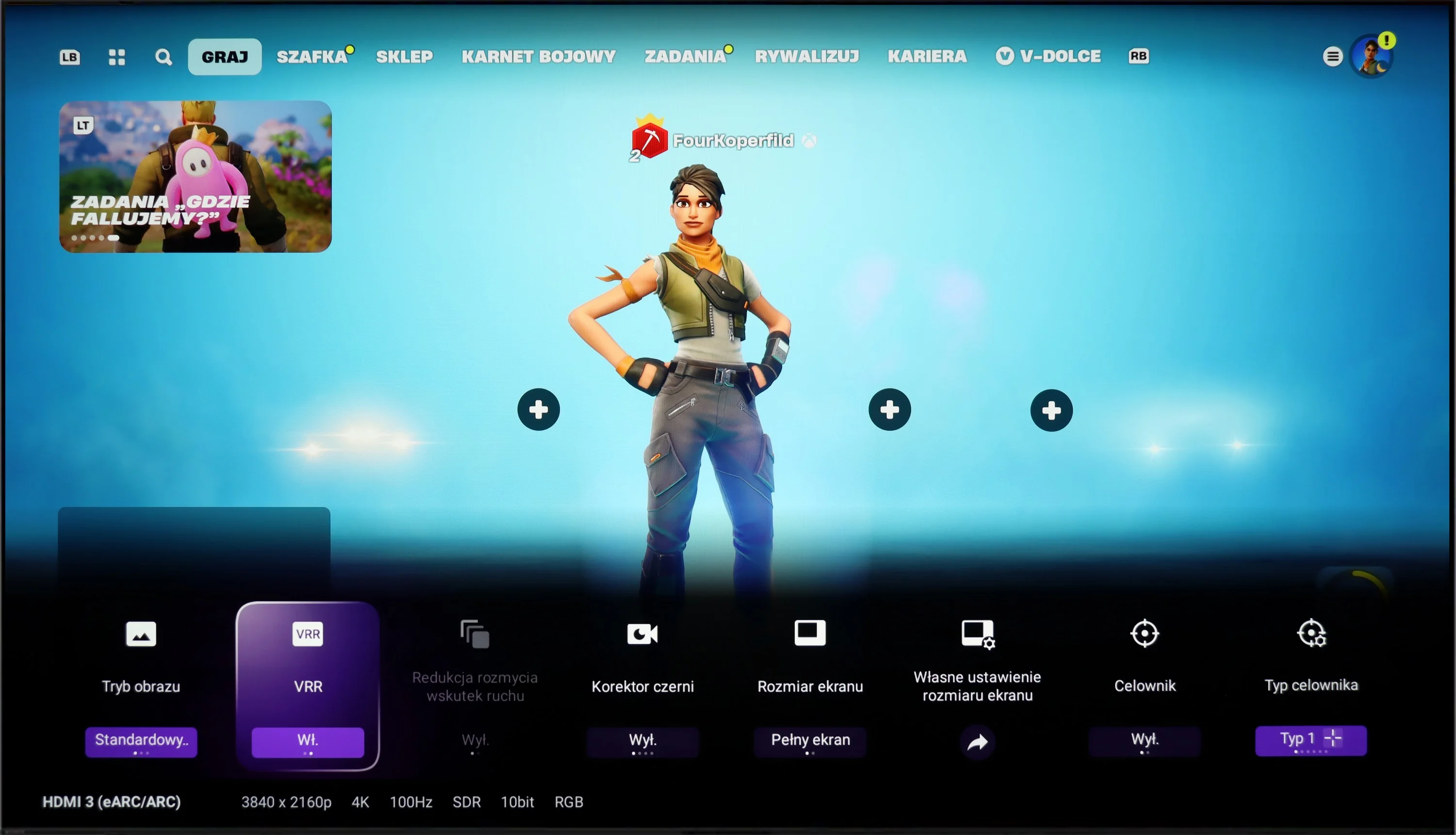
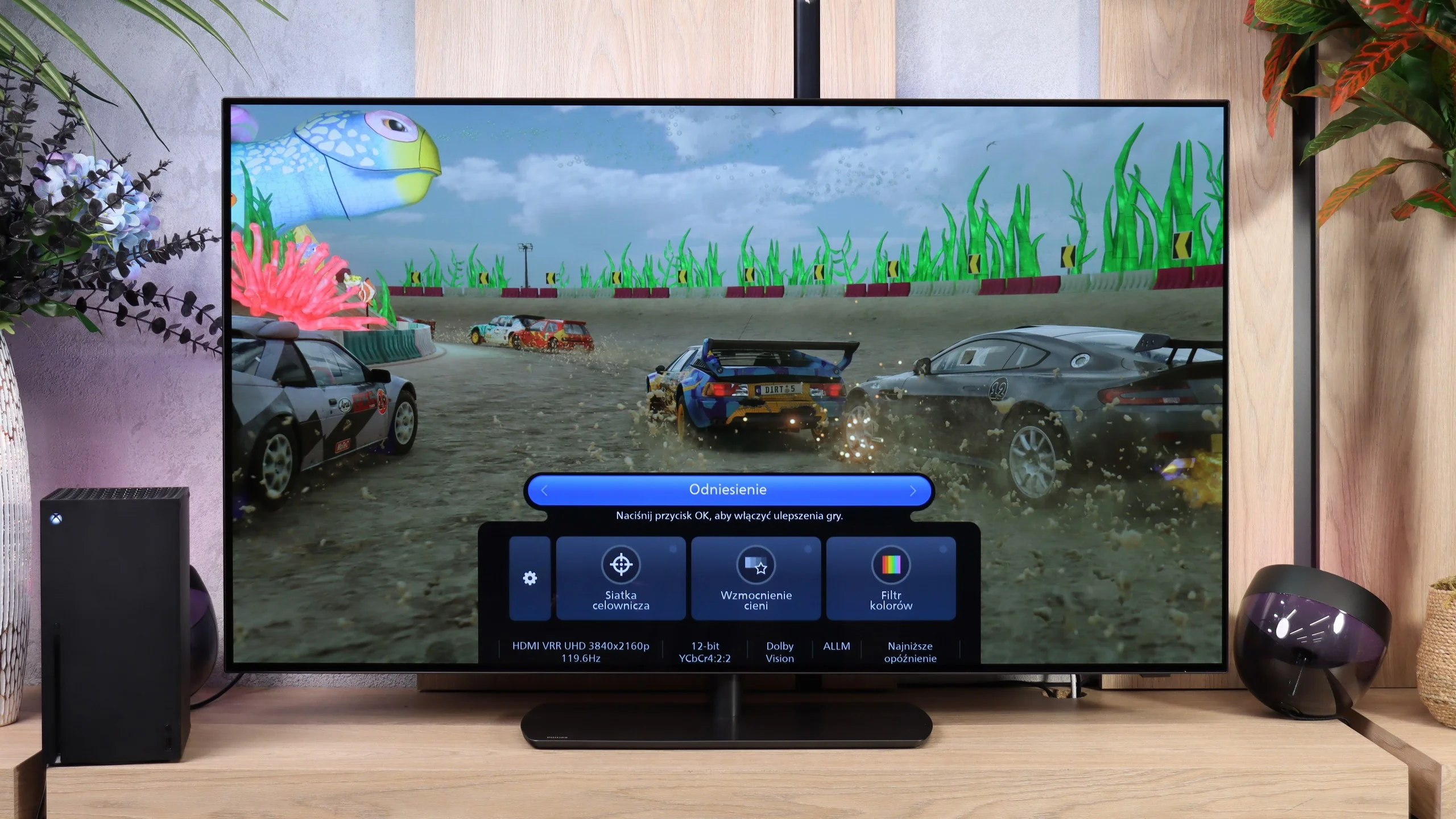
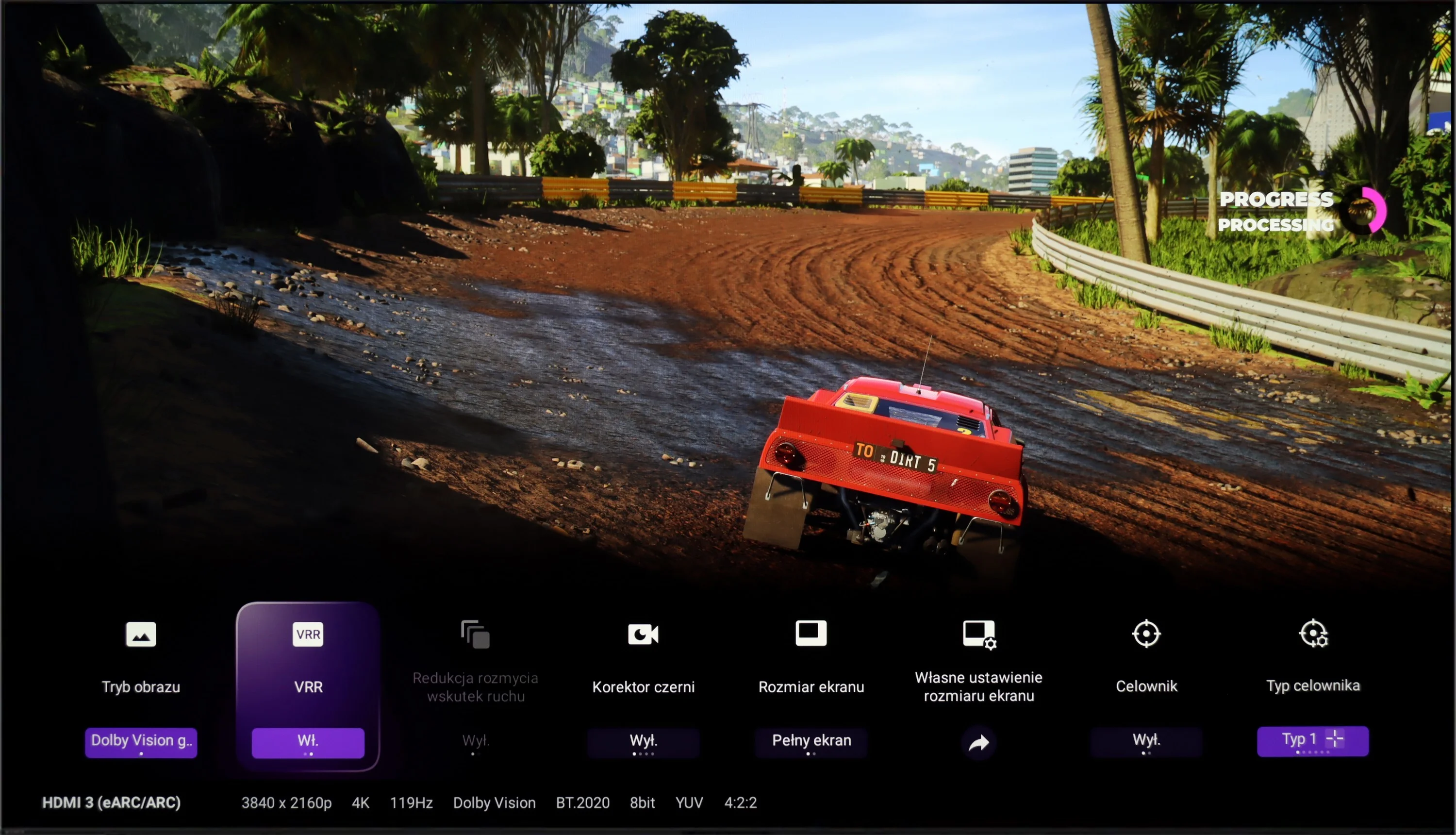
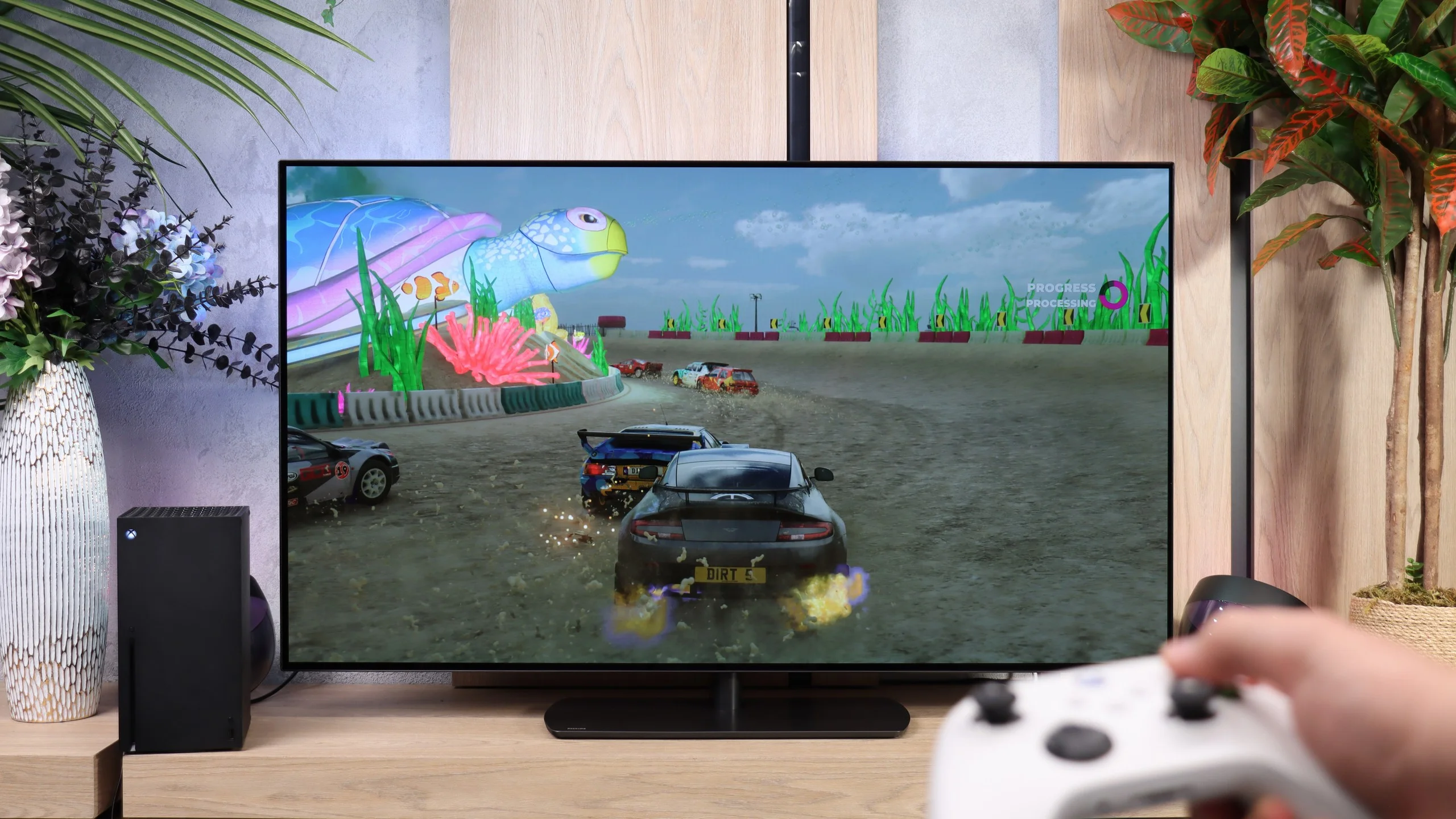
The Sony Bravia 8 has greatly improved its compatibility with consoles compared to earlier models. It supports variable refresh rate (VRR), which eliminates screen tearing and can sync with graphics cards for smooth visuals. The Auto Low Latency Mode (ALLM) reduces input lag, a crucial feature for fast-paced games. Additionally, Dolby Vision with low latency enhances HDR effects, offering stunning visuals during gameplay.
The Sony XR80 also includes a Game Bar, which provides quick access to settings and monitoring tools during gaming. A notable feature is the option to enable a virtual crosshair on the screen, giving players a potential advantage in shooter games.
However, there are some drawbacks. The TV lacks support for 1440p@120Hz resolution, which would benefit users with less powerful graphics cards. Furthermore, the Sony XR80 has only two HDMI 2.1 ports, one of which is typically used for connecting an audio system via eARC, limiting the number of available ports for next-gen consoles.
OLED811 has almost everything you could expect from a gaming TV. It supports 120 Hz at Full HD, 1440p and 4K resolutions, and when connected to a PC can reach 165 Hz. It also has VRR, which helps avoid screen tearing with variable frame rates, and ALLM, which automatically switches to game mode. So you don't have to dig into the settings every time you power up your console.
HGiG also works correctly, so once you enable HDR on the console the TV doesn't apply its own brightness adjustments. There's also a Game Bar that lets you check signal parameters and quickly change settings useful while gaming. The list even includes Dolby Vision for games, but there's a significant catch, which you'll read about below.
Input lag
10/10
8.8/10
SDR
HDR
Dolby Vision
The low input lag on the Sony Bravia 8 is certainly a standout feature, with a remarkable 13 ms providing exceptional responsiveness. The Dolby Vision mode also deserves praise, as it performs exceptionally well on this model. Unlike many other manufacturers, where Dolby Vision often underperforms, it delivers its full potential here, enhancing the gaming experience.
OLED811 responds instantly. We measured 14 ms at 60 Hz and just 5 ms at 120 Hz, both in Full HD and 4K. Those are excellent results that let you comfortably play even fast-paced online titles.
Compatibility with PC
7.6/10
8.6/10
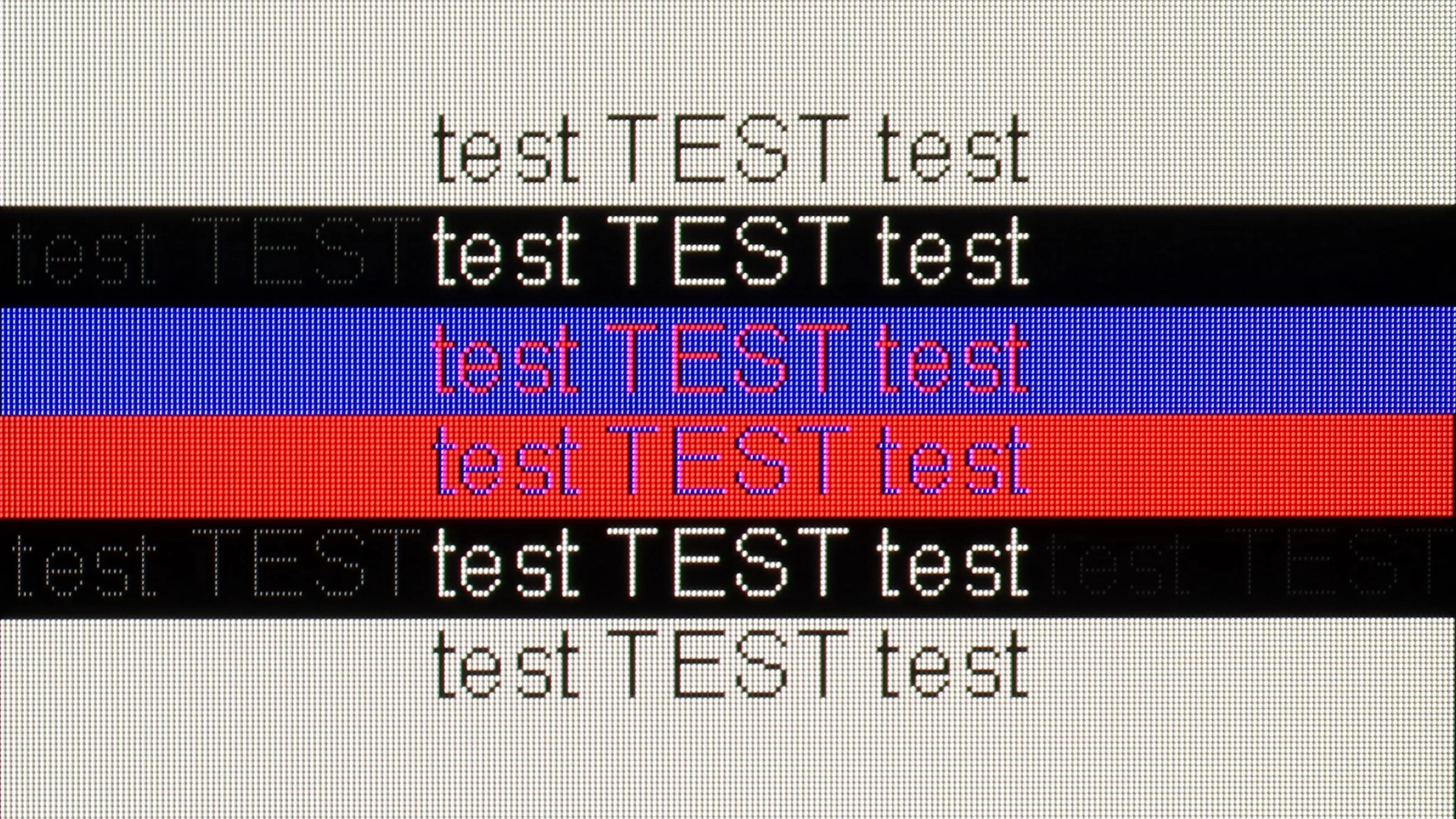
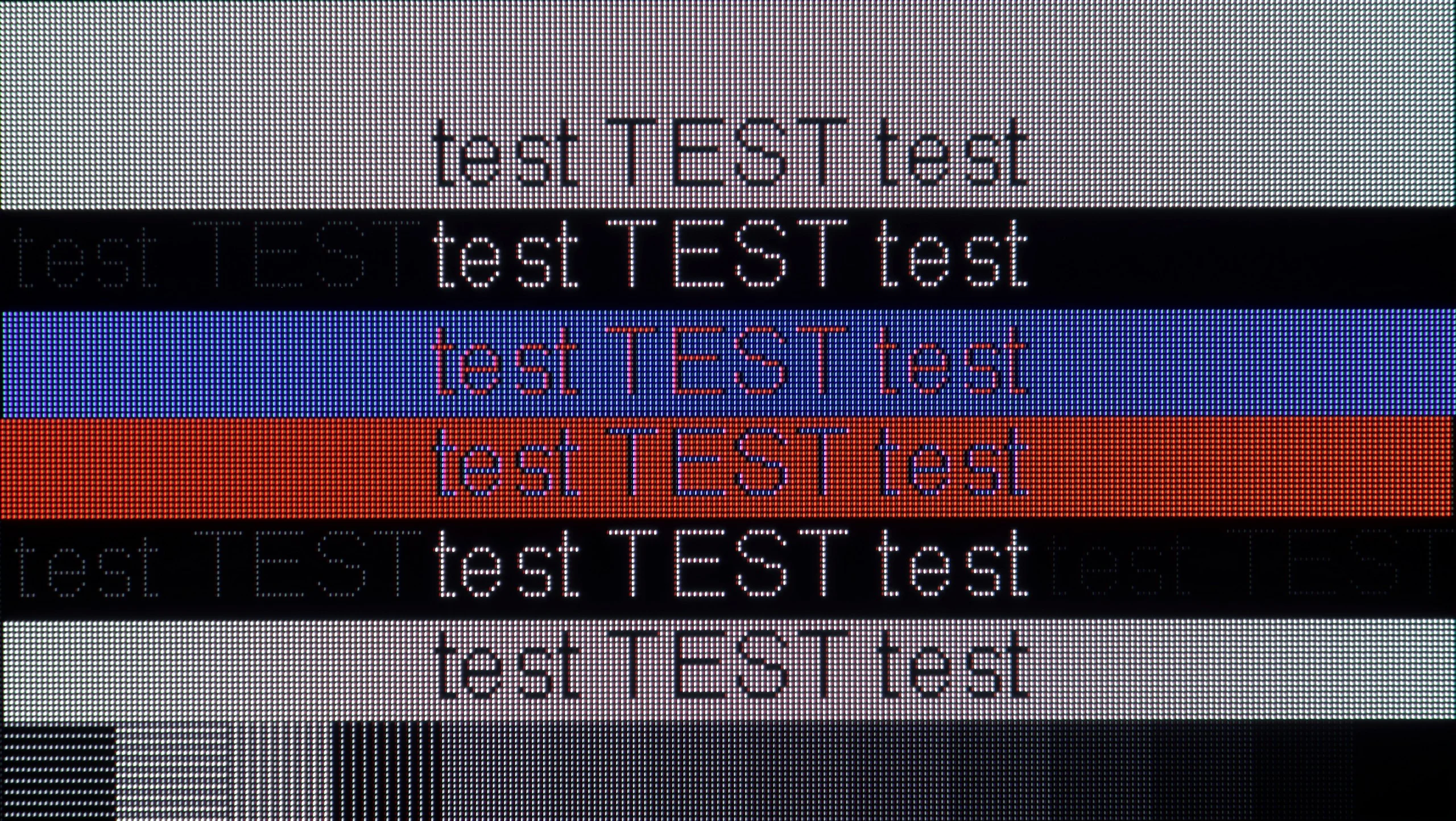
The photo shows the legibility of small fonts. Ideally, lines should be the same thickness on both light and dark text, with minimal pixel gaps.
The Sony Bravia 8 works very well with computers, much like most WOLED matrix televisions. Font readability is excellent, making it comfortable to work with documents or browse websites. The impressive 5 ms input lag ensures excellent responsiveness during gameplay. The only downside is that fonts on a dark background appear slightly dimmed.
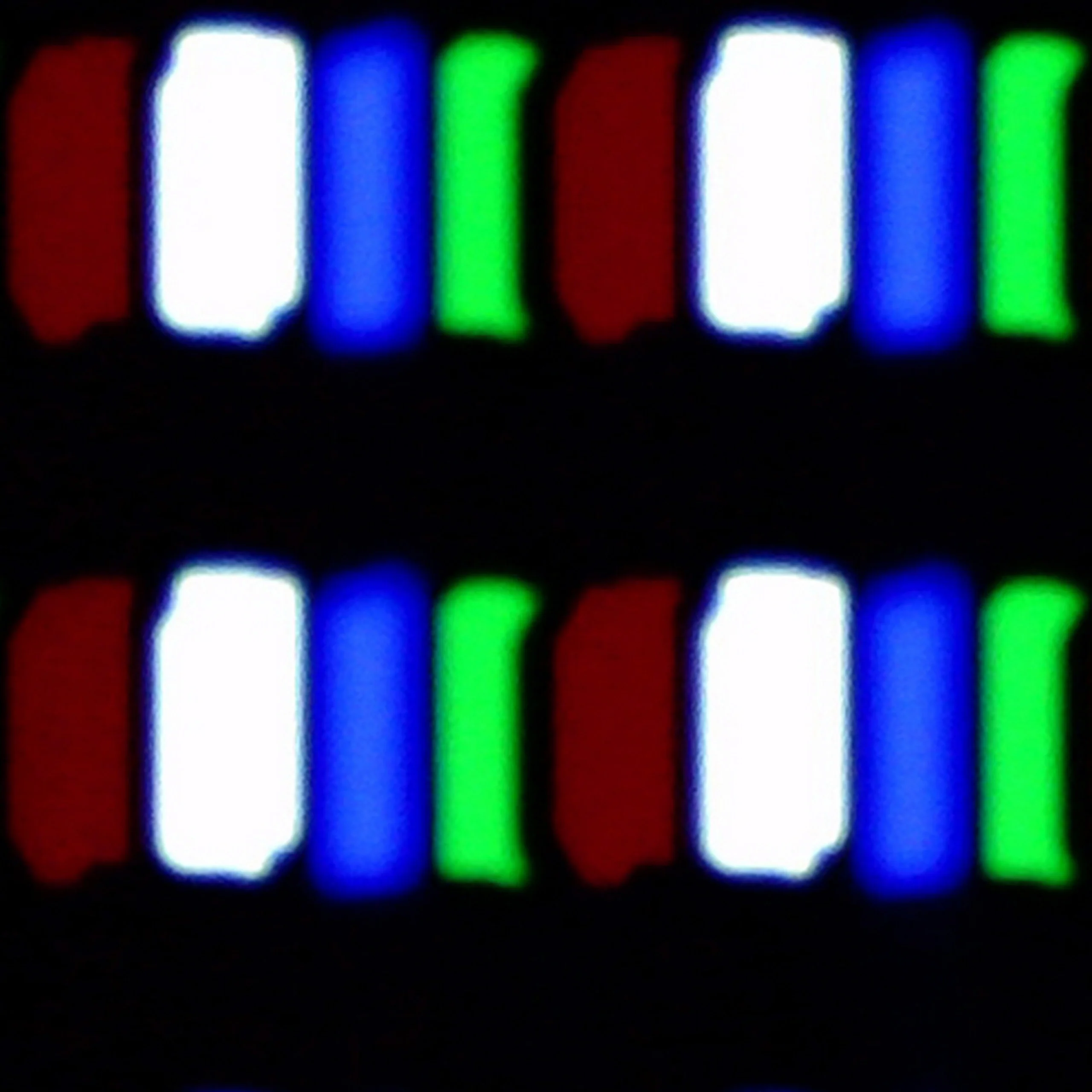
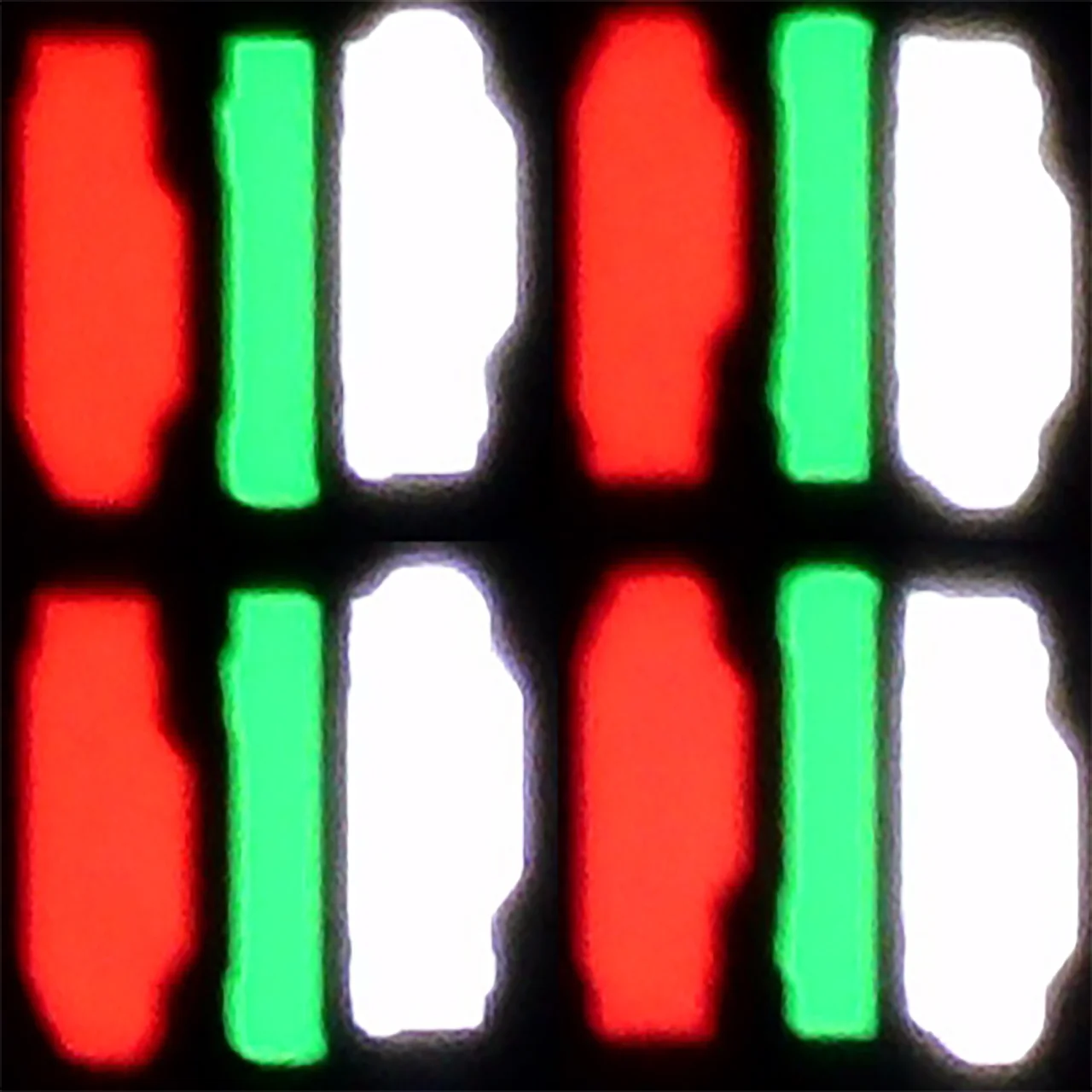
Philips OLED811 works very well with a computer. The manufacturer finally managed to correctly implement 4:4:4 chroma even at maximum resolution and refresh rate. That means small text and colored outlines are legible, without blurring or the rainbow fringing that results from loss of color information. Dark text on dark backgrounds also performs well, which TVs can struggle with. There are still minor imperfections related to the RGWB subpixel layout. Fonts aren't as sharp as on a classic RGB monitor, and with white letters you can see subtle red outlines up close. From a normal viewing distance you hardly notice it, though sitting close to the screen at a desk makes it easier to spot.
The most fun, though, is PC gaming. The combination of 4K at 165 Hz, working G-Sync, and input lag around 5 ms makes the OLED811 excellent for that. If you have a computer that can take advantage of that refresh rate, it's definitely worth hooking it up to the Philips TV.
Viewing angles
7.3/10
7.8/10
The viewing angles on the Sony Bravia 8 are excellent, as expected from an OLED TV. The image retains its colours and contrasts even when viewed from wide angles. The only models that outperform it in this area are those equipped with MLA (Meta-Lens Array) technology and QD-OLED, which provide even wider viewing angles and superior image quality at extreme angles.
Viewing angles on the OLED811 are excellent and among the best on the market. Even sitting well off to the side, you still see the picture with deep blacks and well-saturated colors. That's a big advantage over LCD screens: you don't have to sit exactly in front to enjoy good picture quality.
QD-OLED panels perform even better, preserving colors more accurately at an angle. On the Philips, at wider viewing angles whites shift slightly toward a greenish tint, but the effect is so minor that it's hard to find it bothersome while watching. We'd even say that in this respect we encountered the best WOLED unit we've tested so far.
Daytime performance
5.6/10
6/10
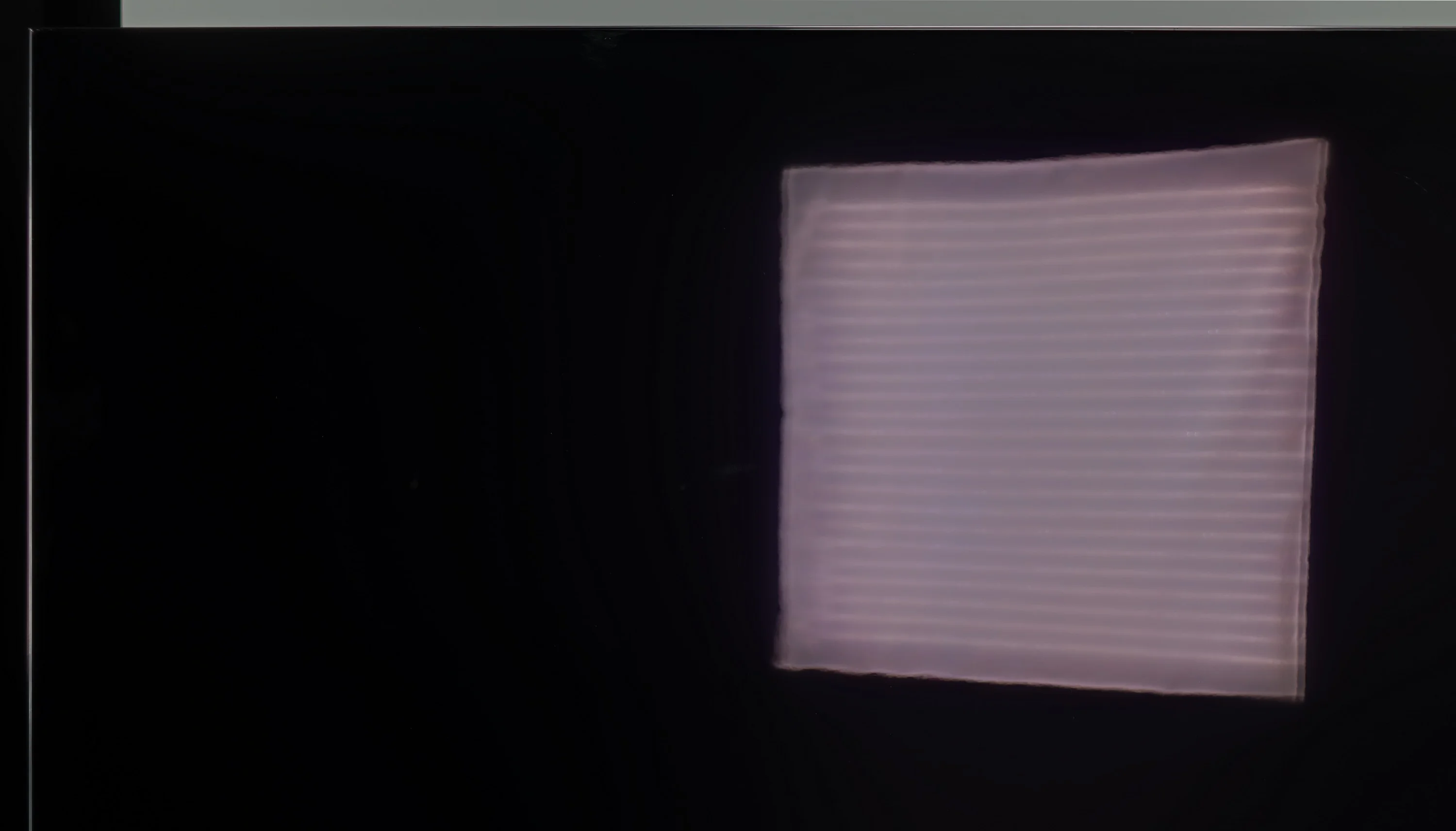
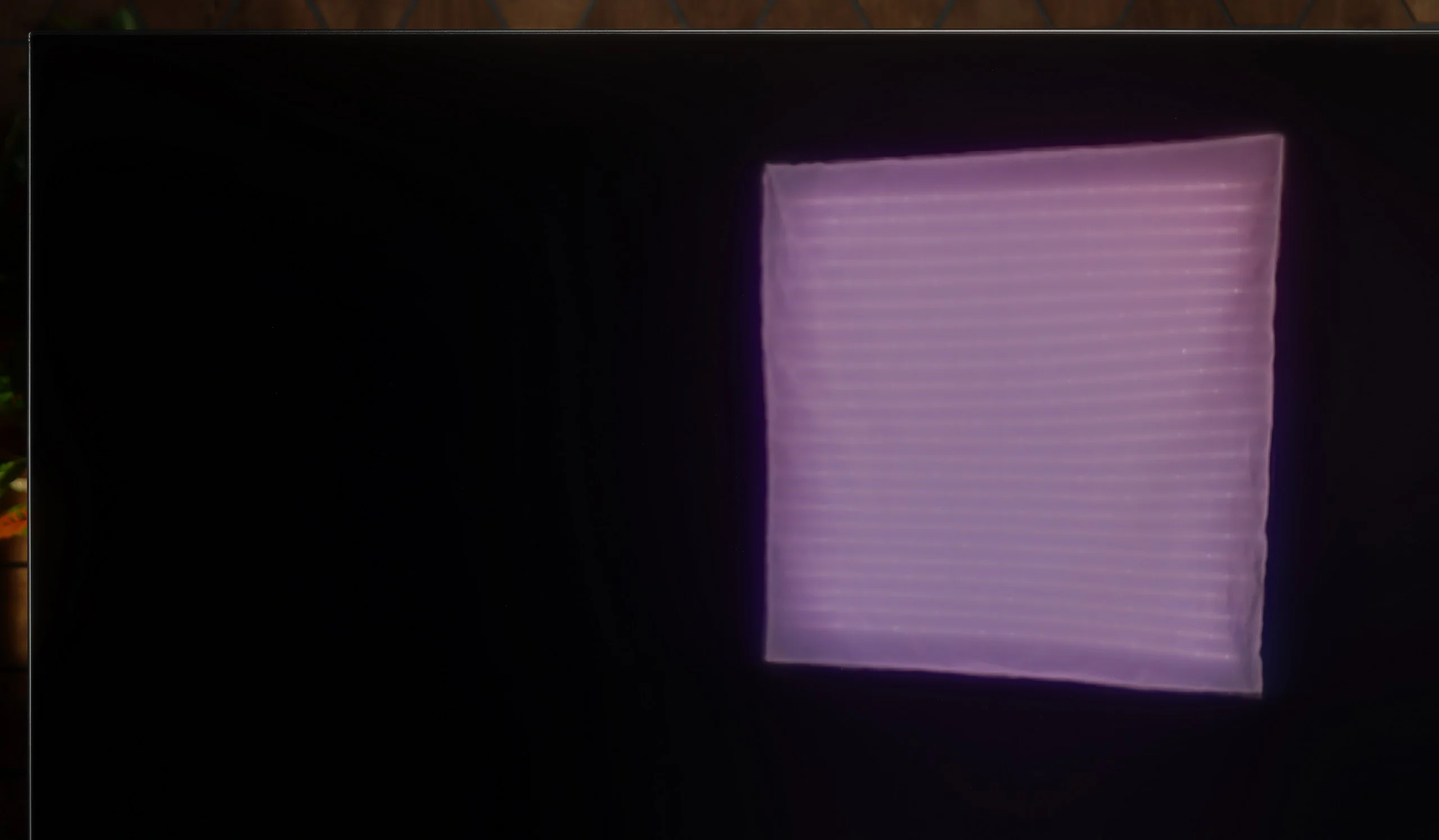
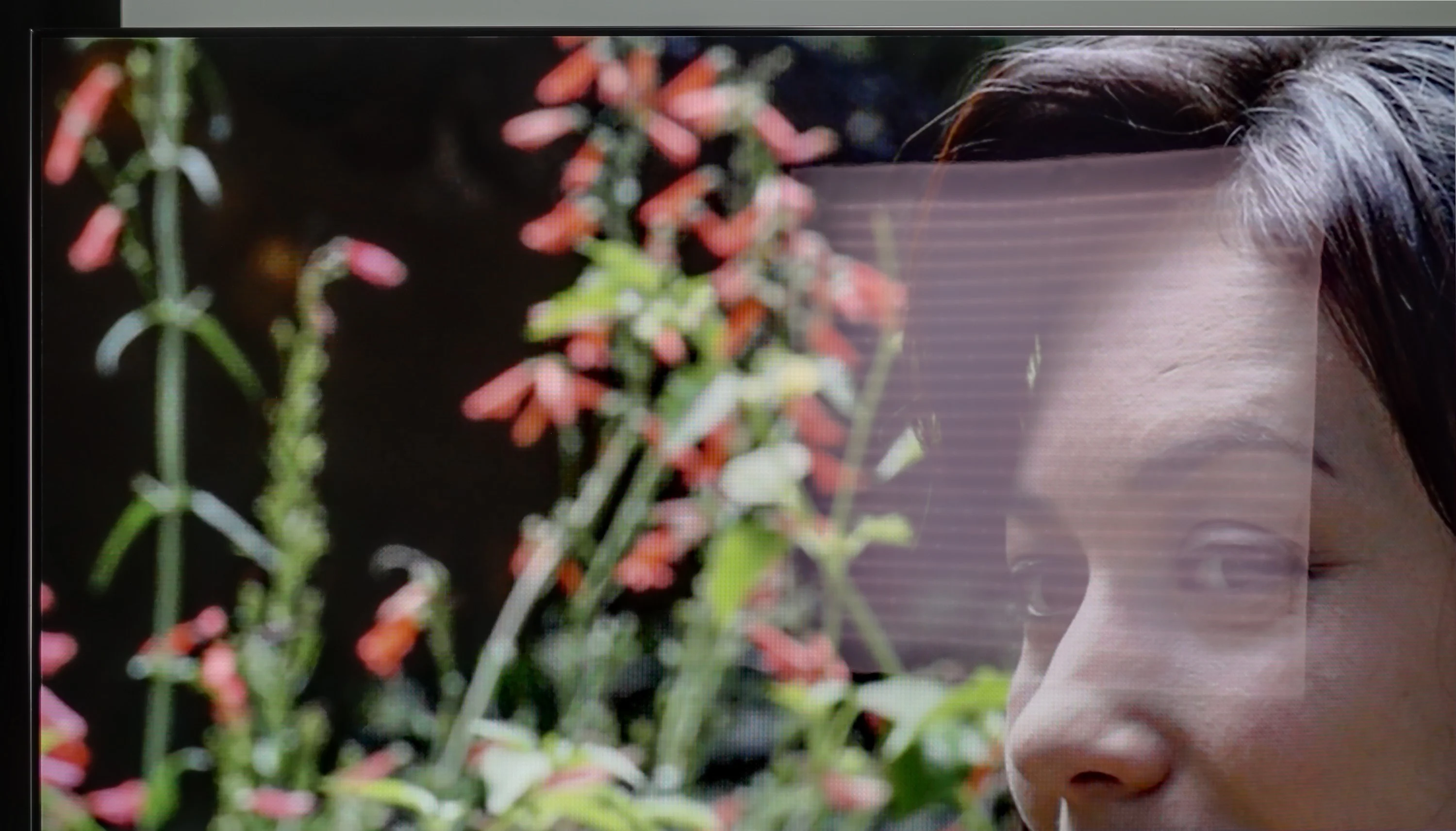
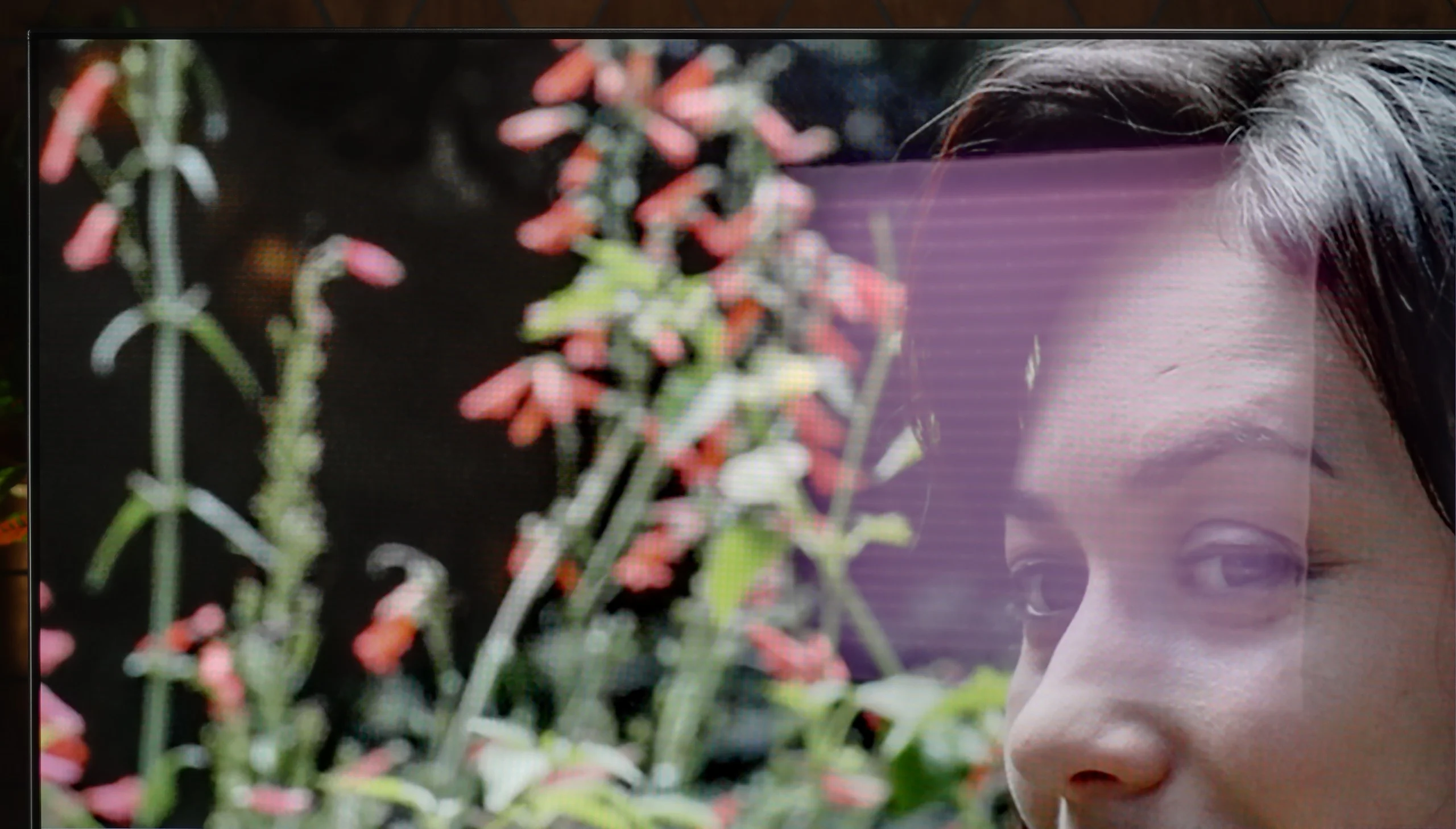
Panel brightness
Philips OLED811: 392 cd/m2
Sony Bravia 8 (XR80): 335 cd/m2
The glossy matrix on the Sony Bravia 8 effectively reduces reflections, although they take on a slightly bluish hue. However, the brightness level of 330 nits is not particularly impressive, making this TV better suited for evening viewing. During the day, to ensure optimal image quality, it's advisable to close the windows to minimise the impact of external light.
OLED811 handles daytime viewing fairly well, though in a very bright living room it already has its limits. Maximum SDR brightness reaches about 600 nits, comparable to the LG C6 or the Samsung S90H, which use the same panel. That's noticeably higher than basic OLEDs and will be more than enough for most people. Keep in mind, however, that this brightness isn't maintained across the whole screen; with a lot of white it drops, and the average of our measurements was about 392 nits.
Direct reflections from windows or lamps can be a bigger problem. The glossy coating reduces them reasonably well, but you can still see them clearly on the screen, especially in dark scenes. It doesn't diffuse them as effectively as matte screens, so placing the TV opposite a large window isn't the best idea. On the plus side, black levels remain very good during the day. In a typical living room the Philips will perform without major issues, but if strong sunlight falls directly on the screen, you'll want blinds.
Panel details
Subpixel Structure:
Panel uniformity and thermal imaging:


Sony Bravia 8 (XR80)
Philips OLED811
TV features
9.4/10
7.9/10
- SystemGoogle TVTitan OS
- System performanceGoodGood
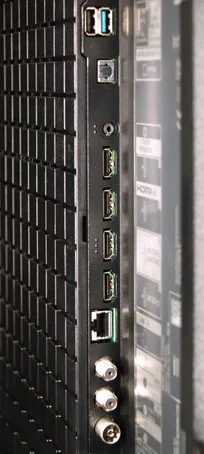
- HDMI inputs2 x HDMI 2.0, 2 x HDMI 2.1 48Gbps0 x HDMI 2.0, 4 x HDMI 2.1 48Gbps
- OutputsToslink (Optical audio), eARC (HDMI), ARC (HDMI)Toslink (Optical audio), eARC (HDMI), ARC (HDMI), Mini-Jack (Headphones)
- Network InterfacesWi-Fi 2.4GHz, Wi-Fi 5GHz, Ethernet (LAN) 100MbpsWi-Fi 2.4GHz, Wi-Fi 5GHz, Ethernet (LAN) 100Mbps
- TV receptionDVB-T, DVB-T2, DVB-S, DVB-S2, DVB-CDVB-T, DVB-T2, DVB-S, DVB-S2, DVB-C
Classic features:
- Recording to USB (terrestrial TV)
- Recording programming
- Picture in Picture (PiP)
- RF remote control (no need to aim)
- Backlit remote control
- Teletext
- Audio only mode
- Bluetooth headphones support
- Simultaneous Bluetooth headphones & TV audio
Smart features:
- AirPlay
- Screen mirroring (Windows Miracast)
- Voice search
- Voice search in native language
- Ability to connect a keyboard and mouse
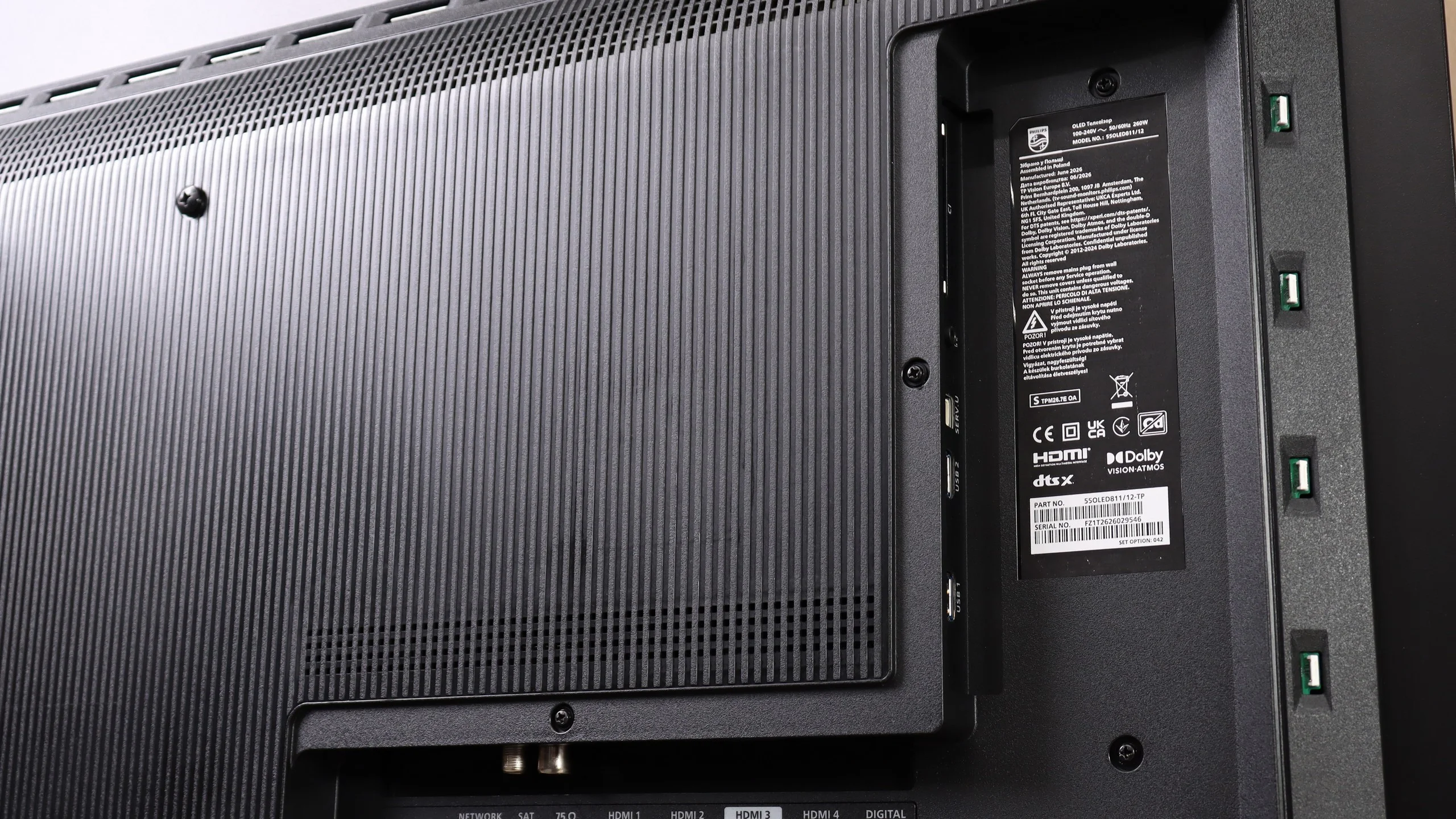
Sound connection options
- HDMI audioeARC (HDMI), ARC (HDMI)eARC (HDMI), ARC (HDMI)
- Other audio outputsToslink (Optical audio)Toslink (Optical audio), Mini-Jack (Headphones)
- Wireless audioBluetoothBluetooth
Supported audio formats (external HDMI eARC audio):
- Dolby Digital Plus 7.1
- Dolby True HD 7.1
- Dolby Atmos in Dolby Digital Plus (JOC)
- Dolby Atmos in Dolby True HD
- DTS:X in DTS-HD MA
- DTS-HD Master Audio
Senior accessibility
- Numeric keyboard on TV
- Font size adjustment
- Audio description
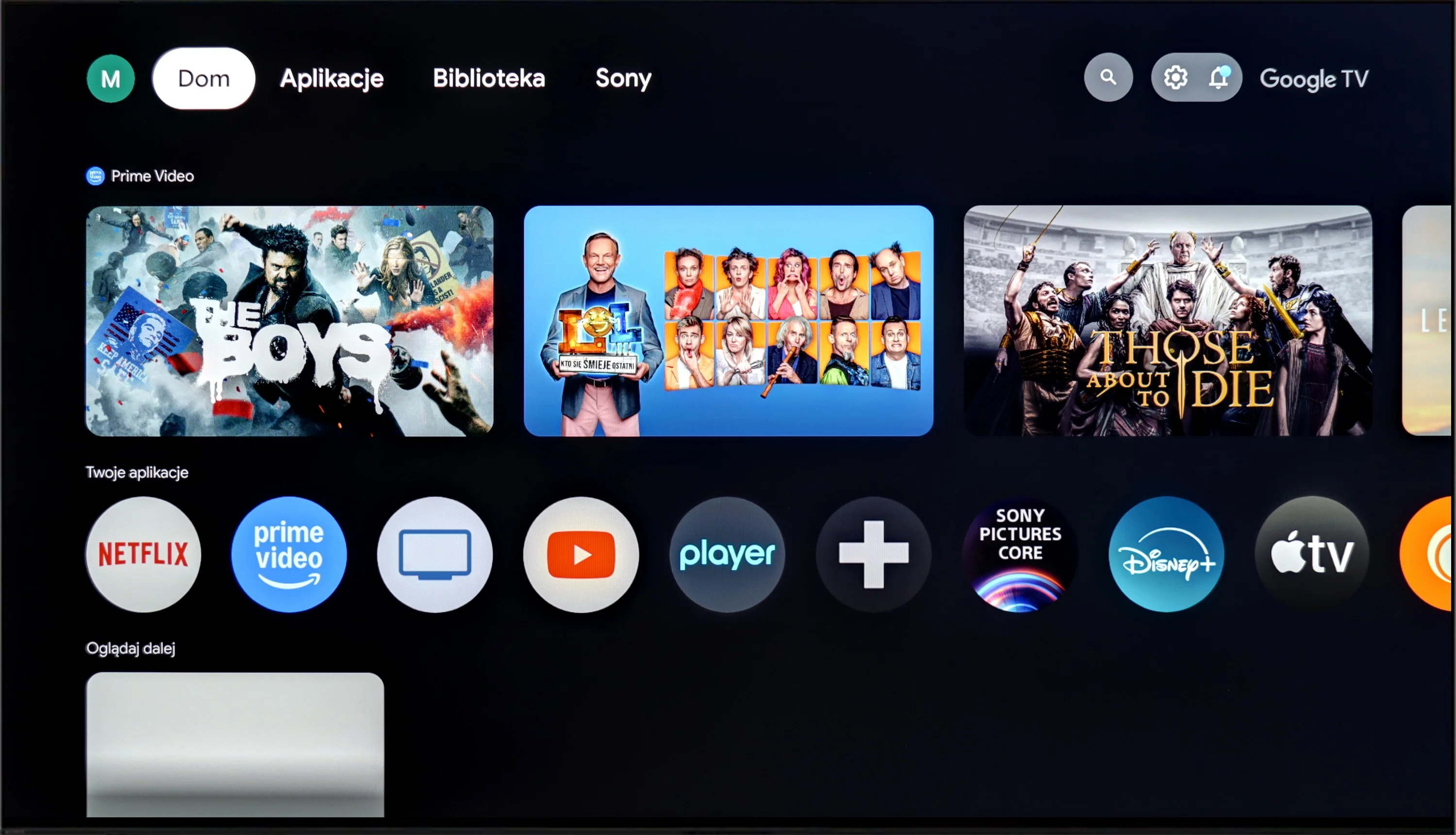
The Sony Bravia 8 runs on the Google TV system, offering an intuitive and user-friendly interface with access to an extensive range of applications. The interface is well-designed, with easy access to apps and features. The remote, similar to those from Korean competitors, can be charged via a USB-C port and is backlit, making it much easier to use in low-light conditions.
The TV provides a broad range of features that will satisfy most users. The Sony XR80 allows for program recording and easy connection to external devices via Bluetooth. However, it lacks the Picture-in-Picture (PiP) feature, which would enable simultaneous viewing of two image sources—a feature that could be useful in certain situations.
The design of the television is impressive, featuring a sturdy metal frame that adds an elegant touch. It stands on two adjustable feet, allowing for customisation of both width and height, making it easy to place a soundbar beneath the screen. While the Sony Bravia 8 is not the thinnest OLED on the market, its high-quality materials and meticulous finish ensure it presents well.
Smart features: Titan OS
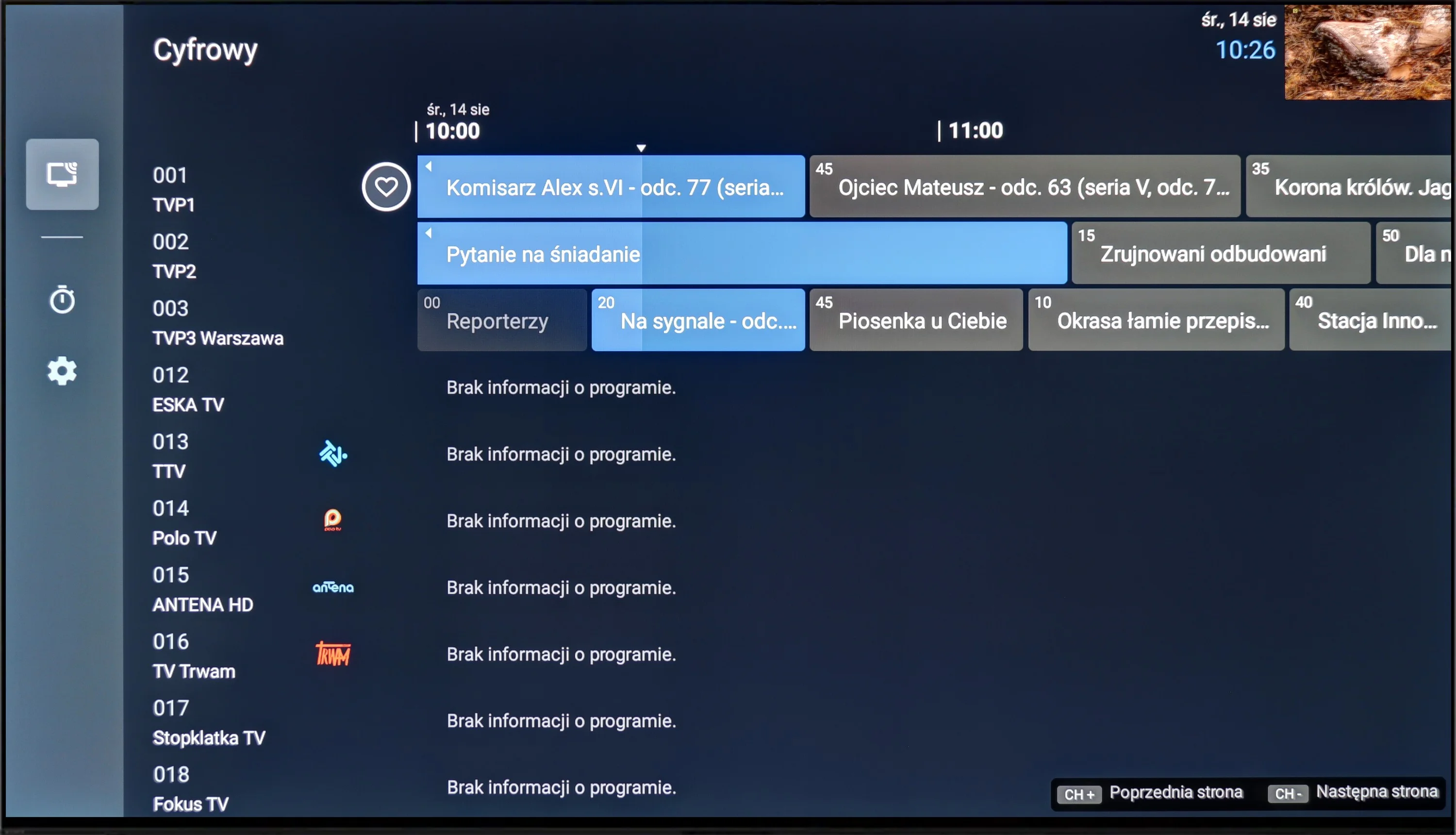
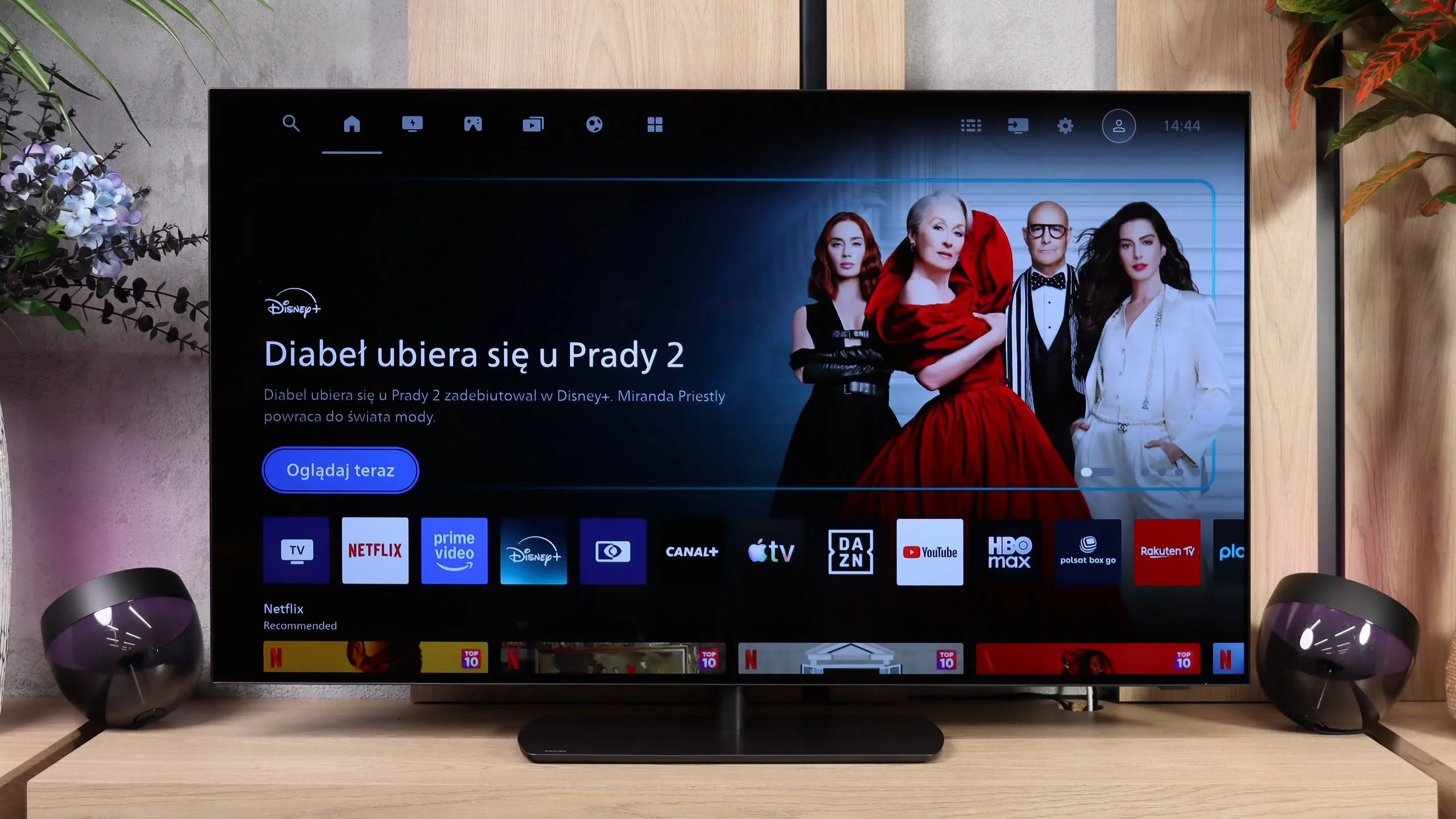
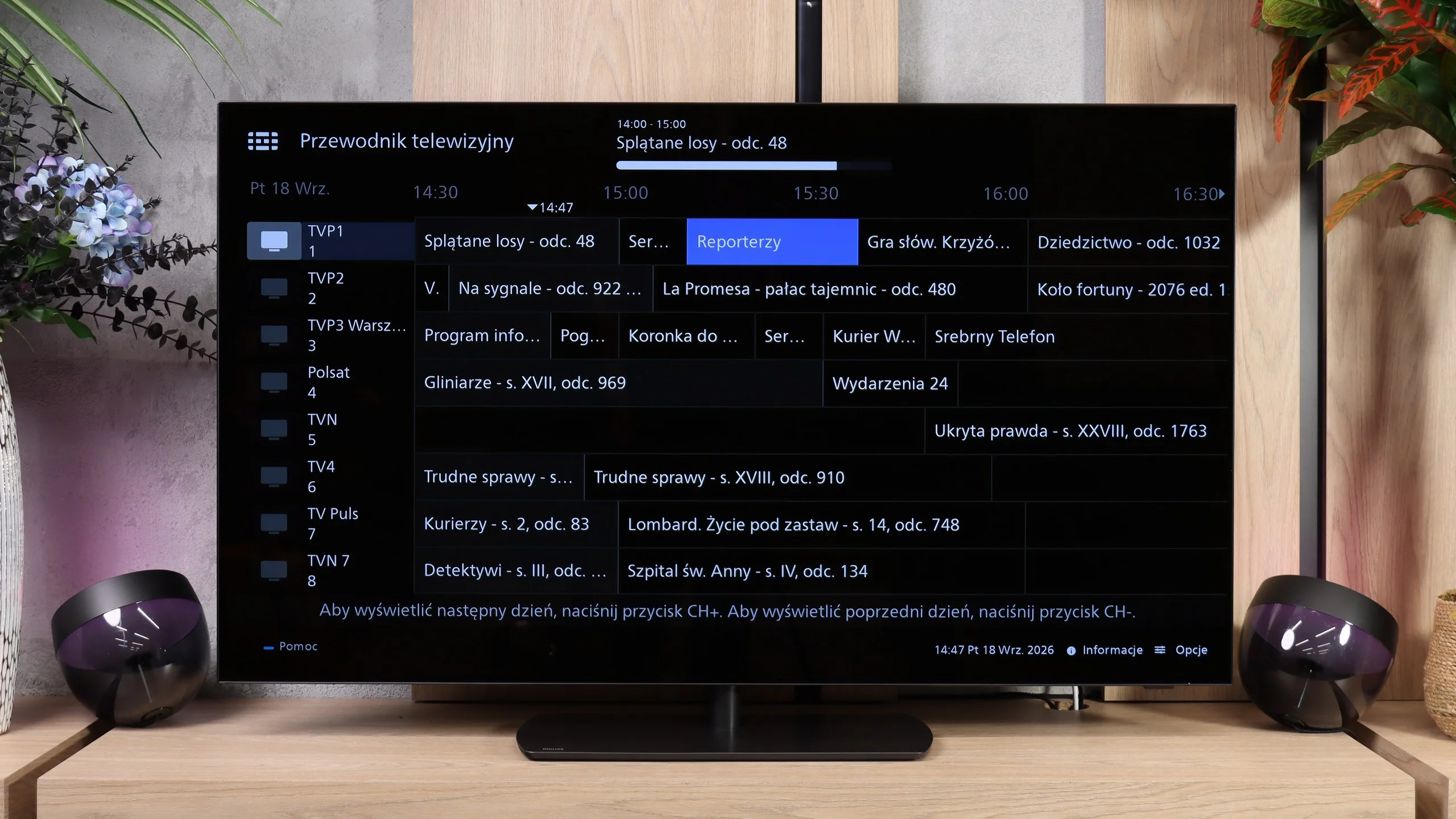
It's the Smart TV system that is the most controversial change in the OLED811. Philips dropped the user-favorite Google TV in favor of its own Titan OS. For many people this may be hard to accept, although Titan has been getting better every year and runs noticeably smoother. We have working AirPlay, screen mirroring from a computer, and voice search in Polish. System responsiveness has improved too, though minor delays still occur when navigating menus. We suspect the infrared remote is partly to blame, as it doesn't always register commands immediately. The biggest limitation compared with Google TV remains a smaller app selection. That doesn't mean it's empty — you'll find Netflix, Prime Video, Disney+, CANAL+, and Apple TV was recently added to the library. If you mainly use popular services, Titan should be enough, but it's worth checking availability of lesser-known apps before buying (list at the bottom 😉).
Ambilight
Ambilight is still one of the best reasons to consider a Philips. On the OLED811 it's three-sided — LEDs at the top and along the sides of the chassis light the wall with colors matched to what's happening on screen. In the evening it creates a great effect and can change the mood of the whole room, which is why we awarded extra points for this feature. You don't have to use dynamic picture tracking though. If you prefer calmer viewing conditions, you can set a steady white light. That's a nice option for evening sessions when you don't want to sit in front of a bright screen in a completely dark room.
Classic features
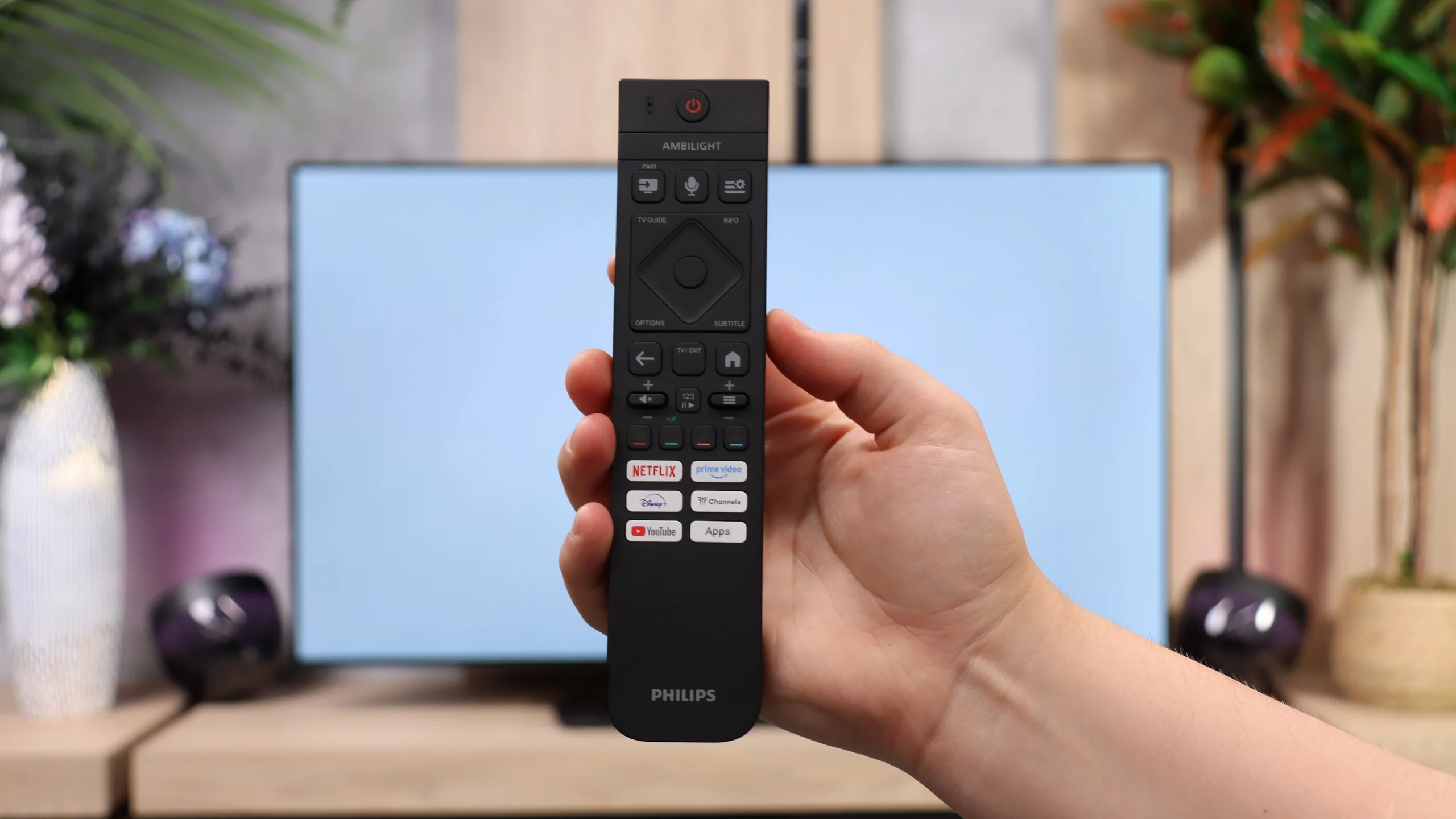
For regular TV watching the OLED811 performs well, although there is no USB recording or picture-in-picture (PiP). You can connect Bluetooth headphones and use them at the same time as the TV speakers. What bothers us most is the aforementioned infrared control. The remote itself is really interestingly designed: it has backlighting and a hybrid keyboard with a numeric section. It's a shame you have to aim it at the TV like with old remotes. For equipment at this level we'd prefer to just press buttons without wondering which way we're holding the remote. Hopefully Philips will fix that in future models.
Apps
9.6/10
7.7/10






















Playing files from USB
8.7/10
8.6/10
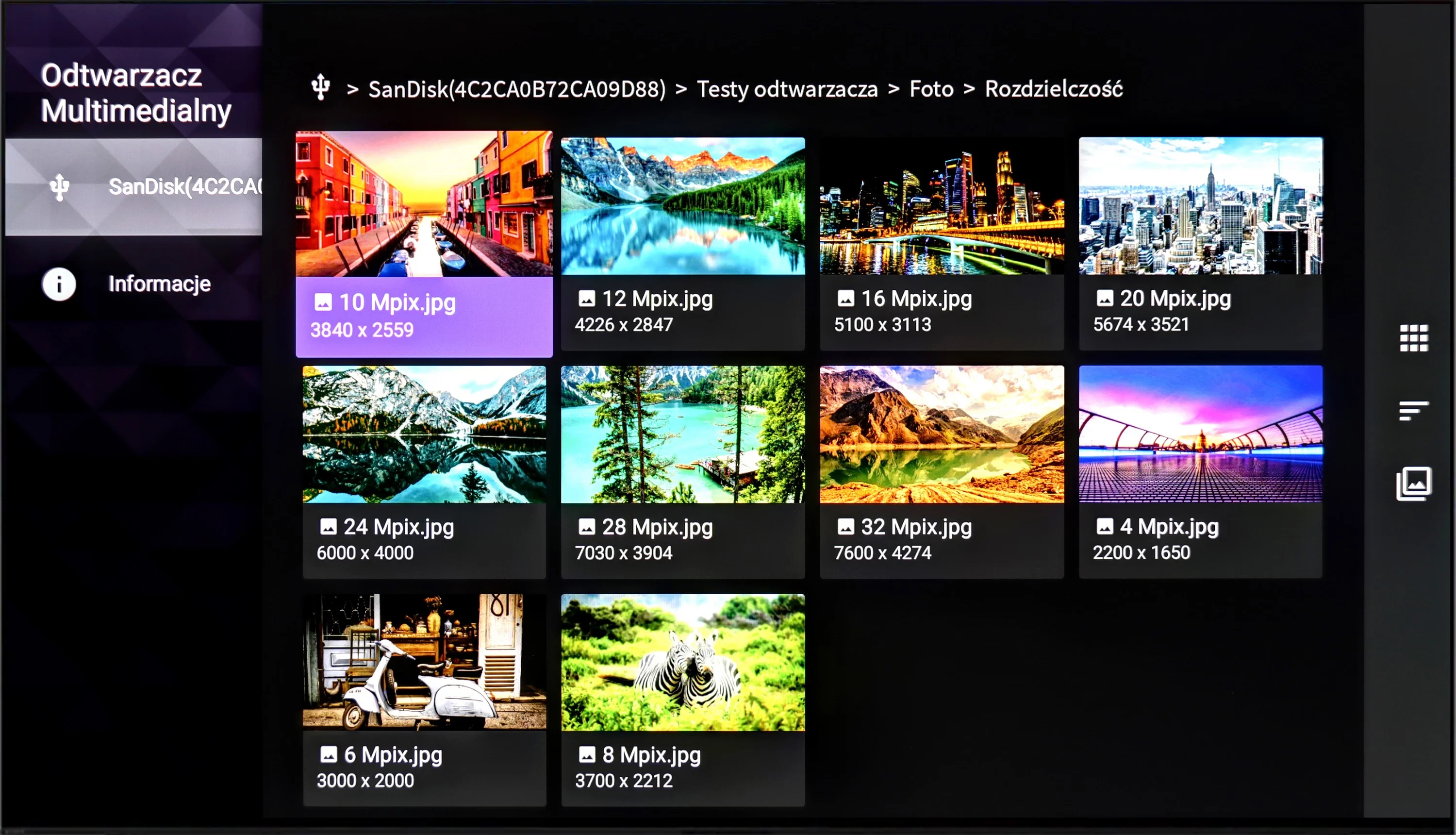
Supported photo formats:
Maximum photo resolution:
The Sony Bravia 8 will satisfy most users for multimedia playback. The built-in player supports the most popular video and audio formats, ensuring seamless access to a wide variety of content. While there are some limitations with photo playback, the Google TV system allows users to install alternative players that should address these issues.
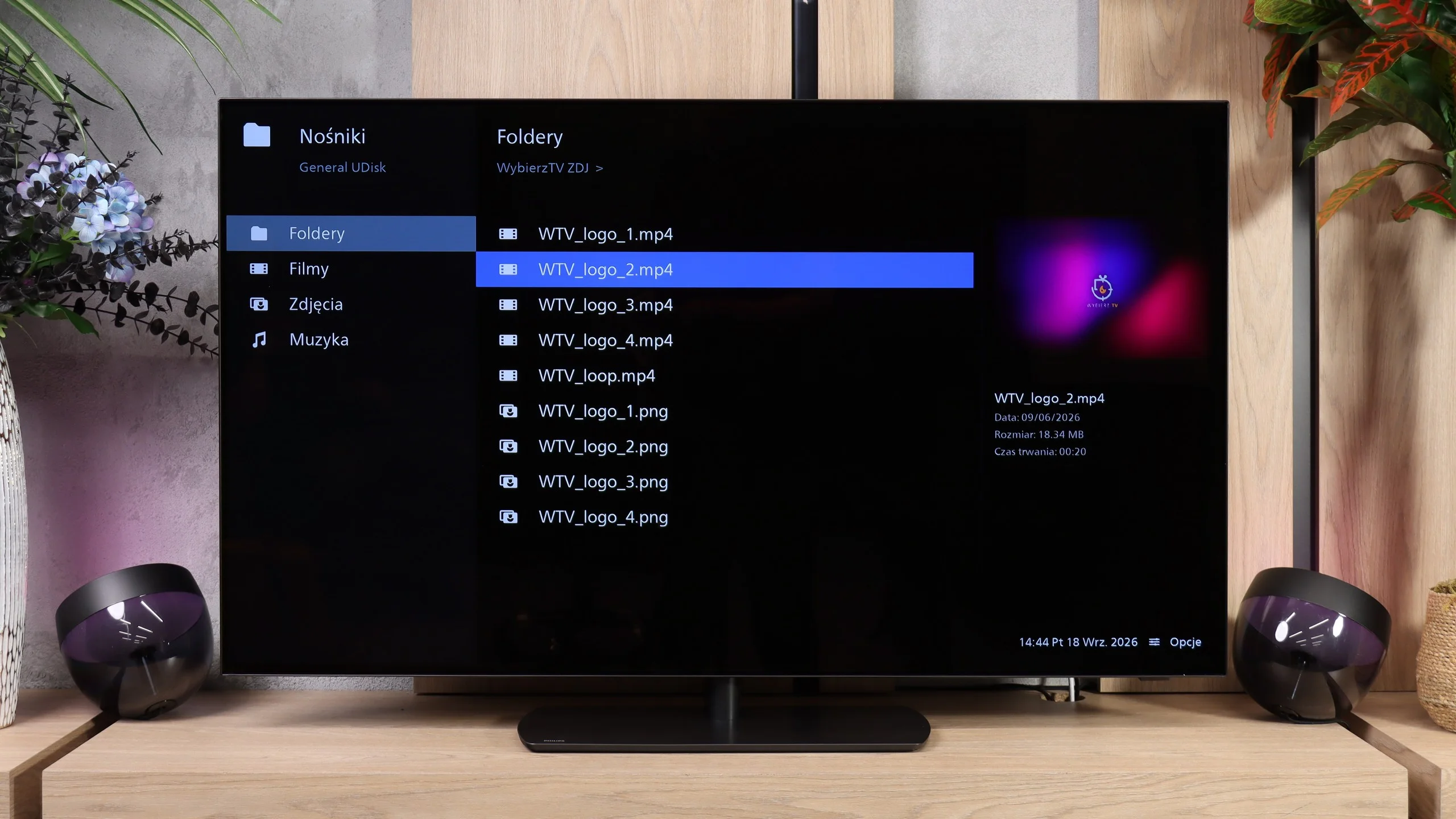
The USB player in the OLED811 handles most of the audio and video formats we test, so it’s perfectly fine for watching a movie or playing music from a USB flash drive. Our biggest complaints are with photos, specifically the oddly selective handling of their resolutions. The TV opened files at 8, 16 and 32 MP, but couldn’t deal with the rest. It’s not that the photos are simply too large; the player can display a higher-resolution image yet refuse to open a smaller one. When browsing vacation photos this can be plain annoying, because some will have to be converted on a computer first... or you can just use remote screen capture... 😉
Sound
7.5/10
7.6/10
- Maximum volume-93dB
- Dolby Digital Plus 7.1
- Dolby True HD 7.1
- Dolby Atmos in Dolby Digital Plus (JOC)
- Dolby Atmos in Dolby True HD
- DTS:X in DTS-HD MA
- DTS-HD Master Audio
The Bravia 8 has a 50W sound system in a 2.2.1 configuration, featuring speakers mounted behind the screen under the Acoustic Surface Audio system. The sound is pleasant and well-balanced, perfectly complementing the image. In terms of audio format support, the Sony Bravia 8 performs excellently, playing all popular codecs without issues and delivering a rich, immersive audio experience.
When it comes to sound, there have been a few concrete changes compared with last year’s OLED820. The rear subwoofer has been removed, and the 4.1 speaker layout has been replaced by a 2.2 configuration. Despite those changes, the OLED811 still sounds good and quite balanced. It can play louder, and the sound even seems a bit fuller than last year. The bass has taken a hit, though. While the sound has some weight, the low end lacks the depth of the previous model. You notice this most in films and music, when you’re waiting for a bigger impact. Still, this is definitely well above average for built-in TV speakers. If you want deeper bass and clearer spatial effects, it’s worth considering a soundbar or a system with an AV receiver. Philips gives you a lot of flexibility here: it supports both Dolby Atmos and DTS, and can pass Dolby TrueHD tracks over HDMI eARC to compatible equipment without issue. So there’s plenty to take advantage of if we decide to expand the sound system later.
Sound Quality Test
No sound test video
Acoustic Measurements
No acoustic data
93dBC (Max)
75dBC
Reader comments
Comments are provided by the external service Disqus (Zeta Global). Once loaded, Disqus may set cookies and process data about your activity.
We will remember your choice on this device. Provider's privacy policy