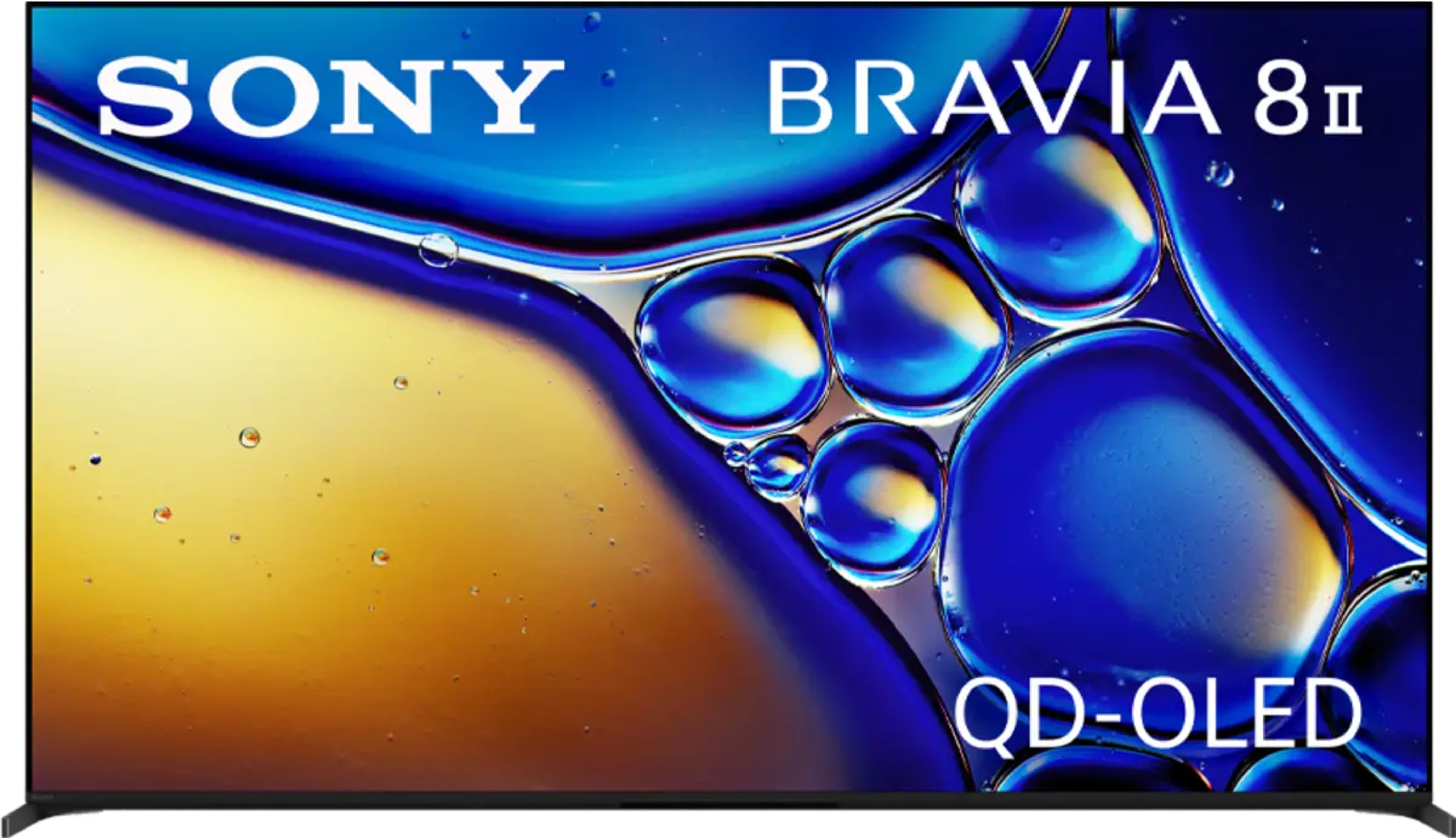
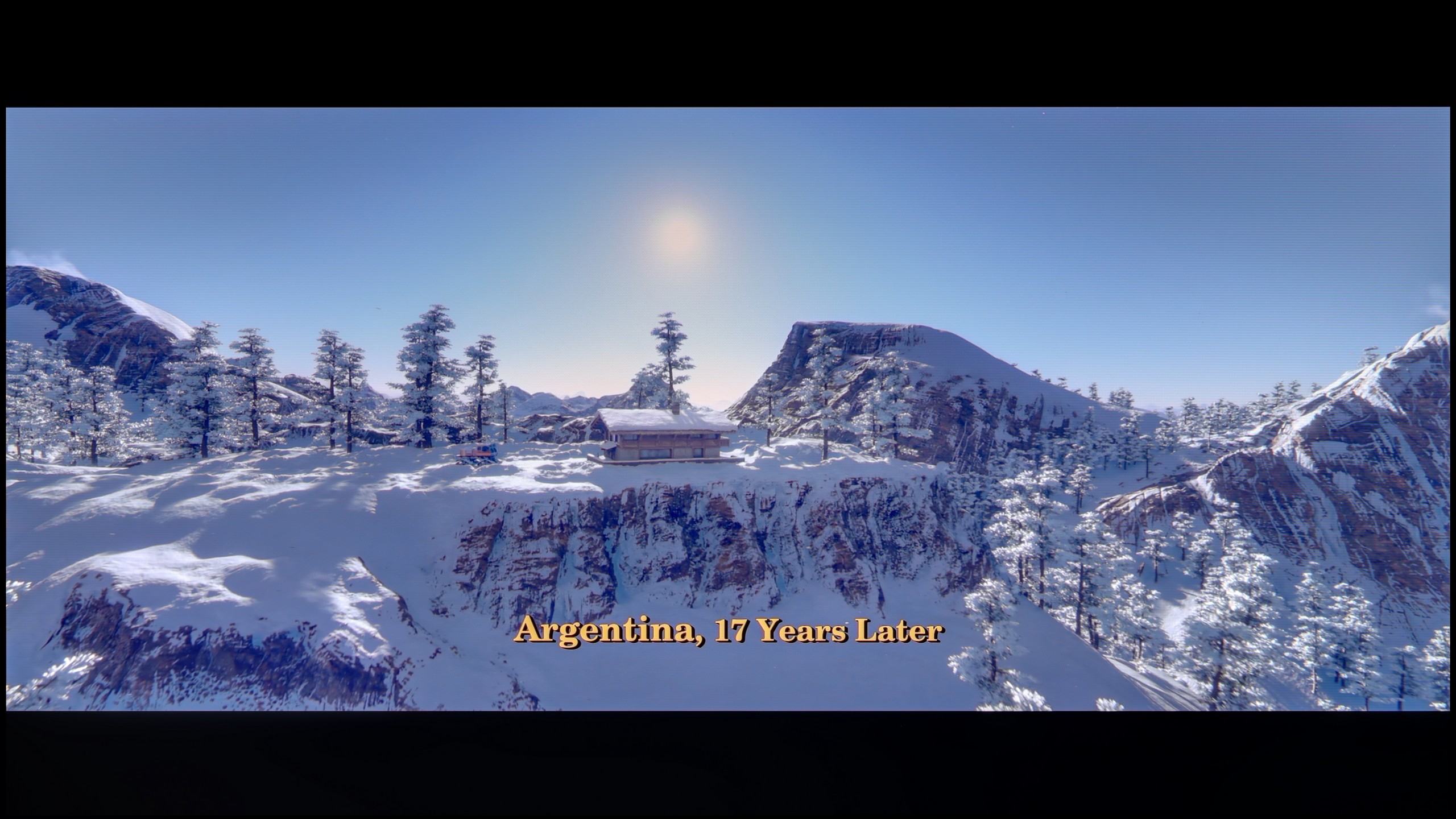
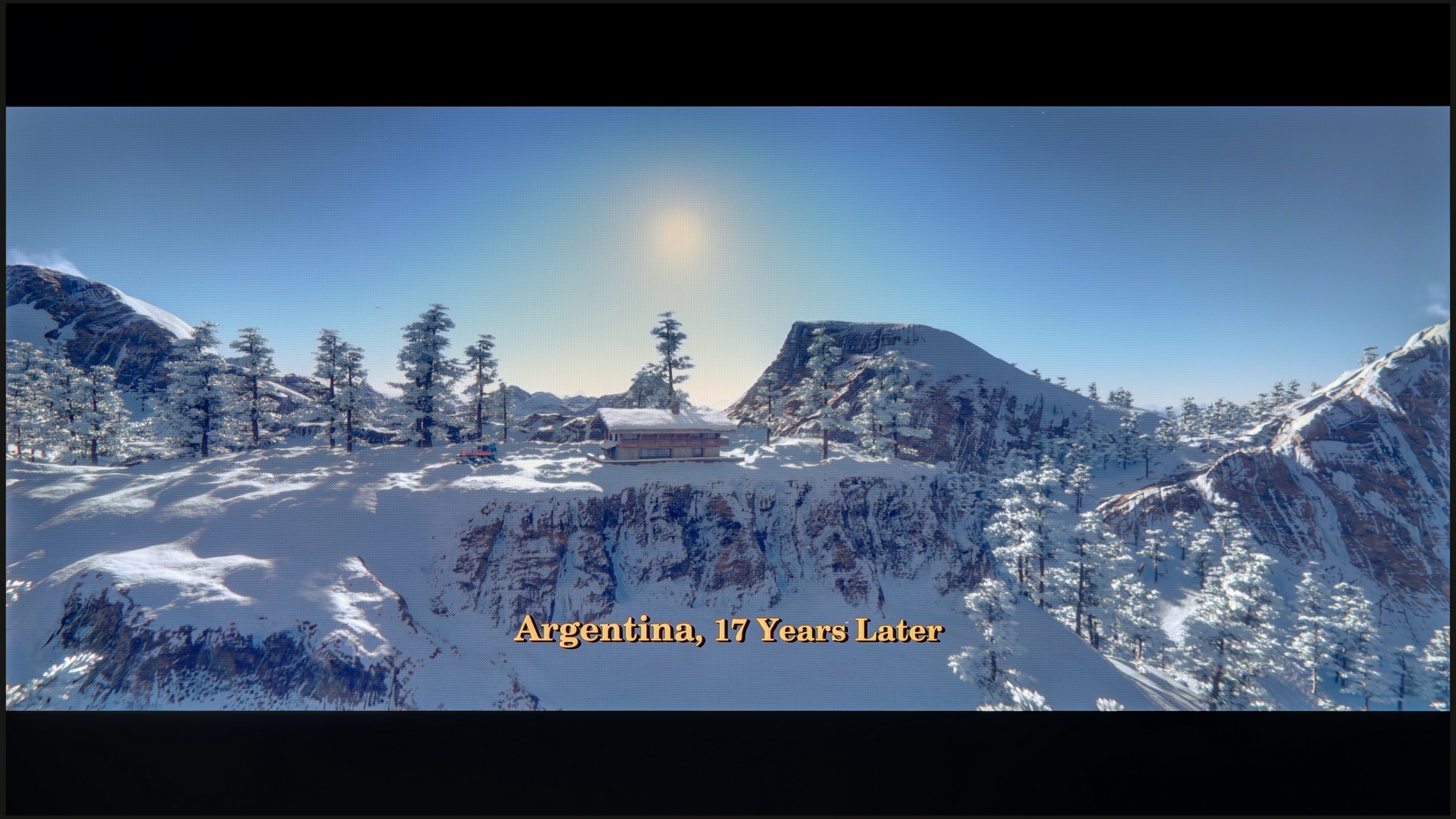
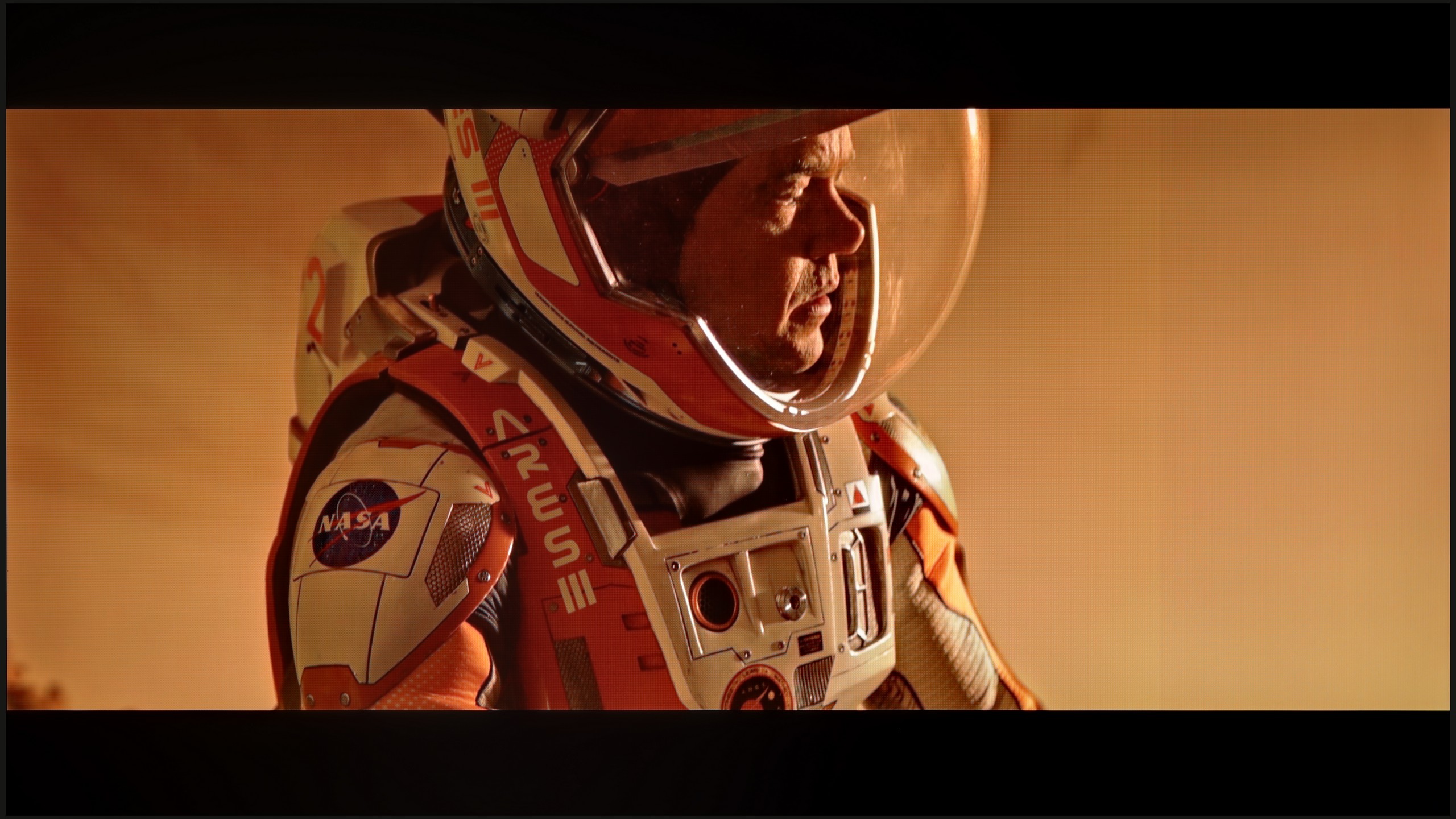
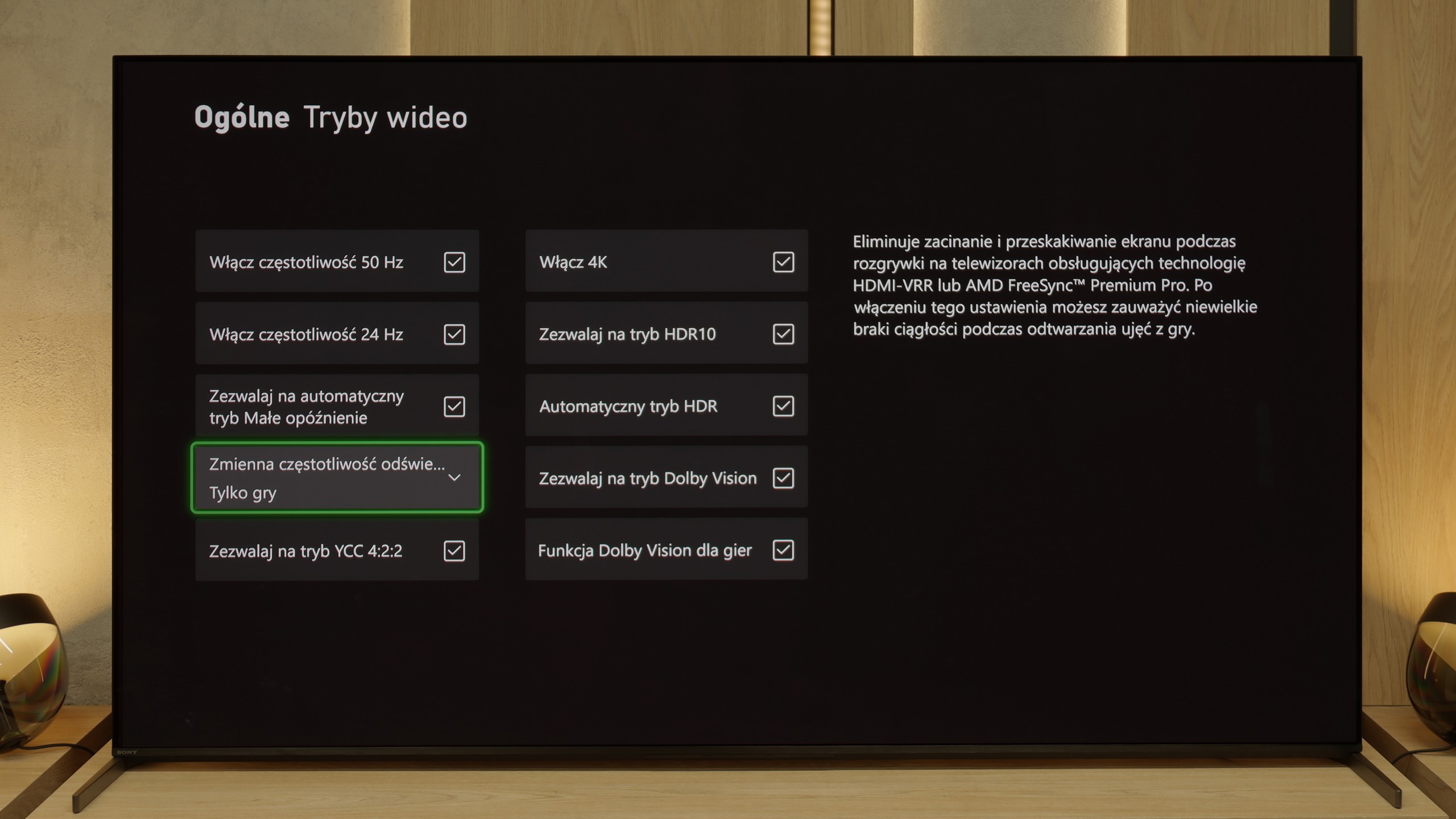
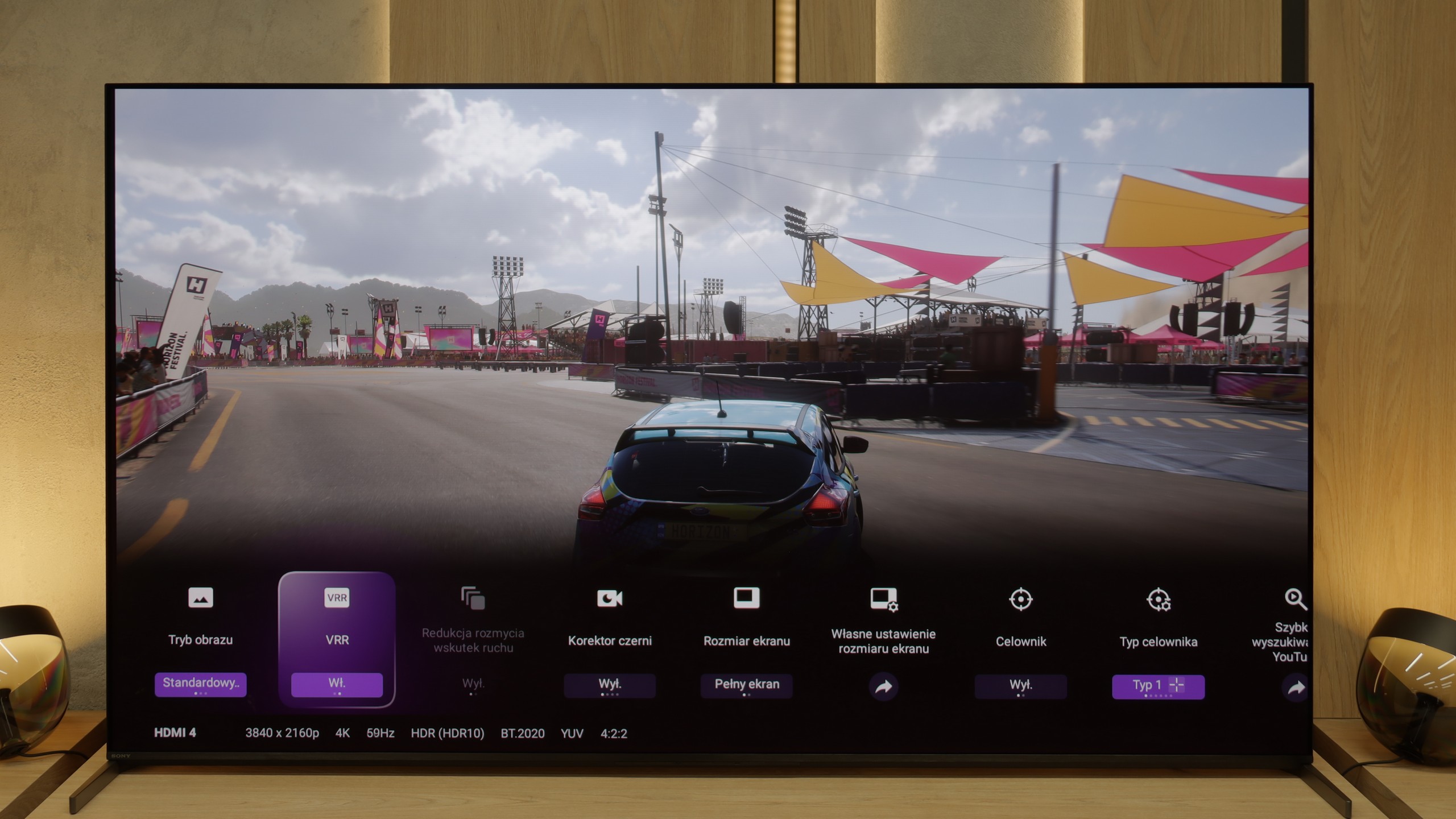
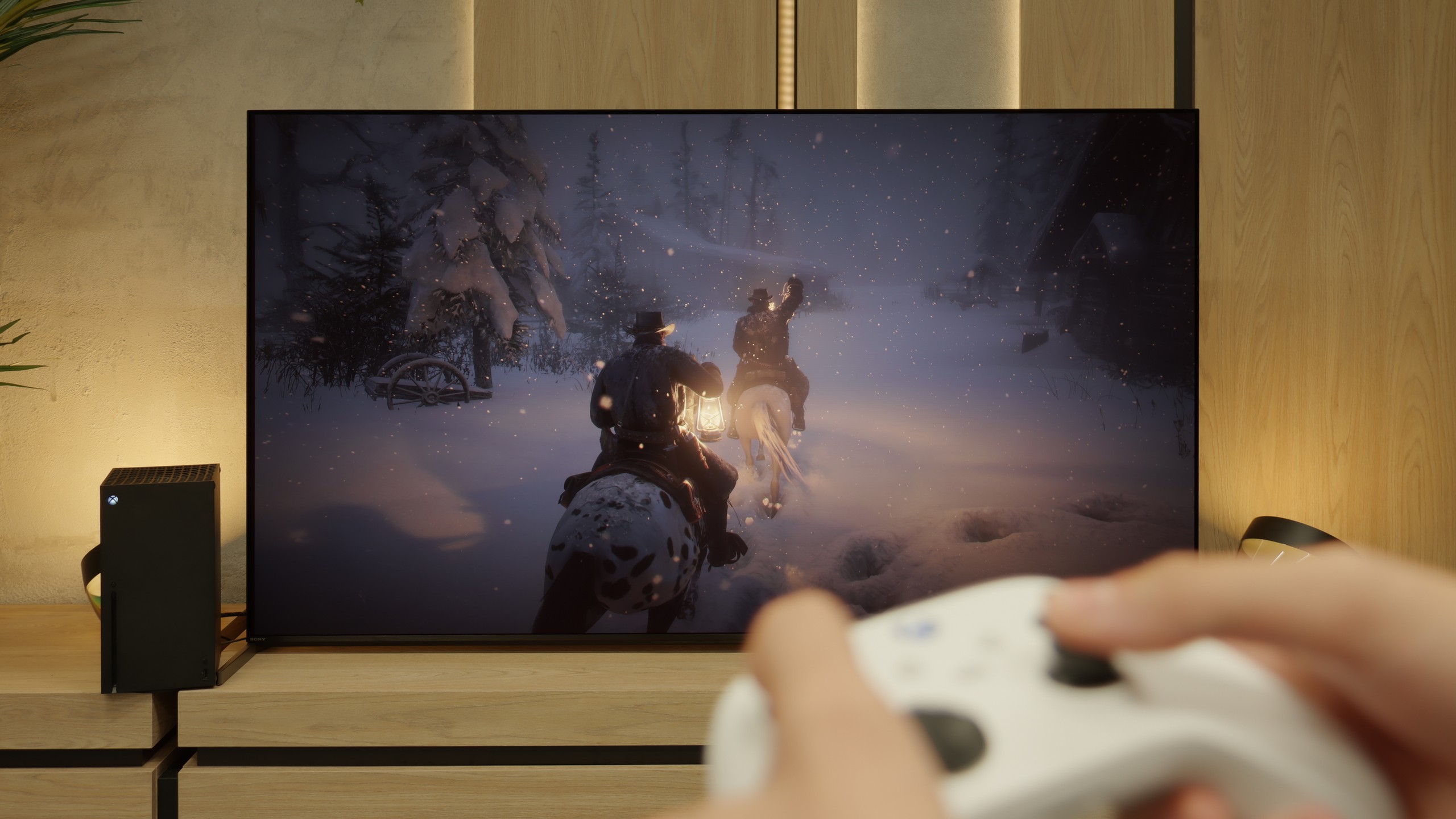
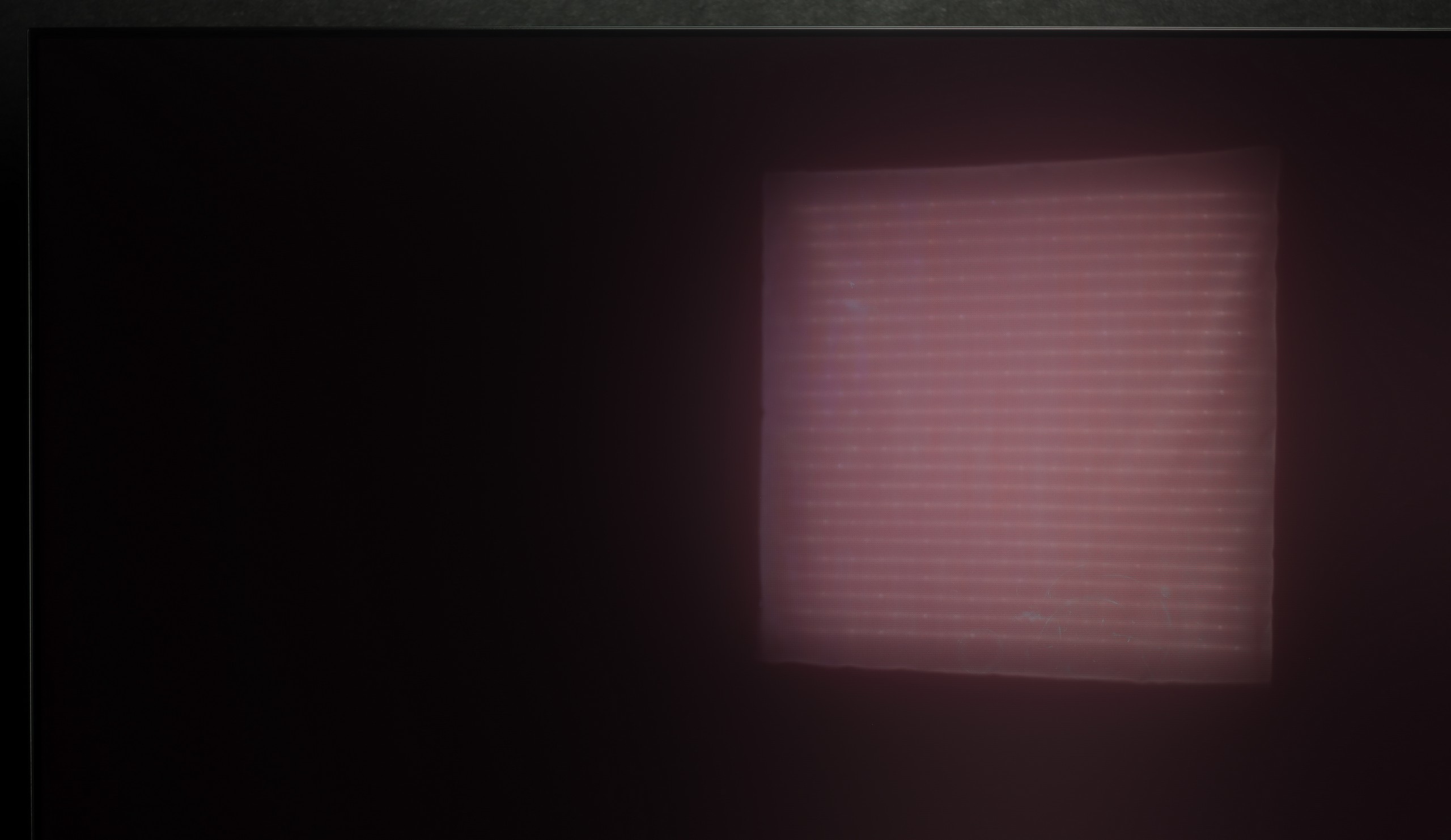
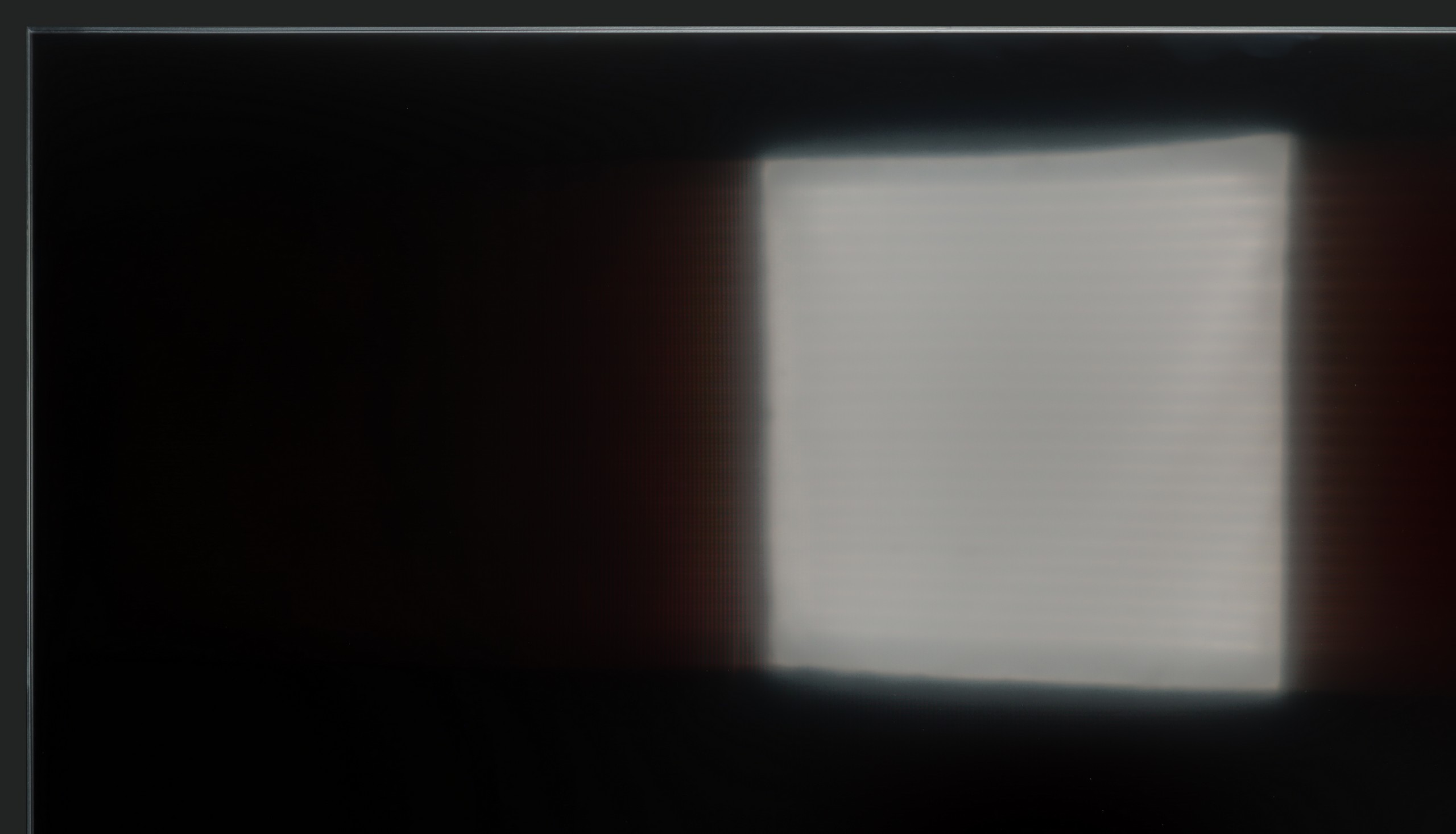
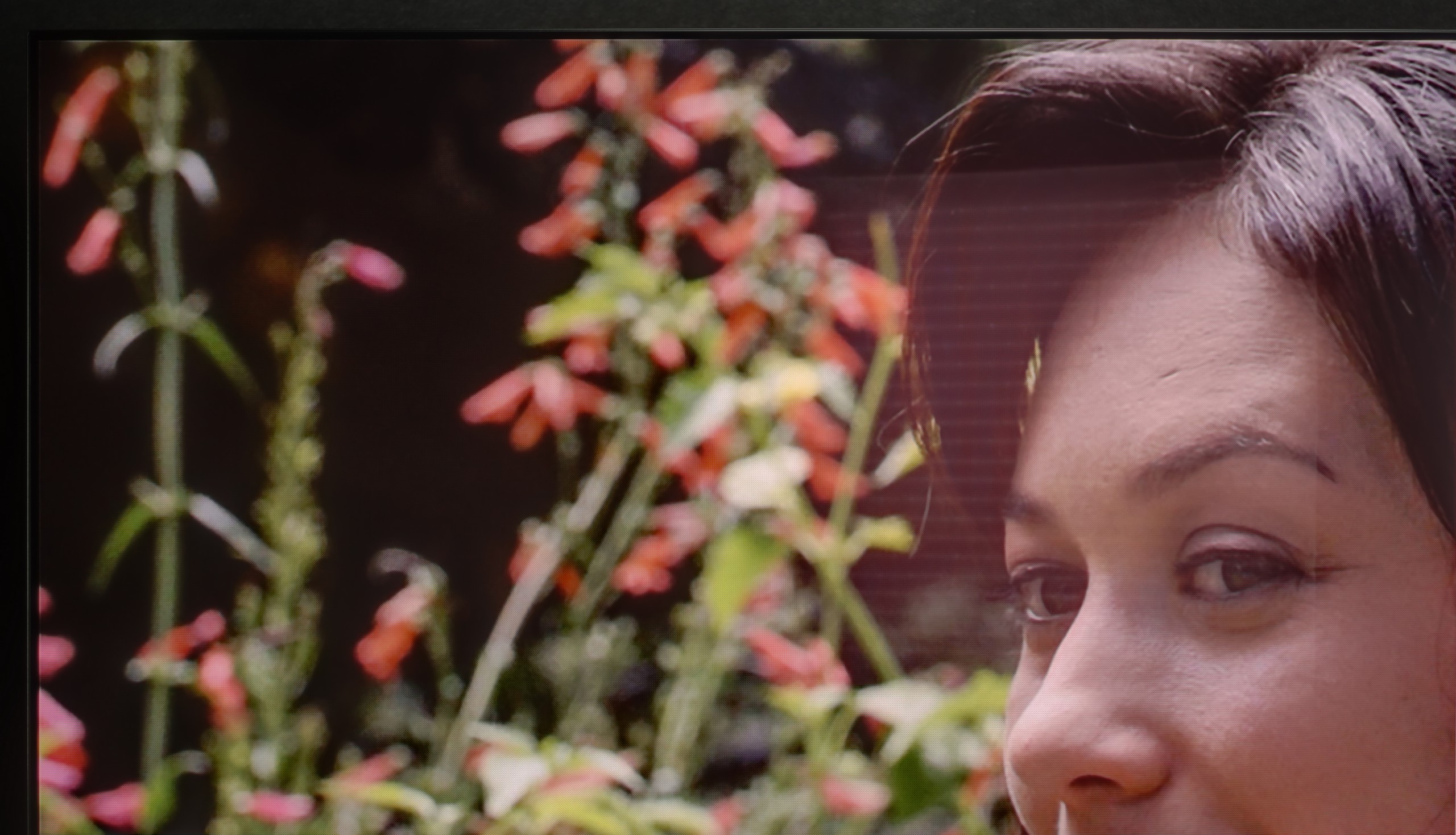
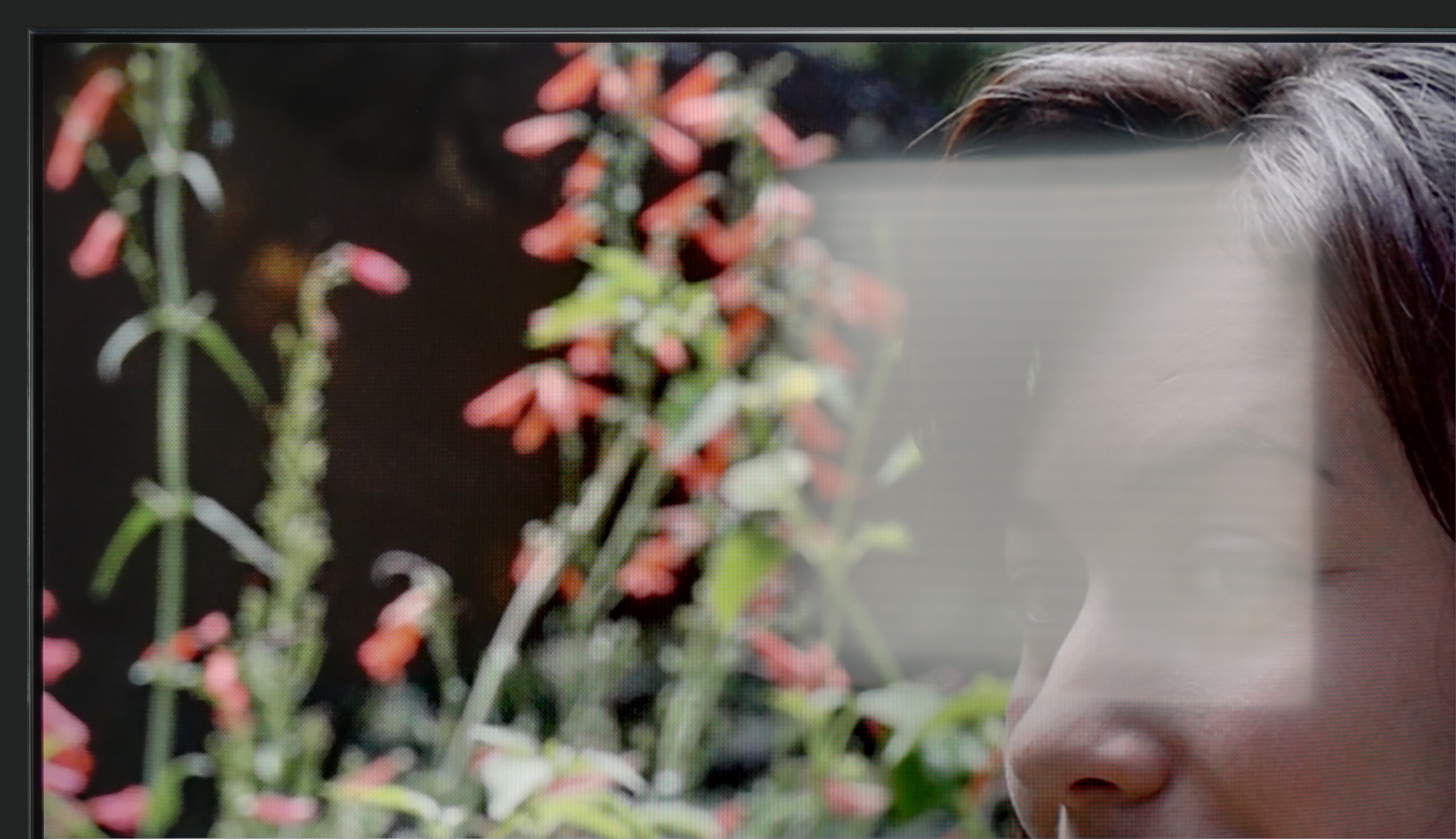
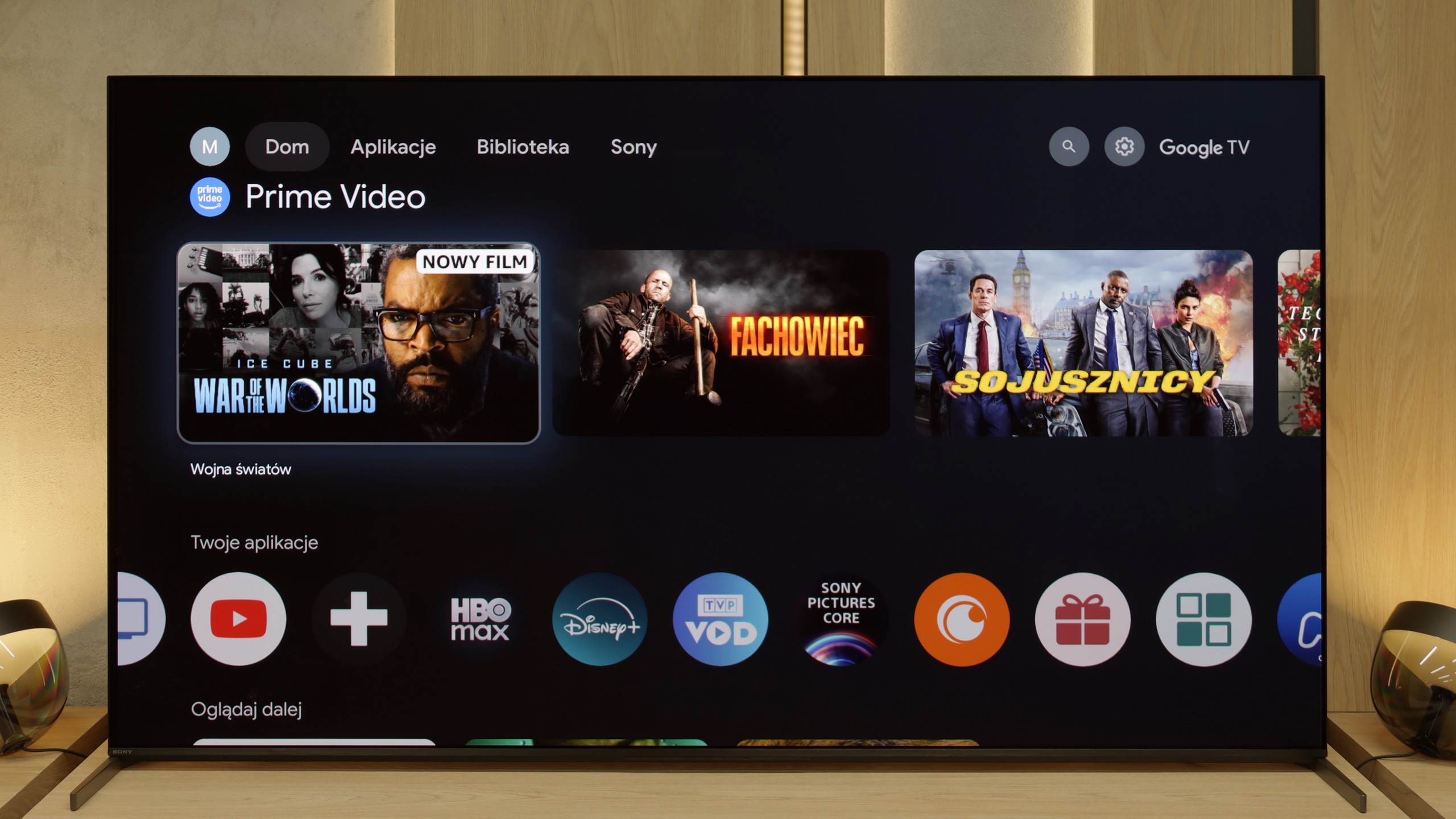
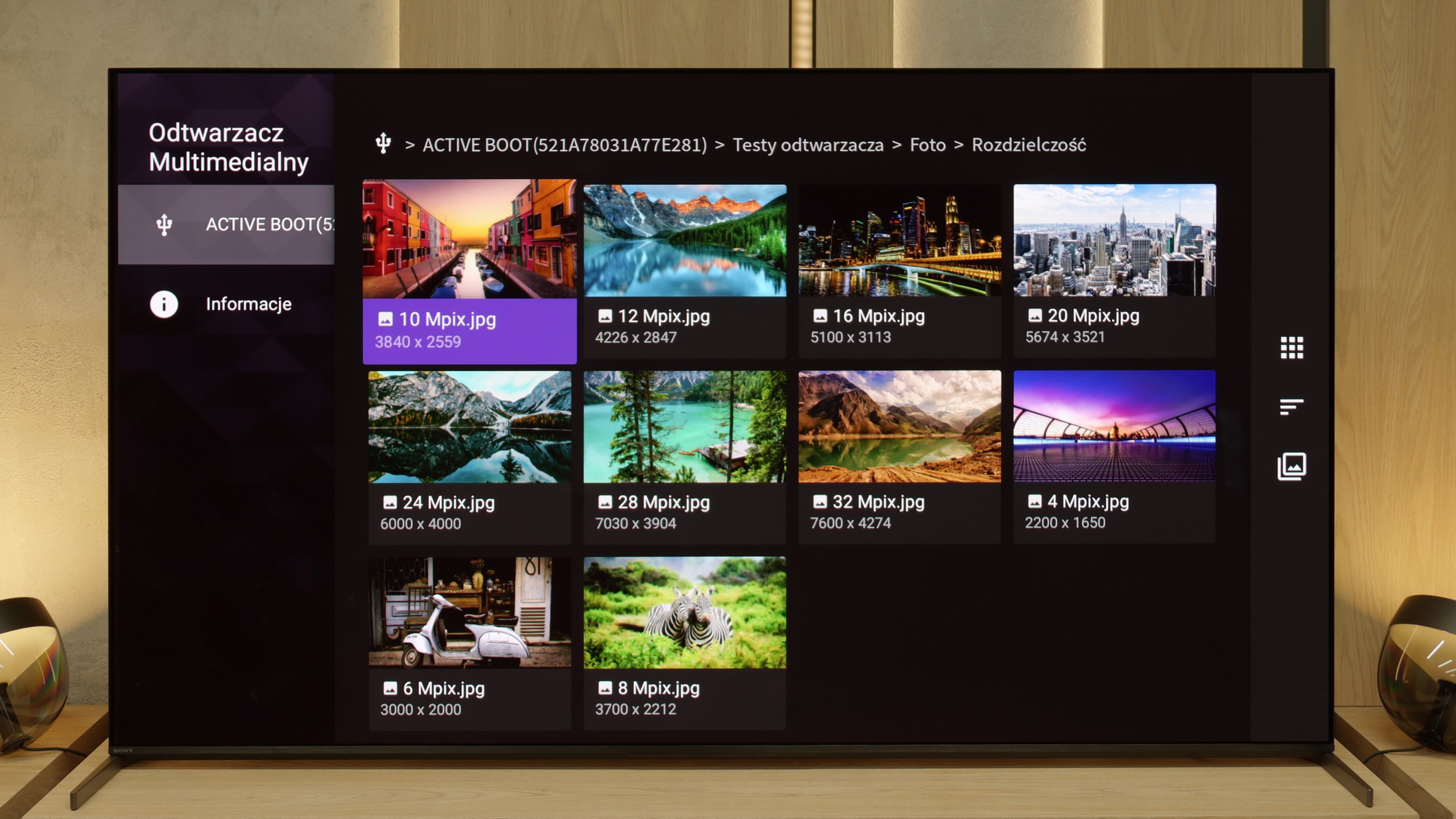
Sony Bravia 8 II is undoubtedly a worthy successor to the A95L – refined, incredibly versatile, and with several noticeable improvements over its predecessor. The quality of image, sound, and overall user experience position this model among the top premium TVs of 2025. It’s a device that can enchant both movie enthusiasts and demanding gamers. Among its greatest assets is the almost perfect image, where the XR processor subtly yet effectively enhances detail and smoothness, without overdoing interference with the source material. Additionally, there’s the phenomenal Acoustic Surface sound, creating the impression that dialogues and effects come directly from the screen. Google TV operates very smoothly, offering a vast selection of apps, while extra features – like the ability to game in the cloud on PlayStation or access Bravia Core – increase the device's value. It also boasts low input lag, variable refresh rate, and full support for modern HDR formats.
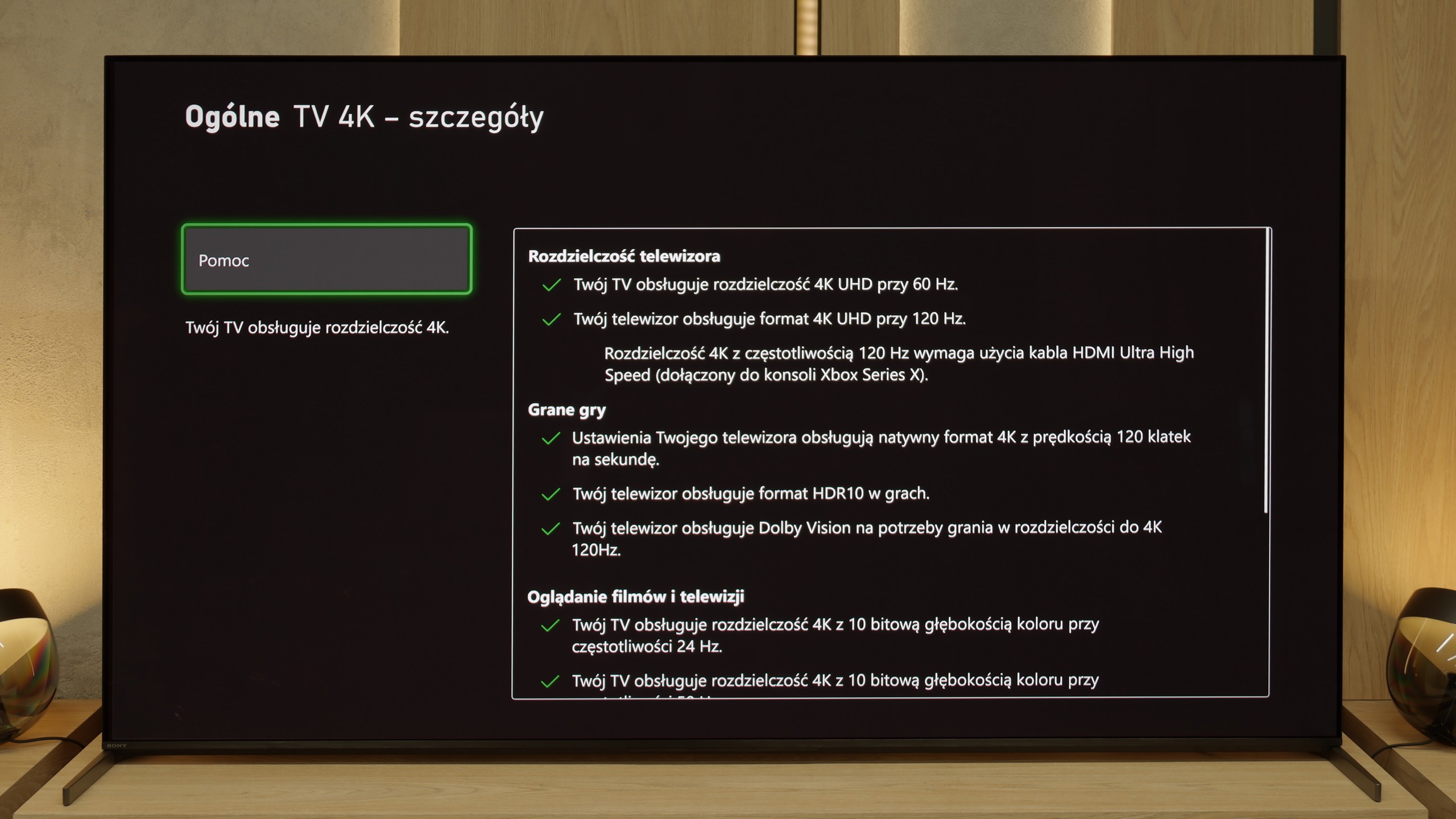
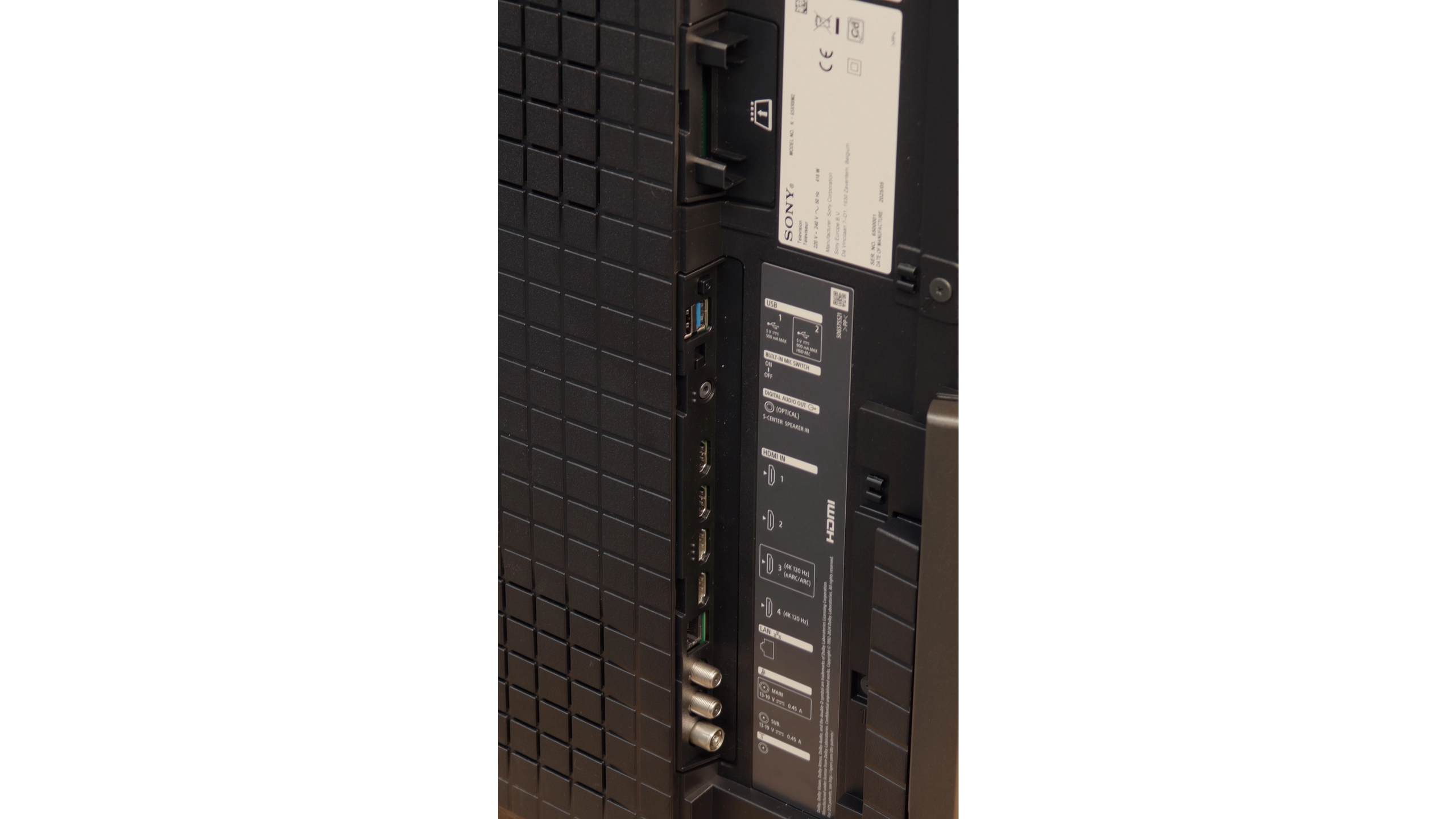
Despite this, in this barrel of honey, there are a few drops of tar. The lack of refresh rates above 120 Hz, only two HDMI 2.1 ports, and average daytime performance are drawbacks that shouldn't be present in a TV of this class in 2025. Although for many these might not be deal-breaking flaws, in the super premium segment, competition is becoming increasingly strong and uncompromising. Will these shortcomings make it harder for Bravia 8 II to compete for customers' wallets? That we leave to your judgment, the market... and sales results. Regardless, Bravia 8 II is a phenomenal product that would definitely be hard to not recommend.
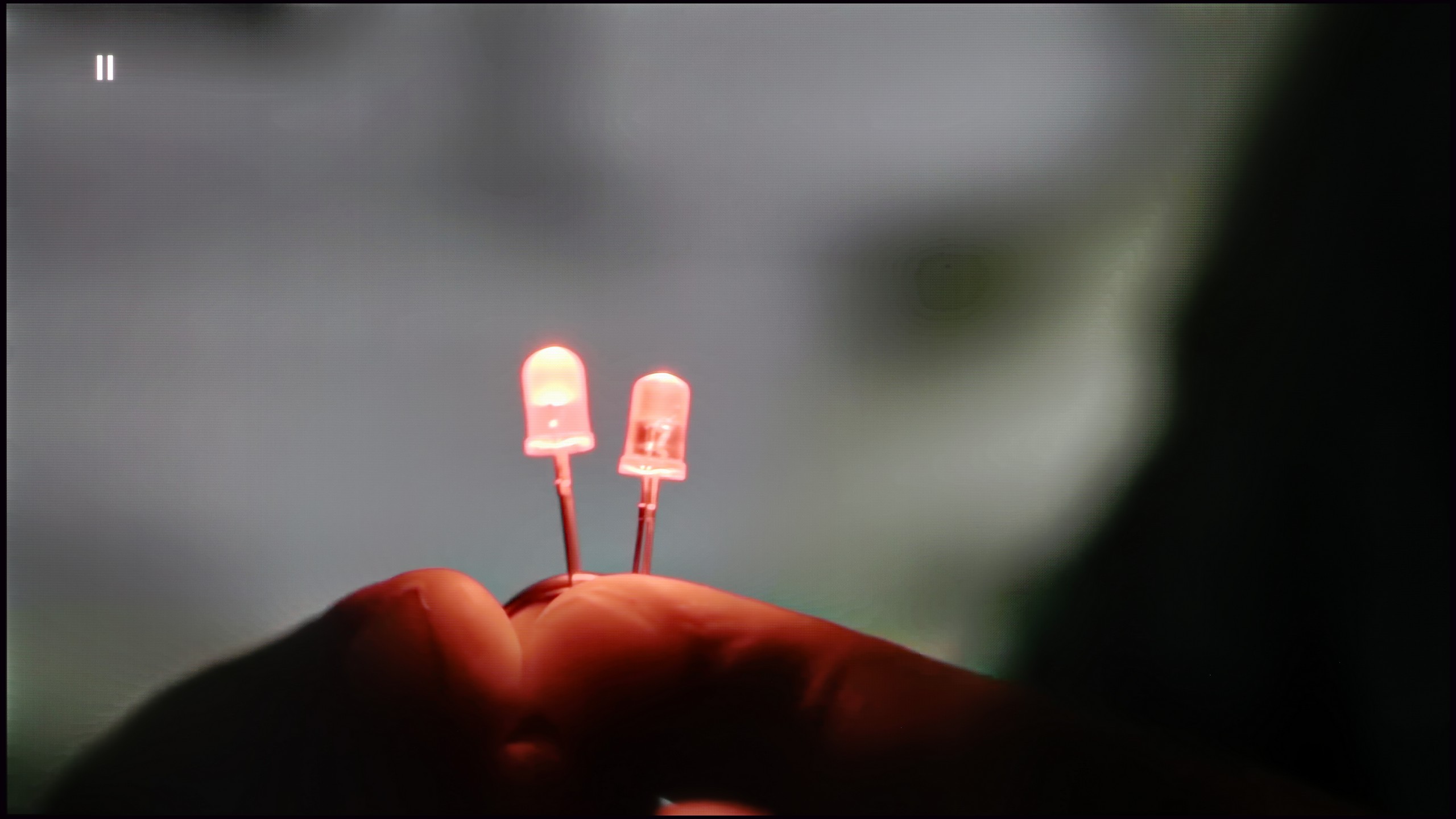
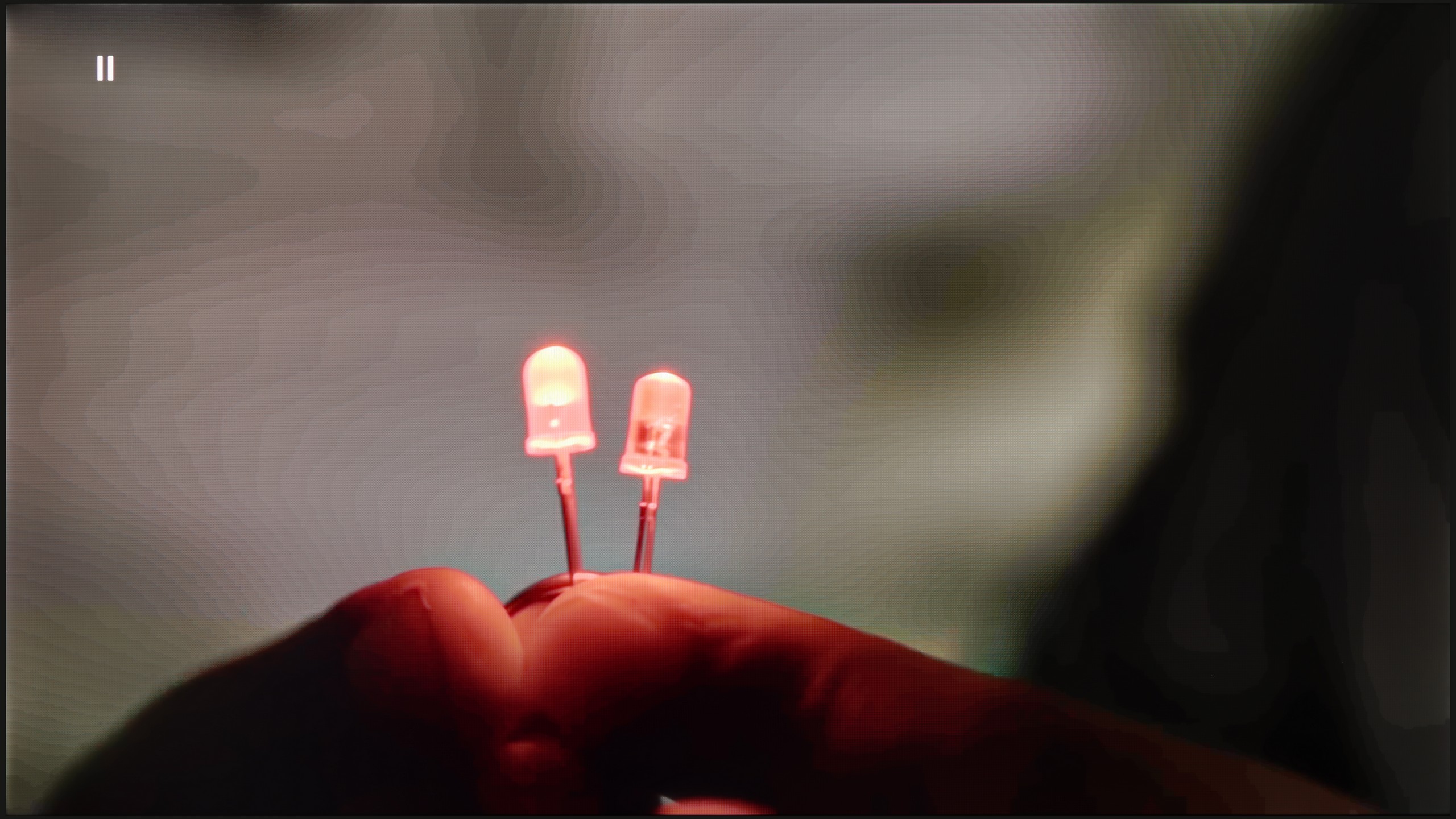
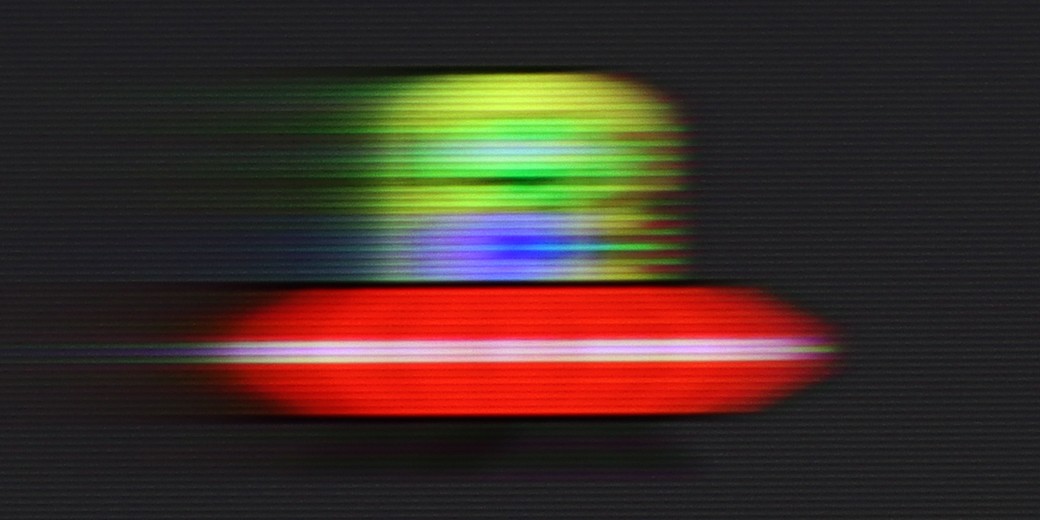
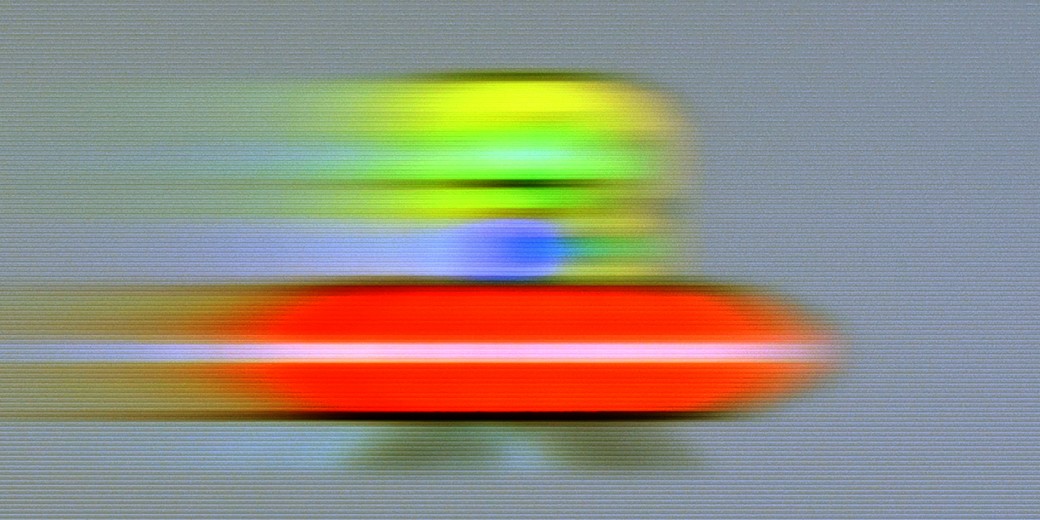
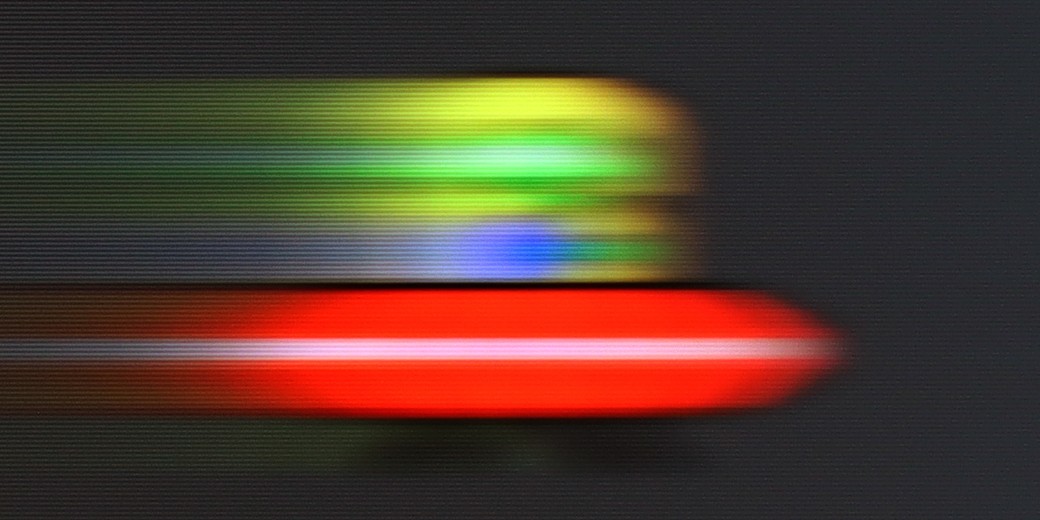
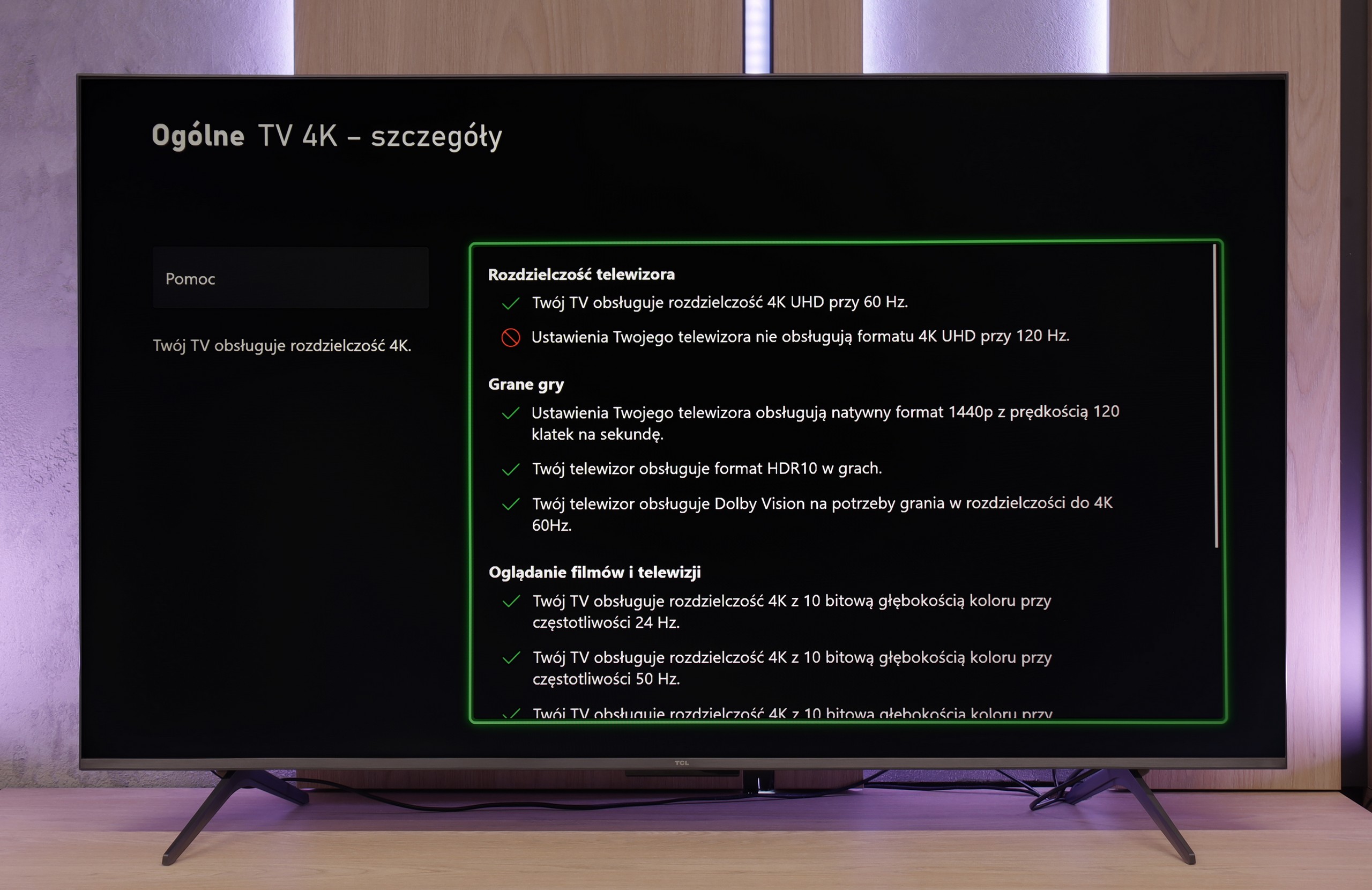
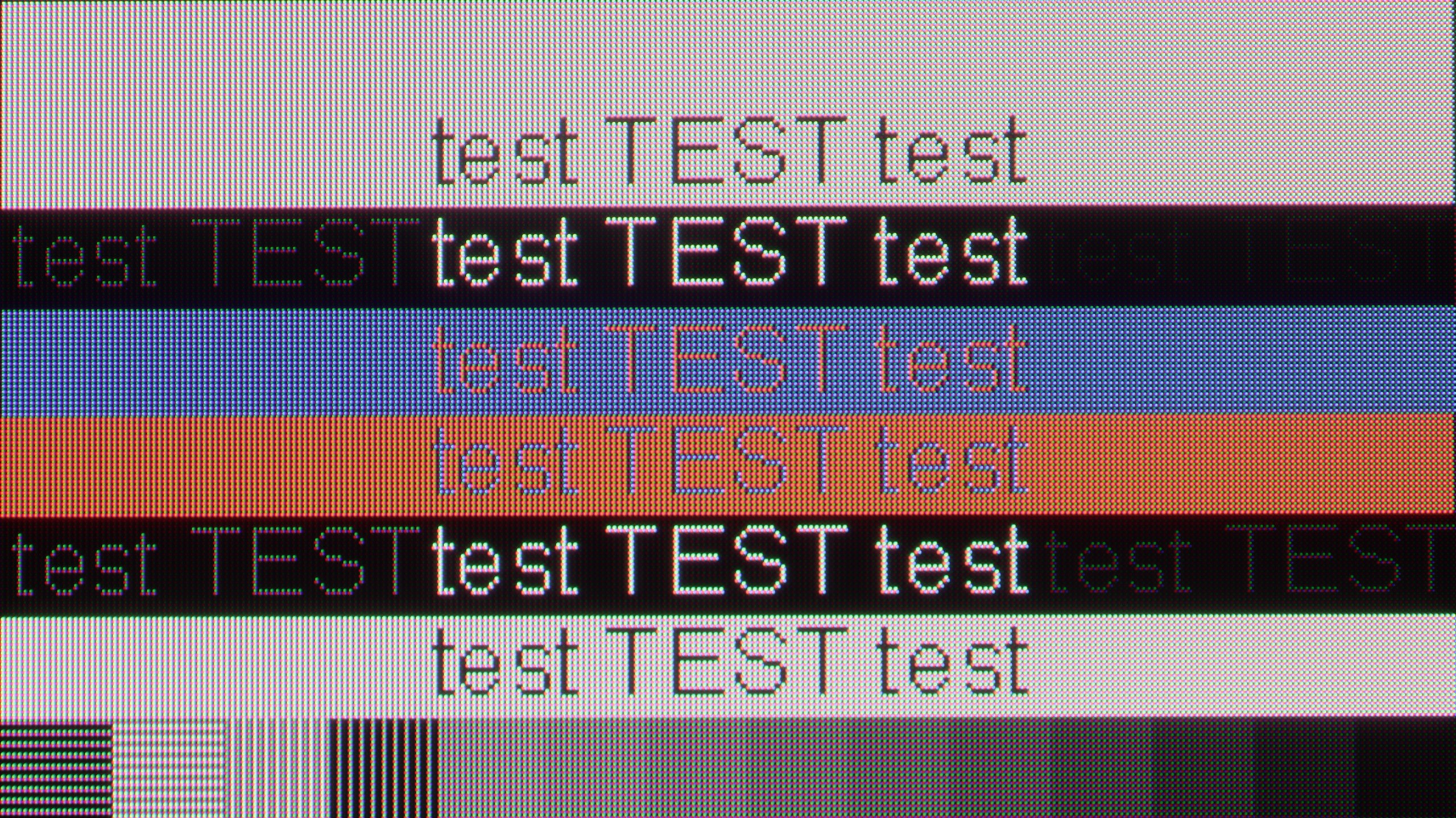
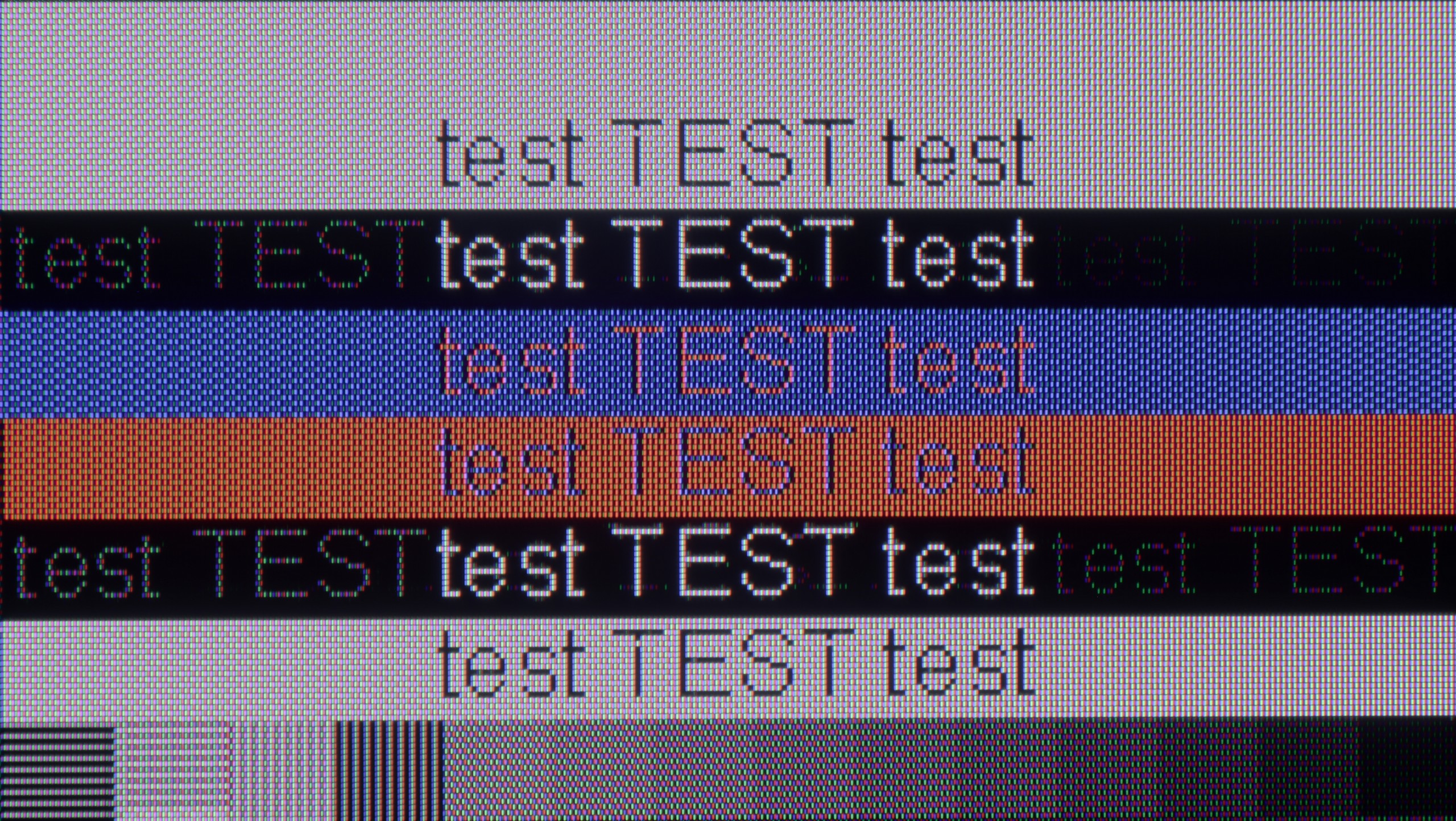
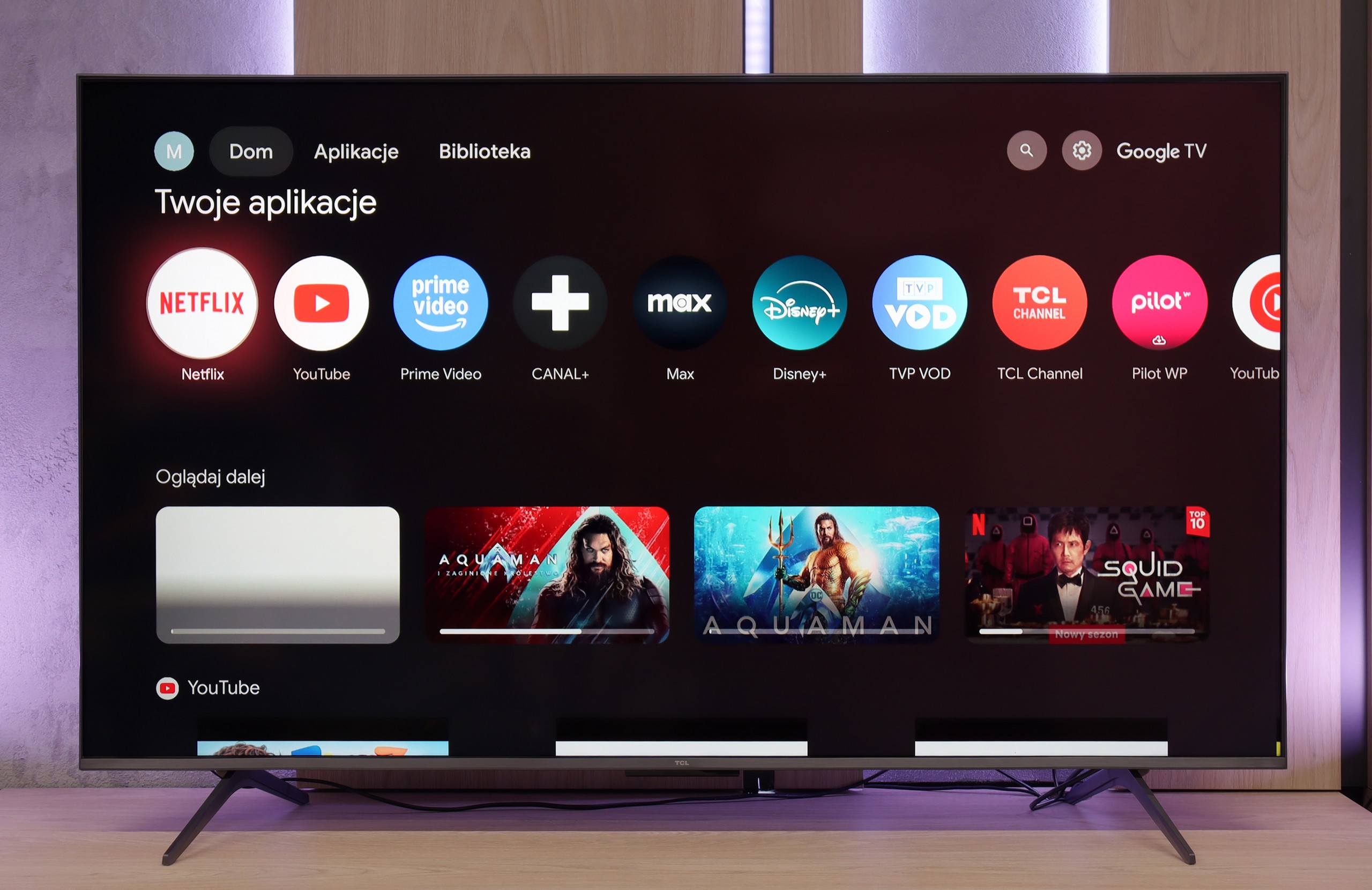
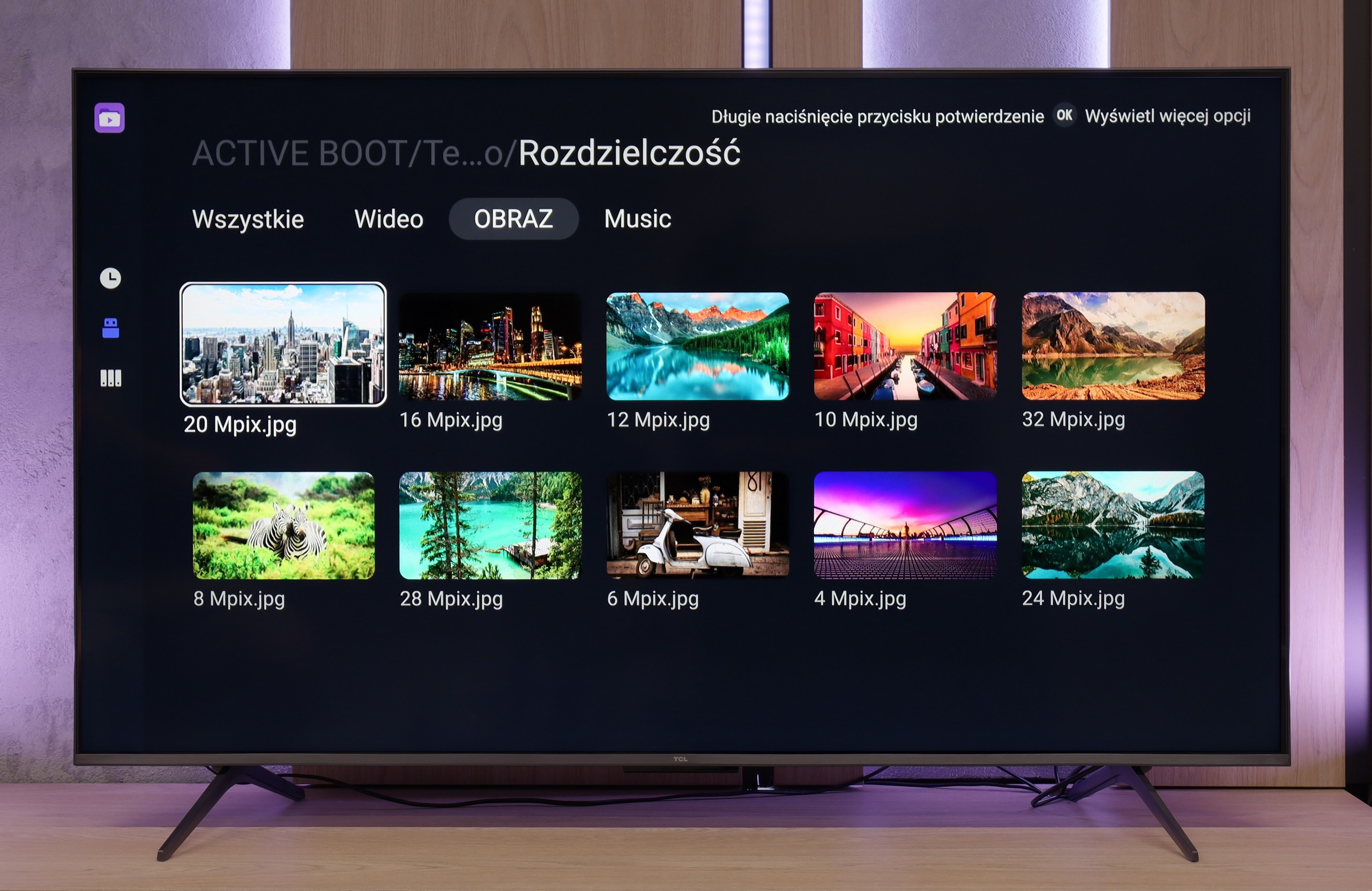
TCL C6KS (also known as C69KS and Q6CS) is a television that on paper promised to be a hit in the "value for money" category. And indeed, in many ways it's a successful piece of equipment: thanks to Mini-LED backlighting, we get good black levels and brightness that rivals more expensive models. In fact, it's identical to the slightly more expensive C6K model, which we've already tested for you. Additionally, it features the same excellent Google TV system and surprisingly rich gaming features, making it enjoyable to play even with a 60 Hz panel. Unfortunately, the positive impression is marred by the performance of the panel used. The television suffers from noticeable motion blur, and aggressive dithering (digital grain) makes the image often appear unnatural and artificial—as if it were being forced to be sharper. Ultimately, the biggest problem with the C6KS isn’t its flaws, but rather its sibling, the C6K. At its current price, this model finds itself in a strange "middle ground." It costs almost the same (or just slightly less) as the full-fledged TCL C6K, which offers a significantly better 120 Hz panel and is simply a complete design without those annoying flaws. The C6KS is a compromise model that will only become attractive under one condition—if its price drops drastically. For now, opting for the (often symbolic) additional cost to the C6K model remains a much safer and better choice. One could mischievously state that the letter "S" in the name actually stands for "Slim." It's just that it's not about an exceptionally slim case, but about how much this model has been "slimmed down" in terms of capabilities compared to the full-fledged C6K.
 Direct comparison