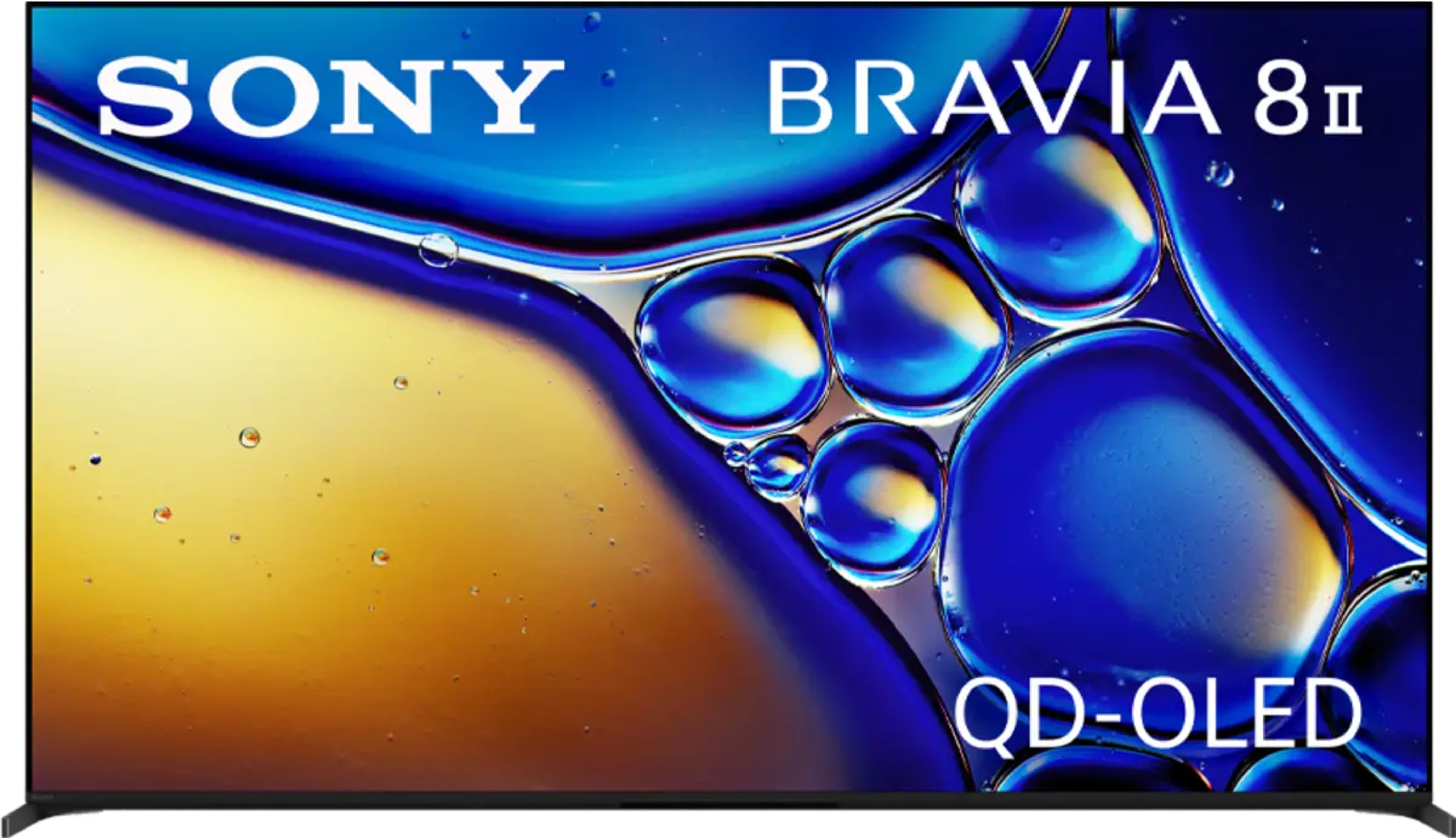
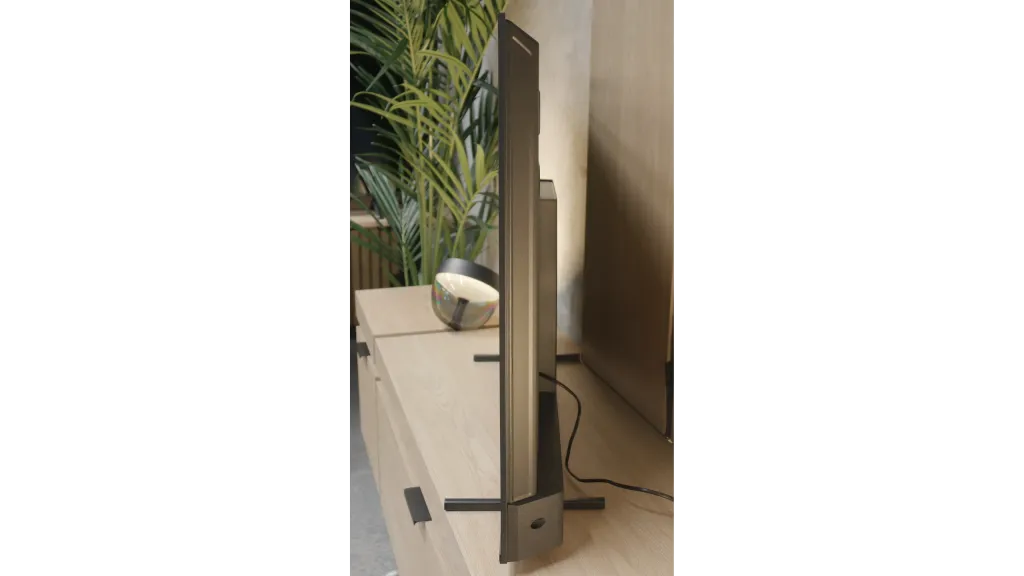
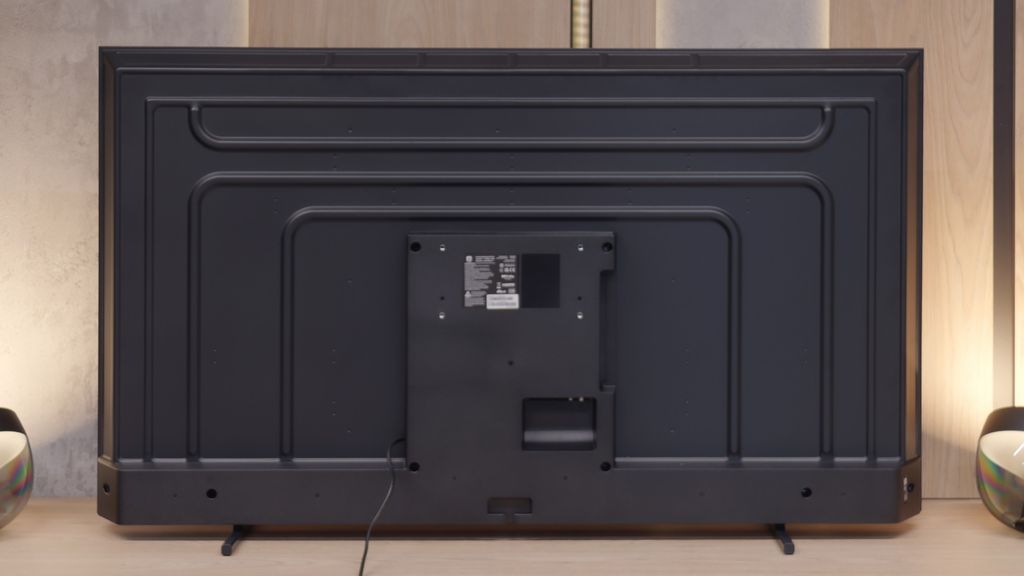
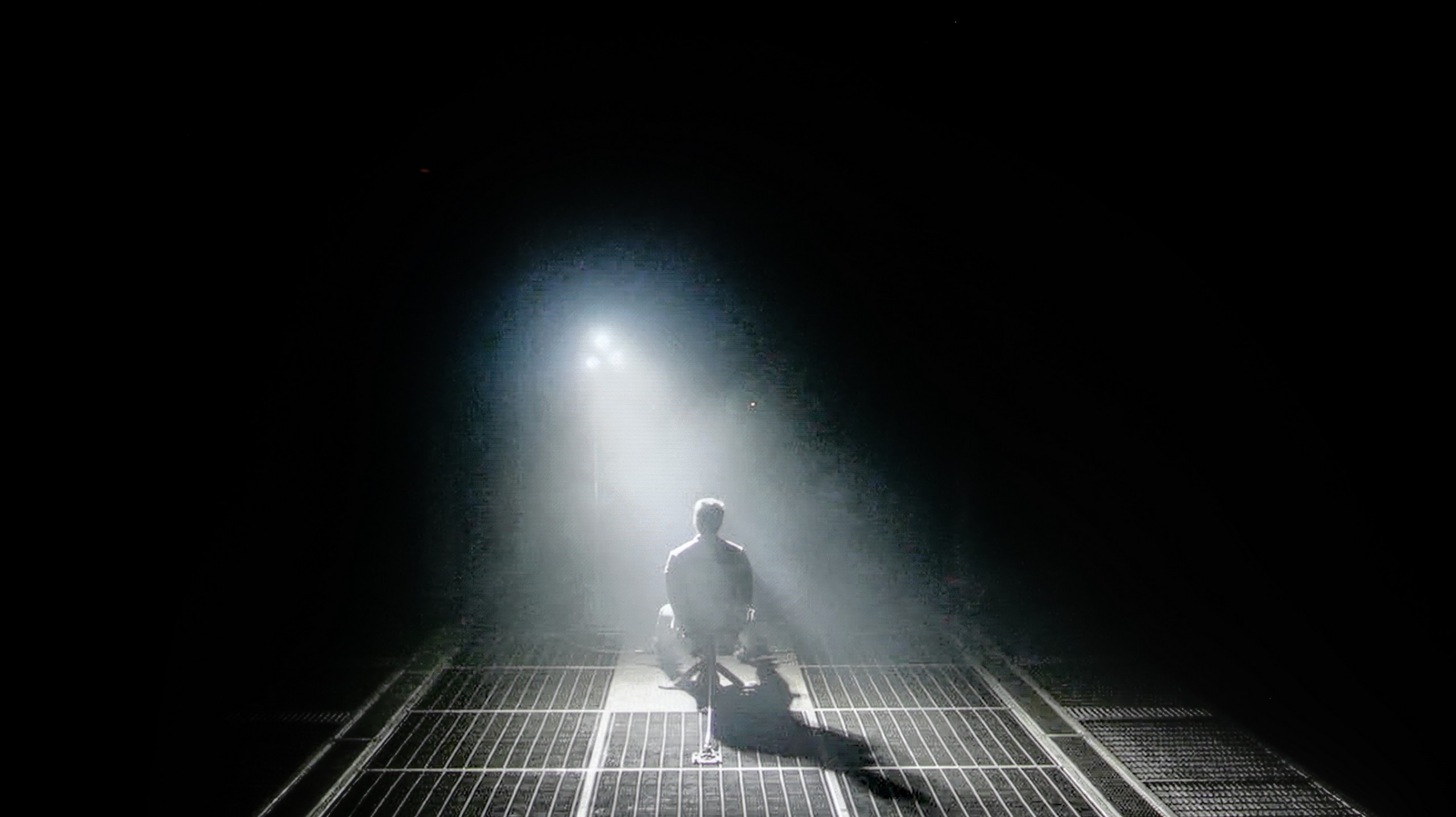
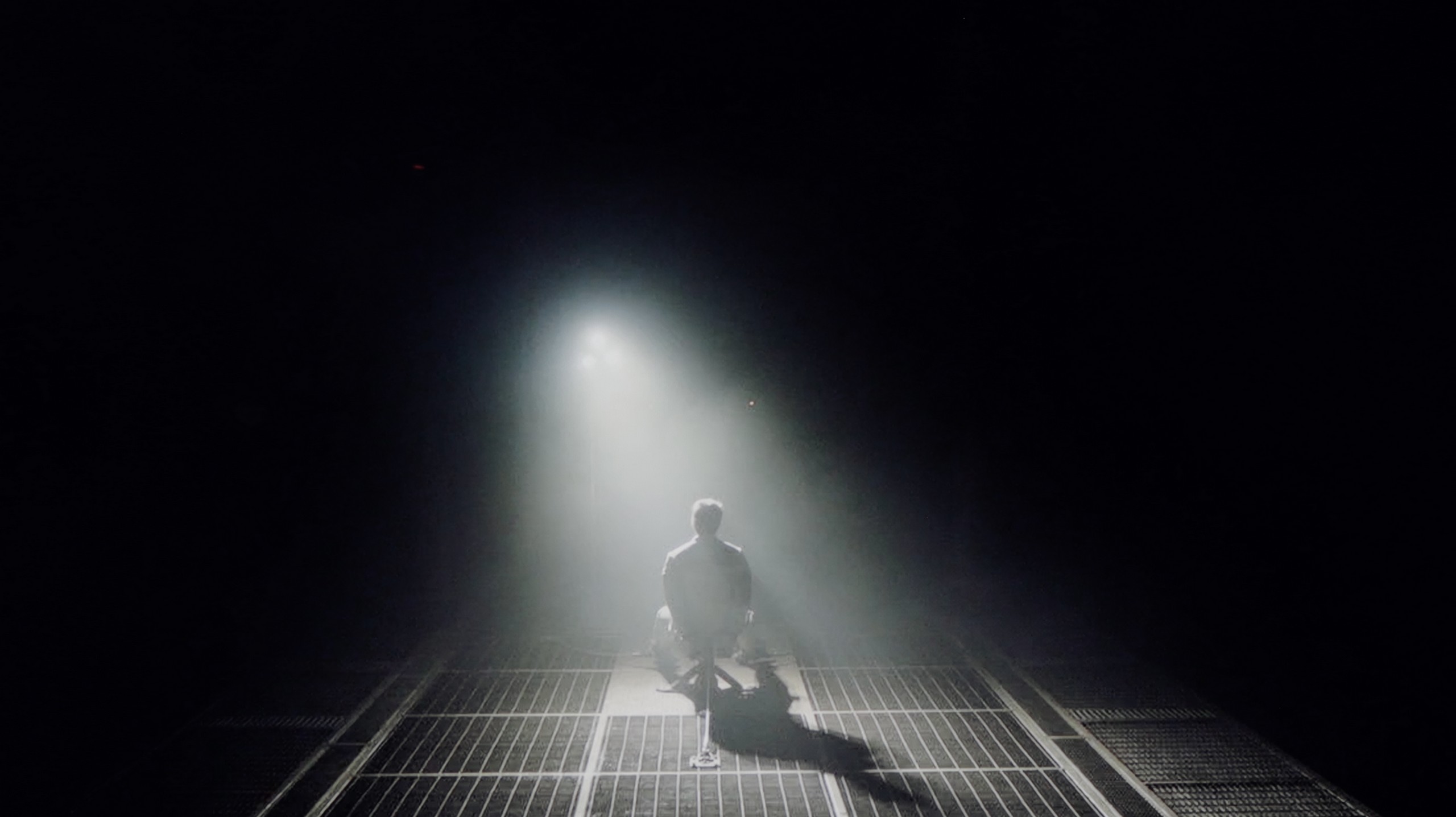
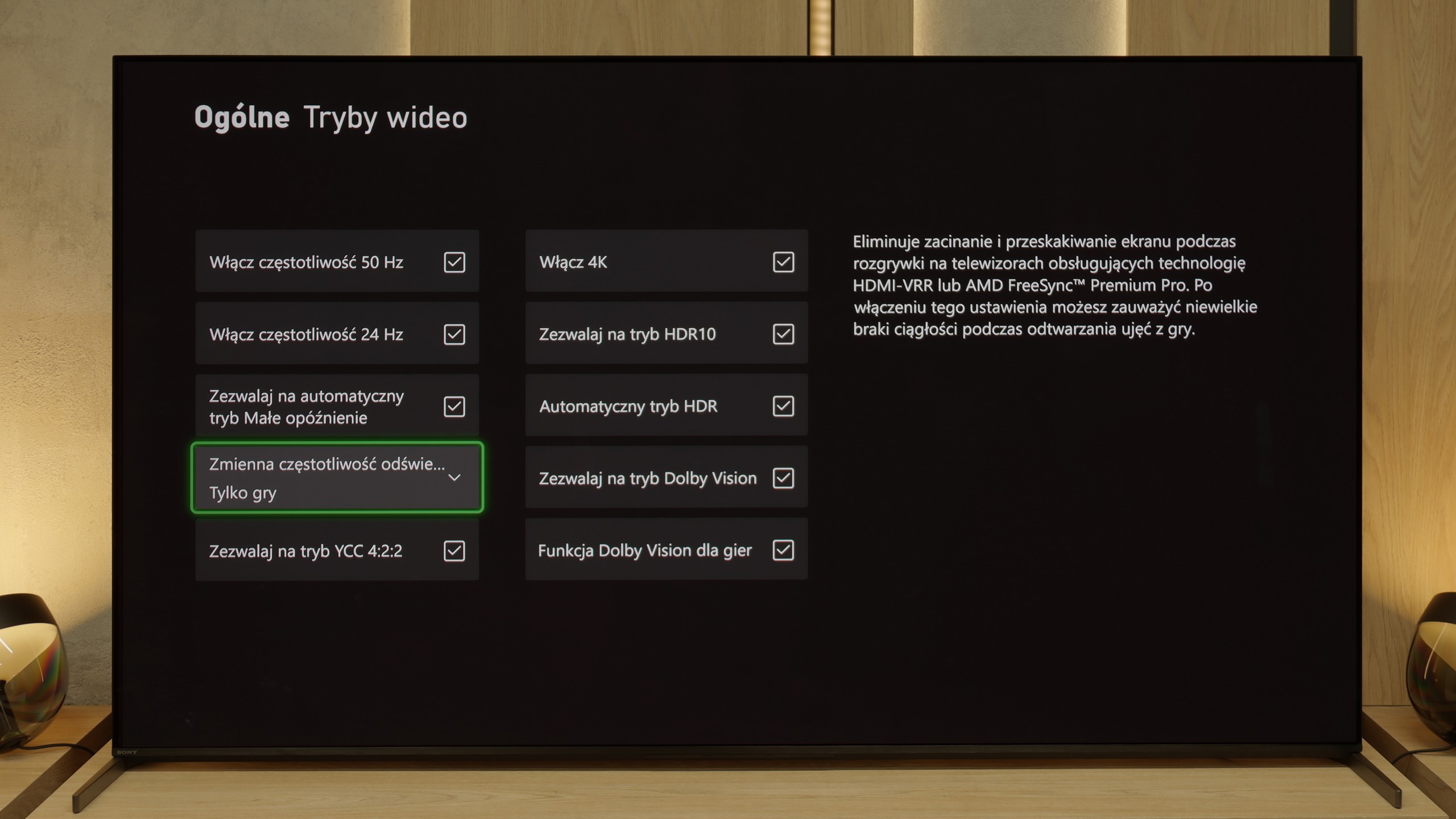
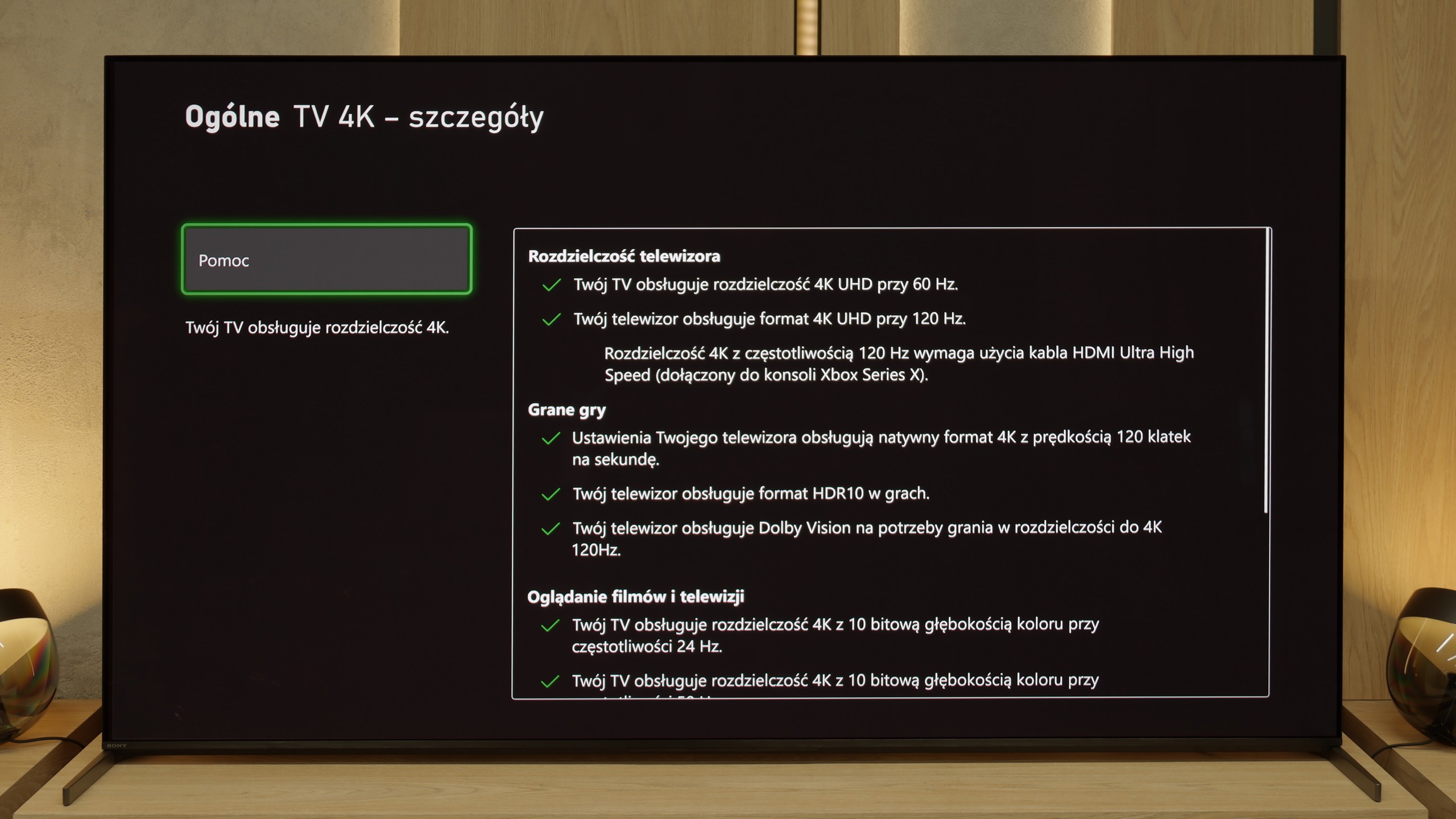
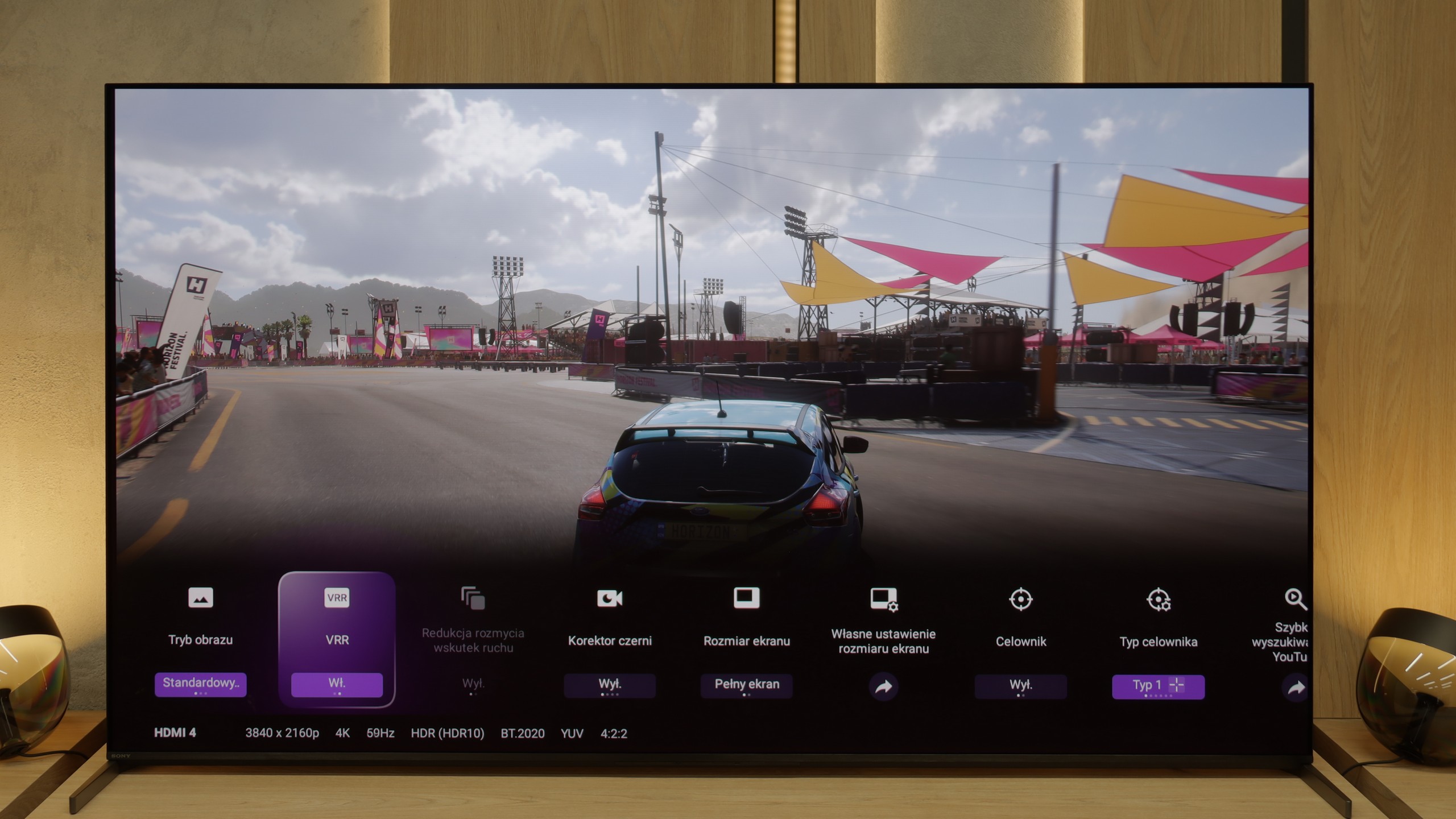
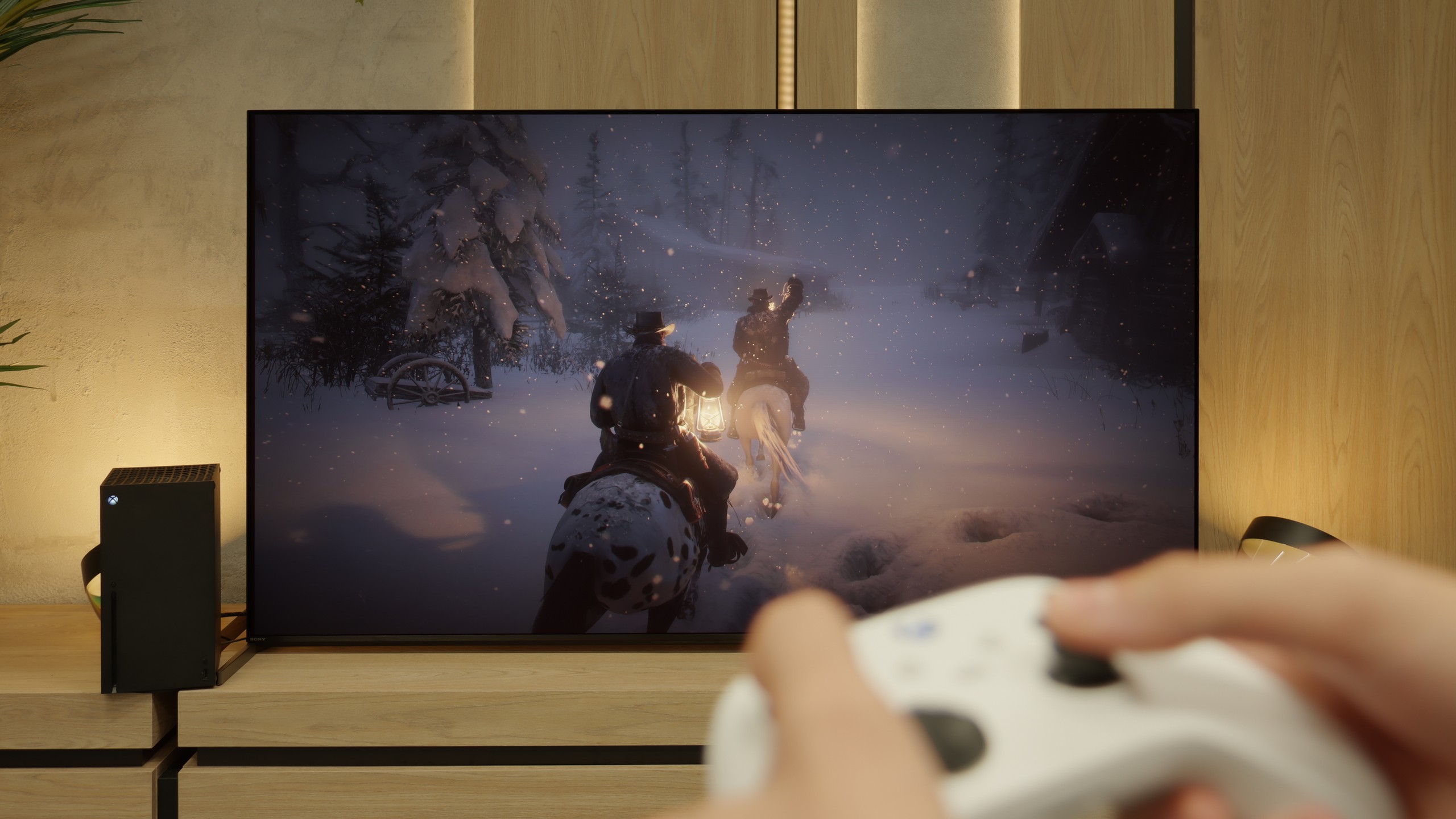
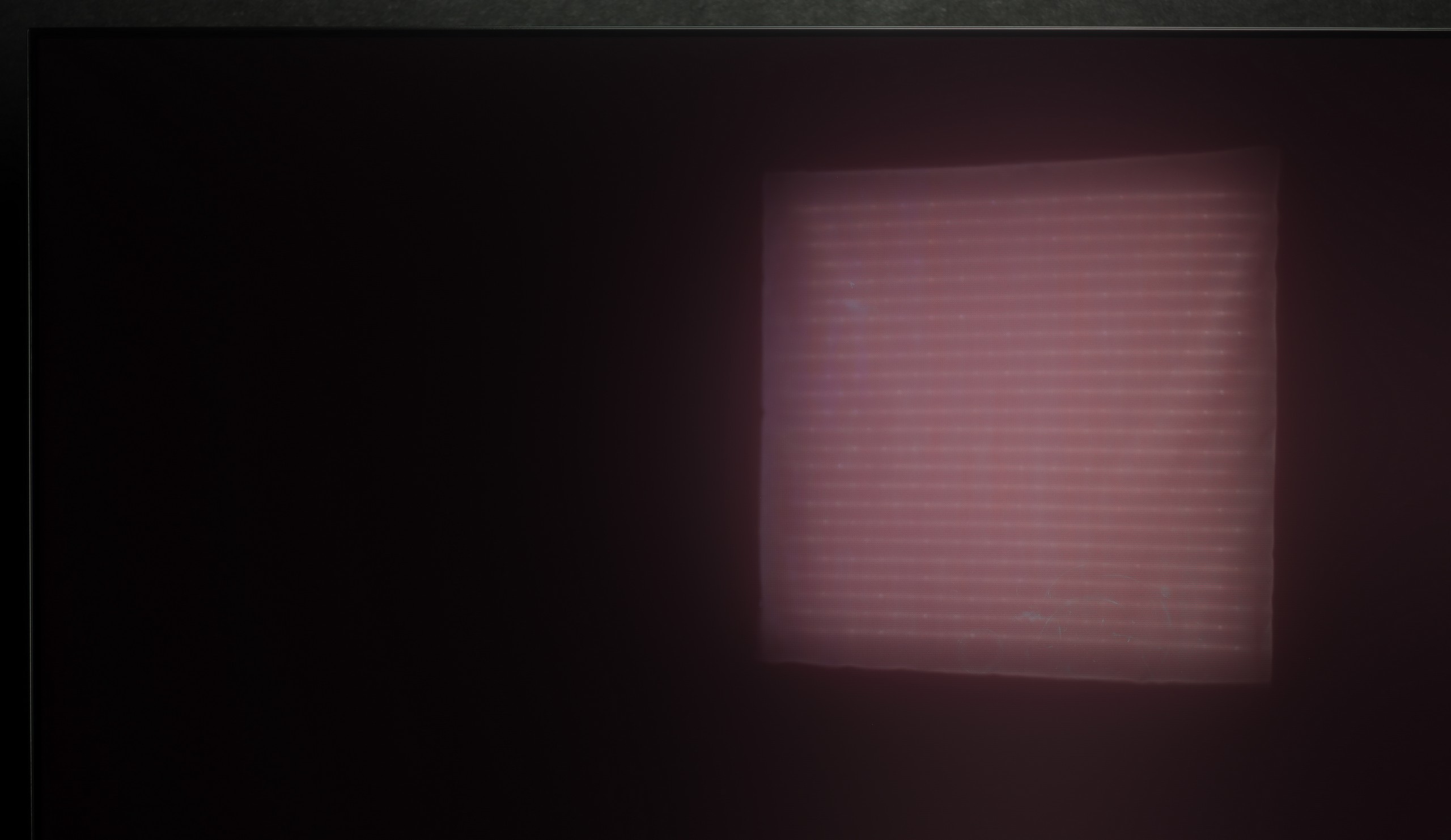
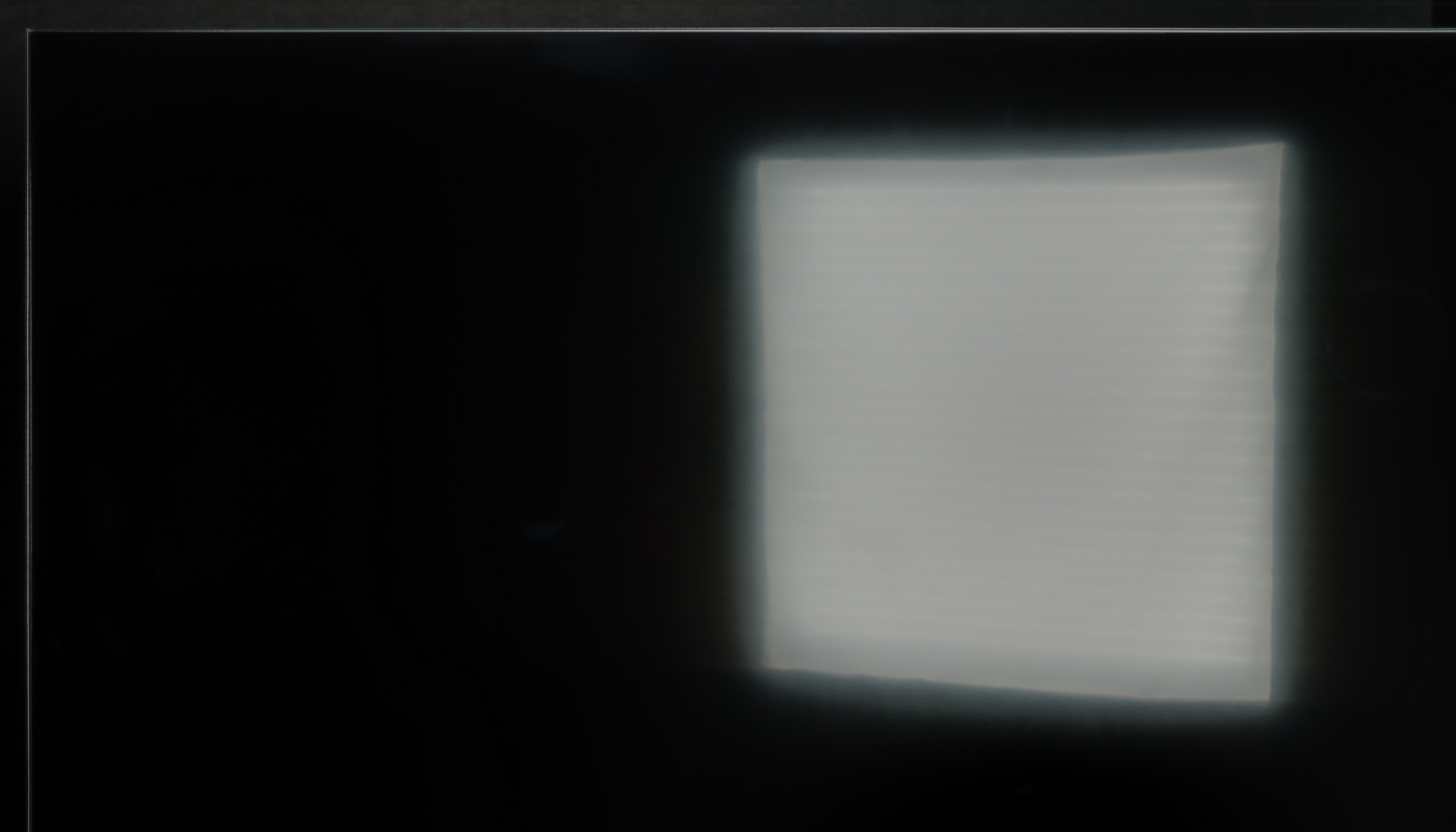
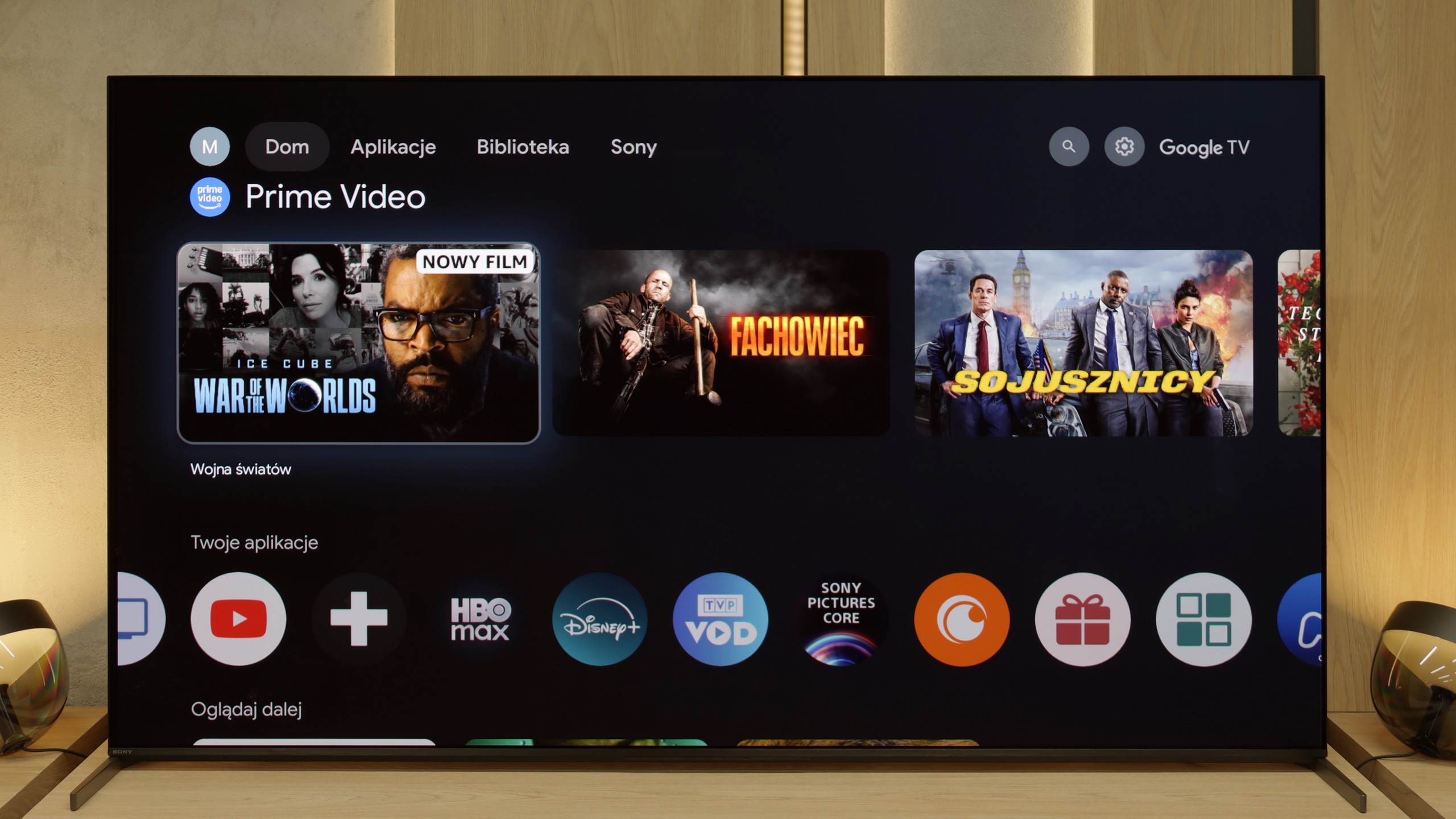
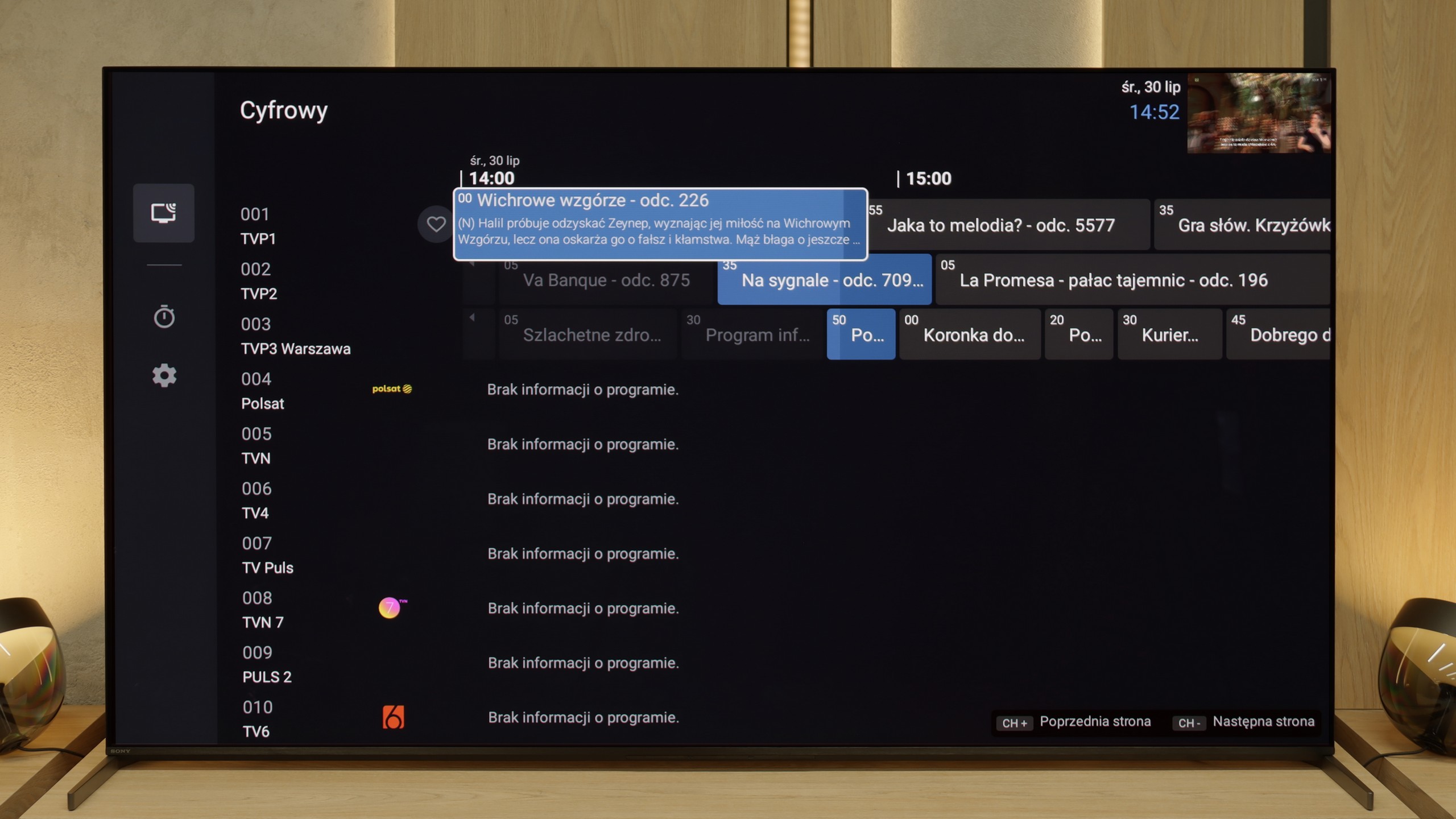
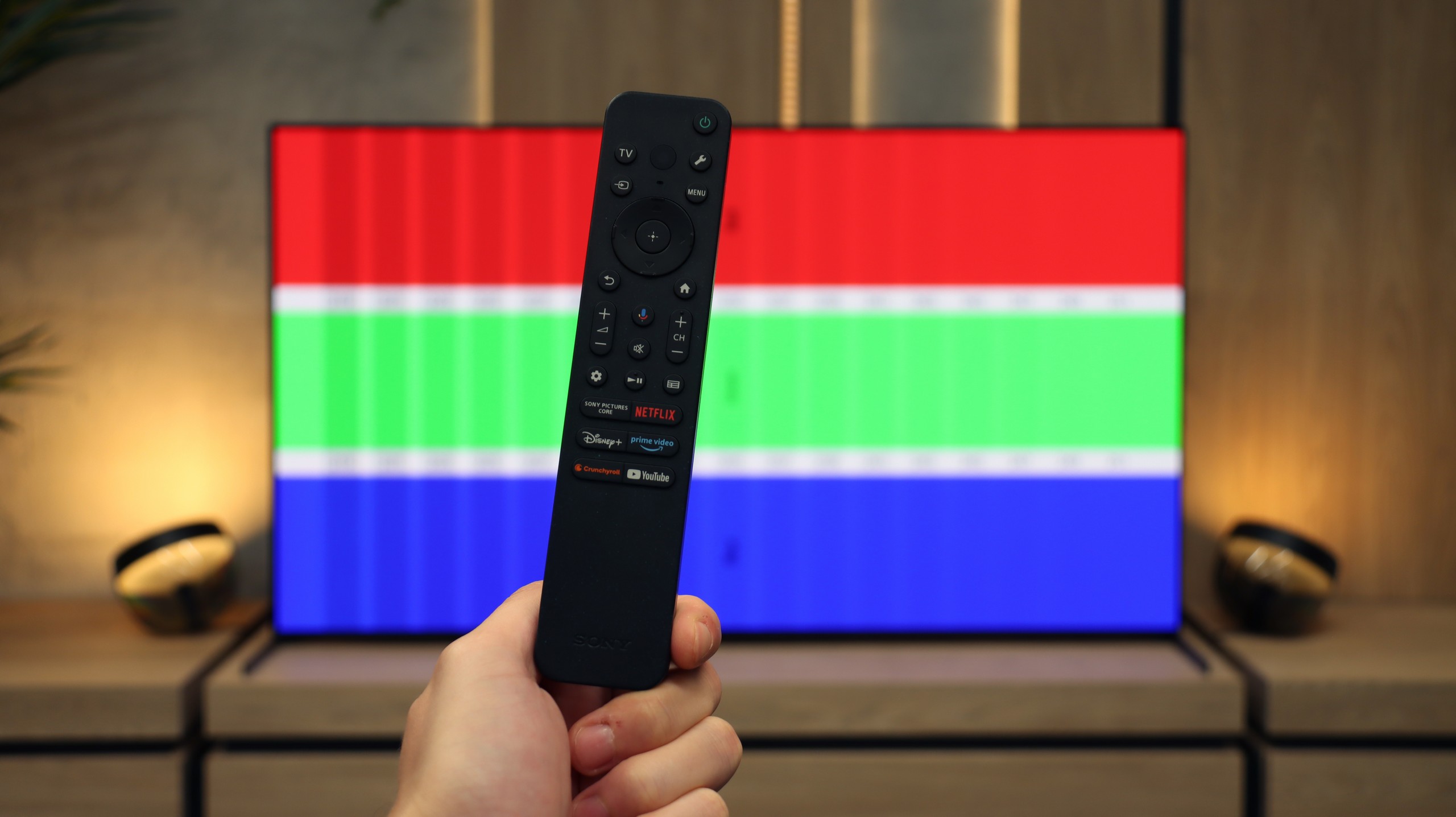
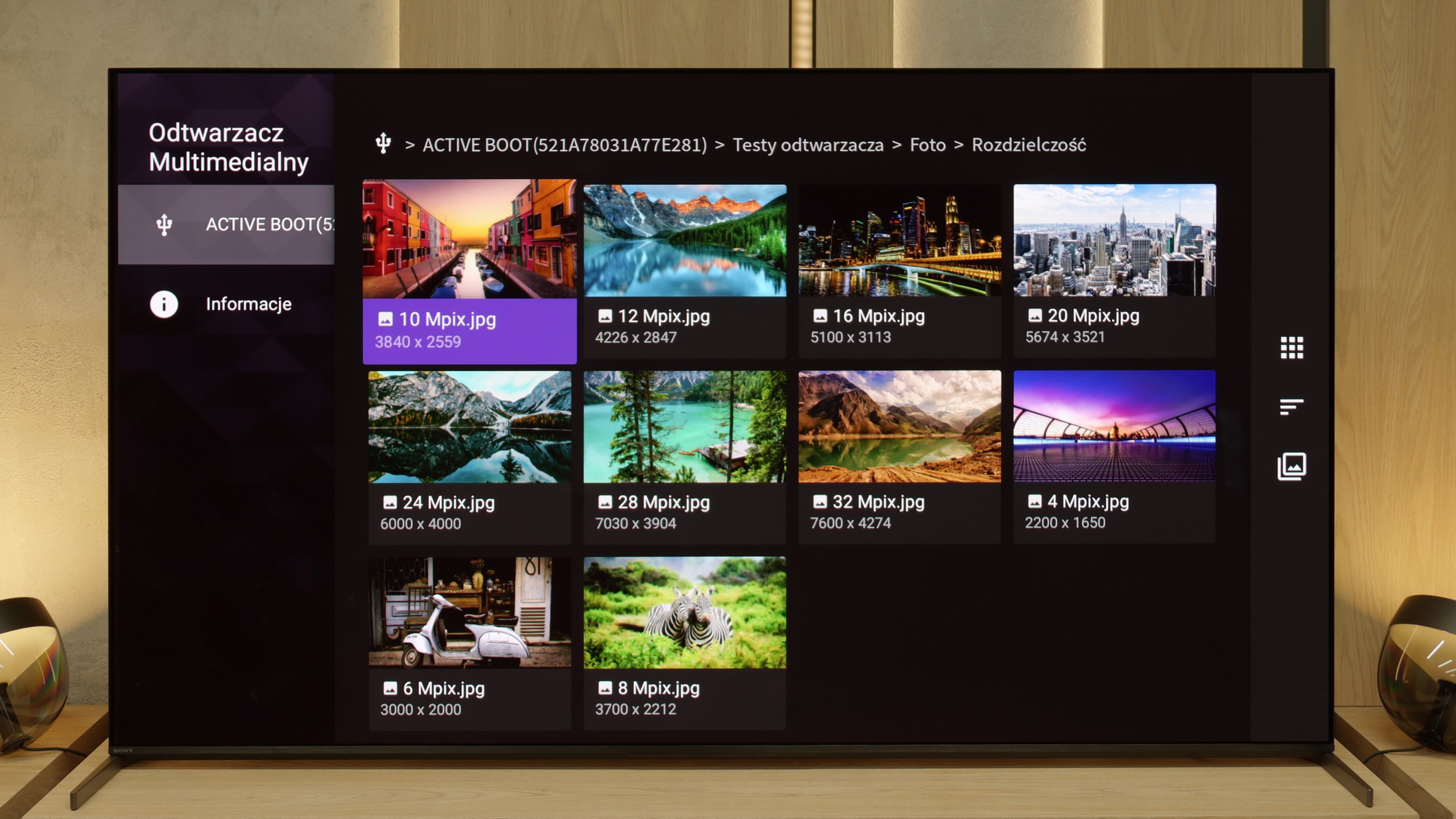
Sony Bravia 8 II is undoubtedly a worthy successor to the A95L – refined, incredibly versatile, and with several noticeable improvements over its predecessor. The quality of image, sound, and overall user experience position this model among the top premium TVs of 2025. It’s a device that can enchant both movie enthusiasts and demanding gamers. Among its greatest assets is the almost perfect image, where the XR processor subtly yet effectively enhances detail and smoothness, without overdoing interference with the source material. Additionally, there’s the phenomenal Acoustic Surface sound, creating the impression that dialogues and effects come directly from the screen. Google TV operates very smoothly, offering a vast selection of apps, while extra features – like the ability to game in the cloud on PlayStation or access Bravia Core – increase the device's value. It also boasts low input lag, variable refresh rate, and full support for modern HDR formats.
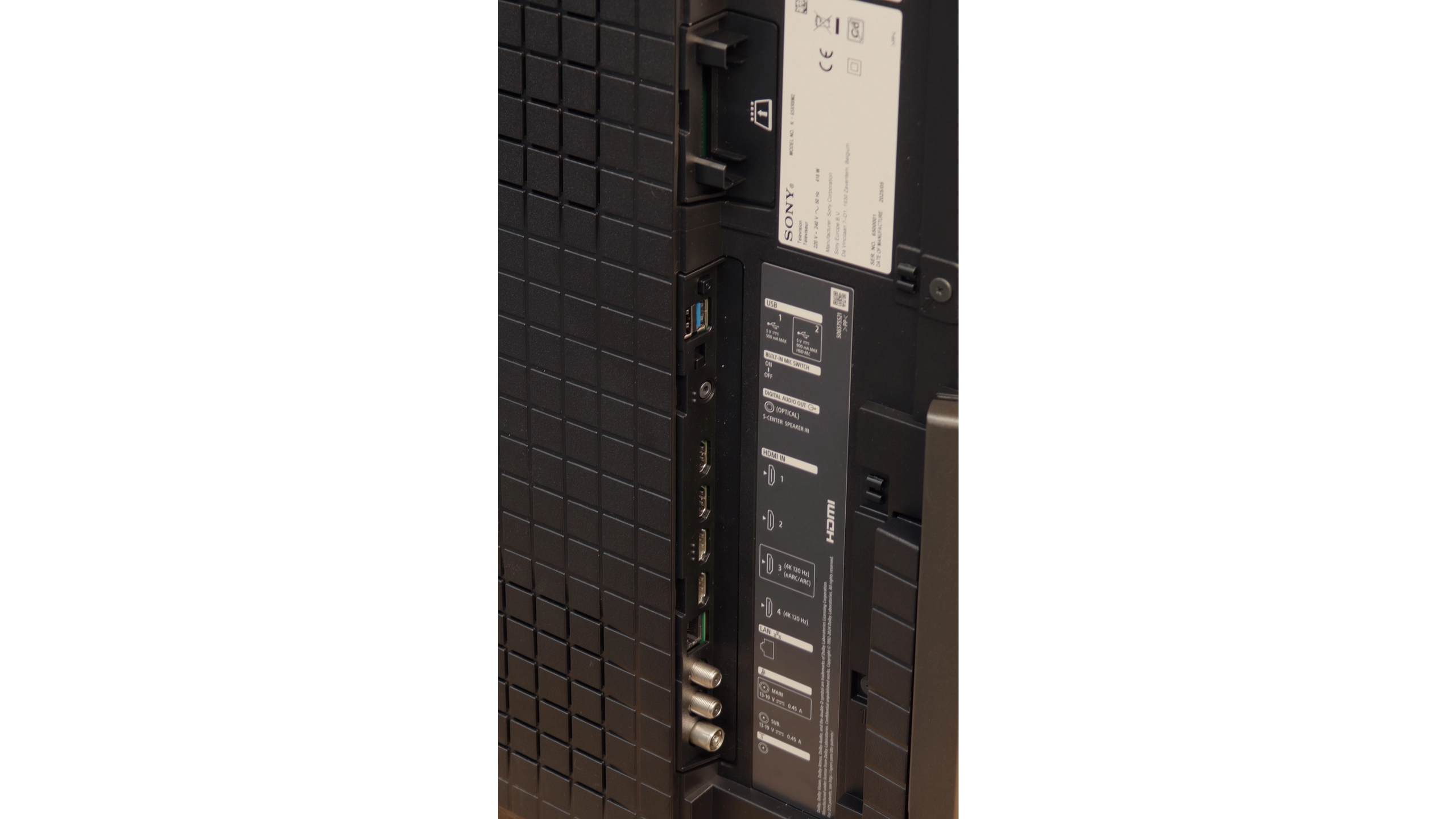
Despite this, in this barrel of honey, there are a few drops of tar. The lack of refresh rates above 120 Hz, only two HDMI 2.1 ports, and average daytime performance are drawbacks that shouldn't be present in a TV of this class in 2025. Although for many these might not be deal-breaking flaws, in the super premium segment, competition is becoming increasingly strong and uncompromising. Will these shortcomings make it harder for Bravia 8 II to compete for customers' wallets? That we leave to your judgment, the market... and sales results. Regardless, Bravia 8 II is a phenomenal product that would definitely be hard to not recommend.
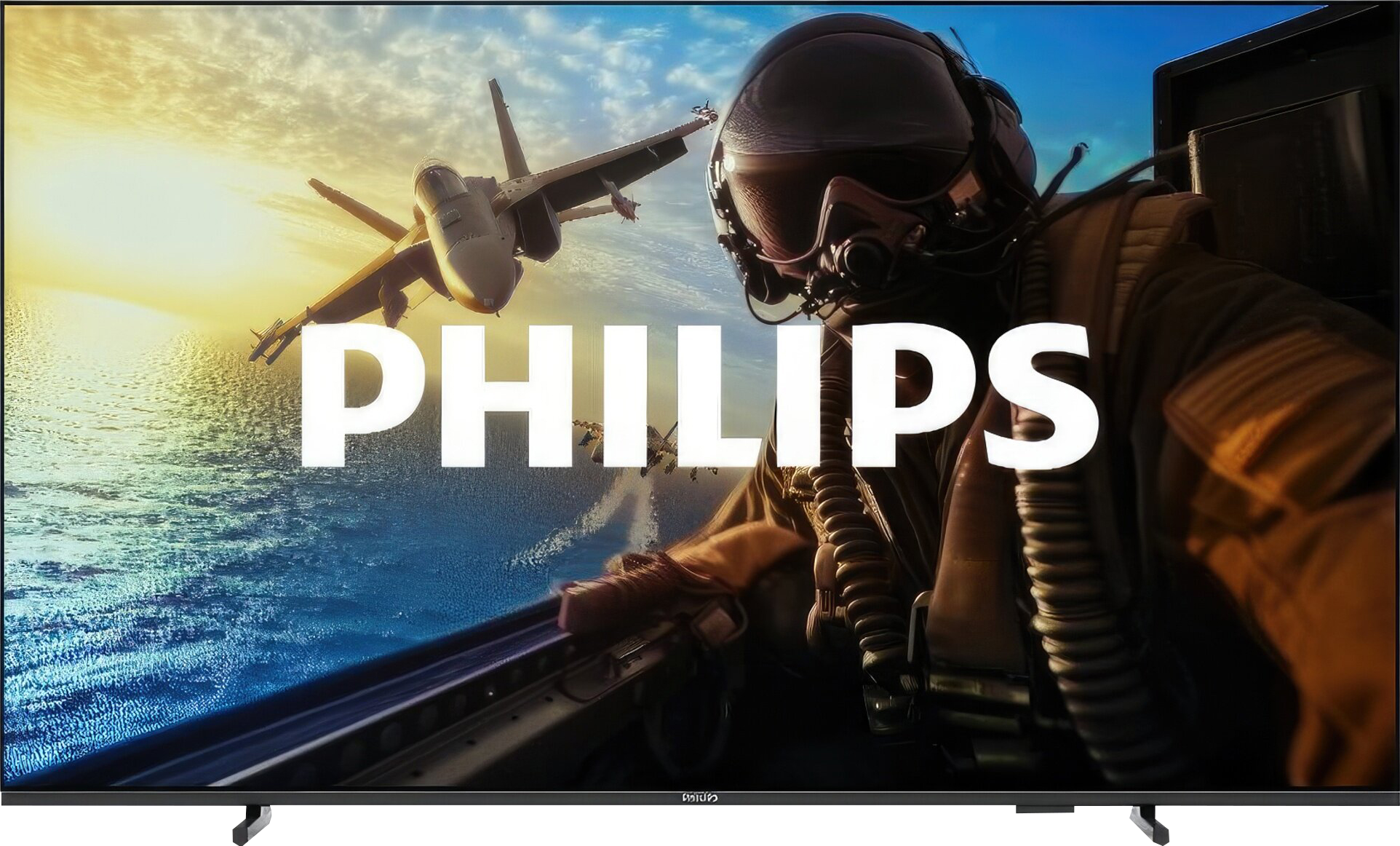
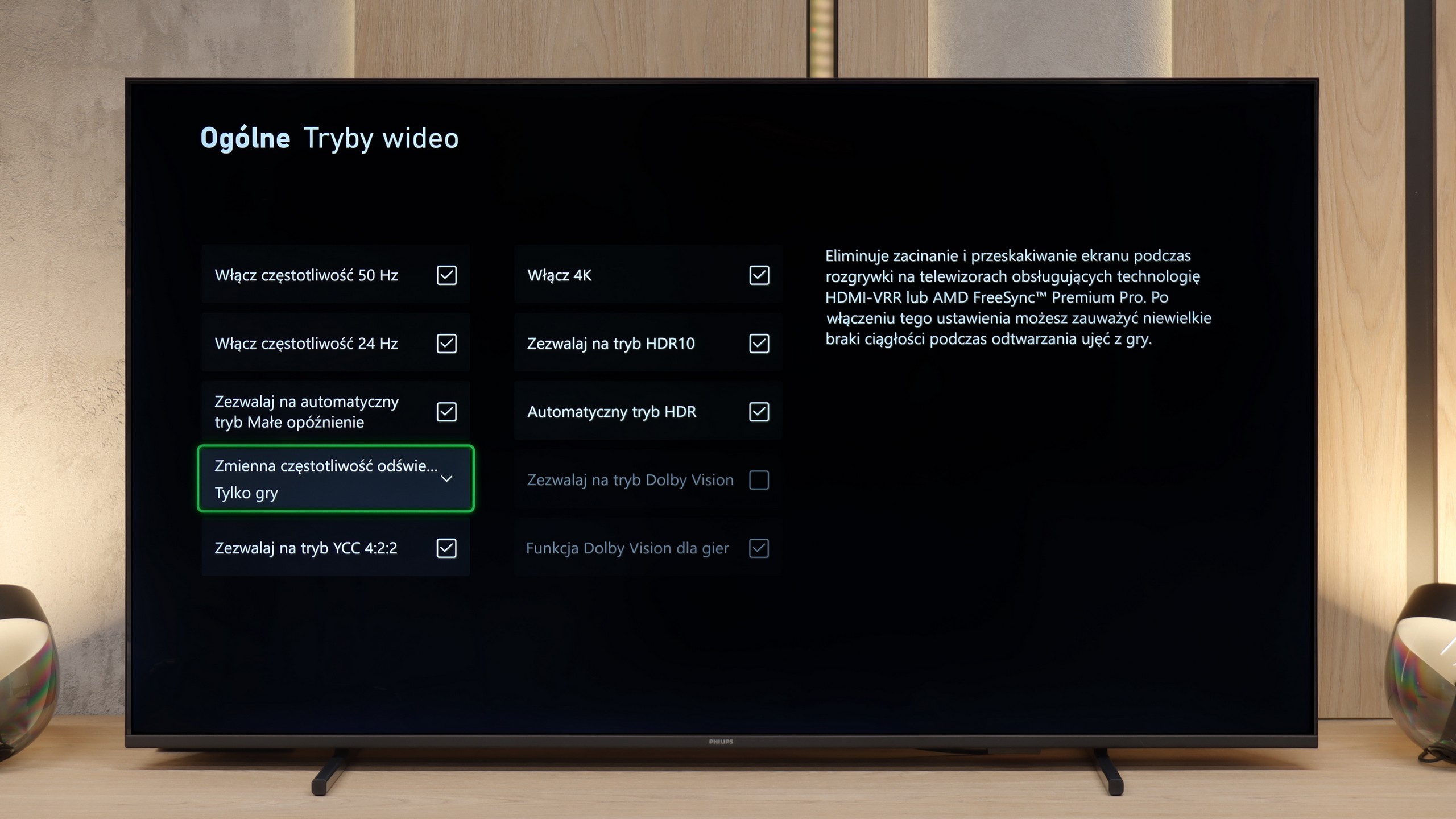
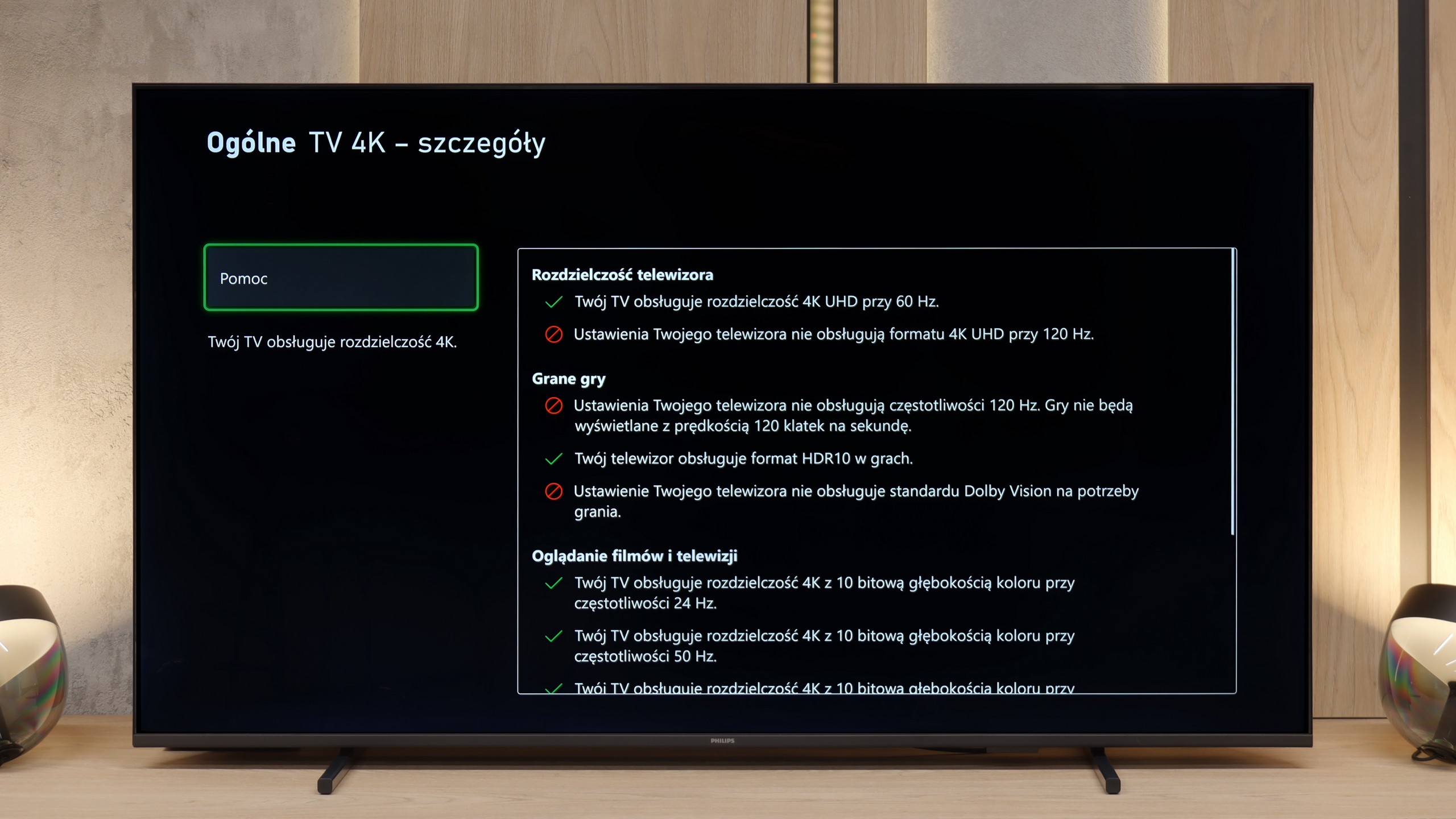
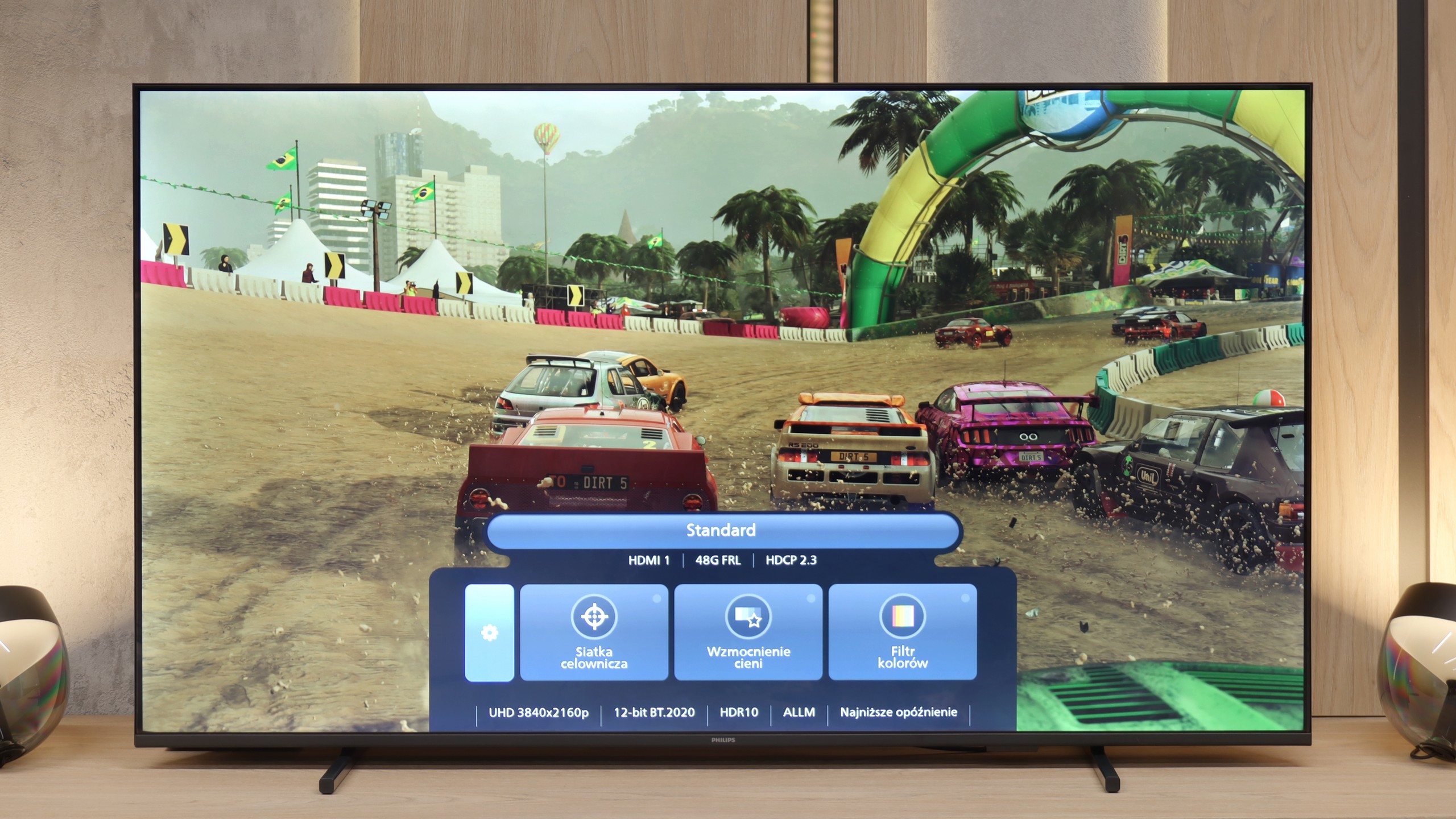
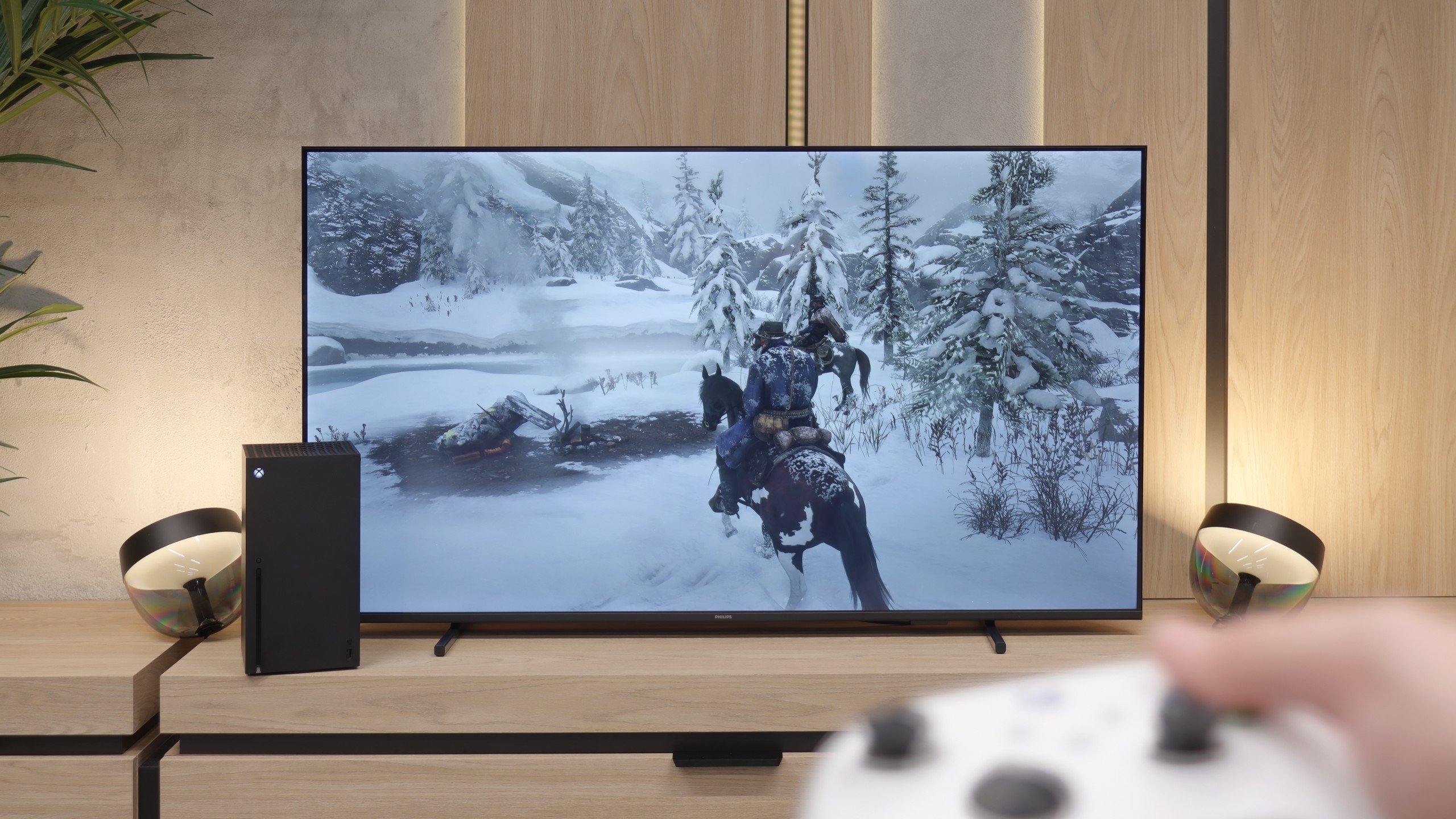
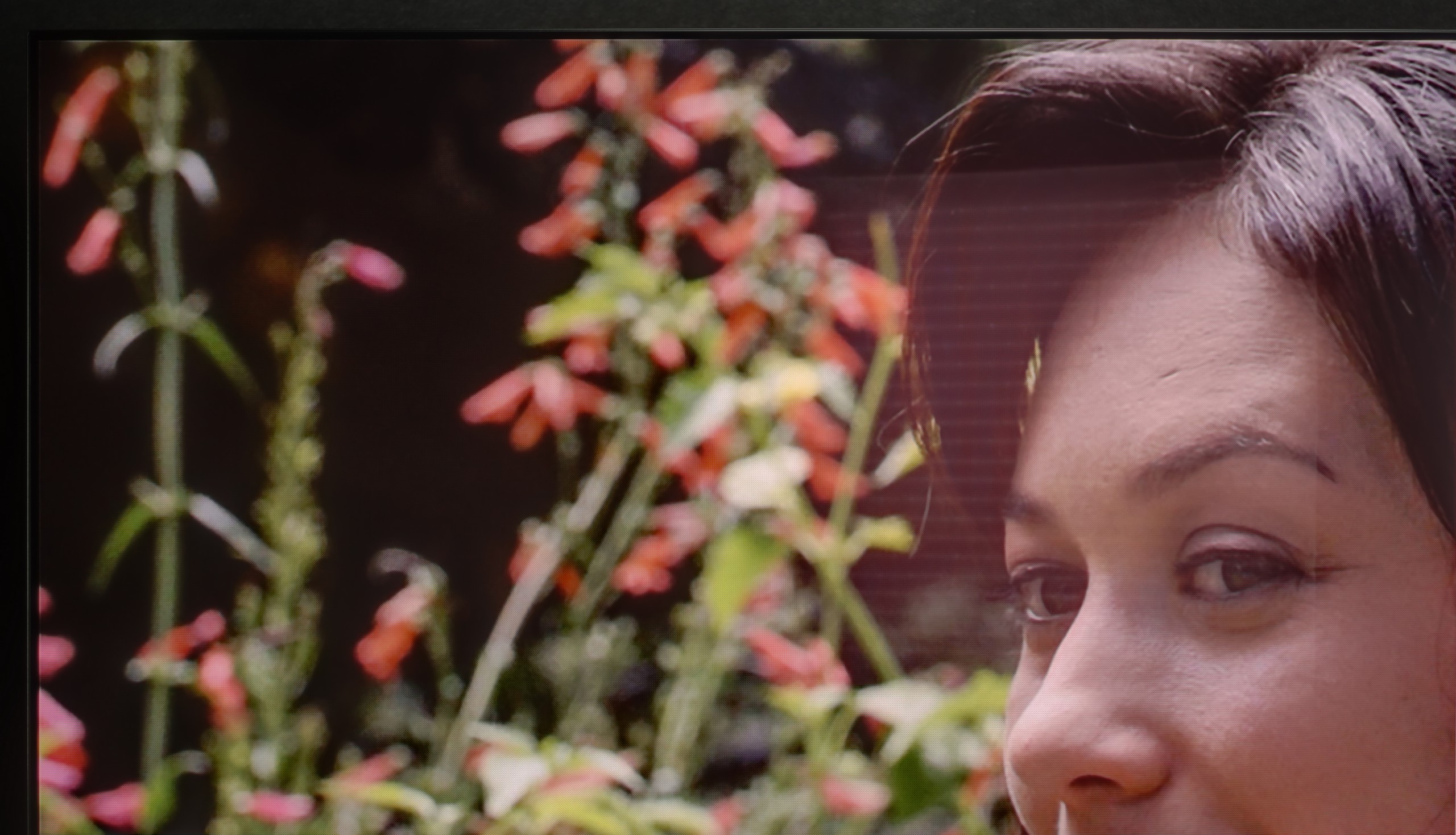
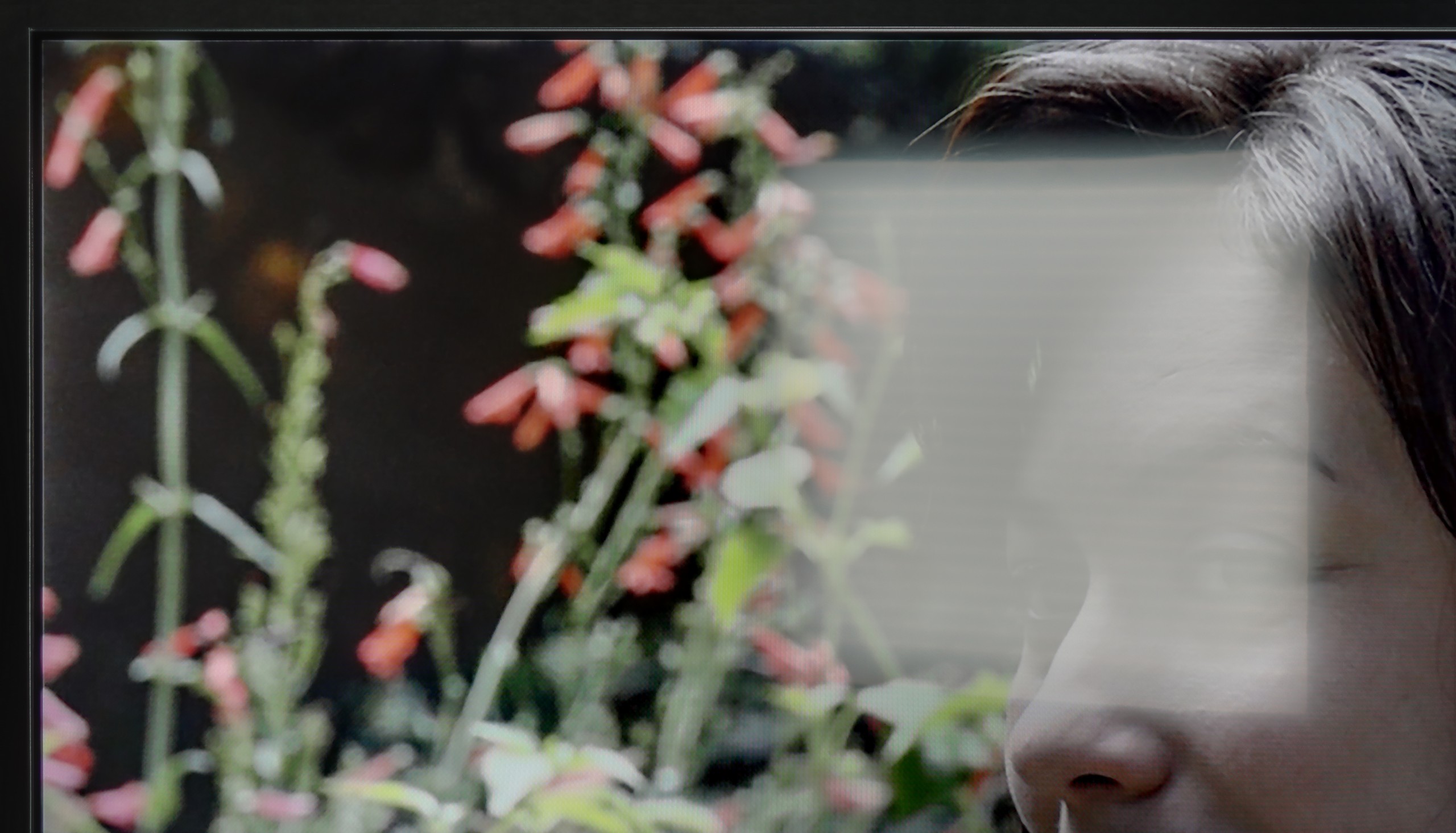
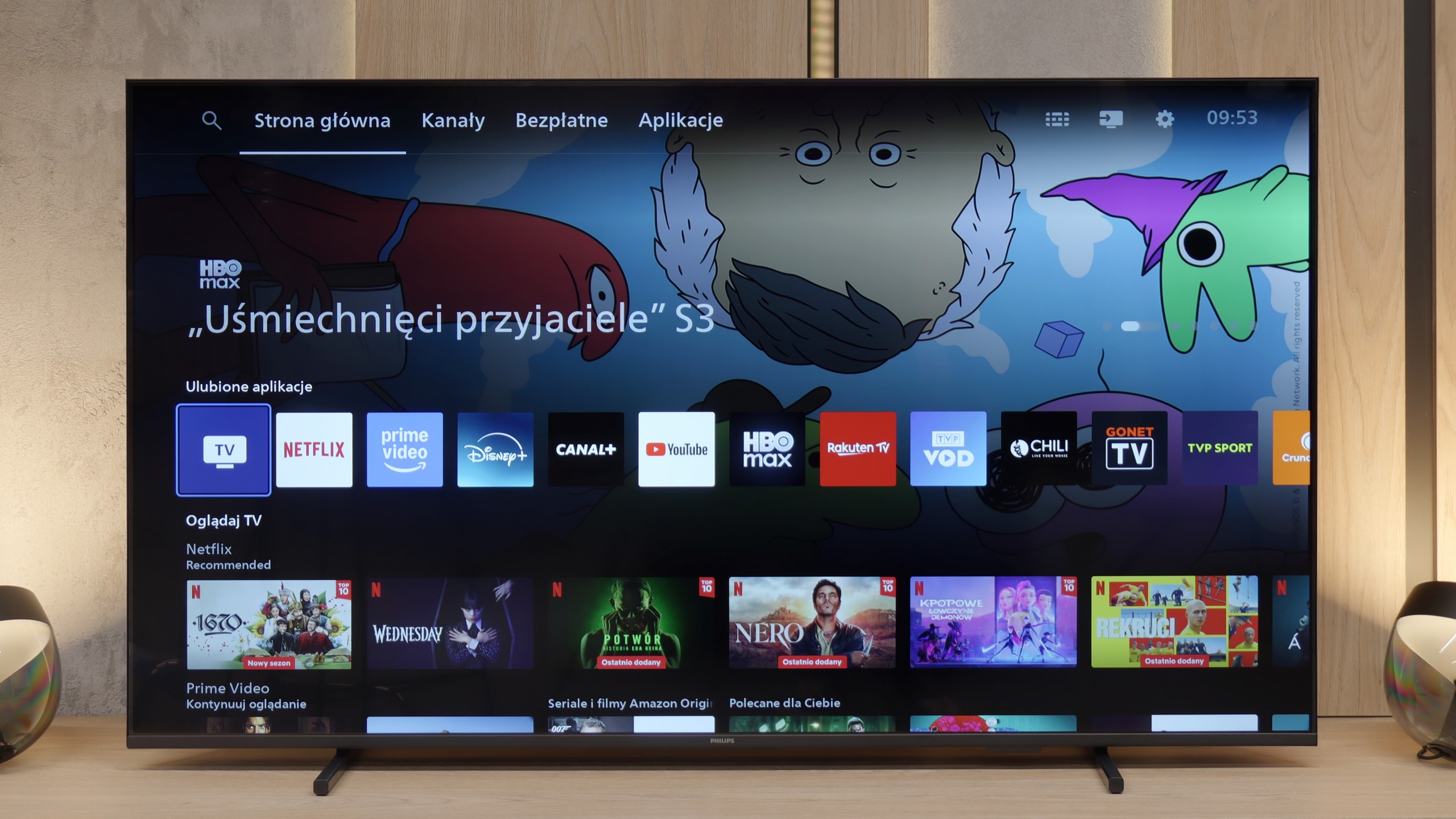
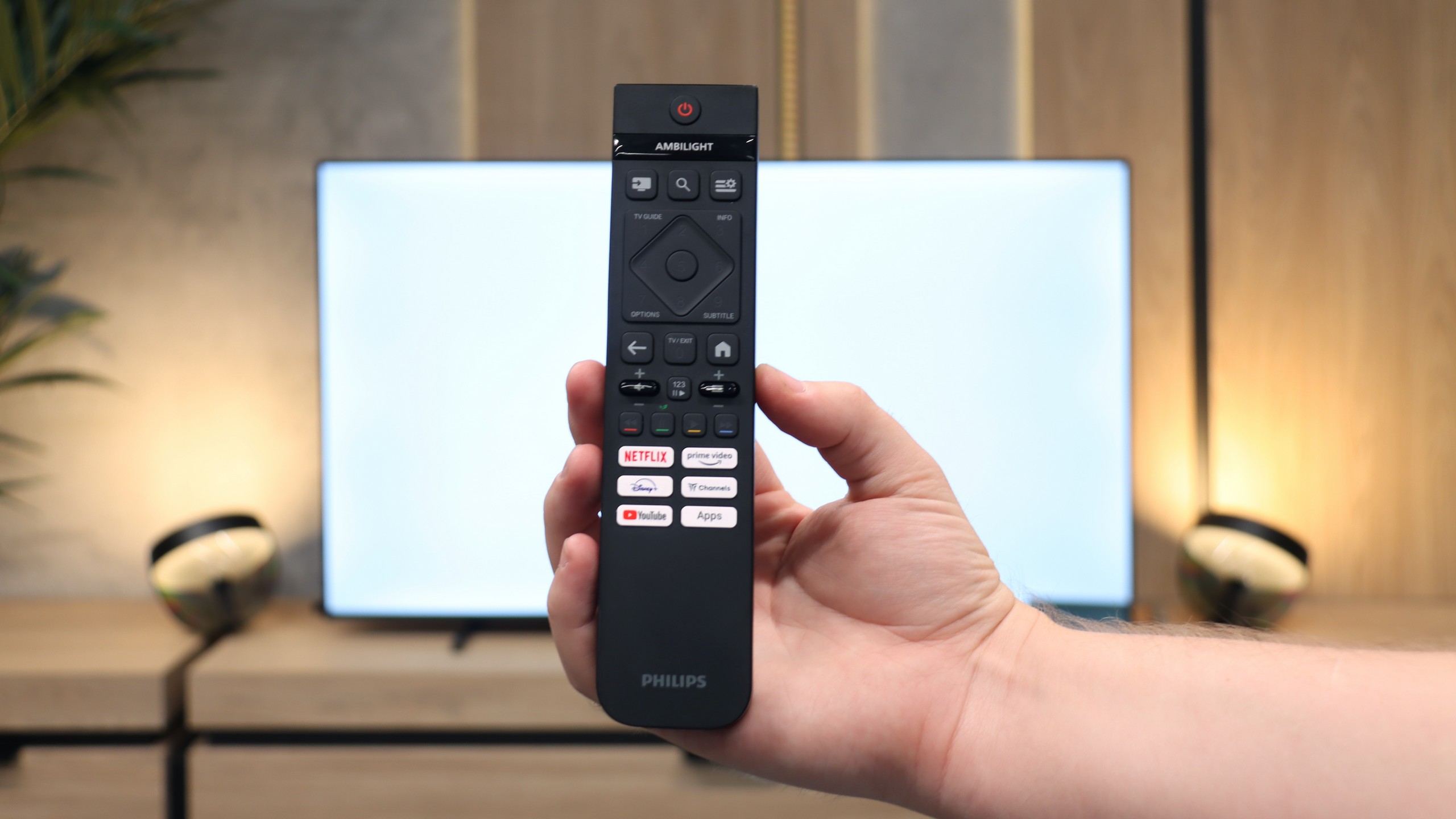
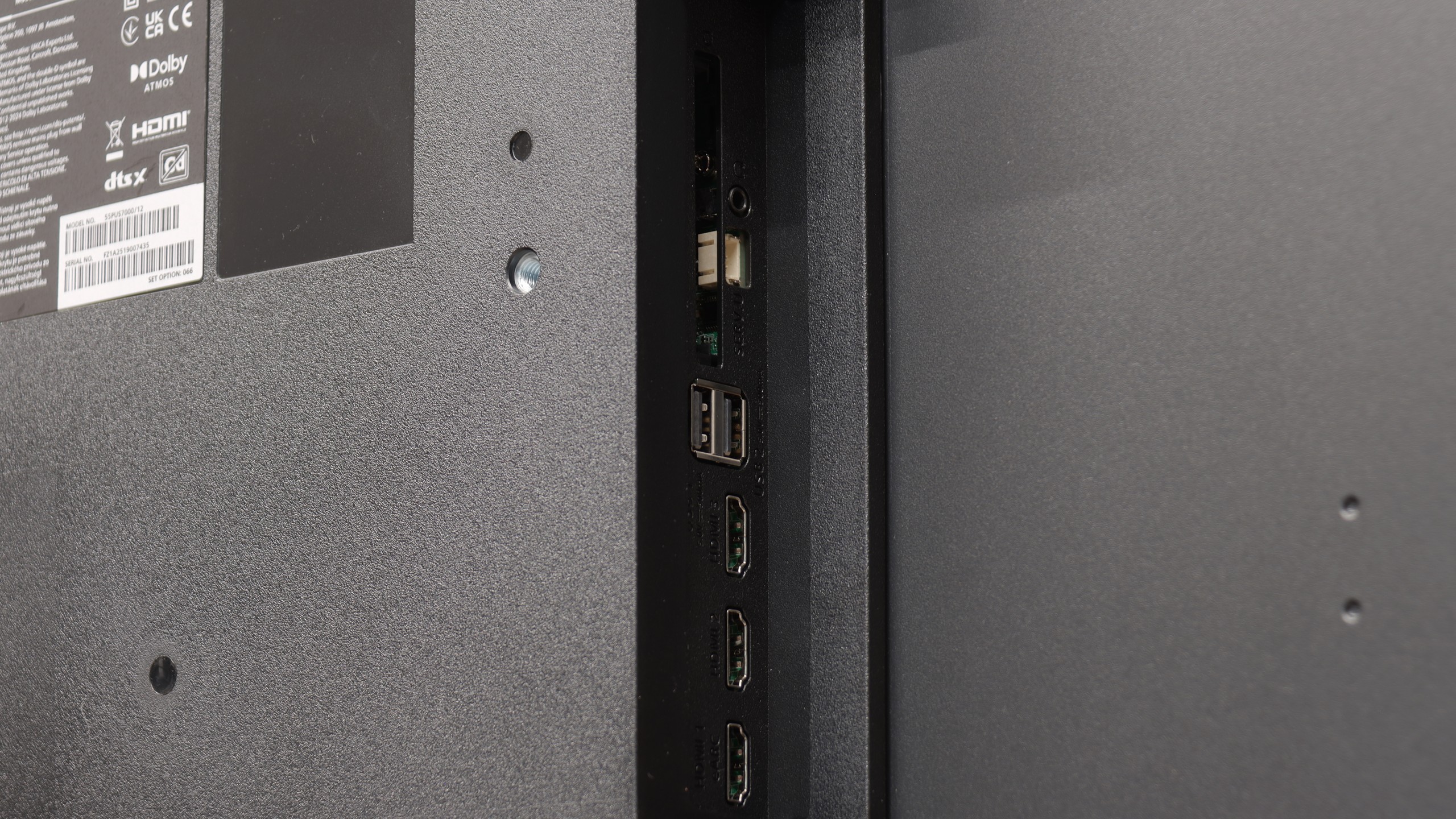
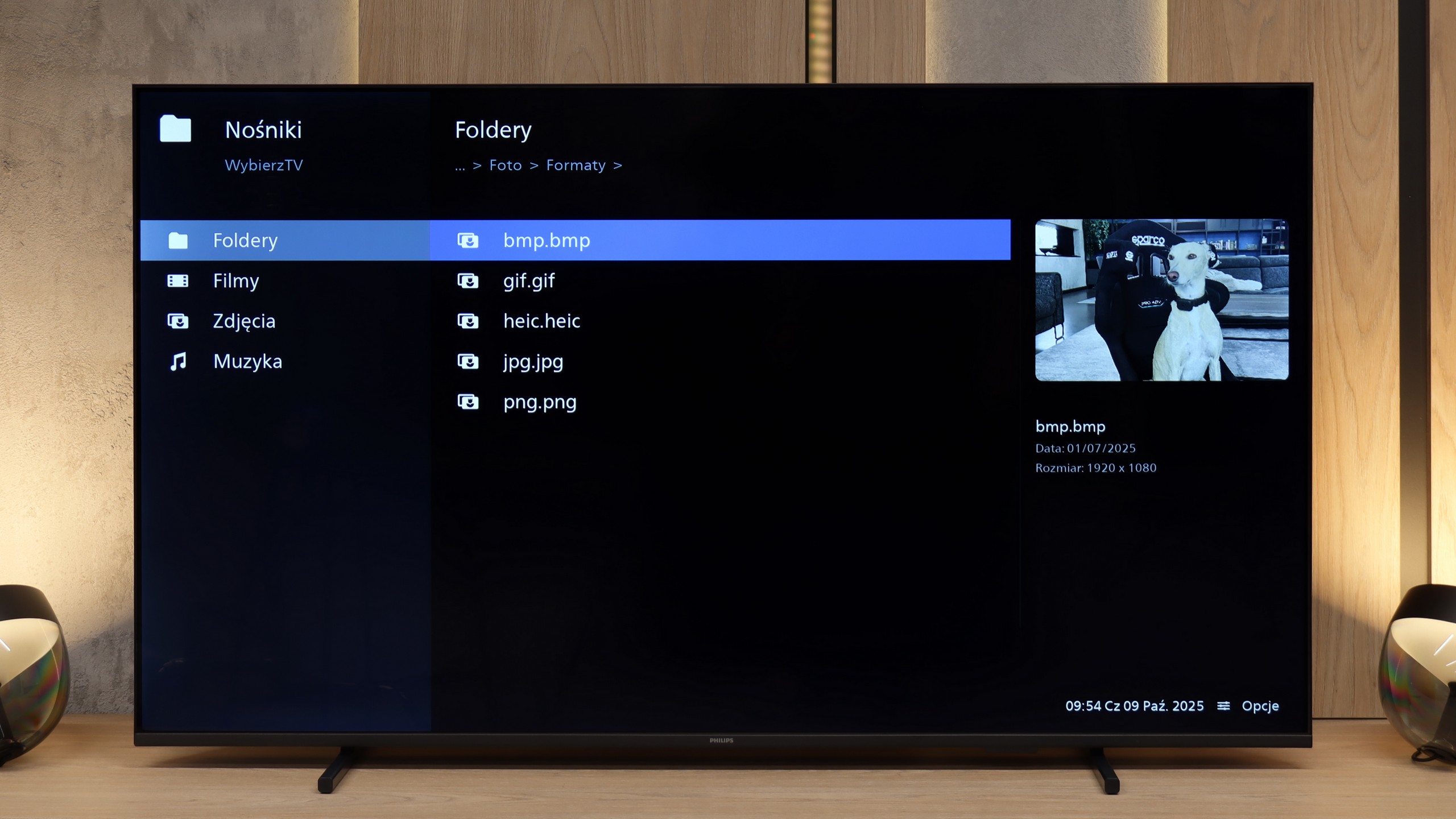
If you are looking for a specific reason to buy the Philips PUS7000, it is essentially just the price. This model is meant to be primarily inexpensive, and it fulfills that role perfectly. It could be a decent choice for someone who is still using an old Full HD screen and wants to finally switch to 4K without emptying their wallet. Interestingly, even though this is a "budget 60 Hz" model, Philips has not forgotten about gamers. We get VRR and ALLM, which significantly enhance the gaming experience when connected to a console, making everything quite responsive. But... well, the biggest problem with this TV is brightness, or rather, the lack of it. 200 nits is an output that makes the PUS7000 simply capitulate on a sunny day. The image will be pale and unclear even though it features a high-contrast VA panel. HDR here is basically just a label on the box. With such a dark panel, HDR content looks artificial and simply lacks the necessary intensity, so it’s better to forget about it and stick with regular SDR. Is it worth buying? At this price point, every manufacturer makes similar compromises, so the PUS7000 does not drastically fall behind the rest of the budget screens. The only question is whether you can get along with the Titan OS, which is still a bit raw and lacks many apps that are standard among competitors. With today’s prices, where Chinese brands like TCL and Hisense are flooding the market with QLEDs and Mini-LEDs, the Philips PUS7000 faces a really tough battle. If you care about a well-known brand logo and a low price: you can go for it. However, if you are looking for image quality… you’d better double-check your budget before purchasing.
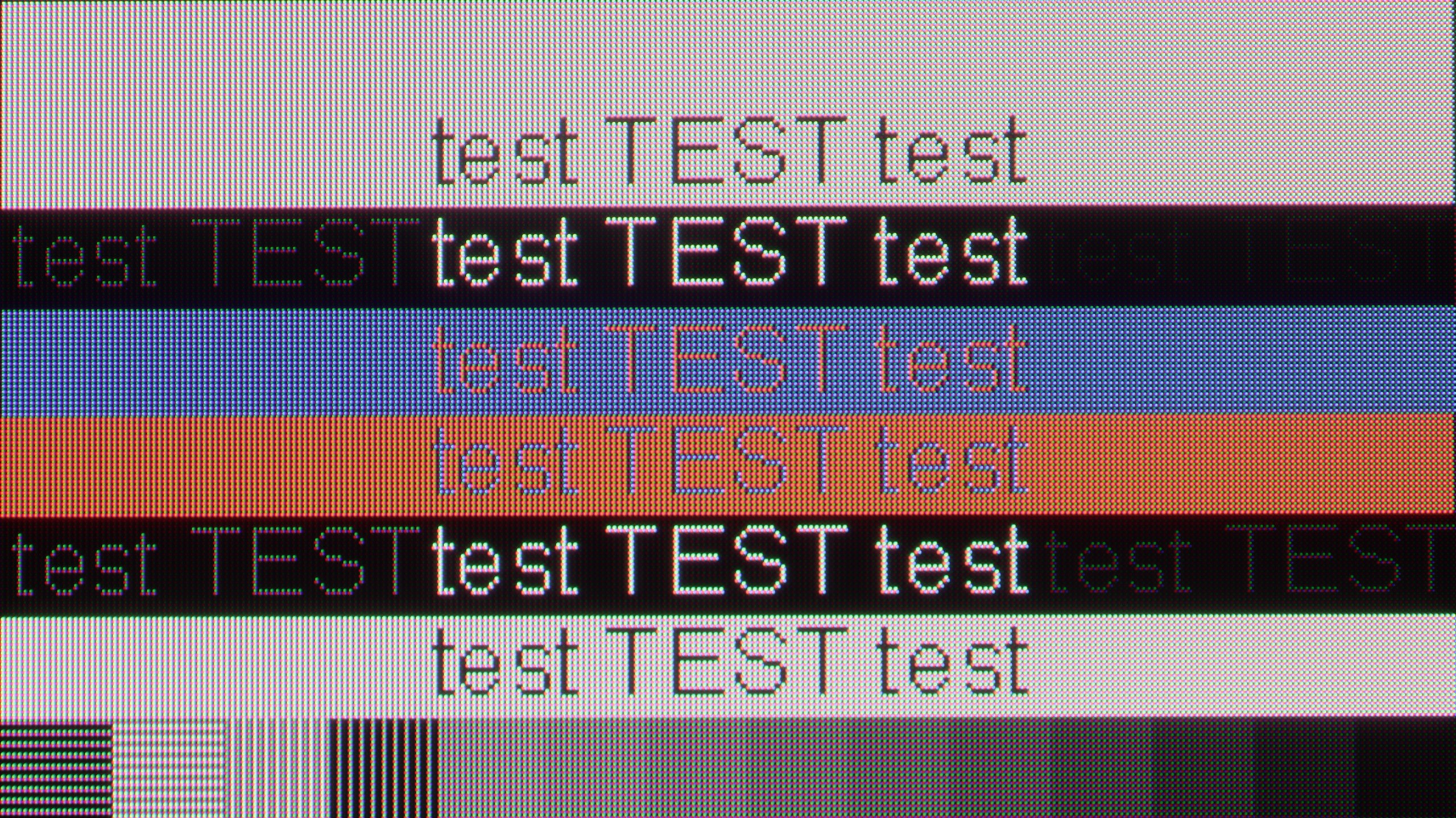
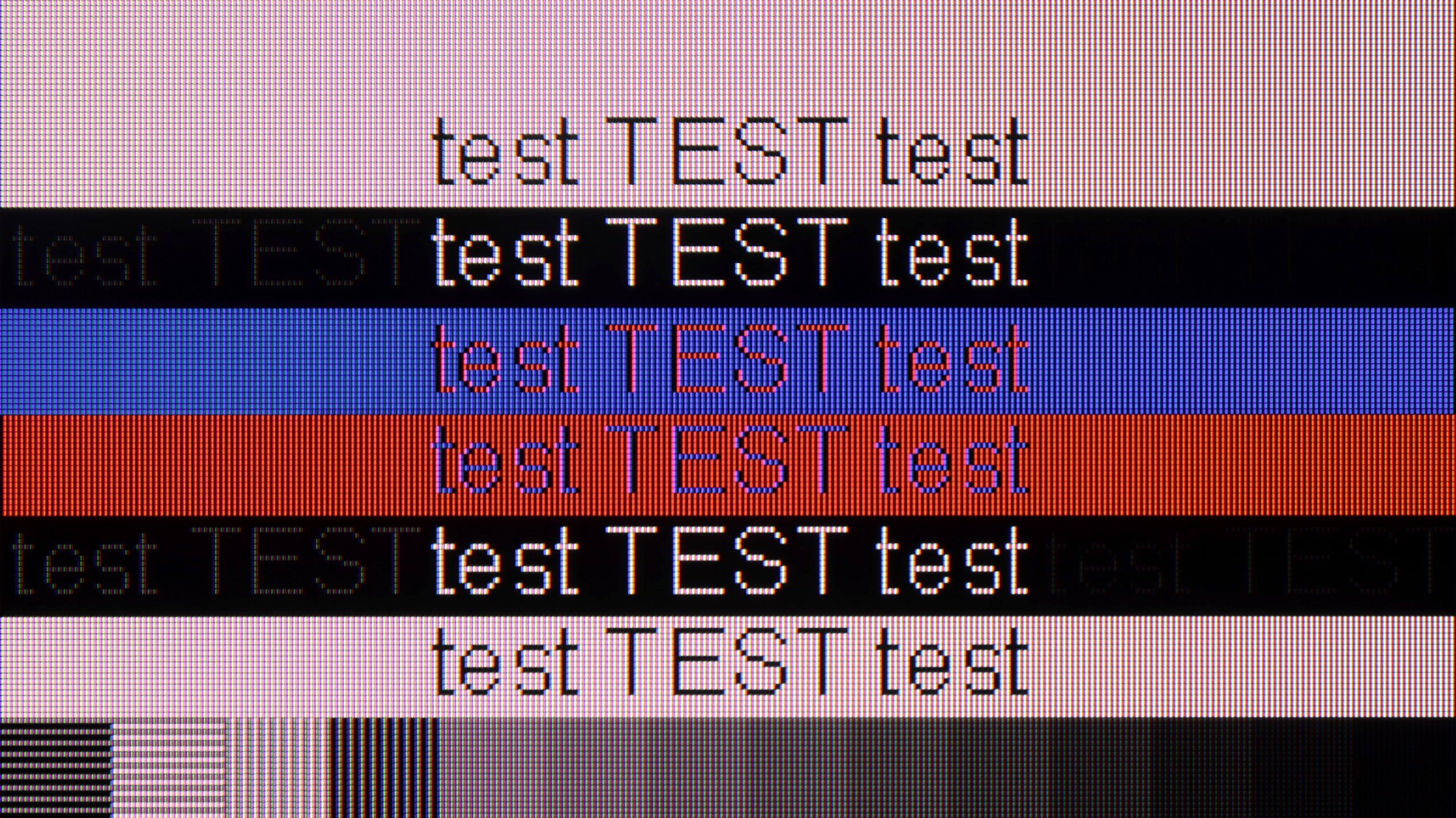
 Direct comparison