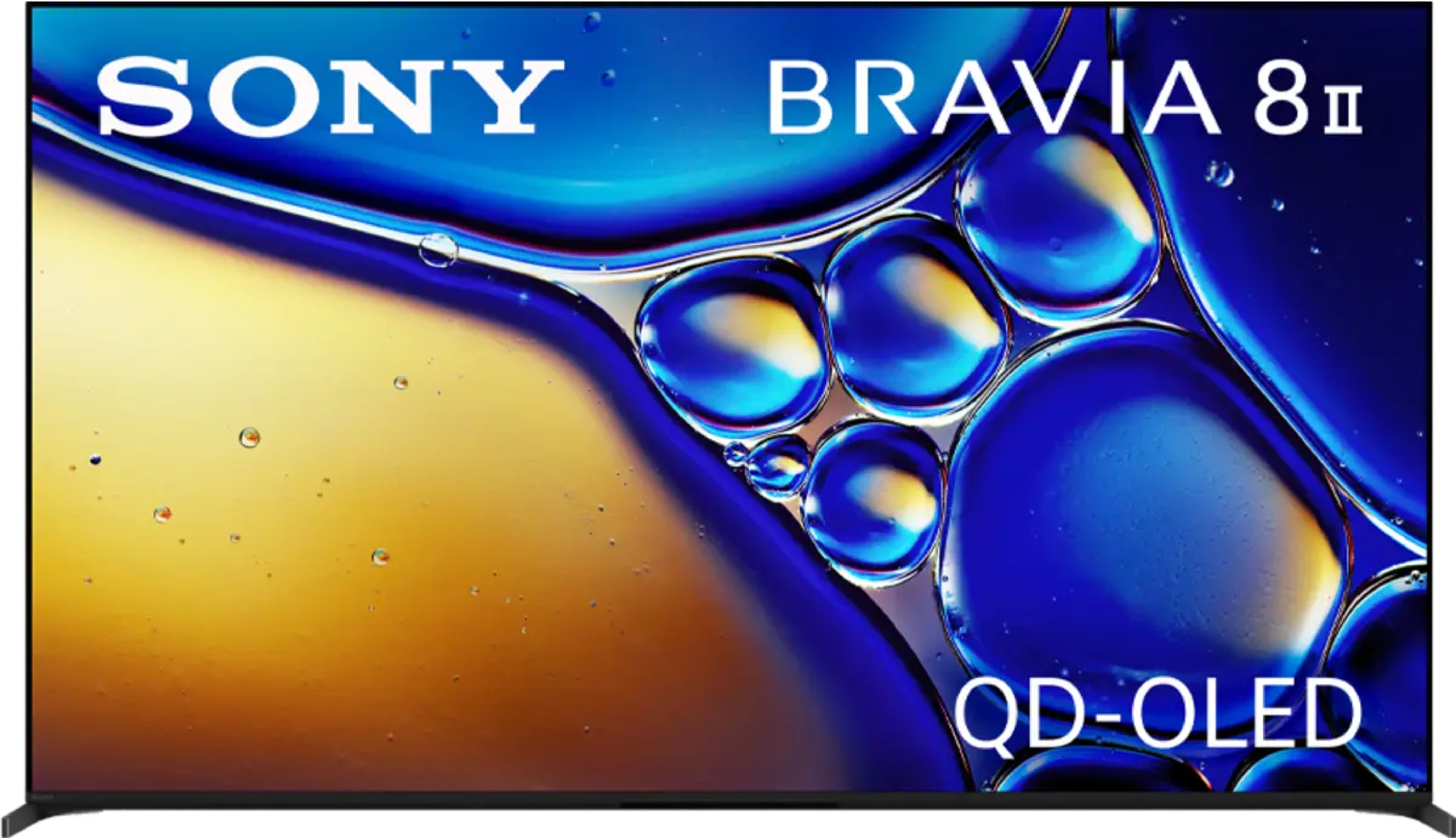
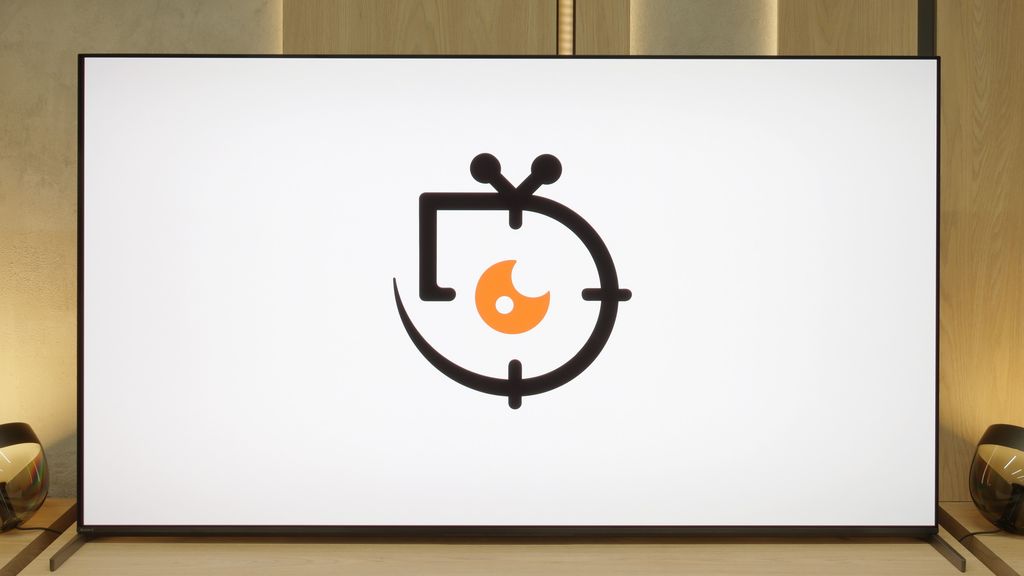
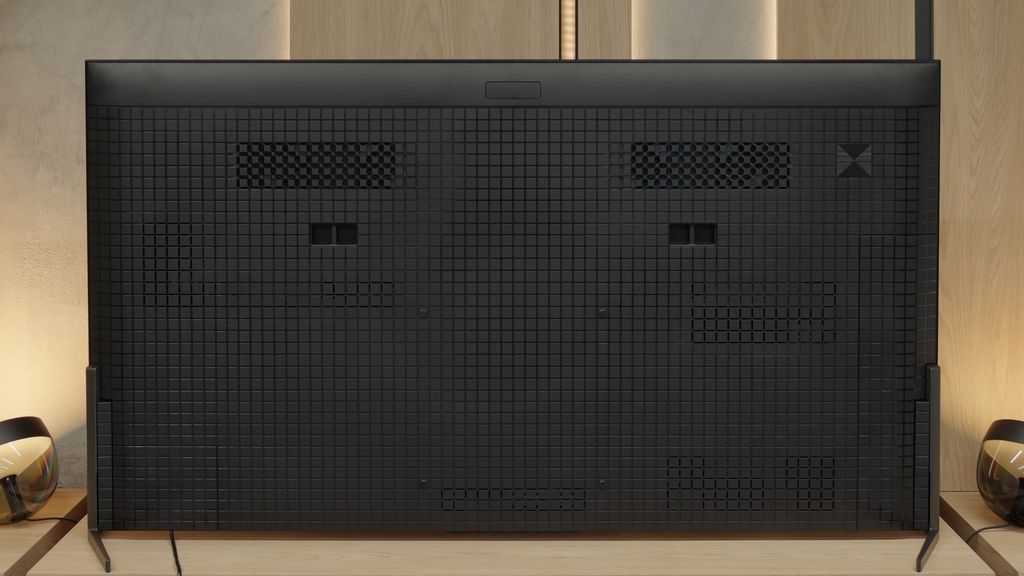
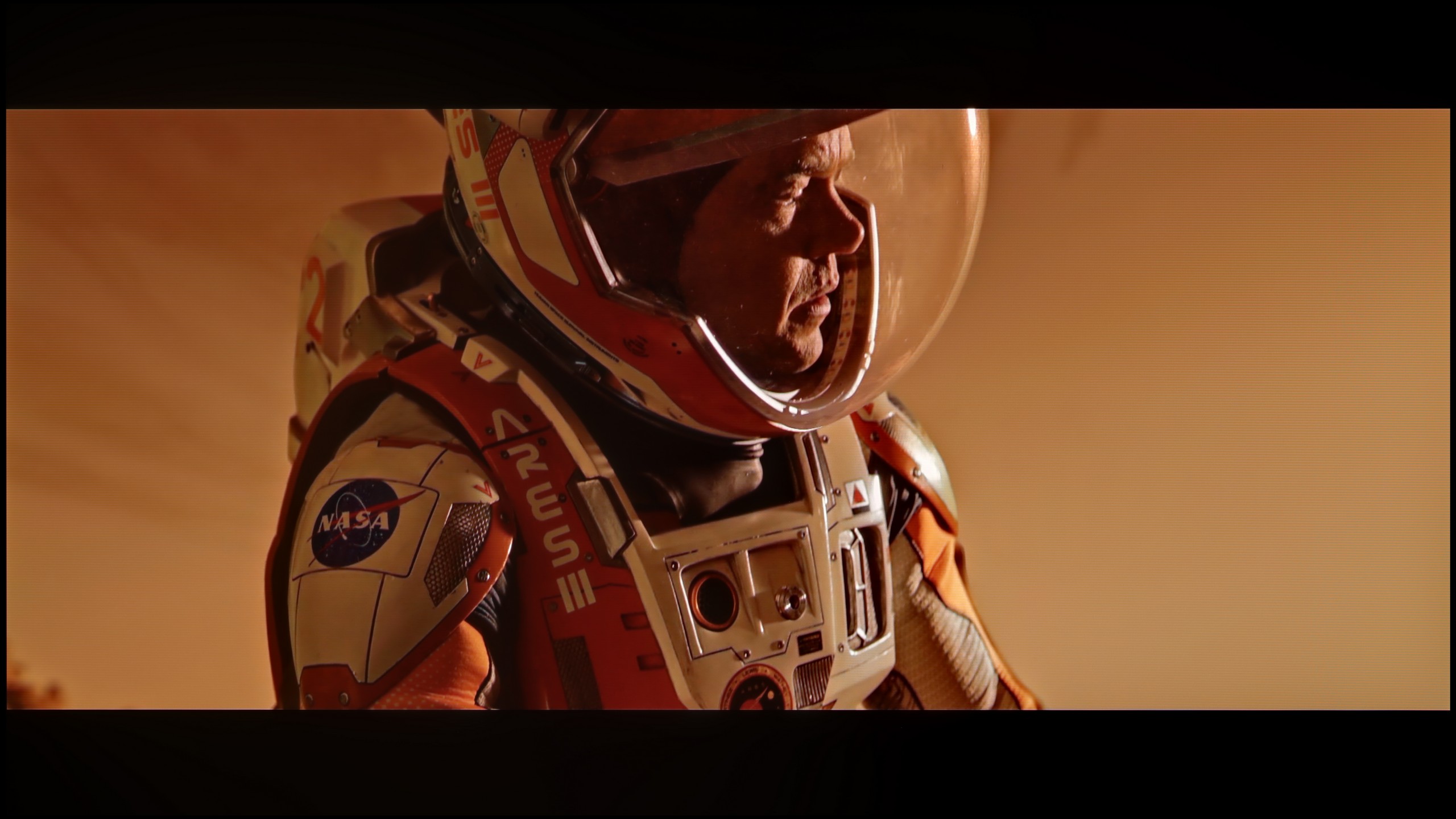
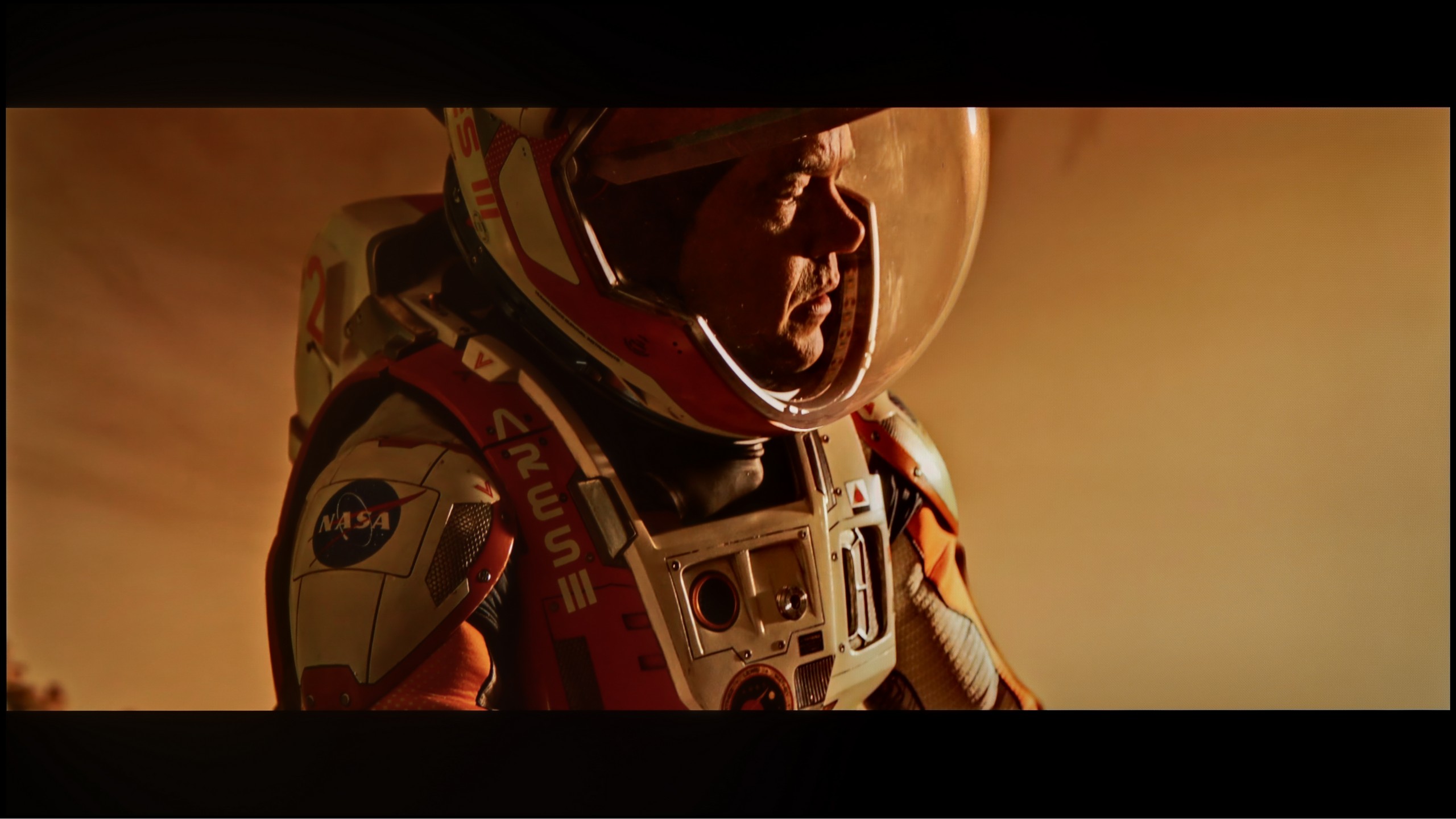
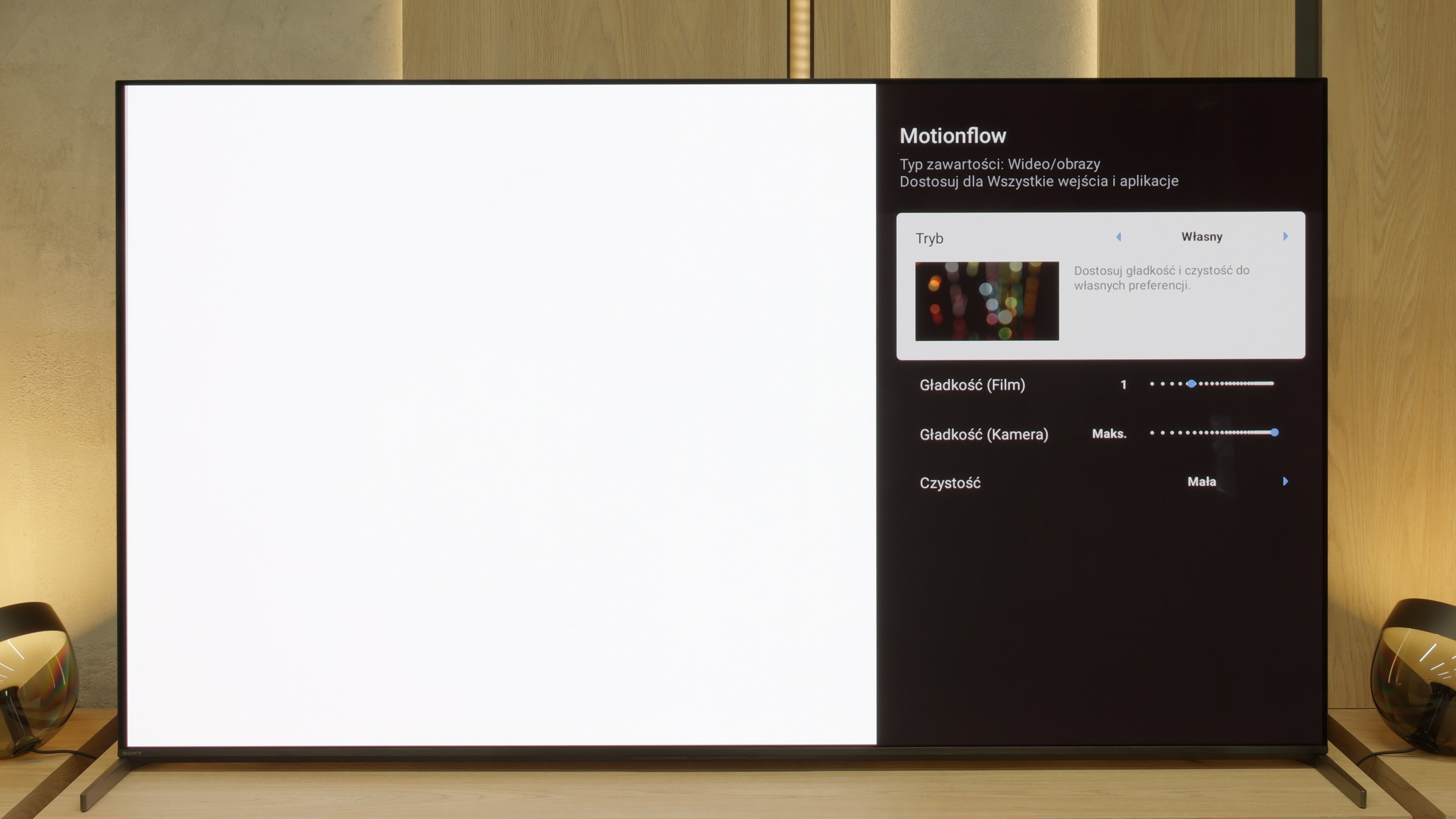
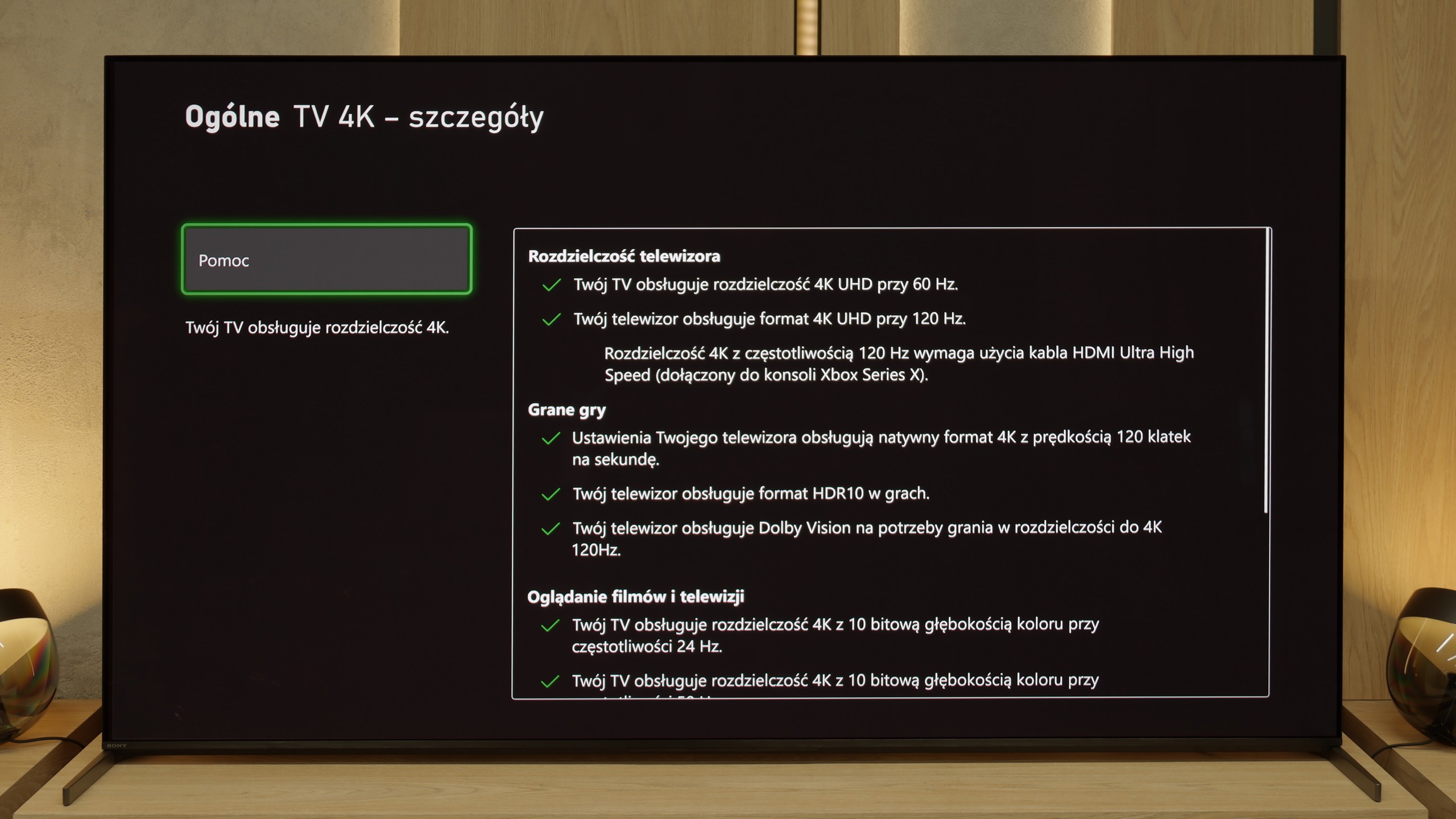
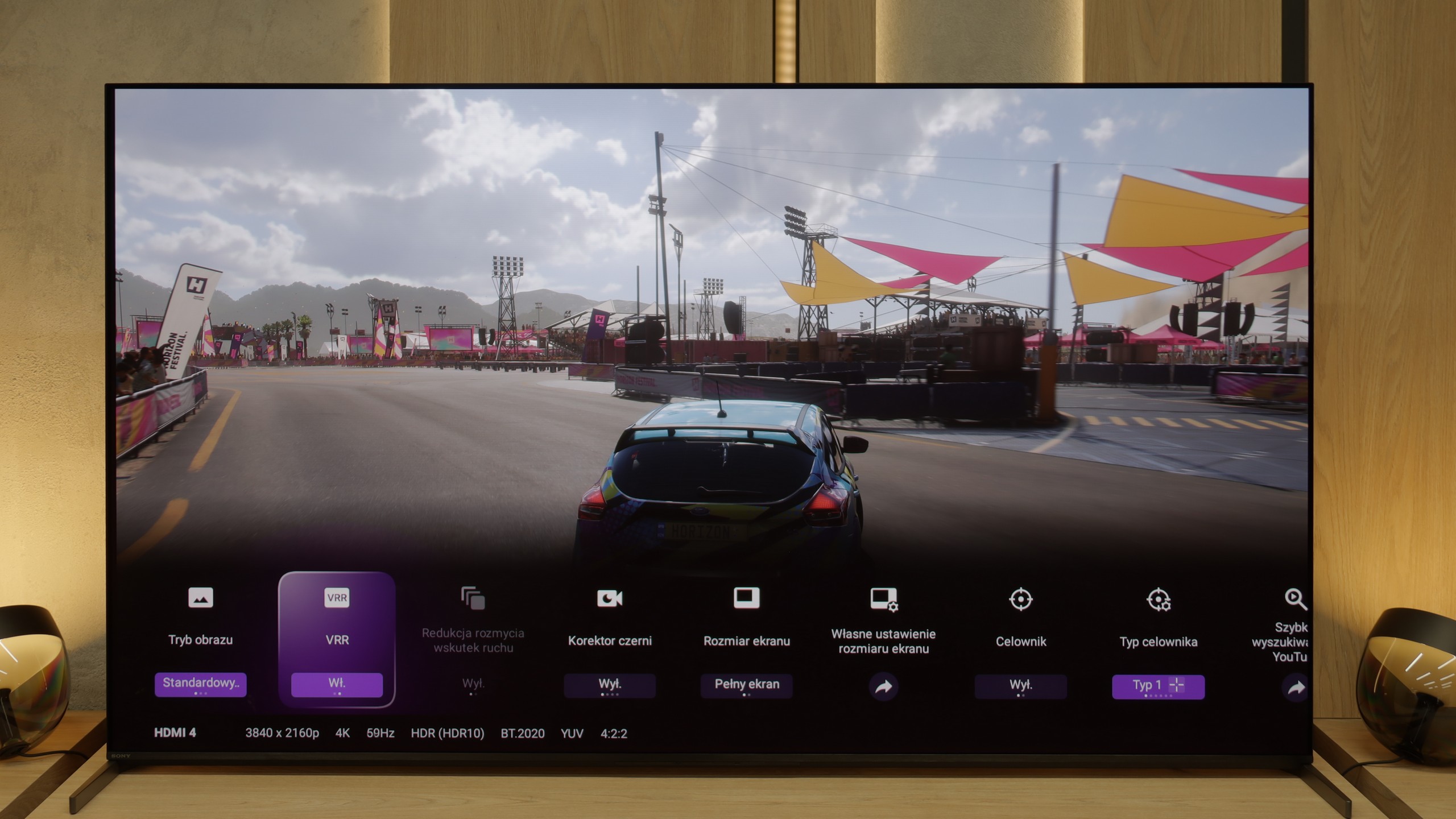
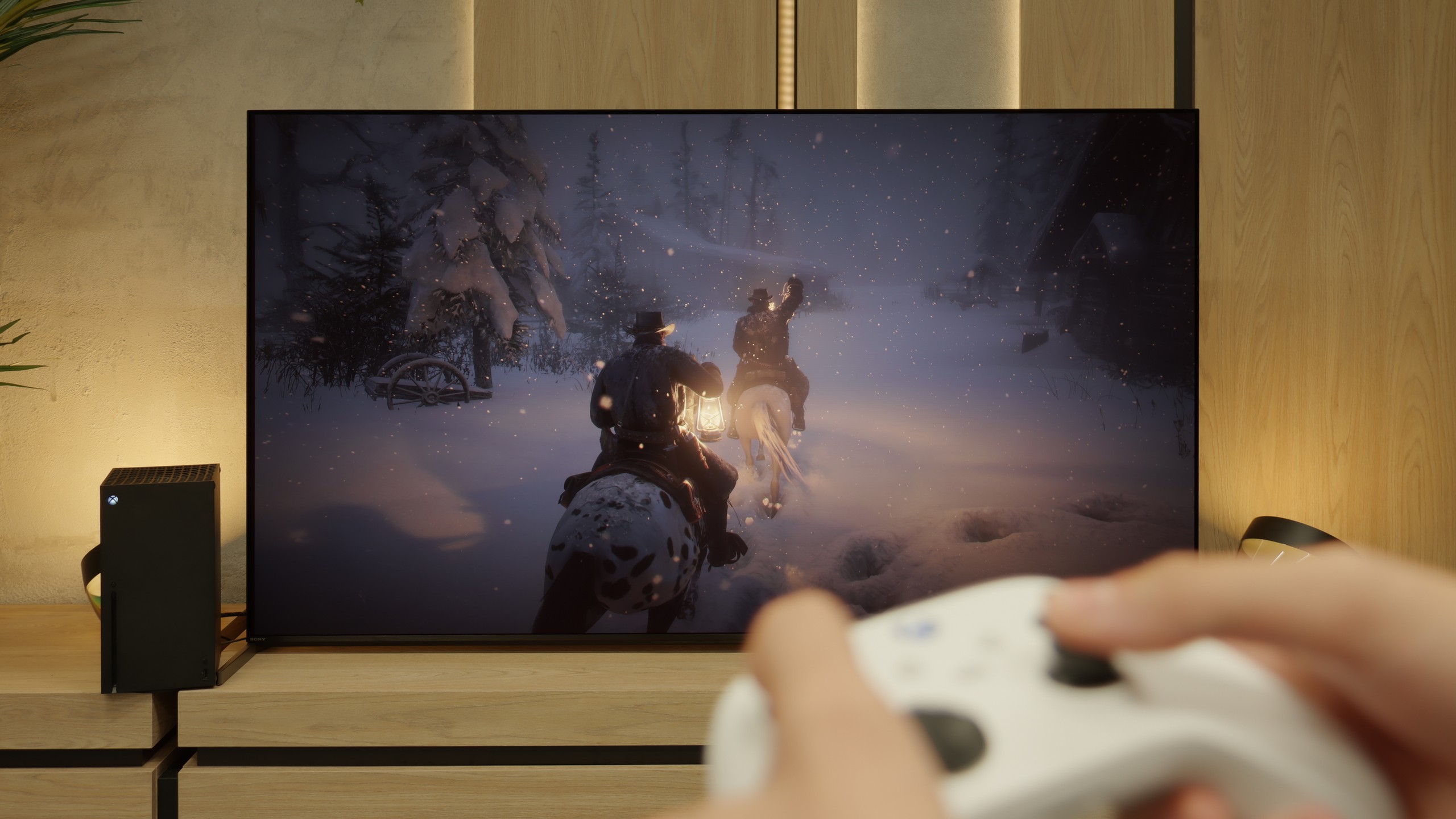
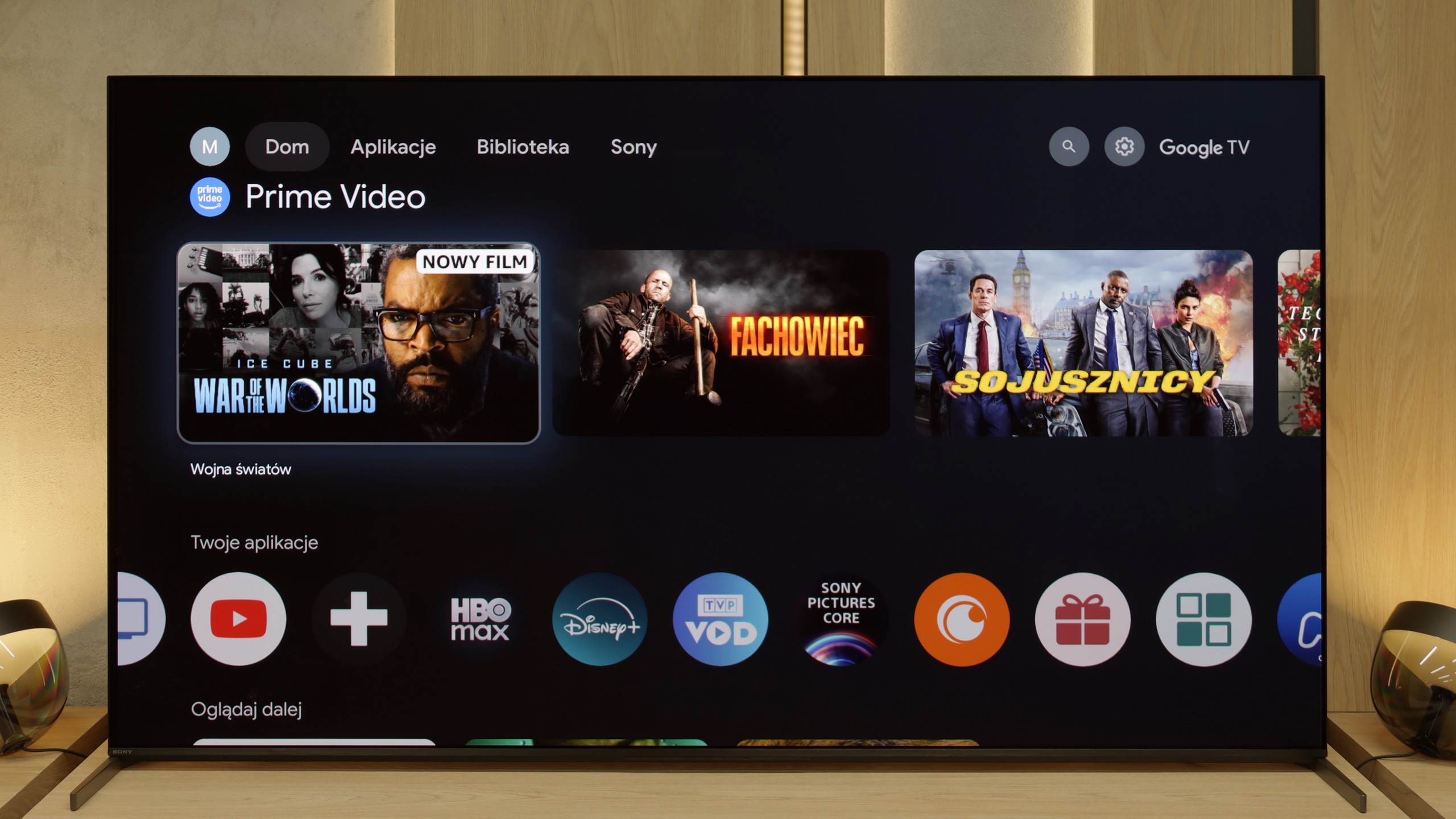
Sony Bravia 8 II is undoubtedly a worthy successor to the A95L – refined, incredibly versatile, and with several noticeable improvements over its predecessor. The quality of image, sound, and overall user experience position this model among the top premium TVs of 2025. It’s a device that can enchant both movie enthusiasts and demanding gamers. Among its greatest assets is the almost perfect image, where the XR processor subtly yet effectively enhances detail and smoothness, without overdoing interference with the source material. Additionally, there’s the phenomenal Acoustic Surface sound, creating the impression that dialogues and effects come directly from the screen. Google TV operates very smoothly, offering a vast selection of apps, while extra features – like the ability to game in the cloud on PlayStation or access Bravia Core – increase the device's value. It also boasts low input lag, variable refresh rate, and full support for modern HDR formats.
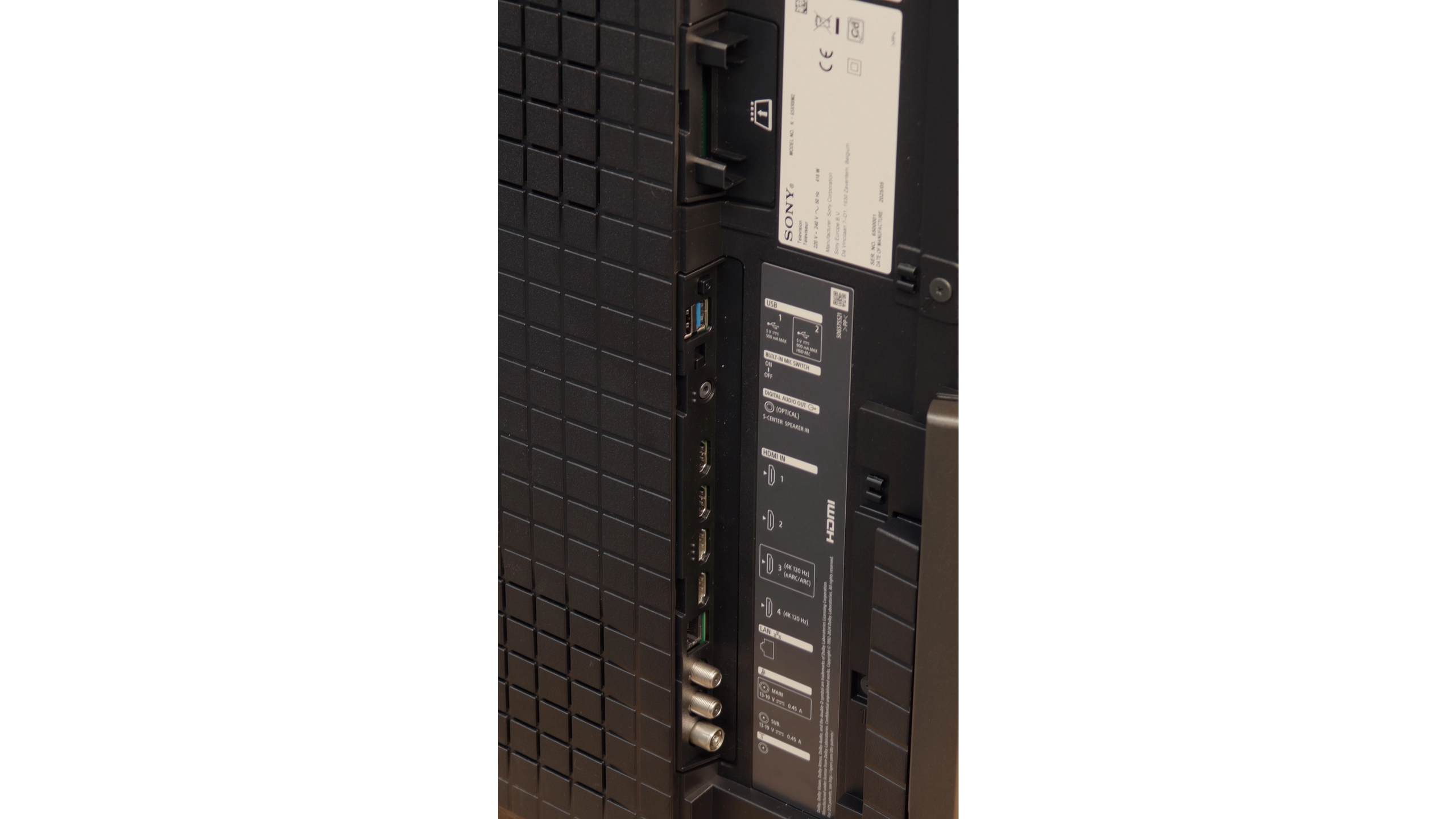
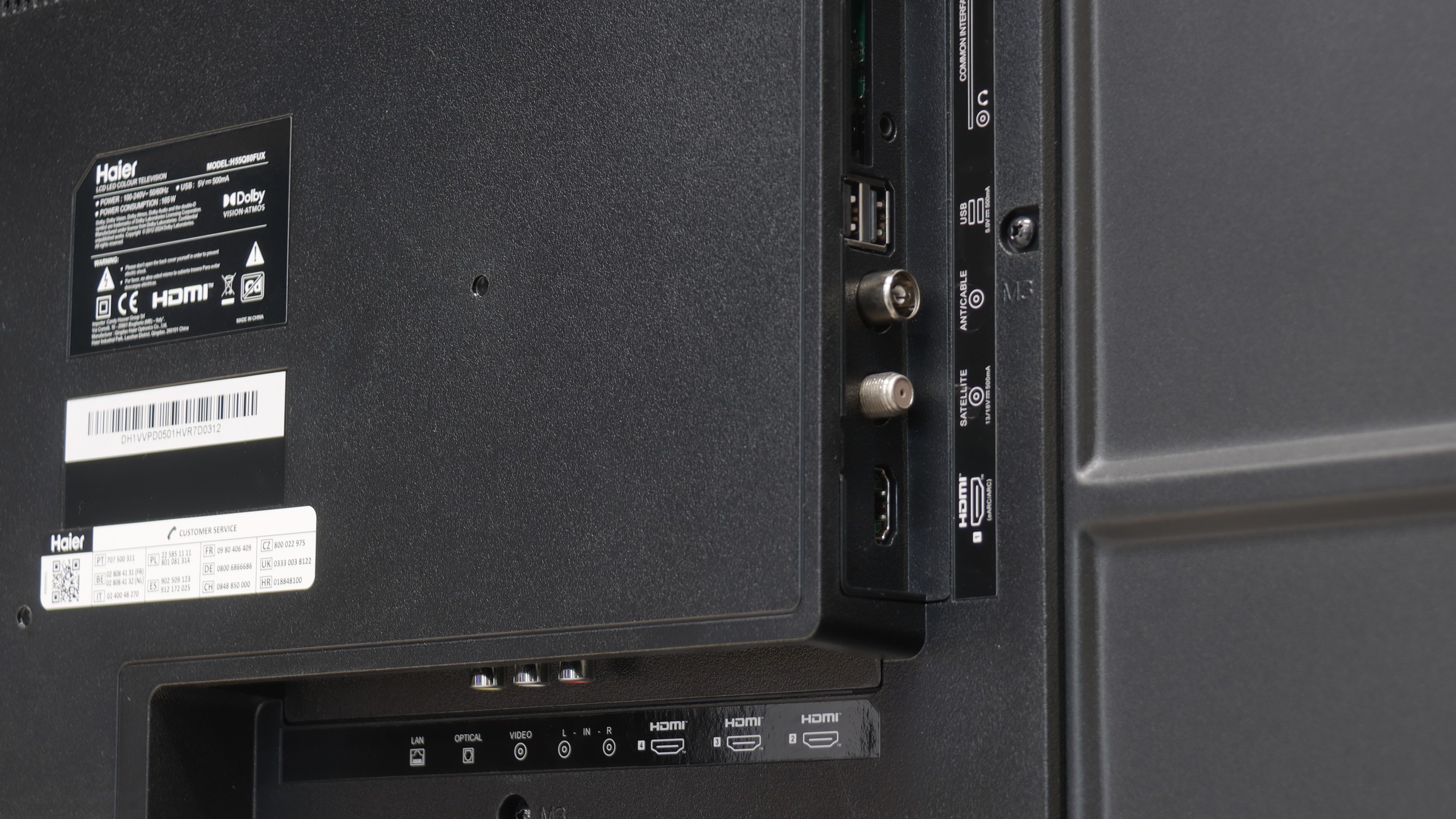
Despite this, in this barrel of honey, there are a few drops of tar. The lack of refresh rates above 120 Hz, only two HDMI 2.1 ports, and average daytime performance are drawbacks that shouldn't be present in a TV of this class in 2025. Although for many these might not be deal-breaking flaws, in the super premium segment, competition is becoming increasingly strong and uncompromising. Will these shortcomings make it harder for Bravia 8 II to compete for customers' wallets? That we leave to your judgment, the market... and sales results. Regardless, Bravia 8 II is a phenomenal product that would definitely be hard to not recommend.
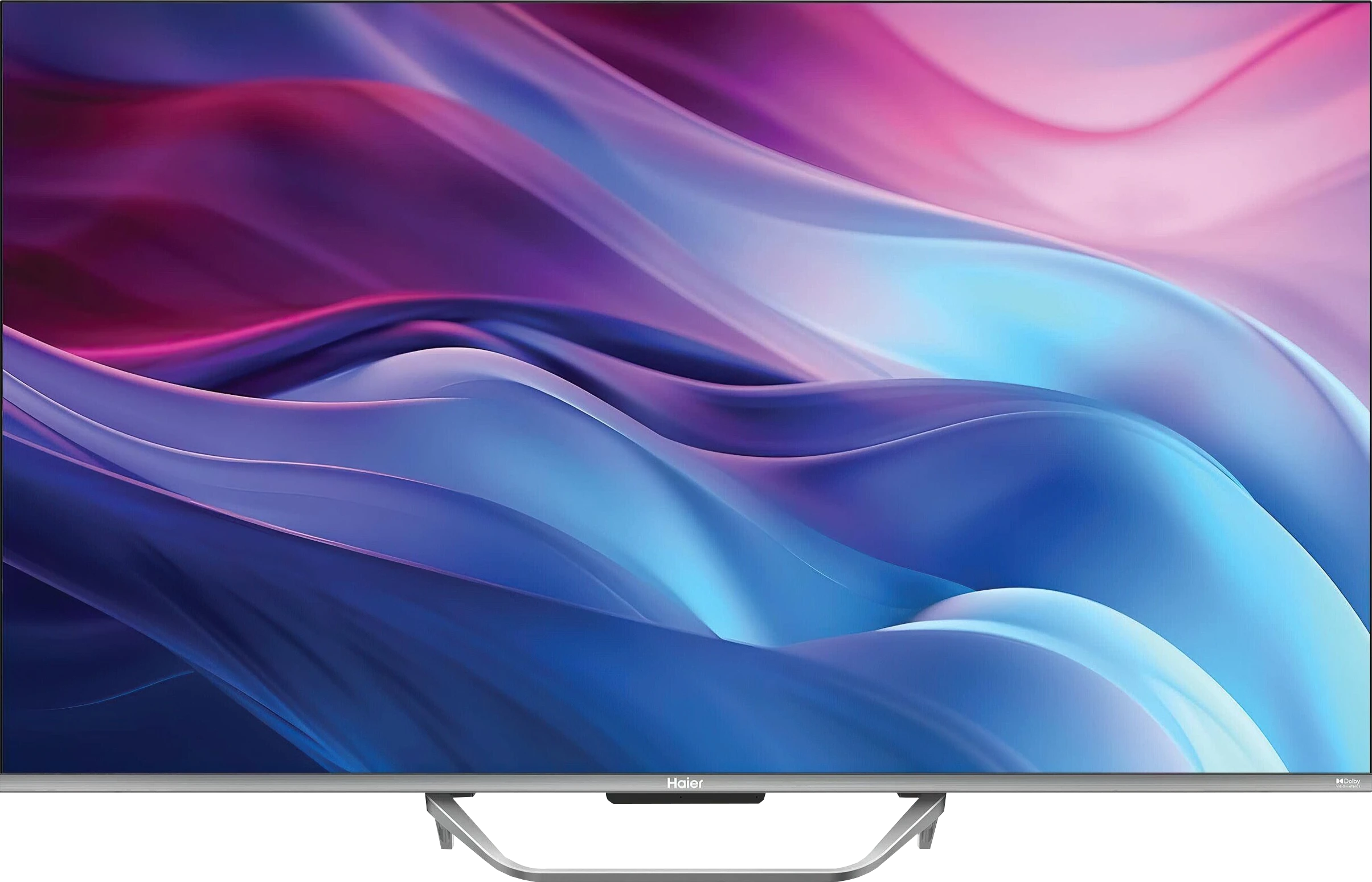
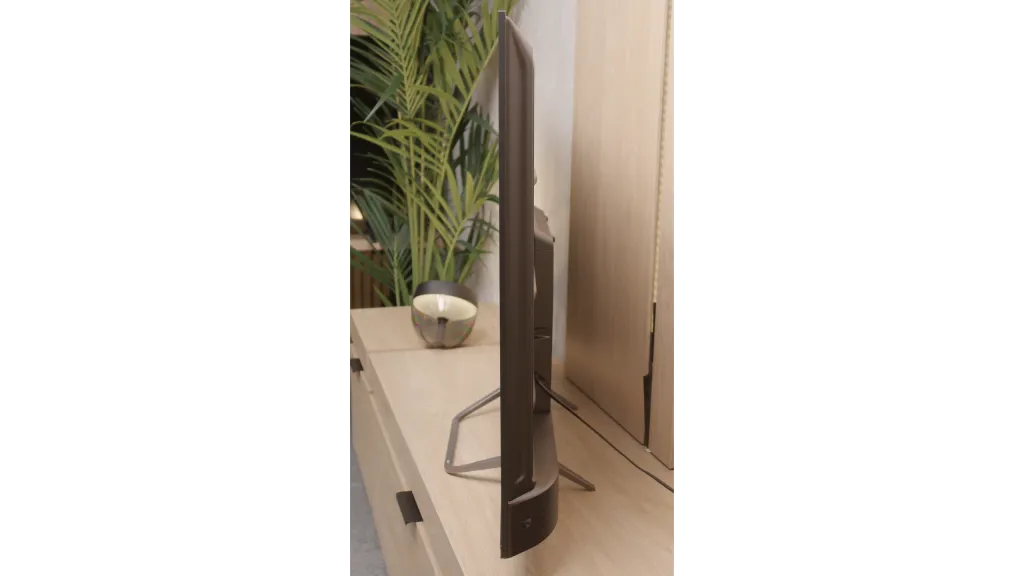
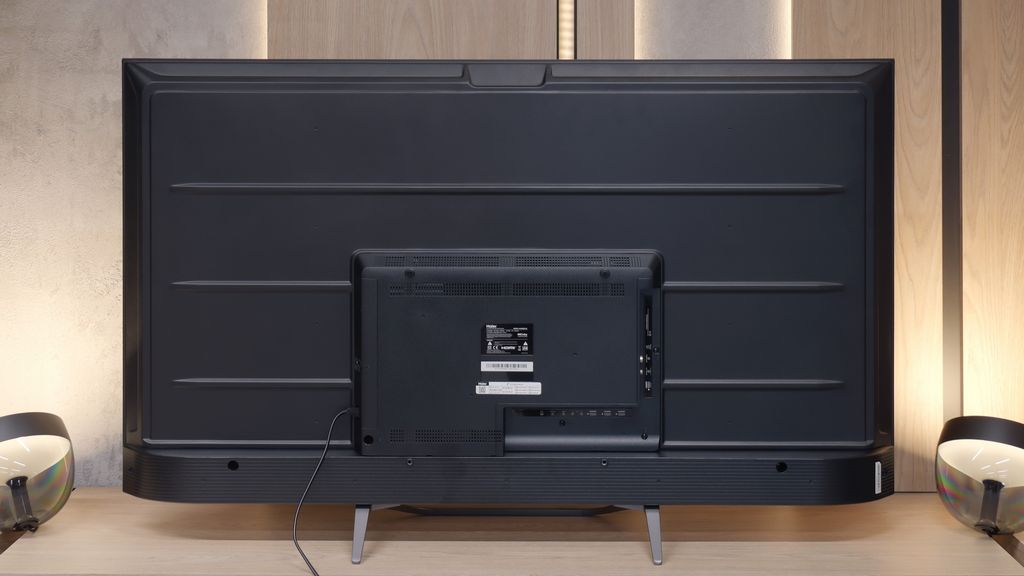
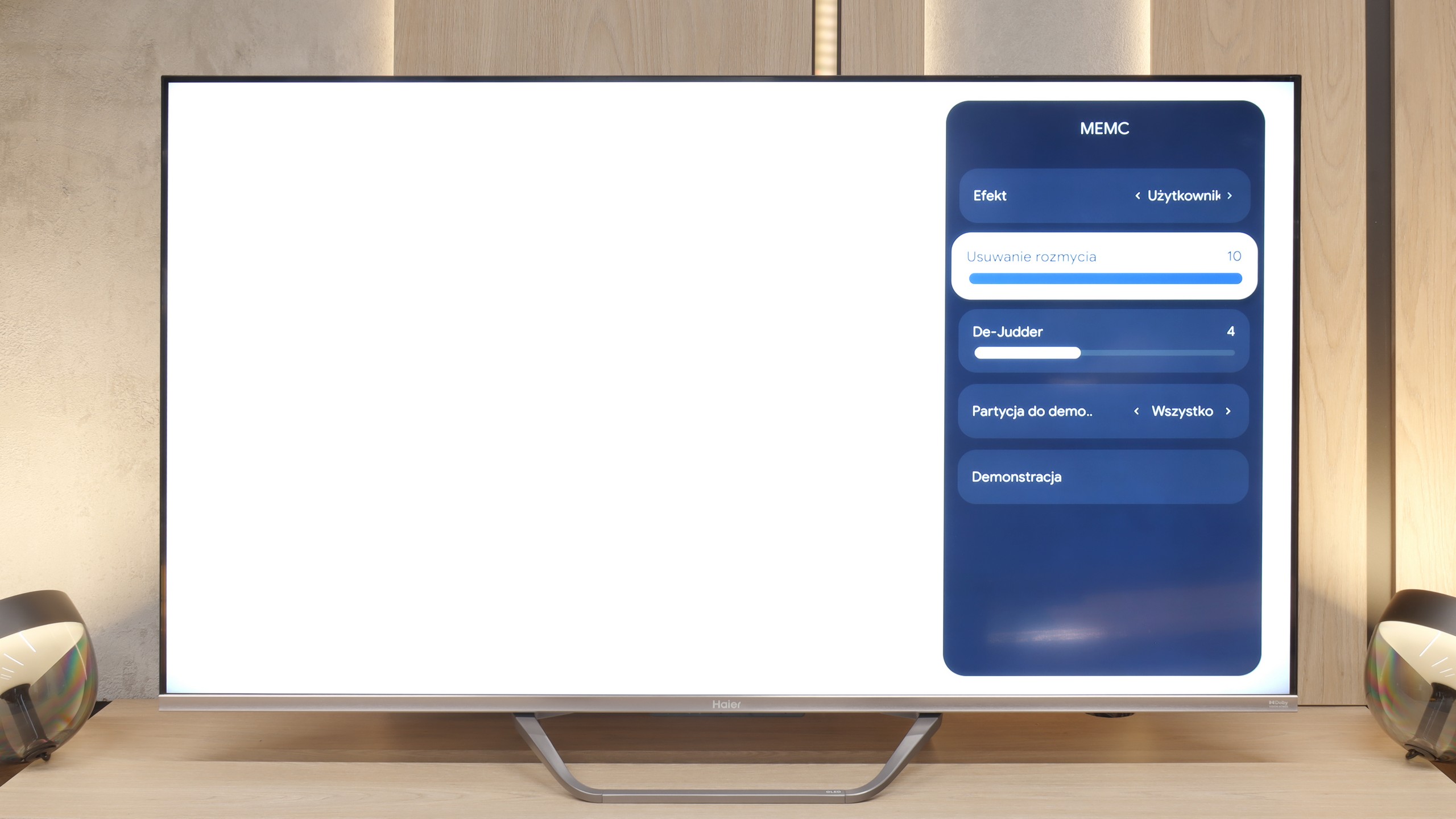
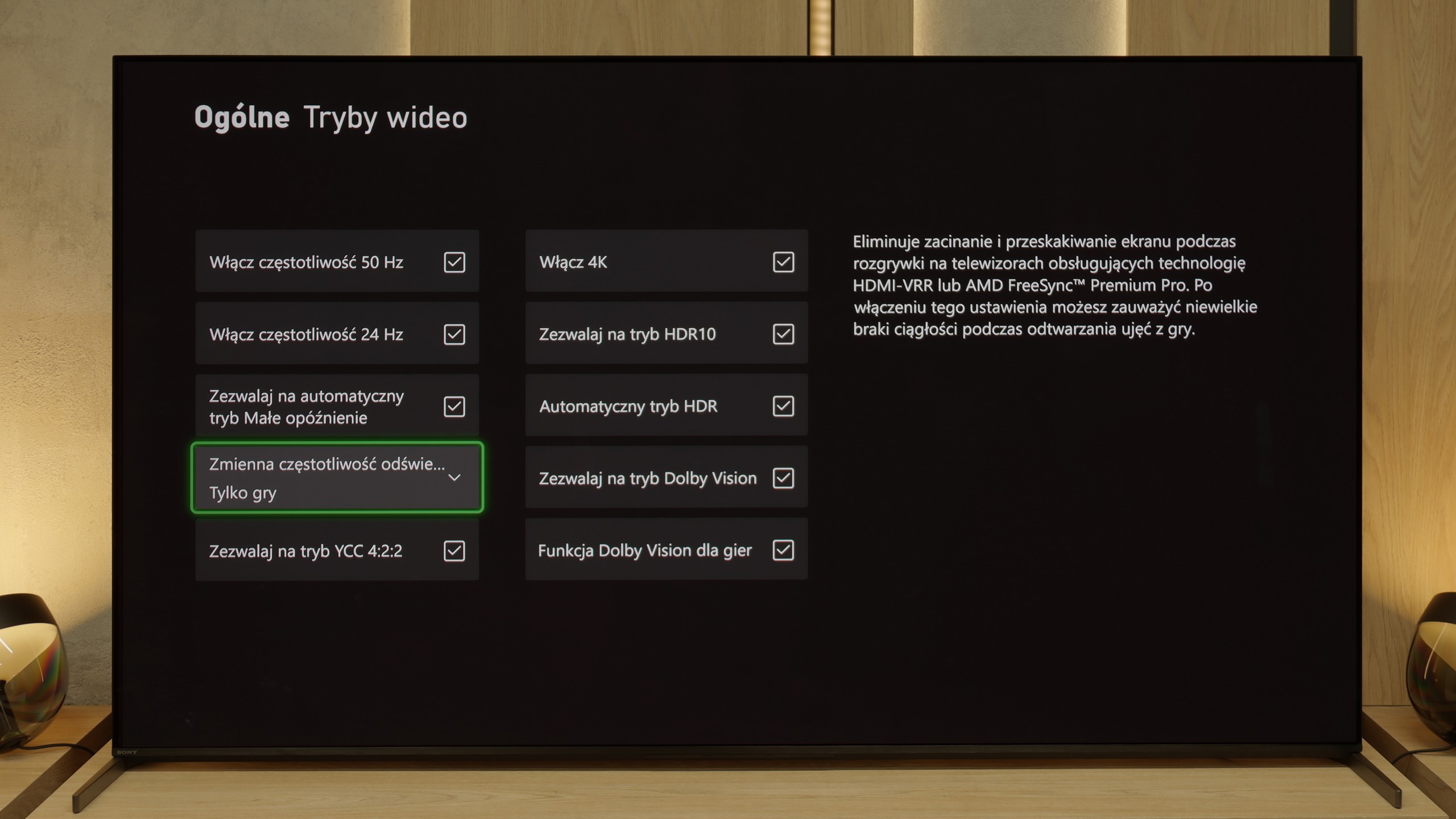
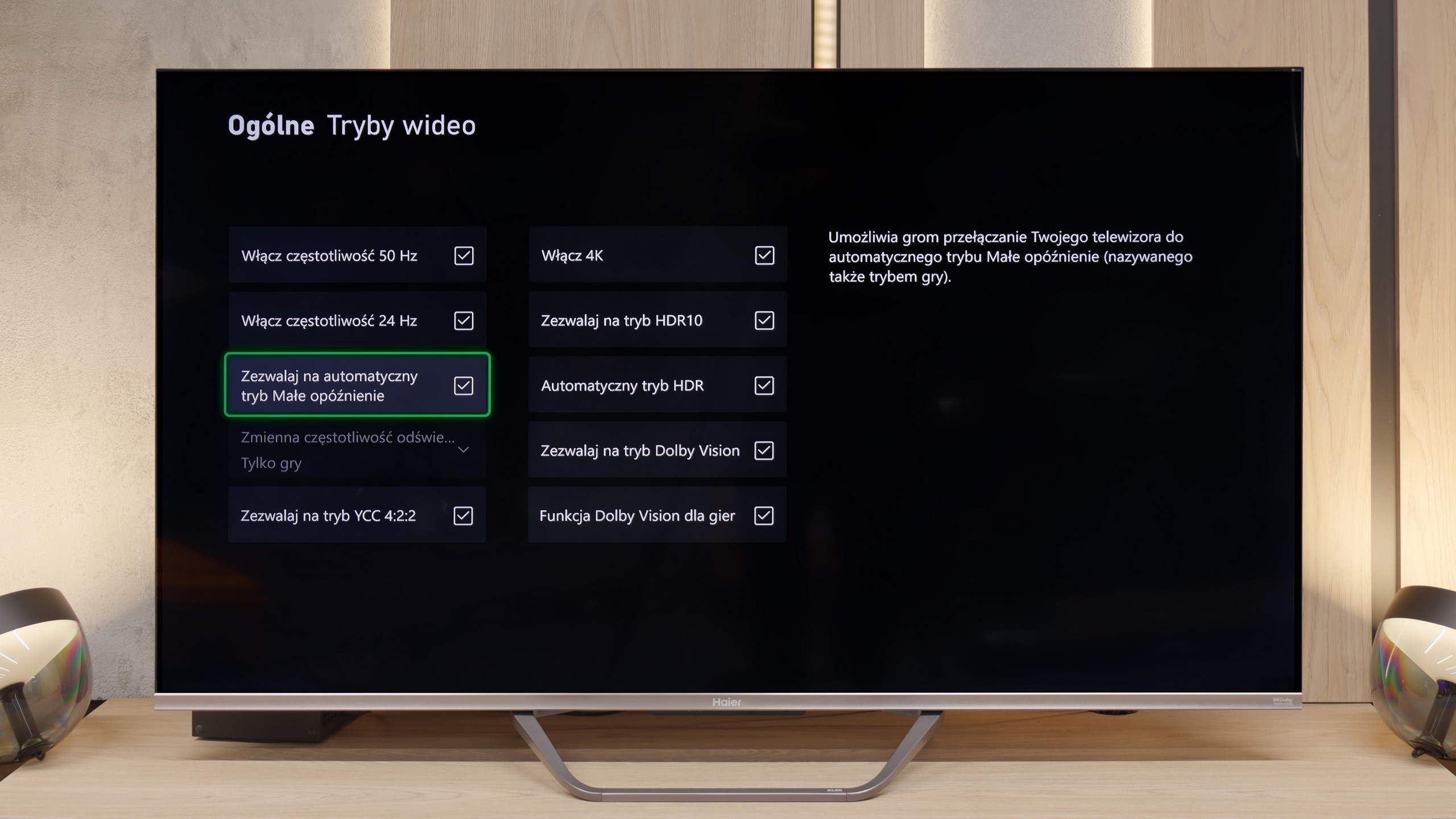
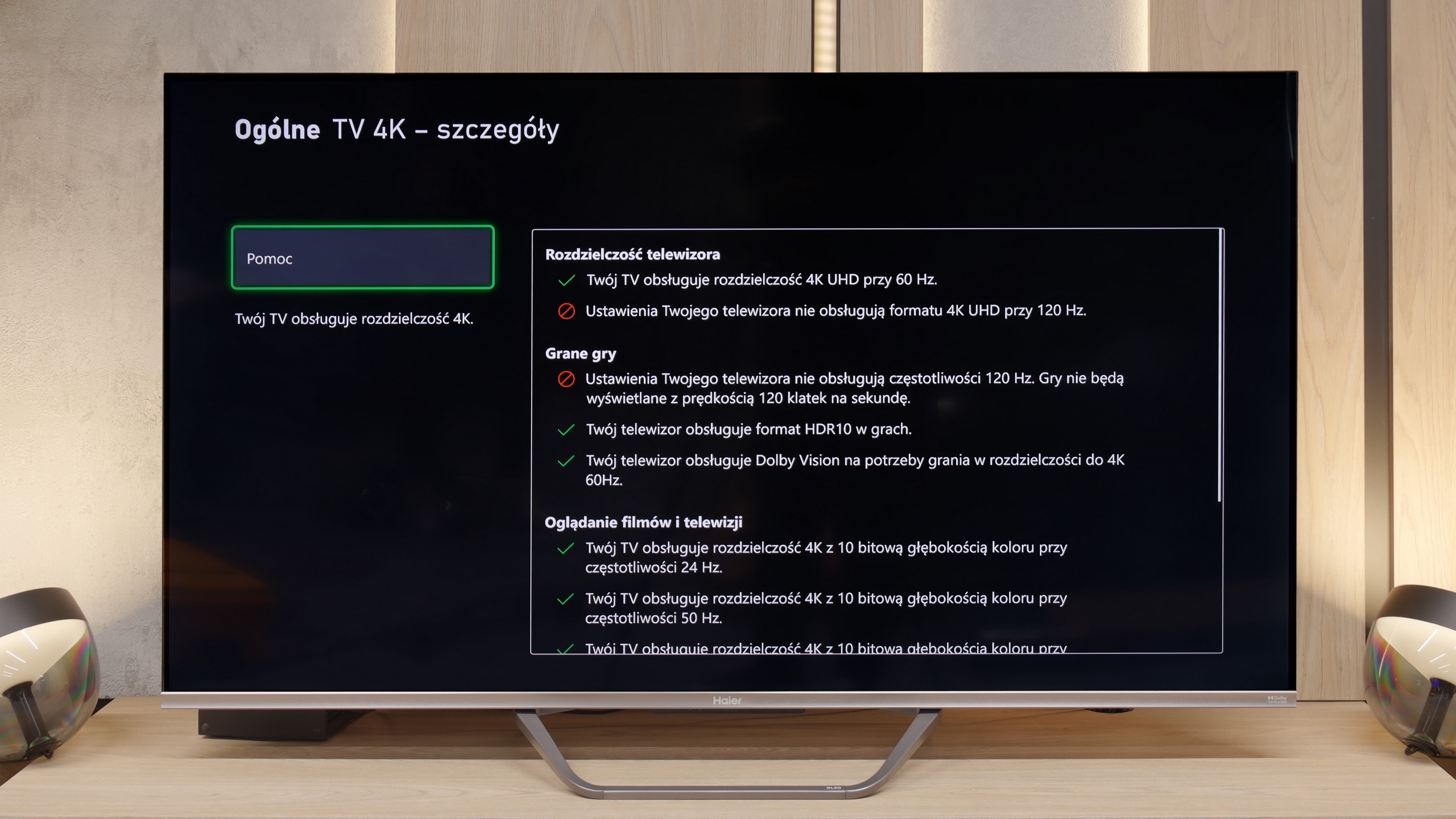
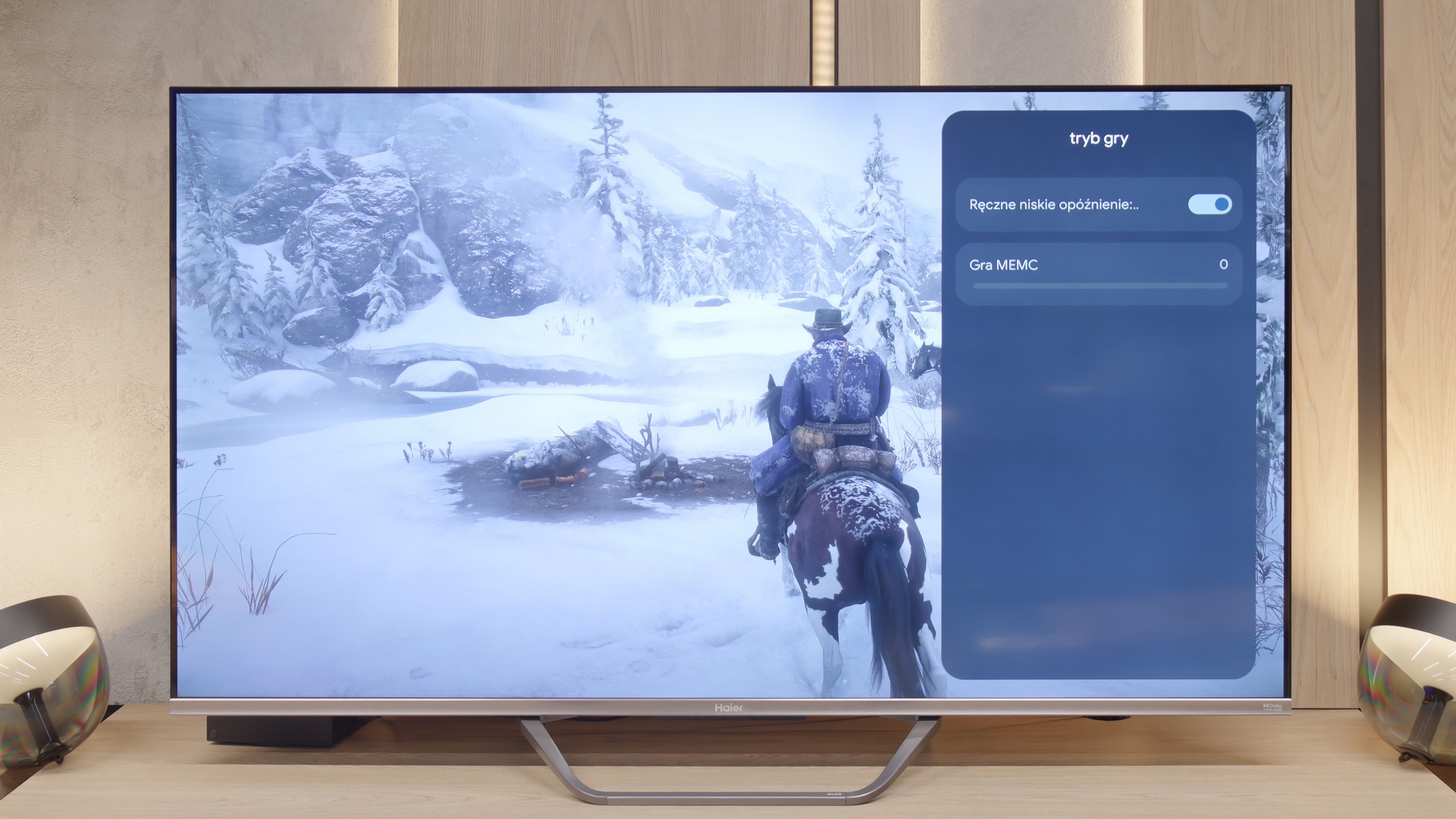
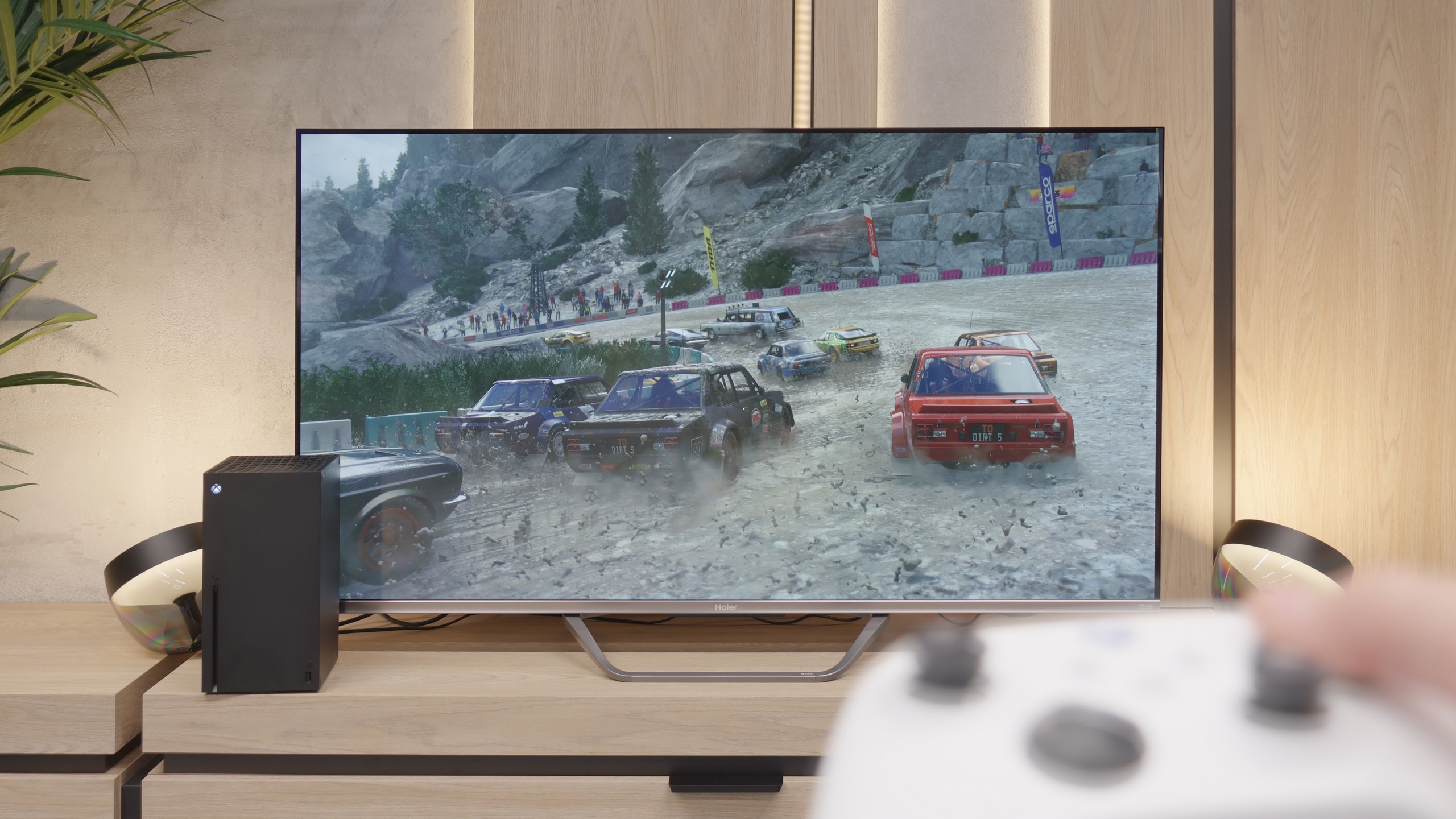
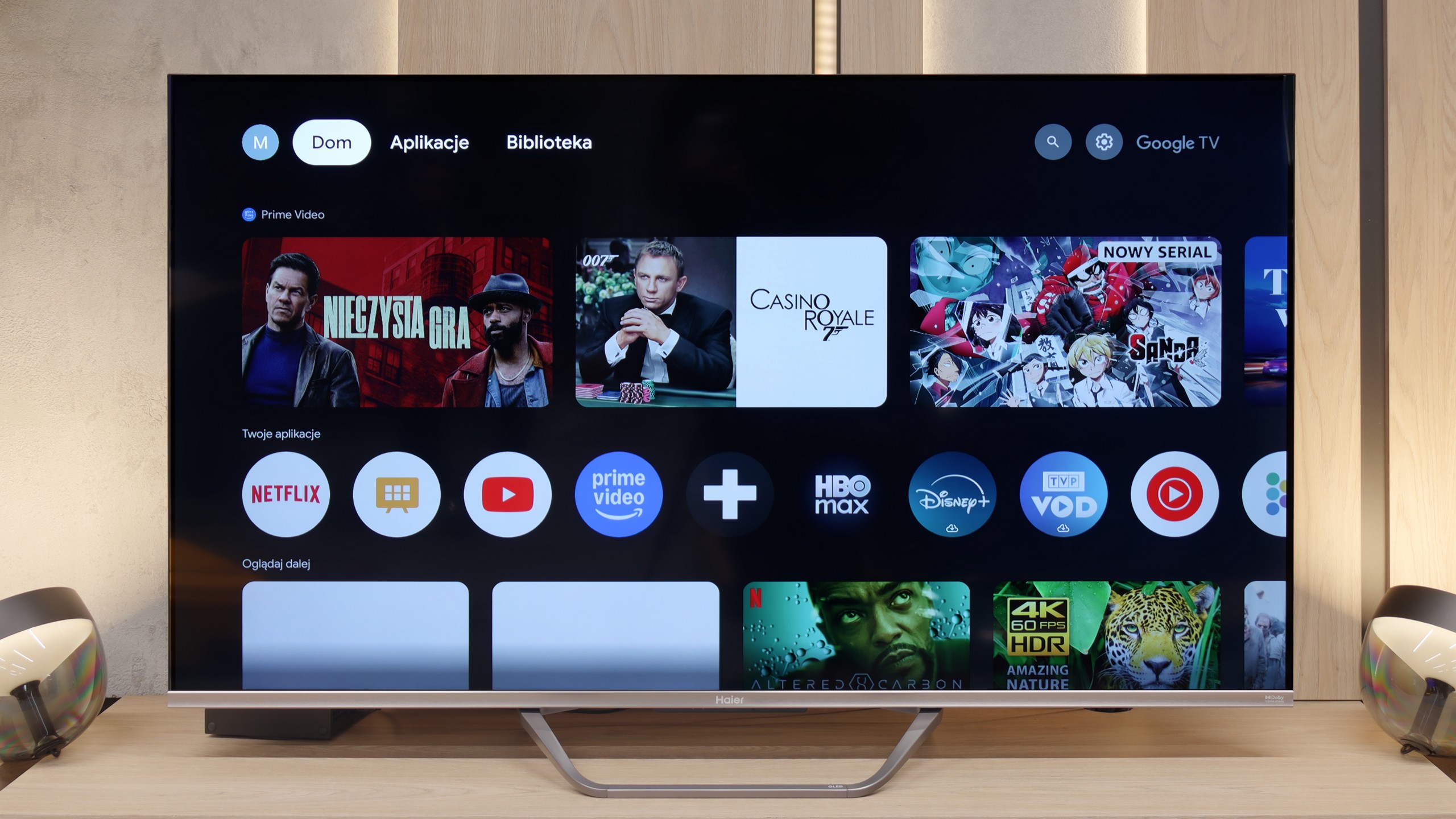
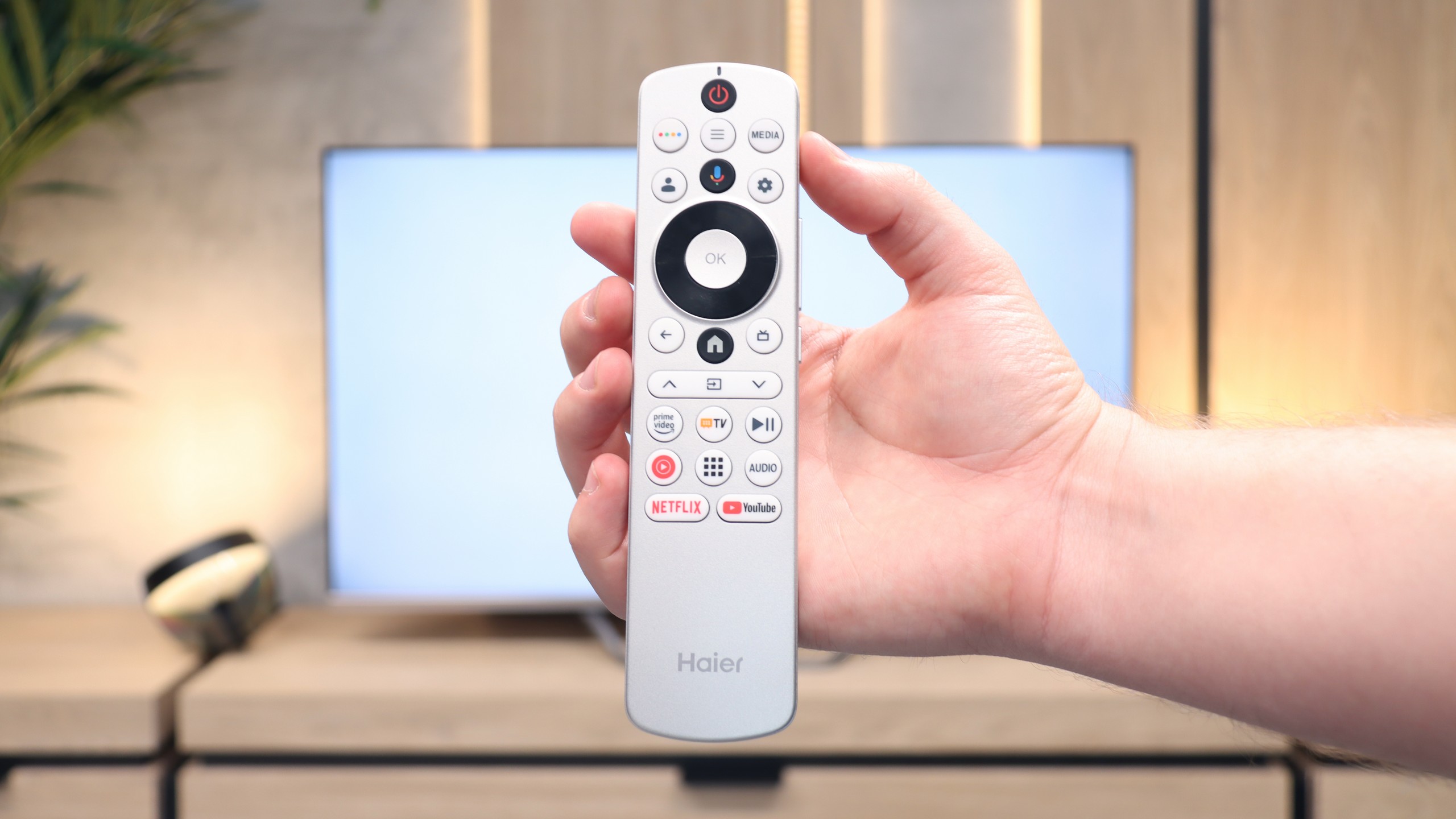
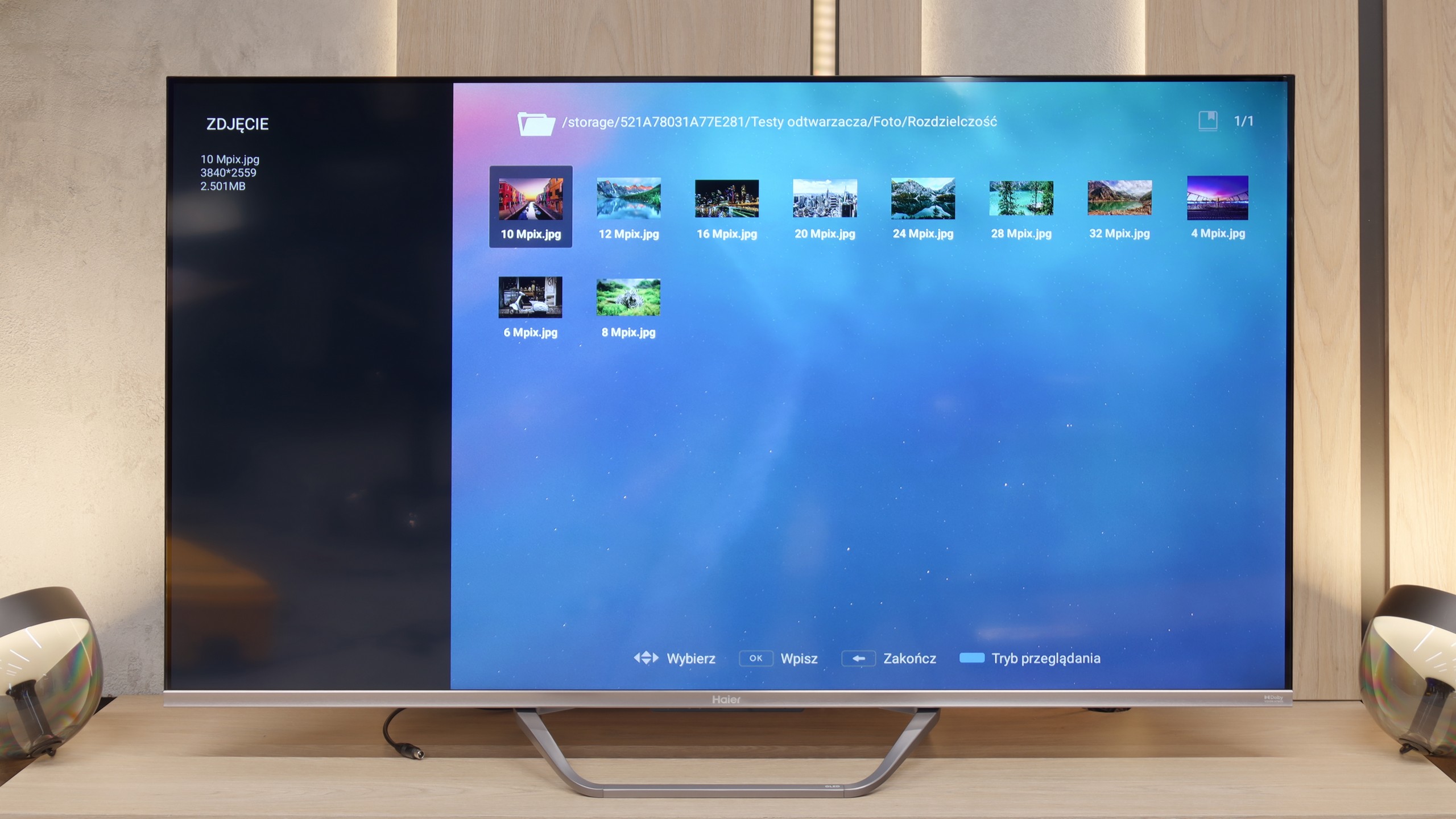
The Haier Q80FUX TV is one of the most schizophrenic proposals we've had in our editorial office for a long time. On one hand, we have a solid piece of equipment: a VA panel that guarantees deep blacks, as expected in this segment, and a QLED quantum filter that can indeed generate juicy, eye-catching colors. This is the foundation on which a truly competitive mid-range receiver could have been built. Unfortunately, all this potential of the panel is systematically torpedoed by the software, which is a real ball and chain for this model. The biggest Achilles' heel of the Q80FUX is its total capitulation in the face of HDR10 content. The electronics seem to completely misunderstand how to interpret the signal, resulting in consistently blowing out the brightest parts of the image, turning them into a flat, milky blob. If we add the Google TV system, which – although functional – is unstable, full of errors, and irritating shortcomings, we get a picture of a raw product that clearly reveals the manufacturer's lack of experience. And just when we were ready to write this model off, we discovered its surprising niche. Once connected to a console, the Q80FUX undergoes a transformation. It turns out that this TV offers wonderfully low input lag, fully supports VRR, and can accept a 120Hz signal at Full HD resolution. In the gaming world, where responsiveness is everything, these parameters put it in a very good light. So we are dealing with a device of very narrow specialization. This is not a universal living room TV – it lacks stability and, above all, any correctness in handling films. It is more of a budget, large-format monitor for gamers who are able to consciously overlook all its software flaws in exchange for those few key attributes essential for console/PC at a relatively affordable price.
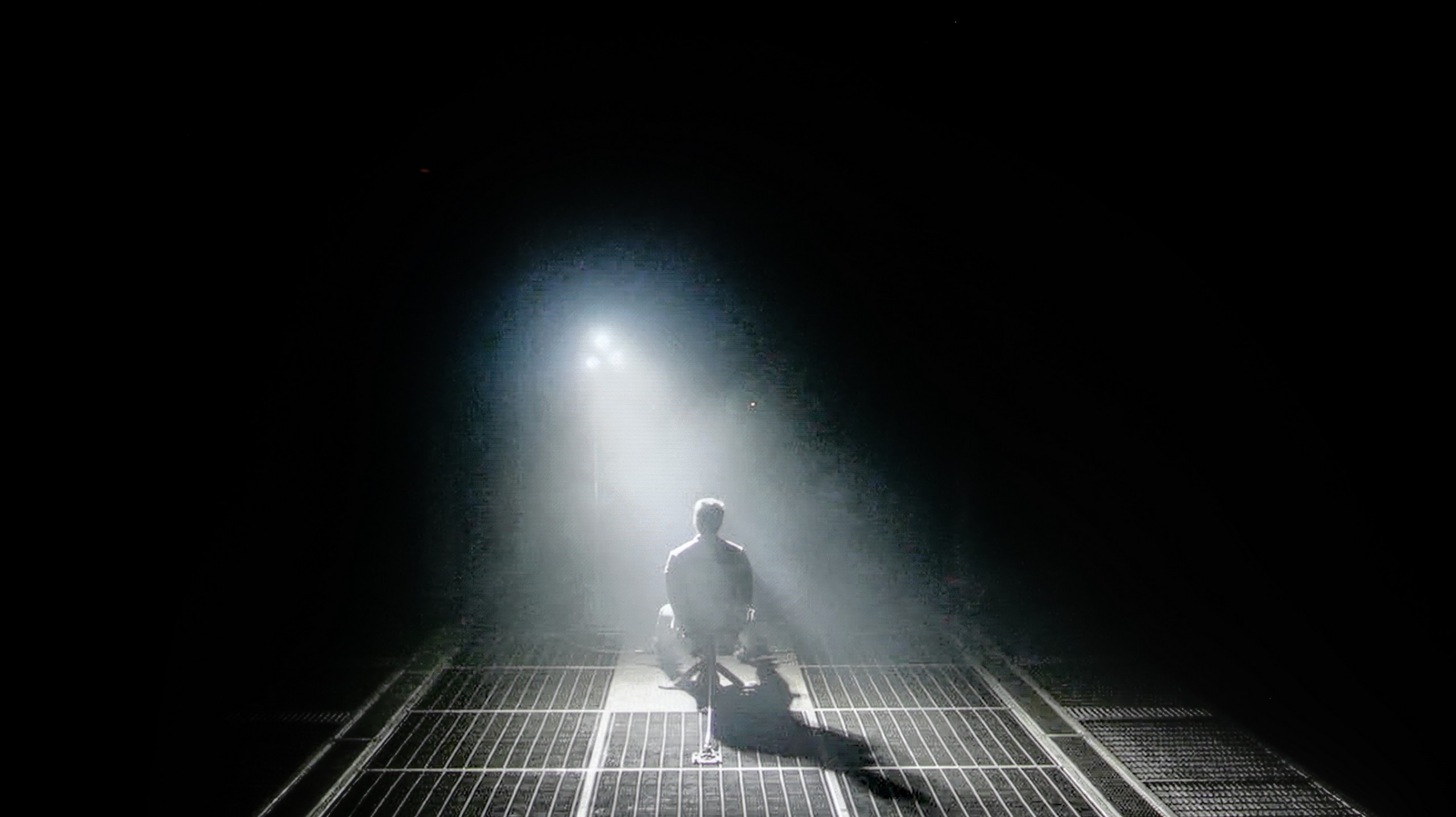
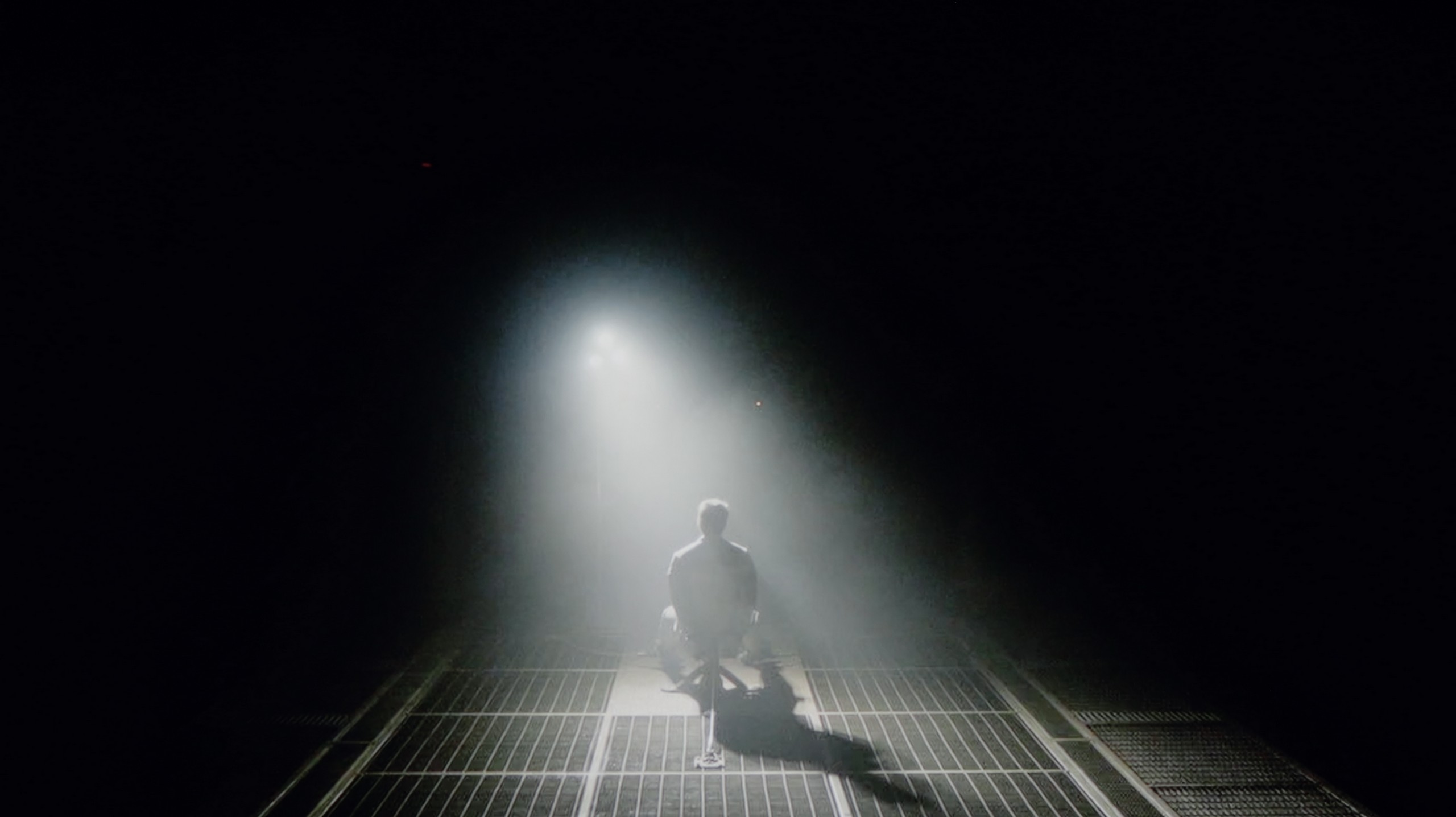
 Direct comparison