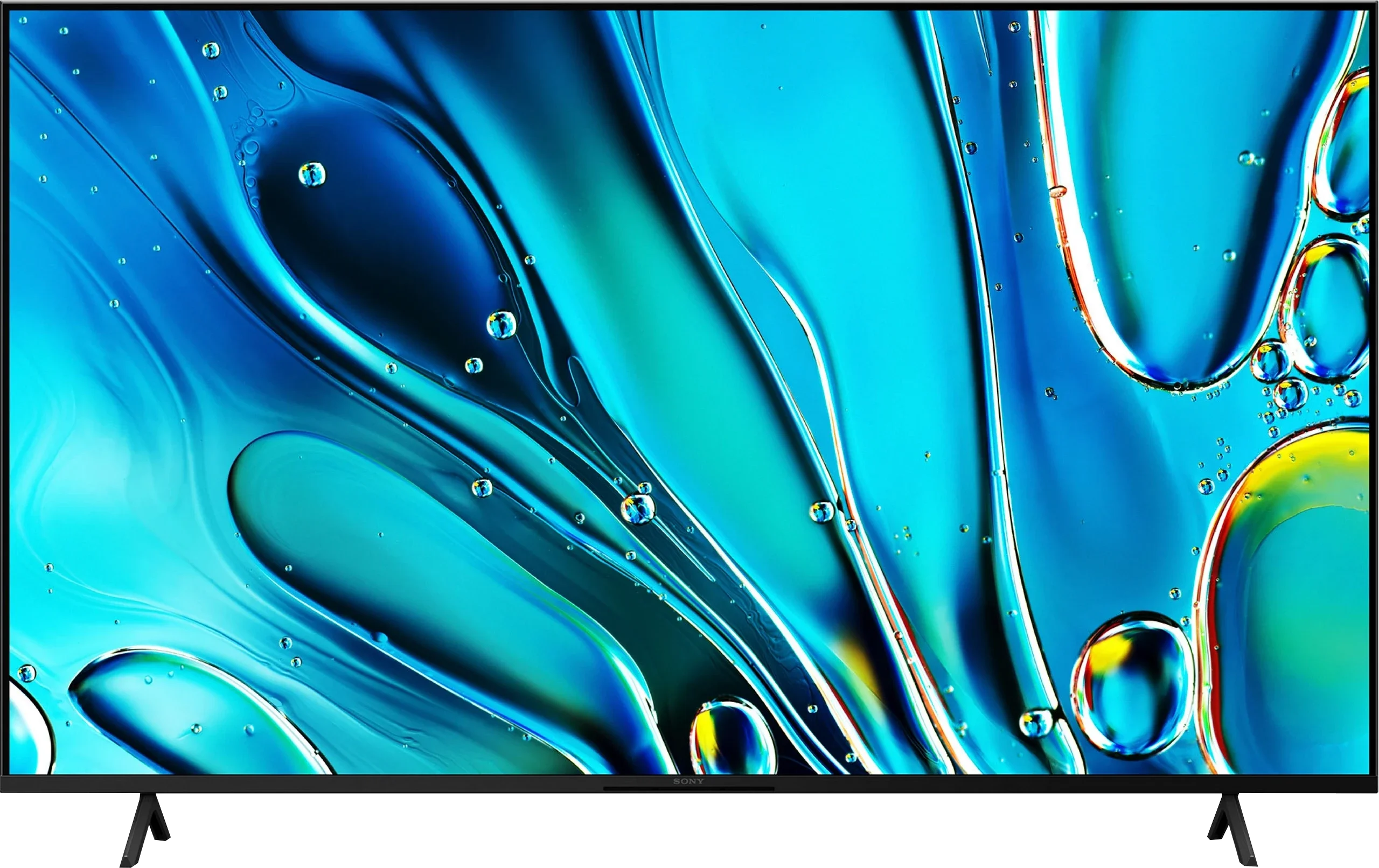
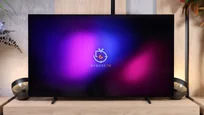
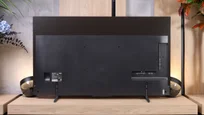
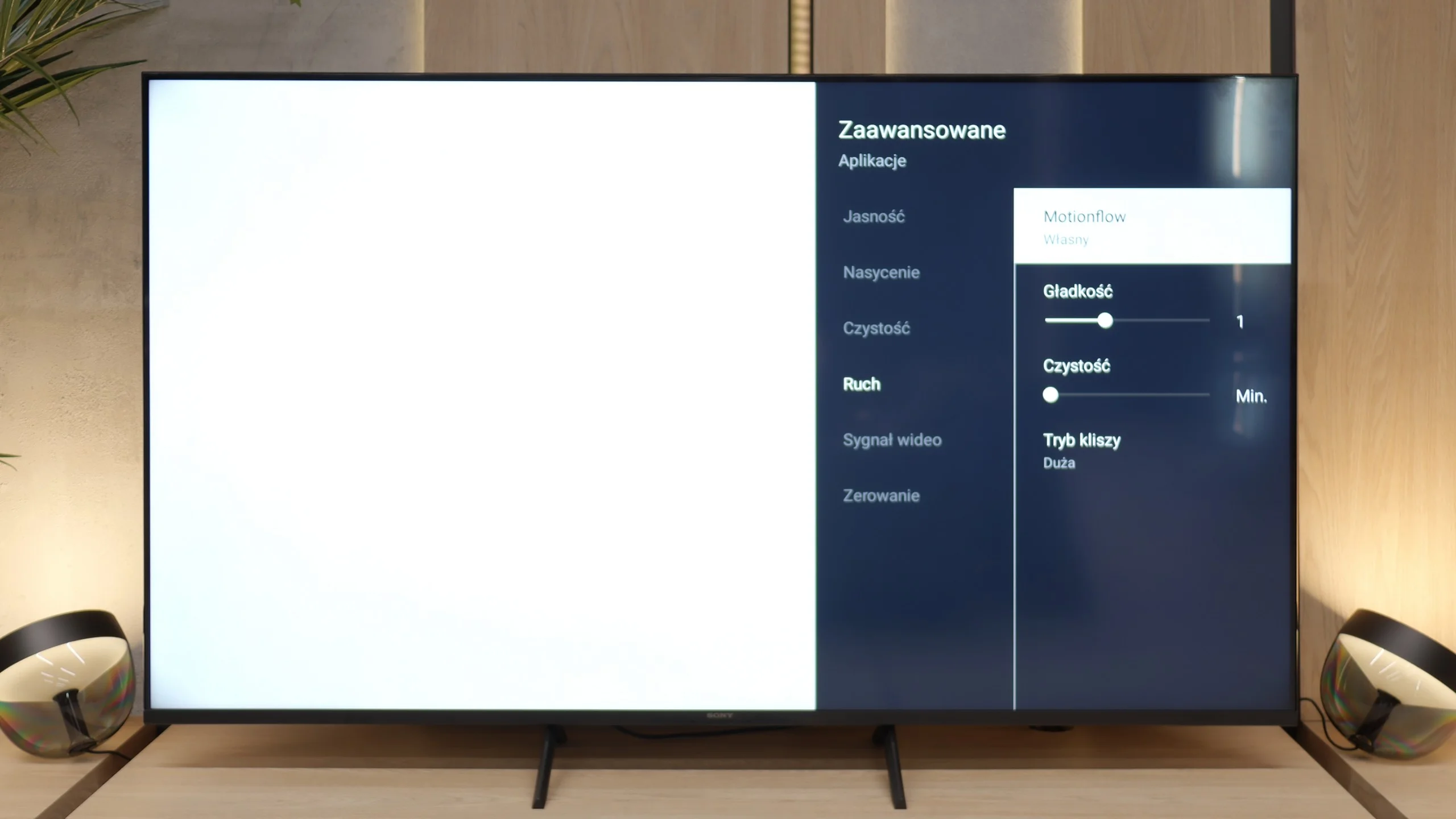
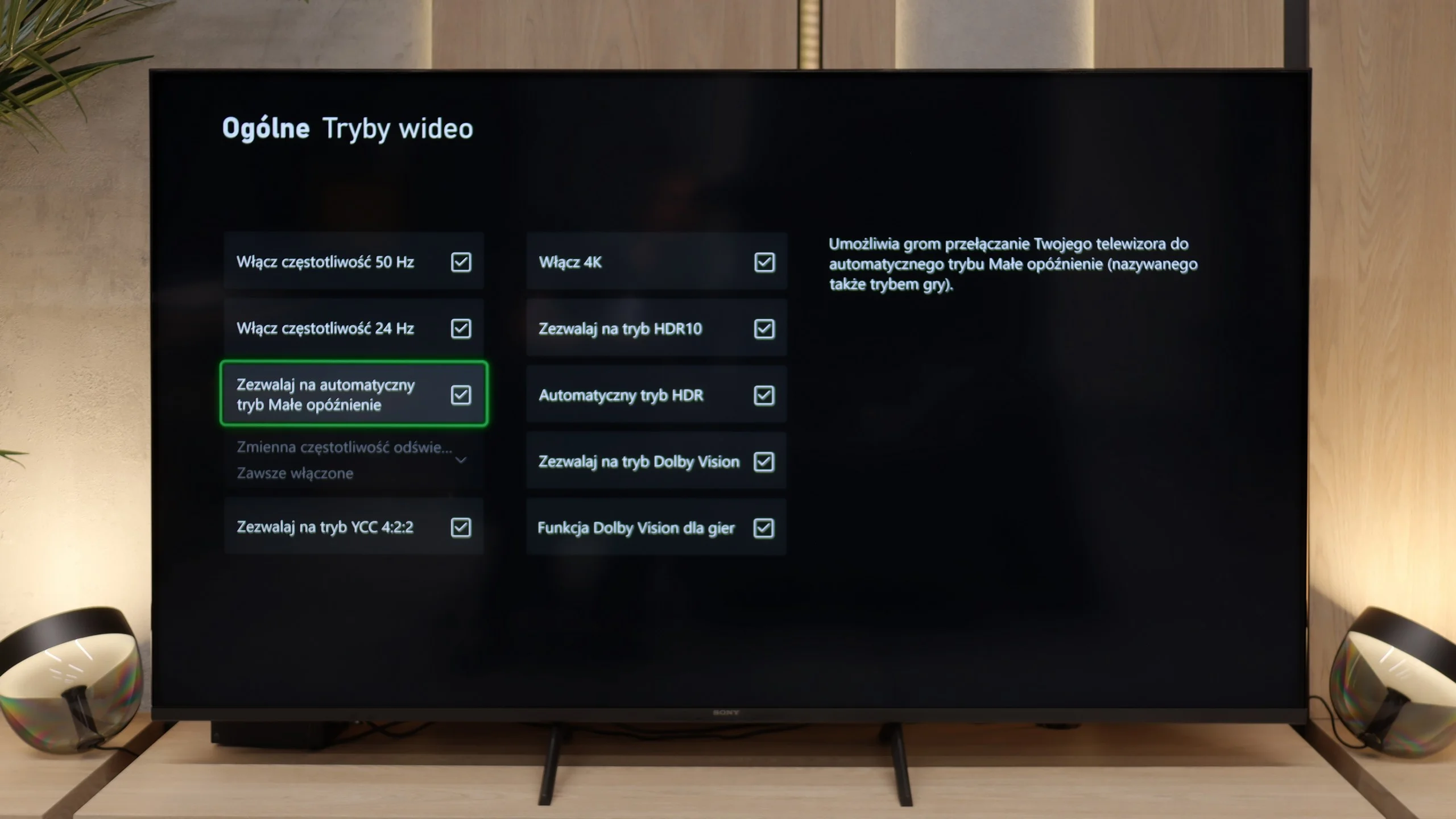
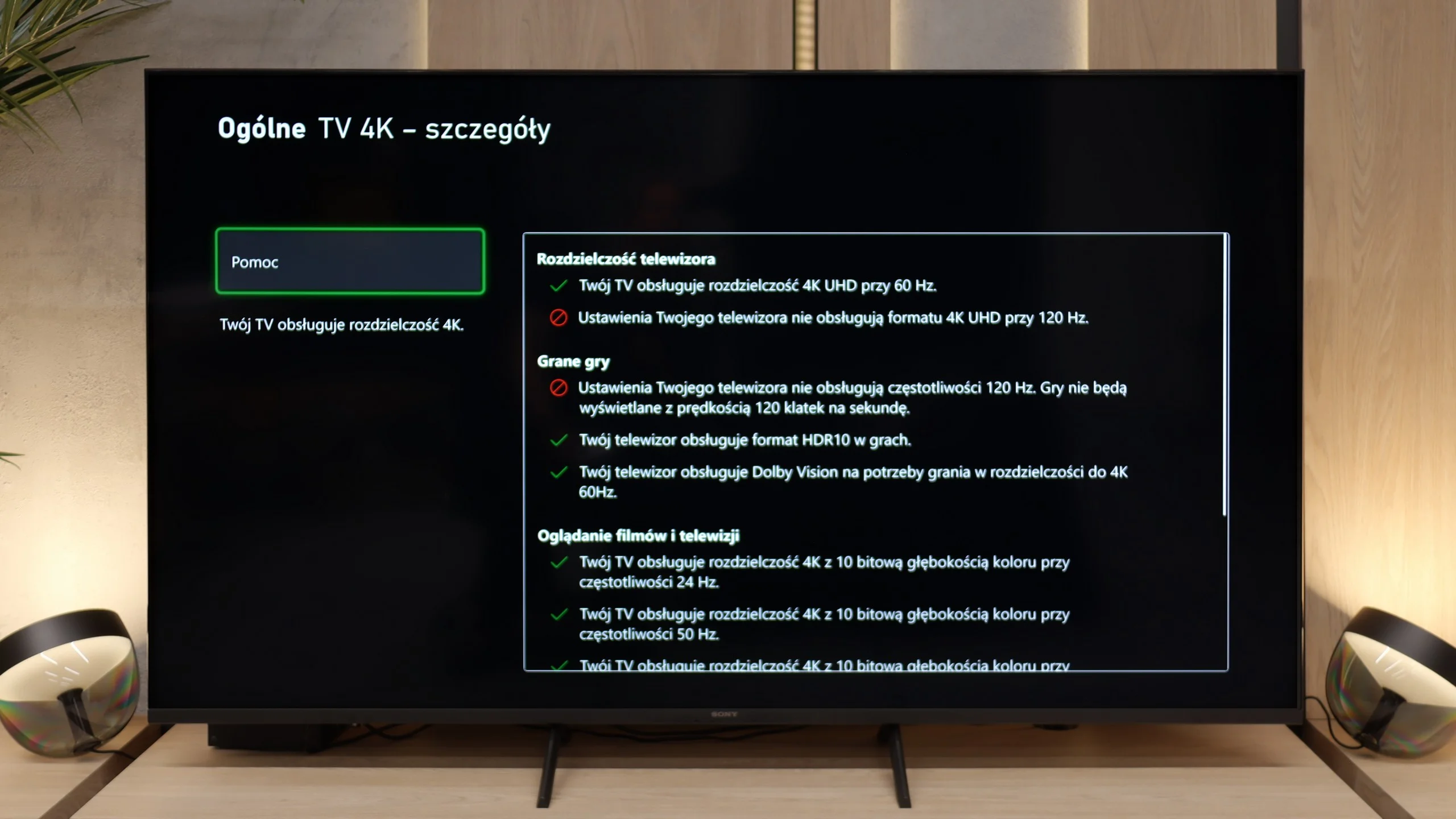
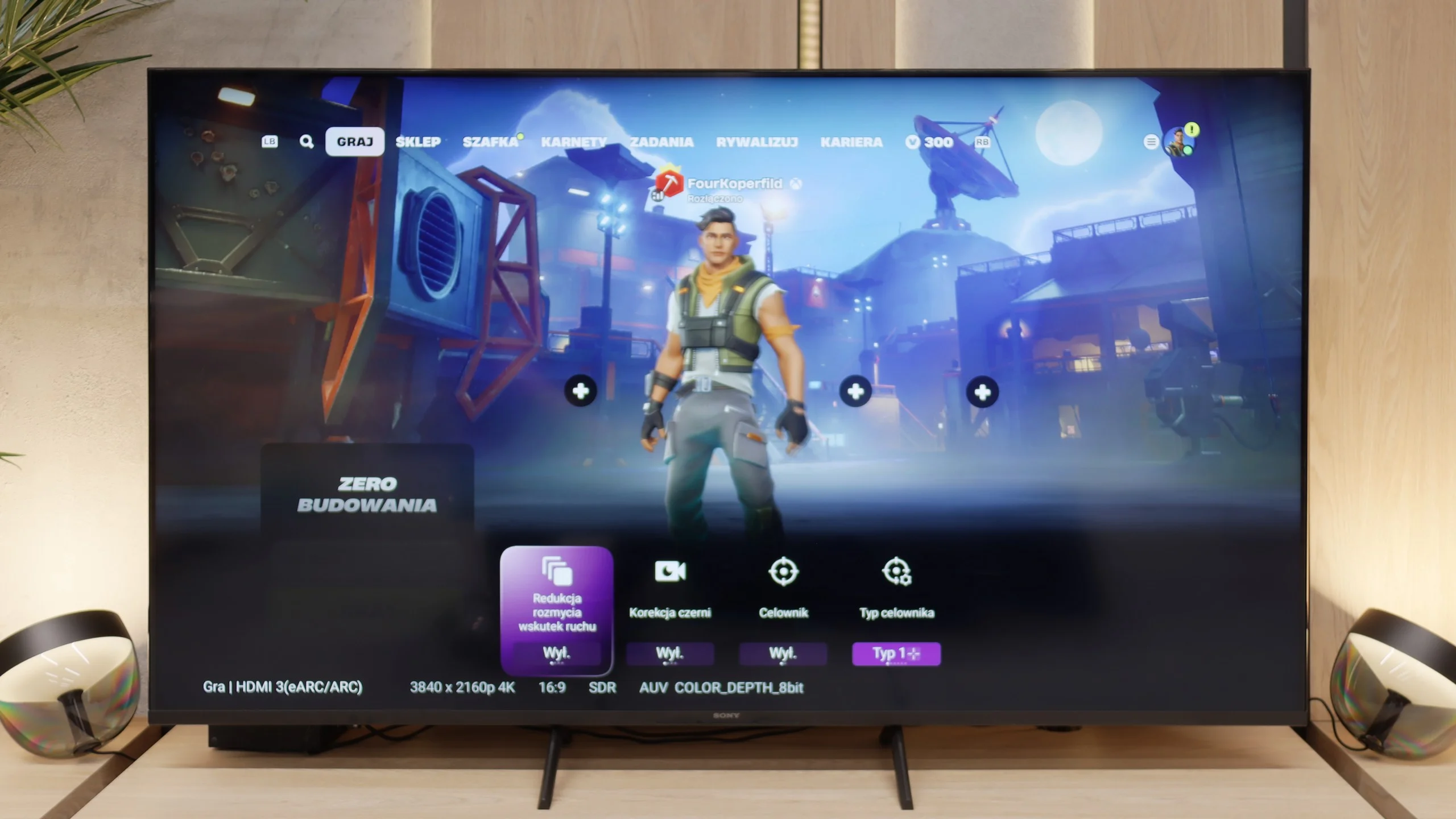
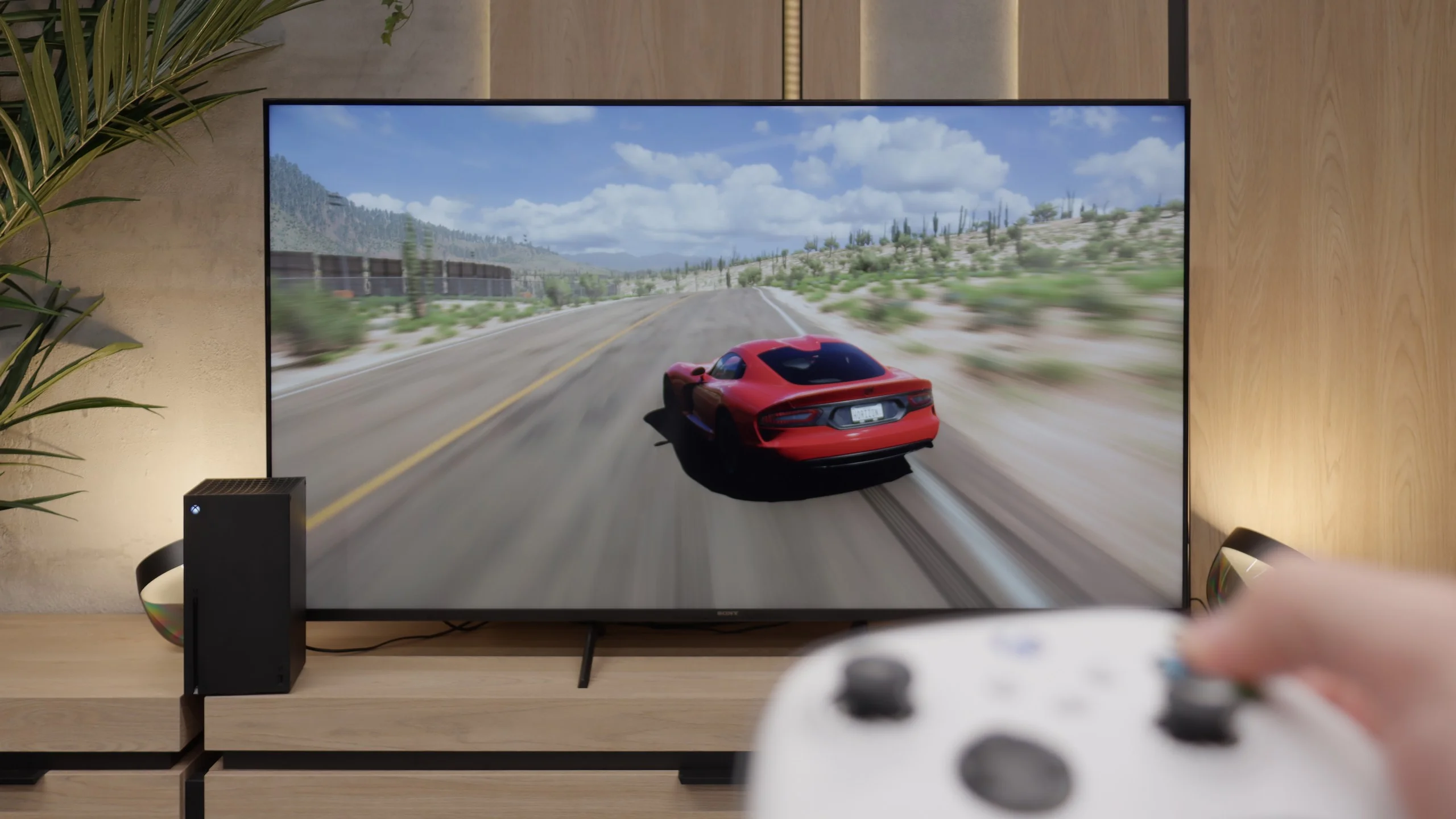
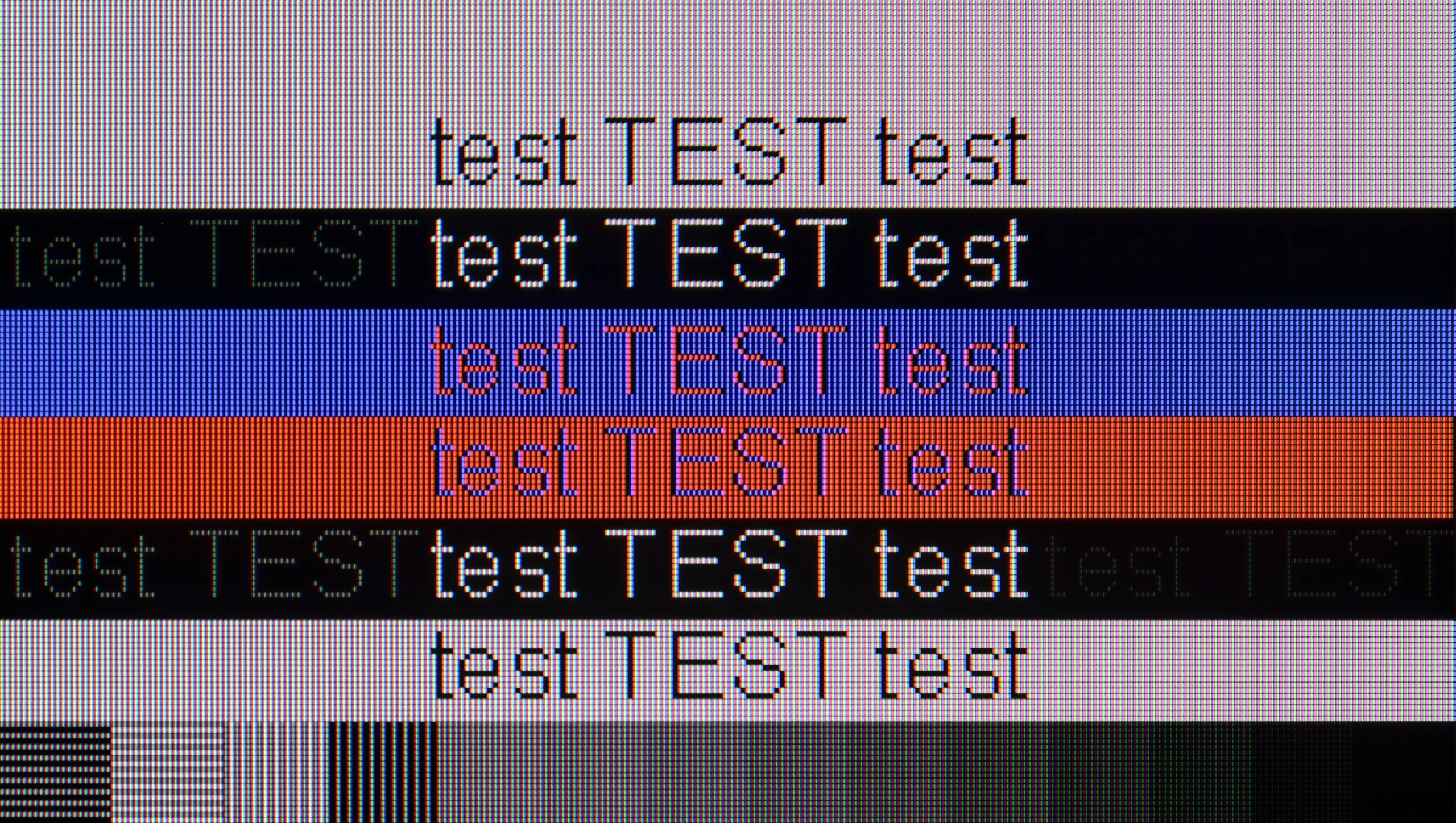
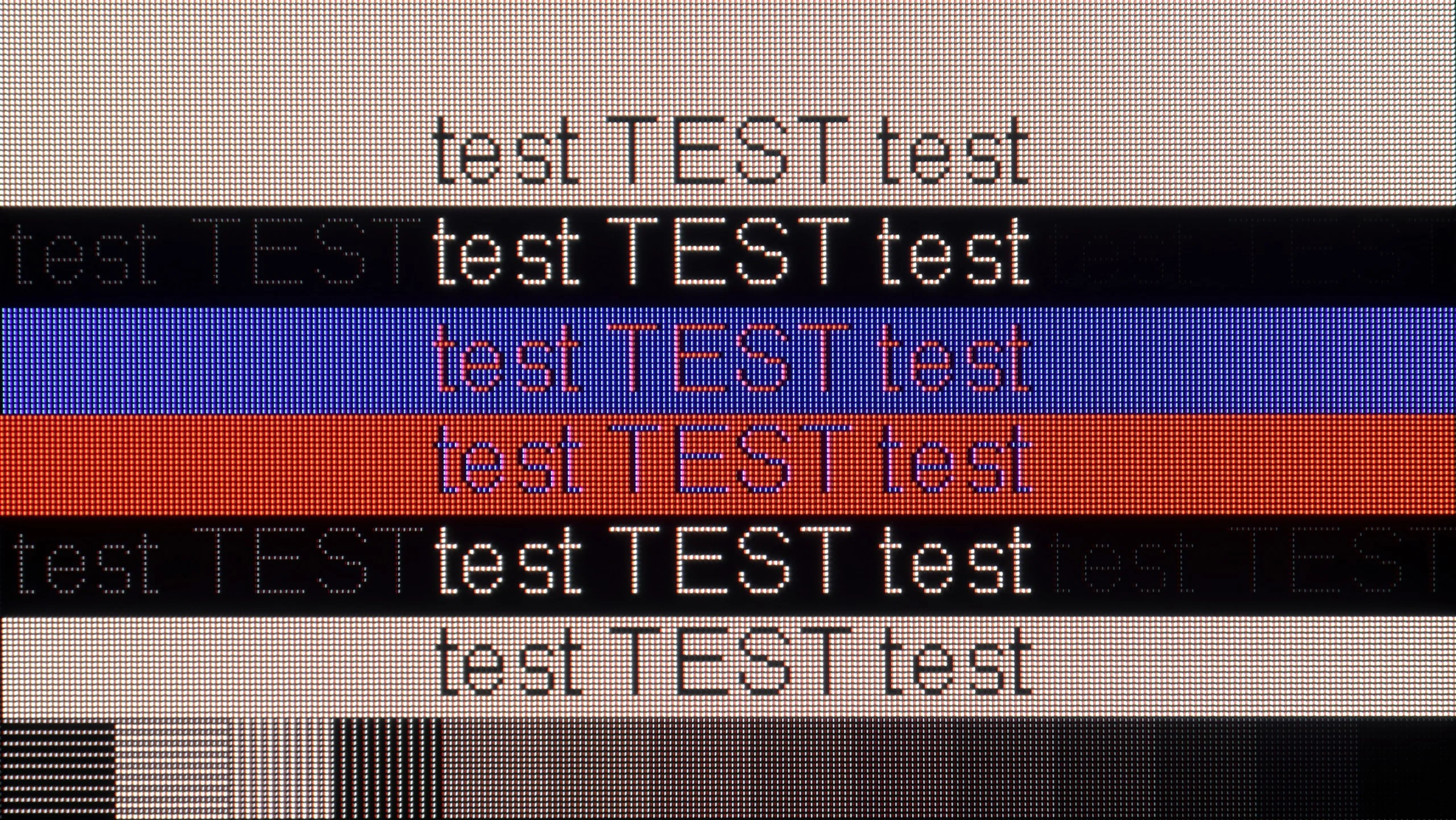
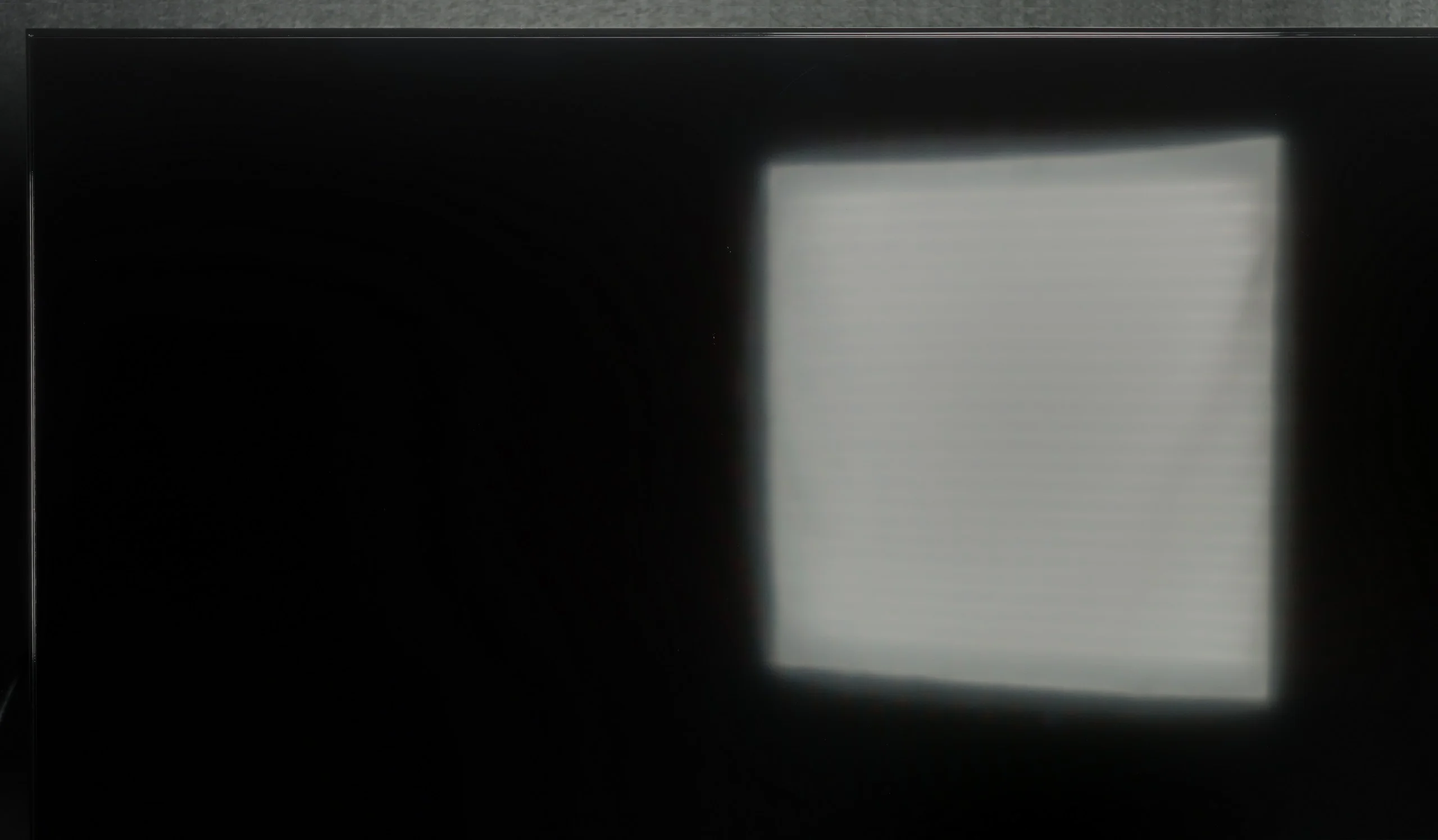
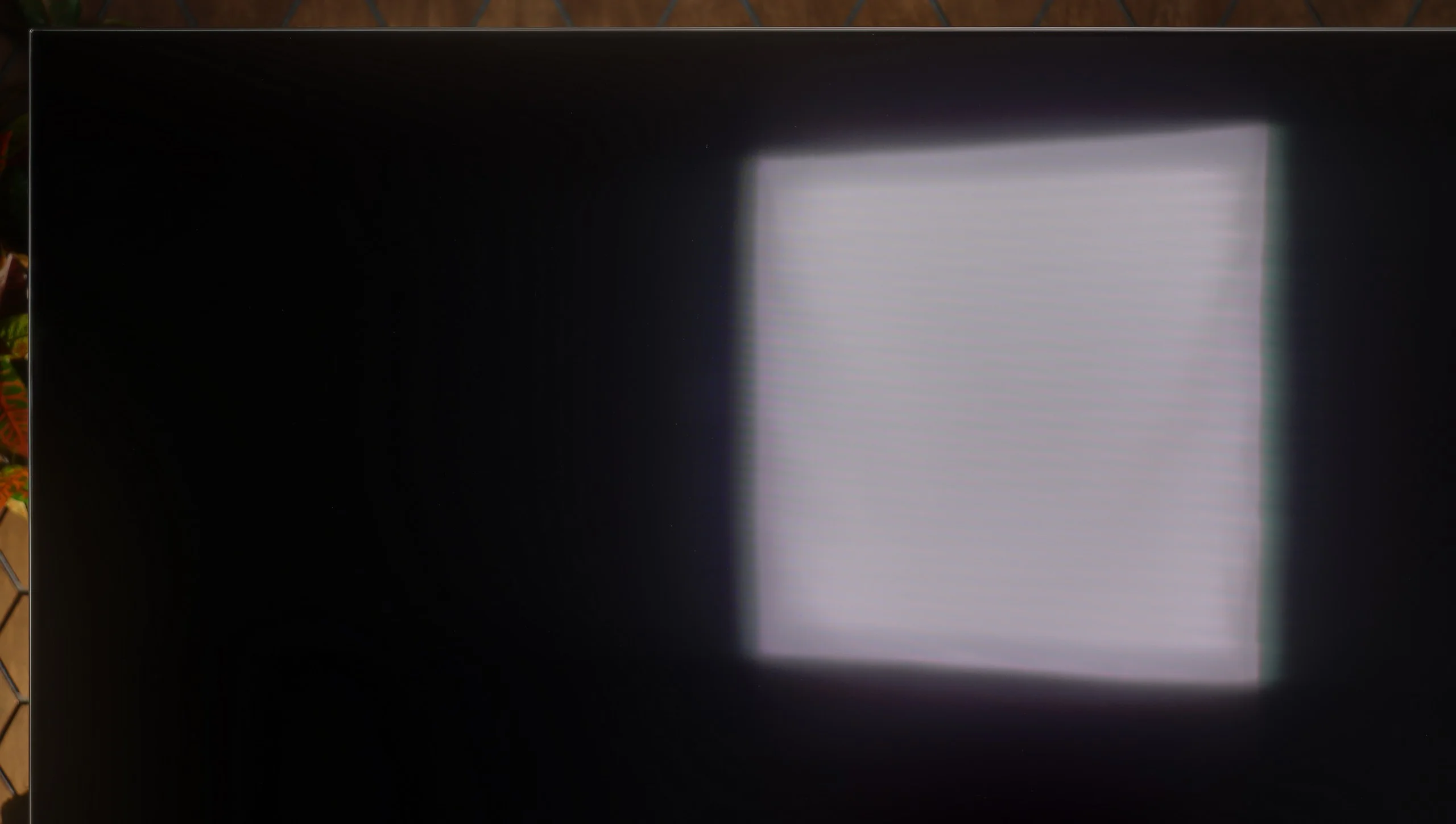
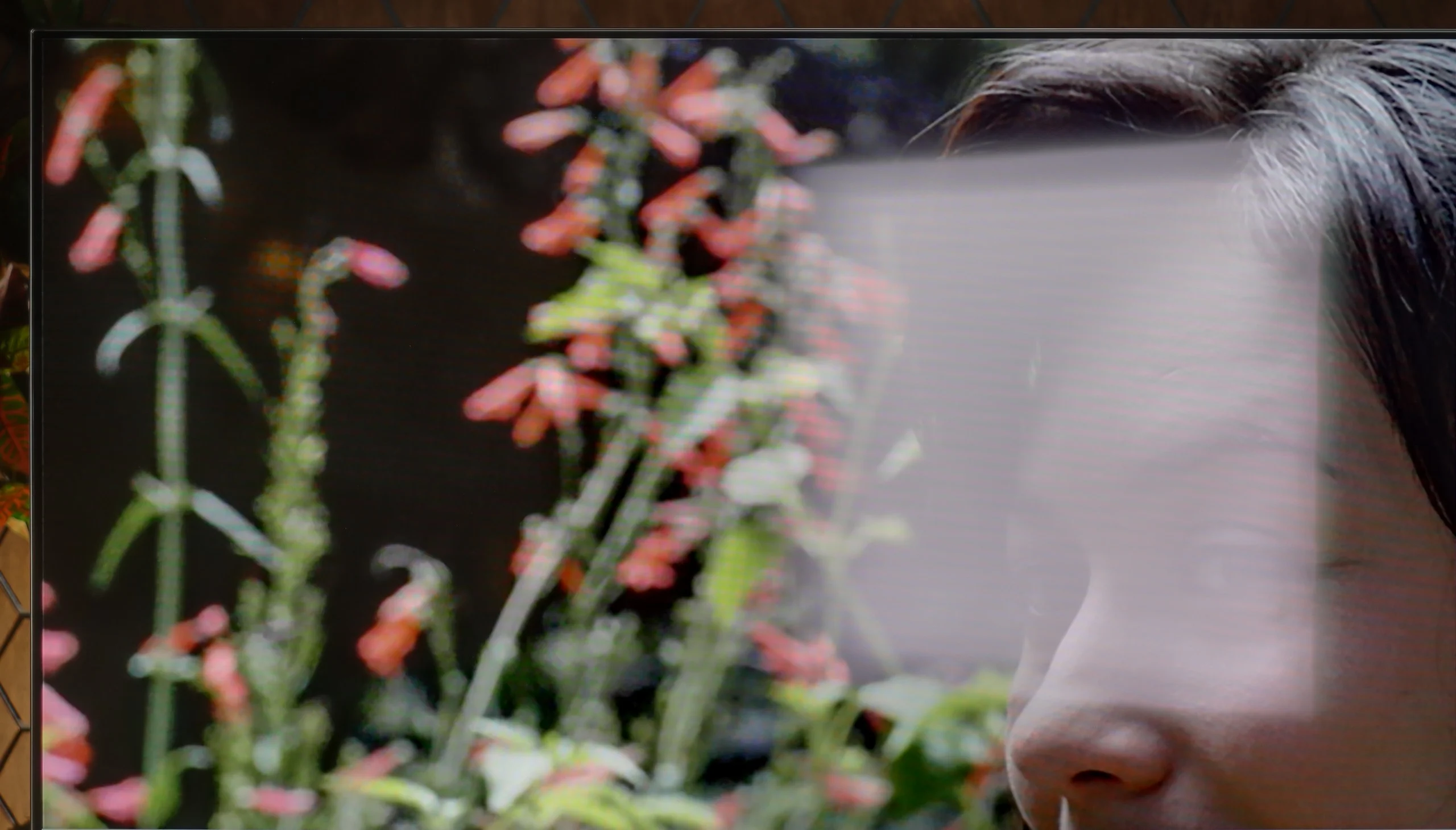
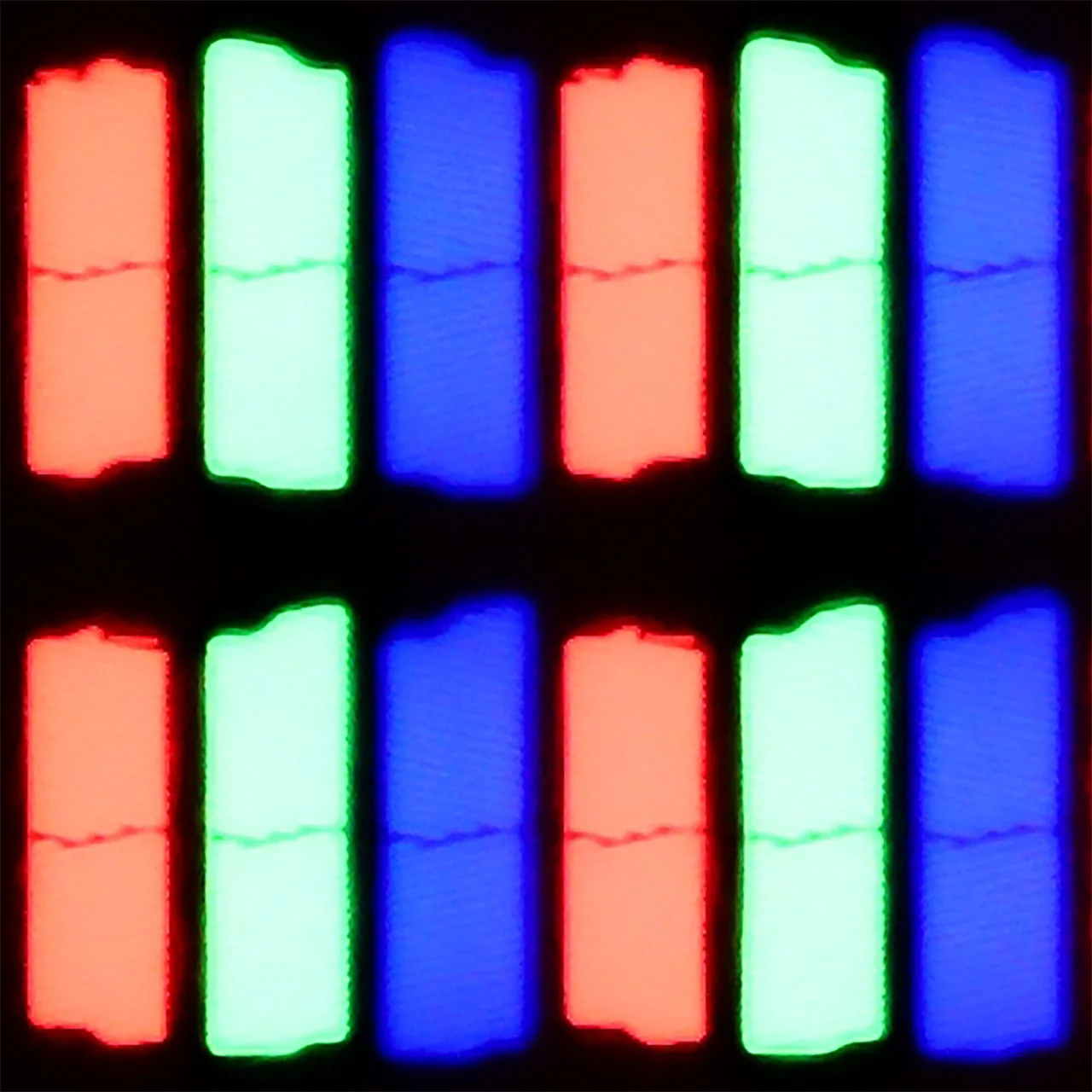
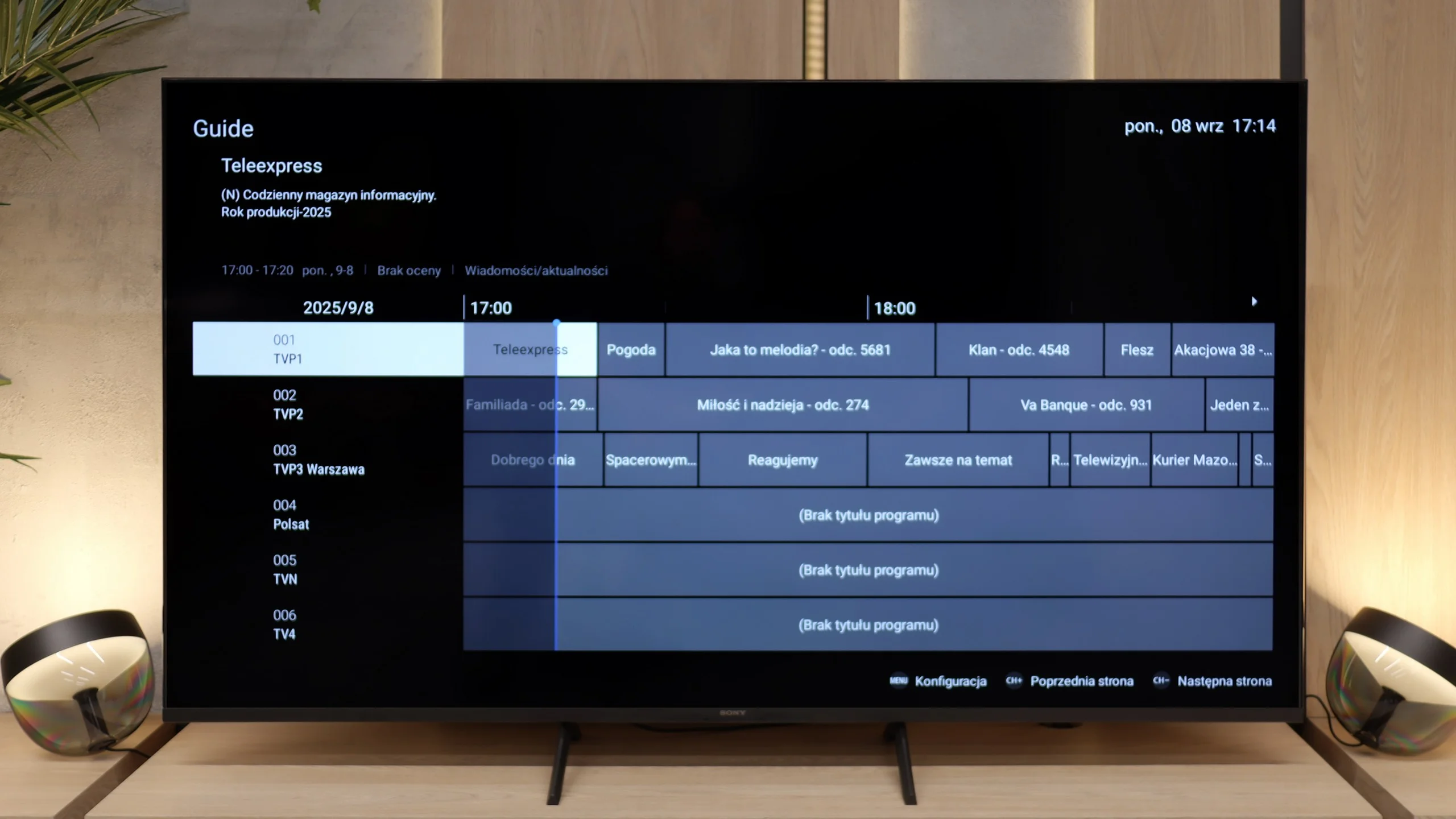
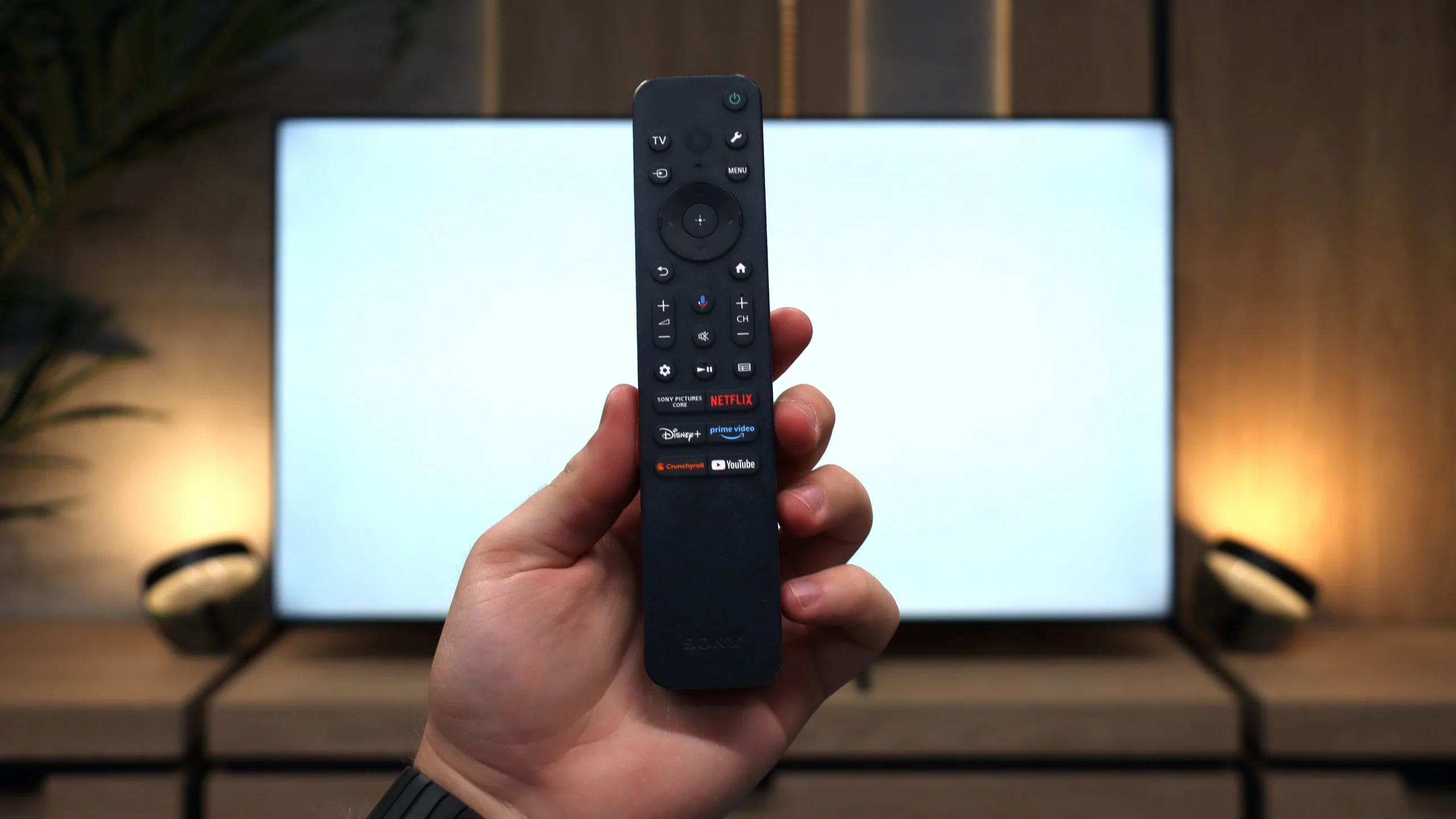
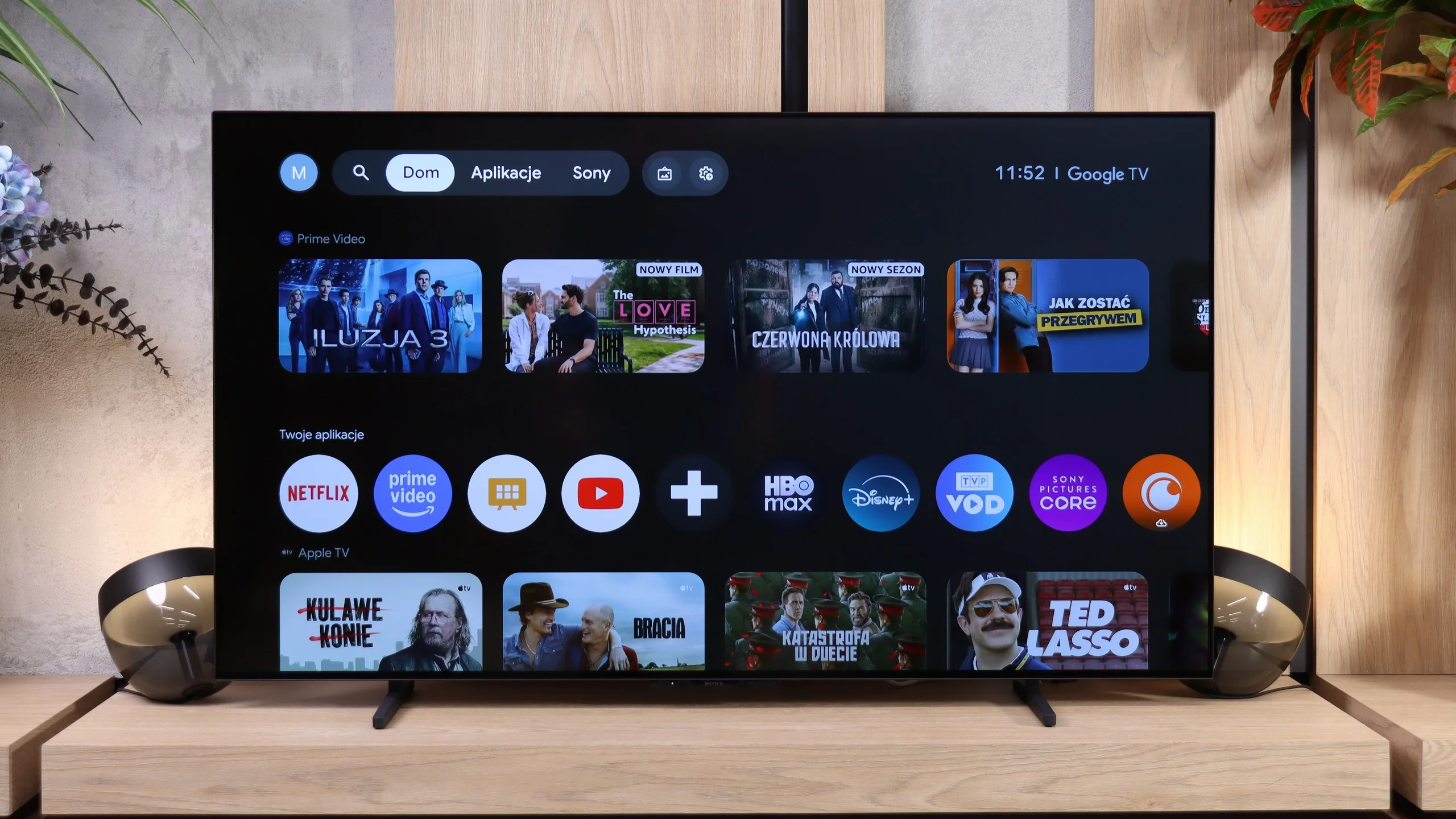
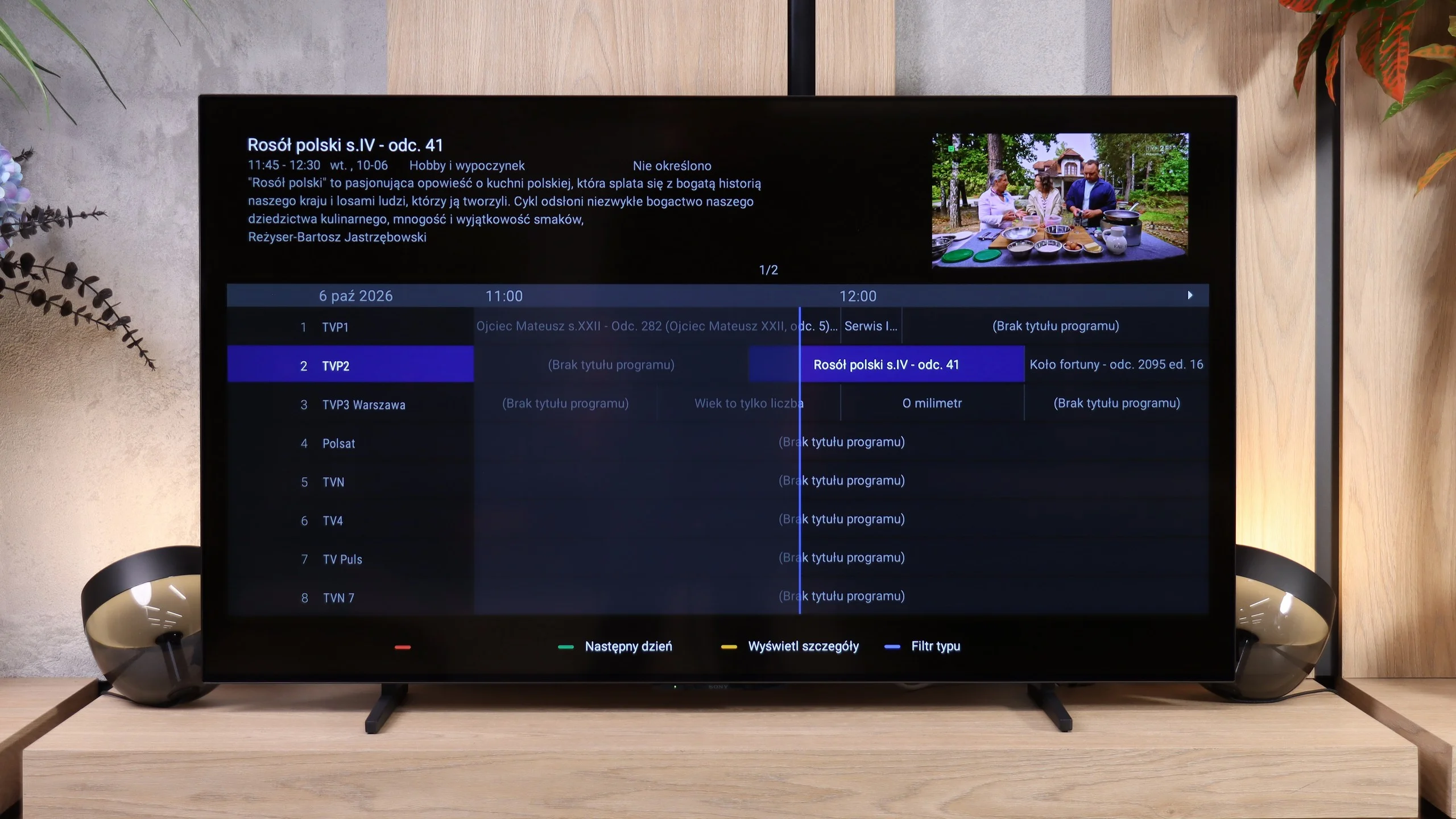
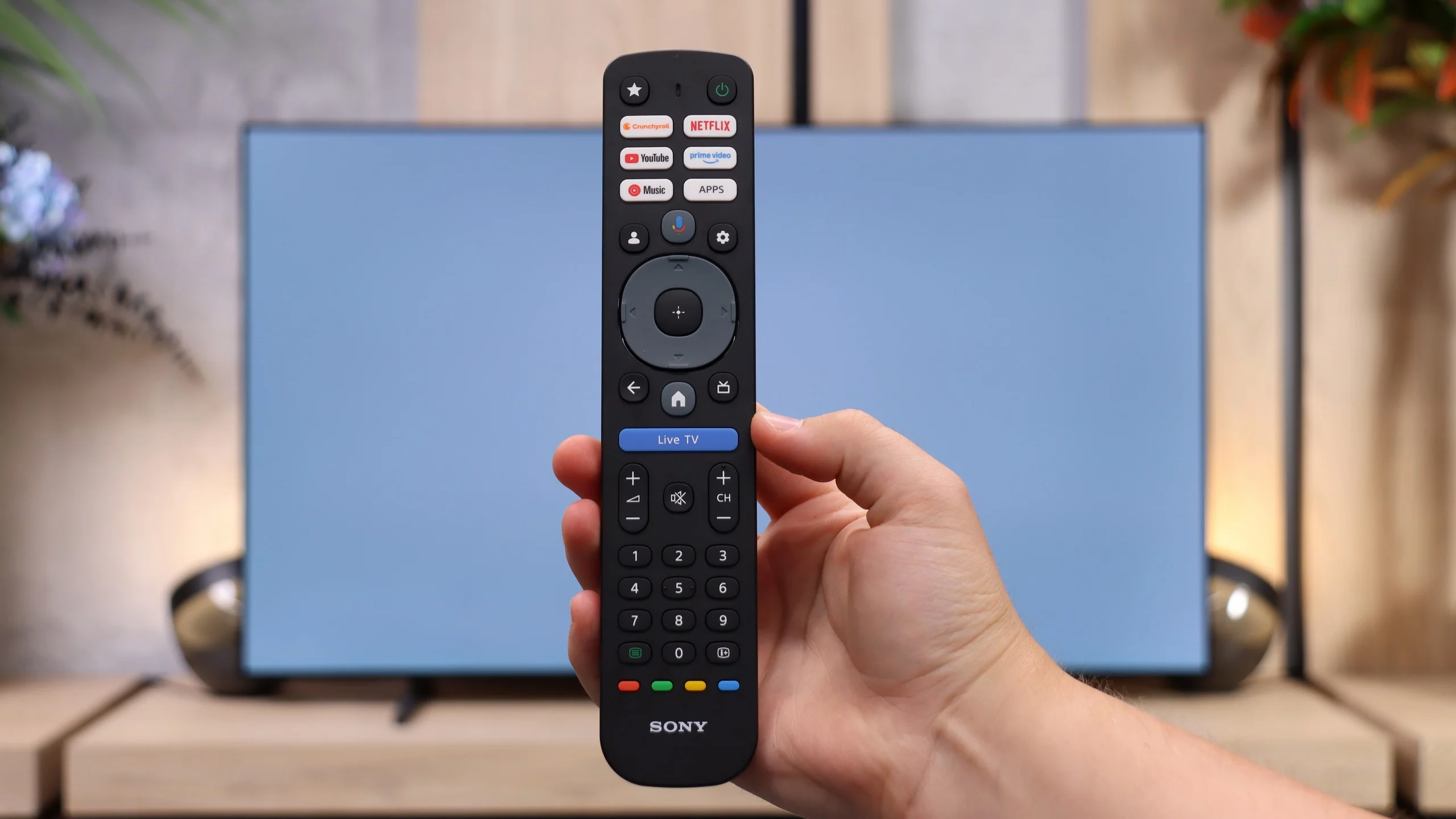
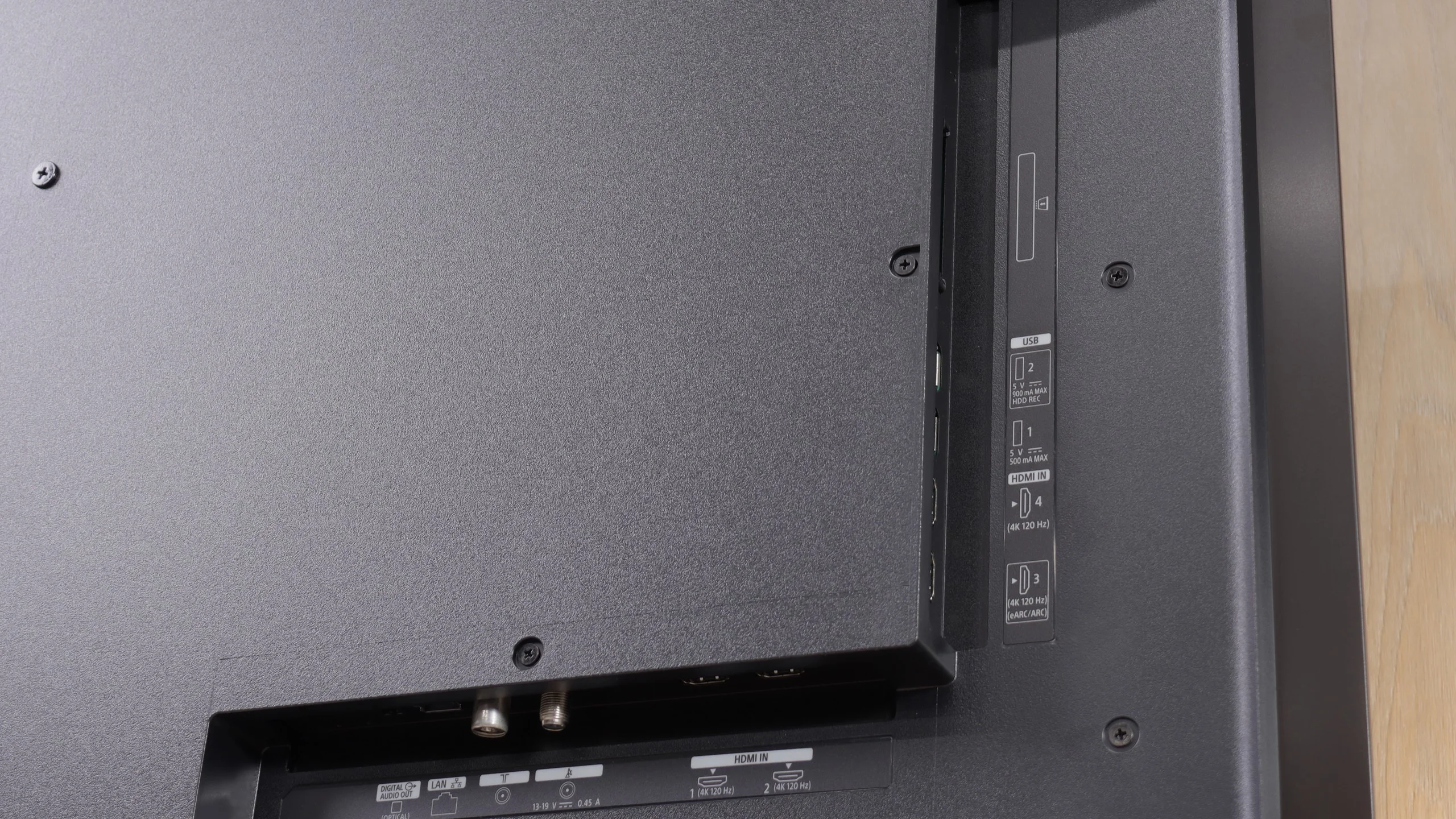
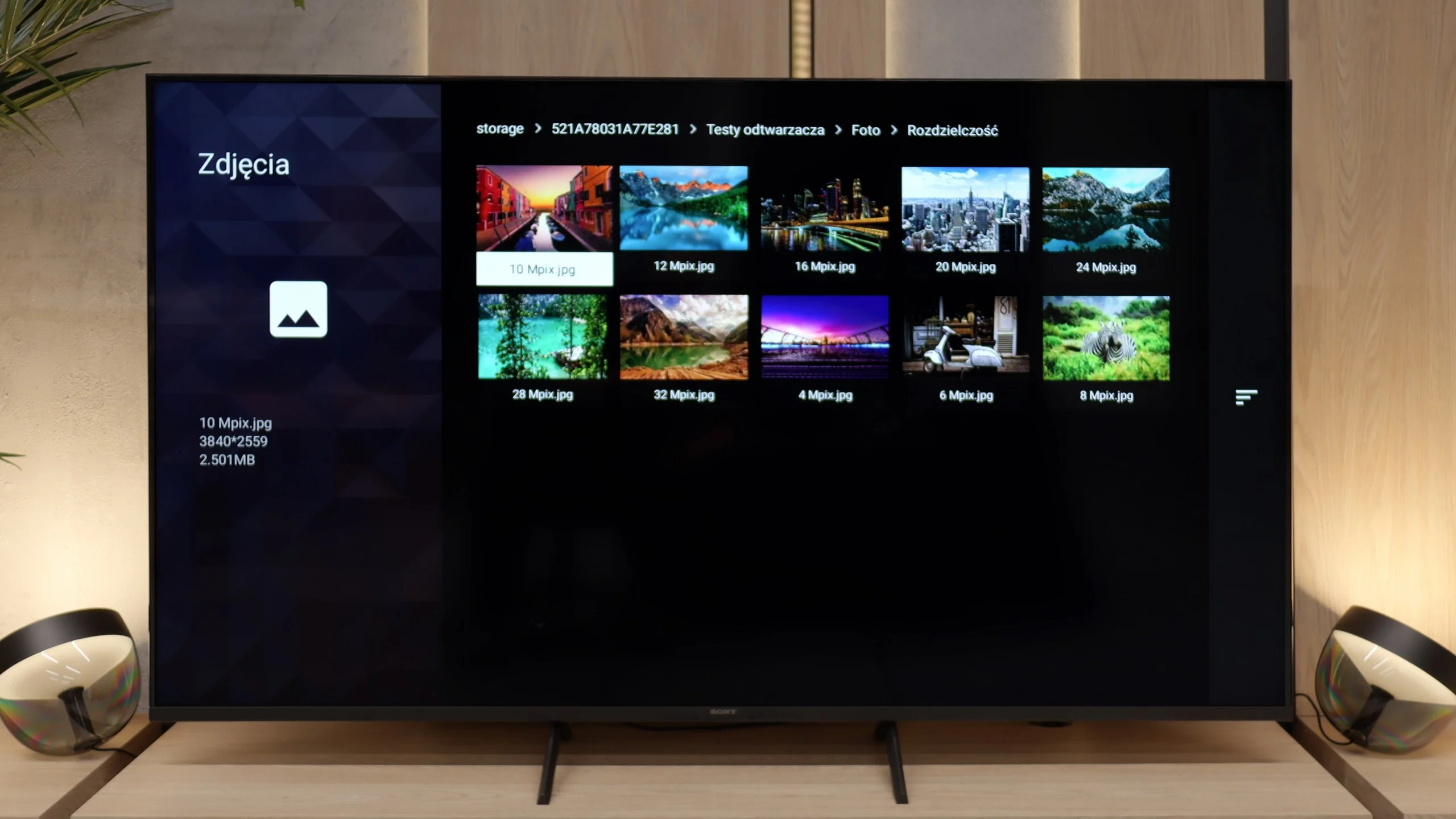
Sony Bravia 3 is a television that brings several important improvements over its predecessor, while still staying true to its core. The biggest change is the design – slim bezels and solid metal legs make it look modern and fit much better in a living room than the X75WL. Improved colors thanks to the PFS filter and really good upscaling are also a plus. It is in lower-quality content, especially in classic SDR, that the Bravia 3 can show its best side – colors look pleasant, the image is clean, and thanks to the IPS panel, the viewing angles are at a very good level. For a role as a "classic" television receiver, where viewing comfort from different places in the room and decent quality of everyday content matters, it is virtually perfect. A huge advantage is also the Google TV system. During our tests, there were instances where the interface did not always work as smoothly as we would have liked, and some functions could freeze. However, despite these imperfections, the presence of Google TV is a huge plus – access to thousands of applications and a full streaming library compensates for the minor shortcomings. Unfortunately, what was weak in the X75WL remains weak here too. The IPS panel has very low contrast and does not offer local dimming, making watching movies in a dark room quickly lose its appeal – the black resembles gray and effectively detracts from the enjoyment of viewing. Additionally, the option to record content to USB, which was available in the predecessor, has been removed. It’s hard not to notice this and not add it to the list of cons.
So who is the Bravia 3 for? Primarily for those who want to enter the world of Sony televisions in the most affordable variant and at the same time value the Google TV system. However, it is not the most attractive option in its class – the competition in this budget can offer models with Mini-LED backlighting, whose image performs significantly better in terms of contrast and HDR. Therefore, the Bravia 3 is worth keeping in mind, but mainly when there is a solid discount. At its regular price, it will be very difficult to stand out against its more competitive rivals.
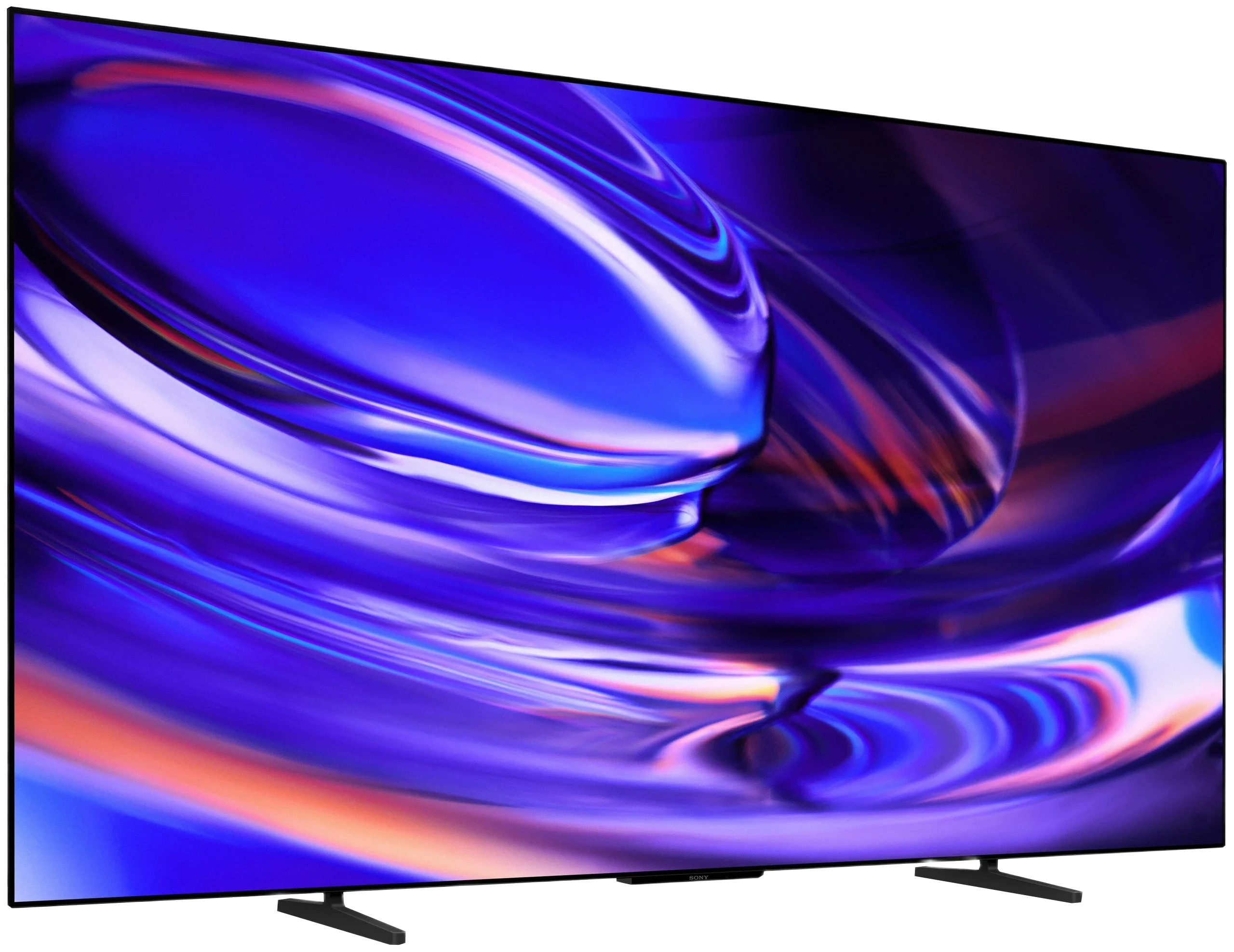
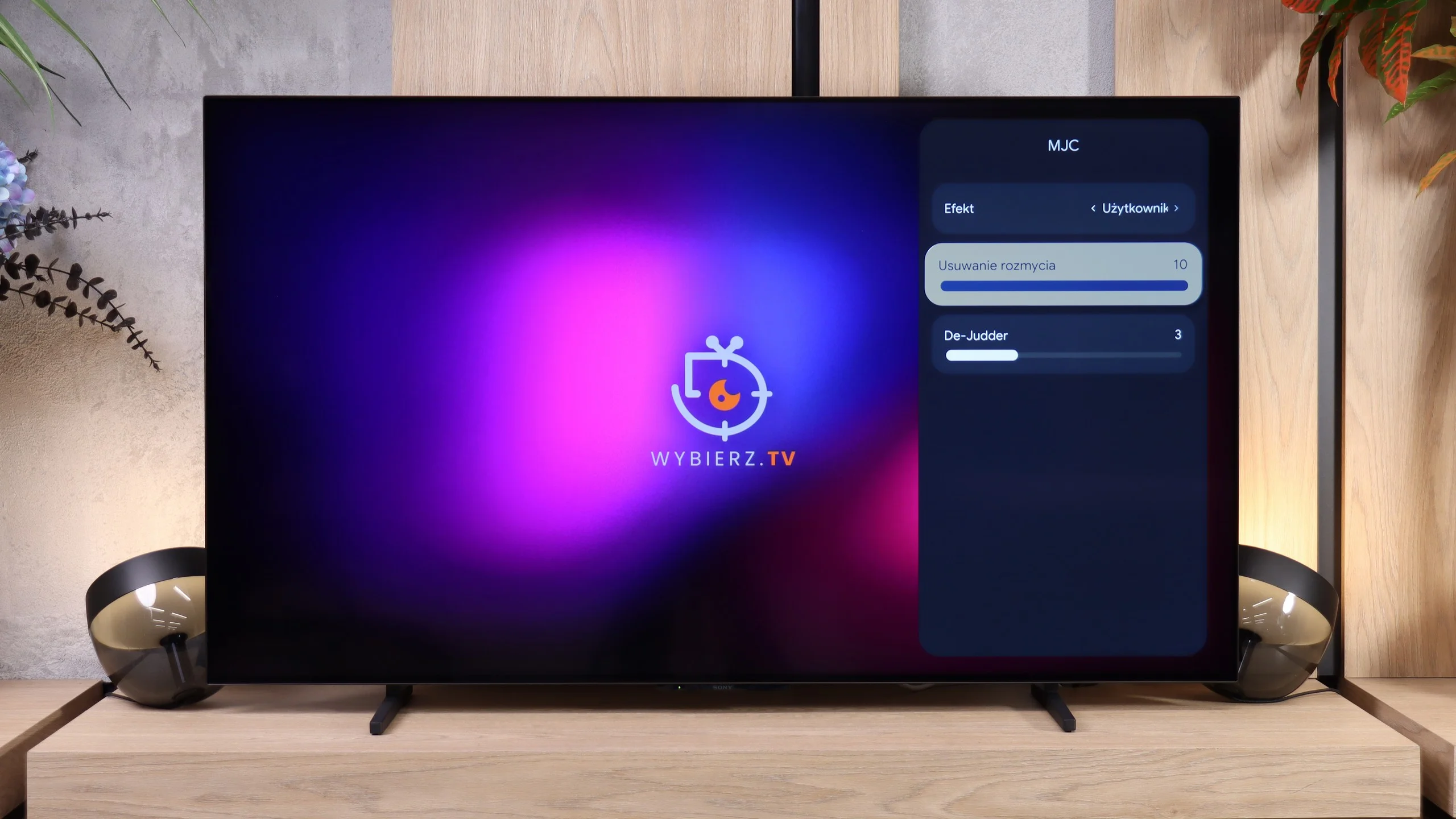
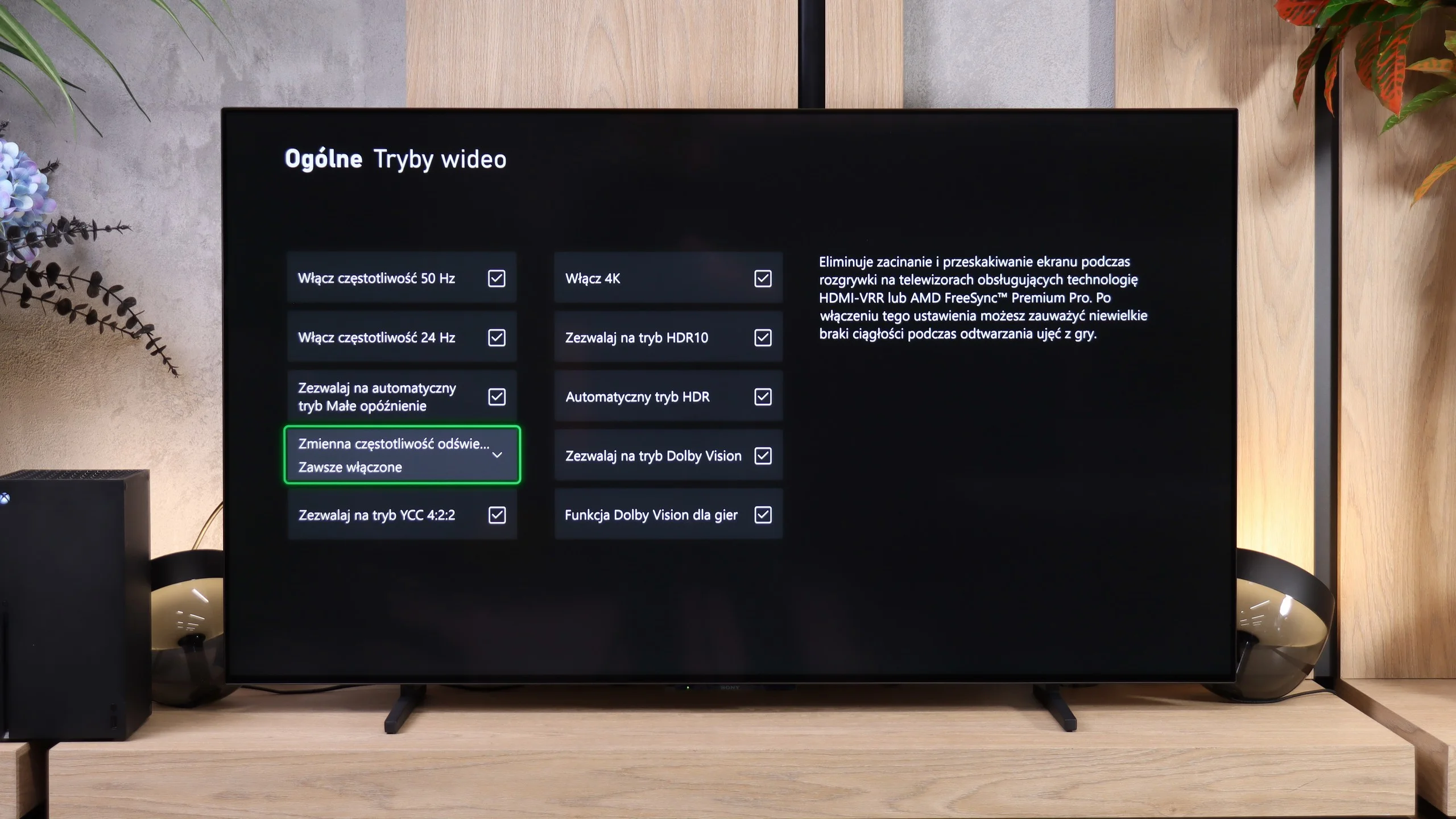
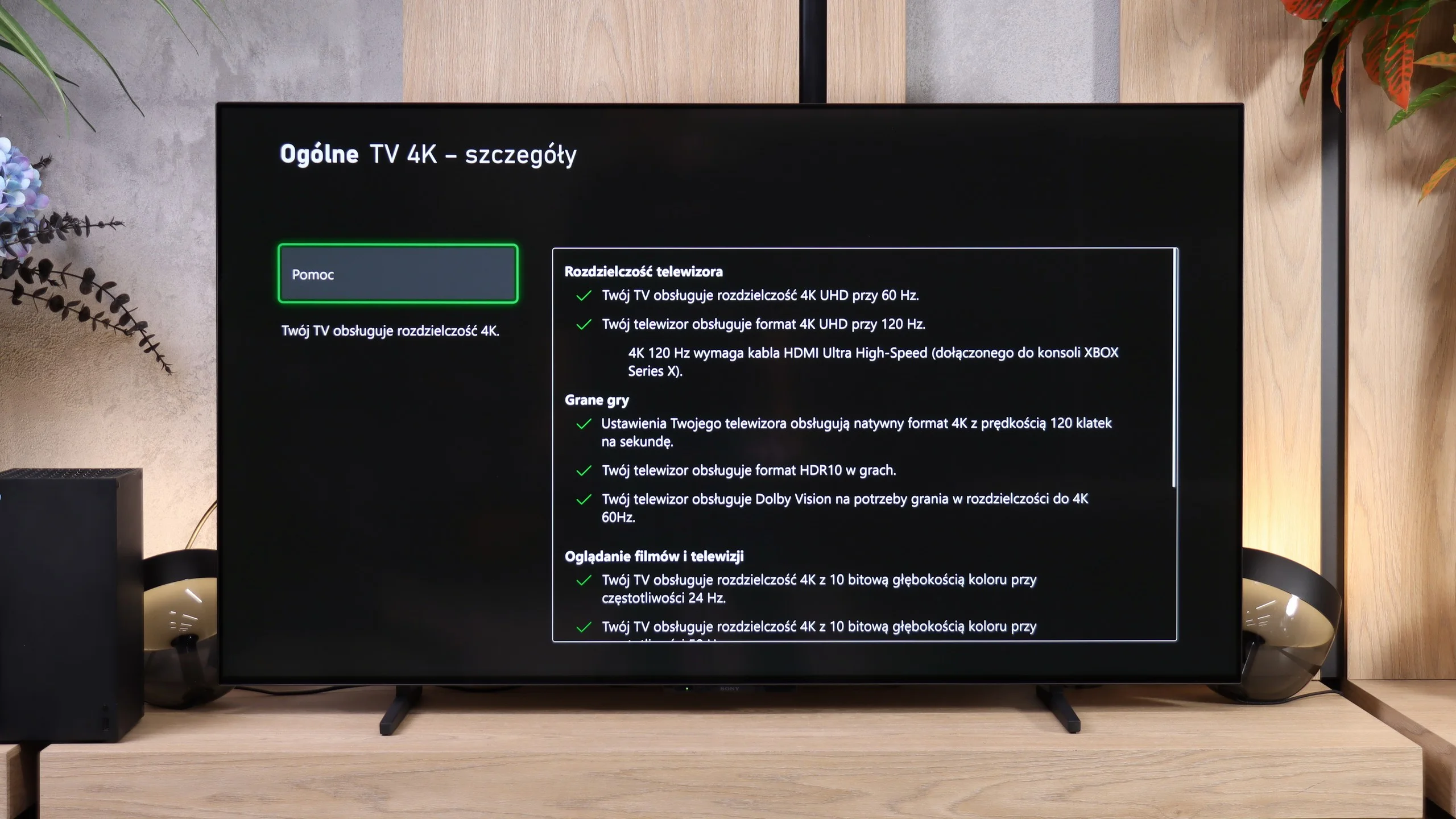
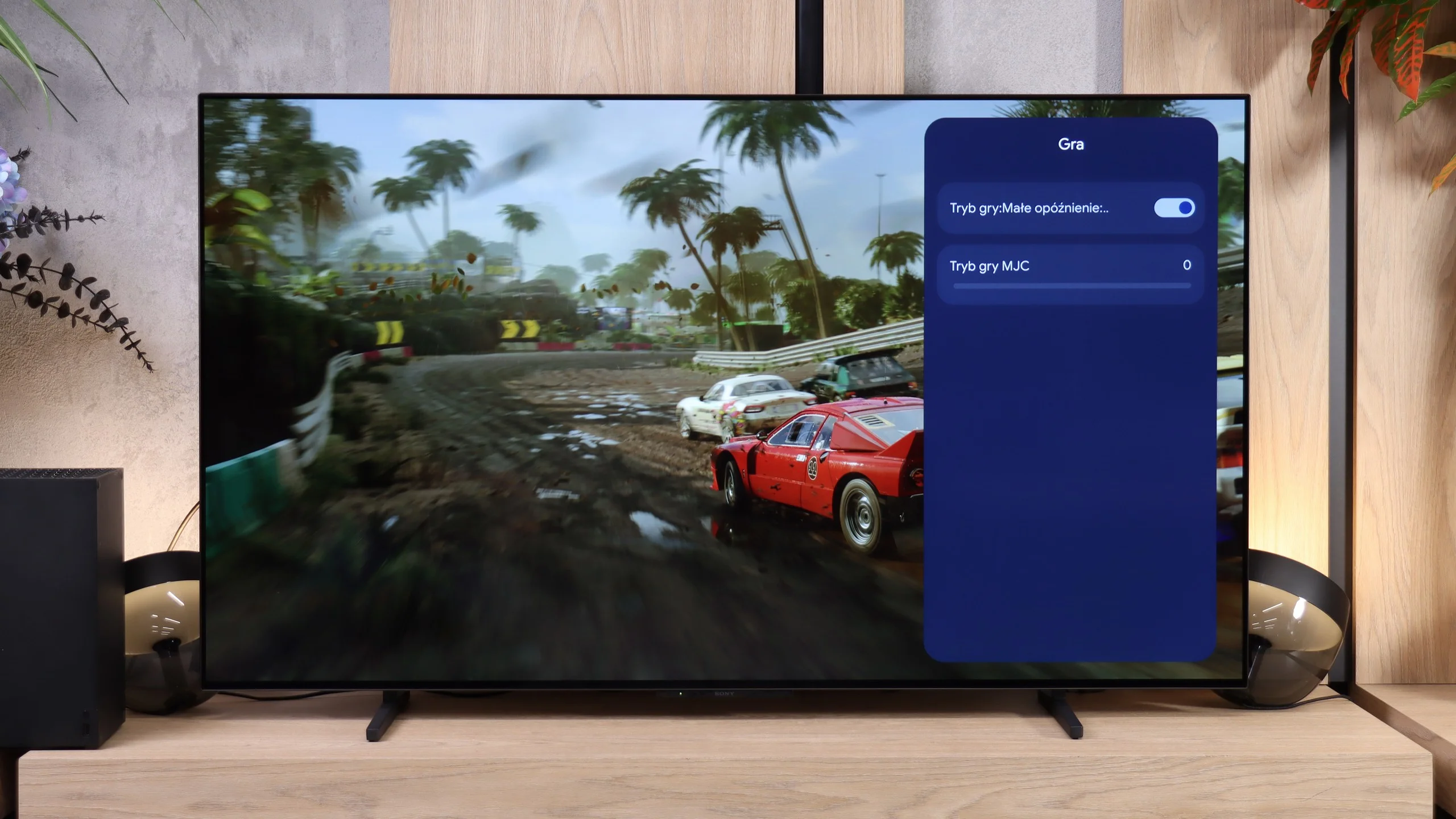
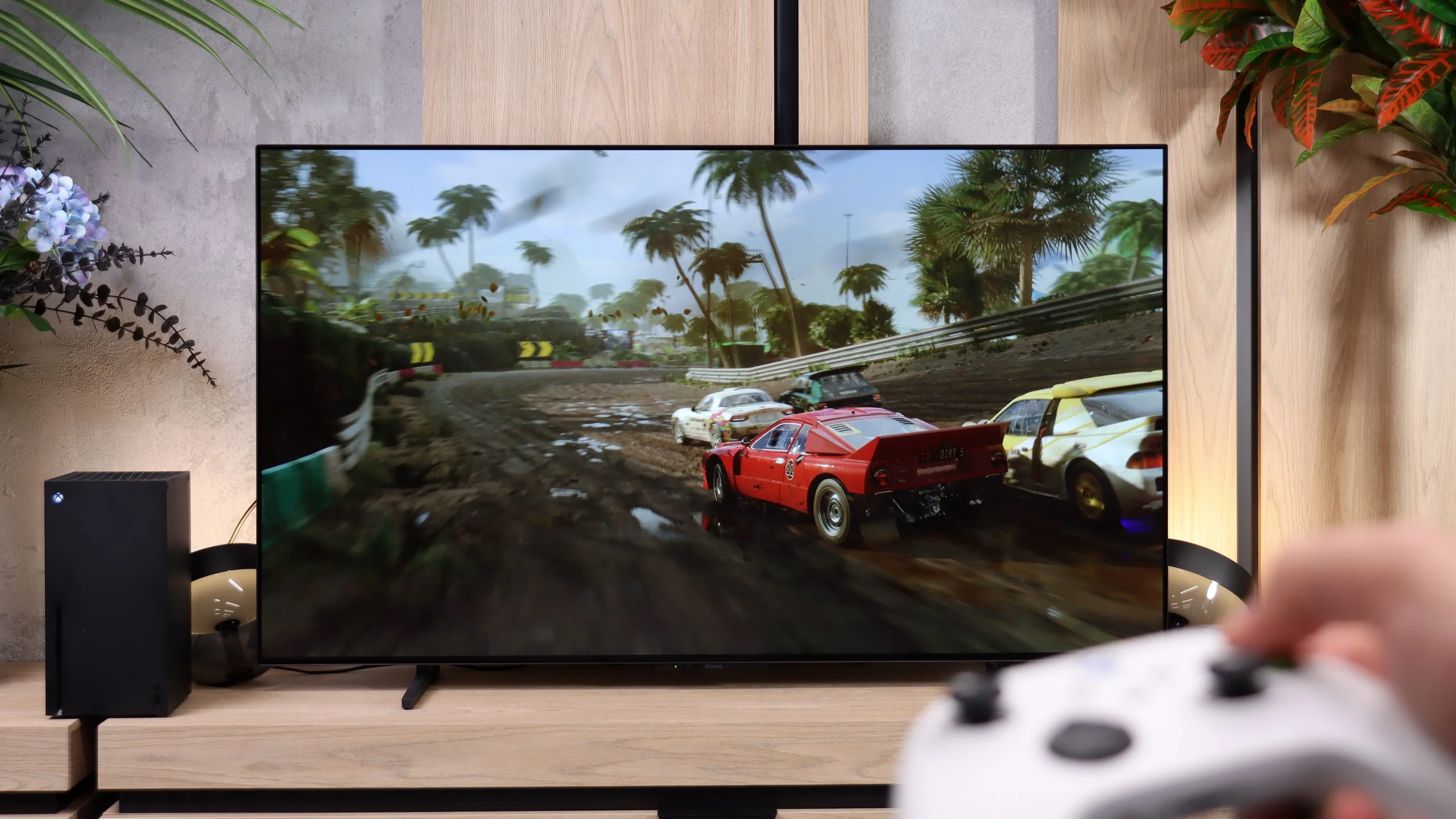
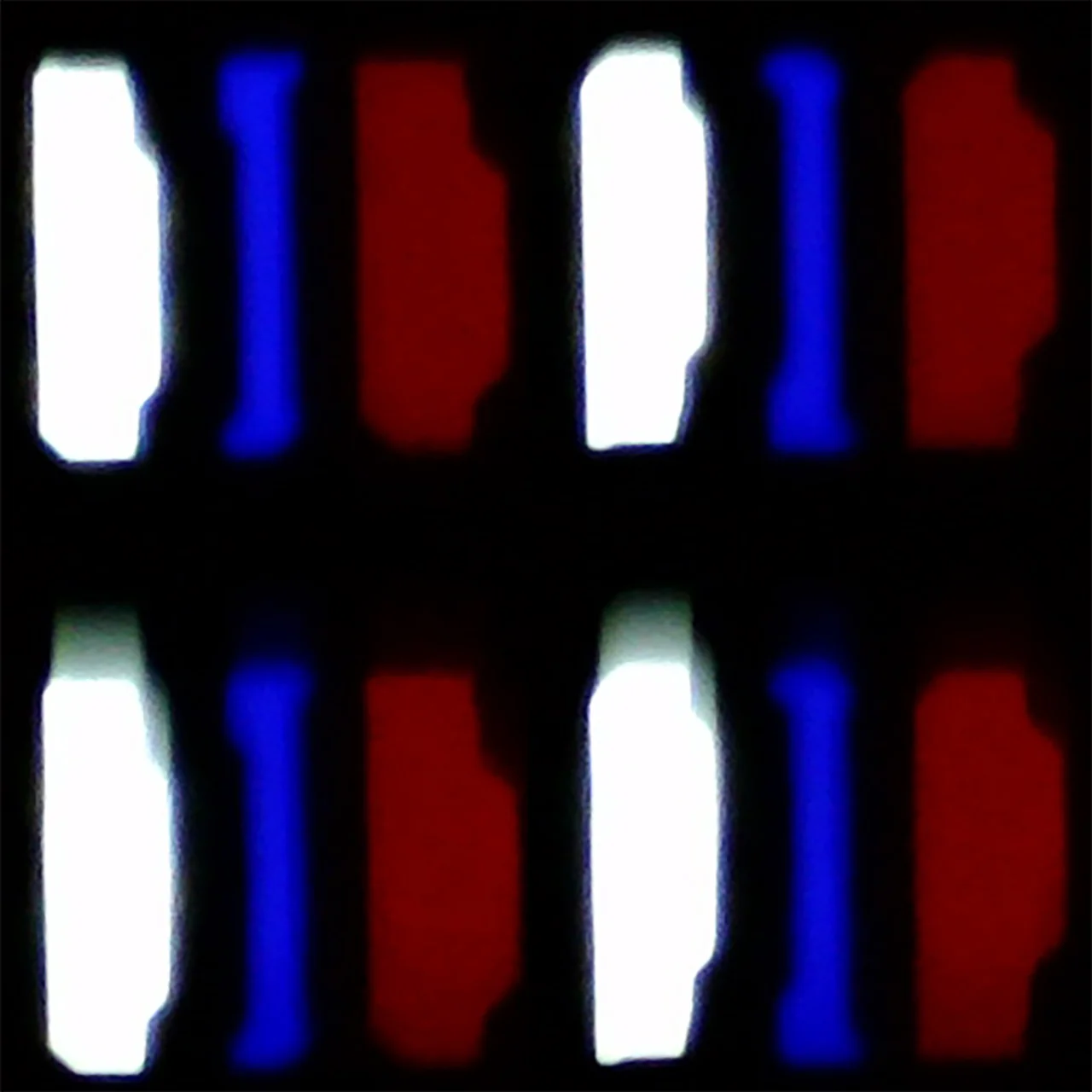
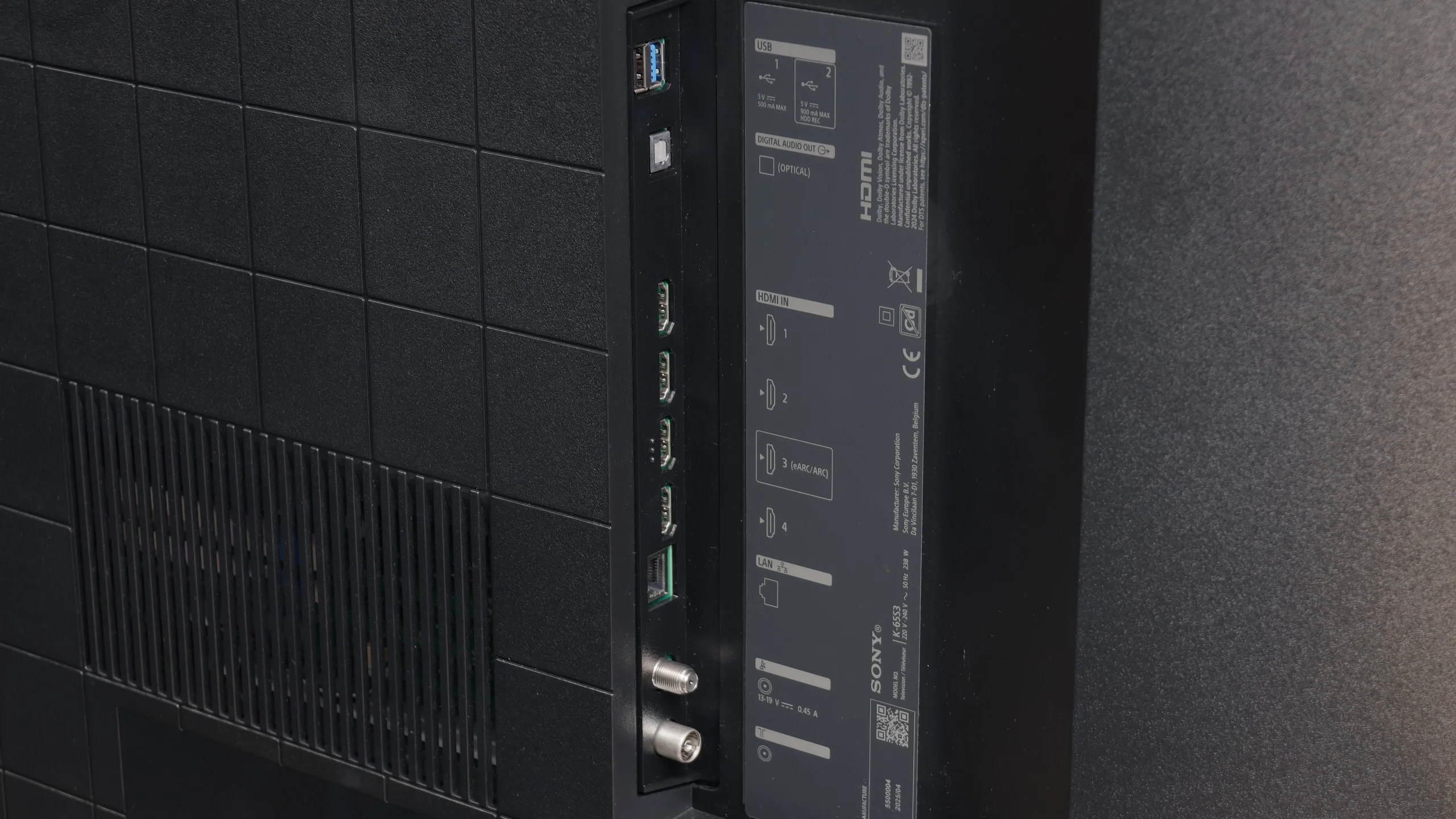
BRAVIA 6 can deliver a lot of viewing pleasure, especially in the evening when the advantages of the OLED panel are most visible. Deep blacks, good contrast and natural colors after calibration make it easy to appreciate its picture with the right material. It also performs well for console gaming: it provides smooth motion and responds quickly to controller input. It's also nice to see four full HDMI 2.1 ports, which Sony has finally included. Thanks to them, connecting multiple devices is less troublesome than even in some of the brand's pricier models. Solid build quality and an attractive design round out the package.
However, that's not enough to stand out among competing OLEDs. We usually paid more for Sony TVs for, among other things, better image processing, and with the BRAVIA 6 it's hard to see an advantage in that area. Lower-quality footage looks average, and in demanding HDR scenes detail is lost in bright parts of the picture. Dolby Vision helps a bit, but it doesn't change the overall impression: you get an image that can be pleasing, but it doesn't give a clear reason to choose Sony over another entry-level OLED.
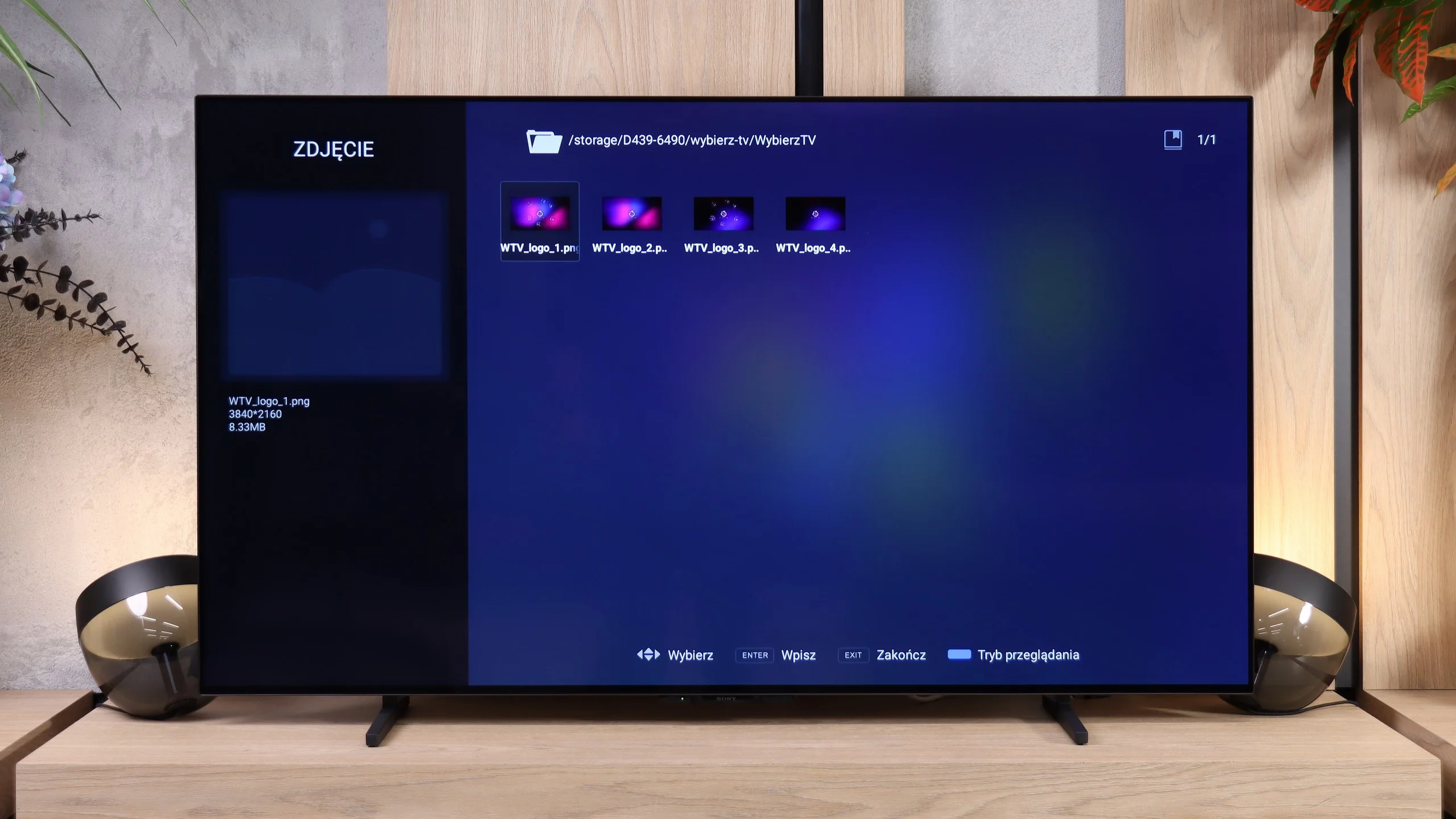
While the lack of such an advantage can be accepted at a sufficiently low price, it's much harder to turn a blind eye to problems with daily use. Google TV offers a wide selection of apps, but during our tests using the TV too often ended with the need to... unplug it. Even playing a movie from a USB drive could be problematic. It's at moments like these that we felt there was little... Sony in this BRAVIA. It lacks the polish that used to be one of the reasons to pay more for a Sony TV.
In the end the BRAVIA 6 leaves a big sense of disappointment. The OLED panel itself gives it a solid foundation, but the enjoyment of watching too often gives way to frustration with the operation. So in its current state it's hard for us to recommend it, even though it's among the cheapest OLEDs on the market. An attractive price can compensate for some image limitations, but it's hard to call that a sufficient argument when basic functions fail. Before we even start considering whether it's worth buying the BRAVIA 6, Sony needs to deliver the refinement we expect.
 Direct comparison