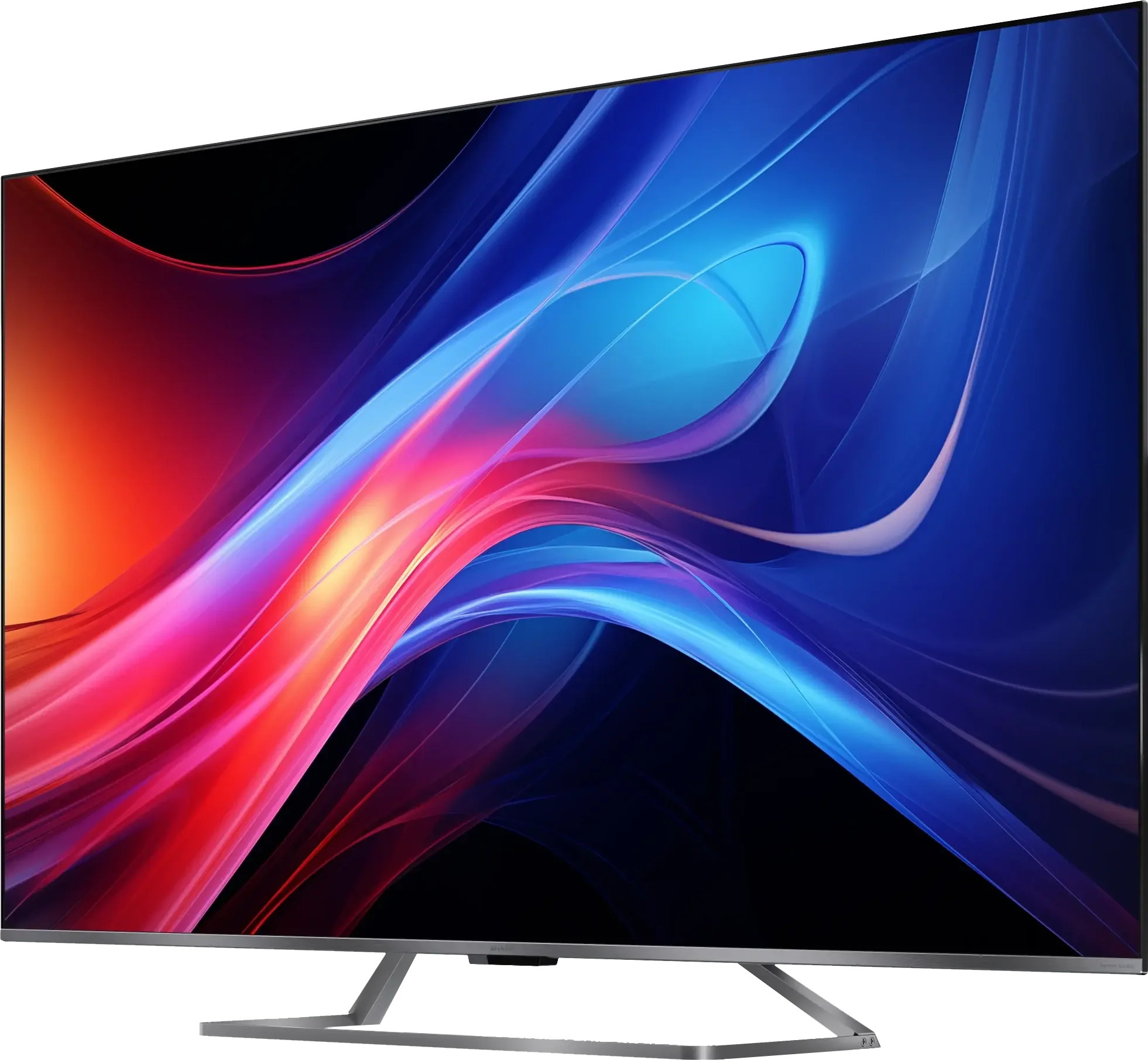
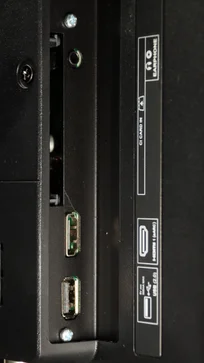
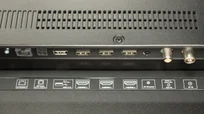
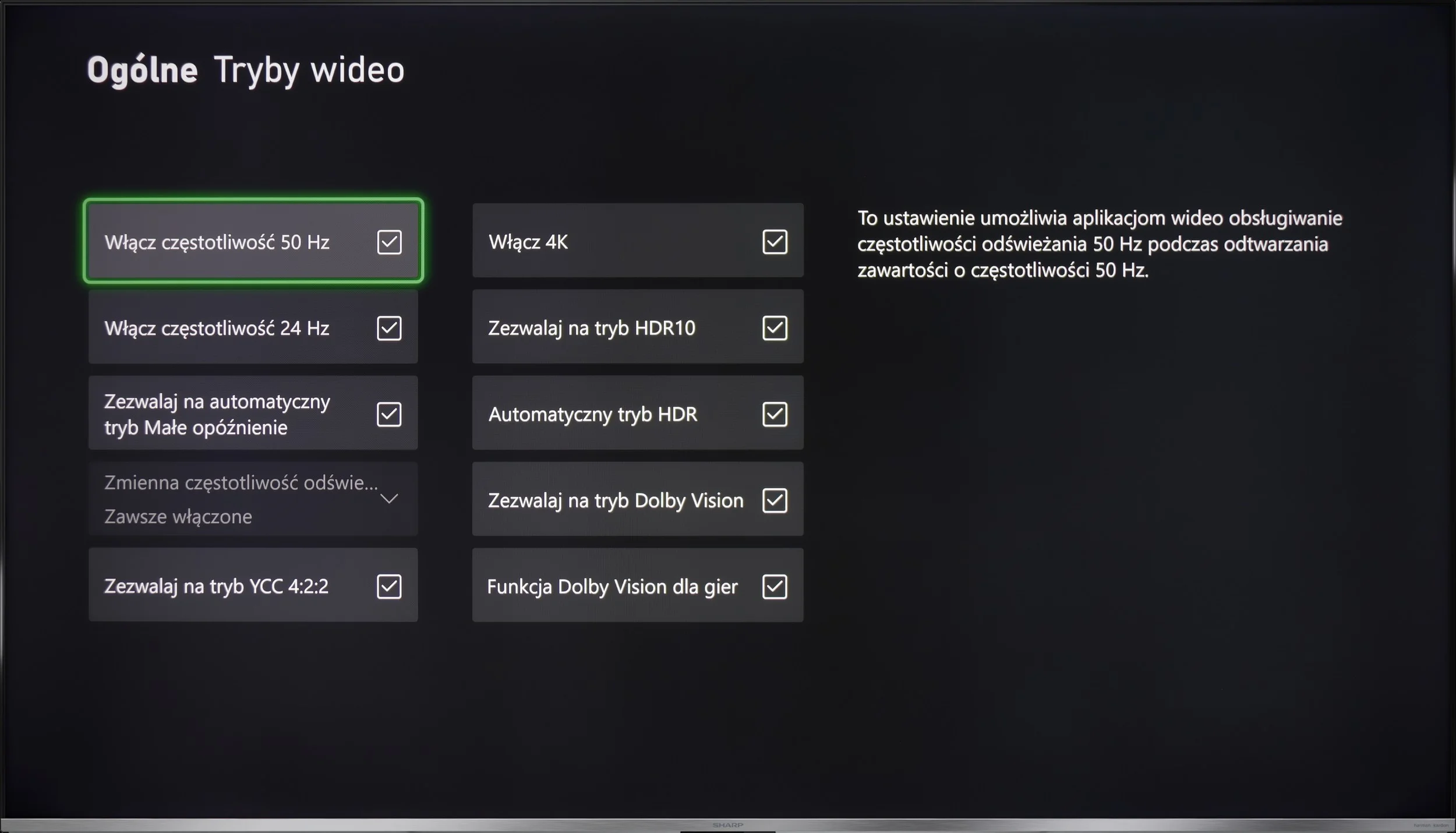
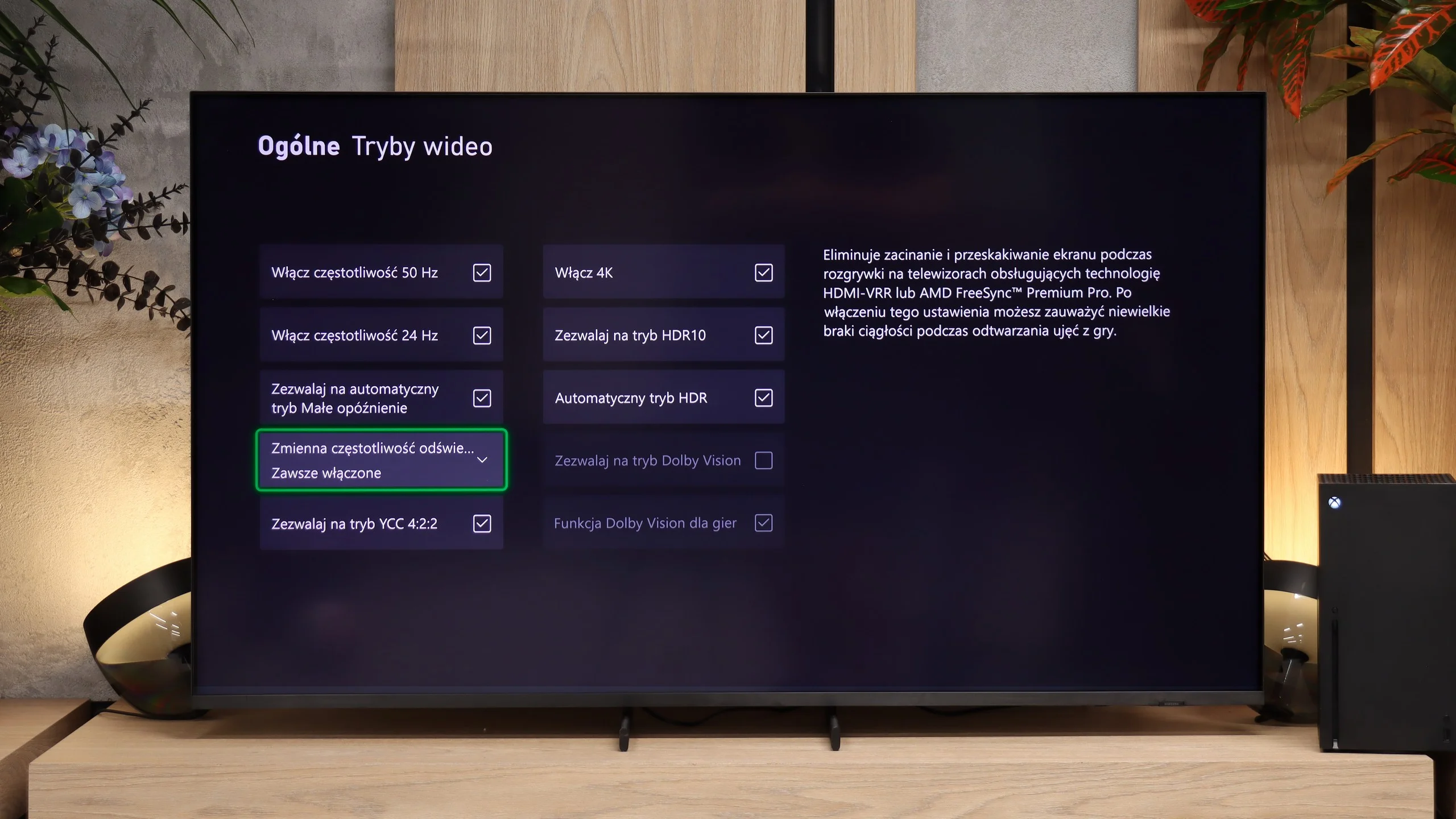
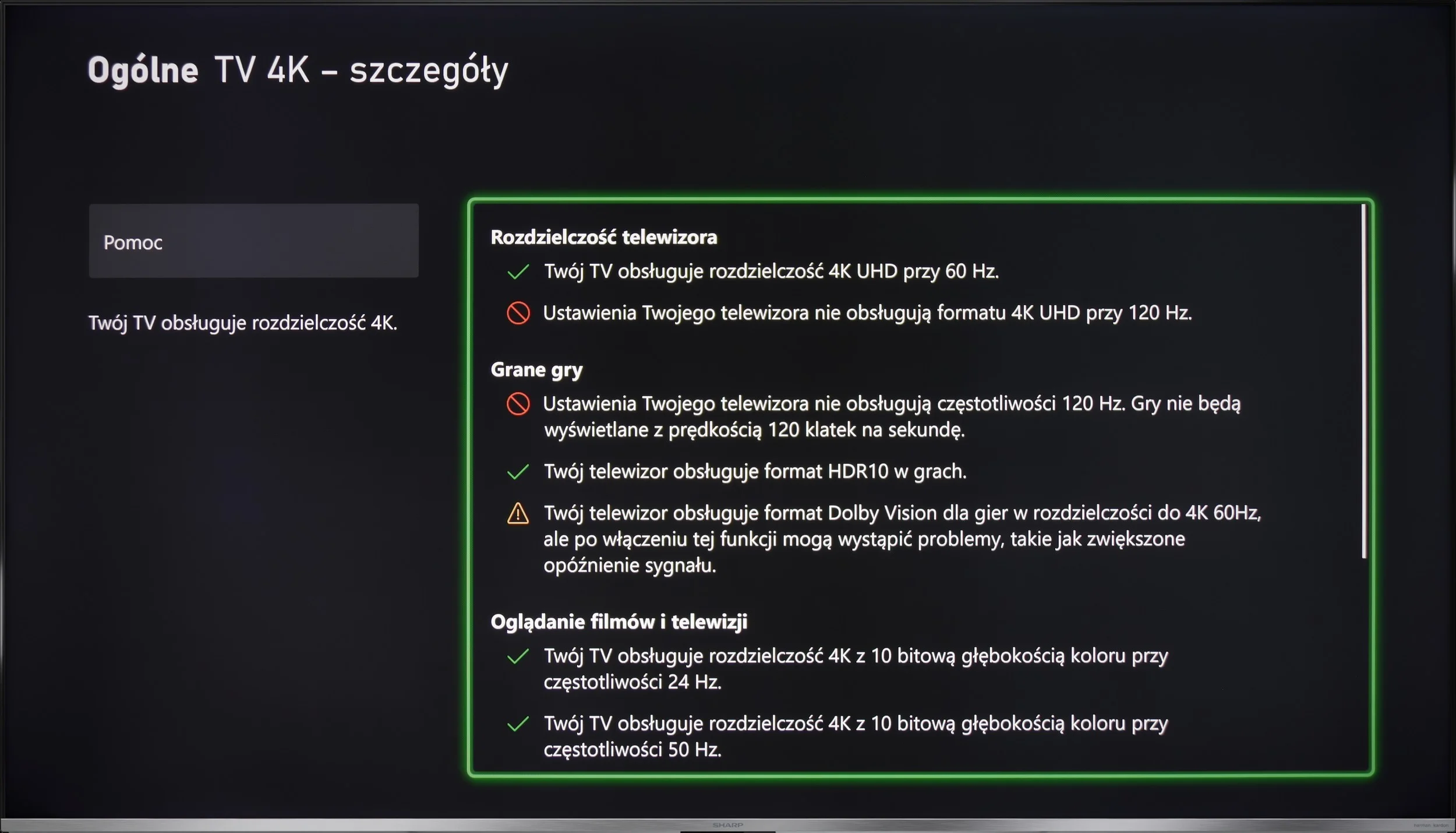
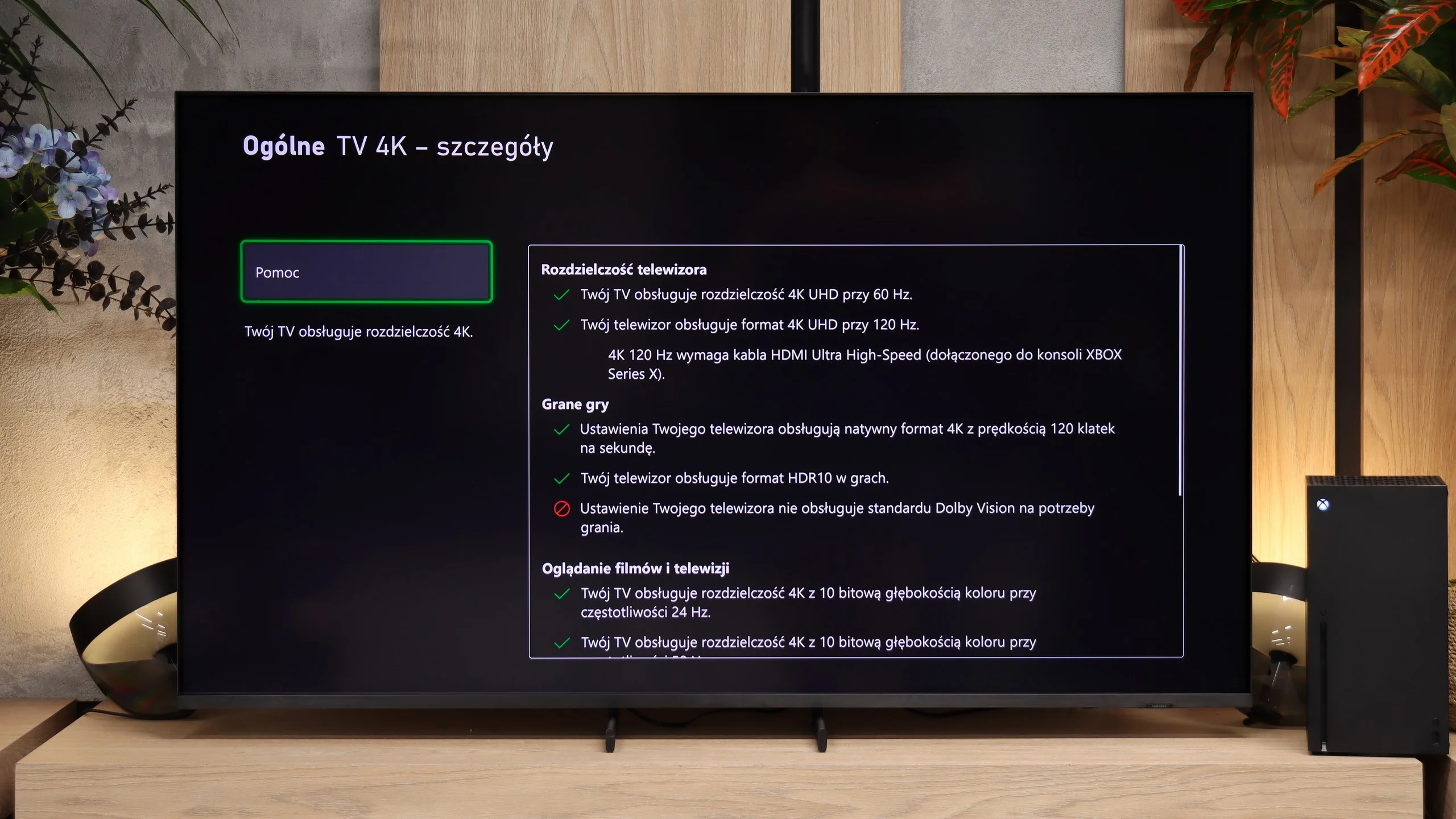
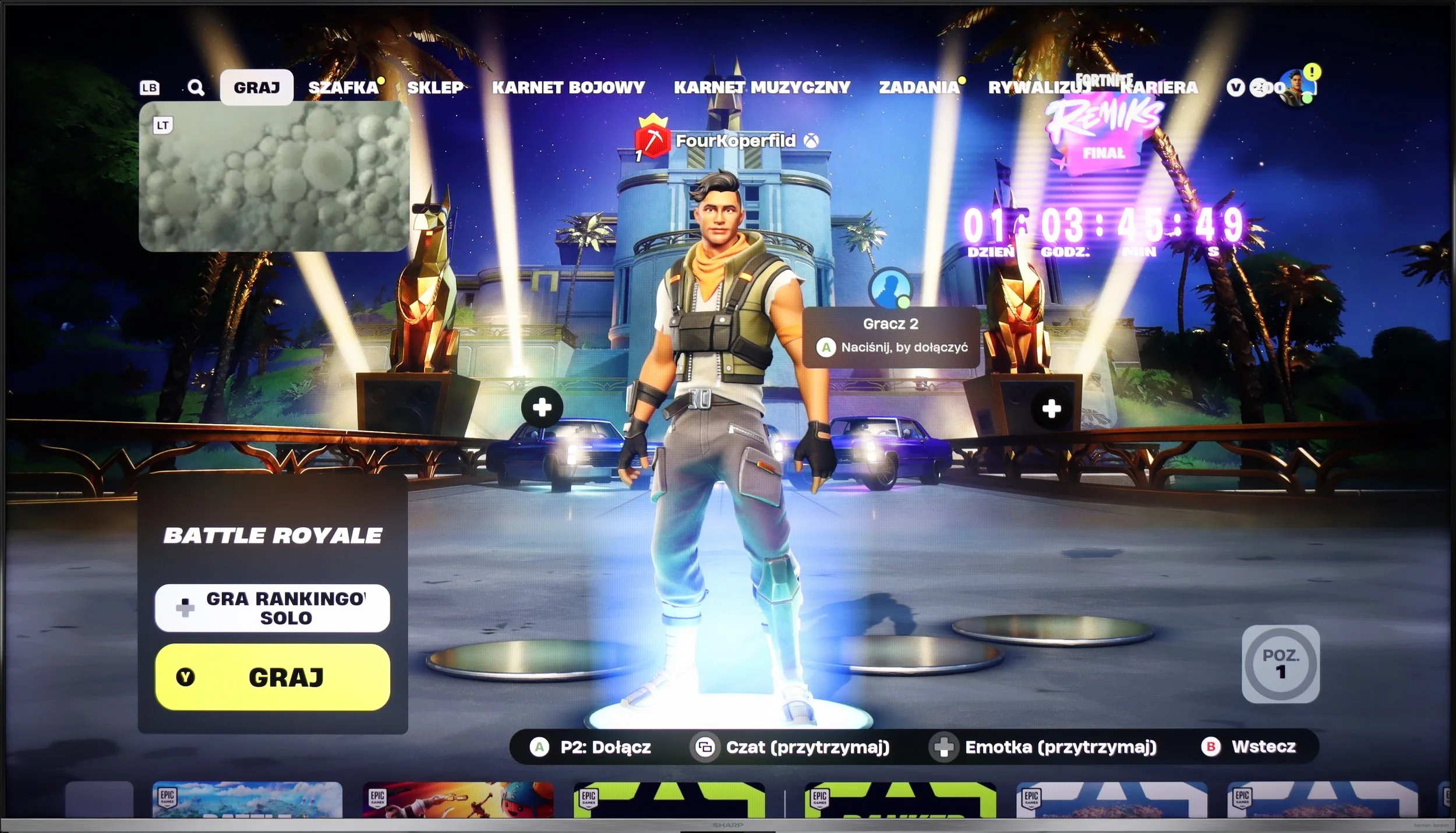
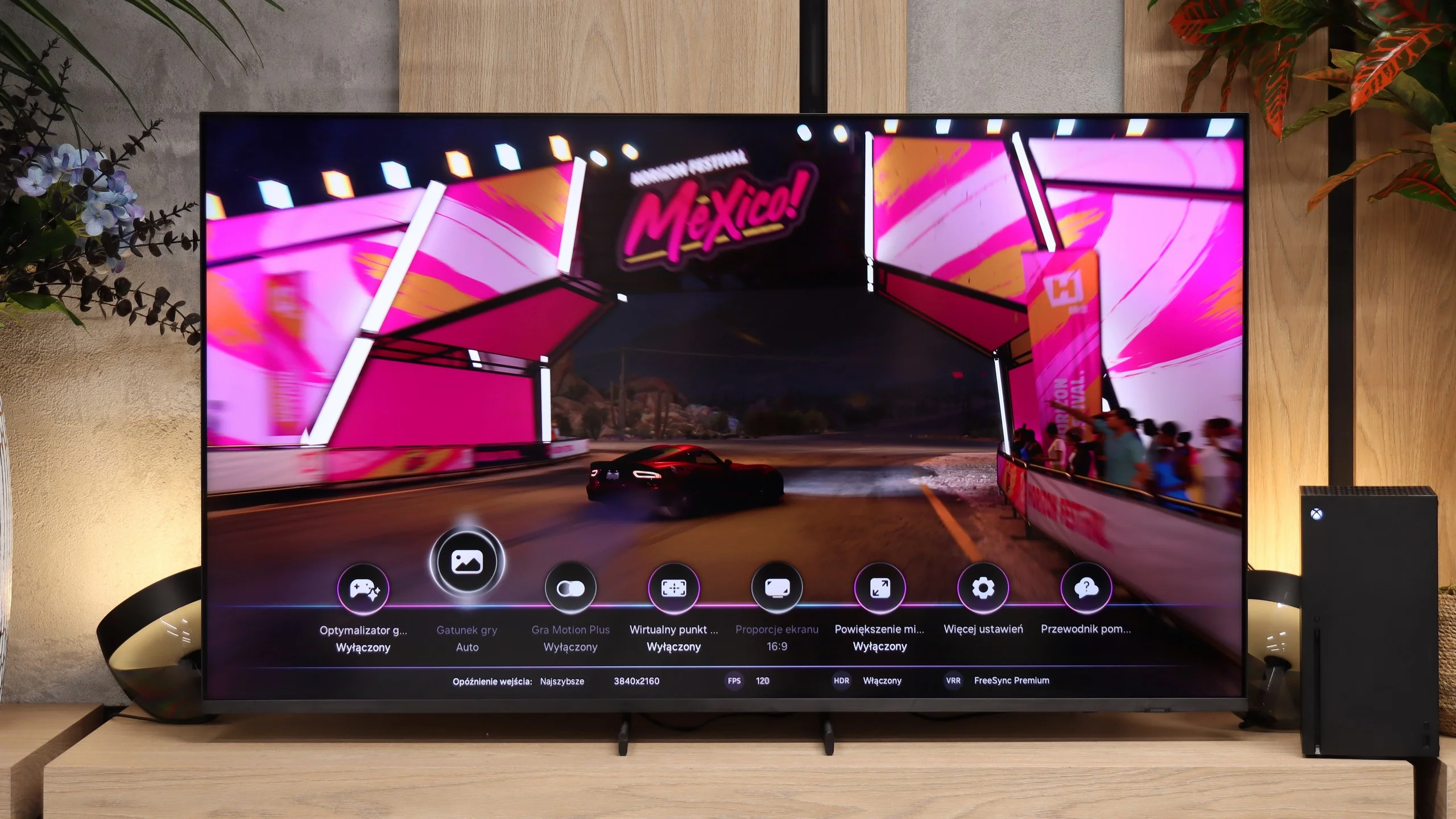
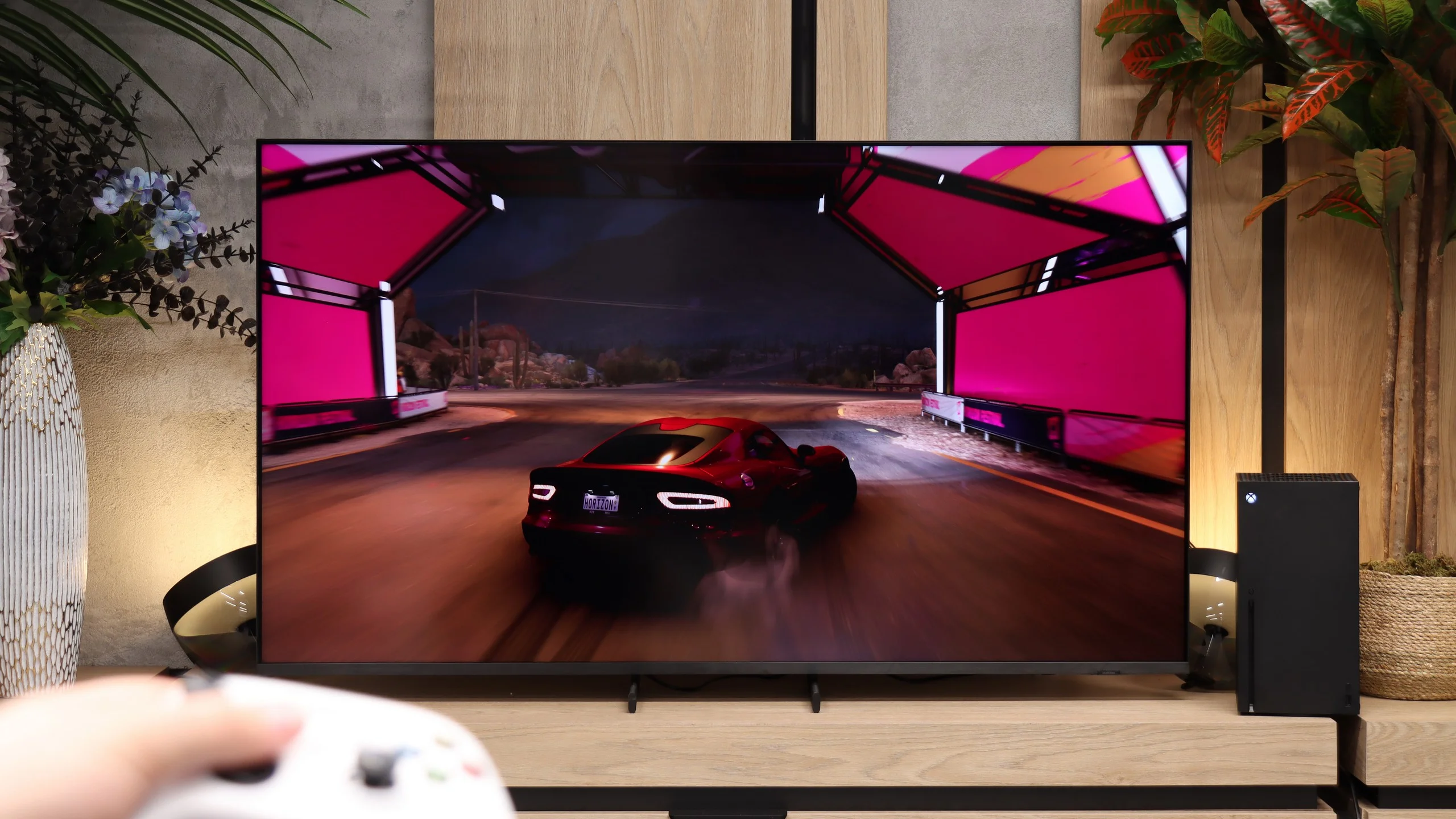
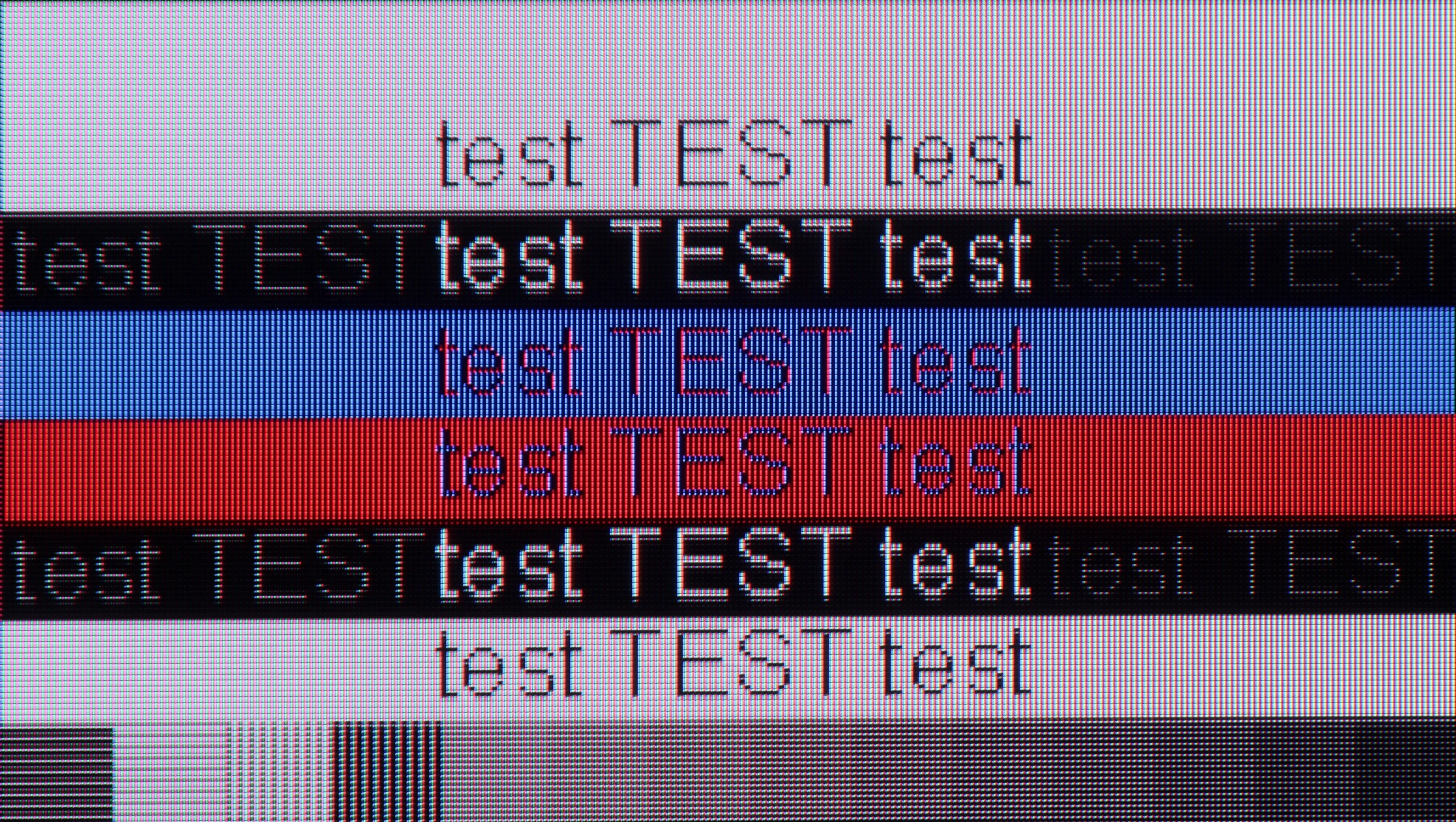
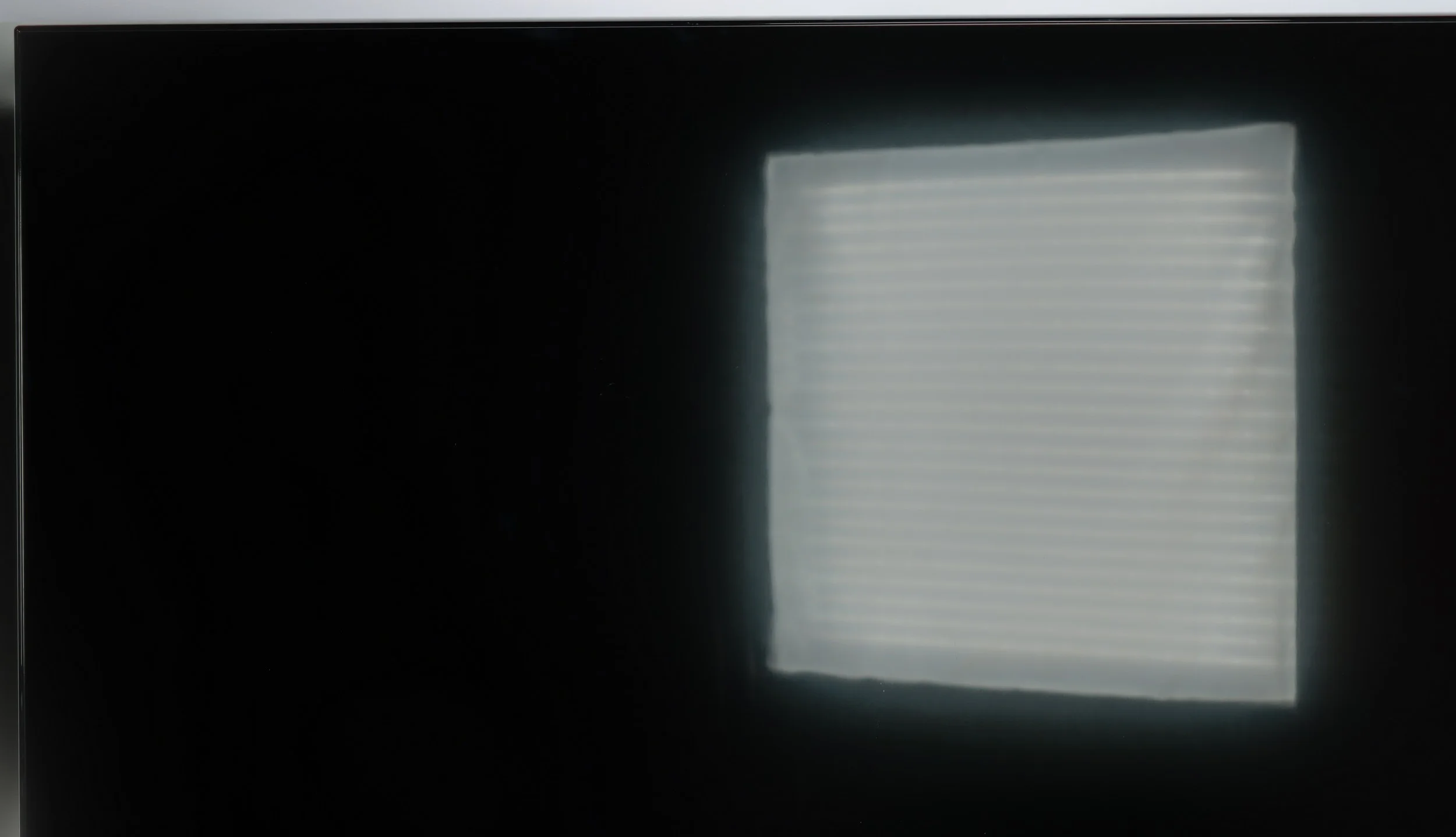
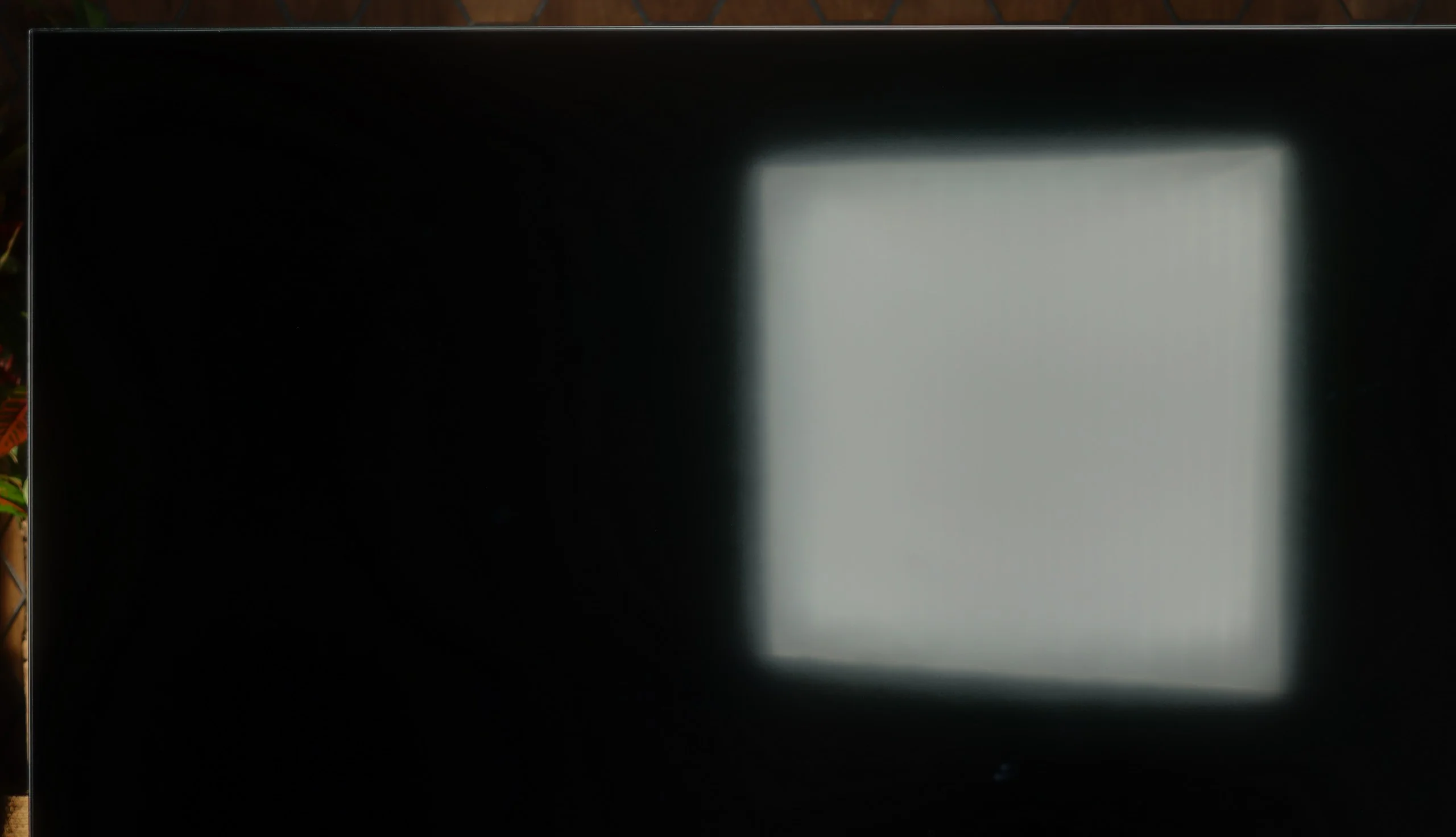
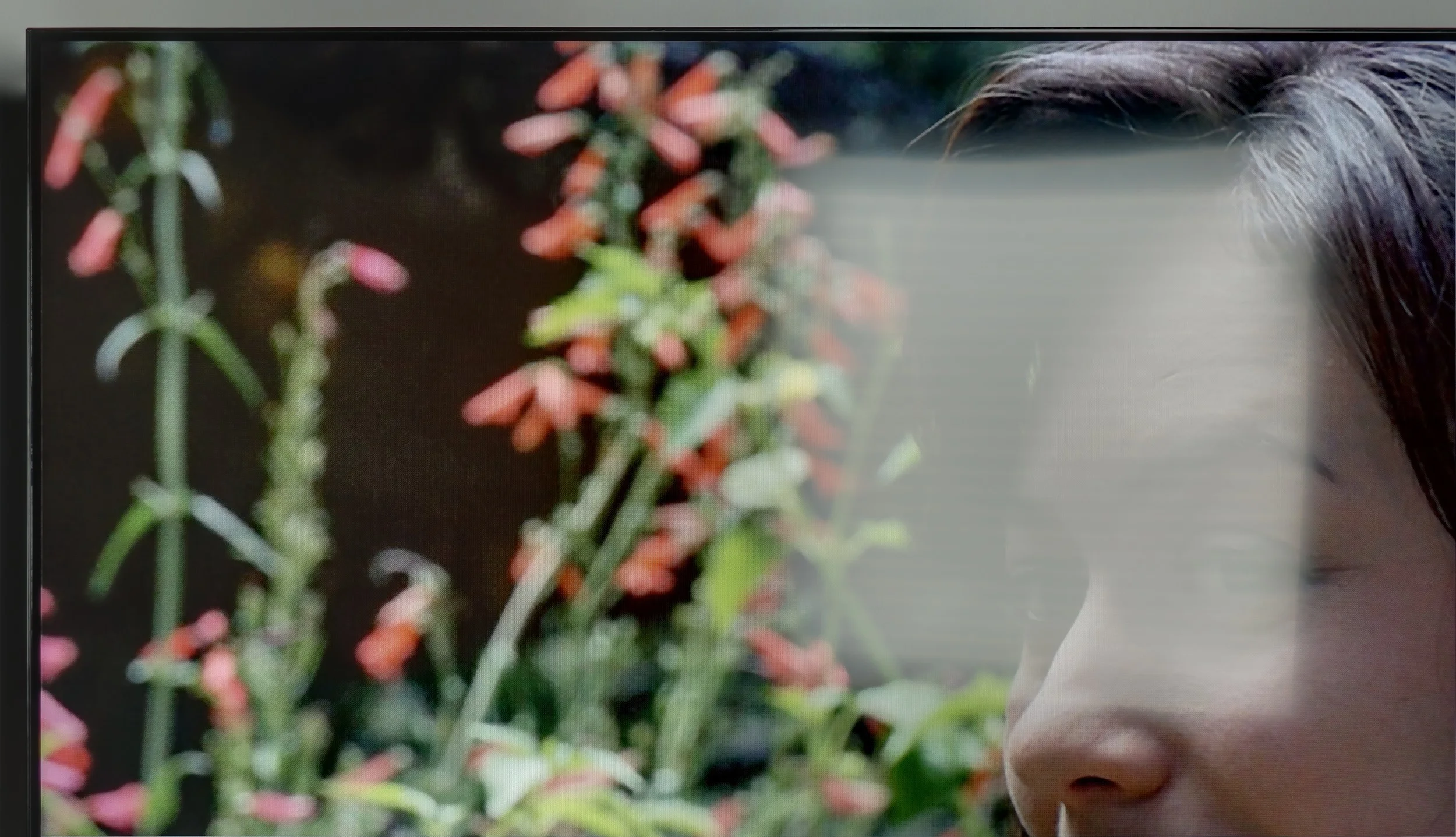
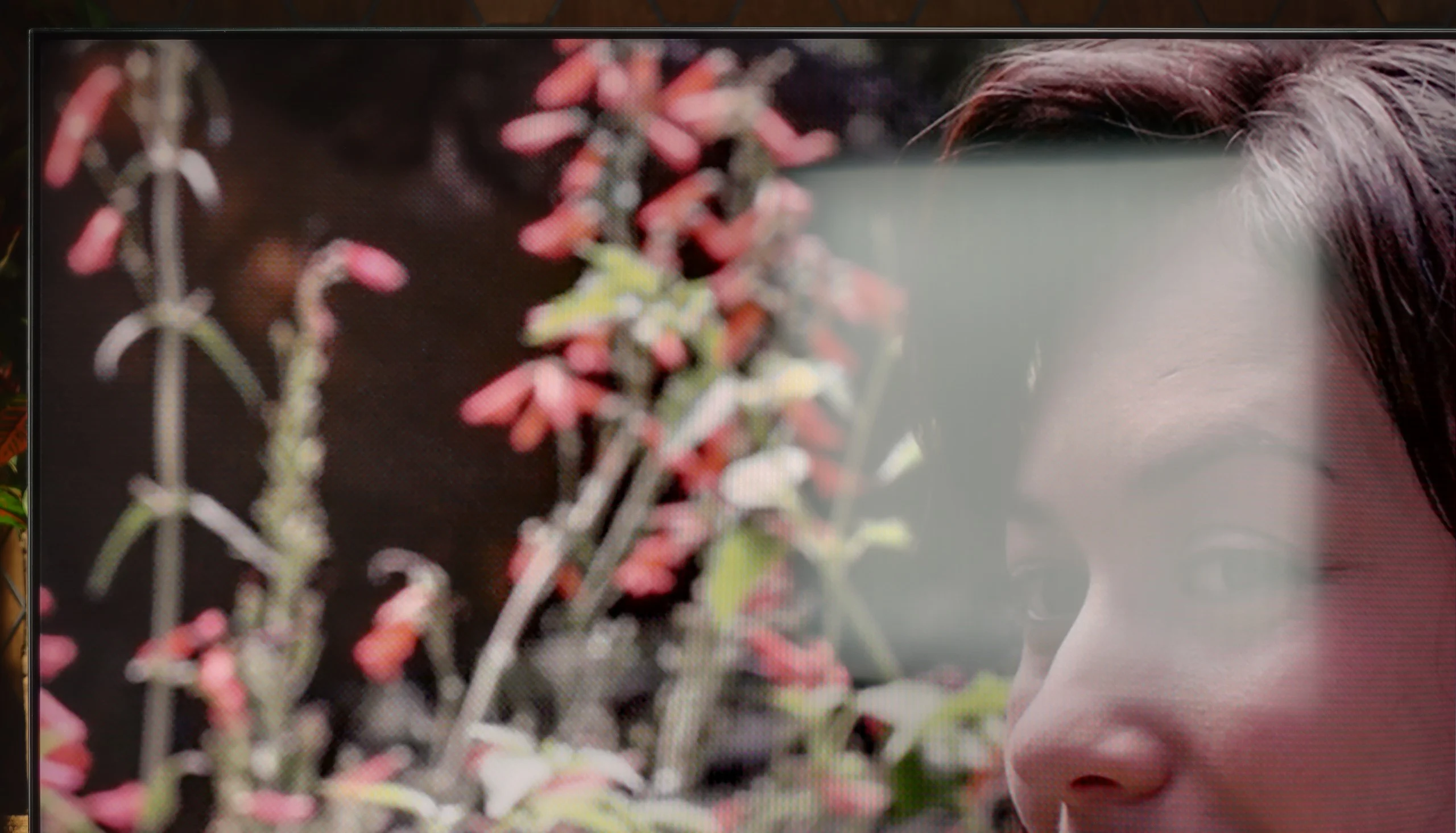
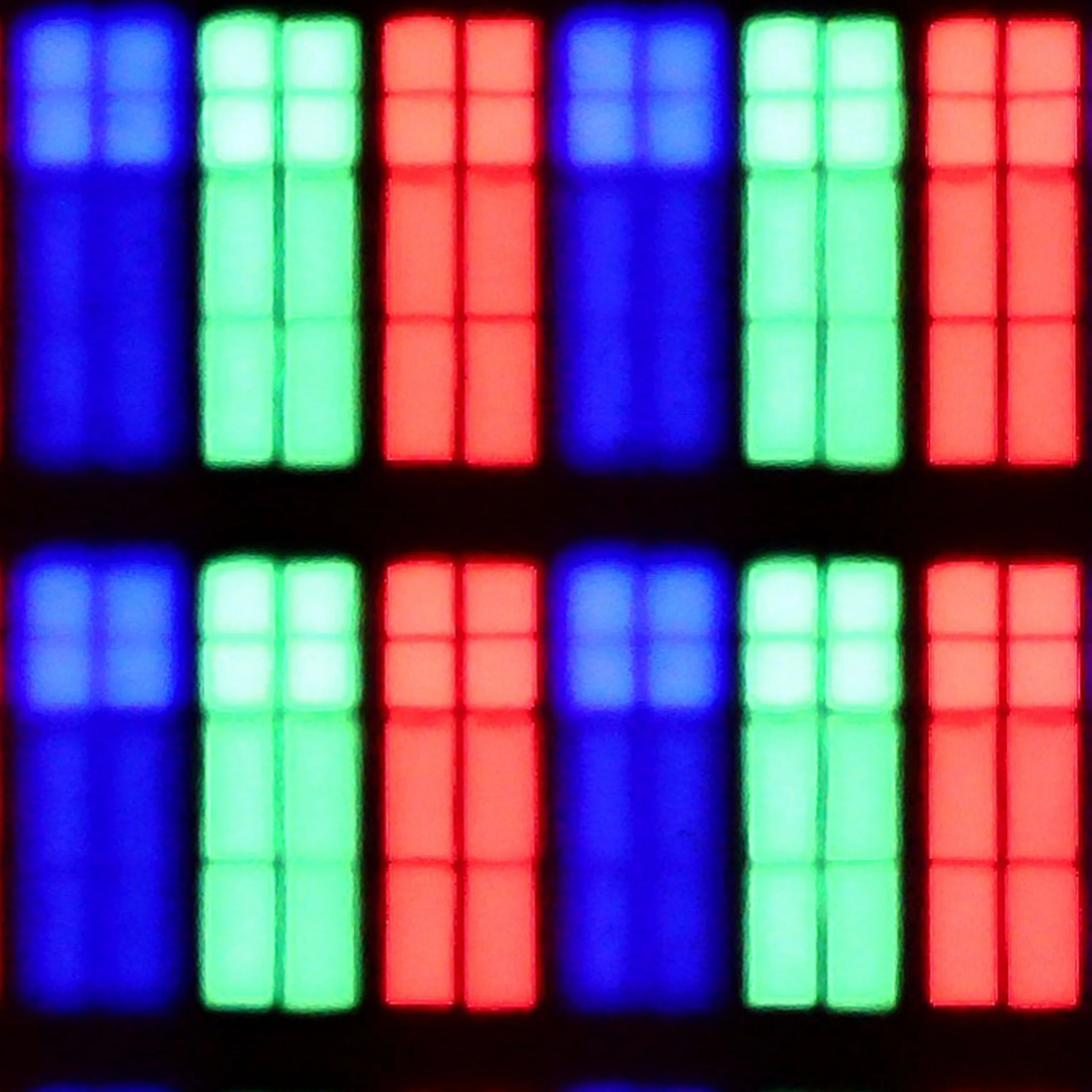
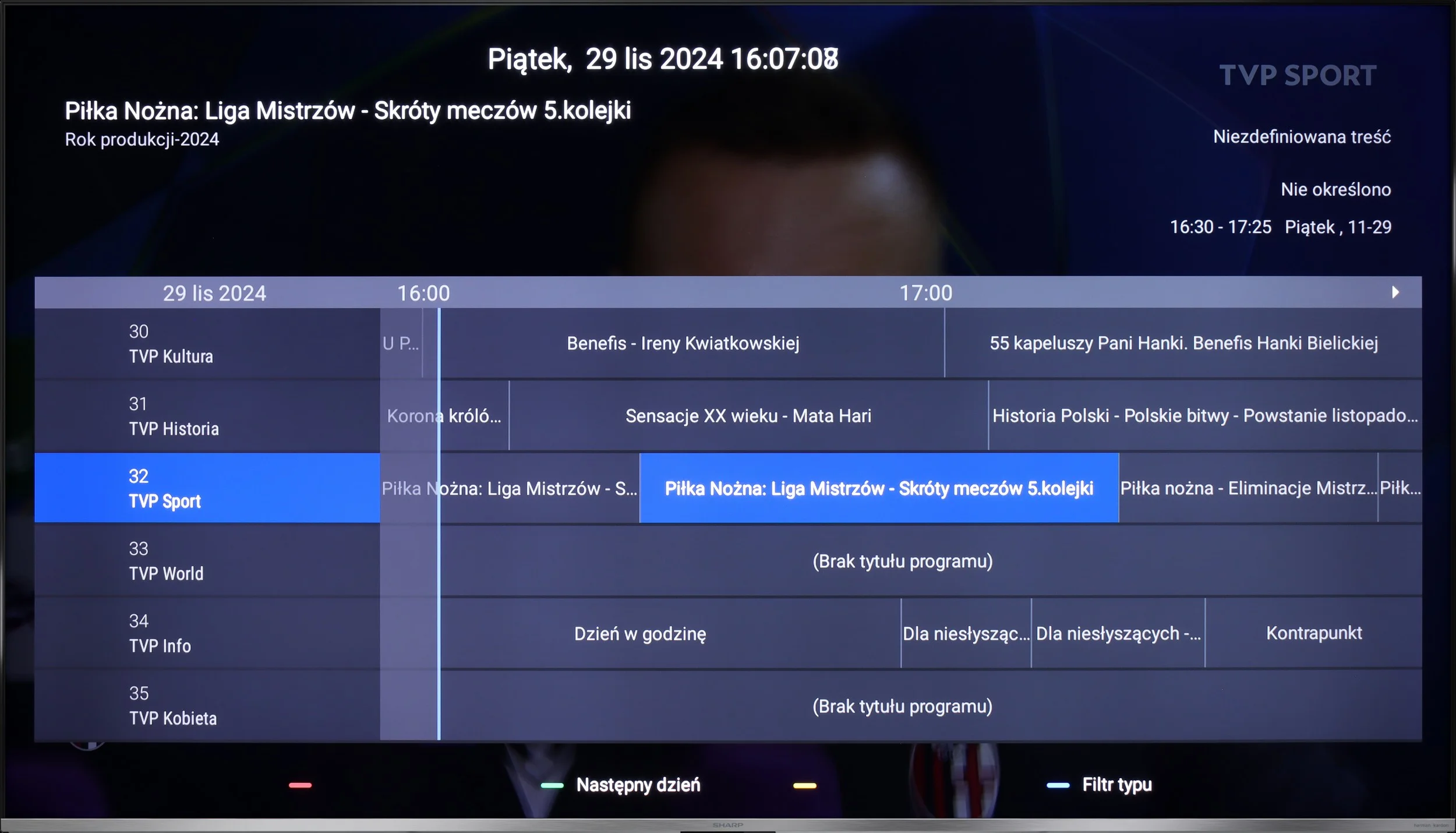
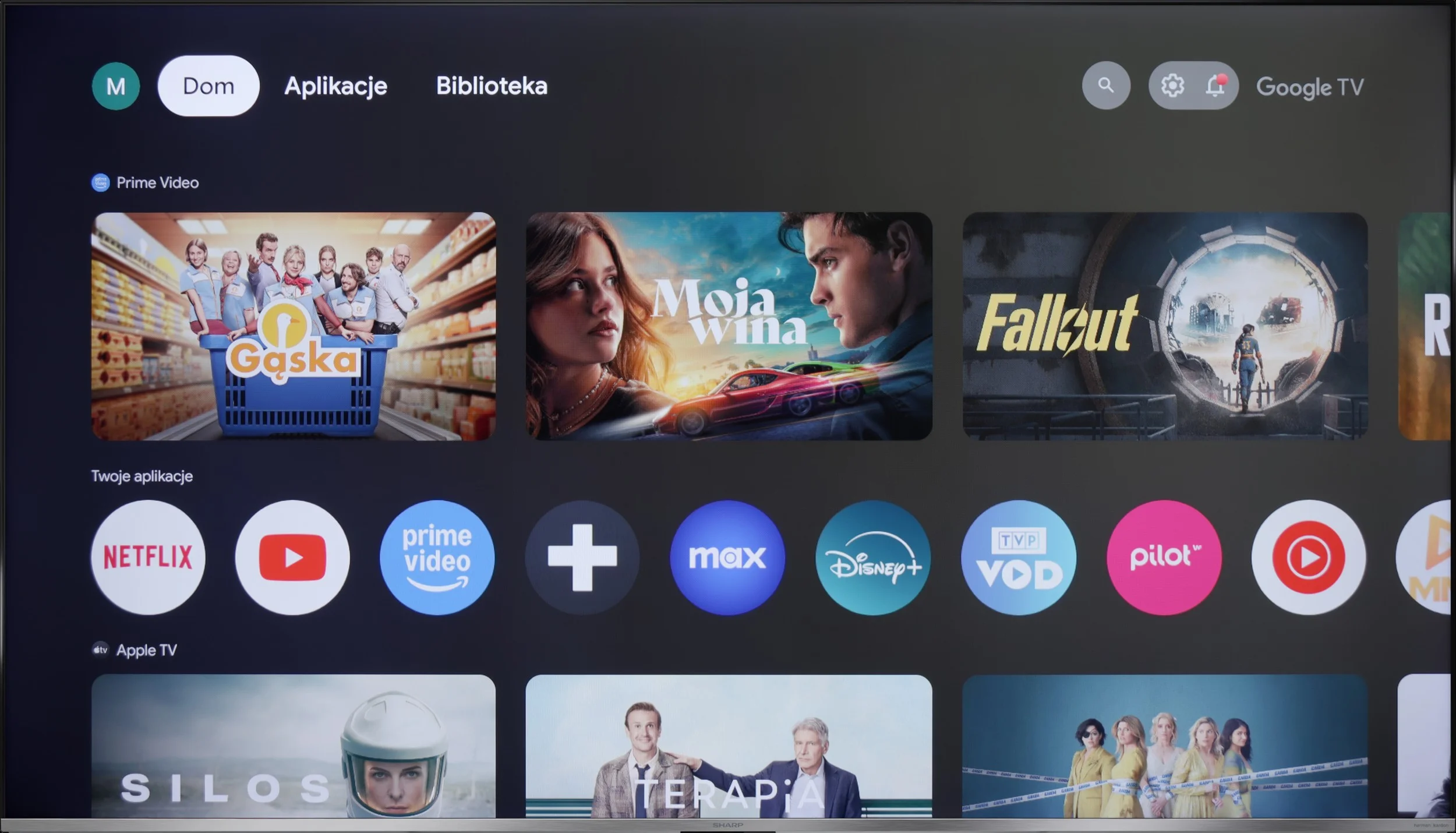
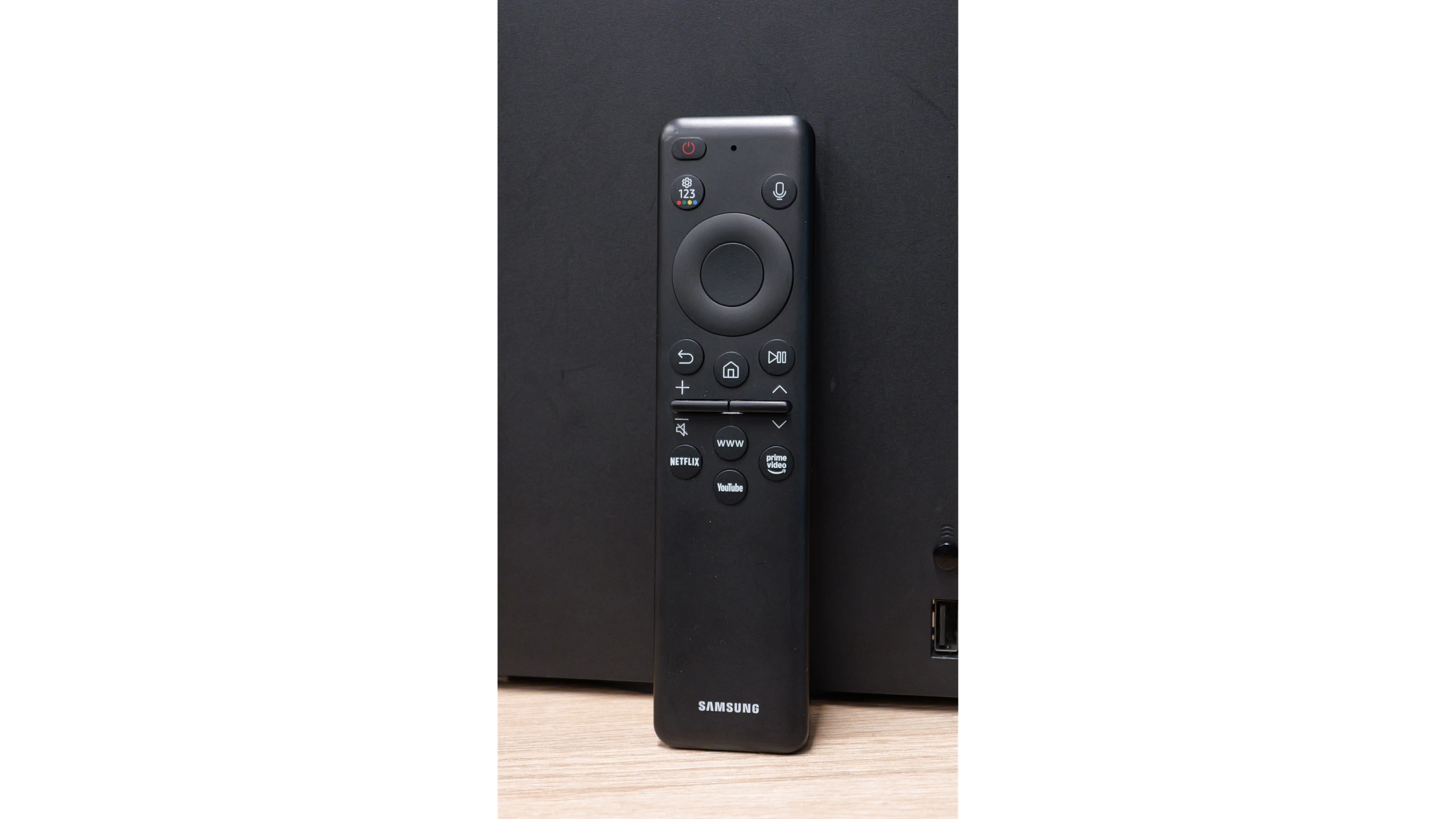
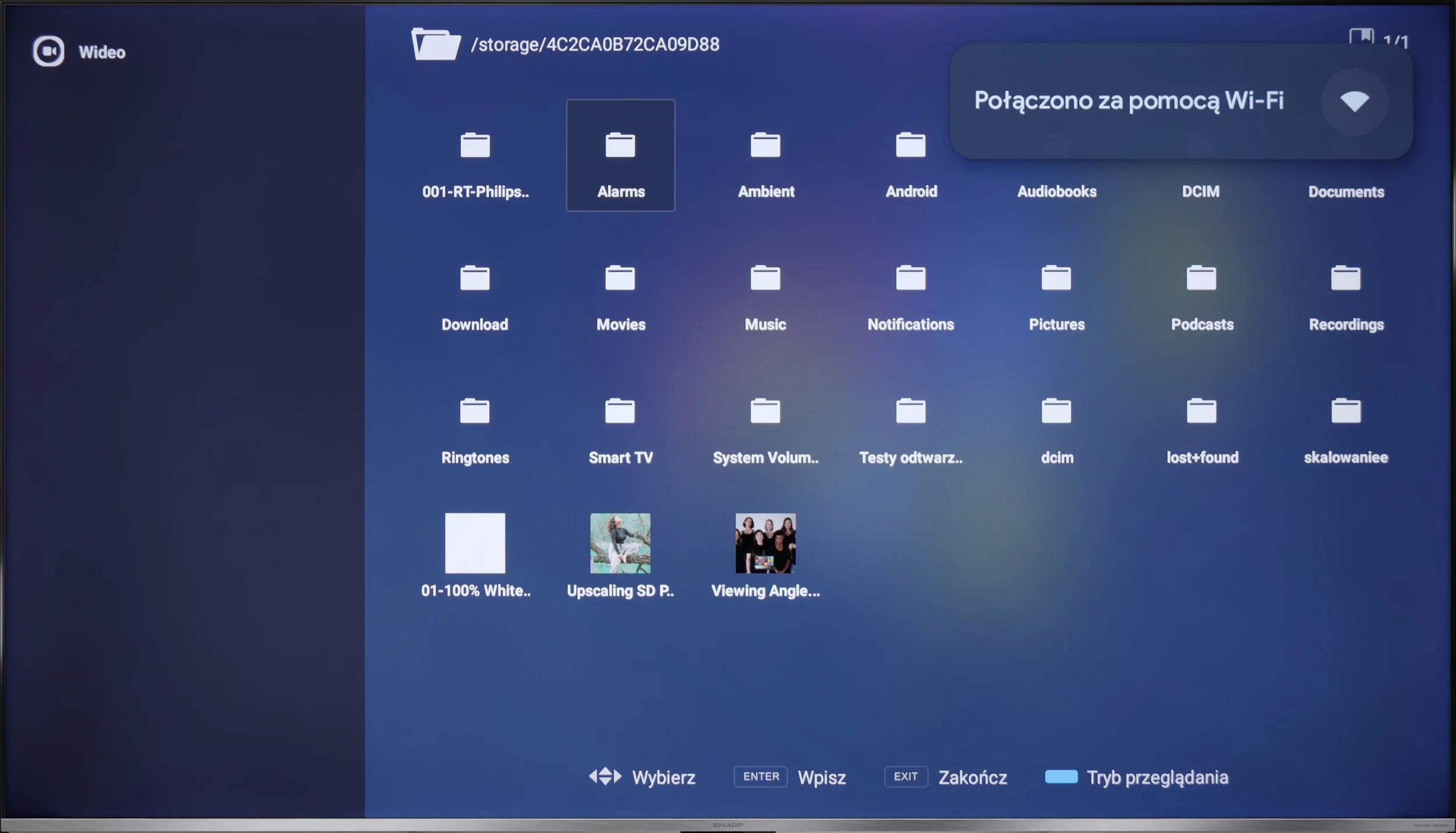
Sharp GP7 is a TV that certainly has its strengths, but it also doesn't escape a few shortcomings. Is it perfect? No, but for its price, it does a really decent job and will work quite well as a nice choice in many homes. The biggest plus? Google TV. Here, Sharp GP7 shows its class – we have an enormous selection of applications, probably the largest on the market. It doesn't matter if we want to watch Netflix, YouTube, or something less known – we will find everything in one place. Additionally, the interface is simple and intuitive, and if we don't feel like clicking, we just need to say to the remote what we are looking for, as it supports voice commands in Polish. Google TV definitely elevates the value of this TV, as we don't feel like we are missing anything. It just works. As for picture quality, it's also quite good. Brightness at 500 nits combined with Dolby Vision does the job – movies look really solid for this price range. Colors, thanks to the PFS (QLED) coating, are vibrant, the contrast from the VA panel gives dark scenes depth, and the overall picture just "plays." It's not premium level, but for this price, you can't really complain. It's a good picture that will satisfy most users. Of course, there are also weaker points. The TV struggles with dynamic scenes – sports or video games won't look perfect here. The 60 Hz panel and response time of the panel are not able to ensure the highest fluidity. Additionally, the manufacturer mentions HDMI 2.1, but all we find here is the ALLM feature. There is a lack of VRR, G-Sync, or other additions that could attract gamers.
In summary – Sharp GP7 is a solid TV for everyday watching of movies and series. It is not for gamers or fans of sports broadcasts, but for universal use – absolutely. If we value access to a rich ecosystem of applications and good picture quality at a reasonable price, this model might be just for us.
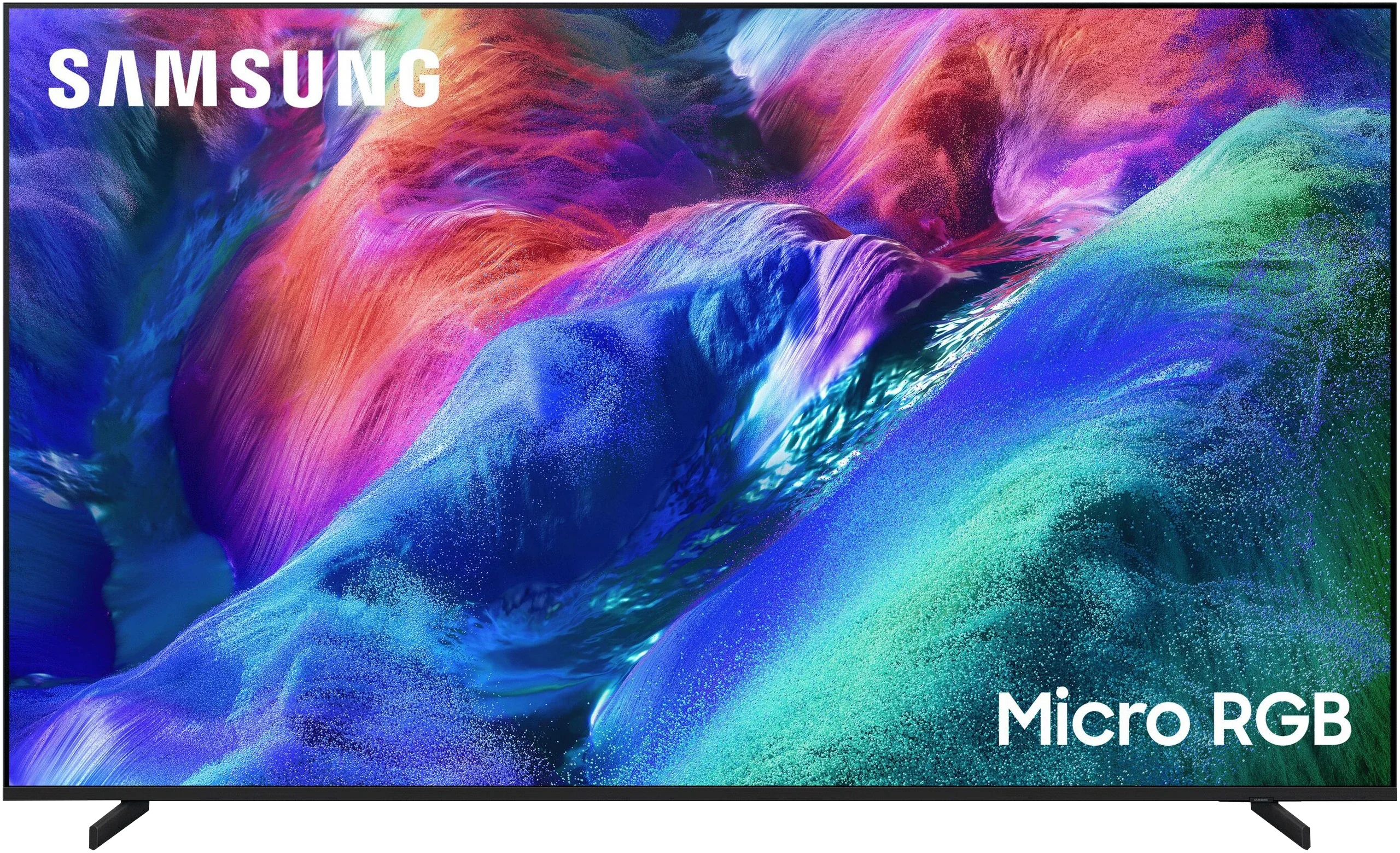
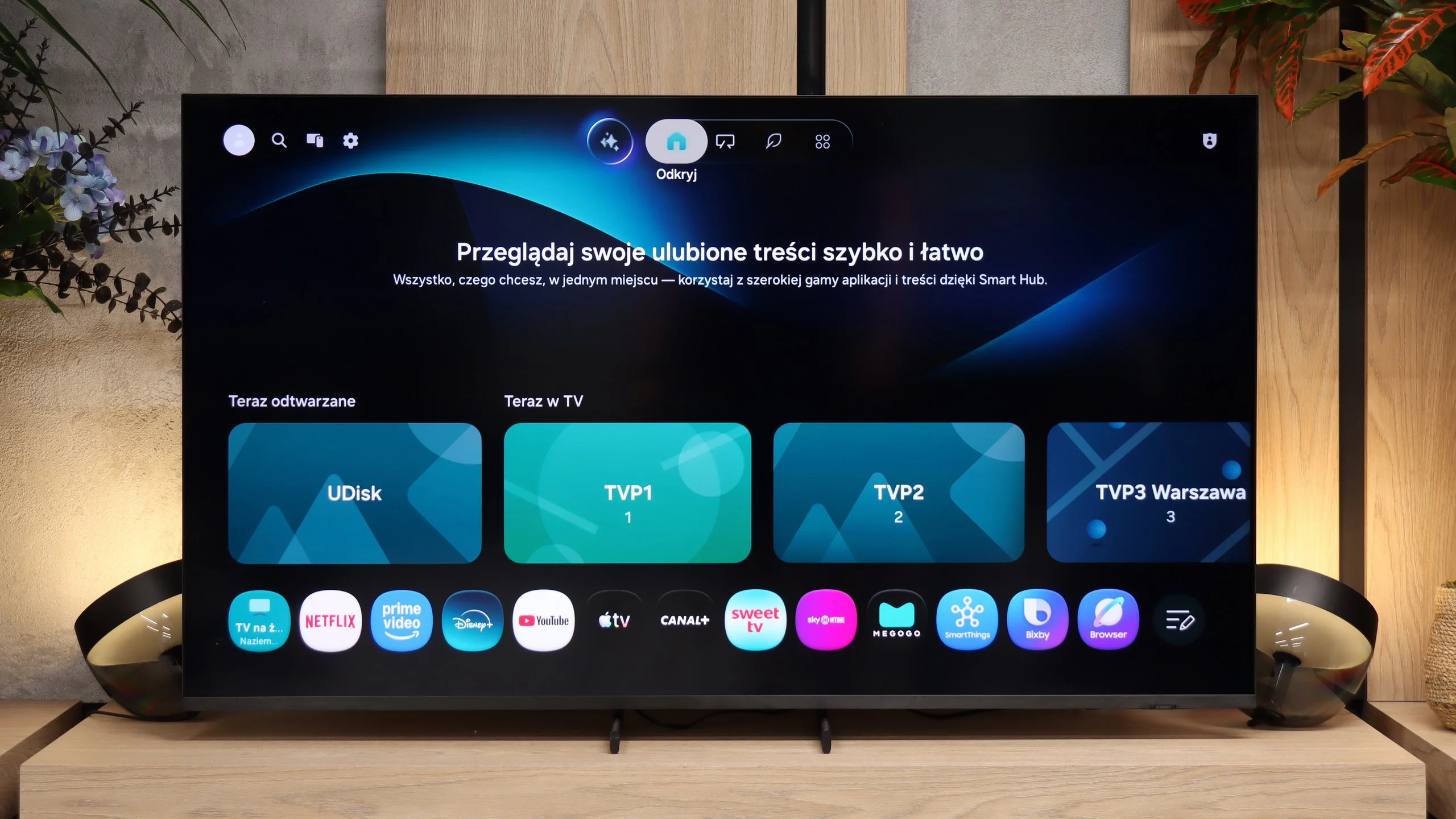
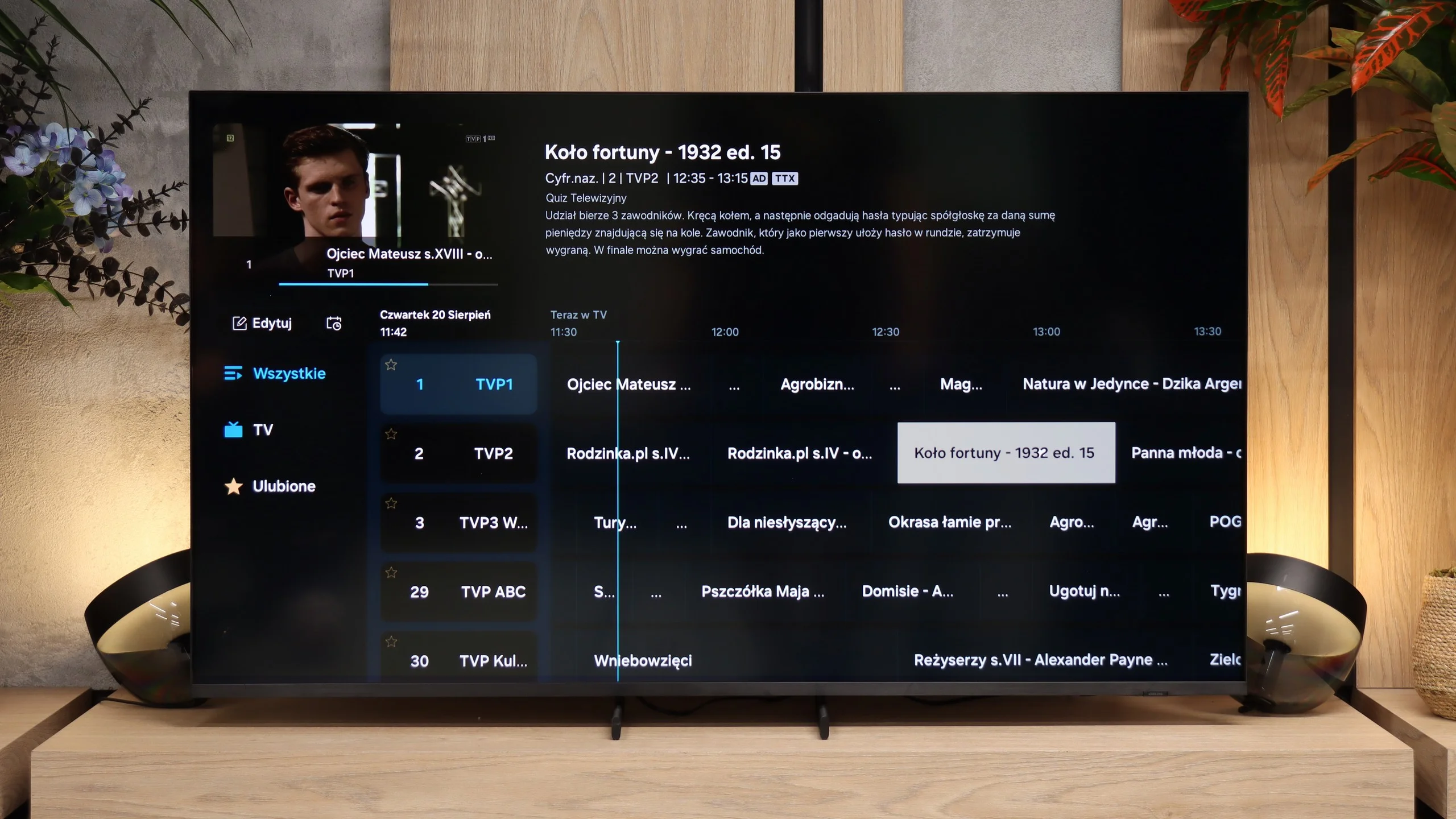
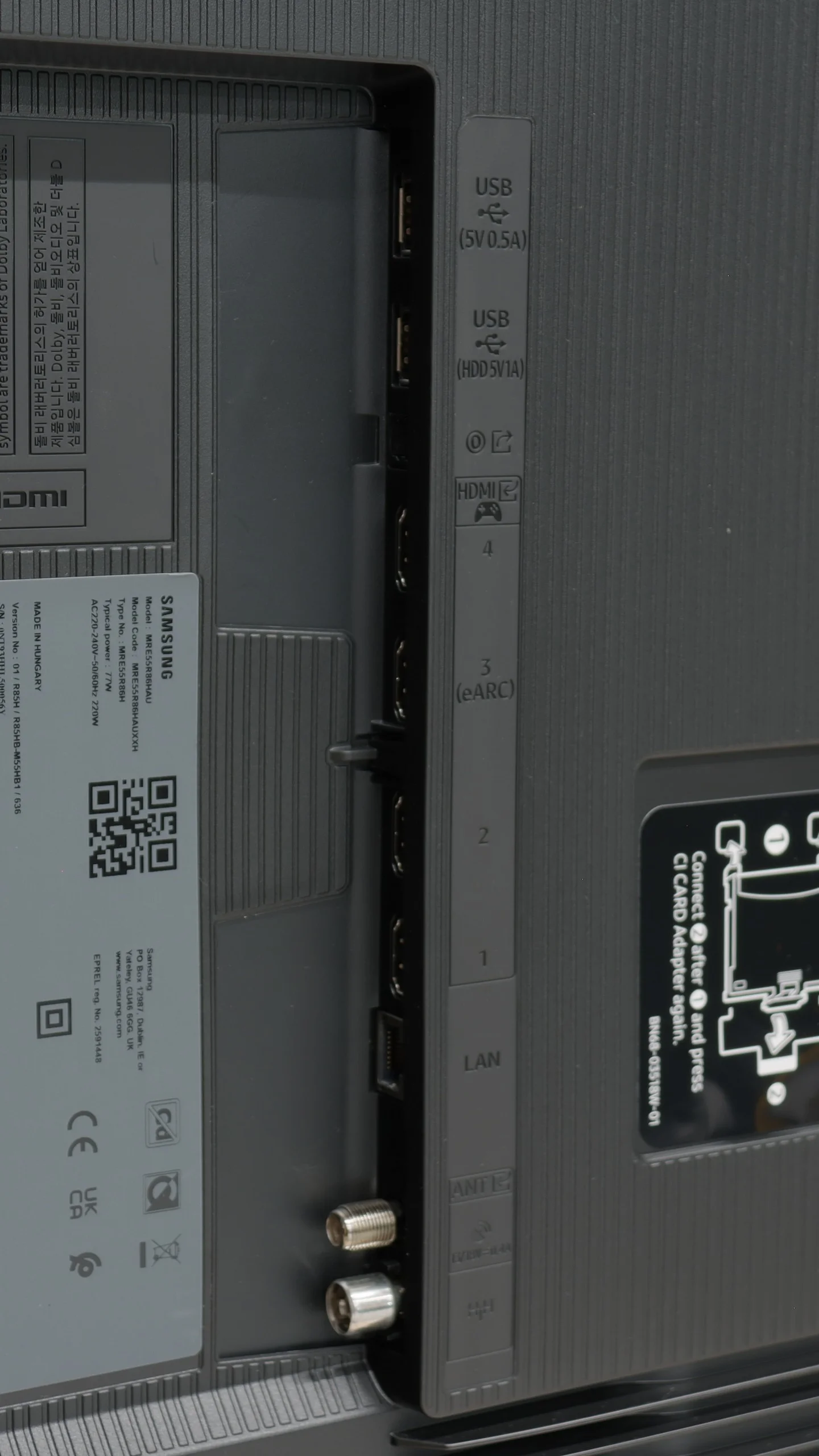
The Samsung R85H is above all a very versatile TV that works well in almost any situation. You can put it in a bright living room, hook up a console, watch a movie or series in the evening, and use regular broadcast TV every day, and each time you’ll get a good-quality picture. It may not make as strong an impression in the first minutes as Samsung’s best OLEDs, but it’s hard to point to a single feature that severely limits its use. That versatility is probably its biggest strength. Naturally, the R85H draws the most attention for its new "Micro RGB" backlight. From our tests we’d say it can indeed offer an advantage over classic Mini-LED, although not always in the areas the manufacturer emphasizes most. On test charts the color reproduction capabilities are impressive, but in real, more complex scenes the TV can’t always exploit the full potential of a three-color backlight. Its advantage is easiest to spot in simpler parts of the image, where intense reds, greens, or blues can look truly striking. Viewing angles are also a bit better, because colors viewed off-axis retain their saturation longer than on conventional LCD TVs. Micro RGB doesn’t, however, solve all the limits of RGB technology. With very saturated elements you can sometimes notice slight color bleeding into adjacent bright areas, and the relatively small number of local dimming zones means the backlight can’t always operate as precisely as its on-paper specs might suggest. The R85H shows that RGB really has potential and could be the next step in LCD development, but using colored LEDs alone doesn’t automatically translate into a huge jump in picture quality. For that reason we’d treat the R85H mainly as a somewhat better and more interesting alternative to the QN80H, not as a must-buy solely because it says Micro RGB. If the price gap between those models is reasonable, we’d choose the R85H. We wouldn’t pay a large premium just for the new backlight, since its everyday advantage isn’t always as big as marketing materials might imply. Regardless, the R85H is a successful all-purpose TV, and that’s probably the best way to look at it.
 Direct comparison