Sharp GP7 vs Hisense UR8S

Direct comparison

GP7265E / GP7465E / GP7765E

Info

Available screen sizes: 55”65”75”

Available screen sizes: 55”65”75”85”100”

Panel type: LCD VA

Resolution: 3840x2160

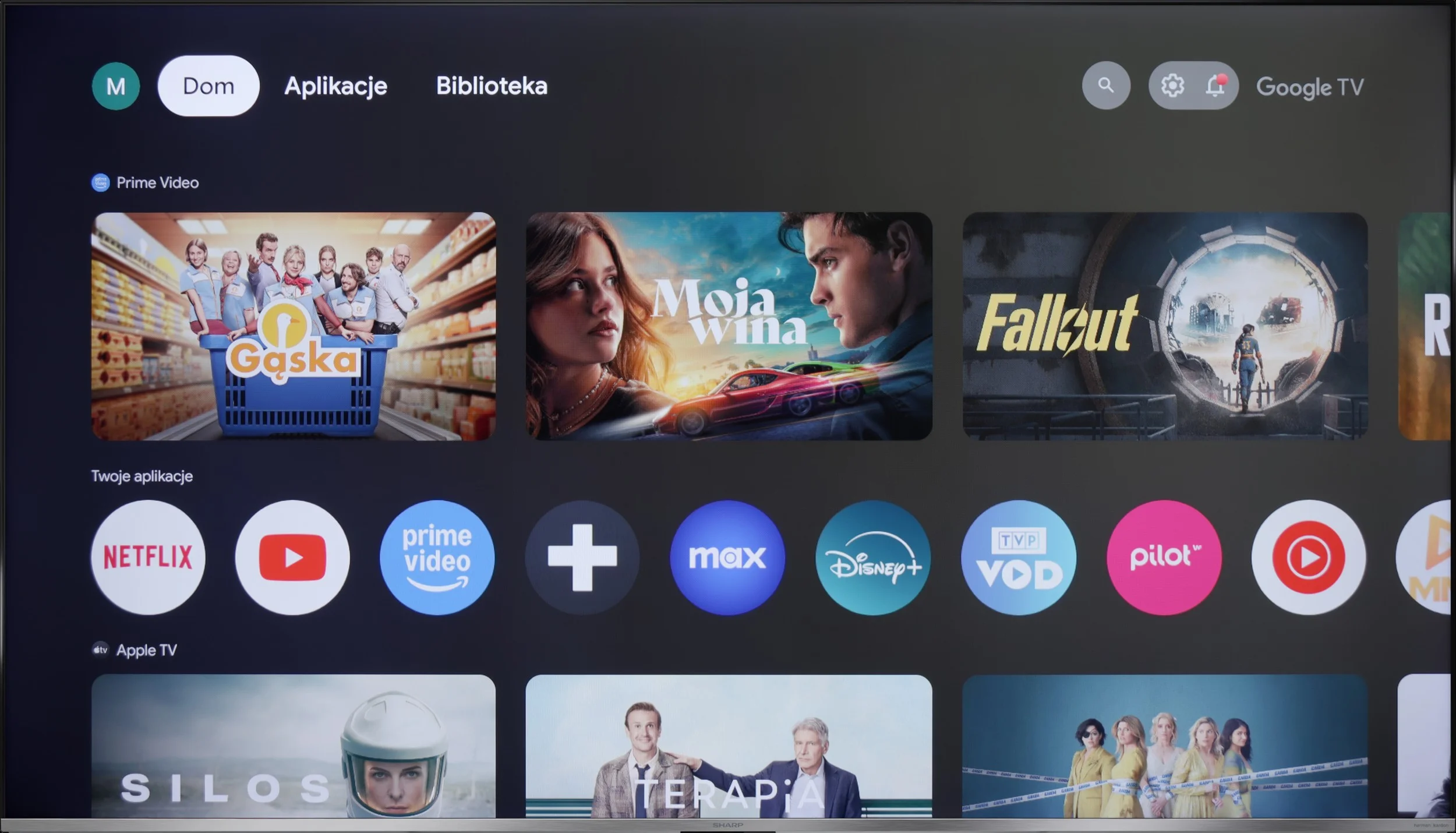
System: Google TV

Model year: 2024

Complete the survey to find out the result

Panel type: LCD VA

Resolution: 3840x2160

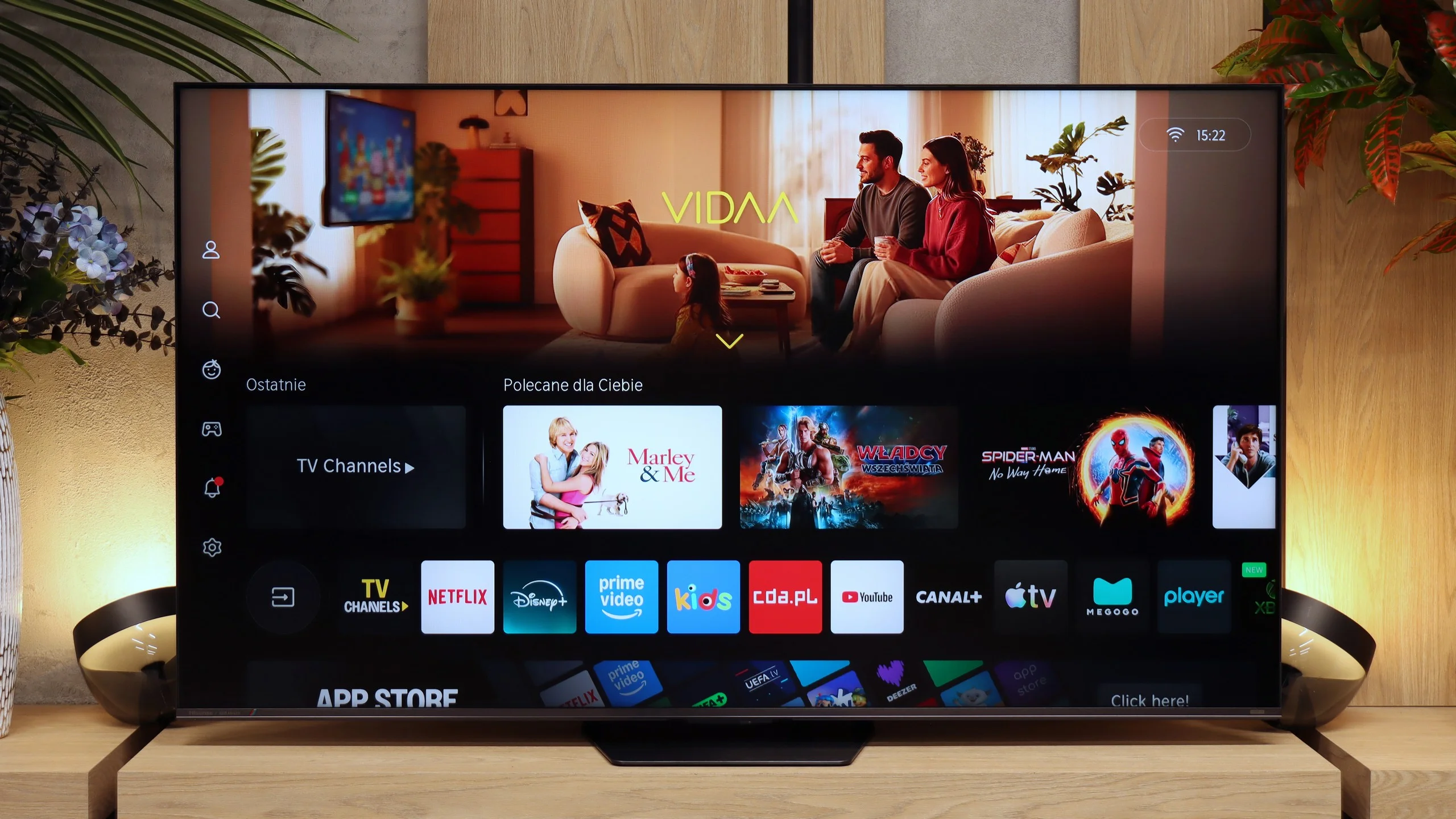
System: VIDAA

Model year: 2026

Complete the survey to find out the result

Overall rating

6.2

8.2

  • Movies and series in UHD quality

    6.5

    7.4

  • Classic TV, YouTube

    6.3

    7.6

  • Sports broadcasts (TV and apps)

    5.5

    7.4

  • Gaming on console

    6.0

    8.4

  • TV as a computer monitor

    5.7

    8.5

  • Watching in bright light

    5.3

    9.5

  • Utility functions

    5.5

    9.4

  • Apps

    9.6

    8.3

  • Sound quality

    6.6

    7.8

Advantages

  • Google TV system – intuitive, advanced interface

  • Good HDR quality with Dolby Vision

  • Solid contrast

  • Decent brightness

  • Good image scaling

  • Smooth tonal transitions

  • Very high contrast and deep blacks

  • High picture brightness

  • Potentially wider color gamut thanks to RGB backlighting

  • Excellent image processing and upscaling

  • Panel with refresh rate up to 180 Hz

  • Very good gaming performance

  • Good viewing angles for a Mini-LED LCD

  • Matte finish and excellent daylight performance

  • Fast VIDAA and lots of useful features

  • Support for Dolby Vision, HDR10+, Dolby Atmos, and DTS

Disadvantages

No like
  • Average choice for gamers

  • No AirPlay

  • No recording / PiP feature

  • The full potential of RGB Mini-LEDs isn't always realized in movies

  • HDR brightness can deviate from the creators' vision

  • No proper HGiG implementation

  • The VIDAA system still lacks a few apps

Our verdict

Sharp GP7 is a TV that certainly has its strengths, but it also doesn't escape a few shortcomings. Is it perfect? No, but for its price, it does a really decent job and will work quite well as a nice choice in many homes. The biggest plus? Google TV. Here, Sharp GP7 shows its class – we have an enormous selection of applications, probably the largest on the market. It doesn't matter if we want to watch Netflix, YouTube, or something less known – we will find everything in one place. Additionally, the interface is simple and intuitive, and if we don't feel like clicking, we just need to say to the remote what we are looking for, as it supports voice commands in Polish. Google TV definitely elevates the value of this TV, as we don't feel like we are missing anything. It just works. As for picture quality, it's also quite good. Brightness at 500 nits combined with Dolby Vision does the job – movies look really solid for this price range. Colors, thanks to the PFS (QLED) coating, are vibrant, the contrast from the VA panel gives dark scenes depth, and the overall picture just "plays." It's not premium level, but for this price, you can't really complain. It's a good picture that will satisfy most users. Of course, there are also weaker points. The TV struggles with dynamic scenes – sports or video games won't look perfect here. The 60 Hz panel and response time of the panel are not able to ensure the highest fluidity. Additionally, the manufacturer mentions HDMI 2.1, but all we find here is the ALLM feature. There is a lack of VRR, G-Sync, or other additions that could attract gamers.

In summary – Sharp GP7 is a solid TV for everyday watching of movies and series. It is not for gamers or fans of sports broadcasts, but for universal use – absolutely. If we value access to a rich ecosystem of applications and good picture quality at a reasonable price, this model might be just for us.
The Hisense UR8S is, above all, a very versatile high-end TV that performs well or very well in most use cases. It’s not a model aimed solely at movies, gaming, or watching in a bright living room. Its biggest advantage is that it can combine all those things in one chassis without any single, clearly weak point. In terms of picture, the UR8S has a lot to offer. Contrast is high, HDR can look very impressive, and the brightness level is more than enough for daytime viewing. Add very good image processing and smooth motion handling. RGB Mini-LED also gives it a very wide color gamut, and you can see that the technology has a lot of potential. However, it’s important to remember that it doesn’t completely change the character of an LCD TV. In more demanding scenes you can still see the limits of local dimming, and very high color saturation isn’t always maintained to the same degree as on simple test patterns. A major strength of the UR8S is, above all, its everyday usability. The TV works well for sports, is excellent for gaming, and its high brightness and matte screen coating make a big difference in a bright room. On top of that, the VIDAA system runs quickly, and Hisense hasn’t removed many features that remain useful for normal TV use. That’s why we see the UR8S best as a TV for people looking for one solid screen for everything. RGB Mini-LED is an interesting addition here and provides some real benefits, but it’s not the technology alone that makes this model perform well. Its strongest point is that it’s complete, well equipped, and very versatile.

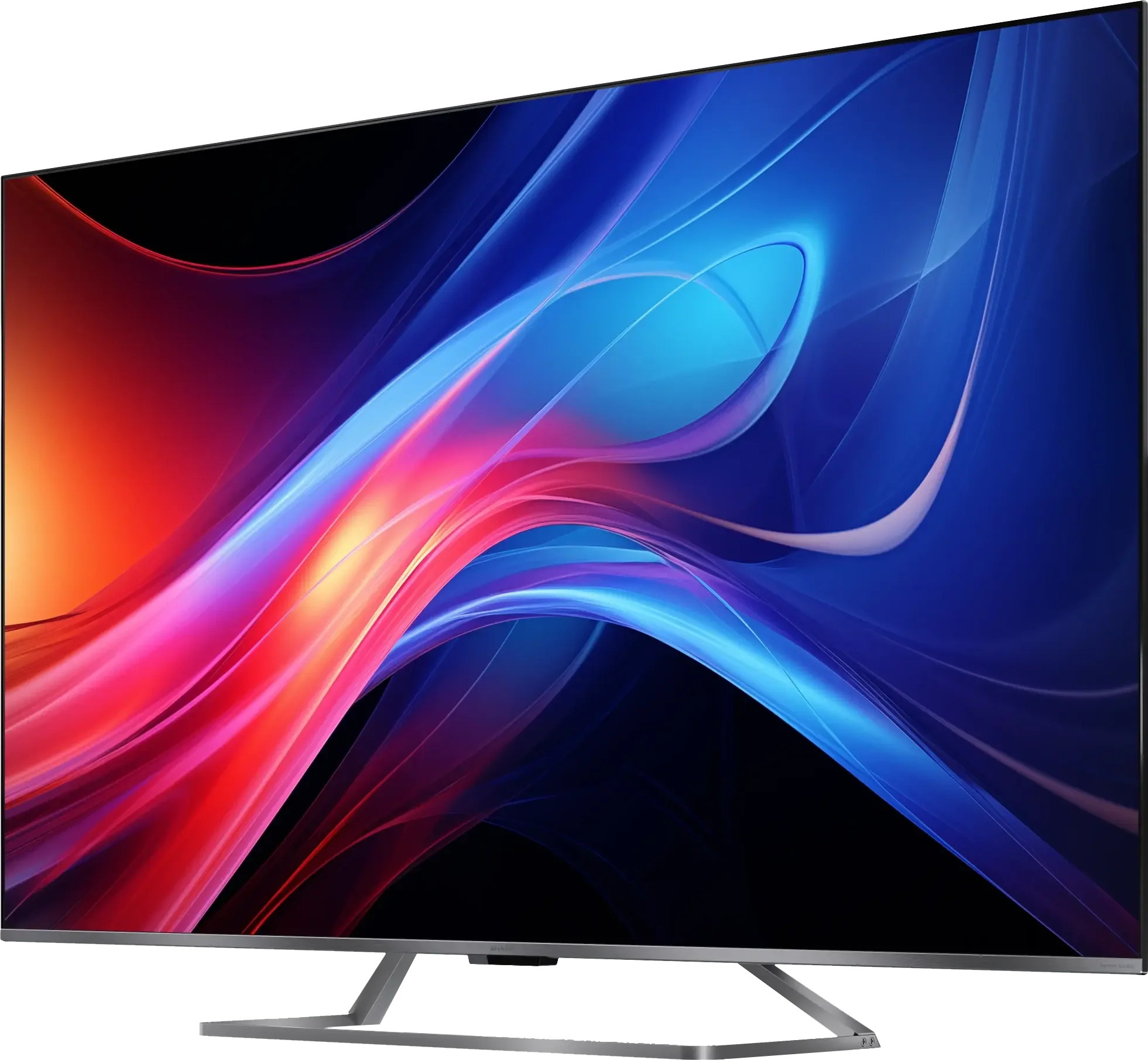
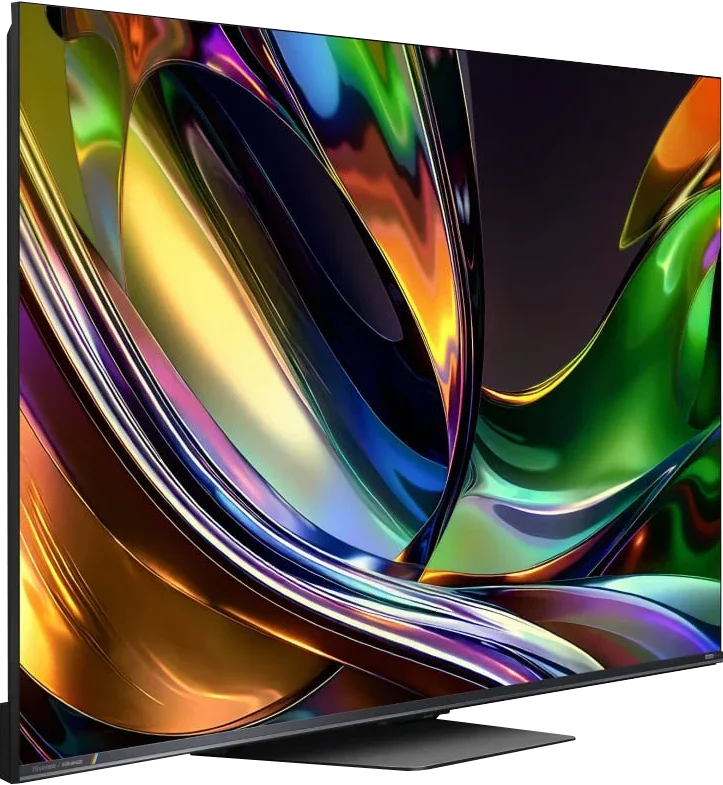
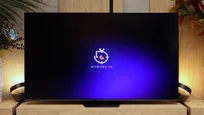
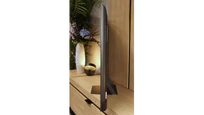
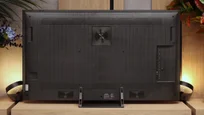
TV appearance

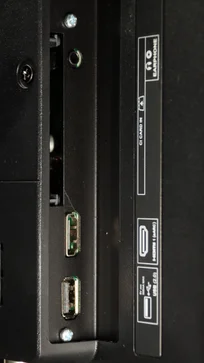
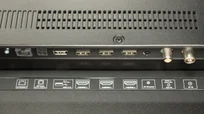
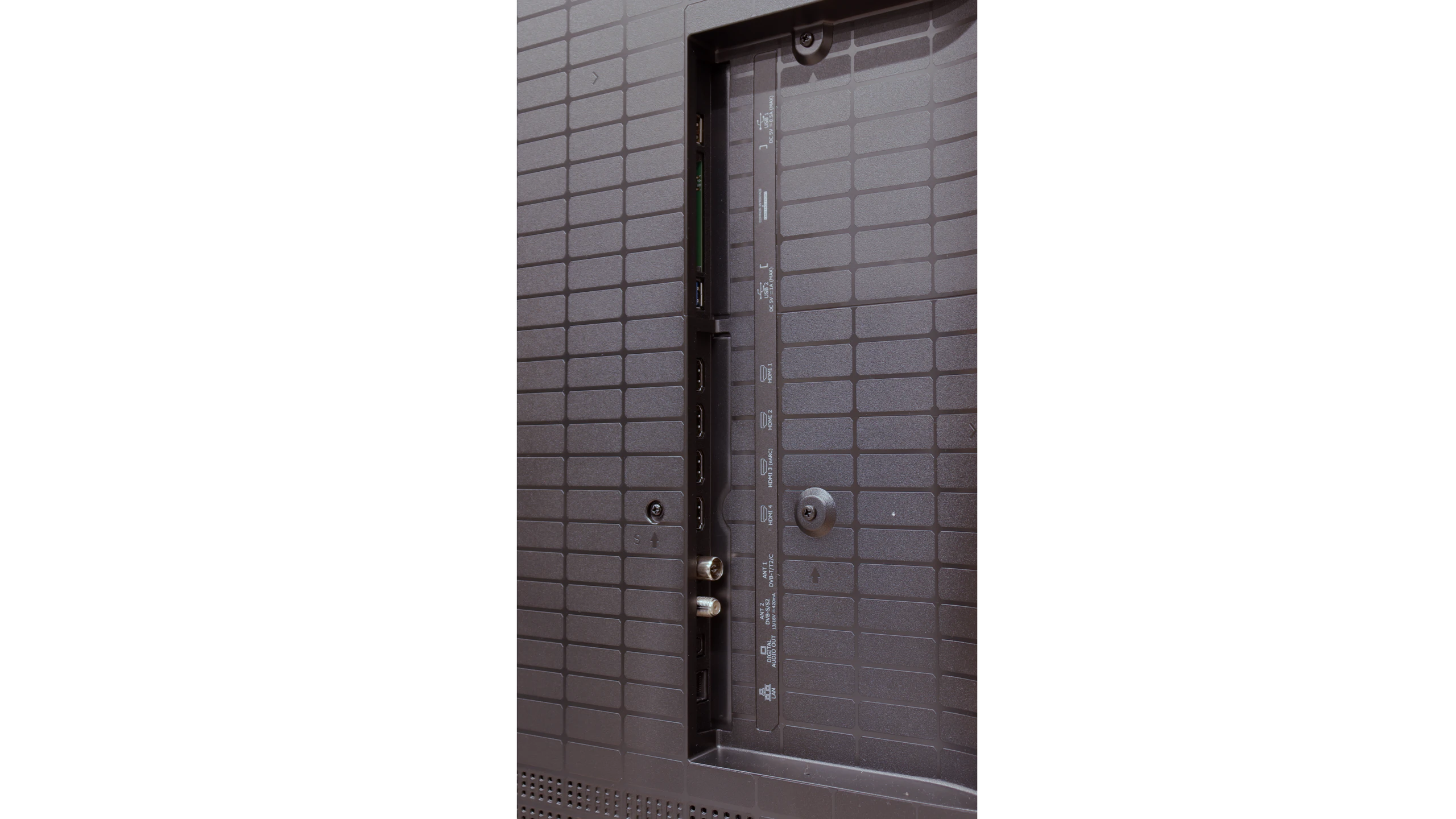
HDMI inputs
4 x HDMI 2.0, 0 x HDMI 2.1
0 x HDMI 2.0, 4 x HDMI 2.1 (48Gbps)
Other inputs
RCA (Chinch)
Outputs
Toslink (Optical audio), eARC (HDMI), ARC (HDMI), Mini-Jack (Headphones)
Toslink (Optical audio), eARC (HDMI), ARC (HDMI)
Network Interfaces
Wi-Fi 2.4GHz, Wi-Fi 5GHz, Ethernet (LAN) 100Mbps
Build quality
Good
Good
Stand type
Central
Central
Bezel color
Silver
Graphite
Stand
Fixed
Height adjustment
Accessories
Stand
Stand

Contrast and black detail

5.8/10

8/10

Local dimming function: No

Local dimming function: Yes, number of zones: 936 (26 x 36)

Contrast:

Review Sharp GP7 Contrast and black detail

Result

5,250:1

Review Sharp GP7 Contrast and black detail

Result

5,450:1

Review Sharp GP7 Contrast and black detail

Result

5,950:1

Review Sharp GP7 Contrast and black detail

Result

5,950:1

Review Sharp GP7 Contrast and black detail

Result

4,000:1

Review Hisense UR8S Contrast and black detail

Result

267,450:1

Review Hisense UR8S Contrast and black detail

Result

48,550:1

Review Hisense UR8S Contrast and black detail

Result

19,450:1

Review Hisense UR8S Contrast and black detail

Result

14,850:1

Review Hisense UR8S Contrast and black detail

Result

10,800:1

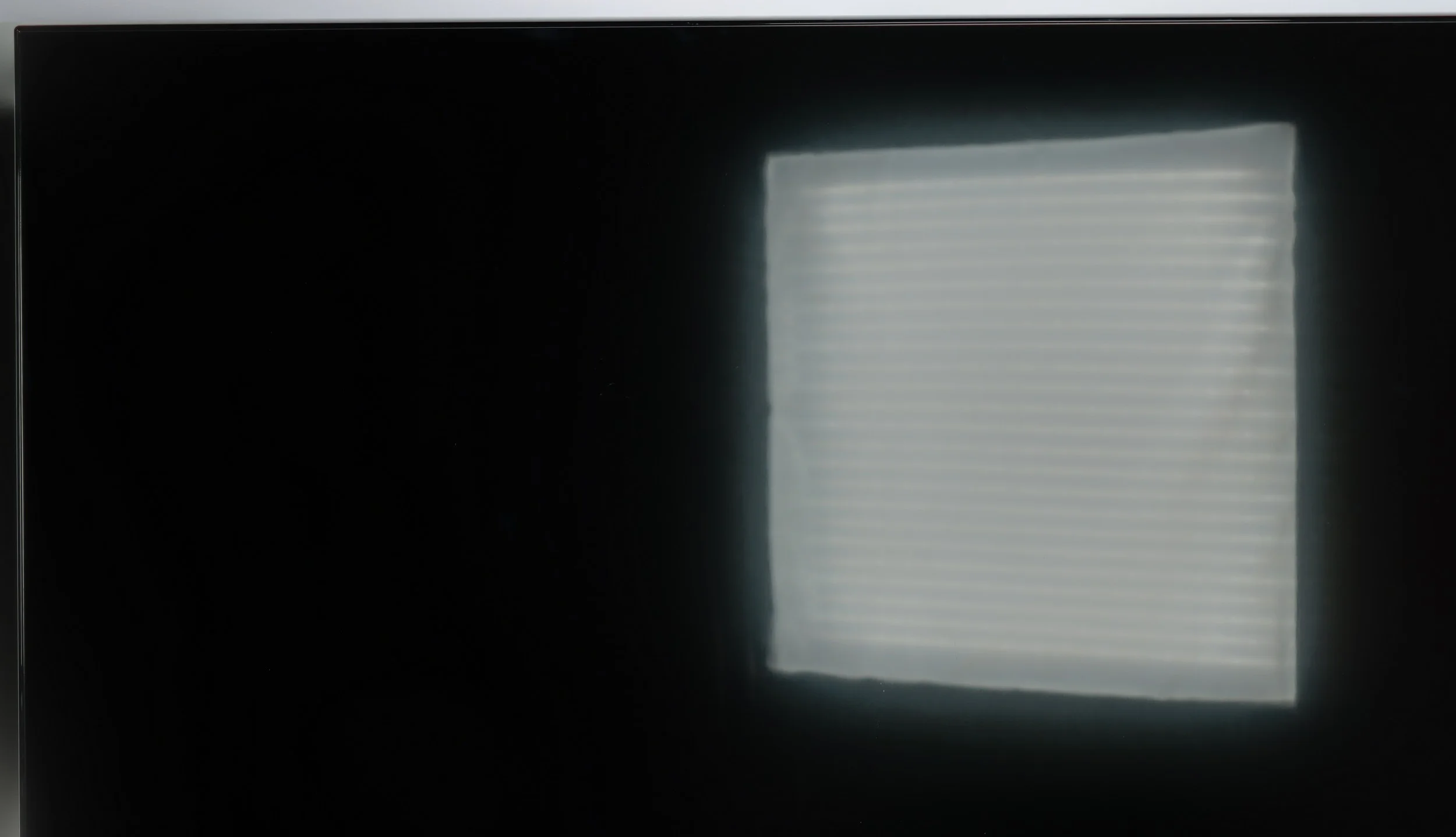
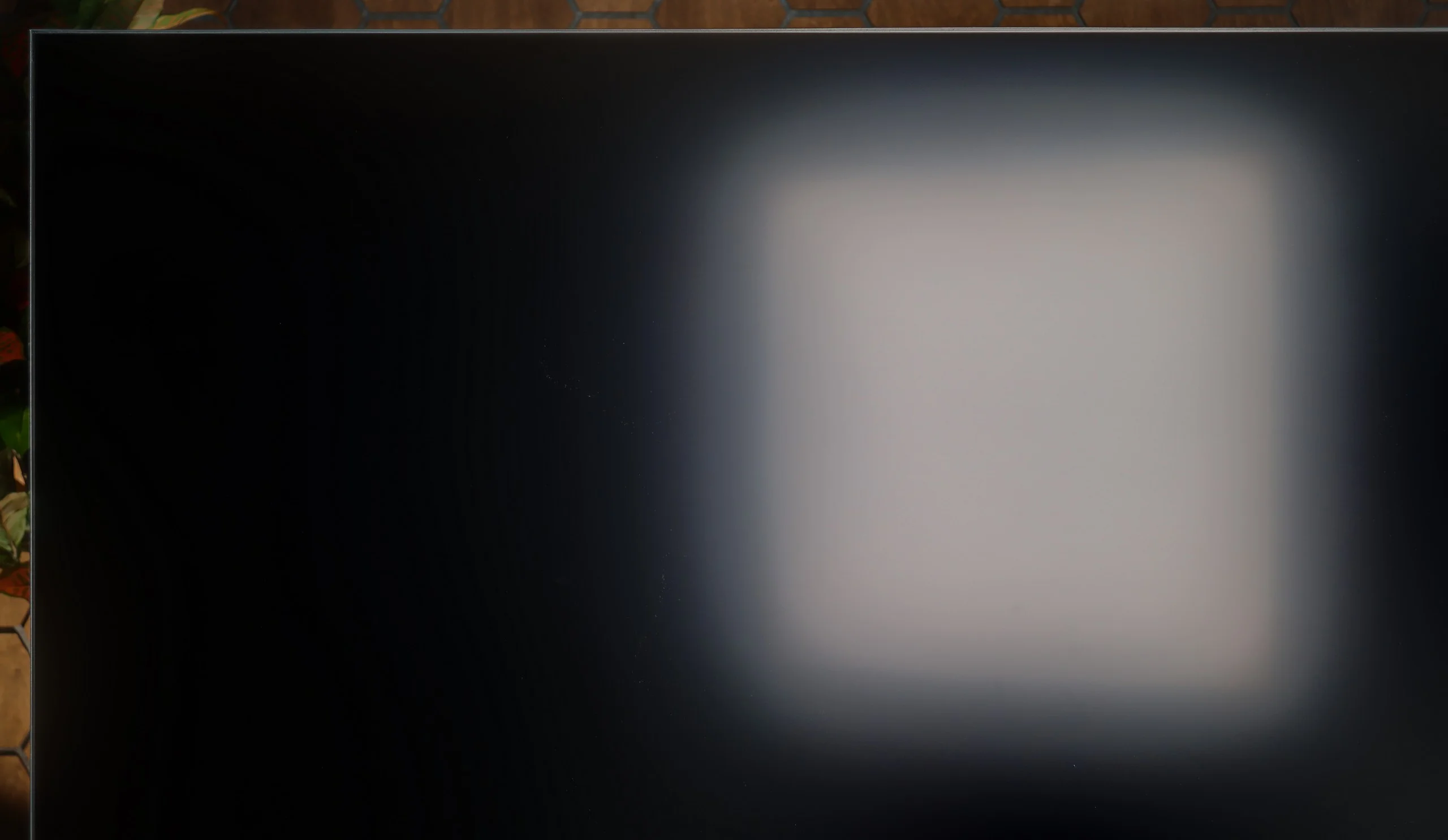
Halo effect and black detail visibility:

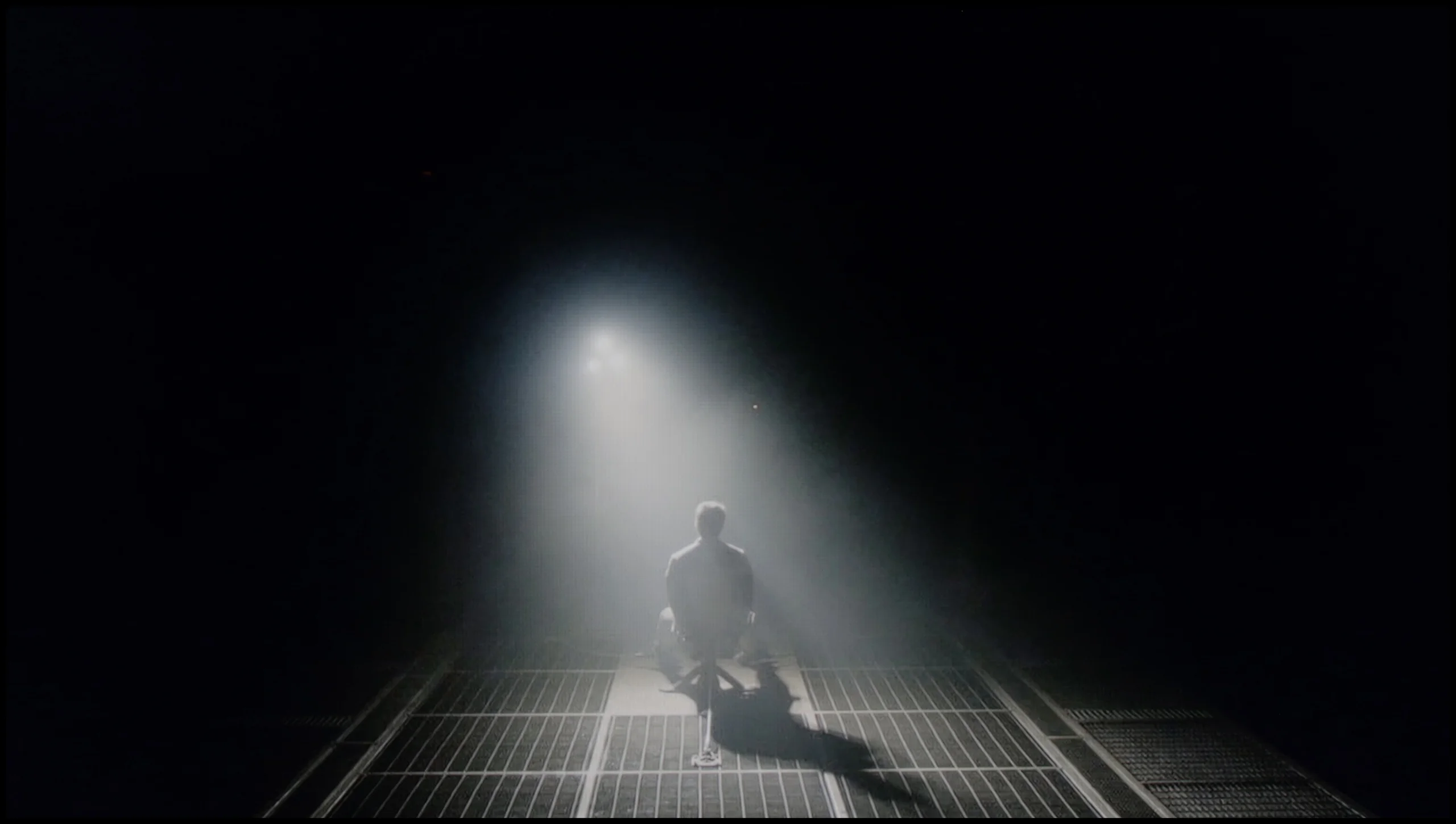
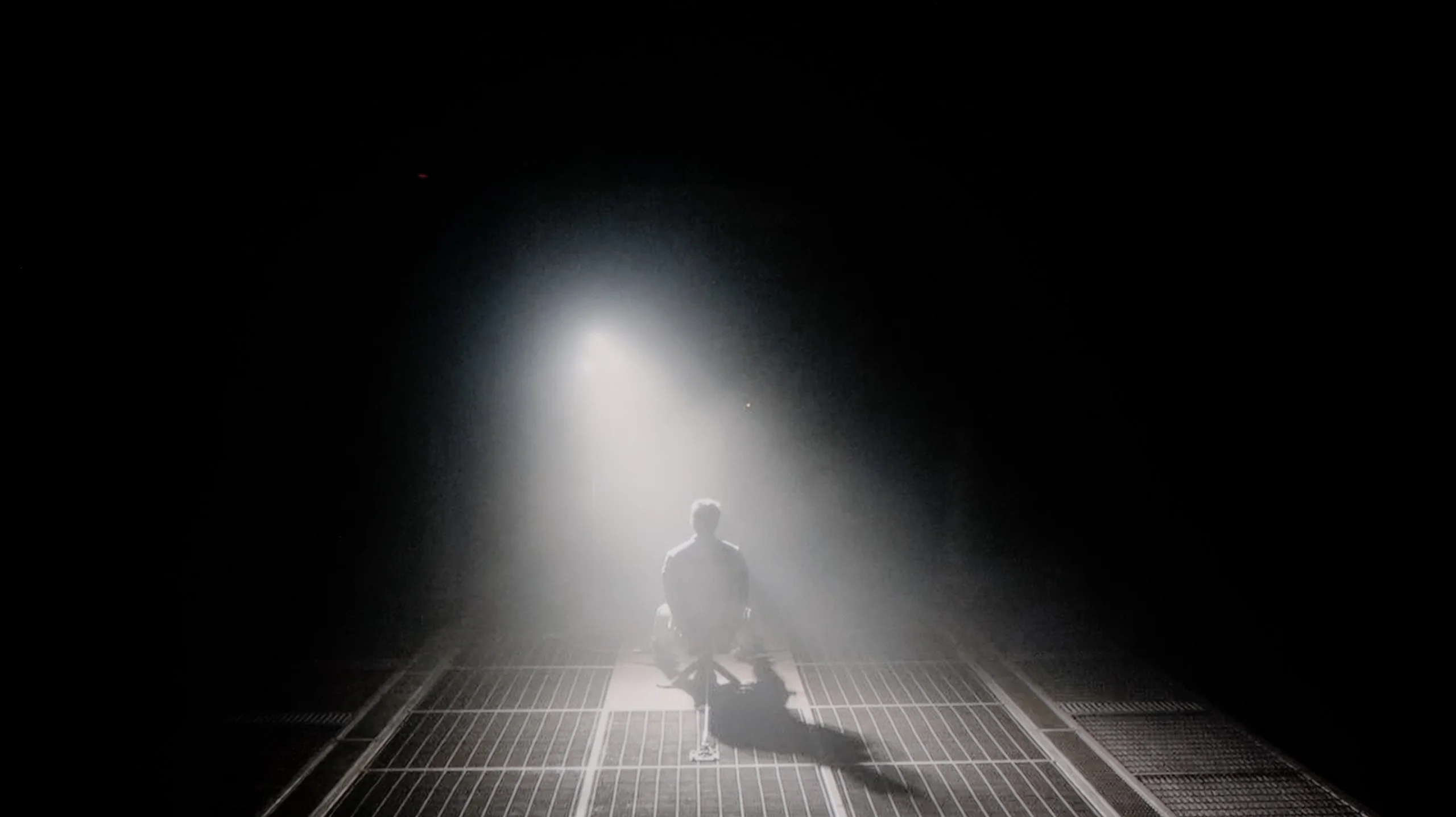
Check the visibility of bright lights on a dark background. Mini-LEDs often struggle with this. The photo does not compare black levels – that’s what the video below is for.

The video accurately shows differences in contrast and black levels between TVs, as well as potential issues: halo around bright objects or Mini-LED zone operation visible as brightness jumps.

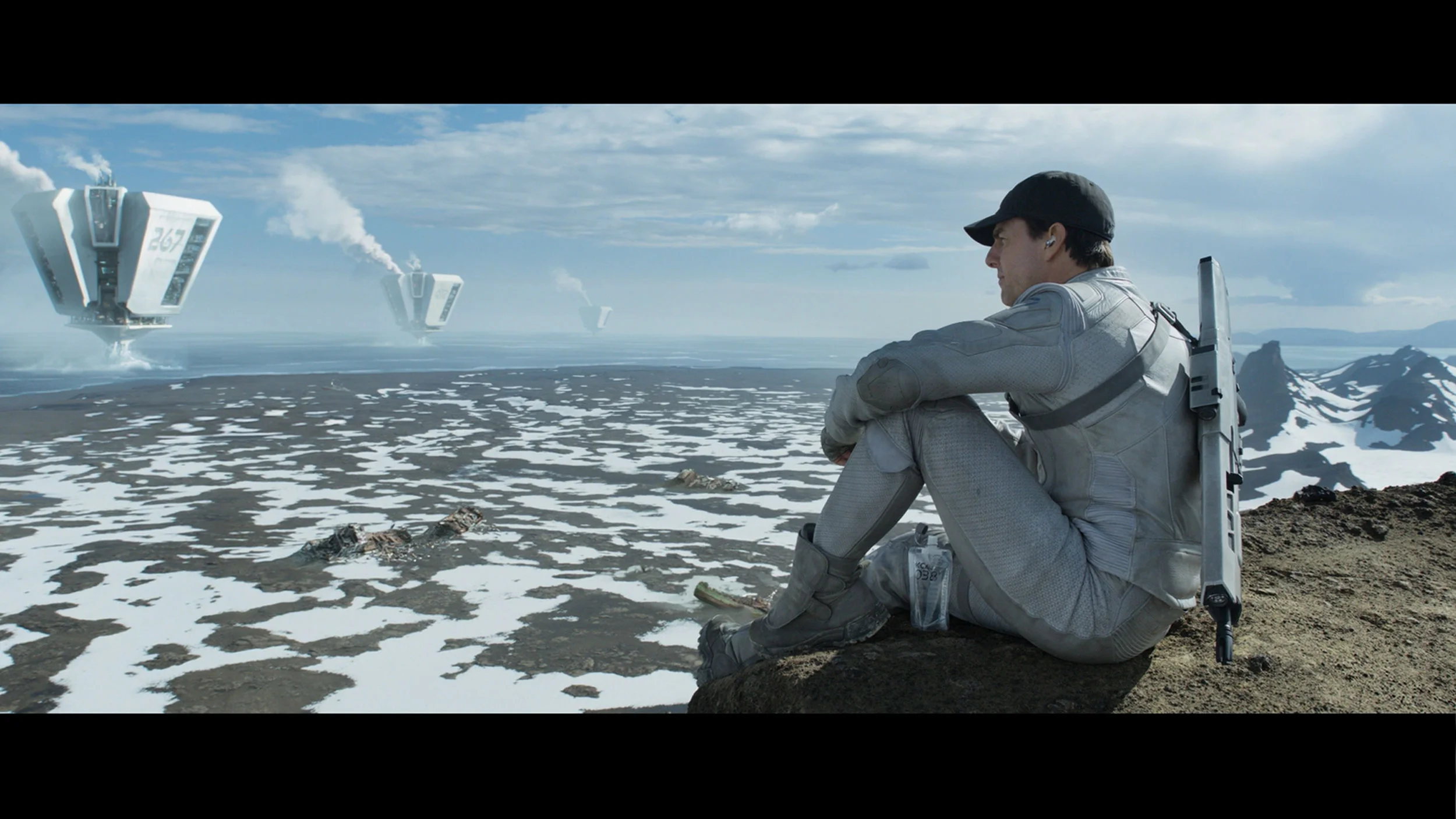
The Sharp GP7 utilizes a VA matrix, which allows it to boast a fairly decent contrast. In our measurements, we achieved around 5000:1, which is a solid result for this price range. For example, when watching bright, contrasting scenes in Oblivion, we did not have the impression that the lights were merging into one blob. There are still clear boundaries between individual light sources. On the other hand, the lack of local dimming results in the blacks in dark areas of the image often leaning towards blue tones. This is a phenomenon that did not surprise us, as it is difficult to expect absolute perfection in this regard at this price level. However, it is worth keeping this in mind if we expect the television to deliver pitch-black blacks rather than what we can experience during the tested scene from Sicario 2.

We tested the Hisense UR8S in the 65-inch size, and this variant uses a VA panel, so the native contrast is already at a very good level and reaches much higher values than IPS panels. The most important thing, however, is local dimming. In our unit we counted 936 zones and you can clearly see that they can really help in dark scenes. In movies where a large part of the screen is black, the UR8S does really well. Blacks are deep, the black bars on films don't have a bluish glow, and in some shots the effect can even somewhat resemble an OLED. Of course only slightly, since the difference is still noticeable. It's easiest to notice with small, bright elements on a black background. Then a slight halo may appear around the object. It's not large and during normal viewing it shouldn't be too distracting, but it shows that this is still a TV with 936 zones, not a display that can dim each pixel individually.

HDR effect quality

5.5/10

6/10

Supported formats
HDR10, Dolby Vision, HLG
HDR10, HDR10+, Dolby Vision, Dolby Vision IQ, HLG
Color gamut coverage
DCI P3: 95.2%, Bt.2020: 73.0%
DCI P3: 100.0%, Bt.2020: 94.6%

Luminance measurements in HDR:

Review Sharp GP7 Brightness measurement

Result

428 nit

Review Sharp GP7 Brightness measurement

Result

448 nit

Review Sharp GP7 Brightness measurement

Result

492 nit

Review Sharp GP7 Brightness measurement

Result

471 nit

Review Sharp GP7 Brightness measurement

Result

499 nit

Review Hisense UR8S Brightness measurement

Result

1241 nit

Review Hisense UR8S Brightness measurement

Result

269 nit

Review Hisense UR8S Brightness measurement

Result

594 nit

Review Hisense UR8S Brightness measurement

Result

188 nit

Review Hisense UR8S Brightness measurement

Result

1452 nit

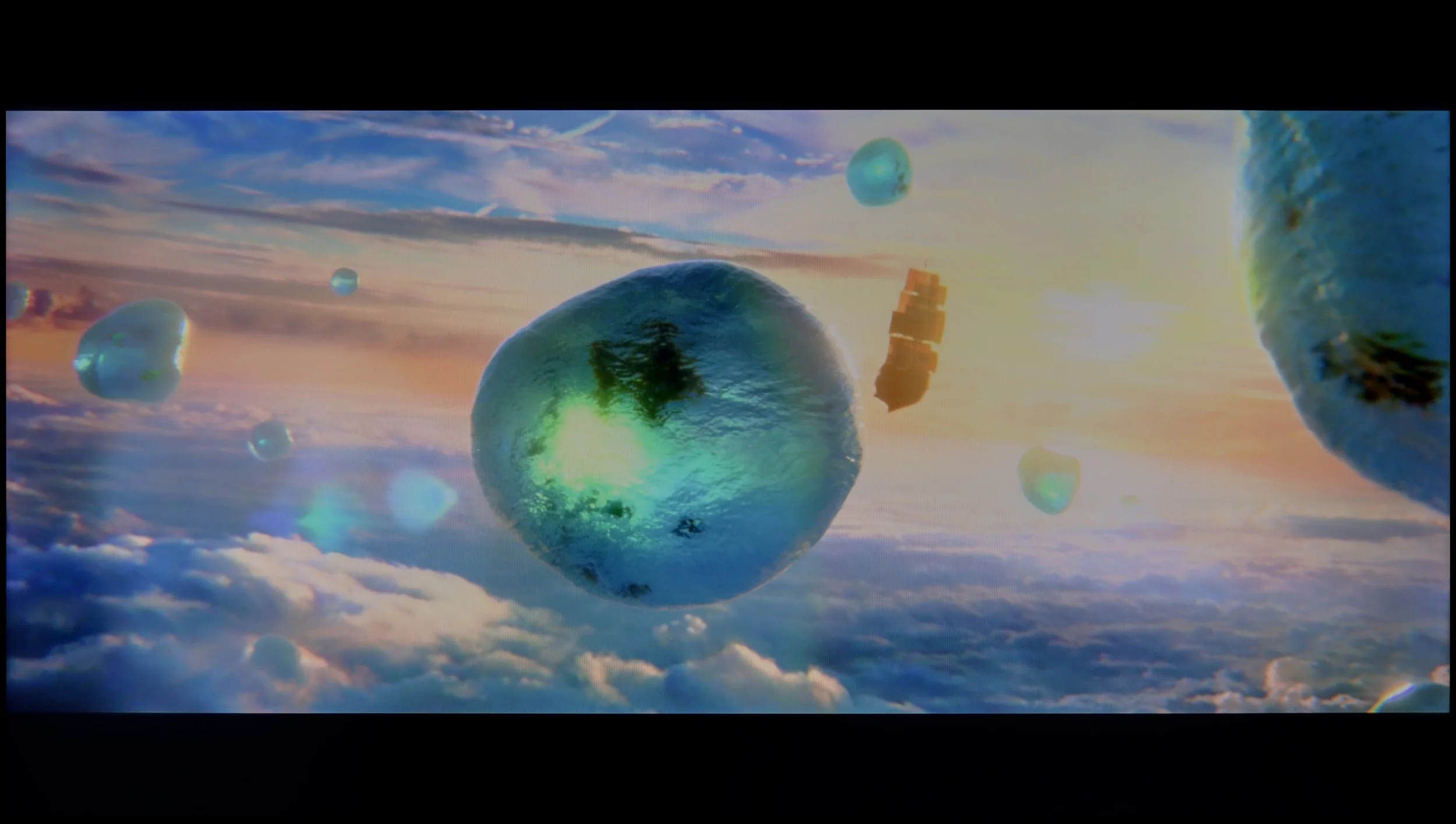
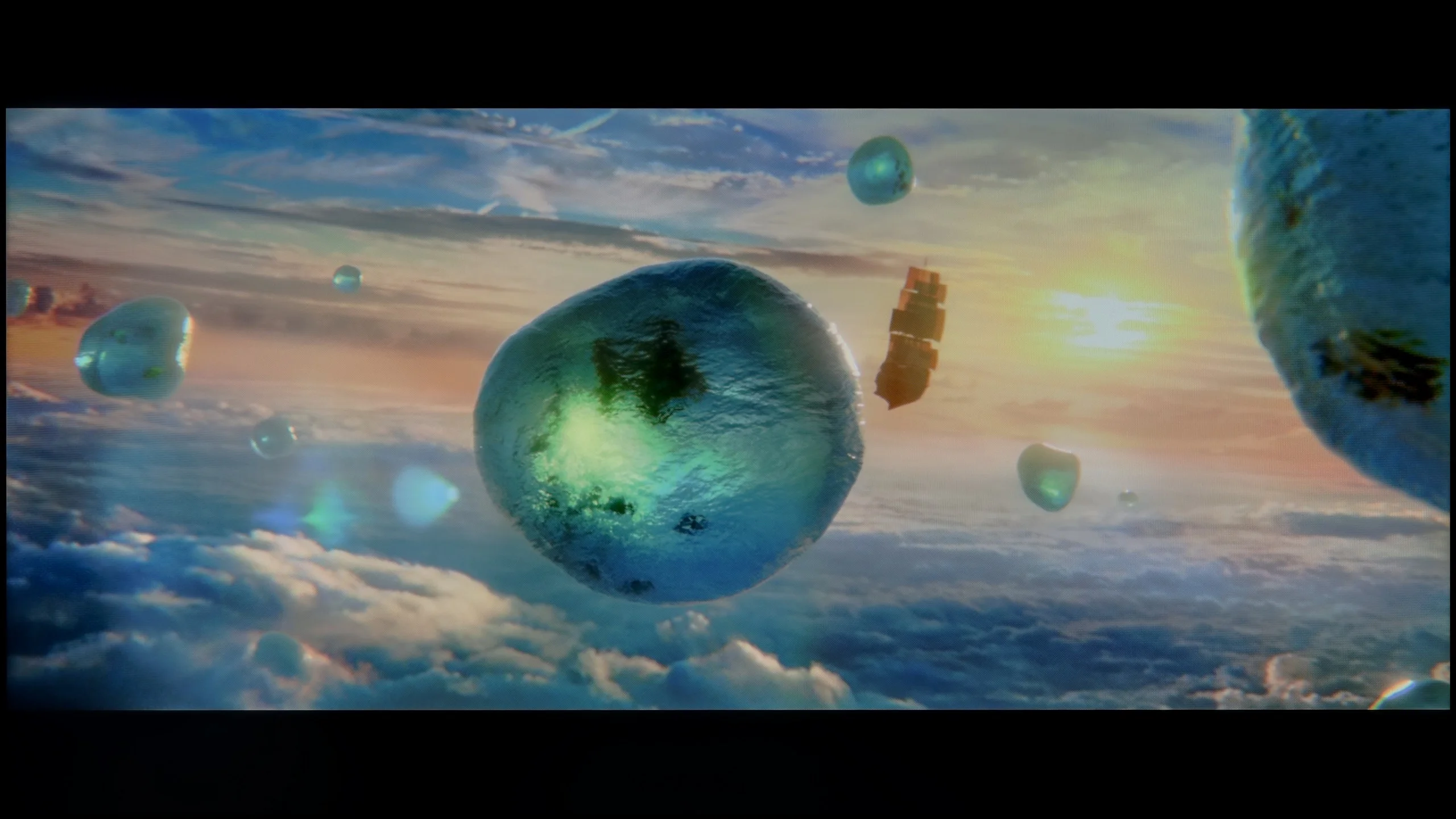
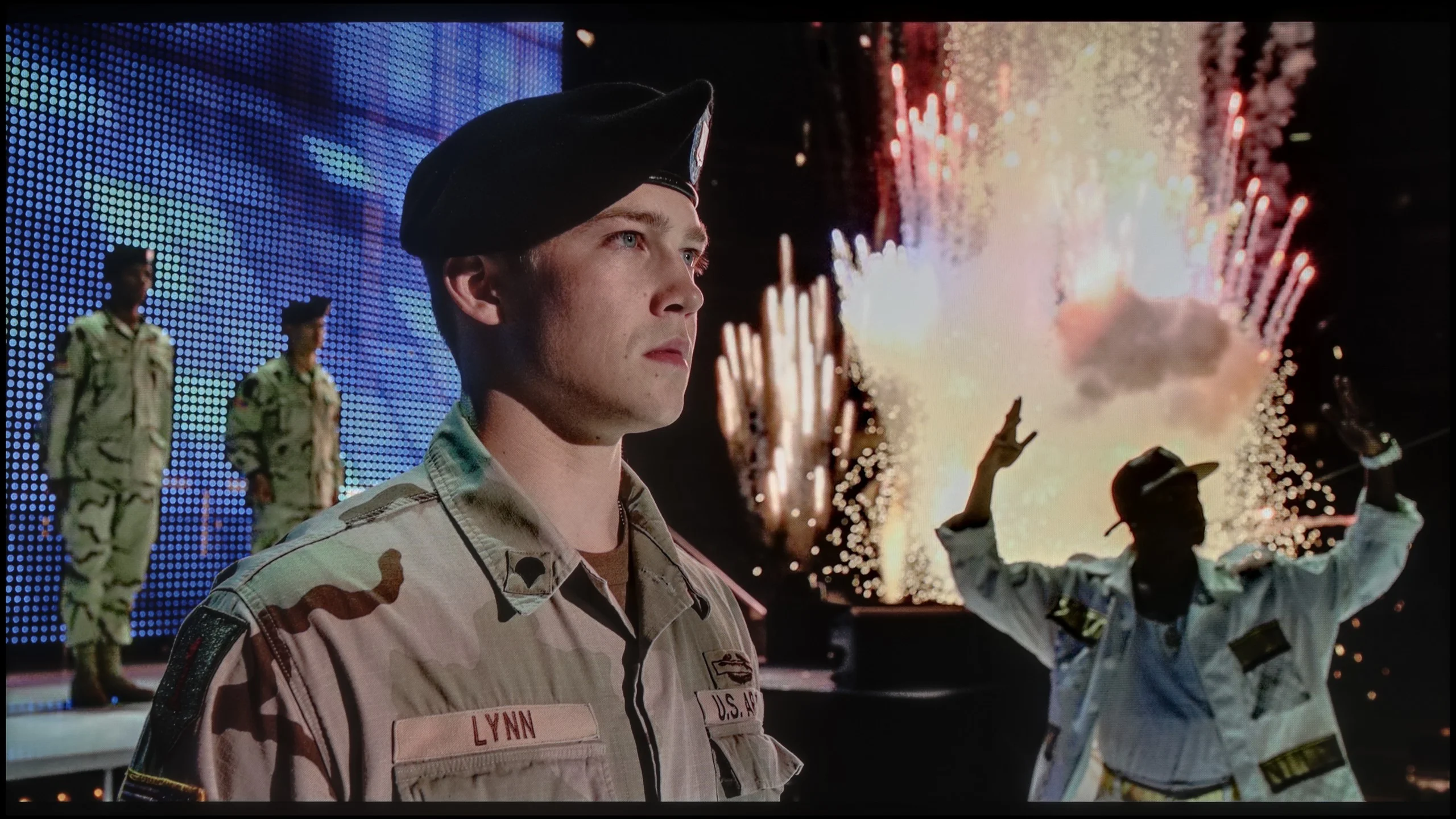
Scene from the movie “Pan” (about 2800 nits)

Scene from the movie “Billy Lynn” (about 1100 nits)

The photos show two HDR10 movies. 'Pan' is one of the brightest productions ever made, while 'Billy Lynn' (soldier) has brightness typical of streaming (Netflix, Prime, HBO MAX). Notice the intensity of effects and detail in whites.

Static HDR10

The photos present the visibility of white details in various HDR formats. They do not show brightness differences between TVs (these can be compared in the previous gallery).

Dynamic: Dolby Vision

Dynamic: Dolby Vision

The photos present the visibility of white details in various HDR formats. They do not show brightness differences between TVs (these can be compared in the previous gallery).

HDR luminance chart:

Hisense UR8S

Sharp GP7

In terms of HDR, the Sharp GP7 can pleasantly surprise us. The maximum brightness around 500 nits is the threshold at which the real advantages of high dynamic range become visible. During our tests, we achieved stable values between 430 and 500 nits, which translated to clearer distinction of elements in both bright and slightly darker scenes. Additionally, there is a DCI-P3 color gamut coverage of around 95%, which allows for vibrant, visually pleasing colors. Of course, this is not the highest league, but for this price range – a big plus.

UR8S is a slightly higher-end Mini-LED, so you could expect a lot in terms of brightness. And indeed, on a synthetic test pattern the peak brightness reached around 2200 nits. That's a very good result, but as always what matters more is what the TV does in normal film scenes. Here the results are a bit more uneven. In bright scenes with a lot of light on screen, the UR8S can deliver really strong HDR. Brightness then reaches about 1500 nits, so the image is very intense and has a lot of punch. It's worse with small bright elements on a dark background. The TV noticeably dims them to maintain good blacks and avoid excessive blooming. As a result, things like single stars or tiny specular highlights can be only around 200 nits. And here HDR is no longer as impressive. So the local dimming algorithm works effectively, but it comes at a cost, sometimes it simply sacrifices the brightness of small details too much in favor of contrast.

Colors

With RGB Mini-LED TVs, colors should be evaluated a bit differently than usual. If we look solely at the panel's capabilities, the UR8S performs great. We measured about 94% coverage of BT.2020 and practically full DCI-P3. These are among the highest values currently found in LCD TVs, and this is where the potential of RGB backlighting is most apparent. The problem is that this potential isn't always used in real scenes. When we ran the same measurements on patterns with an overlaid film background, the saturation of some colors dropped noticeably. Individual zones can't always control the three RGB components as precisely when the scene becomes more complex. This is most noticeable with blue and magenta. In simple test patterns they can look very strong, but in tougher scenes samples of those colors clearly shrink. So the UR8S has enormous potential, but the TV can't always make full use of it.

Factory color reproduction

7.1/10

5.1/10

This gallery shows how colors change after professional TV calibration. If you notice the difference, we recommend ordering this service at SkalibrujTV.com.

Factory Mode

After calibration

This gallery shows how colors change after professional TV calibration. If you notice the difference, we recommend ordering this service at SkalibrujTV.com.

Factory Mode

After calibration

Upon taking it out of the box, in movie mode, the GP7 doesn’t perform badly at all. In HD materials, we noticed slight disturbances in white balance – drops in red and blue, which made the image have a slightly greenish tint. This is visible, for example, on the faces of characters, which become less three-dimensional. The gamma is somewhat brightened in places, resulting in less deep blacks. In 4K HDR content, a cooler, bluish tone additionally emerges, making colors appear less natural. On the other hand, looking from the "out of the box" perspective, these settings are not bad – just minor adjustments are needed, and we will try to improve them with special tools.

For evaluating out-of-the-box colors we used Filmmaker mode, which is supposed to show the image as close as possible to how the material was intended. Looking at white balance alone, the UR8S does quite well. There is no strong color cast that immediately jumps out, although as brightness increases a bit too much blue and red appear while green becomes deficient. Color errors therefore show up in measurements, but the image itself does not look bad.

We have far bigger reservations about how the UR8S manages image brightness. In SDR the gamma stays around 1.9 to 2.0 for most of the range instead of the target 2.4. In practice this simply means the image is too bright, especially in the midtones. Shadows are lifted too much, so the image loses some depth. A similar trend is visible in HDR. The EOTF curve sits above the reference value for a large portion of the range, so the UR8S again brightens the image more than it should. This is not a matter of the TV lacking brightness; it has plenty of it. The issue is how it manages that brightness. As a result, HDR material can look very striking, but not always exactly as it should.

Color reproduction after calibration

7.5/10

7.5/10

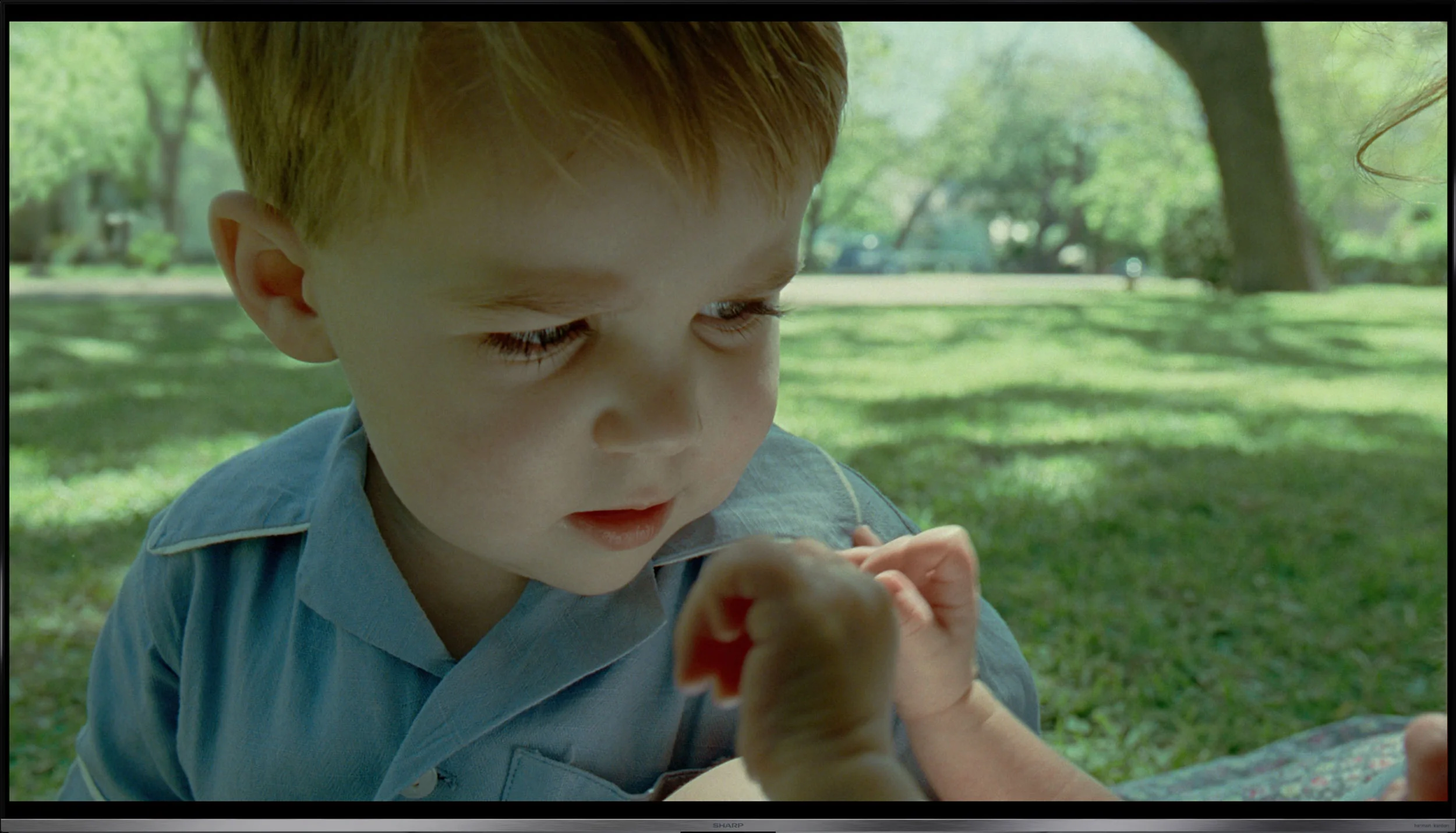
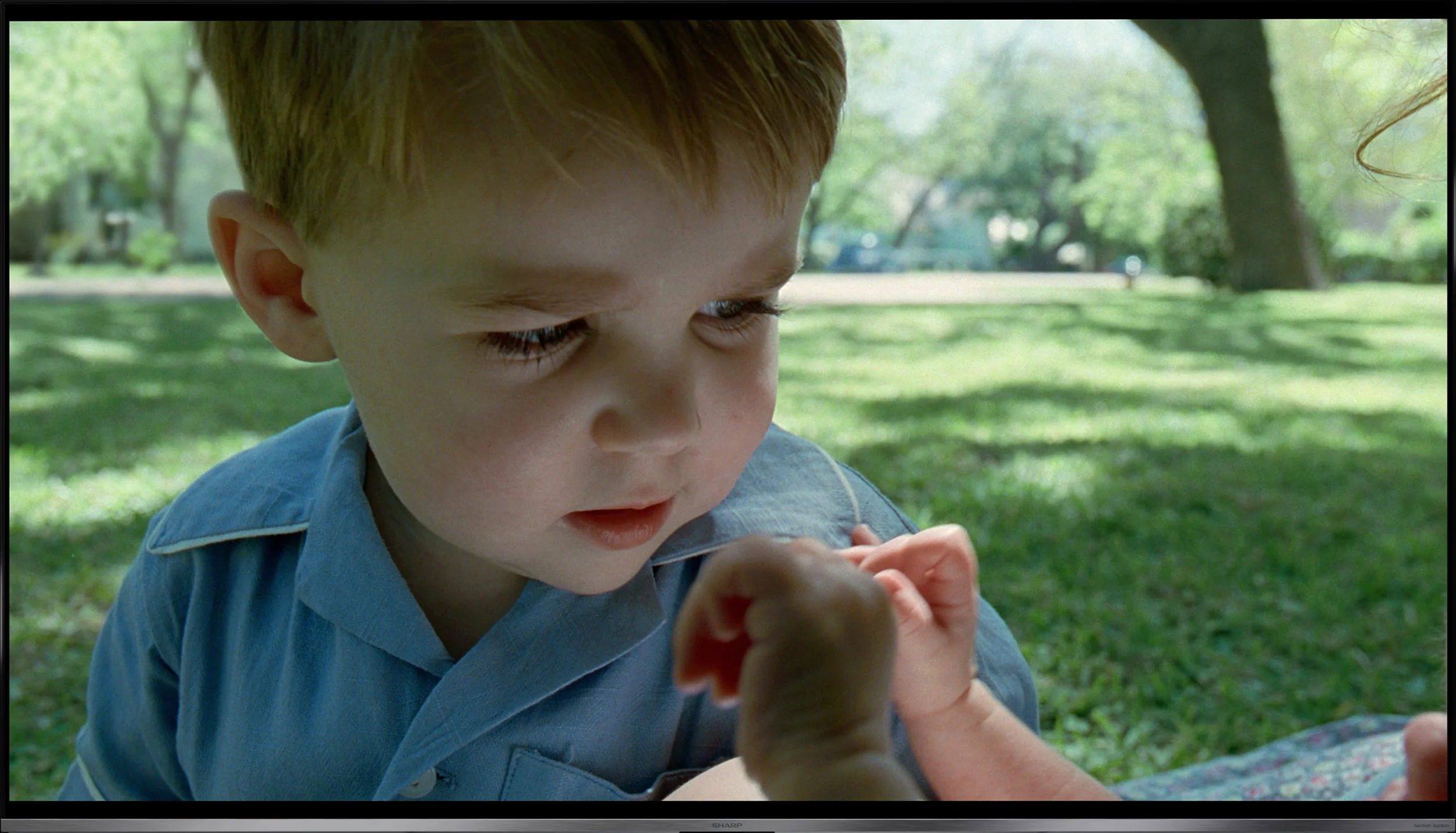
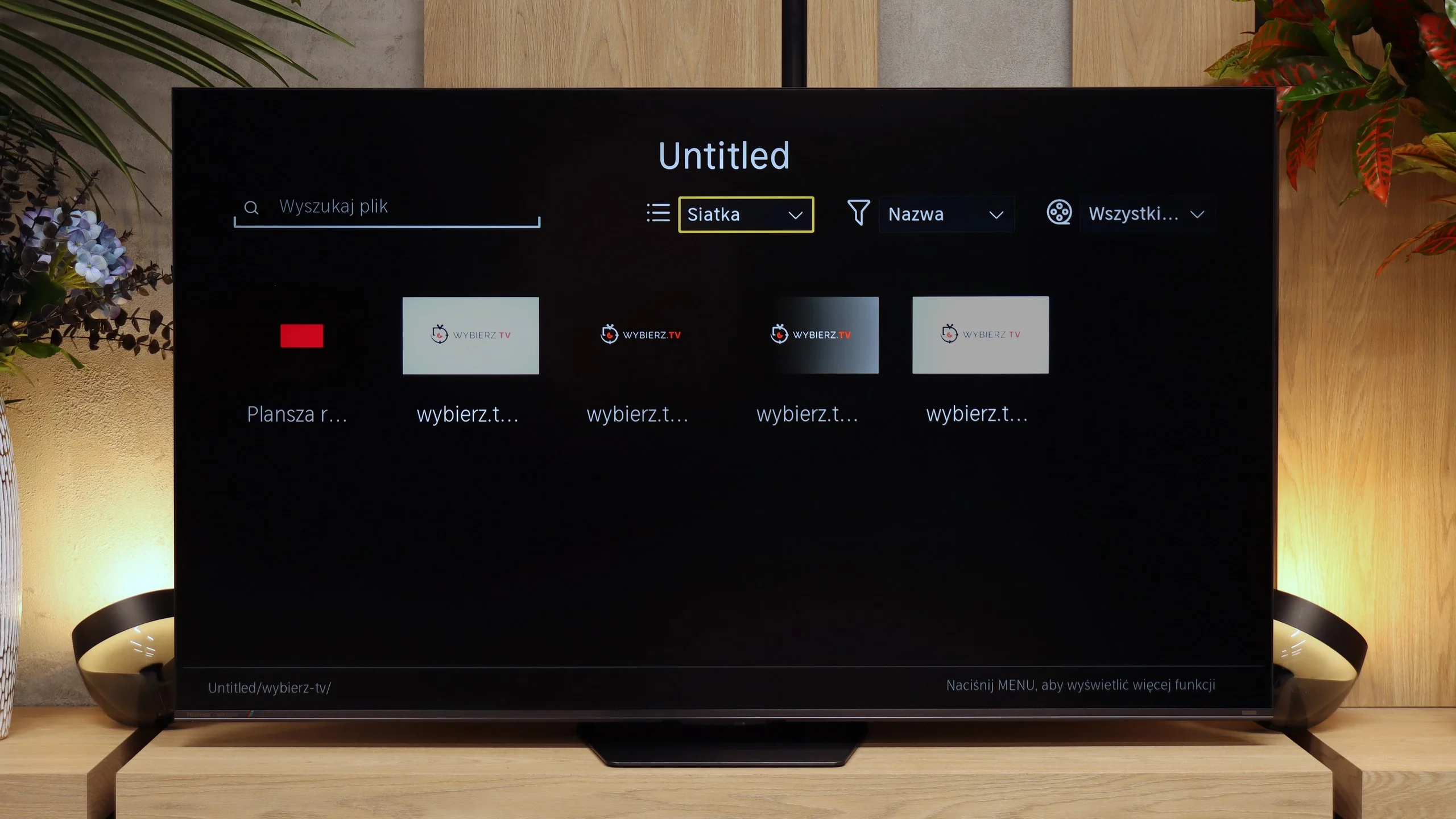
The photos show how movies look on the TV. Pay attention to black detail visibility, colors, and shadow tint.

The photos show how movies look on the TV. Pay attention to black detail visibility, colors, and shadow tint.

Calibration really makes a difference in GP7. After implementing the adjustments, we achieved a better white balance in HD content, and the colors started to look much more natural, with minimal deviations and without a clear dominance of individual colors. In 4K HDR, the change is not as spectacular, but still noticeable. The gamma has been brought to a more neutral level, although there is still a visible issue with a slight boost in the brightest details on the screen. The lack of control over dynamic tone mapping limits our maneuvering room, but nonetheless, this is a significant step forward compared to the factory settings.

Hisense offers quite a few calibration options, and in SDR you can achieve a really good result with them. After calibration, the white balance is practically uniform across the entire range, and color errors drop to very low values. The UR8S can be adjusted very precisely here. HDR looks a bit different. The white balance itself can also be noticeably improved, although at the highest brightness levels larger deviations start to appear. What's most interesting, however, is the behavior of the EOTF curve. Even after it is properly set on test patterns, the UR8S can still interpret brightness its own way during movie playback. Depending on the scene, parts of the image are slightly brightened while others are darkened compared to how they should look. This shows that the algorithms responsible for backlight control have a fairly large impact on the final image. So calibration can greatly improve colors, but we can't completely "turn off" the way the UR8S manages brightness in HDR.

Smoothness of tonal transitions

9/10

9.3/10

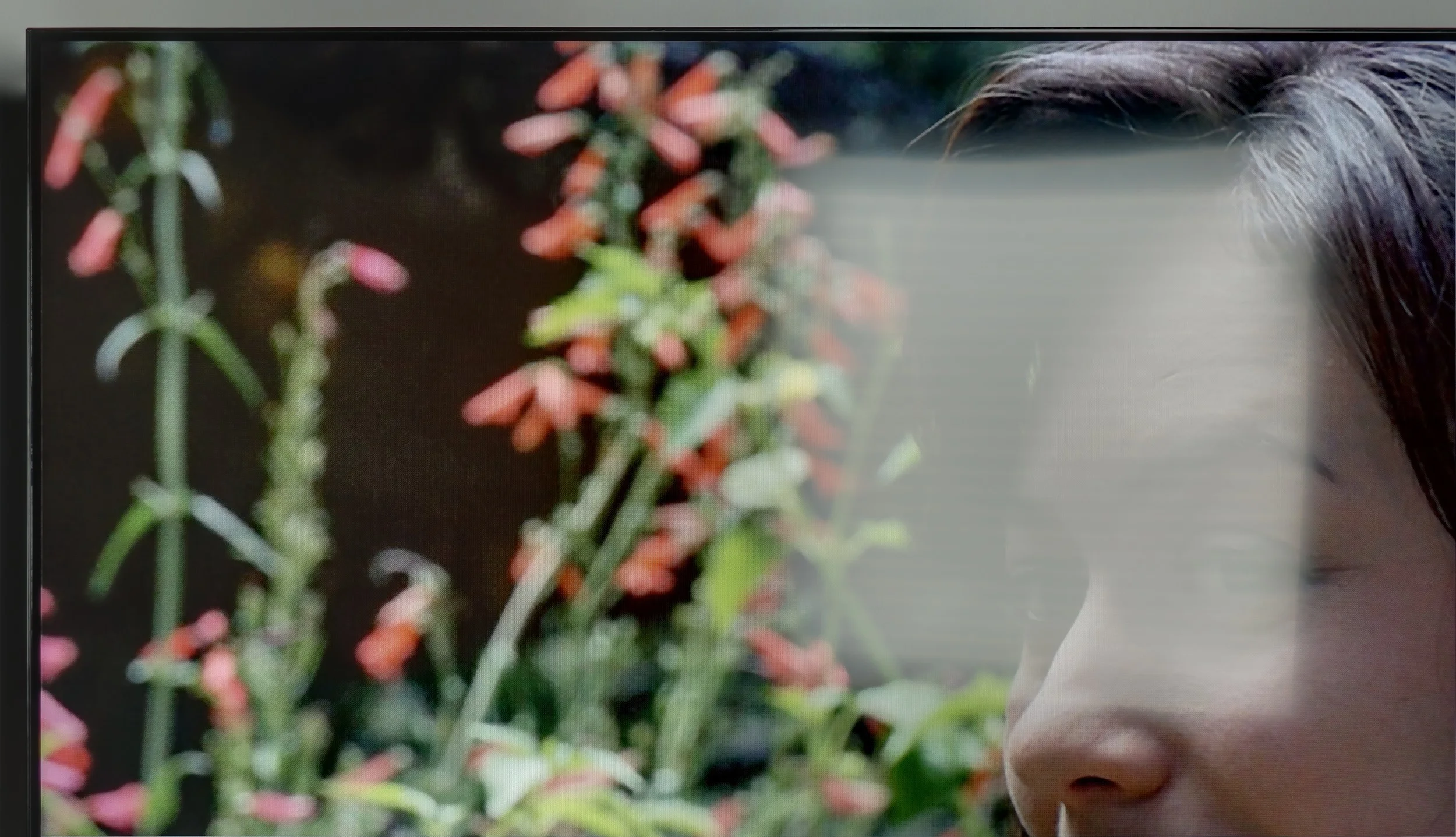
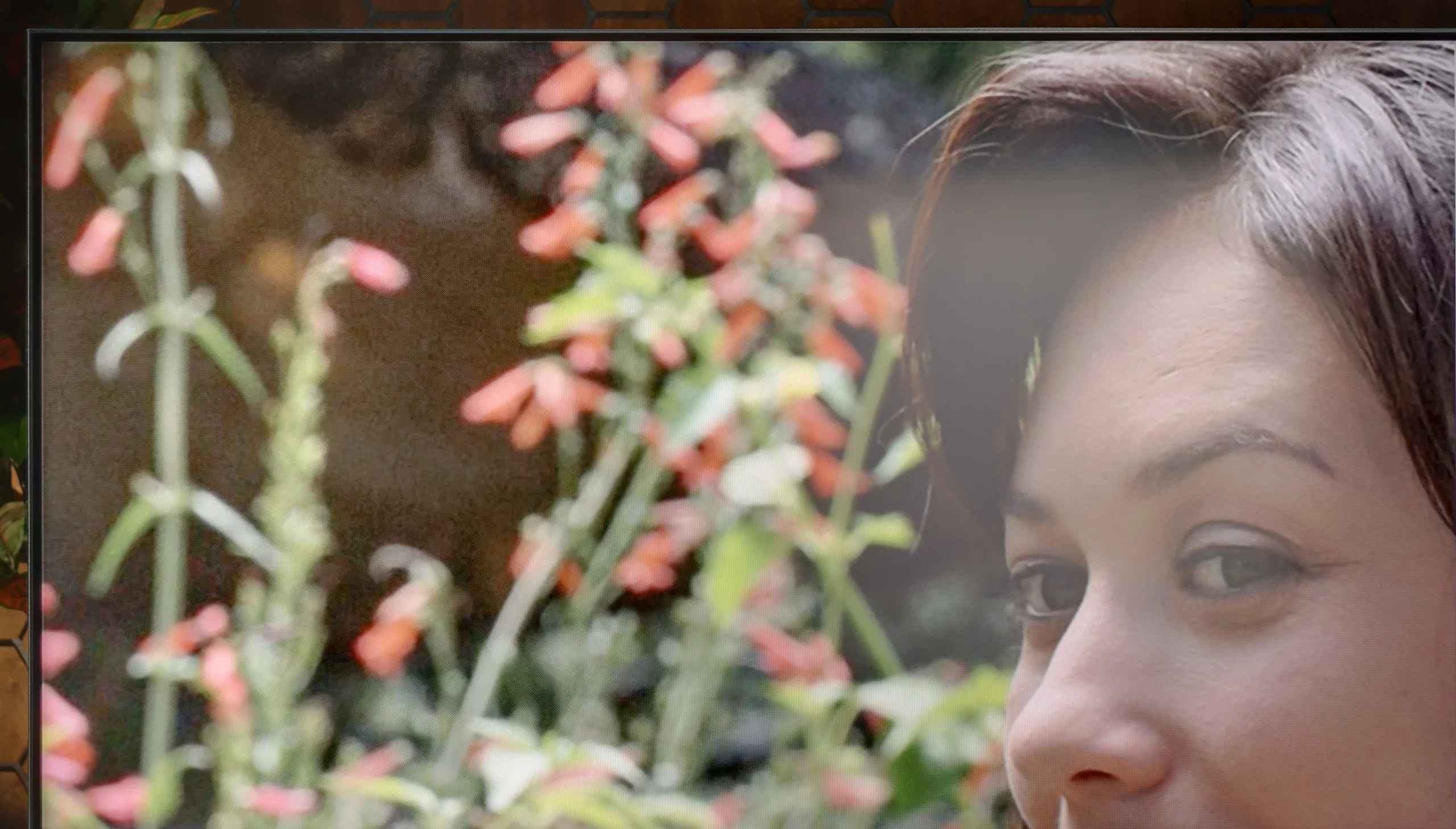
These are selected scenes that show smooth tonal transitions from one color to another. If you see distinct banding, it’s the TV panel’s fault.

These are selected scenes that show smooth tonal transitions from one color to another. If you see distinct banding, it’s the TV panel’s fault.

These are selected scenes that show smooth tonal transitions from one color to another. If you see distinct banding, it’s the TV panel’s fault.

These are selected scenes that show smooth tonal transitions from one color to another. If you see distinct banding, it’s the TV panel’s fault.

The fluidity of tonal transitions is a strong point of the GP7. Shades of colors blend smoothly, without distinct lines or blotches. Whether we were watching dynamic action scenes or calm, picturesque landscape shots, we did not see any significant issues with so-called banding. Any potential shortcomings are subtle enough that most of us wouldn't even notice them. The only flaw is the average uniformity of backlighting, which can sometimes disrupt the perfect effect.

The UR8S handles tonal transitions very well. In most scenes the colors shift between successive shades almost without any visible stepping or banding. This applies to both darker and brighter parts of the image. Only at very extreme shades of gray can you notice slight imperfections. It looks a bit worse in Dolby Vision. In the same scenes, subtle banding becomes easier to spot, especially in the darker parts of the image. It's still good, but because of this difference the rating is slightly lower.

Image scaling and smoothness of tonal transitions

7.1/10

8/10

Image without overscan on the SD signal
OK
OK
Smooth transition function
OK
OK

Smooth transition function

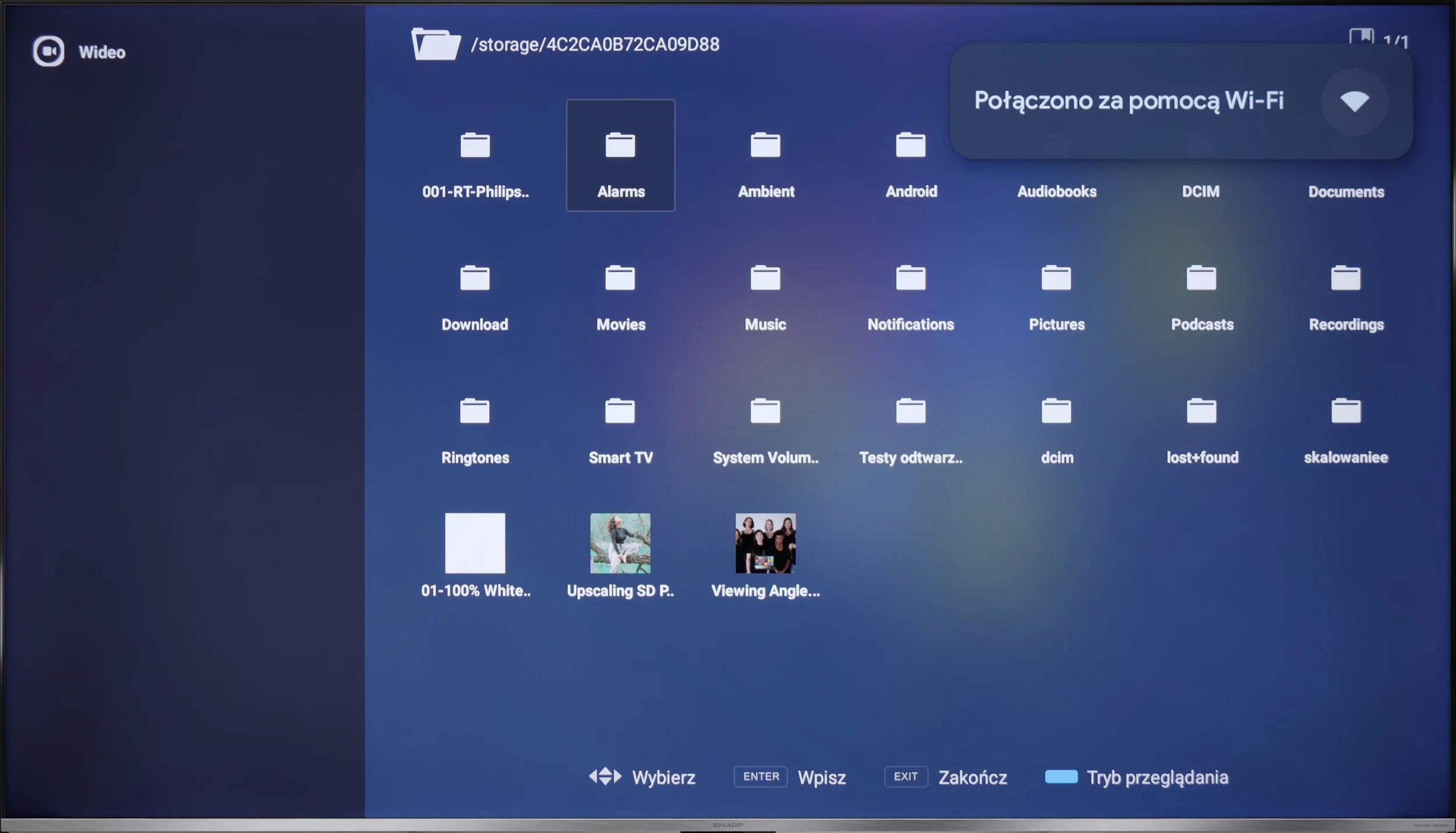
The match photo shows how the TV smooths weak tonal transitions in low-quality video.

Image scaling SD (576i)

The model photo shows how it handles upscaling of SD material.

The TV can quite well scale lower quality content. Our test panels were well reproduced, and although there was minimal aliasing on small, delicate shapes (for example, thin branches), it still looked satisfactory. Additionally, the GP7 offers a "10-bit color reproduction" feature to smooth out tonal transitions in poor quality materials. It is useful, but at the expense of some details, which is why we recommend turning it on only when we are really watching something of poor quality.

A major advantage of the UR8S is its MediaTek Pentonic 800 processor, and digital image processing is one of this model’s strengths. The TV handles smoothing tonal transitions very well, especially with lower-quality sources. The feature responsible for this effect works effectively without overly interfering with the picture. Even at the medium setting it can noticeably reduce visible banding and unevenness without heavily blurring details. Upscaling also performs very well. Lower-resolution content is displayed cleanly, edges look natural, and the image isn’t overly sharpened. The UR8S simply copes very well with weaker signals, and in that respect it’s one of its clear strengths.

Blur and motion smoothness

4.8/10

7.8/10

Maximum refresh rate of the panel
60Hz
180Hz
Film motion smoothing option
OK
OK
Blur reduction option
No
OK
BFI function 60Hz
No
Yes, 120Hz (double contours)
BFI function 120Hz
No
Yes, 240Hz (double contours)
Brightness drop with BFI
-%
69%

Blur (native resolution, maximum refresh rate):

Blur (BFI function enabled):

Blur ():

Blur (1080P@340Hz):

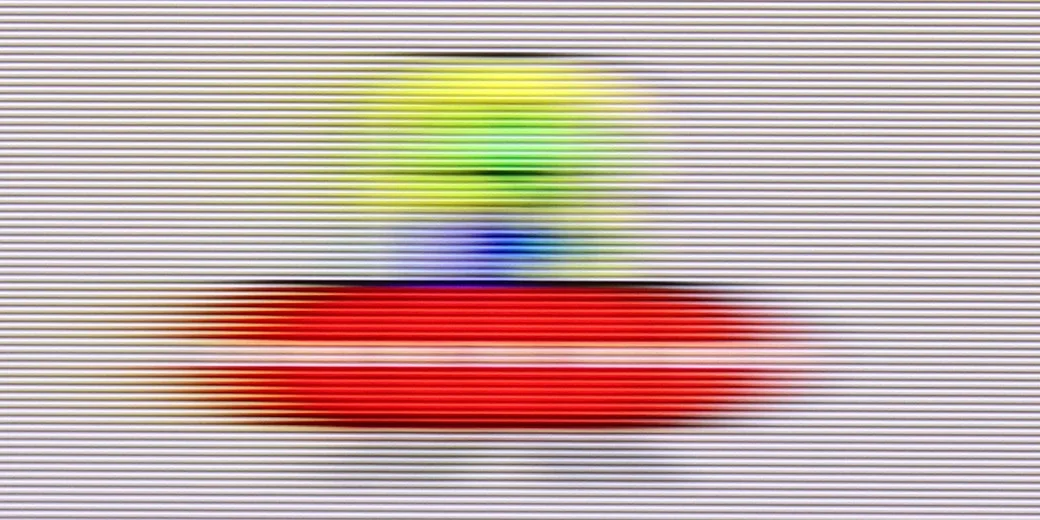
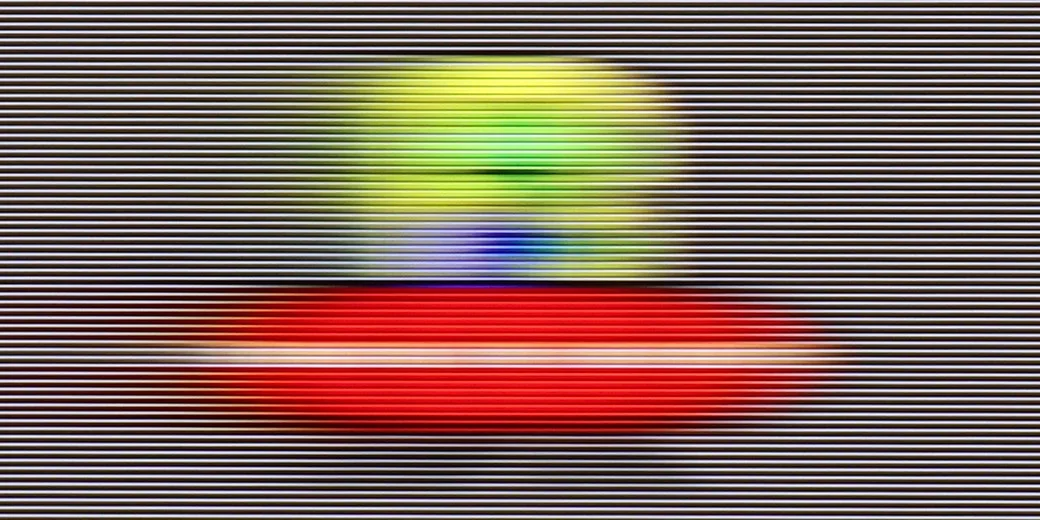
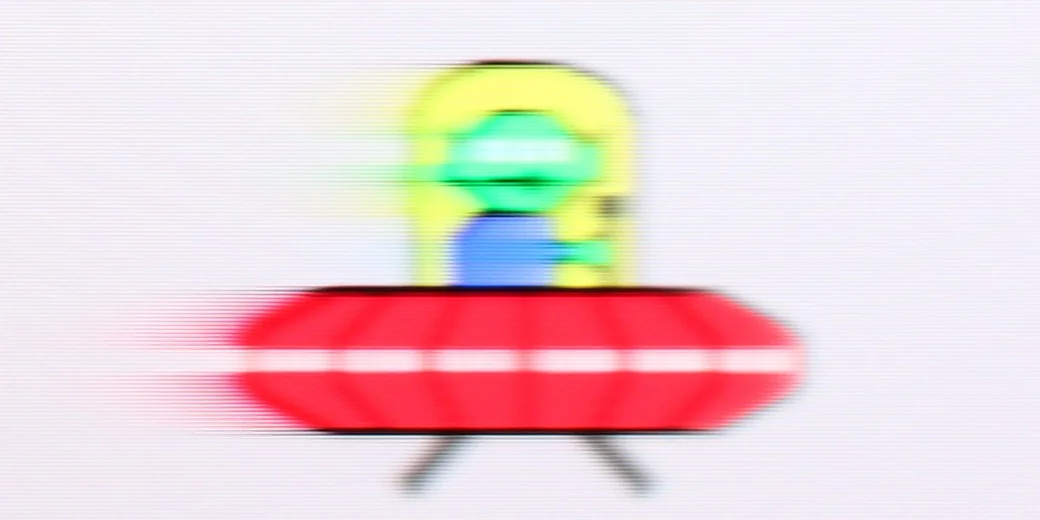
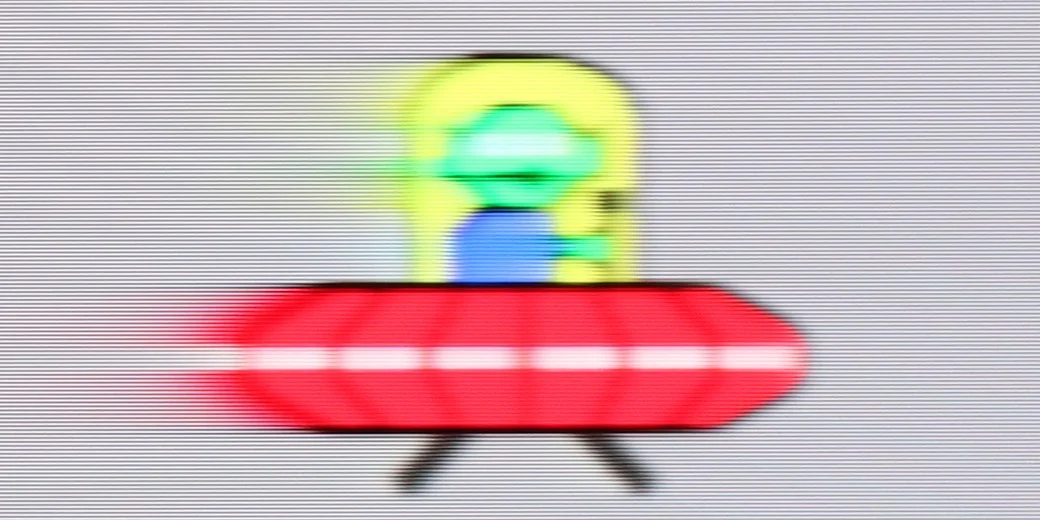
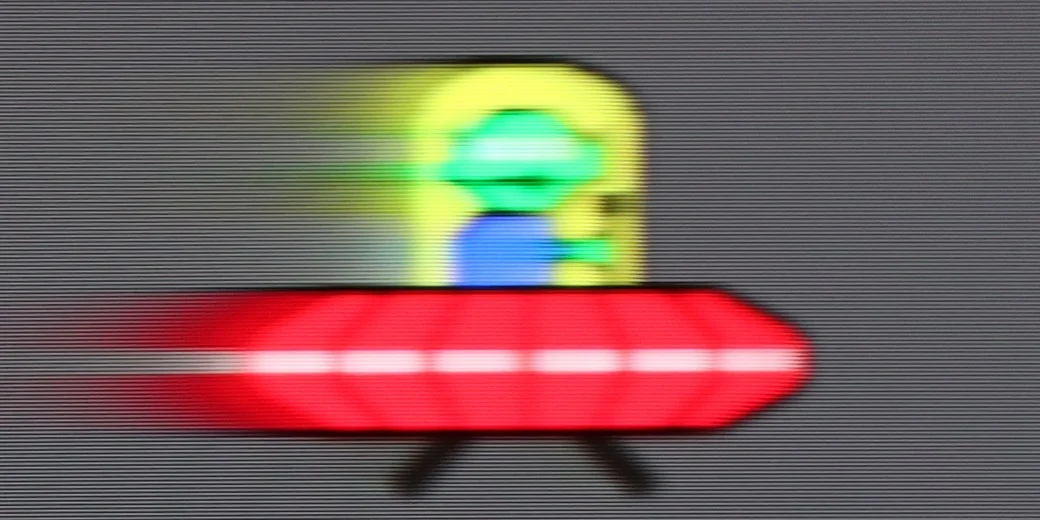
With a 60 Hz refresh rate and an average response time, it's hard to expect miraculous smoothness. In dynamic tests, like the one with the "little green man," it is evident that the image can blur and occasionally lose sharpness. For watching movies and series, this is acceptable, especially since one can use a motion smoother with three levels of adjustment. However, if we care about ultra-smooth sports broadcasts or super responsive gaming, we may feel underwhelmed.

The UR8S is equipped with a panel that has a native 180 Hz refresh rate, so it already offers great potential for smooth motion. The panel itself performs really well, though some limitations typical of VA panels are still visible. Smearing is relatively low for this type of screen, but with faster motion (especially on darker backgrounds) it can still be noticed, particularly when compared with the same image on OLED TVs.

Console compatibility and gaming features

3.4/10

8.5/10

  • ALLM
    Yes
    Yes
  • VRR
    No
    Yes
  • VRR range
    No
    48 - 330Hz
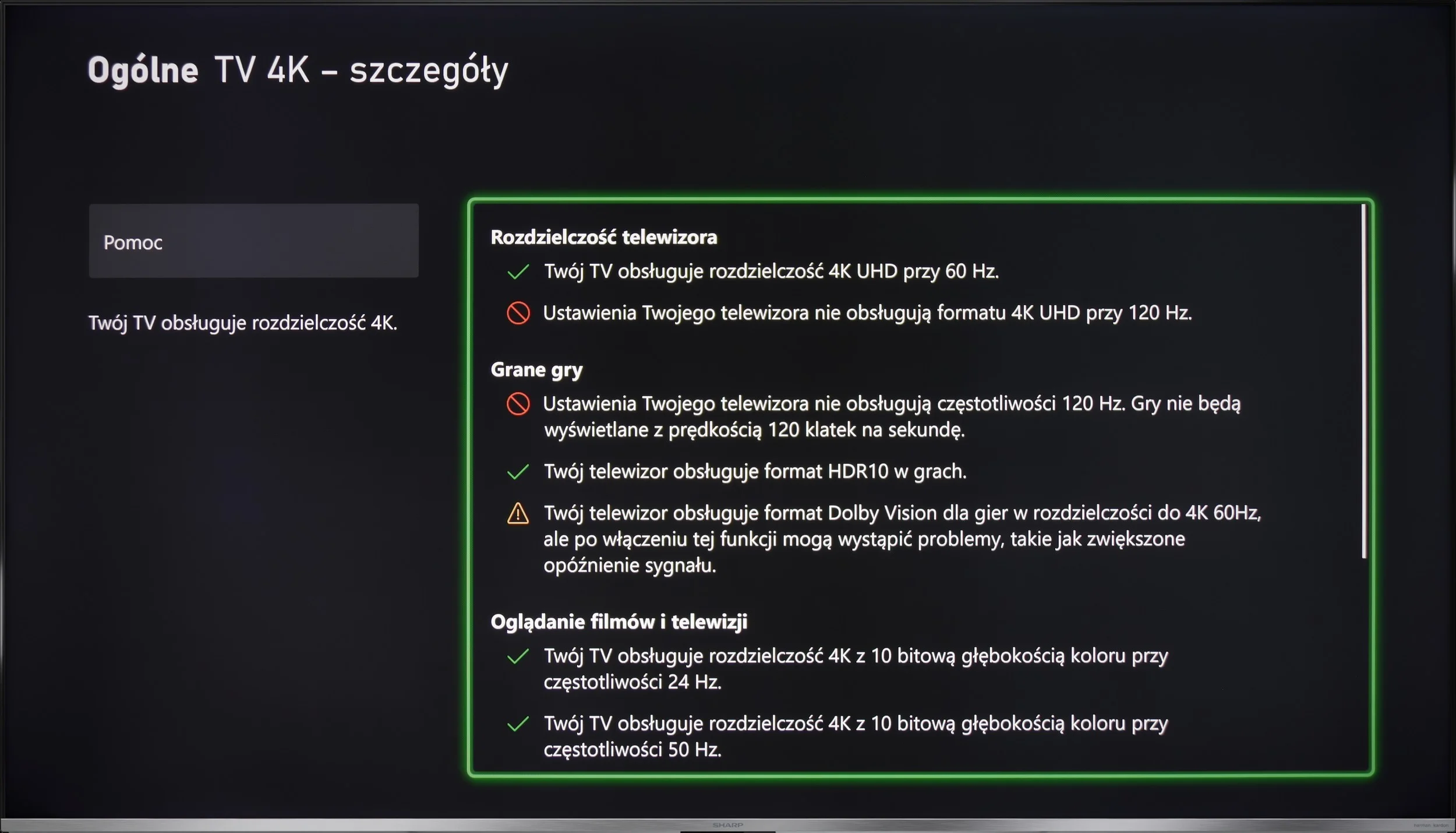
  • Dolby Vision Game Mode
    Warning Yes, high input lag
    Yes
  • Correct implementation of HGIG
    No
    No
  • 1080p@120Hz
    No
    Yes
  • 1440p@120Hz
    No
    Yes
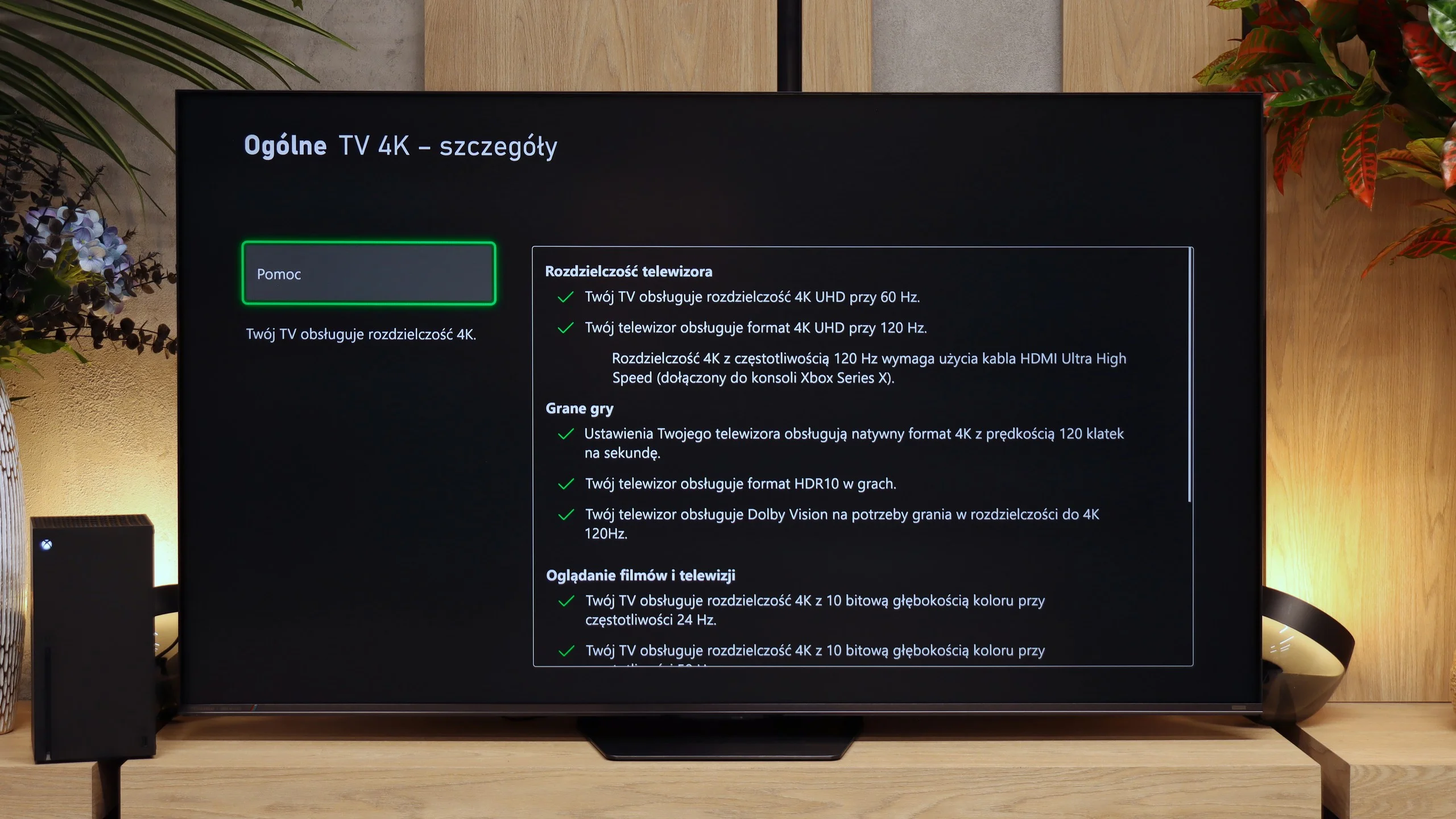
  • 4K@120Hz
    No
    Yes
  • Game bar
    No
    Yes

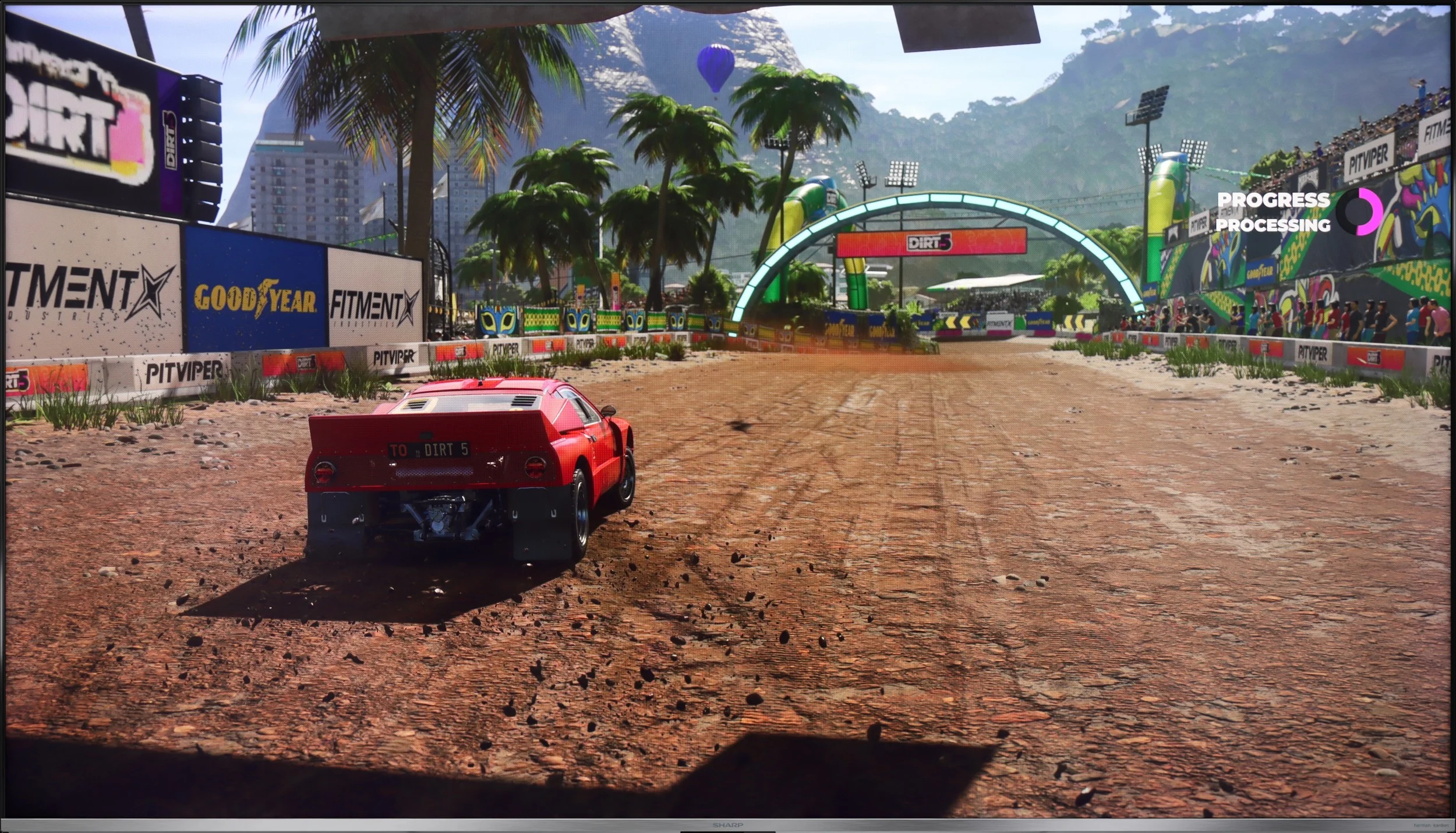
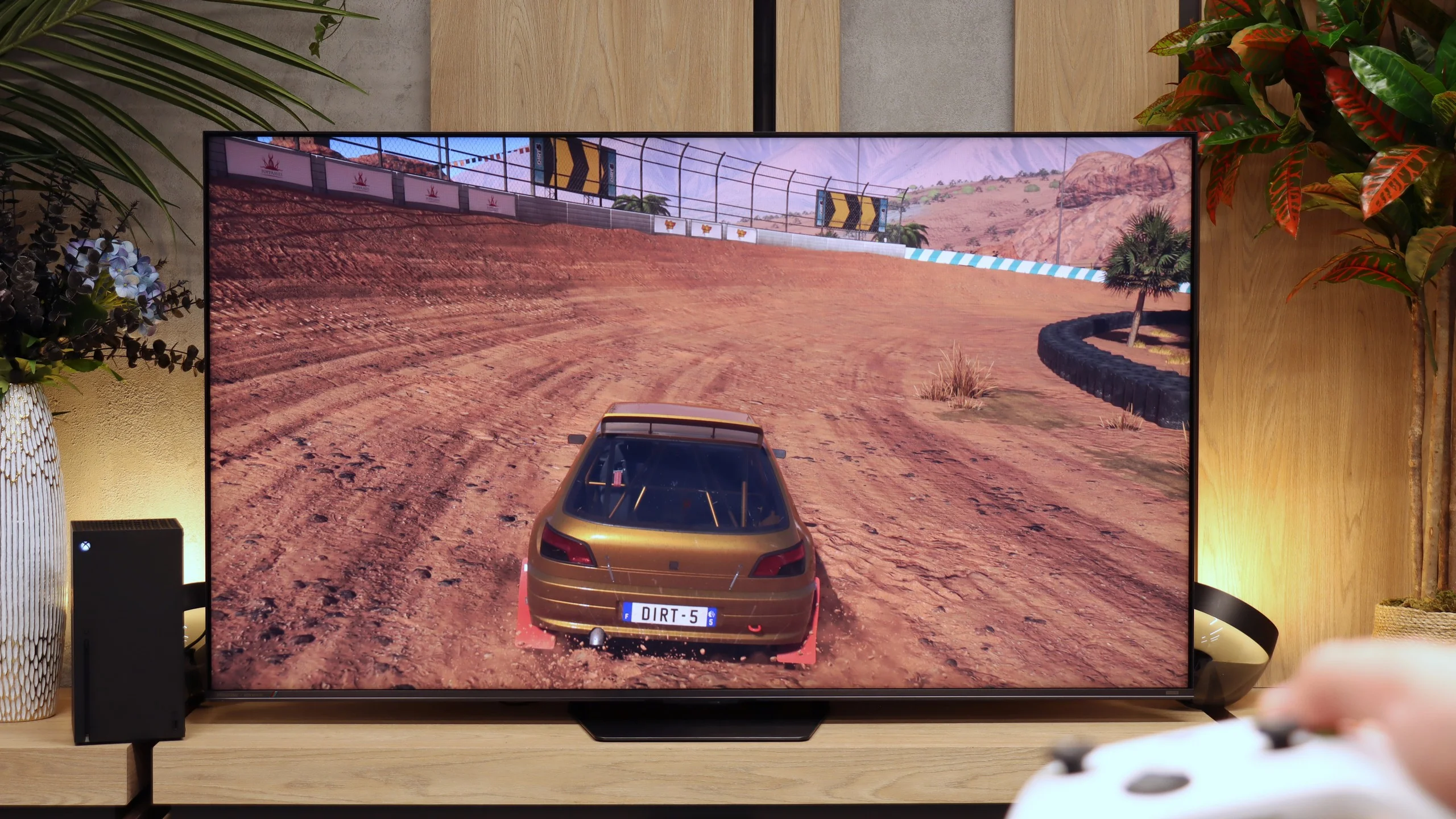
Let's not kid ourselves – the GP7 is not a television for the most demanding console gamers. Yes, it has ALLM that will automatically switch the TV to low latency mode, but it lacks VRR or G-Sync. There is also no advanced menu to facilitate the adjustment of settings during gameplay. Dolby Vision in games? Yes, but with such high input lag that it's hard to talk about comfort. If we play occasionally and do not aim for the highest standards, we can get by, but fans of technical innovations will be disappointed.

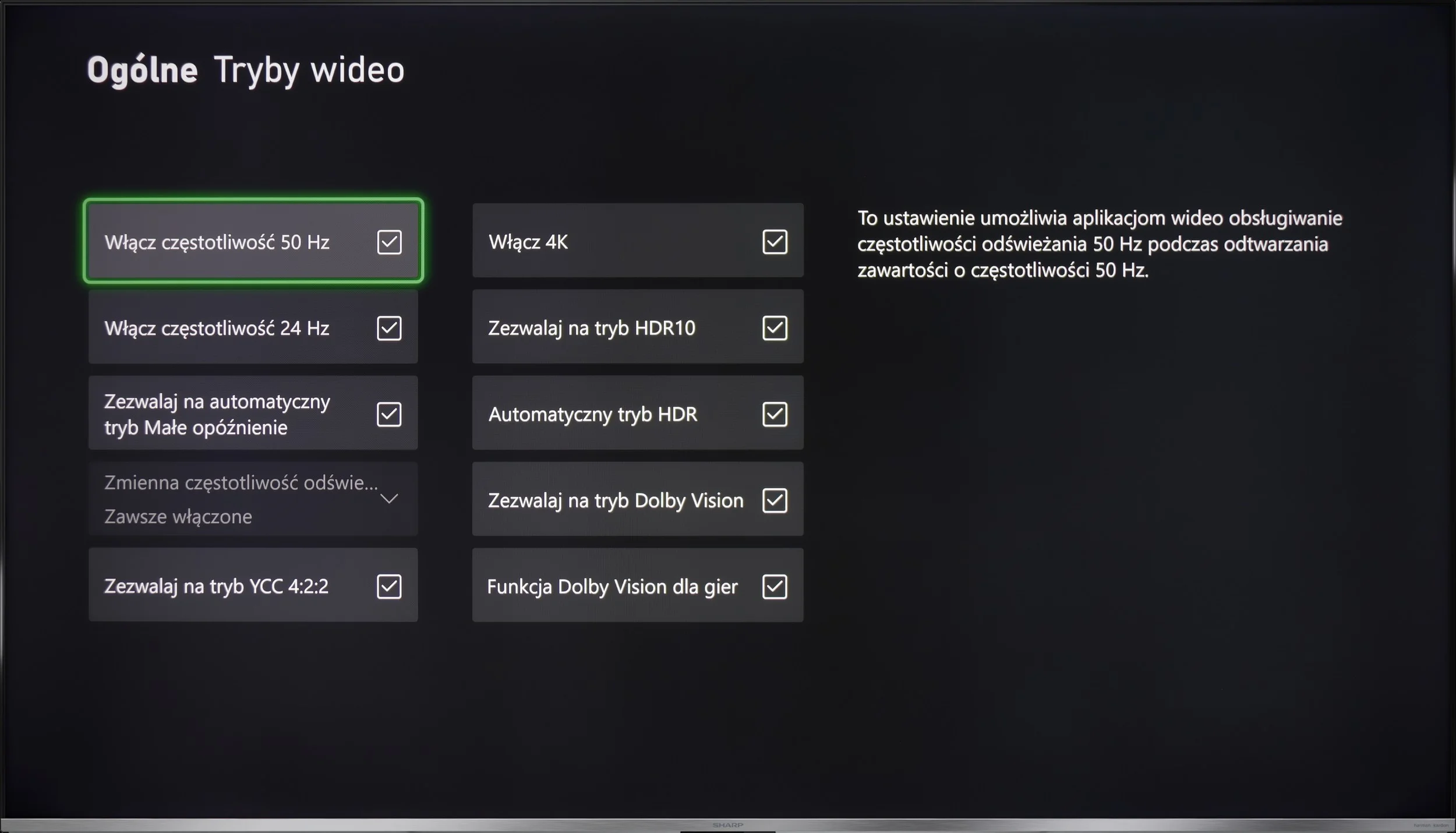
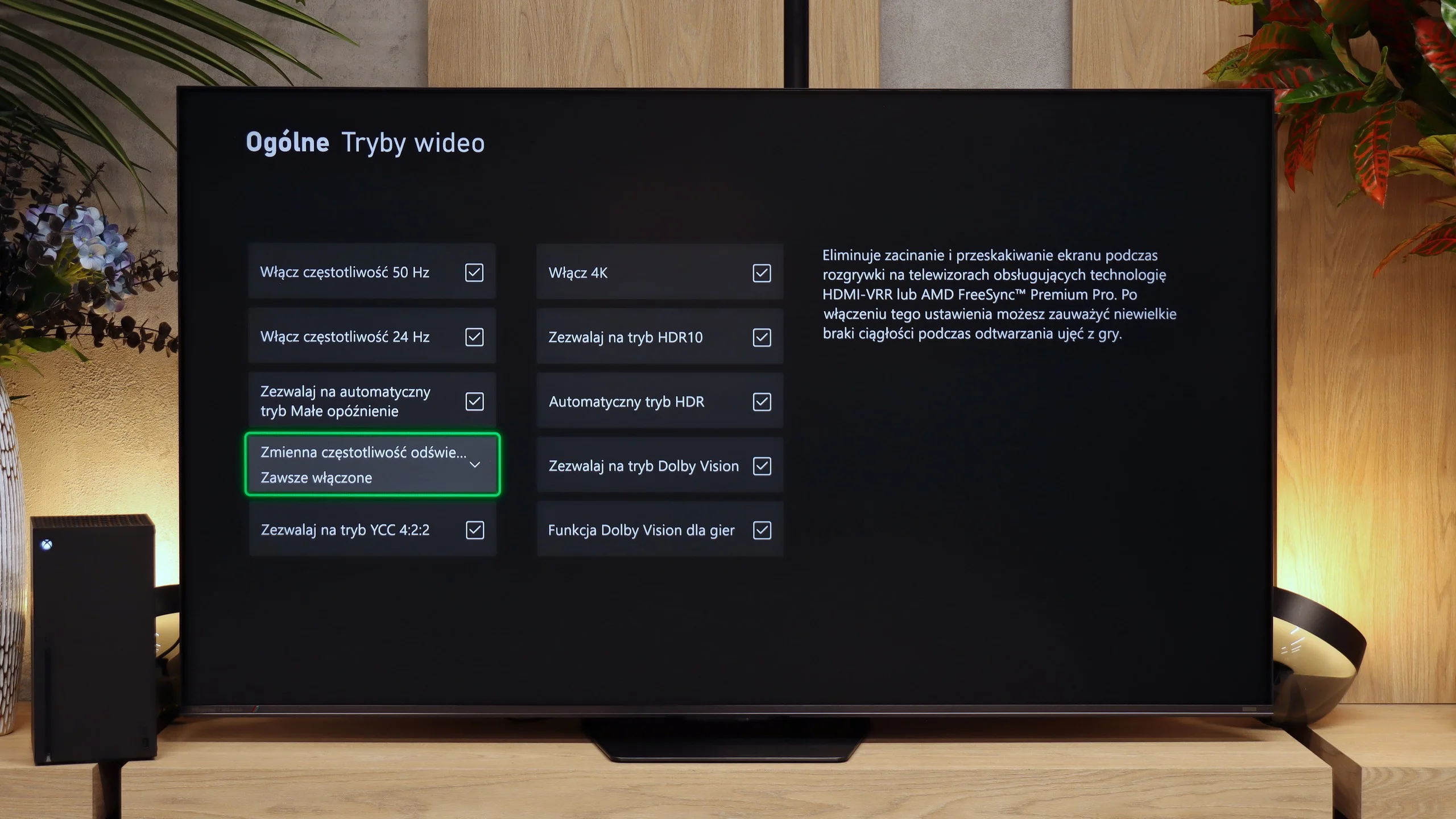
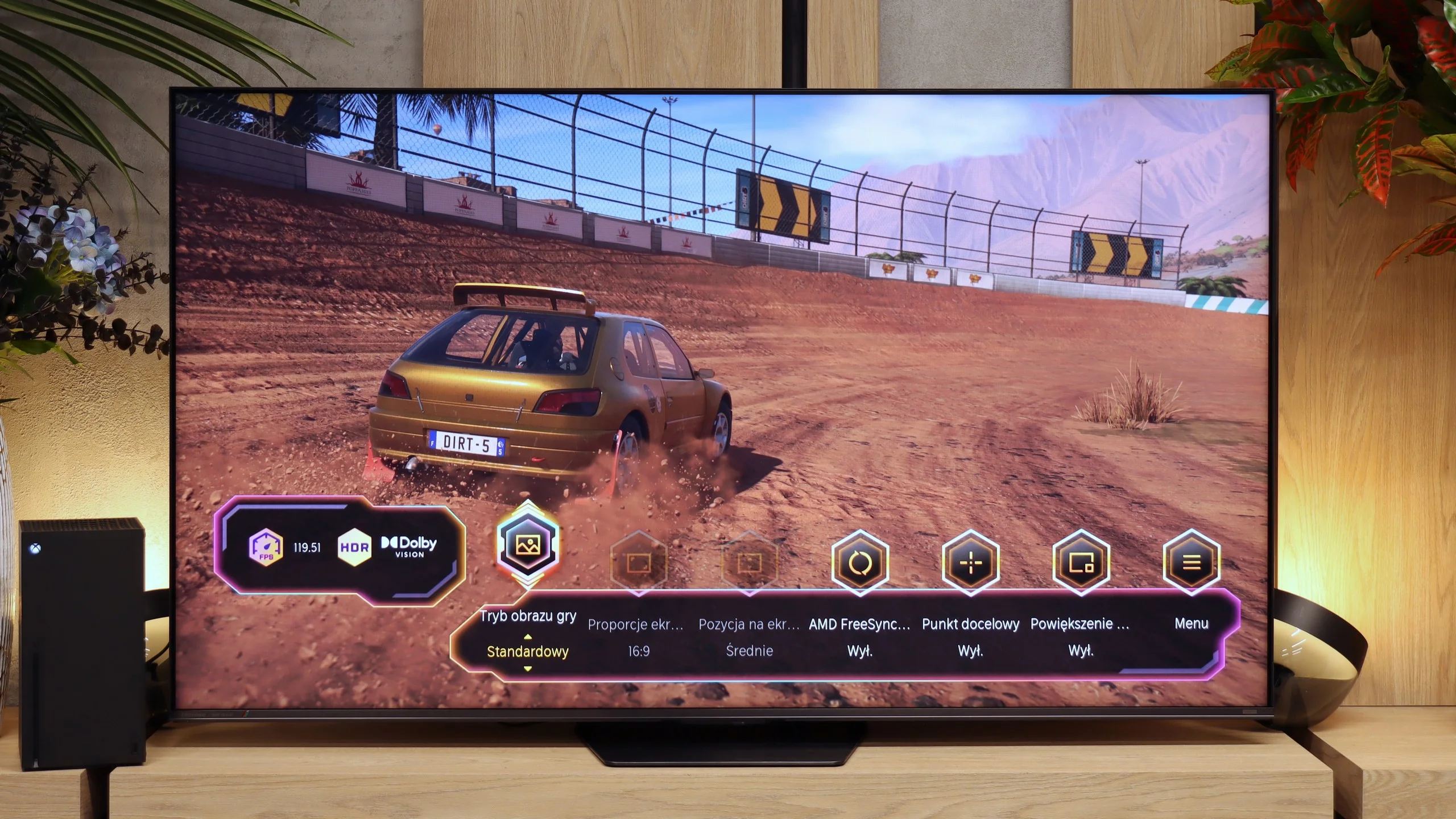
In terms of gamer features the UR8S performs really well. The TV supports practically everything you’d expect from a modern console or PC display. It offers ALLM, VRR, and 4K at 120 Hz. It also supports Dolby Vision in game mode, so when using an Xbox Series X you don’t have to give up that HDR format. PC gamers get even more options. The panel can run at 4K/180 Hz, and dropping to Full HD can raise the refresh rate up to 330 Hz. There’s also a Game Bar that lets you quickly view key information and change gaming-related settings. The only clear shortcoming is a proper implementation of HGiG. With it enabled the TV still interferes with HDR brightness mapping, so we don’t get the effect intended by that standard. Aside from that, the UR8S is very well prepared for both consoles and a powerful PC.

Input lag

8.6/10

9.8/10

SDR

1080p60
37 ms
16 ms
1080p120
10 ms
2160p60
13 ms
16 ms
2160p120
10 ms

HDR

2160p60
13 ms
15 ms
2160p120
9 ms
4320p60

Dolby Vision

2160p60 DV
15 ms
2160p120 DV
9 ms

In terms of input lag, we have mixed feelings. In 4K, we achieve around 13 ms, which is an excellent result and is more than enough for most of us. Unfortunately, Dolby Vision raises it to a level that makes gaming practically impossible, and in Full HD around 37 ms is already noticeable for those of us who prioritize quick reactions. Therefore, it's best to use 4K if we care about the highest possible responsiveness.

Input lag on the UR8S is very low. With a 60 Hz signal we measured about 15 to 16 ms, while switching to 120 Hz reduces the lag to about 9 to 10 ms. Importantly, we recorded similar results in HDR and Dolby Vision, so using those formats doesn't noticeably increase the lag. In practice the response to controls is very quick, and even more demanding gamers shouldn't have any reason to complain.

Compatibility with PC

5.7/10

8.5/10

Chroma 444 (max. resolution and refresh rate)
Yes
Yes
Font clarity
Good
Good
Readability of dark text and shapes
Good
Good
Input lag in PC mode (4K, max. refresh rate)
13ms
9ms
Matrix subpixel arrangement
BGR
BGR
Max refresh rate
60Hz
180Hz
G-Sync
No
Yes

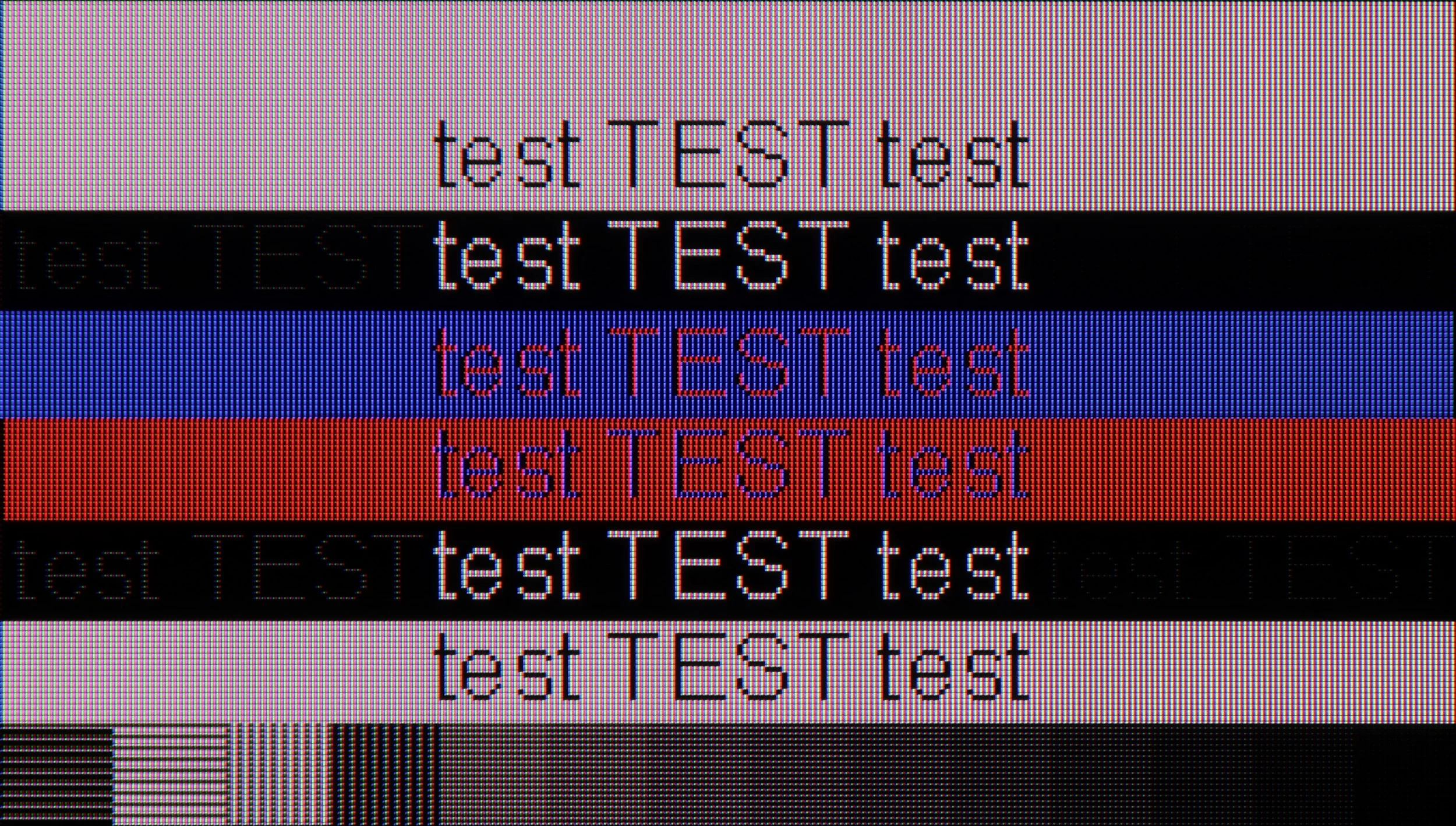
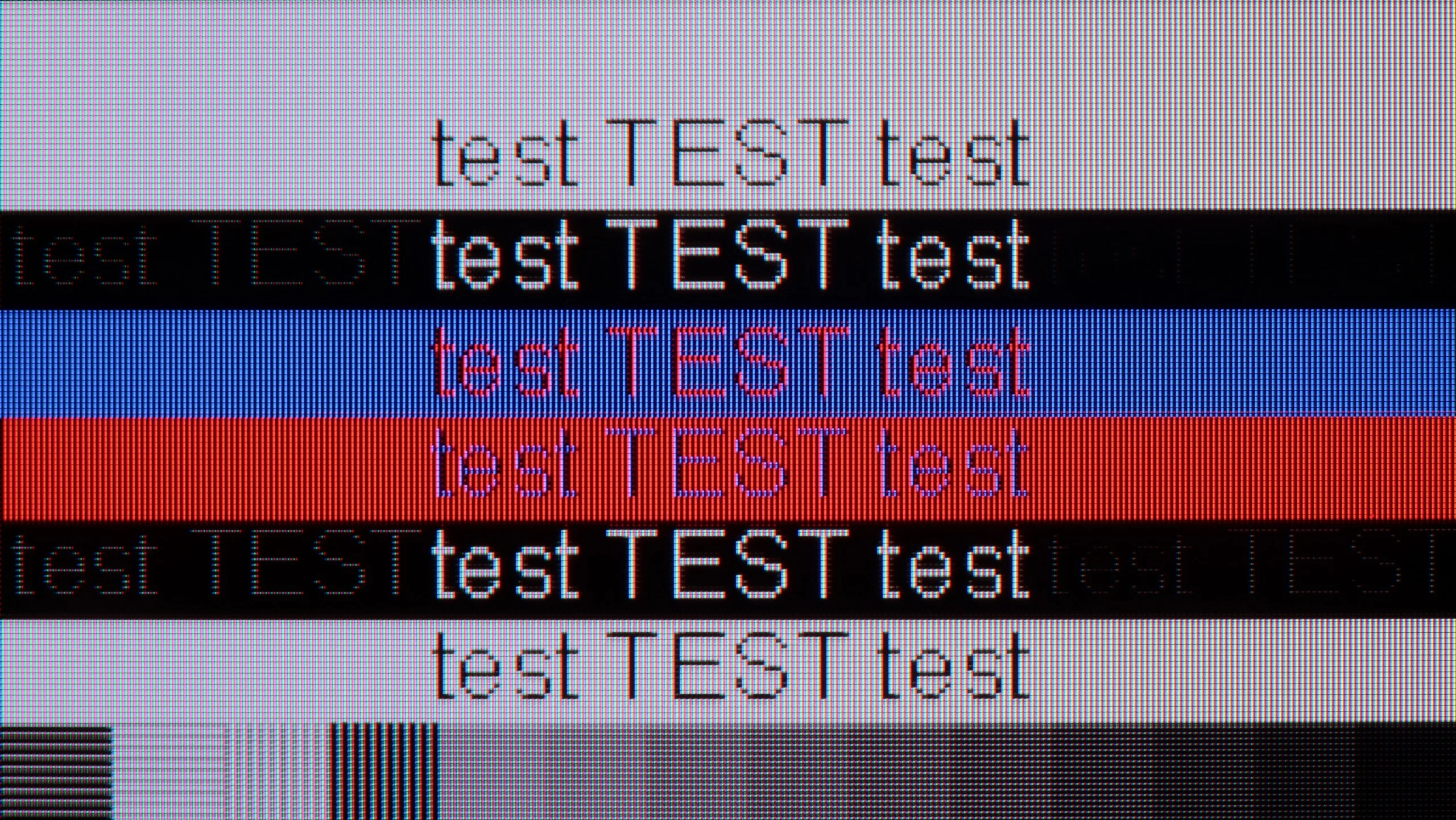
The photo shows the legibility of small fonts. Ideally, lines should be the same thickness on both light and dark text, with minimal pixel gaps.

As a monitor for office work or browsing the internet, the GP7 performs quite well. Chroma 4:4:4 ensures text readability, although we noticed minor issues with very small fonts on a dark background. It is hard to recommend for PC gaming due to the lack of advanced features and higher refresh rates, but for simple office work or watching movies in the evening – why not?

The UR8S also works very well as a large monitor for a computer. The TV properly handles 4:4:4 chroma at its maximum resolution and refresh rate, so small fonts remain legible and don't have heavily jagged or colored edges. The BGR subpixel layout used isn't a major obstacle here and text still looks good, though picky users will notice it's not perfect.

On top of that there's up to 180 Hz refresh at 4K, G-Sync support, and very low input lag, which at the maximum refresh rate is around 9 ms. So if someone wants to use the UR8S not only for a console but also for gaming with a powerful PC, the TV is really well suited for that.

Viewing angles

3.3/10

5.5/10

Brightness drop at an angle of 45 degrees
71%
74%

In terms of viewing angles, we have the typical limitations of VA panels. If we sit directly in front of the screen, everything looks good, but just leaning back a bit causes the colors and contrast to start weakening. This is nothing unusual for this type of panel, so it's worth being aware that when watching with a larger group, the extreme seats on the couch will have a worse view.

Viewing angles on the UR8S are quite good, helped by the use of an RGB backlight. Thanks to the tricolor LEDs, colors seen off-axis hold up better than on many conventional Mini-LEDs that use white or blue backlights. Of course, it's still not at the level of OLED, and even less so QD-OLED. At wider angles the image loses a bit of contrast and saturation, but for an LCD TV the result is really decent.

Daytime performance

5.3/10

9.5/10

Panel finish
Satin
Matte
Reflection suppression
Average
Very Good
Black levels during daytime
Good
Average

Panel brightness

Hisense UR8S: 1468 cd/m2

Sharp GP7: 427 cd/m2

The satin matrix does not minimize reflections as effectively as we would like, so in a bright, heavily sunlit room, we may see some glare. Fortunately, the TV has quite decent brightness (about 430 cd/m²), which allows us to use it without covering the windows, as long as we don't have sunlight directly hitting the screen. In extremely sunlit interiors, it may be more challenging, but in standard conditions, it is still usable.

The UR8S handles daytime viewing very well. Above all, it's a very bright TV — in SDR we measured around 1500 nits, so even with a lot of ambient light the picture remains punchy and easy to see. A big plus is the matte coating, which does a great job of diffusing reflections from windows and lamps. Instead of a sharp reflection on the screen you get more of a soft glow, which is much less distracting while watching. However, it's worth noting that the coating works best when you're viewing the TV straight on. At wider angles it starts to look more like a satin finish and reflections become more pronounced, making them more bothersome. In a brightly lit room blacks also lose some of their depth, but at such high brightness that's not a major issue. Overall, the UR8S is simply a very good choice for a bright living room.

Panel details

Backlight Type
PFS LED
Mini-LED RGB
Software version during testing
RTM7.230903.178
V01.09.60W.Q0624
Image processor
m7632 2gb ram

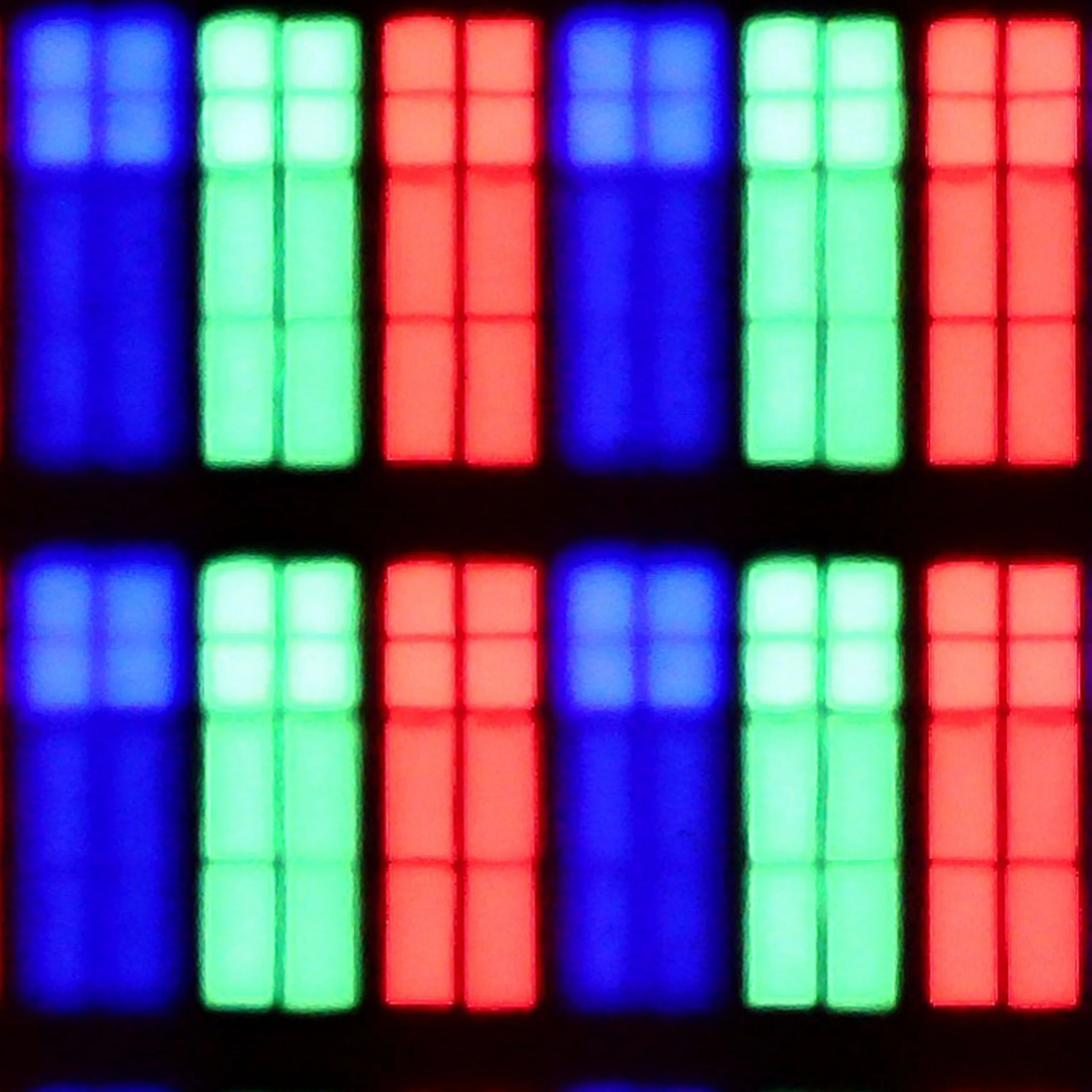
Subpixel Structure:

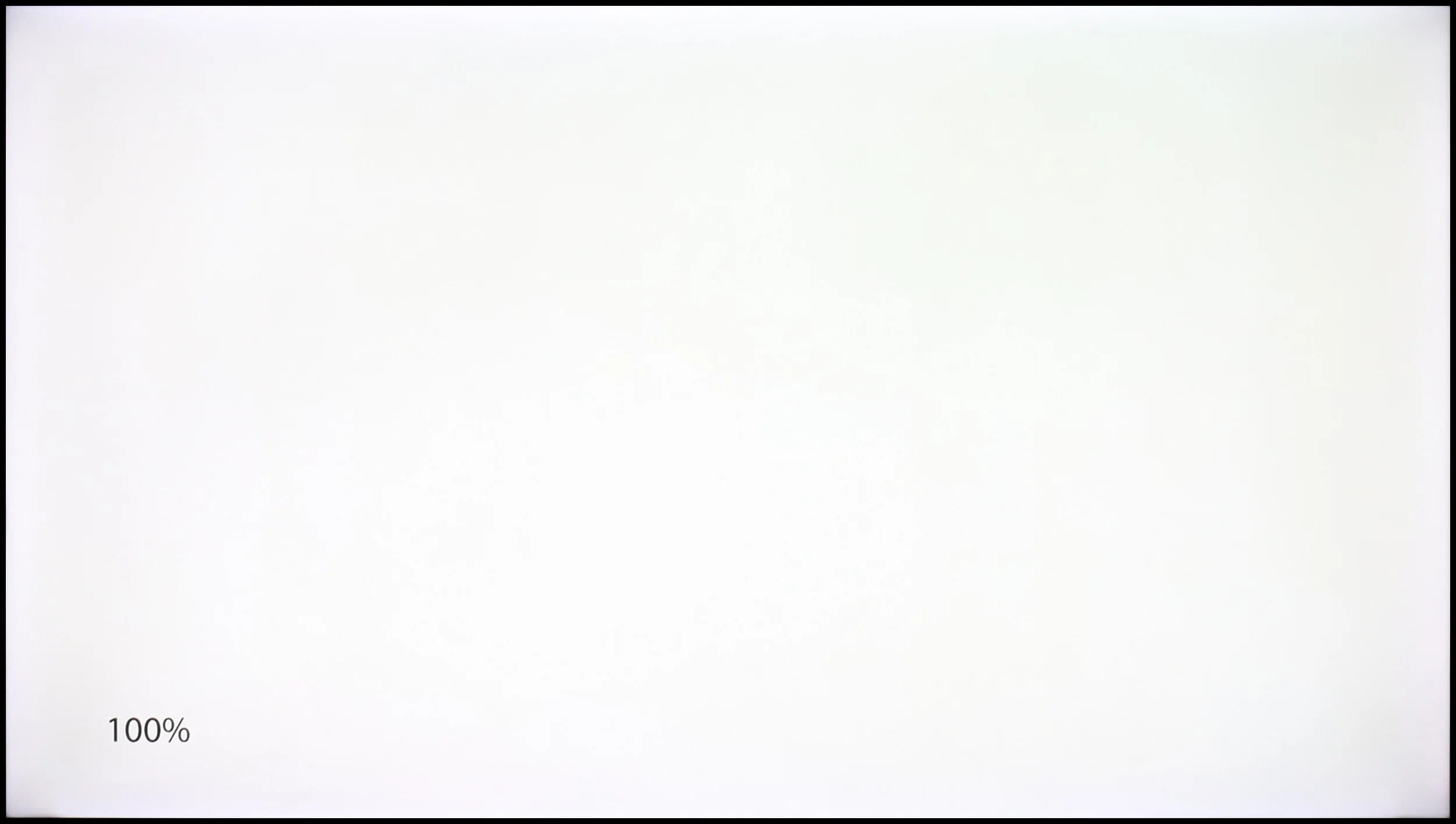
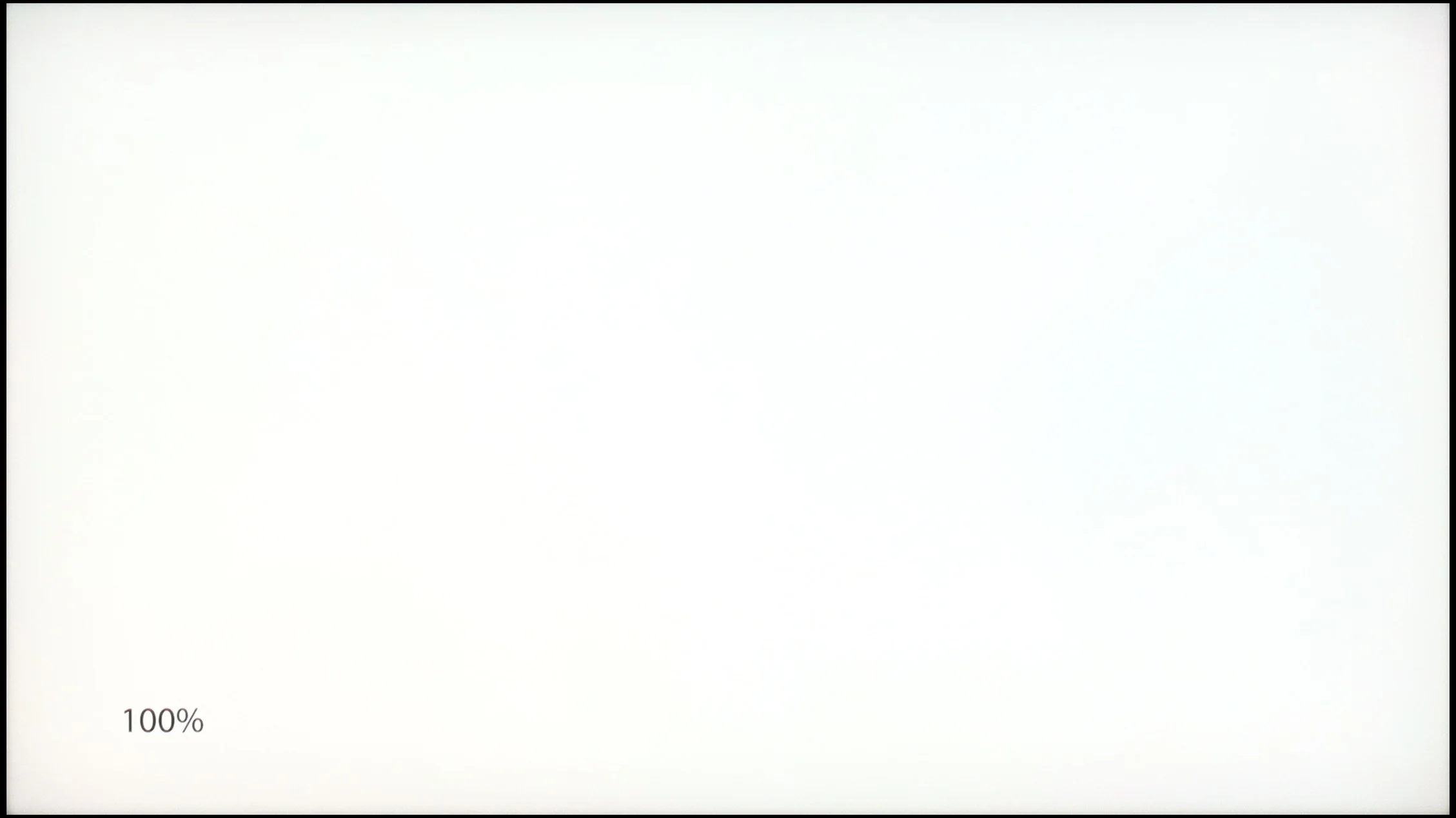
Panel uniformity and thermal imaging:

Review Sharp GP7 TV Panel details
Review Hisense UR8S TV Panel details

Sharp GP7

Hisense UR8S

TV features

5.5/10

9.4/10

  • System
    Google TV
    VIDAA
  • System performance
    Decent
    Very good
  • HDMI inputs
    4 x HDMI 2.0, 0 x HDMI 2.1
    0 x HDMI 2.0, 4 x HDMI 2.1 48Gbps
  • Other inputs
    RCA (Chinch)
  • Outputs
    Toslink (Optical audio), eARC (HDMI), ARC (HDMI), Mini-Jack (Headphones)
    Toslink (Optical audio), eARC (HDMI), ARC (HDMI)
  • Network Interfaces
    Wi-Fi 2.4GHz, Wi-Fi 5GHz, Ethernet (LAN) 100Mbps
    Wi-Fi 2.4GHz, Wi-Fi 5GHz, Ethernet (LAN) 100Mbps
  • TV reception
    DVB-T, DVB-T2, DVB-S, DVB-S2, DVB-C
    DVB-T, DVB-T2, DVB-S, DVB-S2, DVB-C

Classic features:

  • Recording to USB (terrestrial TV)
    No
    Yes
  • Recording programming
    No
    Yes
  • Picture in Picture (PiP)
    No
    No
  • RF remote control (no need to aim)
    Yes
    Yes
  • Backlit remote control
    No
    Yes
  • Teletext
    Yes
    Yes
  • Audio only mode
    Yes
    Yes
  • Bluetooth headphones support
    Yes
    Yes
  • Simultaneous Bluetooth headphones & TV audio
    No
    Yes

Smart features:

  • AirPlay
    No
    Yes
  • Screen mirroring (Windows Miracast)
    Yes
    Yes
  • Voice search
    Yes
    Yes
  • Voice search in native language
    Yes
    Yes
  • Ability to connect a keyboard and mouse
    Yes
    Yes
Review Sharp GP7 TV features
Review Hisense UR8S TV features

Sound connection options

  • HDMI audio
    eARC (HDMI), ARC (HDMI)
    eARC (HDMI), ARC (HDMI)
  • Other audio outputs
    Toslink (Optical audio), Mini-Jack (Headphones)
    Toslink (Optical audio)
  • Wireless audio
    Bluetooth
    Bluetooth

Supported audio formats (external HDMI eARC audio):

  • Dolby Digital Plus 7.1
    Yes
    Yes
  • Dolby True HD 7.1
    No
    Yes
  • Dolby Atmos in Dolby Digital Plus (JOC)
    Yes
    Yes
  • Dolby Atmos in Dolby True HD
    No
    Yes
  • DTS:X in DTS-HD MA
    No
    Yes
  • DTS-HD Master Audio
    No
    Yes

Senior accessibility

  • Numeric keyboard on TV
    No
    Yes
  • Font size adjustment
    No
    Yes
  • Audio description
    No
    Yes

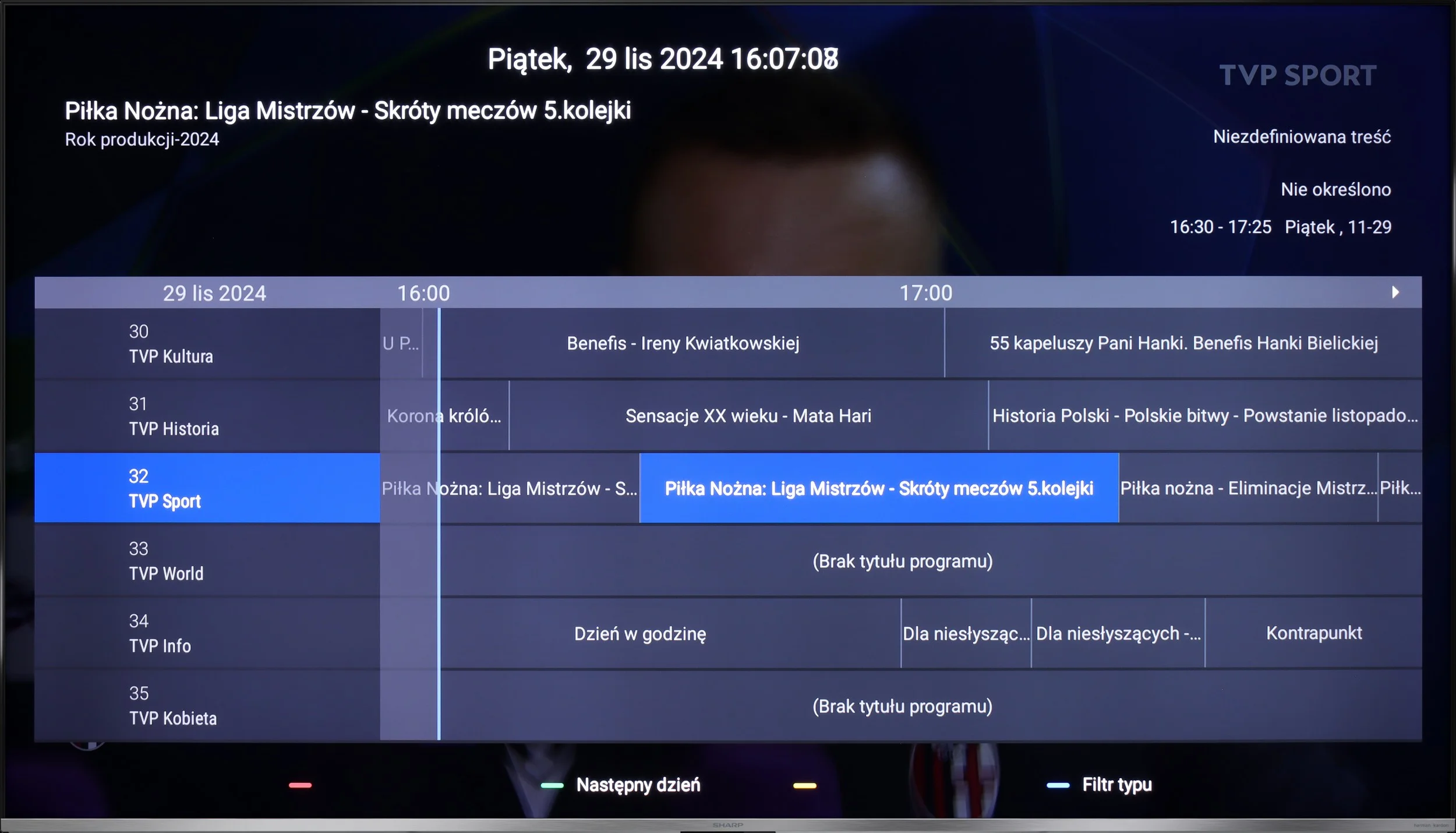
The Sharp GP7 operates on the Google TV system, which provides access to a rich library of applications and streaming services. Its main advantage is a clear interface that integrates content from various sources in one place, making it easier to search and manage. Voice control in Polish works flawlessly, and with the remote control featuring a built-in microphone, we can quickly find content of interest, such as movies, series, or music. Regular system updates ensure that Google TV stays current, adapting to new user needs and introducing additional features. It is a convenient and modern solution that makes using the television intuitive and enjoyable.


Although Google TV is a strong point of the GP7, the other features of the television are not as impressive. There is a lack of program recording or picture-in-picture (PiP) mode, and Apple users may feel the absence of support for AirPlay. However, there is Miracast for Windows and Bluetooth, allowing for the connection of headphones or a keyboard. This is a sufficient base for less demanding users, although those expecting more advanced features may feel a sense of disappointment. The GP7 mainly focuses on the smart capabilities offered by Google TV, leaving traditional solutions in the background.

Classic features

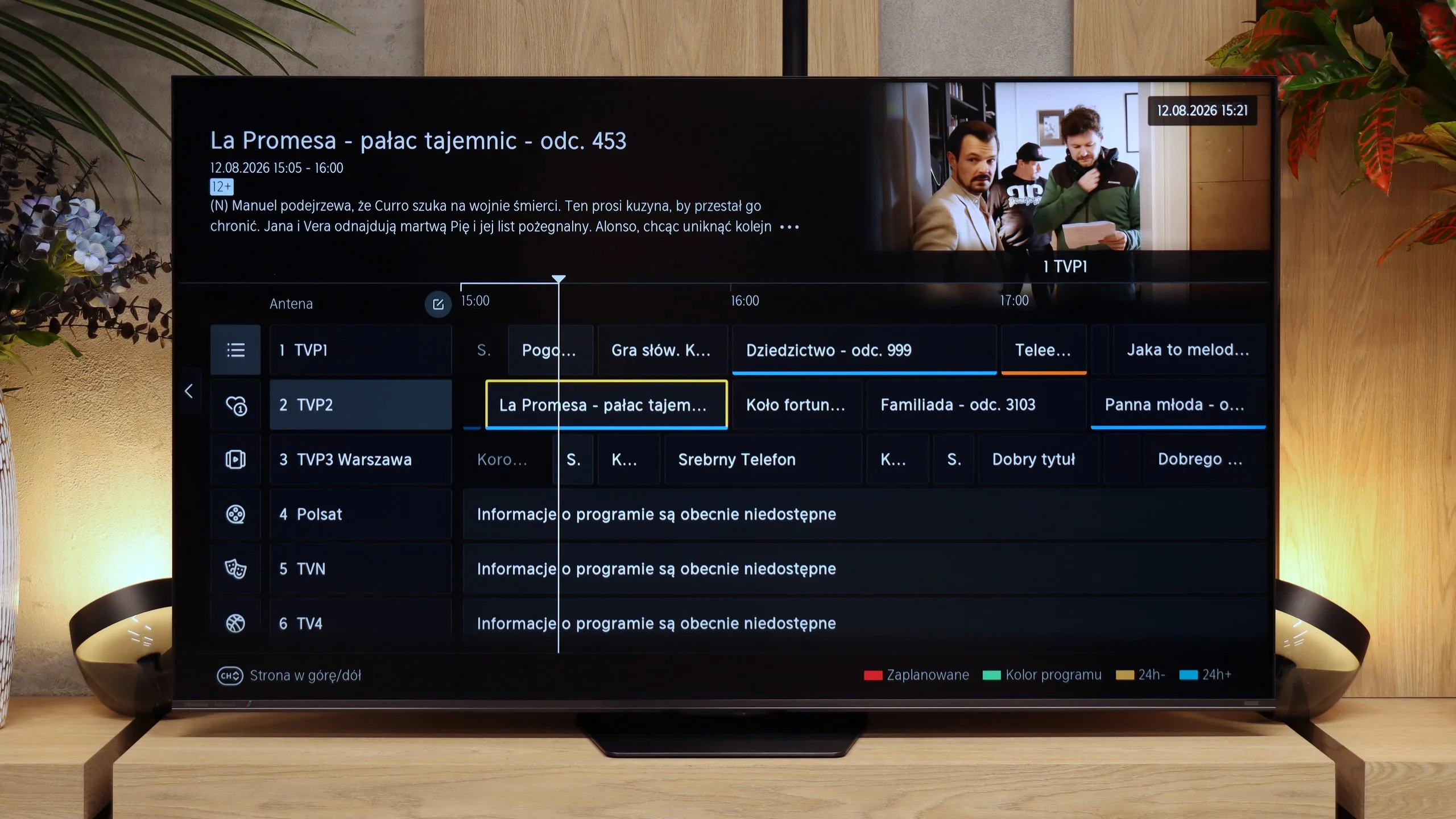
Hisense is one of those manufacturers who, fortunately, haven't given up on classic TV features. The UR8S lets you record programs to USB, schedule recordings, has teletext and an audio-only mode. You can also use the TV's speakers and Bluetooth headphones at the same time. The only real omission is picture-in-picture (PiP). The remote also deserves praise. It's well made, backlit and has plenty of buttons, so you can reach most important functions without digging through menus. It communicates with the TV via radio, so you don't need to point it directly at the screen.

VIDAA system

The VIDAA system on the UR8S runs very quickly and responsively. Apps launch smoothly, navigating the menus is fluid, and during testing we had no major complaints about its performance. The app library is already large enough to include all the major streaming services. There are also additional smart features. The UR8S supports AirPlay, Miracast, voice search in Polish and the ability to connect a keyboard and mouse. VIDAA may not offer as much flexibility as Google TV, but for everyday TV use it provides pretty much everything you need.


Apps

9.6/10

8.3/10

OK
Disney_Plus
OK
Amazon_Prime_Video
OK
Player_TVN
OK
Polsat_Box_Go
OK
Canal_Plus_Online
OK
TVP_VOD
OK
Apple_TV_Plus
OK
SkyShowtime
OK
Rakuten
OK
CDA_Premium_Browser
OK
Spotify
OK
Tidal
OK
Netflix
OK
YouTube
OK
HBO_MAX
OK
Kodi
No
Apple_music
OK
Eleven_sports
No
Xbox Game Pass
OK
GeForce NOW
No
Amazon Luna
OK
Boosteroid
OK
Steam Link
OK
Disney_Plus
OK
Amazon_Prime_Video
OK
Player_TVN
OK
Polsat_Box_Go
OK
Canal_Plus_Online
OK
TVP_VOD
OK
Apple_TV_Plus
OK
SkyShowtime
OK
Rakuten
OK
CDA_Premium_Browser
OK
Spotify
No
Tidal
OK
Netflix
OK
YouTube
OK
HBO_MAX
No
Kodi
No
Apple_music
No
Eleven_sports
OK
Xbox Game Pass
No
GeForce NOW
No
Amazon Luna
OK
Boosteroid
No
Steam Link

Playing files from USB

9/10

8.5/10

Supported photo formats:

JPEG
Yes
Yes
HEIC
Yes
No
PNG
Yes
Yes
GIF
Yes
Yes
WebP
Yes
Yes
TIFF
No
Yes
BMP
Yes
Yes
SVG
No
No

Maximum photo resolution:

4 Mpix
Yes
Yes
6 Mpix
Yes
Yes
8 Mpix
Yes
Yes
10 Mpix
Yes
No
12 Mpix
Yes
No
16 Mpix
Yes
Yes
20 Mpix
Yes
No
24 Mpix
Yes
No
28 Mpix
Yes
No
32 Mpix
Yes
Yes

The media player performs quite well, handling most popular formats. The only minor drawback is the lack of an option to change the font color in subtitles, although for some of us, this is a detail. We can always install another player from the Google Play store and customize it to our own preferences.

The USB media player works fine and handles most common files without major problems. Our biggest reservation is how it handles photos. The UR8S is rather selective about their resolution; for example, it can open a 16 MP or 32 MP photo and at the same time refuse to display a 10, 12, or 20 MP file. It's hard to find much logic in that, so if you often view photos directly from a USB flash drive, you may occasionally run into a file the TV simply won't open.

Sound

6.6/10

7.8/10

  • Maximum volume
    -
    92dB
  • Dolby Digital Plus 7.1
    Yes
    Yes
  • Dolby True HD 7.1
    No
    Yes
  • Dolby Atmos in Dolby Digital Plus (JOC)
    Yes
    Yes
  • Dolby Atmos in Dolby True HD
    No
    No
  • DTS:X in DTS-HD MA
    No
    Yes
  • DTS-HD Master Audio
    No
    Yes

Despite the collaboration with Harman Kardon, the speakers perform rather average. The sound is decent, but there is nothing in it that would really surprise us. It does not support DTS:X, but Dolby Atmos is onboard, which can slightly enhance the experience when combined with good material. If we care about better audio quality, we will probably consider purchasing an external soundbar or audio system anyway.

In terms of sound, the UR8S performs very similarly to the lower-positioned Hisense U7S Pro, and that's no accident. The manufacturer has used practically the same 2.1.2 speaker setup here, with a total power of 50 W. There's an additional subwoofer at the back of the cabinet, while the other speakers are placed across the lower part of the TV. For built-in speakers, the result is quite good. The subwoofer adds some bass, so the sound isn't as flat as on basic TVs, and the whole system can also get really loud. In our testing the maximum loudness reached about 92 dBC. It's not, of course, a replacement for a good soundbar, but it's perfectly adequate for regular TV viewing or YouTube.

Sound Quality Test

No sound test video

Acoustic Measurements

No acoustic data

92dBC (Max)

75dBC

Reader comments

Comments are provided by the external service Disqus (Zeta Global). Once loaded, Disqus may set cookies and process data about your activity.

We will remember your choice on this device. Provider's privacy policy