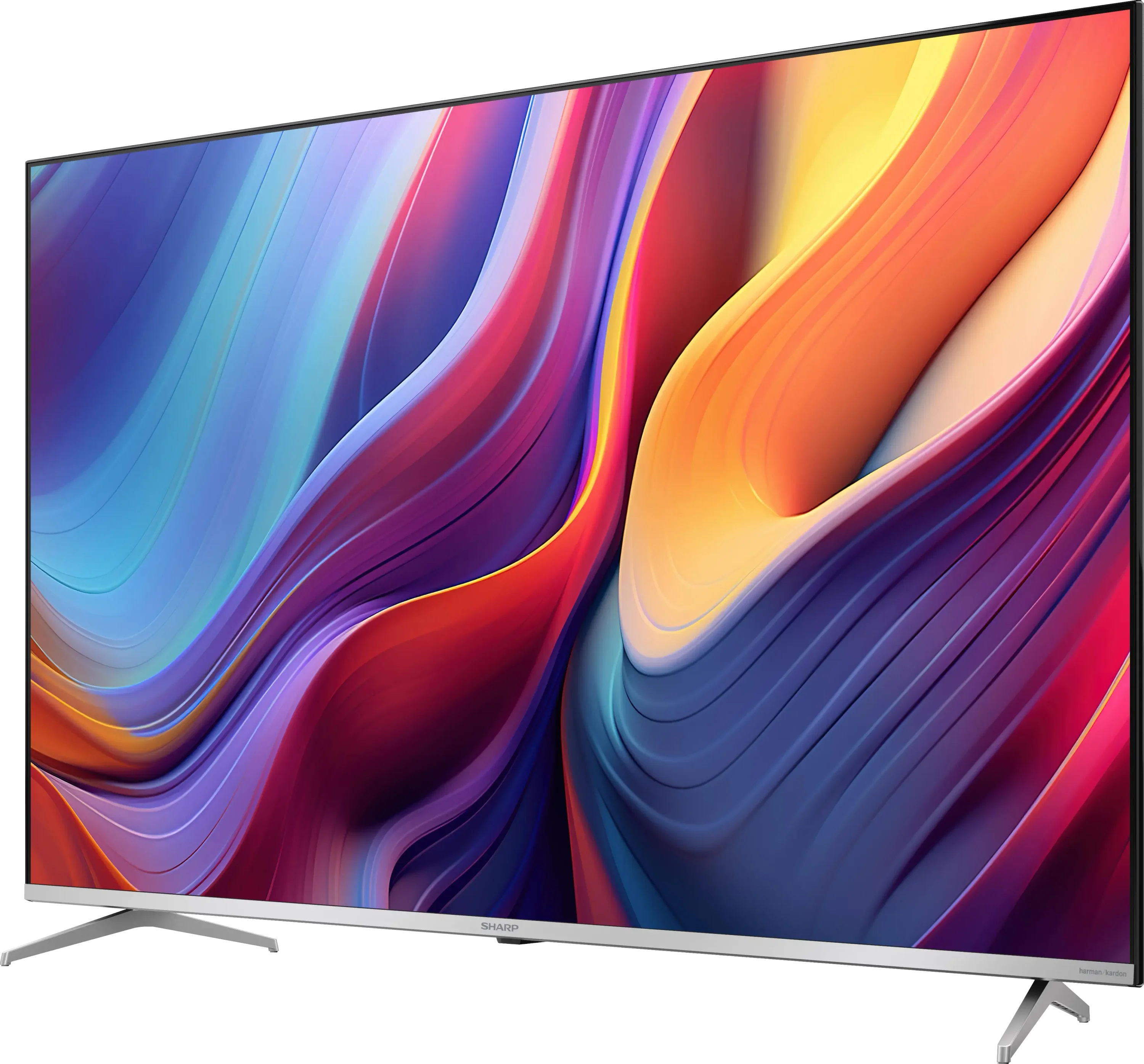
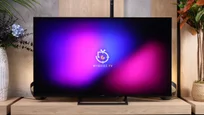
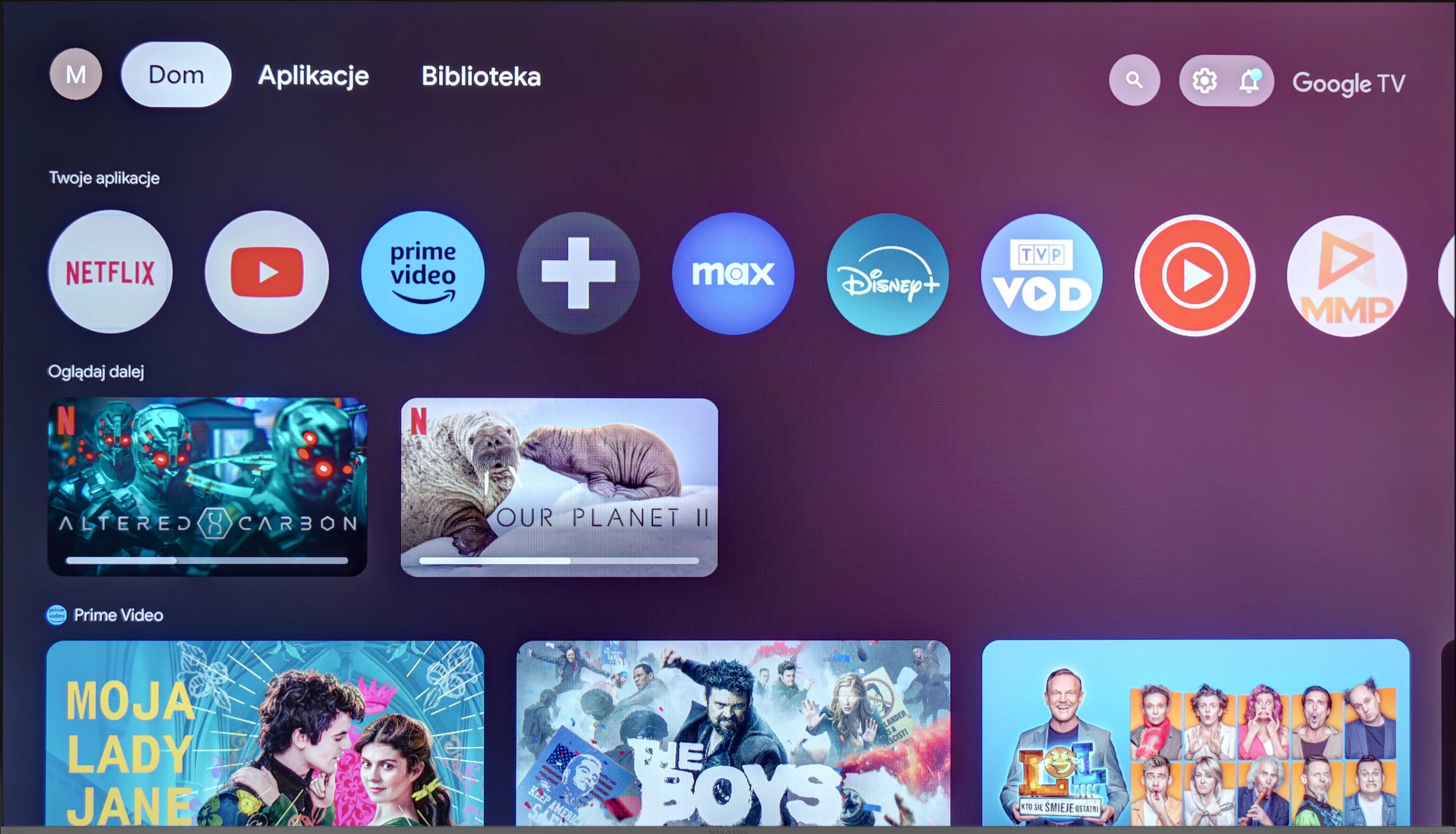
The Sharp GP6765 TV offers a range of positive features that set it apart in its price range. One of the standout aspects is the Google TV system, which provides users with excellent flexibility and comfort when navigating various applications and content. The intuitive interface and integration with the Google voice assistant make using the TV enjoyable and straightforward. With this platform, users can access streaming applications, enabling high-quality viewing of movies and series without needing additional devices.
In terms of picture quality, the Sharp GP6765 impresses, particularly considering its price. It performs exceptionally well in movie scenes, with smooth colour transitions, placing it among the top models in this category. While the brightness isn’t the highest compared to some competitors, it’s still respectable, and the inclusion of Dolby Vision significantly enhances picture quality, improving detail in both bright and dark scenes.
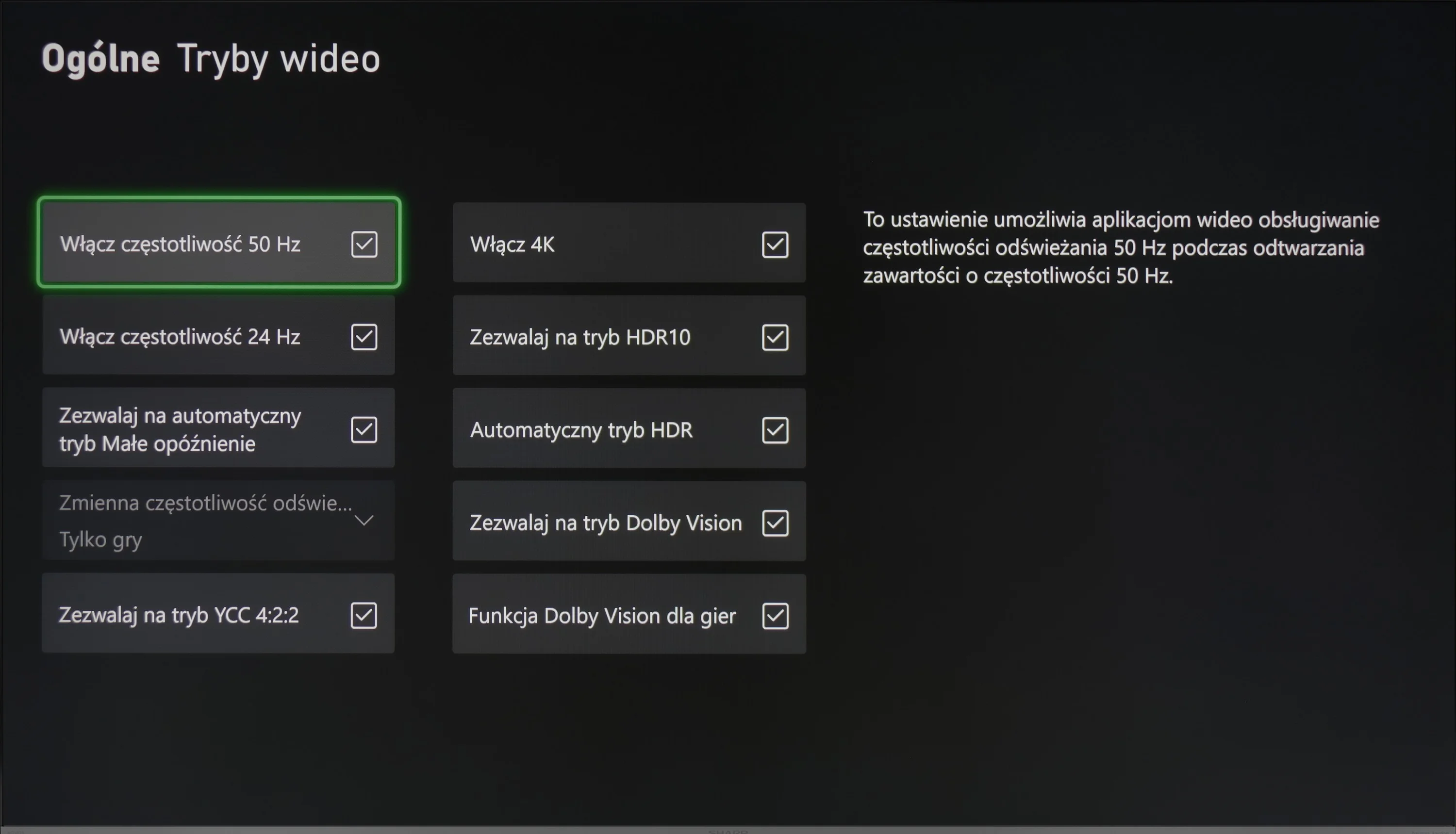
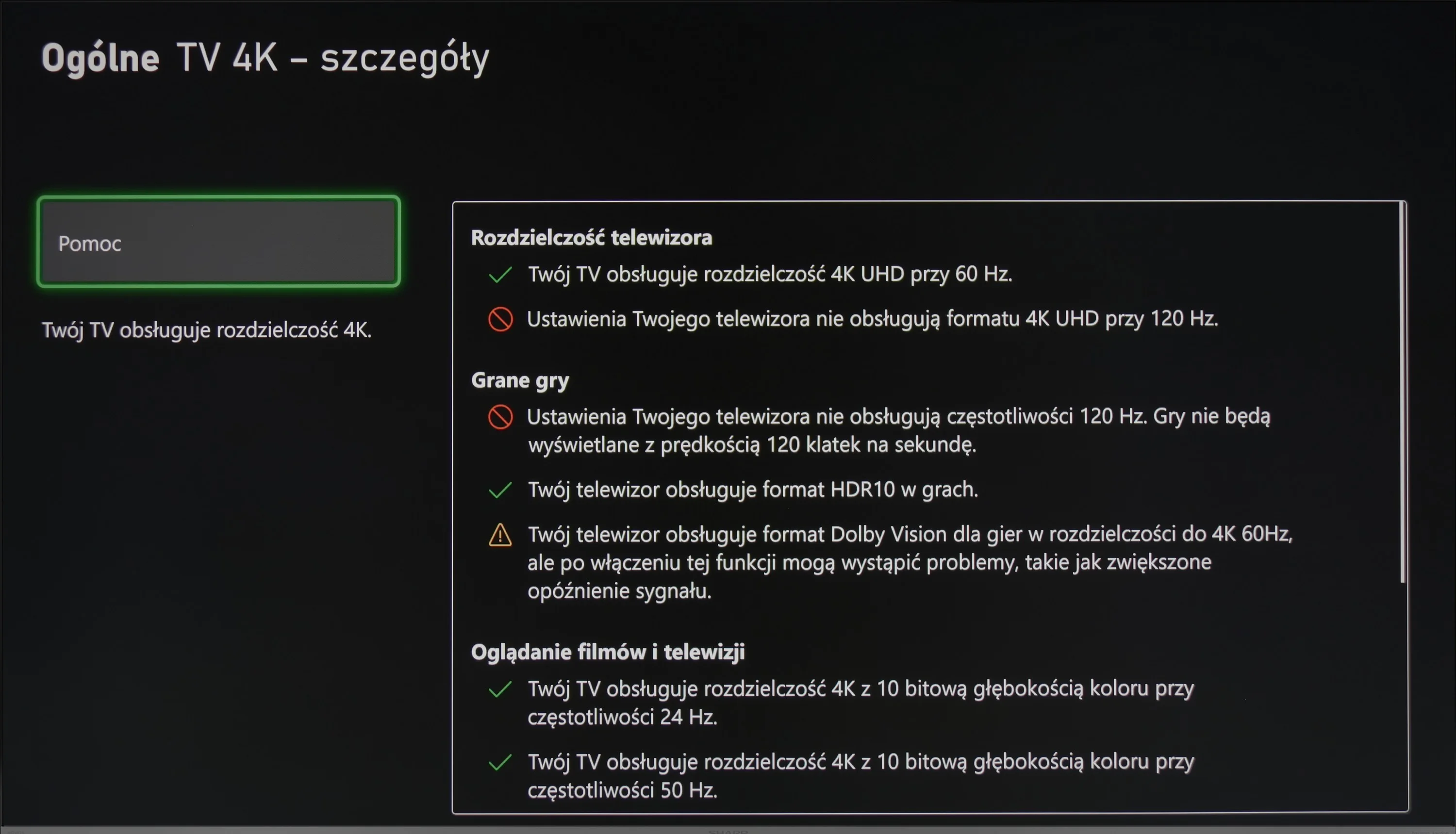
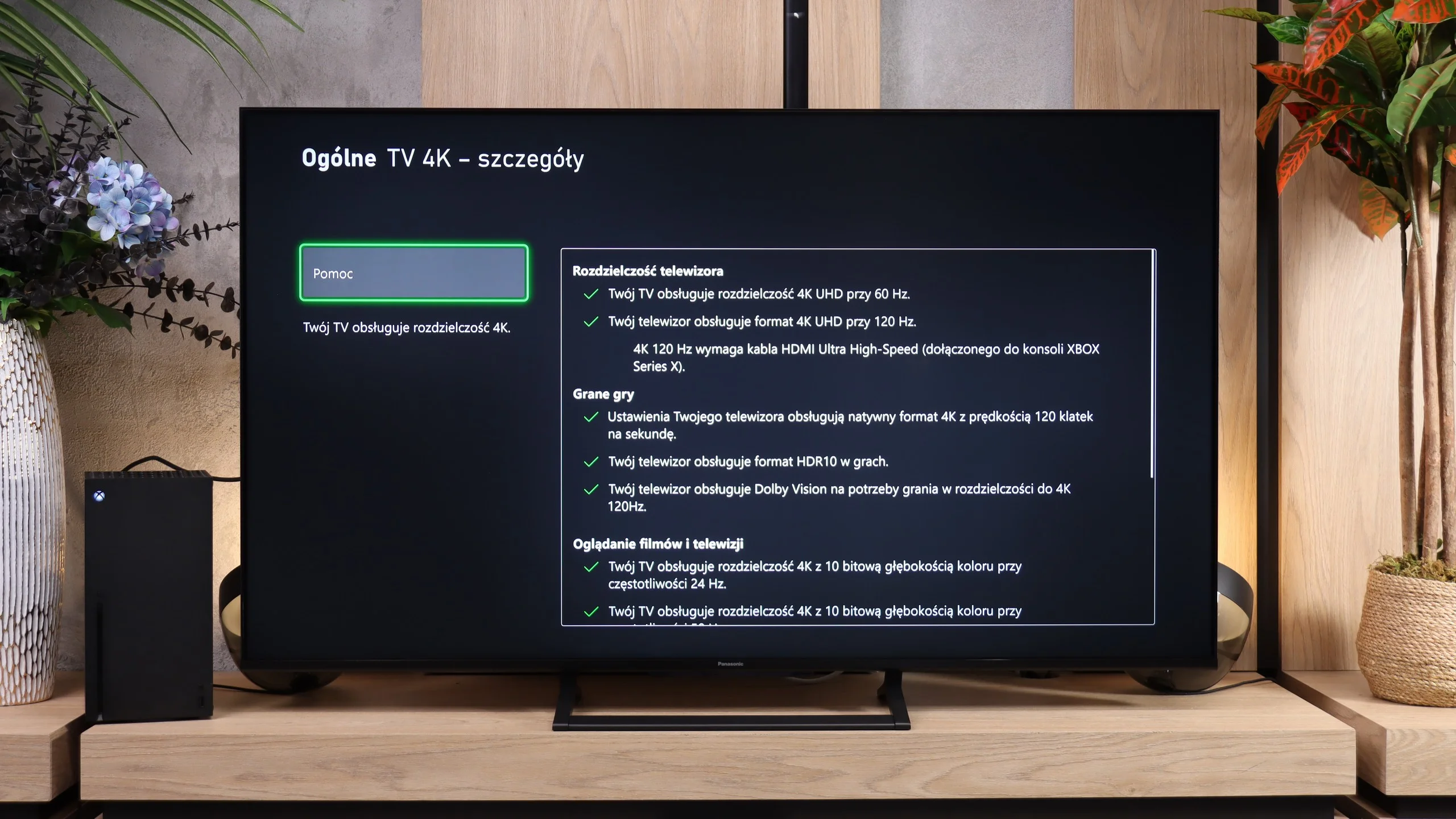
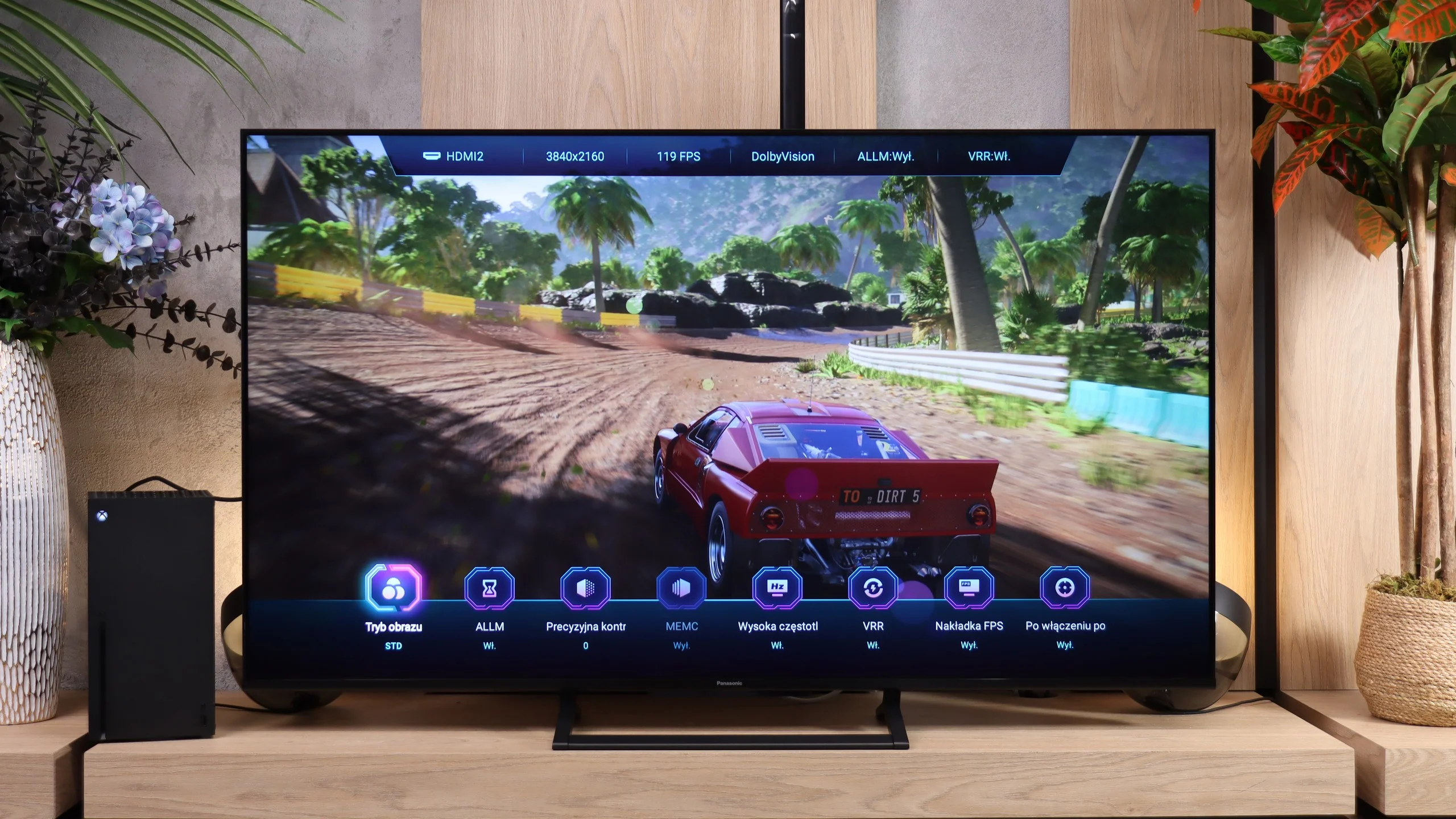
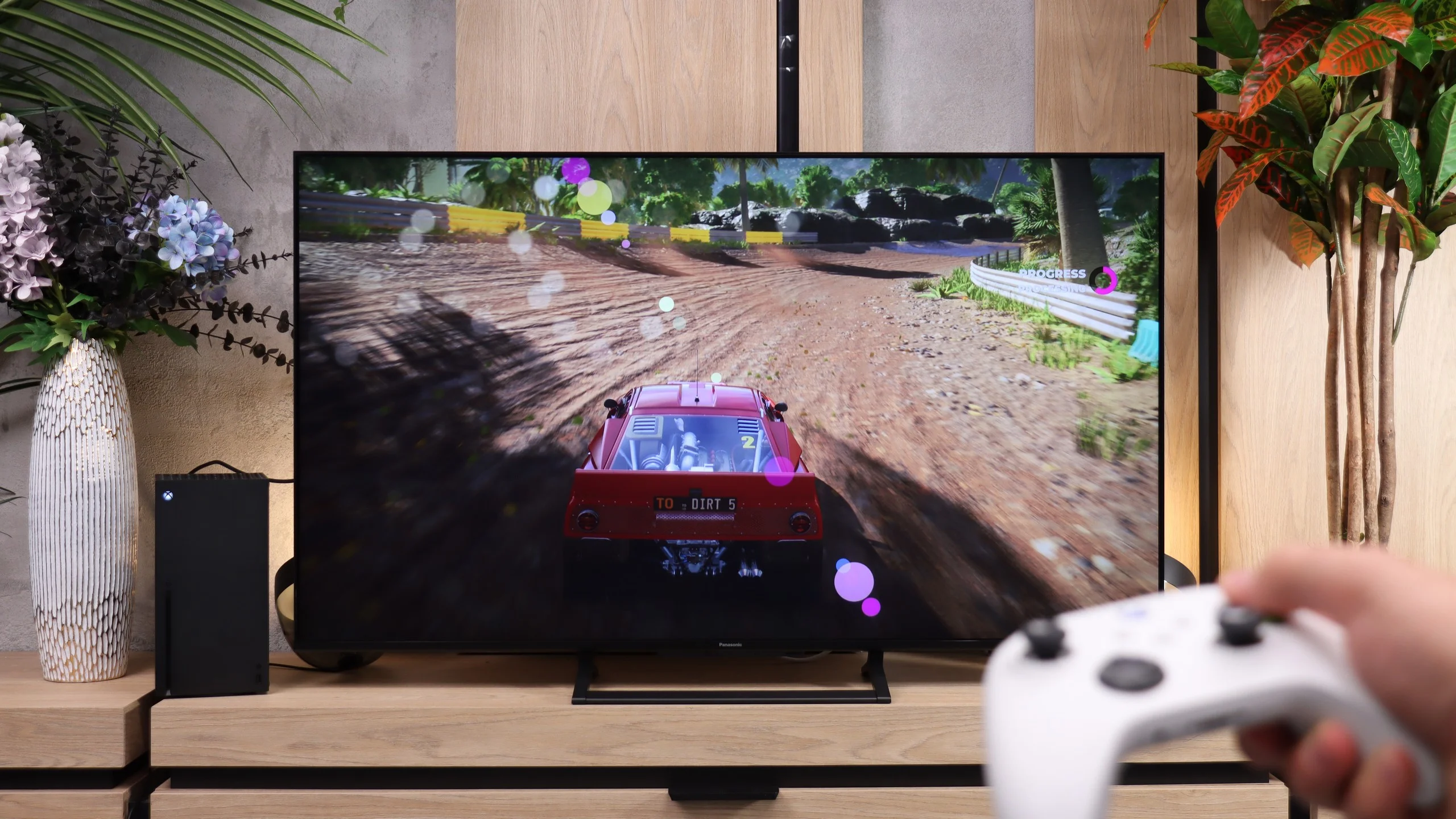
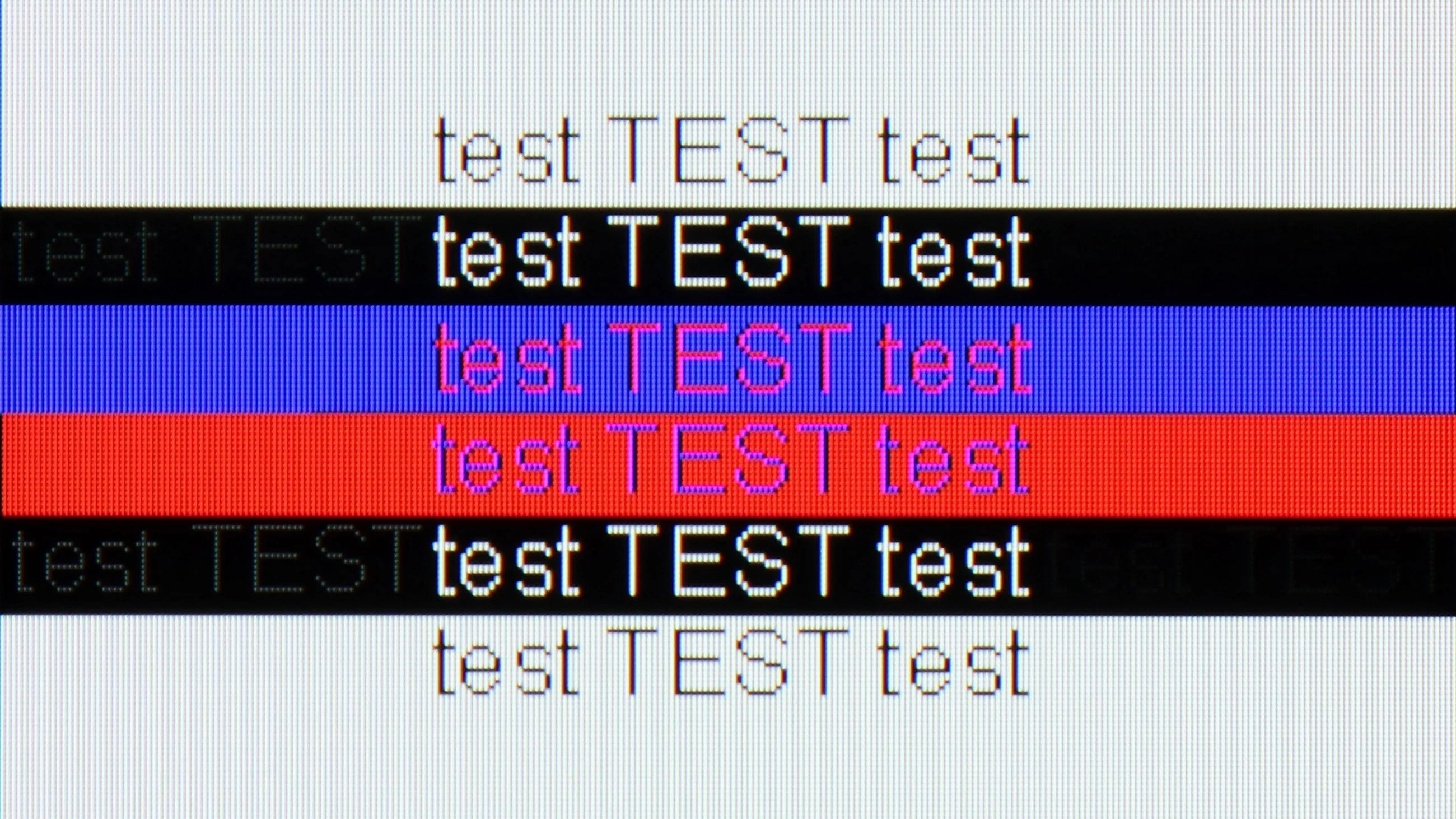
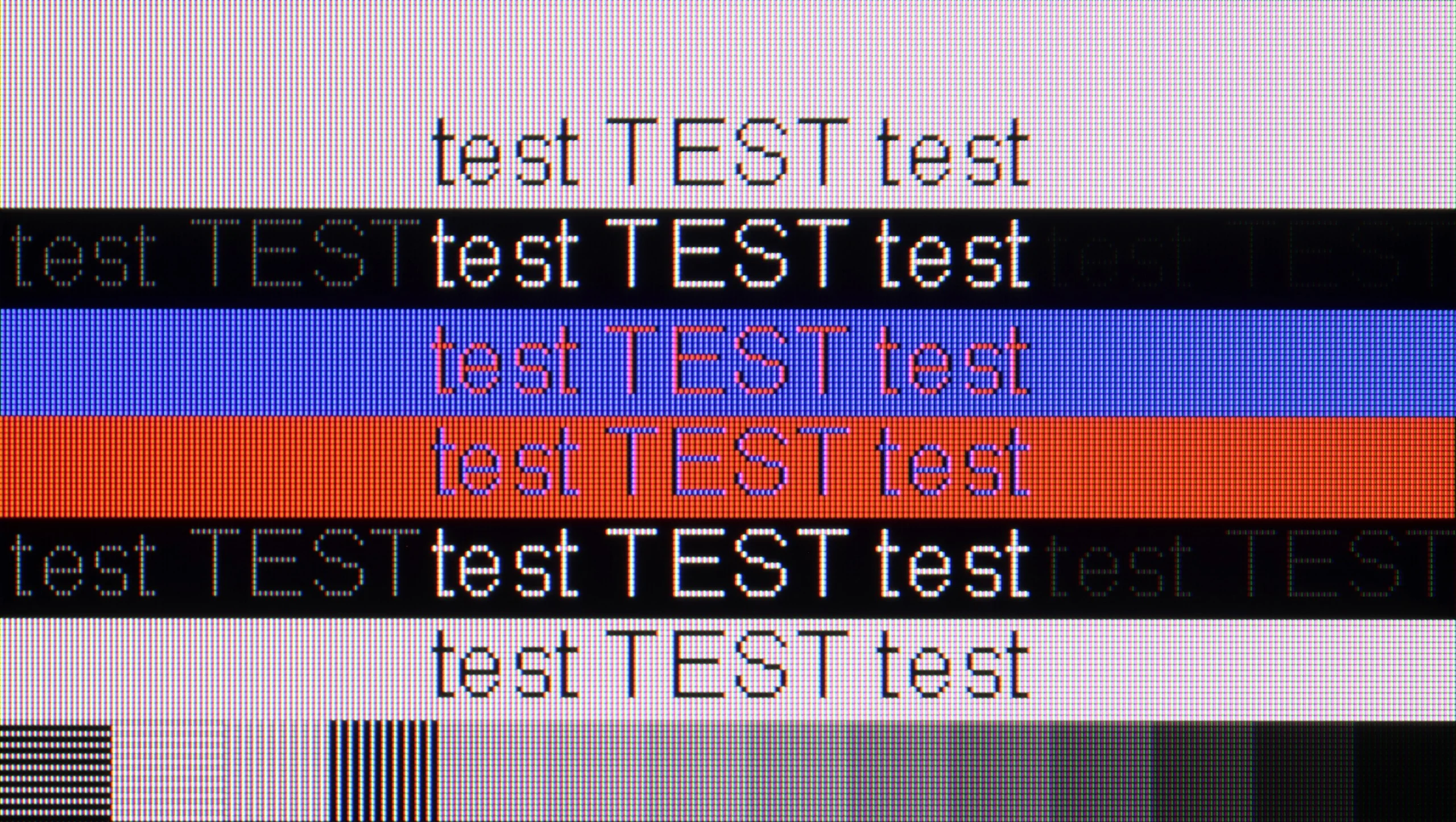
For gamers, the TV offers a major advantage with its low input lag of just 13 ms, ensuring smooth and responsive gameplay. It also provides very good compatibility with computers, supporting Chroma 4:4:4 for excellent text readability and image clarity. However, it’s important to note that the TV uses a 60 Hz panel, which may limit its performance for sports or fast-paced games. Some gamers might also be disappointed by the absence of certain essential features, even though the TV includes HDMI 2.1.
Overall, the Sharp GP6765 is a solid choice that offers a great Google TV system, excellent colour transition smoothness, and low input lag. While it requires some compromises—especially in terms of brightness and features for gamers—it remains an appealing option for those seeking an affordable TV.
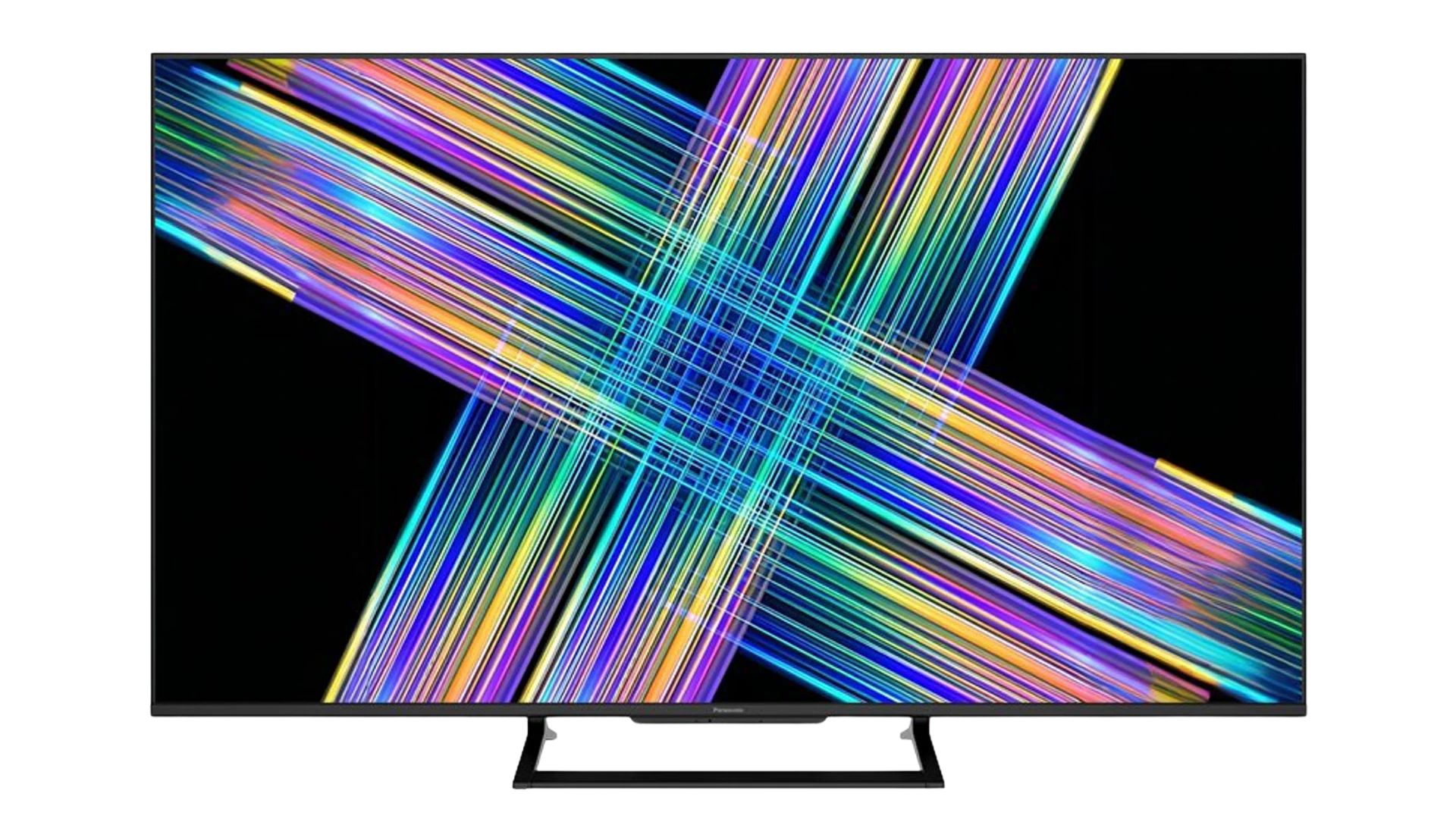
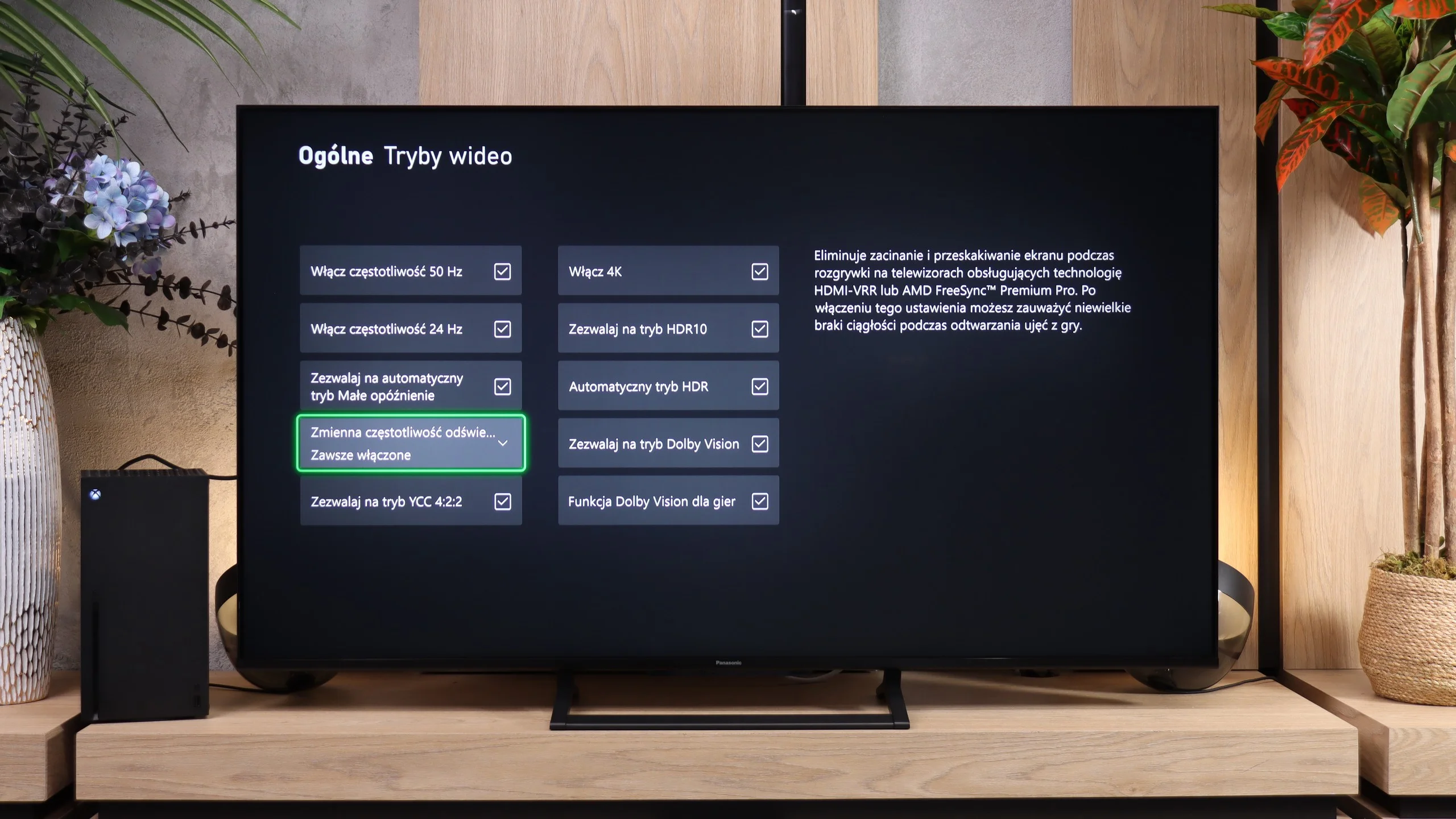
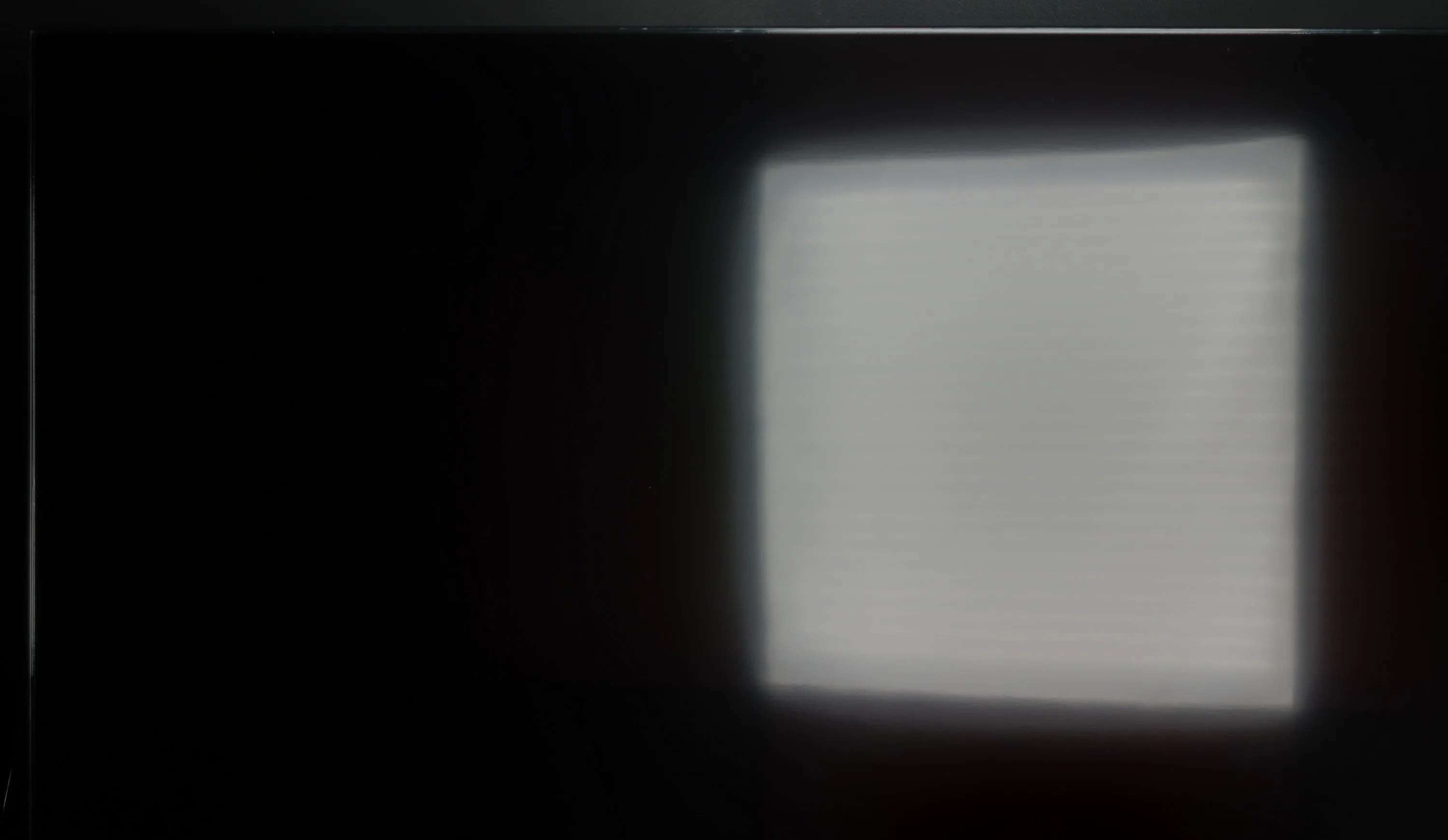
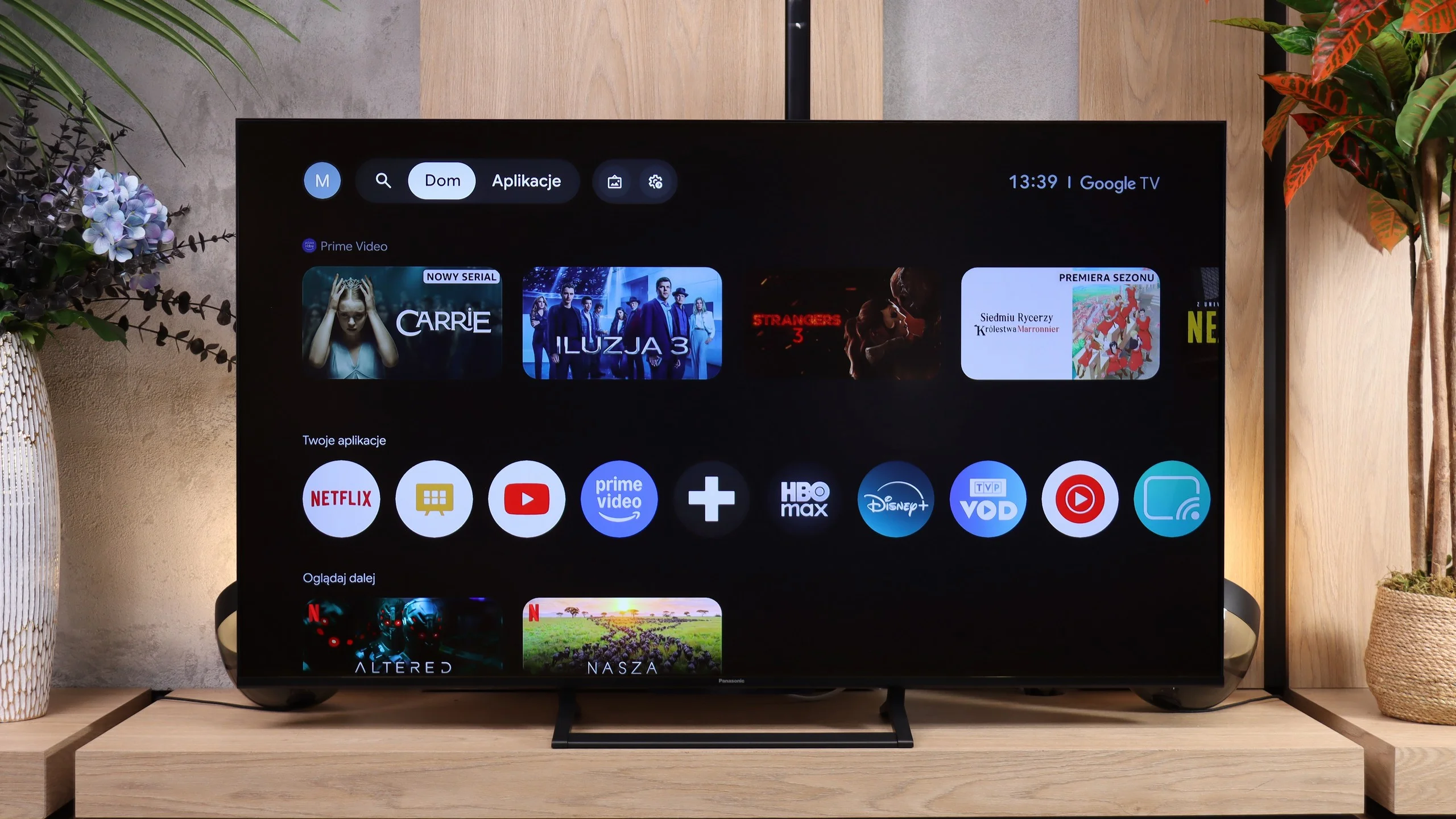
W92C is the first Panasonic made in collaboration with Skyworth that we've tested. And it's about the change we expected: a little less of the old Panasonic, but also some new things that work in its favor. The biggest plus is the move to Google TV. The system is fast, gives access to the apps you need, and on a daily basis convinces us more than the previous Fire TV. Combined with a matte screen that handles reflections well, this makes for a comfortable living-room TV where you don't always want to close the curtains before watching. The longer we used the W92C, the more we appreciated its versatility. It can noticeably improve weaker content, and after calibration the picture gains a naturalness it sadly lacks on the factory settings, as was the case with older Panasonic models. It also works well with consoles and PCs. It responds quickly to input, and the high refresh rate provides smooth motion. So Panasonic makes sense in a home where one screen is used for TV, movies, gaming, and sometimes even for... working with text. 🙂 The limitations become clearer during evening viewing. Blacks can look good, but a more challenging scene is enough for halos to appear around bright objects and for the bars above and below the image to glow. The small number of local dimming zones makes it hard to keep deep black levels and bright details at the same time. Dolby Vision helps pull more out of this panel, but it doesn't remove those limits. The default picture tuning is also disappointing, and the automatic brightness changes we encountered during testing further spoil the experience. This is where the refinement you'd expect from the Panasonic name is most lacking. So ultimately the W92C's appeal will come down to price. It's an entry-level Mini LED and should be priced similarly to competing models with basic local dimming. At that level it will be a sensible choice, especially for people moving up from a regular LCD. They'll get better black levels, a convenient OS, and a versatile screen that works for both TV and gaming. If, however, you have to pay a clear premium for the Panasonic badge, it will be hard to justify that extra cost. The W92C has enough positives to stand as an affordable, all-purpose TV, but too few advantages to sell itself on the brand alone.
 Direct comparison