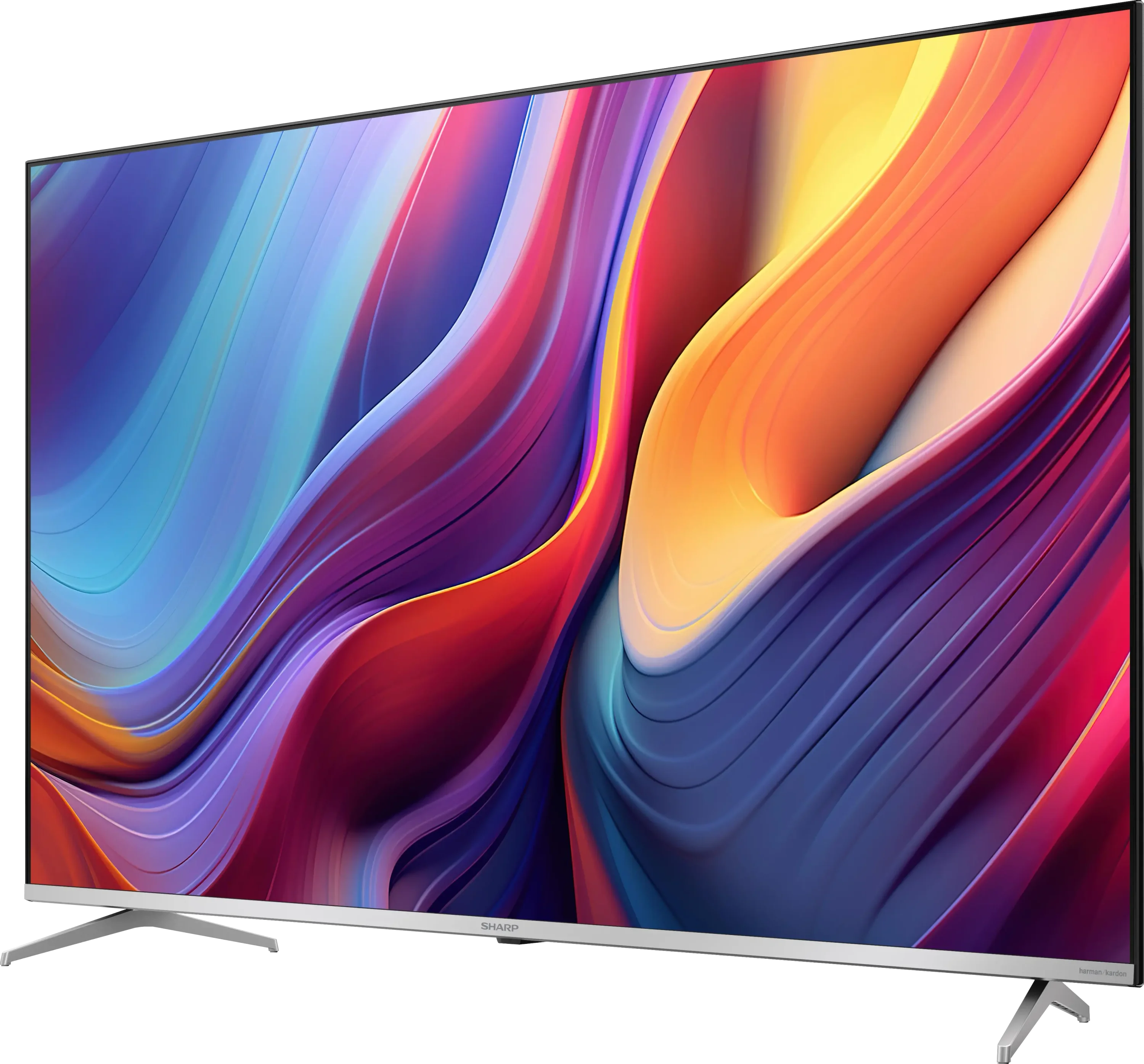
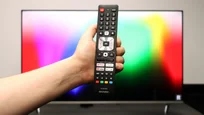
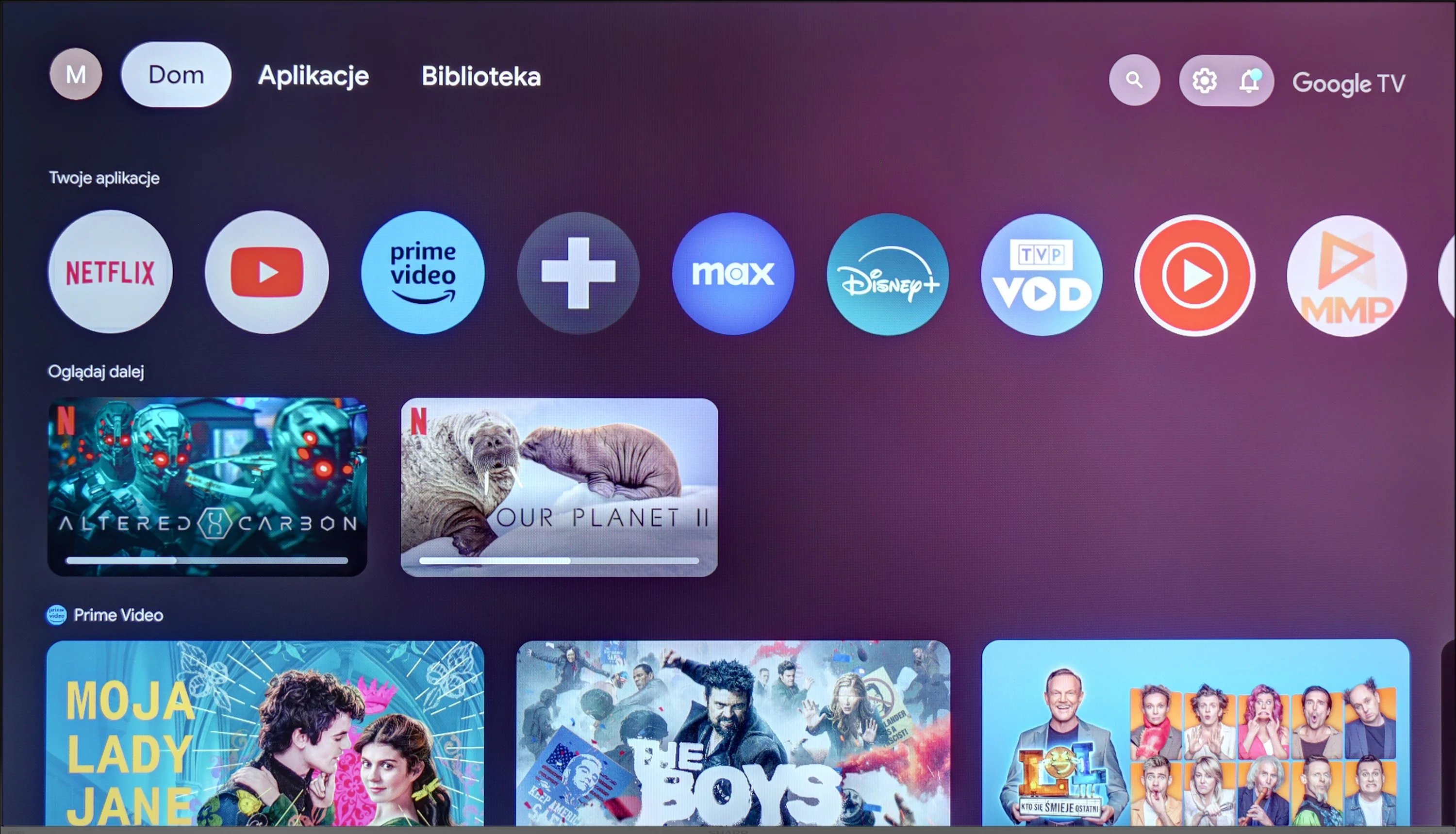
The Sharp GP6765 TV offers a range of positive features that set it apart in its price range. One of the standout aspects is the Google TV system, which provides users with excellent flexibility and comfort when navigating various applications and content. The intuitive interface and integration with the Google voice assistant make using the TV enjoyable and straightforward. With this platform, users can access streaming applications, enabling high-quality viewing of movies and series without needing additional devices.
In terms of picture quality, the Sharp GP6765 impresses, particularly considering its price. It performs exceptionally well in movie scenes, with smooth colour transitions, placing it among the top models in this category. While the brightness isn’t the highest compared to some competitors, it’s still respectable, and the inclusion of Dolby Vision significantly enhances picture quality, improving detail in both bright and dark scenes.
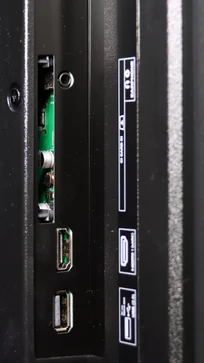
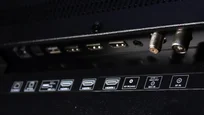
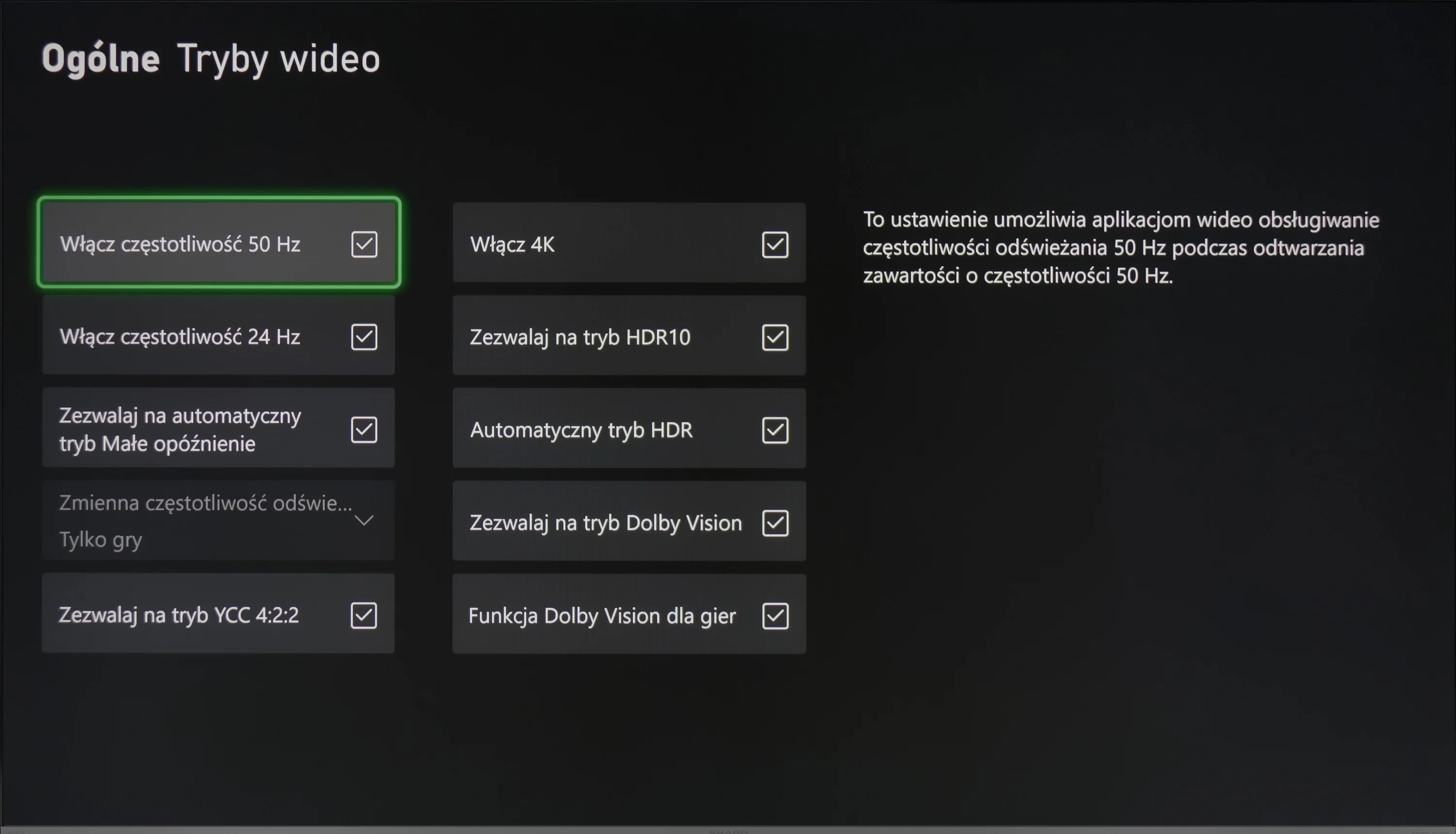
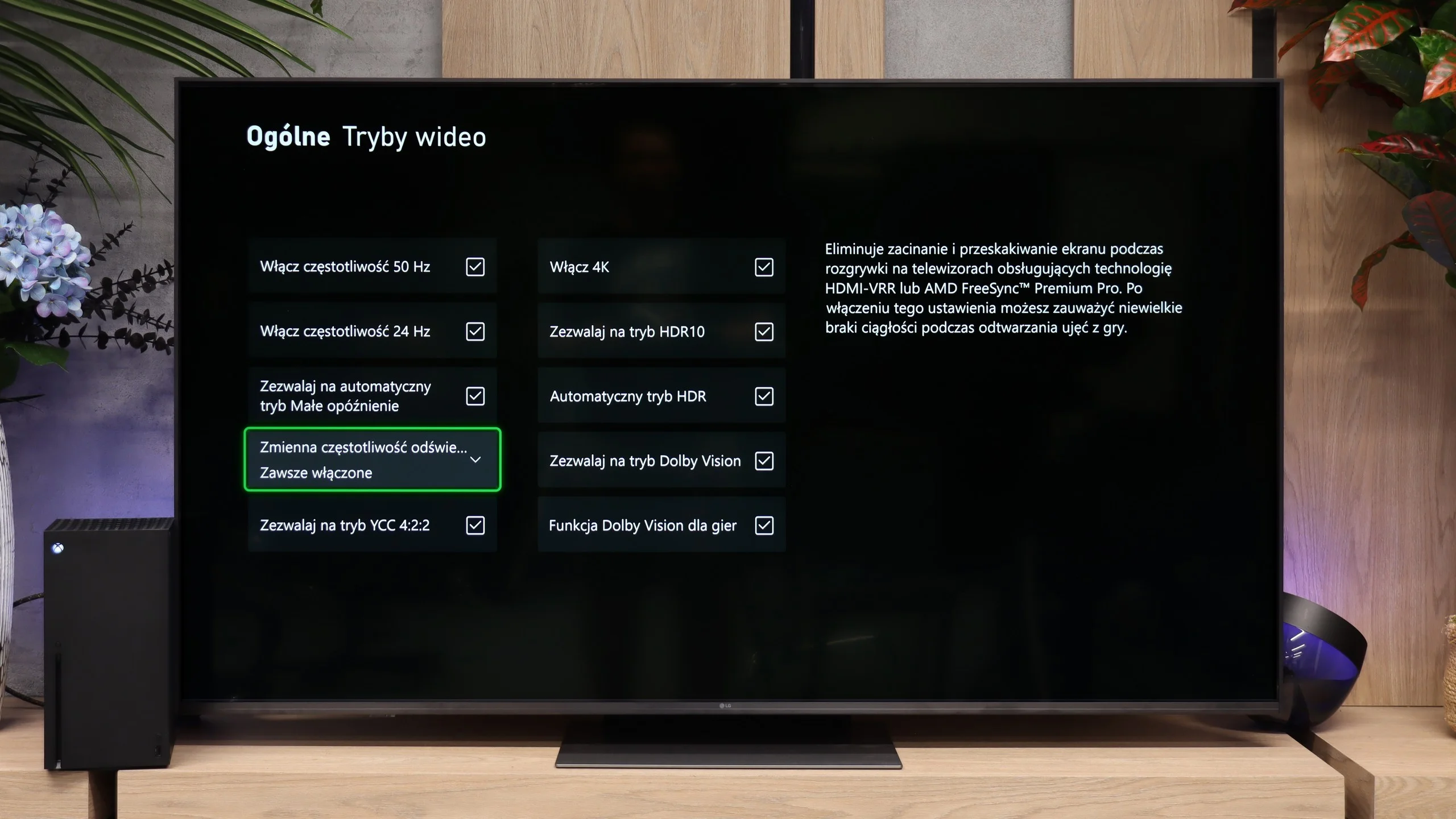
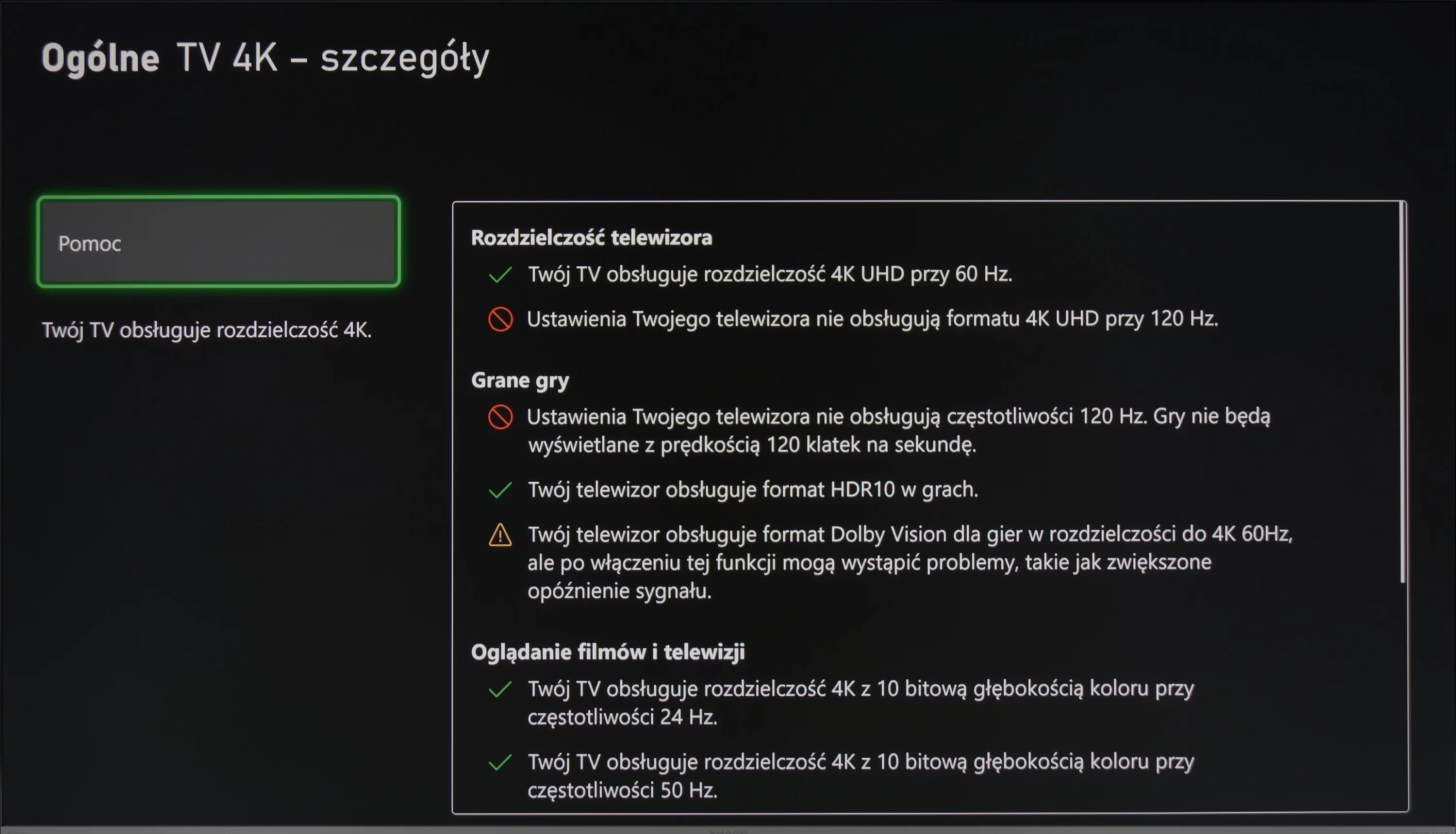
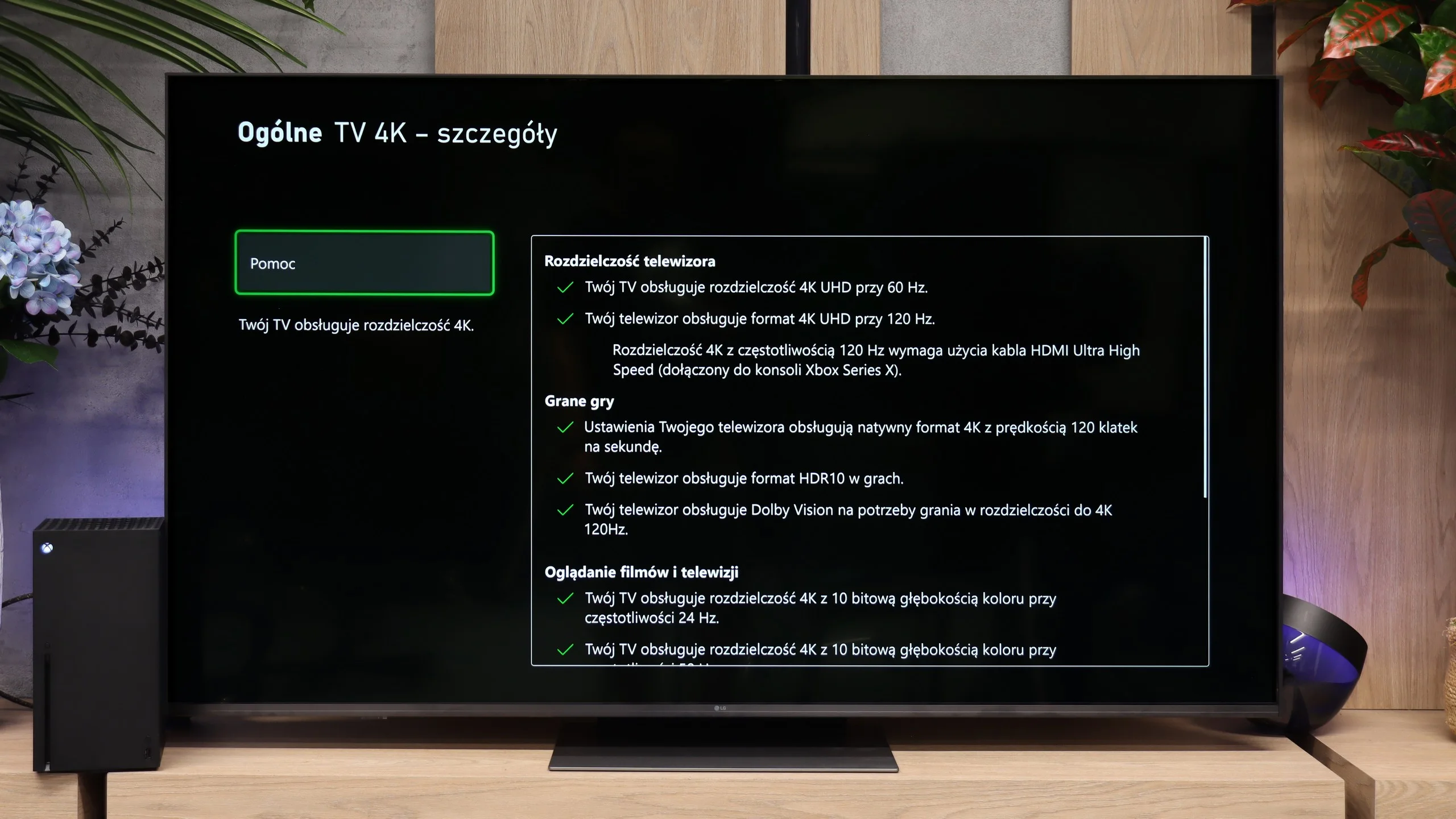
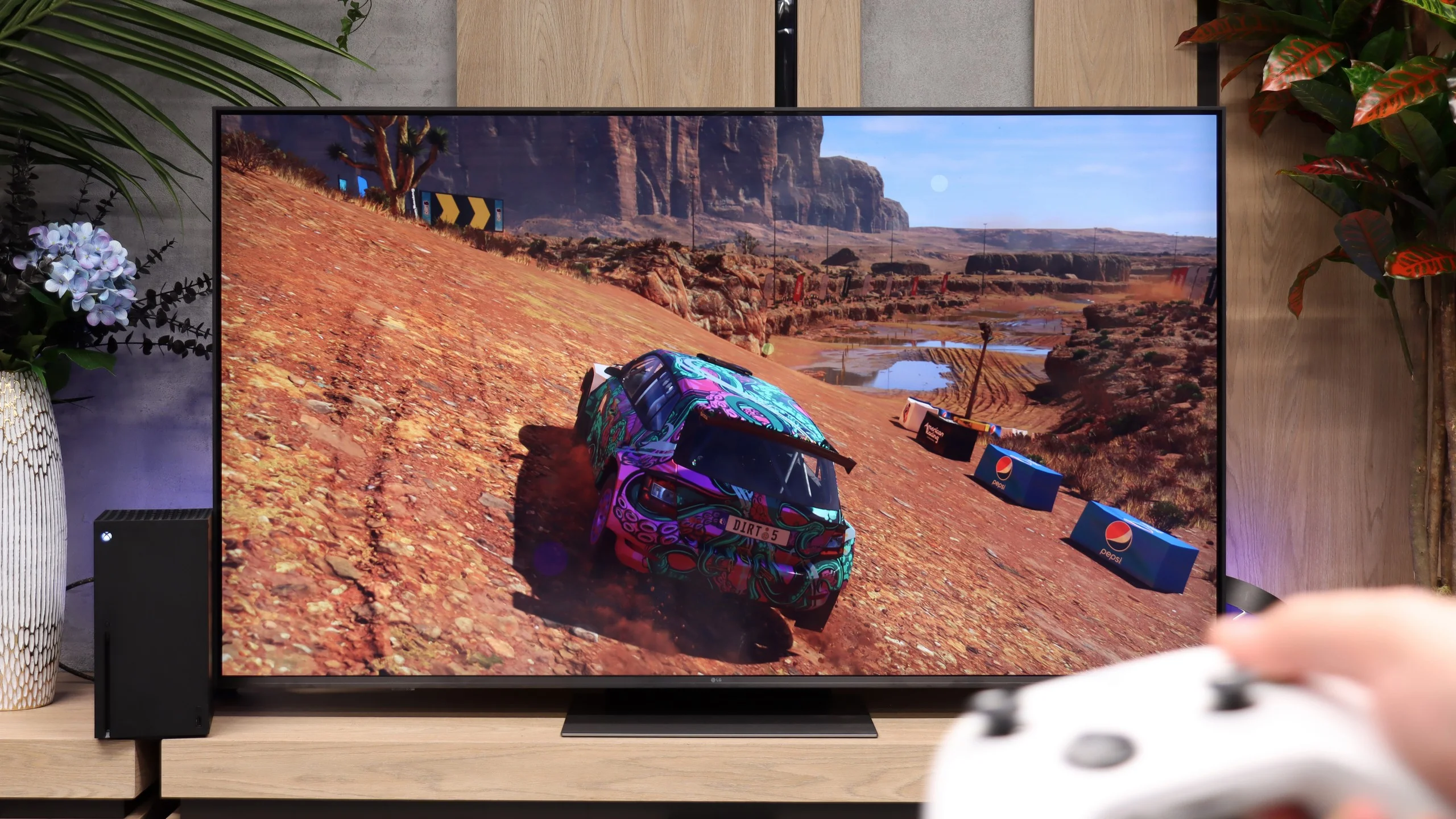
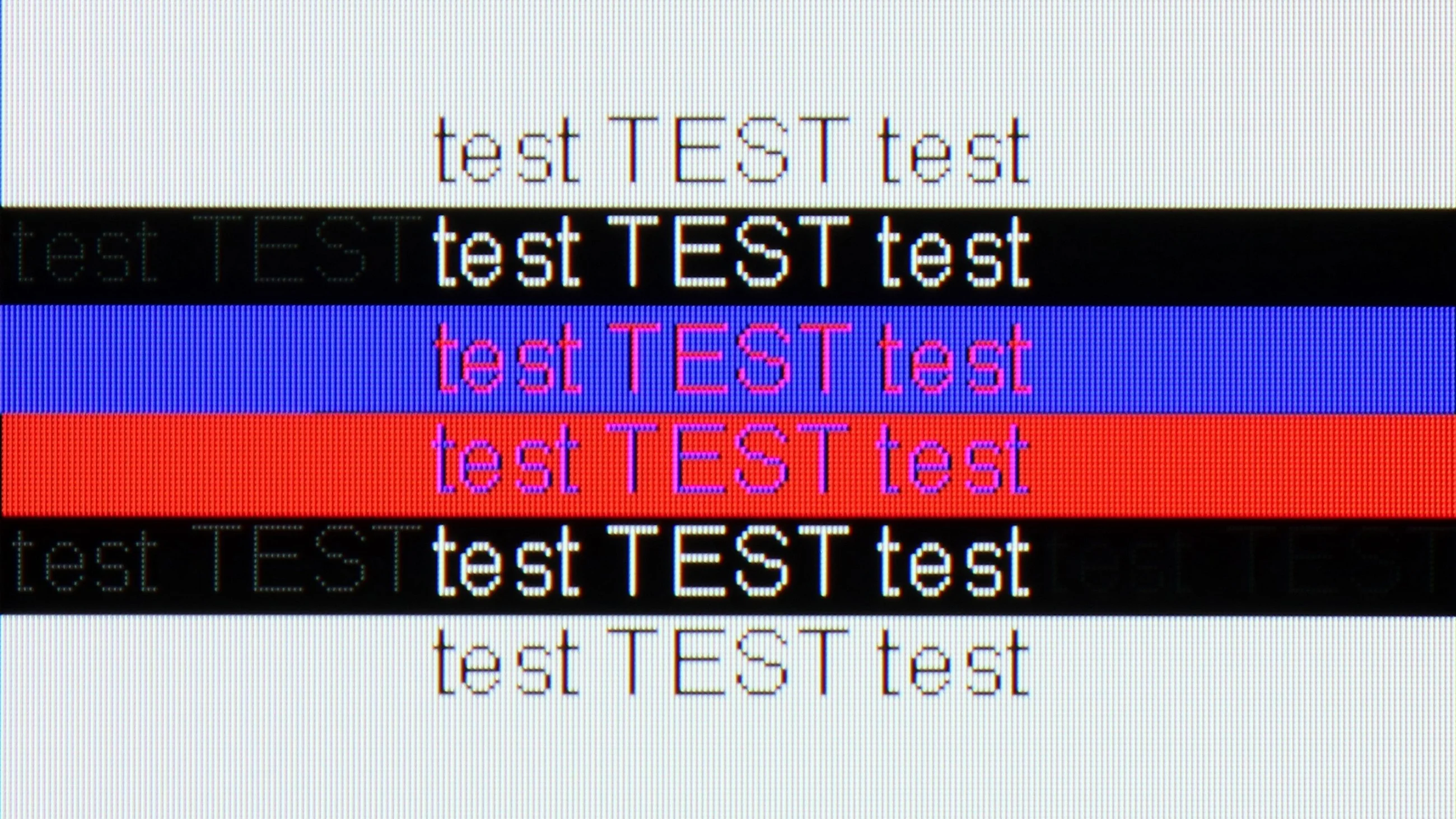
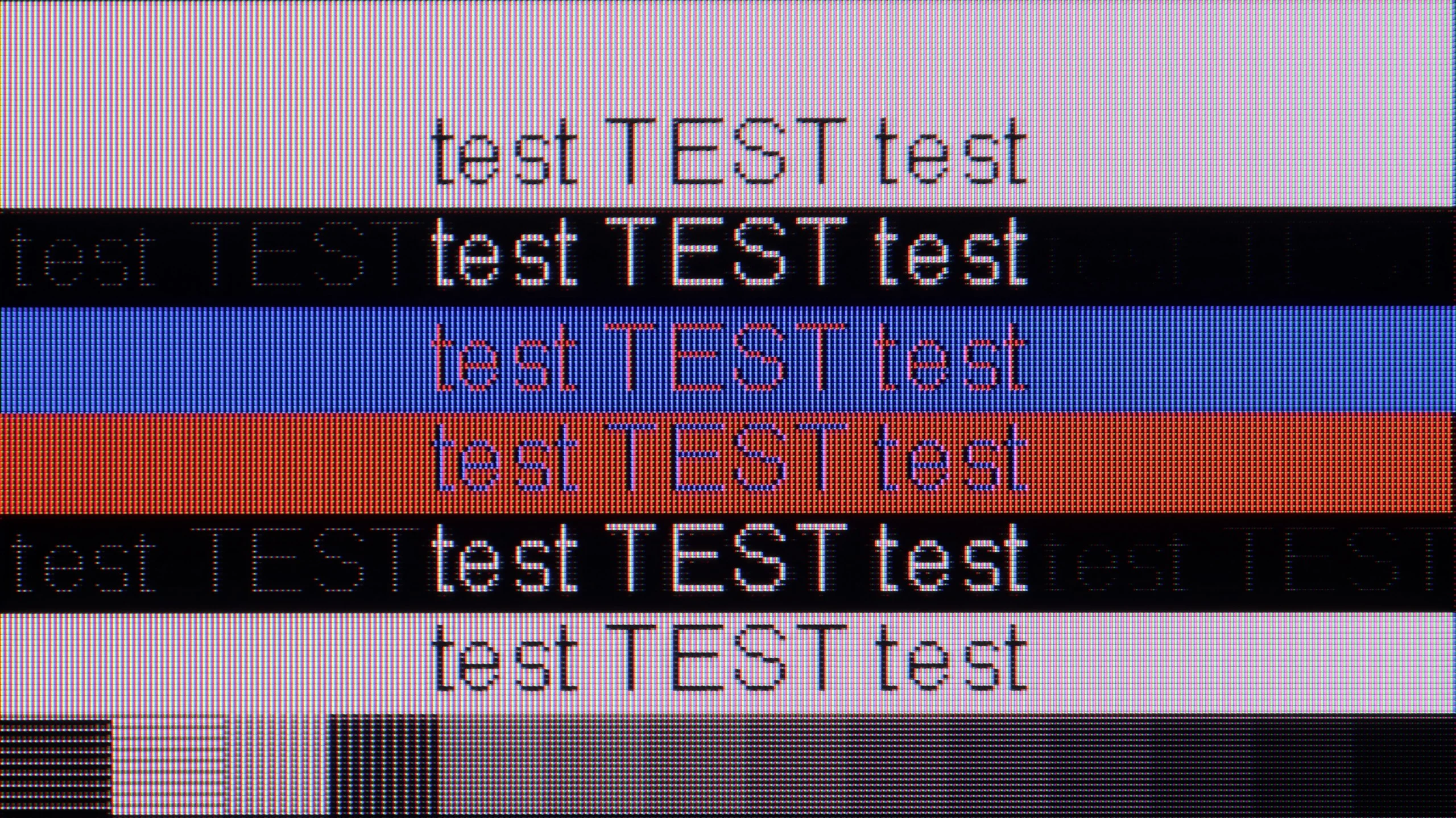
For gamers, the TV offers a major advantage with its low input lag of just 13 ms, ensuring smooth and responsive gameplay. It also provides very good compatibility with computers, supporting Chroma 4:4:4 for excellent text readability and image clarity. However, it’s important to note that the TV uses a 60 Hz panel, which may limit its performance for sports or fast-paced games. Some gamers might also be disappointed by the absence of certain essential features, even though the TV includes HDMI 2.1.
Overall, the Sharp GP6765 is a solid choice that offers a great Google TV system, excellent colour transition smoothness, and low input lag. While it requires some compromises—especially in terms of brightness and features for gamers—it remains an appealing option for those seeking an affordable TV.
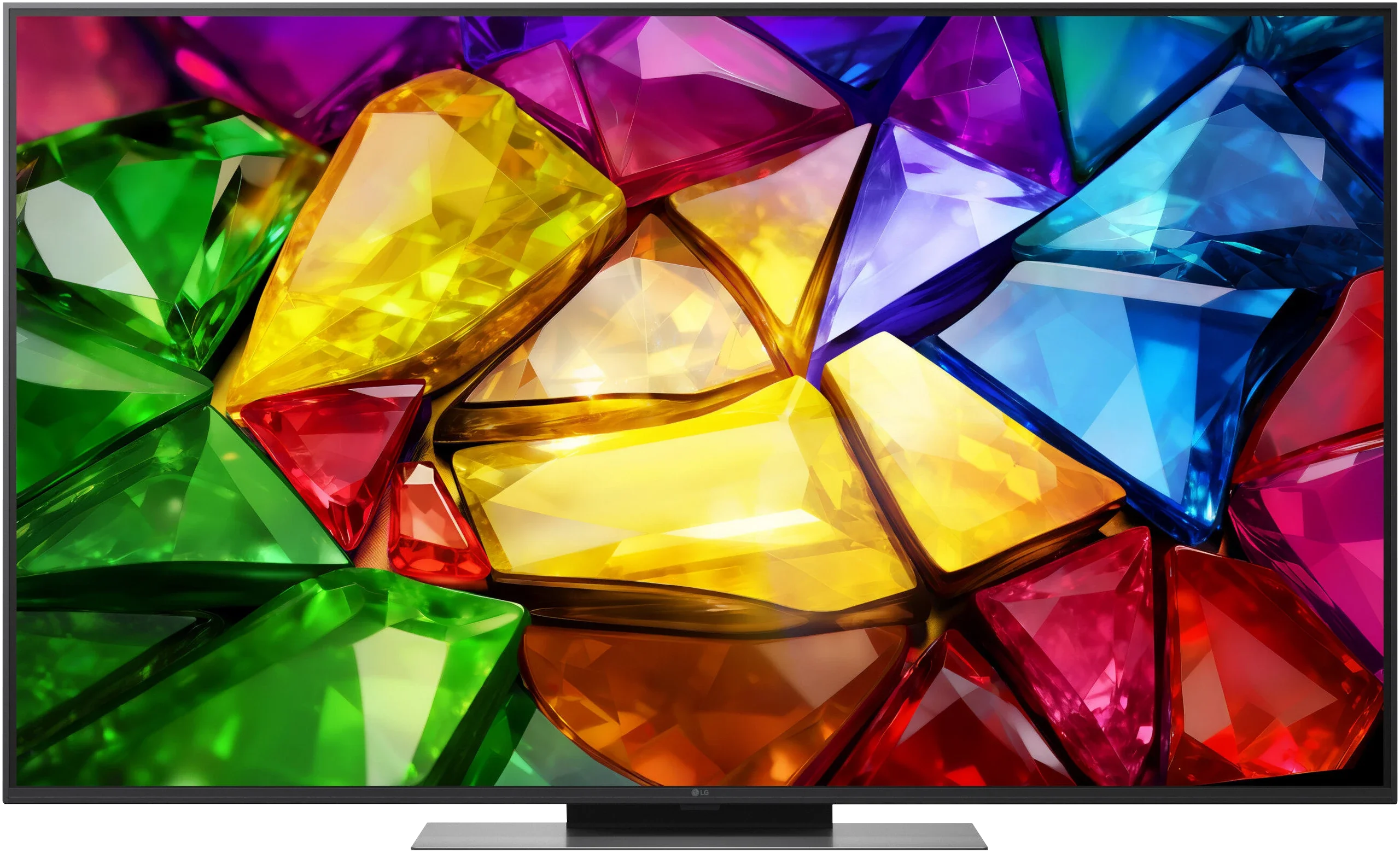
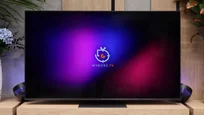
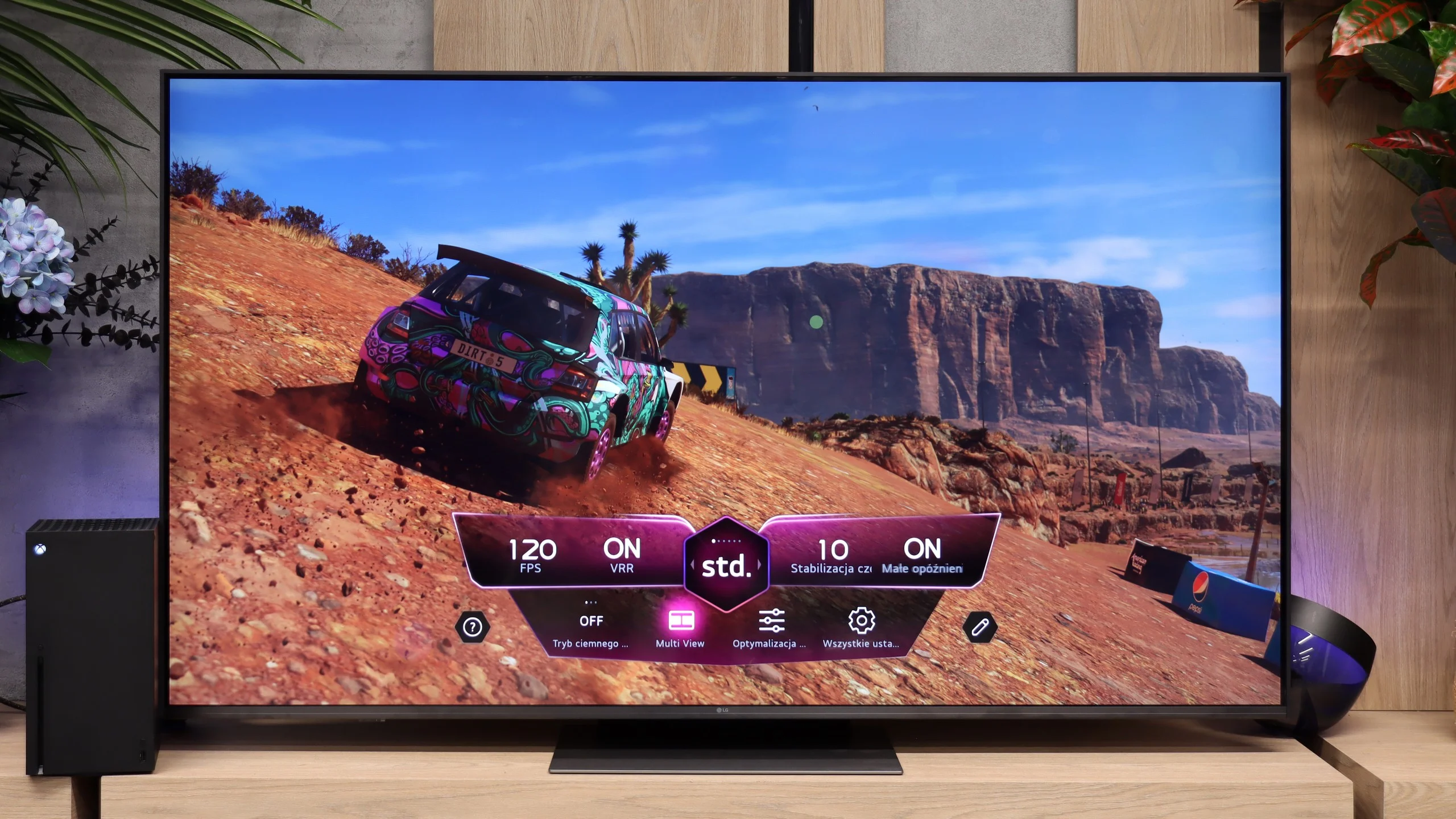
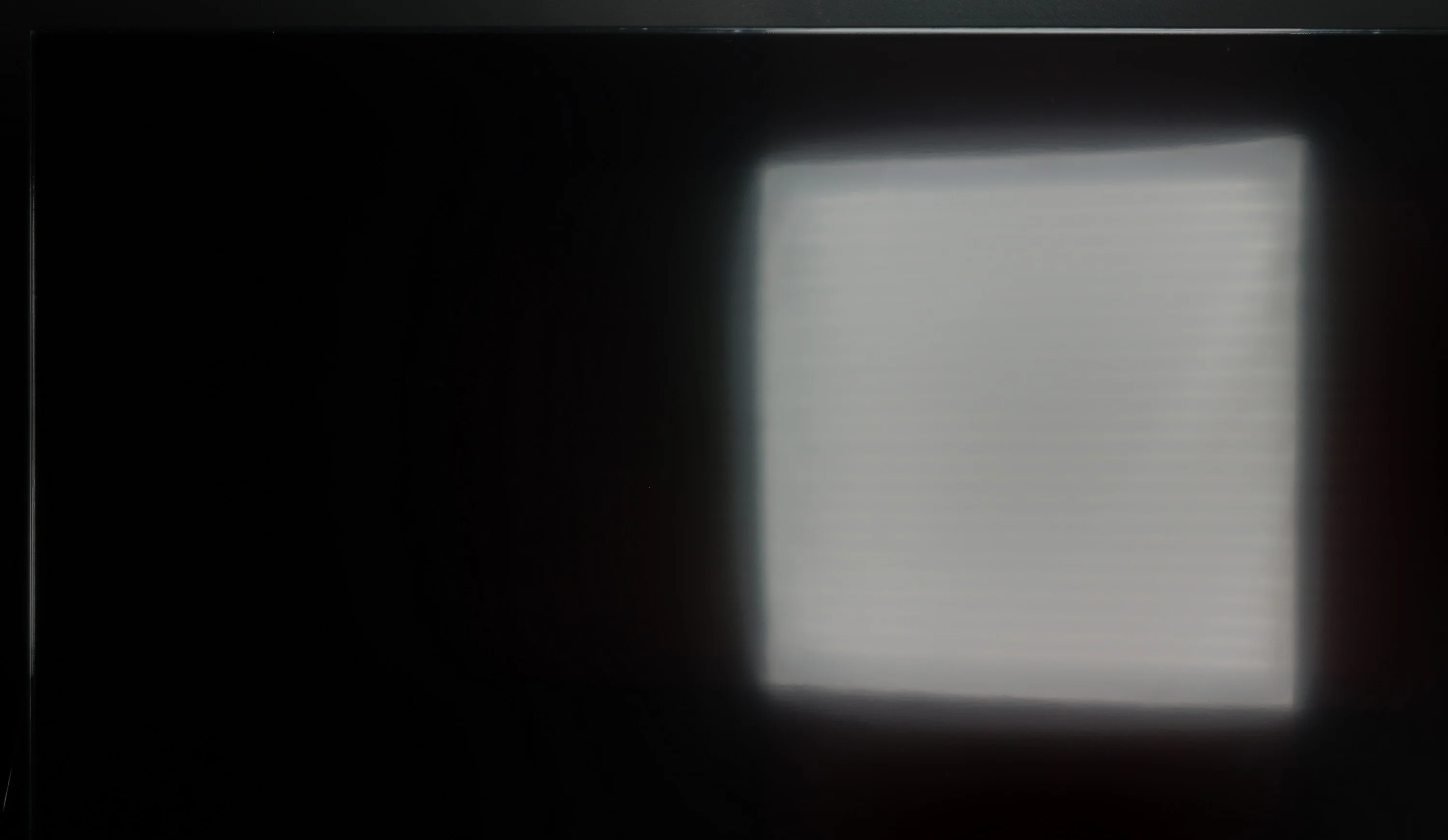
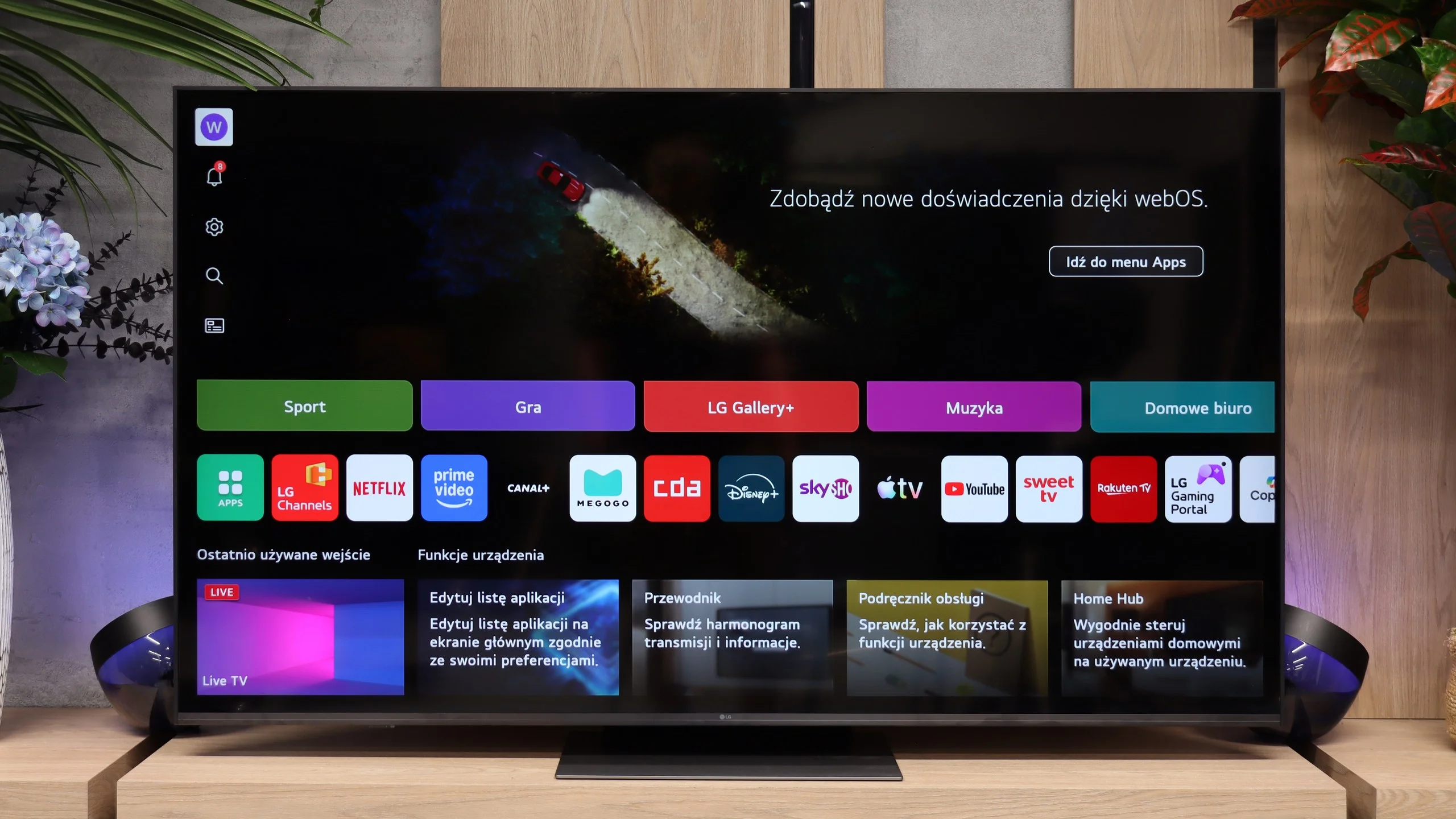
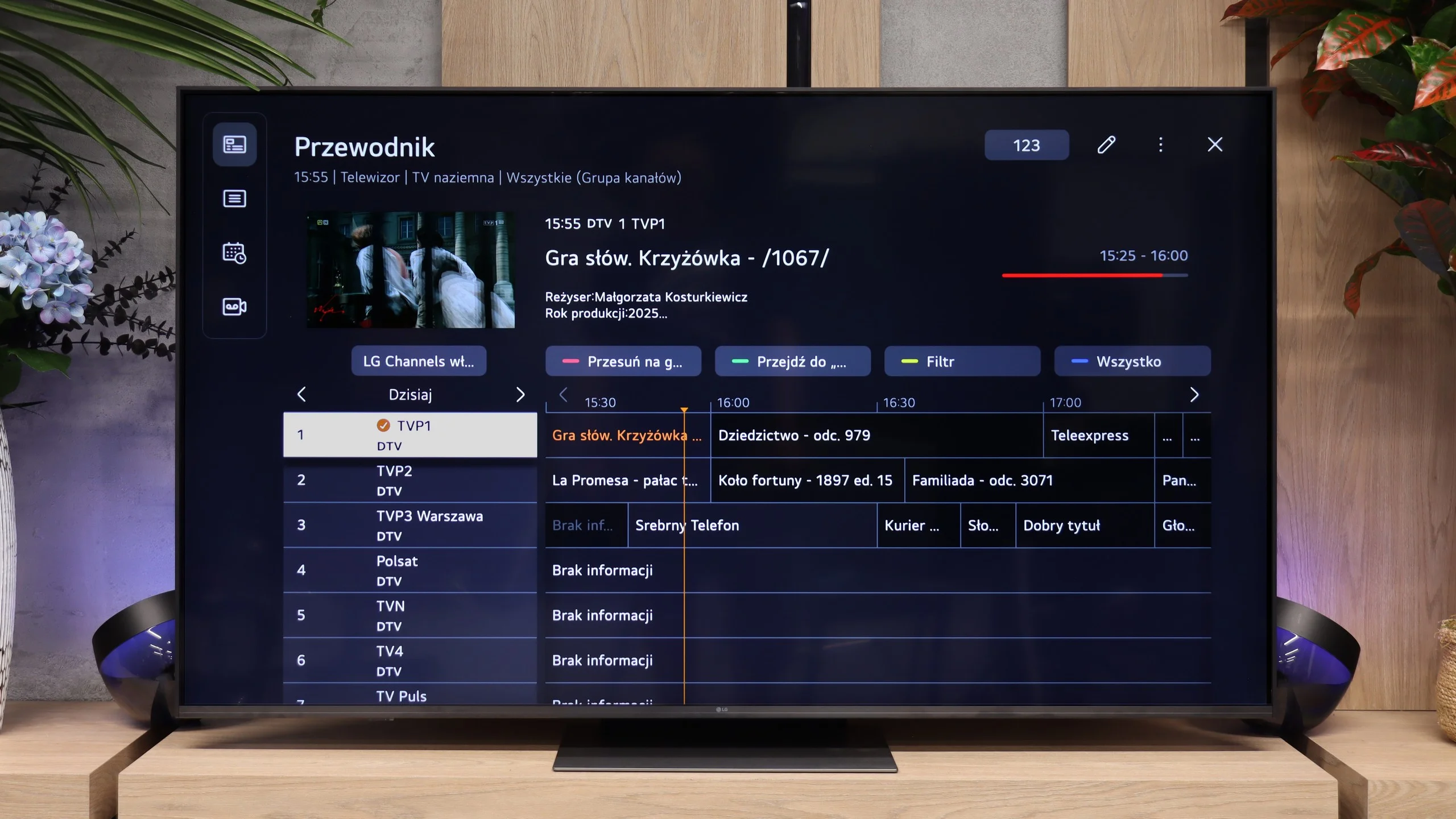
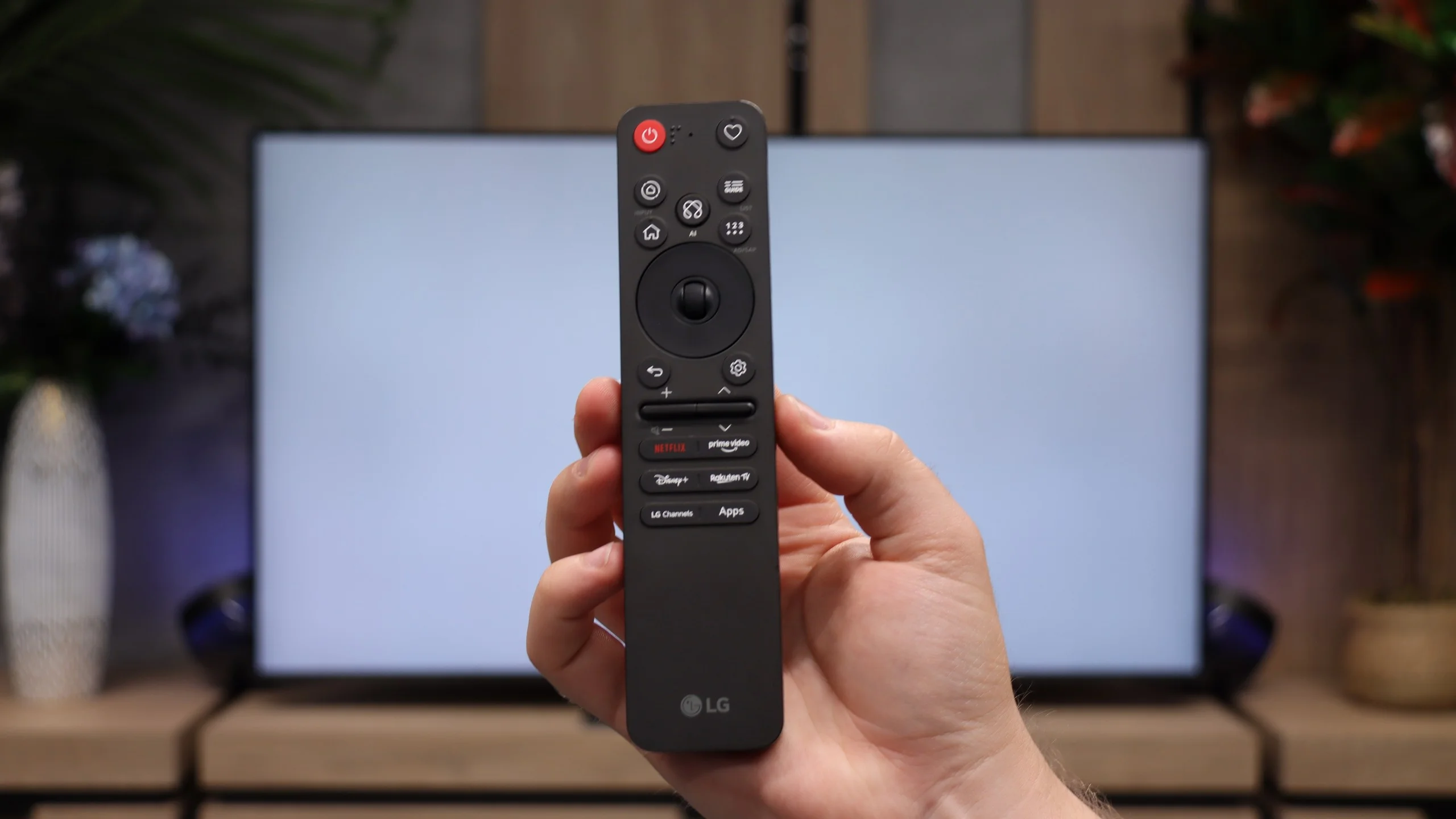
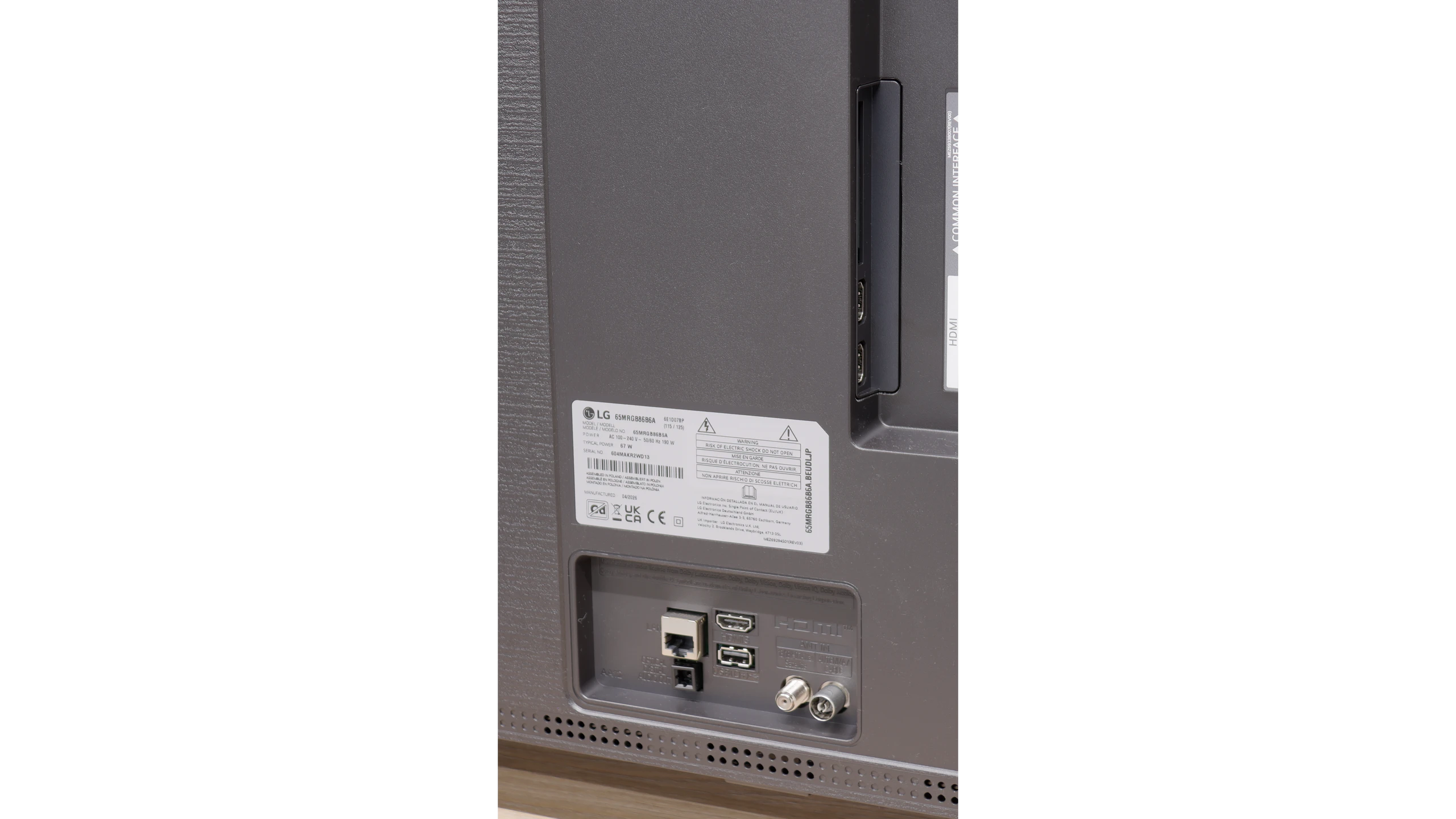
LG MRGB85 is a TV that feels most at home in the hands of gamers and people attached to the webOS ecosystem. In that respect it’s hard to fault. It offers a lot of advantages for gamers thanks to a very high refresh rate panel. On top of that there’s a smooth webOS experience that stands out on the market mainly because of the convenient Magic remote and a full set of features for traditional TV. The problem starts when you look at overall picture quality and compare it to the price the manufacturer asks for this model. The MRGB85 launches at a level that, to put it mildly, is hard to call attractive compared with competing models. For similar money you can find TVs with much more sophisticated backlighting and, above all, better black-level control. The biggest controversy, however, is the naming and the way LG positions this model. MRGB85 does use a three-color backlight, but it’s placed at the edge of the screen. It’s therefore hard to call this a full-fledged RGB Mini-LED in the sense commonly used for TVs that employ a large number of independently controlled zones behind the panel. In practice the local dimming limitations are very noticeable and in dark scenes they significantly impair the viewing experience. That doesn’t mean the MRGB85 is a bad TV. It handles everyday content well, offers decent colors, good brightness and a very broad feature set. SDR material can look really good, and Dolby Vision partly helps hide weaker brightness management in HDR. Still, it’s difficult to shake the impression that the model’s biggest problem isn’t the hardware itself but its price and overly ambitious positioning in the market. If someone is mainly looking for a gaming TV, values the convenience of webOS and finds a big discount, the MRGB85 can make sense. At the current price it takes a back seat, because the competition today simply offers more in terms of picture quality.
 Direct comparison