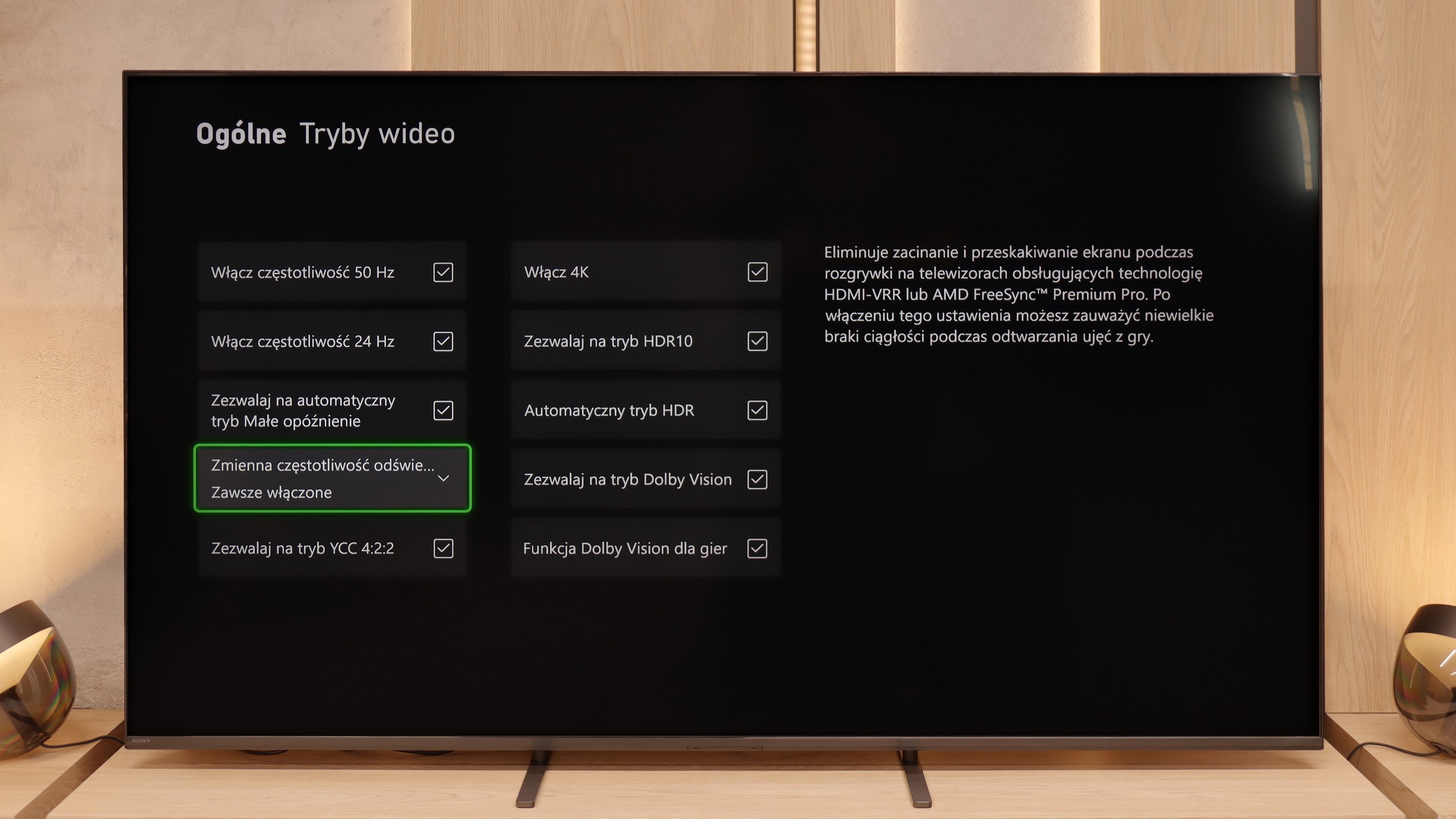
The Sharp FQ8 television offers numerous features that set it apart in its price range. It operates on the Google TV platform, granting access to a wide array of applications and intuitive navigation. A 120 Hz refresh rate panel ensures smooth image rendering, while low input lag makes it an appealing option for gamers. The high native contrast delivers deep, vivid blacks, and the television achieves a respectable brightness of 450 nits, allowing for comfortable HDR content viewing. Additionally, advanced formats like Dolby Vision are supported, and the inclusion of quantum dots (Quantum Dot/QLED) enhances the wide colour gamut coverage.
However, the Sharp FQ8 has its shortcomings. The lack of dynamic tone mapping control in HDR mode may disappoint more demanding users, and despite featuring Dolby Vision IQ, its performance is underwhelming. The panel's average response time can impact the clarity of fast-moving scenes, and limited viewing angles significantly reduce image quality when viewed from the side.
Despite these drawbacks, the Sharp FQ8 stands out as a solid choice, offering a good balance of quality, image fluidity, and an enjoyable audio system, all at a competitive price. While not flawless, it should meet the needs of most users seeking an affordable television with a 120 Hz panel.
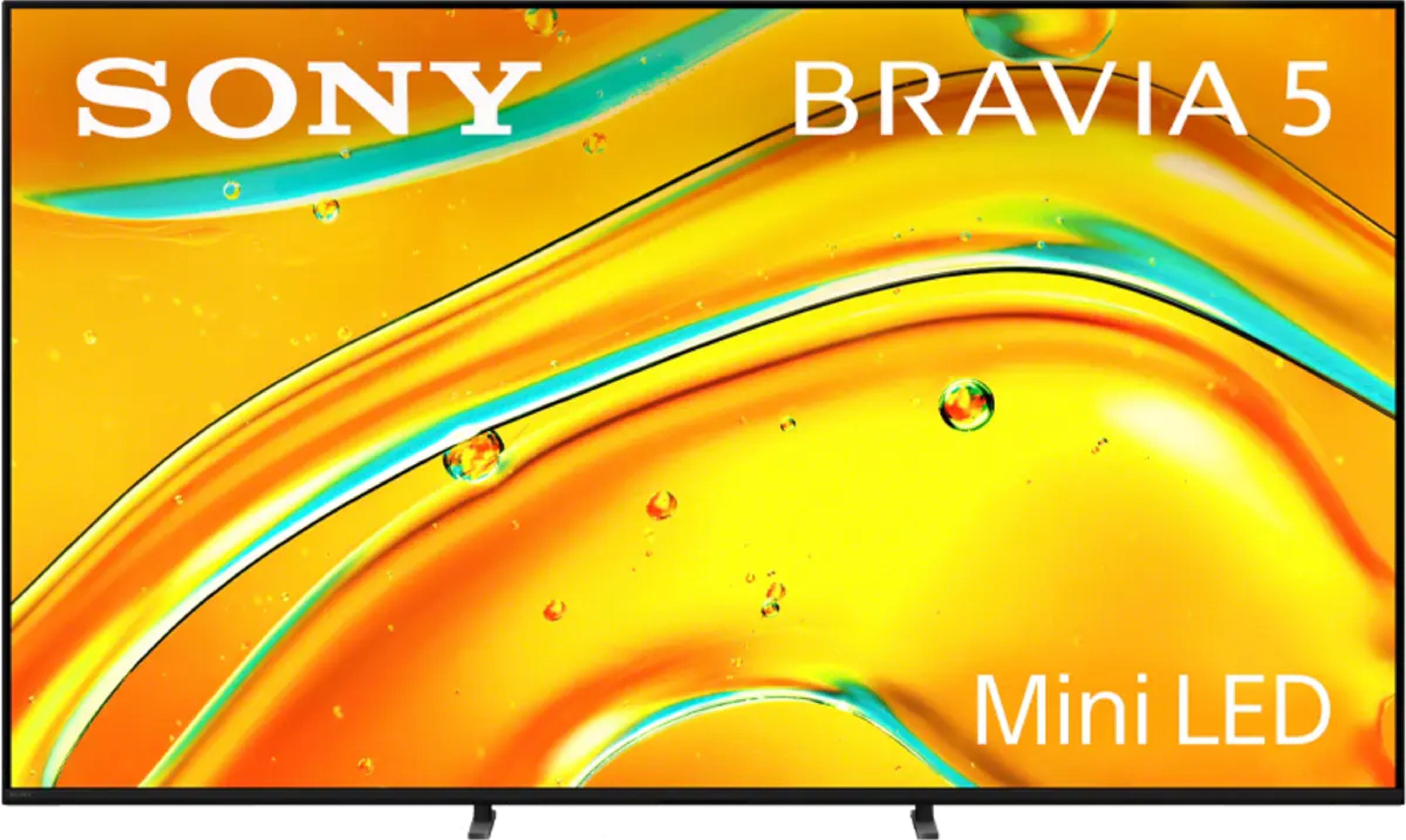
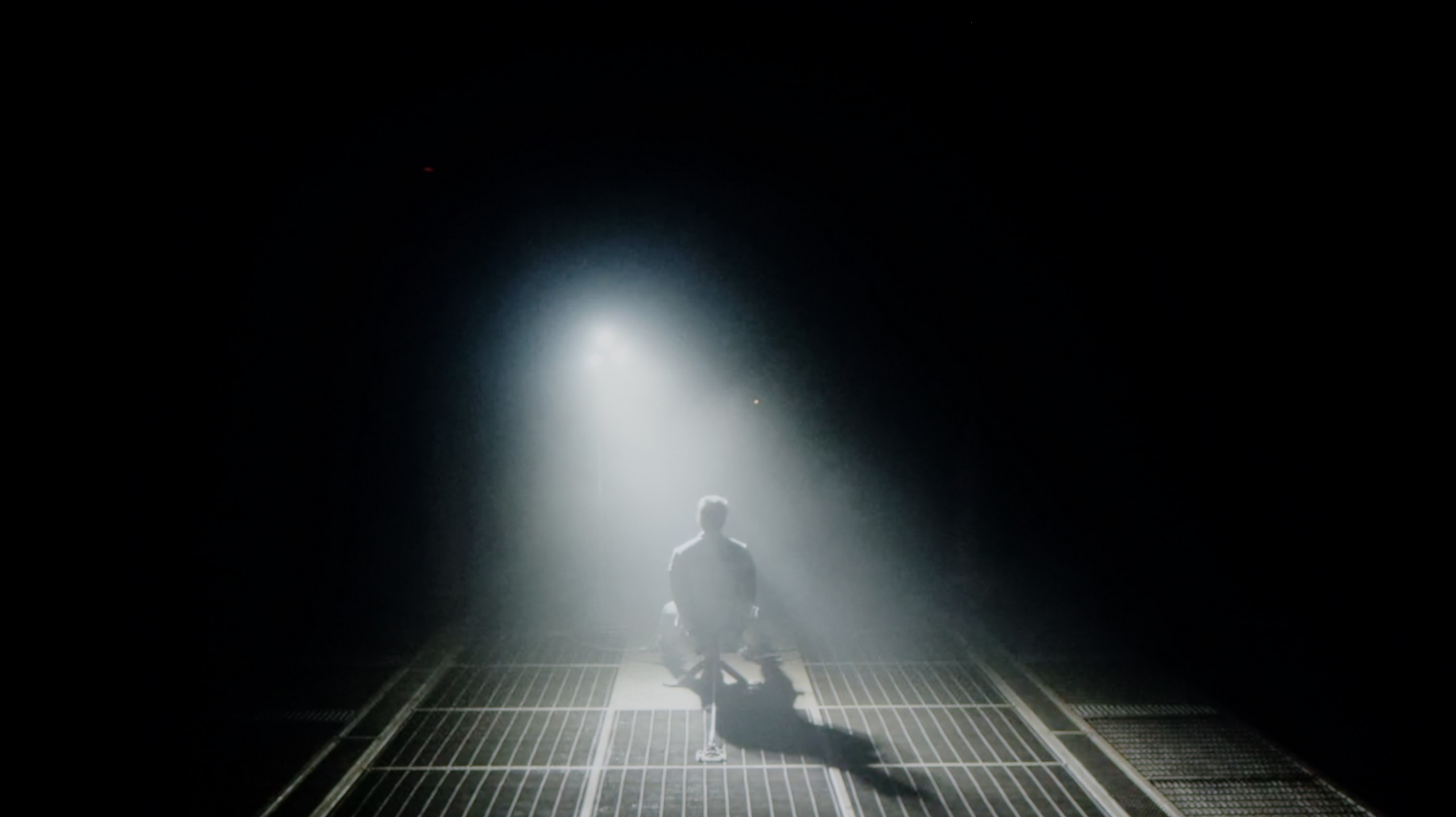
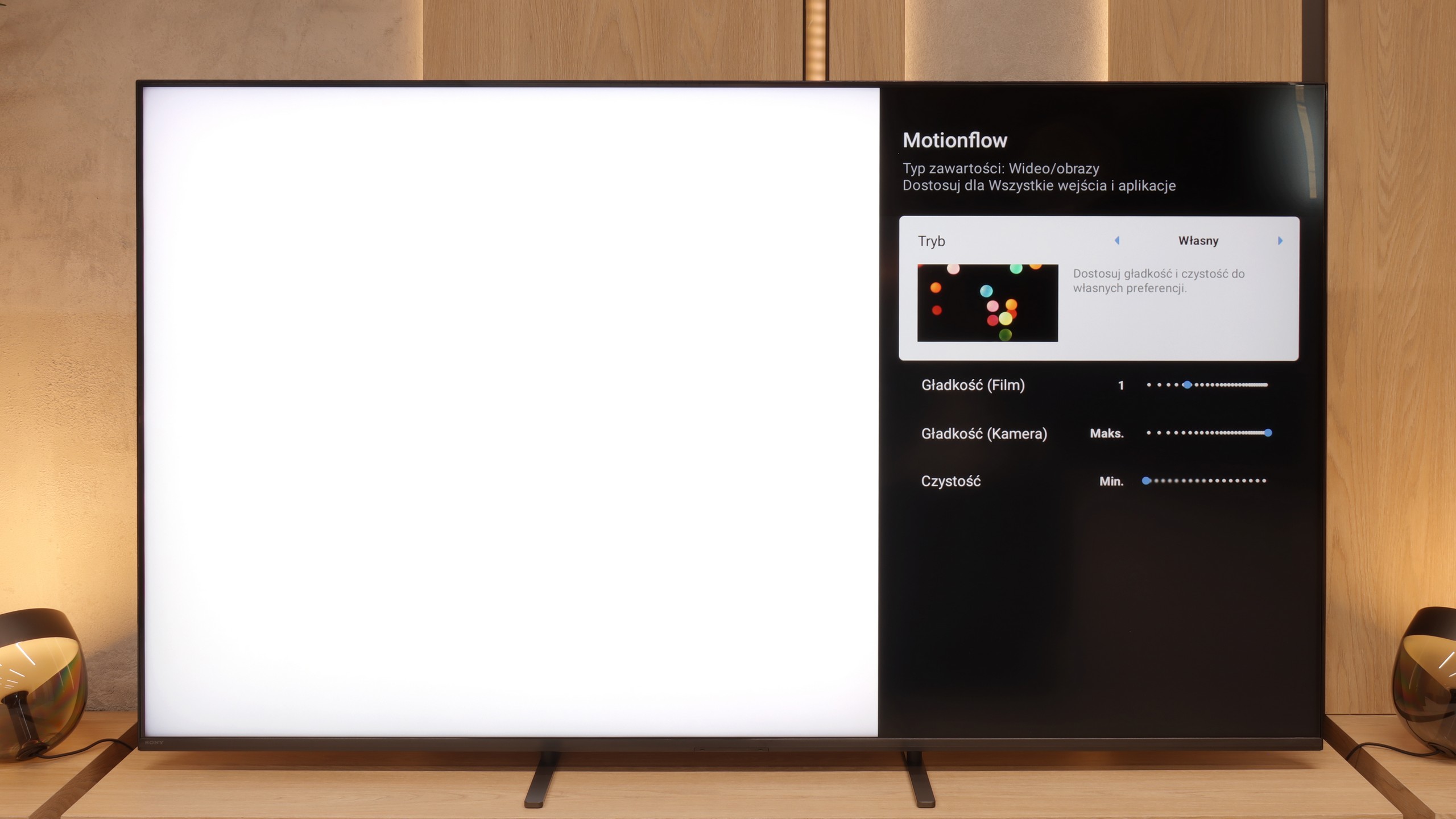
Sony Bravia 5 is a continuation of the iconic model X90L, and you can see that the manufacturer wanted to take a step forward. A greater number of dimming zones have been used, which makes the contrast seem better in many scenes, and the blacks deeper than those in its predecessor. The 120 Hz matrix and MotionFlow system allow you to adjust the smoothness of the picture to your personal preferences – from a slight cinematic texture to crystal-smooth motion in sports and games. This is equipment that is not afraid of any content because whether we are watching a match, an action movie, or a concert, the picture retains clarity and character. However, the true strength of the Bravia 5 remains the XR processor. It is what makes older materials look better than they should – upscaling works here like magic, smoothing out noise, improving gradation, and giving consistency even to lower quality content. Thanks to this, in everyday use, the Bravia 5 can surprise because instead of fighting with signal imperfections, it pulls the maximum from it. Additionally, there is excellent color reproduction after calibration and dynamic tone mapping along with Dolby Vision mode, which allows you to enjoy details even in difficult, high-contrast scenes. However, it cannot be hidden that in a few moments, the Bravia 5 disappointed us very much. Despite the larger number of zones, brightness and contrast are not always better than in the X90L – sometimes they even perform worse. This raises a sense of wasted potential because we were counting on a greater qualitative leap. After all, we are talking about a true MINI-LED television here. Nevertheless, the Bravia 5 remains a great television for those who want to enjoy primarily picture quality. If you are looking for a model that can impress with motion smoothness, extracts details from difficult scenes, and works wonders with older materials, the Bravia 5 will easily meet these expectations. It’s a television that sometimes can't quite match the competition in certain respects, but it still holds its ground with what Sony does best – cinematic picture.
 Direct comparison