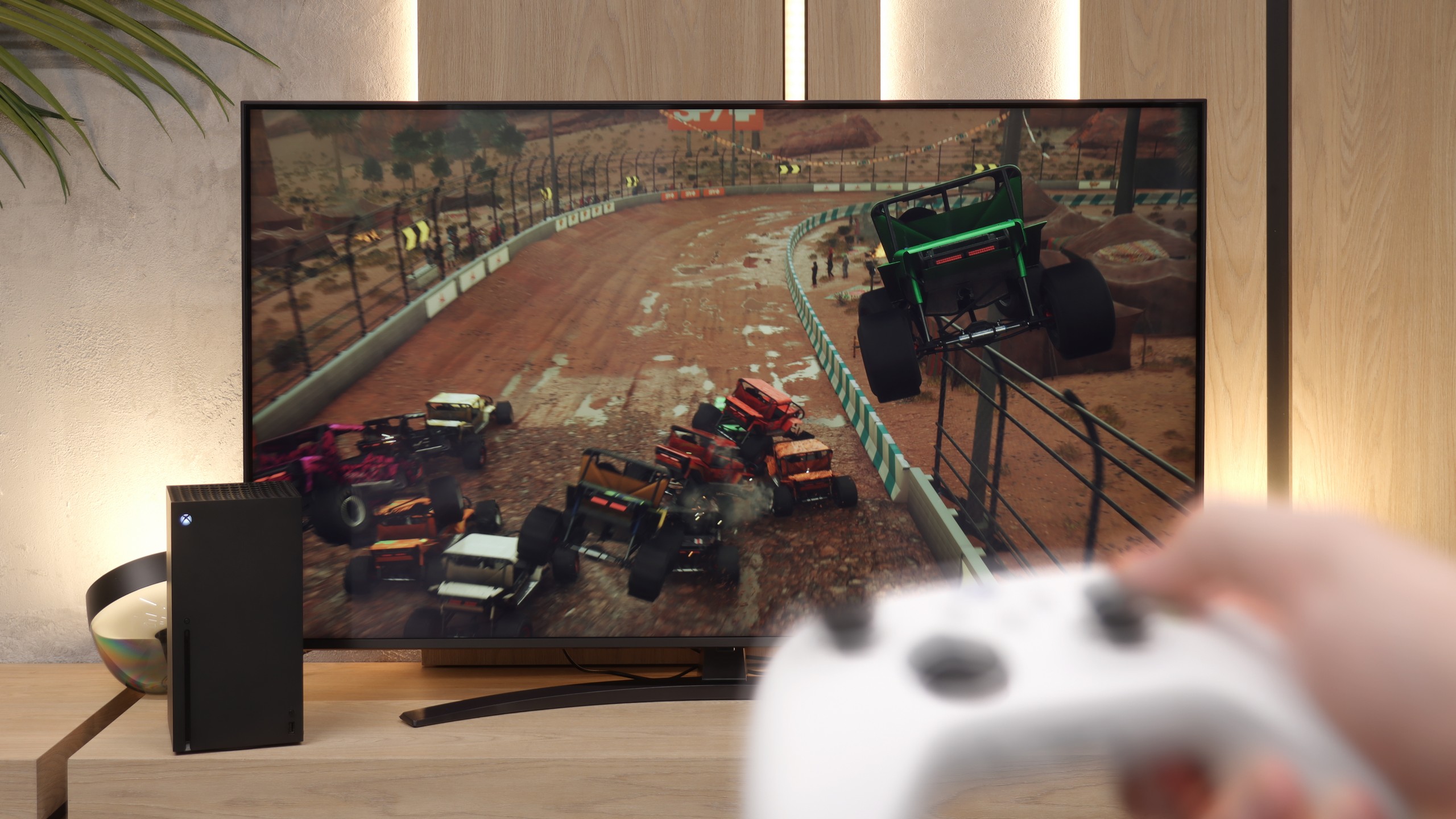
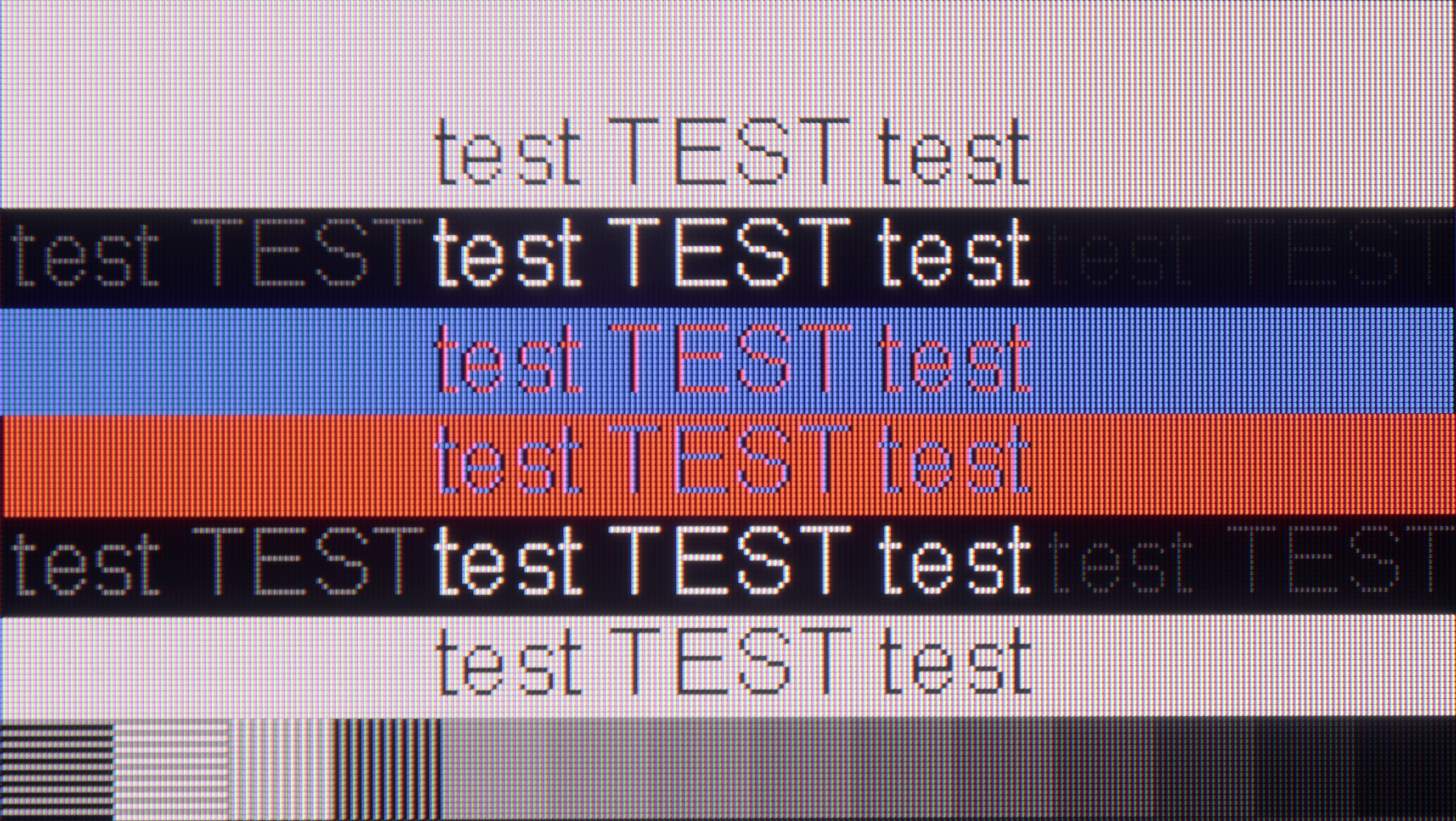
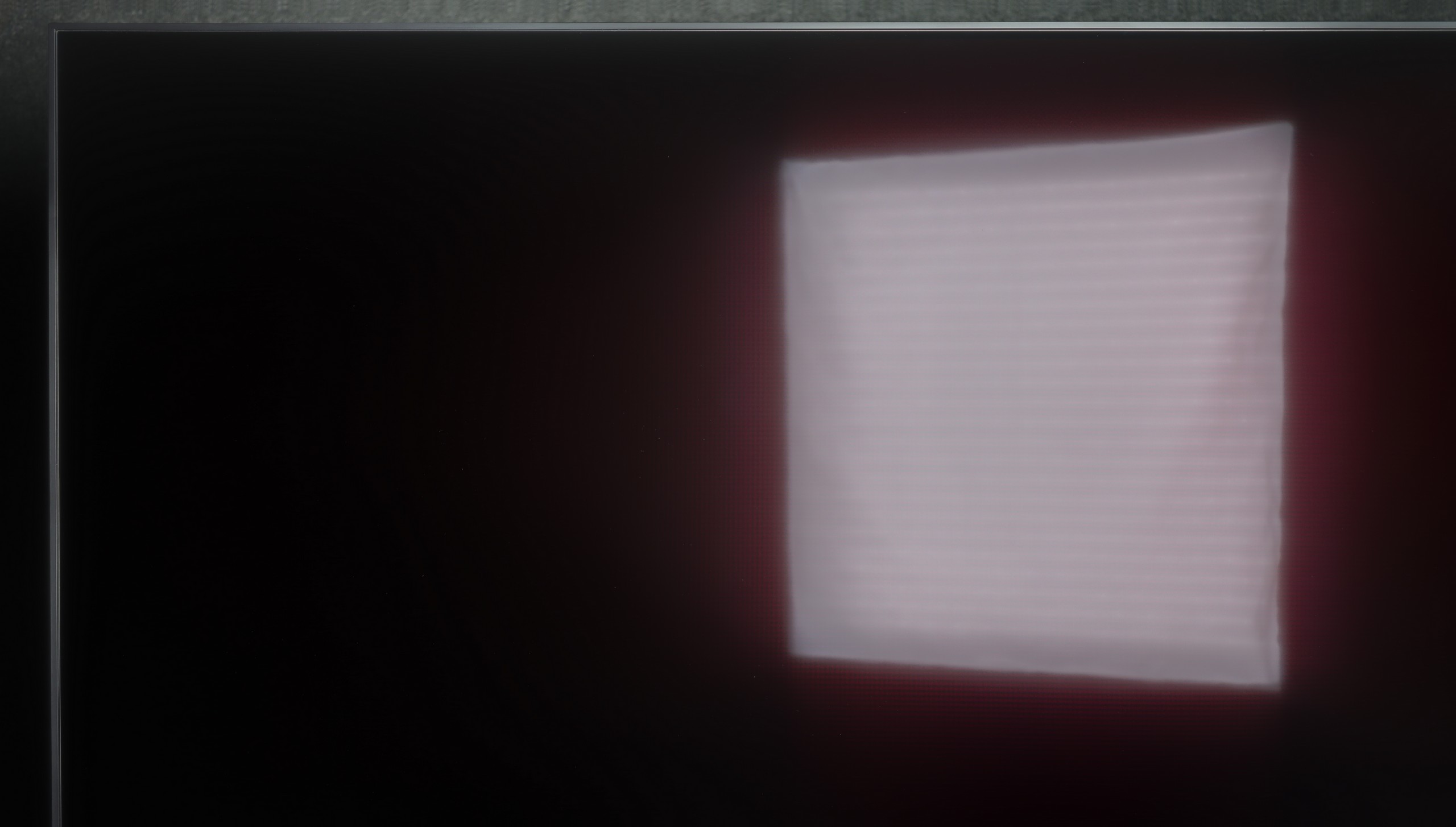
The Sharp FQ8 television offers numerous features that set it apart in its price range. It operates on the Google TV platform, granting access to a wide array of applications and intuitive navigation. A 120 Hz refresh rate panel ensures smooth image rendering, while low input lag makes it an appealing option for gamers. The high native contrast delivers deep, vivid blacks, and the television achieves a respectable brightness of 450 nits, allowing for comfortable HDR content viewing. Additionally, advanced formats like Dolby Vision are supported, and the inclusion of quantum dots (Quantum Dot/QLED) enhances the wide colour gamut coverage.
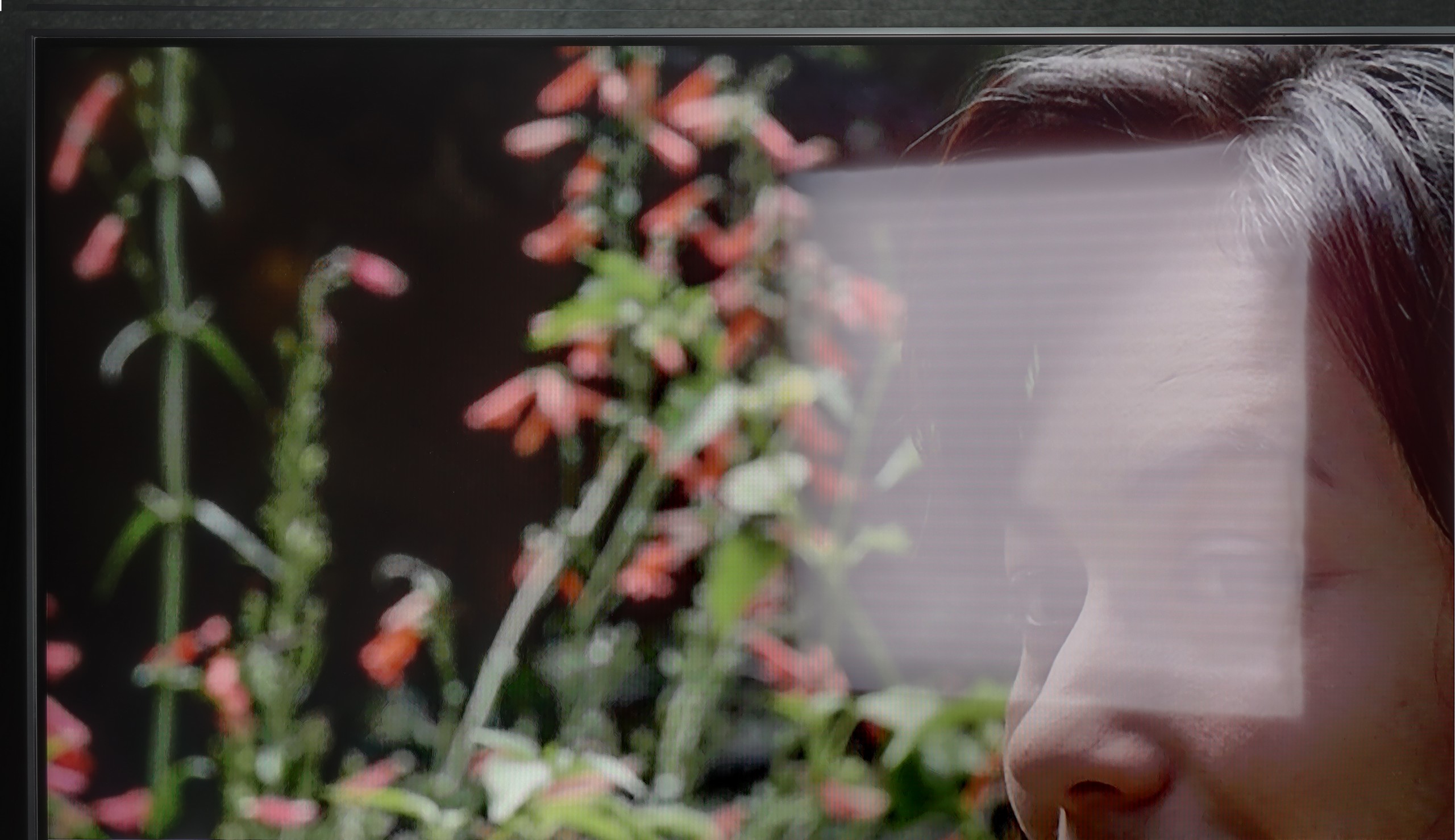
However, the Sharp FQ8 has its shortcomings. The lack of dynamic tone mapping control in HDR mode may disappoint more demanding users, and despite featuring Dolby Vision IQ, its performance is underwhelming. The panel's average response time can impact the clarity of fast-moving scenes, and limited viewing angles significantly reduce image quality when viewed from the side.
Despite these drawbacks, the Sharp FQ8 stands out as a solid choice, offering a good balance of quality, image fluidity, and an enjoyable audio system, all at a competitive price. While not flawless, it should meet the needs of most users seeking an affordable television with a 120 Hz panel.
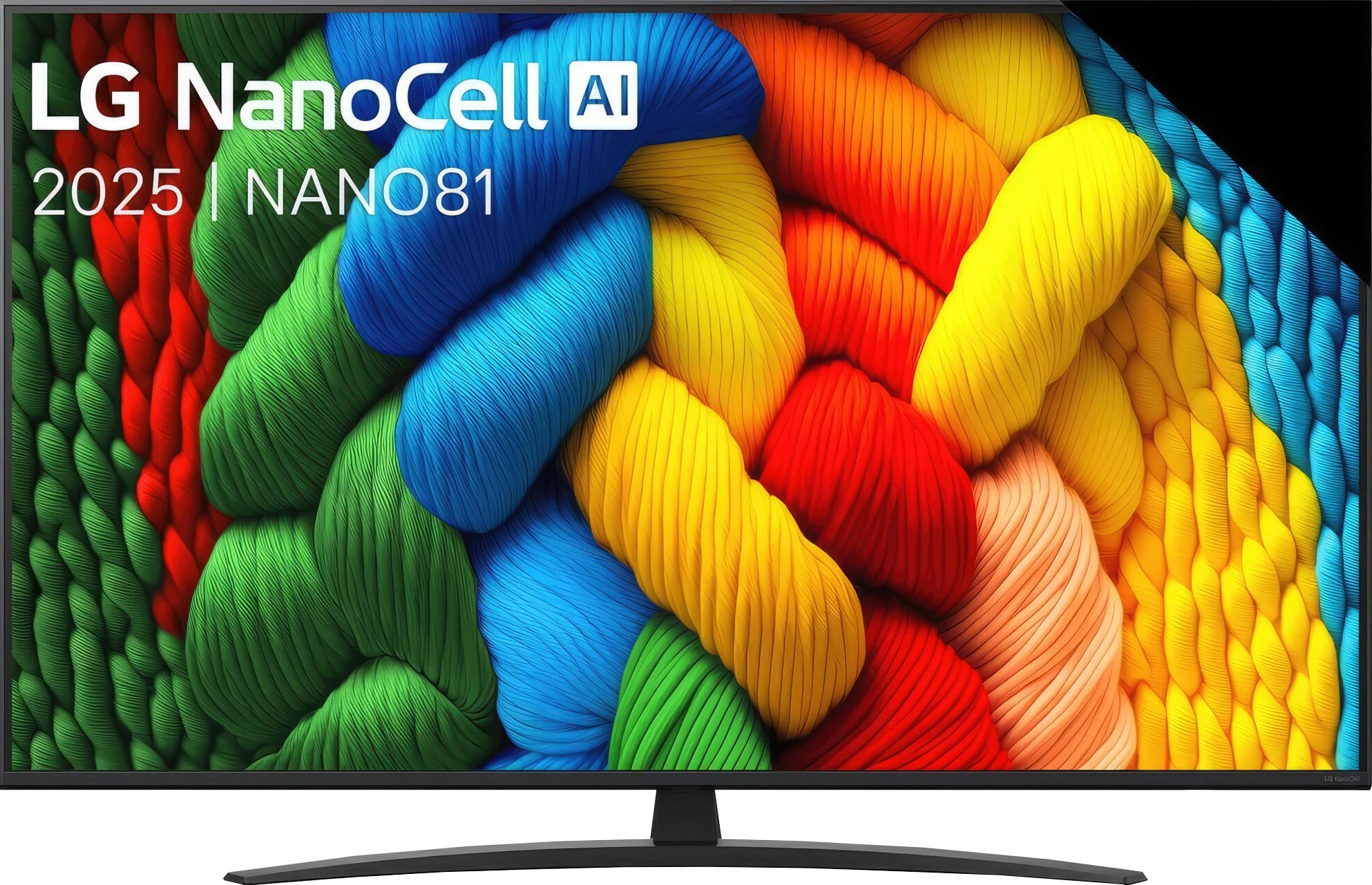
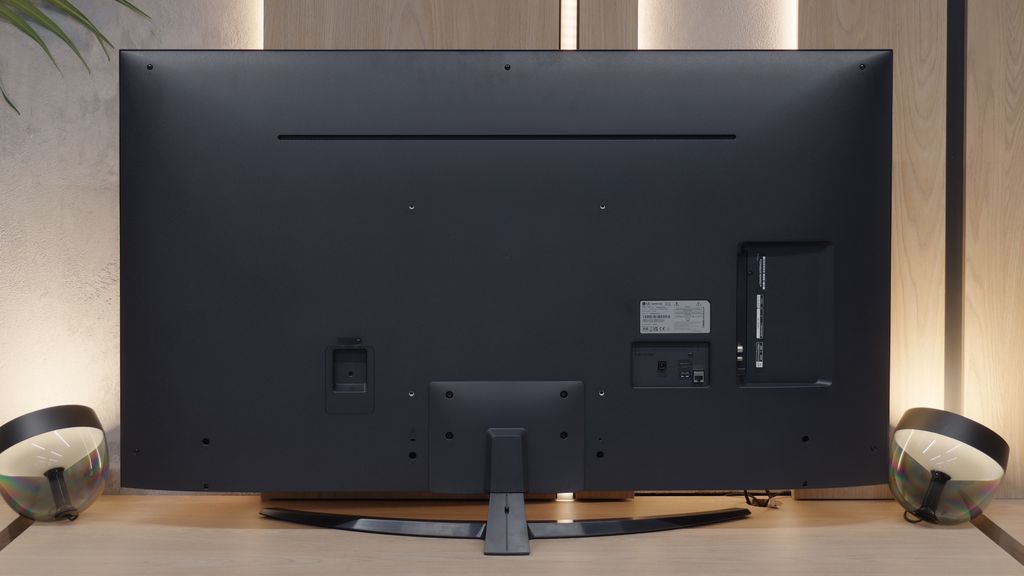
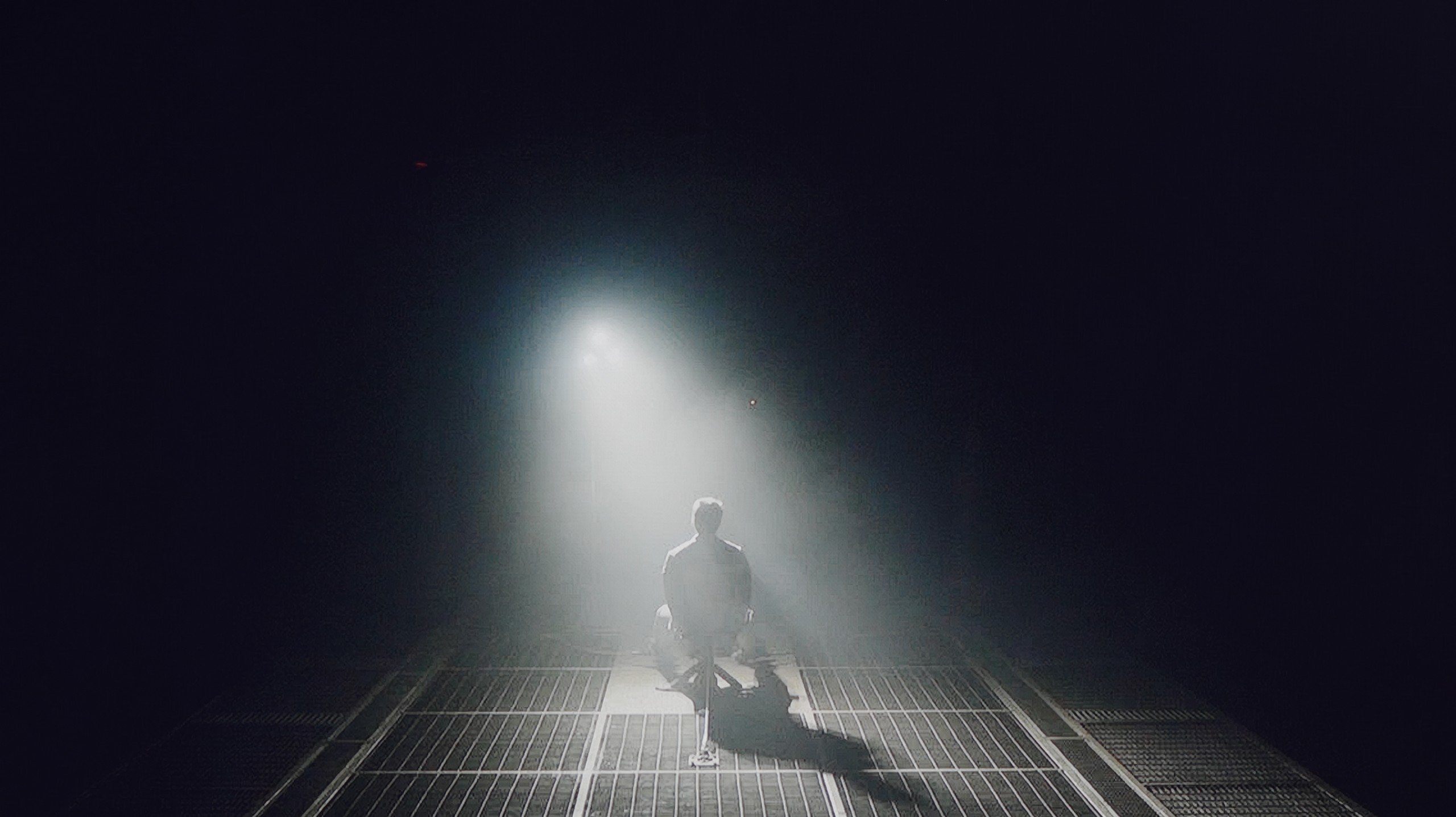
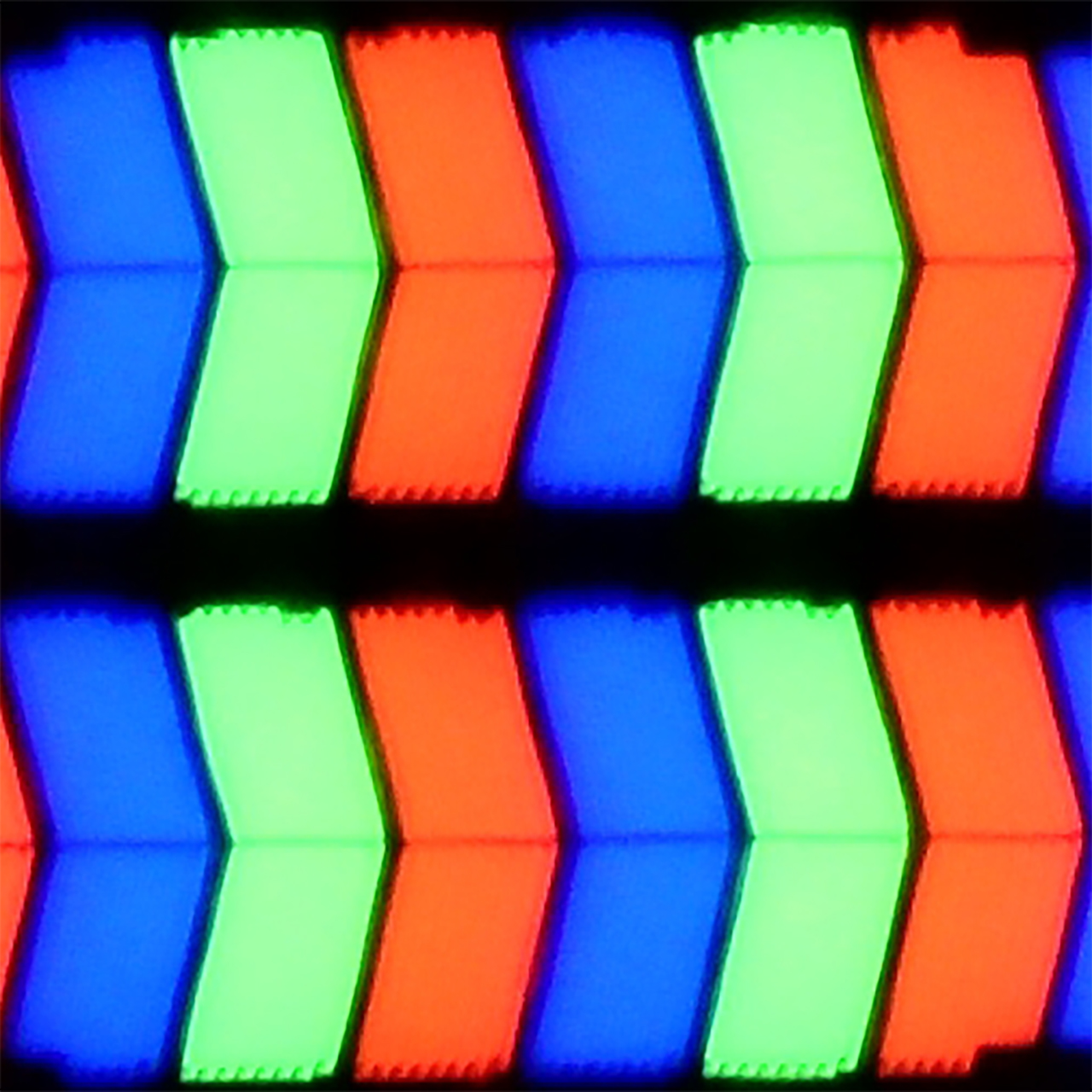
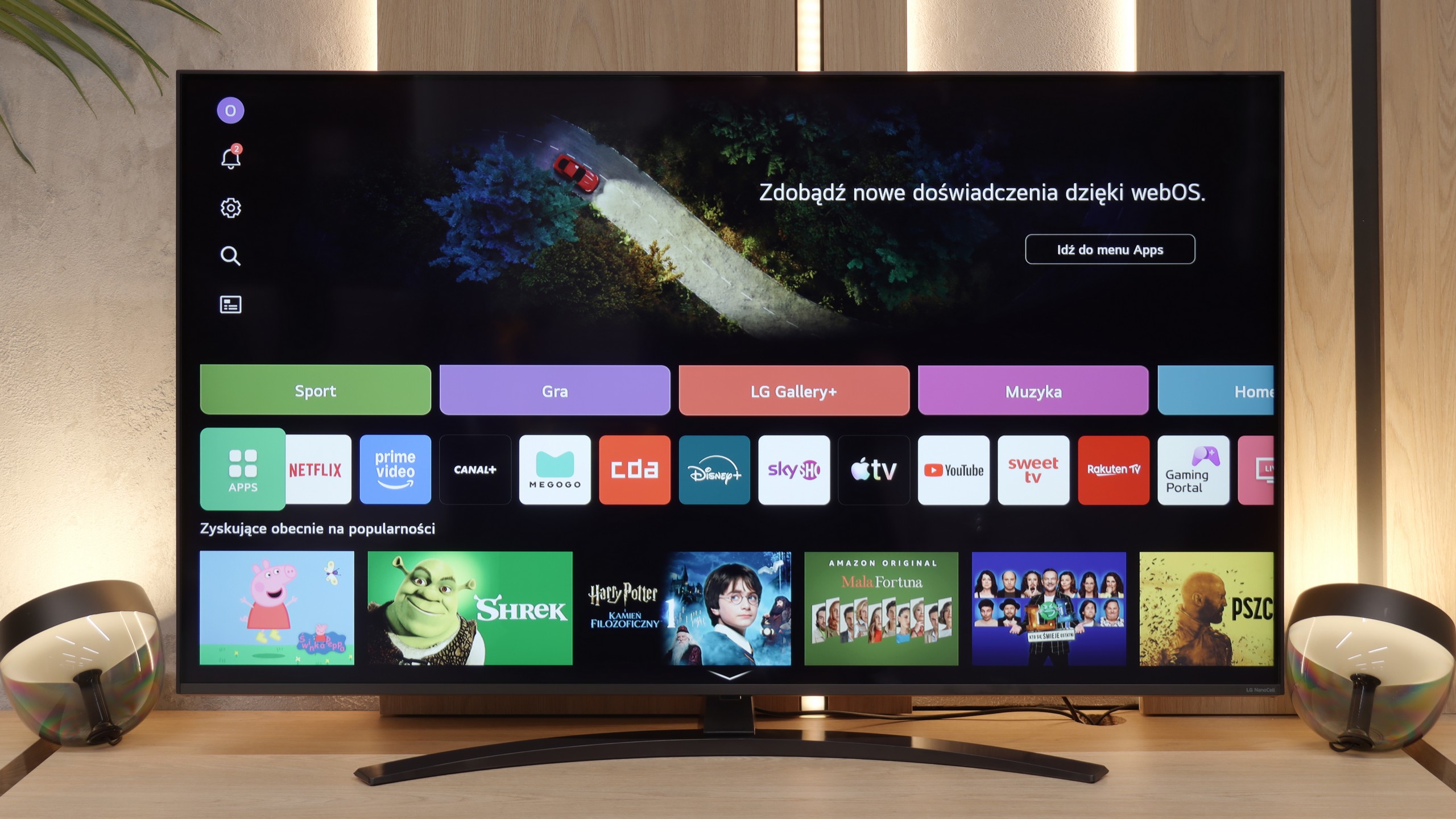
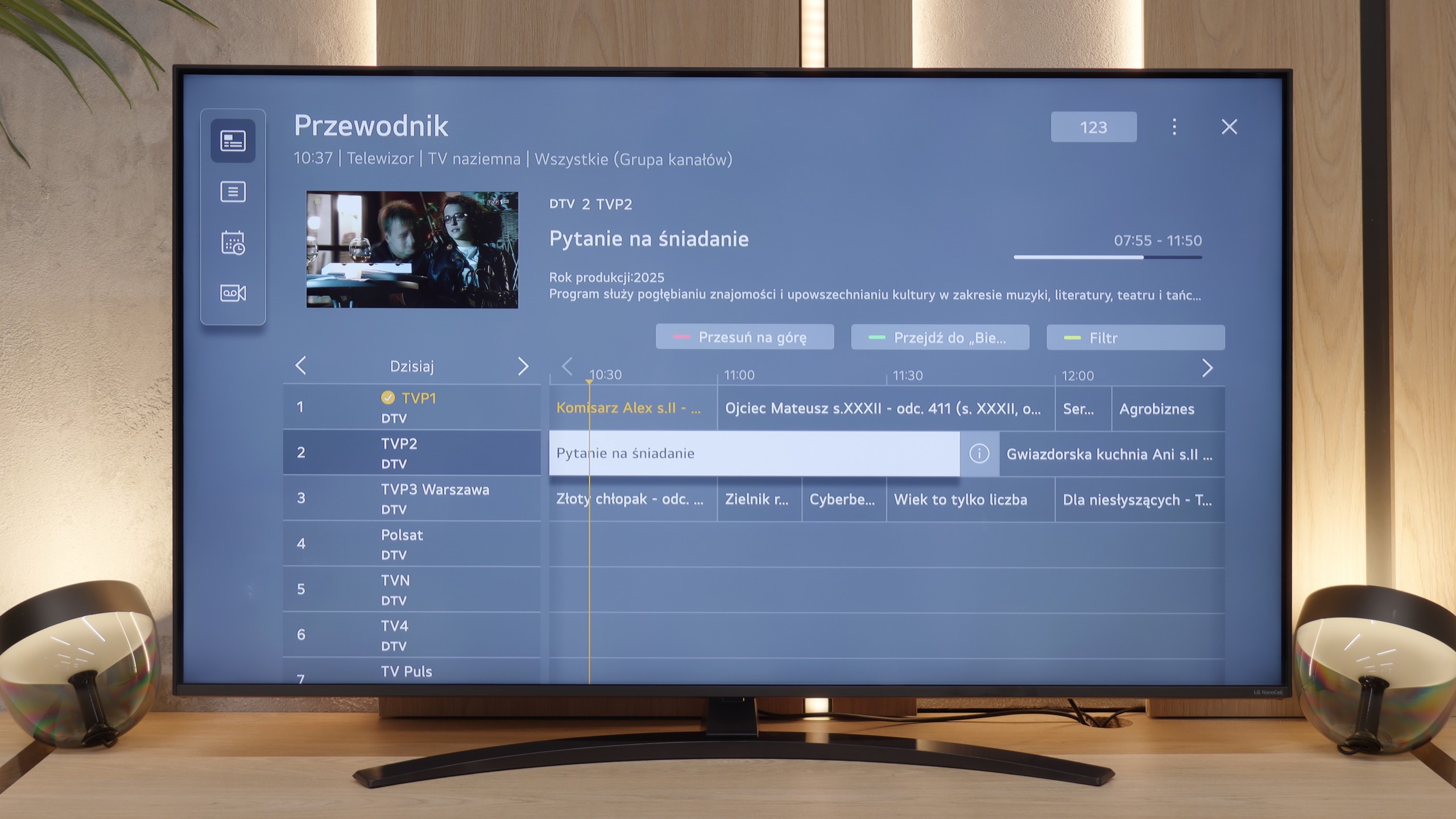
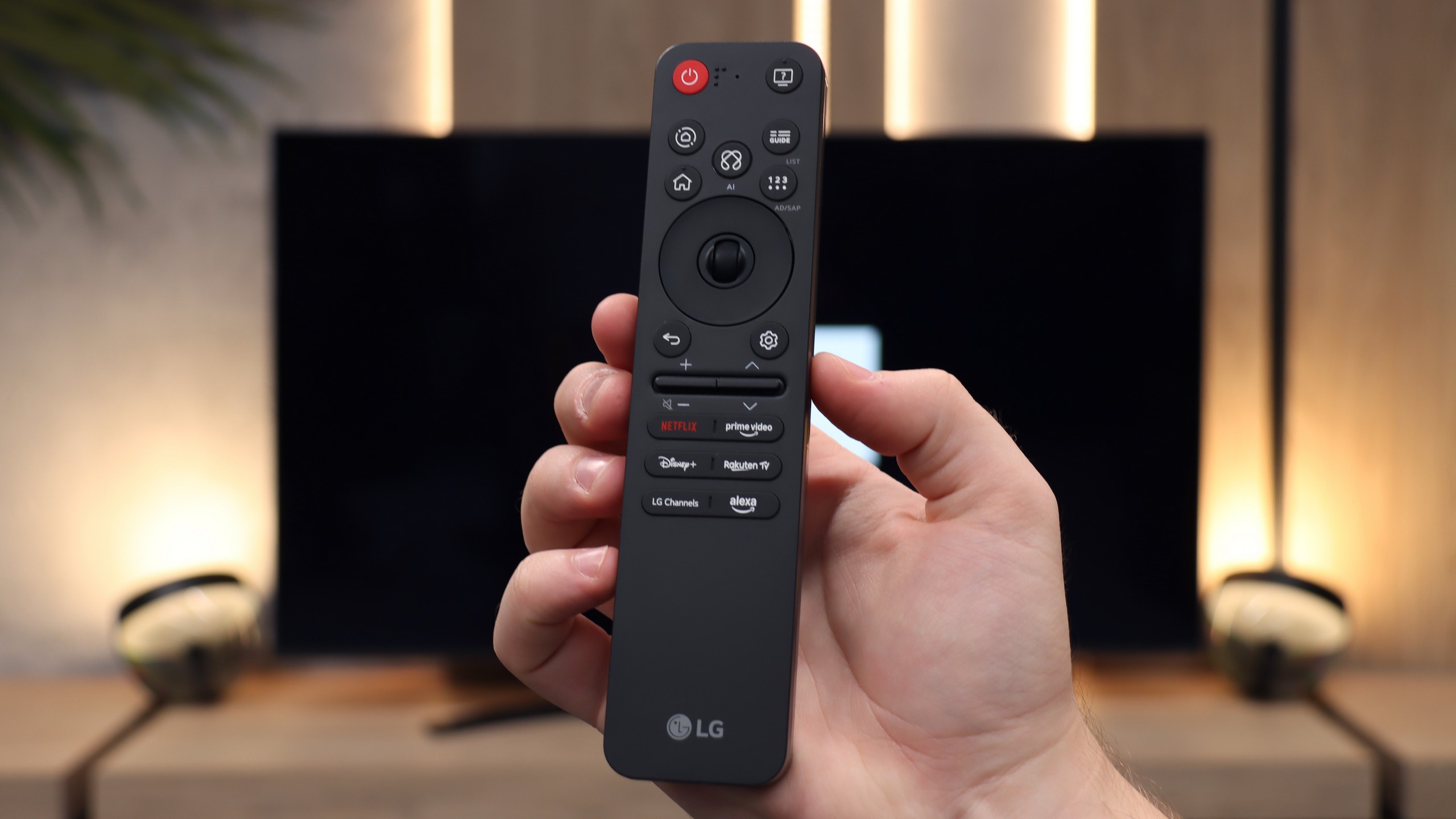
LG NANO81A is essentially a continuation of the NanoCell series, which has hardly changed over the past few years. Aside from a new operating system, a refreshed remote, and a few marketing additions, we are dealing with practically the same design that we have known for years. Thanks to the nanofilter, the TV is capable of displaying better, cleaner colors than standard budget TVs, and the IPS panel guarantees really decent viewing angles. Unfortunately, for these advantages, we pay a very weak black level and low contrast, which is immediately noticeable during nighttime viewings. Although webOS is still one of the best systems on the market, the biggest problem with the NANO81A is its price, which we simply do not understand. In 2025, this model faces enormous competition not only from brands like TCL or Hisense but... at LG itself. The model we tested earlier, QNED80A, is equipped with local dimming technology, has a brighter panel, and offers a wider color gamut. Interestingly, at the time of writing this review, the technically superior QNED80A is often much cheaper than the NANO81A. In this situation, the existence of the NanoCell model loses its meaning – unless wide viewing angles are your only priority, but in our opinion, the price you have to pay for them (at the cost of tragic blacks and a higher expenditure) is simply too high.
 Direct comparison