The Sharp FQ8 television offers numerous features that set it apart in its price range. It operates on the Google TV platform, granting access to a wide array of applications and intuitive navigation. A 120 Hz refresh rate panel ensures smooth image rendering, while low input lag makes it an appealing option for gamers. The high native contrast delivers deep, vivid blacks, and the television achieves a respectable brightness of 450 nits, allowing for comfortable HDR content viewing. Additionally, advanced formats like Dolby Vision are supported, and the inclusion of quantum dots (Quantum Dot/QLED) enhances the wide colour gamut coverage.
However, the Sharp FQ8 has its shortcomings. The lack of dynamic tone mapping control in HDR mode may disappoint more demanding users, and despite featuring Dolby Vision IQ, its performance is underwhelming. The panel's average response time can impact the clarity of fast-moving scenes, and limited viewing angles significantly reduce image quality when viewed from the side.
Despite these drawbacks, the Sharp FQ8 stands out as a solid choice, offering a good balance of quality, image fluidity, and an enjoyable audio system, all at a competitive price. While not flawless, it should meet the needs of most users seeking an affordable television with a 120 Hz panel.
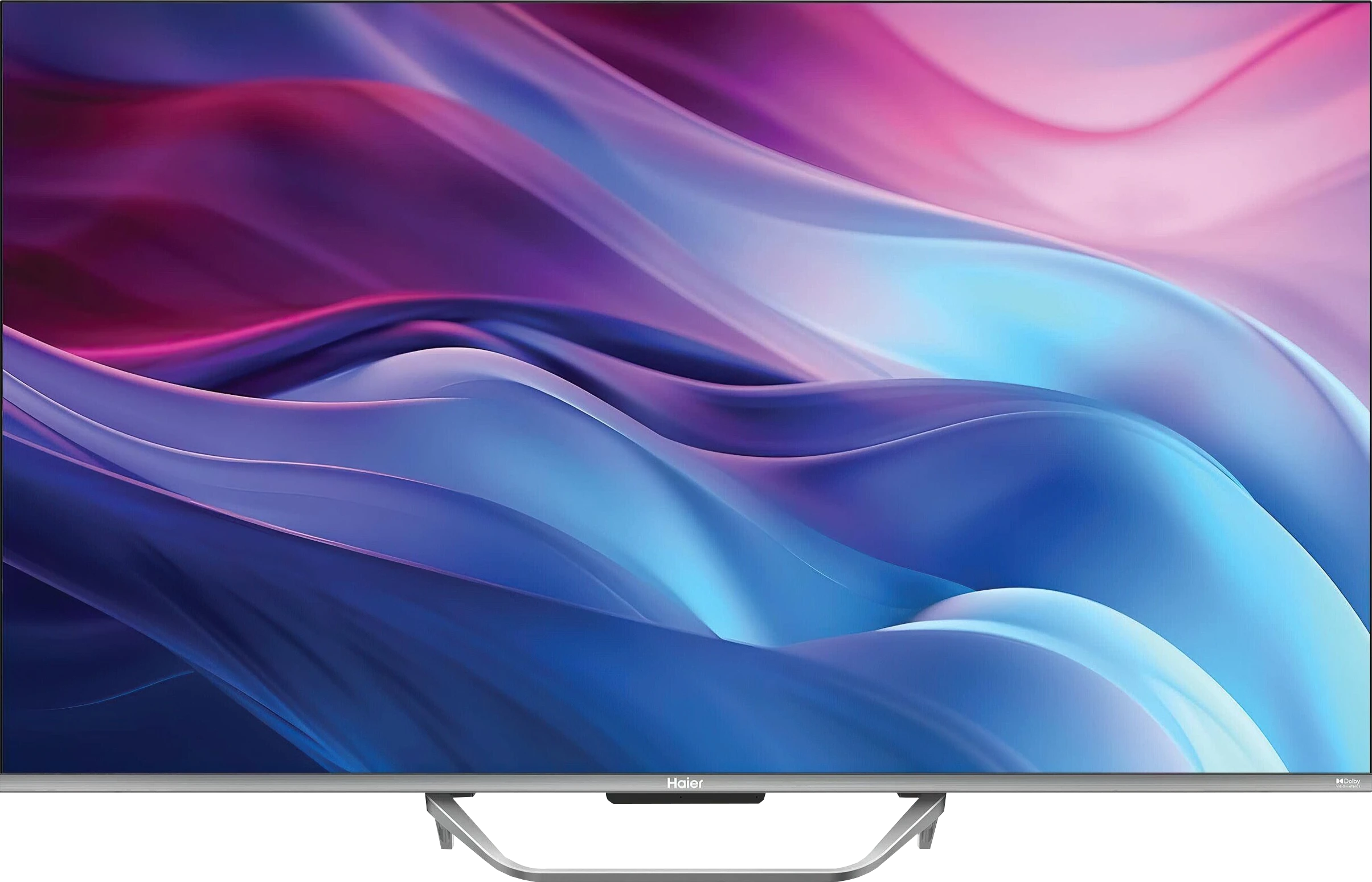
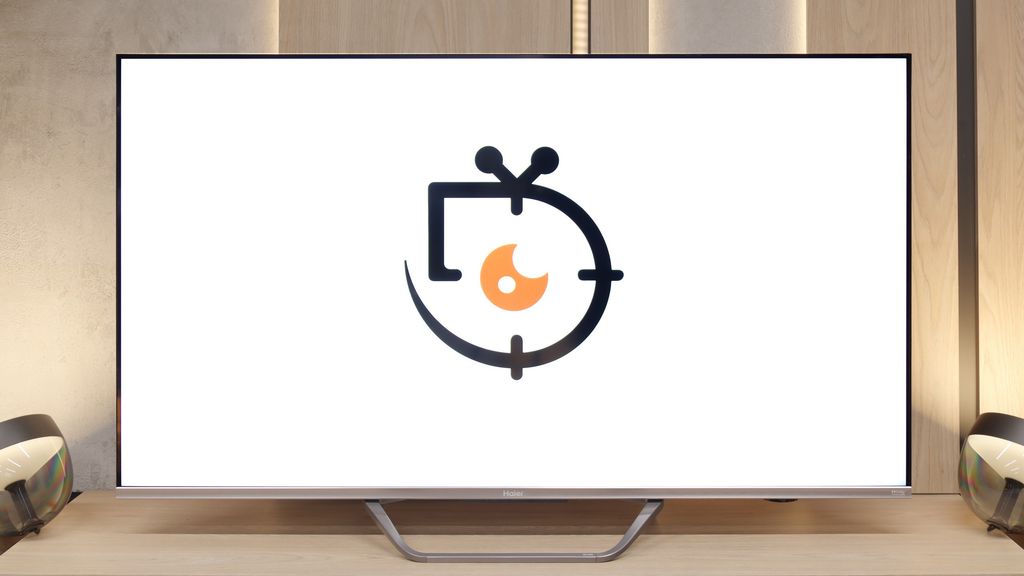
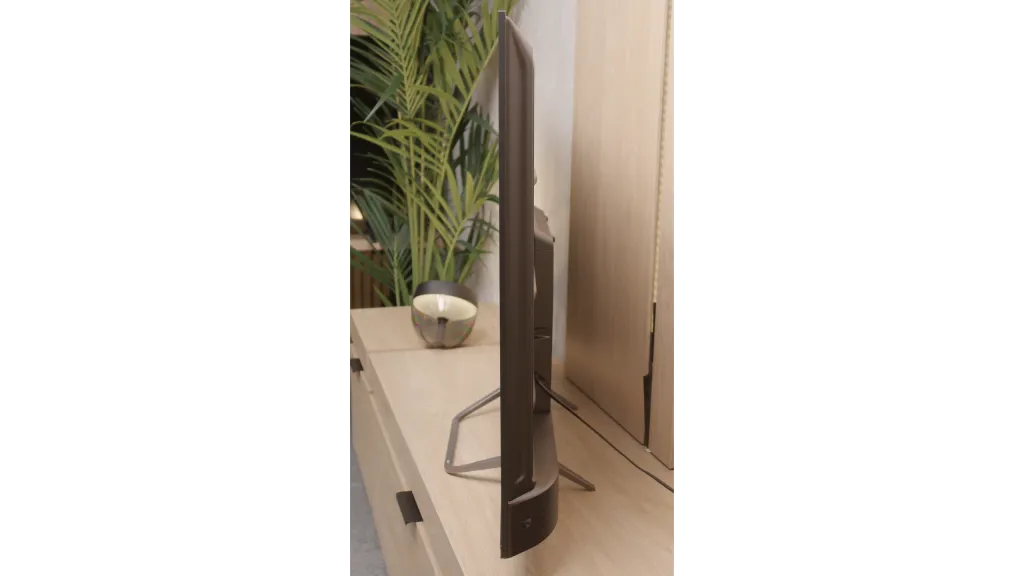
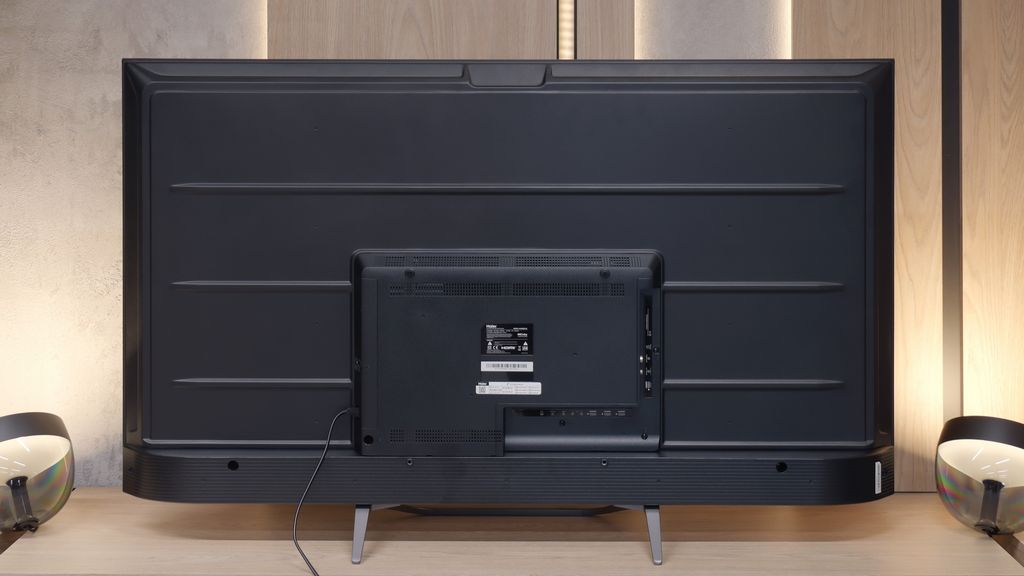
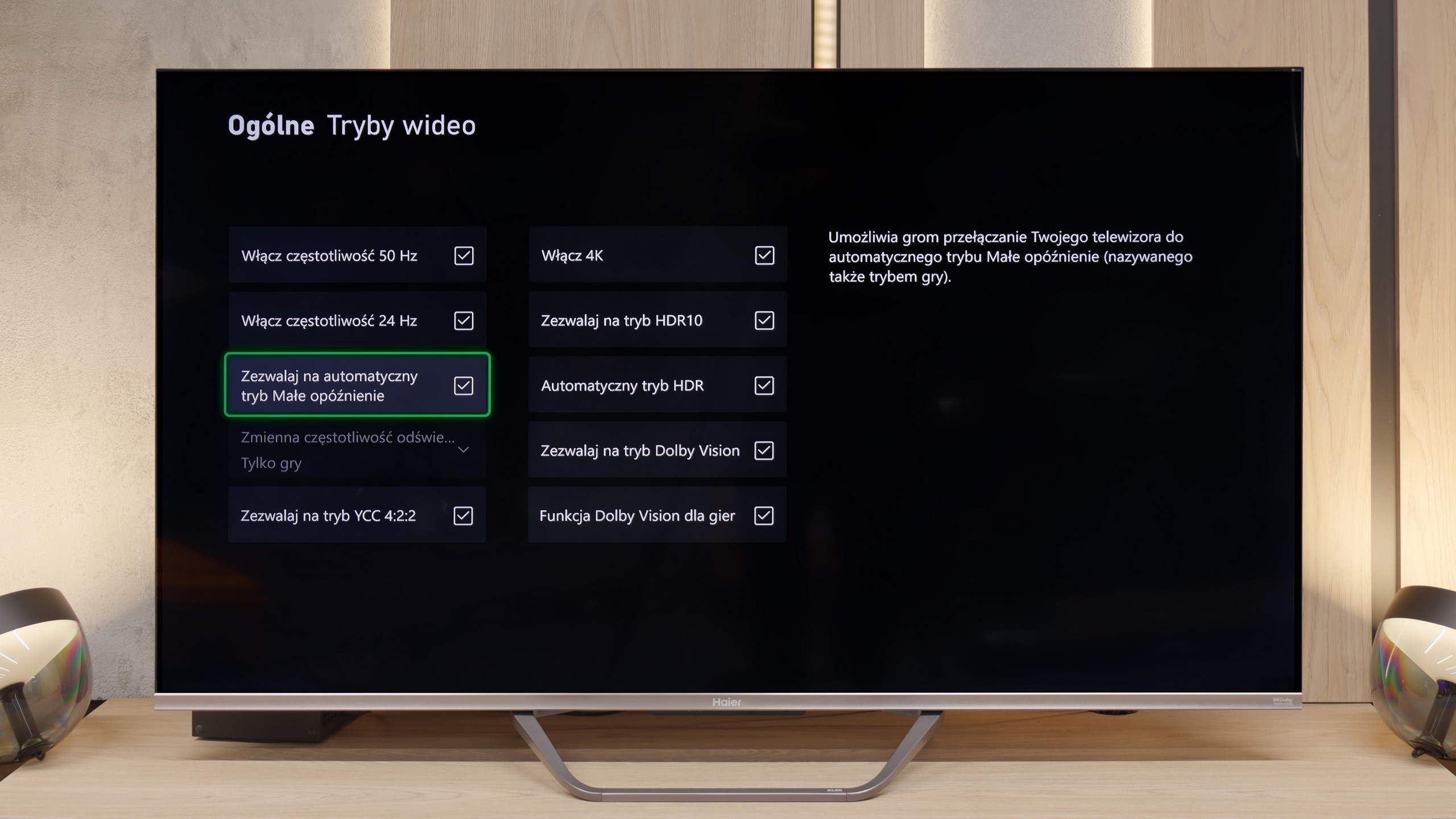
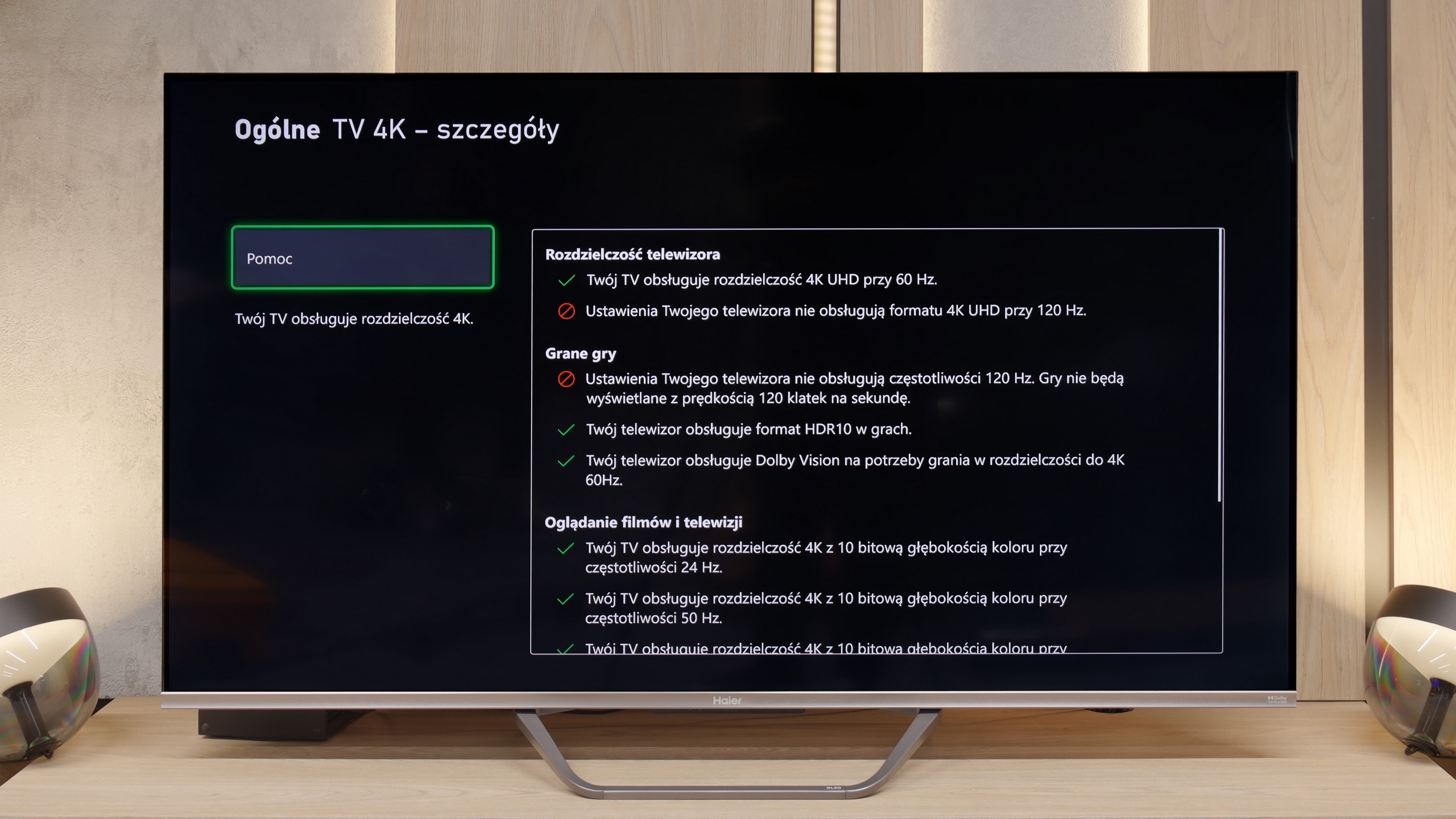
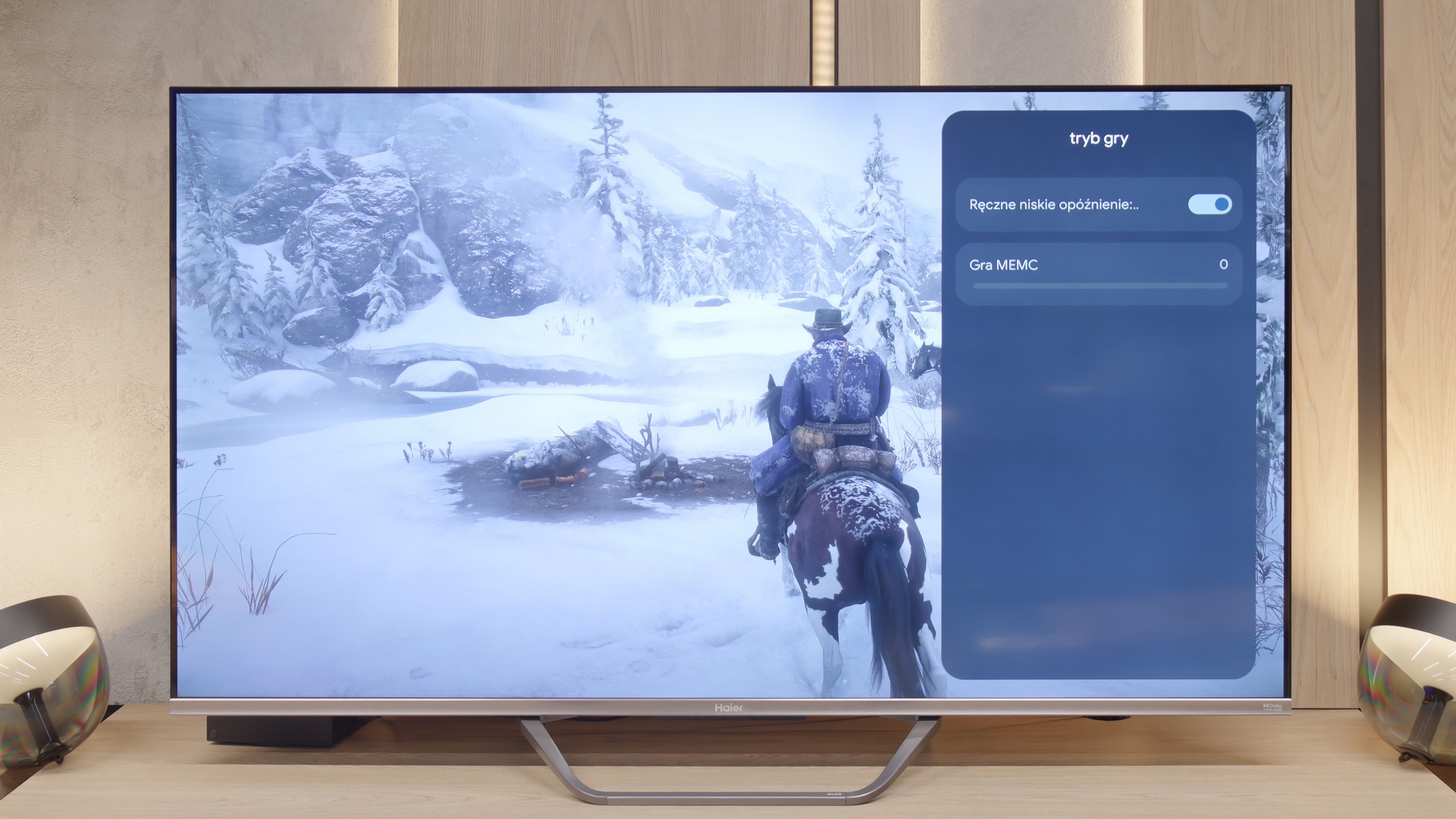
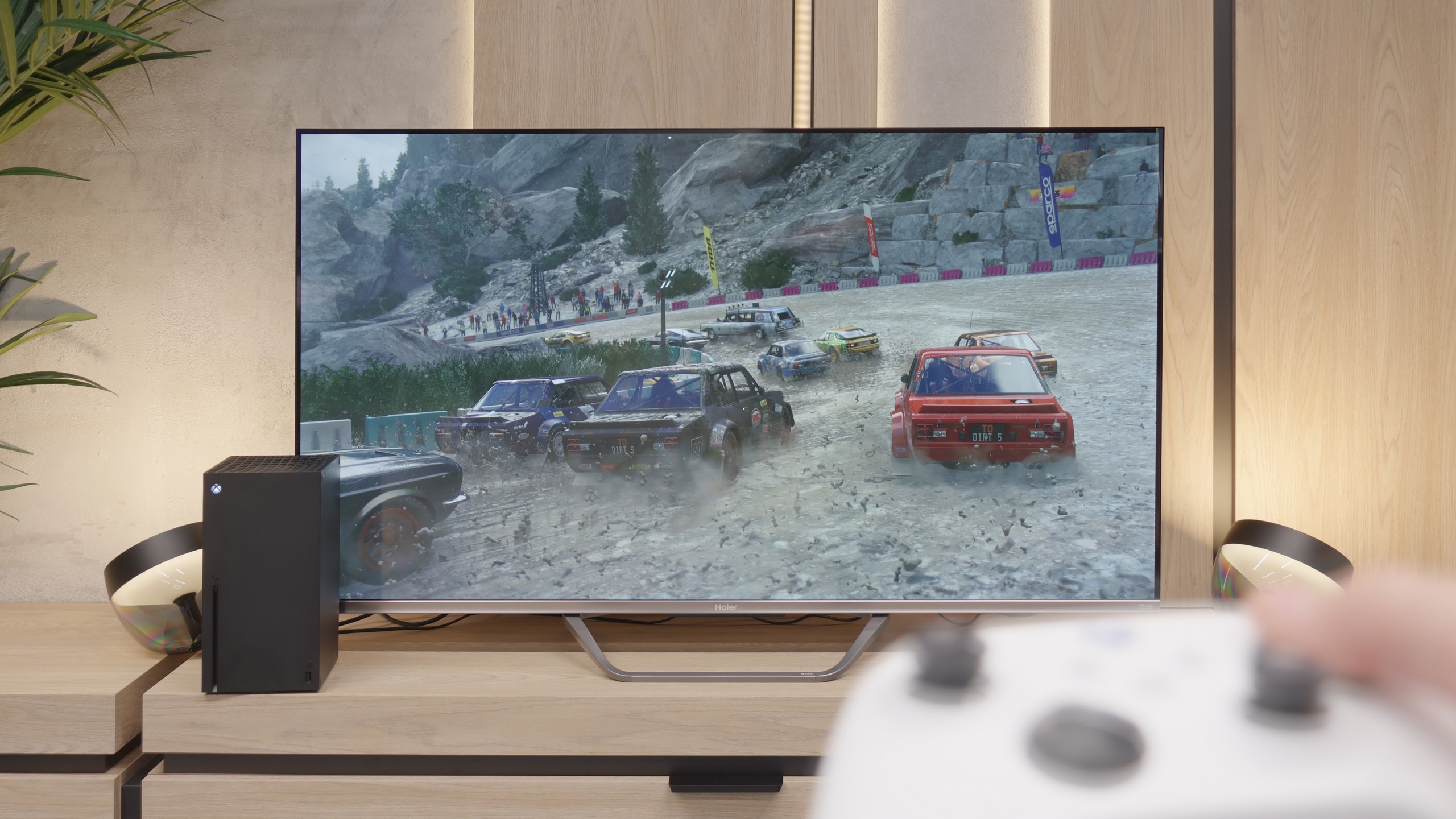
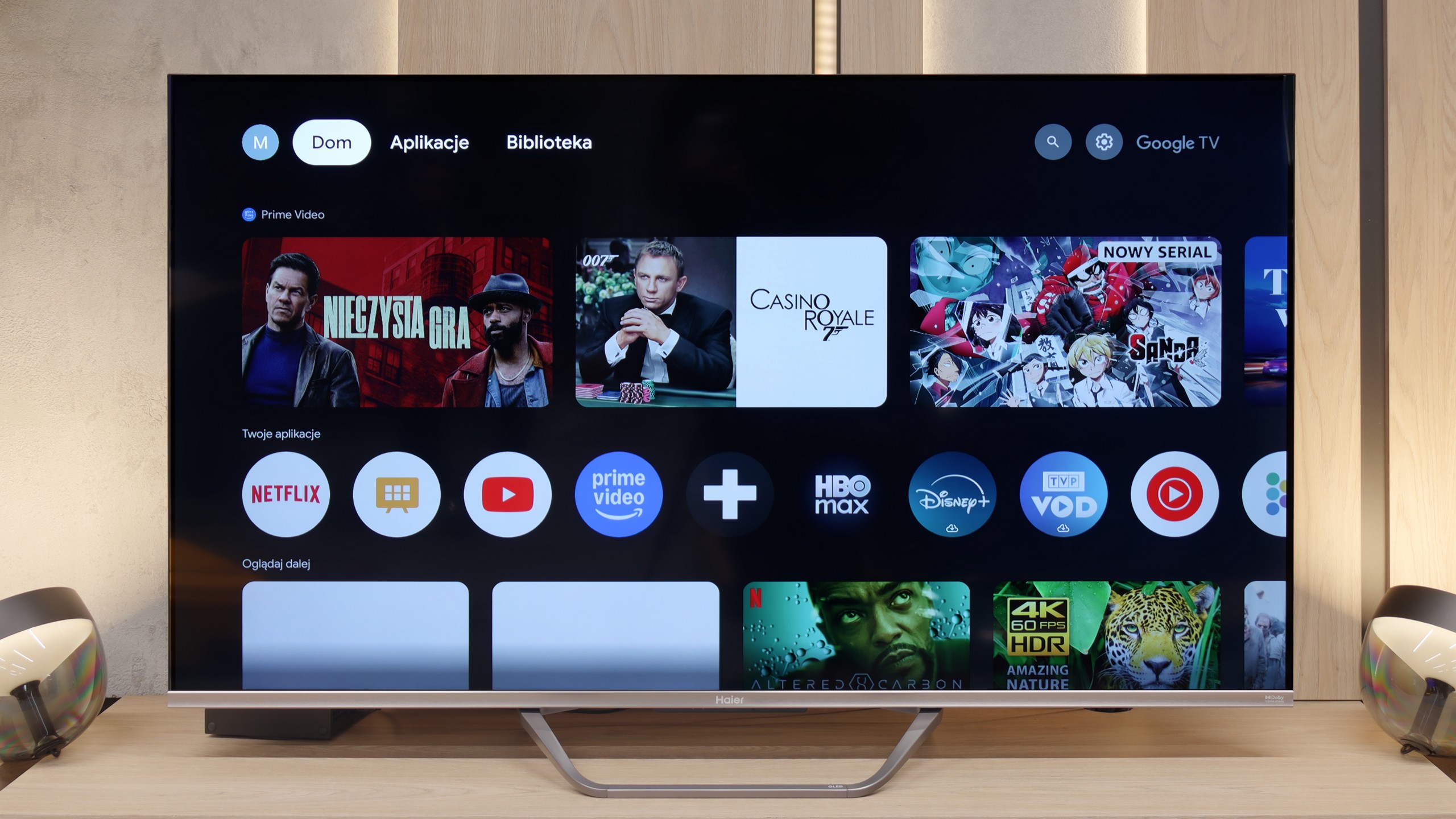
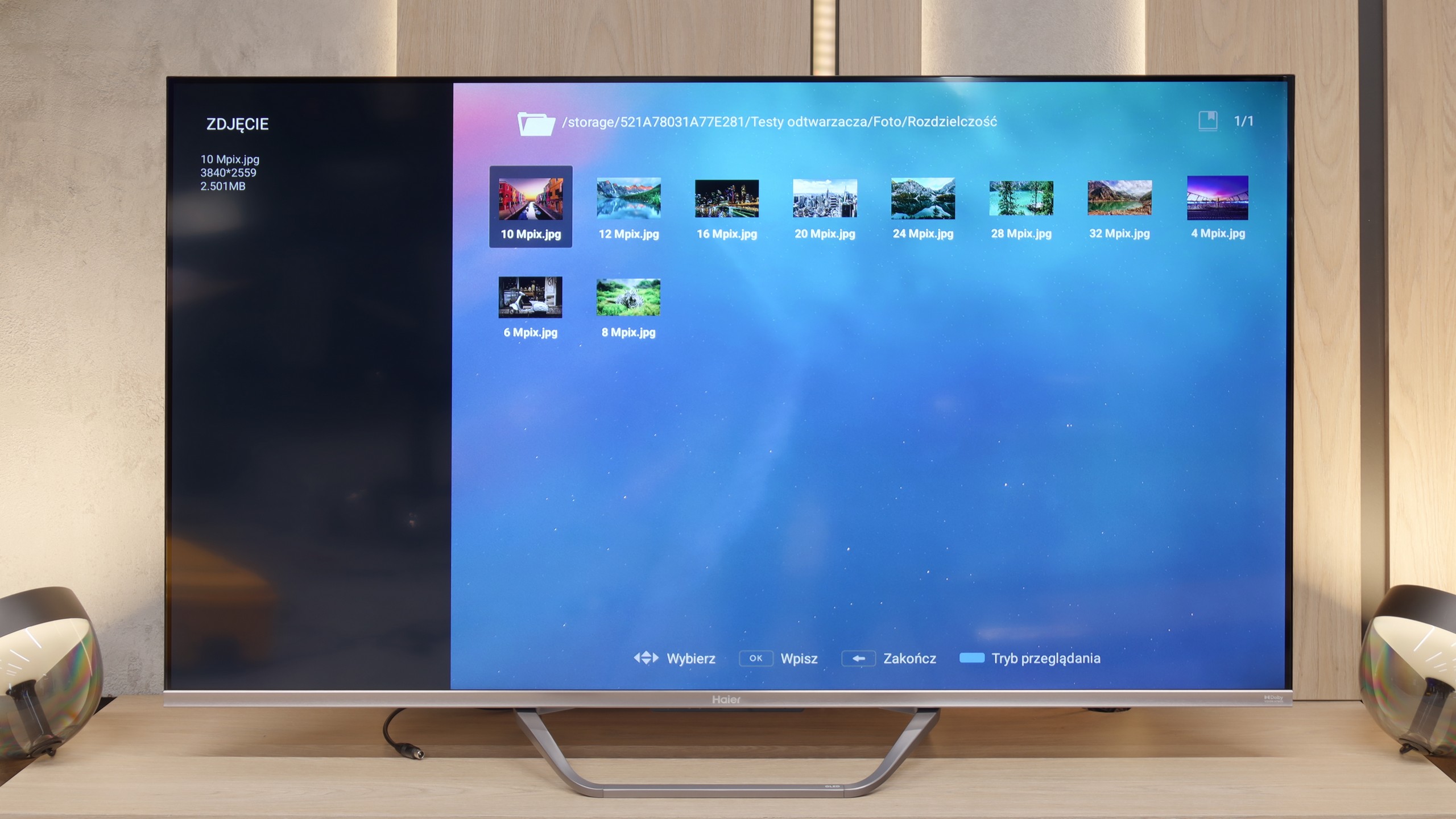
The Haier Q80FUX TV is one of the most schizophrenic proposals we've had in our editorial office for a long time. On one hand, we have a solid piece of equipment: a VA panel that guarantees deep blacks, as expected in this segment, and a QLED quantum filter that can indeed generate juicy, eye-catching colors. This is the foundation on which a truly competitive mid-range receiver could have been built. Unfortunately, all this potential of the panel is systematically torpedoed by the software, which is a real ball and chain for this model. The biggest Achilles' heel of the Q80FUX is its total capitulation in the face of HDR10 content. The electronics seem to completely misunderstand how to interpret the signal, resulting in consistently blowing out the brightest parts of the image, turning them into a flat, milky blob. If we add the Google TV system, which – although functional – is unstable, full of errors, and irritating shortcomings, we get a picture of a raw product that clearly reveals the manufacturer's lack of experience. And just when we were ready to write this model off, we discovered its surprising niche. Once connected to a console, the Q80FUX undergoes a transformation. It turns out that this TV offers wonderfully low input lag, fully supports VRR, and can accept a 120Hz signal at Full HD resolution. In the gaming world, where responsiveness is everything, these parameters put it in a very good light. So we are dealing with a device of very narrow specialization. This is not a universal living room TV – it lacks stability and, above all, any correctness in handling films. It is more of a budget, large-format monitor for gamers who are able to consciously overlook all its software flaws in exchange for those few key attributes essential for console/PC at a relatively affordable price.
 Direct comparison