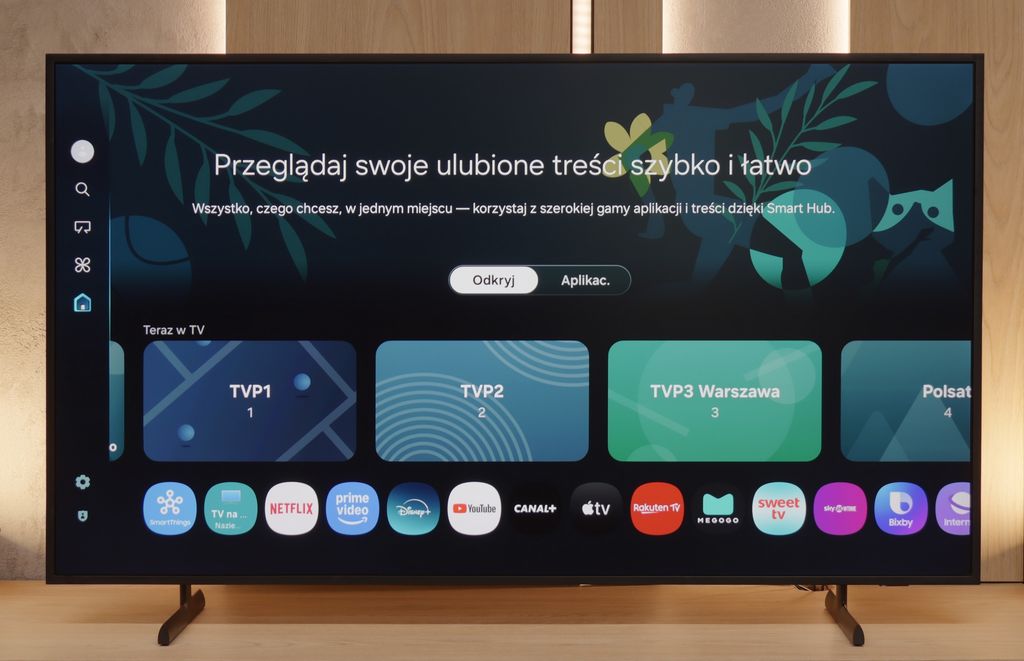
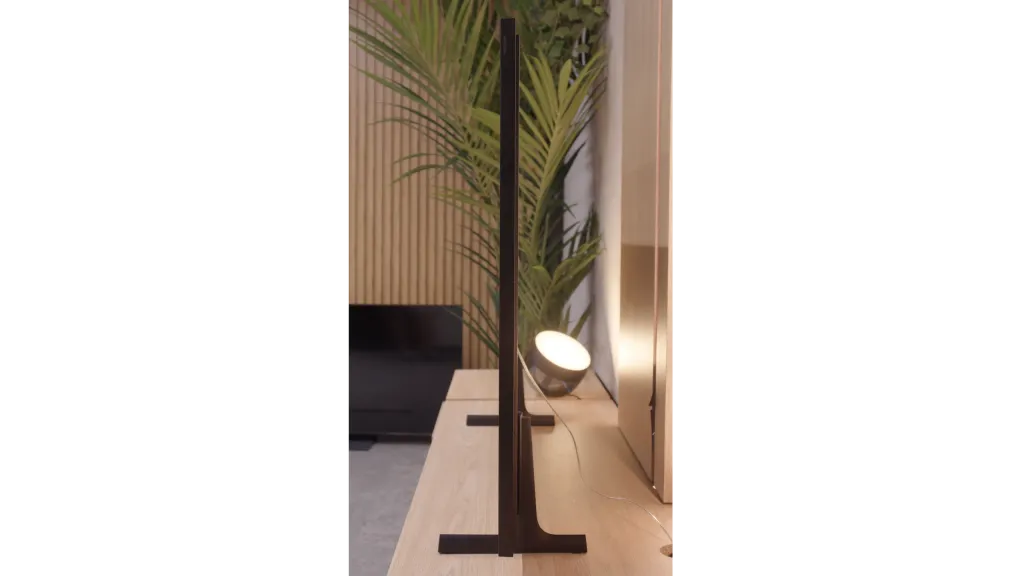
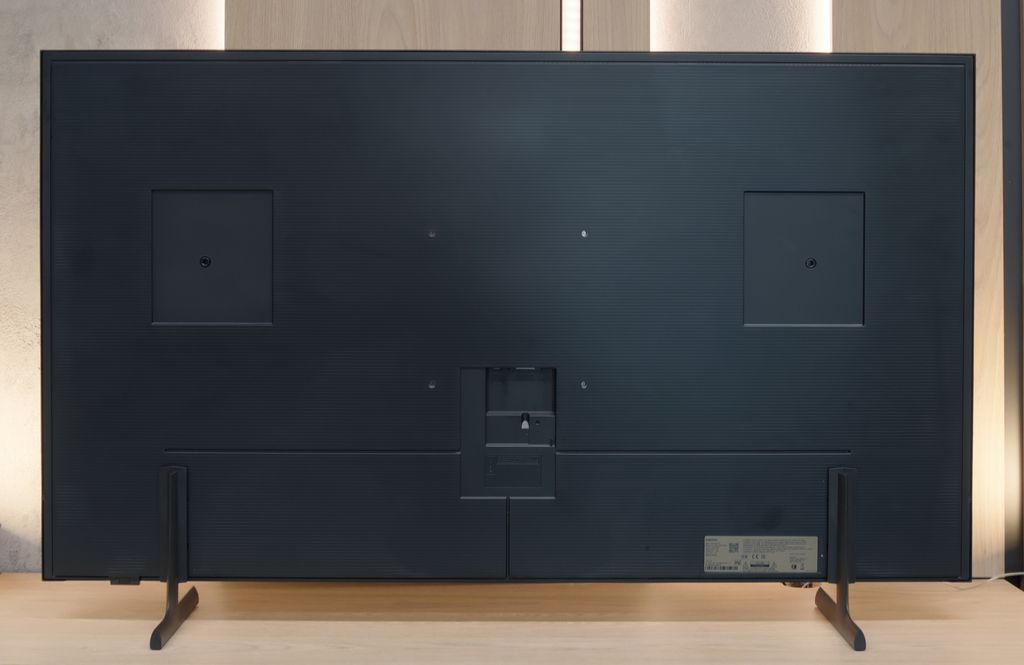
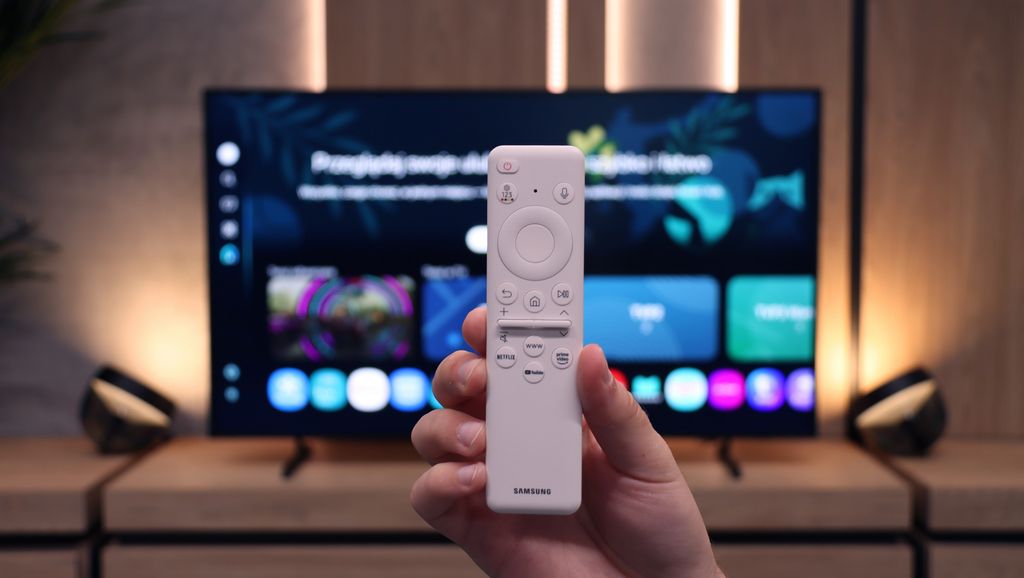
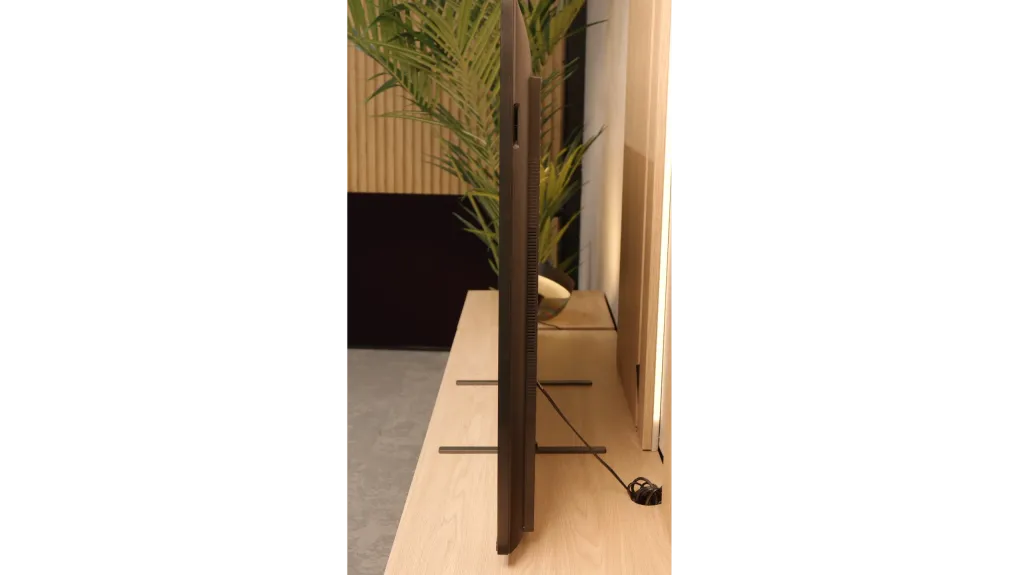
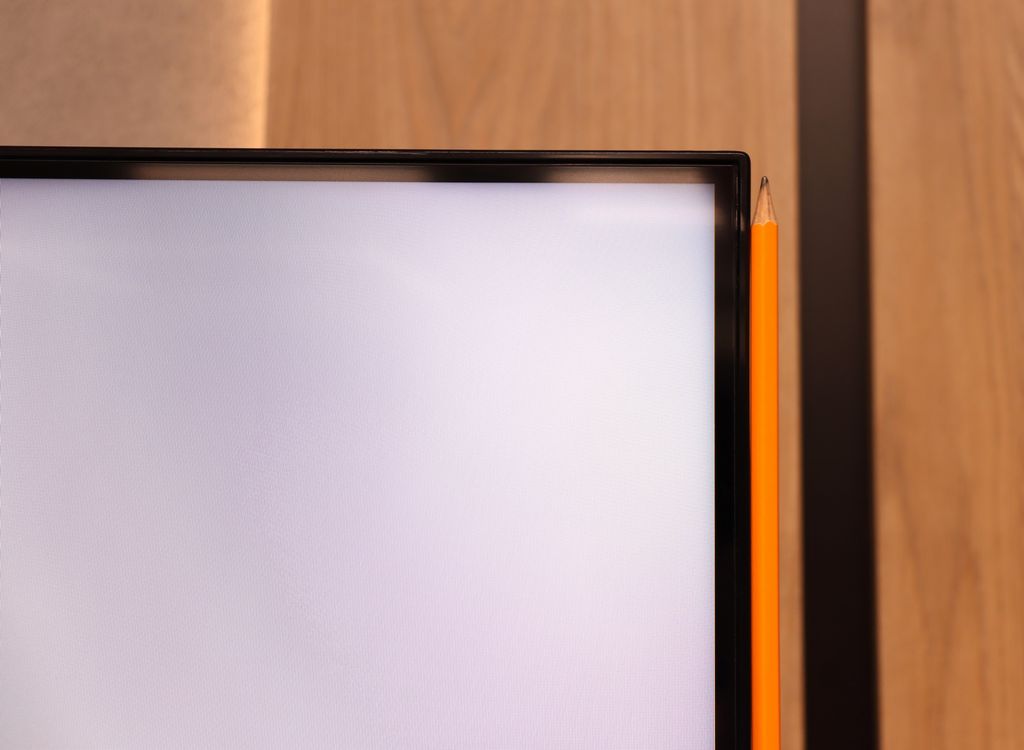
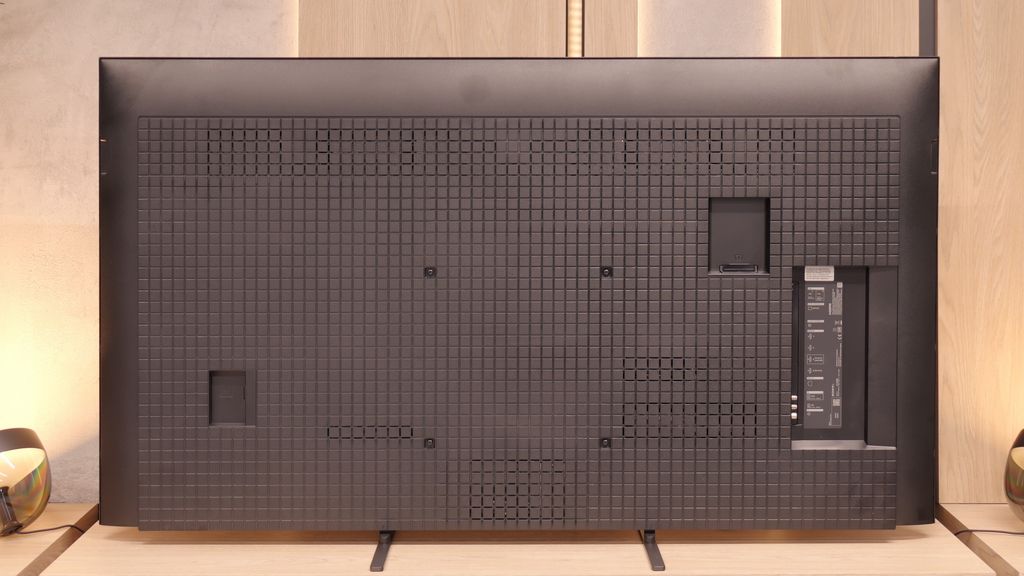
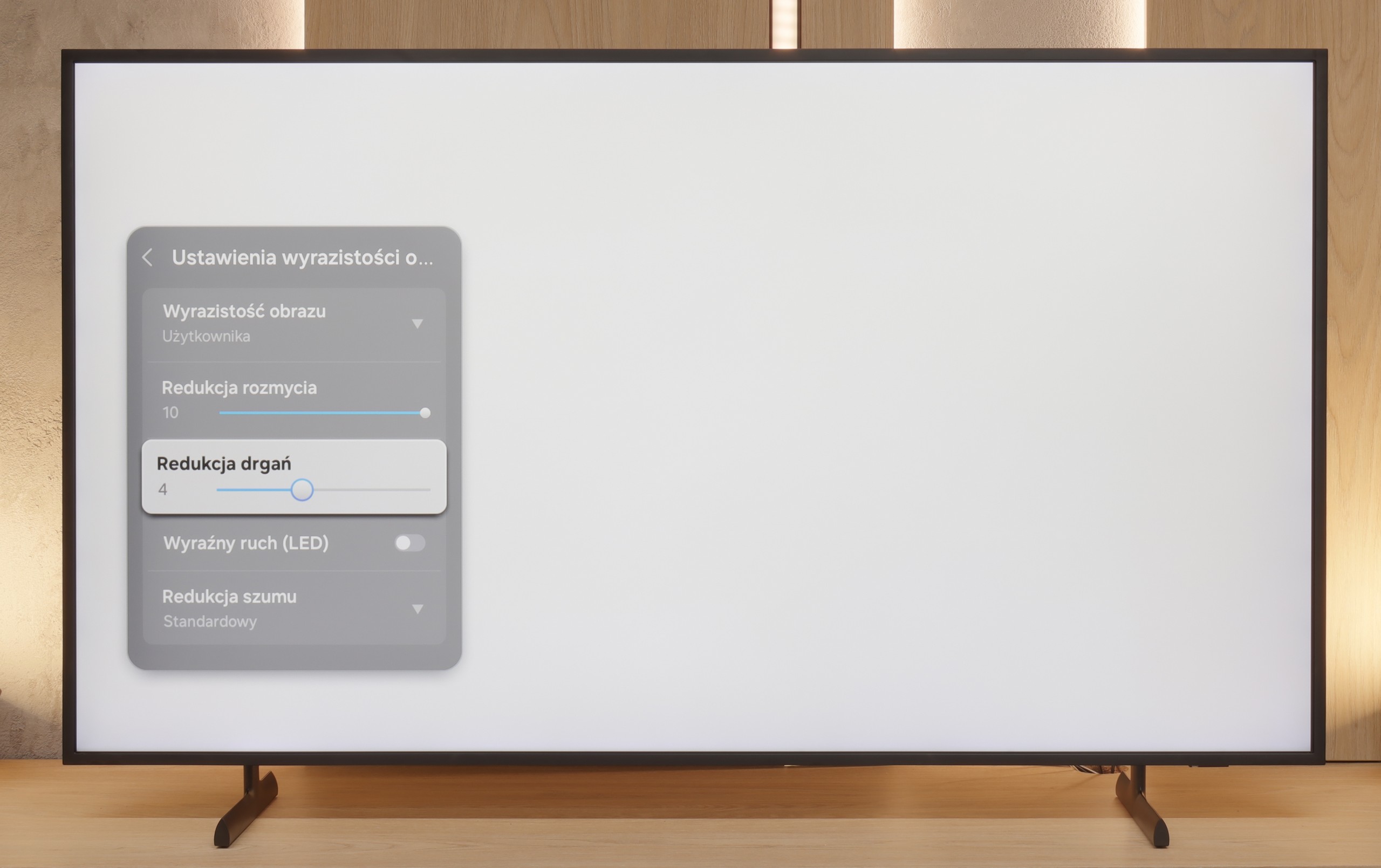
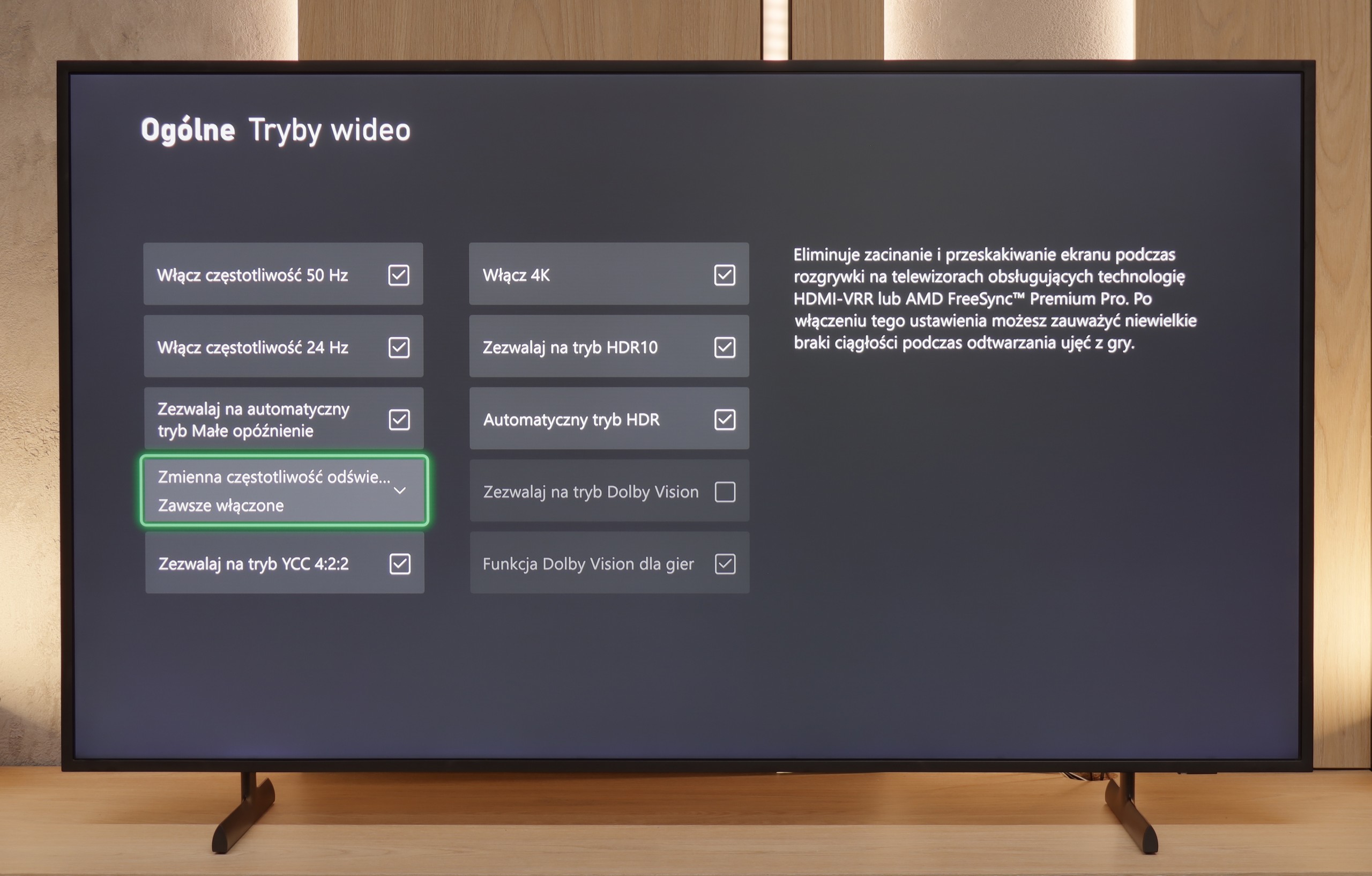
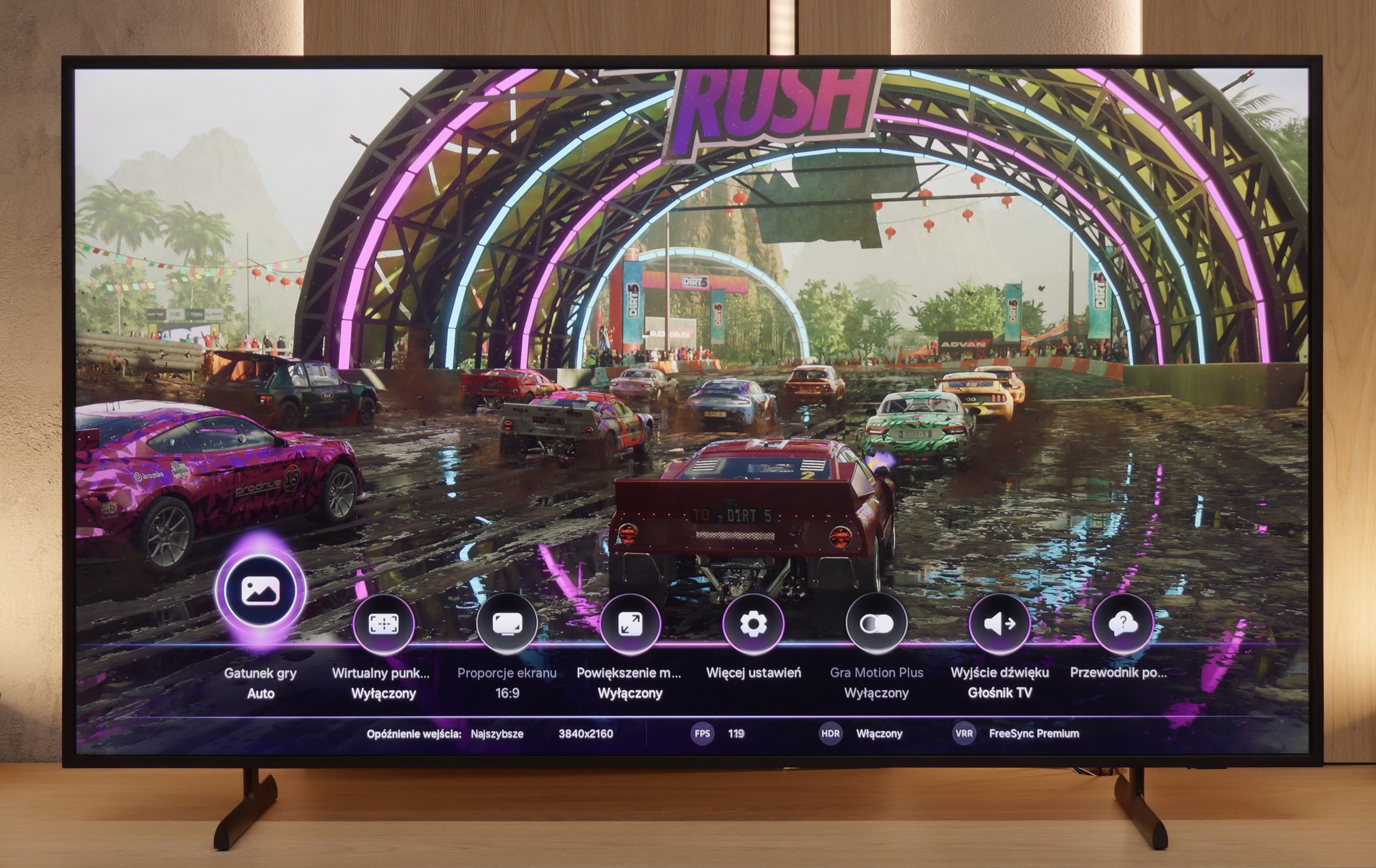
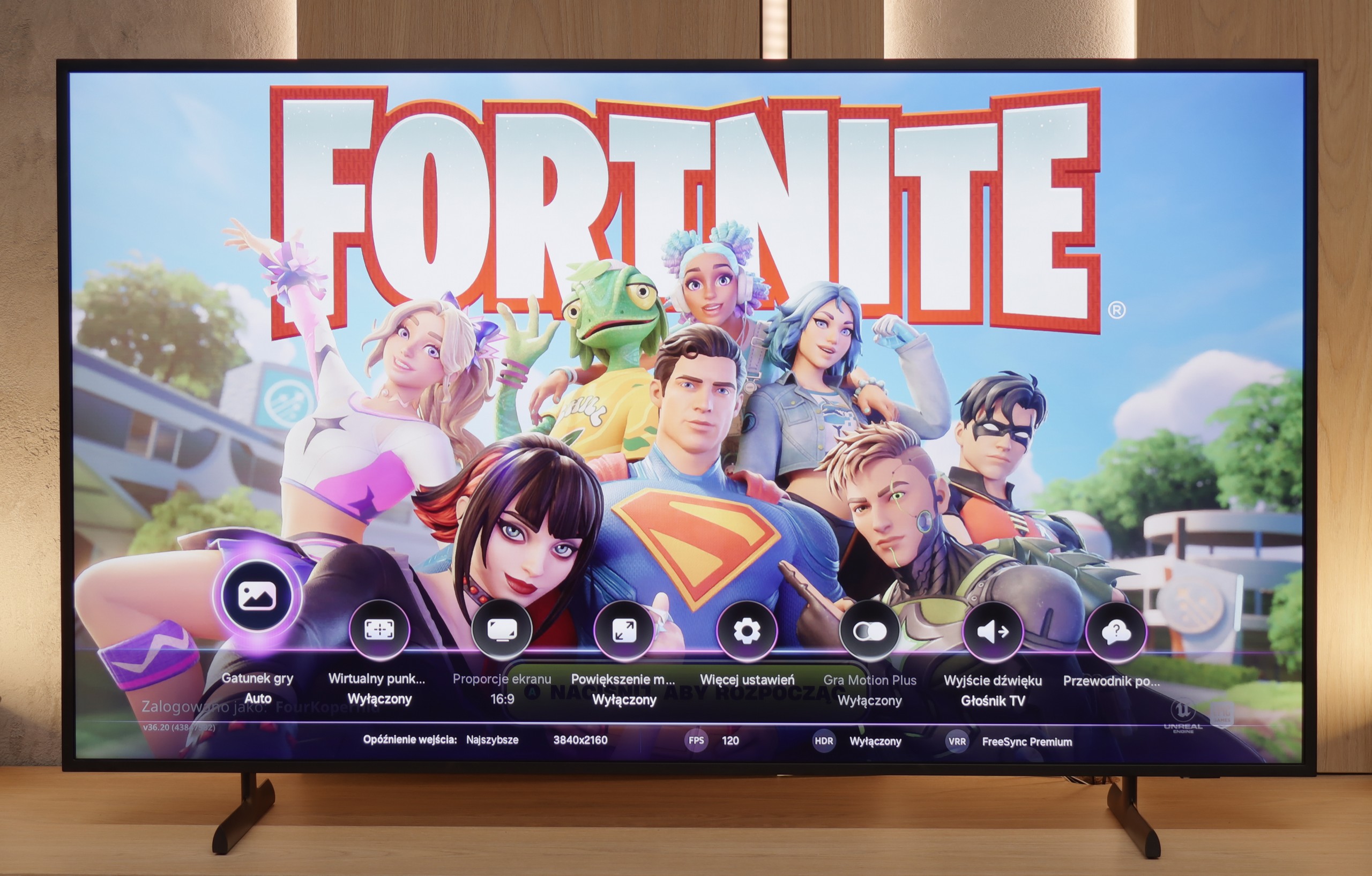
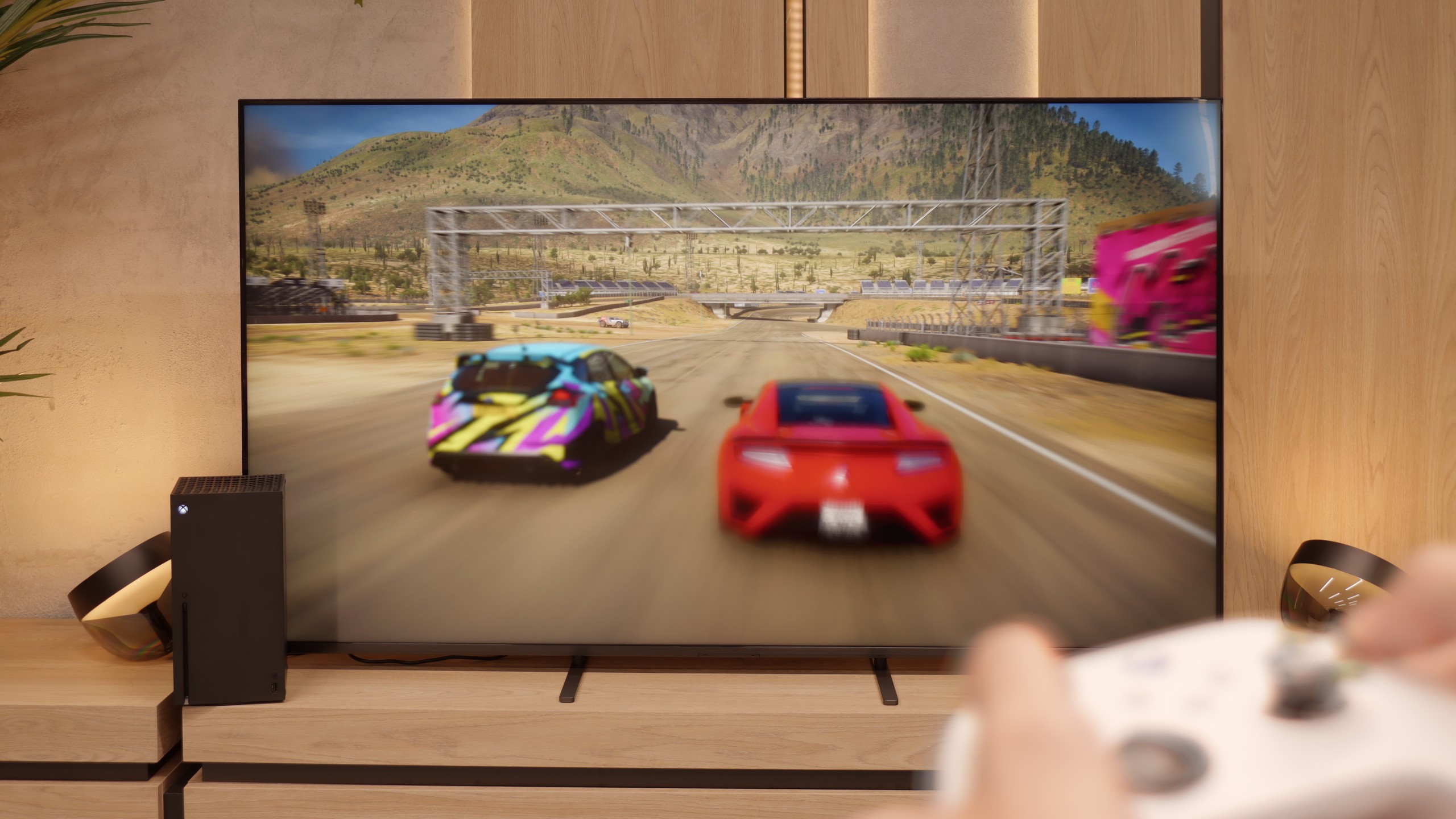
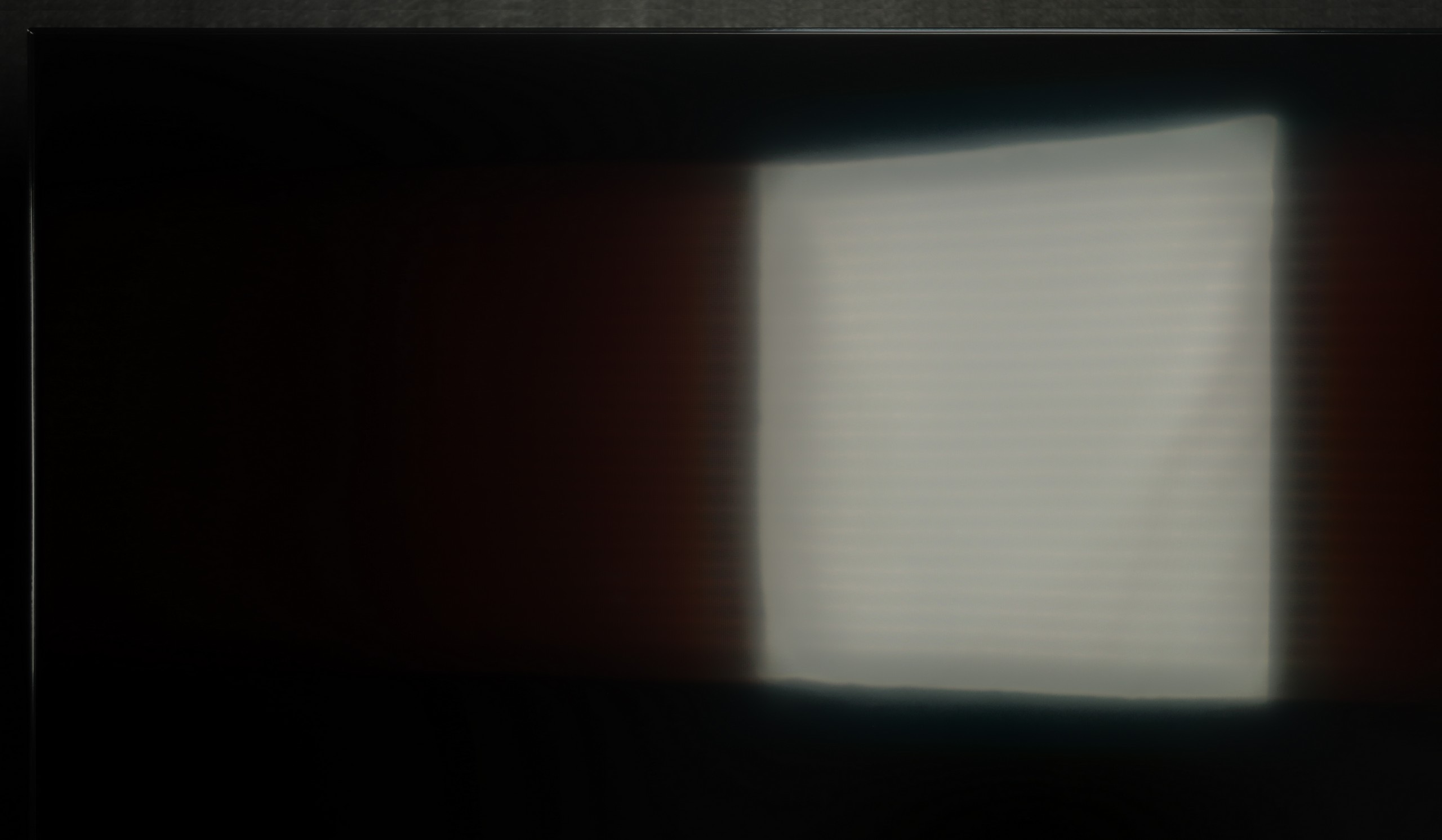
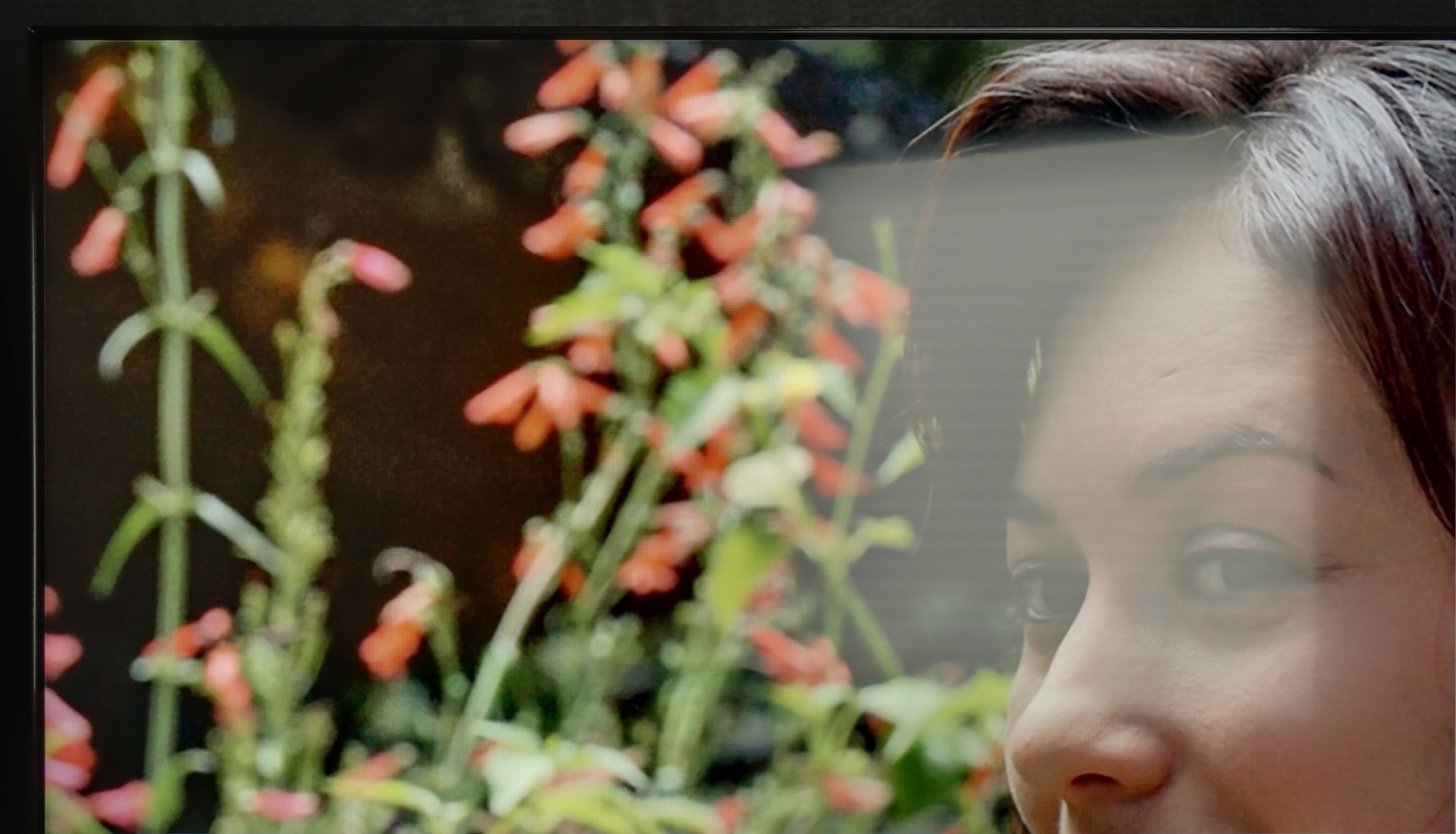
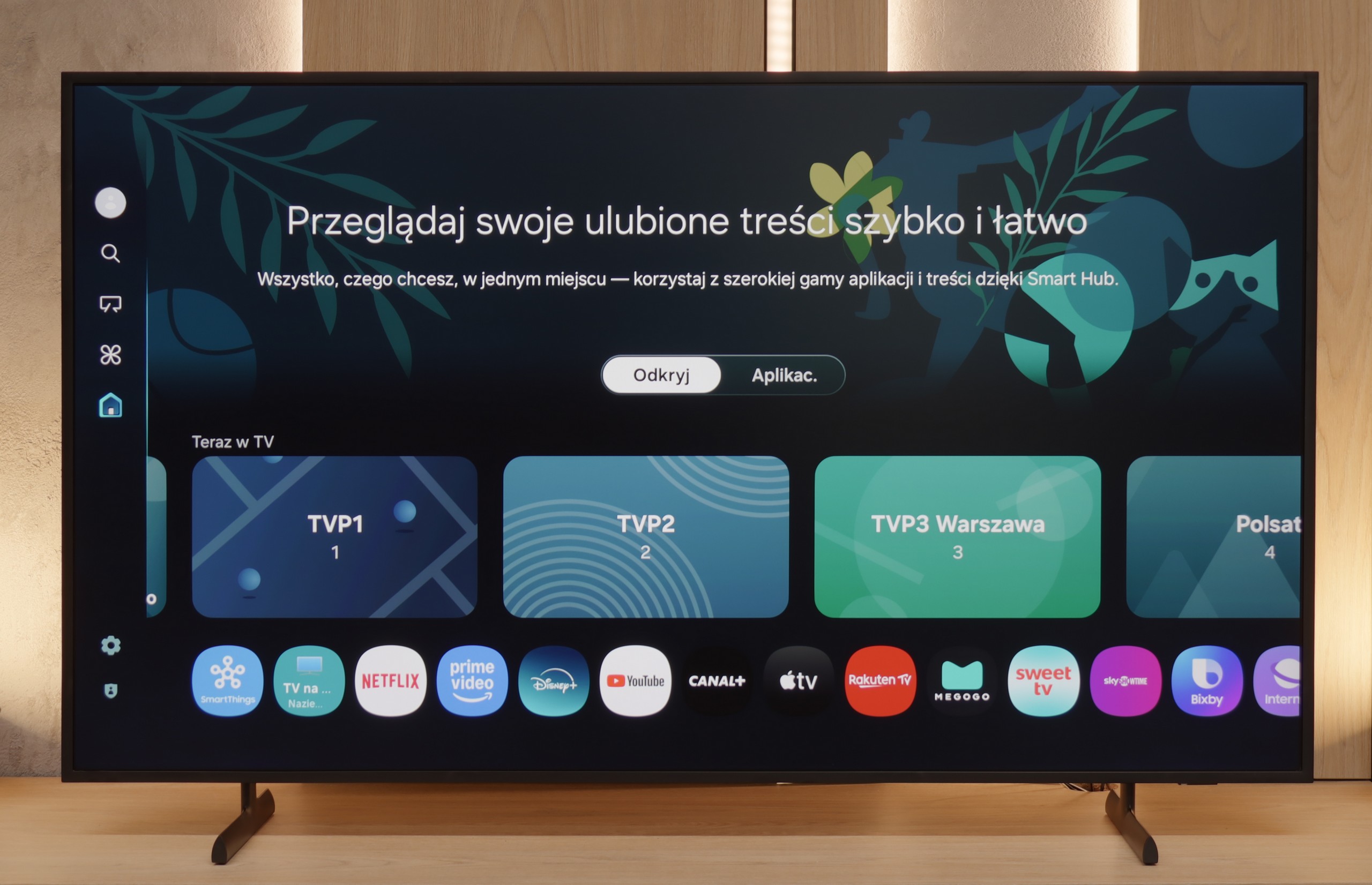
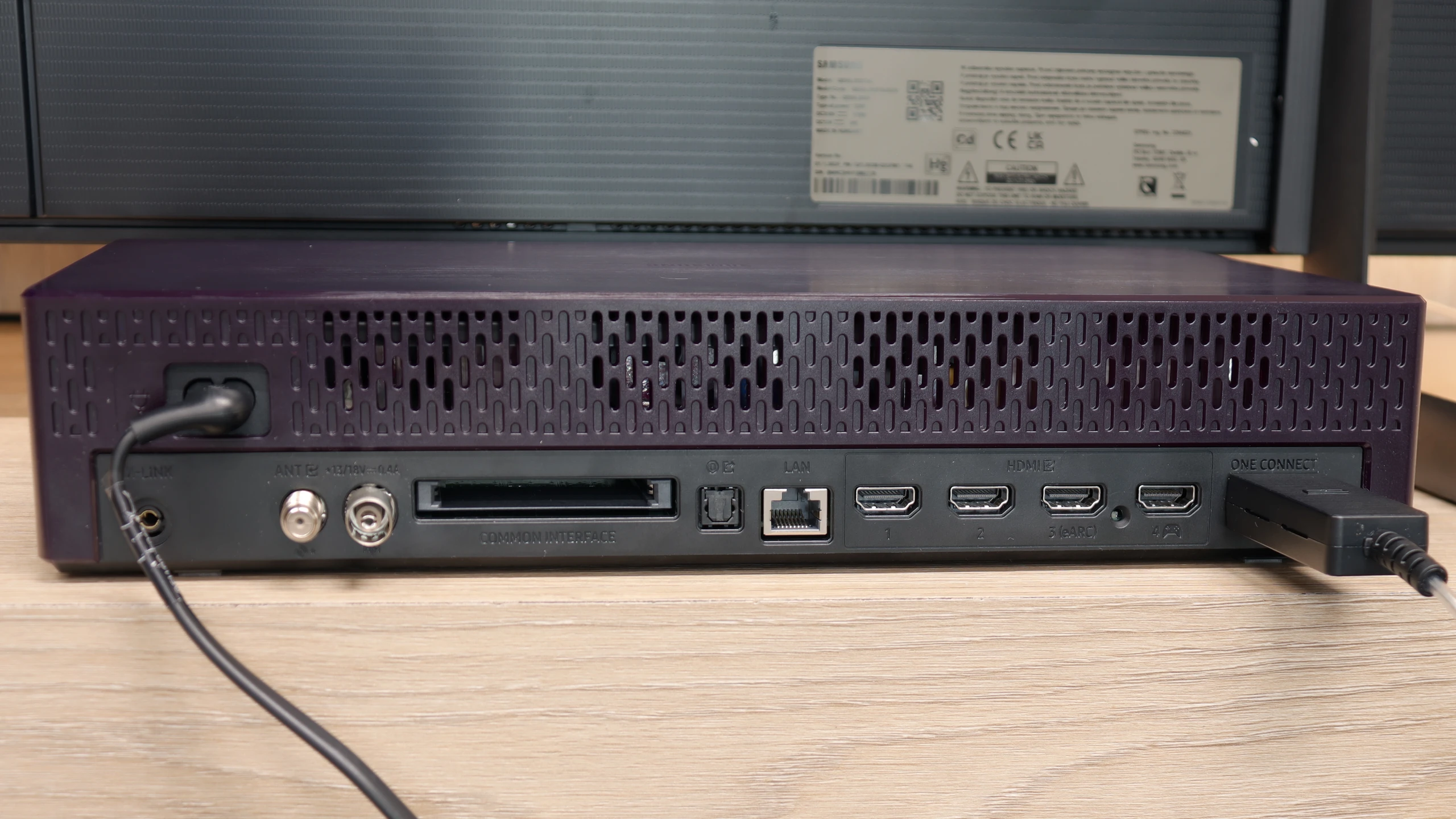
Samsung The Frame 2025 is a TV unlike any other – and even though competition has emerged for it, it still does it best. The matte screen, flush mount to the wall, and one thin cable thanks to the One Connect module make the device resemble a painting more than any other screen. The Art Store app still offers the best art scans on the market (even if they are on a subscription), and thanks to interchangeable frames, we can match the TV to the interior almost like a piece of furniture. As for the picture itself, since we are also talking about an ordinary TV, there are no major changes, but no disappointments compared to last year's LS03D model. The Frame still offers high native contrast and solid brightness at 600 nits, which, combined with the matte finish, provides very comfortable daytime use. The colors are not as vibrant as those on glossy screens, but against the backdrop of competing matte constructions, they stand out the best. A novelty is the 144 Hz refresh rate, although in practice it will mainly benefit PC gamers. And indeed – in terms of gaming features, The Frame has almost everything: low input lag, variable refresh rate (VRR) support, automatic game mode (ALLM), Game Bar, and a unique motion smoother designed for games. Unfortunately, not everything is as perfect as it might seem. Why? Because the HGiG mode is missing, which suddenly disappeared from the latest version of the Tizen system. Samsung really should respond to this, as it is a key element for many gamers' choice of screen. And we fully understand that. Even though the LS03F The Frame 2025 does not bring major revolutions, it is still a unique TV that, apart from its appearance, offers quite solid picture quality and advanced gaming functions. It's just a pity that year after year we also receive new compromises.
[UPDATE] We have updated our Samsung TV tests for the 2025 model year due to the release of software version 1131, which has restored the HGiG feature that is crucial for gamers.
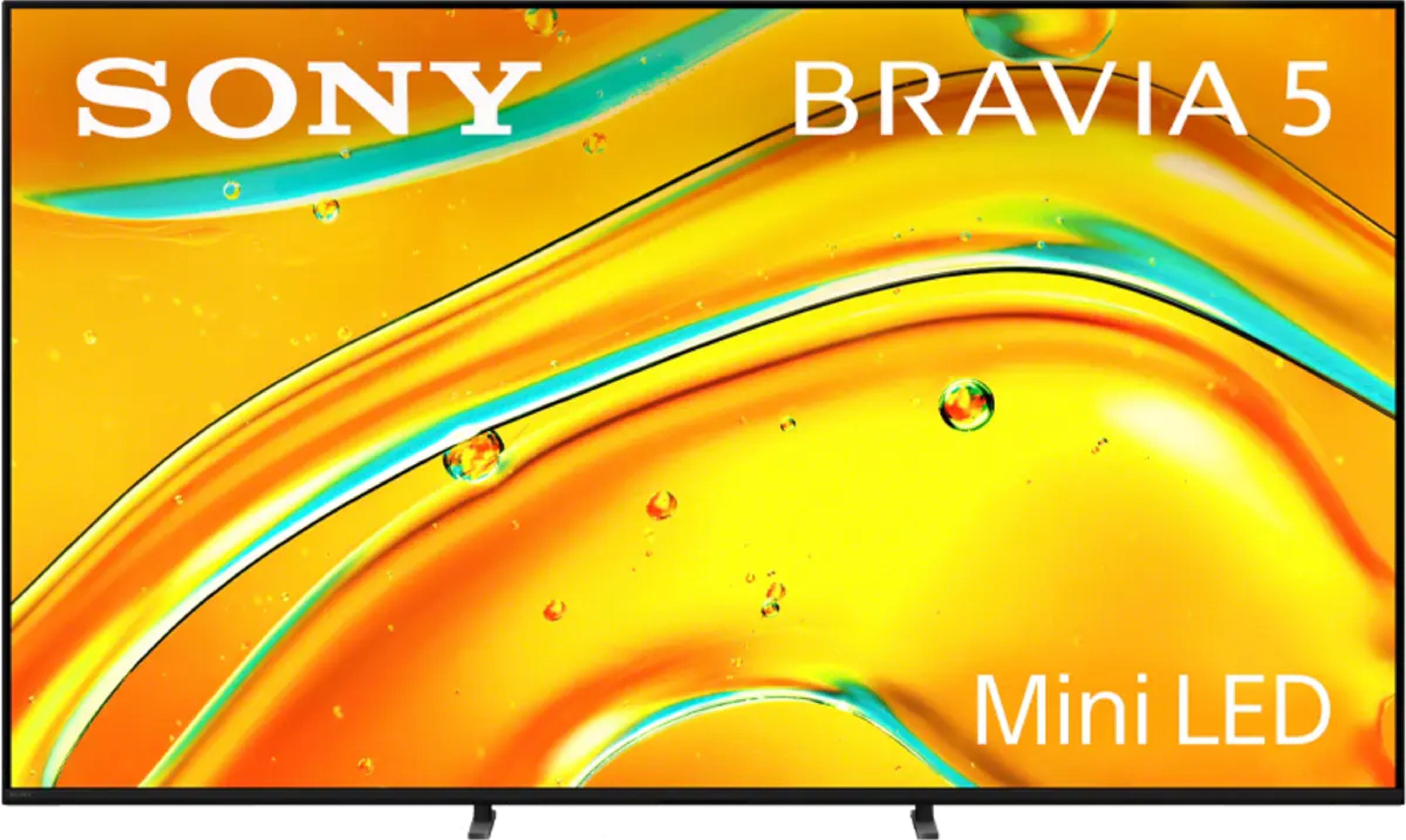
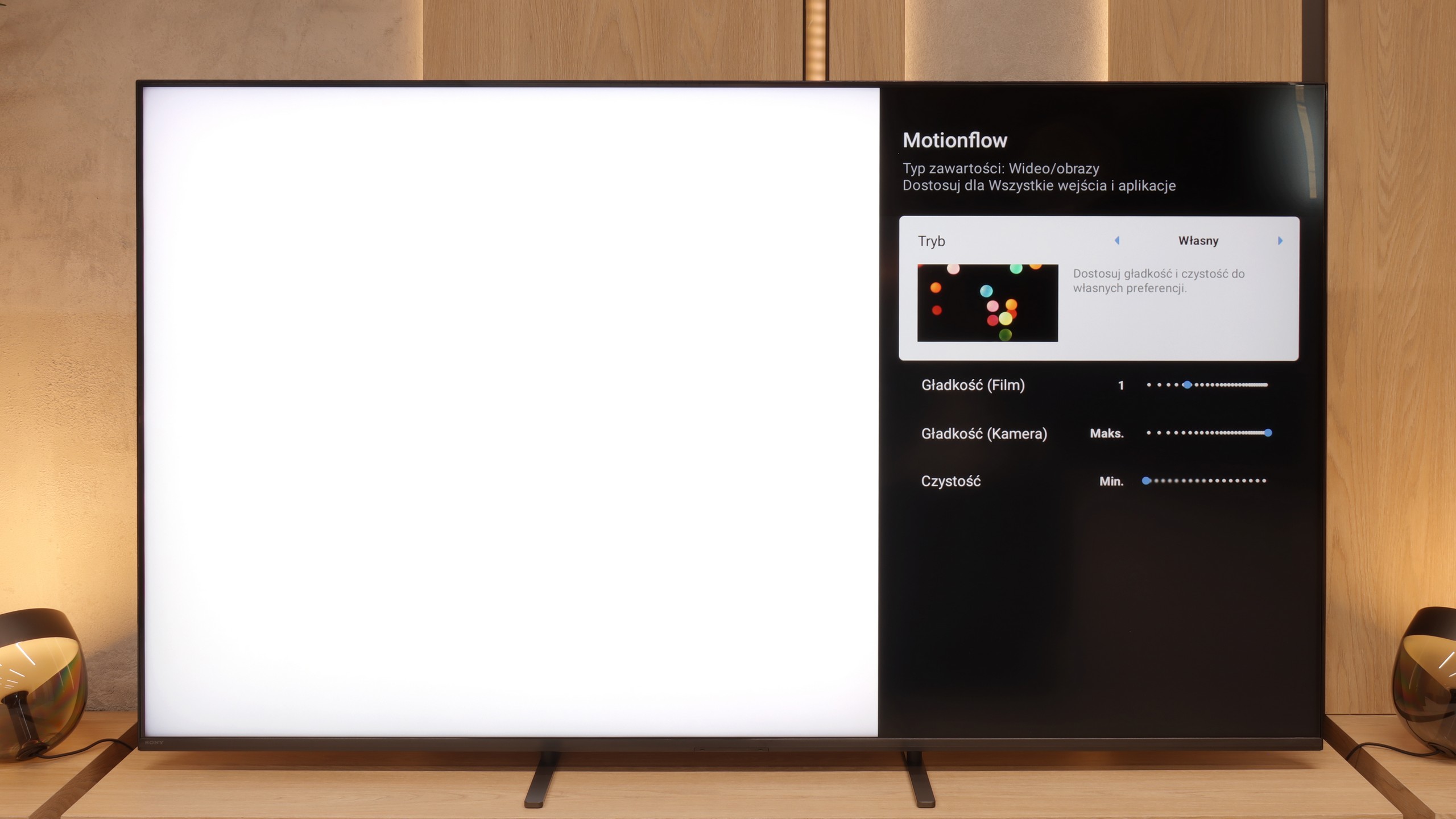
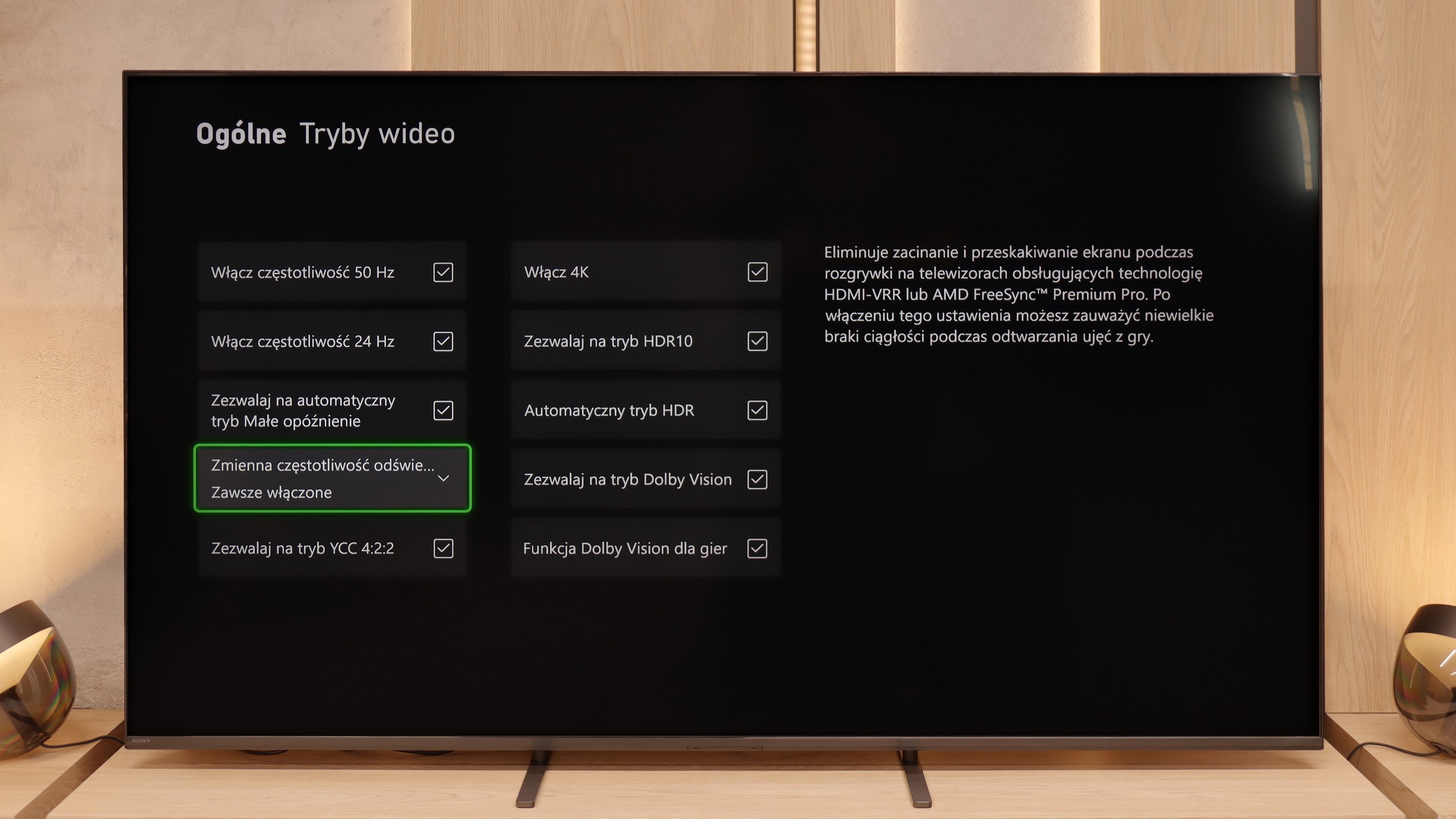
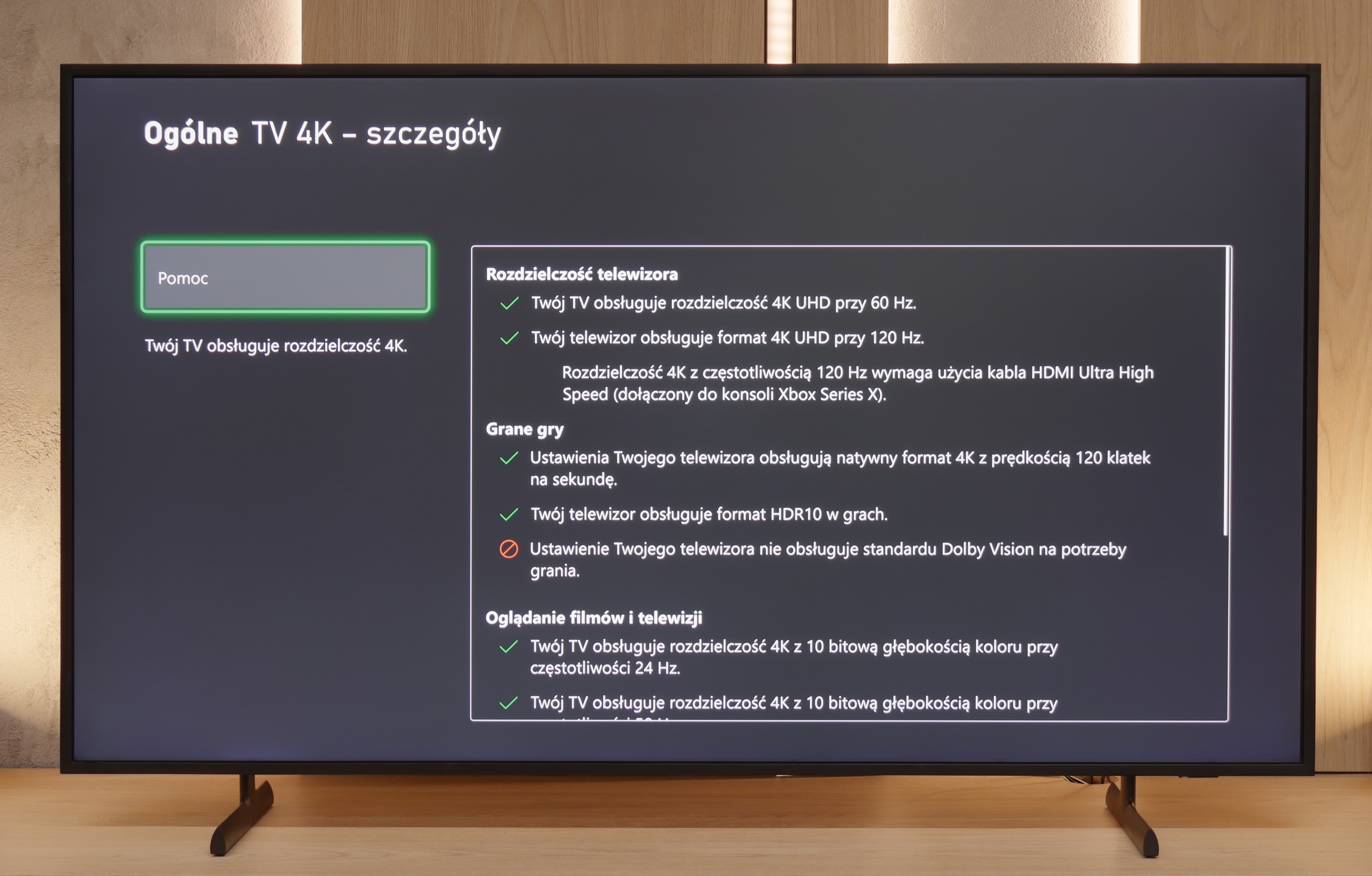
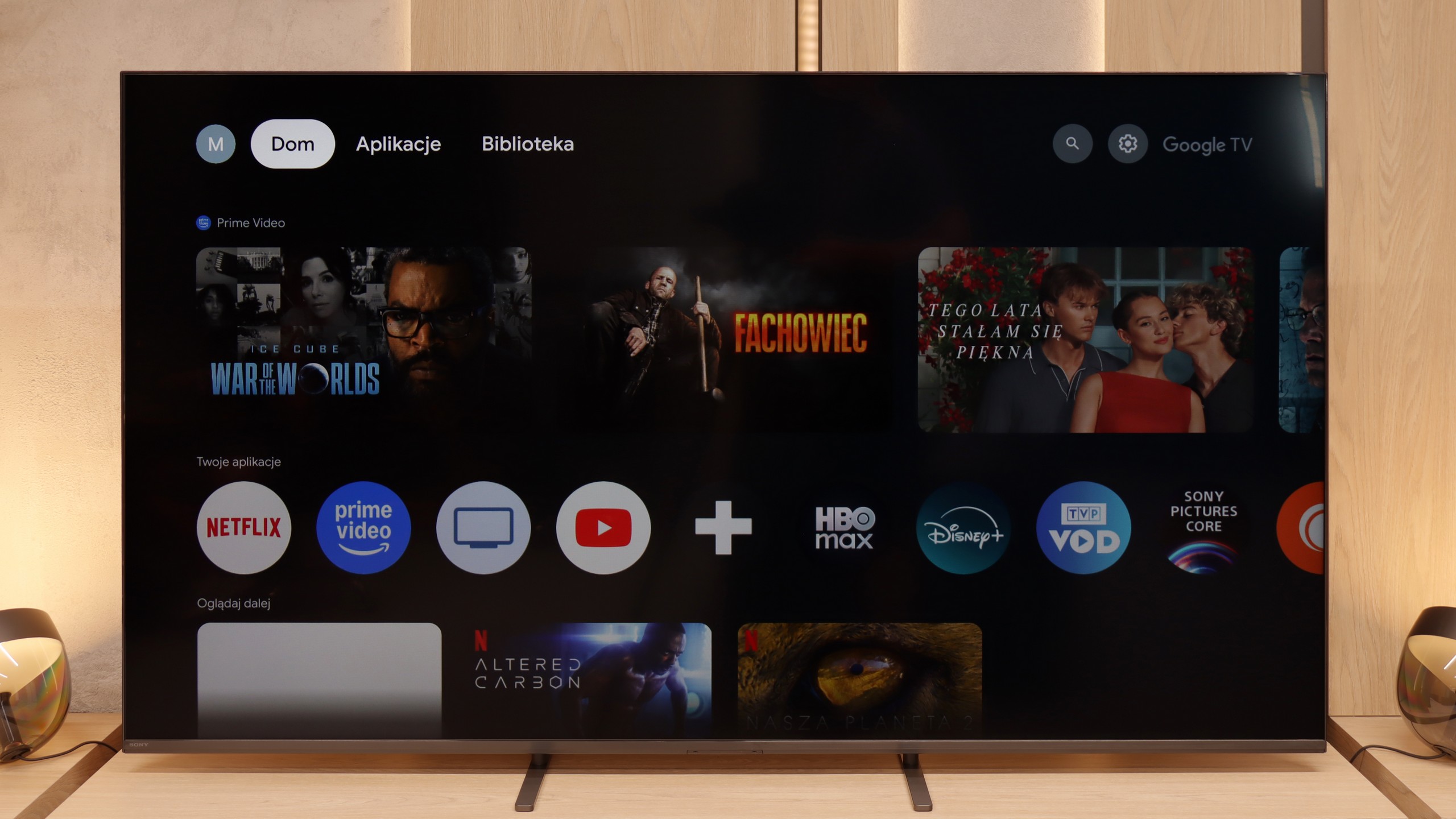
Sony Bravia 5 is a continuation of the iconic model X90L, and you can see that the manufacturer wanted to take a step forward. A greater number of dimming zones have been used, which makes the contrast seem better in many scenes, and the blacks deeper than those in its predecessor. The 120 Hz matrix and MotionFlow system allow you to adjust the smoothness of the picture to your personal preferences – from a slight cinematic texture to crystal-smooth motion in sports and games. This is equipment that is not afraid of any content because whether we are watching a match, an action movie, or a concert, the picture retains clarity and character. However, the true strength of the Bravia 5 remains the XR processor. It is what makes older materials look better than they should – upscaling works here like magic, smoothing out noise, improving gradation, and giving consistency even to lower quality content. Thanks to this, in everyday use, the Bravia 5 can surprise because instead of fighting with signal imperfections, it pulls the maximum from it. Additionally, there is excellent color reproduction after calibration and dynamic tone mapping along with Dolby Vision mode, which allows you to enjoy details even in difficult, high-contrast scenes. However, it cannot be hidden that in a few moments, the Bravia 5 disappointed us very much. Despite the larger number of zones, brightness and contrast are not always better than in the X90L – sometimes they even perform worse. This raises a sense of wasted potential because we were counting on a greater qualitative leap. After all, we are talking about a true MINI-LED television here. Nevertheless, the Bravia 5 remains a great television for those who want to enjoy primarily picture quality. If you are looking for a model that can impress with motion smoothness, extracts details from difficult scenes, and works wonders with older materials, the Bravia 5 will easily meet these expectations. It’s a television that sometimes can't quite match the competition in certain respects, but it still holds its ground with what Sony does best – cinematic picture.
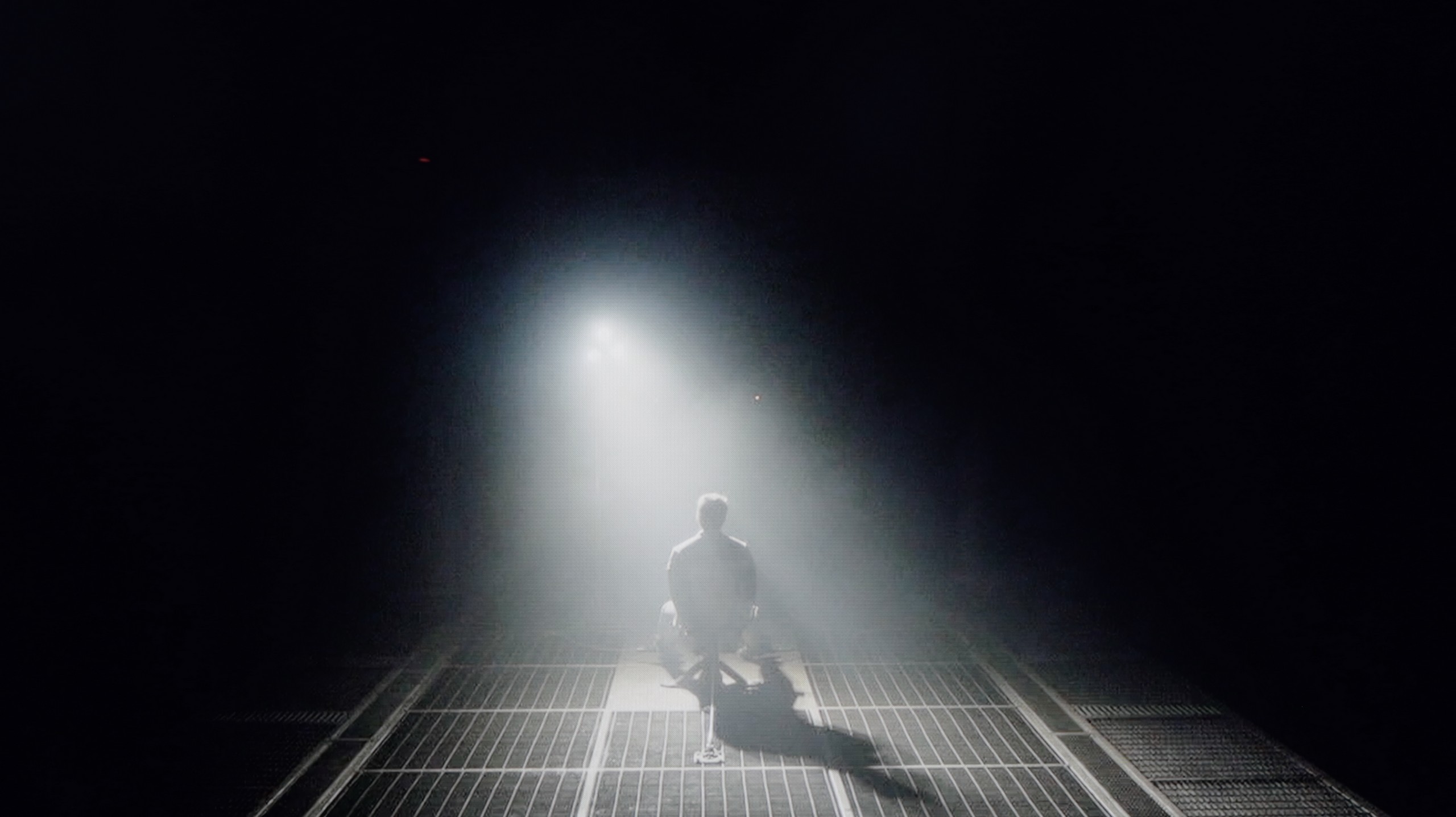
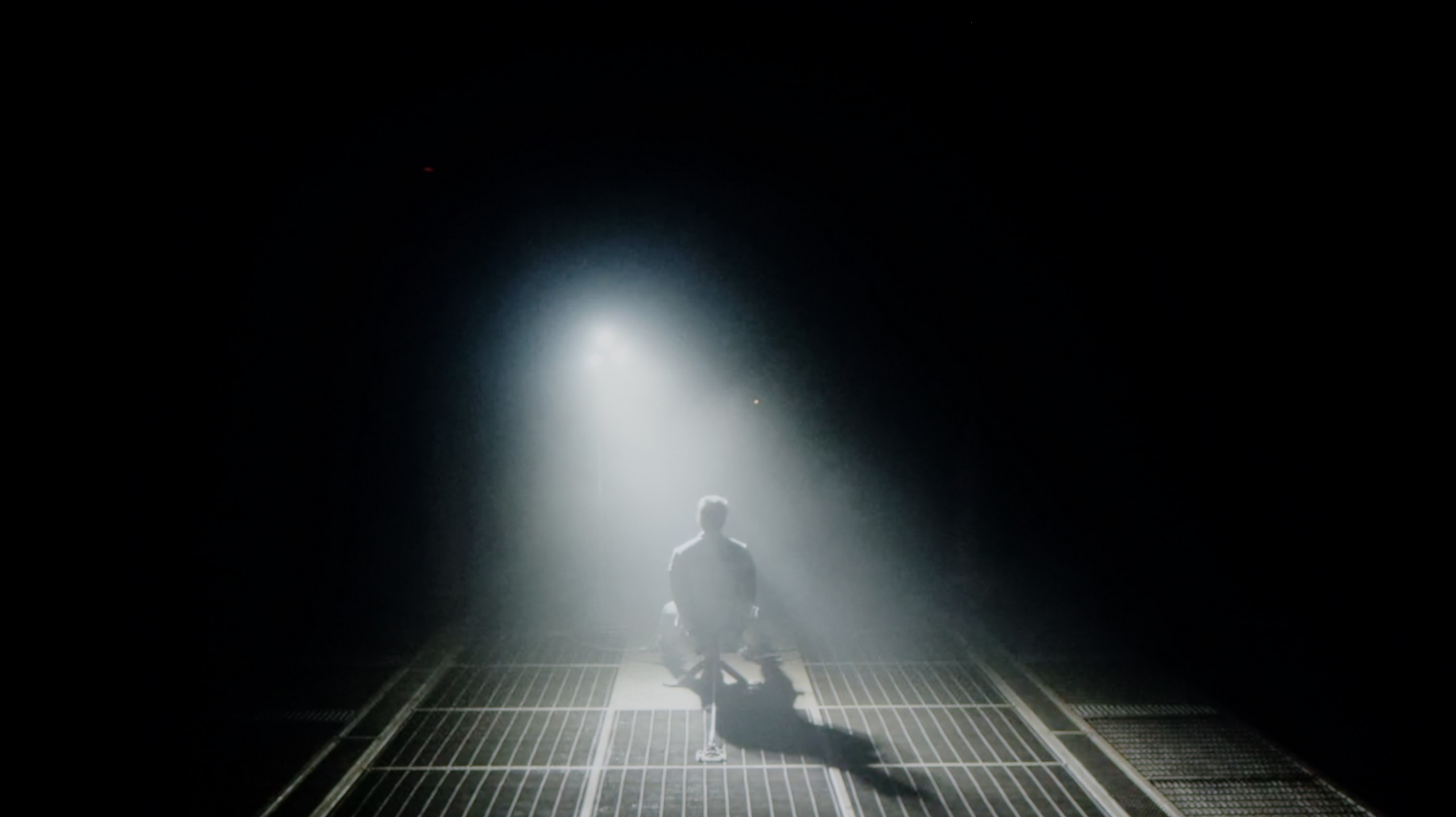
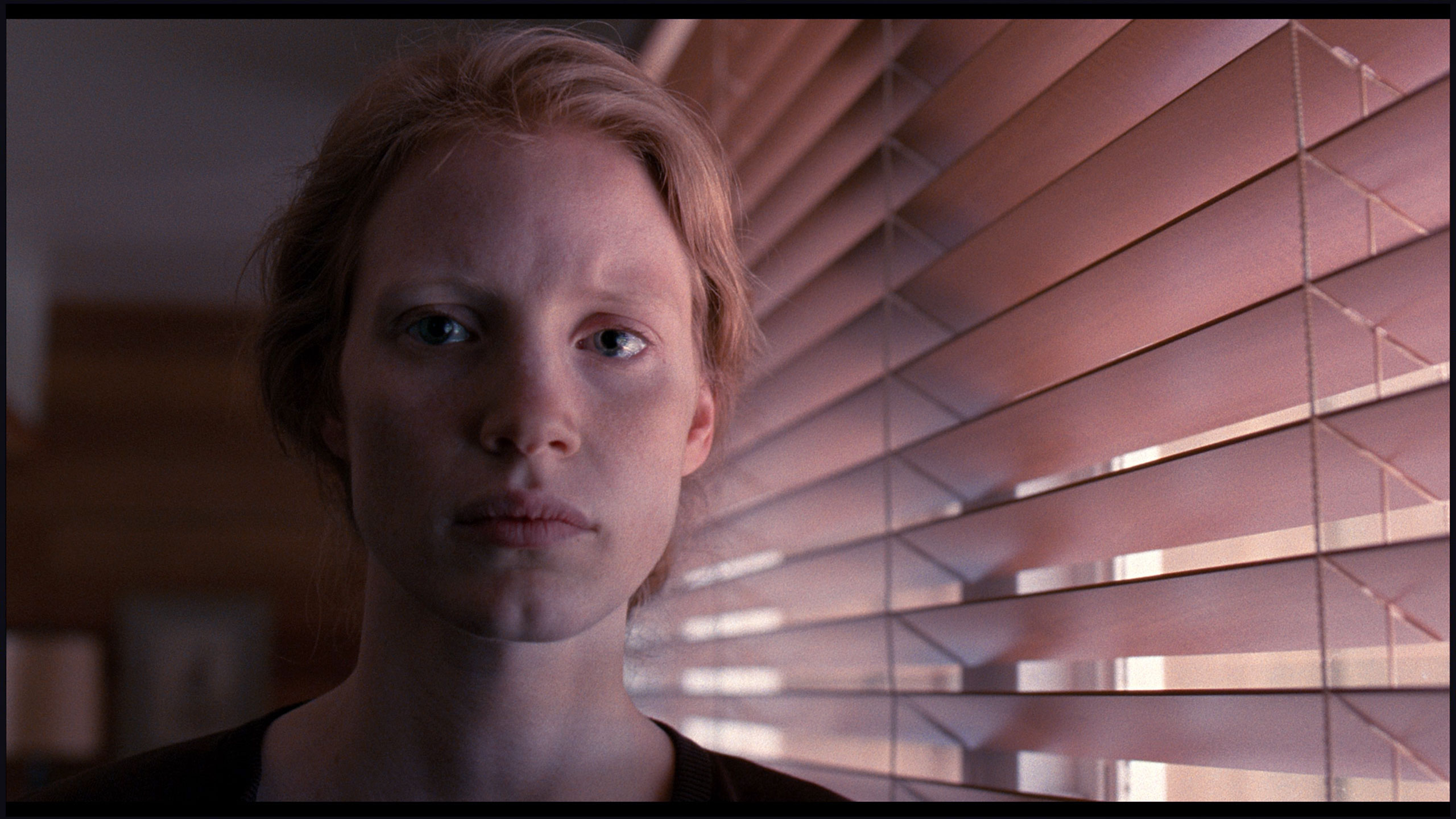
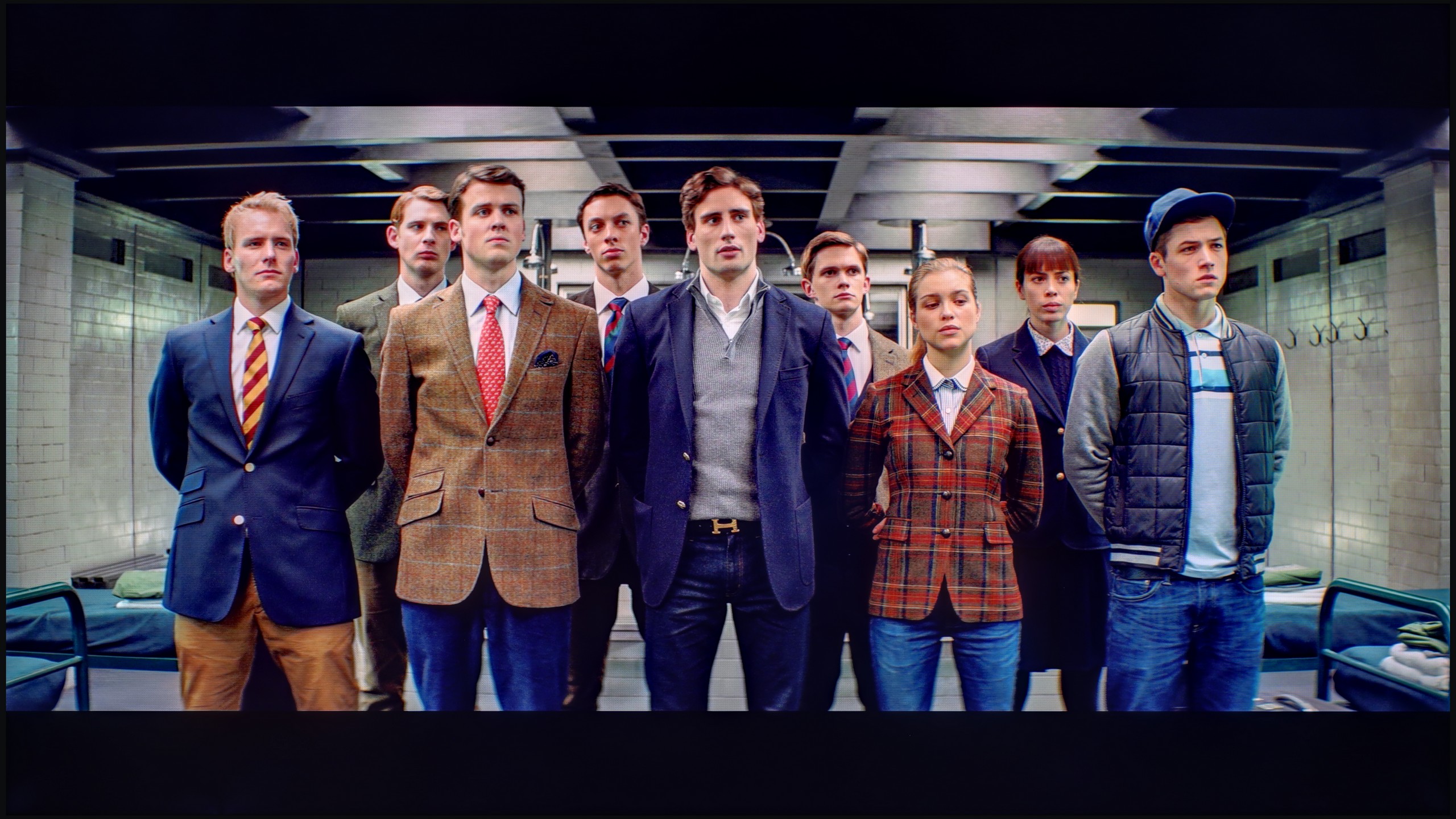
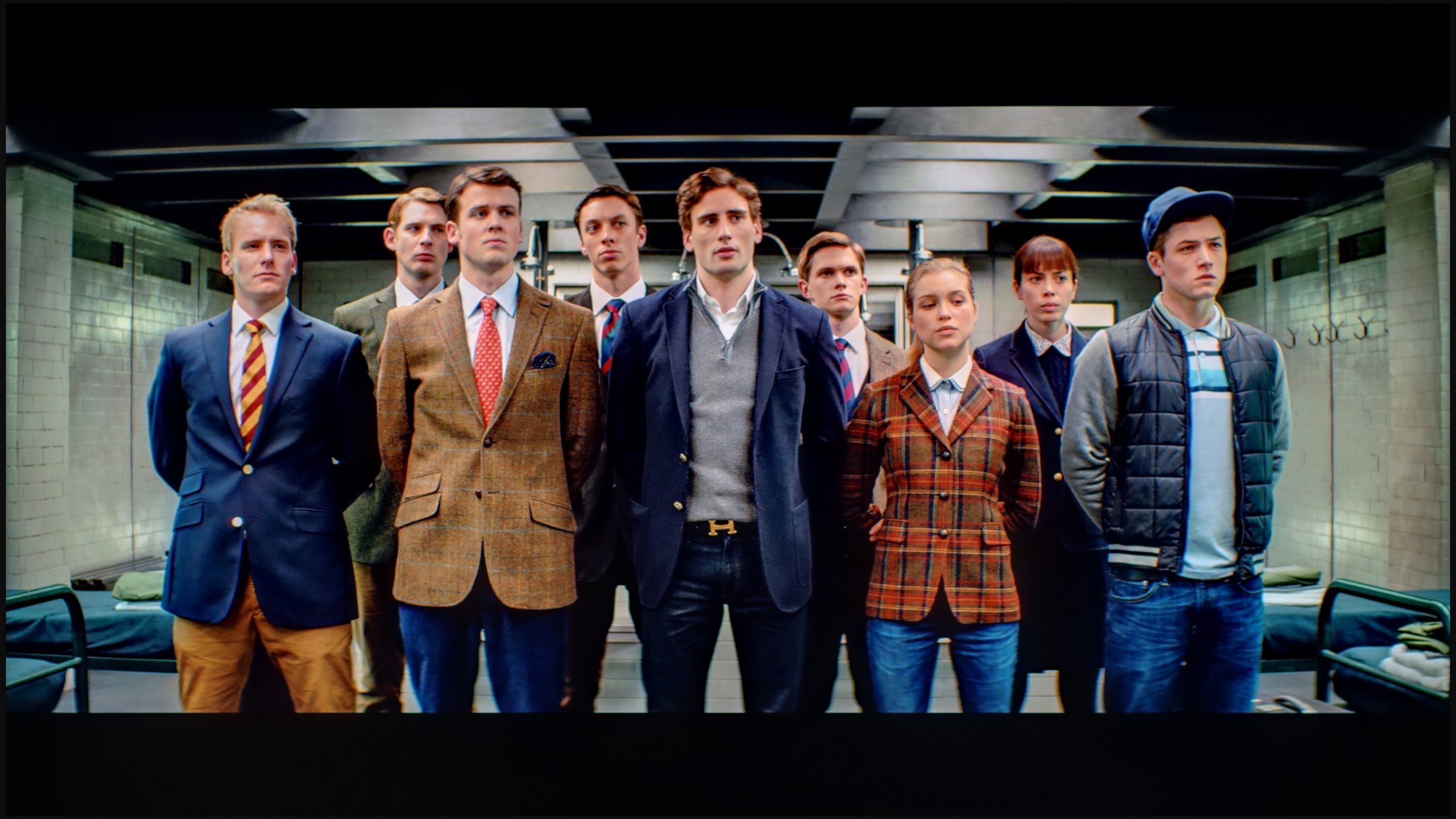
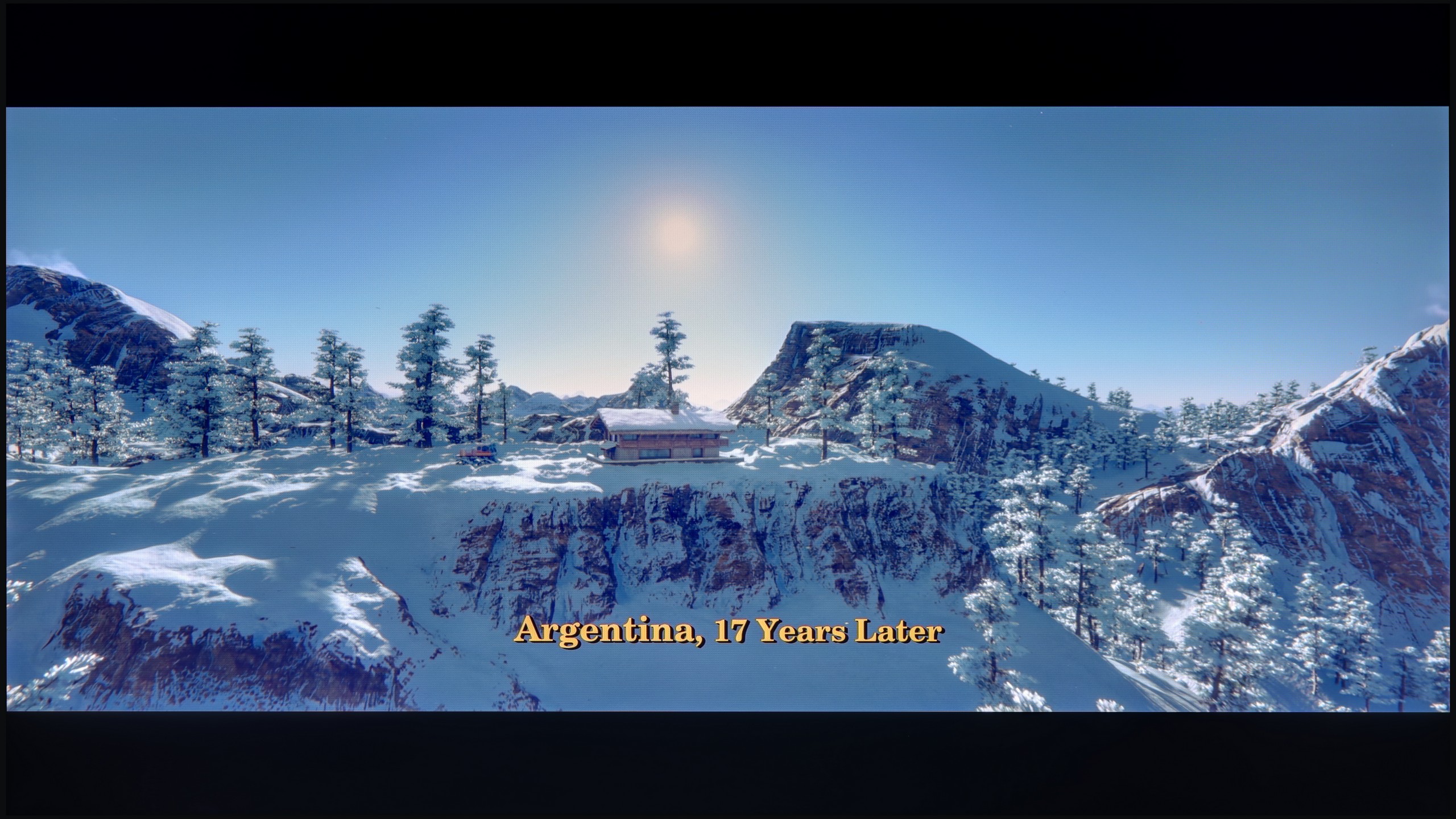
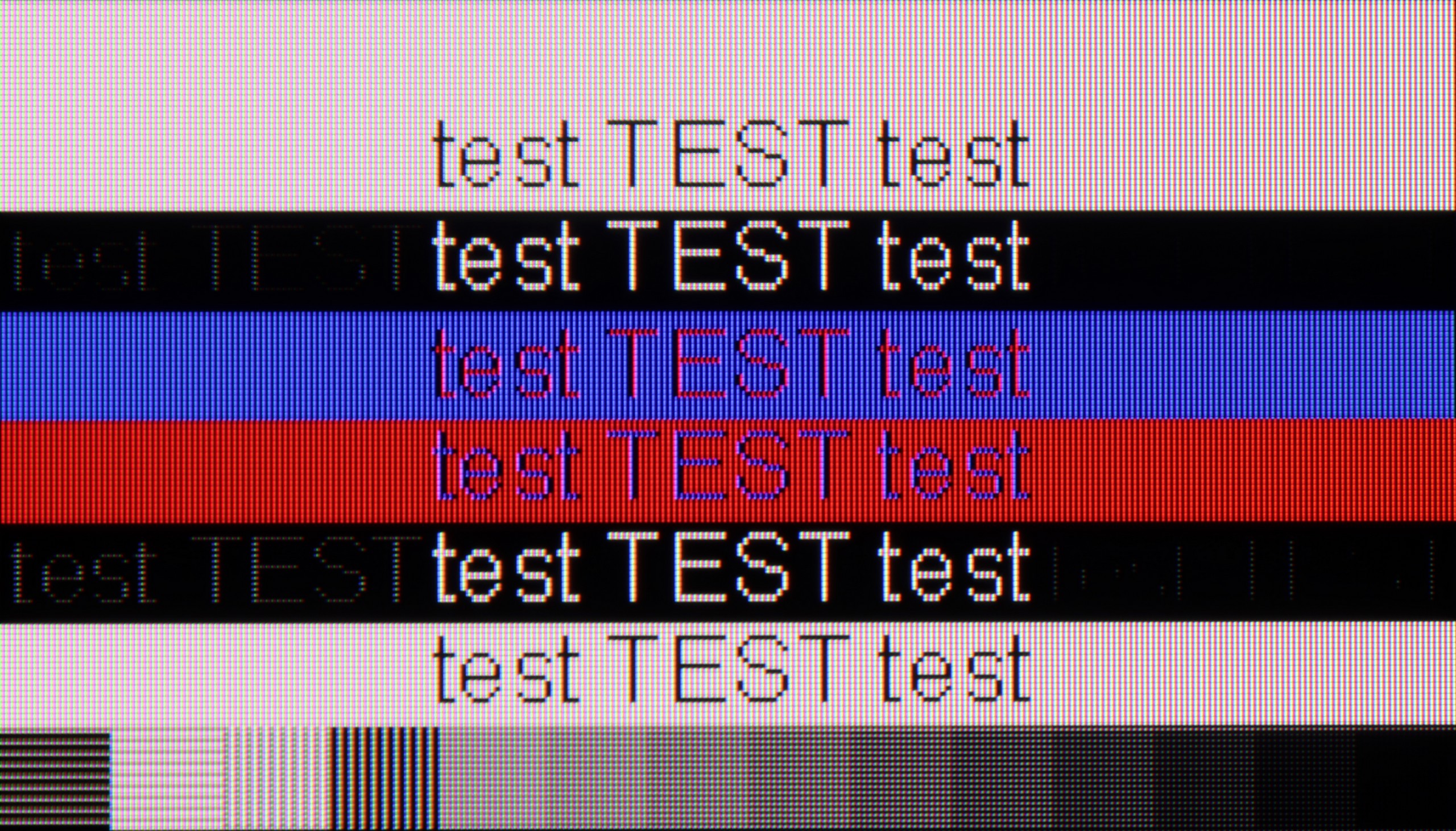
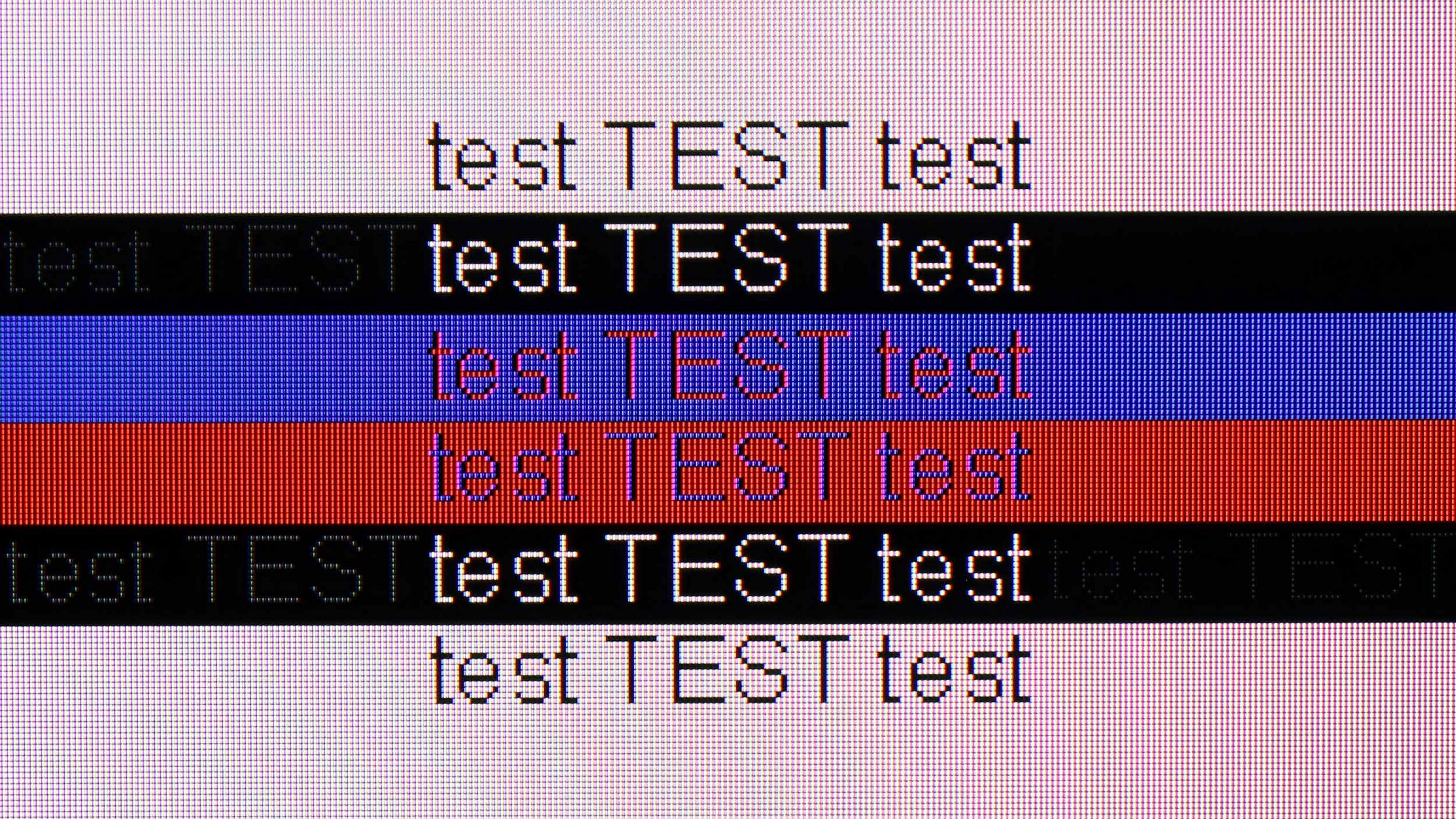
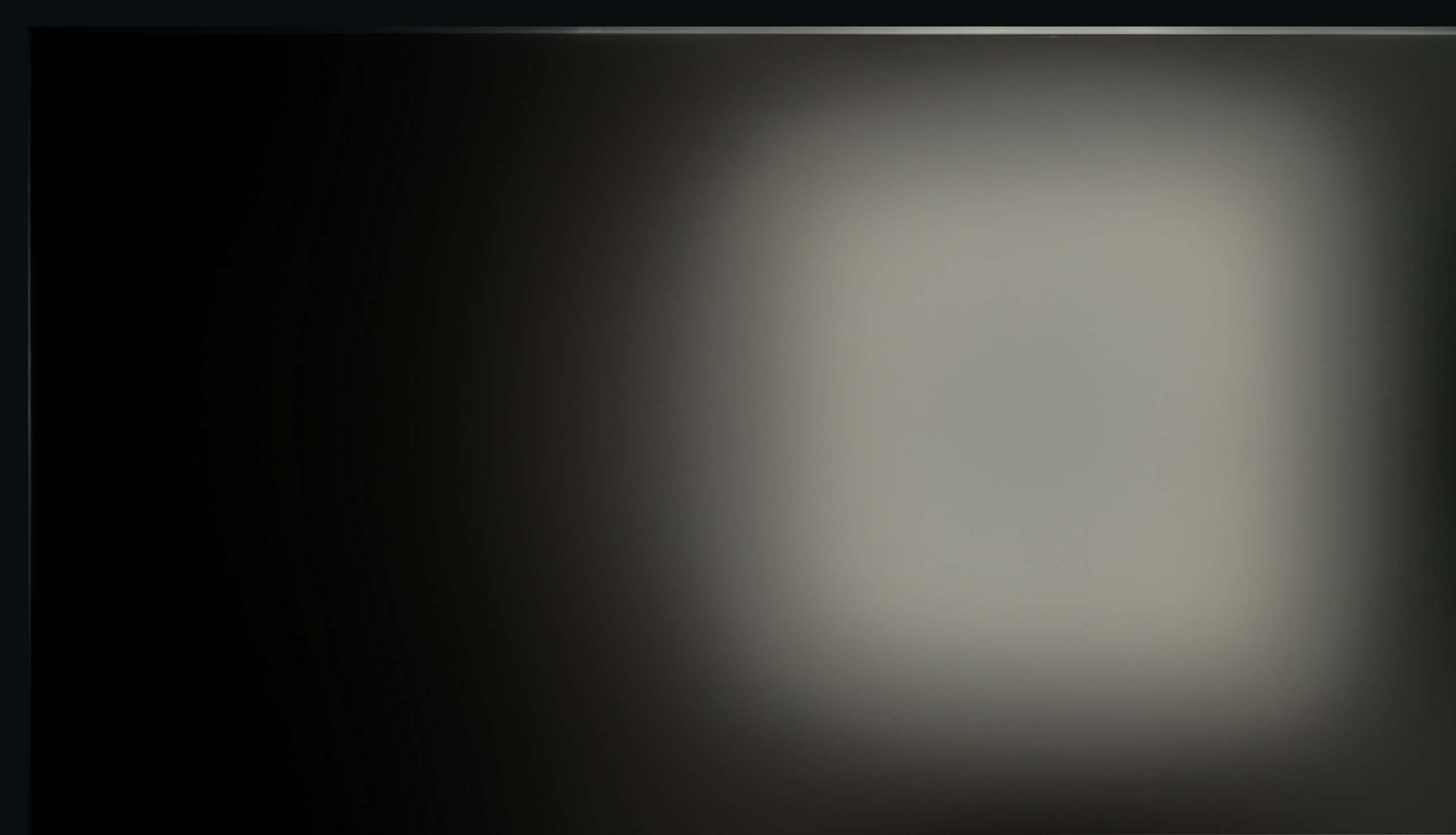
 Direct comparison