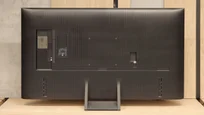
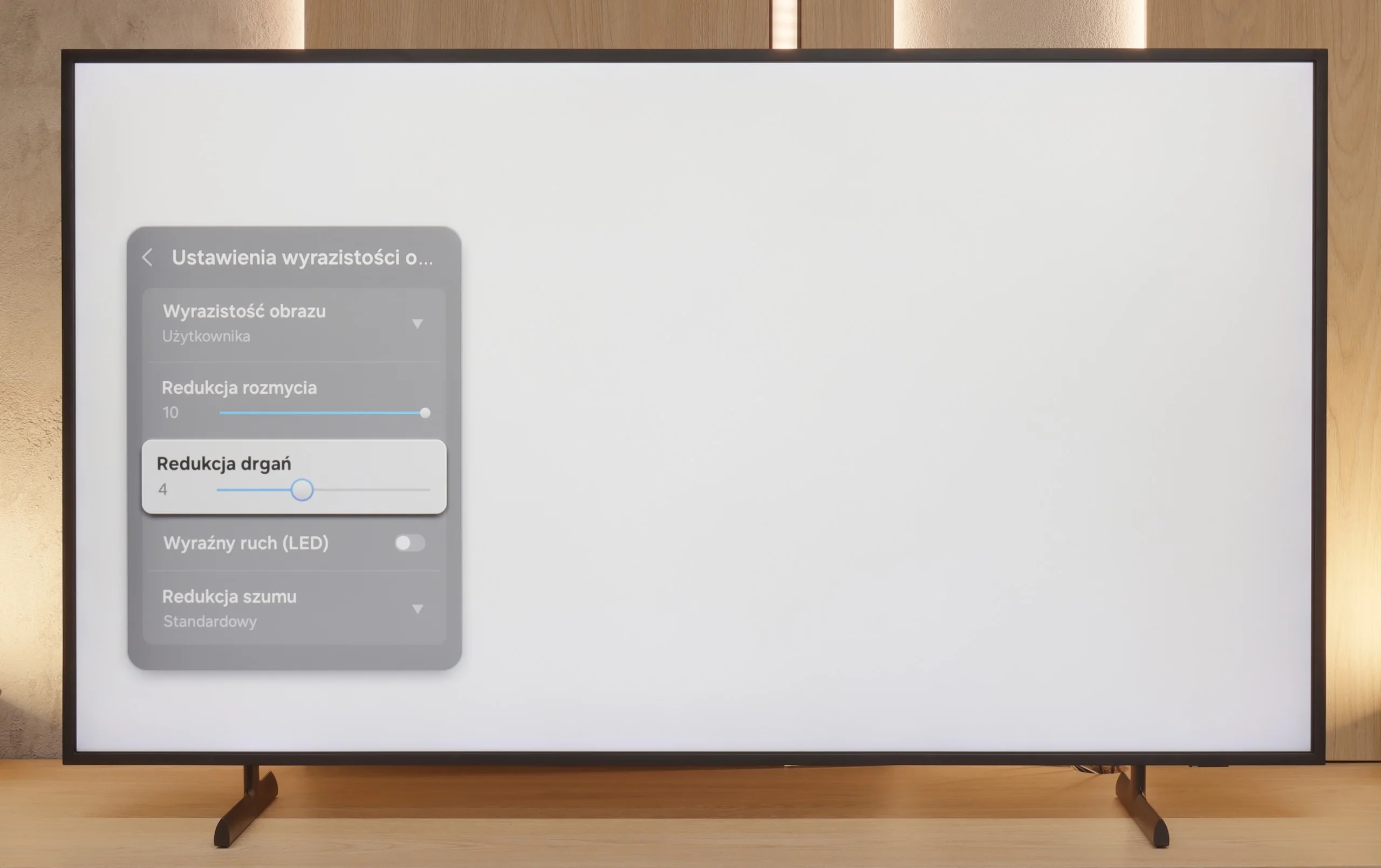
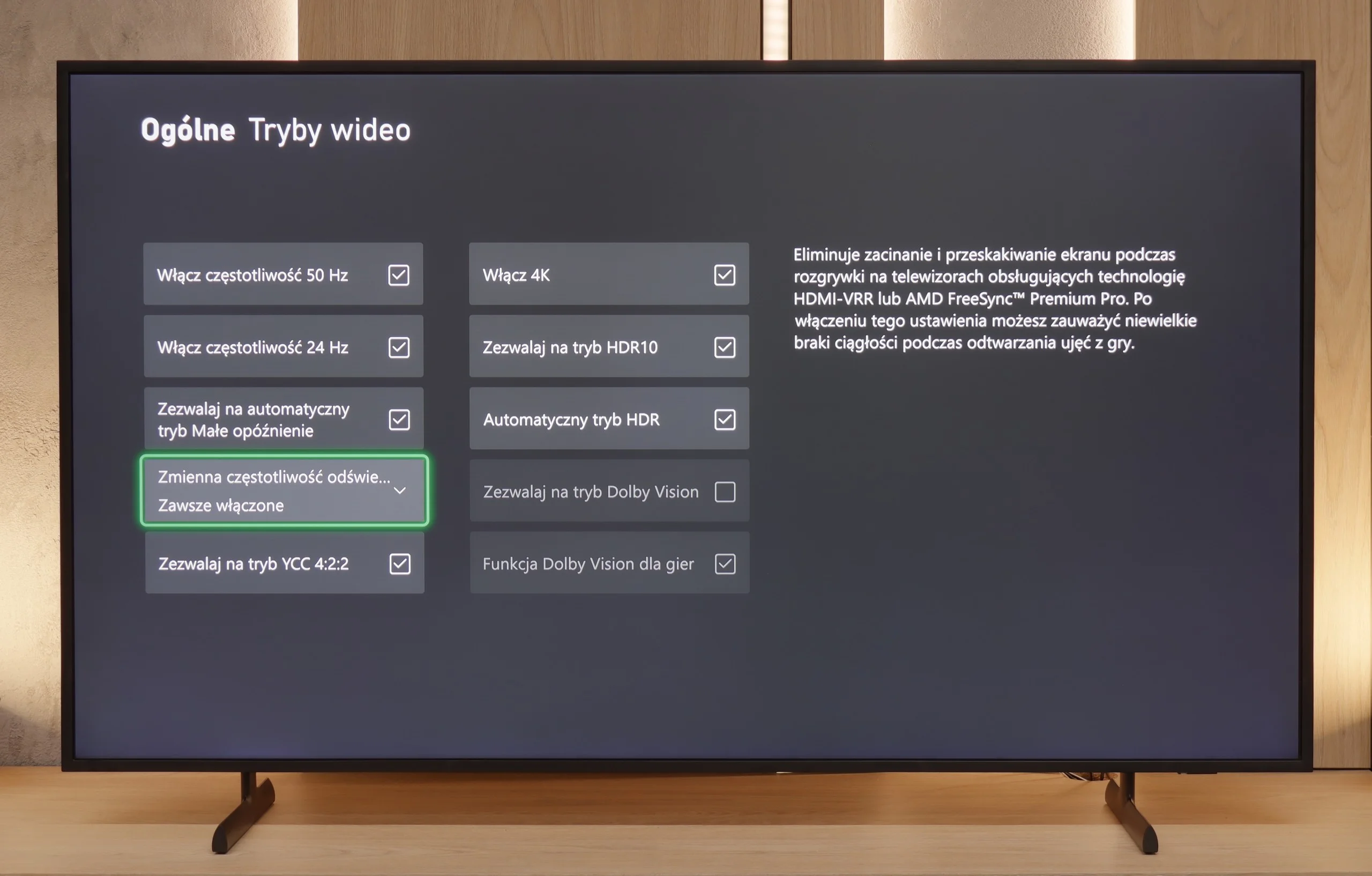
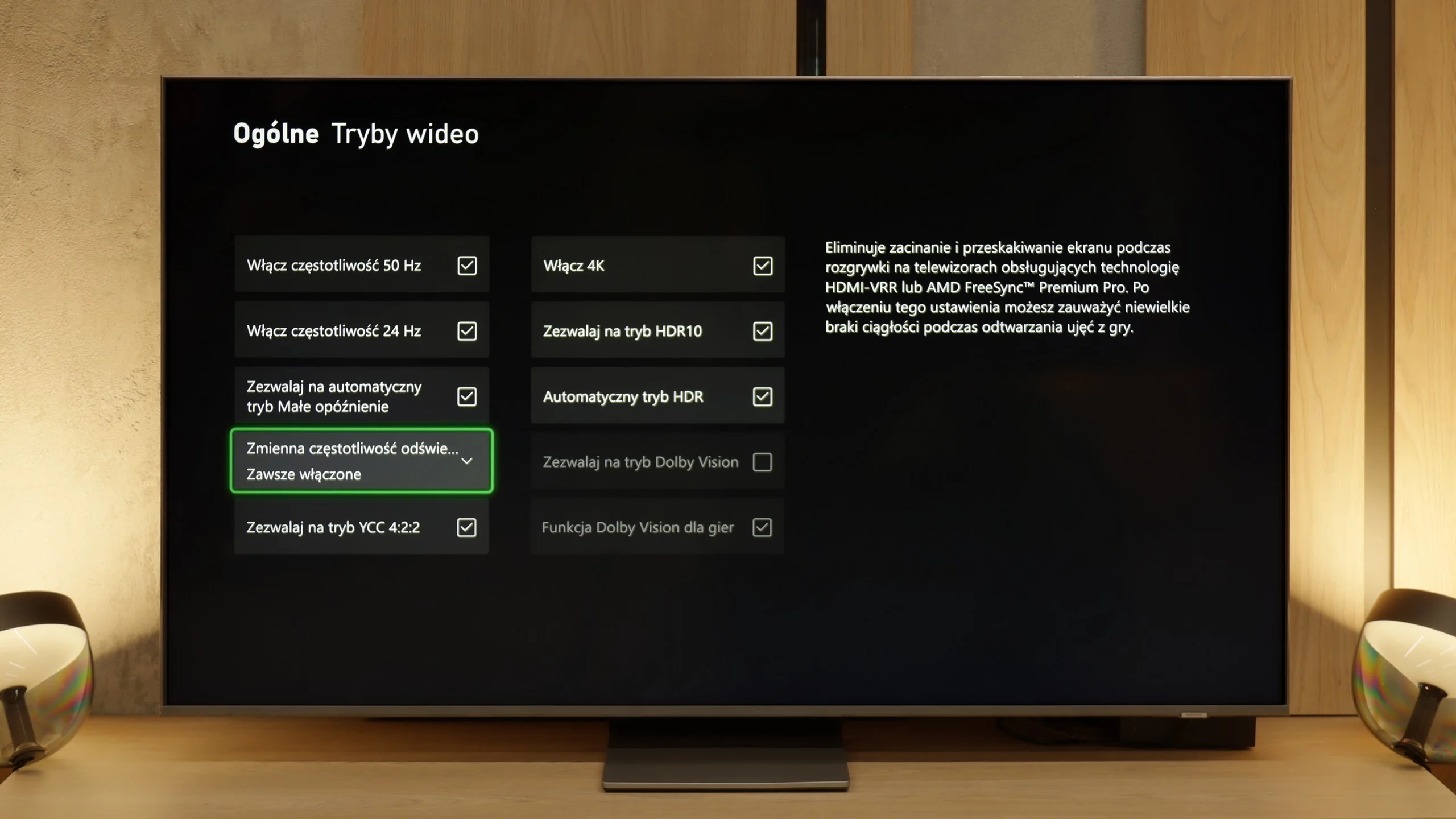
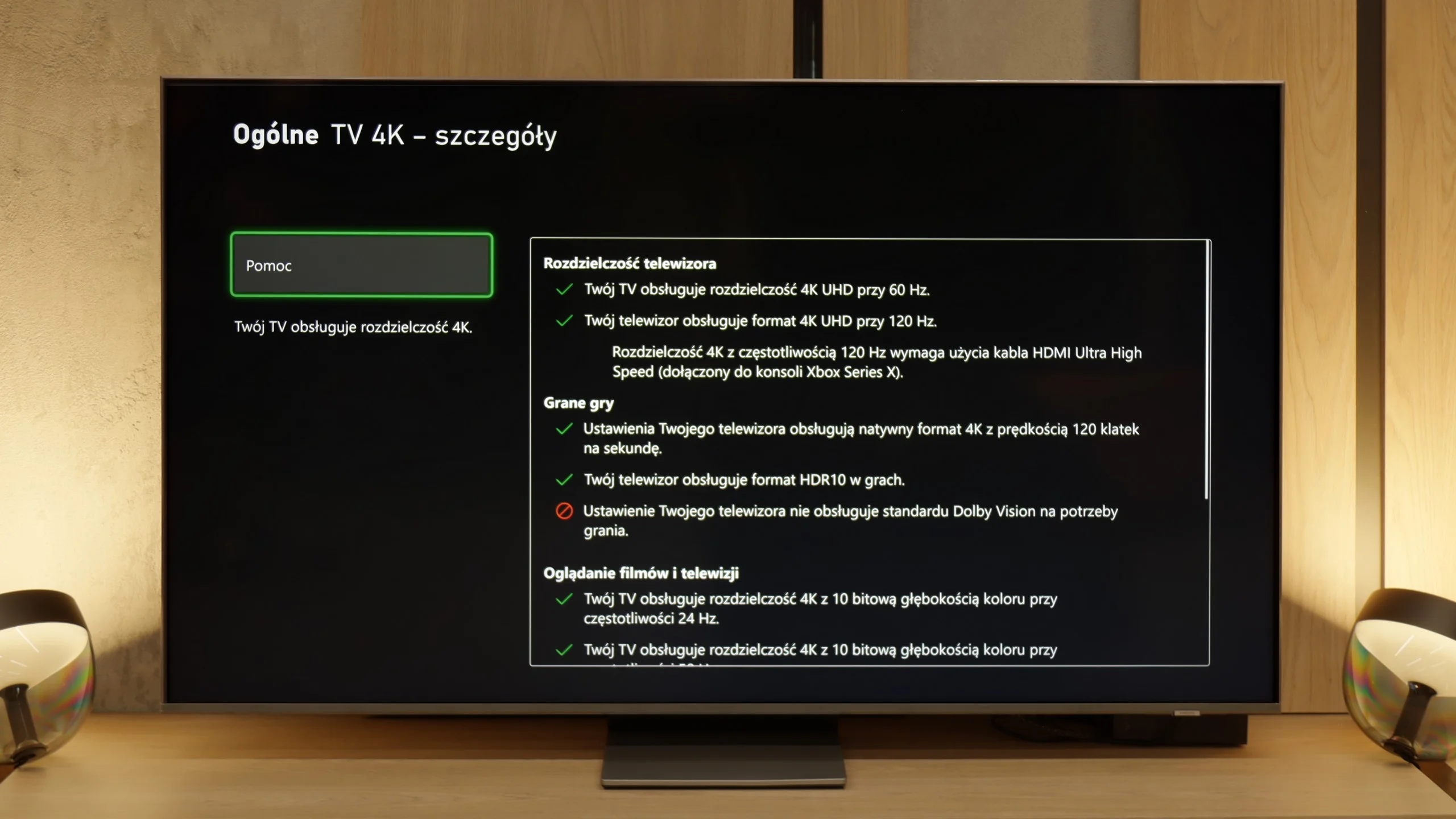
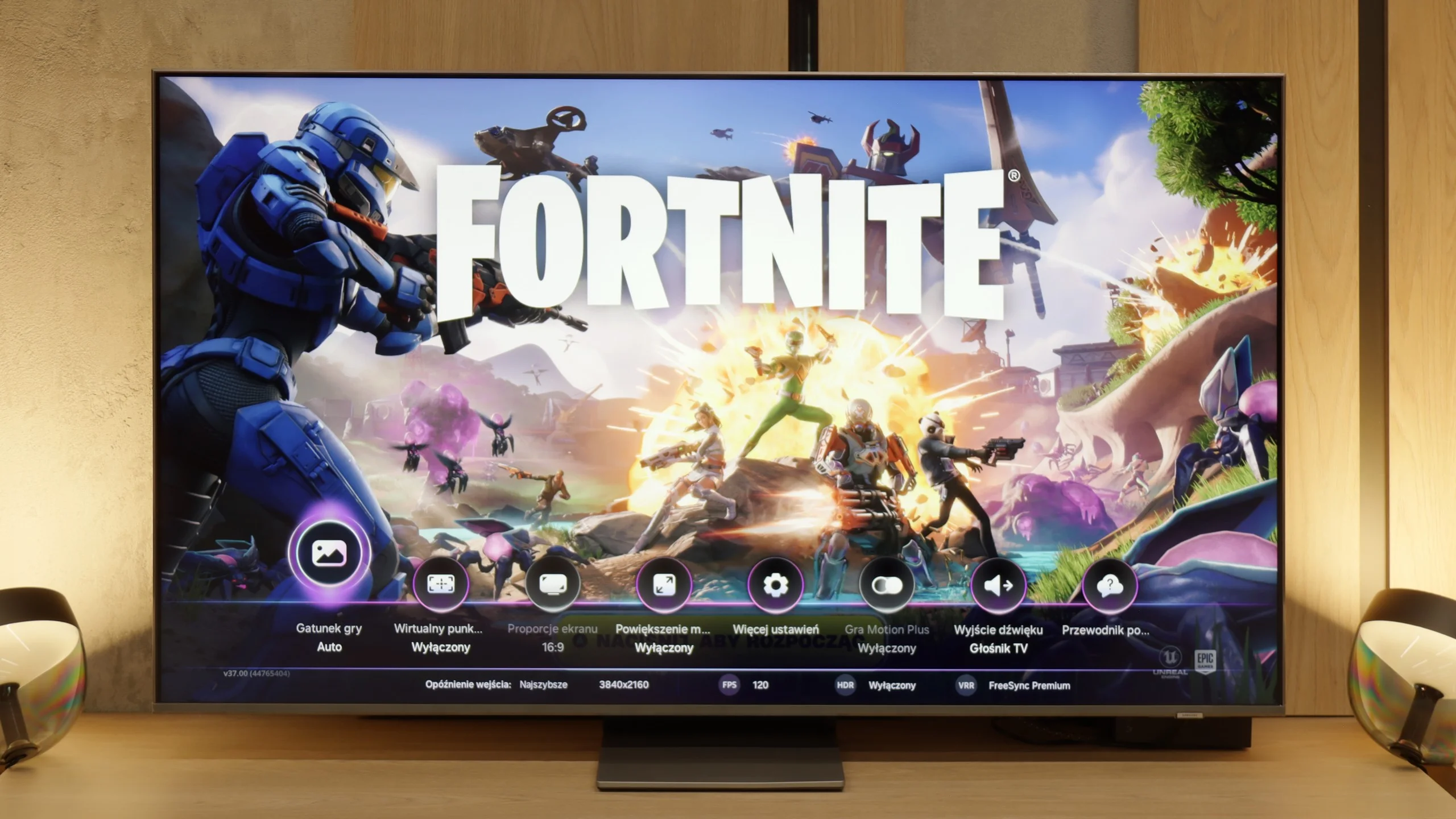
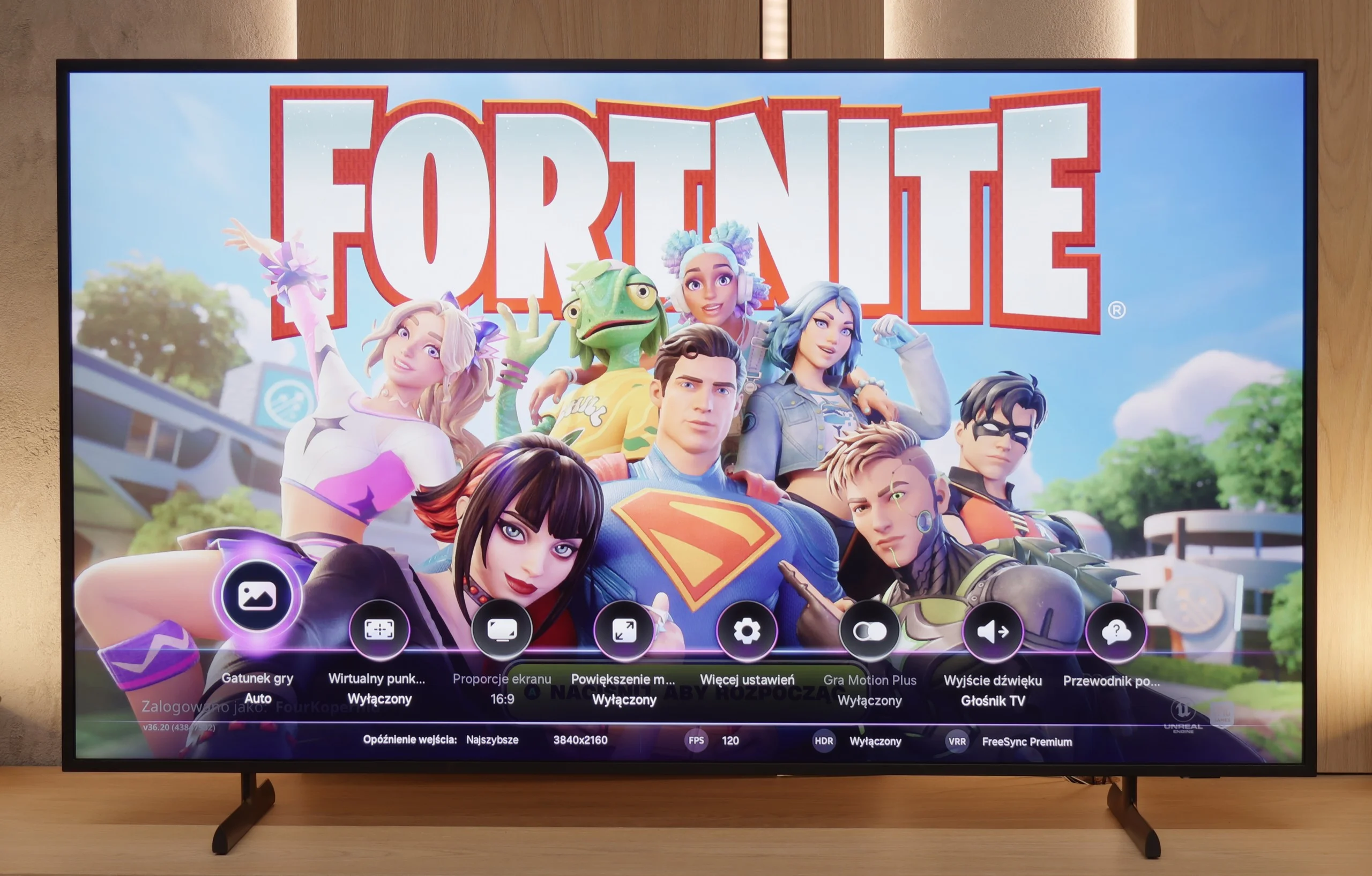
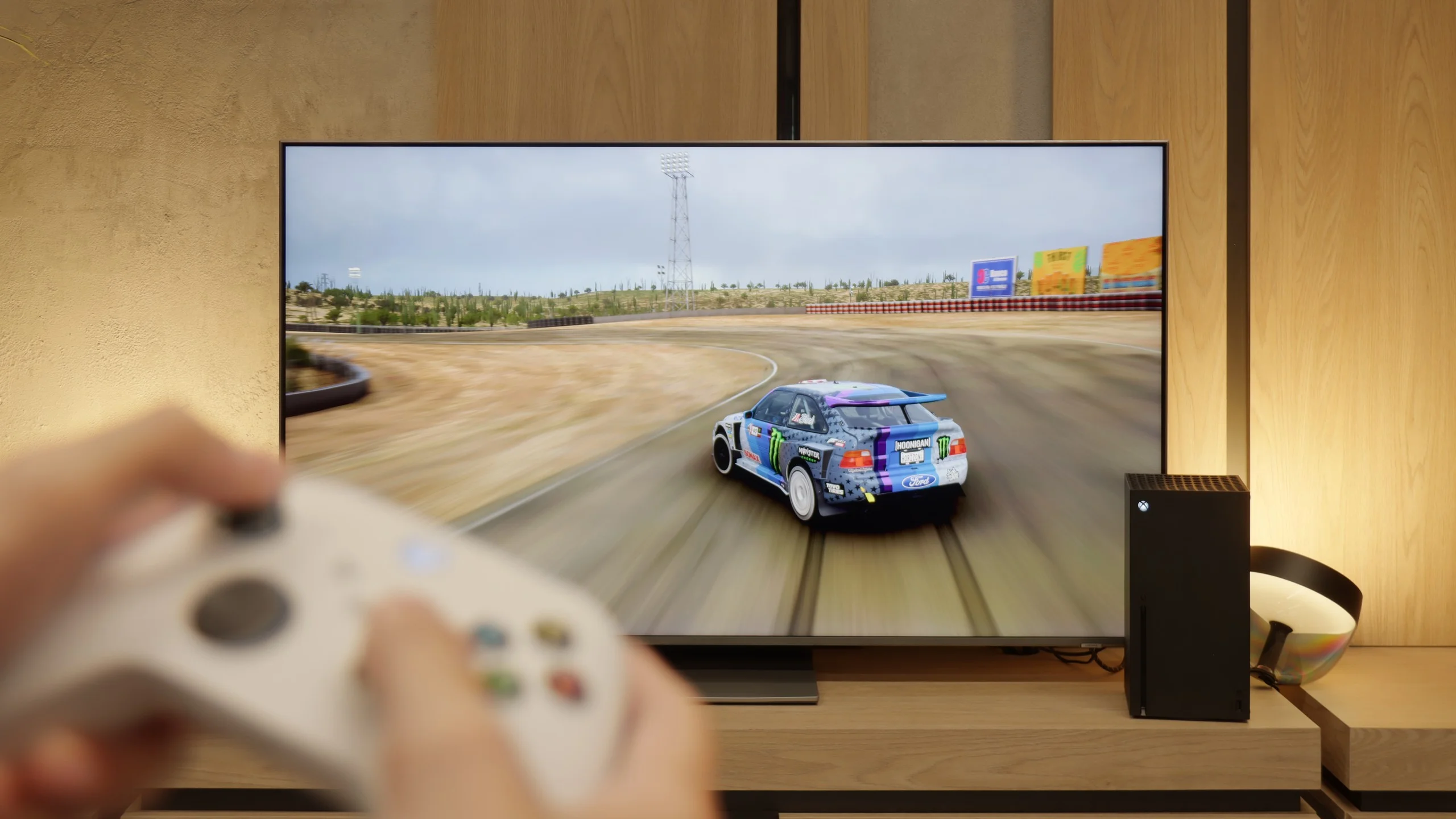
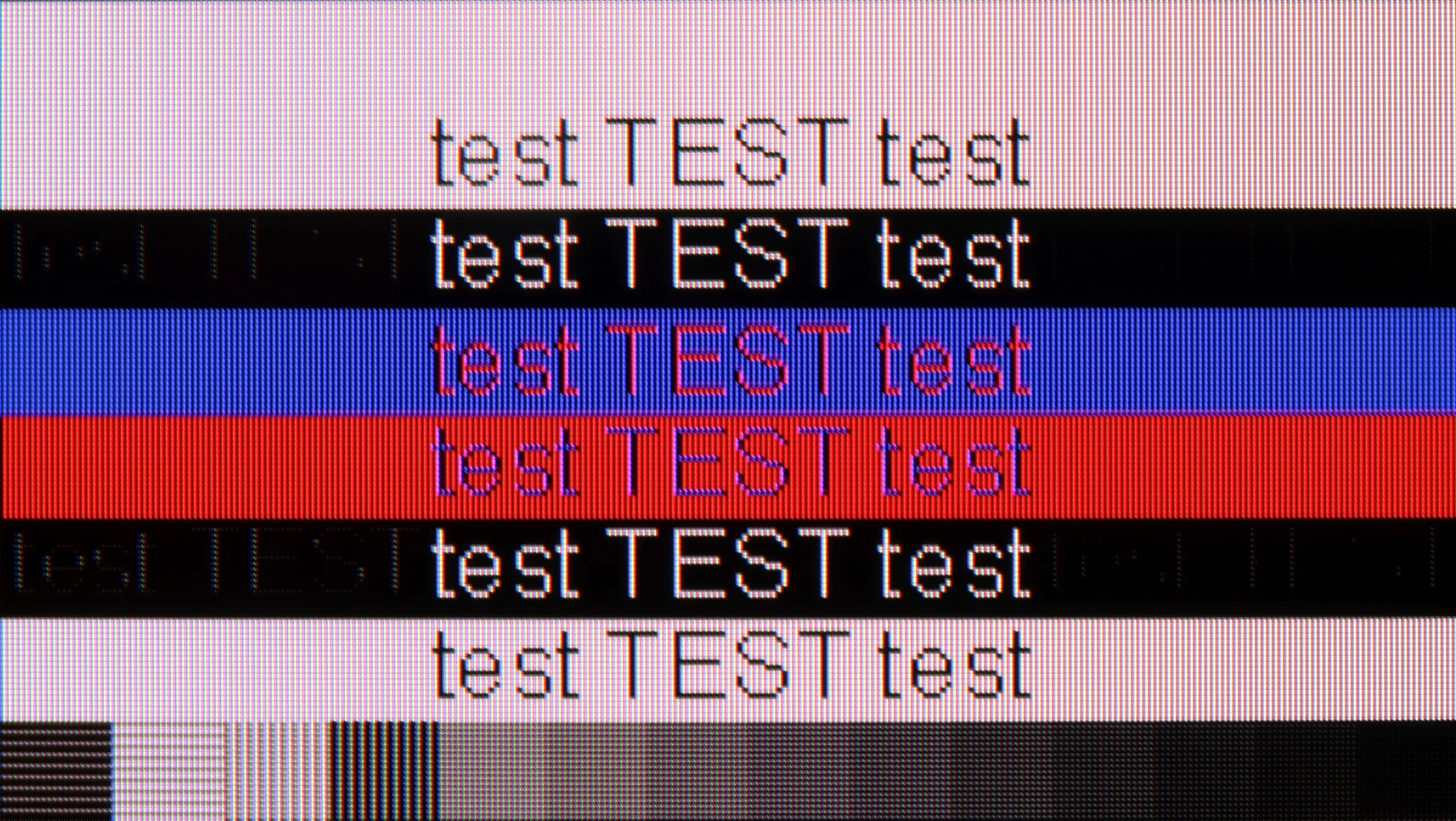
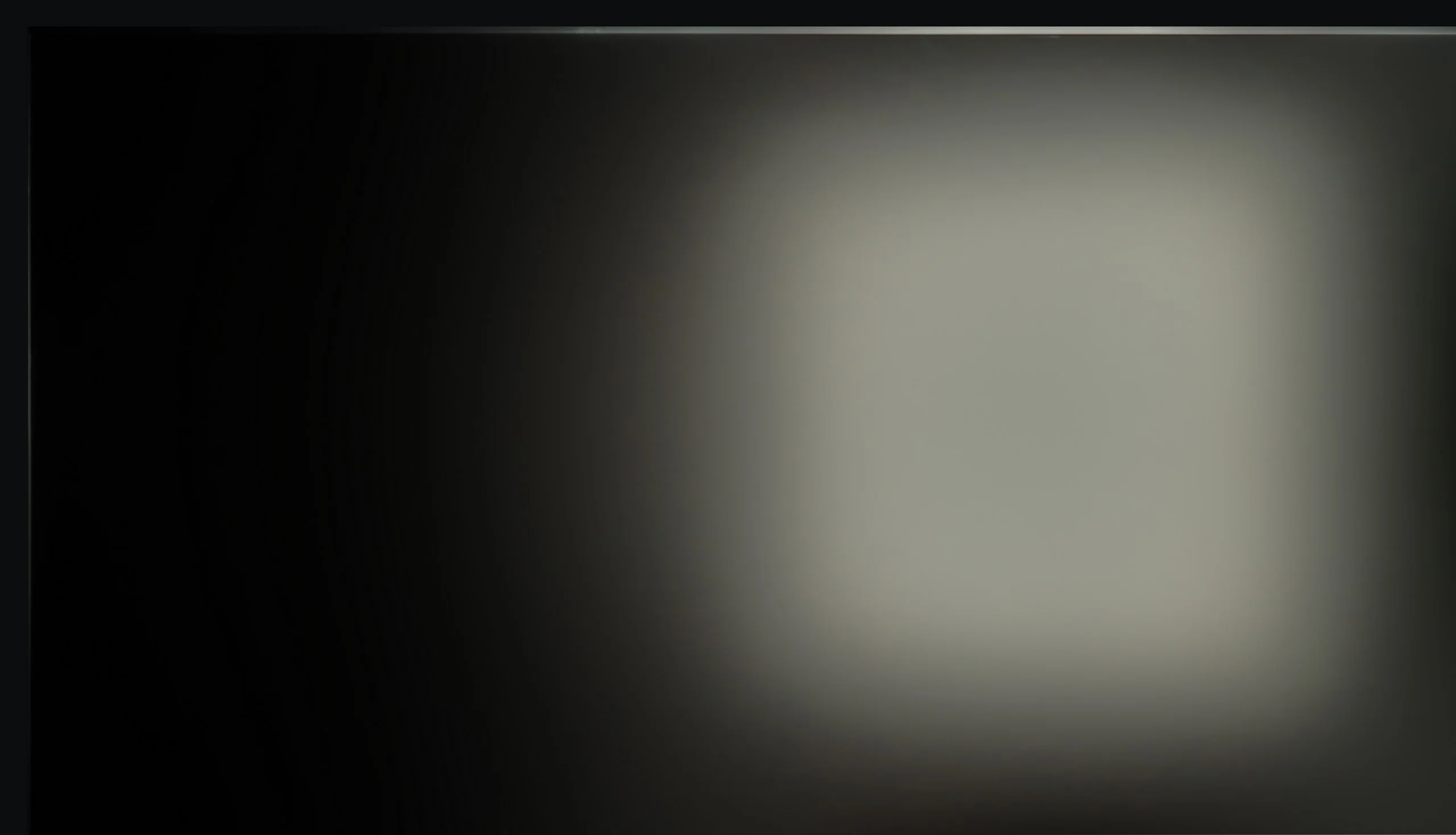
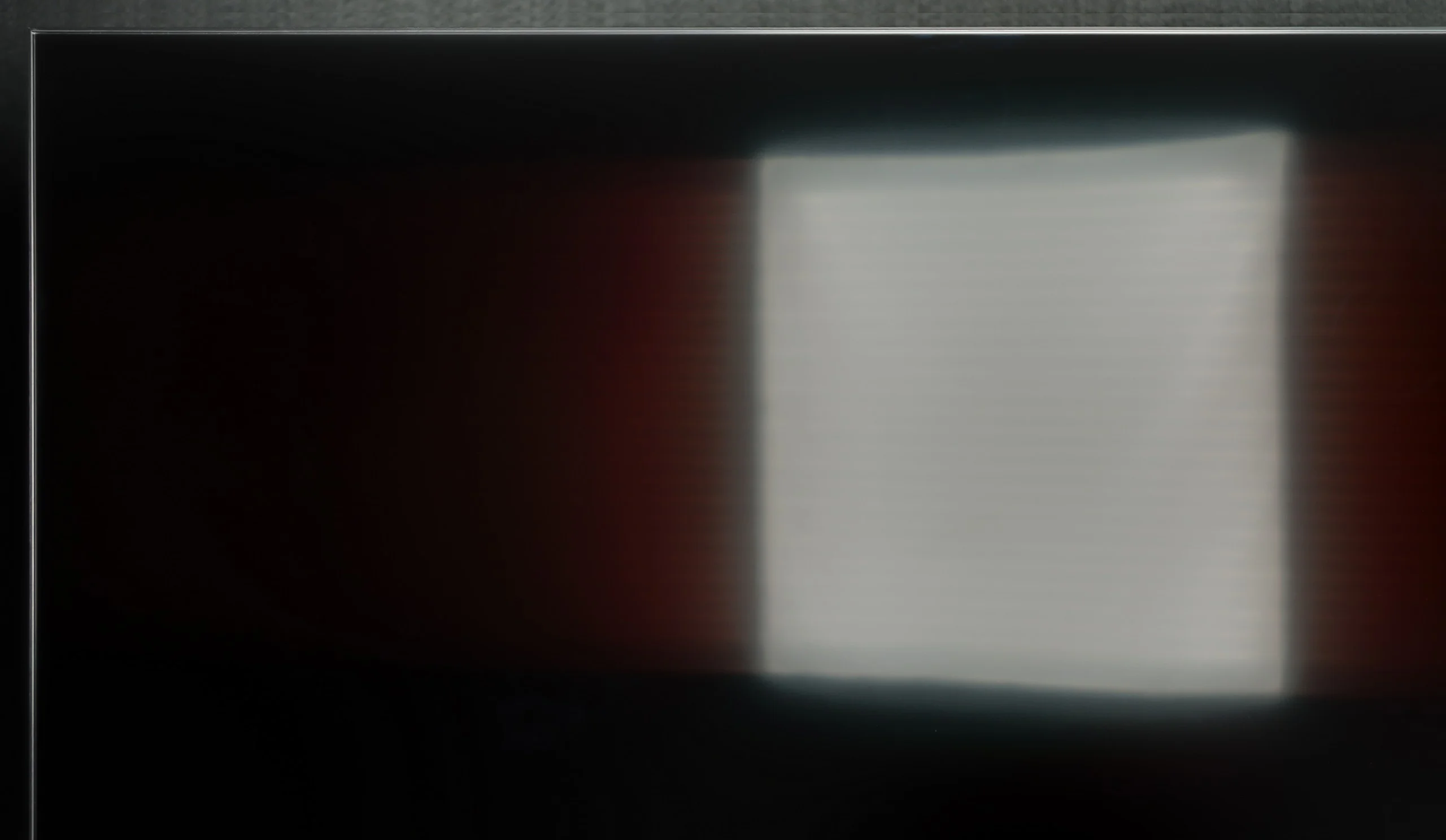
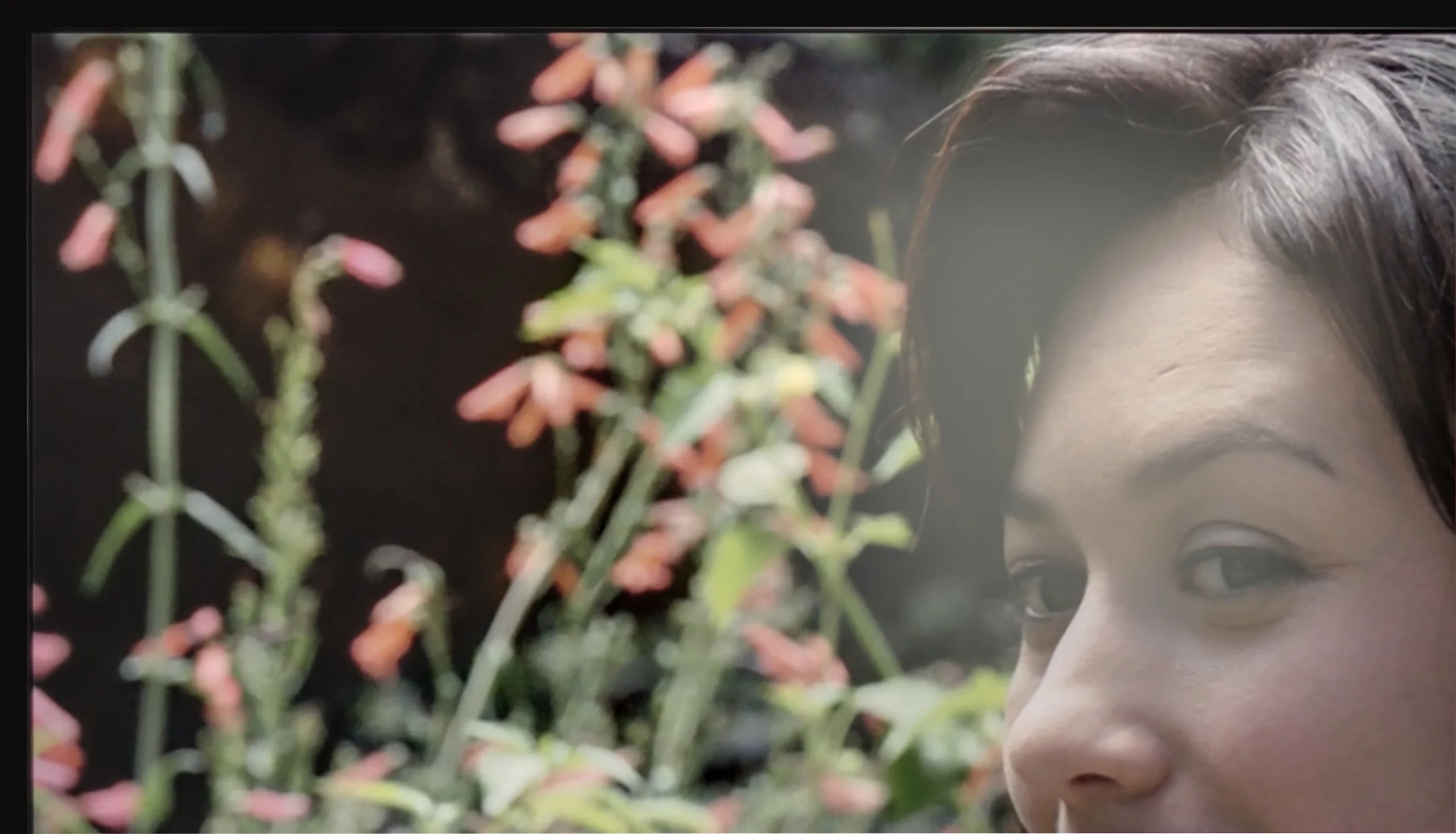
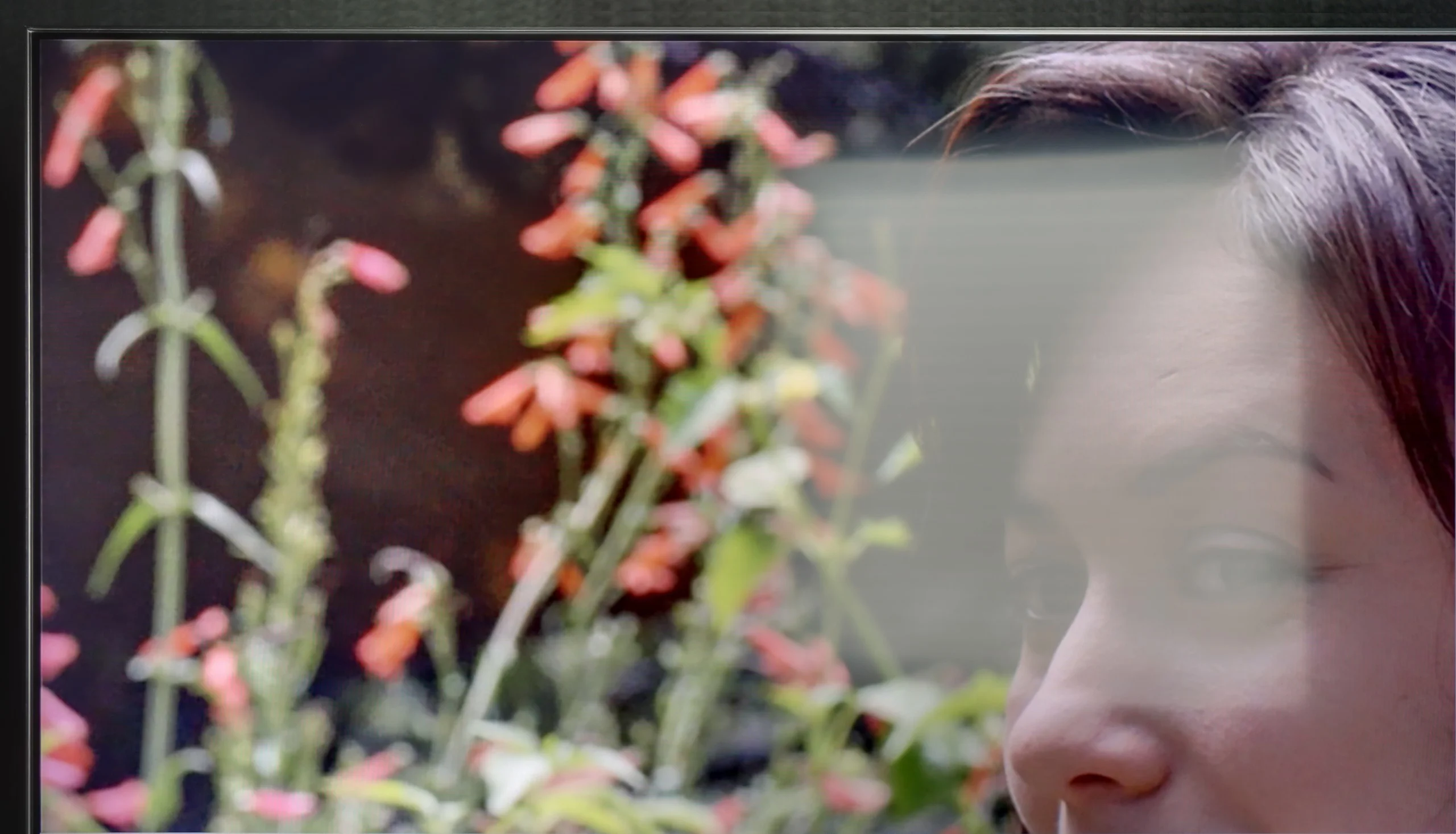
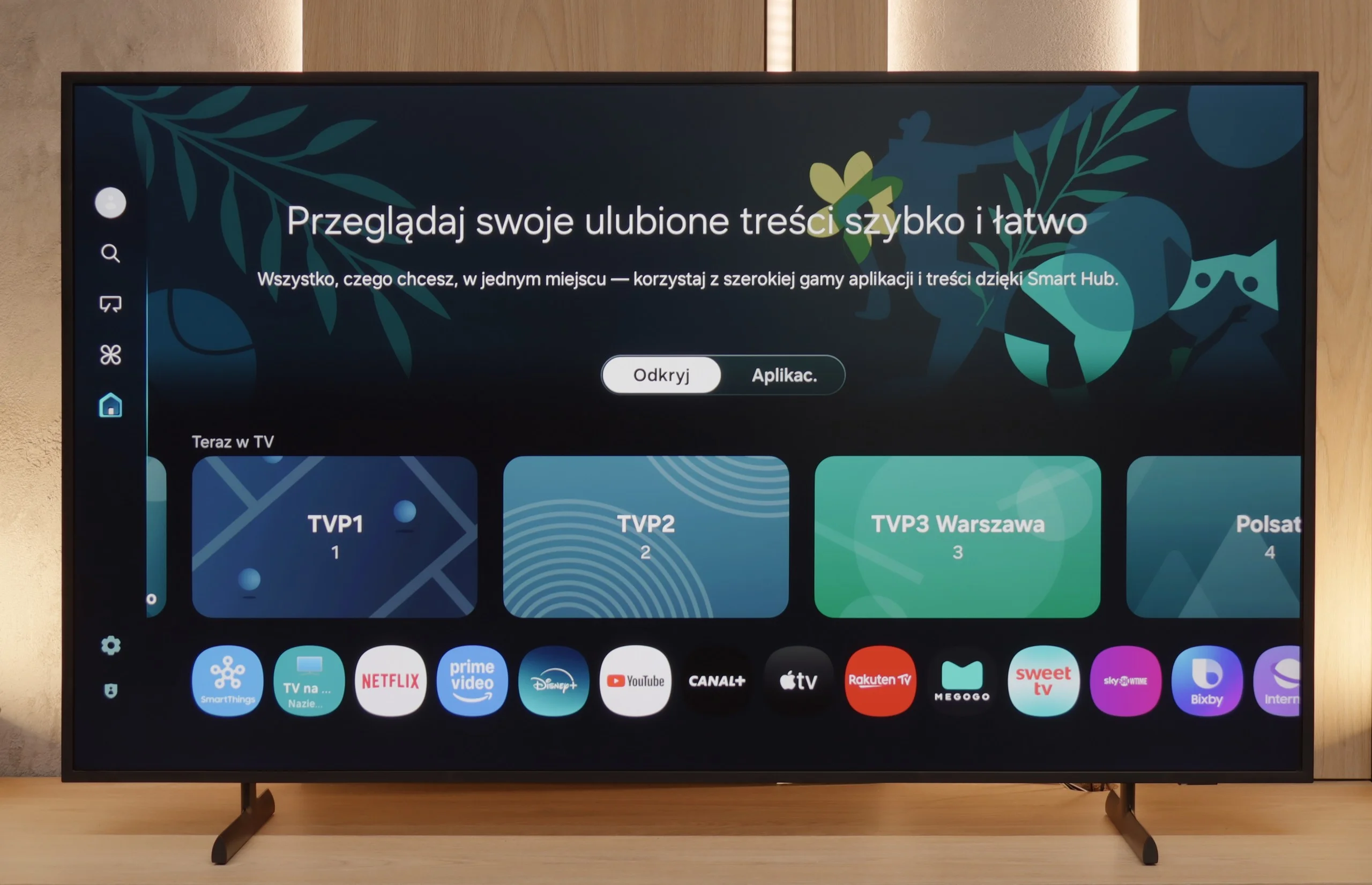
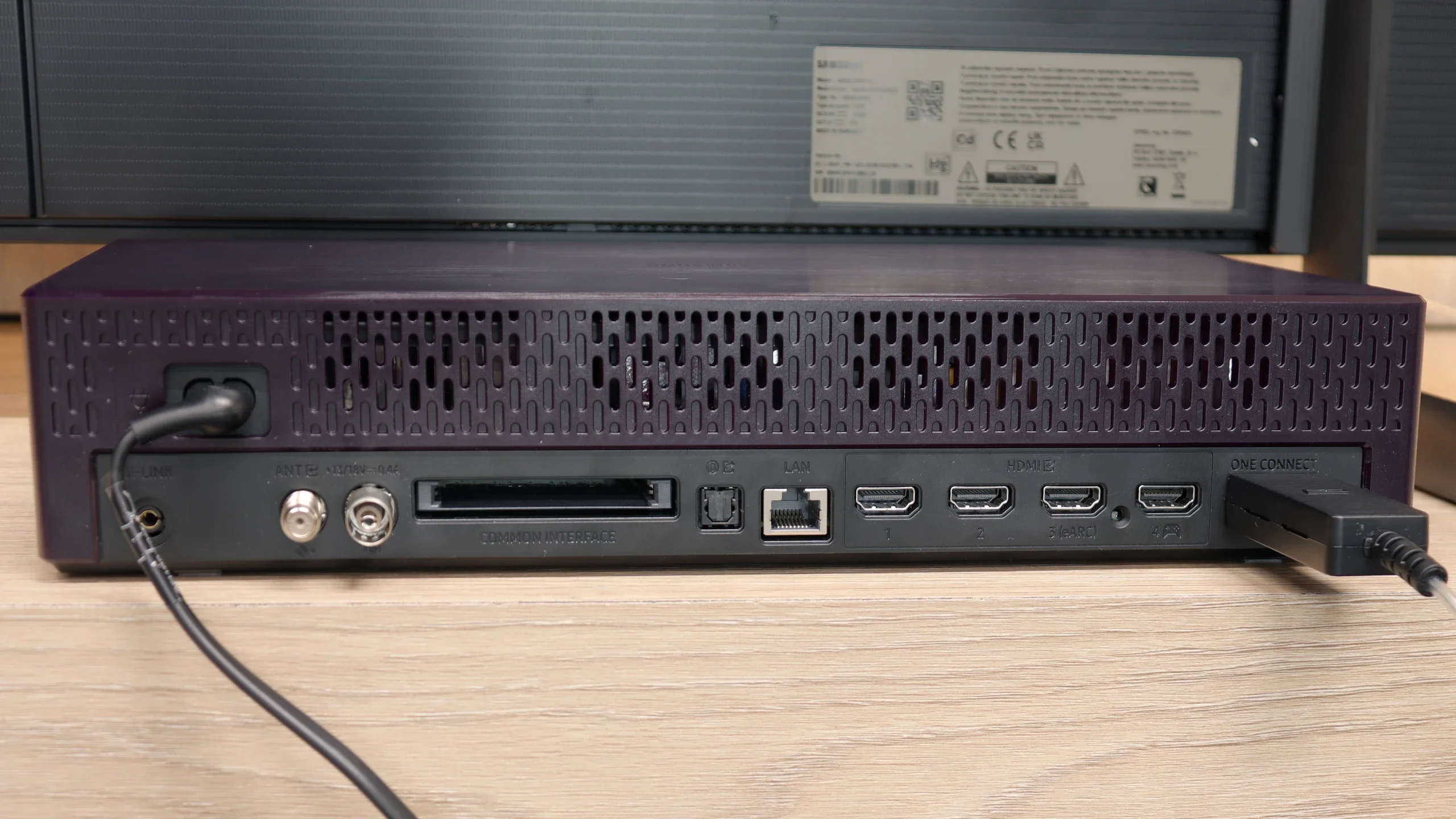
Samsung The Frame 2025 is a TV unlike any other – and even though competition has emerged for it, it still does it best. The matte screen, flush mount to the wall, and one thin cable thanks to the One Connect module make the device resemble a painting more than any other screen. The Art Store app still offers the best art scans on the market (even if they are on a subscription), and thanks to interchangeable frames, we can match the TV to the interior almost like a piece of furniture. As for the picture itself, since we are also talking about an ordinary TV, there are no major changes, but no disappointments compared to last year's LS03D model. The Frame still offers high native contrast and solid brightness at 600 nits, which, combined with the matte finish, provides very comfortable daytime use. The colors are not as vibrant as those on glossy screens, but against the backdrop of competing matte constructions, they stand out the best. A novelty is the 144 Hz refresh rate, although in practice it will mainly benefit PC gamers. And indeed – in terms of gaming features, The Frame has almost everything: low input lag, variable refresh rate (VRR) support, automatic game mode (ALLM), Game Bar, and a unique motion smoother designed for games. Unfortunately, not everything is as perfect as it might seem. Why? Because the HGiG mode is missing, which suddenly disappeared from the latest version of the Tizen system. Samsung really should respond to this, as it is a key element for many gamers' choice of screen. And we fully understand that. Even though the LS03F The Frame 2025 does not bring major revolutions, it is still a unique TV that, apart from its appearance, offers quite solid picture quality and advanced gaming functions. It's just a pity that year after year we also receive new compromises.
[UPDATE] We have updated our Samsung TV tests for the 2025 model year due to the release of software version 1131, which has restored the HGiG feature that is crucial for gamers.
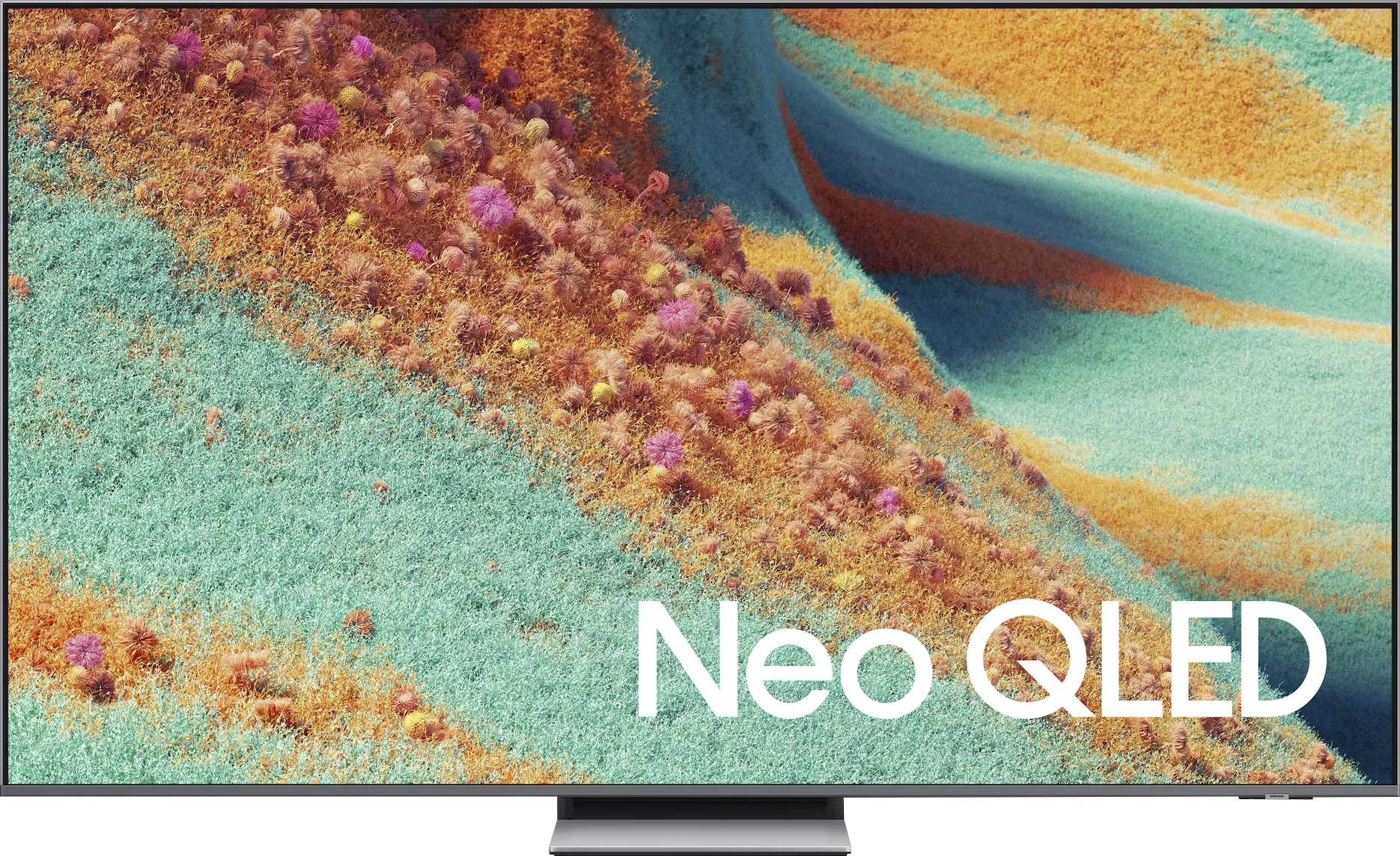
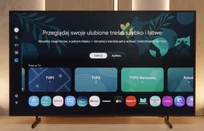
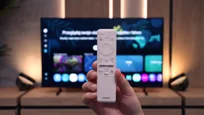
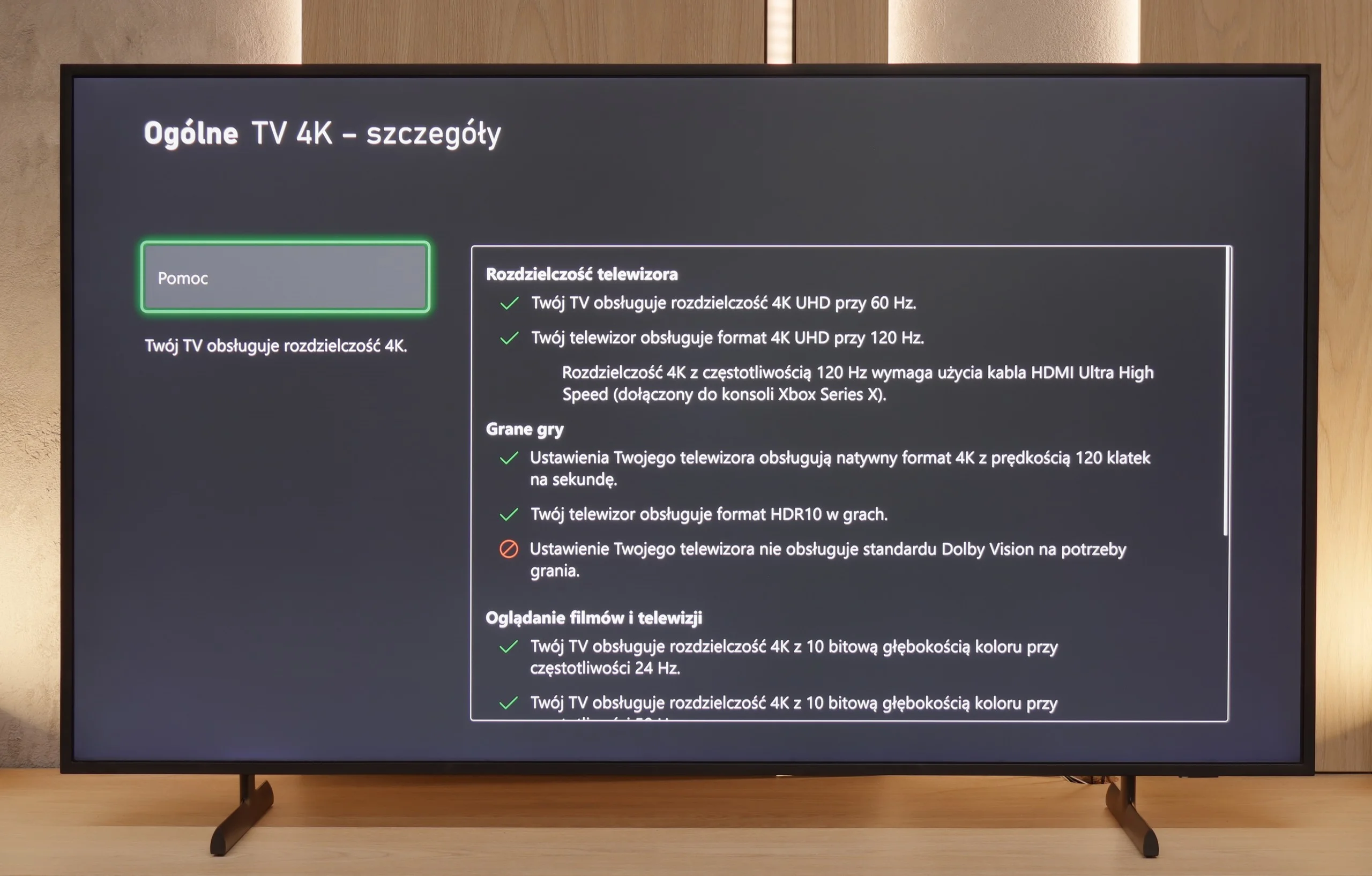
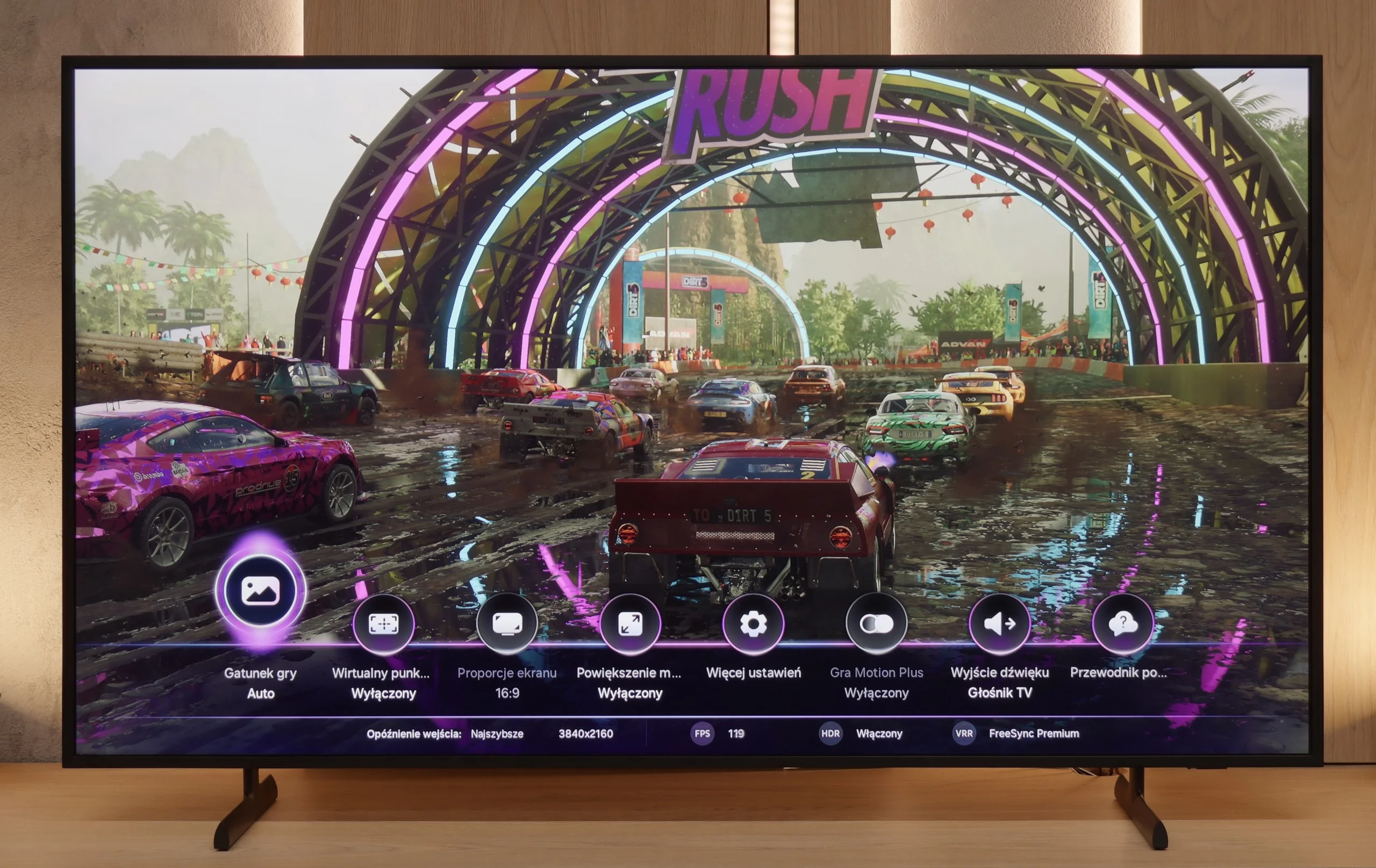
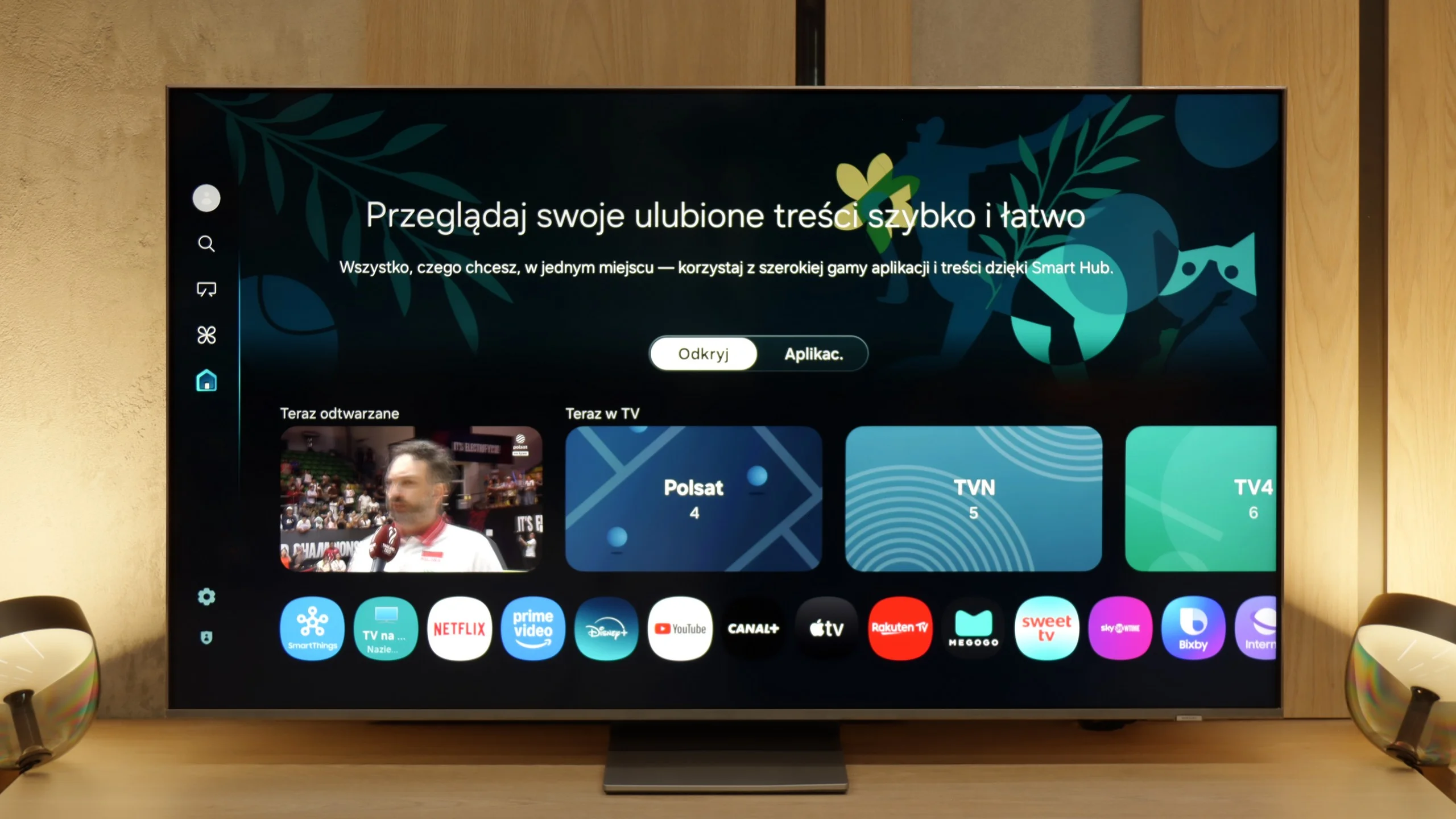
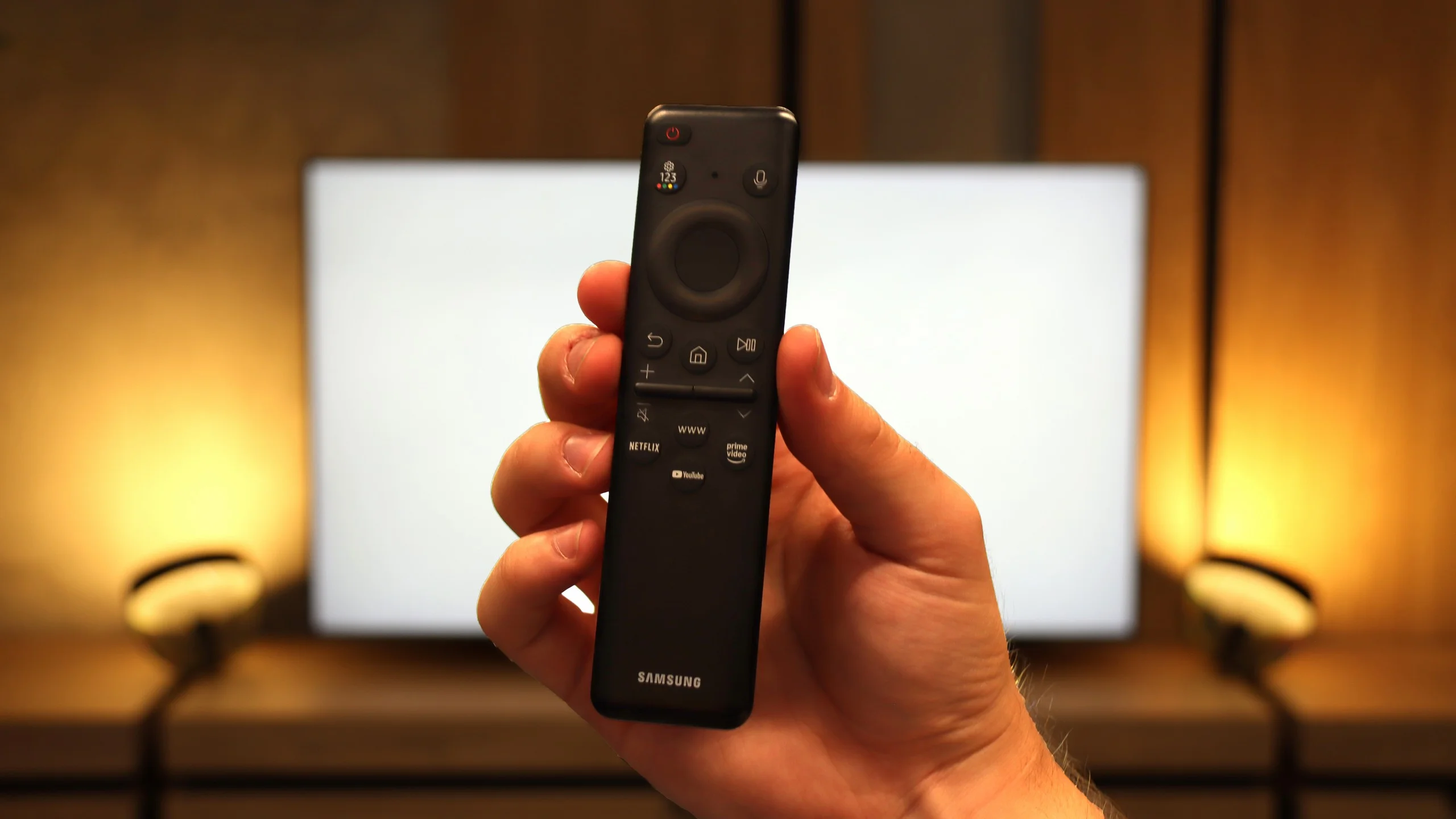
The Samsung QN85F is a television that perfectly shows why the Neo QLED line was created in the first place. On one hand, it offers everything that a modern user expects – high brightness, excellent fluidity, and full support for gamers. On the other hand, it's still an LCD, which means a technology that requires certain compromises. The only question is whether these compromises actually interfere with everyday use? In practice, it’s hard not to be impressed by how the QN85F handles HDR movies. With a brightness level of 1700–1800 nits, when watching dynamic scenes, we truly feel the "HDR spark" that many competing televisions lack. The lighting effects in movies or series can literally overwhelm with intensity, while at the same time, the television does not lose details and doesn’t turn the whole image into a washed-out spot. This is the kind of spectacularity that viewers investing in a new screen are looking for. Gamers also have reasons to be pleased. There’s support for 144 Hz, Variable Refresh Rate (VRR), and Auto Low Latency Mode (ALLM). This is already a must-have in this class, but Samsung goes further and adds the unique Game Motion Plus feature. Thanks to this, the image in games becomes smoother, resembling the action of a motion smoother, but without a noticeable increase in latency. This is a solution that truly distinguishes the QN85F from the competition. On top of all this, there is everyday convenience. The Tizen system is fast, stable, and full of applications that we actually use – from Netflix, through Apple TV, to YouTube or Disney+. Additionally, it supports AirPlay, has an extensive SmartThings platform, and the remote, which instead of intimidating us with dozens of buttons, provides simple controls and quick access to the most important functions. This makes the QN85F a television that you just want to reach for every day. Of course, one could list shortcomings. There’s no Dolby Vision, no USB recording, or Picture-in-Picture, and the viewing angles typical of VA panels won’t impress if you sit at a large angle. But all of this pales in comparison to how universal and refined the QN85F is. During the day, it performs excellently in bright rooms, in the evening, it delivers cinematic emotions in HDR, and in games, it provides fluidity and low input lag that other models could envy. Overall, the QN85F is a television that not only successfully continues the cost-effectiveness tradition of its predecessor, the QN85D, but also develops it with several strong points. It's hardware that is hard to define as anything other than a "safe choice" – one that won’t disappoint in any scenario and is likely to meet the expectations of even the most demanding users.
 Direct comparison